The Casual Blog

My three-hundredth post

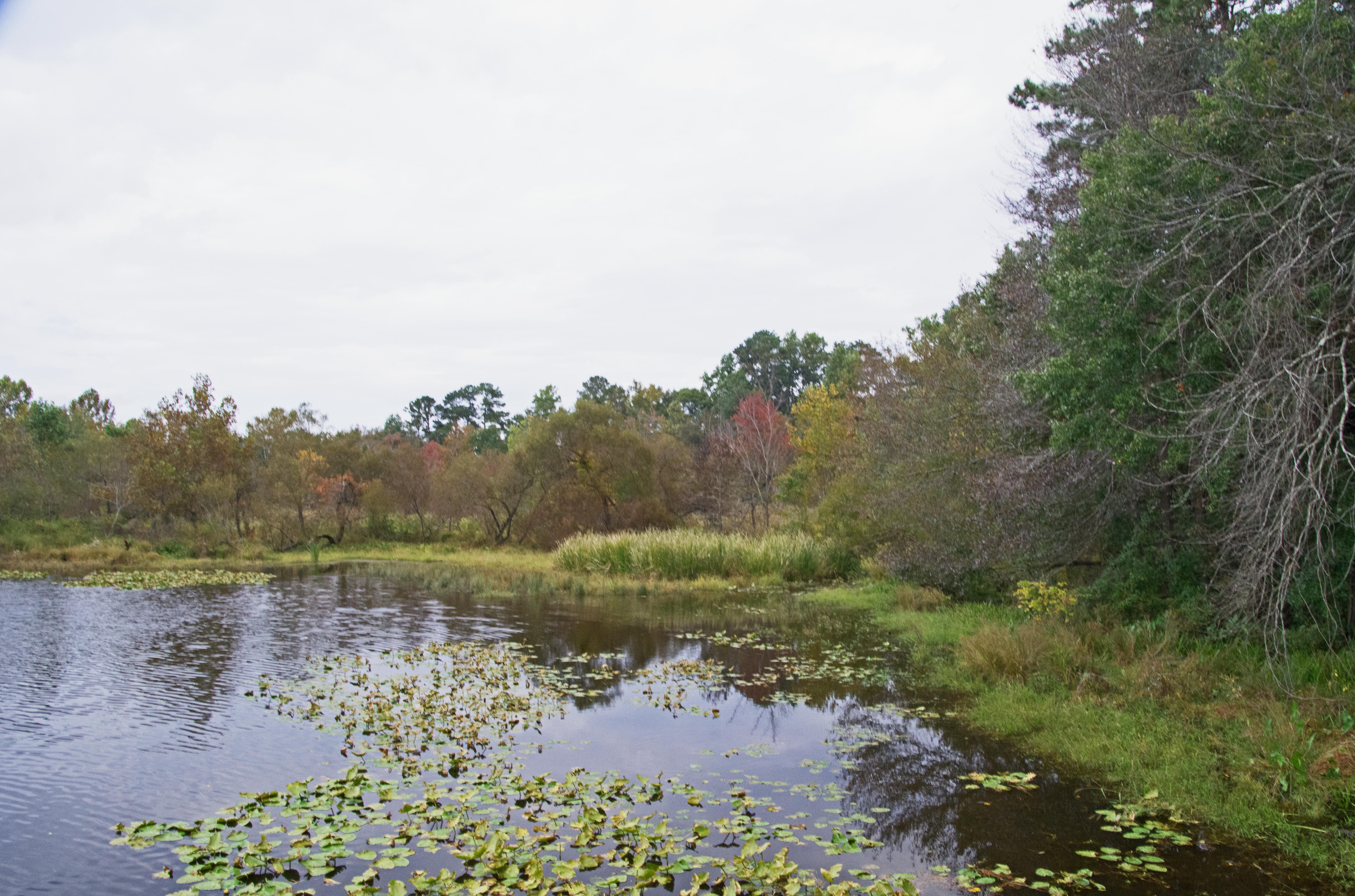
Yates Mill Pond, October 11, 2014

Yates Mill Pond, October 11, 2014

Early Wednesday morning I saw the lunar eclipse. On Thursday I reinstituted my meditation practice after a long sabbatical. On Friday evening I attended an inspiring recital by the great pianist Richard Goode, and reconnected with several of my good piano friends. On Saturday, for the first (and possibly last) time, I finished first in my spin class at Flywheel, and happily read the front page headline of the first gay couples in North Carolina to experience legal wedded bliss. These would ordinarily be potential subjects for this week’s post. But this week is special, inasmuch as it’s the 300th edition of the Casual Blog.

Many moons ago, I set myself the goal of writing one post a week on my non-professional activities and thoughts, and that’s pretty much what I’ve done. I’ve been trying to think what to say about this milestone, and it occurred to me to explain why I create the Casual Blog, or what I get out of it. But if I’m honest, which I try to be, I must admit I’m still not completely sure.

I enjoy finishing a post, but starting one always involves a degree of existential dread. Once a week, I ask myself, do I have anything else worth saying/sharing, and I always worry that the answer is no, I’ve run dry. And so it was this week. But I’ve already succeeded in writing three paragraphs!

I generally dislike writing about writing, and now I’ve gone and done it. But onward! There’s some odd part of me that enjoys the exertion of forcing the buzzing blooming flood of experience into the narrow channel of language. Writing about an experience usually shows me something about the experience I hadn’t known before. And there is at times a joy in language that has less to do with the meaning than with pure sound.
14 10 11_3469_edited-1

Then there’s always the struggle for understanding, for meaning. Things happen. Events flow out of other events, sometimes cohering in an orderly way, with pleasing patterns, and other times cracking and scattering. What does it all mean? Blogging will likely not yield an ultimate answer, but it creates a platform, a workbench for reviewing experience that yields new perspectives.

As with Heisenberg’s famous uncertainty principle, we can’t observe and record our lives without changing them. That is, writing about one’s life changes the life. The imperative to make a post non-boring could lead to inauthenticity, but not necessarily. It could also inspire curiosity and get you out of your shell. The blogging commitment could lead to adventure!

Most important, there’s also the complicated sensation of communicating with another human. For the writer, the reader is ever-present as an as idea and concern, but almost never physically present. Without the reader, the writer would never write, but the connection is always tenuous. Who is the reader? Open or closed? Friend or foe? Can we connect? The writer in the act of writing is never certain.

And whenever we reach out to another human, trying to be honest, showing something about ourselves that’s real, there’s an element of risk. There’s a chance we’ll make total fools of ourselves. This gets the juices going. It’s kind of exciting. Actually, it is exciting!
14 10 11_3463

But it is also difficult. Whatever words are chosen means other words are not chosen. So many possible words, and possible choices, but whatever the choices, however good they are, others just as good will be excluded, sacrified. You know this when you start. But something still causes you to reach out, to explore, to experiment. There are satisfying little discoveries, and sometimes there’s evidence that you got through, made a connection.

So, you ask, what lies ahead for the Casual Blog? I really don’t know. Part of what I like about it is it’s voluntary, unnecessary, and contingent. It doesn’t have to be any particular thing, and could cease at any time. As I said, I’m always aware of the possibility of running dry, and I would stop posting if it stopped being fun. Or if my readers disappeared.

But part of me feels that I’m just getting well started, and I’m still enjoying experimenting and learning. If there were somehow more hours in the day, I could imagine writing a number of more specialized blogs, in addition to my professional writing. It would be fun to tend blogs on scuba diving, playing the piano, travel, global warming, opera, golfing, animal rights, ballet, political corruption, vegetarian restaurants, exercise, neuroscience, nuclear weapons, nature photography, poetry, artificial intelligence, the surveillance state, migratory birds, history, books I’m reading, etc. We shall see.
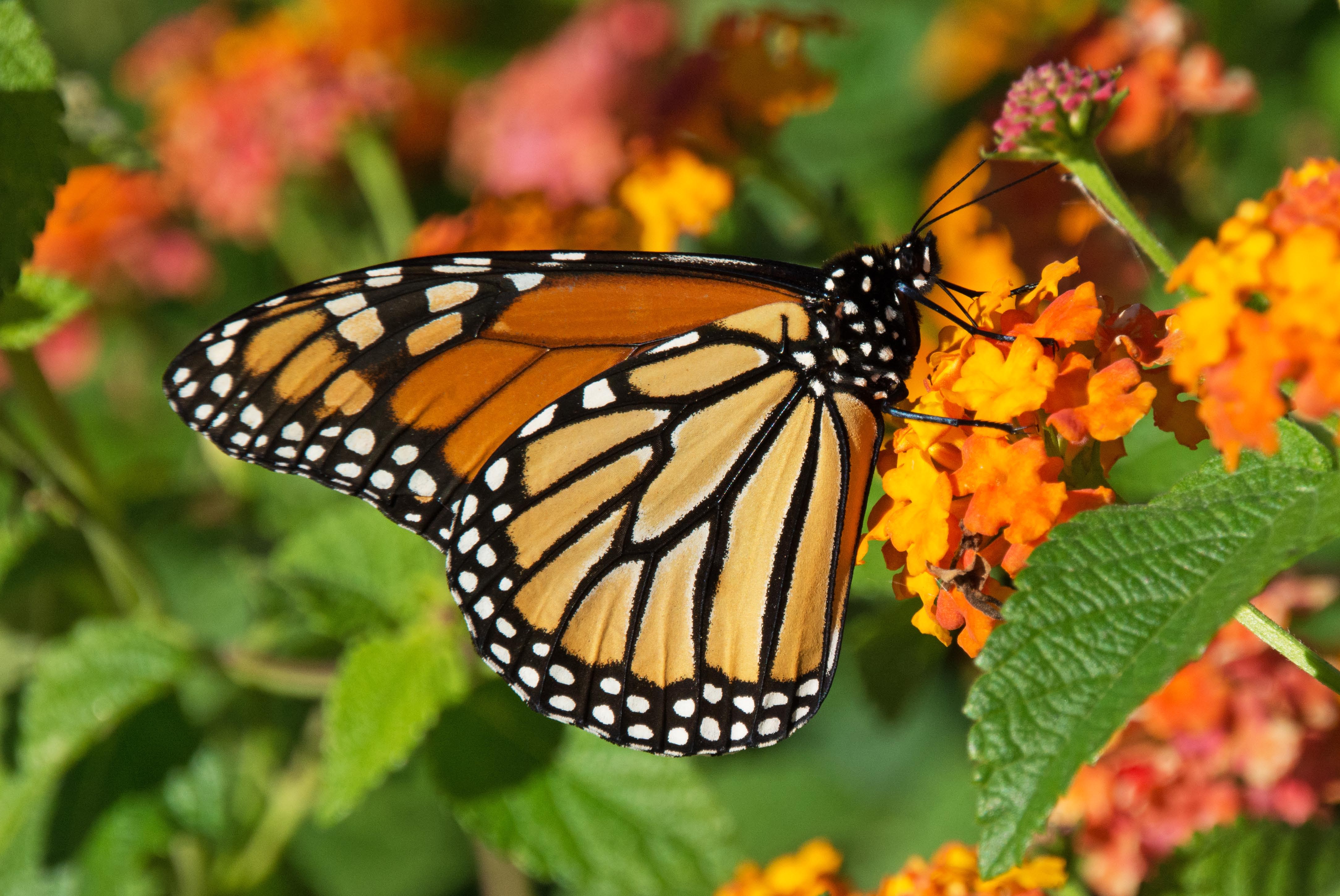
A monarch in downtown Raleigh, October 8, 2014

A monarch in downtown Raleigh, October 8, 2014
Big birds at Crabtree Swamp, and a first spin class at Flywheel

14 09 28_2902There’s a wide-but-shallow wide body of water to one side of Raleigh Boulevard which is fed by Crabtree Creek. It has no official name that I can find, so I’m hereby naming it Crabtree Swamp. CS is worth knowing about if you enjoy seeing birds, turtles, dragonflies, and other creatures. There isn’t usually much drama, though I once saw a doe leaping and splashing in desperate flight from a pursuing buck. It has a long boardwalk over it that allows for good views into the woods and out over the water.
14 09 28_2865_edited-1
Sally had mentioned to me that she’d taken Stuart (our dog) for a walk up there recently, and seen a great blue heron and a great egret. They were still around fishing when I got there with my equipment last weekend. I used my long Sigma zoom lens (150-500 mm) with a 2x tele converter, a heavy set up that required a tripod.
14 09 28_3032_edited-1

Both birds would stand frozen, watching, for periods, and then move almost imperceptibly, and then, suddenly, they would radically change shape and position. A hundred yards or so away, I stood on the boardwalk for well over an hour, watching them, working hard to get them in focus with proper exposure, trying to anticipate their next phase shift. It was absorbing.
14 09 28_3193_edited-1

Happy as I was watching these brilliant creatures, later that day, when I downloaded the 423 new images, I wasn’t thrilled with the quality. Alas, I’d forgotten to switch on the lens’s image stabilization system. In any case, there were a few photos I liked enough to share.
14 09 28_3145_edited-1

In contrast to the subtle joys of trying to capture the essence of the big birds, also last weekend I tried a new spinning experience — Flywheel, at Cameron Village. I liked it. Whenever I try to describe spinning to a non-spinner, I realize it sounds a little crazy. The basic situation is, you ride on a stationary bike as ordered by an outrageously fit teacher to thumping club music. What’s to like? Well, it’s an amazing workout. You quit thinking, just follow orders, listen to the music, sweat, become one with the class, and feel the endorphins.
14 09 28_3113_edited-1

The new Flywheel operation has been successful in New York and other cities, and I can see why. They let you pre-register and reserve a bike. They figure out if you’re new the moment you walk in and take care to show you the ropes. They provide special shoes, towels, lockers, and (a great idea – it’s loud) earplugs. The bikes are set on risers, stadium style, and they’re nice, heavy non-vehicles that have digital read outs showing the amount of effort you’re putting in.
14 09 28_3155_edited-1
Once the class starts, the room is dark. You can see the teacher at the front (very fit) and also a screen that lists (if you opt in) your units of effort relative to those of others. Yes, there’s a kind of race – who can spin the hardest? At the end of the 45 minutes, I managed, barely, to come in second (one unit ahead of the next male down). I felt tired but good.
14 09 28_3140_edited-1

The neverending war against terrorism: some questions

14 09 27_2794_edited-1

Having learned this week that our leaders have committed our military once again to fighting in the Middle East with Islamic fundamentalists that have not attacked our country and so far as is known do not immediately threaten to do so, I’m deeply disturbed. I admit that I have no particular Middle Eastern or military expertise, which, you may say, is a good enough reason to sit down and shut up. And I would agree it is a good enough reason for a bit of humility and for avoiding categorical pronouncements. But I would be remiss if I did not tell you, I have a few questions. They are as follows, colon.

Is it possible that we’ve overestimated the threat of terrorism and terrorists? Could the shocking violence of a few psychotic fanatics have caused us to be overcome with panic and fear, and to temporarily (at least) lose a good part of our capacity for reasoning and sound judgment?

Have we thoroughly considered what it means to send our sons and daughters to kill other human beings without firm evidence that they are mortal threats to us? Are we prepared for the deaths of more of our children, and the permanent physical and mental injury of many others, for objectives that are far from clear?

As for our latest enemies, can we conceive of the anger, despair, and vengefulness of those who survive attacks from our powerful weapons and have seen their families and comrades blown to pieces? Would we knowingly choose to perpetuate a cycle of blood oaths and revenge with no apparent end?

If we thought that yet another Middle Eastern war was ill-considered and likely to yield only further death, destruction and enormous waste of resources, could we stay silent? Have we really lost all hope that our political institutions allow for thoughtful debate and weighing of costs and benefits? If we started articulating to ourselves, and each other, our questions, and demanded that our leaders provide answers supported by evidence and reason, could we change course?
14 09 07_2445_edited-1

A new crane, a wrongful execution avoided, and factoring in dissonance

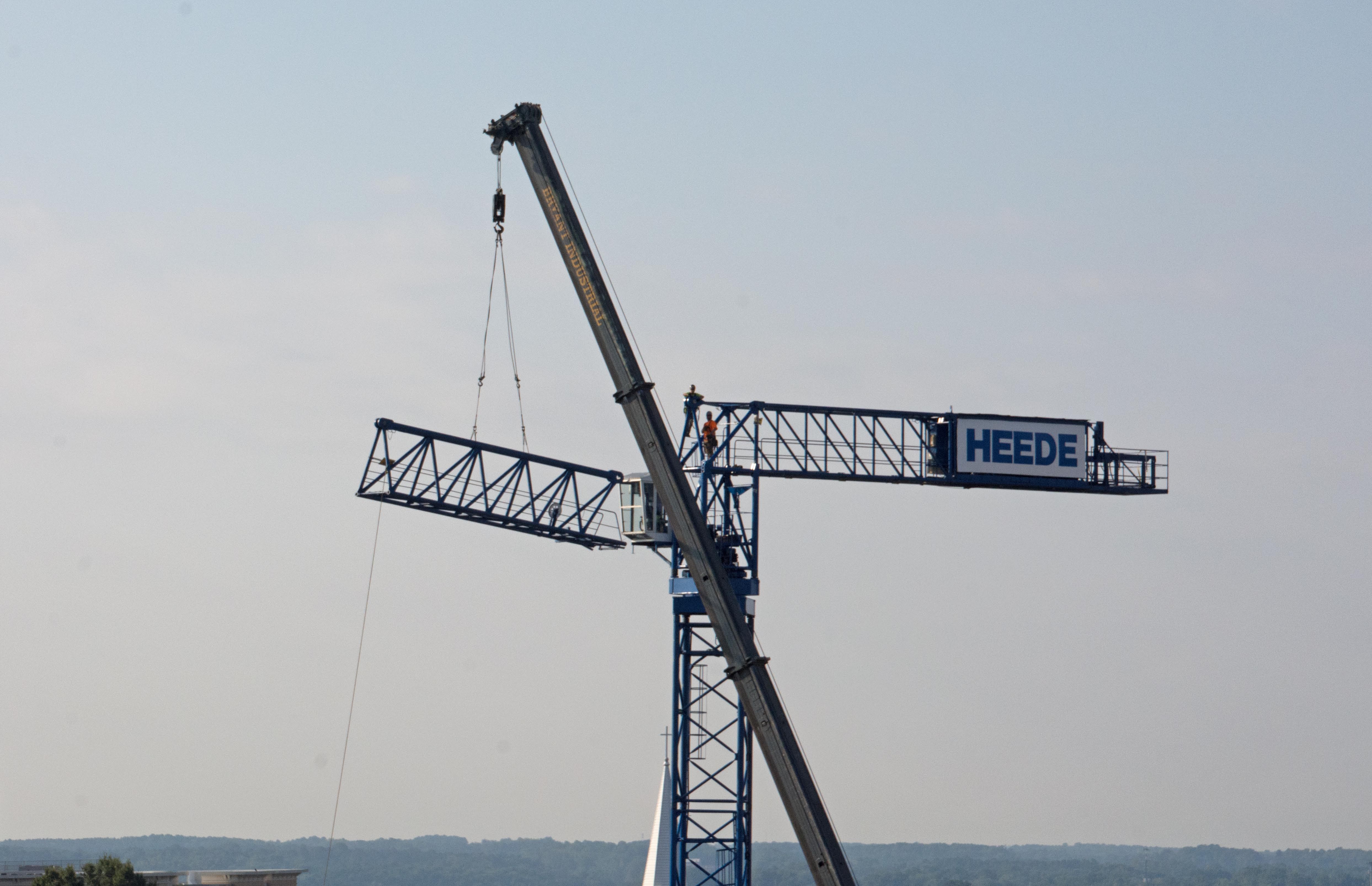
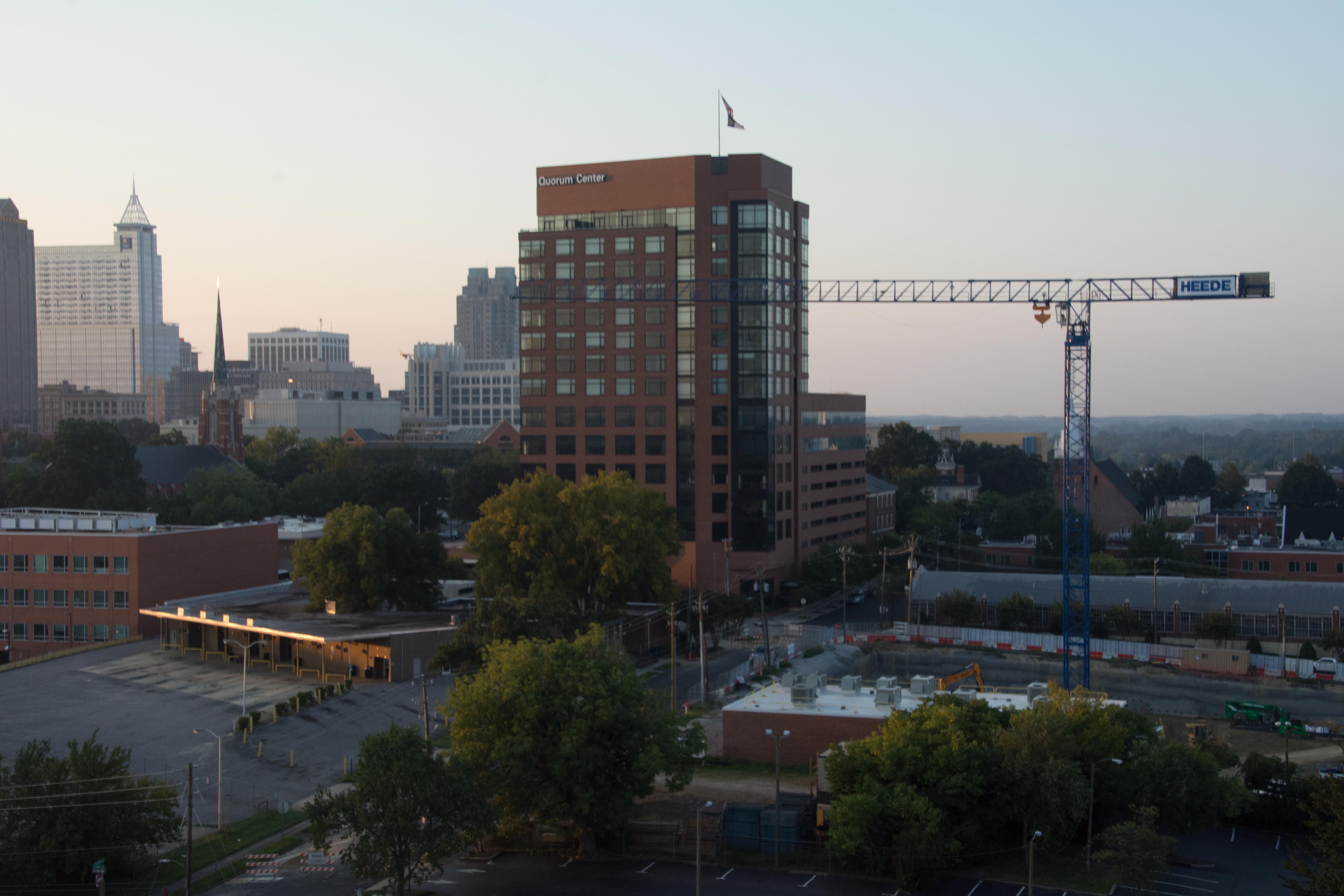
14 09 17_2621_edited-1I like watching work at construction sites, and I particularly like cranes. They denote strength and optimism. So it was a particular treat this week to get a close view of some hardworking guys putting up a big crane on a building site one block up from, and almost level with, our apartment. It took two guys about a day a a half to put up the structure, and a group of five worked on the cabling for another day and a half.
14 09 17_2633_edited-1

Exoneration

There are lots of good arguments against the death penalty, including that it doesn’t deter crime, it costs way too much, and it conflicts with the fundamental moral rule against killing. Recently I was powerfully reminded of another one: our criminal justice system inevitably gets some cases wrong and convicts innocent people.

It was front page national and local news recently that Henry Lee McCollum was found innocent after 31 years on death row. As a younger attorney, I volunteered to represent McCollum in one of his appeals (to the N.C. Supreme Court). He’d been convicted – found guilty beyond a reasonable doubt by a unanimous jury – of a horrible crime – a particularly gruesome rape and murder of a 13-year-old girl. After I’d spent many hours studying the record and the elaborate constitutional doctrines surrounding the death penalty, I pulled together a lengthy brief of what I thought were the best arguments for not executing him.

In my brief, I did not mention the possibility of innocence. Truly, despite McCollum’s innocence claims, I never seriously considered the possibility. He’d made an elaborate, detailed, signed confession. Why would anyone confess to a crime they didn’t commit?

Of course, we know now that this is all too possible. Coerced confessions happen. The case of the Central Park five, young men convicted of a brutal rape of a young woman jogging in the park back in the 80s, is a dramatic example. Just this month New York City agreed to a settlement of $41 million to compensate the young men for their wrongful conviction and imprisonment.

McCollum was and is a mentally disabled person (IQ of around 60, as I recall), and when I met him, in the visiting room at Central Prison, he seem gentle and soft spoken. He was still a teenager at the time of the crime. It’s not hard to imagine that he could be coerced into doing something contrary to his interests. Apparently after the interrogation and confession were complete, he asked, Can I go home now?
14 09 17_2652_edited-1

I’d thought about him from time to time over the years, and figured he would probably escape execution because of later developing Eighth Amendment (“cruel and unusual punishment”) law barring execution of the severely mentally disabled. It was cheering to hear that a team from the Center for Death Penalty Litigation had worked diligently on his behalf. But it’s also horrible to think of the injustice our state (that is, us) inflicted. Putting a man on death row for 31 years is, in a very real sense, robbing him of his life.

We now know that eye witness identifications are far from completely reliable. Confessions are not always reliable. Memories can seem absolutely certain, and still be wrong. We are inevitably going to make some mistakes in on the basic question of guilt or innocence. This argues strongly against punishing people with death.

Mistakes Were Made

The more I learn about how error-prone our thinking processes are, the more I think we should be a little more humble about the power of our brains and the reliability of our notions. I’m re-reading Mistakes Were Made (But Not by Me), by Carol Tavris and Elliott Aronson. Tavris and Aronson are social psychologists, and their book is a lively guide to the systemic flaws in our perceptions and theorizing. Their primary subject is cognitive dissonance, and the comedy and tragedy of self-justification that flow from it.
14 09 18_2687_edited-1

Dissonance occurs when we try to hold two conflicting ideas in our heads at once. It causes us discomfort, and we will perform remarkable mental gyrations to avoid it. Thus it is amazingly hard to talk someone out of strongly held beliefs. Dissonance makes us ignore and suppress facts and arguments that don’t fit with those beliefs. To avoid dissonance, we come up with justifications for our most egregious mistakes.

Tavris and Aronson convinced me that this is not something that happens only now and then, but rather is pervasive. One of their numerous examples is police coercion. The police “know” (strongly believe) that a suspect is guilty, and therefore feel justified in using extreme coercion to extract a confession. The innocent suspect is confronted with powerful dissonance – actual innocence and authority figures forcefully insisting on guilt. One path to eliminating dissonance is to confess. It isn’t that hard to imagine that a young or weak person could go that way.

They note that even scientists are vulnerable to this basic mechanism, but suggest that science itself can help us address our inborn tendency to avoid dissonance. The ability to allow for the possibility that we might be wrong is incredibly valuable. It can keep us from making terrible mistakes.
14 09 18_2668

A new Firebird, and a great egret

14 09 14_2576_edited-1
Whew! We finally made it to the start of the new Carolina Ballet season. After a long summer without any dance, I was particularly looking forward to the CB’s first program, with The Firebird as the featured work. And I was particularly excited to see Alyssa Pilger make her debut in the role of Firebird.

Full disclosure: based on a donation to the company, we were invited to be the pointe shoe sponsor of a dancer, and we picked Alyssa. She was then in her second season with the company, and struck us as especially talented. It’s been fun getting to know her. The Firebird is a big, difficult part, and not usually (maybe never) danced by such a junior member of the company. I went over to see her first performance of the role at yesterday’s Saturday matinee, and felt a few butterflies, like an anxious parent.
14 09 14_2539_edited-1

Fortunately, she was fabulous! I’ve seen Weiss’s ballet to the great Stravinsky score at least twice before, and always enjoyed the solos for the magical sparkling red bird. The creature flits, darts and dashes, with sudden quickness and sudden stillness. Alyssa’s creation was a firebird of elegant exoticism and power. Out at the end of her long arms, her hands seemed almost like individual creatures, sending their own strange messages. With some of the extreme stretches and twists, it was easy to believe she was part bird. I found her performance completely transporting. It gave me goosebumps.
14 09 14_2562_edited-1

I also really enjoyed Zalman Raffael’s new ballet, Brahms’ Violin Sonata No 3. I’m a Brahms man from way back, and know this great piece very well, but it never occurred to me that it could be a ballet. If it had occurred to me, I wouldn’t have guessed that a young choreographer would grasp and know what to do with its complex romantic pleasures. Indeed, I don’t know many people who care much for this music, which sometimes makes me wistful.
14 09 14_2558_edited-1

Raffael, however, left no doubt of his grasp of Brahms. I found the ballet faithful to the spirit of the music, while managing to push against it and find new aspects. Jan Burkhard’s pas de deux with Yevgeny Shlapko showed tremendous emotional range. She was lovely and languid in the slow movement, as well as fiery in the finale. Jan has always had a lot of vivacious charm, but she seems to have extended her range into the darker modes in recent seasons. Yevgeny also looked great (he must have spent some time in the gym this summer).
14 09 14_2582_edited-1

The other piece on the program was a new ballet by Robert Weiss called Les Saltimbanques. The music, Stravinsky’s Symphony in C, was Weiss’s primary inspiration. The piece, which I was not familiar with, is not as tuneful and romantic as The Firebird, but instead is more polytonal with irregular accents. Here too, I thought the choreography was faithful to and illuminating of the music. The organizing idea of the ballet is street performers (acrobats, clowns, and the like) filtered through a Picasso-esque vision. I found it bright and involving, and look forward to seeing it again next week.

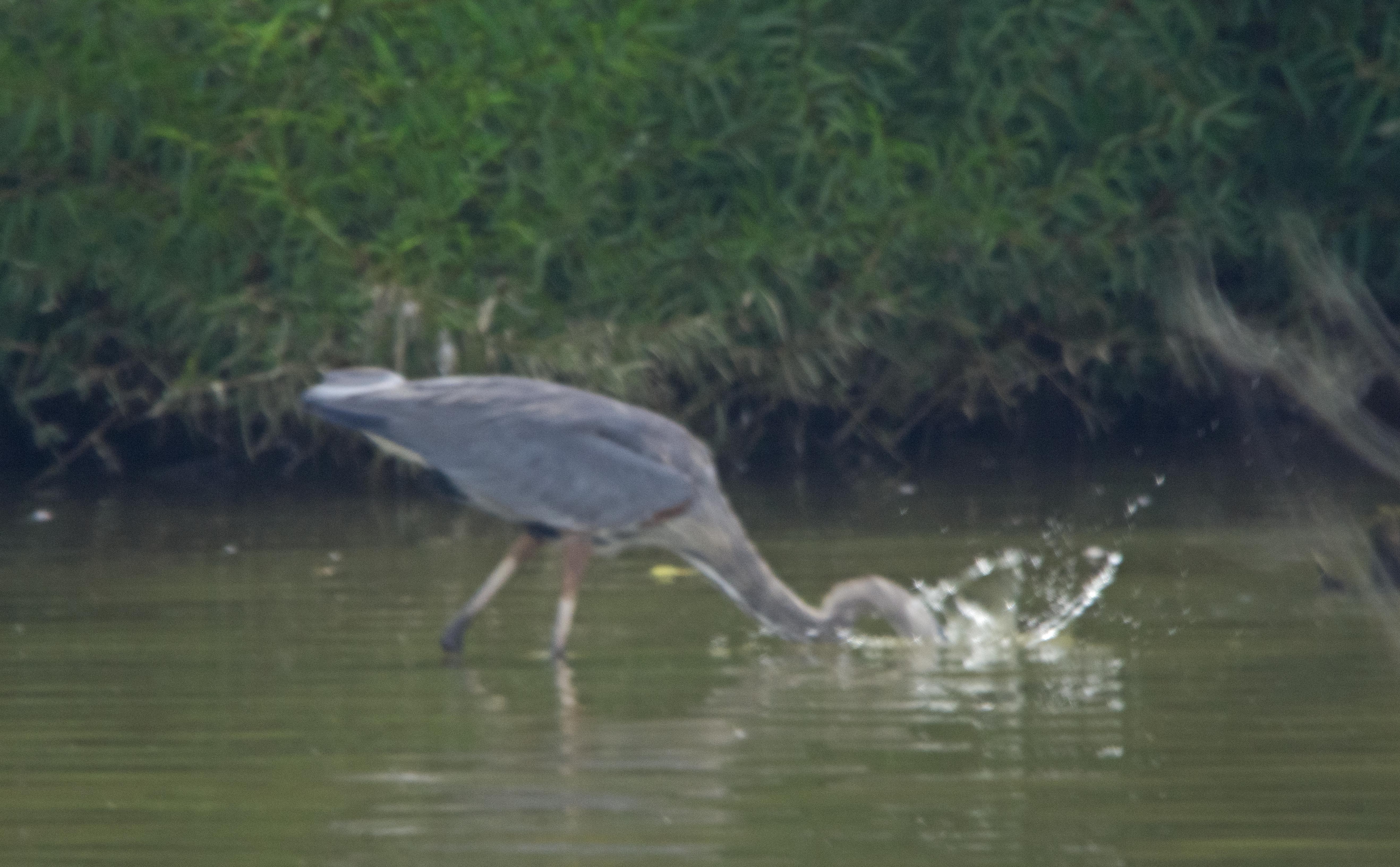
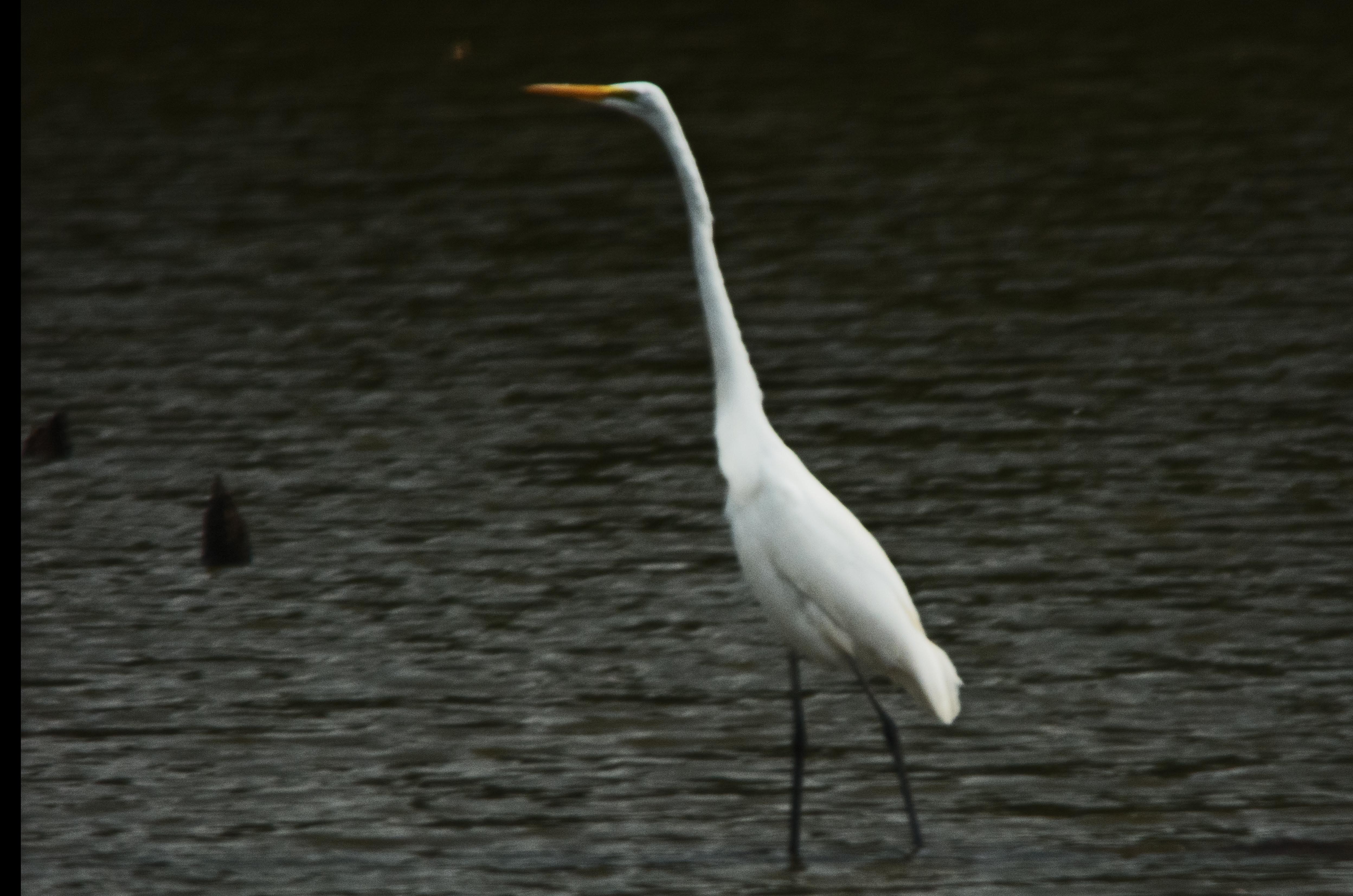
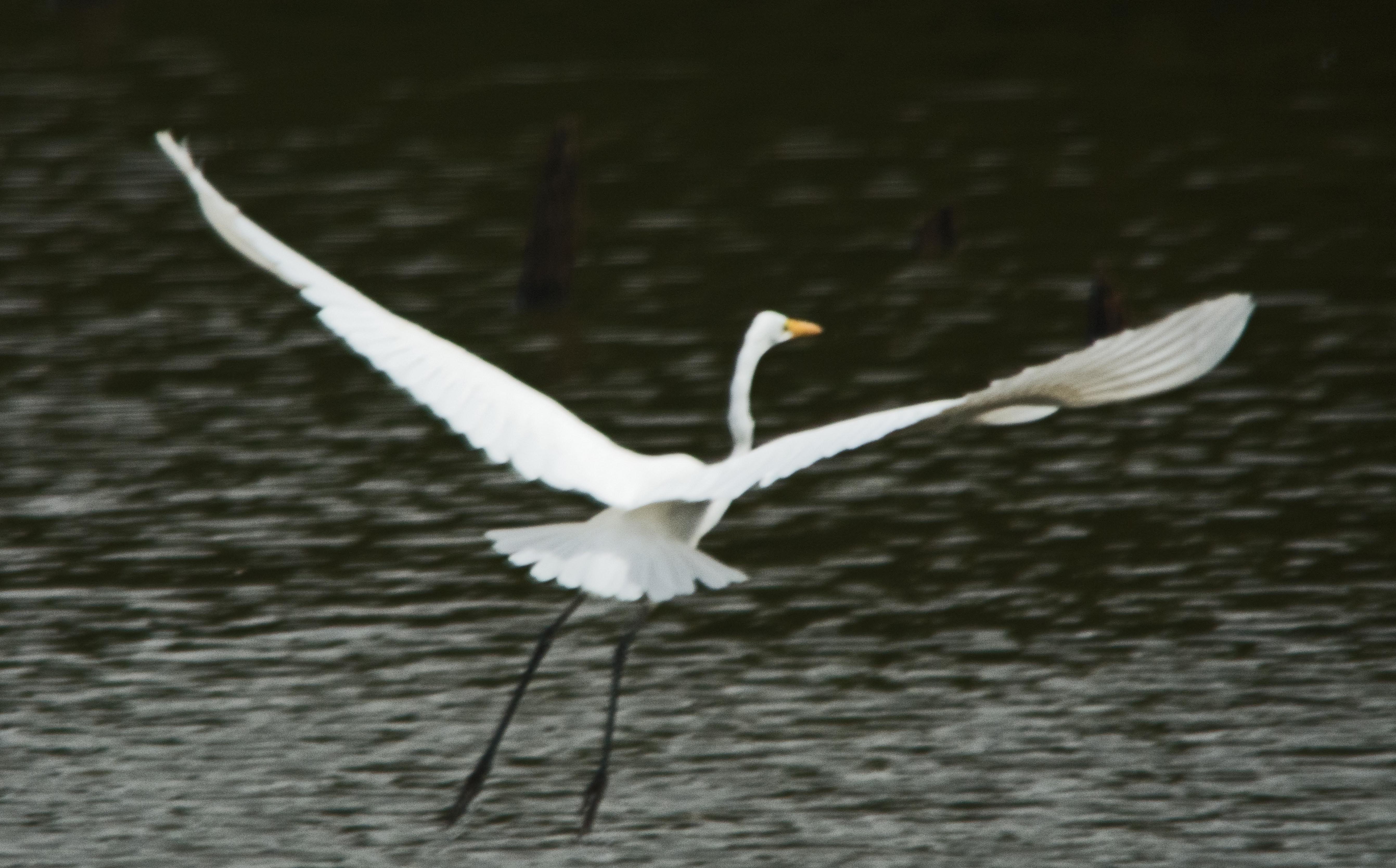
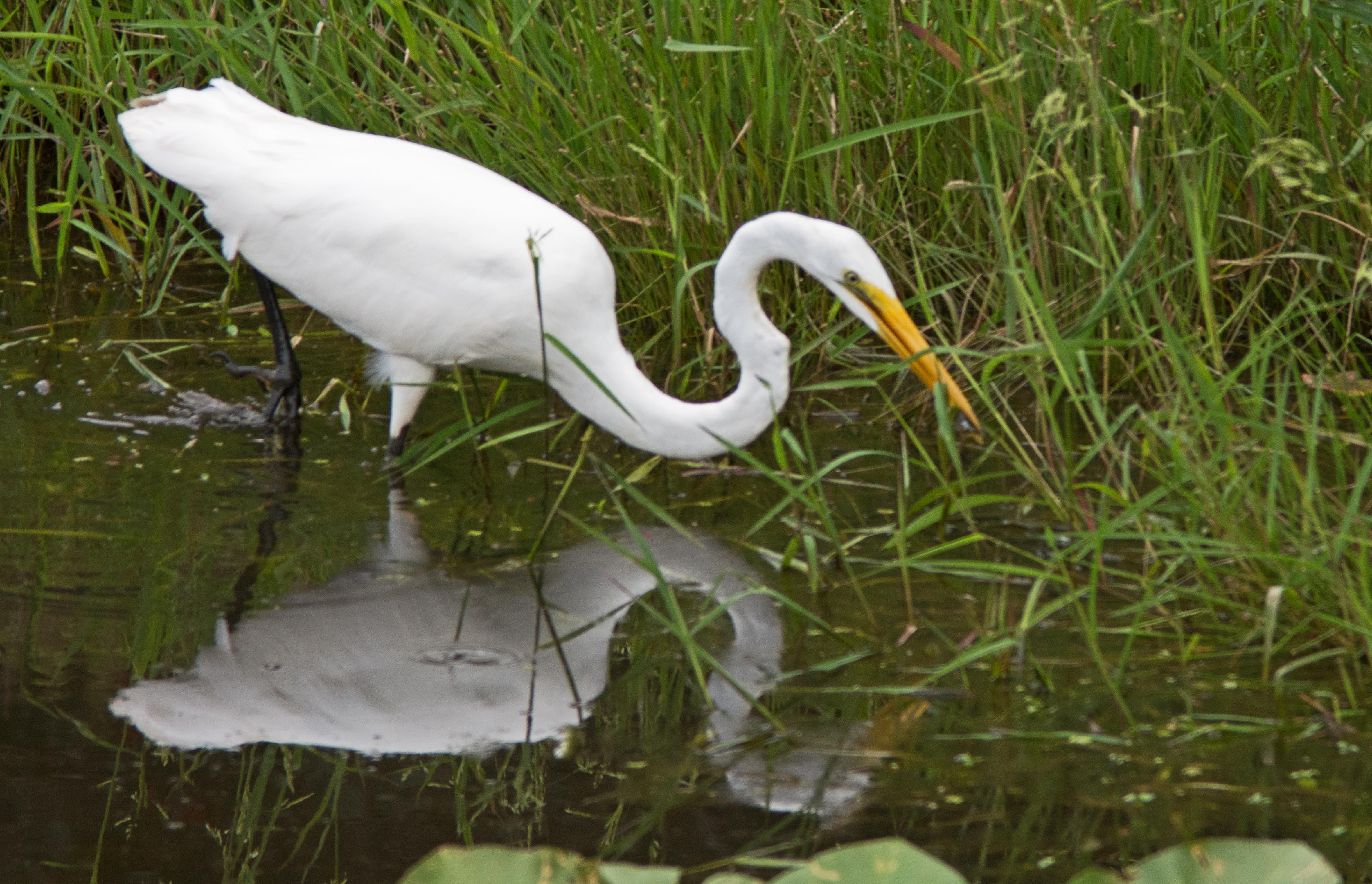
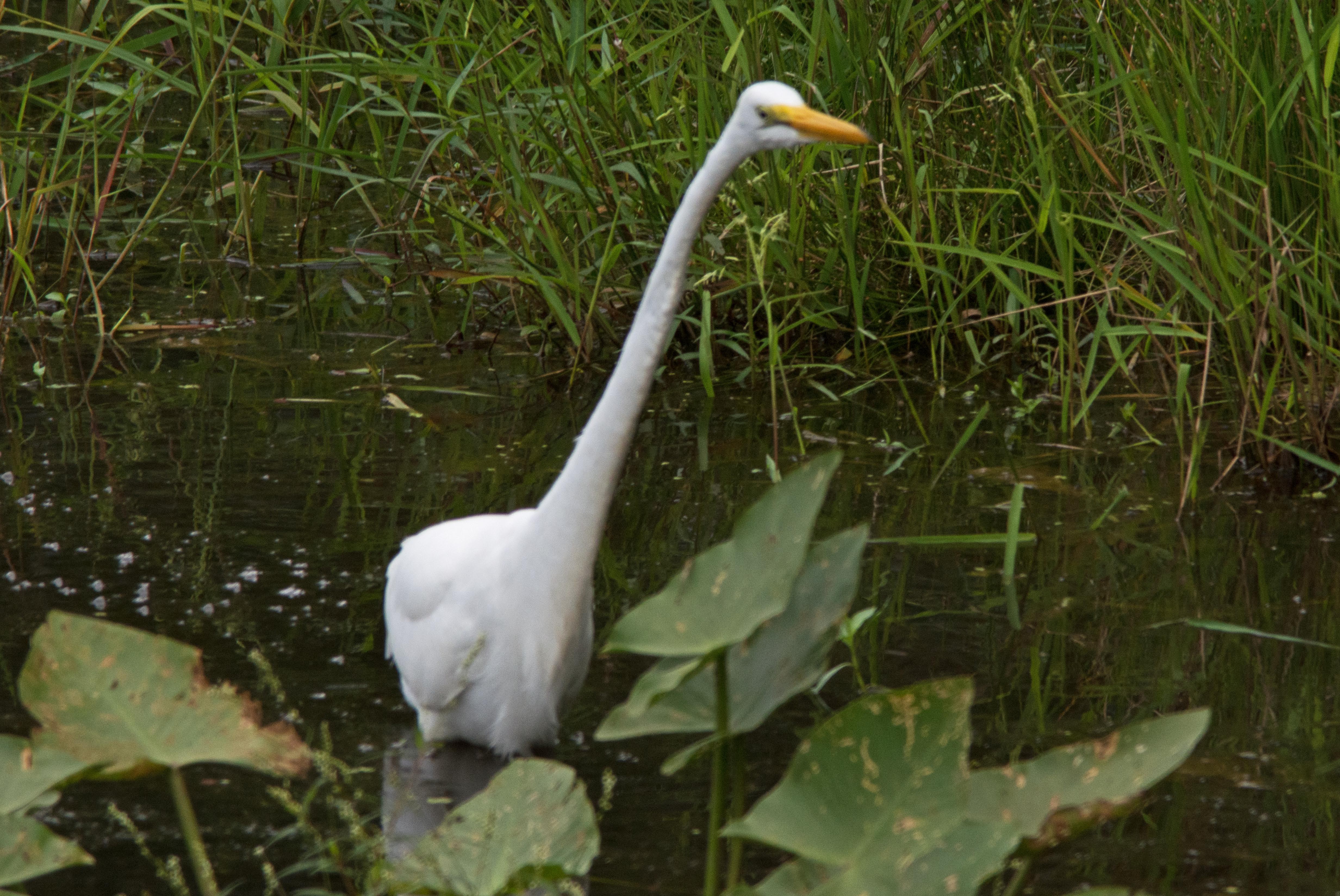
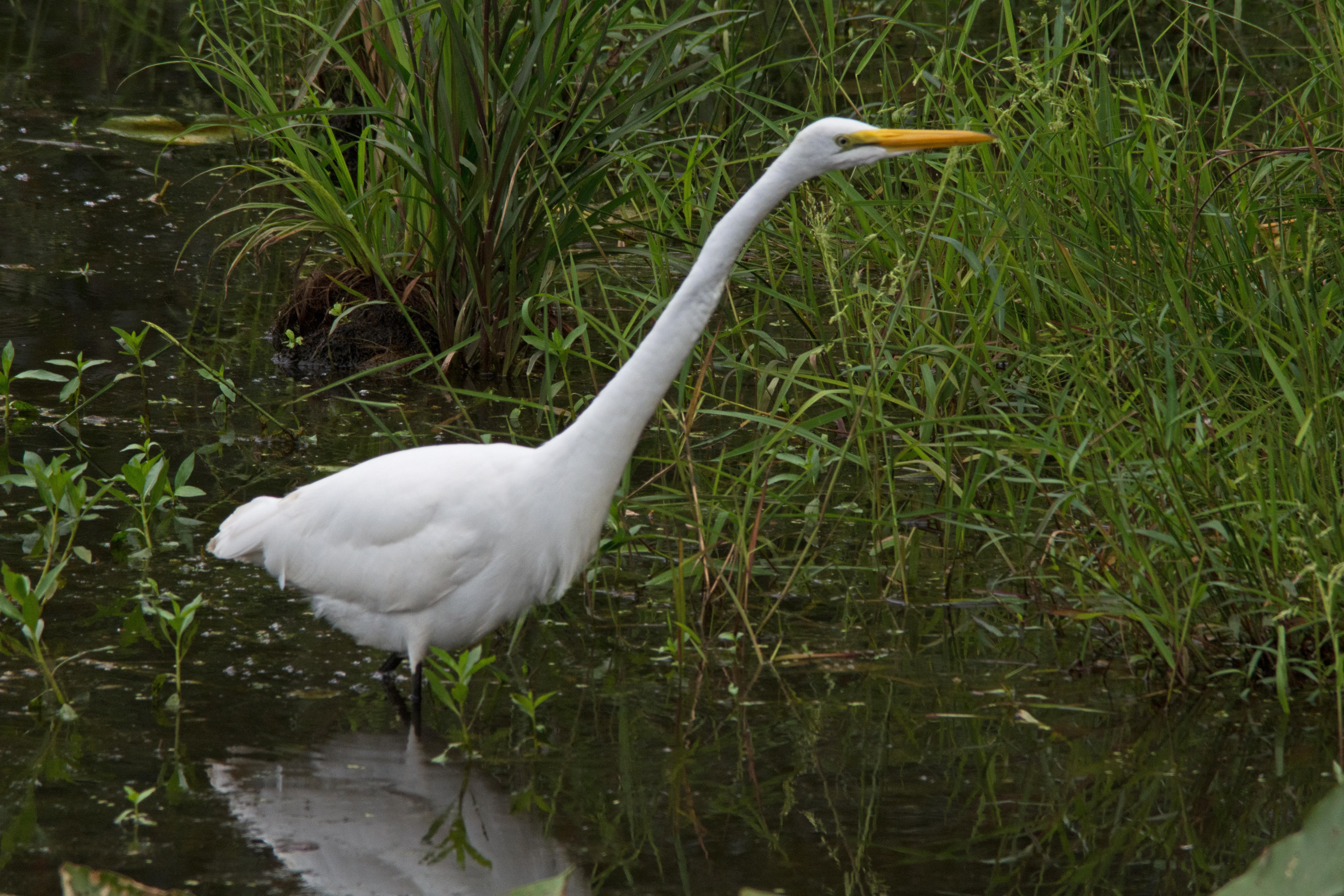
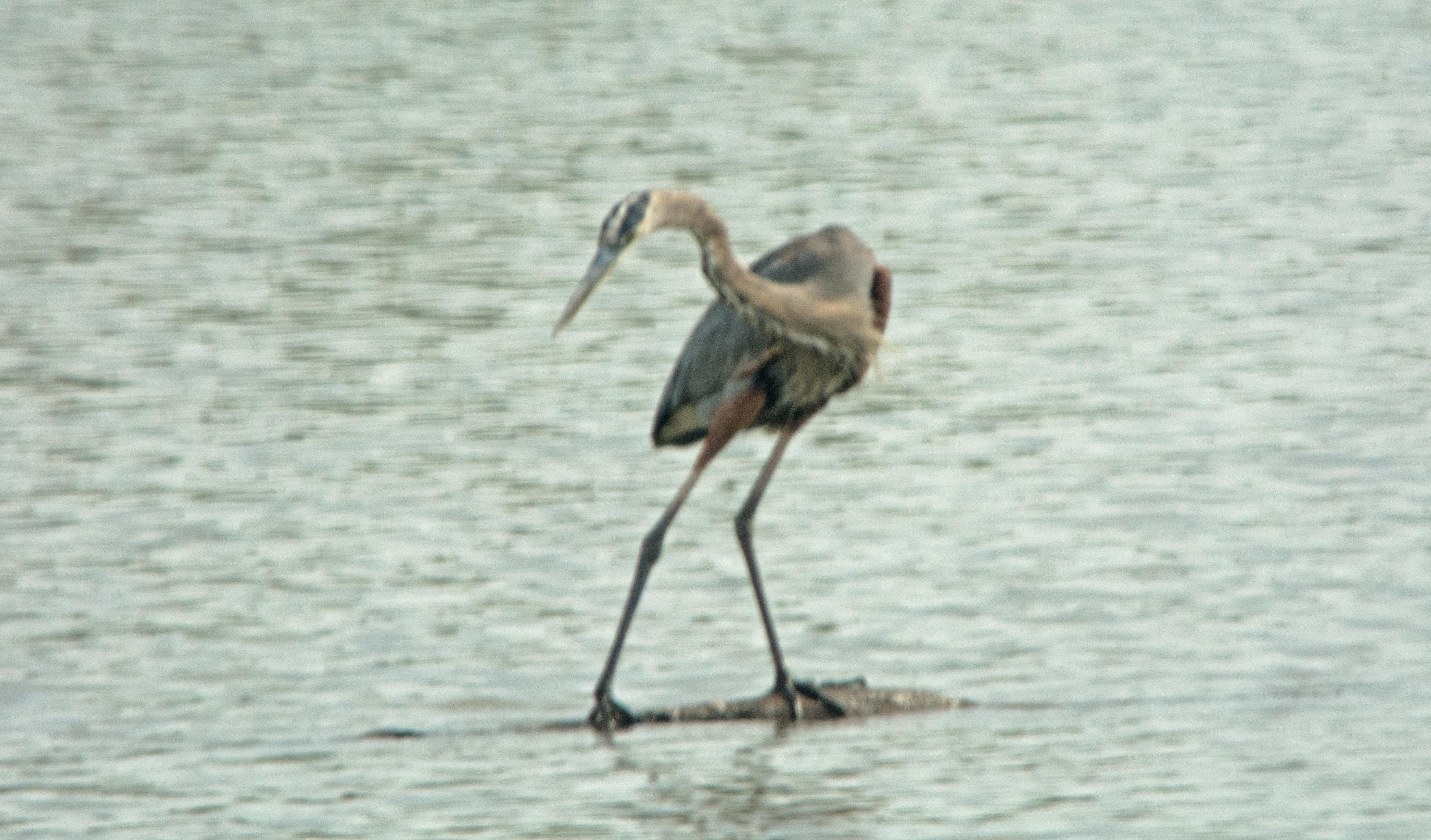
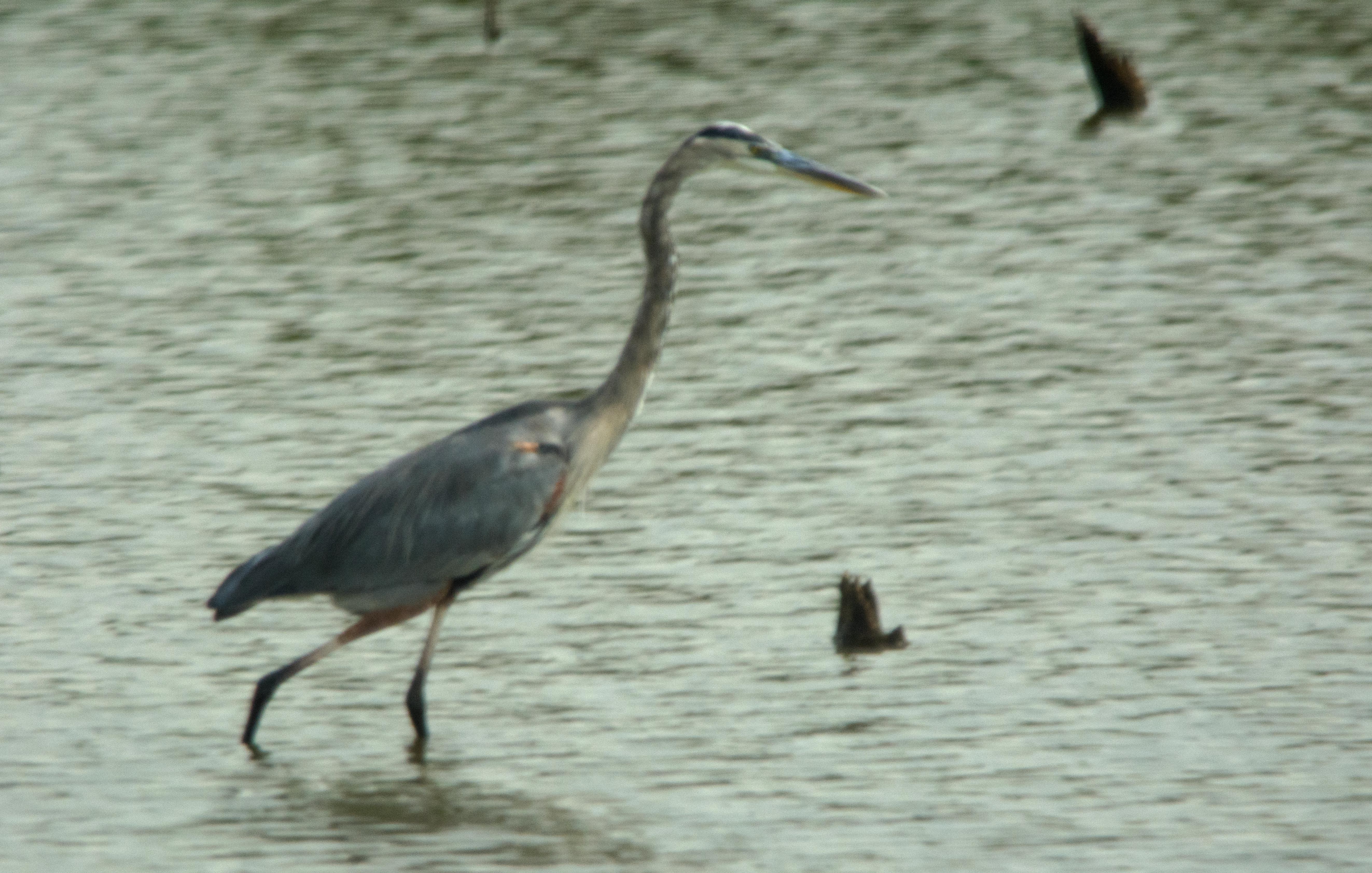
These pictures were taken this morning (September 14, 2014) at Yates Mill Pond in Raleigh. The great egret is a bird we don’t see every day around here. I watched this one hunting for a half hour or so, and was enraptured.
14 09 14_2596_edited-1

Our Outer Banks holiday, with sanderlings

14 08 31_1974_edited-1
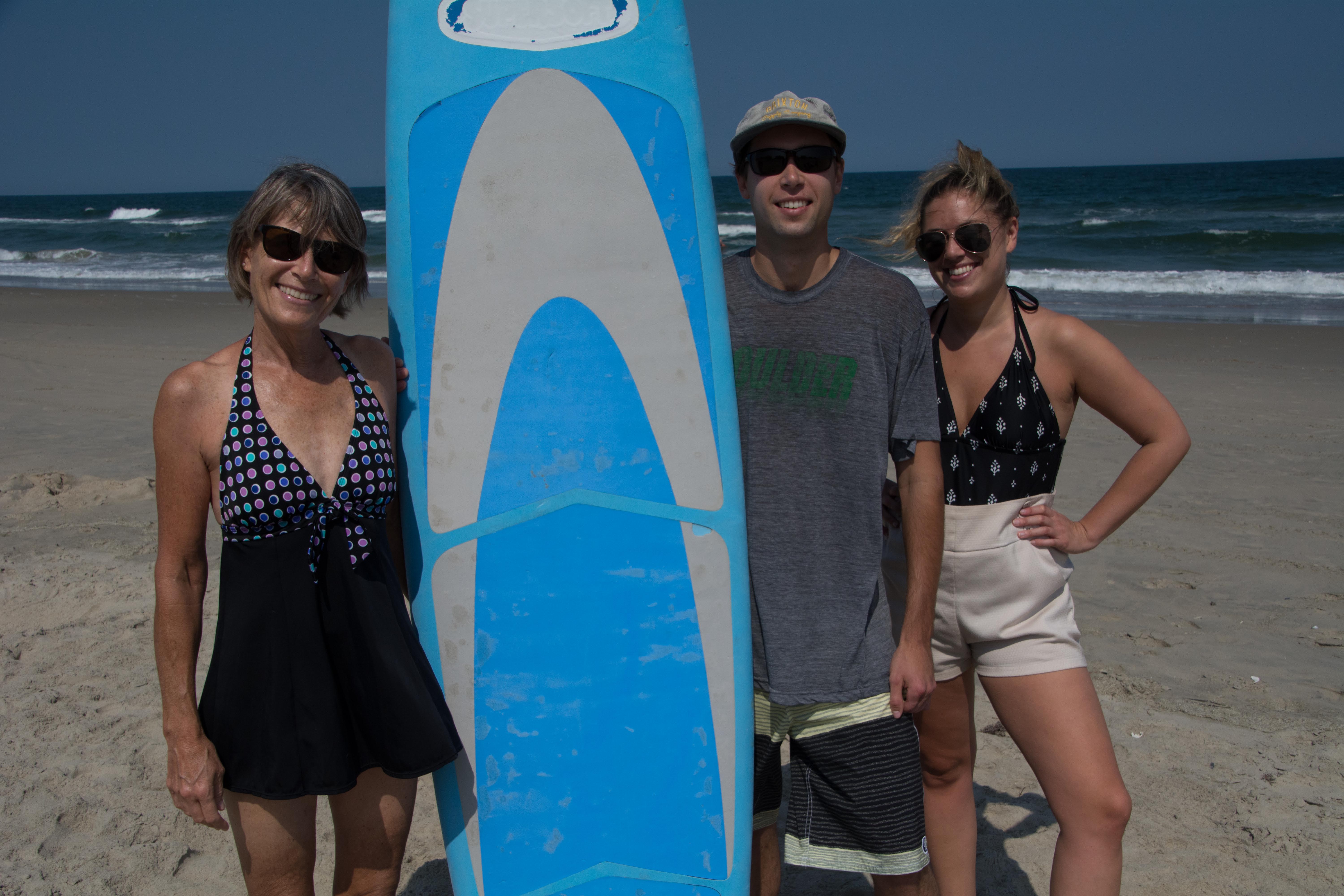
Last week my well-grown kids, Gabe and Jocelyn, came in from Colorado and New York, and we all headed to the Outer Banks for the long holiday weekend. My sister and her family put us up at their gracious place in Corolla, and made sure we ate and drank well.
14 08 30_2193

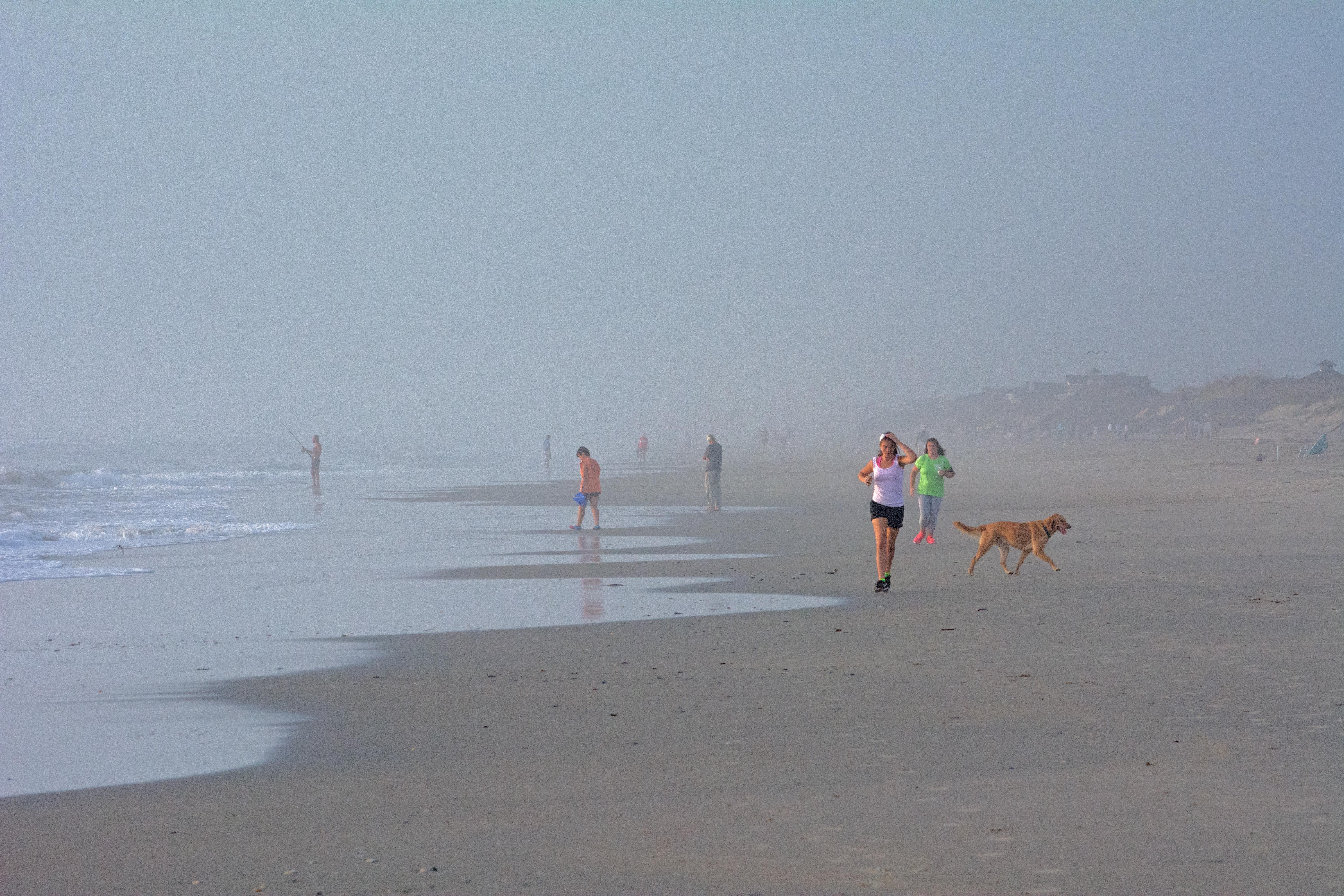
The beach at Corolla was wide, clean, and not at all crowded. The days were sunny and breezy. The water was cool at first. We tried out a surfboard, but had better success catching waves with boogie boards. I had one excellent ride of perhaps a hundred yards. On Sunday we went out about 3:30 in the afternoon, and I wrongly figured that sunblock would not be needed. Got a bit pink.

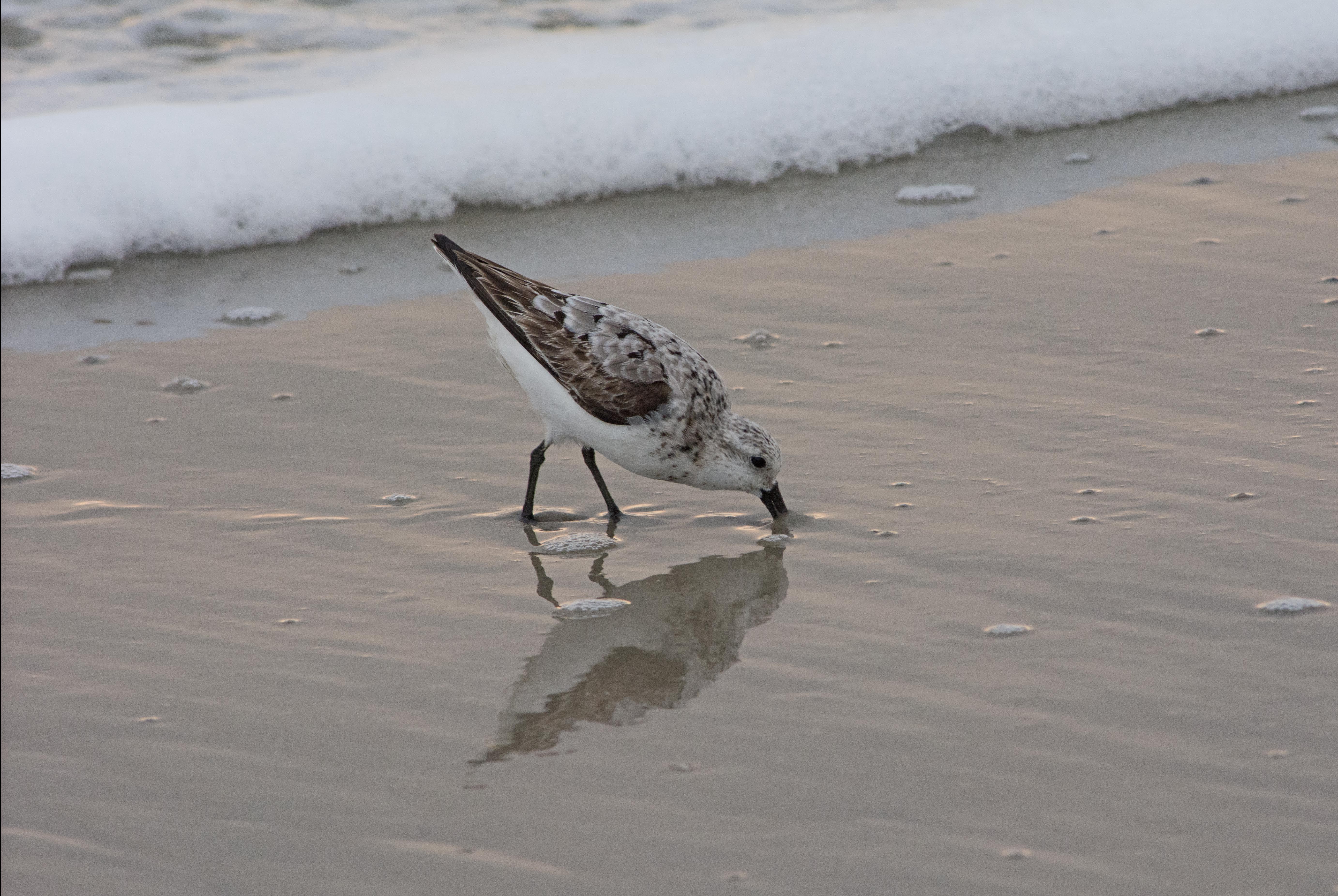
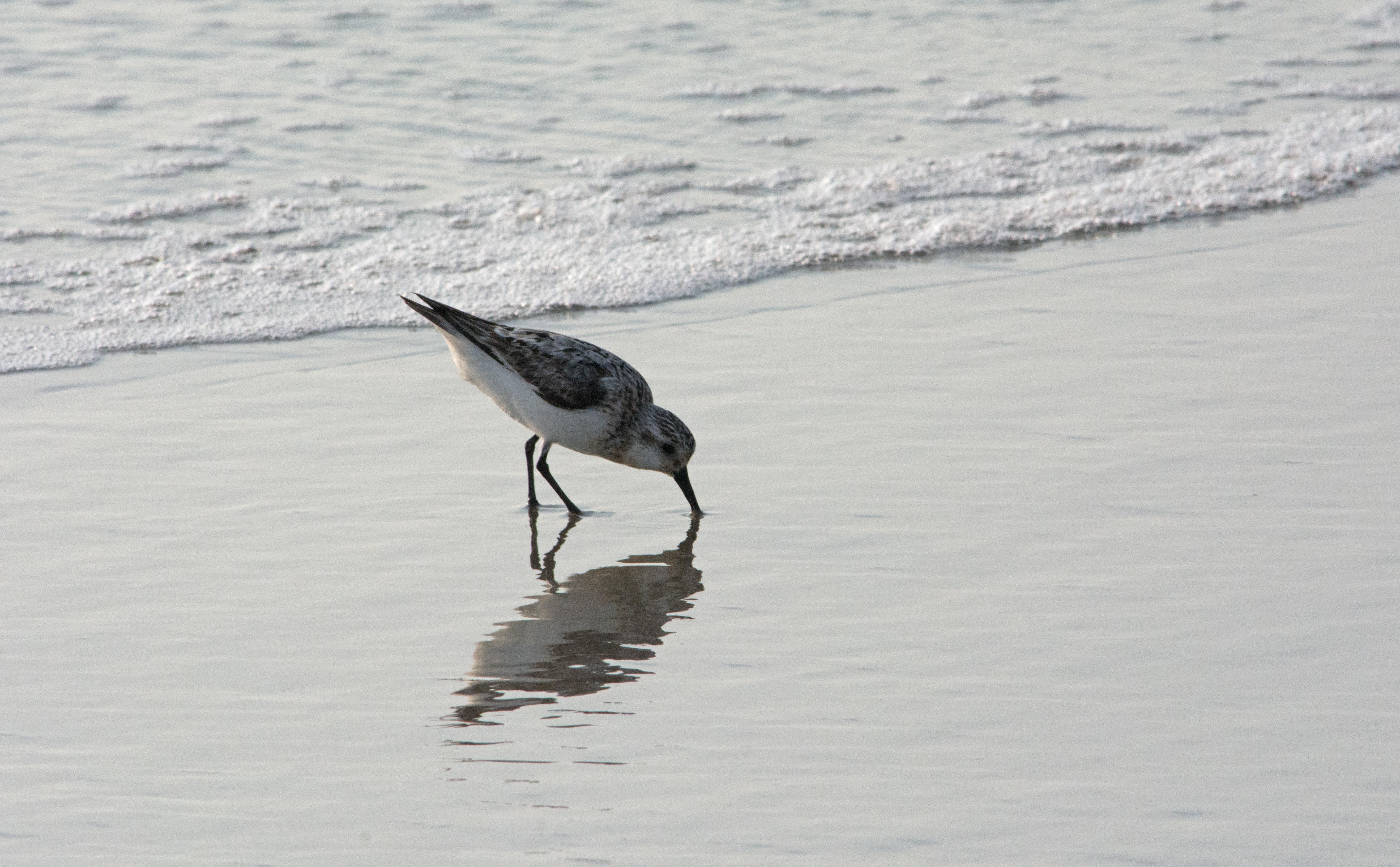
Each morning I got up around sunrise and took a long watch on the beach with my camera. I saw mostly sanderlings, hardworking little shorebirds that move with comical quickness. I took hundreds of pictures of them. Here are a few that I especially liked.
14 08 30_1789_edited-114 08 30_1795_edited-1-1
14 08 31_2049_edited-1
14 08 31_2139_edited-1
14 08 31_2141_edited-1

A rodeo, a tennis match, a run, and a good curry meal

14 08 19_1548_edited-1
This was an unusually sporty week. I got to see a local rodeo and a semi-local professional tennis event, and took a run down memory lane.

It is always cheering and a little startling to find that there are communities of people who care passionately about something I know hardly anything about. Who knew there was a rodeo community in the Raleigh vicinity? Actually, I had just learned this the prior week from Walter magazine (an attractively designed and informative monthly that covers our area).

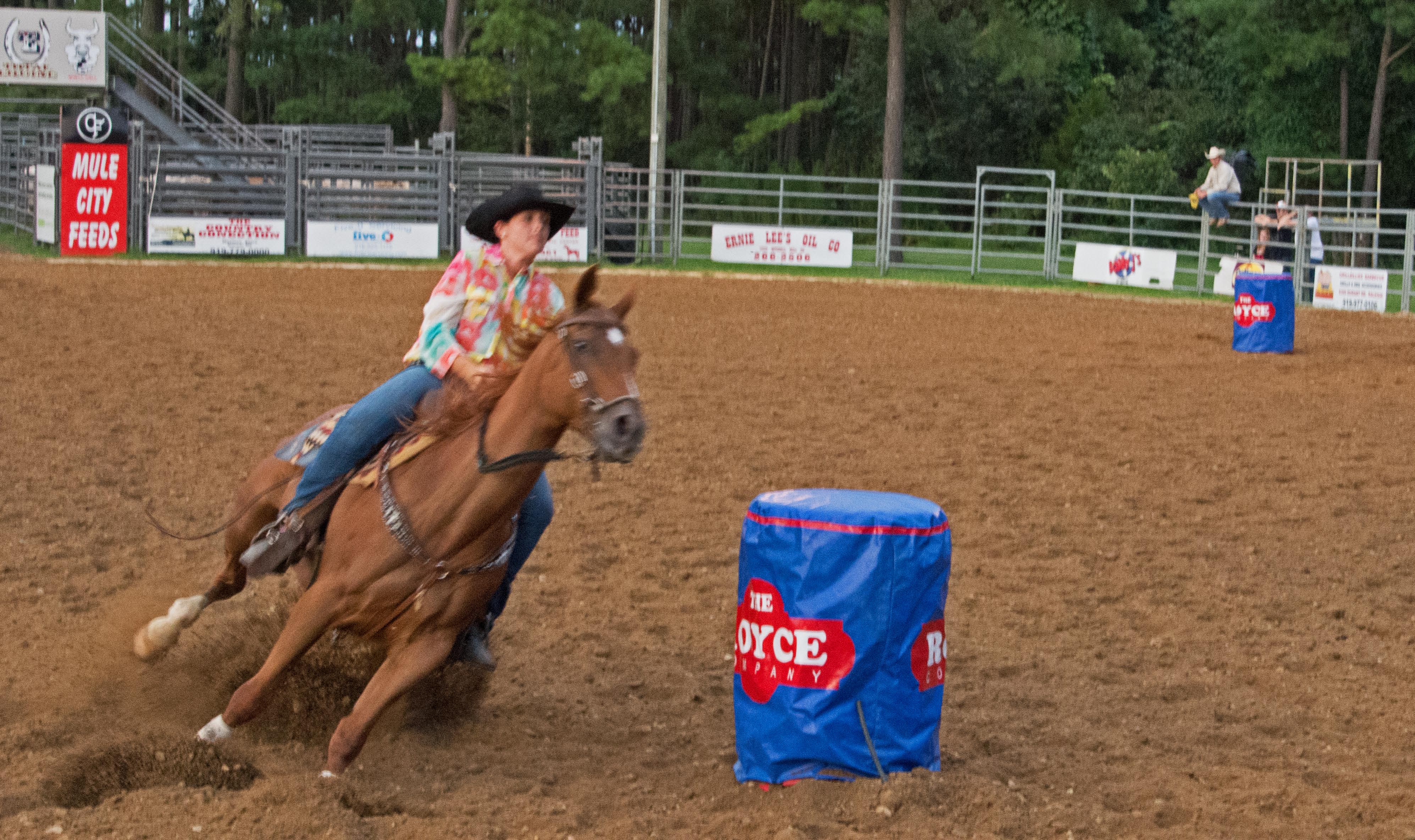
The rodeo was in northern Wake County off of Louisburg Road. The main events were barrel racing and bull riding. The barrel racers were all young women, and they rode their horses extremely fast. It reminded me of road course racing – in addition to extreme acceleration, they had to hit the brakes hard at the barrels. I was in awe of their riding skills.
14 08 19_1553_edited-1

The bull racers sat on bulls and got bucked off. This seems simple in concept, but the trick is not to get killed or severely injured by the bull. We got to see this event up close, and it looked extremely dangerous. I was not happy to think of the bulls being mistreated, but that didn’t prevent my appreciating the courage of the young riders.
14 08 21_1594

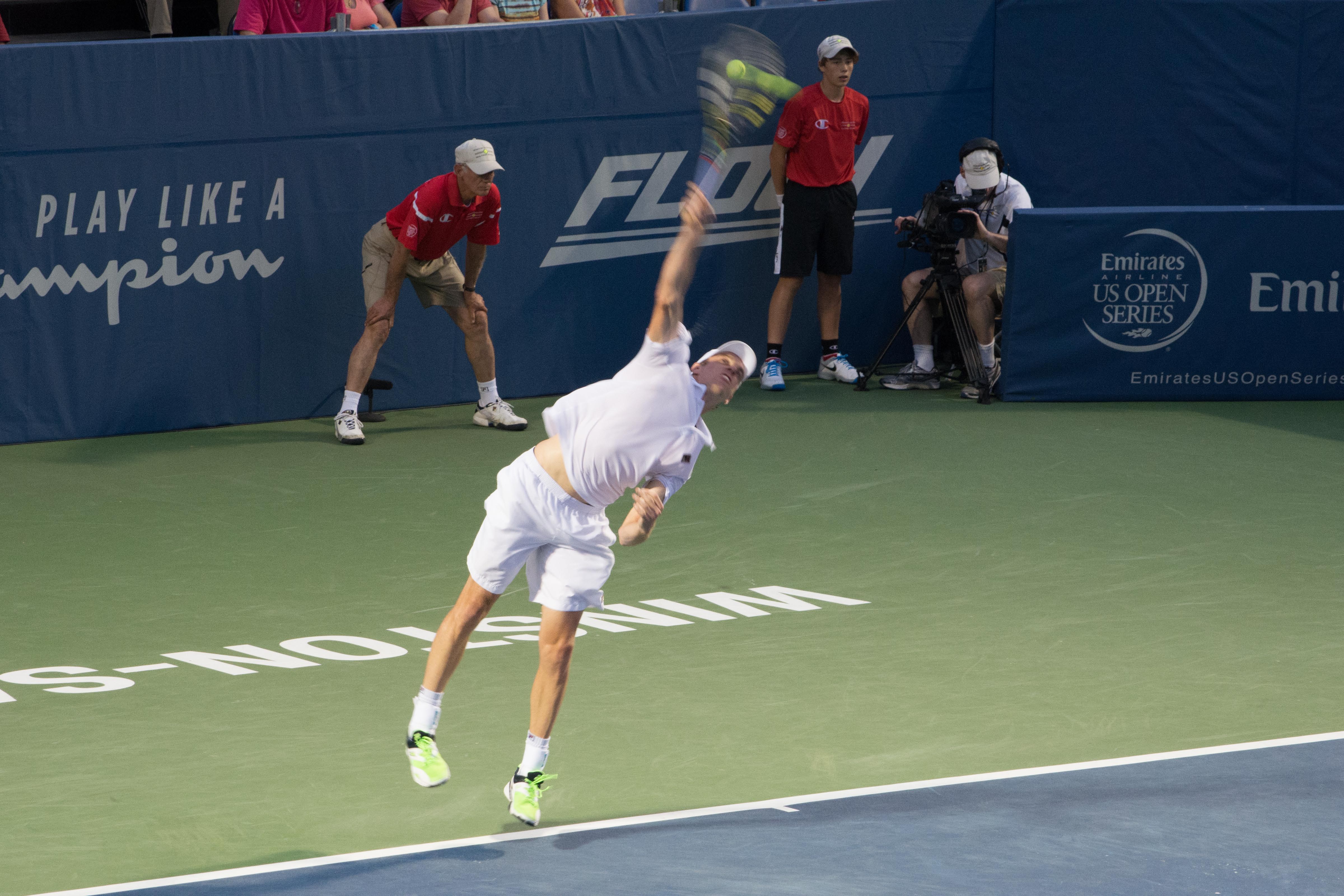
On Thursday Sally and I drove east to see some professional tennis at the Winston-Salem Open. We watched Sam Querrey play Guillermo Garcia-Lopez. These guys can play! Querrey had a huge serve which topped out at 137 mph. Garcia-Lopez had a beautiful one-handed backhand that he could hit with a lot of topspin. The match was close through two sets, but Querrey took control and prevailed in the third.
14 08 21_1592

That night we stayed in downtown Winston-Salem at the Brookstown Inn, built as a cotton mill in 1837 and now decorated with antiques and crafts. Our room was spacious (a 20 foot ceiling, at least), and the bed was particularly comfy.

When I’m on the road, I make it a habit to use the hotel gym first thing in the morning. The Brookstown’s web site didn’t mention an exercise facility (it turned out to have a tiny one), so I had packed most of what was needed for a run (forgot my tee-shirt). It was still dark at 6:15 when I went out, shirtless, for a run through the city of my youth.

There was hardly anyone out, so I don’t think I upset anyone with my shirtlessness. There was a pleasant breeze. Heading down Fourth Street, many of the businesses I remember were gone (no more Woolworth’s), but there were some interesting looking restaurants and galleries. I ran past the city’s most striking high rises, including the Reynolds Building (which looks just like a miniature Empire State Building), and along Main Street to Old Salem, the eighteenth-century Moravian town that’s now a tourist attraction. I went past the building where my parents had their bookstore and by the half-timbered brick buildings and grassy squares where I had a happy summer at Governor’s School.

This took about 40 minutes. I hadn’t run more than ten minutes for many a moon, because of various minor injuries. I felt comfortable and strong. The next day, though, my quads were sore.

On Saturday night we walked up to the Packapalooza festival on Hillsborough Street for some people watching and food. The festival was in celebration of the return of the students to N.C. State, and there were plenty of them there. It seems they get younger every year, as I get older. There was real diversity, including in music: some bluegrass, some hip hop, some rock, some Hare Krishna.

I had one moment of shock and horror, when my Nikon D7100 came loose from its strap. I’d gotten an over-the-shoulder strap that screws into the tripod mount, and it somehow got unscrewed. It hit the asphalt hard. Picking it up, I expected to see cracks in the lens and the back screen, but everything looked OK. My test shots seemed fine. The only apparent damage was a minor scratch on the bottom on the housing. It’s a tough little bugger! I got this butterfly at Fletcher Park the next morning.
14 08 24_1697

We ate at a new Nepalese/Indian restaurant on Hillsborough Street called Kabab and Curry. The menu had good options for vegetarians, and everything we tried was excellent. We shared veggie pakoras, and I had the vegetarian sampler, called rani thali, which included shahi paneer, alu gobi, chana masala, and dal makhani. The food was spicy in a colorful way, stimulating but not overwhelming, with a variety of textures. A bright addition to the local asian dining scene. I’ll definitely be going back.
14 08 23_1620_edited-1

Some edited bug photos and a new way of thinking about organized crime

14 08 15_1497_edited-1

It’s challenging to capture a convincing image of a fast-moving insect. It takes patience and also decisiveness. For these I was using a 105 mm lens with all manual settings, so I had to focus and adjust shutter speed quickly. My heart was going quickly, too – it was exciting to go after these little guys. These were shots I took late Friday afternoon at Raulston Arboretum.

It was also fun to examine the results in Photoshop Elements after the fact. To state the obvious, you can’t really see much detail in little insects with the unaided human eye. To me, it’s fantastic what you discover about these creatures with the aid of magnifying lenses and sensors. I’ve also been experimenting with improving the raw image with the Elements editing program. Typically I do some cropping and minor adjustments to the lighting and contrast. This week I decided to start working with the “expert” user interface and figured out (with help from some YouTube instructors) how to work with layers.
14 08 15_1512_edited-1

Is such editing somehow dishonest? I don’t think so. A photograph is always a combination of technology and human feeling, which is to say it is never purely objective. The sensor in my Nikon D7100 is amazing (24 million pixels!), but it is not God. My own vision has its imperfections and biases both from ocular structural issues and brain processing. Yours, too. We see through a glass darkly. But if we use our best tools as well as we can, we’ll see some new things and some amazing things.
14 08 15_1513_edited-1

How many of our fundamental assumptions are seriously flawed? Every so often, I get spun around when I find that an idea that I had thought was beyond question is far from it. This week in the New Yorker Malcolm Gladwell’s piece titled the Crooked Ladder, destabilized my assumptions about the Italian mafia and inner city drug gangs. I thought I knew that the mafia was a serious threat to the social order that was barely contained by virtue of strenuous law enforcement efforts. Gladwell cites scholarship indicating that the early mafia was generally less violent and lawless than the Godfather movies and journalism have led us to think. For some waves of new immigrants (including Irish and Jews), crime was a route to family stability and assimilation taken by relatively innovative community members. And it isn’t a curse on subsequent generations. On the contrary, the grandkids of mafia dons turn into ordinary suburbanites.

But Gladwell finds this pattern depended in part on societal tolerance, including relaxed policing during the liquor prohibition era. Few mafiosi went to jail. Gladwell suggests that what I always thought of as police corruption could have positive effects, in that it allows immigrants to feed their families, prosper, and gradually evolve and assimilate. But this process has not taken place for our inner city drug gangs. Instead, intense policing has resulted in mass incarceration at a terrible human cost.

Gladwell relies primarily on a new book titled On the Run: Fugitive Life in an American City, by Alice Goffman. Goffman was an undergraduate at University of Pennsylvania when she began tutoring a Black student in a rough Philadelphia neighborhood she calls 6th Street. She eventually spent several years living in the neighborhood and getting to know the young men who survived as minor league criminals, as well as their girlfriends, moms, and others. The young men generally had spent time in juvenile detention, jail, or prison, and were often on the run from the police for such wrongs as nonpayment of $173 in court costs or minor parole violations. They were constantly the targets of police harassment. It is no exaggeration to say they lived in a police state.

After I finished Gladwell’s article, I downloaded Goffman’s book and quickly read the first couple of chapters. It is vivid and hair-raising. It puts a human face on the urgent need to end the war on drugs, and more generally address the problem of overly severe policing and penal policies. Goffman illuminates a world that few middle-class white Americans have ever seen close up, or even learned about through books or newspapers. It seems particularly timely and important after the racial conflict this week in Ferguson, Missouri.

The beautiful Bay, and life without Robin Williams

14 08 10_1432_edited-1
I was privileged to attend the Linux Foundation member counsel’s conference this week in Palo Alto, where I joined several dozen smart lawyers who shared their views on legal issues in the open source space. Before the conference, on Sunday, I had a free afternoon to do some exploring.

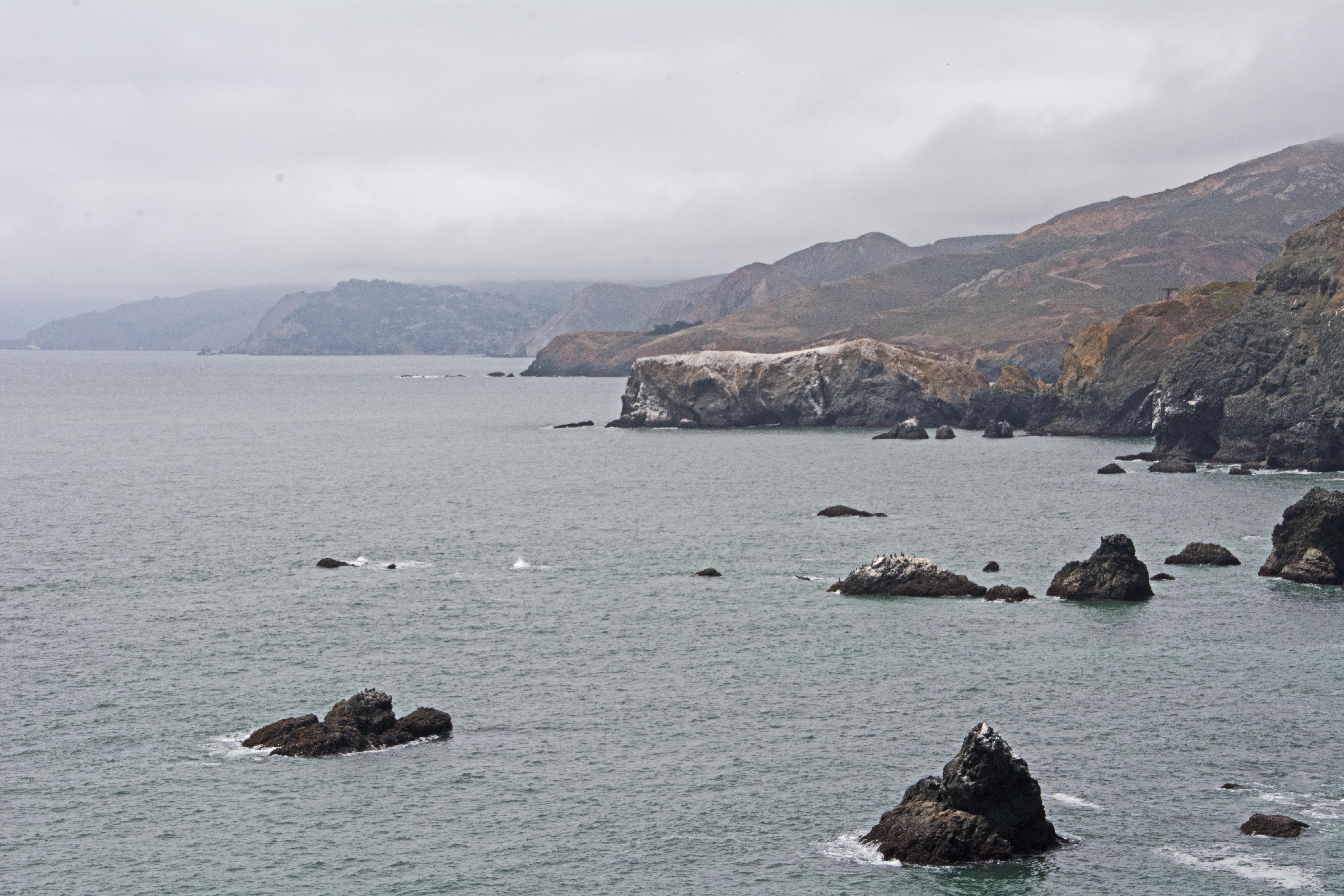
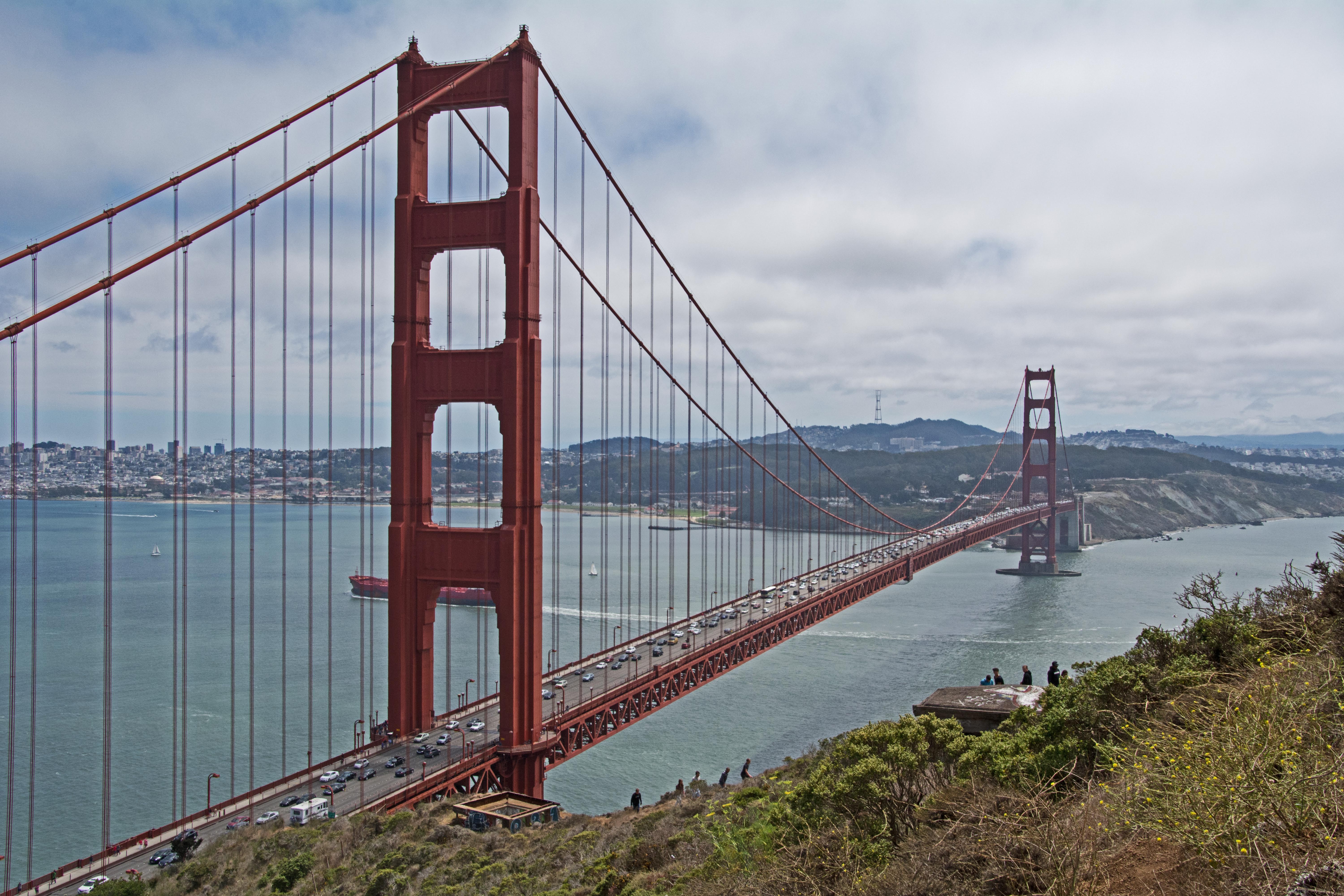
I drove my rental VW Jetta (which handled nicely) from San Francisco airport over the Golden Gate Bridge to the Marin Headlands park. I started with the visitor’s center, where I studied a map and formed a plan to drive a circuit with a couple of stops for some hiking and photography.

The road through the brown hills was windy. When I reached the Coastal Road, the view was spectacular. My plan to walk about almost fell apart when I could not find a free parking space, but on the last pass through someone pulled out, and I pulled in. Then I walked back down to Vista Point.
14 08 10_1429_edited-1

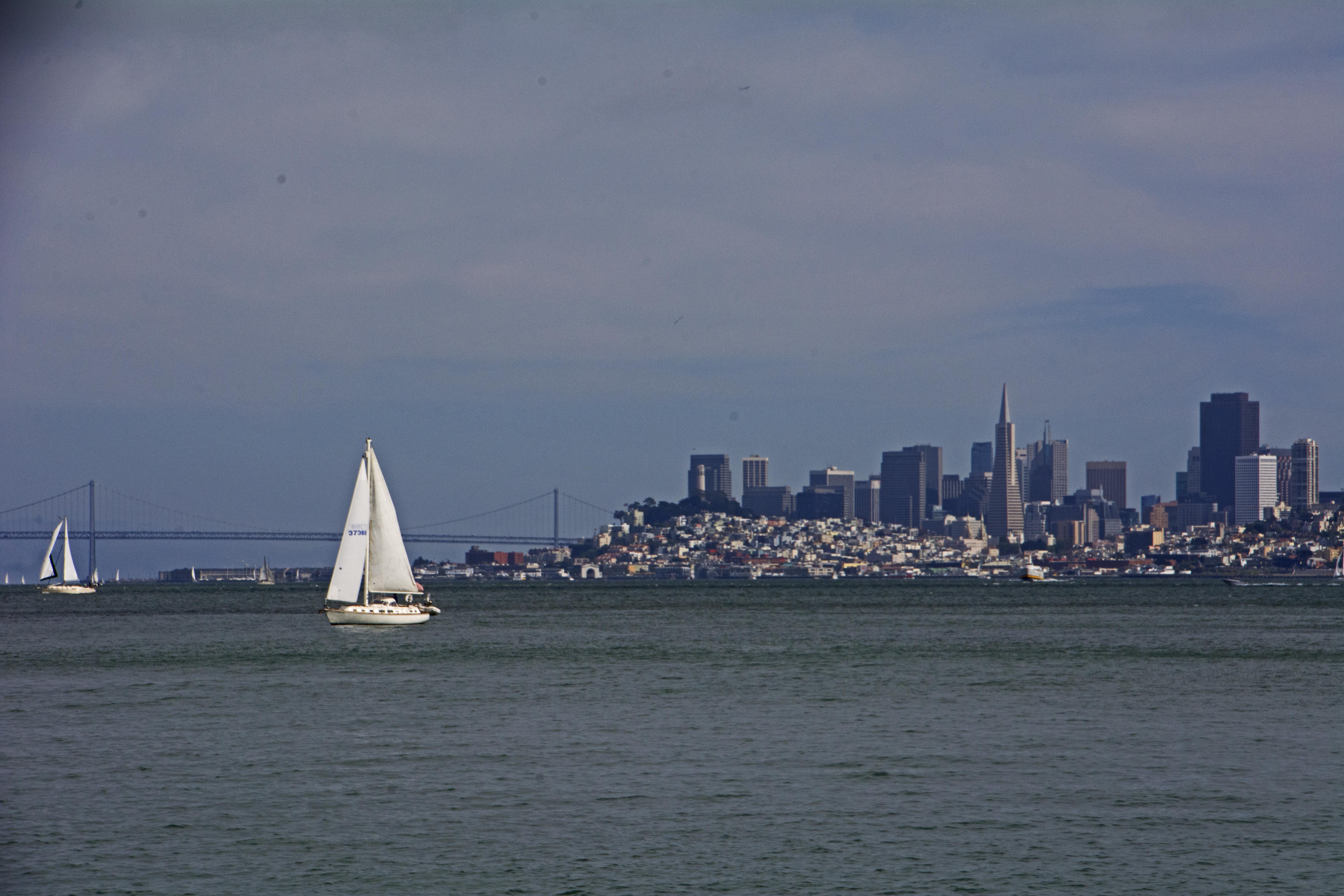
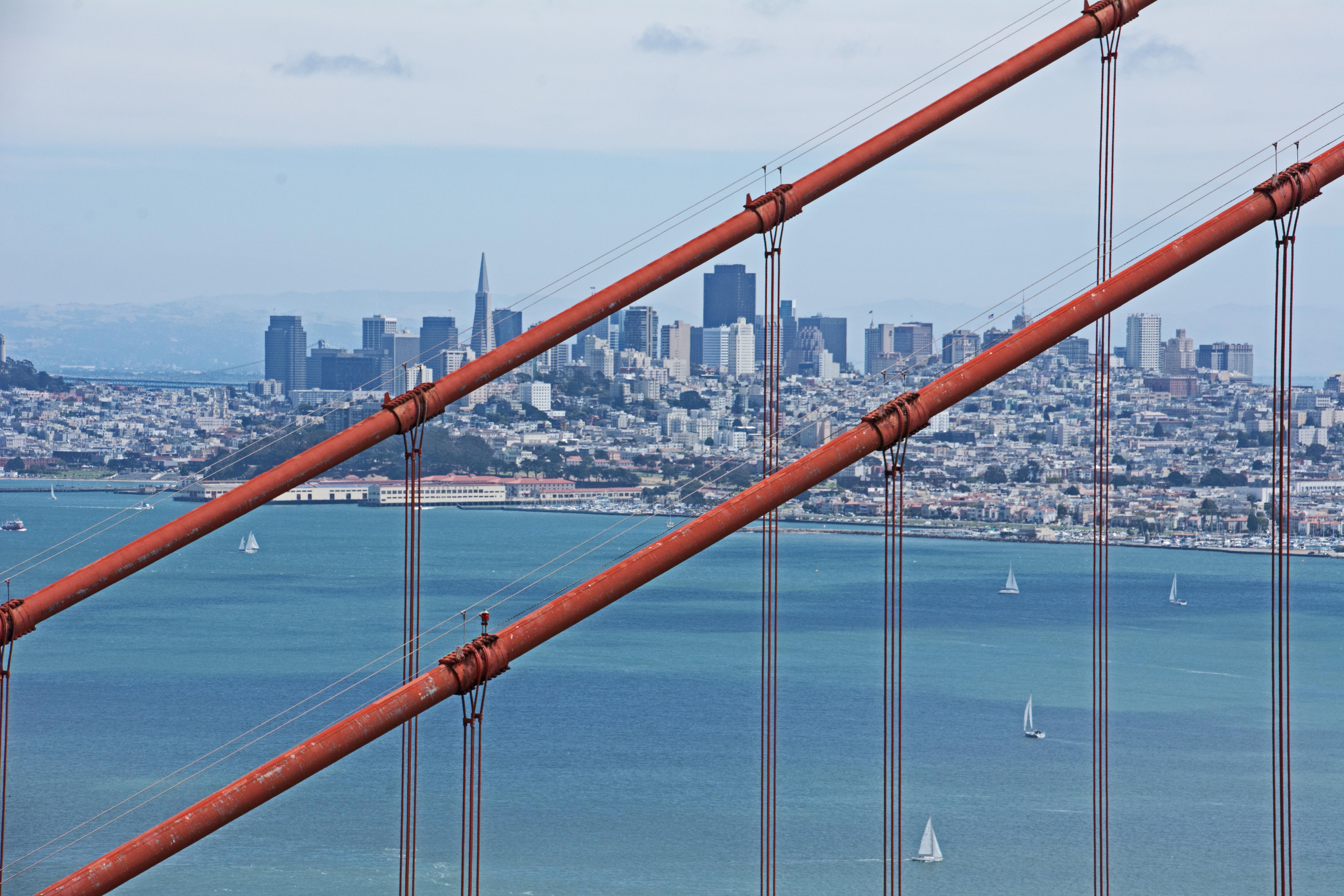
The weather was cool and windy, and the skies were extremely changeable, transforming from overcast to partial sun to dense fog in the space of a few minutes. There were, by moments, amazing views of the bridge, the bay with skimming sailboats, and San Francisco. Some high-spirited young people asked me to take their picture with their Polaroid camera, which I was happy to do.
14 08 10_1468_edited-1

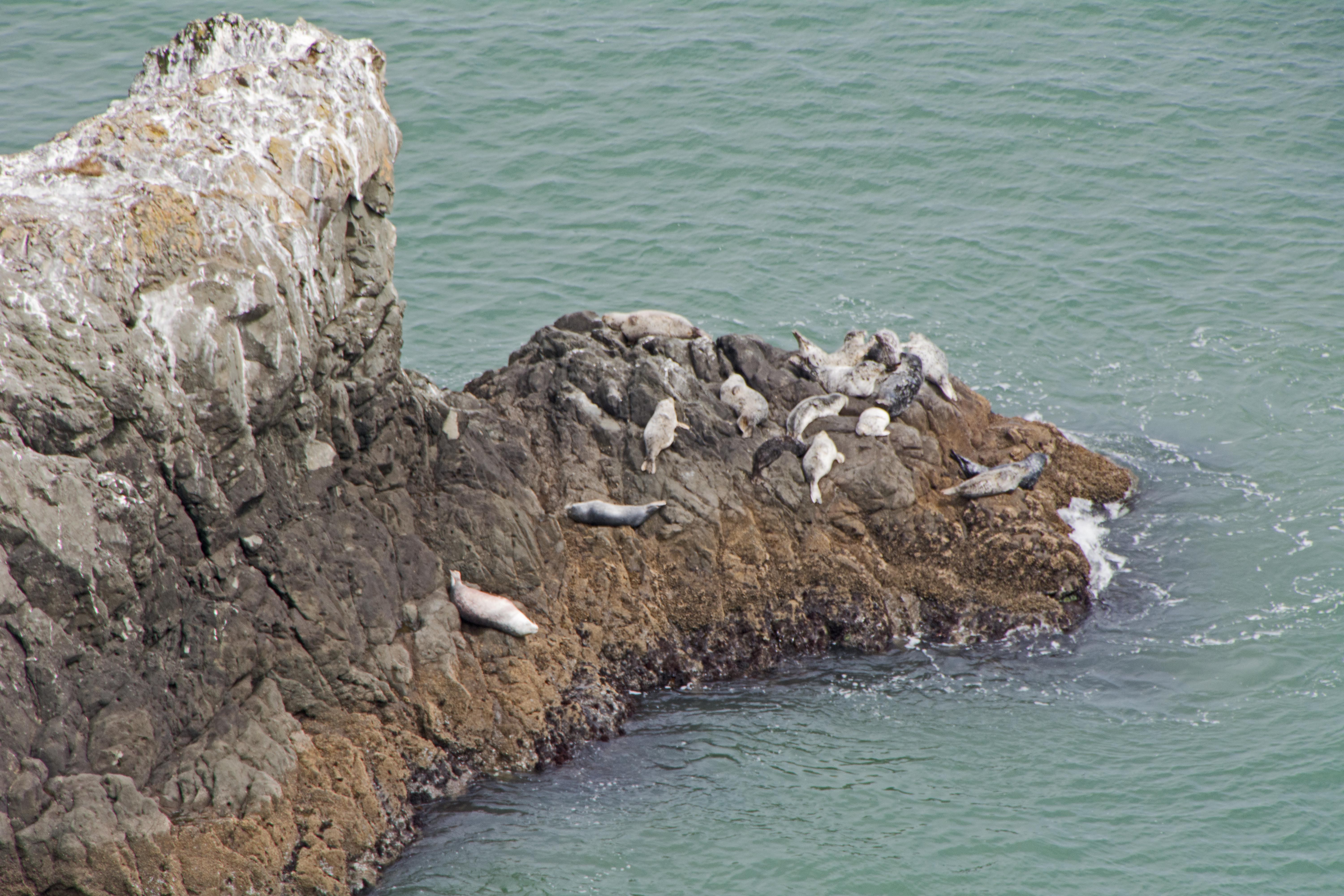
Then I drove on a very steep and winding road toward Point Bonita, where I hiked down to the lighthouse. There were harbor seals resting on a rock in the bay. From the suspension bridge to the lighthouse, there was a lovely view of cliffs coming down to the Pacific.
14 08 10_1456_edited-1

From Point Bonita I drove down to the town of Sausalito, where there were many bicyclists, yachts, street performers, and a fine view of San Francisco. I walked the main street of upscale shops and restaurants, and treated myself to an ice cream cone.
14 08 10_1473_edited-1

I’d thought of taking the ferry over to San Francisco, but was unable to find a legal parking space, and also was starting to feel tired. So I decided to drive on down to the hotel in Palo Alto. I’d counted on using my Galaxy smart phone and Google Maps to get directions, but the battery was very low. I put in the backup battery, and it failed to work. I looked for my extra backup battery, and couldn’t find it. My final backup system was the Enterprise rental car map, which did not have a detailed view of how to get through San Francisco. I felt a spike of fierce anxiety. I’ve gotten dependent on Google Maps. But my map reading and directional intuiting skills had not totally atrophied, and I eventually made it.

I learned the next day that Robin Williams had just died not far from where I’d been enjoying the bay and ocean views. I was a big fan of Williams, and felt shocked and sad to hear he’d gone, and even more sad to hear he’d apparently taken his own life. Such a brilliant comic talent.

At dinner that evening, we talked about his better movies, and I realized the works I cared about the most were his stand up comedy specials, which were both transgressive and sweet, full of manic energy and human warmth. I would have hoped that his special gifts gave him joy and satisfaction, and it’s hard to fathom how he could have come to the point of rejecting his own life. But he did. And although I can’t say it makes any sense to me, I think he was entitled to make the choice, and not be second-guessed.

My hopeful hand checkup, a new salad restaurant, a Porsche contretemps, and discussing legalization

14 08 03_1352I was a bit anxious about my check up for the torn ligament with the hand doctor earlier last week, but it turned out fine. After the doc twisting my fingers a bit and asked if it hurt (it did), he pronounced me improved, and lowered the chance of needing surgery to 5 percent (a big improvement from his previous estimate of 50 percent). He cleared me to play the piano gently (no Rachmaninoff, he said), but to otherwise keep my fingers taped up for another month. I asked about getting back to golf, and he strongly advised me to wait. This was disappointing, as I’d felt like this could be my year for a big golf breakthrough (as, admittedly, I’ve felt in previous years). Still, I I was pleased to be heading in the right direction.

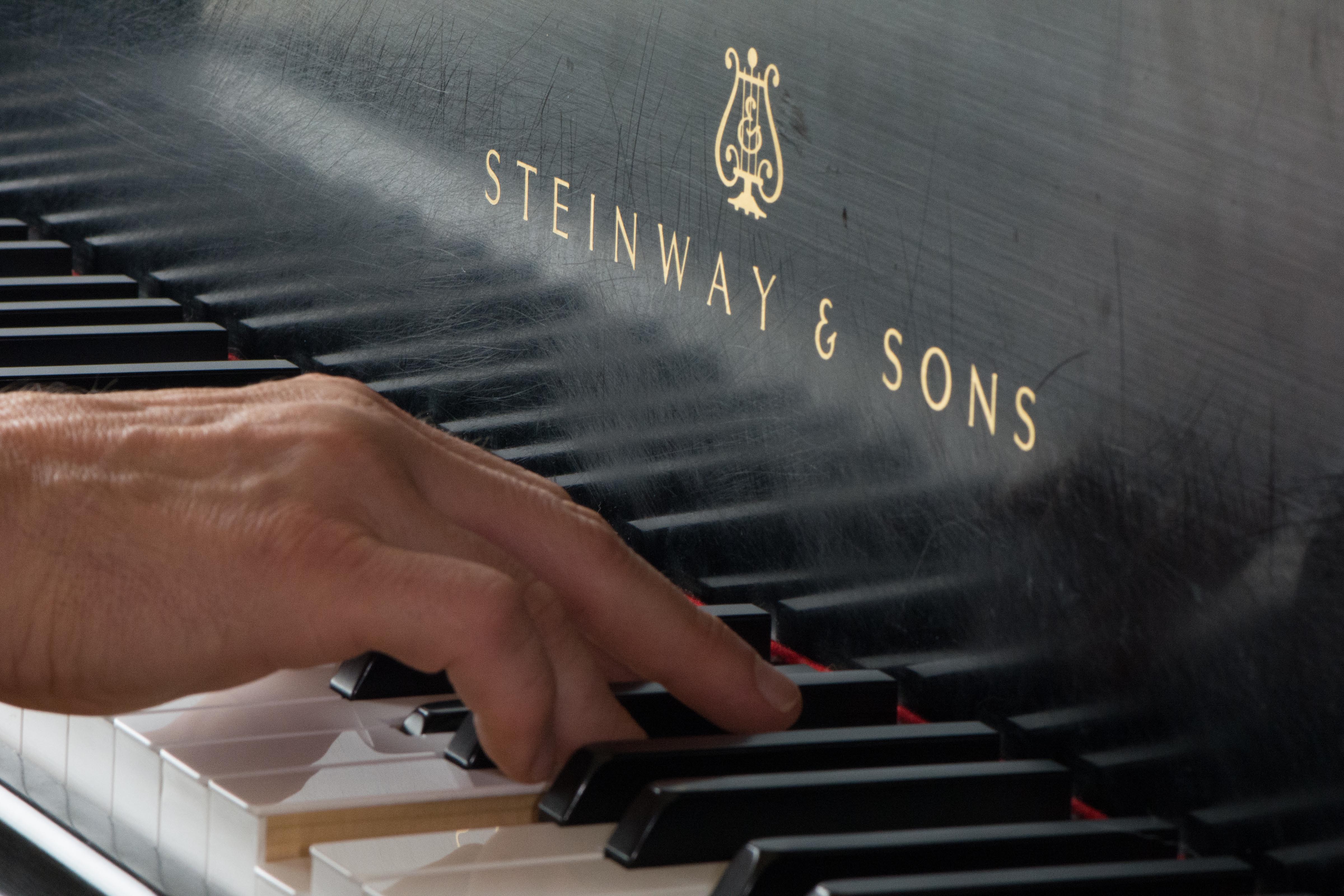
Playing the piano again was a rich, dense, textured pleasure. Going a month without playing is something that I hadn’t done for at least 30 years, and I missed it. I started gently with some Chopin mazurkas, and then some nocturnes. I couldn’t resist trying some Rachmaninoff – the Elegie, op. 3. It was all a bit rough, but I felt I was listening better, hearing more nuance, and playing with more rhythmic freedom. Perhaps the forced time off did my ears some good.

14 08 03_1277The next day I discovered Happy and Hale, a relatively new take-out restaurant on Fayetteville Street a couple of blocks from my office. It serves only three things: salads, smoothies, and juices. All are not only super healthy, but also lively, interesting combinations of ingredients. My first experience was the quinoa salad, which had quinoa, black beans, avocado, cilantro, feta cheese, and a couple of other things, with red pepper vinagrette. It was amazingly tasty. There was a long line, but I found this more cheering than annoying. It was good to see people interesting in eating something healthy, and to see this little business doing well.

The next day, I took Clara to the Porsche dealer for servicing. Her check engine light had come on, but even before the that, I’d felt something wasn’t right. Giving her more throttle in the higher RPMs yielded more noise, but not more thrust. I suspected a transmission issue, which turned out to be correct. I needed a new clutch and new flywheel, and the cost was a big ouch.

Waiting for the parts to come in, I drove a loaner Ford Explorer (a sport ute). I just don’t get why people like this type of vehicle, at least when they don’t have a big group of kids or other heavy loads to haul. To me it was not fun to drive. After my sports car, It felt lumbering and awkward. I had the impression of barely having enough road, like a truck pulling a massive mobile home, needing a “wide load” sign to warn other vehicles.

But I admit that I liked the instrumentation. It had a touch screen set up for the climate control, radio, blue tooth, etc., and a handsome virtual compass. In reverse, the touch screen showed the view behind, with the danger zone outlined in red. It had some sort of RFD key that allowed the vehicle to unlock when I pulled the handle without the need for any use of the key. A nice convenience.
14 08 03_1253
Reading the New York Times is a settled part of my morning breakfast ritual, and there is a sense in which I always enjoy it. But golly, the news has been grim! Part of it is structural: in conventional journalistic thought, information usually only qualifies as news if it involves dramatic conflict. So we don’t hear anything about the peaceful countries in, say, Africa. But the lead stories recently inspire a special mixture of horror and hopelessness, because they’re big and absolutely beyond any individual control. Examples: Syria, Iraq, Afghanistan, Russia, Ukraine, Israel, Gaza, Nigeria, Washington.
14 08 03_1242
This week, though, there was a welcome exception. I was pleased to see the Times came out in favor of partially ending the war and drugs and legalizing marijuana. The editorial board had clearly had thought hard about it, and put some elbow grease into collecting the arguments: including the enormous human cost, the huge economic cost, and the relatively low risk. It felt like a watershed moment. Maybe now it will be possible that we can have a debate based more on facts and less on myth, moralism, and hysteria. I don’t think marijuana is a particularly good thing; for some people it’s surely an unhealthy thing. But criminalizing it has been an absolutely terrible thing.

So we might be close to overcoming this particular moral hysteria and to ending of prohibition. Perhaps some of our other seemingly intractable problems aren’t beyond all hope.
14 08 03_1250_edited-1