The Casual Blog

Category: science

Bad ski luck, good paintings, and amazing atoms
IMG_0236_edited-1
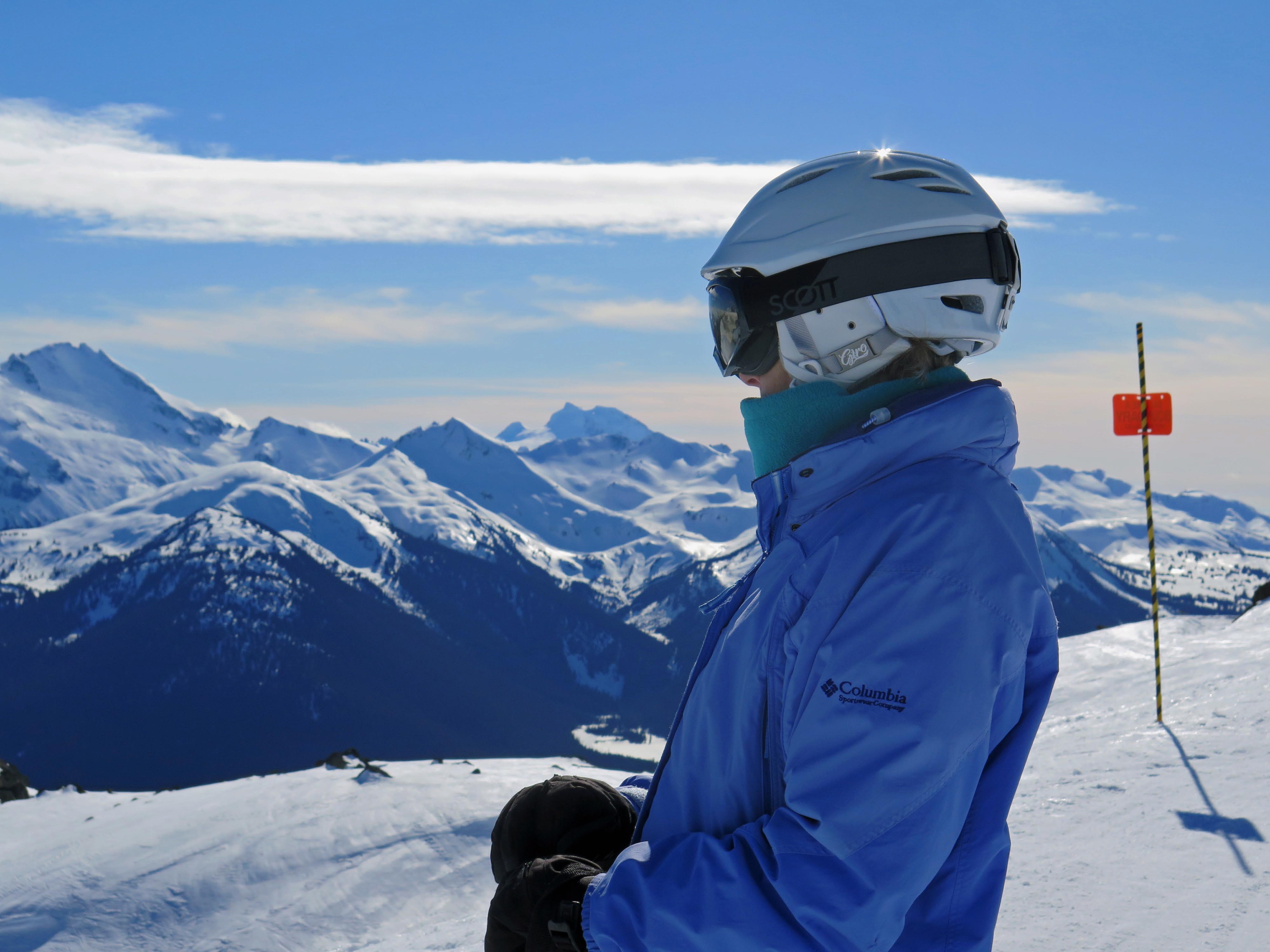
Our ski trip to Whistler was a mixed success. The alpine vistas were out-of-this-world beautiful. The runs were long, and the terrain was varied and challenging. The skies were mostly blue, and the temps were moderately cold. The village was bustling with lots of shops and restaurants, and people speaking many different languages. The free bus system got us around, though we sometimes had to wait a while. We had exciting adventures, good meals, and laughs with family and friends.

The snow, though, was disappointing. We arrived right after two exceptionally good snow years, and in the middle of what’s normally the snowiest time of year, but found it hadn’t snowed for weeks. Bad luck! There was still snow on the upper part of the mountains, but for most of our stay, its texture ranged from fairly hard to super hard.
IMG_0199_edited-1

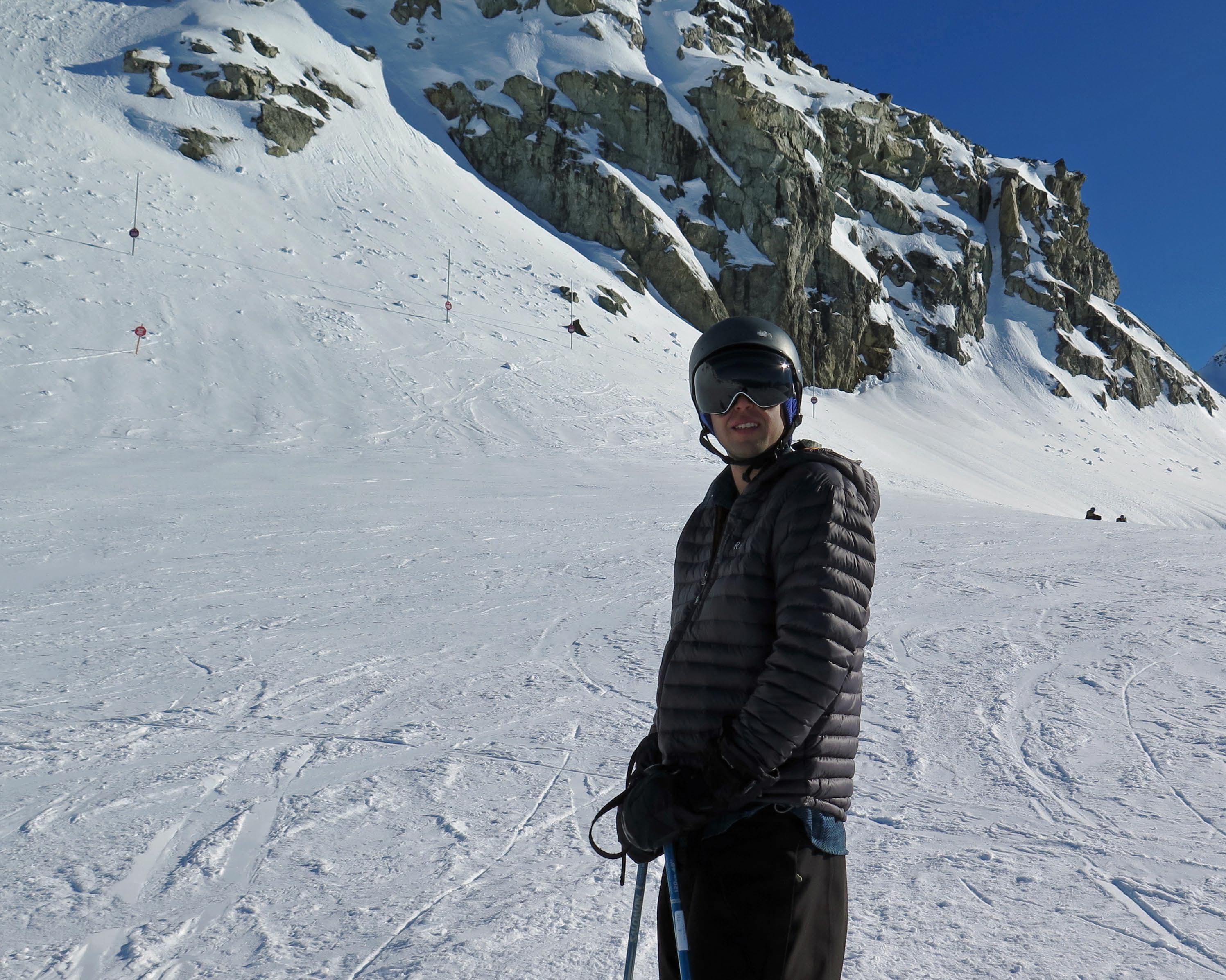
The sound of skis on fairly hard snow is sort of like the sound of an ice scraper on an icey car windshield, or a snowplow scraping a street. We learned to listen for that sound as we went up the lifts and watched skiers descending the steeps, and pondered the least noisy way down. At speed on hard snow, you get bounced and buffeted, and you make those awful scraping sounds. You need to watch out for rocks. It’s hard to relax and let it flow.

But we did find some areas of non-punishing snow, and had a certain share of joyous turns. We particularly enjoyed some areas on Blackcomb mountain that had dramatic rolling ups and downs. There were pitches with non-icey moguls that were fun. And at the top, as I mentioned, spectacular alpine views.

I skied on rented Volkyl Kendos, which I found to be versatile and reliable, stable at speed and quick from edge to edge. I was also happy with my new Dalbello Panterra 100 boots, which were easy to get on and stayed in good communication with my edges.
IMG_0241_edited-1
We had an afternoon in Vancouver before heading home, and checked out the Vancouver Art Gallery, a fine old building in the classical style. There was a exhibition featuring some fine works of Cezanne, Degas, Pissaro, Van Gogh, Modigliani, and Soutine collected by Henry and Rose Pearlman. I enjoyed the paintings, and was particularly glad that Gabe could see this well-chosen collection, while his own artistic eye is developing so quickly.

We also checked out an exhibit of contemporary Chinese art, where I saw two pieces that blew me away: a giant sculpture by Ai Weiwei made of hundreds of antique three-legged stools (shown in this video) and installation involving ceramics by Liu Jianhua that seemed to hover both in space and time. We also stopped in the Coastal Peoples Fine Arts Gallery, which had interesting masks, totem poles, and graceful stone sculptures of bears and other creatures.

On the trip back, I finished reading Your Atomic Self: The Invisible Elements that Connect You to Everything Else in the Universe, by Curt Stager. Its main point is to explain how our bodies are built and operate from an atomic perspective. We all know, sort of, that we’re essentially atoms, but it’s challenging to grasp and accept what that really means. Stager traces our oldest bodily elements back to their origin in exploded stars, and explains how our constituent atoms have been recycled through minerals, vegetables, and animals prior to arriving in us. The idea that we’re connected to everything around us turns out to be true! I found it challenging, and inspiring.
Winter blossoms, understanding false memories, and lively ballet

_DSC8355_edited-1
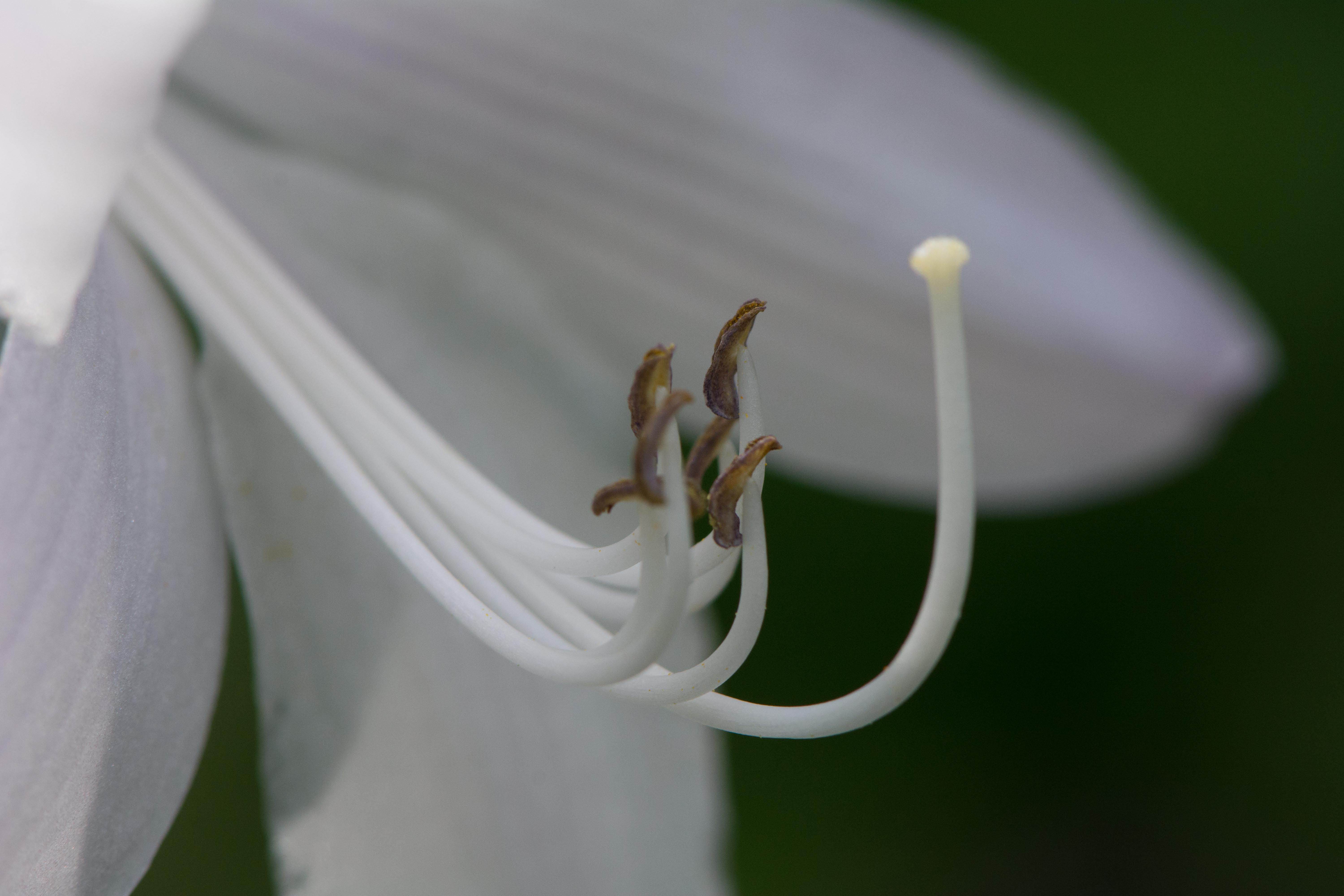
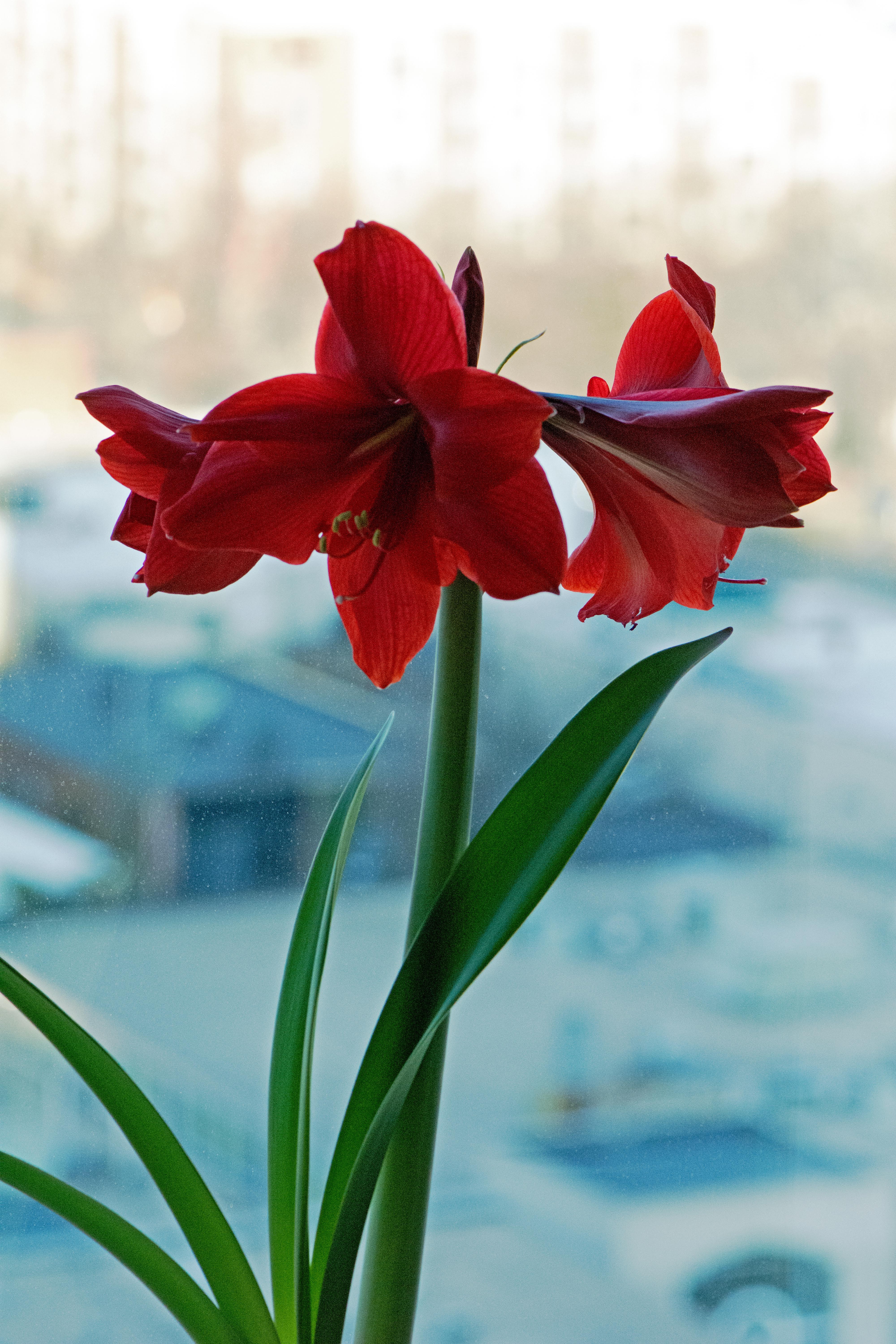
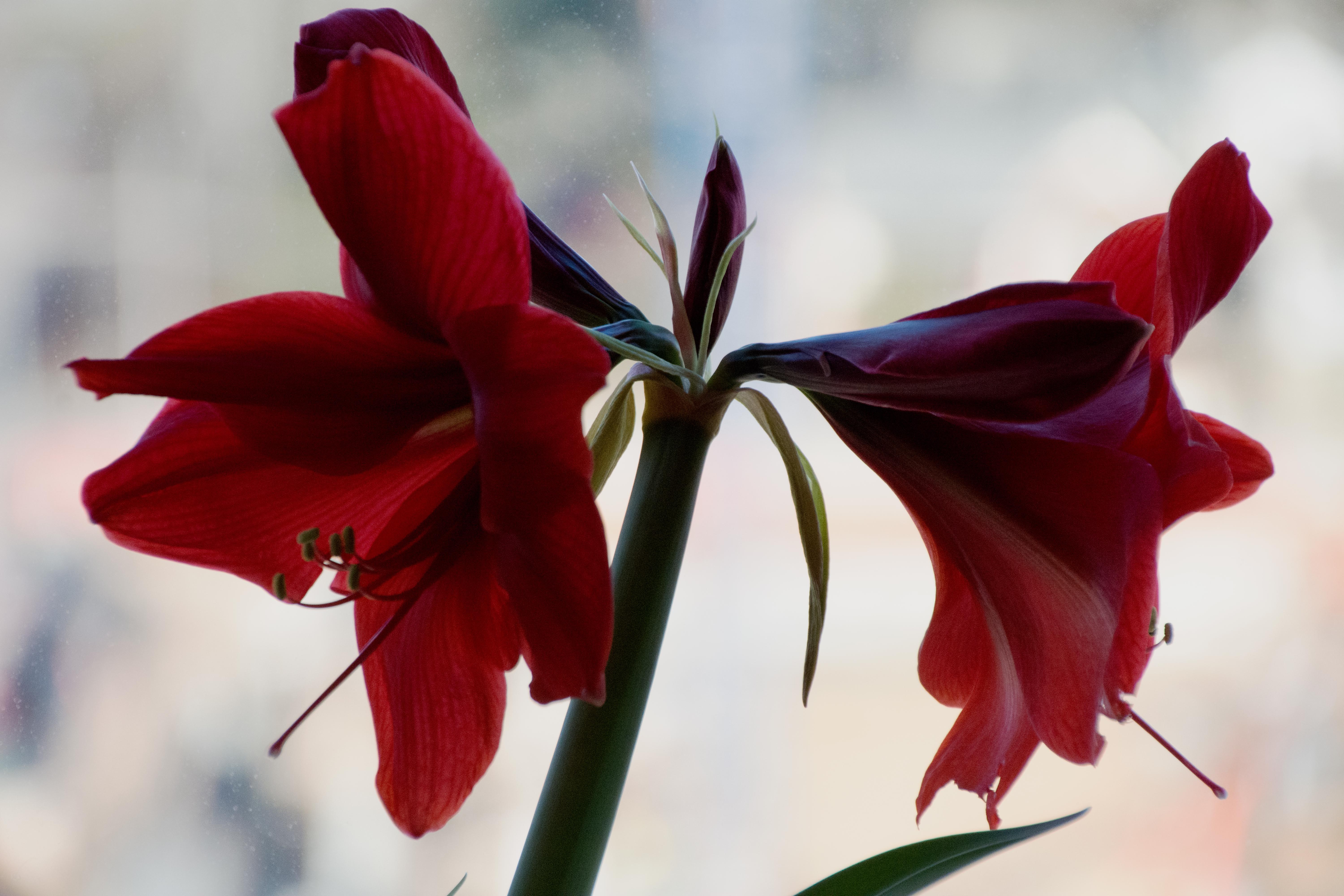
After an auspicious Groundhog Day, the weather turned cold, and we started really wishing for spring. Fortunately, our dear houseplants are keeping our spirits up. Sally recently agreed to adopt her mom’s amaryllis bulb, which needed more sun than Diane had ready access to. It’s been getting taller (see photo from last week’s post), and this week it bloomed spectacularly. I got these photos looking west when the sun had just risen.

It was a tough week for Brian Williams, who was suspended from reading the network news for recounting a harrowing war story that didn’t exactly happen, at least to him. I do not know the man, and have no knowledge as to whether he intentionally lied.

But I do know it’s entirely possible that he had a false memory that he mistook for a true one. This has happened to me, and it’s probably happened to you. Plenty of research has established that human memory is highly fallible, and some memory errors are dramatic. Thousands of people “remember” being abducted by aliens (which I’m fairly confident didn’t happen). Quack therapists have persuaded many unfortunates to “remember” childhood sexual abuse that never occurred. And some crime victims “remember” and identify their attackers with apparent certainty, after a bit of police coaching, though DNA evidence shows the attacker was someone else.
_DSC8318_edited-1

Celebrating the downfall of those with disproportionate luck as to wealth and good looks is of course good fun, and there was great schadenfreude in the land over Williams’s I’m-kind-of-a-hero story. But there were a few voices in his defense pointing out some of what we’re learning about our memory imperfections and other mental challenges. The Times had a a useful quick summary.
There was also a good article in Slate by Christopher Chabris and Daniel Simons that gave some practical suggestions for reducing the likelihood that you will make the kind of mistake Williams may have made, such as checking your facts when you really need to get the fact right. By coincidence, I’d just listened to interviews with these same guys on You Are Not so Smart, a podcast focused on the science of our systematic shortcomings, like memory glitches and unconscious bias.

We like to imagine ourselves as powerful and perfect, but it’s much more useful to be aware of where we are prone to error and delusion. Understanding our cognitive weaknesses can help us avoid some mistakes and make better decisions. Also, understanding that we are all fallible might make us a little more humble and a little less judgemental.

_DSC8267_edited-1

One of the great thing about ballet is that, though mannered, it also has a kind of emotional directness. It doesn’t need much in the way of narrative to involve us. As humans, we are just naturally interested in the physical aspects of other humans. Within the safe zone of the theatre, we are privileged to gaze at the beautiful dancers, as they share themselves and bring us to life.

On Saturday night, we saw the Carolina Ballet do a program with works by Robert Weiss and George Balanchine. Jan Burkhard and Nikolai Smirnov were dazzling in Tarantella. Balanchine’s take on gypsy dancers is light, but also intense, and the dancers seemed to push to their limits. Balanchine’s famous Four Temperaments was more austere, with the dancers in basic black and white and inwardly focused, but it was equally stimulating. Cecilia Iliesiu as Choleric was particularly fine – commanding and regal.

I also really liked the two new Weiss ballets. The Double is a duet of two women, not identical but nearly, moving closely in synch in shadows. Alicia Fabry and Alyssa Pilger were beautifully paired, and entrancing. Weiss’s Grosse Fuge, to Beethoven’s famous and strange late work, had a large cast and high kinetic energy.

Breathing better, climate change changes, and the amazing Birdman

_DSC8116
A lot of things that are good for us are kind of tough, at least initially. I’m thinking especially of avoiding junk food and exercising, which require an up-front investment of time and energy. So I was pleased to come upon a report of a good-for-you activity that’s free, easy, and immediately rewarding. According to the Wall Street Journal this week, deep, slow breathing can help with stress, migraines, and other disorders. This stimulates the vagus nerve and causes the release of acetylcholine, which slows down the digestive system and heart rate.
This beneficial effect was not completely surprising to me, as this is the kind of breathing we do in yoga, and it feels good. At our 6:00 a.m. yoga class last Tuesday, Suzanne was coaching us to breath in on a slow count of 4, pause, then breathe out to a count of 4, and pause again. I later tried this technique when I was having trouble sleeping, and whoosh, off I went to dreamland.
_DSC8140

I’ve been taking particular note lately of how many of our most fervent beliefs are dubious, and how resistant many of those beliefs are to change. For example, no amount of evidence seems to shake the certainties of opponents of evolution (forty some percent of Americans). I was worried that this was where we were on global warming, as we head toward the precipice.

But this week there was some good news: more people are taking the view that we’ve got to get serious about climate change. This week a NY Times poll“found that 83 percent of Americans, including 61 percent of Republicans and 86 percent of independents, say that if nothing is done to reduce emissions, global warming will be a very or somewhat serious problem in the future.” Two-thirds said they’re more likely to vote for political candidates that support addressing global warming. Even Republicans are moving in the right direction: 48 percent of them went with the majority.

So the overwhelming majority of us agree that we’ve got to get to work on saving the planet. This is encouraging.

Still, what could explain the people who think we have a serious problem but will not support doing anything about it? Is it amoral cynicism and greed? Whatever it is, we need to make sure those people do not win.
_DSC8115

We finally got out to see Birdman this week, and thought it was great. Michael Keaton plays Riggin Thomson, a former action movie star who’s gone downhill but has decided to take a big chance and direct and star in an angst-ridden play that’s opening on Broadway. Riggin seems to be going crazy, with bursts of despair and brilliance.

Is it a very dark comedy, or a surreal drama? It’s edgy and intense, and doesn’t fit neatly into any genre. It reminded me of the great movies of Bergman, Fellini, and Scorsese — psychological, visionary, and manic. A very interesting score (jazz drumming, Mahler), evocative photography, and very fine acting. It challenges us with ambiguities. It would like us to think.

I wish its gifted creators (including the remarkable Spanish director Alejandro Gonzalez Inarritu) good luck at the Academy Awards (where it has 9 nominations), but I’m afraid that it will be too original and unsettling for the Academy. I note that when Sally and I went to see it at the multiplex last Thursday, we were the only ones in the theatre.

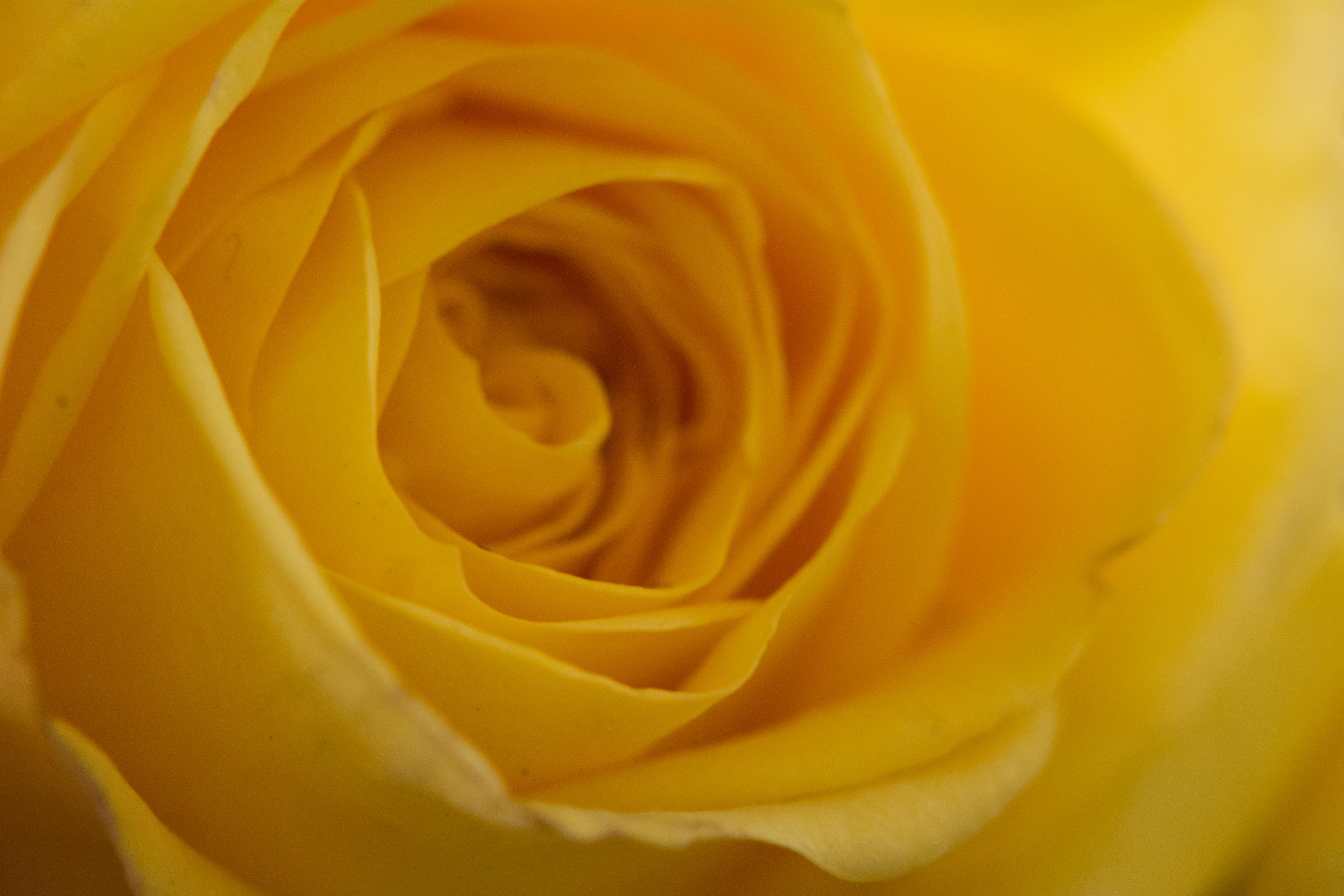
Re the pictures: Sally brought home some roses from Whole Foods and made a lovely arrangement. She’d discovered that though the cats like to eat certain flowers, and then throw up on the rugs, they were less drawn to this kind. I liked the light on Saturday morning.
_DSC8118

Sorry to be difficult, but — why I’m going vegan

14 12 07_3799
While I’ve been a vegetarian for going on 20 years, I’ve been fine tuning my approach over time, and getting my habits aligned with my health needs and values is still a work in progress. Cutting out eating animals, starting with cows and pigs, was a significant step, but only part of the story. Just as important, for health purposes, was cutting out foods that taste good but are actually bad for you, like sodas and chips. More challenging has been increasing the percentage of foods that are really nourishing, including some that I’ve long resisted.

From persistent testing and trying, I’ve finally gotten comfortable with some healthy foods I used to detest, like beets, peas, and Brussels sprouts. I’m eating lots of dark green veggies (like kale, spinach, chard, turnip greens, and dandelion greens) and fruit in my breakfast smoothies, and I’ve been getting vitamin rich cold pressed juices to sip for snacks. My repertoire of tastes has expanded.

Recently I made the shift from vegetarian to aspiring vegan. So it’s goodbye to dairy and eggs (with the understanding that there will be occasional emergencies and slips). This is partly a matter of getting healthier, but even more a matter of values. The more I learn about factory farming, the more persuaded I am that we can’t go on like this.

It is truly horrific for the farm animals, to our great shame. It’s also sickening for us (E. coli, salmonella, antibiotics, steroids). Cutting cheese from the lineup is especially challenging, both because it’s tasty and it’s everywhere. And I will miss the wonderfulness of ice cream. But I will also feel better not supporting this unconscionable cruelty and heedlessness.

Our individual eating choices may seem trivial compared to our epic social problems, like global warming, but I think they are related in a couple of ways. Industrial farming of animals is a major part element of global warming, because of the huge emissions of greenhouse gases (CO2 and methane), not to mention pollution of surface and groundwater and other environmental problems. To the extent we don’t support factory farming, we’re working on those problems. In addition, by getting ourselves healthier, we improve the chances of having the clarity of thought and strength to take on our big social and environmental problems.
14 12 07_3798

So I don’t think it’s completely self-centered to focus on the physical self. But I admit my own motives are not purely altruistic. I’m also interested in feeling good now and functioning well for a long time to come. Exercise is also an important part of this, of course. So I’ll report briefly on my current cross-training system, which I’d say is working well. I feel good.

This week I’ve done two long gym work outs (cardio and resistance), lap swimming, two yoga classes, a spin class, a visit to my personal trainer, and outdoor running. For gym cardio, I’ve done the elliptical machine, rowing, treadmill running, stairs, and jump rope. I have a wide range of functional movements in the rotation, from lunges to box jumps to balancing to shuffles, and a variety of core work, as well as stretching of the major muscle systems.

It’s strange, I know, but I actually look forward to getting up around 5:05 a.m. Every day is always a little different, with a new challenge. I enjoy being with people in the classes, and I enjoy listening to music and reading when I’m working out on my own. And getting up early isn’t as hard as I once imagined, because it has become a habit. I don’t have to think whether or not to get up, because it’s just something I just do. But it’s also fun.
14 12 07_3782

On Saturday night, Sally and I tried our first vegan pizza at Lilly’s, and saw The Theory of Everything at the Rialto. The pizza wasn’t so great – there was something a bit off with the non-dairy “cheese” — but we really liked the movie. It’s basically a biopic on the British physicist Stephen Hawking, with particular focus on his marriage. As Hawking, Eddie Redmayne’s performance is a nuanced and remarkable tour de force. His gradual loss of control of his muscles is noted without mawkishness, and his courage and perseverance are noted without huzzahs. Having lost my own father to ALS, I’m particularly conscious of the brutality of this disease, and particularly amazed that Hawking managed to become a path breaking scientist while it ravaged his body and threatened to kill him.

Unconnected to the movie, early this week I read an interesting story in the BBC en espagnol web site regarding Hawking and artificial intelligence. I was surprised to see him saying in an interview that he expected AI would eventually not only surpass human intelligence, but would threaten it. I can see that our AI creations may eventually begin to improve themselves and leave us behind in terms of IQ, but they will not carry the emotional components that drive humans to compete for resources and domination. So why would they threaten us?

A new crane, a wrongful execution avoided, and factoring in dissonance

14 09 17_2621_edited-1I like watching work at construction sites, and I particularly like cranes. They denote strength and optimism. So it was a particular treat this week to get a close view of some hardworking guys putting up a big crane on a building site one block up from, and almost level with, our apartment. It took two guys about a day a a half to put up the structure, and a group of five worked on the cabling for another day and a half.
14 09 17_2633_edited-1

Exoneration

There are lots of good arguments against the death penalty, including that it doesn’t deter crime, it costs way too much, and it conflicts with the fundamental moral rule against killing. Recently I was powerfully reminded of another one: our criminal justice system inevitably gets some cases wrong and convicts innocent people.

It was front page national and local news recently that Henry Lee McCollum was found innocent after 31 years on death row. As a younger attorney, I volunteered to represent McCollum in one of his appeals (to the N.C. Supreme Court). He’d been convicted – found guilty beyond a reasonable doubt by a unanimous jury – of a horrible crime – a particularly gruesome rape and murder of a 13-year-old girl. After I’d spent many hours studying the record and the elaborate constitutional doctrines surrounding the death penalty, I pulled together a lengthy brief of what I thought were the best arguments for not executing him.

In my brief, I did not mention the possibility of innocence. Truly, despite McCollum’s innocence claims, I never seriously considered the possibility. He’d made an elaborate, detailed, signed confession. Why would anyone confess to a crime they didn’t commit?

Of course, we know now that this is all too possible. Coerced confessions happen. The case of the Central Park five, young men convicted of a brutal rape of a young woman jogging in the park back in the 80s, is a dramatic example. Just this month New York City agreed to a settlement of $41 million to compensate the young men for their wrongful conviction and imprisonment.

McCollum was and is a mentally disabled person (IQ of around 60, as I recall), and when I met him, in the visiting room at Central Prison, he seem gentle and soft spoken. He was still a teenager at the time of the crime. It’s not hard to imagine that he could be coerced into doing something contrary to his interests. Apparently after the interrogation and confession were complete, he asked, Can I go home now?
14 09 17_2652_edited-1

I’d thought about him from time to time over the years, and figured he would probably escape execution because of later developing Eighth Amendment (“cruel and unusual punishment”) law barring execution of the severely mentally disabled. It was cheering to hear that a team from the Center for Death Penalty Litigation had worked diligently on his behalf. But it’s also horrible to think of the injustice our state (that is, us) inflicted. Putting a man on death row for 31 years is, in a very real sense, robbing him of his life.

We now know that eye witness identifications are far from completely reliable. Confessions are not always reliable. Memories can seem absolutely certain, and still be wrong. We are inevitably going to make some mistakes in on the basic question of guilt or innocence. This argues strongly against punishing people with death.

Mistakes Were Made

The more I learn about how error-prone our thinking processes are, the more I think we should be a little more humble about the power of our brains and the reliability of our notions. I’m re-reading Mistakes Were Made (But Not by Me), by Carol Tavris and Elliott Aronson. Tavris and Aronson are social psychologists, and their book is a lively guide to the systemic flaws in our perceptions and theorizing. Their primary subject is cognitive dissonance, and the comedy and tragedy of self-justification that flow from it.
14 09 18_2687_edited-1

Dissonance occurs when we try to hold two conflicting ideas in our heads at once. It causes us discomfort, and we will perform remarkable mental gyrations to avoid it. Thus it is amazingly hard to talk someone out of strongly held beliefs. Dissonance makes us ignore and suppress facts and arguments that don’t fit with those beliefs. To avoid dissonance, we come up with justifications for our most egregious mistakes.

Tavris and Aronson convinced me that this is not something that happens only now and then, but rather is pervasive. One of their numerous examples is police coercion. The police “know” (strongly believe) that a suspect is guilty, and therefore feel justified in using extreme coercion to extract a confession. The innocent suspect is confronted with powerful dissonance – actual innocence and authority figures forcefully insisting on guilt. One path to eliminating dissonance is to confess. It isn’t that hard to imagine that a young or weak person could go that way.

They note that even scientists are vulnerable to this basic mechanism, but suggest that science itself can help us address our inborn tendency to avoid dissonance. The ability to allow for the possibility that we might be wrong is incredibly valuable. It can keep us from making terrible mistakes.
14 09 18_2668

A forced break from piano playing, and thoughts on autodidacts and other learners

14 07 25_1170
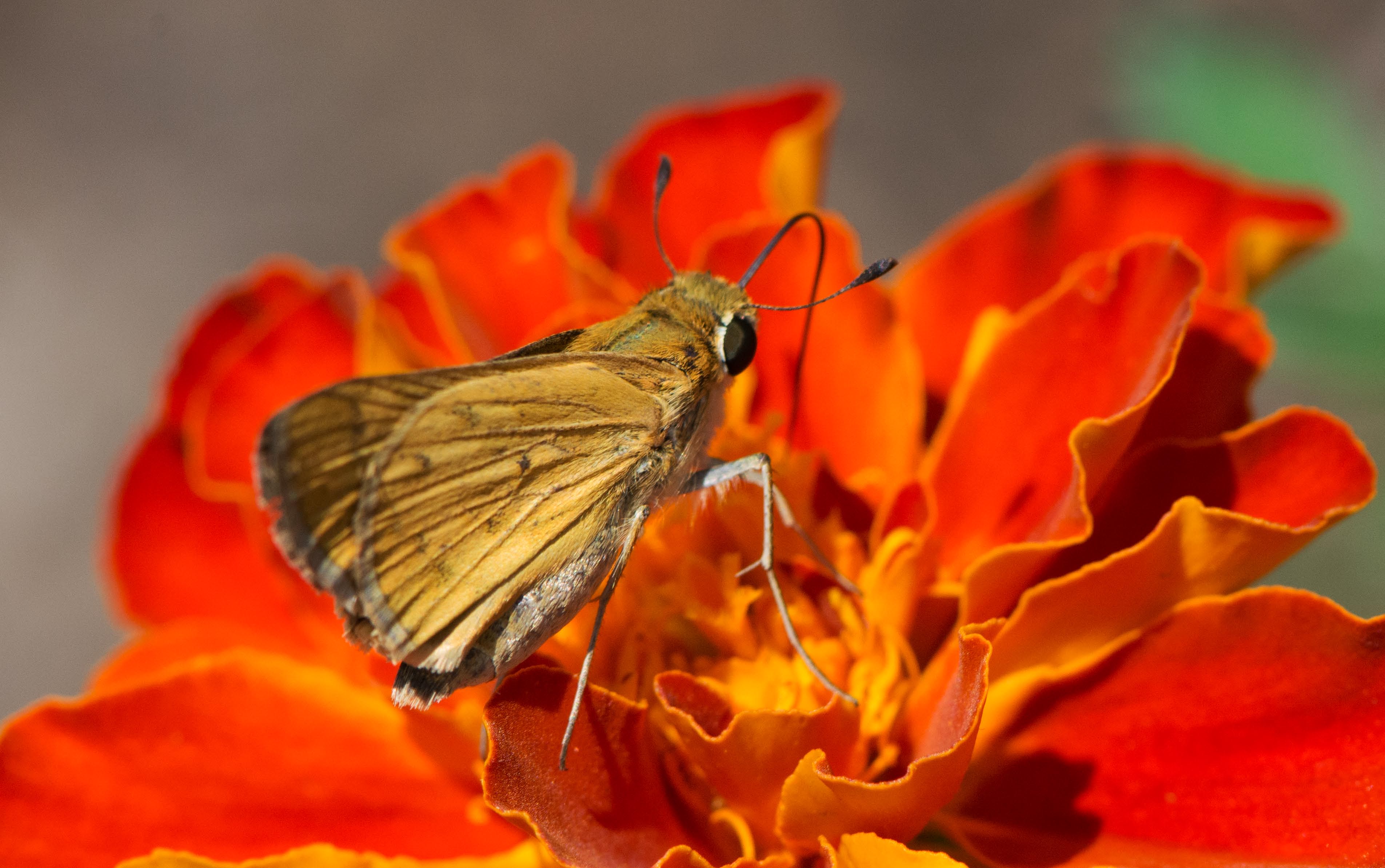
After work on Friday I drove up to Raulston Arboretum to check on the flowers and insects. The rose garden was gone – nothing there but dirt. But there were still plenty of things growing, and bees and other insects hard at work. I particularly liked this uninhibited butterfly.
14 07 25_1169
14 07 25_1171
14 07 25_1174

It’s been a whole month now that I’ve been unable to play the piano. I’ve been following my hand doctor’s orders and keeping my fingers taped up, hoping that the torn ligament serving the middle finger of my right hand will heal. Practicing the piano every day is a habit of many years. While I wouldn’t say I’m going through withdrawal, I certainly don’t feel as happy and balanced as usual. Piano music is a big part of my life, and I miss it.

But I’m trying to stay positive. The hand will get better eventually, probably. And I’ve used some of the time freed up from practicing to do ear training exercises that should make me a better musician. I had some exposure to these in my student days, and learned enough to pass the theory course, but not enough to feel really competent. The reason I didn’t do more was, it’s more work than fun. But I see now how a richer understanding of intervals and harmony could help me as a sight reader and interpreter.

Anyhow, I’m learning something. It feels normal to me to continually be learning new things. I tend to think that being curious and having the stamina and gumption required to take on new intellectual challenges is itself a gift, bequeathed by my parents and their ancestors, and also a product of my friends, teachers, and the books and other information that shaped me. But how it works, and why not everyone gets it, are mysteries.
14 07 26_1208_edited-1
14 07 26_1209_edited-1
There was a piece in Slate this week about education that suggested folks like me were outliers, “autodidacts,” and part of a minority able to learn without teachers, classrooms, and surrounding students. I suppose that’s possible. But I did not agree with the author’s premise that schools as they currently exist are optimal learning environments for most people. I suspect that as often as not schools destroy kids’ natural love of learning and at the same time fail to give them the tools they need to pursue their own learning paths.

So what is the best way to learn? Scientific American this month had a piece on recent research on this. The central idea was that we’ve done very little research into the most effective methods of helping people to learn. Instead we simply keep repeating traditional methods. The field of science-based education methods is still in its infancy, but there’s already enough to suggest that a lot of our methods are not very effective, and that we’ve got a lot of work to do.
14 07 26_1239

A charming New England beach trip, with friends, shorebirds, croquet, and a spot of evolutionary theory

14 07 20_0754_edited-1
Last weekend we took Friday off and flew to Boston, then drove down to Westport, Massachusetts, a small coastal town on the border with Rhode Island, where we were privileged to be guests of Sally’s cousin and her family. The area has a lot of New England charm, with stone walls and farm fields. Our hosts’ house was beautiful, and also well designed for relaxing. We did a lot of sitting around and talking, eating, and laughing.
14 07 20_0809_edited-1

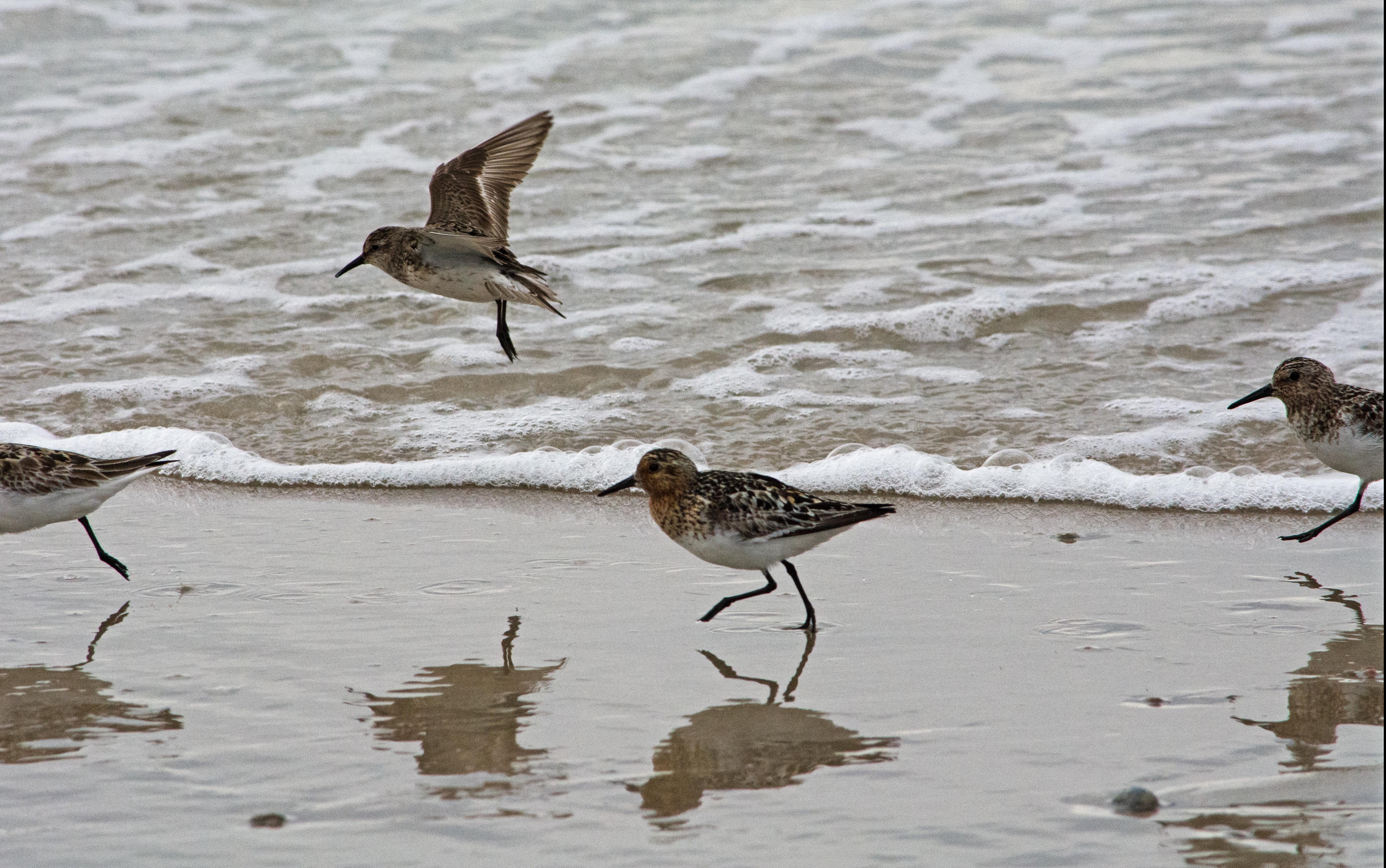
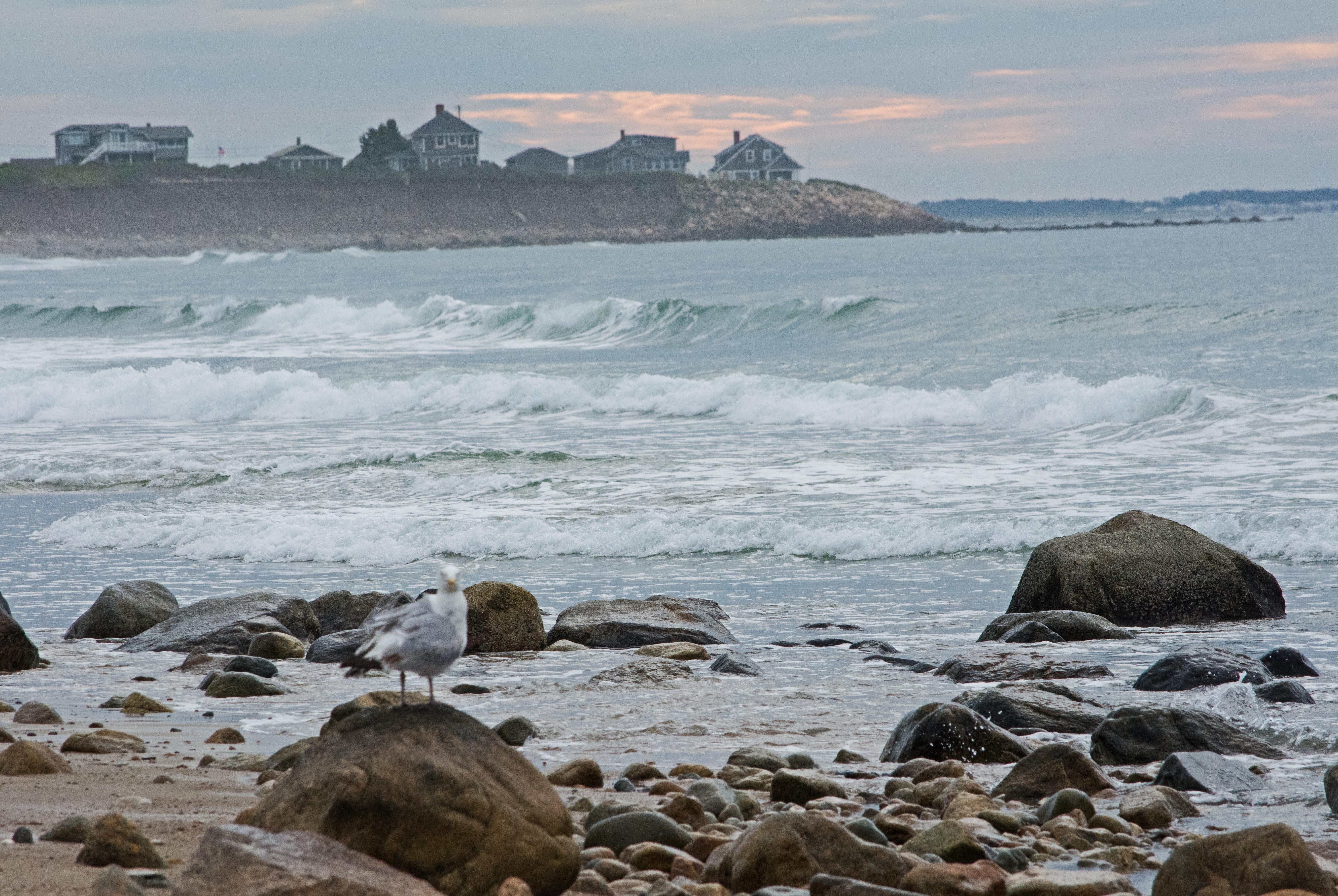
Two mornings I got up early and walked down to the beach to stroll with my camera. The beach was rocky, but pretty. It was peaceful to just walk with no one around as the sun came up. I watched the shore birds, and felt a combination of amusement, delight, and wonder.
14 07 20_0796_edited-1

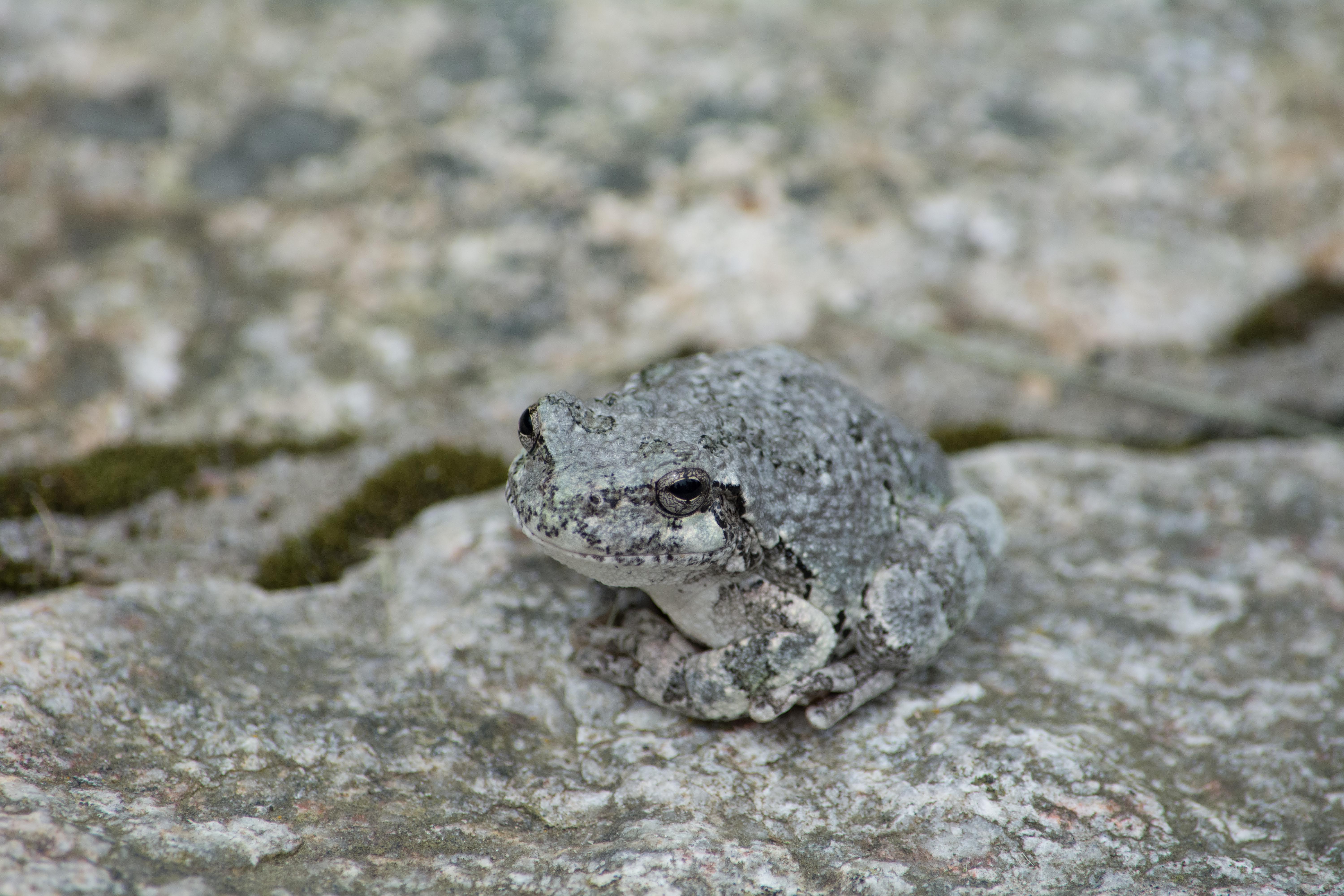
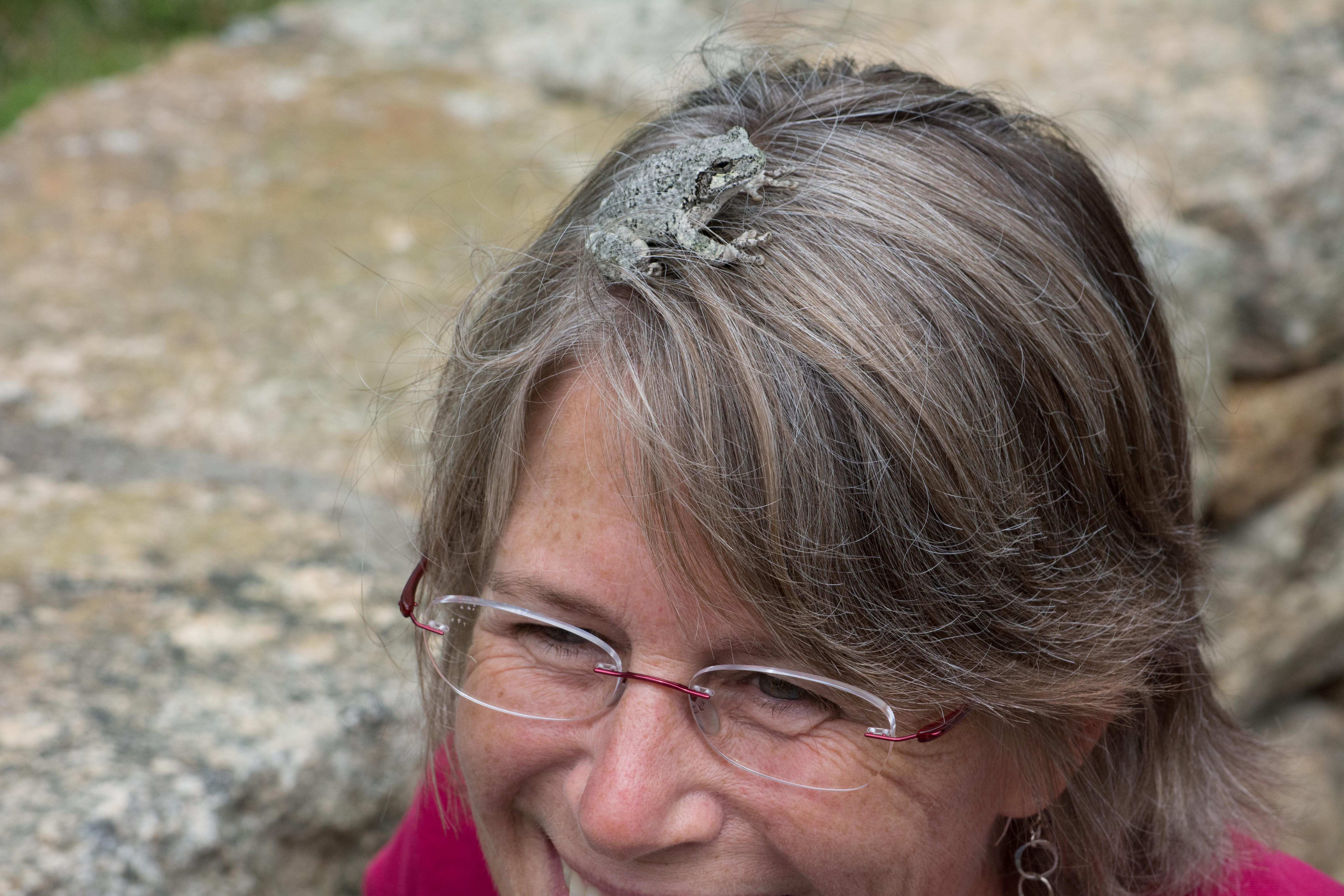
In the backyard, we saw a beautifully camouflaged tree frog sitting on the stone wall. It decided to jump onto Sally, which she liked.
14 07 19_0977
14 07 19_0984

We also took a boat ride and saw quite a few ospreys, including nesting fledglings and patrolling parents.
14 07 19_1035_edited-1

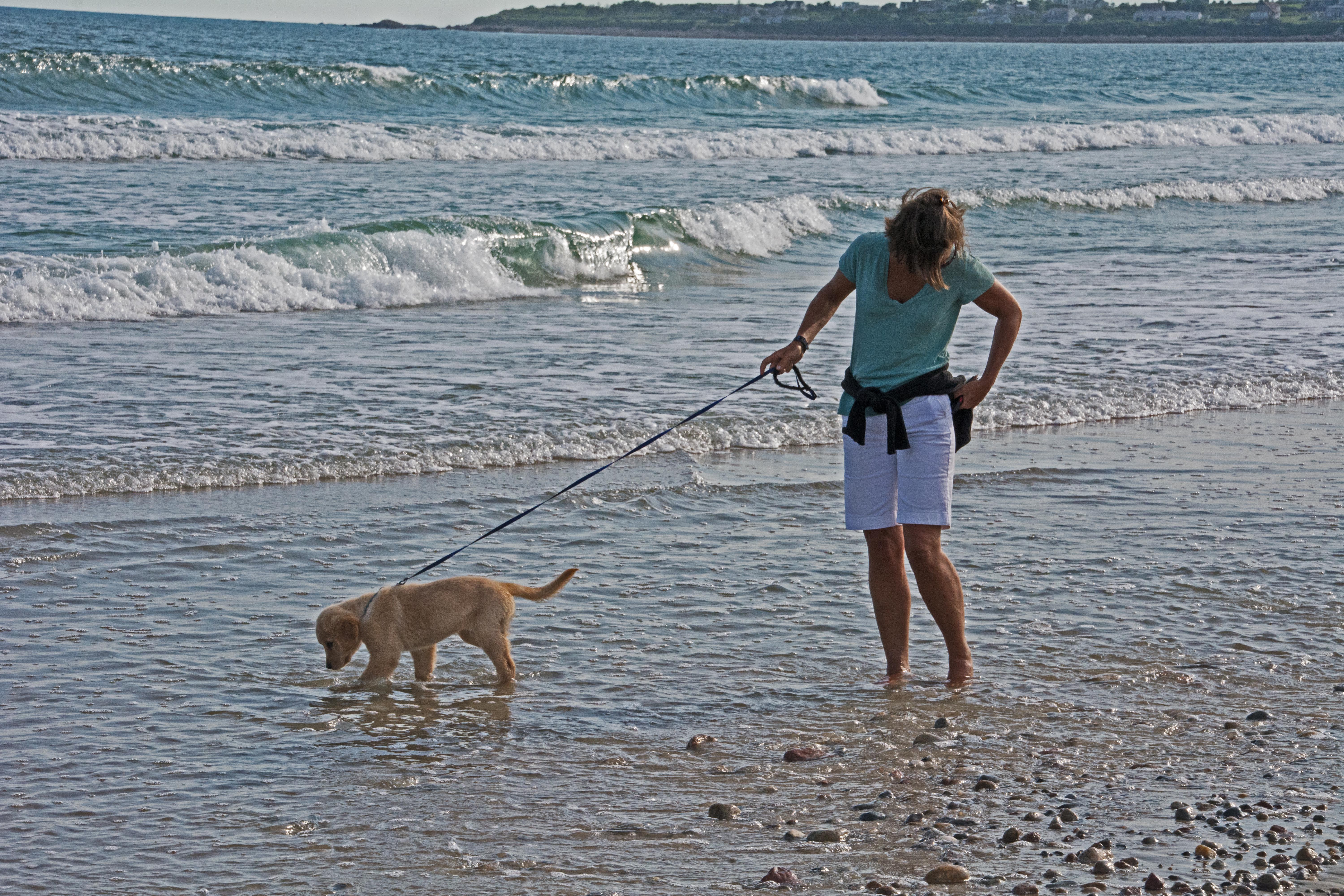
We took along a 12-week-old golden retriever puppy, the cutest thing ever, friendly and curious, with amazingly soft fur. This one had a specially designed life jacket.
14 07 18_1116
14 07 20_0832_edited-1
14 07 19_1028

14 07 18_1086_edited-1

On Sunday after a beach walk and a lovely breakfast, we watched the end of the British Open, where Rory McElroy triumphed like a true champion. Then we played some croquet in the backyard. It had been some years (like maybe 40) since last I tried croquet, and I was definitely rusty. But it’s a fun game, and I’d enjoy playing again.
14 07 20_0838_edited-1

It was also fun to sit on the back porch and read. I finished re-reading Last Ape Standing: The Seven-Million-Year Story of How and Why We Survived, by Chip Walter,a book that must have not been too successful, since Jocelyn had a free copy for me. It is a non-specialist science book about the evolution of homo sapiens and other humans.

I hadn’t known that we were only one of at least twenty-seven human species that existed in the last seven million years, some of which overlapped in time with us. Our kind originated about 200,000 years ago, but came close to extinction about 70,000 years ago, when only 10,000 or so individuals were alive in southern Africa. Walter’s book explores how it is that we alone survived and became what we are.
14 07 20_0765_edited-1

Our brains had something to do with it, of course, but that begs the question why our brains became what they are. According to Walter, it relates to our long childhoods, which relate to our ability to learn from other humans, which relates to our social natures. We are naturally curious – learning machines. And we are creative, because creativity gains attention for the individual and brings innovative progress for the group. Our development of symbolic thought and complex communication systems allowed for social organization that made us the dominant creature on the planet. There’s a lot interesting fact and theory here, and also an acknowledgement that there’s still much we don’t know about ourselves. A stimulating, worthwhile book.

Fireworks, wildlife, and Carl Hart’s book debunking drug myths

14 07 04_0378_edited-1-1
Fourth of July fireworks are hard not to like. As a friend once observed of sex, even when it’s not particularly well done, it’s magnificent. On Friday we were planning to walk a few blocks to see the one of the two downtown Raleigh fireworks shows, but Sally was not feeling well, so we got some takeout Indian food from Blue Mango and watched from our twelfth-floor balcony.
14 07 04_0402_edited-1

That afternoon I’d Googled how to take good fireworks photos, which is a bit involved (use a tripod, remote control, bulb setting, manual focus, etc.), but I found it interesting. I got a few images I liked of the display at Red Hat Amphitheater. I could also see parts of the display at Memorial Auditorium, which appeared to be more magnificent, but this could be the grass-is-greener effect.
14 07 04_0404_edited-1-1

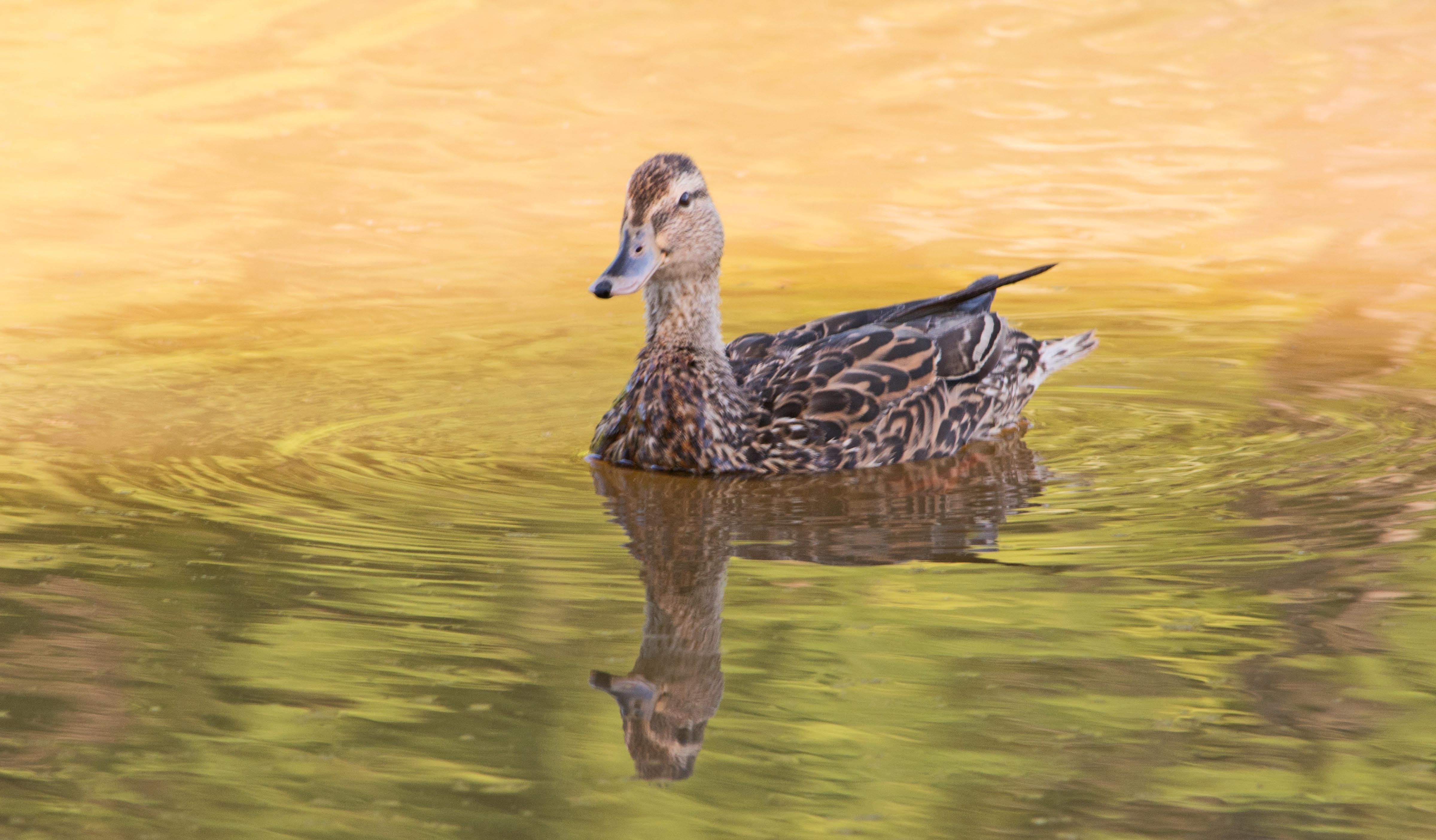
I continued exploring local parks, looking for dragonflies and other wildlife, this time stopping at Shelley Lake. There were lots of mallards and geese, but the one below, by herself, got my attention. I also stopped in at Raulston Arboretum on Sunday morning and focused on some little creatures communing with the flowers.
14 07 05_0538_edited-1

On Saturday I finished reading an unusual and worthwhile book: High Price: A Neuroscientist’s Journey of Self Discovery That Challenges Everything You Know About Drugs and Society, by Carl Hart. Hart is a professor at Columbia University who’s devoted his scholarly career to studying the effects of illegal drugs on the brain. His book is an autobiography of growing up poor and black in south Florida, and somehow not getting shot, becoming a dropout, becoming a hardened criminal, becoming an addict, or going to jail (which were common outcomes of his friends and family), and instead somehow getting an education, becoming a respected scientist, and learning to question his own assumptions. It’s remarkably honest.

I was particularly interested in his take on the war on drugs. As I’ve noted before, I view the drug prohibition regime as a terrible social policy from every perspective. Hart focuses particularly on the costs to the black community, with draconian laws resulting in mass long-term imprisonment and destruction of the social fabric. He combines an overview of the human toll with his own drug experiences.
14 07 06_0462_edited-1

Like almost all of us, he initially accepted uncritically the media/government claims that crack cocaine was a menace that threatened to make addicts of everyone who tried it and turn them into zombies who cared for nothing but the next high. He gradually realized, based on his own experience and his research, that this was a wild distortion of reality. Crack cocaine is chemically almost identical to cocaine, and the effects on the body are basically the same. The primary difference is social: crack cocaine is cheaper and marketed more to black communities, while cocaine is an expression of wealth and status. And crack prison sentences are much more severe.

This has become almost common knowledge, and the sentencing disparities have been substantially reduced (but not eliminated, unfortunately). For me, Hart’s account highlights how media and politics can create a moral panic, and even otherwise responsible scientists can get swept along. Thus the famous example of the experimental rats that can’t resist crack, which supposedly proved that crack was uniquely addictive. Hart explains that the rats, which are social creatures, were unhinged by isolation, and had no alternative activities to getting drugs.
14 07 06_0514_edited-1
Hart did experiments with human subjects who were in fact crack addicts, and offered them a choice of getting high or getting $5. They took the money frequently enough to disprove the idea that addicts cease caring about anything but drugs.

Hart contends that the problem of drugs in poor communities is complex, and viewing drugs as the primary source of social ills is mistaken. The kinds of social problems that he grew up with – domestic violence, petty crime, an extreme culture of honor magnifying violence, teenage pregnancy, and unemployment – preceded the arrival of crack. The central problem of poor communities is poverty. It’s not surprising that people with few other entertainment options are more prone to entertaining themselves with drugs.

Hart finds that the great majority of people who use drugs, including crack and heroin, are in no sense addicted. Most users have jobs, families, and orderly lives. The notion that addiction always results from exposure is simply false. This doesn’t mean that addiction never happens, or that it is not a serious medical and social problem. There are addicts who need help. But we need to get our facts straight, quit moralizing, and quit punishing people for addiction.

The war on drugs is a fascinating case study of how fantastically wrong ideas with horrendous consequences can propagate and take over entire societies. We tend to think of this happening in the distant past (think of witchcraft) or foreign lands (murderous religious extremists). But it happened to us! With all our wealth, education, science, and technology, we were still overpowered by groupthink that stopped critical thought. And while we may be winding down the war on drugs, it is definitely not over.

Thus it took courage for Hart to write this book. With an entire population raised on constant messages of moral panic, to challenge the basic foundations of the war on drugs is risky. You will be viewed by many as dangerous and immoral, which could be career-limiting.

But this book may help shift the debate. I was a little disappointed that Hart didn’t follow his sound reasoning all the way on the question of legalization, and ended up promoting instead decriminalization. As the Economist has repeatedly pointed out, decriminalization leaves the drug markets in the hands of criminals, whereas legalization with careful regulation would deprive criminals of a major source of revenue. But never mind. I’m grateful for Hart’s book.
14 07 06_0483_edited-1
14 07 06_0485_edited-1

Dragonflies, playful mice, fearful crayfish, and an argument for personhood for animals

14 06 14_9977_edited-2
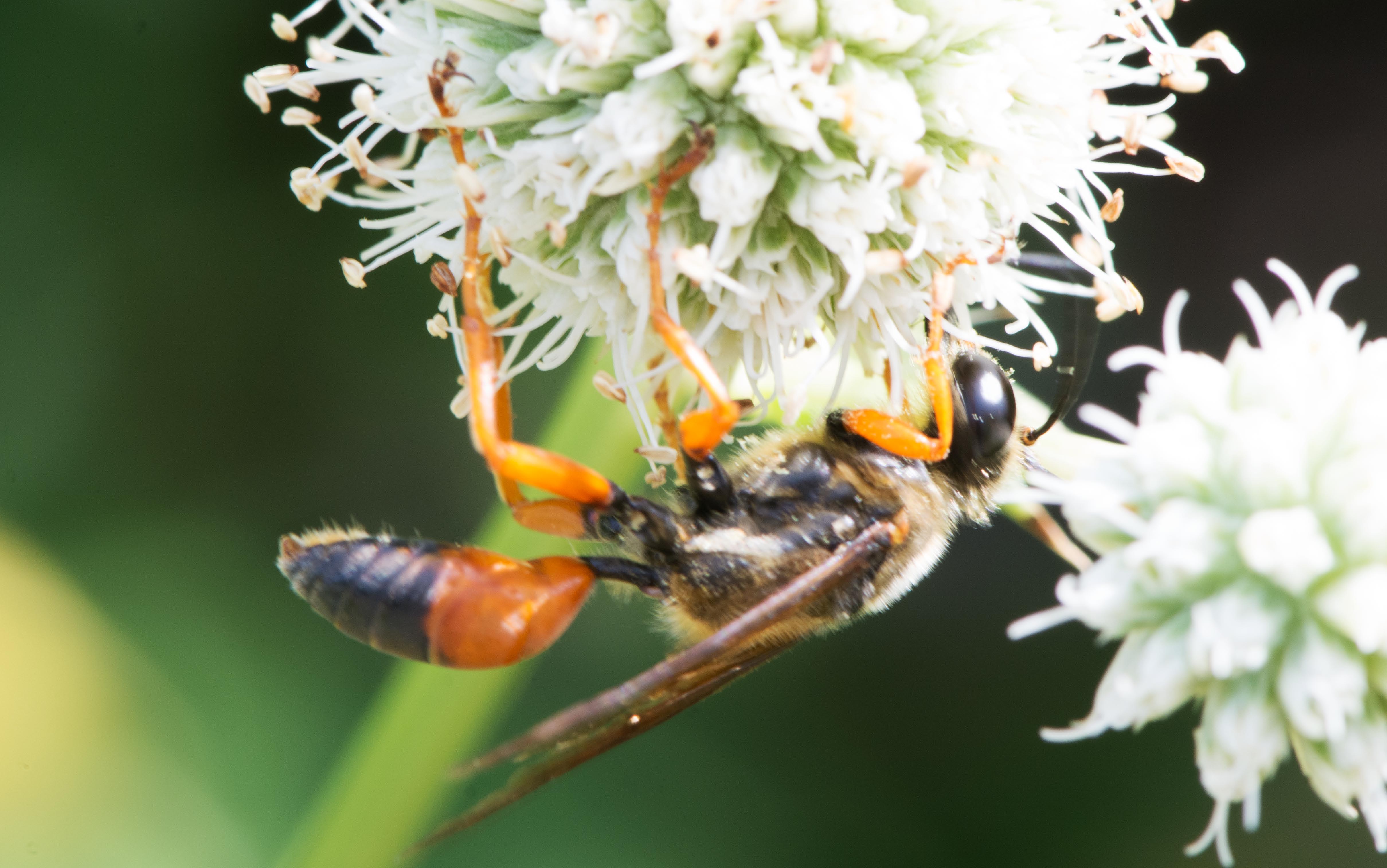
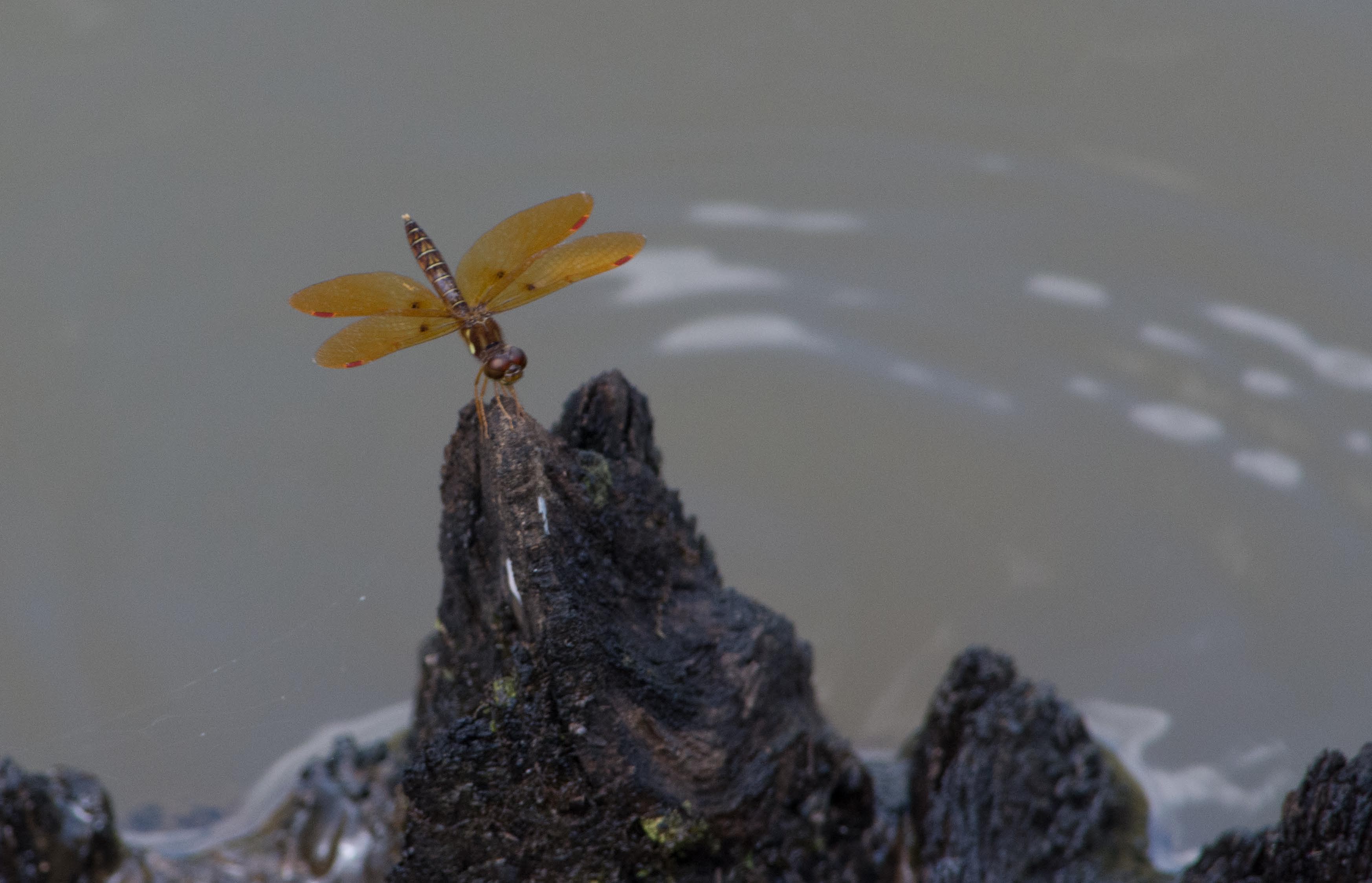
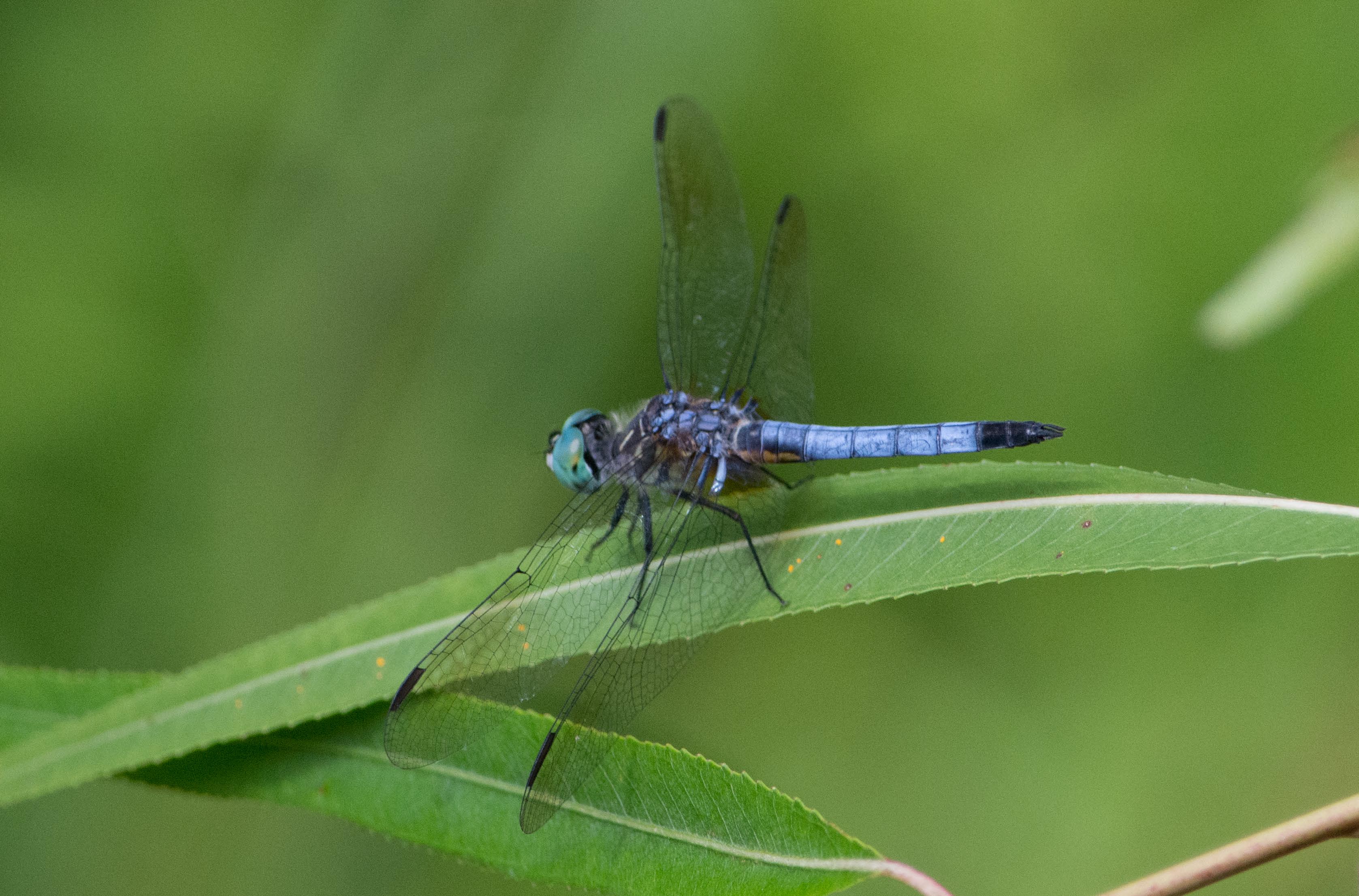
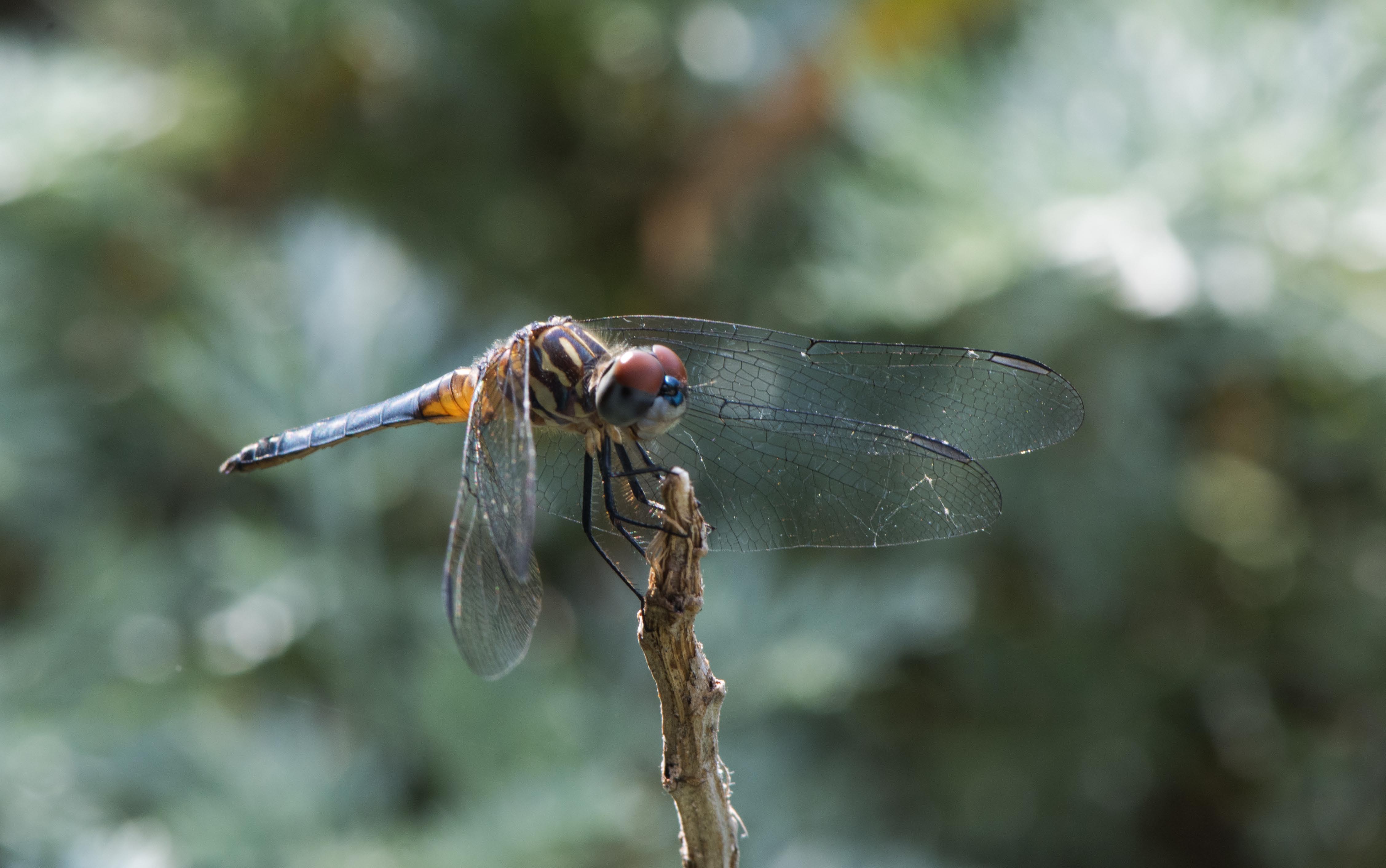
On Saturday I was thinking of heading to Raulston Arboretum to look at the latest blossoms and bugs, but Sally suggested I check out the doings at boardwalk over the pond off of Crabtree Boulevard. She’d found a shortcut to get there, and coached me through it. As she foretold there were some pretty dragonflies and damselflies. 14 06 14_0008_edited-1

This week I’m doing a round-up of animal news, some cheery, and some disturbing. Here are notes on playful mice, fearful crayfish, Your Inner Shark, and the struggle for legal rights of persons for animals.

Have you ever wondered whether mice like to run on exercise wheels? Scientists at the University of Leiden did. As reported in the NY Times, they put a couple of wheels in the wild and monitored with video cameras for several years. The results were unequivocal: the mice like to get on the wheel and run. They came “like human beings to a health club.”

The researchers seemed to be addressing the issue of whether forcing mice to run in laboratory environments was cruel, but the work also speaks to another issue: why run when you don’t have to? One scientist suggested it was no great mystery: “All you have to do is watch a bunch of little kids in a playground or a park. They run and run and run.” In other words, mice play.
14 06 14_0015_edited-1

In another apartment of the animal kingdom, researchers tested crayfish to see if they experienced anxiety. At the University of Bordeaux, crayfish who got a mild electric shock were timid and withdrawn compared to unshocked crayfish, who were more adventurous. But the shocked ones improved when they got anti-anxiety medication. Is this amazing? Not exactly, but it made me think for the first time about crayfish as creatures with emotional lives.
14 06 14_9993_edited-1

This week I finished reading Your Inner Fish, a Journey into the 3.5 Billion Year History of the Human Body, by Neil Shubin. Shubin is a palentologist and professor of biology and anatomy at University of Chicago. The book is about paleontology, genetics, and anatomy applied to the human body. It makes the case that the mechanisms of the human body all have predecessors in much more ancient creatures.

Shubin recounts his early experiences hunting for fossils and failing miserably. But eventually, his mind learned to distinguish tiny fossils from tiny ordinary minerals. He communicates the joy of scientific discovery in studying comparative anatomy and seeing the amazing similarities in body structure that run through all the creatures at the zoo – including us.

This is true not just at the level of large-scale architecture (creatures with heads, limbs, fronts and backs), but also with regard to the workings of subsystems like eyes, ears, and smelling organs, and sub-sub systems like tissue cells, and the systems for connecting tissue cells. Shubin approaches the body from multiple angles, extending all the way back to the first single-celled microbes of 3.5 billion years ago, and focuses on various levels, like the features we share with all vertebrates, those we share with all fish, and those we share with all worms.

I found some of the science, and particularly the genetics, tough sledding, but learned a lot. Our bodies are certainly amazing, but this is true of all animal bodies. Shubin made me see more of the connections between all living creatures, and the connections of all those creatures with the earth over the eons.

14 06 14_0006_edited-1

Finally, a couple of weeks ago I finished reading Rattling the Cage: Towards Legal Rights for Animals, by Stephen Wise. Wise is a lawyer who recently brought a habeas corpus action on behalf of a chimpanzee, and I was curious about his theory. His book is a useful compendium of the literature of non-human primate intelligence. He argues that the evidence of language, math, and other accomplishments of chimpanzees and other primates entitles them to be treated as persons with certain rights under the law. He includes quite a few stories of horrendous treatment of chimpanzees in laboratories.

Wise’s larger point is that the sharp dividing line in the law between humans and other animals is a relic of ancient times that is unsustainable in the light of science. His account of the ancient roots of jurisprudence classifying animals as chattel (mere things) is interesting. He does a good job challenging the traditional categories, though he doesn’t address all the difficult questions of breaking down those categories. He seems to understand that no matter how wrong legal ideas are, changing them is a long-term project.

Coral Reef Diving and Hiking in Dominica, West Indies

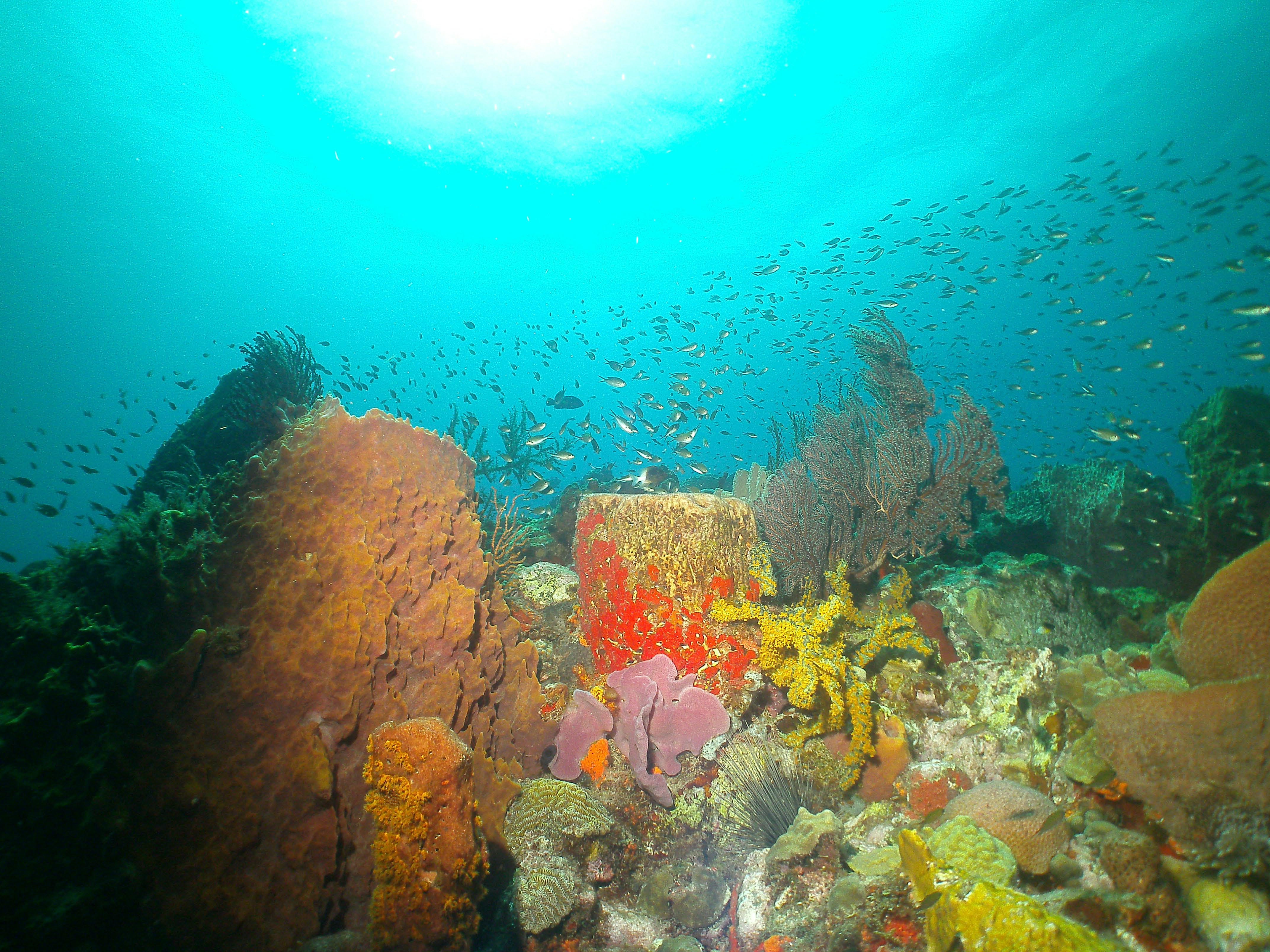
14 05 07_8847Coral reefs are one of nature’s most amazing creations. Untold millions of miniscule animals form structures of wildly varying forms, textures, and colors, and extend them widely over thousands of years. Some of the structures resemble terrestrial plants or animals, but others look like modernist architecture, surpassing the most fanciful creations of Gaudi. They are home to 25 percent of the ocean’s creatures, and a fundamental part of the planet’s infrastructure.
14 05 07_8851

As a diver, I relish the incredible privilege of time with strange and beautiful coral. I’m also acutely aware of their perilous situation, and the urgent need for action. Global warming and ocean acidification are killing coral reefs, and the consequences for all life that relies on the ocean may be catastrophic. I was slightly cheered to see the UN and US reports in the last few weeks highlighting these threats. Perhaps reality is sinking in, and perhaps it is not too late. I have my doubts, but I try to err on the side of optimism.
14 05 07_8870_edited-1

In any case, for the time being, there is awesome beauty to contemplate and celebrate. And so last week Sally and I made our first visit to the Caribbean Island of Dominica. I learned the correct pronunciation (doe-me-NEE-ka), and the location – part of the Lesser Antilles, to the south of Antigua and north of Saint Lucia. The terrain is mountainous, with peaks up to 4,747 feet, and much of it is covered with lush tropical rainforest. It is exceptionally beautiful.
14 05 07_8907

We stayed in the town of Roseau at a friendly, diver-oriented place called the Castle Comfort Lodge, and did our diving with Dive Dominica. The dive sites we did were mostly 20-30 minutes away by boat to the southern part of the island. Most days we did two dives in the morning and a land adventure in the afternoon, and twice we went out with the DD boat on night dives.
14 05 07_8905_edited-1

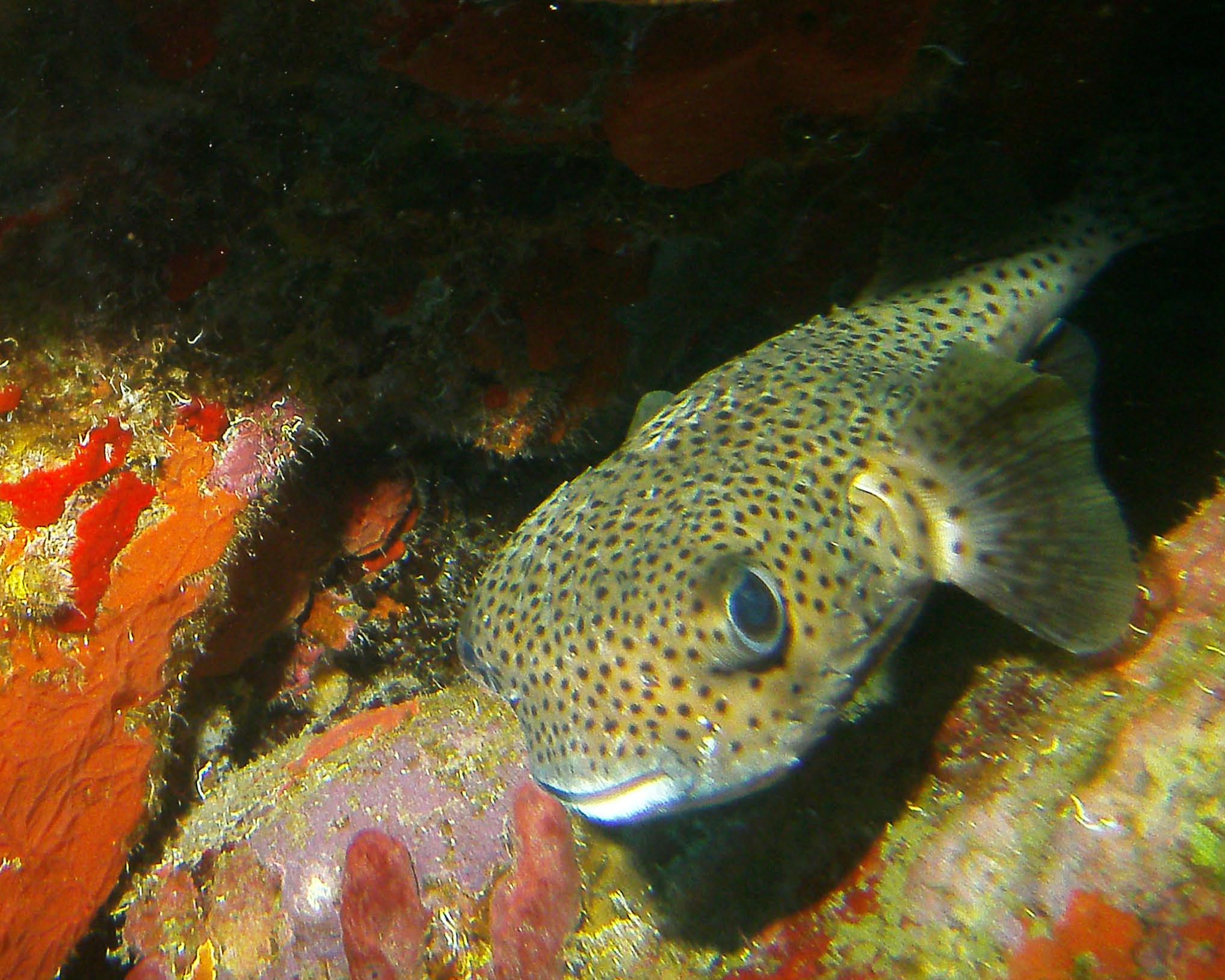
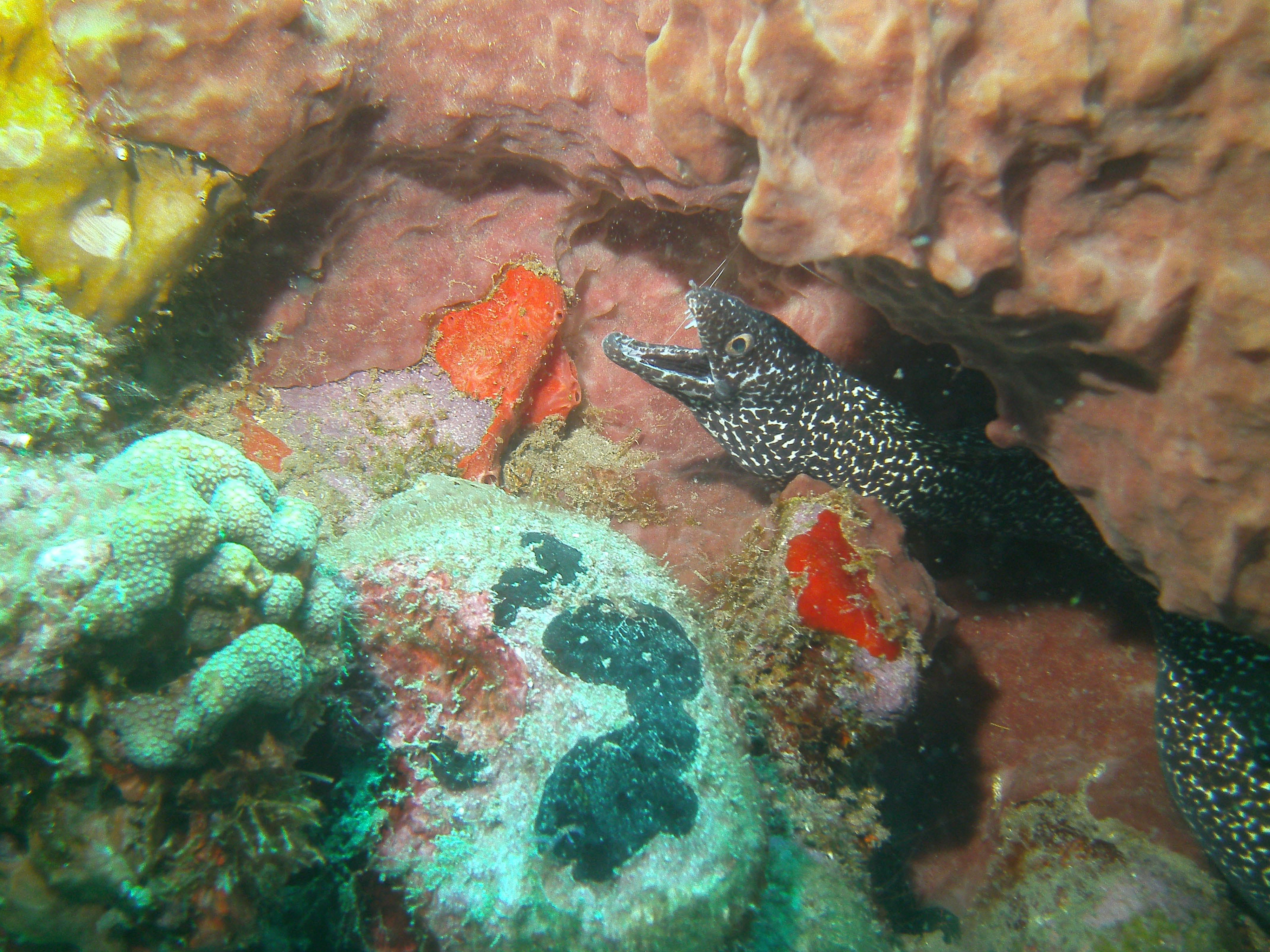
The water was a mild 81 degrees F, with visibility of 50-60 feet and little current. The coral seemed fairly healthy, with little bleaching, and lots of variety in shape, texture, and color. There were lots of tube sponges and crinoids, and some anemones. The most interesting new fish to us was the frog fish, a remarkably well-camouflaged and strange creature. Other highlights were scorpion fish, snake eels, electric eels, sea horses, balloon fish, trumpet fish and squid. There were many small colorful tropicals (such as butterflyfish, damsel fish, goat fish, and squirrel fish). However, I missed my beloved queen angelfish, and there were relatively few larger fish (such as groupers and barracuda), which was mildly disappointing. We saw only one shark all week (a sleeping nurse) and only a few hawksbill turtles. On the other hand, we saw quite a few large lobsters, large crabs, and small shrimp.
14 05 04_9285_edited-1

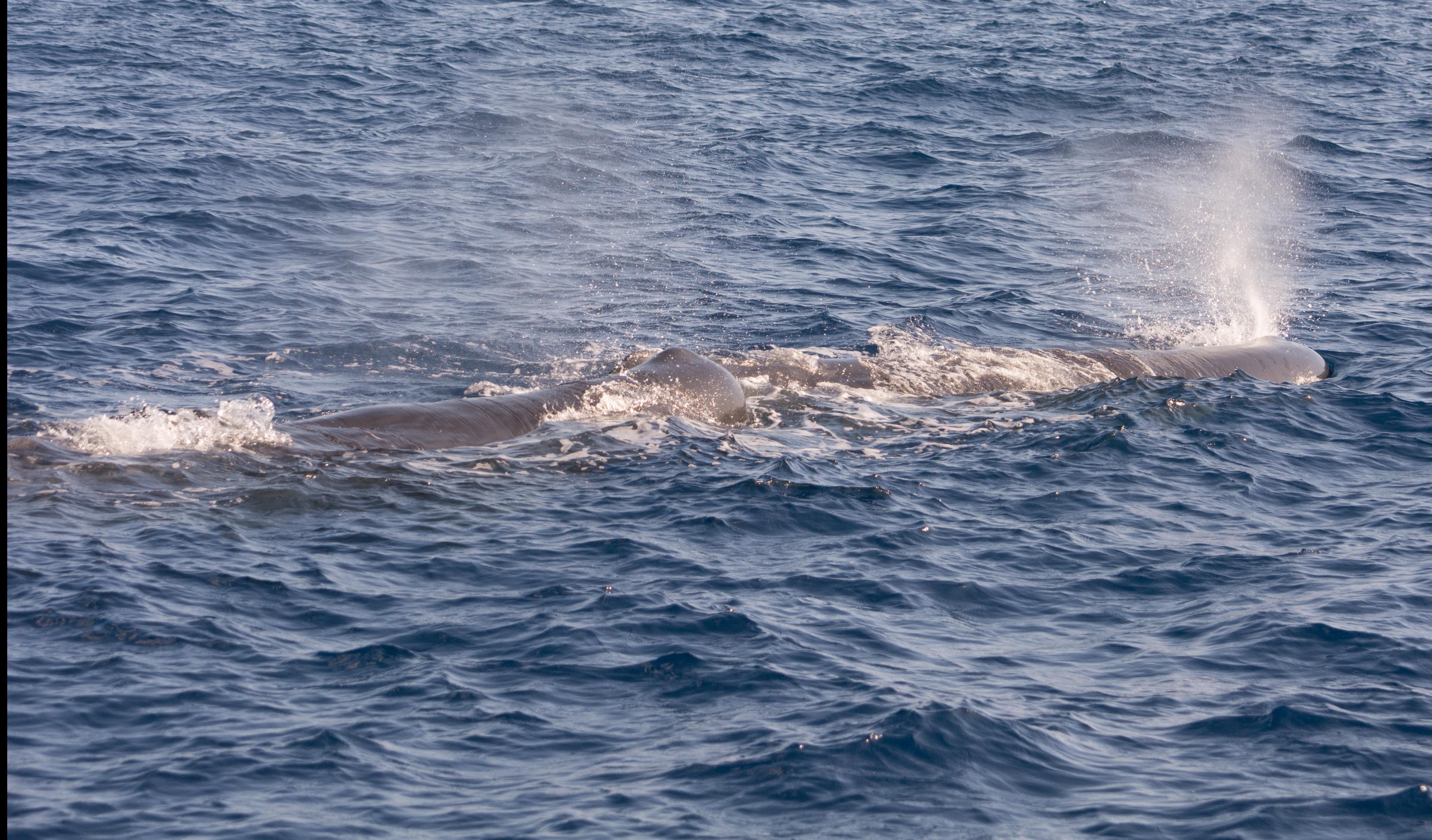
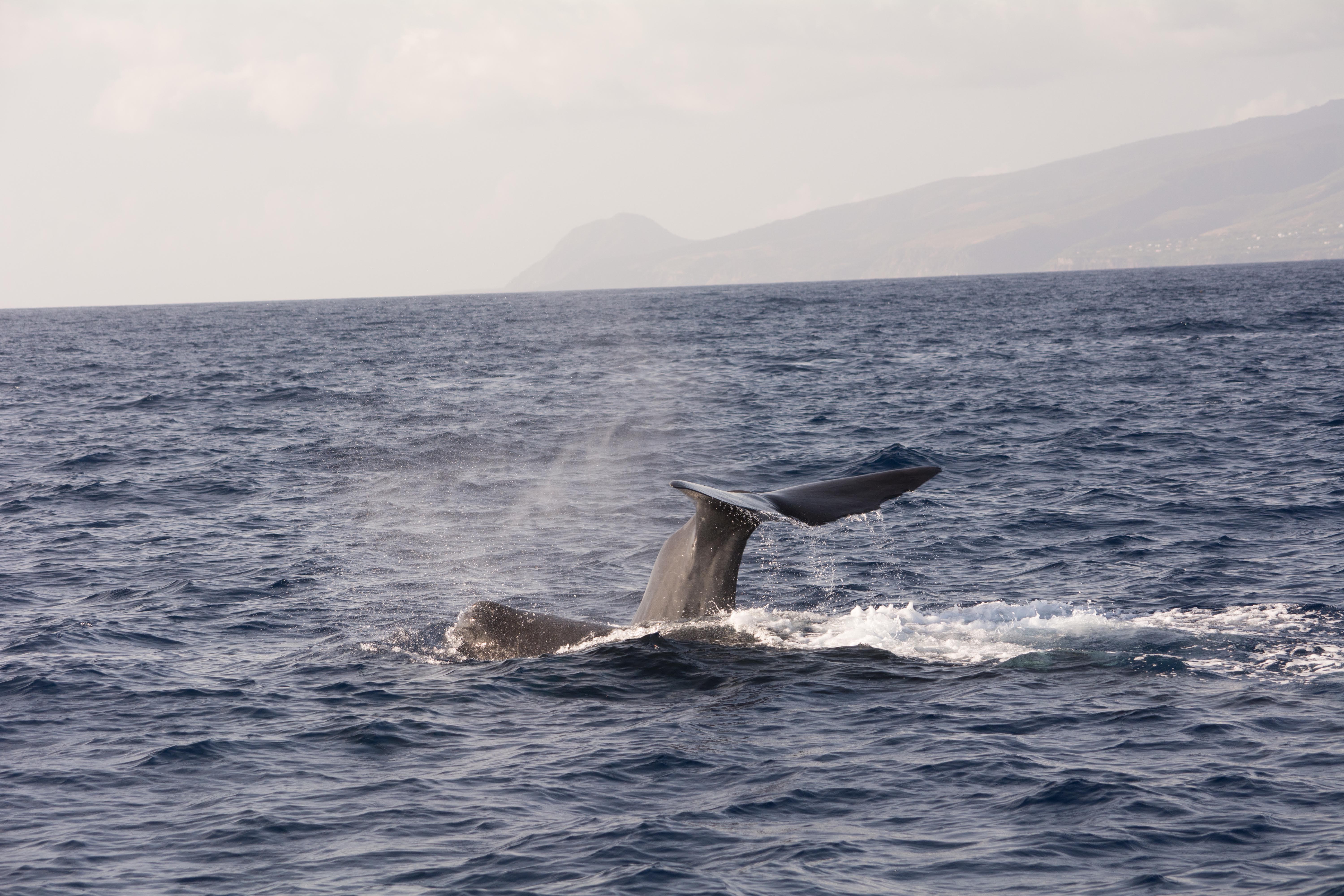
One afternoon we went on a whale-watching expedition and had good views of five sperm whales. The crew used underwater microphones to detect the whales’ signature clicks and then watched for them to spout. There was one pair that turned out to be a mother with a very large nursing daughter (pictured below as the mom descended). It was a thrill to see these remarkable creatures up close. We also were visited by a group of bottle nosed dolphins who came close to the boat to observe us.
14 05 04_9298

The next day one of our fellow divers, Shane Gero, turned out to be a sperm whale expert who’d spent several years studying the Dominica sperm whale families. We learned more about their family structure, habits, and culture. They eat giant squid, which live thousands of feet down. Family group are all females, joined by males only at breeding time. When orcas threaten the young, the family forms a circle around the babies, with heads inward, and ward off the attacker with their tails.
14 05 09_9067

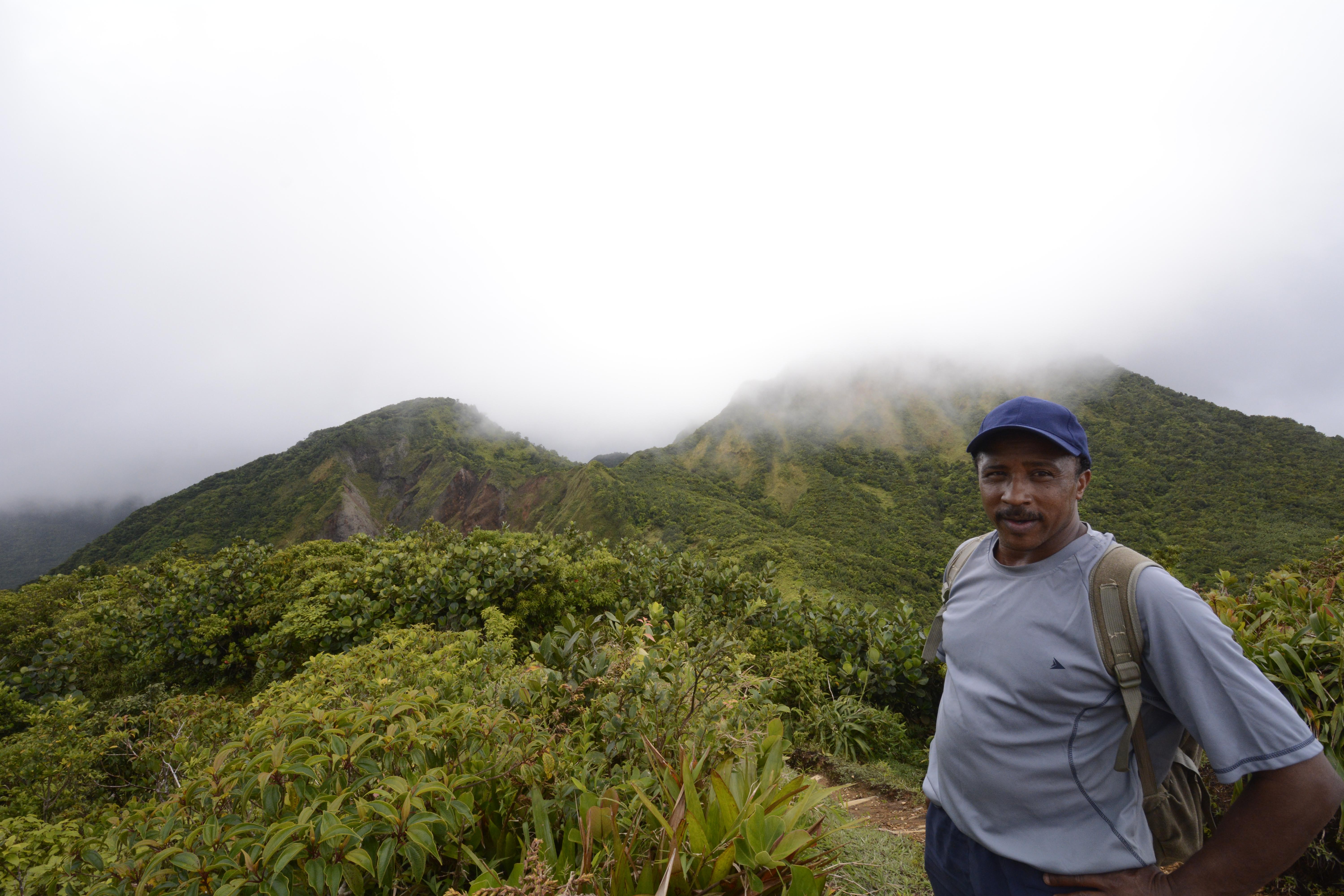
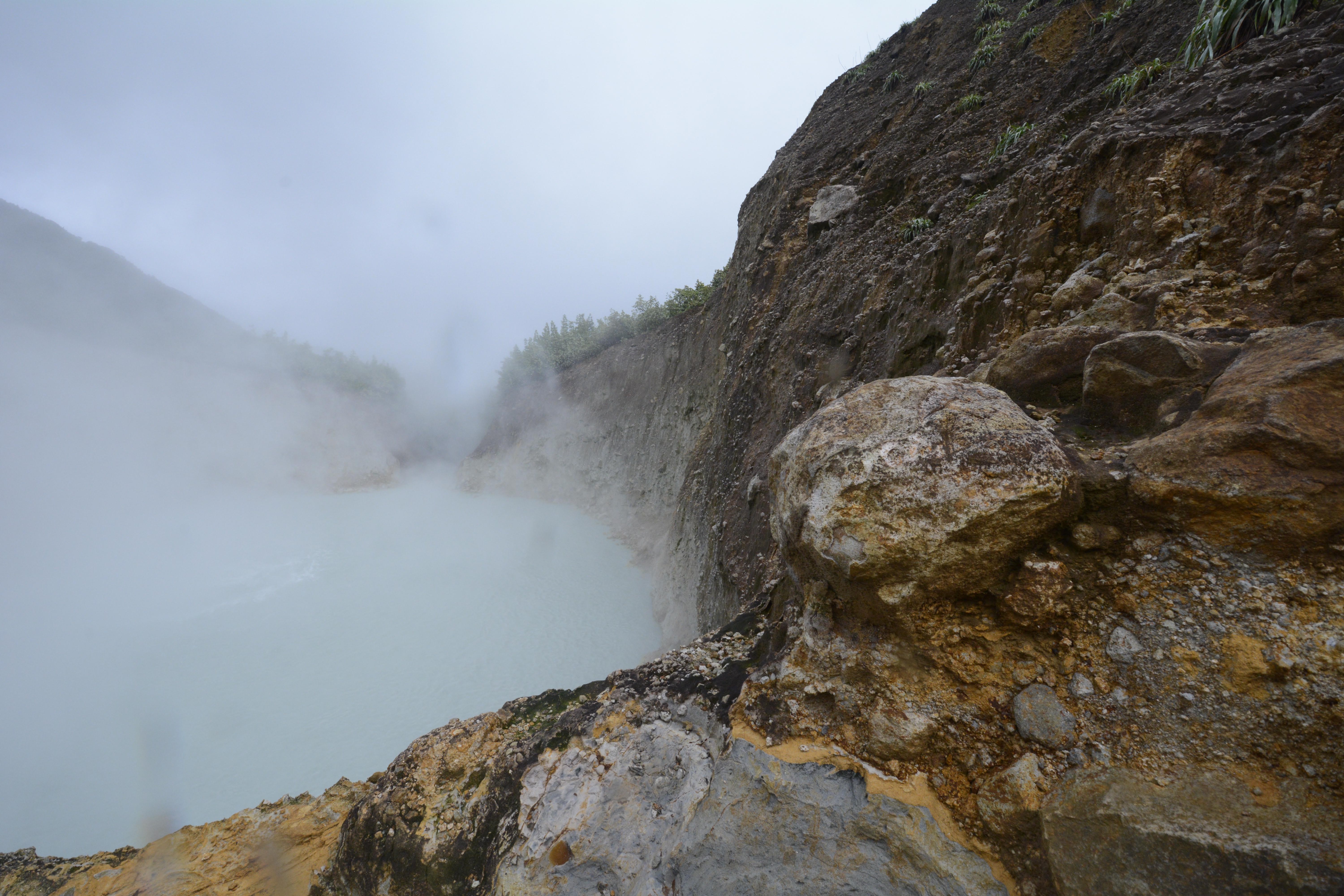
Our most remarkable land expedition was a hike to the Boiling Lake, an area of active volcanic activity, which took about seven arduous hours through the rainforest and up and down mountains. Along the way there were spectacular vistas, rivers, and waterfalls. For much of the time, though, I was entirely focussed on finding the next safe spot to put my foot, and in some climbing points, my hand. With Sally’s encouragement, I took along a walking stick, and was glad I did – it was helpful in many situations, such as stepping from rock to rock over fast-moving streams. We did not bring along rain gear, which was an unfortunate oversight – it rained on us for much of the hike and we were well soaked.
14 05 09_9074

I’d thought of hiking as a relatively placid physical activity, but this was anything but. It required engagement and commitment at the level of double black diamond skiing. I was very glad to get back at last, but soon began thinking about how I’d like to do more of it. I was, however, sore and beat up by the end of the week. I took a fall getting on the boat early in the week and badly sprained my right (dominant) hand, and worked up a major blister on my right foot. Paradise can be hard on a body!14 05 07_8856

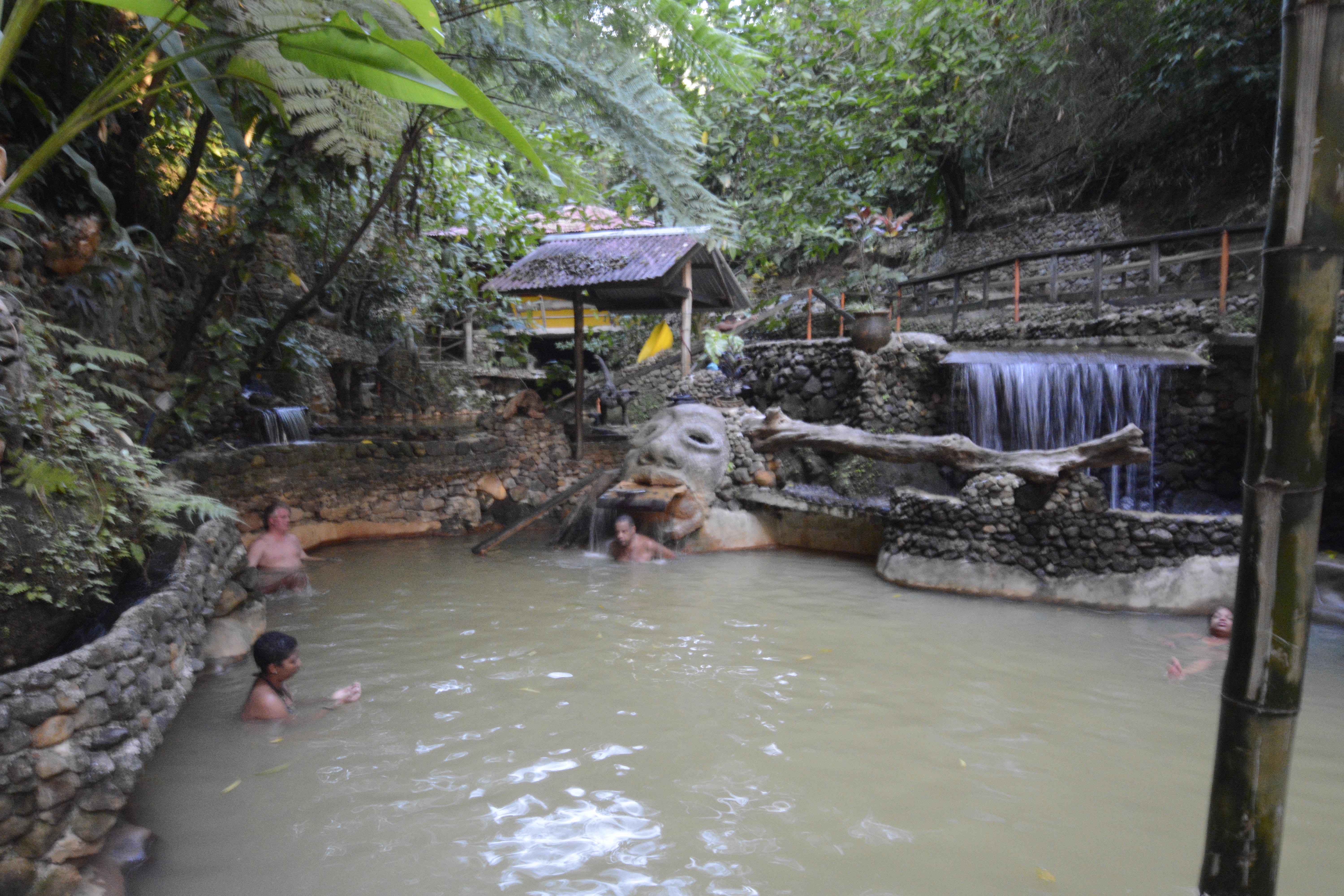
Our other land expeditions (including Trafalgar Falls, the Emerald Pool, the Carib Indian territory, and a boat trip on Indian River) were lovely and untaxing (aside from the twisty, bumpy drives to get there). We also had a good time soaking in the stone-lined hot springs named Screw Spa (sorry, but it’s true). A totally unexpected pleasure was meeting Miss Dominica 2013, Leslassa Armour-Hillingsford, a lovely and gracious young lady who helped us with our trip plans in her capacity as clerk for the family business (the Anchorage Hotel)
14 05 06_9214

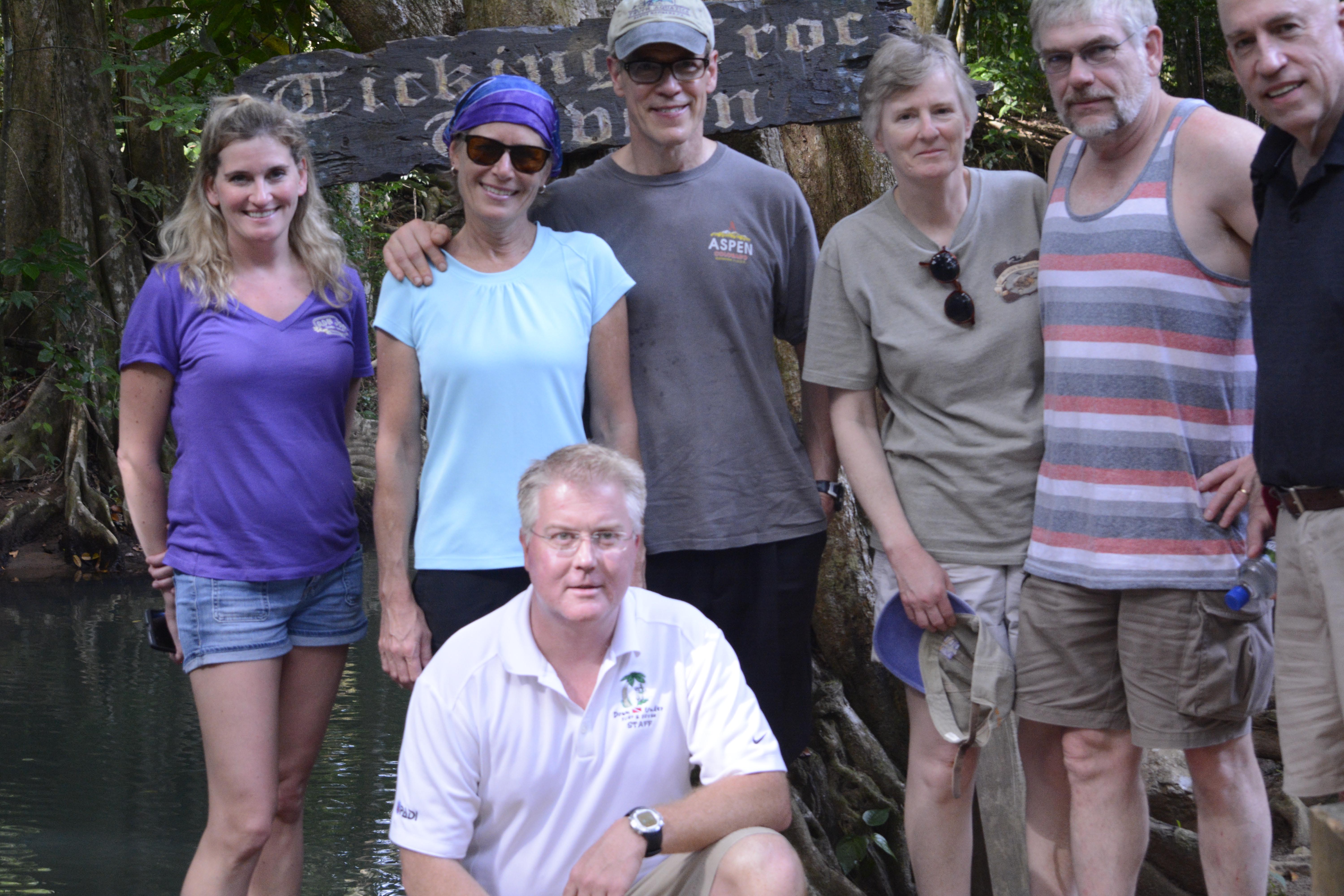
The trip was led by Scott Powell, proprietor of Down Under Surf and Scuba, with remarkable energy and good cheer. Scott made sure we had interesting dives, good meals, and fun activities. On the van ride back to the airport, Scott and I noticed that the driver was falling asleep and barely keeping the van on the twisty mountain roads. He worked hard to keep the poor fellow awake (and us alive) by asking him everything he could think of about local geography and culture. We made it, obviously (whew!). Good job, Scott!
14 05 08_9103