The Casual Blog

Pope Francis’s vision

_DSC8732
It’s been ungodly hot in Raleigh this week, with a record high of Fahrenheit 99 on Tuesday. Humid, too. So instead of running on Saturday, I settled in to read some of Pope Francis’s new encyclical, Laudito Si. From newspaper reports, I’d expected a sort of primer on the perils of global warming, but it turned out to be much more than that, and I felt enriched and inspired by the experience. It’s available online here.

Even though I’m a thorough-going non-believer, I’m a big fan of Francis. He seems to be a genuinely warm, caring, and thoughtful person. What are the odds? How daunting and disorienting to be considered by many as infallible, and fully realize you aren’t. (Remember his famous words,“Who am I to judge?”) How dissonant to live amid Vatican magnificence and rock-star adulation and try to focus on the problems of the poor. And who would volunteer to be in charge of cleaning up pedophile priest networks, bishop cover ups, money laundering holy bankers, and God knows what other crimes and misdemeanors? And after all that, who would have the courage and drive to speak truths that implicitly threaten the world’s wealthiest, most powerful interests on what are, for them, as well as us, issues of existential importance? That’s right: my man Francis.

I was hoping that Laudito Si would have an executive summary, but it does not. Still, I kept reading. The prose is lucid and emphatic, with an animating passion. Francis leaves no doubt that he agrees with the scientific consensus that man-made greenhouse gases like carbon dioxide are responsible for much of the global warming crisis. He states that there is an urgent need to reduce such emissions and develop renewable energy. If he accomplished nothing more than calling more attention to this issue and inspiring high level discussion and action, that would be a lot. But Laudito Si does more than that, persuasively articulating a powerful ethical vision that calls for reforming both societies and our selves.
_DSC8728

Francis calls on the people of the world to recognize that we are in an ecological crisis, and need to expand our dialog and work together to address this crisis. The dimensions of the crisis include air and water pollution, fresh water shortages, rising oceans that threaten large cities, and increasing extreme weather events. Not to mention the extinction of many species. He states, “Each year sees the disappearance of thousands of plant and animal species which we will never know, which our children will never see, because they have been lost forever. The great majority become extinct for reasons related to human activity. Because of us, thousands of species will no longer give glory to God by their very existence, nor convey their message to us. We have no such right.”

At the same time, Francis reminds us of the vibrant beauty of the natural world. He has sections on rainforests and other wonders. On a topic particularly close to my heart, he writes of “the immense variety of living creatures” in our oceans which are threatened by uncontrolled fishing and the coral reefs that have been harmed by pollution and rising temperatures.

Early on, Francis rejects the reading of the Bible that entitles humans to dominate and exploit all earthly resources. He writes instead that humans are meant to be careful stewards of those resources, and regard them with awe and wonder, and recognize our essential connection to animals, vegetables, and minerals. “Because all creatures are connected, each must be cherished with love and respect, for all of us as living creatures are dependent on one another.” He returns a number of times to the theme of our interconnectedness to each other and the world.

An aspect of this theme is concern for both the poor and for other living creatures. He writes, “We should be particularly indignant at the enormous inequalities in our midst, whereby we continue to tolerate some considering themselves more worthy than others. We fail to see that some are mired in desperate and degrading poverty, with no way out, while others have not the faintest idea of what to do with their possessions, vainly showing off their supposed superiority and leaving behind them so much waste which, if it were the case everywhere, would destroy the planet. In practice, we continue to tolerate that some consider themselves more human than others, as if they had been born with greater rights.”

_DSC8735

Similarly, Francis draws connections between our treatment of animals and our basic humanity. Recently I’ve been feeling indignant about the new North Carolina ag gag law, which among other things protects industrial agriculture operations from those who propose to publicize their cruelty to animals. Let me just say, this is so wrong! This excerpt is apropos: “When our hearts are authentically open to universal communion, this sense of fraternity excludes nothing and no one. It follows that our indifference or cruelty towards fellow creatures of this world sooner or later affects the treatment we mete out to other human beings. We have only one heart, and the same wretchedness which leads us to mistreat an animal will not be long in showing itself in our relationships with other people. Every act of cruelty towards any creature is ‘contrary to human dignity.’”

Part of the ambition of Laudito Si is to reset our relationship to technology. “Ecological culture cannot be reduced to a series of urgent and partial responses to the immediate problems of pollution, environmental decay and the depletion of natural resources. There needs to be a distinctive way of looking at things, a way of thinking, policies, an educational programme, a lifestyle and a spirituality which together generate resistance to the assault of the technocratic paradigm. . . . To seek only a technical remedy to each environmental problem which comes up it to separate what is in reality interconnected and to mask the true and deepest problems of the global system.” Francis envisions a world where the capitalism and technological progress are no longer allowed to drive increasing inequality and alienation, but instead are put in the service of human needs.

Of course, I don’t mean to endorse all of Francis’s views. I read the sections on God’s acts and intentions in much the spirit that I read the poetry of Milton. I think he’s quite mistaken about the value of building a market for carbon credits, which would creative incentives to reduce emissions. I also regret that he dismisses the serious risks of overpopulation, which needs to be moved way up on our list of priorities. But I’m finding the work inspiring, and hope many will read it and think about it.

Processing a hand problem, Shen Wei dance, and The Unpersuadables

Raulston 6-12-15-0039
It’s been more than a year since I injured my right hand in Dominica, and though it got better for a while, it still does not feel right. I was trying to play Chopin’s Fantaisie Impromptu recently, and just could not get the loud, fast parts to go loud and fast. I made an appointment with Dr. Edwards at the Raleigh Hand Clinic, with a view to getting a referral to an occupational therapist I’d heard about, and getting some helpful exercises to fix me up. I saw him on Friday, and got some bad news.

Based on X-rays (which he showed me on his iPhone), Dr. E quickly diagnosed osteoarthritis. This is one of those things that don’t get better, and generally get worse. He could not say how quickly it would progress. The doc recommended Aleve for pain. He mentioned that if it got a lot worse, I could eventually be a candidate for finger joint replacement surgery. Yikes!

As a youth, I tended to view intellectual pleasures as superior to physical ones, but eventually I came to welcome the physical side of life as a glorious thing. I’ve taken great satisfaction in dexterous use of my hands, on the piano keys, the computer keys, the camera buttons, and many other places. This diagnosis will take some time to process. Though, of course, life will go on.
Raulston 6-12-15-0050

On Saturday we met up with some friends in Durham and had fine dinner at Rue Cler. Then we walked over to DPAC and saw a modern dance program by Shen Wei, the first show of the season at the American Dance Festival. The first SW piece, Untitled No. 12-2, started slowly: the curtain came up to reveal gray fog, and there was silence and blankness happened for a surprisingly long interval. Then we saw projections of abstract paintings by Mr. Wei. Eventually the troop began a slow traverse of the stage, with accents by individuals. The music was sparse percussion sounds. I found the piece overly spare and intellectual and underly physical.

The second piece, Map, was much livelier, with music of Steve Reich and large helium balloons. The choreography seemed well atuned to the energetic music, with sweeping gestures and twists, and small groupings moving in and out of phase. We liked it.

Afterwards, we walked over to 21C, the new luxury hotel in the former SunTrust building, and looked at their bold and brash collection of contemporary art. It’s open to the public, and free, and fun. Afterwards we stopped in a new place, Bar Lusconi, for an exotic beer.
Raulston 6-12-15-0062

Today I finished reading The Unpersuadables: Adventures with the Enemies of Science, by Will Storr. Storr narrates his encounters with intelligent people who believe crazy things, such as Holocaust deniers, past life regressionists, alien abduction experiencers, climate change deniers, and young earth creationists. In interviews, Storr challenges these folks, and confirms that they are impervious to reason and facts. Nothing can shake their beliefs. By way of partial psychological explanation, he draws on the work of Kahneman, Haidt, Ariely, Gazzaniga, Tavris, and Aronson regarding the inherent flaws in our mental processes, such as cognitive dissonance, confirmation bias, and unstable memories.

Storr is a journalist rather than a scientist, but he incorporates good source material and has genuine insight into the powerful illusions of consciousness. The book is also surprisingly personal, as Storr unflinchingly addresses his own biases and weaknesses. He recognizes that scientists can at times be highly unscientific, engaging in groupthink and suppression of evidence that doesn’t fit their world view. Perhaps most amazingly, as he engages with individuals who construct bizarre and odious theories, he manages to subject their ideas to fair scrutiny and at the same time respect their humanity.
Raulston 6-12-15-0082

Our anniversary – Astonishing cave paintings – Our TSA – Fear itself

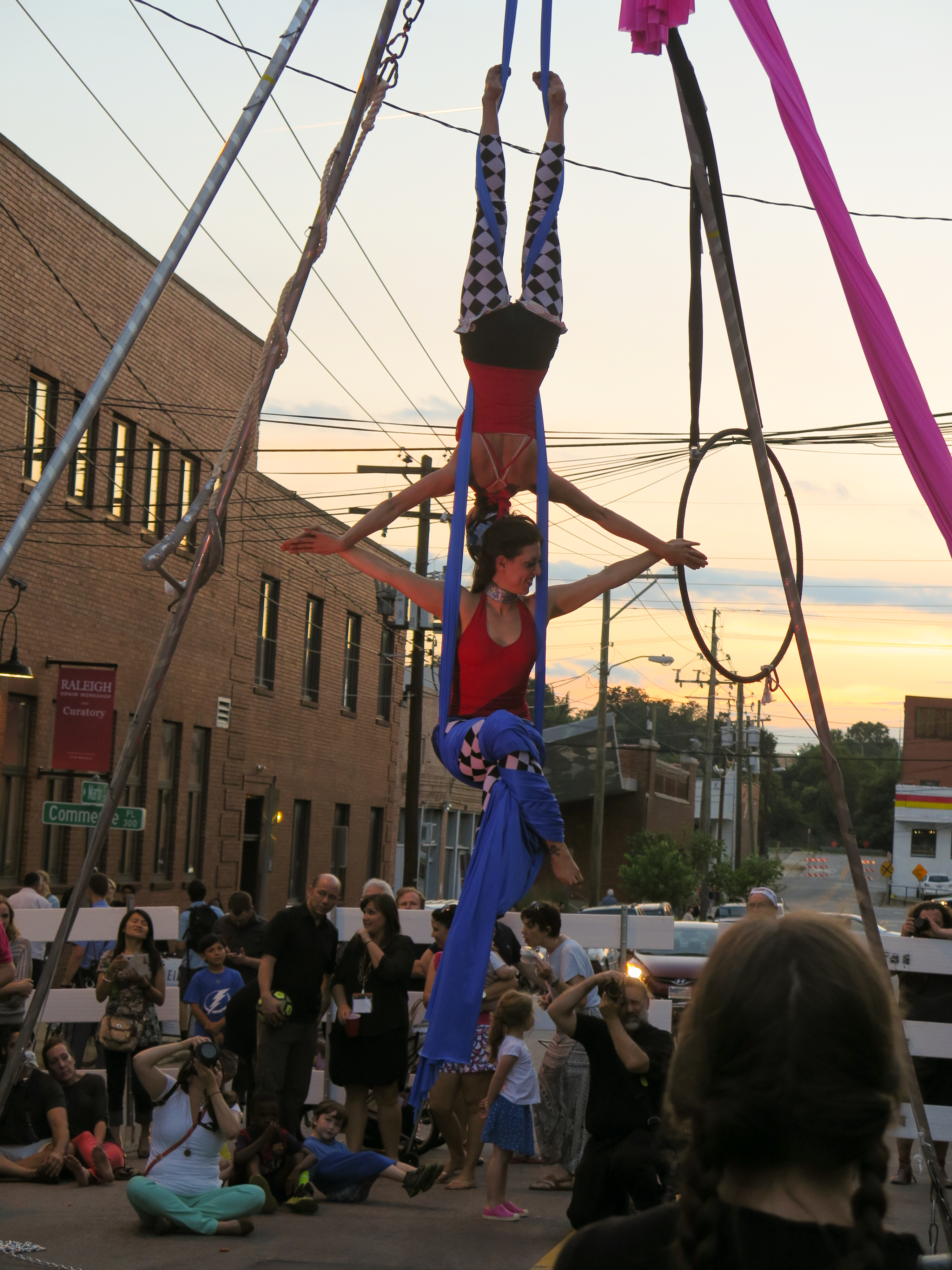
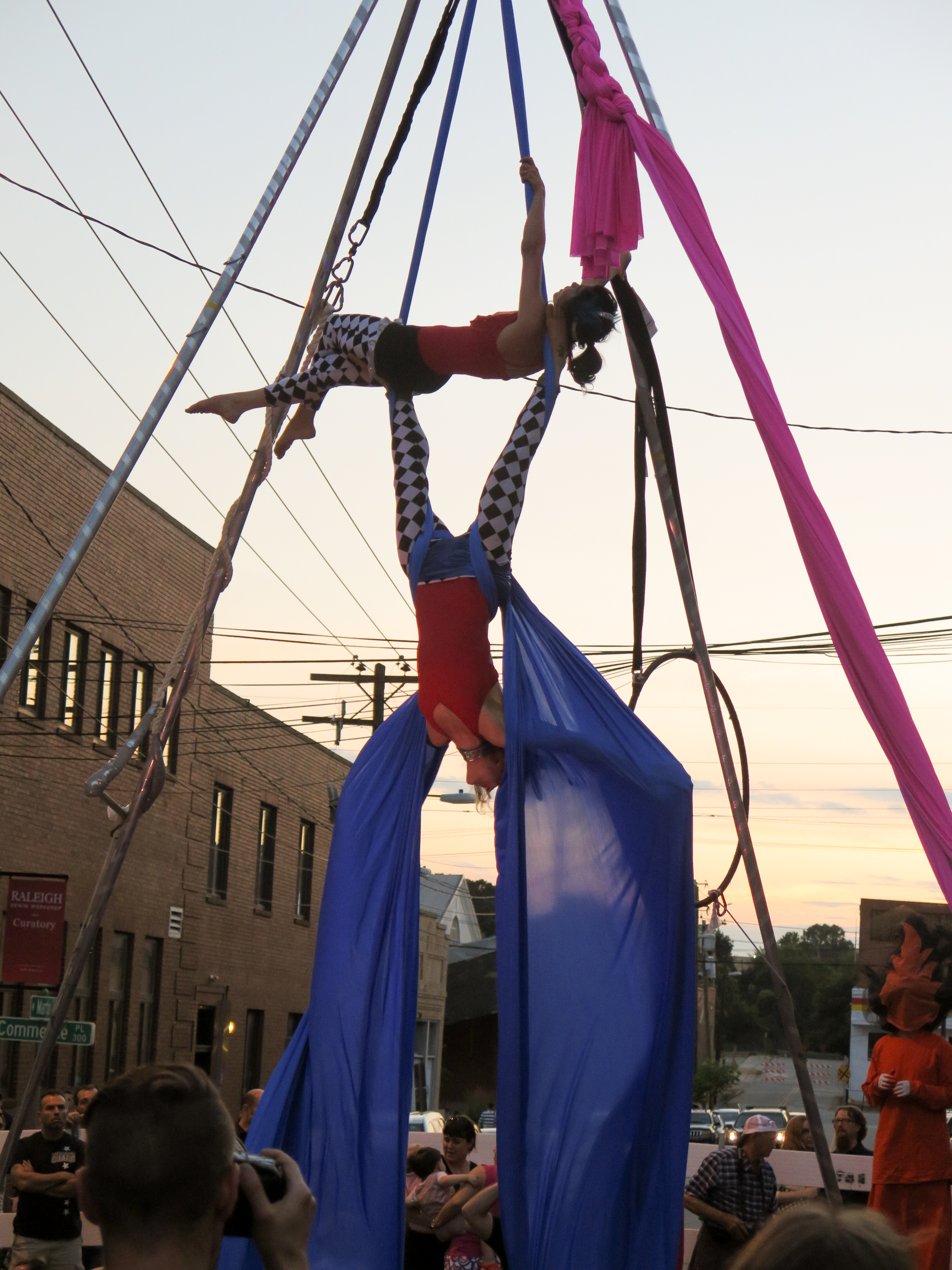
Performers on West Martin Street at sunset, June 5, 2015

Performers on West Martin Street at sunset, June 5, 2015

Friday was our 33rd anniversary. Yes, that is something. What amazing good fortune to find my beloved, to persuade her I was the one for her, and to get her to make me the happiest of men. We don’t usually do anniversary gifts, but we gave each other a kiss and affectionate cards, and I gave Sally a little heart-shaped stone, which she said she would treasure always. We had a fine Italian dinner at our old standby, Caffe Luna, where they had good pesto linguine and sweetly treated us to dessert.
20150605-IMG_0676First Friday-Anniversaryuntitled shoot

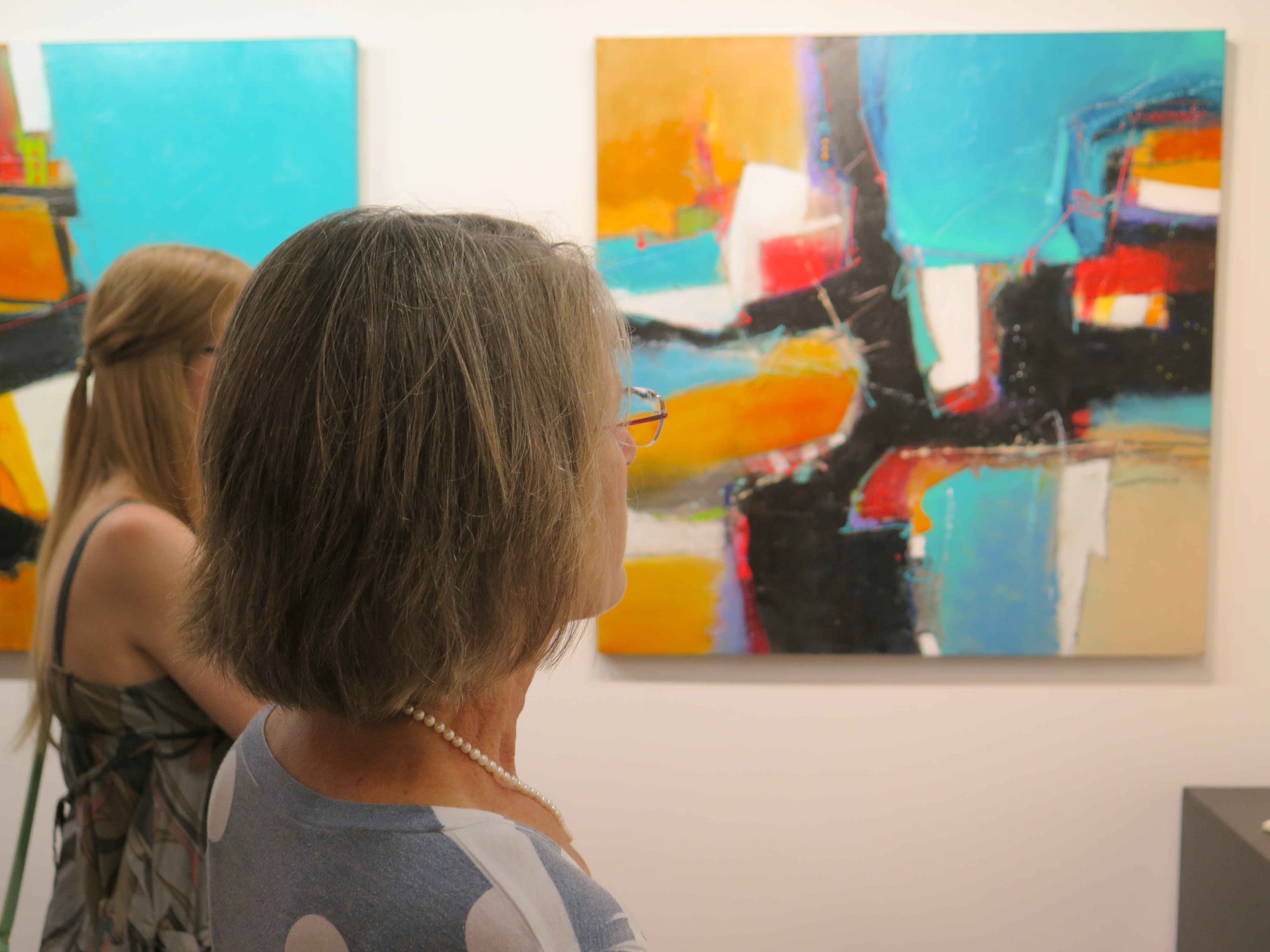
Then we looked in some galleries that were open late for First Friday. At ArtSpace, there were several engaging paintings that had been in a competition, and also some old friends to chat with. In the warehouse district, there was a mini-street fair, with circus performers and musicians. 311 Gallery had some colorful abstract paintings by Joseph DiGiulio that we particularly enjoyed.
20150605-IMG_0681First Friday-Anniversaryuntitled shoot

On Saturday evening, we cocooned at home: Indian takeout food from Blue Mango (delicious!) and Cave of Forgotten Dreams on Netflix. This documentary by Werner Herzog examines the Chauvet Cave paintings in Southern France. I’d been very curious to see these paintings, and since they are firmly closed to the public, this is likely the closest I’ll ever get. Herzog’s narration is rather stolid, but the paintings are thrilling. Painted some 30 thousand years ago, they depict bison, horses, rhinos and other creatures with astonishing freedom and vigor. Pictures are here.

At the gym, making my rounds among the various weight systems and cardio machines, I’ve been listening to a podcast called You Are Not So Smart. Its subject is human psychology, and particularly the biases and systemic flaws that our thinking is subject to. We tend to feel that our thinking is usually rational and objective, but this is very often not even close to true. Knowing this may sometimes help us avoid grievous mistakes. At any rate, it’s worth a shot.

Case in point: we learned last week that the TSA (the airport screening folks) performed quite badly in tests of their systems. When the testers impersonated potential terrorists, they were able to get forbidden items, like fake bombs and guns past the screeners in 95 percent of the cases. 95 percent! Let it be noted, however, that the screeners might have done better had they been tested on seizing expensive moisturizers and nail clippers.

Seriously, at first, I found this disturbing. And annoying! Think of almost every American air traveler, for years and years, all those hours, waiting anxiously in line – all the taking off your shoes, jackets, and belts, emptying all your pockets, pulling out laptops (but, oddly, not tablets), getting your privates exposed by scanning machines, and sometimes your stuff rifled through, and your self physically groped and interrogated, and occasionally missing your flight – and all of it accomplishing nothing.

The massive inconvenience that the TSA process imposes on the flying public looks like a huge waste of taxpayer dollars and time. But then I realized, we haven’t heard of any airplanes blowing up for a long time. If the TSA isn’t stopping would-be terrorists, and no planes are blowing up, that’s probably because there aren’t many terrorists trying to blow up planes. That’s a good thing! But it also suggests that the terrorist threat is way overblown (as I’ve long maintained).
20150606-_DSC0014First Friday-Anniversaryuntitled shoot-2

So why do we put up with this absurd system? The You Are Not So Smart podcast introduces various interesting terms for the psychological syndromes that lead us astray. I’m thinking there should be a name for the particular glitch in the human thinking system that inclines us to widespread panic once exposed to a dramatic dangerous event, like 9/11. Fourteen years after that horrible disaster, we’ve not seen anything remotely close to another such dangerous terrorist attack, and yet we’re obsessed with the idea.

What is the thing that makes us exaggerate our fear so much that we tolerate the TSA’s groping, the NSA’s incursions on our privacy, and invasions and occupations of countries that are not threatening us? Fearophilia? Politicians’ and journalists’ fear mongering helps produce it, so perhaps – mongerization? Probably not. Whatever we call it, it spreads rapidly through a population like a virus, and once an infection occurs it is devilishly hard to cure. For years now, we’ve seen the world through fear-colored glasses.

Part of this syndrome is a tendency to think violent radical ideologies are all focused on us, in a kind of mass egocentrism. This week the advances of ISIS gave strong evidence to the contrary, as these kooks with a surprising talent for horrific executions advanced in Syria and Iraq. As radical Sunnis, they’re eager to fight less radical Sunnis, Shiites, and any other Muslims or others that care to disagree with them, so they can establish the Caliphate. Do we care what their theological thinking is on this? Hardly. Who doesn’t have more interesting, pressing, and sane things to think about? It’s not our problem, or our world.

Last week there was NY Times reported that ISIS has been attacking the Taliban in Afghanistan. Which is worse? Before you answer, remember, we’ve been fighting the Taliban in Afghanistan since 2001, the longest war in American history. The Times also reported that Syria’s thuggish president Assad, a presumed target of ISIS, was coordinating with ISIS in giving air support for attacks on other rebel groups.

This seemed contrary to all previous reporting, and I wondered if it was pure propaganda (perhaps by another rebel group, or Assad, or ISIS, or – us?). But even if false, it reinforces that we cannot begin to fathom the complexity of the variables in this war, and so cannot reasonably hope to have a positive effect, let alone win it. It is just outside our realm, and our weapons will not resolve it.

Apropos of that, the Atlantic has a good piece by Dominic Tierney on the paradox of American military power: with the most powerful military on earth, we keep getting into military quagmires we cannot win. Tierney notes that we have failed to recognize that almost all modern wars are civil wars, in which our military advantage is less effective than in wars between nation states. And because we still think we cannot be defeated, we cannot admit defeat. The piece is bold, and worth reading.

Gabe, testing out new glasses

Gabe, testing out new glasses

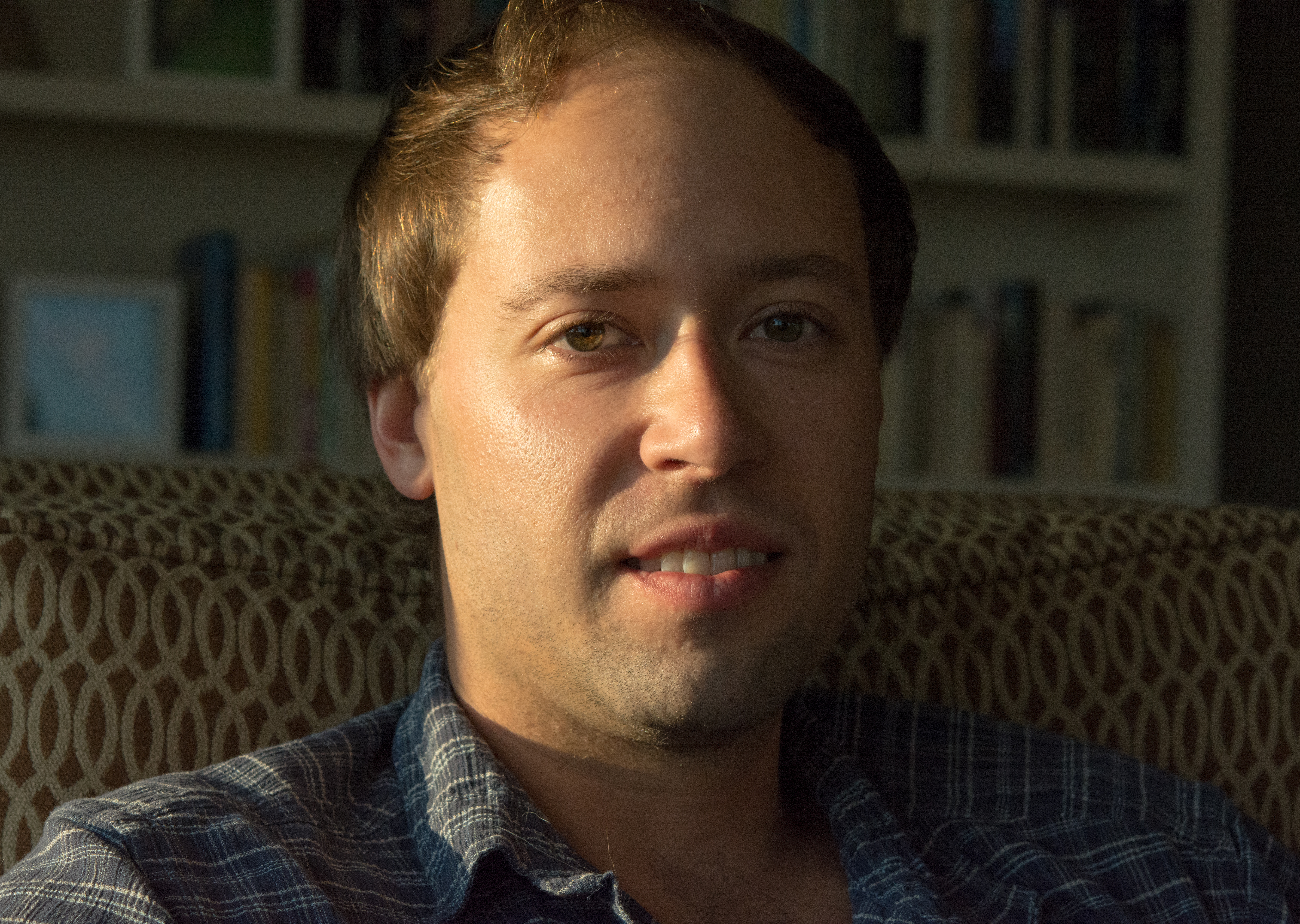
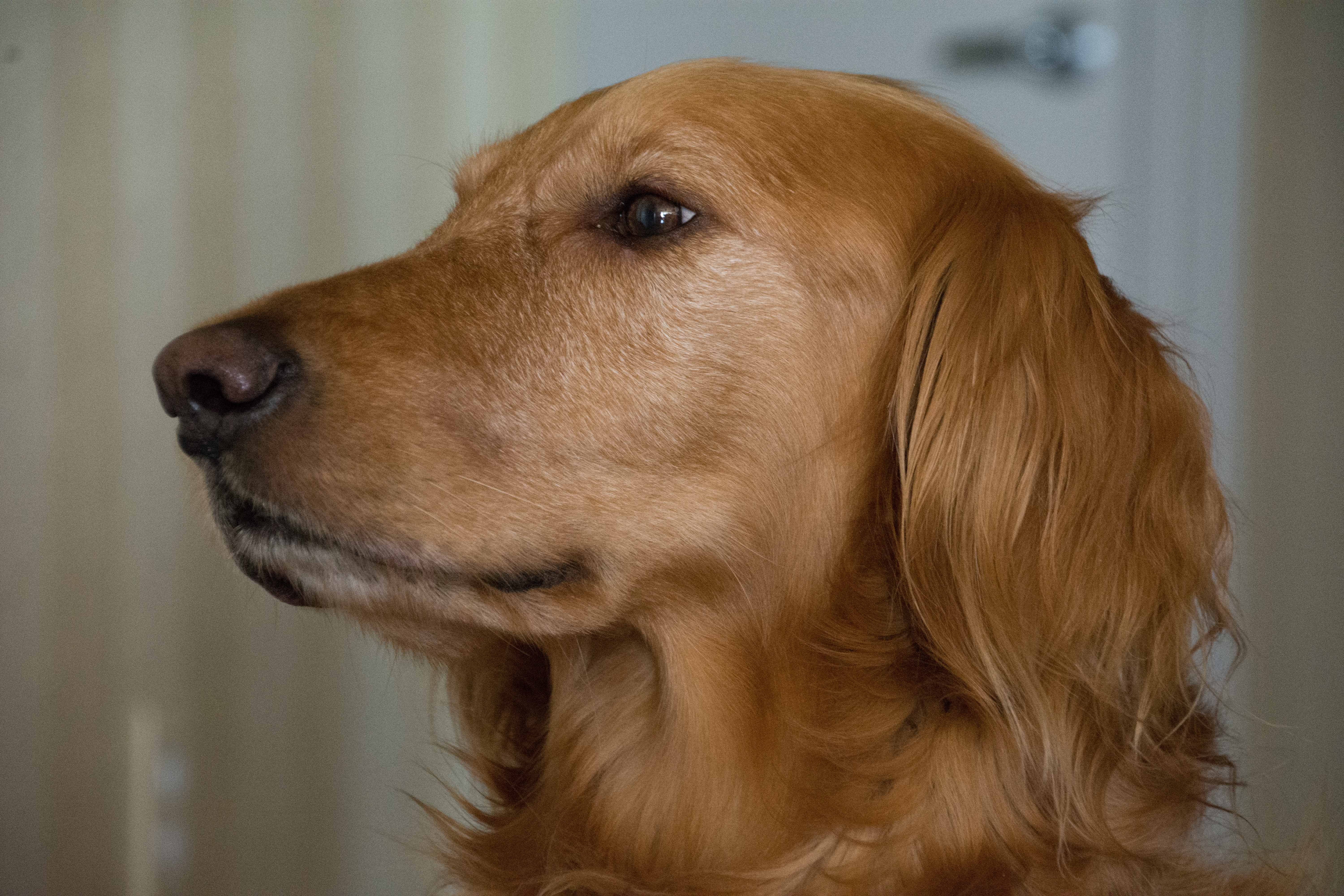
Gabe normally resists being photographed, but he agreed to let me take a few shots on Saturday at sunset. My favorite was one of him shirtless, looking handsome, but he did not want it published. I’ve also been trying to get a good shot of his golden retriever, Mowgli. He’s an affectionate dog, surprisingly laid back. This is the best pic so far.

20150606-_DSC9972First Friday-Anniversaryuntitled shoot

Bees, batching it, basic incomes, Confucius, and a brand new ballet

At Raulston Arboretum

At Raulston Arboretum

Sally’s tennis team made it to the state finals, which was in Greensboro this week. Of course we were proud of her, but also concerned, since this meant leaving Gabe and me, and the three cats and two dogs, to fend for ourselves for a few days. Sally is our goddess, but also our our binding agent, and general civilizing force. There was a risk we’d have a quick return to the state of nature and a Lord of the Flies situation.

In the end, the cats threw up less than normal, the dogs sustained bladder control, and we kept things reasonably tidy and companionable. A couple of evenings, Gabe and I did parallel play, each in the living room with our MacBooks, working on Adobe programs. While I’ve been trying to learn Lightroom, he’s been delving into Illustrator as part of his exploring becoming a graphic designer. I’ve always thought he was talented in this direction, and so this doesn’t seem unrealistic, though I worry that creative careers are for most people underpaid ones.
_DSC9849

Speaking of careers, I read more this week about the quick rise of artificial intelligence that will likely render redundant large chunks of the world’s workers. I started Martin Ford’s new book, Rise of the Robots, Technology and the Threat of a Jobless Future, which talks about the latest advances in AI and robotics, along with unemployment problems. He’s an advocate of the guaranteed basic income to address the problem of increasing structural unemployment. There’s a piece in the Atlantic about the basic income movement — paying everyone enough for the necessities, so they can continue to buy goods and services. This could stave off economic collapse, which would be a good thing.

Of course, the idea of a bigger safety net seems wildly unrealistic in these days of so-called conservative political ascendancy. But this week there were reminders that good ideas that seemed impossible a short while ago can suddenly become the new normal. Nebraska legislators ended the death penalty in that very red state! Kansas legislators who championed tax cutting are talking about raising taxes to pay for basic services. Not so long ago, it seemed impossible that the United States would ever legalize marijuana or gay marriage, and now those things seem more probable than not. And despite continuing fear mongering, it looks like the Patriot Act is going to expire tonight. A guaranteed basic income could become as American as Social Security.
_DSC9852

I realize I’m jumping around a bit, but this is related in a way (political ideas/notions of human meaning and purpose): there was a thought-provoking book excerpt by Henry Rosemont, Jr. in the Huffington Post contrasting the libertarian strain of western political thought with Confucianism. About all I thought I knew about Confucianism was that it involved something about ancestor worship, but Rosemont presents some profound and useful ideas about social relations, morality, and the role of the individual.

He writes,

By emphasizing not our individuality but our sociality, the Confucians simultaneously emphasize our relationality: an abstract individual I am not, but rather a particular son, husband, father, grandfather, teacher, student, colleague, neighbor, friend, and more. In all of these roles I am defined in large measure by the other(s) with whom I interact, highly specific personages related to me in one way or another; they are not abstract autonomous individuals either. Moreover, we do not “play” these roles, as we tend to speak of them, but rather live our roles, and when all of them have been specified, and their interrelationships made manifest, then we have, for Confucius, been thoroughly individuated, but with nothing left over with which to piece together an autonomous individual self. Being thus the aggregate sum of the roles I live, it must follow that as I grow older my roles will change, and consequently I become quite literally a different person.

Rosemont goes on to explain that the quest for a single definition of one’s self is futile, because “we are basically constituted by the roles we live in the midst of others.” That is, the self is a dynamic construction made by individuals working in concert. As to meaning, he writes, “My life can only have meaning as I contribute to the meaningfulness of the lives of others, and they to me.” This does not seem radical to me, but it stands in stark contrast to the traditional western view of the individual as autonomous and self-directed. I’m considering getting Rosemont’s book and exploring this more.
_DSC9903

Sally got back from the tournament in Greensboro on Saturday in time for us to get to the Carolina Ballet studios for the first ever performance of a new ballet by Zalman Raffael. Sonata 17, set to Beethoven’s piano sonata op. 31, no. 2, was created with a grant from the New York Choreographic Institute, and involved four male and four female dancers, including our friend Alyssa Pilger. It was romantic in the sense that Beethoven is romantic, and had a boy-seeking-girl subplot, but at the same time was coolly modern. My main criticism was that the pas de deux second movement seemed overly minimal.

The third movement got off to a blazingly kinetic start, but then Rammaru Shindo fell and was unable to get up. The music stopped, and he was helped off the stage. The other dancers finished the piece, with blanks where Shindo would have been. It was a reminder of that the amazing athleticism of these dancers involves serious risks, and they can and do get hurt. There was a reception afterwards, where we had a glass of wine and chatted with Zali, Alyssa, Michael and Amy Tiemann, and other friends.

That evening we saw a very good documentary on Netflix called First Position about young dancers preparing for and participating in a large ballet competition. The dancers were amazingly talented! It was a pleasure to watch, and also showed the incredible discipline and drive of top dance students.

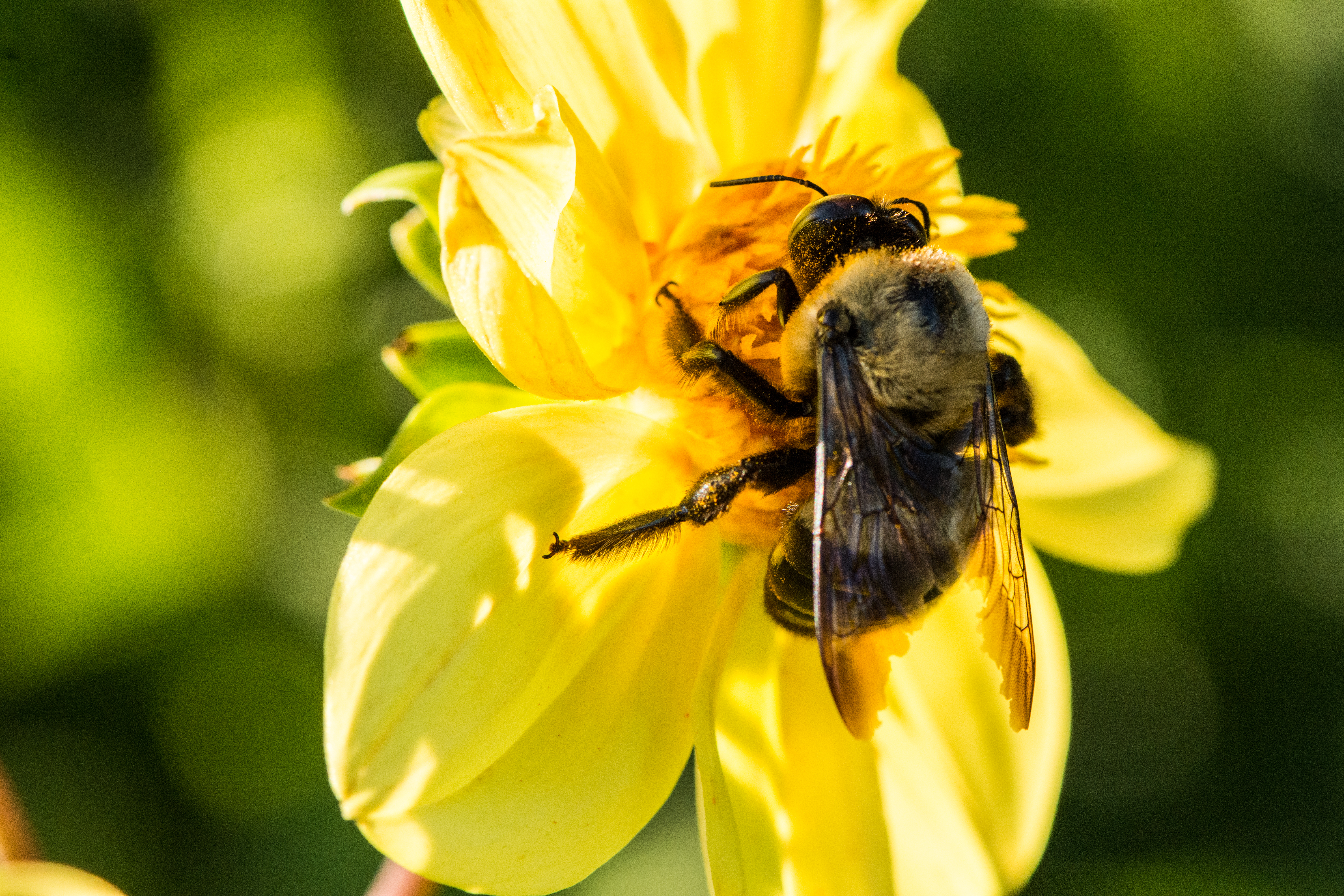
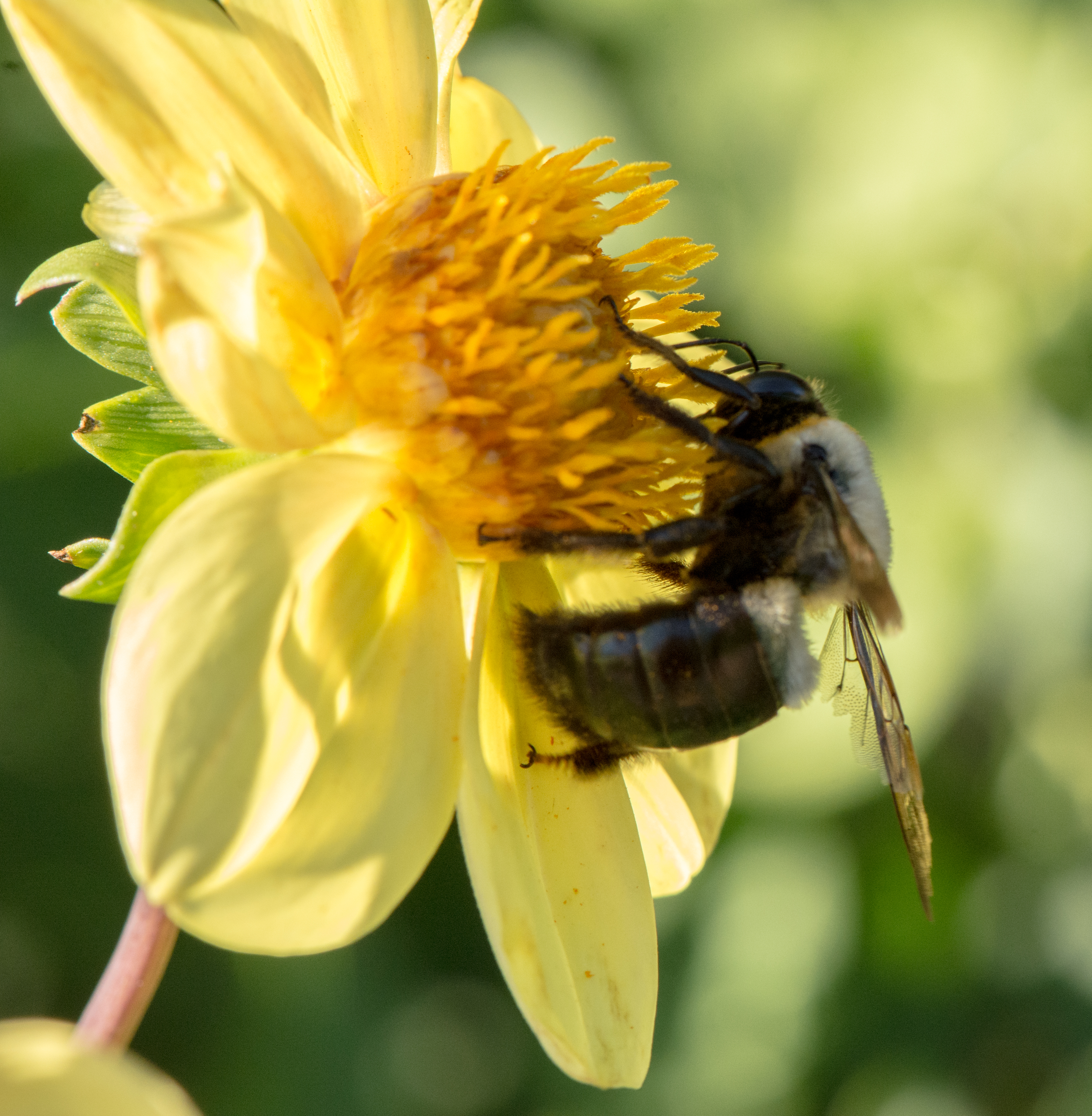
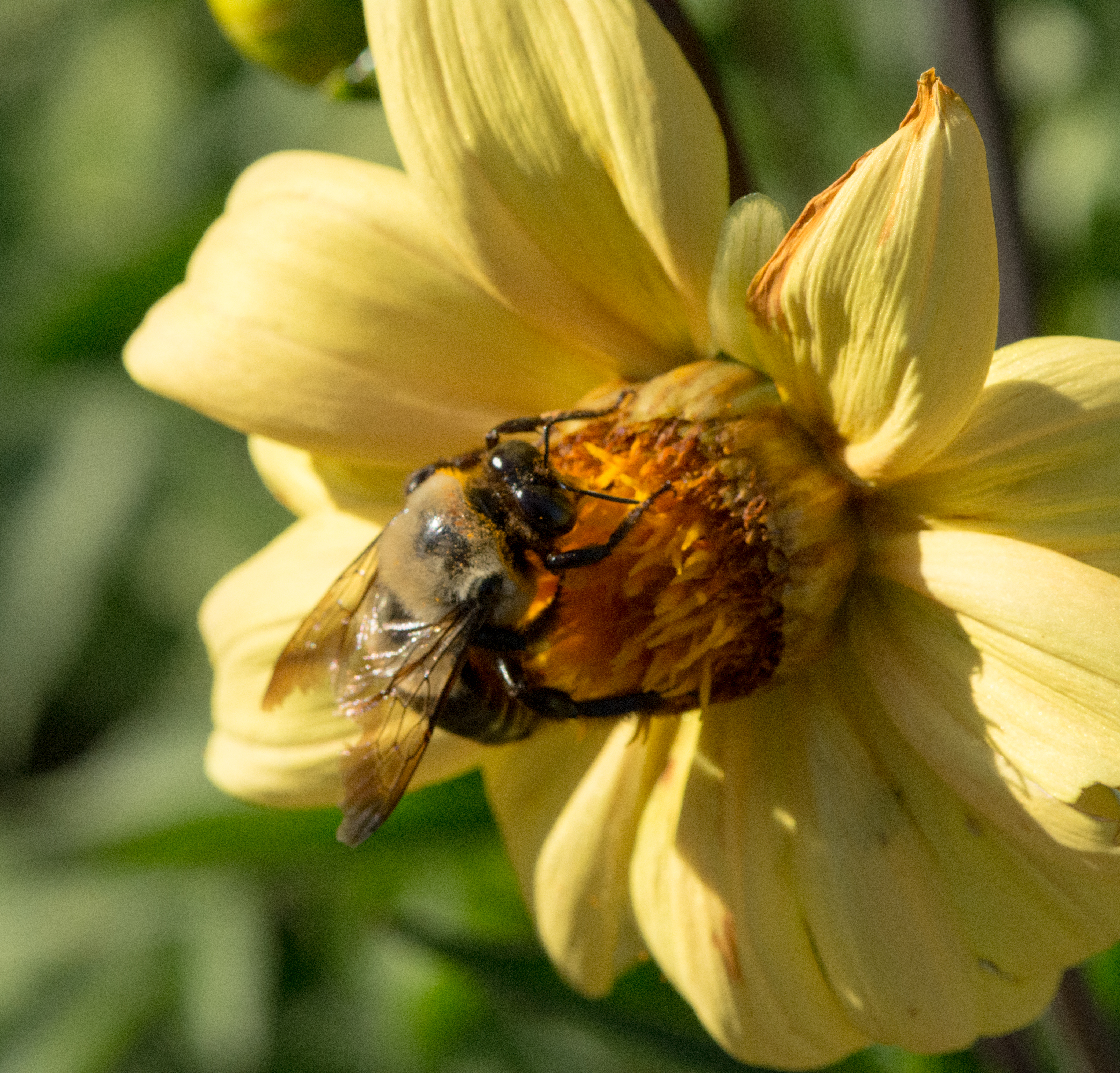
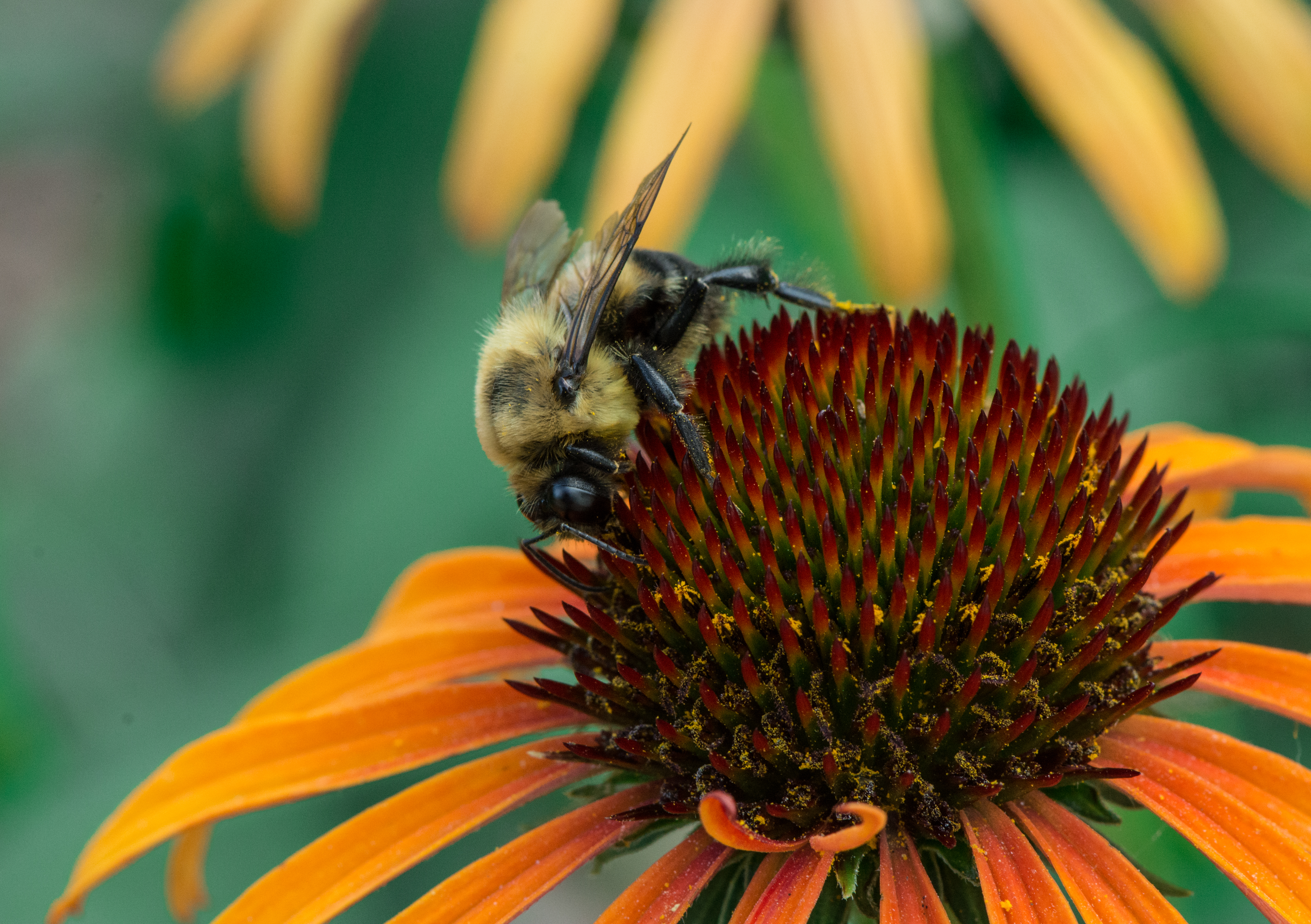
I took these pictures at Raulston Arboretum on May 29, 2015, at about 6:30 p.m. The season of pure new blossoms has passed, but there were bees hard at work. They work fast, with only a moment on a flower, but photographically frozen, they look like they love their flowers. I was also pleased to come upon a well-camouflaged little snake who was intently sensing the world with his tongue.
_DSC9898
_DSC9900
_DSC9900-2

Our Memorial Day weekend in New York — great ballet, art, and ethnic food

The New York Palace (that's our place on the 32nd floor) and St. Patrick's Cathedral

The New York Palace (that’s our place on the 32nd floor) and St. Patrick’s Cathedral

For Memorial Day weekend, we went up to New York City to see our sweet Jocelyn and get an infusion of arts and food. I’d bought tickets to both the NYC Ballet and the American Ballet Theatre, and wanted to see the new Whitney Museum. We designated Jocelyn as the food concierge, and she booked us into some fun ethnic restaurants. After going back and forth, I decided not to lug along my big DSLR kit, and instead took my compact Canon G16, with the results shown here.

Sunset right after we checked in at the New York Palace

Sunset right after we checked in at the New York Palace

The flight up went smoothly (storage room remaining in the overhead bin, on time departure, seatmate not apparently infectious). I read a piece in the last New Yorker on Marc Andreessen, the famous Silicon Valley tech entrepreneur and venture capitalist. It was a good primer on what VC is and does, and seemed like a fair portrait of Andreesen and his firm (Andreesen Horowitz). He is, of course, intelligent and richer than Croesus, but, it turns out, sort of inexpressive and unadventurous in his personal life. (His likes watching television.) And for all his successful bets on where technology is about to go, he seems in complete denial about the big economic changes technology is bringing, like rising inequality and unemployment. Cognitive dissonance, perhaps?

We stayed at the New York Palace on Madison and 50th. This hotel opened in 1981, when we lived in Manhattan, and was known as the Helmsley Palace, with ads that featured a then-famous dragon lady named Leona Helmsley touting its remarkable luxuriousness in a loathsome way. Now rebranded (thank goodness), it is quite a fine hotel, and from our room on the 32d floor we had good views of Manhattan towers and a sliver of the East River.
IMG_0434
We had dinner in Curry Hill, the little Indian restaurant neighborhood at 28th and Lexington, at Chote Nawab. It’s a lively place, and the food was good, but our server was amazingly inattentive. Even so, we had fun catching up.

It was remarkably clear on Saturday morning and a bit chilly when we went down to the meat packing district to the new Whitney, which is situated on Gansevoort right where the High Line starts. It took a minute to absorb that the line to get in was a block long, and we kicked ourselves for not buying tickets in advance. But the line moved quickly, and we were inside in about 20 minutes. The place was crowded, but with a little patience we managed to get close to the pieces that interested us.

Eva Hesse's last work before her death at 34

Eva Hesse’s last work before her death at 34

The current exhibition is called America is Hard to See, which is so true, and is a loosely chronological survey of some of the key examples of the Whitney’s permanent collection. It starts on the eighth floor (the top) with the beginning of the 20th century, and comes down and toward the present. The works were given a good amount of space, and where there were narrative labels, they were helpful.

At this point in my own art historical education, Abstract Expressionism from the 50s seems more like an old friend than a shocker. But I found myself moved and shaken by some of the political art of the 60s (some of the big issues of that time are still big issues). I also engaged with the minimalism and conceptualism from more recent decades. It struck me that this was art intended to be discussed, to expand out into a social dialog. It wasn’t about just looking — it was also about talking.

The Whitney's decks

The Whitney’s decks

In addition to the fine display spaces, the new museum has large outdoor decks. We lucked out, with beautiful weather, and after each floor, we stepped out in the sun clear our heads and enjoy the wonderful cityscape views.

Looking south from the Whitney at the new Freedom Tower

Looking south from the Whitney at the new Freedom Tower

We’d thought of visiting some galleries in the area after the museum, but after two and a half hours at the Whitney I was more than sufficiently stimulated, and a bit wrung out. Jocelyn met us outside the museum, and we walked up to the Flatiron District, where we had good lunch at a Korean place called Barn Joo.

Then Jocelyn gave us a tour of her offices in the Flatiron Building. This iconic triangular building at 23d and Broadway, completed in 1902, was one of the first skyscrapers in New York. J’s employer, Macmillan Publishers, is now the sole tenant. The offices were nothing fancy, but still fun to see. It reminded me of our offices at The New Yorker in the late 70s. There was a great view of the Empire State Building from the northern point of the building.

The Flatiron Building

The Flatiron Building

We poked around in Eataly, a giant gourmet grocery and restaurants space, which was very crowded and fully of delicious smells. Jocelyn promoted the cookies at a bakery a few doors down as the best in New York, so we bought three and ordered coffee. The barista for some reason had trouble with our order, and took ten minutes to produce various beverages we had not ordered. We consumed them at a table near Madison Square Park. My cookie was a good mix of smooth and crunchy, and I enjoyed it very much.

The Empire State Building, from the Flatiron Building

The Empire State Building, from the Flatiron Building

We had dinner at Boulud Sud, a Mediterranean Restaurant at 64th St. near Lincoln Center. The place was bustling. There were no veggie options on the menu, but they proposed a gnocchi dish that was good.

We finished dinner with enough time (barely) to get to our seats at the Metropolitan Opera House to see the American Ballet Theatre perform Giselle. I was interested in Giselle in part for its historical significance as one of the oldest ballets still in the common repertoire. It was first performed in Paris in 1841, with Carlotta Grisi as Giselle and Lucien Petipa as Albrecht. It must have been astonishing at the time to see the women rise and hover en pointe.

This production had Stella Abrera as Giselle and Vladimir Shklyarov as Albrecht. Abrera was not previously known to me, but I will not forget her. She was sublime. Her gestures seemed somehow to be magnified and extended, with a remarkable emotional intensity, without being overstated. Shklyarov was also excellent. In the second act, the ethereal Wilis were spookily graceful, and when they tried to dance Albrecht to death, Shklyarov was so fervid that it seemed on the verge of real danger. The ovation was tremendous by New York standards, with the audience clapping for about 10 minutes. After I drafted this, I saw Alastair McCaulay’s review in the Times, which was a rave for Abrera.

The Metropolitan Museum of Art

The Metropolitan Museum of Art

On Sunday morning we took a taxi up to the Metropolitan Museum. I’d been looking forward to seeing an exhibit of the art of the plains Indians, but it had, unfortunately, closed. But there is always a lot to see at the Met. We started with a tiny exhibit of Van Gogh’s irises and roses, which had four paintings. The signs explained that the red pigment in the paintings had deteriorated and changed the colors of the paintings, and a video offered an interpretation of what they must have looked like. We spent time with the Lehman collection of Impressionists and Post-Impressionists, thirty or so great paintings that sum of the field amazingly well.

A Vermeer that just kills me

A Vermeer that just kills me

Then we made our way to the galleries with the Vermeers and Rembrandts. I listened to an interesting podcast the previous week with a debate on whether Rembrandt or Vermeer was the greater artist, and confirmed that I’m more of a Vermeer man. The Met has 5 of the 35 or so existing Vermeers, and I particularly love a couple of them. We also spent time looking at the pre-Colombian art, which is getting more and more interesting to me, and African art.
IMG_0605

We met Jocelyn for lunch on the West side at Nanoosh, a Mediterranean spot, and I had some delicious falafel. Then Jocelyn came with me to Lincoln Center to see the New York City Ballet perform La Sylphide. This was, again, for me partly about ballet history, since La Sylphide is another path-breaking early work, from 1834 by August Bournonville. Lauren Lovette was the Sylph, and Anthony Huxley was James. The corps of Sylphs in Act II was, like the Wilis in Giselle, all in diaphanous white tulle, and entrancing. Lovette danced beautifully.

Jocelyn outside the David H. Koch (aka "El Diablo") Theater

Jocelyn outside the David H. Koch (aka “El Diablo”) Theater

After the ballet we went down to the west Village, where we found an outside table and sipped wine, then had dinner at Pagani, an Italian restaurant. We liked our food, and the service was good until dessert time, when things suddenly came to a halt. The staff regrouped, though, and comped our tiramisu.

On Sunday morning we checked out and took a cab out to Jocelyn’s place in Fort Greene, Brooklyn. Her area seemed sort of Village-like, at least on a sunny Memorial Day holiday. We met up with our and J’s old friend Kathryn M, and ate at a South African restaurant called Madiba, which had a lot of funky charm, though it took a while to get a beer. I had the vegetable Durban curry, and liked it, and heard about Kathryn’s new admin job at Victoria’s Secret.

Then we went to the Brooklyn Botanic Gardens, where there were things that were blooming and things that were not. I didn’t see a great diversity of species, but the landscaping was pretty. We also took a stroll through some of Prospect Park. There were hundreds of Brooklynites picnicking, playing, and soaking in the sun.

Ordinary health matters, learning Lightroom, and seeing sweet Cinderella

_DSC9780

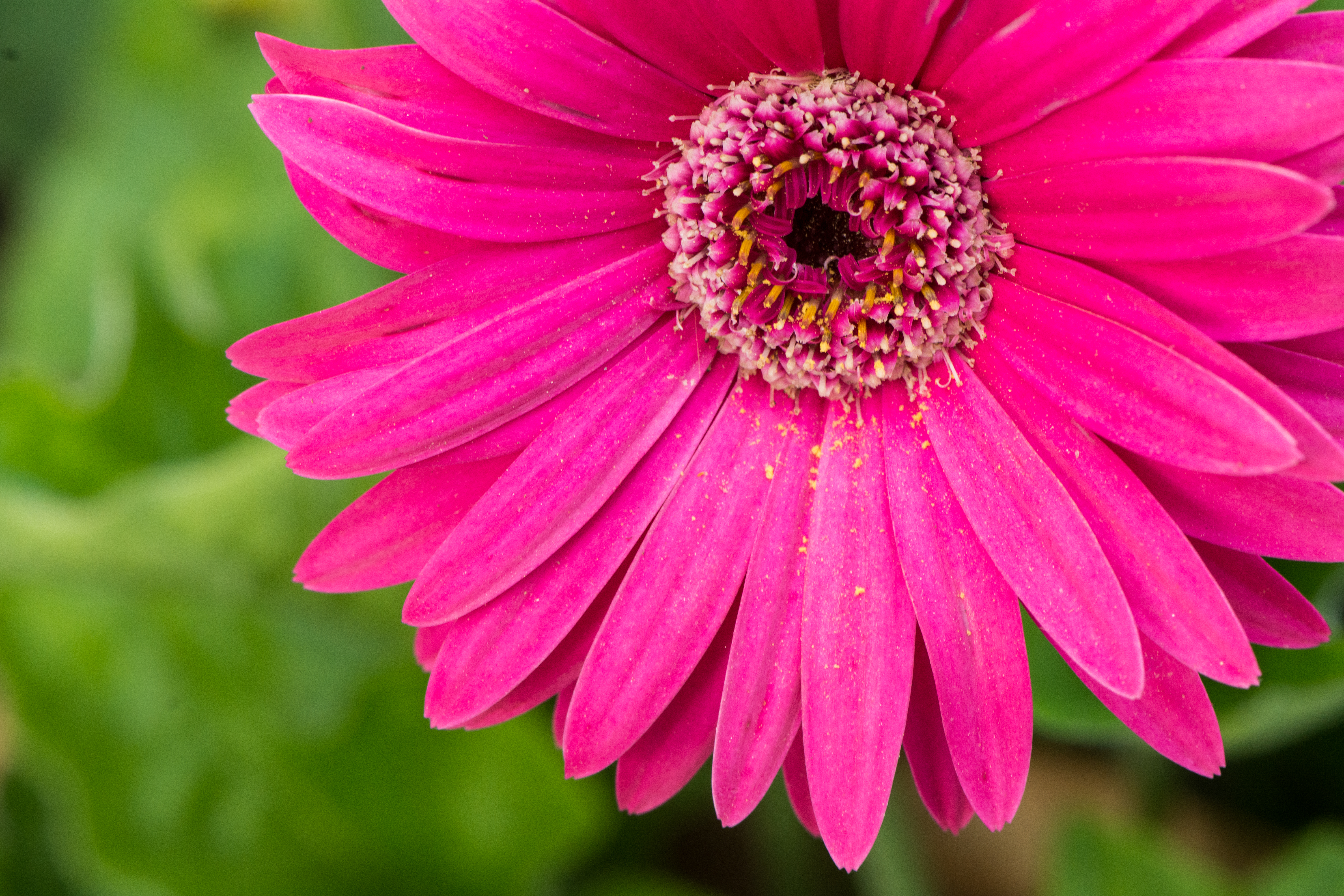
I took these pictures late Friday afternoon at Raulston Arboretum. The fresh blooms of early spring are gone, but there was a richness to the atmosphere, and great smells. I tweaked these with my brand new software, Lightroom 6, which I decided to buy on DVD, rather than the subscription service. After watching a number of instructional videos, getting a short lesson from my friend and colleague Ruth S., and experimenting a bit, I’m starting to get the hang of what Lightroom will do, and looking forward to improving some of my image making and storing.

Jocelyn’s been running, and texted this week that she’d taken two minutes off of her four-mile time. She was pleased! When we talked, she reported that running was helping her get to know her neighborhood Fort Green and the environs. I’m so glad she’s taking good care of herself!

Here in Raleigh, Gabe has been running, too, at a nothing-to-sneeze-at pace of 8 minutes. Thinking of his health, I asked what he was doing about health insurance since leaving his job last month, and determined he hadn’t really addressed it. I briefly panicked, since one serious accident could mean financial ruin for us all.
_DSC9761

Sally has long been a skeptical critic of the American health care system, and pointed up an on-point new piece by Atul Gawande in the New Yorker. It’s about the incredible waste in our system from the many unnecessary medical tests, drugs that don’t’ make people better, and surgeries with more risks than benefits. Gawande is a practicing surgeon, and thus has a fair bit of credibility, as well as interesting personal anecdotes. The legal scholar in me would have appreciated more citations, but I don’t have much doubt as to Gawande’s basic point: our system is optimized to make money for hospitals and the medical establishment, rather than to keep people well, and is horribly inefficient. It’s remarkable to me that we can’t get general agreement that we need major reform.

Anyhow, we live in the world that is. At my urging, Gabe figured out how to get an ACA silver plan, which doesn’t kick in until the first of next month. Meanwhile, I counseled him to cool it for a couple or weeks on skateboarding. Also, he should be particularly conscious of looking both ways before crossing the street, and watch out for falling flower pots.
_DSC9770

On Saturday afternoon, I took a short walk from our apartment over to K2 Massage, where I had an extraordinary therapeutic massage experience with Ken Katchuk. For this first visit, Ken told me to allow for two and a half hours, and ended up needing about three. He spent time debriefing me on ailments and old injuries, and on things I liked to do. Then he got down to the business of figuring out where my areas of tension were, and going after them. It was difficult by moments, but I felt that I was in good, experienced hands, and my body was being helped.

That evening we had dinner with friends at Buku, and saw the Carolina Ballet’s new Cinderella program. Margaret Severin-Hanson was a lovely, graceful Cinderella, and Alicia Fabry and Randi Osetek were very funny as the mean stepsisters. Fabry’s tango solo was a hoot! I wish, though, the score were less sweet and repetitious. In the second half, I really liked Zalman Rafael’s new piece, In the Gray. Set to music by Philip Glass, it is sort of an anti-Cinderella, emphasizing kinetic abstract shapes rather than characters. The dramatic side lighting deemphasized the dancer’s individuality, but Jan Burkhard, Cecilia Iliesiu, and Adam Crawford Chavis made powerful individual impressions. As with other Rafael work, this one shows deep comprehension of the music and unites with it.
_DSC9776

A homecoming, new flowers, and a Shakespeare concert

Raulston Arboretum, Raleigh, NC  May 9, 2015

Raulston Arboretum, Raleigh, NC May 9, 2015

Our Gabe sold or tossed most of his possessions and loaded up the car with the rest, then he drove east, along with his golden retriever, Mowgli. He’d lived in the beautiful ski town of Telluride, Colorado for six years, and had decided that that was enough. He enjoyed the long drive, until his car broke down in eastern Tennessee on Sunday. He had to wait there until Monday to get it fixed. He arrived in Raleigh Monday night, and we gave him a big hug. Mowgli and Stuart sniffed each other.

Gabe, who’s been working as an accountant, is thinking of taking a new career direction. He’s planning to stay with us for a bit and consider his options. We’re all hoping to stay good friends and not make each other crazy. In his younger days, he had a bad habit of borrowing my clothes without permission, but so far he’s been good about that.
_DSC9672_edited-1

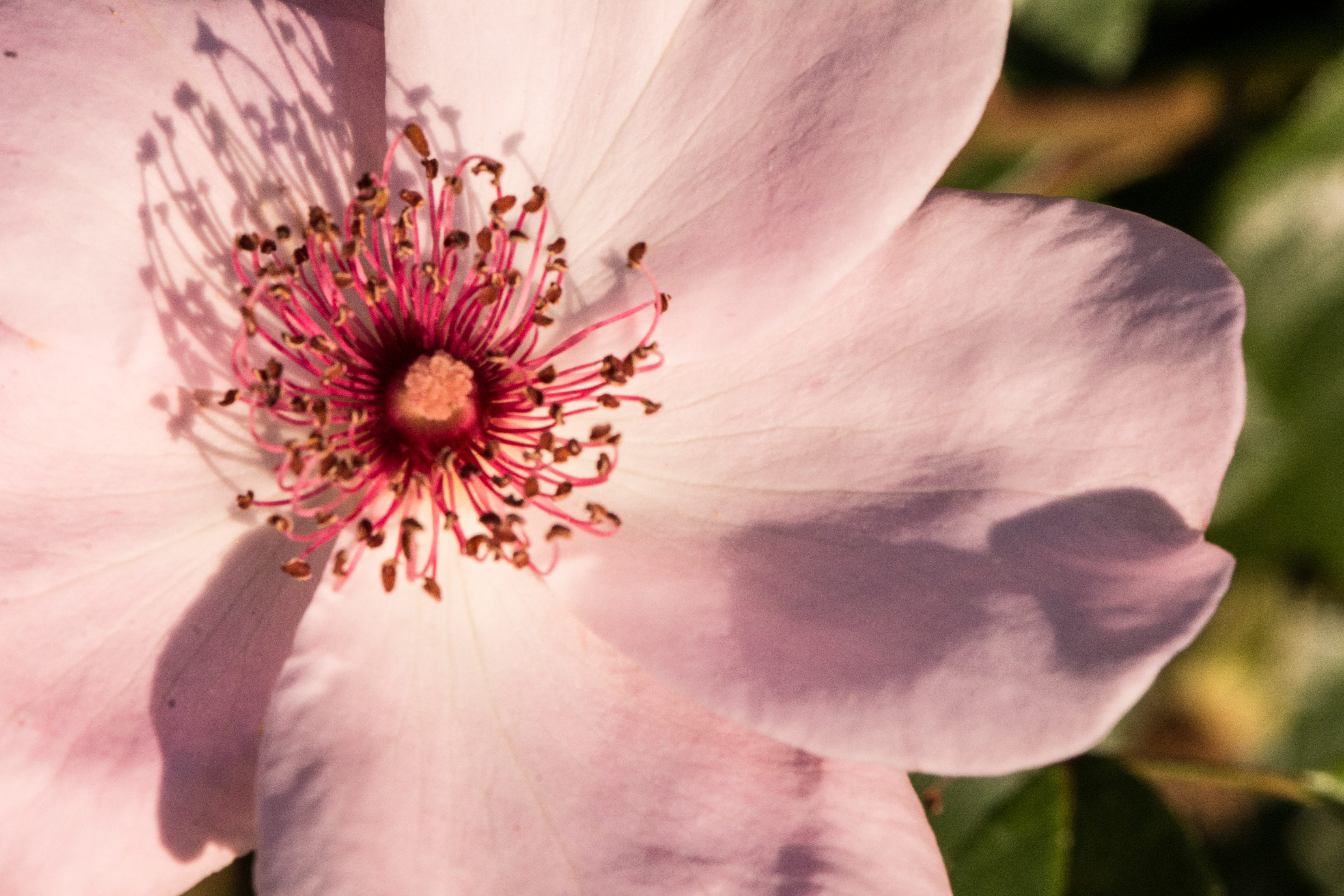
I made a quick trip to Raulston Arboretum on Saturday morning and took a close look at some new flowers. There were lots of little insects at work on them, and I had a go at capturing their images, but with limited success. Afterwards I went to Flywheel for a spin class, which was tough. I was happy to finish in the top four, but was way behind the champion.
_DSC9735_edited-1

In the afternoon, I spent some time experimenting with Lightroom, Adobe’s photography database program. I’m in the middle of my 30-day free trial, and am determined to test it out, if I can figure it out. I get the basics, but a lot of it isn’t at all intuitive. I’ve been reading and watching videos, and making some progress.
_DSC9726_edited-1

We went to the N.C. Symphony on Saturday night, where they were joined by actors from the Playmakers Repertory company and the N.C. School of the Arts in performing a musical version of A Midsummer Night’s Dream. We enjoyed the wonderful Mendelssohn and other music, but were less enamoured of the acting. In recent seasons, the Symphony’s programming has gotten increasingly conservative (lots of warhorses), and, for us, not very exciting. It’s good to see them trying something different, but this program didn’t really work for me.
_DSC9711_edited-1
_DSC9640_edited-1

This Saturday: irises, exercise, protest riots, Schoenberg, Indian food, and soccer

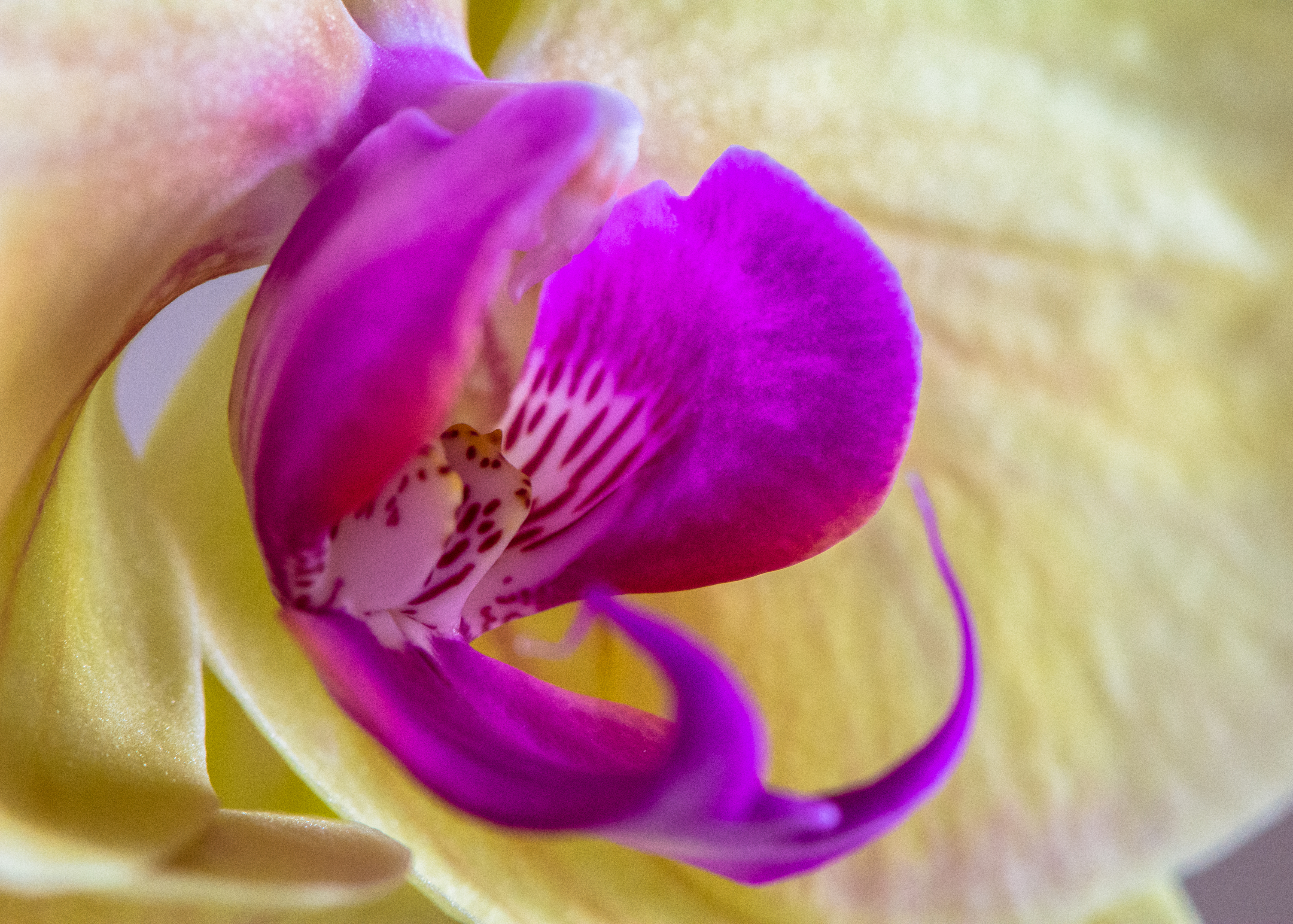
Iris, Raulston Arboretum, May 2, 2015

Iris, Raulston Arboretum, May 2, 2015

As usually happens when I travel, I picked up about three pounds, which I’d very much like to drop. Three isn’t a lot, but it can so easily become six, or twelve. And it’s so much easier to add than to subtract! With reducing in view, I’ve been focussing my exercise recently on fat burning, adding 15 minutes to my usual 30 of morning cardio, along with the usual resistance, core, and stretching. I’ve been doing various combinations of machines (elliptical, stairs, rowing, treadmill), classes (spinning, yoga), and outdoor running. On Saturday morning, I considered spinning at Flywheel or yoga at Blue Lotus, and decided to go to O2 for an aerobic martial arts-type class.

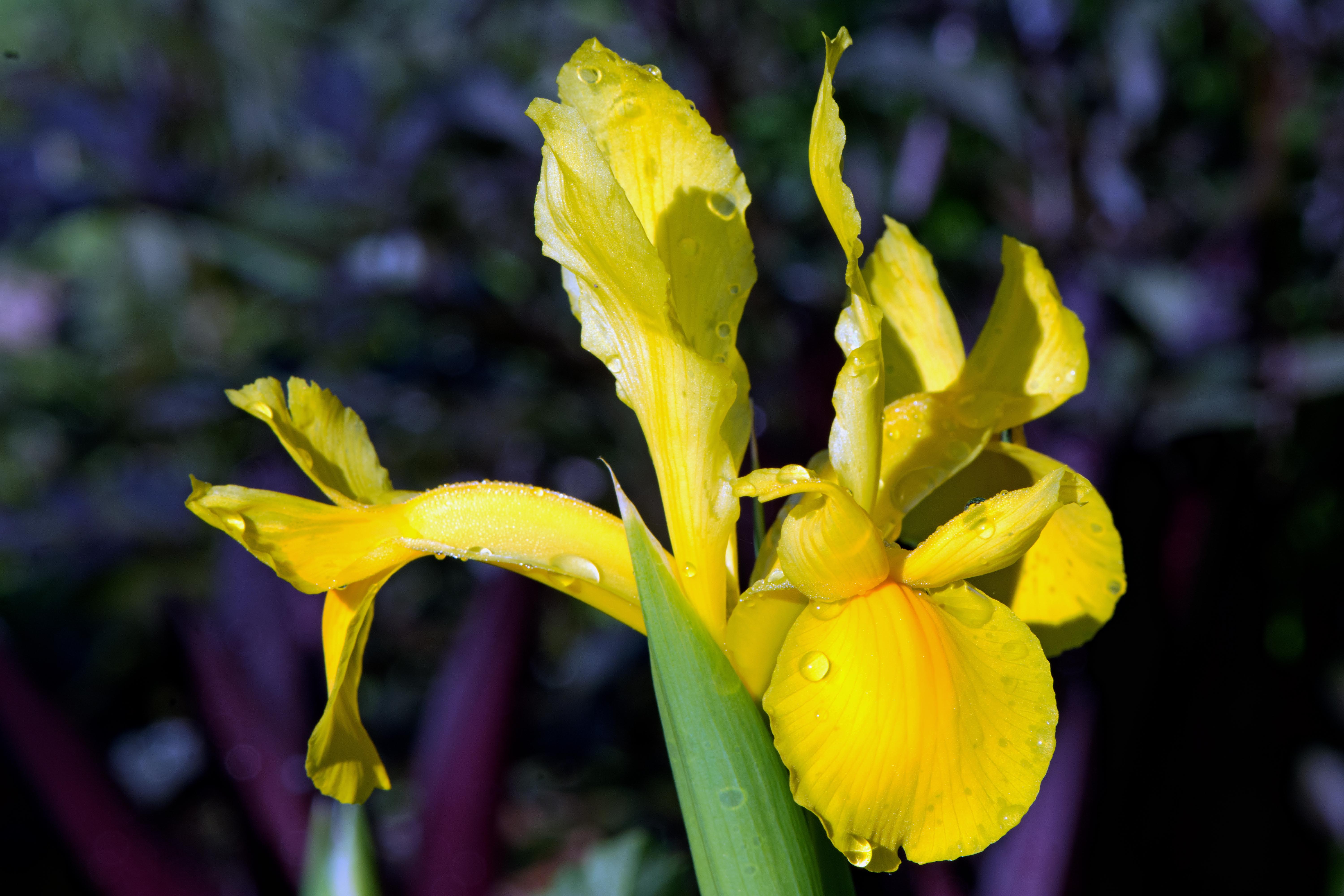
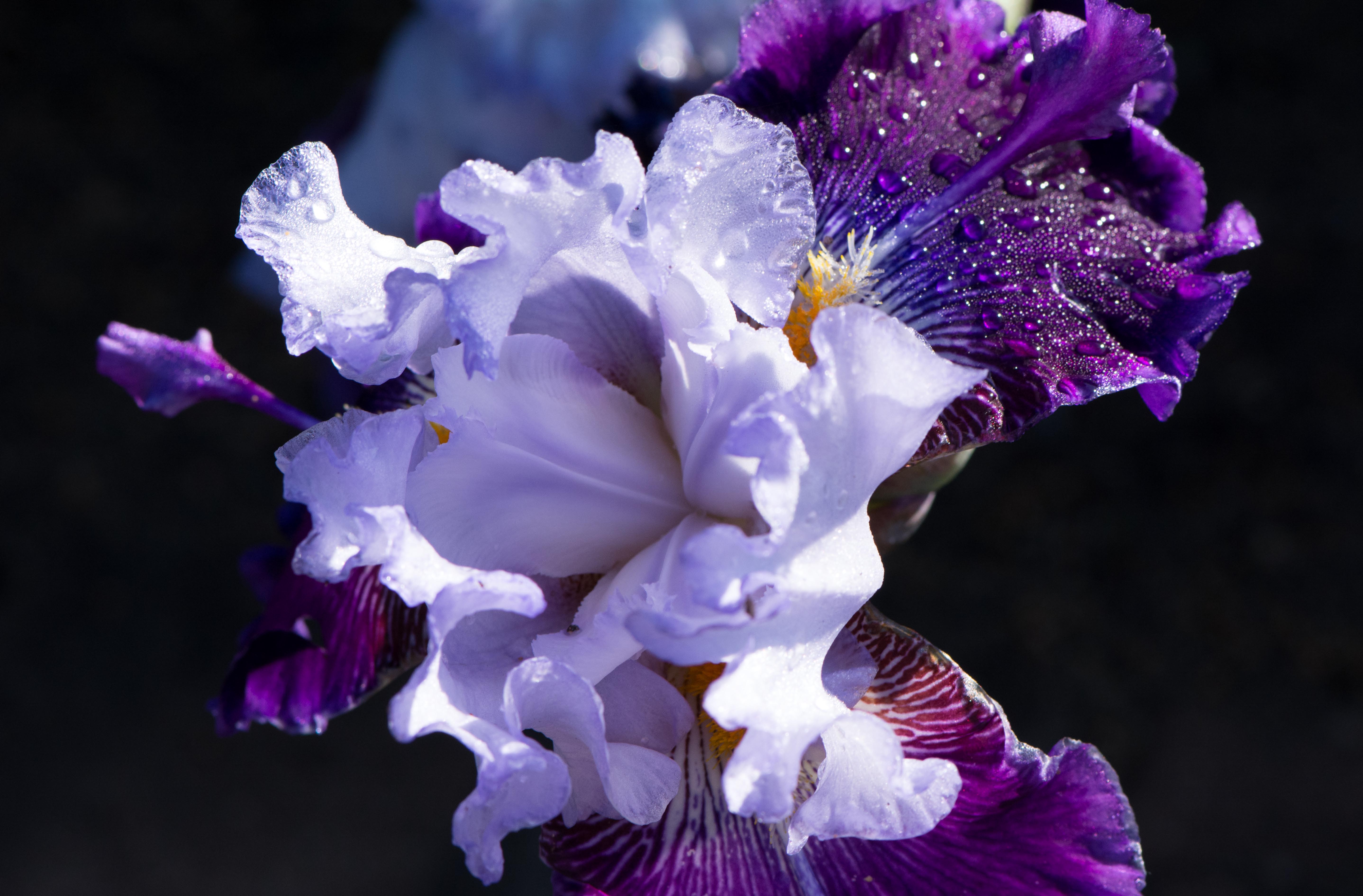
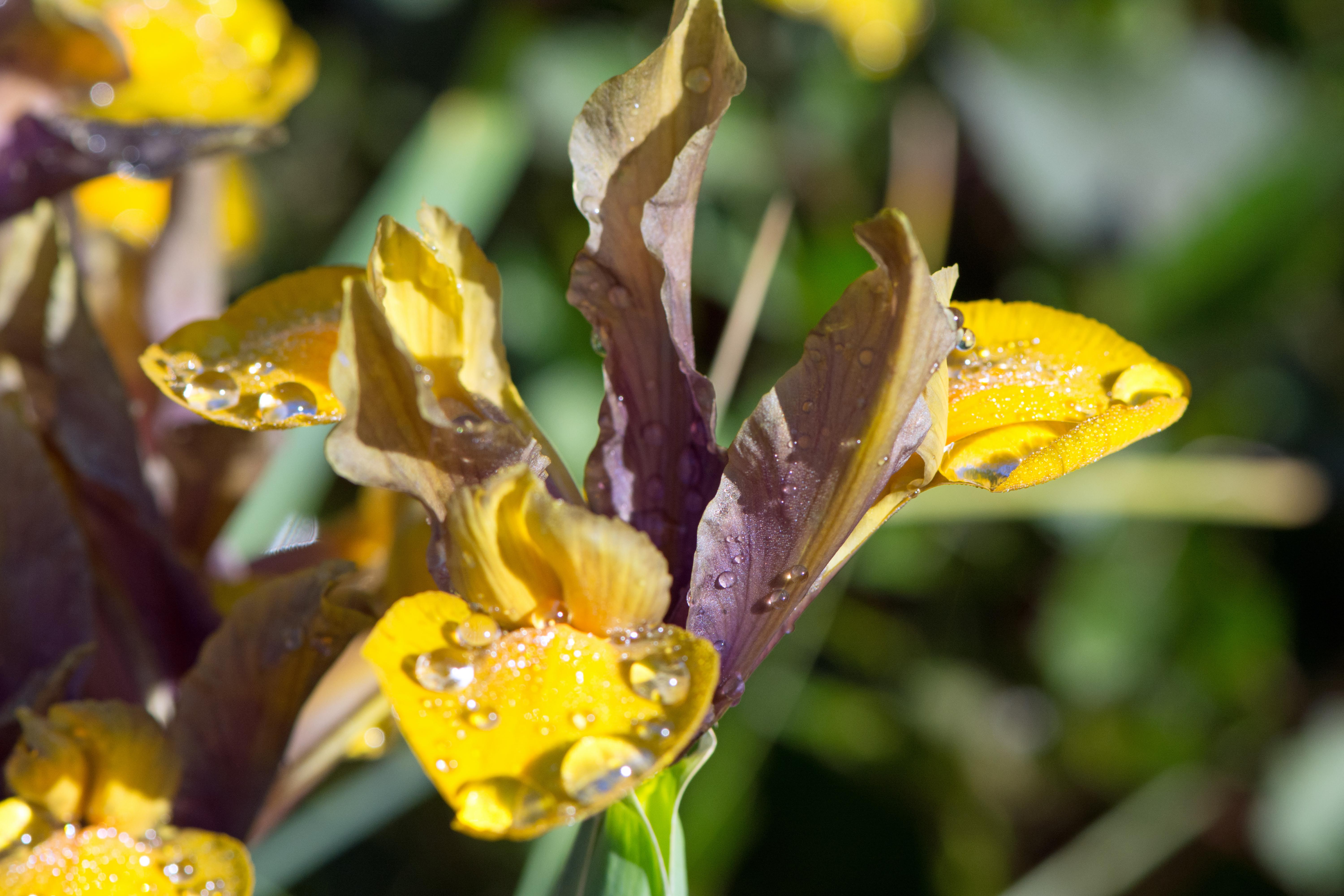
But first I went up to Raulston Arboretum, getting there a few minutes after 8:00 a.m. The big story this week was irises of various colors, boldly blooming, and still dewy when I got there. I spent an hour strolling and trying to capture their spirit, and then headed to the gym.

The exercise class was called Body Attack, and involved an hour of rhythmic footwork, punching, and kicking, to a throbbing club-type beat. I’m a highly non-violent person in real life, but I must admit, shadow boxing with a group is fun. I succeeded in sweating a lot and getting my heart rate into the mid-150s, and avoided either accidentally kicking or being kicked.
_DSC9536_edited-1

After showering back home, I drove out to Cary for a haircut with Ann S, my hair cutter of many years. I always enjoy talking with Ann about our families and doings. Part of her news this time was sad: their 14-year-old dog had to be put to sleep this week. The diagnosis was liver failure. I mentioned that I’d been thinking of our sweet Stuart’s mortality (as I noted last week), and we both struggled to articulate what is lost when a beloved pet goes.
15 05 02_5011_edited-1

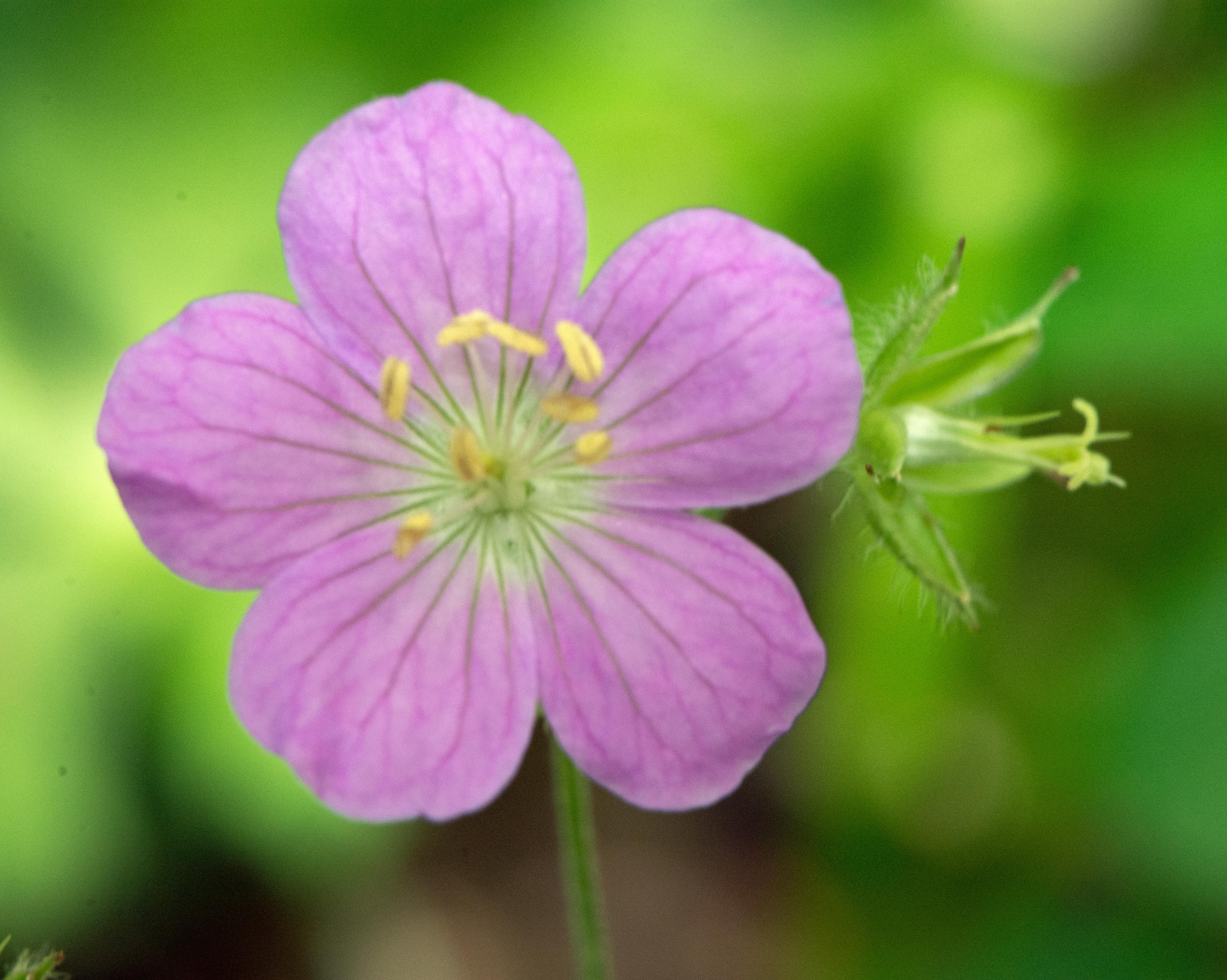
On the way back to Raleigh, I stopped at Swift Creek Bluffs for a walk in the woods. It was muddy from recent rains, and most of the wildflowers were gone, but things were green and lively. The creek was burbling, and a wood thrush sang brilliantly. I ran into Matt J., a fellow photographer who knows a ton about wildflowers, and we talked about plants and cameras. I saw this little guy:

Swift Creek Bluffs, May 2, 2015

Swift Creek Bluffs, May 2, 2015

On the drive back, I made a stop at the Washaroo to get Clara a shower, and listened to NPR reports on the protest violence in Baltimore. I was not aware, since I almost never watch TV news, that the right-wing media had been demonizing the protests. That’s crazy! I think I have a pretty good idea why Baltimore’s poor blacks (like those in Ferguson and many other cities) were angry. I learned a lot from Alice Goffman’s excellent book, On the Run, which vividly lays out what it means to live in a city (in her case, Philadelphia) where the police take the view that you are either a criminal or potential criminal and constantly harass and intimidate you.

It’s a harsh reality. It is unusual to be able to have a normal job, a loving family, and a comfortable place to live, and usual to face violence from both police and gangs, poverty, and betrayal. A legal system organized around criminalizing recreational drugs and draconian punishment for violators is a basic part of the problem, but there are other layers, including police militarization and racism. The people who are the victims of this system mostly suffer in silence, and so middle class America is mostly oblivious to the depth of the problem.

But that may be changing. When people destroy their own neighborhoods, it’s a wake up call – we at least know something is very wrong, and maybe we wonder what it is. I was cheered this week to read a news story that the leading presidential candidates on both sides agree that the system of mass incarceration for minor crimes needs to be turned around. Can our political system fix this humanitarian disaster? Repealing overly harsh sentencing laws and ending the war on drugs would be a good start.
_DSC9545_edited-1

In the afternoon, I read some and practiced the piano. At the moment, I’ve got on the workbench polishing and memorizing Chopin’s Preludes in C and G, Schubert’s G-flat Impromptu, Schumann’s Arabesque, Debussy’s Reverie, and Liszt’s Liebestraum No. 1, while working on my first music by Arnold Schoenberg – his Six Little Piano Pieces. Schoenberg wrote this in 1911 and uses his famous twelve-tone system, which systematically avoids traditional harmony. It’s highly angular music, and not easy to love, but seems much more approachable to me now. I’m finding strangely haunting melodies, and a sensuality not so far from Debussy’s.

On Saturday evening we went to see the Carolina Railhawks play Tampa Bay at the soccer park in Cary. We enjoy our soccer outings, but figuring out a food option has been challenging. There is no healthy vegetarian food on sale, and our system of smuggling in a sandwich went down last season when they began checking in bags at the gate (and we had to consume our Jimmy John’s veggie special standing in the parking lot). Sally had read a review of a new southern Indian vegetarian restaurant on Chatham Street just past the soccer park, and we tried it out before the game. At Sri Meenakshi Bhavan, the chaats were delicious, and there was a great selection of dosas. The décor was purely functional, and there was no alcohol, but the price for this marvelous food ($35 for two) was most definitely right.

At the game, it was a bit chilly, and we were glad we’d brought our sweaters. There were some exciting sequences, but I left displeased with the Railhawks’ sloppiness. We were fortunate to get away with a 1-1 tie. I’m hoping it was just an off night, and not a step down from the high level of play of last season. I was also displeased with the broadcasting of local advertising by a booming PA system during the course of play. There were several such ads in the second period, which were very annoying. Who thought this was a good idea? I intend to complain.

Our old friend Stuart, rainy Duke Gardens, N.C. Opera, and Snowden reconsidered

Stuart Tiller, April 26, 2015

Stuart Tiller, April 26, 2015

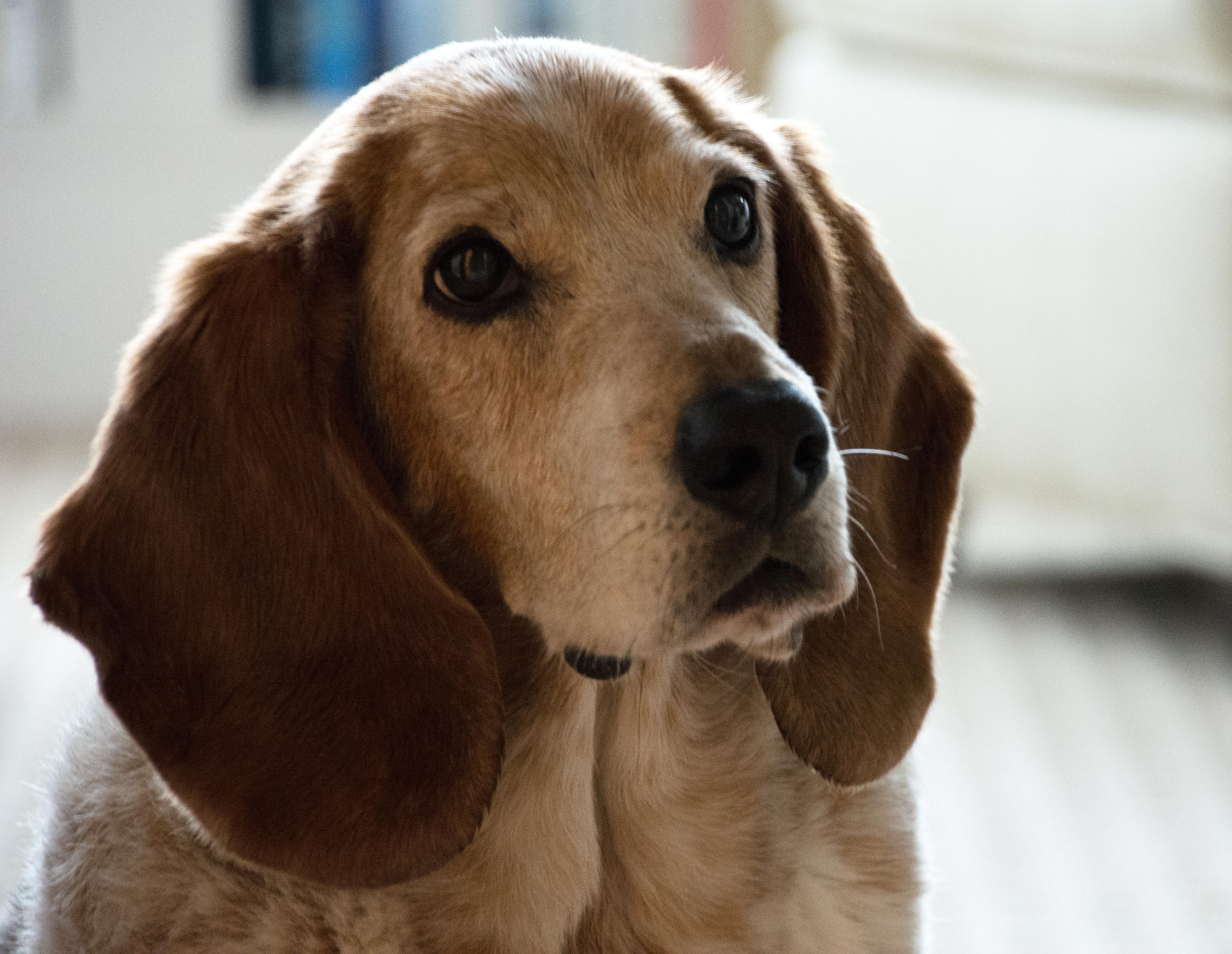
This week I was particularly aware that our sweet Stuart is getting grayer and slower. He’s almost thirteen, so this is no great surprise. But I had a sudden pang when I realized he will not be with us too much longer. He still likes eating and going for walks, and from time to time wants to play with the tennis ball, but only for a bit. He still really likes being petted, as I like petting him. It’s a good thing now and again to pause to note how precious this short time together with a good friend is.
_DSC9485_edited-1

Azalea at Duke Gardens, April 25, 2015

Azelea at Duke Gardens, April 25, 2015

Duke Gardens. On Saturday morning I drove over to Durham to visit Duke Gardens. It started to rain just after I arrived, so I took along an umbrella and tried to keep my Nikon from getting too wet. The rain fell gently, and the gardens were very peaceful and beautiful. This is a place I would love to live if I were a plant. The azaleas were spectacular. In the terrace garden, the tulips were gone, replaced by a wild profusion of white irises, orange poppies, and many colorful spiky and flowing flowers I could not name.
_DSC9456_edited-1
_DSC9481_edited-1

N.C. Opera. On Sunday we saw and heard the final performance of N.C. Opera’s new production of Don Giovanni. It was excellent! It really is hard to believe that we’ve got opera of this quality right here in the Piedmont. The singers were all young, but they all were well-trained musicians with depth and maturity.

I was particularly struck that all three sopranos had gorgeous and powerful voices, and big personalities. Hailey Clark (Donna Elvira) was probably my favorite for the beauty of her tone, but Alexandra Loutsion (Donna Anna) was also a wonderful singer, and Jennifer Cherest (Zerlina) was quite charming. Adam Lau (Leporello) had a fine bass-baritone and good sense of humor. Jeongchelo Cha was Don Giovanni, and ultimately delivered a convincing performance of this deeply flawed but fascinating character.
_DSC9409_edited-1
Snowden reconsidered. I finished reading No Place to Hide, by Glen Greenwald, about breaking the Edward Snowden story. Parts of it read like a Le Carre thriller, but the main points are highly thought-provoking. As the real events began unfolding almost two years ago, it was unclear to me whether Snowden was a kook or fanatic, and whether his disclosures had done more harm to America than good. Greenwald’s book makes clear that Snowden was careful, thoughtful, and idealistic, and his revelations were considered ones that showed that our security apparatus has pushed aside and undermined some of our most important constitutional values. He makes a strong argument for viewing Snowden as a patriot.

It may well be that the NSA folks looking at our personal electronic information mean well, supposing that they might find hidden terrorist threats and suchlike. But even if their work was productive and effective (which it hasn’t been), it is corrosive.

The consciousness that we might be being watched is very close to the consciousness that we are being watched. In either case we lose an important component of personal freedom. Consciously or not, as we come to understand our electronic lives may be constantly monitored, we modify our thoughts and behaviors. We become more passive and compliant. Both our inner lives and our social lives are deprived of oxygen. This is a psychological force that is hard to resist, though of course we need to try.

_DSC9436_edited-1

Seeing a bit of Barcelona and Madrid

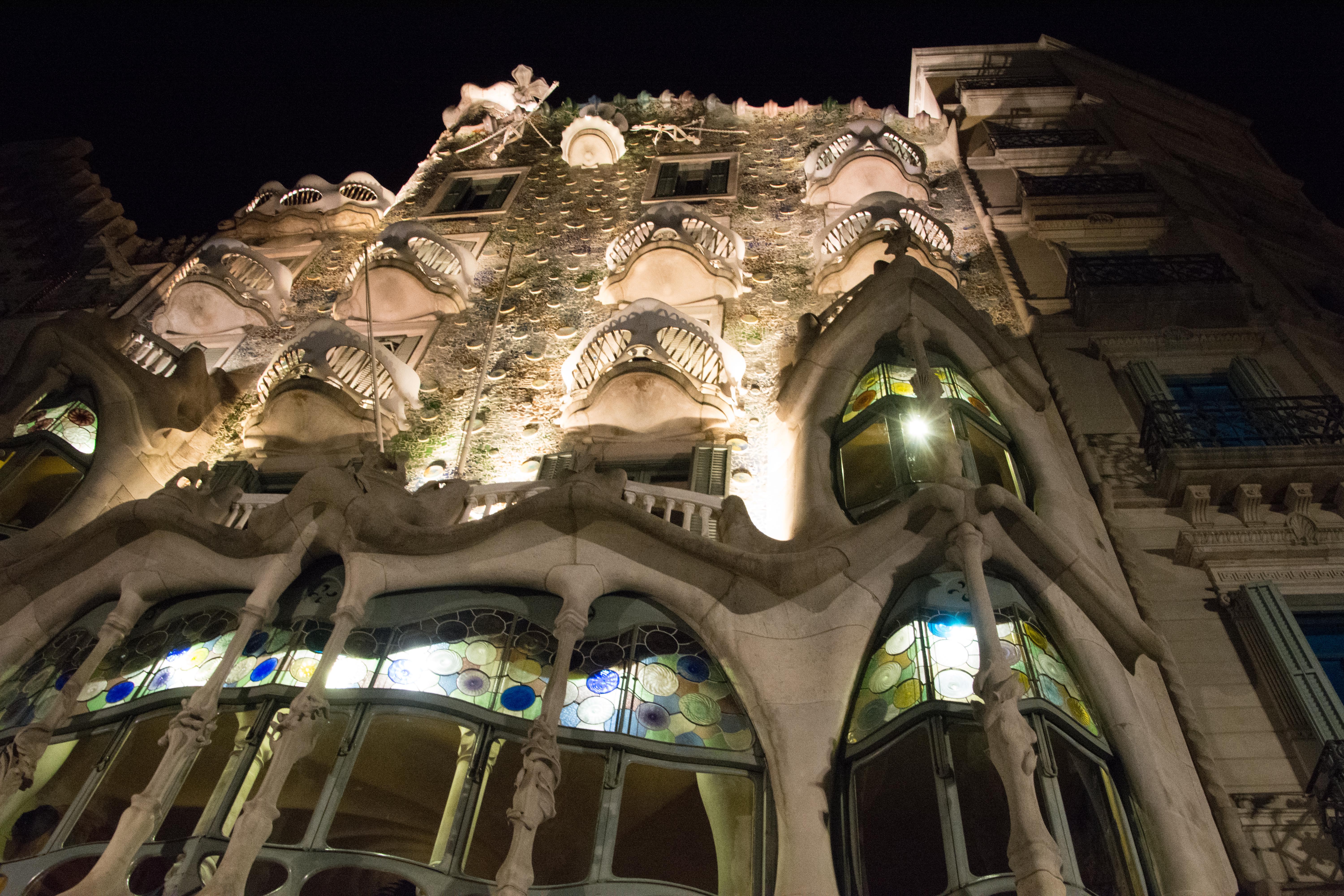
Antoni Gaudi's Casa Batllo

Antoni Gaudi’s Casa Batllo

Last week I went to Barcelona for the legal workshop of the Free Software Foundation Europe. The annual event attracts the leading legal thinkers on free and open source software from across Europe, as well as a good many from the US and Asia. This was my third year at the conference, and it was good to see friends and discuss FOSS issues. Before and after the conference I explored some of Barcelona and Madrid.

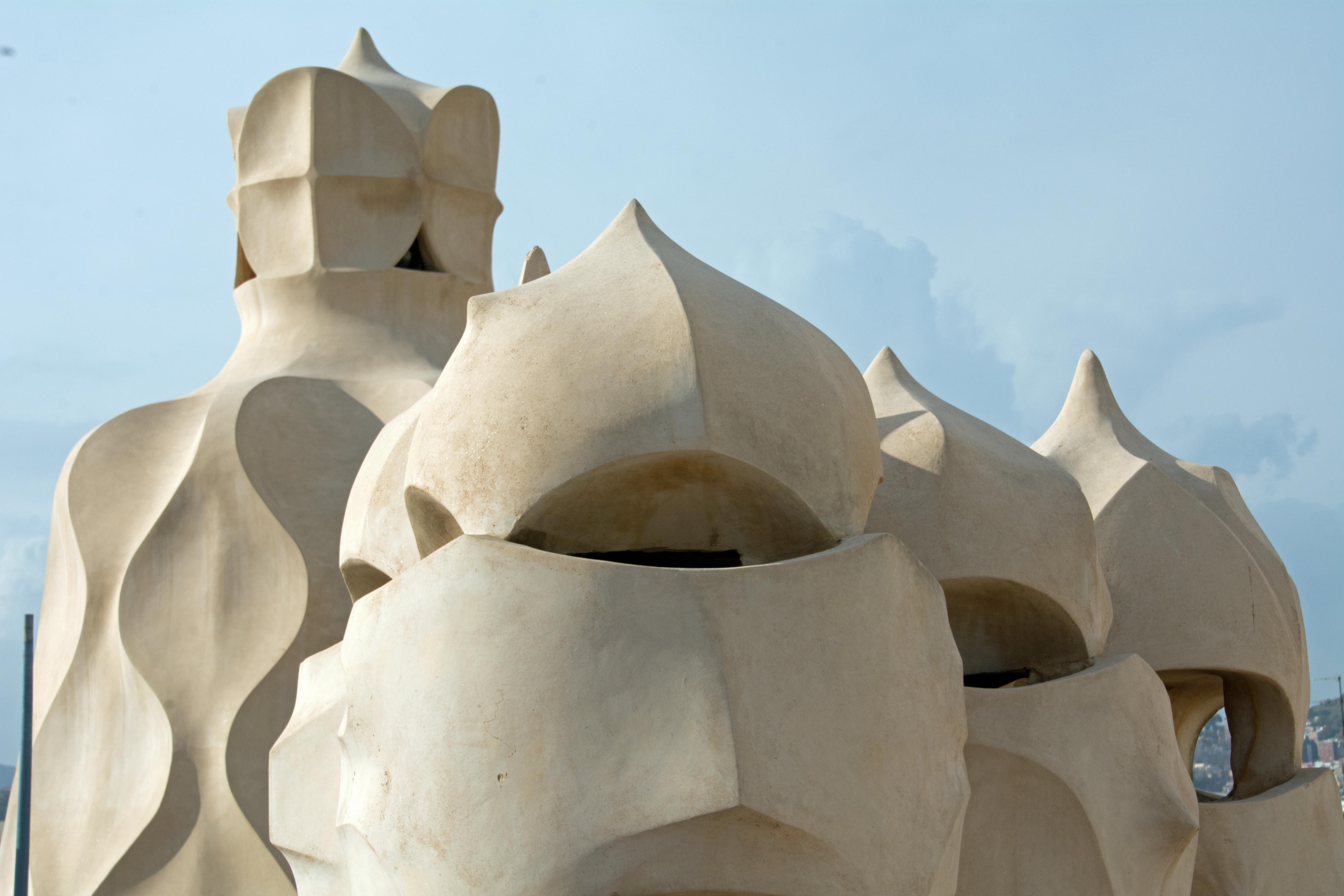
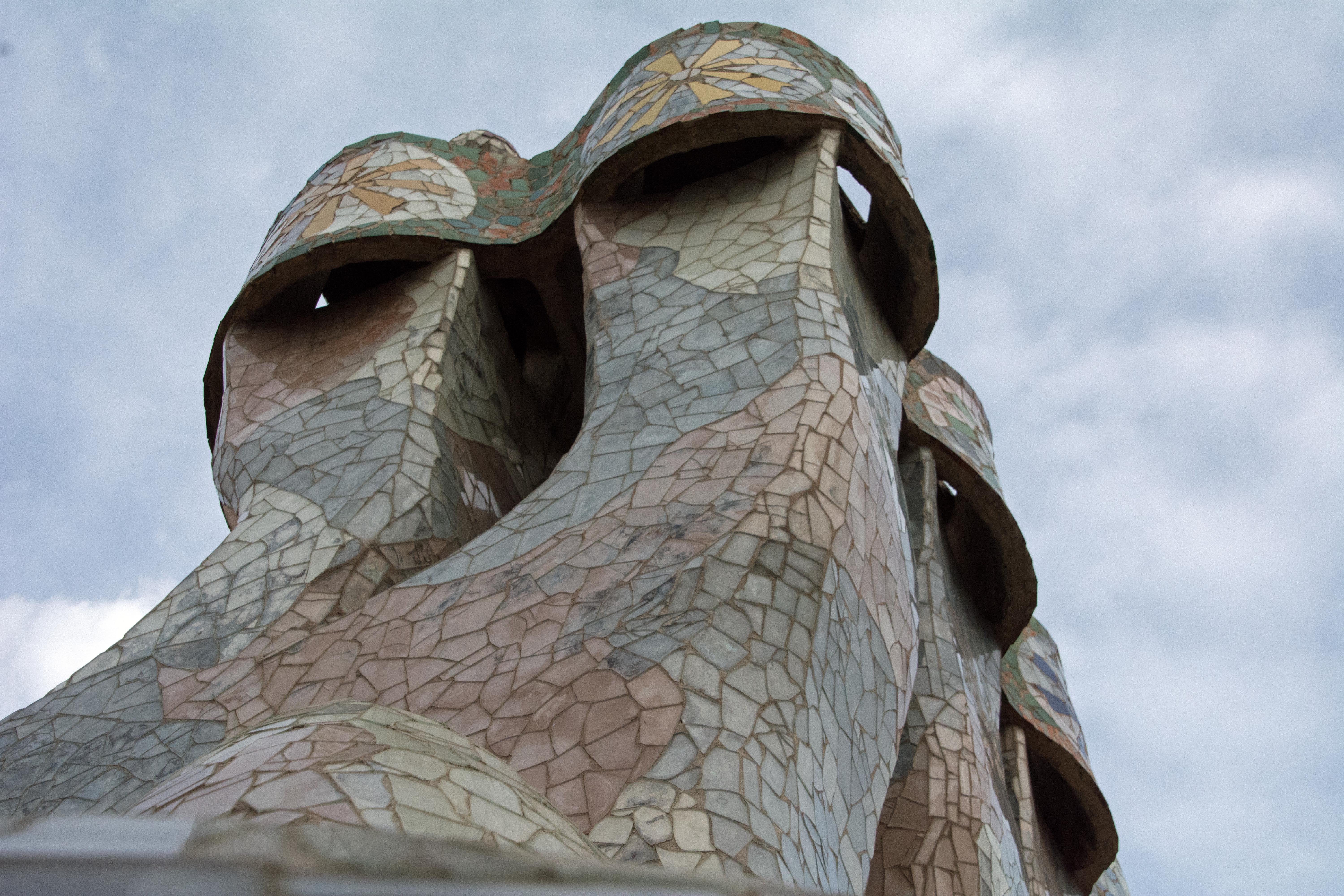
On the roof of Gaudi's La Pedrera

On the roof of Gaudi’s La Pedrera

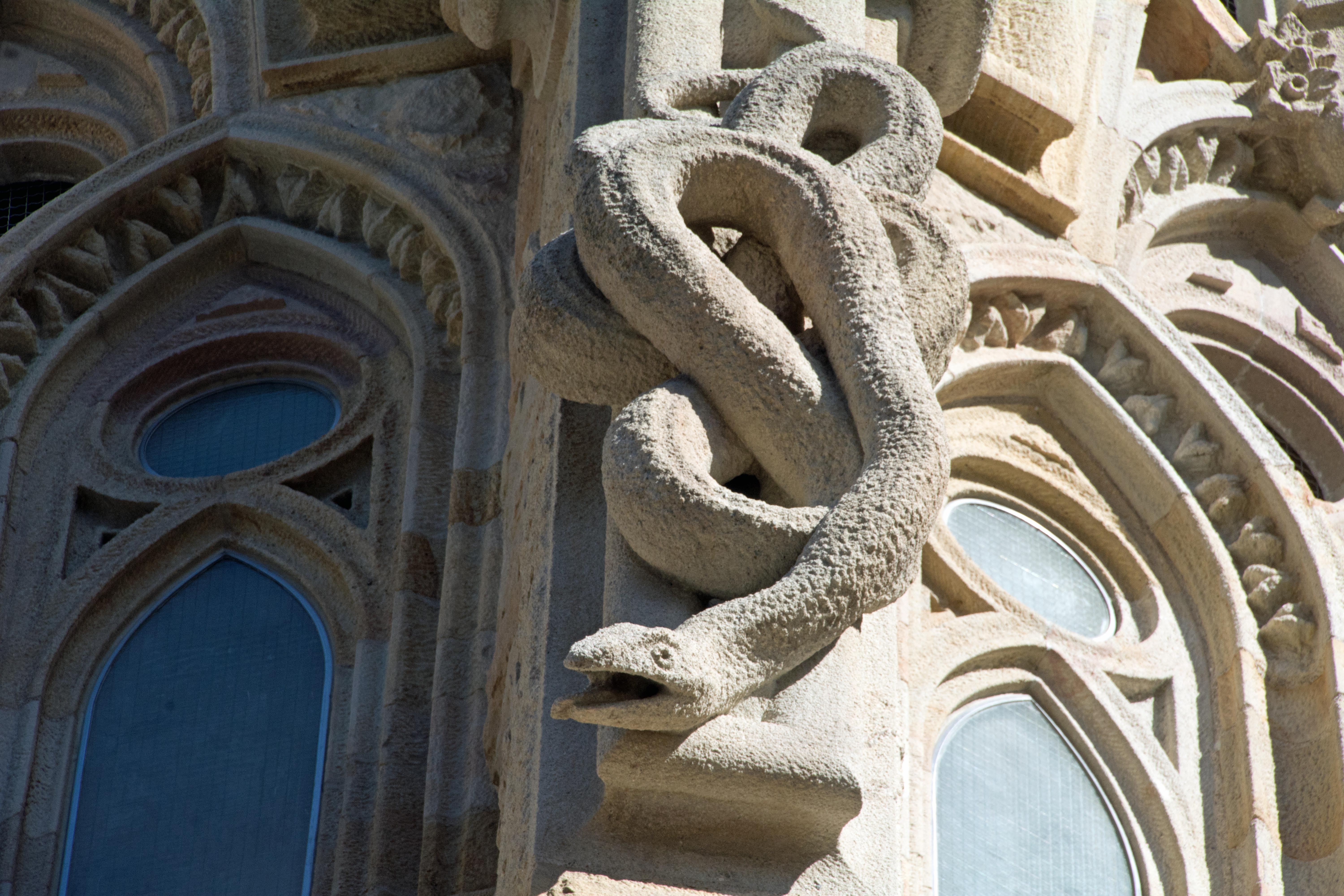
The conference hotel was on Passeig de Gracia, one of Barcelona’s busy, broad, tree-lines avenues, in the area of some of Antoni Gaudi’s strange and compelling buildings. The FSFE group had a guided tour of Casa Batllo, a row house that Gaudi transformed early in the twentieth century with themes of St. George and the dragon and forms of nature. I also visited La Pedrera, his famous apartment house with undulating walls and sculpted chimneys, and La Sagrada Familia, his still unfinished soaring and dripping cathedral. I still can’t say I really love Gaudi, but I respect his refusal to compromise his vision, and I find it cheering that the city embraces it.

La Sagrada Familia

La Sagrada Familia


_DSC9141_edited-1

On Saturday I went to Madrid to look about. This was ambitious — something like deciding after a visit to D.C. to have a day to see New York City. I got off to a rough start. The cab driver loaded my bag in the back of his hatch back vehicle, and as I stepped forward to hand him my backpack, he forcefully slammed the back gate down and hit my head. I noticed I was dripping blood as he guided me back to the hotel.

The desk clerks looked shocked to see me, and when I got to the bathroom I saw why: I looked like Carrie after the prom went bad. I thought I might need to go to the hospital for some stitches, but decided to try holding a dressing on it to get the bleeding stopped as we went to the airport. This worked, though I got blood on my shirt, and the front of my hair had a distinctive red cast.

Casa Batllo

Casa Batllo

My flight went smoothly, and after checking into a hotel near the airport and cleaning up, I took a shuttle into Madrid, arriving at the Puerta de Alcala around noon. The weather was clear and breezy, with temperatures in the mid sixties. I bought a cheap guide with a map and went into power tourist mode.

My first impressions were: Madrid is magnificent! The big public squares have impressive sculptures, fountains, and buildings, including many ornate baroque and classical facades. It seemed energized, like New York, but also stately, like Rome.

My primary objective was to see some of the great art there. I made my way to the Prado via the impressive Plaza de Cibeles. There was a line to get into the museum, but it moved quickly, and although it was crowded at first, the crowds quickly thinned. I’d expected a fusty museum, but it was not that at all. The art was given plenty of space and helpful labeling both in Spanish and English. It did not seem as comprehensive as the Met, but was more digestible.

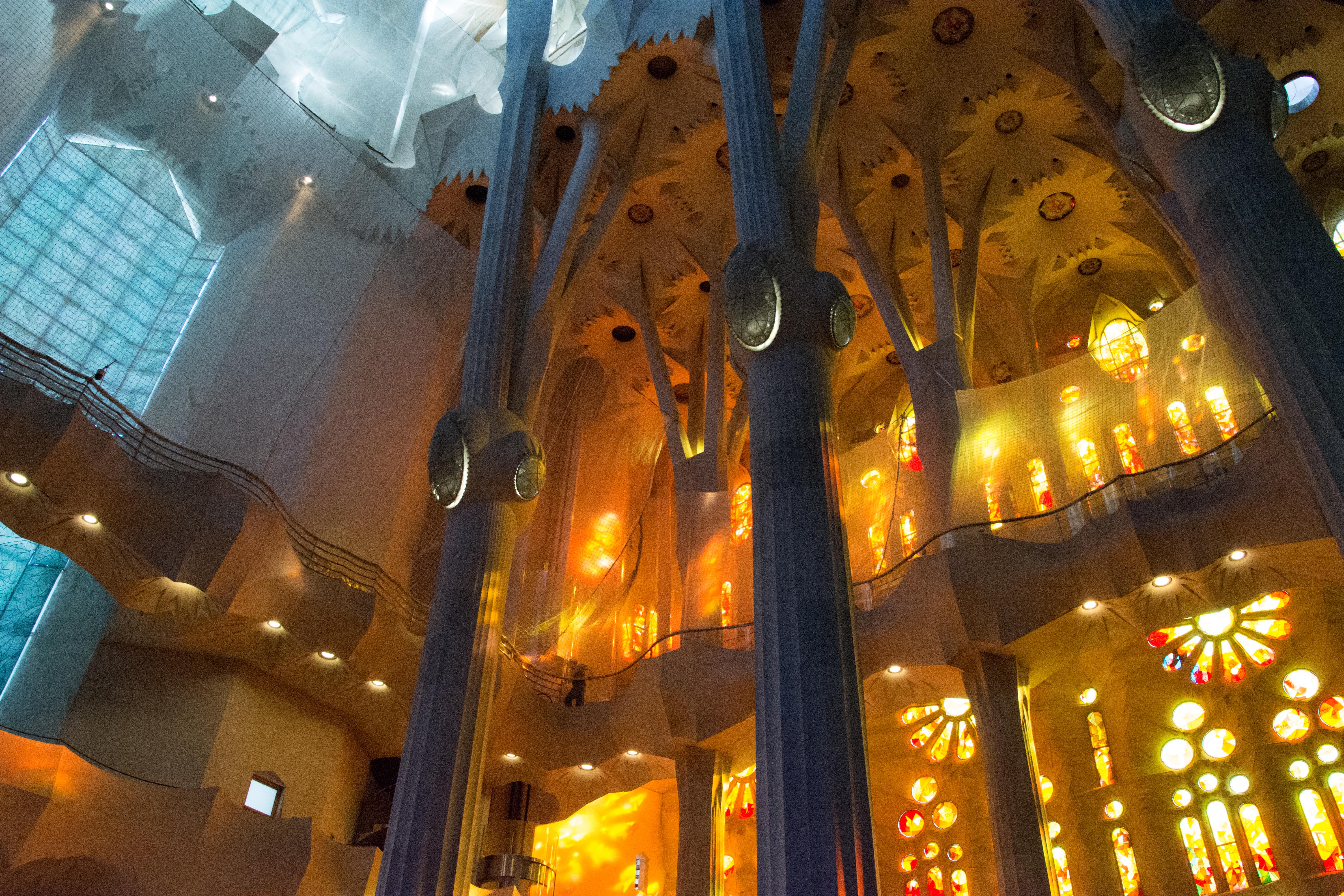
Inside La Sagrada Familia

Inside La Sagrada Familia

The particular strength of the collection is Spanish art, and I decided to focus on that. There are powerful collections of the iconic masters (El Greco, Valezquez, Goya), but good arguments for less well-known ones. None of these styles were new to me, but I tried to enter into the time and culture of some of the master works. There were some rooms that worked well as time machines, to scenes of battle, religious devotion, or daily life. I also looked at some of the works analytically, considering how the artist used the elements of line, form, texture, and, color to draw attention.

I’d planned to spend an hour or so at the Prado, but ended up staying for almost three. After a quick lunch, I took the short walk to the Reina Sofia museum, which is devoted mostly to twentieth century art. Here again, I found the works well displayed, though there was not much in the way of explanations. I was a bit puzzled by the organization, but there was a lot of great art, including particularly important works by Picasso, Gris, Leger, Braque, and an interesting collection of Surrealism.

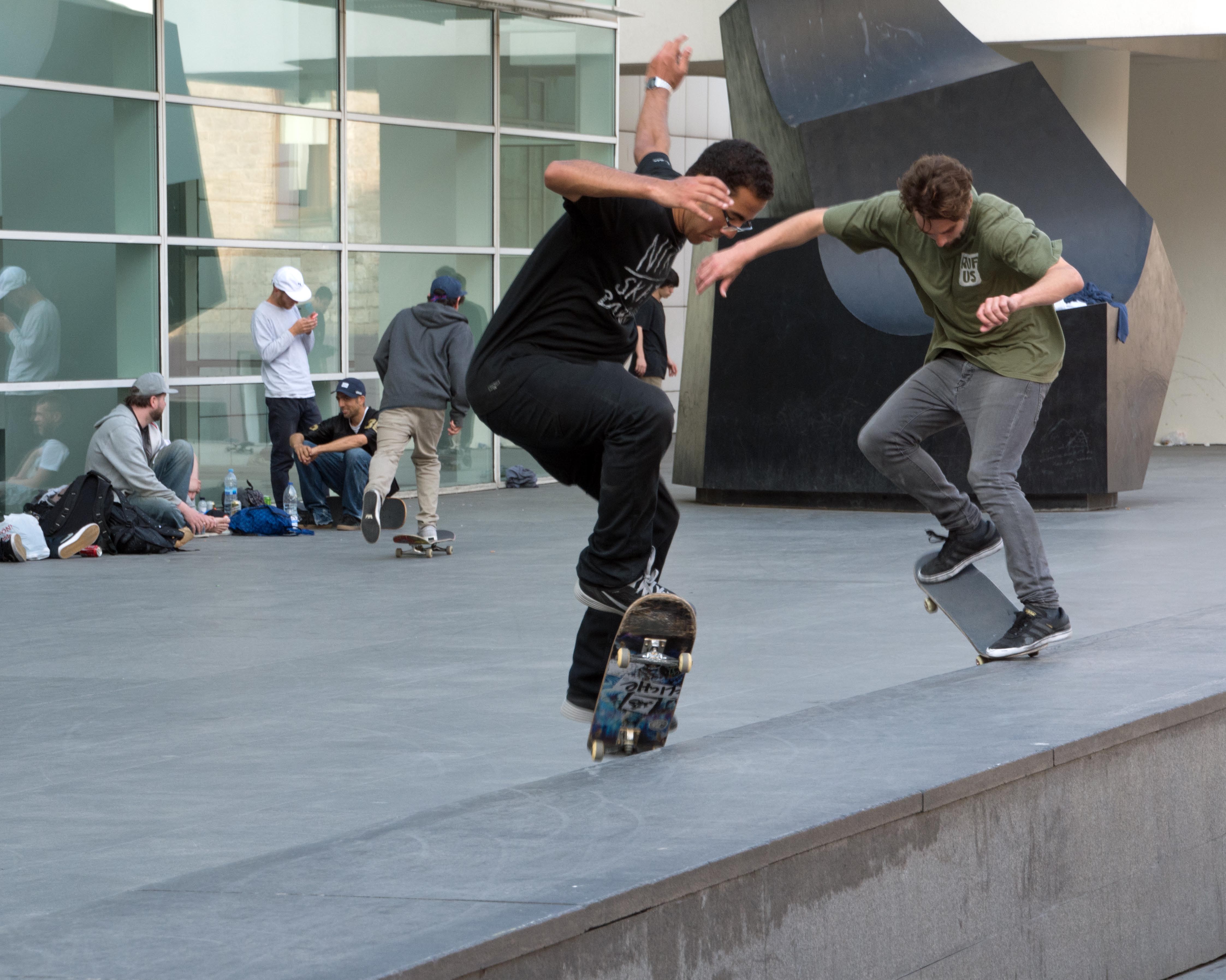
In front of the Barcelona Museum of Contemporary Art

In front of the Barcelona Museum of Contemporary Art

There were also some good examples of more recent movements, including conceptualism. So many of these schools, such as Cubism, began as a challenge to conventional thought, but have become assimilated, with their primary perceived purpose now being to serve as status symbols. But it’s still possible to approach them as expressive statements, and confront their challenges — to be affected or even discombobulated by them.

I’d planned to visit the Royal Botanical Gardens, and also to visit Thyssen-Bornemisza museum, but it was after 6:00 when I left Reina Sofia — not enough time. I decided to do a walk across the downtown area with looks at the major thoroughfares and public squares. I went up Calle de Atocha to Plaza Mayor, where there were hundreds of people out to see other people. From there I went to Puerta del Sol, with more hundreds of pedestrians, and up Gran Via, which reminded me of the tourist frenzy on New York’s Broadway.

I was relieved to exit that and make my way to the peaceful and elegant garden at Plaza de Oriente. Heading back to the west, I went through little side streets looking for a place for dinner. I was tired of vegetarian tapas, and had trouble finding a good alternative. My Android device battery was almost dead, but I ultimately had enough juice to call on Yelp to help me find an Indian restaurant for dinner. I had some comfort food — vegetable somosas and palak paneer. It was good.