The Casual Blog

Happy No Thanks Day

blogpicbug-1
I like Thanksgiving as a holiday, because it celebrates things that really matter, like loving families, without too much rampant materialism. But this year the timing was unfortunate, so close to the Presidential election, which has left us feeling shaken. It seemed like time for a different holiday — a Day of No Thanks. Rather than celebrating gratitude, No Thanks Day would be about regret, worry, and resistance.

On Thursday, we had a bit of both Thanks and No Thanks Day. Sally made a delicious Mexican-themed all veggie Thanksgiving meal for our extended family, and we caught up on family news. But we also talked about some of the frightening things happening in our country, including the sudden emergence from the sludge of the so-called alt right.

Until recently, unabashed white supremacists seemed to be so far out on the lunatic fringe that they could safely be ignored. But now they’ve gone mainstream, and their preferred candidate just got elected President of the United States.
blogpicbug-1-7

So what are these people? There was a fascinating and chilling interview this week with Richard Spencer, an alt-right leader, by Kelly McEvers on NPR, which is transcribed here. Spencer is poised and well spoken, and his ideas are absolutely poisonous. His animating political vision seemed to be apartheid — a country just for white people. He saw no problem with swastikas and Ku Klux Klan costumes.

The NY Times had a piece on the alt right this week, and tried to explain the difference between white nationalists and white supremacists. According to Eric Kaufmann, a UK scholar, “White nationalism … is the belief that national identity should be built around white ethnicity, and that white people should therefore maintain both a demographic majority and dominance of the nation’s culture and public life.

So, like white supremacy, white nationalism places the interests of white people over those of other racial groups. White supremacists and white nationalists both believe that racial discrimination should be incorporated into law and policy. . . .
Professor Kaufmann says the terms are not synonyms: White supremacy is based on a racist belief that white people are innately superior to people of other races; white nationalism is about maintaining political and economic dominance, not just a numerical majority or cultural hegemony.
blogpicbug-1-6

Is the “nationalist” label something more than a thin veneer for putrid racism and neo-Nazism? I doubt it. The Times reported that this week Spencer gave a speech attacking Jews and immigrants. He quoted Nazi propaganda in the original German and led cries of “Hail Trump” and “Hail Victory” (German: “Seig Heil”).

What’s this have to do with the President-elect? Well, he’s picked as his senior counselor and chief strategist Steve Bannon, who runs what he proudly claims is the leading communications outlet for the alt-right. Bannon is sly about expressing his personal views, but there is no subtlety about his Breitbart News: it’s unabashedly devoted to racism, sexism, homophobia, anti-Semitism, bizarre conspiracy theories, and fear mongering.
blogpicbug-1-5
Bannon seems to have engineered the press campaign that ultimately resulted in the “Crooked Hillary” meme of the Republican campaign. This is laid out in an interview on Fresh Air of journalist Joshua Green. Using a “research” entity called the Government Accountability Institute, Bannon directed the collection of innuendo about the Clinton Foundation, which was then pitched to investigative journalists of the mainstream press. In effect, he hacked into the NY Times and other traditional media and planted an anti-Clinton virus. The non-stop drumbeat by Bannon and Breitbart — Benghazi! The emails! Lock her up! — unquestionably drove up Hillary’s unfavorable ratings, and arguably caused her defeat. Green’s 2015 piece on Bannon and Breitbart News is worth reading.

Coming back to Richard Spencer, at the end of the interview with Kelly McEvers, he said this: “If I had told you in 1985 that we should have gay marriage in this country, you probably would have laughed at me. And I think most people would have. Or at least – at the very least, you would have been a bit confused, and you would have told me, oh that’s ridiculous. The fact is, opinions do change. People’s consciousness does change. Paradigms are meant to be broken. That’s what the alt-right is doing.”
blogpicbug-1-4
Well, he’s right about one thing: people’s ideas change. They can change for the worse, but also, as his example on gay marriage shows, for the better. A lot of white people, and other people, have put behind them the worst kind of racism and are trying to be conscious of and root out the more subtle kinds. The ascendency of the alt right may just be the death throes of an old sad culture that will soon be gone. But I’m not sure. Their combination of blazing ignorance and brilliance in media manipulation is new in our country. We need to keep watch.

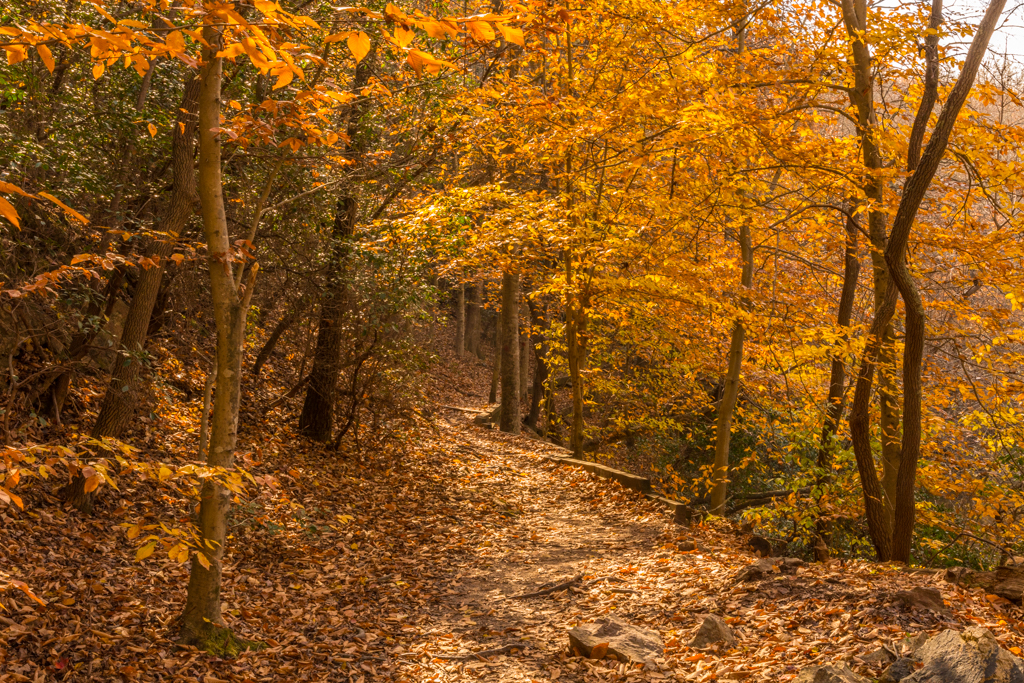
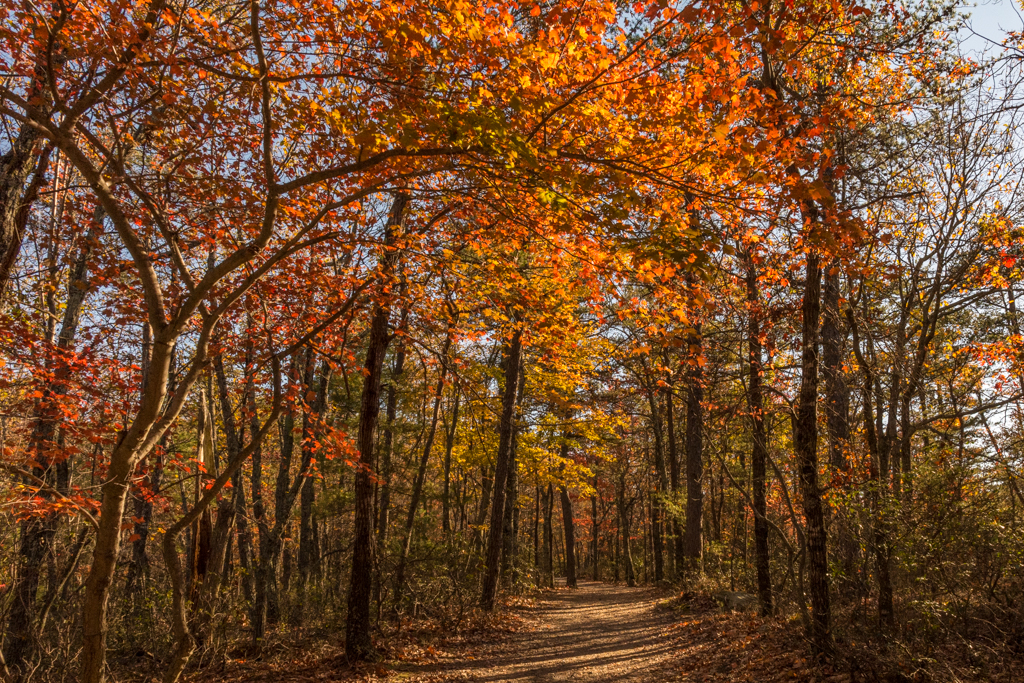
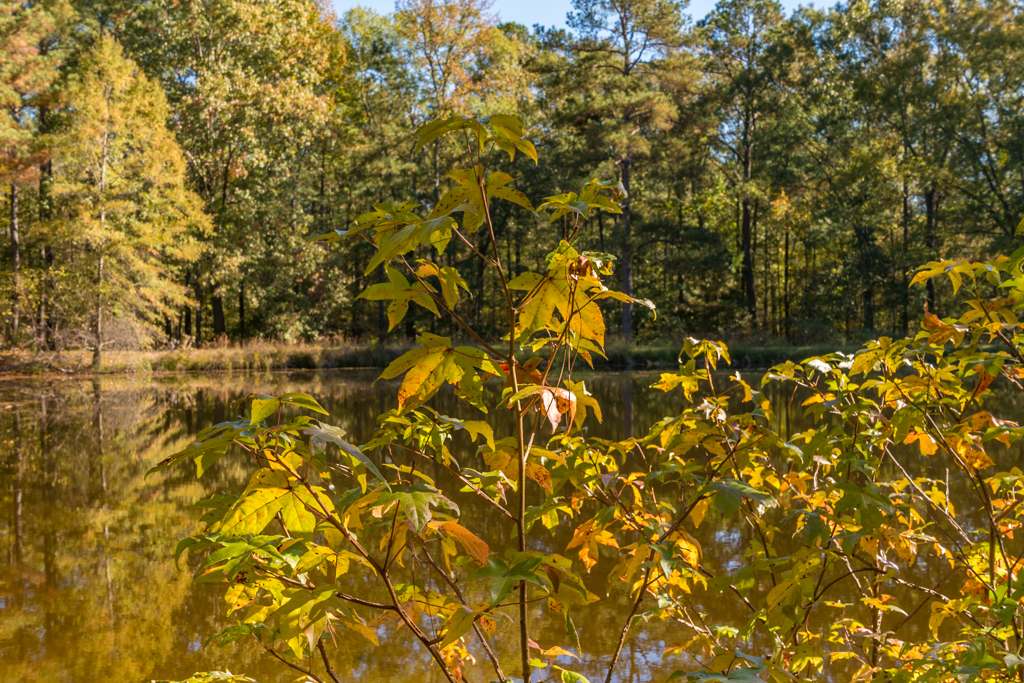
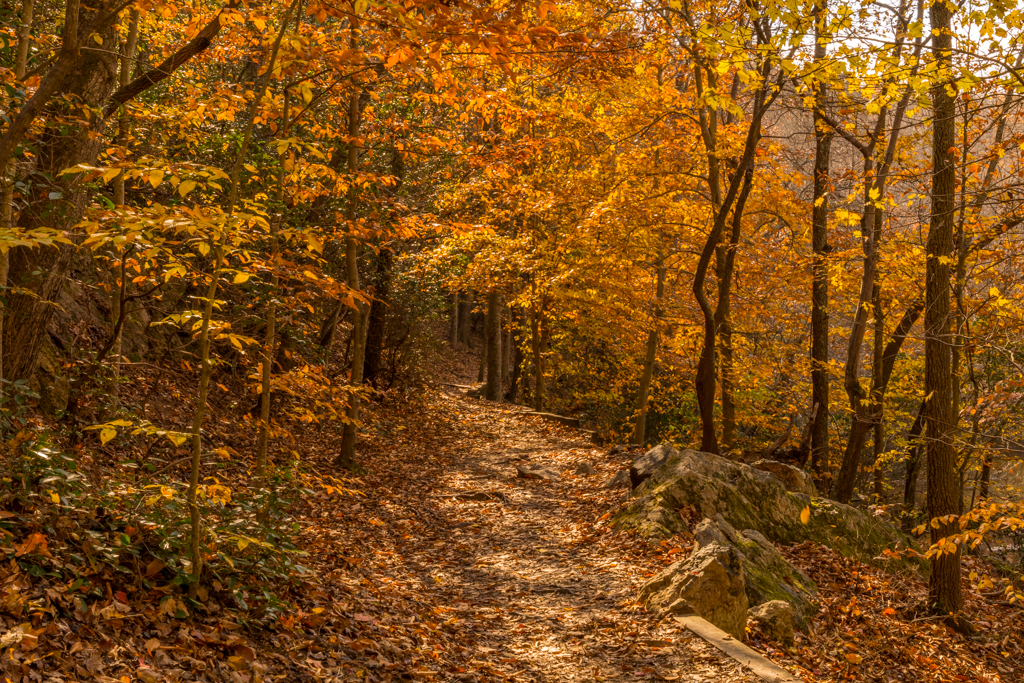
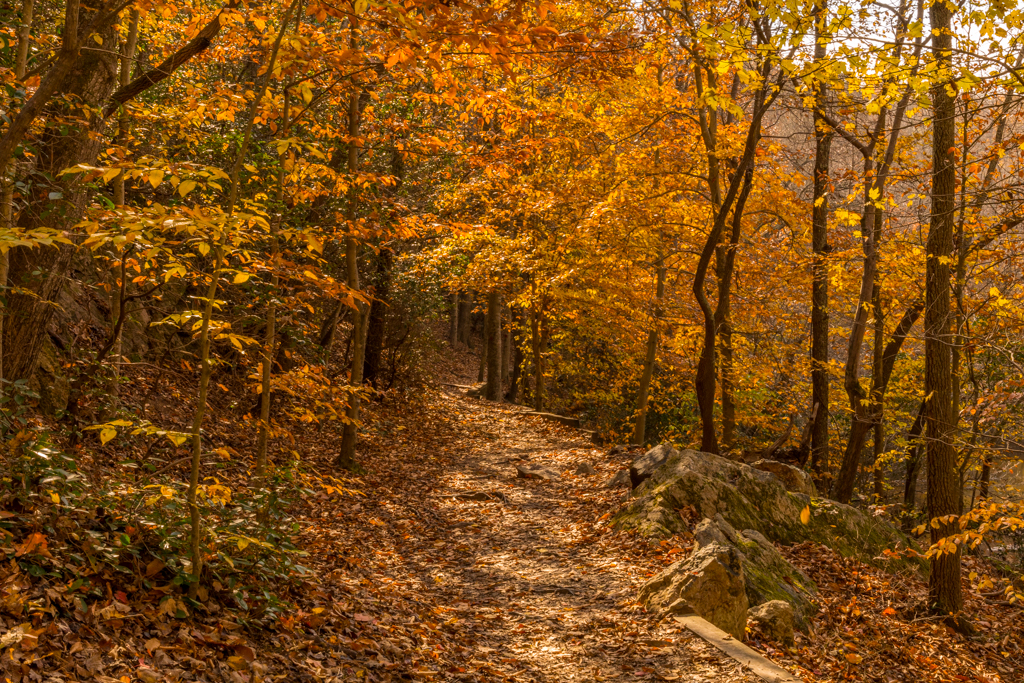
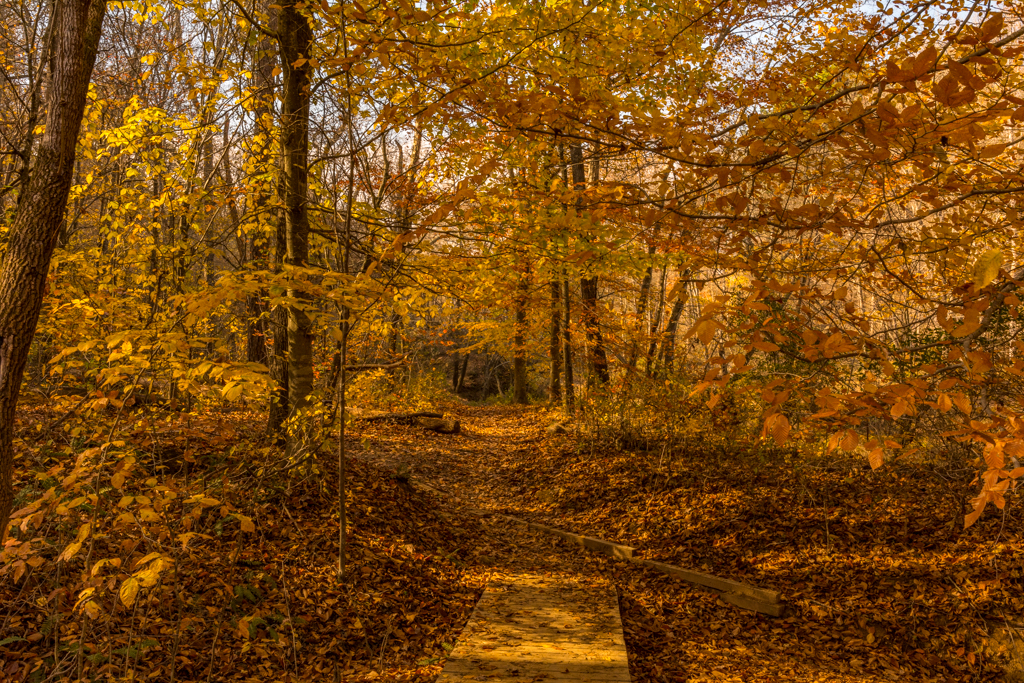
Meanwhile, I’m trying to stay calm. I’m doing deep breathing, and taking walks in the woods. Trees, which can live a very long time, have a kind of wisdom. Being with them is peaceful. These new pictures are from Umstead State Park.
What just happened? My working theory

blogpicbug-1-3

Up until recently, I woke up every morning with a sense of pleasant anticipation. Chances were good that in the course of the day the Republican candidate for President would speak, act or Tweet so as to further demonstrate his ignorance, poor judgment, lack of impulse control, racism, or dishonesty. And I was seldom disappointed!

Sure, it was disturbing that there were hollering crowds enthused by his racist taunts and taken in by his ridiculous lies. But coming down to election day, I was confident they were in the minority. I still think that. Now I’m struggling to understand how a lot of others, including people whom I know to be decent and upstanding, people who are neither racists nor ignorant, saw their way clear to vote for him.

My working theory is that there were three main justifications. 1. Tribalism (such as, I’m a Republican, and he’s a Republican). 2. Optimism (his extreme and off-the-wall statements can’t be serious). 3. It’s a package deal (like with the cable company, to get the channels you like, you’ve got to take on board some channels you don’t care for).
blogpicbug-1-2

Last week I was called for jury duty in N.C. state court. The case was an ordinary criminal one — a DWI charge. It took the lawyers about three hours to pick a jury. They settled on twelve before my number came up, so I was never called up to the box for questioning. As a former litigator, I enjoyed watching the lawyers trying to ferret out the jurors’ biases and other proclivities. But with limited time and the limits of language, they weren’t able to get very deep. Watching them and thinking of my own experience in front of juries reminded me of how hard it is to understand or predict the thinking of others.

Anyhow, whatever the reasoning, I continue to think voting for the President-elect was a terrible mistake. But it happened, and we need to carry on with our lives.
blogpicbug-1-5

I’ve almost finished Level 2 of the Rosetta Stone course in German, which I like. In preparation for our ski trip in February, I’ve been refreshing my French by listening to the news podcasts from Radio France Internationale, and continuing with the news in Spanish from Voz de America. On the piano, I’m practicing new pieces by Chopin, Liszt, and Debussy. Their music is transporting.

I’ve seen struggling, though, with pain in my right hand, and finally went to see my hand doctor this week. According to his reading of the X-rays, the arthritis in the area of my middle finger had gotten worse, and he recommended surgery to replace the knuckle joint. Surgery! This shook me, since cutting there could end badly, such as, no more piano. I declined the surgery, and asked for a Plan B. He recommended Aleve. It does help.
blogpicbug-1

It’s especially good for jangled nerves in these parlous times to spend some time walking in the woods. On Saturday I took a hike in Occoneechee Mountain State Natural Area, which is near Hillsborough. There was a bit of smoke in the air from the big forest fires in the western part of North Carolina, but it was mild and sunny. I took the Mountain Loop trail, which went up for a while and then down to the Eno River. The leaves were mostly yellow, with bits of orange and red, and some were falling.
blogpicbug-1-4

It could be worse

blogpicbug-1-4
On Saturday, still in shock from the election, I took a longish drive over to Hanging Rock State Park. It was sunny and brisk, and the last leg of the drive was hilly and twisty. At the park, the trail went upwards quickly. The trees were getting ready for winter. There were sweet waterfalls and cliffs, and sweeping vistas.
blogpicbug-1-2

On the drive back, I listened to some Liszt, and continued to mull. How much should we be worried that the President-elect will keep his campaign promises?  Americans of color, immigrants, and Muslims are understandably uneasy, as are transgender people, gays, and women. Indeed, anyone with an interest in avoiding devastating climate change and nuclear catastrophe should be concerned. 

But with all those risks, there’s a strong mitigator. The President-elect is a man who has based his career on deceiving people and who is indifferent to ordinary standards of truth and honesty. There’s a long list of his victims – investors in his projects, ordinary contractors, students hoping to learn the secrets of his supposed success.

As despicable as his dishonesty is, we can now see an upside to it: his campaign promises can be significantly discounted.  For him, promises are simply words that are useful in manipulating people. He is unlikely to view any recent promises as binding. 

As to his deplorable racist language, as best we can tell, he is no ideologue. His primary driver is to be admired. He probably has no other agenda. Thus he is probably not determined to stop and frisk minorities, deport immigrants, and bar Muslims. He will probably not actively promote torturing those suspected of terrorism or killing their families. He doesn’t actually hate minorities, or care much about them one way or the other.

Of course, there are some of his supporters who are driven by hate. They are angry people. They’ll probably get angrier still when they realize that those promises that inspired them –- bringing back the good manufacturing jobs, more steel, more coal, and so forth – were just empty words, and he won’t be bringing back the jobs. His supporters could turn on him.

Same with the promises of populist change. Most likely, he’ll find the actual business of understanding government and making policy intolerably boring, and leave the real work to the traditional power elite — that is, establishment “conservatives” primarily concerned with not paying taxes and otherwise feathering their own nests, while hoping the base will be distracted by symbolic “conservative” social policies. In other words, the usual Republican playbook.
blogpicbug-1

This is, to be sure, all very bad. Our structural economic problems, including inequality of opportunity, will not be addressed. Our systemic health care problems will probably get worse. Our education system problems will not be fixed. Our environmental problems will probably get worse. The threat of war, including cyber war, will increase. The existential threats from global warming – hurricanes, draughts, floods – will get worse, as will the existential threat of the nuclear holocaust hair-trigger – if we’re lucky.

But it could be worse. At the moment, the plumbing and electricity still work. There’s food in the stores and medicine in the hospitals. We’re not in a state of war, or a condition of near anarchy.

I don’t rule out the possibility that our traditional protections for free expression and limits on state power could go by the wayside. Thug paramilitaries could be unleashed, with dissidents disappearing, and ever more intrusive state surveillance.  We could become a kleptocratic thugocracy, like Russia, or some new species of fascism.  And then you and I would find out how much courage we really have.
blogpicbug-1-3
But we’re not there yet, and we may not get there. In his latest NY Times column, David Brooks predicted that the President-elect would “probably resign or be impeached within a year.”

Anyhow, we survived the Reagan years (though we wreaked considerable havoc). We survived the George W. Bush years (though wreaking more havoc). We will probably survive the years (or months) of the Orange One.  

Tree behavior, Hitler, conspiracy theories, and the truth about Hillary’s email

Big Woods Road, near Jordan Lake in Chatham County, November 5, 2016

Big Woods Road, near Jordan Lake in Chatham County, November 5, 2016

Saturday morning was brisk, sunny, and clear. I drove Clara out to Jordan Lake, where I put her in sport mode and enjoyed the winding country roads. We drove up one of my favorites, Big Woods Road, and stopped at various spots to look for birds and colorful trees.

Clara, pausing on Big Woods Road

Clara, pausing on Big Woods Road

I’ve been reading The Hidden Life of Trees: What They Feel, How They Communicate, by Peter Wohlleben. Wolleben has spent his life as a forester closely observing trees, and has also assimilated a great deal of research into their biology and behavior. As the title indicates, he contends that trees are social plants that cooperate with sophisticated systems for communication, including underground connections of roots and fungi and various airborne chemicals. They work together to ward off predators, withstand weather, and take care of the young. It’s amazing! There’s a nice overview of the book at Maria Popova’s wonderful blog, Brainpickings.
Jordan Lake

On a more somber note, I’ve been reading the new biography of Hitler by Ullrich Volker. It covers H’s birth to the start of WWII. It’s a good read, and offers insights into (though no definitive solution to) the great mystery: how could an intellectually mediocre charlatan maniac seize and hold dictatorial power, with such dire consequences? At the end of WWI, Hitler quickly rose in political life as a popular speaker on the theme that there was a vast, powerful Jewish conspiracy that accounted for Germany’s problems.

This bizarre conspiracy theory was widespread at the time, and of course has never disappeared. How do such crazy ideas take root and propagate? There seem to be a lot of them flying around these days. A case in point: militiamen who believe the Second Amendment is under siege. The NY Times had a fascinating piece yesterday on these folks by David Zucchino, with good pics by Kevin Lyles.

They are mostly white, rural, and working class, and they like to get together on weekends to shoot their weapons. Zucchino got them to talk. They are passionately convinced of many nutty ideas: Hillary is coming to get their guns, ISIS is invading the country, the Democrats are rigging voting machines. Also, they want to make America great again. All I can say is, Yikes!
Jordan Lake

Only slightly less bizarre is the meme, now rampant, that Hillary’s email handling shows that she is unusually dishonest and corrupt. Matthew Yglesias of Vox did a good piece unpacking this tale and showing it to be based on nothing. Hillary’s handling of email was not illegal, and there’s no basis for accusing her of dishonesty. And yet the networks have devoted more air time to this non-story than every other policy issue combined.

Yglesias concludes as follows:

One malign result of obsessive email coverage is that the public is left totally unaware of the policy stakes in the election. Another is that the constant vague recitations of the phrase ‘‘Clinton email scandal’’ have firmly implanted the notion that there is something scandalous about anything involving Hillary Clinton and email, including her campaign manager getting hacked or the revelation that one of her aides sometimes checked mail on her husband’s computer.

But none of this is true. Clinton broke no laws according to the FBI itself. Her setup gave her no power to evade federal transparency laws beyond what anyone who has a personal email account of any kind has. Her stated explanation for her conduct is entirely believable, fits the facts perfectly, and is entirely plausible to anyone who doesn’t simply start with the assumption that she’s guilty of something.

P.S. On Monday morning at the gym I listened to the podcast version of the latest This American Life, which included a segment on Hillary and the emails. Garrett Graff, a veteran reporter, came to pretty much the same conclusion as Yglesias: there’s no actual scandal. Graff noted that he, like other reporters, always hopes investigations will lead to titillating revelations of misconduct. We often see what we want to see, whether it’s there or not, which may account for some of the press’s egregiously biased “scandal” reporting of the email story. Those reports started a feedback loop that has grown very loud and shrill and overwhelmed our ability to consider the facts.

Construction continues, an early voting tip, and election butterflies

southwestbug-1

Here are some pictures from the last few days of construction at the old Greyhound bus station site, as viewed from our balcony. After several weeks of grading at the site, things are moving along quickly. These were all taken at sunrise. Every sunrise was a little different.

I did early voting on Monday, when there was no line at all. I liked the convenience, but worried a little that there weren’t more people (i.e. Democrats) queued up. It’s looking now like this is going to be a close finish, and I’ve got some butterflies.
southwestbug-1-2

The ballots in North Carolina are like bubble tests, and the instructions warn you to fill in each bubble completely. I very much wanted to do an adequate job, since I wanted that vote to count. It’s not that easy! After experimenting on the first few, I found that the best technique is to start in the middle with a doodle and work out toward the edges of the bubble.

When in doubt and it’s at all possible, I try to look on the bright side of things, as I’ve done in this election season. The Republican candidate has definitely raised the profile of some problematic issues, like racial discrimination, religious discrimination, and abuse of women. True, he seems to be in favor of all those, but his radical ideas, like banning Muslims, illuminate a part of the national id. And boy, did he ever get us talking!
southwestbug-1-4

Still, it boggles my mind that a significant number of well-educated, mentally stable, and otherwise decent people are voting for the Orange One. At this late date, it does not seem possible that any person otherwise equipped to fill out a ballot could not have heard about his lifelong record of dishonesty, deceit, and moral turpitude, not to mention his fathomless ignorance.

It’s unsettled some of my assumptions about how people think. That is, I’ve understood that we are not completely rational creatures, and that we’re governed in large part by emotions. But I had not processed that there are no apparent limits on the human ability to withstand reason and evidence. So the Orange One has at least taught us something. That could help explain other hard-to-understand things, like anti-science crusaders and conspiracy theorists.
southwestbug-1-5

In New York with my kids, and a Snap Pea dinner in Raleigh

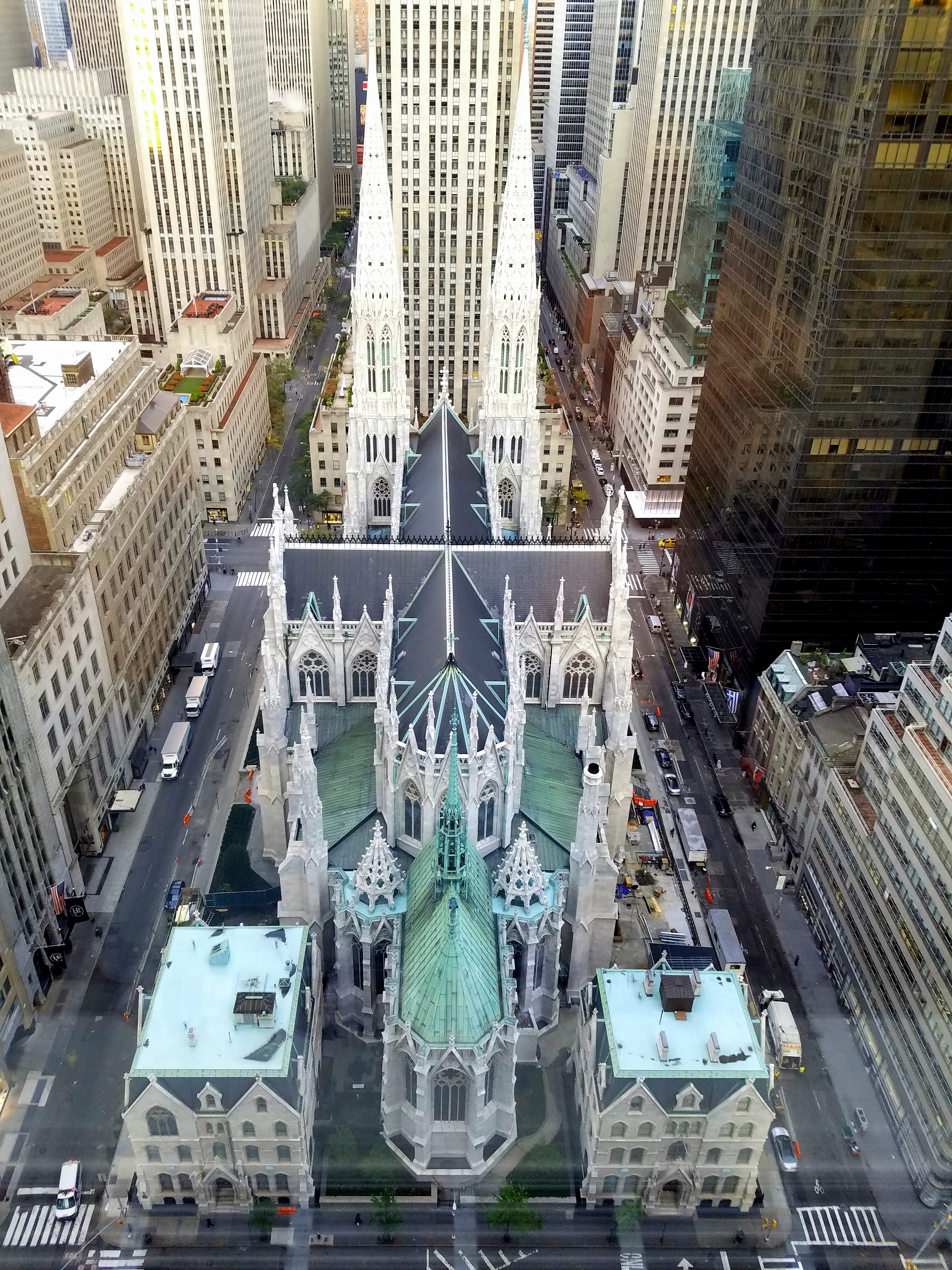
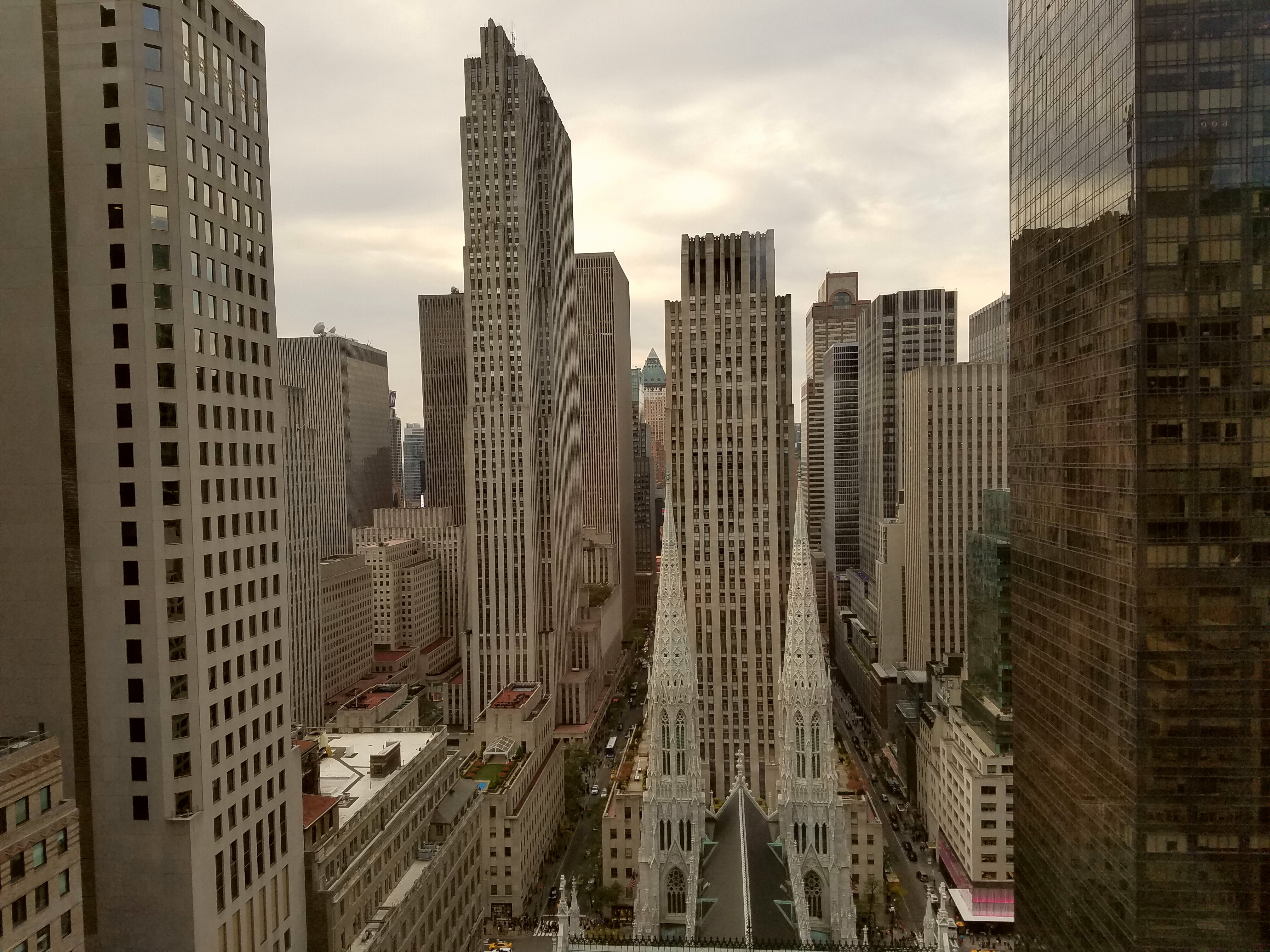
St. Patrick's Cathedral from the 35th floor of the New York Palace

St. Patrick’s Cathedral from the 35th floor of the New York Palace

After the Softer Freedom Law Center conference on Friday, I grabbed a cab and headed downtown. The plan was to meet up with Gabe, Jocelyn, and J’s friend Kyle for Italian food and then some jazz. I allowed an hour for the trip from Columbia (116th St.) to the West Village, but the traffic was epically bad, and the trip took almost two hours.

My cabbie was a compulsive talker, and he really wanted to talk about Trump. Out of desperation for another subject – any subject — I started asking him about himself, and learned about his upbringing in Ecuador, his work as a commercial printer with diminishing opportunities as those jobs moved abroad, and his plans to move to California. I ended up liking him.

Olio e Piu, a fine Italian restaurant on Greenwich Ave., was crowded, but they quickly got us a table. My ravioli al funghi was to die for. Afterwards, we walked over to the legendary Village Vanguard and listened to a quartet led by the pianist Enrico Pieranunzi.

Pieranunzi had the elegant pointillism of Bill Evans joined with the percussive emotionality of McCoy Tyner. His original charts were both engaging and bold, and three bandmates were excellent. I particularly loved drummer Clarence Penn, who was a hard-driving yet subtle polyrhythmist with a huge smile, and tenor Seamus Blake channelled the smoldering intensity of John Coltrane. I couldn’t find any online recordings of this current group, but here’s a sample of Pieranunzi’s playing.

st-pats-and-city

On Saturday afternoon Gabe and I went to the Frick. Since he’s well along in his graphic design program at Parsons, he’s got a high level of visual sophistication, but he hadn’t yet experienced the world class collection of old masters there. It was fun sharing some of my favorite paintings, including the Vermeers and Rembrandts. We had an espresso afterwards, and then he headed downtown to do some studio work, and I walked over to the Met Breuer.

There, I had my second close encounter with the fantastic Diane Arbus exhibit (leaving Nov. 27), and my first with the paintings of Kerry James Marshall. These included some very large-scale works with a lot of painterly quotes, references and influences, with most of the works prominently depicting black people.

Marshall’s art is political in a vital sense: it makes visible previously hidden social forces and assumptions that limit us. Marshall points up that blackness is normal and part of us, but black people have been largely excluded from the paintings in our museums. The implications of this are interesting. His black people as really black – darker than any American with African ancestors that I’ve ever seen. That seemed to be part of his playfulness, but it was also provocative.

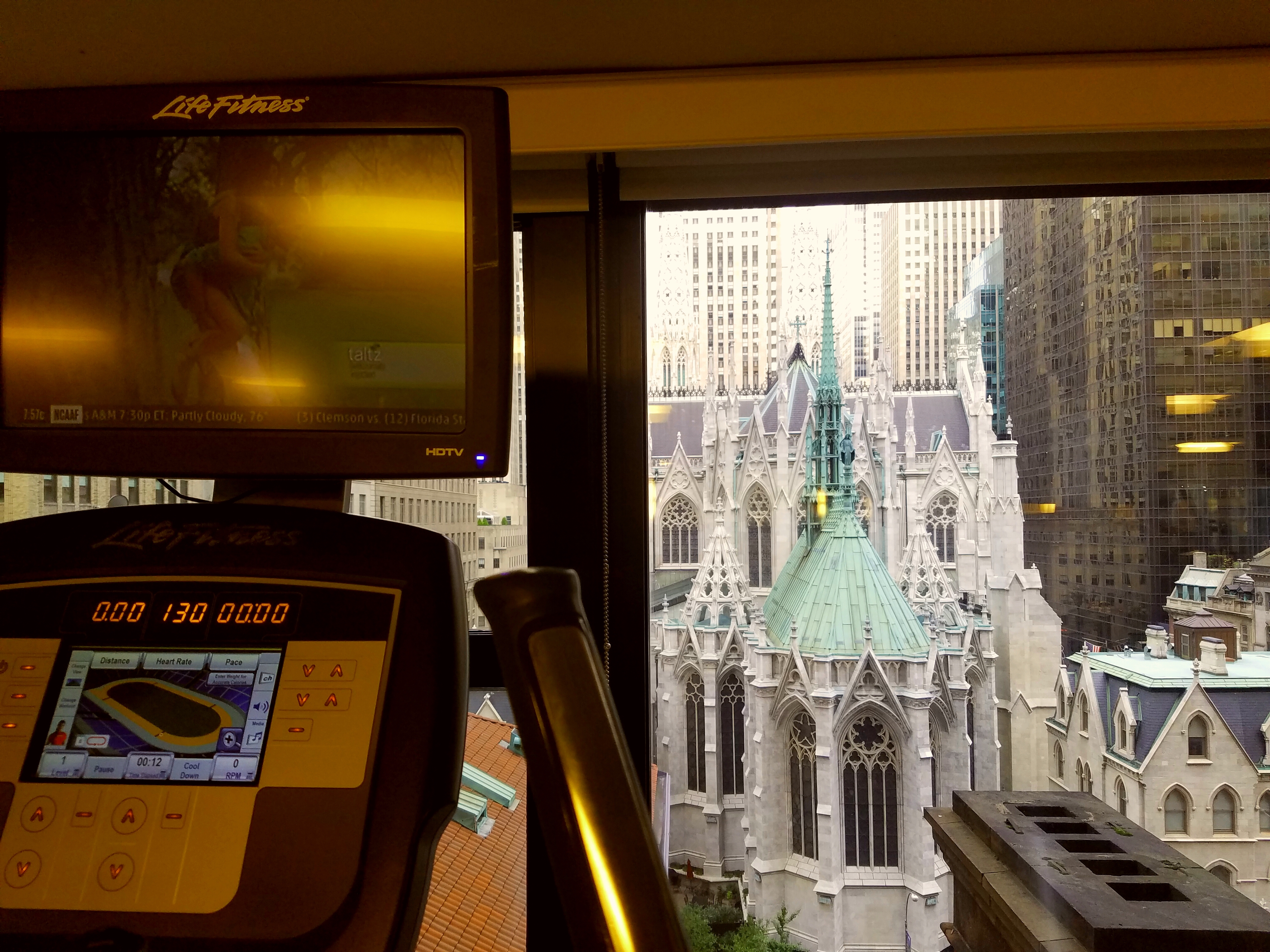
A view of St. Pat's from the hotel gym.

A view of St. Pat’s from the hotel gym.

Afer that, I walked over to the main Met to check out the work of Max Beckmann. He’s generally thought of as an Expressionist, though he rejected that label. His best work has the psychological depth and penetration of Picasso. Some of it was dark and macabre, but there were also elements of humor. I liked it. I also spent some time with the pre-Columbian collection and a small current exhibit of Native American work.

That evening, Jocelyn and I ate at Rosa Mexicana on Columbus and 61st, where they made guacamole at the table and served fantastic vegetarian hongo tacos. It was just across the street from Lincoln Center, and so we were confident that we’d get to the opera on time. I was very excited about seeing Rossini’s L’Italiani in Algerie, which I’d prepped for with a recording from Spotify. But it was canceled. New York’s Finest were there in force when we arrived. Apparently there was a scare having to do with a patron throwing some brown substance (possibly human remains) into the orchestra pit.
imagepng_0

Jocelyn proposed a Plan B, which was to go to a Jazz at Lincoln Center concert: Vince Giordano and the Nighthawks. We got in to the 9:30 show off the waiting list. The band was some 14 ace musicians who recreated the hot jazz of the 1920s with passion and erudition. Vince G played tuba, string bass, and bass sax, and sang a bit as well. It was delightful, toe-tapping fun!musicians

On Sunday, my flight back to Raleigh went smoothly. That evening, we went to our first pop-up dinner by Snap Pea with our friends Gerry and Gay. The Snappea dinners are multi-course vegetarian events held in surprise venues (revealed only hours before) with food created around a theme paired with the physical space.

Jacob Boehm, the owner and executive chef, was inspired by an abstract mural gracing an otherwise vacant shop in North Hills Mall, and used different colors for the 9 courses. As each course came out, he told the group about where the ingredients came from and what he’d done with them. He helped you taste more. I especially liked the spoonbread with turmeric butter and the chestnut soup. Jacob explained that the reason he did not use meat in these dinners was for him not premised on animals rights or health, but rather because using plants inspired more interesting experimental cooking and tasting.

Going to a new gym, the battle for truth in Trumpworld, and intelligent animals

Sunrise at Monument Valley, Navaho Nation

Sunrise at Monument Valley, Navaho Nation

Last week I got a new gym membership at Lifetime Fitness at Six Forks. Why? I needed to get out of a workout rut and push forward. The cardio and weight equipment at Lifetime is more plentiful than at O2, and the space is larger. It also has a pool. It’s a little farther, but still easy to get to. I think I will like it.

My usual early morning workout starts with 10 minutes on the stairs machine, then 10 on the treadmill. Then I do core work (planks, leg lifts, etc.), balance, and flexion for 10-15. The next 25 is for resistance training, doing upper body and lower body on alternating days. Then 10 intense minutes of intervals on the elliptical or bike. At the end I stretch for 5-10 minutes. The numbers don’t quite add up, but it covers a lot of systems, and takes about an hour and a half.

Speaking of exercise, I want to give a little shout out to my new heart rate monitor, the Polar M400. Keeping track of my cardio effort level when exercising sometimes inspires me to work harder, and at least shows something is happening. The new device has a chest strap with a small snap-on Blue Tooth transmitter that signals a wrist monitor. In addition to showing current heart rate, it calculates average and maximum heart rate, steps, calories burned, and (with GPS) speed and distance traveled. It comes with some easy-to-use software for saving results on a smart phone or a laptop. There’s a little stick figure salutes you and congratulates you enthusiastically. My former device, a low-end Garmin, was less reliable, less entertaining, and more costly, so in hindsight I’m glad it finally broke down and needed replacing.

Waiging for sunrise at Mesa Arch, Canyonlands National Park, Utah

Before sunrise at Mesa Arch, Canyonlands National Park, Utah

While working out, I’ve been listening to various podcasts, including the latest This American Life. This show just keeps getting better – taking on some big subjects, with insight and dark humor. This week Ira Glass looked at Trumpworld, where lying is non-stop and shameless. We know this now, but we’re still struggling with something even more disturbing than pathological lying: that in Trumpworld, truth has no force.

It doesn’t matter that clearly indisputable facts show that crime is down, immigration is under control, our military is by far the strongest in the world, election fraud is incredibly rare, and the President is not a Muslim who founded ISIS – the true believers will not believe it. Until recently, I thought that these bad ideas were a problem of ignorance – just not having the right facts – but it turns out that that’s not it. For these folks, if evidence contradicts their beliefs, the evidence must be disregarded. We know that some of these people are intelligent, generous, and well-meaning, but they live in an alternative reality.

Sunset at Horseshoe Bend, Navaho Nation

Sunset at Horseshoe Bend, Navaho Nation

Speaking of unconventional psychology, I finished reading Jonathan Balcombe’s recent book What a Fish Knows: The Inner Lives of Our Underwater Cousins. I liked it. Balcombe challenges the conventional wisdom regarding fish intelligence, which has it that their lives are largely automatic and instinctual, without consciousness or creativity. There’s a lot of evidence to the contrary. Some species have astonishing memories, the ability to plan, and to use tools. They experience fear and pain, and also pleasure. They have complex social relationships, and form groups both for hunting and protection. And they have an incredible range of skills in sensing and responding to their environment.

I also recommend Frans de Waal’s new book, Are We Smart Enough to Know How Smart Animals Are? De Waal, a primatologist at Emory University, debunks with overwhelming evidence the old chestnuts that only humans use tools, cooperate in social groups, and recognize individual identity. He presents an array of fascinating examples of non-human cognition, and invites us to use our imaginations to enter those other worlds. After reading De Waal, it is hard to view humans as entirely distinct from other animals and inherently privileged to exploit them. The gifts of other creatures are awe-inspiring.

Sunset at Balanced Rock, Arches National Park, Utah

Sunset at Balanced Rock, Arches National Park, Utah

In Antelope Canyon

southwestbug-1-14

Each week for the Casual Blog I try to make some new photographs that I like well enough to share. This forces me to get outside and explore, which is fun. To avoid the obvious and keep from repeating myself, I have to keep experimenting and learning. It’s challenging, and also sort of a virtuous cycle. At any rate, I enjoy it, and feel like I'm getting better.
southwestbug-1-9

But I’m departing from custom this week. I’ve been sorting through photos from my photo workshop trip to Utah and Arizona (described in my last post), and post processing some of them.
southwestbug-1-12
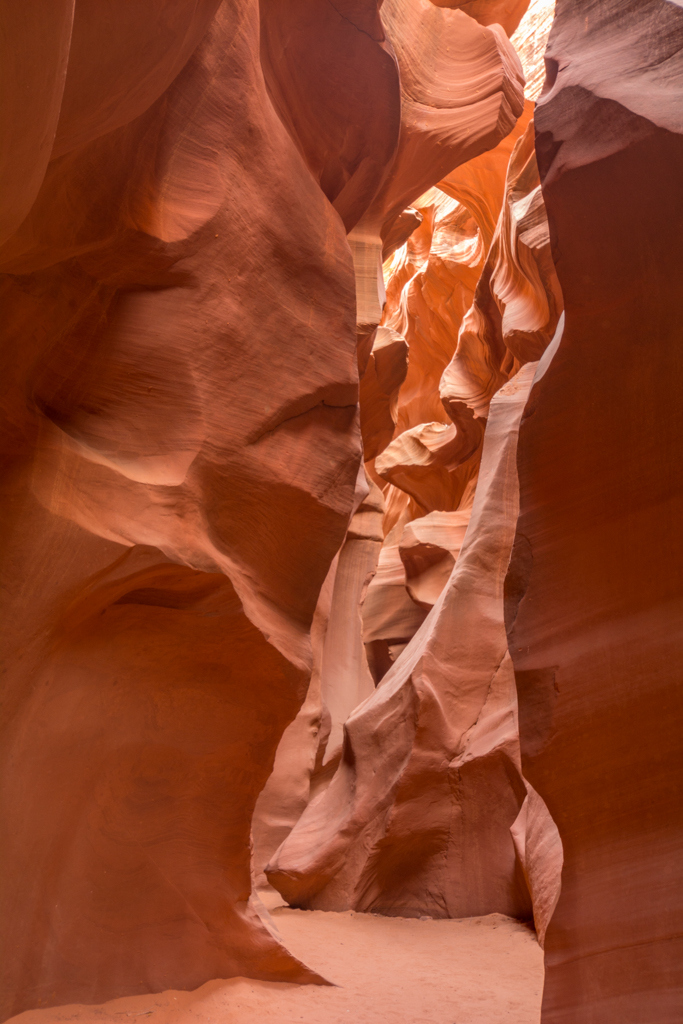
The ones here are from lower Antelope Canyon. It’s a narrow slot canyon with red sandstone cliffs of flowing serpentine shapes. The location is in the Navaho Nation, near Page, Arizona. You may have seen a popular Windows screen saver that depicts one of the areas we passed. There were so many amazing spots.
southwestbug-1-6

Our group was privileged to be led by local Navaho guys who knew the terrain well and understood the needs of photographers. We were working with tripods and taking long exposures, which required patience of both us and other visitors.
southwestbug-1-5

In places the passage was only wide enough for one person. There were stairs that were almost ladders. Getting ourselves and gear along was challenging, particularly with other visitors coming in the opposite direction. But by golly, we did it!
southwestbug-1-11

During the Southwestern workshop, leaders Scott and Phil helped me up the learning curve in photo processing with Lightroom and Photoshop. In Lightroom, my RAW images are getting more vivid and closer to my impressions and intentions. I still find Photoshop daunting in its complexity, but I’ve got a better understanding of the key photography tools, and am getting proficient in doing some kinds of repairs. I’m looking forward to learning more.

Seeing and photographing some awesome icons in the Southwest

southwestbug-1

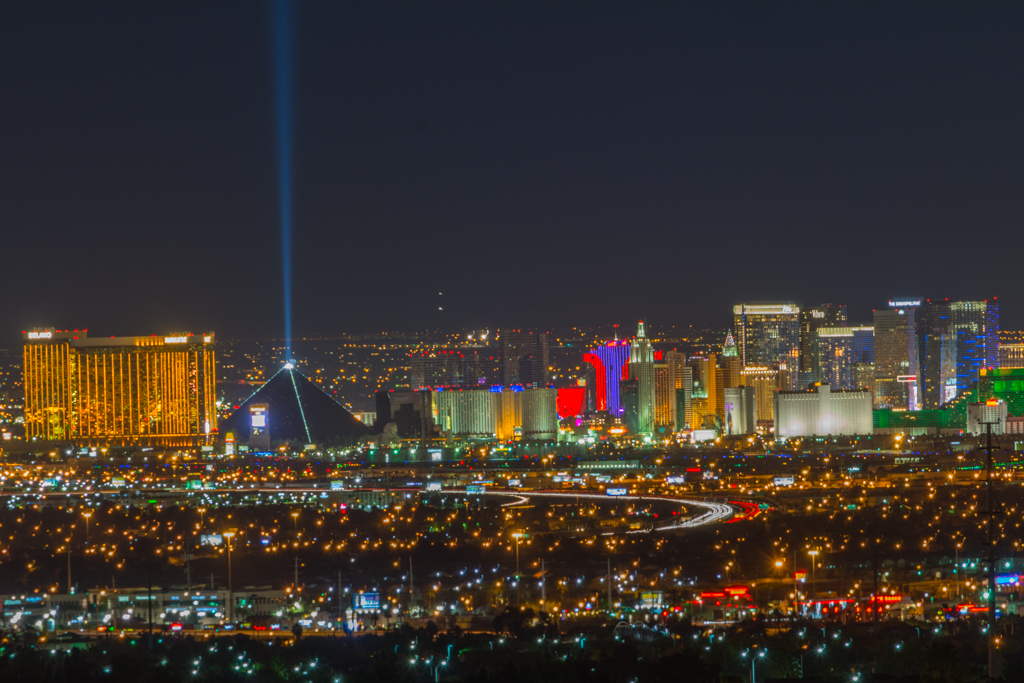
I just got back from my nine-day southwestern photography trip, which started and ended in Las Vegas. Vegas did not enchant me. It reminded me of an upscale shopping mall interbred with Times Square and Disneyland. Leaving aside some public near-nudity and drunkenness, it didn’t seem very extraordinary, much less alluring or sophisticated. Gambling in smoky casinos was not my thing, and I wasn’t much in the mood for a show.

But walking the Strip on my last night, I was impressed with the sheer size and busyness, and I liked all the glowing neon. The service personnel I encountered were surprisingly warm and friendly.
southwestbug-1-12

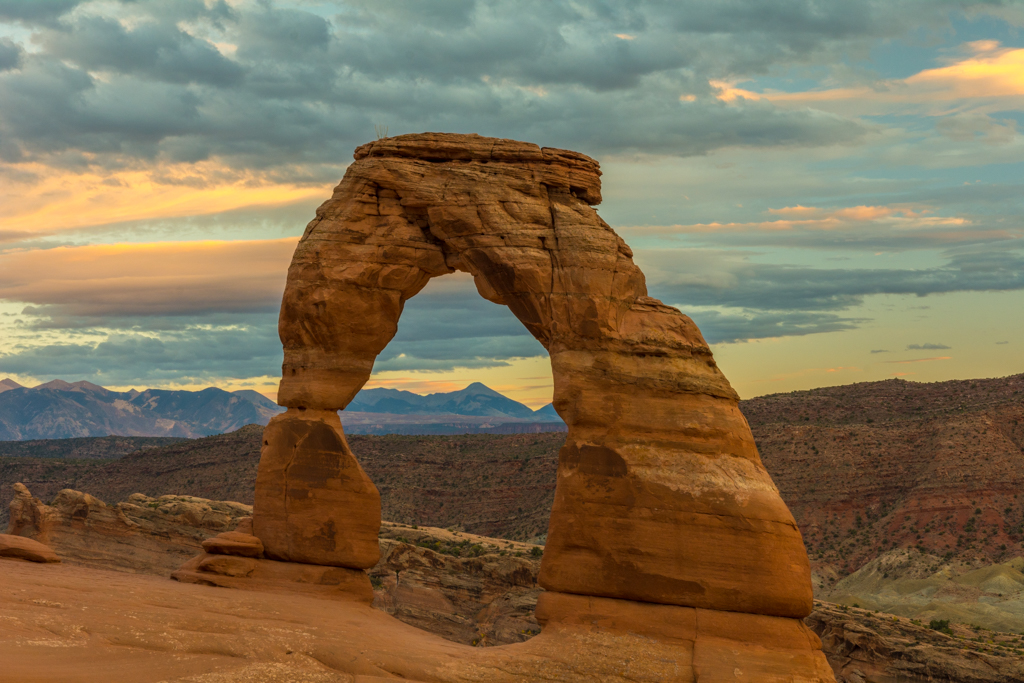
My real objective was to take in some of the iconic rocks and other features of Utah and Arizona and learn more about landscape photography. I went with a group of eight photographers organized by Aperture Academy and led by Scott Donschikowski and Phil Nicholas. We drank in and photographed Zion, Bryce, Canyonlands, Arches, Monument Valley, Horseshoe Bend, Lower Antelope Canyon, and the Grand Canyon.
southwestbug-1-9

It was amazing! Photographs can never do complete justice to these landscapes, which may be why, even knowing there are so many previous pictures, we keep on trying. I was moved, awed, and inspired. The forces of nature that made all this – primordial minerals, oceans and rivers, tectonic plates, hundreds of generations of flora and fauna, sun, rain, and wind – brought to mind geologic time – tens of millions, hundreds of millions, billions of years. It made me feel at once very small and incredibly fortunate. The beauty is powerful.
southwestbug-1-4

I learned some very practical things about photography. For instance: there’s stiff competition to stake out a position for your tripod at the most famous sites, and so you have to get there really early. We were out the door and on our way as early as 3:30 a.m. for sunrise shots. We traveled in the middle of the day, and then set up at a new site for sunsets and shot until they were done. We got tips on composition, learned about using various filters, and experimented with white balance, apertures, and shutter speeds. We also learned various post-processing techniques.
southwestbug-1-8

I made lots of mistakes, but learned from them. My teachers were generous with their support, photographic and otherwise. Phil helped me regroup after a fall on a steep hill at Monument Valley, and Scott let me use his tripod when I lost a critical piece of mine. We had good weather throughout, though as Phil and Scott noted, the clouds could have been a little more dramatic in places.
southwestbug-1-7

My fellow shutterbugs were friendly and supportive. We were not all in agreement on the question of Clinton vs. Trump, which at first concerned me. Every day there was new news of Trump’s deep flaws, and the Trump supporters were clearly accomplished, intelligent people. I gathered that they had managed to filter out or suppress the information about his dishonesty and other unethical behavior, and greatly magnified the supposed negatives of Hillary (Benghazi! The emails!). And in spite of their apparent security and prosperity, they seemed very worried about crime and immigrants.

It was good, though, to be reminded that people with some disturbing opinions can also be knowledgeable, wise, considerate, and ethical. And good to be reminded that we can agree on many things and help and enjoy each other, even when we disagree strongly on others.
southwestbug-1-5

Raleigh’s newest crane, Big Food, and getting ready for Utah

raulstonbfliesbug-1-8
Last Saturday afternoon, I got to watch the new construction crane go up at the old Greyhound bus station site, just southeast of us. Construction sites are fun to watch! And there’ve been a lot of them in Raleigh lately. We’re still growing.
raulstonbfliesbug-1-9raulstonbfliesbug-1-11

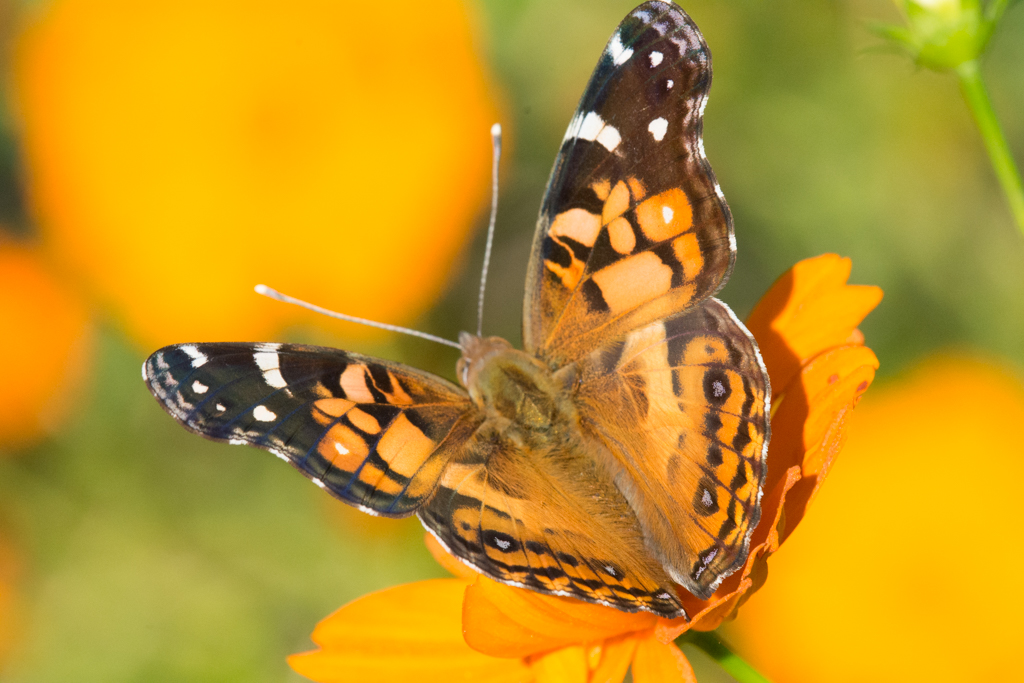
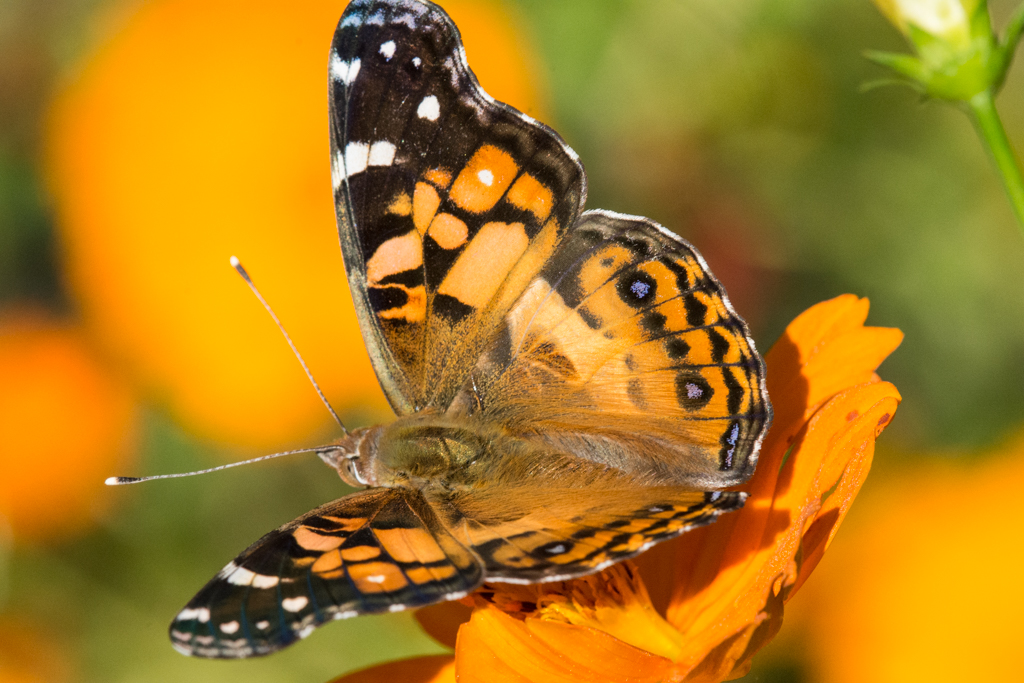
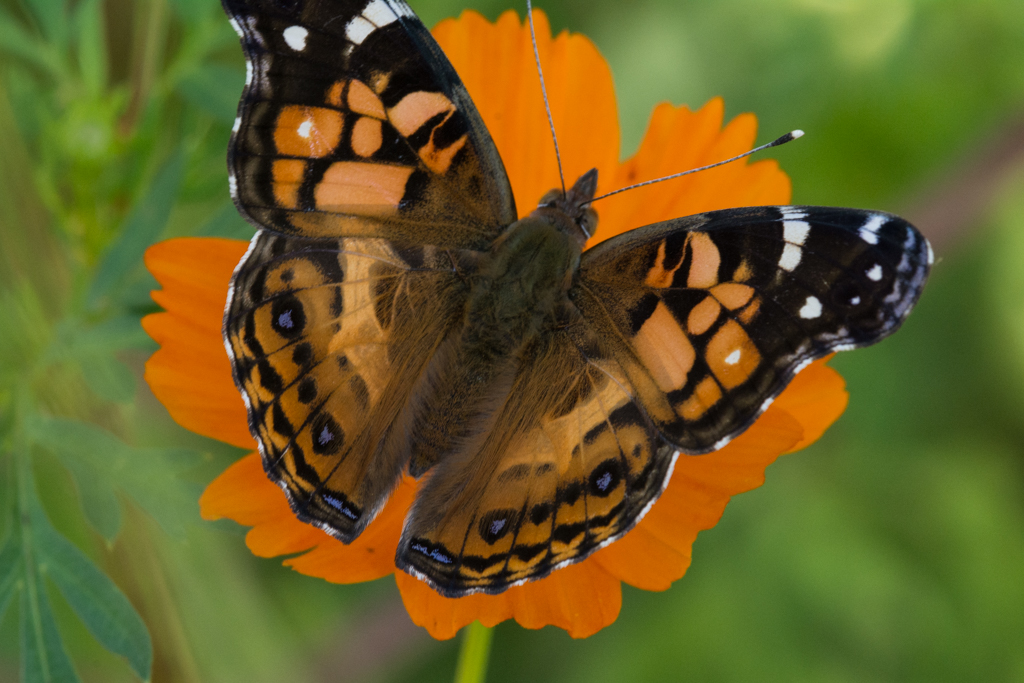
On Sunday I visited Raulston Arboretum, where there were fall blossoms and lots of butterflies. I got some shots I liked of an American Lady, of which these were my favorites.
raulstonbfliesbug-1-3raulstonbfliesbug-1-4raulstonbfliesbug-1-5

I recommend reading a new piece by Michael Pollan in the NY Times magazine about our food system and our political system. Pollan has written before about the power and nefarious influence of Big Food. Here’s his quick description:

A food system organized around subsidized monocultures of corn and soy . . . guzzled tremendous amounts of fossil fuel (for everything from the chemical fertilizer and pesticide those fields depended on to the fuel needed to ship food around the world) and in the process emitted tremendous amounts of greenhouse gas — as much as a third of all emissions, by some estimates. At the same time, the types of food that can be made from all that subsidized corn and soy — feedlot meat and processed foods of all kinds — bear a large measure of responsibility for the steep rise in health care costs: A substantial portion of what we spend on health care in this country goes to treat chronic diseases linked to diet.

His new piece is about how Big Food lobbied hard to stop every reform proposed by the Obama administration, and was generally successful. But he concludes on a somewhat hopeful note.

[B]ehind the industry’s wall of political power, there indeed lurks a vulnerability. That vulnerability is the conscience of the American eater, who in the past decade or so has taken a keen interest in the question of where our food comes from, how it is produced and the impact of our everyday food choices on the land, on the hands that feed us, on the animals we eat and, increasingly, on the climate. Though still a minority, the eaters who care about these questions have come to distrust Big Food and reject what it is selling. Looking for options better aligned with their values, they have created, purchase by purchase, a $50 billion alternative food economy, comprising organic food, local food and artisanal food. Call it Little Food. And while it is still tiny in comparison with Big Food, it is nevertheless the fastest-growing sector of the food economy.

Some large food companies are voluntarily changing their practices in response to the concerns of these consumers, whether about antibiotics, animal welfare or the welfare of farmworkers. One future of food politics may lie in grass-roots campaigns targeted not at politicians in Washington but directly at Big Food and its consumers, taking aim at its Achilles’ heel: those precious brands.

Maybe so. Anyhow, kudos to Pollan for speaking truth to power, and educating the rest of us.

Tomorrow, I’ll be heading to southern Utah and Arizona to see some of the most amazing rocks on the planet: Zion, Bryce, Arches, Monument Valley, and the Grand Canyon, all of which I’ve wanted to see for a long time. I’ll be traveling with a small group of photographers, and taking lots of pictures. I’ve been to REI and Outdoor Provisions to get insulating layers for those cold mornings, and have made up my mind what lenses not to lug. I’m ready!
raulstonbfliesbug-1-12