The Casual Blog

Guilty pleasures, my new grand piano, and understanding mass delusions

Daffodils at Fletcher Park, March 4, 2017

Daffodils at Fletcher Park, March 4, 2017

It’s been pleasantly mild in Raleigh this week, bringing out the early spring flowers, though it got colder this weekend.  I’ve been in good spirits, which is hard to explain.    With so many big things to worry about, I’ve felt a little guilty about this happiness.   But what can you do?

On Friday I had a successful spinning class with Matt at Flywheel. Despite a couple of weeks off, I finished with the first place score, with 320 points.  Almost everyone (or everyone)  in the class was considerably younger than me.   It’s invigorating to try to keep up with younger people, and especially fun to go faster than them!

Gabe and I had lunch this week at the Remedy Diner, and talked about the possibility of his becoming a partner in a new print-jobbing and graphic design firm.  He’s already doing web site design and related print design work, and the new business could be a good platform.  I’m excited for him, and enjoyed kicking around some of the practical aspects, like finding clients, office space, legal services, accounting, and insurance.
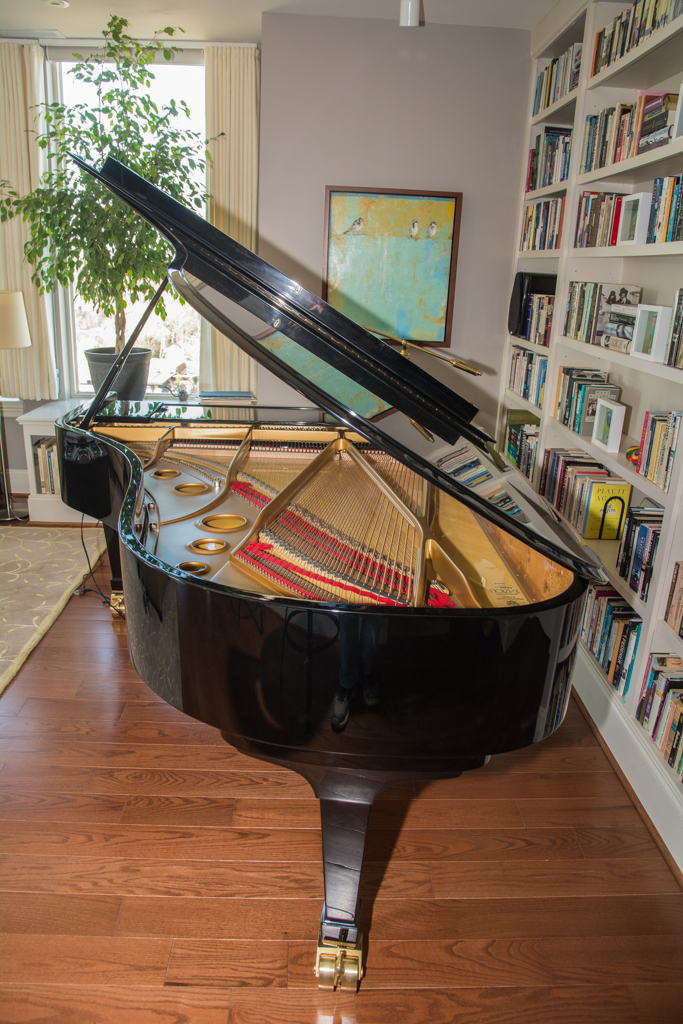
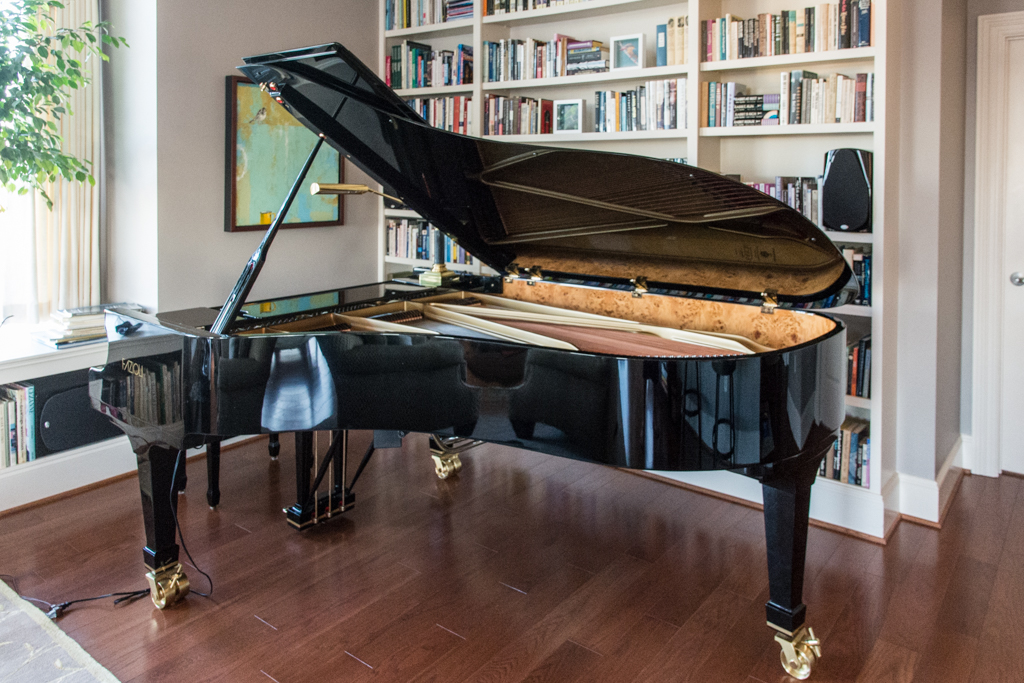
My new Fazioli F228

My new Fazioli F228

This week I figured out how to work forScore, an app for reading piano music on my tablet device.  There’s a massive amount of great music in the public domain and available for free on sites like IMSLP.org, but it’s cumbersome to work with unbound paper copies.  Just as my tablet has become my primary tool for reading books, it might become that for music.  Another plus is solving the problem of page turning.  In prior generations, pianists needed two hands to play the instrument and a third hand to turn pages, but I’m getting a little wireless foot pedal that should do the job.

I’m in love with my new grand piano, a Fazioli F228. The sound is amazing!  It is truly a joy to play.  It’s a 2003 instrument that I acquired from a businessman in Greenwich, Connecticut, who’d got it for his young son to learn on.  Since then, it’s been lovingly tended to by an experienced technician, but barely used.  It will certainly be used by me.  I’ve been delving into my favorite music of Chopin, Liszt, and Debussy, and discovering beautiful new prospects.  I’m selling my Steinway A, a 2004 instrument with a really lovely tone, if you know anyone who might be interested.

blogpicbug-1-5

Being of such good cheer, I’d planned to abstain from political discussions this week.  But I can’t resist sharing links to a couple of articles with very intriguing ideas about a big question:  are we losing our grip on reality?  The White House’s attacks on the media, the justice system, scientific consensus, and other institutions initially seemed to me so bizarre and ridiculous that I assumed no one would take them seriously.  But some people are.

Alexander George in the NY Times compared the situation to a famous forger of Vermeer’s work who succeeded by temporarily changing, through his own fake paintings, the understanding of what qualified as a Vermeer.  George points up that we judge the validity of new information based on our current knowledge base, including the concepts we’ve developed as to what sources are reliable.  If someone were to convince us that we could no longer trust scientists or journalists, our existing knowledge base would be undermined.  Rationality would be seriously impaired, as would political organization and action.  Query, is this the Bannon plan?

blogpicbug-1-4

Also in the sad, failing, fake news Times, Philip Fernbach and Steven Sloman wrote a piece entitled Why We Believe Obvious Untruths, which centers on an idea that is both simple and profound.    The answer, they say, is not lack of intelligence.  Fernbach and Sloman point out that human knowledge is essentially collective — dependent on knowledge of other humans.  The things we think we know are for the most part actually things we’re confident somebody else knows.   While this system of collective intelligence allows for the large and long collaborations necessary for the greatest human achievements, it also accounts for our susceptibility to mass delusions.  

For better and for worse, we largely rely on our communities for knowledge, and our tools for detecting when our communities go awry are not so good.  As others have noted, we have a tendency to believe new information that fits with whatever we (and our community) already believe and ignore and suppress everything else, which has an error magnification effect.  Social media serves for many as news fast food that compounds the echo chamber problem.

Thus it turns out to be easy for groups to come to strong agreement in support of ideas overwhelmingly at odds with the weight of the evidence.  QED:  climate change is a hoax, immigrants are threatening us with terrorism, our military is too weak, etc.

On a cheerier note, speaking of intelligence, there was a report this week of experiments showing that insects have a lot more mental capacity than previously thought.  They aren’t just automatons operating on pure instinct, but  can learn and solve problems.  Scientists at the Queen Mary University in London taught bumblebees to roll a little ball across a platform in exchange for a reward.  Amazing!  
blogpicbug-1-2

Skiing at Chamonix

OLYMPUS DIGITAL CAMERA

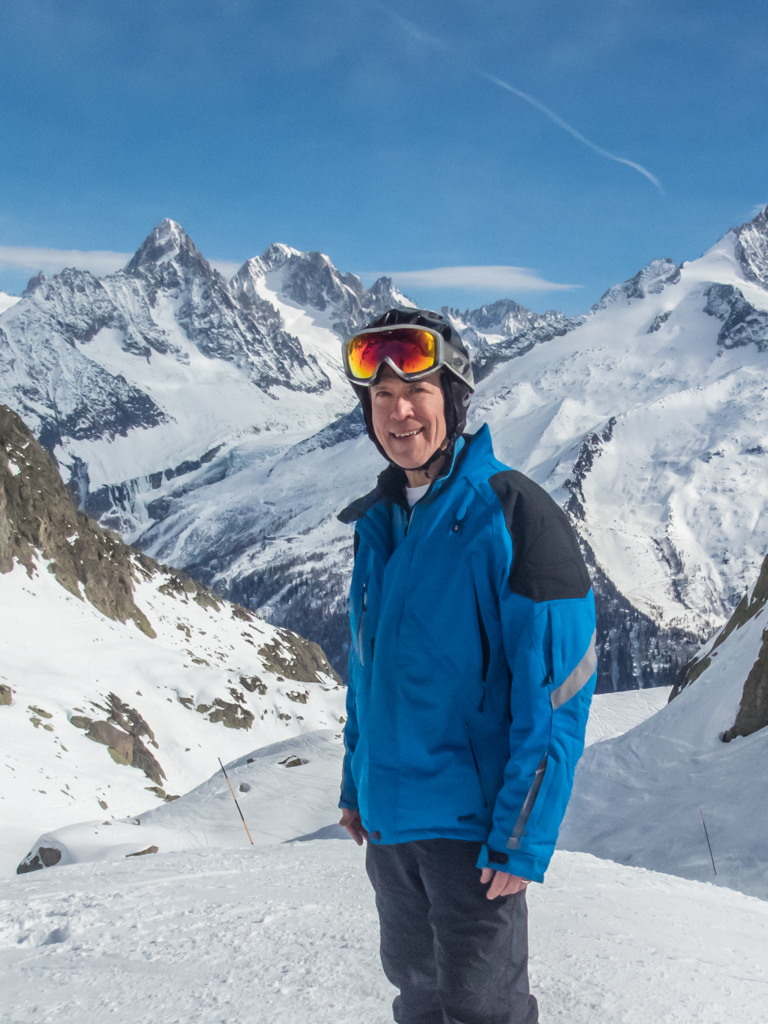
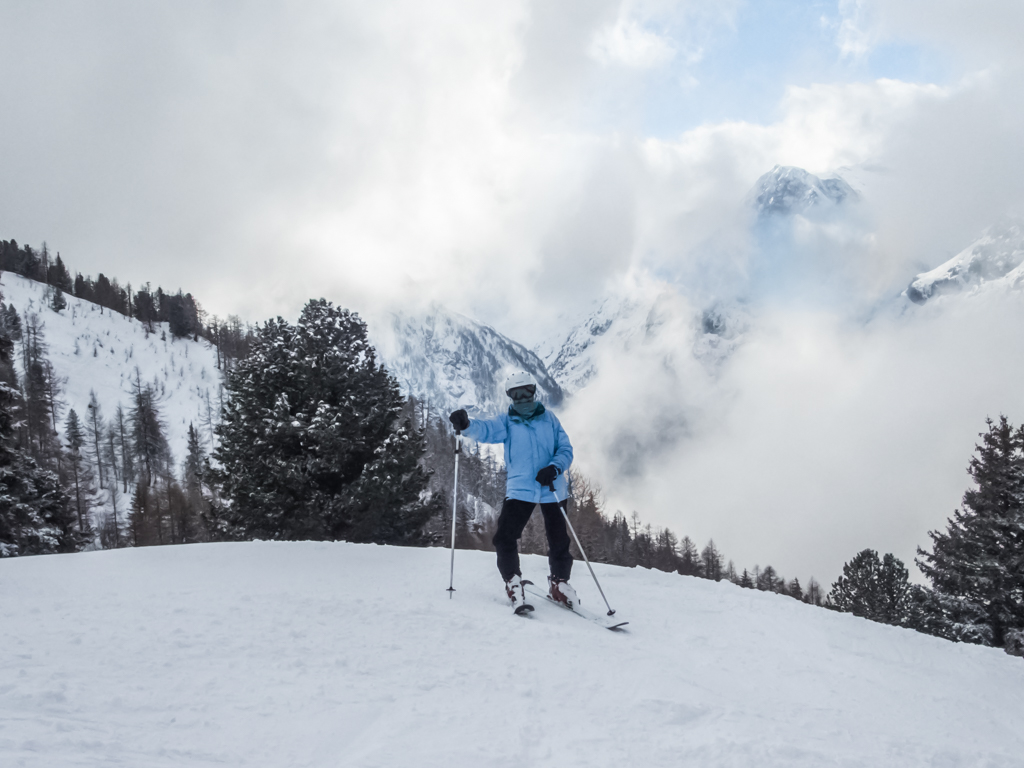
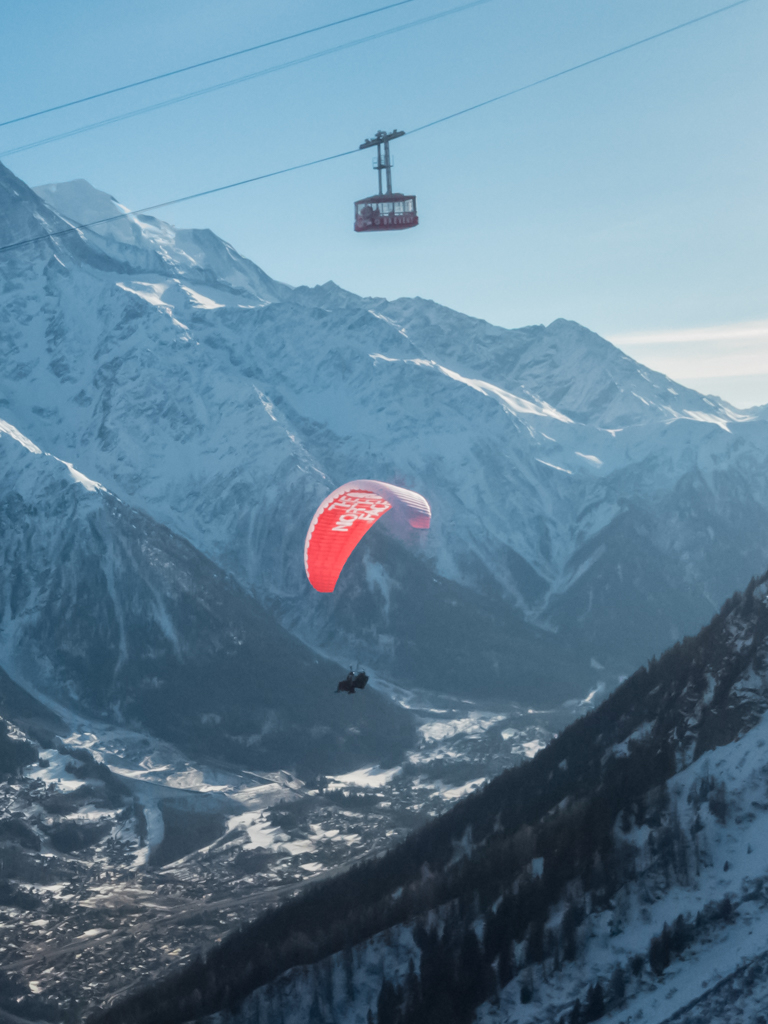
As I write this, Sally and I are on our flight back from Geneva, after a week of skiing at Chamonix, France.  The Alps in that area are spectacularly beautiful — craggy, jagged, and huge.  

The week we were there, the snow was not so great — icy in places, getting thin in places, with rocks showing through, crusty in places, and mushy at times.  That said, all the 56 lifts were operating, and for stretches the snow was perfect.  Most of the time the skies were blue.

OLYMPUS DIGITAL CAMERA

We skied mostly on the black (advanced) runs, and didn’t encounter anything terrifyingly beyond our ability level.  Mostly we felt challenged in a good way, absorbed.  Our skiing was happy — relaxed and free. There were, however, two difficult episodes.

On day two, we skied at Les Grands Montets, and late in the morning decided to go all the way up to the top to try Point de Vue, a long black run down the side of a glacier.  On the way up, the sky changed from clear and blue to gray pea soup.  Soon we were working our way slowly down very steep, icy, moguls, barely able to see where the next bump was.  I fell and lost a ski, and with the ice and the steeps, it was really difficult to get the ski back on.

After numerous tries of various approaches, I finally dug a level platform for the ski, which worked. This all took perhaps 20 minutes.  The combination of exertion, thin air, and stress hormones left me shaky, and at the bottom I proposed we take a break for some hot chocolate.

OLYMPUS DIGITAL CAMERA

On Friday, the conditions were snowy, windy, and with very poor visibility.  We skied at Le Tour, where (as elsewhere), the trails (or pistes) were marked with colored poles on either side.  In places we could see only one pole — not the next down the hill, and not the one across the slope.  Then there were no poles anywhere, and we realized we were off the piste.  

We went for a while to the left, then to the right, and saw no piste markers.  It was quiet, except for the wind.  I was starting to wonder if we were going to have to make our way on down off piste, almost blind, on difficult terrain — or worse.  Just then, a snow boarder came by above us, and we realized we just needed to climb back up 30 meters. Which was challenging, but whew!  
OLYMPUS DIGITAL CAMERA

Very few skiers were out that Friday, but there were a lot of them most of the other days, including the two days we skied Brevent Flegere.  It was a school holiday week, and there were lots of families skiing with young children.  I enjoyed watching the little kids, though there were times on narrow slopes when there were just too many people.

At the end of each day, we found a place at a sidewalk cafe in the charming ski village and had a beer.  It was pleasant to be surrounded by the French language.  My student French was pretty rusty, but it got better as the week went on, and people mostly understood what I was trying to say.  If they or I had no clue, no problem — most people in the hospitality line spoke serviceable English.

We stayed at a small hotel called La Vallee Blanche, which was located within an easy walk of lots of restaurants and bars, and about 4 blocks from the bus to the slopes.  Our concierges, Maria and Margo, helped us get reservations at enjoyable restaurants.  Our favorite was an Italian place called L’Impossible, which had home-made cannelloni to die for.

At dinner, we talked about family, politics, and skiing.  Sally and I were pretty much on the same level, and both still working to get better, so we talked about things we’d learned from our various teachers or were trying to figure out.  At one point I asked Sally what she wanted to improve, expecting her to say something like moguls, trees, or maybe carving.  

But her reply was more interesting:  she said she was hoping to overcome more fear.  And on reflection, that’s fundamental.  At some point, on some steep, all skiers find there’s a thing that says, don’t go, don’t point the skis downhill.  And then you’ve got to find courage.  So we try to cultivate a bit more courage, and face down fear.  

OLYMPUS DIGITAL CAMERA

Losing things, and joining a protest

OLYMPUS DIGITAL CAMERA

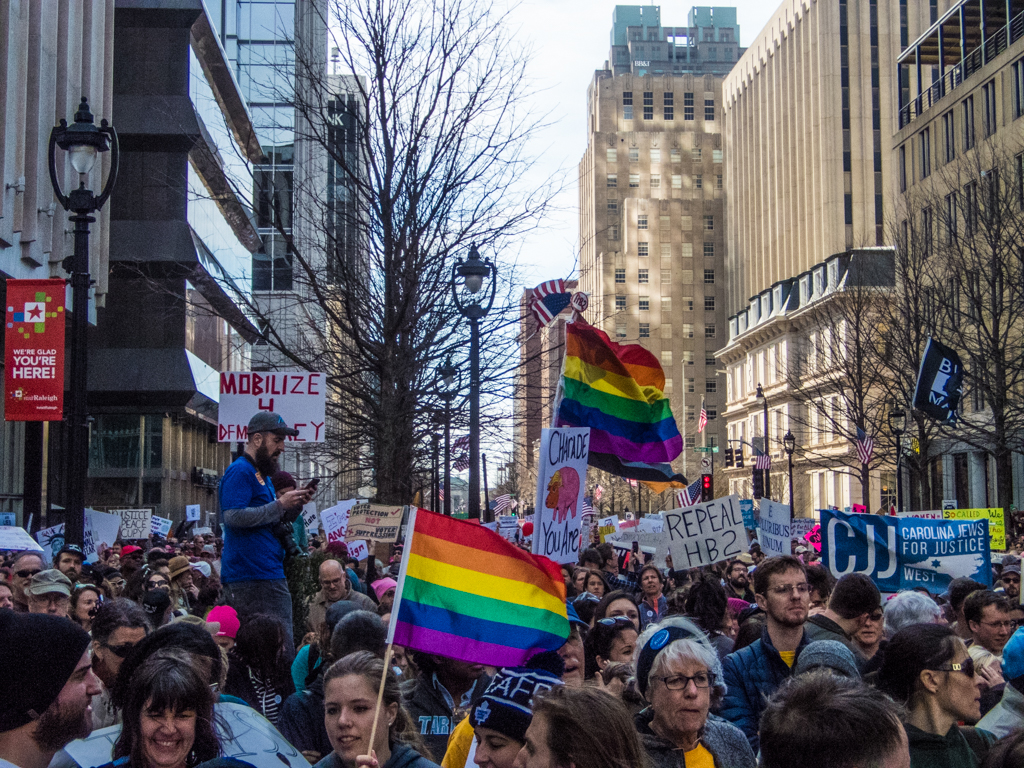
Protest march in downtown Raleigh, February 11, 2017

It’s been almost 3 hours since I last lost something, which is a slightly sad thing to be pleased about.  Lately my little things — car keys, access cards, reading glasses, my tablet device, my phone — have gone missing more than usual.  I find them eventually, but the interval between losing and finding is tense and uncomfortable.  It could be early onset Alzheimer’s, but I suspect the cause is Trump.  With his non-stop boasting and lying, his cluelessness on every vital issue, his shameful targeting of minorities,  and his general shamelessness, he’s got me spinning and oscillating with amazement, laughter, and fear.  That could be what’s impairing my brain.  

It may be no coincidence that I’m seeing more references to losing things.  I’ve heard multiple citations recently to the famous Elizabeth Bishop poem One Art (“The art of losing isn’t hard to master.”), which is worth rereading.  And there’s a beautiful, lively, and touching piece by Kathryn Schultz in the current New Yorker entitled Losing Streak.   She writes of her personal losses of little things (wallets, bike locks), and big ones (her car, her father).  Schultz comes up with some fun facts: the average person misplaces up to 9 objects per day, and in a lifetime will spend 6 months looking for lost things.  She identifies some of the possible causes — your spouse, aliens, wormholes.  

OLYMPUS DIGITAL CAMERA

The only disappointment was  that she didn’t zero in on Trump.  But a new piece by David Frum in the Atlantic tends to confirm his potential for making us all losers, wondering what became of our democracy.  Frum points up a critical difference between previous varieties of fascism and Trumpism: Trump doesn’t need to stop holding elections, shut down the press, and murder political opponents to achieve his primary objective:  enriching himself.    Modern kleptocracies grow by fostering cynicism and apathy.  Corruption could become ordinary and expected here, as is already has in many countries.  A possible future is the end of the rule of law.

Frum ends on a hopeful note by encouraging us to all get in touch with our Congressmen and Senators and support good laws.  He seems to be of the view that resistance is not futile.  That’s where I am, too.  Even if it is futile, the alternative is worse.

OLYMPUS DIGITAL CAMERA

Apropos, on Saturday morning I went to a protest in downtown Raleigh– the HKonJ and Moral March organized by the NAACP with some 200 other groups.  Fayetteville Street was packed for several blocks with many thousands of people.

Being in big noisy crowds is not comfortable for me, but that said, it was a cheery noise, and a truly diverse crowd.  There were signs for Black Lives Matter, LGBTQ rights, gun control, reproductive rights, immigrant rights, living wages, health care rights, civil rights, and animal rights, among many others.  There were signs against The Wall, the immigration ban, HB2, voter suppression, Tweeting, and intolerance, among many others.  There are so many things that need resisting that it’s hard to stay determined and focused, but we’ve got to get started.  

OLYMPUS DIGITAL CAMERA

Dance photos, octopus minds, and engineering Islamophobia

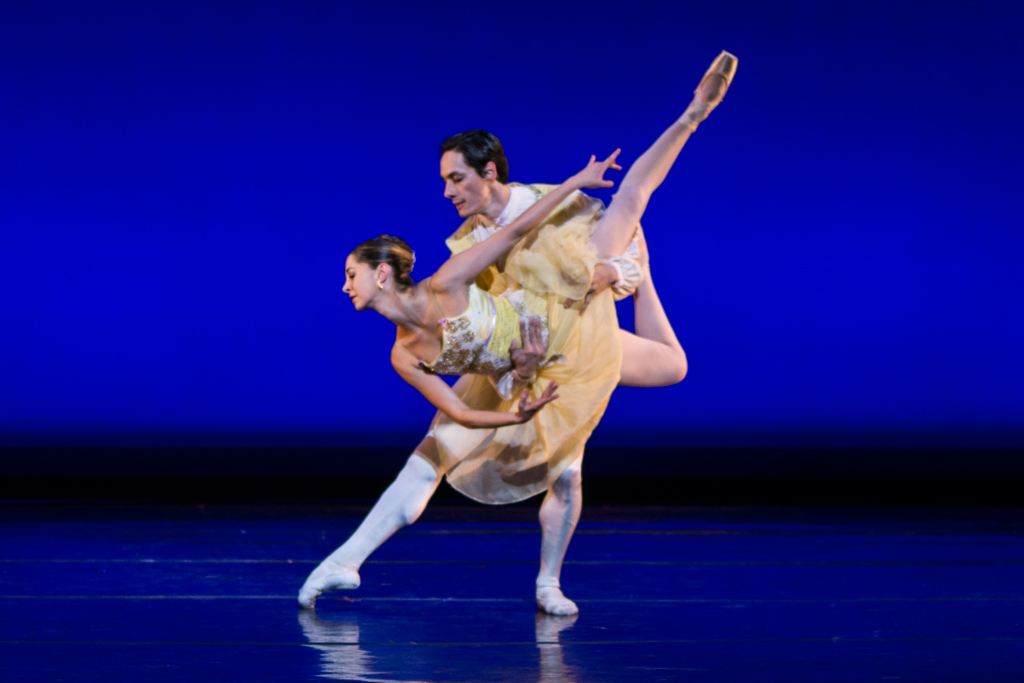
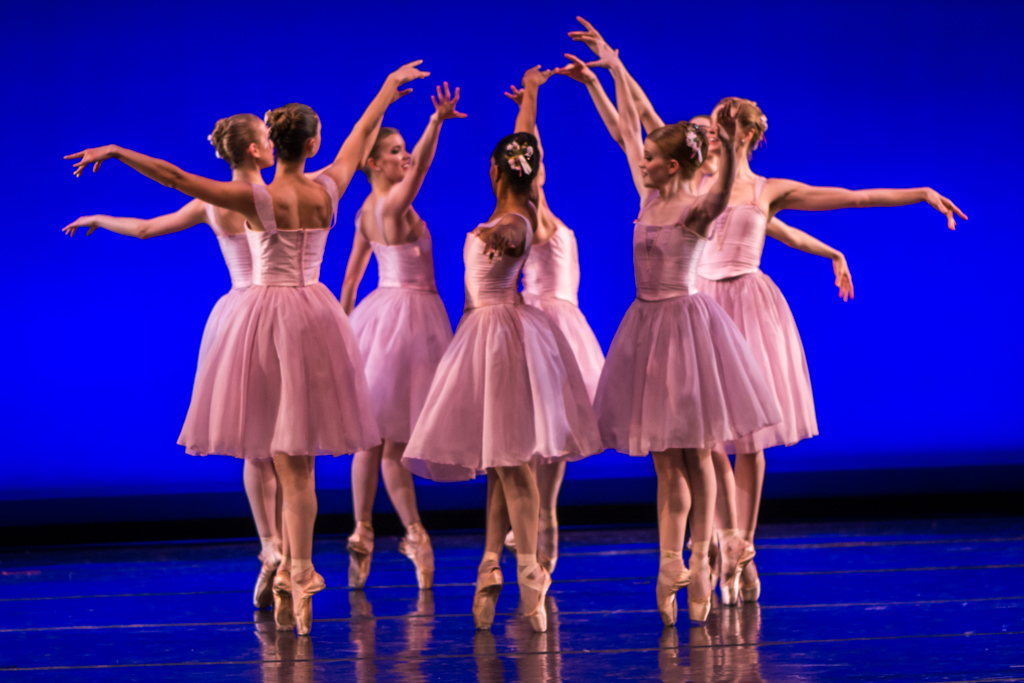
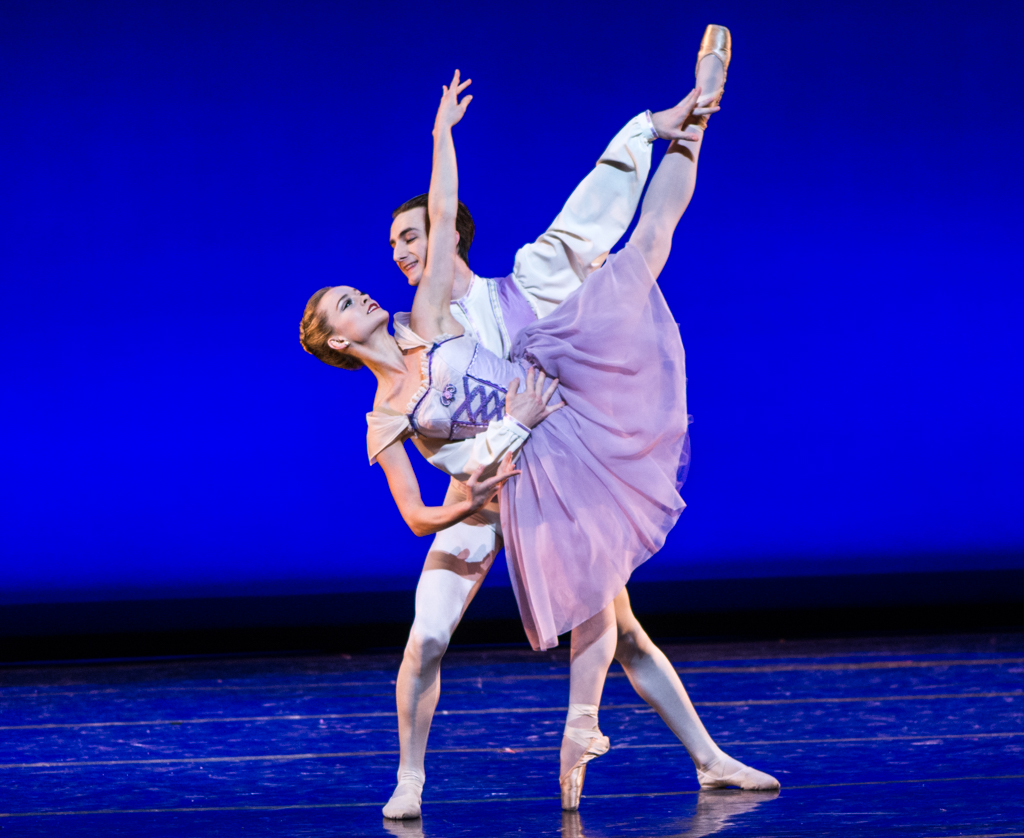
Dress rehearsal for Petit Ballet Romantique

Dress rehearsal for Petit Ballet Romantique

I took a photography lesson this week from Ted Salamone at a dress rehearsal of the Carolina Ballet.  The lighting conditions were challenging, and at first I felt well out of my depth.  It took some pressurized experimenting with ISO and shutter speed to get anything to work.   Ted gave me some great tips, and the dancers were beautiful and inspiring.    

blogpicbug-1-9


I just finished reading Other Minds:  the Octopus, the Sea, and the Deep Origins of Consciousness, by Peter Godfrey-Smith.  Godfrey-Smith is a diver as well as a philosopher who has spent a lot of time watching cephalopods.  As he notes, octopuses are aliens to us, about as far removed in evolutionary terms as possible.  

Yet  they have abilities and behaviors that merit the word intelligence.  Their shape-shifting and camouflaging abilities are astonishing, of course, but they also solve problems and exhibit curiosity and affection.  Godfrey-Smith connects them, and us, to the great journey of evolution, and to a better understanding of the nature of consciousness.  There’s a good review here.  l  

blogpicbug-1-4

Trying to understand non-human intelligence eventually leads to the question, how well do we understand ourselves?  The question came into focus in a new way for me this week, when I read of polls indicating that a more Americans favored Trump’s new anti-Muslim measures than opposed them.  I like to think of my neighbors and fellow citizens as mostly kind, compassionate, and tolerant, and mostly willing to help others in need.  I’m having trouble wrapping my mind around the possible alternative.  

blogpicbug-1-6

When Franklin Roosevelt said, “The only thing we have to fear is fear itself,” I think he meant that fear was a powerful force that could undermine us, but also that it could be overcome.  The new President has a different message:  the world is very scary and we need to be more fearful.

And that message seems to be having an effect.  Of course, humans have always been wary of those who are different.  But other forces usually counterbalance those feelings, like curiosity, generosity, and love.  We seem to be losing our balance.

Dress rehearsal for The Little Mermaid

Dress rehearsal for The Little Mermaid

Is Trump’s demonization of Muslims a deliberate strategy?  At first it just seems arbitrary and bizarre.  But Amanda Taub wrote a worthwhile piece in the NY Times this week that suggested a possible method in the madness.   

Taub points up that authoritarian politicians often exploit fears by targeting a politically powerless minority and creating an us-versus-them mentality.  By creating artificial enemies and claiming to be protecting against them, they may increase their popularity and power.  Unless such leaders are checked, they tend to expand the list of targets and dial up the level of violence.  

Of course, we have a governmental system with certain institutional checks and balances.  Are they strong enough?  We’ll find out.

Dress rehearsal for The Little Mermaid

Dress rehearsal for The Little Mermaid


Resisting the torrent of lies

Lake Mattamuskeet

Lake Mattamuskeet

This has been a Black Mirror week, starting as seeming comedy and then becoming terrifying.  It’s been discombobulating to hear a President of the United States issue a nonstop barrage of falsehoods and shameless lies. It’s hard to know how to react to the proliferating falsehoods with no connection to reality, and lies so transparent they hardly seem intended to deceive.  

It’s not that I’m a truth and honesty absolutist.  The border areas of truth are sometimes fuzzy,  and most of us sometimes bend it about a bit.  But most of us recognize honesty as a core value, and truth as a meaningful ideal.  People known to show no concern for truth or to intentionally deceive with lies are not ordinarily given positions of trust and authority.  They are regarded with suspicion and contempt.  

So we’re in unknown territory, and it’s hard to get your bearings.  Do some people actually believe the Administration’s outrageous falsehoods? Perhaps supporters regard them more  as pleasing and harmless works of fiction.  This would be understandable, but unwise.  As pleasant as it may be to disconnect from reality, there are life and death problems that must be addressed.

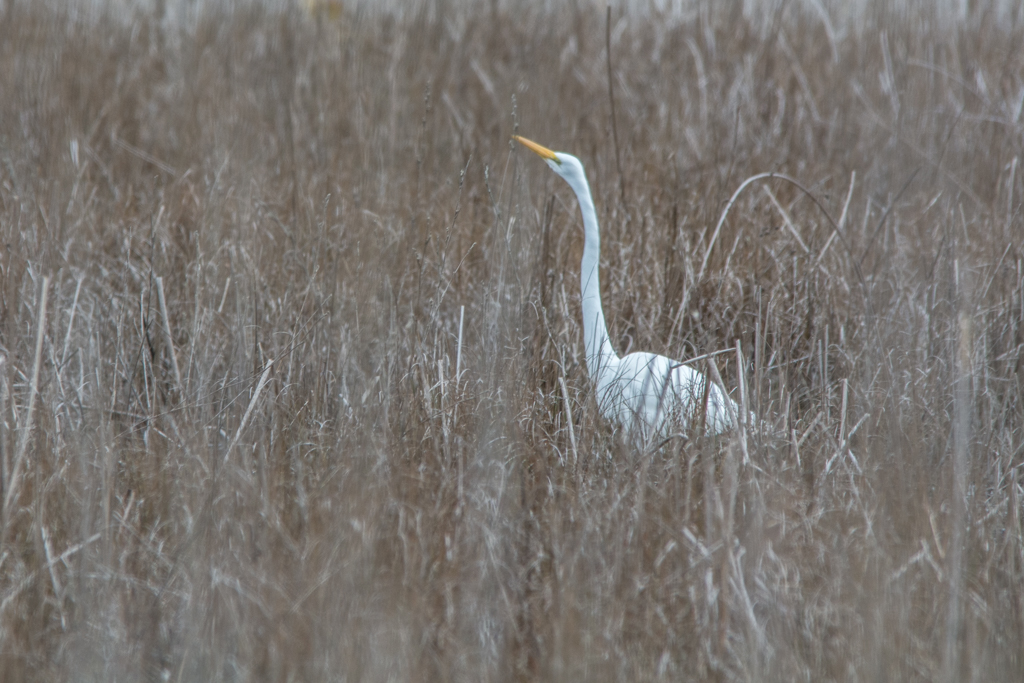
a great egret

A great egret

Part of what’s frightening here is the sheer quantity of the falsehoods and lies. They’ve been coming in a torrent.  Before we’ve processed one, there’s another, and then another.  You’d hope that such constant lying would lead quickly to a loss of credibility and effectiveness.

But the torrent is exhausting.  Trying to unpack all the lies takes too much time. There is no craft in these lies, no careful calculation of how to conceal reality, so they can be generated very quickly.  It takes much longer to fact check them than to make them.  So we can’t catch up.  And it’s exhausting to try.  The effort takes lots of brainpower, and leaves us with not enough time or energy to think deeply about real problems.  It gets harder to think critically.  Our brains get muddled.

It could be a brilliantly evil strategy to subjugate us, though more likely, there is no strategy.  Either way, it’s dangerous.  We could easily find ourselves losing our bearings, more and more confused, less and less sure of our facts and our values, depleted, disheartened, and unable to resist.

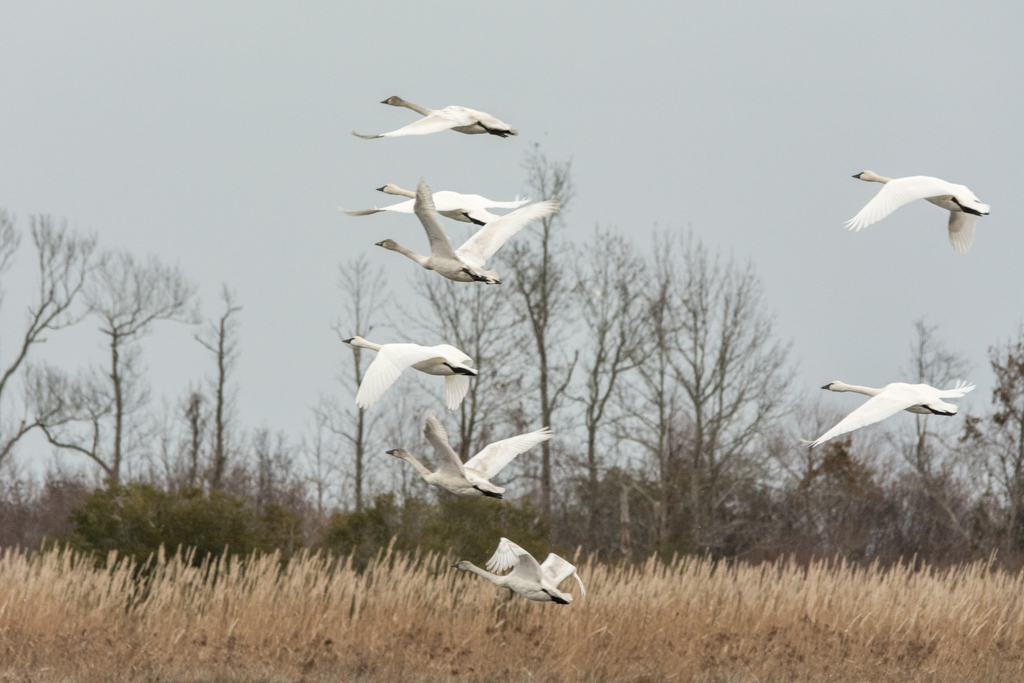
Tundra swans

Tundra swans

So, we’ll need  fortification as we prepare for the resistance.  I’m trying to stay healthy and looking out for old and new sources of strength and wisdom.  For me, friends, books, and music help. In these dark times, I particularly treasure encounters with generous spirits.  

Apropos, this week I listened to an interview of Maria Popova on the podcast On Being hosted by Christa Tippett.  Popova (pronounced pa-POE-va) is the creator of BrainPickings,  where she shares thoughts on her wide-ranging reading.  I don’t find all of her subjects equally interesting, but she’s amazingly curious, creative, and thoughtful —  full of ideas and reflections.  She also seemed like a person with a really good heart.    

This week I’m departing from my usual custom of posting my favorite photographs from the previous week.  Instead, these are ones I took a couple of weeks ago iat Lake Mattamuskeet and nearby areas in eastern N.C.  As I’ve learned more about how to make  a digital image sing with Lightroom and Photoshop, my standards for considering an image adequately finished have risen, and it takes more time to get there.  

If you enjoy nature photography, you might like 500px.com.  It’s a site where professional photographers and skilled enthusiasts use the site to share  amazing images from all over the planet.  I’ve been spending more time there lately just looking, quietly absorbed and getting inspired.

blogpicbug-1-8


Wild swans in eastern North Carolina and posthumanism

blogpicbug-1

This past weekend I drove to eastern North Carolina to see wintering tundra swans and other brilliant creatures.  The swans were there — hundreds of them!  These are majestic birds, with long necks and seven-foot wingspans.  They look quiet and elegant as they swim, but they’re very vocal, barking and squawking, sounding from a distance like a huge crowd of little kids at an exciting  sporting event.  

For part of the time I was travelling with members of the Carolinas Nature Photographers Association.  We stayed in the Holiday Inn Express in Plymouth, which was fine.  The CNPA folks were friendly and knowledgeable, and I enjoyed talking with them about such things as camera lenses, post-processing, and wildlife.  I took these pictures with my Nikon D7100 and a Sigma 150-500 lens (a beastly large piece of glass) on a Vanguard tripod.

blogpicbug-1-7

To get to the birdy places, we had to drive a good ways down muddy dirt roads.  I unwisely brought my sports car, and was more than a little anxious at points that we’d get stuck in the mud, with uncertain prospects of getting unstuck.  We never quite got caught, though we did get muddy.  We explored Pocosin Lakes (mostly at Pungo Lake) and Lake Mattamuskeet.

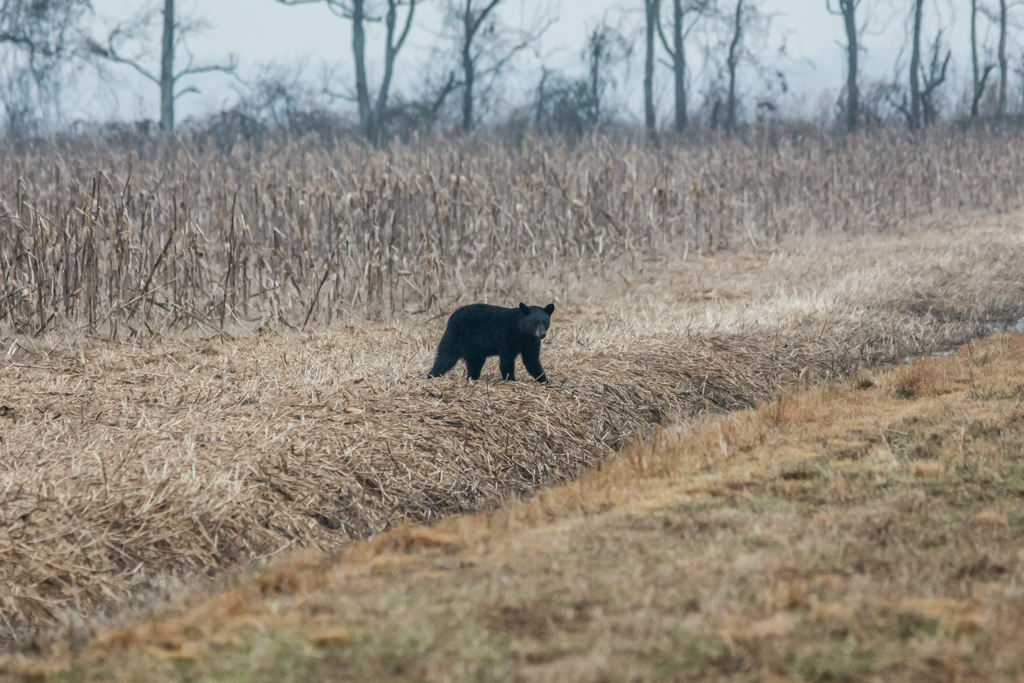
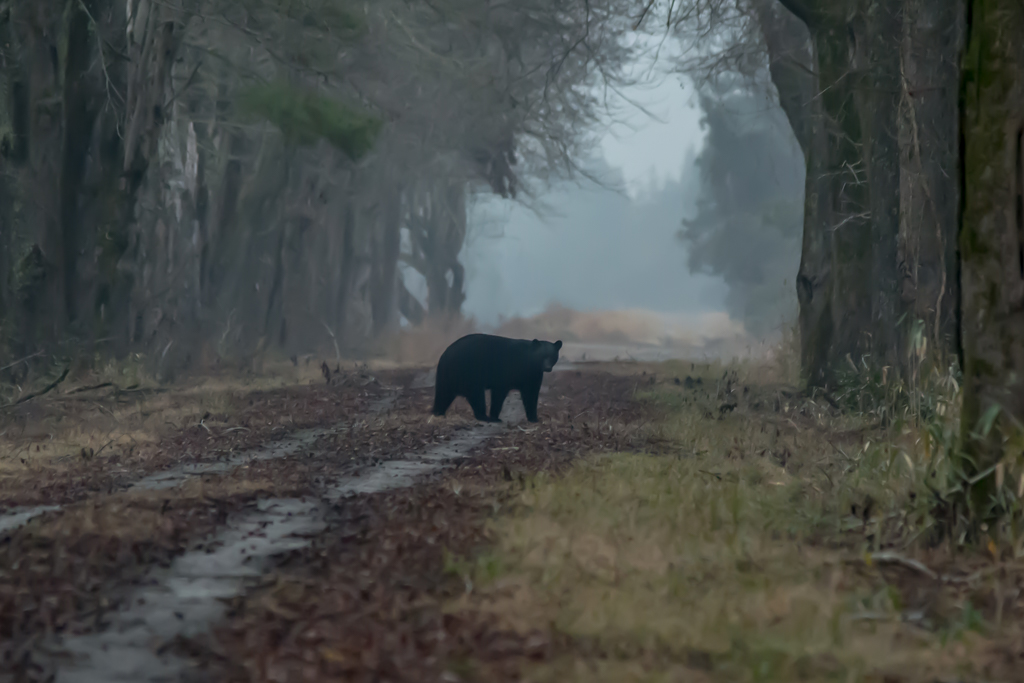
Once I got over the initial goosebumps of seeing the crowds of swans, I started looking for snow geese, but without success.  I  did see various pretty ducks, including northern pintails and northern shovelers, as well as great egrets, great blue herons, and black crowned night herons.  I also saw three black bears, including a youngster.

blogpicbug-1-9

It was wonderfully absorbing and calming to be beside the water, removed from civilization, relatively (my phone had 0 bars ).  Given the fraughtness of our current political drift, it was a particularly good time to be outdoors and close to all that non-human life.  Earlier in the week, I’d read an intriguing column about posthumanism, which resonated with me strongly.

blogpicbug-1-11

More and more, I’ve found myself unsatisfied with the common assumption that people are by definition superior to other animals, and disturbed by the dark implications of that assumption.  It turns out that these are issues addressed by posthumanist thinkers.  The column, an interview by Natasha Leonard of Cary Wolfe, is worth reading in its entirety, but here’s a sample.

Humanism provides an important cultural inheritance and legacy, no doubt, but hardly the kind of vocabulary that can describe the complex ways that human beings are intertwined with and shaped by the nonhuman world in which they live, and that brings together what the humanist philosophical tradition considered ontologically separate and discrete domains like “human” and “animal,” or “biological” and “mechanical.”

. . .

So on the other hand, what one wants to do is to find a way of valuing nonhuman life not because it is some diminished or second-class form of the human, but because the diversity and abundance of life is to be valued for what it is in its own right, in its difference and uniqueness. An elephant or a dolphin or a chimpanzee isn’t worthy of respect because it embodies some normative form of the “human” plus or minus a handful of relevant moral characteristics. It’s worthy of respect for reasons that call upon us to come up with another moral vocabulary, a vocabulary that starts by acknowledging that whatever it is we value ethically and morally in various forms of life, it has nothing to do with the biological designation of “human” or “animal.”

. . .

My position has always been that all of these racist and sexist hierarchies have always been tacitly grounded in the deepest — and often most invisible – hierarchy of all: the ontological divide between human and animal life, which in turn grounds a pernicious ethical hierarchy. As long as you take it for granted that it’s O.K. to commit violence against animals simply because of their biological designation, then that same logic will be available to you to commit violence against any other being, of whatever species, human or not, that you can characterize as a “lower” or more “primitive” form of life. This is obvious in the history of slavery, imperialism and violence against indigenous peoples. And that’s exactly what racism and misogyny do: use a racial or sexual taxonomy to countenance a violence that doesn’t count as violence because it’s practiced on people who are assumed to be lower or lesser, and who in that sense somehow “deserve it.”

That’s why the discourse of animalization is so powerful, because it uses a biological or racial taxonomy to institute an ethical divide between who is “killable but not murderable,” those who are “properly” human and those who aren’t. So the first imperative of posthumanism is to insist that when we are talking about who can and can’t be treated in a particular way, the first thing we have to do is throw out the distinction between “human” and “animal” — and indeed throw out the desire to think that we can index our treatment of various beings, human or not, to some biological, taxonomic designation. Does this mean that all forms of life are somehow “the same”? No, it means exactly the opposite: that the question of “human” versus “animal” is a woefully inadequate philosophical tool to make sense of the amazing diversity of different forms of life on the planet, how they experience the world, and how they should be treated.

I was enough intrigued by this to download Wolfe’s latest book, but soon found it tough sledding.  Based on Wolfe’s many references to Jacques Derrida, it sounded like I might need to go back and get a deeper understanding of Derrida’s work.  I downloaded Derrida:  A Very Short Introduction, by Simon Glendinning, which at any rate hasn’t yet been hopelessly confusing.  This might be fun and illuminating (though it might not).  

Anyhow, the swans made me think of  The Wild Swans at Coole by W.B. Yeats, just as Yeats had helped draw me towards the swans.  I once memorized these stark and poignant lines and enjoyed rereading them, and hope you will as well.  It’s an amazing feat to combine with seeming simplicity such wonderful sensuality and the steady-eyed confrontation of  death, that most difficult of subjects.


The trees are in their autumn beauty,

The woodland paths are dry,

Under the October twilight the water

Mirrors a still sky;

Upon the brimming water among the stones

Are nine-and-fifty swans.


The nineteenth autumn has come upon me

Since I first made my count;

I saw, before I had well finished,

All suddenly mount

And scatter wheeling in great broken rings

Upon their clamorous wings.


I have looked upon those brilliant creatures,

And now my heart is sore.

All’s changed since I, hearing at twilight,

The first time on this shore,

The bell-beat of their wings above my head,

Trod with a lighter tread.


Unwearied still, lover by lover,

They paddle in the cold

Companionable streams or climb the air;

Their hearts have not grown old;

Passion or conquest, wander where they will,

Attend upon them still.


But now they drift on the still water,

Mysterious, beautiful;

Among what rushes will they build,

By what lake’s edge or pool

Delight men’s eyes when I awake some day

To find they have flown away?

Ice, dark matter, Photoshop, AlphaGo, and Haydn

blogpicbug-1

The forecast on Friday called for major snow, but in downtown Raleigh we only got a couple of inches.  Still, the roads got very icy and temperatures went down into the teens.  We stayed home, cozy and warm, and caught up on backlogged magazines and Netflix.  

One of the New Year’s thoughts I saw recently was a tough one:  a wish for lots of failure in 2017.  The idea is, if you’re operating outside your comfort zone and trying new things, you’ll be doing some stumbling and falling.  Failure doesn’t usually feel good, but it can be a sign that you’re going somewhere.  On the other hand, if you aren’t having any failures, either you’re the luckiest human in history or you’re stuck.  

One way to assure a level of failure is to try keeping up with contemporary physics.  I’d thought it was reasonably well settled that a quarter or so of the universe was made up of so-far undetected dark matter.  But the BBC  reported last week that after recent failures of big experiments to verify the theory, some reputable scientists are reconsidering.    It sometimes seems that there is so much human knowledge you could never get to the bottom of it, but there is still so much we do not understand.  

Anyhow, I’m looking forward to plenty of failures in the coming year.  In photography, I’ve been struggling to get a thorough working knowledge of the relevant tools in Adobe Lightroom and Photoshop.  They’re wonderful, but far from intuitive, and at times intensely frustrating.

This week I made up my mind to get a level of competence at using Photoshop layers to combine images.  Being iced in gave me a chance to practice, and I discovered many methods that do not work before getting on the right path.

As one of my colleagues recently noted, if you need to know something, you should always try asking Google.  Whatever you need to know, there’s usually already a video or a blog post with an answer on the internet.  This is certainly generally true for Lightroom and Photoshop, though it took several tries to find the necessary guide post for my layers problem.

Speaking of Google, a word of congratulations to the AI researchers at its DeepMind unit for the latest advances of AlphaGo. Go, which is more complex than chess, was until recently well beyond the reach of artificial intelligence.  No more.  AlphaGo, which beat a famous Go master a few months ago, last week took on the world’s top player and other distinguished masters and beat them all, 60 games to nil.   

In the Wall Street Journal’s reportthe vanquished masters seemed stunned by the unconventional and varied style of AlphaGo.  It seemed to have absorbed all existing human Go experience and wisdom, and gone far beyond.  This is exciting, but also scary.  The singularity may be closer than we thought.  

To stay calm and balanced, I recommend listening to some Franz Joseph Haydn (1732-1809).  Perhaps because of so many unsettling current events, I’ve been spending time with his piano trios and string quartets, of which there are many.  This is really charming classical music, which tends to get overshadowed by Mozart.  There are many fine recordings easily available on Spotify.

blogpicbug-1-2

Ringing out the old year with a diving trip to Cozumel

OLYMPUS DIGITAL CAMERA
We flew back from Cozumel on New Year’s eve, which was a good excuse for doing what we usually do at the end of the calendar year: nothing special. We changed planes in Charlotte, but didn’t have time to get food there, so after we unpacked, I walked over to get bean burritos at Armadillo Grill. Glenwood Avenue was hopping with lots of young people going to the bars and clubs, all dressed up and ready to party! Lots of happy energy.
OLYMPUS DIGITAL CAMERA

So we begin another calendar year, with a clean slate, sort of. I began my Sunday as I usually do, with breakfast, coffee, and the big ole Sunday New York Times. I read an affecting piece on the lives of several New Yorkers over age 85. They had their problems, but most were still hopeful about the future. One noted that as farmers choose to cultivate different crops, we can choose what to cultivate in ourselves, like appreciation of science, art, and nature.
OLYMPUS DIGITAL CAMERA

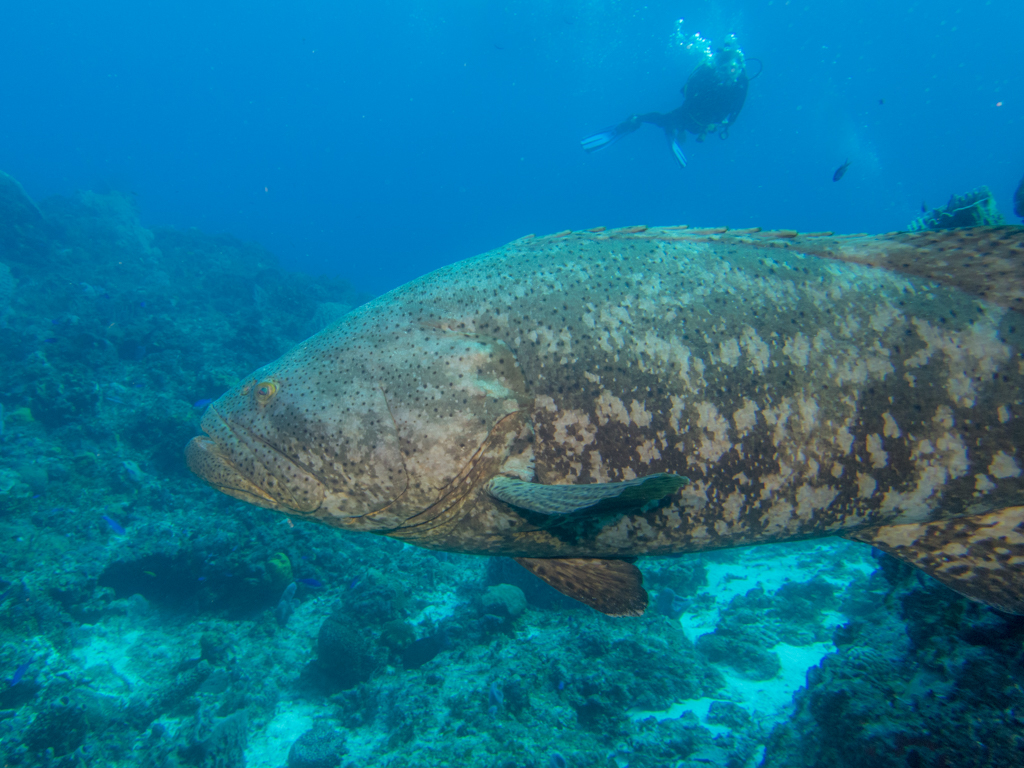
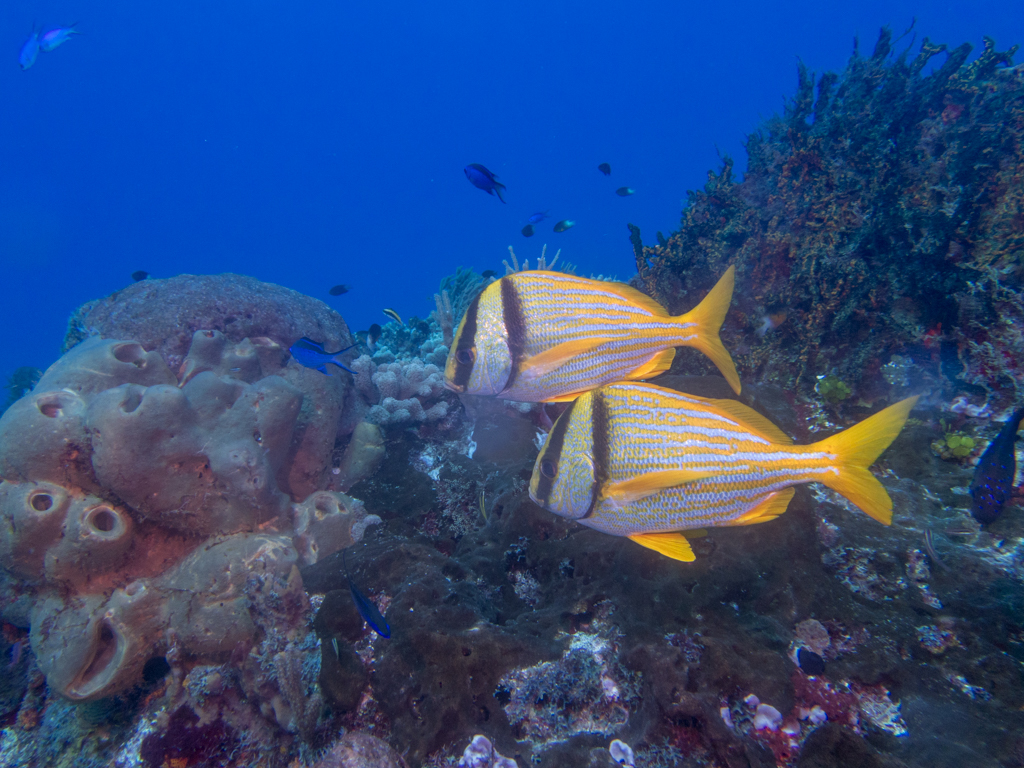
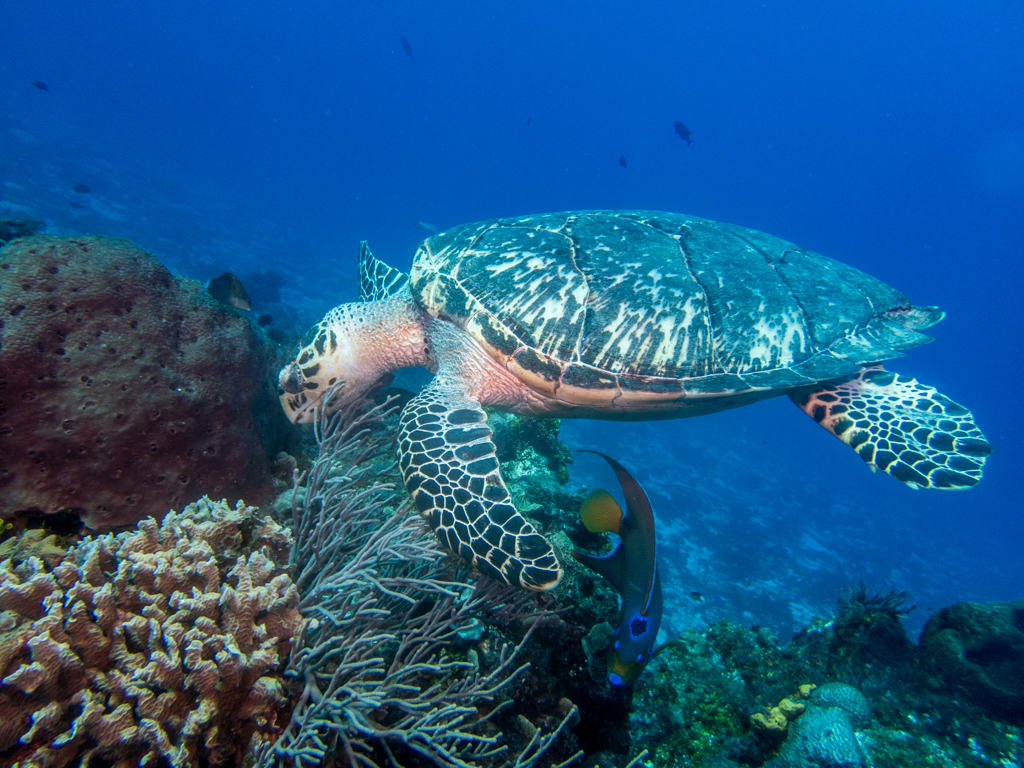
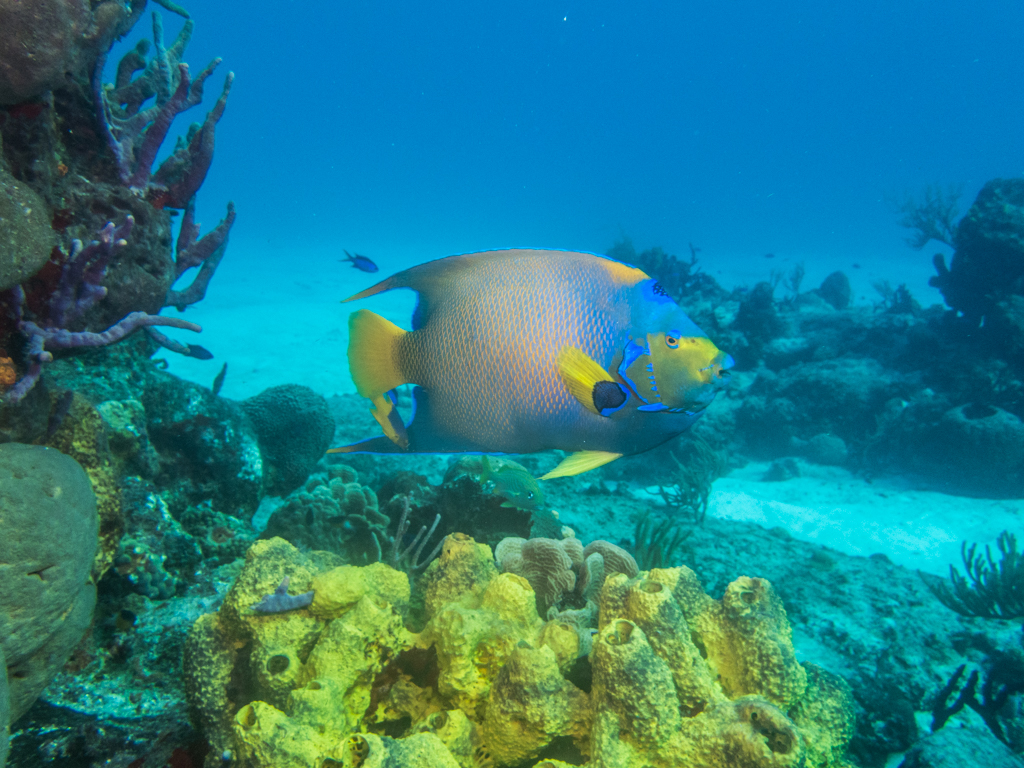
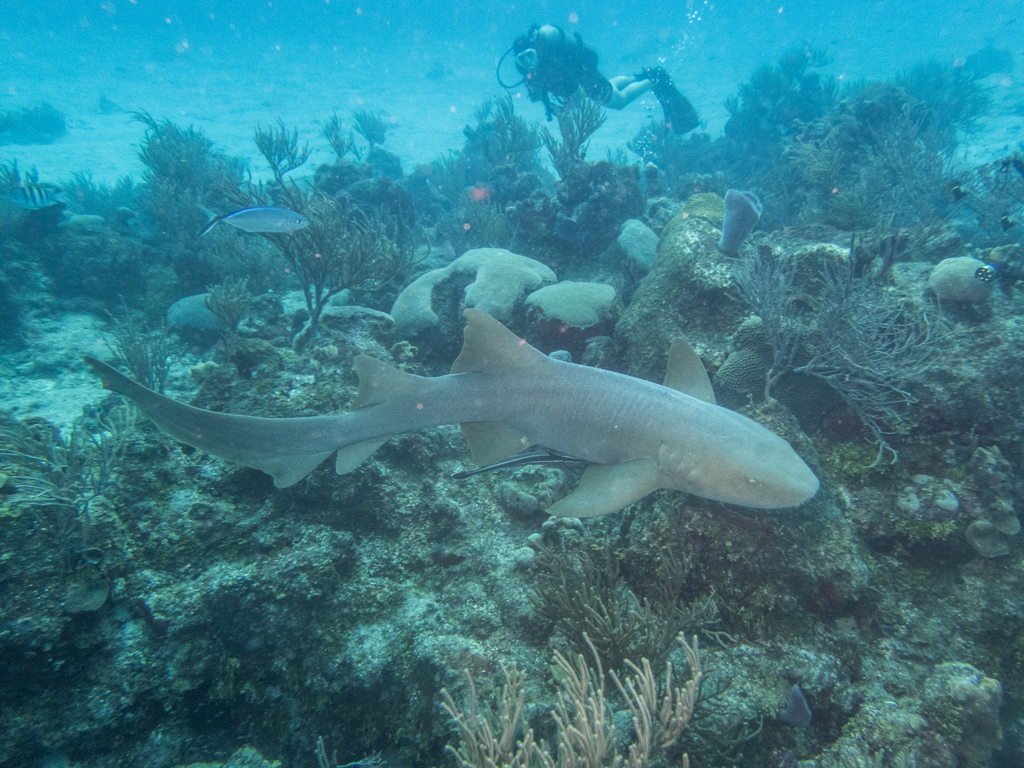
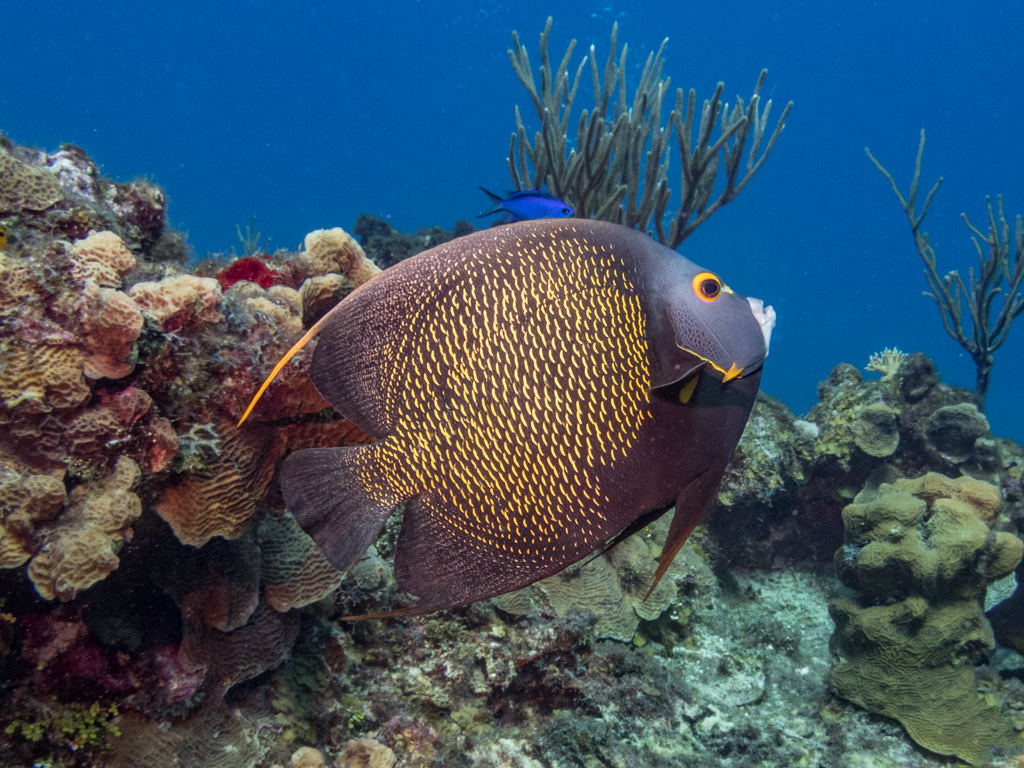
We had a great time scuba diving in Cozumel on the coral reefs. There are still so many beautiful and amazing living things there. Highlights for me included seeing 7 octopuses on a single night dive), a nurse shark sleeping with a giant green moray eel (didn’t know they did that), a moray eating a lionfish (offered by the divemaster), a big goliath grouper, a bat fish, numerous Hawksbill turtles, and several spotted eagle rays. And of course the many varied tropical fish. Seeing a queen angel fish always makes me happy.
OLYMPUS DIGITAL CAMERA

I made my 286th dive, with Sally’s tally not far behind. Jocelyn and Gabe are still fairly new divers, but you wouldn’t have known it. They looked relaxed and in control, and were finding some hard-to-spot creatures, including splendid toadfish, scorpion fish, and arrow crabs.
OLYMPUS DIGITAL CAMERA


OLYMPUS DIGITAL CAMERA

Our days were mostly sunny and mild, with some clouds. We stayed at Hotel Cozumel, which was great for our purposes, with had adequate rooms and a staff that was friendly and responsive. In the afternoons it was pleasant to sip a pina colada and read by the pool. We went out every morning with Dive Paradise, which has a shop on the hotel premises. Their boats and equipment were just fine, and we adored Santos and Victor as divemasters. Boat rides were mostly about 30 minutes. We did drift diving, at times in strong currents, which made photography challenging. The water was a pleasant 81 degrees F, and visibility was generally good (50-70 feet).
OLYMPUS DIGITAL CAMERA
Jocelyn took the lead in arranging our dinners. We particularly liked Kinta and Kondesa, with contemporary Mexican cuisine, and met the warmest, sweetest waiter in the world, Ray, at El Moro. We had a long and frustrating wait for a table at Casa Mission — no one would acknowledge our presence for 40 minutes — though we enjoyed the food. We liked the Italian food and margaritas at Rinaldi, and Le Chef, another Italian place, was also good. We had good talks, and also good cab rides. I was happy to hear the family speaking some Spanish, and to do a bit myself.
OLYMPUS DIGITAL CAMERA

Charities, Allegiance, history, microbes, walks, and flying my new quadcopter

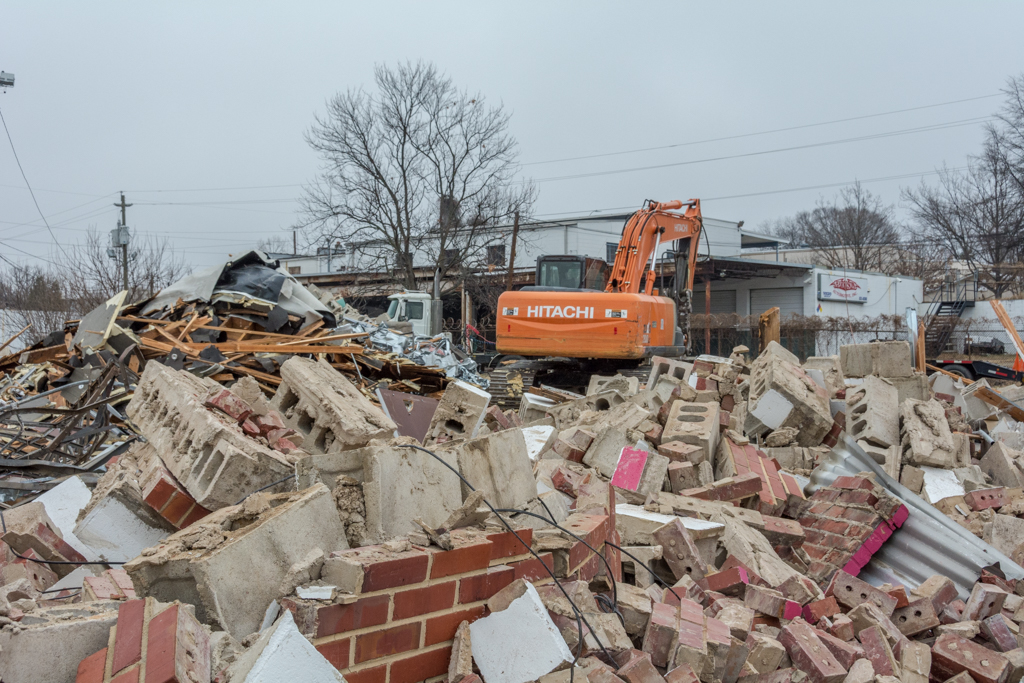
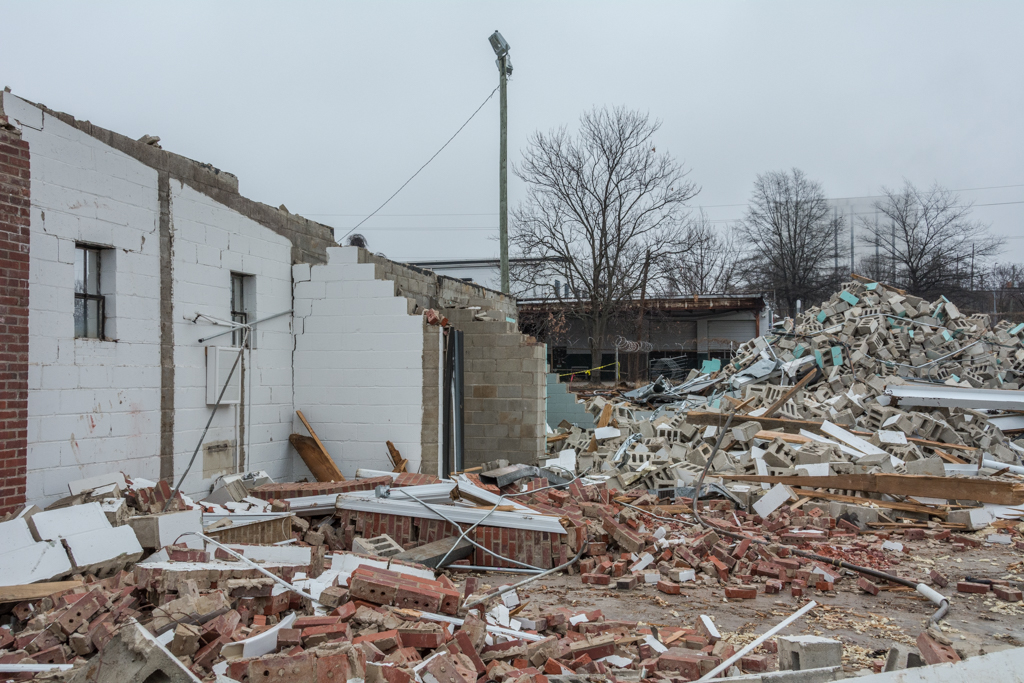
Demolition on Harrington Street

Demolition on Harrington Street

This week I wrote my annual checks to my favorite charities. Giving seemed more than usually important this year, since some of my favored causes are directly threatened by the recently elected executive — the environment, human rights, civil liberties, animal rights, family planning, and those less fortunate. I felt really lucky to be able to help, even if only a little, by giving to effective organizations.

I was especially mindful of the dire plight of refugees from the Middle East, Africa, Central America, and elsewhere, and so want to mention for your consideration the work of the International Rescue Committee and Doctors Without Borders. I’ll also note that in these tumultuous times we need more than ever the wisdom and beauty of the arts, and hope others will join me in supporting the wonderful North Carolina Ballet and North Carolina Opera.
blogpicbug-1-7

On Tuesday, Sally and I saw Allegiance, a movie of a show recently on Broadway about the experience of Japanese-Americans in WWII. It was inspired by experiences of George Takei (Star Trek), whose family, along with many others, was held in a grim internment camp. At one level, it was a normal Broadway show, with pretty songs and kinetic dances, which were enjoyable if not especially original. But it was ambitious in taking on a big and tragic subject and expressing some of its complexity. While the so-called alt right has found new methods for inspiring fear and hatred of minorities, Allegiance does the opposite — it inspires caring.
blogpicbug-1
The movie of Allegiance was a one-time-only, nationwide event that I learned about from the Stuff You Missed in History Class podcast, which I’ve been listening to at the gym. Stuff You Missed often take on subjects that our American history textbooks played down or left out, because they don’t fit comfortably into a triumphalist national narrative. For example, recent ones I’ve liked have treated the Dakota War of 1862, George Wallace, the Reynolds pamphlet of Alexander Hamilton, the first transatlantic cable, and the Palmer raids. They segments are lively and have a nice balance between serious academic history and the personal, emotional implications of some dire events. The hosts, Tracey V. Wilson and Holly Frey are starting to feel like friends — really smart, curious, and hardworking, with a sense of humor. You can check it out here.
blogpicbug-1-5

THe spirit of curiosity and engagement with new things has been upon me, and so I finished reading, and started re-reading, I Contain Multitudes: The Microbes Within Us and a Grander View of Life, by Ed Yong. It’s a lively and convincing view of the bacteria that live in us, on us, and all around us. This is a really exciting area of science, and developing fast. I like that Yong’s title used a line from Walt Whitmans’ Leaves of Grass, which also can change how we see ourselves.

When I was a child, I was taught that “germs” were bad, and the best thing to do was avoid them or eliminate them. As Yong makes clear, this was both silly and dangerous. Our bodies contain more bacterial cells than human cells, which calls into question who really owns those bodies. There are some 39 trillion bacterial cells in and on us, and thousands of species, though the particular kinds in each of us varies greatly, and the varieties are constantly changing. They are vital to our well-being. Without them, we could not grow or thrive. Each one of us is an ecosystems — microbiomes, as they now say. Without those multitudes, we could not grow, and could not continue to live. They are vital, for example, for digesting food, producing vitamins, breaking down toxins, and killing more dangerous microbes. DCIM100MEDIADJI_0017.JPG

I also finished reading On Looking: Eleven Walks with Expert Eyes, by Alexandra Horowitz. Horowitz, who teaches psychology and animal behavior at Barnard, writes well about who she sees, hears, smells, and touches in walking around New York. After an initial walk by herself considering how much there was to see in a city walk, she also realized how little she normally perceives. She does the other 9 walks with experts in some aspect of the urban environment, like a geologist, a paleontologist, an architect, a wild animal expert, a sound designer, and her dog (an expert in smells). She gives short by credible accounts of the relevant science, and makes us consider the urban environment as full of non-human life and history.

The demolition photographs here are from just down the block on Harrington Street, where they just knocked down a former furniture store that sat next to the old Board of Elections Building. They didn’t fence off the site, so I was able to take a good look around on Saturday. I look forward to more new construction in the neighborhood, including (can’t wait for this one) a grocery store.
DCIM100MEDIADJI_0023.JPG

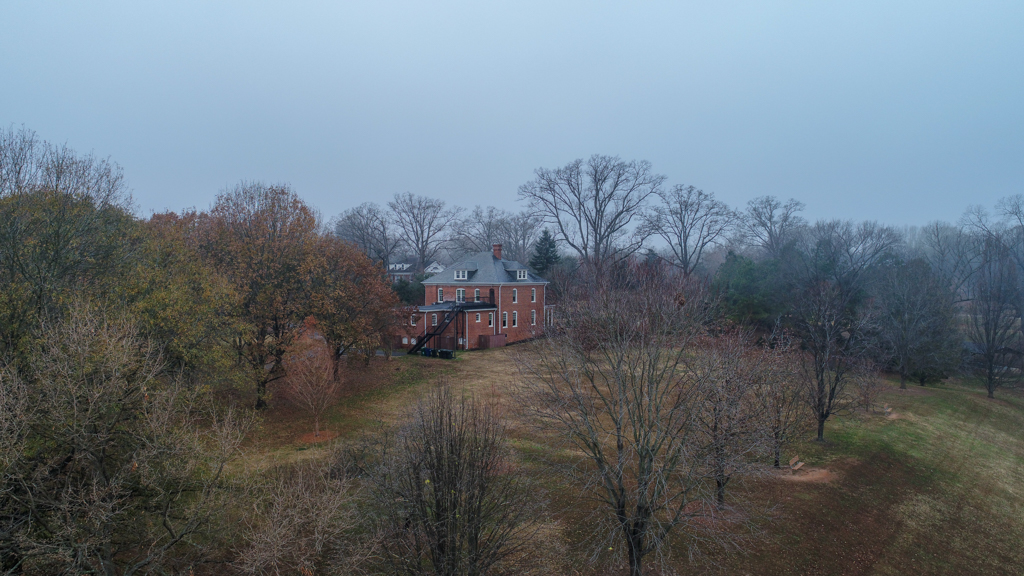
Finally, this weekend I added a new line to the c.v.: quadcopter pilot! I took my first flight with my new DJI Phantom 4 quadcopter, a/k/a drone (a term I don’t really like, at least as applied to my aircraft) at Fletcher Park, where it was cold and gray. It was awesome! There is a learning curve, and I’m climbing it. I’m very excited about exploring aerial photography. These ones are my beginnings.
DCIM100MEDIADJI_0048.JPG

On Broadway, fake news, and some new (to me) art

blogpicbug-1
Last week I went to a conference in New York and stayed for the weekend to see loved ones and take in some culture. Midtown was decorated for the holidays, including wreaths, angels, and a very big evergreen with ornaments at Rockefeller Center. It was cheering. Crowded, though. We finally gave up on taxis, on the grounds of slowness, and embraced the subway.

On Broadway we saw The Encounter, a one-man show starring Simon McBurney as a nameless storyteller. His story is about a solo expedition in the Amazon to contact the Mayoruna people, and it’s engrossing. But the performance is as much about the power of our imagination as about the story. The audience members wear headphones, bringing us into an intimate relationship with the storyteller’s voice and the exotic sounds of the jungle. The storyteller repeatedly reminds us that we are in a story, but even with this warning, we can’t help becoming immersed. McBurney manages to get us to look at ourselves in the act of being manipulated.

Fake News
As fake news came into better focus over the last couple if weeks, I’ve felt dread and wonder at how easily people can be deceived by various hoaxes, and then become passionately committed to remaining in their deceived state. At its most bizarre and extreme (as in, the hoax that the Clintons are running a child sex slave business in a D.C. pizzeria), many enthusiasts cannot be dissuaded by reports debunking the tale in the mainstream media. They view these as part of the conspiracy — a cover up.

This is obviously nutty, and it would be nice to think you and I could never be taken in by such craziness. Or would it? Recently I’ve found myself wondering more about whether particular news reports are correct, and even whether my most basic assumptions are reliable. This is uncomfortable, but it’s actually a good thing. Always keeping in view the possibility that we may be wrong makes us more likely to consider new information and open to revising our beliefs — updating our credences, as Bayesians say. It also fosters a degree of humility, as we recognize that none of us has perfect knowledge, and all of us are prone to error.

That said, some descriptions of events are more wrong than others, and certain wrong ones are dangerous — like one inspiring an armed man showing up at a pizza parlor to avenge an made-up crime against children. In the long term, better education may be the way to address the mass hoax problem. There are various mental resources involved in assessing possible new facts, which include a good fund of background knowledge, evaluation of the reliability of sources, and weighing of evidence.

These resources and skills take time to acquire. In the short term, we need to use our best hostage negotiation skills with people seized by a dangerous conspiracy theory — try to keep the conversation going, and if they’re armed, be prepared to dive for cover.


New (to me) art

While in New York, I saw a lot of interesting art, including video work. At the New Museum, there was an exhibit of the work of Pipilotti Rist, a Swiss artist, who used video technology to explore nature. There were early works designed for a single viewer to insert her head up through a hole in a pyramid with the base on a wall to watch a screen and be surrounded by sound. Her more recent works are large-scale installations intended for groups of viewers.

In one work, she placed beds on the gallery floor and watery images on the ceiling, surrounded by meditative music, which led strangers to lie down together, look upwards, and relax. The images weren’t all that interesting, but the experience was. We were taken both inward and outward, into our feelings and out into relationships, as the artist made us into part of the art.

Video art is challenging, in that it resists skimming. You have to give it some time. And a given work may be boring, or anyway, not for you. But unlike painting, which lives most comfortably in a private dwelling, video’s natural home can be in a museum, where it can keep on playing and waiting for the right people to watch it. And those people can share it, and have a communal experience.

Also at the New Museum, I spent some time with the Cheng Ran’s work, Diary of a Madman, which is an outsider’s view of the gritty side of New York. Where Rist was loosely improvisatory and mostly cheerful, Ran was focused and melancholy, with exquisite technique and tight control. He visibly struggled to extend the expressive possibilities of new technology and embrace the world of humans and their detritus.

At the Whitney, I took in Dreamlands: Immersive Cinema and Art, which had a lot of video artists’ work displayed on large screens and other surfaces. A lot of the work was interesting mainly as art history, rather than as a provocative message for right now, but there were some provocations. My favorite piece was by Andrea Crespo, titled Neurolibidinal Induction Complex 2.2. It used words (isolated emotions, for example) and colors to give us a reboot. I also particularly liked the work of Lynn Hershmann Leeson, which included female cyborgs and bots, including one with an unsettling holographic gaze who could do an irritating conversation with you.

I also spent some time looking at Bruce Conner’s Crossroads, It’s a slow motion depiction of U.S. nuclear tests off Bikini Island in 1946. If you tend to think that nuclear weapons are an existential threat to the human species, you will continue to think that after seeing the film. Seeing the images is sobering, and may make us think more about stopping the madness, which we clearly need to do.

We went out to the Brooklyn Museum to see the work of Marilyn Minter, known for her explorations of female faces and forms and of the dark underside of fashion. I wasn’t crazy about her monumental paintings, but I liked her quirky videos. At MOMA, we saw the Francis Picabia exhibit, which we liked. He had a great visual imagination, great technical ingenuity, and a willingness to continually experiment. His was a questing spirit.

Finally, while Sally went to the Breuer and saw (at my recommendation) the fine Kelly James Marshall exhibition, I went to the Met to see Beyond Caravaggio — paintings of Valentin de Boulogne, a French artist who worked in Rome in the early 1600s. I really liked Valentin! The paintings had much of the intensity of Caravaggio, with his amazing understanding of light and the human figure, but had a broader emotional range, including people who were clearly individuals, with secrets and regrets.