The Casual Blog

Sleepwalking and critical thinking

Some weeks ago I hurt myself sleepwalking when I wandered into the shower in the middle of the night. I remember not knowing where I was. I felt confused and frightened. Then I fell and hit my head on the tile, gashing my forehead, and woke up.

In the last couple of years, I’ve seen evidence a handful of times that I must have been sleepwalking in a fairly benign way, such as lights left on that I’d turned out the night before. On one occasion, I started to take off for a drive in the middle of the night and backed into a parked car. These incidents have been mildly or very unsettling. They make you wonder about what else is going on in your brain that you aren’t aware of.

Back in college, I enjoyed listening to a comedy album by Firesign Theatre titled Everything You Know Is Wrong. Earlier this week I checked out the first few minutes on in video form on YouTube, and verified that it still seems funny and disconcerting. The title has rattled around in my head for decades now ike a verbal Escher drawing, impossible either to forget or resolve. Lately it has seemed to me increasingly resonant as I’ve read more about neuroscience and consciousness. It’s inherently interesting, at least to me, and by moments I think it could lead toward a fuller, better understanding and a happier life. But if Everything I Know Is Wrong, this could also be wrong.

Speaking of sleepwalking, last month’s Scientific American had a somewhat sensationalistic but still interesting article on recent sleep research by James Vlahos titled The Case of the Sleeping Slayer. As you’d expect, it describes some violent and tragic cases, such as persons who commit murder while asleep, and also describes a new theory about the nature of sleep.

According to Vlahos, sleep is not a whole-brain phenomenon, but rather “a scattered, bottom-up process. ‘The new paradigm views sleep as an emergent property of the collective output of smaller functional units within the brain,” according to James Krueger of Washington State University. Krueger and other researchers think that individual parts of the brain “go to sleep at different times around the clock depending on how much they have been taxed recently.” What we think of as sleep (stillness, closed eyes, slackened muscles) happens when most of the neurons are in the sleep condition. Apparently parts of the brain may be snoozing without our looking like that.

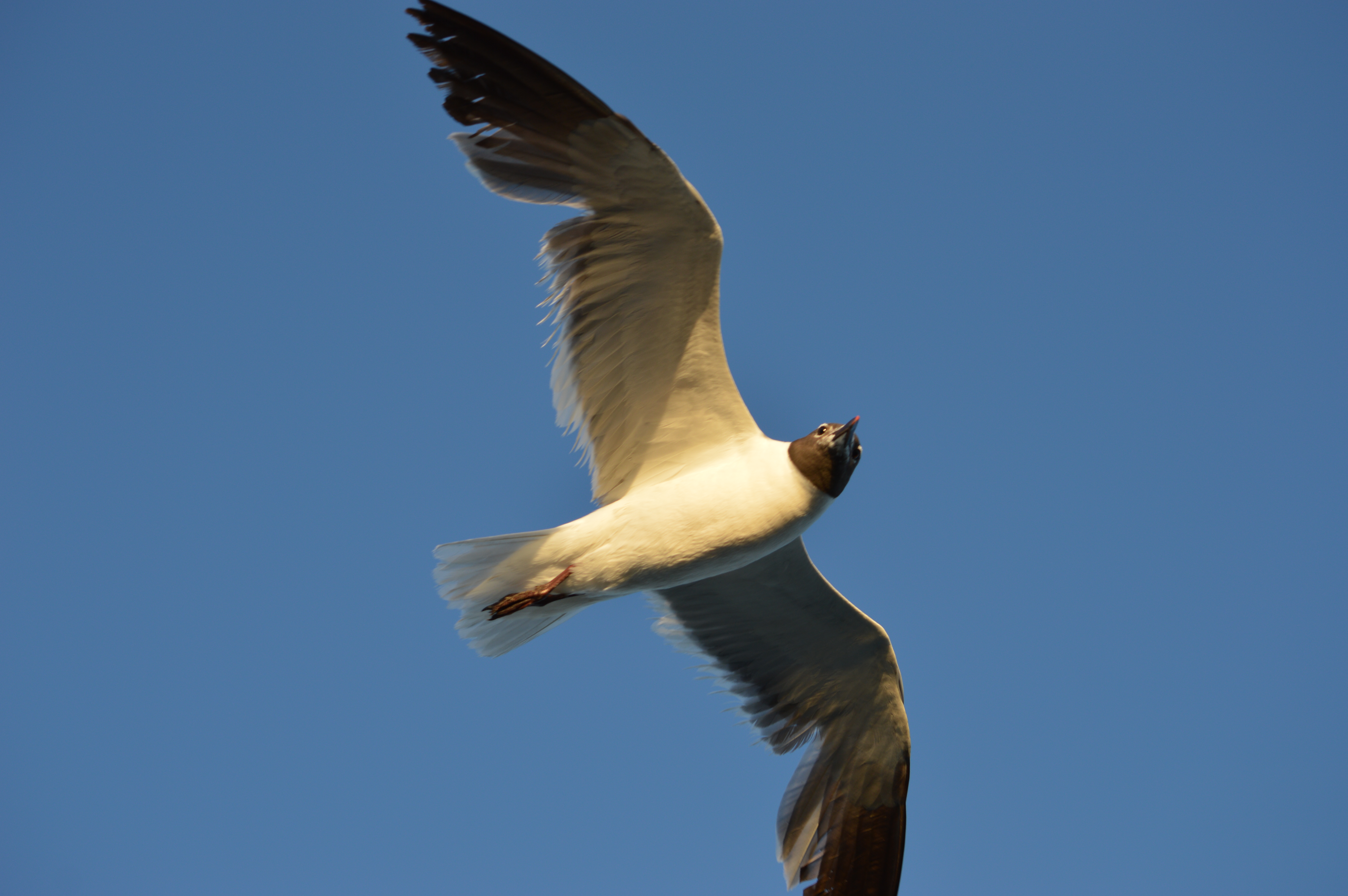
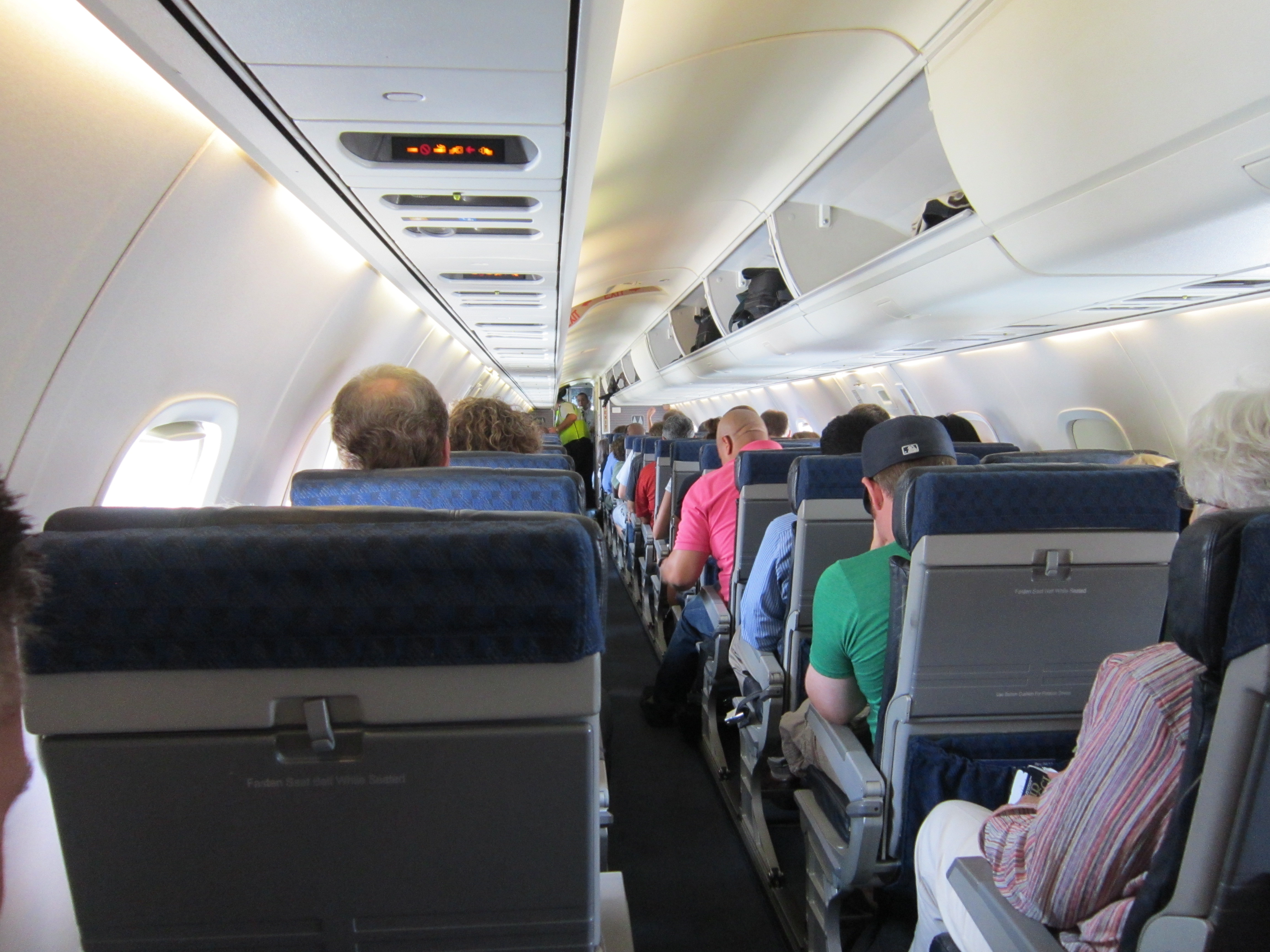
There’s good evidence that other animals have modular sleeping habits. Vlahos’s article notes that dolphins sleep with half of heir brain at a time and keep an eye open for the non-sleep part. I’ve also read that birds also rest their brains in this modular way so they can always keep an eye out for predators. The theory seems promising. I occasionally note waking behaviours in myself, like forgetting where I parked, that could be explained by the partial wakefulness approach. It would explain not only sleepwalking, but other odd behavior, like people who sit on airplanes without reading anything.

When I get to thinking about thinking, I sometimes have flashbacks to the my days as a freshman at Oberlin College, where amidst the midwestern corn fields I got a hard blast of serious philosophy and critical thinking about social issues. It would be an understatement to say it was humbling. The air was dense with intense ideas. No matter how hard I worked, I usually had the feeling there was a lot I was missing, along with the feeling that some of my fellow students were getting a lot more. But by moments I felt real excitement as I wrestled with an idea and managed to pin it.

In retrospect, I think that learning the skill of wrestling with challenging ideas was more significant than any particular idea. A significant amount of what I learned was eventually superseded by new and better understandings. An example: we all took Freud seriously as a scientist, but now do not consider him as such.

But my teachers drilled into me the habit of testing an unfamiliar concept rather than simply swallowing it. It’s related to the scientific method in its insistence on evidence and logic, and its use of thought experiments. This habit of mind is sometimes called critical thinking. Once you start doing it, you tend to think it’s the best way to think.

My liberal arts education inspired me to be curious and to explore new ideas. But to some extent it may also have led me down the garden path. My recent reading in neuroscience and evolutionary biology has called into question some of my deeply held beliefs about the power of reason. It’s exciting, though: Its helping me understand various oddities about my own subjective experience and the observable lives of others.

If this sounds interesting, I recommend Jonathan Haidt’s recent book, The Righteous Mind, Why Good People Are Divided by Politics and Religion. You may recall that I wrote about this book some months back; I’ve been re-reading it and getting more out of it. Haidt, a professor at University of Virginia, (my law school alma mater) has a style that is accessible and friendly, but he challenges our usual was of thinking about thinking. The heart of his message is at odds with most of what I learned in my undergraduate years and have mostly assumed ever since.

There are a lot of big ideas in Haidt’s book, but probably the biggest is that the primary driver of our behavior is not rational conscious thought, but rather our unconscious system of feeling and emotion. It’s the system that tells us quickly what needs to be done. (Freud was right in guessing that there was subconscious, but he didn’t figure out much about what it did.) Haight compares our moral intuitions to an elephant, and the rational mind to the rider of the elephant. The rider developed to serve the elephant. The elephant usually goes where it wants to go, although the much-less-powerful rider can influence the elephant. This understanding of our nature leads Haidt to focus closely on the nature of our moral perceptions and beliefs.

Some of Haidt’s research relates to differences in moral systems among different communities. In one study, he used a questionnaire with narratives intended to invoke disgust (like incest and cruelty), but structured to defy an easy explanation for the disgust (no one was hurt). In the face of such dumbfounding problems, people came up with explanations for their feelings — but the explanations didn’t make much sense. This suggests that some of what our reasoning mind is doing is pretending to understand things it doesn’t, and making up post hoc rationalizations for feelings that start elsewhere.

Haidt contends that emotions are a kind of cognition — intuitive, rather than rational, but not inferior to reason. Intuitive processes are essential to our lives; we couldn’t possibly reason about the hundreds of decisions we make every day. We like or dislike things instantly and decisively, and adjust our behavior without noticing the process. Our conscious reasoning processes are along for the ride, and only get involved with explaining our behavior when there’s some anomaly or challenge.

Another theme of Haidt’s book relates to human cooperation. He observes that we are the best species in the animal kingdom at cooperating outside kinship groups. Haidt investigates this from an evolutionary perspective. In the days of our hunter-gatherer ancestors, we had to form effective groups in order to defendant against predators and find food. This involved development of intuitive cognitive skills, including the ability to easily track the emotions of other human beings.

Haidt suggests thinking about the most successful human groups not just as collections of individuals, but as superorganisms. Humans have evolved the ability by moments to lose their individuality and merge with a group, whether it be hunters, warriors, or dancers. Some of our peak moments come when we lose ourselves in such groups.

Looking at ourselves as having two natures, individual and group members, explains some of our apparent contradictions, such as how we can be both deeply selfish and deeply altruistic. Looking at emotions as driving reasoning explains a lot of political behavior, not to mention personal decisions that are from a rational standpoint inexplicable. It might even help us avoid some bad decisions.

How to eat and sleep better, and a brief report on my golfing

Sally and I stayed up late sipping wine with friends on Saturday night, and I overslept and almost missed my golf game at Raleigh Country Club on Sunday morning. I normally like to get to the course early and warm up before a round, but that didn’t work out. The day was sunny and mild, though breezy.

I walked the course with my push cart. My first drive was weak, and the succeeding drives were mostly shorter than my average.The rough was so thick that three balls disappeared never to be found, and those I found were difficult to liberate. These misfortunes and others caused several triple bogies and a disappointing net score of 103. Yet I hit some gorgeous approach shots. I sank three long putts (20-30 feet). But I missed three or four short ones (three to four feet). Golf is a beautiful but frustrating game.

Back in my New York days, everyone I knew read the Sunday New York Times. You had to read it too if you wanted to know what people were talking about and join in the conversation. I’ve kept the habit, though the original reason for it has largely gone by the wayside. Inasmuch as some of my best informed friends no longer read the Times, I will note two articles published today worth reading.

1. How to improve your health with food. An article by Dean Ornish, a professor of medicine at University of California, San Francisco, provides clinical support for the kind of eating I’ve been doing in the last few years. Ornish says “patients who ate mostly plant-based meals, with dishes like black bean vegetarian chili and whole wheat penne pasta with roasted vegetables, achieved reversal of even severe coronary artery disease. . . . The program [which included moderate exercise and stress management techniques] also led to improved blood flow and significantly less inflammation” and lowered risk of various types of cancer. The program also resulted in sustained weight loss.

According to Ornish, “Your diet needs to be high in healthful carbs like fruits, vegetables, whole grains, legumes, soy products in natural, unrefined forms and some fish, like salmon. There are hundreds of thousands of health-enhancing substances in these foods. And what’s good for you is good for the planet.” In contrast, he cites and large Harvard study that shows that consumption of red meat “is associated with an increased risk of premature death as well as greater incidence of cardiovascular disease, cancer and Type 2 diabetes.”

“About 75 percent of the 2.8 trillion in annual heath care costs in the United States is from chronic diseases that can often be reversed or prevented altogether by a healthy lifestyle. If we put money and effort into helping people make better food and exercise choices, we could improve our health and reduce the cost of health care.”

Ornish doesn’t say this, so I’ll say it: a vegetarian diet results in increased happiness. At least it does for me. There are so many delicious things to eat that also make you feel good. I mean physically and mentally, leaving aside the ethical dimension. But to be clear, the diet needs to include the kinds of foods noted above (though I take exception to the inclusion of fish on the list).

2. Rethinking Sleep. This article by David K Randall calls into question the standard wisdom that we all should be getting eight straight hours of sleep a night. It notes that much of the world today sleeps in other ways, such as millions of Chinese workers who stop for after-lunch naps. It also notes historical references to alternate sleep cycles, including from Chaucer, separating “firste sleep” and subsequent sleep. The article cites a current study in which a common pattern was for patients to wake up a little after midnight, stay up a couple of hours, and then go back to sleep.

This was of particular interest to me, because this happens to me a lot: I wake up in the middle of the night and can’t get back to sleep. I usually read something, and sometimes write. I enjoy the quiet time. But based on the received wisdom regarding how much sleep is generally needed, I’ve thought of it as sort of a health problem, and worried about it a bit. Now I’m wondering if the eight-hour sleep prescription is yet another instance of folk wisdom masquerading as medical science.

It’s reasonably clear that sleep serves some important functions for brain health, and that getting too little sleep can impair performance. But there’s evidence that power napping works well for some people. I’m hoping it gets to be more socially acceptable.

A fine start to a new dance season

Looking south from Casa Tiller at sunrise.

Raleigh, where I live, is definitely not New York or San Francisco, but still, it has interesting people, universities, sports, and good restaurants. Also, lots of beautiful trees. And a thriving arts scene, including excellent music and dance. I’m particularly proud of our ballet company, the Carolina Ballet, which punches way above its weight class, both in terms of great choreography and great dancers. It started its fifteenth season this week.

On Friday we had a fine dinner at Poole’s Diner and then saw the new program, which features four works by artistic director Robert Weiss. Weiss, an alum of the City Ballet, is a legitimate and distinguished heir of George Balanchine, and he’s still creating masterworks. Each piece of the new program was quite different from the others and touched on different emotional places.

My favorite was a new piece titled Meditation from Thais, with familiar music by Jules Massenet. It was an adagio pas de deux performed by Lara O’Brien and Marcelo Martinez. The dancers, both in white leotards, began clasped together in single shape, which gracefully transformed itself and then divided into other aspects. There were no program notes on the piece, probably because the subject was clear: a man and a woman. It was sensuous. Lara is at once willowy and strong, and in this piece, intensely tragic.

The other new Weiss ballet was Intimate Voices to music by Jean Sibelius. Its theme seemed to be families and loss. The distinguished cast was headed by Melissa Podcasy, who is retiring after this program and assuming new coaching duties. Fortunately, she’s still in great form. The first movement had gorgeous Edwardian costumes, with the ladies in pastels and hats and the gentlemen in tails, and ended with a patriarch’s death. The scenery involved projections of country scenes, which were effective. I found the piece touching and look forward to seeing it again.

We talked with Ricky Weiss at intermission. He was happy with the performances, but worried about the company’s finances. Ballet is a labor-intensive business, and even with dancers working for less than seems fair and reasonable, the costs are high, and balancing the budget is a constant challenge.

The most cheerful piece was the first one, set to Prokofiev’s first (“Classical”) symphony. This involved classical costumes, complete with tutus, and a more traditional movement vocabulary. The last piece was Symposium to music of Leonard Bernstein, which is one of my favorite Weiss ballets. Eugene Barnes was particularly wonderful as Dionysos.

On Saturday we walked a few blocks to the SparkCon street festival and looked at dozens of pastel drawings on the Fayetteville Street pavement. There were musicians and circus performers, and lots of spectators. At sunset we went to the top of a parking deck at Salisbury and Hargett and watched hundreds of chimney swifts darting and swarming, and finally dropping into a large chimney.

Take care of your body

I used to regard the taking care of my body as sort of a bother — something much less important and interesting than, say, reading a good book. As I’ve gotten older, I’ve come round to thinking of it as a fundamental — the thing that has to be done before anything else can get done. Being happy depends in large part on being healthy. And just as some people look forward to taking care of their pets or their cars, I’ve come to value the opportunity to care of my body with healthy food and exercise.

Getting healthier has made me happier, and happy about getting healthier — a virtuous cycle. It’s hard to believe — ten years ago I wouldn’t have believed it myself — but I actually look forward to getting up at 5:15 and going to the gym.

Lately I’ve particularly enjoyed my once-a-week early morning workout with Larissa at Studio Revolution. She’s sparky and cheery, and always innovative. This past week she had me doing a lot of new movements that required balance and coordination, and thus concentration. It isn’t always clear why we’re doing these things, but over all they seem to be producing good results. My rule of decision is, when in doubt, just trust her, and do the exercise. This is, I think, a good general rule: if you want to accomplish something, find a good guru, and then do what she says.

I applied this rule recently to a nagging shoulder injury. Most of my joints were working just fine, but my right shoulder did not feel good. What caused it I do not know. I could do most of the activities of daily life, but certain movements, like reaching behind my back to wash it, or taking off a tee-shirt, were painful.

After trying to ignore it, I tried healing it myself through strengthening it, which didn’t work, and then tried resting it, which didn’t work I tried massage, which helped a bit, but then the problem returned. I finally decided to return to the same physical therapist who resolved my lower back problems some years ago, Geert Audiens at Avante Physical Therapy. And two weeks later I’m feeling much better.

Geert (prouncounded Heert) diagnosed a small rotator cuff injury. To fully explain the situation, he had to use a lot of vocabulary I didn’t know. But the bottom line was clear: I had an imbalance of muscles that was causing pressure on nerves. He treated it with various stretches, exercises, and icing, and prescribed a somewhat involved set of these measures as homework. The exercises mostly involved 3-pound weights, which are so small I found it hard to believe they could do anything. But, they do! It’s amazing! If you have this problem, I recommend seeing Geert, and do what he tells you to do.

Great N.C. wreck diving, compassion for sea creatures, and collective intelligence


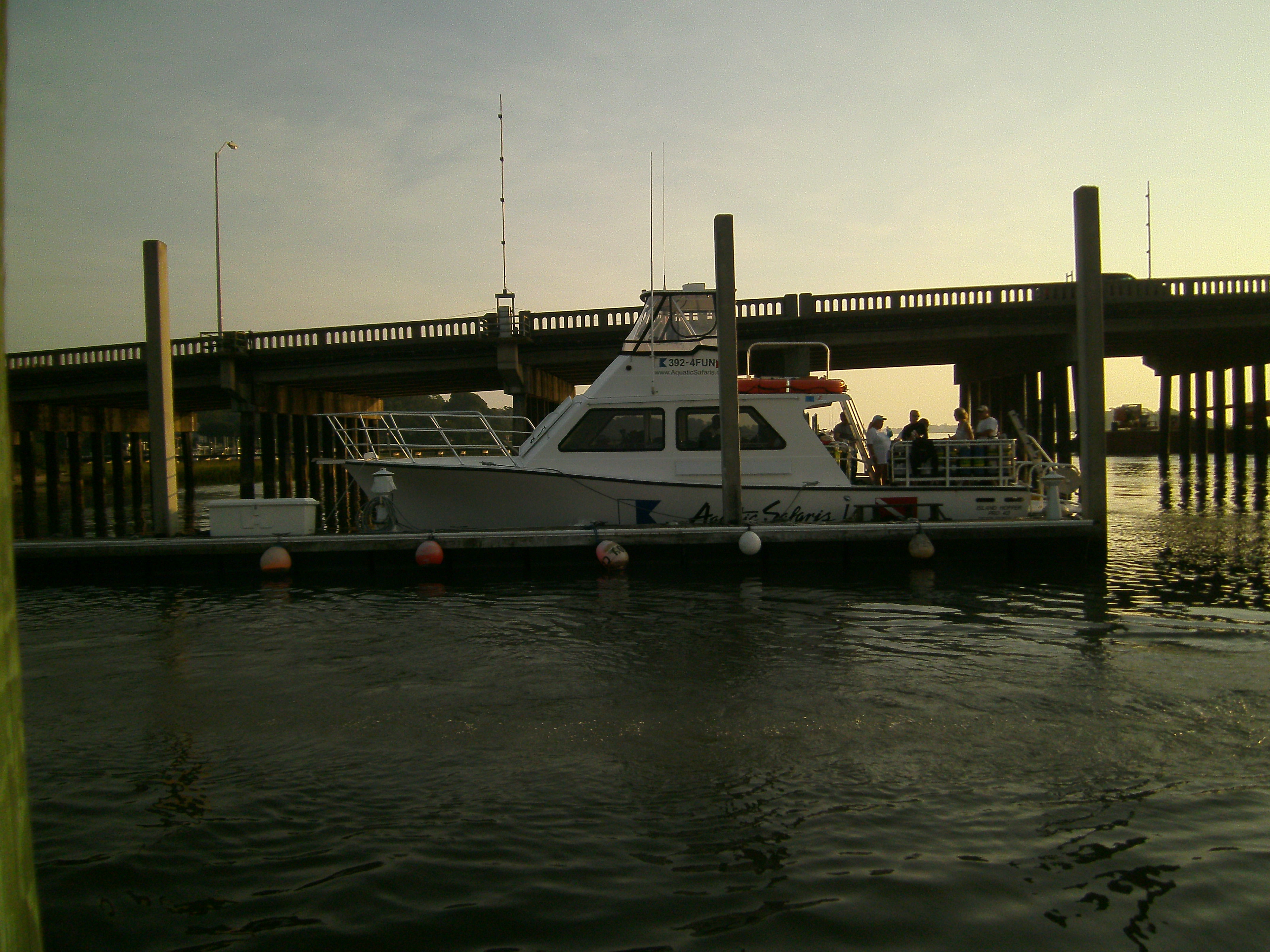
For Labor Day weekend, Sally and I went down to Wrightsville Beach, NC, for some wreck diving and extended our lucky streak of exceptional coastal dives. Our trip was organized by our friends at Down Under Surf and Scuba, and we went out on the Aquatic Safaris I. The 48-foot boat I carried 19 divers.

Saturday was warm and clear, with mild breezes and fairly calm seas. We dove the City of Houston, a passenger-freighter that foundered in a storm in 1878. She lies about 50 miles from Wrightsville. It took two and a half hours of hard traveling to get there. Shortly after we anchored and I visited the head, I felt queasy and promptly got sick. Then I felt mostly better, and we jumped in and headed down the anchor line to the wreck.

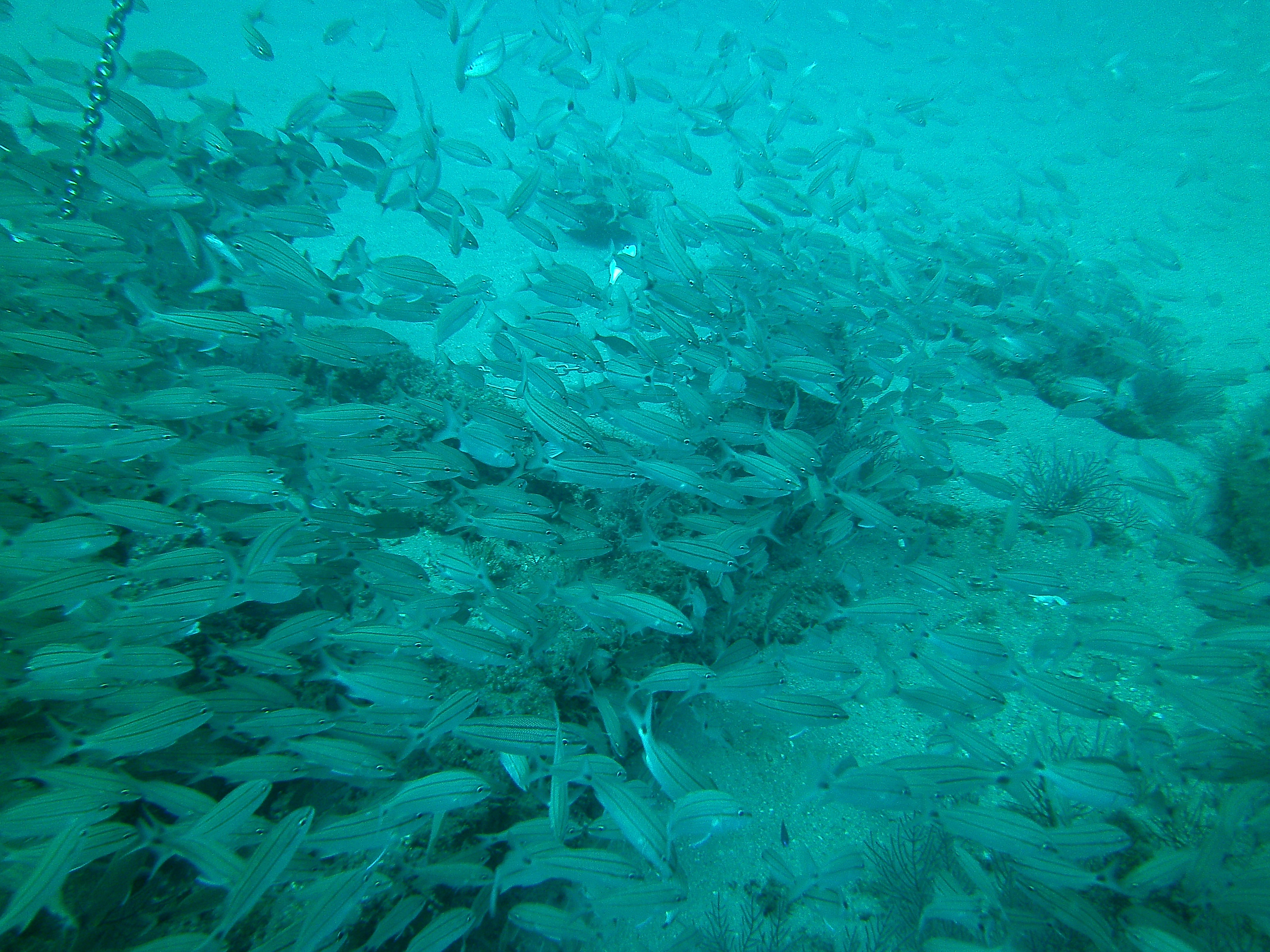
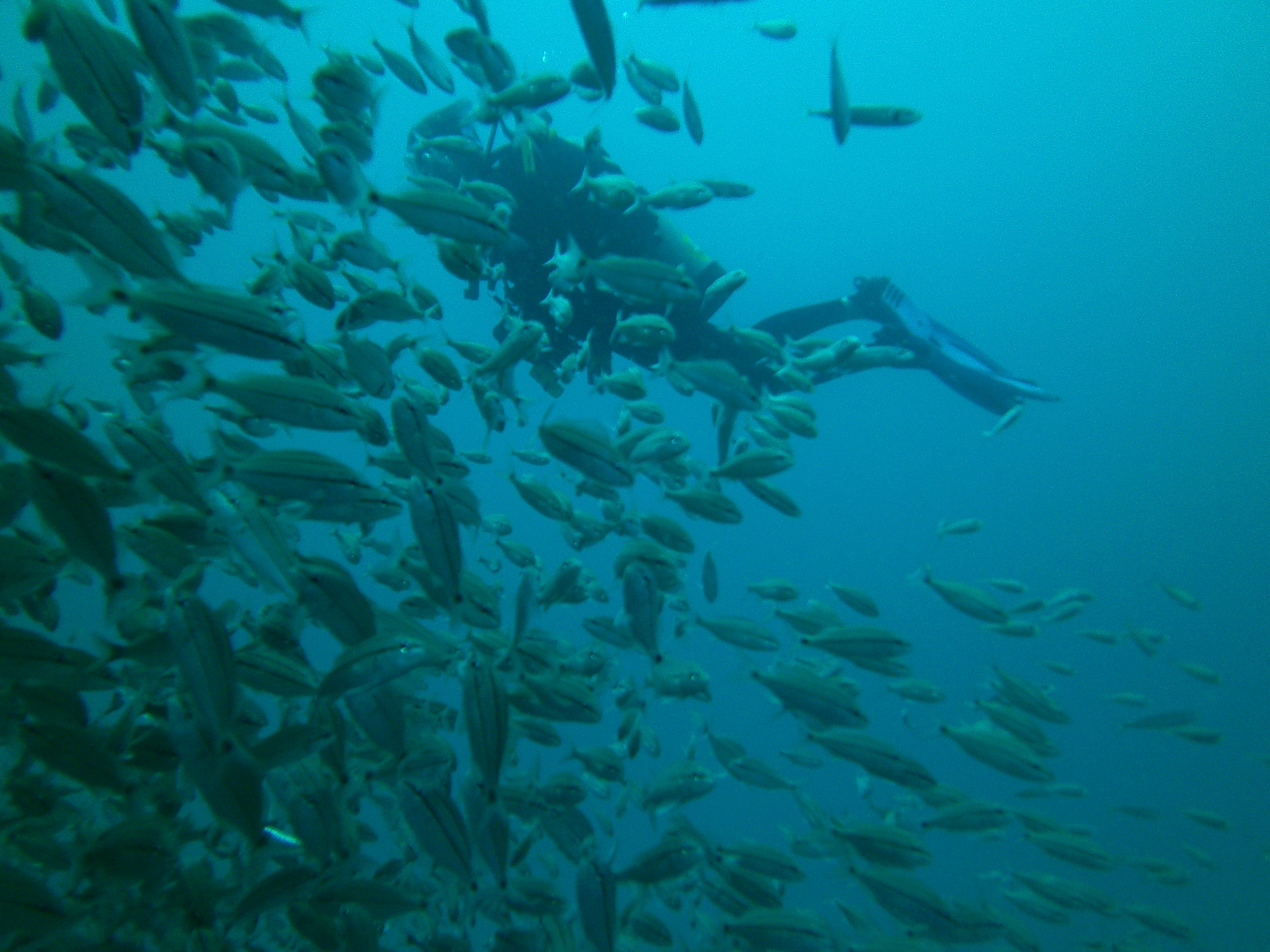
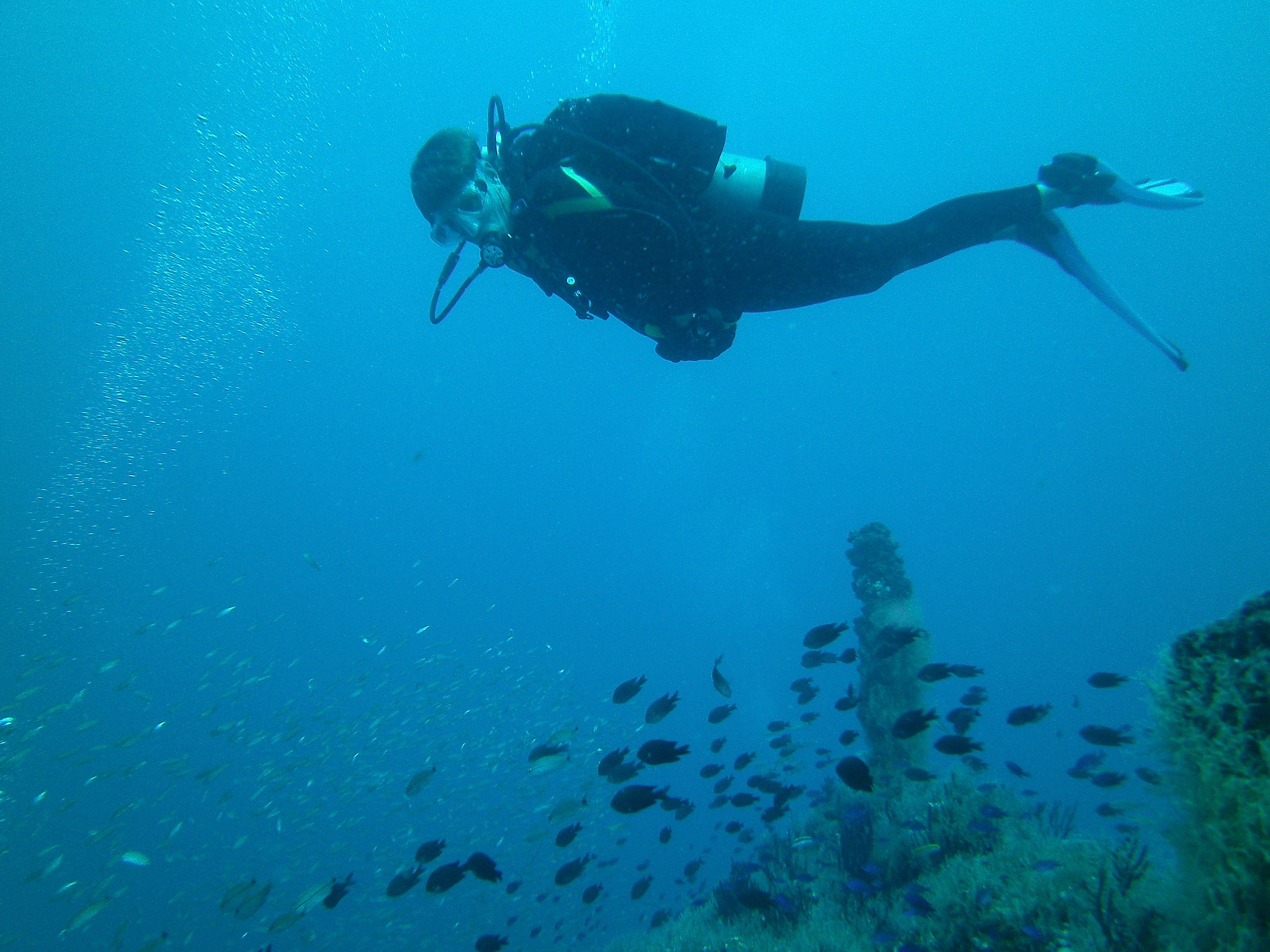
The Houston lies at about 95 feet down. Visibility was good (perhaps 60 feet) and the water temperature was a comfortable 82 degrees. There was a mild amount of current on the bottom. There were thousands of small fish. Our most dramatic sighting of the day was a goliath grouper, an enormous fellow, almost six feet long. My camera battery gave out when I tried to get a picture. I did, however, get some other pictures, including Sally examining something tiny with her magnifying glass (above) and great clouds of small fish.

After a second dive on the Houston, we headed in. Our seats were metal benches along the sides, in front of our tanks, so we couldn’t lean back and sleep. Some of our dive mates stretched out and slept on the deck, so it was difficult to move about as the boat sped along at a quick 25-knot pace. Diving sometimes takes fortitude.

We had a good Italian dinner with Sally’s sister in Wilmington at Nicola’s. There were a number of appealing vegetarian offerings. I had the eggplant rollatini with pink sauce, which was quite tasty. We had a lively conversation about, among other things, the automation of higher education, and how it is threatening the traditional university.

On Sunday we went out again on the Aquatic Safaris I, this time for a two-hour trip to the Normannia, a Danish freighter that foundered in 1924. The seas were calm and the trip went smoothly. I didn’t get sick. The wreck is about 115 feet deep. Like the previous day, the visibility was about 60 feet and the water was comfortable.

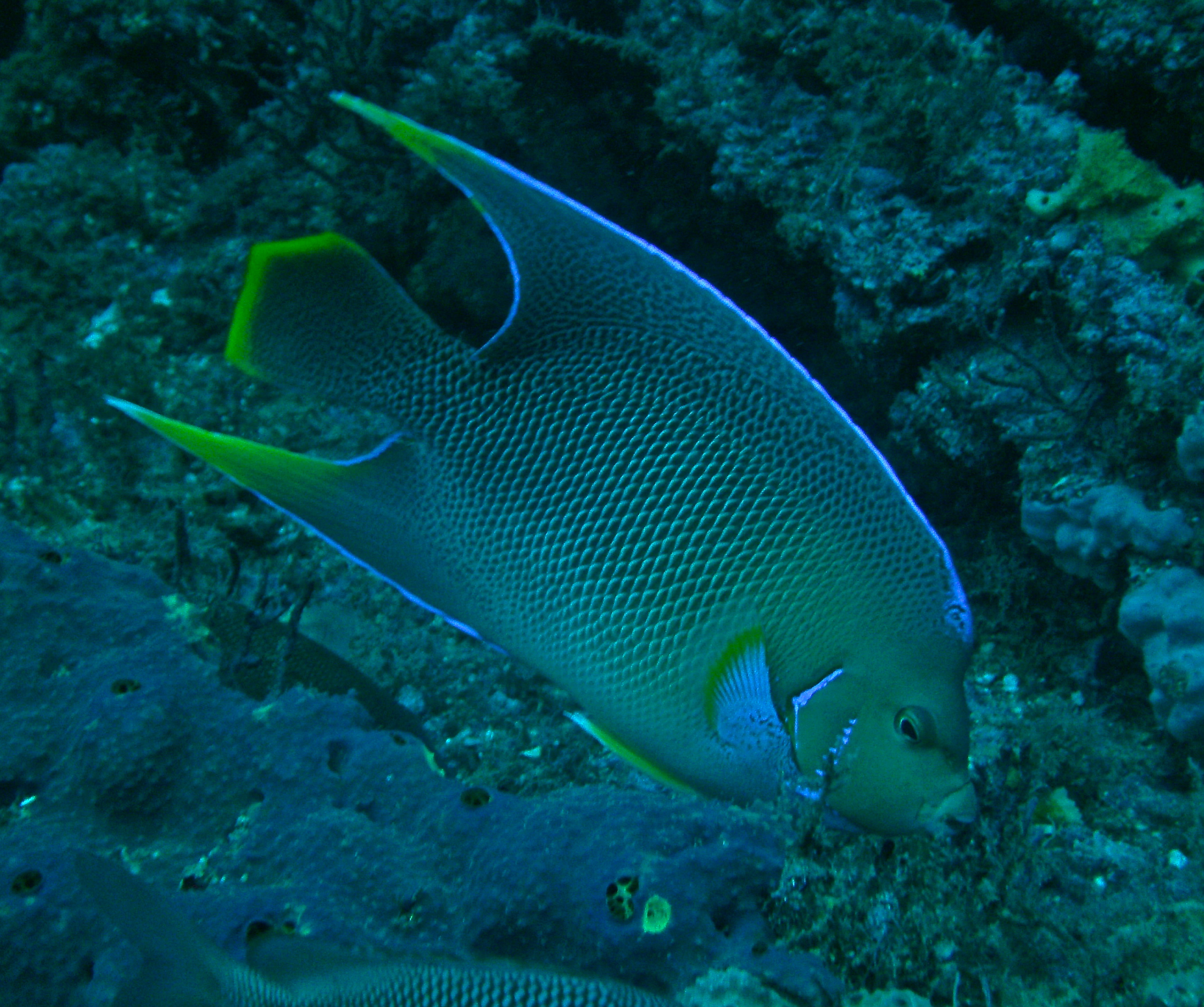
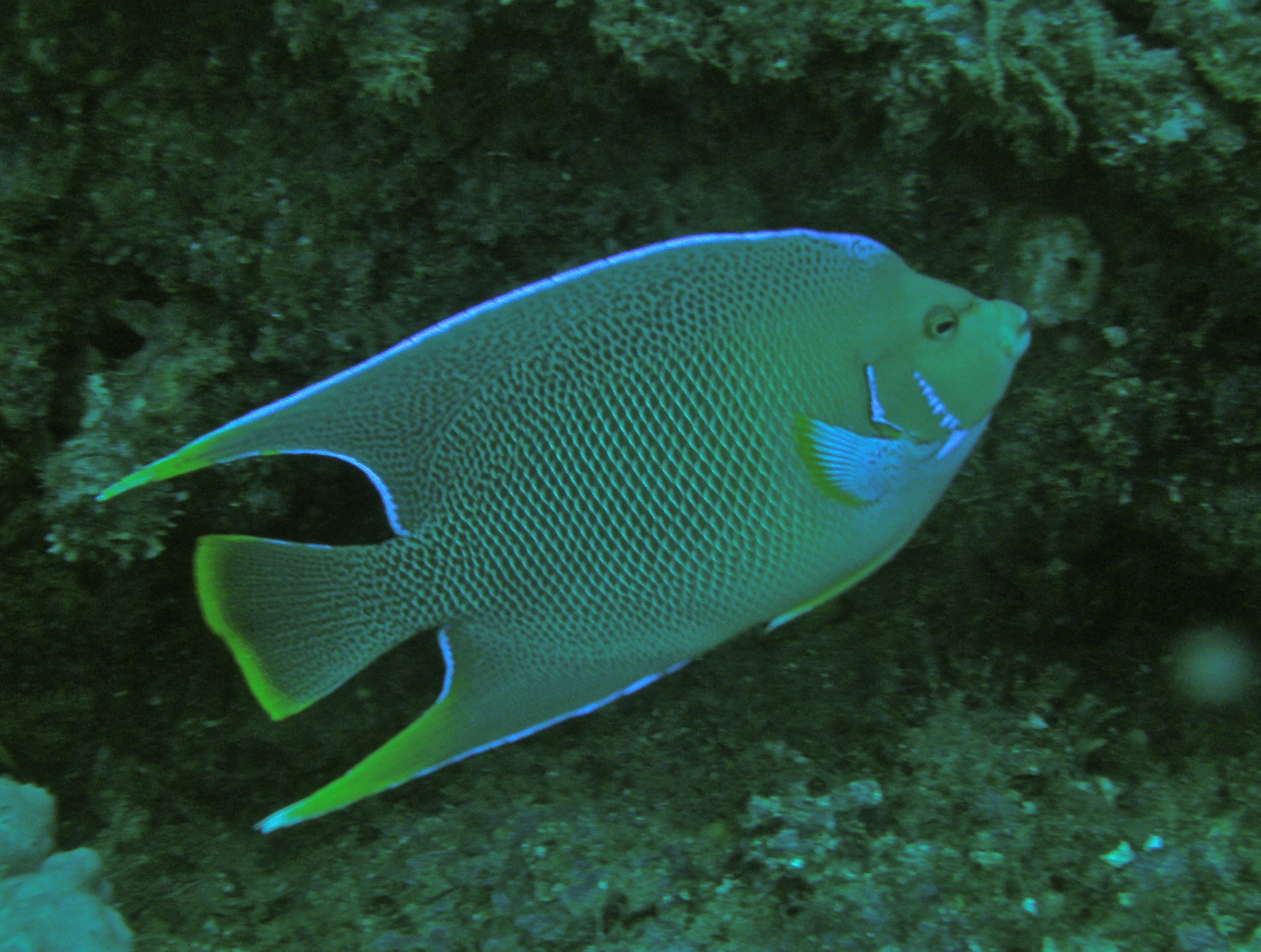
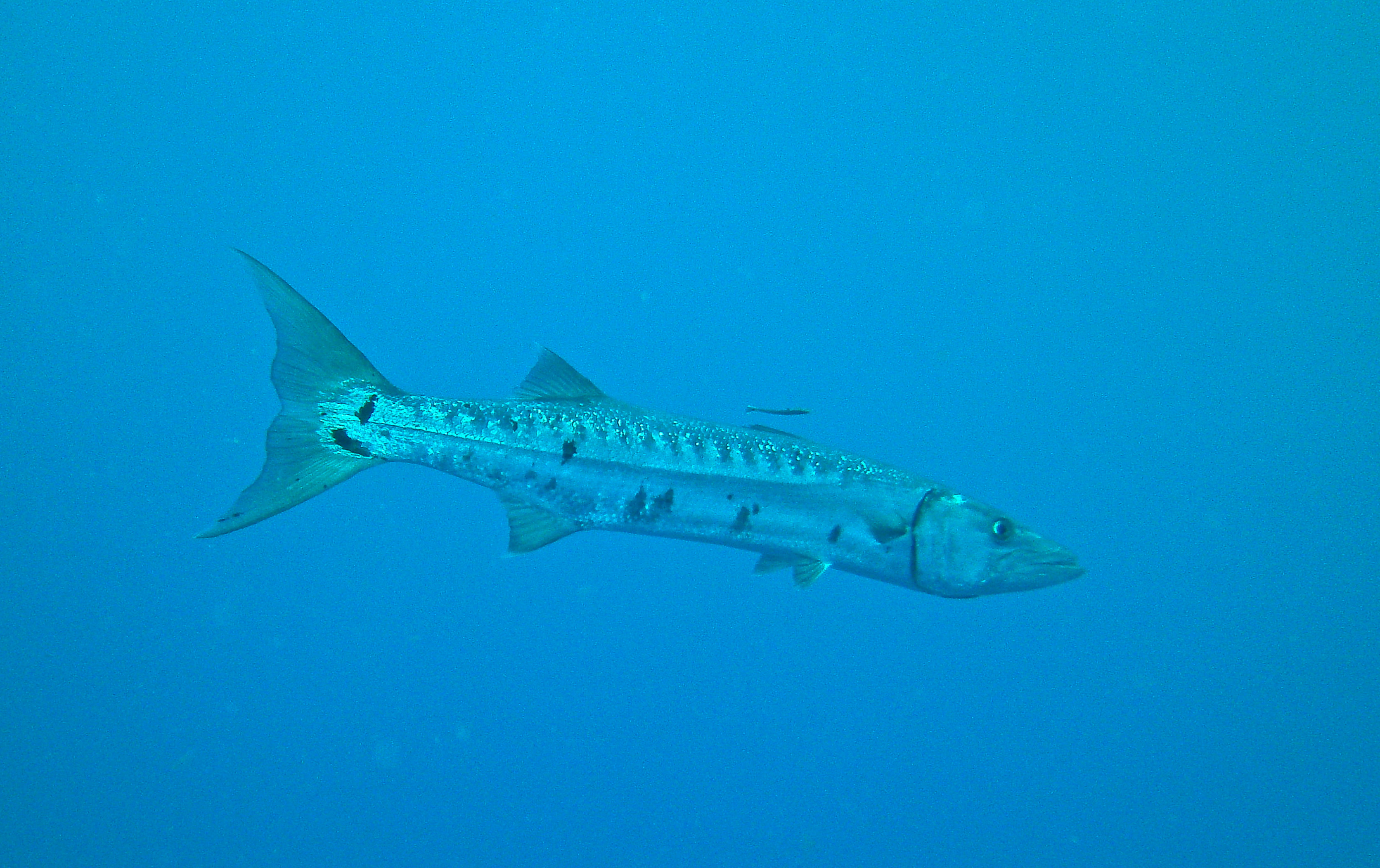
Even more than at the Houston, the Normannia had an amazing profusion of life. Along with thousands of small fish, we saw barracuda, a couple of gigantic lobsters, a well camouflaged frogfish, and my favorite, queen angelfish (several). I went to some trouble trying to get a good picture of one, and though these don’t really do it justice, they were the best I could do.

It is such a great pleasure to swim among fish. At times we were completely surrounded by thousands of small ones, and at times we swam alongside large ones. As I dive more, I feel increasingly touched by their beauty. They are amazingly varied in size, shape, color, and ways of moving about. Recent research indicates that they are much smarter than we’ve thought. For example, some can very quickly learn complex topography of a reef environment.


As I’ve spent more time with these creatures, I’ve come to consider them sentient beings worthy of respect and compassion. I regret to say I’m in a minority on this point. Among my fellow divers were some with spear guns and one who was capturing lobsters. I found it really painful to see him take an enormous lobster, perhaps decades old, and break off its antenna and shove it into an ice chest to suffocate.

My shipmate seemed otherwise a decent and friendly fellow. I’m certain he was not trying to torture the creature, though that was what he did. He didn’t derive pleasure from being cruel. He simply couldn’t comprehend that the animal was capable of suffering. I think he and others would find that expanding the circle of compassion to more animals is a happier and more fulfilling way to live.

Speaking of intelligence, I read recently that the human brain was unlikely to get larger in the normal course of future evolution, because it would serve no purpose. Brains working in isolation are not how things get done. Instead, as E.O. Wilson has pointed out, it’s humans’ ability to connect their individual brains that has been the secret to their evolutionary success. We keep getting better at that, developing over the millenia the tools of gesture, spoken language, and written language, with the internet being the latest game-changing technology.

In the midst of the depressing mendacity and nonsense of the Republican convention, I find it somewhat consoling to look at intelligence as potentially expanding through better networks. The Republicans are profoundly mistaken in thinking that entrepreneurs act primarily as fully independent rugged individualists. It’s more accurate, and also more useful, to look at achievement in terms of groups cooperating and competing. Our future success, and perhaps our survival, depends on our ability to improve our systems of cooperation, including our politics.

Upfitting my new Android phone and thinking more about accelerating technological change

This week I got my new Android smartphone upfitted with my email accounts and a variety of apps. I’d been reluctant to give up my old smartphone partly because of the investment, both in money and effort, of apps, but on reflection I realized that a good many of the apps I’d previously downloaded were seldom or never used. The move to the Galaxy was sort of like moving to a new apartment — a good opportunity for some app house cleaning.

I easily and with little expense replaced those things that were useful, like internet searching, weather reports, navigation, travel support, news, and music. I got my most used apps organized in folders that I could quickly get to. I installed personalized wallpaper (our dog Stuart). Everything seems to work fine, with the exception of the voice activated search feature, which is not ready for prime time.

Through clumsiness, I dropped the device a couple of times in the first few days, fortunately without causing damage. This provided some proof of its durability and toughness, but also served as a reminder that devices are not immortal. I ordered a Seido case for protection, which fits well and looks good. It has a neat little kickstand on the back.

I’ve been reading The Lights in the Tunnel: Automation, Accelerating Technology and the Economy of the Future, by Martin Ford. Like Brynjolfsson and McAfee, Ford starts with the premise that technology is developing at an ever-accelerating rate, and examines the economic implications of that development. As our machines get smarter and smarter, they will replace people in more and more jobs. At some point, the kinds of jobs that most people do will be taken over by the machines. Those people who’ve become redundant will not be able to earn an income, and so will not be able to buy goods and services, and their numbers will continue to grow. Producers of goods and services will eventually have no markets. Then the economy collapses. Q.E.D.

Ford thinks there is a possibility of avoiding economic meltdown, but he thinks that will require dramatic shifts in the economic order. To continue production, we’ll have to find a way to sustain consumption. Ford’s solution involves taxation of producers to redistribute wealth to consumers. He suggests that we think about a system where supplemental incomes is distributed to sustain the cycle of production and consumption. In this vision, the individual’s primary contribution is as a consumer, rather than a producer. Production is done by the machines.

I came upon a lengthy essay by Marshall Brain on this same subject titled Robotic Nation, which is well worth reading. Like Ford, Brain accepts the premise that Moore’s law and its corollaries are leading inexorably towards computers so powerful that they will render a great many human workers redundant. To address the problem of economic meltdown, Brain has proposed a concrete solution: the government pays $25,000 to every citizen. He sets out a variety of ways this could be financed, from selling advertising to a smorgasbord of taxes.

Assuming Brain and Ford are correct and we manage to avoid economic collapse, the question I keep coming back to is what are humans going to do once they’re obsolete as economic producers? How are they going to find meaning and joy?

I’d like to think that when robots have taken over most of the world’s work, people who get Brain’s $25,000 payments would devote themselves to communities and caring for others, exploring the mysteries of the physical universe with science, creating aesthetic wonder with the fine arts, expressing their physical energy in competition and travel, appreciating the delights of the world of the senses, and otherwise expanding and expressing their creative powers. But I have some concern that they might just watch more TV and eat more junk food. Think of WALL-E, the touching and intelligent animated Pixar movie about the eponymous robot, and the degenerate blobby humans in his world.

To avoid massive blobbiness, we’ll need to revise and expand our value systems. Fortunately, that’s something that we can get started on without a major political reform or expenditure of funds. Even if the robot-driven future never arrives, it would be a worthwhile project, since there’s a certain amount of blobbiness already.

The place where I’d begin is with a deeper understanding of how our brains function, how human communities function, and how our systems of values and morality currently work. There’s a lot of exciting cross-disciplinary work being done, and I’ve written about some of it in the last few months (including on books by Jonathan Haidt,Michael Gazzaniga, Daniel Kahneman and E.O Wilson). I’m on the lookout for more.

My new free smartphone, and some thoughts about technology and unemployment

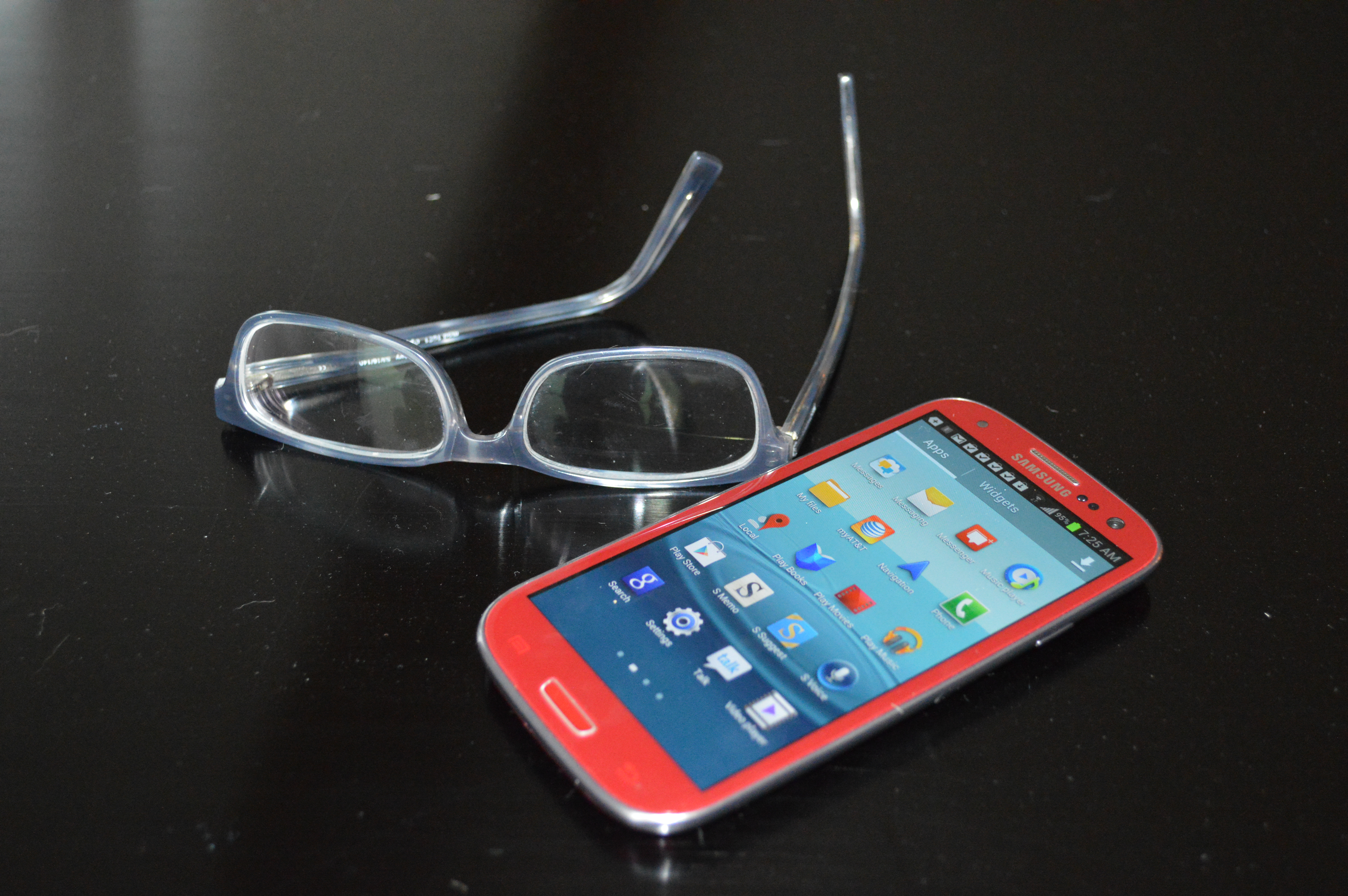
I got my first free (aka open source) smartphone a couple of days ago, a Samsung Galaxy S III with the Android operating system. I love the larger screen, with its excellent resolution, and the form factor in general — light, thin, and rounded, and still small enough to go in my pocket. It comes with a good array of apps, and there are thousands more available at free or low cost. The touchscreen interface is intuitive. The voice command option does not seem as smart as Siri is reported to be, but other apps load fast and work beautifully.

Will this change the place of a smartphone in my life? Probably a bit, because the bigger screen and faster speeds (4G) make it easier to use. The civil libertarian in me worries somewhat about the ability of such devices to track me and potentially invade my privacy, but I’m also amazed and happy with all the useful things it can do, such as helping me with directions, accessing every type of knowledge on the internet, performing word processing and other computing functions, entertaining me with movies, music, and photographs, and connecting me to people through text, email, and phone. Smartphones can potentially make us more productive and happier.

At the same time, our technology is transforming us in other ways that are more worrisome. This morning’s New York Times has a long story on remarkable advances in robotics, which are replacing skilled manufacturing jobs in electronics and logistics, along with lots of others. The story cites a book I recently read and would recommend: Race Against the Machine: How the Digital Revolution is Accelerating Innovation, Driving Productivity, and Irreversibly Transforming Employment and the Economy, by Erik Brynjolfsson and Andrew McAfee.

The authors, economists at MIT, present a clear overview of technological change, which they describe as increasing exponentially. Moore’s law continues to double processing power every 18 months, and software advances are moving much faster than that. Technology harbingers like Watson the Jeopardy champion and the Google self-driving car are the tip of the iceberg.

Brynjolfsson and McAfee recognize that computers can’t yet do everything humans can do, but they have already replaced many kinds of routine work, and inevitably will replace more and more skilled work. This accounts for part of our persistent problems of unemployment even as the economy is growing. Traditional economics assumes that new technologies will eventually produce new jobs, but B and M point out that if technology continues to improve exponentially, computers will be able to perform more and more human jobs better and more cheaply. It’s difficult to see how new jobs could equal those that are eliminated.

If they’re right (and I think they are), we’ve got major social dislocations ahead. In our society, people work not only to earn a living, but also define each other and themselves in large part according to their work. Thus unemployment is not just financially threatening — it’s humiliating. With more and more people unemployed, unable to buy goods and services and without social moorings, our social and financial system will face an existential crisis.

What is to be done? We’ll need to change the way we organize ourselves, the way we distribute wealth, and the way we think about value. We’ll need to find new approaches for valuing and caring for others, and for thinking about the meaning of our own lives.

I had a small epiphany on this yesterday when our friends Ken and Carol took us out on Falls Lake for some water skiing. They both retired early, and do things they enjoy doing, like boating, tennis, and travelling. I have trouble imagining myself retired in this sense. But as we sat on their boat on the lake in the late afternoon, we talked about our lives, told stories, and swam a little, and enjoyed the lake and surrounding forest. Then we took turns getting pulled by their quick little boat on one of their various toys. Ken rode a hydrofoil chair and a wakeboard, and I had a go with old school water skis, which I enjoyed enormously. These things have deep value: sharing stories and experiences.

Wreck diving off of Cape Hatteras

Sally and I did a diving trip out of Cape Hatteras last Thursday-Sunday. Although we live in North Carolina and love diving, these were our first NC dives. We’d assumed that the sea life in the vicinity would be sparse and the visibility poor, and that we’d find it a bit of a comedown after our Caribbean trips. It turned out this was way off. The NC ship wrecks we dove had a profusion of sea creatures and ample light. Thousands and thousands of little fish, and some very big ones.

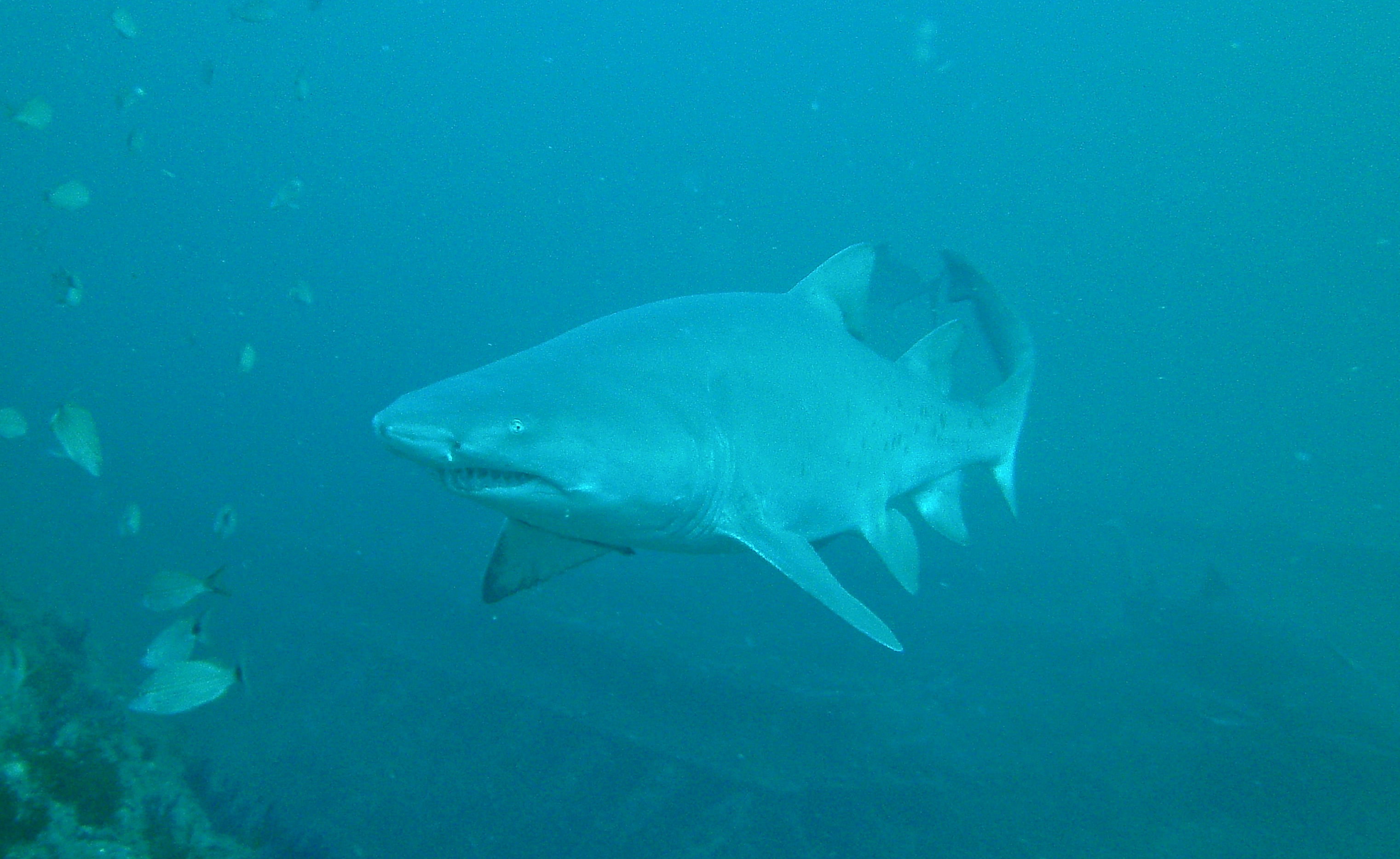
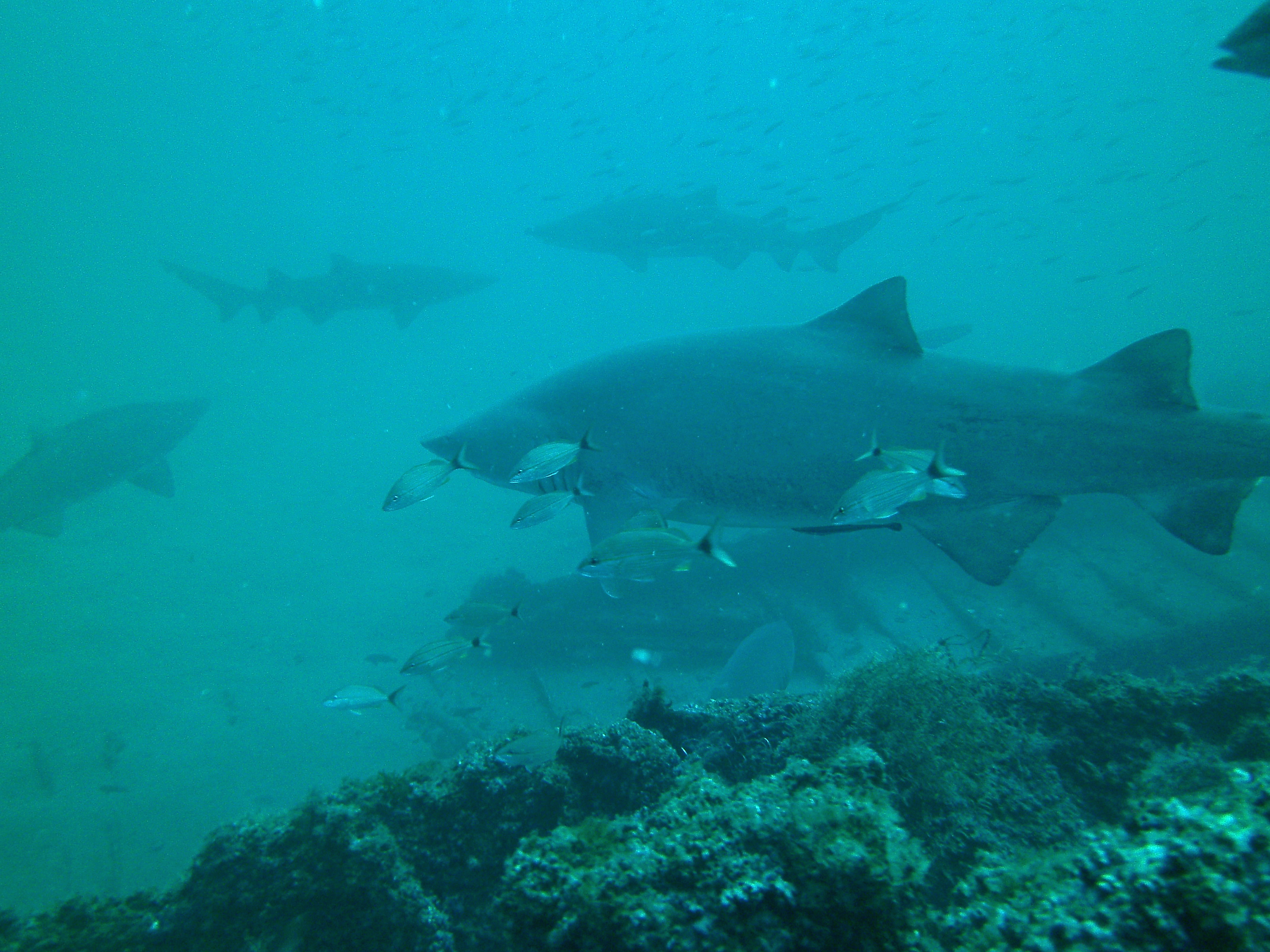
The most dramatic species we saw was the sand tiger shark. These shark are large (around 10 feet) and look mean. Apparently they are often used as the stock image for news stories about shark attacks. However, we saw dozens of them, and all were placid. They didn’t seem frightened of us, as was true of most of the species we saw, and we swam within a few feet of each other. They are beautifully designed and graceful, and of course, imposing.

I try to think of sharks in the way I think of bears — creatures that are potentially dangerous, but also fascinating parts of the natural world. They are not programmed killing machines or embodiments of evil. Shark attacks on humans are rare, and fatal attacks are freakishly rare — about ten a year worldwide. The risk of being killed in a shark attack is substantially less than being struck by lightning, or by an elephant. Also, as I learned this week, way less than the risk of being killed by a dog.

Why do most people fear them so much more intensely than, say bears or lightening? Shark phobia runs deep, and it’s unfortunate both for sharks that become victims of humans (100 million a year) and for humans who experience pointless fear rather than rapturous awe.

On this trip I tried underwater photography with a beginner-level underwater camera by Sea Life. I was glad I’d waited till I was reasonably competent as a diver to try this, because it could distract from doing the things that have got to be done in diving and enjoying the basic experience. But I was ready to give it a shot. Most of the images I got were not great, but I liked a few, and I had fun hunting for interesting things and fun looking at them afterwards.

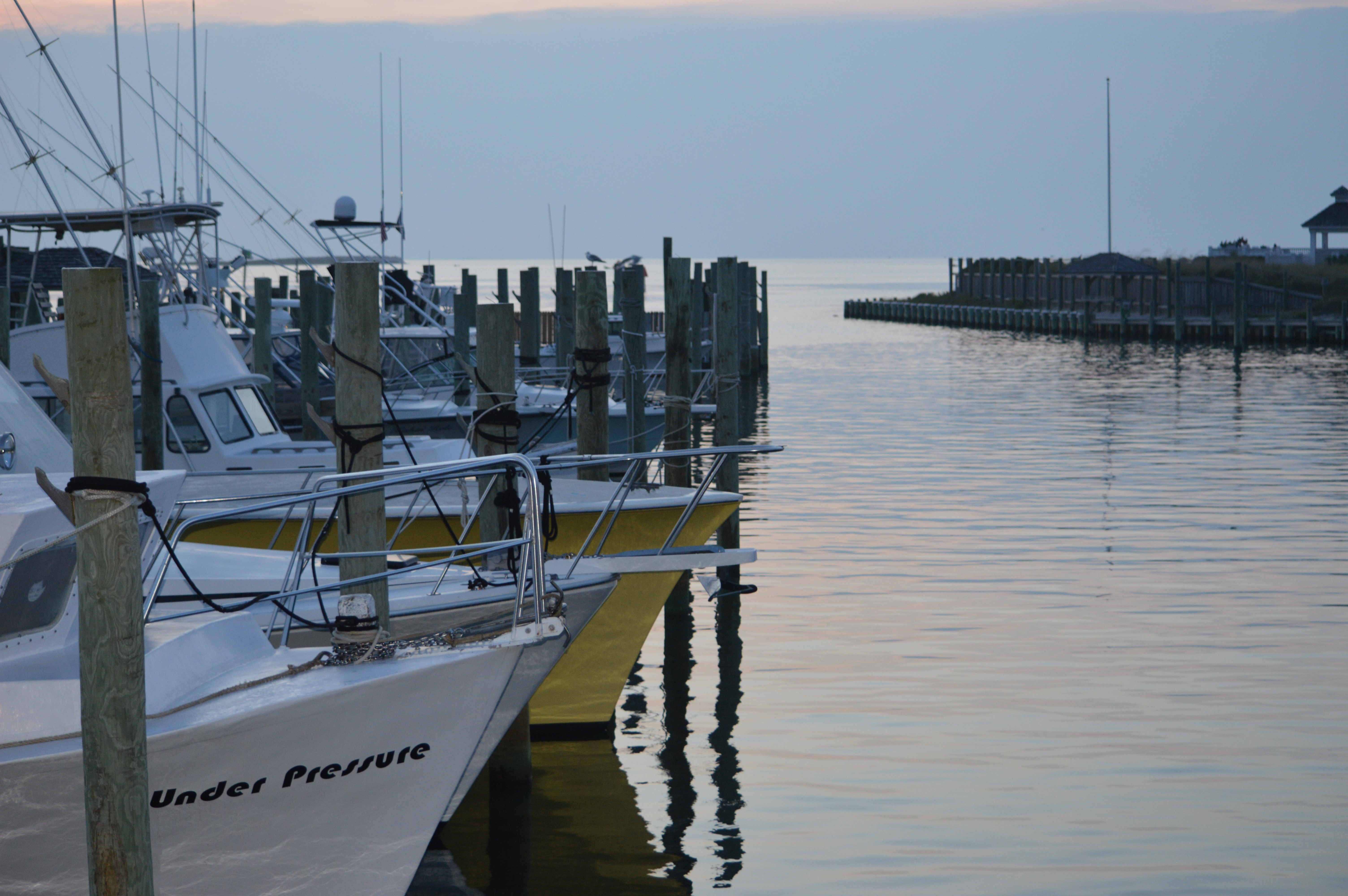
NC wreck diving involves boat rides to the ship wrecks. Our longest trip, to the Proteus, took about two and a half hours. I wasn’t looking forward the boat ride part of the experience, but we had good weather — mostly clear skies and calm seas. Our vessel, the Under Pressure, was a 41 foot former commercial fishing boat that was substantially unfitted to accommodate six diving customers. It had a special lift on the back of the boat to haul out divers.

Once well offshore, out of sight of land, I was struck by how horizontal the landscape was. 360 degrees of flatness. At the same time, the quality of the water, its color and its energy kept changing. We saw flying fish, jumping dolphins, and one sea turtle on the surface. There were various gulls, pelicans, terns, and other sea birds. I spent part of the travel time recalling some of the great poems of Yeats, Frost, and Stevens.

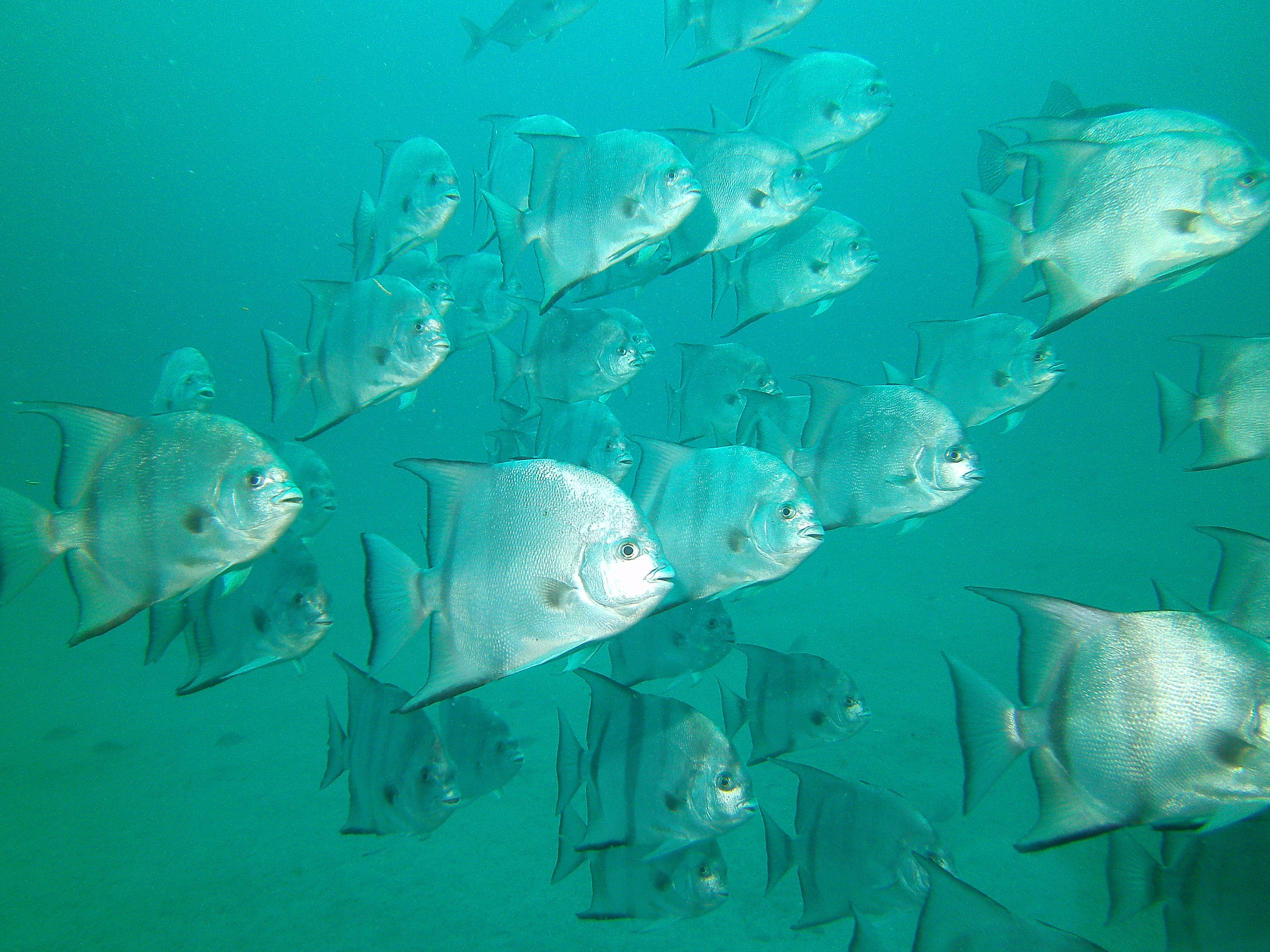
Besides the Proteus, we did dives on the Dixie Arrow, the Kashena, the Monihan, the Abrams, and the tug near the channel. The wrecks were in varying states of ruin, but had attracted lots if life. Besides sharks, we saw a good number of sting rays, barracuda, tuna, snapper, a large sea turtle, and the occasional butterflyfish. Several people saw an octopus on the Arrow, but we missed it. We saw enormous clouds of thousands of tiny fish, which the locals refer to as “bait balls.”

Visibility for most of our dives was good — more than 70 feet. Our deepest dive, to the Proteus, was about 120 feet down. Bottom temperature was around 80. Current and waves were minimal for the first three days, though more challenging for the final day. I had an oxygen leak (which turned out to be from my BC inflator), which required me to cut the dive short and to ask Sally to share her air as we came back. Fortunately, she agreed. It was a learning experience.

Speaking of learning, I need to give a special shout out to Scott Powell, owner of Down Under Surf and Scuba, who organized the trip, led our group, and taught my course in wreck diving. Scott is a diving professional of the highest caliber, but he seems to really enjoy helping those of us less accomplished. He’s one of those rare gifted teachers that just loves his subject, never make you feel inferior, but make you excited about getting better. His passion and enthusiasm for diving are infectious and inspiring.

The way to San Jose, Ridge Winery, and E.O. Wilson on human nature

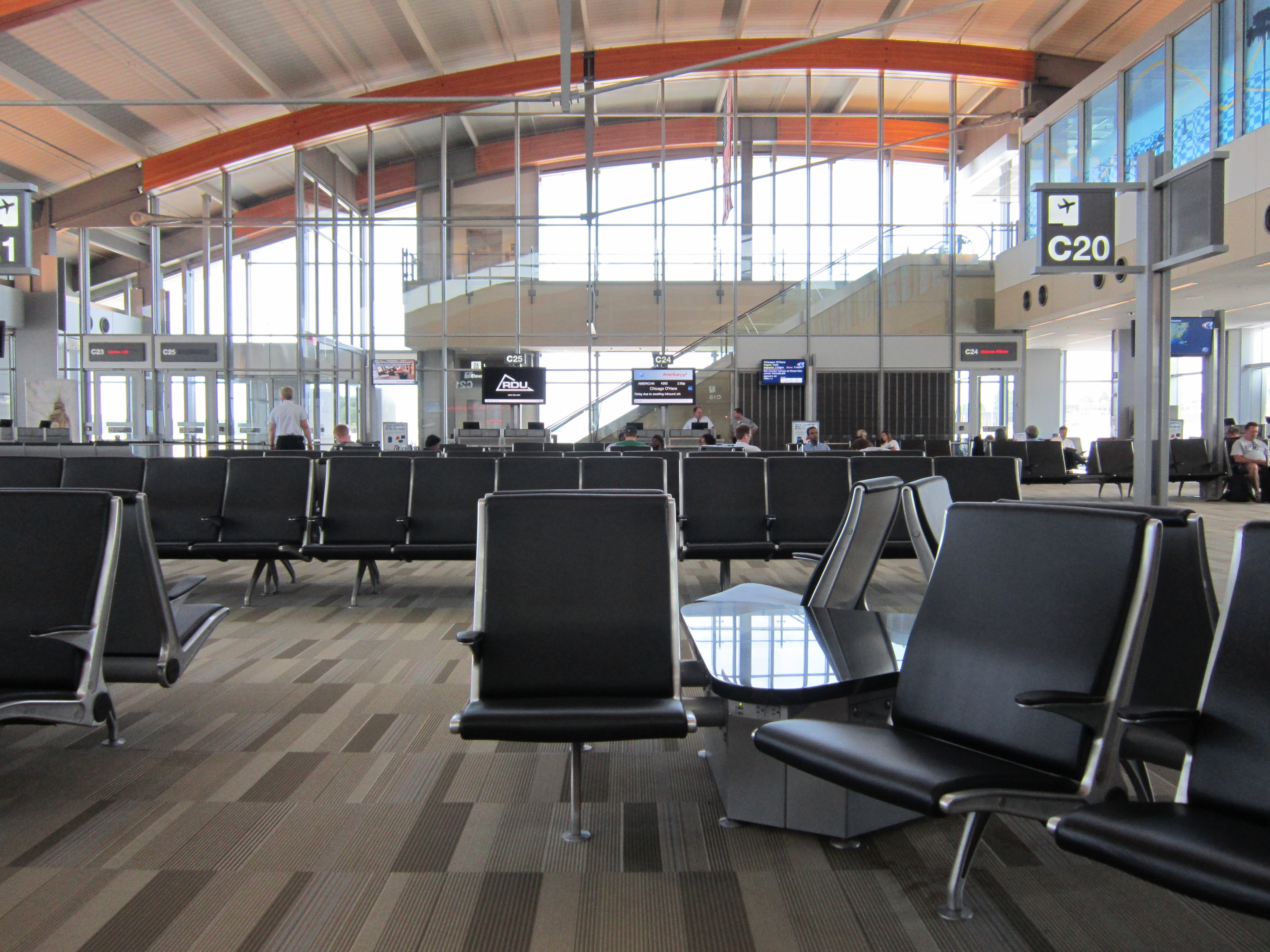
I missed my flight out of RDU on Tuesday morning after trying to send off one too many emails. On the drive to the airport, as reality set in, I went through the five stages of travel anxiety: concern, serious concern, alarm, panic, and finally, acceptance. By the time I made it through the American Airlines queue and the agent said I was too late, I was able to agree calmly, and ask politely what my next best option was. She put me on standby for a flight three hours later.

With my unexpected airport time, I got an excellent shoe shine and a half-hour chair massage at Express Spa. A couple of times a month I try to get a chair massage from the Red Hat massage therapist, which I had to miss because of my trip. I was interested in some work on my shoulder, where there have been minor issues. I assumed that an airport massage would be more about feeling pleasant than serious therapy, but I was not averse to a release of some endorphins.

My masseur, a small guy from China, asked how hard I liked it. I said pretty hard. He obliged with a serious deep tissue approach. It took all my determination to resist begging for mercy. At one point I took note that massage therapists are required to pass a licensing exam, as it was coming into focus that massage could cause bodily harm. Then I realized I had no way of knowing if my guy was licensed. He finished with some blows that shook me like a punching bag. It was almost frightening. But once it was over, I felt great!

Being on standby involves a degree of anxiety. You’re either barely making the flight, or you’re going back to square one. On this trip, the gate agent said the I had a good chance of getting on the flight out of Raleigh, but a less good chance of getting on the connecting flight in Chicago. When I felt a wave of tension, I took a few deep calming yoga breaths, and tried to stay positive. Eventually, four and a half hours late, I got to San Jose, got a rental car, and headed to the hotel.

I was assisted by a Garmin GPS device, which smoothly directed me through every turn. This little tool has greatly reduced the anxiety of travel to unknown lands. Getting lost is almost a thing of the past. I still carry printed directions as a fail safe system, but I haven’t used them in a while. Thus have I outsourced a part of my mental load, and in using this now-common tool become a little more of a cyborg. I could lament the possible loss of map-reading skills, but won’t. Thanks to Garmin and all the scientists, engineers, and technicians who’ve reduced my worry level and bestowed more creative mental space.


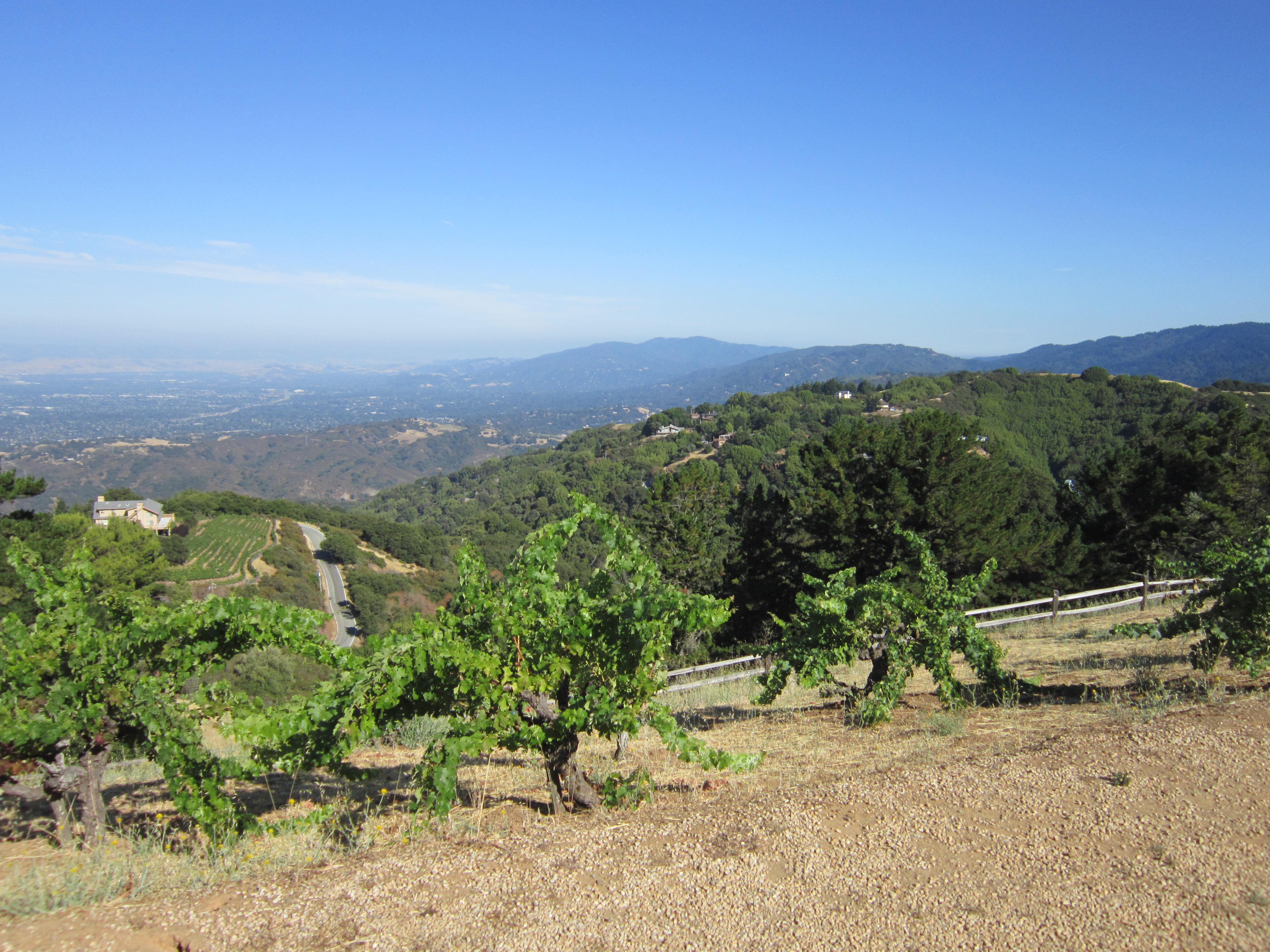
There’s something about northern California that I really love. It isn’t the glamor, which I was far from, but it may be something about the light. After various meetings, I got a chance to tour Ridge Vineyards in the Santa Cruz mountains. It involved a drive ascending 2,0000 feet along narrow roads with hairpin turns. The landscape was dry and craggy.

Our tour guides were experts and scholars of wine making, and I got a deeper understanding of the significance of soil and water conditions, vine life cycles, vine placement and spacing, pests, harvesting techniques, pressing, oaking options, considerations for blending, and aging decisions. The vineyard mountain views were beautiful, and the wines were excellent. It was also a great pleasure to meet our guides and experience their joy and passion for their craft.
On the long flight home, I finished reading for the second time The Social Conquest of Earth by E.O. Wilson. Wilson, a senior professor at Harvard, is one of our foremost experts on ants, but his scientific passions are wide-ranging. In this latest book, he attempts to revive and develop an approach to evolution that includes selection not only at the individual level but also at the level of groups. He argues that this accounts for some of the defining characteristics of homo sapiens, including our intense desire to be part of a tribe or group and our superlative skills at interpreting the thoughts, feelings, and intentions of others.

These skills made it possible for our ancestors to cooperate in a way that led to success versus other animals (including predators and our close relatives the Neanderthals), and to collaborate in agriculture, technology, and artistic expression. He also thinks multilevel evolution (individual and group) accounts for our never-ending interior conflicts between the urge toward cooperation and altruism (which benefits the tribe) and the opposite urge to seek competitive advantage over other individuals.

Wilson has a persuasive account of the origins and persistence of religious thought. In his view, it is characteristic for human animals to generate narratives to explain the unknown, and thus natural for communities to compose creation myths. Myths and rituals are adaptive in creating group cohesiveness, which contributes to tribal success. Religion has inspired great art and helped groups and individuals in difficult times. But Wilson ultimately concludes the costs of religion thinking outweigh the benefits, particularly once humankind acquired the tools of science.

Wilson would admit that the evidence for his multilevel approach to evolution is incomplete, and his theory is bound to be controversial. But right or wrong, I admire his willingness to engage and take some intellectual risks on the big questions, like the nature of human nature and the foundations of morality. He brings to the table spirited curiosity and the ability to draw on recent discoveries from biology, neurology, genetics, anthropology, climatology, and paleontology, not to mention, of course, myrmecology. He demonstrates the use of science as both a method and a world view — a world view that is both practical and inspiring.

My flight out of San Jose left 20 minutes late for Dallas, and my original Dallas connection was only 25 minutes. Dallas is a big airport, and getting from a gate on one side to a gate on the other can easily take 30 minutes. It seems I never leave from a nearby gate, so I had some worries, and took some yoga breaths. We came in at A37, and the flight out was at A33. I heard the announcement for final boarding for Raleigh as I stepped into the terminal, and took off in the OJ Simpson airport sprint. (I’ve noticed that gate agents sometimes look around for last second sprinters.). I was the last to board. Kind Fortuna!

Shortly after I got home, we had a thunderstorm and a strange sunset.

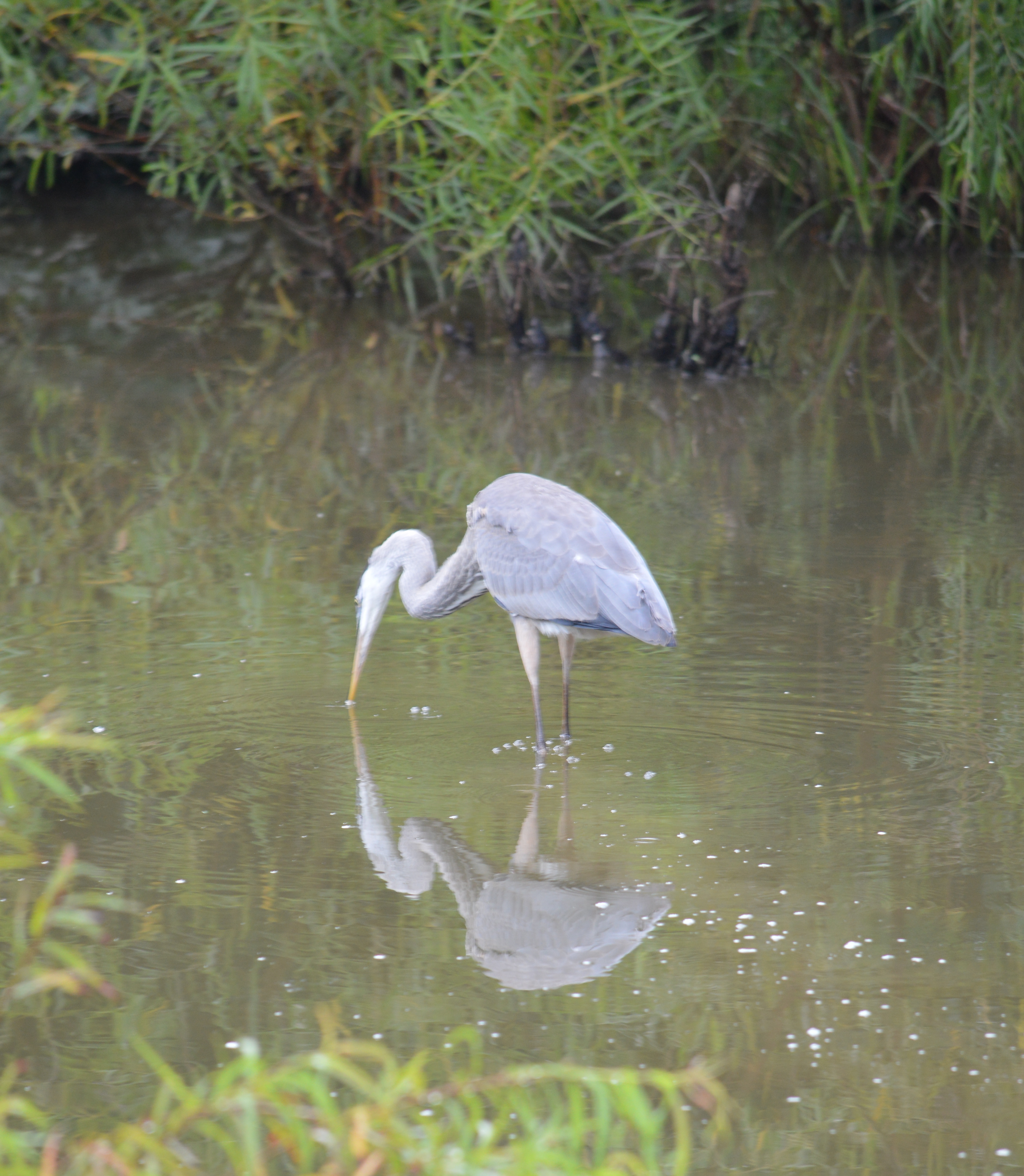
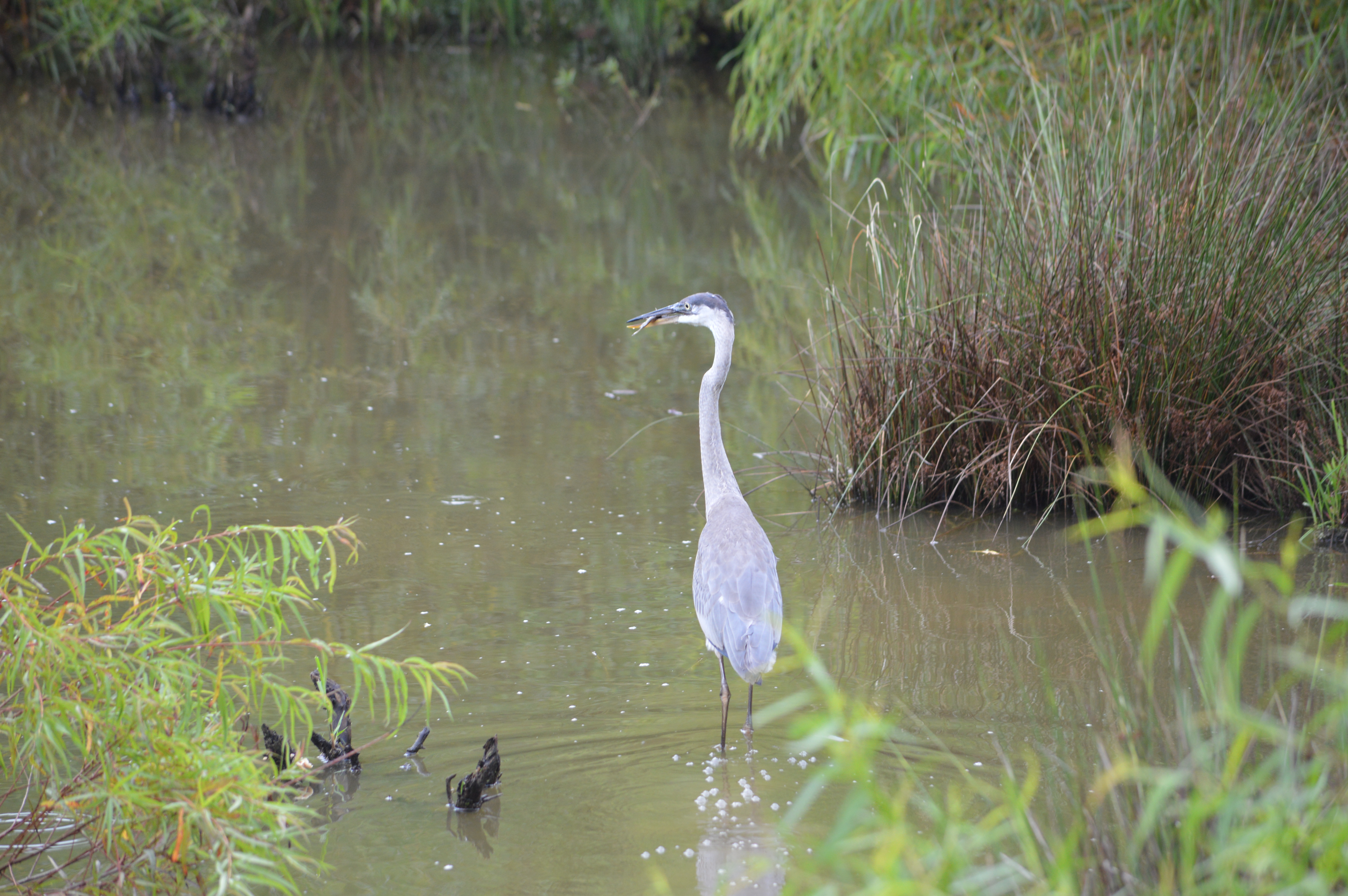
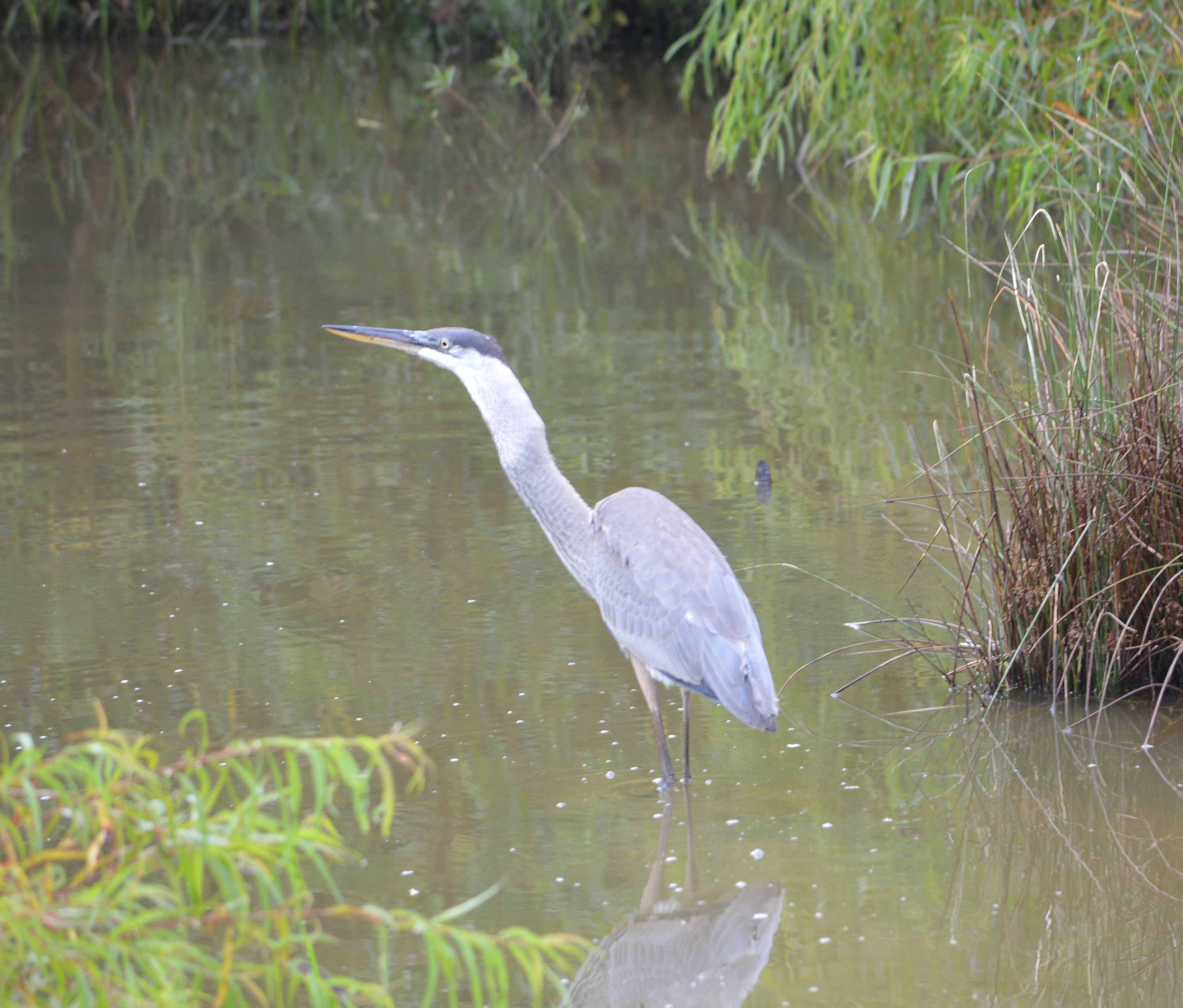
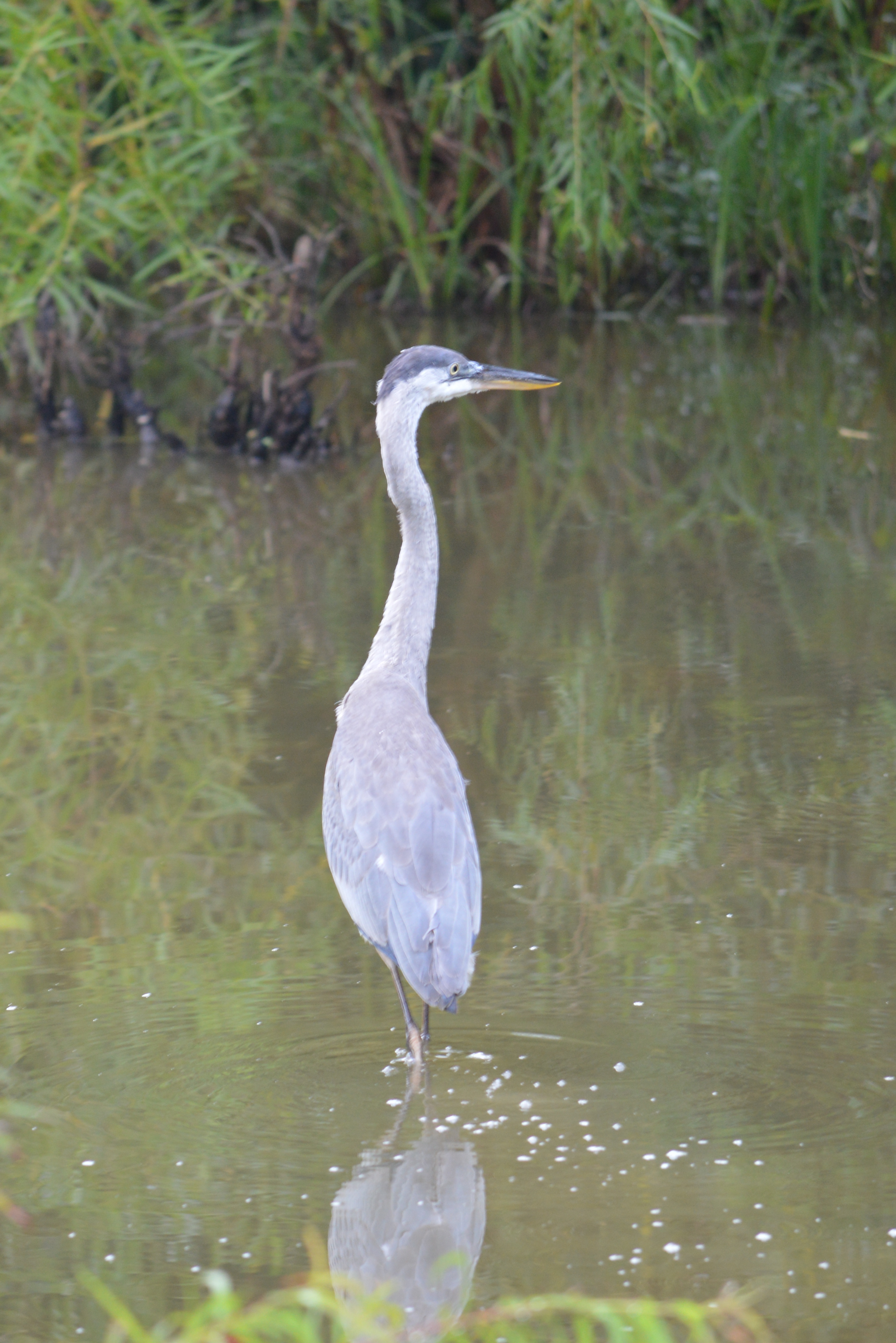
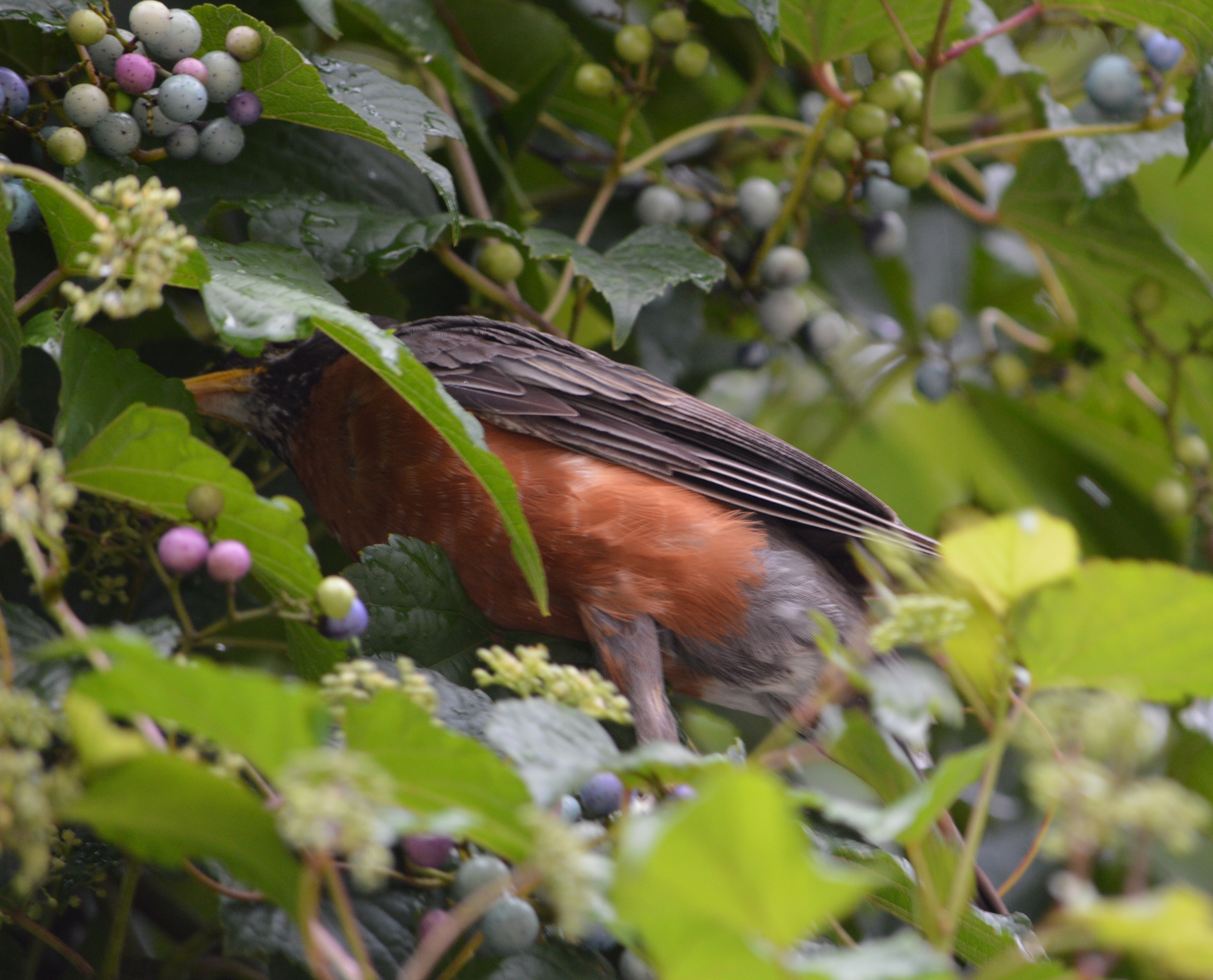
There were some birds this morning at the boardwalk off of Raleigh Boulevard. Most of them hid from me (like that small bird in the Frost poem), but a robin, a great blue heron, and a mallard family didn’t.


Make way for Segways, Scouting intolerance, and speaking of ear protection


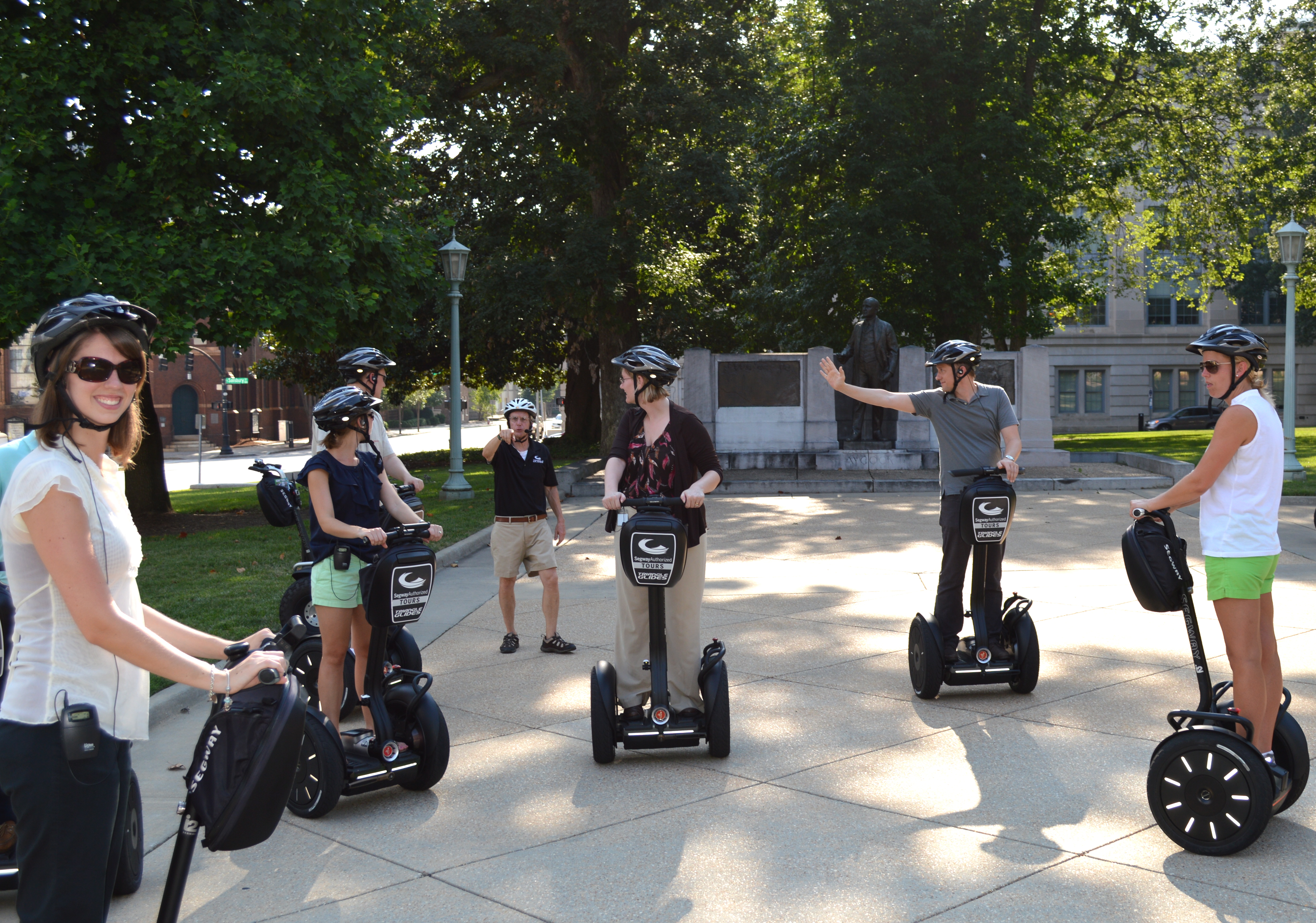
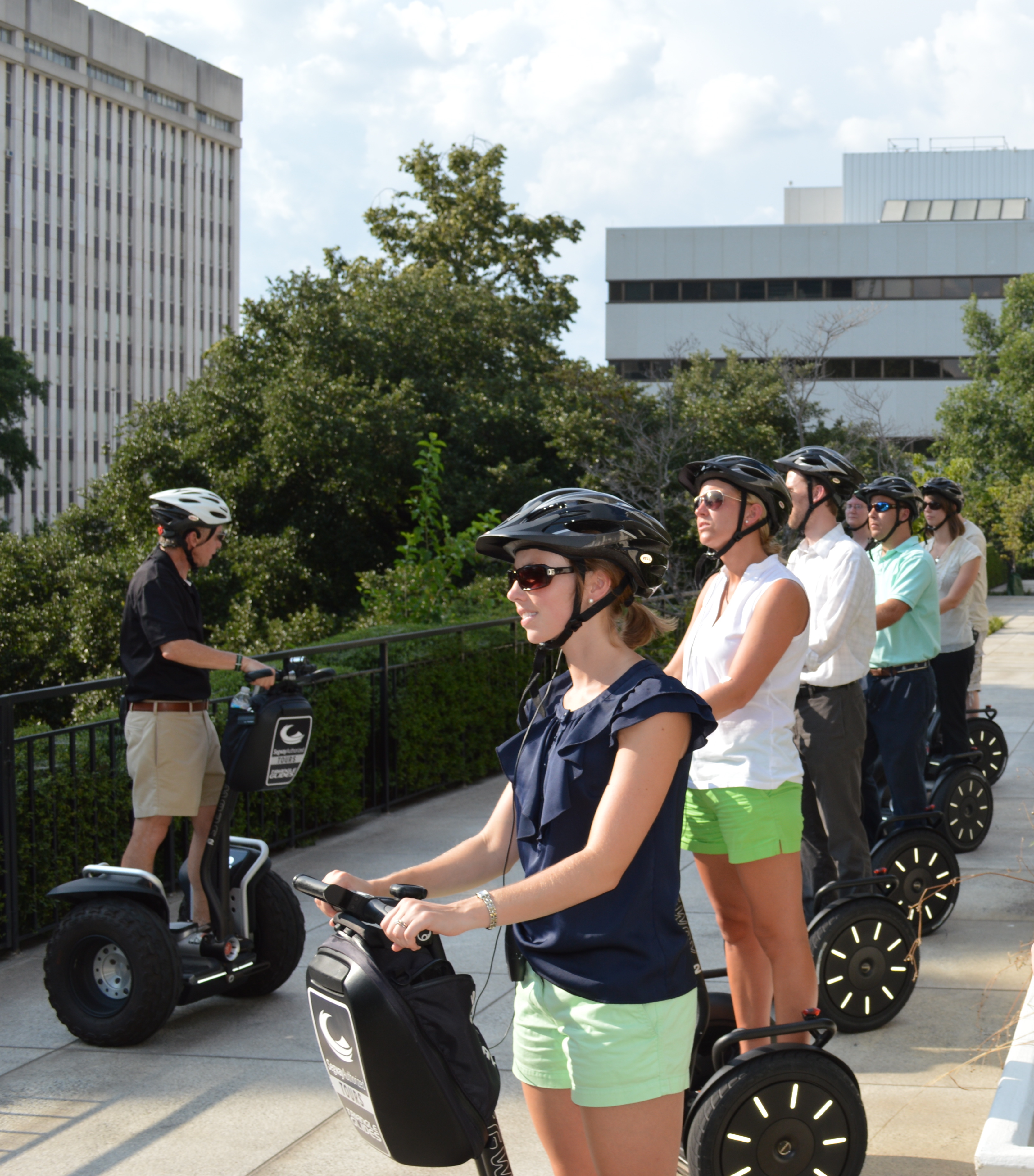
This week a group of us took an hour-long tour of downtown Raleigh on Segways, those self-balancing two-wheeled scooters. I learned that several Raleigh street names were the names of councilmen who approved the purchase of farmland for the city in 1792, and other similar facts. But more important, I learned how to move forward, backward, and turn. It takes approximately 5 minutes to learn, and 5 more to feel reasonably confident. A few minutes later at the old Capitol I was wondering how fast the thing would go, and the guide was begging me to slow down. I felt like one of the Jetsons.
When I think of fun adventures, I still think of my early years with the Boy Scouts. Even at the time, I thought the uniforms were a bit goofy, but I valued the friends I made and our close encounters with the natural world while camping, hiking, and canoeing. With this happy history, it pains me that the Scouts decided last week to reaffirm their ban on gay members. The Scouts instilled in me a highly serviceable code of conduct: a scout is “trustworthy, loyal, helpful, friendly, courteous, kind, obedient, cheerful, thrifty, brave, clean, and reverent.”

But there’s at least one cardinal virtue missing from the list: tolerance. Willingness to tolerate and accept differences is vital for individual and collective happiness. It doesn’t come easily or naturally, and it needs continual tending and encouragement. The Scouts should be promoting it without exception. As much as I was a committed Scout, as long as they have a policy of intolerance of gays and non-believers, I cannot support them.

At times it’s unclear whether unhealthy behavior is the result of ignorance or wilfulness. I’ve generally assumed that exposure to dangerous noise levels was an issue of ignorance. But a story in the NY Times last week suggested that some noise polluters had something close to a criminal mindset. Certain retailers, restaurants, and clubs have raised noise levels to the point where hearing loss is almost inevitable, and have done so with a view to attracting youthful customers to buy and drink more, and to repelling oldsters. If this is done knowingly, it’s despicable!

Young people, and indeed most people, assume that businesses and governments wouldn’t knowingly expose them to serious harm. It reminds me of marketing that used to hook kids on cigarettes, and still hooks them on sugary cereals and fatty fast food. According to the Times story, employees of noisy businesses have hearing and other problems, but regulations are almost never enforced, and few people complain. Here’s a thought — let’s start complaining.

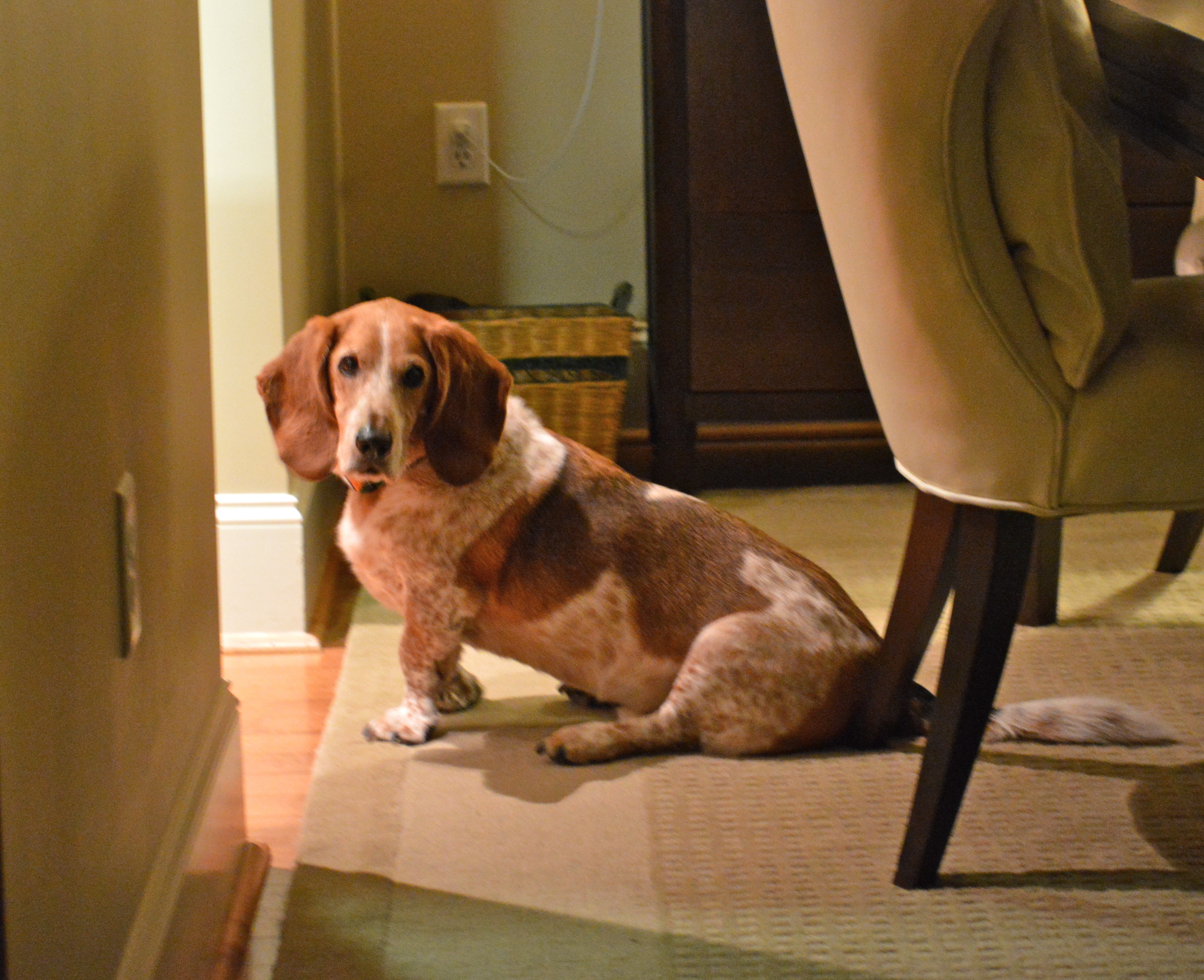
Stuart, who had his tenth birthday this week, says, “Protect your precious ears!”