The Casual Blog

My New Yorker, a touching Traviata, Whiplash, and sparkling new ballets

_DSC8379_edited-2
As I’ve noted before, The New Yorker magazine was for me a formative influence, having given me my first job out of college, my True Love, and weekly jolts of literacy ever since. Thus it was with mild shock I received the February anniversary issue, which for 89 consecutive years has reprinted the same cover, and saw that Eustice Tilley, the top-hatted dandy, had been replaced by multiple new covers of various ages, styles, and ethnicities. But after a few deep breaths, I let it go and moved on: the new covers were bold and entertaining.
_DSC8399

There were several good short pieces on the history of the Magazine (as it was called by editorial staff then and perhaps now), and one longer one that I particularly relished. Mary Norris, who joined the Magazine around the time we did, contributed a piece about her career there as a junior minion and eventually a senior copy editor. I wouldn’t say Mary and I were close friends, but when I also was a minion, we were friendly, and would talk companionably at parties as we kept a lookout for potentially more exciting adventures.

It was a pleasant trip down memory lane remembering how we put out the Magazine and some of the now departed editorial figures of our world, like Eleanor Gould, Bob Bingham, Pat Crow, and William Shawn. And Mary successfully communicates the spirit of grammatical fanaticism that is part of what makes the Magazine unique. I’ve never seen a more humorous discussion of the serial comma, a punctuation practice that in those days I took as serious business. Thanks to Mary and her colleagues who have kept the fussy but proud tradition alive.
_DSC8396

Raleigh is not New York, and it is hard to believe, even for people who live here, that Raleigh is producing world class opera and ballet. But it’s true. In the last week, we’ve been treated to both.

The N.C. Opera’s production of La Traviata was really beautiful and moving. The story is simple in a way – a party girl and a playboy unexpectedly fall in love, break various social conventions, are separated by misunderstanding, and reunited, just as she dies. It works in large part because Verdi’s music is highly evocative – of joy, love, and tragedy.

I was especially moved by this production, which had a marvelous Violetta in Jacqueline Echols. She had an extraordinarily fine voice, as well as musicality and expression. She is a rising star. I also particularly loved the singing of Joo Won Kang as Giorgio. The costumes and settings were lovely. The staging was a bit meandering and uncertain, but it didn’t undermine the force of the performance. Conductor Timothy Myers was outstanding, always serving the music, but creatively, with flexibility of tempo and sensitivity in tone. In the sad parts, this strange thing happened with my eyes – they got all watery.

Also last week, we saw the movie Whiplash at home via streaming service. The story is about a music conservatory student (a jazz drummer) and a sadistic/idealistic music teacher who do battle and try to make great music. Aspects of it were pure Hollywood – no half-sane performer would ever sabotage a performance as here – but there was something true about it that drew me in. As a former conservatory student myself, I was reminded of the highly competitive aspect to music education, and the intense drive for perfection.

The student (Miles Teller) was believable, and reminded me of the hidden and scary sacrifices that all serious musicians make for their art. And J.K Simmons as the foul-mouthed professor was wonderfully evil. I’ll say, though, I could have done without the anti-gay slurs, which were copious and ugly. We’ve quit tolerating nigger, and we should quit tolerating faggot._DSC8412_edited-1

We saw the Carolina Ballet’s new program, Master Composers: Music for Dance, on Saturday night. The program of new works by Robert Weiss and Zalman Raffael featured dance music by Chopin, Byrd, Bach, Mozart, Beethoven, Granados, Brahms, Stravinsky, Adams, and Tchaikovsky. As Weiss’s program notes noted, there is there is a wealth of music in the classical tradition that is, in some sense, dance music, but has never been used for ballet, and this program mines those riches.

This company has so much talent! It was delightful to see some of the junior members shining in solo roles, including Elizabeth Ousley, Ashley Hathaway, Alyssa Pilger, Amanda Babyan, and Rammaru Shindo. There were moments of moody drama, particularly with Lara O’Brien and Cecilia Iliesiu, and also light-heartedness,with Sokvannara Sar having fun with six ballerinas. I thought that the Mozart and Brahms sections could have been trimmed a bit without loss of effect, but there was nothing I didn’t enjoy.
_DSC8415

Bad ski luck, good paintings, and amazing atoms

IMG_0236_edited-1
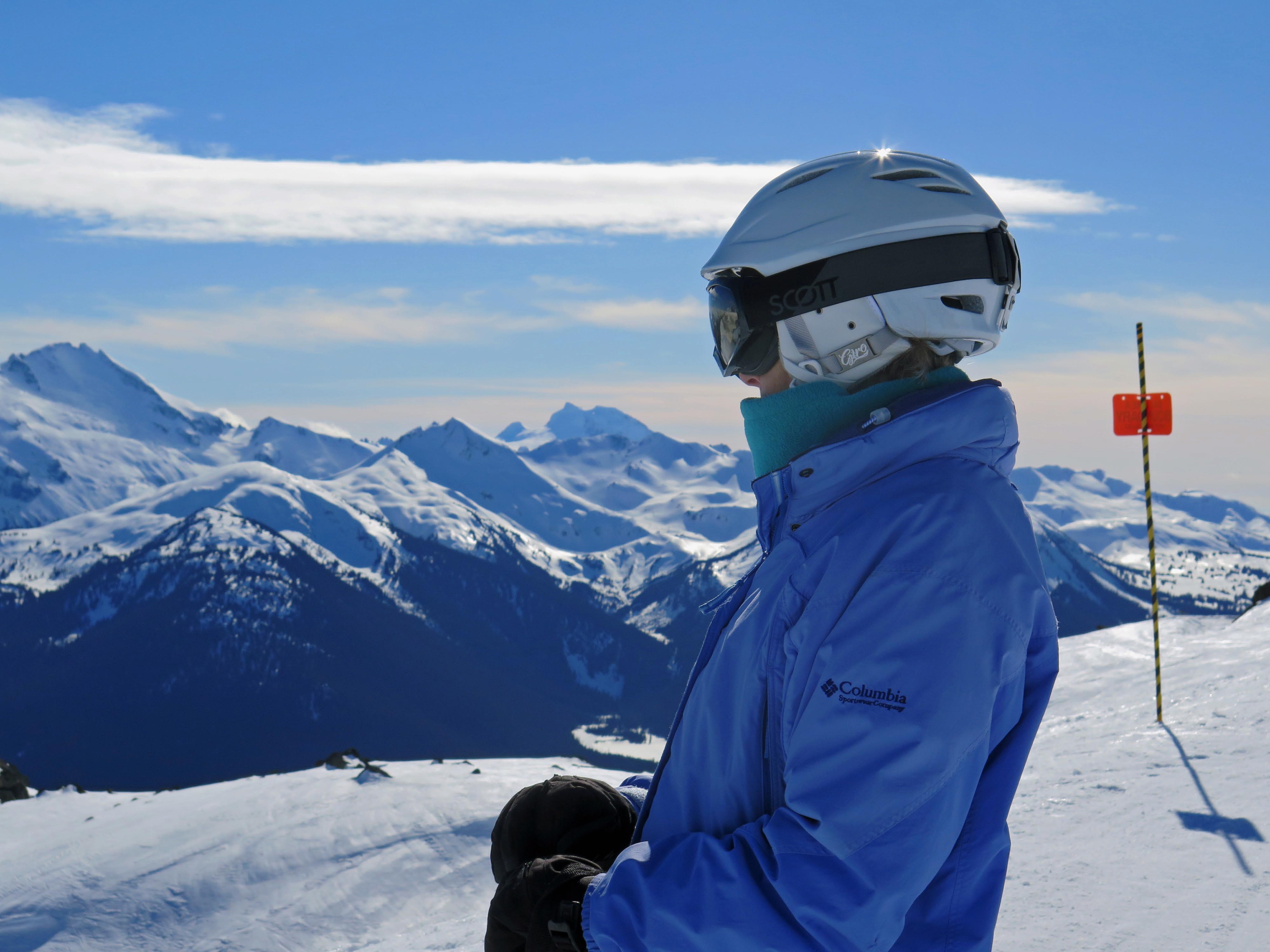
Our ski trip to Whistler was a mixed success. The alpine vistas were out-of-this-world beautiful. The runs were long, and the terrain was varied and challenging. The skies were mostly blue, and the temps were moderately cold. The village was bustling with lots of shops and restaurants, and people speaking many different languages. The free bus system got us around, though we sometimes had to wait a while. We had exciting adventures, good meals, and laughs with family and friends.

The snow, though, was disappointing. We arrived right after two exceptionally good snow years, and in the middle of what’s normally the snowiest time of year, but found it hadn’t snowed for weeks. Bad luck! There was still snow on the upper part of the mountains, but for most of our stay, its texture ranged from fairly hard to super hard.
IMG_0199_edited-1

The sound of skis on fairly hard snow is sort of like the sound of an ice scraper on an icey car windshield, or a snowplow scraping a street. We learned to listen for that sound as we went up the lifts and watched skiers descending the steeps, and pondered the least noisy way down. At speed on hard snow, you get bounced and buffeted, and you make those awful scraping sounds. You need to watch out for rocks. It’s hard to relax and let it flow.

But we did find some areas of non-punishing snow, and had a certain share of joyous turns. We particularly enjoyed some areas on Blackcomb mountain that had dramatic rolling ups and downs. There were pitches with non-icey moguls that were fun. And at the top, as I mentioned, spectacular alpine views.

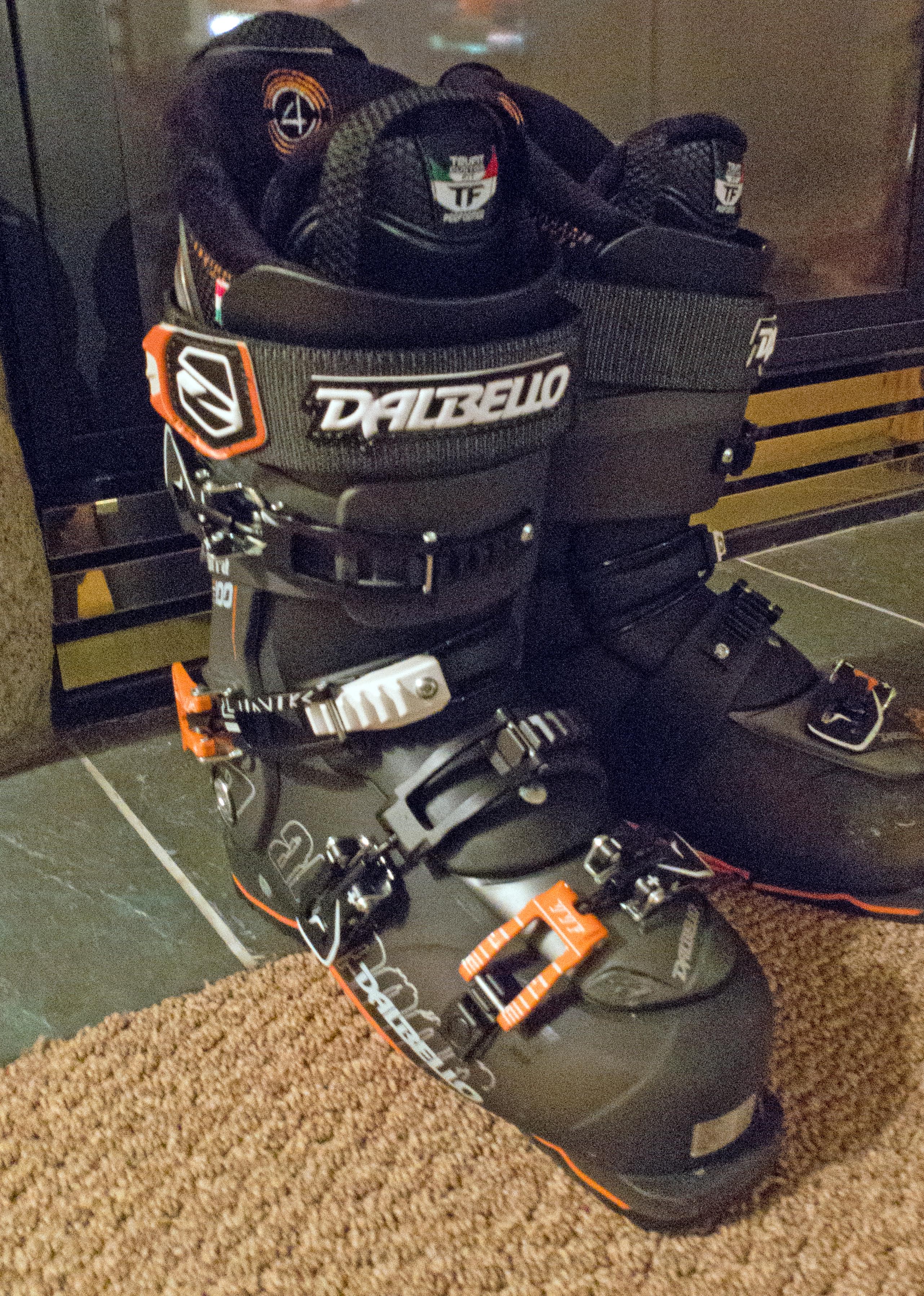
I skied on rented Volkyl Kendos, which I found to be versatile and reliable, stable at speed and quick from edge to edge. I was also happy with my new Dalbello Panterra 100 boots, which were easy to get on and stayed in good communication with my edges.
IMG_0241_edited-1
We had an afternoon in Vancouver before heading home, and checked out the Vancouver Art Gallery, a fine old building in the classical style. There was a exhibition featuring some fine works of Cezanne, Degas, Pissaro, Van Gogh, Modigliani, and Soutine collected by Henry and Rose Pearlman. I enjoyed the paintings, and was particularly glad that Gabe could see this well-chosen collection, while his own artistic eye is developing so quickly.

We also checked out an exhibit of contemporary Chinese art, where I saw two pieces that blew me away: a giant sculpture by Ai Weiwei made of hundreds of antique three-legged stools (shown in this video) and installation involving ceramics by Liu Jianhua that seemed to hover both in space and time. We also stopped in the Coastal Peoples Fine Arts Gallery, which had interesting masks, totem poles, and graceful stone sculptures of bears and other creatures.

On the trip back, I finished reading Your Atomic Self: The Invisible Elements that Connect You to Everything Else in the Universe, by Curt Stager. Its main point is to explain how our bodies are built and operate from an atomic perspective. We all know, sort of, that we’re essentially atoms, but it’s challenging to grasp and accept what that really means. Stager traces our oldest bodily elements back to their origin in exploded stars, and explains how our constituent atoms have been recycled through minerals, vegetables, and animals prior to arriving in us. The idea that we’re connected to everything around us turns out to be true! I found it challenging, and inspiring.

Whistler skiing, Invisibilia, and Oliver Sacks’s farewell

The new boots, after day one at Whistler

The new boots, after day one at Whistler

Early Friday morning we flew to Dallas, where we changed planes and continued on to Vancouver, where we got a car and drove to Whistler to do some skiing. The flying part of the trip was uneventful, though sitting in an economy seat for seven hours takes its toll. It’s good to have some uninterrupted time to read, listen, and think, but in the last couple of hours my bottom started to ache and my legs wanted to move.

The traffic getting out of Vancouver was terrible. With only brief prior exposure, I’d thought of Vancouver as a friendly and modern mid-size city, all of which it may be, but the traffic was more like Sao Paulo. We watched traffic lights change two and three times to progress one block. It took an hour and a half to get clear of the city, which was especially frustrating after a long flight.

The coastal road north to Whistler was curvaceous and lovely, wooded with evergreens and islands to the east. It would have been an excellent stretch of road to drive with Clara. We finally made it to Whistler Village in late afternoon, and checked in and got the key code to our condo in the upper village. We dropped our gear, picked our bunks, and went out to rent necessary equipment. I’d bought my own boots, newly purchased, but needed to rent skis and poles. By the time this got done, we were very tired and hungry, and ate at the first place we could find.

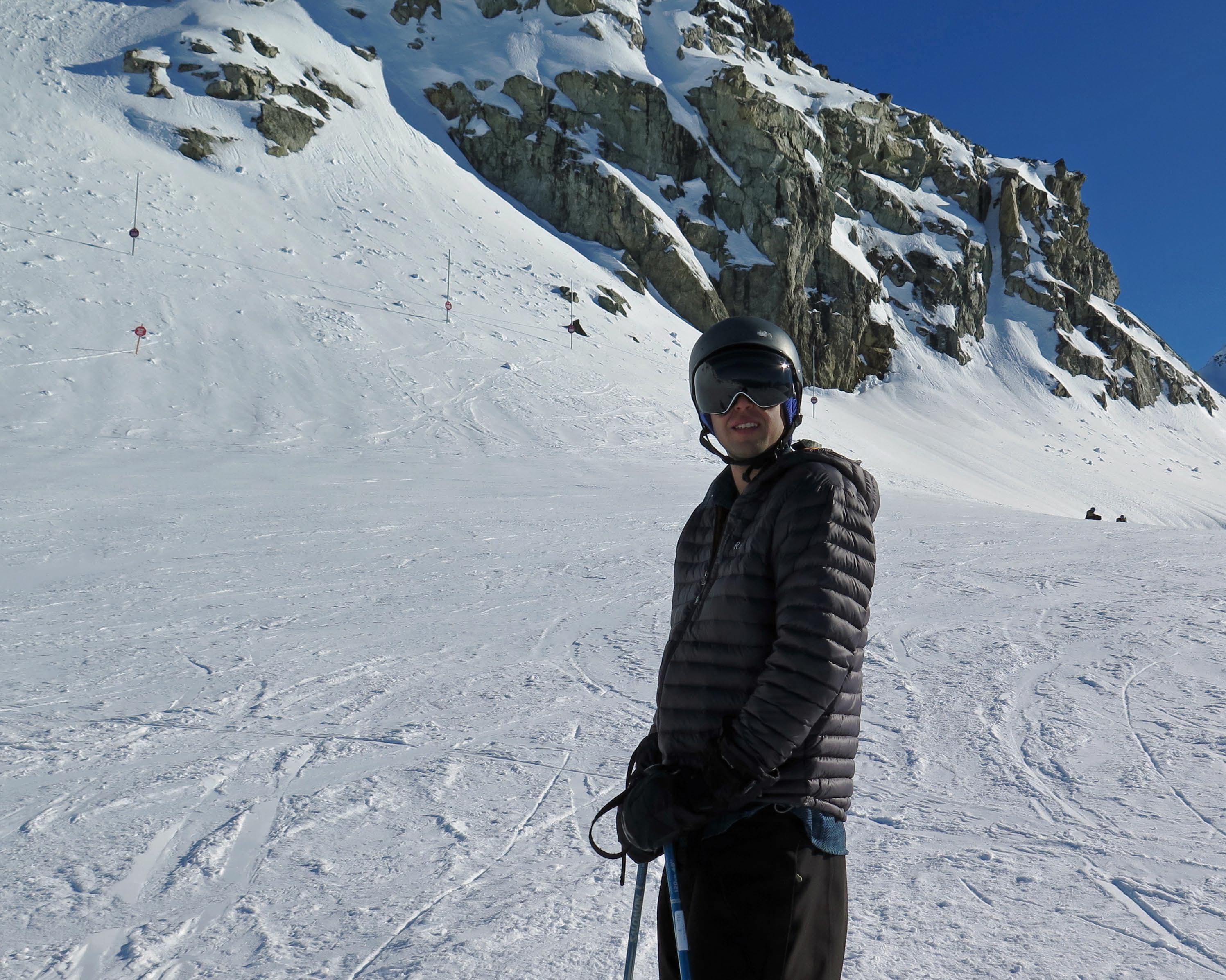
Skiing on Saturday was, ultimately, fun, though I was disappointed at first. It hadn’t snowed for some weeks, and the coverage was not good — almost nonexistent at the lower lower elevations. Higher up, there was snow, but a lot of it was very hard. Still, we found areas of good snow, and enjoyed the long runs and varied terrain. Gabe led the way, and I raised my game just by trying to keep up. The vistas were stunningly beautiful.
IMG_0193_edited-1

During the trip out, I listened more to a marvelous podcast called Invisibilia. It’s an NPR-based show with a style that resembles Serial in tone and mindset, anchored by Alix Spiegel and Lulu Miller, two very smart, funny, curious women. Each episode takes on a question or oddity of human psychology or behavior. Without seeming either overly technical or overly simplistic, it manages the neat trick of being at once entertaining and thought-provoking.

The episode I listened to en route was about categories. We all have to have lots of them, and usually give them no thought. But as the show pointed out, it would be a huge problem if every time we saw a couch, we had to figure out what it was for, whether it was potentially dangerous, etc. It’s a very good thing that we recognize couches, not to mention other categories of furniture.

Much of the show concerned gender categories, and specifically a transgender person who reported the experience of switching between male and female orientations often. It focused mainly on the challenges this presented to the individual in terms of relationships and emotions, but it also pointed up how the male-female categorization affects the way we interact with the world.

I was also thinking about Oliver Sacks, who revealed in an op-ed piece in the NY Times this week that he will soon die of liver cancer. Sacks, a distinguished neurologist, has written many fascinating books and articles about psychological oddities. Now 81, he noted that he’s written 5 books since he turned 65. I was saddened to hear he wouldn’t be with us much longer, but also inspired by the courage and calmness with which he addressed the subject of dying.

He wrote:

I cannot pretend I am without fear. But my predominant feeling is one of gratitude. I have loved and been loved; I have been given much and I have given something in return; I have read and traveled and thought and written. I have had an intercourse with the world, the special intercourse of writers and readers.

Above all, I have been a sentient being, a thinking animal, on this beautiful planet, and that in itself has been an enormous privilege and adventure.

I’m hoping I’ll be able to say the same when the time comes.

Winter blossoms, understanding false memories, and lively ballet

_DSC8355_edited-1
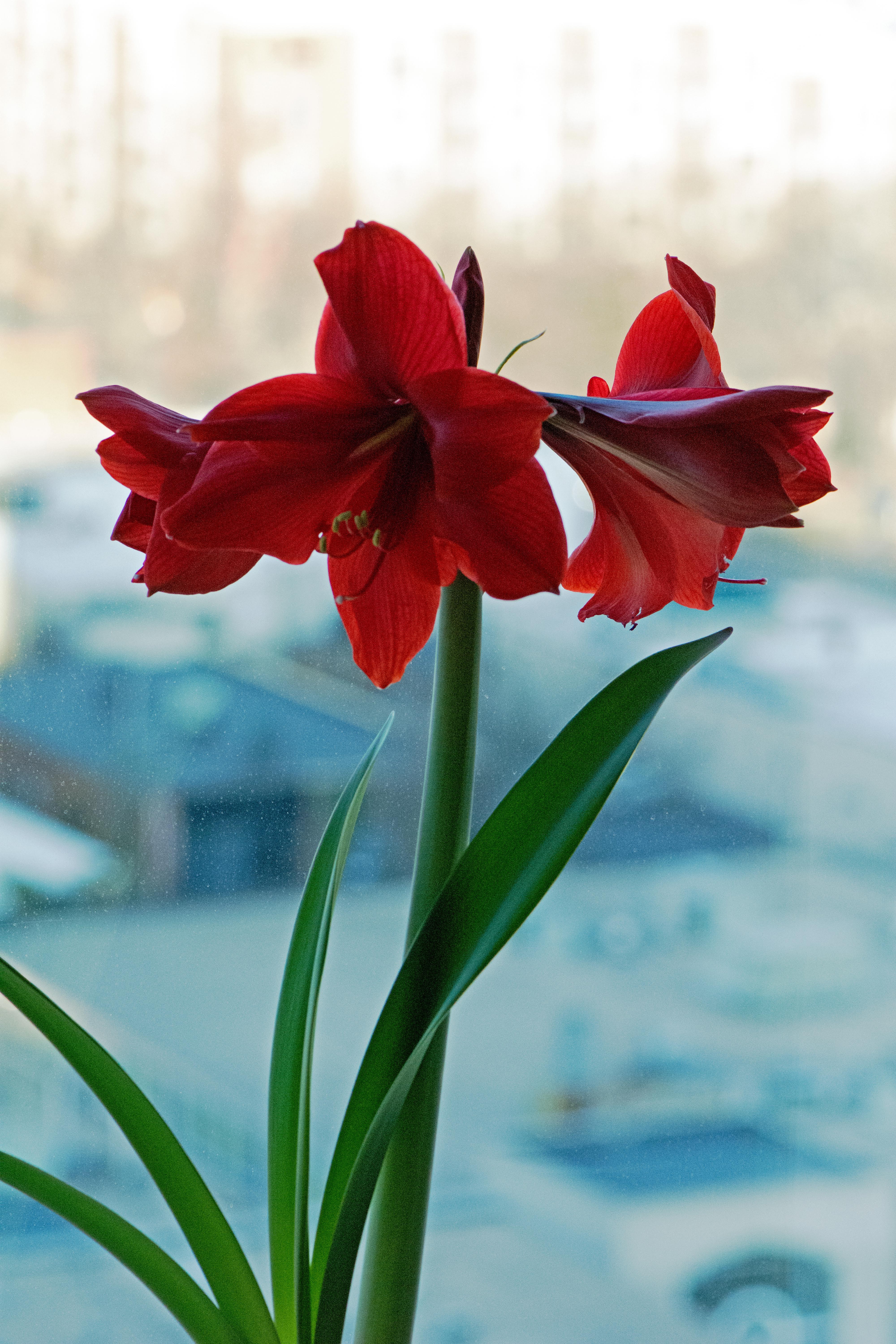
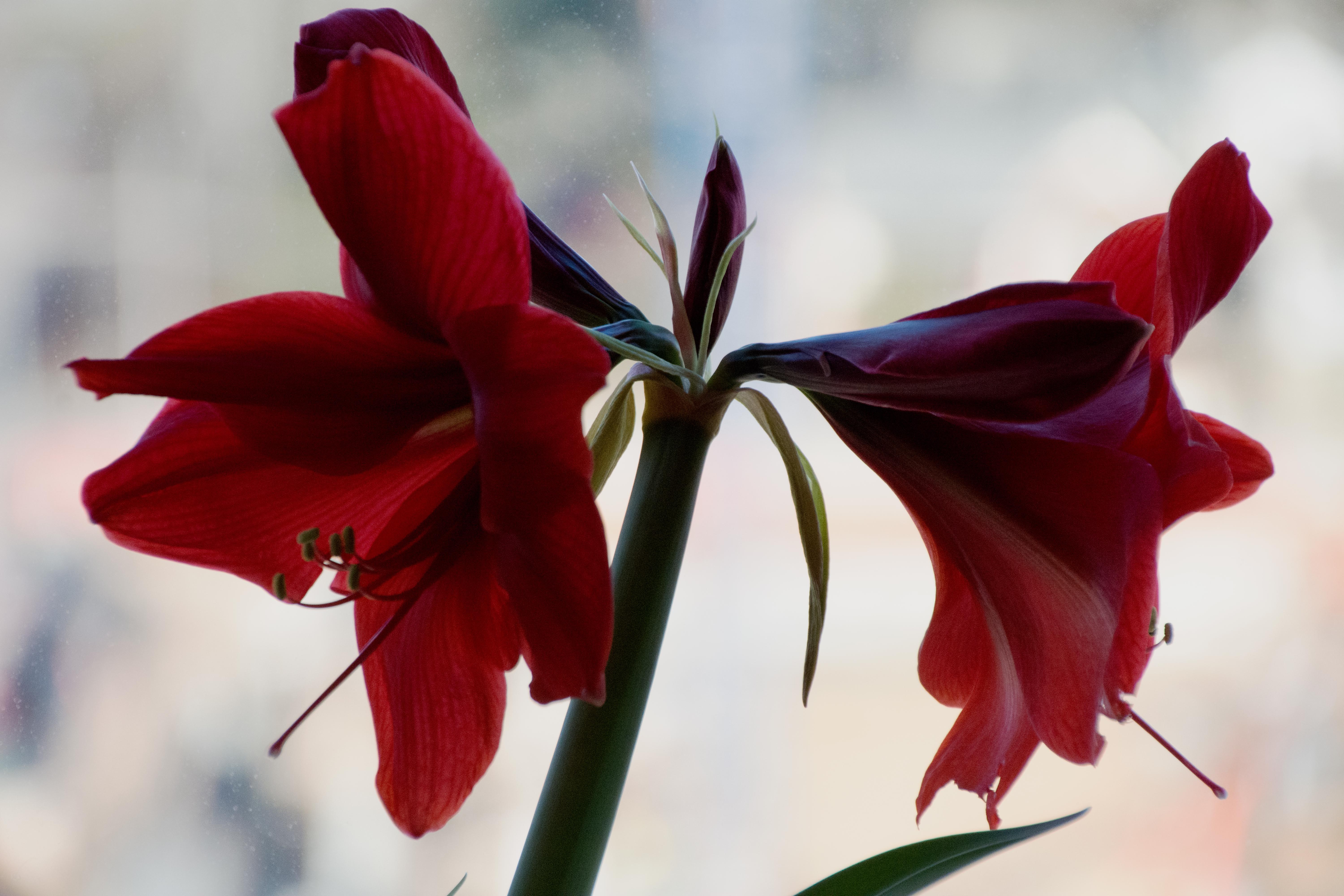
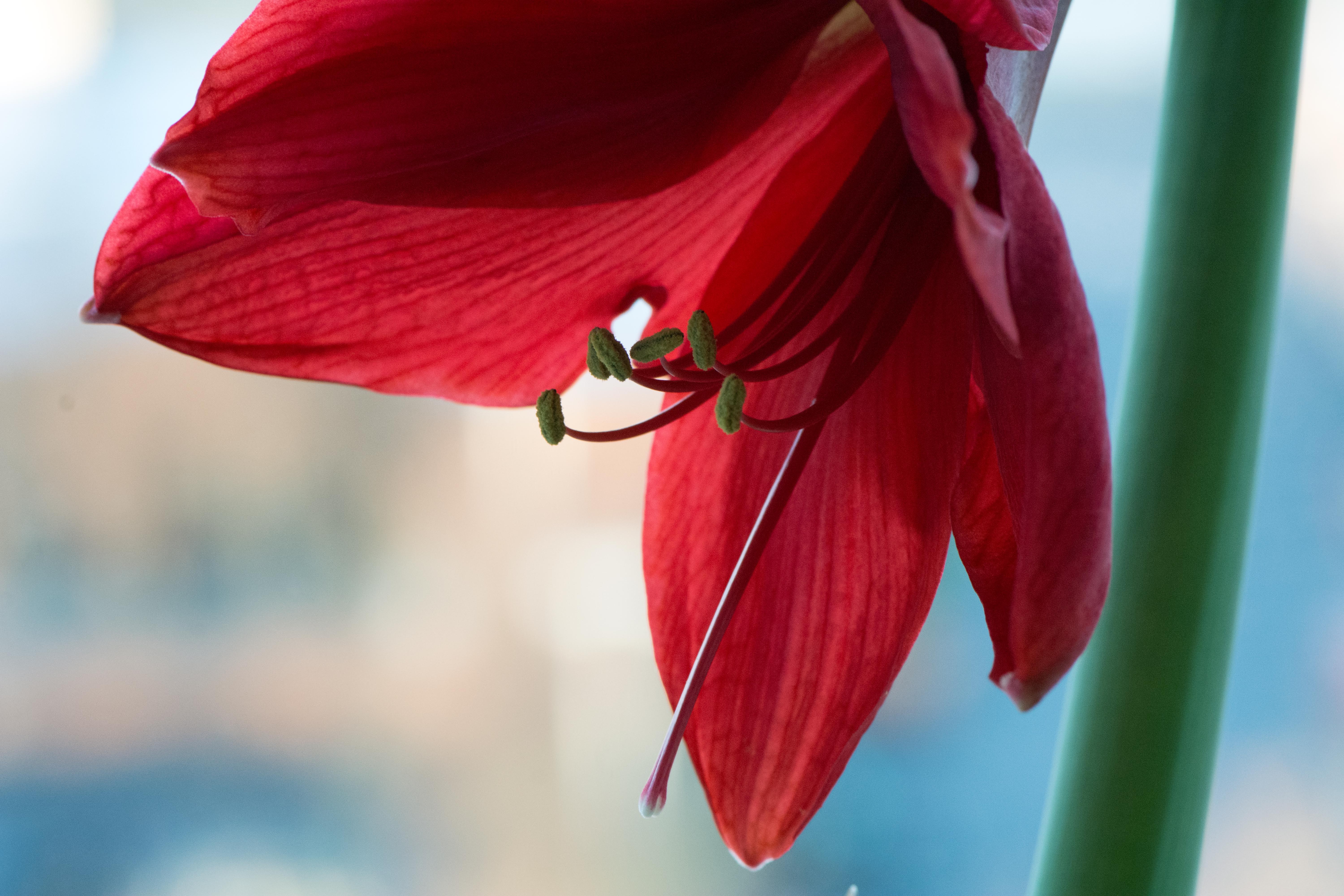
After an auspicious Groundhog Day, the weather turned cold, and we started really wishing for spring. Fortunately, our dear houseplants are keeping our spirits up. Sally recently agreed to adopt her mom’s amaryllis bulb, which needed more sun than Diane had ready access to. It’s been getting taller (see photo from last week’s post), and this week it bloomed spectacularly. I got these photos looking west when the sun had just risen.

It was a tough week for Brian Williams, who was suspended from reading the network news for recounting a harrowing war story that didn’t exactly happen, at least to him. I do not know the man, and have no knowledge as to whether he intentionally lied.

But I do know it’s entirely possible that he had a false memory that he mistook for a true one. This has happened to me, and it’s probably happened to you. Plenty of research has established that human memory is highly fallible, and some memory errors are dramatic. Thousands of people “remember” being abducted by aliens (which I’m fairly confident didn’t happen). Quack therapists have persuaded many unfortunates to “remember” childhood sexual abuse that never occurred. And some crime victims “remember” and identify their attackers with apparent certainty, after a bit of police coaching, though DNA evidence shows the attacker was someone else.
_DSC8318_edited-1

Celebrating the downfall of those with disproportionate luck as to wealth and good looks is of course good fun, and there was great schadenfreude in the land over Williams’s I’m-kind-of-a-hero story. But there were a few voices in his defense pointing out some of what we’re learning about our memory imperfections and other mental challenges. The Times had a a useful quick summary.
There was also a good article in Slate by Christopher Chabris and Daniel Simons that gave some practical suggestions for reducing the likelihood that you will make the kind of mistake Williams may have made, such as checking your facts when you really need to get the fact right. By coincidence, I’d just listened to interviews with these same guys on You Are Not so Smart, a podcast focused on the science of our systematic shortcomings, like memory glitches and unconscious bias.

We like to imagine ourselves as powerful and perfect, but it’s much more useful to be aware of where we are prone to error and delusion. Understanding our cognitive weaknesses can help us avoid some mistakes and make better decisions. Also, understanding that we are all fallible might make us a little more humble and a little less judgemental.

_DSC8267_edited-1

One of the great thing about ballet is that, though mannered, it also has a kind of emotional directness. It doesn’t need much in the way of narrative to involve us. As humans, we are just naturally interested in the physical aspects of other humans. Within the safe zone of the theatre, we are privileged to gaze at the beautiful dancers, as they share themselves and bring us to life.

On Saturday night, we saw the Carolina Ballet do a program with works by Robert Weiss and George Balanchine. Jan Burkhard and Nikolai Smirnov were dazzling in Tarantella. Balanchine’s take on gypsy dancers is light, but also intense, and the dancers seemed to push to their limits. Balanchine’s famous Four Temperaments was more austere, with the dancers in basic black and white and inwardly focused, but it was equally stimulating. Cecilia Iliesiu as Choleric was particularly fine – commanding and regal.

I also really liked the two new Weiss ballets. The Double is a duet of two women, not identical but nearly, moving closely in synch in shadows. Alicia Fabry and Alyssa Pilger were beautifully paired, and entrancing. Weiss’s Grosse Fuge, to Beethoven’s famous and strange late work, had a large cast and high kinetic energy.

Speaking of software patents, alarming smoke alarms, and computer upgrading

_DSC8190Last week I spoke at a symposium on patent law and digital technology in Winston-Salem sponsored by the Wake Forest University Law Review. I used my air time to raise some questions about the value of software patents and the premises of the patent system. You never know when a seed may sprout. The audience seemed engaged, and the comments I got were appreciative.

It was nice to get back to my childhood stomping grounds, and nice to have a chance to see my oldest friend (going back to fourth grade), Jim P. Even as a child, he had a remarkable talent for building things, whether model planes, cars, or forts in the woods. He found his calling as a builder, and among other things has built major structures for Wake Forest U, including Farrell Hall, which he showed me around. He was in the midst of building an addition to Reynolds Gym, and I got to see the architectural and engineering drawings and scheduling boards.
_DSC8178_edited-1

It is not often that I undertake a household upgrade or repair more complicated than hanging a picture. But I’ve had to raise my game a couple of times this week.

When I got home on Friday evening, the smoke alarm began making a very loud high-pitched squeak, signalling that it needed a new battery. Sally, who had dealt with this issue before, was away visiting her sister. I got out the step ladder, climbed up, and reached high, wondering how long it would be before someone found me if I fell off. I managed to unscrew the device from the ceiling but couldn’t locate the battery, even after considerable pushing, twisting, and prodding. So I called Sally, and she gave me a couple of crucial tips.
_DSC8179_edited-1

Eventually I got the 9 volt battery out and a replacement battery in. But I put it in the wrong way, and had a tough time getting the hatch open again. After that was all done, I heard another loud squeak. It turned out I’d repaired the wrong alarm, and had to do another one. Then it turned out that that also was the wrong one, and I had to do a third one (in which I put the battery I took out of the first one).

I was quite technically proficient at smoke alarm battery replacement by the end of this process. If you have problems with a First Alert smoke detector, I may be able to help.
_DSC8193

In fact, I’ve been on a bit of a roll with repairs and upgrades. After concluding recently that my MacBook Pro laptop needed more RAM, my first thought was to find a repair shop, but I couldn’t find one that looked self-evidently reliable. After consulting with friends and colleagues, I ordered 16 gigs of RAM from Amazon, watched a YouTube instruction video, read a couple of sets of instructions, and unscrewed the back. I wondered, would I destroy the computer? I would not! There were a few moments of pushing and poking, and then it slipped into place. I felt fairly competent. The computer seemed noticeably zippier.

I also upgraded from Adobe Photoshop Elements 11 to Photoshop Elements 13. I’ve come to respect the editing algorithms of version 11. I used to think of the auto functions as a less-than-honorable crutch, but I’ve come to view these tools as sort of a partner in making good photos from RAW format images. I’m still testing the new version, but am generally pleased so far.

Breathing better, climate change changes, and the amazing Birdman

_DSC8116
A lot of things that are good for us are kind of tough, at least initially. I’m thinking especially of avoiding junk food and exercising, which require an up-front investment of time and energy. So I was pleased to come upon a report of a good-for-you activity that’s free, easy, and immediately rewarding. According to the Wall Street Journal this week, deep, slow breathing can help with stress, migraines, and other disorders. This stimulates the vagus nerve and causes the release of acetylcholine, which slows down the digestive system and heart rate.

This beneficial effect was not completely surprising to me, as this is the kind of breathing we do in yoga, and it feels good. At our 6:00 a.m. yoga class last Tuesday, Suzanne was coaching us to breath in on a slow count of 4, pause, then breathe out to a count of 4, and pause again. I later tried this technique when I was having trouble sleeping, and whoosh, off I went to dreamland.
_DSC8140

I’ve been taking particular note lately of how many of our most fervent beliefs are dubious, and how resistant many of those beliefs are to change. For example, no amount of evidence seems to shake the certainties of opponents of evolution (forty some percent of Americans). I was worried that this was where we were on global warming, as we head toward the precipice.

But this week there was some good news: more people are taking the view that we’ve got to get serious about climate change. This week a NY Times poll“found that 83 percent of Americans, including 61 percent of Republicans and 86 percent of independents, say that if nothing is done to reduce emissions, global warming will be a very or somewhat serious problem in the future.” Two-thirds said they’re more likely to vote for political candidates that support addressing global warming. Even Republicans are moving in the right direction: 48 percent of them went with the majority.

So the overwhelming majority of us agree that we’ve got to get to work on saving the planet. This is encouraging.

Still, what could explain the people who think we have a serious problem but will not support doing anything about it? Is it amoral cynicism and greed? Whatever it is, we need to make sure those people do not win.
_DSC8115

We finally got out to see Birdman this week, and thought it was great. Michael Keaton plays Riggin Thomson, a former action movie star who’s gone downhill but has decided to take a big chance and direct and star in an angst-ridden play that’s opening on Broadway. Riggin seems to be going crazy, with bursts of despair and brilliance.

Is it a very dark comedy, or a surreal drama? It’s edgy and intense, and doesn’t fit neatly into any genre. It reminded me of the great movies of Bergman, Fellini, and Scorsese — psychological, visionary, and manic. A very interesting score (jazz drumming, Mahler), evocative photography, and very fine acting. It challenges us with ambiguities. It would like us to think.

I wish its gifted creators (including the remarkable Spanish director Alejandro Gonzalez Inarritu) good luck at the Academy Awards (where it has 9 nominations), but I’m afraid that it will be too original and unsettling for the Academy. I note that when Sally and I went to see it at the multiplex last Thursday, we were the only ones in the theatre.

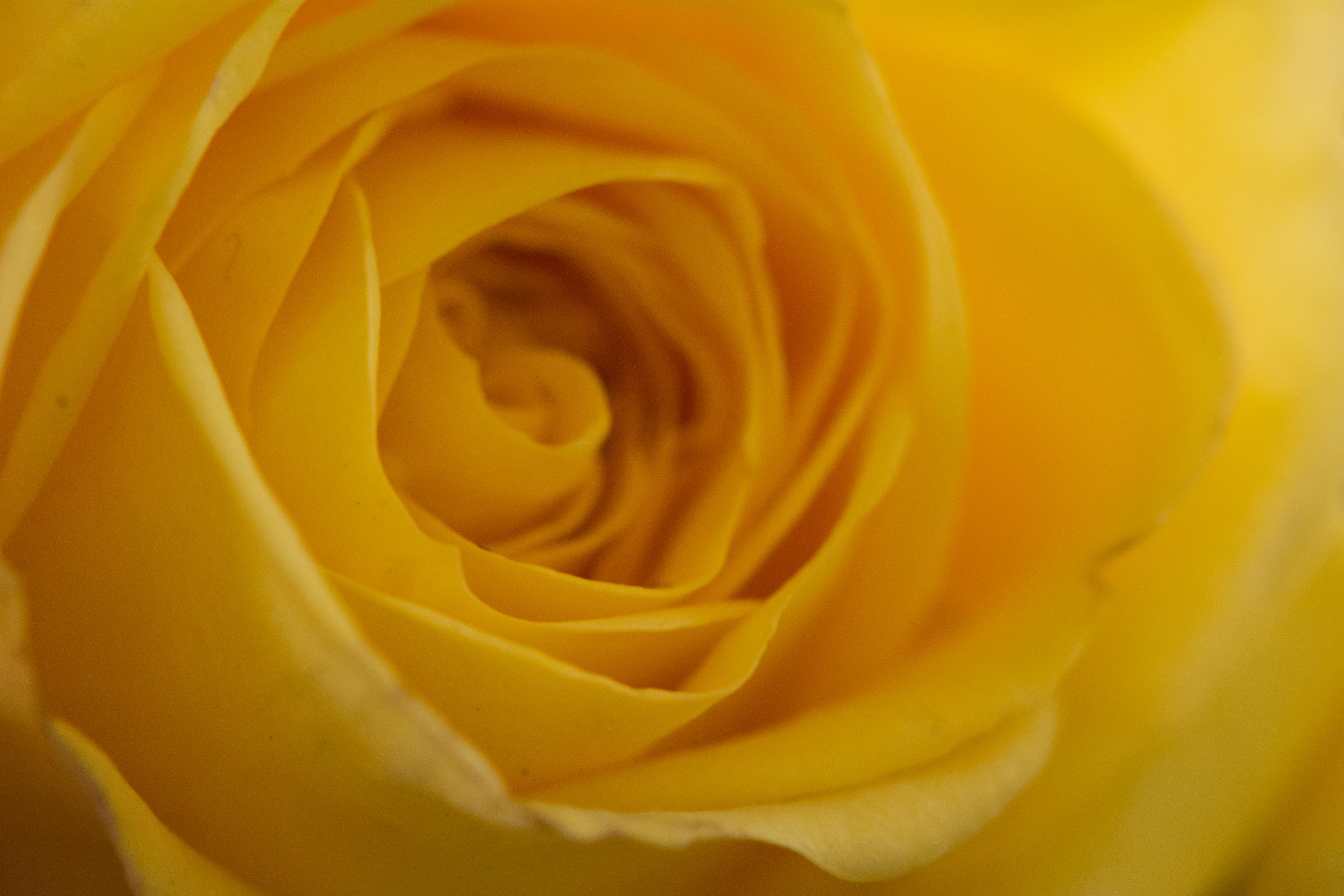
Re the pictures: Sally brought home some roses from Whole Foods and made a lovely arrangement. She’d discovered that though the cats like to eat certain flowers, and then throw up on the rugs, they were less drawn to this kind. I liked the light on Saturday morning.
_DSC8118

A piano recital, Turing’s secrets, NSA surveillance, and the cure for addiction

_DSC8060_edited-1
It was rainy and raw on Friday evening when Sally and I drove over to Durham, and the traffic kept bunching up. We were a bit anxious about being late to meet our friends at Watts Grocery, and we were late – they’d already ordered drinks and salads. But they forgave us, we caught up, had a good dinner, and made it in good time to a concert at Duke’s Baldwin Auditorium, where we heard a program by the eminent pianist Jeremy Denk.

Denk is a musician’s musician. His program was, as he put it, a mix tape of Schubert dances shuffled together with short Janacek pieces, and also some atypical Haydn, some atypical Mozart, and Schumann’s odd and powerful Carnival. Everything he played seemed thought through to the smallest detail, but at the same time full of feeling.

For encores he played the slow movement of Ives’s Concord Sonata, and one of the slower Goldberg Variations, both of which were exceptionally colorful and beautiful. Though not a particularly good-looking guy, he was also fun to watch, with gestures that accorded with the music and magnified the feelings. Later, I re-read his wonderful autobiographical essay from the New Yorker, Every Good Boy Does Fine, which I highly recommend.
_DSC8033-1_edited-1

We saw The Imitation Game last week, which was a bit staid but also touching. I knew something of Alan Turing, including his brilliant contributions to computing theory (including the Turing machine and the Turing test) and that he helped break the Nazi’s Enigma code. I hadn’t known how he did it, or much about him as a person. From the movie, he appeared distinctly anti-social. This being Hollywood, it seems safe to assume he was probably even harder to like in real life. But he contributed enormously to the world, before being hounded to death at age 41 for the crime of being gay.

Turing’s death was a tragedy, but in earlier chapters he was lucky, in a way. How inspiring and daunting it must have been to think that thousands of lives, and perhaps the future of western civilization, depended on whether you could succeed in an almost impossibly difficult code-breaking task. And by golly, he did it!

Indeed, although I’ve never thought of it this way before, our forebears who found themselves facing Nazism and Fascism were lucky, in a similar way. They had an unambiguous enemy, a massive threat, that could only be defeated by joining together, and with heroism and sacrifice. We seem to need big enemies to unite us as a society. That may be why, when we don’t have big enemies, we magnify smaller ones.

And so, as I discussed here last week, we push forward with the 13-year-old war on terror, which continues to morph. This week a coup in Yemen resulted in headlines suggesting we should panic over a new terror threat. The coup was actually by sworn enemies of Al Qaeda, but the fear seemed to be that increasing disorder was likely to lead to increased space for militant anti-Americanism to expand. That’s possible, I guess. But it’s possible that this is a civil war with entirely different drivers, tribal, religious, or financial. Perhaps it’s not all about us.
_DSC8016-1_edited-1

The thing is, when we panic we do foolish and deplorable things – domestic spying, torture, assassinations, war. This week the New Yorker has a piece by Mattathias Schwartz about the NSA’s collection of internet searches, social media, and metadata on phone calls – hundreds of billions of records, at a cost of tens of billion of dollars ($10.5 billion in 2013). Schwartz examines the question of how many terrorist attacks were stopped by this program, and finds . . . perhaps one. Not exactly saving western civilization.

Actually, the one was not so much a potential attack, and not so much in the US, as a financial contribution of $8,500 by a Somali born U.S. citizen that may have been made to Somalian guerrillas (the Shabaab) who had jihadist ambitions and Al Qaeda connections. The evidence sounds ambiguous, but there were three convictions, and rightly or wrongly, the defendants were sentenced to prison terms of up to 18 years. That’s all we got, in return for billions of dollars and constant surveillance of our everyday lives that undermines our privacy, our public discourse, and our Constitution.
_DSC8025-1_edited-1

As crazy and depressing as this is, it should be noted that there’s hope: our mass panics can be overcome. For example, it seems like there’s a light at the end of the tunnel in our costly and tragic war on drugs, at least as to marijuana. With several states in various phases of legalization, it’s increasingly hard to argue that using pot should be punishable as a crime. But it is still being punished as a crime in places, and we’re still spending $51 billion a year on fighting drugs here and around the world.

Jocelyn pointed up a piece this week in the Huffington Post with a new, to me, take on drug addiction. A basic premise of the war on drugs is that some drugs are so fantastic that they’re irresistible, and so they take control of and destroy lives. But the piece, by Johann Hari, suggests an alternative paradigm.

Hari reexamines the famous rat-with-cocaine experiment, where the rat is alone in a cage and keeps taking cocaine until it dies. Later research by Professor Bruce Alexander focused on the environment of the rat – which was caged and alone. When rats were put in more stimulating environments, including toys and rat friends, and offered the same drugs, they mostly shunned them. Alexander found that even rats that were thoroughly addicted to heroin kicked the habit when they had the benefit of other rats to socialize with and stimulating environments.
_DSC7995-1_edited-1

The theory expounded by Hari is that what drives addiction is not primarily chemical hooks, but rather isolation, and that what prevents it are meaningful human connections. This may also explain some non-drug addictive behaviors, like gambling. That is, drugs or gambling may be responses to other problems, like loneliness.

Hari notes that Portugal, which once had a very high rate of drug use, decriminalized all drugs 15 years ago, and invested some of the money saved from drug warring in social programs, such as housing and jobs. The rate of injected drug use has fallen by 50 percent. Fifty percent! I recommend reading Hari’s piece.

Sweet success at the Dawn Face, and a worrying new chapter in the war on terror

I was thrilled this week that Tommy Caldwell and Kevin Jorgeson completed their epic climb of El Capitan at Yosemite. It was widely agreed that this ascent of the Dawn Face, a 3,000 foot granite wall, was an almost impossible, transcendent athletic achievement. It took years of planning and preparation to complete this climb, and I’m sure they were not well-paid years. These guys were not motivated by desire for lucre or worldly success. It’s inspiring to see people with such passion and intensity. Hats off to them.

It’s good to cherish such heroic moments. They balance the difficult and depressing stories. It’s almost overwhelming to think about our enormous social and environmental risks and tragedies, but we’ve got to try. Part of the trick, at least for me, is making it a point to pay attention to the beauty around us.

The big depressing story this week was the aftermath of the shocking massacre at the French satirical magazine by religious extremists. This was a horrible crime, and it is inevitable that we feel shaken and confused by it. We want to have a narrative to make it make sense. But the emerging dominant narrative, organized around the idea that militant Islam poses a serious threat to the world order, could do far more harm than the Charlie Hebdo murderers.

It was only hours after the massacre that French politicians were declaring war on terror. I wanted to say, hey, wait, we tried that, and it was a disaster. America has so far spent thirteen years warring against terrorism – the longest war in American history – and there’s no clear light at the end of the tunnel. We’ve spent at least $1.5 trillion dollars and sacrificed the lives of many thousands of our soldiers while killing tens of thousands of enemy soldiers and hundreds of thousands of civilians. The net is that the small group of radical crazies that existed at the start of the “war on terror” is now a larger, more widespread group of radical crazies.

James Fallows wrote a piece in this months’s Atlantic about America’s puzzling worship of the military. As he notes, it is certainly true that individual soldiers commit acts of great bravery and make enormous personal sacrifices, and for these they should be honored. But as an institution, our military is enormously wasteful, seldom successful, and almost never accountable.

And the cost is staggering from any perspective. Fallows summarizes as follows:

The cost of defense, meanwhile, goes up and up and up, with little political resistance and barely any public discussion. By the fullest accounting, which is different from usual budget figures, the United States will spend more than $1 trillion on national security this year. That includes about $580 billion for the Pentagon’s baseline budget plus “overseas contingency” funds, $20 billion in the Department of Energy budget for nuclear weapons, nearly $200 billion for military pensions and Department of Veterans Affairs costs, and other expenses. But it doesn’t count more than $80 billion a year of interest on the military-related share of the national debt. After adjustments for inflation, the United States will spend about 50 percent more on the military this year than its average through the Cold War and Vietnam War. It will spend about as much as the next 10 nations combined—three to five times as much as China, depending on how you count, and seven to nine times as much as Russia. The world as a whole spends about 2 percent of its total income on its militaries; the United States, about 4 percent.

Got that? We’re spending more now on defense than in the Cold War, when we had an actual imposing enemy, and more than the next ten most armed nations combined. The sums involved are literally mind boggling. What has all this money got us? As noted, years and years of death and destruction. That’s about it.

The French are also debating whether they should beef up their security apparatus to allow more widespread spying on citizens. Again, there are some things they could learn from our experience. Our panic after the horrible killing in 2001 of almost three thousand of our citizens led us to create an enormous security apparatus that now surrounds us. Privacy is becoming a thing of the past. Our culture and political life are impaired, as we’re now conscious that our speech may be constantly monitored. We’ve repeatedly tortured prisoners. We’ve sacrificed some of our most fundamental constitutional principles and most sacred ideals.

How much terrorism does our massive security apparatus prevent? It’s impossible to know, though I suspect not much, in part because I don’t think there’s all that much terrorist violence that would happen anyway.

Although there are clearly some homicidal maniacs in the world, it doesn’t seem likely that the world is suddenly filled with homicidal maniacs, or that a large number of those are focussing their mania on you and me. We need to understand a lot more about militant Islam, which, to be sure, has a complement of maniacs that hate the West. But viewing militant Islam as primarily devoted to killing westerners is surely a mistake. Poor and ignorant Islamists have a lot of other things to worry about, like opposing ruling tyrants.

In the New Yorker this week, there’s a piece by Patrick Radden Keefe on corruption. It focuses in part on Afghanistan, where the regime installed by the US has been prodigious in looting the country. At last check, the CIA was continuing its deliveries to President Karzai of cash in paper bags amounting to tens of millions of dollars.

This systematic high level corruption is an outrage at many levels, but one that I hadn’t previously considered is the reaction of ordinary Afghans. According to research by Sarah Chayes, the leading reason that captured Taliban prisoners gave for joining the insurgency was the perception that the Afghan government was “irrevocably corrupt.” How ironic that our war on terror led to this.

It is, for us, hard to conceive of religious militancy as a rational response to extreme circumstances, but it’s worth thinking about. It seems more likely that the extremist movement is fueled more by such a combination of idealism, ignorance, and outrage at oppressive/criminal governments than it is by fury over women’s revealing clothing and comics about the Prophet. Anyhow, it’s a question to which we should find out the answer.

Seriously, let’s get the best possible research on why these people are fighting, what they really want, and what are possible responses before we continue for another decade, spending more trillions of dollars and sacrificing additional hundreds of thousands of lives.

A down home ski trip

15 01 11_4879_edited-1
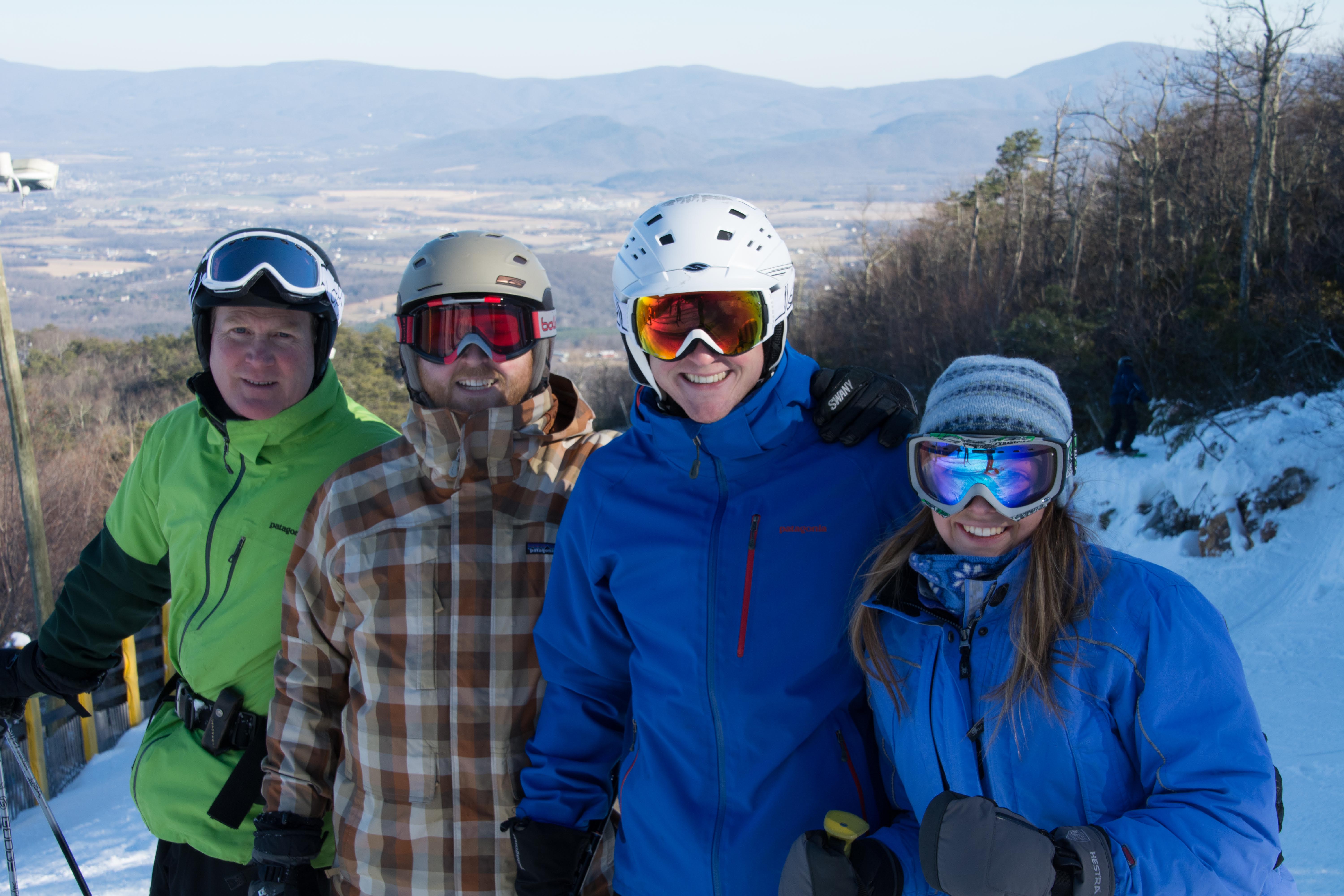
Last weekend I drove up to Massanutten, Virginia for a down home ski trip. Brother Paul is in his twenty-sixth year as a volunteer ski patroller there, and we’ve had many happy times on this unfancy mountain. This trip was especially happy, in that his three kids, my niece and nephews, were all there, with spouses and a spouse-to-be, little ones, and friends.

My nephews Josh and Adam are strong boarders/skiers (turns out both can do both). (Niece Lauren is also a good skier, but is expecting and so sat this one out.) We had a blast shooting down the steep places. It was sunny and cold, and the snow was good.
15 01 10_4858

We also spent some time helping a couple of beginners in the group. Paul has helped a lot of people learn to ski or improve (including me, come to think of it), and has a really kind, encouraging way of getting across the basic concepts.
15 01 10_4848
There’s no getting around the fact that being a beginner is hard. There are various specialized physical skills that you’ve got to grasp. Then there’s the fear of falling. And a certain amount of actual falling. It takes some gumption. It was great to see our newbies progressing quickly. When hanging with them on the gentler slopes, I practiced skiing on one ski (trying to work the counterintuitive outside edge) and skiing backwards.
15 01 10_4844

On the drive back, I listened to podcasts. I’m a recent convert to this technology/medium, which I got started loving after Jocelyn recommended Serial (now the most popular podcast in the history of – podcasts). I listened to several episodes of a BBC production called A History of the World in 100 Objects. Each show discusses an object from the British Museum, and uses it as a jumping off place for probing the society in which it was created. Some are very ancient (a hand ax 1.6 million years old) and some are just ancient (Clovis points 13,000 years old). I got up to 700 B.C., found most of it fascinating.

Our holiday in Cozumel: diving, eating, and reading

14 12 31_4444_edited-1

Gabe and Jocelyn joined us in Raleigh for Christmas for the first time in several years. We ate and drank well and had some good laughs. Gabe had given himself a Canon G15 camera, which he’ll be using to get scenic pictures of Telluride for his company’s website and other publicity. It was fun talking photography, and he was taking amazingly good pictures. I was struck and a bit envious of his natural talent.

Last year I offered scholarships to both Gabe and Jocelyn to get their scuba certification, with the kicker that graduates would also get a holiday trip with us to a dive resort. Gabe couldn’t work out the logistics, but Jocelyn found a dive shop in New York and took the course. Last weekend she, Sally, and I sadly said good-bye to Gabe, and gladly went to Cozumel, Mexico.
15 01 03_4830

We stayed at the Cozumel Hotel and Resort, and went diving with Dive Paradise. The good points of the hotel were: friendly service, large pool, beach (small), walking distance to town, good breakfasts, and dive shop and dock directly across the street. Dive Paradise was a large operation with several boats, but the service was personalized and friendly. Our boats were not overcrowded and the divemasters were knowledgeable and helpful.

15 01 01_4626_edited-1

We did two morning dives each day. The boat trips were between 30 minutes and about an hour. Particularly good spots were: Palancar Bricks, Cedral, San Francisco, Tunich, and Delilah. Visibility was generally 60-70 feet, water temperature 81 degrees F. The current was strong in places; think Lost in Space or Gravity. Every outing was a drift dive. We were usually down for 50-60 minutes.
15 01 02_4803_edited-1

Jocelyn spent the first two days finishing her Padi course by doing 4 open water dives , then joined us on the rest of our expeditions. She had no problem with the deeper dives (around 90 feet) or the places with strong current. She handled herself well, and I was a proud papa.

14 12 29_4221_edited-1

We saw a great deal of sea life, most of it familiar to Sally and me. Particularly thrilling were a pair of spotted eagle rays, an enormous (beastly huge!) green moray eel, large lobsters, and several hawksbill turtles. There were many beautiful angelfish and queen triggerfish. We saw a few nurse sharks and barracuda. Sally saw a pair of squid, and quite a few tiny things for which she needed her magnifying glass. The coral in places was highly varied and gorgeous.
15 01 01_4586_edited-1

I took photographs with my new Ikelite housing and strobes for my Nikon D7100. The equipment was heavy and bulky, and difficult to transport, but I was pleased with the way it performed under water. One of my objectives was to get a good picture of a queen angelfish, which are challenging both because of their normally shy natures and their wild colors. I was fairly happy with the ones here.
15 01 02_4755_edited-1

We ate a lot of tasty Mexican food, including outstanding and creative meals at Kinto and Condesa. We also had Italian food one night at La Terraza, which we thought was good.

In the afternoons we sat by the pool and read. I made substantial progress on The Adventures of Augie March, by Saul Bellow. I read and loved this novel in my early twenties, but it seemed new upon re-reading. It’s exuberant and Whitmanesque, exhilarating, but also challenging, resistant to skimming.
15 01 02_4760_edited-1

I also got a good start on The Innovators, by Water Isaacson. This is basically a history of computers and computing that gives mini-biographies of leading actors but also emphasizes that innovation is primarily a product of collaboration, rather than lone geniuses. Isaacson’s writing is competent and engaging.

One other book worth mentioning is The Meat Racket: The Secret Takeover of America’s Food Business, by Christopher Leonard. It is an eye-opening account of the corporatization of the production of chicken, pork and beef, with a particular emphasis on chicken and Tyson Foods. There is nary a word about the horrific treatment of animals, but the story is still brutal from the point of view of the farmers and workers.

The farmers here were by degrees deprived of bargaining power, to the point that they stay in business only by the grace of Tyson or its few similarly enormous competitors. It’s also startling to learn about the extent to which government provided financial guarantees that allocated the risks to the taxpayers (that is, us) and farmers, but gave the big rewards to the food megacorps. This story deserves wider publicity. Another good reason to go veggie.
15 01 02_4781_edited-1