The Casual Blog

Category: Uncategorized

Feeling my new SUV, trying digital drawing, and learning Italian
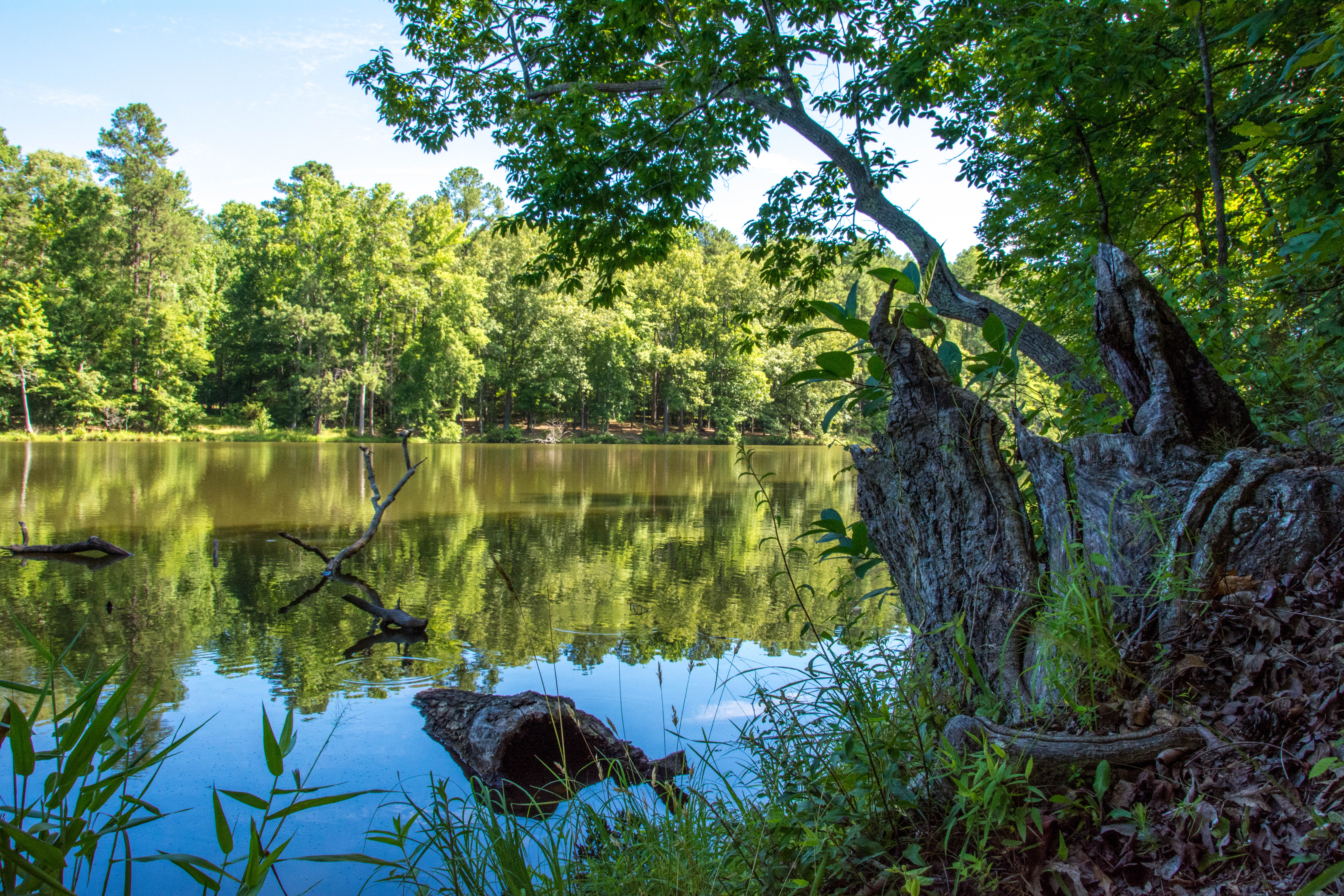
 

At Durant Park

Getting used to a new car is kind of like moving into a new house — everything’s a little confused, but also fresh and exciting.  This week I’ve been figuring out the fine points of my new Mazda CX-5 (a/k/a the Tiller Advanced Photographic Expeditionary Vehicle), pushing buttons and turning knobs, and occasionally consulting the owner’s manual.  I’ve always thought of myself  as a person who doesn’t much care for SUVs, and I got the TAPEV for more practical reasons (getting to outdoor adventures) than romantic ones.  But unexpectedly, I may be falling in love!  

The biggest challenge for me is getting clear on where the outer edges of the vehicle are.  Because of my left eye injury, I don’t have very good depth perception, so getting into tight parking spots is a bit fraught.  At Gabe’s suggestion, I did some practicing in an empty parking lot, using some old paper boxes as obstacles.  It must have looked odd, if anyone noticed, but it helped.  I only mashed one box.  
 

Along with getting oriented in my new SUV, I’ve been learning to draw with digital tools.  I got an Apple Pencil to go with my iPad Pro, and have been refreshing on drawing fundamentals — lines, curves, shapes, shading — and trying some figure drawing with online models.  I found some helpful YouTube drawing lessons by Stan Prokopenko.  The Apple technology works great — it’s easy to vary the line, use  different colors, and erase.  It’s very portable, and the risk of embarrassment is low, since I can delete the things that don’t work, which at this stage is almost everything.  I enjoy it.  

An American Lady at Raulston Arboretum

I’ve also started studying Italian, trying to learn the fundamentals and maybe a little more for our trip to Venice this fall.  I put my German studies on pause, and got a discount on the Rosetta Stone Italian course.  What a gorgeous language!  It’s a cliché, but also true — it’s very musical.  The R’s are challenging, but I’m starting to get it.  I’ve got my basic greetings, colors, and numbers, and can accomplish a few simple things, like asking for a sandwich.  


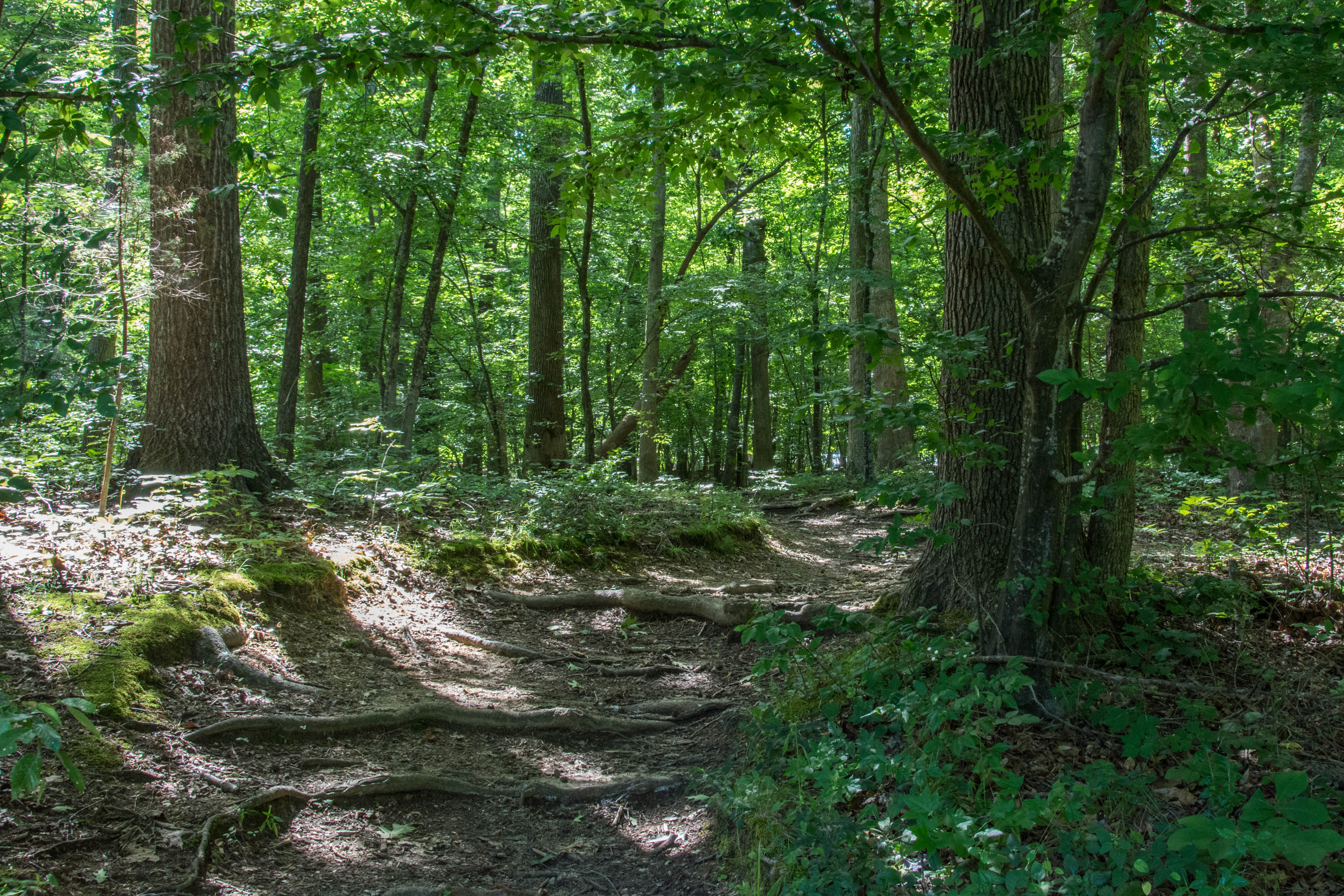
The landscapes here were taken yesterday morning at Durant Park in north Raleigh, and the flowers and insects were taken this morning at Raulston Arboretum.  At Durant, I was hoping to get some close views of dragonflies, but didn’t.  It was hot, but also peaceful by the water.  I used the tripod on all these shots, which made the process slower and more deliberate. 

Saying farewell to our best dog

This week we said goodbye for the last time to Stuart, our beloved family dog. He was a long-eared, short-legged Beagle-Basset mix with soulful eyes and a waggly tail.  Stu was with us a long time — from puppyhood to almost 15 (about 100 in dog years).  In his younger days, he was playful and athletic, always eager for walks, and relishing every meal.  He was a sweet, friendly little guy who greatly liked being petted, and he made many friends in our building during elevator rides.  

In these last months, he lost almost all of his hearing and much of his eyesight, and with hip problems he found it increasingly painful to walk. His tail wagged less and less.  

Now Stu’s suffering is over, and I’m glad for that.  In this regard, we often treat our pets better than our fellow humans, accepting death as a reality and helping our animals to have a good death.  But it’s hard.  He added sparkle to the world.  We loved him, and he loved us.  In that way, he became part of us, and changed us for the better.  I keep thinking he’s here, just in the next room, and then remember with a sharp pang that he’s gone.

Speaking of complex emotions, I recommend the edition from last week of the podcast This American Life .   The first of its three stories related to a former physicist talking about Fermi’s Paradox, which raises the question of why, given the evidence we have that complex life can arise, we haven’t encountered any evidence of it elsewhere in the universe.  The reporter felt sadness in thinking we’re existentially alone, and discovered that those around him couldn’t relate to that sadness.  

The second story related to a couple in couple’s therapy with serious problems who discovered that talk was not the primary solution.  The third was about a delightful 9-year-old girl who kept asking her father annoyingly big questions about the world.  He worked on long scholarly answers, only to find that what she was really looking for was to connect with him.  In short, three explorations of the modes of loneliness and possible paths to redemption.  

A new floor disaster, a glorious chorus, the latest flowers, and provocative art by Abney

Duke Gardens on Saturday morning

Last week we had a minor household disaster.  Sometime in the middle of the night, the dishwasher overflowed and got the hardwood floor well soaked.  Within a few hours, the floor was badly warped, and it began to sink in that we were going to need an entire new floor.  We’d just gotten new hardwoods 10 months ago, which involved lots of packing and hotel life.  We aren’t looking forward to more of the same, though there’s one improvement:  it looks like the homeowners’ insurance will pay this time.  

On Friday we had a delicious Korean meal at Kimbap, then went to a concert by the N.C. Master Chorale.  The theme was war and peace, always a timely subject, and drew on music by Josquin (c. 1450), through Bach, Mendelssohn, and several living composers.  Some of the lyrics were poignant, and the musicianship was at a high level.  This is an excellent chorus!  Congratulations and many thanks to music director Al Sturgis.

On Saturday morning it had just stopped raining when I went over to Durham to see what was blooming at the Sarah P. Duke Gardens.  I hadn’t realized it was graduation time until I saw a lot of families with their new grads in caps and gowns posing for pictures.  The flowers were completely different from my last visit, and I was a little sorry my early spring favorites were all gone.  Still, there were some beautiful things growing, and lots of birds singing.

On the way back, I stopped at the nearby Nasher Museum of Art , and checked out Royal Flush, a show by Nina Chanel Abney.  Abney is a young African-American artist, and she’s clearly interested in matters of race, but also in lots of other things, including mass media, gender, celebrity, state-sanctioned violence, and inequality.  She has a bright palette, and a broad visual vocabulary that includes abstraction and figuration.  In some of her work there is a lot of humor, but some is biting and dark.  It’s worth seeing.

At least it was for me.  What you get from an art exhibit depends a lot on what you bring to it.  If you invest some time in looking at art, you start to see more.    

There was a report this week of an art prank in which students put a store-bought pineapple in an exhibition, which a janitor then covered by a glass case and became the subject of art criticism.  This reminded me of Marcel Duchamp’s famous work of 1917, Fountain, an ordinary urinal submitted for exhibit as a work of art.

Fountain was the subject of a show I saw last week in New York at the Francis M. Naumann gallery that presented 31 artists paying it homage.  I’d formerly thought of Fountain as a clever and outrageous stunt, which it certainly was.  But it was clearly more, or we wouldn’t still be thinking about it 100 years later.

Duchamp may have been getting at this:  art is not fundamentally about objects, but how we think about objects.  That is, the distinguishing characteristic that causes something to be a work of art is that we think of it as such.

While looking at art can change us in various ways and make us look at the world differently, we as viewers also are continually bringing art into existence, and changing its boundaries.  The more we are open to new experiences, curious, and brave, the more art can be generated.  At the same time, we keep growing.

Our NYC weekend: travel troubles, eating, and looking

Leaving NYC from Newark

We did a three-day trip to New York last weekend with three objectives: see Jocelyn and some old friends, see the NY City Ballet, and see some art, including the Whitney Biennial. As always, New York was challenging and invigorating.

We flew from Raleigh to Newark on United, which could have been worse.  At least we weren’t physically assaulted and dragged off the plane.  But really, how do we keep getting assigned the last boarding zone?  Yet again, there was that unwelcome anxiety of whether there would be a spot in the overhead for the roll aboard.   And why did they switch to those seats with backs as thin and hard as church pews?

Is the point to remind ordinary customers, the non-elite economy class,  of how far down the pecking order they are, and make them consider paying more?   In fairness, I should say, the flight attendants were really sweet, and I was grateful for their not charging for a vodka tonic.

Transportation near and in Manhattan is more challenging than ever.  We consciously chose  Newark airport this time, since a cab from LaGuardia to Manhattan has been taking longer than the flight from NC. The NJ Transit train to Penn Station picked us up promptly, but went out of service after one stop, and we had to wait for another train.

Stuff like that kept happening.  We were determined to use the subway for longer trips, but there were long delays said to be from signal problems.  And when we wanted a yellow cab, they all seemed to be occupied.  In desperation, we tried Uber, but that was very slow, too.

But no matter, we always eventually got to our destination, and there’s just nothing like New York.  One big thing I learned this time was how easy it is to explore art galleries.  From time to time I’ve gone to gallery shows  when there was something I heard about that sounded interesting, but I’d never before just poked into a bunch of galleries.  I wasn’t at all sure whether they expected you to call ahead, or to show interest in actual purchasing.

A charcoal drawing by Robert Longo from The Destroyer Cycl

But after visiting several galleries on 24th Street on Friday and 57th Street on Saturday, I can say this:  they don’t mind at all if you just pop in and look around.  There are neighborhoods that are full of galleries, cheek by jowl.  I saw some things I liked, and some I didn’t.  But my major takeaway was that art is alive.  Amidst all the luxury goods on Fifth Avenue, art objects might be just another status symbol.  Yet there are real artists saying meaningful things, making us see more and feel more.  

From Keep Out, by Jay Heikes

On Friday, there was a torrential rain, and we got wet doing the Chelsea galleries, and then  soaked getting to 14th Street for lunch with our old friend Bob Dunn at a wonderful Sichuan restaurant, Auntie Guan’s Kitchen.   The rain was gentler when we finished eating and Ubered down to the Whitney to see the Biennial.  This is an exhibit of young, or at least living, artists, with several works of each of the featured artists.  

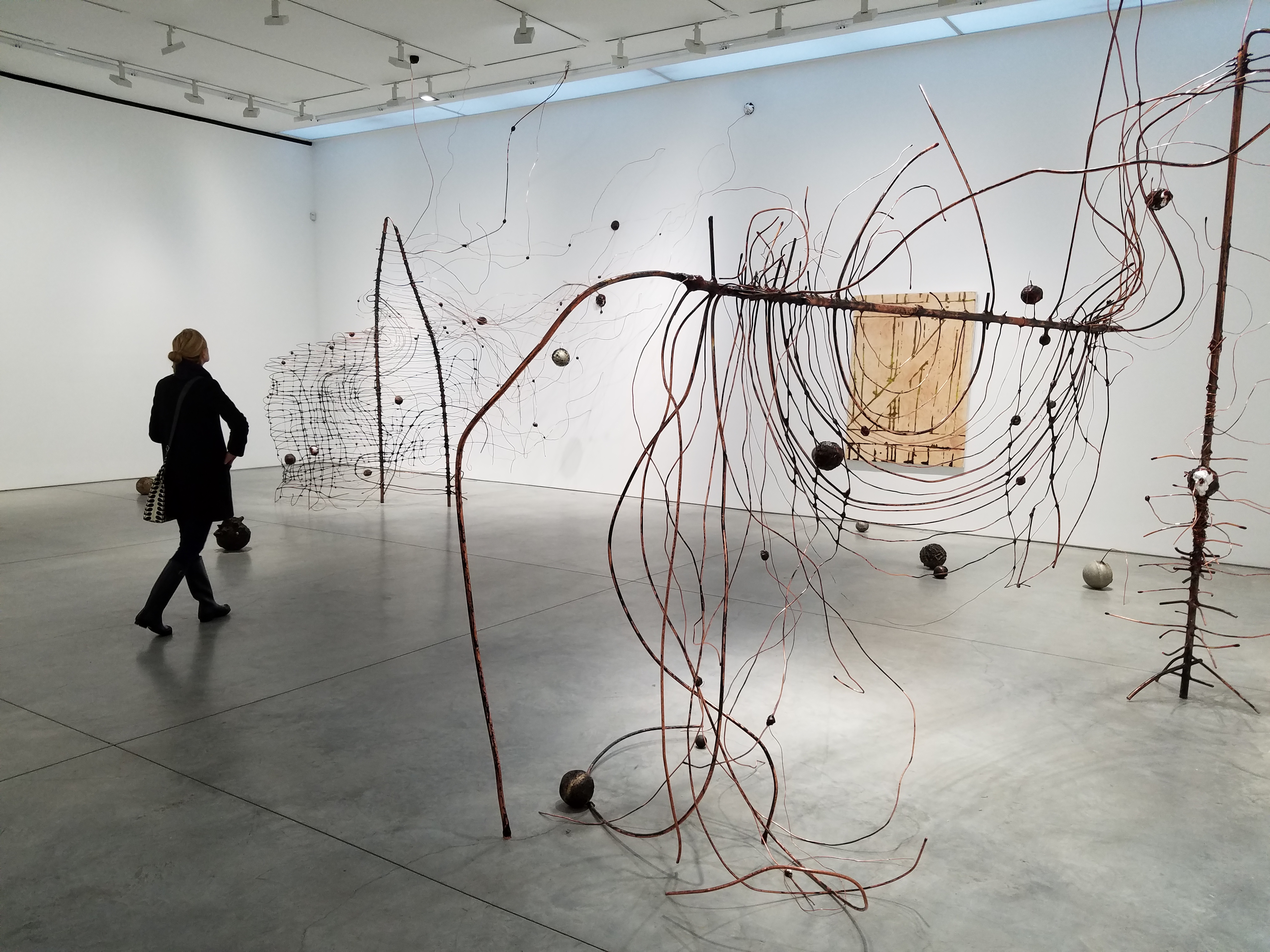
It’s hard to sum it up, since there were many different ideas and media.  There was a strong vein of protest and political engagement, and also some fascinating uses of technology.  As Sally noted, there were a few things that were repellent, but a little shock therapy can be good for you.  My favorite piece was an environment involving mirrors, interiors, and exteriors by Samara Golden called The Meat Grinder’s Iron Clothes.  It was at once disorienting and liberating.   I’m sorry to say, it is unphotographable.  You’ve just got to see it.  

At the Whitney Biennial: Exodus, by Jon Kessler

We met Jocelyn and Kyle for fancy drinks at Up and Up on MacDougal Street, and then walked to dinner at Olio e Piu.  My mushroom ravioli was delicious, and the conversation was wide-ranging.

On Saturday I went to an exhibit of ancient Greek art at the Onassis Foundation at 5th Avenue and 51st.   The works were mostly from 500-300  B.C. and drawn from great collections around the world.  The theme was emotion in Greek art and life.  This was a good lens for looking at the work.  There was love, jealousy, anger, and violence — the same emotions we know.

That evening we had a fine dinner with friends at Rosa Mexicano, and then walked over to Lincoln Center to see the New York City Ballet.  The program, one of the Here/Now series, included works by well established choreographers (Martins, Wheeldon, Ratmansky), and a couple of new choreographers from the company.  The dancers were excellent!  We particularly liked Wheeldon’s passionate pas de deux After the Rain, and Ratmansky’s brand new tango-ish piece, Odessa.

A family visit, defending against motivated reasoning, Mozart’s Figaro, and swimming

Sally’s flowers, with snow falling on Sunday morning

The weather in Raleigh was sunny and mild this week, and the trees started to leaf in.  I was looking forward to some outdoor activities for the weekend, but the temperature dropped into the thirties on Saturday, and on Sunday there was light snow.  

Jocelyn came down from New York to visit us this weekend, along with her friend Kyle.  Gabe and our granddog, Mowgli, also stopped by.  We had some of Sally’s good cooking and some lively conversation.  Among other topics, we considered what’s happening to journalism, including fake news, imaginary fake news, and partisan attacks on media, and how it is possible to be both highly intelligent and deeply deluded.

Jocelyn, ready for dinner

I told them about a podcast by Julia Galef called Rationally Speaking  in which Galef talks with intellectuals about their ideas.  She likes a good argument, and keeps things popping along.  I find her openness to new ideas and curiosity to be really cheering and inspiring.  

Kyle, ready for dinner

This week I came upon a talk Galef did last year at a Tedx conference titled Why You Think You’re Right, Even When You’re Wrong, in which she gives a good way of thinking about  motivated reasoning and how to do less of it.  She analogizes different thought habits to two types of army soldiers:  regular fighters and scouts. 

She summed up the idea here:

Our judgment is strongly influenced, unconsciously, by which side we want to win. And this is ubiquitous. This shapes how we think about our health, our relationships, how we decide how to vote, what we consider fair or ethical. What’s most scary to me about motivated reasoning or soldier mindset, is how unconscious it is. We can think we’re being objective and fair-minded and still wind up ruining the life of an innocent man. …

So  . . . what I call “scout mindset” [is] the drive not to make one idea win or another lose, but just to see what’s really there as honestly and accurately as you can, even if it’s not pretty or convenient or pleasant. This mindset is what I’m personally passionate about. And I’ve spent the last few years examining and trying to figure out what causes scout mindset. Why are some people, sometimes at least, able to cut through their own prejudices and biases and motivations and just try to see the facts and the evidence as objectively as they can?

And the answer is emotional. So, just as soldier mindset is rooted in emotions like defensiveness or tribalism, scout mindset is, too. It’s just rooted in different emotions.For example, scouts are curious. They’re more likely to say they feel pleasure when they learn new information or an itch to solve a puzzle. They’re more likely to feel intrigued when they encounter something that contradicts their expectations. Scouts also have different values. They’re more likely to say they think it’s virtuous to test your own beliefs,and they’re less likely to say that someone who changes his mind seems weak. And above all, scouts are grounded, which means their self-worth as a person isn’t tied to how right or wrong they are about any particular topic. So they can believe that capital punishment works. If studies come out showing that it doesn’t, they can say, “Huh. Looks like I might be wrong. Doesn’t mean I’m bad or stupid.”

Galef comes at some of these same issues from a different direction in a short (5:41) YouTube talk titled How to Want to Change Your Mind.  Here again, she proposes looking at reasoning as having an emotional component that needs to be addressed in the interest of better thinking.  We tend to get defensive and closed off when we feel threatened, and Galef has some helpful tips for counteracting that tendency.  For example, she suggests picturing your opinion as separate from your self.  She also notes that it’s possible to get comfortable and even pleased to discover your belief is mistaken — because you’ve just gotten wiser!

Gabe with beer

The Marriage of Figaro

Last week we saw and heard The Marriage of Figaro by W.A. Mozart and G. de Ponti in a performance by the N.C. Opera.  It was sublime.  The music all by itself is brilliant, well worth listening to even without benefit of story.  The story is essentially a comedy of love, but a unique and strange one — startlingly dark and cynical by moments, but also poignant by moments.

The leads all sang beautifully, and just as important, created believably human characters with their acting.  Jennifer Cherrest as Susanna brought wry saucy humor along with her tonal strength and range.  She had good chemistry with Figaro, her betrothed, the very fine Tyler Simpson.  Other standouts included D’Ana Lombard as Countess Almaviva, who had a lovely voice and musicality.  Cherubino (Jennifer Panara) was wonderfully comic.

Swimming again

Earlier in the week, I added back some lap swimming to my exercise regime.  I’d gotten out of the habit when the Pullen Park pool closed for repairs and then quit having morning hours.  The gym I joined earlier this year has a small lap pool, but I found it hard to get motivated to head toward the water in the early hours, when it’s cold and dark.  But once back in,  I quickly remembered what I like about swimming.  The water feels good on your skin.  There’s a rhythm to it, and quietness.

Our granddog, Mowgli

In New York with my kids, and a Snap Pea dinner in Raleigh

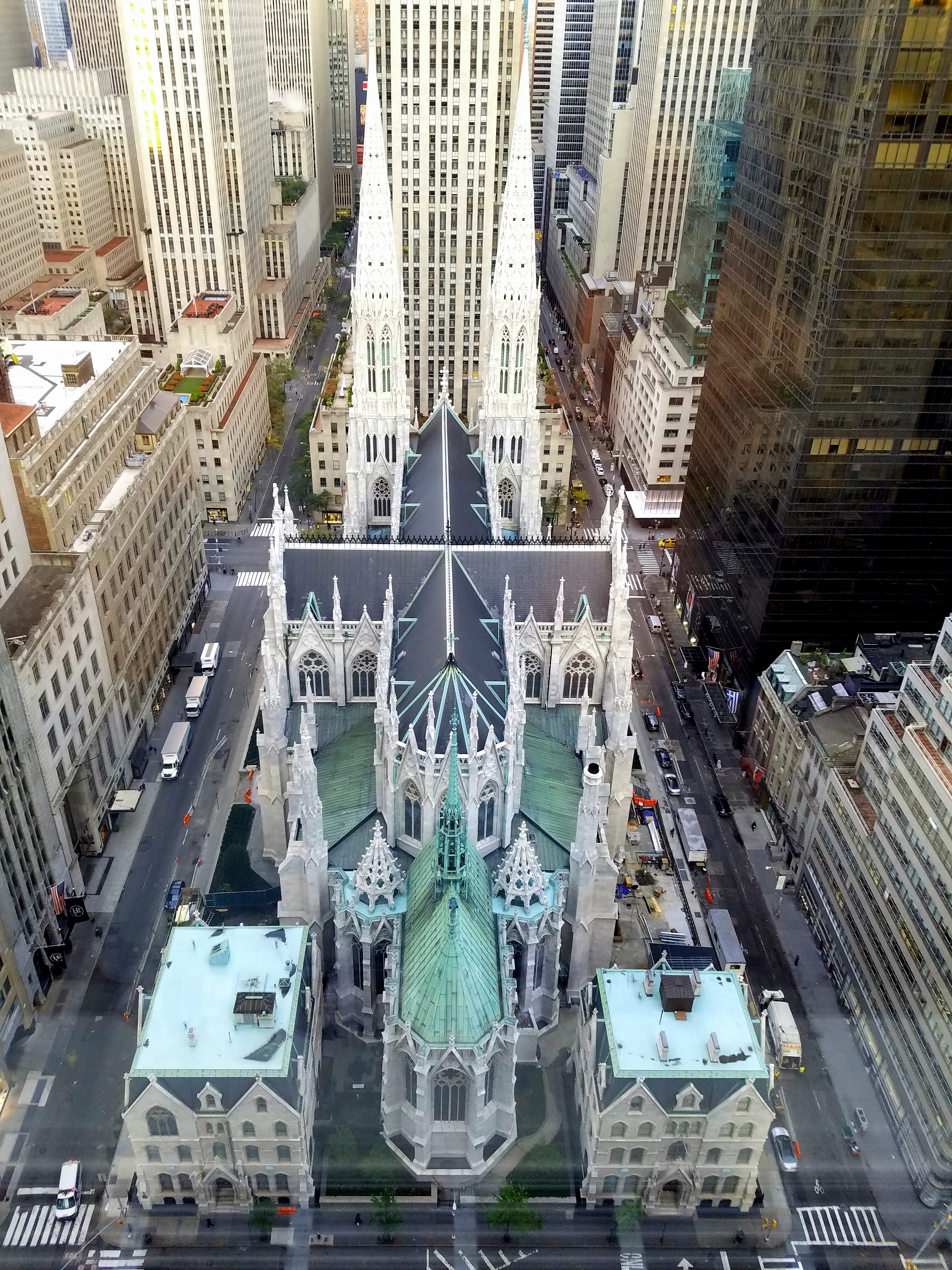
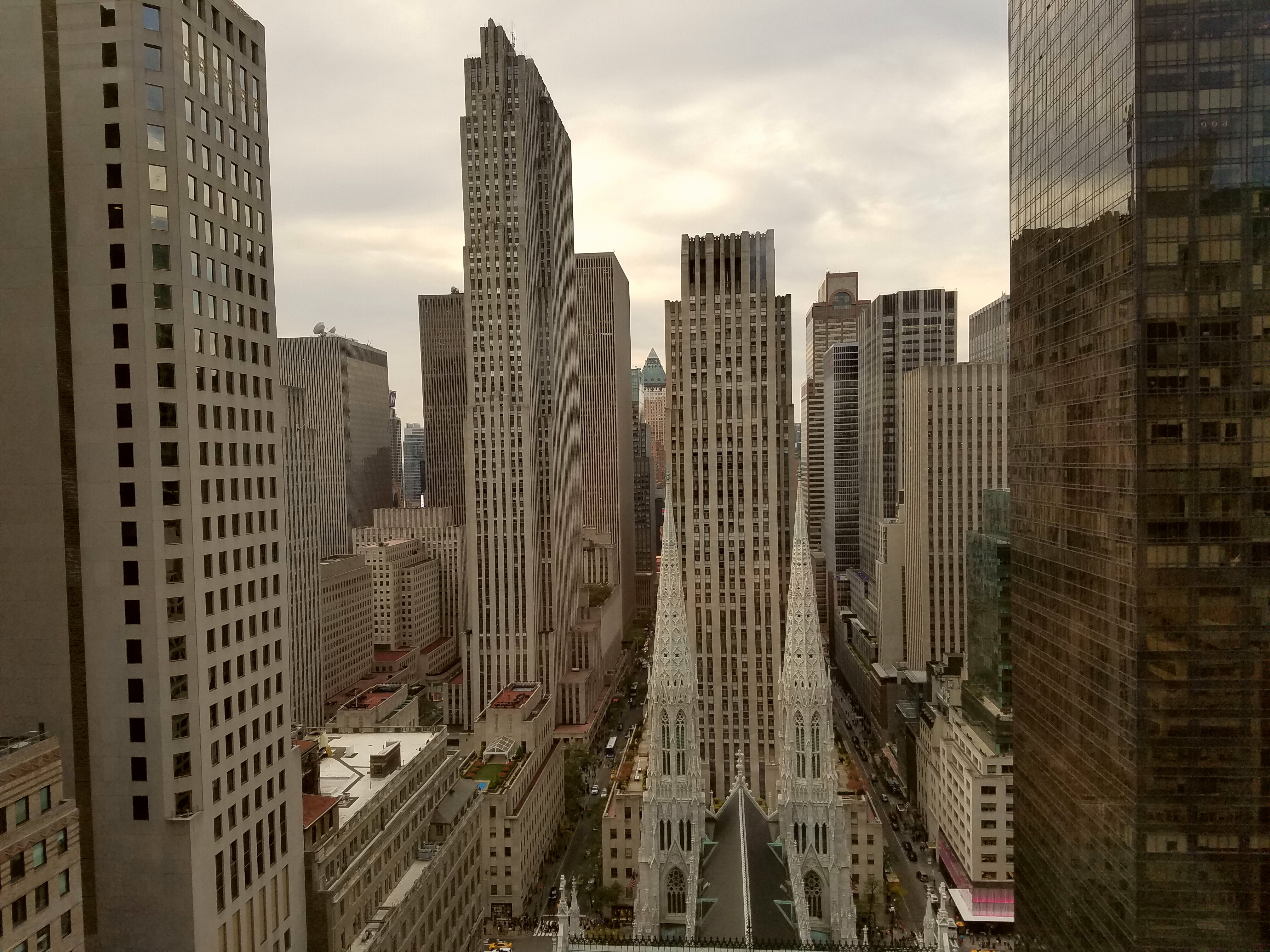
St. Patrick's Cathedral from the 35th floor of the New York Palace

St. Patrick’s Cathedral from the 35th floor of the New York Palace

After the Softer Freedom Law Center conference on Friday, I grabbed a cab and headed downtown. The plan was to meet up with Gabe, Jocelyn, and J’s friend Kyle for Italian food and then some jazz. I allowed an hour for the trip from Columbia (116th St.) to the West Village, but the traffic was epically bad, and the trip took almost two hours.

My cabbie was a compulsive talker, and he really wanted to talk about Trump. Out of desperation for another subject – any subject — I started asking him about himself, and learned about his upbringing in Ecuador, his work as a commercial printer with diminishing opportunities as those jobs moved abroad, and his plans to move to California. I ended up liking him.

Olio e Piu, a fine Italian restaurant on Greenwich Ave., was crowded, but they quickly got us a table. My ravioli al funghi was to die for. Afterwards, we walked over to the legendary Village Vanguard and listened to a quartet led by the pianist Enrico Pieranunzi.

Pieranunzi had the elegant pointillism of Bill Evans joined with the percussive emotionality of McCoy Tyner. His original charts were both engaging and bold, and three bandmates were excellent. I particularly loved drummer Clarence Penn, who was a hard-driving yet subtle polyrhythmist with a huge smile, and tenor Seamus Blake channelled the smoldering intensity of John Coltrane. I couldn’t find any online recordings of this current group, but here’s a sample of Pieranunzi’s playing.

st-pats-and-city

On Saturday afternoon Gabe and I went to the Frick. Since he’s well along in his graphic design program at Parsons, he’s got a high level of visual sophistication, but he hadn’t yet experienced the world class collection of old masters there. It was fun sharing some of my favorite paintings, including the Vermeers and Rembrandts. We had an espresso afterwards, and then he headed downtown to do some studio work, and I walked over to the Met Breuer.

There, I had my second close encounter with the fantastic Diane Arbus exhibit (leaving Nov. 27), and my first with the paintings of Kerry James Marshall. These included some very large-scale works with a lot of painterly quotes, references and influences, with most of the works prominently depicting black people.

Marshall’s art is political in a vital sense: it makes visible previously hidden social forces and assumptions that limit us. Marshall points up that blackness is normal and part of us, but black people have been largely excluded from the paintings in our museums. The implications of this are interesting. His black people as really black – darker than any American with African ancestors that I’ve ever seen. That seemed to be part of his playfulness, but it was also provocative.

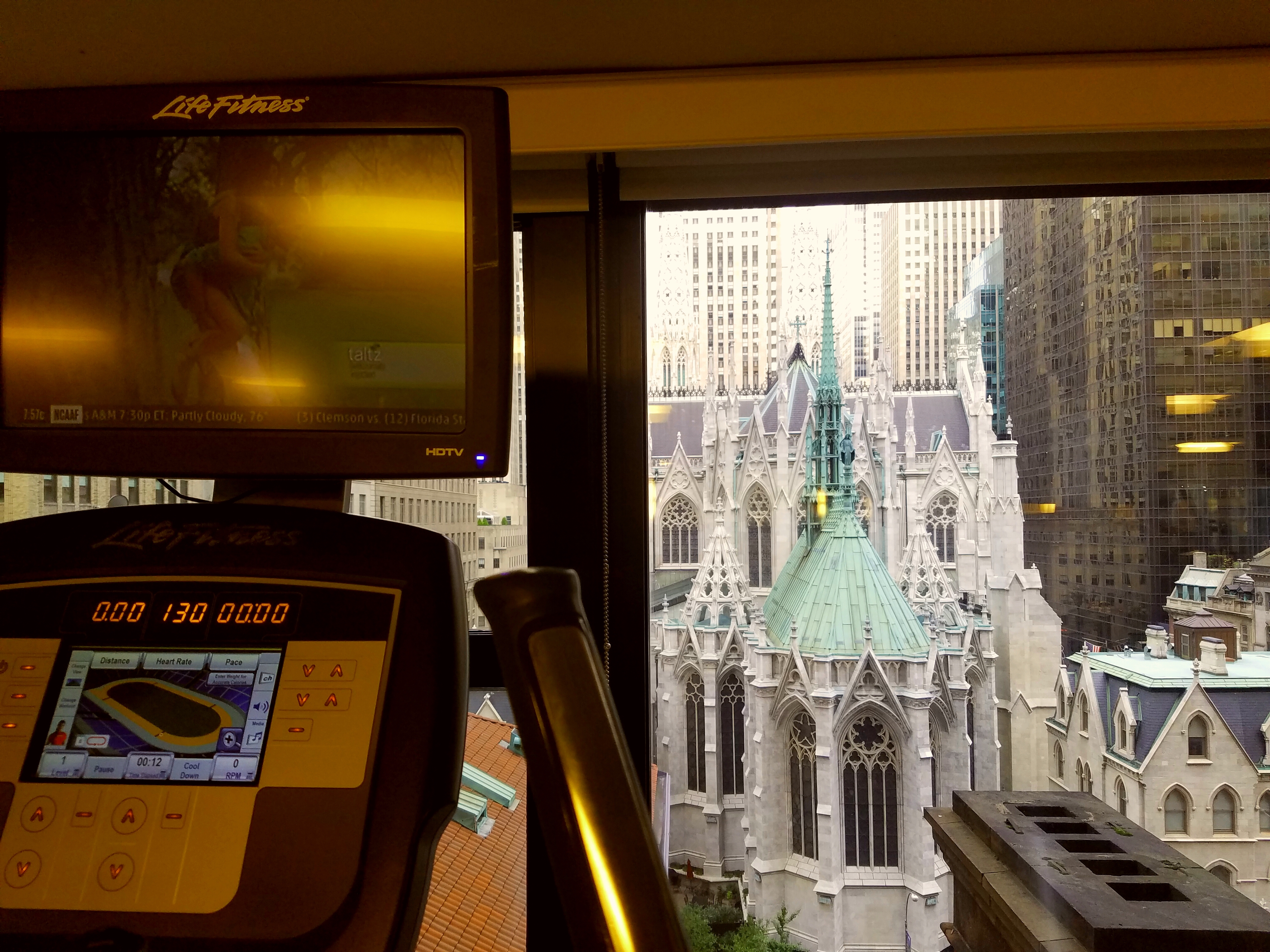
A view of St. Pat's from the hotel gym.

A view of St. Pat’s from the hotel gym.

Afer that, I walked over to the main Met to check out the work of Max Beckmann. He’s generally thought of as an Expressionist, though he rejected that label. His best work has the psychological depth and penetration of Picasso. Some of it was dark and macabre, but there were also elements of humor. I liked it. I also spent some time with the pre-Columbian collection and a small current exhibit of Native American work.

That evening, Jocelyn and I ate at Rosa Mexicana on Columbus and 61st, where they made guacamole at the table and served fantastic vegetarian hongo tacos. It was just across the street from Lincoln Center, and so we were confident that we’d get to the opera on time. I was very excited about seeing Rossini’s L’Italiani in Algerie, which I’d prepped for with a recording from Spotify. But it was canceled. New York’s Finest were there in force when we arrived. Apparently there was a scare having to do with a patron throwing some brown substance (possibly human remains) into the orchestra pit.
imagepng_0

Jocelyn proposed a Plan B, which was to go to a Jazz at Lincoln Center concert: Vince Giordano and the Nighthawks. We got in to the 9:30 show off the waiting list. The band was some 14 ace musicians who recreated the hot jazz of the 1920s with passion and erudition. Vince G played tuba, string bass, and bass sax, and sang a bit as well. It was delightful, toe-tapping fun!musicians

On Sunday, my flight back to Raleigh went smoothly. That evening, we went to our first pop-up dinner by Snap Pea with our friends Gerry and Gay. The Snappea dinners are multi-course vegetarian events held in surprise venues (revealed only hours before) with food created around a theme paired with the physical space.

Jacob Boehm, the owner and executive chef, was inspired by an abstract mural gracing an otherwise vacant shop in North Hills Mall, and used different colors for the 9 courses. As each course came out, he told the group about where the ingredients came from and what he’d done with them. He helped you taste more. I especially liked the spoonbread with turmeric butter and the chestnut soup. Jacob explained that the reason he did not use meat in these dinners was for him not premised on animals rights or health, but rather because using plants inspired more interesting experimental cooking and tasting.

Missing dragonflies, and welcoming motorcycles, new ballets, and Wagner

untitledbug-1
I didn’t have any luck finding dragonflies this weekend. I tried Lake Benson, Lake Wheeler, and Yates Mill Pond, but it looks like we’ve about come to the end of another dragonfly season. I did see some butterflies and wildflowers, though, and enjoyed walking beside the calm and calming lakes. It was quiet, except for periodic thunderous roars from passing motorcycle groups.
untitledbug-1-6

It was the 12th annual Capital City Bikefest in Raleigh this weekend, and on Saturday evening we walked downtown to have a look at the hundreds of bikes parked on Fayetteville Street. The bikes were mostly enormous Harleys, but with endless gleaming customizations, objects of pride and passion. Lacking tattoos and denim, we may have stood out a bit, but we didn’t notice any negative energy directed our way.
untitledbug-1-7

We ate at Living Kitchen, the new vegan restaurant, where the clientele did not include any obvious biker types. I had the lunasagna, which was cool and tangy, and Sally enjoyed the living burrito, a collard green wrap. Our server, Rebecca, was friendly and efficient.
untitledbug-1-9

Afterwards, we strolled over to Fletcher Hall for the first Carolina Ballet program of the season. Zalman Raffael’s new work, La Mer was a “non-linear” story ballet involving family dynamics and natural forces. We liked it a lot. I was particularly taken with Amanda Babayan’s character, the daughter with the troubles of adolescence.
untitledbug-1-8

Robert Weiss’s first new piece was titled Stravinsky Pas de Deux, with highly dissonant music and angular gestures, danced with wonderful electricity by newcomers Lily Wills and Miles Sollars-White. Weiss’s The Double featured Alicia Fabry and Lindsay Purrington in startlingly close, tense unison. The final work was Weiss’s new Beethoven Piano Concerto # 5, which was very joyous and musical, with great leaps, spins, and lifts. I especially enjoyed Ashley Hathaway’s graceful solo in the second movement, and Alyssa Pilger imperial command in the finale.

Finally, I need to give a shout out to the N.C. Opera for its outstanding production last weekend of Wagner’s Das Rheingold. This little company somehow assembled a cast of world-class Wagnerians for two performances of this complex and thrilling work. Conductor Timothy Myers was masterful, and the singing was superb. Todd Thomas as Alberich managed to touch some unsettling psychological depths as he drove to his famous curse. I got goose bumps.
untitledbug-1-12

Vegetarian delights, and trying intermittent fasting

dragonBug 1
Downtown Raleigh is getting downright vegetarian friendly! I had my first lunch this week at the latest new place catering to those who prefer plant food, Living Kitchen. It’s an entirely organic, entirely plant-based restaurant, and I liked everything about it. It’s airy and lively, with smart, friendly servers, and quite a fine veggie burger. There were many things on the menu I wanted to try, and I’ll definitely going back.

Within just a three or so blocks of my office, along with Living Kitchen, there is interesting and tasty plant-based food at Happy and Hale, B-Good, Buku, Shish Kabob, and Capital Club 16, and excellent juices at Cold Off the Press. A little further is Fiction Kitchen, with a highly creative all veggie menu. I could easily eat too much!
damselsBug 1-3

Indeed, I have. I weigh in every morning on a digital scale, and in recent months have been about five pounds heavier than what I really wanted to be. Maybe my metabolism slowed down a bit.

Anyway, for the usual reasons (health, vanity), I’ve been trying to get rid of the excess, and it hasn’t been easy. I tried upping my daily aerobic activity from 40 to 45 hard minutes, and that didn’t make much of a dent. I looked for potential food intake problems that could be improved, and found few. I’d already cut way down on junk food, sweets, fat, and carbs. I’m used to eating smaller-than-typical portions. It wasn’t obvious what more could be done without leaving civilization and becoming a desert ascetic.

I finally decided to try intermittent fasting. I did some research on various systems for skipping certain meals. The version I settled on was no eating between lunch and breakfast two times a week. It made me a bit grouchy at first, but it got easier. The other significant shift was to cut out alcohol during the work week. Here again, it was a little grim at first, since I very much enjoy some wine with dinner, but the first week was the hardest. This week I finally made it to my weight target.
damselsBug 1

Spinning, credit card fraud problems, and the tax system for the super rich

Tiller7Bug 1-3

On Saturday morning I had a particularly good spinning outing led by Heather at Flywheel. The previous week was a disappointing one, when I tried hard to reach 300 but finished with a total score of 286.  It made me wonder if I’d finally started that long slide down to the bottom. But this week I finished first in the class with 341! My average heart rate for the 45 minutes was 157 — a record.  There was one guy who stayed close on my tail the whole way, and was just two points behind when the music stopped. Whew!

That afternoon, I had my monthly deep tissue massage session with Ken Katchuk (K2). Ken is really generous with his skills and time, and we set a new personal best: two hours and twenty minutes on the table. It was challenging at times, but we had a good talk about sports, movies, politics, and dogs, and I felt great afterwards.

One of the greatest of modern conveniences has got to be the credit card, which has greatly shrunk the time and distance between a wish and its fulfillment. How amazing to have a need or want, have an online merchant, have a credit card, and very quickly have that object of desire. At the end of this week, though, I had my Visa card declined, first at Happy and Hale (for a lovely salad), then at Hayes Barton Pharmacy, then at Fandango (movie tickets).

I called Capital One, and a cheery fellow in the fraud department read out several charges from Ft. Worth, Texas that were definitely not mine. He said someone had made a counterfeit version of my card. Anyhow, that account is now history. I’m happy Capital One detected the fraud promptly, and happy I won’t be responsible for the fraudulent charges. Still, it’s a bit of a pain, since I’ve got to get a new card and remember to pass then new number to various providers of goods and services.

I don’t suppose we’ll ever prevent all fraud, and we may even be headed in the opposite direction. There’s little doubt that our electronic transaction system is a point of vulnerability. There are highly skilled, ethically challenged people in front of computer screens all around the globe searching for ways to take our money. Thus I’ve gradually converted to non-obvious passwords. You do what you can.

Tiller7Bug 1-2Speaking of systems and fraud, the Times had a significant piece recently about the corruption just below the surface of the US tax system. Here’s a bit from the beginning:

With inequality at its highest levels in nearly a century and public debate rising over whether the government should respond to it through higher taxes on the wealthy, the very richest Americans have financed a sophisticated and astonishingly effective apparatus for shielding their fortunes. Some call it the “income defense industry,” consisting of a high-priced phalanx of lawyers, estate planners, lobbyists and anti-tax activists who exploit and defend a dizzying array of tax maneuvers, virtually none of them available to taxpayers of more modest means.

Operating largely out of public view — in tax court, through arcane legislative provisions and in private negotiations with the Internal Revenue Service — the wealthy have used their influence to steadily whittle away at the government’s ability to tax them. The effect has been to create a kind of private tax system, catering to only several thousand Americans.”

The article gives various examples, and explains that the very wealthiest and their tax experts are continually devising sophisticated new schemes. These same people are also the biggest contributors to political campaigns. Could these facts not be related? Once you begin to get you head around this, you might (unless you’re in the one-thousandth percentile) start to get mad. It’s not fair.

So why is this not a huge political issue? I see two main reasons. 1. The existing candidates for the most part are complicit in the status quo. 2. It’s too complicated. That’s part of the point: the tax dodges are designed by experts to defy understanding. Just comprehending a single tax scheme (there are many such) is beyond the mental capacity of most of us, including the IRS, and we’ve got other demands on our time and brain power.

I should note that there’s one major exception among the presidential candidates, who is very focused on the unfairness of favoring the super rich in the tax system: Bernie Sanders. He’s put the issue of addressing inequality and eliminating their special tax breaks  front and center. And against all odds, he’s still in the hunt for the democratic nomination. I have trouble picturing him in the oval office, but I’m very glad he’s getting fundamental issues like this one onto the discussion agenda.

My surefire tax cut system, and some thoughts on the military and terrorism

Great blue heron at Shelley Lake, November 15, 2015

Great blue heron at Shelley Lake, November 15, 2015

Gabe had his birthday this week, and we went out for dinner at An to celebrate. Diane, who’s not been well recently, joined us, and seemed in good form, as did Gabe’s sparky redheaded girlfriend, Clark. I had a lychee cosmopolitan and veggie ramen, and enjoyed everything.

Gabe is about two-thirds through his first semester as an on-line grad student in graphic design at Parsons, and seems to be kicking it. Initially I was dubious about the on-line approach, but it’s working well for him. He’s getting challenging assignments and feedback that keeps him focused and motivated, working really hard. His projects look fantastic. He’s played some of the audio critiques he’s received from teachers and students, and they are trenchant and highly positive.
Tiller6Bug 1-7

Because of the birthday dinner, we missed the Republican debate, which I wanted to catch, because I really would like to understand the Republican mindset better. But from reading the press accounts, it didn’t sound like I missed much that was ground breaking. The candidates all are in favor of lower taxes, and most are in favor of a stronger military.

One exchange between Marco Rubio and Rand Paul was particularly revealing. I strongly agree with Paul on a couple of things (and disagree on many), and could probably agree with Rubio on something. But I was stunned to learn that Rubio wants to raise the military budget by a trillion dollars.

Our current military budget is around $615 billion , so raising by a trillion would be a 162 percent increase. Leaving to one side the obvious impossibility that this could be paid for while lowering taxes, there’s the question of why anyone would think this a good idea. We have the most expensive military in the world by far. Our military expenditures are currently greater than the next seven countries in the world combined. To state the obvious, our relative military power is unparalleled.
Tiller6Bug 1-3

Our military strength is wonderful, in a way, but also useless, in a way. It is of no help at all against a disciplined, determined cell of terrorists. Indeed, it could well be that our military activities of recent decades have inspired and invigorated more terrorists than they’ve destroyed. In any case, there’s no basis for thinking that even massive amounts of bombs and bullets could ever eliminate a fanatical, violent ideology. We’ve already tried that, and it doesn’t work.

I have written before about the havoc wrought by our military misadventures, and I still think there’s a huge disconnect between our ideals and our misdeeds in the late twentieth and early twenty-first centuries. But for argument’s sake, forget all that, and just look at the finances. We’ve spent a huge portion of our wealth on those unnecessary and unsuccessful wars. And we continue to to spend sums that are barely conceivable on them. There’s an interesting graphic showing how we’re hemorrhaging money for military purposes here.

So, for those who believe the most important possible political reform is to lower taxes, wouldn’t it be appealing to take the largest single item of nonrecurring expenses – defense – and cut it by, say, twenty-five percent? Could anyone seriously doubt that there’s at least that much waste and useless spending in the existing defense budget? Admittedly, we might need to think more carefully before embarking on and continuing unnecessary wars, but that would not be a bad thing. So, for my friends who view the issue of lowering taxes as the preeminent public policy, could we agree on this: we’d be better off, in a lot of ways, if we stopped the financial bleeding of an out-of-control military?
Tiller6Bug 1-6

I wrote most of these thoughts before the horrible carnage this week in Paris, where the death toll from 8 suicide attackers now stands at 129. I lived in Paris for several months years ago, and feel a special affection for the city, and like everyone, I’m in the midst of shock and sorrow at the attacks.

We should be outraged. But these strong emotions may lead France and other countries to policies that cause many more deaths and ultimately increase the risk of terrorism, as happened after 9/11. Already President Hollande has characterized the attackers as “a terrorist army” that committed “an act of war,” and Nicolas Sarkozy has called for “extermination” of ISIS. But it wasn’t an army, and we can’t end jihad fanaticism by killing all the jihadists. As I learned in my rescue diver course, in an emergency, the first thing to do is stop, and think.

On Saturday I went out to Cary for a haircut with Ann, my longtime hair cutter, and then went for a walk in Swift Creek Bluffs park. The path was covered with brown leaves, and they crunched as I walked. A few leaves were falling. The colors were mostly yellows, browns, and pale greens.
Tiller6Bug 1-4