The Casual Blog

Category: Uncategorized

A documentary marathon, and learning about American apartheid
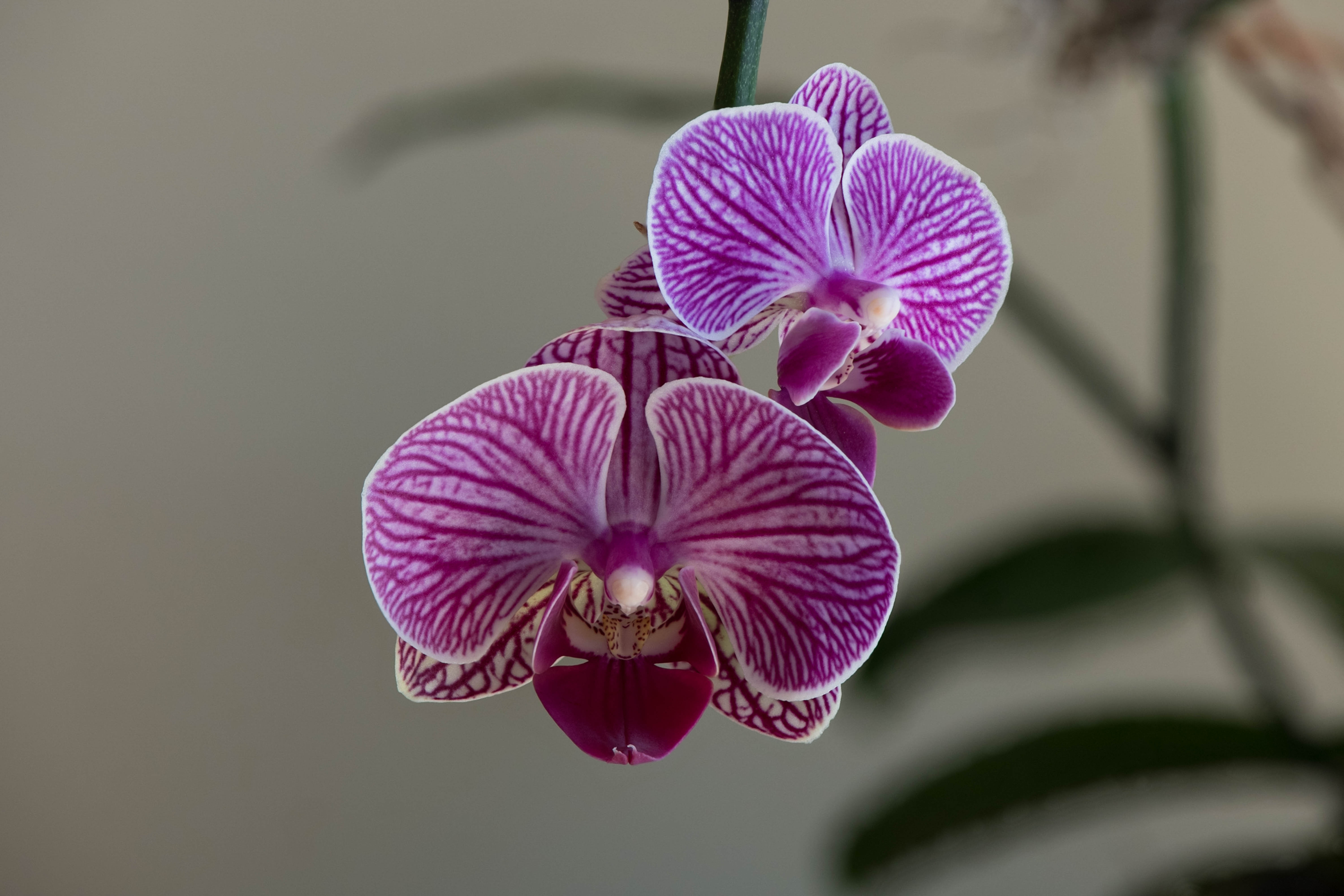
 

Sally’s orchid

Last week we checked into the Marriott in downtown Durham for the Full Frame Film Festival.  We really like documentaries, but even so, sitting and watching films for four days is a test of mind and bottom.  We’d bought tickets for 15 films, and as we started I wondered if we might have bitten off more than we could chew.  

But we made it, and it felt like a quick trip around the world, which left us buzzing with new impressions.  Several of the movies we saw were about difficult subjects, like Syrian refugees, child trafficking in Ghana, Jihadist fighters, and disarming landmines in Iraq.  We got new perspectives on the 1967 civil disturbance in Detroit, the Supreme Court, American prisons, and the high-end art market. It was inspiring to see the accomplishments of so many talented filmmakers, and heartening to see a lot of people coming together to see their work.   

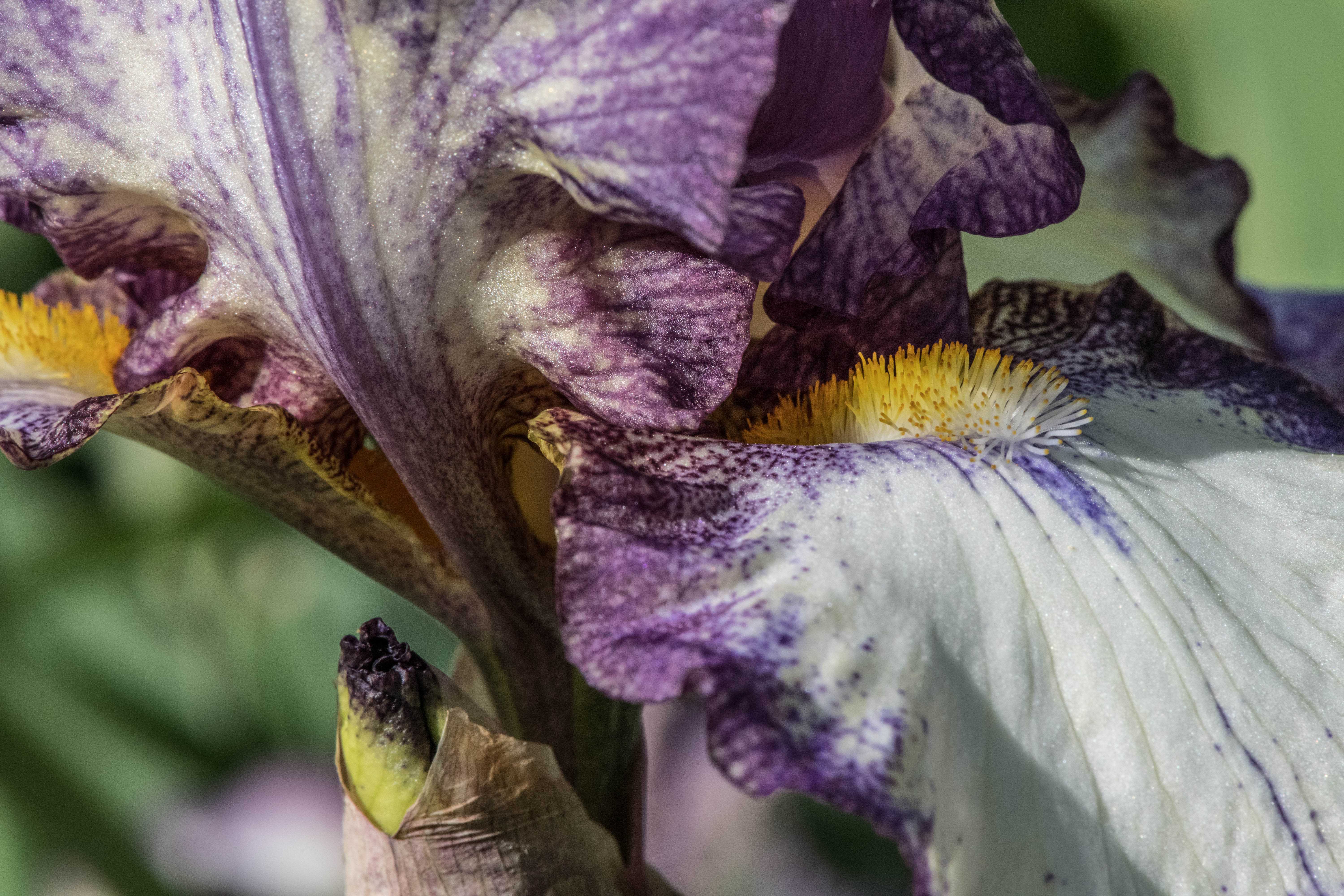
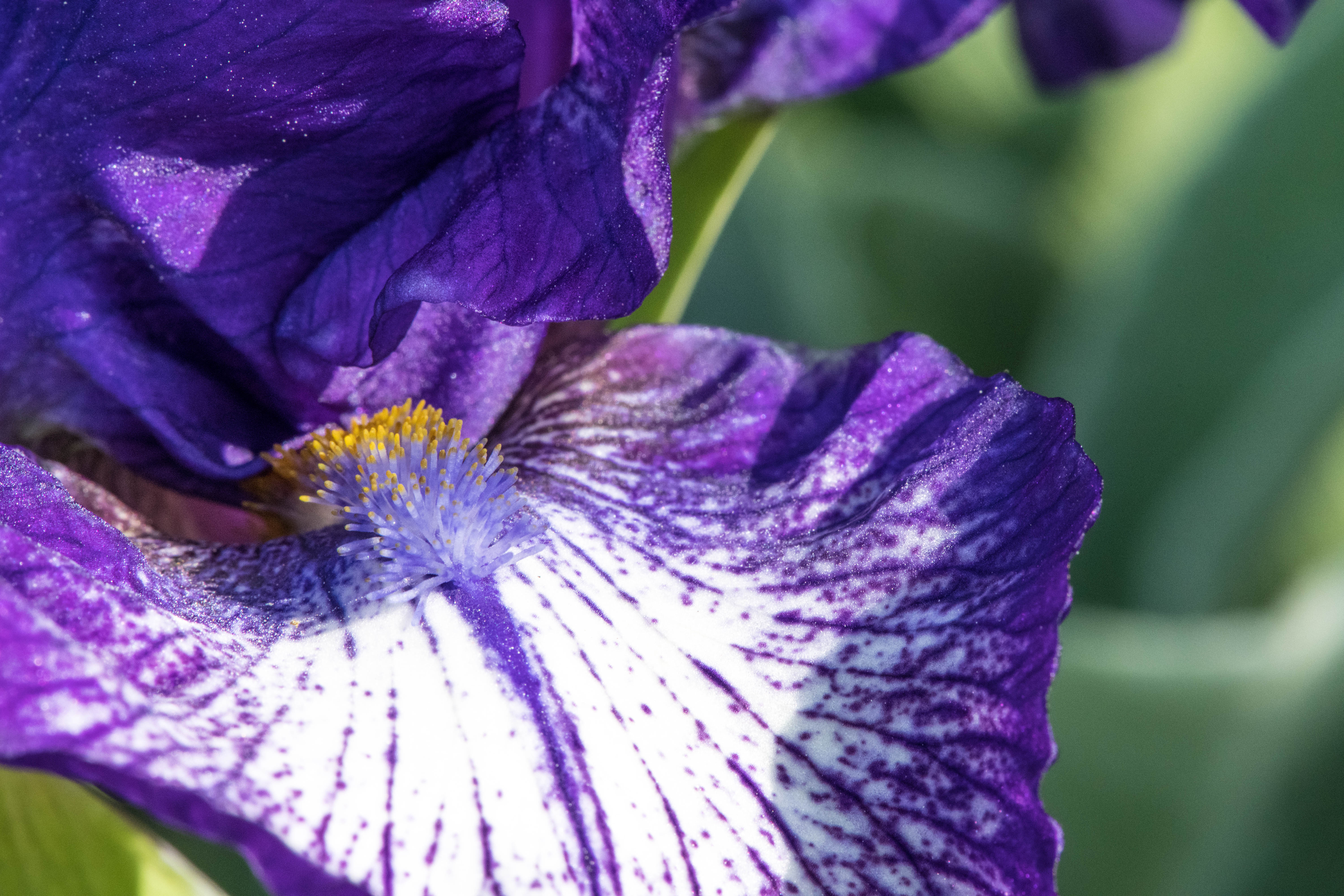
An iris yesterday at Raulston Arboretum

One of the films that particularly resonated for me was Owned: A Tale of Two Americas, by Giorgio Angelini.  Angelini skillfully wove together several narratives relating to housing discrimination against blacks in the US. Until recently, I’d thought of such discrimination as one of those unfortunate chapters in American history which we’d put behind us.  But I’ve been reading The Color of Law, by Richard Rothstein, which makes it clear that it’s a fundamental flaw in our system, and its effects are still very much with us.  

For much of the twentieth century, federal, state, and local governments actively promoted segregated housing.  There were several methods for this, including public housing programs that forbade mixing of races, federal housing loan programs that excluded blacks, and promotion of suburban development that excluded blacks.  These and other programs included official, explicit policies that intentionally discriminated based on race. They were augmented by state and local zoning and planning that isolated black neighborhoods and put industries and waste disposal operations near them. 

Angelini’s documentary and Rothstein’s book both explain how such policies led to much lower levels of homeownership for black Americans.  This has had a ripple effect, as whites were able to accumulate wealth as home equity at much higher rates than blacks. Over the decades, this has increased wealth inequality.  There was also a ripple effect on education levels and resulting job qualifications, as segregated neighborhoods were tied to segregated schools.

State discrimination based on race was made illegal by the 14th Amendment to the US Constitution in 1868, and civil rights legislation in the 1960s explicitly outlawed private housing discrimination.  But the American apartheid system developed in the first half of the 20th century is still pervasive. Our suburbs are mostly white, and racially mixed neighborhoods are unusual. This has come to seem so natural that we seldom even notice it, and it has hardly ever been a matter of public debate in recent decades.  
I’ve always assumed that racial segregation was more the product of ignorance rather than evil, though Angelini’s and Rothstein’s work may suggest a more disturbing explanation.  Politicians can build coalitions by exploiting fear. If white people are taught to view black people as threatening, they come to believe they need special systems for protection:  racist police, more prisons, and separate neighborhoods. They come to oppose funding for social safety net programs, since they include benefits for black people. They come to support defunding public education, to discourage participation by privileged light-skinned people and possible mixing with dark-skinned ones.

Once blacks and whites are well separated, the big lie that black people are fundamentally threatening to whites is easier to sustain, since white people have fewer close contacts with blacks that would disprove the lie.  That is, there’s a feedback loop that starts with racial fear and grows into a greater fear and more extreme policies. And so we come to our time, when police killings of unarmed black teenagers seems understandable and forgivable to some whites.
And the greater fear can be used by politicians.  Query whether this is part of the program of Trump and the alt right in characterizing inner cities as horrific war zones and people with darker skin color as menacing criminals who need to be walled off and locked up.  Could that be what the Trumpian base’s excitement for “building the wall” is really about? Whipping up a fear of black people and others so powerful that it overwhelms logic, decency, and even self-interest?  

Racial fears are very powerful, but the good news is that they can be countered.  Now that anti-black discrimination in housing and other areas is being exposed, we can understand it better.  We can see that racial fears are delusional and self-defeating. We can understand that bigotry is contrary to our highest values and aspirations.   And we can overcome it.  
The new engagement, wildflowers, and consciousness


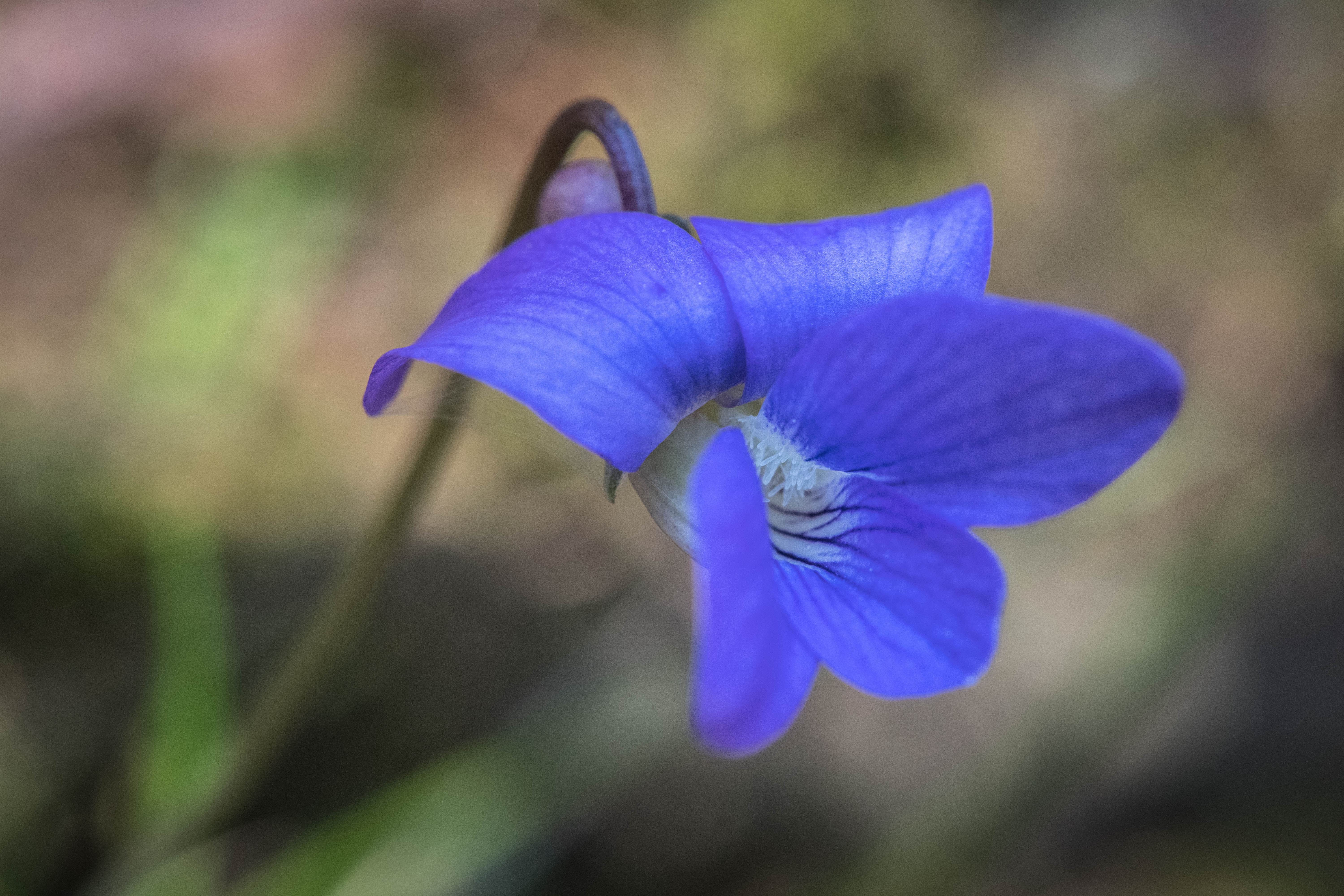
At the Eno River, near the old pump house

Jocelyn and Kyle are engaged!  He popped the question on the Williamsburg Bridge, after they’d done a run together.  The wedding will be in New York in the fall of next year. Jocelyn quickly shifted into bride-to-be mode, and is considering many logistical and atmospheric issues. She checked to see if I minded if she and I did the second dance, rather than the first.  I did not see that as a problem. We started kicking around the question of what love songs the DJ would need to play.

A trout lily at Swift Creek Bluffs

It warmed up this weekend, and I got out in the woods to look for wildflowers.  You have to be attentive to find these little guys, and the effort puts me in a good mental place.  I got down on my knees in the forest mud,  using a 105mm lens on my Nikon D850 on a tripod, very low to the ground, with focus, aperture, and shutter speed set manually, and a cable release.  I usually take several shots of a subject, changing the settings for each one, experimenting. It’s a labor-intensive way to make an image, but the extra steps also leave room for looking carefully, and allows for the possibility of a subtle shift in the light that is golden.  These are very small flowers, substantially magnified.

Spring beauties

On the ride over to Eno River State Park on Saturday, I listened to an audiobook titled Why Buddhism Is True, by Robert Wright.  I recently finished Wright’s The Moral Animal, a lively and at times unsettling take on evolutionary psychology, and was curious about how he could fit Buddhism into his framework.  Wright’s Buddhism is largely secularized (no extended discussions of reincarnation) and focused on mindfulness meditation, which is ground well-trodden by others, like Stephen Batchelor.

But Wright has some stimulating ideas about the nature of consciousness and its relation to the external world.  He posits a modular model of the mind in which conscious thought is a product rather than the producer. Conscious thought, in his view, serves various purposes, including public relations, but the primary drivers of activity are feelings.  He sees our emotions as evolutionary adaptations that we can understand and shape with the tools of meditation.

In other consciousness news, this week’s New Yorker has a lively piece by Larissa MacFarquhar’s on the philosopher Andy Clark.  Clark takes issue with the idea that the mind is simply the brain, and argues that it extends outside the body. A homey example is using a pad and pen to keep notes, which augments mental capacity.  He sees our relationships to objects and to each other as essential, rather than optional. Like Feldman, Clark has modeled human activity in terms of constant predictions based on probability estimates from our experience, rather than an orderly reaction and consideration of external phenomena.     

Lost and found, Hawking, Churchill, Feldman, German, Brewery Bhavana, and Bolero (the ballet)

Durant Nature Preserve on Saturday morning

It’s been a big week for domestic lost and found drama.  I lost, and eventually found, my smartphone, a glove, the battery for my camera, my wireless headphones, the front page of the New York Times, and probably some other stuff I’ve already forgotten about.  I hate that uh-oh feeling, that this-could-be-serious feeling, that tightness in the stomach as you try to stay calm and think carefully, where did I last have that thing?

Some of the losses could be attributable to task overload.  An example: on Friday morning, I drove back from a spin class listening to an audiobook, and as I started to parallel park I saw a friend and her baby on the sidewalk.  So I hurried to park, get out, and say hello. Then back in the apartment, I needed to check my schedule for the day with the phone, and realized I must have left it in the car.  

We had some cardboard boxes flattened and ready to go down to the recycling area, so I carried them along when I went to get the phone, and brought the Times to read while I waited for the elevator.  When the elevator came, inside was a young woman with a dog, and we chatted about her dog. Then I went to the recycling room and tossed the cardboard into a huge bin — along with the Times.

The bin came up almost to my shoulders, and was empty except for my cardboard and the Times.  I couldn’t reach the bottom. To get the newspaper out, I had to do some experimenting, but eventually I figured out how to hoist myself up on the front of the bin, lower myself in, grab the Times, and get back out without injuring myself or the bin.

Last week we lost Stephen Hawking, the great British astrophysicist who was paralyzed for most of his life.  He was one of my heroes. Back in the day, I read his A Brief History of Time, of which I understood not a lot.  It was Hawking’s curiosity and courage that really moved me. I always thought that his life must be as purely intellectual as any human being’s has ever been.  

But I heard an interview with one of his scientific collaborators who said that he was always accompanied by nurses, who frequently needed to help him with bodily issues.  That is, he also was a physical person. According to the interview, it was fun hanging out with him.  

We finally saw The Darkest Hour, the Winston Churchill biopic, on Amazon Prime this weekend.  Gary Oldman certainly deserved his recent best actor Oscar for his Churchill, and so did Kazuhiro Tsuji, his makeup artist.  

Churchill was in many respects a terrible person, accountable for racist imperialism and mass murder, but he also did one truly heroic thing of lasting value:  standing almost alone to rally Britain to fight Nazism. The film conveys both his ego and his understated courage. It shows the importance and potential power of public speaking.  Churchill could orate! The film made me feel gratitude for the English language and all the ancestors who created it.

Meanwhile, I’ve been having another go at learning German, using the Babbel app.  I like the Babbel system, which is well-organized, and also, at least at the beginning, free.  I’ve long been curious about German, the language of many of the great musical minds that have been a big part of my life, like Bach, Haydn, Handel, Mozart, Beethoven, Schubert, Brahms, Schumann, Liszt, Wagner, Bruckner, and Mahler.  

But it’s way harder than French, Spanish, and Italian. I’m finding that getting vocabulary is not too difficult, since there are lots of cognates with English, and most of the spoken sounds are similar to English. But the German case system is for me really challenging.  Add that to having three genders for nouns and lots of rules on word order, and it can be densely frustrating. But I’m starting to see some blue sky through the clouds.

Speaking of brain work, I’ve been listening to an audiobook of How Emotions are Made, The Secret Life of the Brain, by Lisa Feldman Barrett, a psychologist and neuroscientist at Northeastern University.  In recent years I’ve read a fair bit about evolutionary psychology and neurobiology, hoping to understand more about how humans work. Barrett’s book has opened some new doors for me.

She challenges the orthodox understanding of emotions as inborn, universal, and readily identifiable.  She contends that emotions are best viewed as interpretations of perceptions from inside and outside the body that are dependent on learning, context, and culture. In other words, they are fundamentally social constructions, and vary substantially from culture to culture. This understanding has a lot of implications for how to think of individuals and societies.  

We finally managed to get a reservation at Brewery Bhavana for Saturday night.  It’s a fairly new restaurant in downtown Raleigh that features dim sum and noodles, along with craft beers.  The space also has a small bookstore and flower shop. It seems an unlikely combination, but it’s been a smashing success, sold out for months. Anyhow, we tried the vegetarian dishes and found them delicious, and were happy with our beers.  

Afterwards, we walked over to the Carolina Ballet’s Bolero program.  I slightly dreaded once again hearing Ravel’s Bolero, a great composer’s most repetitious work, but Lynn Taylor-Corbett’s new ballet turned out to be a treat.  It features a couple having a day at the beach, and addresses the reality of global warming with another unlikely combination — humor and horror.

The first ballet on the program, Zalman Raffael’s latest work, was  set to Ravel’s Piano Concerto.  It was highly kinetic, angular and energizing. The last piece was Robert Weiss’s Des Images, which was a meditation on the ballet choreographer’s art.  I found some of it a bit languid, but Alyssa Pilger’s solo in the pizzicato second movement was electrifying.

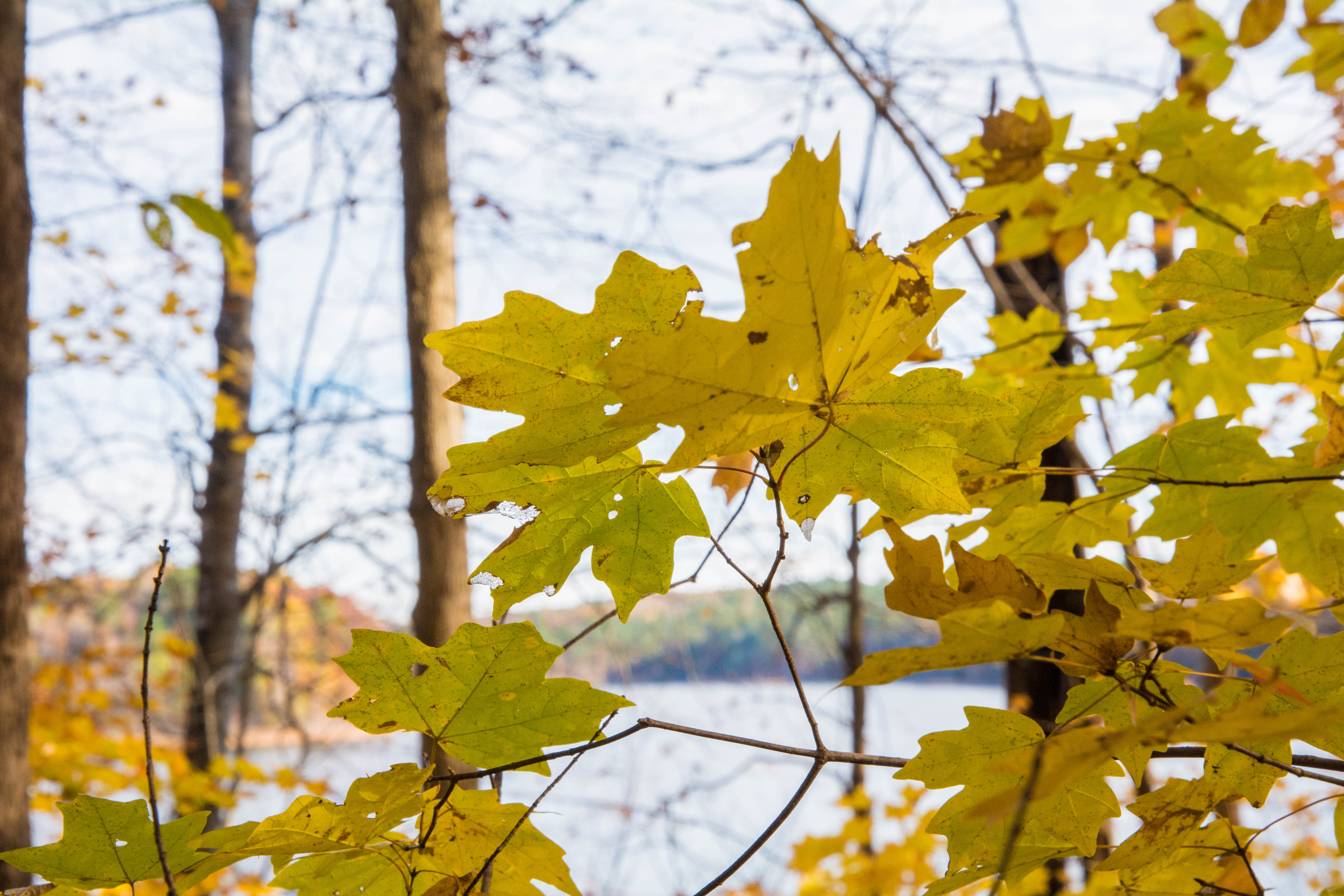
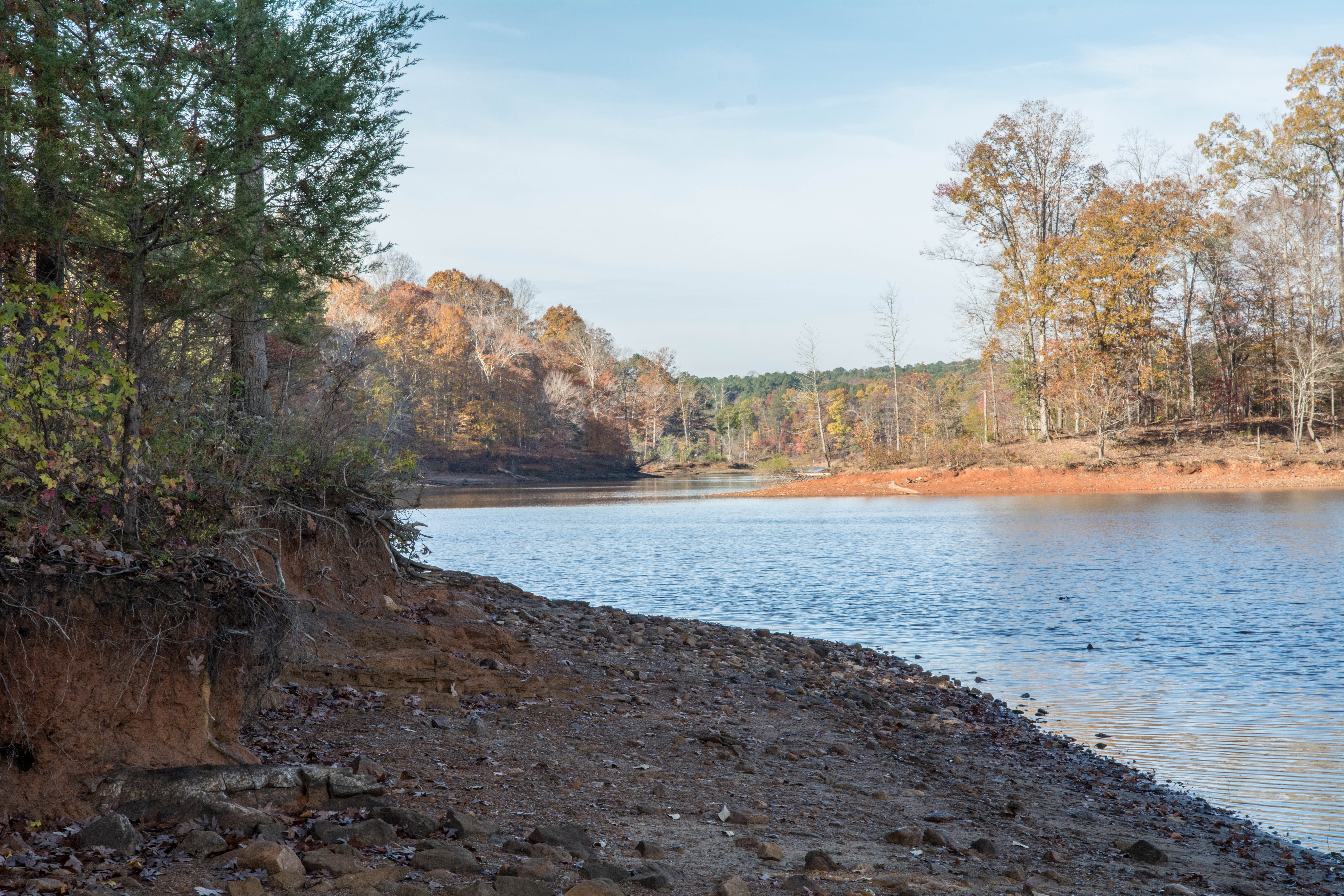
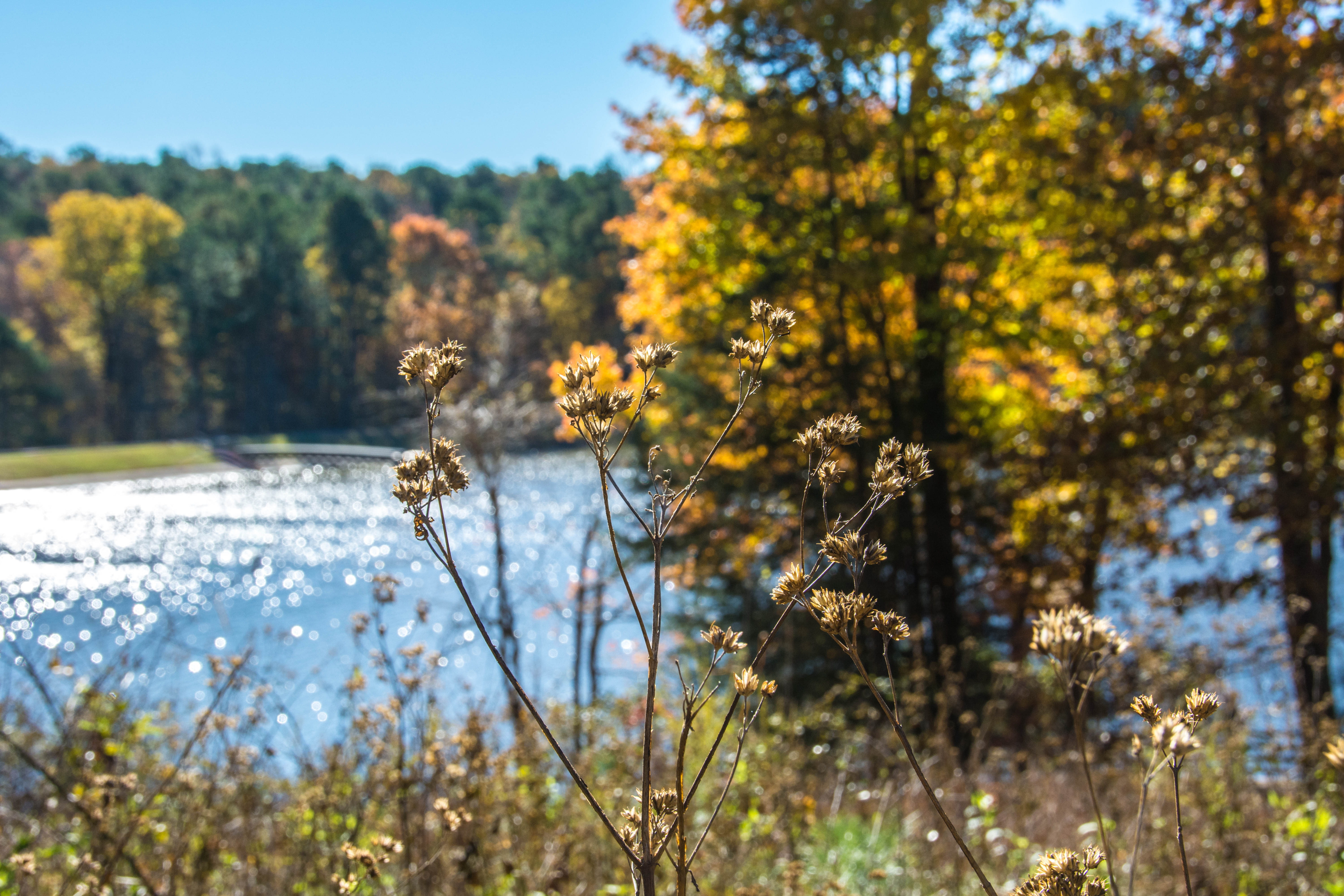
I took these pictures yesterday at Durant Nature Preserve in north Raleigh while testing out a new lens.  The weather was on the chilly side, so I brought along my photography gloves, which have cut off fingers and mitton tops that can be folded back.  I put the gloves in my jacket pockets, but ended up not using them. After walking part way around the lake and most of the way back, I noticed one glove was gone.  I really liked that glove, so I did the walk a second time, and found it.  The clouds were starting to lift at that point, and that’s when I got the shot at the top of this blog Read the rest of this entry »

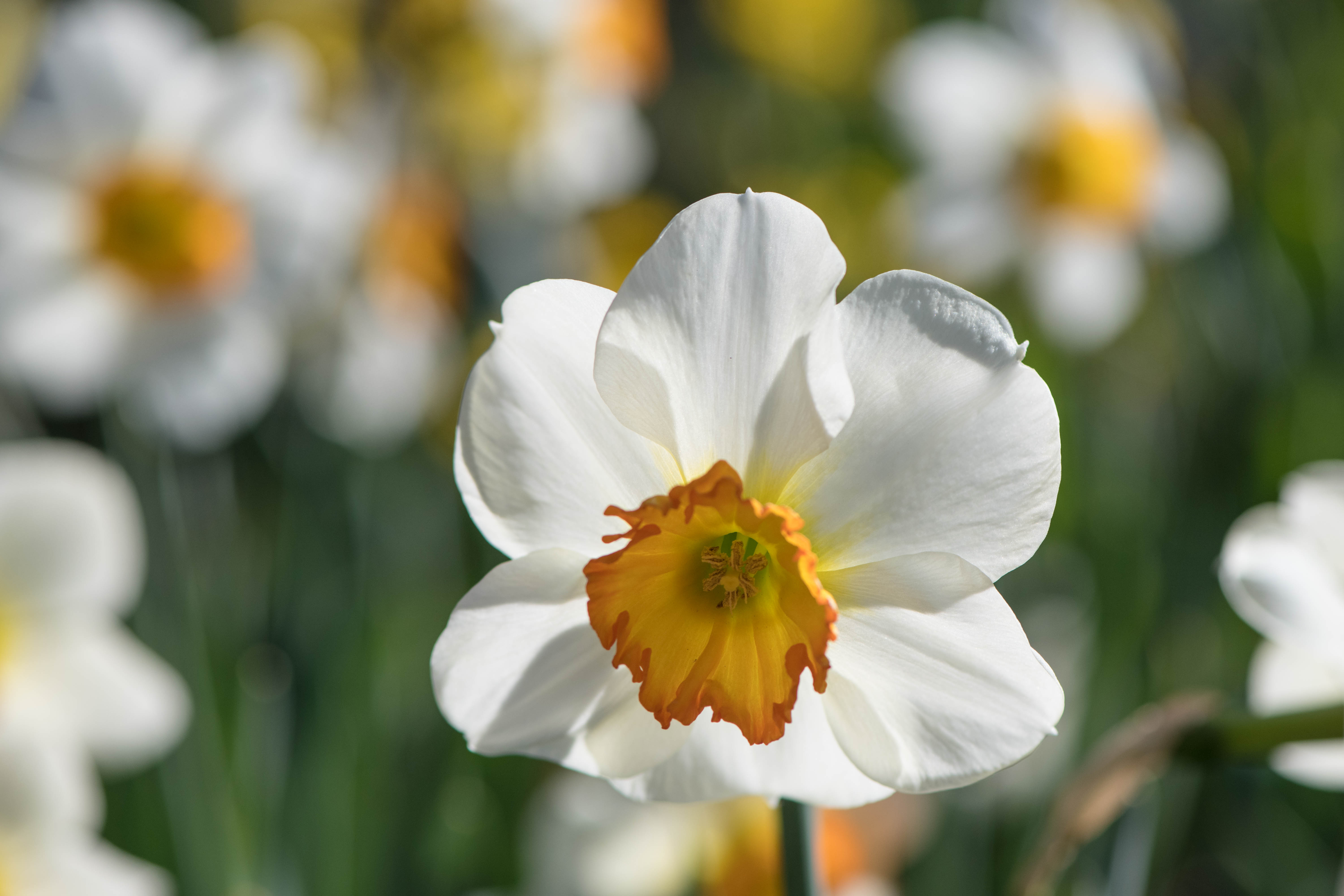
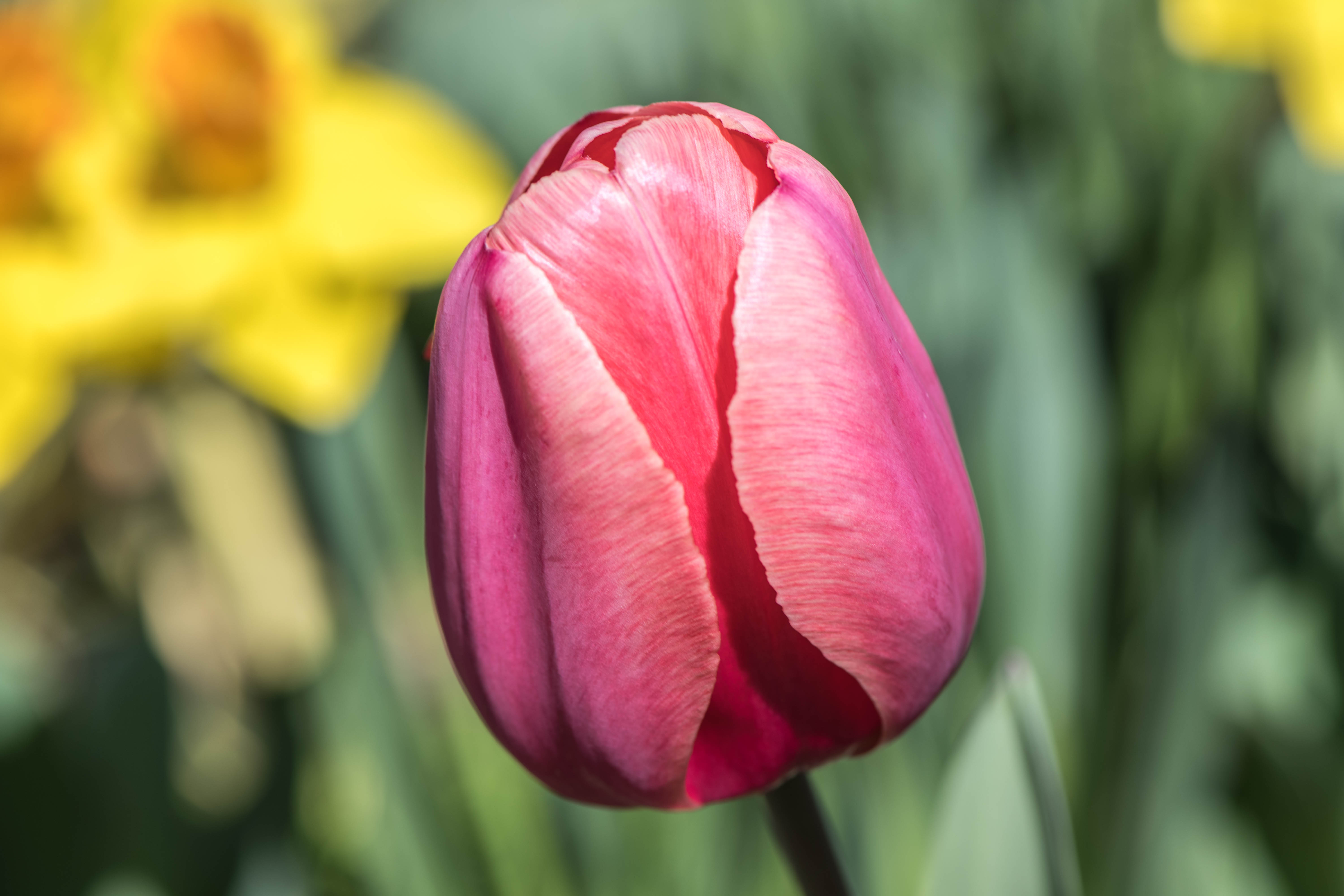
Brave little daffodils

I went over to Sarah P. Duke Gardens on Saturday morning to check on early spring flowers.  After a mild week, the temperature dropped almost to freezing on Friday night.  It was sunny but cold and windy when I got there.  It must have been difficult for the early plants, though the daffodils and a few tulips looked cheerful.

Our ski trip to Switzerland and Italy

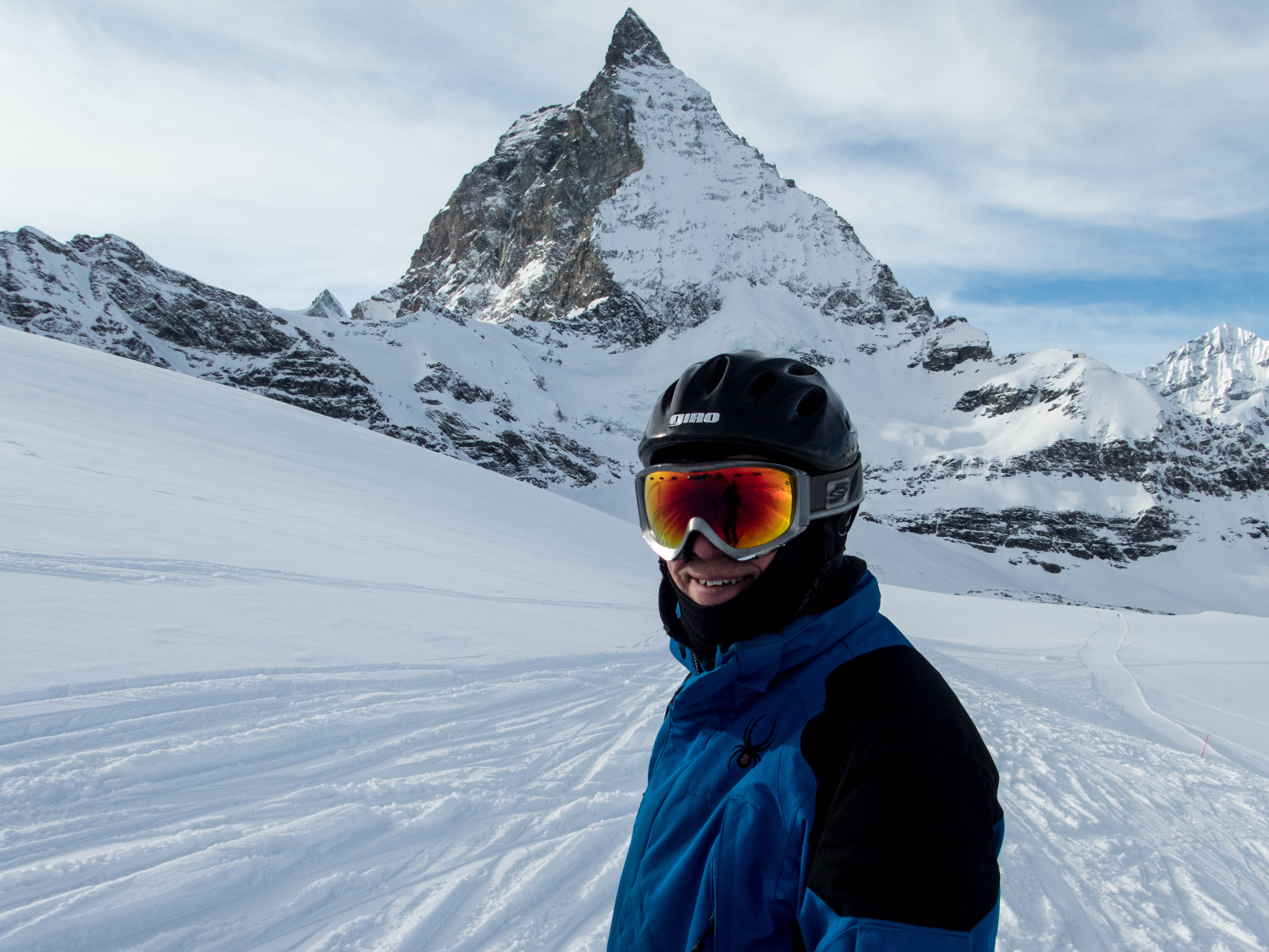
Sally and the Matterhorn

Skiing in Switzerland and Italy last week was really fun, though I had one tough fall (described below), and getting back to Raleigh was pretty brutal.  We underestimated the time it would take the train to get us to the airport, and when we got there the gate was closed (though the plane was still there).  The flight was jointly branded by United and Lufthansa, and each claimed that only the other could help us.  Surely one or both of them were wrong, but I eventually figured out that arguing was getting me nowhere.  

The online  outfit that sold us tickets, Justairtickets, also initially declined to assist us, but after I made clear that we needed reasonable customer service or we would never be doing business with them again, they stepped up to the plate.  Just kidding!  They shamelessly disclaimed all responsibility.  In the end, we had to buy new tickets from an agent in Milan (a big ouch), and it took 30 hours (including last row inside seats and a night trying to sleep on the hard floor of JFK) to get home.

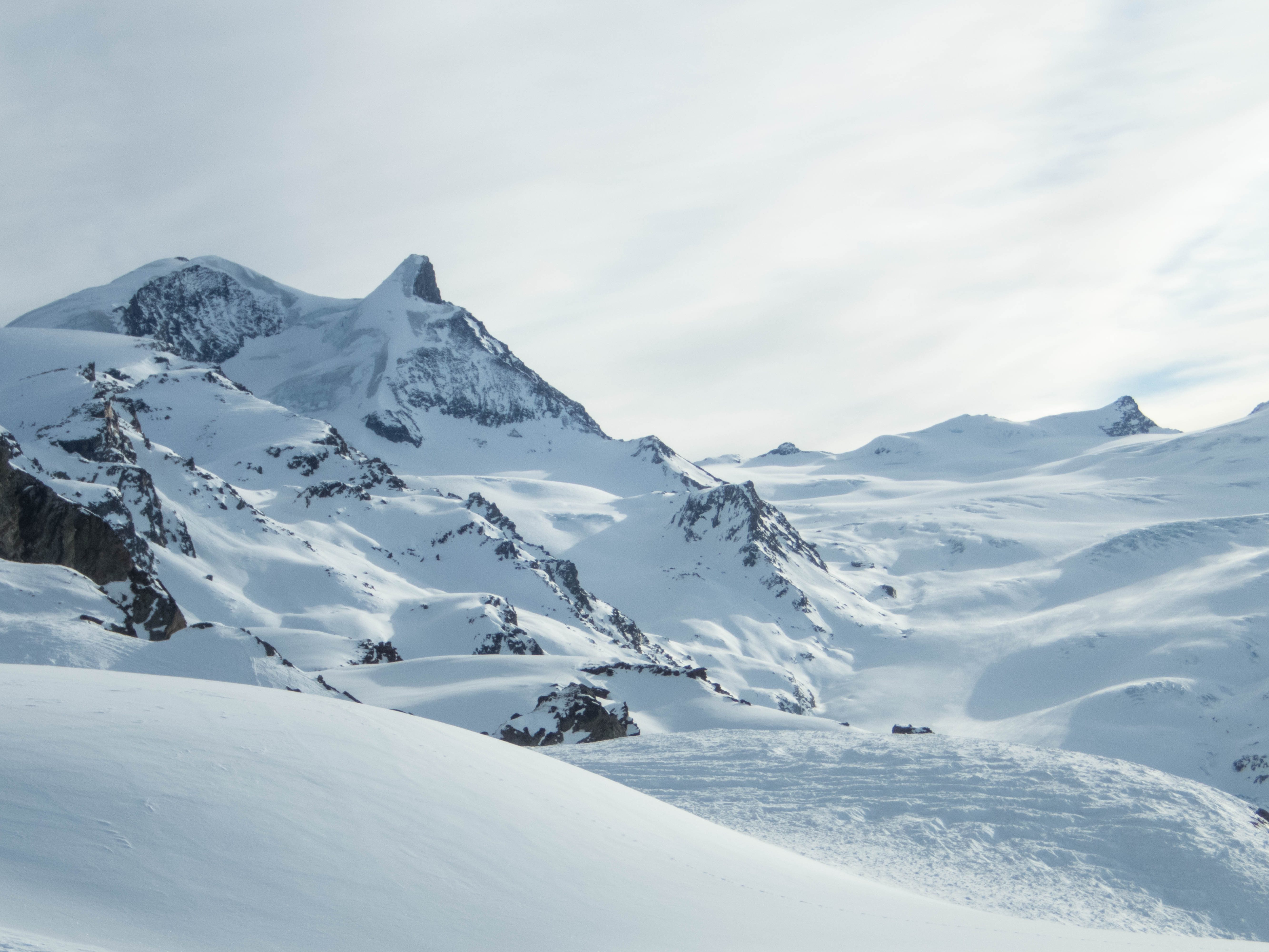
But otherwise, we had a great trip.  We skied for five days in Zermatt/Cervinia, where they’ve had epic snow this winter, and had plenty when we got there.  The views of the Alps were just spectacular.  The iconic Matterhorn was really and truly there, and there were jagged snowy peaks in every direction.  

There’s a lot to ski around Zermatt.  The highest point of the resort is 12,791 feet.  There are 7,477 feet of vertical — which is big!  There are  224 miles of trails, and the longest run is 16 miles. There are lots of restaurants on the mountain, in a range of formats.  There are lifts of every description, including a funicular, various types of high-speed chairs, and enormous gondolas that hold more than 100 people.  For the most part the slopes were uncrowded while we were there, and we never had to wait in a significant lift line.  

Zermatt is mainly about marked, groomed runs.  Most of the skiers we saw were quite good, but very few ventured off piste.  This could be a function of the Swiss love of orderliness:  if a piste is marked for skiing, then that’s where you’re supposed to ski.  This is a different mind-set from the American west, where good skiers view the groomed runs as passages to the main event — the ungroomed, untracked, adventure stuff.  

Early in the week, we found the groomed runs had good snow and lots of variety, while the off-piste snow was crusty.  We found the steeper groomers lots of fun, and worked on refining our cruising skills.  We skied on the Italian side (Cervinia) on day three, where the scenery was just as beautiful, though the lifts were not as modern and the slopes were mellower.  On day four, it snowed, and visibility at times was close to nil.  That day was also cold (in the low teens) and windy.  At times we started runs in the clear above the snow clouds, then descended into the dense fog.  It cleared up for our last day, and there was some super fun off piste skiing on the soft fresh snow.  

My rented skis were Dynastar Cham 97s, 178 cm.  It was a true all mountain ski, very versatile — easy to turn, stable at speed, good in the light powder.  A little shorter might have suited me better, but still, I really liked them.  


We stayed at the Phoenix, a small, pleasant hotel with good breakfasts and a convenient ski gear room, which was within walking distance of both lifts and restaurants.  I’d heard that Zermatt was the model for Vail, and saw similarities in the architecture.  The village had a lot of charm, and a lot of life.  Private vehicles are not allowed, though there were many taxis, which were electric vehicles shaped like tiny UPS trucks.  The main restaurant street had many dining options, along with a lot of luxury shops:  watches, clothing, perfume, chocolate.  We had no trouble getting tables for dinner, and ate well.  

My one bad fall came on the last run of our last day.  It was late in the day, and more crowded than we’d seen for most of the week, with skiers of varying abilities winding things up.  We were coming down a steep, narrow, icy passage, with a lot of people waiting at the top.  I was making my way downward, not prettily, but under control.  

Then, near the bottom a young skier suddenly stopped, leaving me no room to get through and effectively running me into the dense snow bank on the side of the piste.  I make it a rule to give a lot of leeway to inexperienced skiers, who sometimes veer unexpectedly, but unfortunately I broke my rule.  I fell backwards and felt a snap and sharp pain in my right calf.  

As I regained my footing, my back started to spasm.  It took an act of will to get to the bottom of the mountain, and to get to the hotel I had to take baby steps.  My leg was hurting!  Sally initially diagnosed a calf muscle tear, and predicted it would take some weeks to heal.  But it turned out to be less severe —  probably a sprain.  I was significantly better by the next day, and continued to improve as we continued our trip.  

After dinner on the top floor of the Rinascente department store, near the Duomo

On Saturday, we had a pleasant train trip through the Alps and along Lake Maggiore to Milan, where we made our way to our Airbnb apartment.  The place was extremely small, but very convenient to the Duomo and other points of interest.  We had dinner in the Canal District (Naviglio Grande), where there were a lot of people promenading and a lot of moderately priced restaurants.  We enjoyed risotto Milanese and local pasta specialities.  

Milan’s cathedral, the Duomo, is magnificent — an enormous white marble structure with flourishes everywhere.  The surrounding area has lots of stores and museums.  We were particularly interested in looking at Renaissance and early Baroque art, and there was lots of it to see.  We particularly enjoyed the Pinocoteca Ambrosiana (which had a gorgeous Caravaggio still life), the Brera (had to wait an hour to get in, but it was worth it), and the paintings at the Sforza Castle.  We couldn’t get tickets to see the Last Supper, so we’ll need to come back for that.  

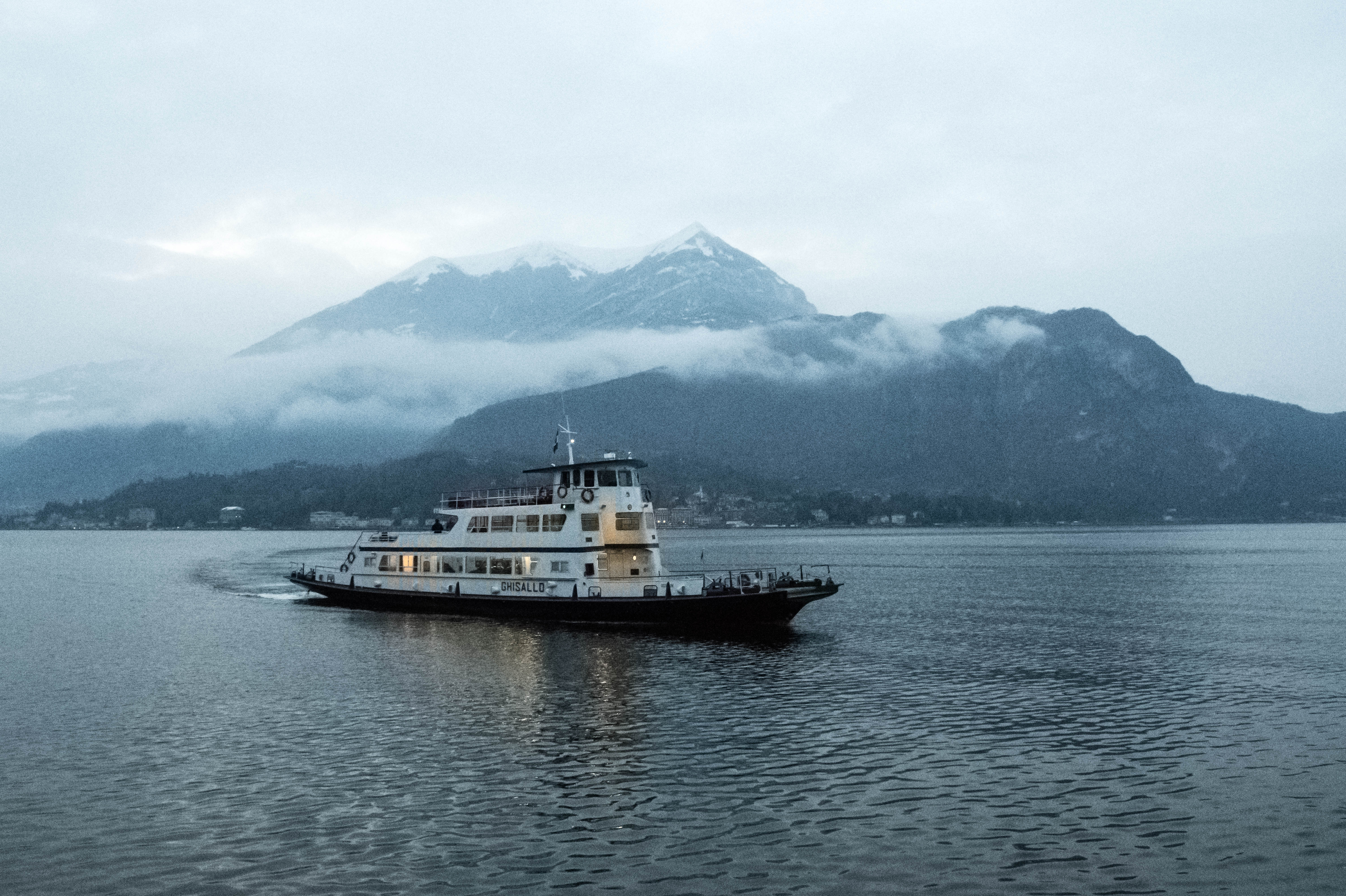
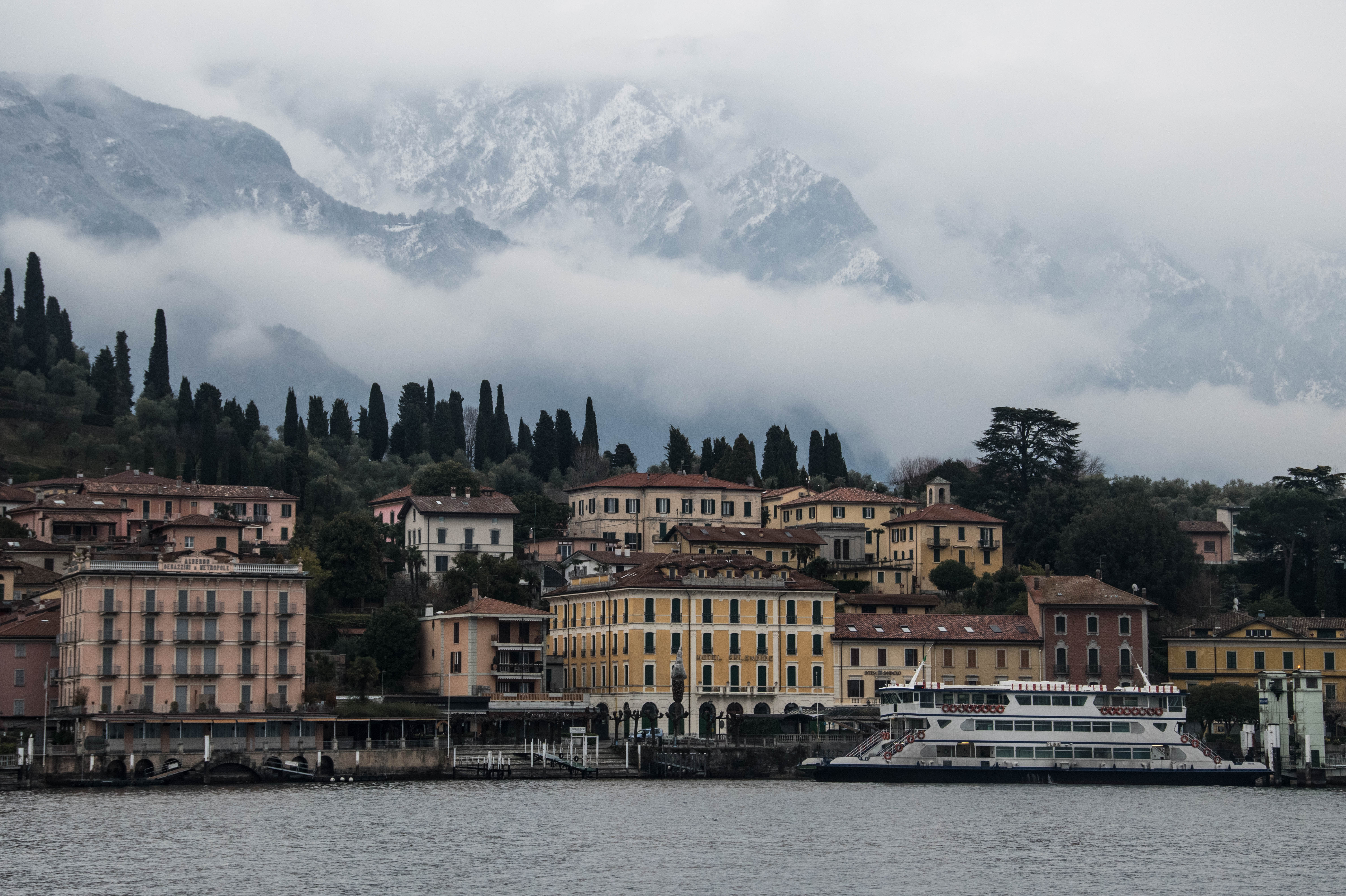
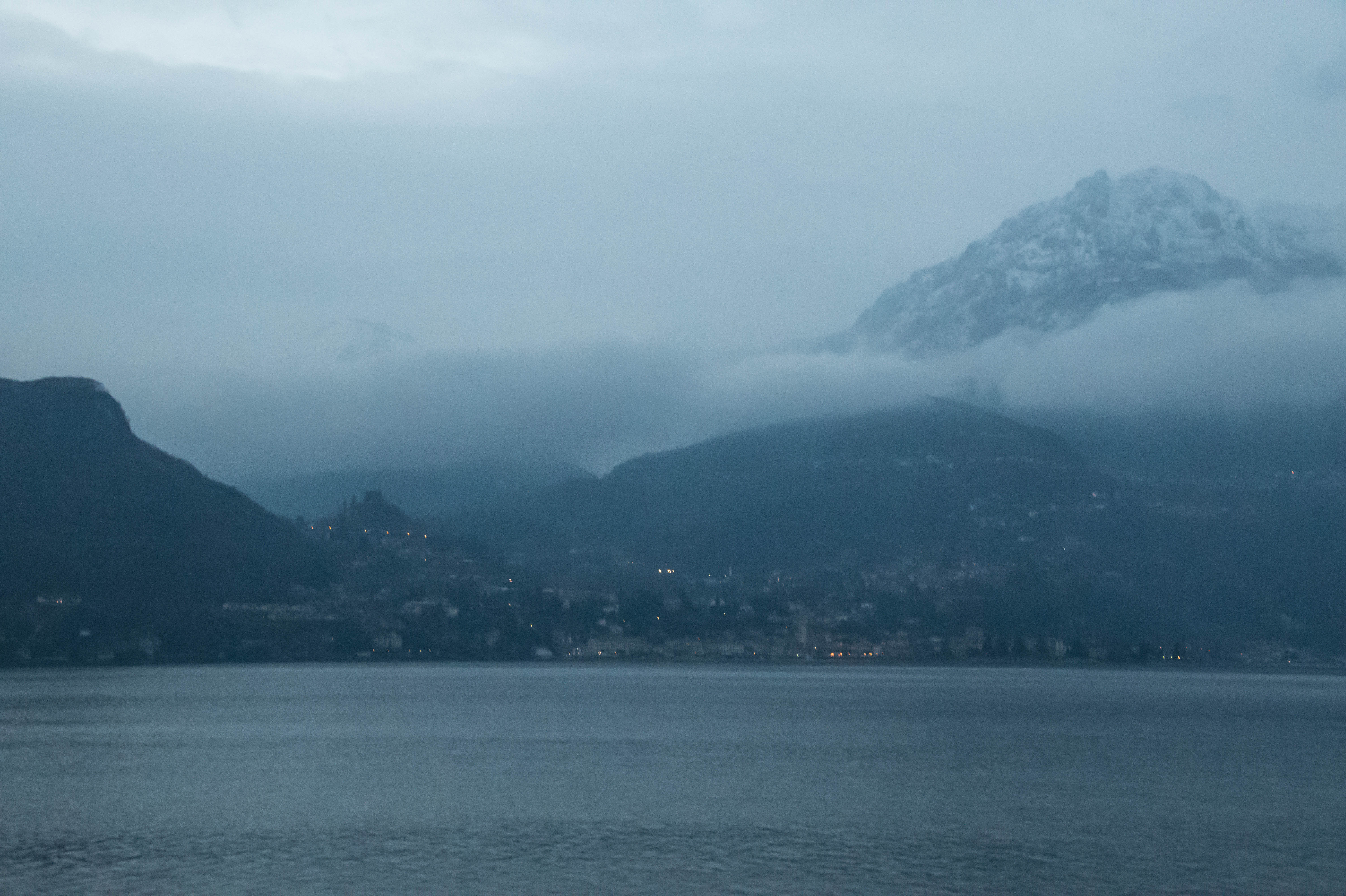
Our last full day we took the train for an hour up to Lake Como, where we started by walking around Varenna and then took ferry rides to visit Menaggio and Bellagio.  There was mist and fog, but it was still very beautiful, with the enormous calm lake, charming villages and the Alps rising above.  

On the trip back, I made substantial progress in Elena Ferrante’s second Neapolitan novel, The Story of a New Name.  I’m liking it even more than the first one.  Things that initially seemed uncomplicated turn out to be quite complicated, but in a believable, human way.  I haven’t gotten pleasantly immersed in a novel this much for a very long time.  


Our sexism comes out, and the campaign to stop the Trump investigation boots up

At the edge of the marsh near the Elizabeth River

Early Friday morning, I completed my hundredth spin class at Flywheel.  I did not meet my goal of 300 points (285), but I made it in in the top three, and I certainly got my heart rate well elevated (low 160s). Afterwards I drove over to O2 gym for some upper body resistance work and stretching.  Then I came home and fixed a green smoothie for breakfast, this time with orange juice, almond milk, kale, banana, baby carrots, celery, and blueberries.  That’s a lot of health in one glass, and it was also tasty.  

I’m exercising to feel good and increase the chances that I’ll still be here when Donald Trump is gone.  It helps my mood, which needs all the help it can get these days.  In particular, the recent flood of stories of powerful men sexually harassing women is depressing.  It suggests our problem is a lot worse than I thought, and we may well have not hit bottom yet.  

It’s no surprise that some percentage of males are dangerous sexual predators, and that there’s a larger percentage prone to crossing the line.  What’s new is the level of tolerance for such behavior. Last year almost half the population voted for a presidential candidate who bragged on tape about sexual assault.  Now a candidate in Alabama with a well documented record of molesting young teenage girls and lying about it stands a good chance of being elected to the United States Senate.

I formerly assumed that we all — Republican, Democrat, or other —  would agree that it is beyond the pale for middle-aged men to sexually assault fourteen-year-old girls.  That is, there are plenty of close questions when it comes to the boundary areas of sex, but there are some, like that one, that I thought were beyond debate. But apparently not.

What does this mean?   I think we’re seeing something that has been right in front of our noses all our lives but seldom noticed.  That is, we have a system in which women formally have equal rights, but in certain respects are regarded as unworthy.  In the US, we allow women to vote, attend school, work, and wear what they want. But we also systematically pay them less, give them less authority, and accept as normal that they’ll be subject to some degree of sexual misconduct.  

Ferguson and Black Lives Matter began a wrenching process that exposed a  hidden strain of racism.  Similarly, the disgusting and illegal behavior of Trump, Weinstein, Moore, and others  may be the start of a process that shines the light on our entrenched sexism.  We may expand the dialogue and expand the population that considers and treats women as fully human, and get to the point that nothing less will be tolerated.      

I hope so.  Meanwhile, I’m worried by the new effort to discredit and undermine the investigation of Russia’s interference in the last presidential election.  The evidence of Russian assistance to the Trump campaign is already extensive, and the evidence of ties between Trump’s top aides and the Russians is growing.  Now, as the plot thickens, Robert Mueller and the FBI are being accused of being partisan hacks out to get the President for no good reason. 

This campaign of slime is being led by Trump, Fox, and several Republican Congressmen.  There’s a good Washington Post piece on this by Paul Waldman here.  There’s also an account of the House Judiciary Committee’s work along this line here.  

I was sufficiently astonished by this idea that I decided to get out of my own bubble and watch, for the first time ever, an hour of Fox News.

So we saw Sean Hannity’s show on Thursday night, and it was both better and worse than expected.  Hannity and his guests are very skilled at weaving together uncontested facts with unfounded speculation and outright falsehoods so that they’re hard to distinguish.  The people are well-dressed and look serious and intelligent, and they all agree with each other on their key points.  

Thus several people at once will assent verbally and non-verbally to a proposition like “Hillary is the real criminal.”  They repeat their basic points over and over, but with enough variations that it isn’t completely obvious.  Unless you bring to the table a body of background knowledge, you might not notice the leaps in their reasoning, or the lack of any supporting evidence.    

So if you were to get all your news from Hannity, you might well believe that Trump is basically a good guy doing his level best and being unfairly thwarted by evil liberals.  And you might end up thinking that there’s no reason to worry about Russia taking over our political process.  At the same time, you might not be much concerned about electing sexual predators to high office.  

Hannity and Fox are really good at big lie propaganda.  Ordinary journalists can’t counter them as long as they are constrained by honesty and actual facts.  Reality based reporting doesn’t always fit neatly with our prejudices, and it just isn’t as exciting.  

Despite the effectiveness of Fox and Hannity, Trump’s poll numbers continue to sink.  I was heartened to read last week that his support among evangelical Christians had dropped by 17 percent since February.   Maybe it’s a trend.

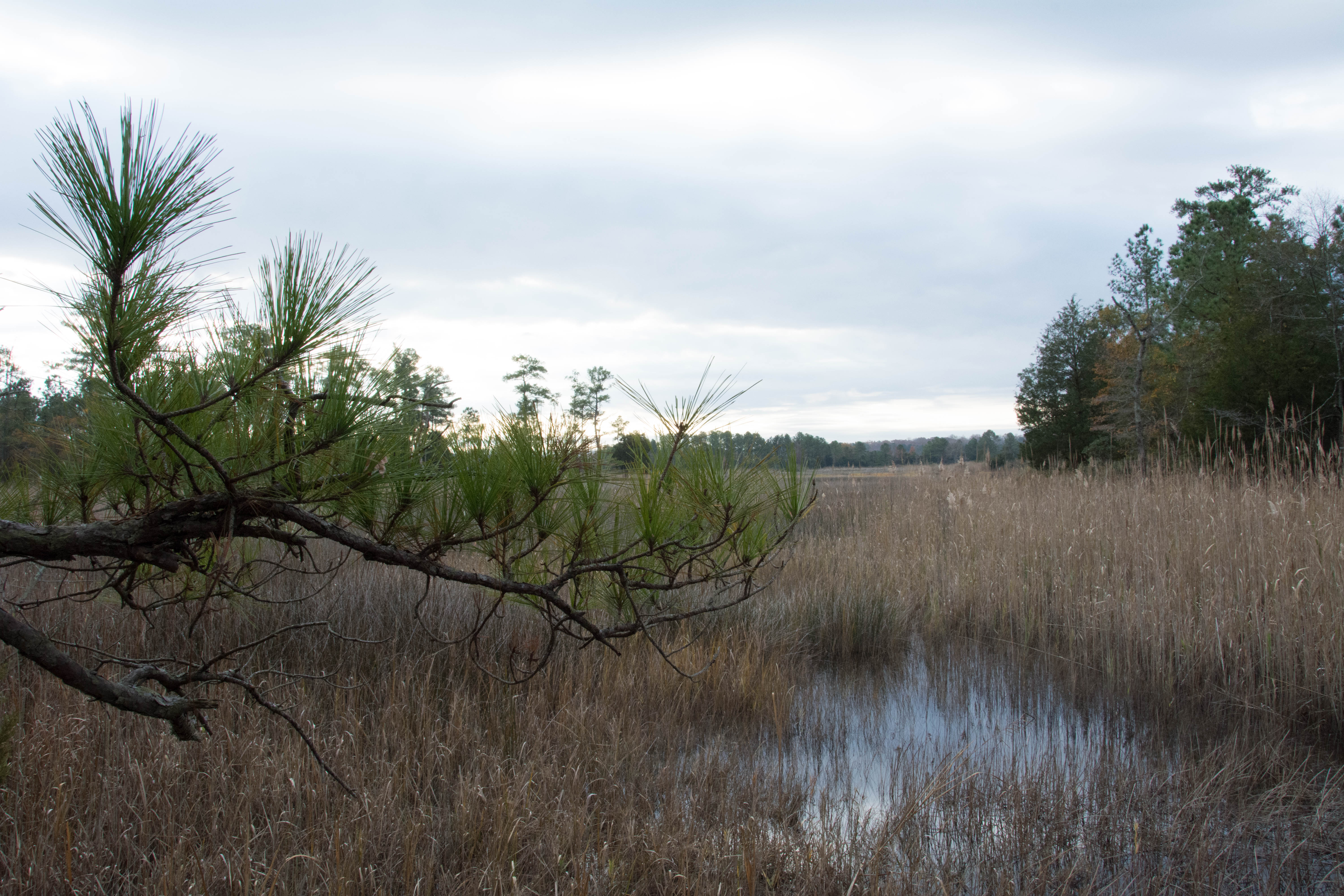
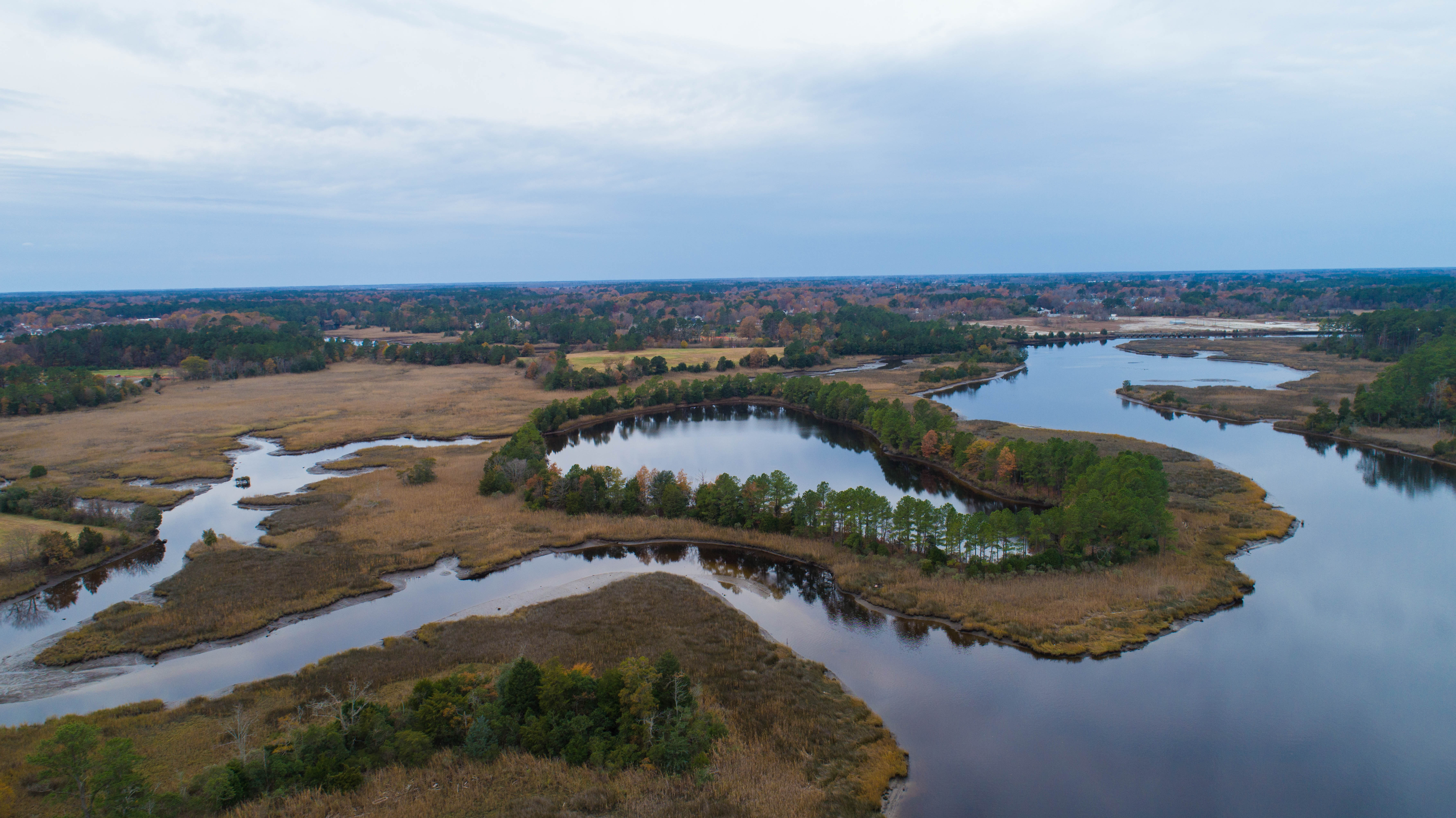
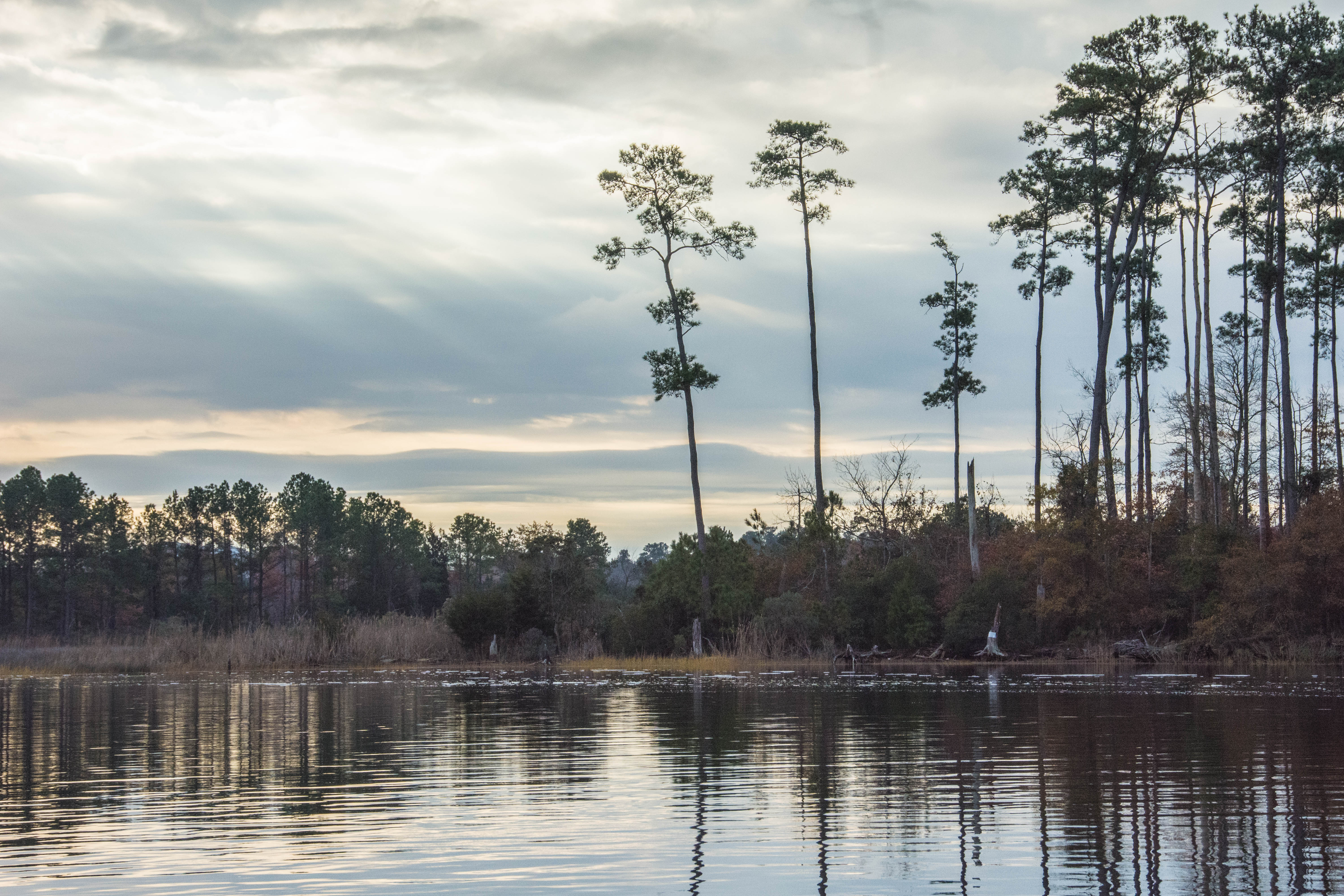
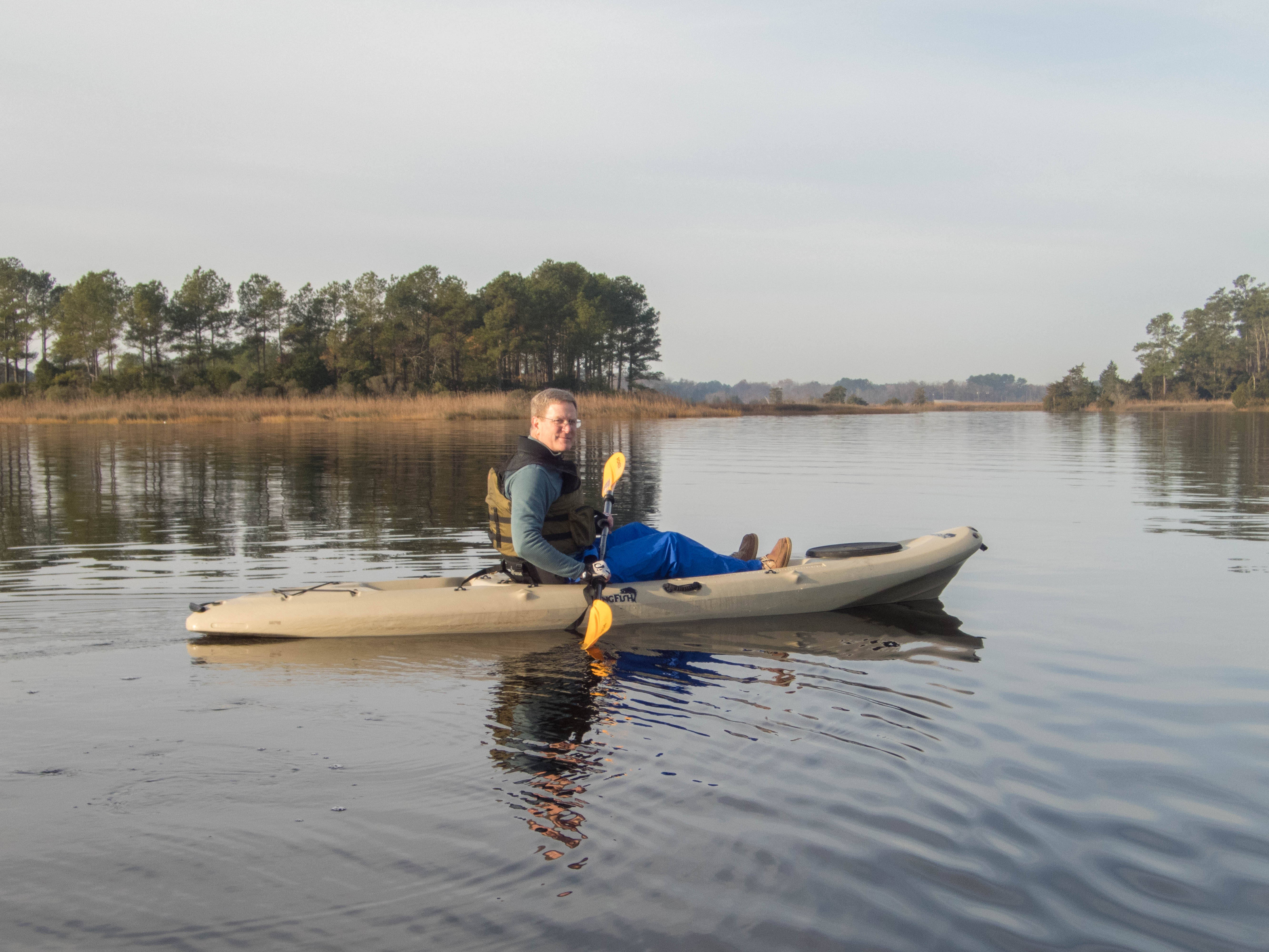
I took these pictures last weekend when we visited my brother in the Virginia Beach area.  We got out on the Intercostal Waterway and did some kayaking.  The water was smooth and peaceful.  

Thankfulness, and un-thankfulness

At Durant Nature Park, November 24, 2017

We had a good Thanksgiving with some beloved family members, and I was grateful, as was appropriate.  But it struck me that Thanksgiving needs a little balancing.  Along with things to be thankful for, most of us have a good number of things to mourn or regret, and these too should be acknowledged.  To balance our feasting, we could have an annual day of fasting, and focus a bit on the things that we’re sorry about and unhappy with.  It could be therapeutic.  

Flying at Durant

I got to try the fasting part this weekend in preparation for an ordinary course colonoscopy scheduled for tomorrow.  I normally maintain a decent level of skepticism regarding the medical-industrial complex’s  expensive procedures for apparently healthy people.  But I’m also fairly terrified of cancer.  So I followed the dietary recommendations, including several days with no fiber and a final day with no solid food.  I will spare you the details.  Fun it is not.  

At Umstead Park

It was mostly clear and mild this weekend, and I enjoyed doing some hiking through the woods and around the local lakes.  I took these pictures with the Tiller Quadcopter and the terrestrial Nikon D7100. 

Missing meteors, fall colors, robot love, the end of nature, and Grosvenor the pianist

Flying over Blue Jay Point, November 18, 2017

Coming home from the concert in Durham on Friday night, I stopped to look for the Leonid meteor shower.  I hiked into the fields at the N.C. Museum of Art, which were dark enough to hope for good sightings, and also isolated enough to give a little twinge of fear.  But it was peaceful looking into the clear eastern part of the night sky, with stars shining bright.  I didn’t have much luck spotting meteors, which may have been shooting to the west where it was more cloudy.  

On Saturday morning I went up to Blue Jay Point to see some fall colors and take some pictures.  The dying leaves have not been very bright this year, but there was still some beauty there.  It was calming to walk in the woods and along the shore of Falls Lake, which was very quiet apart from a couple of passing motor boats.  It can be tricky keeping on the path this time of year, with everything covered in brown leaves, and I did in fact get off track on the way back, though I wasn’t lost for long.  I also took a fall when I tripped over a tree root that appeared out of nowhere.  My right hip got bruised, but fortunately the camera was OK.   

Sally and I finally got to the movie theater to see Blade Runner 2049.  I really liked the original Blade Runner, which had a visionary quality (though a fairly grim vision) folded into an intense sci-fi story, and had high hopes for the sequel.  The new movie was likewise a disturbing prophecy — a world where natural resources have been exhausted, inequalities have widened, violence is endemic, and humans lord over a race of human-like robot slaves.  But there was a strange beauty to it, and an oddly hopeful theme about new and unexpected kinds of love, including robot love.  

The end of nature in the movie, with no trees growing and no birds singing, doesn’t seem too far from where our current trend line could take us.  The situation is dire.  This was the view of a letter  published this week and signed by 15,366 scientists from 184 countries, which I hope will be widely read.  The scientists outlined damages and risks that you probably already know about ( though many still do not), including potentially catastrophic climate change, overpopulation (35 percent more humans since 1992), and mass extinction of “many current life forms.”  They note that time is running out.  

But the scientists also note that it is still possible for us to course correct with adoption of sustainable levels of consumption, preserving natural resources, promoting family planning, eating less meat, respecting nature, and prioritizing green technologies.

There are some signs that more of us are waking up.  199 of 200 nations have signed up for the Paris climate accord.   In the U.S., more states and cities are taking action, as Jerry Brown and Michael Bloomberg recently noted  in a NY Times piece, and so are more big businesses.  Despite the ascendance of Trumpanical contempt for nature,  government scientists recently issued a comprehensive climate assessment report that very frankly set out the dire threats to our dear planet.   There’s still hope.  

The Big Lake at Umstead Park, November 19, 2017

On Friday night, Sally had a conflict, so Olga Kleiankina, my piano teacher,  joined me at Duke’s Baldwin Auditorium to hear the young British pianist Benjamin Grosvenor.  For what it’s worth, the program director pronounced the artist’s name “Grovner” (with no sounding s).   Grosvenor was praised in the New York Times last week as perhaps the most cultivated pianist of his generation (he’s 24), and he did not disappoint.  

In the first half, his Bach, the fifth French Suite, was fast moving and elegant, with creative ornamentation,  and his Mozart sonata (K333) was well conceived and elegantly executed.  I think I liked it more than Olga, who did not dispute his technical excellence, but felt that the performance lacked heart.  She may well have heard things I didn’t or expected things I didn’t,  since she is unquestionably an artist.  

For the second half, I very much enjoyed Grosvenor’s performance of an Alban Berg’s Sonata op. 1 and of Ravel’s Gaspard de la Nuit.  Gaspard is a quintessential impressionistic piece, and I thought he fully grasped the spirit, with striking virtuosity.  Olga liked it as well.  We ran into a number of our musical friends there, so it was an enjoyable social event, too.


Our trip to Venice

Dragonflies

Sally in  Burano

Last Sunday Sally and I got back from a week in Venice, which was a lot more challenging and stimulating than I’d expected.  As everyone knows, there’s a lot of beautiful art and architecture to take in, or try to take in.  I hadn’t understood, though, some fairly basic aspects of the place.

Dragonflies-3

For example, there are no cars, or trucks, or motorcycles.  As far as I could tell, there are no powered terrestrial vehicles in Venice.  It is a city for walkers and boaters.  We walked a lot — between 16,000 and 18,000 steps most days.  And the walking is somewhat complicated — along quays, through narrow alleys, and up and down the steps of bridges over canals.  Once you leave sight of the Grand Canal, it’s easy to get lost in the twisty, narrow streets, though you eventually find your way back.  

Dragonflies-8.jpg

Given that there’s so much walking in Venice, I was surprised at how bad some people were at it.  People would veer in front of us, or stop with no warning in crowded areas.  I thought at first these must be tourists from places where there isn’t much walking who lack the sophisticated observation and signalling skills of big city pedestrians.  They may have been disoriented by the many luxury shops and other sights.  But it may be that they were just inconsiderate.  

Dragonflies-7

That said, most tourists were nice enough, and the service industry people we dealt with were almost all helpful.  I was a little hesitant about using the vaporetto (water bus) system, but the ticket sellers gave good directions in good English.  The system works really well, with many boats running regularly.    

Dragonflies-10

For lodgings, we used Airbnb, and found a little apartment with a balcony near (but not too near) St. Mark’s Square.  The young man who owned it  met us at the nearby Giglio vaporetto stop and guided  us in, and gave us a friendly briefing on the neighborhood shops and services.  A few steps from our door was an old leaning bell tower, with bells that pealed loudly at 7:30 each morning to make sure we got up.  There were minor issues (not enough soap and toilet paper), but the pros greatly outweighed the cons, and the cost was a fraction of an equivalent hotel room.  

Dragonflies-9

Our neighbors’ laundry

We stopped in many cafes and gelato shops, and ate well.  For dinners, the vegetarian offerings were mostly along the pasta line, but we also had tasty risottos, and one evening had the mother of all gnocchis.  The local wine was excellent.  I expected to come home several pounds heavier than I went out, but in fact gained less than two ounces.  All that walking surely helped.

Dragonflies-6

St. Mark’s square

Mid-October turned out to be a good time for a visit.  Daytime temperatures were in the high 60s to low 70s.  We had some sun but mostly clouds, and no rain.  There were plenty of other tourists, but not so many as to be overwhelming or depressing.  

Dragonflies-4

Near the Accademia Gallery

We were there in large part to take in the Biennale, the huge every-other-year art fair with exhibits by many nations and artists.  Most of the art did not involve paintings in frames.  There were many videos, multi-media constructions, music and non-musical sounds, happenings with human actors, and environments.  We looked at a lot, and found quite a few artists with something pressing to say.  There were very strong exhibits from some countries whose governments are authoritarian, including Russia and China.  The artists reminded us that these countries are much more than their leaders and elites.  

Dragonflies-5

We also loved seeing the extraordinary Renaissance art in the Doge’s Palace, the Accademia Gallery, and various churches, and particularly the Basilica di Santa Maria Gloriosa dei Frari (which is not singled out in every guidebook).  I’ve recently been reading about much earlier civilizations, and so art from five or six hundred years ago felt fairly recent.  Much of this art is devotional, in the sense of being inspired by and celebrating the religious thinking of the time, but some of those thoughts still resonate.  We are touched by the beauty of each new baby, and the suffering of those brutally victimized.

Dragonflies-2One day we took the train out to Padua, where we saw the marvelous Giotto frescoes at the Cappella degli Scrovegni and the impressive Basilica di  Sant’Antonio.  We got turned around, and unlike in Venice, had no canal to orient by.  We walked 22,000 steps that day.  Another day we took the vaporetto out to Murano and Burano.  In Murano, we saw some glass making, which looked hard to do well.  In one shop a salesman took a determined run at selling us some glass art costing thousands of Euros, but we managed to resist.  

Caribbean misfortunes, reconsidering Vietnam, good drug news from Portugal, and rising Carolina dancers

It’s been tough to see the devastation of the Caribbean islands by hurricanes Irma and Maria these last weeks.  I’ve got a warm connection to some of the most affected islands (Dominica, Turks and Caicos, the Virgin Islands, Key West)  from scuba trips.  I found so much beauty and joy there from both the natural world and the people.  I recently read a new history of the region,  Empire’s Crossroads, by Carrie Gibson, and discovered some unexpected complexity.  

Beginning in the late 15th century with Columbus’s voyages and extending for another three hundred some years, these islands were not vacation paradises but rather economic powerhouses for an expanding Europe.  They were  fought over repeatedly, because they produced enormous wealth, mostly from growing sugar with slave labor from Africa.  At the time of the American Revolution England and France both valued their Caribbean possessions more highly than the American colonies, and England’s need to protect those islands from the French was part of what created a power vacuum that led to the revolutionaries’ victory.  Their normally kind and beautiful exterior conceals a lot of tragedy, and they just got more.  

The people there face desperate conditions — homes and businesses destroyed, no electricity, no drinkable water.   And of course, the animals and plants there have also suffered greatly, which is seldom noted.  Our tendency as humans to forget about other species is deep seated, but not insurmountable.  It’s possible to view nature as worthy of caring and respect, rather than just something for humans to exploit.  This viewpoint makes possible a deeper engagement with nature, but it also makes natural and man-made disasters more painful.  

Speaking of painful subjects, we’ve been watching the new Burns-Novick documentary on the Vietnam war, and I highly recommend it.  It’s by no means fun, but it feels positive to get a more rounded understanding of this chapter.  There’s a lot of tension between our abiding central national narrative (we’re always on the side of good), and the death and mayhem that’s almost impossible to get our heads around (58,000 lost American lives are a lot — but we tend to forget the 3,000,000 Vietnamese ones) .  It’s amazing in a way that we’ve mostly repressed and forgotten the Vietnam experience, especially when its combination of good intentions, hubris, cynicism,  and sheer cluelessness continues to be relevant to our quagmire in Afghanistan and violence elsewhere.  

In other quagmire news, there was a relatively cheering piece by Nicholas Kristof in the NY Times today entitled How to Win a War on Drugs.  It summarizes the experience of Portugal after it decriminalized all illegal drugs fifteen years ago.  Portugal’s drug mortality rate is now the lowest in Western Europe and one-fiftieth (1/50) of that in the US.  Portugal’s rate of heroin use has dropped by seventy-five percent.  Meanwhile, deaths in the US from opioids have risen dramatically.  The core of Portugal’s approach is to devote resources to medical treatment for addiction.  Though far from perfect, this approach has been far more effective, and far less expensive, than the US’s war on drugs.  While there’s a lot we don’t understand about drug addiction, it could hardly be clearer that our war approach hasn’t worked, and that there are better alternatives.

We went to our first Carolina Ballet performance of the new season last night, and thoroughly enjoyed it.  With all the disasters in the headlines, to find a couple of hours of nourishing, energizing beauty is particularly welcome.  Some of our favorite dancers retired last season, and they’ll be missed, but the change has brought vibrant talent from the company ranks into view.  Lily Wills was a sweet and touching Ugly Duckling.  Jan Burkhard, back from maternity leave, was exquisite in Flower Festival in Genzano, a Bournonville pas de deux.  

Dialogues, the new ballet jointly choreographed by Robert Weiss and Zalman Raffael, was bold and refreshing.  The Dialogues music, Rachmaninoff’s Variations on a Theme by Chopin, was played by pianist William Wolfram, who performed with insight, power, and passion.  With his daughter, Lauren Wolfram, now part of the company, I hope we’ll get to hear this great artist again.  We also enjoyed the angularity of Les Saltimbanques, with choreography by Weiss and music by Stravinsky.  Ashley Hathaway, Amanda Babayan, and Courtney Schenberger were striking and lovely.