The Casual Blog

Category: technology

Educational opportunities

Jocelyn doesn’t use the phone for talking too much anymore, at least to her dad, but she called this week to tell me she was admitted to the Columbia University publishing program. She was thrilled, relieved, and ready to start a new chapter: life in New York City. Her boss at the apres ski bar in Telluride agreed to buy her aging Nissan Altima, and she asked me to figure out the legalities. I said I’d be happy to do so.

Whatever doubts I may have about job prospects in the publishing business, I’m keeping to myself for the time being. It’s wonderful to see Jocelyn, so smart and talented, moving forward and exploring. Wouldn’t it be nice if we could all go to New York and be students again?

As a matter of fact, one of the great things about my job is that I get to talk to and learn from really interesting and gifted people. This week I had lunch with Jamie Boyle, professor of law at Duke and one of the most clear-eyed scholars of intellectual property law. His last book, The Public Domain: Enclosing the Commons of the Mind, explains with clarity and force some of the enormous problems with our patent and copyright systems, including how IP law can hinder innovation and creativity. He really is a brilliant guy, and a delightful conversationalist.

We ate at the Washington Duke Inn, which has a cozy clubby feel, and talked about some of the usual things, like sports and food, but also about his leading role in producing the Hargreaves Commission report, which advocated an evidence-based approach to IP protection. We discussed the possibilities for patent reform in Congress and the courts. We also talked about some of the hyper conservative activity in the N.C. legislature, and the N.C. constitutional amendment against gay marriage. We agreed that this right-wing crowd has gone beyond being embarrassing and is hurting the reputation and economy of our state. I also got to see his new car, a sporty and beautiful Jaguar XK.

In other education news, the NY Times reported this week that EdX, the online education consortium, has developed software that automatically grades students’ essays. Its new software is, it says, not perfect but about as reliable as human graders, and gives almost instant feedback to the student. This could be a game changer in education at all levels, potentially helping students with instant feedback, and also potentially eliminating a lot of teaching jobs. Will the net of it be better education at lower cost? And/or will it be another nail in the coffin of the traditional university, without a satisfactory replacement on the horizon?

David Brooks wrote a good column this week about online education and the role of the university. He proposed regarding the mission of higher education as having a technical knowledge part and a practical part. Technical knowledge is about things like formulas and facts, and practical knowledge is about skills that can’t be written down and memorized. Online outfits like EdX and Coursera can cover the technical part, but at least so far aren’t as effective at the practical part. We seem to need human-to-human interaction to learn some things.

Three Sparrows and a Cup, by Byron Gin

Three Sparrows and a Cup, by Byron Gin

At any rate, the human touch is a pleasant thing. On Friday Sally and I went out to First Friday, downtown Raleigh’s monthly art and food celebration. We stopped in the Adam Cave Gallery, where we’d bought a painting some months back, and met the painter, Byron Gin. His current show, titled Aviary, continues the theme of the work we bought, with abstract elements, rough textures, and birds. Byron was a pleasant, soft-spoken guy, who seemed happy to discuss how he made his paintings. We remembered the painting we bought, and it was good to be able to tell him how it had brought as daily joy. Among other things, we learned that we shared an interest in bird feeders and photography.

For dinner, we tried without success to get into Bida Manda (wait time 1.75 hours), Centro (wait time 1.5 hours), and noted crammed dining rooms or lines out the door at Caffe Luna, Remedy Diner, and Sitti. It’s good to see our restaurants doing a brisk business, but when you’re hungry, you’re hungry. We finally got a table at Gravy, an Italian place, and had a pleasant meal including a Tuscan Chianti.

On Saturday, we went over to Durham to take in some of the Full Frame Documentary Film Festival. The festival is an annual event that this year featured more than 100 documentaries, 7 different screens, and hundreds of cinephiles, which we somehow had never managed to get to in years past. The afternoon was sunny, and there was a happy energy to the crowd, an eclectic mix that reminded me of Oberlin (where the film club screened classic films once a week) and upper west side New York. The films we saw were all sold out, as were several others we couldn’t get tickets for.

Our favorites were a double bill by featured film maker Jennifer Yu: The Guide and Breathing Lessons. The first was about a park in Mozambique and a young man whose big dream was to be a tour guide. It explored serious environmental issues with a light touch. It featured E.O. Wilson, who at 82 was still charmingly fascinated by ants and other small creatures. Breathing Lessons was about Mark O’Brien, a writer who was paralyzed by polio as a child and spent most of the rest of his life in an iron lung. He seemed very honest about living with an extreme disability. Yu was in attendance, and after each film answered questions from the audience. She seemed really smart and likeable.
More eye surgery, healthy habits, a gay marriage revelation, a new veggie restaurant, and the shame of the processed food industry

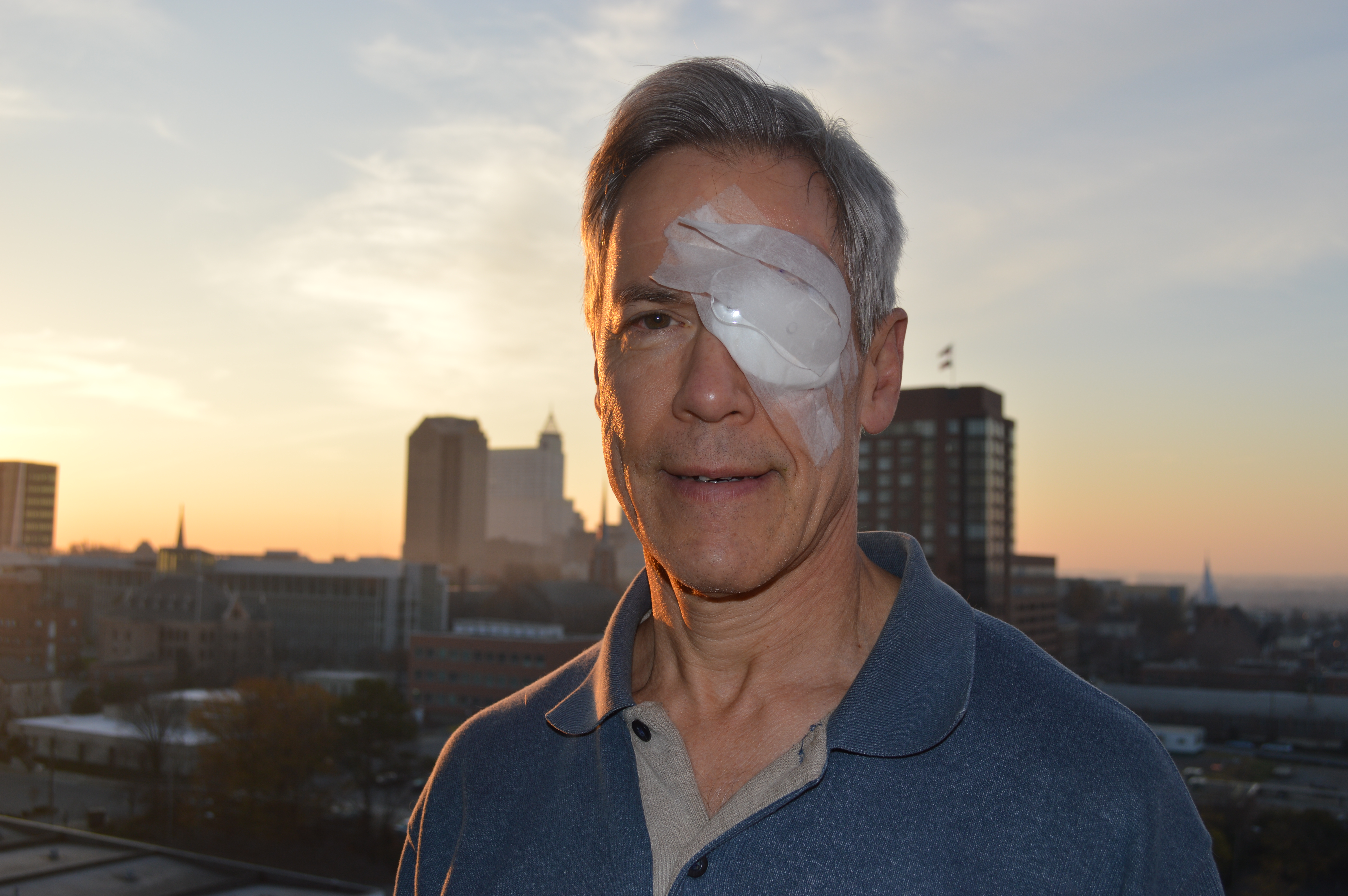
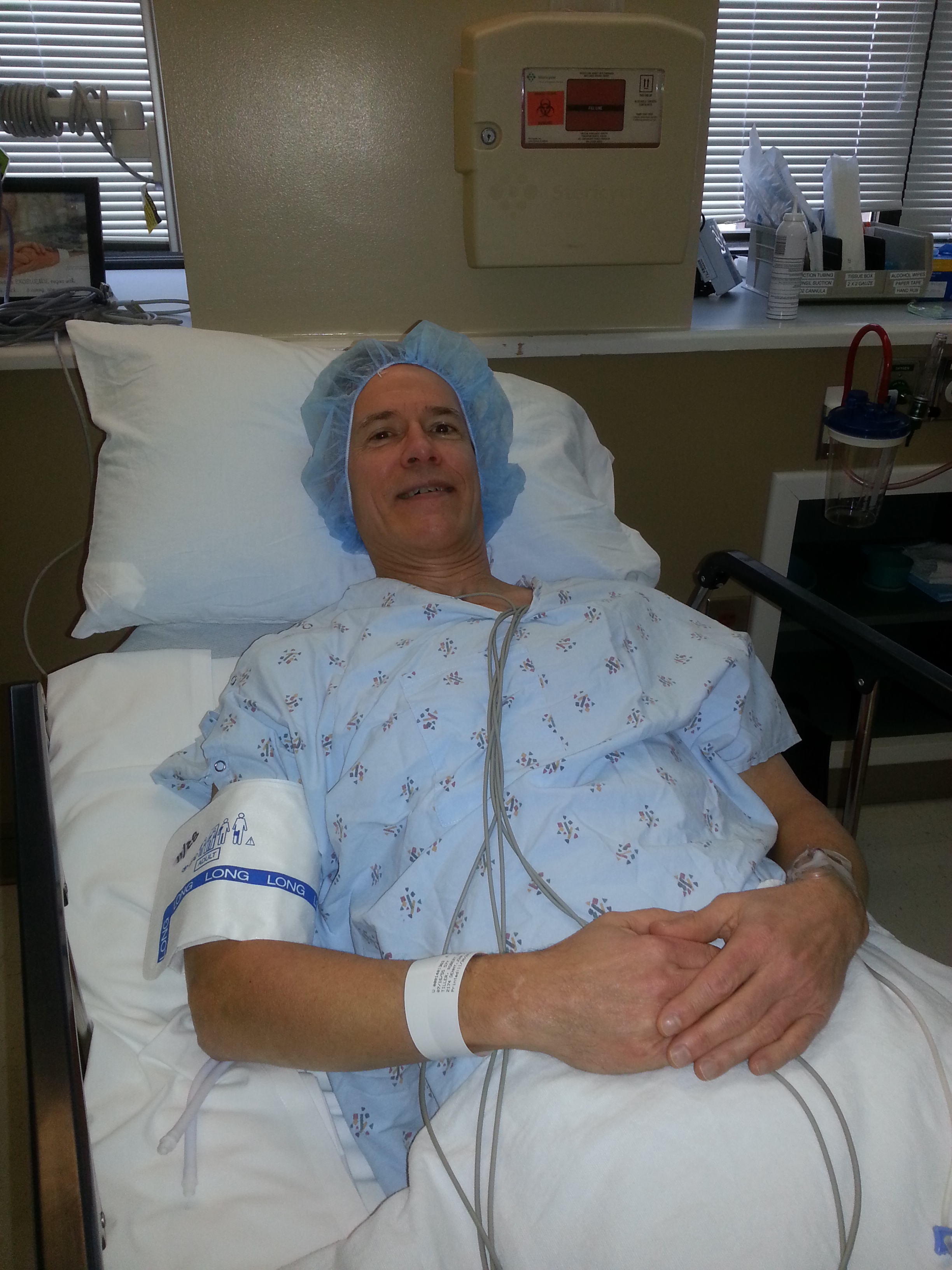
This week I had eye surgery to repair the effects of scar tissue from my previous eye surgery, with the understanding that there would probably be more surgery needed in future. And so in the space of a few weeks I’ve gone from an adult in remarkably good health with no history of hospitalization to a fairly experienced consumer of modern American medicine. There are, of course, some negatives, such as worry, fear, and pain, but I’m trying to stay positive. It’s a learning experience.

Most of my healthcare team at the Duke Eye Center, including nurses, orderlies, anesthesiologists, and doctors were surprisingly cheerful and supportive. The anesthesia was designed to keep me partially conscious, which it did, and so I was able to listen to the conversations of the team and the music they listened to (vintage rock, unfortunately). I was instructed to let them know if things hurt, and I did speak up a couple of times when it got fairly intense.

The operation involved removing scar tissue from my left retina and eye wall and reattaching the retina to the wall. It was an extremely delicate procedure and took about three hours. When Dr. Mruthyunjaya checked me the next day, he was pleased with the initial results, but noted that it would be some months before we’ll know how much vision I’ll have with that eye. At some point I’ll need cataract surgery as well. But that day I was able to see the top couple of lines of the eye chart, which was an enormous improvement from last check, when I couldn’t make out any letters at all.

Healthy Habits

I was banned from all strenuous exercise for at least a couple of weeks and possibly more. I’m not sure Dr. Mruthyunjaya appreciated that this was a fairly harsh sentence for a person like me, with a big exercise habit. Getting to the gym or other physical activity most every morning is something I just do. It makes me feel better for the rest of the day and is part of the long-term plan of staying healthy and happy. But I don’t think about the pluses and minuses at 5:15 a.m., which would be way too much work. It’s taken a long time to get to the point where exercise is almost automatic, and does not feel like dreary work. I don’t want to lose the habit.

With this partly in view, I decided to recommence my computer programming studies during the newly freed up early morning. I signed up with Codeacademy for their free online Python course. It should keep me in the habit of getting up early. So far, it’s been interesting and mostly fun, though also frustrating at occasional junctures when I get stuck. I’m thinking of it as a lot like learning Spanish: an exercise that at a minumum serves to stimulate the brain in a healthy way, and could turn into a skill that could come in handy.

Gay Marriage Switcheroo

Speaking of brains, in the news this week was a report that Senator Rob Portman, a Republican, had decided to switch from an opponent to a backer of gay marriage. His reason? His son came out as gay. I had two reactions to this:

1. good
and
2. you’ve got to be kidding me!

As to 1, I’m happy that Senator Portman has seen the light, and come to view gay people as entitled to the same civil rights as everyone else. But as to 2, coming to this view really shouldn’t depend on having a gay child!

All of us place special weight on the welfare of our loved ones, but that isn’t a very reliable starting place for broader moral reasoning or policy making. Otherwise, those with healthy families would have no concern for the less abled, and those in a majority race would ignore the rights of minorities. This would be a morality with severe myopia. I wonder how much conservative family values blather is accounted for by such myopia.

I don’t mean to be too hard on Senator Portman, who must surely possess more-than-usual courage to take issue with the conventional and rabid views of his party. We could all benefit from exercising our empathy muscles. Here’s a suggestion: what if we all spent five minutes a day imagining that a specific human in a group we generally dislike is our dearly beloved child? Our imaginations could extend the diameter of our circle of caring and feeling. This would be a good thing. I’ll go first, and try to think loving thoughts about a rightwing fringe Republican.

Trying a New Vegetarian Restaurant

Last night Sally and I tried Fiction Kitchen, Raleigh’s new vegetarian restaurant on Dawson Street. It was full when we got there, with a wait time of 45 minutes, which would exceed our usual supply of patience, but we found a place to stand near the bar and had some Chardonnay. The vibe was hip-funky, similar to Poole’s, but with a younger, edgier crowd — think tatoos, grad students, gays and lesbians, interracial couples, and even a few babies. Oh, and one middle-aged guy with a strangely red left eye swollen half-shut. The place hummed with the sound of many conversations.

The food was creative, with an emphasis on local seasonal ingredients. For appetizers, we had the wintery spring rolls with spicy peanut sauce and seasonal fritters, which had NC apples, spices, and bourbon-agave. We split two entrees, the sweet potato sushi rolls with sashimi tofu and braised tempeh with pesto grits. Every bite was tasty.

Shameful Goings on in the Processed Food Industry

It was really cheering to see a new vegetarian business in Raleigh doing so well. As regular readers know, I’m a big proponent of healthy, ethical eating, which is another habit that’s good for humans, and also fun. But there are powerful forces promoting unhealthy food. For evidence, see an op ed piece in today’s NY Times, by Michael Mudd, a former honcho with Kraft Foods, titled How to Force Ethics on the Food Industry.

As a former insider, Mudd seems credible when he characterizes the business of large food processors as “enticing people to consume more and more high-margin, low-nutrition branded products.” He describes how “relentless efforts were made to increase the number of ‘eating occasions’ people indulged in and the amount of food they consumed at each.”

According to Mudd, “Even as awareness grew of the health consequences of obesity, the industry continued to emphasize cheap and often unhealthful ingredients that maximized taste, shelf life and profits. More egregious, it aggressively promoted larger portion sizes, one of the few ways left to increase overall consumption in an otherwise slow-growth market.”

Mudd also describes the food industry’s clever PR efforts to deflect attention and regulation, such as attributing the obesity epidemic to other factors. There are, of course, multiple factors, but none with the same despicable level of conscious intent. At the same time, they contend they are giving the victims “what they want.” These wants, of course, are the product of advertising and food engineering. (There was a very interesting piece in the Times magazine by Michael Moss a couple of weeks ago on the dark art of synthesizing junk foods that are almost irresistible.)

For solutions, Mudd proposes federal and state taxes on sugared beverages and snacks that undermine health, which would generate funds for education programs and subsidize healthy foods for low-income people. He also recommends mandatory federal guidelines for marketing foods to children and better food labeling. This makes sense.

Snapchat, engineered forgetting, and a status update on my left eye

Snapchat is one of those ideas that sounds either silly or useless, and then turns out to be brilliant. It’s an app that allows sharing of photos that after a few seconds automatically disappear. It’s like engineering in a very human characteristic — forgetting.

We tend to forget how important it is that we are forgetful. We know we don’t remember everything, but tend to think of this as a bug rather than a feature. But think how social life would be different if we all remembered everything. How could we talk if we knew every word would be preserved forever? Every stumble, every foolish idea, every faux pas, every little falsehood? Who could bear to be accountable for each and every interaction?

Until the digital age, our basic problem was how to remember the things that mattered. Preserving memories was difficult, while forgetting happened naturally. As the digital age has progressed, this ordering has been turning upside down. Anything that can be digitized and send through the internet (words, images, sounds) is easy to save and hard to discard. Inevitably among the frozen perceptions are ones we’d rather forget.

We’ve only recently started to understand that this is not a trivial problem. We know or should know that change is constant and inevitable. Our ideas and opinions change, and the things we love today we may love much less of in years to come. This is one of the reasons that tattoos are generally a bad idea. There’s an element of risk every time we express ourselves in digital form — a risk that we’ll change in an unforeseen direction, and our expressive gesture will be something we come to regret.

If teenagers just can’t resist the urge to send naked pictures of themselves on the internet, it would be great for their present and future selves if they could avoid the potential of embarrassing themselves before an audience of billions. If Snapchat achieved no more than that, it would be a good thing. But it could point the way towards more nuanced and flexible digital communications. Lowering the stakes for our internet lives would open new possibilities for creative expression.

In writing posts for the Casual Blog, I try to imagine whether a future self, quite different from the current one, could comfortably coexist with this record, including parts that may be disagreeable. Of course, if my future self were really hateful, I would want nothing to do with him, and my current self wouldn’t mind unsettling him. It’s strange to think of battling a future self, but to some extent, each fixing of a position does so. It could even prevent the development of some aspects of the future self. Is that good or bad? Is there any way to know?
For friends who are following the saga, I’ll note that this week I got scheduled for additional eye surgery to be done in March. The operation on my left eye last November has not healed properly, and scar tissue on the eye wall has left me with very limited vision. At last test with the eye chart, I couldn’t see the topmost E.

This has made all the activities of daily life that involve depth perception (like moving or eating) or seeing things on the left side (like driving or going to parties) more challenging. The good news is that my original retina surgeon has passed me on to Dr. Prithvi Mruthyunjaya, a professor at Duke, who appears to be a rock star in this area, and who is experienced in the unusual procedure I need. I’m looking forward to recovering.

A new novel about AI and the Turing test

DSC_0032
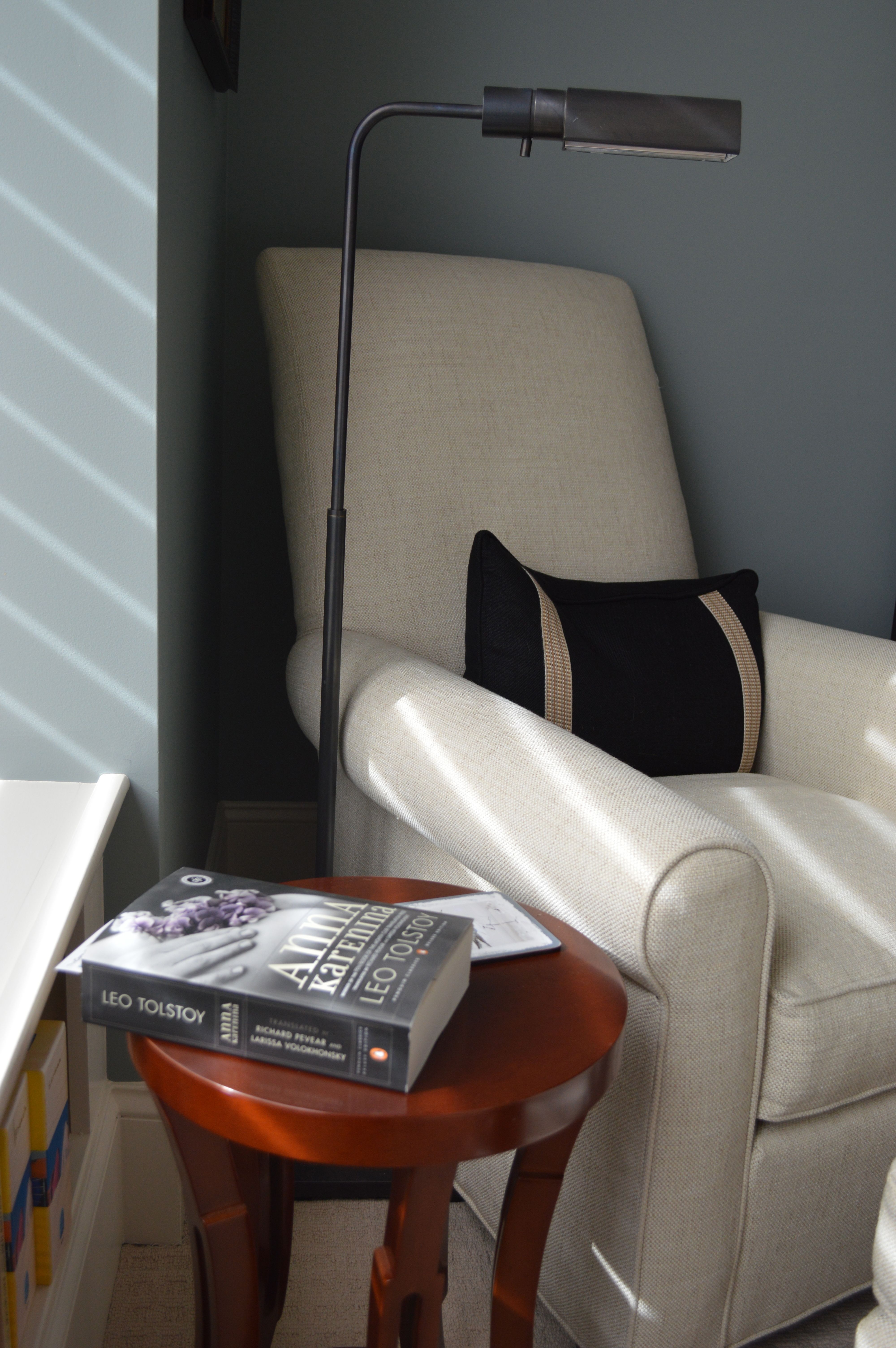
Sally’s re-reading Anna Karenina, which seems to me both admirable and exhausting. The recent movie version with Keira Knightley was highly stylized, but reminded me of what I enjoyed about the book when I read it in my twenties. It is rich book, full of feeling and thinking. But it’s long!

As a teenager and young adult, I read a lot of long novels, including ones by Tolstoy, Dickens, Dostoyevsky, Trollope, Elliot, James, and Proust. My “big novel” period was a time when I was coming of age and constructing a particular consciousness. Those big books were part of the process.
DSC_0039

Nowadays most of my waking hours are spent working, and there is stiff competition for precious non-work time. I’m still interested, though, in novels, and especially ones that take on issues that haven’t been thoroughly mined out. I just finished one such: A Working Theory of Love, by Scott Hutchins (Kindle edition). It’s about a guy who’s working on an artificial intelligence program designed to pass the Turing test, which is a real competition suggested by Alan Turing.

The Turing test is designed to probe whether machines can think. The challenge is to build a computer that can persuade 30 percent of humans that it is human. (I wrote about a very interesting non-fiction account of the test and artificial intelligence, The Most Human Human, by Brian Christian, here.)

Hutchins’s narrator bases his program on his father’s diaries. After getting the computer to converse coherently, he works on humanizing it by adding emotion and sex drive. As the program improves he has the feeling that his father is coming back to life. This creates an interesting moral dilemma. His father had committed suicide, but the project seems to be denying him his freedom to choose death.

I found Hutchins’s premise thought-provoking, but I ultimately didn’t care very much for his narrator. But he’s where the action is. It’s exciting and terrifying to see how fast robotics and artificial intelligence are transforming the world. The AP did a good overview piece last week, which I recommend highly. As they note (and as I’ve noted before), jobs involving any sort of routine (most manufacturing, transportation, retail, and office work) will soon be gone forever, taken over by robots and AI. This means increasing efficiency and wealth for some, and unemployment and anomie for a great many others.

We’re going to need to re-think and re-size our social programs for a world where humans are not needed to produce most goods and services. This is a daunting task, even leaving aside the extreme polarization of our politics. The shift away from human labor as a process that is the source of economic value and meaning is hard for us to grasp and accept. But we somehow need to provide a safety net for the millions who will be affected.

I’m not prepared to propose a program, but I do have the name for one: the Big Deal. It will need to be bigger than FDR’s New Deal. It will surely involve some sort of cash payments and medical care. I’d also add a work program that channeled redundant workers to activities that would provide them with a sense of meaning and purpose, like caring for other humans.

Art, technology, and our bedroom v. 2.0

2013 01 12_0714_edited-1
I saw a story this week about the predictions of various tech company execs as to developments in 2013. The most interesting one to me was that 2013 would be the year of art. The prediction was that the coming year should bring a shift in which technology begins to enable a new creativity.

It struck me as unlikely that we’d see such a major cultural shift this year, but I liked the idea of focusing on how technology might advance creativity. Clearly, it sometimes does the opposite. Television, for example, has on balance surely made us duller, and I worry that Facebook may be no better. But the internet opens a vast number of possibilities, and the tools and portals keep improving.

A case in point: one of my 2012 projects was to learn to draw on my iPad. I found the tools I tried awkward and glitchy. The line would be flowing fine and then for no apparent reason stop working, and need to be reset. Frustrating. I put that endeavor aside for the time being. But the prospect of an amazingly convenient and flexible drawing tool with all the convenience of a tablet is close, if it’s not here already.

As regular readers have heard, I’ve been experimenting with digital photography in recent months. My hope was that with my entry-level DSLR (a Nikon D3200), I might find expressive possibilities that exceeded those of my trusty-but-inflexible Canon point-and-shoot. In any event, getting new equipment tends to inspire new efforts. This is, of course, a slippery slope — it’s possible to shovel a lot of money out the door on fantastic lenses and other equipment without realizing much of an artistic ROI — but so far I’ve kept equipment urges under control, and I’ve made some images I liked.

Lately I’ve been focusing more on what to do with those images Again, technology is expanding the possibilities. I’ve been experimenting with Photoshop Elements to tweak them, and with Flickr and Dropbox for storing and sharing them. Some I’ve shared in this blog. Sally gave me my first digital photo display frame for Christmas, and I set it up with a slide show of my images from our Christmas diving trip to the Turks and Caicos. I’ve been turning it on when I sit down for breakfast, and getting a quick taste of the remarkable beauty of the reefs.

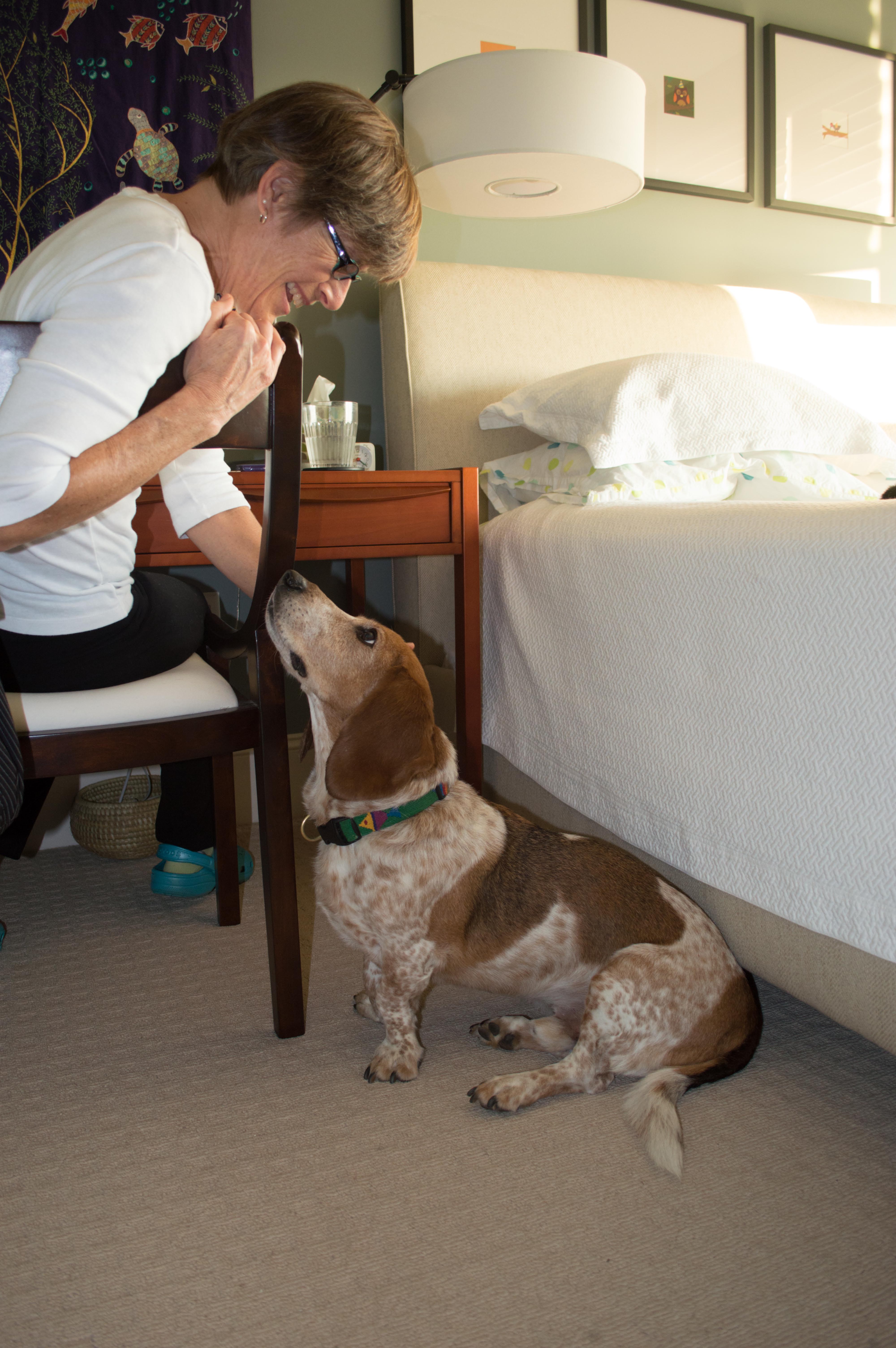
Rita Tiller in bedroom v. 2.0

Rita Tiller in bedroom v. 2.0

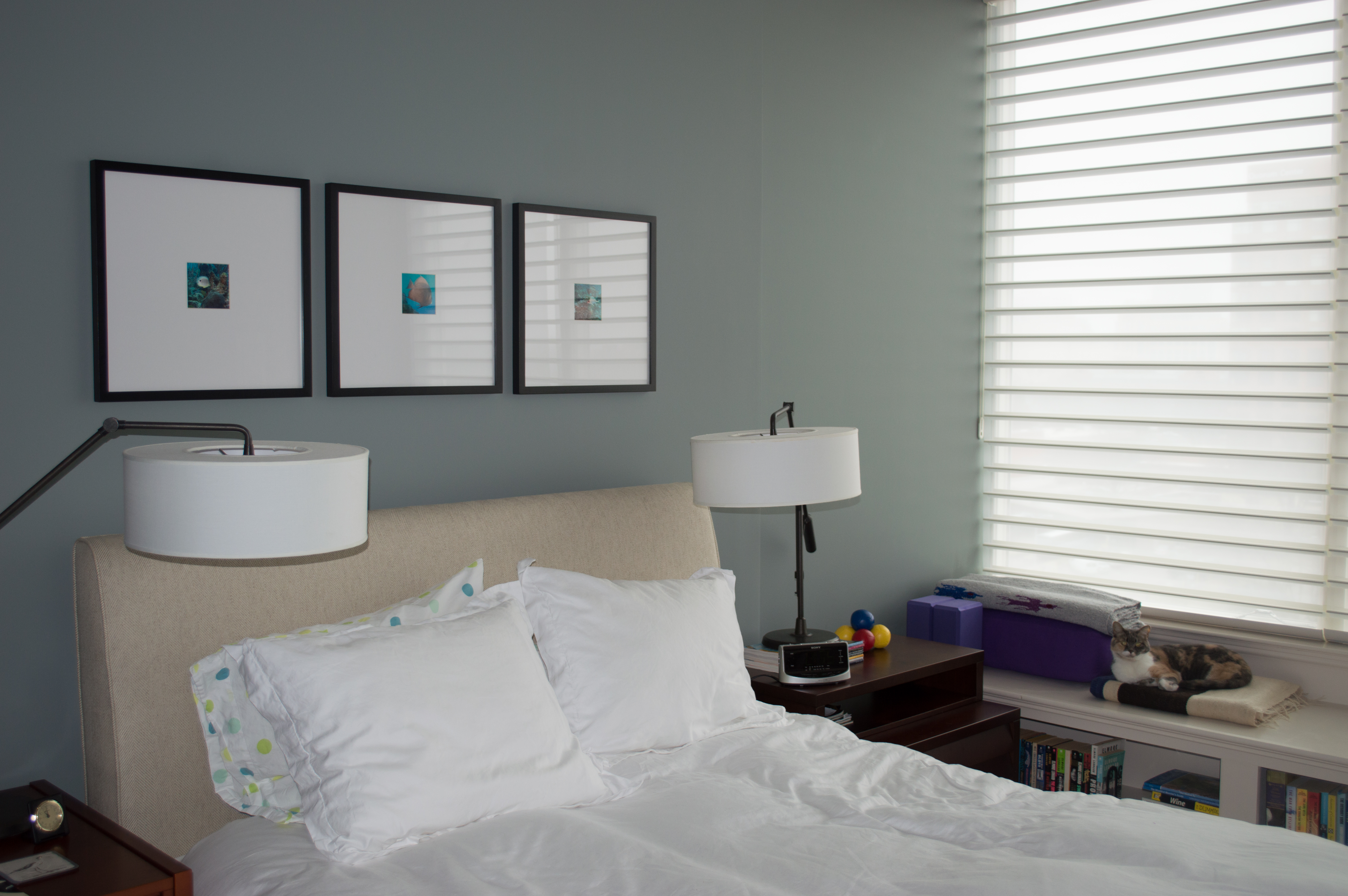
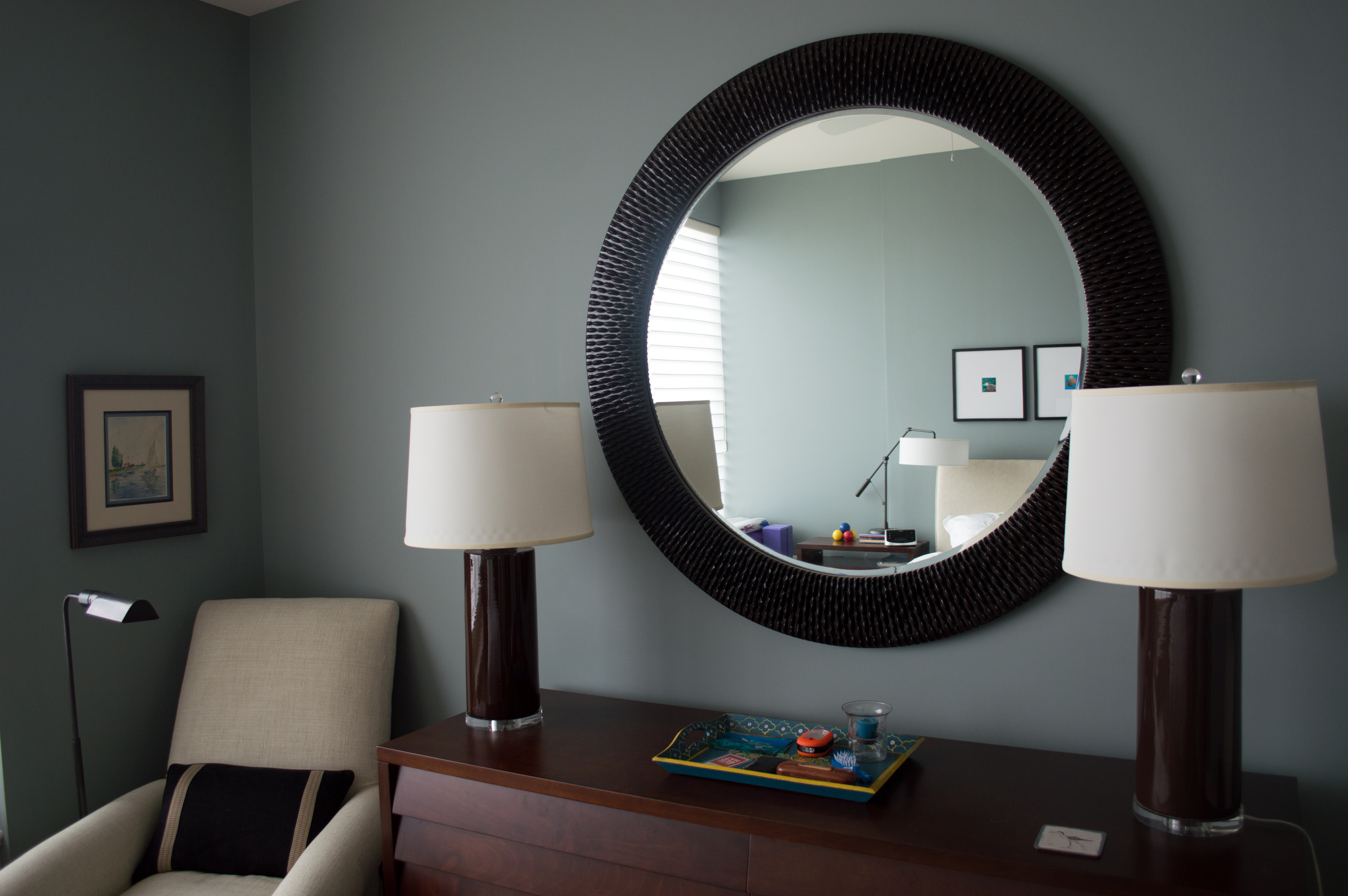
Last week I took on a bit of a retro project. In the fall, we engaged Blair Sutton, an interior designer, to help us re-do our bedroom, which had a traditional look that didn’t work with the rest of the space. Blair somehow took our vague concepts and came up with a design that was contemporary but also relaxed and calming. She is truly an artist. One of her ideas concerned the space on the wall over the bed.

She proposed three frames from Pottery Barn hung side by side to be filled with small images of our creation. I’d been thinking for a while about getting some of my own images on our walls, but it never got high enough in the priority queue until Blair’s directive. I took the triptych as a challenge, and though it took a while, it finally got me focussed.

Eventually I picked three images from the Turks and Caicos set (two of which I previously published here) and took them to Rite Aid drugstore to print. (There turned out to be a small learning curve on this. I actually had to take them in twice, because I didn’t get them in an acceptable format the first time.) Anyhow, the prints turned out fine, and Sally volunteered to do the framing. We were both happy with the results, and enjoyed the collaborative process.
2013 01 12_0716_edited-1

My emergency eye surgery

DSC_0031
It took several years for me to develop the exercise habit, but now it’s deeply ingrained. I don’t have to think about whether or not to work out, because it’s almost automatic. Most mornings I just pop out of bed at 5:15 or so and head to the gym, yoga studio, or pool. Then I challenge myself with interval training, free weights, down dogs and half moons, spinning, swimming, or more offbeat functional training movements, and normally feel clear-headed and energized afterwards.

This past week, though, following my emergency eye surgery, I’ve been under doctor’s orders not to exercise. This seems unnatural, and I’ve been feeling like a slug. Still, I’m trying to keep in mind that I’m a very lucky person.

The eye is a marvelous organ, which, like all organs, I generally take for granted. Until last week, most of my knowledge of its constituent parts dated back to about the fifth grade, and hadn’t much advanced in the years since. As an amateur of science, I’m always interested when I come upon a gap in my knowledge and an opportunity to fill it in. From this perspective, opportunity was knocking when I unexpectedly developed a detached and torn retina, and I got a crash course in eye physiology and repair techniques.

In brief, on Wednesday morning I worked out as usual, came home, showered, cleaned my glasses, put them on, and noticed that things looked a bit foggy. I cleaned my glasses again, but this didn’t fix it. I closed first one eye and the other, and found that only the left eye view was foggy. In the course of the day, this worsened, and I began to see increasingly dramatic floaters. I made up my mind to call for help if I didn’t improve over night, and I didn’t. My longtime optometrist and friend Don Cloninger worked me in and did several tests, from which he diagnosed a possible detached retina. I asked him to recommend a surgeon he would go to himself, to which he agreed, and got me an appointment with Dr. John Denny of NC Retina Associates.

My extracurricular science reading has at times filled me with a sense of awe and wonder at the things humans have figured out, but also has alerted me to vast areas of ignorance. In medical science as elsewhere, there are some problems we can solve with our technology, and many others that we can’t. Fortunately for me, detached retinas are well understood, and repair techniques are highly refined.

Dr. Denny described the success rate as 90 percent. There is no argument in favor of avoiding that last 10 percent. Once a retina detaches and tears as mine did, unless it is treated it will worsen until eyesight is gone. As to causation, Dr. D said it was the genes I was dealt plus age.
20121130_131124

My surgery, which was scheduled for the following day, was called a vitrectomy. The idea of sticking needles or other instruments in the eye sounds like medieval torture, and if you are squeamish you may want to skip this paragraph. I have a reasonably strong stomach, and I wanted to know the details of the treatment. It involved inserting very thin instruments into the eye, including a laser to do with Dr. Denny compared to spot welding. Most of my vitreous was temporarily replaced with a gas bubble, which pressed the retina back into place.

I’m not a big fan of hospitals, but I have to say I had a very positive experience at Rex Medical Center. My treatment team all introduced themselves in a friendly way and explained what they were going to be doing. My prep nurse did a great job at getting my IV in, and told me about the zumba class at her gym. The anesthesiologist told me that I would be semi-conscious during the procedure, but would not have traumatic memories. This last was certainly true. Afterwards, I was a little woozy from the anesthesia, but otherwise felt fine, and didn’t remember anything from the operation.
DSC_0035

My eye never did hurt, but I had to lie on my side for the next two days, which was a bore. I signed up for a free college history course with Coursera and listened to some lectures, which were well done. II also got a trial subscription for recorded books with Audible, and began my first MP3 book — The Adventures of Huckleberry Finn. Like many, I’d read it as a teenager, so I discovered a lot I didn’t remember and a lot I could not possibly have understood. It is an amazing book — humorous and tragic, understated and also epic.

I’m now one week out from surgery, and per Dr. Denny am healing normally, although my vision is still very blurry. One blurry eye and one clear one averages out to less-than-clear vision. I’ve been moving about more or less normally and driving, but more slowly and carefully than usual. I’d scheduled a day of track driving at VIR for next weekend, but decided it would be better not to push the envelope. I’m still hoping, though, to be ready for scuba diving in the Turks and Caicos over Christmas.
DSC_0051

Great N.C. wreck diving, compassion for sea creatures, and collective intelligence


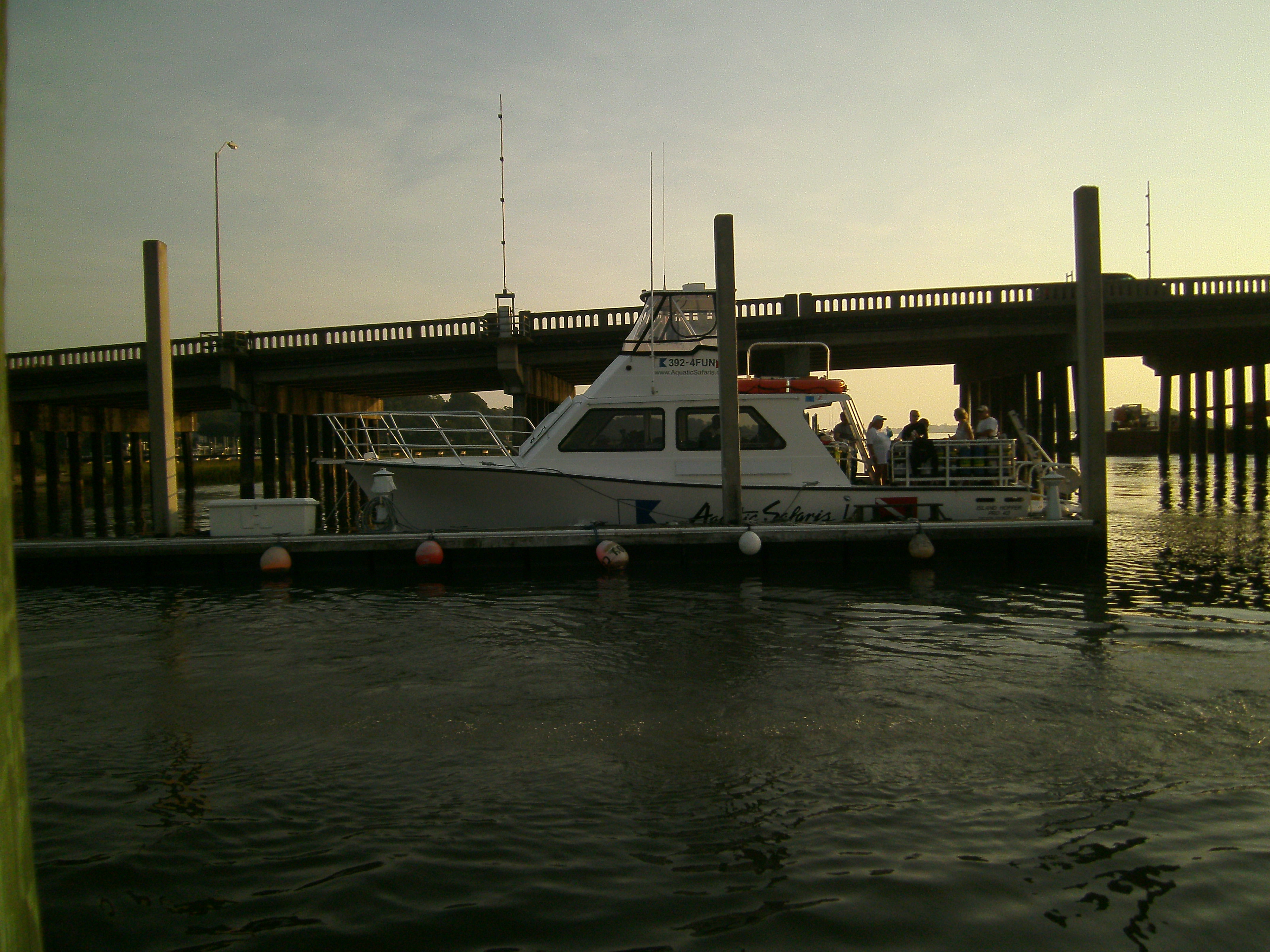
For Labor Day weekend, Sally and I went down to Wrightsville Beach, NC, for some wreck diving and extended our lucky streak of exceptional coastal dives. Our trip was organized by our friends at Down Under Surf and Scuba, and we went out on the Aquatic Safaris I. The 48-foot boat I carried 19 divers.

Saturday was warm and clear, with mild breezes and fairly calm seas. We dove the City of Houston, a passenger-freighter that foundered in a storm in 1878. She lies about 50 miles from Wrightsville. It took two and a half hours of hard traveling to get there. Shortly after we anchored and I visited the head, I felt queasy and promptly got sick. Then I felt mostly better, and we jumped in and headed down the anchor line to the wreck.

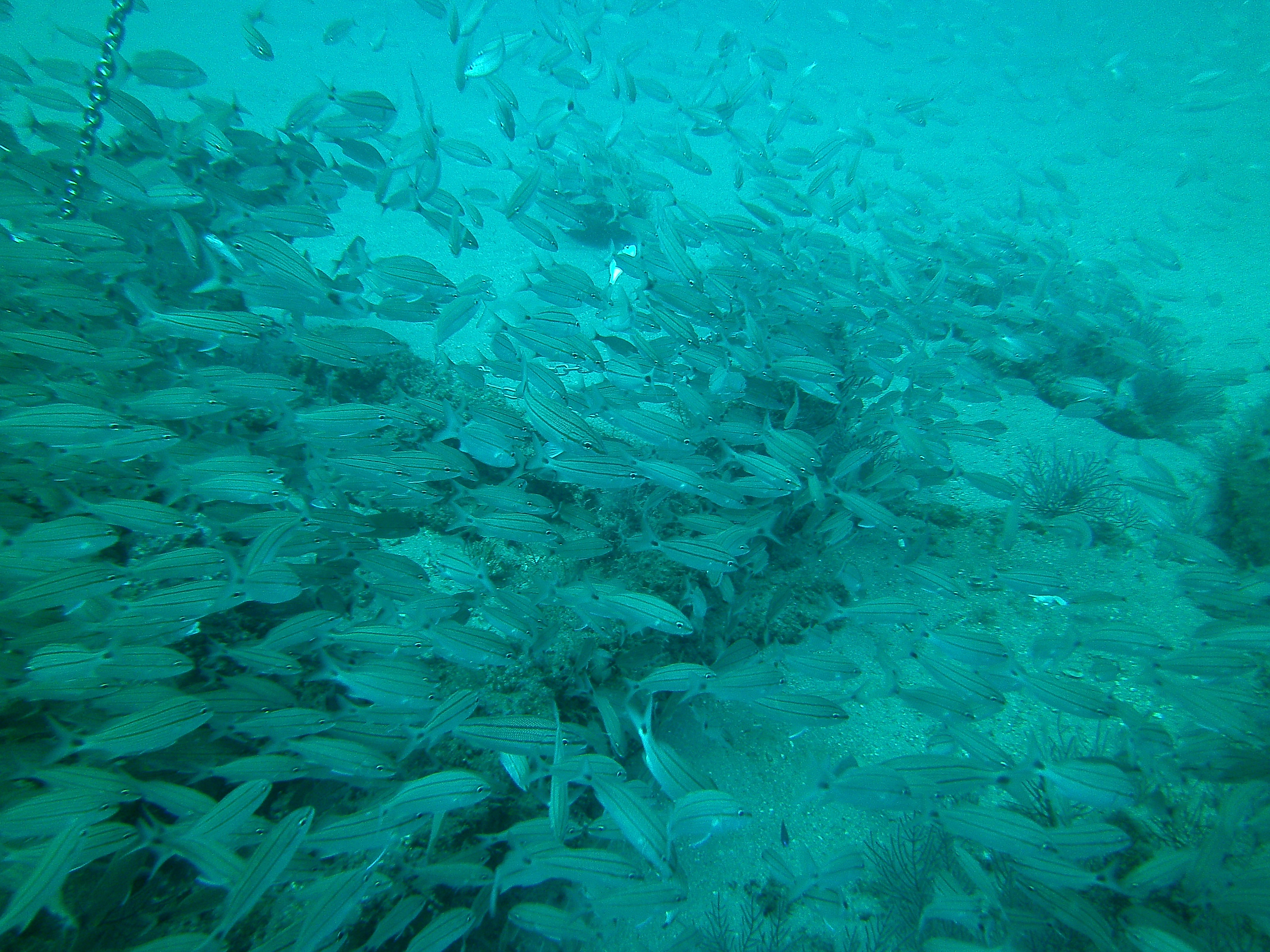
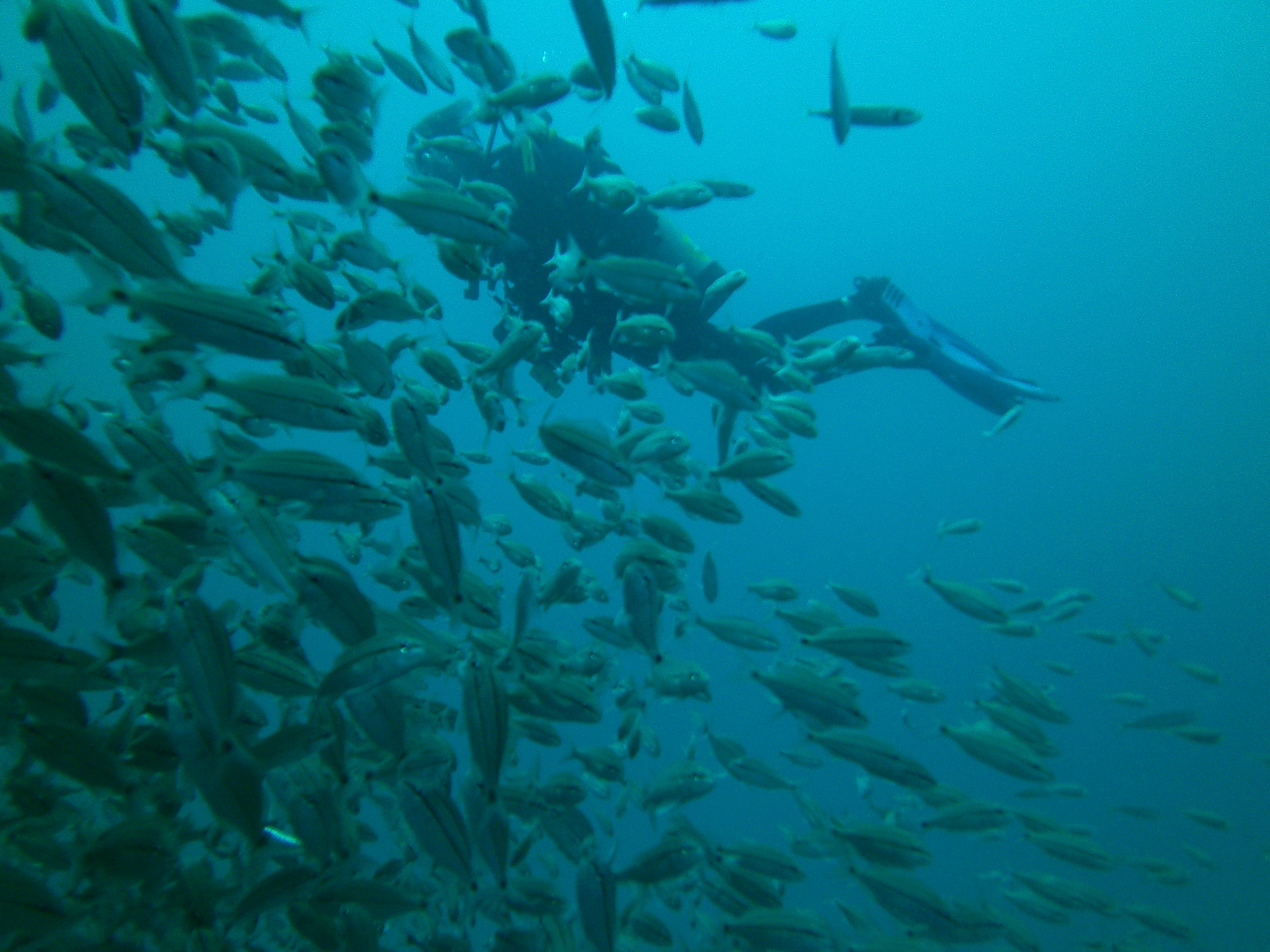
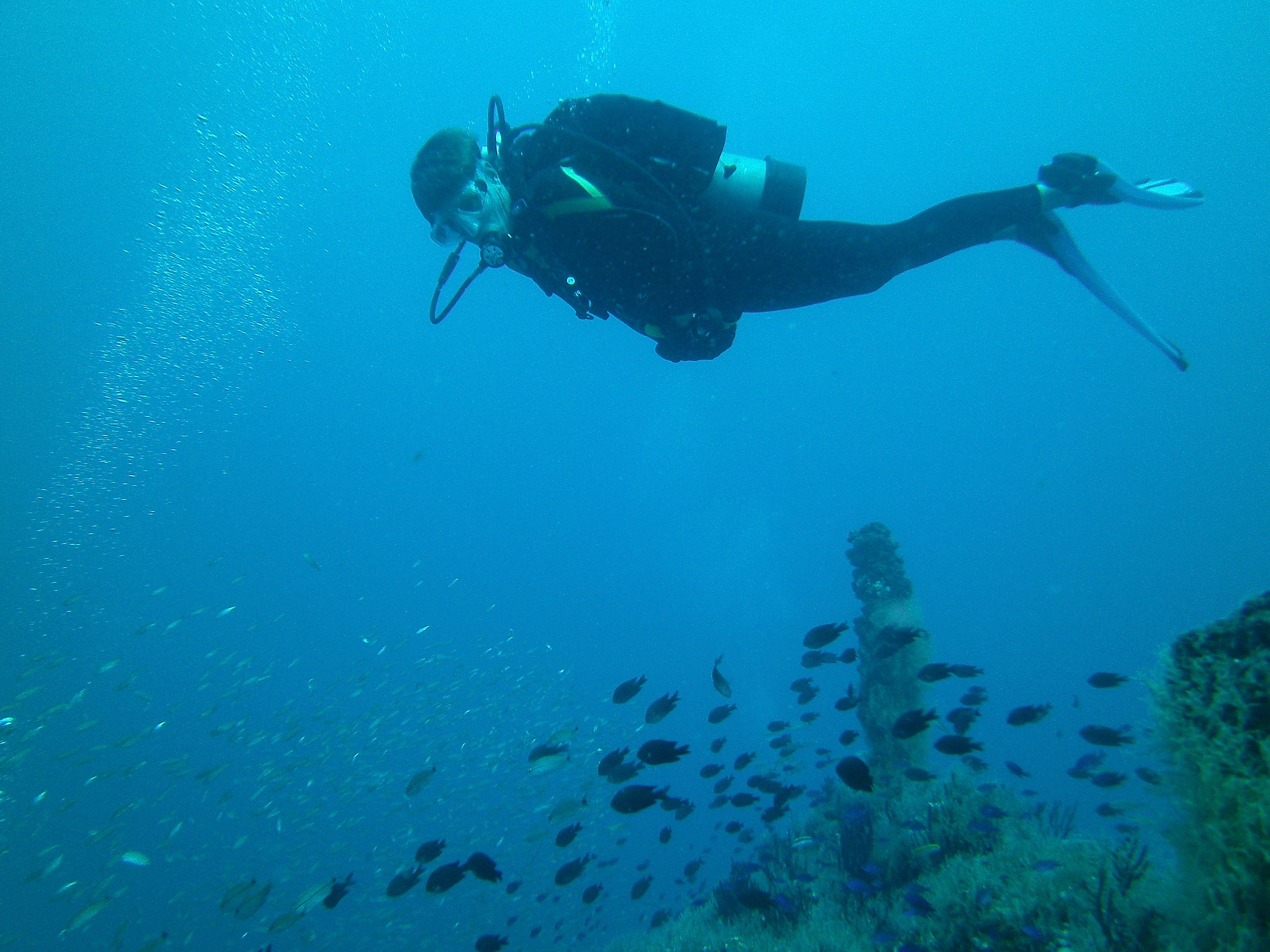
The Houston lies at about 95 feet down. Visibility was good (perhaps 60 feet) and the water temperature was a comfortable 82 degrees. There was a mild amount of current on the bottom. There were thousands of small fish. Our most dramatic sighting of the day was a goliath grouper, an enormous fellow, almost six feet long. My camera battery gave out when I tried to get a picture. I did, however, get some other pictures, including Sally examining something tiny with her magnifying glass (above) and great clouds of small fish.

After a second dive on the Houston, we headed in. Our seats were metal benches along the sides, in front of our tanks, so we couldn’t lean back and sleep. Some of our dive mates stretched out and slept on the deck, so it was difficult to move about as the boat sped along at a quick 25-knot pace. Diving sometimes takes fortitude.

We had a good Italian dinner with Sally’s sister in Wilmington at Nicola’s. There were a number of appealing vegetarian offerings. I had the eggplant rollatini with pink sauce, which was quite tasty. We had a lively conversation about, among other things, the automation of higher education, and how it is threatening the traditional university.

On Sunday we went out again on the Aquatic Safaris I, this time for a two-hour trip to the Normannia, a Danish freighter that foundered in 1924. The seas were calm and the trip went smoothly. I didn’t get sick. The wreck is about 115 feet deep. Like the previous day, the visibility was about 60 feet and the water was comfortable.

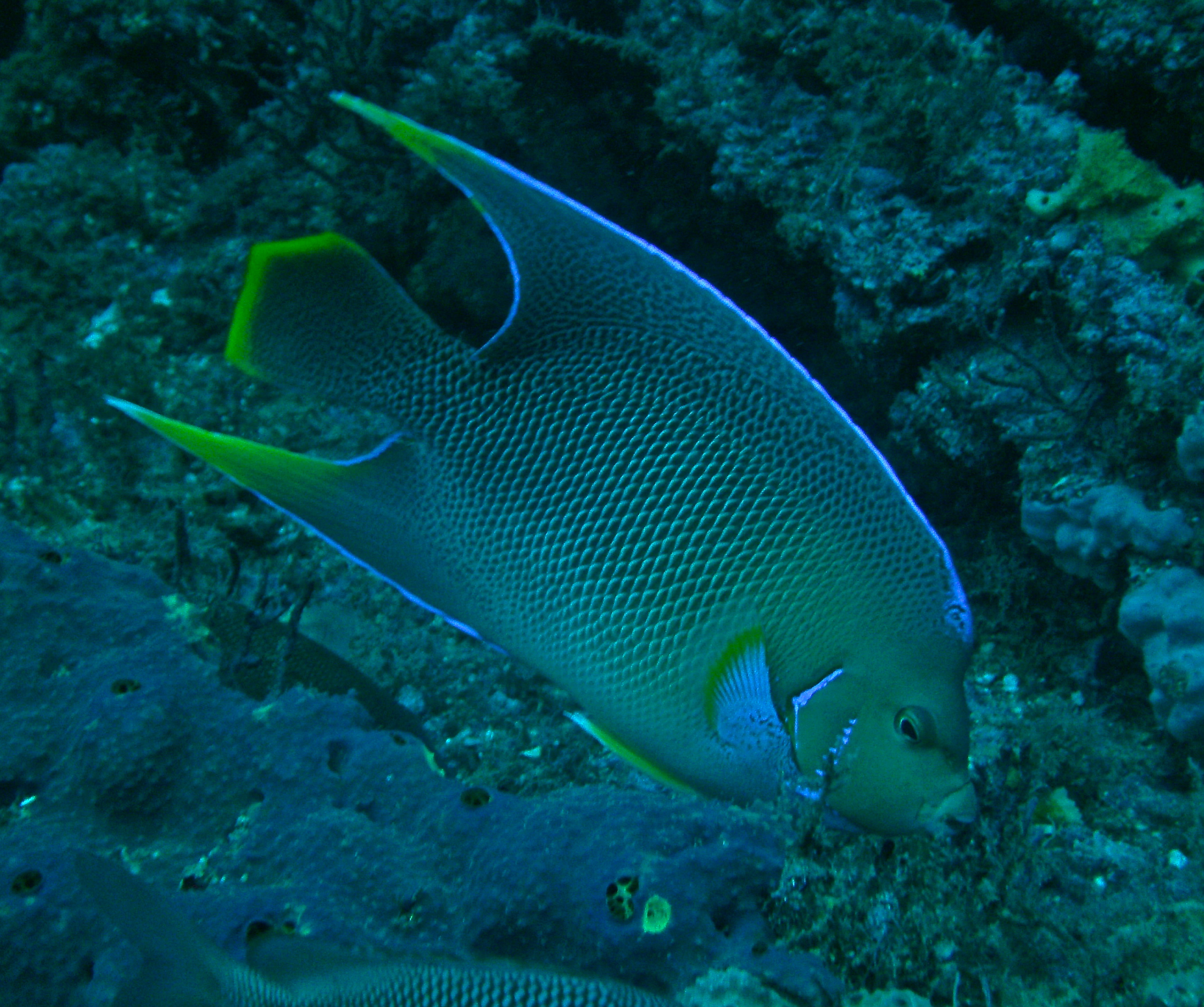
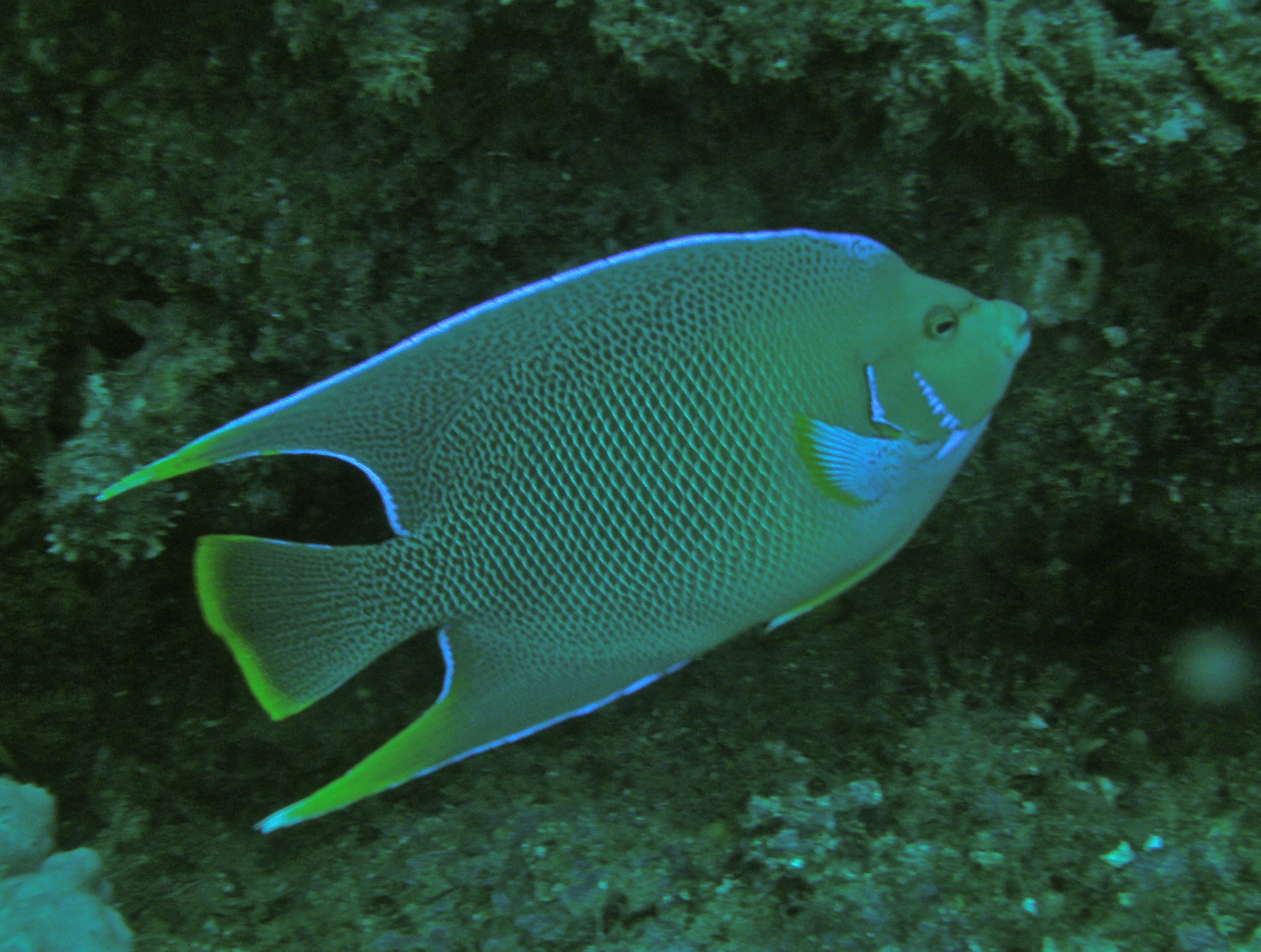
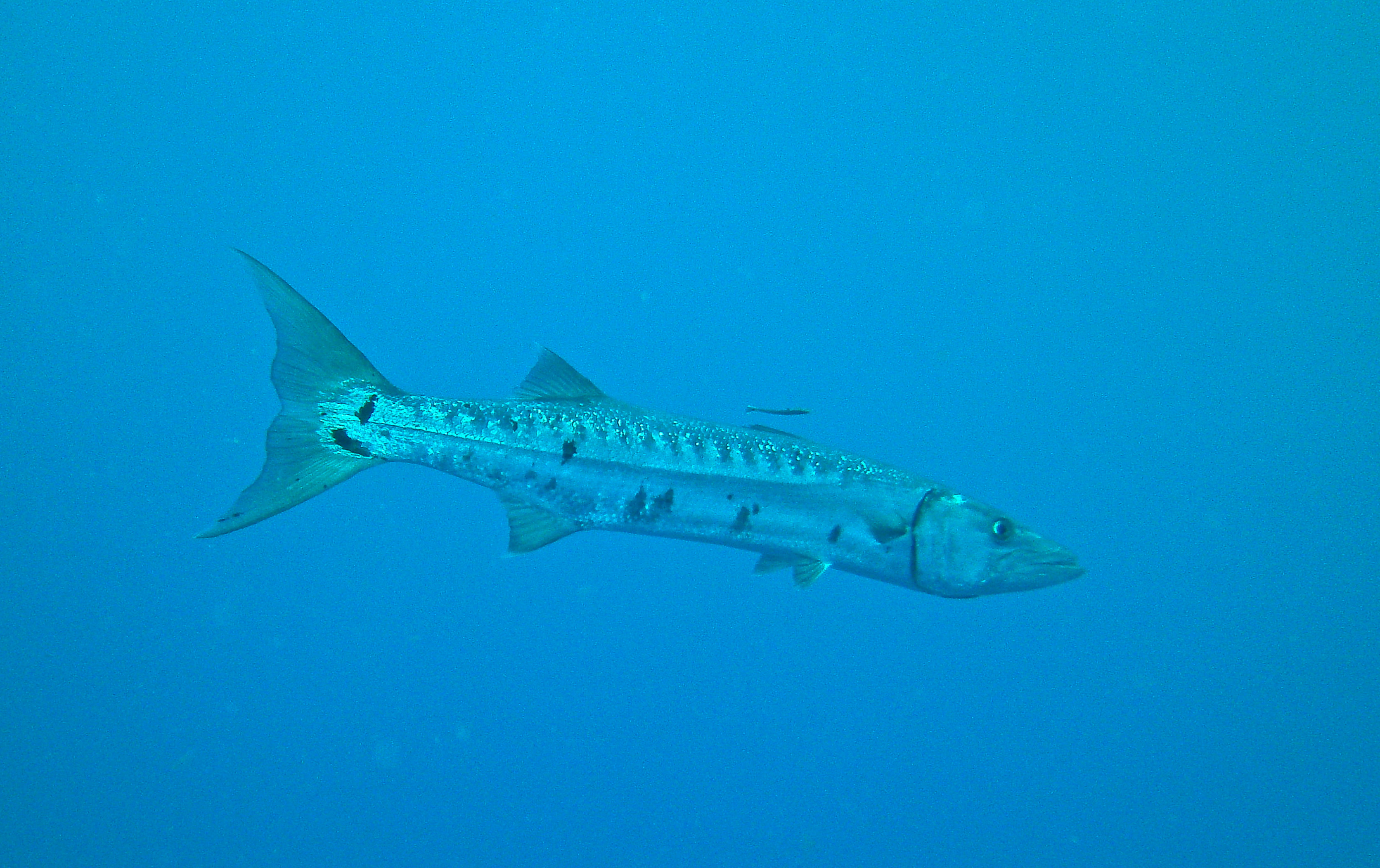
Even more than at the Houston, the Normannia had an amazing profusion of life. Along with thousands of small fish, we saw barracuda, a couple of gigantic lobsters, a well camouflaged frogfish, and my favorite, queen angelfish (several). I went to some trouble trying to get a good picture of one, and though these don’t really do it justice, they were the best I could do.

It is such a great pleasure to swim among fish. At times we were completely surrounded by thousands of small ones, and at times we swam alongside large ones. As I dive more, I feel increasingly touched by their beauty. They are amazingly varied in size, shape, color, and ways of moving about. Recent research indicates that they are much smarter than we’ve thought. For example, some can very quickly learn complex topography of a reef environment.


As I’ve spent more time with these creatures, I’ve come to consider them sentient beings worthy of respect and compassion. I regret to say I’m in a minority on this point. Among my fellow divers were some with spear guns and one who was capturing lobsters. I found it really painful to see him take an enormous lobster, perhaps decades old, and break off its antenna and shove it into an ice chest to suffocate.

My shipmate seemed otherwise a decent and friendly fellow. I’m certain he was not trying to torture the creature, though that was what he did. He didn’t derive pleasure from being cruel. He simply couldn’t comprehend that the animal was capable of suffering. I think he and others would find that expanding the circle of compassion to more animals is a happier and more fulfilling way to live.

Speaking of intelligence, I read recently that the human brain was unlikely to get larger in the normal course of future evolution, because it would serve no purpose. Brains working in isolation are not how things get done. Instead, as E.O. Wilson has pointed out, it’s humans’ ability to connect their individual brains that has been the secret to their evolutionary success. We keep getting better at that, developing over the millenia the tools of gesture, spoken language, and written language, with the internet being the latest game-changing technology.

In the midst of the depressing mendacity and nonsense of the Republican convention, I find it somewhat consoling to look at intelligence as potentially expanding through better networks. The Republicans are profoundly mistaken in thinking that entrepreneurs act primarily as fully independent rugged individualists. It’s more accurate, and also more useful, to look at achievement in terms of groups cooperating and competing. Our future success, and perhaps our survival, depends on our ability to improve our systems of cooperation, including our politics.

Upfitting my new Android phone and thinking more about accelerating technological change

This week I got my new Android smartphone upfitted with my email accounts and a variety of apps. I’d been reluctant to give up my old smartphone partly because of the investment, both in money and effort, of apps, but on reflection I realized that a good many of the apps I’d previously downloaded were seldom or never used. The move to the Galaxy was sort of like moving to a new apartment — a good opportunity for some app house cleaning.

I easily and with little expense replaced those things that were useful, like internet searching, weather reports, navigation, travel support, news, and music. I got my most used apps organized in folders that I could quickly get to. I installed personalized wallpaper (our dog Stuart). Everything seems to work fine, with the exception of the voice activated search feature, which is not ready for prime time.

Through clumsiness, I dropped the device a couple of times in the first few days, fortunately without causing damage. This provided some proof of its durability and toughness, but also served as a reminder that devices are not immortal. I ordered a Seido case for protection, which fits well and looks good. It has a neat little kickstand on the back.

I’ve been reading The Lights in the Tunnel: Automation, Accelerating Technology and the Economy of the Future, by Martin Ford. Like Brynjolfsson and McAfee, Ford starts with the premise that technology is developing at an ever-accelerating rate, and examines the economic implications of that development. As our machines get smarter and smarter, they will replace people in more and more jobs. At some point, the kinds of jobs that most people do will be taken over by the machines. Those people who’ve become redundant will not be able to earn an income, and so will not be able to buy goods and services, and their numbers will continue to grow. Producers of goods and services will eventually have no markets. Then the economy collapses. Q.E.D.

Ford thinks there is a possibility of avoiding economic meltdown, but he thinks that will require dramatic shifts in the economic order. To continue production, we’ll have to find a way to sustain consumption. Ford’s solution involves taxation of producers to redistribute wealth to consumers. He suggests that we think about a system where supplemental incomes is distributed to sustain the cycle of production and consumption. In this vision, the individual’s primary contribution is as a consumer, rather than a producer. Production is done by the machines.

I came upon a lengthy essay by Marshall Brain on this same subject titled Robotic Nation, which is well worth reading. Like Ford, Brain accepts the premise that Moore’s law and its corollaries are leading inexorably towards computers so powerful that they will render a great many human workers redundant. To address the problem of economic meltdown, Brain has proposed a concrete solution: the government pays $25,000 to every citizen. He sets out a variety of ways this could be financed, from selling advertising to a smorgasbord of taxes.

Assuming Brain and Ford are correct and we manage to avoid economic collapse, the question I keep coming back to is what are humans going to do once they’re obsolete as economic producers? How are they going to find meaning and joy?

I’d like to think that when robots have taken over most of the world’s work, people who get Brain’s $25,000 payments would devote themselves to communities and caring for others, exploring the mysteries of the physical universe with science, creating aesthetic wonder with the fine arts, expressing their physical energy in competition and travel, appreciating the delights of the world of the senses, and otherwise expanding and expressing their creative powers. But I have some concern that they might just watch more TV and eat more junk food. Think of WALL-E, the touching and intelligent animated Pixar movie about the eponymous robot, and the degenerate blobby humans in his world.

To avoid massive blobbiness, we’ll need to revise and expand our value systems. Fortunately, that’s something that we can get started on without a major political reform or expenditure of funds. Even if the robot-driven future never arrives, it would be a worthwhile project, since there’s a certain amount of blobbiness already.

The place where I’d begin is with a deeper understanding of how our brains function, how human communities function, and how our systems of values and morality currently work. There’s a lot of exciting cross-disciplinary work being done, and I’ve written about some of it in the last few months (including on books by Jonathan Haidt,Michael Gazzaniga, Daniel Kahneman and E.O Wilson). I’m on the lookout for more.

My new free smartphone, and some thoughts about technology and unemployment

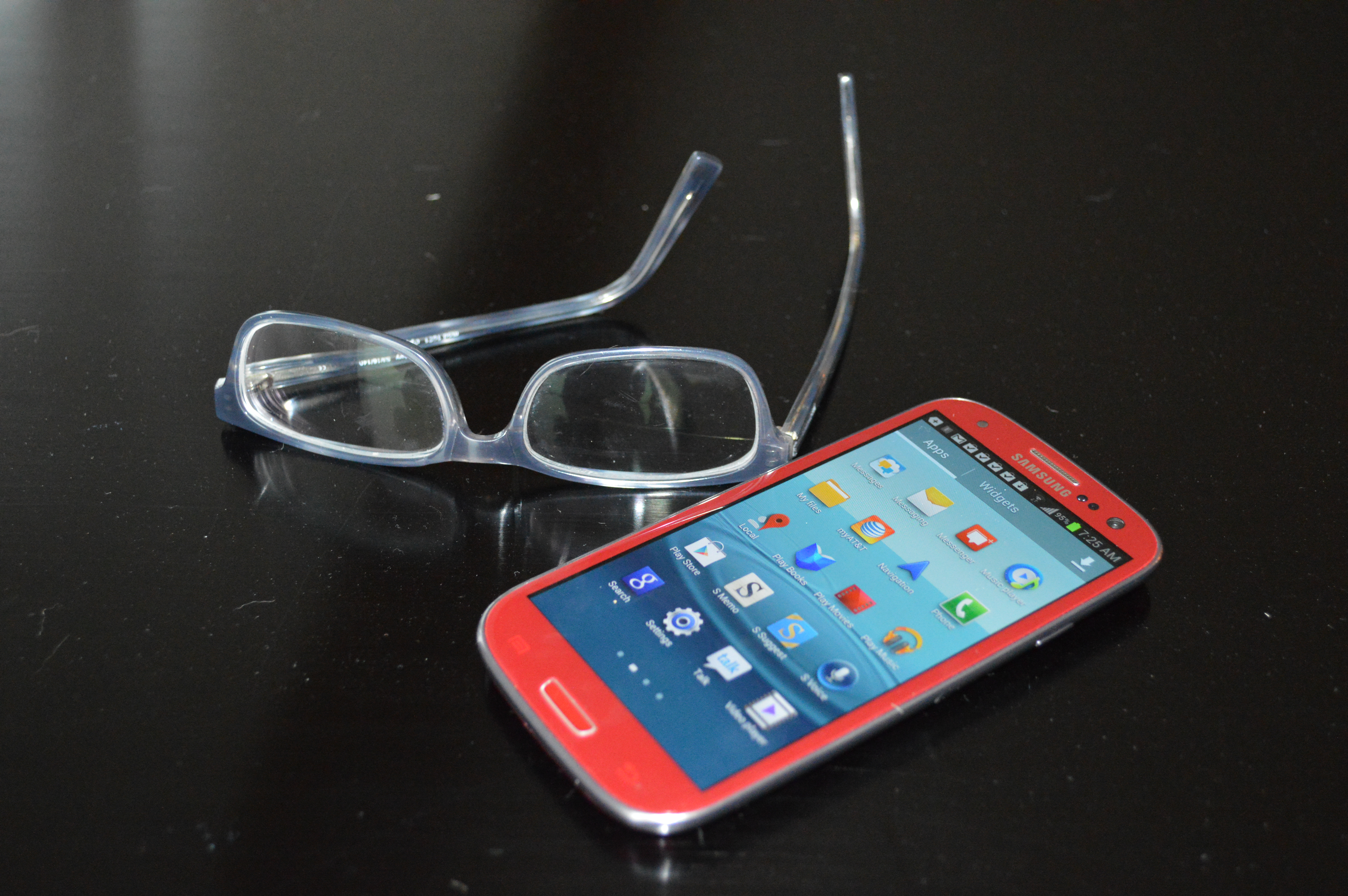
I got my first free (aka open source) smartphone a couple of days ago, a Samsung Galaxy S III with the Android operating system. I love the larger screen, with its excellent resolution, and the form factor in general — light, thin, and rounded, and still small enough to go in my pocket. It comes with a good array of apps, and there are thousands more available at free or low cost. The touchscreen interface is intuitive. The voice command option does not seem as smart as Siri is reported to be, but other apps load fast and work beautifully.

Will this change the place of a smartphone in my life? Probably a bit, because the bigger screen and faster speeds (4G) make it easier to use. The civil libertarian in me worries somewhat about the ability of such devices to track me and potentially invade my privacy, but I’m also amazed and happy with all the useful things it can do, such as helping me with directions, accessing every type of knowledge on the internet, performing word processing and other computing functions, entertaining me with movies, music, and photographs, and connecting me to people through text, email, and phone. Smartphones can potentially make us more productive and happier.

At the same time, our technology is transforming us in other ways that are more worrisome. This morning’s New York Times has a long story on remarkable advances in robotics, which are replacing skilled manufacturing jobs in electronics and logistics, along with lots of others. The story cites a book I recently read and would recommend: Race Against the Machine: How the Digital Revolution is Accelerating Innovation, Driving Productivity, and Irreversibly Transforming Employment and the Economy, by Erik Brynjolfsson and Andrew McAfee.

The authors, economists at MIT, present a clear overview of technological change, which they describe as increasing exponentially. Moore’s law continues to double processing power every 18 months, and software advances are moving much faster than that. Technology harbingers like Watson the Jeopardy champion and the Google self-driving car are the tip of the iceberg.

Brynjolfsson and McAfee recognize that computers can’t yet do everything humans can do, but they have already replaced many kinds of routine work, and inevitably will replace more and more skilled work. This accounts for part of our persistent problems of unemployment even as the economy is growing. Traditional economics assumes that new technologies will eventually produce new jobs, but B and M point out that if technology continues to improve exponentially, computers will be able to perform more and more human jobs better and more cheaply. It’s difficult to see how new jobs could equal those that are eliminated.

If they’re right (and I think they are), we’ve got major social dislocations ahead. In our society, people work not only to earn a living, but also define each other and themselves in large part according to their work. Thus unemployment is not just financially threatening — it’s humiliating. With more and more people unemployed, unable to buy goods and services and without social moorings, our social and financial system will face an existential crisis.

What is to be done? We’ll need to change the way we organize ourselves, the way we distribute wealth, and the way we think about value. We’ll need to find new approaches for valuing and caring for others, and for thinking about the meaning of our own lives.

I had a small epiphany on this yesterday when our friends Ken and Carol took us out on Falls Lake for some water skiing. They both retired early, and do things they enjoy doing, like boating, tennis, and travelling. I have trouble imagining myself retired in this sense. But as we sat on their boat on the lake in the late afternoon, we talked about our lives, told stories, and swam a little, and enjoyed the lake and surrounding forest. Then we took turns getting pulled by their quick little boat on one of their various toys. Ken rode a hydrofoil chair and a wakeboard, and I had a go with old school water skis, which I enjoyed enormously. These things have deep value: sharing stories and experiences.

The way to San Jose, Ridge Winery, and E.O. Wilson on human nature

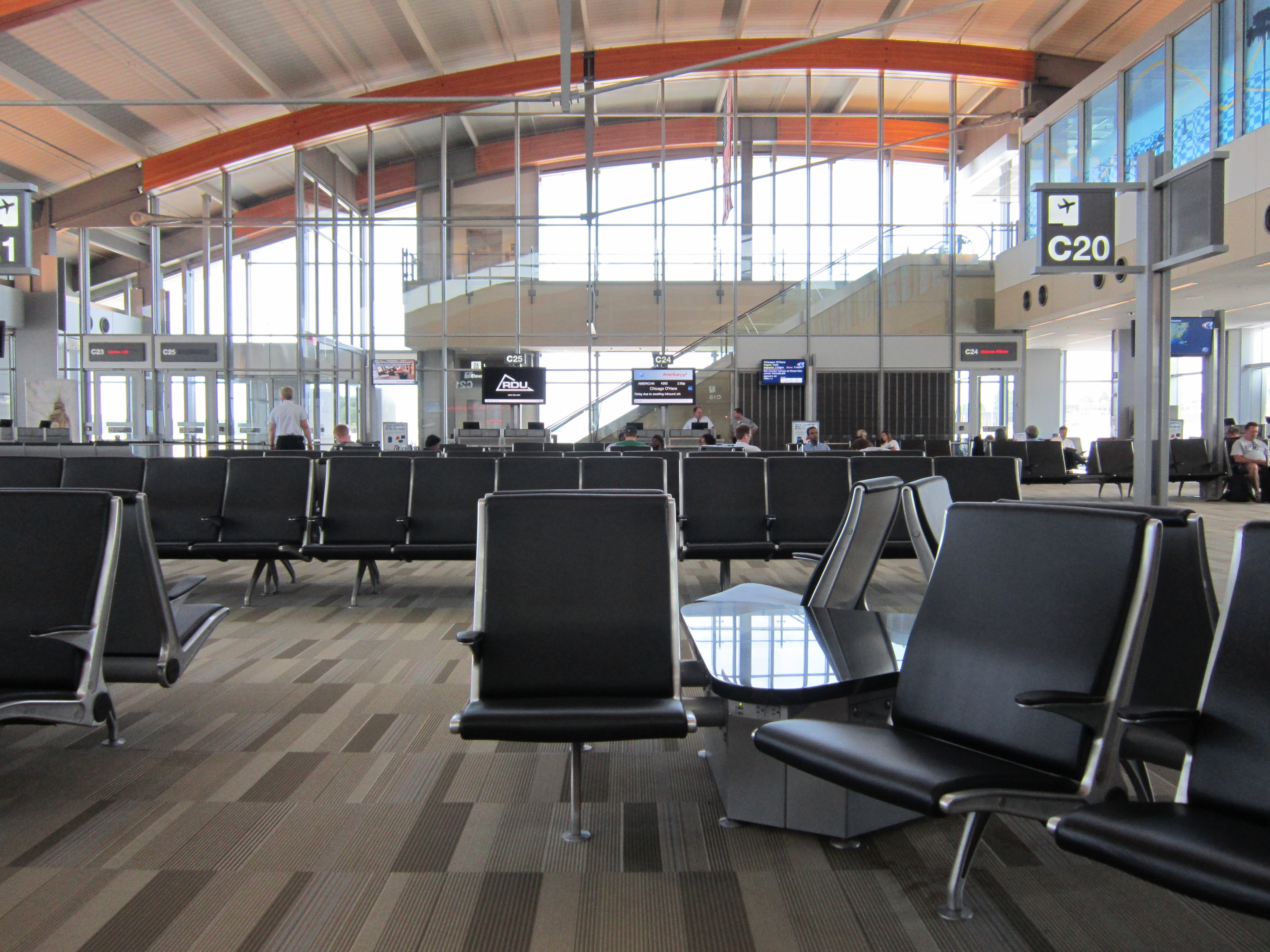
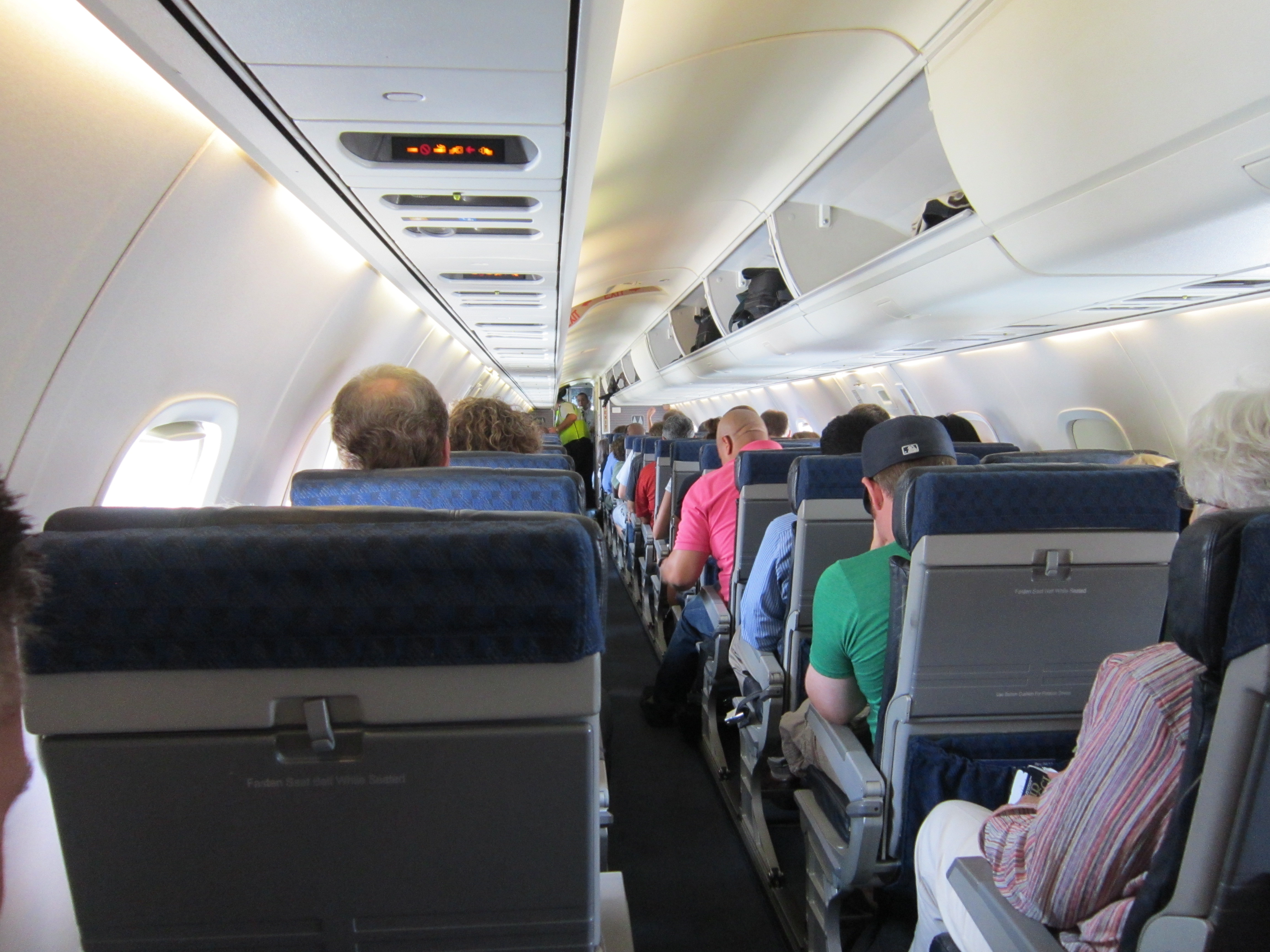
I missed my flight out of RDU on Tuesday morning after trying to send off one too many emails. On the drive to the airport, as reality set in, I went through the five stages of travel anxiety: concern, serious concern, alarm, panic, and finally, acceptance. By the time I made it through the American Airlines queue and the agent said I was too late, I was able to agree calmly, and ask politely what my next best option was. She put me on standby for a flight three hours later.

With my unexpected airport time, I got an excellent shoe shine and a half-hour chair massage at Express Spa. A couple of times a month I try to get a chair massage from the Red Hat massage therapist, which I had to miss because of my trip. I was interested in some work on my shoulder, where there have been minor issues. I assumed that an airport massage would be more about feeling pleasant than serious therapy, but I was not averse to a release of some endorphins.

My masseur, a small guy from China, asked how hard I liked it. I said pretty hard. He obliged with a serious deep tissue approach. It took all my determination to resist begging for mercy. At one point I took note that massage therapists are required to pass a licensing exam, as it was coming into focus that massage could cause bodily harm. Then I realized I had no way of knowing if my guy was licensed. He finished with some blows that shook me like a punching bag. It was almost frightening. But once it was over, I felt great!

Being on standby involves a degree of anxiety. You’re either barely making the flight, or you’re going back to square one. On this trip, the gate agent said the I had a good chance of getting on the flight out of Raleigh, but a less good chance of getting on the connecting flight in Chicago. When I felt a wave of tension, I took a few deep calming yoga breaths, and tried to stay positive. Eventually, four and a half hours late, I got to San Jose, got a rental car, and headed to the hotel.

I was assisted by a Garmin GPS device, which smoothly directed me through every turn. This little tool has greatly reduced the anxiety of travel to unknown lands. Getting lost is almost a thing of the past. I still carry printed directions as a fail safe system, but I haven’t used them in a while. Thus have I outsourced a part of my mental load, and in using this now-common tool become a little more of a cyborg. I could lament the possible loss of map-reading skills, but won’t. Thanks to Garmin and all the scientists, engineers, and technicians who’ve reduced my worry level and bestowed more creative mental space.


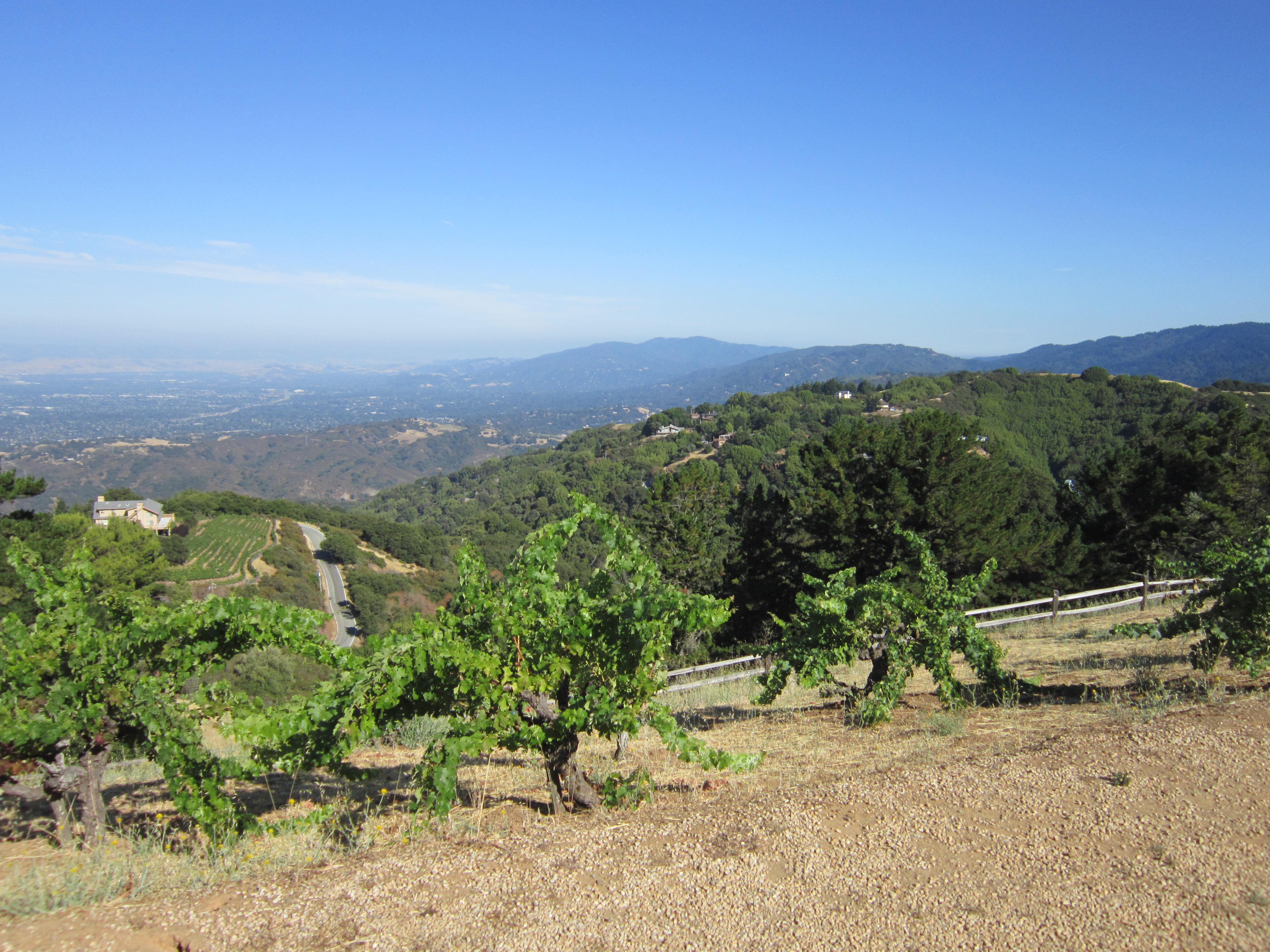
There’s something about northern California that I really love. It isn’t the glamor, which I was far from, but it may be something about the light. After various meetings, I got a chance to tour Ridge Vineyards in the Santa Cruz mountains. It involved a drive ascending 2,0000 feet along narrow roads with hairpin turns. The landscape was dry and craggy.

Our tour guides were experts and scholars of wine making, and I got a deeper understanding of the significance of soil and water conditions, vine life cycles, vine placement and spacing, pests, harvesting techniques, pressing, oaking options, considerations for blending, and aging decisions. The vineyard mountain views were beautiful, and the wines were excellent. It was also a great pleasure to meet our guides and experience their joy and passion for their craft.

On the long flight home, I finished reading for the second time The Social Conquest of Earth by E.O. Wilson. Wilson, a senior professor at Harvard, is one of our foremost experts on ants, but his scientific passions are wide-ranging. In this latest book, he attempts to revive and develop an approach to evolution that includes selection not only at the individual level but also at the level of groups. He argues that this accounts for some of the defining characteristics of homo sapiens, including our intense desire to be part of a tribe or group and our superlative skills at interpreting the thoughts, feelings, and intentions of others.

These skills made it possible for our ancestors to cooperate in a way that led to success versus other animals (including predators and our close relatives the Neanderthals), and to collaborate in agriculture, technology, and artistic expression. He also thinks multilevel evolution (individual and group) accounts for our never-ending interior conflicts between the urge toward cooperation and altruism (which benefits the tribe) and the opposite urge to seek competitive advantage over other individuals.

Wilson has a persuasive account of the origins and persistence of religious thought. In his view, it is characteristic for human animals to generate narratives to explain the unknown, and thus natural for communities to compose creation myths. Myths and rituals are adaptive in creating group cohesiveness, which contributes to tribal success. Religion has inspired great art and helped groups and individuals in difficult times. But Wilson ultimately concludes the costs of religion thinking outweigh the benefits, particularly once humankind acquired the tools of science.

Wilson would admit that the evidence for his multilevel approach to evolution is incomplete, and his theory is bound to be controversial. But right or wrong, I admire his willingness to engage and take some intellectual risks on the big questions, like the nature of human nature and the foundations of morality. He brings to the table spirited curiosity and the ability to draw on recent discoveries from biology, neurology, genetics, anthropology, climatology, and paleontology, not to mention, of course, myrmecology. He demonstrates the use of science as both a method and a world view — a world view that is both practical and inspiring.

My flight out of San Jose left 20 minutes late for Dallas, and my original Dallas connection was only 25 minutes. Dallas is a big airport, and getting from a gate on one side to a gate on the other can easily take 30 minutes. It seems I never leave from a nearby gate, so I had some worries, and took some yoga breaths. We came in at A37, and the flight out was at A33. I heard the announcement for final boarding for Raleigh as I stepped into the terminal, and took off in the OJ Simpson airport sprint. (I’ve noticed that gate agents sometimes look around for last second sprinters.). I was the last to board. Kind Fortuna!

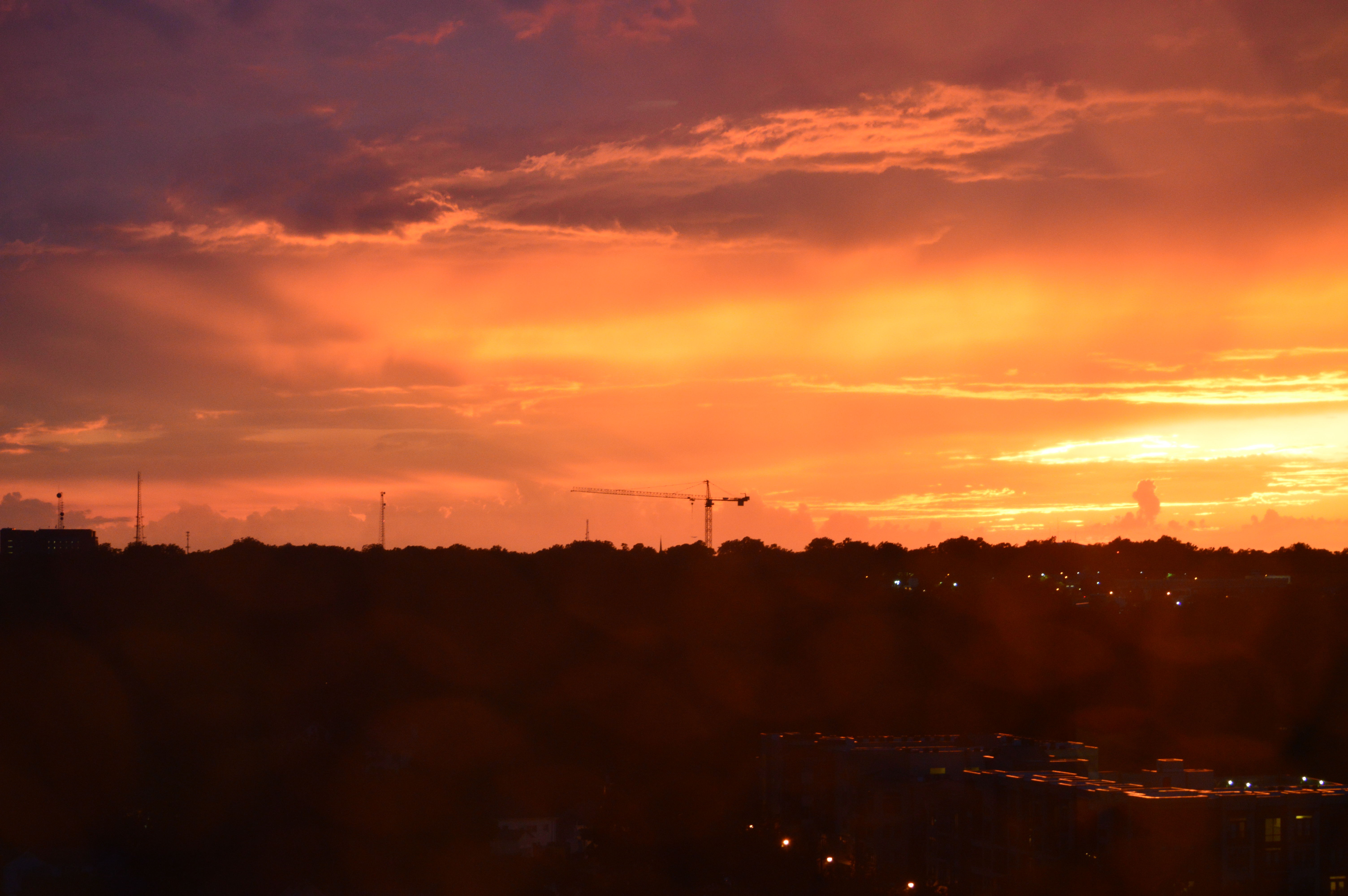
Shortly after I got home, we had a thunderstorm and a strange sunset.

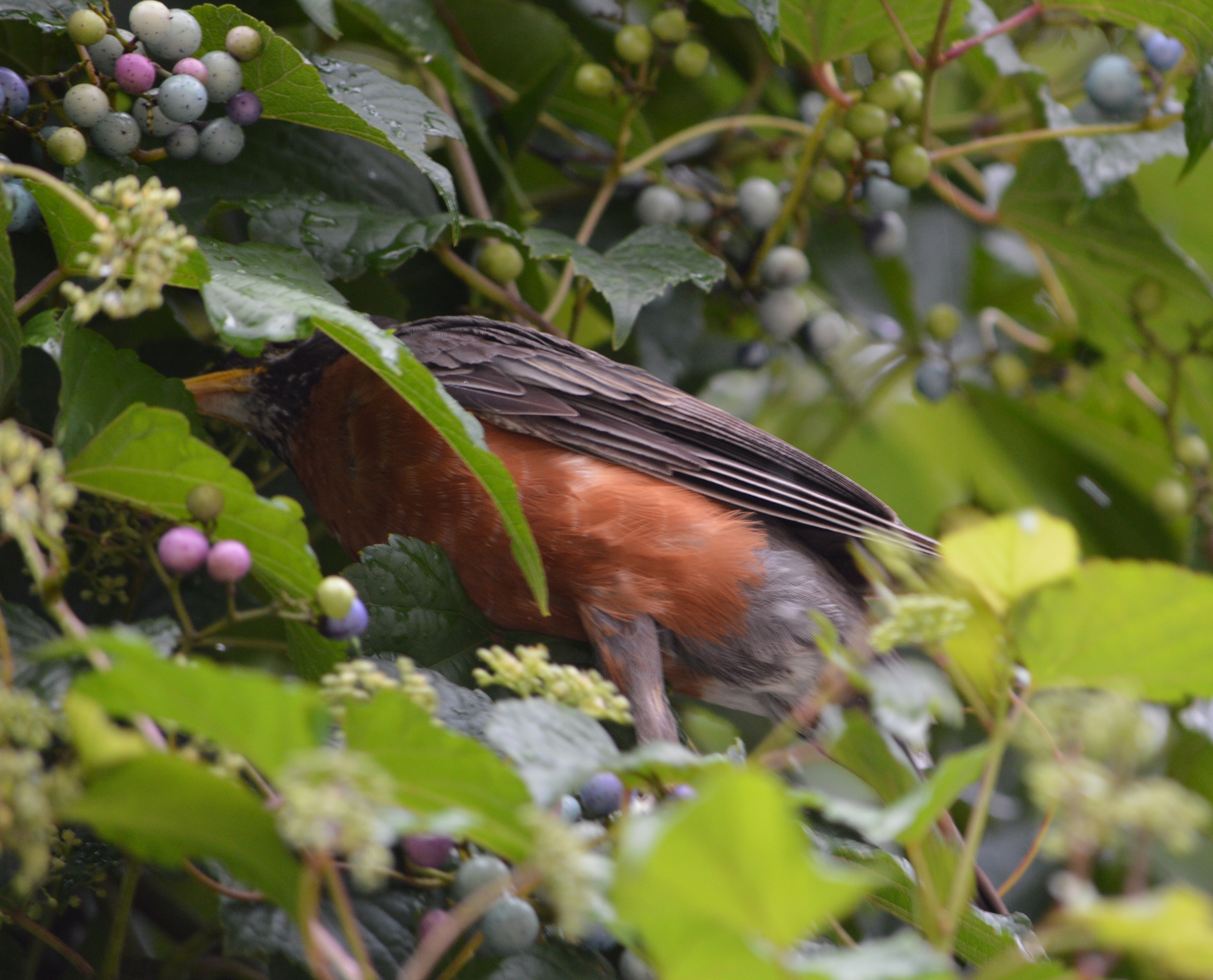
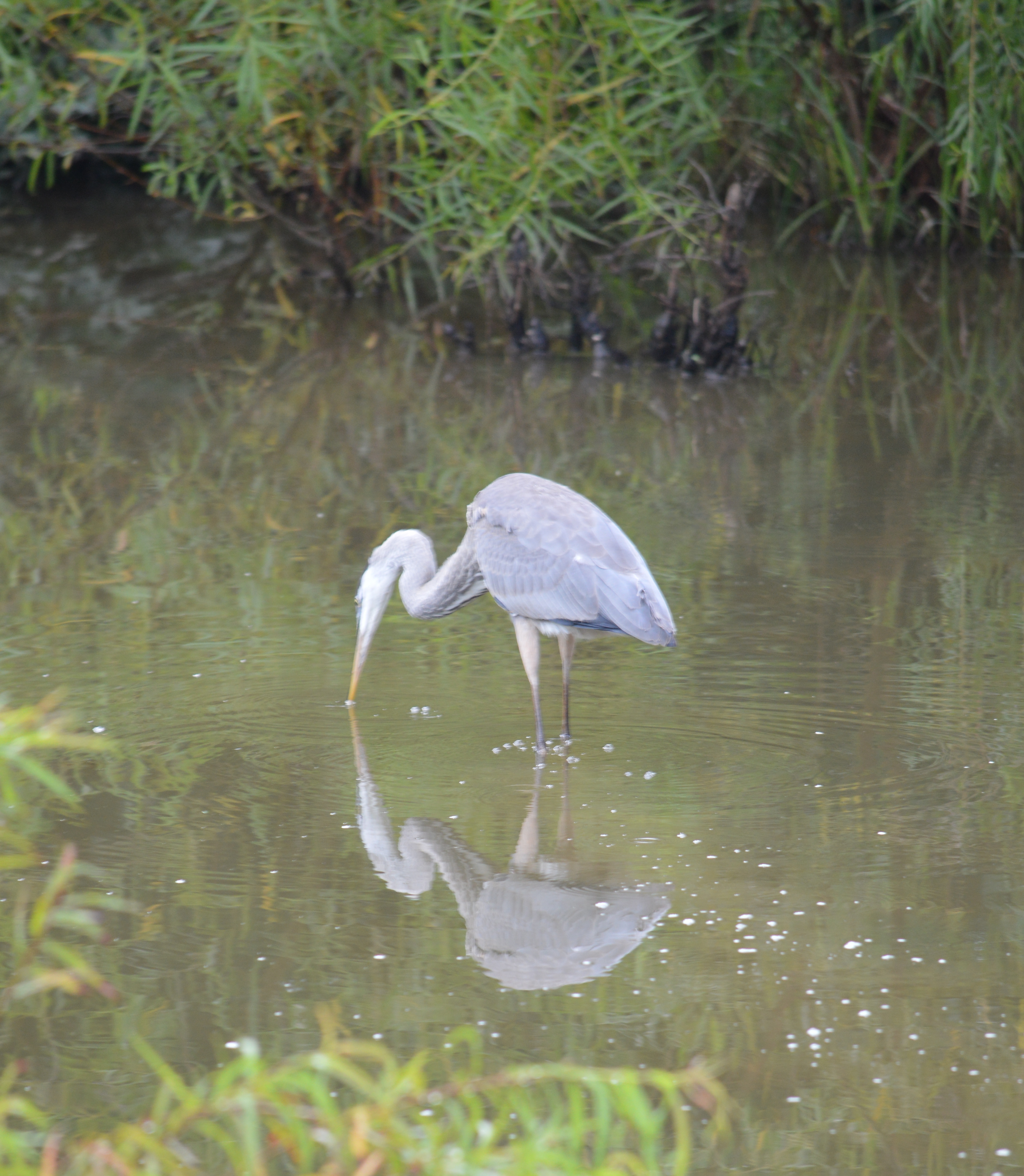
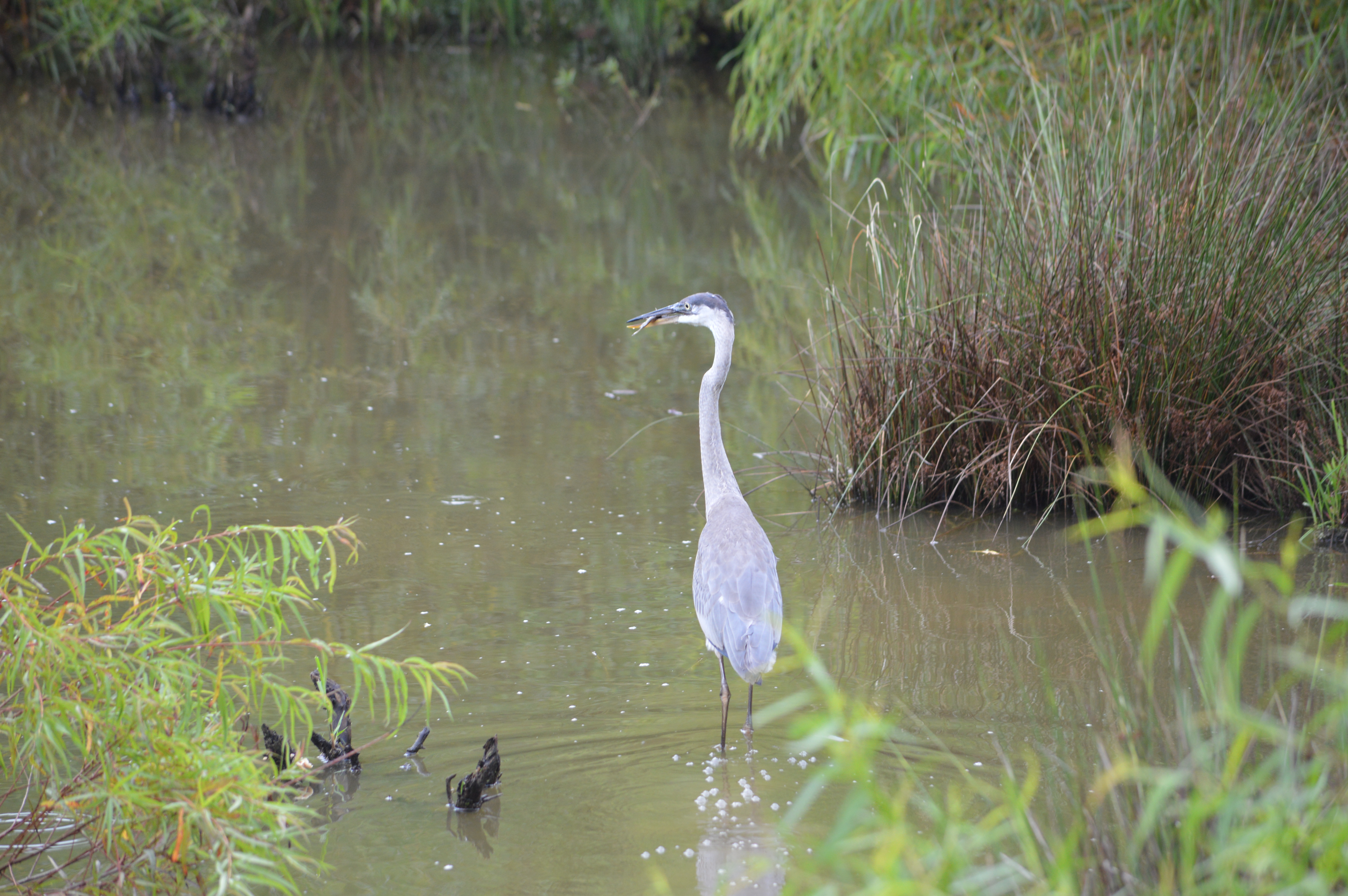
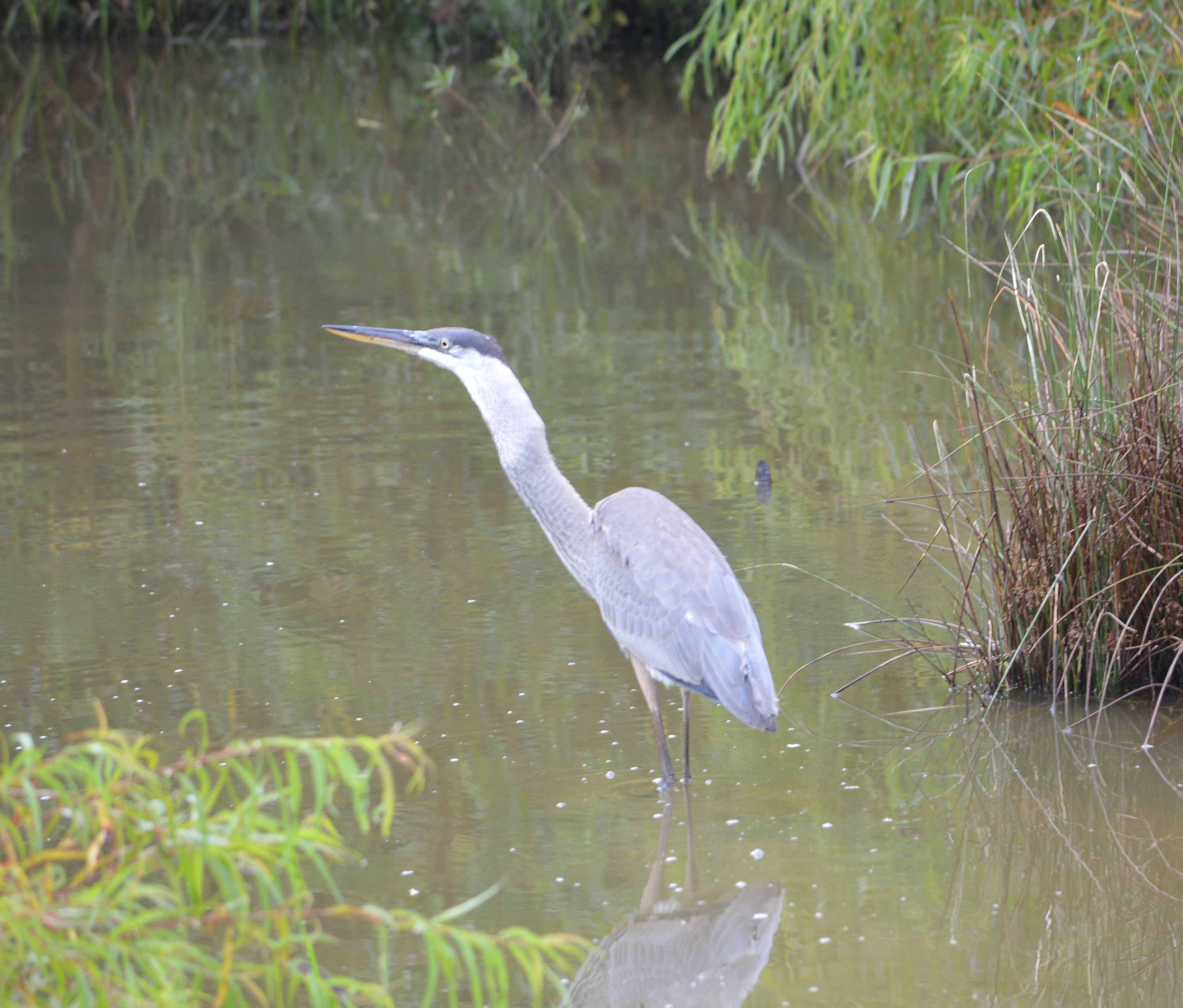
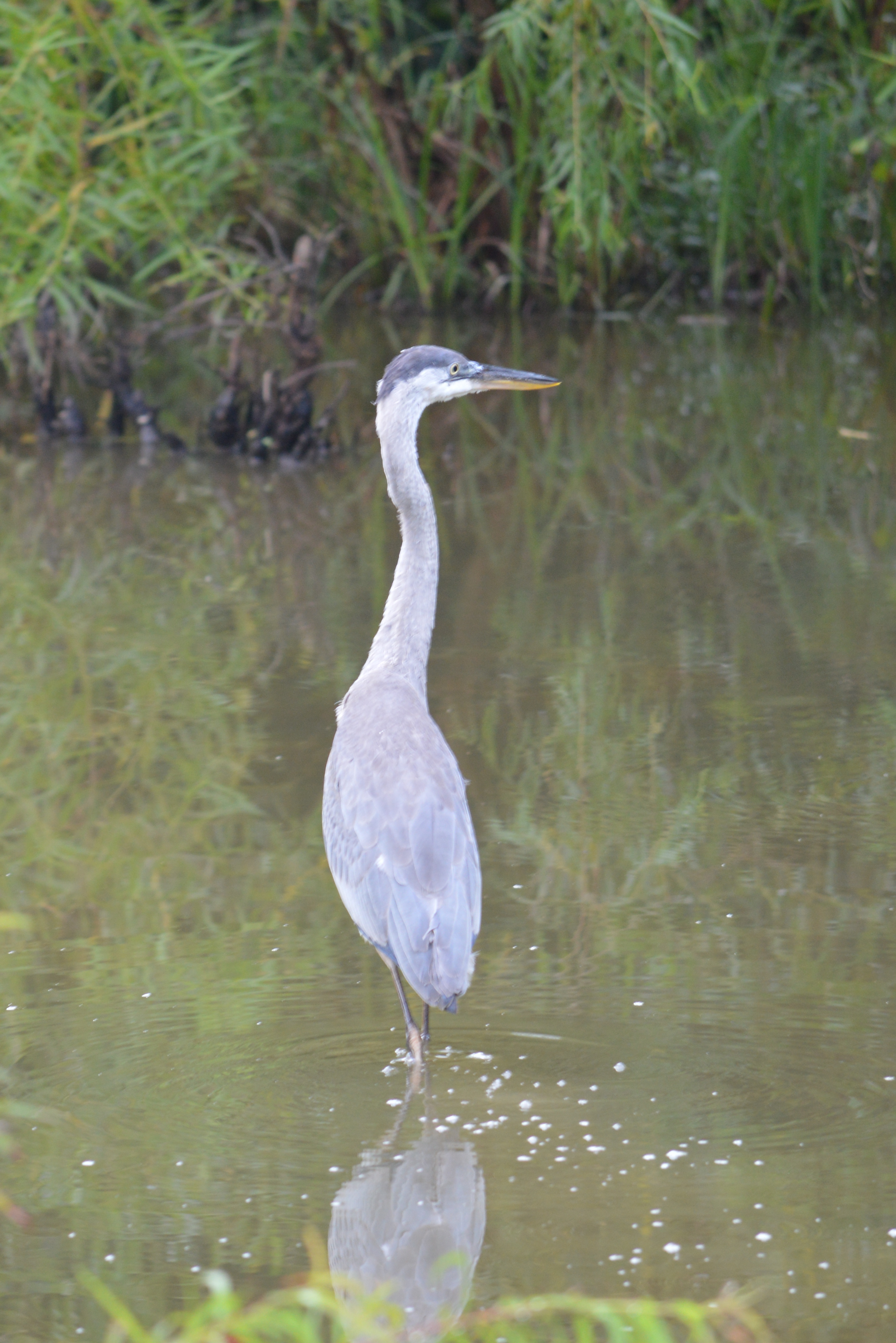
There were some birds this morning at the boardwalk off of Raleigh Boulevard. Most of them hid from me (like that small bird in the Frost poem), but a robin, a great blue heron, and a mallard family didn’t.