The Casual Blog

Category: moral causes

Fireworks, wildlife, and Carl Hart’s book debunking drug myths

14 07 04_0378_edited-1-1
Fourth of July fireworks are hard not to like. As a friend once observed of sex, even when it’s not particularly well done, it’s magnificent. On Friday we were planning to walk a few blocks to see the one of the two downtown Raleigh fireworks shows, but Sally was not feeling well, so we got some takeout Indian food from Blue Mango and watched from our twelfth-floor balcony.
14 07 04_0402_edited-1

That afternoon I’d Googled how to take good fireworks photos, which is a bit involved (use a tripod, remote control, bulb setting, manual focus, etc.), but I found it interesting. I got a few images I liked of the display at Red Hat Amphitheater. I could also see parts of the display at Memorial Auditorium, which appeared to be more magnificent, but this could be the grass-is-greener effect.

14 07 04_0404_edited-1-1

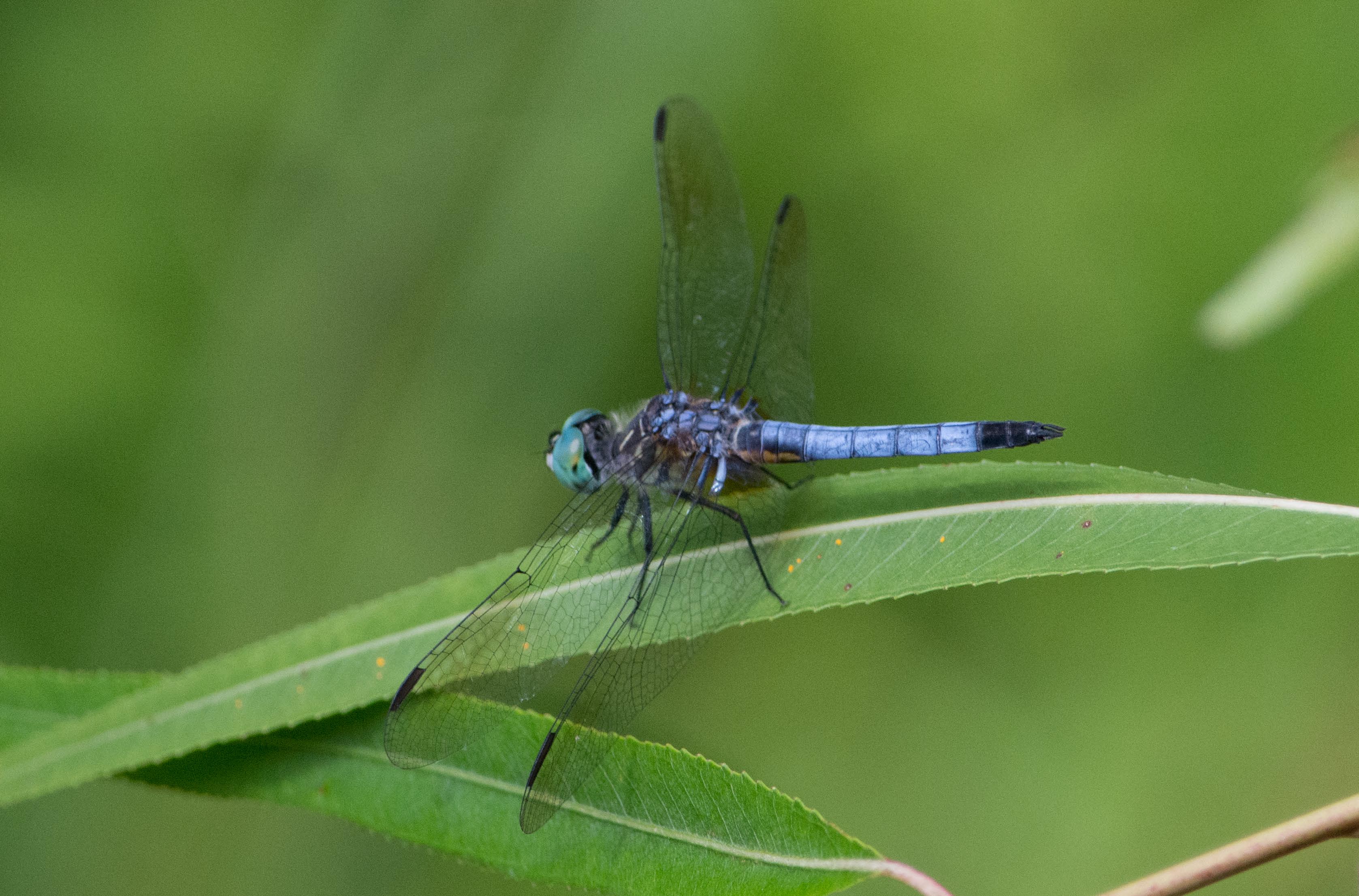
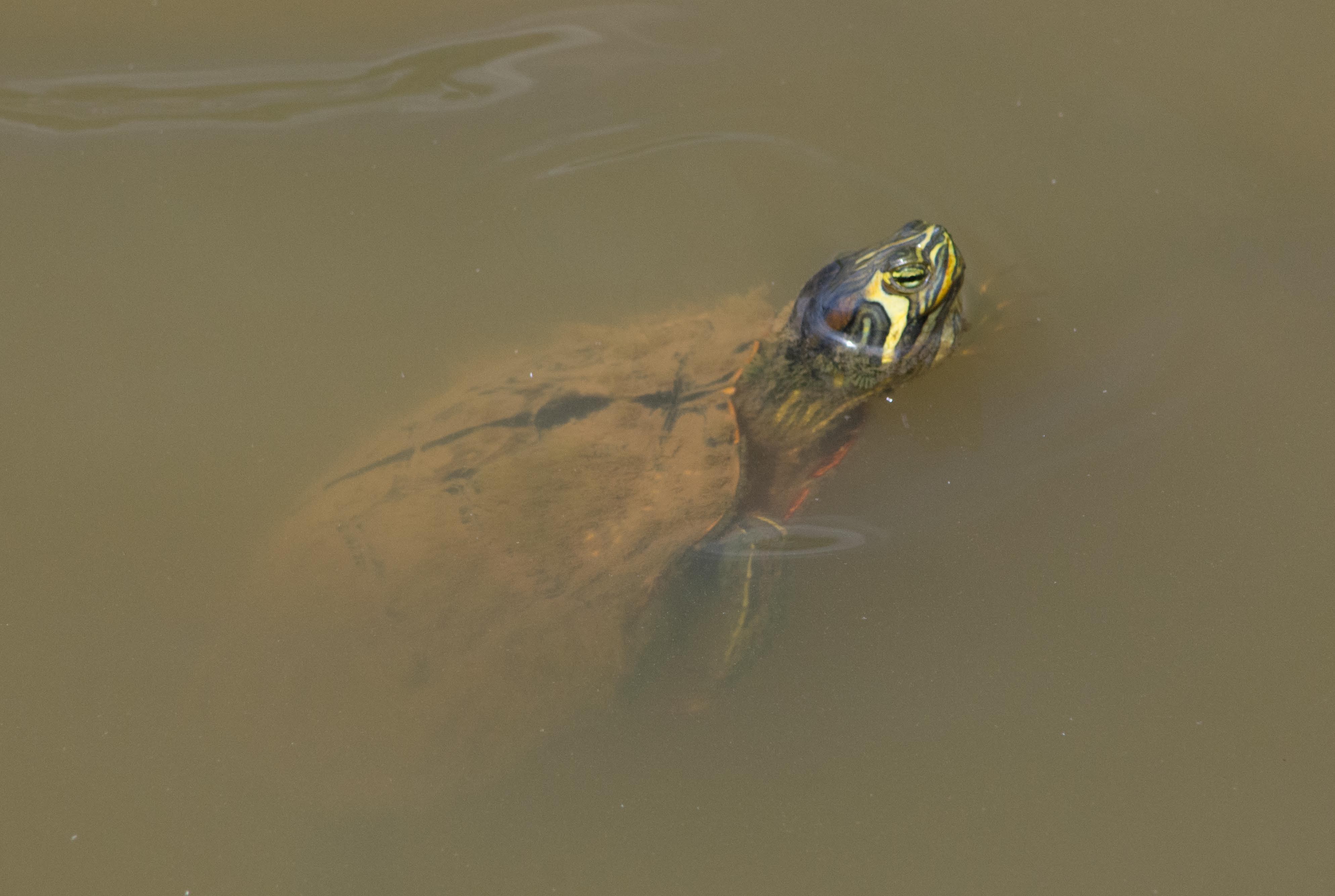
I continued exploring local parks, looking for dragonflies and other wildlife, this time stopping at Shelley Lake. There were lots of mallards and geese, but the one below, by herself, got my attention. I also stopped in at Raulston Arboretum on Sunday morning and focused on some little creatures communing with the flowers.

14 07 05_0538_edited-1

On Saturday I finished reading an unusual and worthwhile book: High Price: A Neuroscientist’s Journey of Self Discovery That Challenges Everything You Know About Drugs and Society, by Carl Hart. Hart is a professor at Columbia University who’s devoted his scholarly career to studying the effects of illegal drugs on the brain. His book is an autobiography of growing up poor and black in south Florida, and somehow not getting shot, becoming a dropout, becoming a hardened criminal, becoming an addict, or going to jail (which were common outcomes of his friends and family), and instead somehow getting an education, becoming a respected scientist, and learning to question his own assumptions. It’s remarkably honest.

I was particularly interested in his take on the war on drugs. As I’ve noted before, I view the drug prohibition regime as a terrible social policy from every perspective. Hart focuses particularly on the costs to the black community, with draconian laws resulting in mass long-term imprisonment and destruction of the social fabric. He combines an overview of the human toll with his own drug experiences.

14 07 06_0462_edited-1

Like almost all of us, he initially accepted uncritically the media/government claims that crack cocaine was a menace that threatened to make addicts of everyone who tried it and turn them into zombies who cared for nothing but the next high. He gradually realized, based on his own experience and his research, that this was a wild distortion of reality. Crack cocaine is chemically almost identical to cocaine, and the effects on the body are basically the same. The primary difference is social: crack cocaine is cheaper and marketed more to black communities, while cocaine is an expression of wealth and status. And crack prison sentences are much more severe.

This has become almost common knowledge, and the sentencing disparities have been substantially reduced (but not eliminated, unfortunately). For me, Hart’s account highlights how media and politics can create a moral panic, and even otherwise responsible scientists can get swept along. Thus the famous example of the experimental rats that can’t resist crack, which supposedly proved that crack was uniquely addictive. Hart explains that the rats, which are social creatures, were unhinged by isolation, and had no alternative activities to getting drugs.
14 07 06_0514_edited-1
Hart did experiments with human subjects who were in fact crack addicts, and offered them a choice of getting high or getting $5. They took the money frequently enough to disprove the idea that addicts cease caring about anything but drugs.

Hart contends that the problem of drugs in poor communities is complex, and viewing drugs as the primary source of social ills is mistaken. The kinds of social problems that he grew up with – domestic violence, petty crime, an extreme culture of honor magnifying violence, teenage pregnancy, and unemployment – preceded the arrival of crack. The central problem of poor communities is poverty. It’s not surprising that people with few other entertainment options are more prone to entertaining themselves with drugs.

Hart finds that the great majority of people who use drugs, including crack and heroin, are in no sense addicted. Most users have jobs, families, and orderly lives. The notion that addiction always results from exposure is simply false. This doesn’t mean that addiction never happens, or that it is not a serious medical and social problem. There are addicts who need help. But we need to get our facts straight, quit moralizing, and quit punishing people for addiction.

The war on drugs is a fascinating case study of how fantastically wrong ideas with horrendous consequences can propagate and take over entire societies. We tend to think of this happening in the distant past (think of witchcraft) or foreign lands (murderous religious extremists). But it happened to us! With all our wealth, education, science, and technology, we were still overpowered by groupthink that stopped critical thought. And while we may be winding down the war on drugs, it is definitely not over.

Thus it took courage for Hart to write this book. With an entire population raised on constant messages of moral panic, to challenge the basic foundations of the war on drugs is risky. You will be viewed by many as dangerous and immoral, which could be career-limiting.

But this book may help shift the debate. I was a little disappointed that Hart didn’t follow his sound reasoning all the way on the question of legalization, and ended up promoting instead decriminalization. As the Economist has repeatedly pointed out, decriminalization leaves the drug markets in the hands of criminals, whereas legalization with careful regulation would deprive criminals of a major source of revenue. But never mind. I’m grateful for Hart’s book.
14 07 06_0483_edited-1
14 07 06_0485_edited-1

Dragonflies, playful mice, fearful crayfish, and an argument for personhood for animals

14 06 14_9977_edited-2
On Saturday I was thinking of heading to Raulston Arboretum to look at the latest blossoms and bugs, but Sally suggested I check out the doings at boardwalk over the pond off of Crabtree Boulevard. She’d found a shortcut to get there, and coached me through it. As she foretold there were some pretty dragonflies and damselflies. 14 06 14_0008_edited-1

This week I’m doing a round-up of animal news, some cheery, and some disturbing. Here are notes on playful mice, fearful crayfish, Your Inner Shark, and the struggle for legal rights of persons for animals.

Have you ever wondered whether mice like to run on exercise wheels? Scientists at the University of Leiden did. As reported in the NY Times, they put a couple of wheels in the wild and monitored with video cameras for several years. The results were unequivocal: the mice like to get on the wheel and run. They came “like human beings to a health club.”

The researchers seemed to be addressing the issue of whether forcing mice to run in laboratory environments was cruel, but the work also speaks to another issue: why run when you don’t have to? One scientist suggested it was no great mystery: “All you have to do is watch a bunch of little kids in a playground or a park. They run and run and run.” In other words, mice play.
14 06 14_0015_edited-1

In another apartment of the animal kingdom, researchers tested crayfish to see if they experienced anxiety. At the University of Bordeaux, crayfish who got a mild electric shock were timid and withdrawn compared to unshocked crayfish, who were more adventurous. But the shocked ones improved when they got anti-anxiety medication. Is this amazing? Not exactly, but it made me think for the first time about crayfish as creatures with emotional lives.
14 06 14_9993_edited-1

This week I finished reading Your Inner Fish, a Journey into the 3.5 Billion Year History of the Human Body, by Neil Shubin. Shubin is a palentologist and professor of biology and anatomy at University of Chicago. The book is about paleontology, genetics, and anatomy applied to the human body. It makes the case that the mechanisms of the human body all have predecessors in much more ancient creatures.

Shubin recounts his early experiences hunting for fossils and failing miserably. But eventually, his mind learned to distinguish tiny fossils from tiny ordinary minerals. He communicates the joy of scientific discovery in studying comparative anatomy and seeing the amazing similarities in body structure that run through all the creatures at the zoo – including us.

This is true not just at the level of large-scale architecture (creatures with heads, limbs, fronts and backs), but also with regard to the workings of subsystems like eyes, ears, and smelling organs, and sub-sub systems like tissue cells, and the systems for connecting tissue cells. Shubin approaches the body from multiple angles, extending all the way back to the first single-celled microbes of 3.5 billion years ago, and focuses on various levels, like the features we share with all vertebrates, those we share with all fish, and those we share with all worms.

I found some of the science, and particularly the genetics, tough sledding, but learned a lot. Our bodies are certainly amazing, but this is true of all animal bodies. Shubin made me see more of the connections between all living creatures, and the connections of all those creatures with the earth over the eons.

14 06 14_0006_edited-1

Finally, a couple of weeks ago I finished reading Rattling the Cage: Towards Legal Rights for Animals, by Stephen Wise. Wise is a lawyer who recently brought a habeas corpus action on behalf of a chimpanzee, and I was curious about his theory. His book is a useful compendium of the literature of non-human primate intelligence. He argues that the evidence of language, math, and other accomplishments of chimpanzees and other primates entitles them to be treated as persons with certain rights under the law. He includes quite a few stories of horrendous treatment of chimpanzees in laboratories.

Wise’s larger point is that the sharp dividing line in the law between humans and other animals is a relic of ancient times that is unsustainable in the light of science. His account of the ancient roots of jurisprudence classifying animals as chattel (mere things) is interesting. He does a good job challenging the traditional categories, though he doesn’t address all the difficult questions of breaking down those categories. He seems to understand that no matter how wrong legal ideas are, changing them is a long-term project.

Skiing in Virginia, and considering, has the NSA ended privacy as we know it?

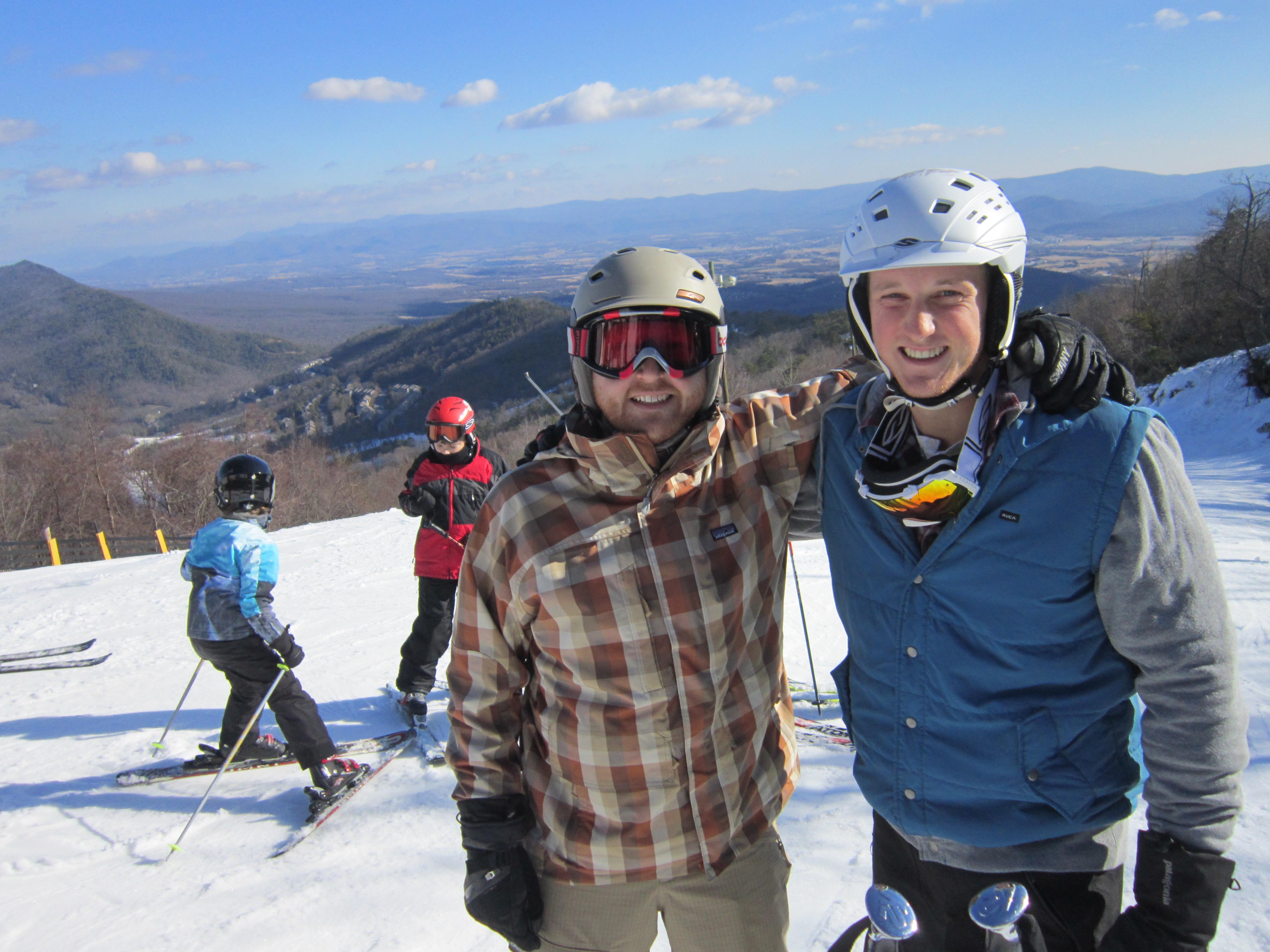
My nephews Josh and Adam, humoring me with a short pause on Sunday

My nephews Josh and Adam, humoring me with a short pause on Sunday

Last weekend I went skiing at Massanutten Resort, near Harrisonburg,l Virginia. I thought it would be good to see my brother and nephews, and have a little ski tune up before our Colorado trip in February. The drive up on Friday night was five and a half hours through fog and rain, and the ski conditions were far from optimal, but it was still well worth it.

On Saturday the weather report was for rain, and it did rain a bit, but the snow was pretty good. It was fun skiing with my nephews, both in their twenties and fast. They decided at lunch time to go to the movies, but my brother had ski patrol duty, and I decided to keep skiing with him on the advanced slope (number 6).

He had to leave for a period, and it got very foggy, with perhaps 50 feet of visibility. It rained a little. On the first run on my own, I noted that I didn’t see a single skier on the mountain. The same was true on the second, third – and fifth. It was the better part of an hour before a few other hardy souls ventured out.

Despite the fog, I enjoyed the skiing. I focused on sensing more of the ski edges, and making smooth, graceful turns. And I enjoyed the solitude of the trips up the mountain in the chair lift.

It occurred to later, though, that my smartphone was still sending out signals of my movements. My perception of privacy has been changing with the Snowden revelations, and I suspect I’m not alone. (LOL) Is it real so bad? I think it is, and have a concrete example.

A few weeks back, I wrote an email letter to the President. The gist of it was to commend him for commuting the sentences of some non-violent drug offenders, and to recommend that he expand that effort to help more of the thousands serving lengthy prison terms for minor drug crimes. As I prepared to send the email, I paused, thinking that this communication could easily mean a new NSA or other agency file would be opened on me, with unpredictable consequences.

Paranoid? Maybe. I sent the email anyway. But I expect that many citizens, now knowing how easily they can be monitored and how committed the spy bureaucracy is to expansive monitoring, might decide that expressing a political view just isn’t worth the risk of becoming a target.

There was a good piece in the New Yorker of a few weeks back by Ryan Lizza on the history of the NSA’s domestic metadata collection program, including efforts to establish a legal basis for it. It wasn’t surprising that a spy agency would tend to conceal its work, but it was surprising that agency representatives repeatedly lied to Congress and the FISA (special secret programs) court.

It raises the question, is this agency unconstrained by law? I expect most people involved in massive electronic surveillance are patriotic and well-intentioned, and not personally seeking world domination. But what if an agency with effectively unlimited resources and powers came within the control of a megalomaniac sociopath?Impossible? Remember J. Edgar Hoover?

If we’re lucky, we won’t become a police state in the Big Brother sense. But just knowing we’re subject to constant surveillance will probably change us. The interesting question is how much.

If the government forbade curtains on windows, we’d quit doing certain things within sight lines of the street. Maybe, without much discussion, we’ll get more guarded or stop discussing controversial topics using our electronic devices. Once that habit develops, it could extend to our face-to-face exchanges, or even our interior monologues. It wouldn’t happen all at once, but little by little. We might not even notice the change.

The justification for the government’s massive technology surveillance programs, of course, is prevention of terrorism. It’s hard to argue with that, since anything that grows the database of human activity could also increase information about terrorism. But is it possible that we’ve gone a little overboard with this fear-of-terrorism thing? Does it remind you a little of people preparing to end the world as we know with a nuclear conflagration it to prevent a takeover by communism?

There was a very interesting piece in Slate last week on the national hysteria over alleged sexual abuse and Satanic rituals in preschools back in the 80s. There were several of these cases in which little children testified that their preschool teachers molested them and also engaged in ritual murders and other bizarre and horrifying conduct.

Based almost exclusively on the testimony of the children, juries sent a number of these teachers to jail for lengthy terms. It slowly emerged that the abuse stories were fabrications produced by so-called therapists who essentially planted false memories in the children’s heads. Most of the teacher-victims eventually were freed.

In retrospect, the children’s stories seem way too bizarre to be believed – yet most of us believed. It’s a reminder of how our powers of reason and critical thinking are limited, and how they can be overwhelmed and defeated by sensational media and groupthink.

P.S. Needless to say, I paused again before publishing this post. But I think the danger of silence and retreat from dialog is even greater than the danger of surveillance run amok.
How important is an afterlife?

13 08 24_3953
A short essay in the NY Times today proposed an interesting thought experiment: imagine that you knew all humanity would cease to exist in 30 days after your death. Would your view of your life’s significance change? Samuel Scheffler of New York University thinks the answer is yes. Even those of us who can’t take seriously the view of an afterlife in which our own consciousness continues after death still believe in another sort of afterlife – that is, that after we die the human race will continue for a good long time. If that were not the case, would anyone bother to seek a cure for cancer, or to make great art? Big projects, and especially ones that we know might not be completed in our lifetimes, depend on the assumption that the human race will continue.

Scheffler notes that even the most selfish and narcissistic of us almost certainly share this basic concern for continued human existence, for the selfish aims would also lose most of their meaning otherwise. He wraps up his elegant essay by noting this foundational assumption gives us a powerful incentive to address the very real threats to continued human survival – climate change, environmental degradation, and nuclear proliferation. The incentive isn’t just the abstract sense of duty to future generations, but our present reliance on those future beings to give life meaning now.
13 08 24_3952_edited-2

My eye surgery is scheduled for 6:00 a.m. tomorrow. I’ve managed not to think too much about it, but for the last few days I’ve felt unsettled. The operation on my left eye (my third in the last 10 months) will involve two procedures and two surgeons. One is my rockstar retinologist, Dr. Mruthyunjaya, who will remove the silicon oil in my eye and do some retina clean up, and the other, Dr. Vann, will work on what he described as “a big, honkin cataract.” I’m confident that the surgeons know their business. I’ve been touched by the kind support of friends and colleagues. It should go all right. I hope.

I took a walk this morning along the boardwalk that goes out over the small lake off of Raleigh Boulevard, where from time to time I’ve seen herons, kingfishers, various ducks, and lots of turtles. I wanted to try out my new Sigma 150-500mm lens with my new Manfrotto monopod, but there weren’t many water birds to see this time. The lens is a four-pound behemoth, challenging to handle, but the magnification is dramatic, and the image quality seemed generally good. I started to get comfortable with it, and look forward to taking many more and better pictures of birds and other wildlife. These are a start.
13 09 21_4416
13 09 21_4435
13 09 21_4446

Farewell to Cory Monteith of Glee, and a new pop science book on the unconscious

13 07 26_2802
Last week I was greatly saddened to hear of the death of Cory Monteith, the actor who played Finn in the TV show Glee. For a couple of years (though less so recently), Glee was one of my happiest guilty pleasures, a sweet spot on the largely mindless and boring TV firmament. I wouldn’t care to defend Glee as wholly original. It is, at one level, mostly about recycled pop songs, dance video conventions, and predictable plot lines. But they sing and dance with more than just precision. The total effect is of youthful energy and exuberance. Pop music that I never much cared for when it was new becomes fun and sometimes even moving.
13 07 26_2796

The existence of gays who were sweet, talented, and creative has been a major point of Glee, and it has pressed for tolerance for gays as a central value. How much has this affected the American zeitgeist? Some, I’ve got to think. The poll numbers of Americans supporting gay marriage have gone from negative to positive during the show’s run. Gay marriage is legal in several states, and the Supreme Court has gotten on board. Making anti-gay jokes and comments is becoming less socially acceptable. This is progress.
13 07 26_2815

Cory Monteith was probably the least flashy of core Glee cast in terms of good looks and song-and-dance talent. But he served as the anchor, allowing those around him to emote without floating into outer space. His relative normalcy gave the show more texture and sweetness than a simple music video. He was a point of stability.
13 07 26_2830

It was surprising, at least to me, to learn in his obituary that he “struggled with substance abuse,” and his death was attributed to a combination of alcohol and heroin. Plainly, he was a talented and hard-working actor. It simply is not possible to put out a weekly TV show without lots of hard work, and the supercharged Glee production numbers have got to be incredibly taxing on actors and crew alike. Monteith performed consistently at a high level, so it seems safe to say that he was not completely controlled by addiction. I don’t know more than that about his back story, and I won’t speculate. As I said, I’m sad such a talented young actor is gone.

I hope his death will encourage others to avoid addiction to dangerous drugs, but I also hope it will nudge forward the shift from a moralistic view of addiction. The “struggling with addiction” language in the news reports suggests a more medical view of the problem, instead of the traditional junkies-are-evil-zombies view. Glee reruns will give testimony for years to come that Monteith was so much more than that.
13 07 26_2848

There’s still a lot we don’t understand about our brains, but also so much we’re learning. I just finished a new book on this fascinating subject this week: Subliminal: How Your Unconscious Mind Rules Your Behavior, by Leonard Mlodinow. Mlodinow, a physicist by training, covers some of the same territory as Kahneman and Gazzaniga, taking an evolutionary perspective on the brain and describing research into conscious versus unconscious processes and the social nature of the human brain. But his emphasis is different, and in some ways more practical.

For example, he spends little time lamenting how little of our lives are lived at a conscious, rational level, instead emphasizing how useful and efficient our unconscious processes are. Yet we normally overlook this part of life or deny the extent to which it is critical. We trust our reasoning processes without noting their common biases and errors. We rely on our memories without accounting for their imprecision and shifts. Even our most basic perceptions and emotions are prone to manipulation and error. But Mlodinow is not a pessimist. Like Kahneman, he is ultimately hopeful that understanding how prone we are to mistakes and delusions can help us improve our lives.
13 07 26_2855

The photos above are from my latest photo safari to Raulston Arboretum on Saturday morning. As usual, there were new things blooming, including some spectacular lilies. Also there were quite a few butterflies, including a gorgeous tiger swallowtail.
13 07 26_2841

Fireworks, new bluebirds, right-wing NC Republicans, and bees at work

13 07 05_2398-1

Sally fixed chilled cucumber soup and two salads for our July 4th dinner, with homemade coffee ice cream for dessert. From our condo on the twelfth floor we had a good view of the fireworks show at Red Hat Amphitheater. Fireworks shows vary, but I’ve never seen one I really didn’t like, and this was no exception. OK, it could have been faster and bigger, but there were interesting shapes and sparkling colors, and lots of noise. This may be my favorite ritual in the American civil religion.
13 07 04_2543_edited-1

Earlier that day, Sally took me along when she monitored the bluebird houses at Lochmere Golf Club. She’d promised that there should be some new eggs and nestlings, and there were! We were pleased to see the new arrivals.
13 07 04_2570

Speaking of country clubs, the News & Observer reported this week that Carolina Country Club, Raleigh’s old line club, finally admitted its first black member. This was front page news, and I was glad to hear it. CCC maintained the color barrier for way too long. Now that the curse has been broken, I hope they will implement a policy of true non-discrimination going forward.

In my lifetime, we’ve made so much progress on the race issue, for which I am happy and grateful. For all my disappointments with President Obama, every day I feel proud and a little amazed that we have a black president. I can go for weeks or months without observing anything like the racial prejudice that was pervasive when I was a boy.

But we’re still not done. Republican measures to limit the voting power of blacks in NC and elsewhere by imposing ID requirements are moving forward. This is just shameful. With this movement in process, the Supreme Court was surely wrong in striking down part of the Voting Rights Act. There’s still a ways to go to build a color-blind society.
13 07 05_2414

Our North Carolina Republican legislators have gone on a right-wing tear this session. Some of their activities make sense from the point of view of bettering the lot of the wealthy or pandering to the ignorant, but some are inexplicable in ordinary moral or practical terms.

Does any rational person, no matter how selfish or cynical, think it makes sense to get more people carrying concealed firearms into more public spaces? Would a person with a shred of decency change the law to protect agriculture operations that abuse farm animals and criminalize the behavior of those who seek to expose the abuse? Would a normal caring parent or employer find it sane to reduce school funding and increase class size? Would any responsible leader or citizen turn down federal funds meant to help the unemployed or ailing? Does any moderately educated person school think that North Carolina has the right to establish its own state religion? In establishing the highest priorities, does anyone think Is outlawing Sharia law makes the top-thousand list?

And while we’re outlawing Sharia law, why not work in a slew of anti-abortion measures? This actually happened this week without fanfare and without the usual legislative formalities, presumably to minimize the chance of organized opposition. I’ve never found the abortion issue as easy as some of my friends, but the state Senate’s work this week under cover of darkness is really disturbing from a process point of view, and looks like a huge mistake. In the aftermath of this latest fiasco, my liberal friends were looking glum, and worrying at the damage this is doing both to the humans affected (such as women with unwanted pregnancies and poor people) and to the image of our state.
13 07 05_2401

This onslaught really doesn’t seem like the result of a theory of government. To the extent it has a direction, it seems aimed less at accomplishing any policy objective than at making liberals screaming mad. Once a liberal value gets identified, it is attacked with extreme prejudice.

To a certain extent, the NC right-wingers seem to be reproducing the values battles identified by national-level right-wingers. What else could be going on? I heard an NPR interview with Bill McKibben, an environmentalist and college professor, who said the problem with building a green movement was that a movement needed an enemy. In a sense, all of us are conflicted on environmental issues, since we all like cars and electricity. We can’t be our own enemy and still feel motivated to get into the streets. His solution was to declare the oil companies the enemy. This would, he thought, allow a green movement to cohere.
13 07 05_2480

So maybe that’s what our NC right-wingers are up to: building their group cohesion by identifying liberals as the enemy and trying to cut out their hearts (metaphorically speaking). It’s hard for a liberal to find a silver lining at the moment, but I’ll still take a swing. I don’t think this is the direction a majority of the state, or even a majority of Republicans, want to go. And by forcing minorities, low-income people, women, immigrants, and the reality-based community to see their common interest, the wing-nut legislators are increasing the chances that their “public service” will not last past the next election.
13 07 05_2466

In the meantime, President Obama has seized the initiative on climate change by ordering rules on power plant reductions for CO2 and other measures. Longtime readers of the Casual Blog will know that this is a big issue for me that I think should be a big issue for everyone. At issue are mass extinctions and dislocations on a scale previously unknown in human history. The significance is much greater than putting a man on the moon, and we ought to mobilize with a level of commitment on a scale comparable to the Apollo project. I hope this is the start.
13 07 05_2522

And while we’re on the subject of things to feel good about and continue working on, let us not forget, the long fight for gay rights has made real progress. The Supreme Court, a highly conservative institution (even if not all of its justices are conservative), struck down the Defense of Marriage Act! A majority recognized this as a human rights issue. It seems the tide has turned.
13 07 05_2538

Well, that’s it, I’m climbing off my soap box. I got out to Raulston Arboretum on Saturday and found a lot of bees hard at work. I took along my tripod and used a Nikkor 18-55 mm lens in aperture priority mode. Along with a variety of bees and flowers, I was struck by the sculptural qualities of some of the blooms. My favorites are above and below.
13 07 05_2396
13 07 05_2452

Lincoln, political courage and pragmatism, and the war on drugs

As my Twitter followers (awful expression, sorry) and Facebook friends (also awful) already know, we saw the new movie Lincoln over the holiday, and really liked it. It works like a good old-fashioned Hollywood movie, which is to say it can be enjoyed as pure entertainment, but it does a lot more. It takes on a huge and deeply embarrassing subject, one that we still can barely bring ourselves to acknowledge or discuss a century and half later — American slavery — and contributes meaningfully to the dialog. This is remarkable. Kudos to Steven Spielberg and a great cast (especially Daniel Day-Lewis, Tommy Lee Jones, and Sally Field) and production team.

The movie reminds us that there are crucial moments when individual courage and moral vision matter. It concerns the last few weeks of the Civil War (1865) when the burning issues of how to stop the carnage and how to stop slavery were both pressing and pulling in opposite directions. About half of the members of Congress thought black people were subhuman and were opposed to recognizing them as in any sense equals. If the war ended, the matter of passing the Thirteenth Amendment ending slavery would become less politically pressing, and could conceivably not happen at all. The President was under great political pressure to end the horrific war, but insisting on abolition of slavery looked likely to prolong it. Resolving this dilemma required both courage and political genius.

David Brooks wrote an interesting column on Lincoln noting that the political solution required the President to act in ways that were, well, ethically questionable. That is, he engaged in tactics that could easily be viewed as bribery and other dishonesty. Brooks suggests that this is characteristic of politics — pure moral vision has to be balanced with pragmatic compromise to get anything done. Is some degree of dishonesty inescapable and even necessary for normal, effective politicians? I truly hope not, but it’s an interesting idea. In any case, the movie makes the case that Lincoln’s ethical compromises were justified.

Another theme of Lincoln is that words matter. The abolitionists, led by Thaddeus Stevens (Tommy Lee Jones) clearly saw the evil of slavery, and were prone to use language that prevented dialog with those that hated blacks, and also with those that saw slavery as a complex issue. Stevens could verbally disembowel his political opponents, but it just made them more determined to fight abolition. Persuading him to soften the rhetoric was a key part of the strategy for passing the Thirteenth Amendment.

And then there are the iconic words of Lincoln. The movie strains a little to get the Gettysburg Address and the Second Inaugural into the story, but the strain is worth it: these words are among his proudest accomplishments, now with quasi-Consitutional status, and are still inspiring. Listening to them again, I was struck by their chiseled beauty, but also their combination of directness with artful ambiguity. They start with a factual and moral premise that almost all could agree on — many have died, and it cannot be they have died in vain. The concept of equality is discussed, but the in terms that seem classical rather than radical. The idea of full equal rights for slaves is not explicitly mentioned, presumably because it would make political compromise impossible.

Speaking of issues that require some amount of political courage and some amount of pragmatism, here’s one: the war on drugs. There was good news a few weeks back when Colorado and Washington voted to legalize marijuana for recreational use. They expect to regulate and tax it and raise substantial revenue as a result. This seems rational in these tough budgetary times. As I’ve said before, it seems like terrible public policy to put people in prison for smoking marijuana. The drug war costs us more than $76 billion a year, including the costs of police, courts, prison buildings, guards, services, and foregone revenue. At the same time, we create an entire criminal economy that not only corrupts our society but wreaks violence across the globe.

Much of this is to discourage pot smoking. We’ve been trying it for several decades and it hasn’t work! Instead it has destroyed individual lives, families, communities, and governments. No matter how bad an idea you think pot smoking is (and I agree it can be bad for some people), you might still agree that the cost of the drug war is wildly disproportionate to its positive achievements. I”ve thought for a long time that the practical need to address budget woes and the huge economic upside of taxing marijuana might eventually overcome the moralism of those who support the drug war path. The votes in Colorado and Washington suggest on this I might be right.

Great N.C. wreck diving, compassion for sea creatures, and collective intelligence


For Labor Day weekend, Sally and I went down to Wrightsville Beach, NC, for some wreck diving and extended our lucky streak of exceptional coastal dives. Our trip was organized by our friends at Down Under Surf and Scuba, and we went out on the Aquatic Safaris I. The 48-foot boat I carried 19 divers.

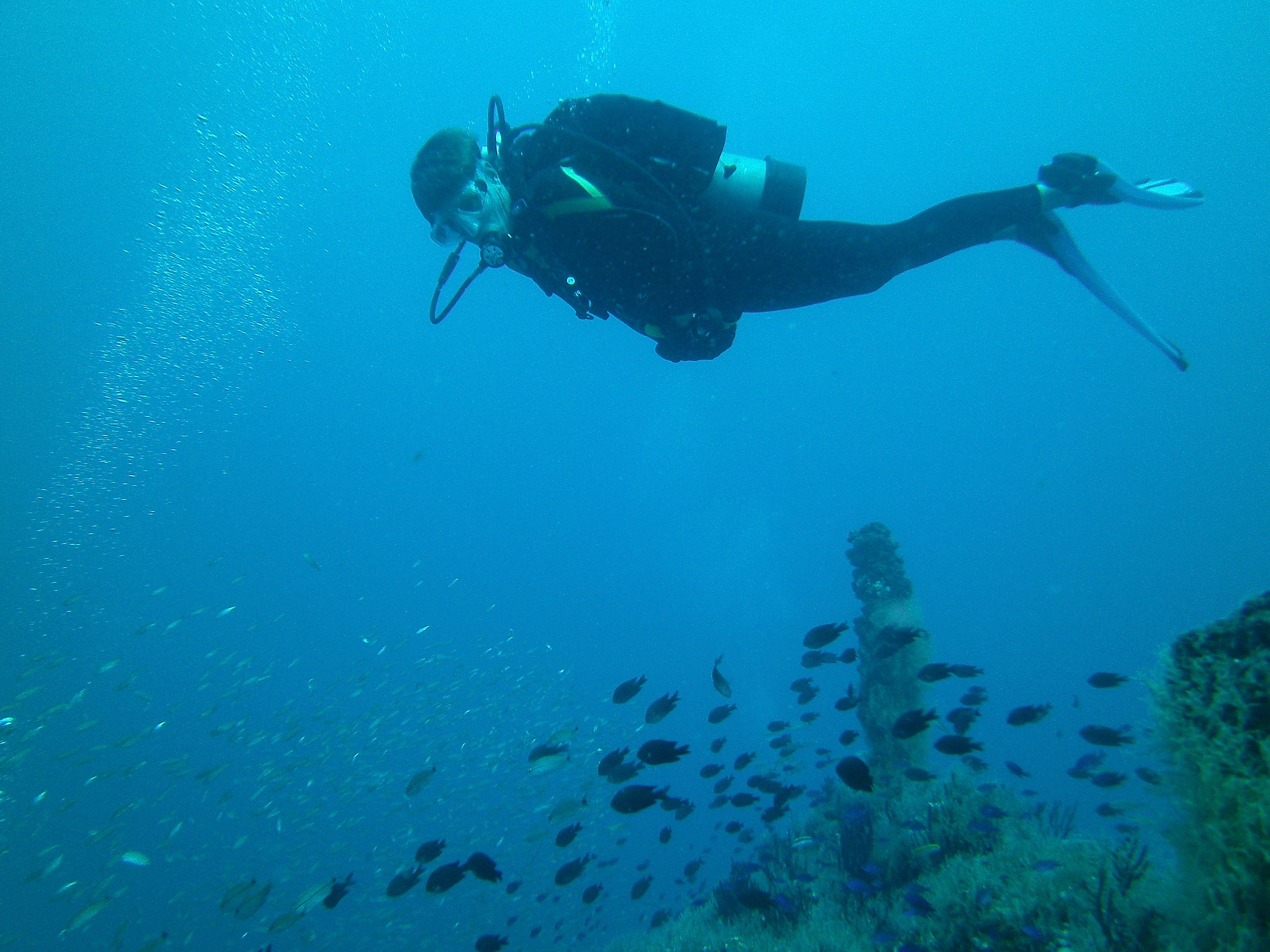
Saturday was warm and clear, with mild breezes and fairly calm seas. We dove the City of Houston, a passenger-freighter that foundered in a storm in 1878. She lies about 50 miles from Wrightsville. It took two and a half hours of hard traveling to get there. Shortly after we anchored and I visited the head, I felt queasy and promptly got sick. Then I felt mostly better, and we jumped in and headed down the anchor line to the wreck.

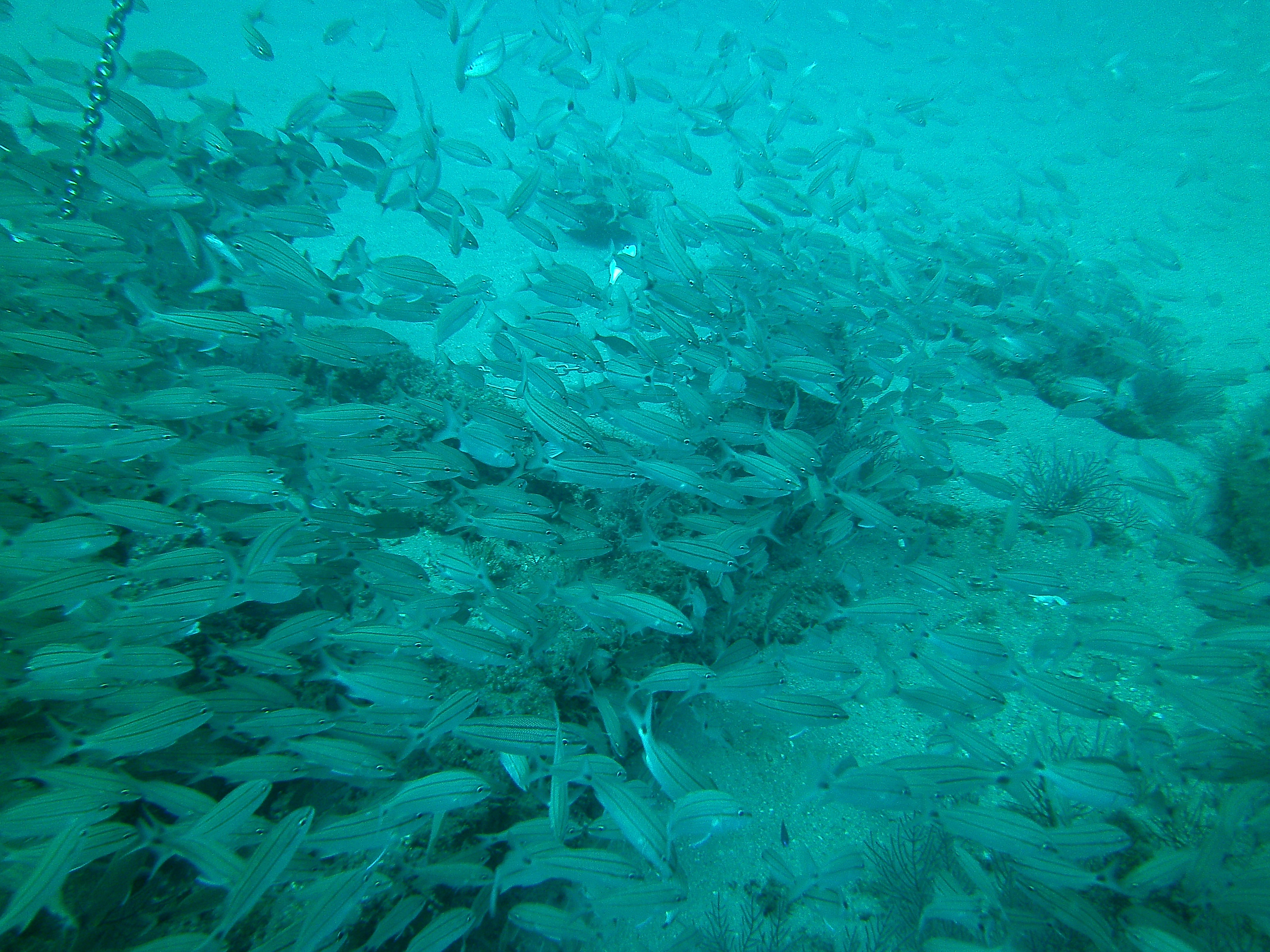
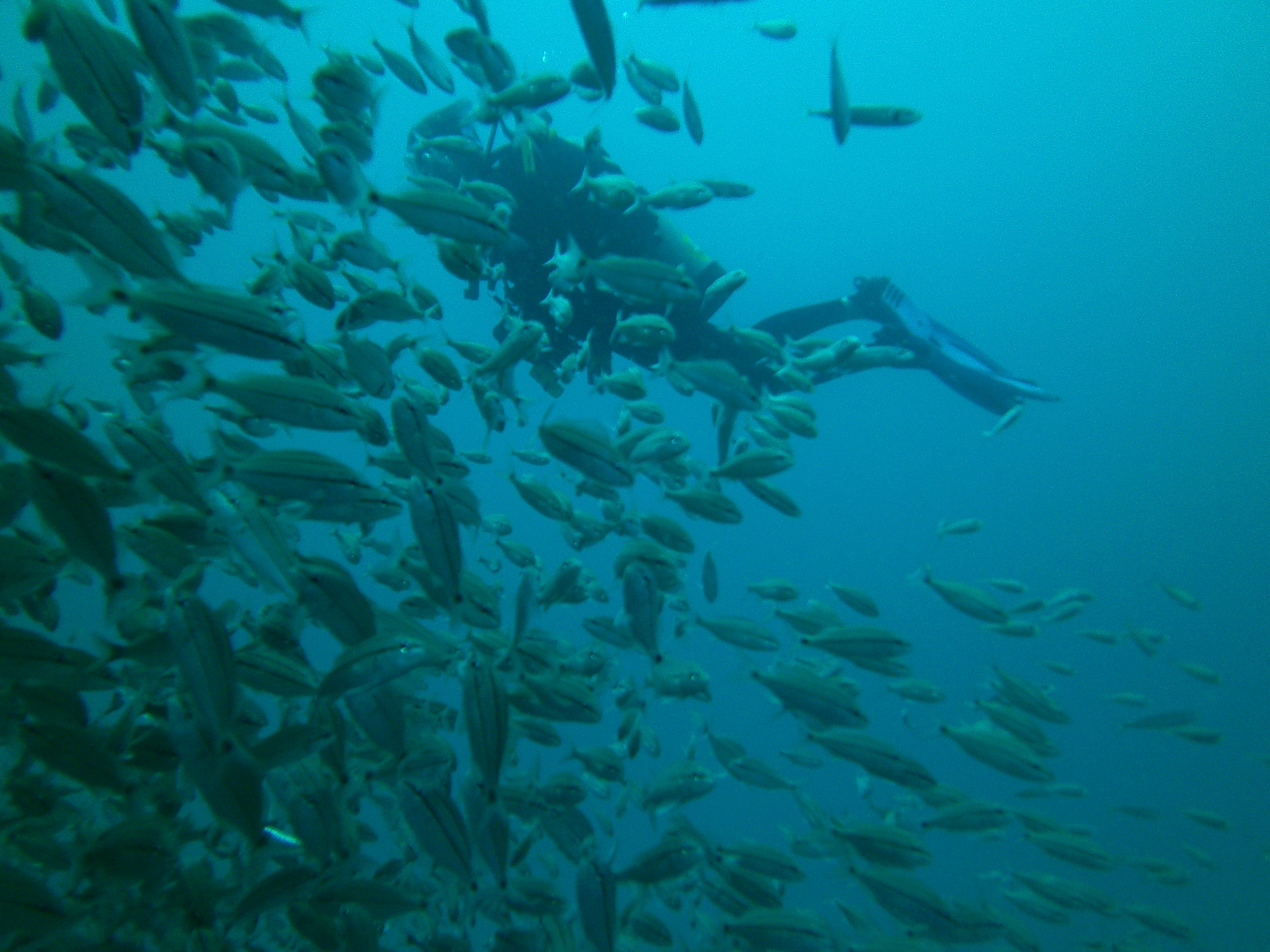
The Houston lies at about 95 feet down. Visibility was good (perhaps 60 feet) and the water temperature was a comfortable 82 degrees. There was a mild amount of current on the bottom. There were thousands of small fish. Our most dramatic sighting of the day was a goliath grouper, an enormous fellow, almost six feet long. My camera battery gave out when I tried to get a picture. I did, however, get some other pictures, including Sally examining something tiny with her magnifying glass (above) and great clouds of small fish.

After a second dive on the Houston, we headed in. Our seats were metal benches along the sides, in front of our tanks, so we couldn’t lean back and sleep. Some of our dive mates stretched out and slept on the deck, so it was difficult to move about as the boat sped along at a quick 25-knot pace. Diving sometimes takes fortitude.

We had a good Italian dinner with Sally’s sister in Wilmington at Nicola’s. There were a number of appealing vegetarian offerings. I had the eggplant rollatini with pink sauce, which was quite tasty. We had a lively conversation about, among other things, the automation of higher education, and how it is threatening the traditional university.

On Sunday we went out again on the Aquatic Safaris I, this time for a two-hour trip to the Normannia, a Danish freighter that foundered in 1924. The seas were calm and the trip went smoothly. I didn’t get sick. The wreck is about 115 feet deep. Like the previous day, the visibility was about 60 feet and the water was comfortable.

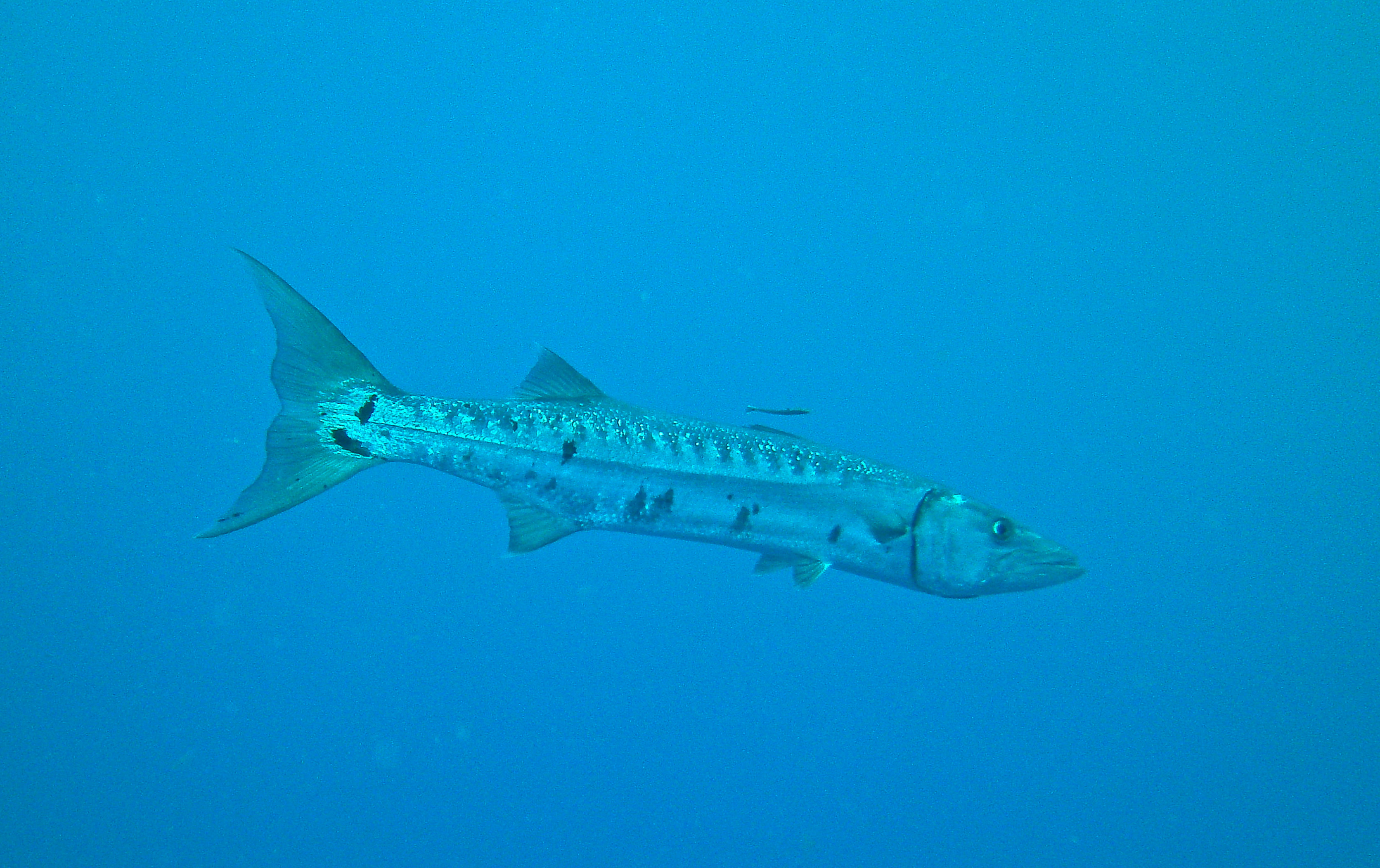
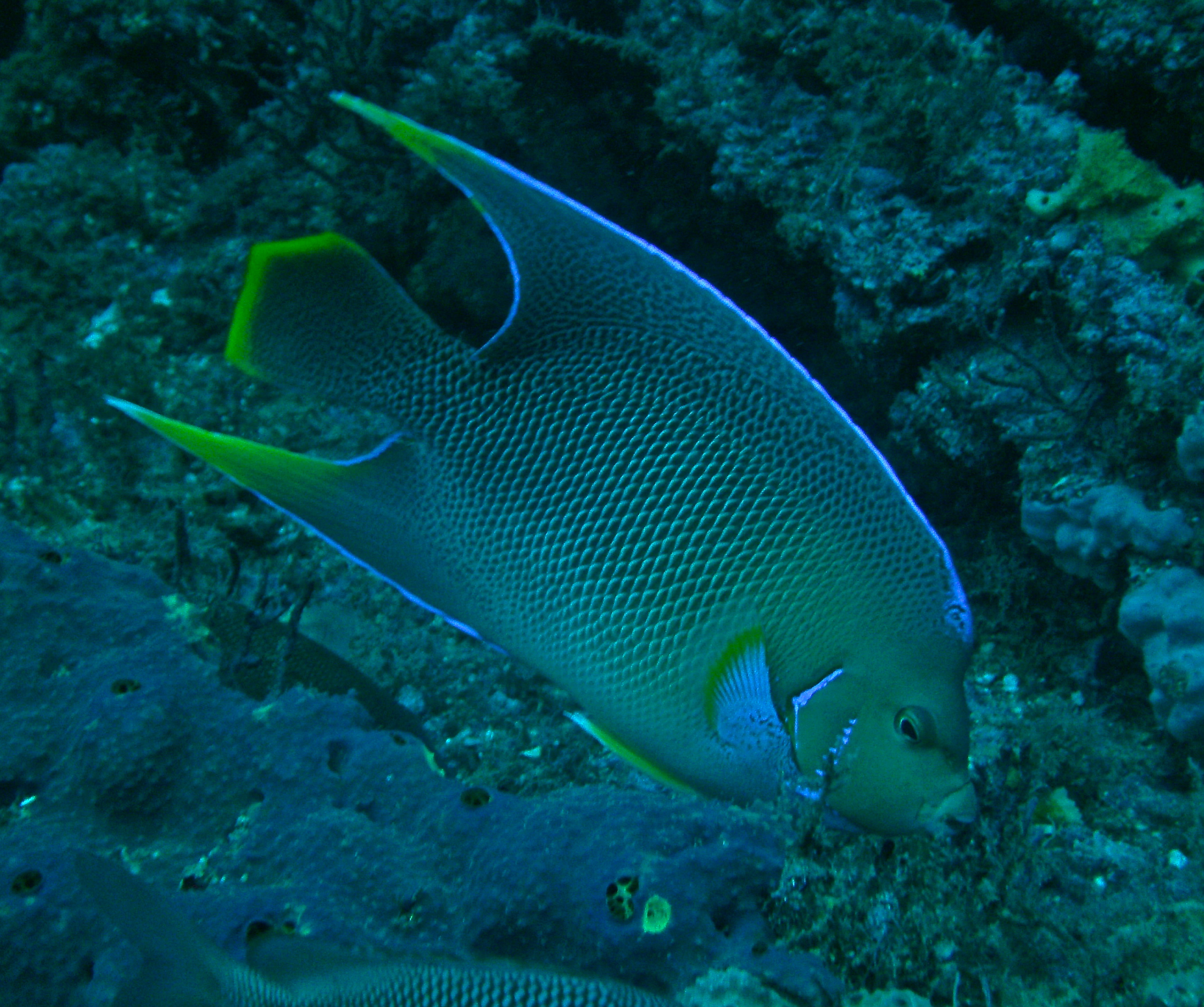
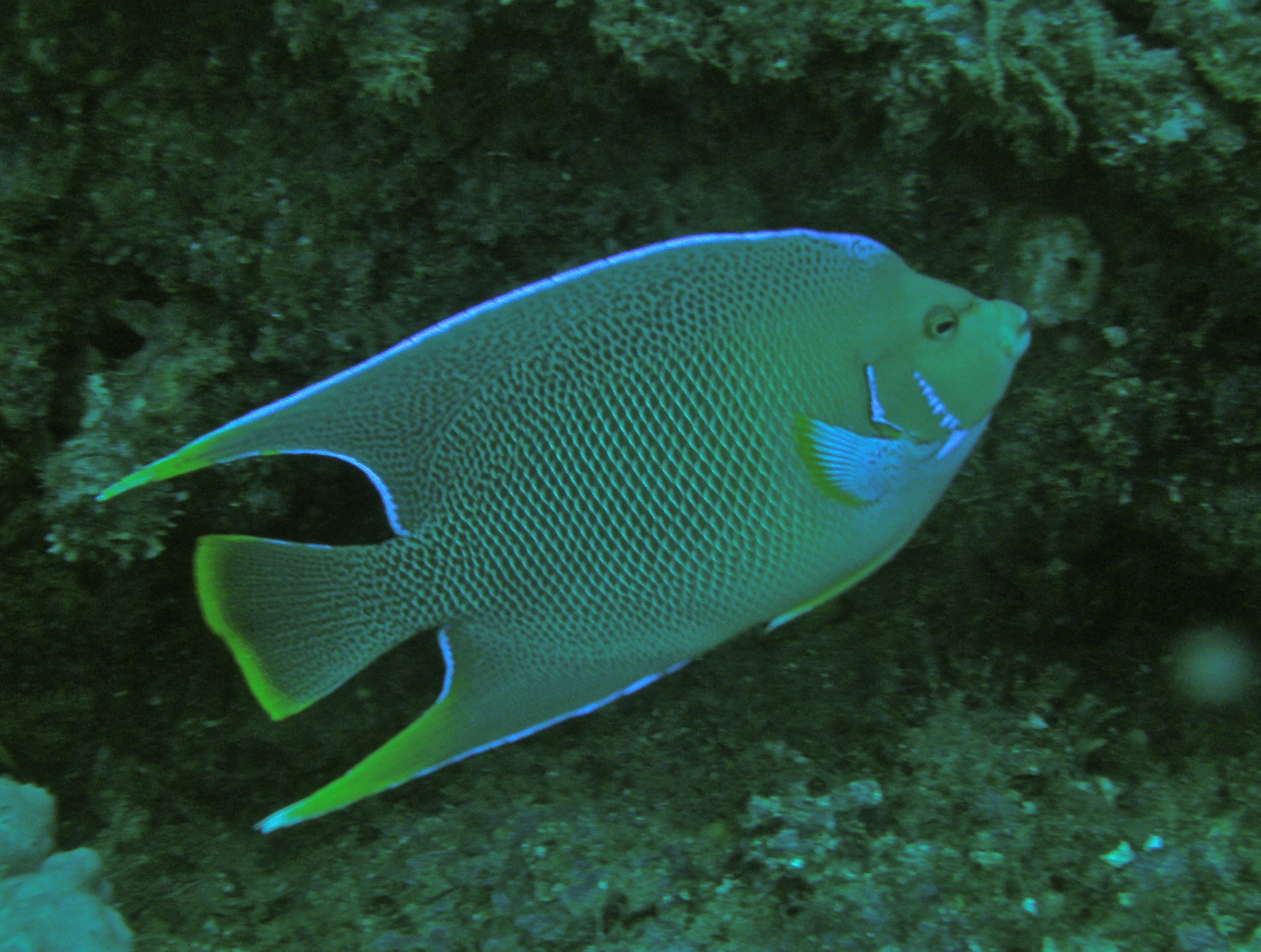
Even more than at the Houston, the Normannia had an amazing profusion of life. Along with thousands of small fish, we saw barracuda, a couple of gigantic lobsters, a well camouflaged frogfish, and my favorite, queen angelfish (several). I went to some trouble trying to get a good picture of one, and though these don’t really do it justice, they were the best I could do.

It is such a great pleasure to swim among fish. At times we were completely surrounded by thousands of small ones, and at times we swam alongside large ones. As I dive more, I feel increasingly touched by their beauty. They are amazingly varied in size, shape, color, and ways of moving about. Recent research indicates that they are much smarter than we’ve thought. For example, some can very quickly learn complex topography of a reef environment.


As I’ve spent more time with these creatures, I’ve come to consider them sentient beings worthy of respect and compassion. I regret to say I’m in a minority on this point. Among my fellow divers were some with spear guns and one who was capturing lobsters. I found it really painful to see him take an enormous lobster, perhaps decades old, and break off its antenna and shove it into an ice chest to suffocate.

My shipmate seemed otherwise a decent and friendly fellow. I’m certain he was not trying to torture the creature, though that was what he did. He didn’t derive pleasure from being cruel. He simply couldn’t comprehend that the animal was capable of suffering. I think he and others would find that expanding the circle of compassion to more animals is a happier and more fulfilling way to live.

Speaking of intelligence, I read recently that the human brain was unlikely to get larger in the normal course of future evolution, because it would serve no purpose. Brains working in isolation are not how things get done. Instead, as E.O. Wilson has pointed out, it’s humans’ ability to connect their individual brains that has been the secret to their evolutionary success. We keep getting better at that, developing over the millenia the tools of gesture, spoken language, and written language, with the internet being the latest game-changing technology.

In the midst of the depressing mendacity and nonsense of the Republican convention, I find it somewhat consoling to look at intelligence as potentially expanding through better networks. The Republicans are profoundly mistaken in thinking that entrepreneurs act primarily as fully independent rugged individualists. It’s more accurate, and also more useful, to look at achievement in terms of groups cooperating and competing. Our future success, and perhaps our survival, depends on our ability to improve our systems of cooperation, including our politics.

My latest piano lesson, a new Indian restaurant, and some good news in the Sunday Times

At home with Stuart and the Sunday New York Times

On Saturday morning I had my first piano lesson with Olga in several weeks. I played the second Scriabin prelude, Debussy’s Reverie, Chopin’s etude in c minor op. 25, no. 12, and Liszt’s Un Sospiro. We continued to talk about subtle aspects of touch and tone. In slow lyrical passages, she asked me to keep listening closely to tones as they decay all the way to the next note — a more intense kind of listening. She got me focused on my elbow as a tool in shaping a long melodic line. In the etude, she coached me on how to make it really loud and fast. After I played the Liszt for her last time, she was inspired to learn the piece, and this time she taught me some of the tricks she’d developed for the tricky places. By the end, I felt exhausted but inspired.

That night Sally and I had dinner at a new Indian restaurant in our neighborhood called Blue Mango. I usually like Indian food as food, but as a restaurant dining experience is often lackluster. Many dishes that I like arrive in the form of brown goop; the emphasis is not on the presentation. Mantra, another Indian restaurant close to us that opened a few months back, departed from this stereotype and presented food that was pleasant to look at as well as to eat. Blue Mango’s dishes were not as pretty, but the restaurant had a cool vibe, and the food was very tasty. Service was friendly but still getting the kinks out. The veggie samosas were excellent.

We ate early with a view to seeing an 8:00 movie at the Blue Ridge, a second run theatre where tickets cost $2. We who are normally so lucky were not so at the Blue Ridge. Every parking spot in the place was taken. We drove around for 10 minutes looking, and finally came home. We ended up watching Trading Places with Eddie Murphy and Dan Aykroyd, which was kind of funny.

Early Sunday morning is the time to get a paper copy of the New York Times and a cup of coffee, and start with the front page. With the sections properly sorted and ready for perusal, I find spending some time with the paper soothing, even when the news of the day involves various disasters. The Times makes mistakes, but it never gives up, and from time to time it is enlightening. Also, it is a sort of barometer of ideas that are getting solidified in public consciousness, and thus a leading indicator of possible social change.

Today I was happy to see a front-page story on solitary confinement in U.S. prisons. Erica Goode writes that the supermax prison model that has grown in the last three decades and kept prisoners in nearly complete isolation has resulted in increased prison violence, increased recidivism, and, for the prisoners, increased mental illness — all at enormous expense to the government (i.e. your and my tax dollars at work). There was an excellent piece on psychological costs of solitary confinement by Atal Gawande in the New Yorker some months back. Anyhow, Goode reports good news: several states have been reducing the numbers of prisoners in solitary confinement. The motivation appears to be more cost savings in tough budget times than humanitarian concerns, but still, progress is progress.

On the cover of the Sunday Review section is a piece by Mark Bittman on the problems of eating chickens, and alternatives to doing so. Bittman asks, “Would I rather eat cruelly raised, polluting, unhealthful chicken, or a plant product that’s nutritionally similar or superior, good enough to fool me and requires no antibiotics, butting off of heads or other nasty things?” Or putting it another way, “If you know that food won’t hurt your body or the environment and it didn’t cause any suffering to an animal, why wouldn’t you choose it?” According to the story, there are new fake chicken products that are perfectly fine. That sounds like good news for the chicken species, and for humans.

Also in the Review section, Tom Friedman writes about the greatest non-natural resource a country can have — a good education system. He cites a recent study comparing the wealth of countries according to their natural resources such as oil and metals and the education level of their citizens. More oil resources do not lead to higher levels of knowledge and skills, but knowledge and skills are tied to countries’ economic success. Friedman is surely right that education should take pride of place as a societal focus.

One story I expected to see in the Review section, but didn’t, was the report earlier in the week that the televangelist Pat Robertson had spoken in favor of legalization of marijuana. My comment on Twitter (see @robtiller) was: Pigs fly! Robertson’s positions are generally consistent with the “conservative” “Christian” “family values” camp, and I would have guessed that even if he privately concluded that prohibition was a failure, he would be the last person to speak out on the subject. But he has acknowledged that the war on drugs has failed, after enormous expenditures and a huge toll of imprisoned victims. He proposes that we treat marijuana like we treat alcohol. It pains me to say so, but for once, I strenuously agree with the man. The important question, though, is will his followers?

Why I am a vegetarian

Being a vegetarian is, in my view, a wonderful thing. Otherwise I would have eaten a plant-based diet for the last 15 years. But it is by moments challenging. One of the challenges is dealing with a question that comes up all the time, usually when I’m eating with people I don’t know well. At the worst possible moment — just as the food arrives — my companion asks, “So, why are you a vegetarian?” This is awkward. If you’re not already familiar with the issues, it could make you a bit uncomfortable, and spoil your appetite.

But as long as we’re not eating, let me satisfy the curious who wonder, Why be so difficult? Why not just enjoy a steak? I’ve tried to boil it down, and have ended up with three main reasons: better health, concern for other living creatures, and care for the environment.

I’ll start with good health, on the grounds that it is our most valuable possible possession — more than any number of mansions, yachts, and planes. It’s worth some time and effort to improve your odds for having a healthy life.

A simple way to improve those odds is eating a plant-based diet. Vegetarians typically have lower cholesterol, lower blood pressure, and a lower body mass index. They consume less dietary fat, which is associated with heart disease and cancer. They’re less exposed to the excessive antibiotics and hormones fed to farm animals. Studies have shown that they have a reduced risk of the big killer diseases of our society: heart disease, diabetes, obesity, and several forms of cancer.

At the same time, eating fruits and vegetables gives you the health benefits of antioxidants, including carotenoids, Vitamin C, and Vitamin E, and a wonderfully complete collection of other nutrients. It gives you more than enough protein, from such sources as whole grains, beans, nuts, and some vegetables.

Now, it is possible to have an unhealthy vegetarian diet. You could, for instance, subsist on Snickers and Cokes. To benefit from a veggie diet, you need to eat less processed food and sugar, and more whole grains, fruits and vegetables. Especially in the beginning, that takes some conscious effort. But there’s impressive evidence that it’s worth it, in terms of a healthier, and therefore happier, life.

My second main reason for not eating meat has to do with what meat is. Let me put this as delicately as possible. A hamburger is a cow that has passed on, and barbecue is a pig that has gone on to its reward. These animals are members of one of the great kingdoms of life — the kingdom animalia. Like humans. Farm animals have social structures, solve problems, and feel pleasure and pain. I believe their lives that are entitled to respect, and we make our lives nobler by giving that respect.

We generally recognize the worth of at least some non-human animals. Take my little dog, Stu, the sweetest dog in the world. He loves taking walks and being petted, and he makes strangers smile. I wouldn’t consider eating Stu, and I feel pretty much the same way about eating cows, pigs, and chickens. There’s hardly any difference, from a biological point of view. Most of the genes of Stu and farm animals are the same.

Most of us are revolted by wanton cruelty to animals. For me, it’s hard to ignore the cruelty associated with a steak or plate of barbecue. Most of the farm animals turned into food endure wretched lives filled with what amounts to torture before they are slaughtered. If you have any doubts about this, I recommend that you to watch the documentary Food, Inc., on factory farming and industrial slaughterhouses. Or read the Wikipedia article on factory farming. It is deeply disturbing.

My third reason for a plant-based diet is both ethical and practical: the meat industry is bad for the earth and the humans on the earth. Factory farming causes a host of environmental problems, including pollution of soil, water, and air, overuse of pesticides and herbicides, and habitat destruction.

Meat is a highly inefficient food. It takes 30 pounds of grain to make one pound of meat. We could feed 50 percent more people if we switched to a vegetarian diet. By eating meat, we waste a lot of energy, and burn a lot more fossil fuels. This contributes to global warming, which is an existential threat to the human race.

So there are my three main reasons for a plant-based diet – a healthier and happier life, respect for other living creatures, and taking better care of the environment. There’s actually one other reason, which is more selfish but also important. Taste! There are so many tasty plant foods, and so many textures and tastes that you start to notice when you eat less meat. Ancient cultures have developed exquisite cuisines based largely on plant foods. Think of Indian food, Thai food, and the Mediterranean diet.

Anyhow, those are my reasons for eating a plant-based diet. From now on, I can refer my interlocutors to my blog.