The Casual Blog

Category: books

Honoring our immigrants, meatlessness and health, and spring redbuds

Charter Square, Fayetteville Street, Raleigh, NC  March 26, 2015

Charter Square, Fayetteville Street, Raleigh, NC March 26, 2015

This week we had a tragic construction accident in Raleigh at Charter Square, a glass-sheathed office building going up a block from where I work. A motorized scaffold collapsed and three workers were killed. The names of the workers were Jose Erasmo Hernandez, 41; Jose Luis Lopez-Ramirez, 33; and Anderson Almeida, 33. Also seriously injured was Elmer Guevara, 53. My heart goes out to their families.

As you may have noted, the workers’ names look to be Hispanic. This comes as no huge surprise. Observing the active construction sites around Raleigh, I’ve seen that a lot of the workers are of Hispanic origin.
IMG_0279_edited-1

In recognition of this tragedy, I thought it would be good to observe a moment of silence and gratitude for the recent immigrants who are doing the hard and dangerous work of building our buildings, not to mention harvesting, cooking, and serving our food, cleaning our houses, repairing our clothes, and otherwise taking care of our basic needs.

It would be good if we could somehow repay them. But first, we really need to stop demonizing them. It is so peculiar that there’s a mainstream political movement in the U.S. devoted in part to hating the immigrants who are doing the tough jobs. As with the war on terror, it’s another case of our fear getting hysterically out of control, and causing us self-inflicted wounds.

_DSC8695_edited-1

Meat risks. We probably make fewer mistakes in the opposite direction – systematically underestimating risks – but it does happen. I’m thinking particularly of eating meat, which most of us have a hard time recognizing as hazardous.

There’s no shortage of information on this issue, but I was reminded this week by a piece in the NY Times that it still isn’t common knowledge. Dr. Dean Ornish wrote: “Research shows that animal protein may significantly increase the risk of premature mortality from all causes, among them cardiovascular disease, cancer and Type 2 diabetes.” He cited “a 400 percent increase in deaths from cancer and Type 2 diabetes, among heavy consumers of animal protein under the age of 65 — those who got 20 percent or more of their calories from animal protein.”

That’s dramatic. In fact, a strong body of scientific evidence associates meat with our biggest killers: heart disease, cancers, and type 2 diabetes. Ornish doesn’t even mention another disturbing issue, which is the systematic overuse of antibiotics in industrial meat production, which has left us with fewer defenses to infectious bacteria. We just saw a good documentary on this, Resistance, which is available on Netflix.

_DSC8679_edited-1

Ornish said his clinical research had shown success in reversing chronic diseases with a plant-based diet. Here’s how he described his recommended approach: “An optimal diet for preventing disease is a whole-foods, plant-based diet that is naturally low in animal protein, harmful fats and refined carbohydrates. What that means in practice is little or no red meat; mostly vegetables, fruits, whole grains, legumes and soy products in their natural forms; very few simple and refined carbohydrates such as sugar and white flour; and sufficient “good fats” such as fish oil or flax oil, seeds and nuts. A healthful diet should be low in “bad fats,” meaning trans fats, saturated fats and hydrogenated fats. Finally, we need more quality and less quantity.”

This is consistent with the recent report of the Dietary Guidelines Advisory Committee. It basically describes how Sally and I eat, but it fails to note an important element: there are many, many delicious non-meat things to eat! The world has so many edible plants, and we keep learning more about how to enjoy them.

I am particularly fortunate that Sally loves to cook, and keeps coming up with new flavorful veggie dishes. Her favorite cookbooks are The New Vegetarian Cooking for Everyone, by Deborah Madison, Moosewood Cookbook, by Mollie Katzen, and Quick Vegetarian Pleasures, by Jeanne Lemlinand. She also gets lots of ideas from newspapers and the internet.

Spring photos. It turned cooler this weekend, but I looked about for more close up images of early spring. I was particularly struck by the beauty of the delicate purple blossoms on the small trees that around here we call redbuds.

_DSC8686_edited-1

Bad ski luck, good paintings, and amazing atoms

IMG_0236_edited-1
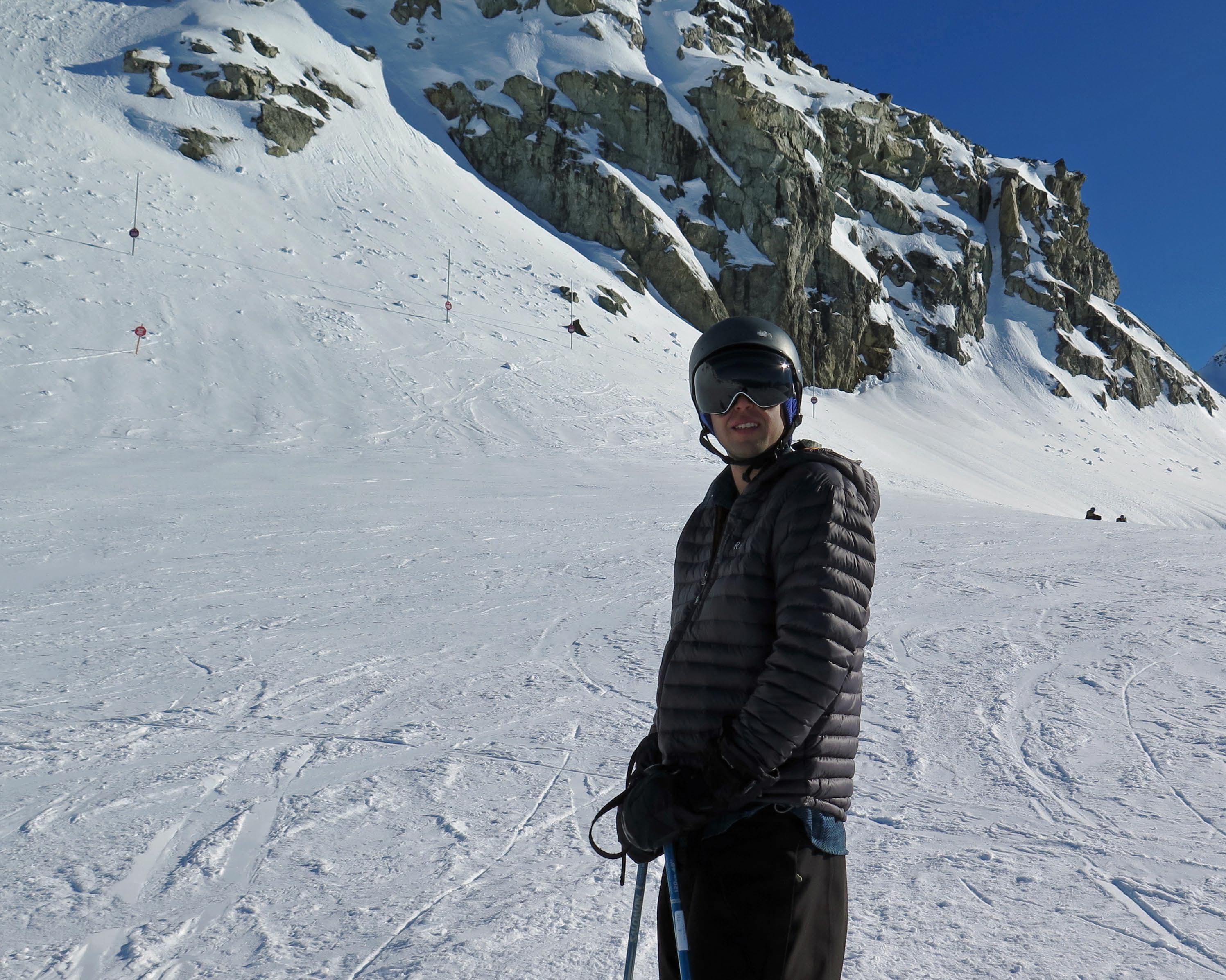
Our ski trip to Whistler was a mixed success. The alpine vistas were out-of-this-world beautiful. The runs were long, and the terrain was varied and challenging. The skies were mostly blue, and the temps were moderately cold. The village was bustling with lots of shops and restaurants, and people speaking many different languages. The free bus system got us around, though we sometimes had to wait a while. We had exciting adventures, good meals, and laughs with family and friends.

The snow, though, was disappointing. We arrived right after two exceptionally good snow years, and in the middle of what’s normally the snowiest time of year, but found it hadn’t snowed for weeks. Bad luck! There was still snow on the upper part of the mountains, but for most of our stay, its texture ranged from fairly hard to super hard.


IMG_0199_edited-1

The sound of skis on fairly hard snow is sort of like the sound of an ice scraper on an icey car windshield, or a snowplow scraping a street. We learned to listen for that sound as we went up the lifts and watched skiers descending the steeps, and pondered the least noisy way down. At speed on hard snow, you get bounced and buffeted, and you make those awful scraping sounds. You need to watch out for rocks. It’s hard to relax and let it flow.

But we did find some areas of non-punishing snow, and had a certain share of joyous turns. We particularly enjoyed some areas on Blackcomb mountain that had dramatic rolling ups and downs. There were pitches with non-icey moguls that were fun. And at the top, as I mentioned, spectacular alpine views.

I skied on rented Volkyl Kendos, which I found to be versatile and reliable, stable at speed and quick from edge to edge. I was also happy with my new Dalbello Panterra 100 boots, which were easy to get on and stayed in good communication with my edges.
IMG_0241_edited-1
We had an afternoon in Vancouver before heading home, and checked out the Vancouver Art Gallery, a fine old building in the classical style. There was a exhibition featuring some fine works of Cezanne, Degas, Pissaro, Van Gogh, Modigliani, and Soutine collected by Henry and Rose Pearlman. I enjoyed the paintings, and was particularly glad that Gabe could see this well-chosen collection, while his own artistic eye is developing so quickly.

We also checked out an exhibit of contemporary Chinese art, where I saw two pieces that blew me away: a giant sculpture by Ai Weiwei made of hundreds of antique three-legged stools (shown in this video) and installation involving ceramics by Liu Jianhua that seemed to hover both in space and time. We also stopped in the Coastal Peoples Fine Arts Gallery, which had interesting masks, totem poles, and graceful stone sculptures of bears and other creatures.

On the trip back, I finished reading Your Atomic Self: The Invisible Elements that Connect You to Everything Else in the Universe, by Curt Stager. Its main point is to explain how our bodies are built and operate from an atomic perspective. We all know, sort of, that we’re essentially atoms, but it’s challenging to grasp and accept what that really means. Stager traces our oldest bodily elements back to their origin in exploded stars, and explains how our constituent atoms have been recycled through minerals, vegetables, and animals prior to arriving in us. The idea that we’re connected to everything around us turns out to be true! I found it challenging, and inspiring.

Our holiday in Cozumel: diving, eating, and reading

14 12 31_4444_edited-1

Gabe and Jocelyn joined us in Raleigh for Christmas for the first time in several years. We ate and drank well and had some good laughs. Gabe had given himself a Canon G15 camera, which he’ll be using to get scenic pictures of Telluride for his company’s website and other publicity. It was fun talking photography, and he was taking amazingly good pictures. I was struck and a bit envious of his natural talent.

Last year I offered scholarships to both Gabe and Jocelyn to get their scuba certification, with the kicker that graduates would also get a holiday trip with us to a dive resort. Gabe couldn’t work out the logistics, but Jocelyn found a dive shop in New York and took the course. Last weekend she, Sally, and I sadly said good-bye to Gabe, and gladly went to Cozumel, Mexico.
15 01 03_4830

We stayed at the Cozumel Hotel and Resort, and went diving with Dive Paradise. The good points of the hotel were: friendly service, large pool, beach (small), walking distance to town, good breakfasts, and dive shop and dock directly across the street. Dive Paradise was a large operation with several boats, but the service was personalized and friendly. Our boats were not overcrowded and the divemasters were knowledgeable and helpful.

15 01 01_4626_edited-1

We did two morning dives each day. The boat trips were between 30 minutes and about an hour. Particularly good spots were: Palancar Bricks, Cedral, San Francisco, Tunich, and Delilah. Visibility was generally 60-70 feet, water temperature 81 degrees F. The current was strong in places; think Lost in Space or Gravity. Every outing was a drift dive. We were usually down for 50-60 minutes.
15 01 02_4803_edited-1

Jocelyn spent the first two days finishing her Padi course by doing 4 open water dives , then joined us on the rest of our expeditions. She had no problem with the deeper dives (around 90 feet) or the places with strong current. She handled herself well, and I was a proud papa.

14 12 29_4221_edited-1

We saw a great deal of sea life, most of it familiar to Sally and me. Particularly thrilling were a pair of spotted eagle rays, an enormous (beastly huge!) green moray eel, large lobsters, and several hawksbill turtles. There were many beautiful angelfish and queen triggerfish. We saw a few nurse sharks and barracuda. Sally saw a pair of squid, and quite a few tiny things for which she needed her magnifying glass. The coral in places was highly varied and gorgeous.
15 01 01_4586_edited-1

I took photographs with my new Ikelite housing and strobes for my Nikon D7100. The equipment was heavy and bulky, and difficult to transport, but I was pleased with the way it performed under water. One of my objectives was to get a good picture of a queen angelfish, which are challenging both because of their normally shy natures and their wild colors. I was fairly happy with the ones here.
15 01 02_4755_edited-1

We ate a lot of tasty Mexican food, including outstanding and creative meals at Kinto and Condesa. We also had Italian food one night at La Terraza, which we thought was good.

In the afternoons we sat by the pool and read. I made substantial progress on The Adventures of Augie March, by Saul Bellow. I read and loved this novel in my early twenties, but it seemed new upon re-reading. It’s exuberant and Whitmanesque, exhilarating, but also challenging, resistant to skimming.
15 01 02_4760_edited-1

I also got a good start on The Innovators, by Water Isaacson. This is basically a history of computers and computing that gives mini-biographies of leading actors but also emphasizes that innovation is primarily a product of collaboration, rather than lone geniuses. Isaacson’s writing is competent and engaging.

One other book worth mentioning is The Meat Racket: The Secret Takeover of America’s Food Business, by Christopher Leonard. It is an eye-opening account of the corporatization of the production of chicken, pork and beef, with a particular emphasis on chicken and Tyson Foods. There is nary a word about the horrific treatment of animals, but the story is still brutal from the point of view of the farmers and workers.

The farmers here were by degrees deprived of bargaining power, to the point that they stay in business only by the grace of Tyson or its few similarly enormous competitors. It’s also startling to learn about the extent to which government provided financial guarantees that allocated the risks to the taxpayers (that is, us) and farmers, but gave the big rewards to the food megacorps. This story deserves wider publicity. Another good reason to go veggie.
15 01 02_4781_edited-1

My happy Thanksgiving: racing, reading, camera tinkering, eating, and seeing Interstellar

14 11 30_3749
Lately I’ve been consciously trying to cultivate an attitude of increasing gratitude. As is traditional at the Thanksgiving holiday, I’ll note that I have a great many things to be grateful for. For me, gratitude also means noting connections and acknowledging how very little is attributable to my independent efforts. I really owe it all to everybody and everything else. And so, to you, dear reader, and everything else, I’m grateful.

On Thanksgiving morning, I was grateful to be, at 59, sufficiently healthy to undertake the Ridge Road Turkey Trot, an 8 kilometer (4.97 mile) race. I hadn’t tried a road race with thousands of other people for a great many years. Sally sweetly lent her moral support and driving skills, and got me to the starting line five minutes before the 8:00 a.m. start.

My idea was to challenge myself without collapsing or getting sick, and that much I accomplished. I completed the course in 44 minutes, or just under 9 minutes a mile. I wasn’t particularly proud about this time, since I still imagine myself as capable of 8 minute miles, but this T-day that wasn’t happening. My heart rate was in the low-to-mid 160s for much of the race, which is pretty high, and I didn’t want to find out what would happen if it stayed higher. The hills in the middle of the course took a lot out of me, and the last couple of miles were fairly miserable. Part of me badly wanted to try a bit of walking instead of running. But I didn’t quit, and I did survive.

After the race, I took a long hot shower, and then sat down and read for a while. I finished E.O. Wilson’s The Meaning of Human Existence. Wilson, a world-renowned exert on ants and a leading theorist on evolution, is now 85, and going strong. I enjoyed reading The Social Conquest of Earth, and liked this book as well, in spite of its grandiose title. Wilson puts things in perspective, and helps us grasp that humans are just one of the millions of species on the planet. His basic message is that we can improve our chances of survival and happiness by using the tools of science and better understanding our evolutionary nature.

Wilson contends that natural selection proceeded along two paths, individual and group. He argues that this accounts for our dual nature as selfish individuals and altruistic group members. These conflicting tendencies are fundamental drivers of the human experience, which means we’ll always be in some degree of tumult in our interior emotional lives. But Wilson thinks our contradictions are essential to what it means to be human, and we need to understand them and manage them. He seems to think there’s a chance that humanity can overcome ignorance, delusion, and violence, and quit destroying the natural world.
14 11 30_3737

I spent part of the afternoon assembling and testing my new Ikelite underwater camera housing and strobe setup. I thought long and hard before buying the equipment, both because it is pricey and because it is labor intensive. But I’m really interested in sharing some of the joy of diving through images of the extreme beauty beneath the surface. Even in this time of over fishing, ocean acidification and reef destruction, there’s still an incredible profusion of life down there.

If you’re going to use an underwater housing with an expensive camera, the stakes are high. The Ikelite housing opens at the back to receive the camera and the front to receive the lens. You’ve got to be extremely careful to prevent leaks, which can easily be fatal to the equipment. And working the camera through many unlabeled buttons and levers is challenging. Just figuring out how to put it all together took me several hours. And hauling the it safely to dive spots while staying within airline weight restrictions will be challenging. But I’m looking forward to new dive photo adventures.

We had our Thanksgiving dinner at Irregardless, Raleigh’s first vegetarian restaurant, which now also accommodates meat eaters. Gabe and Jocelyn decided to wait until Christmas for a visit, so Sally and I ate with her mom and sister, Diane and Annie. We also were joined by Alyssa Pilger, the Carolina Ballet dancer we’ve been sponsoring, who is enormously talented. It was fun to hear about ballet company happenings, and about the professional dancer’s life. Professional dancers are almost by definition intensely focused people with superhuman work ethics, but Alyssa offstage seemed comfortable, relaxed and un-self-absorbed.

Sally and I saw the movie Interstellar on Friday night at the Marbles Imax theatre. I didn’t think it was particularly well constructed or acted. I found it cheering, though, that the movie has found a mass audience. The basic set up is a post-climate apocalypse world, which is something we should be trying hard to visualize and then prevent. It would be nice if a good-looking astronaut and his attractive physicist daughter could save us all, but that seems extremely unlikely. We’ve got to figure out how to repair our dysfunctional political structures so that we can get organized and address global warming and related problems with the intense commitment and resources we once used to go to the Moon.

Is delusional thinking driving us once again to war in the Middle East? And reading Eating Animals.

14 11 09_3628
I used to think that mass delusions were historically rare and unlikely to recur, but I’m coming to think they’re common and unlikely to ever cease. We seem to have largely gotten over ideas like witches’ spells are dangerous and stars determine our fates, but we’re constantly exposed to and threatened by ideas that are just as loony.

It would be interesting to work out a taxonomy of mass delusions, from those that are usually harmless to those that may cause death. The classification system could also identify the strength of the delusion, from ones, like fear of black cats, that are persistent but not really serious, to those that are sometimes subject to reconsideration, to those whose adherents will kill to establish them as eternal truths.

Yesterday I learned that the President has ordered more troops into Iraq to fight ISIS. This is clearly premised on the view that this crazy outfit is bent on the destruction of our way of life, and will in due course attack us. There is, to be sure, some support for this view in their rhetoric and brutality, but it may be totally wrong. Remember, they haven’t attacked us, and it is entirely possible that their strategy is to provoke us to fight them so as to inspire their supporters. And if they aren’t really a threat to us, the idea that we must wipe them out to survive should be classed among the most pernicious of delusions – ones that seems so reasonable as to be beyond question, and that lead inexorably to violence and mass death.
14 11 09_3639

Tom Friedman wrote an unusually thoughtful column a week or so back comparing ISIS and North Vietnam. He reminded me that in the 1960s, US leaders, and presumably a majority of the electorate, were convinced that the Communists in North Vietnam were primarily motivated by an anti-capitalist ideology and a willingness to fight along with other Communists for world domination. Thus we pursued a war that led to the deaths of some 58 thousand of our soldiers and more than a million Vietnamese. We now know, or at least are starting to understand, that the Vietnamese were primarily driven by nationalist concerns. They weren’t a domino.

Friedman suggests that the success of ISIS may similarly be attributable less to religious or political ideology than to nationalist concerns and anger at Sunni oppression by Shiites. There clearly are some jihadists with dreams of regional, if not world, domination, but their numbers are probably much smaller than those who back them out of more pragmatic and local concerns. In short, this looks more like a civil war with mainly regional implications, not an existential threat to the western way of life. If this is correct, there is no way the US can wipe out this enemy, and it would be a horrific folly to try.
14 11 09_3635_edited-1

While I’m talking about uncomfortable subjects, I’ll mention I just finished reading Eating Animals by Jonathan Safran Foer. The book is part factual reportage, part memoir, and examines what factory farming means to the animal victims and to human society. I knew something about this subject beforehand, but learned a lot from the book. It’s written in an easy-going, thoughtful, personal voice, but includes some very disturbing subject matter, particularly the accounts of routine corporatized animal torture and abuse.

Here are some sample facts: “Animal agriculture makes a 40% greater contribution to global warming than all transportation in the world combined; it is the number one cause of climate change.” “More than ten billion land animals [are] slaughtered for food every year in America.” “We know, at least, that [not eating animals] will help prevent deforestation, curb global warming, reduce pollution, save oil reserves, lessen the burden on rural America, decrease human rights abuses, improve public health, and help eliminate the most systematic animal abuse in world history.”

Here is a sample aspirational thought: “What kind of world would we create if three times a day we activated our compassion and reason as we sat down to eat, if we had the moral imagination and the pragmatic will to change our most fundamental act of consumption?”

Enjoying opera, and meditating

Looking west at new construction on Glenwood Avenue, October 18, 2014

Looking west at new construction on Glenwood Avenue, October 18, 2014

Some of my musical friends have a phobia about opera, which I can understand, but it’s really a shame. Some of the greatest music ever conceived is found there, and some of the greatest living musicians express themselves in the form. At its best, it is visual, kinetic, psychological — and fun. A case in point: Mozart’s Marriage of Figaro, which we saw on Saturday.

This was a new production from the Metropolitan Opera, performed live and simulcast in HD video to movie theatres around the world, including our own North Hills cinema in Raleigh. The main story concerns a servant, Figaro, about to marry another servant, Susanna, who is being pursued by their master, the Count. It’s a comedy about love and jealousy, but it also has a tragic side, with elements of deception, abuse of power, and corruption. It gets complicated, with various hard-to-follow schemes, impersonations, betrayals, and stolen letters – enough to make you wonder whether eighteenth-century audiences were smarter than we are. But with subtitles, we get the gist.

The new production, set in the 1930s, had interesting sets, gorgeous costumes, excellent singer-actors, and the great James Levine conducting. The music is perhaps Mozart’s finest — transcendently beautiful. The production took the story seriously, and not just as a sequence of wonderful songs. Along with belly laughs, there was surprising depth in the leads, who were all new to me. I was particularly charmed by Isabel Leonard as Cherubino, Marlis Peterson as Susanna, and Ying Fang as Barbarina. Peter Mattei as the Count sang wonderfully. Ildar Abdrazakov as Figaro was very human, funny, and musical.

The schedule for the remainder of the Met’s season of Live in HD productions includes a couple of other favorites of mine (Carmen and the Barber of Seville) and others that look interesting.

Waking Up

I’ve been reading a new book by Sam Harris titled Waking Up: A Guide to Spirituality Without Religion. Harris is scientist and outspoken atheist, and, it turns out, a serious and experienced practitioner of meditation. He proposes a middle way of approaching what he calls spiritual life that steers between religious mythology and strict scientific rationality. The book is a combination of meditation guide, neuroscience, neo-Buddhist thought, and memoir. It inspired me to find 20 minutes in the schedule for my own meditation practice. If I experience a major illumination, I’ll let you know.
14 10 18_3517

Some edited bug photos and a new way of thinking about organized crime

14 08 15_1497_edited-1

It’s challenging to capture a convincing image of a fast-moving insect. It takes patience and also decisiveness. For these I was using a 105 mm lens with all manual settings, so I had to focus and adjust shutter speed quickly. My heart was going quickly, too – it was exciting to go after these little guys. These were shots I took late Friday afternoon at Raulston Arboretum.

It was also fun to examine the results in Photoshop Elements after the fact. To state the obvious, you can’t really see much detail in little insects with the unaided human eye. To me, it’s fantastic what you discover about these creatures with the aid of magnifying lenses and sensors. I’ve also been experimenting with improving the raw image with the Elements editing program. Typically I do some cropping and minor adjustments to the lighting and contrast. This week I decided to start working with the “expert” user interface and figured out (with help from some YouTube instructors) how to work with layers.
14 08 15_1512_edited-1

Is such editing somehow dishonest? I don’t think so. A photograph is always a combination of technology and human feeling, which is to say it is never purely objective. The sensor in my Nikon D7100 is amazing (24 million pixels!), but it is not God. My own vision has its imperfections and biases both from ocular structural issues and brain processing. Yours, too. We see through a glass darkly. But if we use our best tools as well as we can, we’ll see some new things and some amazing things.
14 08 15_1513_edited-1

How many of our fundamental assumptions are seriously flawed? Every so often, I get spun around when I find that an idea that I had thought was beyond question is far from it. This week in the New Yorker Malcolm Gladwell’s piece titled the Crooked Ladder, destabilized my assumptions about the Italian mafia and inner city drug gangs. I thought I knew that the mafia was a serious threat to the social order that was barely contained by virtue of strenuous law enforcement efforts. Gladwell cites scholarship indicating that the early mafia was generally less violent and lawless than the Godfather movies and journalism have led us to think. For some waves of new immigrants (including Irish and Jews), crime was a route to family stability and assimilation taken by relatively innovative community members. And it isn’t a curse on subsequent generations. On the contrary, the grandkids of mafia dons turn into ordinary suburbanites.

But Gladwell finds this pattern depended in part on societal tolerance, including relaxed policing during the liquor prohibition era. Few mafiosi went to jail. Gladwell suggests that what I always thought of as police corruption could have positive effects, in that it allows immigrants to feed their families, prosper, and gradually evolve and assimilate. But this process has not taken place for our inner city drug gangs. Instead, intense policing has resulted in mass incarceration at a terrible human cost.

Gladwell relies primarily on a new book titled On the Run: Fugitive Life in an American City, by Alice Goffman. Goffman was an undergraduate at University of Pennsylvania when she began tutoring a Black student in a rough Philadelphia neighborhood she calls 6th Street. She eventually spent several years living in the neighborhood and getting to know the young men who survived as minor league criminals, as well as their girlfriends, moms, and others. The young men generally had spent time in juvenile detention, jail, or prison, and were often on the run from the police for such wrongs as nonpayment of $173 in court costs or minor parole violations. They were constantly the targets of police harassment. It is no exaggeration to say they lived in a police state.

After I finished Gladwell’s article, I downloaded Goffman’s book and quickly read the first couple of chapters. It is vivid and hair-raising. It puts a human face on the urgent need to end the war on drugs, and more generally address the problem of overly severe policing and penal policies. Goffman illuminates a world that few middle-class white Americans have ever seen close up, or even learned about through books or newspapers. It seems particularly timely and important after the racial conflict this week in Ferguson, Missouri.

A charming New England beach trip, with friends, shorebirds, croquet, and a spot of evolutionary theory

14 07 20_0754_edited-1
Last weekend we took Friday off and flew to Boston, then drove down to Westport, Massachusetts, a small coastal town on the border with Rhode Island, where we were privileged to be guests of Sally’s cousin and her family. The area has a lot of New England charm, with stone walls and farm fields. Our hosts’ house was beautiful, and also well designed for relaxing. We did a lot of sitting around and talking, eating, and laughing.
14 07 20_0809_edited-1

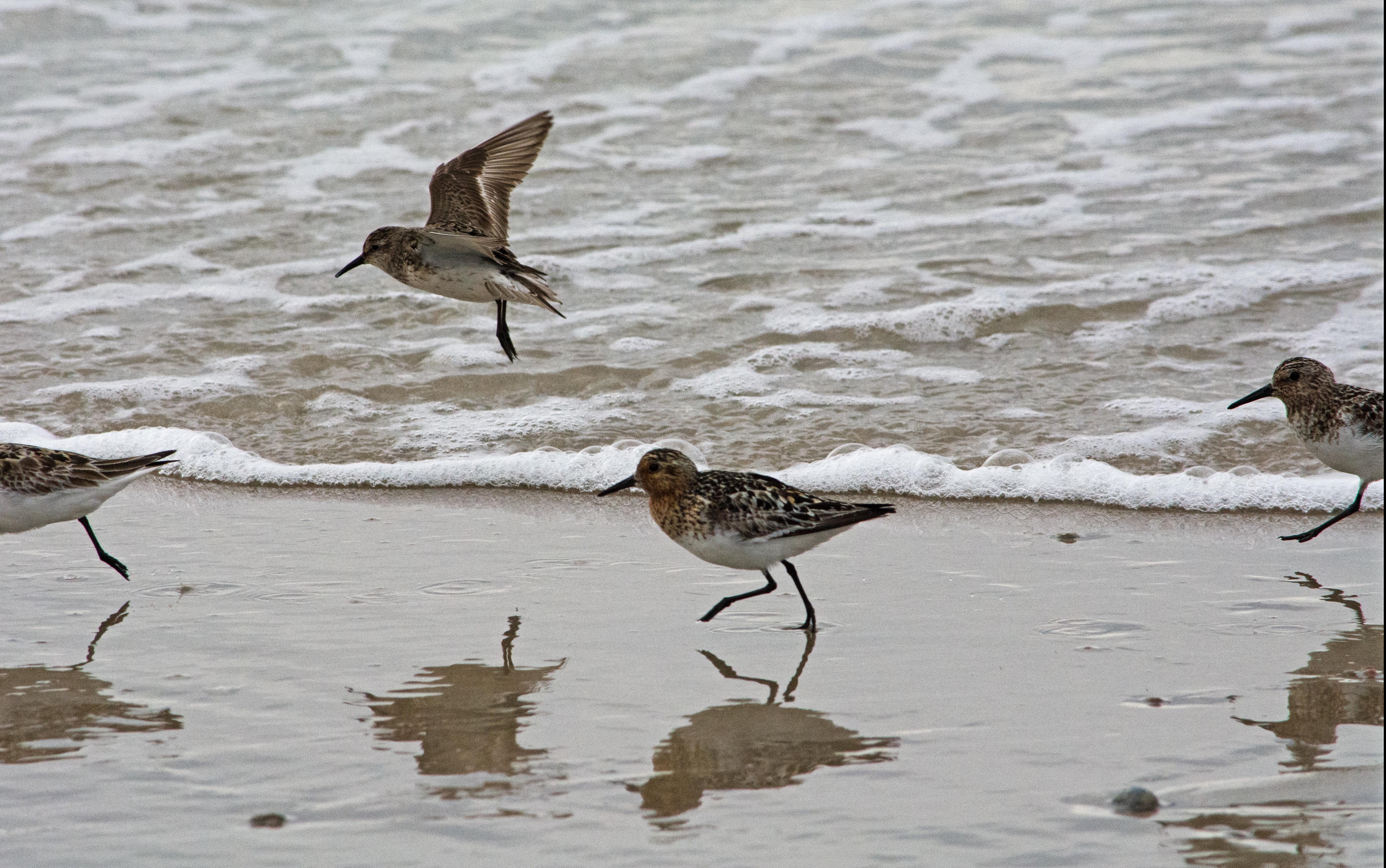
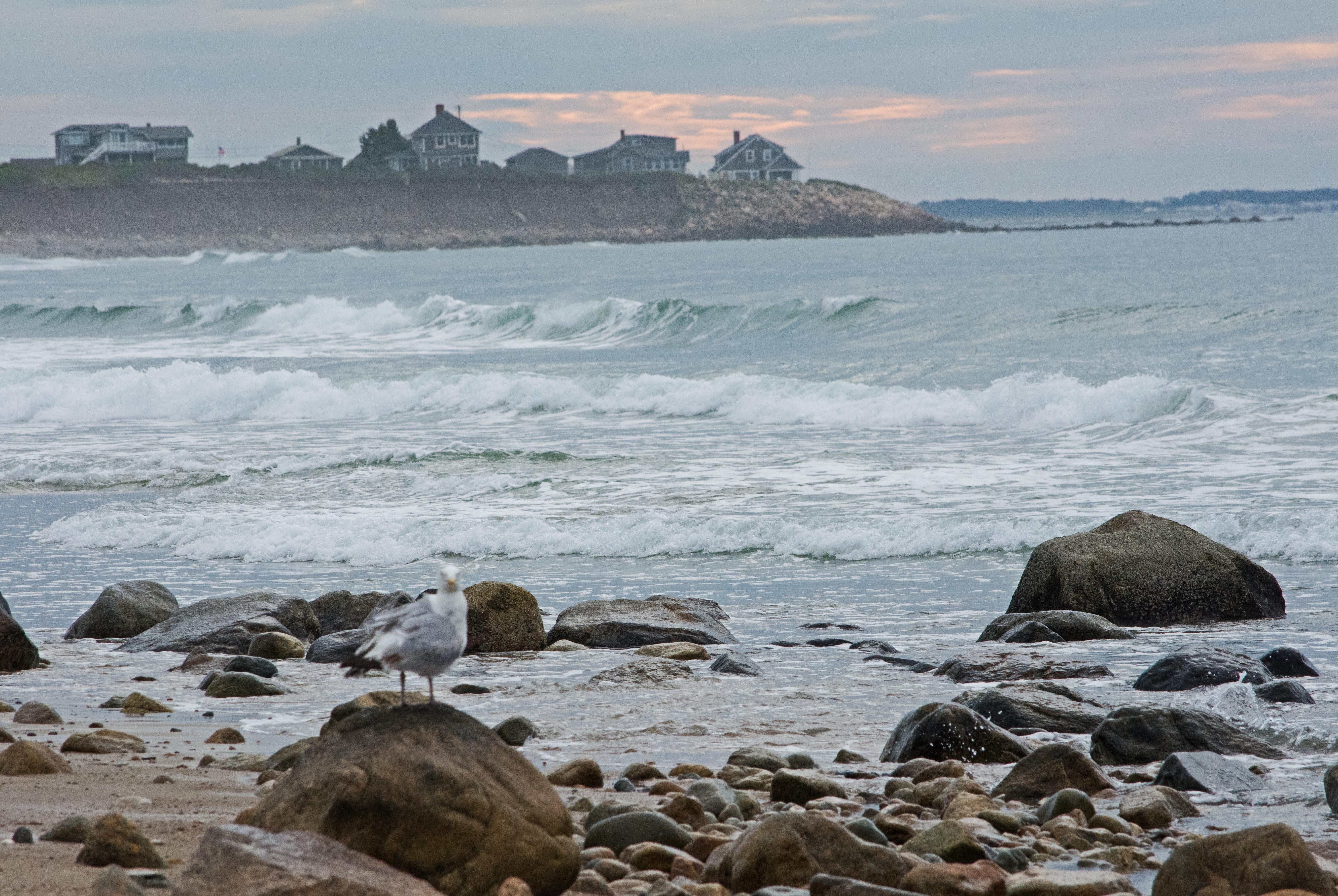
Two mornings I got up early and walked down to the beach to stroll with my camera. The beach was rocky, but pretty. It was peaceful to just walk with no one around as the sun came up. I watched the shore birds, and felt a combination of amusement, delight, and wonder.
14 07 20_0796_edited-1

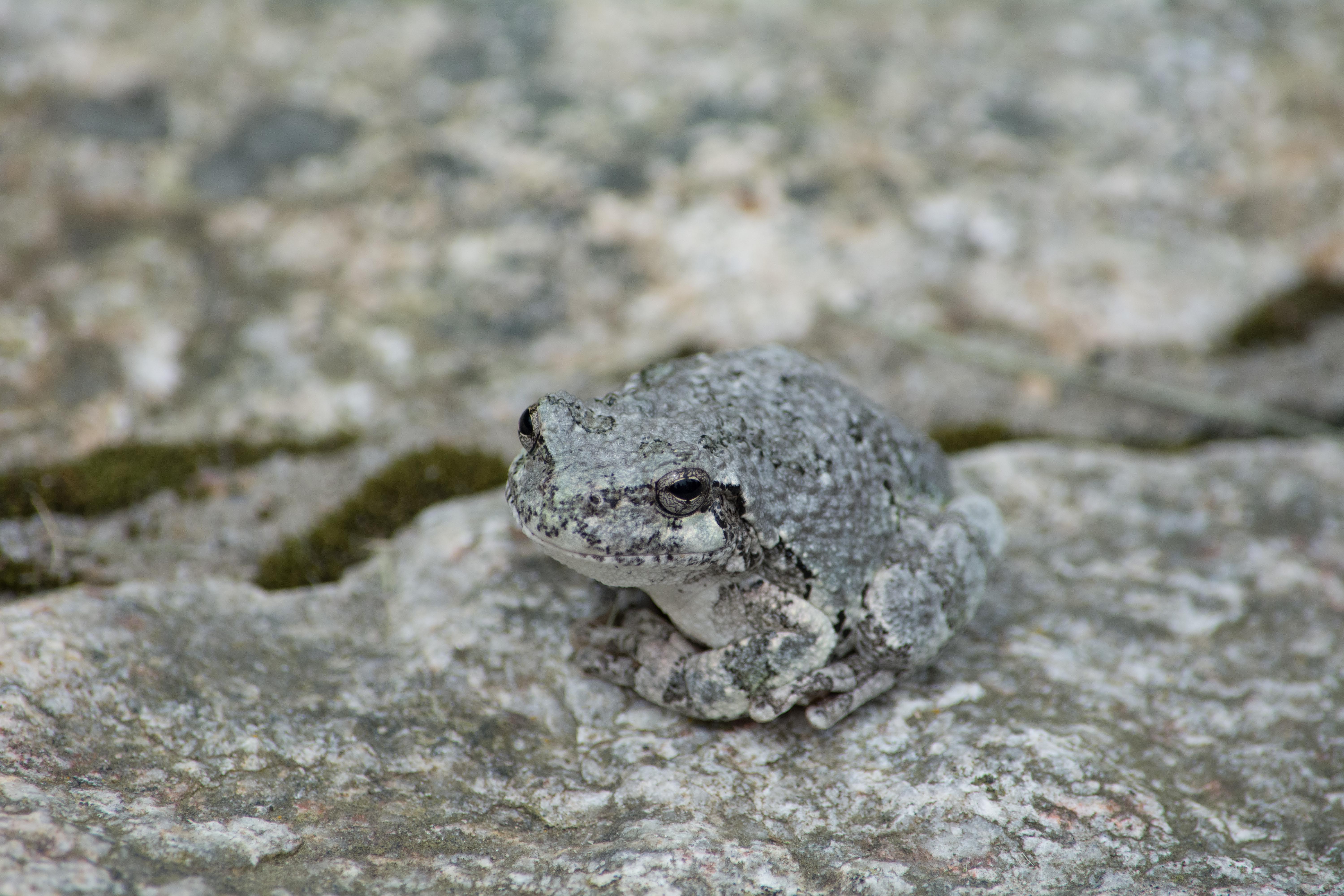
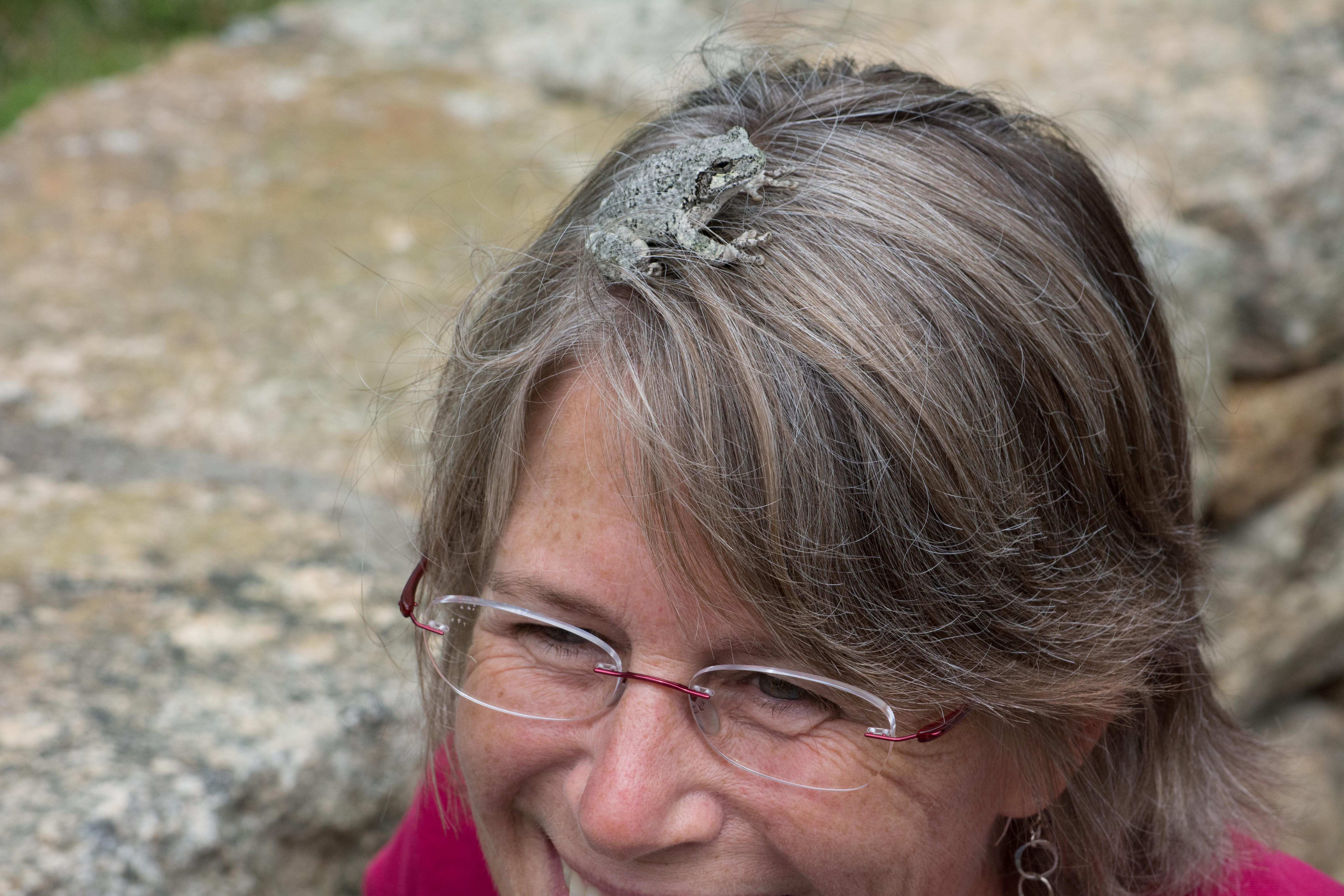
In the backyard, we saw a beautifully camouflaged tree frog sitting on the stone wall. It decided to jump onto Sally, which she liked.
14 07 19_0977
14 07 19_0984

We also took a boat ride and saw quite a few ospreys, including nesting fledglings and patrolling parents.
14 07 19_1035_edited-1

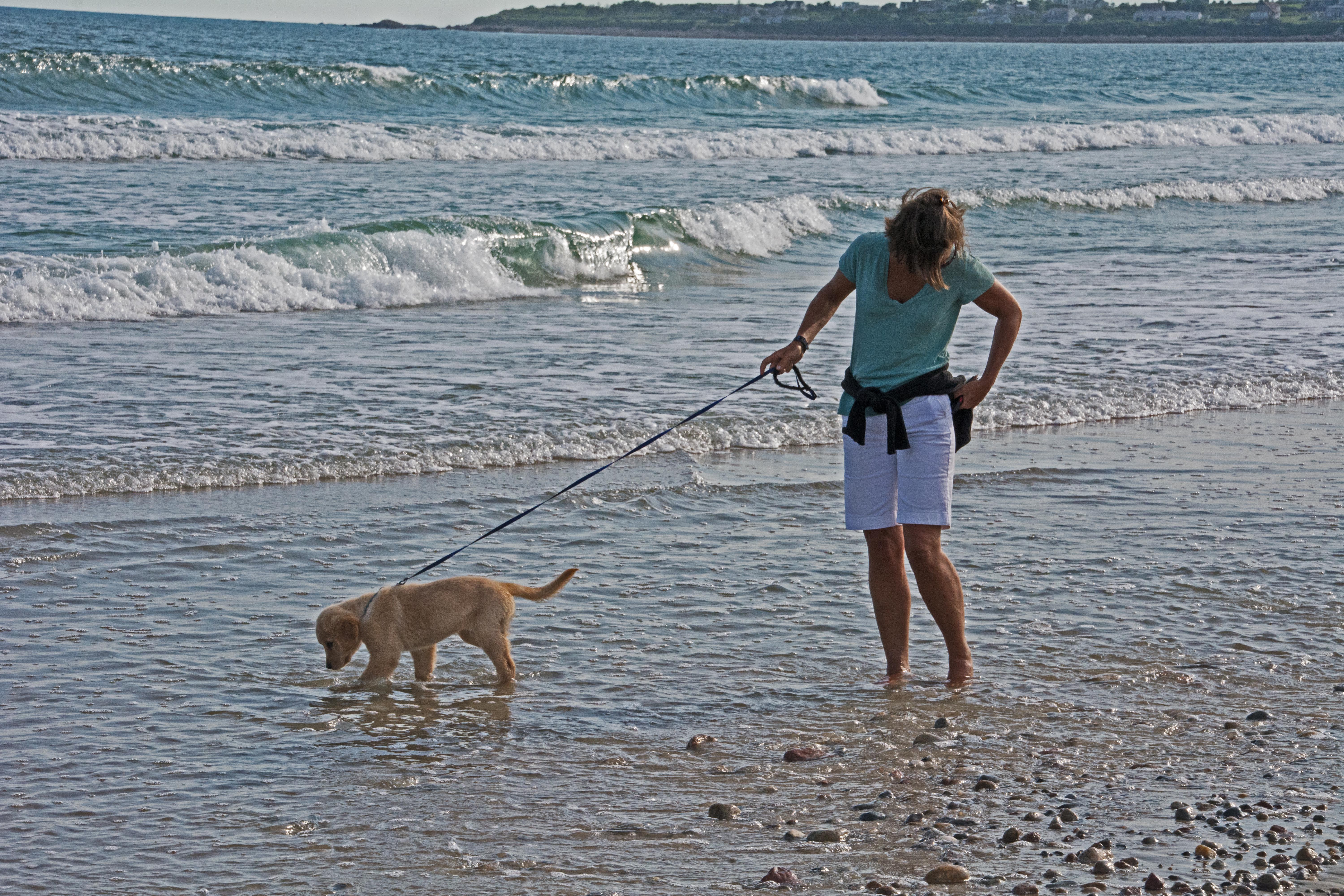
We took along a 12-week-old golden retriever puppy, the cutest thing ever, friendly and curious, with amazingly soft fur. This one had a specially designed life jacket.
14 07 18_1116
14 07 20_0832_edited-1
14 07 19_1028

14 07 18_1086_edited-1

On Sunday after a beach walk and a lovely breakfast, we watched the end of the British Open, where Rory McElroy triumphed like a true champion. Then we played some croquet in the backyard. It had been some years (like maybe 40) since last I tried croquet, and I was definitely rusty. But it’s a fun game, and I’d enjoy playing again.
14 07 20_0838_edited-1

It was also fun to sit on the back porch and read. I finished re-reading Last Ape Standing: The Seven-Million-Year Story of How and Why We Survived, by Chip Walter,a book that must have not been too successful, since Jocelyn had a free copy for me. It is a non-specialist science book about the evolution of homo sapiens and other humans.

I hadn’t known that we were only one of at least twenty-seven human species that existed in the last seven million years, some of which overlapped in time with us. Our kind originated about 200,000 years ago, but came close to extinction about 70,000 years ago, when only 10,000 or so individuals were alive in southern Africa. Walter’s book explores how it is that we alone survived and became what we are.
14 07 20_0765_edited-1

Our brains had something to do with it, of course, but that begs the question why our brains became what they are. According to Walter, it relates to our long childhoods, which relate to our ability to learn from other humans, which relates to our social natures. We are naturally curious – learning machines. And we are creative, because creativity gains attention for the individual and brings innovative progress for the group. Our development of symbolic thought and complex communication systems allowed for social organization that made us the dominant creature on the planet. There’s a lot interesting fact and theory here, and also an acknowledgement that there’s still much we don’t know about ourselves. A stimulating, worthwhile book.

Fireworks, wildlife, and Carl Hart’s book debunking drug myths

14 07 04_0378_edited-1-1
Fourth of July fireworks are hard not to like. As a friend once observed of sex, even when it’s not particularly well done, it’s magnificent. On Friday we were planning to walk a few blocks to see the one of the two downtown Raleigh fireworks shows, but Sally was not feeling well, so we got some takeout Indian food from Blue Mango and watched from our twelfth-floor balcony.
14 07 04_0402_edited-1

That afternoon I’d Googled how to take good fireworks photos, which is a bit involved (use a tripod, remote control, bulb setting, manual focus, etc.), but I found it interesting. I got a few images I liked of the display at Red Hat Amphitheater. I could also see parts of the display at Memorial Auditorium, which appeared to be more magnificent, but this could be the grass-is-greener effect.
14 07 04_0404_edited-1-1

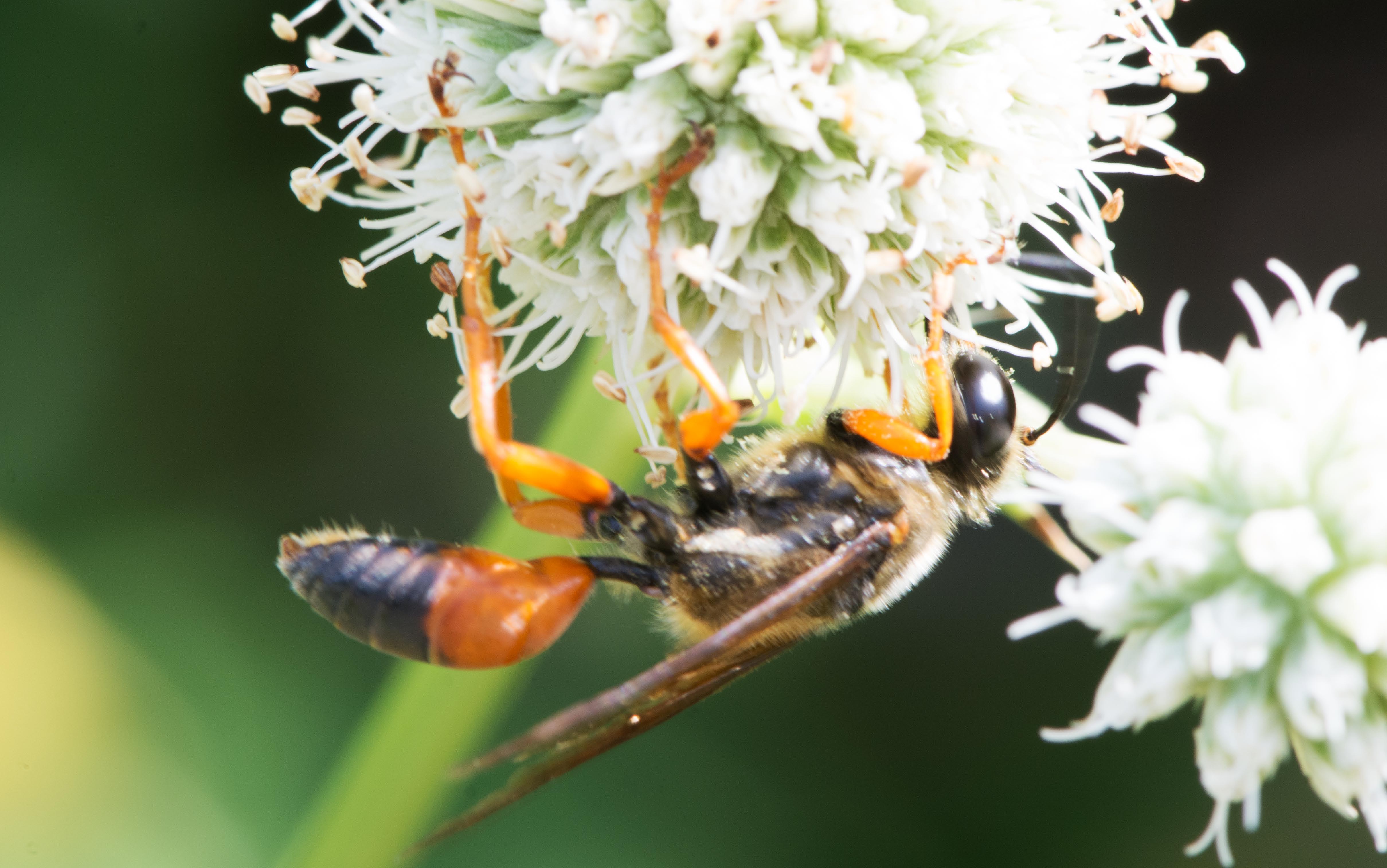
I continued exploring local parks, looking for dragonflies and other wildlife, this time stopping at Shelley Lake. There were lots of mallards and geese, but the one below, by herself, got my attention. I also stopped in at Raulston Arboretum on Sunday morning and focused on some little creatures communing with the flowers.
14 07 05_0538_edited-1

On Saturday I finished reading an unusual and worthwhile book: High Price: A Neuroscientist’s Journey of Self Discovery That Challenges Everything You Know About Drugs and Society, by Carl Hart. Hart is a professor at Columbia University who’s devoted his scholarly career to studying the effects of illegal drugs on the brain. His book is an autobiography of growing up poor and black in south Florida, and somehow not getting shot, becoming a dropout, becoming a hardened criminal, becoming an addict, or going to jail (which were common outcomes of his friends and family), and instead somehow getting an education, becoming a respected scientist, and learning to question his own assumptions. It’s remarkably honest.

I was particularly interested in his take on the war on drugs. As I’ve noted before, I view the drug prohibition regime as a terrible social policy from every perspective. Hart focuses particularly on the costs to the black community, with draconian laws resulting in mass long-term imprisonment and destruction of the social fabric. He combines an overview of the human toll with his own drug experiences.
14 07 06_0462_edited-1

Like almost all of us, he initially accepted uncritically the media/government claims that crack cocaine was a menace that threatened to make addicts of everyone who tried it and turn them into zombies who cared for nothing but the next high. He gradually realized, based on his own experience and his research, that this was a wild distortion of reality. Crack cocaine is chemically almost identical to cocaine, and the effects on the body are basically the same. The primary difference is social: crack cocaine is cheaper and marketed more to black communities, while cocaine is an expression of wealth and status. And crack prison sentences are much more severe.

This has become almost common knowledge, and the sentencing disparities have been substantially reduced (but not eliminated, unfortunately). For me, Hart’s account highlights how media and politics can create a moral panic, and even otherwise responsible scientists can get swept along. Thus the famous example of the experimental rats that can’t resist crack, which supposedly proved that crack was uniquely addictive. Hart explains that the rats, which are social creatures, were unhinged by isolation, and had no alternative activities to getting drugs.
14 07 06_0514_edited-1
Hart did experiments with human subjects who were in fact crack addicts, and offered them a choice of getting high or getting $5. They took the money frequently enough to disprove the idea that addicts cease caring about anything but drugs.

Hart contends that the problem of drugs in poor communities is complex, and viewing drugs as the primary source of social ills is mistaken. The kinds of social problems that he grew up with – domestic violence, petty crime, an extreme culture of honor magnifying violence, teenage pregnancy, and unemployment – preceded the arrival of crack. The central problem of poor communities is poverty. It’s not surprising that people with few other entertainment options are more prone to entertaining themselves with drugs.

Hart finds that the great majority of people who use drugs, including crack and heroin, are in no sense addicted. Most users have jobs, families, and orderly lives. The notion that addiction always results from exposure is simply false. This doesn’t mean that addiction never happens, or that it is not a serious medical and social problem. There are addicts who need help. But we need to get our facts straight, quit moralizing, and quit punishing people for addiction.

The war on drugs is a fascinating case study of how fantastically wrong ideas with horrendous consequences can propagate and take over entire societies. We tend to think of this happening in the distant past (think of witchcraft) or foreign lands (murderous religious extremists). But it happened to us! With all our wealth, education, science, and technology, we were still overpowered by groupthink that stopped critical thought. And while we may be winding down the war on drugs, it is definitely not over.

Thus it took courage for Hart to write this book. With an entire population raised on constant messages of moral panic, to challenge the basic foundations of the war on drugs is risky. You will be viewed by many as dangerous and immoral, which could be career-limiting.

But this book may help shift the debate. I was a little disappointed that Hart didn’t follow his sound reasoning all the way on the question of legalization, and ended up promoting instead decriminalization. As the Economist has repeatedly pointed out, decriminalization leaves the drug markets in the hands of criminals, whereas legalization with careful regulation would deprive criminals of a major source of revenue. But never mind. I’m grateful for Hart’s book.
14 07 06_0483_edited-1
14 07 06_0485_edited-1

Dragonflies, playful mice, fearful crayfish, and an argument for personhood for animals

14 06 14_9977_edited-2
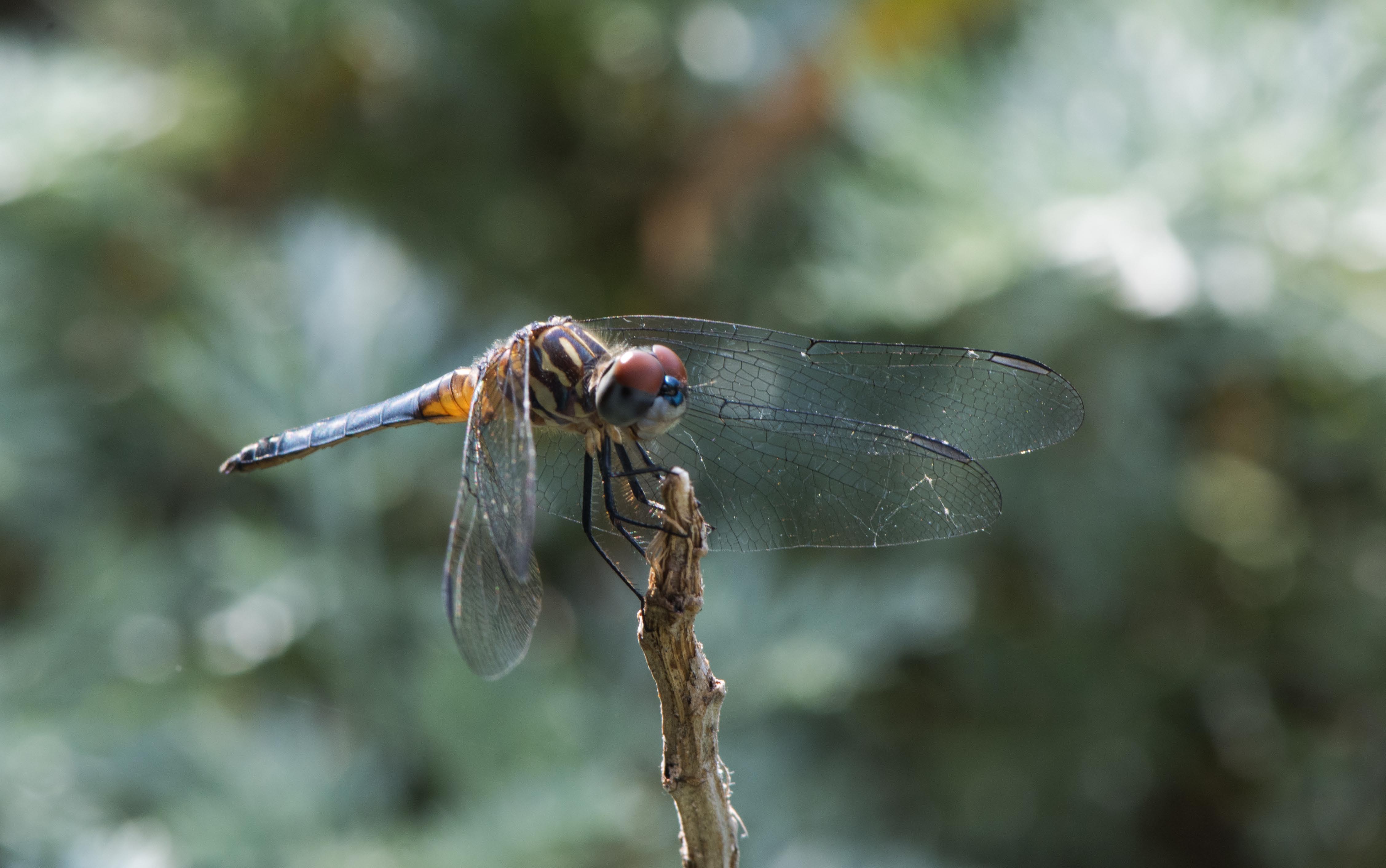
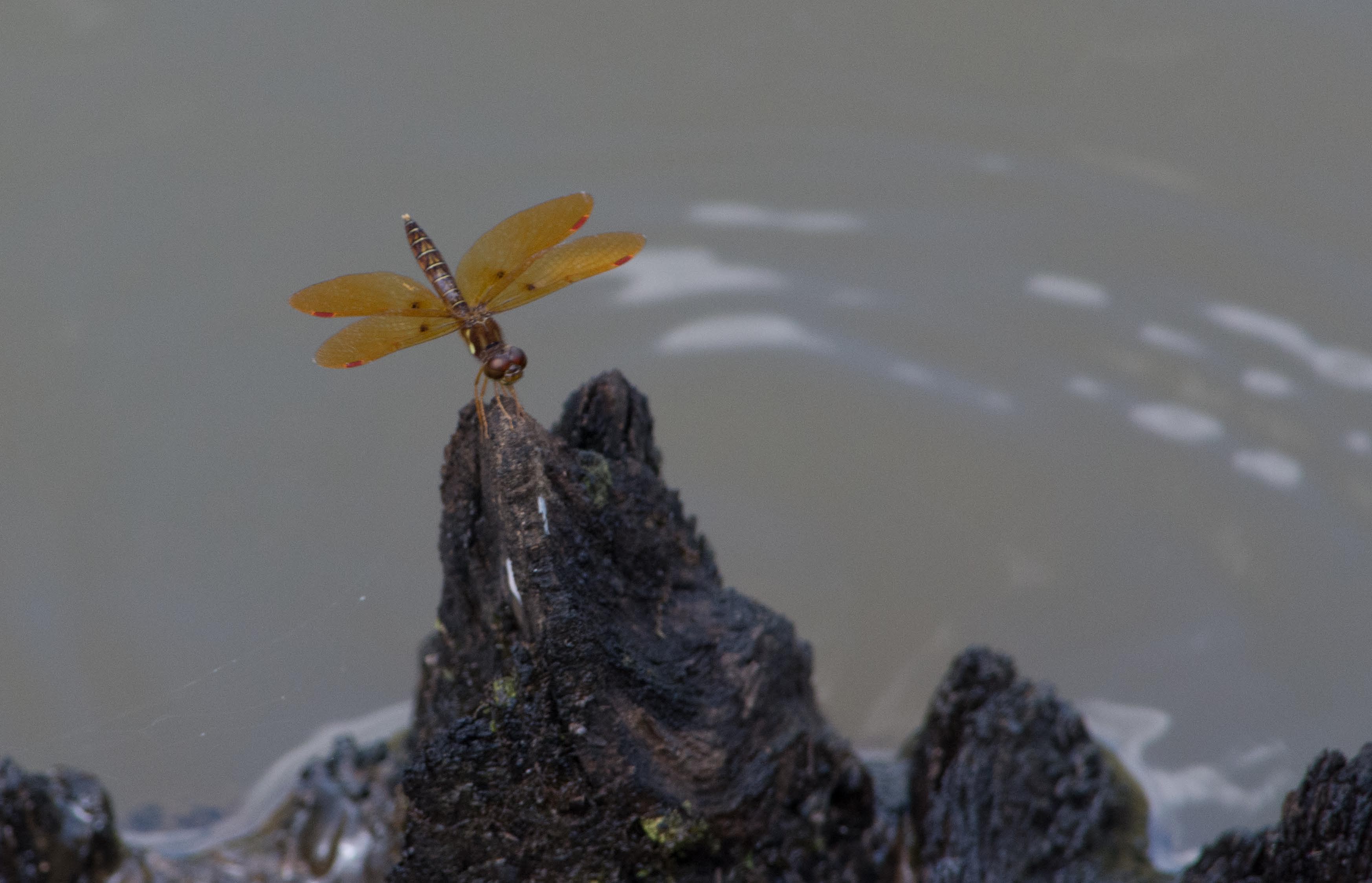
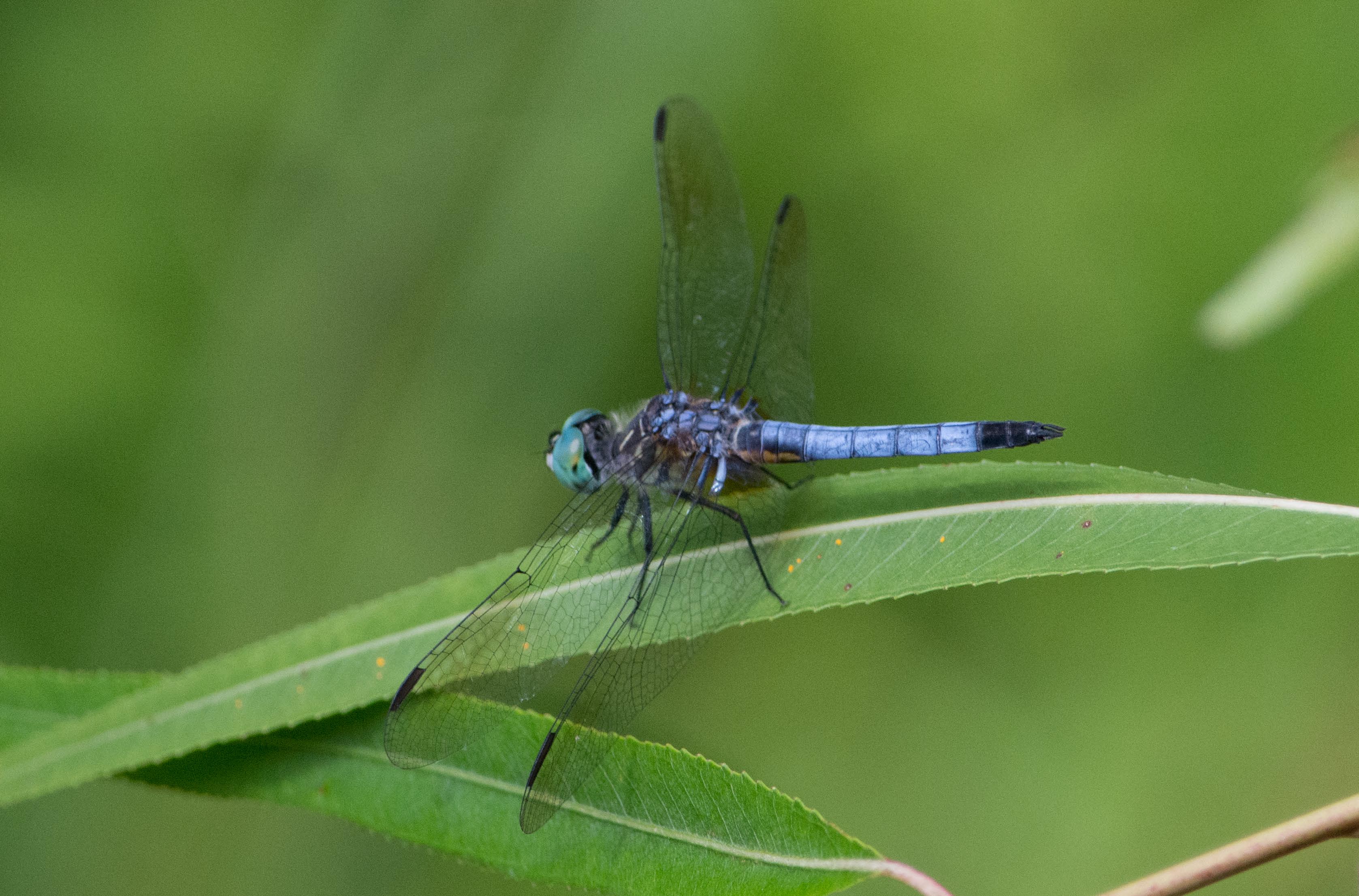
On Saturday I was thinking of heading to Raulston Arboretum to look at the latest blossoms and bugs, but Sally suggested I check out the doings at boardwalk over the pond off of Crabtree Boulevard. She’d found a shortcut to get there, and coached me through it. As she foretold there were some pretty dragonflies and damselflies. 14 06 14_0008_edited-1

This week I’m doing a round-up of animal news, some cheery, and some disturbing. Here are notes on playful mice, fearful crayfish, Your Inner Shark, and the struggle for legal rights of persons for animals.

Have you ever wondered whether mice like to run on exercise wheels? Scientists at the University of Leiden did. As reported in the NY Times, they put a couple of wheels in the wild and monitored with video cameras for several years. The results were unequivocal: the mice like to get on the wheel and run. They came “like human beings to a health club.”

The researchers seemed to be addressing the issue of whether forcing mice to run in laboratory environments was cruel, but the work also speaks to another issue: why run when you don’t have to? One scientist suggested it was no great mystery: “All you have to do is watch a bunch of little kids in a playground or a park. They run and run and run.” In other words, mice play.
14 06 14_0015_edited-1

In another apartment of the animal kingdom, researchers tested crayfish to see if they experienced anxiety. At the University of Bordeaux, crayfish who got a mild electric shock were timid and withdrawn compared to unshocked crayfish, who were more adventurous. But the shocked ones improved when they got anti-anxiety medication. Is this amazing? Not exactly, but it made me think for the first time about crayfish as creatures with emotional lives.
14 06 14_9993_edited-1

This week I finished reading Your Inner Fish, a Journey into the 3.5 Billion Year History of the Human Body, by Neil Shubin. Shubin is a palentologist and professor of biology and anatomy at University of Chicago. The book is about paleontology, genetics, and anatomy applied to the human body. It makes the case that the mechanisms of the human body all have predecessors in much more ancient creatures.

Shubin recounts his early experiences hunting for fossils and failing miserably. But eventually, his mind learned to distinguish tiny fossils from tiny ordinary minerals. He communicates the joy of scientific discovery in studying comparative anatomy and seeing the amazing similarities in body structure that run through all the creatures at the zoo – including us.

This is true not just at the level of large-scale architecture (creatures with heads, limbs, fronts and backs), but also with regard to the workings of subsystems like eyes, ears, and smelling organs, and sub-sub systems like tissue cells, and the systems for connecting tissue cells. Shubin approaches the body from multiple angles, extending all the way back to the first single-celled microbes of 3.5 billion years ago, and focuses on various levels, like the features we share with all vertebrates, those we share with all fish, and those we share with all worms.

I found some of the science, and particularly the genetics, tough sledding, but learned a lot. Our bodies are certainly amazing, but this is true of all animal bodies. Shubin made me see more of the connections between all living creatures, and the connections of all those creatures with the earth over the eons.

14 06 14_0006_edited-1

Finally, a couple of weeks ago I finished reading Rattling the Cage: Towards Legal Rights for Animals, by Stephen Wise. Wise is a lawyer who recently brought a habeas corpus action on behalf of a chimpanzee, and I was curious about his theory. His book is a useful compendium of the literature of non-human primate intelligence. He argues that the evidence of language, math, and other accomplishments of chimpanzees and other primates entitles them to be treated as persons with certain rights under the law. He includes quite a few stories of horrendous treatment of chimpanzees in laboratories.

Wise’s larger point is that the sharp dividing line in the law between humans and other animals is a relic of ancient times that is unsustainable in the light of science. His account of the ancient roots of jurisprudence classifying animals as chattel (mere things) is interesting. He does a good job challenging the traditional categories, though he doesn’t address all the difficult questions of breaking down those categories. He seems to understand that no matter how wrong legal ideas are, changing them is a long-term project.