The Casual Blog

Tag: butterflies

Getting a new floor, Ethiopian food, beautiful bugs, helping refugees, and our gun problem

Tiller7Bug 1
We’re living in a hotel in Cary while the floor of our condo is being removed and replaced. While I’m grateful we have the means to remedy our defective flooring, this has been a major project – like moving (lots of planning, arranging, sorting, boxing, and hauling), but without the ultimate gratification of a move. Flooring is one of those things I don’t usually think much about, and I will be glad to be finished with it.
Tiller7Bug 1-4

It’s unsettling to be uprooted. Our hotel is fine, with amenities including a gym, pool, free wi-fi, breakfasts included, and best and most unusual of all, they take doggies. At first our Stuart was discombobulated by the new situation, uninterested in his food (most unlike him), listless and particularly in need of affection.

Tiller7Bug 1-7
We all consoled each other, and we humans, though unsettled, did not lose our interest in food. On Friday evening we tried a new-to-us Ethiopian place called Awaze. Our servers were warm and friendly, and happy to give us coaching on the traditional forkless method of eating. You tear off a piece of injera, a spongy sort of bread that comes rolled up, pick up some of your main dish with it, then insert in mouth. We tried the vegetarian platter, a combo of most of their veggie entrees. Every bite was exotically spiced and delicious.

Tiller7Bug 1-6

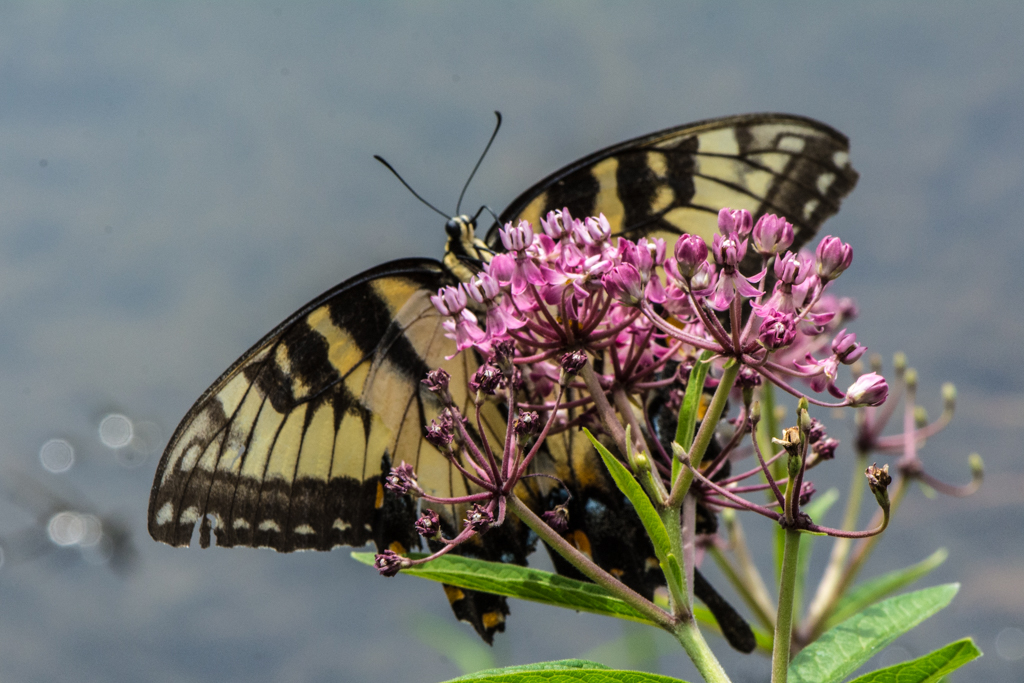
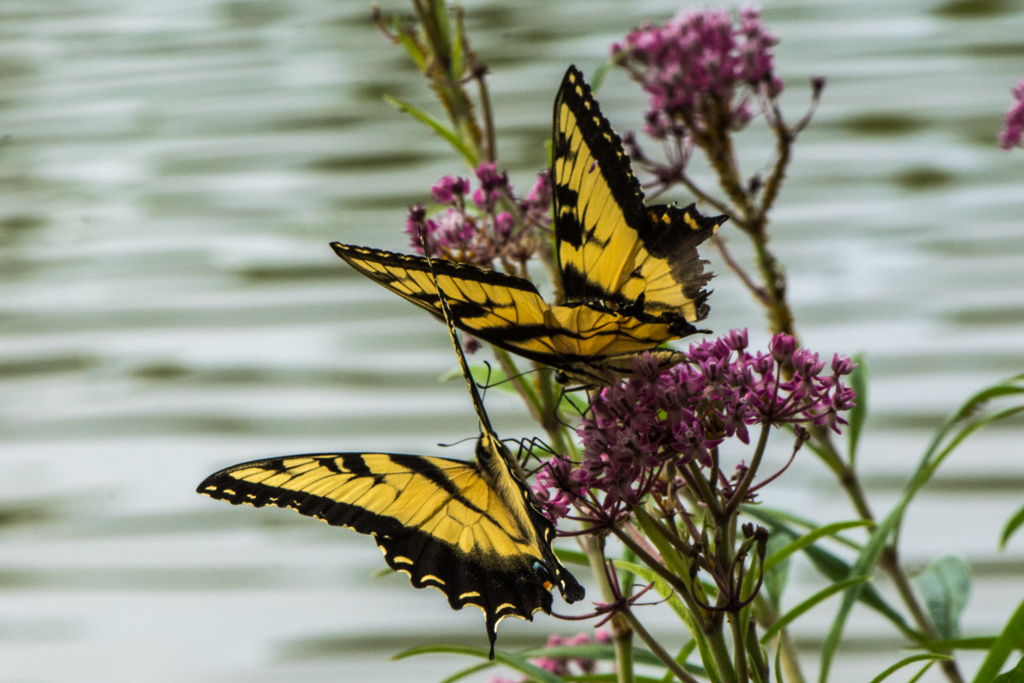
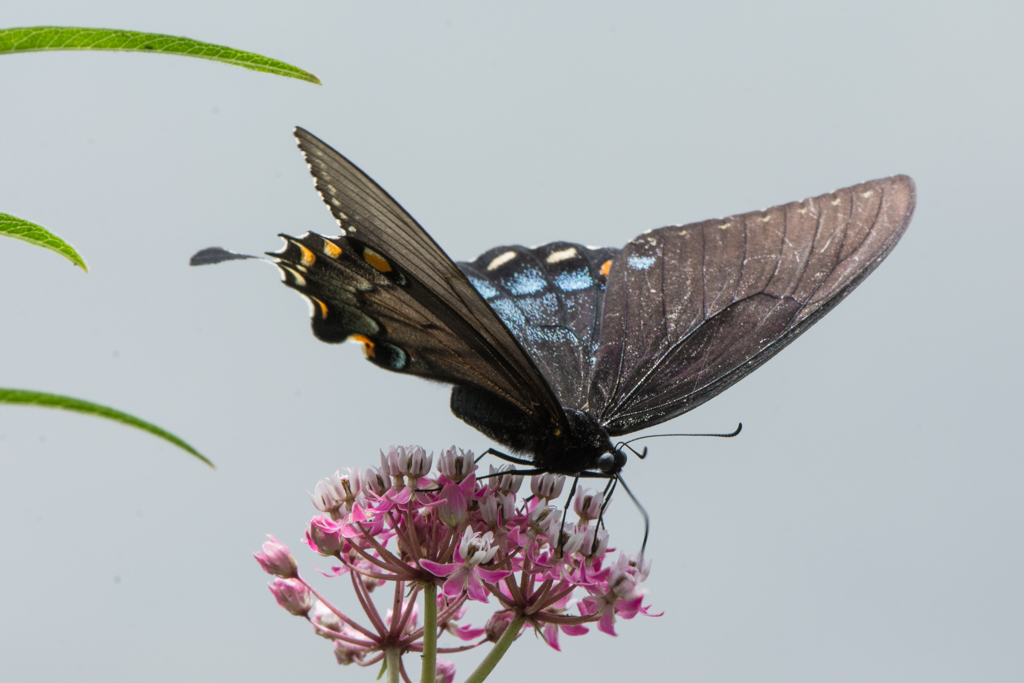
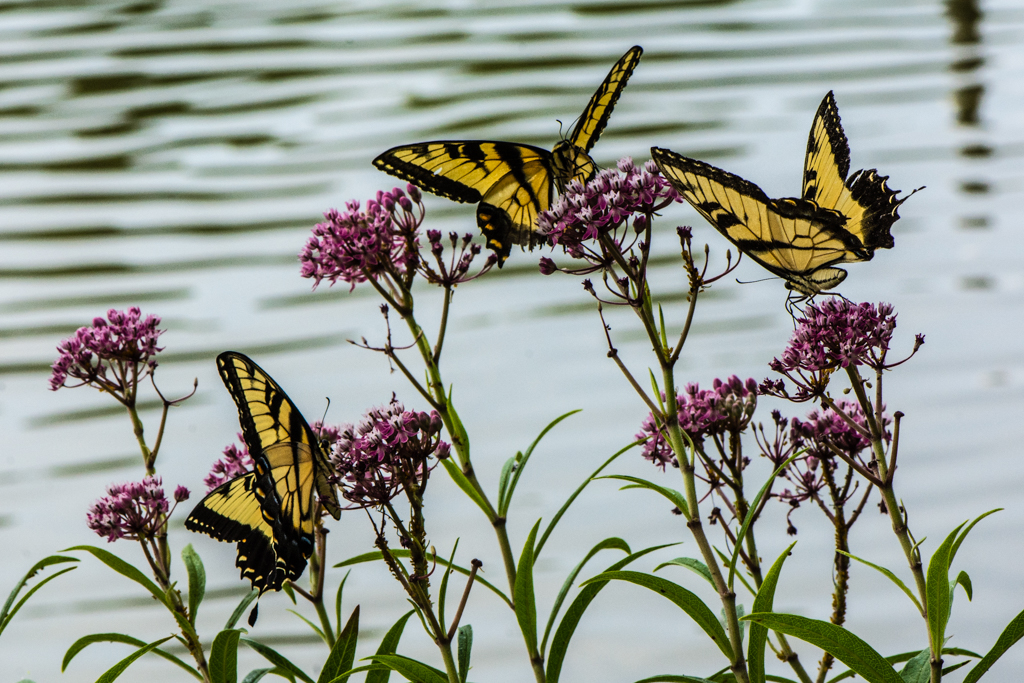
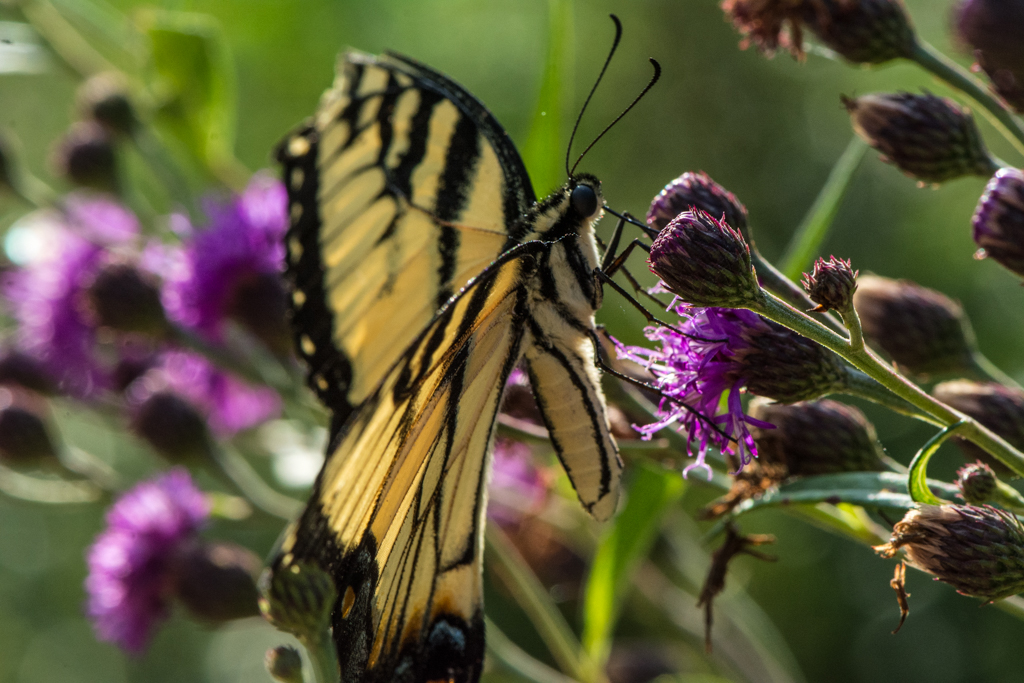
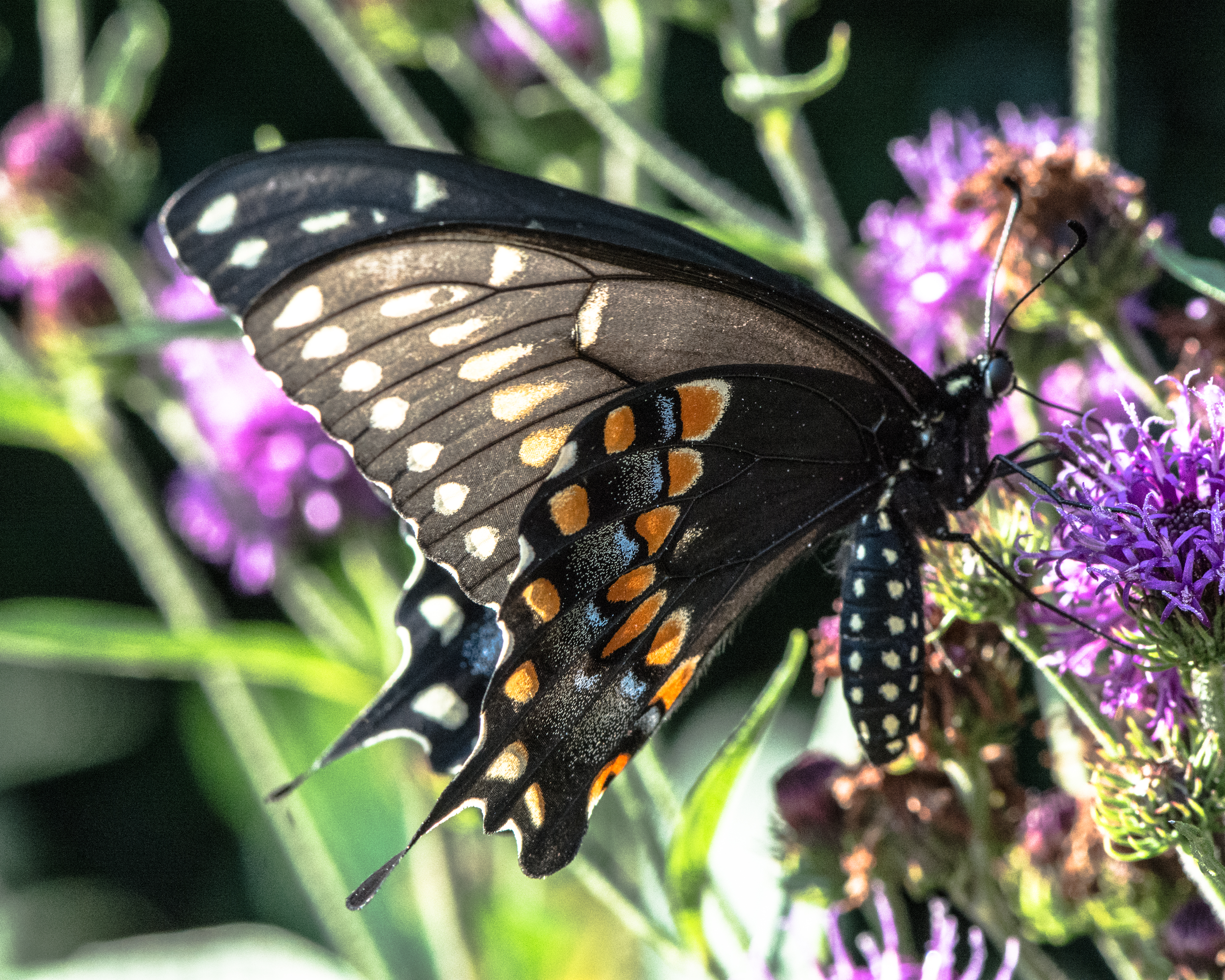
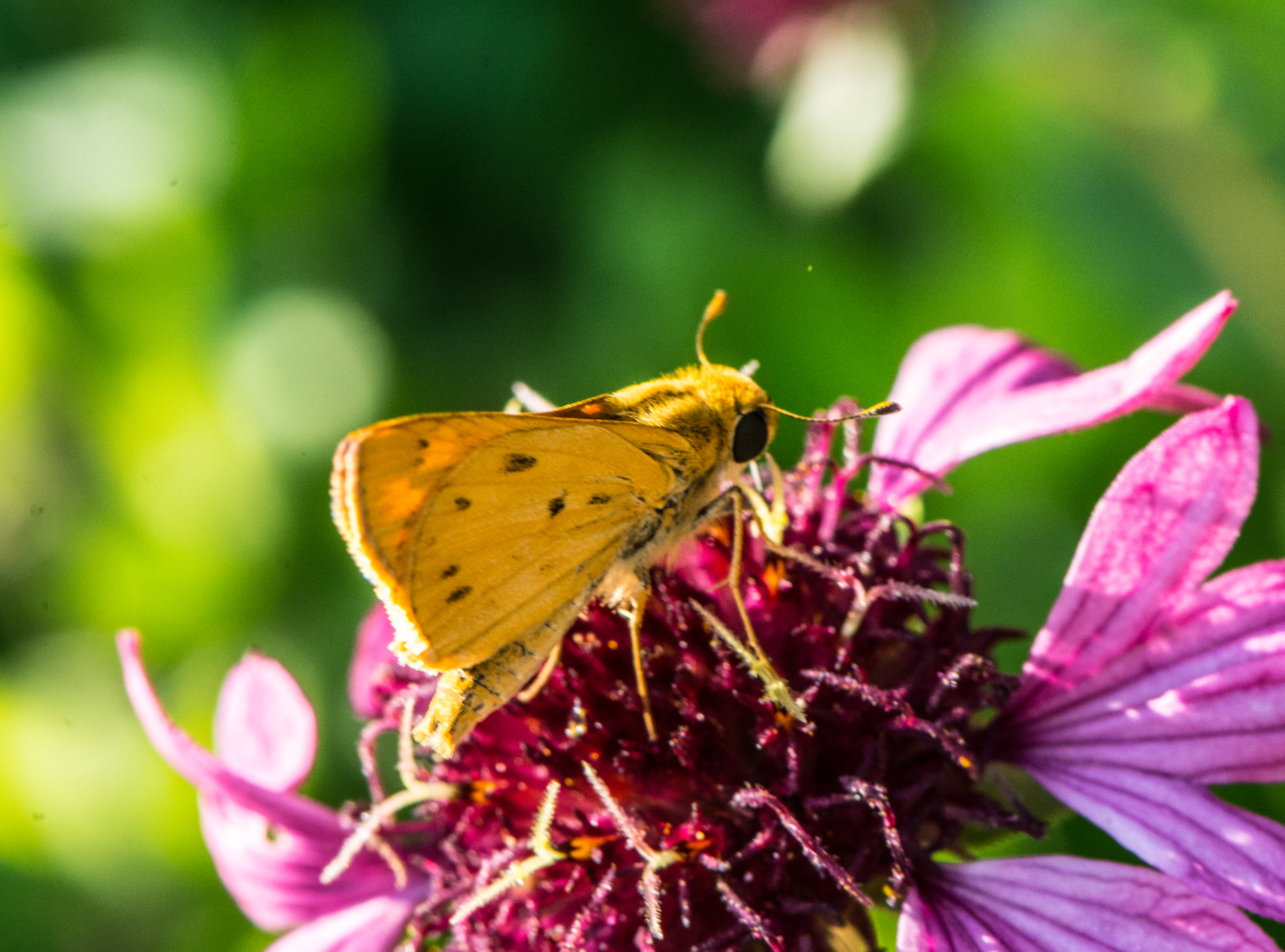
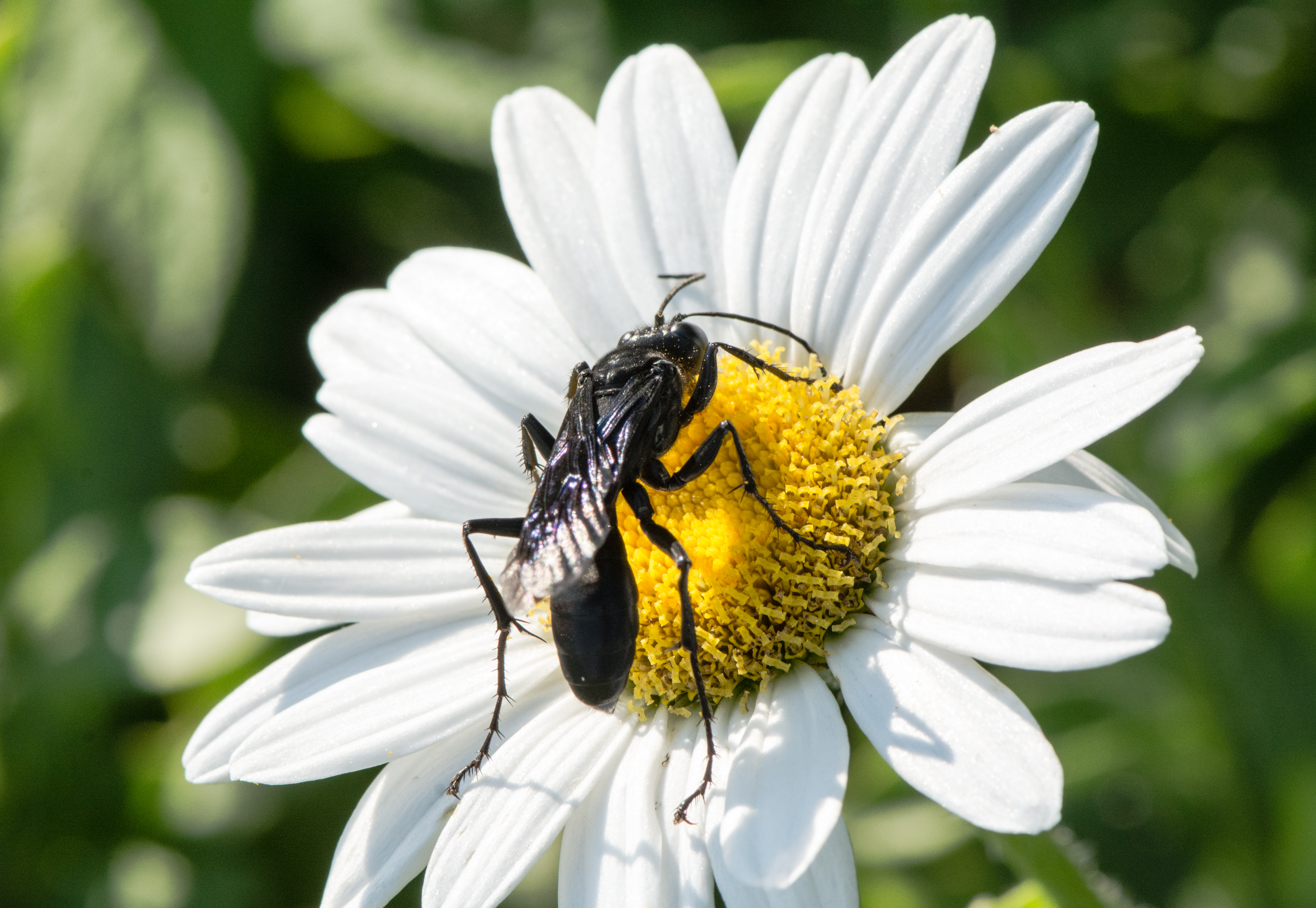
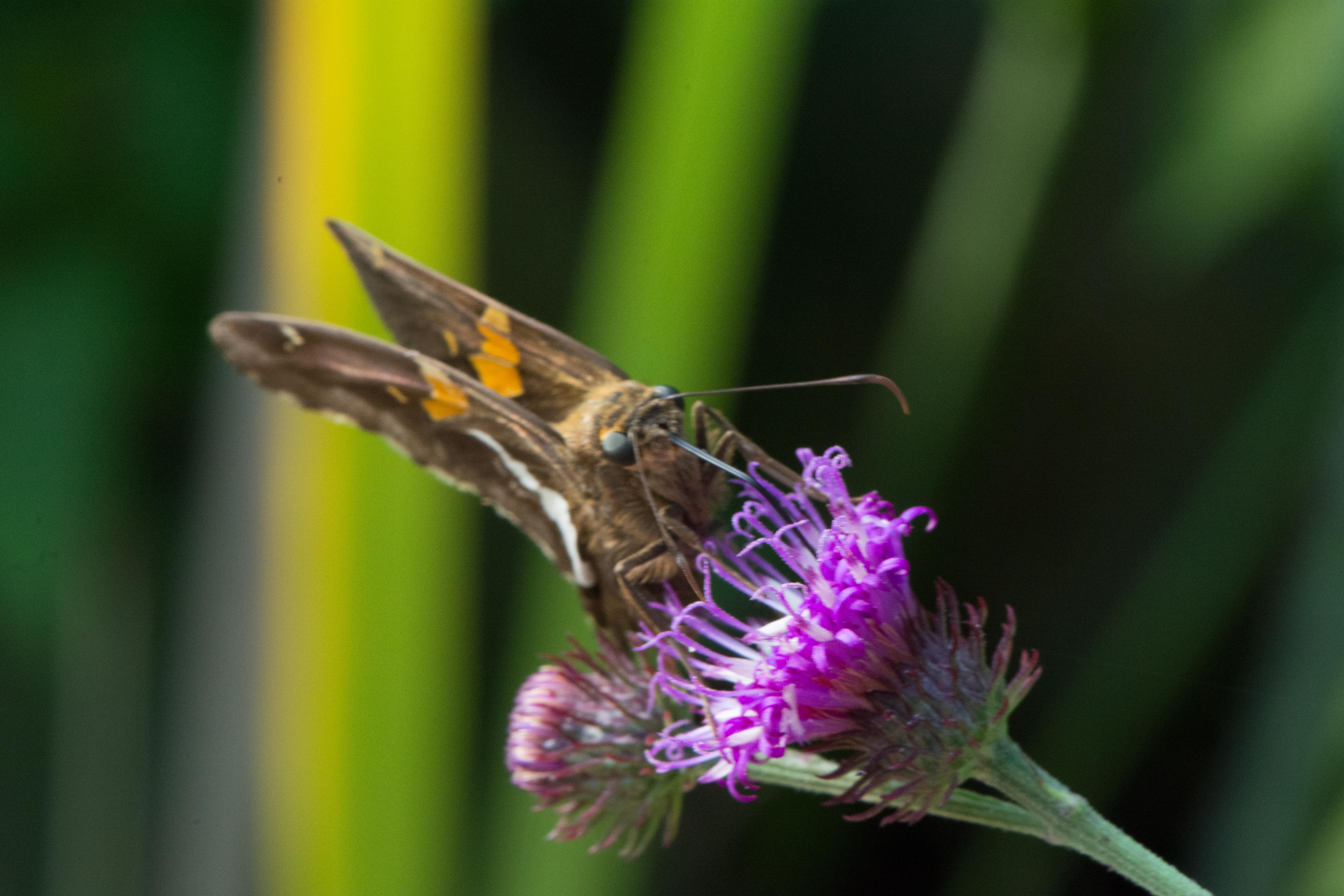
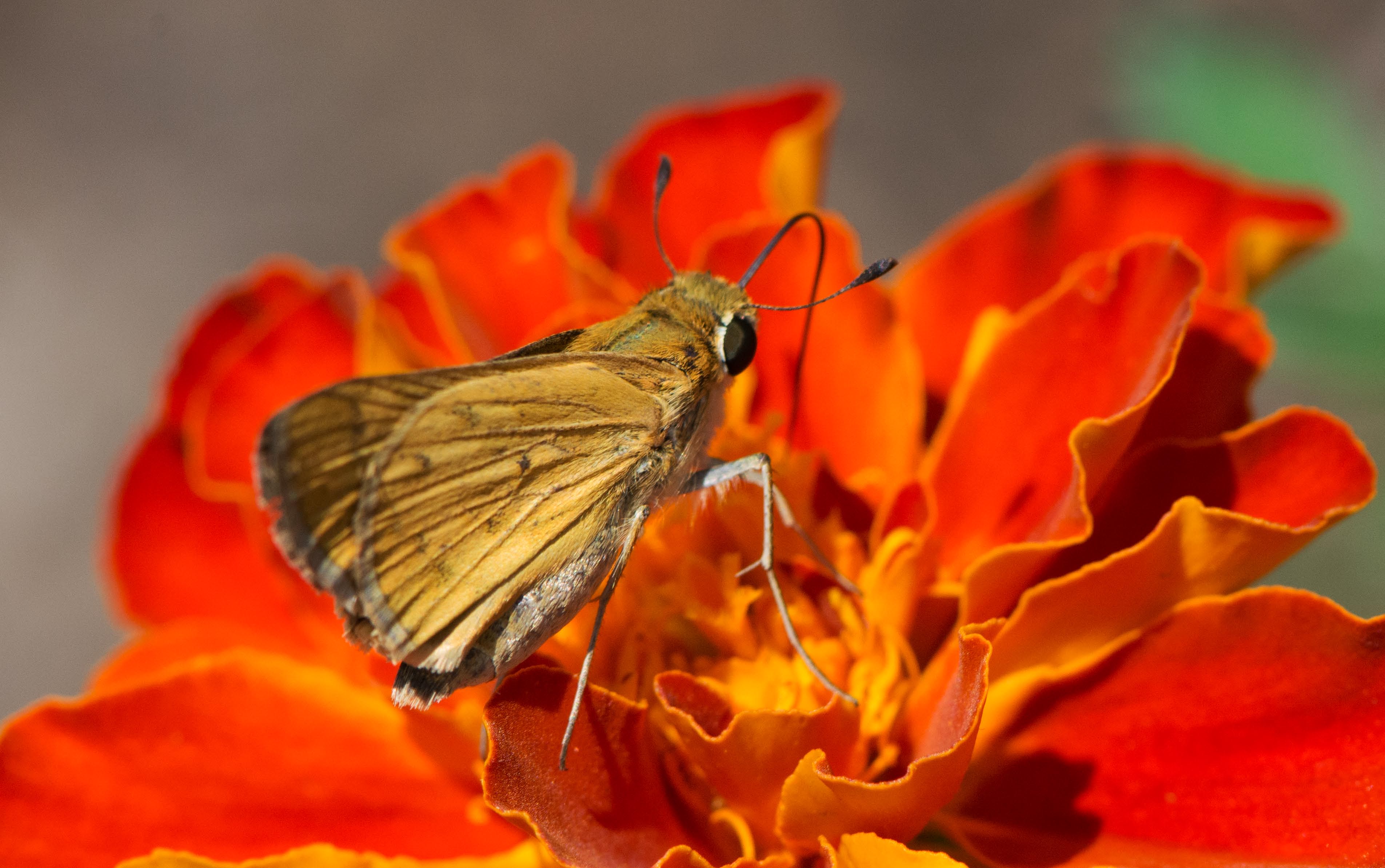
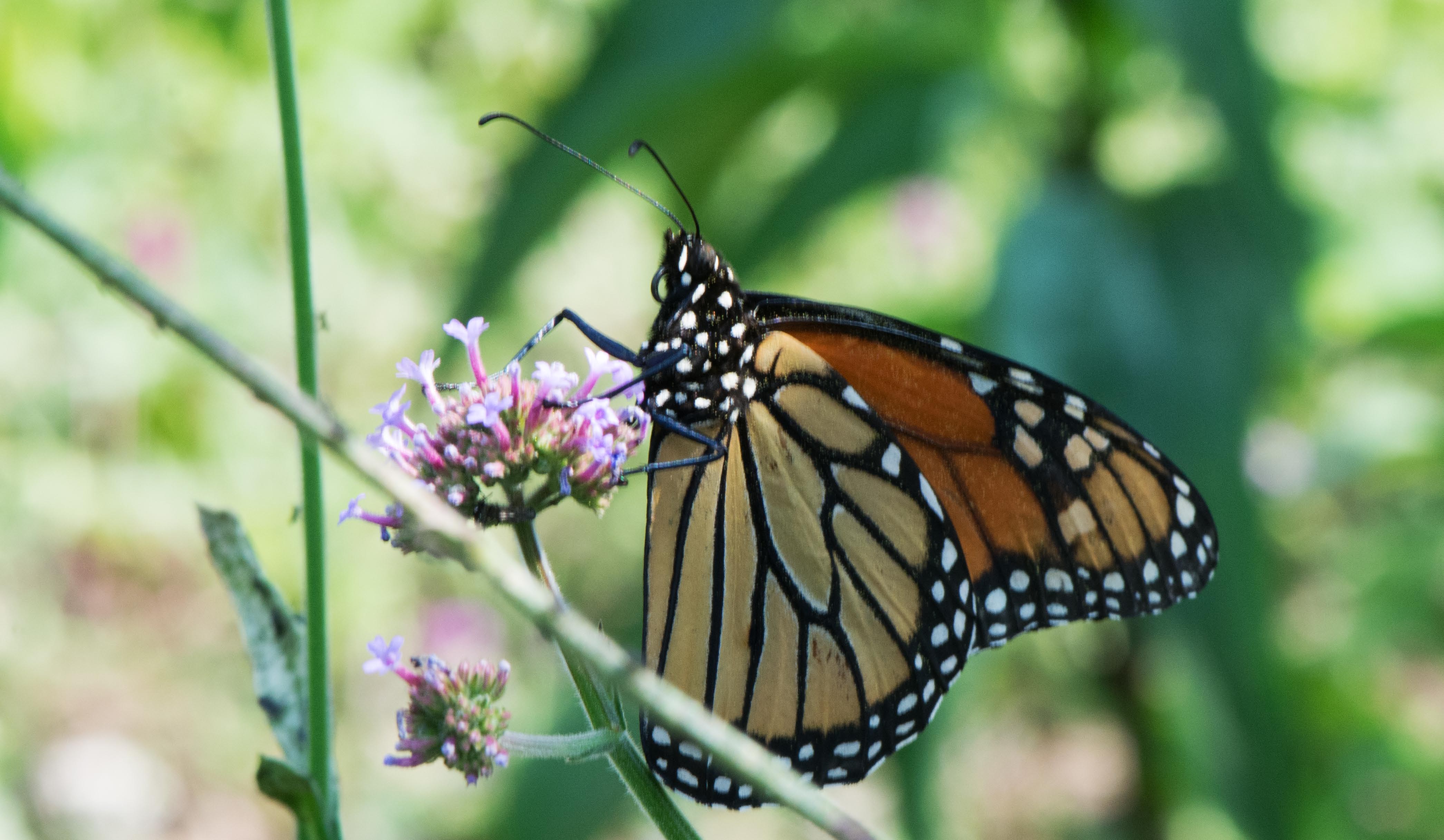
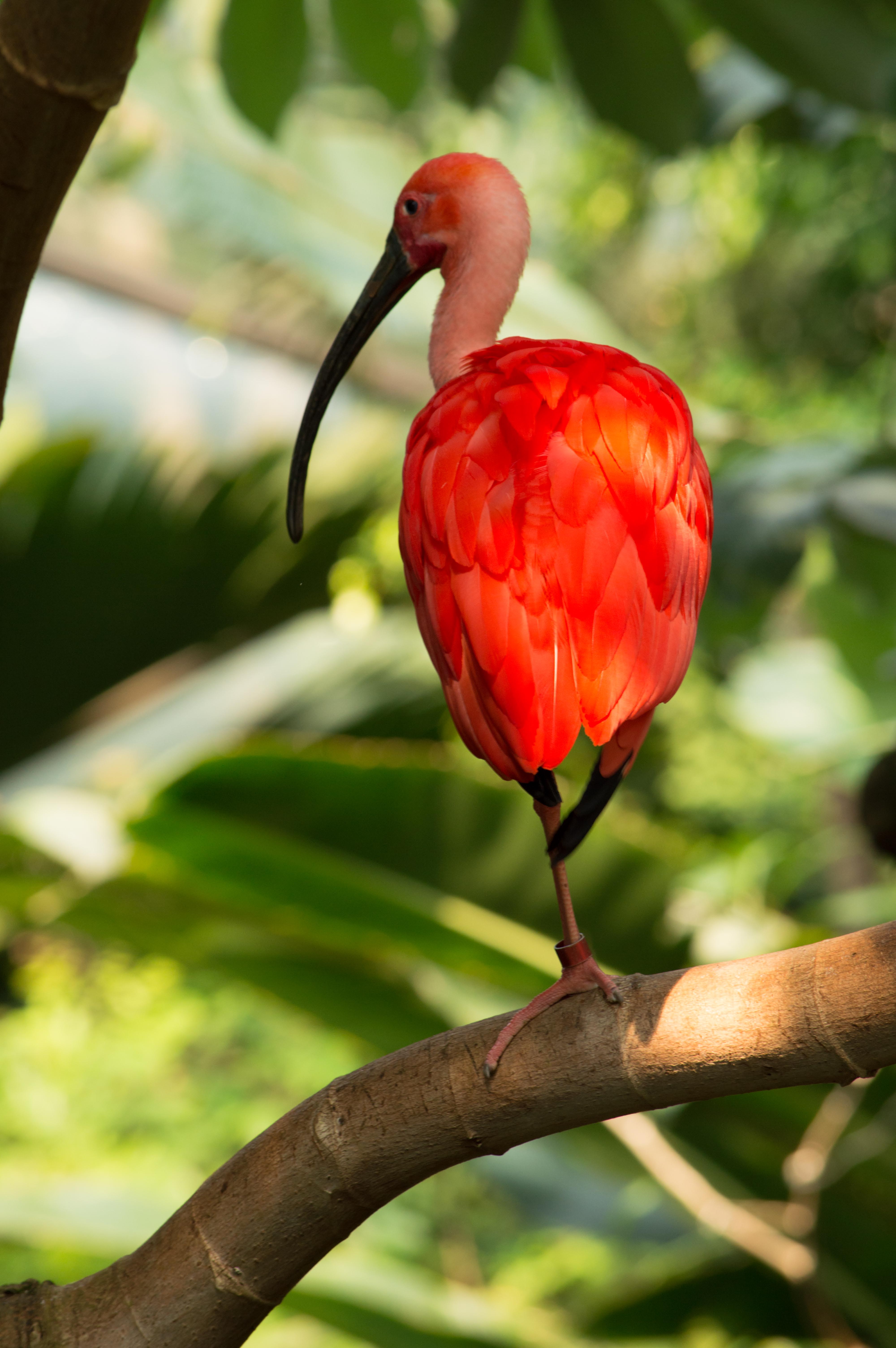
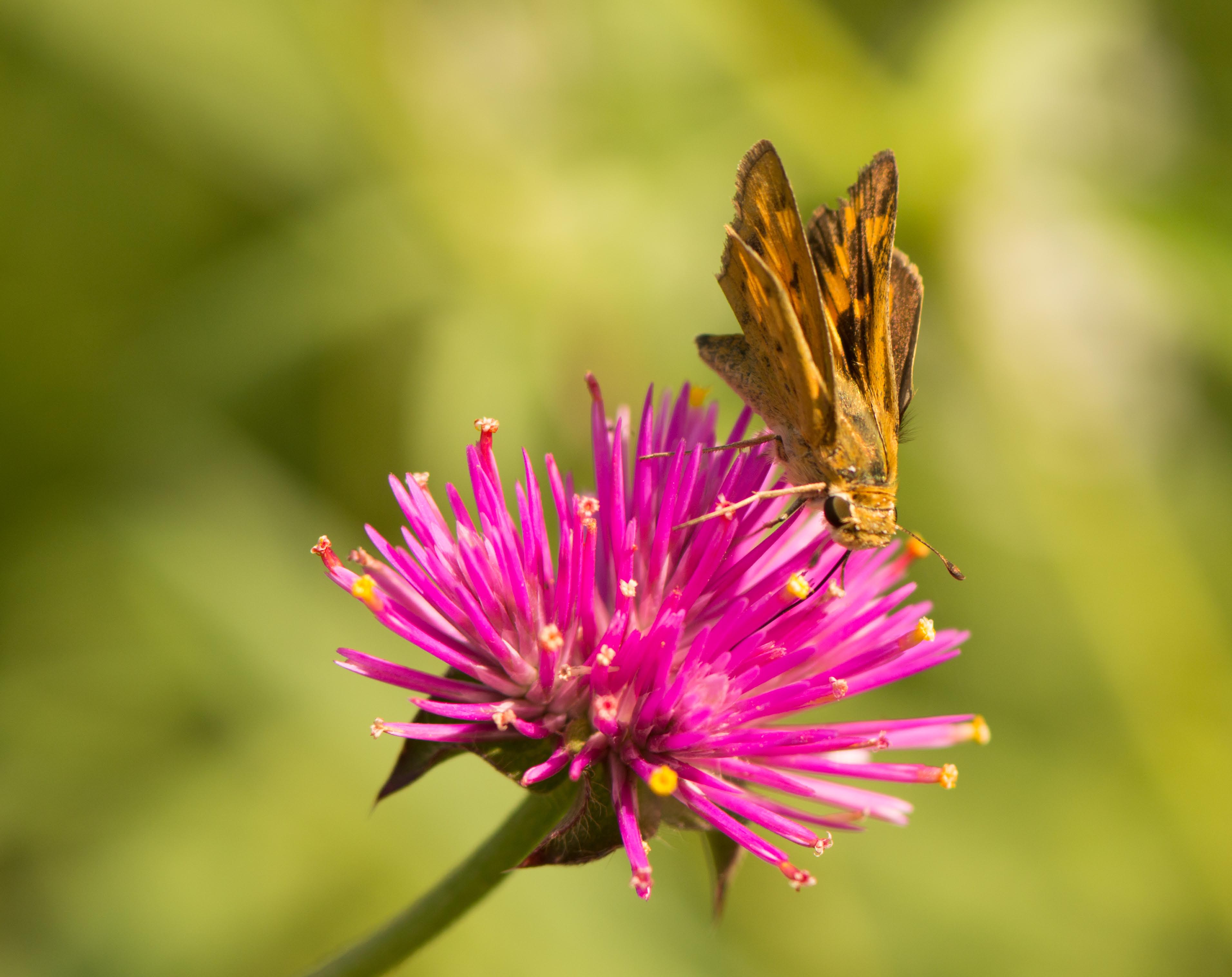
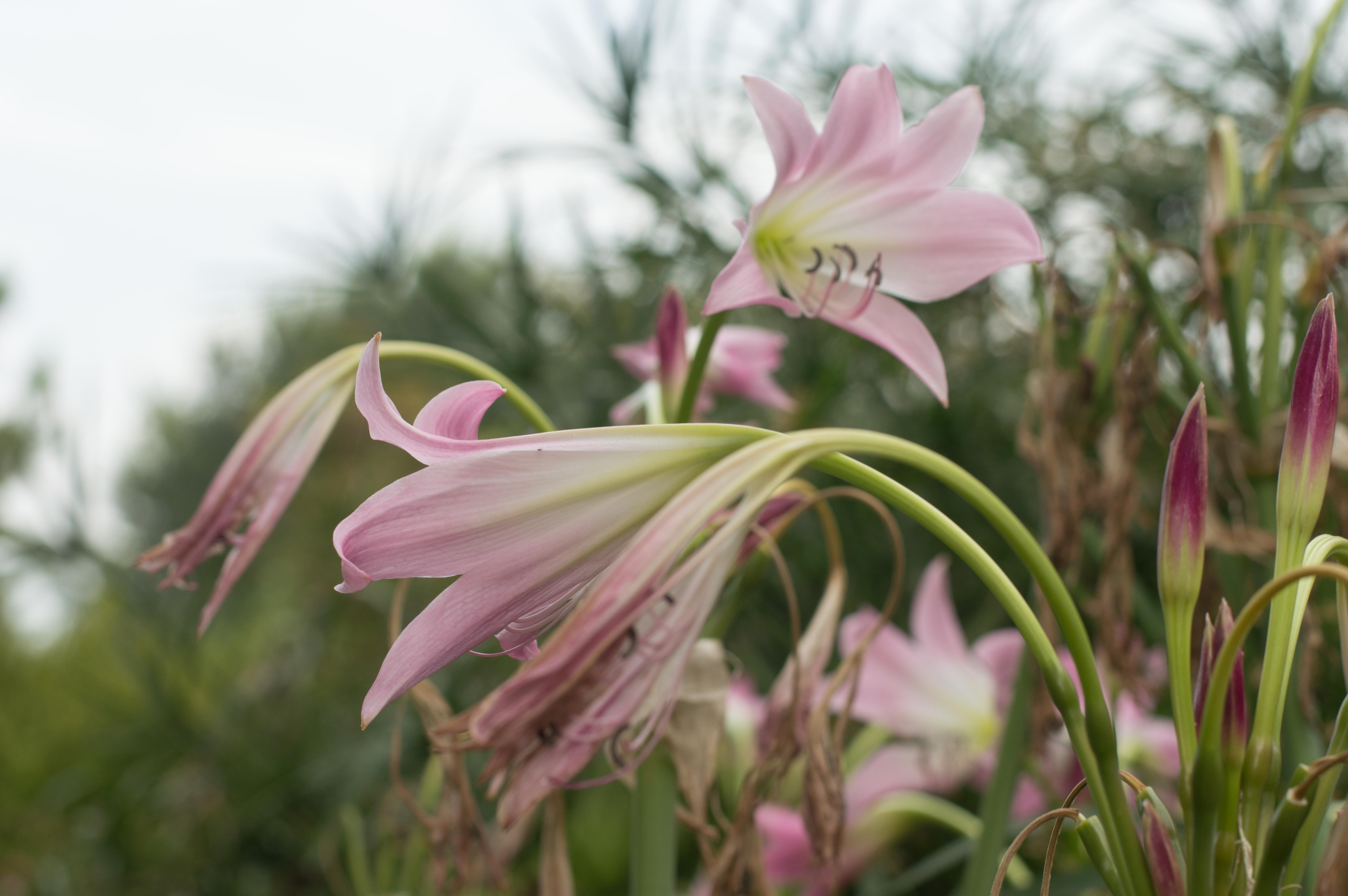
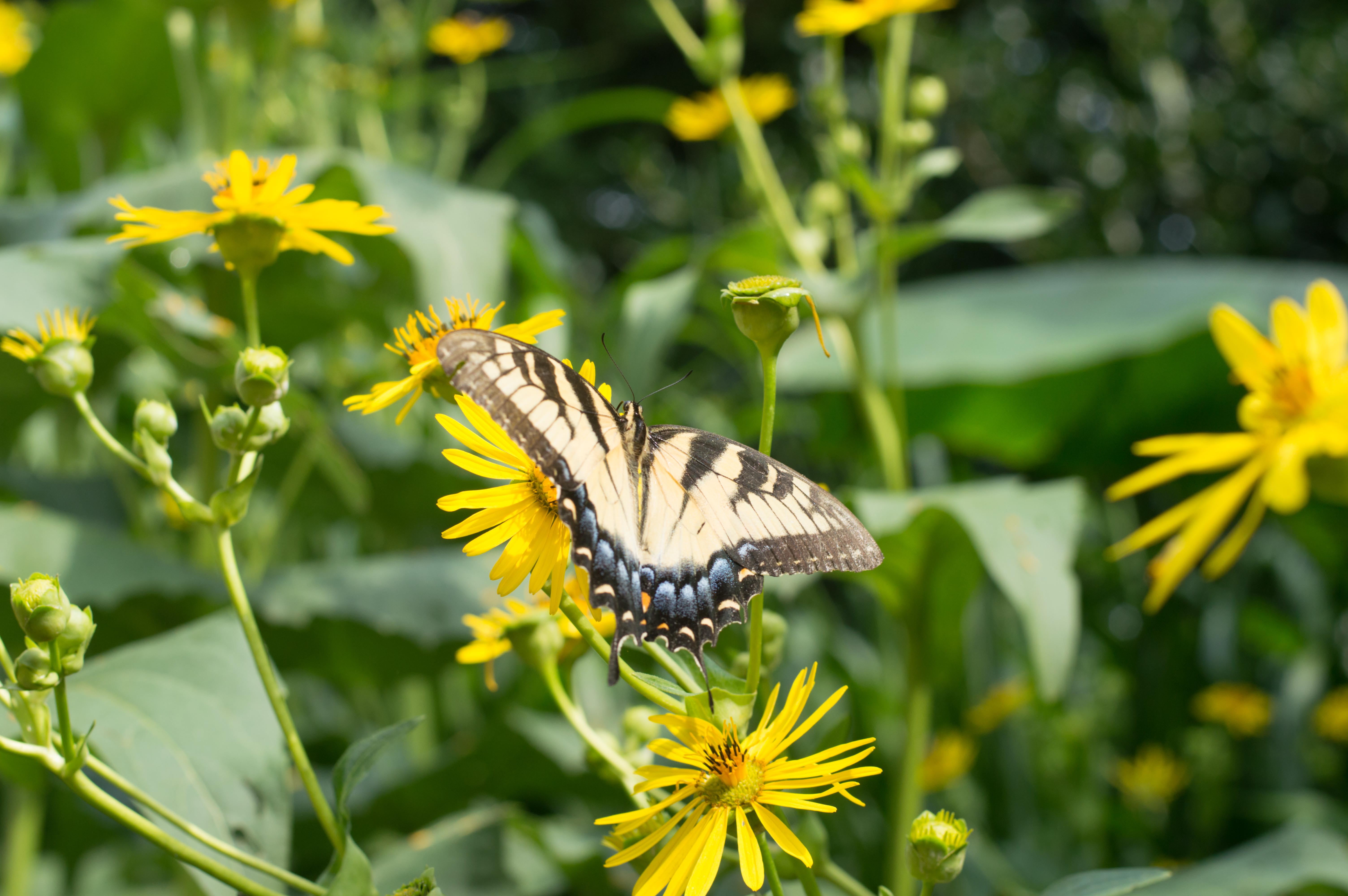
On Saturday morning I visited Raulston Arboretum, as I often do. One thing you discover when you regularly visit a garden: it’s never the same twice. There are major changes every week. This week it was lush and green, with lots of insect activity, including some gorgeous butterflies. The closer you look, the more beauty there is to see.
Tiller7Bug 1-2

This week I read the latest UN Report on Refugees. Did you know that we currently share the planet with the largest number of refugees and displaced persons in history – 65.3 million? That’s up from 59.5 million a year earlier. Children make up more than half of the total. The largest source countries are Syria, Afghanistan, and Somalia. This short UN film (scroll down to Global Trends) highlights the human dimensions of this catastrophe.

Inasmuch as these fellow human beings are in dire straits, and particularly in consideration of our partial responsibility from our destructive decades-long war in the Middle East, it would seem we should be working hard to help. For many, though, the primary concern seems to be that there could among these unfortunates uprooted by war and terrorism be terrorists. Based on this disproportionate fear, we’re doing almost nothing, and let the devil take the hindmost. This is an ethical failure of huge proportions. Consider a gift to the International Rescue Committee or another reputable charity serving refugees.
Tiller7Bug 1-5

There are occasional shining sparks of humanity. The New Yorker this week had a harrowing/inspiring piece by Ben Taub about the work of Doctors Without Borders and others providing medical care to displaced persons in Syria. The Assad government has denied health care to millions of civilians by systematically killing hundreds of health care workers and destroying hospitals. You might think this would drive out the surviving doctors, but there are still some who will not quit, and continue to save lives under unimaginably harsh conditions. Human kindness and courage still exist!
Tiller7Bug 1-8

Speaking of moxy, House Democrats showed some backbone this week in staging a sit in in support of gun control. The NRA’s bought-and-paid-for veto power over gun legislation is an extreme example of the corruption of our political system, and although it’s grotesque, we’ve come to accept it as unchangeable.

In the wake of the Orlando massacre, as dozens of Democrats disrupted House business demanding a vote on a gun control bill, it felt bracingly close to real change. The bill at issue was underwhelming – as the gun wingnuts correctly pointed out, the no-fly list is not a reliable source for identifying bad people – but the larger point was clear and important: we can no longer treat this corruption preventing sane gun laws as business as usual.
Tiller7Bug 1-3

The New Yorker noted this week that more Americans were killed by firearms in the past decade than in all of WWII. What is the root cause of the American obsession with guns and allergy to reasonable gun control? A lot of it surely involves high levels of irrational fear. What if we tried to help people find better ways to deal with their fears, and helped them see that in general guns make them less safe, not more?

Sure, that’s a tall order, but it’s worth a shot. Here are some first thoughts to get the ball rolling. Call out fearmongering by Fox News, Rush Limbaugh, and many others. Give away free copies of local crime statistics showing downward crime trends. Teach stress reduction techniques. Promote visits to the local arboretum.
Tiller7Bug 1-9

Farewell to Oliver Sacks, family health, witch trials and terror trials, and beautiful bugs

RTILLER5 (1 of 1)

Oliver Sacks, one of my heroes, died last week, and I’ve been thinking about what he bequeathed. In his many articles and books on psychological problems, oddities, and exceptionalities, he covered the extremes of human mental experience, from savants to the severely impaired. Reading about his subjects, I felt gratitude for being relatively normal and wonder at the range of human perceptual experience. He showed in his work and by his work that much more was possible than I’d thought.

Some months back I heard Sacks interviewed in a program about prosopagnosia, a rare condition involving the inability to recognize faces. Sacks had a severe version of the condition, such that he couldn’t recognize the faces of people he’d known for years. This made social interactions very challenging for him. It may have accounted in part for his amazing literary output, by keeping him home and working evenings rather than socializing.

Sacks, then 82, announced his terminal metastatic cancer seven months ago in the Times, and published additional reflections as recently as three weeks ago. Hes faced his end with calm dignity, intelligence, and gratitude for life, without metaphysics, and without bitterness at the reality of death. This was a wonderful final gift. RTILLER4 (1 of 1)

Diane got discharged from the hospital this week and was taken to a live-in rehabilitation facility for more therapy. She continues to struggle with weakness, dizziness, and confusion. Sally has been busy giving her support and being her advocate. A major problem was what to do with Diane’s two greyhounds, but with the help of the local greyhound rescue society she located a kind-hearted person willing to be a foster dog parent until Diane regroups.
RTILLER6 (1 of 1)

Jocelyn called early this week from Brooklyn during her walk to the subway. She reported that she’d improved her mile-run time (7:26, I think) and was finding longer runs more fun. She’s also eating healthy food and consciously avoiding junk. I was proud of her! This was a girl who seemingly had an allergy to exercise, and is now taking really good care of herself. I’ve tried to set a good example for her, and now she’s doing it for me.

On Friday morning I went to a spin class at Flywheel, where I achieved two of my three objectives. The Friday crowd is a fit-looking group, most of whom are my juniors by two or three decades. I was looking to: 1. not come in last in the men’s group (as happened last time), 2. hit 300 points, and 3. end the week at my target weight. I managed number one, though it was close: I was trailing the pack with 5 minutes to go, and had to push hard to edge ahead of the next guy. I didn’t achieve number two, finishing at 295 – which actually wasn’t bad. Finally, I made my weight goal of 155.
RTILLER8 (1 of 1)

The Salem witch trials have fascinated me since I was a kid. As you may recall, the Puritans in New England in 1692 tried, convicted, and executed 20 people based on the crime of witchcraft. The New Yorker had a piece last week on the event by Stacey Schiff that walked through the facts in a way that was engaging, even as the events were appalling.

There was a time, long ago, when I wondered whether there were true witches with magical powers, but I’ve long since concluded not. Since then, my interest in the witch trials has been in what it shows us about flawed thinking and group behavior. Some very smart, well-meaning people did some terrible things. The episode shows both the power of ideas and the danger that truly bad ideas may, at least temporarily, triumph.

Schiff’s piece doesn’t attempt to relate the witch trials to current events, but the piece seems timely. As religious fundamentalist groups like ISIS wreak violent havoc in the Middle East, we might reflect that we’ve had our own murderous fundamentalists right here in New England in days gone by. And eventually the fever broke, and the extreme craziness stopped.

At the same time, we’ve had something very like witch trials in living memory. The trials based on allegations of ritual Satanic abuse of children in the 1980s turned out to be products of children’s imaginations inspired and guided by quack therapists. But our tendency to attribute awesome diabolical power to various unfamiliar foes (immigrants, Communists, jihadists) is in some ways similar to the Puritans’ hysteria. We imagine scary ghosts and goblins attacking us when they’re doing nothing of the kind. As long as our leaders maintain that ISIS is an existential threat to America, and continue a campaign of brutal executions, the spirit of 1692 lives on.

There was a good piece in the NY Times magazine last week on Anwar al-Awlaki, an American citizen who became a popular Muslim cleric and was executed by drone. After the FBI discovered that he had an addiction to prostitutes, fearing exposure he fled the country and went to Yemen, where he became a became an Al Qaeda leader. Since his execution, he’s been hailed as a martyr, and his radical teachings are more popular now than in his lifetime. It seems that killing Awlaki was yet another self-inflicted wound in our war on terror.

This weekend we watched The Newburgh Sting, a documentary about an FBI sting operation centered on the Mosque of a poor community in New York. An undercover FBI agent offered some poor black guys an enormous amount of money ($250,000) to do some bomb attacks. There was no indication that the guys were radical, or even particularly religious, or that it had ever occurred to them to conduct a violent attack, or that the attack had any jihadist purpose. Apparently all that money was just too tempting for people that had almost none. Anyhow, this FBI operation was hailed as a great victory in the war on terror, and the guys were sentenced to 25 years. This is another data point suggesting that our anti-terror efforts have come off the rails.

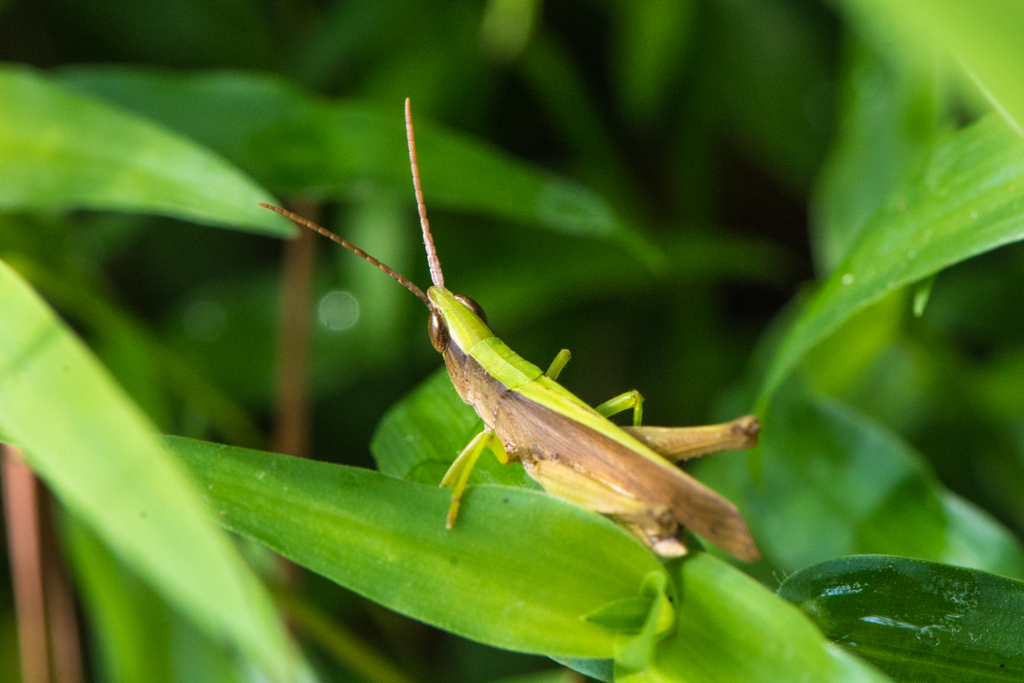
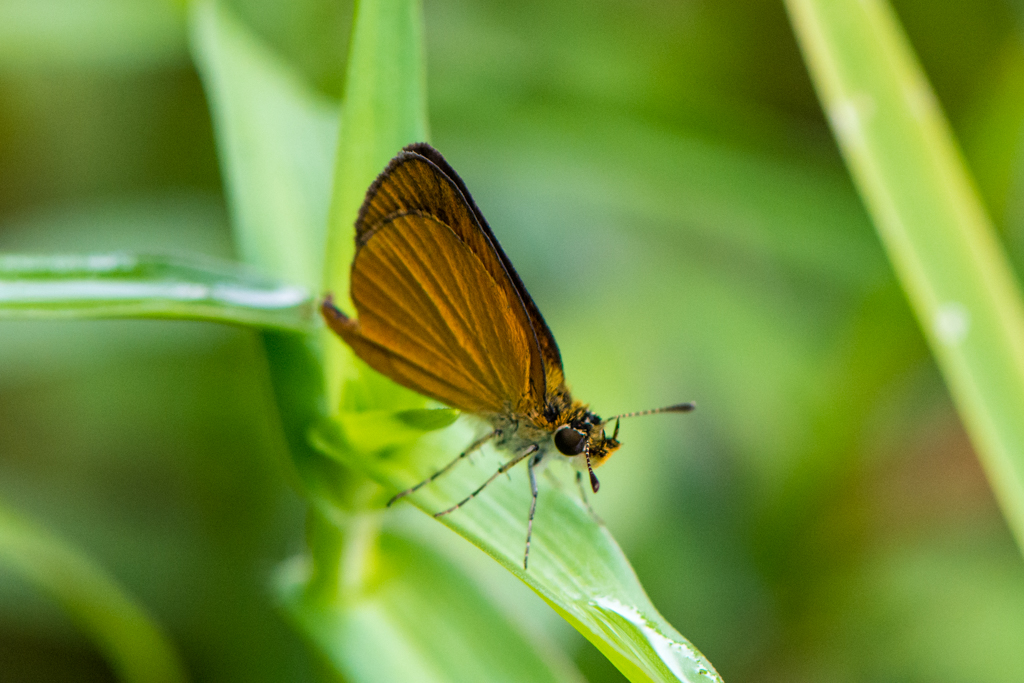
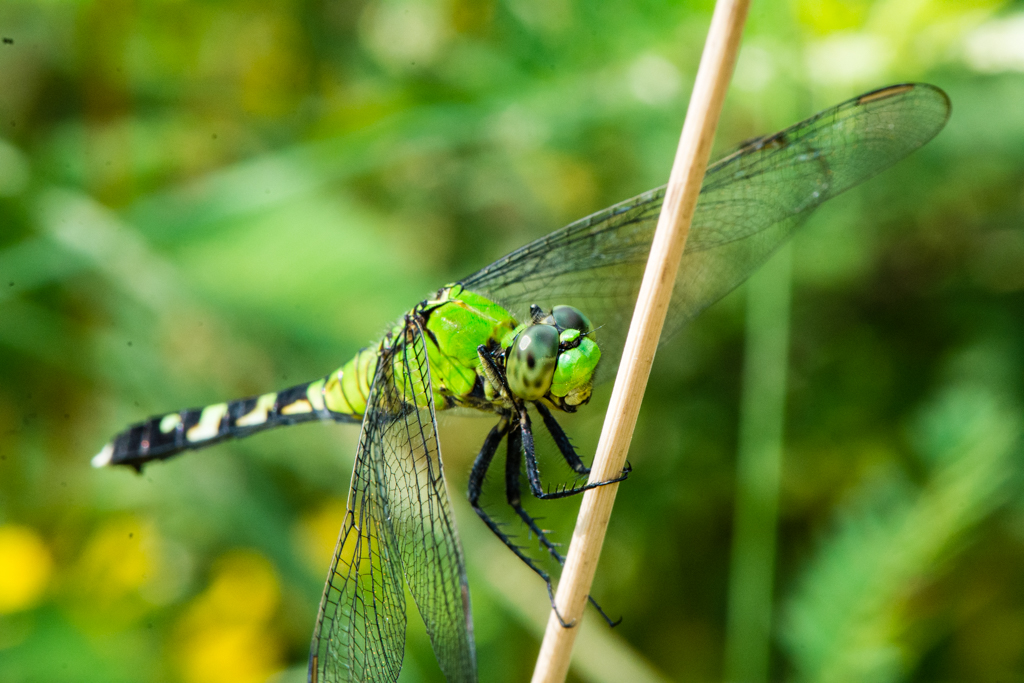
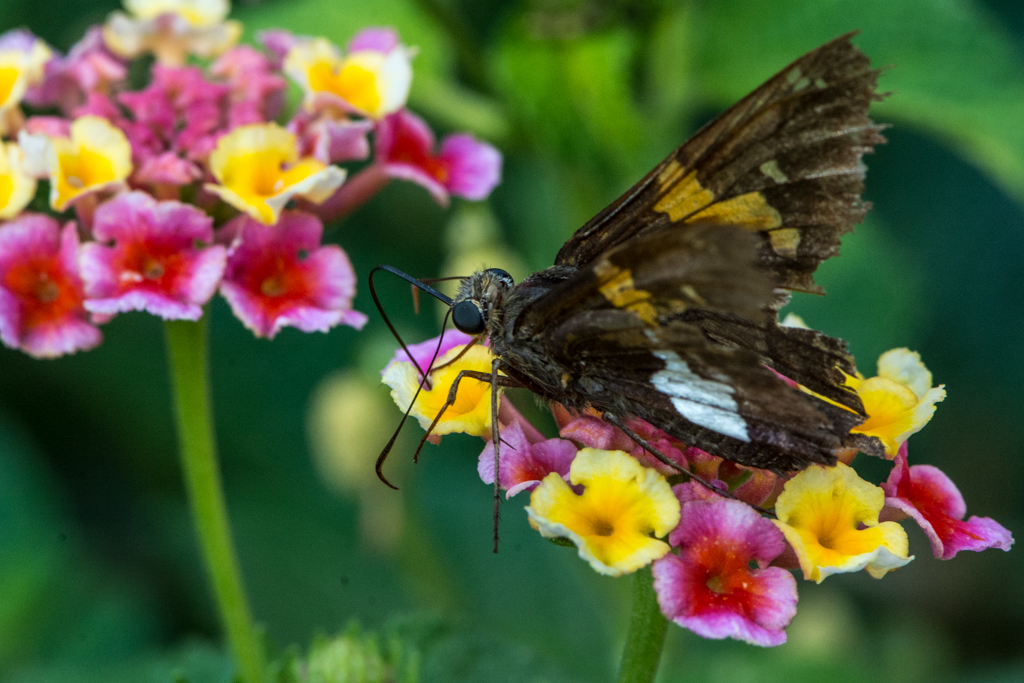
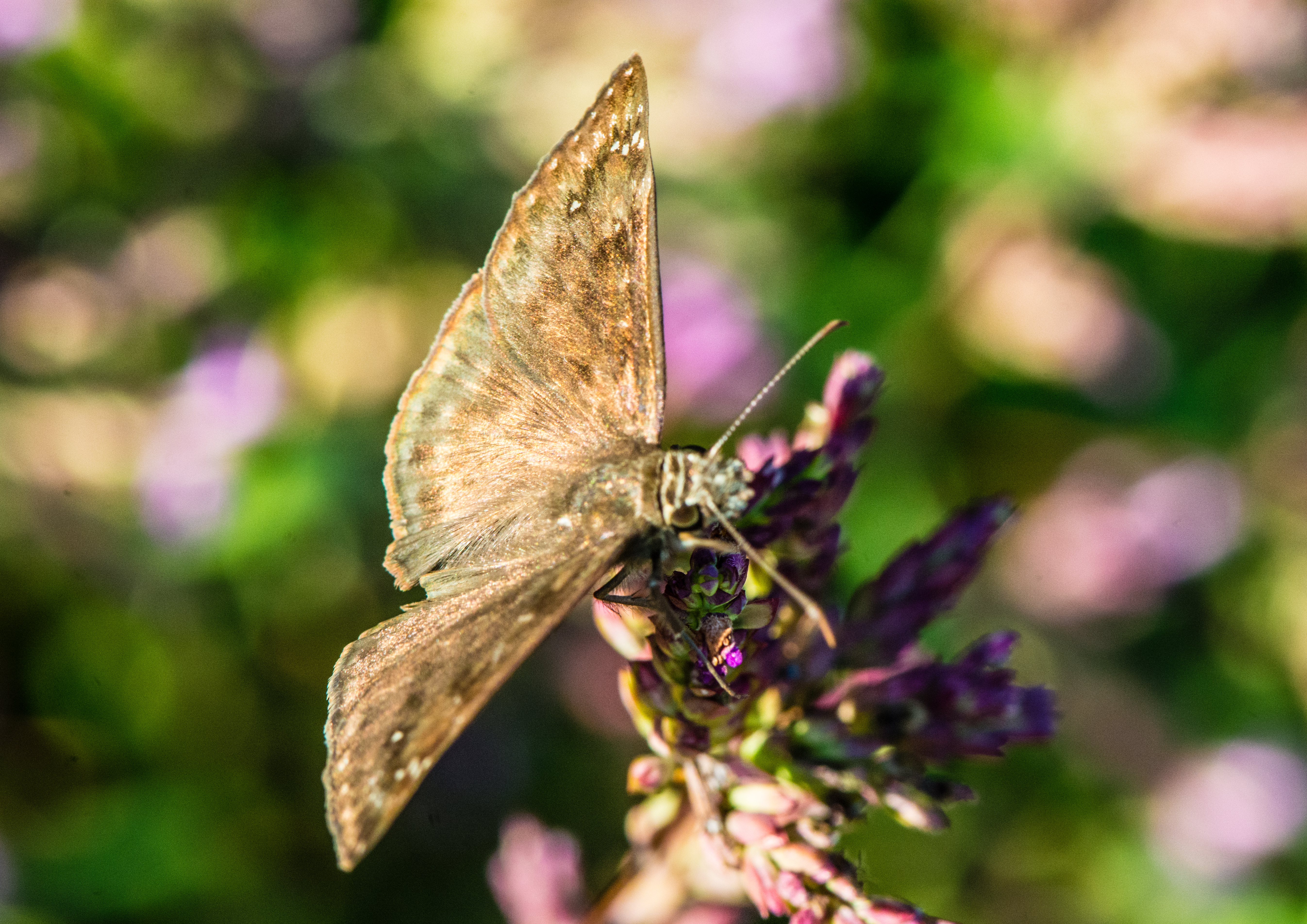
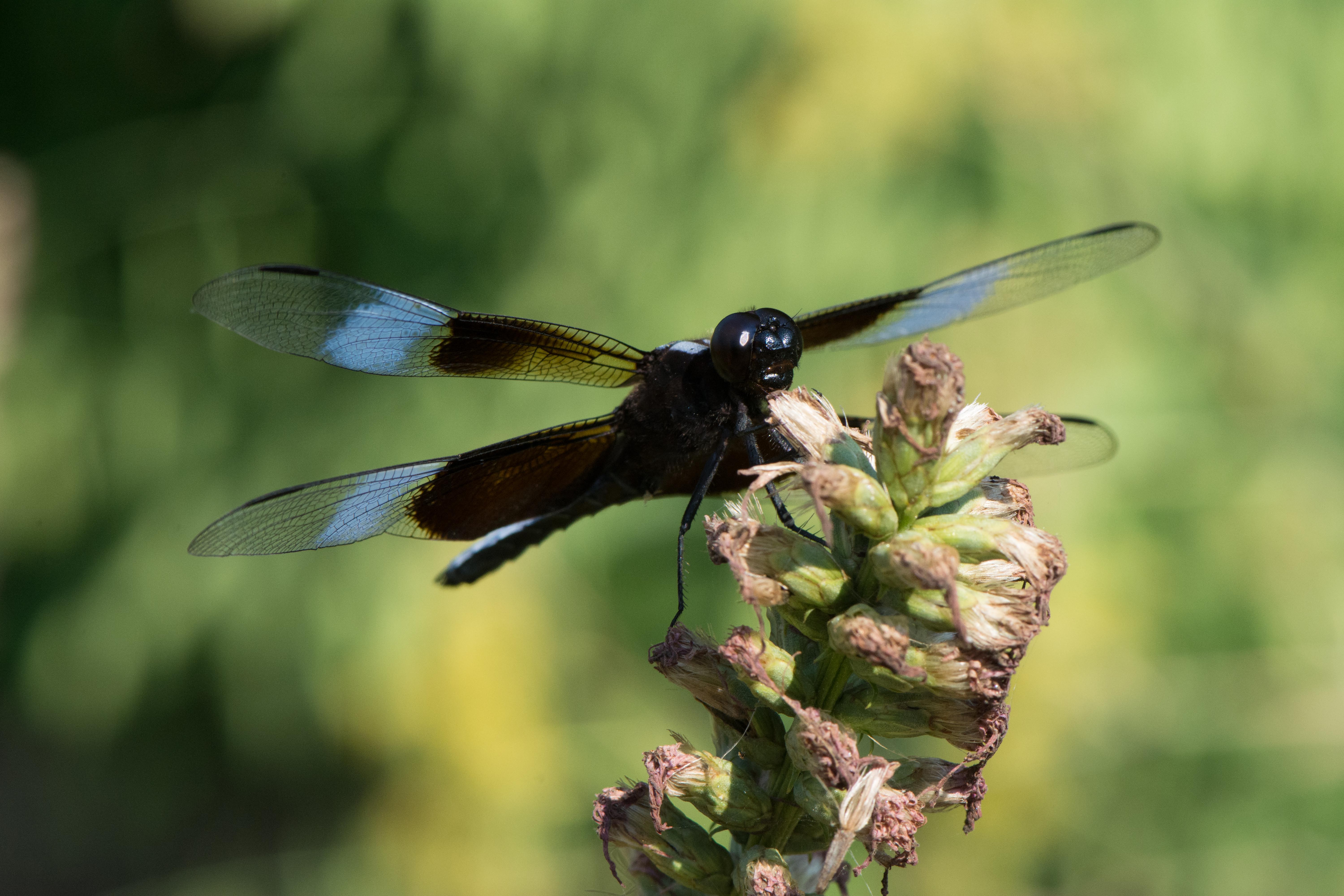
On Saturday, I went up to Durant Park with my camera and took a slow walk around the lower lake. I was especially on the look out for butterflies, dragonflies, and spiders. Most of the large butterflies were gone, but I got a few images of tiny (less than .5 inch wingspan) skippers. There were quite a few of the locally common dragonflies. Most were flying fast, but an Eastern Pondhawk posed for me. A few leaves were falling.

Diane’s fall, ignorance, our industrial food system, and butterflies

RTillerbutterfly (1 of 1)-5
On Thursday, Diane (Sally’s mom) had a bad fall while walking her greyhounds and got an ambulance ride to Rex Hospital. One of the EMTs on the ambulance somehow got our number out of her phone and let us know. Diane’s symptoms included short term memory loss, dizziness, weakness, and confusion. She thought it was 1929.

After various tests, including a CAT scan, the neurologist concluded that she had a mild concussion. After a few hours, she started improving, but she’s still feeling very weak. Sally has been spending most of the last couple of days with her in the hospital, where she was generally impressed with the professionalism of the staff.
RTillerbutterfly (1 of 1)-6

Our brains are so complicated, and yet so delicate. And there’s so much we don’t know . An op-ed piece in the NY Times this week made a case for teaching ignorance. It sounds odd, but actually make sense: we need to understand better how much we don’t know. Relatively little in our world is known with scientific certainty. As we learn more, we also see how much we have to learn. Creativity lies in this ambiguous territory where the known meets the unknown.
RTillerbutterfly (1 of 1)-3

This week in the gym during an early morning workout I finished reading (actually, listening to the audiobook of) Michael Pollen’s The Omnivore’s Dilemma. It’s a serious but elegant book about food, from the production to the harvesting to the consuming.

Pollen does a great job in the early chapters of summarizing the bizarre state of our food system, with its extensive dependence on corn, which is grown with big government subsidies and without normal market pressures and then transmuted into high fructose corn syrup and hundreds of other ingredients in our food, not to mention our meat.

He does a good job sketching out the problems of our industrial production of chicken, beef, and pork, including the cruelty to the animals, the spread of disease, the massive greenhouse gas emissions and other environmental problems. He ends up feeling badly about meat eating, but not badly enough to quit. I wasn’t much enchanted with his final chapters about hunting and killing a wild pig and serving it and other forest foods to his accomplished foodie friends.
RTillerbutterfly (1 of 1)-4

We all have difficulty with seeing things we don’t want to see, even when they’re right in front of us. That is, most of what we see and think we know is what we already believe. So it’s remarkable when someone questions the well-settled status quo. Last week his week the NY Times had a piece on judges who are questioning long prison sentences and other inhumane features of our criminal justice system. It’s good to see those involved in running the system are having their doubts.
RTillerbutterfly (1 of 1)-2

For the first time this week I went up to Durant Park. It’s in far North Raleigh, a 25-minute trip from here, but I was glad I made the effort. By a small lake there were many active butterflies, dragonflies, and damselflies, including quite a few that didn’t mind having their picture taken.

Good grad school news, reading Coates and considering our racism, and some butterflies

RTillerbutterfly (1 of 1)-2
Gabe got into grad school! Whew! We’ve all been waiting anxiously to hear from Parsons School of Design, and thank goodness, the news was good. As is his wont, Gabe had considered the issue of grad school carefully, and had worked on his application carefully, and ended up getting the application in rather late. But it worked!

The Parsons program may be done either online or in the classrooms in New York, and Gabe is leaning towards doing the first semester online from here in Raleigh. This would avoid the stress of a last-minute apartment hunt, and would also allow him to work on his promising new relationship. Is this a good idea? The question is not an easy one. For motivated, self-directed learners, on-line can work. These past few months, both he and I have been studying photography and design subjects on-line (e.g. Lynda, Udemy, and free YouTube videos), and learning a lot.
RTillerbutterfly (1 of 1)-7

Considering how important education is, it’s remarkable how little we know about what works and what doesn’t. This week I listened to a couple of podcasts from This American Life on the educational effects of desegregation and resegregation, which were bracing. I wasn’t surprised to learn that desegregation improves the educational outcomes of minorities, but I didn’t know that since the mid-80s, our schools have been increasingly segregated. This is another indicator that we haven’t worked all the way through our problems with racial distinctions.

I’ve been reading Between the World and Me, by Ta-Nehisi Coates. It’s currently high on the best seller list, which ordinarily means I’m not in the target market, but this was a big exception. It is a black man’s jeremiad on what slavery really means for our country’s past and present. I’ve found it painful and difficult, but also helpful in understanding our bizarre situation with respect to “race.” I use quotes because evidence is accumulating that race is a social, rather than a biological, construct. Coates argues that it was created to justify oppression, and I believe he’s right.
RTillerbutterfly (5 of 7)

The legacy of our long history of slavery is unquestionably still with us. As recently as two weeks ago, there was a rally near here in support of the Confederate battle flag. And every day black people are stopped for “driving while black.” Coates makes us understand that those who are stopped believe that the police might well kill them without justification, and if they do, they might well get away with murder. Recent headlines corroborate his view.

We’ve come a long way in my life time in addressing the massive injustice of slavery and racism, but it’s taken a long time, and we’re not done yet. It saddens and shames me to admit it, but as a child in the 60s, I was taught that Negroes were inferior. Not bad, mind you, but lesser. Everyone I knew, good people and bad, thought that and taught that. I remember at first thinking it strange that little children, who called all white adults Mr. and Mrs., all called our black elementary school janitor by his first name. He was Preston. Preston was a sweet, kindly man, but I’m guessing he would have preferred Mr.
RTillerbutterfly (1 of 1)

Getting that early, deep, wrong imprinting straightened out has been a long journey for me. Along the way getting to know some great black people was critical, but so was literature and film. Reading Ralph Ellison, James Baldwin, and Richard Wright helped. William Styron’s The Confessions of Nat Turner definitely helped. Life on the Run, by Alice Gorman, opened my eyes. Karl Hart’s recent book, High Price, did as well. Hollywood had helped, at times – Amistad, Twelve Years a Slave. Watching the PBS series Eyes on the Prize about the Civil Rights movement helped. And Coates, with his hot burning anger, is helping me, too. I recommend his book.

Some evidence that we’re at least trying to sort this out: the end of Jefferson-Jackson dinners. The Times reported this week that although these dinners have been a traditional fund-raising bonanza, the Democrats are quietly dropping the association to these unrepentant racist, slave-owning presidents. Jefferson has gotten a huge pass from subsequent generations based on his ability to turn a soaring, inspiring phrase (“all men are created equal”), but it looks like he’s finally being held accountable for the things he did to hundreds of humans that were horribly wrong. That’s good.

This is the time of year for butterflies, and I spent some time in the area parks this weekend looking for them. I took the photos here at Raulston Arboretum on Friday after work. Back home, when I got the images onto my laptop, I realized that some of them had been knocked around a bit by life. I considered repairing some of the damage to their wings with the Lightroom healing tool, but decided I liked seeing them as individuals.
RTillerbutterfly (4 of 7)

Butterflies, Vermeer, and blind spots

Raulston Arboretum-1577

After work on Friday, I zipped up to Raulston Arboretum with my camera to see what was blooming and flying. It’s a lovely place, and it’s soothing to stroll among the quiet growing things. But when you’re trying to manually focus the camera on tiny quick-moving creatures, there’s a burst of adrenaline. When it all clicks, I feel happy. This week there was a profusion of butterflies, and I had good luck in capturing images of a few.
Raulston Arboretum-1587

I’ve been reading the book Diane gave me, Travels in Vermeer, by Michael White. It’s a memoir about a tough time in White’s personal life, which was relieved by his falling in love with the art of Vermeer, the 17th century Dutch artist. I share his passion for these rare paintings, and like his accounts of his personal encounters with the master’s work.

White shows how feelings flow out of the paintings, and how they reward the viewer who keeps looking and looking. This is one way to tell when art is truly great — when you can’t exhaust it. I had the bright idea of googling the paintings as I came to his descriptions, and confirmed that Google takes far less than a second to locate a decent image of any Vermeer you care to name. It enriched the reading experience.
Raulston Arboretum-1542

As I mentioned last week, I’ve been listening to audio book lectures while working out about ancient Greece and Rome. This week I learned that as much as a third of the population of classical Athens were slaves. For all the pathbreaking philosophers among the Greeks, it appears that none of those great minds questioned the institution of slavery. Though I found this surprising, it also occurred to me that there have been and are still huge blind spots in our moral vision. I’m thinking of those things that are almost impossible to think about, let alone criticize, let alone change, because they’re so integral to the way we live. An example: our industrialized cruelty to farm animals.

Raulston Arboretum, July 24, 2015

Raulston Arboretum, July 24, 2015

But these things can seem unshakably settled and then get unsettled. Think of progress on racism, sexism, homophobia, and our heedless destruction of the natural world. This seems to be happening with our views of imprisonment. This week President Obama visited a federal prison and spoke out about some of our most egregiously cruel practices with regard to convicted criminals, including solitary confinement.

What’s wrong with solitary confinement? The NY Times nailed it.

“When they get out, they are broken,” said Dr. Terry Kupers, a psychiatrist in California who consults on prison conditions and mental health programs. “This is permanent damage.” Cornell William Brooks, the president of the N.A.A.C.P., said prolonged solitary confinement amounted to torture. “Putting someone in solitary confinement does horrible things to a person’s personality, their psyche, their character,” he said.

It seems like we’re starting to be able to see this problem and address it.
Raulston Arboretum-1523

And it seems like a good thing that Iran has agreed in principle to back off from building nuclear weapons. What’s not to like? Our usual unquestioning acceptance of the possibility of massive nuclear destruction is sort of like the Greeks and slavery – we just can’t bring ourselves to think about it. But we know, in the back of our minds, that existing hydrogen bombs, always on alert and ready for launch, always subject to human error, could quickly end life as we know it. Shouldn’t we be pushing our governments to find ways to back off the nuclear precipice? If you aren’t familiar with the science regarding nuclear winter, information is here.
Raulston Arboretum-1514

A forced break from piano playing, and thoughts on autodidacts and other learners

14 07 25_1170
After work on Friday I drove up to Raulston Arboretum to check on the flowers and insects. The rose garden was gone – nothing there but dirt. But there were still plenty of things growing, and bees and other insects hard at work. I particularly liked this uninhibited butterfly.
14 07 25_1169
14 07 25_1171
14 07 25_1174

It’s been a whole month now that I’ve been unable to play the piano. I’ve been following my hand doctor’s orders and keeping my fingers taped up, hoping that the torn ligament serving the middle finger of my right hand will heal. Practicing the piano every day is a habit of many years. While I wouldn’t say I’m going through withdrawal, I certainly don’t feel as happy and balanced as usual. Piano music is a big part of my life, and I miss it.

But I’m trying to stay positive. The hand will get better eventually, probably. And I’ve used some of the time freed up from practicing to do ear training exercises that should make me a better musician. I had some exposure to these in my student days, and learned enough to pass the theory course, but not enough to feel really competent. The reason I didn’t do more was, it’s more work than fun. But I see now how a richer understanding of intervals and harmony could help me as a sight reader and interpreter.

Anyhow, I’m learning something. It feels normal to me to continually be learning new things. I tend to think that being curious and having the stamina and gumption required to take on new intellectual challenges is itself a gift, bequeathed by my parents and their ancestors, and also a product of my friends, teachers, and the books and other information that shaped me. But how it works, and why not everyone gets it, are mysteries.
14 07 26_1208_edited-1
14 07 26_1209_edited-1
There was a piece in Slate this week about education that suggested folks like me were outliers, “autodidacts,” and part of a minority able to learn without teachers, classrooms, and surrounding students. I suppose that’s possible. But I did not agree with the author’s premise that schools as they currently exist are optimal learning environments for most people. I suspect that as often as not schools destroy kids’ natural love of learning and at the same time fail to give them the tools they need to pursue their own learning paths.

So what is the best way to learn? Scientific American this month had a piece on recent research on this. The central idea was that we’ve done very little research into the most effective methods of helping people to learn. Instead we simply keep repeating traditional methods. The field of science-based education methods is still in its infancy, but there’s already enough to suggest that a lot of our methods are not very effective, and that we’ve got a lot of work to do.
14 07 26_1239

A macro photography class, and two soccer games

14 07 13_0682_edited-1
Today I took my first ever photography class: a three-hour session on macro photography. It was offered by the Raleigh Parks department at the Sertoma Arts Center at Shelley Lake. The teacher, Eric Krouse, was pleasant and knowledgeable, and an even bigger gear hound than I, and possibly as great a lover of dragonflies. After discussing theory, we went down to the lake, where we didn’t see much, but I got a couple of dragonfly shots I liked. The others below were taken at Raulston Arboretum yesterday.
14 07 13_0685_edited-1

It was a big soccer week for us, and I do not mean the World Cup. We went out to Cary on Wednesday night to see the Carolina RailHawks take on Dallas, a major league team, in the U.S. Open cup quarterfinals. The RailHawks played gamely, but finished the first half down 3-2. That turned out to be most of the story, though Dallas scored twice again in the last few minutes. In truth, Dallas had a couple of very speedy, impressive scoring threats, and we did not have a good answer. It was a good game, but after a long stretch of home wins, painful to lose.
14 07 12_0616

It’s been good to see the world enjoying World Cup soccer. Soccer is a pleasing sport in many ways, with speed, agility, grace, and force. Why hasn’t it become more popular in the U.S.? I would guess it’s mostly a matter of custom and tradition, with most people happy enough with what the games they learned about as children and a little fearful of trying to learn the rules of a new game.
14 07 12_0588_edited-1-1

On Saturday we saw the RailHawks lose again, this time to Indianapolis. We led at the half 1-0, but the Indianapolis team had a better attack, and ultimately prevailed 3-2. Again it was painful to lose, but good to be see great athletes.
14 07 12_0544_edited-1

Amazing drawings, the N.C. Zoo, and some photos of butterflies

13 07 28_3063
Congratulations, to Jocelyn, who just graduated from the Columbia University publishing program. Now she’s hunting for a publishing job in New York, and we’re hopeful that she’ll quickly find one. (If you have any leads, please let me know.)

This week she sent me this link to a group of drawings and paintings that are astonishing in their photographic realism. Truly, the work is uncanny. I had no idea that there were humans with such technical facility.

But after the initial shock of astonishment wore off a bit, I wondered a little what was the point. If you could do the same thing with a camera, why wouldn’t you just use the camera? I suppose it might be like deciding to hike when you could drive, or building furniture with hand tools rather than power tools. There could be joy in the activity.

At any rate, I’m so glad I’ve got a camera, because it would take me at least another lifetime to learn to draw like these artists. Lately I’ve been learning more about my Nikon D3200, and having fun with it.
13 07 28_3013_edited-1

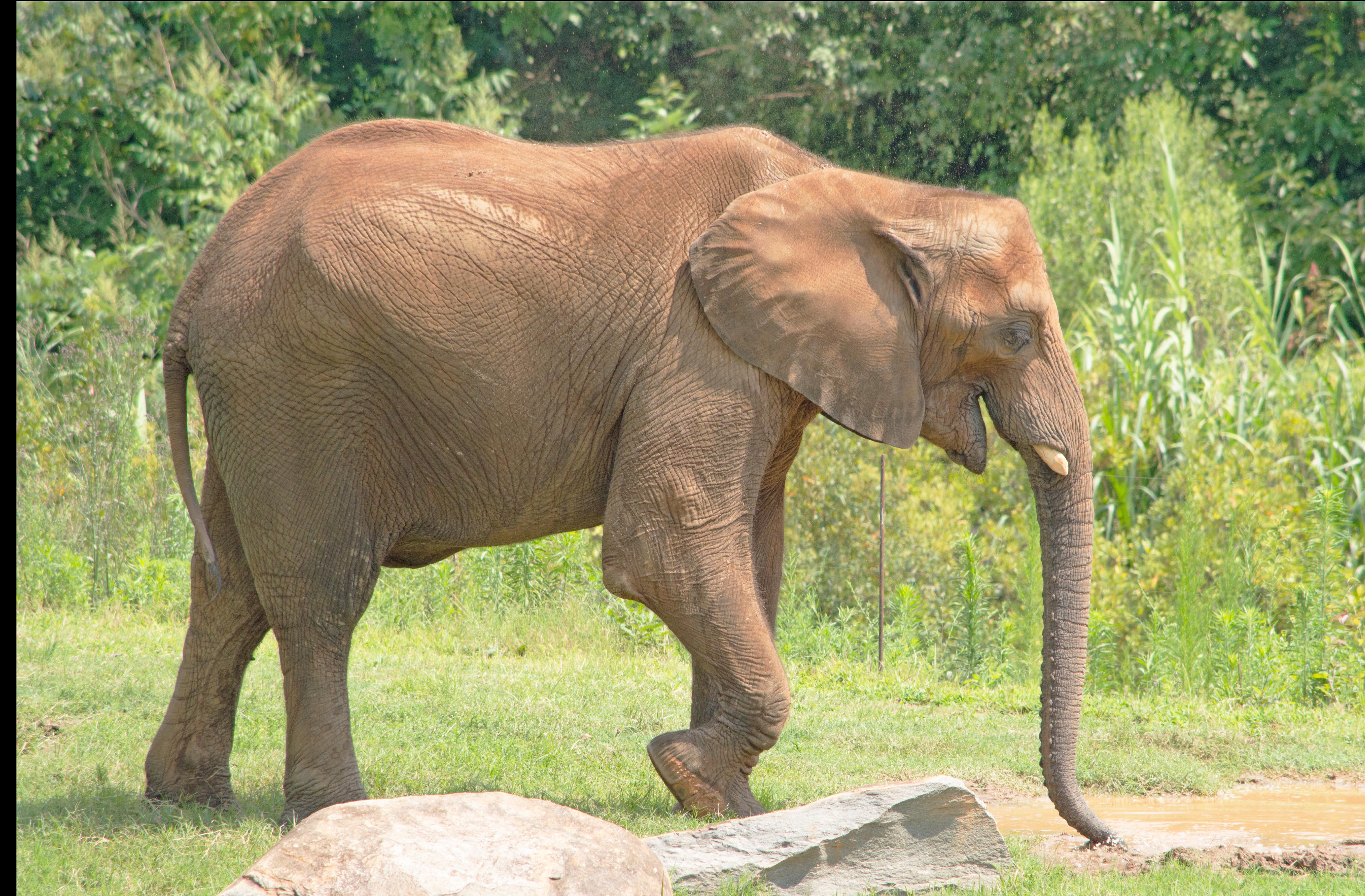
Week before last, I took the Sally and the camera over to the N.C. Zoo in Asheboro. We took in most of the Africa section, which features a spacious layout for such iconic species as elephants, giraffes, and rhinos, and relatively humane enclosures for the lions, chimps, baboons, lemurs, and exotic birds.
13 07 28_3084

We saw an adorable and sociable ostrich (above). I was also particularly touched by a baby baboon, just 6 months old, who rode about on mama, dropped off to bother brother, and hitched another ride on top of an aunt. We also enjoyed the many swimming turtles, including snappers, we saw from the bridge at the entrance.

I generally associate zoos with children, and recalled with pleasure taking my kids years ago, but also was reminded of the many challenges of young children and their needs (“I’m thirsty.” “I’m hungry” “I’m tired.” “I’m bored.”) It was good for a change to have no worries of that sort, and freedom to just enjoy the animals and environments.
13 07 28_3108_edited-1

Of course I have mixed feelings: it doesn’t feel quite right to cage these creatures up, even in nice cages. In the best of worlds they’d be free to live as best they could in habitat unmarred by humans. But in an imperfect world, I appreciate the chance to get close to these marvelous creatures.
13 08 09_3558

As a birthday present to myself I recently got a new tool: AF-S VR Micro-Nikkor 105 mm f/2.8G IF-ED. It’s a high quality macro lens suitable for extreme closeups. I’m interested in doing more with flowers and insects. Yesterday morning I got to Raulston Arboretum just after it opened at 8:00 a.m., and had good light, and proceeded thereafter to Fletcher Park. There were bees and butterflies hard at work, including these.
13 08 09_3576_edited-1-1
13 08 09_3523
13 08 09_3483
13 08 09_3513

Farewell to Cory Monteith of Glee, and a new pop science book on the unconscious

13 07 26_2802
Last week I was greatly saddened to hear of the death of Cory Monteith, the actor who played Finn in the TV show Glee. For a couple of years (though less so recently), Glee was one of my happiest guilty pleasures, a sweet spot on the largely mindless and boring TV firmament. I wouldn’t care to defend Glee as wholly original. It is, at one level, mostly about recycled pop songs, dance video conventions, and predictable plot lines. But they sing and dance with more than just precision. The total effect is of youthful energy and exuberance. Pop music that I never much cared for when it was new becomes fun and sometimes even moving.
13 07 26_2796

The existence of gays who were sweet, talented, and creative has been a major point of Glee, and it has pressed for tolerance for gays as a central value. How much has this affected the American zeitgeist? Some, I’ve got to think. The poll numbers of Americans supporting gay marriage have gone from negative to positive during the show’s run. Gay marriage is legal in several states, and the Supreme Court has gotten on board. Making anti-gay jokes and comments is becoming less socially acceptable. This is progress.
13 07 26_2815

Cory Monteith was probably the least flashy of core Glee cast in terms of good looks and song-and-dance talent. But he served as the anchor, allowing those around him to emote without floating into outer space. His relative normalcy gave the show more texture and sweetness than a simple music video. He was a point of stability.
13 07 26_2830

It was surprising, at least to me, to learn in his obituary that he “struggled with substance abuse,” and his death was attributed to a combination of alcohol and heroin. Plainly, he was a talented and hard-working actor. It simply is not possible to put out a weekly TV show without lots of hard work, and the supercharged Glee production numbers have got to be incredibly taxing on actors and crew alike. Monteith performed consistently at a high level, so it seems safe to say that he was not completely controlled by addiction. I don’t know more than that about his back story, and I won’t speculate. As I said, I’m sad such a talented young actor is gone.

I hope his death will encourage others to avoid addiction to dangerous drugs, but I also hope it will nudge forward the shift from a moralistic view of addiction. The “struggling with addiction” language in the news reports suggests a more medical view of the problem, instead of the traditional junkies-are-evil-zombies view. Glee reruns will give testimony for years to come that Monteith was so much more than that.
13 07 26_2848

There’s still a lot we don’t understand about our brains, but also so much we’re learning. I just finished a new book on this fascinating subject this week: Subliminal: How Your Unconscious Mind Rules Your Behavior, by Leonard Mlodinow. Mlodinow, a physicist by training, covers some of the same territory as Kahneman and Gazzaniga, taking an evolutionary perspective on the brain and describing research into conscious versus unconscious processes and the social nature of the human brain. But his emphasis is different, and in some ways more practical.

For example, he spends little time lamenting how little of our lives are lived at a conscious, rational level, instead emphasizing how useful and efficient our unconscious processes are. Yet we normally overlook this part of life or deny the extent to which it is critical. We trust our reasoning processes without noting their common biases and errors. We rely on our memories without accounting for their imprecision and shifts. Even our most basic perceptions and emotions are prone to manipulation and error. But Mlodinow is not a pessimist. Like Kahneman, he is ultimately hopeful that understanding how prone we are to mistakes and delusions can help us improve our lives.
13 07 26_2855

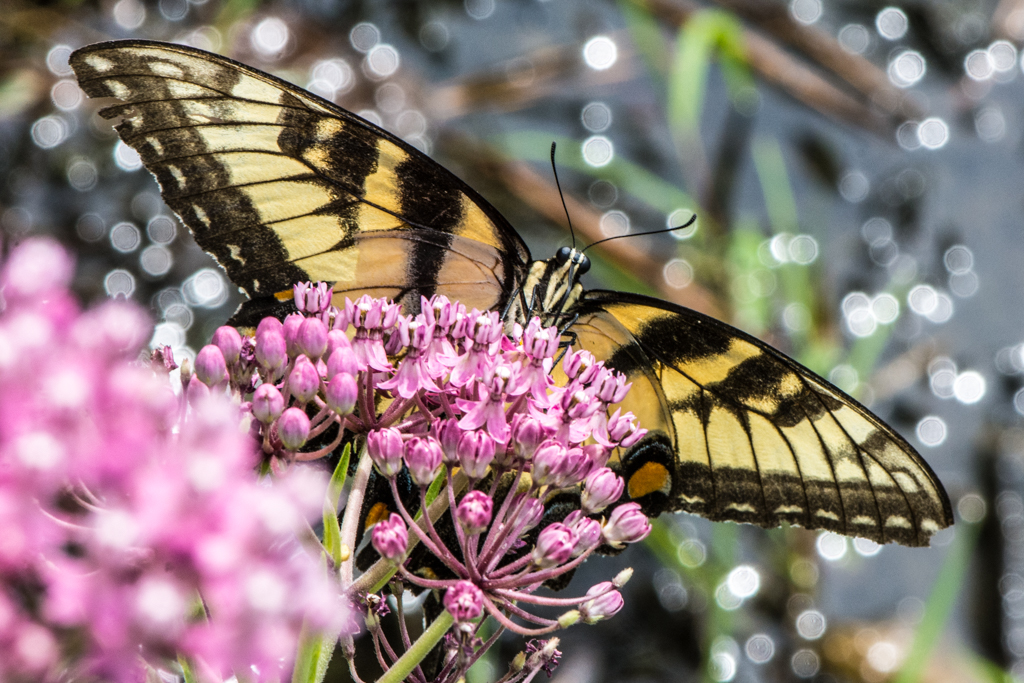
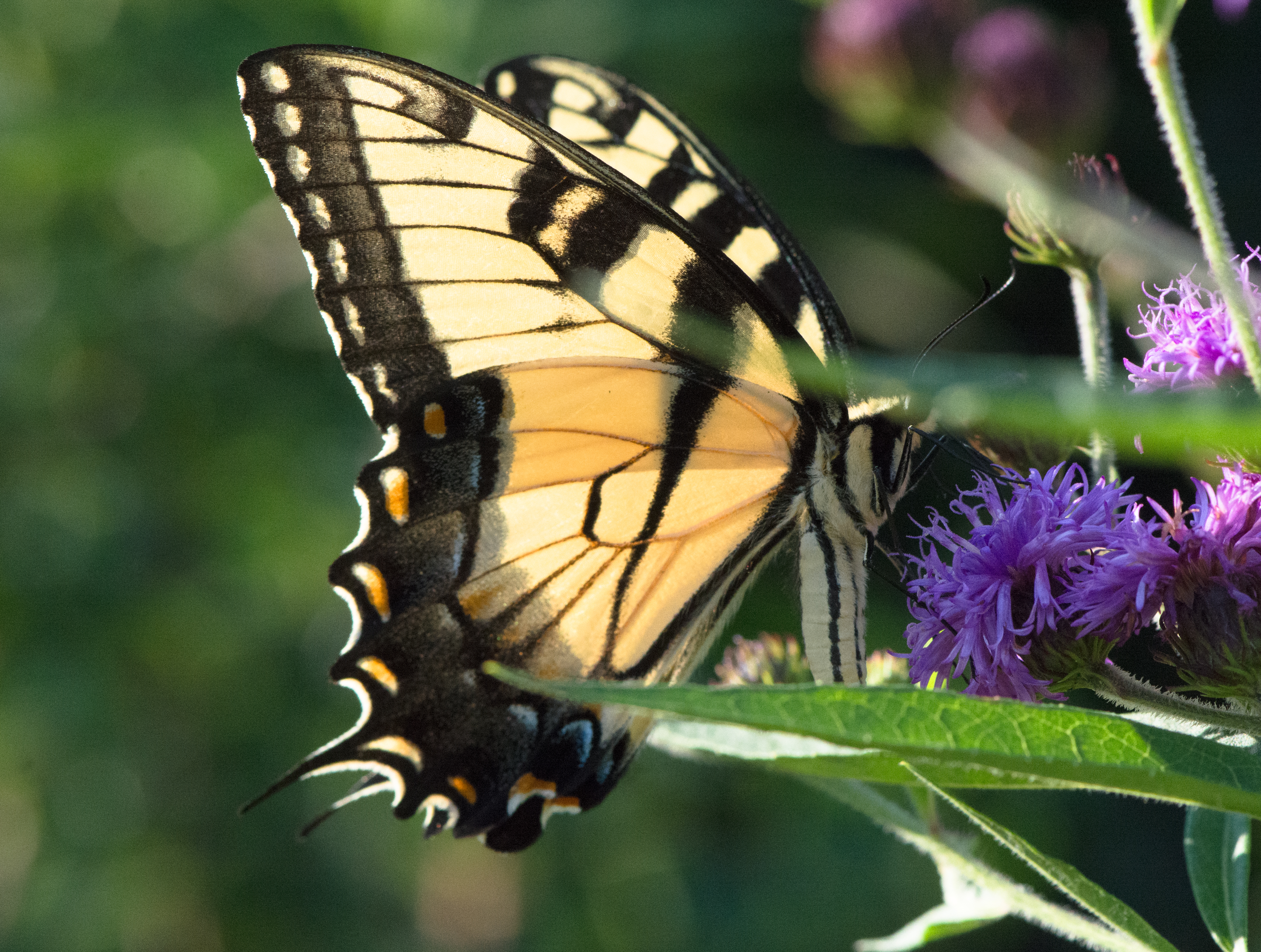
The photos above are from my latest photo safari to Raulston Arboretum on Saturday morning. As usual, there were new things blooming, including some spectacular lilies. Also there were quite a few butterflies, including a gorgeous tiger swallowtail.
13 07 26_2841