The Casual Blog

Category: technology

Picturing light snow, and thinking about privacy and our digital selves

14 01 29_6909
It snowed in Raleigh this week, which was kind of exciting and kind of annoying. I love the transformative quality of snow – all that clean white soft quietness. But moving about in a normal human way becomes difficult. When I tried to drive rear-wheel-drive Clara to work, we got stuck as soon as I cleared the door of the apartment building garage. Unable to get up the modest slope, we managed to back down to a lucky parking space, and I walked the mile or so into work – in 18 degree cold. Burrr!
14 01 29_6916-1

On the way, I used my new camera, a Nikon D7100 with a Nikkor 10-24mm lens, to get a few images of my snowy neighborhood. I forgot to adjust the ISO, which I’d previously set at 800, but it didn’t seem to cause noise problems. I’ve been reading a book titled Mastering the Nikon D7100, which sounds very boring, but doesn’t seem so at all – which suggests I’m becoming a photo nerd. Oh well. There really is a lot to learn about this camera, but it can do so much! It sounds a little weird, but I’m feeling warmly towards it – almost like a new friend.
14 01 29_6919_edited-1

Speaking of digital devices and friends, there was a lively essay by Colin Koopman in the NY Times this week about why we’re struggling so to grasp the nature of the problem with the NSA’s increasing intrusiveness into our lives. Koopman proposes that we should start viewing ourselves more as data (“info persons”). It is, after all, the way we’re viewed by our internet service providers (Google, Bing, Facebook,LinkedIn, Twitter, Amazon, eBay, Opentable, Angry Birds, etc. etc.).

Koopman proposes a simple thought experiment: imagine what would happen if all our digital data, from social security numbers to credit card accounts, medical records, school records, bank records, insurance records, search queries, book preferences, food preferences, porn preferences, avatars, Instagrams, Tweats, and posts – suddenly disappeared. Try it.

When I did, my stomach did a quick shimmy and I felt a bit of vertigo.

His point, I think, is that we have trouble grasping the privacy issue posed by mass electronic surveillance, because we have trouble grasping how our digital technology has transformed us, changed what a human being is. Our digital selves are an increasingly integral part of the human fabric. Because we still don’t quite get how they relate to the pre-digital revolution part of our lives, we tend to not notice them or downplay their significance.

But advertisers and spys have realized that, from another point of view, the digital self is a high value target, enabling the intruder to predict with a high degree of accuracy what we will buy on Amazon and view of Netflix tonight and do with ourselves tomorrow. The new Age of Information is transforming commerce and law enforcement, but it we haven’t evolved political or legal tools to address it.

Our privacy is closely related to our dignity, and to community. We all have imperfections or oddities that we prefer to keep concealed. They may be physical flaws, financial limitations, unusual appetites, or unpopular ideas. Our ability to maintain self-respect and to live in cooperative groups depends on a tacit mutual agreement to respect boundaries for these differences, and to not insist that they be exposed.

We didn’t realize until recently that just by using the new normal tools of communication and commerce, we had opened the door on our private selves. Once we know that our health problems, financial problems, sexual proclivities, and other traits are within view of strangers, we feel diminished and alienated. This is why, even leaving aside the risk of tyranny, data privacy matters.

Speaking of technology and transformation, on Friday we had a nice dinner at Capital Club 16 (an eclectic and vegetarian-friendly place) and went over to Mission Valley to see Her, starring Joaquin Phoenix, the voice of Scarlett Johansson, and the wonderful Amy Adams. It’s about a new sort of digital assistant app that is so human that humans fall in love with it – and it with them.

The premise didn’t seem farfetched to me. I thought it was touching and unsettling, though kind of slow toward the end. The next day I was still thinking about the themes: how prone to loneliness we are, how desperate to connect, how ecstatic in love, how despondent in loss, how changeable, and also how resilient.
14 01 29_6925_edited-1

Skiing in Virginia, and considering, has the NSA ended privacy as we know it?

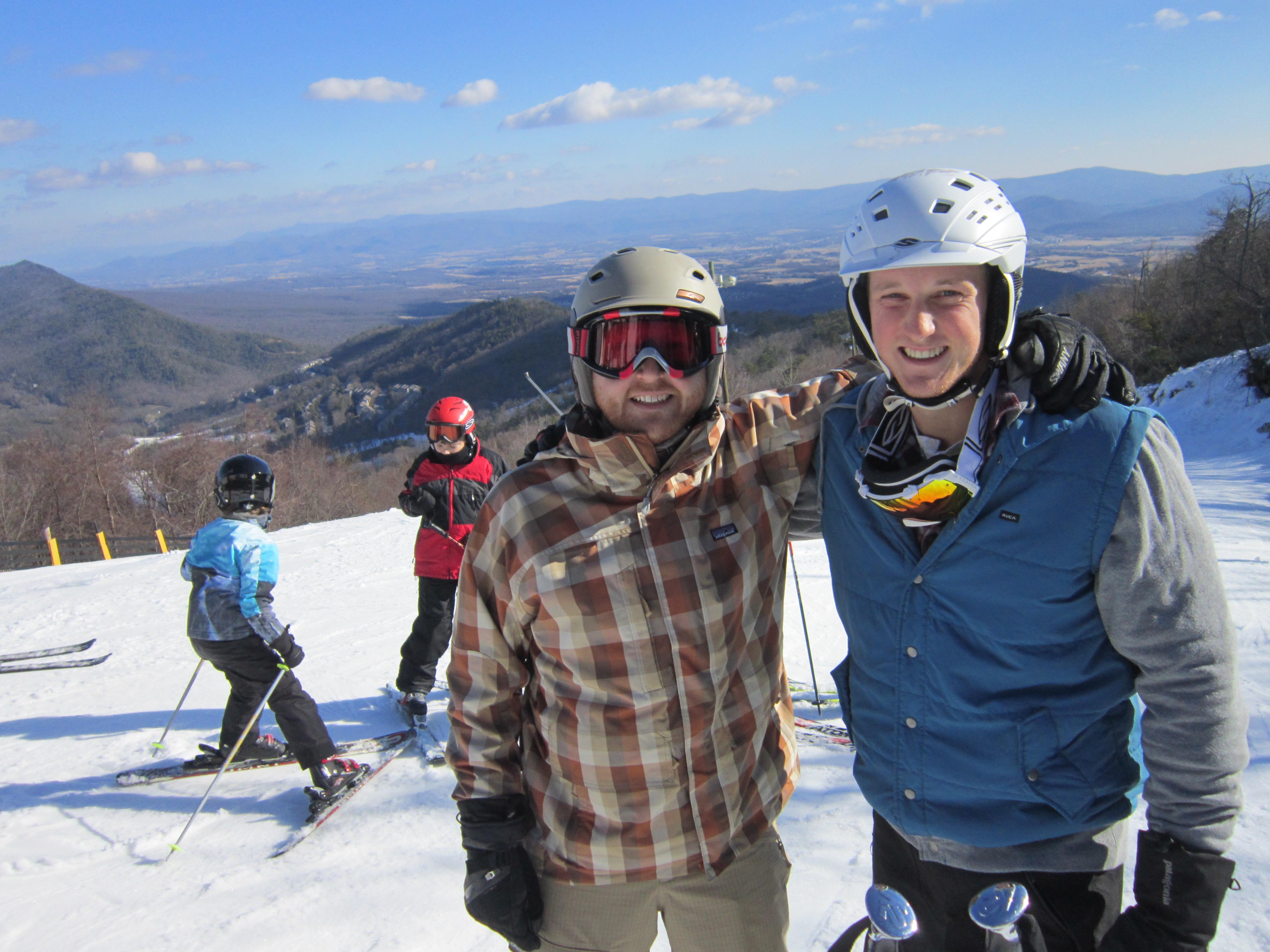
My nephews Josh and Adam, humoring me with a short pause on Sunday

My nephews Josh and Adam, humoring me with a short pause on Sunday

Last weekend I went skiing at Massanutten Resort, near Harrisonburg,l Virginia. I thought it would be good to see my brother and nephews, and have a little ski tune up before our Colorado trip in February. The drive up on Friday night was five and a half hours through fog and rain, and the ski conditions were far from optimal, but it was still well worth it.

On Saturday the weather report was for rain, and it did rain a bit, but the snow was pretty good. It was fun skiing with my nephews, both in their twenties and fast. They decided at lunch time to go to the movies, but my brother had ski patrol duty, and I decided to keep skiing with him on the advanced slope (number 6).

He had to leave for a period, and it got very foggy, with perhaps 50 feet of visibility. It rained a little. On the first run on my own, I noted that I didn’t see a single skier on the mountain. The same was true on the second, third – and fifth. It was the better part of an hour before a few other hardy souls ventured out.

Despite the fog, I enjoyed the skiing. I focused on sensing more of the ski edges, and making smooth, graceful turns. And I enjoyed the solitude of the trips up the mountain in the chair lift.

It occurred to later, though, that my smartphone was still sending out signals of my movements. My perception of privacy has been changing with the Snowden revelations, and I suspect I’m not alone. (LOL) Is it real so bad? I think it is, and have a concrete example.

A few weeks back, I wrote an email letter to the President. The gist of it was to commend him for commuting the sentences of some non-violent drug offenders, and to recommend that he expand that effort to help more of the thousands serving lengthy prison terms for minor drug crimes. As I prepared to send the email, I paused, thinking that this communication could easily mean a new NSA or other agency file would be opened on me, with unpredictable consequences.
Paranoid? Maybe. I sent the email anyway. But I expect that many citizens, now knowing how easily they can be monitored and how committed the spy bureaucracy is to expansive monitoring, might decide that expressing a political view just isn’t worth the risk of becoming a target.

There was a good piece in the New Yorker of a few weeks back by Ryan Lizza on the history of the NSA’s domestic metadata collection program, including efforts to establish a legal basis for it. It wasn’t surprising that a spy agency would tend to conceal its work, but it was surprising that agency representatives repeatedly lied to Congress and the FISA (special secret programs) court.

It raises the question, is this agency unconstrained by law? I expect most people involved in massive electronic surveillance are patriotic and well-intentioned, and not personally seeking world domination. But what if an agency with effectively unlimited resources and powers came within the control of a megalomaniac sociopath?Impossible? Remember J. Edgar Hoover?

If we’re lucky, we won’t become a police state in the Big Brother sense. But just knowing we’re subject to constant surveillance will probably change us. The interesting question is how much.

If the government forbade curtains on windows, we’d quit doing certain things within sight lines of the street. Maybe, without much discussion, we’ll get more guarded or stop discussing controversial topics using our electronic devices. Once that habit develops, it could extend to our face-to-face exchanges, or even our interior monologues. It wouldn’t happen all at once, but little by little. We might not even notice the change.

The justification for the government’s massive technology surveillance programs, of course, is prevention of terrorism. It’s hard to argue with that, since anything that grows the database of human activity could also increase information about terrorism. But is it possible that we’ve gone a little overboard with this fear-of-terrorism thing? Does it remind you a little of people preparing to end the world as we know with a nuclear conflagration it to prevent a takeover by communism?

There was a very interesting piece in Slate last week on the national hysteria over alleged sexual abuse and Satanic rituals in preschools back in the 80s. There were several of these cases in which little children testified that their preschool teachers molested them and also engaged in ritual murders and other bizarre and horrifying conduct.

Based almost exclusively on the testimony of the children, juries sent a number of these teachers to jail for lengthy terms. It slowly emerged that the abuse stories were fabrications produced by so-called therapists who essentially planted false memories in the children’s heads. Most of the teacher-victims eventually were freed.

In retrospect, the children’s stories seem way too bizarre to be believed – yet most of us believed. It’s a reminder of how our powers of reason and critical thinking are limited, and how they can be overwhelmed and defeated by sensational media and groupthink.

P.S. Needless to say, I paused again before publishing this post. But I think the danger of silence and retreat from dialog is even greater than the danger of surveillance run amok.

Ecstasy and agony: a sweet homecoming, my first handstand, a good massage, a difficult dental appointment, and some beastly Brahms

13 11 10_5168_edited-1-1

Happy birthday to Gabe! He’s 29 today, and his mumsy and popsy are proud as can be. He came out from Telluride to visit us for a few days, and it’s been good to catch up.

He’s working hard on his music, experimenting and doing some recording with his band mates. In high school, he got to be a strong drummer, but then lost interest. But he’s come back to making music! All those music lessons were not wasted! And he’s learned the secret of getting better at his instrument (and other things): practice, practice, practice.

Along with his music, Gabe has been experimenting with photography using his iPhone and Snapseed. He starts with something straightforward and does various color processes for a new look. It’s lively and interesting. He’s also following others on Instagram, including someone called yoga_girl. He showed me a couple of yoga_girl’s yoga feats, which included some extraordinary handstand variations.

I hadn’t mentioned that I’d made up my mind to learn how to do a handstand against a wall. I’d gotten a short lesson from Larisa, my wonderful functional fitness trainer, and also gotten Suzanne, my wonderful yoga teacher, to show me her approach after a recent class. And I’d given it several serious tries, which were close – but no cigar.

But after seeing Gabe and yoga_girl, the next morning I had my 5:30 a.m. session with Larissa, and amidst her other challenges, requested another handstand lesson. She suggested approaching it like a cartwheel. We worked on cartwheels for a bit, with some improvement, and then tried again. And I did it! Thanks, Larisa!

When I told Gabe of my milestone the next evening, he was of the view that I also owed some thanks to him and yoga_girl. True enough. He was inspired to try his own handstand. Without a wall. He was there by the third try. That’s my boy!
13 11 09_5117

The same day I did my first handstand, at lunchtime, I had my first massage with Kirsten Bachmann. After a massage hiatus, I’d decided to audition some new massage talent, and possibly get a regular routine for taking care of that part of my make up. I liked Kirsten. She started out with this surprisingly effective machine called the Thumper, which gives you a good Thumping. She did some great work on my right shoulder, which needed it. I look forward to our next session.
13 11 09_5111

But not all my experiences with new technology this week were as wonderful. I was two months late for my six-month tooth cleaning, and drew a new hygienist who used a device called the Cavitron. The tool vibrates at a high frequency, which, she said, “blasts the bacteria.” Maybe. But my it also caused my tooth nerves to vibrate at a frequency resembling a root canal. I like to think that I have a fairly high pain threshold, and tried hard to bear up, but finally had to say, no mas.

Also unpleasant was the piano soloist at the N.C. Symphony on Friday night. Beforehand we had tasty empanadas and margaritas at Calavera, and we enjoyed the first half of the program, which featured Sibelius’s moody and quirky Third Symphony.

But the second half of the concert, Brahms’s First Piano Concerto, featured a Finnish pianist named Olli Mustonen, who was almost comically bad. For the first few minutes, I thought perhaps I was simply not understanding his radical conception, or was just put off by his ridiculously broad gesticulating and other affectations.

But I ultimately concluded that he wasn’t listening to the orchestra, or even to himself. At times he shrugged off the conventions of normal musical phrasing and shaping, and what was left was just not musical. To me, it was painful. I should note, though, that many in the audience apparently found his waving, swaying, banging, and jumping around exciting, since a majority stood up and clapped at the end.

More cute cats (sorry), improving vision, getting fitter, web retail news, and tech trends

Isabel -- the mysterious one

Isabel

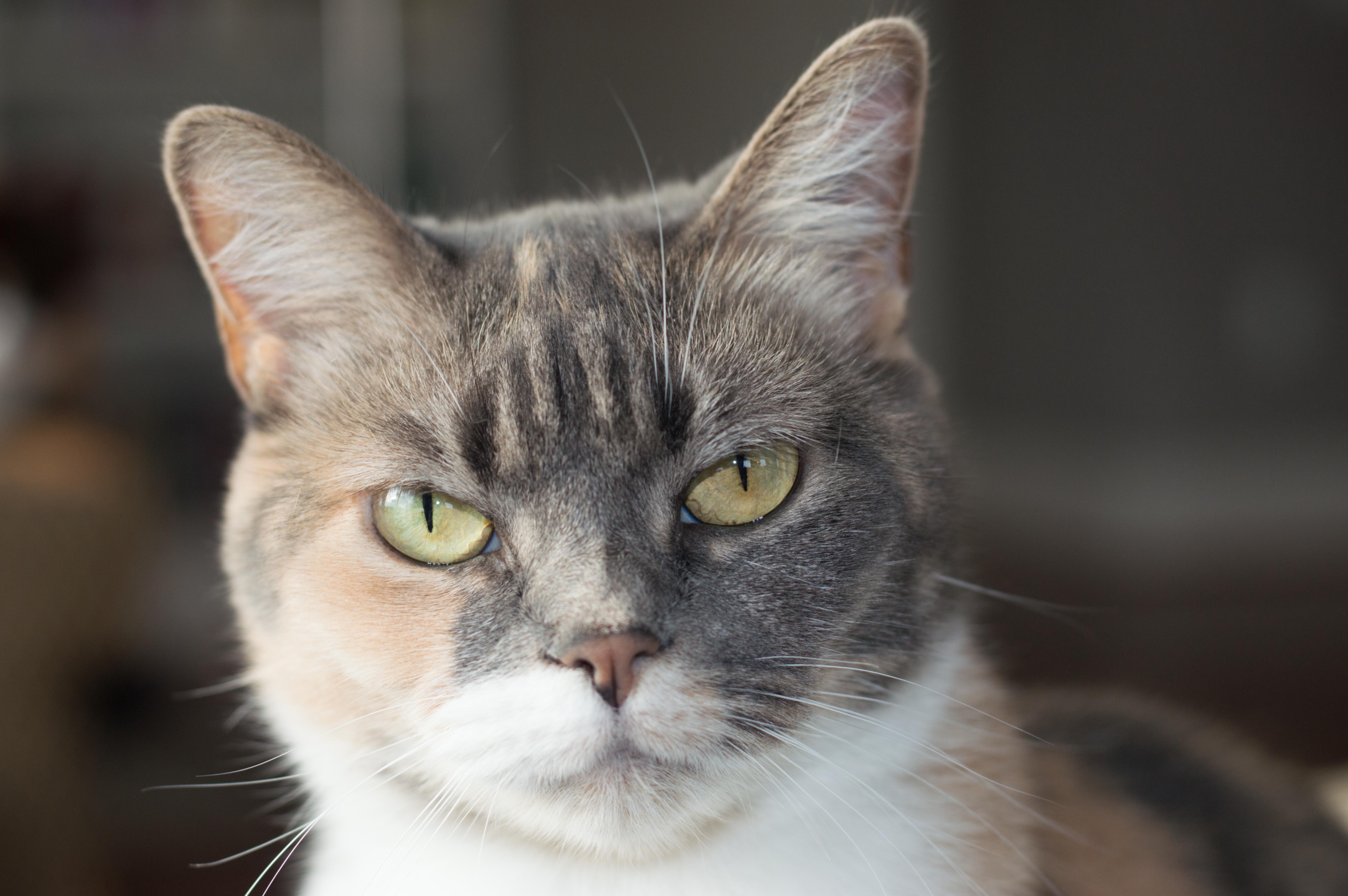
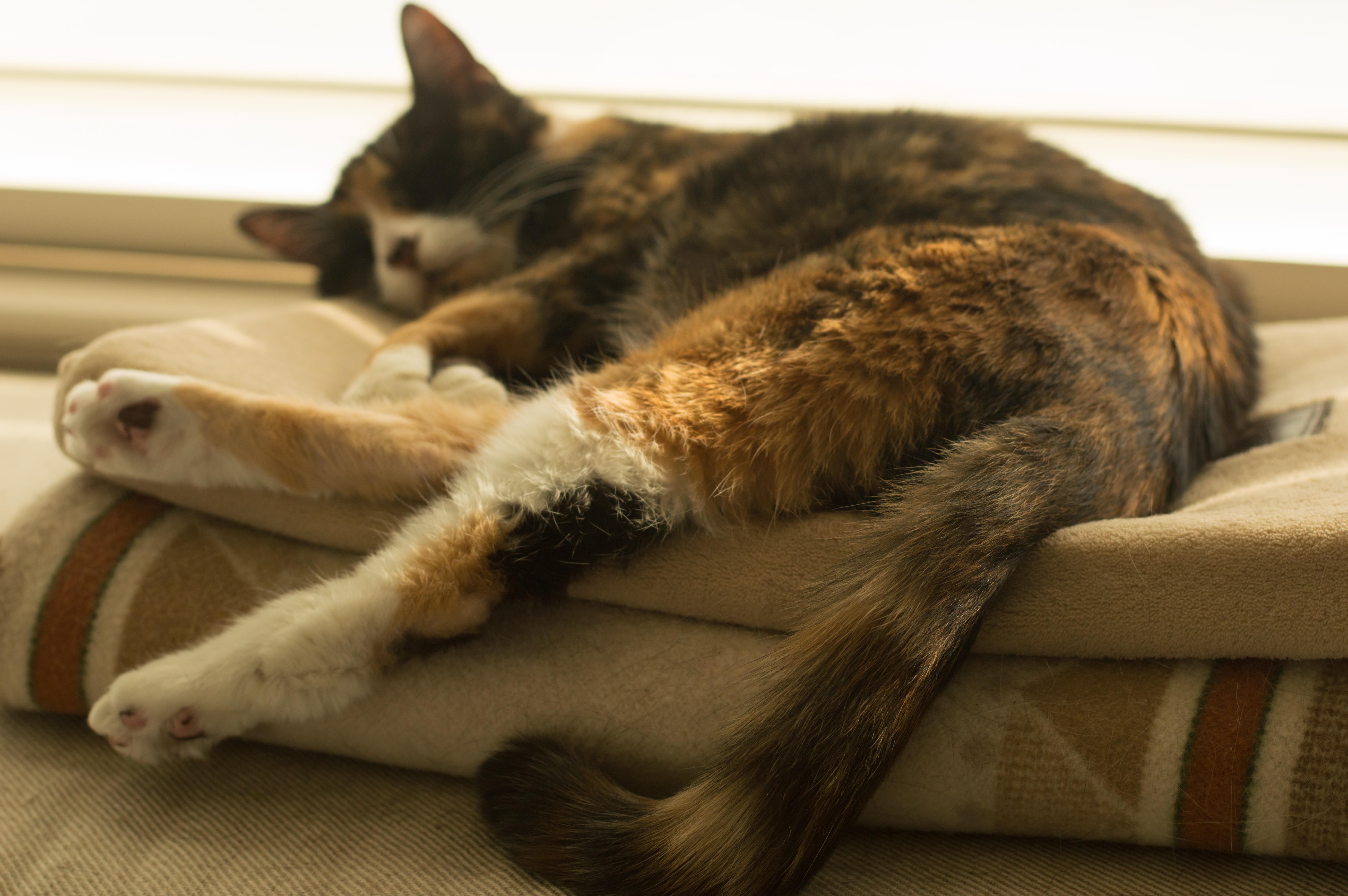
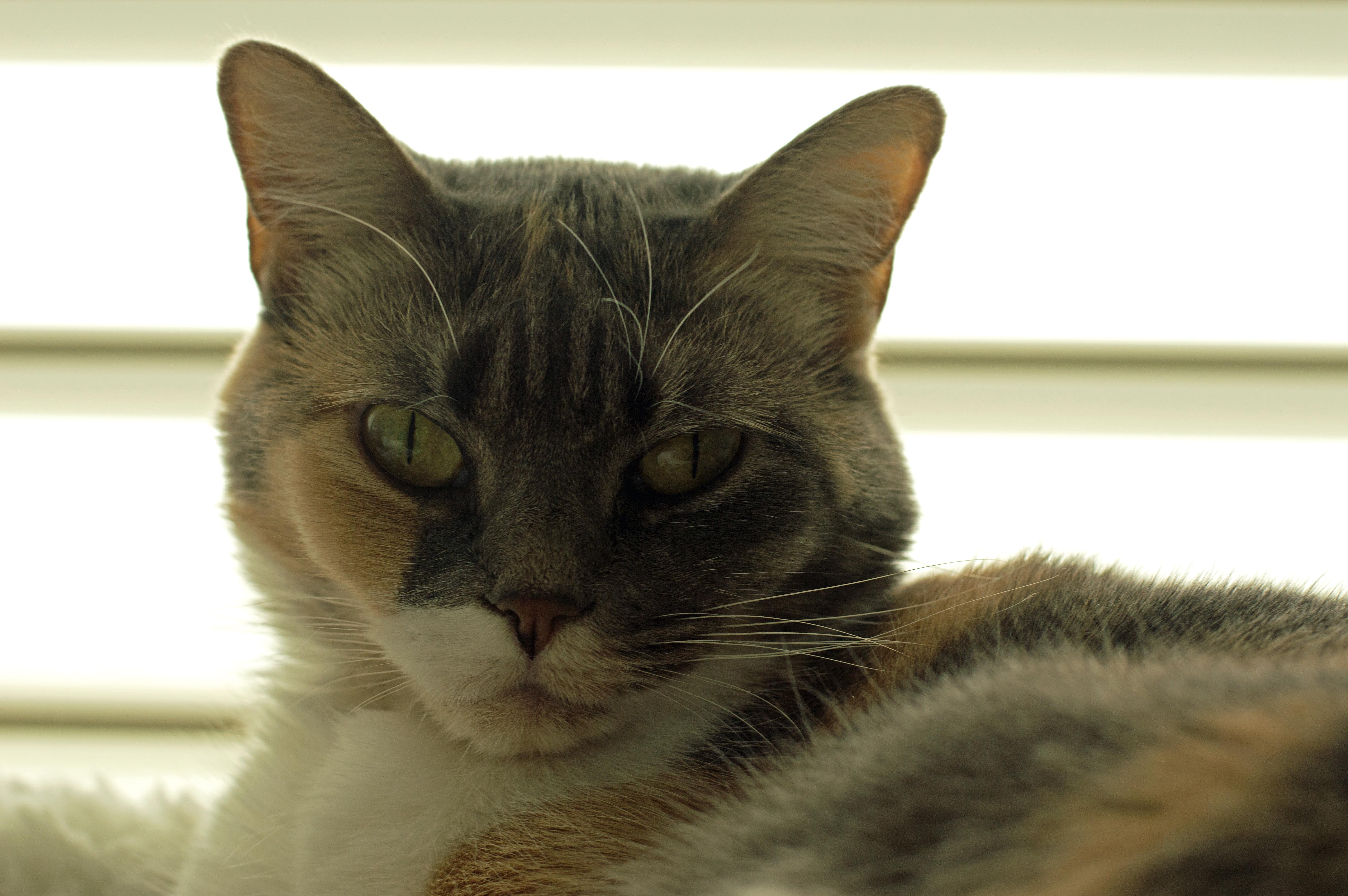
This week Sally spotted this bumper sticker: Life is a little better with a cat. That isn’t a very grand claim, which is what makes it appealing. “A little” seems about right. Our three (Phoebe, Isabel, and Rita) have been good sports in serving as my models.

Rita

Rita

I’m happy to report that my vision, while still blurry in the left eye, really improved this week. That eye is actually providing some useful signals for the first time in a long time. Also, my eye doc cleared me to resume normal exercise, and I happily did so.

Phoebe

Phoebe

After consultation with the ski friends, we agreed this week that the big ski event of 2014 would be a return to Telluride, Colorado, in February, where I’ll try to keep up, or semi-keep up, with young Gabe. And so at my early morning gym sessions I began focusing on some ski-oriented activities – lunges, side lunges, side kneel lunches, squats, with weights one-legged extension balances, duck walk with two big bands, step up onto medium table and balance, and jump up (landing softly) on the medium table.

I bought a speed jump rope and doing a few dozen speedy jumps between these activities, then worked on core matters with various species of crunches, reverse crunches, planks, and side planks. Finally, half an hour of straight cardio. I’ve been doing 10 minutes on the treadmill (with an incline), a few minutes on the ski (sideways push) machine, a few on the stairs (escalator type), and then some intervals on the elliptical. If there’s time after that, I’ll do 10 minutes of stretching and foam rolling.

I like using a heart rate monitor during work outs, which can confirm that I’m working hard, or at times show I’m not working as hard as I think. I got one when I began going to spinning classes, when I worried that keeping up with super fit young teachers could cause me to drive my poor heart into an extreme and dangerous state. But it’s gratifying to take it up into the red zone from time to time, which for me is in the 160s. I usually feel great afterwards.

My Polar heart rate monitor finally wore out this week For some months it had been behaving erratically, but I didn’t feel good about throwing it out while it was still sometimes working, so I was glad when it finally quit. I immediately went Googling to vet the options. I had some interest in finding a model that didn’t require a band around the chest, but learned that such models are not as accurate and do not give continuous read outs. I settled on a relatively cheap one, a Timex T5K541Personal Trainer, that did the two basic functions that I needed (tell the time and tell how fast my heart is going). I bought on Amazon, where as a Prime member I get free shipping, and had it two days later.

This isn’t quite instant gratification, but it’s close. I put this type of Internet retail plus efficient delivery in the pantheon of life-sweeting innovations, right up there with pay-at-the-pump gas, cash machines, and the lickless stamp. Amazon is now familiar, but we tried a similar new service for the first time last week called drugstore.com.

It does exactly what you’d expect. It has most of our preferred consumer products at normal drugstore prices, and can get them to us in two days. Shipping is free for orders of $35 or more. A bottle of Crew shampoo that I ordered had leaked a little in transit, but everything else arrived in a proper and timely manner. Ordering online made me realize I don’t particularly like chain drugstores, with all their household goods, toys, cards, and snack food. I’m perfectly happy to stay out of those places and just send out for the stuff. (For actual medical stuff, I do like my little neighborhood drugstore, Hayes Barton Pharmacy, where you still get the personal touch.)

Speaking of the constantly new, there’s a piece in the current New Yorker about the young tech entrepreneur scene in San Francisco. For those interested in tech business trends, this is a must read. (This link worked for me, but I’m afraid that non-subscribers will not be able to get it without paying.) The piece, by Nathan Heller, describes people who are starting one new business after another and working with a rock band, doing something arty, or going on meditation retreats in between their ventures. The very shape of business and finance is being transformed, getting smaller and faster. At the same time, the entrepreneurs are not only making money, but also having fun, and asking good questions about what makes life meaningful.

Stuart -- the best dog

Stuart — the best dog

Fresh produce, flowers, and an iPad problem

13 08 16_3610
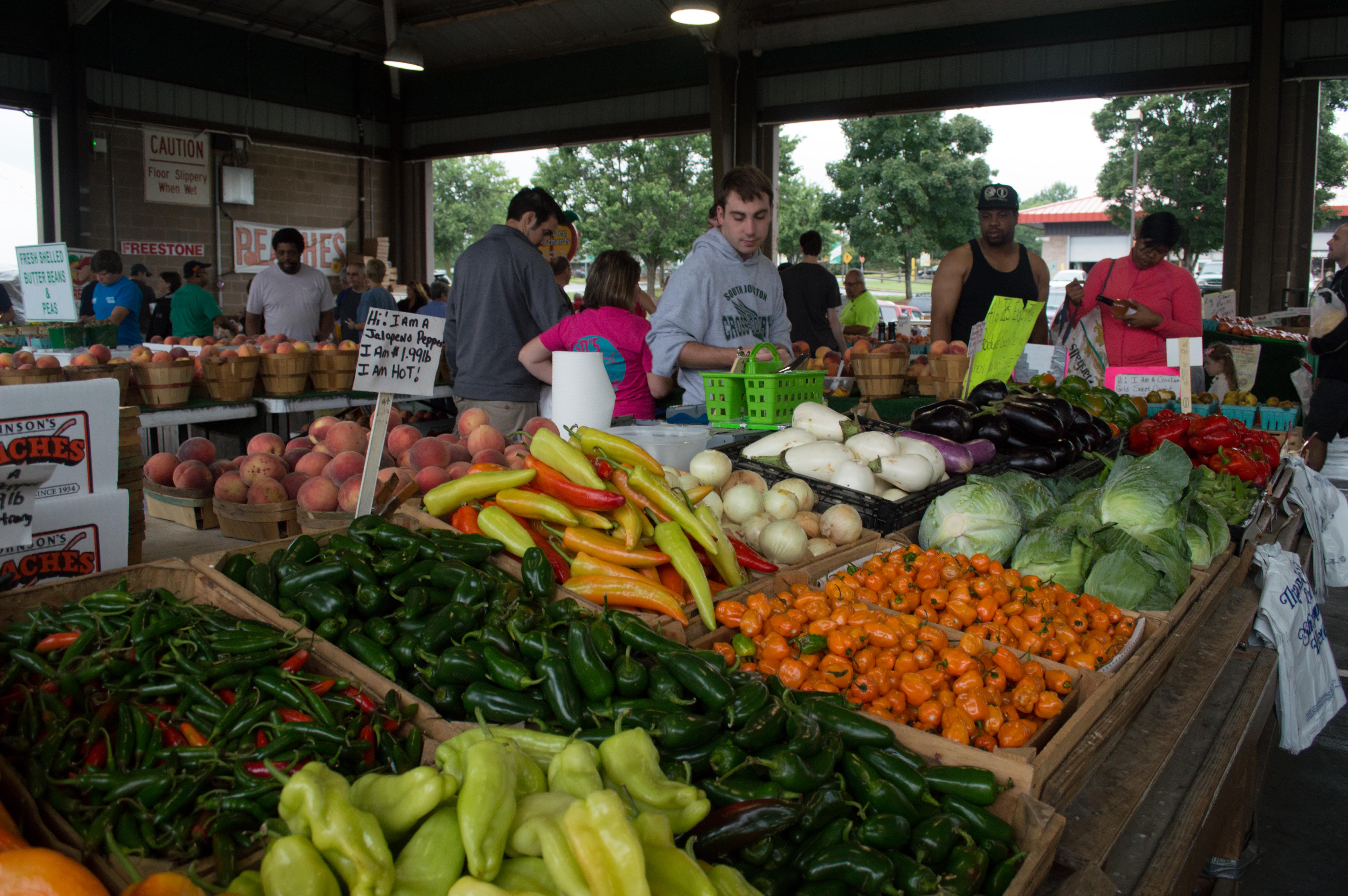
Saturday morning I took my camera over to the N.C. Farmers Market. The weather was drizzly, but the scene was festive, with many colorful baskets of vegetables and fruits and many shoppers. I wasn’t sure about the etiquette of photographing the sellers and visitors: would people consider it an improper intrusion? Maybe, but some sellers might appreciate the potential publicity. Uncertain, I focused primarily on the beautiful produce.
13 08 16_3611

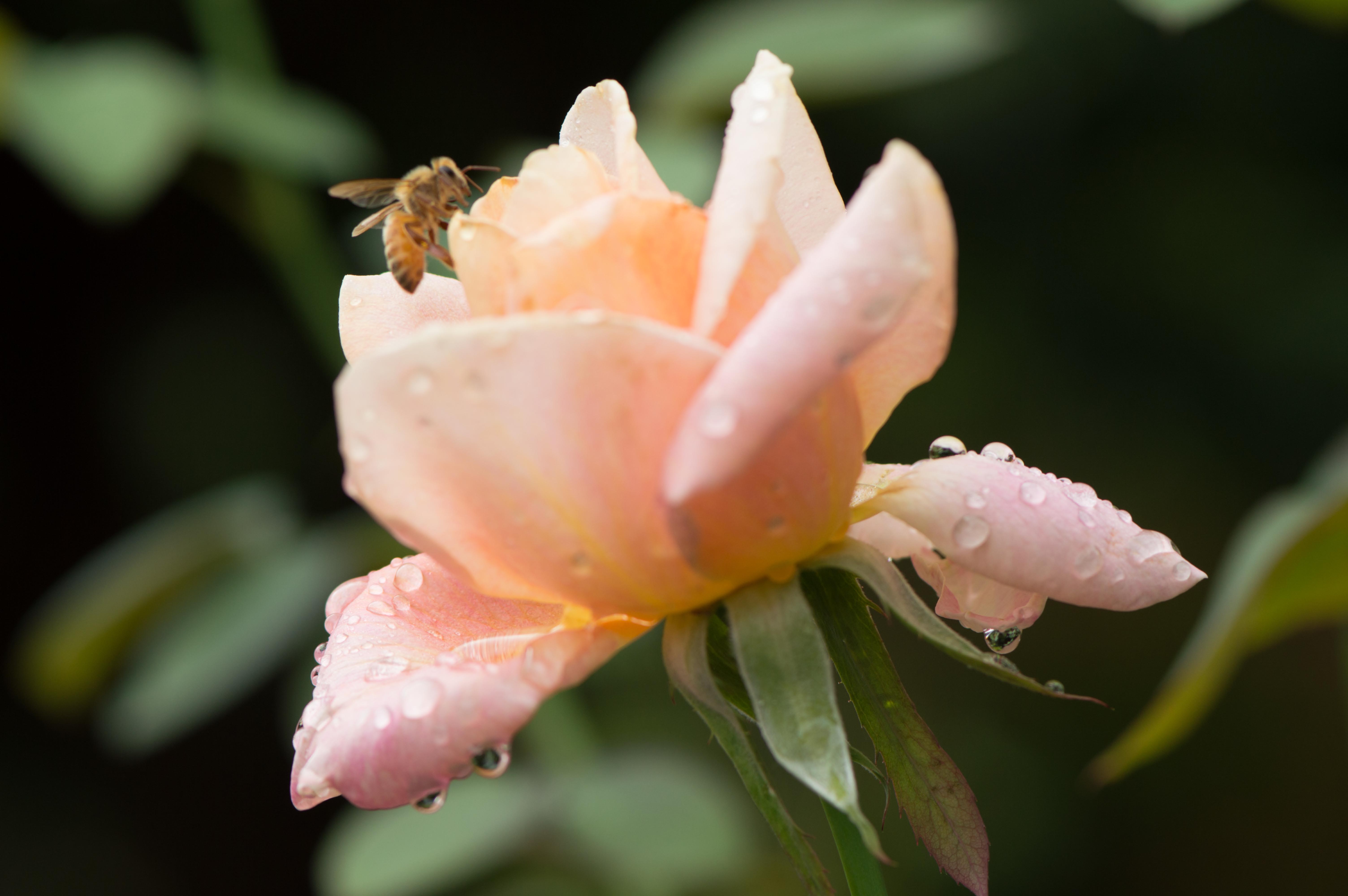
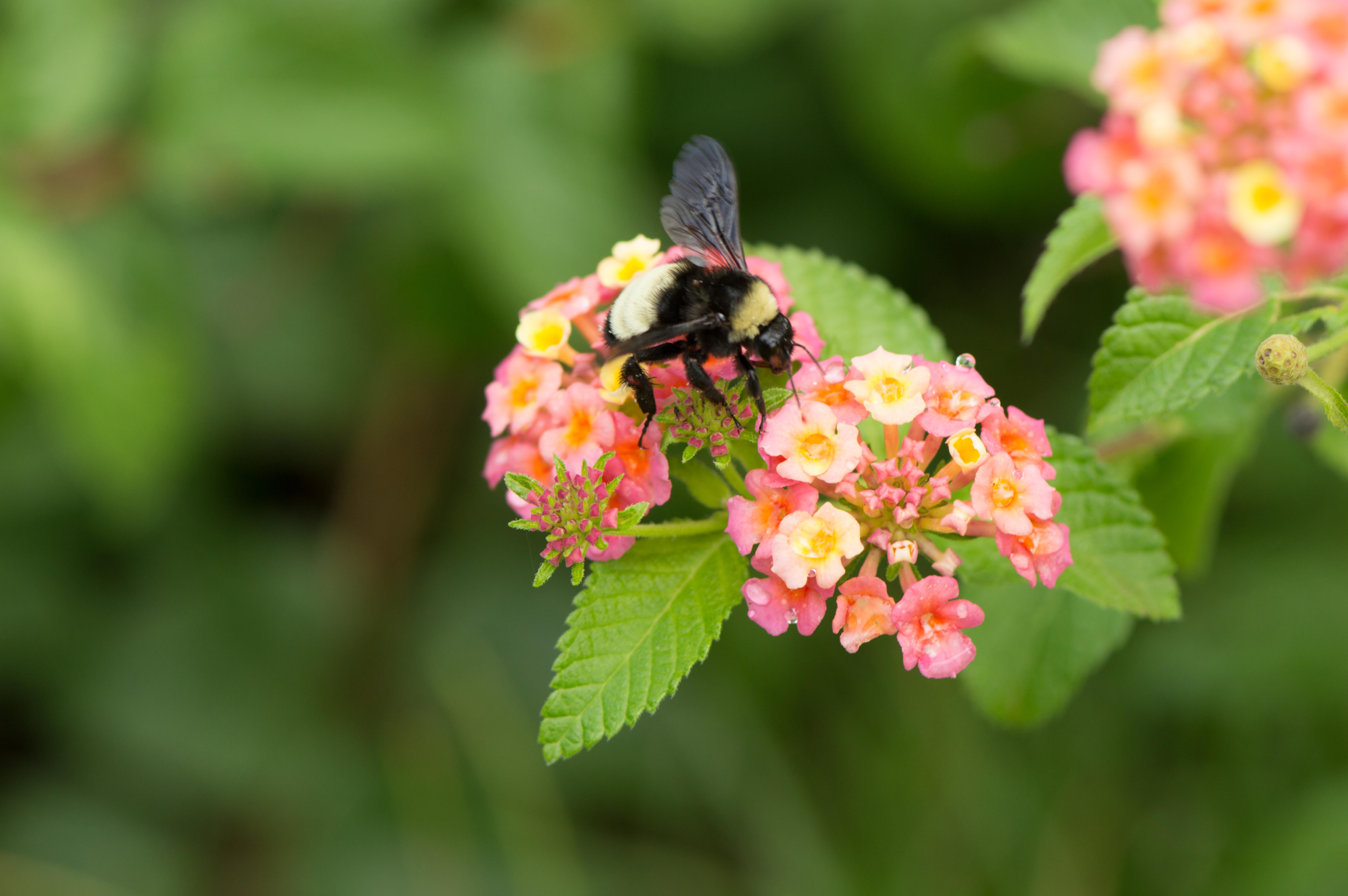
I also got a few images I liked at Raulston Arboretum, including some bees at work.
13 08 17_3818
13 08 17_3846
Our personal portable technology, like my DSLR camera, not to mention my Android phone, MP3 player, lap top, and tablet, generally works great and keep getting more amazing, and we can’t help but get more dependent on them. This we hardly notice, until something goes wrong.
13 08 17_3821

My iPad tablet suddenly quit working a few days back, which reminded me forcefully how much it has insinuated itself into my life. Its most used function is as an interface with ebooks, which have in a surprisingly short period become my dominant reading format. The iPad is wonderfully light and portable, and the screen works well for reading ebooks.
13 08 17_3826

At a given time, I may have four or five books going – typically some history or biography, some science or technology, some public policy, and some literature. Exploring through reading is such a basic part of my life that I generally take it for granted. There is not a lot of time in a normal day to do it, but what there is is precious.

The failure of my iPad gave me the shock of sudden withdrawal from my various reading projects. Then I realized I had no idea whether the books I’d downloaded could be recovered, and if they could, whether my highlighting and notes would be lost forever.
13 08 17_3831

Most of my reading uses the kindle reader app with books from Amazon, and I eventually learned that I could load the kindle software on my MacBook Pro and read with the laptop. My bookmarks, highlights and notes were still there. This was good news, mostly. That is, it’s good to have the books, but at the same time, should I be worried that my various private thoughts on books are floating somewhere in the Amazon cloud and available for NSA examination? I decided there was no point in worrying, since there is truly nothing I can do about it. Though I still feel a bit uneasy.
13 08 17_3811

Meanwhile, I took the iPad to Raleigh Geeks, a small computer and smart phone repaid shop on Glenwood Avenue. My Geek diagnosed a failed on button, and determined that it would cost about $90 to get a new part and take a week. I thanked him and said I’d first check to see if they had the part at the Apple store. At the Apple Genius Bar, my Genius agreed that the switch was broken. His proposed solution was for me to buy a new iPad I for $250.

I decided to order the new part from the Geeks. I’m keeping my fingers crossed that the device can be saved, but also doing a bit of research on possible alternatives, and particularly the Samsung Android tablets.

Amazing drawings, the N.C. Zoo, and some photos of butterflies

13 07 28_3063
Congratulations, to Jocelyn, who just graduated from the Columbia University publishing program. Now she’s hunting for a publishing job in New York, and we’re hopeful that she’ll quickly find one. (If you have any leads, please let me know.)

This week she sent me this link to a group of drawings and paintings that are astonishing in their photographic realism. Truly, the work is uncanny. I had no idea that there were humans with such technical facility.

But after the initial shock of astonishment wore off a bit, I wondered a little what was the point. If you could do the same thing with a camera, why wouldn’t you just use the camera? I suppose it might be like deciding to hike when you could drive, or building furniture with hand tools rather than power tools. There could be joy in the activity.

At any rate, I’m so glad I’ve got a camera, because it would take me at least another lifetime to learn to draw like these artists. Lately I’ve been learning more about my Nikon D3200, and having fun with it.

13 07 28_3013_edited-1

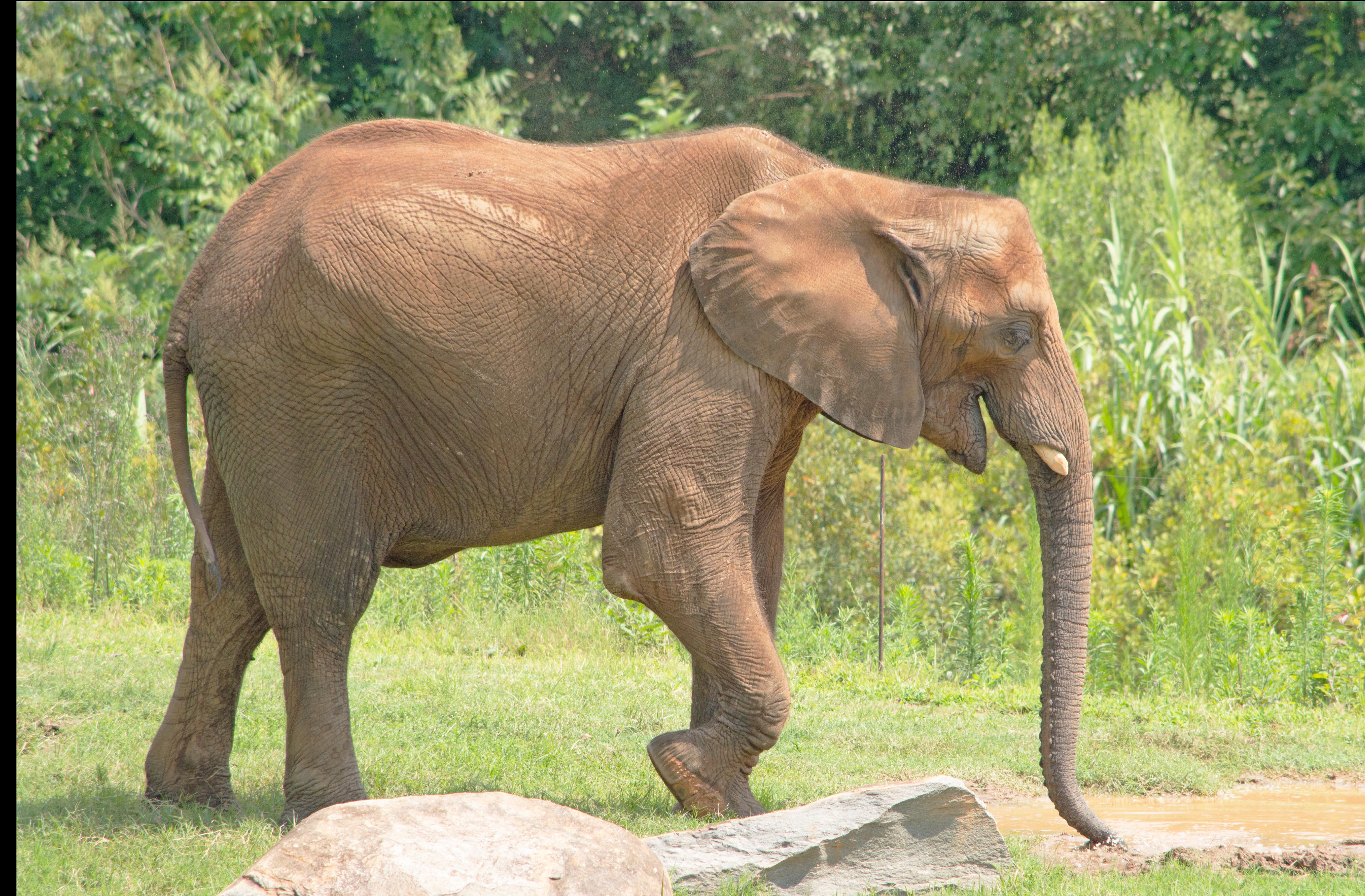
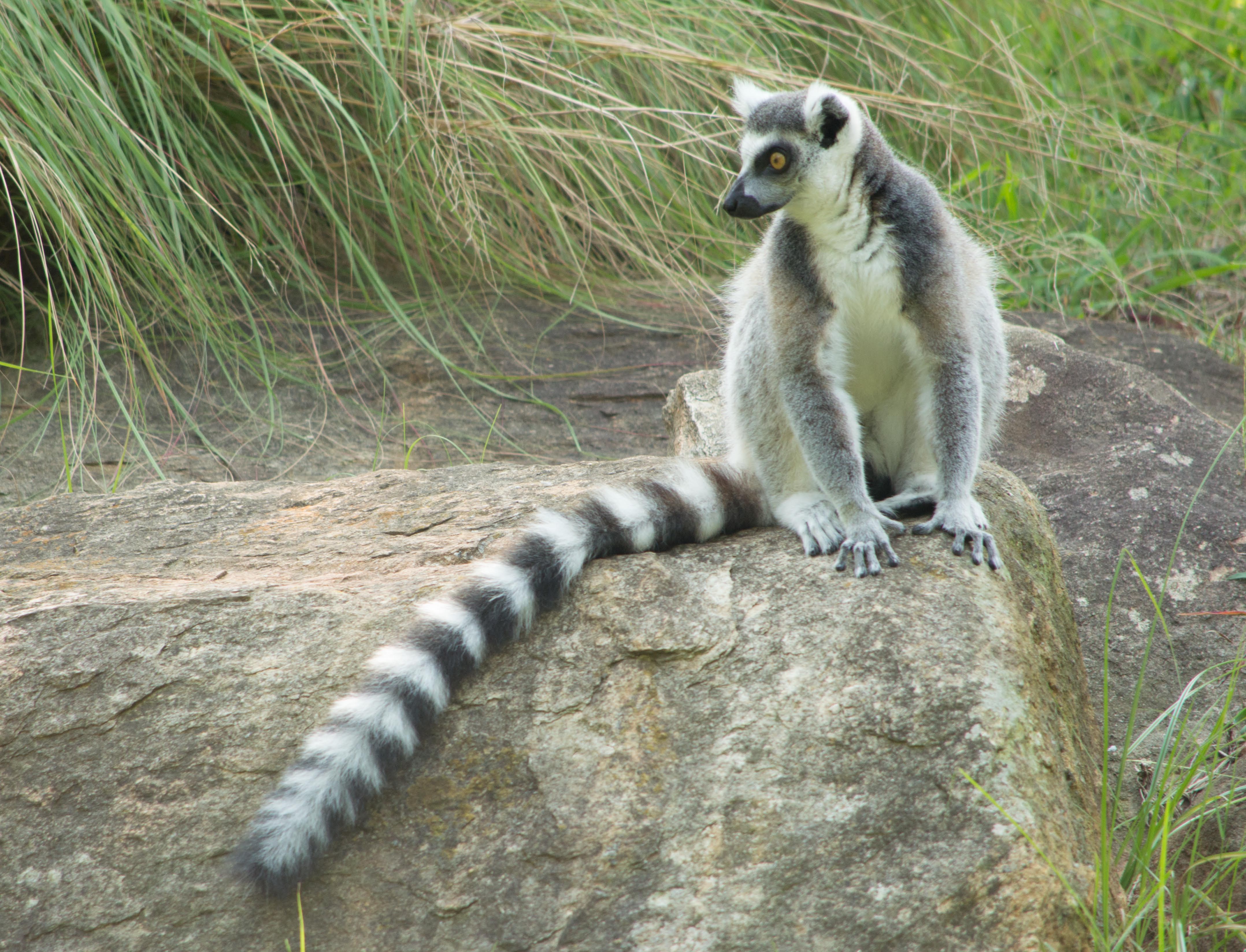
Week before last, I took the Sally and the camera over to the N.C. Zoo in Asheboro. We took in most of the Africa section, which features a spacious layout for such iconic species as elephants, giraffes, and rhinos, and relatively humane enclosures for the lions, chimps, baboons, lemurs, and exotic birds.

13 07 28_3084

We saw an adorable and sociable ostrich (above). I was also particularly touched by a baby baboon, just 6 months old, who rode about on mama, dropped off to bother brother, and hitched another ride on top of an aunt. We also enjoyed the many swimming turtles, including snappers, we saw from the bridge at the entrance.

I generally associate zoos with children, and recalled with pleasure taking my kids years ago, but also was reminded of the many challenges of young children and their needs (“I’m thirsty.” “I’m hungry” “I’m tired.” “I’m bored.”) It was good for a change to have no worries of that sort, and freedom to just enjoy the animals and environments.
13 07 28_3108_edited-1

Of course I have mixed feelings: it doesn’t feel quite right to cage these creatures up, even in nice cages. In the best of worlds they’d be free to live as best they could in habitat unmarred by humans. But in an imperfect world, I appreciate the chance to get close to these marvelous creatures.
13 08 09_3558

As a birthday present to myself I recently got a new tool: AF-S VR Micro-Nikkor 105 mm f/2.8G IF-ED. It’s a high quality macro lens suitable for extreme closeups. I’m interested in doing more with flowers and insects. Yesterday morning I got to Raulston Arboretum just after it opened at 8:00 a.m., and had good light, and proceeded thereafter to Fletcher Park. There were bees and butterflies hard at work, including these.
13 08 09_3576_edited-1-1
13 08 09_3523
13 08 09_3483
13 08 09_3513

A dive trip to Hatteras with a harrowing episode, visiting Manteo, and reading Robot Futures

13 08 01_3208-1
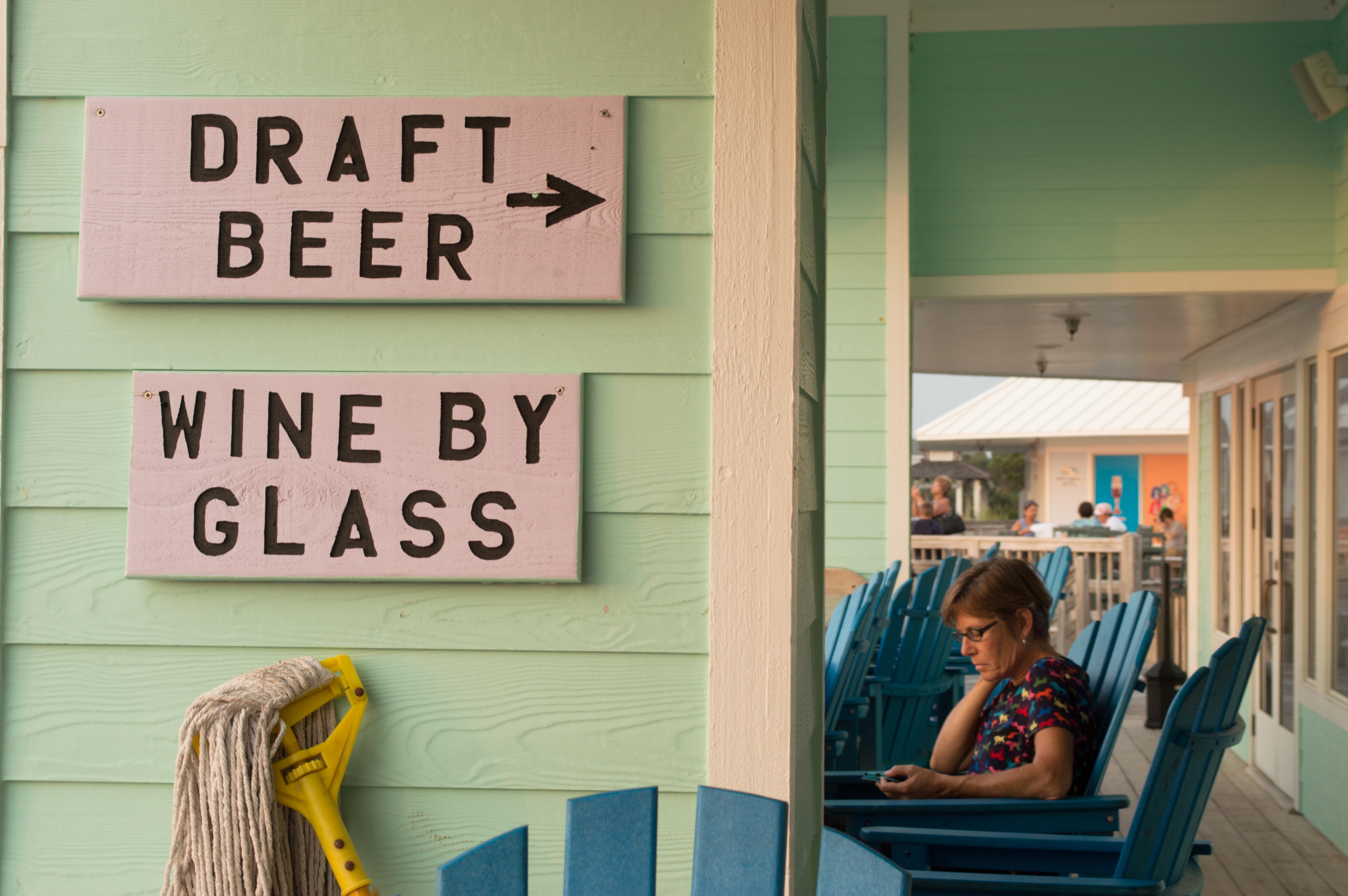
We undertook a four-day dive trip out of Cape Hatteras beginning last Thursday, but the weather didn’t cooperate. We made it OK to our base at Hatteras Landing, but high seas prevented our going out for the first three days. We made the best of things, enjoying some time together, exploring the local points of interest, listening to music, and reading.
13 08 01_3343

For us the most interesting non-diving local point was the N.C. Aquarium at Manteo. I particularly liked the sting ray encounter tank, where Atlantic and cownose rays came up to be petted. There was a large tank with several sand tiger and sand bar sharks, which are impressive. Their keeper got in the tank in scuba gear with a full face mask and speaking equipment, and answered questions as they swam around her. Her high degree of comfort with these fierce-looking creatures was, I’m sure, an educational moment for the kids and adults in attendance.
13 08 02_3289

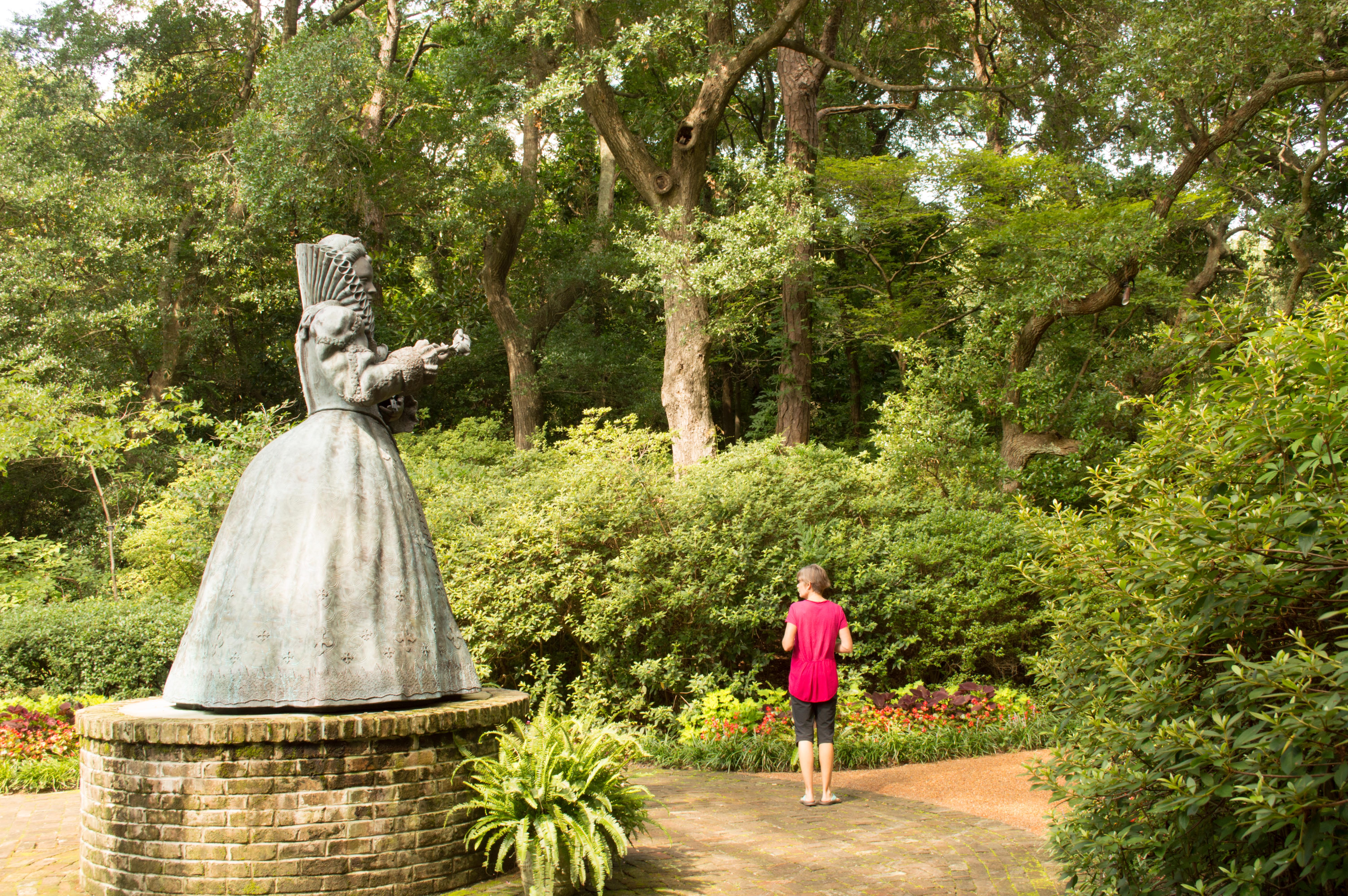
While in Manteo, we also visited the Elizabethan Gardens. Sally remembered my mother had talked about how beautiful it was, and we found it so. The first part is a formal garden with ornamental hedges, but the greater part of it is wooded, with enormous oaks and shade loving plants.
13 08 02_3300

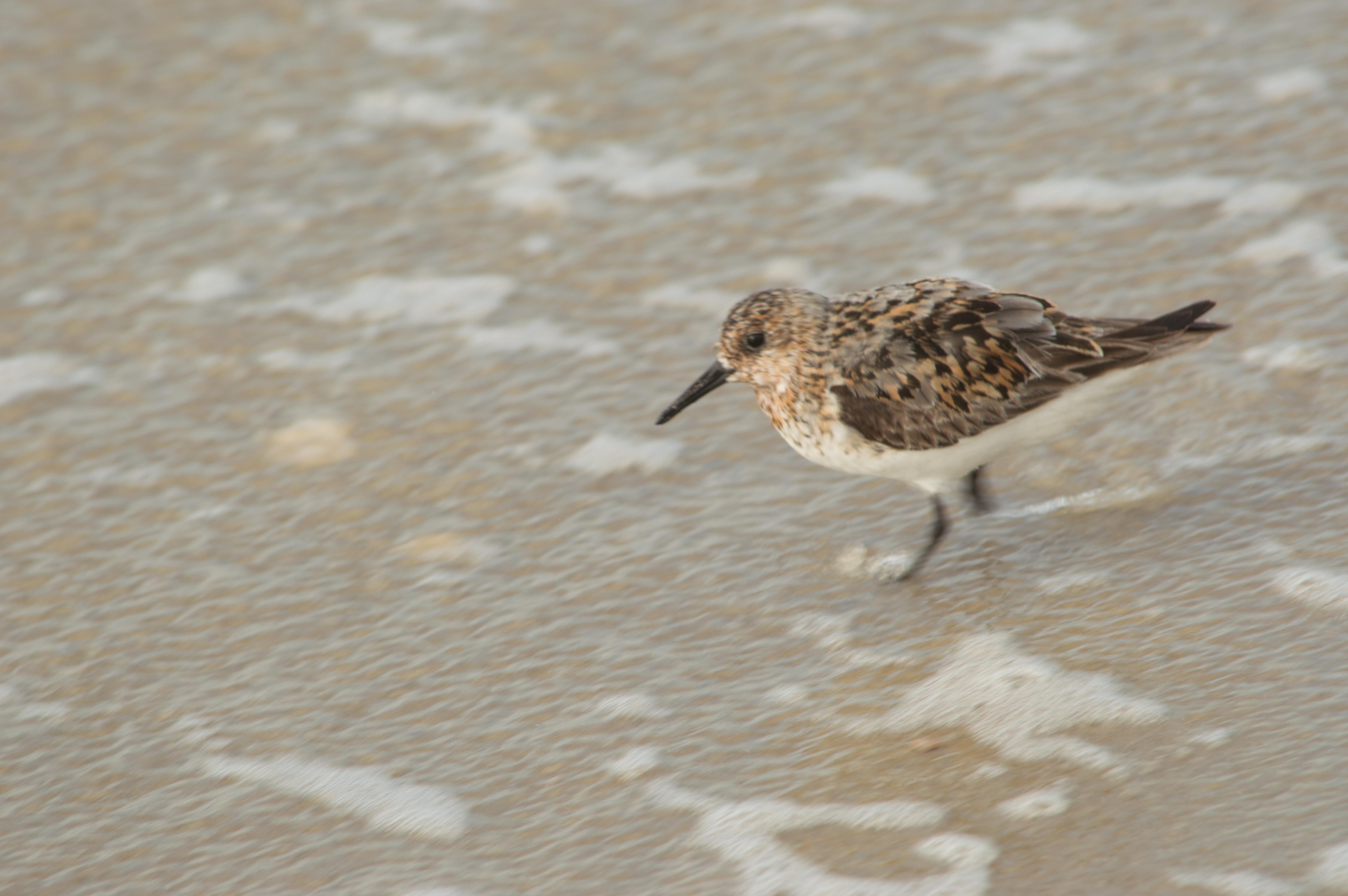
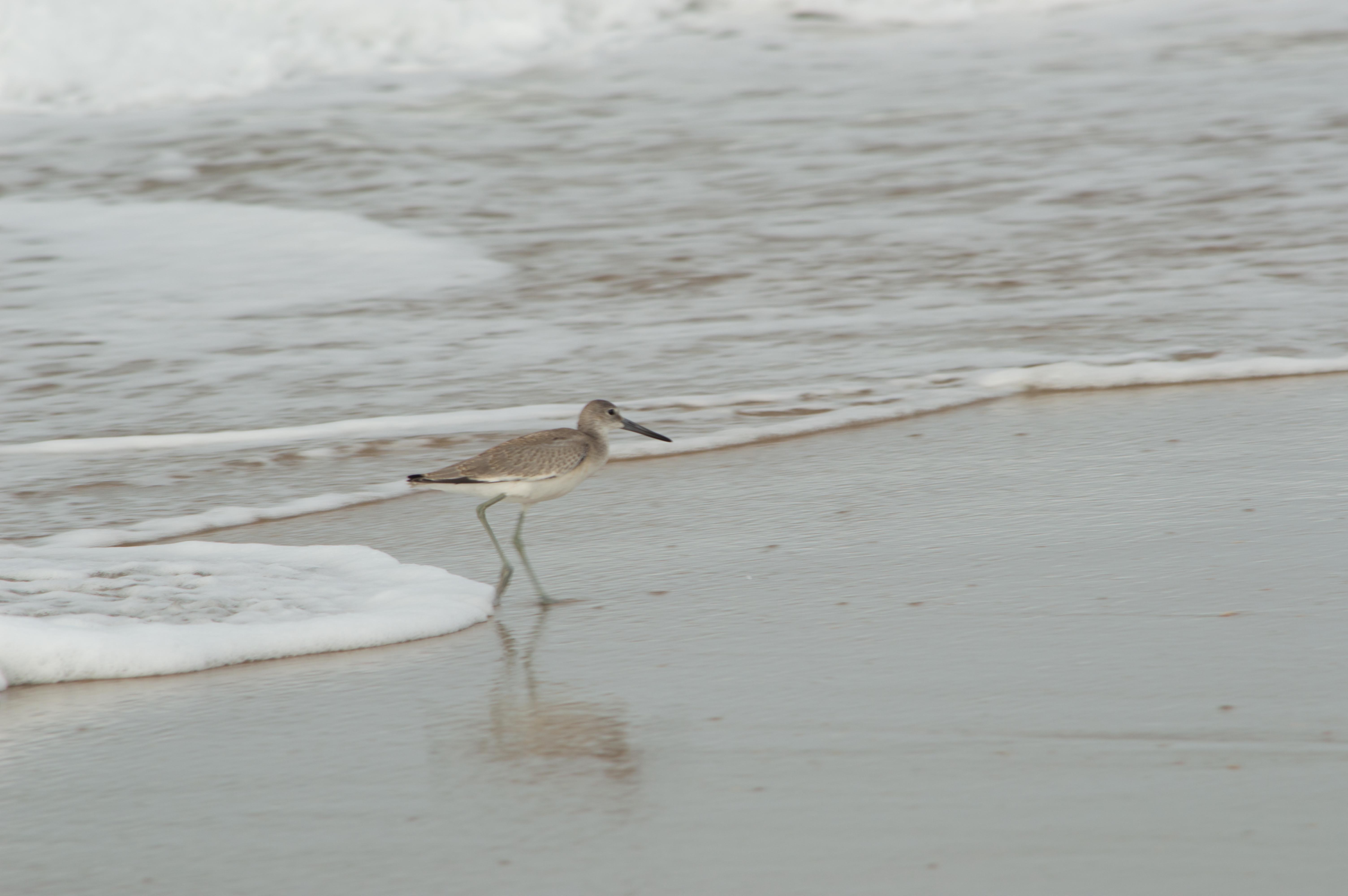
With no other pressing business, I did some walking on the Hatteras beach, and took some pictures of the birds at work there. I got a few of sanderlings and willets on the edge of the surf that I liked.
13 08 02_3318
13 08 02_3317
13 08 01_3275-1
13 08 01_3263-1
13 08 01_3232

As for reading, I started a biography of John D. Rockefeller, Titan by Ron Chernow, which seems lively so far. And I finished Robot Futures by Illah Reza Nourbakhsh. Nourbakhsh is a professor of robotics at Carnegie Mellon, and his book describes the current state of the art in robotics and also gives a forward projection of what several decades might bring. Some of it seems science fictiony, but that may be unavoidable – technology has already surpassed some of the science fiction of my youth.

Nourbakhsh describes robots as “a new form of living glue between our physical world and the digital universe we have created.” He gently makes clear that robots are not limited in their mental or physical abilities to what humans can do. Forget the Jetson and their butler robot. Real robots can be stronger and faster, and move in different ways (like flying, or crawling like a snake). They can perceive parts of the visual spectrum we can’t, and hear pitches that we can’t. They can connect to the internet more efficiently than humans, and potentially process information from numerous sources that are far beyond our capacities.

Robot Futures recognizes that there will be many different types of robots with widely varying abilities, including ones that are closely controlled by humans and others which will be partially or entirely autonomous. It will not be easy for humans to tell the difference. Autonomous robots with access to robot Google and links to other robot databases may well know more about us when we encounter them than we about them.

Nourbakhsh imagines a distant future where we can smoothly enter the consciousness of various robot agents that in effect teleport us to different places and allow interactions with multiple people and environments at once. He also has a darker vision of a possible world where human bodies are purchased for use as the physical casing for robot intelligence. Impossible? Let us hope so. But there is little doubt in my mind that, barring global catastrophe, the world of intelligent robots is taking shape. Robot Futures does a good job at starting the conversation of what that might mean for humans.

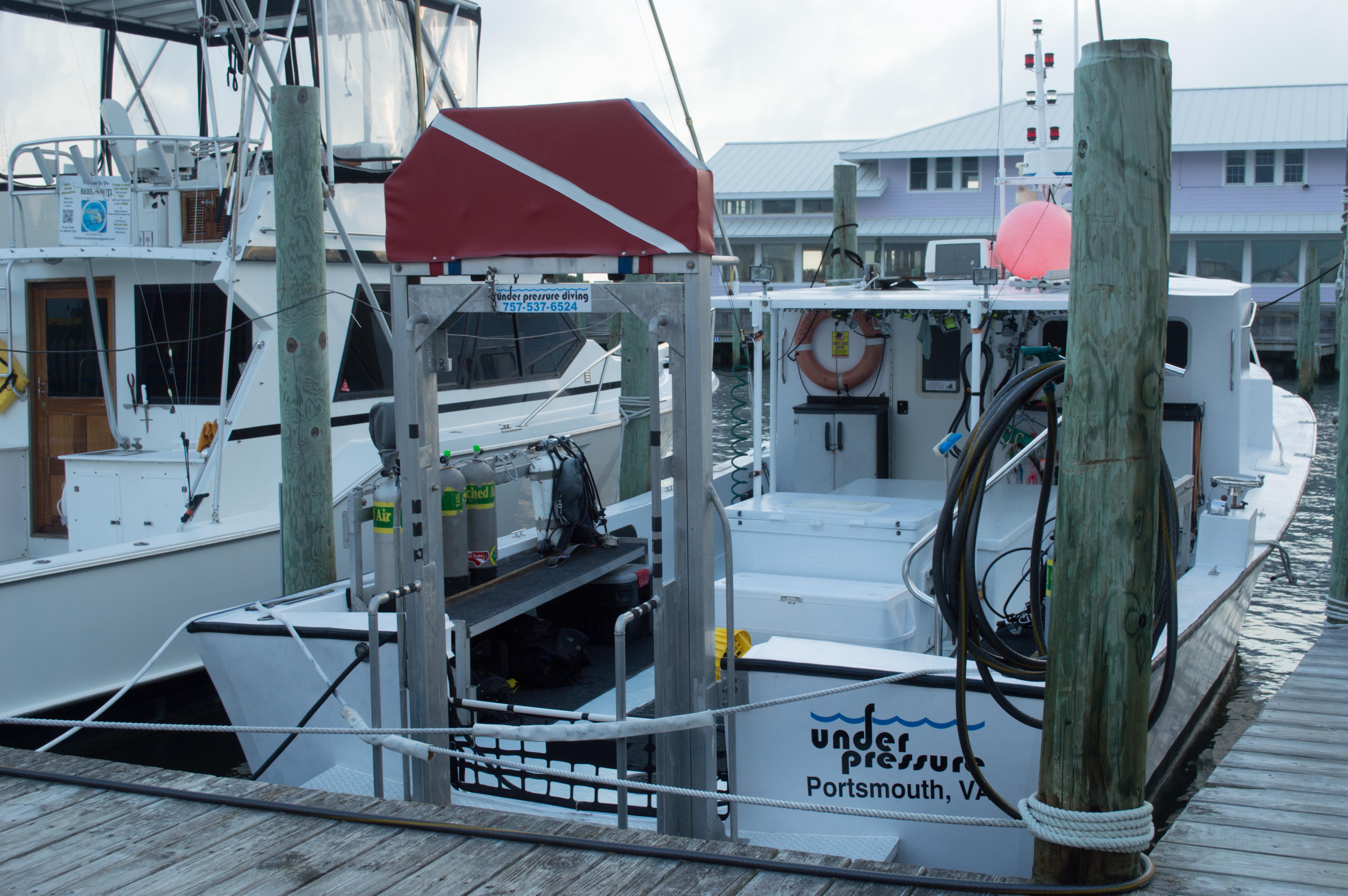
We finally got to dive on Sunday with Captain J.T. Barker on his dive boat, the Under Pressure. As I noted last year, J.T. designed and built an elevator on the back for getting divers out of the water. This comes in very handy in rough seas. The vessel has a large air-conditioned cabin, which permits some relaxing on long boat rides. Some video of the boat and our dives in early August last year is on his web site.
13 08 01_3201-1

We did two wrecks: the Proteus and the Dixie Arrow. The first was, for me, nearly disastrous. Immediately after I reached the bottom (118 feet), I paused briefly to clear water from my mask and tune my buoyancy. Visibility was limited to about 20 feet at that point. Then I looked around and saw no one and nothing. In just seconds, the current had carried me out of sight of the anchor line.

I struggled against the current for a bit, then relaxed and started working on plan B – ascend and find the boat. I began to slowly go up, then at 80 feet I suddenly noted that the air was not working at all well. The air pressure gauge showed zero. This seemed impossible – I had been under for only about 20 minutes, and usually the air lasts two or three times that long. Anyhow, it happened. Plainly, I should have checked the gauge earlier.

Although I thought it unlikely I could make an emergency ascent on one breath from 80 feet, I saw no choice but to have a go. I really didn’t feel panic, even at this point, though I was seriously concerned. I remembered my PADI training and exhaled gradually as I kicked upward. I ran out of air at about 30 feet, and hoped very much there was one last breath in the tank. I breathed in, and there was a tad — just enough to make it the rest of the way.

On the surface, I felt relief, but also concern that I might well have some degree of decompression sickness, a/k/a the bends. I was hoping to get some oxygen, but the boat, with oxygen, was far away.

As I started kicking against the current toward the board and watching to see if I was going to get sick, I felt something bump me. I reached down and felt a firm, smooth animal. A shark? I thought how really unfair it would be, after all my speaking up in defense of sharks, to end up as shark food. I finally figured out it was a ramora, which apparently wanted to attach itself to me.

I swam for quite a while with little progress, until at last Bobby, the mate, came out with a line. As we kicked, our divermaster Jim reeled us in. It was, of course, embarrassing. But I was grateful to be alive and not even ill, and it certainly was a learning experience.

During our surface interval, Captain J.T. put out some fishing lines, and hooked a fish. As the fish came near the boat, J.T. Announced with excitement that it was a wahoo, and grabbed a hook, with which he impaled the fish and hauled him aboard. The wahoo was about 3 feet long and about 30 pounds – a fine specimen.

Several folks commented on what a delicious meal he would make. Then J.T. and others observed Sally crying. These were tears for the wahoo. Our fellow divers were concerned but really puzzled. They just couldn’t comprehend Sally’s sadness at the brutal torture and death of this creature.

Our second dive, the Dixie Arrow, was less exciting, thank God. I had only a minor equipment problem: the wire to my strobe came loose – so no pictures. We got close to a lot of sand tiger sharks (maybe 10), a lot of Atlantic sting rays (maybe 12), a number of barricuda and thousands of minnows in shimmering thick clouds. It was fantastic.

Flowers, robotic challenges, and a note on this blog

13 07 12_2639_edited-2
On Saturday morning as I drove up to Raulston Arboretum to look at the blooms and take some pictures, it began to drizzle, and I considered scrubbing the mission. But I decided instead to take my golf umbrella. Working the camera while sheltering it from the rain was awkward, but I got a few images of flowers with raindrops that I liked, which are above and below.
13 07 12_2627

You may have missed, as I almost did, an interesting story this week about the DARPA robotics challenge. DARPA is holding a humanoid robot competition similar to its contest that pushed forward the boundaries for autonomous vehicles. Teams of technologist will compete for a $2 million prize with a robot that will be able to perform rescue functions in difficult conditions and do things like climb into a vehicle, drive it, get out, walk on uneven ground, open doors, operate power tools, and shut off valves. A prototype called Atlas is being provided by the Pentagon to teams of programmers, while other teams are building their own devices.

While the Pentagon is emphasizing the humanitarian possibilities of such a device, it could obviously have less benign military applications. And, as the Times notes, the new robots could also work in department stores. Or, I’d add, just about any place that humans work. As I’ve noted before, the quick advance of such technology is going to cause unemployment and economic dislocation, which we need to be thinking about. Along with these public policy issues, there are existential ones. In the not-too-distant world of brilliant and powerful computers and robots that can do almost any human activity better than humans, what does it mean to be human? What is the point of being human? What is our highest and best use?
13 07 12_2625

I was pleased to see that yesterday The Casual Blog set a new record: 251 views. Most of those views had to do with a post about getting older, Gary Player’s diet and exercise routine, and yoga. I wrote the thing a couple of years ago, and I have no idea why it is suddenly getting attention.

One of my self-imposed rules for The Casual Blog is that I do not actively promote it. Some of my friends have never heard of it. I am fortunate in not needing to make money from it. I don’t need to worry about whether something that seems interesting to me will appeal to anyone else. I’m free, in theory, to say whatever I think, and it matters not if no one reads it.

Except that it does. There is no doubt that I like having readers. This is slightly embarrassing, but I’ll confess: I check my blog stats every day, and feel pleased when the number is above average and less-than-pleased when it’s below. There’s a little frisson of pleasure when someone I know mentions something they read in TCB, and a particular thrill when I meet a new person who has read it. Would I continue to write it if the readership fell to zero? Possibly, but only if I thought some future person would one day read it.

Of course, much (though as noted not all) of my satisfaction in TCB is the self-contained but complex pleasure of writing. Taking the raw material of a particular part of my experience – the things I do for fun in non-working hours – and molding it into something coherent and possibly interesting is an absorbing challenge.

13 07 12_2605

There was an interesting recent essay by Verlyn Klinkenborg in the NY Times defending the humanities as an educational objective, which drew a connection between learning to articulate experience and general life satisfaction. I thought Klinkenborg put it well:

Writing well used to be a fundamental principle of the humanities, as essential as the knowledge of mathematics and statistics in the sciences. But writing well isn’t merely a utilitarian skill. It is about developing a rational grace and energy in your conversation with the world around you.
No one has found a way to put a dollar sign on this kind of literacy, and I doubt anyone ever will. But everyone who possesses it — no matter how or when it was acquired — knows that it is a rare and precious inheritance.

A rare and precious inheritance indeed.
13 07 12_2633_edited-2

Hammering nails, my sweet cable repair robot, privacy concerns, and some flower pictures

13 06 21_2142
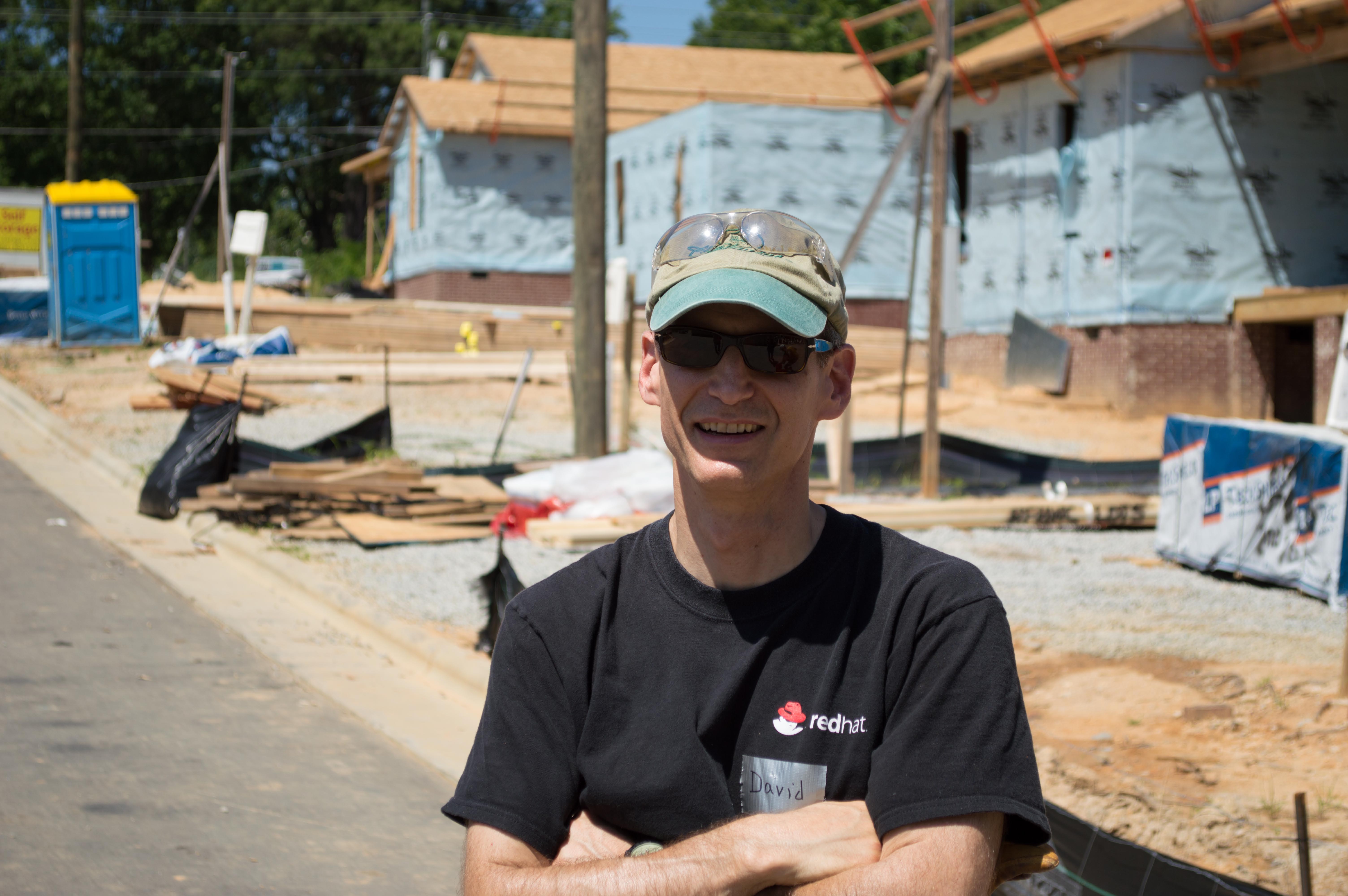
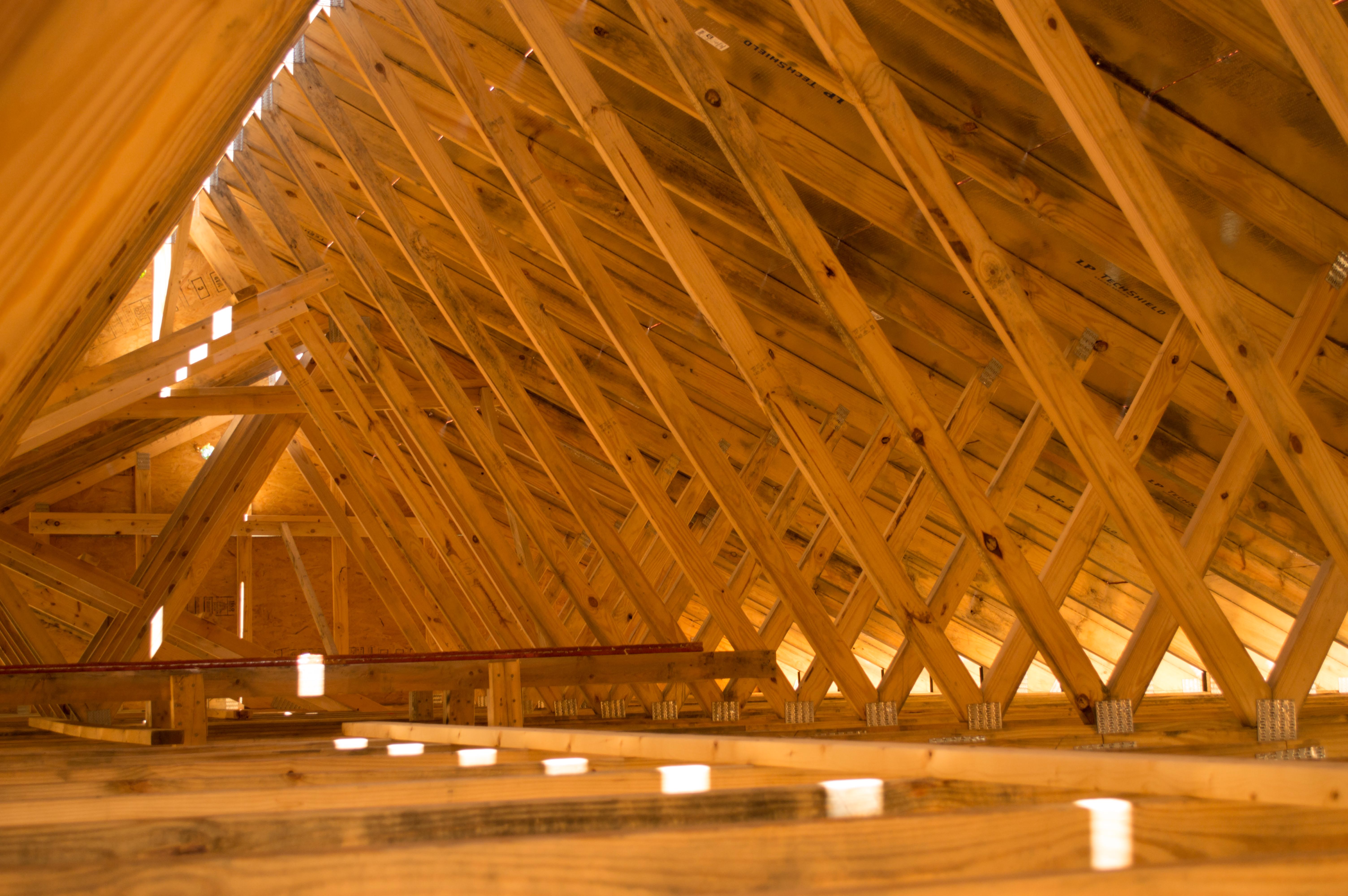
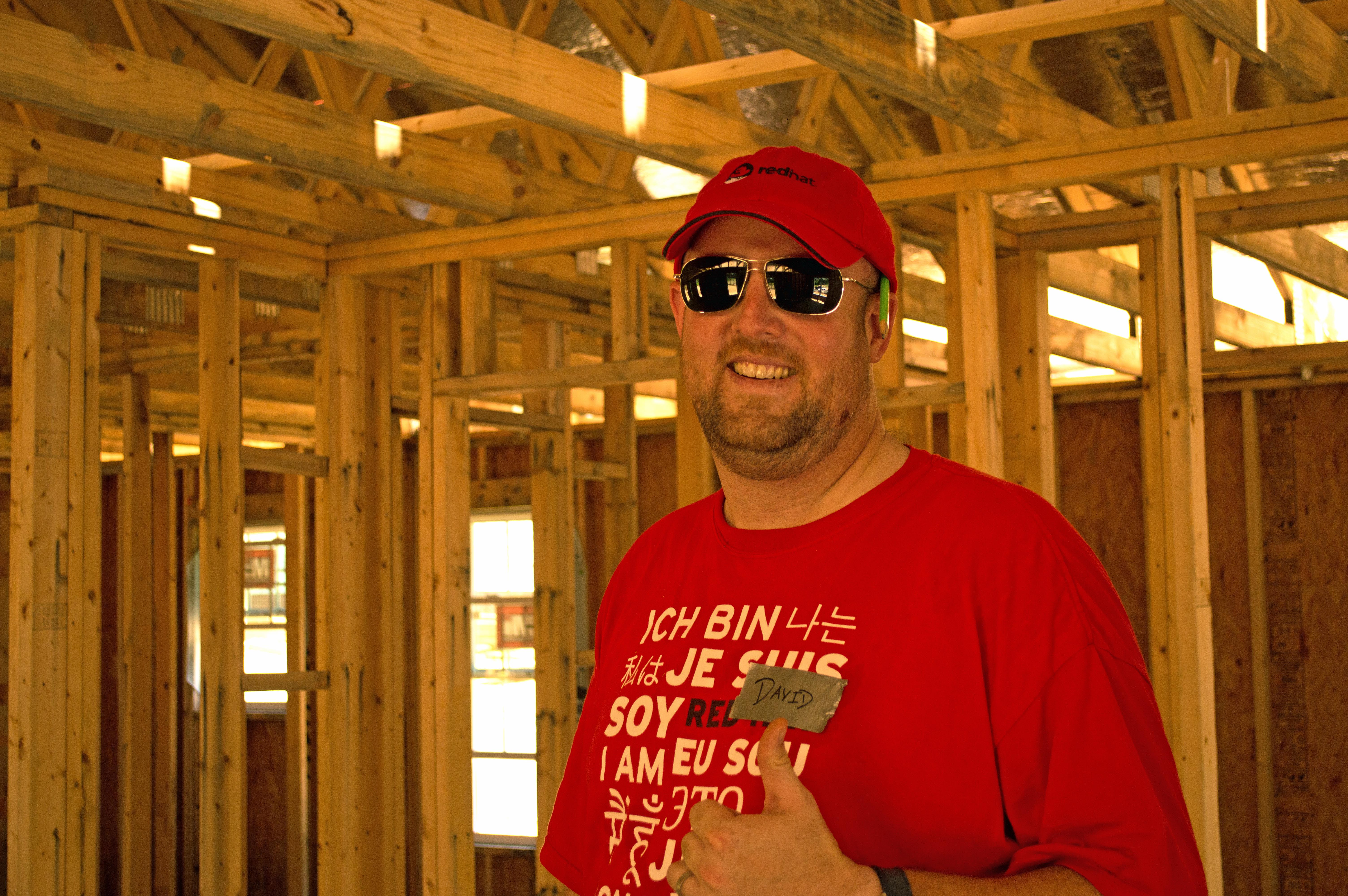
On Friday afternoon the Red Hat legal department in Raleigh worked on a Habitat for Humanity house in Apex. We met the owner to be, who sounded like he might have originally been from west Africa, and who said this was his dream house. I watched a group of colleagues get trained in installing windows, and then got drafted to do some work in the rafters, including repairing some mistakes of a previous crew.
13 06 21_2134

Hammering nails is not something I’m particularly good at, and I learned that this was even more true when standing on a ladder, reaching upward, and swinging within limited space. My wrist and arm got tired. But, though slow, I got quite a few nails well in, and avoided serious injury. I do not think the next crew will need to re-do them.
13 06 21_2133_edited-1

Speaking of repair work, I had an interesting experience on the frontiers of automation this week with my cable service, Time Warner. Our on-demand movie service didn’t work properly last week. When I called TW, my call was answered by an automated female voice of the sort that usually reads service options (press 2 for billing inquiries, etc.).

It (she) asked me to describe the problem. She then correctly paraphrased it, and said she’d be right back. Then she said that she’d checked and my cable box needed to be re-set. She said she would do that. She did it! This was the first fully automated repair encounter I’ve ever had, and it was excellent! When the automated repair entity told me I could hang up, I couldn’t help myself: I thanked her.
13 06 21_2205

On Saturday morning I got up with the plan of being at Raulston Arboretum when it opened at 8:00 a.m. to walk about and take some pictures with early light. I got slowed down by some interesting stories in the Times — market reactions to the Fed’s new strategy, dysfunctional courts in the Bronx, arms for Syrian rebels, protests in Brazil and Turkey, China’s and Russia’s economic policies. And particularly by the latest on Edward Snowden and the NSA surveillance program.

I’m still trying to figure out what I think about Snowden and the NSA data collectors. Clearly, it’s wrong to break your oath and betray your employer. Clearly, it’s wrong for the government to invade our privacy without due process. Clearly, it would be a mistake to acquiesce in terrorist plotting.

These conflicting imperatives make this a tough one. I tend to focus on the high risk of governmental abuse of power. Curiously, though, for some reason I’ve felt less fear and outrage over the data mining than I would have expected. I don’t think I’m alone on this. Possibly, as my colleague David said, we exhausted our outrage muscles over the Patriot Act, and the NSA intrusions are not such a big surprise.

We may have already passed an inflection point in the history of privacy. Most of us understand that Google, Facebook, Amazon, and others are using our data in ways we wouldn’t necessarily approve, but which don’t do any noticeable harm. Is the NSA program a bigger threat to civil liberties?

Well, the government is awesomely powerful, so the risk is plainly greater. But for most of us, the harm is abstract — an automated intrusion into our personal space that we never directly perceive. Will we eventually come to accept this diminution of private space as the new normal? Probably yes. Will that change our thinking and behavior? Probably yes.

A more immediate by-product of this affair is a new round of erosion of trust between government and the governed. Privacy’s cousin, honesty, has also been compromised. Can we ever be sure that any government explanation of the project is true?
13 06 21_2163

When I finally got to the arboretum, it was cloudy, but pleasantly mild, and many flowers were blooming. It smelled wonderful! I took many deep breaths. Wouldn’t it be nice if we could record those smells?

In the meantime, we’ve got digital photography, which is itself pretty amazing. I was looking for dramatic colors and shapes, and interesting textures. I was also thinking about the complex patterns that nature made, and others that the gardeners made, and others that only I could make on that particular morning with those particular blooms. I generally focused on the flowers that were at their resplendent peaks, but I also caught a few that were well into the process of dying, and beautiful in sadder way.
13 06 21_2170
13 06 21_2191
13 06 21_2154
13 06 21_2186
13 06 21_2179
13 06 21_2219
13 06 21_2156
13 06 21_2210
13 06 21_2217

Is it 1984, with the NSA as Big Brother, or will Watson come to the rescue? Plus notes on a birthday, an anniversary, a soccer game, and an opera documentary

13 06 09_1924_edited-1What to make of the federal government’s massive program for gathering telephone and social media data? My first reaction was fear and horror. Is 1984 finally here? Is the Fourth Amendment a quaint artifact of a bygone era? Of course, we don’t actually know very much about the program, which is still classified. Is it like Big Brother, or more like the airport security services of the TSA, which inconvenience millions and accomplishes little?

As for the TSA, no doubt it’s supposed to make us feel more secure about flying, but for me the predominant emotion is frustration, with additional notes of anger and humiliation when my property and person are touched by uniformed strangers. And we’re afraid that if we complain, we may get put on the do not fly list and subjected to even more frustration and humiliation. Dear NSA analyst, if you’re reading this, I swear I’m not going to cause any mayhem – please please don’t put me on the do not fly list.

I’m kidding, of course (no I’m not – I want to stay off that list). I seriously doubt humans look at more than an infinitesimal fraction of this data, which is sufficiently massive as to defy all hope of human comprehension. It may be that this is why the program continues to exist: it’s become so big and complicated that no one can understand it. The computer doing the heavy lifting has almost certainly surpassed its minders in the complex skills at the core of this program. So who can reasonably make a judgment as to whether it’s a useful or safe project. The computer?

I realize this sounds a bit science fictiony, but if it isn’t already true, it probably will be soon. Remember, IBM’s Watson didn’t just win at Jeopardy, he or it trounced the strongest human players to ever have played the game. The Times reported this morning that the NSA and CIA have been testing Watson for intelligence purposes the last couple of years. He’s already way better at quickly analyzing massive amounts of data than any human ever will be, and he’s likely getting smarter and smarter.

In some ways this is comforting. I greatly doubt that Watson or his peers in artificial intelligence mean us any harm. Good AI is, at least so far, not complicated by the emotions that drive human behavior, including those that make us behave badly. Watson is not greedy, or prejudiced, or power mad. Once he gets this security thing well in hand, maybe he can take on more governmental responsibility. Could this be the way out of partisan gridlock? Watson for president?

Speaking of technological transformations, I recommend an essay in today’s NY Times by Jaron Lanier called Fixing the Digital Economy. Lanier is wrestling with an issue I’ve also written about: what happens to the economy (i.e. us) as human labor is increasingly replaced by robots and AI? He suggests that the source of both increasing decentralization of power and increasing disparities in wealth is computing power, and that the most powerful players are the ones with the most server power. I think he’s wrong to emphasize giant computers as primary sources of wealth, but he’s thrown out some provocative ideas. Here’s one: let’s revamp the economy so that those who take your digital data pay you for it. We could set up market in which Google, Facebook, the NSA and other data miners send out quarterly checks to all of us who provide the data.

Speaking of data and devices, Sally had a birthday this week, and I got her an iPad mini. She was thrilled! I got it at the Apple store at the Crabtree Valley Mall, which as usual was packed, and where I had a completely satisfactory buying experience. My salesman was knowledgeable and funny in a dry way. There are things to dislike about Apple as an organization, but they are really good at customer service. And their devices are designed with emphasis on a pleasant, intuitive human-machine interface, so non-specialists can enjoy them.

We also had our 31st anniversary this week, and celebrated with a fancy dinner at St. Jacques. The restaurant sits in a common strip mall, but inside it manages to convey the joie de vivre of fine French cuisine. I love that they have a special vegetarian menu. It took a little too long to get a visit from the sommelier, but eventually he gave us his full attention. A true and expressive Frenchman, he dissuaded us from getting the chardonnay that we additionally asked about, and with a dramatic explanation of the food flavors and wine flavors at issue persuaded us to try a sauvignon blanc. It worked beautifully. We savored every bite and sip.
13 06 08_1940

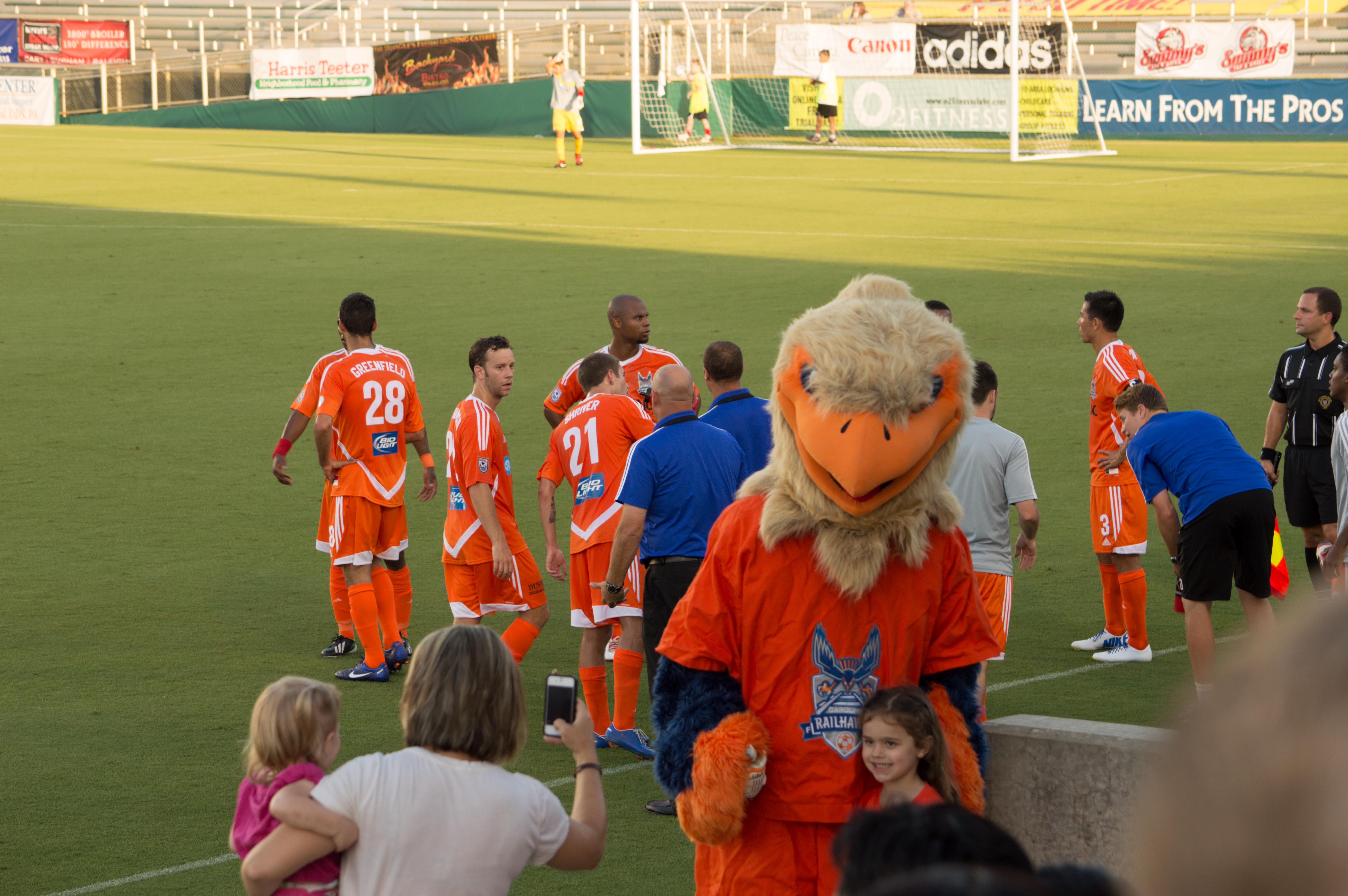
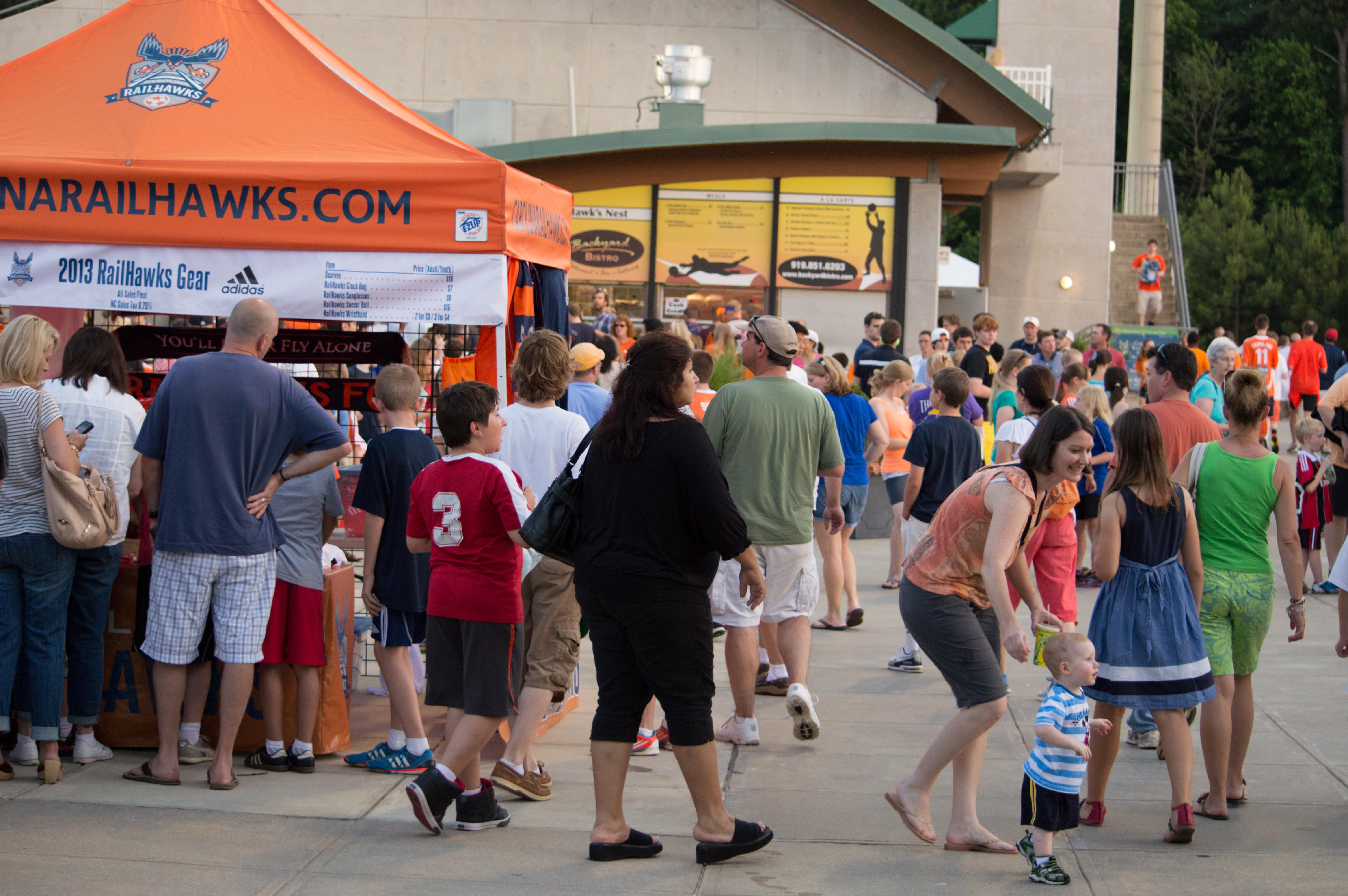
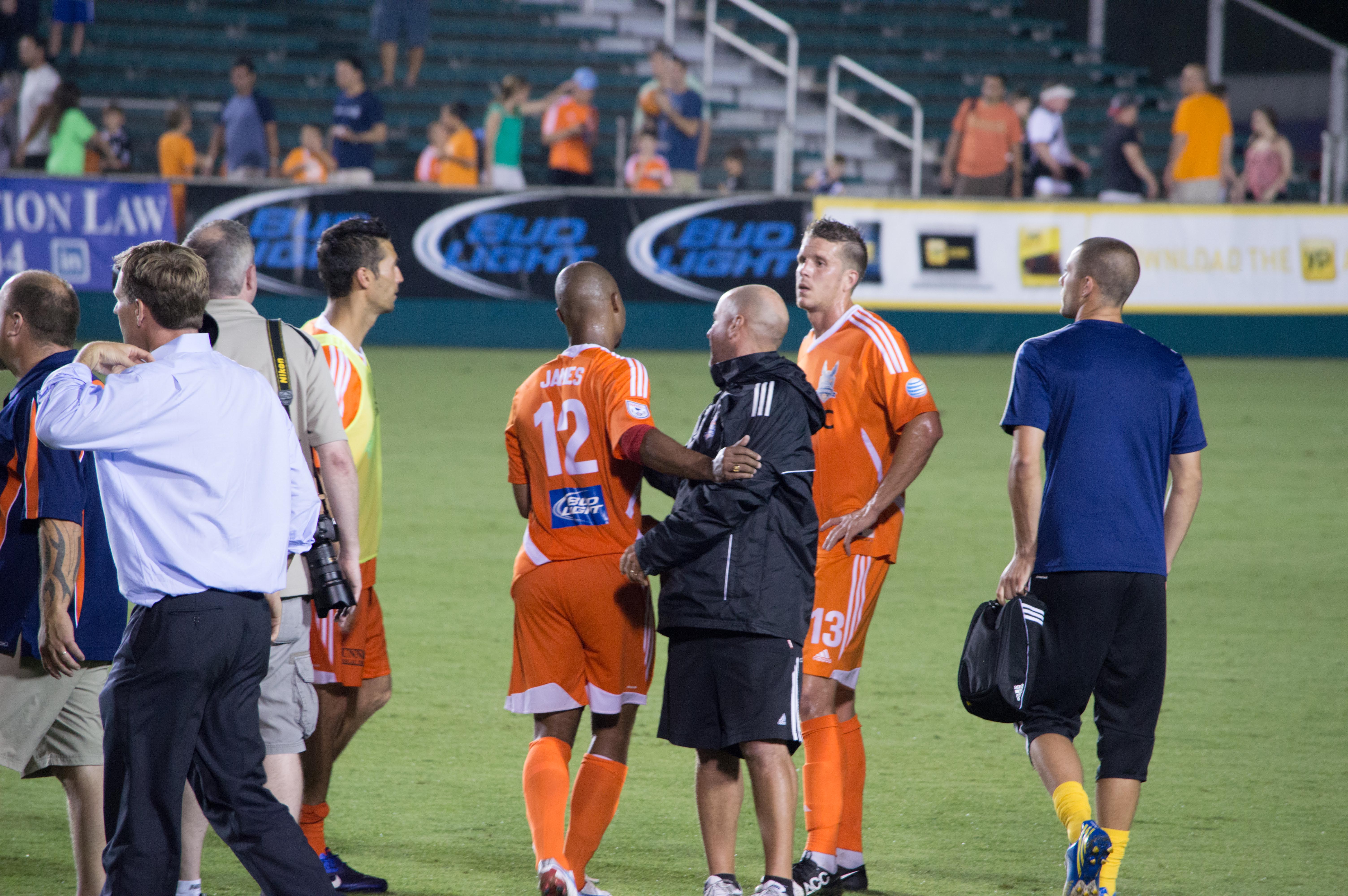
On Saturday night we went out to Cary to see a soccer game – the Carolina Railhawks played the Tampa Bay Rowdies. It was a clear, mild evening. We took along a couple of veggie subs at Jersey Mike’s, because last year we’d learned there wasn’t much in the way of healthful nourishment at the soccer stadium. But we were pleased to see they had improved their beer selection since last year. The field looked green and immaculate. We had good seats near centerfield on row G, and had a pleasant picnic there.
13 06 08_1967

The teams came into the game tied for the lead in the league and seemed well matched. I thought the Railhawks seemed sharper and less thuggish than last year. There were moments of skill and excitement, but no scoring until the 87th minute, when Tampa Bay took advantage of a defensive let down to put in a goal. When time expired there was an additional four minutes. During that time, the Railhawks proceeded to score, and then score again. We won!
13 06 08_1953

One of the Railhawks, Brian Ackley, is an old friend of Jocelyn’s going all the way back to middle school. We’d texted Jocelyn that we were going to the game, who’d texted Brian, and so he was prepared when we hailed him after the game and had a word. He’d played the last part of the game and had almost scored on a header. He’s a fine athlete and warm human being, and it was nice to see him.

Brian victorious (the Railhawk on the right)

Brian victorious (the Railhawk on the right)

When we got home, we watched a fine short documentary on HBO On Demand about Renee Fleming doing a master class for four aspiring young opera singers. The basic format, as with all master classes, is for a student to perform in front of other students and the master, and then receive criticism from the master. Here the students were all thrilled to have the opportunity to sing for Fleming, who is unquestionably one of our greatest singers. She was warm, generous, and a great listener. She gave some very specific advice on producing good vocal sounds, and spoke frankly about things like pre-concert nervousness. She gives a window into how difficult it is to be a great singer, but at the same time how wonderful.