The Casual Blog

Category: sports

In New York — FOSS, museums, Broadway, and the marathon

A window table at Stella 34, with the Empire State Building in the background

A window table at Stella 34, with the Empire State Building in the background

New York City is still the greatest! It’s so energizing. I went up Thursday night to attend the Software Freedom Law Center’s fall conference on Friday, and for the weekend we did some fun city things – museums, Broadway, sports, and food.

The conference at Columbia Law School was in part a celebration of how far free and open source software has come, but also discussed less pleasant things, like copyright trolls and security. I enjoyed seeing a number of business friends from leading tech companies and catching up.

Jocelyn picked out some fun places to eat, including Stella 34, which is on the fifth floor of Macy’s. The Italian food was good, and we had an epic view of the Empire State Building.
Tiller6Bug 1-6

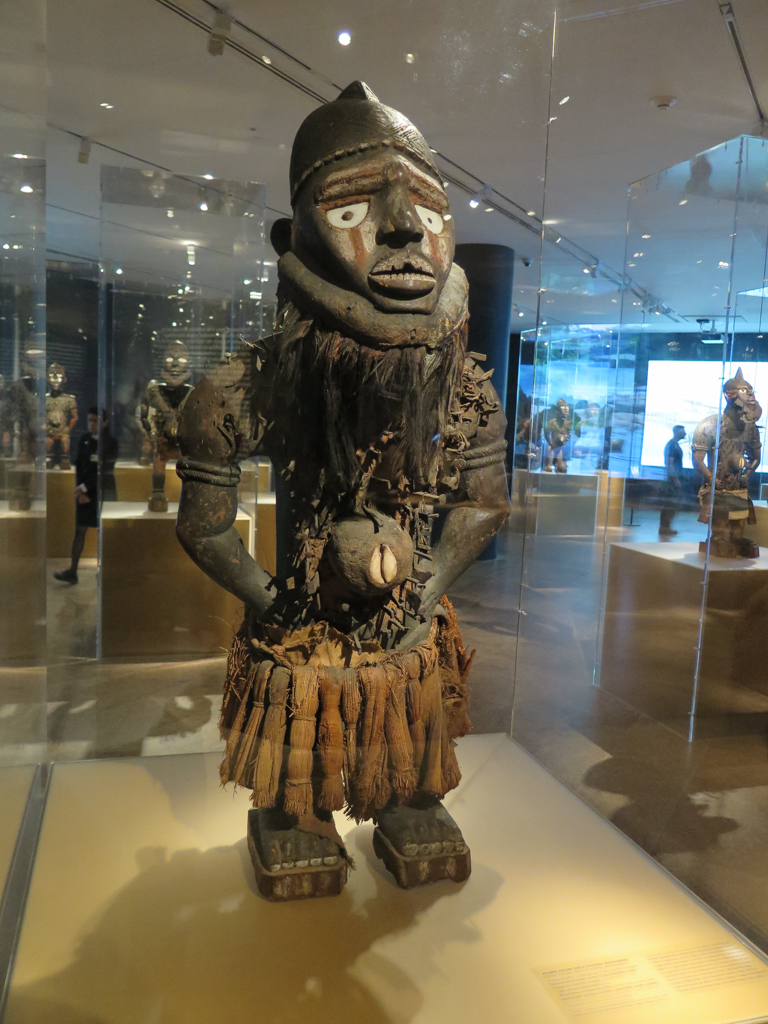
On Saturday morning Sally and I went to the Metropolitan Museum and saw two special exhibits – Kongo: Power and Majesty (art of central Africa), and Ancient Egypt Transformed: the Middle Kingdom. After our recent Africa trip, I’ve been listening to African music, and was eager to learn more about its art.

Slavery and horrendous colonial exploitation is what I think of first when I think of central and western Africa, but the exhibit demonstrates that there was an elaborate and well-developed culture and artistic tradition before Europeans arrived. There was extraordinary craftsmanship in their carvings and weaving, and something powerful in their religious objects. If you can’t get to the Met, you can see all the objects here.
Tiller6Bug 1-7
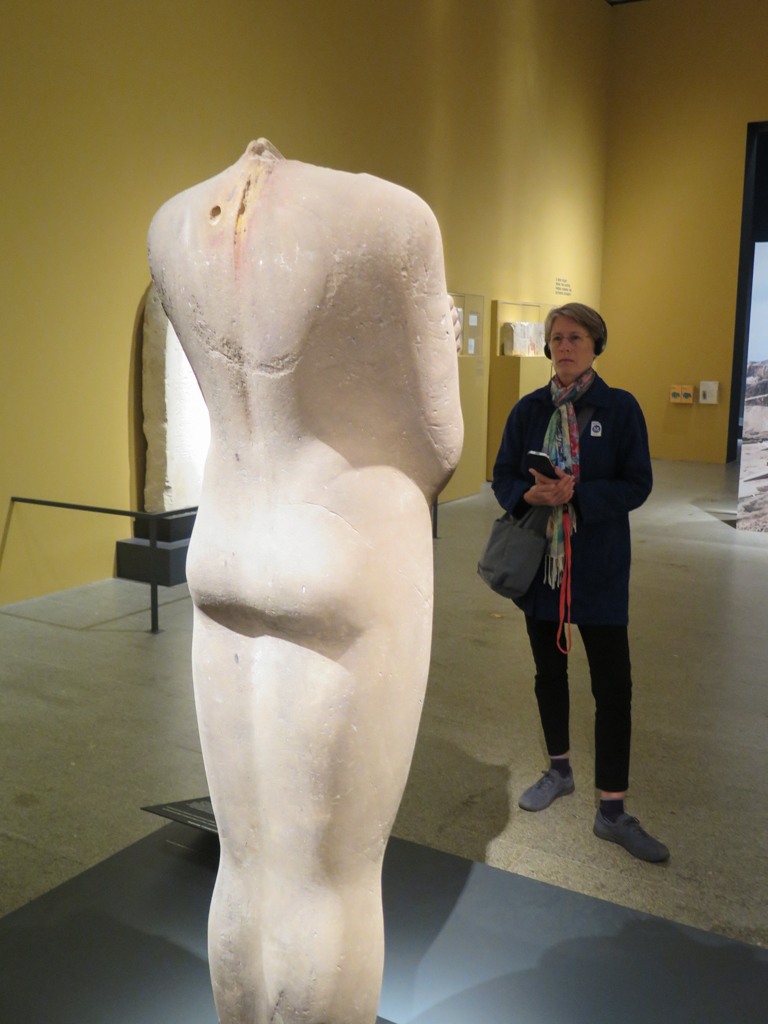
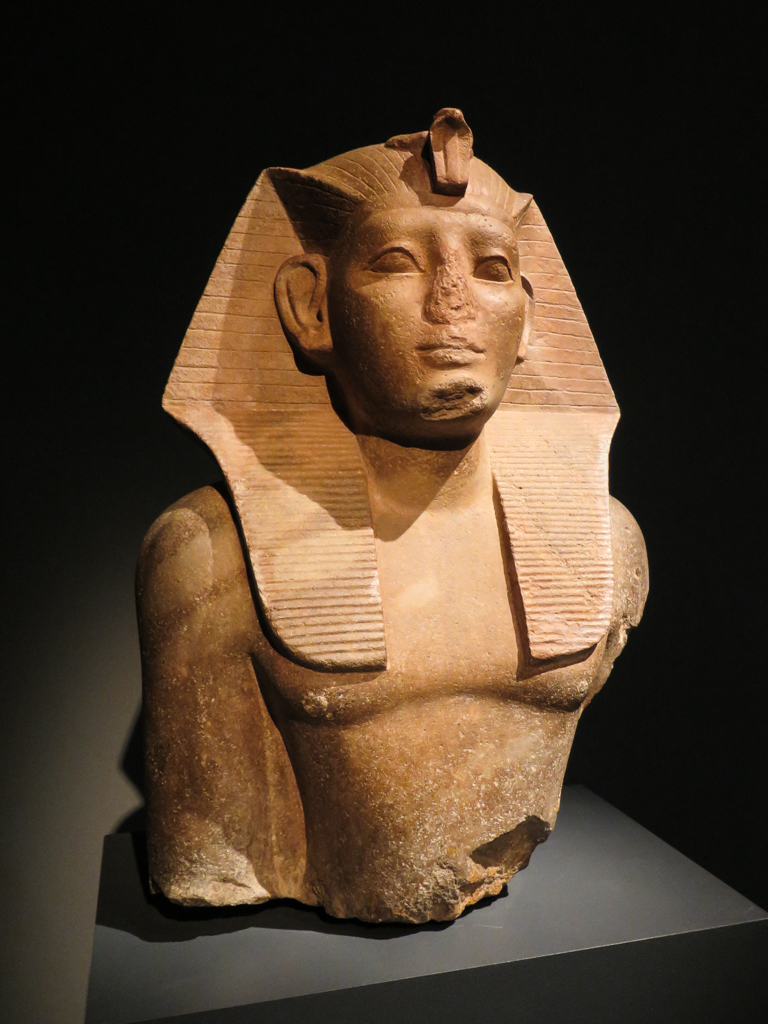
As for Egypt, the Middle Kingdom ran from 2030-1650 BC and from the 11th through the 13th dynasties. This exhibit also changed the way I thought of this society. It’s strange, of course, to think that pharaohs were viewed as gods, but all religions have their quirks. I’d thought of the sculpture as normally cold and formulaic, if well crafted, but was struck by how tenderly human and individual some of it was. Here again, you can check it all online.
Tiller6Bug 1-9

I’ve generally avoided museum audio guides, on the theory that it’s good to struggle with finding the message of objects than to be spoon fed. But it was well worth using the Met’s audio guide for these exhibits. The commentary was usually intelligent, and it was helpful to hear the pronunciation of the unfamiliar African and Egyptian words.
Tiller6Bug 1-5

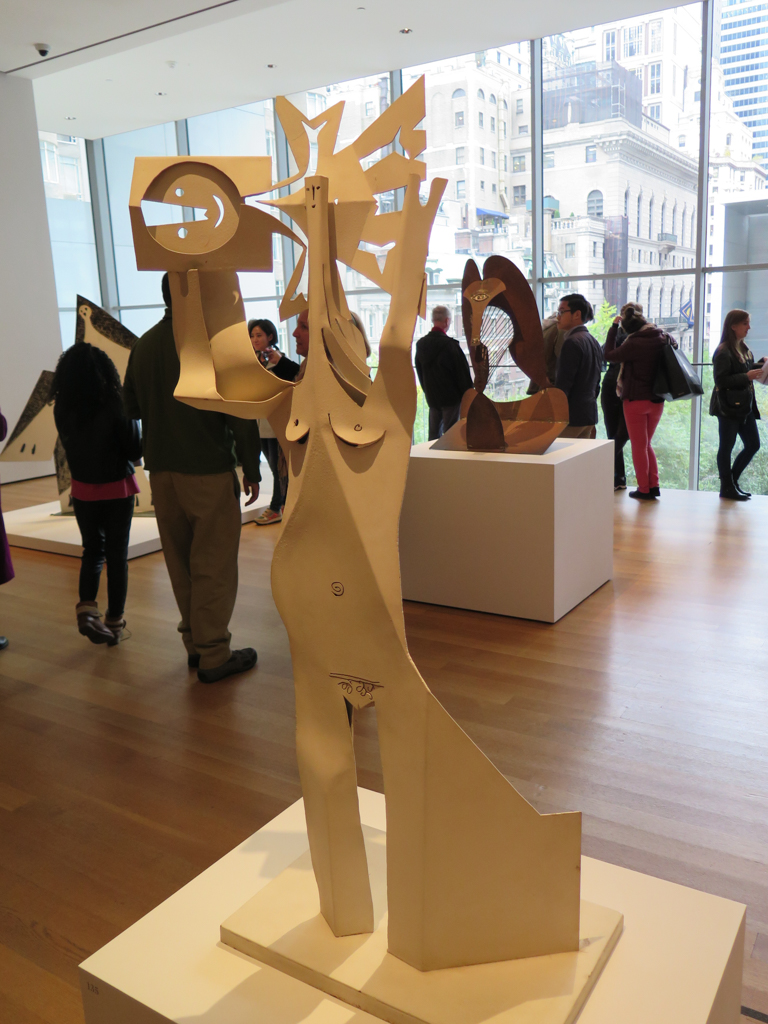
Afterwards, I went down to the Museum of Modern Art to see a special exhibit of the sculpture of Picasso. Apparently Picasso did not think of himself as a sculptor, but used sculptural tools for exploring new ideas. These were often witty and lively works, in a variety of styles and media. Picasso is really inspiring in his never-ending curiosity and energy.
Tiller6Bug 1-4

That evening we went to see Hamilton, a big hit on Broadway about the life of Alexander Hamilton told in the hip hop vernacular. Jocelyn had seen it twice off-Broadway, and was hugely excited about seeing it again. Her enthusiasm had motivated me to do a bit of homework beforehand, including reading the Ron Chernow biography of Hamilton, listening to the cast recording, and listening to some of the big hip hop hits of the last three decades.

I really liked the show. Hamilton’s life story is richly dramatic, and his achievements were extraordinary. That’s a good start, but to bring them into the present with an urban vernacular is such a great idea! At the same time, to take on some complicated history, with a spirit that is both playful and serious, is remarkable! The creator and star, Lin-Manuel Miranda is surely brilliant, and seems to understand that history is not something that is fixed, but rather always subject to reexamination and new understandings. Anyhow, it’s both a fun show, and richly thoughtful. How often does that happen?
Tiller6Bug 1

On Sunday morning we walked up to Central Park South to see the New York City Marathon. It is, of course, remarkable that people can run 26.2 miles at any speed, much less the pace that the elite athletes do. We were privileged to see the top finishers approaching Columbus Circle, close to the end. They looked focused, but not miserable. I read the next day that the men’s winner, Stanley Biwott of Kenya, ran mile 21 in 4:24, and only a few seconds slower for the next two miles. That is beyond amazing!
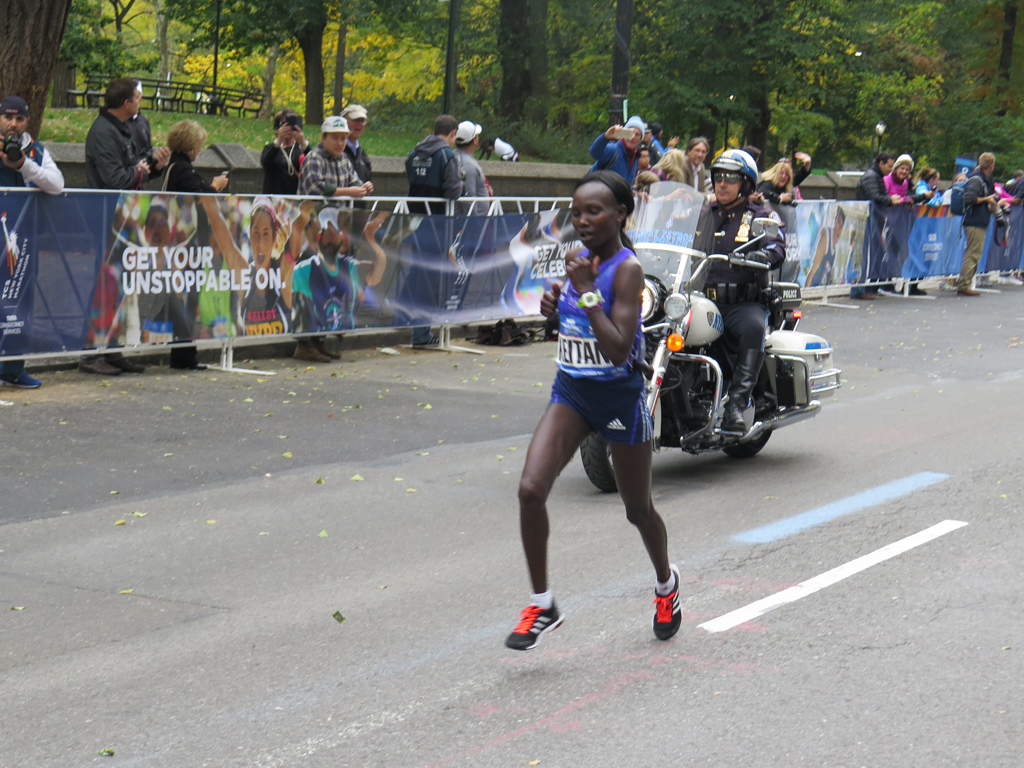
Winner Mary Keitany of Kenya, with about a third of a mile to go

Winner Mary Keitany of Kenya, with about a third of a mile to go
This Saturday: irises, exercise, protest riots, Schoenberg, Indian food, and soccer

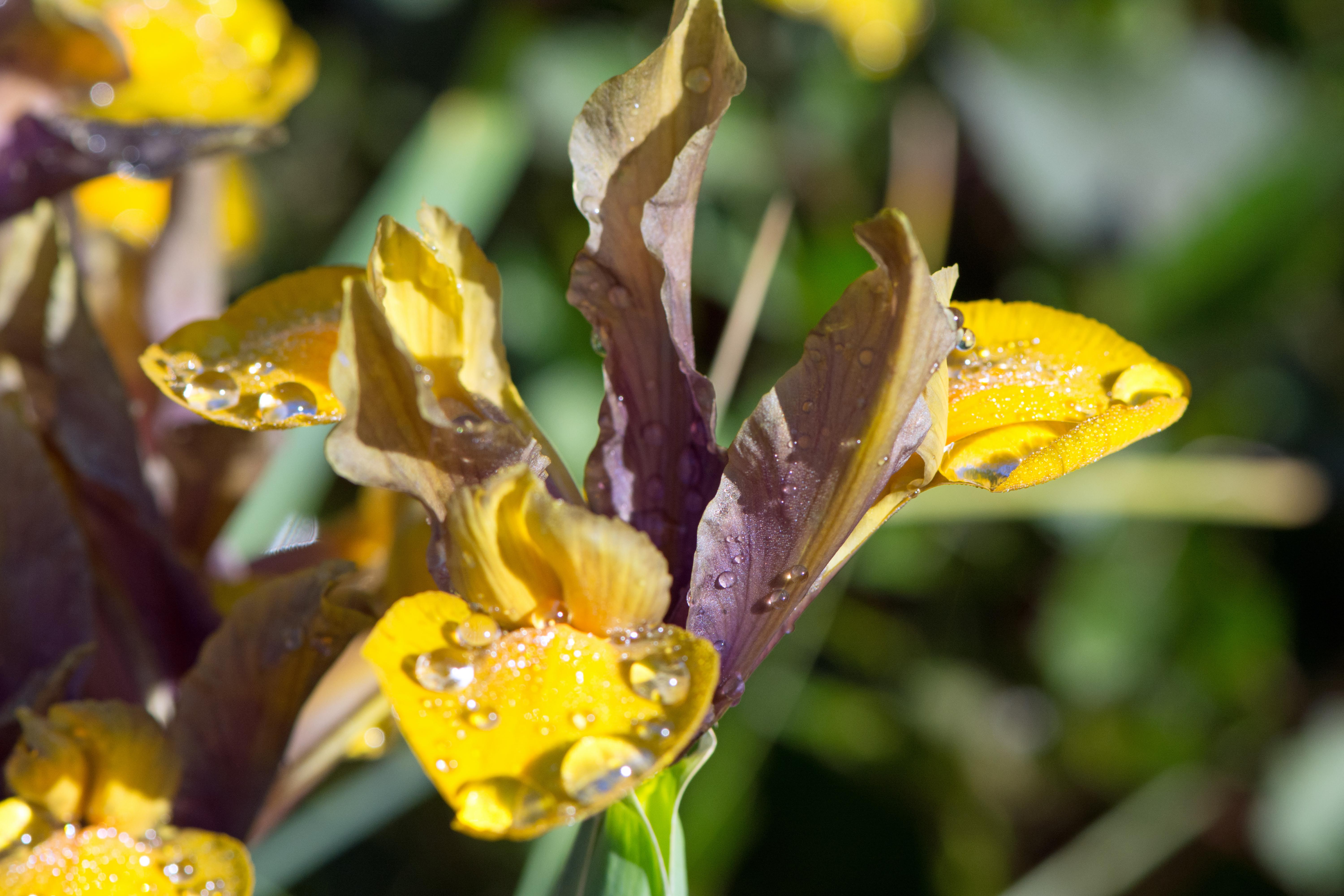
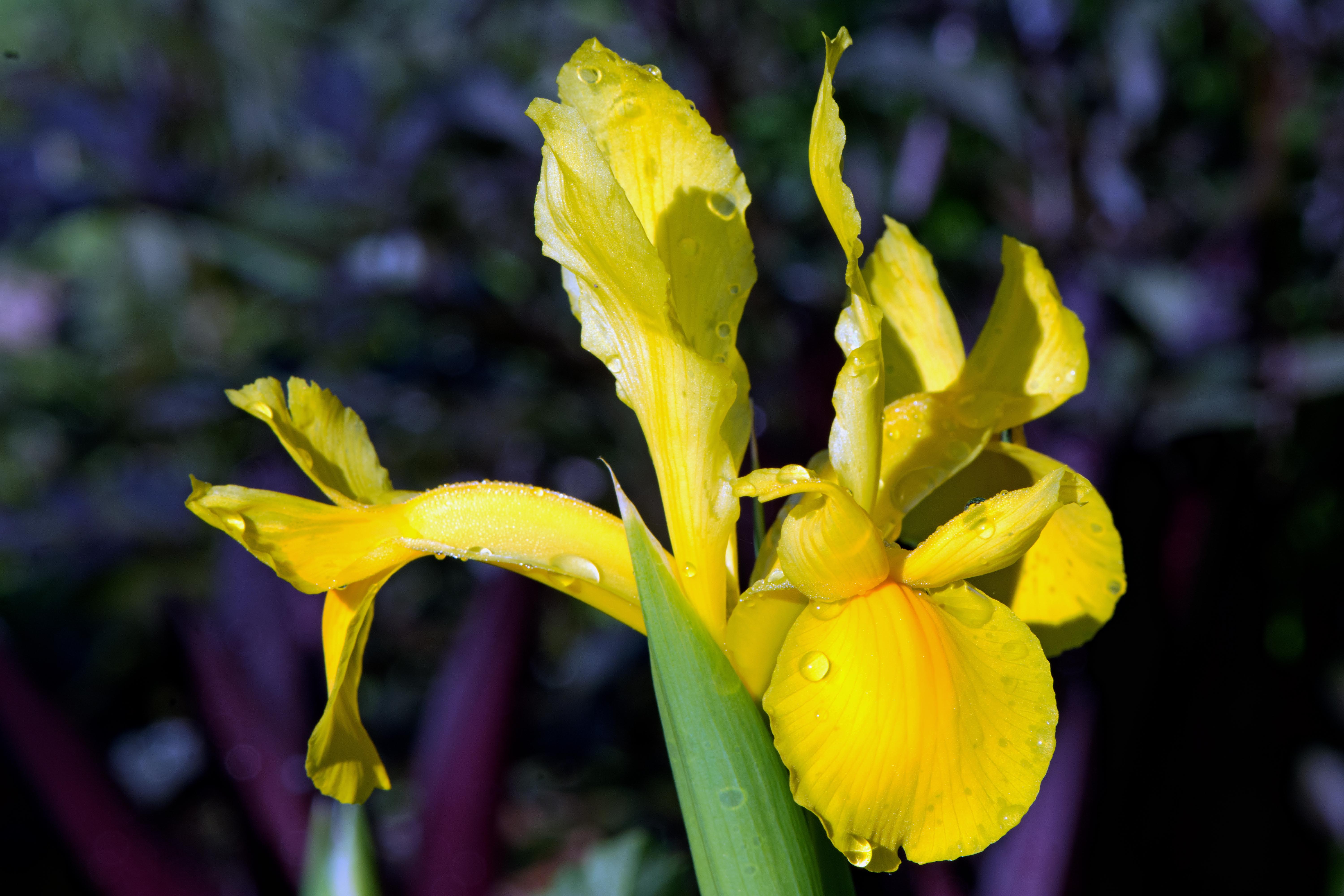
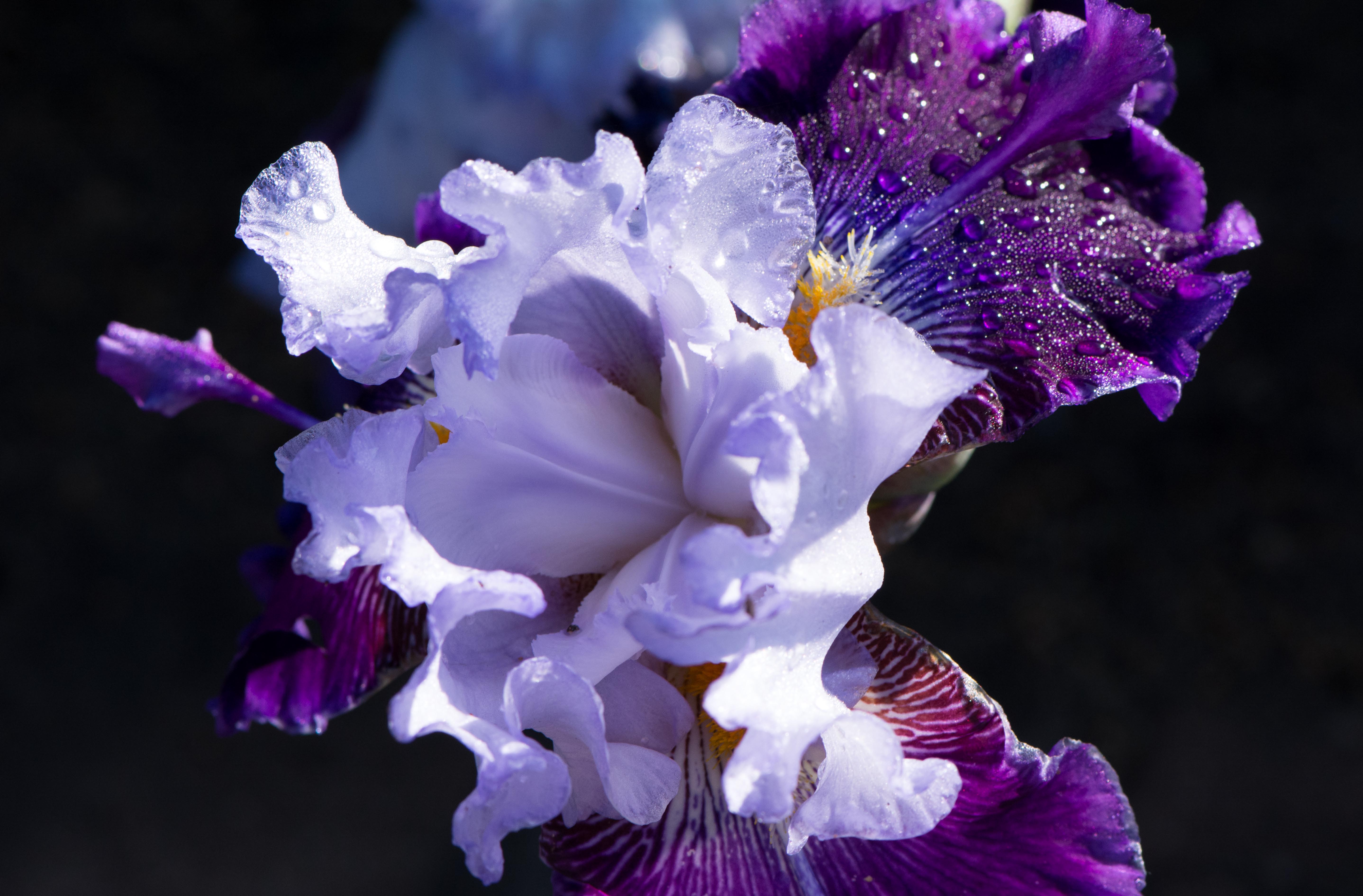
Iris, Raulston Arboretum, May 2, 2015

Iris, Raulston Arboretum, May 2, 2015

As usually happens when I travel, I picked up about three pounds, which I’d very much like to drop. Three isn’t a lot, but it can so easily become six, or twelve. And it’s so much easier to add than to subtract! With reducing in view, I’ve been focussing my exercise recently on fat burning, adding 15 minutes to my usual 30 of morning cardio, along with the usual resistance, core, and stretching. I’ve been doing various combinations of machines (elliptical, stairs, rowing, treadmill), classes (spinning, yoga), and outdoor running. On Saturday morning, I considered spinning at Flywheel or yoga at Blue Lotus, and decided to go to O2 for an aerobic martial arts-type class.

But first I went up to Raulston Arboretum, getting there a few minutes after 8:00 a.m. The big story this week was irises of various colors, boldly blooming, and still dewy when I got there. I spent an hour strolling and trying to capture their spirit, and then headed to the gym.

The exercise class was called Body Attack, and involved an hour of rhythmic footwork, punching, and kicking, to a throbbing club-type beat. I’m a highly non-violent person in real life, but I must admit, shadow boxing with a group is fun. I succeeded in sweating a lot and getting my heart rate into the mid-150s, and avoided either accidentally kicking or being kicked.
_DSC9536_edited-1

After showering back home, I drove out to Cary for a haircut with Ann S, my hair cutter of many years. I always enjoy talking with Ann about our families and doings. Part of her news this time was sad: their 14-year-old dog had to be put to sleep this week. The diagnosis was liver failure. I mentioned that I’d been thinking of our sweet Stuart’s mortality (as I noted last week), and we both struggled to articulate what is lost when a beloved pet goes.
15 05 02_5011_edited-1

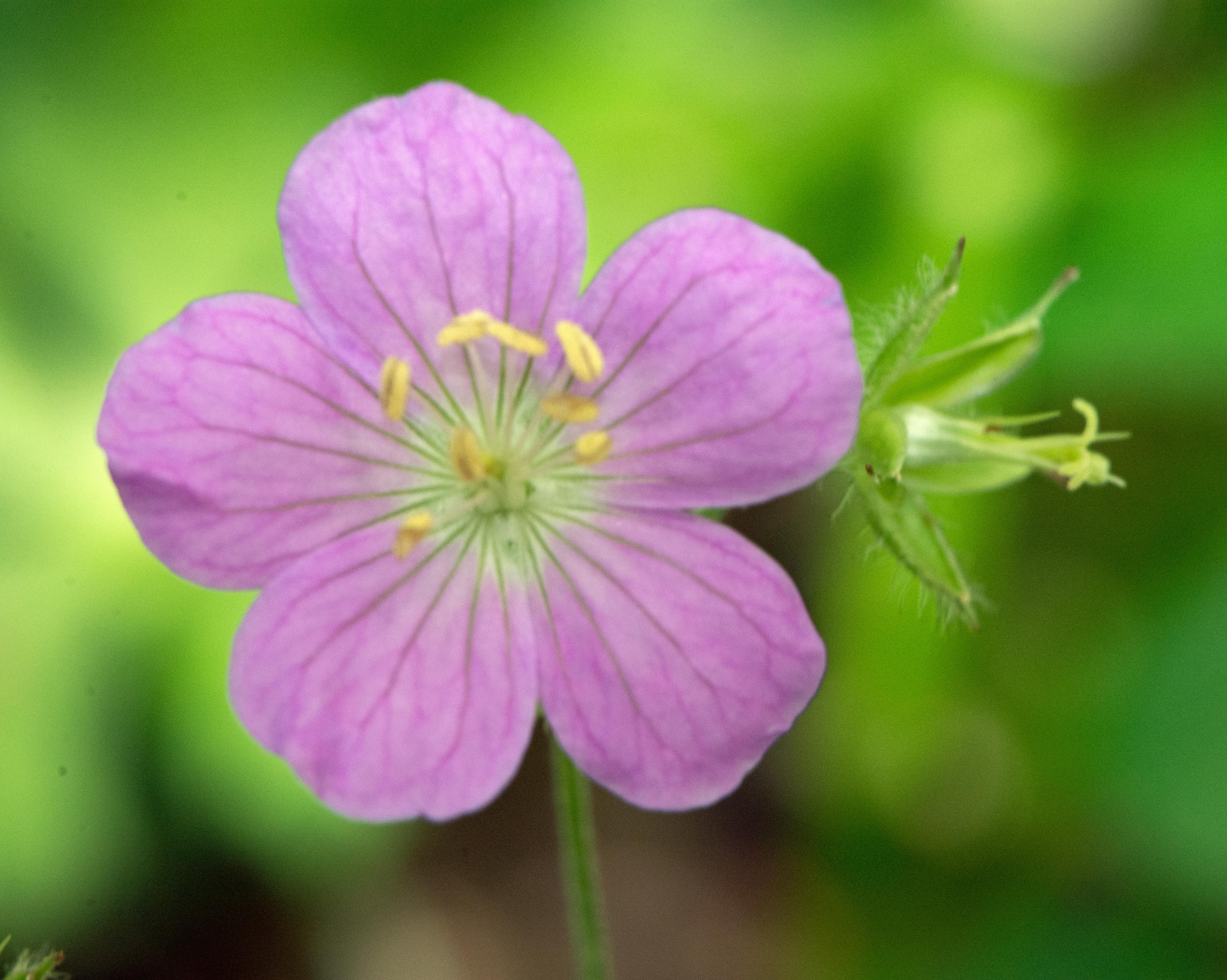
On the way back to Raleigh, I stopped at Swift Creek Bluffs for a walk in the woods. It was muddy from recent rains, and most of the wildflowers were gone, but things were green and lively. The creek was burbling, and a wood thrush sang brilliantly. I ran into Matt J., a fellow photographer who knows a ton about wildflowers, and we talked about plants and cameras. I saw this little guy:

Swift Creek Bluffs, May 2, 2015

Swift Creek Bluffs, May 2, 2015

On the drive back, I made a stop at the Washaroo to get Clara a shower, and listened to NPR reports on the protest violence in Baltimore. I was not aware, since I almost never watch TV news, that the right-wing media had been demonizing the protests. That’s crazy! I think I have a pretty good idea why Baltimore’s poor blacks (like those in Ferguson and many other cities) were angry. I learned a lot from Alice Goffman’s excellent book, On the Run, which vividly lays out what it means to live in a city (in her case, Philadelphia) where the police take the view that you are either a criminal or potential criminal and constantly harass and intimidate you.

It’s a harsh reality. It is unusual to be able to have a normal job, a loving family, and a comfortable place to live, and usual to face violence from both police and gangs, poverty, and betrayal. A legal system organized around criminalizing recreational drugs and draconian punishment for violators is a basic part of the problem, but there are other layers, including police militarization and racism. The people who are the victims of this system mostly suffer in silence, and so middle class America is mostly oblivious to the depth of the problem.

But that may be changing. When people destroy their own neighborhoods, it’s a wake up call – we at least know something is very wrong, and maybe we wonder what it is. I was cheered this week to read a news story that the leading presidential candidates on both sides agree that the system of mass incarceration for minor crimes needs to be turned around. Can our political system fix this humanitarian disaster? Repealing overly harsh sentencing laws and ending the war on drugs would be a good start.
_DSC9545_edited-1

In the afternoon, I read some and practiced the piano. At the moment, I’ve got on the workbench polishing and memorizing Chopin’s Preludes in C and G, Schubert’s G-flat Impromptu, Schumann’s Arabesque, Debussy’s Reverie, and Liszt’s Liebestraum No. 1, while working on my first music by Arnold Schoenberg – his Six Little Piano Pieces. Schoenberg wrote this in 1911 and uses his famous twelve-tone system, which systematically avoids traditional harmony. It’s highly angular music, and not easy to love, but seems much more approachable to me now. I’m finding strangely haunting melodies, and a sensuality not so far from Debussy’s.

On Saturday evening we went to see the Carolina Railhawks play Tampa Bay at the soccer park in Cary. We enjoy our soccer outings, but figuring out a food option has been challenging. There is no healthy vegetarian food on sale, and our system of smuggling in a sandwich went down last season when they began checking in bags at the gate (and we had to consume our Jimmy John’s veggie special standing in the parking lot). Sally had read a review of a new southern Indian vegetarian restaurant on Chatham Street just past the soccer park, and we tried it out before the game. At Sri Meenakshi Bhavan, the chaats were delicious, and there was a great selection of dosas. The décor was purely functional, and there was no alcohol, but the price for this marvelous food ($35 for two) was most definitely right.

At the game, it was a bit chilly, and we were glad we’d brought our sweaters. There were some exciting sequences, but I left displeased with the Railhawks’ sloppiness. We were fortunate to get away with a 1-1 tie. I’m hoping it was just an off night, and not a step down from the high level of play of last season. I was also displeased with the broadcasting of local advertising by a booming PA system during the course of play. There were several such ads in the second period, which were very annoying. Who thought this was a good idea? I intend to complain.

Bad ski luck, good paintings, and amazing atoms

IMG_0236_edited-1
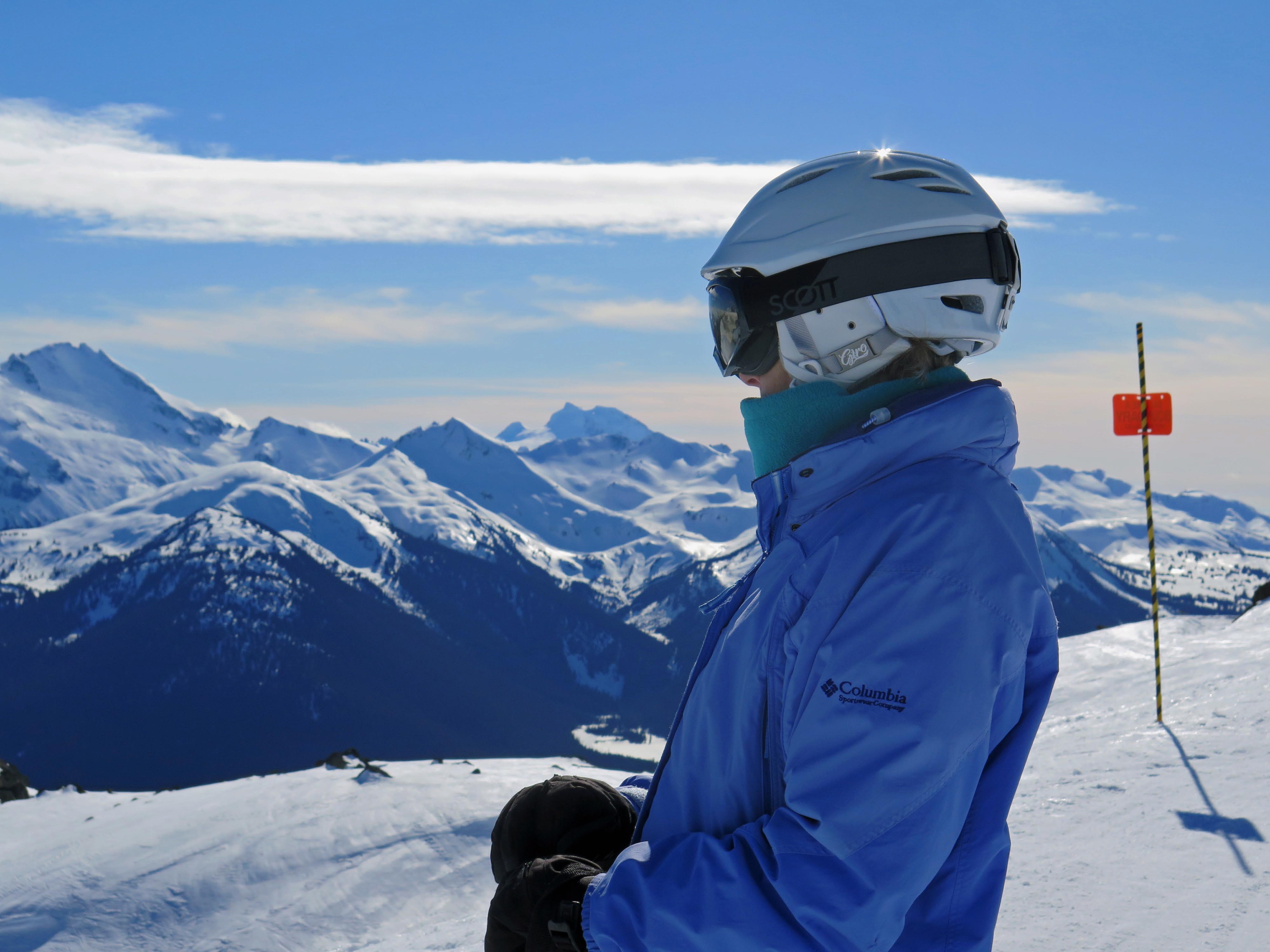
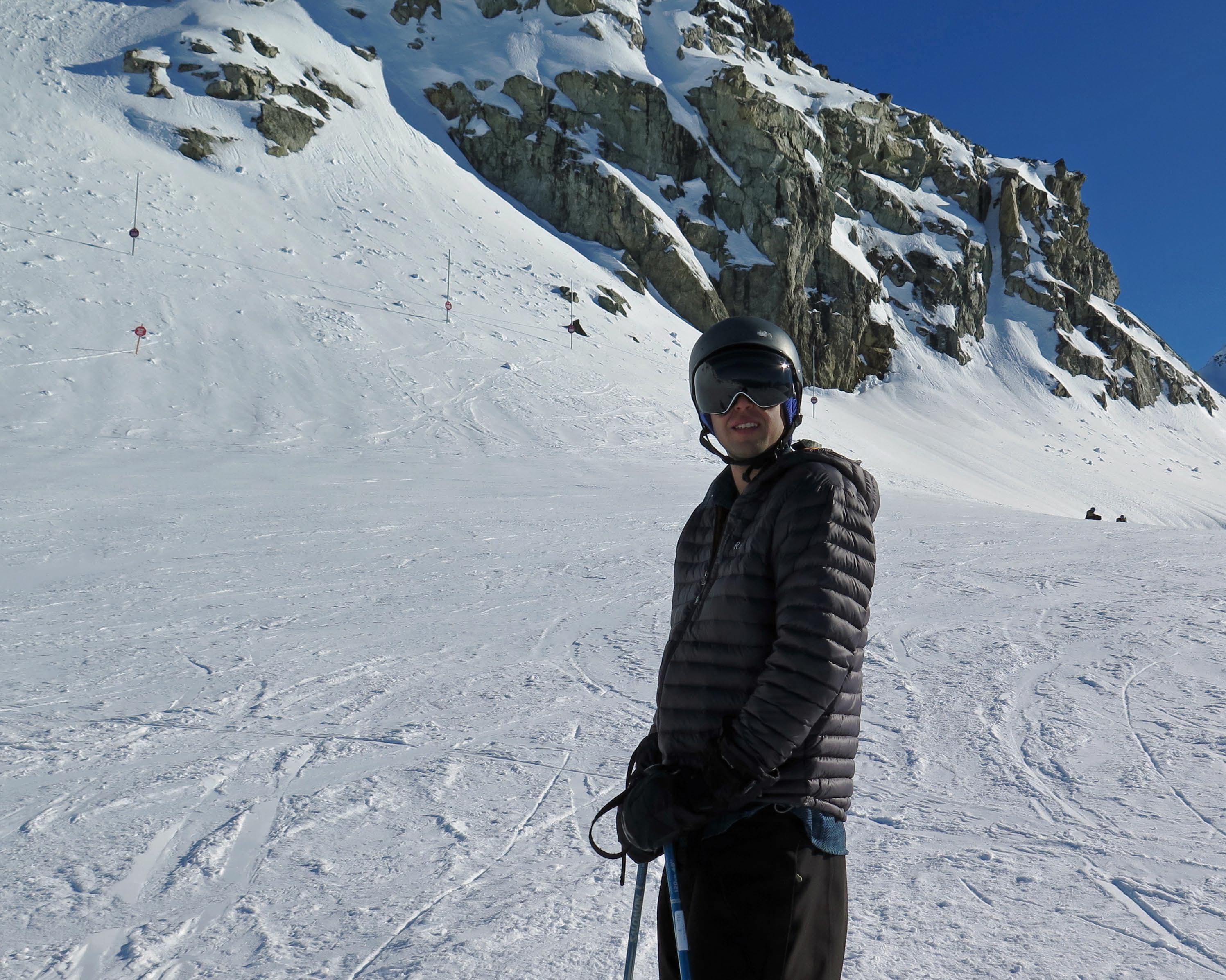
Our ski trip to Whistler was a mixed success. The alpine vistas were out-of-this-world beautiful. The runs were long, and the terrain was varied and challenging. The skies were mostly blue, and the temps were moderately cold. The village was bustling with lots of shops and restaurants, and people speaking many different languages. The free bus system got us around, though we sometimes had to wait a while. We had exciting adventures, good meals, and laughs with family and friends.

The snow, though, was disappointing. We arrived right after two exceptionally good snow years, and in the middle of what’s normally the snowiest time of year, but found it hadn’t snowed for weeks. Bad luck! There was still snow on the upper part of the mountains, but for most of our stay, its texture ranged from fairly hard to super hard.
IMG_0199_edited-1

The sound of skis on fairly hard snow is sort of like the sound of an ice scraper on an icey car windshield, or a snowplow scraping a street. We learned to listen for that sound as we went up the lifts and watched skiers descending the steeps, and pondered the least noisy way down. At speed on hard snow, you get bounced and buffeted, and you make those awful scraping sounds. You need to watch out for rocks. It’s hard to relax and let it flow.

But we did find some areas of non-punishing snow, and had a certain share of joyous turns. We particularly enjoyed some areas on Blackcomb mountain that had dramatic rolling ups and downs. There were pitches with non-icey moguls that were fun. And at the top, as I mentioned, spectacular alpine views.

I skied on rented Volkyl Kendos, which I found to be versatile and reliable, stable at speed and quick from edge to edge. I was also happy with my new Dalbello Panterra 100 boots, which were easy to get on and stayed in good communication with my edges.
IMG_0241_edited-1
We had an afternoon in Vancouver before heading home, and checked out the Vancouver Art Gallery, a fine old building in the classical style. There was a exhibition featuring some fine works of Cezanne, Degas, Pissaro, Van Gogh, Modigliani, and Soutine collected by Henry and Rose Pearlman. I enjoyed the paintings, and was particularly glad that Gabe could see this well-chosen collection, while his own artistic eye is developing so quickly.

We also checked out an exhibit of contemporary Chinese art, where I saw two pieces that blew me away: a giant sculpture by Ai Weiwei made of hundreds of antique three-legged stools (shown in this video) and installation involving ceramics by Liu Jianhua that seemed to hover both in space and time. We also stopped in the Coastal Peoples Fine Arts Gallery, which had interesting masks, totem poles, and graceful stone sculptures of bears and other creatures.

On the trip back, I finished reading Your Atomic Self: The Invisible Elements that Connect You to Everything Else in the Universe, by Curt Stager. Its main point is to explain how our bodies are built and operate from an atomic perspective. We all know, sort of, that we’re essentially atoms, but it’s challenging to grasp and accept what that really means. Stager traces our oldest bodily elements back to their origin in exploded stars, and explains how our constituent atoms have been recycled through minerals, vegetables, and animals prior to arriving in us. The idea that we’re connected to everything around us turns out to be true! I found it challenging, and inspiring.

Sweet success at the Dawn Face, and a worrying new chapter in the war on terror

I was thrilled this week that Tommy Caldwell and Kevin Jorgeson completed their epic climb of El Capitan at Yosemite. It was widely agreed that this ascent of the Dawn Face, a 3,000 foot granite wall, was an almost impossible, transcendent athletic achievement. It took years of planning and preparation to complete this climb, and I’m sure they were not well-paid years. These guys were not motivated by desire for lucre or worldly success. It’s inspiring to see people with such passion and intensity. Hats off to them.

It’s good to cherish such heroic moments. They balance the difficult and depressing stories. It’s almost overwhelming to think about our enormous social and environmental risks and tragedies, but we’ve got to try. Part of the trick, at least for me, is making it a point to pay attention to the beauty around us.

The big depressing story this week was the aftermath of the shocking massacre at the French satirical magazine by religious extremists. This was a horrible crime, and it is inevitable that we feel shaken and confused by it. We want to have a narrative to make it make sense. But the emerging dominant narrative, organized around the idea that militant Islam poses a serious threat to the world order, could do far more harm than the Charlie Hebdo murderers.

It was only hours after the massacre that French politicians were declaring war on terror. I wanted to say, hey, wait, we tried that, and it was a disaster. America has so far spent thirteen years warring against terrorism – the longest war in American history – and there’s no clear light at the end of the tunnel. We’ve spent at least $1.5 trillion dollars and sacrificed the lives of many thousands of our soldiers while killing tens of thousands of enemy soldiers and hundreds of thousands of civilians. The net is that the small group of radical crazies that existed at the start of the “war on terror” is now a larger, more widespread group of radical crazies.

James Fallows wrote a piece in this months’s Atlantic about America’s puzzling worship of the military. As he notes, it is certainly true that individual soldiers commit acts of great bravery and make enormous personal sacrifices, and for these they should be honored. But as an institution, our military is enormously wasteful, seldom successful, and almost never accountable.

And the cost is staggering from any perspective. Fallows summarizes as follows:

The cost of defense, meanwhile, goes up and up and up, with little political resistance and barely any public discussion. By the fullest accounting, which is different from usual budget figures, the United States will spend more than $1 trillion on national security this year. That includes about $580 billion for the Pentagon’s baseline budget plus “overseas contingency” funds, $20 billion in the Department of Energy budget for nuclear weapons, nearly $200 billion for military pensions and Department of Veterans Affairs costs, and other expenses. But it doesn’t count more than $80 billion a year of interest on the military-related share of the national debt. After adjustments for inflation, the United States will spend about 50 percent more on the military this year than its average through the Cold War and Vietnam War. It will spend about as much as the next 10 nations combined—three to five times as much as China, depending on how you count, and seven to nine times as much as Russia. The world as a whole spends about 2 percent of its total income on its militaries; the United States, about 4 percent.

Got that? We’re spending more now on defense than in the Cold War, when we had an actual imposing enemy, and more than the next ten most armed nations combined. The sums involved are literally mind boggling. What has all this money got us? As noted, years and years of death and destruction. That’s about it.

The French are also debating whether they should beef up their security apparatus to allow more widespread spying on citizens. Again, there are some things they could learn from our experience. Our panic after the horrible killing in 2001 of almost three thousand of our citizens led us to create an enormous security apparatus that now surrounds us. Privacy is becoming a thing of the past. Our culture and political life are impaired, as we’re now conscious that our speech may be constantly monitored. We’ve repeatedly tortured prisoners. We’ve sacrificed some of our most fundamental constitutional principles and most sacred ideals.

How much terrorism does our massive security apparatus prevent? It’s impossible to know, though I suspect not much, in part because I don’t think there’s all that much terrorist violence that would happen anyway.

Although there are clearly some homicidal maniacs in the world, it doesn’t seem likely that the world is suddenly filled with homicidal maniacs, or that a large number of those are focussing their mania on you and me. We need to understand a lot more about militant Islam, which, to be sure, has a complement of maniacs that hate the West. But viewing militant Islam as primarily devoted to killing westerners is surely a mistake. Poor and ignorant Islamists have a lot of other things to worry about, like opposing ruling tyrants.

In the New Yorker this week, there’s a piece by Patrick Radden Keefe on corruption. It focuses in part on Afghanistan, where the regime installed by the US has been prodigious in looting the country. At last check, the CIA was continuing its deliveries to President Karzai of cash in paper bags amounting to tens of millions of dollars.

This systematic high level corruption is an outrage at many levels, but one that I hadn’t previously considered is the reaction of ordinary Afghans. According to research by Sarah Chayes, the leading reason that captured Taliban prisoners gave for joining the insurgency was the perception that the Afghan government was “irrevocably corrupt.” How ironic that our war on terror led to this.

It is, for us, hard to conceive of religious militancy as a rational response to extreme circumstances, but it’s worth thinking about. It seems more likely that the extremist movement is fueled more by such a combination of idealism, ignorance, and outrage at oppressive/criminal governments than it is by fury over women’s revealing clothing and comics about the Prophet. Anyhow, it’s a question to which we should find out the answer.

Seriously, let’s get the best possible research on why these people are fighting, what they really want, and what are possible responses before we continue for another decade, spending more trillions of dollars and sacrificing additional hundreds of thousands of lives.

Beautiful dragonflies, an unlikely soccer victory, and my hand injury

14 06 28_0215_edited-1
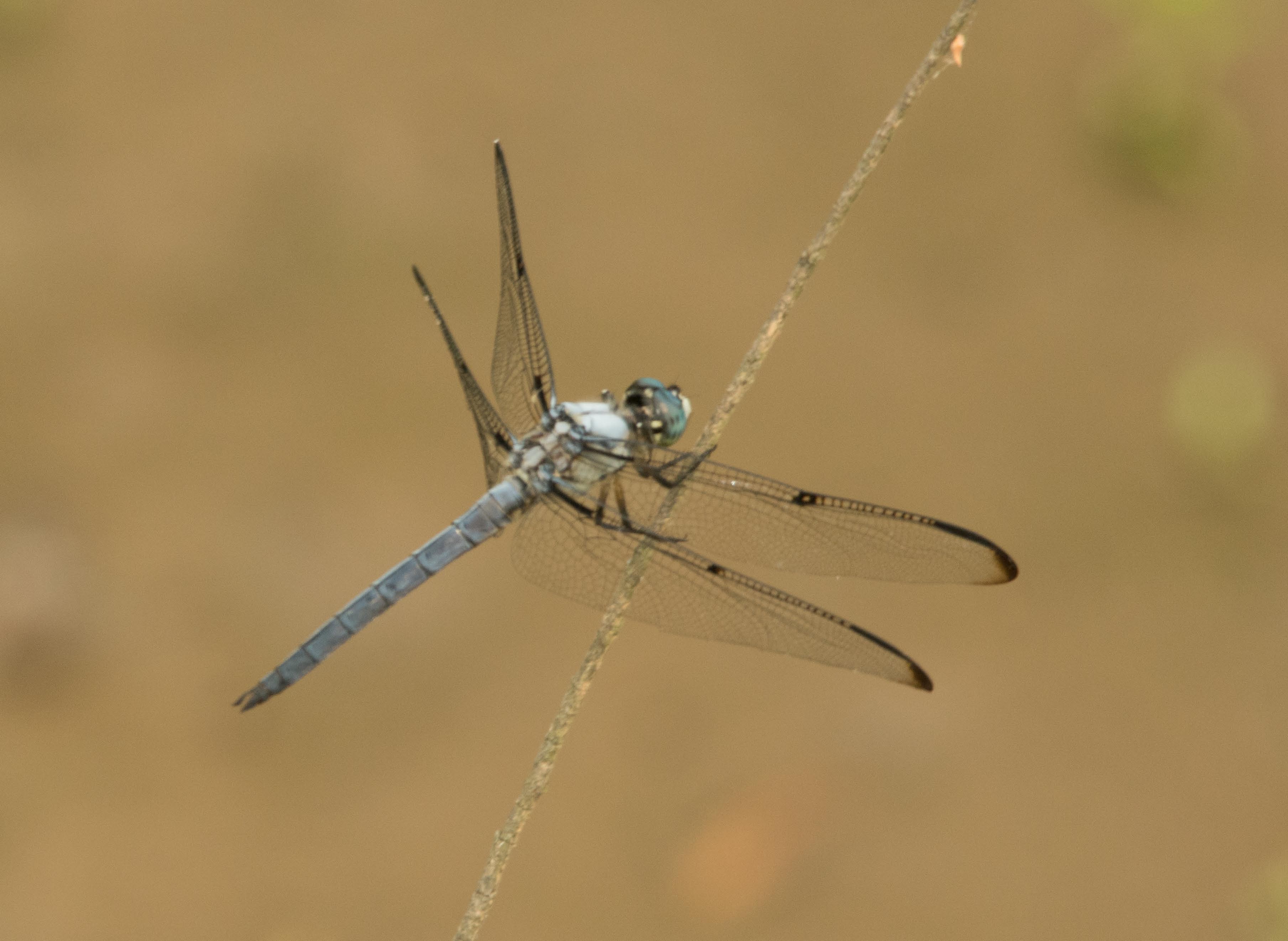
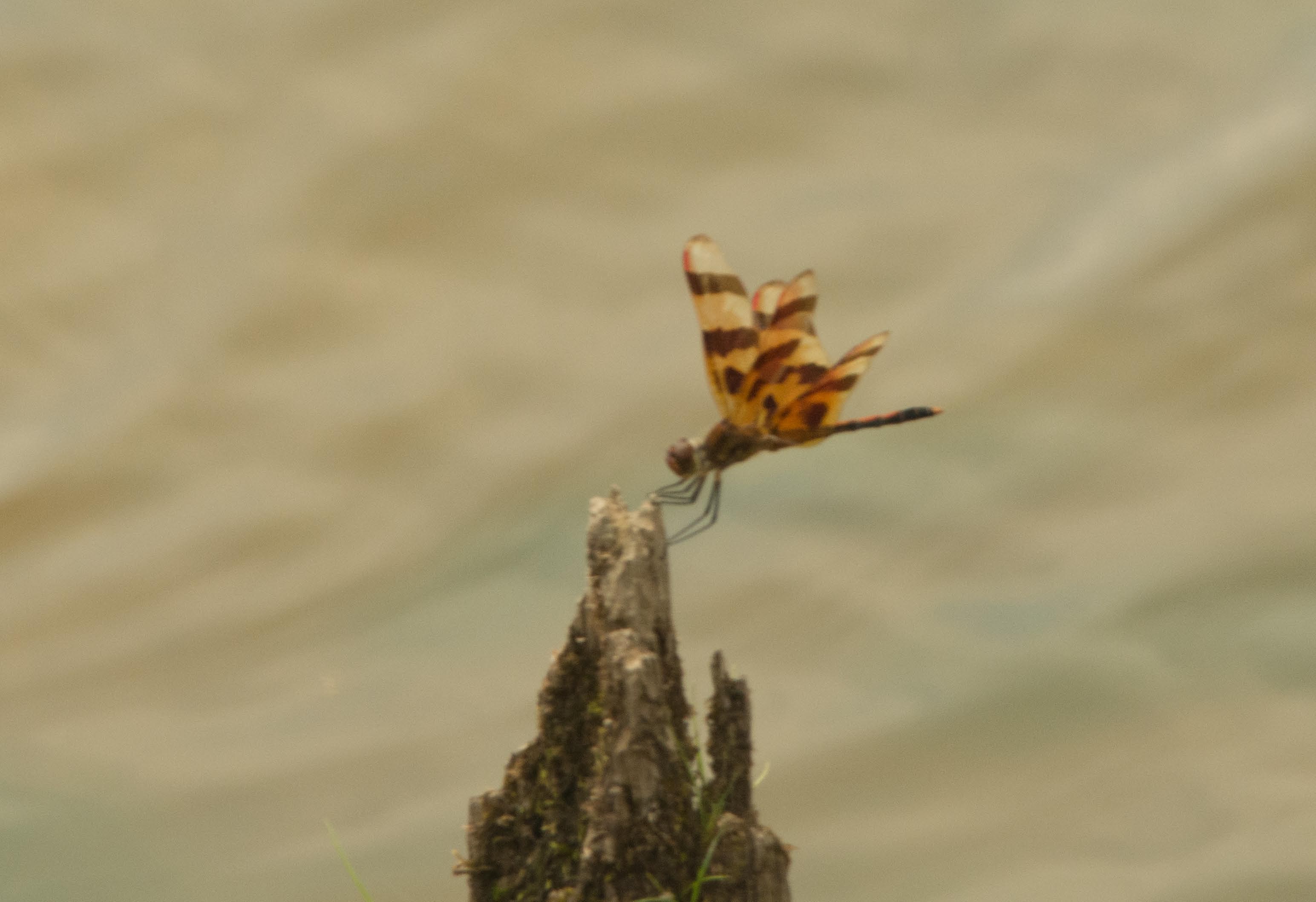
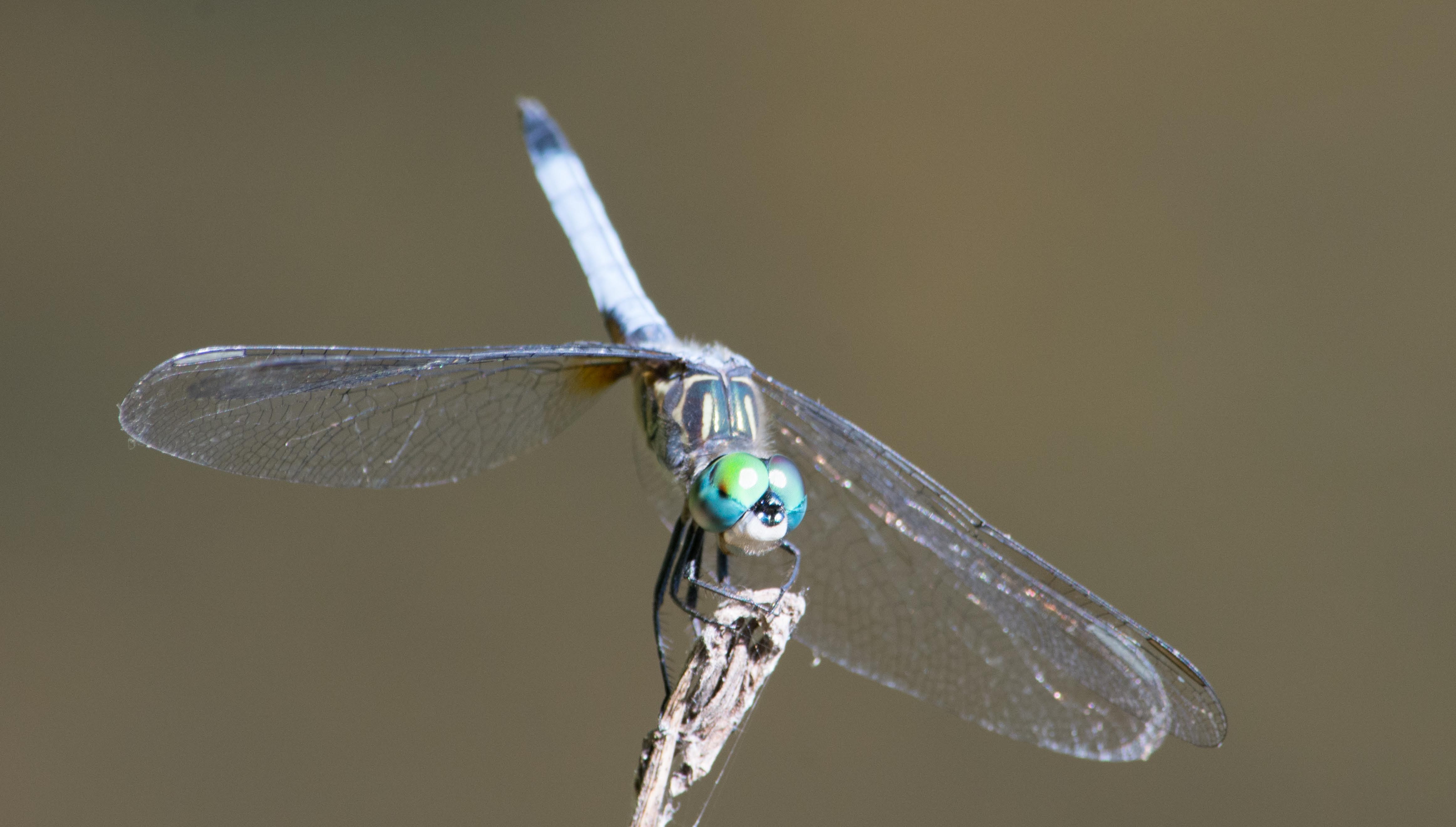
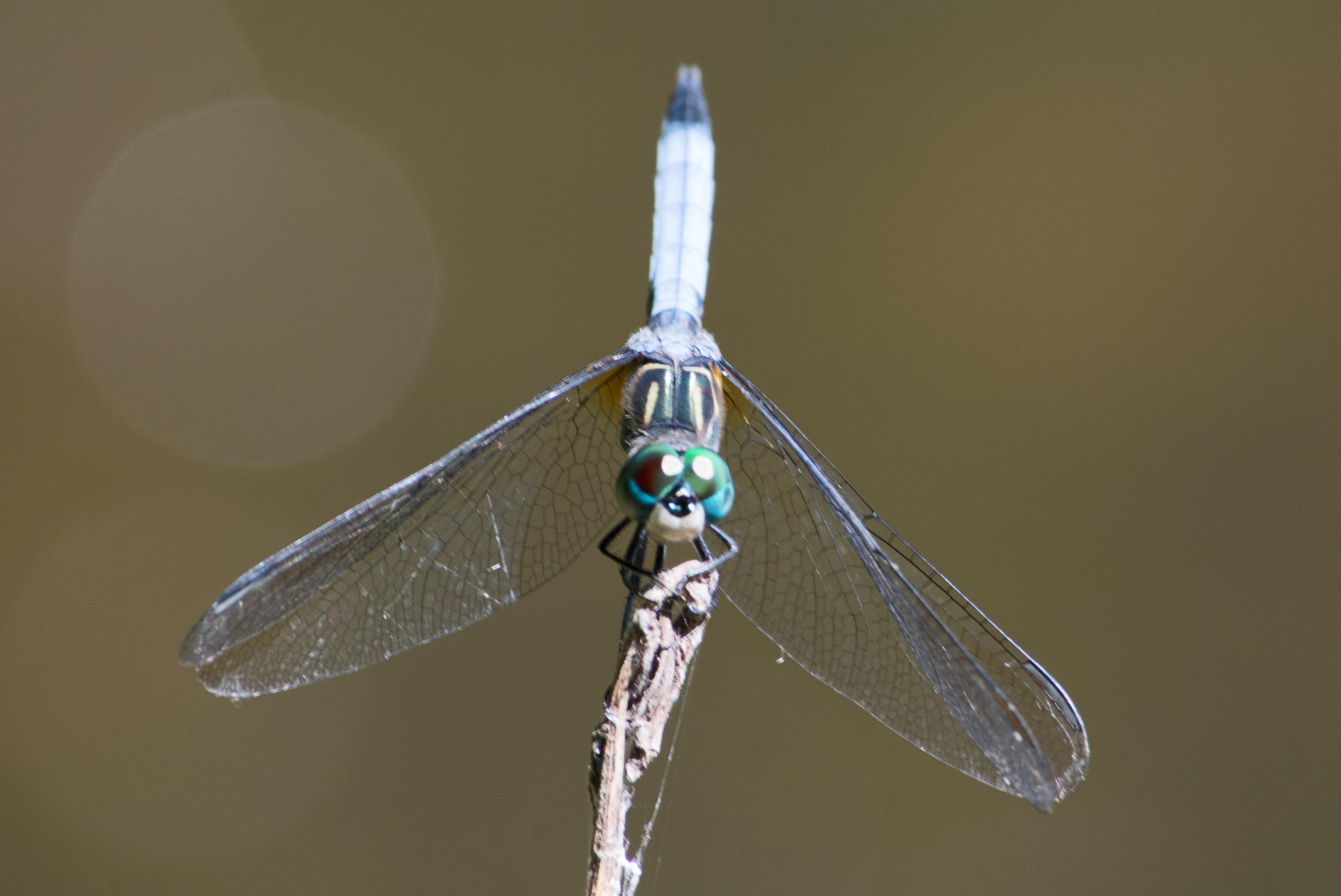
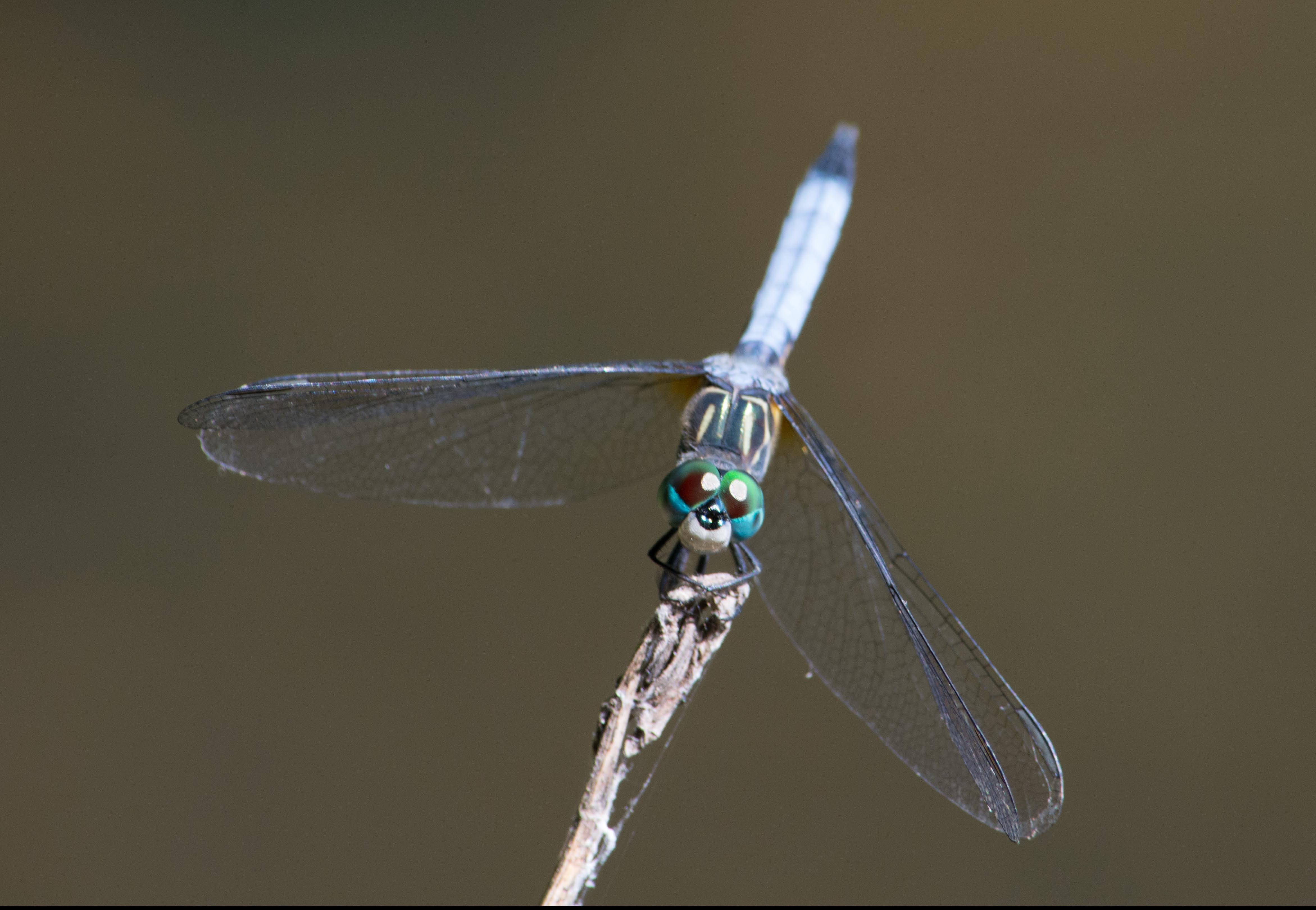
I spent some quality time this weekend with my camera looking for dragonflies. They are amazing aerialists, with the ability to hover, fly backwards and upside down, and attain speeds upwards of 30 miles an hour. They eat mosquitos, among other prey. Their eyes are the largest in the insect world, taking up most of their head and allowing them to look in all directions. And up close, some are quite beautiful. At the boardwalk over the swamp at Raleigh Boulevard, I found great blue skimmers, common whitetails, Halloween pennants, along with others who buzzed about but declined to perch for a picture. At Lake Lynn, I found a particularly cooperative blue dasher, who did a series of quick poses for me, three of which are below.
14 06 28_0239_edited-2

We got to see some high-grade soccer up close and personal this week when the L.A. Galaxy came to town to take on our Carolina RailHawks. The contest was part of the U.S. Open Cup, with the winner advancing to the round of sixteen. The Galaxy had been beaten twice before by the RailHawks at home, when they’d failed to send their top players, so this time they showed up with their stars, Landon Donovan and Robbie Keane.

We won! Even to my inexpert eye, it was clear that the Galaxy was the stronger team, dominating in possessions and shots on goal. But with a determined defense and heroic goal-keeping by Scott Goodwin, the RailHawks survived the first 90 minutes with a scoreless tie. They finally broke through with a powerful score by Daniel Jackson in the first of two fifteen-minute overtime periods. The moral of the story? Sometimes you win even when your opponent has superior resources. You may as well give it a shot, since the competition may stumble or you may exceed expectations — you never know. Anyhow, it was fun to see world class athletes competing, and satisfying to somehow come out on top.

14 06 29_0326_edited-1
14 06 29_0324_edited-1
14 06 29_0327_edited-1

I’ve been more-than-usually conscious of physical limits these last few weeks since hurting my hand during our holiday in Dominica. The accident occurred because of my unreliable depth perception, which stems from my retinal detachment last year. I was stepping onto a boat to go whale watching and thought the deck was six inches higher than it was. That is, I put my weight on thin air – then went down hard. All this happened fast, so it’s hard to be sure, but it’s likely I tried to protect my D7100 as I fell. Anyhow, I didn’t catch myself with both hands, but rather went down on my right hand, twisting it backward. Afterwards, it swelled up like Micky Mouse’s, and hurt a lot. But it was still usable, so I figured it was no worse than a bad sprain.

But after seven weeks, it was still hurting and weak. I could play the piano, but not with my usual gusto – loud octaves in Liszt pieces were painful, and twisting movements and trills did not work well. Certain simple daily tasks, like opening jars and buttoning buttons, were difficult. I wasn’t making much progress, and decided to go to a hand specialist.
14 06 28_0202_edited-1

Dr. George Edwards of the Raleigh Hand Center took some images and quickly diagnosed a radial collateral ligament tear in my middle finger. He taped it to my forefinger and instructed me to stay taped for the next few months. There’s a chance it will heal up, but an equal chance I’ll need surgery, and the surgery would involve many weeks of recovery. Meanwhile, no piano, and no golf.

I was shaken to hear this. The idea of hand surgery actually scares me more than eye surgery (of which I’m a battle-scarred veteran). Losing mobility in the middle of my dominant hand would be serious. In particular, losing the ability to play the piano would be catastrophic.

But I soon noted that my hand pain was mostly gone from the tape job, and I decided to focus on the 50 percent chance that everything will be fine. It will be challenging to maintain my usual good cheer without my usual daily dose of keyboard therapy, but I’ll do my best. I’m thinking that I’ll try to burn off some of my musical energy by working on my solfege (sight singing) and other listening skills.

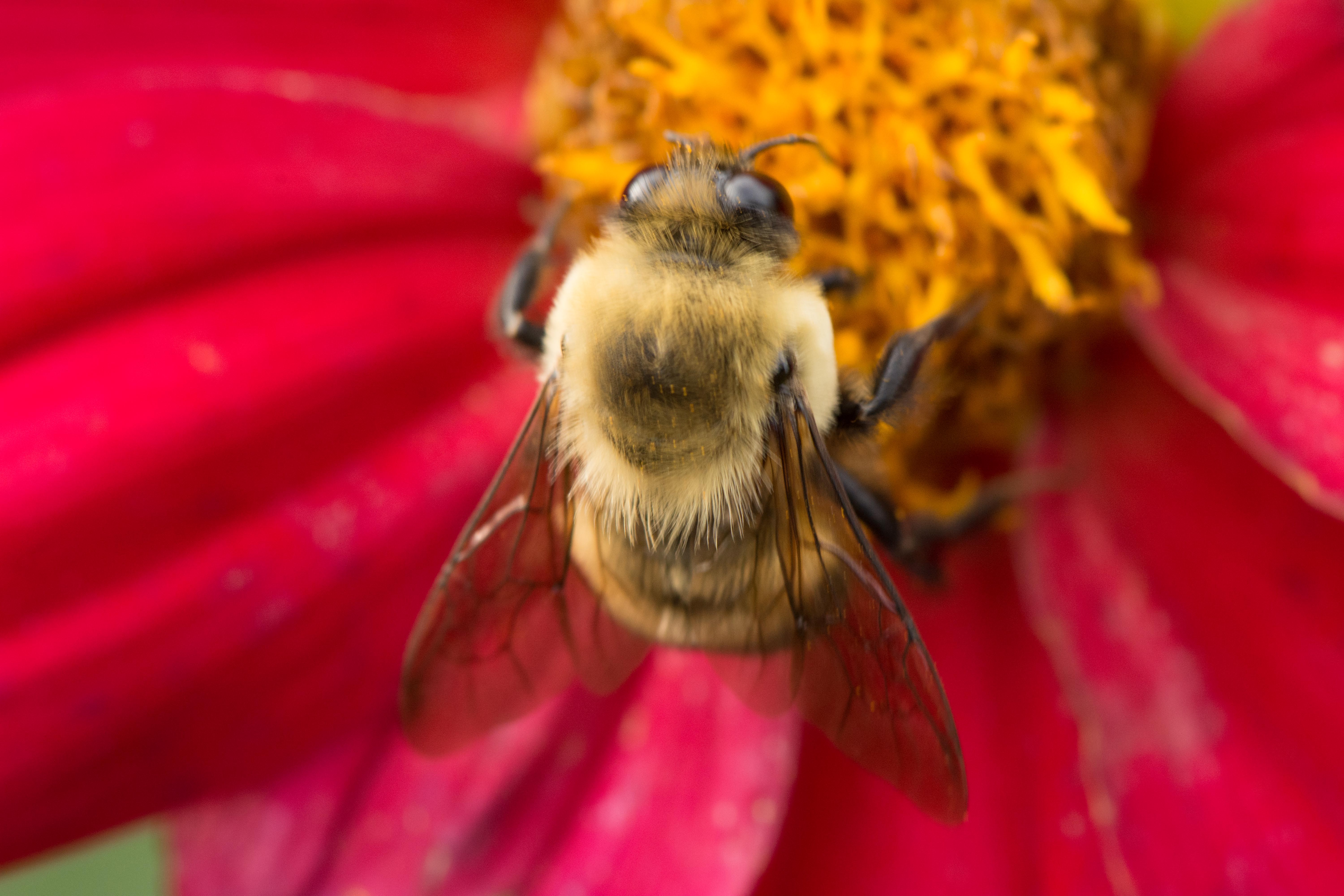
Speaking of more cheerful things, here are some photos I made on Friday evening at Raulston Arboretum of bees hard at work.

14 06 27_0176_edited-1

14 06 27_0171

14 06 27_0183

Coral Reef Diving and Hiking in Dominica, West Indies

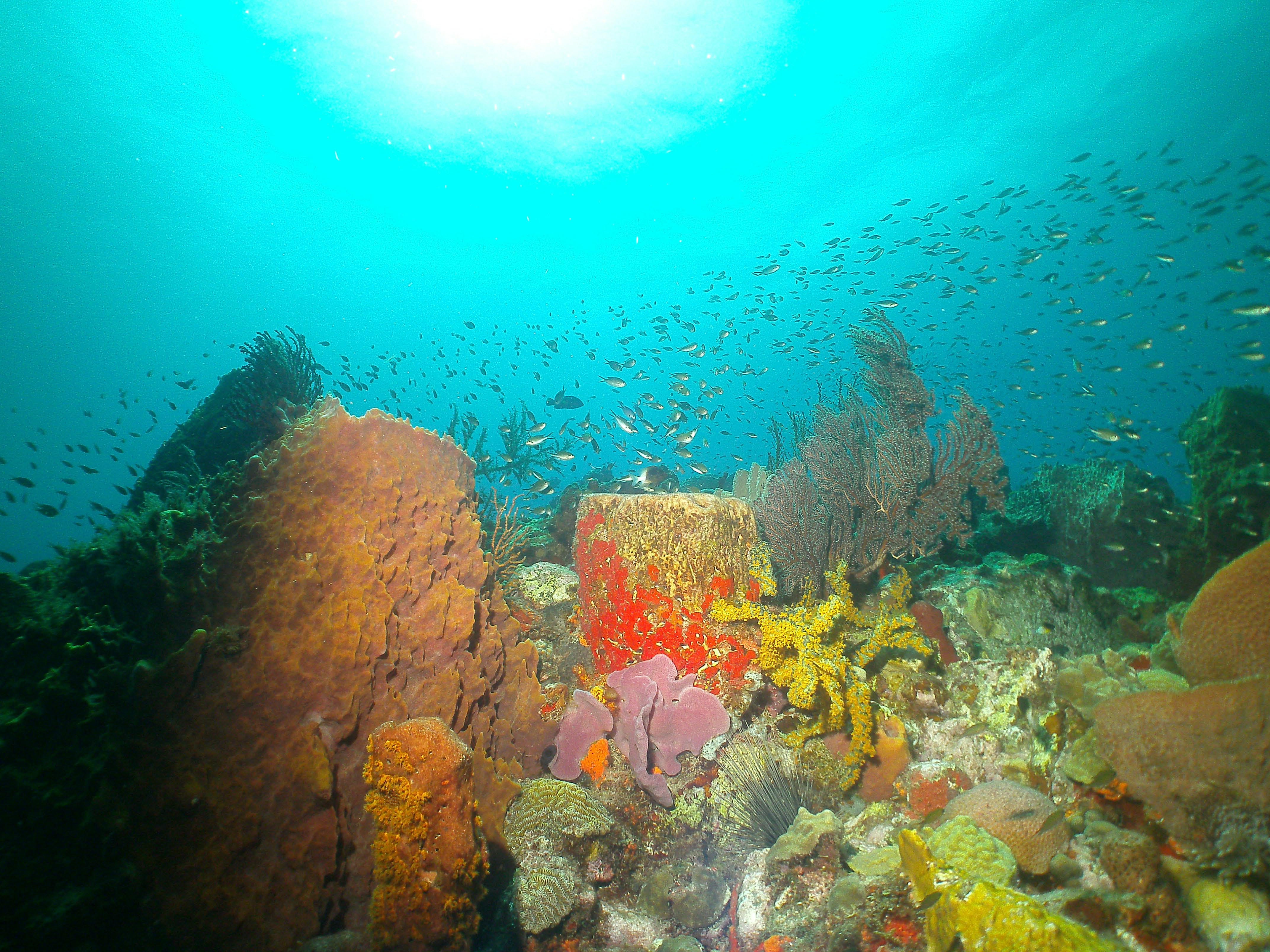
14 05 07_8847Coral reefs are one of nature’s most amazing creations. Untold millions of miniscule animals form structures of wildly varying forms, textures, and colors, and extend them widely over thousands of years. Some of the structures resemble terrestrial plants or animals, but others look like modernist architecture, surpassing the most fanciful creations of Gaudi. They are home to 25 percent of the ocean’s creatures, and a fundamental part of the planet’s infrastructure.
14 05 07_8851

As a diver, I relish the incredible privilege of time with strange and beautiful coral. I’m also acutely aware of their perilous situation, and the urgent need for action. Global warming and ocean acidification are killing coral reefs, and the consequences for all life that relies on the ocean may be catastrophic. I was slightly cheered to see the UN and US reports in the last few weeks highlighting these threats. Perhaps reality is sinking in, and perhaps it is not too late. I have my doubts, but I try to err on the side of optimism.
14 05 07_8870_edited-1

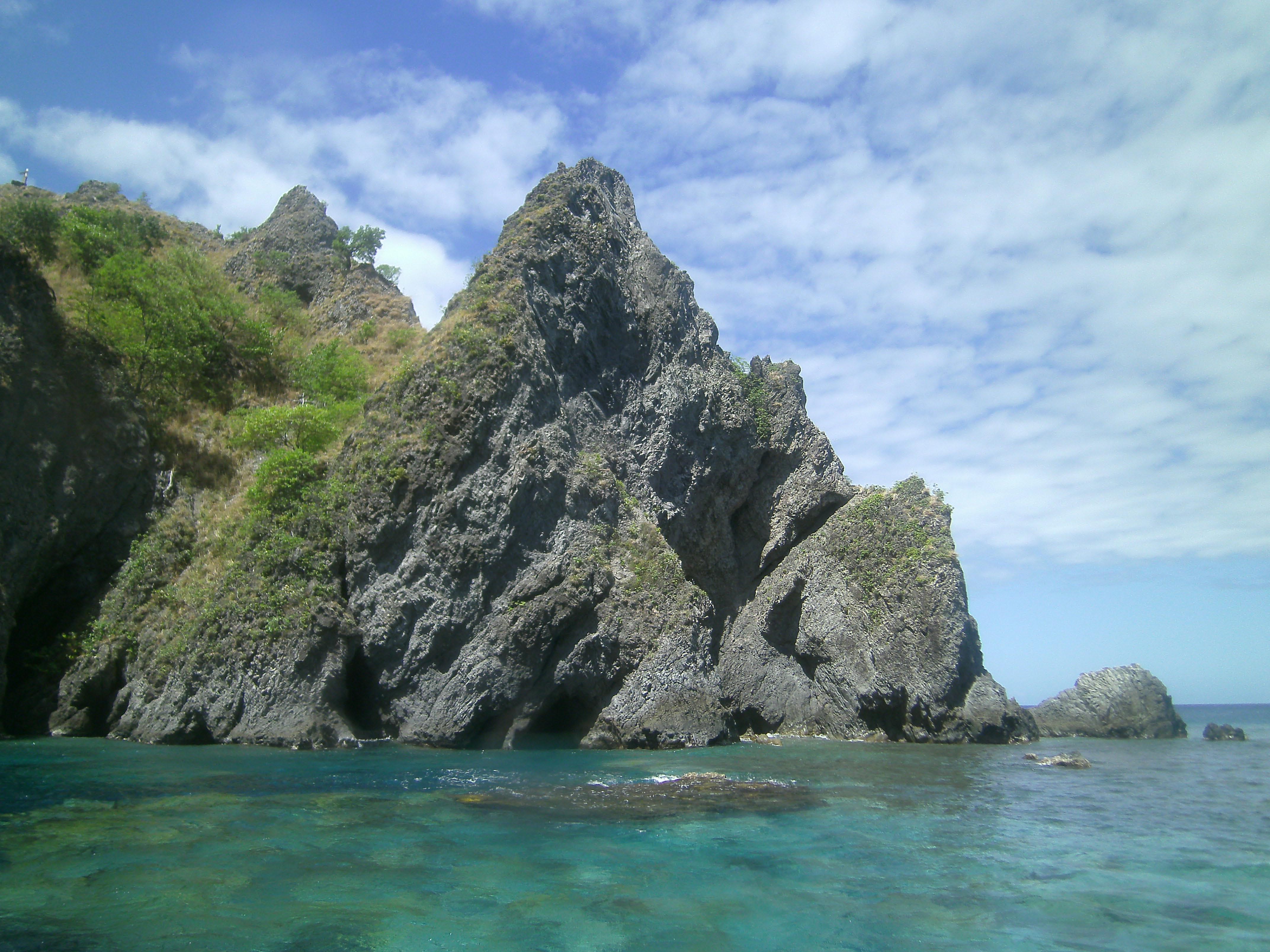
In any case, for the time being, there is awesome beauty to contemplate and celebrate. And so last week Sally and I made our first visit to the Caribbean Island of Dominica. I learned the correct pronunciation (doe-me-NEE-ka), and the location – part of the Lesser Antilles, to the south of Antigua and north of Saint Lucia. The terrain is mountainous, with peaks up to 4,747 feet, and much of it is covered with lush tropical rainforest. It is exceptionally beautiful.
14 05 07_8907

We stayed in the town of Roseau at a friendly, diver-oriented place called the Castle Comfort Lodge, and did our diving with Dive Dominica. The dive sites we did were mostly 20-30 minutes away by boat to the southern part of the island. Most days we did two dives in the morning and a land adventure in the afternoon, and twice we went out with the DD boat on night dives.
14 05 07_8905_edited-1

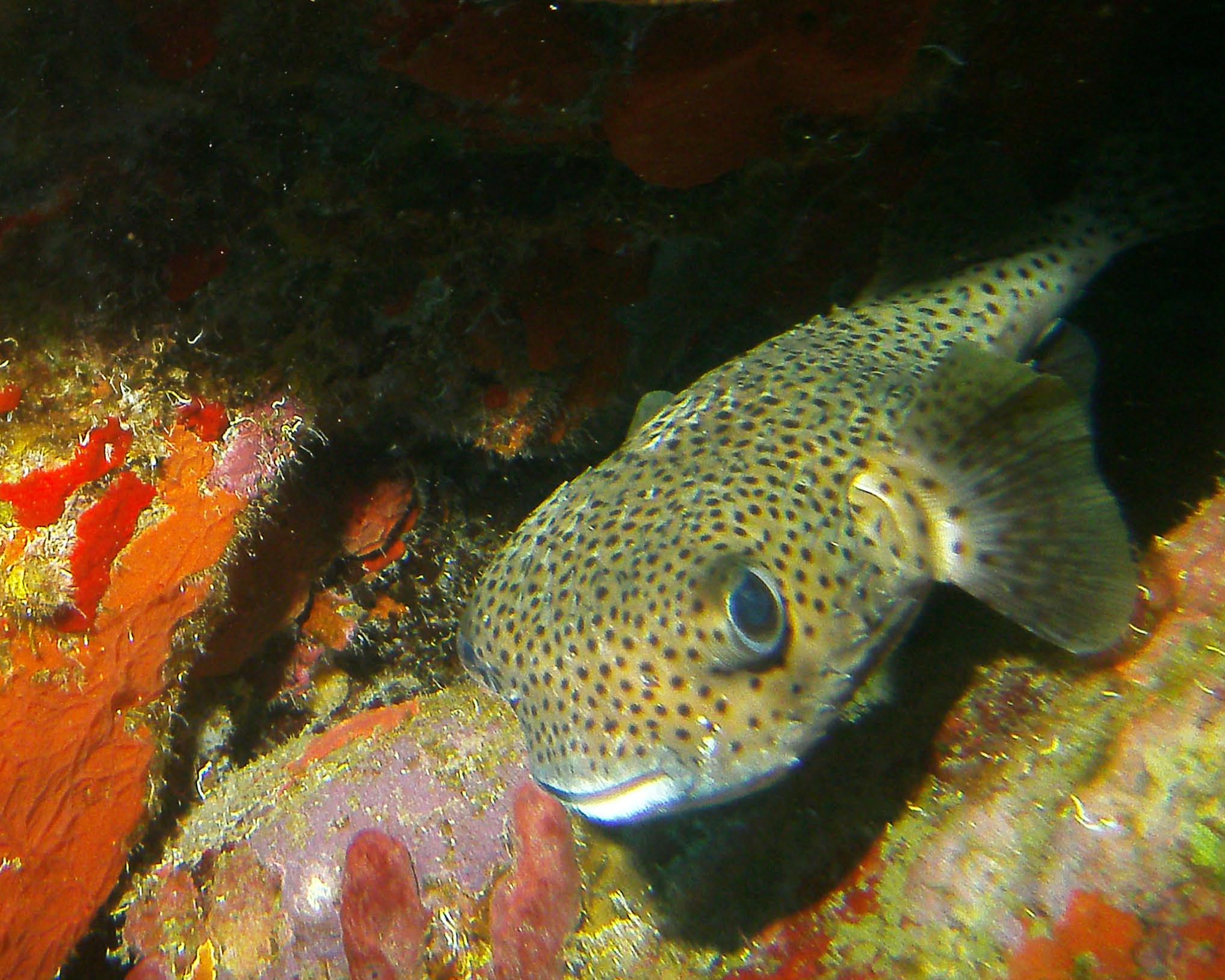
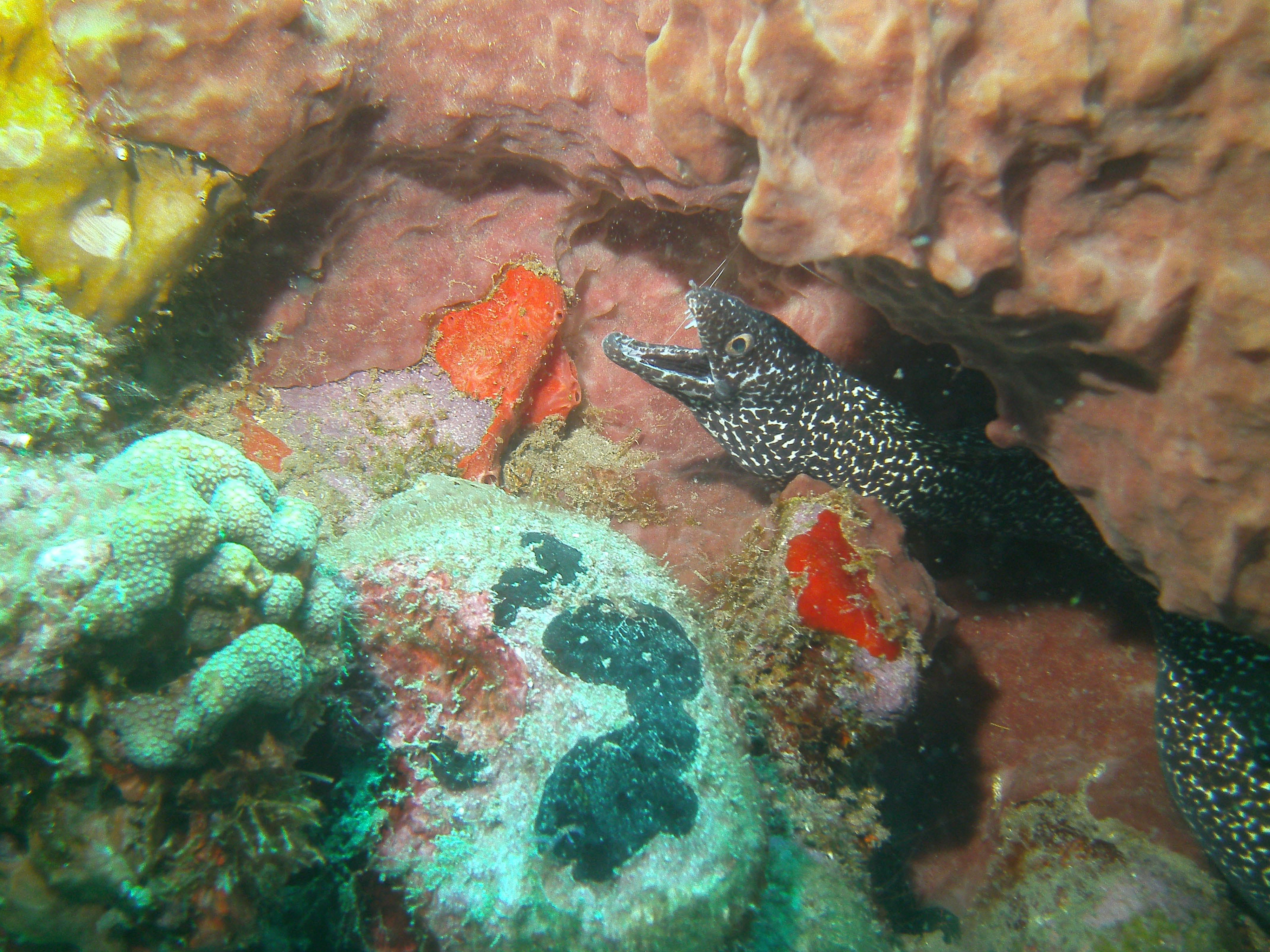
The water was a mild 81 degrees F, with visibility of 50-60 feet and little current. The coral seemed fairly healthy, with little bleaching, and lots of variety in shape, texture, and color. There were lots of tube sponges and crinoids, and some anemones. The most interesting new fish to us was the frog fish, a remarkably well-camouflaged and strange creature. Other highlights were scorpion fish, snake eels, electric eels, sea horses, balloon fish, trumpet fish and squid. There were many small colorful tropicals (such as butterflyfish, damsel fish, goat fish, and squirrel fish). However, I missed my beloved queen angelfish, and there were relatively few larger fish (such as groupers and barracuda), which was mildly disappointing. We saw only one shark all week (a sleeping nurse) and only a few hawksbill turtles. On the other hand, we saw quite a few large lobsters, large crabs, and small shrimp.
14 05 04_9285_edited-1

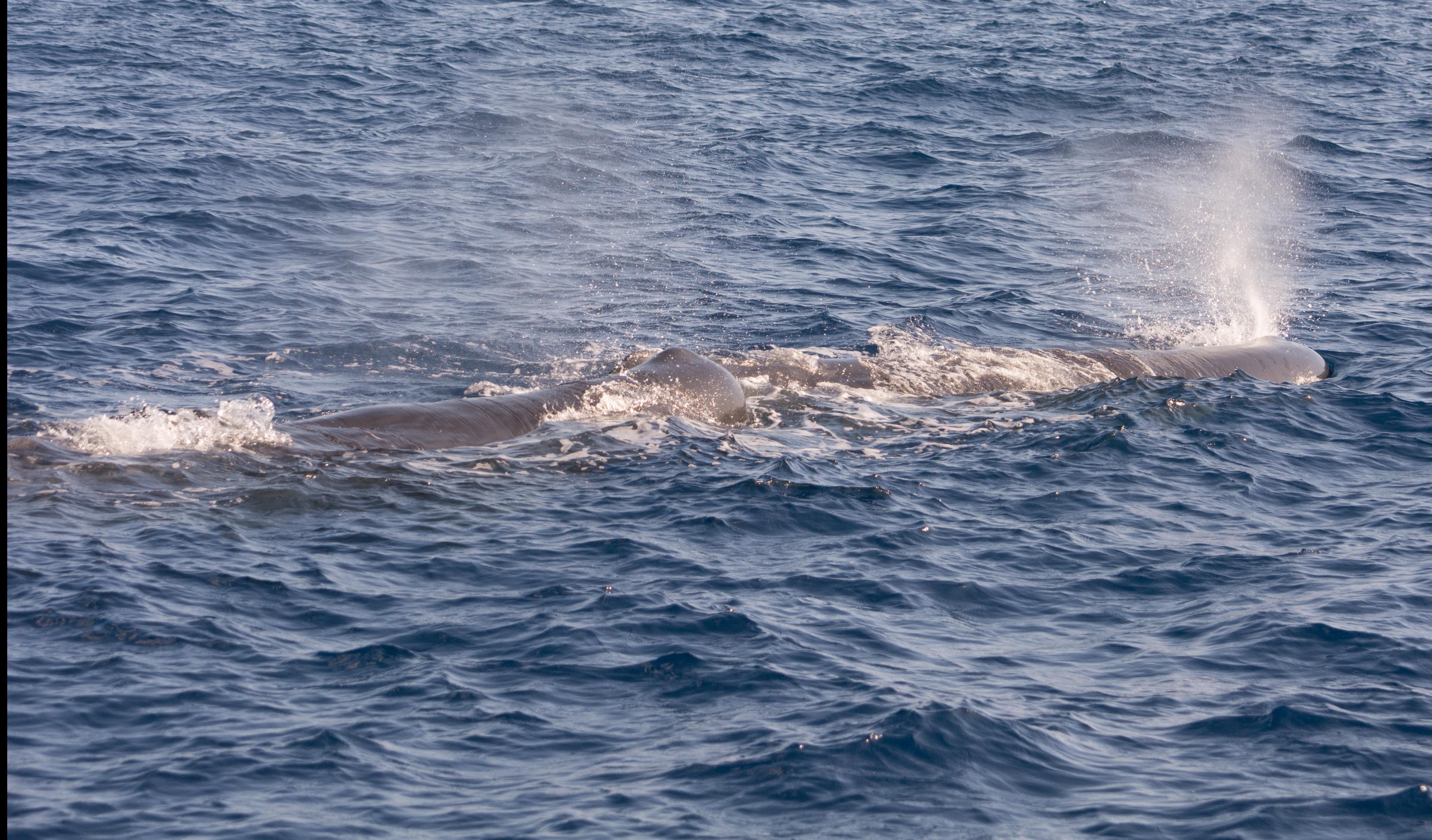
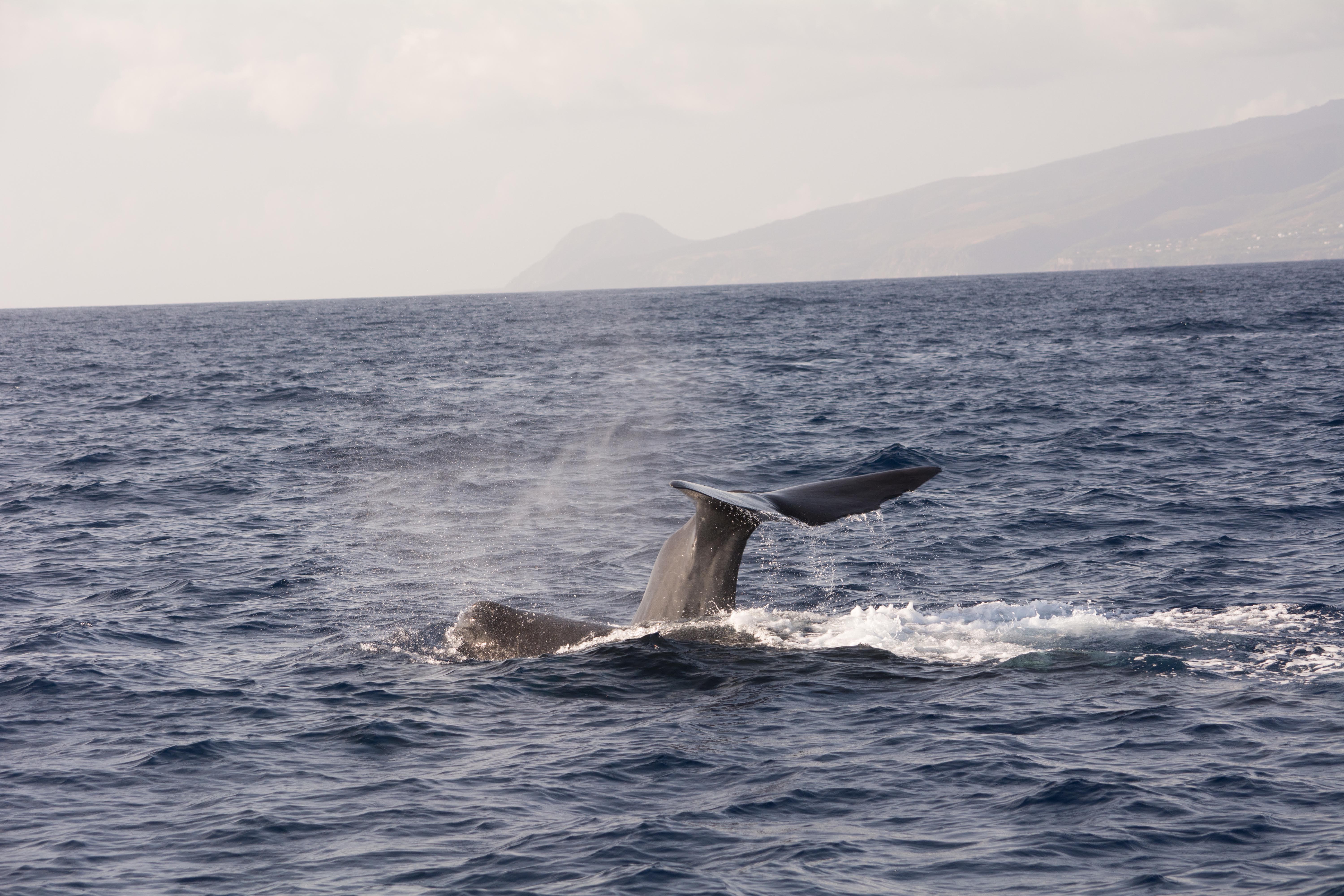
One afternoon we went on a whale-watching expedition and had good views of five sperm whales. The crew used underwater microphones to detect the whales’ signature clicks and then watched for them to spout. There was one pair that turned out to be a mother with a very large nursing daughter (pictured below as the mom descended). It was a thrill to see these remarkable creatures up close. We also were visited by a group of bottle nosed dolphins who came close to the boat to observe us.
14 05 04_9298

The next day one of our fellow divers, Shane Gero, turned out to be a sperm whale expert who’d spent several years studying the Dominica sperm whale families. We learned more about their family structure, habits, and culture. They eat giant squid, which live thousands of feet down. Family group are all females, joined by males only at breeding time. When orcas threaten the young, the family forms a circle around the babies, with heads inward, and ward off the attacker with their tails.
14 05 09_9067

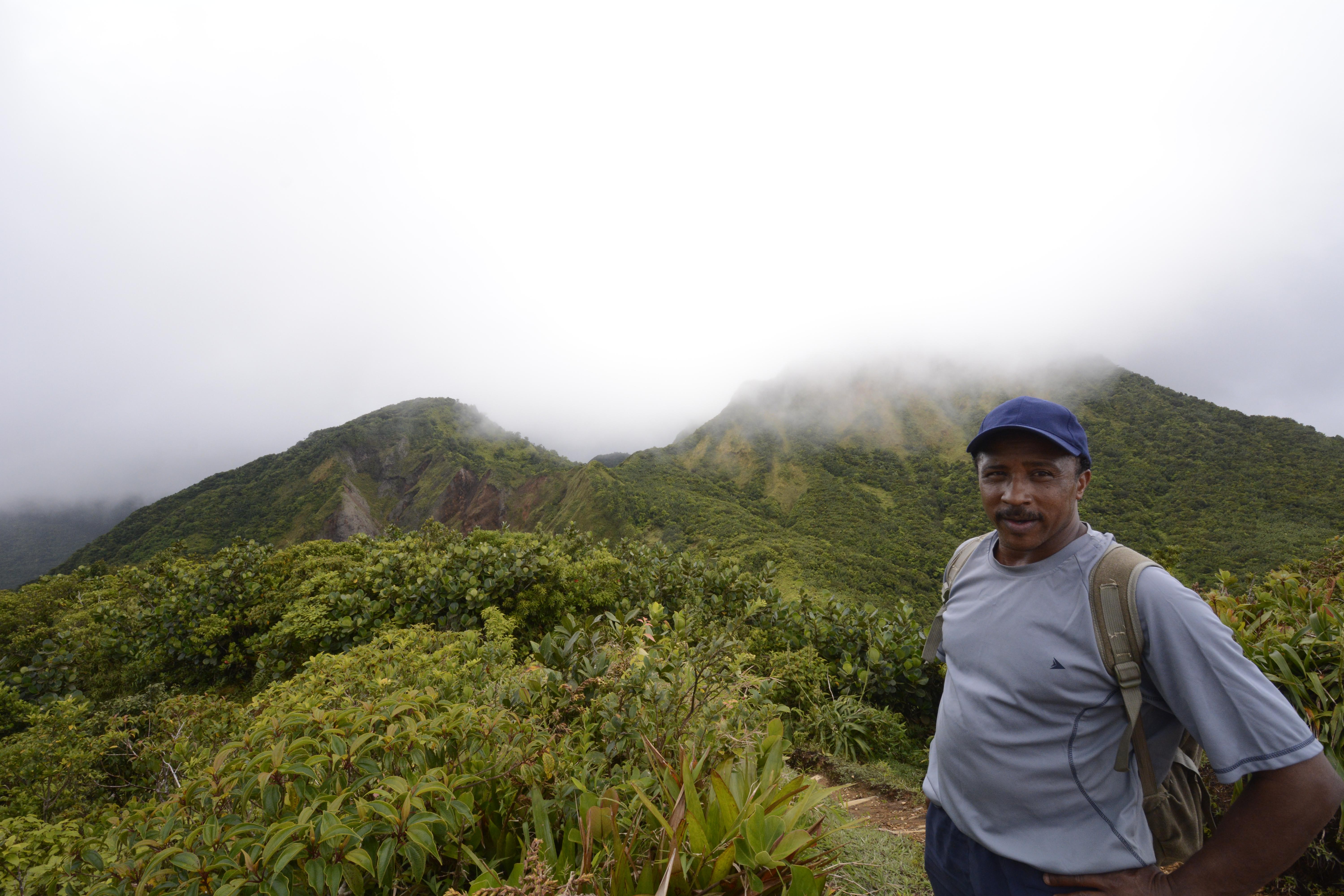
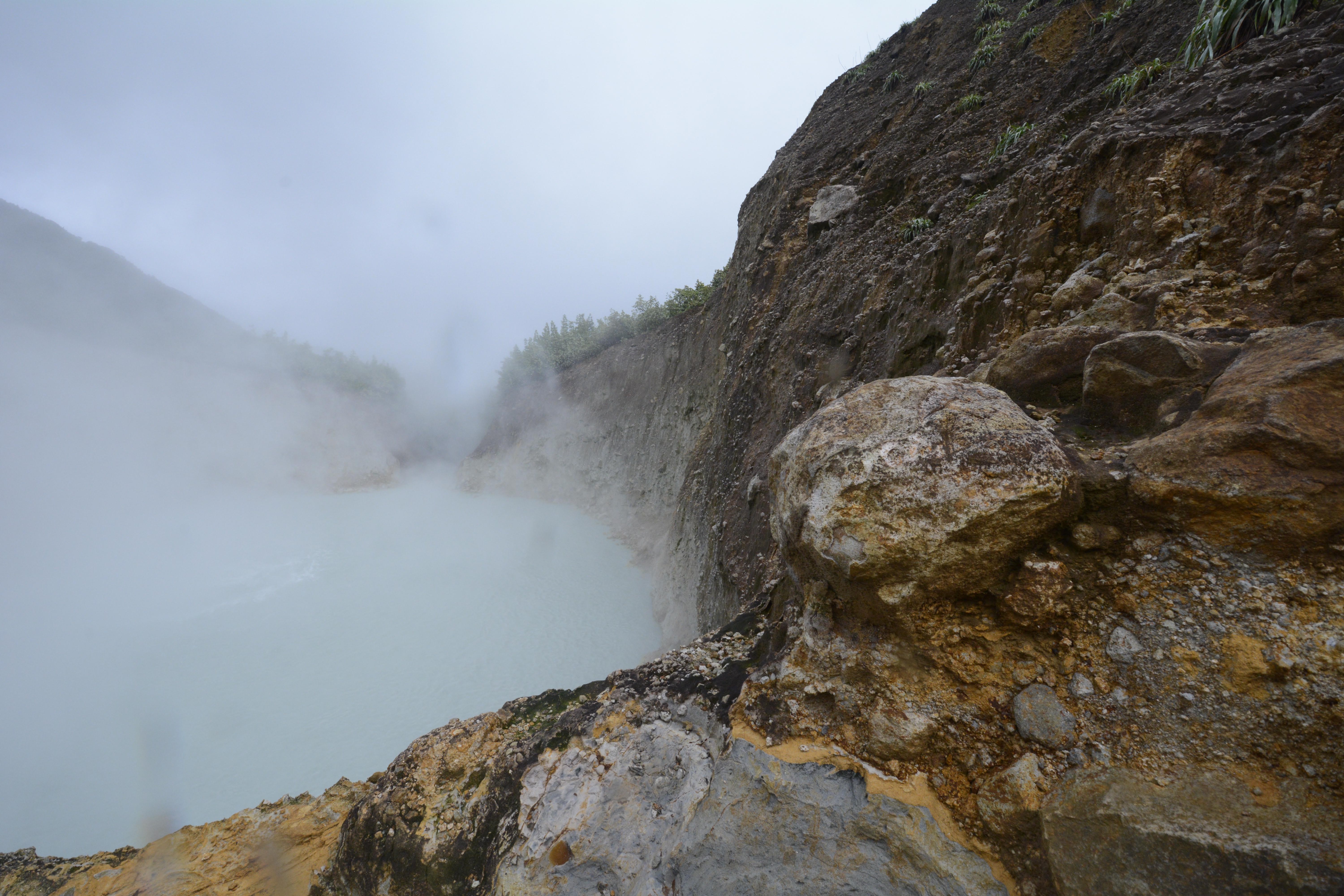
Our most remarkable land expedition was a hike to the Boiling Lake, an area of active volcanic activity, which took about seven arduous hours through the rainforest and up and down mountains. Along the way there were spectacular vistas, rivers, and waterfalls. For much of the time, though, I was entirely focussed on finding the next safe spot to put my foot, and in some climbing points, my hand. With Sally’s encouragement, I took along a walking stick, and was glad I did – it was helpful in many situations, such as stepping from rock to rock over fast-moving streams. We did not bring along rain gear, which was an unfortunate oversight – it rained on us for much of the hike and we were well soaked.
14 05 09_9074

I’d thought of hiking as a relatively placid physical activity, but this was anything but. It required engagement and commitment at the level of double black diamond skiing. I was very glad to get back at last, but soon began thinking about how I’d like to do more of it. I was, however, sore and beat up by the end of the week. I took a fall getting on the boat early in the week and badly sprained my right (dominant) hand, and worked up a major blister on my right foot. Paradise can be hard on a body!14 05 07_8856

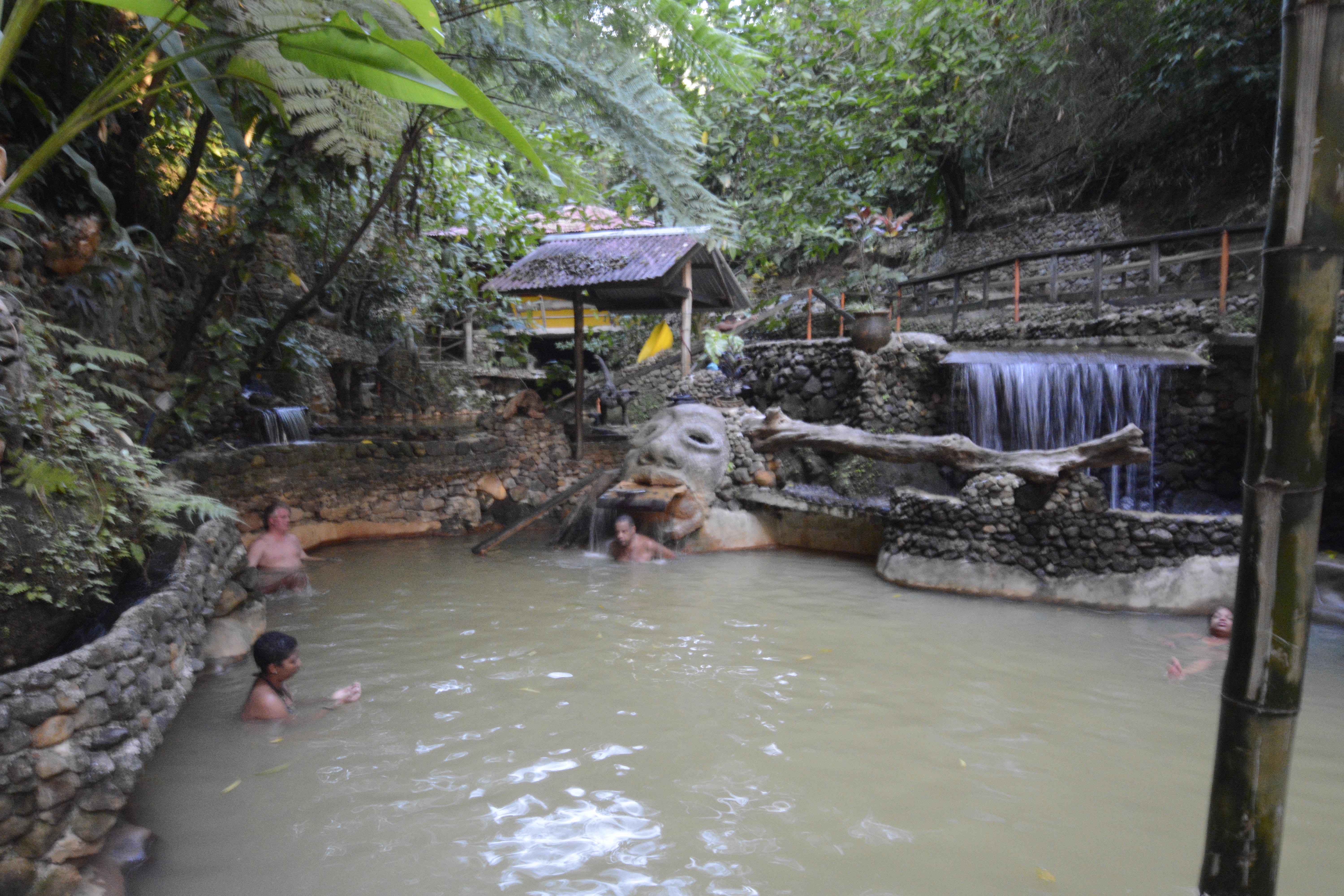
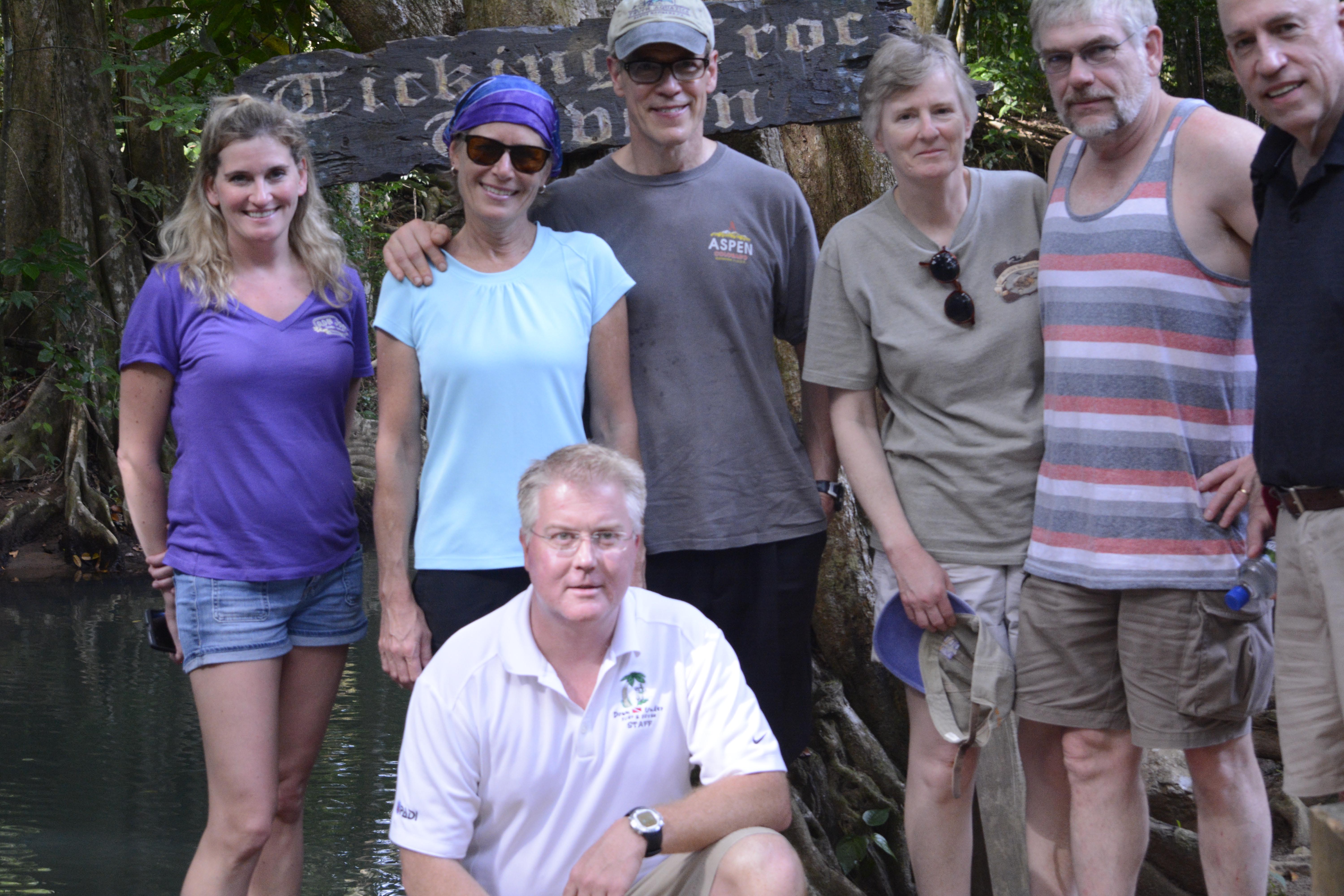
Our other land expeditions (including Trafalgar Falls, the Emerald Pool, the Carib Indian territory, and a boat trip on Indian River) were lovely and untaxing (aside from the twisty, bumpy drives to get there). We also had a good time soaking in the stone-lined hot springs named Screw Spa (sorry, but it’s true). A totally unexpected pleasure was meeting Miss Dominica 2013, Leslassa Armour-Hillingsford, a lovely and gracious young lady who helped us with our trip plans in her capacity as clerk for the family business (the Anchorage Hotel)
14 05 06_9214

The trip was led by Scott Powell, proprietor of Down Under Surf and Scuba, with remarkable energy and good cheer. Scott made sure we had interesting dives, good meals, and fun activities. On the van ride back to the airport, Scott and I noticed that the driver was falling asleep and barely keeping the van on the twisty mountain roads. He worked hard to keep the poor fellow awake (and us alive) by asking him everything he could think of about local geography and culture. We made it, obviously (whew!). Good job, Scott!
14 05 08_9103

On lovely dogwoods, exercise as medicine, and golf with a big big hole

14 04 20_8527_edited-1
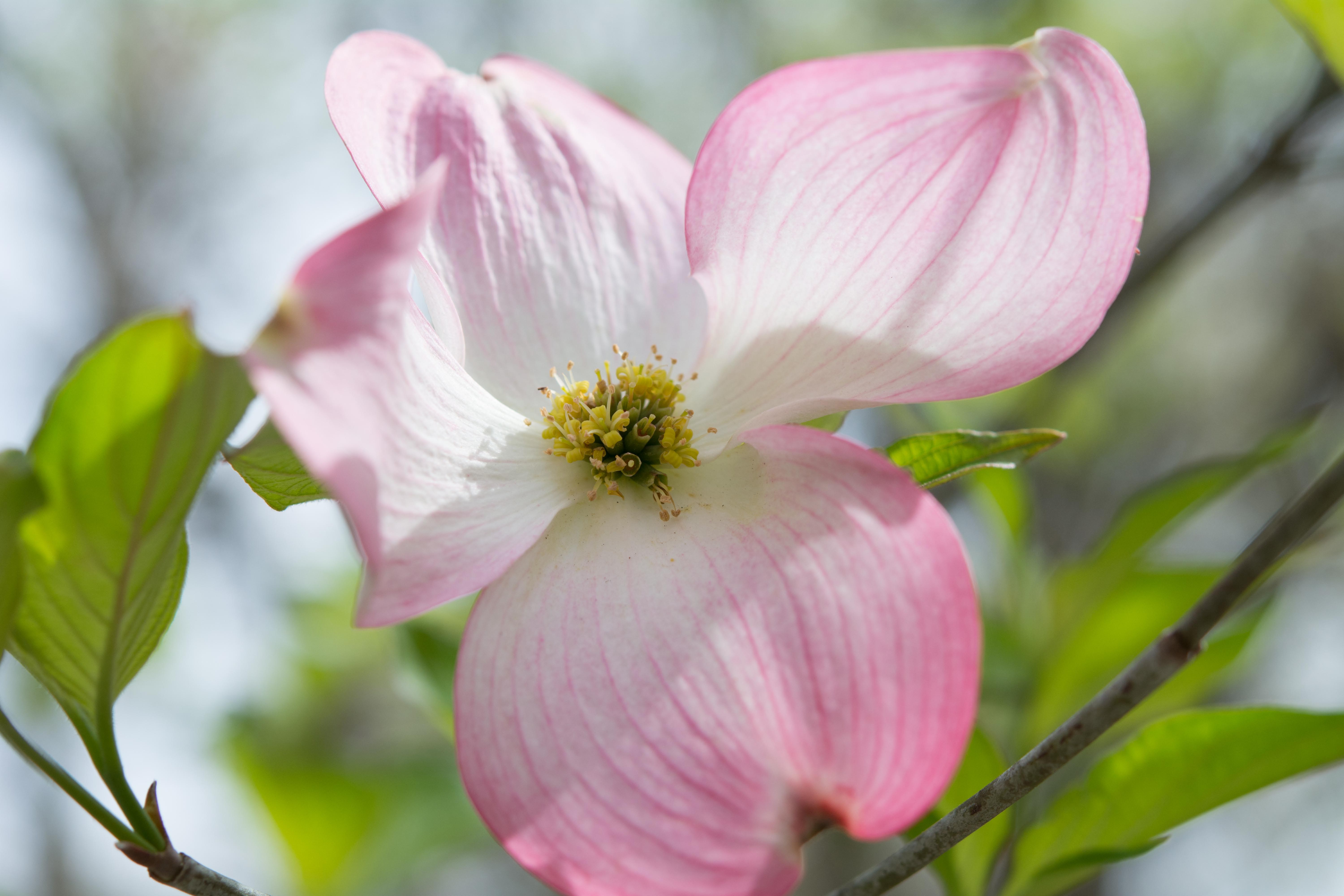
This week in Raleigh the dogwoods were blossoming. By the time I got to Fletcher Park this morning, they were past their peak, but still lovely. The tulips had come and almost all gone while I was away in Spain, and I was sorry to have missed them. I took some photos of the remains.
14 04 20_8524
Gabe came out from Telluride this week for a visit with mom and dad. I was very glad to hear of his successful first season in an adult amateur hockey league, in which he scored some goals. He’s kept up his running, and also has been experimenting yoga, using lessons on YouTube. He asked for some pointers on his down dog pose, and also for a demonstration of a headstand. Fortunately, I got up smoothly and didn’t topple over, and he was suitably impressed.
14 04 20_8502_edited-1

I heard a doc on an NPR program recently say that exercise is the best medicine. This makes sense. Staying active surely does a body more good most of the time than any pill, injection, or ointment. I’d note obvious exceptions for traumatic injuries and serious diseases, and still say, exercise is tremendously important for health.

So I feel good knowing my progeny are exercising. In a phone call this week, Jocelyn confirmed that she was doing so, having joined a new gym convenient to her subway stop in Brooklyn. It turns out that she, like me, gets a lot of reading done on a cardio machine. Her boyfriend, a former college athlete, has been trying to give her a little coaching on gym activities, which she has strongly discourage. She likes to find her own way.
14 04 20_8520

I used to be more like that, but now I am usually grateful for knowledgeable coaching. Figuring everything out yourself, even if it were possible, would just take too long. An example: when Jenn, my regular spin class instructor, made an announcement recently that anyone who comes to class regularly should have special cycling shoes, I took it on board. After several years of spinning, I finally bought my first pair of Shimanos at REI this week. Unfortunately, at my Friday class, Jenn was out sick – I’d been looking forward to letting her know I was listening to what she said. Anyhow, the shoes, which clip only the pedals, did change the experience. They allow you to pull as well as push. New muscles can get into the act.
14 04 20_8518

I’d hoped we’d have good golfing for the weekend, so that Gabe and I could get out for a round, but it turned out to be wet and a bit raw on Saturday, and cool and gusty on Sunday. In golfing news, there were stories about an interesting new variation of golf in the New York Times and Wall Street Journal Instead of the regulation 4.25 inch hole, the hole is 15 inches wide. This turns 10 foot putts into gimmes, and 30 foot putts into opportunities.

This sounds like fun to me. The putting is the most frustrating part of the game. I don’t consider myself particularly bad at putting, but you can putt fairly well and still miss – a lot. I wouldn’t propose to change the whole game, since I’m sure there are those who love putting towards small holes more than anything, and some who are uncomfortable with any change on principle. But it would be nice to have the option of dialing down the fraughtness a bit with a larger hole.

Some pre-spring photography, and appreciating Diana Nyad, a swimmer for the ages

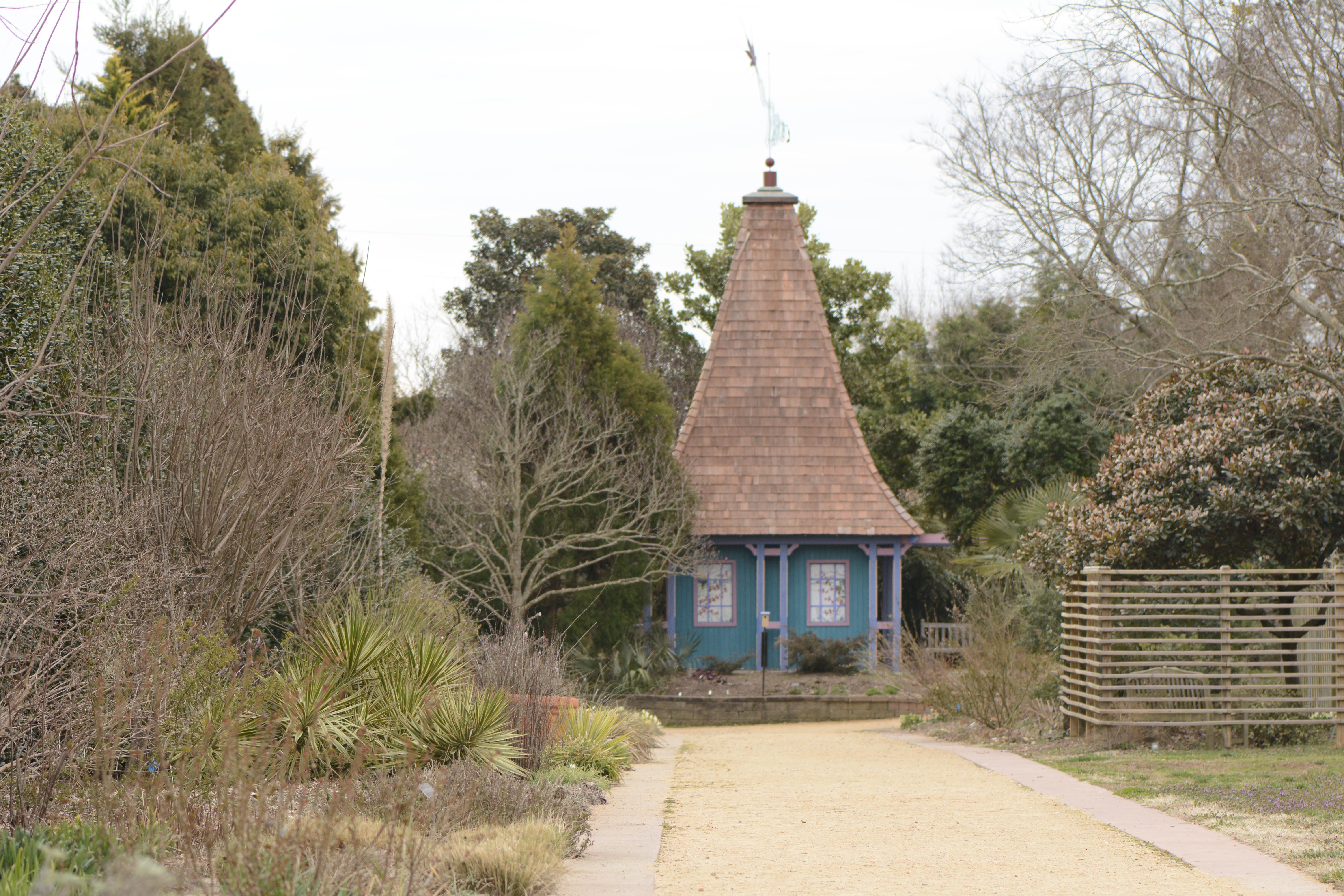
14 03 16_7805This week we had one day in the high 20s, and another in the low 70s. It’s been a roller coaster winter, and we’re all ready for spring. On Saturday morning after yoga, I went to Fletcher Park with my camera and checked for signs of emerging life. Daffodils had popped out, and tulips and others were getting ready. On Sunday I scouted Raulston Arboretum, which was mostly brown and gray (as in photo at bottom), but there were some delicate blooms and buds. Spring is getting close. We’ve just got to hang on!
14 03 16_7790

As I’ve been taking more pictures I’ve also been trying to figure out what it is I’m trying to do. Make a picture, of course, but there’s more to it. The camera subtly changes the way you see and feel. You look a little harder, and discover there are feelings associated with objects. You wonder, can they be captured, and can they be shared? Your relationship to the visual world has changed. Sure, there’s always a risk that the camera will distance you from the world, but I’m finding it can also draw you closer.
14 03 16_7782

So there’s a little voyage of discovery that happens in photographic outings, even when the output isn’t especially remarkable. It’s a type of meditation. And from time to time everything is right – the light and shapes and the colors – and none of the many things that can go wrong go wrong (you didn’t forget to take the lens cover off, or get a cat hair off the lens, or to adjust the white balance, ISO, aperture, etc.). At just the right second, you push the shutter, and everything clicks. Ah, happiness.
14 03 15_7740

It’s just a tiny fraction of a second (say, one six-thousandth). But it ‘s the culmination of many moments – years and years. It depends on your having looked carefully at your subject, but also your having looked for a long time at nature with intensity and affection. It also takes having looked at a lot of art, and considered how humans use images to represent things and communicate emotions. It also depends on your having learned your craft – how to hold the camera steady, how to frame the subject, how to choose the settings. It takes time. And usually there’s something a little off. There are so many not bad, almost-good, but ultimately useless, pictures. But you keep trying, and gradually get better.
14 03 15_7762

I’m crazy about my new Nikon D7100. Such marvelous engineering – a sensor with twenty-four million pixels! Fifty-one point auto-focus! The focus responsiveness is truly amazing. But I’m also a bit overwhelmed by the apparatus. Weeks into our relationship, I’ve got the basics, but I’m still finding new little buttons I hadn’t previously noticed. I seldom read users manuals, but for the D7100, I’ve felt moved to purchase two additional how-to books. Seriously, its complicated. But on the bright side, I don’t feel the equipment is holding me back. It’s more like I’m holding it back. So I’m daunted, but also inspired. I don’t want its brilliance to go to waste.

Also inspiring: Diana Nyad, who finally made the swim from Cuba to Florida at age 64 – a 53-hour, 110 mile swim, which she was the first to do without a shark cage. This is a feat of human endurance almost beyond imagination. I got round to reading Ariel Levy’s piece on her in the Feb. 10 New Yorker, which gave me a new appreciation for the amazing grit and relentlessness behind this feat. Nyad turns out to be at once a dreamer and a grinder, a brilliant, charming personality with considerable gaps and flaws. It soundss like she has OCD, relationship problems, and no money sense. She was horribly molested as a child. She has a drive that surpasses all known limits.

She started thinking about the Cuba-Florida swim when she was a little girl, and became a world-famous endurance swimmer in her twenties. After becoming the first to swim from the Bahamas to Florida (102 miles), she retired at age 30 and became a network sportscaster and did other things. Then she took up the quest for the Cuba to Florida at age 60. She failed. Then failed again. Then again. And each of these was physically harrowing – hours of nausea, shark worries (perhaps exaggerated, but understandable), and jelly fish stings. And then she did it. After two nights of swimming, she saw the lights of Key West, and knew she had 14 or 15 more hours to go. Which for her was a mere training swim.
14 03 16_7797

Cityscapes, intelligent plants, and weight loss work and play

14 02 08_6991_edited-1
I got up a little after 6:00 on Saturday morning to allow time for walking Stuart, feeding him and the cats, breakfast, newspaper, and a little neighborhood photo safari at sunrise before yoga class. I’m still figuring out all the buttons, dials, numbers, icons, and graphs on my Nikon D7100, and experimenting with my new 10-24mm (wideangle) Nikkor lens. Adding to the challenge – wearing gloves. It was overcast, with temperature in the mid-30s.
14 02 09_7111_edited-1

My neighborhood in downtown Raleigh has some stylish, pretty spots, and my usual way of seeing is to pay the most attention to those. But this morning I forcefully looked at older, grittier thing, and their shapes, patterns, and textures. I always enjoy construction sites, where you can see the innards of a building-to-be, but it was interesting looking at the opposite – destruction sites, and places where humans had run out of money or just don’t care anymore how things look. In those places, there’s nature: plants competing with concrete, pushing into cracks and crevices, revealing and exploiting areas that humans neglect.
14 02 08_7015

I read an interesting article this week by Michael Pollan on recent research into plant biology, and specifically neurobiology – how plants sense their environment and exchange information. Plant biologists are sharply divided on whether to call these abilities intelligence. Some scientists insist there cannot be intelligence unless there’s a brain, while others define it in terms of the ability to solve problems, which plants can do. But there seems to be general agreement that plants have some remarkable perceptual abilities.

Pollan describes plants’ “unique existential predicament as their being rooted to the ground and therefore unable to pick up and move when they need something or conditions turn unfavorable. The ‘sessile life style,’ as plant biologists term it, calls for an extensive and nuanced understanding of one’s immediate environment, since the plant has to find everything it needs, and has to defend itself, while remaining fixed in place. A highly developed sensory apparatus is required to locate food and identify threats. Plants have evolved between fifteen and twenty distinct senses, including analogues of our five . . . .”

Plants have also developed some remarkable chemical methods of defending against marauding insects and communicating with others of their species regarding threats and food opportunities, and even recruiting other species to perform services. One researcher estimated that a plant has three thousand chemicals in its vocabulary. Researchers have also found examples of plant learning and memory. Most plant behavior is either invisible or happens too slowly for humans to perceive, but time-lapse photography is opening new windows.
14 02 08_6989_edited-1

One of the challenges of this research is the ethical implications. One scientist, Stefano Mancuso of the University of Florence, argues that “because plants are sensitive and intelligent beings, we are obliged to treat them with some degree of respect. That means protecting their habitats from destruction and avoiding practices such as genetic manipulation, growing plants in monocultures, and training them in bonsai.” Mancuso doesn’t go so far as to avoid eating them. He contends they have evolved to be eaten, which accounts for their modular structure and lack of irreplaceable organs.

Most of this research was news to me, but I didn’t find it hard to believe that plants have extraordinary abilities, or that humans might find this hard to accept. Some people have the same problem dealing with the existence of (non-human) animal intelligence. I guess it’s insecurity. To me, learning about and appreciating the abilities of other species of life makes the world that much more amazing.
14 02 09_7129_edited-1

In health news, I’m happy to say I finally got back to my fighting weight of 155 lbs this week (that’s a BMI of 22), after gaining 5 during our Xmas holiday travels. It is certainly harder to take them off than to put them on. I did it by working more interval training into my workouts, like jumping rope or rowing as part of a weight circuit, and lengthening my longer cardio work (elliptical, stairs, and such) from 30 to 40 minutes. Also, of course, eating sensible portions of healthy things (fruit, vegetables, legumes, and whole grains).

I also am grateful to my health and fitness guides, especially Larisa Lotz, who meets me each Thursday at 5:30 a.m. at Studio Revolution with several mind and body surprises. This week, for example, her latest workout creation had me lunging and twisting, slamming down a heavy medicine ball, squatting with a sandbag, old school dead lifts, rowing with kettle bells in plank position, and fast agility movements through a rope ladder, among several other aerobic and anaerobic activities. She didn’t have a new balance activity this week, but she’s got me working on several, including balancing on my knees on an exercise ball.

This week I also tried a new morning exercise class at O2 Fitness called Chisel. I’ve been enjoying/enduring the spinning class there on Fridays with Jenn, who is funny, inspiring, and relentless, and she told me I should give it a try. I hadn’t previously done gym classes other than spinning, in part because I’ve got plenty of other things I like to do, but also in part because of shyness – a little bit of fear of the unknown, of confusion and possible embarrassment.

But with Jenn’s encouragement, I showed up last Monday. She was, as usual tough and inspiring, and funny. The hour-long class involved a background of driving dance club music and foreground of intense intervals both with and without dumbbells. Hardest for me were the jumping lunges. I found it very sweat inducing, and after hanging on for dear life, I felt great afterwards – an endorphin surge.

On Saturday morning as usual I went to Blue Lotus Yoga for Yvonne Cropp’s open level Vinyasa class. This weekend is Blueversary – the seventh birthday for the studio – which made me particularly conscious of how grateful I am that it’s there. There were several new people in the class, which may have accounted for Yvonne’s keeping things relatively low-keyed, well within normal yoga conventions. It was good, as always, to really stretch and to breathe together with the class. Afterwards, there was a drawing for special prizes, and I won one – a basket with lavender-scented soap and such. I didn’t really need the lavender, but still, I felt lucky.

Skiing in Virginia, and considering, has the NSA ended privacy as we know it?

My nephews Josh and Adam, humoring me with a short pause on Sunday

My nephews Josh and Adam, humoring me with a short pause on Sunday

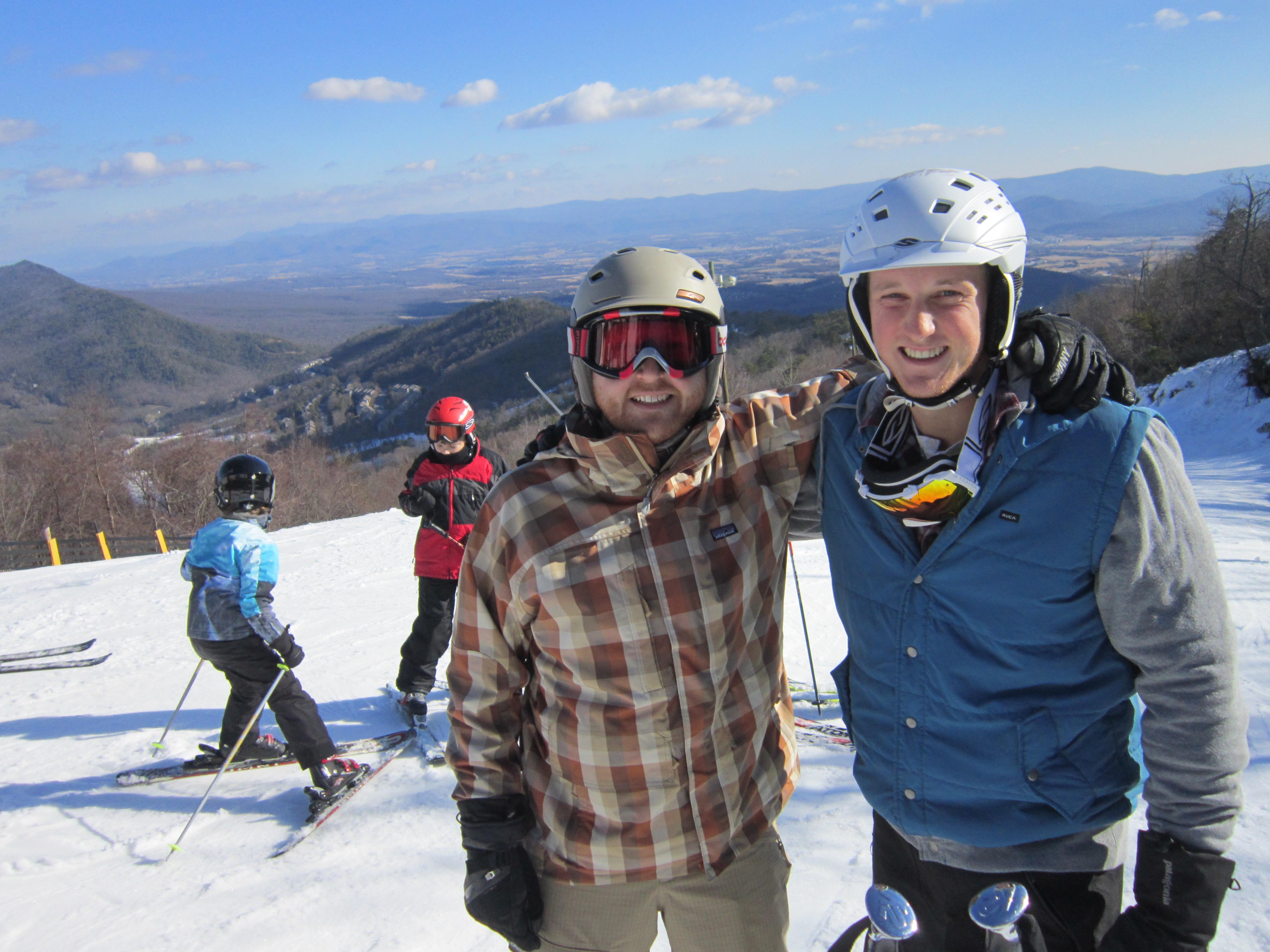
Last weekend I went skiing at Massanutten Resort, near Harrisonburg,l Virginia. I thought it would be good to see my brother and nephews, and have a little ski tune up before our Colorado trip in February. The drive up on Friday night was five and a half hours through fog and rain, and the ski conditions were far from optimal, but it was still well worth it.

On Saturday the weather report was for rain, and it did rain a bit, but the snow was pretty good. It was fun skiing with my nephews, both in their twenties and fast. They decided at lunch time to go to the movies, but my brother had ski patrol duty, and I decided to keep skiing with him on the advanced slope (number 6).

He had to leave for a period, and it got very foggy, with perhaps 50 feet of visibility. It rained a little. On the first run on my own, I noted that I didn’t see a single skier on the mountain. The same was true on the second, third – and fifth. It was the better part of an hour before a few other hardy souls ventured out.

Despite the fog, I enjoyed the skiing. I focused on sensing more of the ski edges, and making smooth, graceful turns. And I enjoyed the solitude of the trips up the mountain in the chair lift.

It occurred to later, though, that my smartphone was still sending out signals of my movements. My perception of privacy has been changing with the Snowden revelations, and I suspect I’m not alone. (LOL) Is it real so bad? I think it is, and have a concrete example.

A few weeks back, I wrote an email letter to the President. The gist of it was to commend him for commuting the sentences of some non-violent drug offenders, and to recommend that he expand that effort to help more of the thousands serving lengthy prison terms for minor drug crimes. As I prepared to send the email, I paused, thinking that this communication could easily mean a new NSA or other agency file would be opened on me, with unpredictable consequences.

Paranoid? Maybe. I sent the email anyway. But I expect that many citizens, now knowing how easily they can be monitored and how committed the spy bureaucracy is to expansive monitoring, might decide that expressing a political view just isn’t worth the risk of becoming a target.

There was a good piece in the New Yorker of a few weeks back by Ryan Lizza on the history of the NSA’s domestic metadata collection program, including efforts to establish a legal basis for it. It wasn’t surprising that a spy agency would tend to conceal its work, but it was surprising that agency representatives repeatedly lied to Congress and the FISA (special secret programs) court.

It raises the question, is this agency unconstrained by law? I expect most people involved in massive electronic surveillance are patriotic and well-intentioned, and not personally seeking world domination. But what if an agency with effectively unlimited resources and powers came within the control of a megalomaniac sociopath?Impossible? Remember J. Edgar Hoover?

If we’re lucky, we won’t become a police state in the Big Brother sense. But just knowing we’re subject to constant surveillance will probably change us. The interesting question is how much.

If the government forbade curtains on windows, we’d quit doing certain things within sight lines of the street. Maybe, without much discussion, we’ll get more guarded or stop discussing controversial topics using our electronic devices. Once that habit develops, it could extend to our face-to-face exchanges, or even our interior monologues. It wouldn’t happen all at once, but little by little. We might not even notice the change.

The justification for the government’s massive technology surveillance programs, of course, is prevention of terrorism. It’s hard to argue with that, since anything that grows the database of human activity could also increase information about terrorism. But is it possible that we’ve gone a little overboard with this fear-of-terrorism thing? Does it remind you a little of people preparing to end the world as we know with a nuclear conflagration it to prevent a takeover by communism?

There was a very interesting piece in Slate last week on the national hysteria over alleged sexual abuse and Satanic rituals in preschools back in the 80s. There were several of these cases in which little children testified that their preschool teachers molested them and also engaged in ritual murders and other bizarre and horrifying conduct.

Based almost exclusively on the testimony of the children, juries sent a number of these teachers to jail for lengthy terms. It slowly emerged that the abuse stories were fabrications produced by so-called therapists who essentially planted false memories in the children’s heads. Most of the teacher-victims eventually were freed.

In retrospect, the children’s stories seem way too bizarre to be believed – yet most of us believed. It’s a reminder of how our powers of reason and critical thinking are limited, and how they can be overwhelmed and defeated by sensational media and groupthink.

P.S. Needless to say, I paused again before publishing this post. But I think the danger of silence and retreat from dialog is even greater than the danger of surveillance run amok.