The Casual Blog

Category: photography

Resisting the torrent of lies

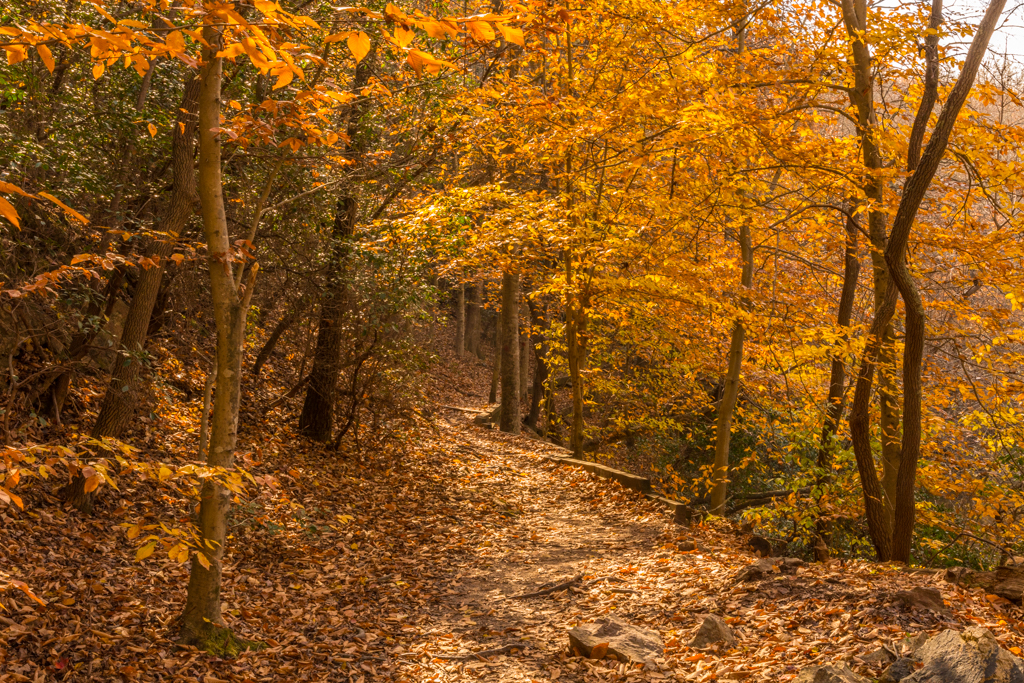
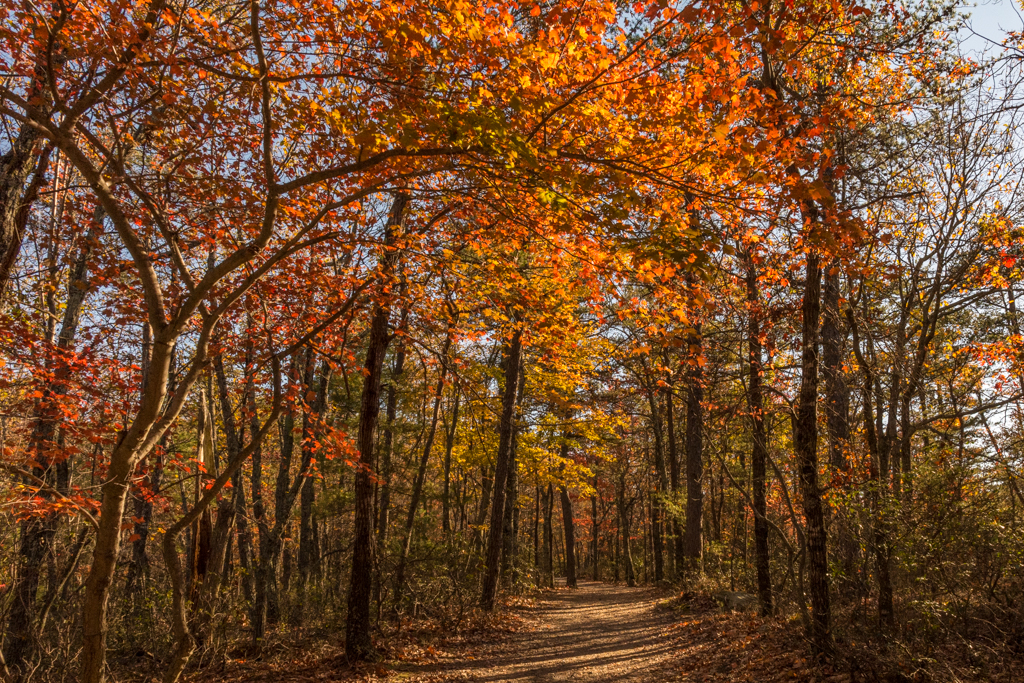
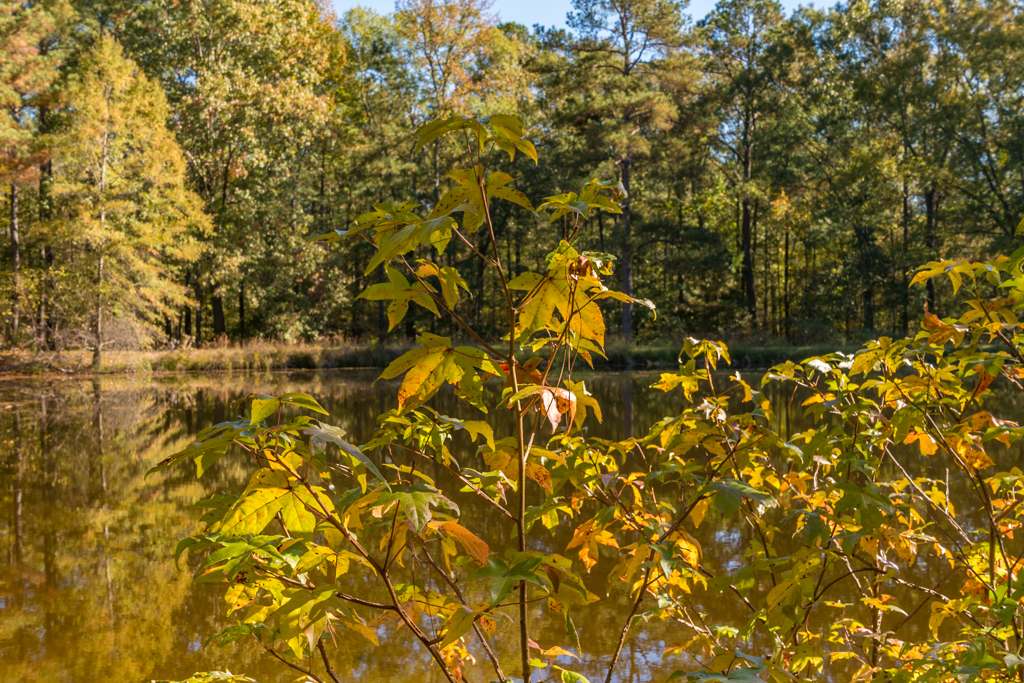
Lake Mattamuskeet

Lake Mattamuskeet

This has been a Black Mirror week, starting as seeming comedy and then becoming terrifying.  It’s been discombobulating to hear a President of the United States issue a nonstop barrage of falsehoods and shameless lies. It’s hard to know how to react to the proliferating falsehoods with no connection to reality, and lies so transparent they hardly seem intended to deceive.  

It’s not that I’m a truth and honesty absolutist.  The border areas of truth are sometimes fuzzy,  and most of us sometimes bend it about a bit.  But most of us recognize honesty as a core value, and truth as a meaningful ideal.  People known to show no concern for truth or to intentionally deceive with lies are not ordinarily given positions of trust and authority.  They are regarded with suspicion and contempt.  

So we’re in unknown territory, and it’s hard to get your bearings.  Do some people actually believe the Administration’s outrageous falsehoods? Perhaps supporters regard them more  as pleasing and harmless works of fiction.  This would be understandable, but unwise.  As pleasant as it may be to disconnect from reality, there are life and death problems that must be addressed.
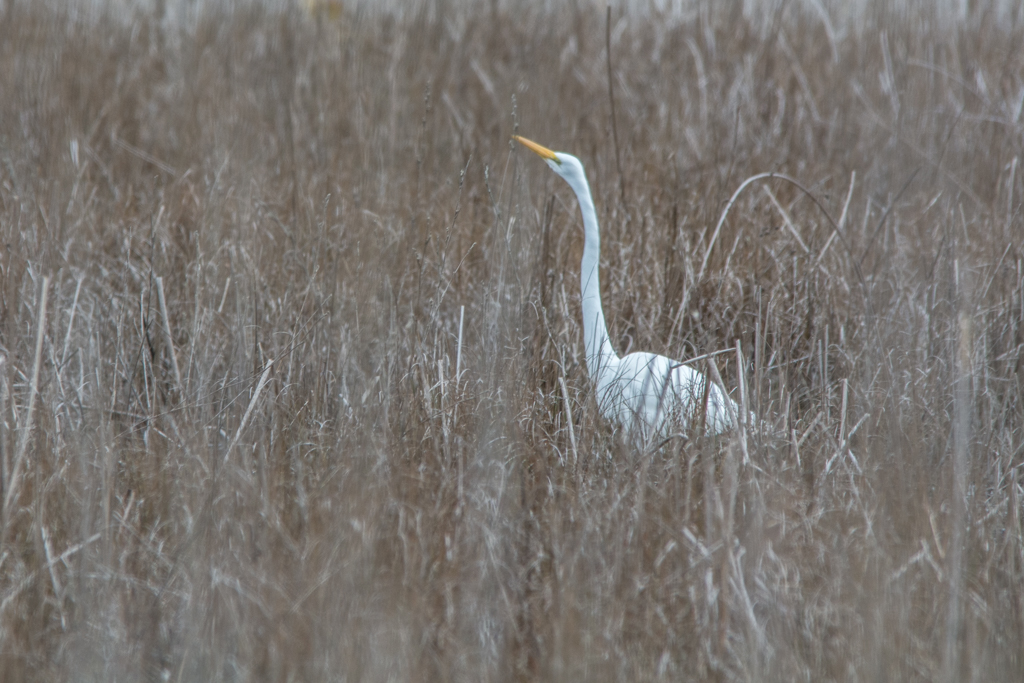
a great egret

A great egret

Part of what’s frightening here is the sheer quantity of the falsehoods and lies. They’ve been coming in a torrent.  Before we’ve processed one, there’s another, and then another.  You’d hope that such constant lying would lead quickly to a loss of credibility and effectiveness.

But the torrent is exhausting.  Trying to unpack all the lies takes too much time. There is no craft in these lies, no careful calculation of how to conceal reality, so they can be generated very quickly.  It takes much longer to fact check them than to make them.  So we can’t catch up.  And it’s exhausting to try.  The effort takes lots of brainpower, and leaves us with not enough time or energy to think deeply about real problems.  It gets harder to think critically.  Our brains get muddled.

It could be a brilliantly evil strategy to subjugate us, though more likely, there is no strategy.  Either way, it’s dangerous.  We could easily find ourselves losing our bearings, more and more confused, less and less sure of our facts and our values, depleted, disheartened, and unable to resist.
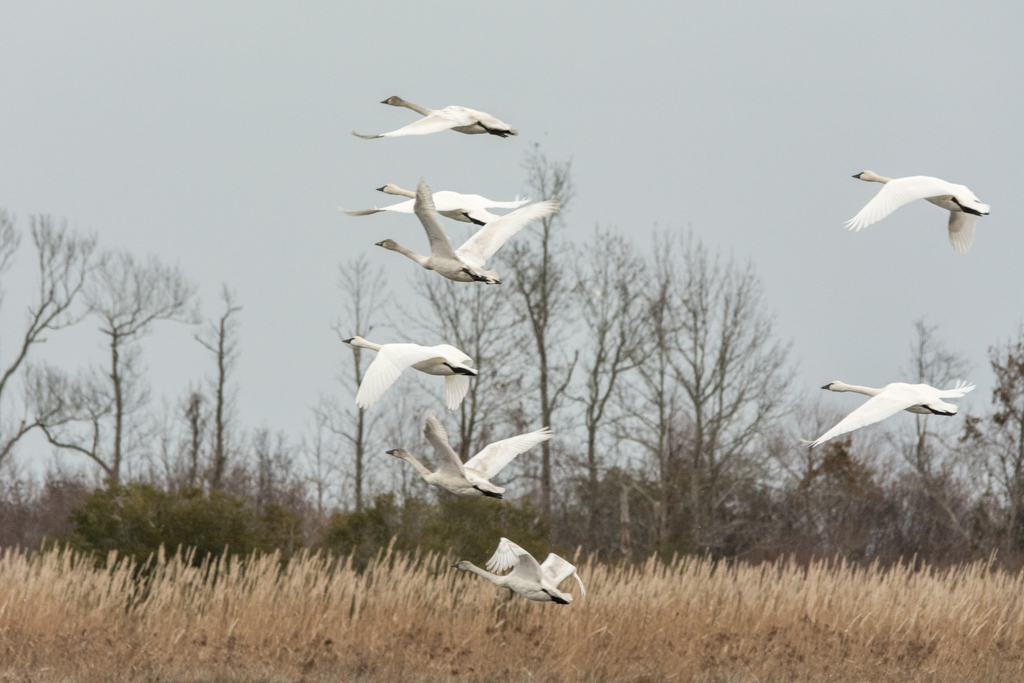
Tundra swans

Tundra swans

So, we’ll need  fortification as we prepare for the resistance.  I’m trying to stay healthy and looking out for old and new sources of strength and wisdom.  For me, friends, books, and music help. In these dark times, I particularly treasure encounters with generous spirits.  

Apropos, this week I listened to an interview of Maria Popova on the podcast On Being hosted by Christa Tippett.  Popova (pronounced pa-POE-va) is the creator of BrainPickings,  where she shares thoughts on her wide-ranging reading.  I don’t find all of her subjects equally interesting, but she’s amazingly curious, creative, and thoughtful —  full of ideas and reflections.  She also seemed like a person with a really good heart.    

This week I’m departing from my usual custom of posting my favorite photographs from the previous week.  Instead, these are ones I took a couple of weeks ago iat Lake Mattamuskeet and nearby areas in eastern N.C.  As I’ve learned more about how to make  a digital image sing with Lightroom and Photoshop, my standards for considering an image adequately finished have risen, and it takes more time to get there.  

If you enjoy nature photography, you might like 500px.com.  It’s a site where professional photographers and skilled enthusiasts use the site to share  amazing images from all over the planet.  I’ve been spending more time there lately just looking, quietly absorbed and getting inspired.

blogpicbug-1-8


Wild swans in eastern North Carolina and posthumanism

blogpicbug-1

This past weekend I drove to eastern North Carolina to see wintering tundra swans and other brilliant creatures.  The swans were there — hundreds of them!  These are majestic birds, with long necks and seven-foot wingspans.  They look quiet and elegant as they swim, but they’re very vocal, barking and squawking, sounding from a distance like a huge crowd of little kids at an exciting  sporting event.  

For part of the time I was travelling with members of the Carolinas Nature Photographers Association.  We stayed in the Holiday Inn Express in Plymouth, which was fine.  The CNPA folks were friendly and knowledgeable, and I enjoyed talking with them about such things as camera lenses, post-processing, and wildlife.  I took these pictures with my Nikon D7100 and a Sigma 150-500 lens (a beastly large piece of glass) on a Vanguard tripod.

blogpicbug-1-7

To get to the birdy places, we had to drive a good ways down muddy dirt roads.  I unwisely brought my sports car, and was more than a little anxious at points that we’d get stuck in the mud, with uncertain prospects of getting unstuck.  We never quite got caught, though we did get muddy.  We explored Pocosin Lakes (mostly at Pungo Lake) and Lake Mattamuskeet.

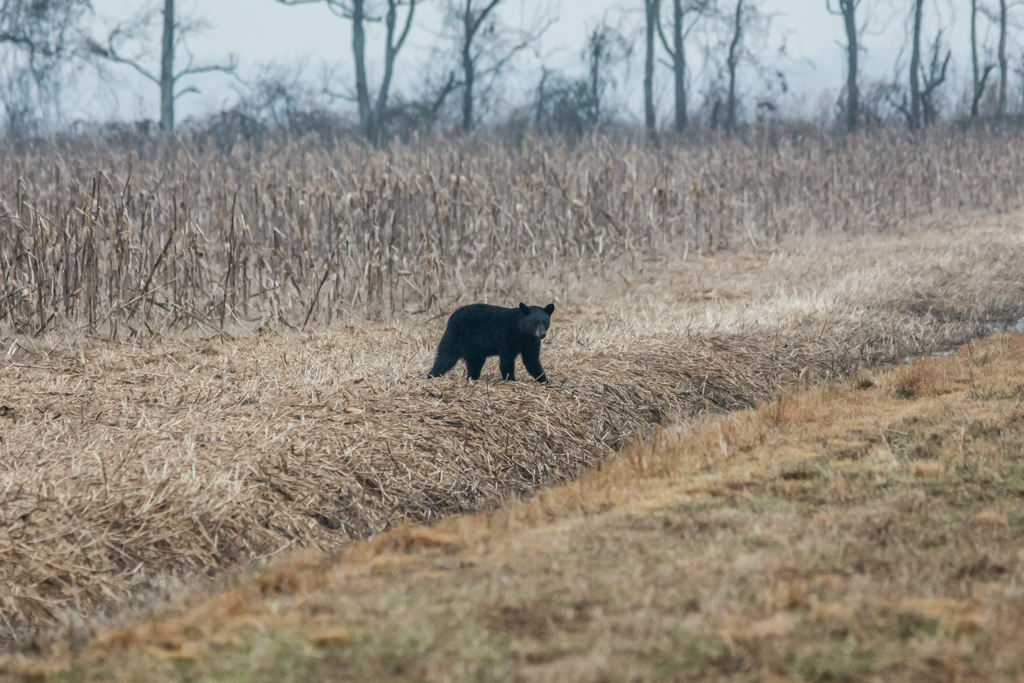
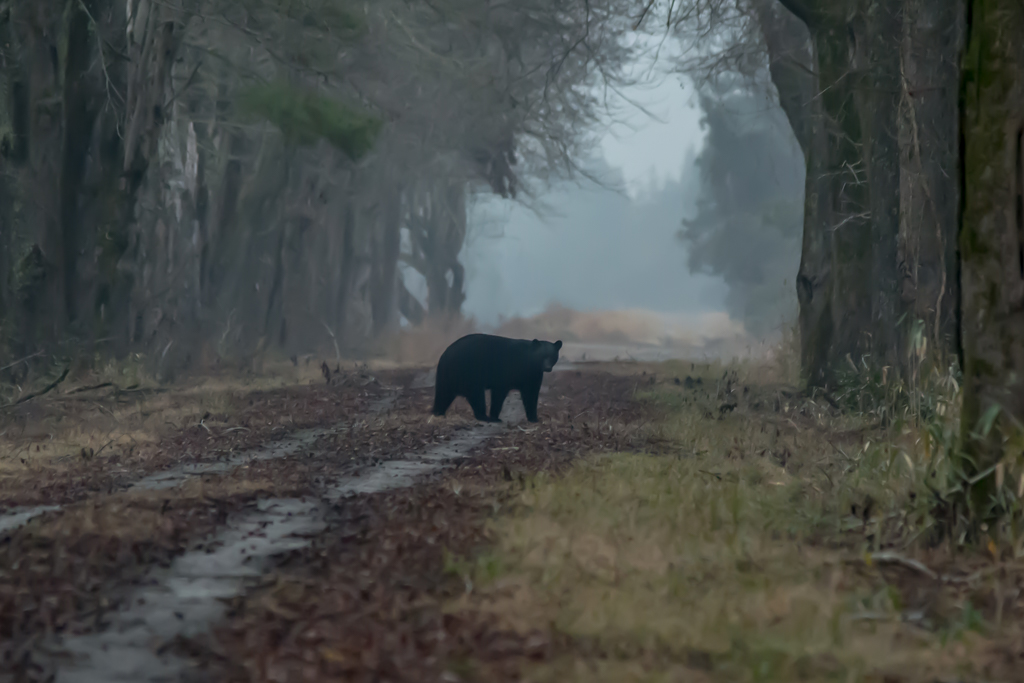
Once I got over the initial goosebumps of seeing the crowds of swans, I started looking for snow geese, but without success.  I  did see various pretty ducks, including northern pintails and northern shovelers, as well as great egrets, great blue herons, and black crowned night herons.  I also saw three black bears, including a youngster.

blogpicbug-1-9

It was wonderfully absorbing and calming to be beside the water, removed from civilization, relatively (my phone had 0 bars ).  Given the fraughtness of our current political drift, it was a particularly good time to be outdoors and close to all that non-human life.  Earlier in the week, I’d read an intriguing column about posthumanism, which resonated with me strongly.

blogpicbug-1-11

More and more, I’ve found myself unsatisfied with the common assumption that people are by definition superior to other animals, and disturbed by the dark implications of that assumption.  It turns out that these are issues addressed by posthumanist thinkers.  The column, an interview by Natasha Leonard of Cary Wolfe, is worth reading in its entirety, but here’s a sample.

Humanism provides an important cultural inheritance and legacy, no doubt, but hardly the kind of vocabulary that can describe the complex ways that human beings are intertwined with and shaped by the nonhuman world in which they live, and that brings together what the humanist philosophical tradition considered ontologically separate and discrete domains like “human” and “animal,” or “biological” and “mechanical.”

. . .

So on the other hand, what one wants to do is to find a way of valuing nonhuman life not because it is some diminished or second-class form of the human, but because the diversity and abundance of life is to be valued for what it is in its own right, in its difference and uniqueness. An elephant or a dolphin or a chimpanzee isn’t worthy of respect because it embodies some normative form of the “human” plus or minus a handful of relevant moral characteristics. It’s worthy of respect for reasons that call upon us to come up with another moral vocabulary, a vocabulary that starts by acknowledging that whatever it is we value ethically and morally in various forms of life, it has nothing to do with the biological designation of “human” or “animal.”

. . .

My position has always been that all of these racist and sexist hierarchies have always been tacitly grounded in the deepest — and often most invisible – hierarchy of all: the ontological divide between human and animal life, which in turn grounds a pernicious ethical hierarchy. As long as you take it for granted that it’s O.K. to commit violence against animals simply because of their biological designation, then that same logic will be available to you to commit violence against any other being, of whatever species, human or not, that you can characterize as a “lower” or more “primitive” form of life. This is obvious in the history of slavery, imperialism and violence against indigenous peoples. And that’s exactly what racism and misogyny do: use a racial or sexual taxonomy to countenance a violence that doesn’t count as violence because it’s practiced on people who are assumed to be lower or lesser, and who in that sense somehow “deserve it.”

That’s why the discourse of animalization is so powerful, because it uses a biological or racial taxonomy to institute an ethical divide between who is “killable but not murderable,” those who are “properly” human and those who aren’t. So the first imperative of posthumanism is to insist that when we are talking about who can and can’t be treated in a particular way, the first thing we have to do is throw out the distinction between “human” and “animal” — and indeed throw out the desire to think that we can index our treatment of various beings, human or not, to some biological, taxonomic designation. Does this mean that all forms of life are somehow “the same”? No, it means exactly the opposite: that the question of “human” versus “animal” is a woefully inadequate philosophical tool to make sense of the amazing diversity of different forms of life on the planet, how they experience the world, and how they should be treated.

I was enough intrigued by this to download Wolfe’s latest book, but soon found it tough sledding.  Based on Wolfe’s many references to Jacques Derrida, it sounded like I might need to go back and get a deeper understanding of Derrida’s work.  I downloaded Derrida:  A Very Short Introduction, by Simon Glendinning, which at any rate hasn’t yet been hopelessly confusing.  This might be fun and illuminating (though it might not).  

Anyhow, the swans made me think of  The Wild Swans at Coole by W.B. Yeats, just as Yeats had helped draw me towards the swans.  I once memorized these stark and poignant lines and enjoyed rereading them, and hope you will as well.  It’s an amazing feat to combine with seeming simplicity such wonderful sensuality and the steady-eyed confrontation of  death, that most difficult of subjects.


The trees are in their autumn beauty,

The woodland paths are dry,

Under the October twilight the water

Mirrors a still sky;

Upon the brimming water among the stones

Are nine-and-fifty swans.


The nineteenth autumn has come upon me

Since I first made my count;

I saw, before I had well finished,

All suddenly mount

And scatter wheeling in great broken rings

Upon their clamorous wings.


I have looked upon those brilliant creatures,

And now my heart is sore.

All’s changed since I, hearing at twilight,

The first time on this shore,

The bell-beat of their wings above my head,

Trod with a lighter tread.


Unwearied still, lover by lover,

They paddle in the cold

Companionable streams or climb the air;

Their hearts have not grown old;

Passion or conquest, wander where they will,

Attend upon them still.


But now they drift on the still water,

Mysterious, beautiful;

Among what rushes will they build,

By what lake’s edge or pool

Delight men’s eyes when I awake some day

To find they have flown away?

Ice, dark matter, Photoshop, AlphaGo, and Haydn

blogpicbug-1

The forecast on Friday called for major snow, but in downtown Raleigh we only got a couple of inches.  Still, the roads got very icy and temperatures went down into the teens.  We stayed home, cozy and warm, and caught up on backlogged magazines and Netflix.  

One of the New Year’s thoughts I saw recently was a tough one:  a wish for lots of failure in 2017.  The idea is, if you’re operating outside your comfort zone and trying new things, you’ll be doing some stumbling and falling.  Failure doesn’t usually feel good, but it can be a sign that you’re going somewhere.  On the other hand, if you aren’t having any failures, either you’re the luckiest human in history or you’re stuck.  

One way to assure a level of failure is to try keeping up with contemporary physics.  I’d thought it was reasonably well settled that a quarter or so of the universe was made up of so-far undetected dark matter.  But the BBC  reported last week that after recent failures of big experiments to verify the theory, some reputable scientists are reconsidering.    It sometimes seems that there is so much human knowledge you could never get to the bottom of it, but there is still so much we do not understand.  

Anyhow, I’m looking forward to plenty of failures in the coming year.  In photography, I’ve been struggling to get a thorough working knowledge of the relevant tools in Adobe Lightroom and Photoshop.  They’re wonderful, but far from intuitive, and at times intensely frustrating.

This week I made up my mind to get a level of competence at using Photoshop layers to combine images.  Being iced in gave me a chance to practice, and I discovered many methods that do not work before getting on the right path.

As one of my colleagues recently noted, if you need to know something, you should always try asking Google.  Whatever you need to know, there’s usually already a video or a blog post with an answer on the internet.  This is certainly generally true for Lightroom and Photoshop, though it took several tries to find the necessary guide post for my layers problem.

Speaking of Google, a word of congratulations to the AI researchers at its DeepMind unit for the latest advances of AlphaGo. Go, which is more complex than chess, was until recently well beyond the reach of artificial intelligence.  No more.  AlphaGo, which beat a famous Go master a few months ago, last week took on the world’s top player and other distinguished masters and beat them all, 60 games to nil.   

In the Wall Street Journal’s reportthe vanquished masters seemed stunned by the unconventional and varied style of AlphaGo.  It seemed to have absorbed all existing human Go experience and wisdom, and gone far beyond.  This is exciting, but also scary.  The singularity may be closer than we thought.  

To stay calm and balanced, I recommend listening to some Franz Joseph Haydn (1732-1809).  Perhaps because of so many unsettling current events, I’ve been spending time with his piano trios and string quartets, of which there are many.  This is really charming classical music, which tends to get overshadowed by Mozart.  There are many fine recordings easily available on Spotify.

blogpicbug-1-2

Ringing out the old year with a diving trip to Cozumel

OLYMPUS DIGITAL CAMERA
We flew back from Cozumel on New Year’s eve, which was a good excuse for doing what we usually do at the end of the calendar year: nothing special. We changed planes in Charlotte, but didn’t have time to get food there, so after we unpacked, I walked over to get bean burritos at Armadillo Grill. Glenwood Avenue was hopping with lots of young people going to the bars and clubs, all dressed up and ready to party! Lots of happy energy.
OLYMPUS DIGITAL CAMERA

So we begin another calendar year, with a clean slate, sort of. I began my Sunday as I usually do, with breakfast, coffee, and the big ole Sunday New York Times. I read an affecting piece on the lives of several New Yorkers over age 85. They had their problems, but most were still hopeful about the future. One noted that as farmers choose to cultivate different crops, we can choose what to cultivate in ourselves, like appreciation of science, art, and nature.
OLYMPUS DIGITAL CAMERA

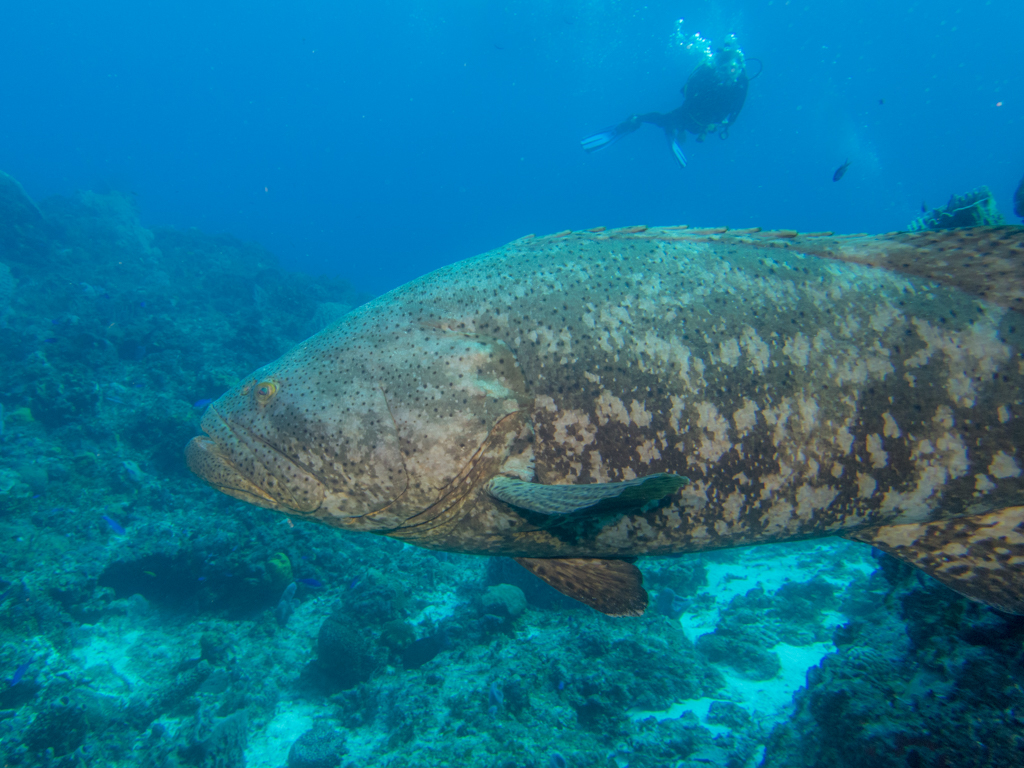
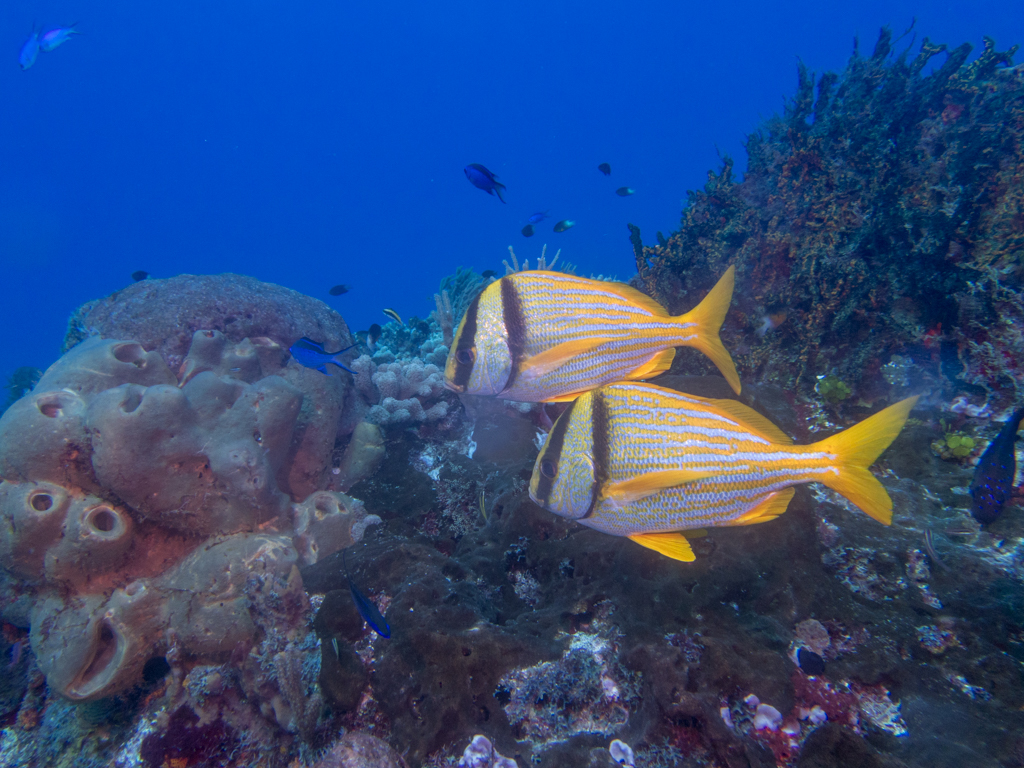
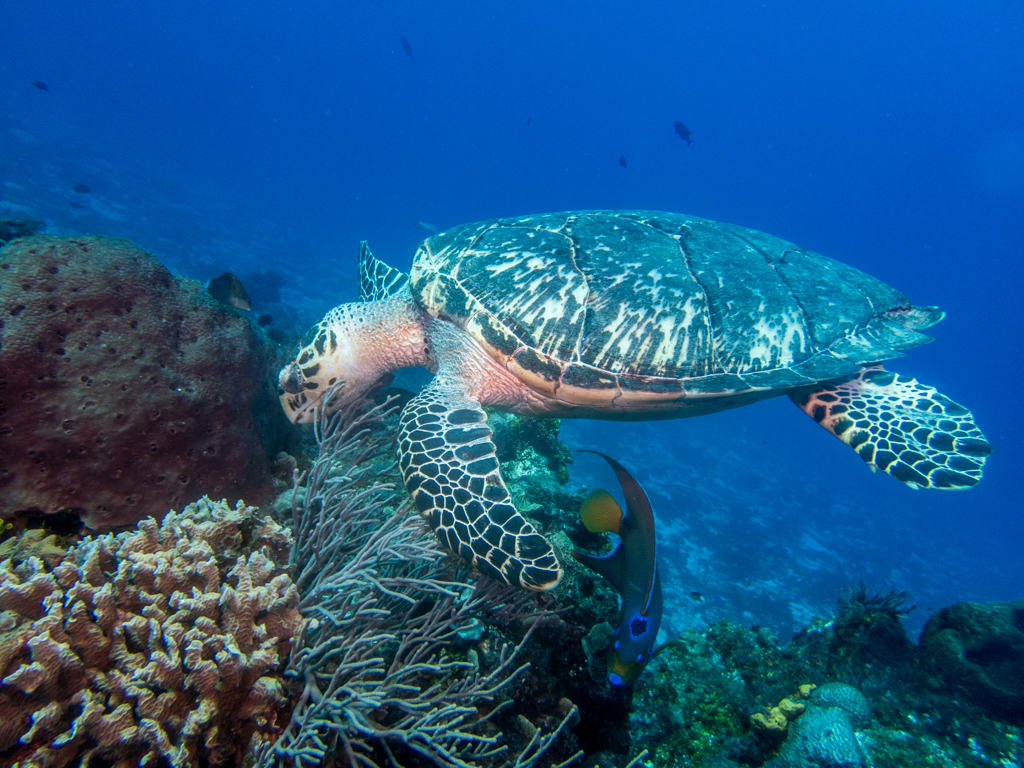
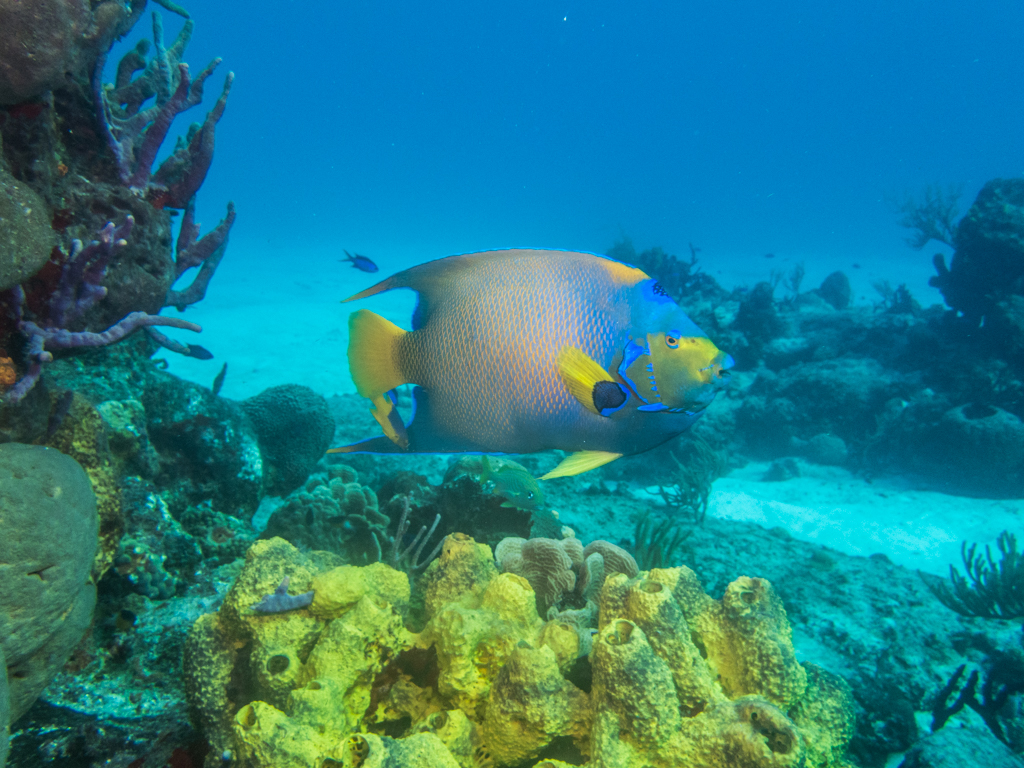
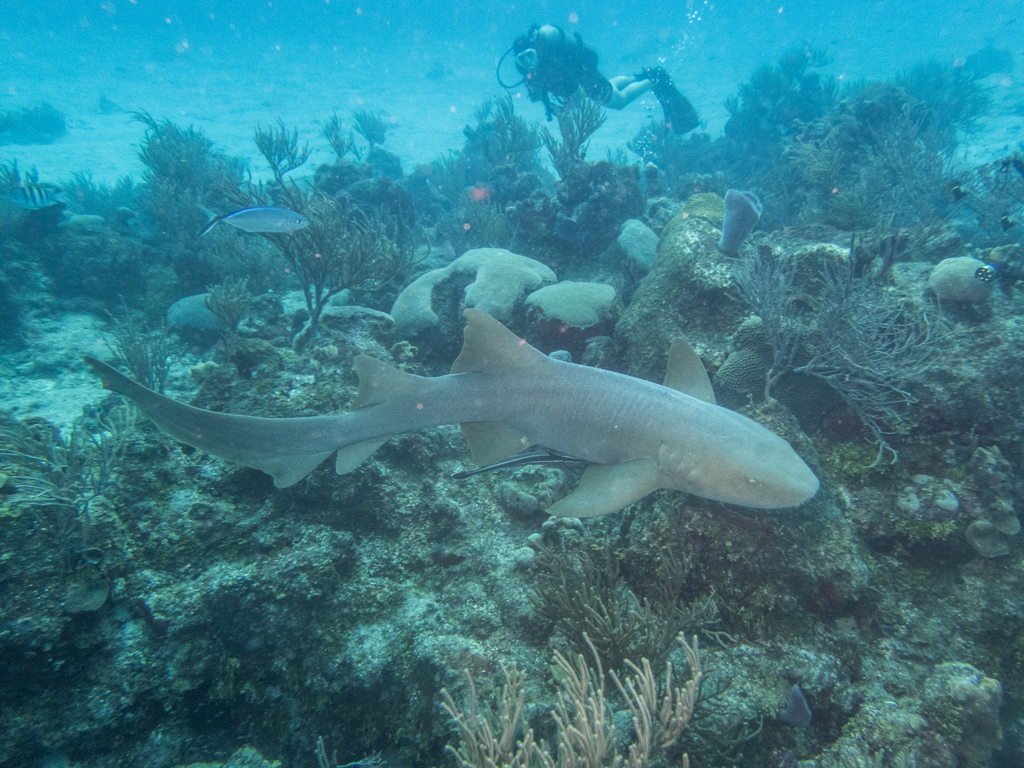
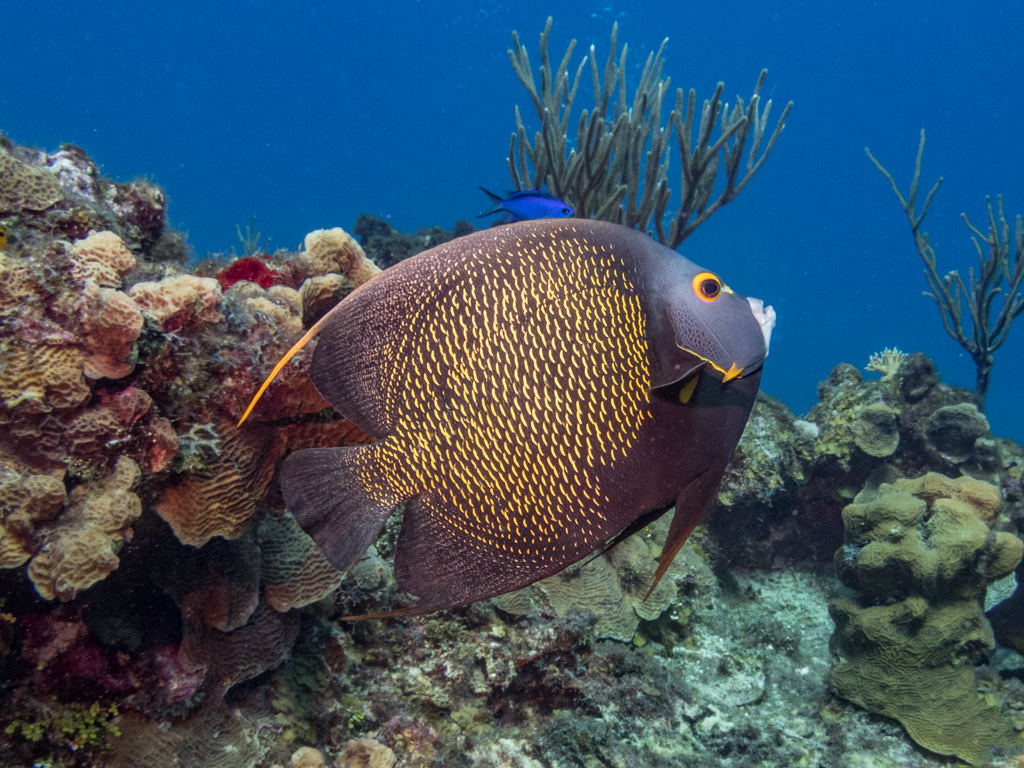
We had a great time scuba diving in Cozumel on the coral reefs. There are still so many beautiful and amazing living things there. Highlights for me included seeing 7 octopuses on a single night dive), a nurse shark sleeping with a giant green moray eel (didn’t know they did that), a moray eating a lionfish (offered by the divemaster), a big goliath grouper, a bat fish, numerous Hawksbill turtles, and several spotted eagle rays. And of course the many varied tropical fish. Seeing a queen angel fish always makes me happy.
OLYMPUS DIGITAL CAMERA

I made my 286th dive, with Sally’s tally not far behind. Jocelyn and Gabe are still fairly new divers, but you wouldn’t have known it. They looked relaxed and in control, and were finding some hard-to-spot creatures, including splendid toadfish, scorpion fish, and arrow crabs.
OLYMPUS DIGITAL CAMERA


OLYMPUS DIGITAL CAMERA

Our days were mostly sunny and mild, with some clouds. We stayed at Hotel Cozumel, which was great for our purposes, with had adequate rooms and a staff that was friendly and responsive. In the afternoons it was pleasant to sip a pina colada and read by the pool. We went out every morning with Dive Paradise, which has a shop on the hotel premises. Their boats and equipment were just fine, and we adored Santos and Victor as divemasters. Boat rides were mostly about 30 minutes. We did drift diving, at times in strong currents, which made photography challenging. The water was a pleasant 81 degrees F, and visibility was generally good (50-70 feet).
OLYMPUS DIGITAL CAMERA
Jocelyn took the lead in arranging our dinners. We particularly liked Kinta and Kondesa, with contemporary Mexican cuisine, and met the warmest, sweetest waiter in the world, Ray, at El Moro. We had a long and frustrating wait for a table at Casa Mission — no one would acknowledge our presence for 40 minutes — though we enjoyed the food. We liked the Italian food and margaritas at Rinaldi, and Le Chef, another Italian place, was also good. We had good talks, and also good cab rides. I was happy to hear the family speaking some Spanish, and to do a bit myself.
OLYMPUS DIGITAL CAMERA

Charities, Allegiance, history, microbes, walks, and flying my new quadcopter

Demolition on Harrington Street

Demolition on Harrington Street

This week I wrote my annual checks to my favorite charities. Giving seemed more than usually important this year, since some of my favored causes are directly threatened by the recently elected executive — the environment, human rights, civil liberties, animal rights, family planning, and those less fortunate. I felt really lucky to be able to help, even if only a little, by giving to effective organizations.

I was especially mindful of the dire plight of refugees from the Middle East, Africa, Central America, and elsewhere, and so want to mention for your consideration the work of the International Rescue Committee and Doctors Without Borders. I’ll also note that in these tumultuous times we need more than ever the wisdom and beauty of the arts, and hope others will join me in supporting the wonderful North Carolina Ballet and North Carolina Opera.
blogpicbug-1-7

On Tuesday, Sally and I saw Allegiance, a movie of a show recently on Broadway about the experience of Japanese-Americans in WWII. It was inspired by experiences of George Takei (Star Trek), whose family, along with many others, was held in a grim internment camp. At one level, it was a normal Broadway show, with pretty songs and kinetic dances, which were enjoyable if not especially original. But it was ambitious in taking on a big and tragic subject and expressing some of its complexity. While the so-called alt right has found new methods for inspiring fear and hatred of minorities, Allegiance does the opposite — it inspires caring.
blogpicbug-1
The movie of Allegiance was a one-time-only, nationwide event that I learned about from the Stuff You Missed in History Class podcast, which I’ve been listening to at the gym. Stuff You Missed often take on subjects that our American history textbooks played down or left out, because they don’t fit comfortably into a triumphalist national narrative. For example, recent ones I’ve liked have treated the Dakota War of 1862, George Wallace, the Reynolds pamphlet of Alexander Hamilton, the first transatlantic cable, and the Palmer raids. They segments are lively and have a nice balance between serious academic history and the personal, emotional implications of some dire events. The hosts, Tracey V. Wilson and Holly Frey are starting to feel like friends — really smart, curious, and hardworking, with a sense of humor. You can check it out here.
blogpicbug-1-5

THe spirit of curiosity and engagement with new things has been upon me, and so I finished reading, and started re-reading, I Contain Multitudes: The Microbes Within Us and a Grander View of Life, by Ed Yong. It’s a lively and convincing view of the bacteria that live in us, on us, and all around us. This is a really exciting area of science, and developing fast. I like that Yong’s title used a line from Walt Whitmans’ Leaves of Grass, which also can change how we see ourselves.

When I was a child, I was taught that “germs” were bad, and the best thing to do was avoid them or eliminate them. As Yong makes clear, this was both silly and dangerous. Our bodies contain more bacterial cells than human cells, which calls into question who really owns those bodies. There are some 39 trillion bacterial cells in and on us, and thousands of species, though the particular kinds in each of us varies greatly, and the varieties are constantly changing. They are vital to our well-being. Without them, we could not grow or thrive. Each one of us is an ecosystems — microbiomes, as they now say. Without those multitudes, we could not grow, and could not continue to live. They are vital, for example, for digesting food, producing vitamins, breaking down toxins, and killing more dangerous microbes. DCIM100MEDIADJI_0017.JPG

I also finished reading On Looking: Eleven Walks with Expert Eyes, by Alexandra Horowitz. Horowitz, who teaches psychology and animal behavior at Barnard, writes well about who she sees, hears, smells, and touches in walking around New York. After an initial walk by herself considering how much there was to see in a city walk, she also realized how little she normally perceives. She does the other 9 walks with experts in some aspect of the urban environment, like a geologist, a paleontologist, an architect, a wild animal expert, a sound designer, and her dog (an expert in smells). She gives short by credible accounts of the relevant science, and makes us consider the urban environment as full of non-human life and history.

The demolition photographs here are from just down the block on Harrington Street, where they just knocked down a former furniture store that sat next to the old Board of Elections Building. They didn’t fence off the site, so I was able to take a good look around on Saturday. I look forward to more new construction in the neighborhood, including (can’t wait for this one) a grocery store.
DCIM100MEDIADJI_0023.JPG

Finally, this weekend I added a new line to the c.v.: quadcopter pilot! I took my first flight with my new DJI Phantom 4 quadcopter, a/k/a drone (a term I don’t really like, at least as applied to my aircraft) at Fletcher Park, where it was cold and gray. It was awesome! There is a learning curve, and I’m climbing it. I’m very excited about exploring aerial photography. These ones are my beginnings.
DCIM100MEDIADJI_0048.JPG

Happy No Thanks Day

blogpicbug-1
I like Thanksgiving as a holiday, because it celebrates things that really matter, like loving families, without too much rampant materialism. But this year the timing was unfortunate, so close to the Presidential election, which has left us feeling shaken. It seemed like time for a different holiday — a Day of No Thanks. Rather than celebrating gratitude, No Thanks Day would be about regret, worry, and resistance.

On Thursday, we had a bit of both Thanks and No Thanks Day. Sally made a delicious Mexican-themed all veggie Thanksgiving meal for our extended family, and we caught up on family news. But we also talked about some of the frightening things happening in our country, including the sudden emergence from the sludge of the so-called alt right.

Until recently, unabashed white supremacists seemed to be so far out on the lunatic fringe that they could safely be ignored. But now they’ve gone mainstream, and their preferred candidate just got elected President of the United States.
blogpicbug-1-7

So what are these people? There was a fascinating and chilling interview this week with Richard Spencer, an alt-right leader, by Kelly McEvers on NPR, which is transcribed here. Spencer is poised and well spoken, and his ideas are absolutely poisonous. His animating political vision seemed to be apartheid — a country just for white people. He saw no problem with swastikas and Ku Klux Klan costumes.

The NY Times had a piece on the alt right this week, and tried to explain the difference between white nationalists and white supremacists. According to Eric Kaufmann, a UK scholar, “White nationalism … is the belief that national identity should be built around white ethnicity, and that white people should therefore maintain both a demographic majority and dominance of the nation’s culture and public life.

So, like white supremacy, white nationalism places the interests of white people over those of other racial groups. White supremacists and white nationalists both believe that racial discrimination should be incorporated into law and policy. . . .
Professor Kaufmann says the terms are not synonyms: White supremacy is based on a racist belief that white people are innately superior to people of other races; white nationalism is about maintaining political and economic dominance, not just a numerical majority or cultural hegemony.

blogpicbug-1-6

Is the “nationalist” label something more than a thin veneer for putrid racism and neo-Nazism? I doubt it. The Times reported that this week Spencer gave a speech attacking Jews and immigrants. He quoted Nazi propaganda in the original German and led cries of “Hail Trump” and “Hail Victory” (German: “Seig Heil”).

What’s this have to do with the President-elect? Well, he’s picked as his senior counselor and chief strategist Steve Bannon, who runs what he proudly claims is the leading communications outlet for the alt-right. Bannon is sly about expressing his personal views, but there is no subtlety about his Breitbart News: it’s unabashedly devoted to racism, sexism, homophobia, anti-Semitism, bizarre conspiracy theories, and fear mongering.
blogpicbug-1-5
Bannon seems to have engineered the press campaign that ultimately resulted in the “Crooked Hillary” meme of the Republican campaign. This is laid out in an interview on Fresh Air of journalist Joshua Green. Using a “research” entity called the Government Accountability Institute, Bannon directed the collection of innuendo about the Clinton Foundation, which was then pitched to investigative journalists of the mainstream press. In effect, he hacked into the NY Times and other traditional media and planted an anti-Clinton virus. The non-stop drumbeat by Bannon and Breitbart — Benghazi! The emails! Lock her up! — unquestionably drove up Hillary’s unfavorable ratings, and arguably caused her defeat. Green’s 2015 piece on Bannon and Breitbart News is worth reading.

Coming back to Richard Spencer, at the end of the interview with Kelly McEvers, he said this: “If I had told you in 1985 that we should have gay marriage in this country, you probably would have laughed at me. And I think most people would have. Or at least – at the very least, you would have been a bit confused, and you would have told me, oh that’s ridiculous. The fact is, opinions do change. People’s consciousness does change. Paradigms are meant to be broken. That’s what the alt-right is doing.”
blogpicbug-1-4
Well, he’s right about one thing: people’s ideas change. They can change for the worse, but also, as his example on gay marriage shows, for the better. A lot of white people, and other people, have put behind them the worst kind of racism and are trying to be conscious of and root out the more subtle kinds. The ascendency of the alt right may just be the death throes of an old sad culture that will soon be gone. But I’m not sure. Their combination of blazing ignorance and brilliance in media manipulation is new in our country. We need to keep watch.

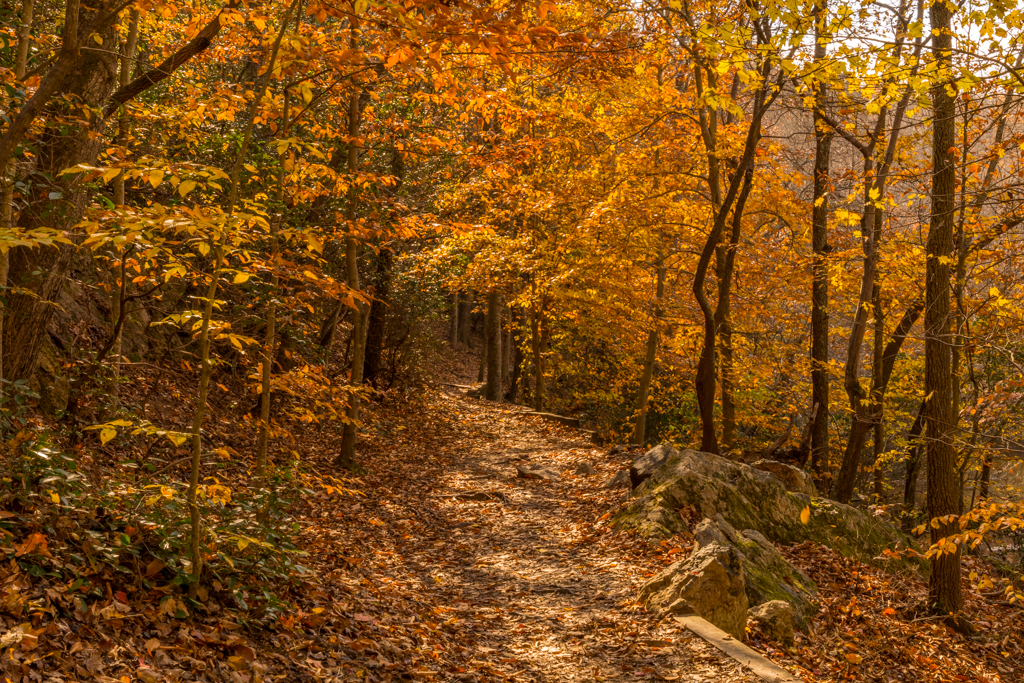
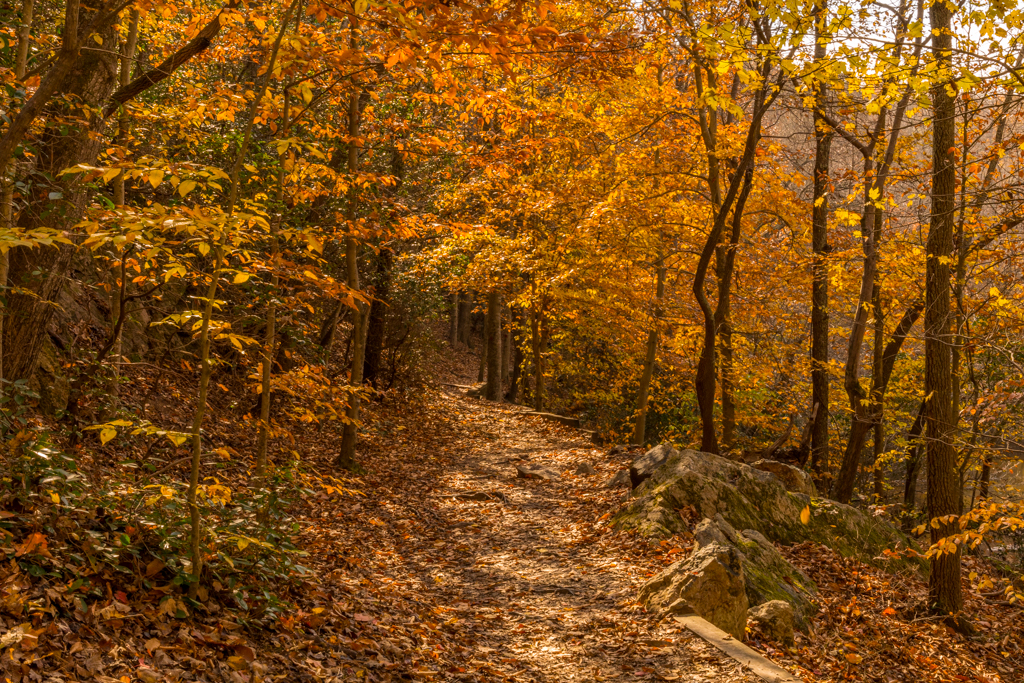
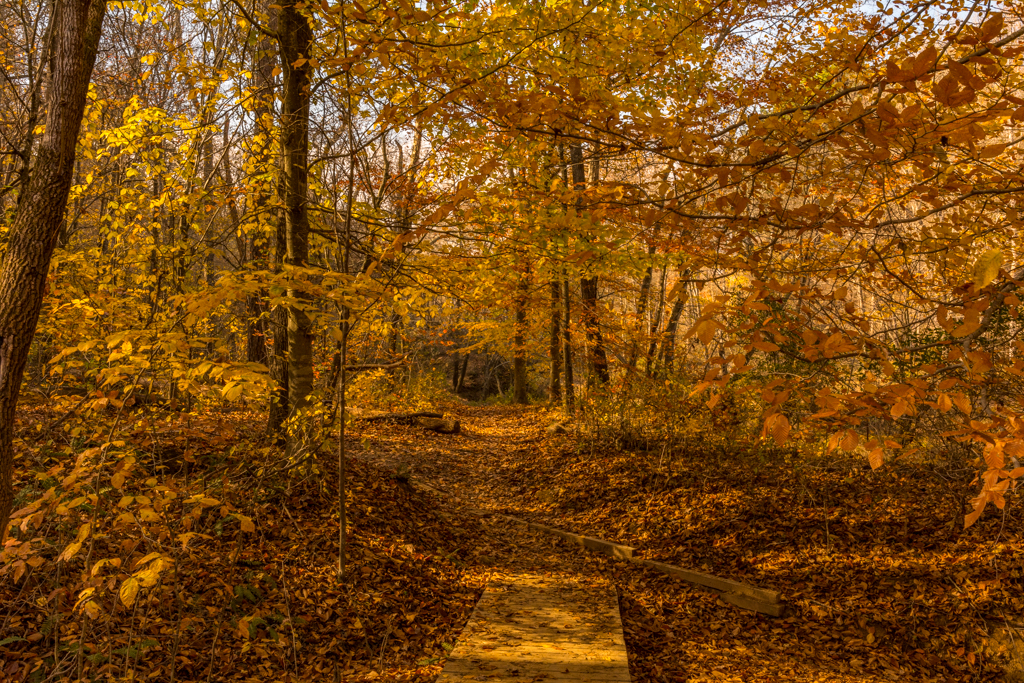
Meanwhile, I’m trying to stay calm. I’m doing deep breathing, and taking walks in the woods. Trees, which can live a very long time, have a kind of wisdom. Being with them is peaceful. These new pictures are from Umstead State Park.

What just happened? My working theory

blogpicbug-1-3

Up until recently, I woke up every morning with a sense of pleasant anticipation. Chances were good that in the course of the day the Republican candidate for President would speak, act or Tweet so as to further demonstrate his ignorance, poor judgment, lack of impulse control, racism, or dishonesty. And I was seldom disappointed!

Sure, it was disturbing that there were hollering crowds enthused by his racist taunts and taken in by his ridiculous lies. But coming down to election day, I was confident they were in the minority. I still think that. Now I’m struggling to understand how a lot of others, including people whom I know to be decent and upstanding, people who are neither racists nor ignorant, saw their way clear to vote for him.

My working theory is that there were three main justifications. 1. Tribalism (such as, I’m a Republican, and he’s a Republican). 2. Optimism (his extreme and off-the-wall statements can’t be serious). 3. It’s a package deal (like with the cable company, to get the channels you like, you’ve got to take on board some channels you don’t care for).
blogpicbug-1-2

Last week I was called for jury duty in N.C. state court. The case was an ordinary criminal one — a DWI charge. It took the lawyers about three hours to pick a jury. They settled on twelve before my number came up, so I was never called up to the box for questioning. As a former litigator, I enjoyed watching the lawyers trying to ferret out the jurors’ biases and other proclivities. But with limited time and the limits of language, they weren’t able to get very deep. Watching them and thinking of my own experience in front of juries reminded me of how hard it is to understand or predict the thinking of others.

Anyhow, whatever the reasoning, I continue to think voting for the President-elect was a terrible mistake. But it happened, and we need to carry on with our lives.
blogpicbug-1-5

I’ve almost finished Level 2 of the Rosetta Stone course in German, which I like. In preparation for our ski trip in February, I’ve been refreshing my French by listening to the news podcasts from Radio France Internationale, and continuing with the news in Spanish from Voz de America. On the piano, I’m practicing new pieces by Chopin, Liszt, and Debussy. Their music is transporting.

I’ve seen struggling, though, with pain in my right hand, and finally went to see my hand doctor this week. According to his reading of the X-rays, the arthritis in the area of my middle finger had gotten worse, and he recommended surgery to replace the knuckle joint. Surgery! This shook me, since cutting there could end badly, such as, no more piano. I declined the surgery, and asked for a Plan B. He recommended Aleve. It does help.
blogpicbug-1

It’s especially good for jangled nerves in these parlous times to spend some time walking in the woods. On Saturday I took a hike in Occoneechee Mountain State Natural Area, which is near Hillsborough. There was a bit of smoke in the air from the big forest fires in the western part of North Carolina, but it was mild and sunny. I took the Mountain Loop trail, which went up for a while and then down to the Eno River. The leaves were mostly yellow, with bits of orange and red, and some were falling.
blogpicbug-1-4

It could be worse

blogpicbug-1-4
On Saturday, still in shock from the election, I took a longish drive over to Hanging Rock State Park. It was sunny and brisk, and the last leg of the drive was hilly and twisty. At the park, the trail went upwards quickly. The trees were getting ready for winter. There were sweet waterfalls and cliffs, and sweeping vistas.
blogpicbug-1-2

On the drive back, I listened to some Liszt, and continued to mull. How much should we be worried that the President-elect will keep his campaign promises?  Americans of color, immigrants, and Muslims are understandably uneasy, as are transgender people, gays, and women. Indeed, anyone with an interest in avoiding devastating climate change and nuclear catastrophe should be concerned. 

But with all those risks, there’s a strong mitigator. The President-elect is a man who has based his career on deceiving people and who is indifferent to ordinary standards of truth and honesty. There’s a long list of his victims – investors in his projects, ordinary contractors, students hoping to learn the secrets of his supposed success.

As despicable as his dishonesty is, we can now see an upside to it: his campaign promises can be significantly discounted.  For him, promises are simply words that are useful in manipulating people. He is unlikely to view any recent promises as binding. 

As to his deplorable racist language, as best we can tell, he is no ideologue. His primary driver is to be admired. He probably has no other agenda. Thus he is probably not determined to stop and frisk minorities, deport immigrants, and bar Muslims. He will probably not actively promote torturing those suspected of terrorism or killing their families. He doesn’t actually hate minorities, or care much about them one way or the other.

Of course, there are some of his supporters who are driven by hate. They are angry people. They’ll probably get angrier still when they realize that those promises that inspired them –- bringing back the good manufacturing jobs, more steel, more coal, and so forth – were just empty words, and he won’t be bringing back the jobs. His supporters could turn on him.

Same with the promises of populist change. Most likely, he’ll find the actual business of understanding government and making policy intolerably boring, and leave the real work to the traditional power elite — that is, establishment “conservatives” primarily concerned with not paying taxes and otherwise feathering their own nests, while hoping the base will be distracted by symbolic “conservative” social policies. In other words, the usual Republican playbook.
blogpicbug-1

This is, to be sure, all very bad. Our structural economic problems, including inequality of opportunity, will not be addressed. Our systemic health care problems will probably get worse. Our education system problems will not be fixed. Our environmental problems will probably get worse. The threat of war, including cyber war, will increase. The existential threats from global warming – hurricanes, draughts, floods – will get worse, as will the existential threat of the nuclear holocaust hair-trigger – if we’re lucky.

But it could be worse. At the moment, the plumbing and electricity still work. There’s food in the stores and medicine in the hospitals. We’re not in a state of war, or a condition of near anarchy.

I don’t rule out the possibility that our traditional protections for free expression and limits on state power could go by the wayside. Thug paramilitaries could be unleashed, with dissidents disappearing, and ever more intrusive state surveillance.  We could become a kleptocratic thugocracy, like Russia, or some new species of fascism.  And then you and I would find out how much courage we really have.
blogpicbug-1-3
But we’re not there yet, and we may not get there. In his latest NY Times column, David Brooks predicted that the President-elect would “probably resign or be impeached within a year.”

Anyhow, we survived the Reagan years (though we wreaked considerable havoc). We survived the George W. Bush years (though wreaking more havoc). We will probably survive the years (or months) of the Orange One.  

Tree behavior, Hitler, conspiracy theories, and the truth about Hillary’s email

Big Woods Road, near Jordan Lake in Chatham County, November 5, 2016

Big Woods Road, near Jordan Lake in Chatham County, November 5, 2016

Saturday morning was brisk, sunny, and clear. I drove Clara out to Jordan Lake, where I put her in sport mode and enjoyed the winding country roads. We drove up one of my favorites, Big Woods Road, and stopped at various spots to look for birds and colorful trees.

Clara, pausing on Big Woods Road

Clara, pausing on Big Woods Road

I’ve been reading The Hidden Life of Trees: What They Feel, How They Communicate, by Peter Wohlleben. Wolleben has spent his life as a forester closely observing trees, and has also assimilated a great deal of research into their biology and behavior. As the title indicates, he contends that trees are social plants that cooperate with sophisticated systems for communication, including underground connections of roots and fungi and various airborne chemicals. They work together to ward off predators, withstand weather, and take care of the young. It’s amazing! There’s a nice overview of the book at Maria Popova’s wonderful blog, Brainpickings.
Jordan Lake

On a more somber note, I’ve been reading the new biography of Hitler by Ullrich Volker. It covers H’s birth to the start of WWII. It’s a good read, and offers insights into (though no definitive solution to) the great mystery: how could an intellectually mediocre charlatan maniac seize and hold dictatorial power, with such dire consequences? At the end of WWI, Hitler quickly rose in political life as a popular speaker on the theme that there was a vast, powerful Jewish conspiracy that accounted for Germany’s problems.

This bizarre conspiracy theory was widespread at the time, and of course has never disappeared. How do such crazy ideas take root and propagate? There seem to be a lot of them flying around these days. A case in point: militiamen who believe the Second Amendment is under siege. The NY Times had a fascinating piece yesterday on these folks by David Zucchino, with good pics by Kevin Lyles.

They are mostly white, rural, and working class, and they like to get together on weekends to shoot their weapons. Zucchino got them to talk. They are passionately convinced of many nutty ideas: Hillary is coming to get their guns, ISIS is invading the country, the Democrats are rigging voting machines. Also, they want to make America great again. All I can say is, Yikes!
Jordan Lake

Only slightly less bizarre is the meme, now rampant, that Hillary’s email handling shows that she is unusually dishonest and corrupt. Matthew Yglesias of Vox did a good piece unpacking this tale and showing it to be based on nothing. Hillary’s handling of email was not illegal, and there’s no basis for accusing her of dishonesty. And yet the networks have devoted more air time to this non-story than every other policy issue combined.

Yglesias concludes as follows:

One malign result of obsessive email coverage is that the public is left totally unaware of the policy stakes in the election. Another is that the constant vague recitations of the phrase ‘‘Clinton email scandal’’ have firmly implanted the notion that there is something scandalous about anything involving Hillary Clinton and email, including her campaign manager getting hacked or the revelation that one of her aides sometimes checked mail on her husband’s computer.

But none of this is true. Clinton broke no laws according to the FBI itself. Her setup gave her no power to evade federal transparency laws beyond what anyone who has a personal email account of any kind has. Her stated explanation for her conduct is entirely believable, fits the facts perfectly, and is entirely plausible to anyone who doesn’t simply start with the assumption that she’s guilty of something.

P.S. On Monday morning at the gym I listened to the podcast version of the latest This American Life, which included a segment on Hillary and the emails. Garrett Graff, a veteran reporter, came to pretty much the same conclusion as Yglesias: there’s no actual scandal. Graff noted that he, like other reporters, always hopes investigations will lead to titillating revelations of misconduct. We often see what we want to see, whether it’s there or not, which may account for some of the press’s egregiously biased “scandal” reporting of the email story. Those reports started a feedback loop that has grown very loud and shrill and overwhelmed our ability to consider the facts.

Construction continues, an early voting tip, and election butterflies

southwestbug-1

Here are some pictures from the last few days of construction at the old Greyhound bus station site, as viewed from our balcony. After several weeks of grading at the site, things are moving along quickly. These were all taken at sunrise. Every sunrise was a little different.

I did early voting on Monday, when there was no line at all. I liked the convenience, but worried a little that there weren’t more people (i.e. Democrats) queued up. It’s looking now like this is going to be a close finish, and I’ve got some butterflies.
southwestbug-1-2

The ballots in North Carolina are like bubble tests, and the instructions warn you to fill in each bubble completely. I very much wanted to do an adequate job, since I wanted that vote to count. It’s not that easy! After experimenting on the first few, I found that the best technique is to start in the middle with a doodle and work out toward the edges of the bubble.

When in doubt and it’s at all possible, I try to look on the bright side of things, as I’ve done in this election season. The Republican candidate has definitely raised the profile of some problematic issues, like racial discrimination, religious discrimination, and abuse of women. True, he seems to be in favor of all those, but his radical ideas, like banning Muslims, illuminate a part of the national id. And boy, did he ever get us talking!
southwestbug-1-4

Still, it boggles my mind that a significant number of well-educated, mentally stable, and otherwise decent people are voting for the Orange One. At this late date, it does not seem possible that any person otherwise equipped to fill out a ballot could not have heard about his lifelong record of dishonesty, deceit, and moral turpitude, not to mention his fathomless ignorance.

It’s unsettled some of my assumptions about how people think. That is, I’ve understood that we are not completely rational creatures, and that we’re governed in large part by emotions. But I had not processed that there are no apparent limits on the human ability to withstand reason and evidence. So the Orange One has at least taught us something. That could help explain other hard-to-understand things, like anti-science crusaders and conspiracy theorists.
southwestbug-1-5