The Casual Blog

Category: fitness

Sorry to be difficult, but — why I’m going vegan

14 12 07_3799
While I’ve been a vegetarian for going on 20 years, I’ve been fine tuning my approach over time, and getting my habits aligned with my health needs and values is still a work in progress. Cutting out eating animals, starting with cows and pigs, was a significant step, but only part of the story. Just as important, for health purposes, was cutting out foods that taste good but are actually bad for you, like sodas and chips. More challenging has been increasing the percentage of foods that are really nourishing, including some that I’ve long resisted.

From persistent testing and trying, I’ve finally gotten comfortable with some healthy foods I used to detest, like beets, peas, and Brussels sprouts. I’m eating lots of dark green veggies (like kale, spinach, chard, turnip greens, and dandelion greens) and fruit in my breakfast smoothies, and I’ve been getting vitamin rich cold pressed juices to sip for snacks. My repertoire of tastes has expanded.

Recently I made the shift from vegetarian to aspiring vegan. So it’s goodbye to dairy and eggs (with the understanding that there will be occasional emergencies and slips). This is partly a matter of getting healthier, but even more a matter of values. The more I learn about factory farming, the more persuaded I am that we can’t go on like this.

It is truly horrific for the farm animals, to our great shame. It’s also sickening for us (E. coli, salmonella, antibiotics, steroids). Cutting cheese from the lineup is especially challenging, both because it’s tasty and it’s everywhere. And I will miss the wonderfulness of ice cream. But I will also feel better not supporting this unconscionable cruelty and heedlessness.

Our individual eating choices may seem trivial compared to our epic social problems, like global warming, but I think they are related in a couple of ways. Industrial farming of animals is a major part element of global warming, because of the huge emissions of greenhouse gases (CO2 and methane), not to mention pollution of surface and groundwater and other environmental problems. To the extent we don’t support factory farming, we’re working on those problems. In addition, by getting ourselves healthier, we improve the chances of having the clarity of thought and strength to take on our big social and environmental problems.
14 12 07_3798

So I don’t think it’s completely self-centered to focus on the physical self. But I admit my own motives are not purely altruistic. I’m also interested in feeling good now and functioning well for a long time to come. Exercise is also an important part of this, of course. So I’ll report briefly on my current cross-training system, which I’d say is working well. I feel good.

This week I’ve done two long gym work outs (cardio and resistance), lap swimming, two yoga classes, a spin class, a visit to my personal trainer, and outdoor running. For gym cardio, I’ve done the elliptical machine, rowing, treadmill running, stairs, and jump rope. I have a wide range of functional movements in the rotation, from lunges to box jumps to balancing to shuffles, and a variety of core work, as well as stretching of the major muscle systems.

It’s strange, I know, but I actually look forward to getting up around 5:05 a.m. Every day is always a little different, with a new challenge. I enjoy being with people in the classes, and I enjoy listening to music and reading when I’m working out on my own. And getting up early isn’t as hard as I once imagined, because it has become a habit. I don’t have to think whether or not to get up, because it’s just something I just do. But it’s also fun.
14 12 07_3782

On Saturday night, Sally and I tried our first vegan pizza at Lilly’s, and saw The Theory of Everything at the Rialto. The pizza wasn’t so great – there was something a bit off with the non-dairy “cheese” — but we really liked the movie. It’s basically a biopic on the British physicist Stephen Hawking, with particular focus on his marriage. As Hawking, Eddie Redmayne’s performance is a nuanced and remarkable tour de force. His gradual loss of control of his muscles is noted without mawkishness, and his courage and perseverance are noted without huzzahs. Having lost my own father to ALS, I’m particularly conscious of the brutality of this disease, and particularly amazed that Hawking managed to become a path breaking scientist while it ravaged his body and threatened to kill him.

Unconnected to the movie, early this week I read an interesting story in the BBC en espagnol web site regarding Hawking and artificial intelligence. I was surprised to see him saying in an interview that he expected AI would eventually not only surpass human intelligence, but would threaten it. I can see that our AI creations may eventually begin to improve themselves and leave us behind in terms of IQ, but they will not carry the emotional components that drive humans to compete for resources and domination. So why would they threaten us?

My three-hundredth post

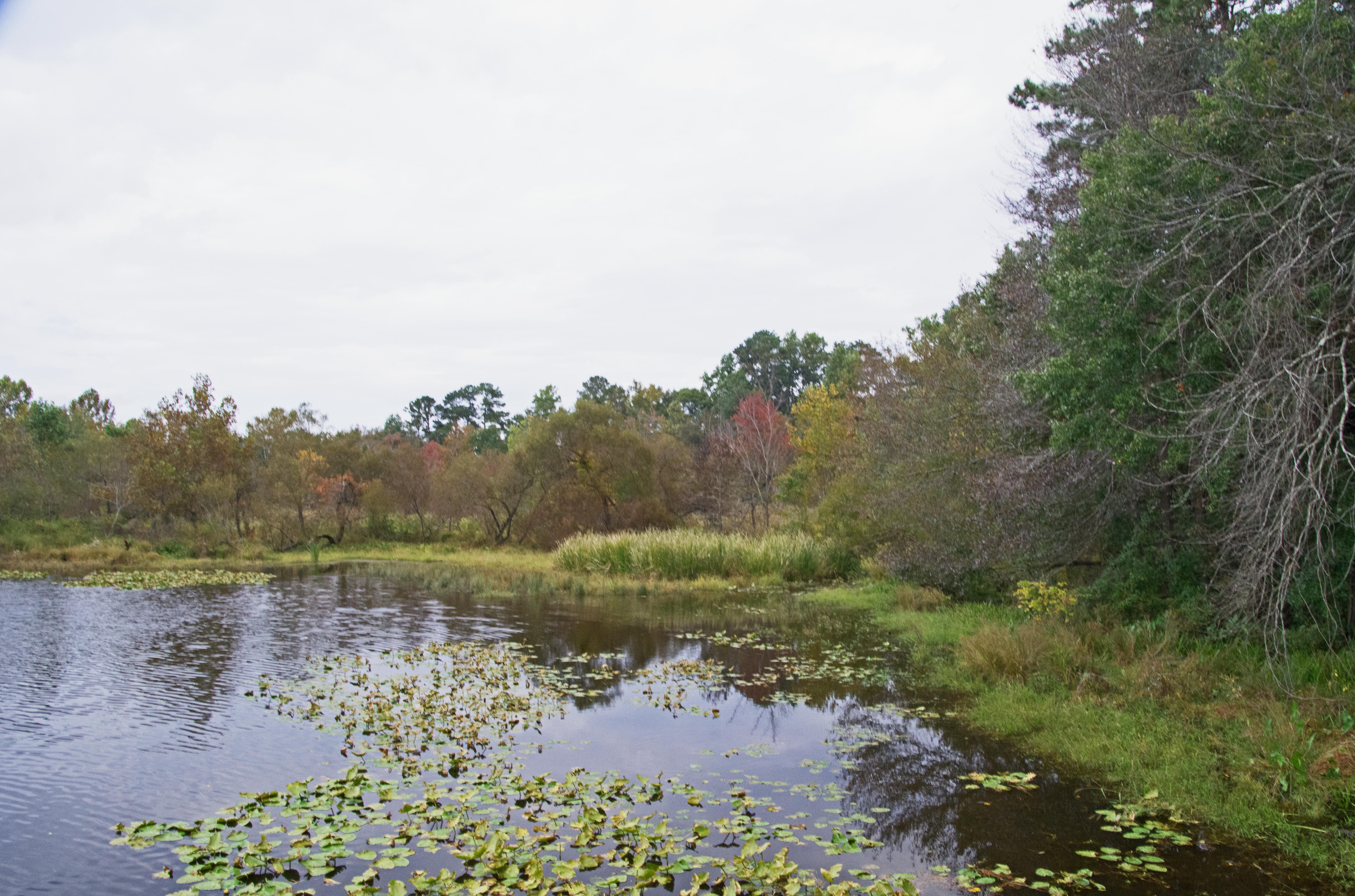
Yates Mill Pond, October 11, 2014

Yates Mill Pond, October 11, 2014

Early Wednesday morning I saw the lunar eclipse. On Thursday I reinstituted my meditation practice after a long sabbatical. On Friday evening I attended an inspiring recital by the great pianist Richard Goode, and reconnected with several of my good piano friends. On Saturday, for the first (and possibly last) time, I finished first in my spin class at Flywheel, and happily read the front page headline of the first gay couples in North Carolina to experience legal wedded bliss. These would ordinarily be potential subjects for this week’s post. But this week is special, inasmuch as it’s the 300th edition of the Casual Blog.

Many moons ago, I set myself the goal of writing one post a week on my non-professional activities and thoughts, and that’s pretty much what I’ve done. I’ve been trying to think what to say about this milestone, and it occurred to me to explain why I create the Casual Blog, or what I get out of it. But if I’m honest, which I try to be, I must admit I’m still not completely sure.

I enjoy finishing a post, but starting one always involves a degree of existential dread. Once a week, I ask myself, do I have anything else worth saying/sharing, and I always worry that the answer is no, I’ve run dry. And so it was this week. But I’ve already succeeded in writing three paragraphs!

I generally dislike writing about writing, and now I’ve gone and done it. But onward! There’s some odd part of me that enjoys the exertion of forcing the buzzing blooming flood of experience into the narrow channel of language. Writing about an experience usually shows me something about the experience I hadn’t known before. And there is at times a joy in language that has less to do with the meaning than with pure sound.
14 10 11_3469_edited-1

Then there’s always the struggle for understanding, for meaning. Things happen. Events flow out of other events, sometimes cohering in an orderly way, with pleasing patterns, and other times cracking and scattering. What does it all mean? Blogging will likely not yield an ultimate answer, but it creates a platform, a workbench for reviewing experience that yields new perspectives.

As with Heisenberg’s famous uncertainty principle, we can’t observe and record our lives without changing them. That is, writing about one’s life changes the life. The imperative to make a post non-boring could lead to inauthenticity, but not necessarily. It could also inspire curiosity and get you out of your shell. The blogging commitment could lead to adventure!

Most important, there’s also the complicated sensation of communicating with another human. For the writer, the reader is ever-present as an as idea and concern, but almost never physically present. Without the reader, the writer would never write, but the connection is always tenuous. Who is the reader? Open or closed? Friend or foe? Can we connect? The writer in the act of writing is never certain.

And whenever we reach out to another human, trying to be honest, showing something about ourselves that’s real, there’s an element of risk. There’s a chance we’ll make total fools of ourselves. This gets the juices going. It’s kind of exciting. Actually, it is exciting!
14 10 11_3463

But it is also difficult. Whatever words are chosen means other words are not chosen. So many possible words, and possible choices, but whatever the choices, however good they are, others just as good will be excluded, sacrified. You know this when you start. But something still causes you to reach out, to explore, to experiment. There are satisfying little discoveries, and sometimes there’s evidence that you got through, made a connection.

So, you ask, what lies ahead for the Casual Blog? I really don’t know. Part of what I like about it is it’s voluntary, unnecessary, and contingent. It doesn’t have to be any particular thing, and could cease at any time. As I said, I’m always aware of the possibility of running dry, and I would stop posting if it stopped being fun. Or if my readers disappeared.

But part of me feels that I’m just getting well started, and I’m still enjoying experimenting and learning. If there were somehow more hours in the day, I could imagine writing a number of more specialized blogs, in addition to my professional writing. It would be fun to tend blogs on scuba diving, playing the piano, travel, global warming, opera, golfing, animal rights, ballet, political corruption, vegetarian restaurants, exercise, neuroscience, nuclear weapons, nature photography, poetry, artificial intelligence, the surveillance state, migratory birds, history, books I’m reading, etc. We shall see.

A monarch in downtown Raleigh, October 8, 2014

A monarch in downtown Raleigh, October 8, 2014

Big birds at Crabtree Swamp, and a first spin class at Flywheel

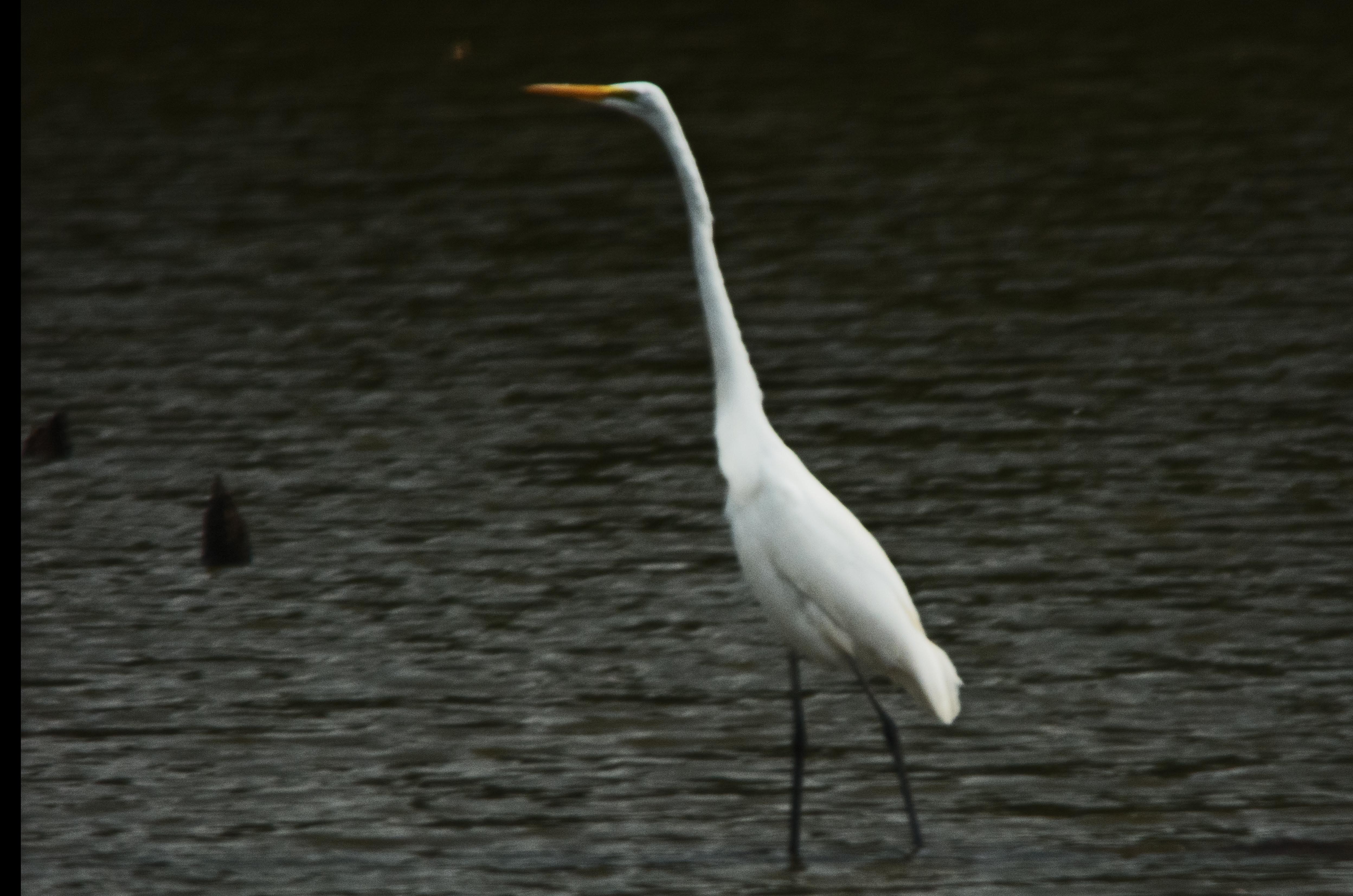
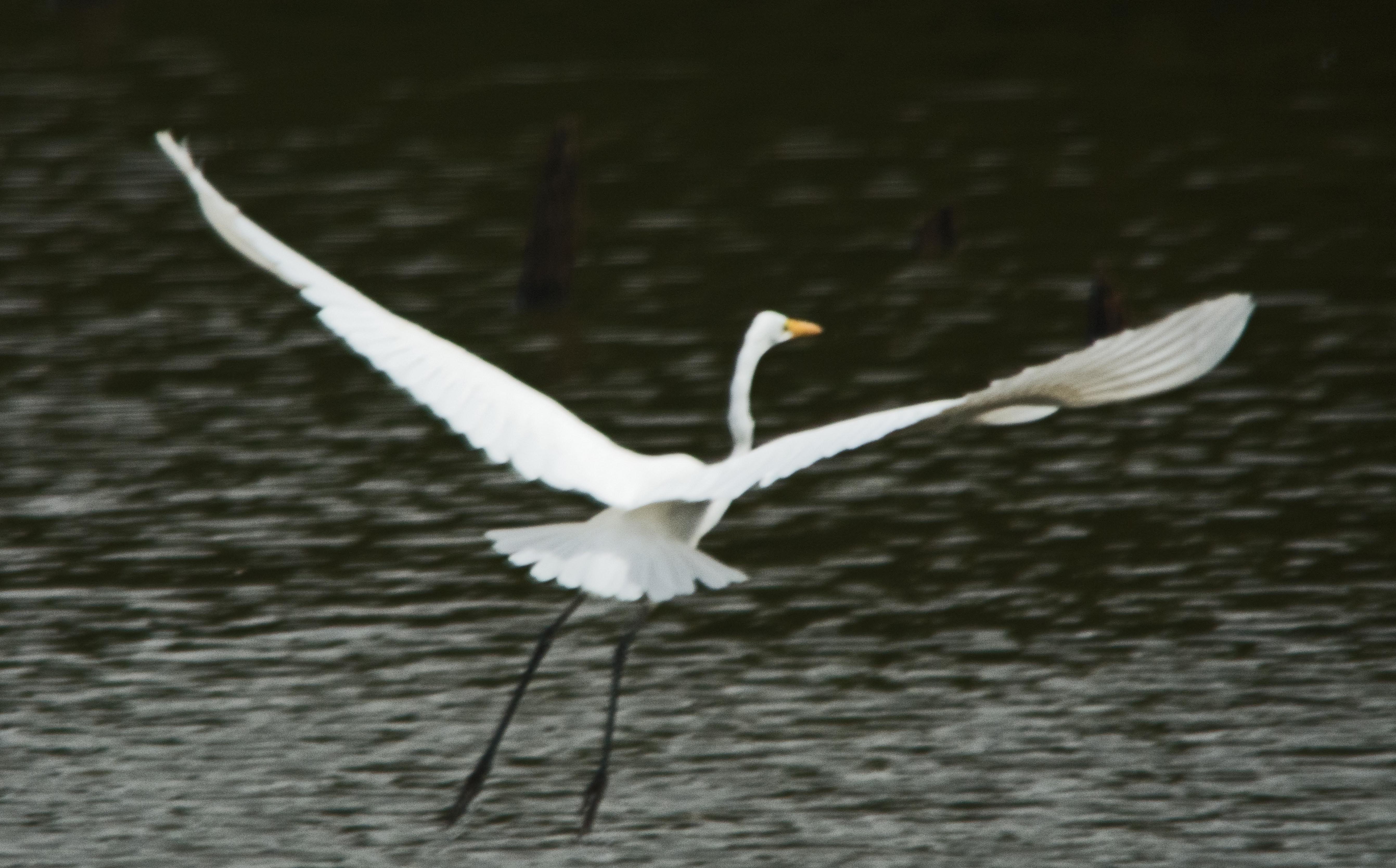
14 09 28_2902There’s a wide-but-shallow wide body of water to one side of Raleigh Boulevard which is fed by Crabtree Creek. It has no official name that I can find, so I’m hereby naming it Crabtree Swamp. CS is worth knowing about if you enjoy seeing birds, turtles, dragonflies, and other creatures. There isn’t usually much drama, though I once saw a doe leaping and splashing in desperate flight from a pursuing buck. It has a long boardwalk over it that allows for good views into the woods and out over the water.
14 09 28_2865_edited-1

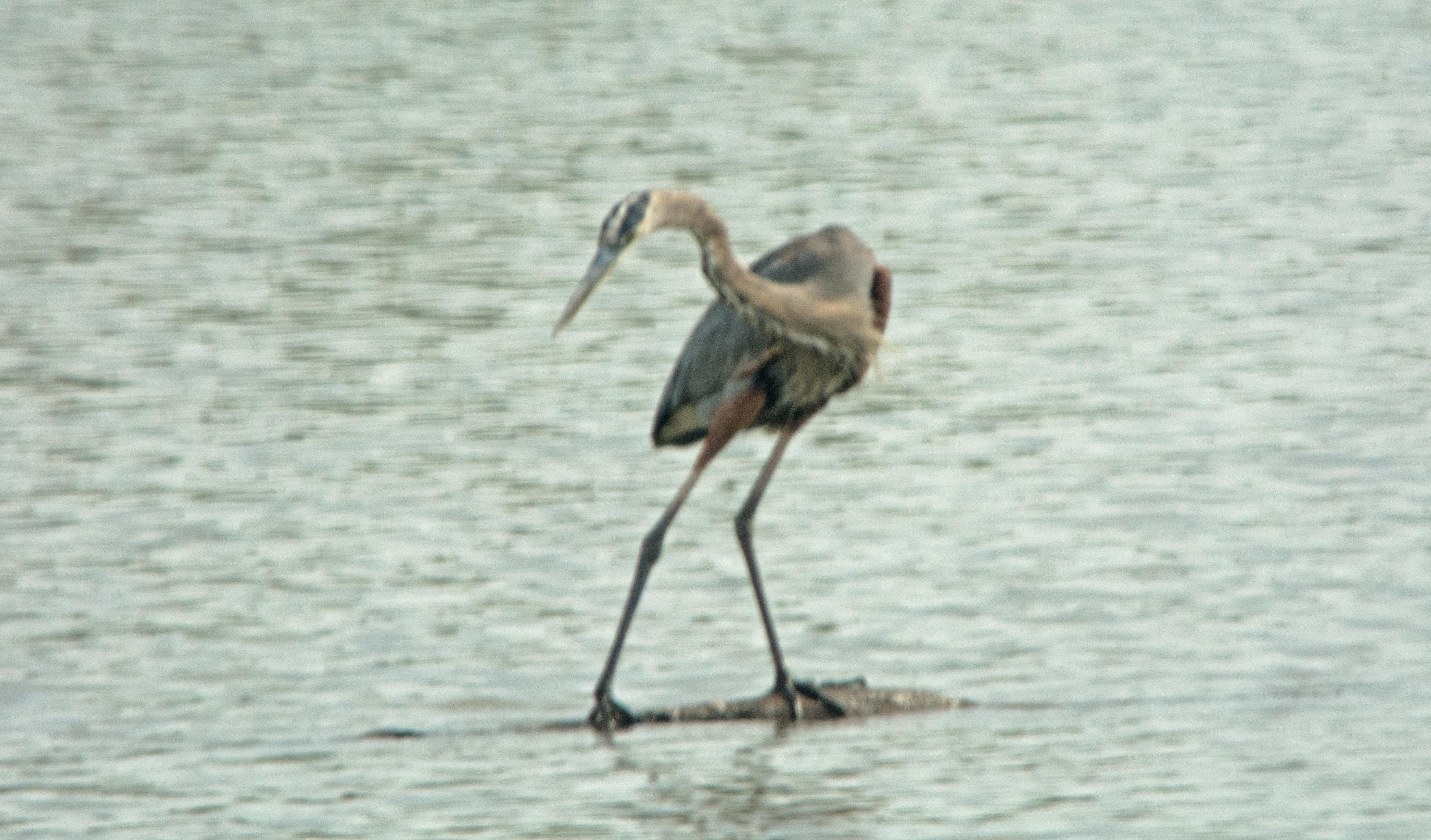
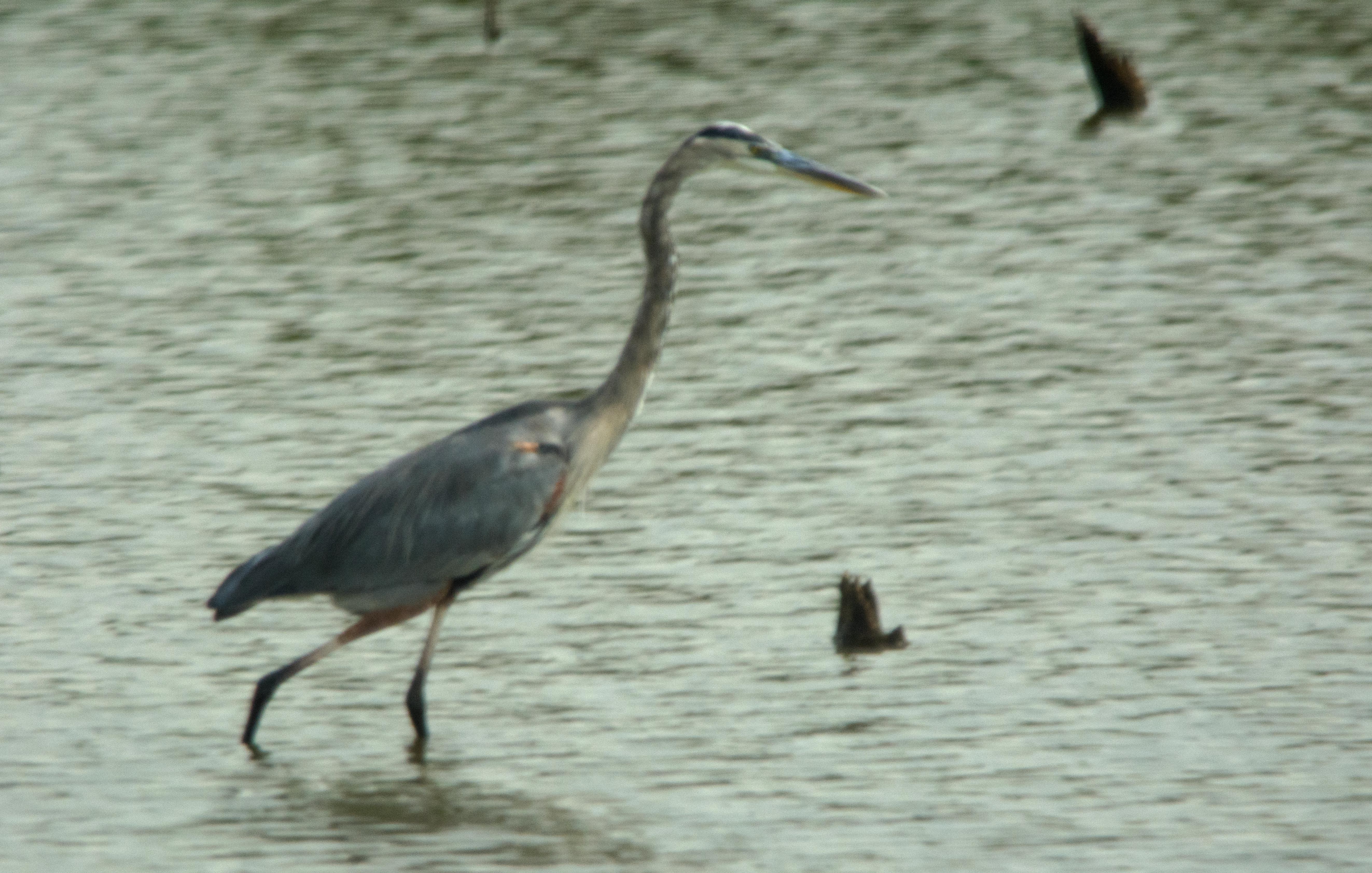
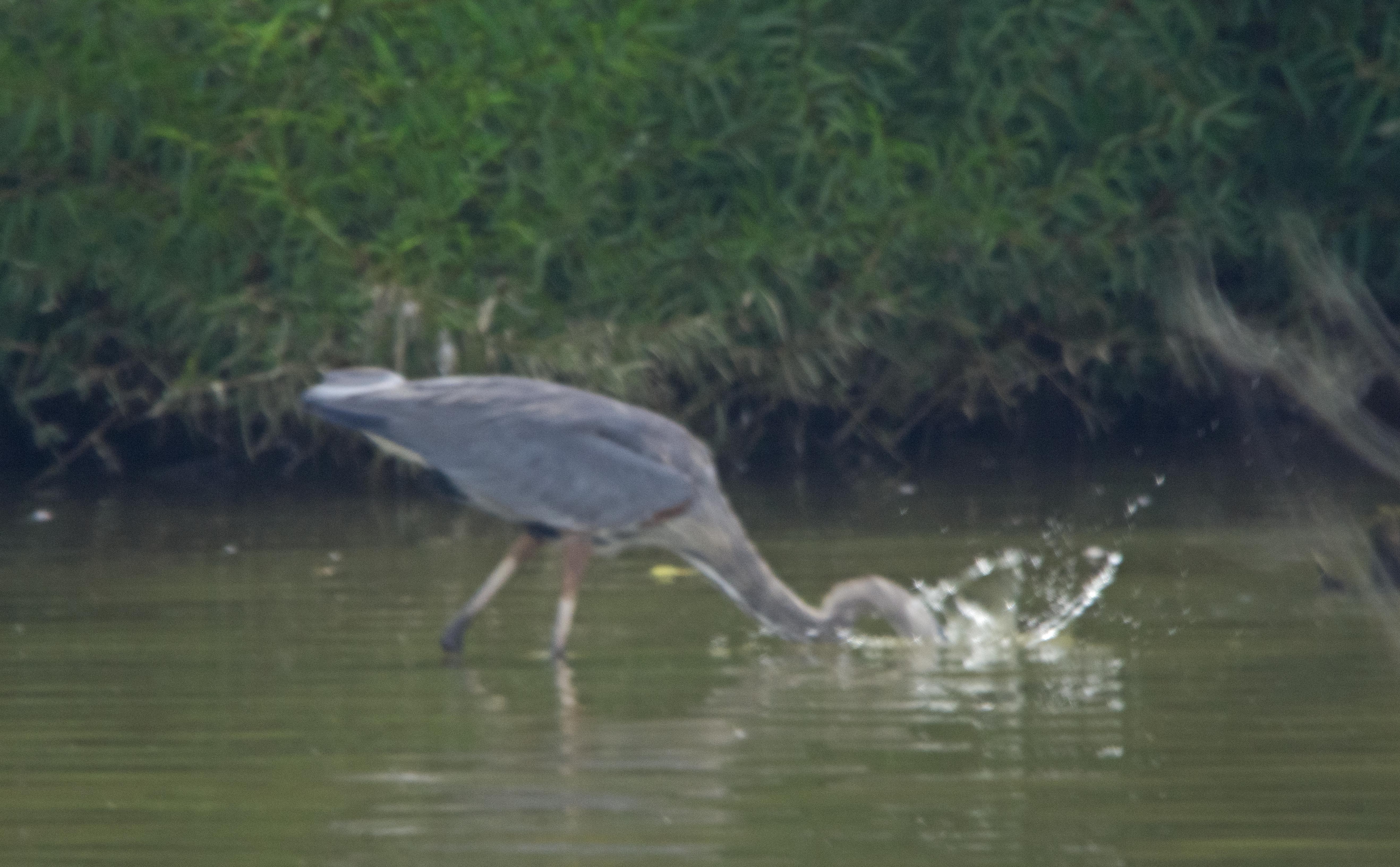
Sally had mentioned to me that she’d taken Stuart (our dog) for a walk up there recently, and seen a great blue heron and a great egret. They were still around fishing when I got there with my equipment last weekend. I used my long Sigma zoom lens (150-500 mm) with a 2x tele converter, a heavy set up that required a tripod.
14 09 28_3032_edited-1

Both birds would stand frozen, watching, for periods, and then move almost imperceptibly, and then, suddenly, they would radically change shape and position. A hundred yards or so away, I stood on the boardwalk for well over an hour, watching them, working hard to get them in focus with proper exposure, trying to anticipate their next phase shift. It was absorbing.
14 09 28_3193_edited-1

Happy as I was watching these brilliant creatures, later that day, when I downloaded the 423 new images, I wasn’t thrilled with the quality. Alas, I’d forgotten to switch on the lens’s image stabilization system. In any case, there were a few photos I liked enough to share.
14 09 28_3145_edited-1

In contrast to the subtle joys of trying to capture the essence of the big birds, also last weekend I tried a new spinning experience — Flywheel, at Cameron Village. I liked it. Whenever I try to describe spinning to a non-spinner, I realize it sounds a little crazy. The basic situation is, you ride on a stationary bike as ordered by an outrageously fit teacher to thumping club music. What’s to like? Well, it’s an amazing workout. You quit thinking, just follow orders, listen to the music, sweat, become one with the class, and feel the endorphins.
14 09 28_3113_edited-1

The new Flywheel operation has been successful in New York and other cities, and I can see why. They let you pre-register and reserve a bike. They figure out if you’re new the moment you walk in and take care to show you the ropes. They provide special shoes, towels, lockers, and (a great idea – it’s loud) earplugs. The bikes are set on risers, stadium style, and they’re nice, heavy non-vehicles that have digital read outs showing the amount of effort you’re putting in.
14 09 28_3155_edited-1
Once the class starts, the room is dark. You can see the teacher at the front (very fit) and also a screen that lists (if you opt in) your units of effort relative to those of others. Yes, there’s a kind of race – who can spin the hardest? At the end of the 45 minutes, I managed, barely, to come in second (one unit ahead of the next male down). I felt tired but good.
14 09 28_3140_edited-1

A rodeo, a tennis match, a run, and a good curry meal

14 08 19_1548_edited-1
This was an unusually sporty week. I got to see a local rodeo and a semi-local professional tennis event, and took a run down memory lane.

It is always cheering and a little startling to find that there are communities of people who care passionately about something I know hardly anything about. Who knew there was a rodeo community in the Raleigh vicinity? Actually, I had just learned this the prior week from Walter magazine (an attractively designed and informative monthly that covers our area).

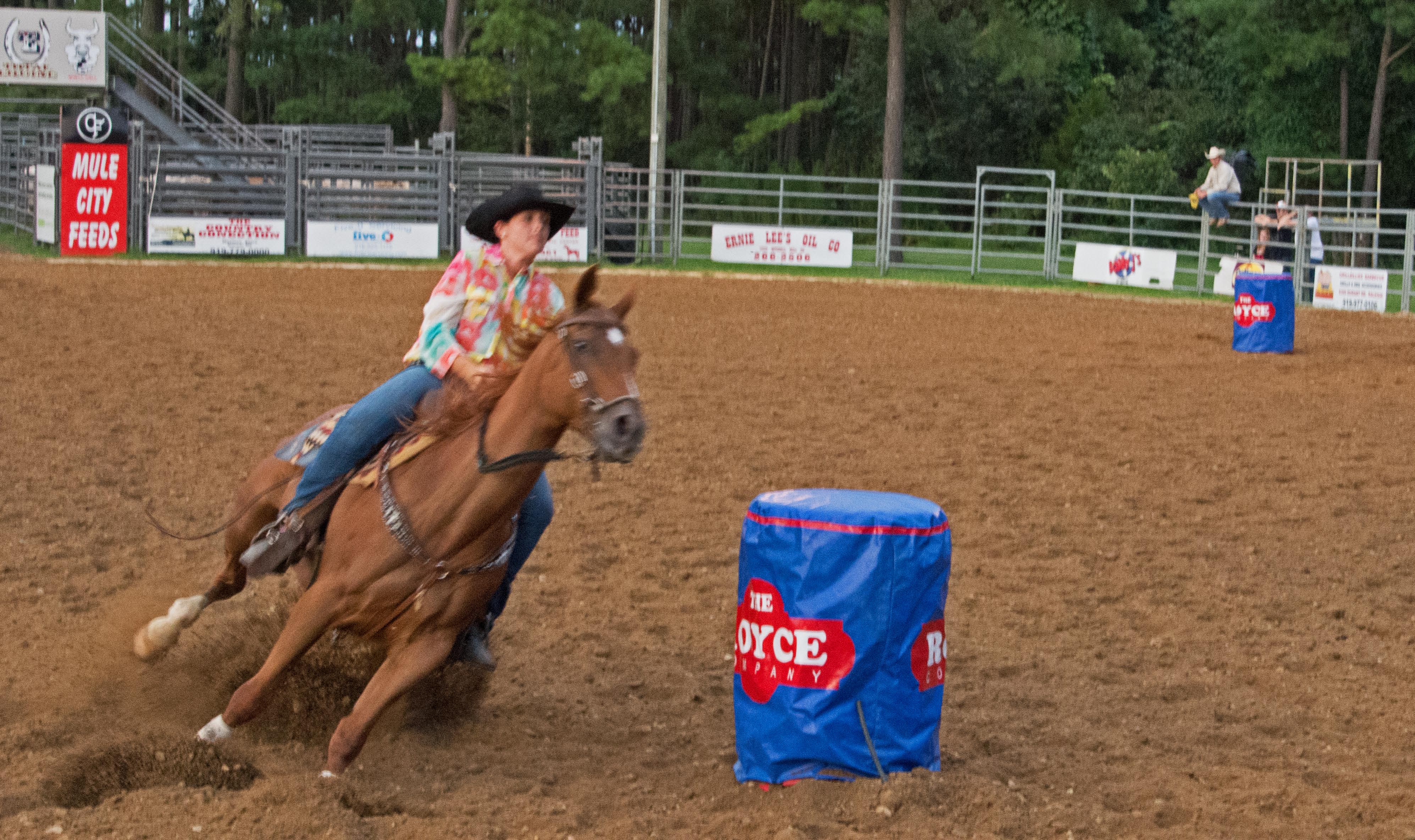
The rodeo was in northern Wake County off of Louisburg Road. The main events were barrel racing and bull riding. The barrel racers were all young women, and they rode their horses extremely fast. It reminded me of road course racing – in addition to extreme acceleration, they had to hit the brakes hard at the barrels. I was in awe of their riding skills.
14 08 19_1553_edited-1

The bull racers sat on bulls and got bucked off. This seems simple in concept, but the trick is not to get killed or severely injured by the bull. We got to see this event up close, and it looked extremely dangerous. I was not happy to think of the bulls being mistreated, but that didn’t prevent my appreciating the courage of the young riders.
14 08 21_1594

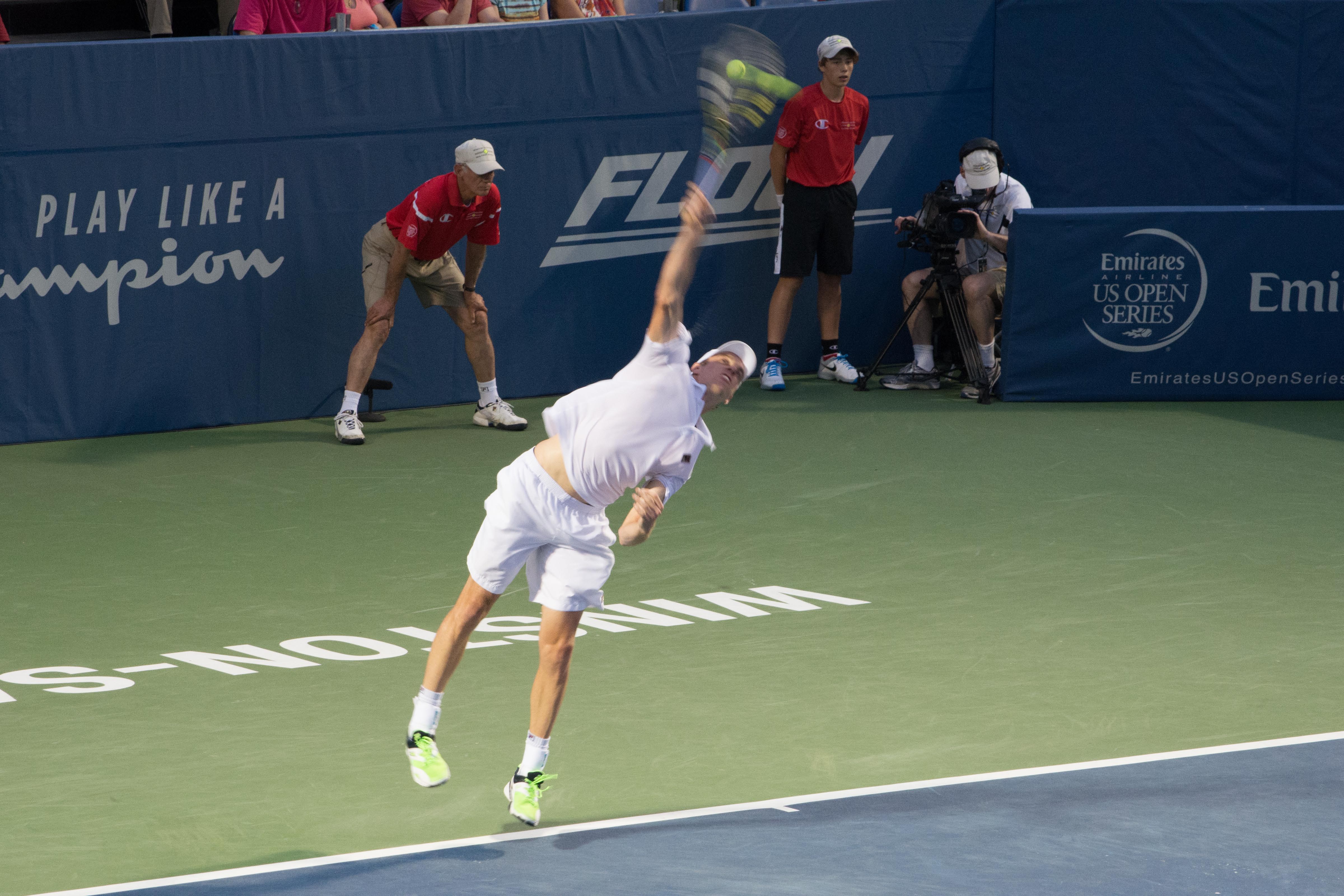
On Thursday Sally and I drove east to see some professional tennis at the Winston-Salem Open. We watched Sam Querrey play Guillermo Garcia-Lopez. These guys can play! Querrey had a huge serve which topped out at 137 mph. Garcia-Lopez had a beautiful one-handed backhand that he could hit with a lot of topspin. The match was close through two sets, but Querrey took control and prevailed in the third.
14 08 21_1592

That night we stayed in downtown Winston-Salem at the Brookstown Inn, built as a cotton mill in 1837 and now decorated with antiques and crafts. Our room was spacious (a 20 foot ceiling, at least), and the bed was particularly comfy.

When I’m on the road, I make it a habit to use the hotel gym first thing in the morning. The Brookstown’s web site didn’t mention an exercise facility (it turned out to have a tiny one), so I had packed most of what was needed for a run (forgot my tee-shirt). It was still dark at 6:15 when I went out, shirtless, for a run through the city of my youth.

There was hardly anyone out, so I don’t think I upset anyone with my shirtlessness. There was a pleasant breeze. Heading down Fourth Street, many of the businesses I remember were gone (no more Woolworth’s), but there were some interesting looking restaurants and galleries. I ran past the city’s most striking high rises, including the Reynolds Building (which looks just like a miniature Empire State Building), and along Main Street to Old Salem, the eighteenth-century Moravian town that’s now a tourist attraction. I went past the building where my parents had their bookstore and by the half-timbered brick buildings and grassy squares where I had a happy summer at Governor’s School.

This took about 40 minutes. I hadn’t run more than ten minutes for many a moon, because of various minor injuries. I felt comfortable and strong. The next day, though, my quads were sore.

On Saturday night we walked up to the Packapalooza festival on Hillsborough Street for some people watching and food. The festival was in celebration of the return of the students to N.C. State, and there were plenty of them there. It seems they get younger every year, as I get older. There was real diversity, including in music: some bluegrass, some hip hop, some rock, some Hare Krishna.

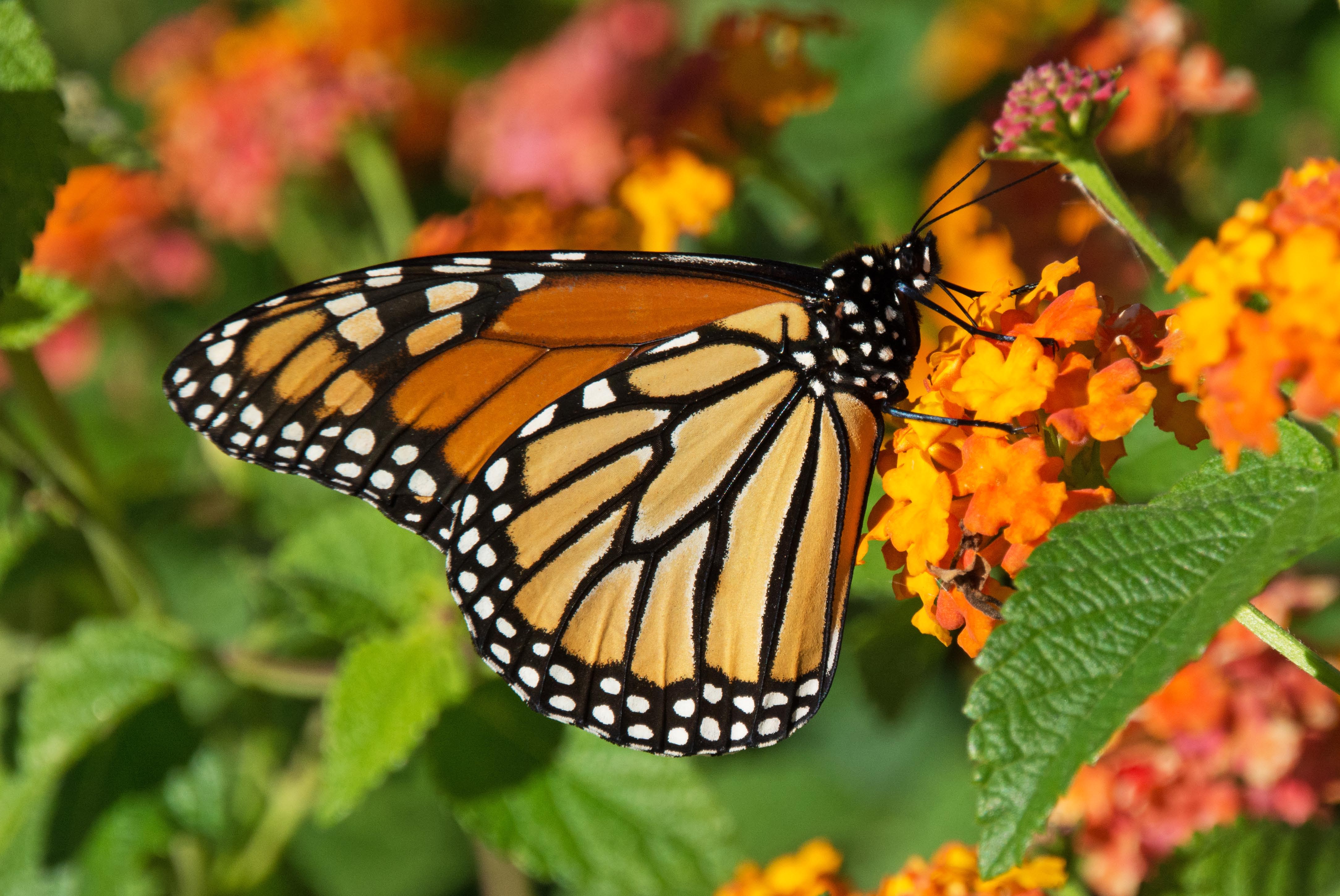
I had one moment of shock and horror, when my Nikon D7100 came loose from its strap. I’d gotten an over-the-shoulder strap that screws into the tripod mount, and it somehow got unscrewed. It hit the asphalt hard. Picking it up, I expected to see cracks in the lens and the back screen, but everything looked OK. My test shots seemed fine. The only apparent damage was a minor scratch on the bottom on the housing. It’s a tough little bugger! I got this butterfly at Fletcher Park the next morning.
14 08 24_1697

We ate at a new Nepalese/Indian restaurant on Hillsborough Street called Kabab and Curry. The menu had good options for vegetarians, and everything we tried was excellent. We shared veggie pakoras, and I had the vegetarian sampler, called rani thali, which included shahi paneer, alu gobi, chana masala, and dal makhani. The food was spicy in a colorful way, stimulating but not overwhelming, with a variety of textures. A bright addition to the local asian dining scene. I’ll definitely be going back.
14 08 23_1620_edited-1

Coral Reef Diving and Hiking in Dominica, West Indies

14 05 07_8847Coral reefs are one of nature’s most amazing creations. Untold millions of miniscule animals form structures of wildly varying forms, textures, and colors, and extend them widely over thousands of years. Some of the structures resemble terrestrial plants or animals, but others look like modernist architecture, surpassing the most fanciful creations of Gaudi. They are home to 25 percent of the ocean’s creatures, and a fundamental part of the planet’s infrastructure.
14 05 07_8851

As a diver, I relish the incredible privilege of time with strange and beautiful coral. I’m also acutely aware of their perilous situation, and the urgent need for action. Global warming and ocean acidification are killing coral reefs, and the consequences for all life that relies on the ocean may be catastrophic. I was slightly cheered to see the UN and US reports in the last few weeks highlighting these threats. Perhaps reality is sinking in, and perhaps it is not too late. I have my doubts, but I try to err on the side of optimism.
14 05 07_8870_edited-1

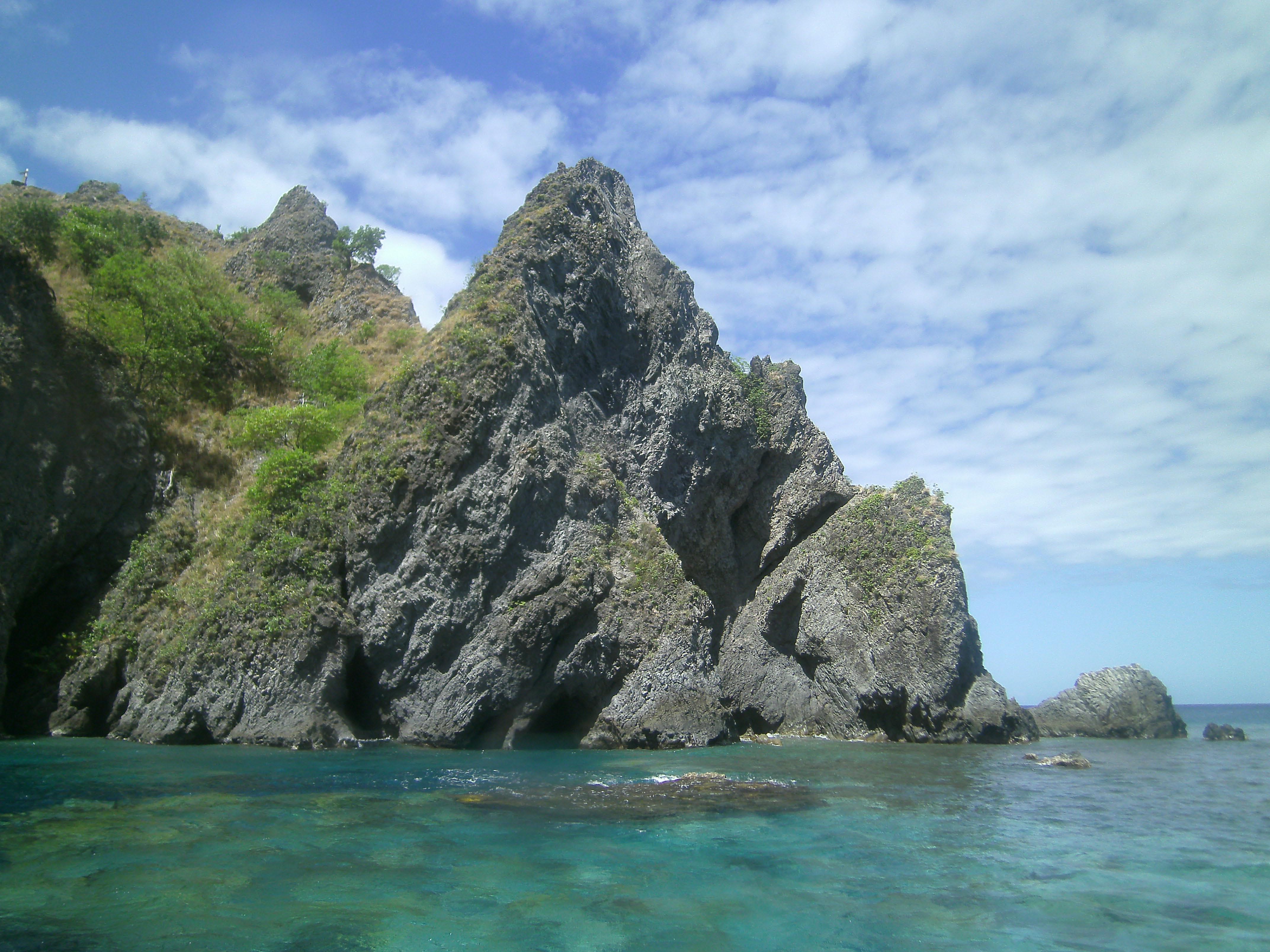
In any case, for the time being, there is awesome beauty to contemplate and celebrate. And so last week Sally and I made our first visit to the Caribbean Island of Dominica. I learned the correct pronunciation (doe-me-NEE-ka), and the location – part of the Lesser Antilles, to the south of Antigua and north of Saint Lucia. The terrain is mountainous, with peaks up to 4,747 feet, and much of it is covered with lush tropical rainforest. It is exceptionally beautiful.
14 05 07_8907

We stayed in the town of Roseau at a friendly, diver-oriented place called the Castle Comfort Lodge, and did our diving with Dive Dominica. The dive sites we did were mostly 20-30 minutes away by boat to the southern part of the island. Most days we did two dives in the morning and a land adventure in the afternoon, and twice we went out with the DD boat on night dives.
14 05 07_8905_edited-1

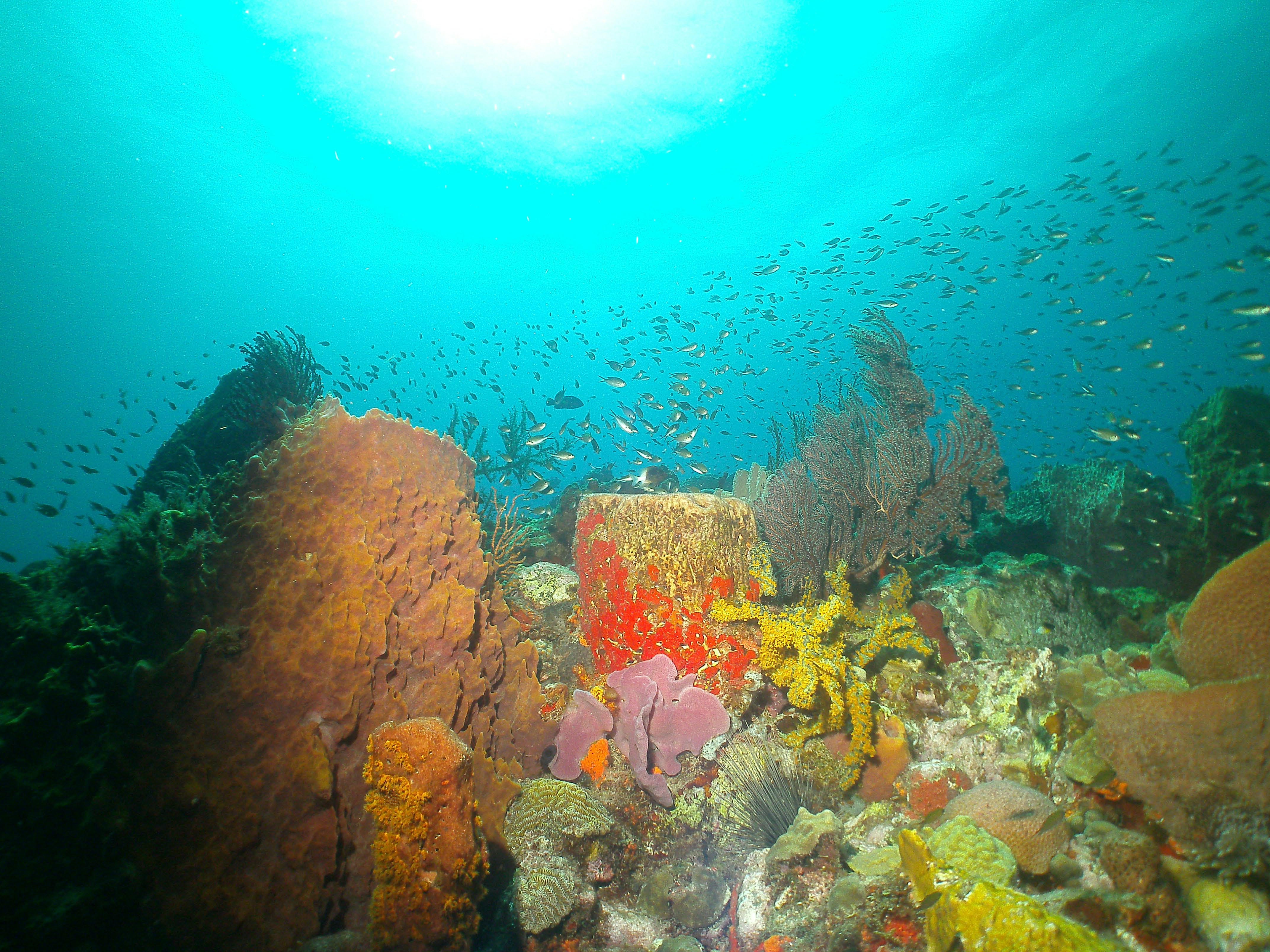
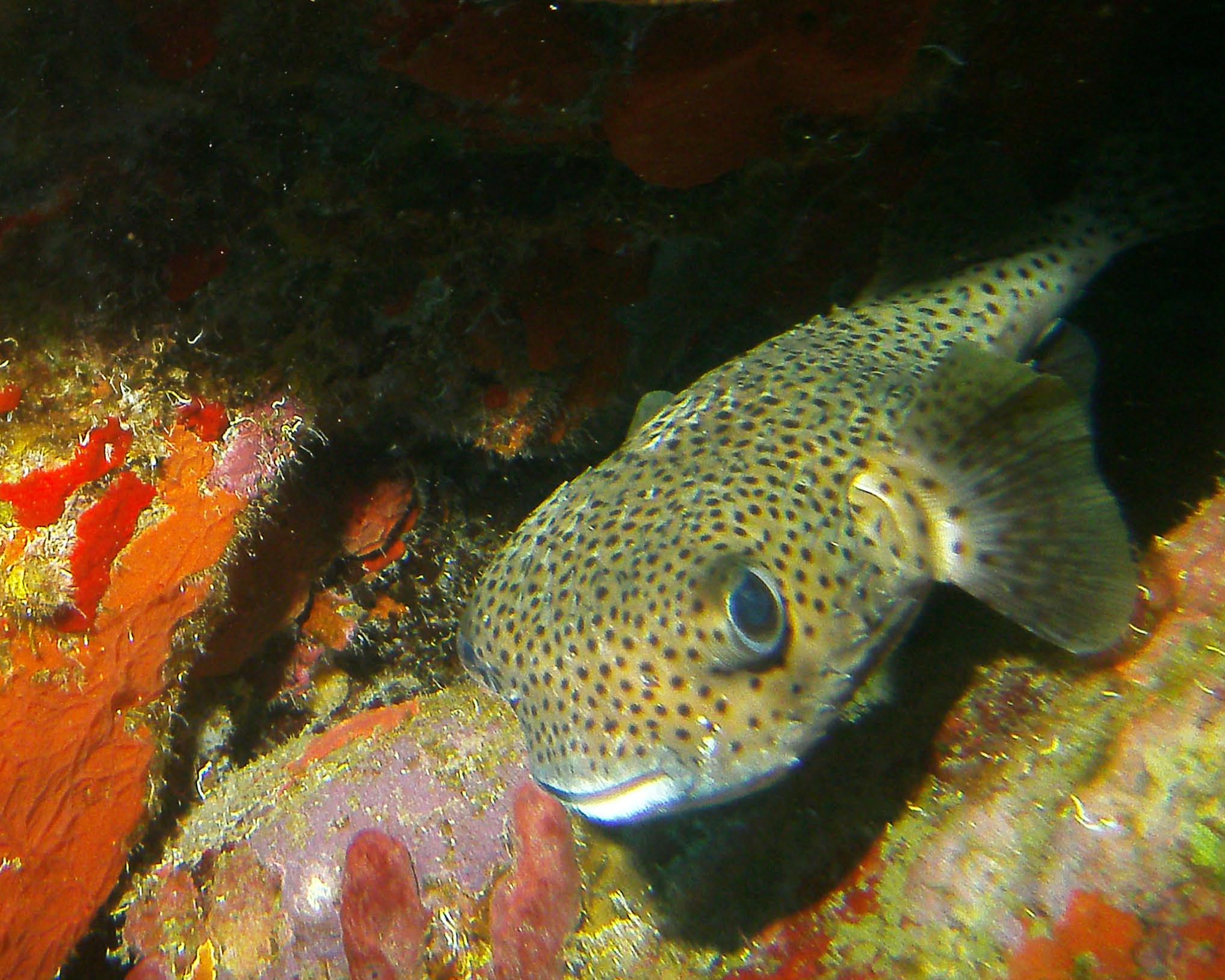
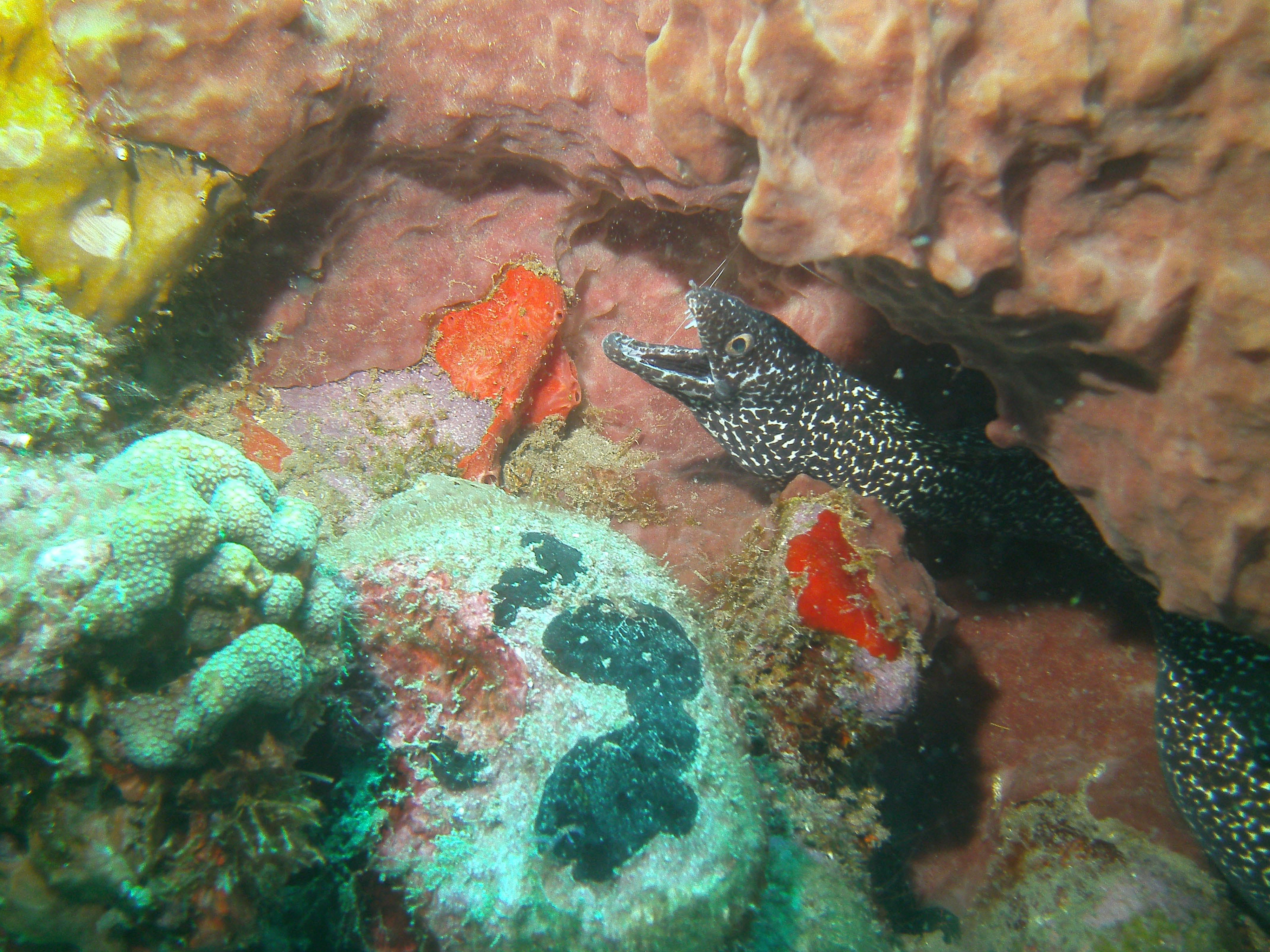
The water was a mild 81 degrees F, with visibility of 50-60 feet and little current. The coral seemed fairly healthy, with little bleaching, and lots of variety in shape, texture, and color. There were lots of tube sponges and crinoids, and some anemones. The most interesting new fish to us was the frog fish, a remarkably well-camouflaged and strange creature. Other highlights were scorpion fish, snake eels, electric eels, sea horses, balloon fish, trumpet fish and squid. There were many small colorful tropicals (such as butterflyfish, damsel fish, goat fish, and squirrel fish). However, I missed my beloved queen angelfish, and there were relatively few larger fish (such as groupers and barracuda), which was mildly disappointing. We saw only one shark all week (a sleeping nurse) and only a few hawksbill turtles. On the other hand, we saw quite a few large lobsters, large crabs, and small shrimp.
14 05 04_9285_edited-1

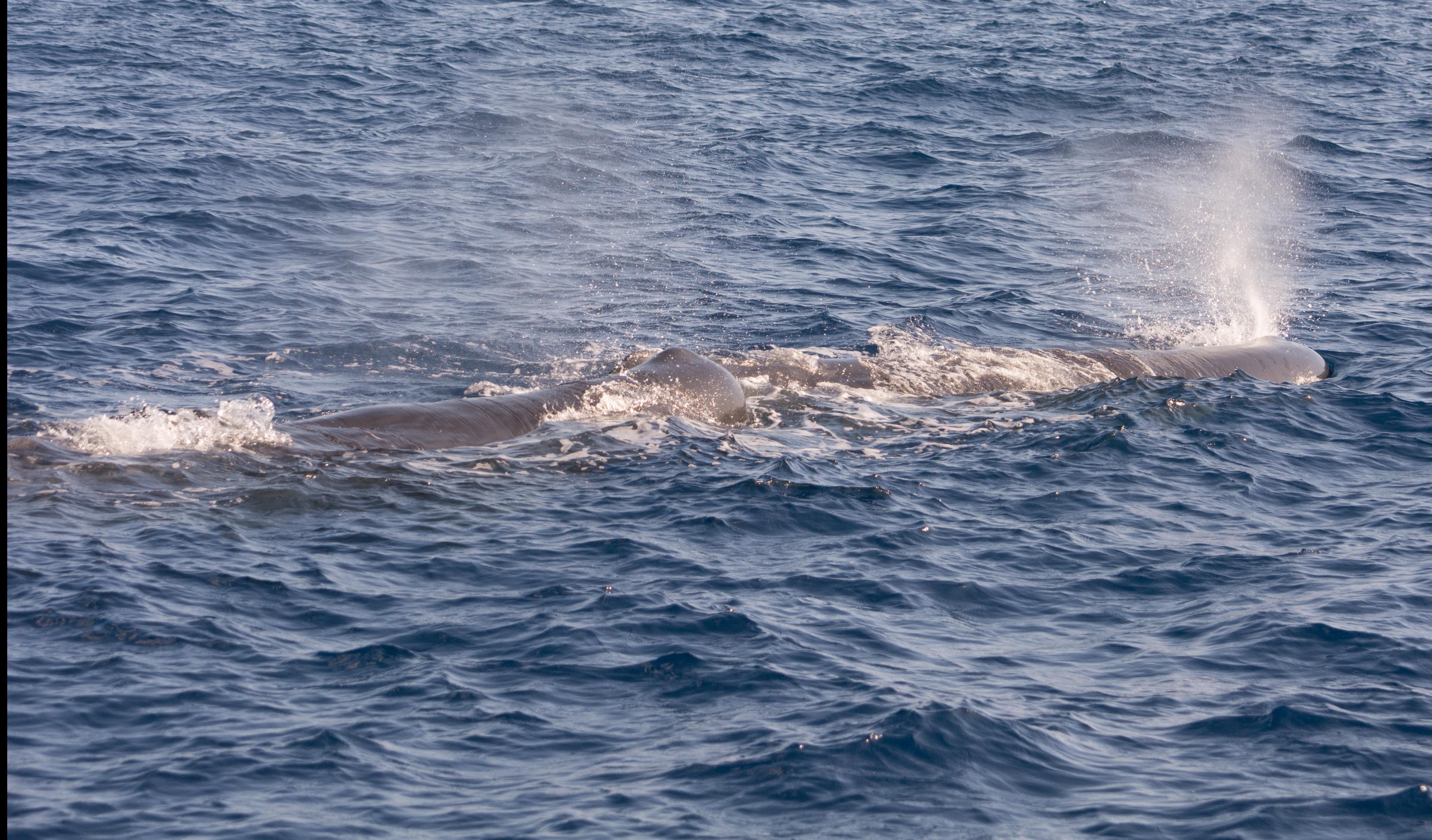
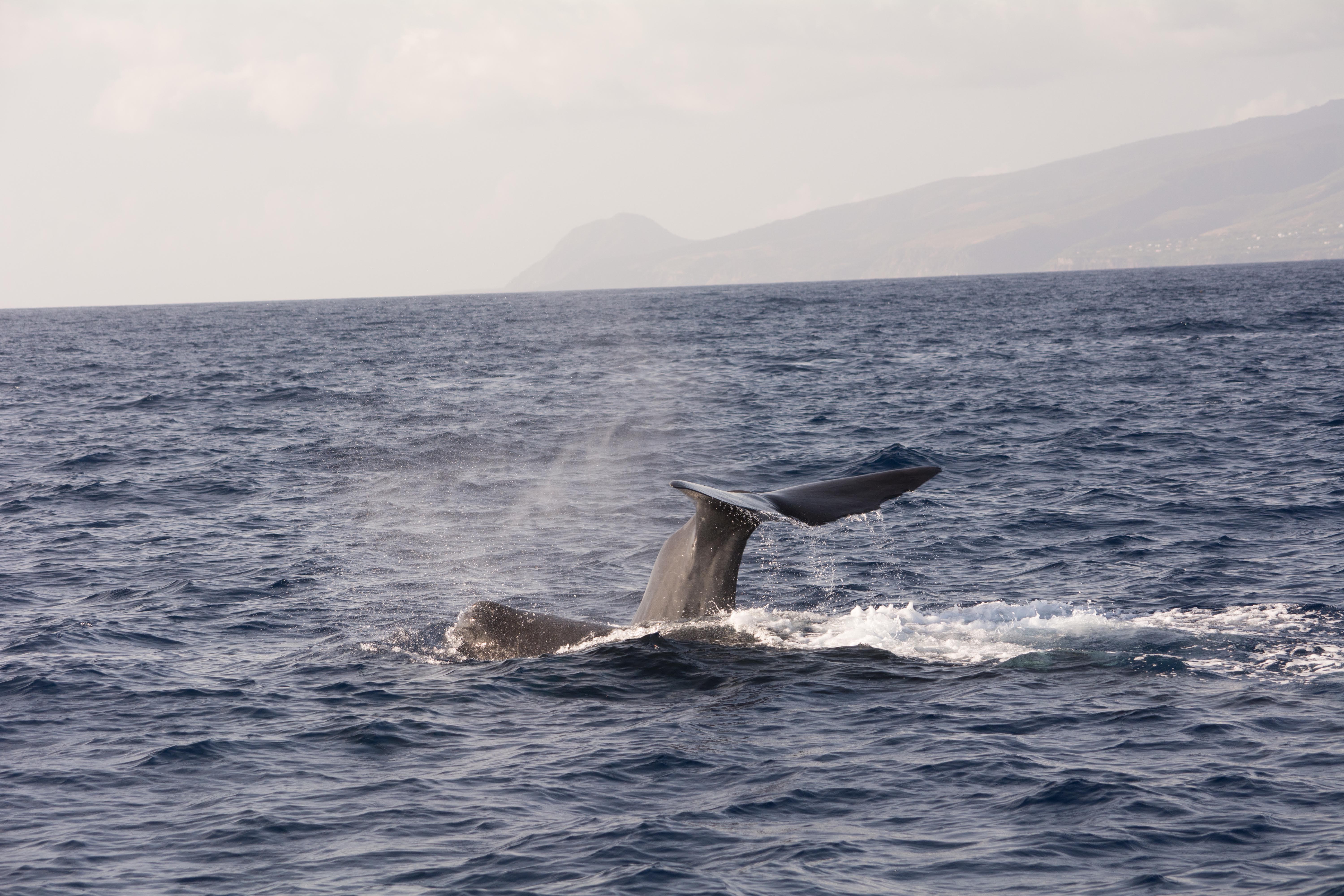
One afternoon we went on a whale-watching expedition and had good views of five sperm whales. The crew used underwater microphones to detect the whales’ signature clicks and then watched for them to spout. There was one pair that turned out to be a mother with a very large nursing daughter (pictured below as the mom descended). It was a thrill to see these remarkable creatures up close. We also were visited by a group of bottle nosed dolphins who came close to the boat to observe us.
14 05 04_9298

The next day one of our fellow divers, Shane Gero, turned out to be a sperm whale expert who’d spent several years studying the Dominica sperm whale families. We learned more about their family structure, habits, and culture. They eat giant squid, which live thousands of feet down. Family group are all females, joined by males only at breeding time. When orcas threaten the young, the family forms a circle around the babies, with heads inward, and ward off the attacker with their tails.
14 05 09_9067

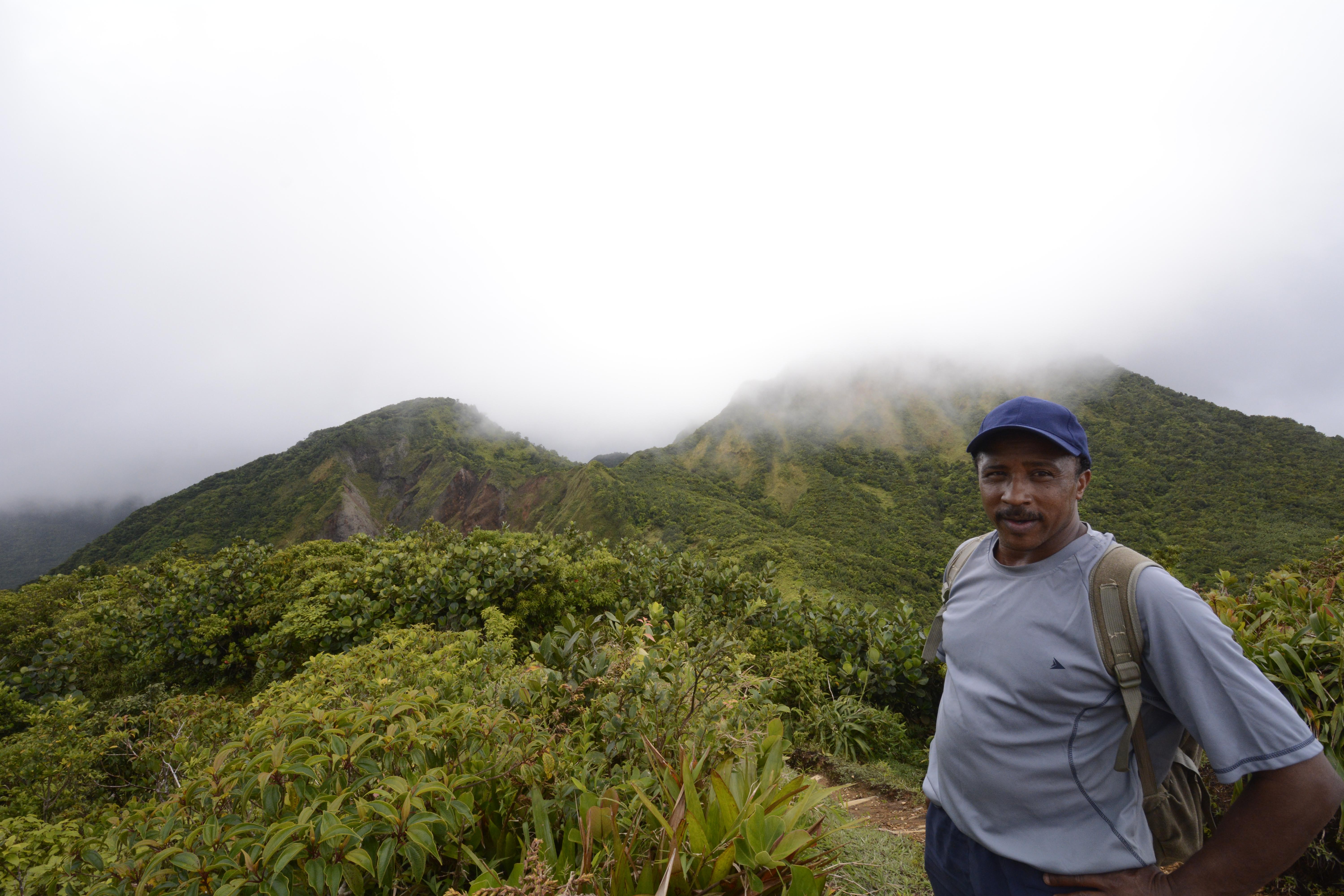
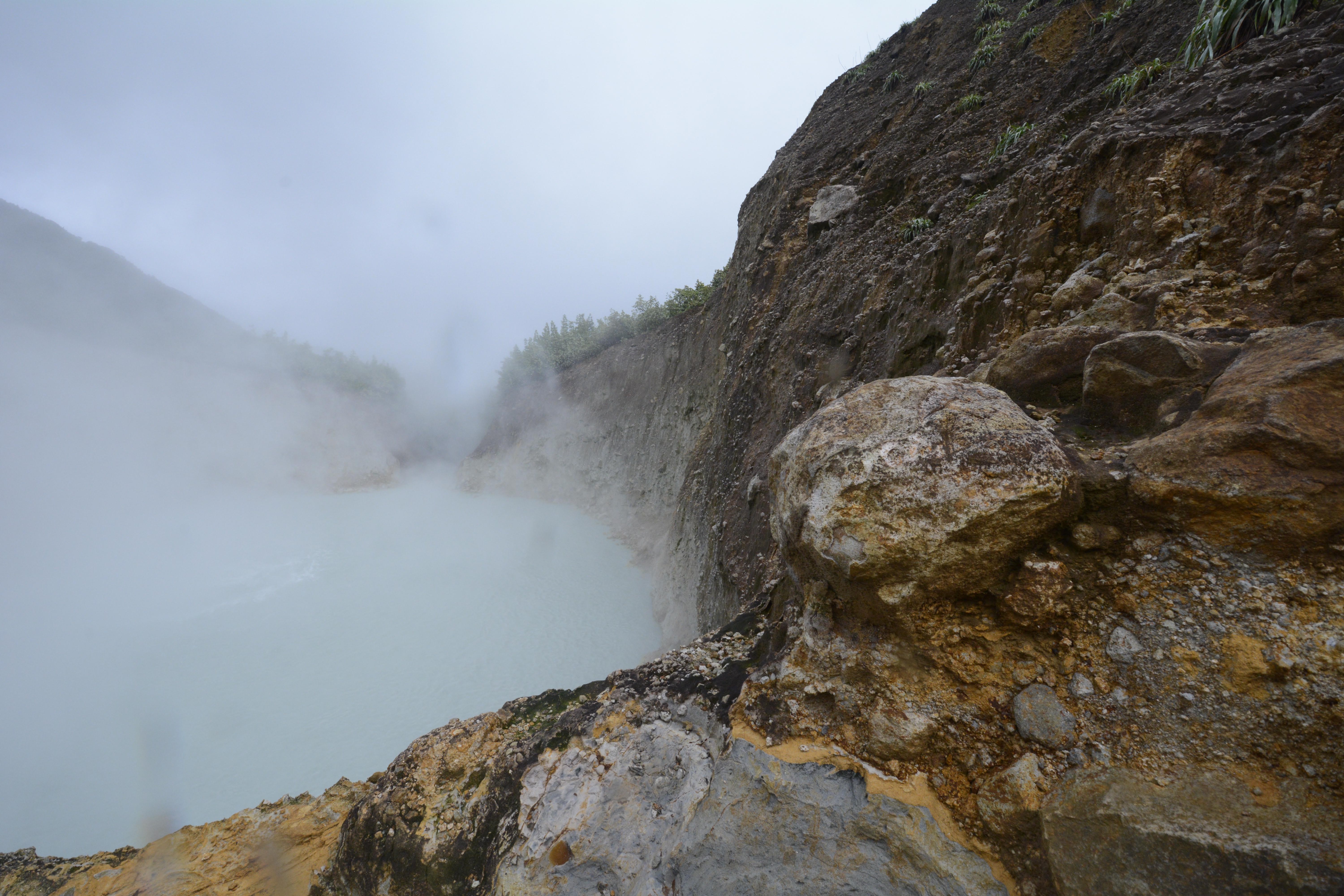
Our most remarkable land expedition was a hike to the Boiling Lake, an area of active volcanic activity, which took about seven arduous hours through the rainforest and up and down mountains. Along the way there were spectacular vistas, rivers, and waterfalls. For much of the time, though, I was entirely focussed on finding the next safe spot to put my foot, and in some climbing points, my hand. With Sally’s encouragement, I took along a walking stick, and was glad I did – it was helpful in many situations, such as stepping from rock to rock over fast-moving streams. We did not bring along rain gear, which was an unfortunate oversight – it rained on us for much of the hike and we were well soaked.
14 05 09_9074

I’d thought of hiking as a relatively placid physical activity, but this was anything but. It required engagement and commitment at the level of double black diamond skiing. I was very glad to get back at last, but soon began thinking about how I’d like to do more of it. I was, however, sore and beat up by the end of the week. I took a fall getting on the boat early in the week and badly sprained my right (dominant) hand, and worked up a major blister on my right foot. Paradise can be hard on a body!14 05 07_8856

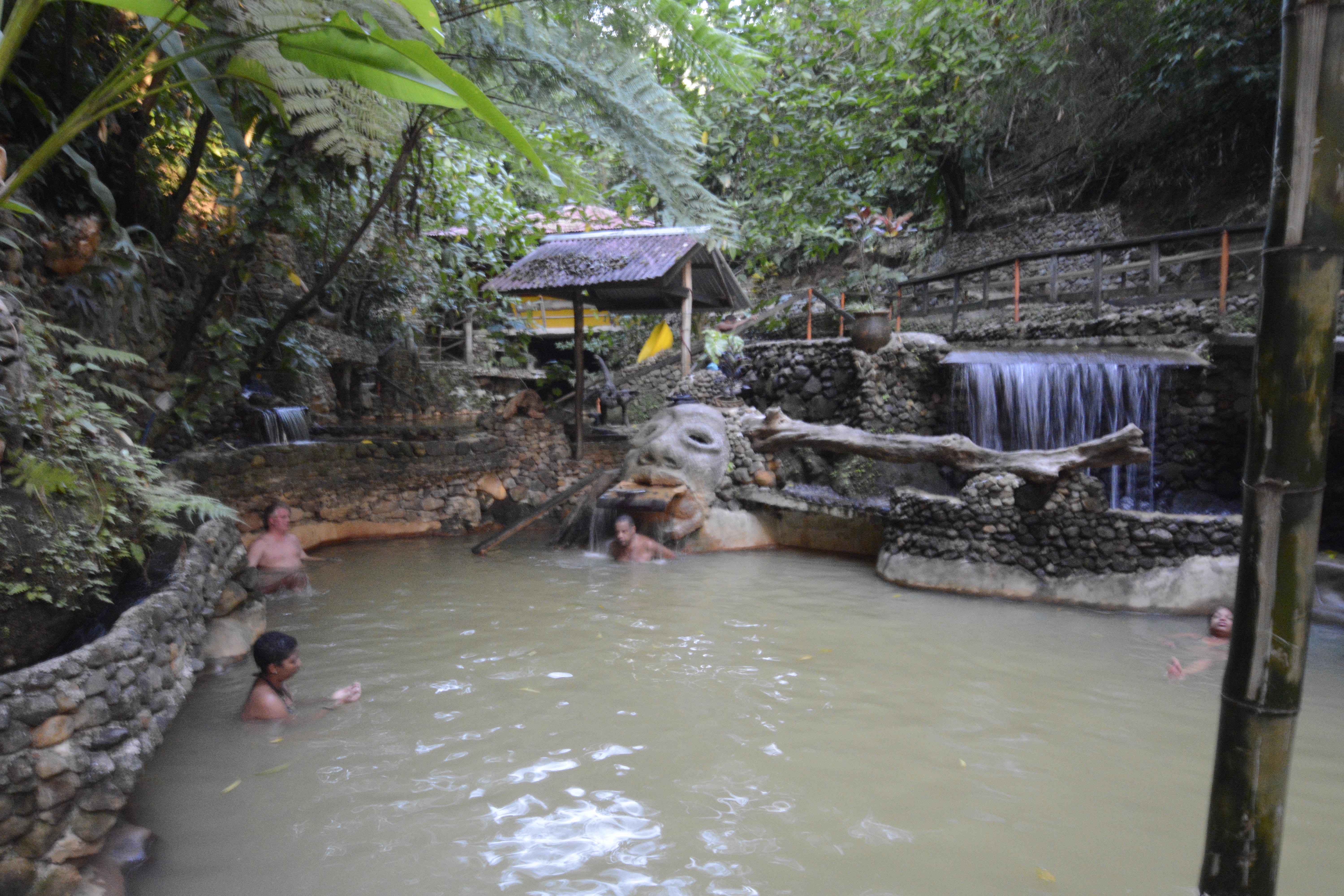
Our other land expeditions (including Trafalgar Falls, the Emerald Pool, the Carib Indian territory, and a boat trip on Indian River) were lovely and untaxing (aside from the twisty, bumpy drives to get there). We also had a good time soaking in the stone-lined hot springs named Screw Spa (sorry, but it’s true). A totally unexpected pleasure was meeting Miss Dominica 2013, Leslassa Armour-Hillingsford, a lovely and gracious young lady who helped us with our trip plans in her capacity as clerk for the family business (the Anchorage Hotel)
14 05 06_9214

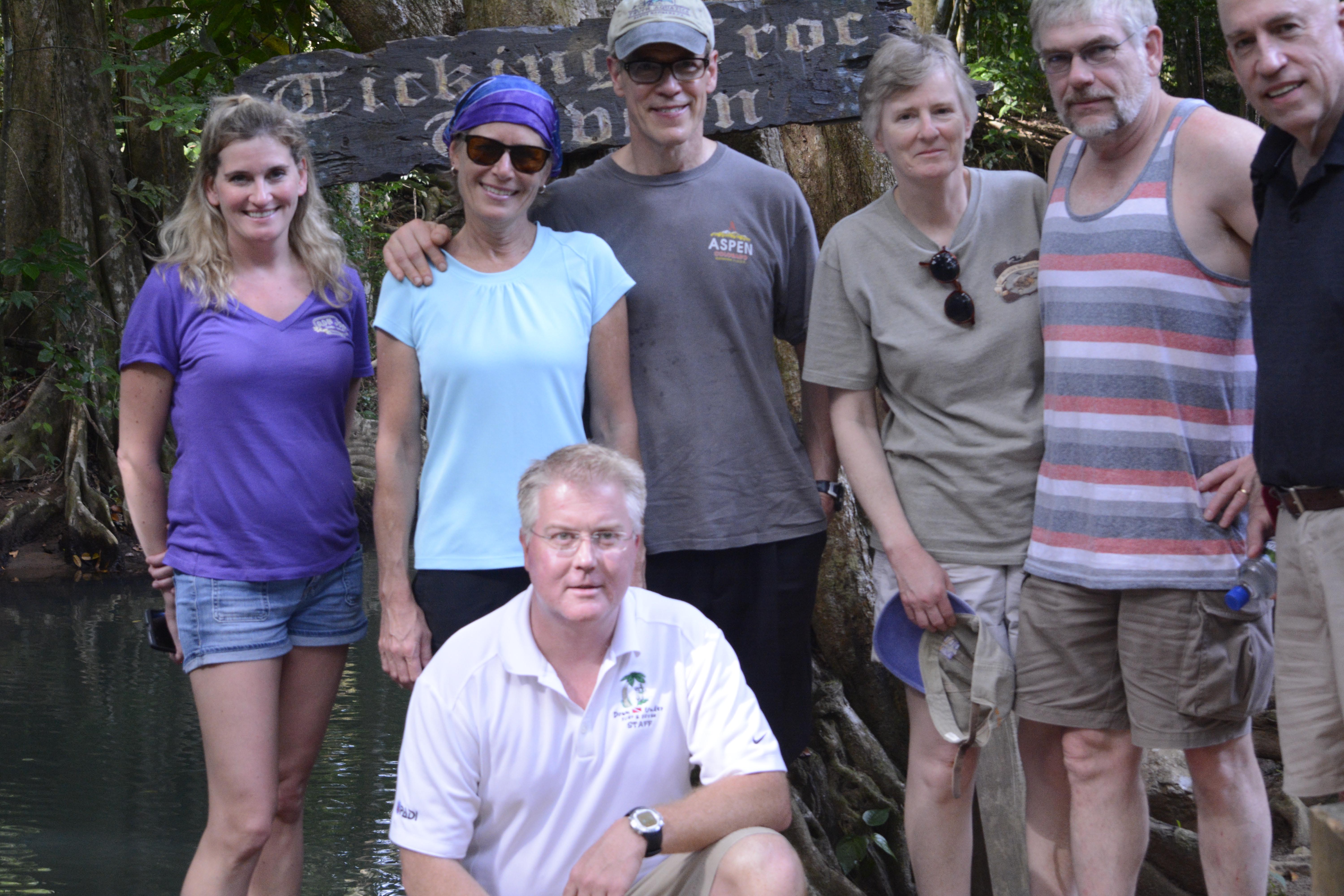
The trip was led by Scott Powell, proprietor of Down Under Surf and Scuba, with remarkable energy and good cheer. Scott made sure we had interesting dives, good meals, and fun activities. On the van ride back to the airport, Scott and I noticed that the driver was falling asleep and barely keeping the van on the twisty mountain roads. He worked hard to keep the poor fellow awake (and us alive) by asking him everything he could think of about local geography and culture. We made it, obviously (whew!). Good job, Scott!
14 05 08_9103

On lovely dogwoods, exercise as medicine, and golf with a big big hole

14 04 20_8527_edited-1
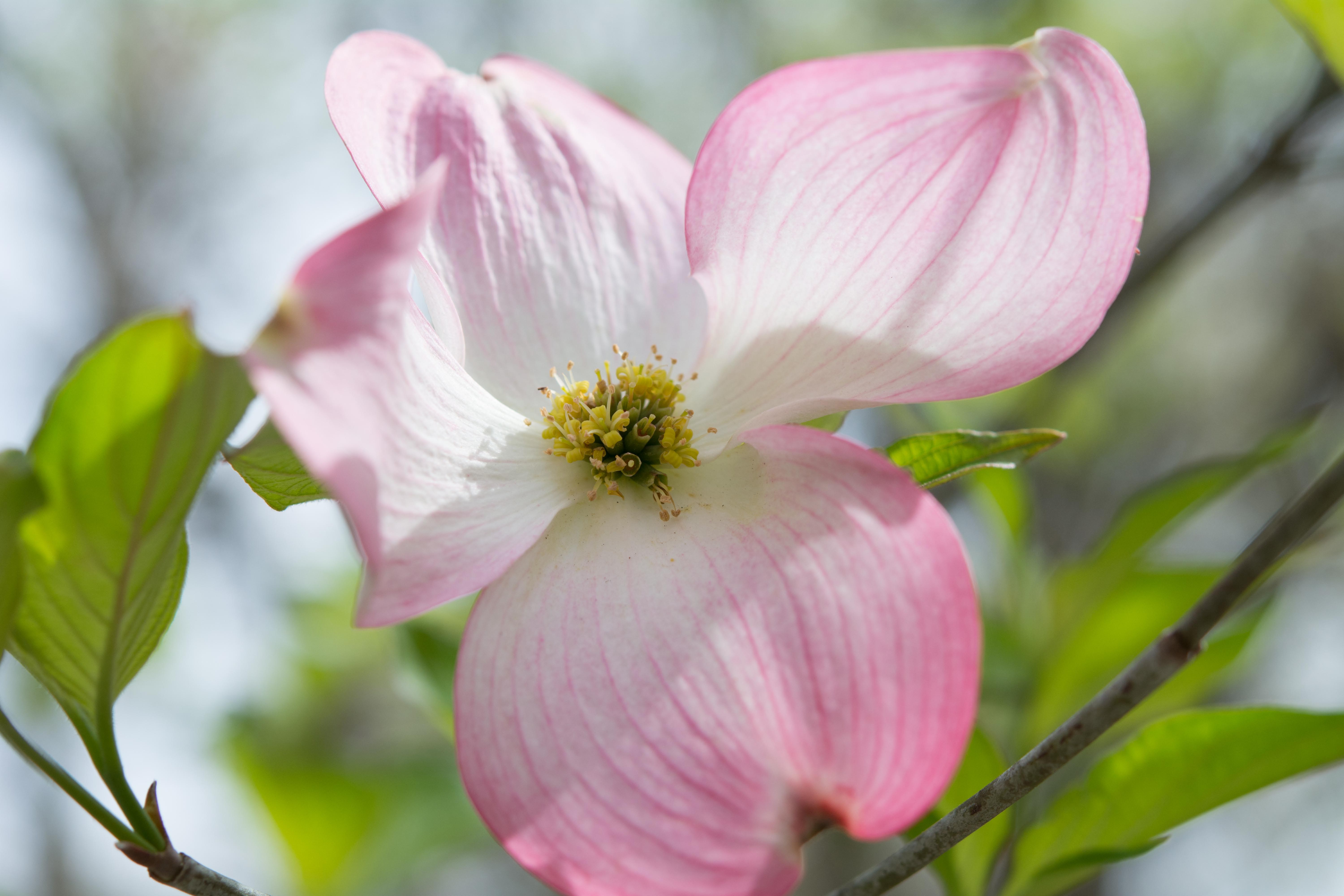
This week in Raleigh the dogwoods were blossoming. By the time I got to Fletcher Park this morning, they were past their peak, but still lovely. The tulips had come and almost all gone while I was away in Spain, and I was sorry to have missed them. I took some photos of the remains.
14 04 20_8524
Gabe came out from Telluride this week for a visit with mom and dad. I was very glad to hear of his successful first season in an adult amateur hockey league, in which he scored some goals. He’s kept up his running, and also has been experimenting yoga, using lessons on YouTube. He asked for some pointers on his down dog pose, and also for a demonstration of a headstand. Fortunately, I got up smoothly and didn’t topple over, and he was suitably impressed.
14 04 20_8502_edited-1

I heard a doc on an NPR program recently say that exercise is the best medicine. This makes sense. Staying active surely does a body more good most of the time than any pill, injection, or ointment. I’d note obvious exceptions for traumatic injuries and serious diseases, and still say, exercise is tremendously important for health.

So I feel good knowing my progeny are exercising. In a phone call this week, Jocelyn confirmed that she was doing so, having joined a new gym convenient to her subway stop in Brooklyn. It turns out that she, like me, gets a lot of reading done on a cardio machine. Her boyfriend, a former college athlete, has been trying to give her a little coaching on gym activities, which she has strongly discourage. She likes to find her own way.
14 04 20_8520

I used to be more like that, but now I am usually grateful for knowledgeable coaching. Figuring everything out yourself, even if it were possible, would just take too long. An example: when Jenn, my regular spin class instructor, made an announcement recently that anyone who comes to class regularly should have special cycling shoes, I took it on board. After several years of spinning, I finally bought my first pair of Shimanos at REI this week. Unfortunately, at my Friday class, Jenn was out sick – I’d been looking forward to letting her know I was listening to what she said. Anyhow, the shoes, which clip only the pedals, did change the experience. They allow you to pull as well as push. New muscles can get into the act.
14 04 20_8518

I’d hoped we’d have good golfing for the weekend, so that Gabe and I could get out for a round, but it turned out to be wet and a bit raw on Saturday, and cool and gusty on Sunday. In golfing news, there were stories about an interesting new variation of golf in the New York Times and Wall Street Journal Instead of the regulation 4.25 inch hole, the hole is 15 inches wide. This turns 10 foot putts into gimmes, and 30 foot putts into opportunities.

This sounds like fun to me. The putting is the most frustrating part of the game. I don’t consider myself particularly bad at putting, but you can putt fairly well and still miss – a lot. I wouldn’t propose to change the whole game, since I’m sure there are those who love putting towards small holes more than anything, and some who are uncomfortable with any change on principle. But it would be nice to have the option of dialing down the fraughtness a bit with a larger hole.

A wintry mix, musical Mormons, and Wall Street wolves

14 02 13_7166_edited-1
It started to snow and sleet in Raleigh around noon Wednesday, and Red Hat and many other businesses shut down that afternoon. There were many who got stuck on the road and lost power, but I was able to walk home, which was cozy and warm. The next morning Larisa couldn’t make it to our personal training session, so I worked out in the little gym on our building’s top floor. Just after sunrise, I got some pictures of clouds and ice.
14 02 13_7181_edited-1

It was windy and cold, and the sidewalks were icy, when I walked to work on Thursday. The office was officially closed. It was pleasant to have some uninterrupted time to think, read, and write. I worked on an amicus brief for the Supreme Court concerning a complex legal and social problem, and felt the flow. I’d been scheduled to do a speaking engagement for the NC Bar on Thursday afternoon, but this was cancelled on account of weather, so I could make some good progress on the brief.
14 02 13_7162_edited-1

On Friday we went to see the musical The Book of Mormon in Durham. Diane, my mother-in-law, generously treated us to the seats. I was glad to see the show, which had some good laughs. But the things I thought were good were mostly in the dialog and lyrics. The music was almost willfully unoriginal. At its best, it sounded like a really good commercial for a new Ford. But I will say the soaring anthem, I am a Mormon (and a Mormon just believes) is, however derivative, a truly clever, and sort of moving, hoot.

I expected to feel a little guilty for being complicit in making fun of a minority religion, especially when there are people who I really like and respect who subscribe to it. But the Mormons actually come off as mostly likeable, responsible, and with high ideals, and with the same problems as everybody else. Of course, the doctrine seems bizarre to non-believers. But a lot of the barbs could easily be read as aimed at religion in general.
14 02 13_7222_edited-1

There was an interview with Leonardo DiCaprio in the Saturday NY Times about The Wolf of Wall Street, which we saw last weekend. While I didn’t think it was a movie for the ages, and did think it was too long, I also found myself thinking about it through the week which means it touched something.

The subject matter is the rise and fall of a penny stock boiler room fraudster, and the atmosphere is one of extreme excess – the biggest mansion, biggest yacht, most exotic cars, most beautiful prostitutes, and lots and lots of cocaine. LD is in almost every scene, and holds our interest, as a character with incredible drive and confidence, and an absolute indifference to the plight of the people he’s exploiting. He’s addicted, not only to drugs, but even more to money. He’s sick, but also recognizably human.

I suspected, and the interview tended to confirm, that Scorsese and DiCaprio viewed the penny stock king as emblematic of the more-difficult-to-dramatize Wall Street shenanigans of the mid-2000s leading up to the crash of 2008. Of course, pure stock fraud and financial engineering + speculation aren’t the same thing, but they both run on greed and require similar heedlessness and indifference to others.
14 02 16_7257_edited-1

Birds of paradise, Dvorak, and Puccini

On Saturday afternoon I walked over to the N.C. Museum of Natural Sciences to see the Birds of Paradise exhibit. I loved it! It was about the exotic and colorful species that live mostly in the rainforests of New Guinea and Australia. There were sections on early European encounters with the birds and the efforts of trailblazing naturalists, but the heart of the exhibit was gorgeous recent photos and videos by Tim Laman, who worked in partnership with ornithologist Edwin Scholes.

In 2004, these two brave souls undertook to document all 39 species of birds of paradise. This required numerous expeditions through dense forests and up into the mountains. Some of the species do their amazing displays in the treetops, so documenting them required building blinds high up in trees and sitting there for days at a time. Getting to the sites and getting the shots sounded more like the first ascent of Everest than a bird walk. This was high adventure. There’s a good web site about their work here. For an aspiring nature photographer, it was really inspiring.

And the birds are amazing! Some have iridescent colors, and others have wire like structures coming out of their tails. Some can transform their shapes into modernist sculptures. Their mating displays are hugely dramatic. It made me feel privileged to live on planet earth, where remarkable adventures are still possible, and such amazing creatures still exist.

We went to the N.C. Symphony that night, and heard Dvorak’s 7th Symphony. The orchestra was led by guest conductor Christian Knapp. Described in the program as “one of today’s foremost young conductor’s,” he seemed a bit shy and eccentric when he first appeared, and his gestural style seemed quirky and unathletic.

But he could play the orchestra! By that I mean, the orchestra was his instrument. He had a strong artistic vision, and the will to shape the music. His rhythmic flexibility was a welcome change from Grant Llewellan’s typically more foursquare approach. As Olga, my piano teacher, observed recently, the music is supposed to be interesting, not boring, and to make it interesting we have to find rhythmic solutions that go beyond the metronome.

On Sunday morning it was too chilly for golf. I took some pictures with my new wide angle lens, then went to O2 Fitness for a two-hour workout. I had success with my handstand (on the eleventh attempt)! I was focusing on doing a good variety of functional movements along with a lot of cardio: jumping rope, rowing, running, stairs, and elliptical. My average heart rate over the two hours was 135, with a high of 161, and I burned 1537 calories.

We had tickets to the Sunday afternoon performance by the N.C. Opera of Puccini’s La Boheme. I was planning to go mainly to give our local musicians some moral support, and wasn’t especially looking forward to it. In the past, I’ve found Puccini not quite to my taste – overly lush, with big, obvious emotions, and not much subtlety. But I also recognized that his music is dense and complex, and thought I might get him better if I listened more.

I’m so glad I didn’t skip it. This was a visually and musically spectacular production that was satisfying on every level. The sets by Peter Dean Beck were highly evocative (a long step up from NCO’s usual standard). The costumes were expressive and lively. The orchestra was a group of experienced professionals who sounded great. Guest conductor Robert Moody seemed to have a good feel for the music and good rapport with the singers.

The leads were all good, and tenor Eric Barry as Rodolfo was terrific. He did his big arias with great sensitivity and feeling, but he also had a sweet, funny presence, and good chemistry with his Mimi, Angela Fout. I enjoyed her singing, too, which I didn’t find quite as technically satisfying, but did find very expressive. Baritone Troy Cook as Marcello was also a fine singer and good actor. The chorus sounded good, the children’s chorus sounded good, and even the marching band sounded good. The crowd scenes were wonderfully staged – very lively. The English subtitles, projected above the stage, were also well done.

But the really amazing thing was how all these performers and technicians came together, melding into something that was, for 2:40, a complete world. This is the magic of opera. I really was drawn into Puccini’s vision of 1840s Paris and sweet, romantic, artistic Bohemians, and I cared about those dreamers. I got quite misty when poor Mimi died. It was a complete, powerful experience.

A beautiful Nutcracker, Xmas spinning, and getting ready for Fiji (including ebooks)

13 12 21_5389

We were on the fence about whether to go to the Carolina Ballet’s Nutcracker ballet this year. There have been many lovely Nutcrackers, even enchanting Nutcrackers, but after many years of cracking, I worried that the magic might be wearing a little thin for me. That Tchaikovsky music is great, but also very, very familiar. It would be a shame to find that the thrill was finally gone. But Will Levine, son of our friends David and Maggie, dancing the nephew/nutcracker/prince, we decided to go again.

I’m so glad we did. It was a particularly touching and magical Nutcracker. Having a live orchestra to play that delicious music really helped, and this was a good band, ably led by Al Sturges. There were the cute little kids and sumptuous costumes and settings. But most of all, there were the dancers. The Carolina Ballet has so many talented artists just now. They looked like they loved their work.

The star of the evening was Lara O’Brien as the Sugar Plum Fairy. Her SPF was elegant and assured, highly musical, with a slight note of tragic grace. Her pas de deux with Marcelo Martinez was beautiful and moving — so passionate – I got a bit misty.

Also especially wonderful was Alicia Fabry as Butterfly (the lead in the Flowers waltz), and newcomer Alyssa Pilger as the lead Ribbon Candy. Young Will did well, to the relief of his parents, and us, too. As in past years, there were a couple of little kids who could do fantastic handsprings, and big boys whose leaps seemed to defy gravity. It was all delightful. It took me into a magical place, in equal parts childhood fantasy and nostalgia, and reminded me of many happy times gone by.

In other Xmas news, I had an holiday-themed spin class at O2 this week led by the fabulous Jenn. She announced at the start that she just loved Christmas, and she’d made a special Christmas tunes mix for our spinning pleasure.

It turned out to be some hard-driving rock songs of the season, and she kicked us into a very high gear. There was lots of sprinting (including a killer sequence of fast, faster, and fastest) and intense climbing. One new trick – she can ride out of the saddle with no hands, and she thinks we can, too. I gave it a shot, and verified that it is not easy. Anyhow, the class was fun, in a brutal kind of way. I knew for certain at the end I had worked out.

For our holiday, Sally and I are heading out for a scuba diving trip to Fiji on Monday, which should be incredible. It’s taken a lot of planning, and the logistics are complicated. There are quite a few important pieces of dive gear, photo gear, and other stuff that must not be forgotten (some of which is pictured above).

In addition to all those details, I’ve given some thought to what books I want to read. Reading time is one thing to like about long flights. My tablet device makes it easier (less heavy) to carry a lot of books, but pre-loading was necessary, since I don’t expect to have much if any internet connectivity. Also, the tablet is not a good reader in direct sunlight, so I need some old-fashioned paper books as well.

Here’s a quick listing of my current books-in-progress and new ones that I may get going. The are ebooks unless otherwise noted.
.
Titan: The Life of John D. Rockefeller, Sr., by Ron Chernow. I figured it would be fairly interesting to find out how the Rockefeller became the most successful monopolist in history, and it has been, fairly. Rockefeller was a very driven person, with a high standard of personal morality (a lifelong Baptist) and a low standard of business morality. His trust was a primary inspiration for the beginnings of modern antitrust law.

Big Data: A Revolution That Will Transform How We Live, Work, and Think, by Viktor Mayer-Schonberger and Kenneth Cukier. I’m about done with this one. I don’t think the title is much of an exaggeration – big data is transforming many fields, including retail, finance, education, and medicine. definitely worth thinking about.

The Signal and the Noise: Why So Many Predictions Fail – but Some Don’t, by Nate Silver. The creator of the FiveThirtyEight blog and impressively successful political prognosticator talks about his methods and related things. Based on the first chapter, it appears somewhat padded as a book.

The New Digital Age: Reshaping the Future of People, Nations, and Business, by Eric Schmnidt and Jared Cohen. I picked this up out of curiosity regarding what the chairman of Google was thinking would come next. I’m about half way through, and finding it not particularly well organized, but there is interesting reporting and thinking on how technology is reshaping our lives. The portion on hacker-terrorist is hair-raising.

Rattling the Cage: Toward Legal Rights for Animals, by Steven Wise. The author recently brought a habeas corpus action on behalf of a champanizee, which struck me as a legal long shot, but interesting, and I was curious about his theory.

Ordinary Men, by Christopher Browning. A history of a small group of regular joes who worked at ground level as part of Hitler’s final solution. For a long time I’ve been interested in the question of how otherwise normal people could participate in mass murder on an industrial scale, and Browning sheds some light on this.

The First American: The Life and Times of Benjamin Franklin, by H.W. Brands. Franklin is by far my favorite founding father, and I’ve read most if not all of the other major contemporary biographies of him. Earlier this year I read Brands’s American Colossus: The Triumph of American Capitalism 1865-1900, and thought it was quite good, so I’m looking forward to getting his view of Franklin and his world.

Reef Fish Identification (Tropical Pacific), by Allen, Steen, Humann, and Deloach (in paper). There are an amazing number of amazing reef fish in the Pacific, and it’s fun to know a bit about them.

Zukerman Bound, by Philip Roth. I got this as a used paperback (price $4.50) of the three Zuckerman novels (The Ghost Writer, Zuckerman Unbound, and the Anatomy Lesson). Roth is my favorite living novelist, and for some reason I hadn’t read these key works of his early middle period. It will be a great pleasure.

The Odyssey, by Homer, translated by Robert Fagles. A classic, obviously.

Leaves of Grass, by Walt Whitman (paper). The embodiment of what is great – and strange – about America. It seems like a good time to read it again.

Sleepwalking, yoga, Bach, Schlosser on the nuclear precipice, and Spiegelman’s Maus

13 12 07_5337
So I apparently had another bizarre sleepwalking experience. After what seemed like a normal night’s sleep, I got up to find several unusual things. There were two wine glasses full of beer on the coffee table – one sitting on top of my laptop. There was a bowl with popcorn kernels, and a lot of popcorn on the floor. In the kitchen, the light on the stove hood vent was on, and the microwave popcorn wrappers were strewn about.

My first thought was that we’d had a break in, but the various quasi-valuable things in the vicinity were still around, and the door was locked from inside. That left just two possibilities – Sally and me. When she got up, she verified she had not knowingly done any of this eating and drinking.

From my prior somnambulism, I figured it had to be me. But I had absolutely no recollection of any such activity. And I would never, ever put beer in a wine glass – or worse, set the glass on my computer! And I did not know exactly how to operate the light on the stove hood, which I never use.

It is very strange to think of such complex activity happening without any consciousness whatever. Eating and drinking without meaning to is bad, but it could get worse. Is there any safety module that keeps the sleepwalker from going over the balcony rail? And falling twelve stories?
13 12 07_5349

In the last few days, I’ve taken note of various waking automatic behaviors and strange forgetful episodes. I expect everyone has some. Did I take that pill already or not? I parked that car, but where? My foot is bouncing up and down, which I did not tell it to do. Sally had a good one: she couldn’t find the pomegranate juice, and looked high and low, before realizing she’d already gotten it out of the refrigerator.

So a lot of our behavior is taking place without our consciously knowing anything about it. This is at times surely a good thing, allowing us to save mental energy for where it’s most needed. Cultivating good habits is partly an accommodation to the reality that there’s just not enough time or energy to think about every behavior. We choose a template that we think is likely to be effective in different future situations and repeat it until it is automatic.

But still, sleepwalking is pretty weird.

13 11 27_5360-1

Some yoga

The weather for most of this week was unseasonably warm and sunny, but it turned cold and rainy for the weekend. So no golf, but I did get in two yoga classes. On Saturday morning Suzanne filled in for Yvonne at Blue Lotus, and led an hour-long open level vinyasa class. She kept things flowing pretty fast, which I like, and I did a reasonable amount of sweating.

On Sunday morning, based on the recommendation of Larisa (my personal trainer), I tried a class with Hayley at Evolve. Her style involved holding poses for longer, which was challenging. When she said we’re going to do hand stands, I was surprised, but game. I managed to kick up and stay up for a while against the wall. Then Larisa asked Hayley to give me some pointers, and I had another go and managed to have a fairly spectacular crash. But I learned something: Hayley theorized that I got a little surprised when I touched the wall and let my elbow bend. Onward and upward.

Bach’s Christmas Oratorio

On Saturday night we had a fine Italian dinner a Caffe Luna, then went to a performance of the N.C. Symphony and the N.C. Master Chorale of Bach’s Christmas Oratorio. I was not familiar with the piece, but liked it very much. The chorus sounded great in some very challenging choral writing. The four soloists had pleasing voices and style, and the orchestra played well. Our friend trumpeter Paul Randall had a very high and prominent part in the last cantata, and shined.

My only complaint was conductor Grant Llewellyn seemed overly metronomic — without much rhythmic flexibility. I guess that’s one way to do it, but it seemed to me Bach would have liked more expression. We went out for a drink with Paul and a couple of his colleagues afterwards. It was interesting hearing the younger musicians talk about the intense challenges of auditioning for orchestra jobs.

Command and Control — the Nuclear Weapons Precipice

Speaking again of sleeping problems, for several nights recently I had anxiety dreams, inspired, I think, by reading Command and Control: Nuclear Weapons, the Damascus Accident, and the Illusion o Safety, by Eric Schlosser. The headline is: for decades we lived frighteningly close to the edge of an accidental nuclear disaster. A hydrogen bomb could have exploded in any of numerous training or maintenance accidents, while the huge arsenal of missiles could have been unleashed through computer error or human misjudgment.

In the final chapter Schlosser indicates that the risk of an accidental explosion from a US weapon has gone down, but it may have gone up in countries like Pakistan and India. And we’ve still got the irreducible human factor – that is, imperfect humans are in charge of these incredibly destructive weapons, and they could make a bad decision that could cost thousands or millions of lives.

Even before reading the book, I was generally of the view that it is insane to build, maintain, and keep on alert nuclear weapons capable of destroying many millions of innocent civilians and much of the planetary ecosystem – ending, as they say, life as we know it. This was true in the cold war, but even more so now, when there is no existential military threat. Why would any rational person or society do such a thing? After reading the book, and learning more about the theories of nuclear war and the practical engineering problems of the weapons, it seems even crazier.

How can it be that de-nuclearization is not a high priority issue in national and world politics? Of course, we do much hand wringing about Iran’s potential for a nuclear weapon, which makes it even odder that we somehow mostly avoid discussing our own weapons and their disastrous potential. It’s like we’re sleepwalking. Perhaps Schlosser’s book will help us start to wake up.

Maus

On a cheerier note (ha!), I started reading Maus, Art Spiegelman’s graphic novel masterpiece about the Holocaust. It’s in part about Spiegelman’s relationship with his father, who was concentration camp survivor. The early pages are about his life in pre-war Poland, first as a bachelor and then meeting Spiegelman’s mother. It’s surprisingly sweet, but also direct and honest, and remarkably vivid. I’ve never read anything remotely like it, and I really like it.