The Casual Blog

Tag: skiing

Skiing in Canada, and trying to articulate some of the problems with Trump
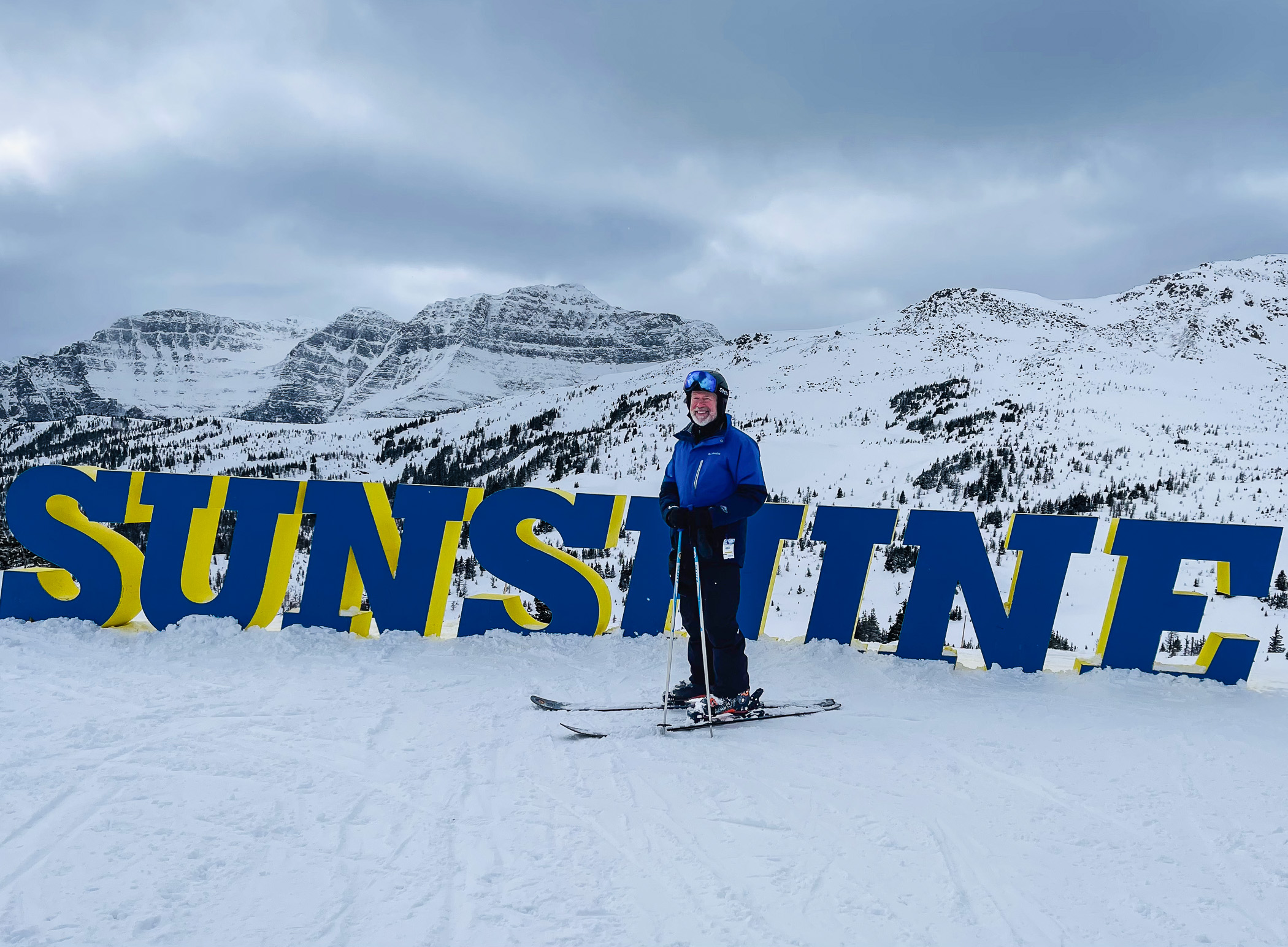
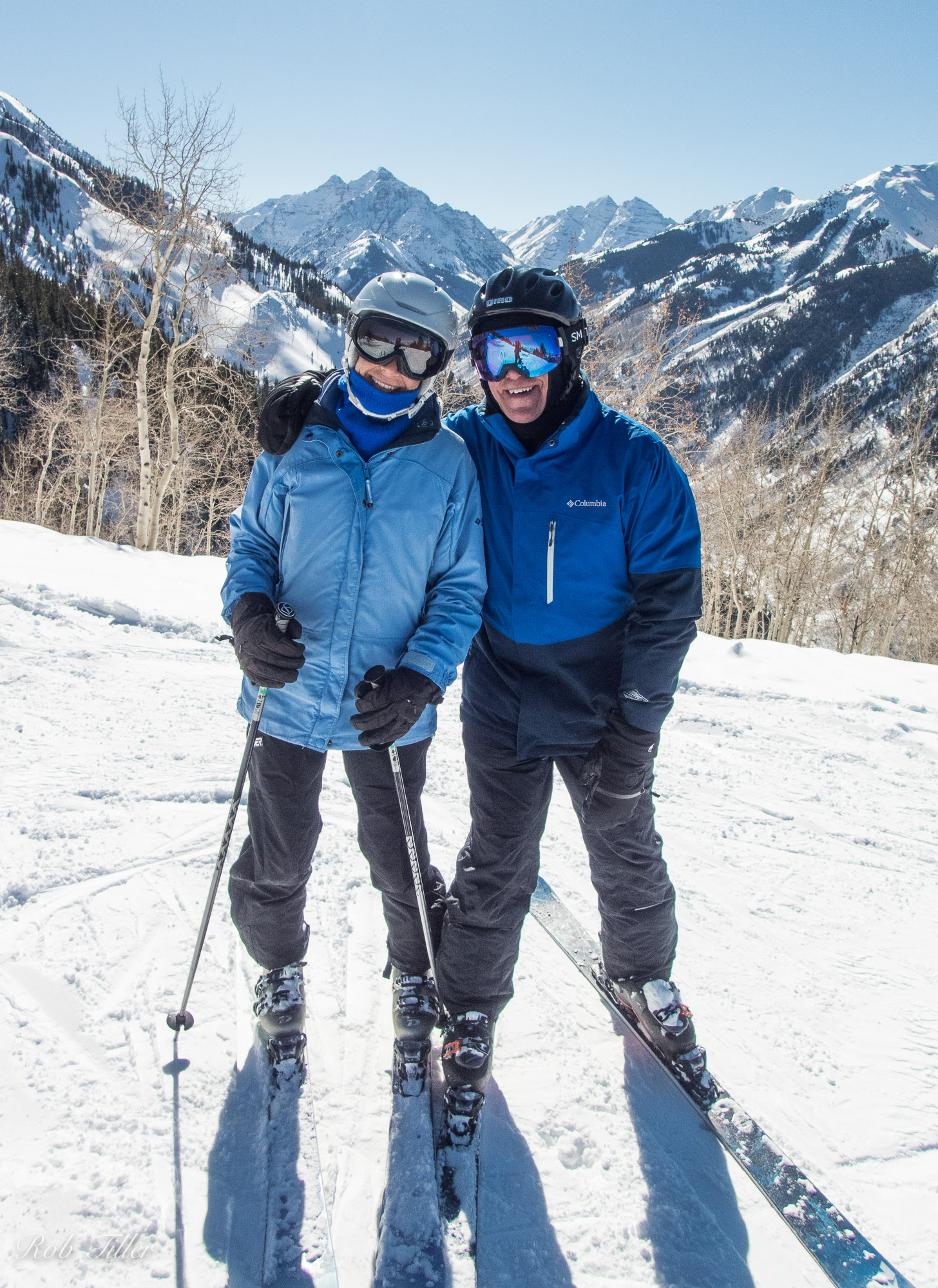
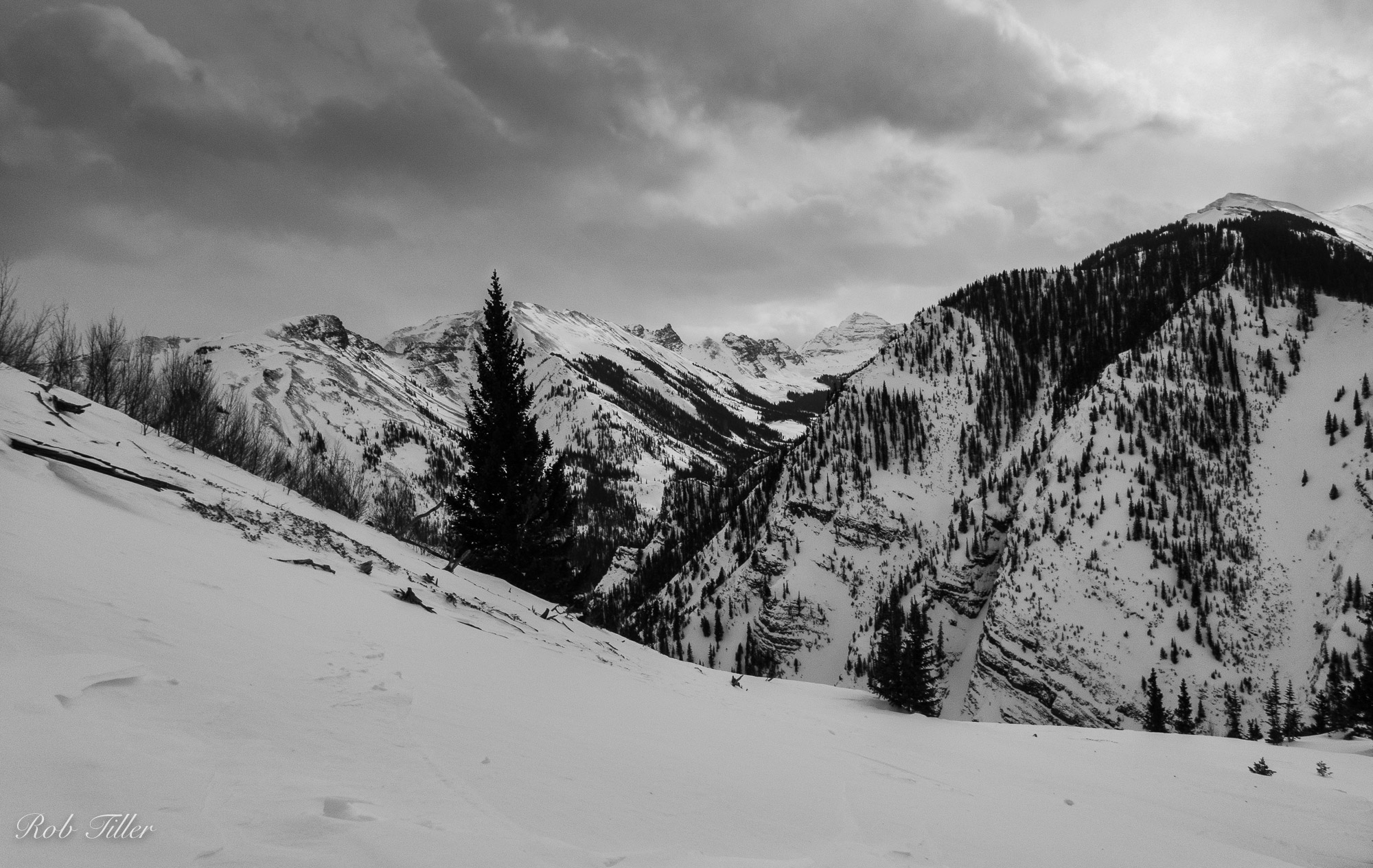
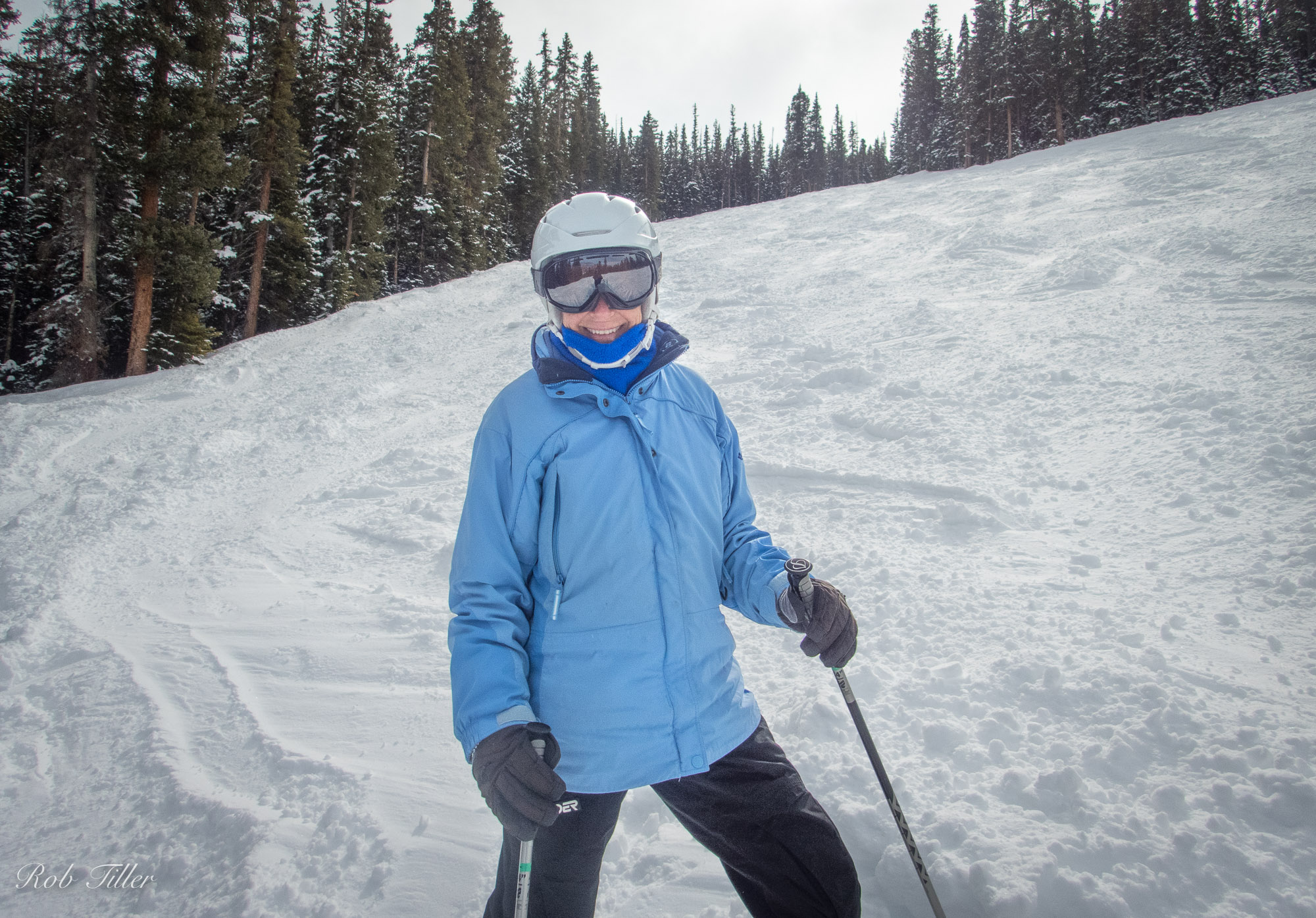
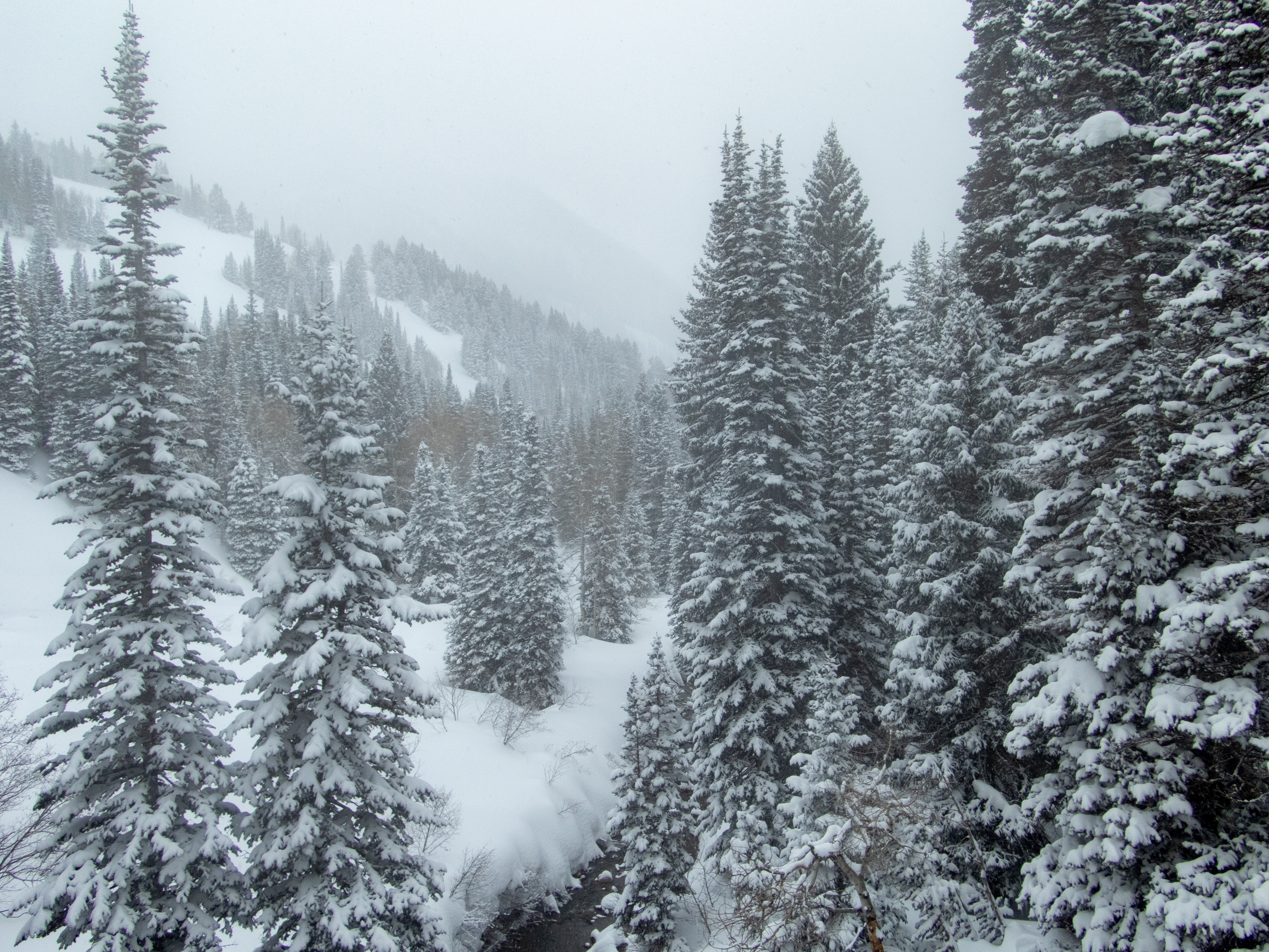
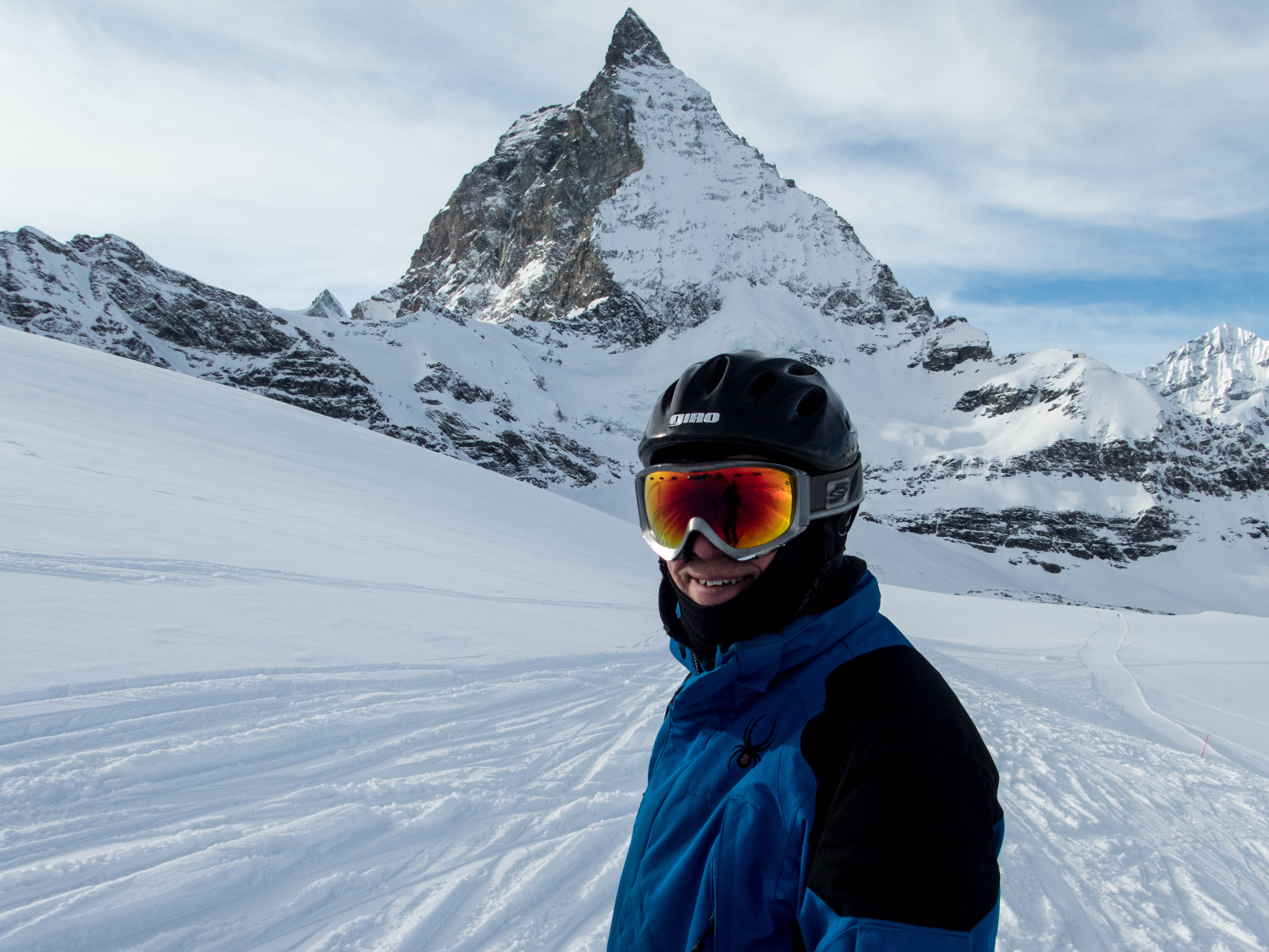
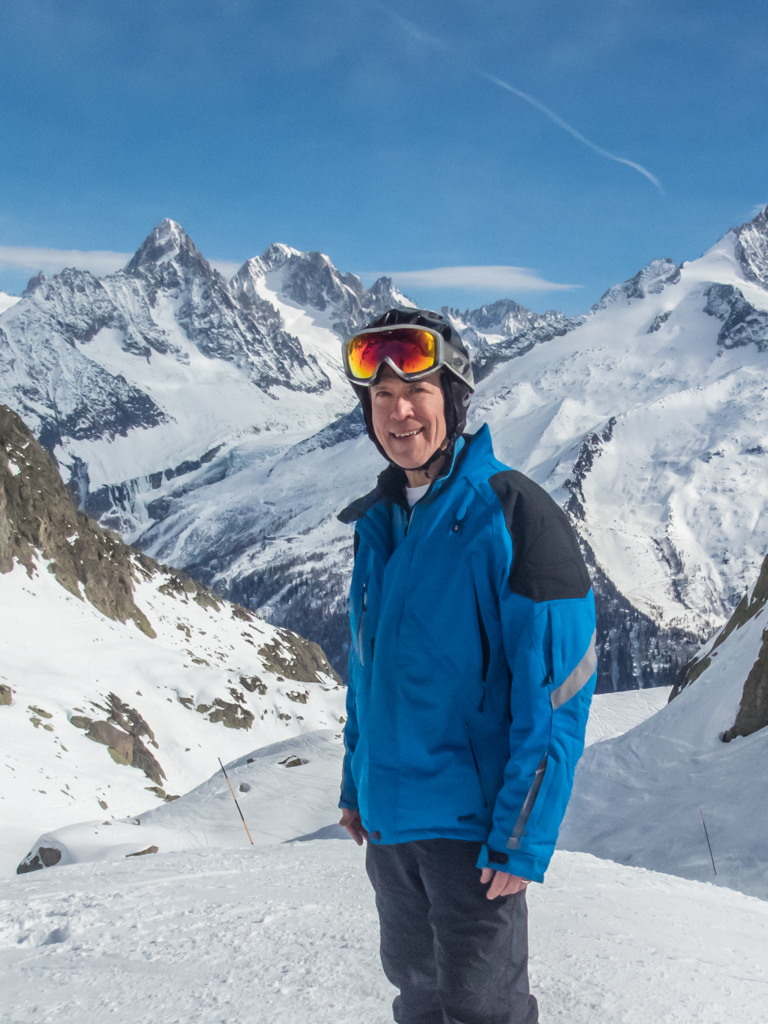
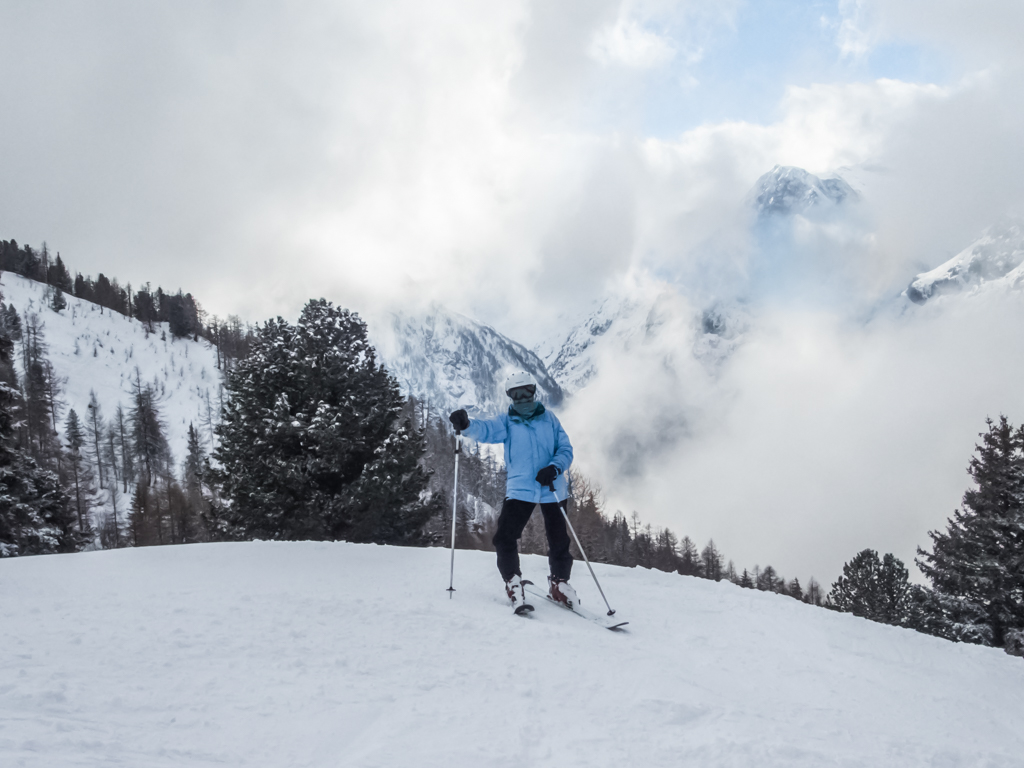
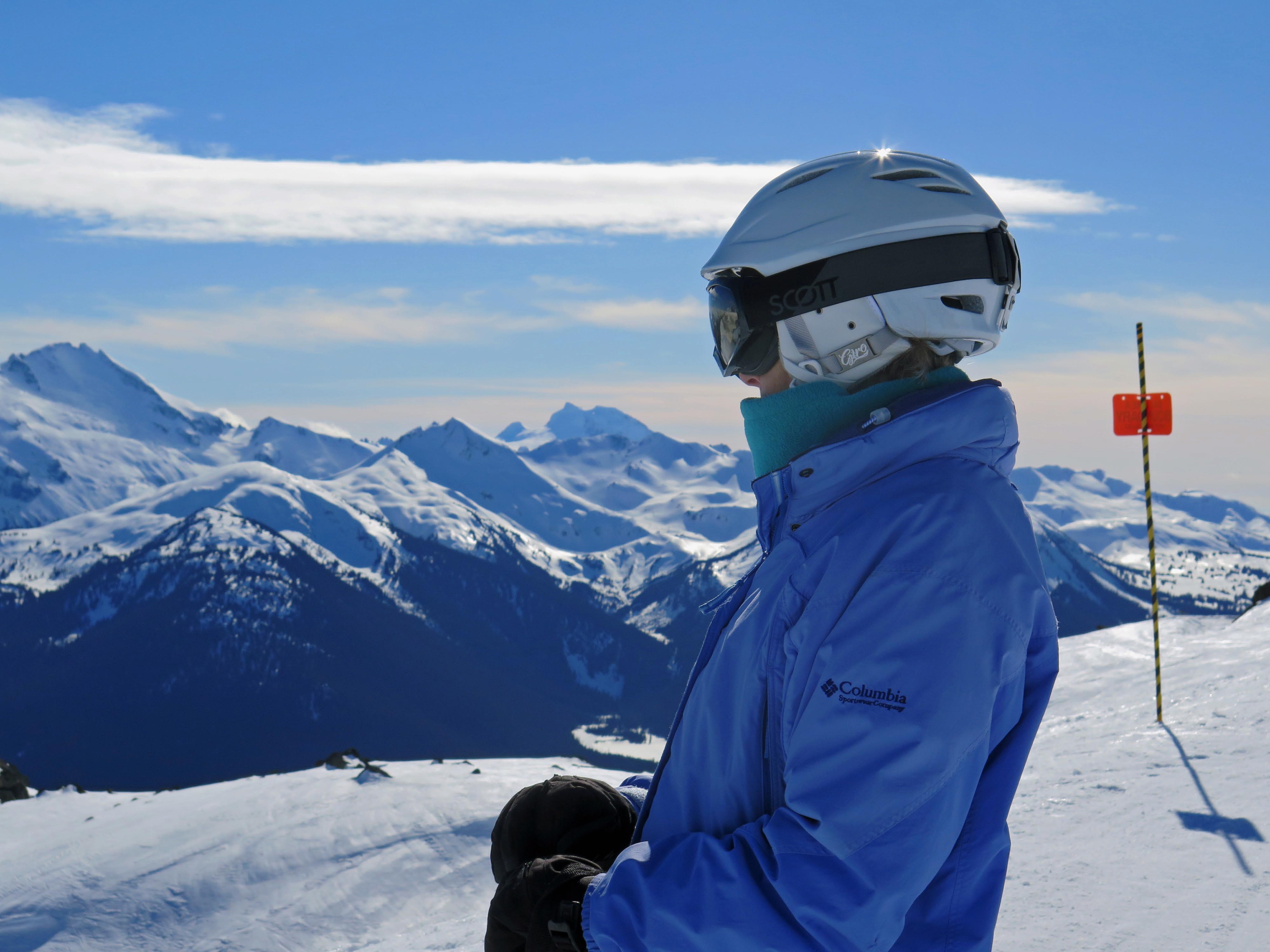
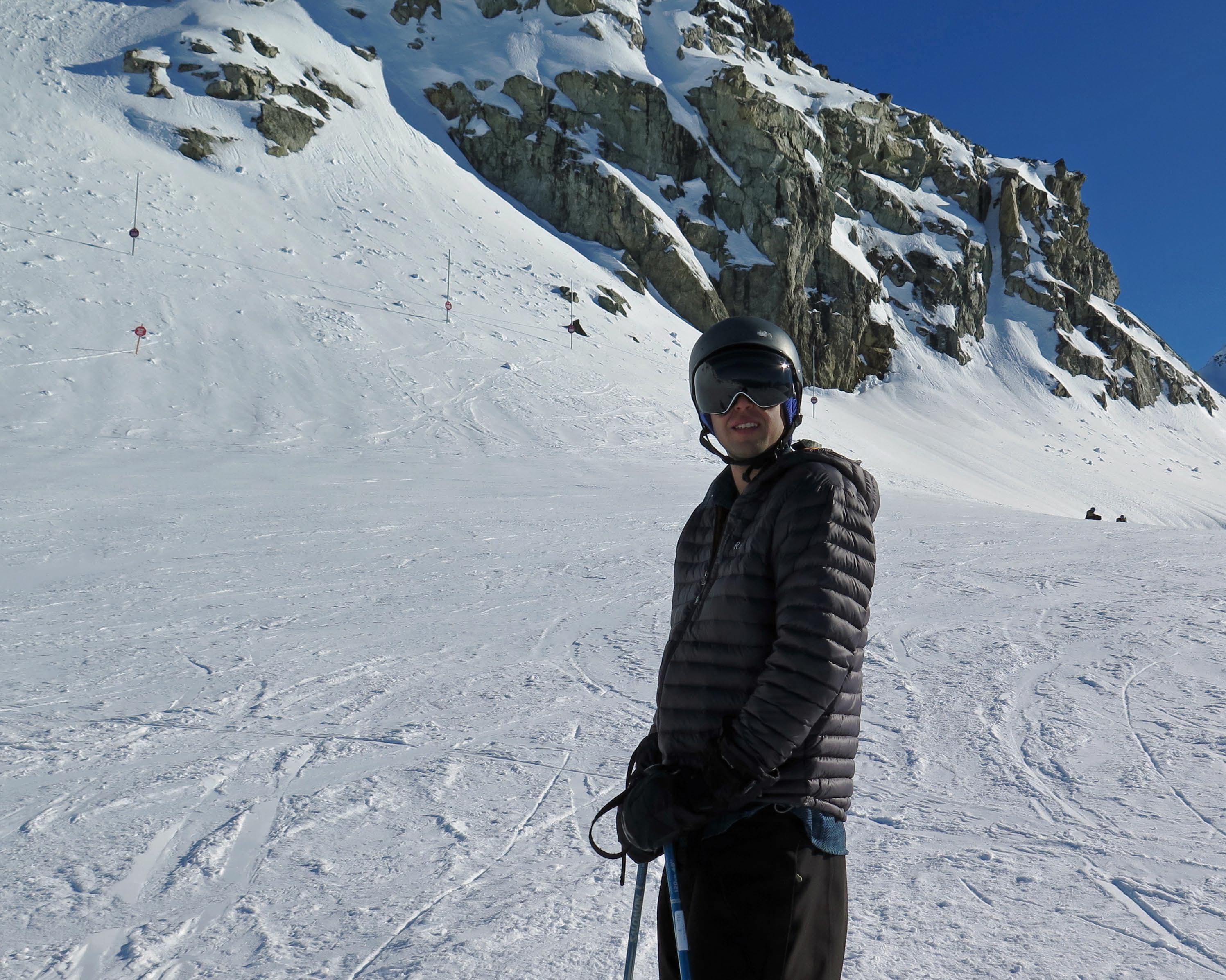
Last week I got to ski in Banff National Park in Alberta, Canada.  It was amazingly beautiful there, with vistas that rivaled the Alps.  There had been less-than-average snowfall, but there was enough coverage for many excellent runs through varied and challenging terrain.  I sampled the Lake Louise area, and spent the majority of my time at the Sunshine resort.

The trip was organized by the Raleigh Ski and Outing Club, which I recently joined.  As a new member, I found the group friendly and welcoming.  There were quite a few very good skiers, and it helped my skiing to hang with them.  

I was a little worried that the Canadians would be upset with American visitors, because of the recent threats by Trump to punish the country economically and possibly take it over.  Happily, the Canadians we met were nice as could be, though I’m sure that a lot of them are distressed at the new Trump policies.  

Since returning to the USA, I’ve been spending a lot of time with the news, trying to understand what’s happening to my country.  There’s so much to process that it can be overwhelming.  

It feels as though we’ve had a coup, with a small group seizing power and upending the existing order.  This is not extraordinary, in the sense that it has happened in many countries before.  What’s unusual is that we (that is, a bare majority of us) elected the coup instigators, and this is the USA, which has a long history of political stability.

The new Trump administration has moved with lightning speed to dismantle the existing framework of government and put in place values and policies antithetical to our laws and traditions.  Recent polls show that a lot of these initiatives are not supported by the majority, but there’s still a substantial minority that continues to approve of Trump. 

The remaining support for Trump confirms that, despite being stupid in many ways, he has a remarkable talent for propaganda.  He labels his ideas very simply and keeps repeating them.  It matters not if his labels distort or reverse the original meaning of words.  The constant repetition, like water on rock, tends to erode critical thought.

To successfully resist the new Trump program, we resistors need to call out the distortions, and also to communicate better by simplifying our language.   Where possible, we need to be direct and uncomplicated.  With that in mind, I’m offering the following seven-question quiz to highlight a few of the most alarming new initiatives, including some words in boldface that might serve as touchstones.

QUIZ – ARE YOU OK WITH TRUMP?

  1. Are you in favor of tanking the economy?  Prices of groceries and other necessities are going up, as Trump is driving us toward an economic disaster with his bizarre tariffs.  The stock market has dropped like a rock.  Business leaders are scared of what he’s doing and scared to object.  
  1. Do you support corruption in government?  Trump has fired officials who served as watchdogs for government misconduct and has declared a non-enforcement policy for anti-bribery laws.  This makes sense if one intends to loot the state and reward cronies by allowing them to do likewise, as authoritarian regimes often do.  Likewise, Trump is encouraging business fraud and corruption by shuttering the Consumer Finance Protection Board.  See Sen. Murphy’s recent speech for more on this:  https://youtu.be/hycoCYenXls?si=CJqnRPXx5OUaqw6J
  1. Are you opposed to free speech?   Trump is threatening and punishing traditional media that displease him.  Media outlets are writing him checks to settle his baseless lawsuits (see previous question on corruption) and toning down their critical coverage.  He’s previously proposed to shoot peaceful protestors.  His people have just arrested a foreign-legal resident for protesting the Israeli slaughter of Palestinians.  He has promised there will be more arrests to come.  
  1. Are you in favor of white supremacy?  The Trump initiative to suppress diversity, equity, and inclusion is simply a rebranding of old-fashioned racism, misogyny, and xenophobia.  Repeat:  his anti-DEl program is really barely disguised pro-racism, pro-misogyny, and pro-xenophobia.  Trump’s DEI bans, blaming airline disasters on DEI, and his firing of accomplished black and female military leaders shows that this initiative is both serious and crazy.  
  1. Do you prefer cruelty to decency and kindness?  Trump has cut off aid to starving children.  He’s stopping medical care for HIV and other patients.  He is gutting agencies that serve those less fortunate.  He is imprisoning migrants who have lived productive lives here for years or decades.  He is denying the humanity – indeed, the very existence – of transgender people.  
  1. Do you think it is better to address serious problems based on ignorance or science?  Trump is declining to endorse vaccines to prevent preventable serious diseases.  He’s shutting down scientific research into fundamental health issues.  He denies the reality of climate change that threatens civilization.  Indeed, he is pushing for producing and using more fossil fuels that will accelerate global warming.  
  1. Do you support brutal autocrats and the betrayal of democratic allies?  Trump has withdrawn support for Ukraine and threatened to withdraw from NATO.  He’s threatened to seize territory in Canada, Panama, and Greenland.  Meanwhile, he expresses continued affection for kleptocratic war criminal Vladimir Putin.  

END   

Pencils down.  How did you do?  Of course, this list doesn’t hit every Trump disaster currently in progress, but you get the idea – the indecency and outrageousness of a lot of the Trump initiatives can be stated in pretty simple terms.  

There are also some Trump initiatives that are harder to simplify, like upending the constitutional order by refusing the directives of Congress and the courts, undermining the rule of law through baseless pardons and baseless prosecutions, and decimating the federal workforce that’s foundational to our system of justice, our defense, protection of our environment, and many basic services.  But for those too, simpler is better, at least as a starting point.  

Admittedly, it will probably never be possible to persuade committed MAGA-ites that Trump’s program is disastrous.  There are those whose minds are made up, and sadly for them, they’re likely to be among the first to face serious adverse consequences from their leader.  But there are still plenty of folks who voted for him who will consider changing horses at the next opportunity.  Let’s see if we can improve our communications to help them see that changing is a good idea.  
Discovering Japan, and reimagining politics and immigration

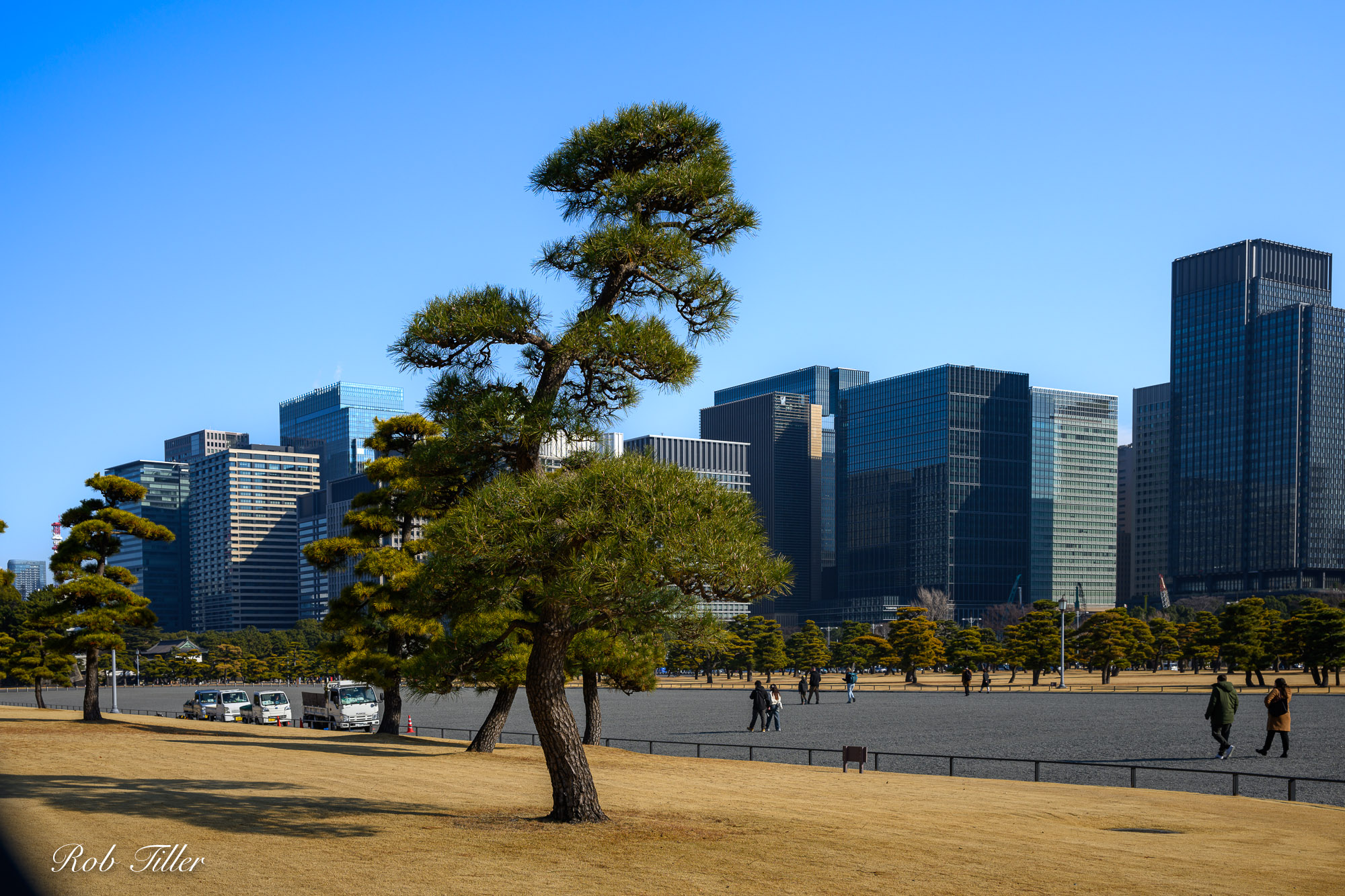
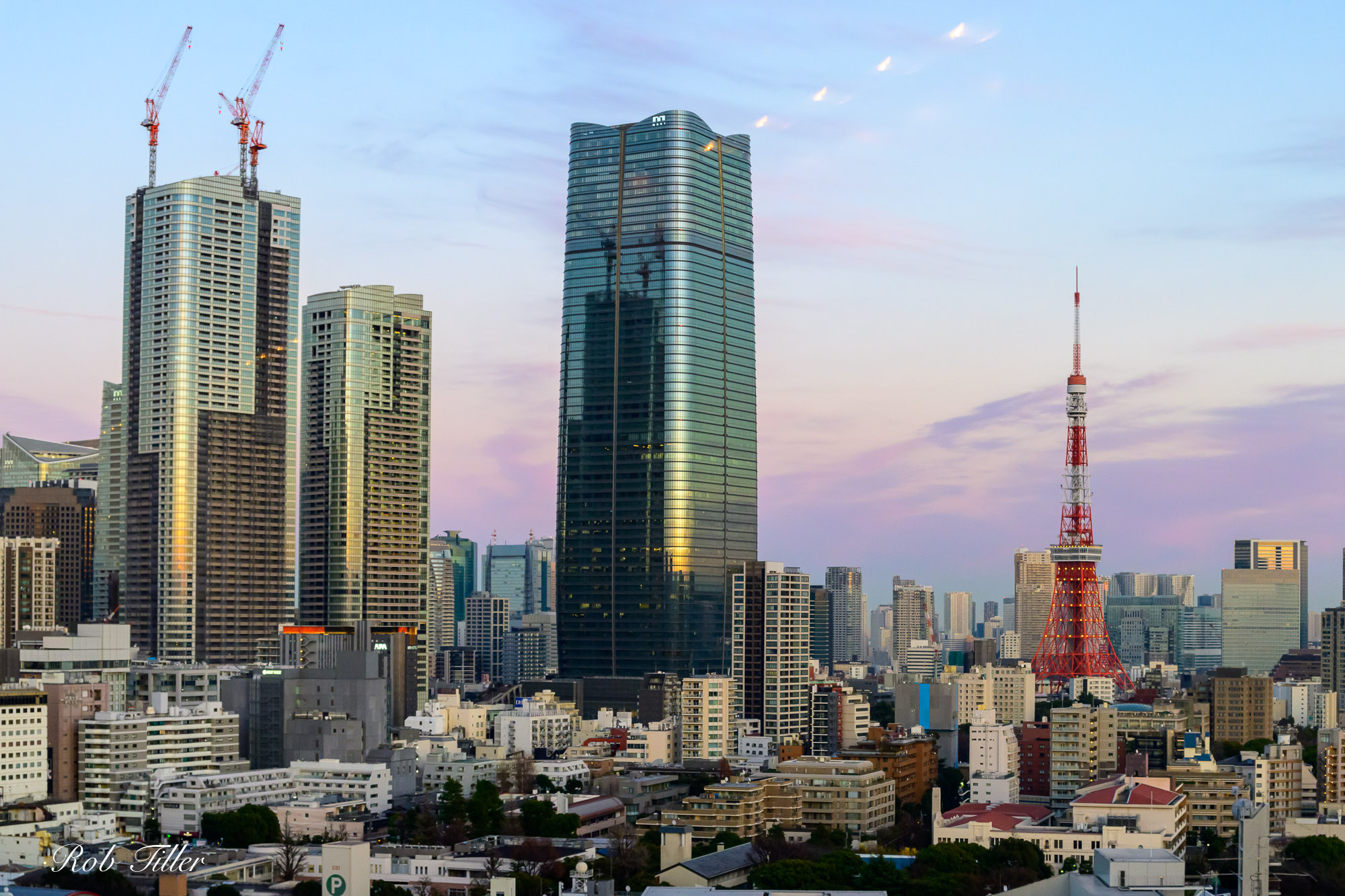
Tokyo from the Grand Hyatt hotel

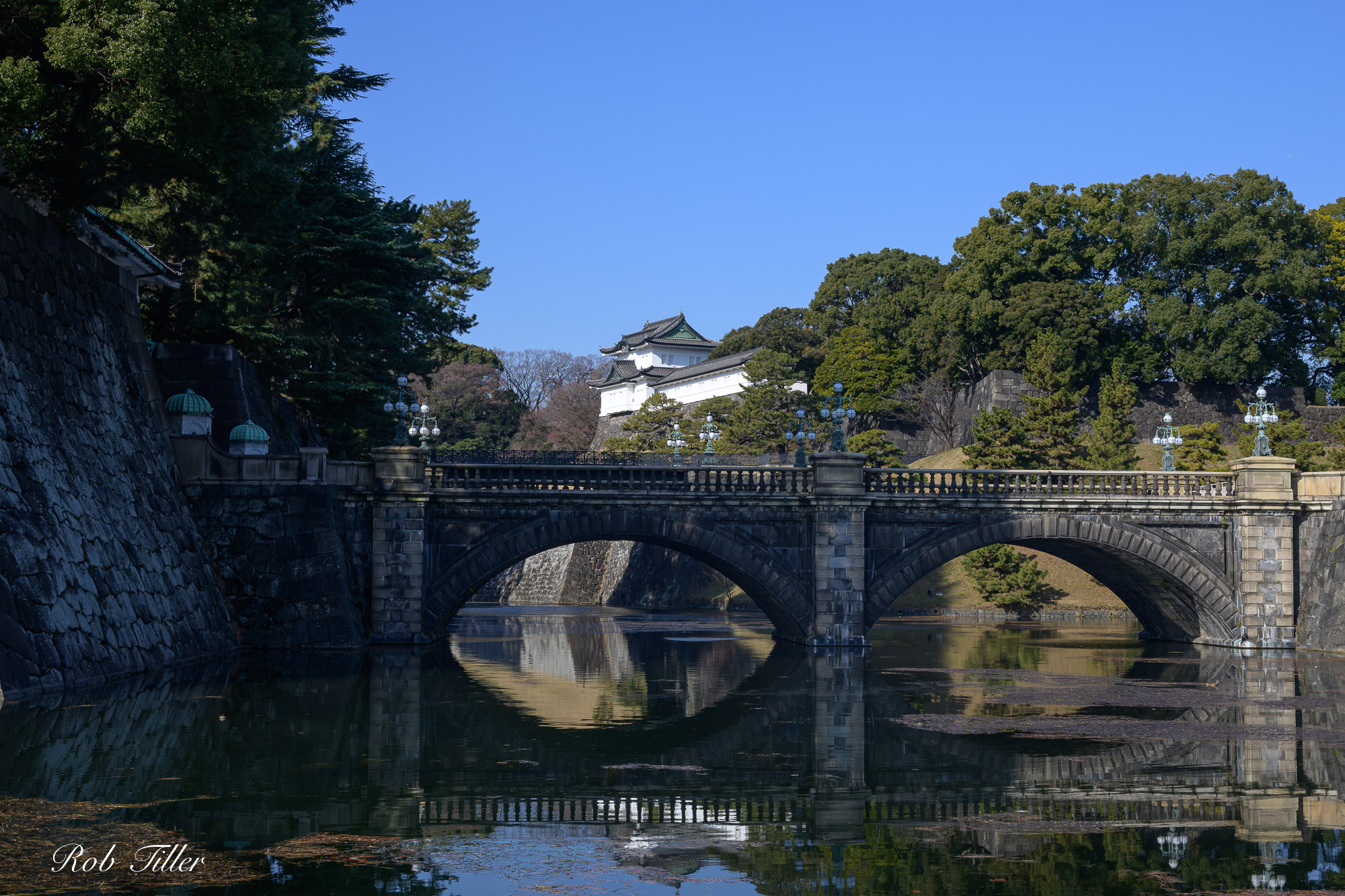
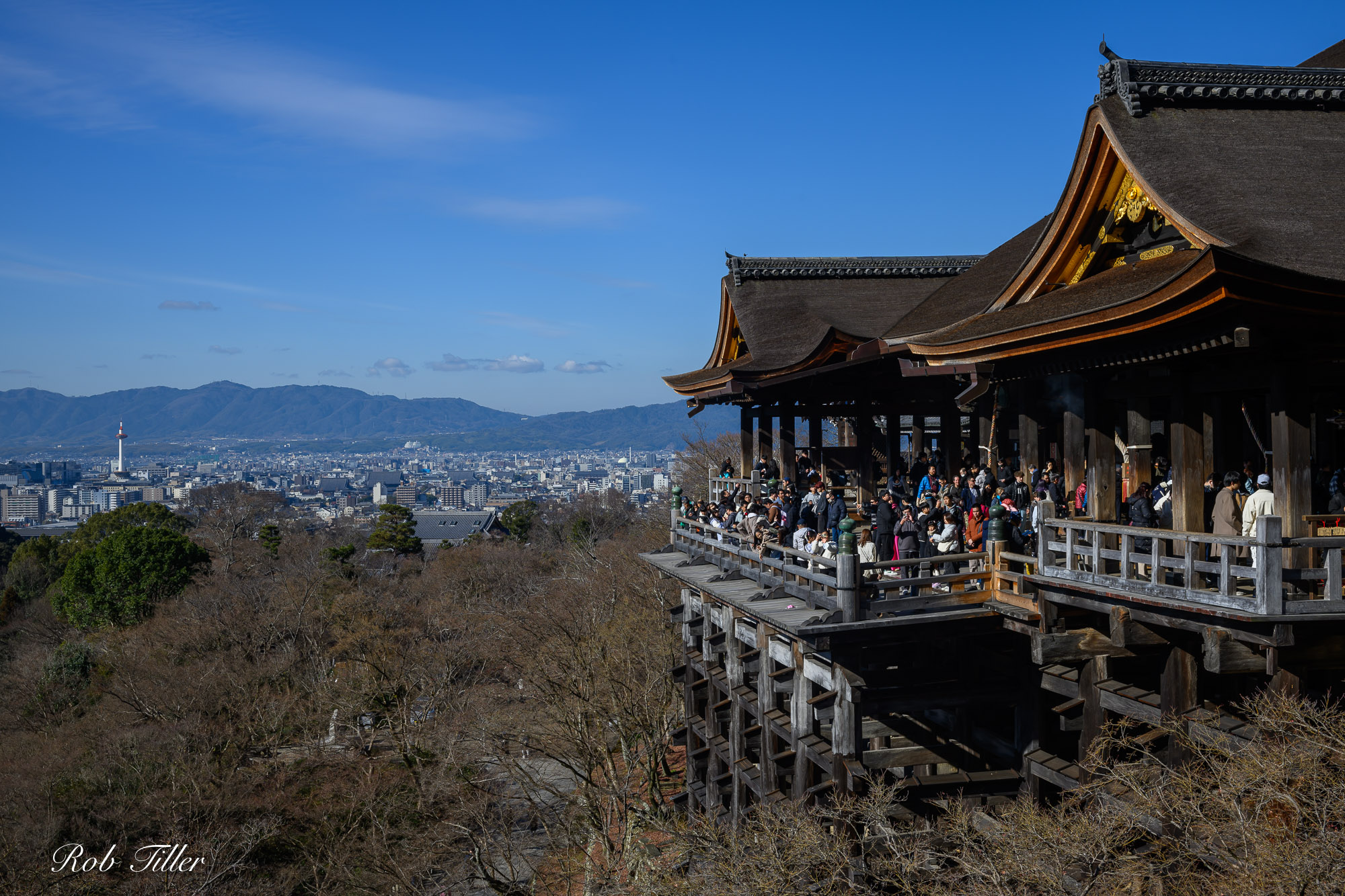
I’m finally getting over jet lag from our two-week trip to Japan.  Sally and I covered a lot of territory to get there, and a lot while there – Tokyo, Shuzenji (a small hot springs town), Kyoto, and Niseko in the north for a few days of skiing.  We used the Tokyo subway, an amazing bullet train, and local taxis.  There were, as always, a few travel glitches, but I really loved Japan.

Of course, the Japanese are a lot like us, and western culture has had a big impact on their culture.  Tokyo is the largest city in the world (with 37 million people) and very modern.  But we focused particularly on traditional Japanese places and activities, like older neighborhoods, gardens, castles, Buddhist temples, and Shinto shrines.  At Shuzenji, we stayed at Asaba, a beautiful traditional inn, or ryokan, and tried hot spring bathing and traditional food served in our room.  We got a quick look at a geisha in Kyoto.   

Everywhere, we found the people to be kind and respectful.  We did not know Japanese, and some of the people we dealt with knew very little English.  But this was not a big problem.  We always managed to get the essential matters worked out with gestures and expressions.  I’d planned to rely on Google Translate, but actually never needed it.  

Traditionally the Japanese are more oriented toward cooperation than people in the US.  They generally try to avoid conflict, and are very considerate.  People were wonderfully quiet on the subway.  We found that even the cars were quieter than here.  

They seemed to be very proud of their culture and its achievements.  The people we met were very pleased to hear that we drove Japanese cars, used Japanese electronics, and loved Japanese cameras.  But everywhere people bowed a lot, expressing respect.  

This was even true in Hokkaido, the northernmost island of Japane, where we skied four days at Niseko and one at Rusutsu.  Hokkaido is famously snowy, and draws a very international clientele.  Although we didn’t get fresh snow, there was plentiful snow of fine quality – light and dry.  The slopes were a bit crowded, and the runs a bit shorter than we’d have liked, but there was plenty of good terrain. The lift attendants bowed as we got on and off, which was charming.  

Getting introduced to Japan was inspiring.  We enjoyed the beauty of the art, the gardens, the temples, and traditional clothing.  But for me, the most thought provoking aspect was the Japanese system of values, with its emphasis on respect and kindness.  

As the new Trump regime is coming online, it’s clear that these are not its animating values.  Greed, selfishness, and cruelty seem to be its defining characteristics, and it seems almost naive to hope for compassion and generosity.  But the Japanese (who, of course, have their problems and their bad eggs) reminded me that there are workable alternatives for a successful society.

I’m trying to stay positive, and keep in mind that Trump’s program might not result in total catastrophe.  There are a lot of people – probably a majority – who are not in favor of cruelty to immigrants, persecuting political opponents, denying women their bodily autonomy, vilifying sexual minorities, encouraging racial discrimination, accelerating climate change, attacking biodiversity, banning books, encouraging political violence, firing competent government employees, suppressing opposition media, discouraging vaccines, denying food to starving children, betraying allies, encouraging bribery, and so on.  The worst case Trump agenda will have a lot of opposition, and might not work out.  

Along with opposition, we can also start the hard process of working out a better system.  We now know that the system we thought was stable and good enough was not.  Our checks and balances have not effectively checked and balanced, and aren’t making much progress in solving  our pressing problems.  People want change.  We need to step back and be more imaginative with regard to our political possibilities.  

For example, instead of our usual bare-bones political involvement and barely there representation, we might try ranked choice voting and projects by citizens chosen by lottery.  We might get dark money out of politics.  We might limit Supreme Court power with term limits.  We could even define some new constitutional objectives, like ensuring that everyone has decent housing, food, and healthcare.  We might try politics based not on fear and demagoguery, but rather on courage and compassion.      

There was an interesting short article in the Economist of January 25 about recent developments in Somalia.  Somalia is desperately poor, and its government barely works.  But it has developed a good cellphone network, and people are solving a lot of practical problems with WhatsApp groups.  Online groups organize courts to resolve conflicts and raise money for insurance systems.  Who’d have thought WhatsApp could be politically transformative?  It’s a reminder that new solutions to problems can emerge unexpectedly.
One final note: immigration seems to be the issue with the most resonance for Trump, who frightens people with his braying about a non-existent invasion of foreign criminals. Softer versions of this false narrative have been accepted across the political spectrum. Thankfully, a new piece by Lydia Polgreen in the NY Times effectively counters this narrative. Polgreen makes clear that the US and other countries are shooting themselves in the foot with ill-conceived immigration restrictions. With falling birthrates, the rich world needs more workers. History shows that past immigration restrictions have hampered economic growth and innovation, and relaxing such restrictions has accomplished the opposite.

In her insightful piece, Polgreen concludes,

In our vastly more interconnected world, hard borders and iron-fisted control is a fantasy. Migration has always involved great sacrifice, especially for those who leave home. But it also requires the people in the places migrants alight to see beyond the immediate shock of living alongside new people from different places and conceive the long-term possibilities such arrivals always bring.

Skiing at Vail

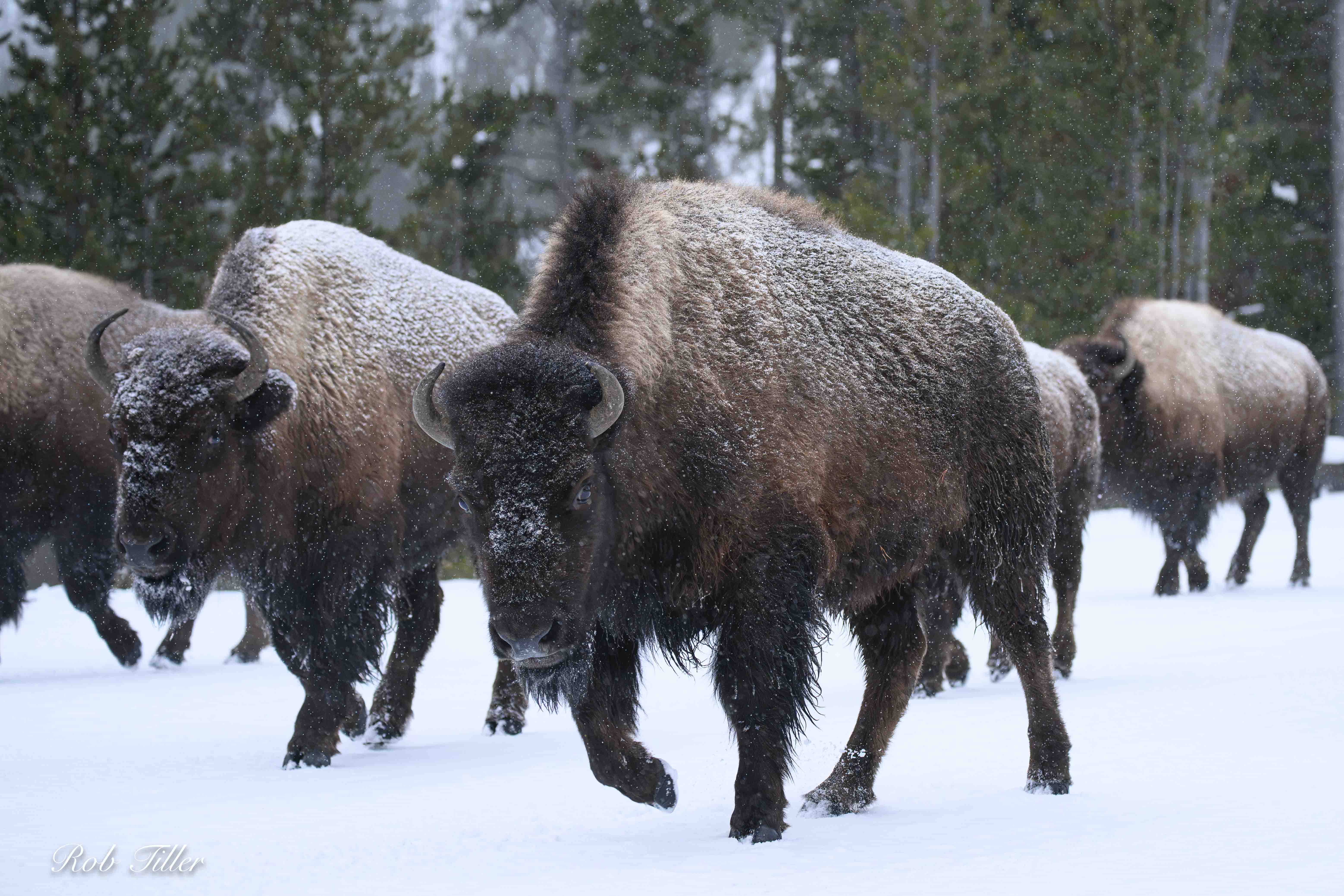
I thought I’d share a few more pictures from my Yellowstone trip in January, and a brief account of my trip last week in Vail, Colorado, where I took no pictures but did a lot of skiing.

Vail is enormous:  5,317 acres and 3,450 feet of vertical.  The longest run is four miles.  There are some 26 lifts, and navigating the area is demanding.  They don’t hand out maps any more, so you need to get their app with the layout and learn to use it.  

I met my old friend John A. out there, and we stayed at the Grand Hyatt in West Vail. The hotel was attractive and comfortable, and had its own ski shop and a ski lift just outside the back door. I brought my own boots, but rented skis –Volkyl Mantra XXs, a good, versatile ski, but a bit stiffer than my ideal.  It snowed the night I arrived.   

It continued to snow all that day, which was exciting, but visibility was very limited.  At one point I fell while going down a steep mogul field that I hadn’t realized was a steep mogul field.  I was exhausted by the time I got down to the lift, and then I realized I’d lost my goggles somewhere up the mountain.  I’d forgotten to bring my contact lenses, and my glasses iced up, making it hard to see anything.  My legs got tired.  It was a tough day.  

But the next two days were sunny and clear, with just the right chilliness for the snow.  I got some new goggles. What a joy skiing is when everything clicks! We cruised on the cruiser runs and worked the less difficult black runs in the back bowls. It wasn’t crowded, and it was beautiful. Happiness!

John and I ate well and had some good arguments.  It seems like these days many of us are afraid of arguments, and hesitate to express ourselves when there could be conflict.  But it really is a good idea to talk with people who don’t agree with you about everything.  Sometimes you learn things!  

When I wasn’t skiing, eating, or talking, I did some reading, including an interesting new book, The Case for Open Borders, by John Washington.  The southern U.S. border has been the subject of much alarm and controversy recently, and I thought it would be good to get a new perspective on the issue.  

Washington proposes that we rethink the whole subject of borders, which he argues are artificial constructs that do more harm than good.  He presents evidence that immigration is a positive force for the receiving country, both economically and morally.  

It’s unfortunate that a lot of people are fearful of people who look different, speak another language, or have different customs.  That common fear has been made much worse by some cynical politicians, who characterize them as dangerous criminals and thieves stealing jobs.  In fact, the opposite is closer to the truth. 

In fact, the NY Times had an article last week about the positive economic contributions of immigrants.  They helped our economy recover from the pandemic quicker than expected by filling necessary jobs. They continue to help us get work done, and help support their relatives back home.

As climate change makes it harder to grow food in some areas and causes floods, fires, and other disasters, there will continue to be a lot of people who have no choice but to flee.  America is still a land of opportunity, and there’s an opportunity here for us:  to be more compassionate and to help those who desperately need help.

I’ll mention one other thing that isn’t usually a welcome dinner table topic:  the increasing risk of nuclear war.  I’ve long thought that our unwillingness to look squarely at what a nuclear conflict would mean increases the chance it will happen.  With arms racing again picking up speed and war in Europe raging, it’s high time to think again about how to lower this terrifying risk. The Times started a series this week on this topic, and the first piece was appropriately arresting. I hope a lot of people will read it.

Skiing at Aspen-Snowmass, and a close encounter with Mikaela

OLYMPUS DIGITAL CAMERA

Last week Sally and I did a ski trip to Aspen, Colorado.  We had some fresh snow early in the week, and it was sunny and cold for the rest of the time — excellent ski conditions!  And we had a meaningful encounter with Mikaela Shiffrin, one of the greatest skiers in history, now at the height of her powers.

This year, as usual, we had only five days of skiing, and as usual, the first day was a bit of a question mark.  Would we remember what we learned the previous year? Would we still have the necessary strength and gumption?

OLYMPUS DIGITAL CAMERA

We started out in Snowmass, the largest of the four Aspen areas.  We began by testing the steeper groomers, but soon found ourselves drawn to areas of fresh snow on the ungroomed trails.  By lunchtime, we were fully back in business, carving harder on the steeps, doing bigger bumps, and exploring other demanding terrain.  

At times, skiing is like flying, a powerful sensation of freedom and joy.  At other times, such as working through a deep mogul field, it’s more like working on a complex puzzle.  There’s a brief delight in fitting in a new piece, but no time to relax with a lot of loose pieces left.   

OLYMPUS DIGITAL CAMERA

Skiing a big mountain is an excellent laboratory for learning about  your emotions, and particularly fear. Over the years, we’ve extended our range of competence, and we go for longer stretches without encountering situations that are seriously scary.  But the big mountains are always holding something dramatic that we haven’t seen before. Now and again there’s a moment of “Uh-oh!”  

Managing fear is integral to the sport.  Once you’re up on the mountain, strong emotions can be paralyzing, but one way or another, you need to keep going and get back down.  The mountain helps you learn to calm down enough to think about a particular threat, and consider options given your existing skill set.  It teaches you where to look for some courage. Then you ski.  

OLYMPUS DIGITAL CAMERA

Anyhow, on this trip, we had a lot of blissful stretches, and very few uh oh moments.  We did three days at Snowmass and two days at Aspen Highlands. I rented Nordica Navigator 85s, 172 cm, which exceeded expectations carving on the groomers, and were wonderfully responsive in moguls. They were a bit jittery at higher speeds, and not very forceful in chopped terrain.  But they covered a wide range of conditions well, and I would happily ski them again. My Dalbello Panterra 100 boots did a good job communicating with my ski edges, and also kept my feet warm enough.

We stayed at The Inn at Aspen, which was actually at Buttermilk, rather than Aspen, where most of the restaurants and shops  are. We liked our room, which was roomy and relaxing. The staff was friendly and helpful, and there were regular vans and buses to Aspen and the other areas.  

untitled-4035

Buttermilk is the most beginner-friendly of the Aspen areas, which probably accounts for the high proportion of families with children staying there.   There were many cute little kids, and a few spoiled brats. A group of obnoxious seven-year-old boys were in the hot tub one day, splashing and shouting, and Sally gave them a serious talking to.  Maybe they, or their parents, learned something.

Aspen has a reputation as a playground for the rich and famous, which seems fair.  At lunch one day at Snowmass, we heard that Justin Bieber had just left the lodge where we were eating a few minutes before.  On one of our lift rides, a local told us about regular visits by Michelle Obama.  untitled-4016

We aren’t big celebrity hounds, but we had one thrilling celebrity encounter:  Mikaela! Now 24 (until next month), she was recently tagged by Sports Illustrated as “the world’s most dominant athlete.”  She was at Aspen Highlands practicing off the Thunderbolt lift, where we watched her do parts of four slalom runs. By the fourth gate, she was flying!  Each turn was a thing of terrifying beauty. She was the first skier ever to give me goose bumps. 

At the bottom of the run, we (with only a couple of other civilians) stood nearby as she got out of her padded spandex and into normal travelling gear.  She had six or seven identical-looking pairs of skis (Atomic Redsters) and an entourage of perhaps eight.  

untitled-4042

Mikaela’s dad, who was about my age, died very recently, and I’m sure it was hard for her.  She seemed pretty serious as a coach gave her some feedback, but she flashed a big smile when she did selfies with a couple of young racers.  We were standing close enough to speak to her, but I couldn’t think of anything to say, except, “I love you!”

Each evening, after hot tubbing, we took the shuttle into Aspen, and ate at one of its many fine restaurants.  We had good success in finding delicious plant- based options at Acquolina (Italian), Mi Chola (Mexican), Jing (Asian), and Campo de Fiori (Italian), and L’Hostaria (Italian).  We especially liked the Pyramid Bistro, a small place on the second floor of a bookstore, which bills itself as the world’s first nutritarian restaurant.

OLYMPUS DIGITAL CAMERA

Skiing in Utah, and Knausgaard’s radical honesty project

Snow at Snowbird, February 16, 2019

Last week Sally, Gabe, and I went to Utah for six days of skiing at Snowbird and Alta.  They had four or five feet of snow in the week before we came, and around four feet while we were there.  The locals said the snow was a bit on the heavy side, but even by local standards, at the snowiest ski area in North America, it was an amazing powder skiing experience.

In recent years we’ve had one week of skiing a year, and only a few deep powder days.  We weren’t completely unprepared for the powder challenge, but we were far from experienced.  Powder is a different ball game. The techniques that work on groomed snow have to be modified, and the modifications have to be further modified according to constantly varying snow conditions.  It involves trial and error; there’s no settled, reliable recipe for success. Facing down the steep terrain into snow where no one has gone takes gumption. But by day three, we were getting a level of confidence, which increased in days four through six.  It’s a wonderful feeling, flying on clouds of snow.

We rented skis at our hotel, Cliff Lodge (see photograph below), and they set us up with good tools.  I was very impressed with my Volkyl 100eights (173cm), which were versatile and reliable. They floated beautifully, were highly maneuverable on moguls, and could carve at medium-high speeds on packed snow.  

Skiing the challenging (black and double black diamond) terrain at Snowbird and Alta clears the mind.  There is, of course, the possibility of falling. Pointing the skis downward takes commitment and focus, and being in the moment.  It has a meditative dimension.

There is also a lovely social aspect.  Our little trio enjoyed exploring for new (to us) ways down the mountain, and savoring little victories together.  Gabe, by far the strongest skier, gave me a tip on poling technique that was transformative. He recommended I quit poling with my wrists, and envision turning the steering wheel of a car.   Almost immediately, my turns got stronger. He later reported that he’d focused more on the idea after he taught it to me, and found it helped him lift his game.

On day three, we skied at Alta with Sally’s cousin, Chip, and his wife, Judy, who live there.  They were great companions, full of good fun and local knowledge. They took us on a climb up Devil’s Castle in search of an expanse of untracked powder.  My legs and my lungs both gave out short of the top, and I headed down into a lesser powder field. I was really impressed and inspired by their good skiing and fitness, and resolved to get more fit for skiing next year.

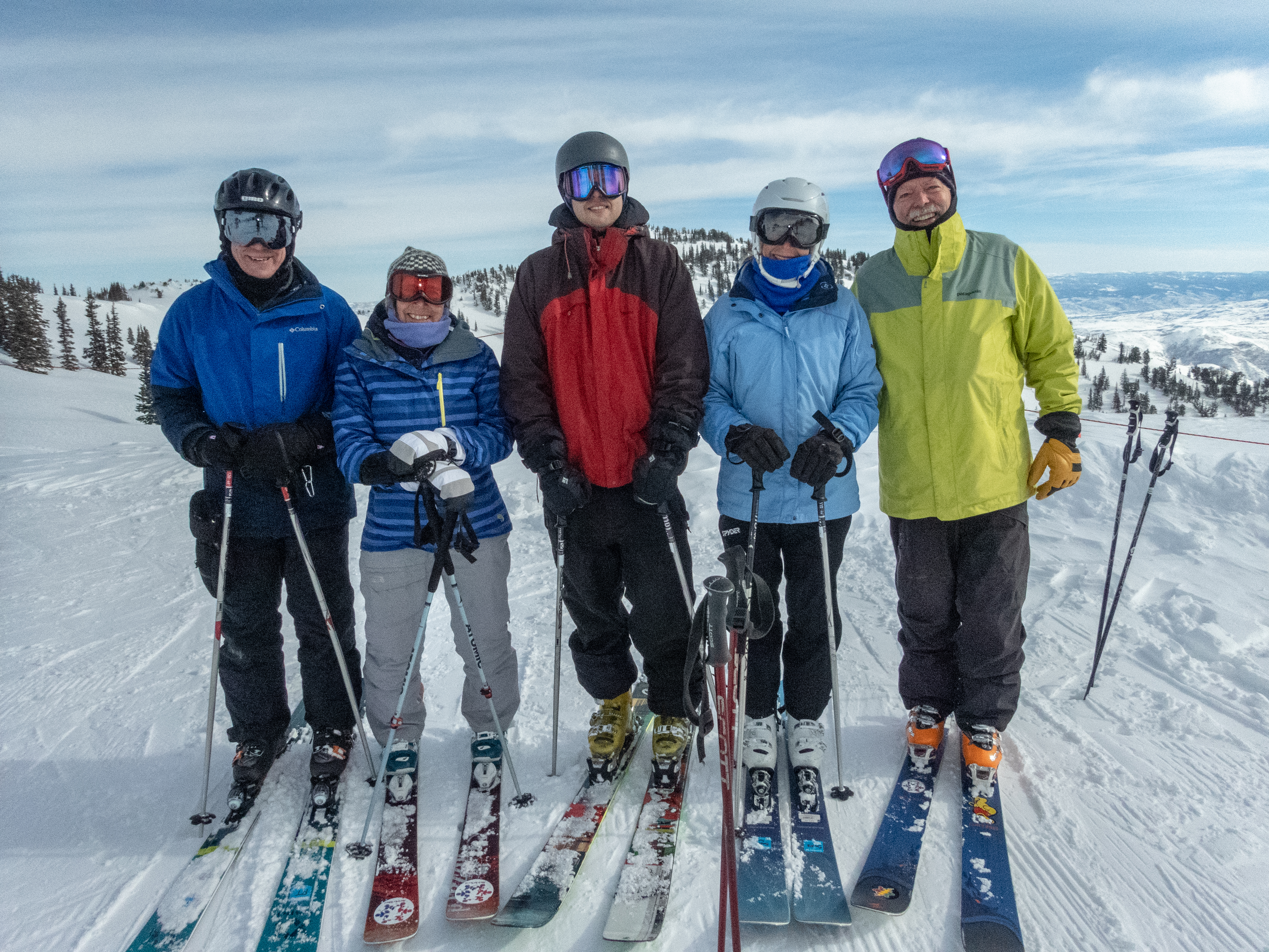
Happy skiers at Alta: me, Judy, Gabe, Sally, and Chip

As it was, after three days of skiing I felt like I’d been mugged by a gang of toughs, aching and sore all over.  On day four, I felt much better. Along with the exhilaration, we had some tough conditions — very limited visibility in places, cold in the teens, and high winds.  I heard reports of gusts of over 50 MPH, and could easily believe that our sustained winds were 40 MPH in places. There were a couple of moments on the lift when I wondered if the wind could pull a person off.  

At the end of our ski days, we enjoyed some time in the hot tub.  I read more of Knausgaard’s magnum opus, My Struggle, book two. I’ll say one thing about it that I haven’t seen in the reviews:  it is radically honest. Knausgaard seems want to say as truthfully as possible exactly what he thought and felt in the process of ordinary life.  It turns out to be absorbing, and at times shocking, when someone sets aside, or at least tries to set aside, all pretense, all the layers of self protection, and all the small lies of social convention.  What’s left isn’t necessarily pretty, but it is fascinating, and makes the reader consider the consequences of extreme truthfulness.

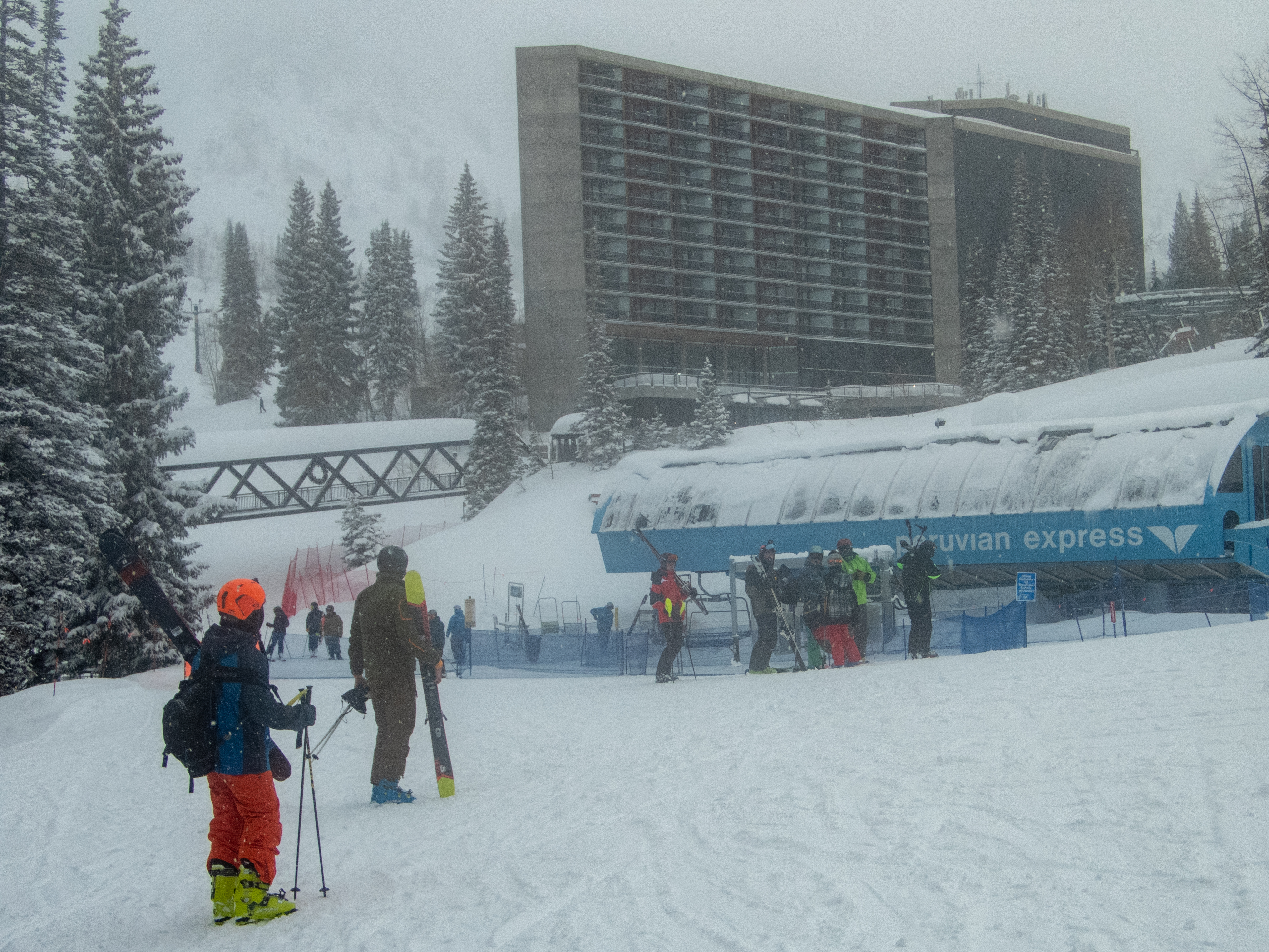
At Snowbird: Peruvian lift and Cliff Lodge

Our ski trip to Switzerland and Italy

Sally and the Matterhorn

Skiing in Switzerland and Italy last week was really fun, though I had one tough fall (described below), and getting back to Raleigh was pretty brutal.  We underestimated the time it would take the train to get us to the airport, and when we got there the gate was closed (though the plane was still there).  The flight was jointly branded by United and Lufthansa, and each claimed that only the other could help us.  Surely one or both of them were wrong, but I eventually figured out that arguing was getting me nowhere.  

The online  outfit that sold us tickets, Justairtickets, also initially declined to assist us, but after I made clear that we needed reasonable customer service or we would never be doing business with them again, they stepped up to the plate.  Just kidding!  They shamelessly disclaimed all responsibility.  In the end, we had to buy new tickets from an agent in Milan (a big ouch), and it took 30 hours (including last row inside seats and a night trying to sleep on the hard floor of JFK) to get home.

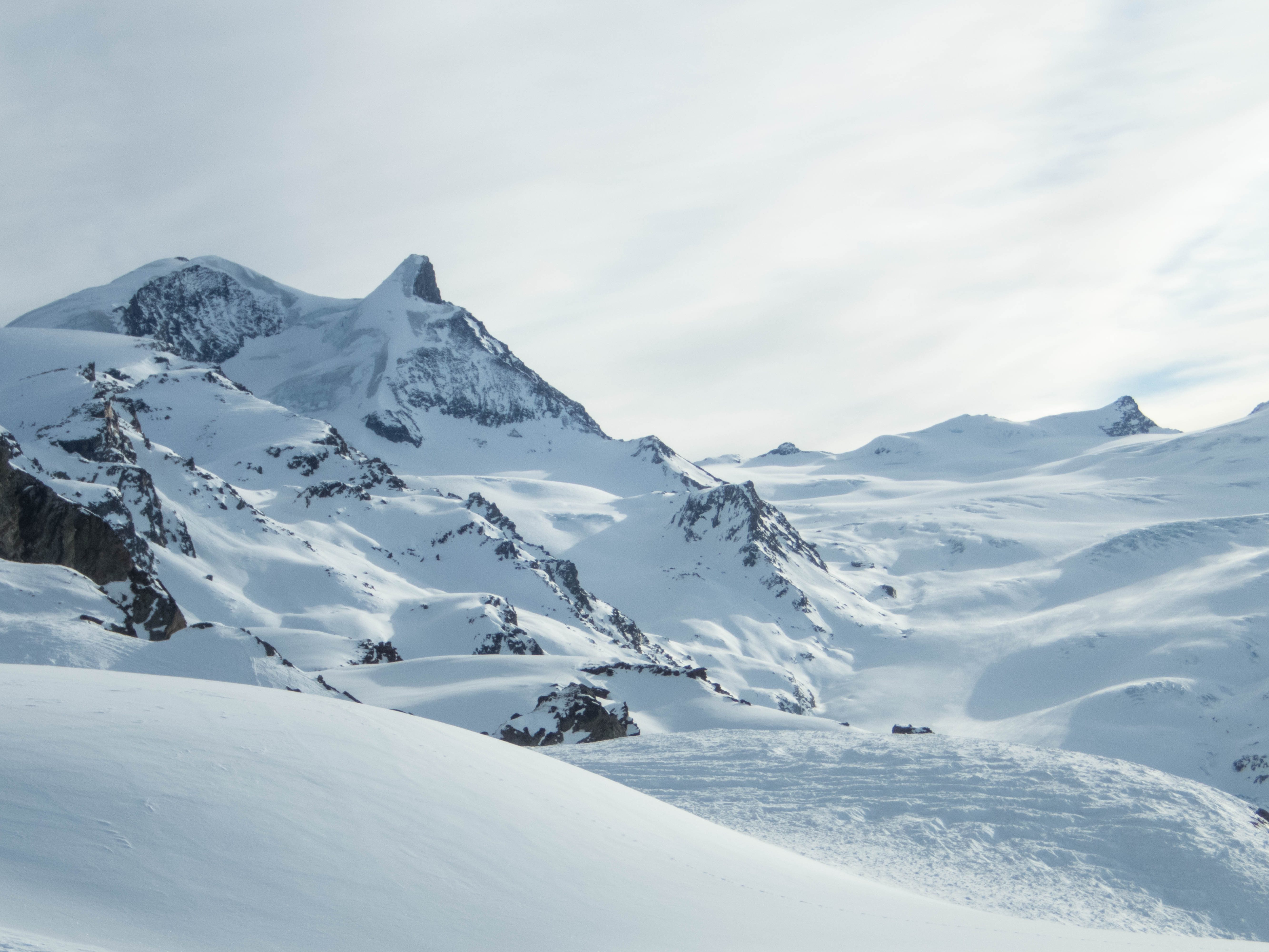
But otherwise, we had a great trip.  We skied for five days in Zermatt/Cervinia, where they’ve had epic snow this winter, and had plenty when we got there.  The views of the Alps were just spectacular.  The iconic Matterhorn was really and truly there, and there were jagged snowy peaks in every direction.  

There’s a lot to ski around Zermatt.  The highest point of the resort is 12,791 feet.  There are 7,477 feet of vertical — which is big!  There are  224 miles of trails, and the longest run is 16 miles. There are lots of restaurants on the mountain, in a range of formats.  There are lifts of every description, including a funicular, various types of high-speed chairs, and enormous gondolas that hold more than 100 people.  For the most part the slopes were uncrowded while we were there, and we never had to wait in a significant lift line.  

Zermatt is mainly about marked, groomed runs.  Most of the skiers we saw were quite good, but very few ventured off piste.  This could be a function of the Swiss love of orderliness:  if a piste is marked for skiing, then that’s where you’re supposed to ski.  This is a different mind-set from the American west, where good skiers view the groomed runs as passages to the main event — the ungroomed, untracked, adventure stuff.  

Early in the week, we found the groomed runs had good snow and lots of variety, while the off-piste snow was crusty.  We found the steeper groomers lots of fun, and worked on refining our cruising skills.  We skied on the Italian side (Cervinia) on day three, where the scenery was just as beautiful, though the lifts were not as modern and the slopes were mellower.  On day four, it snowed, and visibility at times was close to nil.  That day was also cold (in the low teens) and windy.  At times we started runs in the clear above the snow clouds, then descended into the dense fog.  It cleared up for our last day, and there was some super fun off piste skiing on the soft fresh snow.  

My rented skis were Dynastar Cham 97s, 178 cm.  It was a true all mountain ski, very versatile — easy to turn, stable at speed, good in the light powder.  A little shorter might have suited me better, but still, I really liked them.  


We stayed at the Phoenix, a small, pleasant hotel with good breakfasts and a convenient ski gear room, which was within walking distance of both lifts and restaurants.  I’d heard that Zermatt was the model for Vail, and saw similarities in the architecture.  The village had a lot of charm, and a lot of life.  Private vehicles are not allowed, though there were many taxis, which were electric vehicles shaped like tiny UPS trucks.  The main restaurant street had many dining options, along with a lot of luxury shops:  watches, clothing, perfume, chocolate.  We had no trouble getting tables for dinner, and ate well.  

My one bad fall came on the last run of our last day.  It was late in the day, and more crowded than we’d seen for most of the week, with skiers of varying abilities winding things up.  We were coming down a steep, narrow, icy passage, with a lot of people waiting at the top.  I was making my way downward, not prettily, but under control.  

Then, near the bottom a young skier suddenly stopped, leaving me no room to get through and effectively running me into the dense snow bank on the side of the piste.  I make it a rule to give a lot of leeway to inexperienced skiers, who sometimes veer unexpectedly, but unfortunately I broke my rule.  I fell backwards and felt a snap and sharp pain in my right calf.  

As I regained my footing, my back started to spasm.  It took an act of will to get to the bottom of the mountain, and to get to the hotel I had to take baby steps.  My leg was hurting!  Sally initially diagnosed a calf muscle tear, and predicted it would take some weeks to heal.  But it turned out to be less severe —  probably a sprain.  I was significantly better by the next day, and continued to improve as we continued our trip.  

After dinner on the top floor of the Rinascente department store, near the Duomo

On Saturday, we had a pleasant train trip through the Alps and along Lake Maggiore to Milan, where we made our way to our Airbnb apartment.  The place was extremely small, but very convenient to the Duomo and other points of interest.  We had dinner in the Canal District (Naviglio Grande), where there were a lot of people promenading and a lot of moderately priced restaurants.  We enjoyed risotto Milanese and local pasta specialities.  

Milan’s cathedral, the Duomo, is magnificent — an enormous white marble structure with flourishes everywhere.  The surrounding area has lots of stores and museums.  We were particularly interested in looking at Renaissance and early Baroque art, and there was lots of it to see.  We particularly enjoyed the Pinocoteca Ambrosiana (which had a gorgeous Caravaggio still life), the Brera (had to wait an hour to get in, but it was worth it), and the paintings at the Sforza Castle.  We couldn’t get tickets to see the Last Supper, so we’ll need to come back for that.  

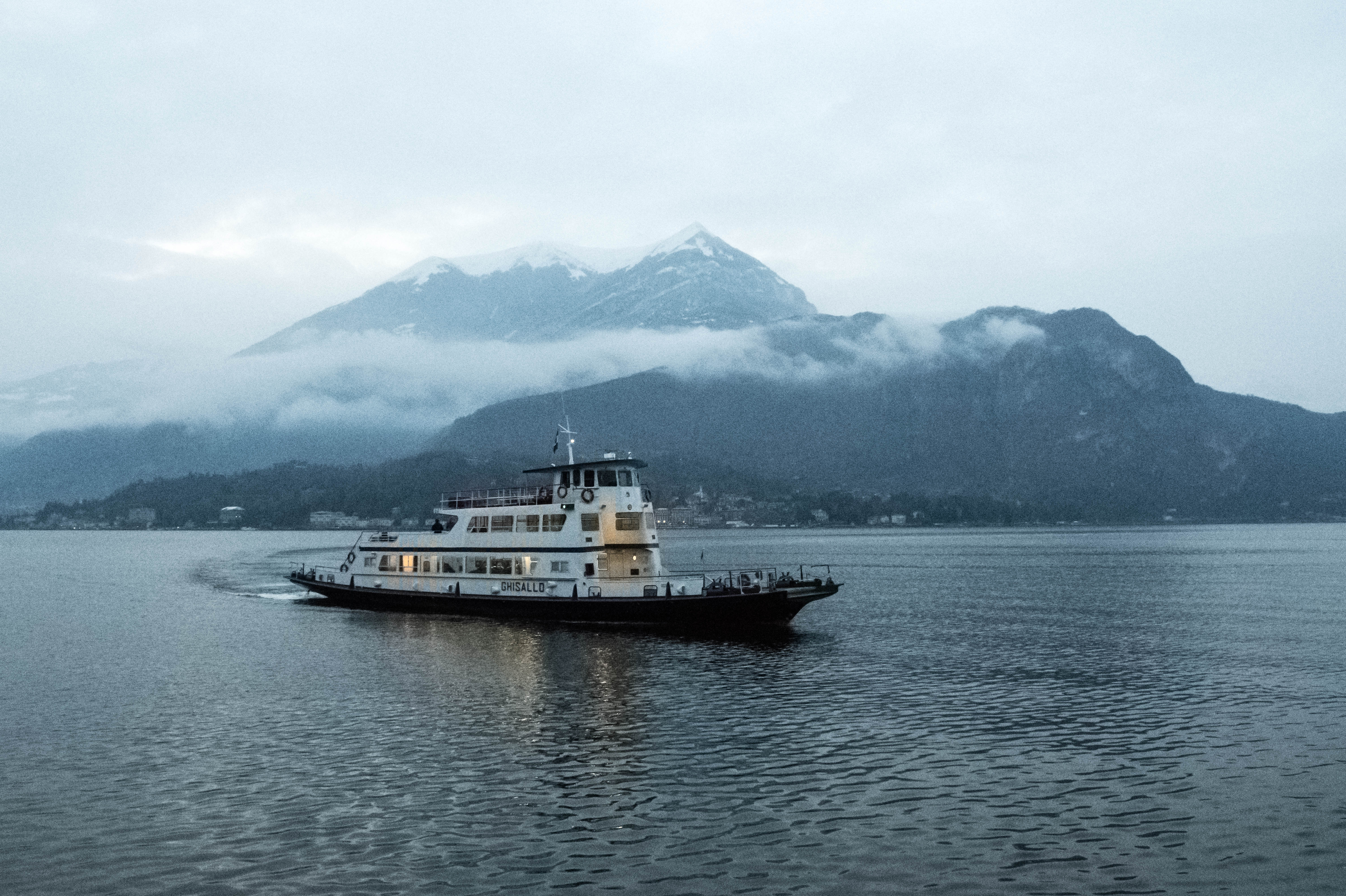
Our last full day we took the train for an hour up to Lake Como, where we started by walking around Varenna and then took ferry rides to visit Menaggio and Bellagio.  There was mist and fog, but it was still very beautiful, with the enormous calm lake, charming villages and the Alps rising above.  

On the trip back, I made substantial progress in Elena Ferrante’s second Neapolitan novel, The Story of a New Name.  I’m liking it even more than the first one.  Things that initially seemed uncomplicated turn out to be quite complicated, but in a believable, human way.  I haven’t gotten pleasantly immersed in a novel this much for a very long time.  


Skiing at Chamonix

OLYMPUS DIGITAL CAMERA

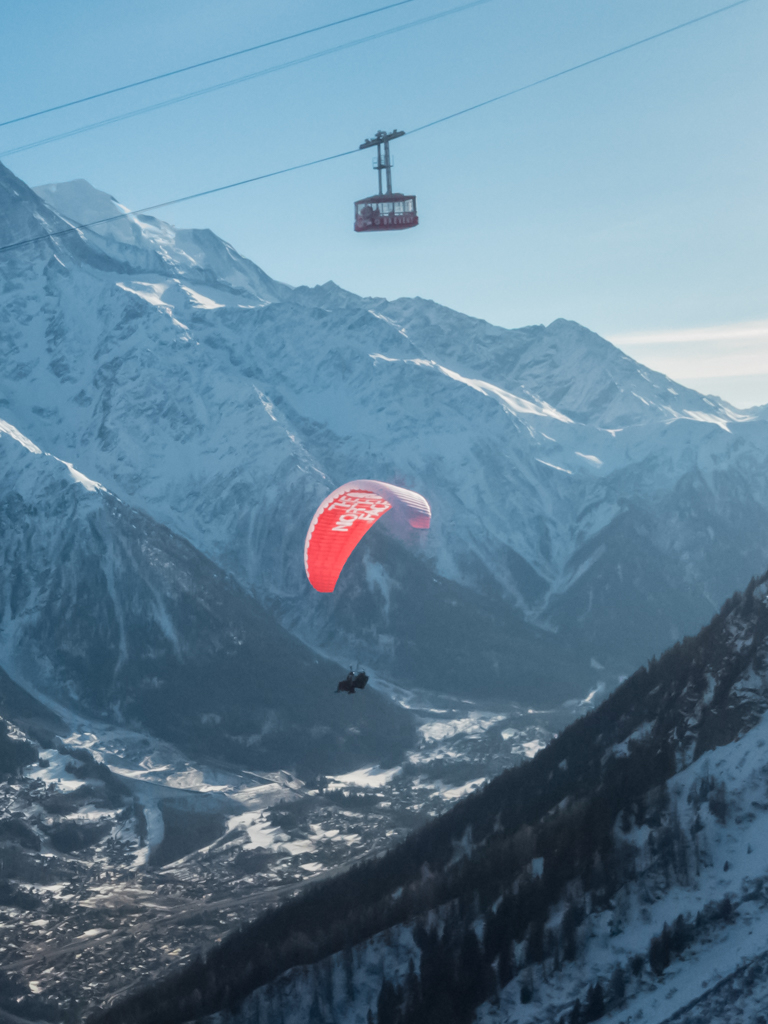
As I write this, Sally and I are on our flight back from Geneva, after a week of skiing at Chamonix, France.  The Alps in that area are spectacularly beautiful — craggy, jagged, and huge.  

The week we were there, the snow was not so great — icy in places, getting thin in places, with rocks showing through, crusty in places, and mushy at times.  That said, all the 56 lifts were operating, and for stretches the snow was perfect.  Most of the time the skies were blue.

OLYMPUS DIGITAL CAMERA

We skied mostly on the black (advanced) runs, and didn’t encounter anything terrifyingly beyond our ability level.  Mostly we felt challenged in a good way, absorbed.  Our skiing was happy — relaxed and free. There were, however, two difficult episodes.

On day two, we skied at Les Grands Montets, and late in the morning decided to go all the way up to the top to try Point de Vue, a long black run down the side of a glacier.  On the way up, the sky changed from clear and blue to gray pea soup.  Soon we were working our way slowly down very steep, icy, moguls, barely able to see where the next bump was.  I fell and lost a ski, and with the ice and the steeps, it was really difficult to get the ski back on.

After numerous tries of various approaches, I finally dug a level platform for the ski, which worked. This all took perhaps 20 minutes.  The combination of exertion, thin air, and stress hormones left me shaky, and at the bottom I proposed we take a break for some hot chocolate.

OLYMPUS DIGITAL CAMERA

On Friday, the conditions were snowy, windy, and with very poor visibility.  We skied at Le Tour, where (as elsewhere), the trails (or pistes) were marked with colored poles on either side.  In places we could see only one pole — not the next down the hill, and not the one across the slope.  Then there were no poles anywhere, and we realized we were off the piste.  

We went for a while to the left, then to the right, and saw no piste markers.  It was quiet, except for the wind.  I was starting to wonder if we were going to have to make our way on down off piste, almost blind, on difficult terrain — or worse.  Just then, a snow boarder came by above us, and we realized we just needed to climb back up 30 meters. Which was challenging, but whew!  

OLYMPUS DIGITAL CAMERA

Very few skiers were out that Friday, but there were a lot of them most of the other days, including the two days we skied Brevent Flegere.  It was a school holiday week, and there were lots of families skiing with young children.  I enjoyed watching the little kids, though there were times on narrow slopes when there were just too many people.

At the end of each day, we found a place at a sidewalk cafe in the charming ski village and had a beer.  It was pleasant to be surrounded by the French language.  My student French was pretty rusty, but it got better as the week went on, and people mostly understood what I was trying to say.  If they or I had no clue, no problem — most people in the hospitality line spoke serviceable English.

We stayed at a small hotel called La Vallee Blanche, which was located within an easy walk of lots of restaurants and bars, and about 4 blocks from the bus to the slopes.  Our concierges, Maria and Margo, helped us get reservations at enjoyable restaurants.  Our favorite was an Italian place called L’Impossible, which had home-made cannelloni to die for.

At dinner, we talked about family, politics, and skiing.  Sally and I were pretty much on the same level, and both still working to get better, so we talked about things we’d learned from our various teachers or were trying to figure out.  At one point I asked Sally what she wanted to improve, expecting her to say something like moguls, trees, or maybe carving.  

But her reply was more interesting:  she said she was hoping to overcome more fear.  And on reflection, that’s fundamental.  At some point, on some steep, all skiers find there’s a thing that says, don’t go, don’t point the skis downhill.  And then you’ve got to find courage.  So we try to cultivate a bit more courage, and face down fear.  

OLYMPUS DIGITAL CAMERA

Our Austrian adventure, including some good ski tips

OLYMPUS DIGITAL CAMERA

Last week we had a skiing adventure in the Arlberg region of Austria. This was our first ski experience in the European Alps, after quite a few trips to the U.S. and Canadian West. We were curious to experience the birthplace of alpine skiing and taste a different culture. It exceeded our expectations. If you love skiing, you should go.

We arrived in Lech on Sunday afternoon to find it had snowed a lot the previous day, but the snow had just changed to rain. As we got our bearings and rented equipment, hiking the roads with slush on top of ice, we managed not to fall, but our feet got wetter and wetter. We made a note to bring some water proof boots for the next trip. But some good news: with the weak Euro, the prices for lift tickets, equipment rentals, and hotels was substantially cheaper than out West.
OLYMPUS DIGITAL CAMERA

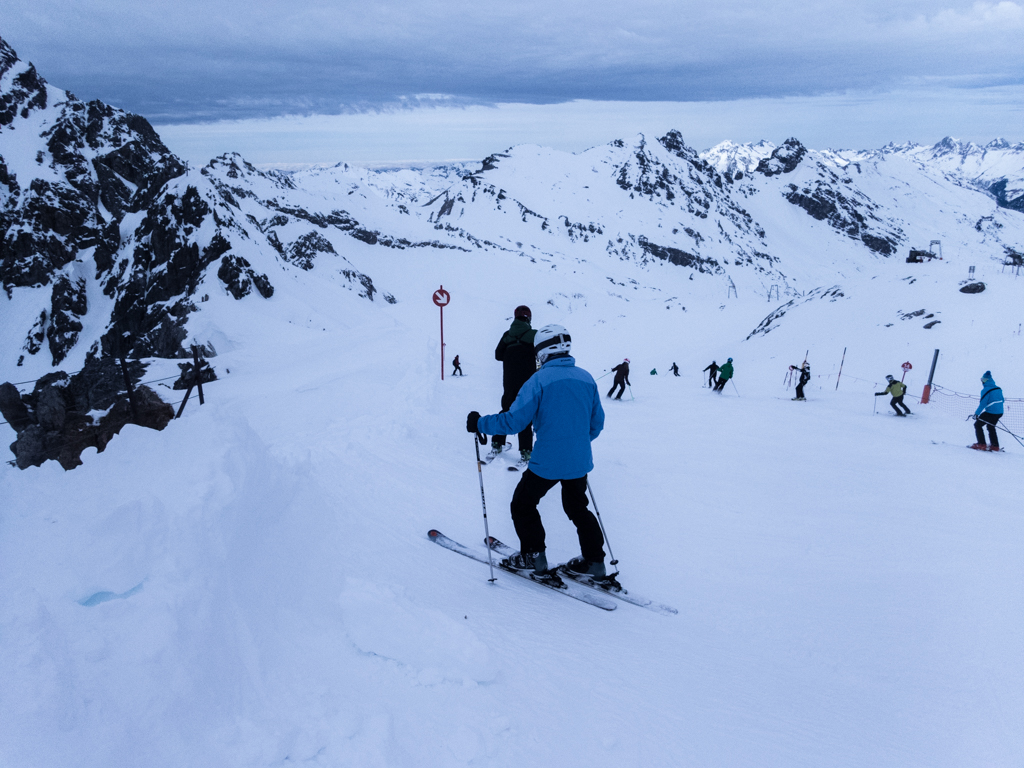
The next morning it cleared up, and we took our first runs at Lech (“leck,” more or less). It was beautiful. There are spots in the Rockies that rival it for magnificence, but here the craggy peaks were everywhere, towering above us and extending on and on. The slopes weren’t cut out of the mountain forest, as in the Rockies, but rather marked with posts on the mountain as nature made it. Snow coverage was good, though the snow was a bit heavy. We quickly adjusted and had many good runs on several different slopes.
OLYMPUS DIGITAL CAMERA

Early on we figured out that the official ski map gives only the most general idea of the lifts and slopes. The total Arlberg ski area is huge, with 97 lifts, and we discovered that the large maps near certain lifts were essential for navigation. There seemed to be an assumption that everyone could read a map and exercise good sense; we saw no greeters or patrollers looking to help the confused. But the slopes and lifts had a kind of logic, and almost without fail we ended up where we were aiming.
OLYMPUS DIGITAL CAMERA

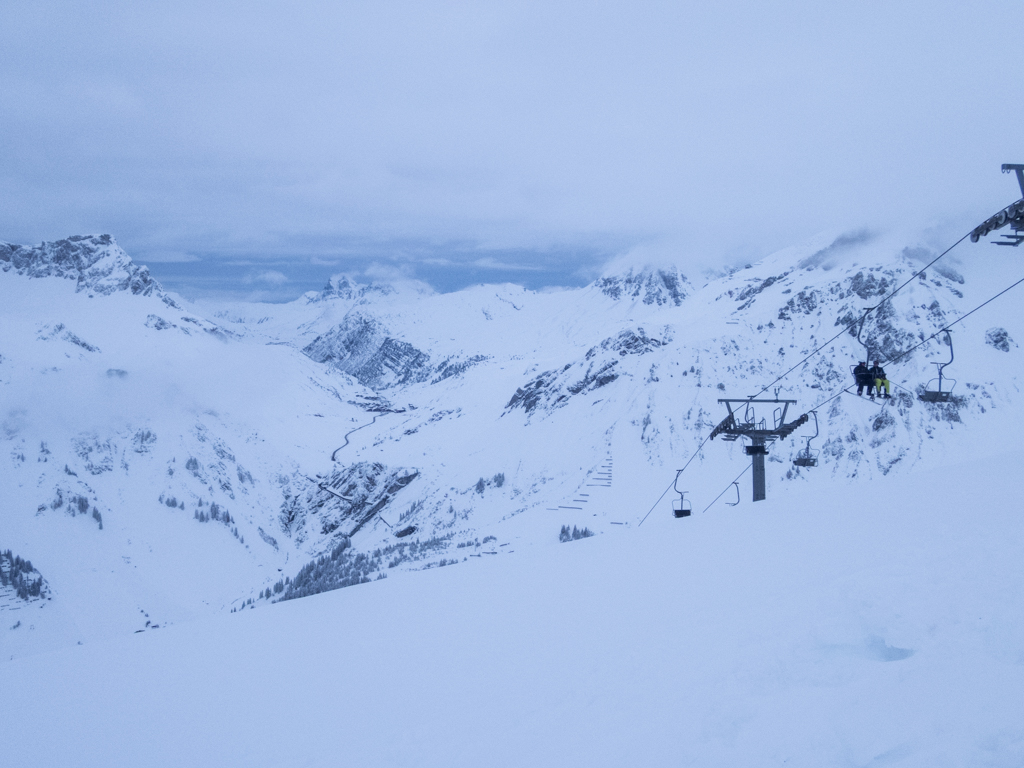
The lifts were mostly modern, high-speed, highly automated, high-capacity marvels. They had little gates, like at horse races, that let skiers onto conveyor belts, which generally deposited the skiers in the ideal spot to get gently swept onto the seat. Many of the lifts had a plastic bubble that could be lowered to protect against wind and snow, and some of the seats were heated. There were some exceptions, ranging from old school T-bars to enclosed gondolas. But over all the system was amazing. And unlike in our experience in the U.S., the lifts almost never stopped. Most of our time there, we had no lift lines, and many times had 4 or 6 chair lifts to ourselves.
OLYMPUS DIGITAL CAMERA

My rented skis were Atomic Vantage 90s, with wide rocker tips, some center camber, and 90 cms under foot. I found them not too stiff and not too loose — a Goldilocks all mountain ski. They performed well in both hard and soft snow, though I did not really figure out how to work them in very deep powder. I brought my own Dalbello boots, which performed well, though I got a blister on my left shin (driving those shins forward!) and a very bruised left ankle bone.

We stayed in Hotel Knappaboda, a 22-room family-run hotel that felt cozy and friendly, like the ideal bed-and-breakfast. The manager/owner, Gertrude Walch, also served as our concierge, recommending a new restaurant each night, securing reservations, and giving directions. It was not quite, as advertised, ski-in ski-out — the lift was about an 8-minute walk — but no matter. Our room had all the modern conveniences, including free and fast wi-fi, and was pretty and comfortable. It was also quiet. Especially after it started snowing again, at night we heard nothing from the street, nothing from neighbors, and practically nothing from the building itself. So peaceful!

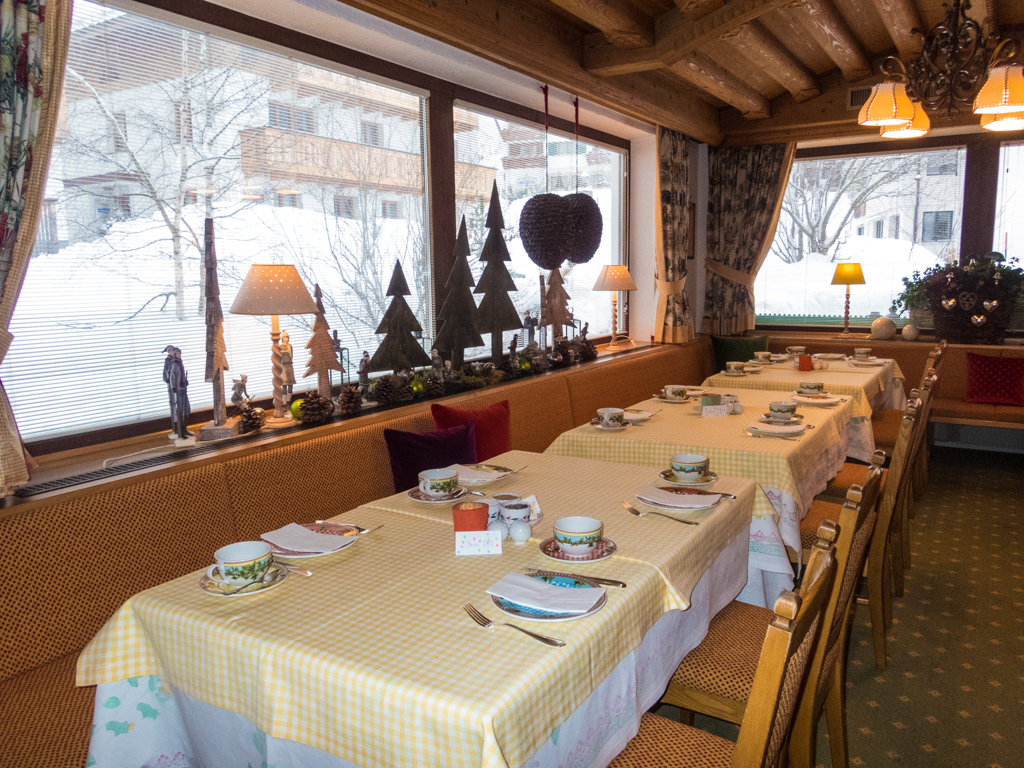
Ready for breakfast at the Knappaboda

Ready for breakfast at the Knappaboda

We hired a teacher-guide for Wednesday, when it started to snow again (and continued to snow until mid-Friday). Our ski guru was Walter Goggelmann. He turned out to be quite an accomplished person: a 20-year professional instructor who also worked in the off-season as a critic for a Berlin magazine, who spoke German, English, French, Spanish, Russian, Dutch, some Italian, and some Turkish. He also was an experienced scuba diver with good knowledge of Indonesia.

Walter watched us ski briefly, and identified three things we needed to work on. 1. Press into the snow with the downhill big toe. 2. Turn the uphill knee out. 3. Turn the head 45 degrees toward the next turn. The toe trick works to get your weight forward and the front edge better engaged. You should try it! We also learned that on the flats, you go faster if you press down with all ten toes. After a few hundred more turns, our skiing was both stronger and more relaxed.
OLYMPUS DIGITAL CAMERA

Walter took us on der Weisse Ring, a signature tour route which started at Lech and ended a couple of hours later with a very long run at Zurs. Walter stopped at one point at did a bit of yodeling where there was a long echo. At the end of the day, Walter suggested we check with him the next day, since he suspected his afternoon client might cancel, and he’d enjoy skiing with us at no charge. It was a nice compliment — hey, we must be pretty good! — though in the end he couldn’t make it.

We also skied two days at St. Anton. It was gorgeous there on Tuesday, and though the snow was hard (not quite ice) in the morning, we liked the steep long runs. When we returned on Friday, it was snowing hard, and visibility was very limited — we really couldn’t see the snow underneath us, and could barely see the next piste markers. With no beautiful views to distract us, we concentrated on polishing our technique. At midday we went over to the Steuben area for lunch. The lifts there were old-school, slow fellows, but the visibility got better, and the snow was good.
OLYMPUS DIGITAL CAMERA

I felt a certain reverence for Arlberg, like a golfer might for St. Andrews. The people looked a lot like us, but there was a different culture, which we enjoyed observing. There was a certain formality, and less extrovertedness — not much apparent interest in engaging strangers. There was a certain pushiness in the few lift lines we had. At the same time, people laughed a lot, and quickly responded when a skier fell or had problems. People seemed to particularly love little kids.

The restaurants we tried all had carved wooden ceilings, interesting fabrics, figurines, and a dramatic crucifix in one corner. We’d worried a bit about finding vegetarian food, but this generally worked out fine, though with more pasta and other carbs than I’d want to eat all the time. Our favorites were the Kroner and the Omesberg.

People speak German. I note this, because, before we went, several people said to me, well, everyone speaks English. Not exactly. Of those in the hospitality business, most speak some English, but there’s a wide range of skill levels. We could have gotten along with English only, but I was glad to have a little very basic German. We enjoyed being surrounded by the language, which made it very clear we were somewhere different.

One thing that was the same: pop music. At the apres skis bars, we heard almost all U.S. rock from various eras, and in the restaurants there was classic jazz. Since we seldom listen to this music at home, this was a change for us. We also noted that fewer Austrians are overweight. Unfortunately, more people smoke.
OLYMPUS DIGITAL CAMERA

I had only one real fall all week. On Thursday near Warth, after perhaps two feet of new snow had fallen, and with visibility still quite limited, I felt moved to test the deep powder. A few turns later I went down, and my face ended up under the snow. Nothing was hurt, but getting out was a problem. At first I tried hiking, but this was not possible, since the snow was almost up to my waist. Eventually I used a ski to pound the snow into a little platform that would hold the skis while I got remounted.

Anyhow, we got a taste of the culture, and a taste of the skiing — enough to want to come back. Early Saturday morning, we sadly bid Gertrude auf wiedersehn (she waved as our taxi pulled off), and took the bus to the Zürich airport. From there we took the train to the main station in Zürich and explored the winding cobblestone streets of the old part of the city.
OLYMPUS DIGITAL CAMERA

Zürich was quite charming. The high point for us was the Kunsthaus art museum, which has an excellent Impressionist and Post Impressionist collection, as well as some interesting old masters and current exhibits. We walked along Bahnhofstrasse and went into the Teuscher chocolate store, and after some looking, purchased their smallest box of truffles (two for each). We sat by the river and had cappacinos, and watched the gulls, ducks, and swans. Then we had a look at the famous Marc Chagall stained glass in Fraumunster church. After more strolling, we ate at a nice Mediterranean restaurant called Mere Catharine.

Older athletes, my 5K race, working out with audio books, CRISPR, and Uber

IMG_4297
I like stories of successful athletes who have passed the normal age for athletic achievement, for obvious reasons. There was a good one this week in the WSJ, which featured Klaus Obermayer, founder of an outdoor clothing company. At 95, he lives in Aspen, skis whenever there’s snow, does Akido, and swims, along with getting gym workouts, and eats a mostly vegan diet. I’ve previously challenged myself to still be skiing the big mountains at 85, but it looks like I may need to raise the bar.

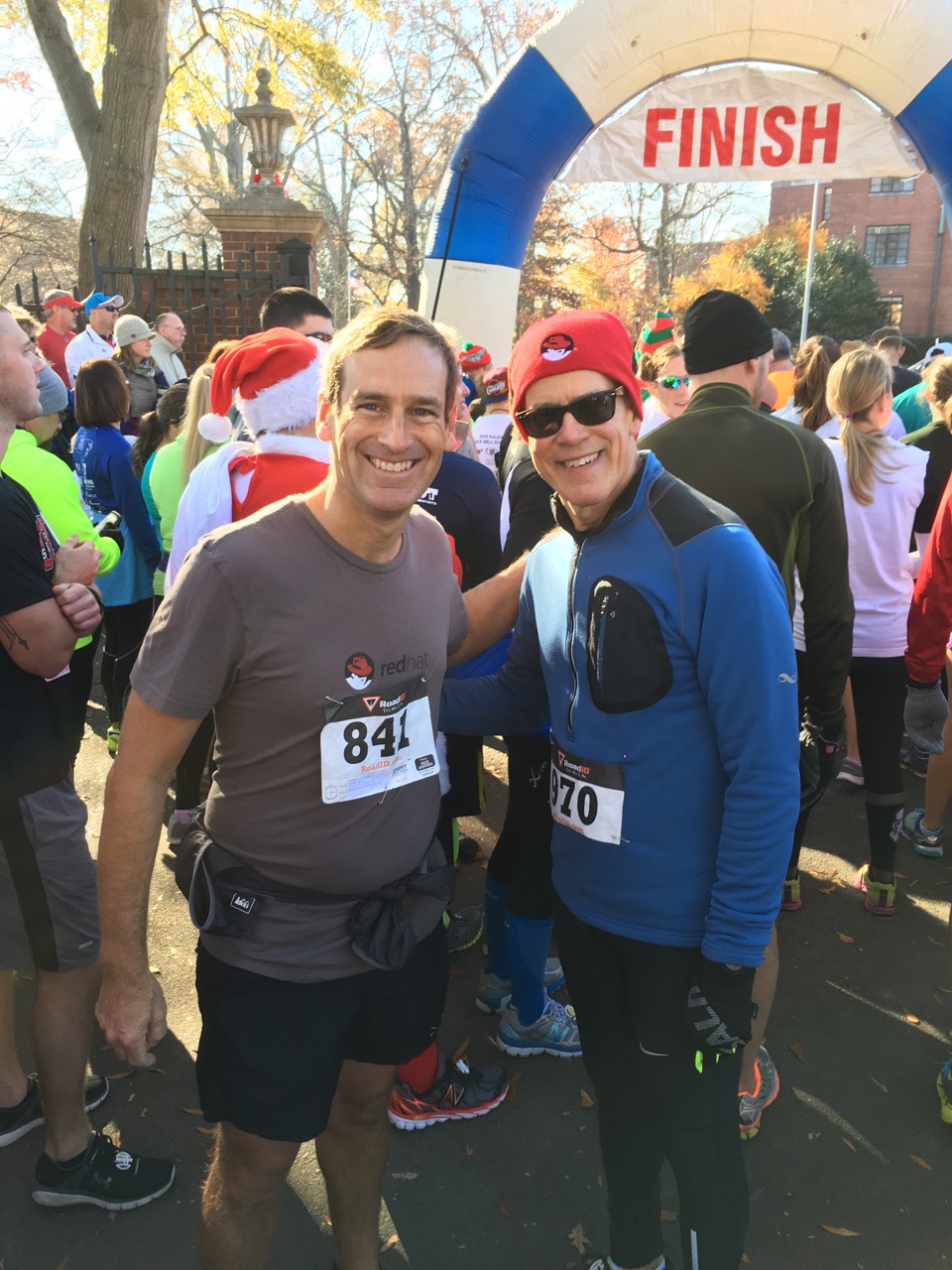
On Saturday morning I ran a 5K race in downtown Raleigh – the Jingle Bell Run, a charity event for the Arthritis Foundation. It was a beautiful fall day, clear and chilly, and a lot of my Red Hat colleagues showed up at Saint Mary’s School. Jonathan C, an accomplished runner, let me tag along as he did his warm up routine. Sally came along with Stuart and lent moral support.

The route was up and back on Hillsborough Street, which is a long climb going out, but it went OK. On the home stretch, as I passed the International House of Pancakes, I had a shot of pain in my left hamstring, and struggled to the finish. But I still ended up with an official time of 25:12. That’s average miles of 8:10, which was close to my planned best case scenario. Jonathan came in third, at 18:02 (5:49/mile). Sally said Stuart had a nice time: lots of people petted him, and asked his name and how old he was (13).

At the gym lately, I’ve been dividing my time among the various cardio machines – treadmill, elliptical, stationary bike, rowing, and stairs – putting in about 45 minutes of total sweat time, plus core work, resistance training, and stretching. Listening to audiobooks and podcasts makes this a lot more fun. This week I discovered News in Slow Spanish, which is exactly what it sounds like – a podcast for intermediate Spanish learners who like to listen to the news. My comprehension went way up when the announcers slowed way down.

I’ve also been listening to Redefining Reality: The Intellectual Implications of Modern Science, by Steven Gimbel. Gimbel has really helped me with the last 100 years of physics. I’m not prepared to claim deep understanding, but I’m getting more comfortable with, for example, the idea of gravity as a bend in space-time, and matter as just an expression of energy.

We like magazines, but it’s hard to keep up with them. In the last couple of weekends I made good progress in dealing with the pile of New Yorkers, Economists, Atlantics, Opera Newses, and Scientific Americans (but didn’t get to the pile of golfing, photography, and scuba magazines). I finally got a fix on what CRISPR is from a New Yorker piece by Michael Specter, and realized this is a technology that is going to change the world as we know it. The CRISPR tools allow biologists to edit DNA relatively simply and cheaply. This holds the potential for understanding and treating various serious diseases, and also improving food and industrial products. And, of course, there’s the possibility of creating Frankenstein monsters. Anyhow, for better or worse, or both, the genie is out of the bottle.

Last week came the end of driving as we know it – the beginning, for us, of the age of Uber. We scheduled a trip to our old favorite, Caffe Luna, and with a view to avoiding post-wine driving, I downloaded the Uber app. Our first experience was entirely friction free – no telephone call, no waiting, no tipping, and automatic payment, at an entirely reasonable rate. We gave our drivers high ratings, and hoped they did the same for us. I’ve been tracking the progress of driverless cars closely, but had sort of ignored Uber. Now I get it – it’s fantastic.
IMG_0481

Bad ski luck, good paintings, and amazing atoms

IMG_0236_edited-1
Our ski trip to Whistler was a mixed success. The alpine vistas were out-of-this-world beautiful. The runs were long, and the terrain was varied and challenging. The skies were mostly blue, and the temps were moderately cold. The village was bustling with lots of shops and restaurants, and people speaking many different languages. The free bus system got us around, though we sometimes had to wait a while. We had exciting adventures, good meals, and laughs with family and friends.

The snow, though, was disappointing. We arrived right after two exceptionally good snow years, and in the middle of what’s normally the snowiest time of year, but found it hadn’t snowed for weeks. Bad luck! There was still snow on the upper part of the mountains, but for most of our stay, its texture ranged from fairly hard to super hard.
IMG_0199_edited-1

The sound of skis on fairly hard snow is sort of like the sound of an ice scraper on an icey car windshield, or a snowplow scraping a street. We learned to listen for that sound as we went up the lifts and watched skiers descending the steeps, and pondered the least noisy way down. At speed on hard snow, you get bounced and buffeted, and you make those awful scraping sounds. You need to watch out for rocks. It’s hard to relax and let it flow.

But we did find some areas of non-punishing snow, and had a certain share of joyous turns. We particularly enjoyed some areas on Blackcomb mountain that had dramatic rolling ups and downs. There were pitches with non-icey moguls that were fun. And at the top, as I mentioned, spectacular alpine views.

I skied on rented Volkyl Kendos, which I found to be versatile and reliable, stable at speed and quick from edge to edge. I was also happy with my new Dalbello Panterra 100 boots, which were easy to get on and stayed in good communication with my edges.
IMG_0241_edited-1
We had an afternoon in Vancouver before heading home, and checked out the Vancouver Art Gallery, a fine old building in the classical style. There was a exhibition featuring some fine works of Cezanne, Degas, Pissaro, Van Gogh, Modigliani, and Soutine collected by Henry and Rose Pearlman. I enjoyed the paintings, and was particularly glad that Gabe could see this well-chosen collection, while his own artistic eye is developing so quickly.

We also checked out an exhibit of contemporary Chinese art, where I saw two pieces that blew me away: a giant sculpture by Ai Weiwei made of hundreds of antique three-legged stools (shown in this video) and installation involving ceramics by Liu Jianhua that seemed to hover both in space and time. We also stopped in the Coastal Peoples Fine Arts Gallery, which had interesting masks, totem poles, and graceful stone sculptures of bears and other creatures.

On the trip back, I finished reading Your Atomic Self: The Invisible Elements that Connect You to Everything Else in the Universe, by Curt Stager. Its main point is to explain how our bodies are built and operate from an atomic perspective. We all know, sort of, that we’re essentially atoms, but it’s challenging to grasp and accept what that really means. Stager traces our oldest bodily elements back to their origin in exploded stars, and explains how our constituent atoms have been recycled through minerals, vegetables, and animals prior to arriving in us. The idea that we’re connected to everything around us turns out to be true! I found it challenging, and inspiring.