The Casual Blog

Tag: Raulston Arboretum

Butterflies, Vermeer, and blind spots

Raulston Arboretum-1577

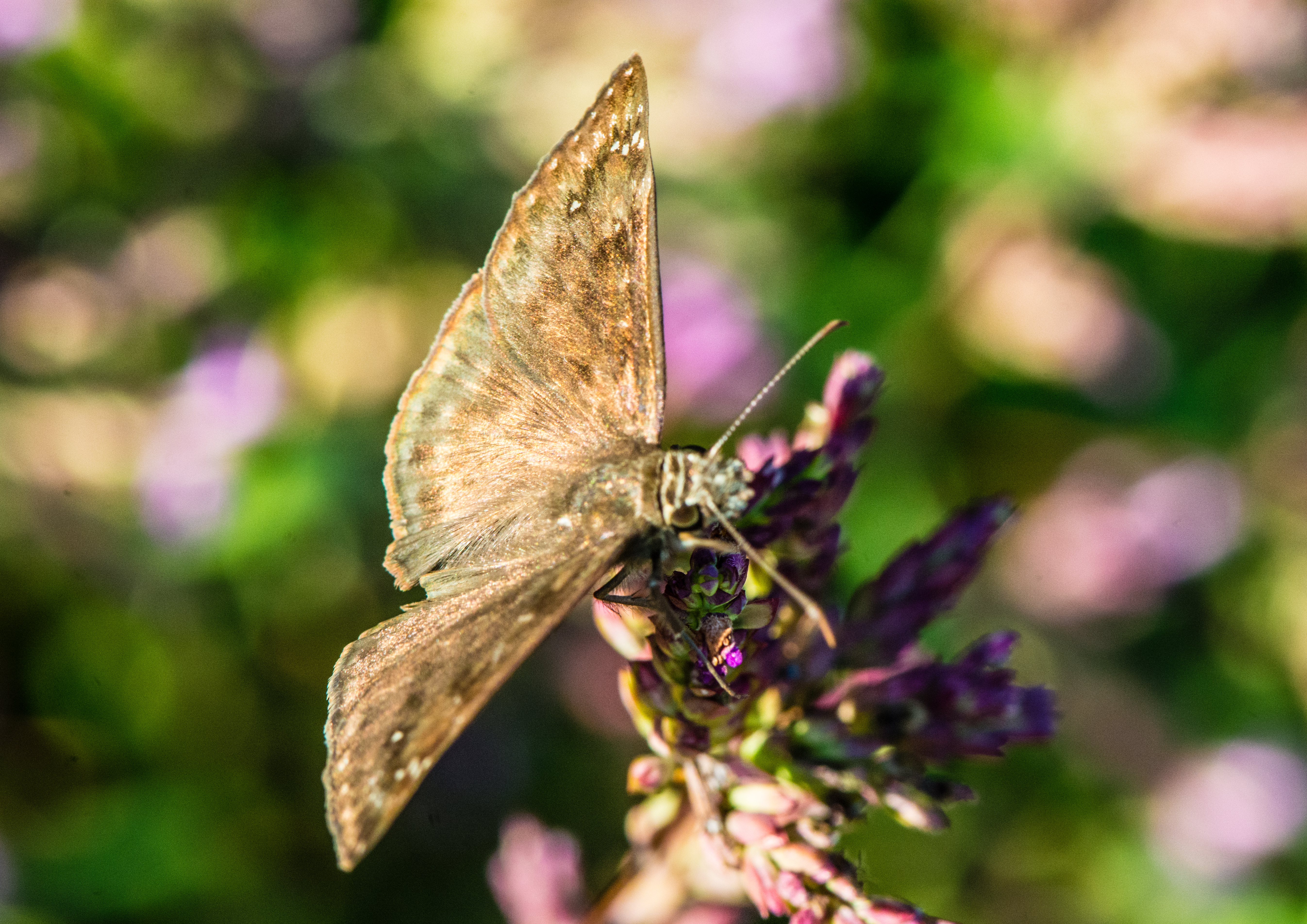
After work on Friday, I zipped up to Raulston Arboretum with my camera to see what was blooming and flying. It’s a lovely place, and it’s soothing to stroll among the quiet growing things. But when you’re trying to manually focus the camera on tiny quick-moving creatures, there’s a burst of adrenaline. When it all clicks, I feel happy. This week there was a profusion of butterflies, and I had good luck in capturing images of a few.
Raulston Arboretum-1587

I’ve been reading the book Diane gave me, Travels in Vermeer, by Michael White. It’s a memoir about a tough time in White’s personal life, which was relieved by his falling in love with the art of Vermeer, the 17th century Dutch artist. I share his passion for these rare paintings, and like his accounts of his personal encounters with the master’s work.

White shows how feelings flow out of the paintings, and how they reward the viewer who keeps looking and looking. This is one way to tell when art is truly great — when you can’t exhaust it. I had the bright idea of googling the paintings as I came to his descriptions, and confirmed that Google takes far less than a second to locate a decent image of any Vermeer you care to name. It enriched the reading experience.
Raulston Arboretum-1542

As I mentioned last week, I’ve been listening to audio book lectures while working out about ancient Greece and Rome. This week I learned that as much as a third of the population of classical Athens were slaves. For all the pathbreaking philosophers among the Greeks, it appears that none of those great minds questioned the institution of slavery. Though I found this surprising, it also occurred to me that there have been and are still huge blind spots in our moral vision. I’m thinking of those things that are almost impossible to think about, let alone criticize, let alone change, because they’re so integral to the way we live. An example: our industrialized cruelty to farm animals.

Raulston Arboretum, July 24, 2015

Raulston Arboretum, July 24, 2015

But these things can seem unshakably settled and then get unsettled. Think of progress on racism, sexism, homophobia, and our heedless destruction of the natural world. This seems to be happening with our views of imprisonment. This week President Obama visited a federal prison and spoke out about some of our most egregiously cruel practices with regard to convicted criminals, including solitary confinement.

What’s wrong with solitary confinement? The NY Times nailed it.

“When they get out, they are broken,” said Dr. Terry Kupers, a psychiatrist in California who consults on prison conditions and mental health programs. “This is permanent damage.” Cornell William Brooks, the president of the N.A.A.C.P., said prolonged solitary confinement amounted to torture. “Putting someone in solitary confinement does horrible things to a person’s personality, their psyche, their character,” he said.

It seems like we’re starting to be able to see this problem and address it.

Raulston Arboretum-1523

And it seems like a good thing that Iran has agreed in principle to back off from building nuclear weapons. What’s not to like? Our usual unquestioning acceptance of the possibility of massive nuclear destruction is sort of like the Greeks and slavery – we just can’t bring ourselves to think about it. But we know, in the back of our minds, that existing hydrogen bombs, always on alert and ready for launch, always subject to human error, could quickly end life as we know it. Shouldn’t we be pushing our governments to find ways to back off the nuclear precipice? If you aren’t familiar with the science regarding nuclear winter, information is here.
Raulston Arboretum-1514

Bees, batching it, basic incomes, Confucius, and a brand new ballet

At Raulston Arboretum

At Raulston Arboretum

Sally’s tennis team made it to the state finals, which was in Greensboro this week. Of course we were proud of her, but also concerned, since this meant leaving Gabe and me, and the three cats and two dogs, to fend for ourselves for a few days. Sally is our goddess, but also our our binding agent, and general civilizing force. There was a risk we’d have a quick return to the state of nature and a Lord of the Flies situation.

In the end, the cats threw up less than normal, the dogs sustained bladder control, and we kept things reasonably tidy and companionable. A couple of evenings, Gabe and I did parallel play, each in the living room with our MacBooks, working on Adobe programs. While I’ve been trying to learn Lightroom, he’s been delving into Illustrator as part of his exploring becoming a graphic designer. I’ve always thought he was talented in this direction, and so this doesn’t seem unrealistic, though I worry that creative careers are for most people underpaid ones.
_DSC9849

Speaking of careers, I read more this week about the quick rise of artificial intelligence that will likely render redundant large chunks of the world’s workers. I started Martin Ford’s new book, Rise of the Robots, Technology and the Threat of a Jobless Future, which talks about the latest advances in AI and robotics, along with unemployment problems. He’s an advocate of the guaranteed basic income to address the problem of increasing structural unemployment. There’s a piece in the Atlantic about the basic income movement — paying everyone enough for the necessities, so they can continue to buy goods and services. This could stave off economic collapse, which would be a good thing.

Of course, the idea of a bigger safety net seems wildly unrealistic in these days of so-called conservative political ascendancy. But this week there were reminders that good ideas that seemed impossible a short while ago can suddenly become the new normal. Nebraska legislators ended the death penalty in that very red state! Kansas legislators who championed tax cutting are talking about raising taxes to pay for basic services. Not so long ago, it seemed impossible that the United States would ever legalize marijuana or gay marriage, and now those things seem more probable than not. And despite continuing fear mongering, it looks like the Patriot Act is going to expire tonight. A guaranteed basic income could become as American as Social Security.
_DSC9852

I realize I’m jumping around a bit, but this is related in a way (political ideas/notions of human meaning and purpose): there was a thought-provoking book excerpt by Henry Rosemont, Jr. in the Huffington Post contrasting the libertarian strain of western political thought with Confucianism. About all I thought I knew about Confucianism was that it involved something about ancestor worship, but Rosemont presents some profound and useful ideas about social relations, morality, and the role of the individual.

He writes,

By emphasizing not our individuality but our sociality, the Confucians simultaneously emphasize our relationality: an abstract individual I am not, but rather a particular son, husband, father, grandfather, teacher, student, colleague, neighbor, friend, and more. In all of these roles I am defined in large measure by the other(s) with whom I interact, highly specific personages related to me in one way or another; they are not abstract autonomous individuals either. Moreover, we do not “play” these roles, as we tend to speak of them, but rather live our roles, and when all of them have been specified, and their interrelationships made manifest, then we have, for Confucius, been thoroughly individuated, but with nothing left over with which to piece together an autonomous individual self. Being thus the aggregate sum of the roles I live, it must follow that as I grow older my roles will change, and consequently I become quite literally a different person.

Rosemont goes on to explain that the quest for a single definition of one’s self is futile, because “we are basically constituted by the roles we live in the midst of others.” That is, the self is a dynamic construction made by individuals working in concert. As to meaning, he writes, “My life can only have meaning as I contribute to the meaningfulness of the lives of others, and they to me.” This does not seem radical to me, but it stands in stark contrast to the traditional western view of the individual as autonomous and self-directed. I’m considering getting Rosemont’s book and exploring this more.
_DSC9903

Sally got back from the tournament in Greensboro on Saturday in time for us to get to the Carolina Ballet studios for the first ever performance of a new ballet by Zalman Raffael. Sonata 17, set to Beethoven’s piano sonata op. 31, no. 2, was created with a grant from the New York Choreographic Institute, and involved four male and four female dancers, including our friend Alyssa Pilger. It was romantic in the sense that Beethoven is romantic, and had a boy-seeking-girl subplot, but at the same time was coolly modern. My main criticism was that the pas de deux second movement seemed overly minimal.

The third movement got off to a blazingly kinetic start, but then Rammaru Shindo fell and was unable to get up. The music stopped, and he was helped off the stage. The other dancers finished the piece, with blanks where Shindo would have been. It was a reminder of that the amazing athleticism of these dancers involves serious risks, and they can and do get hurt. There was a reception afterwards, where we had a glass of wine and chatted with Zali, Alyssa, Michael and Amy Tiemann, and other friends.

That evening we saw a very good documentary on Netflix called First Position about young dancers preparing for and participating in a large ballet competition. The dancers were amazingly talented! It was a pleasure to watch, and also showed the incredible discipline and drive of top dance students.

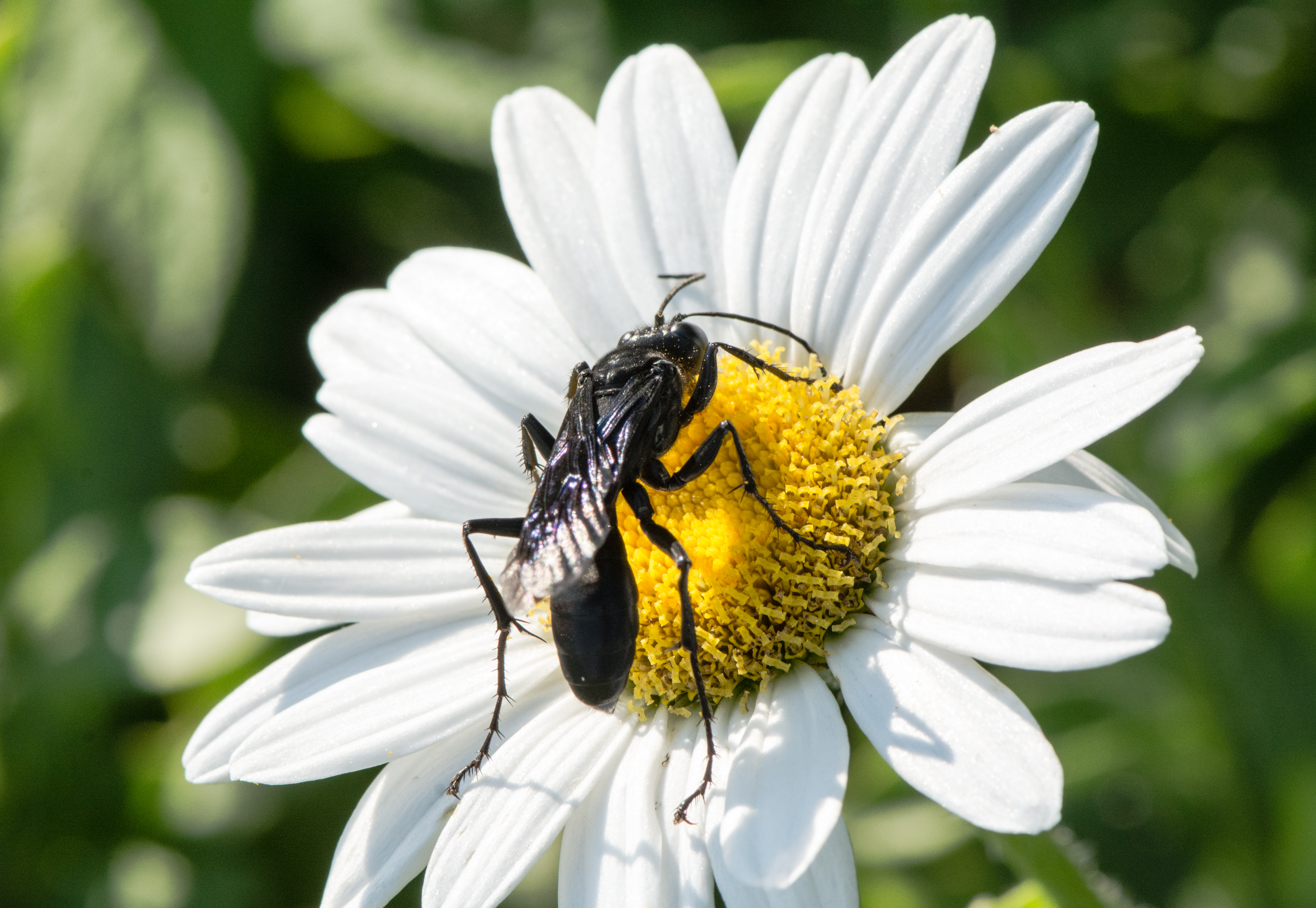
I took these pictures at Raulston Arboretum on May 29, 2015, at about 6:30 p.m. The season of pure new blossoms has passed, but there were bees hard at work. They work fast, with only a moment on a flower, but photographically frozen, they look like they love their flowers. I was also pleased to come upon a well-camouflaged little snake who was intently sensing the world with his tongue.
_DSC9898
_DSC9900
_DSC9900-2

Ordinary health matters, learning Lightroom, and seeing sweet Cinderella

_DSC9780

I took these pictures late Friday afternoon at Raulston Arboretum. The fresh blooms of early spring are gone, but there was a richness to the atmosphere, and great smells. I tweaked these with my brand new software, Lightroom 6, which I decided to buy on DVD, rather than the subscription service. After watching a number of instructional videos, getting a short lesson from my friend and colleague Ruth S., and experimenting a bit, I’m starting to get the hang of what Lightroom will do, and looking forward to improving some of my image making and storing.

Jocelyn’s been running, and texted this week that she’d taken two minutes off of her four-mile time. She was pleased! When we talked, she reported that running was helping her get to know her neighborhood Fort Green and the environs. I’m so glad she’s taking good care of herself!

Here in Raleigh, Gabe has been running, too, at a nothing-to-sneeze-at pace of 8 minutes. Thinking of his health, I asked what he was doing about health insurance since leaving his job last month, and determined he hadn’t really addressed it. I briefly panicked, since one serious accident could mean financial ruin for us all.
_DSC9761

Sally has long been a skeptical critic of the American health care system, and pointed up an on-point new piece by Atul Gawande in the New Yorker. It’s about the incredible waste in our system from the many unnecessary medical tests, drugs that don’t’ make people better, and surgeries with more risks than benefits. Gawande is a practicing surgeon, and thus has a fair bit of credibility, as well as interesting personal anecdotes. The legal scholar in me would have appreciated more citations, but I don’t have much doubt as to Gawande’s basic point: our system is optimized to make money for hospitals and the medical establishment, rather than to keep people well, and is horribly inefficient. It’s remarkable to me that we can’t get general agreement that we need major reform.

Anyhow, we live in the world that is. At my urging, Gabe figured out how to get an ACA silver plan, which doesn’t kick in until the first of next month. Meanwhile, I counseled him to cool it for a couple or weeks on skateboarding. Also, he should be particularly conscious of looking both ways before crossing the street, and watch out for falling flower pots.
_DSC9770

On Saturday afternoon, I took a short walk from our apartment over to K2 Massage, where I had an extraordinary therapeutic massage experience with Ken Katchuk. For this first visit, Ken told me to allow for two and a half hours, and ended up needing about three. He spent time debriefing me on ailments and old injuries, and on things I liked to do. Then he got down to the business of figuring out where my areas of tension were, and going after them. It was difficult by moments, but I felt that I was in good, experienced hands, and my body was being helped.

That evening we had dinner with friends at Buku, and saw the Carolina Ballet’s new Cinderella program. Margaret Severin-Hanson was a lovely, graceful Cinderella, and Alicia Fabry and Randi Osetek were very funny as the mean stepsisters. Fabry’s tango solo was a hoot! I wish, though, the score were less sweet and repetitious. In the second half, I really liked Zalman Rafael’s new piece, In the Gray. Set to music by Philip Glass, it is sort of an anti-Cinderella, emphasizing kinetic abstract shapes rather than characters. The dramatic side lighting deemphasized the dancer’s individuality, but Jan Burkhard, Cecilia Iliesiu, and Adam Crawford Chavis made powerful individual impressions. As with other Rafael work, this one shows deep comprehension of the music and unites with it.
_DSC9776

A homecoming, new flowers, and a Shakespeare concert

Raulston Arboretum, Raleigh, NC  May 9, 2015

Raulston Arboretum, Raleigh, NC May 9, 2015

Our Gabe sold or tossed most of his possessions and loaded up the car with the rest, then he drove east, along with his golden retriever, Mowgli. He’d lived in the beautiful ski town of Telluride, Colorado for six years, and had decided that that was enough. He enjoyed the long drive, until his car broke down in eastern Tennessee on Sunday. He had to wait there until Monday to get it fixed. He arrived in Raleigh Monday night, and we gave him a big hug. Mowgli and Stuart sniffed each other.

Gabe, who’s been working as an accountant, is thinking of taking a new career direction. He’s planning to stay with us for a bit and consider his options. We’re all hoping to stay good friends and not make each other crazy. In his younger days, he had a bad habit of borrowing my clothes without permission, but so far he’s been good about that.
_DSC9672_edited-1

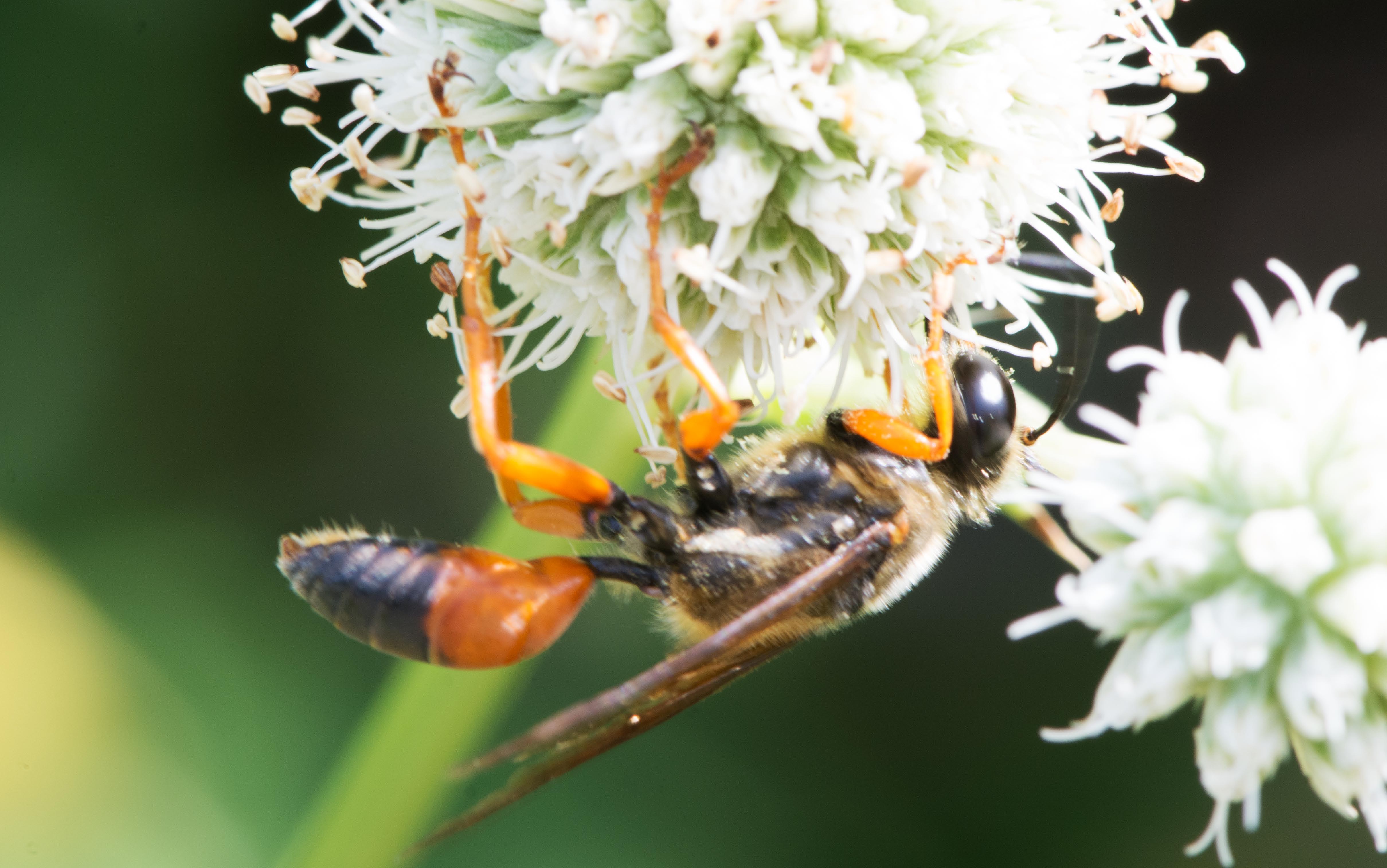
I made a quick trip to Raulston Arboretum on Saturday morning and took a close look at some new flowers. There were lots of little insects at work on them, and I had a go at capturing their images, but with limited success. Afterwards I went to Flywheel for a spin class, which was tough. I was happy to finish in the top four, but was way behind the champion.
_DSC9735_edited-1

In the afternoon, I spent some time experimenting with Lightroom, Adobe’s photography database program. I’m in the middle of my 30-day free trial, and am determined to test it out, if I can figure it out. I get the basics, but a lot of it isn’t at all intuitive. I’ve been reading and watching videos, and making some progress.
_DSC9726_edited-1

We went to the N.C. Symphony on Saturday night, where they were joined by actors from the Playmakers Repertory company and the N.C. School of the Arts in performing a musical version of A Midsummer Night’s Dream. We enjoyed the wonderful Mendelssohn and other music, but were less enamoured of the acting. In recent seasons, the Symphony’s programming has gotten increasingly conservative (lots of warhorses), and, for us, not very exciting. It’s good to see them trying something different, but this program didn’t really work for me.
_DSC9711_edited-1
_DSC9640_edited-1

Spring blossoms, a new Rossini opera, and good news re ISIS

_DSC8481_edited-1
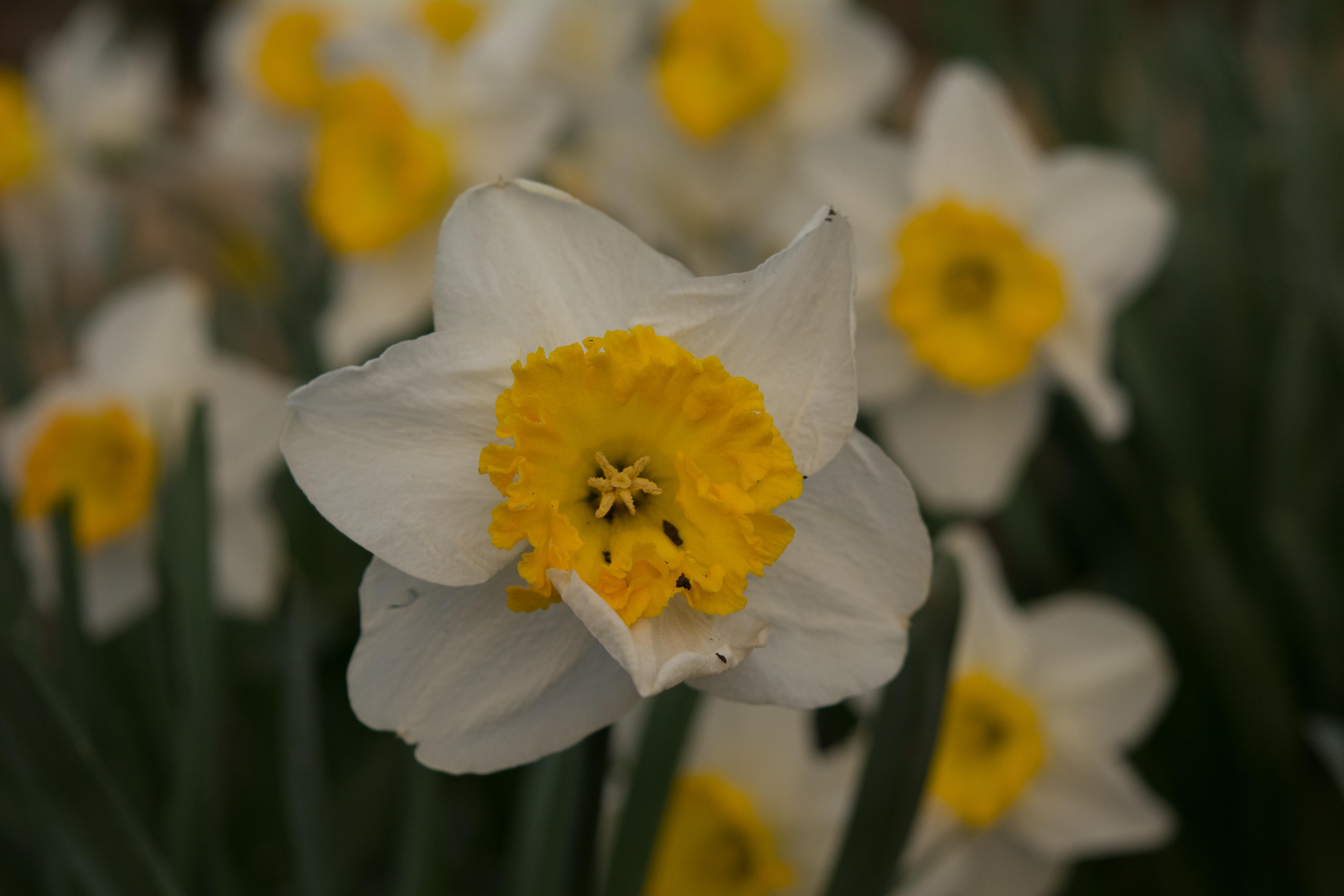
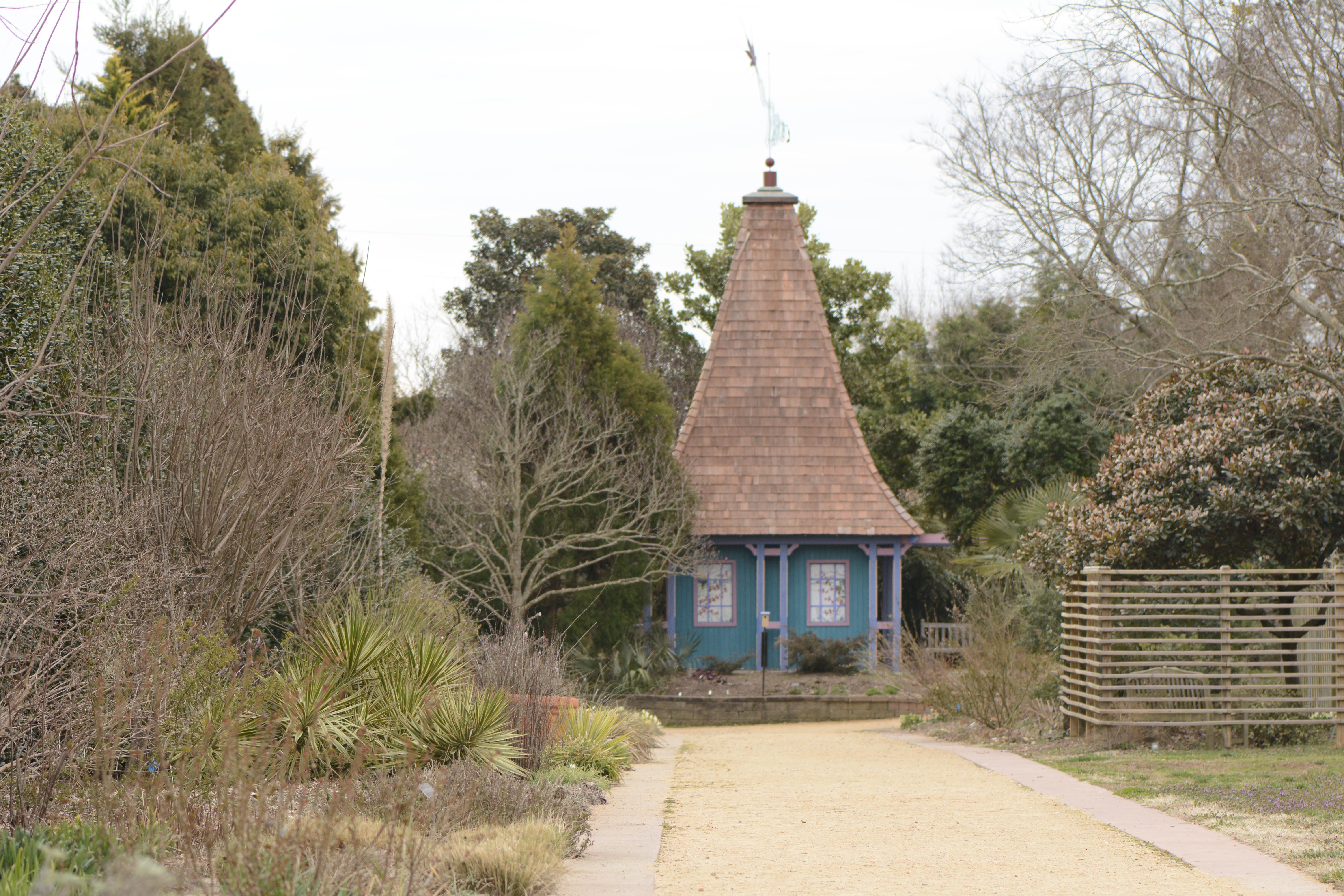
It’s been a tough winter, and I’ve been on the lookout for forsythia and daffodils, our early declarants that winter is done. I spotted a few on Saturday, and on Sunday I got up to Raulston Arboretum, where there were blooms and buds, and I took these pictures. Happy spring! _DSC8519_edited-1

Actually, Diane pointed out the first daffodils, when I picked her up to take her to North Hills Cinema to see the Metropolitan Opera’s Live in HD Production of Rossini’s La Donna del Lago. As usual, Diane had vetted the reviews, and filled me in on the major points. This was the first ever production by the Met of this 1819 work, and was the result in part of a campaign by its star, mezzo Joyce DiDonato.

I’ve never seen a Rossini opera I didn’t like, and I liked this one, too. The story concerns competing lovers against a background of Scottish clans battling the king. The vocal pyrotechnics that are characteristic of the bel canto style were carried to an extreme in this work, and the principal singers were all virtuosos up to the challenge. I was awed by Juan Diego Florez and John Osborn as the dueling tenors, and also by mezzo Daniela Barcellona as Malcolm. As Elena, Joyce DiDonata had charisma and amazing vocal agility, though I was bothered by her tendency to sing sharp. Conductor Michele Mariotti was young, good-looking, and completely a master of this style.
_DSC8467_edited-1

As Diane and I compared notes afterwards, we agreed there were some odd moments. Who were those kneeling men with blue faces? What were those metal poles in the battle camp? Why did the cloudy horizon cover only half the background? Even with belief well suspended, the plot has some bumpy parts. But we loved the music, and the production worked.
_DSC8476_edited-1

There was more news of mayhem in the Middle East this week, as seems to be true most weeks. This is an area of the world that I do not feel a great affinity for. I’m sure there are some good and interesting people there, but their countries have lots of history, culture, and conflicts I never learned much about.

I don’t think I’m unusual in any of this. Those political leaders with the greatest interest in showing deep knowledge of the Middle East to promote their preferred programs, such as war, almost never say anything non-obvious. This makes me tend to believe that despite our massive intelligence programs, we still have little understanding of the drivers of Middle East conflict. This is serious, because we cannot have a reasonable plan for solving a problem we do not understand.
_DSC8511_edited-1

We generally default to the belief that violent actors all hate all Americans and are primarily concerned with destroying it. But even with the limited information we get from daily journalism, we should know that things are a lot more nuanced than that. The Sunnis hate the Shiites, this kind of Sunnis hate that kind of Sunnis, and moderates hate the Jihadists. Some Jihadists want to wreak worldwide havoc, and others want to build a fundamentalist Islamic state (which is ISIS’s declared objective). And as always, there are people driven primarily by love of power and greed.

In the NY Times this morning, there was a story about how Al Qaeda came to have a lot of money from the CIA. The main story concerned an Afghan hostage situation, but it also discussed how the CIA delivered large bags of cash to then-President Hamid Karzai, in amounts up to $1 million per bag, for him to use to bribe others as he saw fit. Is this not outrageous? Surely we stopped this practice after the odious Karzai left? Well, the report today said … “The cash [is] still coming in . . . .”

Having gone many years without anything like an existential threat from a Jihadist group from the Middle East, you’d think we might be ready to put that behind us and focus on things that are much more serious threats. But the appearance of ISIS has reignited old fears and restarted the drumbeat of war.
_DSC8498_edited-1

We learned some new things about the war against ISIS this week. Iran is fighting them hard, and with some success. This puts the US in the impossible position of trying to fight ISIS without effectively supporting declared enemies Iran and Bashar al-Assad. We also learned that ISIS is not only losing some battles, but losing some supporters, because of increasing corruption and cruelty. I was glad to hear it, for I wish the homicidal fanatics of ISIS nothing but ill.

But none of this alters my view that this is not our war. I still do not understand why we would sacrifice the life of a single American young person in a fight against them, unless they become an actual threat to us. The countries ISIS now threatens or worries are not our good friends. This is not a situation we understand or can solve.

Fireworks, wildlife, and Carl Hart’s book debunking drug myths

14 07 04_0378_edited-1-1
Fourth of July fireworks are hard not to like. As a friend once observed of sex, even when it’s not particularly well done, it’s magnificent. On Friday we were planning to walk a few blocks to see the one of the two downtown Raleigh fireworks shows, but Sally was not feeling well, so we got some takeout Indian food from Blue Mango and watched from our twelfth-floor balcony.
14 07 04_0402_edited-1

That afternoon I’d Googled how to take good fireworks photos, which is a bit involved (use a tripod, remote control, bulb setting, manual focus, etc.), but I found it interesting. I got a few images I liked of the display at Red Hat Amphitheater. I could also see parts of the display at Memorial Auditorium, which appeared to be more magnificent, but this could be the grass-is-greener effect.
14 07 04_0404_edited-1-1

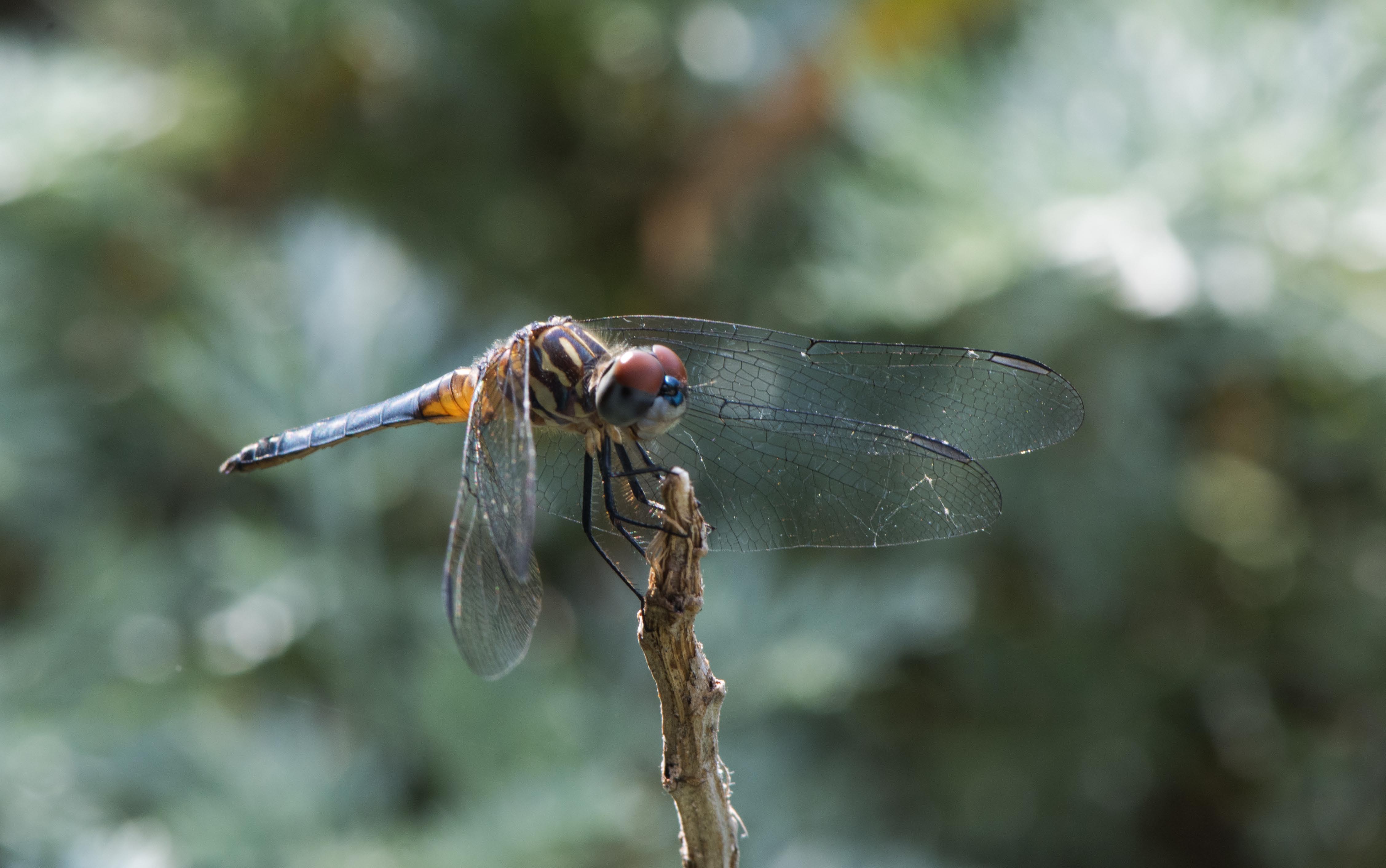
I continued exploring local parks, looking for dragonflies and other wildlife, this time stopping at Shelley Lake. There were lots of mallards and geese, but the one below, by herself, got my attention. I also stopped in at Raulston Arboretum on Sunday morning and focused on some little creatures communing with the flowers.
14 07 05_0538_edited-1

On Saturday I finished reading an unusual and worthwhile book: High Price: A Neuroscientist’s Journey of Self Discovery That Challenges Everything You Know About Drugs and Society, by Carl Hart. Hart is a professor at Columbia University who’s devoted his scholarly career to studying the effects of illegal drugs on the brain. His book is an autobiography of growing up poor and black in south Florida, and somehow not getting shot, becoming a dropout, becoming a hardened criminal, becoming an addict, or going to jail (which were common outcomes of his friends and family), and instead somehow getting an education, becoming a respected scientist, and learning to question his own assumptions. It’s remarkably honest.

I was particularly interested in his take on the war on drugs. As I’ve noted before, I view the drug prohibition regime as a terrible social policy from every perspective. Hart focuses particularly on the costs to the black community, with draconian laws resulting in mass long-term imprisonment and destruction of the social fabric. He combines an overview of the human toll with his own drug experiences.
14 07 06_0462_edited-1

Like almost all of us, he initially accepted uncritically the media/government claims that crack cocaine was a menace that threatened to make addicts of everyone who tried it and turn them into zombies who cared for nothing but the next high. He gradually realized, based on his own experience and his research, that this was a wild distortion of reality. Crack cocaine is chemically almost identical to cocaine, and the effects on the body are basically the same. The primary difference is social: crack cocaine is cheaper and marketed more to black communities, while cocaine is an expression of wealth and status. And crack prison sentences are much more severe.

This has become almost common knowledge, and the sentencing disparities have been substantially reduced (but not eliminated, unfortunately). For me, Hart’s account highlights how media and politics can create a moral panic, and even otherwise responsible scientists can get swept along. Thus the famous example of the experimental rats that can’t resist crack, which supposedly proved that crack was uniquely addictive. Hart explains that the rats, which are social creatures, were unhinged by isolation, and had no alternative activities to getting drugs.
14 07 06_0514_edited-1
Hart did experiments with human subjects who were in fact crack addicts, and offered them a choice of getting high or getting $5. They took the money frequently enough to disprove the idea that addicts cease caring about anything but drugs.

Hart contends that the problem of drugs in poor communities is complex, and viewing drugs as the primary source of social ills is mistaken. The kinds of social problems that he grew up with – domestic violence, petty crime, an extreme culture of honor magnifying violence, teenage pregnancy, and unemployment – preceded the arrival of crack. The central problem of poor communities is poverty. It’s not surprising that people with few other entertainment options are more prone to entertaining themselves with drugs.

Hart finds that the great majority of people who use drugs, including crack and heroin, are in no sense addicted. Most users have jobs, families, and orderly lives. The notion that addiction always results from exposure is simply false. This doesn’t mean that addiction never happens, or that it is not a serious medical and social problem. There are addicts who need help. But we need to get our facts straight, quit moralizing, and quit punishing people for addiction.

The war on drugs is a fascinating case study of how fantastically wrong ideas with horrendous consequences can propagate and take over entire societies. We tend to think of this happening in the distant past (think of witchcraft) or foreign lands (murderous religious extremists). But it happened to us! With all our wealth, education, science, and technology, we were still overpowered by groupthink that stopped critical thought. And while we may be winding down the war on drugs, it is definitely not over.

Thus it took courage for Hart to write this book. With an entire population raised on constant messages of moral panic, to challenge the basic foundations of the war on drugs is risky. You will be viewed by many as dangerous and immoral, which could be career-limiting.

But this book may help shift the debate. I was a little disappointed that Hart didn’t follow his sound reasoning all the way on the question of legalization, and ended up promoting instead decriminalization. As the Economist has repeatedly pointed out, decriminalization leaves the drug markets in the hands of criminals, whereas legalization with careful regulation would deprive criminals of a major source of revenue. But never mind. I’m grateful for Hart’s book.
14 07 06_0483_edited-1
14 07 06_0485_edited-1

Some new bug pics, a new smartphone friend, and more on robotization

14 06 07_9828_edited-1
This week I had a bit of a photography breakthrough. The books I’ve been reading advised against it, but I decided to experiment with the high-end ISO settings of my Nikon D71000.
14 06 07_9859_edited-1

Even at levels up to 5,000, I could not detect degradation in the image quality. This made it possible to use much smaller apertures with my 105 mm macro lens to get improved depth of field, while keeping shutter speeds high enough to capture some quickly moving insects. Here are a few of the images I got at Raulston Arboretum on Saturday morning. Thank you, brilliant sensor engineers of Nikon. Your technology is amazing and liberating.

14 06 07_9747

I got a Samsung Galaxy S5 smartphone this week, and I’m a little in love. It’s a marvelous device in most every way. The screen is a little larger than the S3 and a lot larger than the iPhone, but still fits in pants pockets. The screen is brighter and more vivid than leading competitors. It responds to you quickly, and gets things done more reliably. The voice recognition technology is improving, and sometimes works great. It is water resistant. It has biometric (finger swipe) security. Battery life is longer, and the battery is replaceable. (I always carry a backup.) And needless to say, as an effective interface to the internet, it can help answer any question that has an answer.
14 06 07_9901

As with every new device, there are switching costs and learning curves, but for me they turned out to be minor. My existing apps switched over automatically as soon as I followed the new phone protocol. I then spent a chunk of last weekend going through my apps, deleting those I never used, getting resituated with services I used (including hunting down old passwords), and getting the rest into new folders.
14 06 07_9849_edited-1

I kept the S5’s new health app, which can monitor your heart rate and count steps and calories, and experimented with its phone, which is surprisingly good – not not as good as my Nikon D7100, but also way less bulky. It took a few tries, but I eventually got my personal photos of roses and lilies on as wallpaper, found new ringtones that I kind of liked, got a pretty and practical new font. I put it in a handsome blue rubber case to protect against the inevitable jars, jolts, and plops. Even with the case, she’s amazingly thin and light.
14 06 07_9900

As I started to get to know her better, I noticed that the autofill feature of Swiftkey, which anticipates either the rest of a word I’m typing or the next word I was going to type, was getting more accurate. I’d type something like “Let’s” and up would pop “go.” Sure, that may seem obvious, but there were some that suggested a deeper understanding of my psyche, occasionally connecting words in a way that sounded like my own voice. This could be fun for a while, but it could also be heading towards a dark place. What if, when I typed I, it autofilled “worried that you might have taken my awkwardness for something more sinister, and resented it, when actually, I adore you.” And that was what I was starting to say? What if it allowed for the outsourcing not just of spelling and grammar, but actual feeling? Impossible? We shall see.

The effort, the struggle to communicate feeling in language is part of what I like about writing, and if that struggle were not so necessary our lives would be different, and possibly poorer. Could technology change the game on that? Of course.
14 06 07_9808_edited-1

Speaking of the transformative force of technology, this week I read the 2013 paper of Carl Frey and Michael Osborne out of Oxford on the continuing effects of computerization and roboticization. They draw on the work of Brynjolfsson and McAfee, which I’ve written about before, and add interesting historical and social context.

They find that 47% of American jobs are at risk of vanishing in the next decade or two as a result of increasing automation and artificial intelligence. That’s almost half! Jobs in manufacturing, transportation, logistics, office work, and administrative support are all at substantial risk, while jobs requiring creativity and social intelligence are less so. Big economic changes are coming, folks, just as big climate changes are coming, and we need to be preparing for both.
14 06 07_9780_edited-1
14 06 07_9782_edited-114 06 07_9784_edited-1

Warning: contains political content, and flowers

14 06 01_9706
There was a triathelon in Raleigh this morning, and the route included a road I was planning to take up to Raulston Arboretum to see the blossoms. So no go. I tried again in the late afternoon, and got to see the flowers in some wonderful golden sunlight. I’ve been learning to use the DSLR in manual mode without autofocus, and am just starting to feel comfortable taking full responsibility for the exposure. Most of these photos were taken with my Nikon 60 mm 1:2.8 macro lens. There was no postproduction Photoshopping of any sort. Pretty nice, huh?
14 05 25_9552

Being the President has got to be a pretty hard job. In addition to being hated with a white-hot hatred by many no matter what you do, your inner critic is also always there. You want to do the right thing, but what is the right thing? And when you’re reasonably sure you know the right thing, what if you can’t do it by yourself? Which of course is always the case.
14 06 01_9715

I really have many warm feelings for President Obama, and one of things that makes me proud of this country is that we elected him. But I’m so frustrated and disappointed with him. We’re still in Afghanistan, killing and being killed without any reasonably achievable objective, still brutalizing prisoners in Guantanamo, still imprisoning people and destroying families for victimless drug crimes, still running headlong toward climate apocalypse. We’ve instituted a surveillance state with the potential to rival Orwell’s darkest visions.

There are, no doubt, many forces quite separate from the President’s own desires that are driving these horrors and disasters. He probably regrets them. But like it or not, he’s the President, and that’s where the buck stops.
14 06 01_9720

The President’s speech at West Point this week proposed to reframe our global mission for the foreseeable future as stamping out terrorism. Is this less absurd than fighting to obliterate communism, or more? Is there any chance that we will ever kill every crazy fanatic that would like to do us harm? Does it really make sense to make this our mission?

So, you ask, have I got a better idea to address the real menace of the homicidal religious fanatics? I thought a bit, and had an idea: we change their minds. We get them to see things from our point of view. That would about do it, wouldn’t it? We help them to see that the idea of blowing up people as a suicide bomber and then being a martyr and having the 72 virgins in paradise is just nutty, and so they stop murdering people.
14 06 01_9709

You see the problem, of course: how do we change their minds? True, we do not currently have the technology to do this. We have amazingly little knowledge of why people think the way they do about the need for Sharia law, jihad, or most anything else. We assume it has to do with their culture and upbringing, with economic disadvantage and resentments, but we can’t frame those out with precision. More important, we have no precise knowledge of how to address and prevent really bad ideas, like racism or religious intolerance, or really bad acts, like suicide bombing.

Or anything else, for that matter. But what if we created a major program with some billions of dollars to figuring this out? And we’re already spending millions and millions to understand the brain and human behavior. If we treated it like the Apollo program, eventually we might get there. Instead of killing terrorists, and thereby creating new terrorists, we’d change their minds.
14 06 01_9728

This sounded like a good idea, but after a little more thinking, I realized it would probably be disastrous. If we replaced our vast ignorance of the causes of human behavior with perfect knowledge, we’d be even worse off.

Think about it. What if we figured out how to make everyone agree with us? What if our government, or any government, had the necessary tools to prevent opposing thoughts and eliminate all anger? Would that government happily tolerate reasonable people who advocate, say, a major change in abortion policy, or drug policy, or climate policy? Has there ever been a government that happily tolerated opposition? Once we got the terrorists minds under control, who would be next? Overly vocal dissidents?

Buds, laughs, and cries, including Romeo and Juliet (the ballet)

14 03 22_7848
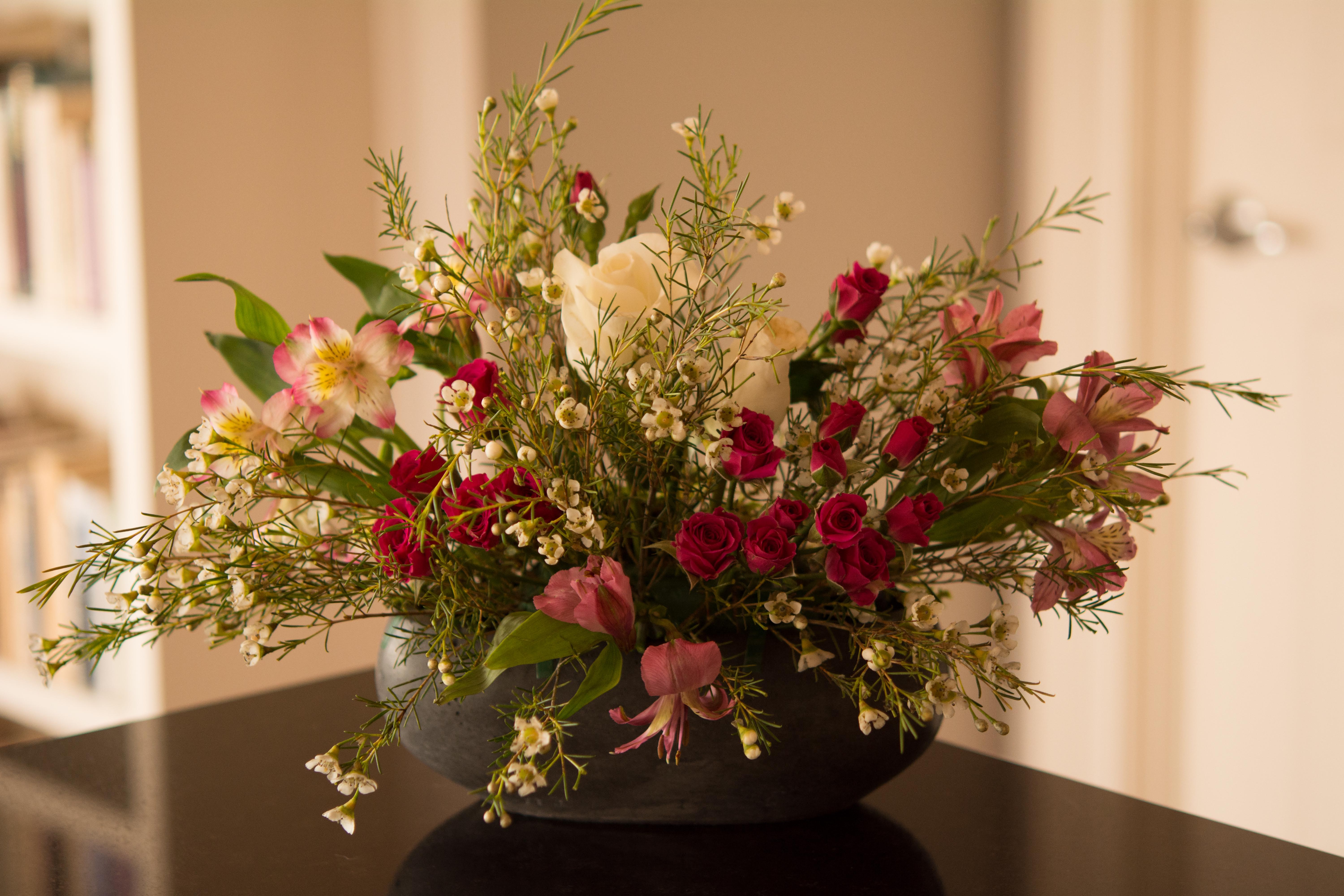
Sally’s taking a flower arranging class at Wake Tech, and here is her latest project, which I really liked. With spring officially here, I’m very much ready for the big blossoming , and took a Saturday morning walk through Fletcher Park and Raulston Arboretum to see what was up. They’re not here in numbers just yet. But it was fun to take a close look at some things on the point of bursting out.
14 03 22_7831
Is there anything more boring than people bragging about their marvelous kids? Perhaps hearing people complain about their aches and pains. But other people’s impressive kids are still a serious problem, conversation-wise. Why is it, then, that stories about my own kids are so interesting?

So, sorry, but here goes a proud papa: Jocelyn, having conquered the book publishing business in Manhattan (i.e. getting an entry-level job in ebooks at Macmillan), has now published her first professional writing. It’s a humorous essay about getting the fun of a good cry, which you may read at Quarterlette, a site for twenty-something women. The pay was not good (zero), but she was very excited to be a beginning author. Who knows what comes next? She’s got a piece on online dating in the works, and we kicked around ideas for a funny piece about the annoyances of Facebook.
14 03 22_7829

At an opposite extreme, there’s a piece in last week’s New Yorker by Andrew Solomon about Peter Lanza, the father of Adam Lanza. Remember Adam, the Sandy Hook killer, who took the life of 26 little kids, his mom, and himself? This is worse than a parent’s worst nightmare. I hadn’t known that he was a high functioning autistic kid who may also have been psychotic. We want to know why he did what he did or what might have made things unfold differently, but there are no full, satisfying answers. Nobody saw Adam’s potential for horrific violence, including the mental health professionals who examined him or his parents. I was moved by Peter Lanza’s struggle with both the pain of loss and profound guilt.
14 03 22_7816

There’s another good story about death and love called Romeo and Juliet, which the Carolina Ballet performed on Saturday night. We’ve seen Robert Weiss’s choreographed version several times over the past 15 years, and it’s one of my favorites. Shakespeare’s story, it turns out, works quite well without words. The language of ballet is fully sufficient to convey the richness of the trembling, tingling ecstasy of first love, and the explosive violence of feuding clans.

In this production, Margaret Severin-Hansen played Juliet with sweet innocence, and her Romeo, Sokvannara Sar, was strong and sensitive. Their balcony scene was complete, unmitigated, overwhelming love — love that obliterates everything else. Eugene Barnes was a smoldering, intimidating Tybalt. I thought the group sword fights could have used a bit more edge and brio, though I hesitate to say so – I wouldn’t want any dancers to actually get hurt.

Lindsay Turkel was radiant in the trio of gypsy street dancers. We were also happy to see Alyssa Pilger, a corps member and our pointe shoe sponsoree, get a high-profile solo as the Mandolin Girl. She rocked! I’d previously been struck by her beautiful technique, but last night she danced with amazing power, impassioned and electrifying.

Some pre-spring photography, and appreciating Diana Nyad, a swimmer for the ages

14 03 16_7805This week we had one day in the high 20s, and another in the low 70s. It’s been a roller coaster winter, and we’re all ready for spring. On Saturday morning after yoga, I went to Fletcher Park with my camera and checked for signs of emerging life. Daffodils had popped out, and tulips and others were getting ready. On Sunday I scouted Raulston Arboretum, which was mostly brown and gray (as in photo at bottom), but there were some delicate blooms and buds. Spring is getting close. We’ve just got to hang on!
14 03 16_7790

As I’ve been taking more pictures I’ve also been trying to figure out what it is I’m trying to do. Make a picture, of course, but there’s more to it. The camera subtly changes the way you see and feel. You look a little harder, and discover there are feelings associated with objects. You wonder, can they be captured, and can they be shared? Your relationship to the visual world has changed. Sure, there’s always a risk that the camera will distance you from the world, but I’m finding it can also draw you closer.
14 03 16_7782

So there’s a little voyage of discovery that happens in photographic outings, even when the output isn’t especially remarkable. It’s a type of meditation. And from time to time everything is right – the light and shapes and the colors – and none of the many things that can go wrong go wrong (you didn’t forget to take the lens cover off, or get a cat hair off the lens, or to adjust the white balance, ISO, aperture, etc.). At just the right second, you push the shutter, and everything clicks. Ah, happiness.
14 03 15_7740

It’s just a tiny fraction of a second (say, one six-thousandth). But it ‘s the culmination of many moments – years and years. It depends on your having looked carefully at your subject, but also your having looked for a long time at nature with intensity and affection. It also takes having looked at a lot of art, and considered how humans use images to represent things and communicate emotions. It also depends on your having learned your craft – how to hold the camera steady, how to frame the subject, how to choose the settings. It takes time. And usually there’s something a little off. There are so many not bad, almost-good, but ultimately useless, pictures. But you keep trying, and gradually get better.
14 03 15_7762

I’m crazy about my new Nikon D7100. Such marvelous engineering – a sensor with twenty-four million pixels! Fifty-one point auto-focus! The focus responsiveness is truly amazing. But I’m also a bit overwhelmed by the apparatus. Weeks into our relationship, I’ve got the basics, but I’m still finding new little buttons I hadn’t previously noticed. I seldom read users manuals, but for the D7100, I’ve felt moved to purchase two additional how-to books. Seriously, its complicated. But on the bright side, I don’t feel the equipment is holding me back. It’s more like I’m holding it back. So I’m daunted, but also inspired. I don’t want its brilliance to go to waste.

Also inspiring: Diana Nyad, who finally made the swim from Cuba to Florida at age 64 – a 53-hour, 110 mile swim, which she was the first to do without a shark cage. This is a feat of human endurance almost beyond imagination. I got round to reading Ariel Levy’s piece on her in the Feb. 10 New Yorker, which gave me a new appreciation for the amazing grit and relentlessness behind this feat. Nyad turns out to be at once a dreamer and a grinder, a brilliant, charming personality with considerable gaps and flaws. It soundss like she has OCD, relationship problems, and no money sense. She was horribly molested as a child. She has a drive that surpasses all known limits.

She started thinking about the Cuba-Florida swim when she was a little girl, and became a world-famous endurance swimmer in her twenties. After becoming the first to swim from the Bahamas to Florida (102 miles), she retired at age 30 and became a network sportscaster and did other things. Then she took up the quest for the Cuba to Florida at age 60. She failed. Then failed again. Then again. And each of these was physically harrowing – hours of nausea, shark worries (perhaps exaggerated, but understandable), and jelly fish stings. And then she did it. After two nights of swimming, she saw the lights of Key West, and knew she had 14 or 15 more hours to go. Which for her was a mere training swim.
14 03 16_7797