New resolutions and my latest green smoothie

I have a soft spot for New Year’s resolutions. It’s generally a good thing from time to time to think about where we are versus where we want to go. Few, if any, of us that are fully optimized. At the same time, there’s never any shortage of small feasible steps we could take to make our lives better.
But personal self-improvement resolutions usually don’t get the job done. A prime example is our most visible, common, and serious public health problem: obesity. There’s no great mystery what needs to be done (eat less and exercise more), and most of us who aren’t naturally optimized for body mass know that much perfectly well. Nevertheless, each year the incidence of obesity is about the same or worse, and the over all trend in the last thirty years is worse and worse.
Plainly this is not a simple problem with an easy solution, or we would have solved it. But part of the reason we can’t successfully address obesity and other serious behavioral problems is our poor understanding about how our own minds work — that is, our own impulses and motivations. As regular readers know, I’ve been learning more about this in the last couple of years from reading Daniel Kahneman, Michael Gazziniga, Jonathan Haidt, John Brooks, and Edward O. Wilson, and I’m currently reading Predictably Irrational by Dan Ariely. In addition to being inherently fascinating, these books have provided insights into life’s persistent problems, like over eating.
One of my main takeaways from these psychologists, biologists, and critics is that our reasoning processes, which seem at times so powerful and impressive, will get us only so far, and if we want to change behavior and minimize bad decisions we need other tools and tricks. Charles Duhigg’s book on habits and how to change them, which I wrote about recently, is a good signpost on this. If we understand our behavior in terms of the interaction of our emotional needs and our environment, we can experiment with changes.
But we may as well admit that eating is especially complicated. I’ve long been convinced that what we eat is a major component of how healthy we are and can expect in future to be. I try to keep up with current thinking about nutrition. Over the course of several years, I’ve developed a repertoire of habits that help me avoid most unhealthy foods and consume mostly things that have nutritional value.
But even so, I managed to pick up five pounds over the holidays. How did this happen? It was little things. Christmas parties and more restaurant meals, colleagues bringing to work delicious cookies that had to be sampled, and old friends sending gift baskets of treats. The combination of sweet things and childhood Christmas memories overwhelms all the circuits, and extra food is inserted in mouth, chewed, and swallowed. Of course, it was momentarily delightful, but it is so much harder to take the lbs off than to put them on.
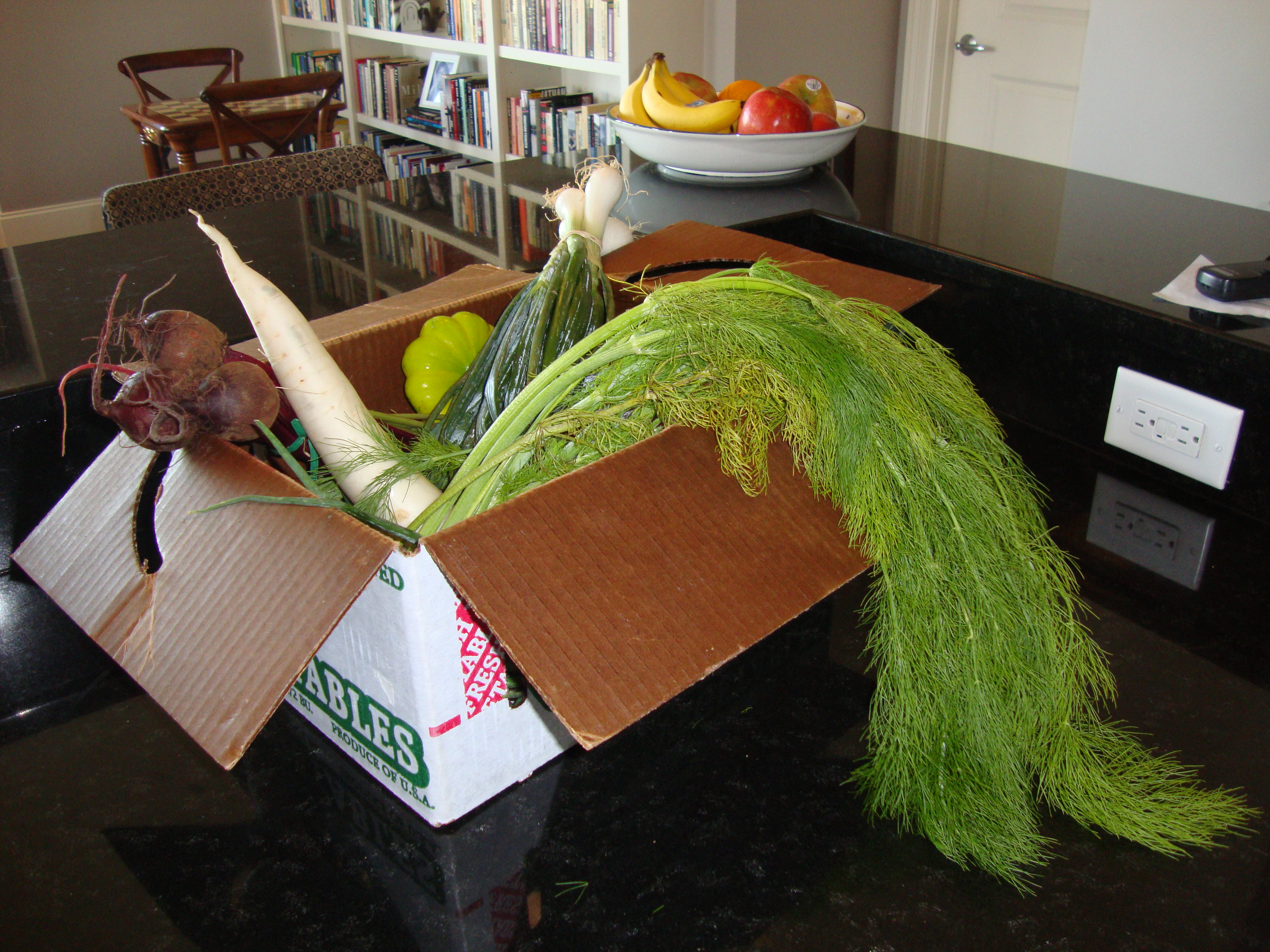
Each year around January 2 we leave the land of the sweets and other excesses and things return to normal. New resolutions are made. Regarding eating, I’m trying some new ingredients in my breakfast green smoothies (pictured here and previously described here), including in various blendings, along with greens and fruit, hemp protein powder, marine phytoplankton, cacao nibs, and goji berries. It’s fun to mix a superdrink (as in superhero), and rewarding to be able to do something fabulously good for the body. I try to make it a point each day to be grateful for such good fortune.

 The Casual Blog