The Casual Blog

Tag: Caffe Luna

Older athletes, my 5K race, working out with audio books, CRISPR, and Uber
IMG_4297
I like stories of successful athletes who have passed the normal age for athletic achievement, for obvious reasons. There was a good one this week in the WSJ, which featured Klaus Obermayer, founder of an outdoor clothing company. At 95, he lives in Aspen, skis whenever there’s snow, does Akido, and swims, along with getting gym workouts, and eats a mostly vegan diet. I’ve previously challenged myself to still be skiing the big mountains at 85, but it looks like I may need to raise the bar.

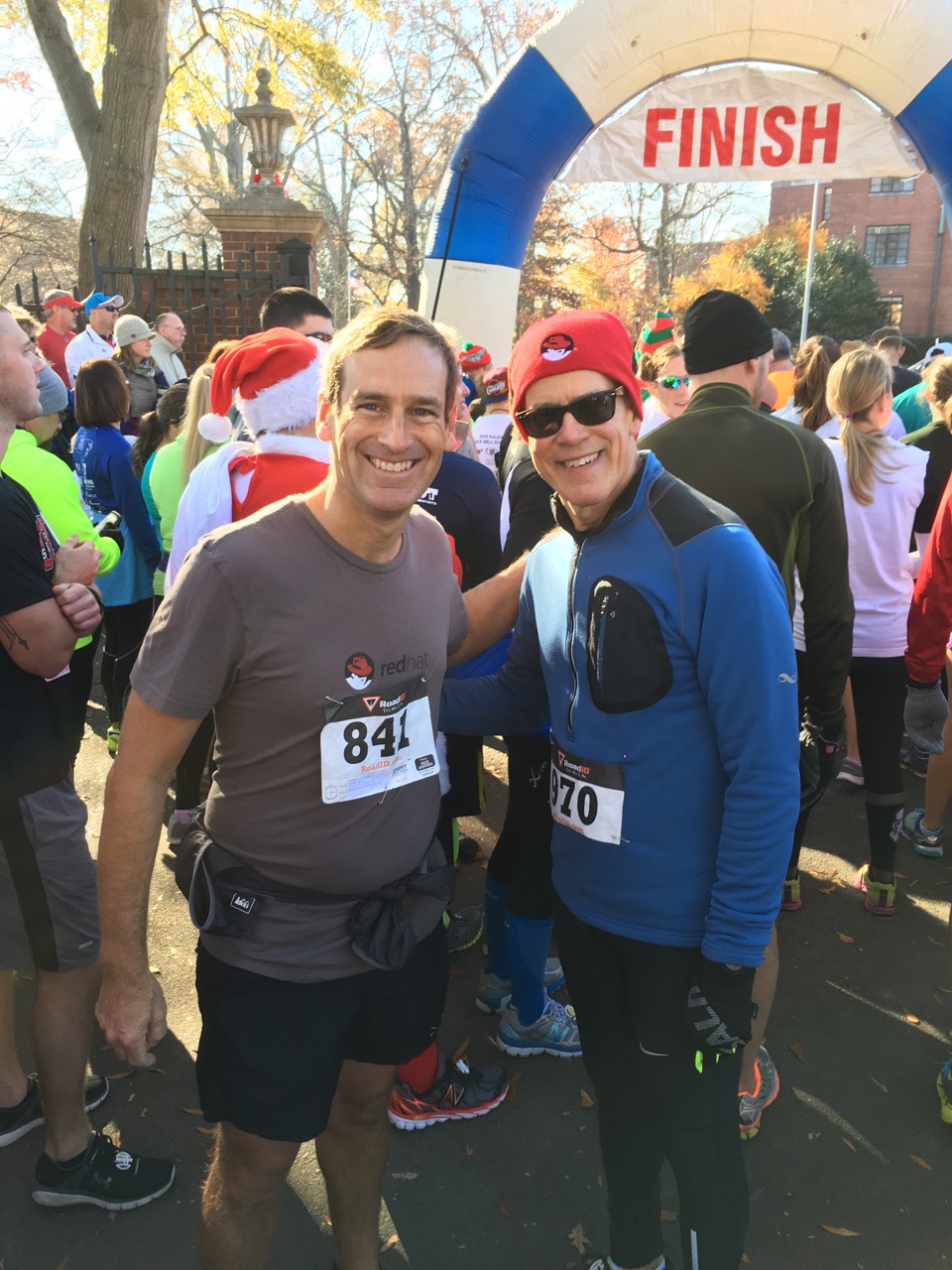
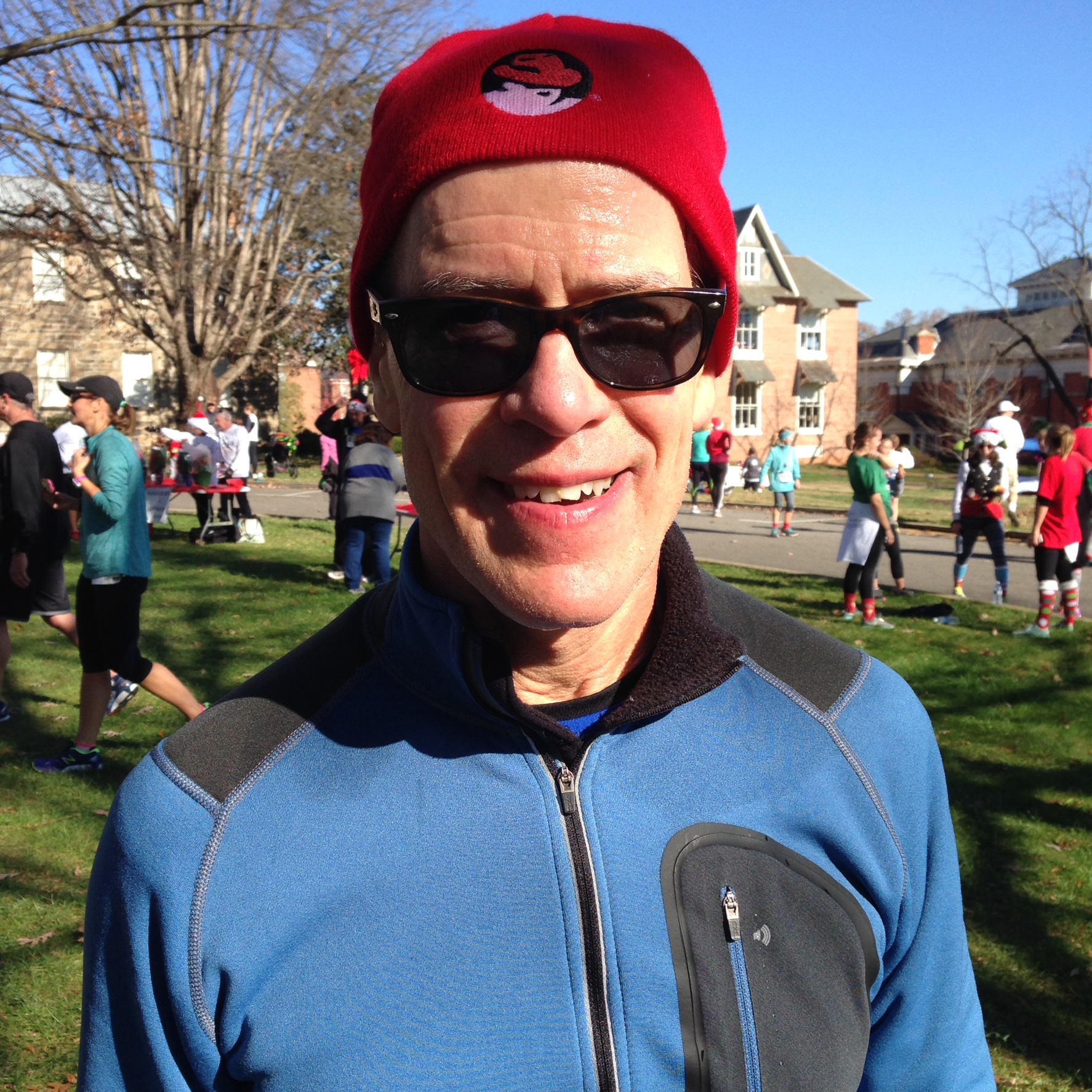
On Saturday morning I ran a 5K race in downtown Raleigh – the Jingle Bell Run, a charity event for the Arthritis Foundation. It was a beautiful fall day, clear and chilly, and a lot of my Red Hat colleagues showed up at Saint Mary’s School. Jonathan C, an accomplished runner, let me tag along as he did his warm up routine. Sally came along with Stuart and lent moral support.

The route was up and back on Hillsborough Street, which is a long climb going out, but it went OK. On the home stretch, as I passed the International House of Pancakes, I had a shot of pain in my left hamstring, and struggled to the finish. But I still ended up with an official time of 25:12. That’s average miles of 8:10, which was close to my planned best case scenario. Jonathan came in third, at 18:02 (5:49/mile). Sally said Stuart had a nice time: lots of people petted him, and asked his name and how old he was (13).

At the gym lately, I’ve been dividing my time among the various cardio machines – treadmill, elliptical, stationary bike, rowing, and stairs – putting in about 45 minutes of total sweat time, plus core work, resistance training, and stretching. Listening to audiobooks and podcasts makes this a lot more fun. This week I discovered News in Slow Spanish, which is exactly what it sounds like – a podcast for intermediate Spanish learners who like to listen to the news. My comprehension went way up when the announcers slowed way down.

I’ve also been listening to Redefining Reality: The Intellectual Implications of Modern Science, by Steven Gimbel. Gimbel has really helped me with the last 100 years of physics. I’m not prepared to claim deep understanding, but I’m getting more comfortable with, for example, the idea of gravity as a bend in space-time, and matter as just an expression of energy.

We like magazines, but it’s hard to keep up with them. In the last couple of weekends I made good progress in dealing with the pile of New Yorkers, Economists, Atlantics, Opera Newses, and Scientific Americans (but didn’t get to the pile of golfing, photography, and scuba magazines). I finally got a fix on what CRISPR is from a New Yorker piece by Michael Specter, and realized this is a technology that is going to change the world as we know it. The CRISPR tools allow biologists to edit DNA relatively simply and cheaply. This holds the potential for understanding and treating various serious diseases, and also improving food and industrial products. And, of course, there’s the possibility of creating Frankenstein monsters. Anyhow, for better or worse, or both, the genie is out of the bottle.

Last week came the end of driving as we know it – the beginning, for us, of the age of Uber. We scheduled a trip to our old favorite, Caffe Luna, and with a view to avoiding post-wine driving, I downloaded the Uber app. Our first experience was entirely friction free – no telephone call, no waiting, no tipping, and automatic payment, at an entirely reasonable rate. We gave our drivers high ratings, and hoped they did the same for us. I’ve been tracking the progress of driverless cars closely, but had sort of ignored Uber. Now I get it – it’s fantastic.
IMG_0481

Our anniversary – Astonishing cave paintings – Our TSA – Fear itself

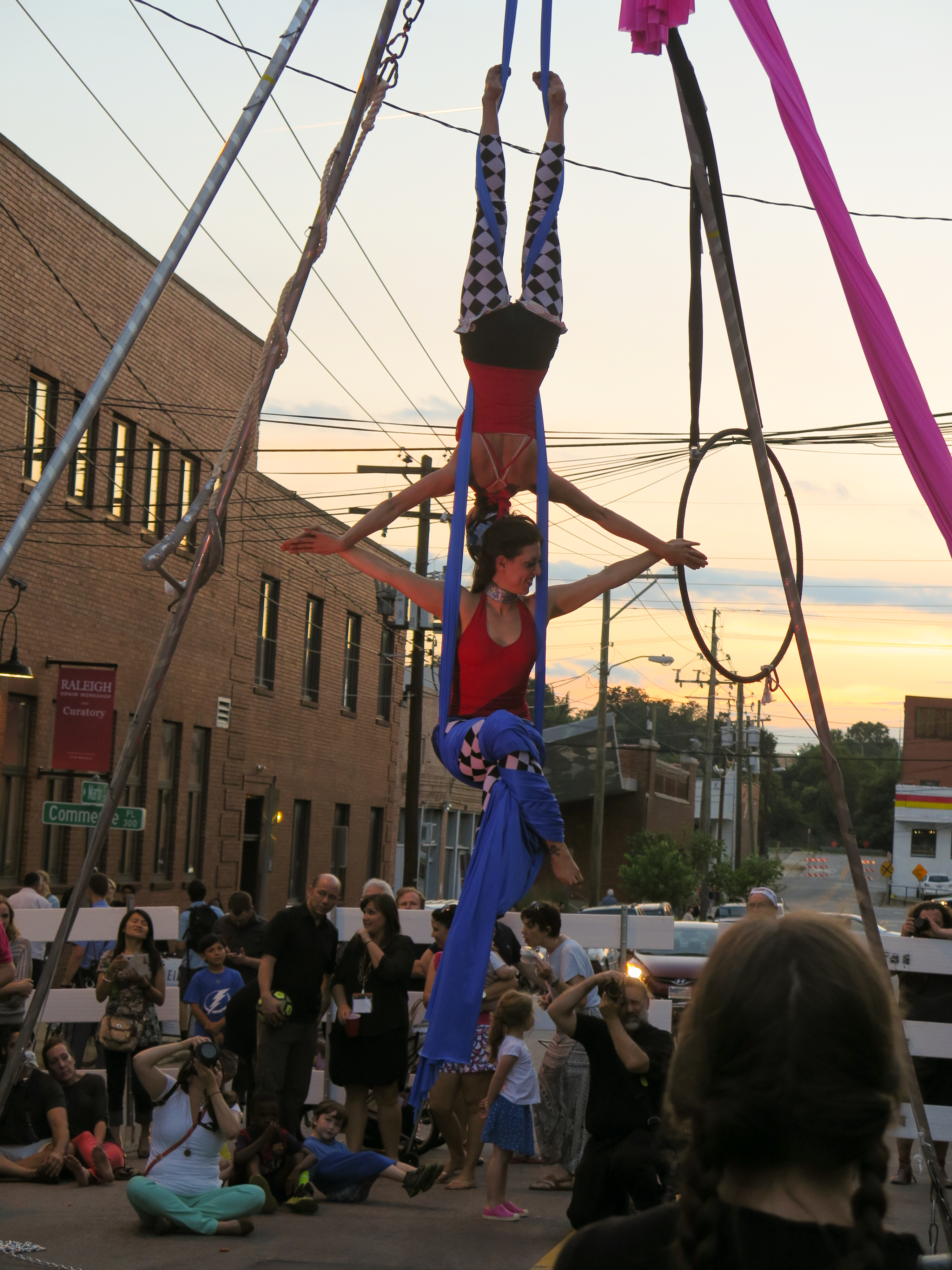
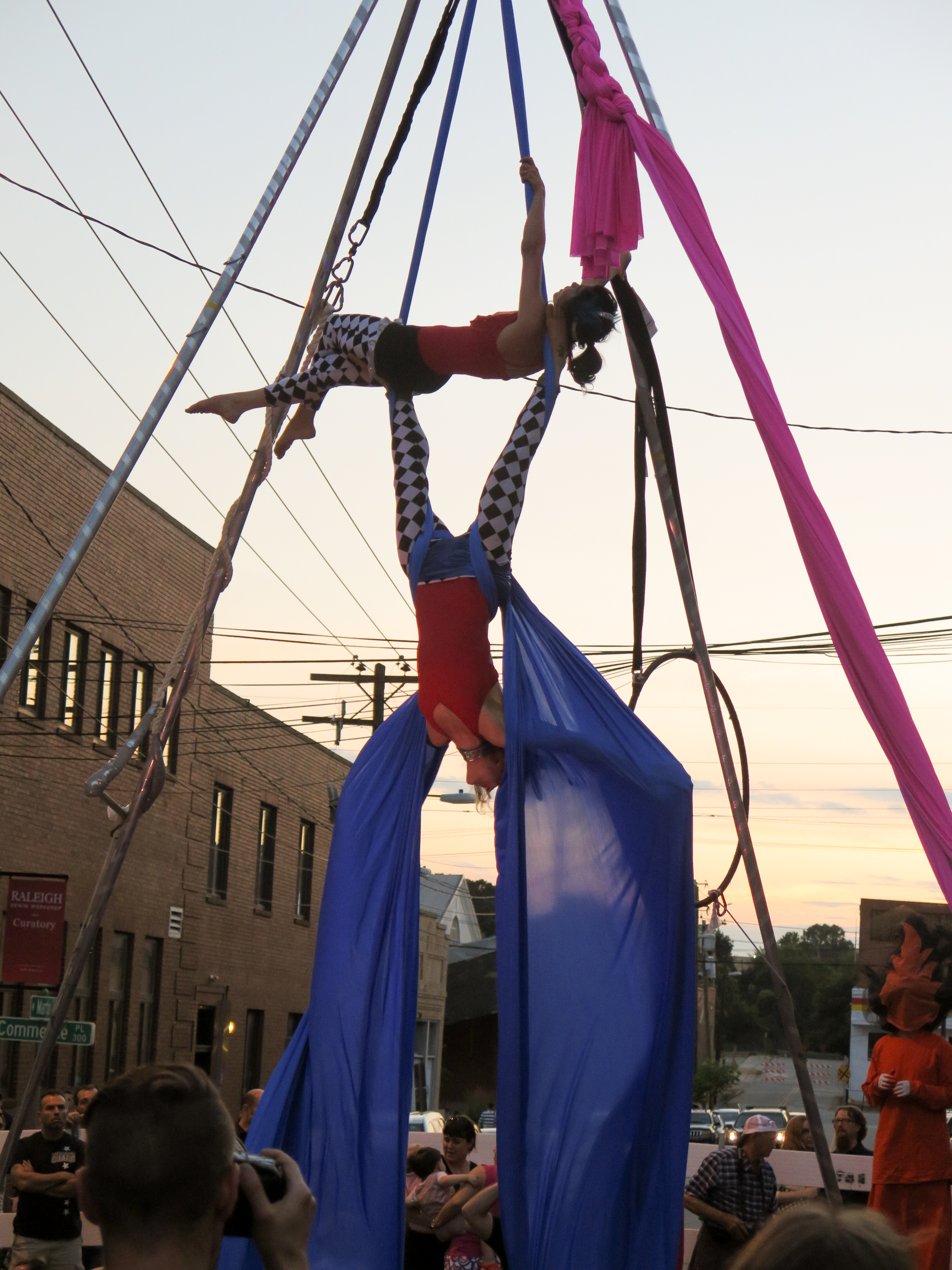
Performers on West Martin Street at sunset, June 5, 2015

Performers on West Martin Street at sunset, June 5, 2015

Friday was our 33rd anniversary. Yes, that is something. What amazing good fortune to find my beloved, to persuade her I was the one for her, and to get her to make me the happiest of men. We don’t usually do anniversary gifts, but we gave each other a kiss and affectionate cards, and I gave Sally a little heart-shaped stone, which she said she would treasure always. We had a fine Italian dinner at our old standby, Caffe Luna, where they had good pesto linguine and sweetly treated us to dessert.
20150605-IMG_0676First Friday-Anniversaryuntitled shoot

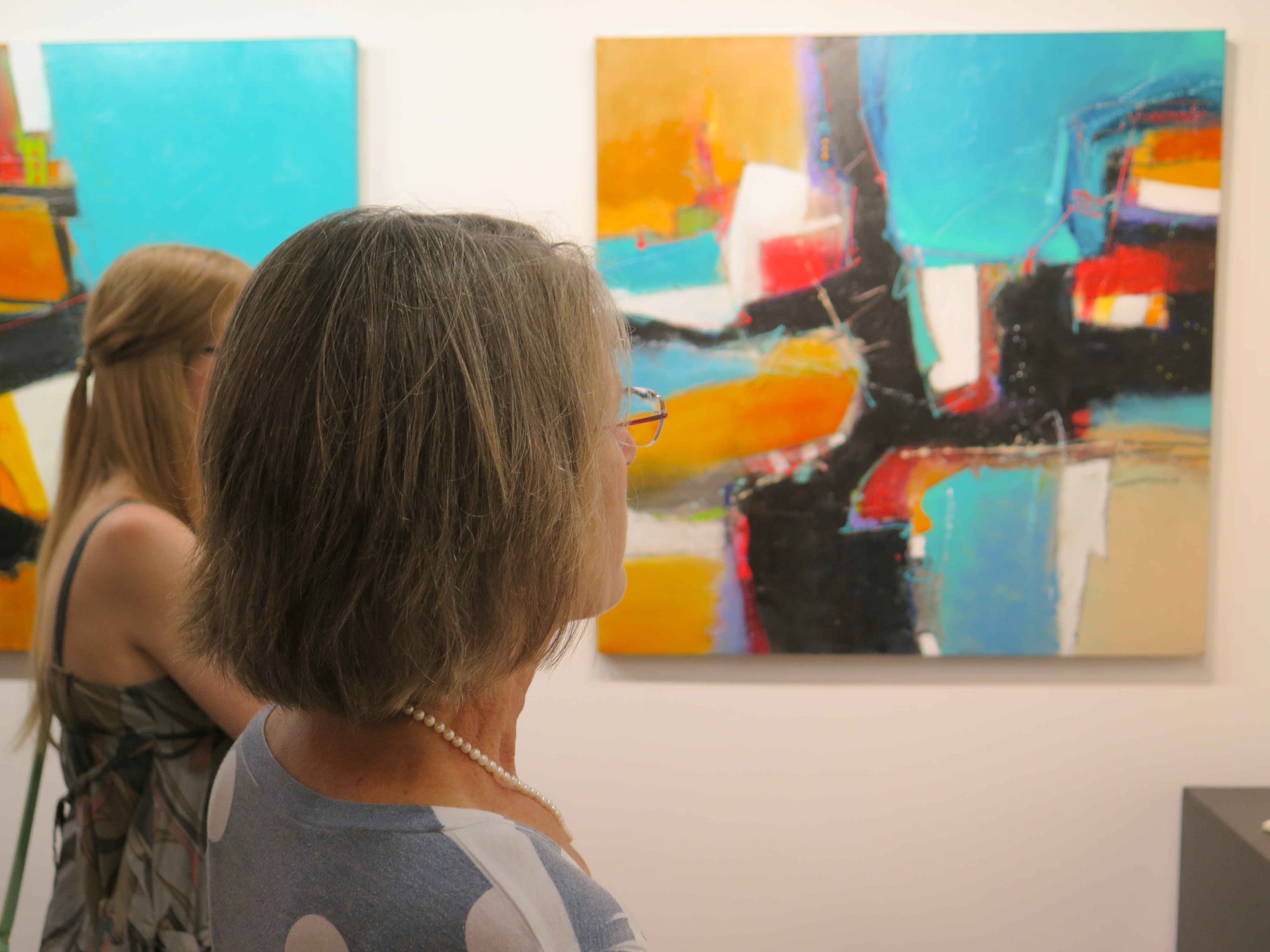
Then we looked in some galleries that were open late for First Friday. At ArtSpace, there were several engaging paintings that had been in a competition, and also some old friends to chat with. In the warehouse district, there was a mini-street fair, with circus performers and musicians. 311 Gallery had some colorful abstract paintings by Joseph DiGiulio that we particularly enjoyed.
20150605-IMG_0681First Friday-Anniversaryuntitled shoot

On Saturday evening, we cocooned at home: Indian takeout food from Blue Mango (delicious!) and Cave of Forgotten Dreams on Netflix. This documentary by Werner Herzog examines the Chauvet Cave paintings in Southern France. I’d been very curious to see these paintings, and since they are firmly closed to the public, this is likely the closest I’ll ever get. Herzog’s narration is rather stolid, but the paintings are thrilling. Painted some 30 thousand years ago, they depict bison, horses, rhinos and other creatures with astonishing freedom and vigor. Pictures are here.

At the gym, making my rounds among the various weight systems and cardio machines, I’ve been listening to a podcast called You Are Not So Smart. Its subject is human psychology, and particularly the biases and systemic flaws that our thinking is subject to. We tend to feel that our thinking is usually rational and objective, but this is very often not even close to true. Knowing this may sometimes help us avoid grievous mistakes. At any rate, it’s worth a shot.

Case in point: we learned last week that the TSA (the airport screening folks) performed quite badly in tests of their systems. When the testers impersonated potential terrorists, they were able to get forbidden items, like fake bombs and guns past the screeners in 95 percent of the cases. 95 percent! Let it be noted, however, that the screeners might have done better had they been tested on seizing expensive moisturizers and nail clippers.

Seriously, at first, I found this disturbing. And annoying! Think of almost every American air traveler, for years and years, all those hours, waiting anxiously in line – all the taking off your shoes, jackets, and belts, emptying all your pockets, pulling out laptops (but, oddly, not tablets), getting your privates exposed by scanning machines, and sometimes your stuff rifled through, and your self physically groped and interrogated, and occasionally missing your flight – and all of it accomplishing nothing.

The massive inconvenience that the TSA process imposes on the flying public looks like a huge waste of taxpayer dollars and time. But then I realized, we haven’t heard of any airplanes blowing up for a long time. If the TSA isn’t stopping would-be terrorists, and no planes are blowing up, that’s probably because there aren’t many terrorists trying to blow up planes. That’s a good thing! But it also suggests that the terrorist threat is way overblown (as I’ve long maintained).
20150606-_DSC0014First Friday-Anniversaryuntitled shoot-2

So why do we put up with this absurd system? The You Are Not So Smart podcast introduces various interesting terms for the psychological syndromes that lead us astray. I’m thinking there should be a name for the particular glitch in the human thinking system that inclines us to widespread panic once exposed to a dramatic dangerous event, like 9/11. Fourteen years after that horrible disaster, we’ve not seen anything remotely close to another such dangerous terrorist attack, and yet we’re obsessed with the idea.

What is the thing that makes us exaggerate our fear so much that we tolerate the TSA’s groping, the NSA’s incursions on our privacy, and invasions and occupations of countries that are not threatening us? Fearophilia? Politicians’ and journalists’ fear mongering helps produce it, so perhaps – mongerization? Probably not. Whatever we call it, it spreads rapidly through a population like a virus, and once an infection occurs it is devilishly hard to cure. For years now, we’ve seen the world through fear-colored glasses.

Part of this syndrome is a tendency to think violent radical ideologies are all focused on us, in a kind of mass egocentrism. This week the advances of ISIS gave strong evidence to the contrary, as these kooks with a surprising talent for horrific executions advanced in Syria and Iraq. As radical Sunnis, they’re eager to fight less radical Sunnis, Shiites, and any other Muslims or others that care to disagree with them, so they can establish the Caliphate. Do we care what their theological thinking is on this? Hardly. Who doesn’t have more interesting, pressing, and sane things to think about? It’s not our problem, or our world.

Last week there was NY Times reported that ISIS has been attacking the Taliban in Afghanistan. Which is worse? Before you answer, remember, we’ve been fighting the Taliban in Afghanistan since 2001, the longest war in American history. The Times also reported that Syria’s thuggish president Assad, a presumed target of ISIS, was coordinating with ISIS in giving air support for attacks on other rebel groups.

This seemed contrary to all previous reporting, and I wondered if it was pure propaganda (perhaps by another rebel group, or Assad, or ISIS, or – us?). But even if false, it reinforces that we cannot begin to fathom the complexity of the variables in this war, and so cannot reasonably hope to have a positive effect, let alone win it. It is just outside our realm, and our weapons will not resolve it.

Apropos of that, the Atlantic has a good piece by Dominic Tierney on the paradox of American military power: with the most powerful military on earth, we keep getting into military quagmires we cannot win. Tierney notes that we have failed to recognize that almost all modern wars are civil wars, in which our military advantage is less effective than in wars between nation states. And because we still think we cannot be defeated, we cannot admit defeat. The piece is bold, and worth reading.

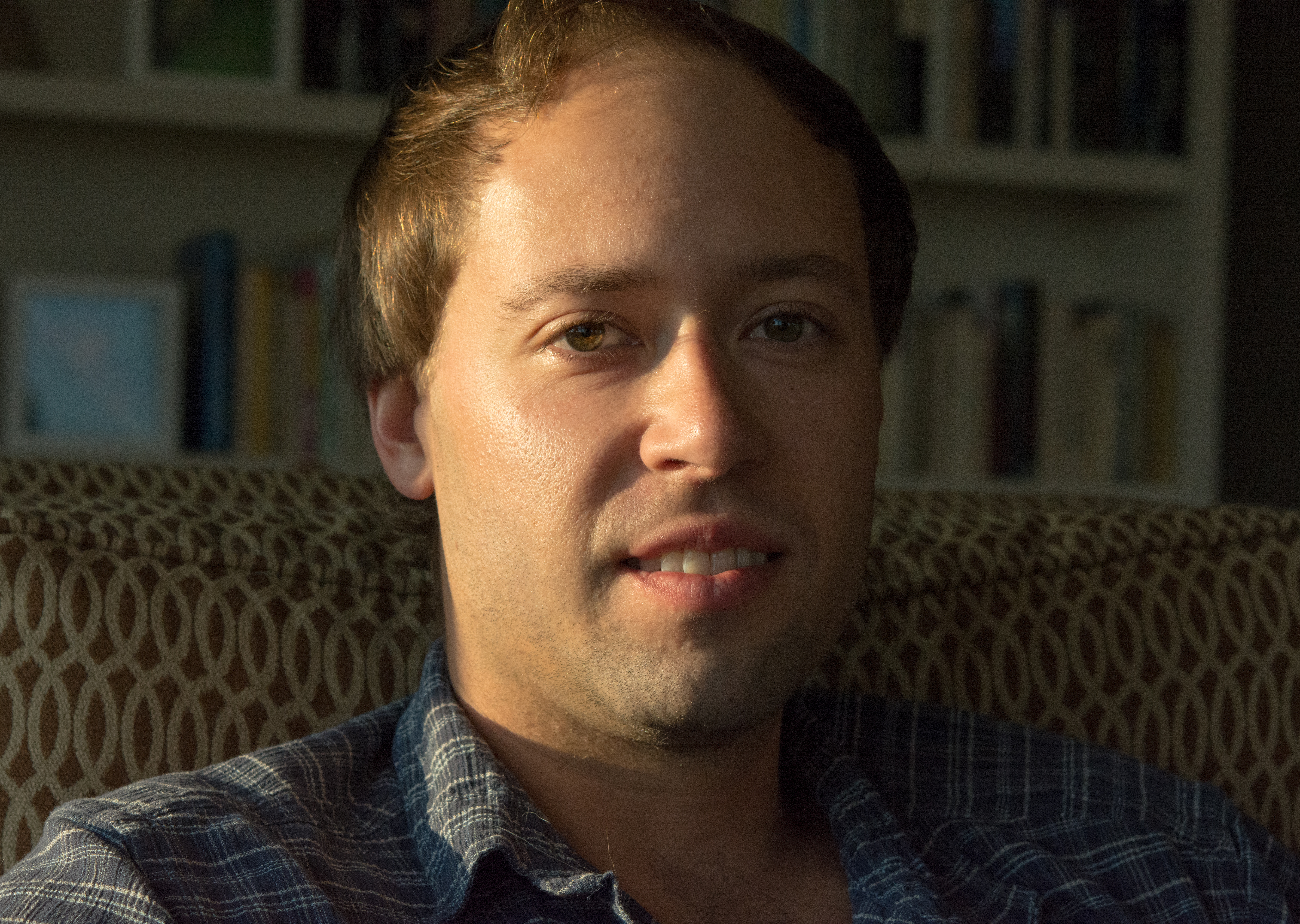
Gabe, testing out new glasses

Gabe, testing out new glasses

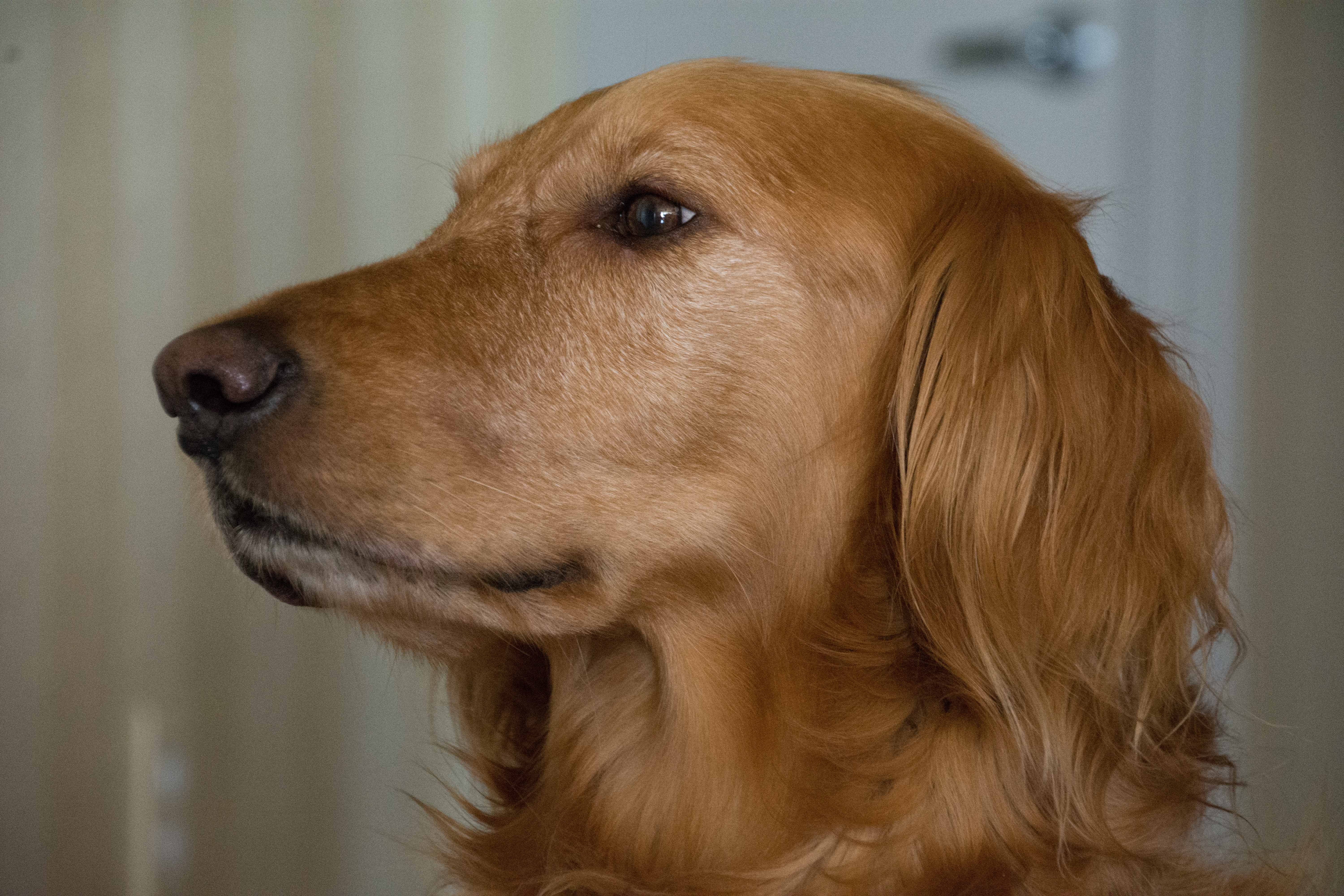
Gabe normally resists being photographed, but he agreed to let me take a few shots on Saturday at sunset. My favorite was one of him shirtless, looking handsome, but he did not want it published. I’ve also been trying to get a good shot of his golden retriever, Mowgli. He’s an affectionate dog, surprisingly laid back. This is the best pic so far.

20150606-_DSC9972First Friday-Anniversaryuntitled shoot

Sleepwalking, yoga, Bach, Schlosser on the nuclear precipice, and Spiegelman’s Maus

13 12 07_5337
So I apparently had another bizarre sleepwalking experience. After what seemed like a normal night’s sleep, I got up to find several unusual things. There were two wine glasses full of beer on the coffee table – one sitting on top of my laptop. There was a bowl with popcorn kernels, and a lot of popcorn on the floor. In the kitchen, the light on the stove hood vent was on, and the microwave popcorn wrappers were strewn about.

My first thought was that we’d had a break in, but the various quasi-valuable things in the vicinity were still around, and the door was locked from inside. That left just two possibilities – Sally and me. When she got up, she verified she had not knowingly done any of this eating and drinking.

From my prior somnambulism, I figured it had to be me. But I had absolutely no recollection of any such activity. And I would never, ever put beer in a wine glass – or worse, set the glass on my computer! And I did not know exactly how to operate the light on the stove hood, which I never use.

It is very strange to think of such complex activity happening without any consciousness whatever. Eating and drinking without meaning to is bad, but it could get worse. Is there any safety module that keeps the sleepwalker from going over the balcony rail? And falling twelve stories?
13 12 07_5349

In the last few days, I’ve taken note of various waking automatic behaviors and strange forgetful episodes. I expect everyone has some. Did I take that pill already or not? I parked that car, but where? My foot is bouncing up and down, which I did not tell it to do. Sally had a good one: she couldn’t find the pomegranate juice, and looked high and low, before realizing she’d already gotten it out of the refrigerator.

So a lot of our behavior is taking place without our consciously knowing anything about it. This is at times surely a good thing, allowing us to save mental energy for where it’s most needed. Cultivating good habits is partly an accommodation to the reality that there’s just not enough time or energy to think about every behavior. We choose a template that we think is likely to be effective in different future situations and repeat it until it is automatic.

But still, sleepwalking is pretty weird.

13 11 27_5360-1

Some yoga

The weather for most of this week was unseasonably warm and sunny, but it turned cold and rainy for the weekend. So no golf, but I did get in two yoga classes. On Saturday morning Suzanne filled in for Yvonne at Blue Lotus, and led an hour-long open level vinyasa class. She kept things flowing pretty fast, which I like, and I did a reasonable amount of sweating.

On Sunday morning, based on the recommendation of Larisa (my personal trainer), I tried a class with Hayley at Evolve. Her style involved holding poses for longer, which was challenging. When she said we’re going to do hand stands, I was surprised, but game. I managed to kick up and stay up for a while against the wall. Then Larisa asked Hayley to give me some pointers, and I had another go and managed to have a fairly spectacular crash. But I learned something: Hayley theorized that I got a little surprised when I touched the wall and let my elbow bend. Onward and upward.

Bach’s Christmas Oratorio

On Saturday night we had a fine Italian dinner a Caffe Luna, then went to a performance of the N.C. Symphony and the N.C. Master Chorale of Bach’s Christmas Oratorio. I was not familiar with the piece, but liked it very much. The chorus sounded great in some very challenging choral writing. The four soloists had pleasing voices and style, and the orchestra played well. Our friend trumpeter Paul Randall had a very high and prominent part in the last cantata, and shined.

My only complaint was conductor Grant Llewellyn seemed overly metronomic — without much rhythmic flexibility. I guess that’s one way to do it, but it seemed to me Bach would have liked more expression. We went out for a drink with Paul and a couple of his colleagues afterwards. It was interesting hearing the younger musicians talk about the intense challenges of auditioning for orchestra jobs.

Command and Control — the Nuclear Weapons Precipice

Speaking again of sleeping problems, for several nights recently I had anxiety dreams, inspired, I think, by reading Command and Control: Nuclear Weapons, the Damascus Accident, and the Illusion o Safety, by Eric Schlosser. The headline is: for decades we lived frighteningly close to the edge of an accidental nuclear disaster. A hydrogen bomb could have exploded in any of numerous training or maintenance accidents, while the huge arsenal of missiles could have been unleashed through computer error or human misjudgment.

In the final chapter Schlosser indicates that the risk of an accidental explosion from a US weapon has gone down, but it may have gone up in countries like Pakistan and India. And we’ve still got the irreducible human factor – that is, imperfect humans are in charge of these incredibly destructive weapons, and they could make a bad decision that could cost thousands or millions of lives.

Even before reading the book, I was generally of the view that it is insane to build, maintain, and keep on alert nuclear weapons capable of destroying many millions of innocent civilians and much of the planetary ecosystem – ending, as they say, life as we know it. This was true in the cold war, but even more so now, when there is no existential military threat. Why would any rational person or society do such a thing? After reading the book, and learning more about the theories of nuclear war and the practical engineering problems of the weapons, it seems even crazier.

How can it be that de-nuclearization is not a high priority issue in national and world politics? Of course, we do much hand wringing about Iran’s potential for a nuclear weapon, which makes it even odder that we somehow mostly avoid discussing our own weapons and their disastrous potential. It’s like we’re sleepwalking. Perhaps Schlosser’s book will help us start to wake up.

Maus

On a cheerier note (ha!), I started reading Maus, Art Spiegelman’s graphic novel masterpiece about the Holocaust. It’s in part about Spiegelman’s relationship with his father, who was concentration camp survivor. The early pages are about his life in pre-war Poland, first as a bachelor and then meeting Spiegelman’s mother. It’s surprisingly sweet, but also direct and honest, and remarkably vivid. I’ve never read anything remotely like it, and I really like it.

Ballet paintings, fossils, and a piano recital

Light on One’s Feet by Nicole White Kennedy

Last Thursday Sally and I had lunch at the Remedy Diner, where my sandwich was the Tempeh Tantrum, then went to a gallery to to look at paintings by Nicole White Kennedy. Kennedy, a local artist, paints in an Impressionist/Post Impressionist style that I once thought of as old hat. My early art education stressed the triumph of modernism and abstraction. But over the years I’ve really enjoyed Kennedy’s landscapes and cityscapes in her husband’s fine Italian restaurant, Caffe Luna. I’ve gradually gotten past my prejudice in favor of the modernist aesthetic. Artists show us multiple ways to see the world, and it’s fun to try different ones.

Anyhow, I was intrigued to learn that Kennedy had worked up a show of works featuring dancers from the Carolina Ballet. We really liked the show. No doubt it helped that we came to it as balletomanes, and that we could recognize some of our favorite ballerinas. But she unquestionably had a feel for the interiors and exteriors of the dancers and their work places.

I was conscious that the works owed a debt to Degas, both in their behind-the-scenes intimacy and the juxtaposition of ethereal sweetness and stark angularity, but I didn’t find this bothersome. Artists always borrow ideas from other artists and build on them, just like scientists and inventors. We were particularly touched by the paintings above and just below, and bought them.

Dancer Removing Turquoise Points by NWK

The next day I flew up to DC for a gathering at the Supreme Court in honor of my old friend Justice Elena Kagan, which was highly nostalgic and which I will try to write about soon. But as post-election therapy, I’m focusing just now on art. With my free morning I sampled the Smithsonian museums, which always make me proud and happy to live in the USA.


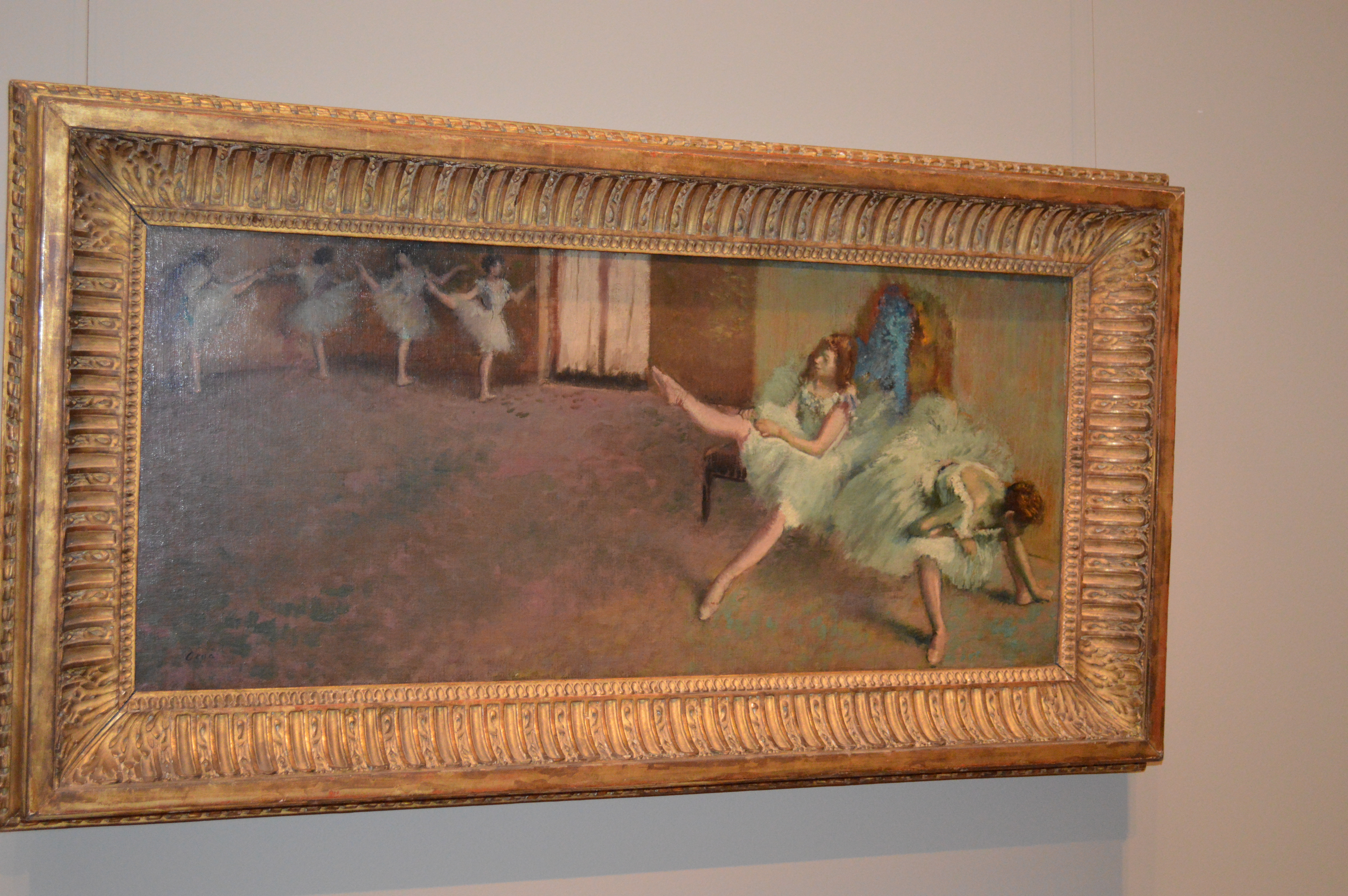
First I visited some of my favorite works at the National Gallery. These included the Rembrandts and other Dutch masters, including especially the two exquisite Vermeers, as well as the French Impressionists. Still thinking about dancers and art, I paid particular attention to the Degas paintings and sculptures of dancers. He clearly loved the subject, and it touched me. But I must say, his dancers are not as lithe and athletic as the Carolna Ballet ones.

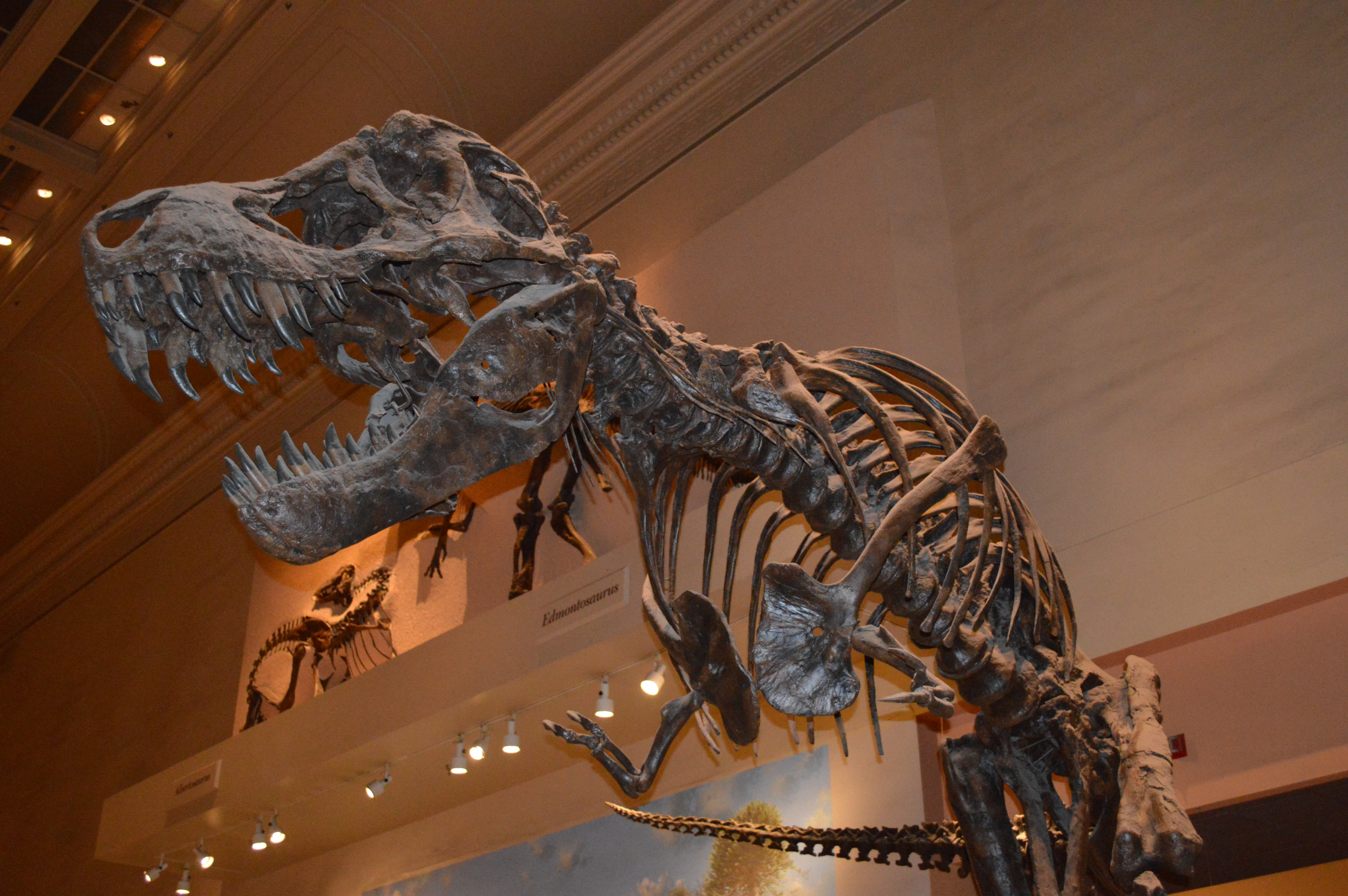
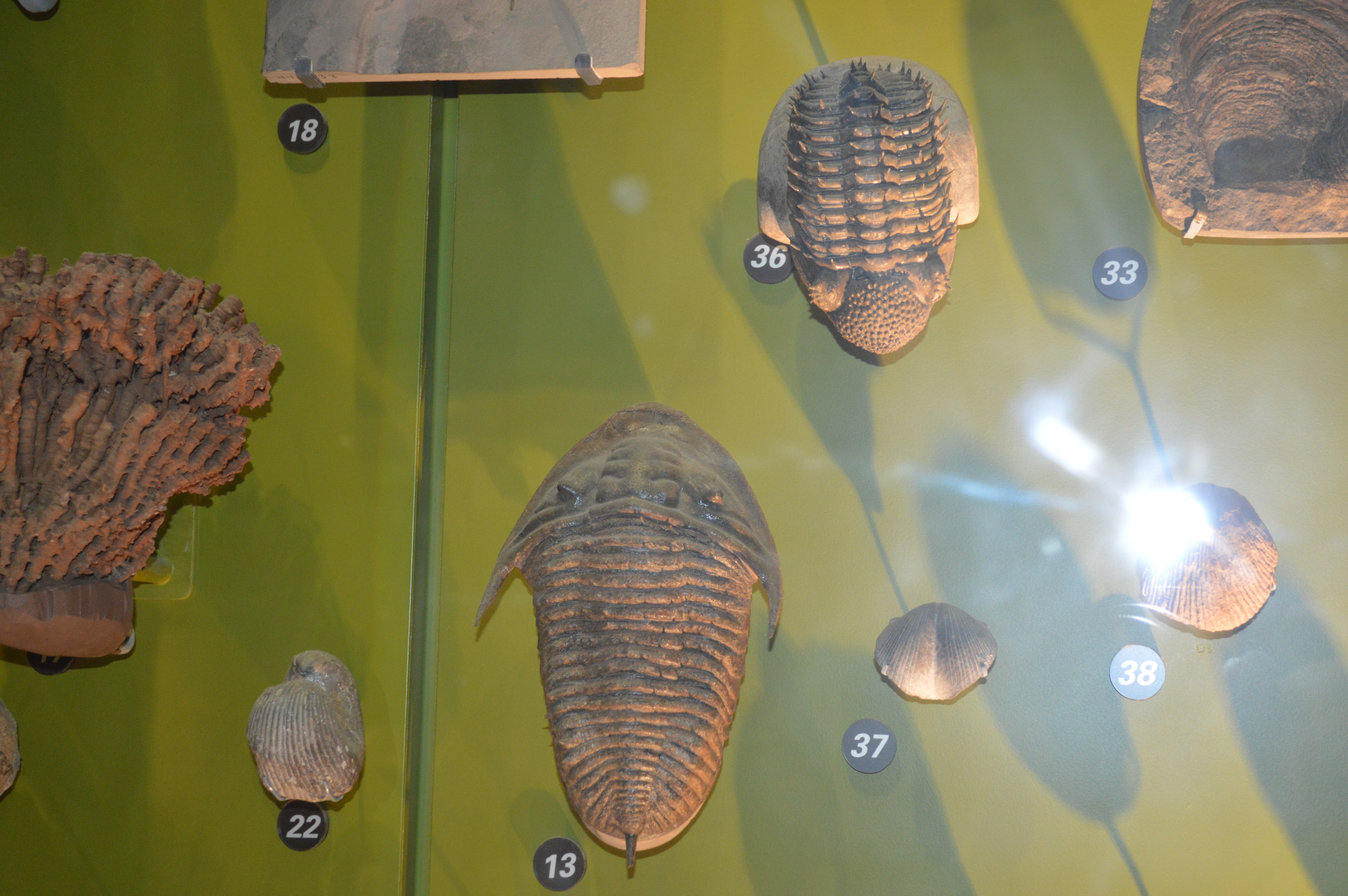
Next, I walked down the Mall to the Museum of Natural History. As always, I enjoyed looking at the dinosaur fossils, but I wanted to have a close look at the trilobites, which are much much older than dinosaurs.

Trilobites were marine arthropods that began their run around 520 million years ago. They developed an amazing variety of body types during the 270 million years (give or take) that preceded their extinction. RIP. Nature has done a lot of amazing experiments!

I returned to Raleigh on Sunday afternoon in time to go to the recital of my piano teacher, Olga Kleiankina. Her program, like her, was Russian: Alexandr Scriabin (1872-1915), Nikolai Medtner (1880-1951), and Sergai Rachmaninoff (1973-43). She played brilliantly. She’d told me a couple of weeks ago that she was struggling with memorizing the Medtner piece (the Tempest Sonata), and I was feeling a little anxious for her, but she seemed completely in command. The piece was very dense, and at first I was a bit bewildered, but then I got my bearings. I particularly enjoyed the Scriabin Black Mass sonata. From our work together, I know how intensely she focuses on sound colors, and now that I’ve learned to hear some of those things, the music took on a new dimension.

There was a good piece on the Sunday NY Times about the sense of hearing, and the difference between hearing and listening. According to Seth Horowitz, we react to auditory signals 10 times faster than visual ones. Hearing is an early warning system, among other things. He notes that close listening is hard in a world where there are endless distractions, but that we can get better at it. I concur.