The Casual Blog

Tag: Aquatic Safaris

Diving out of Wrightsville — the good, the bad, and the ugly

SeaLife DC1400

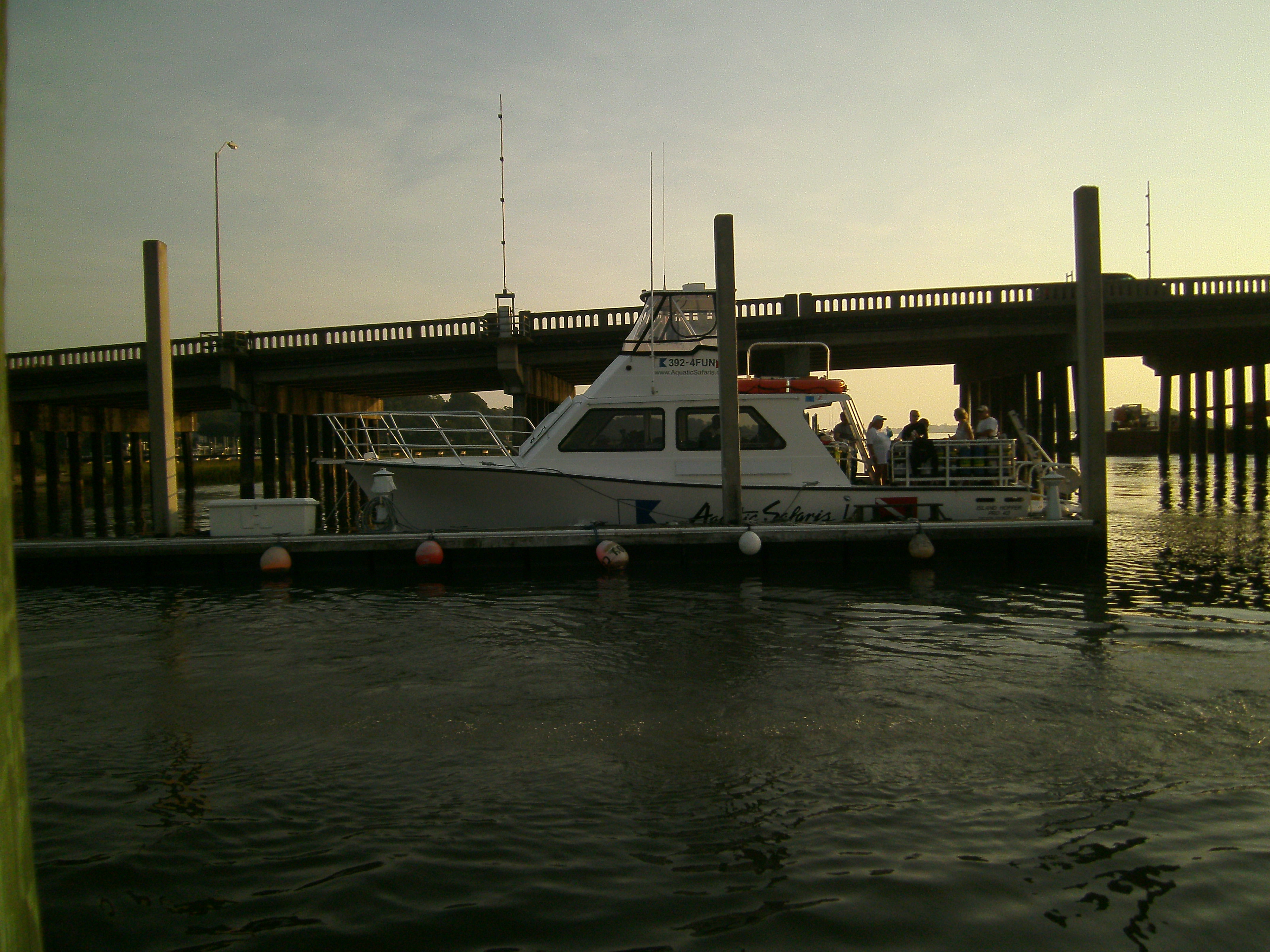
We had a dive trip this weekend out of Wrightsville Beach with Aquatic Safaris. We were scheduled to go to two wrecks on Saturday afternoon, the Hyde and Markham, but rough seas prevented that. Plan B was the Liberty Ship, which sits just three miles offshore. Things were bumpy with some current, and I found my heart rate and breathing increasing as I went down the anchor line. There were still a few leftover thoughts of my near death experience of a few weeks back.
SeaLife DC1400

Visibility was quite bad – perhaps 5-10 feet. We followed a line laid out by the mate. There wasn’t much we could see besides the line. It was nice to be diving again, but this was not pleasant diving. The second dive was similar. There were several divers taking a wreck diving course who laid out lines, and we got their lines confused with the mate’s line at one point. We finally figured it out and made it back to the anchor line and the boat.
SeaLife DC1400

Saturday night we stayed in Wilmington with Sally’s sister, Anne, and went to Cichetti, an Italian restaurant. We had a nice meal and a lively conversation. We discussed Shakespeare’s concept of evil, Greek playwrights, and youthful experimenting with psychedelics and pot.

We also talked some about slavery, which I’ve been reading about in a new history of the pre-civil war and civil war period called Ecstatic Nation by Brenda Wineappple. The book brings vivid life to the 1850s when there were slave states and free states, and it was by no means clear which would ultimately prevail. It require real imagination to understand the pro-slavery viewpoint. Wineapple is certainly not pro-slavery, but she gives a sense of the incredible intensity and complexity of the struggle.
SeaLife DC1400

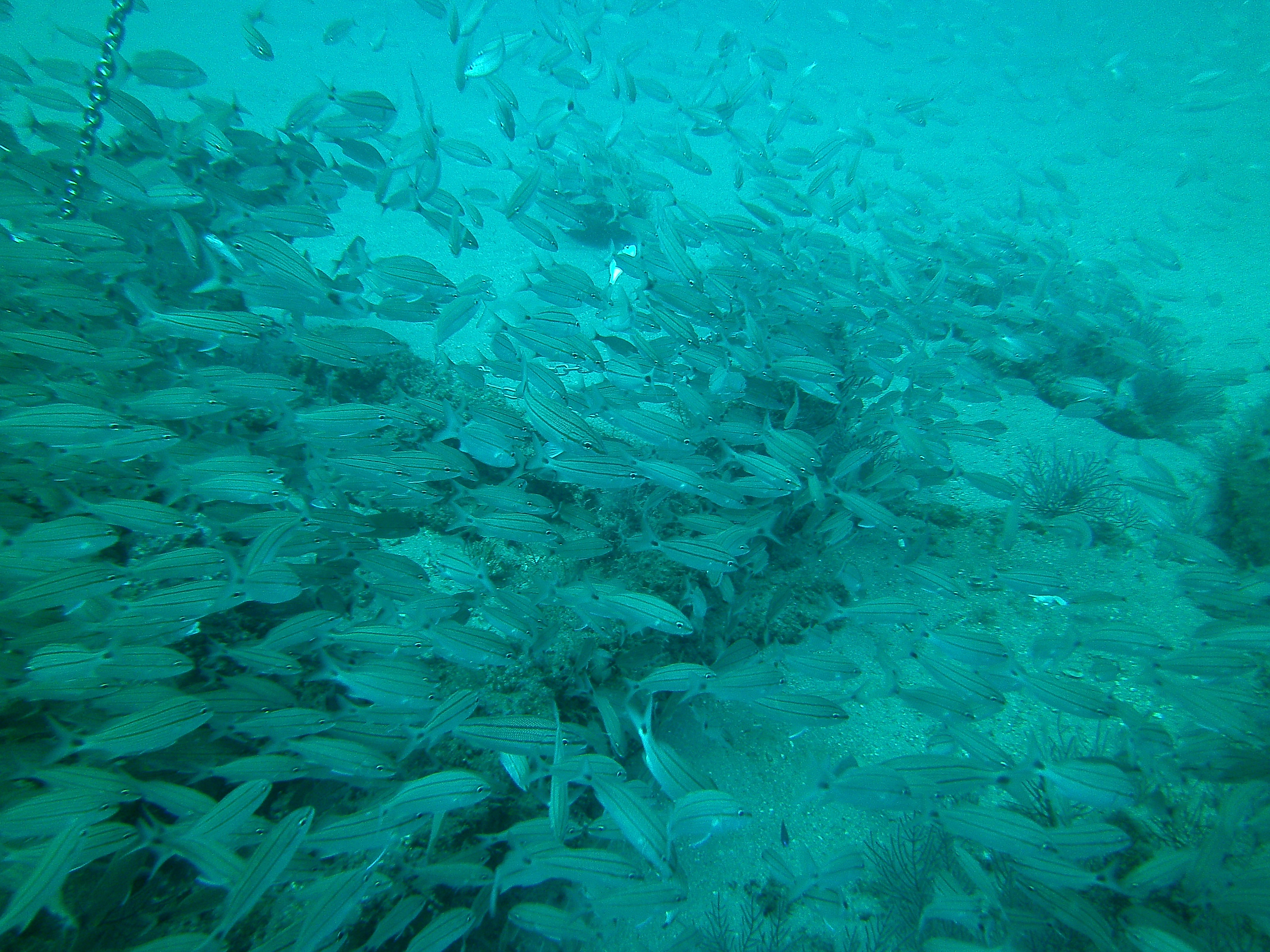
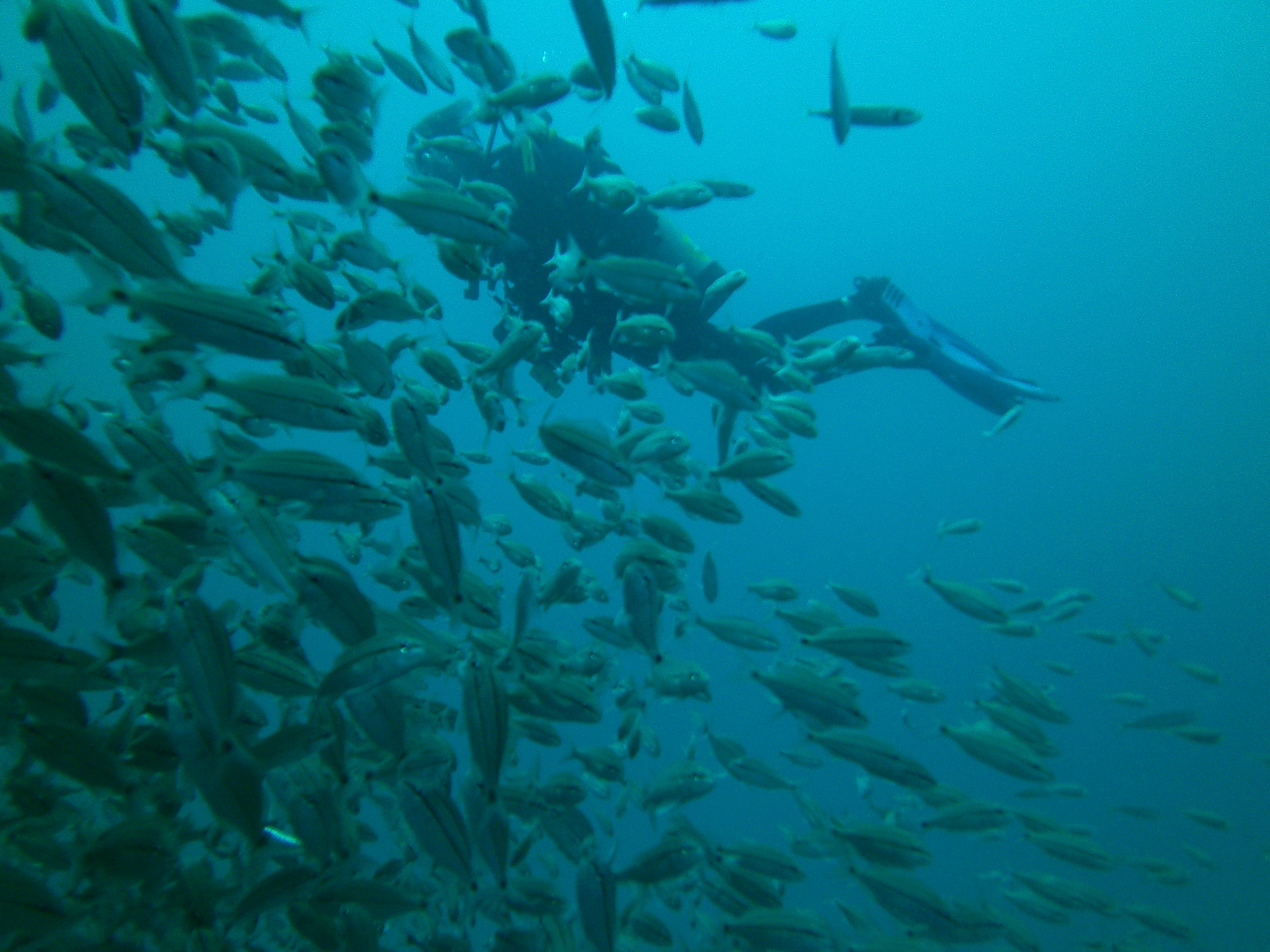
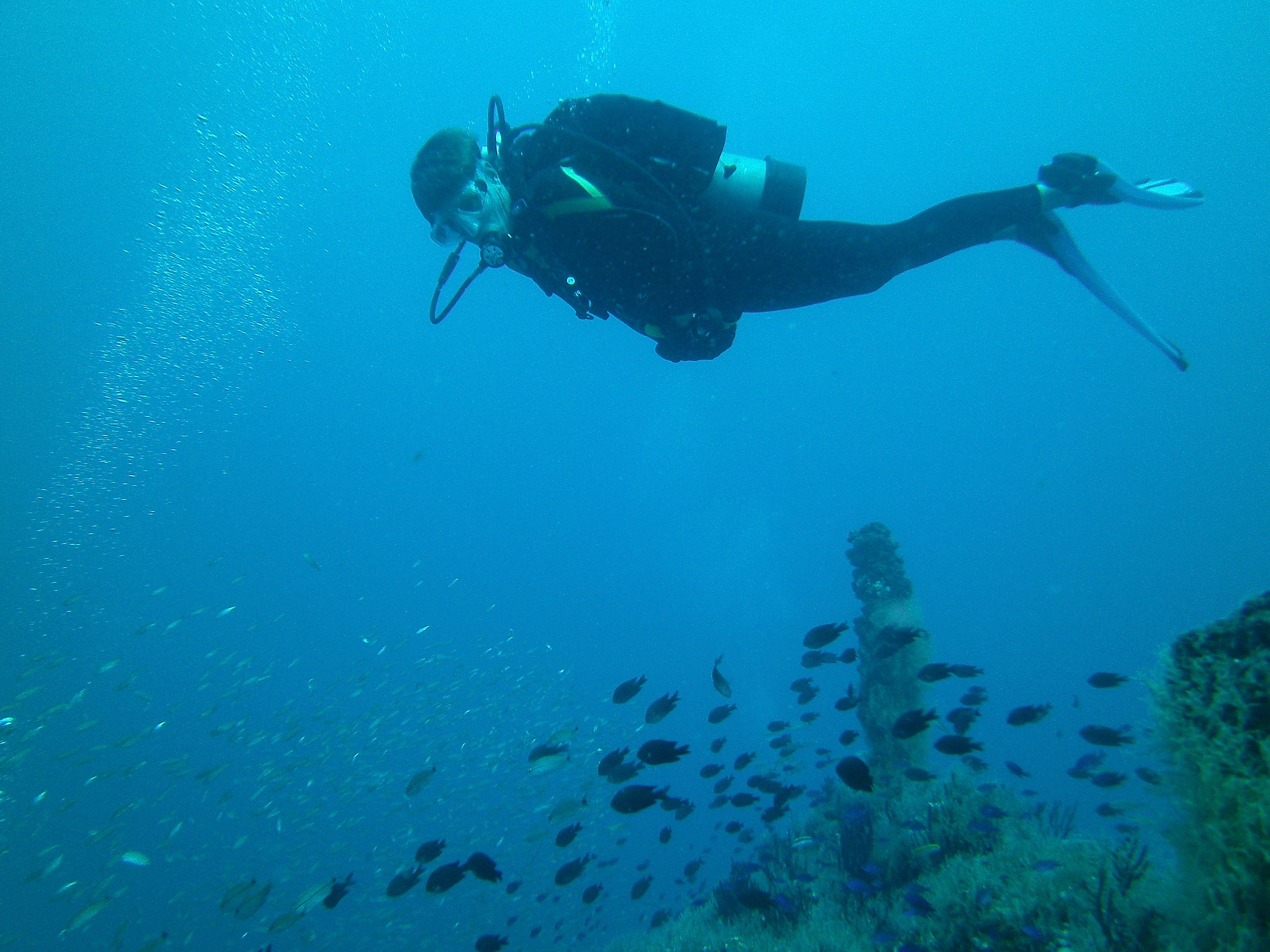
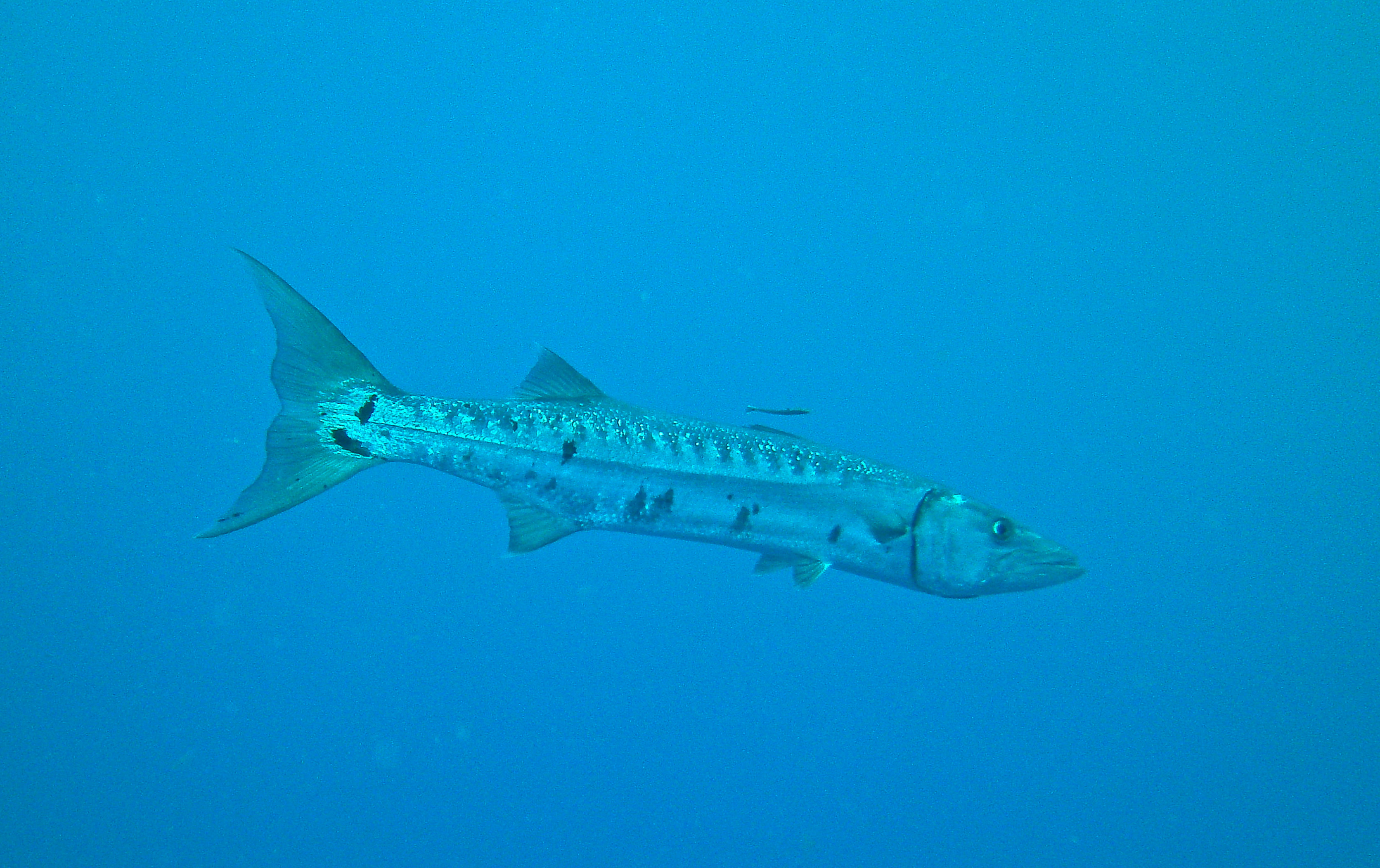
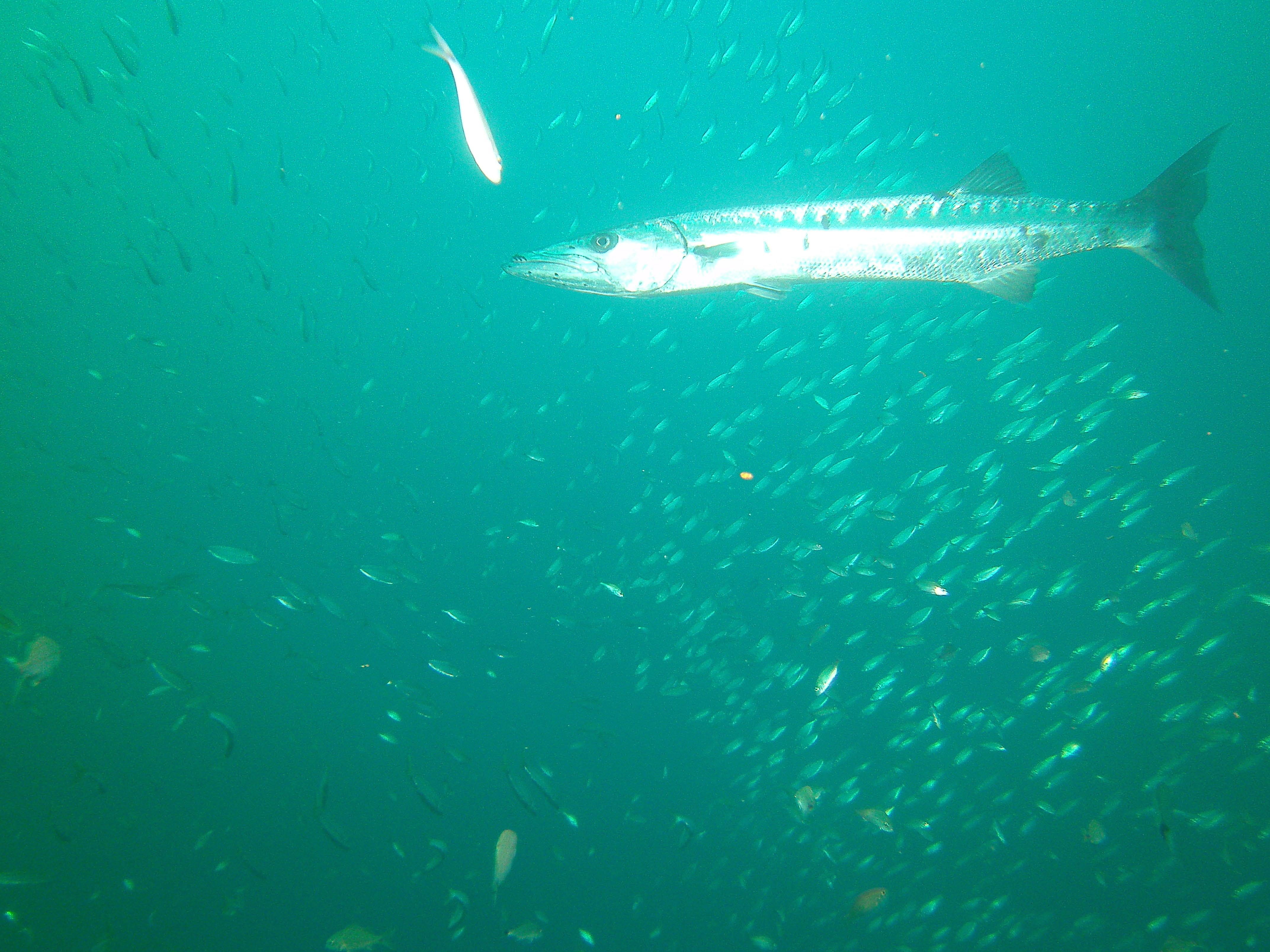
Early Sunday morning the skies were clear and calm, and the seas were calm as well. We left the marina about 7:30 a.m. and made it to the wreck of the John D. Gill in about an hour and half. The Gill was a tanker sunk by a German u-boat in WWII. Visibility was pretty good – perhap 50 feet. We saw several barracuda and thousands of small silvery fish, and we also spotted two large flounder.
SeaLife DC1400

For the last dive, we went to the Hyde, a wreck that still look like a ship, though with lots of things growing on it and lots of fish around it. Visibility was less good – maybe 30-40 feet – but the wreck itself was interesting, and we could see thousands of little fish, along with many barracuda. One sand tiger shark passed close by.
SeaLife DC1400

Great N.C. wreck diving, compassion for sea creatures, and collective intelligence


For Labor Day weekend, Sally and I went down to Wrightsville Beach, NC, for some wreck diving and extended our lucky streak of exceptional coastal dives. Our trip was organized by our friends at Down Under Surf and Scuba, and we went out on the Aquatic Safaris I. The 48-foot boat I carried 19 divers.

Saturday was warm and clear, with mild breezes and fairly calm seas. We dove the City of Houston, a passenger-freighter that foundered in a storm in 1878. She lies about 50 miles from Wrightsville. It took two and a half hours of hard traveling to get there. Shortly after we anchored and I visited the head, I felt queasy and promptly got sick. Then I felt mostly better, and we jumped in and headed down the anchor line to the wreck.

The Houston lies at about 95 feet down. Visibility was good (perhaps 60 feet) and the water temperature was a comfortable 82 degrees. There was a mild amount of current on the bottom. There were thousands of small fish. Our most dramatic sighting of the day was a goliath grouper, an enormous fellow, almost six feet long. My camera battery gave out when I tried to get a picture. I did, however, get some other pictures, including Sally examining something tiny with her magnifying glass (above) and great clouds of small fish.

After a second dive on the Houston, we headed in. Our seats were metal benches along the sides, in front of our tanks, so we couldn’t lean back and sleep. Some of our dive mates stretched out and slept on the deck, so it was difficult to move about as the boat sped along at a quick 25-knot pace. Diving sometimes takes fortitude.

We had a good Italian dinner with Sally’s sister in Wilmington at Nicola’s. There were a number of appealing vegetarian offerings. I had the eggplant rollatini with pink sauce, which was quite tasty. We had a lively conversation about, among other things, the automation of higher education, and how it is threatening the traditional university.

On Sunday we went out again on the Aquatic Safaris I, this time for a two-hour trip to the Normannia, a Danish freighter that foundered in 1924. The seas were calm and the trip went smoothly. I didn’t get sick. The wreck is about 115 feet deep. Like the previous day, the visibility was about 60 feet and the water was comfortable.

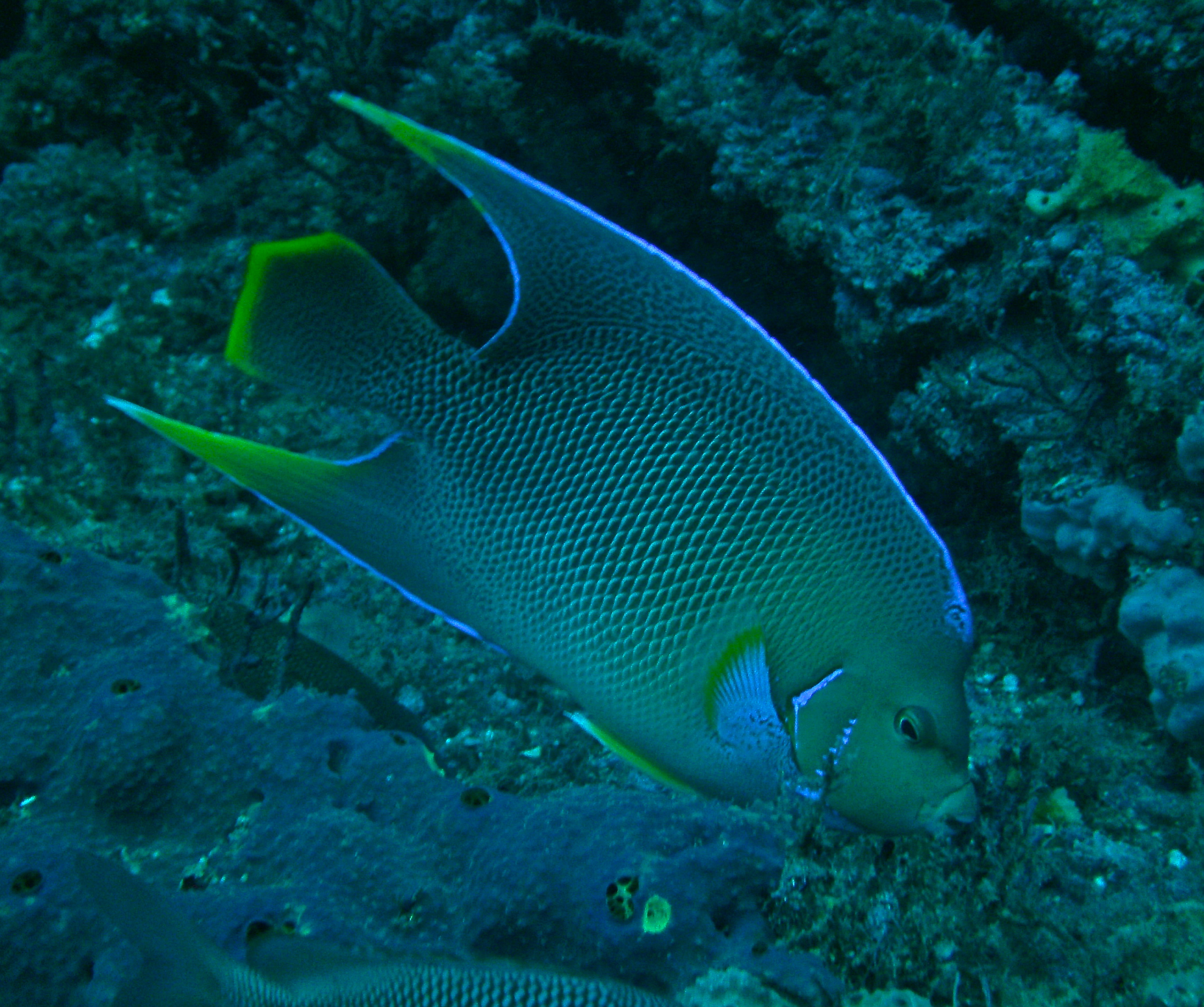
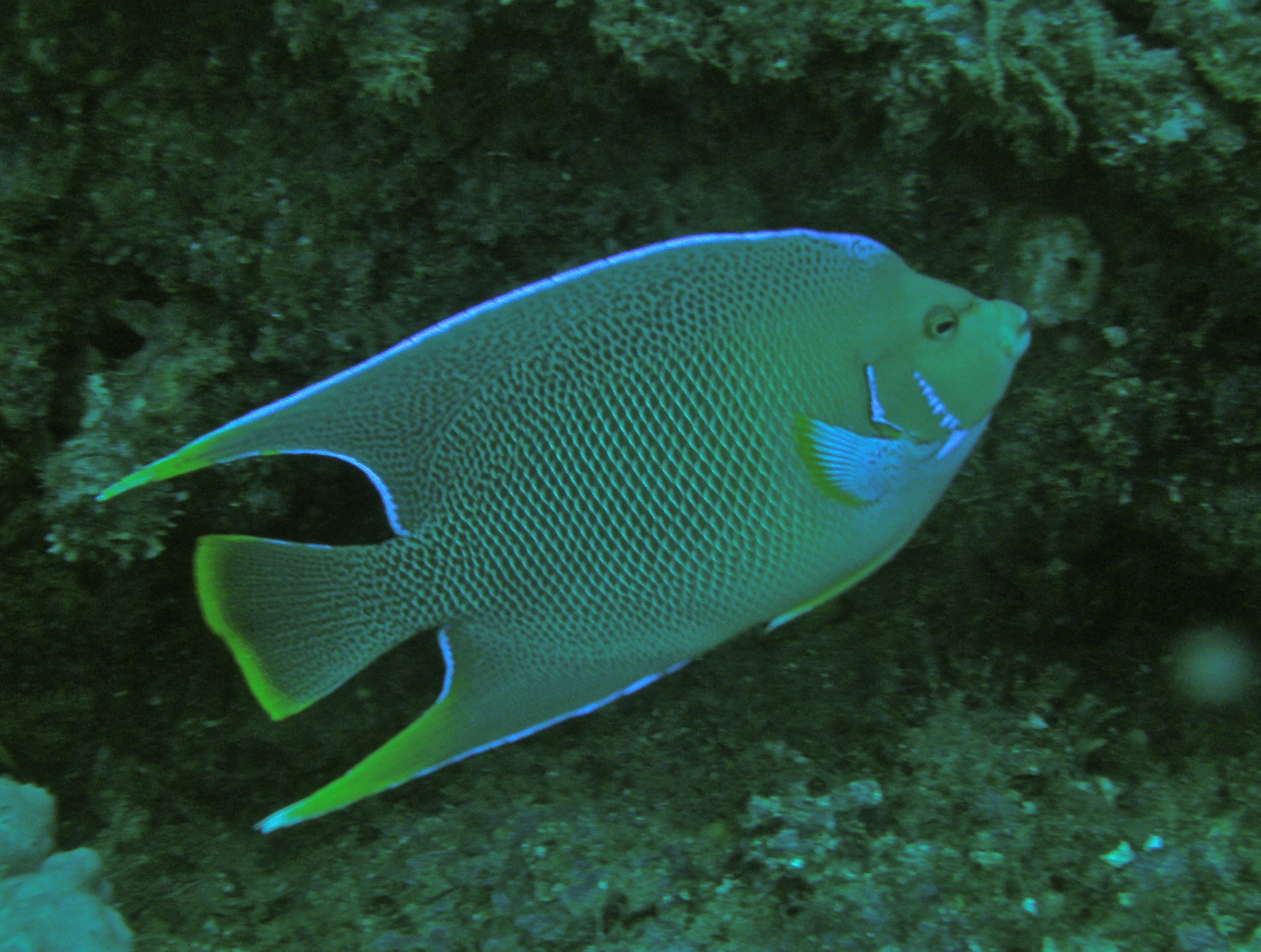
Even more than at the Houston, the Normannia had an amazing profusion of life. Along with thousands of small fish, we saw barracuda, a couple of gigantic lobsters, a well camouflaged frogfish, and my favorite, queen angelfish (several). I went to some trouble trying to get a good picture of one, and though these don’t really do it justice, they were the best I could do.

It is such a great pleasure to swim among fish. At times we were completely surrounded by thousands of small ones, and at times we swam alongside large ones. As I dive more, I feel increasingly touched by their beauty. They are amazingly varied in size, shape, color, and ways of moving about. Recent research indicates that they are much smarter than we’ve thought. For example, some can very quickly learn complex topography of a reef environment.


As I’ve spent more time with these creatures, I’ve come to consider them sentient beings worthy of respect and compassion. I regret to say I’m in a minority on this point. Among my fellow divers were some with spear guns and one who was capturing lobsters. I found it really painful to see him take an enormous lobster, perhaps decades old, and break off its antenna and shove it into an ice chest to suffocate.

My shipmate seemed otherwise a decent and friendly fellow. I’m certain he was not trying to torture the creature, though that was what he did. He didn’t derive pleasure from being cruel. He simply couldn’t comprehend that the animal was capable of suffering. I think he and others would find that expanding the circle of compassion to more animals is a happier and more fulfilling way to live.

Speaking of intelligence, I read recently that the human brain was unlikely to get larger in the normal course of future evolution, because it would serve no purpose. Brains working in isolation are not how things get done. Instead, as E.O. Wilson has pointed out, it’s humans’ ability to connect their individual brains that has been the secret to their evolutionary success. We keep getting better at that, developing over the millenia the tools of gesture, spoken language, and written language, with the internet being the latest game-changing technology.

In the midst of the depressing mendacity and nonsense of the Republican convention, I find it somewhat consoling to look at intelligence as potentially expanding through better networks. The Republicans are profoundly mistaken in thinking that entrepreneurs act primarily as fully independent rugged individualists. It’s more accurate, and also more useful, to look at achievement in terms of groups cooperating and competing. Our future success, and perhaps our survival, depends on our ability to improve our systems of cooperation, including our politics.