The Casual Blog

Hitting balls at the country club and watching chimney swifts
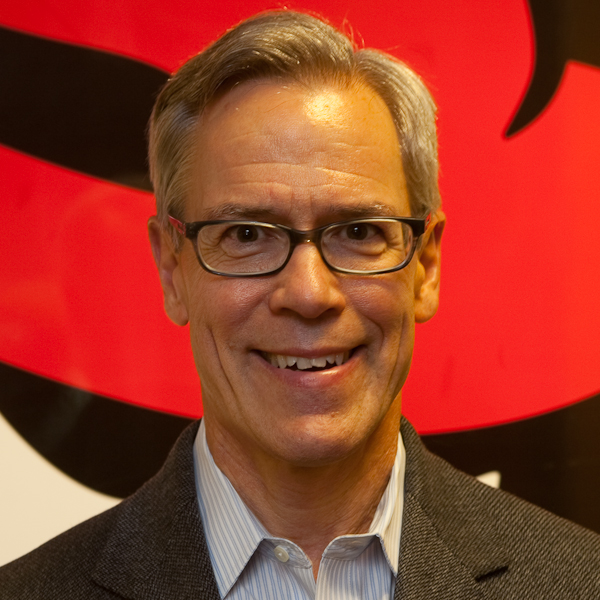
On Friday one of my Red Hat colleagues took some pictures of me for our website. In recent years I’ve got over some of the awkward self-consciousness of being peered into by a camera, though it is still slightly embarrassing. Anyhow, here is one of the pictures.

After work, I went over to Raleigh Country Club to practice at the driving range. I became a member at RCC a few weeks back. This is primarily a wonderful thing for which I am deeply grateful, but at the same time I have some cognitive dissonance. I do not come from a country club background. As a kid, I had friends who belonged and ones who didn’t, and didn’t see any systematic differences. But at some point I formed a view of country clubs as islands of unearned privilege, and of country clubbers as shallow, selfish snobs — people whose main political driver was paying less in taxes. Over time, I’ve known plenty of people who put the lie to that stereotype, but I still had trouble picturing myself wanting to join (to paraphrase Groucho Marx) any club that would have me as a member.

What changed? The most important thing was a deepening appreciation of golf. And the golf course at RCC is special. It’s the last course of Donald Ross, the legendary Scottish designer. The land rises and falls in a pleasing rhythm, with lakes and streams and bunkers, and mature trees, bushes, and flowers. It is beautiful, and also quite challenging. And it is less than 10 minutes from my apartment.

The staff has been really welcoming and friendly, as have most of the members. I really enjoy hitting balls on the driving range. When I hit a bad one, I just tee up another. I am playing with the concept that a more beautiful swing makes a more beautiful ball flight, and some of mine are flying well. But every now and again, I have an anxious moment when I feel out-of-place, and wonder if someone is about to quietly ask me to leave.

After hitting my quota at the range, I drove downtown and met Sally at the corner of Salisbury and Hargett Streets. She’d seen a story in the News and Observer about chimney swifts roosting in the Oddfellows Building there. We climbed the stairs of a parking garage across the street and looked upward.

Shortly before 7:00 pm, we saw the first few swifts appear from the northwest, and then there were more. Ultimately there were hundreds and hundreds, swarms of chimney swifts. They fluttered and veered, catching insects and making a high-pitched chatter. It was amazing. There was a kestrel that perched on the logo sign at the top of the Wachovia Building and occasionally swooped down, but the flock would counterattack. We’d hoped to see the swifts go down the Oddfellows Building chimney, but did not have a good angle to view the chimney. Finally it got dark, and we walked a couple of blocks to Dos Taquitos for dinner.
Track driving at VIR and chamber music

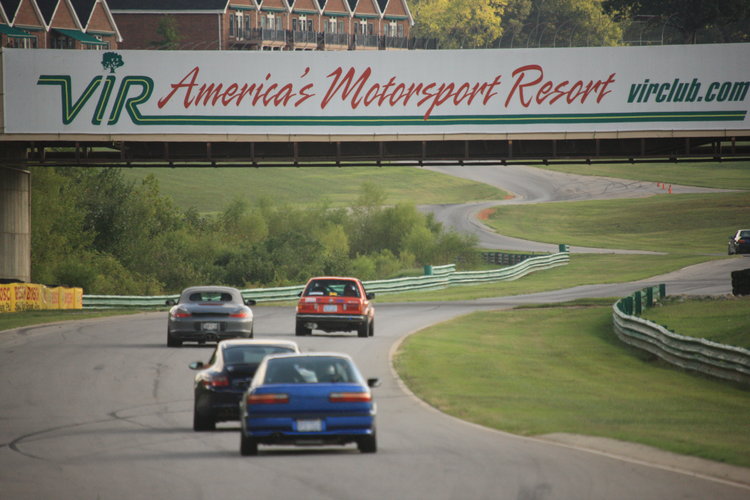
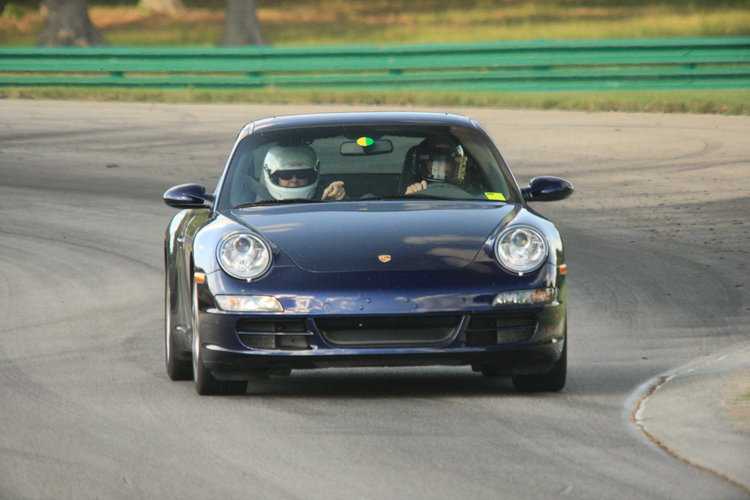
Clara and friends at VIR on 10 September 2011

We had plans to go to the North Carolina coast for some wreck diving this weekend, but the trip was cancelled because of rough (eight-foot!) seas. I was a little disappointed, but also a little relieved. The last couple of weeks have been turbo-charged at work, and on top of that I’ve had lots of extracurriculars. Today is gray, drizzly, and chilly — a great day to relax and reflect.

Last weekend was exciting, but not relaxing. I took Clara, my 911S, out for two days of hard track driving at Virginia International Raceway. She’s a great car, and did almost everything I asked. The weather was pleasantly warm and clear. My instructor, M, was very experienced and initiated me into some new aspects of track driving.

M gives a pointer

M stressed that the key to faster laps is smoothness and consistency — threshold braking at the same spot, hitting the same apex, coming into the throttle and tracking out all the way to the same track edge. It sounds like consistency could get boring, but for me it didn’t — perhaps because it’s so hard to do. As I got better in a particular difficult turn, it required throttle and brake adjustments for the following turns, which were seldom perfect. I had a couple of hair-raising moments, including a skid off the track and into the field (too much speed into turn 1), but no damage was done. There was plenty of exhilaration, and over all I felt an increase in competence.

This week I had two meetings with the Raleigh Chamber Music Guild, which recently elected me to its board of directors. I’ve loved chamber music, especially string quartets, since high school, and I’m pleased to be able to lend a hand to sustaining this great tradition. The RCMG is 70 years old, and has brought many world-class ensembles to this area. From what I’ve seen so far, the board seems like a good group. I’ve tried to make peace with the fact that some people don’t like chamber music (though I confess I cannot understand why), and just be grateful for the music and the people who enjoy it. They tend to be an educated, articulate demographic. But it isn’t easy for these music lovers to find each other or communicate about the music. It’s partly normal shyness, and also the difficulty of translating music and related feelings into words. RCMG may be a good venue for me and others to make some of these connections.

Another night this week I had a class on wreck diving, in preparation for diving on the Hyde and the Markham. Penetrating wrecks involves a higher level of risk than reef diving that we generally do, and it requires some training and careful preparation. I learned about various safety measures, including hazard assessment, redundant equipment, and laying a guide linet. I’m hoping to do the dives in late October.

Why do people engage in even mildly perilous situations, and imagine themselves in dire ones, when they don’t have to? People do it, at least to some degree, all the time — in sports, amusement parks, and scary movies. We’re funny animals, for sure, and we do some stupid things, but theres some sense to it. Maybe we confront manageable risks in play to prepare ourselves for real dangers. It could help develop some reserves of courage. And risk takes us out of our daily routine and out of ourselves. We forget ourselves, and feel more alive.

Republicans and science

Last week Paul Krugman departed from his usual subject matter (the economy) to present the case that Republicans are becoming the anti-science party. His argument included a quote from a Republican official accusing a conspiracy of scientists of fabricating global warming data to promote their own careers.

It would be nice if such lunacy could be dismissed as a fringe phenomenon. But the speaker was the current governor of Texas and a leading candidate for President. And according to Krugman only 21% of Iowa Republican voters believe in global warming, and only 35% of them believe in evolution. Holy Toledo!

Is it possible that we could elect as President a person who opposes factual analysis and critical thought generally? As unbelievable as it sounds, the answer, apparently, is yes. At any rate, none of the current Republican candidates is prepared to stand up for rational thought over patent nonsense when their potential supporters prefer the nonsense.

I’ve never considered it particularly heroic to acknowledge factual reality or base action on the best available data. I thought this was what people ordinarily did. There have always been people who were disconnected from reality, but traditionally we either feared or pitied them. No sane person would consider taking their views seriously. So how is it possible that the anti-science Republicans (surely, or at least I hope, still a minority among Republicans) have developed into a political force? This is crazy!

Now, I have nothing against people who prefer their fantasies to hard reality. It’s OK if they want to believe, for example, that it’s possible to have public services without paying taxes, or that climate change is nothing to worry about. But it would be folly to let such people have serious responsibility for anything. Just as we don’t let young children drive cars, we don’t want the anti-science people making important decisions. As opponents of science, they just don’t have the tools necessary for good decision-making. Why would we even consider trusting them?

An earthquake, a hurricane, a massage, a yoga lesson, and a haircut

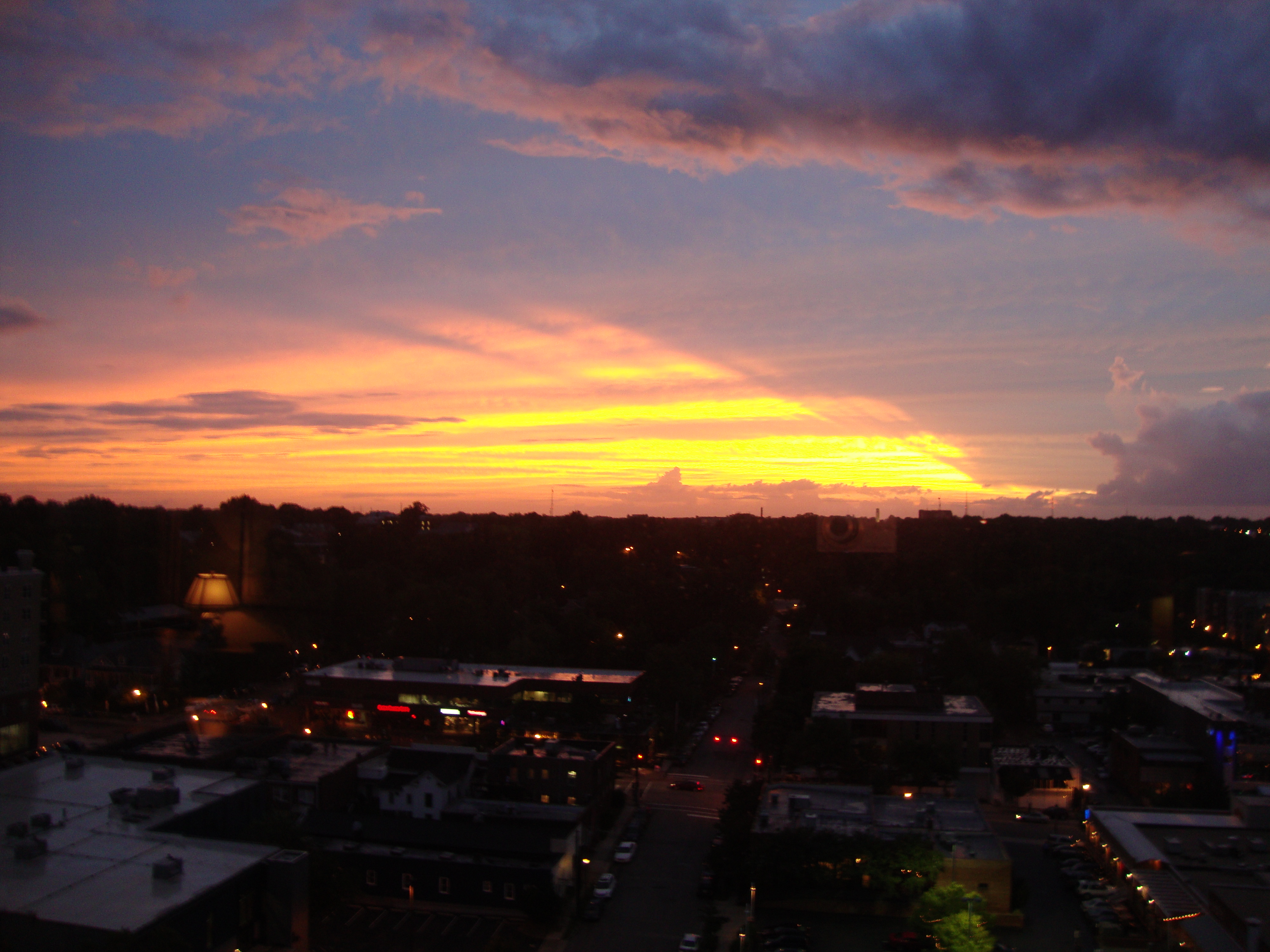
Sunset before Hurricane Irene

We’ve had a couple of unusual disturbances this week. On Tuesday, Raleigh was shaken for a few seconds by an earthquake that was centered in northern Virginia. In my office, it felt at first like heavy equipment was passing by, but it got more intense, and I started to consider evacuating. We seldom have earthquakes in the eastern U.S. We’re used to thinking of the earth as something solid that does not move, and it’s disturbing when it does.

A hurricane named Irene has been heading toward the eastern U.S. for several days, and finally hit the Outer Banks of N.C. this morning. We get hurricanes here from time to time, but this one has caused more than usual worry. In 1996 when Hurricane Fran hit our area, trees snapped in two in my yard, and the storm left us without power for days. Ever since, I’ve taken hurricanes seriously. At the moment, we’re getting light rain and gusty winds.

Meanwhile life goes on, with chores and challenges. This week I was particularly conscious of being part of a pleasing network of humans, including some who helped take good care of me, with some vivid moments of connection.

On Monday, I got over to Hands on Health, where Meredith had agreed to come in on her day off to give me a deep tissue massage. I’d anticipated that all the driving to, from, and at Road Atlanta would leave me with a tight neck and back, which it did, and that Meredith could help, which she did. She was cheerful and chatty, but deadly serious when it came to knotty muscles. There were some intense and difficult moments, but I left feeling wonderful.

On Wednesday, I had my first individual yoga lesson with Suzanne. I’ve taken one or two “early bird” classes a week with her for the last year or so, and have gradually come to really trust her. My main objective in taking an individual lesson was to make sure I had sound mechanics for my head stand and wasn’t about to hurt my neck. I also wanted to understand more about increasing my flexibility. Lately I’ve gone to a few advanced classes, and found them fairly humbling. There are certain things they do that I just can’t do.

Anyway, Suzanne helped me adjust expectations and feel better about where I am, as well as improving in some areas. For head stands, she taught me how to find the top of my head and where my weight needed to be. We did some bending and twisting, and talked about how you can have too much of a good thing. Although it looks good in class to have loose joints, as she does, she noted that looseness brings with it more risk of certain injuries. I also got her guidance on what to do with my mind during savasana. I’ve slowly come to really value yoga’s insistence on relaxation as an integral part of class. At the end of the session, I felt tremendous gratitude, both for Suzanne, and for my good health and well-being.

Because of the Road Atlanta trip, I’d missed my regular monthly haircut with Ann. She invited me to come in after work as her last appointment on Wednesday. Ann’s been cutting hair for me, Sally, and Gabe for many years. It’s always fun seeing her. She likes to talk, and we have great chats about our families, cars, restaurants, travel, and sports. As usual, I left looking better, and smiling.

Driving at Road Atlanta

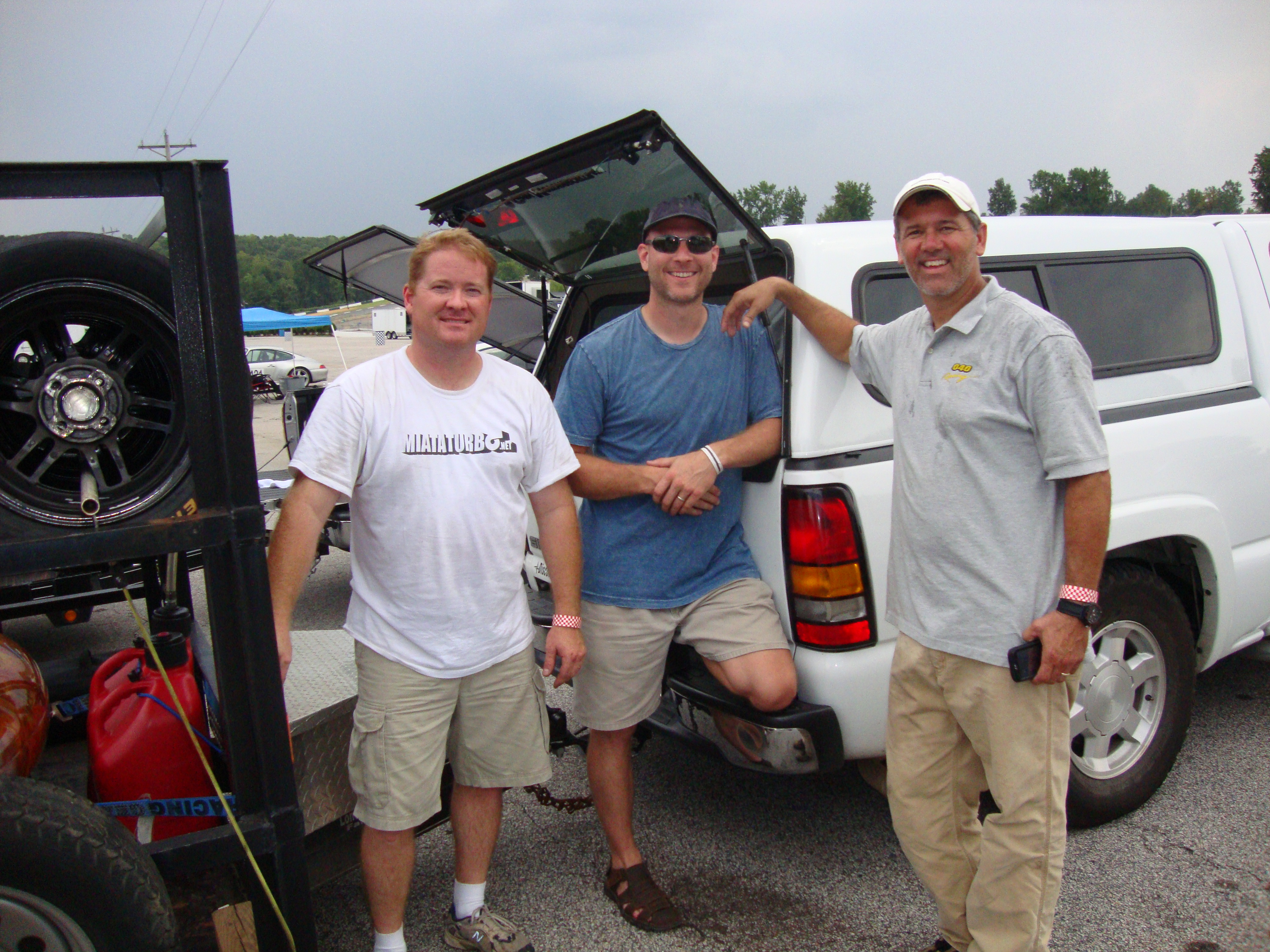
Clara and friends at Road Atlanta

I had a few butterflies about taking Clara down to Road Atlanta for the Rezoom track event. There is, after all, an element of risk to pushing a car as hard as you can. But at the same time, there is something that felt right about the trip. A Porsche 911S was not created to be mere transportation. It is a sports car.

After a simple breakfast at the Holiday Inn, I was loading Clara when I saw some working-guy types staring at me. My first reaction was to assume they thought I was a twit. Then I realized they were admiring the car. This wasn’t exactly pleasant, but not exactly unpleasant. I wasn’t interested in attracting their attention, but I could understand it. It occurred to me that this is something that very attractive people must deal with: the slightly unsettling attention of strangers.

I had more butterflies when I saw the field, which included some true racing machines, stripped of creature comforts and equipped for massive speed. My instructor, Bryan, had one such: a Miata with everything torn out that didn’t have to do with the business of moving.

Bryan and his Miata

It also had an awesome paint job. Bryan introduced me to his track buddies, all from Jackson, Mississippi, and invited me to hang out at their canopy area.

The track was 2.54 miles — about the same size and shape as VIR, but more difficult. There are big elevation changes, and vertigo-inducing blind curves. Where VIR has fields to run off into if you misjudge a turn, RA has hard walls. Bryan took me as a passenger out as a passenger on the first session, and scared the bejesus out of me. It was a fast, very rough ride. I felt car sick, but managed, barely, to avoid spewing.

The drivers were divided into notice, intermediate, and advanced groups, and each drove 30 minutes per session. As a novice, with an hour between sessions, I looked at the other cars as they prepared to run or ran. I enjoyed talking with Bryan and his friends.

Bryan, Chris, and Snookie

They knew an amazing amount about cars. They must have thought I seemed a bit different, but they were really kind to me, and went out of their way to explain things and be helpful. It was great to hang out with them.

After the first couple of half-hour sessions, I began to get a feel for the track. It demanded total concentration. The senses are overloaded with sensations — screaming engines, rushing edges. There is no room for ordinary thought. Bryan kept coaching me to use more of the track and carry more speed through the turns. Gradually I got faster.

At times I couldn’t stop smiling. There were, however, some harrowing moments. Once I hit the gators at speed coming off the blind turn at number 12, and skidded dangerously. That scared me, and it took a few laps to regroup. As I kept pushing against the limits of the turns, a few times I found them, and barely hung on.

But with each session, my confidence increased, and on the second day I broke the two-minute barrier for a lap — a milestone. As I prepared for the fourth run of the day, Bryan announced I was ready to solo. He asked me not to do anything that would embarrass him. I was really pleased, and I didn’t.

Post-Enlightenment thinking and Michelle Bachmann

Is there any question that science, logic, and reason are excellent tools for problem solving? OK, these systems aren’t perfect, and they don’t apply to every problem. But can any thoughtful person fail to recognize their power to transform civilization and improve lives?

The answer is yes. Some people rely primarily on myth and magic as thought systems. But I normally think of these people as a not-very-significant minority. It may be, though, that that minority is getting more significant.

A column in the NY Times today by Neal Gabler posits that we live in a post-Enlightenment society that has gone backward intellectually to a method that does not employ rational thought. Gabler takes this as settled, and argues that it’s even worse: that we are moving into a post-idea world, where thinking is simply no longer done. Instead, we exchange undigested facts. As evidence, he cites social media such as Twitter and Facebook.

I’m not persuaded that social media is killing ideas, or even that the post-Enlightenment has arrived. But anti-rationalism is alive and well. Exhibit A: Michelle Bachmann. Yesterday Bachmann won the Iowa straw poll. In this week’s New Yorker, Ryan Lizza discusses the ideas that shaped her thinking.

Bachmann comes out of a tradition that believes the Bible is the literal, infallible, and unerring word of God. She claims to have a personal relationship with Jesus Christ, and believes that he controls her life. She’s also been influenced by various fundamentalist thinkers who have some disturbing notions, including a revisionist view of slavery that holds that it was not all that bad.

It strikes me as implausible that Bachmann could be a serious contender for the presidency, but her style of thinking is having an impact on public policy. It’s hard to understand how the Tea Partiers could refuse to discuss the issue of tax rates, and be prepared to insist on this point at the cost of economic catastrophe. But if you believe that your ideas are coming directly from God, how could you question them? Why would you care to listen to opposing views? Why would you consider compromise? Thus usually harmless nonsensical beliefs become dangerous.

Looking for good news, and finding some about prisons

These are stressful times. Current stressors include wars, riots, financial turmoil, unemployment, political gridlock, nuclear weapons, droughts, earthquakes, volcanic eruptions, tsunamis, global warming, and mass extinction. It doesn’t feel right to be indifferent to so much suffering and so many potential disasters, but taking it all fully on board seems impossible.

When I took the PADI scuba rescue course last month, I had in mind the possibility of helping someone in an emergency. One of the lessons, though, was that sometimes you can’t help. You may see someone in dire peril, and be the only person in a position to act, but lack the necessary equipment, experience, or strength to save the person without endangering yourself. In such a case, you should not attempt a rescue. Not acting would be traumatic, but it would be the least bad choice.

Some of the current crises feel bad in this way: we have a ringside seat as the disasters unfold, and there’s very little you or I can do directly. Well, we could try to avoid electing as our representatives people who are delusional. And maybe it does some good to keep talking about good choices as opposed to delusional ones. Maybe more sane days lie ahead. But meanwhile, even to have a chance, we need to take care of our own mental and physical health.

One of my strategies is to take special note of the occasional story involving something really positive. Good news is often disfavored for the front page, so you have to keep a sharp eye out for it. Recently I’ve spotted good news about decreasing crime rates, decreasing highway fatalities, decreasing intolerance for gays, and increasing skepticism about the war on drugs.

Here’s the latest from the NY Times: “Trend to Lighten Harsh Sentences Catches on in Conservative States.” The story by Charlie Savage identifies sentencing and parole reforms in a number of states that are lowering the prison population, helping drug addicts with treatment programs, and assisting convicts in reentering society. The driving force is not humanitarian concerns, but rather budgetary ones — imprisonment is expensive.

The prison overhaul movement is happening in Texas, South Carolina, Kentucky, Arkansas, Ohio, and elsewhere. The movement is supported by a number of prominent conservatives, including Edwin Meese III, Newt Gingrich, and William J. Bennett — all strict law-and-order authoritarians from way back. This is quite amazing.

The story notes that there are also a few states that have revoked programs for early parole, including New Jersey, which changed its policy after two inmates released early committed murder. It is difficult for statistical evidence of social benefits, no matter how strong, to overcome a vivid anecdote. So the whole thing could still fall apart. But maybe it won’t.

Gary Player’s diet and exercise routine, and a few thoughts on yoga

One of the nice things about getting older is that you gradually worry less about being cool. You slowly realize it’s almost impossible to be old and cool, and give up on the idea. Letting go of such worry frees up some energy for more fun.

Age is tough on a body. Fight as we will, eventually we’ll all succumb. But I see no real choice but to fight. Over time I’ve become more dedicated to the battle for good health, though it occasionally strikes me that it could be viewed as hopeless, ridiculous, or both. A middle-aged white guy sweating — for what? It’s certainly not cool.

Thus I was cheered and inspired this week by an account of Gary Player’s fitness program now that he’s 75. As golfers know, Player is a legendary player, with more than 160 tournament victories. In his prime, the man was known to be serious about exercise, and he still is. His routine involves 1,000 sit ups and push ups every morning. He does lunges and squats, works with weights, and runs, swims, and does stairs. As for diet, Player says that it’s 70 percent of the fitness puzzle. He eats a mostly vegetarian diet heavy in fruits and vegetables, and aims for portions about half the size he used to eat. He says he has more energy since he cut the meat, and his stomach works better.

I also have found that a diet of moderate portions of plant foods is energizing. And so is regular morning exercising. Lately I’ve been noticing how during most of my waking hours I feel really good, and feeling grateful for it.

I’m especially grateful to my yoga teachers (Yvonne, Suzanne, Kathleen, Jill, and others). Over the past couple of years, yoga has gradually insinuated itself into my life, and has become a good friend. Lately I’ve been doing two or three classes a week at Blue Lotus. Every teacher and every class of every teacher is different. Some classes are quite arduous (think high heart rates and lots of sweat) with an element of risk, and some are very slow and calm.

When I began, I’d expected that yoga would help my flexibility and balance, which it has, but it has done some other good things that I hadn’t expected. It has made me a better breather and more conscious of the significance of breath. It has helped my focus and concentration. And it has made me view relaxation as an essential element of good health.

There’s also something pleasing about exercising in a class. It’s sometimes humbling but often inspiring to see so much strength and grace in the group as it moves together. I like the sound of people breathing in unison. It’s good to be with people who are committed to taking good care of their bodies. And it’s fun.

Golfing at Turnberry, Scotland

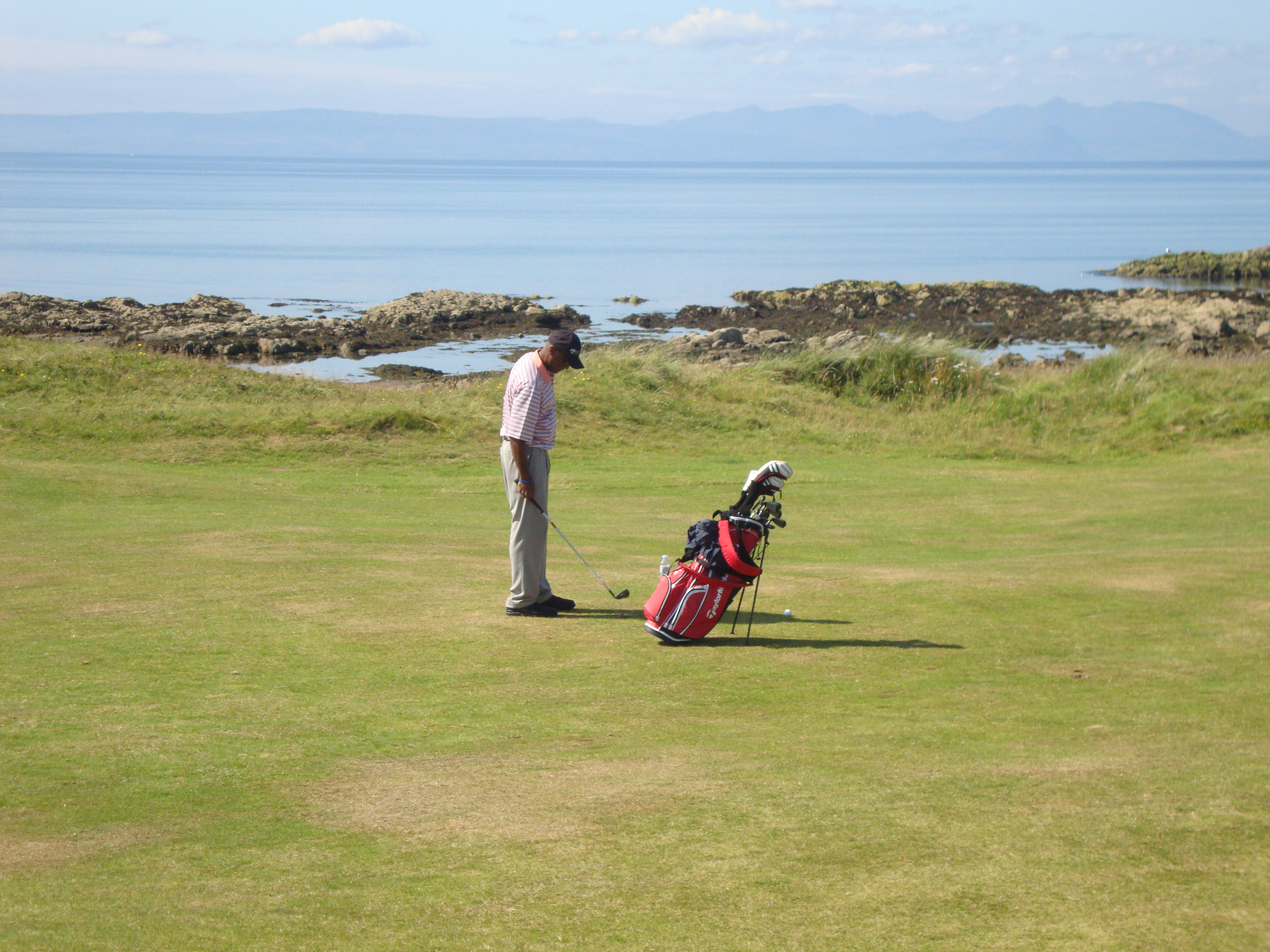
Turnberry, Scotland (Kintyre)

Last week I played golf at Turnberry, Scotland, rated the number one course in the British Isles, and the site of numerous British Opens. Is it really so great? In a word, yes. It was golf nirvana.

I played the famous Ailsa course the day I arrived, immediately after traveling all night. The day was sunny and mild — possibly too pleasant for a representative experience. At almost every hole, I had a shiver at the beauty. It had a raw, untamed quality, but I gradually realized that it brilliantly combined the natural contours of the terrain with a deep understanding of the essence of golf. Its authors and keepers loved the land, and the game.

It demanded constant vigilance and focus. The hazards were, in golfing terms, serious — deep bunkers with walled backs, knee-high grass, spiny gorse, and water. I had one disastrous descent into a bunker, costing four strokes to get out. But I generally controlled the ball well, with a handful of excellent shots. I did not putt particularly well till the end, when I finished with a flourish — sinking a thirty-footer on 18 for a birdy. I ended up with a 92.

I played the Kintyre course the next day. The skies were overcast, threatening (but never quite delivering) rain, and there were gusty winds — proper Scottish golfing weather. The ocean is a bigger element in this course, and the bunkers less. It seemed less imposing than Ailsa, with views of the surrounding hills and pastures, but the level of difficulty was challenging enough. I played reasonably well for me on the first nine (46), but had a couple of bad blow ups in the second and finished with a 99.

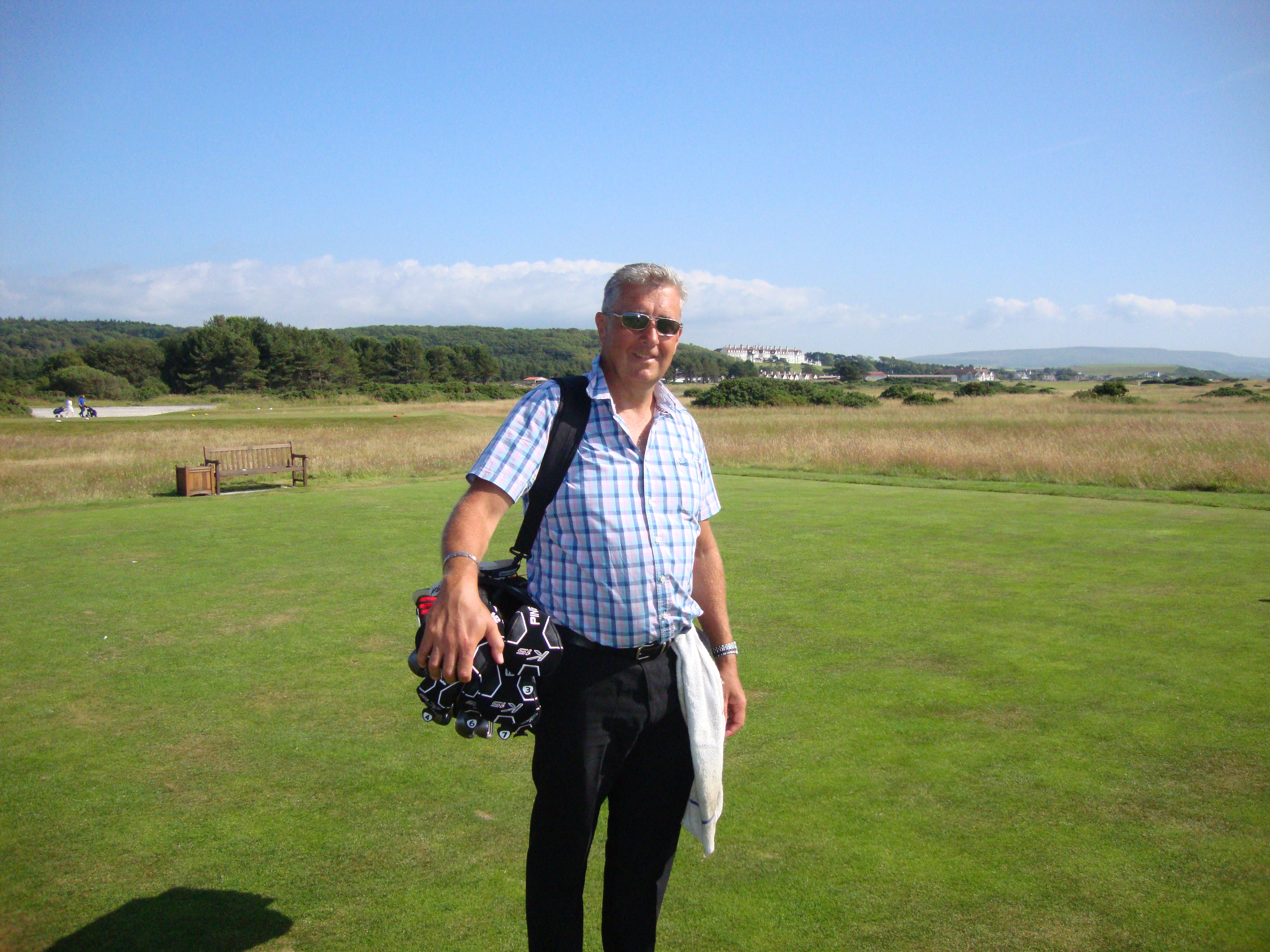
Jim, my caddie, and a Linux fan

There is something about Scotland that spoke to me powerfully. The people seemed friendly, but practical and tough and very proud of their country. The countryside was rolling and rugged. I got a lesson in single malt whiskey, and learned that it a dash of water loosens it up.

After finishing my meetings, I had a few hours to walk about in Glasgow, and found it a lively, modern city with Victorian charm. I made a stop at the Gallery of Modern Art to see works of several contemporary artists, and also visited the Kelvingrove Museum. Their collection of Impressionists and Post Impressionists is quite good, and I also liked their collection of 16th century armor. There were lots of people out in Kelvingrove Park, which reminded me of Central Park in New York, but with grass tennis courts and lawn bowling.

The trip back was long — about 19 hours all told. It started with a 5 hour delay because of weather in Newark, and the 7 air hours were bumpy. One good word for Continental — they provided surprisingly tasty curry as part of my requested vegetarian meal. I ran out of electricity on both my iPod and iPad, and came close to running out of other reading material (horrors!).

The Newark to Raleigh leg was uneventful until near the end, when the pilot suddenly pulled up from the final approach and banked to circle around. My first thought was that I might have a rookie pilot, but he explained that there was a local thunderstorm with microbursts of wind. A few minutes later we made the final approach, and the plane began bucking and shimmying. I focused on deep calming yoga breaths.

Getting better (scuba rescues)

If I like doing something, I like getting better at it. In fact, I probably won’t like it for long if I can’t get better at it. They would mean doing the same thing over and over, and why would anyone want to do that?

I’ve recently been improving at several things I like, including playing the piano, golf, and scuba diving. This weekend, I took a big step forward in scuba when I took the PADI rescue diver course.

As I’ve noted in a prior post, I really like the idea of having enough first aid skills to help save a life, and so this project was particularly meaningful to me. The reading and classroom sessions gave me a greater knowledge base on the various things that could go wrong for careless or unlucky divers — equipment problems, encounters with venomous plants and animals, or underlying medical conditions. In each of these situations, there are ways to help, even if there are not complete solutions.

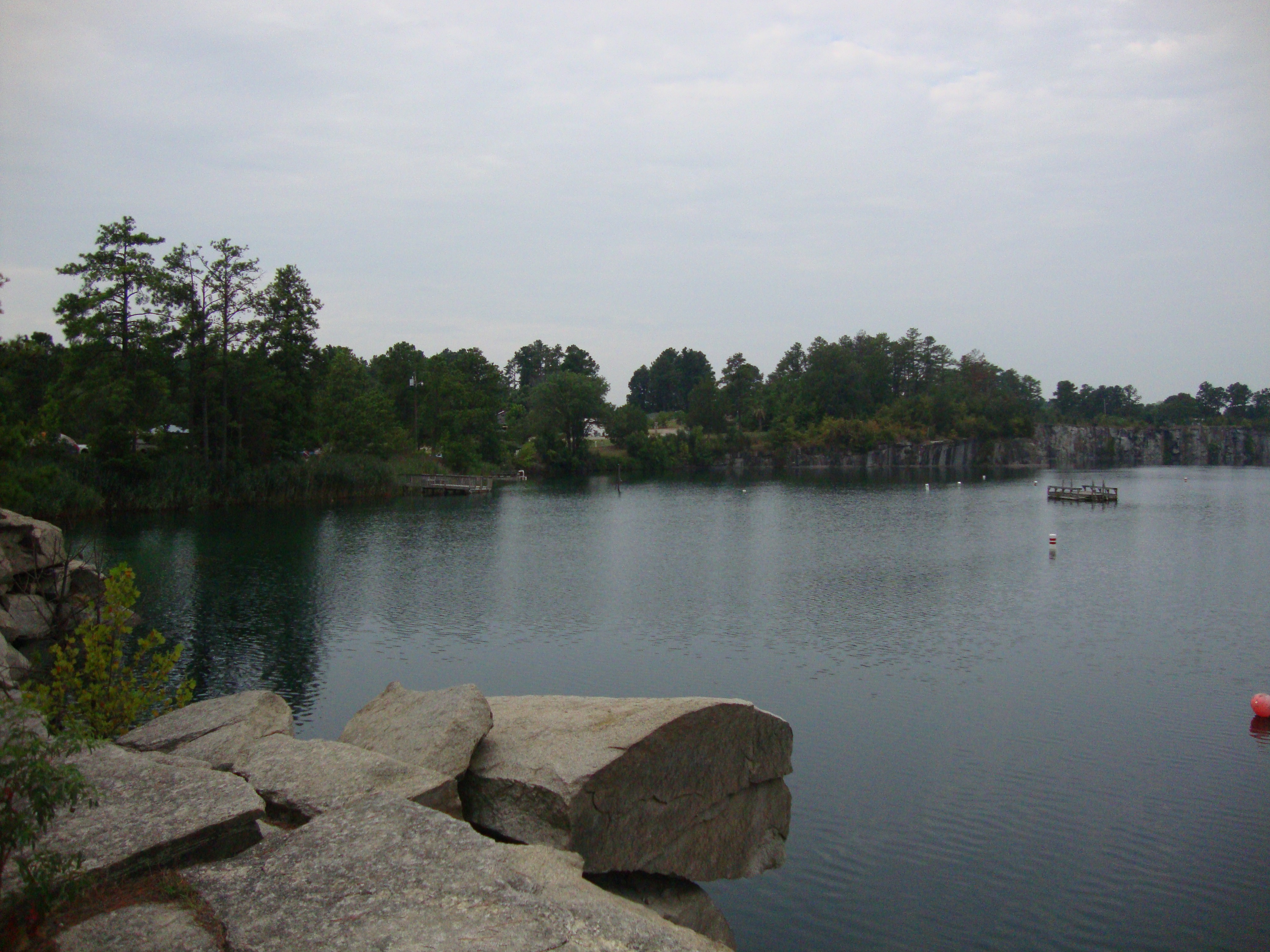
In the two-day skills class at Fantasy Lake Scuba Park (a former quarry), I was fortunate to have an experienced teacher (Nikki) with three able assistants, and a class (counting me) of four. There was a lot of individual attention. My fellow students were experienced divers who were focused and good humored. Charlie, a UPS driver, was particularly impressive in his emergency problem solving skills.

We were tasked with various stressful problems. A tired diver. A panicked diver. A missing diver. And many others. The required skills were many. We dealt constantly with situations that were novel and unsettling. This was, of course, tiring, but also stimulating.

There were physical challenges. I cut a finger, got stung by a yellow jacket on another finger, and got a bruise on an arm. Propelling a victim in while giving rescue breaths and removing equipment was complicated and exhausting.

There were also psychological challenges. I particularly dreaded trying to find a missing diver underwater; the combined problems of navigation in low visibility and a potential fatality were anxiety producing. I also dreaded the issues of rescue breathing for an unconscious diver in the water. The physical intimacy of face to face contact (even, as we did it, with simulated mouth-to-mouth breaths) with a relative stranger, even in the practice situation, was something I would rather have avoided. But in the end, it was manageable, thanks to my teacher and the assistants. With the benefit of the practice, I have a high degree of confidence I could actually take a run at helping someone in dire distress.

The exercise inspired thoughts of mortality, and life. I felt happy to be as healthy as I am. My regular morning exercise routine paid major dividends in the physically demanding parts of the course. My careful eating with an emphasis on things that are good for my body gave me good energy and balance. It worked out well. I would be very happy never to have to use these new skills, but I feel like I can do it, if necessary.