The Casual Blog

Business + pleasure at the Grove Park Inn, including the spa and the Blue Ridge Parkway
14 06 22_0095_edited-1
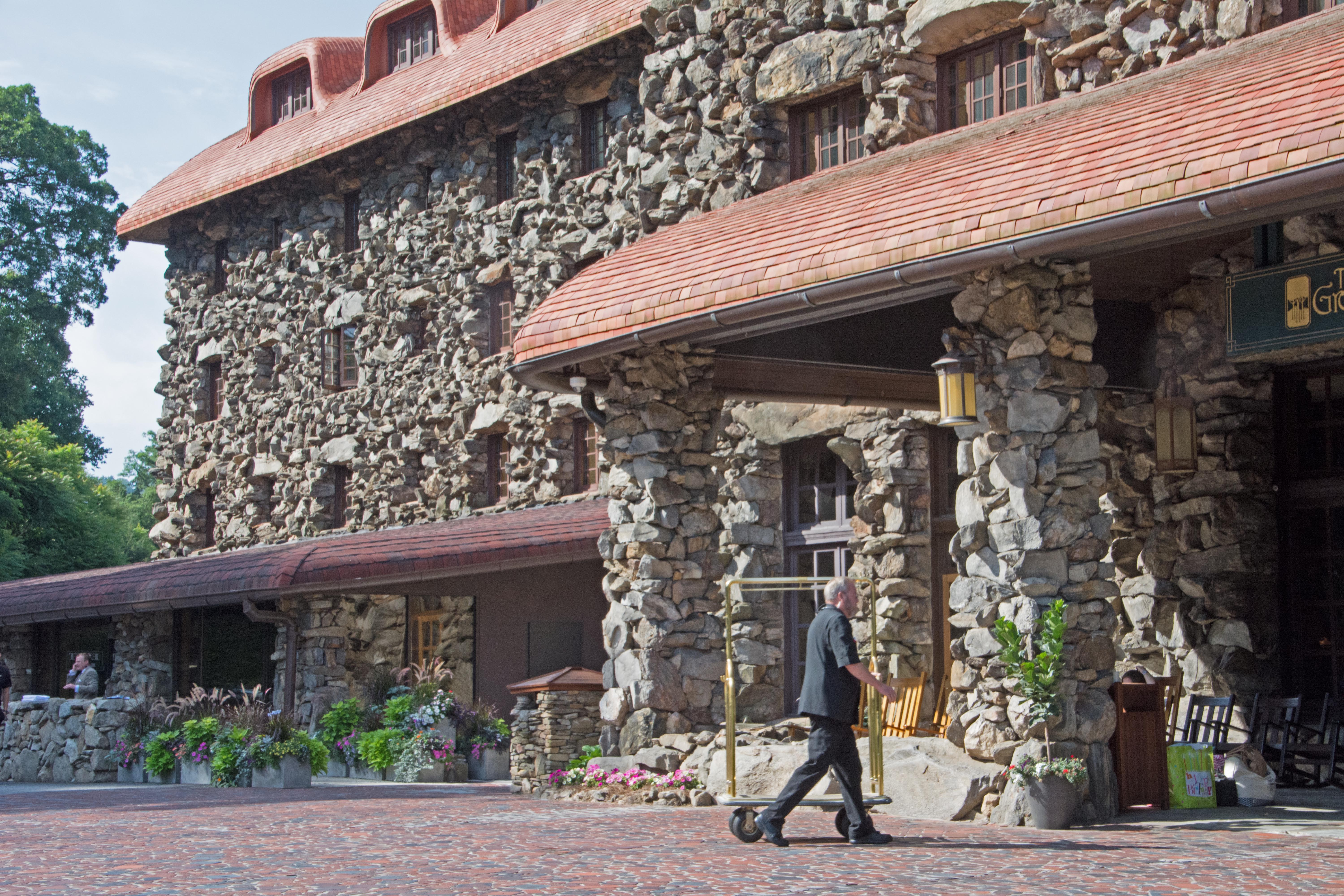
On Friday Sally and I took Clara from Raleigh to Asheville for a business + pleasure trip. I’d been invited to speak at the Federal Circuit’s Bench and Bar conference, which was being held at the famous Grove Park Inn, and after that ended we thought we’d do a little hiking near the Blue Ridge Parkway and get a treatment at the spa.

The Grove Park Inn is an odd but appealing place, with lovely views of the Blue Ridge mountains. It has massive stone masonry walls inside and out. It turned 100 last year, and is proud of its history. We found our room perfectly fine, and the service at the hotel, the various restaurants, and the spa to be attentive and exceptionally friendly.
14 06 21_0117_edited-1

As usual for me with professional speaking engagements, I enjoyed the actual doing of it, though I felt a certain dread in the last few days beforehand. I was one of four panelists, and it was far from clear even shortly beforehand how it was going to go. Fortunately, all were seasoned veterans, and it went fine. I had a chance to point up some of the serious problems with software patents, and give the conference an open source perspective on other issues. I gave my perspective that the patent system is seriously dysfunctional, and was happy that it sparked some debate, and I didn’t get run out of town on a rail.

That afternoon, we did a bit of driving on the Blue Ridge Parkway and took a pleasant hike at Craggy Gardens. When we returned, we went down to the spa to prepare for our massage.
14 06 21_0120

I’m a late convert to spa-ing. Until recently, I really could not see the point, and considered it a waste of valuable time. Both at work and play, I am normally a busy person, with more to do than there is time to do it. Workwise, the challenges are never ending. A lot of my leisure activities, like playing the piano and playing golf, demand a lot of commitment to improve, and that commitment requires time. And there are so many things I’m curious to know more about, and learning also requires time. Time is so valuable, and I try very hard not to waste it.

But I’ve gradually come to consider massage as valuable to good health, both physical and mental, and wanted to share a couples massage with Sally. Other than massage, I wasn’t quite sure what the Grove Park spa involved.

I’m here to tell you, it’s very nice. It carries forward the stone masonry motif of the Inn. There are numerous pools of different sizes and carefully graded temperatures, some with little waterfalls and some with big waterfalls. There was a eucalyptus infused steam room, pared with a whirlpool and a cold dunking tank. I was persuaded to go from the hot sweatiness of the steam room to a plunge in the cold tank, and it was definitely a shock — almost agonizing, but also refreshing.

After soaking in various pools inside and out, we repaired to a lounge and sat quietly for a few minutes in plush chairs next to a big fireplace. Then our massage therapists arrived, introduced themselves, and debriefed us on our health issues and massage likes and dislikes. My therapist, Sarah, was very good. She described her technique as basically Swedish massage, but she was very responsive to my request for firmer pressure, and attentive to the various knots and tensions of my body.

An aspect of the treatment was scented lotions and oils, as well as scents generally – aromatherapy, as they call it. I experienced something described as detoxifying citrus, with oils of lemon, orange and petitgrain (no idea what that is), and various other exotic substances. Did they do anything significant for my health and well-being? It’s hard to say. But it was very pleasant, and I certainly wouldn’t mind doing it again.

We felt quite wonderful after our massages, and though we had a dinner reservation pending, didn’t want to leave the spa immediately. Sarah helped us get the reservation pushed back, and we did some more soaking in the hot tub and other pools. It was delicious.

We eventually made our way to the Sunset Terrace restaurant, where they gave us a great seat on the edge of the porch looking out toward the mountains. So many restaurants try to seat you in the less desirable spaces unless you push back, but they did not try that on us at the Inn. They had a vegetarian entrée involving tofu, and it was fine. Afterwards, we sipped the last of our wine and listened to a local flamenco quartet. The musicians seemed quite fine, and their singer, a blonde Swedish-looking gringo, sang in Spanish that sounded appropriately tragic and passionate. It was an unexpected pleasure.
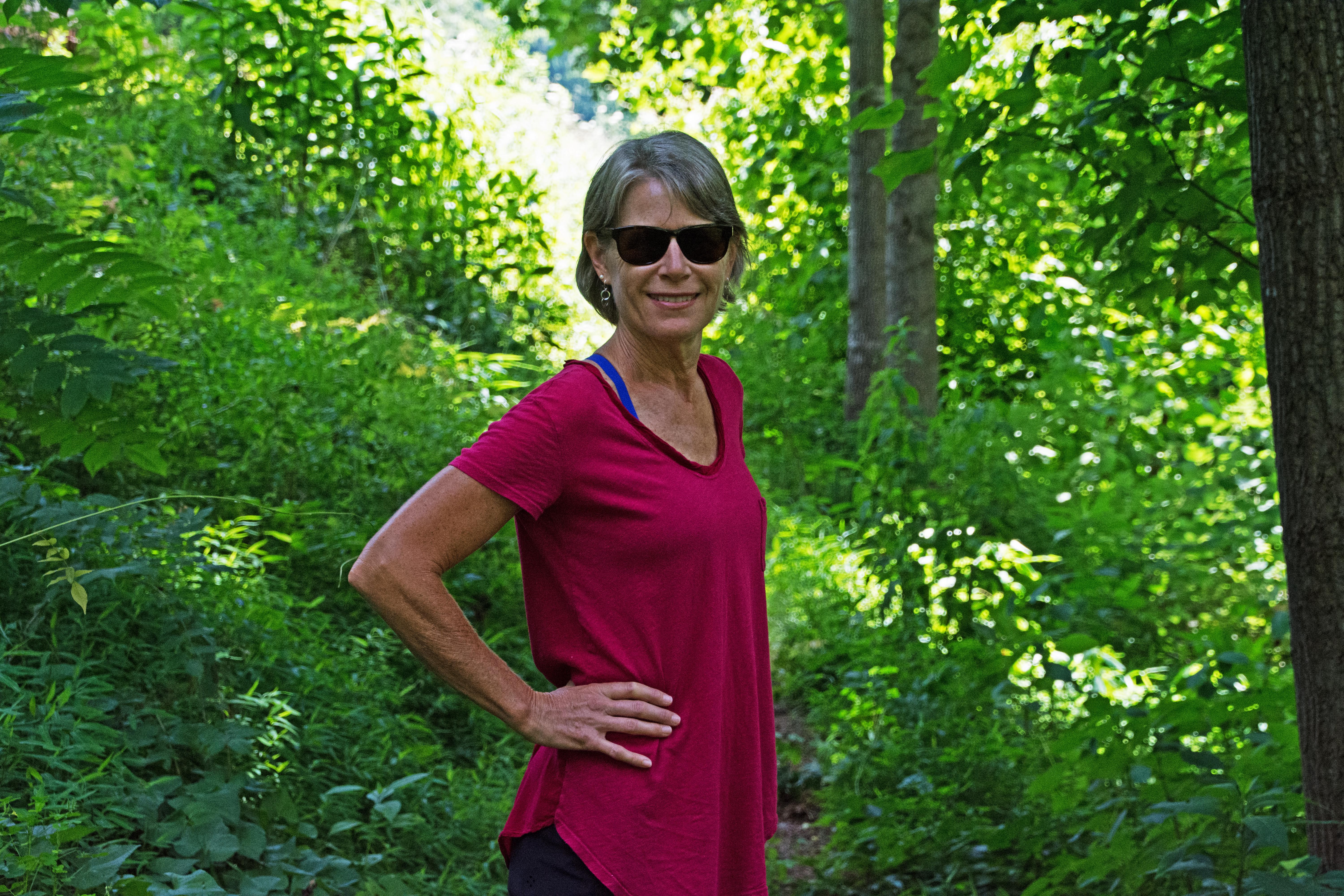
14 06 22_0116_edited-1
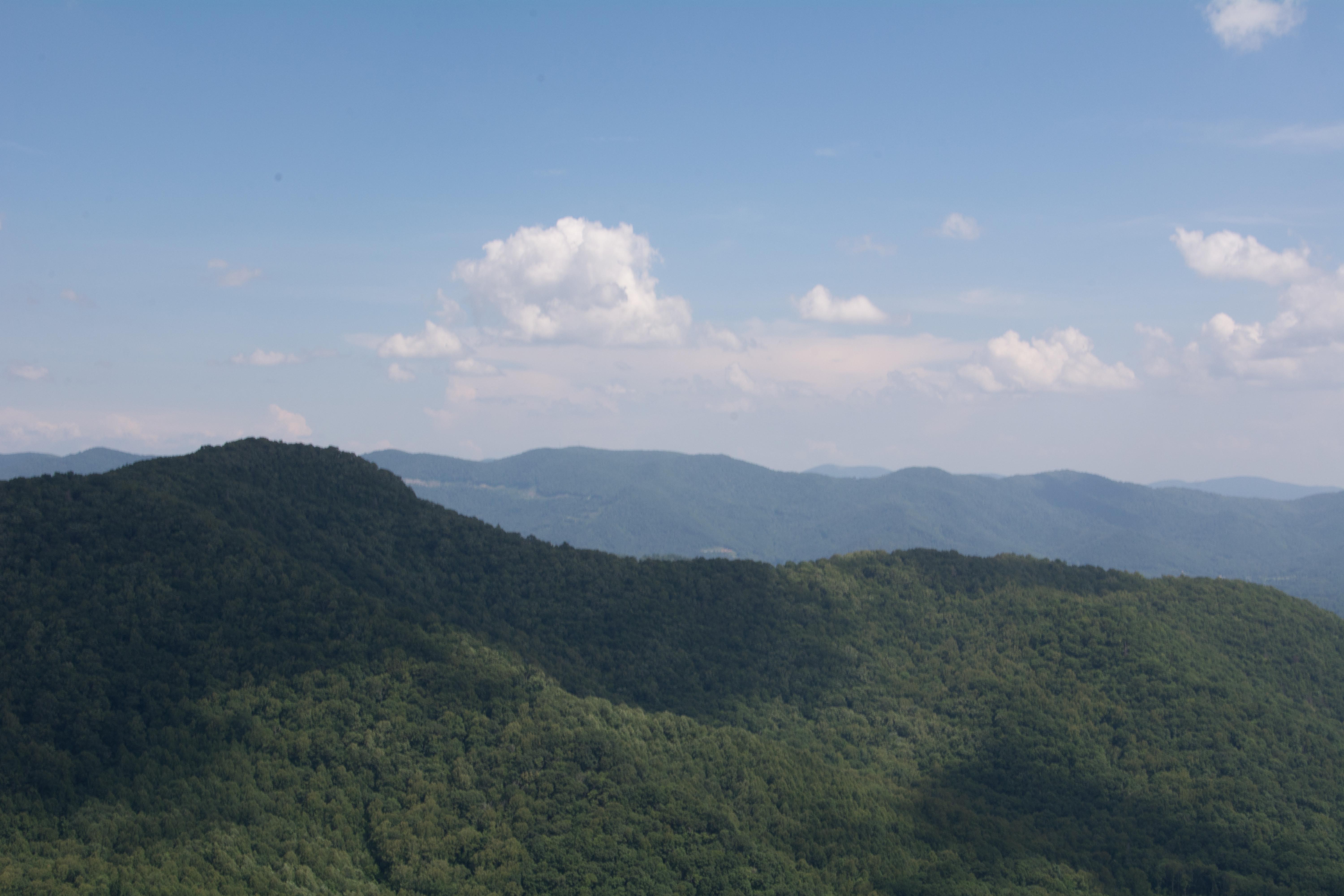
On Sunday, we did a little more driving on the Blue Ridge Parkway. It really is a national treasure – a road that exists for the pure beauty and pleasure of driving. It winds and twists along ridges with views of adjacent mountains and valleys. For a few miles, there was no one in front of us, and Clara could stretch her legs a little.
14 06 21_0140

Clara catching her breath

Clara catching her breath

Dragonflies, playful mice, fearful crayfish, and an argument for personhood for animals

14 06 14_9977_edited-2
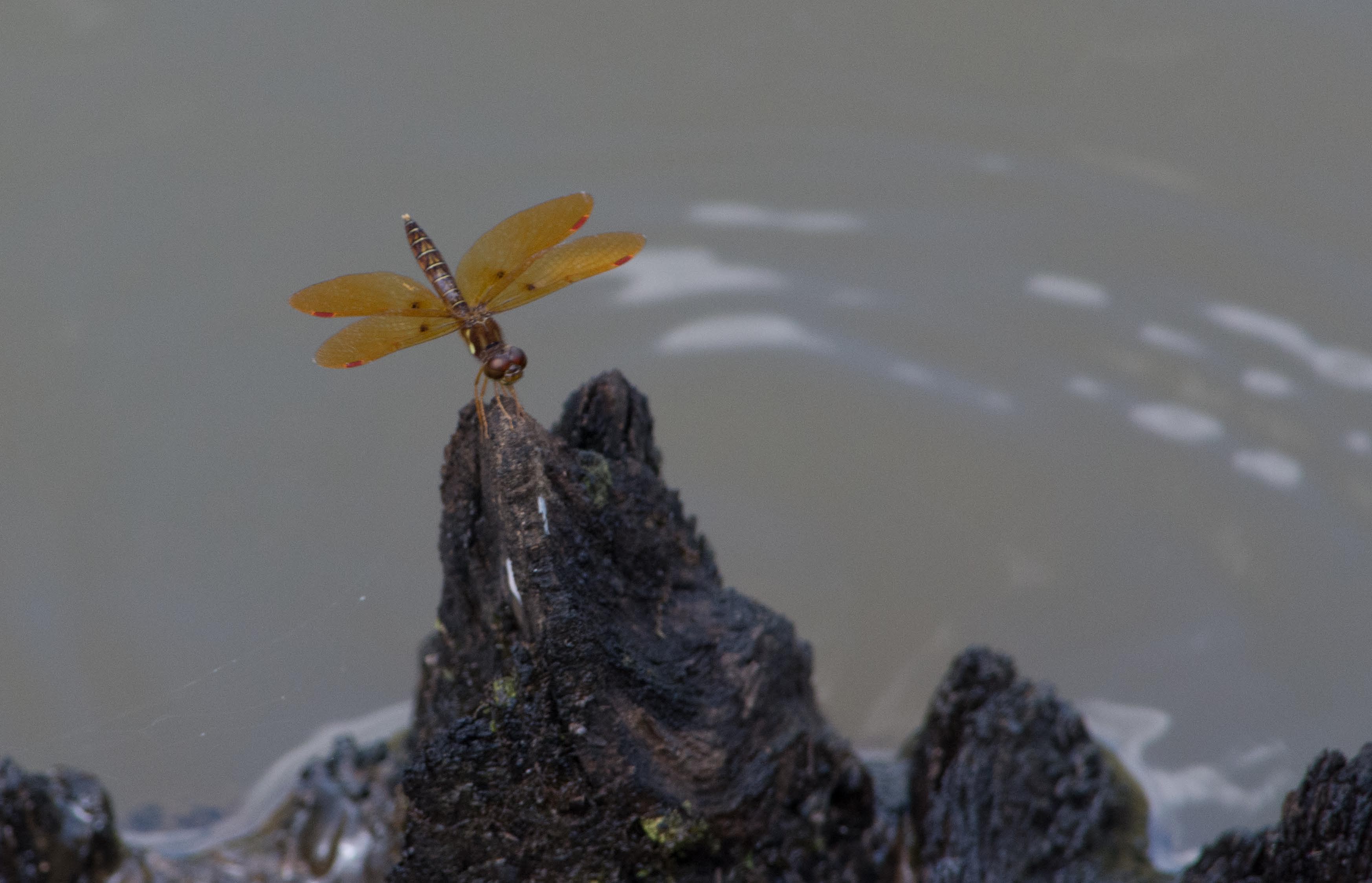
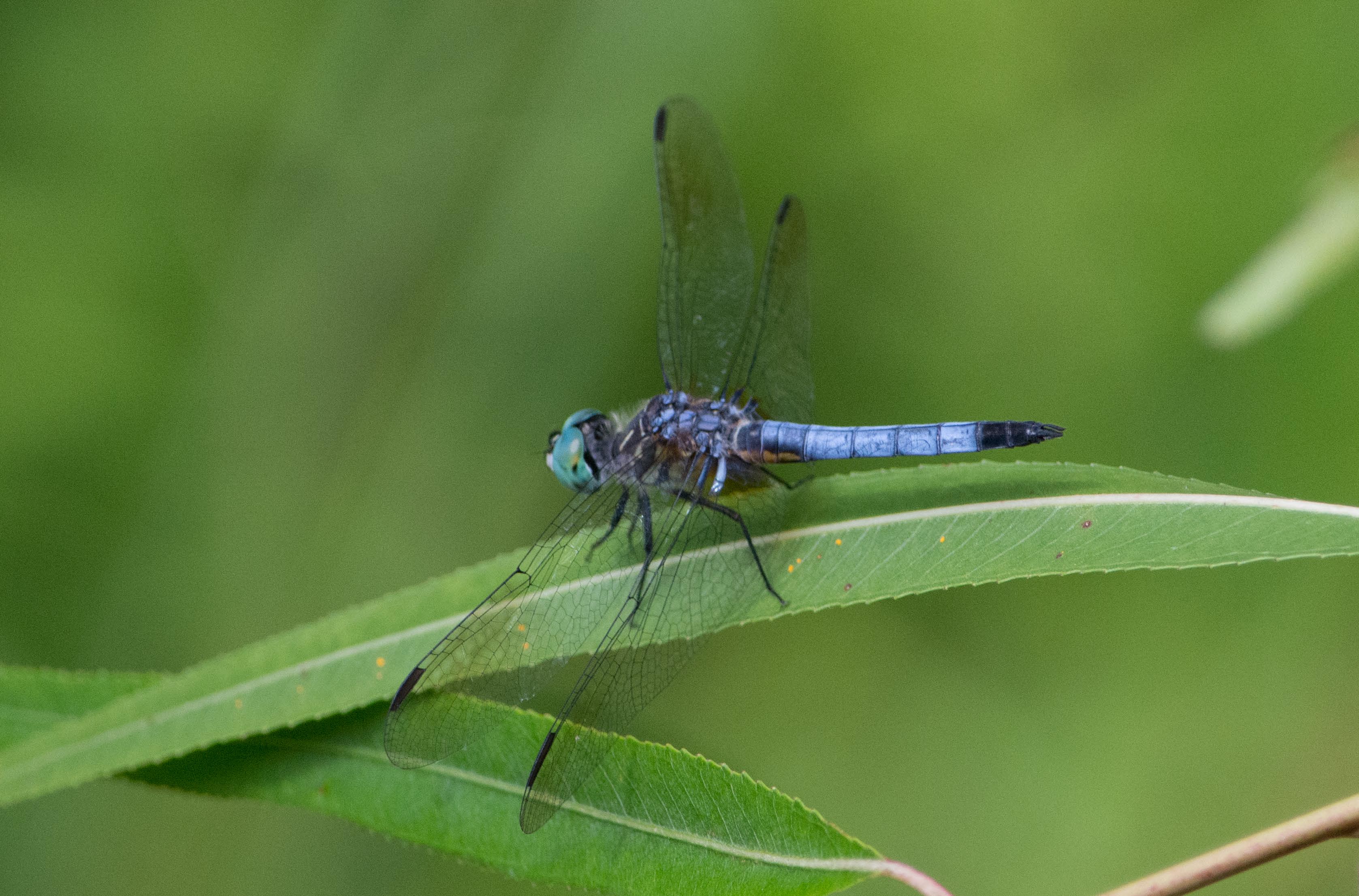
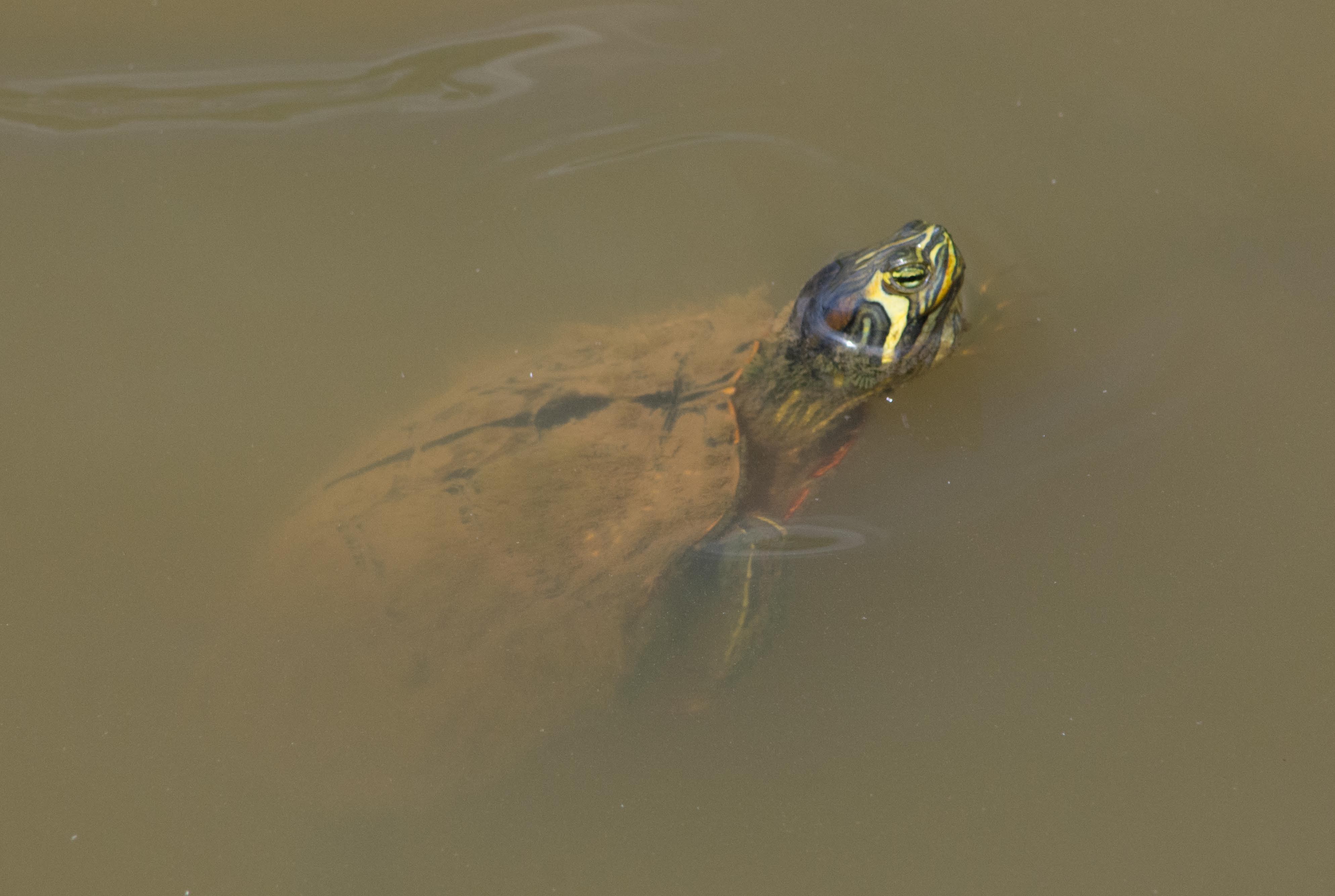
On Saturday I was thinking of heading to Raulston Arboretum to look at the latest blossoms and bugs, but Sally suggested I check out the doings at boardwalk over the pond off of Crabtree Boulevard. She’d found a shortcut to get there, and coached me through it. As she foretold there were some pretty dragonflies and damselflies. 14 06 14_0008_edited-1

This week I’m doing a round-up of animal news, some cheery, and some disturbing. Here are notes on playful mice, fearful crayfish, Your Inner Shark, and the struggle for legal rights of persons for animals.

Have you ever wondered whether mice like to run on exercise wheels? Scientists at the University of Leiden did. As reported in the NY Times, they put a couple of wheels in the wild and monitored with video cameras for several years. The results were unequivocal: the mice like to get on the wheel and run. They came “like human beings to a health club.”
The researchers seemed to be addressing the issue of whether forcing mice to run in laboratory environments was cruel, but the work also speaks to another issue: why run when you don’t have to? One scientist suggested it was no great mystery: “All you have to do is watch a bunch of little kids in a playground or a park. They run and run and run.” In other words, mice play.
14 06 14_0015_edited-1

In another apartment of the animal kingdom, researchers tested crayfish to see if they experienced anxiety. At the University of Bordeaux, crayfish who got a mild electric shock were timid and withdrawn compared to unshocked crayfish, who were more adventurous. But the shocked ones improved when they got anti-anxiety medication. Is this amazing? Not exactly, but it made me think for the first time about crayfish as creatures with emotional lives.
14 06 14_9993_edited-1

This week I finished reading Your Inner Fish, a Journey into the 3.5 Billion Year History of the Human Body, by Neil Shubin. Shubin is a palentologist and professor of biology and anatomy at University of Chicago. The book is about paleontology, genetics, and anatomy applied to the human body. It makes the case that the mechanisms of the human body all have predecessors in much more ancient creatures.

Shubin recounts his early experiences hunting for fossils and failing miserably. But eventually, his mind learned to distinguish tiny fossils from tiny ordinary minerals. He communicates the joy of scientific discovery in studying comparative anatomy and seeing the amazing similarities in body structure that run through all the creatures at the zoo – including us.

This is true not just at the level of large-scale architecture (creatures with heads, limbs, fronts and backs), but also with regard to the workings of subsystems like eyes, ears, and smelling organs, and sub-sub systems like tissue cells, and the systems for connecting tissue cells. Shubin approaches the body from multiple angles, extending all the way back to the first single-celled microbes of 3.5 billion years ago, and focuses on various levels, like the features we share with all vertebrates, those we share with all fish, and those we share with all worms.

I found some of the science, and particularly the genetics, tough sledding, but learned a lot. Our bodies are certainly amazing, but this is true of all animal bodies. Shubin made me see more of the connections between all living creatures, and the connections of all those creatures with the earth over the eons.

14 06 14_0006_edited-1

Finally, a couple of weeks ago I finished reading Rattling the Cage: Towards Legal Rights for Animals, by Stephen Wise. Wise is a lawyer who recently brought a habeas corpus action on behalf of a chimpanzee, and I was curious about his theory. His book is a useful compendium of the literature of non-human primate intelligence. He argues that the evidence of language, math, and other accomplishments of chimpanzees and other primates entitles them to be treated as persons with certain rights under the law. He includes quite a few stories of horrendous treatment of chimpanzees in laboratories.

Wise’s larger point is that the sharp dividing line in the law between humans and other animals is a relic of ancient times that is unsustainable in the light of science. His account of the ancient roots of jurisprudence classifying animals as chattel (mere things) is interesting. He does a good job challenging the traditional categories, though he doesn’t address all the difficult questions of breaking down those categories. He seems to understand that no matter how wrong legal ideas are, changing them is a long-term project.

Some new bug pics, a new smartphone friend, and more on robotization

14 06 07_9828_edited-1
This week I had a bit of a photography breakthrough. The books I’ve been reading advised against it, but I decided to experiment with the high-end ISO settings of my Nikon D71000.
14 06 07_9859_edited-1

Even at levels up to 5,000, I could not detect degradation in the image quality. This made it possible to use much smaller apertures with my 105 mm macro lens to get improved depth of field, while keeping shutter speeds high enough to capture some quickly moving insects. Here are a few of the images I got at Raulston Arboretum on Saturday morning. Thank you, brilliant sensor engineers of Nikon. Your technology is amazing and liberating.

14 06 07_9747

I got a Samsung Galaxy S5 smartphone this week, and I’m a little in love. It’s a marvelous device in most every way. The screen is a little larger than the S3 and a lot larger than the iPhone, but still fits in pants pockets. The screen is brighter and more vivid than leading competitors. It responds to you quickly, and gets things done more reliably. The voice recognition technology is improving, and sometimes works great. It is water resistant. It has biometric (finger swipe) security. Battery life is longer, and the battery is replaceable. (I always carry a backup.) And needless to say, as an effective interface to the internet, it can help answer any question that has an answer.
14 06 07_9901

As with every new device, there are switching costs and learning curves, but for me they turned out to be minor. My existing apps switched over automatically as soon as I followed the new phone protocol. I then spent a chunk of last weekend going through my apps, deleting those I never used, getting resituated with services I used (including hunting down old passwords), and getting the rest into new folders.
14 06 07_9849_edited-1

I kept the S5’s new health app, which can monitor your heart rate and count steps and calories, and experimented with its phone, which is surprisingly good – not not as good as my Nikon D7100, but also way less bulky. It took a few tries, but I eventually got my personal photos of roses and lilies on as wallpaper, found new ringtones that I kind of liked, got a pretty and practical new font. I put it in a handsome blue rubber case to protect against the inevitable jars, jolts, and plops. Even with the case, she’s amazingly thin and light.
14 06 07_9900

As I started to get to know her better, I noticed that the autofill feature of Swiftkey, which anticipates either the rest of a word I’m typing or the next word I was going to type, was getting more accurate. I’d type something like “Let’s” and up would pop “go.” Sure, that may seem obvious, but there were some that suggested a deeper understanding of my psyche, occasionally connecting words in a way that sounded like my own voice. This could be fun for a while, but it could also be heading towards a dark place. What if, when I typed I, it autofilled “worried that you might have taken my awkwardness for something more sinister, and resented it, when actually, I adore you.” And that was what I was starting to say? What if it allowed for the outsourcing not just of spelling and grammar, but actual feeling? Impossible? We shall see.

The effort, the struggle to communicate feeling in language is part of what I like about writing, and if that struggle were not so necessary our lives would be different, and possibly poorer. Could technology change the game on that? Of course.
14 06 07_9808_edited-1

Speaking of the transformative force of technology, this week I read the 2013 paper of Carl Frey and Michael Osborne out of Oxford on the continuing effects of computerization and roboticization. They draw on the work of Brynjolfsson and McAfee, which I’ve written about before, and add interesting historical and social context.

They find that 47% of American jobs are at risk of vanishing in the next decade or two as a result of increasing automation and artificial intelligence. That’s almost half! Jobs in manufacturing, transportation, logistics, office work, and administrative support are all at substantial risk, while jobs requiring creativity and social intelligence are less so. Big economic changes are coming, folks, just as big climate changes are coming, and we need to be preparing for both.
14 06 07_9780_edited-1
14 06 07_9782_edited-114 06 07_9784_edited-1

Warning: contains political content, and flowers

14 06 01_9706
There was a triathelon in Raleigh this morning, and the route included a road I was planning to take up to Raulston Arboretum to see the blossoms. So no go. I tried again in the late afternoon, and got to see the flowers in some wonderful golden sunlight. I’ve been learning to use the DSLR in manual mode without autofocus, and am just starting to feel comfortable taking full responsibility for the exposure. Most of these photos were taken with my Nikon 60 mm 1:2.8 macro lens. There was no postproduction Photoshopping of any sort. Pretty nice, huh?
14 05 25_9552

Being the President has got to be a pretty hard job. In addition to being hated with a white-hot hatred by many no matter what you do, your inner critic is also always there. You want to do the right thing, but what is the right thing? And when you’re reasonably sure you know the right thing, what if you can’t do it by yourself? Which of course is always the case.
14 06 01_9715

I really have many warm feelings for President Obama, and one of things that makes me proud of this country is that we elected him. But I’m so frustrated and disappointed with him. We’re still in Afghanistan, killing and being killed without any reasonably achievable objective, still brutalizing prisoners in Guantanamo, still imprisoning people and destroying families for victimless drug crimes, still running headlong toward climate apocalypse. We’ve instituted a surveillance state with the potential to rival Orwell’s darkest visions.

There are, no doubt, many forces quite separate from the President’s own desires that are driving these horrors and disasters. He probably regrets them. But like it or not, he’s the President, and that’s where the buck stops.
14 06 01_9720

The President’s speech at West Point this week proposed to reframe our global mission for the foreseeable future as stamping out terrorism. Is this less absurd than fighting to obliterate communism, or more? Is there any chance that we will ever kill every crazy fanatic that would like to do us harm? Does it really make sense to make this our mission?

So, you ask, have I got a better idea to address the real menace of the homicidal religious fanatics? I thought a bit, and had an idea: we change their minds. We get them to see things from our point of view. That would about do it, wouldn’t it? We help them to see that the idea of blowing up people as a suicide bomber and then being a martyr and having the 72 virgins in paradise is just nutty, and so they stop murdering people.
14 06 01_9709

You see the problem, of course: how do we change their minds? True, we do not currently have the technology to do this. We have amazingly little knowledge of why people think the way they do about the need for Sharia law, jihad, or most anything else. We assume it has to do with their culture and upbringing, with economic disadvantage and resentments, but we can’t frame those out with precision. More important, we have no precise knowledge of how to address and prevent really bad ideas, like racism or religious intolerance, or really bad acts, like suicide bombing.

Or anything else, for that matter. But what if we created a major program with some billions of dollars to figuring this out? And we’re already spending millions and millions to understand the brain and human behavior. If we treated it like the Apollo program, eventually we might get there. Instead of killing terrorists, and thereby creating new terrorists, we’d change their minds.
14 06 01_9728

This sounded like a good idea, but after a little more thinking, I realized it would probably be disastrous. If we replaced our vast ignorance of the causes of human behavior with perfect knowledge, we’d be even worse off.

Think about it. What if we figured out how to make everyone agree with us? What if our government, or any government, had the necessary tools to prevent opposing thoughts and eliminate all anger? Would that government happily tolerate reasonable people who advocate, say, a major change in abortion policy, or drug policy, or climate policy? Has there ever been a government that happily tolerated opposition? Once we got the terrorists minds under control, who would be next? Overly vocal dissidents?

Recovering, reading about B. Franklin, and addressing climate change

14 05 20_9462_edited-1
This week the weather in Raleigh was mild, and it was pleasant to walk to work. The walk takes 15-20 minutes, depending on how I catch the lights and whether I’m trying to get there for an early meeting. When I wasn’t especially pressed, I made a few pictures of people working and playing.
14 05 23_9501_edited-1

Now, after two weeks from our return from Dominica, my various wounds (assorted bruises, scrapes, and blisters) are mostly healed up. The most worrisome, my severely sprained right hand, is still swollen and sore, but hurting less, and I’m able to play octaves on the piano, though not loudly. It reminded me of when I first tried to learn to catch a football as a little kid, and jammed up my fingers.
14 05 20_9468

It is remarkable how the body can overcome and regenerate. In fact, did you ever notice how sometimes a new injury seems to help an old one to heal? My nagging shoulder issues, which I’ve been trying to get over for several months, seem to have gone away, cured or obscured by the addition of new, more pressing discomforts.
14 05 19_9472

It’s Memorial Day weekend, and we’re still full of memories of our friend Scott, who shuffled off this mortal coil right after leading our Dominica trip. He managed, by being an unusually vibrant and generous person, to hook himself into the fabric our lives, and his departure has ripped that fabric. We’ve been talking about him, his good deeds and his goofiness, and looking back at photos. For therapy and comfort, I’ve been rereading some of In Memoriam, Tennyson’s poetic memorial to his beloved friend Arthur Hallam. Yes, it rhymes, in a style that’s way out of fashion now, but it can still speak to us. It takes grief and loss seriously, and delves deep.
14 05 19_9470

As I’ve noted before, my favorite founding father is Benjamin Franklin. Last week I finished another biography of him, by H.W. Brands. Franklin was a protean genius with many aspects, and so the biographer will inevitably neglect some of them. Brands is most interested in the political and literary Franklin, and less in the scientist and philosopher. But in describing Franklin’s diplomatic efforts in England prior to the revolution and his diplomacy in France during it, he gave me new perspectives on the war. For those of us who cut our historical teeth on revisionism, it is reassuring that Franklin, who loved England dearly, could conclude that there was no alternative to war.

For all Franklin’s enormous fame during his lifetime, it’s interesting that there are significant gaps in the record, and much we don’t know about his inner life. But what keeps shining through is his insatiable curiosity about the natural world and his constant effort to make the human world better. It’s also inspiring to me, as I get on in years, that a good portion of his greatest achievements, including helping invent and establish American democracy, were in the last quarter of his long life.
14 05 17_9378

Apropos of making things better, there’s a good short op ed piece on climate change by Tom Friedman in the NY Times, which poses a question I’ve been wondering about: “How do we do something about [global warming] at the scale required, when many remain skeptical or preoccupied with the demands of daily life[?] He also quickly hones in on the central moral and political quandary – the conflict between the welfare of this generation and future generations: “our ethical values point one way, towards intergenerational responsibility, but our political system points another, towards the short-term horizon of the next generation.” (Quoting Thomas Wells, a Dutch philosopher.) Friedman argues for urgent change, including a carbon tax and energy efficiency standards. This seems sensible, at least as a starting place.
14 05 25_9560

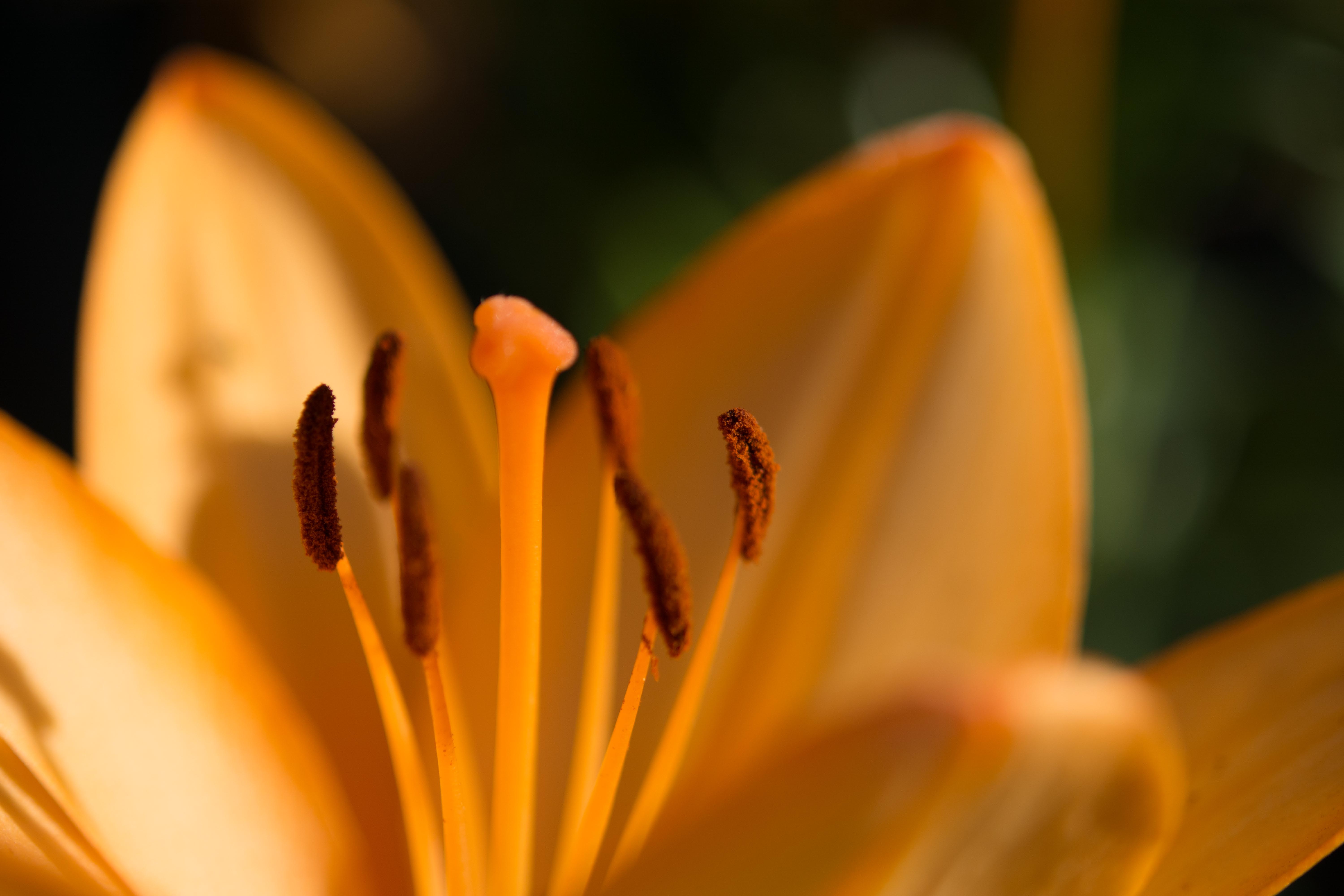
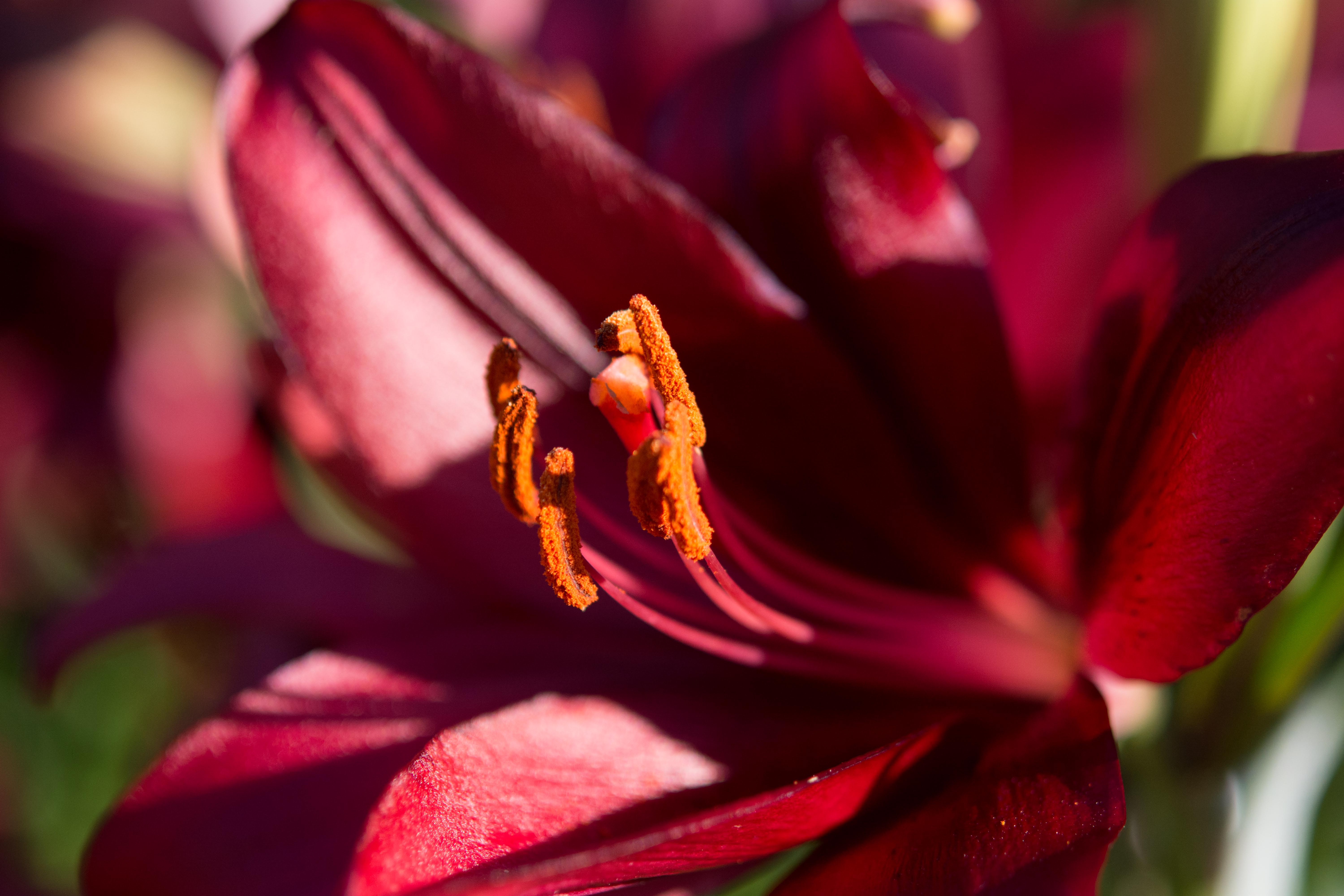
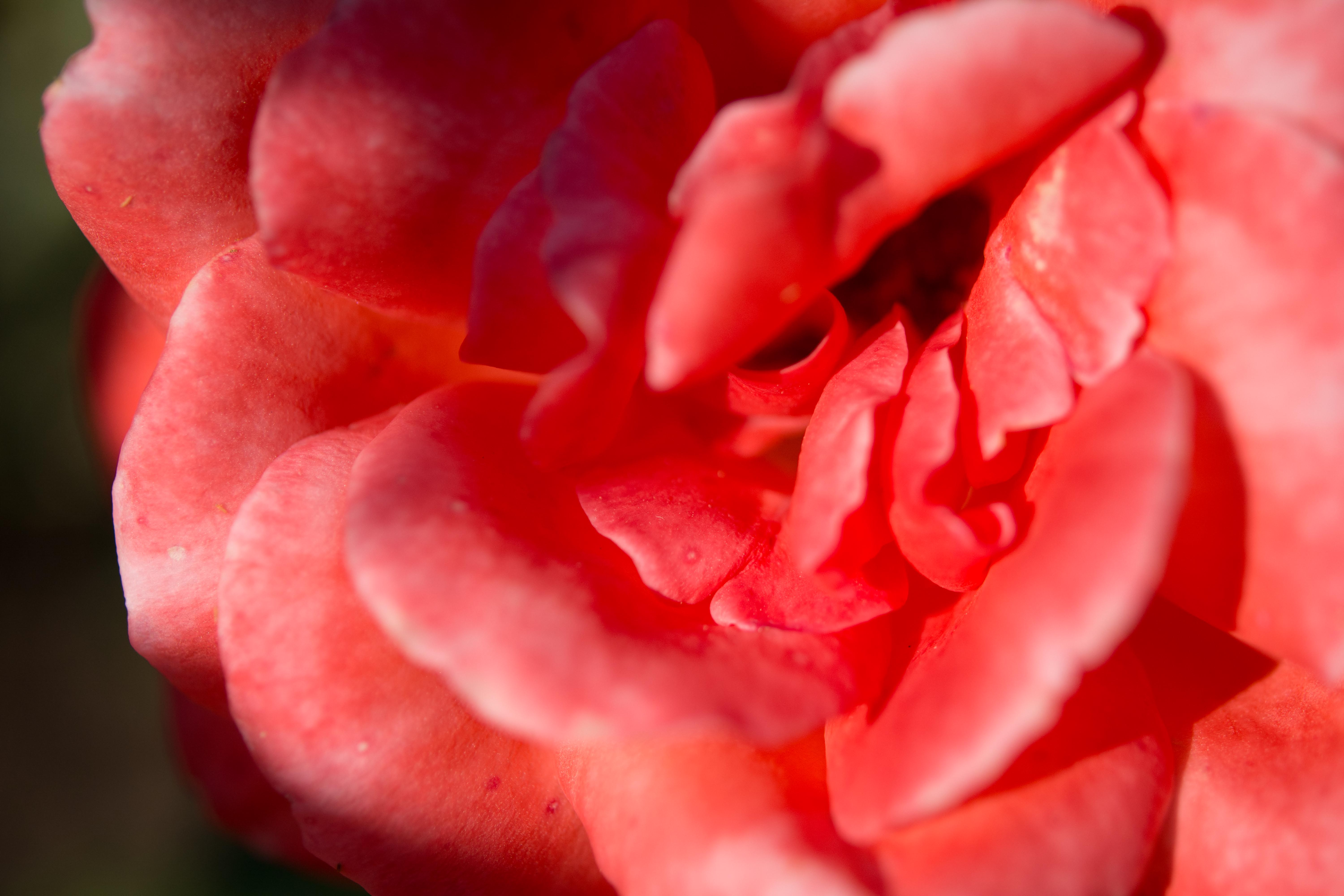
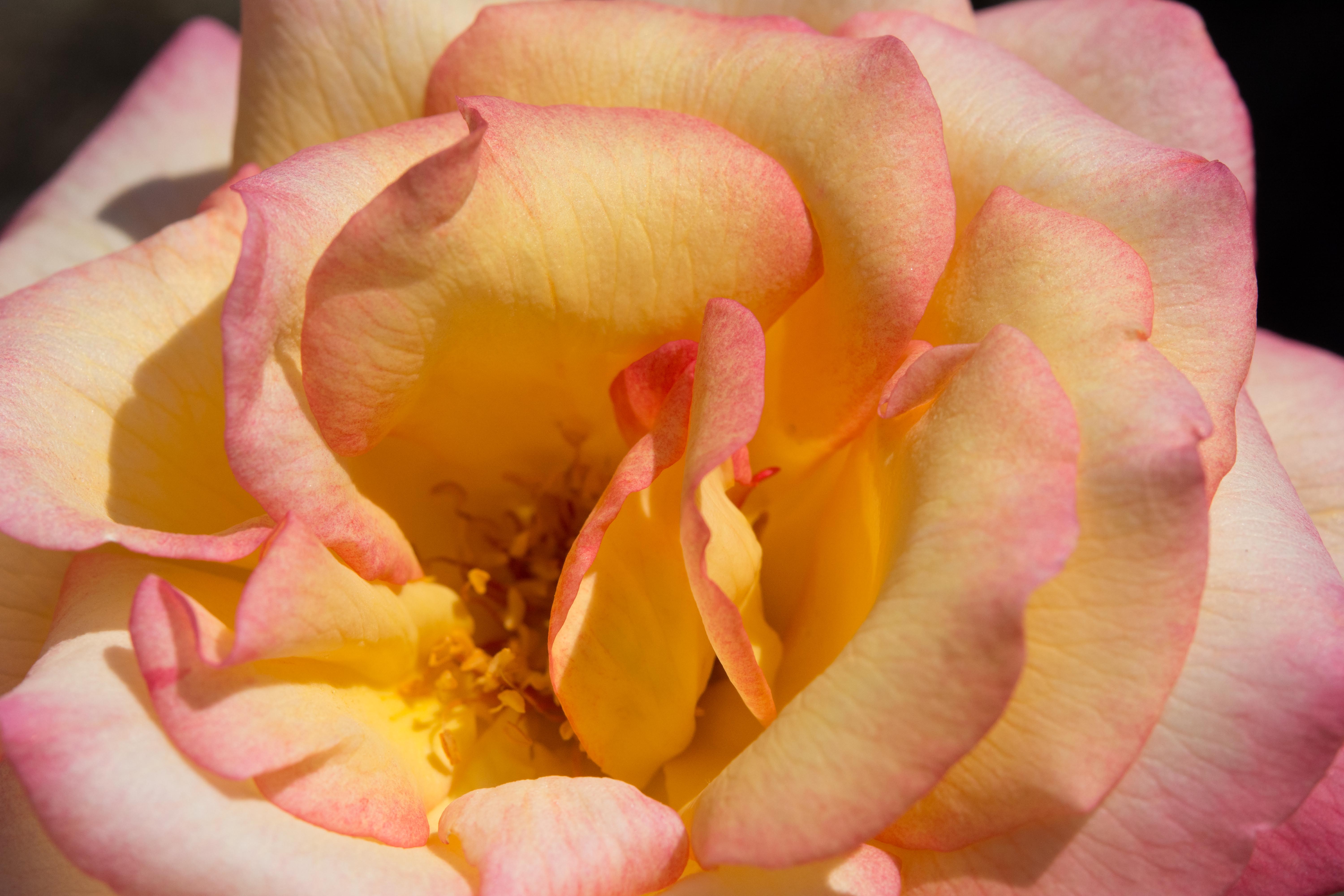
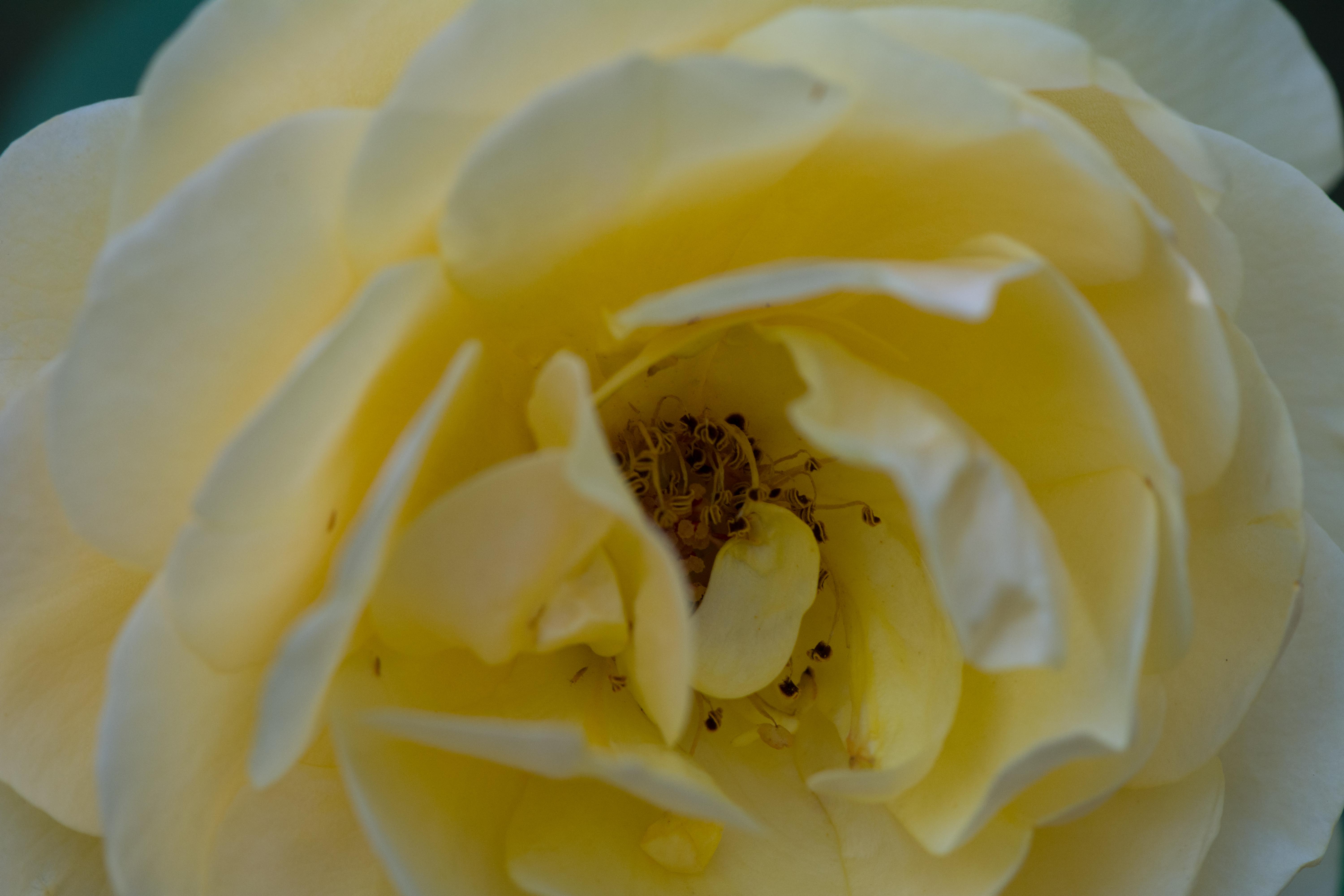
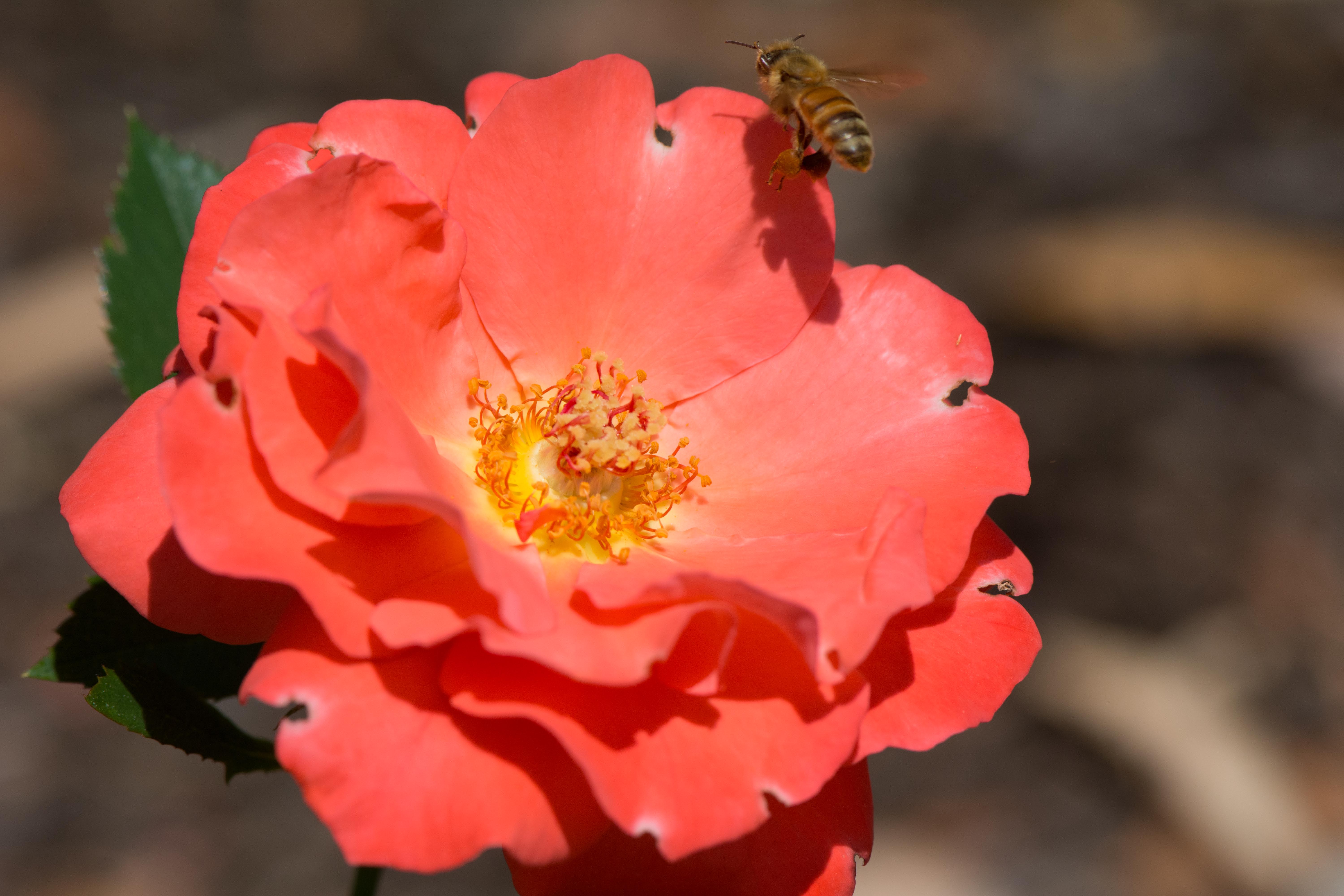
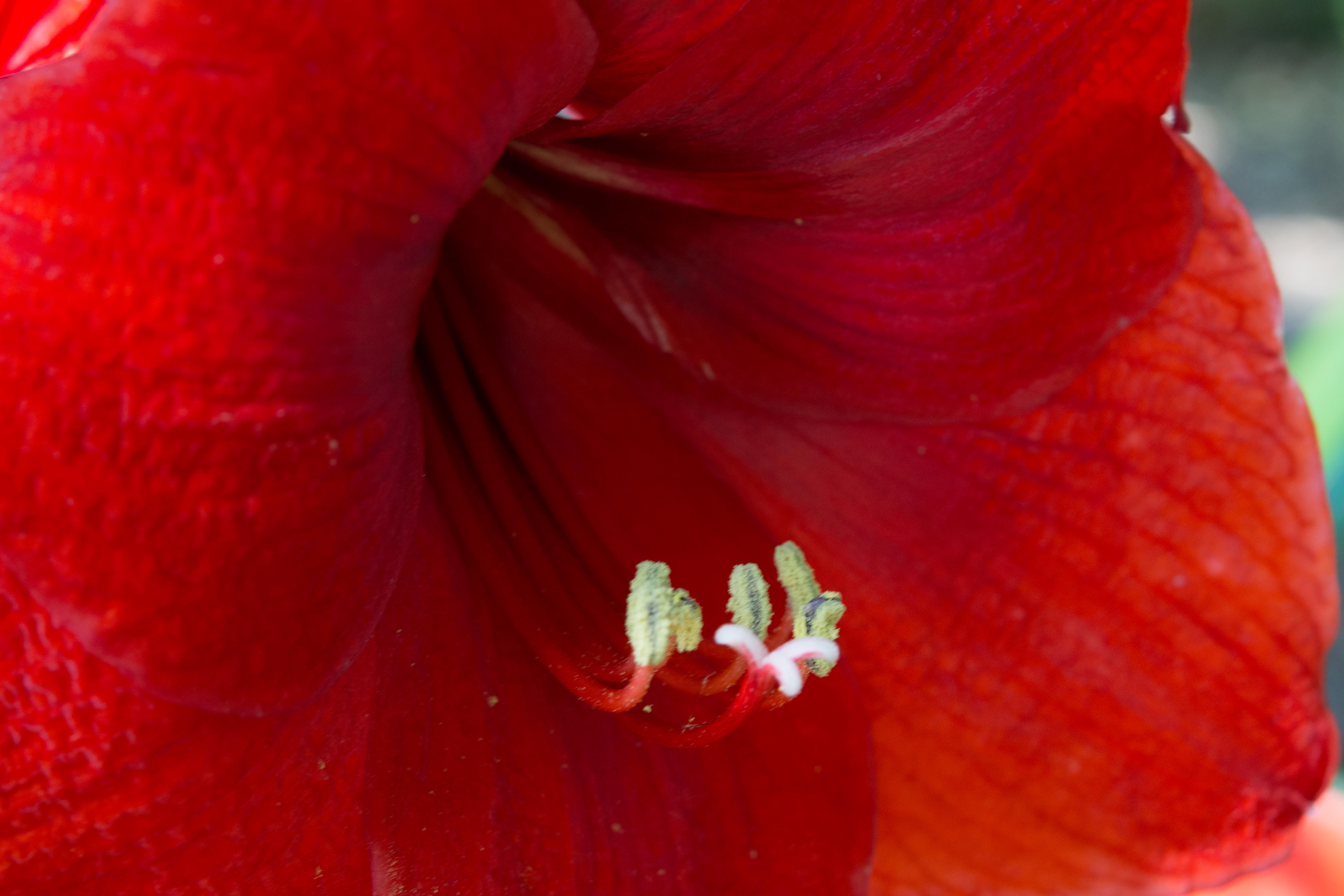
On Sunday I took a walk through Raulston Arboretum, which I try to do once a week, but missed recently. I completely missed the irises — they’d come and gone while I was traveling. But the roses are in full bloom, and there are some remarkable lilies.
14 05 25_9563
14 05 25_957414 05 25_9553

A painful loss — our diving friend and mentor

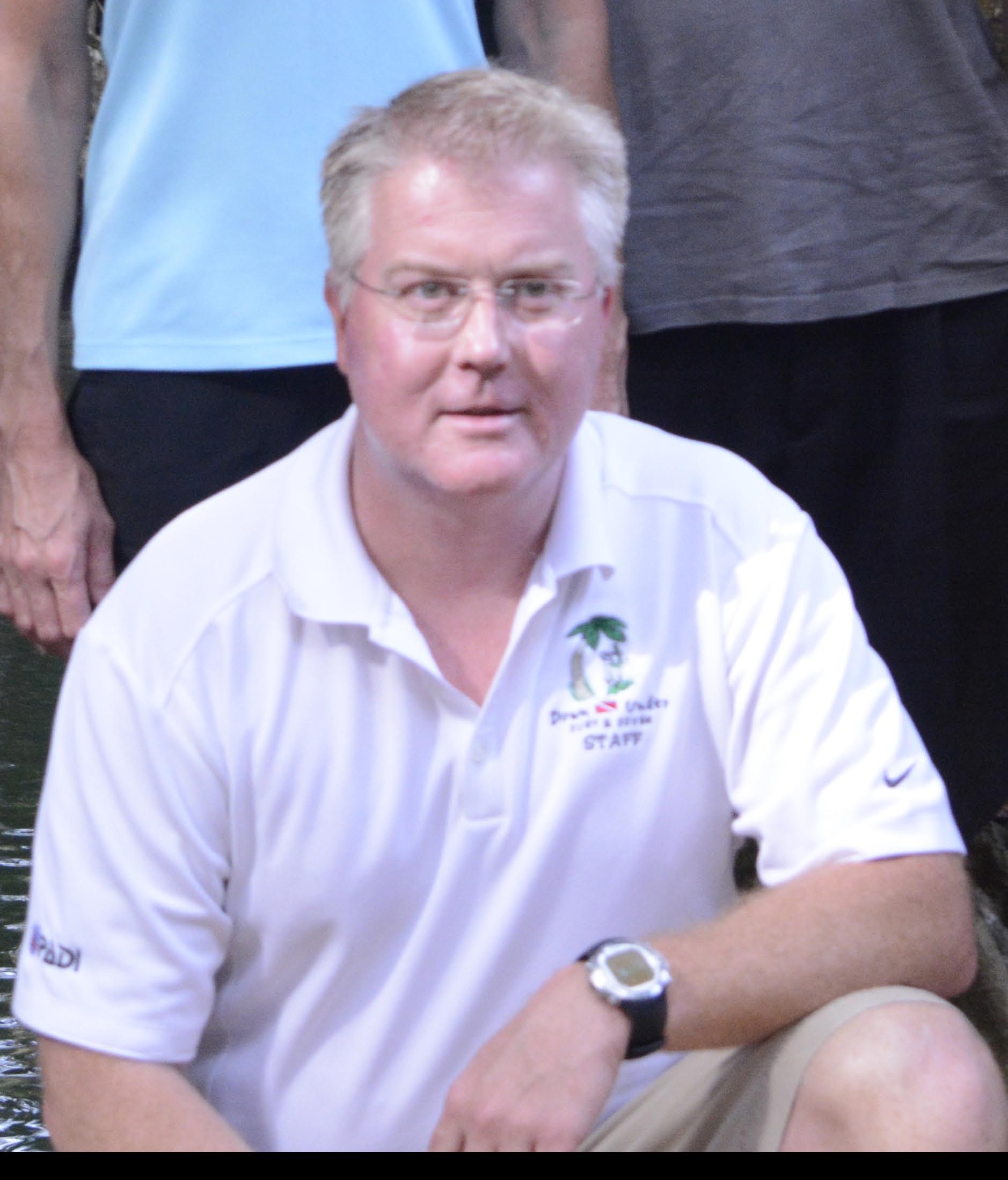
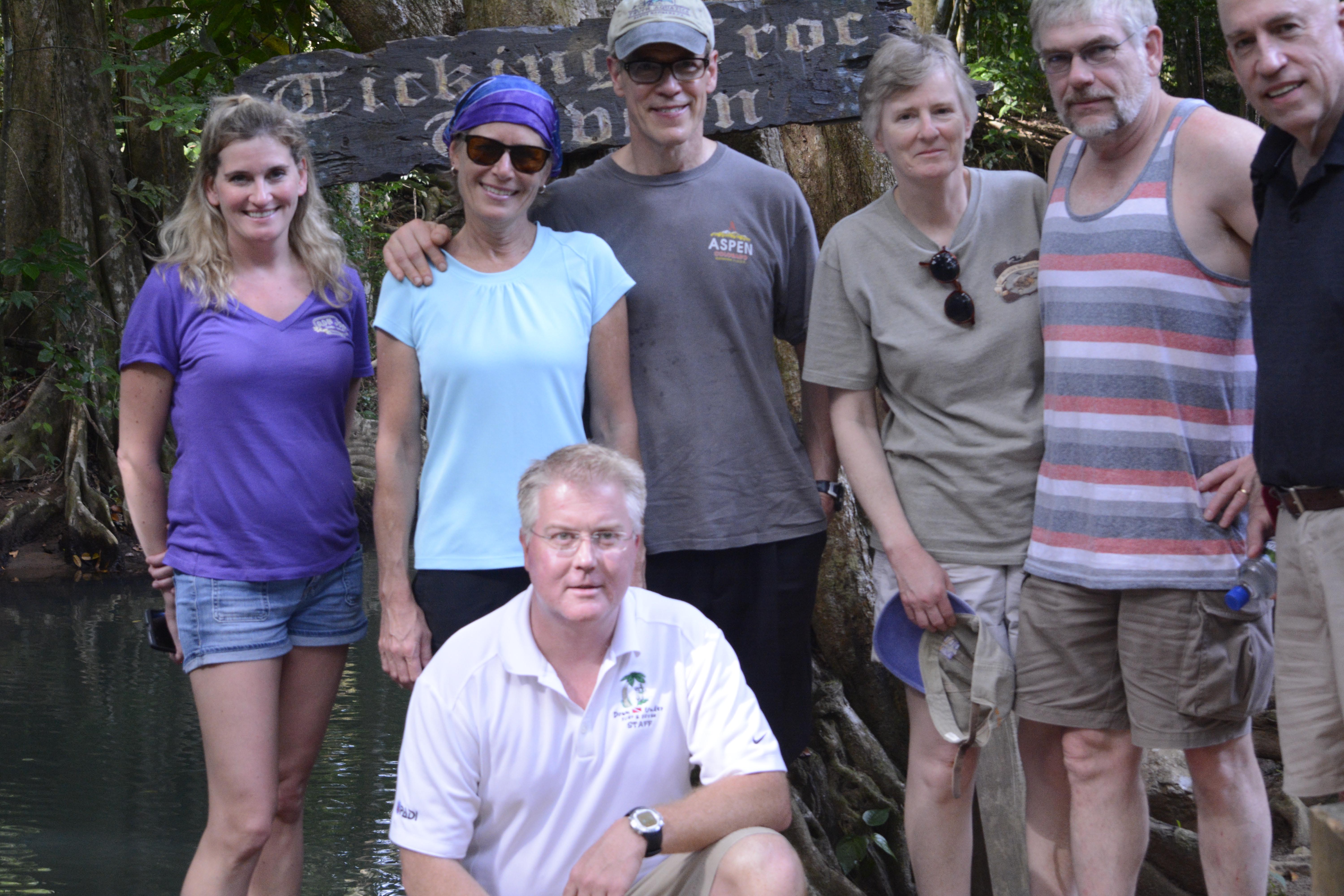
14 05 08_9103_edited-1On Wednesday, we got shocking news: our friend Scott Powell had died. He was 44. Just the previous week, he’d led our trip to Dominica, where we’d done a baker’s dozen dives together. We also shared the first leg of an epic journey (for us, 34 hours) to get back home, which involved lost luggage and missed planes and an unplanned overnight stop in San Juan, where we had our last dinner together.

We’d known Scott for about six years – as long as we’d been scuba diving. As owner of Down Under Surf and Scuba, he provided the base for almost all of the diving courses we’ve taken, and helped me reach the level of PADI Master Scuba Diver. From Scott we got our first information on Bonaire, Roatan, the Galapagos, and Fiji. He personally introduced us to North Carolina coastal diving, and taught my course in wreck diving. And of course, he sold us almost all of our diving gear. Once you get the diving bug, it’s a powerful thing, and he was our prime mentor.
14 05 06_9184-1

Scott had seemingly limitless energy and an upbeat zest for life. Unlike a lot of intensely adventurous types, he also loved meeting and talking with people. He was a gifted storyteller, with a good sense of humor. He was incredibly generous with his time, and kind and considerate. He was politically conservative, but genuinely interested in and tolerant of other perspectives. Even when I disagreed with his views, I was grateful for the experience of exchanging ideas with mutual respect.
14 05 06_9448_edited-1
14 05 08_9106_edited-1

At the end of the Dominica trip, Scott strongly encouraged us to come to the next scuba club meeting scheduled for Tuesday to hear a speaker from Duke talk about dealing with injuries from poisonous sea flora and fauna. We did so, and so got to see him on his last night.

We got there a little late, and most of the tables were taken. When he spotted us having trouble finding a seat, he hopped up and introduced us to some congenial new people with spare table space. He kicked off the meeting with his usual warmth and wit, and wrapped it up the same way. When we were leaving, he mentioned that he’d read my new blog post on Dominica (see below) that afternoon, and liked it. Would I mind if he shared it with the group? Of course not, I said, thanking him.

The next day, I heard that he went back to his shop after the meeting and was working there alone when he collapsed. Someone (I’m guessing he himself) called 911, but when the EMTs arrived, they had to break into the shop. He was gone. I’d guess he had a heart attack, but have no further details.

His memorial service on Saturday morning. The crowd at Brown-Wynne in Cary was big – standing room only. There was a presiding pastor type, but the heart of the service was the words of his friends and family. I particularly liked the remarks of Bill, Jim, and Sid, Scott’s fellow dive professionals, who were plainly inspired by and devoted to Scott. There were also a couple of friends from Y Guides, which Scott seems to have very much enjoyed with his older son.

His wife, whom I did not know, spoke briefly and well, noting that Scott’s nature was to love people. She read a letter from their son to Scott about the fun things they did together, and looking forward to learning scuba diving. It was touching, and of course, painful. Painful in quite a different way was the closing sermonette by the pastor, who in stentorian tones pressed all present to accept Jesus Christ as their personal Lord and Savior and be Saved from eternal Damnation. This didn’t sound at all like the Scott I knew, and was my least favorite part.

But the important point didn’t get lost: Scott touched and enriched many lives. It was good to share with others a moment of recognition of that gift. He was inspiring in his wide-ranging curiosity, his kindness and generosity, his energy and resourcefulness, and his understated courage.
14 05 05_8997

I imagined we’d have many more adventures together, and many more discussions about the greatest places to dive and most amazing things to see, and about the optimal gear and configurations. I expected we’d have many more good meals and good laughs. I’d planned to debrief him carefully about diving in Africa, and many other things he knew about. It’s hard to believe, what seemed natural and inevitable is suddenly impossible. This will take some time to process.

If it had ever occurred to me that he’d be leaving us suddenly, I’d have worked hard to get some good pictures of him, but, of course, it didn’t, and I didn’t. Still, I’m glad to have these.
14 05 05_9019

Coral Reef Diving and Hiking in Dominica, West Indies

14 05 07_8847Coral reefs are one of nature’s most amazing creations. Untold millions of miniscule animals form structures of wildly varying forms, textures, and colors, and extend them widely over thousands of years. Some of the structures resemble terrestrial plants or animals, but others look like modernist architecture, surpassing the most fanciful creations of Gaudi. They are home to 25 percent of the ocean’s creatures, and a fundamental part of the planet’s infrastructure.
14 05 07_8851

As a diver, I relish the incredible privilege of time with strange and beautiful coral. I’m also acutely aware of their perilous situation, and the urgent need for action. Global warming and ocean acidification are killing coral reefs, and the consequences for all life that relies on the ocean may be catastrophic. I was slightly cheered to see the UN and US reports in the last few weeks highlighting these threats. Perhaps reality is sinking in, and perhaps it is not too late. I have my doubts, but I try to err on the side of optimism.
14 05 07_8870_edited-1

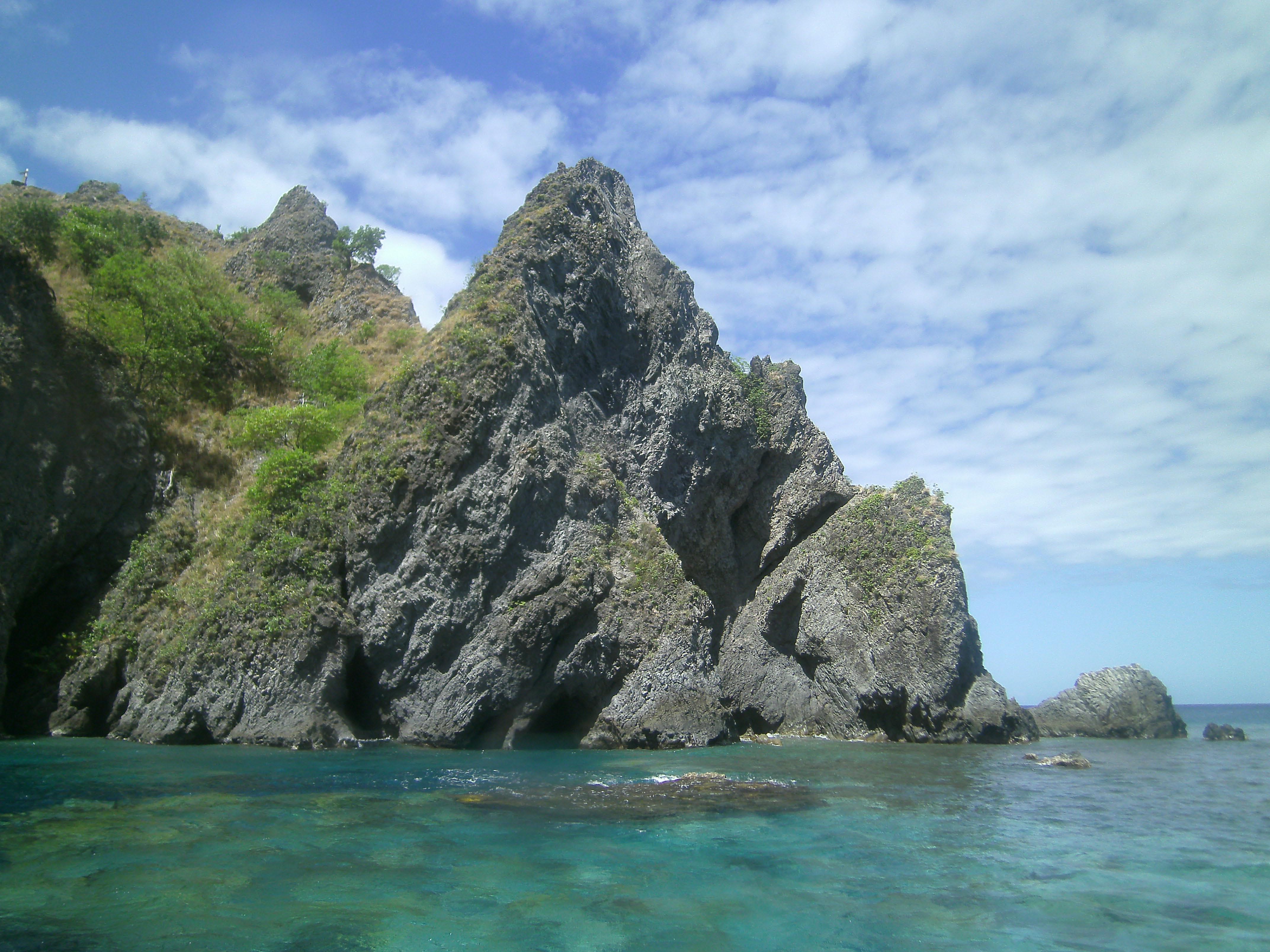
In any case, for the time being, there is awesome beauty to contemplate and celebrate. And so last week Sally and I made our first visit to the Caribbean Island of Dominica. I learned the correct pronunciation (doe-me-NEE-ka), and the location – part of the Lesser Antilles, to the south of Antigua and north of Saint Lucia. The terrain is mountainous, with peaks up to 4,747 feet, and much of it is covered with lush tropical rainforest. It is exceptionally beautiful.
14 05 07_8907

We stayed in the town of Roseau at a friendly, diver-oriented place called the Castle Comfort Lodge, and did our diving with Dive Dominica. The dive sites we did were mostly 20-30 minutes away by boat to the southern part of the island. Most days we did two dives in the morning and a land adventure in the afternoon, and twice we went out with the DD boat on night dives.
14 05 07_8905_edited-1

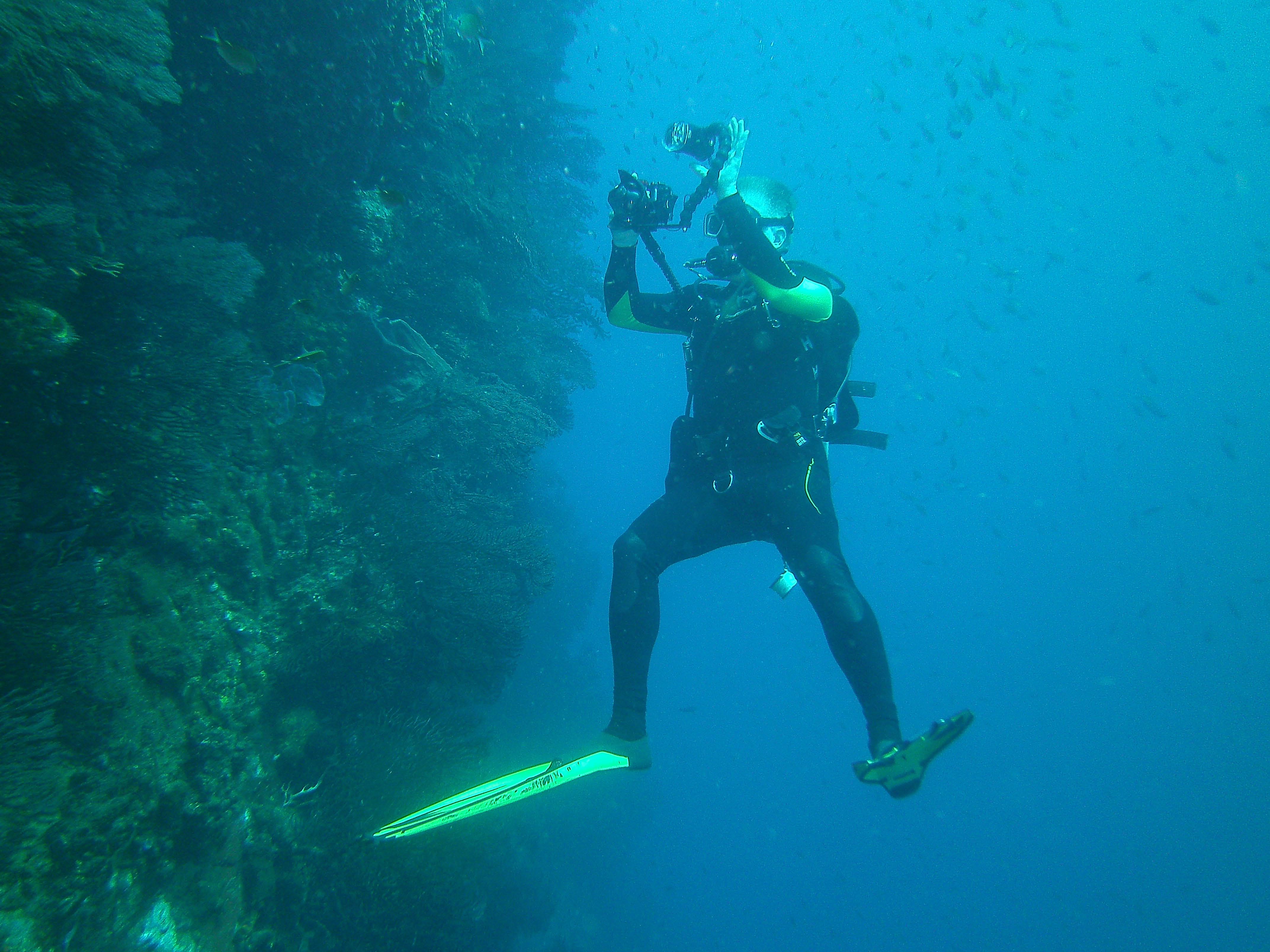
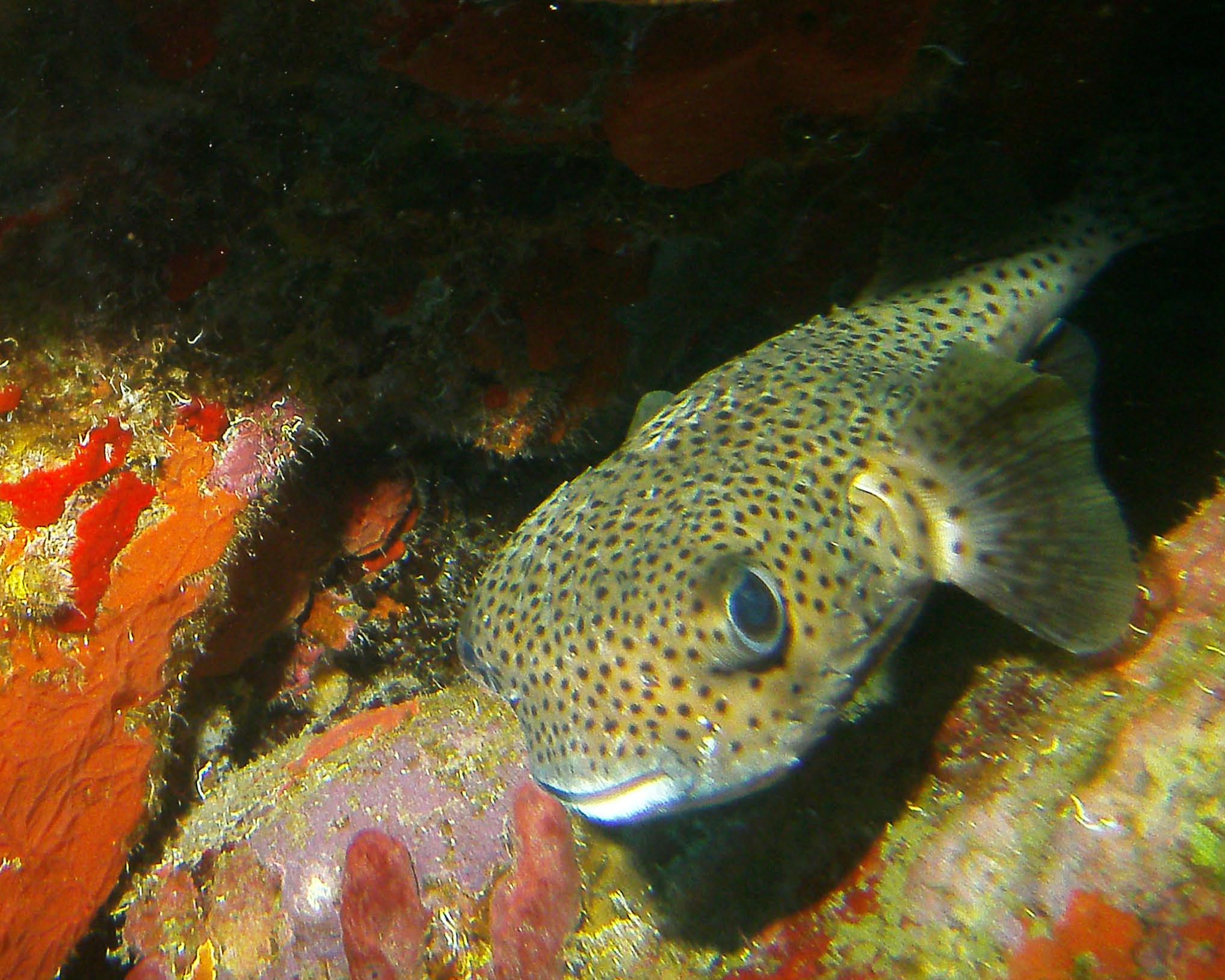
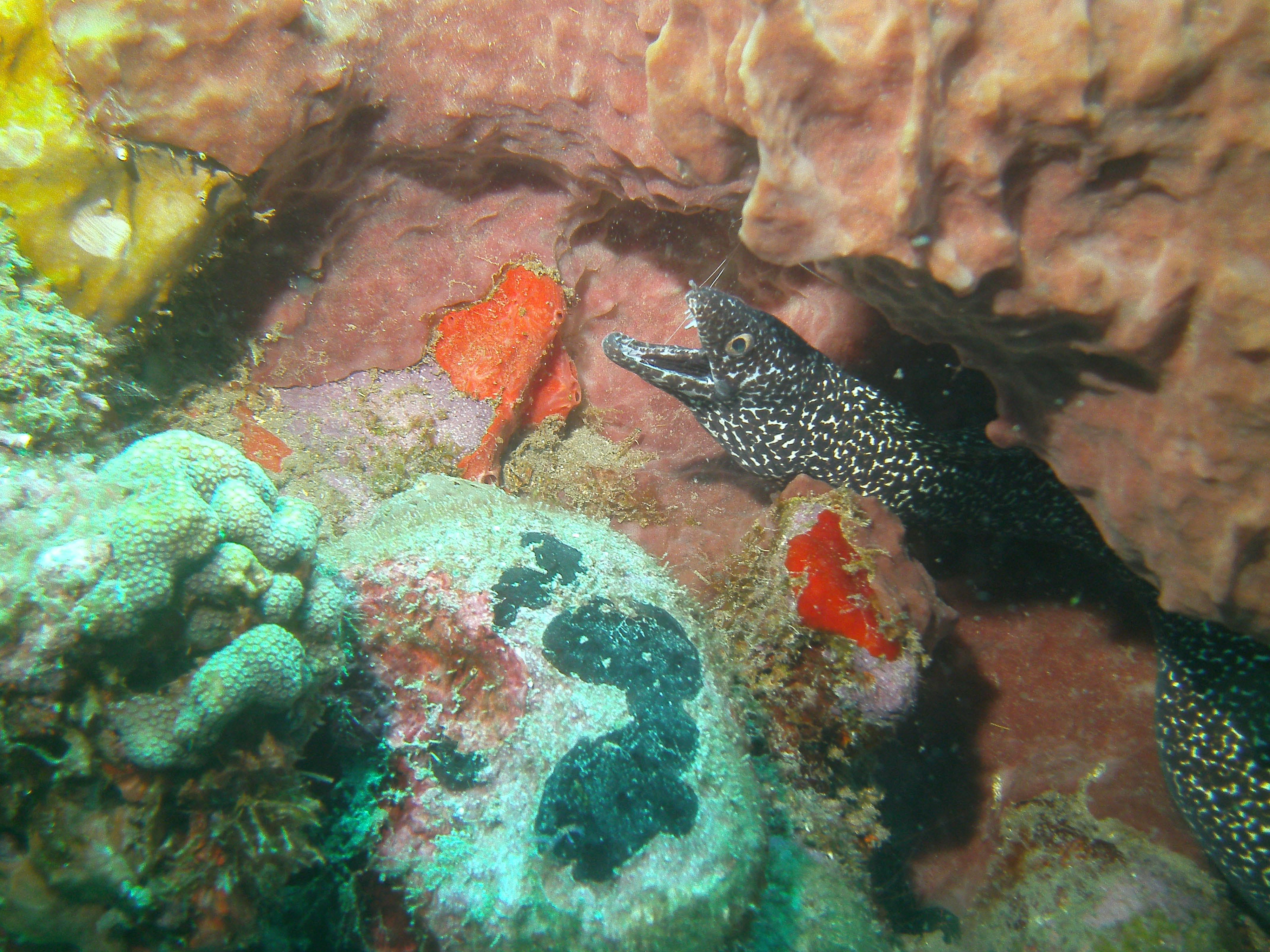
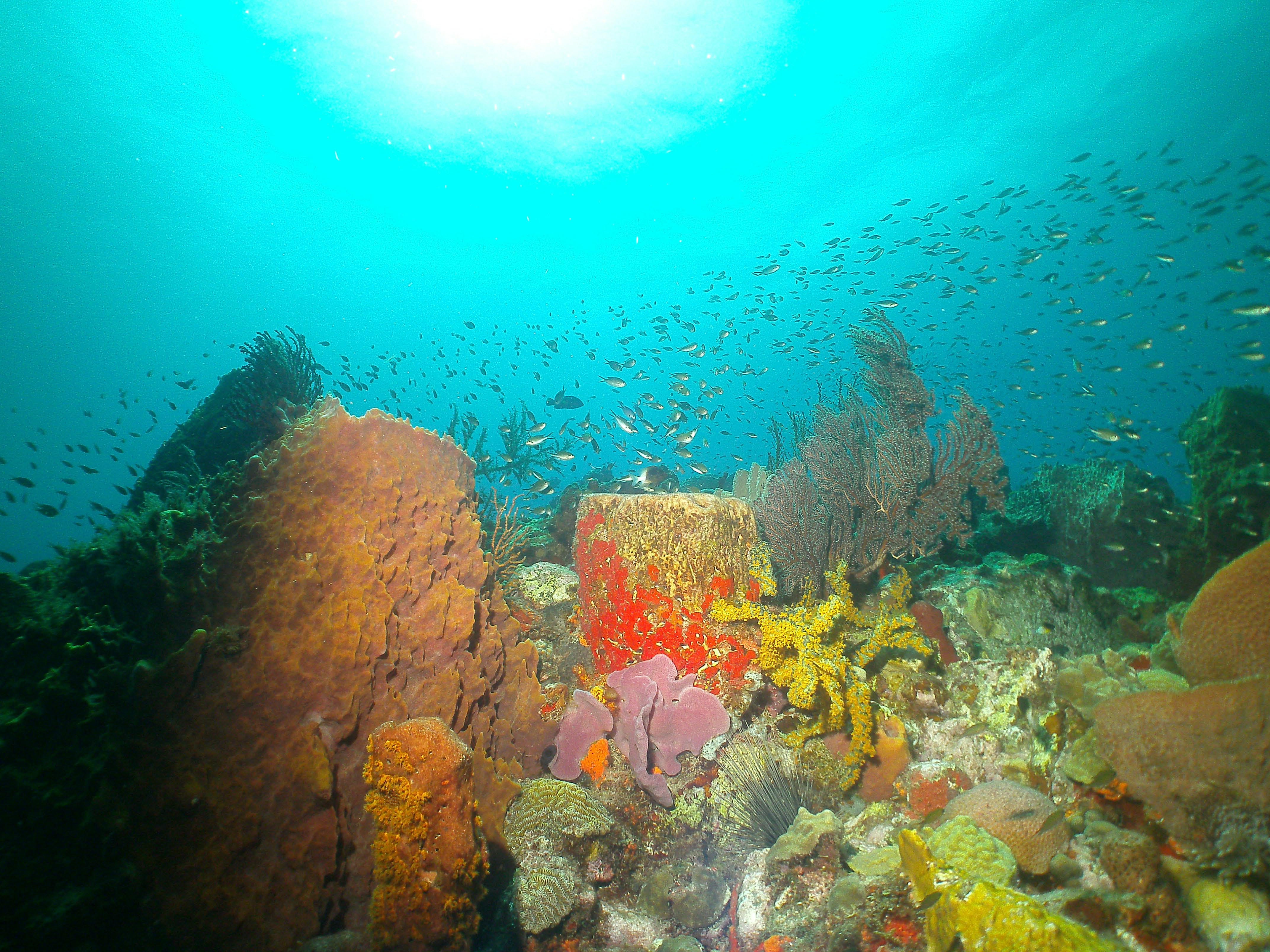
The water was a mild 81 degrees F, with visibility of 50-60 feet and little current. The coral seemed fairly healthy, with little bleaching, and lots of variety in shape, texture, and color. There were lots of tube sponges and crinoids, and some anemones. The most interesting new fish to us was the frog fish, a remarkably well-camouflaged and strange creature. Other highlights were scorpion fish, snake eels, electric eels, sea horses, balloon fish, trumpet fish and squid. There were many small colorful tropicals (such as butterflyfish, damsel fish, goat fish, and squirrel fish). However, I missed my beloved queen angelfish, and there were relatively few larger fish (such as groupers and barracuda), which was mildly disappointing. We saw only one shark all week (a sleeping nurse) and only a few hawksbill turtles. On the other hand, we saw quite a few large lobsters, large crabs, and small shrimp.
14 05 04_9285_edited-1

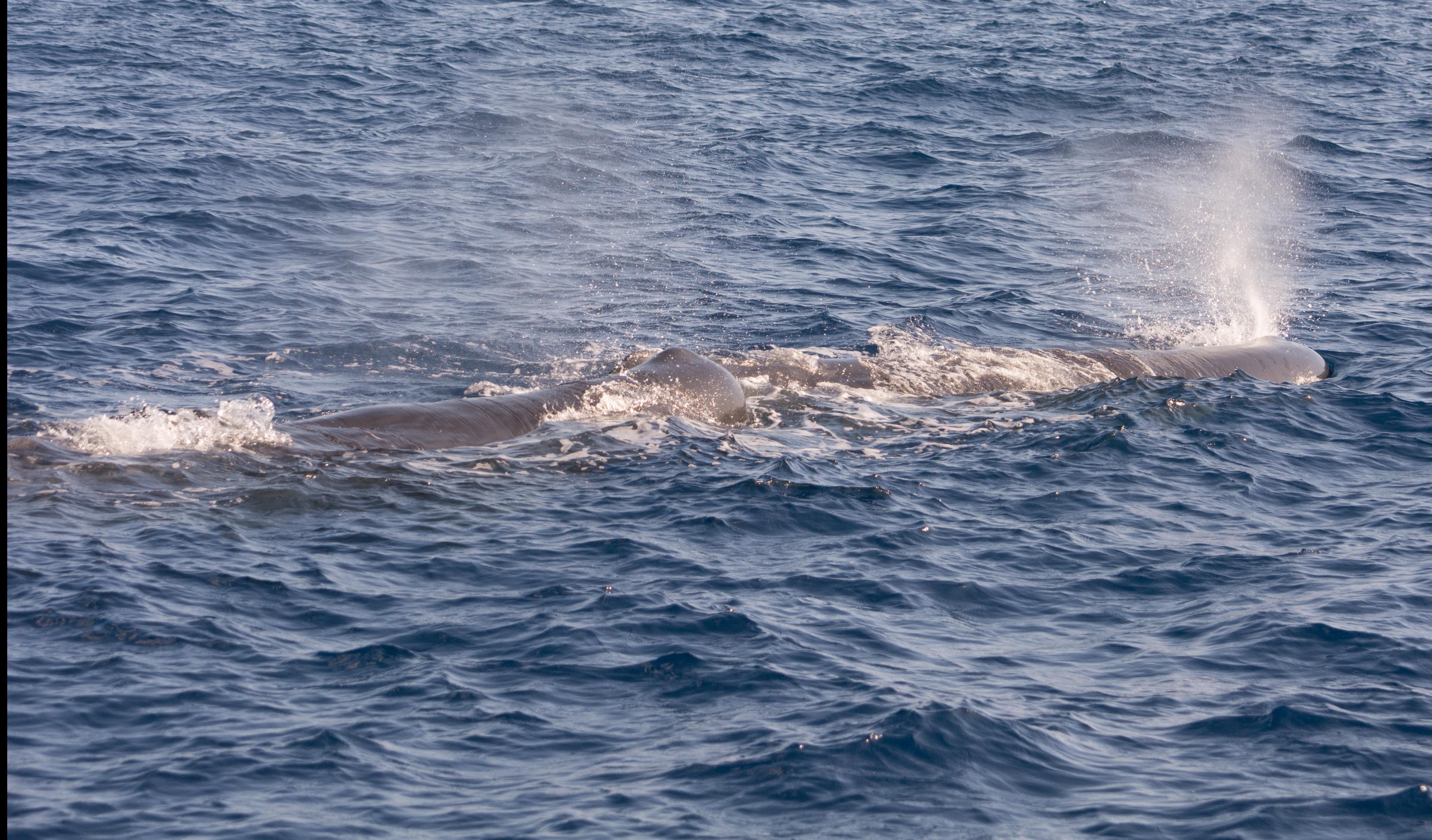
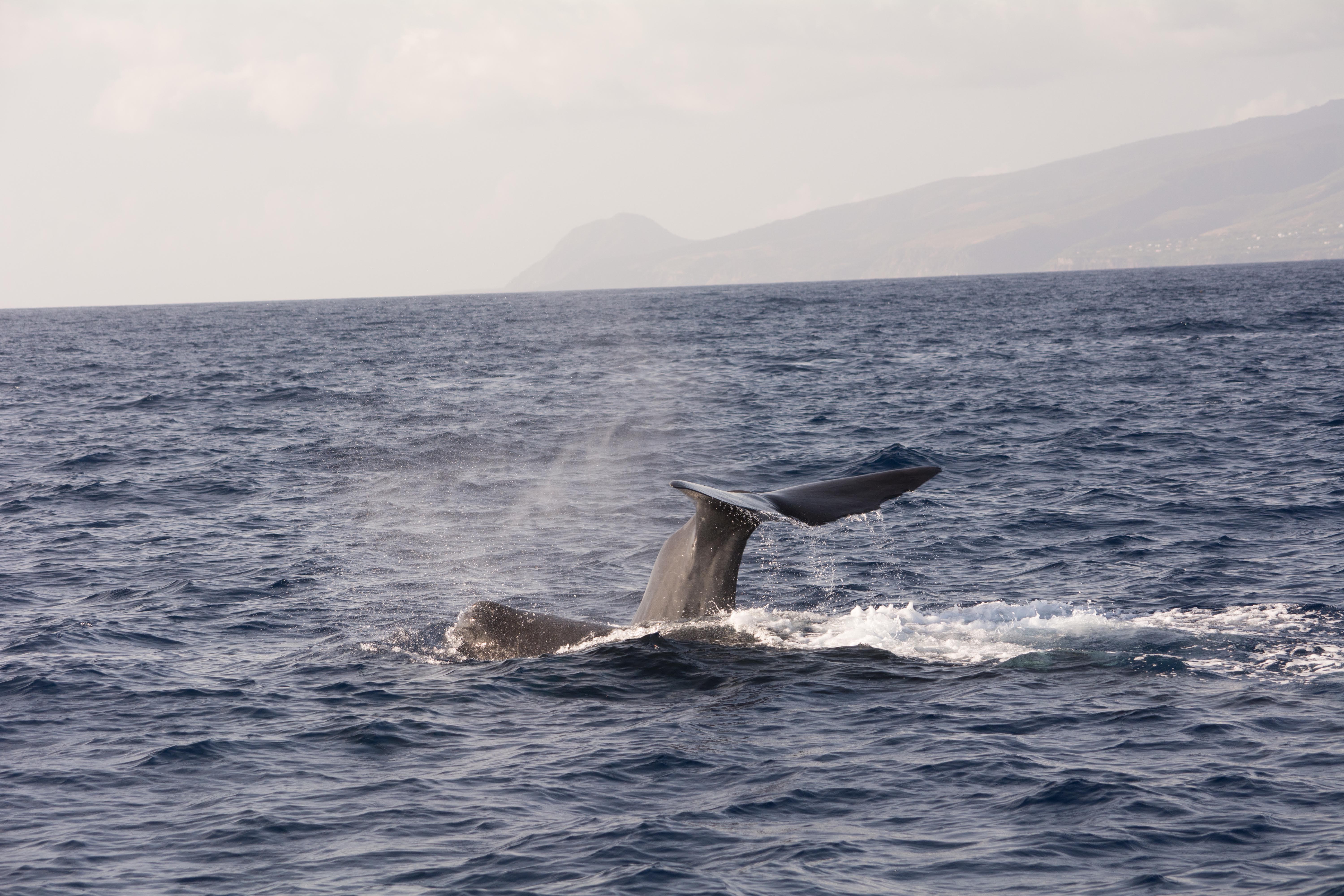
One afternoon we went on a whale-watching expedition and had good views of five sperm whales. The crew used underwater microphones to detect the whales’ signature clicks and then watched for them to spout. There was one pair that turned out to be a mother with a very large nursing daughter (pictured below as the mom descended). It was a thrill to see these remarkable creatures up close. We also were visited by a group of bottle nosed dolphins who came close to the boat to observe us.
14 05 04_9298

The next day one of our fellow divers, Shane Gero, turned out to be a sperm whale expert who’d spent several years studying the Dominica sperm whale families. We learned more about their family structure, habits, and culture. They eat giant squid, which live thousands of feet down. Family group are all females, joined by males only at breeding time. When orcas threaten the young, the family forms a circle around the babies, with heads inward, and ward off the attacker with their tails.
14 05 09_9067

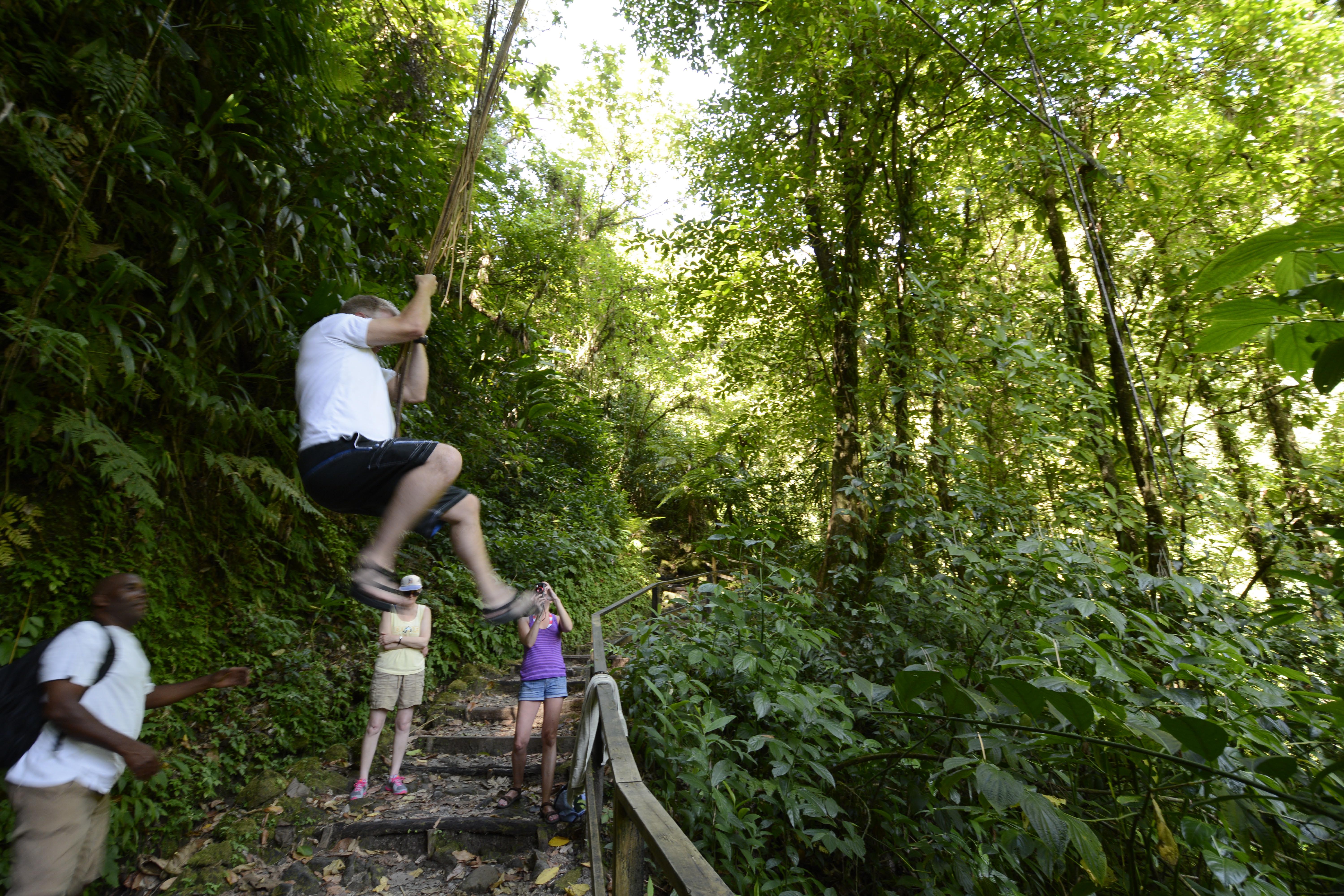
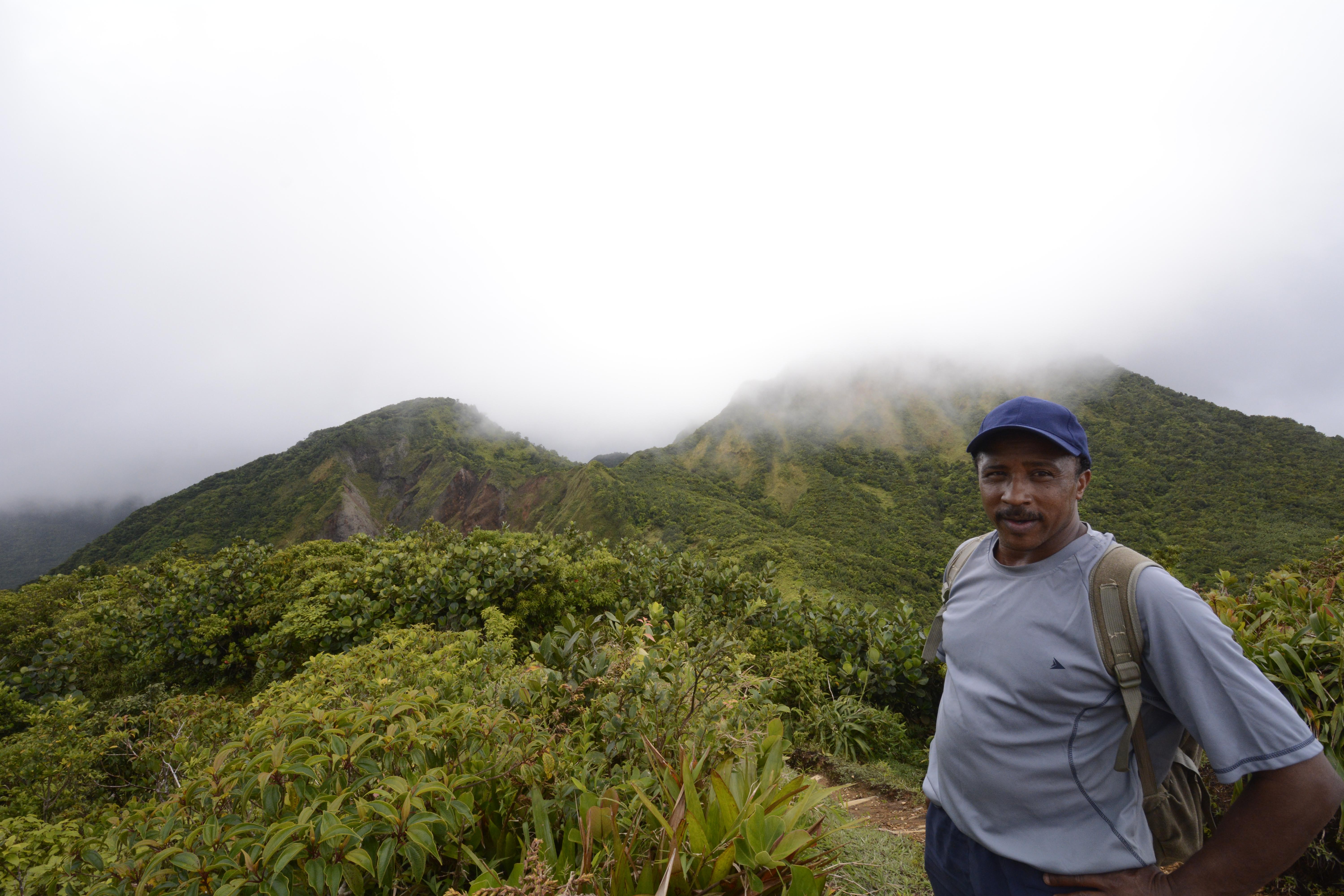
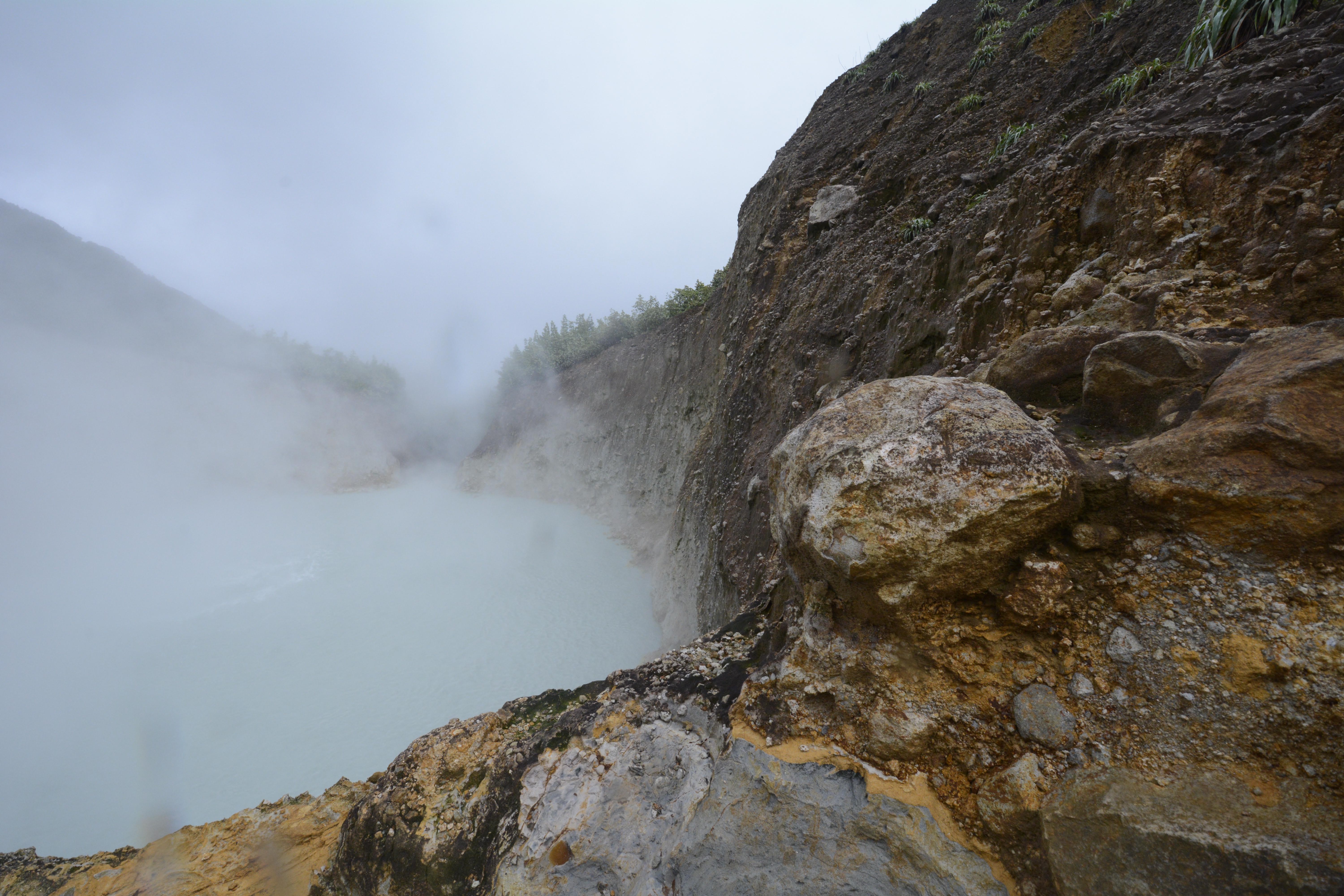
Our most remarkable land expedition was a hike to the Boiling Lake, an area of active volcanic activity, which took about seven arduous hours through the rainforest and up and down mountains. Along the way there were spectacular vistas, rivers, and waterfalls. For much of the time, though, I was entirely focussed on finding the next safe spot to put my foot, and in some climbing points, my hand. With Sally’s encouragement, I took along a walking stick, and was glad I did – it was helpful in many situations, such as stepping from rock to rock over fast-moving streams. We did not bring along rain gear, which was an unfortunate oversight – it rained on us for much of the hike and we were well soaked.
14 05 09_9074

I’d thought of hiking as a relatively placid physical activity, but this was anything but. It required engagement and commitment at the level of double black diamond skiing. I was very glad to get back at last, but soon began thinking about how I’d like to do more of it. I was, however, sore and beat up by the end of the week. I took a fall getting on the boat early in the week and badly sprained my right (dominant) hand, and worked up a major blister on my right foot. Paradise can be hard on a body!14 05 07_8856

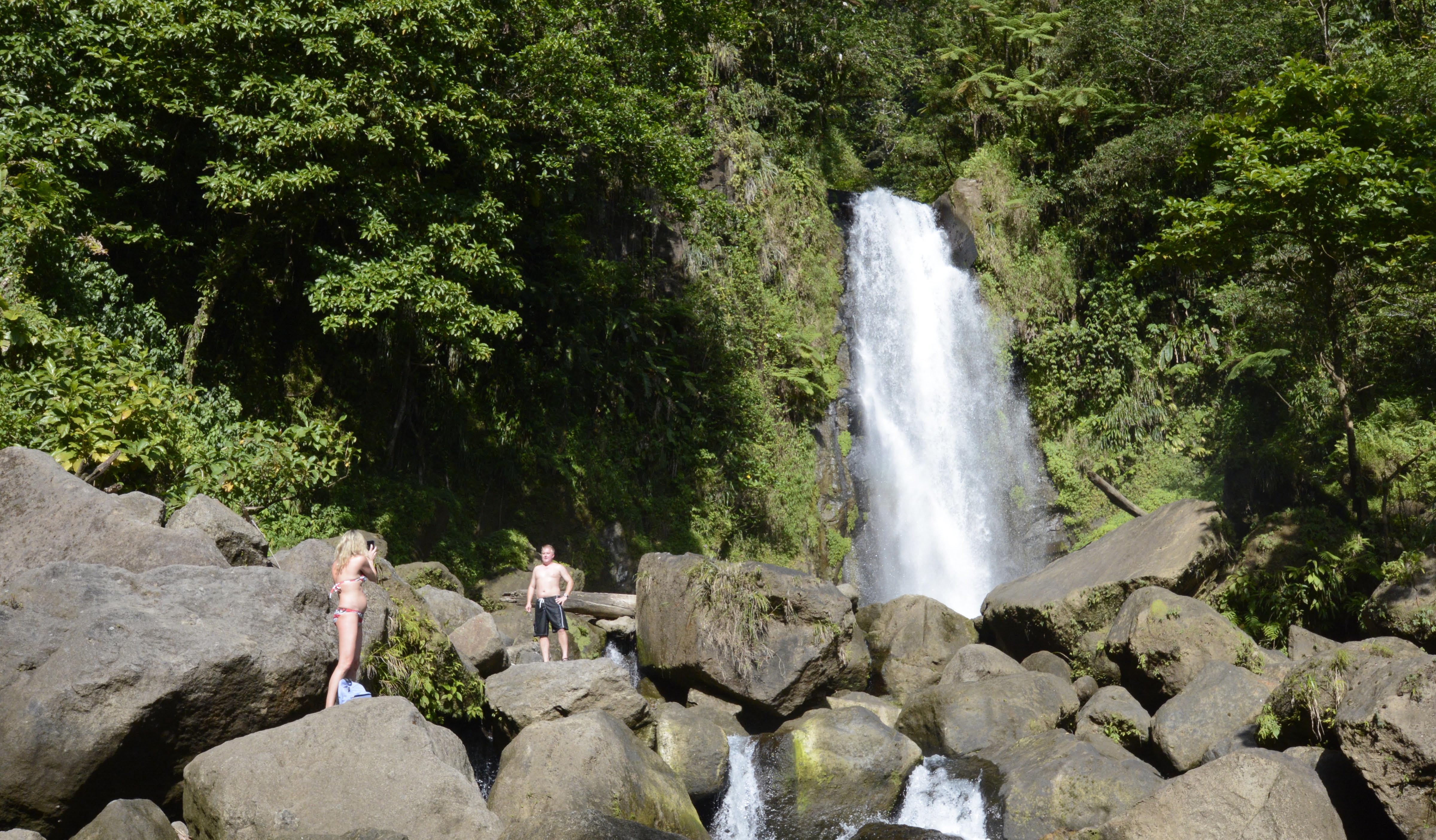
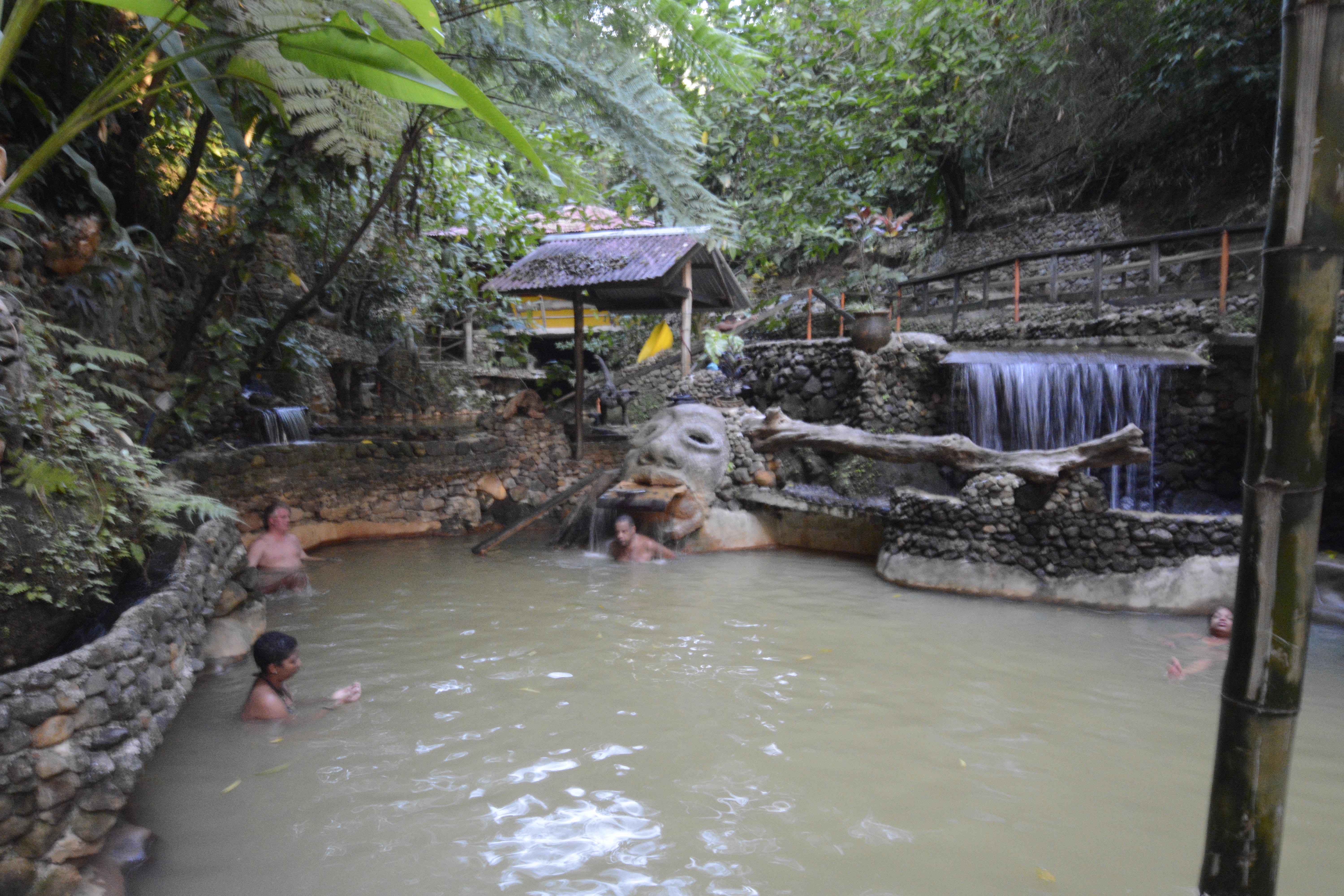
Our other land expeditions (including Trafalgar Falls, the Emerald Pool, the Carib Indian territory, and a boat trip on Indian River) were lovely and untaxing (aside from the twisty, bumpy drives to get there). We also had a good time soaking in the stone-lined hot springs named Screw Spa (sorry, but it’s true). A totally unexpected pleasure was meeting Miss Dominica 2013, Leslassa Armour-Hillingsford, a lovely and gracious young lady who helped us with our trip plans in her capacity as clerk for the family business (the Anchorage Hotel)
14 05 06_9214

The trip was led by Scott Powell, proprietor of Down Under Surf and Scuba, with remarkable energy and good cheer. Scott made sure we had interesting dives, good meals, and fun activities. On the van ride back to the airport, Scott and I noticed that the driver was falling asleep and barely keeping the van on the twisty mountain roads. He worked hard to keep the poor fellow awake (and us alive) by asking him everything he could think of about local geography and culture. We made it, obviously (whew!). Good job, Scott!
14 05 08_9103

A great Mozart opera

There’s a classic New Yorker cartoon titled “Life without Mozart,” which shows a desert with a few scattered pieces of junk. Such pith! It is probably an overstatement to say that Mozart is the source of all meaning and order in life, but it is difficult to imagine so much harmony without him.

On Saturday afternoon, I took D, my mother-in-law, up to North Hills Cinema, to experience a live HD broadcast from the Metropolitan Opera of Mozart’s Cosi Fan Tutte. The music is some of Mozart’s greatest. I’ve listened to the opera a lot recently while working out, and the glorious fountains of melody carries me through the tough intervals.

The basic plot seems sexist and jarring to 21st century sensibilities. Here’s the concept: two soldiers are wooing two sisters and praising their faithfulness, when an older, more cynical friend asserts that all women are by nature prone to stray. They argue, make a wager, and then the soldiers put on disguises and each seduces the other sister. It’s supposed to be light and funny, but the amorality of the plot line is disorienting. Why would the guys do such a crummy thing? But this production explored a more humane side, and also more difficult, aspect of the story.

James Levine conducted this performance. Maestro Levine is a transcendently great musician, but has been in poor health these last few years, and I doubted we would see him again. But he was in great form on Saturday. The broadcast showed close-ups of his face as he conducted the overture, which showed that he conducts with his face as much as his hands. He smiled with pleasure at the beautiful phrases, and I imagined that his musicians felt well supported and inspired by his warmth and enthusiasm.

The show was altogether wonderful, and much more emotionally complex than I expected. There was humor but also strong notes of pain. The sisters seemed genuinely conflicted and struggling with the temptation of new lovers, and the lovers were tortured by forces they did not understand.

The work is an ensemble piece, in the sense that various combinations of voices have great moments – duets, trios, quartets, quintets, and sextets. The acting of this cast was particularly compelling. Susanna Philips as one of the sisters (Fiordiligi) seemed to truly anguished in struggling with the temptation of new love. Her soprano was a little thin at the bottom but full at the top, and very expressive. She had a way of easing into notes, so that the sound seemed to emerge gently from the silence. She had a couple of long pauses where the silence itself was filled with powerful emotion.

The other sister (Dorabella), played by Isabel Leonard, was less complex, but she sang well and looked sensational – she’s quite a beautiful woman. As to the soldiers, there were not simply heartless cads, but in part victims pushed by larger forces (authority, peer pressure, pride, vanity) to betray their lovers and themselves. Tenor Matthew Polenzani and baritone Rodion Pogossov as the soldiers/Turkish suitors both had great moments, and Maurizio Muraro as Don Alfonso anchored the ensemble with a full bass baritone. I thought Danielle de Niese as Despina, the scheming house maid, was funny and sexy, but as a full on proponent of the view that love meant nothing other than having fun, too exuberant and bubbly for this darker Cosi.

On Sunday I had a piano lesson with Olga. She’d warned me that she was juggling a lot of end-of-school-year projects and could only give me an hour, but in the end we worked for an hour and a half. Like Maestro Levine, she’s a generous musical spirit, patient but also exacting. We did a Brahms Op. 39 waltz, Rachmaninoff’s Elegie, and Chopin’s Fantasie Impromptu. We talked about slow versus fast attacks and worked on some pedaling techniques that were new to me, including doing a slow release. I always go in thinking I’ve been listening to the music carefully, and she always makes me hear new things.

On lovely dogwoods, exercise as medicine, and golf with a big big hole

14 04 20_8527_edited-1
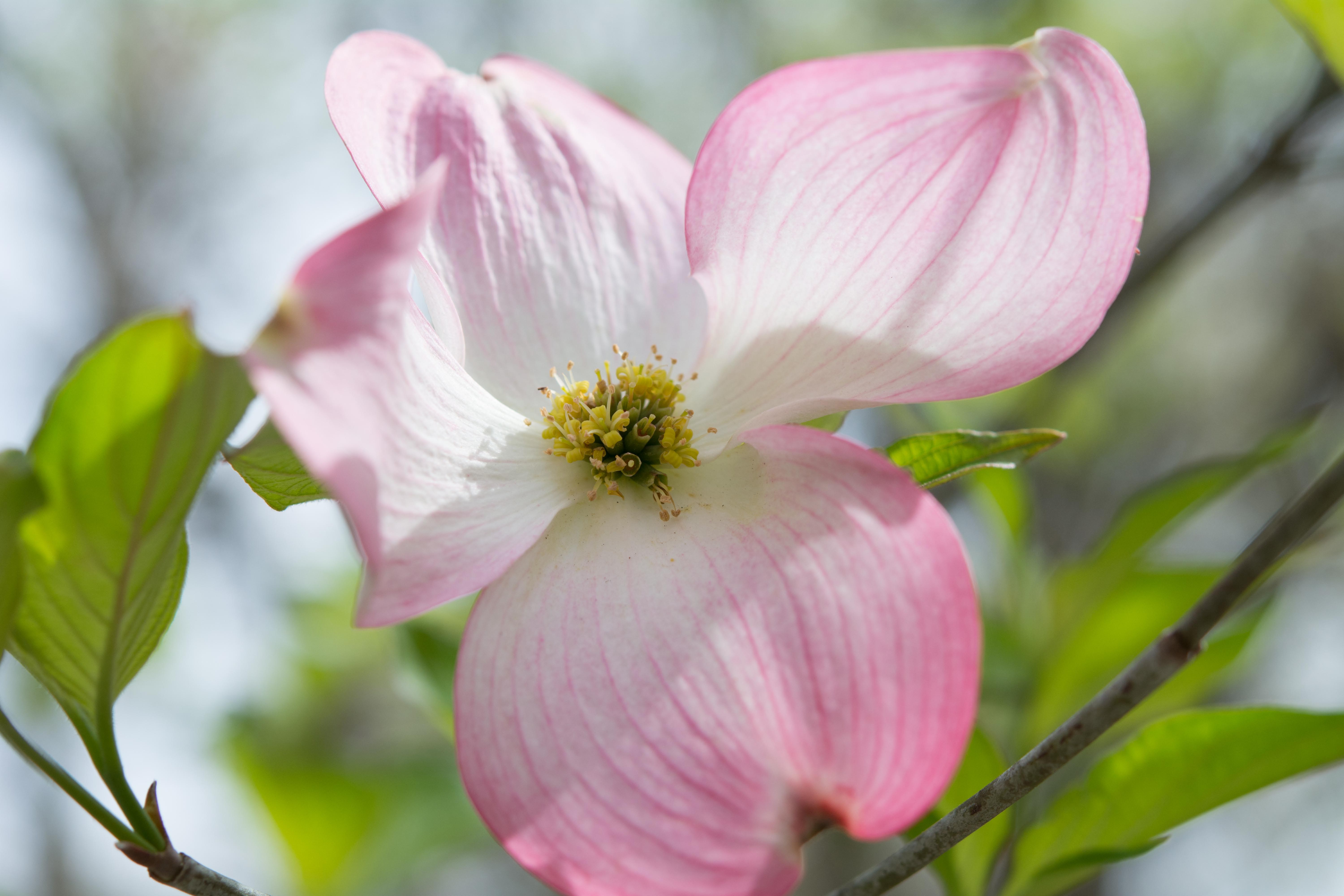
This week in Raleigh the dogwoods were blossoming. By the time I got to Fletcher Park this morning, they were past their peak, but still lovely. The tulips had come and almost all gone while I was away in Spain, and I was sorry to have missed them. I took some photos of the remains.
14 04 20_8524
Gabe came out from Telluride this week for a visit with mom and dad. I was very glad to hear of his successful first season in an adult amateur hockey league, in which he scored some goals. He’s kept up his running, and also has been experimenting yoga, using lessons on YouTube. He asked for some pointers on his down dog pose, and also for a demonstration of a headstand. Fortunately, I got up smoothly and didn’t topple over, and he was suitably impressed.
14 04 20_8502_edited-1

I heard a doc on an NPR program recently say that exercise is the best medicine. This makes sense. Staying active surely does a body more good most of the time than any pill, injection, or ointment. I’d note obvious exceptions for traumatic injuries and serious diseases, and still say, exercise is tremendously important for health.

So I feel good knowing my progeny are exercising. In a phone call this week, Jocelyn confirmed that she was doing so, having joined a new gym convenient to her subway stop in Brooklyn. It turns out that she, like me, gets a lot of reading done on a cardio machine. Her boyfriend, a former college athlete, has been trying to give her a little coaching on gym activities, which she has strongly discourage. She likes to find her own way.
14 04 20_8520

I used to be more like that, but now I am usually grateful for knowledgeable coaching. Figuring everything out yourself, even if it were possible, would just take too long. An example: when Jenn, my regular spin class instructor, made an announcement recently that anyone who comes to class regularly should have special cycling shoes, I took it on board. After several years of spinning, I finally bought my first pair of Shimanos at REI this week. Unfortunately, at my Friday class, Jenn was out sick – I’d been looking forward to letting her know I was listening to what she said. Anyhow, the shoes, which clip only the pedals, did change the experience. They allow you to pull as well as push. New muscles can get into the act.
14 04 20_8518

I’d hoped we’d have good golfing for the weekend, so that Gabe and I could get out for a round, but it turned out to be wet and a bit raw on Saturday, and cool and gusty on Sunday. In golfing news, there were stories about an interesting new variation of golf in the New York Times and Wall Street Journal Instead of the regulation 4.25 inch hole, the hole is 15 inches wide. This turns 10 foot putts into gimmes, and 30 foot putts into opportunities.

This sounds like fun to me. The putting is the most frustrating part of the game. I don’t consider myself particularly bad at putting, but you can putt fairly well and still miss – a lot. I wouldn’t propose to change the whole game, since I’m sure there are those who love putting towards small holes more than anything, and some who are uncomfortable with any change on principle. But it would be nice to have the option of dialing down the fraughtness a bit with a larger hole.

My first visit to Barcelona

14 04 12_8135_edited-1
Last week I did a quick trip to Barcelona for the FSF-Europe Free Software Workshop, and got a chance to see the city a bit. There was good energy and good attendance at the conference, with some old friends and major thought leaders in free software, and my talk on software patents and the Supreme Court was well received. It was really cheering to be with a large group of really smart, really nice people working to advance the cause of free and open source software.
14 04 09_8236_edited-1

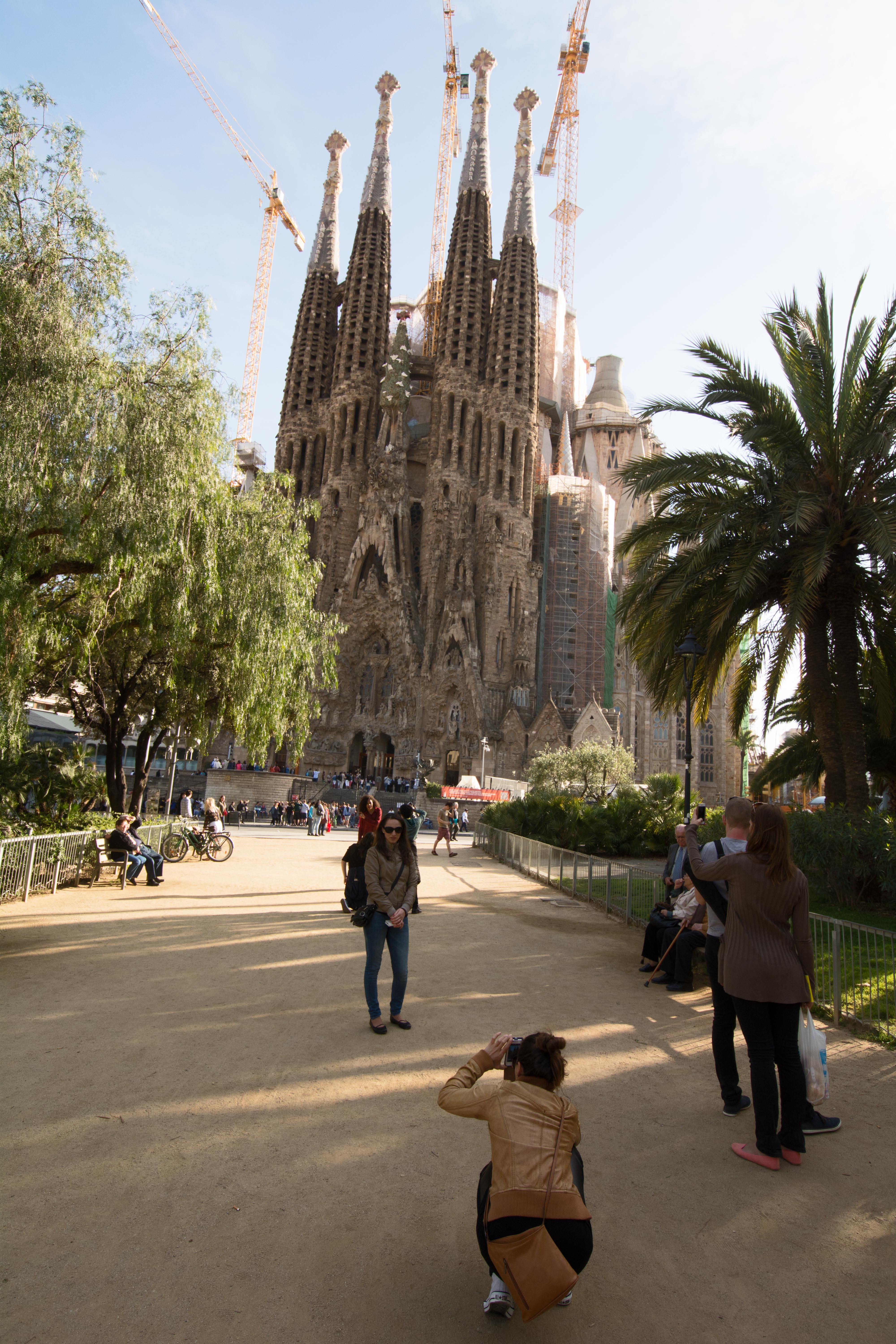
We took a tour of the Sagrada Familia, the famous cathedral designed by Anton Gaudi and still a work in progress 122 years after it was started. It’s a strange building, half modern and half gothic, and massive. As with the great gothic cathedrals, it overwhelms the senses – it’s impossible to take it all in at once. Our tour guide took us inside late in the day, as the light was changing quickly, and showed how the windows were designed to manipulate the light. The guide made it clear that the work is both source of controversy and of enormous pride for the Barcelonans. I can’t say I liked it, exactly, but I found it wildly ambitious, bizarre, and intriguing.
14 04 09_8208_edited-1

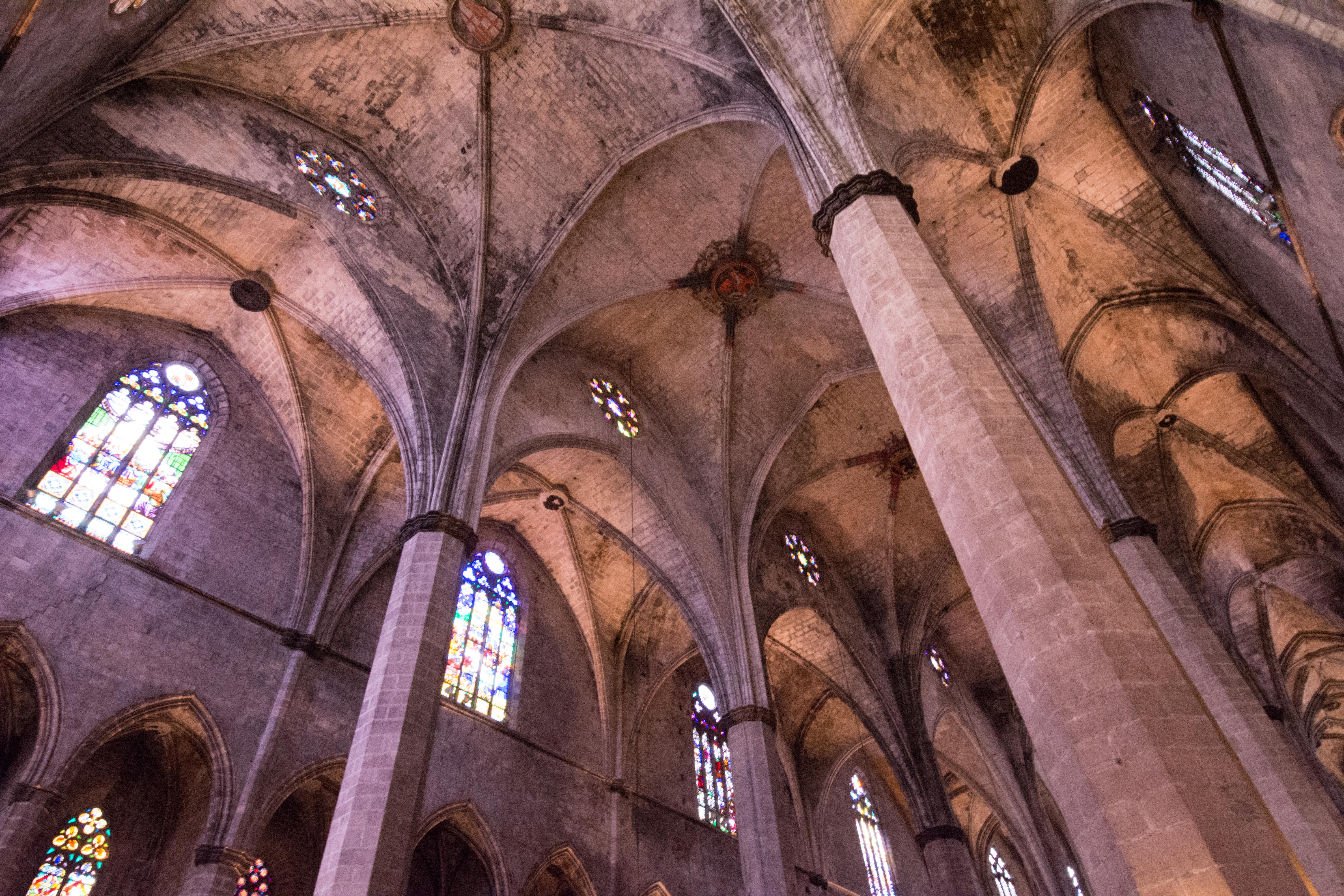
After the conference, starting Saturday morning, I shifted from work mode to super-tourist mode, and spent about 14 hours exploring the city. At first I thought it seemed a bit like a cross between Paris and Florence, but in the end I found it distinctive, just itself. It has grand boulevards with trees and fashionable shops, warrens of narrow medieval streets, and large parks. There are a couple of distinguished gothic cathedrals, some excellent art museums, and a modern (with TVs!) and efficient modern metro. It was easy to figure out how to get a ticket and get going in the right direction, and I never waited more than three minutes for a train.

Barcelona was energized and energizing. It seemed very cosmopolitan and sophisticated. The Catalans have their own language, Catalan, which seemed not too different from Spanish. Like people of other small European language groups, Barcelonans are more likely to need a second or third language. I found that the service people all spoke adequate-to-excellent English. In fact, using advanced Yankee detection radar, they sometimes spoke to me in English before I even opened my mouthand so I didn’t get to use my still-a-work-in-progress Spanish very much.
14 04 12_8116

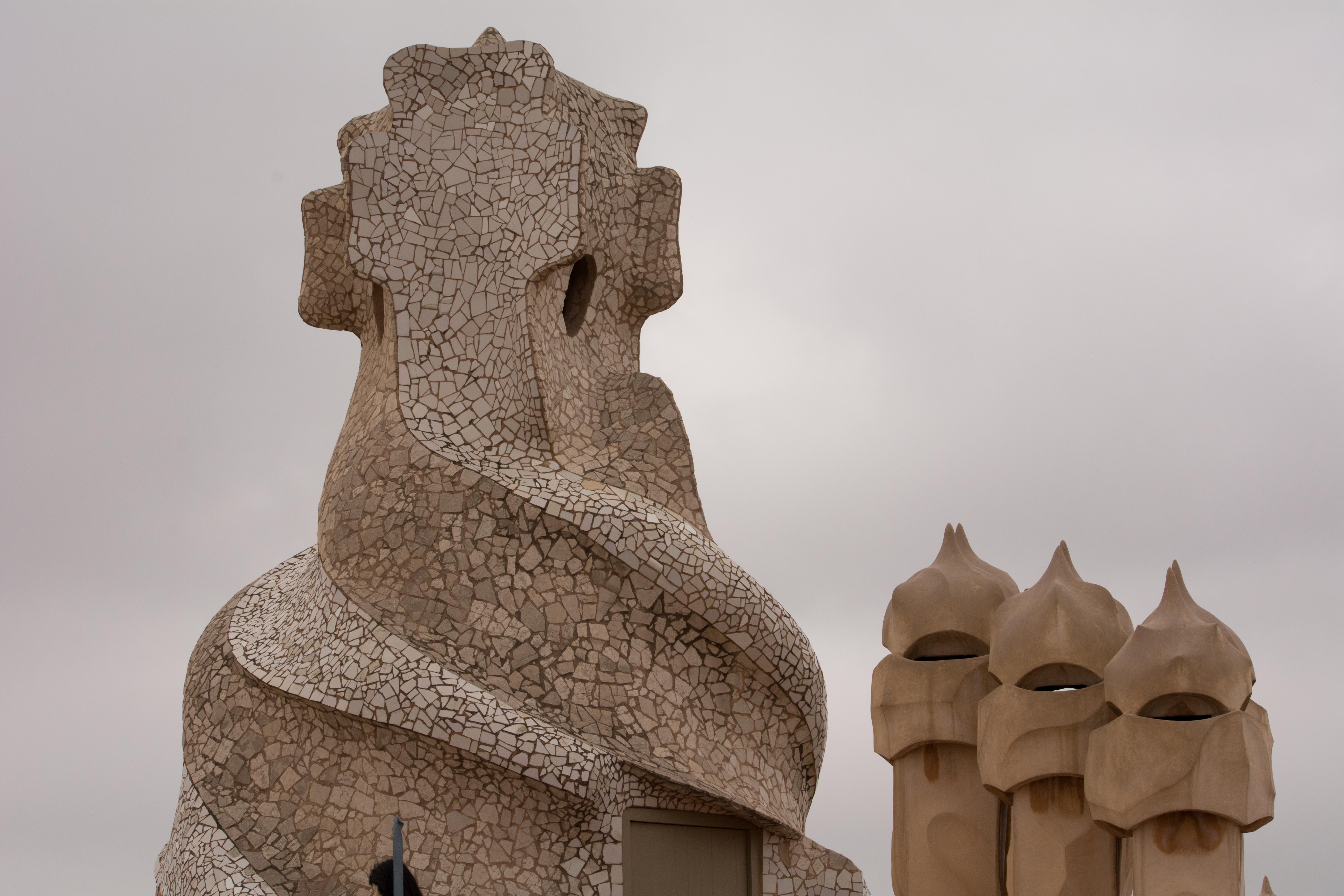
Since the Barcelonans are so proud of Gaudi and the school of modernisme (which struck me as a species of art nouvea), I decided to check out another well-known Gaudi building — the Pedrero, an apartment building. Unfortunately the façade was covered up for renovation, but it was worth seeing the roof and a large apartment. The roof had mysterious sculptural objects with undulating surfaces, bulges, and points. I have no idea what they mean, but somehow in the context of city rooftops they work. The apartment was remarkably spacious, and well-furnished and decorated in the period.
14 04 12_8139

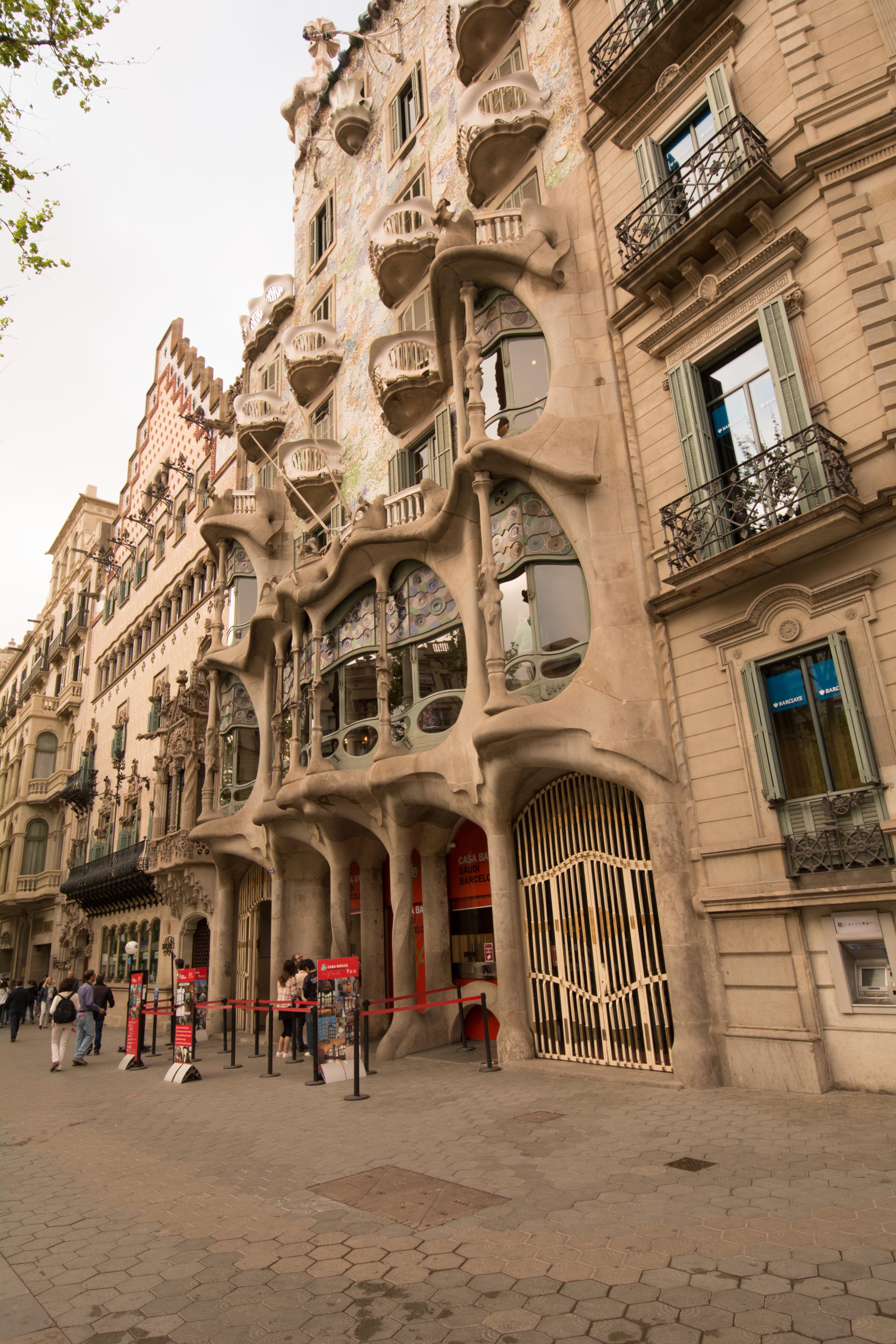
Gaudi was a visionary and a maverick, unwilling to accept existing conventions and aesthetic categories, like our Frank Lloyd Wright. But Gaudi’s aesthetic is odder – whimsical in places, but also suggesting memories of nightmares. It’s amazing that he found funding in the first place, and that he also found lasting fame. The local obsession with Guadi is another sign that Castilians are different in an interesting way.
14 04 12_8184
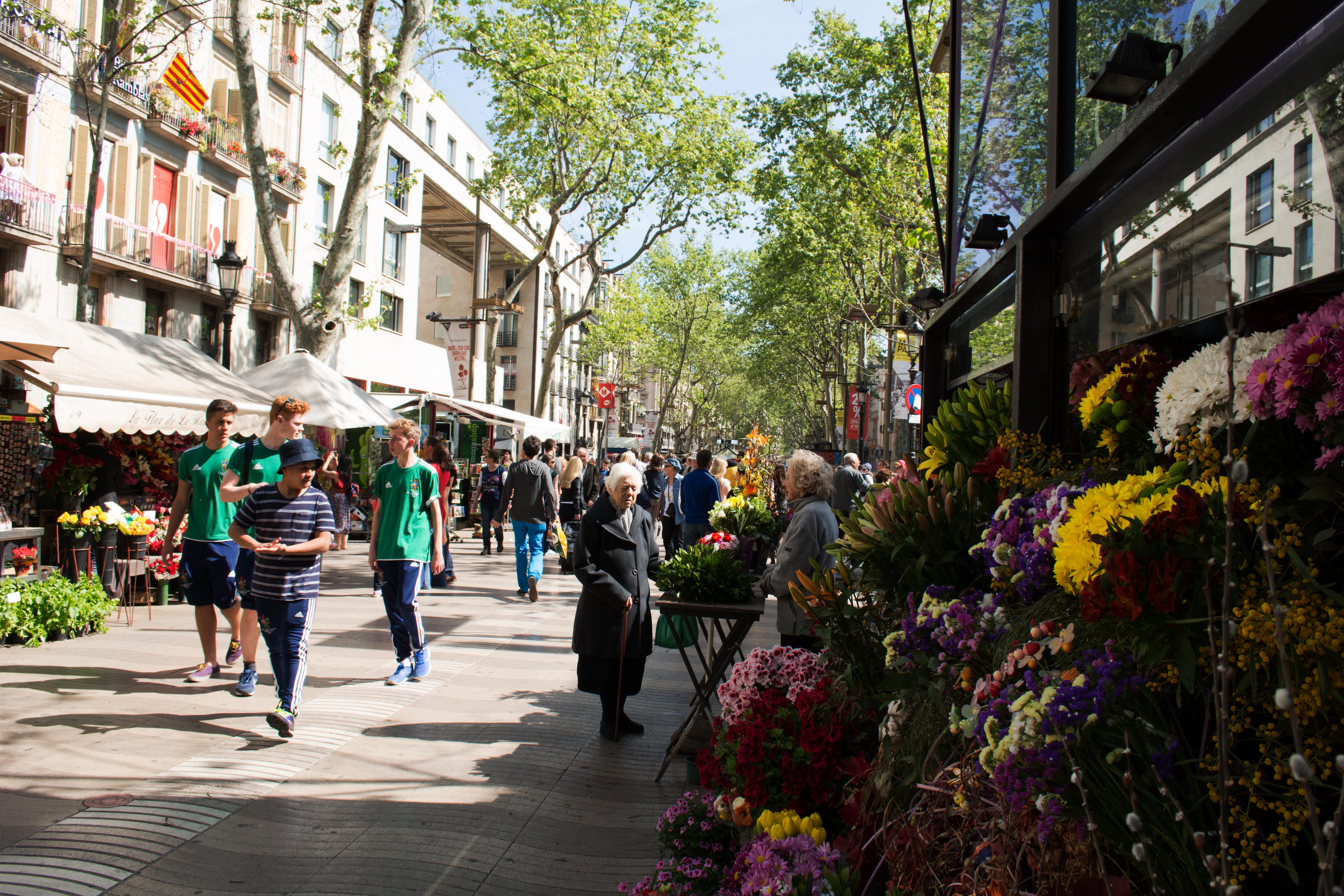
After looking at some other modernist buildings, including Casa Battlo, I took a longish walk south which included La Rambla, the famous pedestrians-only boulevard, and through the gothic quarter to the Picasso museum. It doesn’t have the world’s most distinguished Picassos, but for Picasso fans it’s satisfying – particularly some fine works from the blue period. There was also an interesting temporary exhibition on Picasso’s influence on contemporary art.

After more explorations in the old quarter, late in the afternoon I made my way across town to the Juan Miro museum. I came in with the impression that Miro was overrated – an artist who’d taken a few charming ideas, mined them out, and kept on digging. The museum showed that he had more range than I’d realized, and more willingness to experiment, assimilate new ideas, and grow. I particularly liked his found-object sculptures. The temporary exhibit included some interesting conceptual works, including one that showed, side by side, a three-foot-high pile of dirt and a three-foot-high pile of thick paint.

On the flight back on Sunday, I had a good block of reading time, and finally finished The Odyssey, in the Robert Fagles translation. I was sort of looking towards the suitors of Penelope getting their comeuppance, but even so the violence was so extreme it was shocking. Homer’s world was definitely different from ours. Were the suitors really so bad as to deserve butchering? But there were also surprisingly modern descriptions of affection and love. When Penelope finally realized that Odysseus was actually home, after twenty years’ absence, and husband and wife were united, it had the emotional resonance of Shakespeare’s greatest lovers. It made me eager to get home.