The Casual Blog

To Durham, for an excellent documentary festival, and Duke Gardens

_DSC8905_edited-1
This weekend we did a documentary film marathon at the Full Frame Film Festival in Durham. Starting Thursday evening, we watched films, talked, ate, slept, and repeated, until Sunday. Our film days ended about midnight, and we stayed close by in the Hampton Inn. This was our third year at the Festival, and each year we’ve gotten a little more adept at getting tickets, getting good seats, getting well fed, getting shelter, and otherwise taking care of business. This year was the most entertaining and thought-provoking yet.

What are documentaries? They start with something real, and try to say something true. Documentarians, like all of us, have their biases and other limitations, and they sometimes make mistakes. But sometimes they’re remarkably wise and brave. The Full Frame staff screened thousands of proposed films, and from these picked 80 or so. Those we saw were almost all excellent.
_DSC8949-1

We covered a lot of geography, including films set in North Korea, the Indian Himalayas, Afghanistan, Cambodia, Mexico, Russia, Finland, Utah, Pennsylvania, New York, West Virginia, and the Dark Net. The films that affected me the most were journalistic in orientation, but took on subject matter, or angles on subject matter, that don’t get much coverage in the mainstream press, either because they’re too complicated or too politically risky.

Some told stories that, without the courage and dedication of film makers willing to work for several years, would have never been told. There weren’t a lot of happy endings. But as Sally noted, there were a lot of pockets of inspiration — humans struggling valiantly against difficult natural or political circumstances.

It was also great that for most of the showings, the filmmakers were there to answer questions. Most of the showings we saw were sell outs or close, and there were rousing ovations for the creators. It was a really stimulating weekend. Here are a few of the highlights.

Deep Web. This was the story Ross Ulbricht and Silk Road, the online drug emporium. I thought I was more or less up to speed on the Dark Net, but I learned a lot, and got new perspectives on it and on the War on Drugs. The story of how the Dark Web and cryptography may affect the drug war is potentially huge. Director Alex Winter said he planned to add some material on the indicted FBI agents who worked on the case. Definitely worth seeing.

Meru. The story of the first ascent of an imposing 21 thousand foot peak in the Himalayas, and the three men who did it. I always have mixed feelngs about the sort of adventure, which is at once amazing, inspiring, and just too dangerous. But it was a thrilling cinematic experience.

Overburden. This was about the long sad relationship of Appalachia and coal. I had a particular interest in this, since I come from hearty coal mining stock, and I feel a real affinity for the beauty and pathos of this country. Overburden is the lingo of the mining companies for the plants and soil on the mountaintops that have to be stripped away to get the coal. This film focused on a couple of community activists who raised people’s consciousness on the environmental and social damage of this kind of minng.
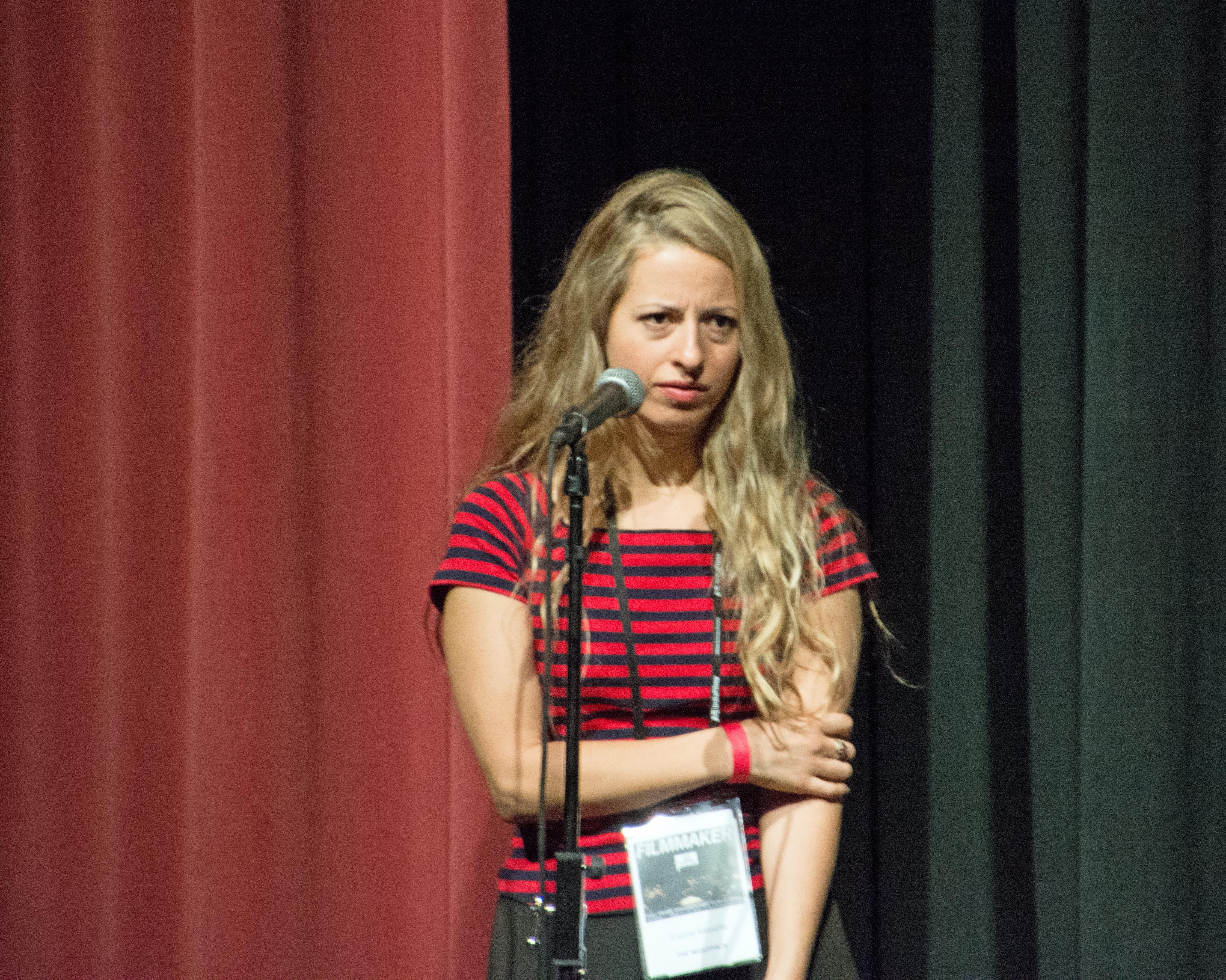
Crystal Moselle, director of The Wolfpack, answering questions

Crystal Moselle, director of The Wolfpack, answering questions

The Wolfpack. This concerned a family in New York who kept the kids inside their small apartment for almost their entire childhoods. Something was plainly wrong with the parents, but the kids seemed lively and creative, and probably not permanently impaired. The director, Crystal Moselle, spoke afterward, and gave some added context. She’d worked on the movie for about four years.

Peace Officer. This film was about the militarization of America’s police forces. The prime subject, William “Dub” Lawrence, is a former police officer and sheriff who started SWAT team in Utah that years later murdered his son-in-law. He’s an extraordinary person, who together with the directors spoke after the film. We were particularly happy that this one won an award — for human rights.

Peace Officer co-directors Scott Chritopherson and Brad Barber, and subject Dub Lawrence (speaking)

Peace Officer co-directors Scott Chritopherson and Brad Barber, and subject Dub Lawrence (speaking)

(T)error. This was about the FBI’s campaign against Islamic radicals using informants who try to entrap them in made up jihad efforts. It was a sort of a worm’s eye view, told from the perspective of an informant and a target. It would have been comical, had the subject not ultimately been sent to prison for eight years on a trumped up charge to shut him up. This one won a grand jury award.

(T)error co-directors Lyric Cabral and David Sutcliffe

(T)error co-directors Lyric Cabral and David Sutcliffe

Tell Spring Not to Come This Year. The subject of this was the Afghan National Army operating without the direct support of the US. They didn’t seem like a very well trained or determined fighting force. The Taliban seemed to be getting the upper hand. The battle scenes were vivid and harrowing. The co-director, Saeed Taji Farouki, spoke afterwards, with intelligence and humility.
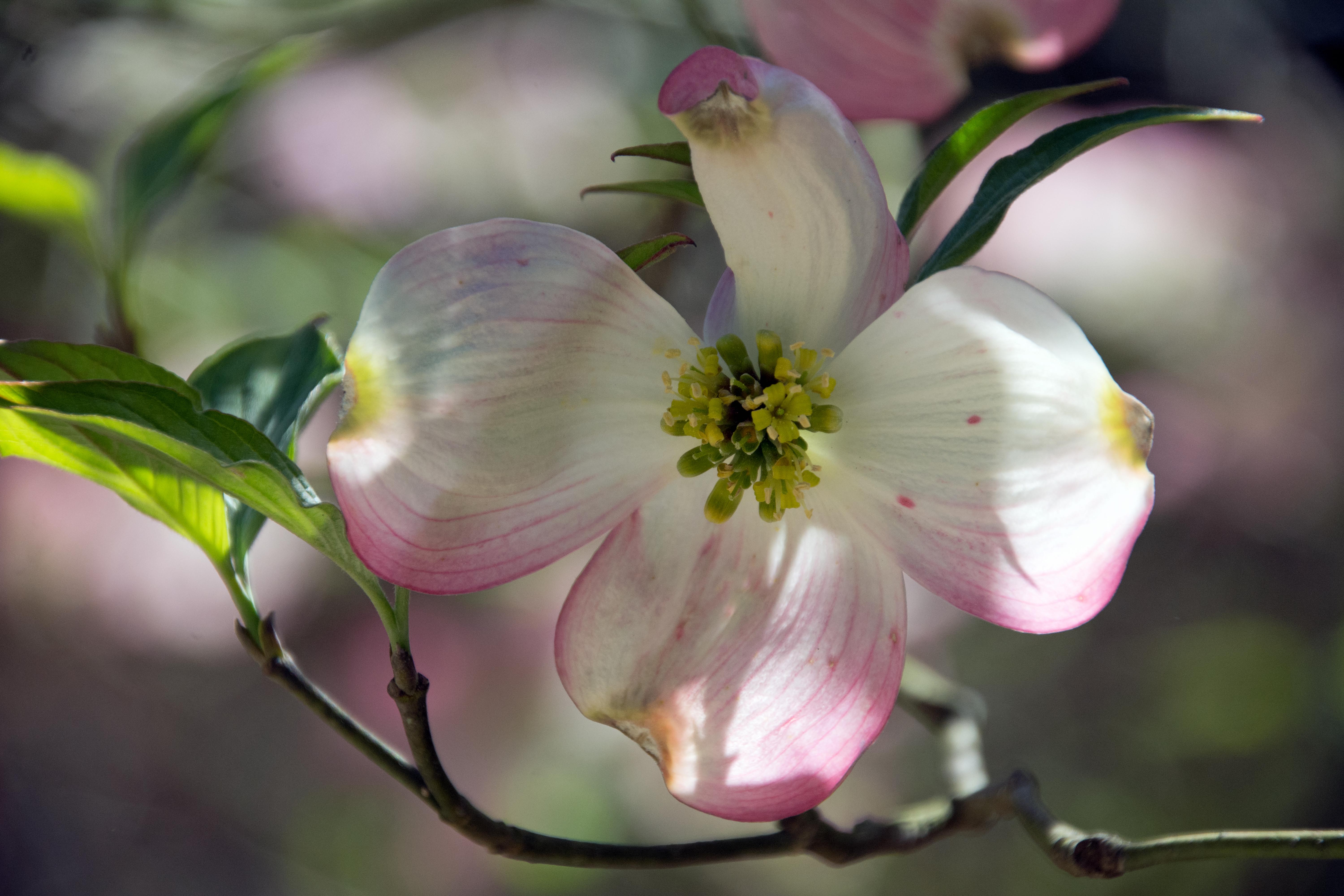
Dogwood at Duke Gardens, April 12, 2015

Dogwood at Duke Gardens, April 12, 2015

On Sunday morning, we took a break to check out the Duke Gardens. It was a lovely, clear day, and lots of things were blooming, including early azaleas and rhododendrons. The tulips were spectacular. Sally noted that this garden, too, was a pocket of beauty that, in spite of everything, gave us hope for humanity.

Azalea at Duke Gardens
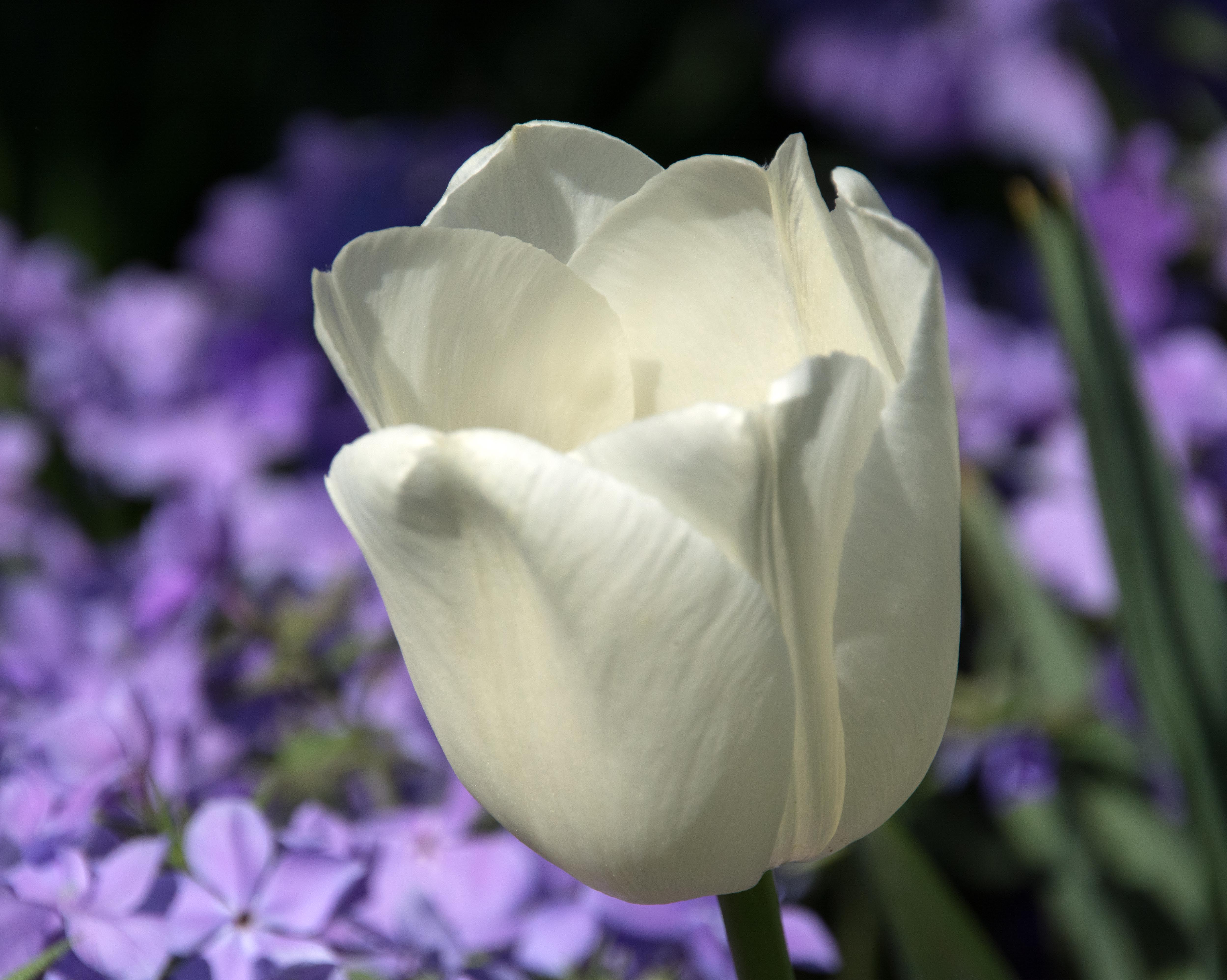
Azalea at Duke Gardens


_DSC9030_edited-1
_DSC9043_edited-1
_DSC9048_edited-1
_DSC9064_edited-1

First Friday gallery hopping, new wildflowers, and tolerating Scientology

Dogwood blossom on Blount Street

Dogwood blossom on Blount Street

This week the big trees in Raleigh started to shoot out baby leaves, and the horizon got green. The mild temperatures encouraged me to walk to work, and on the way there were cherry blossoms on Lane Street and the season’s first blossoming dogwoods on the Capital grounds.

Cherry blossoms on Lane Street

Cherry blossoms on Lane Street

On First Friday evening we went out to visit some galleries. We particularly enjoyed the photographs of Simon Griffiths at 311 West Martin Street. There were Raleigh street scenes, landscapes, and portraits of workers in small businesses. The works were clearly subject to extensive post-production work, which caused the views to seem at once familiar and unfamiliar, somewhere between hyper-reality and a dream. His work can be seen here.

I would have loved to learn some technical details, but didn’t have a chance to ask him, because we were cutting it close for our dinner reservation and had to start walking. There were a lot of people out strolling. We ate Lebanese food at Sitti, where the baba ghanoush was delicious, but the falafel was a bit dry. Service was great, and the vibe was lively.

Spring beauty

Spring beauty

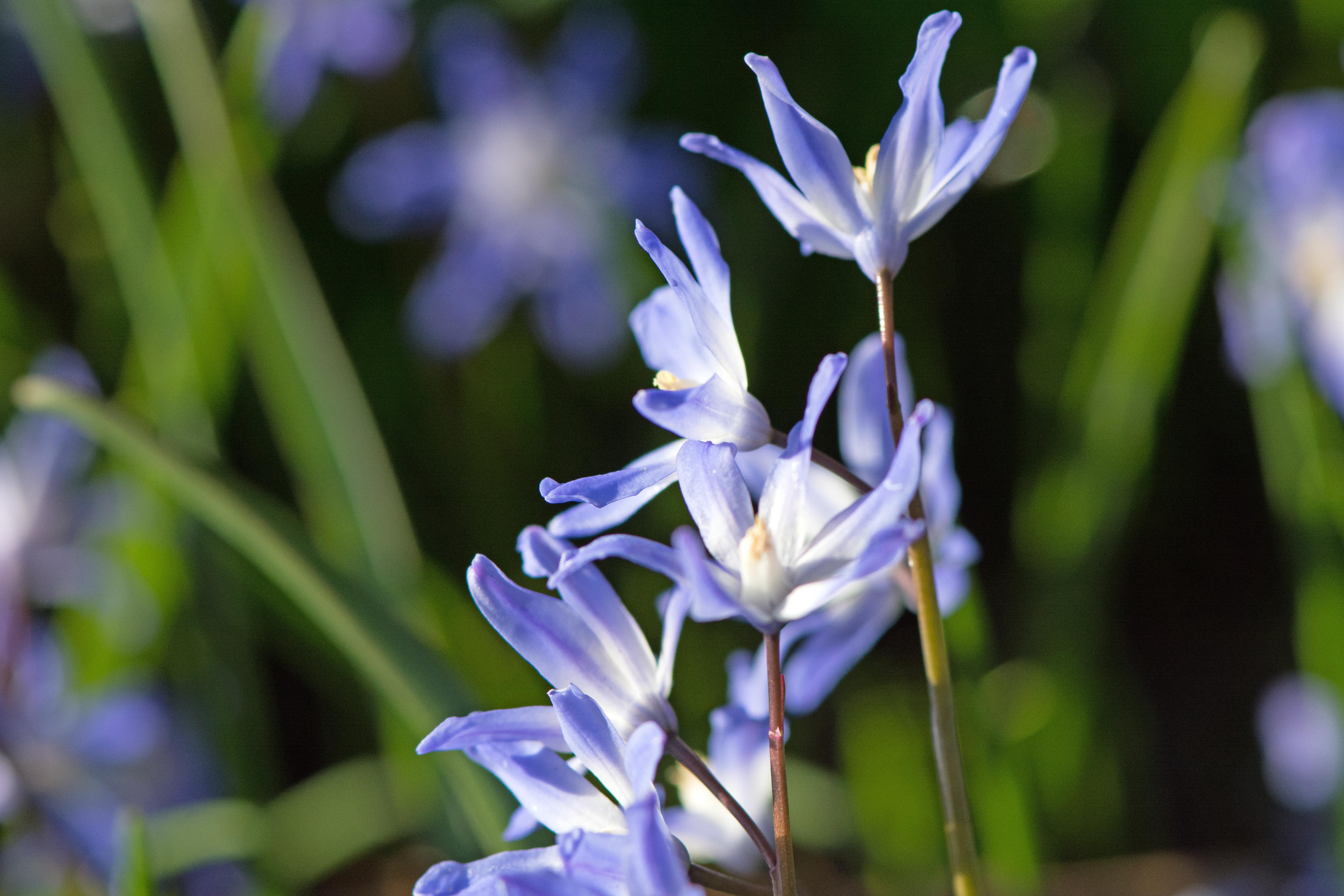
Over the weekend I went out to Cary’s Swift Creek Bluffs park to check for wildflowers. There were thousands of little white ones (spring beauties) and a few other interesting species. It was windy, so these guys were moving around. I had to get down on the ground with them to take their pictures, and got a bit muddy, but I thought it was worth it. These little wildflowers do not last long. If you’re interested, the time to see them is now.
_DSC8818_edited-1

We watched Going Clear, the much-discussed documentary on Scientology, on HBO this week, and liked it. It included both historical footage of L. Ron Hubbard, the science fiction writer and founder, and other movement leaders, as well as interviews with several ex-Scientologists. It recounted without particular ridicule the foundation myth, which involves beings from outer space and nuclear bombs exploding in volcanos, and its pseudo-scientific technique of E-meter auditing.

Although it’s tempting to make fun of the wackiness, many better established myths are no less untrue, and many long-established customs and rituals are unsupported by science. Tolerance of other beliefs (and non-beliefs) is a good and vitally important thing. The film focused on what deserves to be criticized: the group’s paranoia, abuse, and thuggery. Apparently it secured its US tax exempt status by harassing individual IRS officials with lawsuits. !!! It has harassed and intimidated many others, though not me (at least so far). _DSC8863_edited-1
_DSC8833_edited-1

Honoring our immigrants, meatlessness and health, and spring redbuds

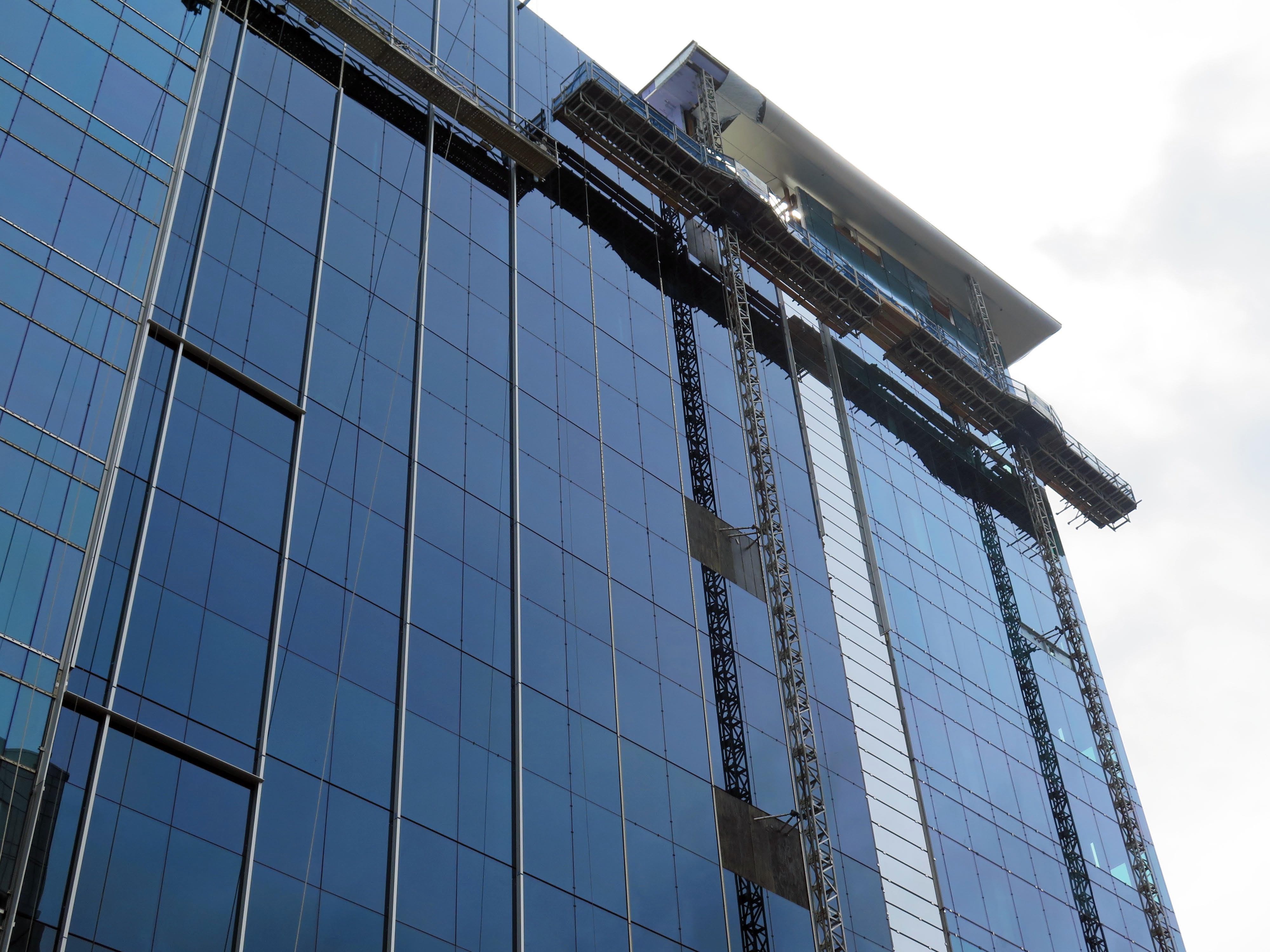
Charter Square, Fayetteville Street, Raleigh, NC  March 26, 2015

Charter Square, Fayetteville Street, Raleigh, NC March 26, 2015

This week we had a tragic construction accident in Raleigh at Charter Square, a glass-sheathed office building going up a block from where I work. A motorized scaffold collapsed and three workers were killed. The names of the workers were Jose Erasmo Hernandez, 41; Jose Luis Lopez-Ramirez, 33; and Anderson Almeida, 33. Also seriously injured was Elmer Guevara, 53. My heart goes out to their families.

As you may have noted, the workers’ names look to be Hispanic. This comes as no huge surprise. Observing the active construction sites around Raleigh, I’ve seen that a lot of the workers are of Hispanic origin.
IMG_0279_edited-1

In recognition of this tragedy, I thought it would be good to observe a moment of silence and gratitude for the recent immigrants who are doing the hard and dangerous work of building our buildings, not to mention harvesting, cooking, and serving our food, cleaning our houses, repairing our clothes, and otherwise taking care of our basic needs.

It would be good if we could somehow repay them. But first, we really need to stop demonizing them. It is so peculiar that there’s a mainstream political movement in the U.S. devoted in part to hating the immigrants who are doing the tough jobs. As with the war on terror, it’s another case of our fear getting hysterically out of control, and causing us self-inflicted wounds.
_DSC8695_edited-1

Meat risks. We probably make fewer mistakes in the opposite direction – systematically underestimating risks – but it does happen. I’m thinking particularly of eating meat, which most of us have a hard time recognizing as hazardous.

There’s no shortage of information on this issue, but I was reminded this week by a piece in the NY Times that it still isn’t common knowledge. Dr. Dean Ornish wrote: “Research shows that animal protein may significantly increase the risk of premature mortality from all causes, among them cardiovascular disease, cancer and Type 2 diabetes.” He cited “a 400 percent increase in deaths from cancer and Type 2 diabetes, among heavy consumers of animal protein under the age of 65 — those who got 20 percent or more of their calories from animal protein.”

That’s dramatic. In fact, a strong body of scientific evidence associates meat with our biggest killers: heart disease, cancers, and type 2 diabetes. Ornish doesn’t even mention another disturbing issue, which is the systematic overuse of antibiotics in industrial meat production, which has left us with fewer defenses to infectious bacteria. We just saw a good documentary on this, Resistance, which is available on Netflix.
_DSC8679_edited-1

Ornish said his clinical research had shown success in reversing chronic diseases with a plant-based diet. Here’s how he described his recommended approach: “An optimal diet for preventing disease is a whole-foods, plant-based diet that is naturally low in animal protein, harmful fats and refined carbohydrates. What that means in practice is little or no red meat; mostly vegetables, fruits, whole grains, legumes and soy products in their natural forms; very few simple and refined carbohydrates such as sugar and white flour; and sufficient “good fats” such as fish oil or flax oil, seeds and nuts. A healthful diet should be low in “bad fats,” meaning trans fats, saturated fats and hydrogenated fats. Finally, we need more quality and less quantity.”

This is consistent with the recent report of the Dietary Guidelines Advisory Committee. It basically describes how Sally and I eat, but it fails to note an important element: there are many, many delicious non-meat things to eat! The world has so many edible plants, and we keep learning more about how to enjoy them.

I am particularly fortunate that Sally loves to cook, and keeps coming up with new flavorful veggie dishes. Her favorite cookbooks are The New Vegetarian Cooking for Everyone, by Deborah Madison, Moosewood Cookbook, by Mollie Katzen, and Quick Vegetarian Pleasures, by Jeanne Lemlinand. She also gets lots of ideas from newspapers and the internet.

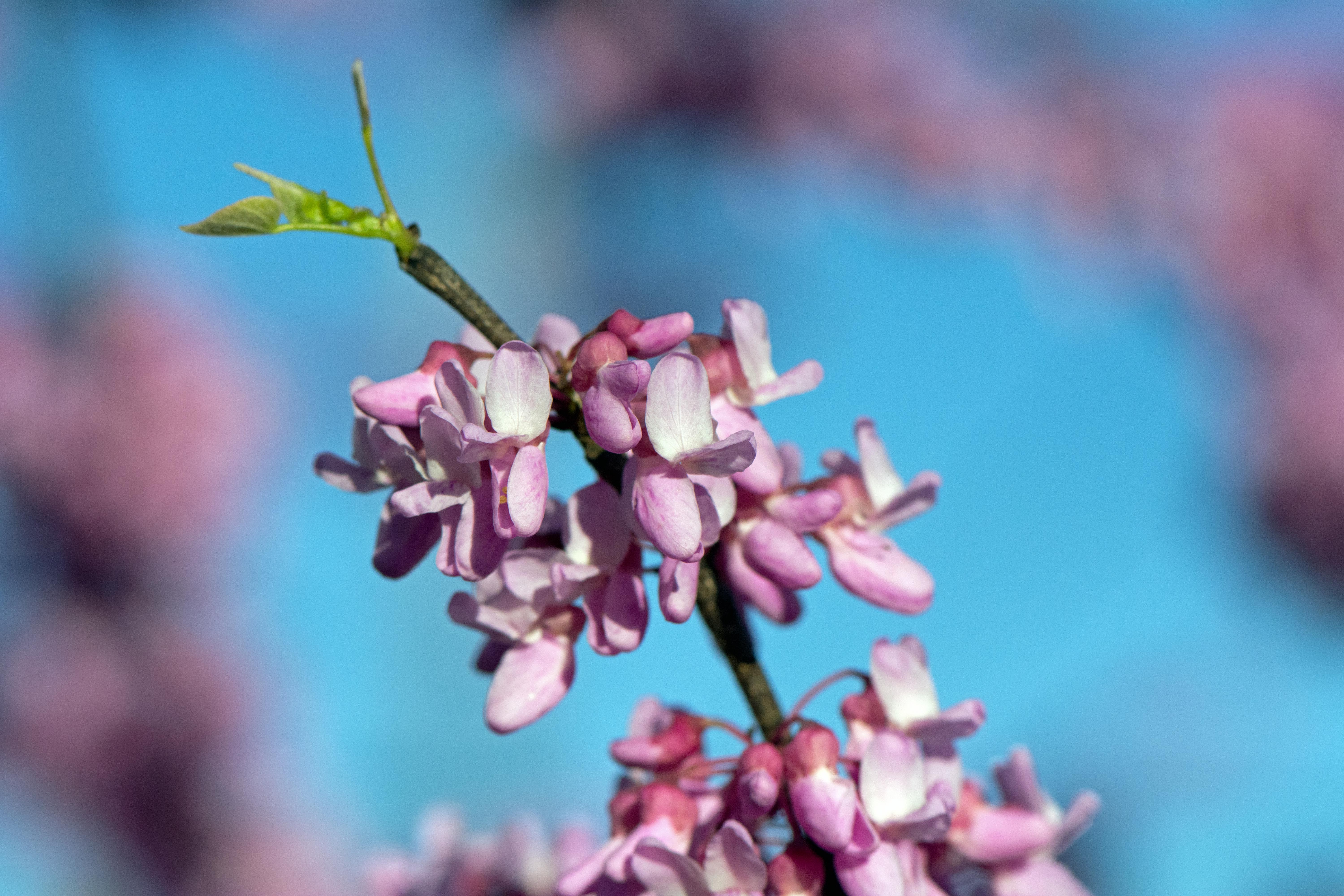
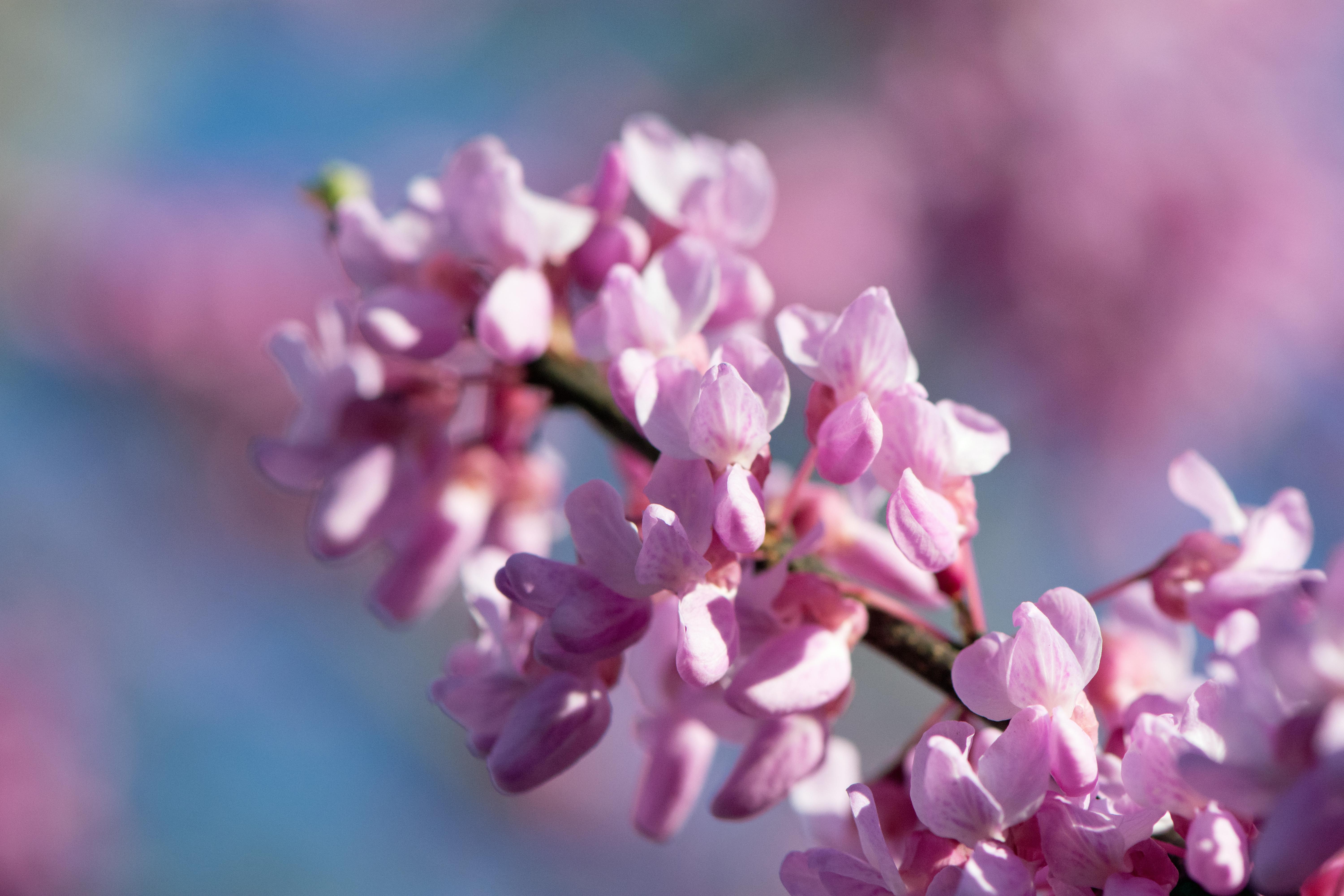
Spring photos. It turned cooler this weekend, but I looked about for more close up images of early spring. I was particularly struck by the beauty of the delicate purple blossoms on the small trees that around here we call redbuds.
_DSC8686_edited-1

Our amazing safety, veggie restaurants, blossoms, golfing hopes, and ISIS

Daffodil, Raulston Arboretum, March 21, 2015 Daffodil, Raulston Arboretum, March 21, 2015

Spring is here, with some good, and perhaps surprising, news: “America is safer than it has ever been and very likely safer than any country has ever been.” Writing in this month’s Atlantic, Jonathan Rauch drily sums up the gap between our perceptions of terrorist threats and reality: “American are about four times as likely to drown in their bathtub as they are to die in a terrorist attack.”

“Given how safe we are, and how frightened people nonetheless feel, it seems unlikely that Americans’ threat perception has ever before been quite as distorted as it is today. Never have so many feared so little, so much.” Rauch notes, “The United States faces no plausible invader or attacker. All we are really talking about, when we discuss threats from Iran or North Korea or ISIS, is whether our margin of safety should be very large or even larger.”

Why are we so scared? Rauch cites evolutionary biology, which equipped our ancestors to be hyperalert to the possibility of predators or enemies, and programmed them and us to err on the side of overreacting to threats. Part of it is also probably opportunistic politicians and sensationalistic media. Whatever it is, the cost is enormous. See, e.g., budgets of Defense Department, Justice Department, CIA, NSA, TSA, FBI, etc.
_DSC8588_edited-1

A new veggie-friendly restaurant. We tried Pho Pho Pho Noodle Kitchen, a new Vietnamese restaurant within walking distance of us on Glenwood Avenue this week. Our pho (noodle soup, basically) with tofu was tasty, and the place was lively, with a neo-Buddhist vibe. Our server must have been new, since she was a bit over eager – checking in on how we liked everything every 4.5 minutes or so – but we still liked her. Although there was only one vegetarian offering on the menu, we verified that there were several other items that could be done meatlessly. We’ll go back.

As Sally noted recently, we’ve been vegetarians now for 20 years. It’s gotten easier. There are a lot more fun vegetarian friendly restaurants these days, and we consciously try to support them. These are now quite a few good places with more than one veggie option, and vegetarians are clearly not second class citizens. My current favorites in downtown Raleigh are Fiction Kitchen, Capital Club 16, Buku, Sitti, Blue Mango, Kim Bop, and Bida Manda.
_DSC8566_edited-1

Saturday. On Saturday morning I did a sunrise five-mile run up Hillsborough Street, had a quick bowl of cereal, and went to an 8:30 yoga class with Yvonne across the street at Blue Lotus. My recent classes with Yvonne have been more about stretching and deep breathing than heavy working out, which works well after a run. Then I drove up Hillsborough to Raulston Arboretum for a slow walk with my camera.

It was a bit muddy from rain the day before, but things were quickly emerging. And also decaying: the beautiful blooms do not last long. The daffodils I saw last week were mostly gone, though there were some pretty new ones. Several oriental magnolias had particularly gorgeous blossoms. The birds were singing brightly.

In the afternoon, I practiced the piano, and then went over to RCC for some golf practice. As usually happens as spring arrives, I start thinking this could be my golf breakthrough year. Last year was pretty much a lost one for golf, due to eye, hand, and shoulder injuries, but I’ve been pretty healthy lately. And I’ve got some of the elements of a bona fide game. The thing is with golf, it’s remarkably hard to put it all together and make it happen on a consistent basis. Anyhow, I enjoy watching the little white ball fly up and away. Practice is fun.
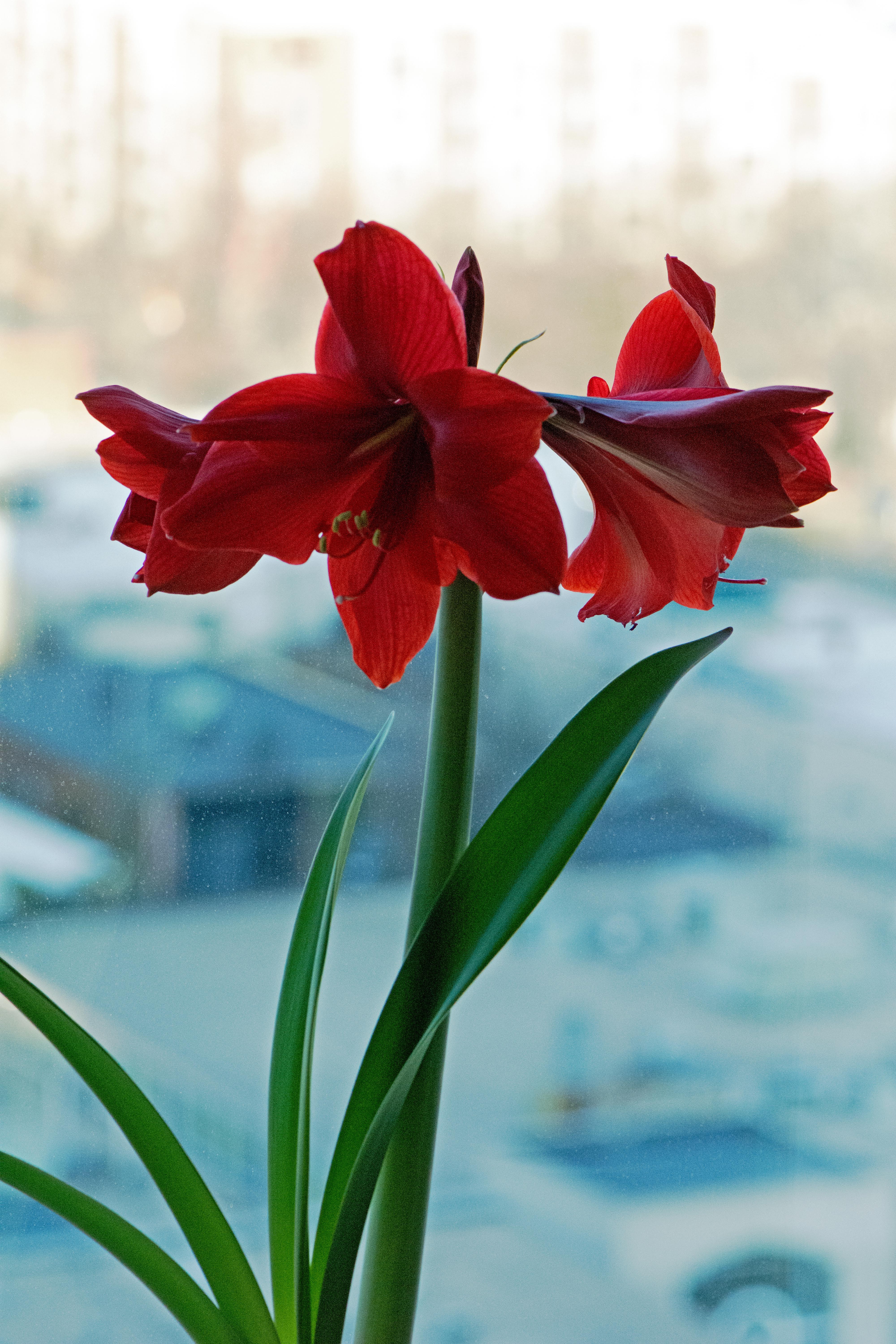
We had delicious Thai food for dinner at Sawasdee on Glenwood Avenue, and went to the Raleigh Grande to see a documentary called Red Army. It tells the story of the Soviet hockey team that dominated the world in the 70s and 80s. The Soviet system was brutal, but they played brilliant hockey. I thought the subject was interesting, but the ex-players were not very expressive or insightful, and the analysis didn’t get much below the surface.

_DSC8585_edited-1
More on ISIS. I mentioned last week that we don’t know much about ISIS, but thanks to Graeme Wood I now know a good deal more. Wood wrote a piece for the Atlantic titled What ISIS Really Wants, which is well worth reading in its entirety. In a nutshell, ISIS takes the Koran completely literally, including the parts about militarily establishing and expanding a caliphate that applies Sharia law. It believes in requiring the allegiance of all Muslims, killing apostates, and enslaving non-believers.

Unlike Al Qaeda, they have no current interest in attacking western nations, but rather want the west to attack them. This would both help recruitment and gibe with their end-of-days theology. In fact, they don’t get along with Al Qaeda, which they view as insufficiently Islamic. As with other fervid fringe religious movements, for whatever reason this appeals to some, but a majority of Muslims and everyone else reject it as nutty, and the atrocities will always limit its appeal. Also, the ISIS ideology rules out cooperating or having diplomatic dealings with any who disagree even slightly with their views. Thus they can never have allies, which limits the possibilities for expansion.

Clearly, ISIS is a serious, and perhaps existential, threat for people who live within its range and disagree with it. But we should distinguish between possible terrorist threats to our lives and property, and the humanitarian concerns relating to the people of Iraq and Syria.
_DSC8607_edited-1

Spring blossoms, a new Rossini opera, and good news re ISIS
_DSC8481_edited-1
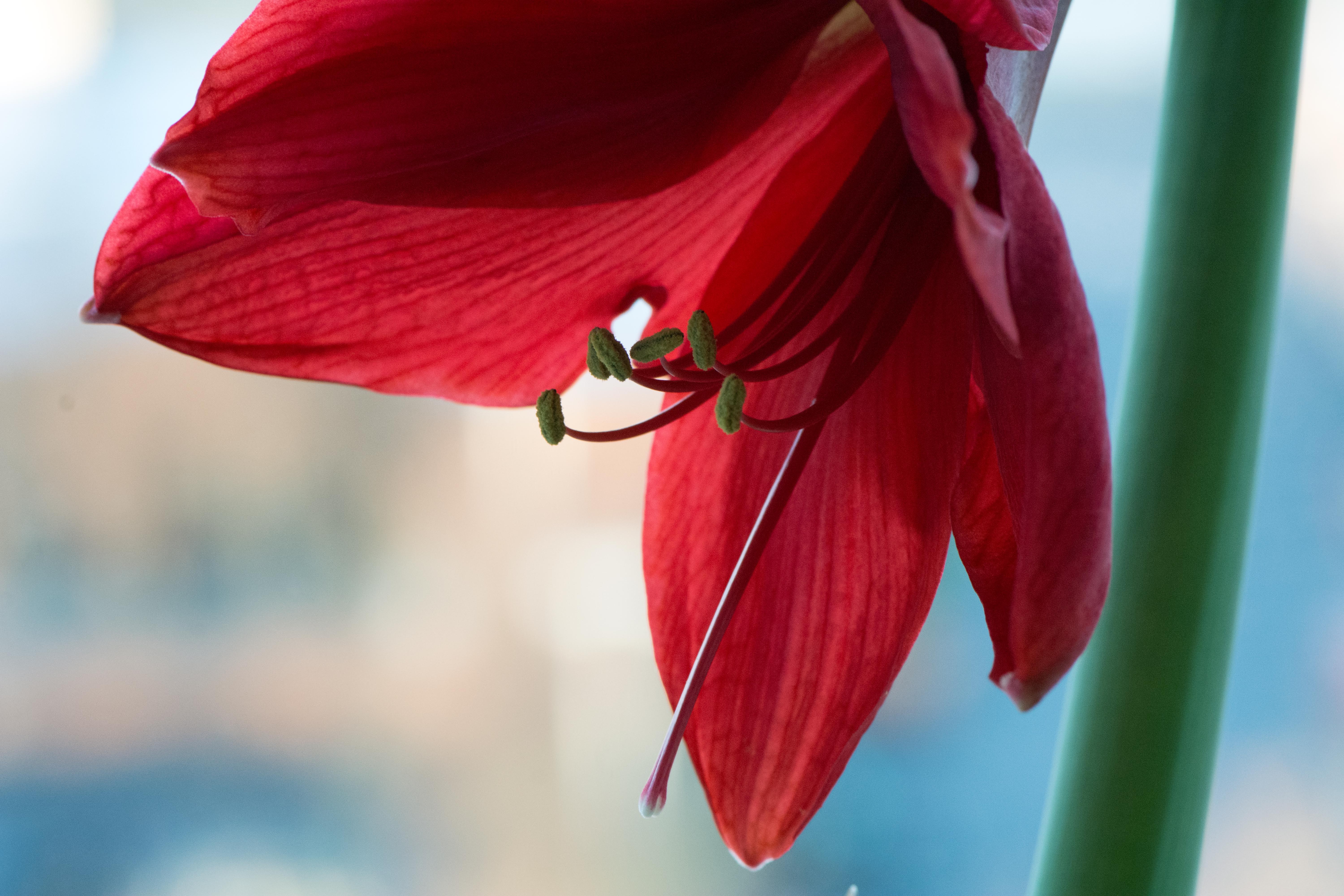
It’s been a tough winter, and I’ve been on the lookout for forsythia and daffodils, our early declarants that winter is done. I spotted a few on Saturday, and on Sunday I got up to Raulston Arboretum, where there were blooms and buds, and I took these pictures. Happy spring! _DSC8519_edited-1

Actually, Diane pointed out the first daffodils, when I picked her up to take her to North Hills Cinema to see the Metropolitan Opera’s Live in HD Production of Rossini’s La Donna del Lago. As usual, Diane had vetted the reviews, and filled me in on the major points. This was the first ever production by the Met of this 1819 work, and was the result in part of a campaign by its star, mezzo Joyce DiDonato.

I’ve never seen a Rossini opera I didn’t like, and I liked this one, too. The story concerns competing lovers against a background of Scottish clans battling the king. The vocal pyrotechnics that are characteristic of the bel canto style were carried to an extreme in this work, and the principal singers were all virtuosos up to the challenge. I was awed by Juan Diego Florez and John Osborn as the dueling tenors, and also by mezzo Daniela Barcellona as Malcolm. As Elena, Joyce DiDonata had charisma and amazing vocal agility, though I was bothered by her tendency to sing sharp. Conductor Michele Mariotti was young, good-looking, and completely a master of this style.
_DSC8467_edited-1

As Diane and I compared notes afterwards, we agreed there were some odd moments. Who were those kneeling men with blue faces? What were those metal poles in the battle camp? Why did the cloudy horizon cover only half the background? Even with belief well suspended, the plot has some bumpy parts. But we loved the music, and the production worked.
_DSC8476_edited-1

There was more news of mayhem in the Middle East this week, as seems to be true most weeks. This is an area of the world that I do not feel a great affinity for. I’m sure there are some good and interesting people there, but their countries have lots of history, culture, and conflicts I never learned much about.

I don’t think I’m unusual in any of this. Those political leaders with the greatest interest in showing deep knowledge of the Middle East to promote their preferred programs, such as war, almost never say anything non-obvious. This makes me tend to believe that despite our massive intelligence programs, we still have little understanding of the drivers of Middle East conflict. This is serious, because we cannot have a reasonable plan for solving a problem we do not understand.
_DSC8511_edited-1

We generally default to the belief that violent actors all hate all Americans and are primarily concerned with destroying it. But even with the limited information we get from daily journalism, we should know that things are a lot more nuanced than that. The Sunnis hate the Shiites, this kind of Sunnis hate that kind of Sunnis, and moderates hate the Jihadists. Some Jihadists want to wreak worldwide havoc, and others want to build a fundamentalist Islamic state (which is ISIS’s declared objective). And as always, there are people driven primarily by love of power and greed.

In the NY Times this morning, there was a story about how Al Qaeda came to have a lot of money from the CIA. The main story concerned an Afghan hostage situation, but it also discussed how the CIA delivered large bags of cash to then-President Hamid Karzai, in amounts up to $1 million per bag, for him to use to bribe others as he saw fit. Is this not outrageous? Surely we stopped this practice after the odious Karzai left? Well, the report today said … “The cash [is] still coming in . . . .”

Having gone many years without anything like an existential threat from a Jihadist group from the Middle East, you’d think we might be ready to put that behind us and focus on things that are much more serious threats. But the appearance of ISIS has reignited old fears and restarted the drumbeat of war.
_DSC8498_edited-1

We learned some new things about the war against ISIS this week. Iran is fighting them hard, and with some success. This puts the US in the impossible position of trying to fight ISIS without effectively supporting declared enemies Iran and Bashar al-Assad. We also learned that ISIS is not only losing some battles, but losing some supporters, because of increasing corruption and cruelty. I was glad to hear it, for I wish the homicidal fanatics of ISIS nothing but ill.

But none of this alters my view that this is not our war. I still do not understand why we would sacrifice the life of a single American young person in a fight against them, unless they become an actual threat to us. The countries ISIS now threatens or worries are not our good friends. This is not a situation we understand or can solve.

My New Yorker, a touching Traviata, Whiplash, and sparkling new ballets

_DSC8379_edited-2
As I’ve noted before, The New Yorker magazine was for me a formative influence, having given me my first job out of college, my True Love, and weekly jolts of literacy ever since. Thus it was with mild shock I received the February anniversary issue, which for 89 consecutive years has reprinted the same cover, and saw that Eustice Tilley, the top-hatted dandy, had been replaced by multiple new covers of various ages, styles, and ethnicities. But after a few deep breaths, I let it go and moved on: the new covers were bold and entertaining.
_DSC8399

There were several good short pieces on the history of the Magazine (as it was called by editorial staff then and perhaps now), and one longer one that I particularly relished. Mary Norris, who joined the Magazine around the time we did, contributed a piece about her career there as a junior minion and eventually a senior copy editor. I wouldn’t say Mary and I were close friends, but when I also was a minion, we were friendly, and would talk companionably at parties as we kept a lookout for potentially more exciting adventures.

It was a pleasant trip down memory lane remembering how we put out the Magazine and some of the now departed editorial figures of our world, like Eleanor Gould, Bob Bingham, Pat Crow, and William Shawn. And Mary successfully communicates the spirit of grammatical fanaticism that is part of what makes the Magazine unique. I’ve never seen a more humorous discussion of the serial comma, a punctuation practice that in those days I took as serious business. Thanks to Mary and her colleagues who have kept the fussy but proud tradition alive.
_DSC8396

Raleigh is not New York, and it is hard to believe, even for people who live here, that Raleigh is producing world class opera and ballet. But it’s true. In the last week, we’ve been treated to both.

The N.C. Opera’s production of La Traviata was really beautiful and moving. The story is simple in a way – a party girl and a playboy unexpectedly fall in love, break various social conventions, are separated by misunderstanding, and reunited, just as she dies. It works in large part because Verdi’s music is highly evocative – of joy, love, and tragedy.

I was especially moved by this production, which had a marvelous Violetta in Jacqueline Echols. She had an extraordinarily fine voice, as well as musicality and expression. She is a rising star. I also particularly loved the singing of Joo Won Kang as Giorgio. The costumes and settings were lovely. The staging was a bit meandering and uncertain, but it didn’t undermine the force of the performance. Conductor Timothy Myers was outstanding, always serving the music, but creatively, with flexibility of tempo and sensitivity in tone. In the sad parts, this strange thing happened with my eyes – they got all watery.

Also last week, we saw the movie Whiplash at home via streaming service. The story is about a music conservatory student (a jazz drummer) and a sadistic/idealistic music teacher who do battle and try to make great music. Aspects of it were pure Hollywood – no half-sane performer would ever sabotage a performance as here – but there was something true about it that drew me in. As a former conservatory student myself, I was reminded of the highly competitive aspect to music education, and the intense drive for perfection.

The student (Miles Teller) was believable, and reminded me of the hidden and scary sacrifices that all serious musicians make for their art. And J.K Simmons as the foul-mouthed professor was wonderfully evil. I’ll say, though, I could have done without the anti-gay slurs, which were copious and ugly. We’ve quit tolerating nigger, and we should quit tolerating faggot._DSC8412_edited-1

We saw the Carolina Ballet’s new program, Master Composers: Music for Dance, on Saturday night. The program of new works by Robert Weiss and Zalman Raffael featured dance music by Chopin, Byrd, Bach, Mozart, Beethoven, Granados, Brahms, Stravinsky, Adams, and Tchaikovsky. As Weiss’s program notes noted, there is there is a wealth of music in the classical tradition that is, in some sense, dance music, but has never been used for ballet, and this program mines those riches.

This company has so much talent! It was delightful to see some of the junior members shining in solo roles, including Elizabeth Ousley, Ashley Hathaway, Alyssa Pilger, Amanda Babyan, and Rammaru Shindo. There were moments of moody drama, particularly with Lara O’Brien and Cecilia Iliesiu, and also light-heartedness,with Sokvannara Sar having fun with six ballerinas. I thought that the Mozart and Brahms sections could have been trimmed a bit without loss of effect, but there was nothing I didn’t enjoy.
_DSC8415

Bad ski luck, good paintings, and amazing atoms

IMG_0236_edited-1
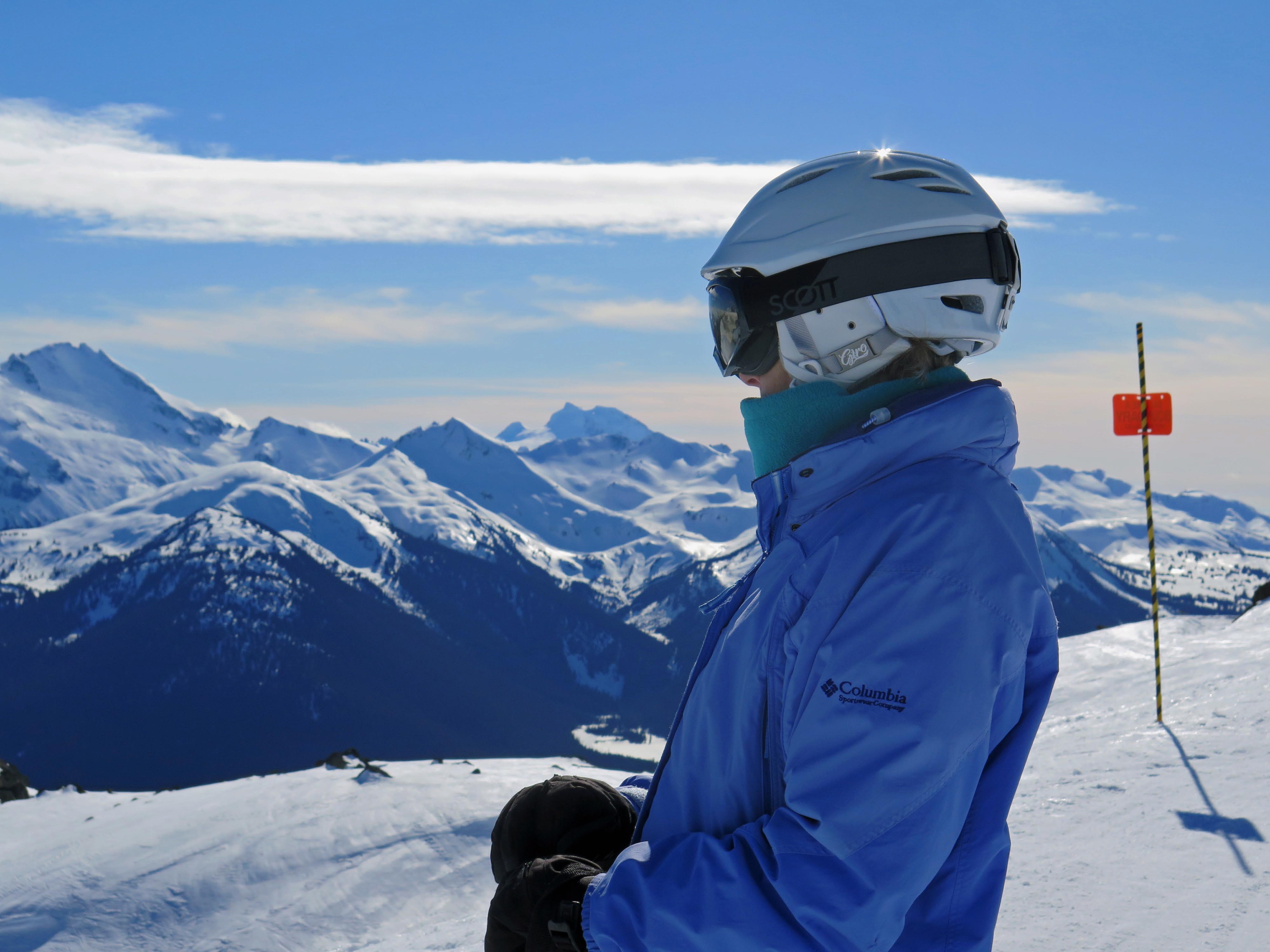
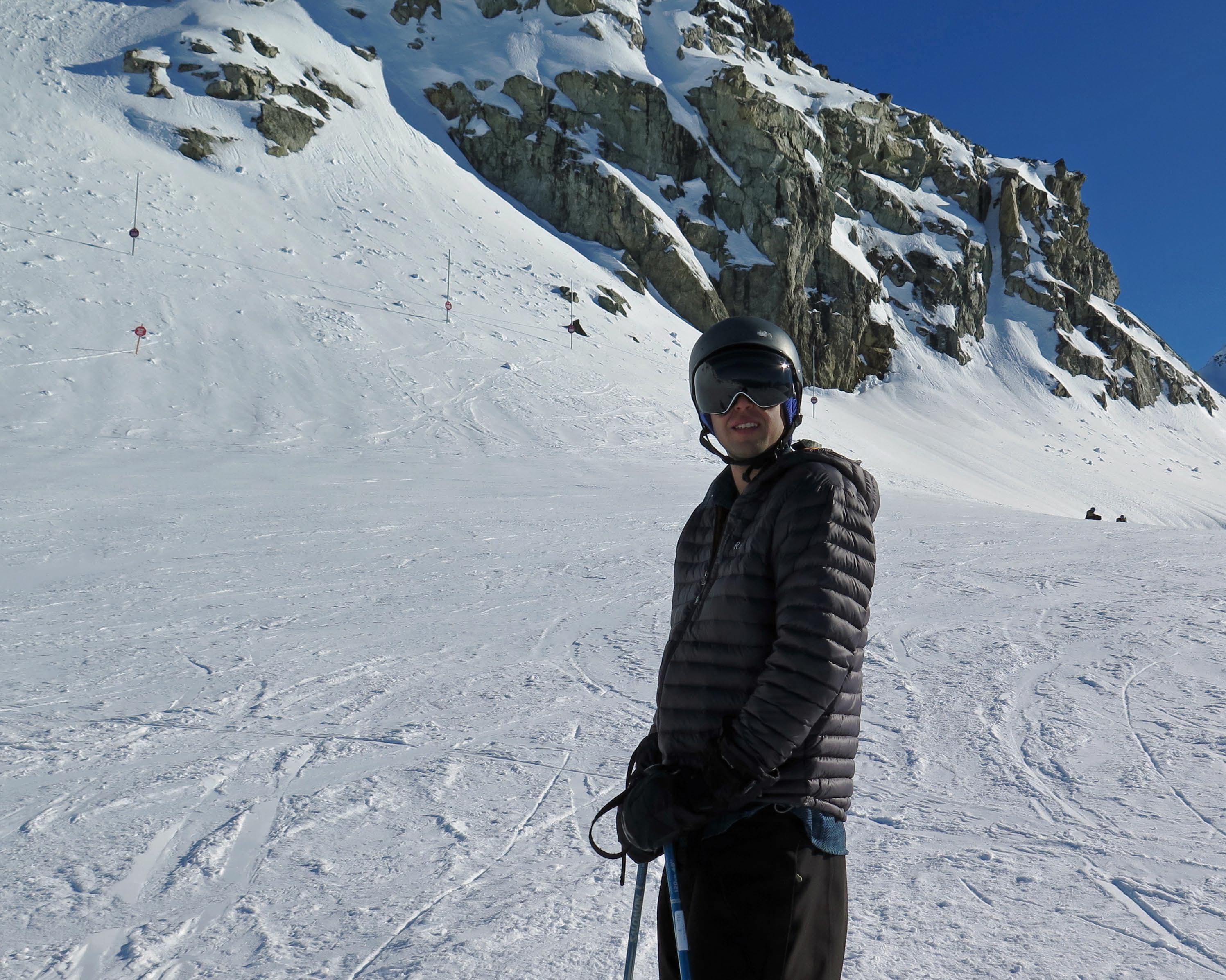
Our ski trip to Whistler was a mixed success. The alpine vistas were out-of-this-world beautiful. The runs were long, and the terrain was varied and challenging. The skies were mostly blue, and the temps were moderately cold. The village was bustling with lots of shops and restaurants, and people speaking many different languages. The free bus system got us around, though we sometimes had to wait a while. We had exciting adventures, good meals, and laughs with family and friends.

The snow, though, was disappointing. We arrived right after two exceptionally good snow years, and in the middle of what’s normally the snowiest time of year, but found it hadn’t snowed for weeks. Bad luck! There was still snow on the upper part of the mountains, but for most of our stay, its texture ranged from fairly hard to super hard.
IMG_0199_edited-1

The sound of skis on fairly hard snow is sort of like the sound of an ice scraper on an icey car windshield, or a snowplow scraping a street. We learned to listen for that sound as we went up the lifts and watched skiers descending the steeps, and pondered the least noisy way down. At speed on hard snow, you get bounced and buffeted, and you make those awful scraping sounds. You need to watch out for rocks. It’s hard to relax and let it flow.

But we did find some areas of non-punishing snow, and had a certain share of joyous turns. We particularly enjoyed some areas on Blackcomb mountain that had dramatic rolling ups and downs. There were pitches with non-icey moguls that were fun. And at the top, as I mentioned, spectacular alpine views.

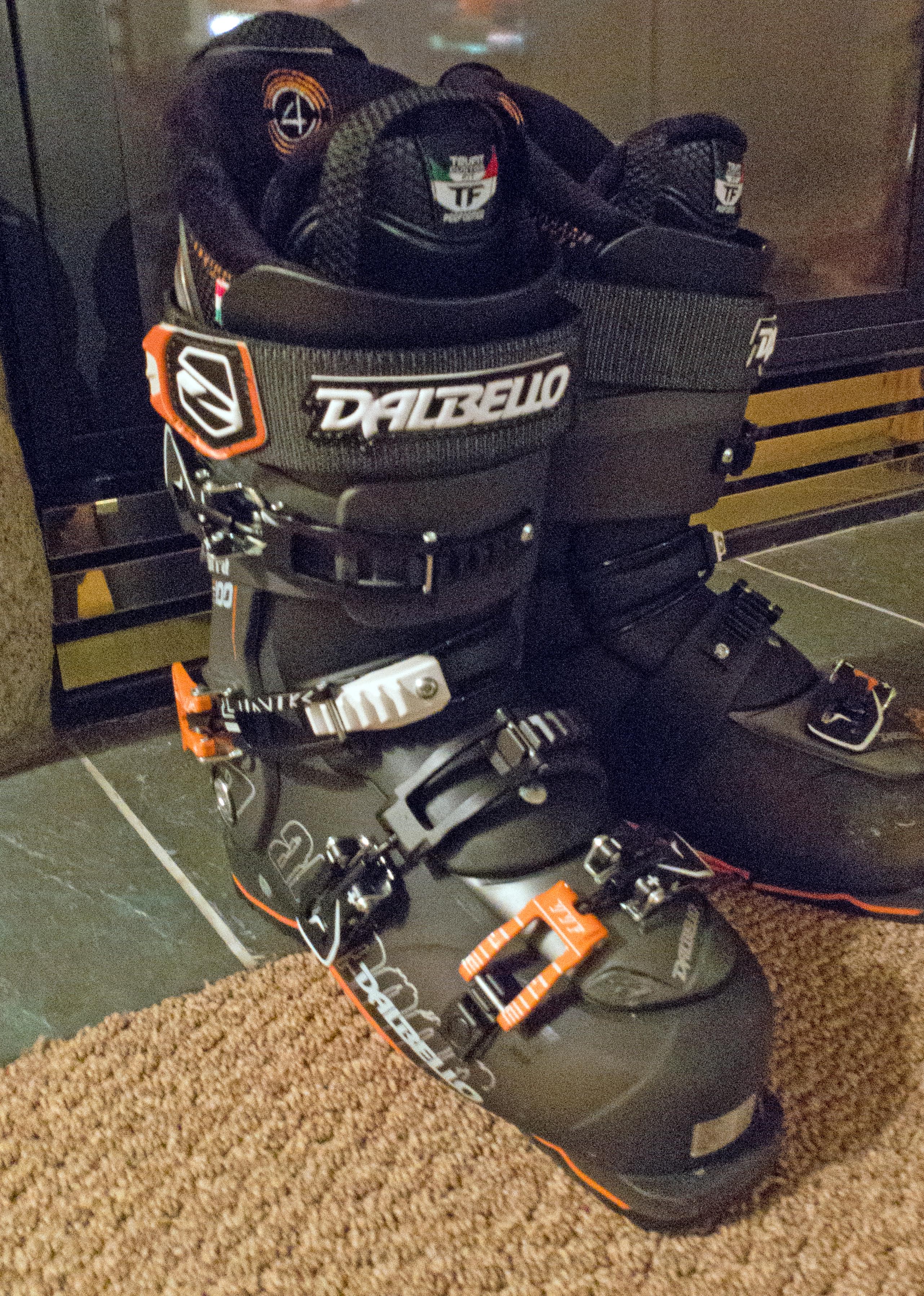
I skied on rented Volkyl Kendos, which I found to be versatile and reliable, stable at speed and quick from edge to edge. I was also happy with my new Dalbello Panterra 100 boots, which were easy to get on and stayed in good communication with my edges.
IMG_0241_edited-1
We had an afternoon in Vancouver before heading home, and checked out the Vancouver Art Gallery, a fine old building in the classical style. There was a exhibition featuring some fine works of Cezanne, Degas, Pissaro, Van Gogh, Modigliani, and Soutine collected by Henry and Rose Pearlman. I enjoyed the paintings, and was particularly glad that Gabe could see this well-chosen collection, while his own artistic eye is developing so quickly.

We also checked out an exhibit of contemporary Chinese art, where I saw two pieces that blew me away: a giant sculpture by Ai Weiwei made of hundreds of antique three-legged stools (shown in this video) and installation involving ceramics by Liu Jianhua that seemed to hover both in space and time. We also stopped in the Coastal Peoples Fine Arts Gallery, which had interesting masks, totem poles, and graceful stone sculptures of bears and other creatures.

On the trip back, I finished reading Your Atomic Self: The Invisible Elements that Connect You to Everything Else in the Universe, by Curt Stager. Its main point is to explain how our bodies are built and operate from an atomic perspective. We all know, sort of, that we’re essentially atoms, but it’s challenging to grasp and accept what that really means. Stager traces our oldest bodily elements back to their origin in exploded stars, and explains how our constituent atoms have been recycled through minerals, vegetables, and animals prior to arriving in us. The idea that we’re connected to everything around us turns out to be true! I found it challenging, and inspiring.

Whistler skiing, Invisibilia, and Oliver Sacks’s farewell

The new boots, after day one at Whistler

The new boots, after day one at Whistler

Early Friday morning we flew to Dallas, where we changed planes and continued on to Vancouver, where we got a car and drove to Whistler to do some skiing. The flying part of the trip was uneventful, though sitting in an economy seat for seven hours takes its toll. It’s good to have some uninterrupted time to read, listen, and think, but in the last couple of hours my bottom started to ache and my legs wanted to move.

The traffic getting out of Vancouver was terrible. With only brief prior exposure, I’d thought of Vancouver as a friendly and modern mid-size city, all of which it may be, but the traffic was more like Sao Paulo. We watched traffic lights change two and three times to progress one block. It took an hour and a half to get clear of the city, which was especially frustrating after a long flight.

The coastal road north to Whistler was curvaceous and lovely, wooded with evergreens and islands to the east. It would have been an excellent stretch of road to drive with Clara. We finally made it to Whistler Village in late afternoon, and checked in and got the key code to our condo in the upper village. We dropped our gear, picked our bunks, and went out to rent necessary equipment. I’d bought my own boots, newly purchased, but needed to rent skis and poles. By the time this got done, we were very tired and hungry, and ate at the first place we could find.

Skiing on Saturday was, ultimately, fun, though I was disappointed at first. It hadn’t snowed for some weeks, and the coverage was not good — almost nonexistent at the lower lower elevations. Higher up, there was snow, but a lot of it was very hard. Still, we found areas of good snow, and enjoyed the long runs and varied terrain. Gabe led the way, and I raised my game just by trying to keep up. The vistas were stunningly beautiful.
IMG_0193_edited-1

During the trip out, I listened more to a marvelous podcast called Invisibilia. It’s an NPR-based show with a style that resembles Serial in tone and mindset, anchored by Alix Spiegel and Lulu Miller, two very smart, funny, curious women. Each episode takes on a question or oddity of human psychology or behavior. Without seeming either overly technical or overly simplistic, it manages the neat trick of being at once entertaining and thought-provoking.

The episode I listened to en route was about categories. We all have to have lots of them, and usually give them no thought. But as the show pointed out, it would be a huge problem if every time we saw a couch, we had to figure out what it was for, whether it was potentially dangerous, etc. It’s a very good thing that we recognize couches, not to mention other categories of furniture.

Much of the show concerned gender categories, and specifically a transgender person who reported the experience of switching between male and female orientations often. It focused mainly on the challenges this presented to the individual in terms of relationships and emotions, but it also pointed up how the male-female categorization affects the way we interact with the world.

I was also thinking about Oliver Sacks, who revealed in an op-ed piece in the NY Times this week that he will soon die of liver cancer. Sacks, a distinguished neurologist, has written many fascinating books and articles about psychological oddities. Now 81, he noted that he’s written 5 books since he turned 65. I was saddened to hear he wouldn’t be with us much longer, but also inspired by the courage and calmness with which he addressed the subject of dying.

He wrote:

I cannot pretend I am without fear. But my predominant feeling is one of gratitude. I have loved and been loved; I have been given much and I have given something in return; I have read and traveled and thought and written. I have had an intercourse with the world, the special intercourse of writers and readers.

Above all, I have been a sentient being, a thinking animal, on this beautiful planet, and that in itself has been an enormous privilege and adventure.

I’m hoping I’ll be able to say the same when the time comes.

Winter blossoms, understanding false memories, and lively ballet

_DSC8355_edited-1
After an auspicious Groundhog Day, the weather turned cold, and we started really wishing for spring. Fortunately, our dear houseplants are keeping our spirits up. Sally recently agreed to adopt her mom’s amaryllis bulb, which needed more sun than Diane had ready access to. It’s been getting taller (see photo from last week’s post), and this week it bloomed spectacularly. I got these photos looking west when the sun had just risen.

It was a tough week for Brian Williams, who was suspended from reading the network news for recounting a harrowing war story that didn’t exactly happen, at least to him. I do not know the man, and have no knowledge as to whether he intentionally lied.

But I do know it’s entirely possible that he had a false memory that he mistook for a true one. This has happened to me, and it’s probably happened to you. Plenty of research has established that human memory is highly fallible, and some memory errors are dramatic. Thousands of people “remember” being abducted by aliens (which I’m fairly confident didn’t happen). Quack therapists have persuaded many unfortunates to “remember” childhood sexual abuse that never occurred. And some crime victims “remember” and identify their attackers with apparent certainty, after a bit of police coaching, though DNA evidence shows the attacker was someone else.
_DSC8318_edited-1

Celebrating the downfall of those with disproportionate luck as to wealth and good looks is of course good fun, and there was great schadenfreude in the land over Williams’s I’m-kind-of-a-hero story. But there were a few voices in his defense pointing out some of what we’re learning about our memory imperfections and other mental challenges. The Times had a a useful quick summary.
There was also a good article in Slate by Christopher Chabris and Daniel Simons that gave some practical suggestions for reducing the likelihood that you will make the kind of mistake Williams may have made, such as checking your facts when you really need to get the fact right. By coincidence, I’d just listened to interviews with these same guys on You Are Not so Smart, a podcast focused on the science of our systematic shortcomings, like memory glitches and unconscious bias.

We like to imagine ourselves as powerful and perfect, but it’s much more useful to be aware of where we are prone to error and delusion. Understanding our cognitive weaknesses can help us avoid some mistakes and make better decisions. Also, understanding that we are all fallible might make us a little more humble and a little less judgemental.

_DSC8267_edited-1

One of the great thing about ballet is that, though mannered, it also has a kind of emotional directness. It doesn’t need much in the way of narrative to involve us. As humans, we are just naturally interested in the physical aspects of other humans. Within the safe zone of the theatre, we are privileged to gaze at the beautiful dancers, as they share themselves and bring us to life.

On Saturday night, we saw the Carolina Ballet do a program with works by Robert Weiss and George Balanchine. Jan Burkhard and Nikolai Smirnov were dazzling in Tarantella. Balanchine’s take on gypsy dancers is light, but also intense, and the dancers seemed to push to their limits. Balanchine’s famous Four Temperaments was more austere, with the dancers in basic black and white and inwardly focused, but it was equally stimulating. Cecilia Iliesiu as Choleric was particularly fine – commanding and regal.

I also really liked the two new Weiss ballets. The Double is a duet of two women, not identical but nearly, moving closely in synch in shadows. Alicia Fabry and Alyssa Pilger were beautifully paired, and entrancing. Weiss’s Grosse Fuge, to Beethoven’s famous and strange late work, had a large cast and high kinetic energy.

Speaking of software patents, alarming smoke alarms, and computer upgrading

_DSC8190Last week I spoke at a symposium on patent law and digital technology in Winston-Salem sponsored by the Wake Forest University Law Review. I used my air time to raise some questions about the value of software patents and the premises of the patent system. You never know when a seed may sprout. The audience seemed engaged, and the comments I got were appreciative.

It was nice to get back to my childhood stomping grounds, and nice to have a chance to see my oldest friend (going back to fourth grade), Jim P. Even as a child, he had a remarkable talent for building things, whether model planes, cars, or forts in the woods. He found his calling as a builder, and among other things has built major structures for Wake Forest U, including Farrell Hall, which he showed me around. He was in the midst of building an addition to Reynolds Gym, and I got to see the architectural and engineering drawings and scheduling boards.
_DSC8178_edited-1

It is not often that I undertake a household upgrade or repair more complicated than hanging a picture. But I’ve had to raise my game a couple of times this week.

When I got home on Friday evening, the smoke alarm began making a very loud high-pitched squeak, signalling that it needed a new battery. Sally, who had dealt with this issue before, was away visiting her sister. I got out the step ladder, climbed up, and reached high, wondering how long it would be before someone found me if I fell off. I managed to unscrew the device from the ceiling but couldn’t locate the battery, even after considerable pushing, twisting, and prodding. So I called Sally, and she gave me a couple of crucial tips.
_DSC8179_edited-1

Eventually I got the 9 volt battery out and a replacement battery in. But I put it in the wrong way, and had a tough time getting the hatch open again. After that was all done, I heard another loud squeak. It turned out I’d repaired the wrong alarm, and had to do another one. Then it turned out that that also was the wrong one, and I had to do a third one (in which I put the battery I took out of the first one).

I was quite technically proficient at smoke alarm battery replacement by the end of this process. If you have problems with a First Alert smoke detector, I may be able to help.
_DSC8193

In fact, I’ve been on a bit of a roll with repairs and upgrades. After concluding recently that my MacBook Pro laptop needed more RAM, my first thought was to find a repair shop, but I couldn’t find one that looked self-evidently reliable. After consulting with friends and colleagues, I ordered 16 gigs of RAM from Amazon, watched a YouTube instruction video, read a couple of sets of instructions, and unscrewed the back. I wondered, would I destroy the computer? I would not! There were a few moments of pushing and poking, and then it slipped into place. I felt fairly competent. The computer seemed noticeably zippier.

I also upgraded from Adobe Photoshop Elements 11 to Photoshop Elements 13. I’ve come to respect the editing algorithms of version 11. I used to think of the auto functions as a less-than-honorable crutch, but I’ve come to view these tools as sort of a partner in making good photos from RAW format images. I’m still testing the new version, but am generally pleased so far.