The Casual Blog

Diane’s fall, ignorance, our industrial food system, and butterflies
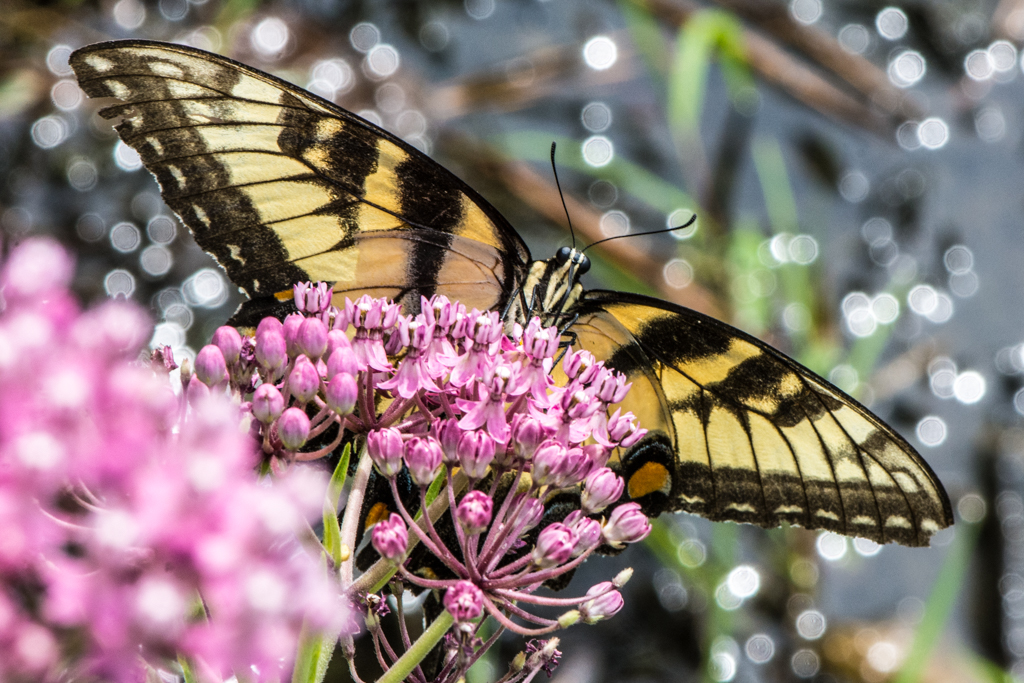
RTillerbutterfly (1 of 1)-5
On Thursday, Diane (Sally’s mom) had a bad fall while walking her greyhounds and got an ambulance ride to Rex Hospital. One of the EMTs on the ambulance somehow got our number out of her phone and let us know. Diane’s symptoms included short term memory loss, dizziness, weakness, and confusion. She thought it was 1929.

After various tests, including a CAT scan, the neurologist concluded that she had a mild concussion. After a few hours, she started improving, but she’s still feeling very weak. Sally has been spending most of the last couple of days with her in the hospital, where she was generally impressed with the professionalism of the staff.
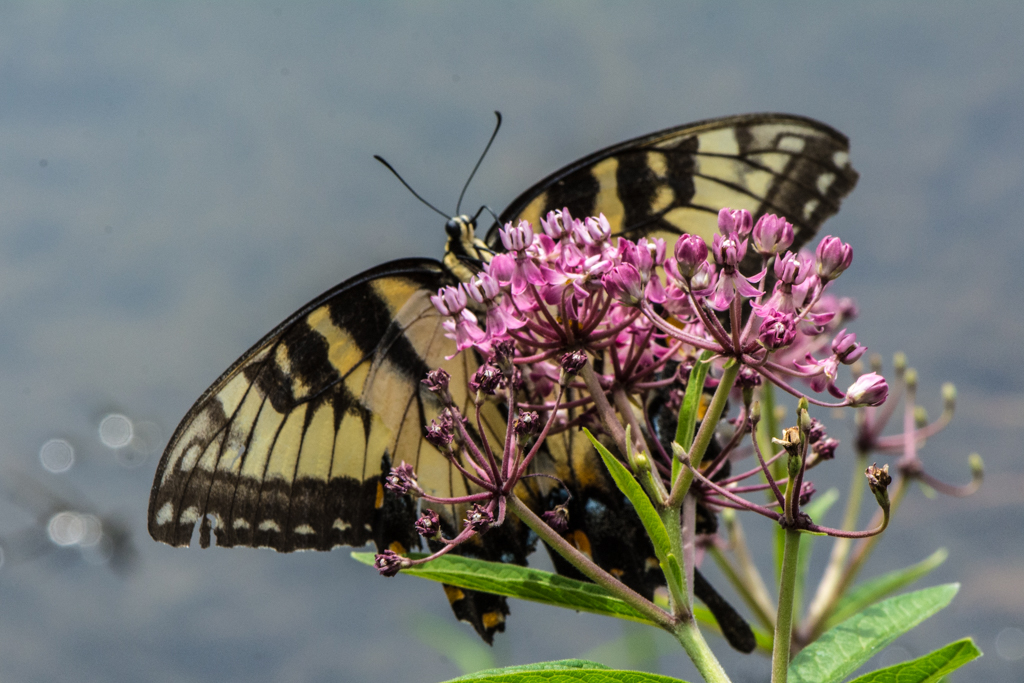
RTillerbutterfly (1 of 1)-6

Our brains are so complicated, and yet so delicate. And there’s so much we don’t know . An op-ed piece in the NY Times this week made a case for teaching ignorance. It sounds odd, but actually make sense: we need to understand better how much we don’t know. Relatively little in our world is known with scientific certainty. As we learn more, we also see how much we have to learn. Creativity lies in this ambiguous territory where the known meets the unknown.
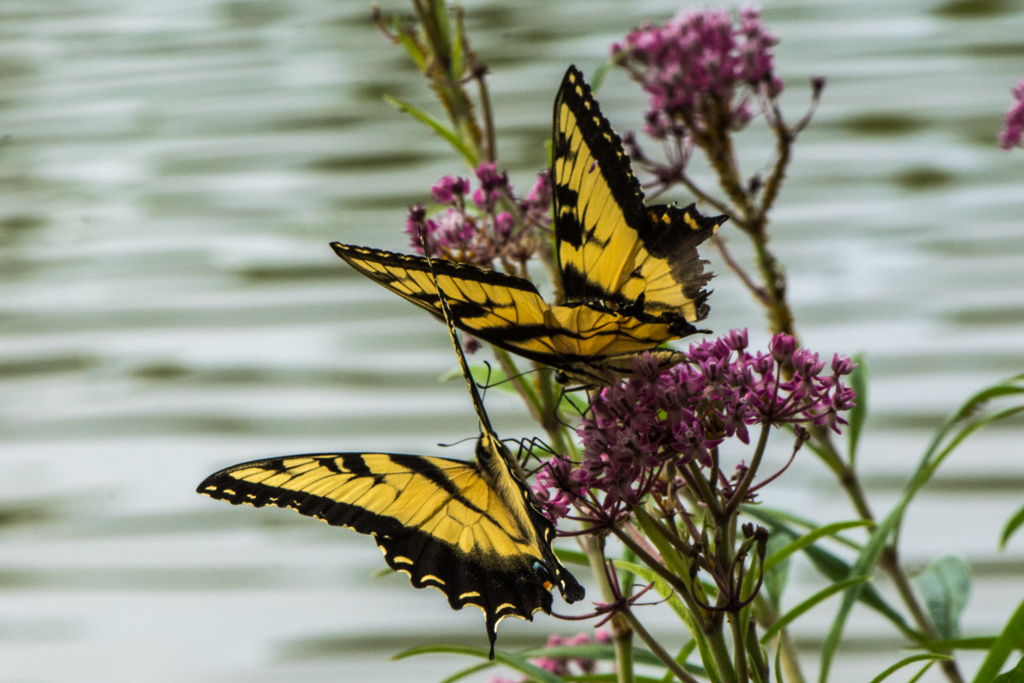
RTillerbutterfly (1 of 1)-3

This week in the gym during an early morning workout I finished reading (actually, listening to the audiobook of) Michael Pollen’s The Omnivore’s Dilemma. It’s a serious but elegant book about food, from the production to the harvesting to the consuming.

Pollen does a great job in the early chapters of summarizing the bizarre state of our food system, with its extensive dependence on corn, which is grown with big government subsidies and without normal market pressures and then transmuted into high fructose corn syrup and hundreds of other ingredients in our food, not to mention our meat.

He does a good job sketching out the problems of our industrial production of chicken, beef, and pork, including the cruelty to the animals, the spread of disease, the massive greenhouse gas emissions and other environmental problems. He ends up feeling badly about meat eating, but not badly enough to quit. I wasn’t much enchanted with his final chapters about hunting and killing a wild pig and serving it and other forest foods to his accomplished foodie friends.
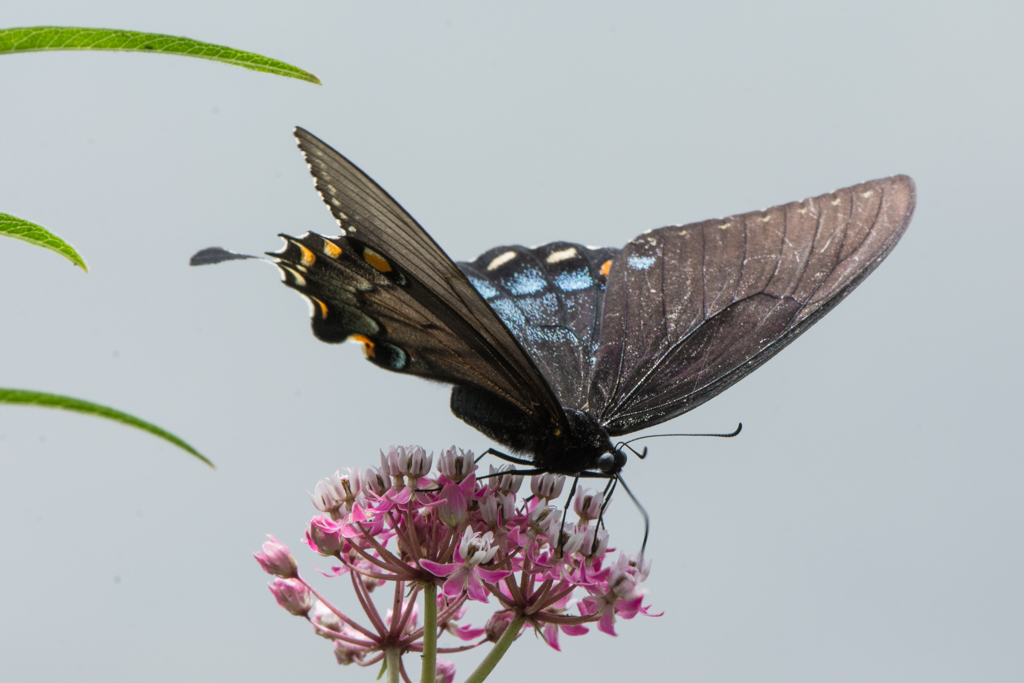
RTillerbutterfly (1 of 1)-4

We all have difficulty with seeing things we don’t want to see, even when they’re right in front of us. That is, most of what we see and think we know is what we already believe. So it’s remarkable when someone questions the well-settled status quo. Last week his week the NY Times had a piece on judges who are questioning long prison sentences and other inhumane features of our criminal justice system. It’s good to see those involved in running the system are having their doubts.
RTillerbutterfly (1 of 1)-2

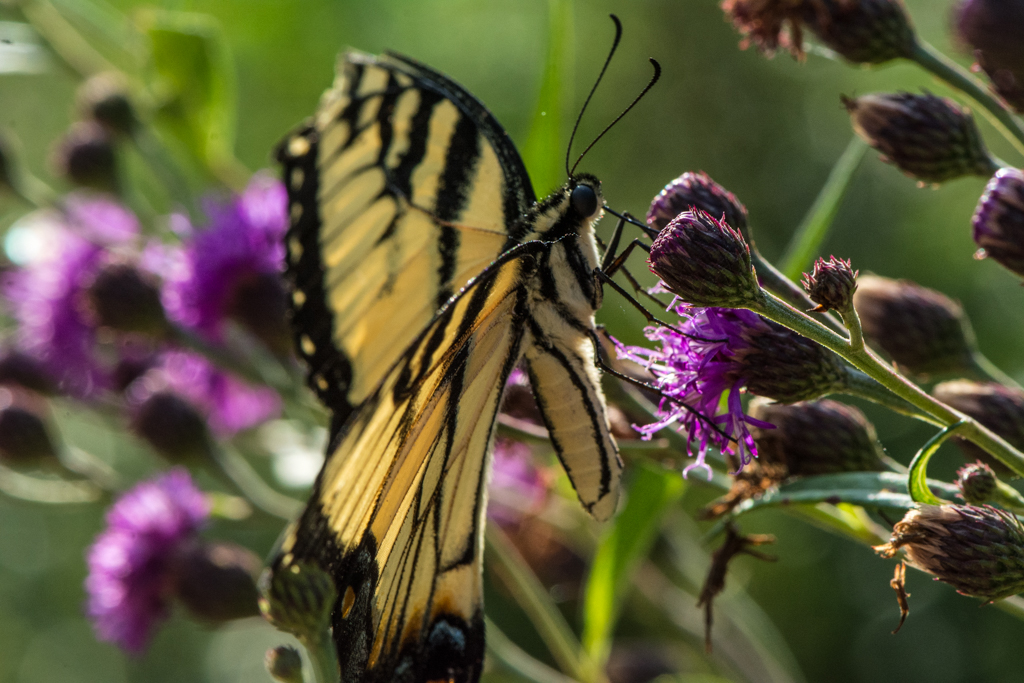
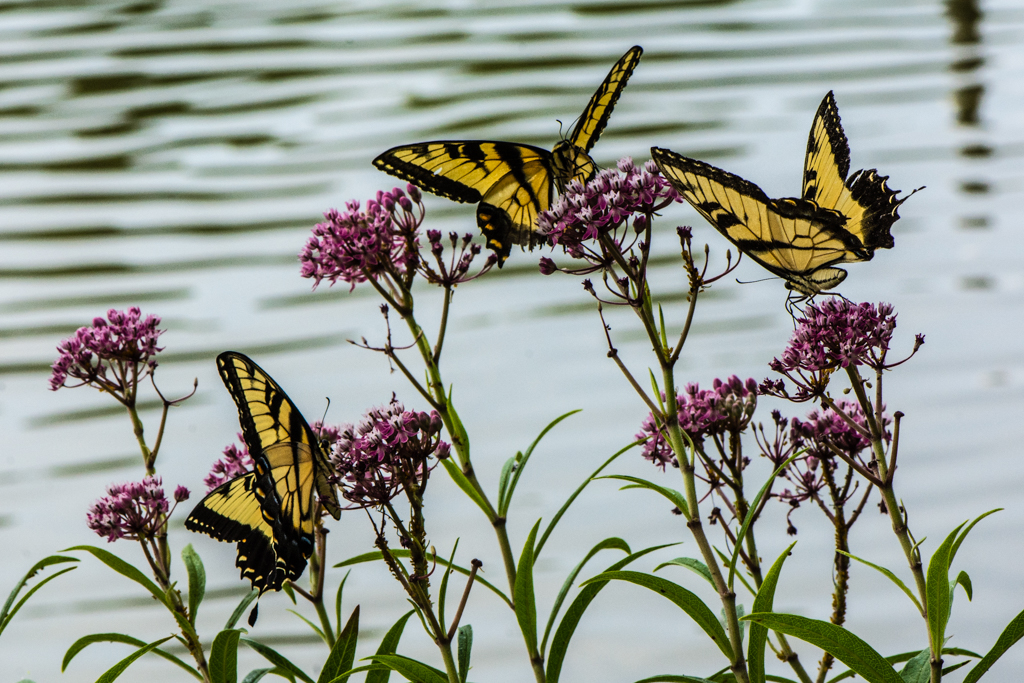
For the first time this week I went up to Durant Park. It’s in far North Raleigh, a 25-minute trip from here, but I was glad I made the effort. By a small lake there were many active butterflies, dragonflies, and damselflies, including quite a few that didn’t mind having their picture taken.
Seeing Mission Impossible, trying a standup desk, and diving out of Wrightsville

RTillerbutterfly (1 of 1)Last week we went to see Mission Impossible: Rogue Nation, and liked it. This movie isn’t designed to provoke deep thought so much as to administer a dose of adrenaline, which it does admirably. There are various fine chases and explosions, amazing disguises, shoot outs, and, of course, some heroic computer hacking. It moves right along, and has an occasional wink as if to say, we all know this is a bit over the top.

Tom Cruise is remarkable, in that somehow, despite all we know about his incredible Scientology goofiness, he brings us in and takes us right along. Rebecca Ferguson plays his female counterpart from the British secret service. She is perhaps the most accomplished hand-to-hand fighter we’ve seen on the Mission Impossible team, and she looks particularly wonderful in an evening gown.

There was a moment or two when I thought, hasn’t this been done before? Yes, of course it has. With Jim Phelps, James Bond, Indiana Jones, and numerous comic book superheros. But who cares – it’s still fun.

Though it’s worth noting that the meta conceit of this Mission Impossible is potentially thought-provoking. I’ll not spoil it by just saying: what if a spy agency of a major power got out of control? And the spies had awesomely powerful weapons and no accountability? And the spying became detached from any ordinary purposes or values, except for – spying. Of course, that could never happen.

RTillerbutterfly (1 of 1)-2
I had a major and positive transformation in my work place technology last week – I got a stand up desk. This model is sturdy, roomy enough for two monitors and a keyboard, manually adjustable between sitting and standing with ease.

I’ve been concerned about the hazards of too much sitting for a while. There’s credible research that sitting more than three or four hours a day elevates various risks, from hunched shoulders, hip and back problems to cardiovascular disease and cancer. There’s info here, here, and here. My doctor agreed and recommended more standing.

My initial impression is, standing is invigorating. I feel more energetic and focused. I lower the desk for intervals to do certain tasks, like taking notes on phone calls, and also to change things up, but spend a lot more time on my feet.
RTillerbutterfly (1 of 1)-3

This weekend we went down to Wrightsville for a couple of wreck diving trips with Aquatic Safari. On Saturday, the seas were choppy, but we had a good dive on the wreck of the Pocahontas. There was reasonably good visibility, manageable current, and large numbers of small and medium fish.

But I was reminded of Murphy’s law. My BC started leaking loudly as I got ready to go in, and the captain advised unhooking the low pressure inflator and regulating by oral inflation under water. I said okay and went down. But blowing up a canvas balloon while 60 feet under isn’t so easy. And I had problems with my camera. The boat was pitching dramatically when it as time to get back in, and the metal ladder came down on my head, with blood resulting. Nurse Sally examined it and commented that it didn’t look like it needed stitches.

On Sunday we did two dives on the wreck of the Liberty ship. This required only a 15 minute boat ride, and the seas were calm. Visibility was not great – perhaps twenty feet at most, but we saw two octopuses (a rare treat). Also notable were oyster toadfish, porcupine fish, jellyfish, barracuda, and one southern sting ray.

Good grad school news, reading Coates and considering our racism, and some butterflies

RTillerbutterfly (1 of 1)-2
Gabe got into grad school! Whew! We’ve all been waiting anxiously to hear from Parsons School of Design, and thank goodness, the news was good. As is his wont, Gabe had considered the issue of grad school carefully, and had worked on his application carefully, and ended up getting the application in rather late. But it worked!

The Parsons program may be done either online or in the classrooms in New York, and Gabe is leaning towards doing the first semester online from here in Raleigh. This would avoid the stress of a last-minute apartment hunt, and would also allow him to work on his promising new relationship. Is this a good idea? The question is not an easy one. For motivated, self-directed learners, on-line can work. These past few months, both he and I have been studying photography and design subjects on-line (e.g. Lynda, Udemy, and free YouTube videos), and learning a lot.
RTillerbutterfly (1 of 1)-7

Considering how important education is, it’s remarkable how little we know about what works and what doesn’t. This week I listened to a couple of podcasts from This American Life on the educational effects of desegregation and resegregation, which were bracing. I wasn’t surprised to learn that desegregation improves the educational outcomes of minorities, but I didn’t know that since the mid-80s, our schools have been increasingly segregated. This is another indicator that we haven’t worked all the way through our problems with racial distinctions.

I’ve been reading Between the World and Me, by Ta-Nehisi Coates. It’s currently high on the best seller list, which ordinarily means I’m not in the target market, but this was a big exception. It is a black man’s jeremiad on what slavery really means for our country’s past and present. I’ve found it painful and difficult, but also helpful in understanding our bizarre situation with respect to “race.” I use quotes because evidence is accumulating that race is a social, rather than a biological, construct. Coates argues that it was created to justify oppression, and I believe he’s right.
RTillerbutterfly (5 of 7)

The legacy of our long history of slavery is unquestionably still with us. As recently as two weeks ago, there was a rally near here in support of the Confederate battle flag. And every day black people are stopped for “driving while black.” Coates makes us understand that those who are stopped believe that the police might well kill them without justification, and if they do, they might well get away with murder. Recent headlines corroborate his view.

We’ve come a long way in my life time in addressing the massive injustice of slavery and racism, but it’s taken a long time, and we’re not done yet. It saddens and shames me to admit it, but as a child in the 60s, I was taught that Negroes were inferior. Not bad, mind you, but lesser. Everyone I knew, good people and bad, thought that and taught that. I remember at first thinking it strange that little children, who called all white adults Mr. and Mrs., all called our black elementary school janitor by his first name. He was Preston. Preston was a sweet, kindly man, but I’m guessing he would have preferred Mr.
RTillerbutterfly (1 of 1)

Getting that early, deep, wrong imprinting straightened out has been a long journey for me. Along the way getting to know some great black people was critical, but so was literature and film. Reading Ralph Ellison, James Baldwin, and Richard Wright helped. William Styron’s The Confessions of Nat Turner definitely helped. Life on the Run, by Alice Gorman, opened my eyes. Karl Hart’s recent book, High Price, did as well. Hollywood had helped, at times – Amistad, Twelve Years a Slave. Watching the PBS series Eyes on the Prize about the Civil Rights movement helped. And Coates, with his hot burning anger, is helping me, too. I recommend his book.

Some evidence that we’re at least trying to sort this out: the end of Jefferson-Jackson dinners. The Times reported this week that although these dinners have been a traditional fund-raising bonanza, the Democrats are quietly dropping the association to these unrepentant racist, slave-owning presidents. Jefferson has gotten a huge pass from subsequent generations based on his ability to turn a soaring, inspiring phrase (“all men are created equal”), but it looks like he’s finally being held accountable for the things he did to hundreds of humans that were horribly wrong. That’s good.

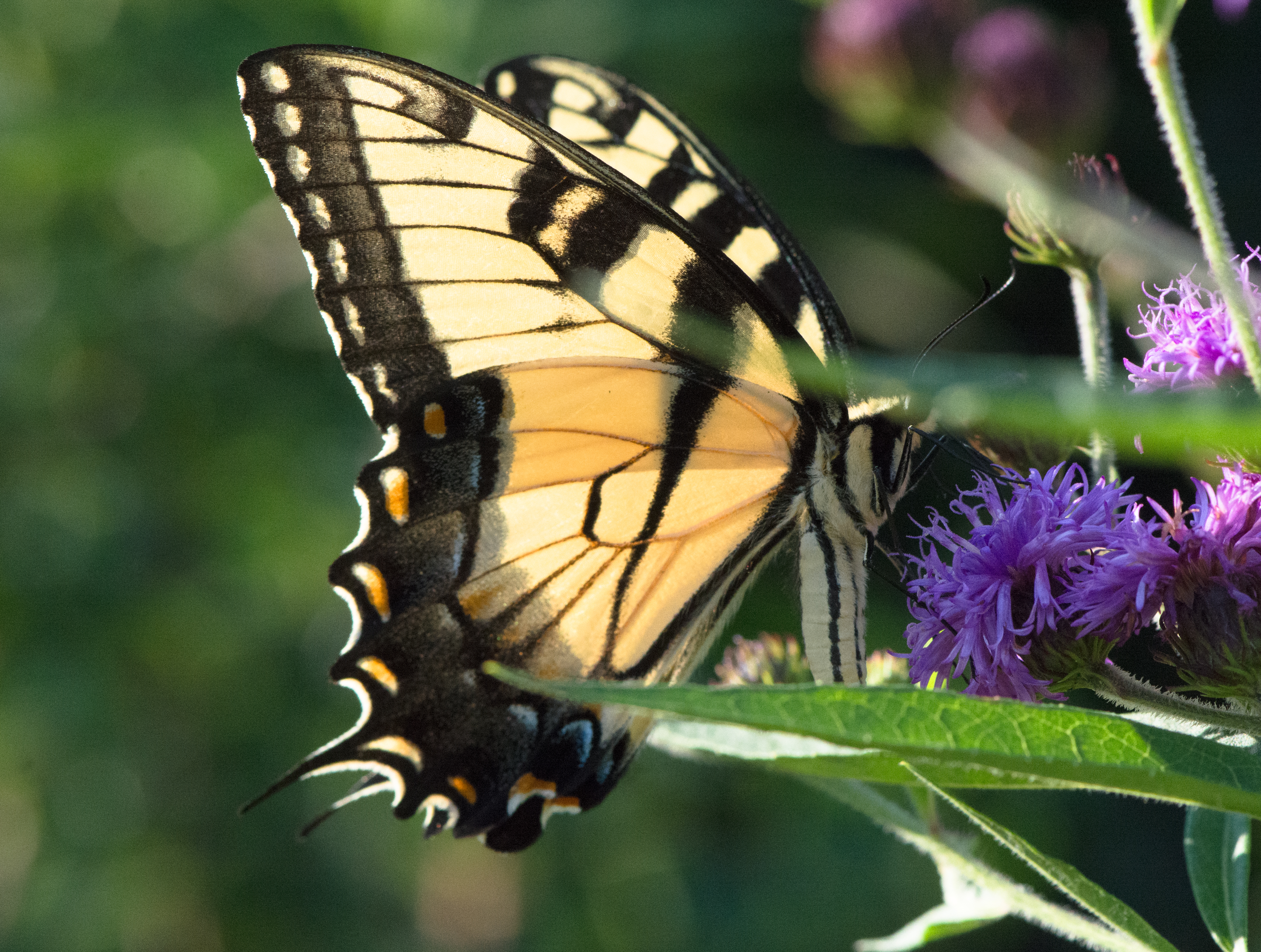
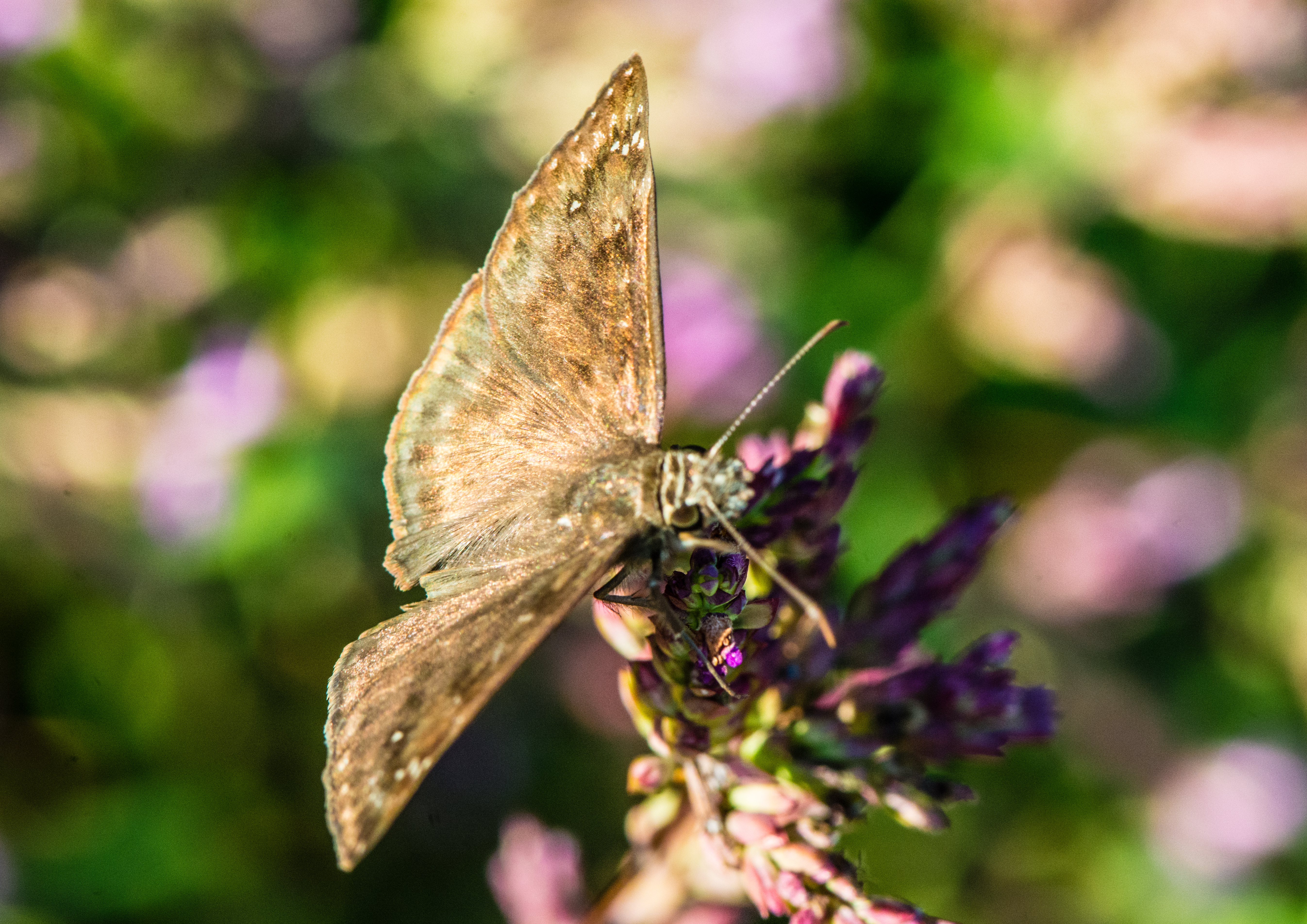
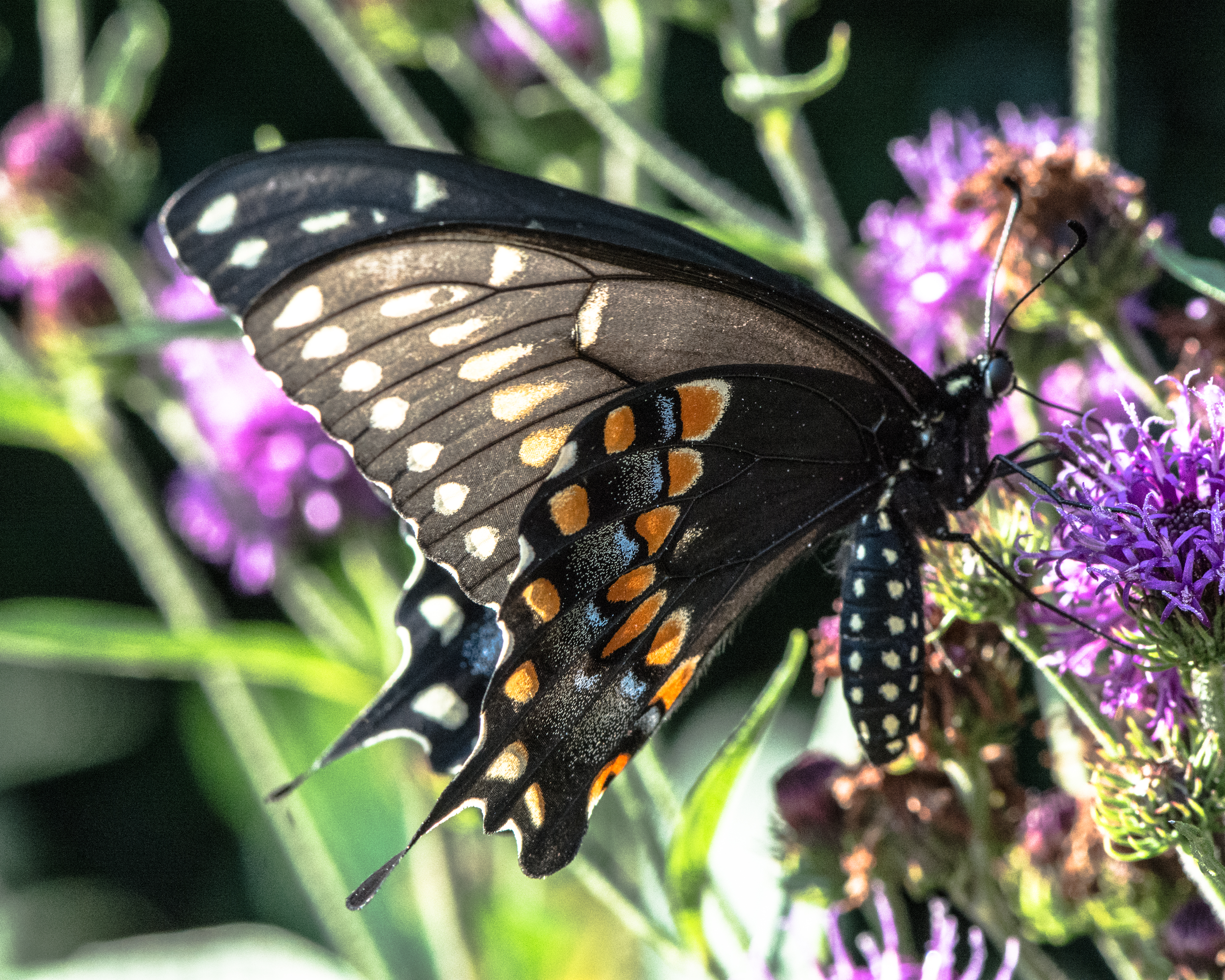
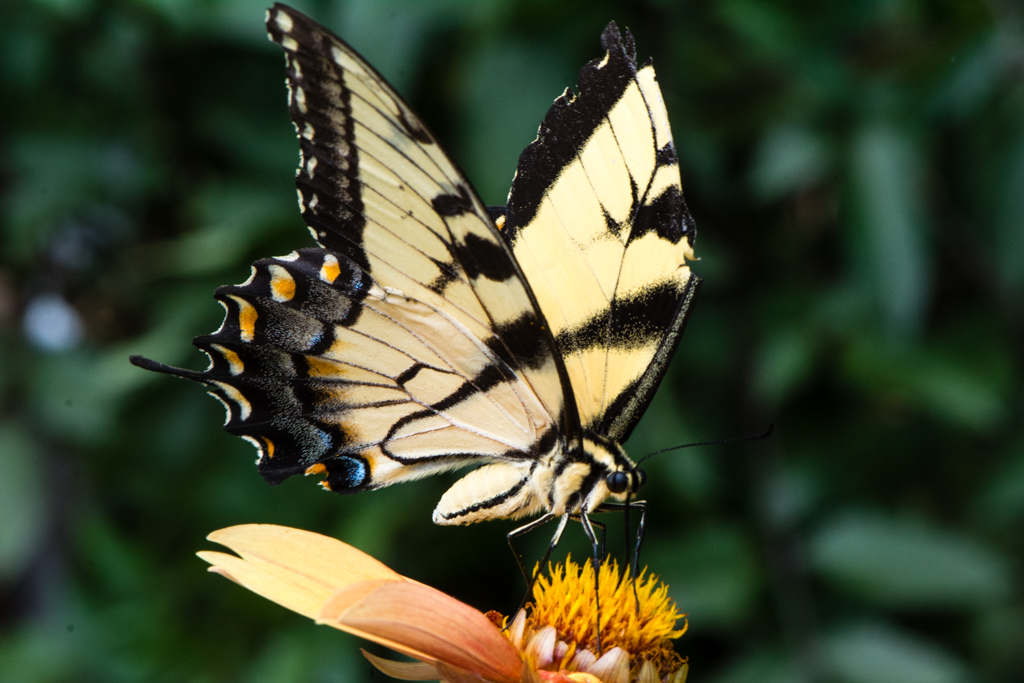
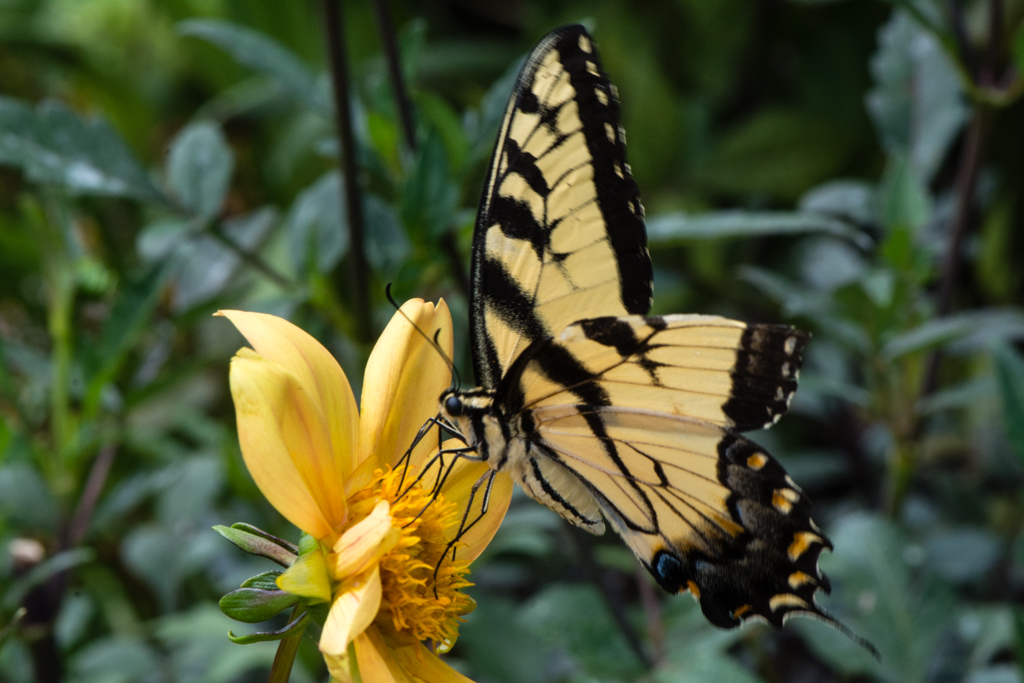
This is the time of year for butterflies, and I spent some time in the area parks this weekend looking for them. I took the photos here at Raulston Arboretum on Friday after work. Back home, when I got the images onto my laptop, I realized that some of them had been knocked around a bit by life. I considered repairing some of the damage to their wings with the Lightroom healing tool, but decided I liked seeing them as individuals.
RTillerbutterfly (4 of 7)

A photo contest, getting shoulder therapy, trying fasting, and not debating climate change

Rob Tiller -- Passionate Embrace -- 2015 (1 of 1)
Sally spotted a notice in the local paper of a nature photography contest at Raulston Arboretum. The theme was gardens and plants, which you may have noticed I have an interest in, and so I decided I might as well have a go.

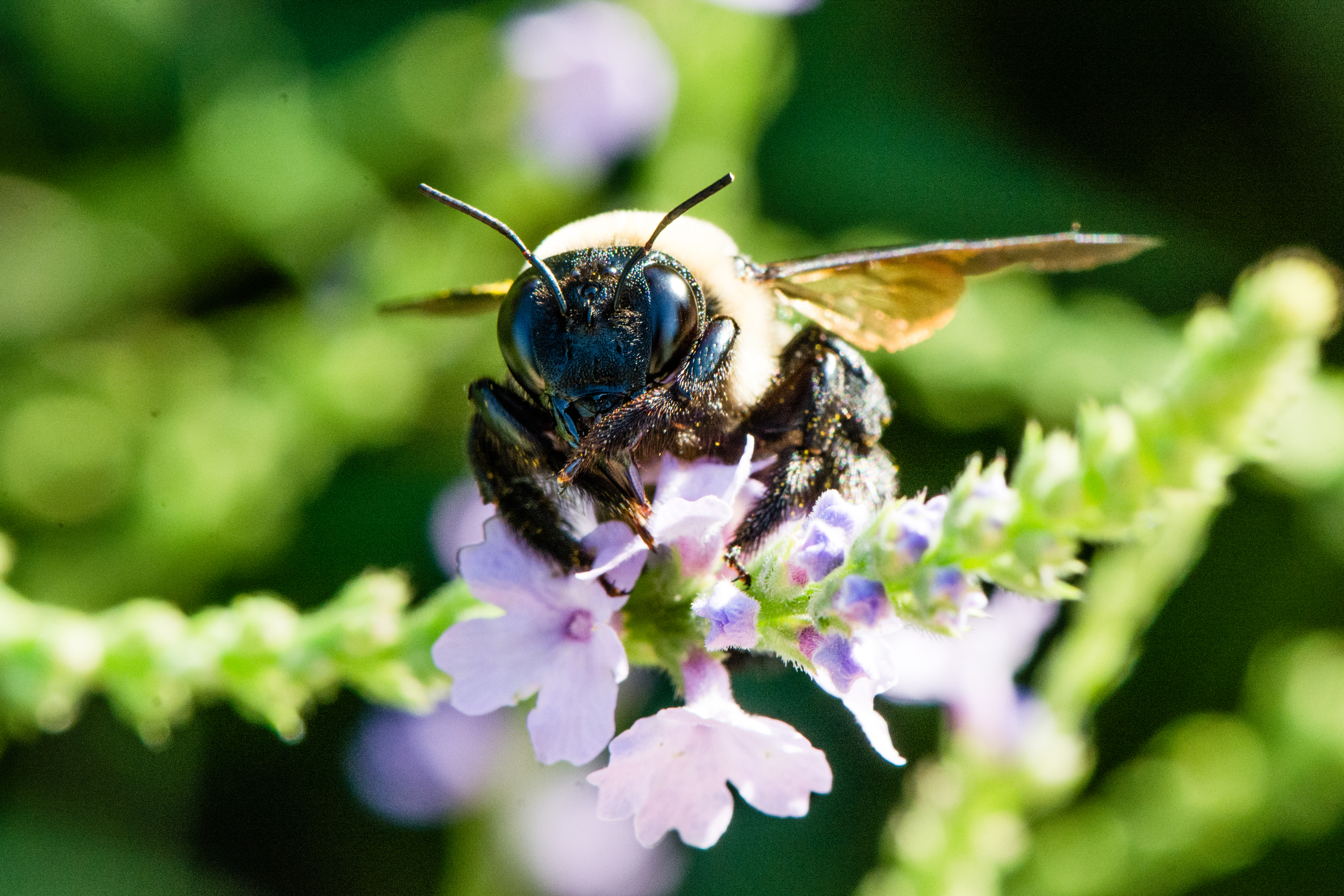
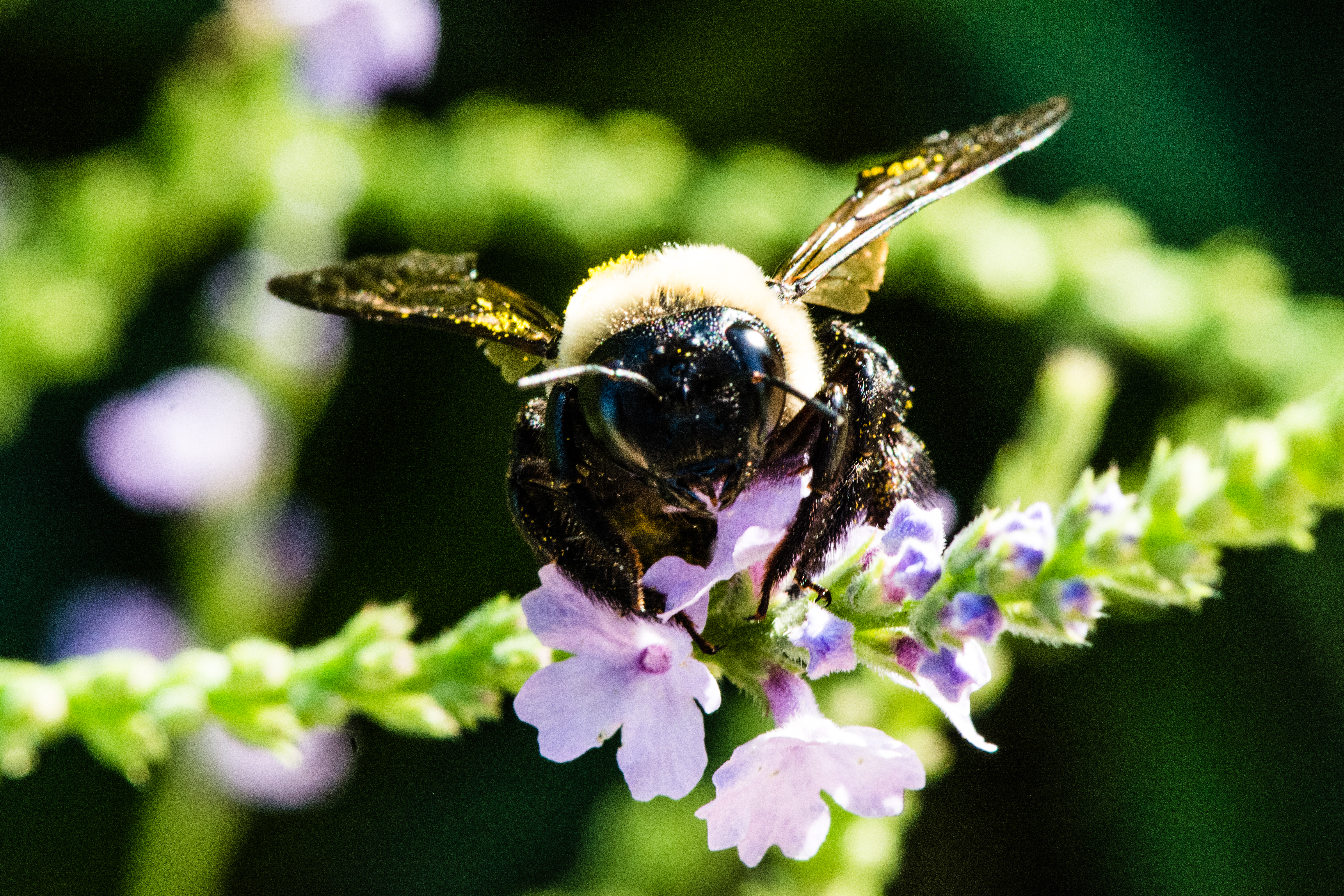
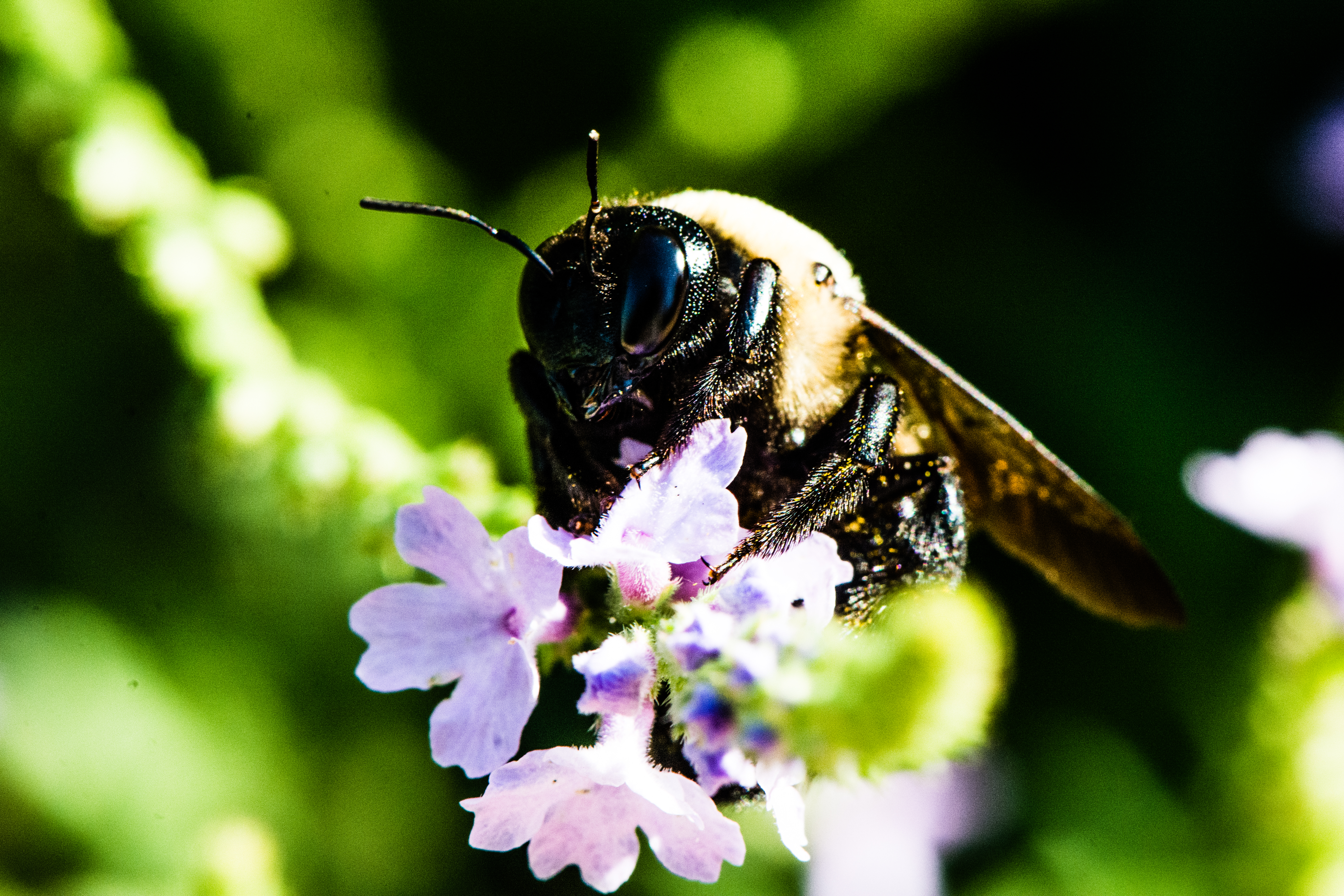
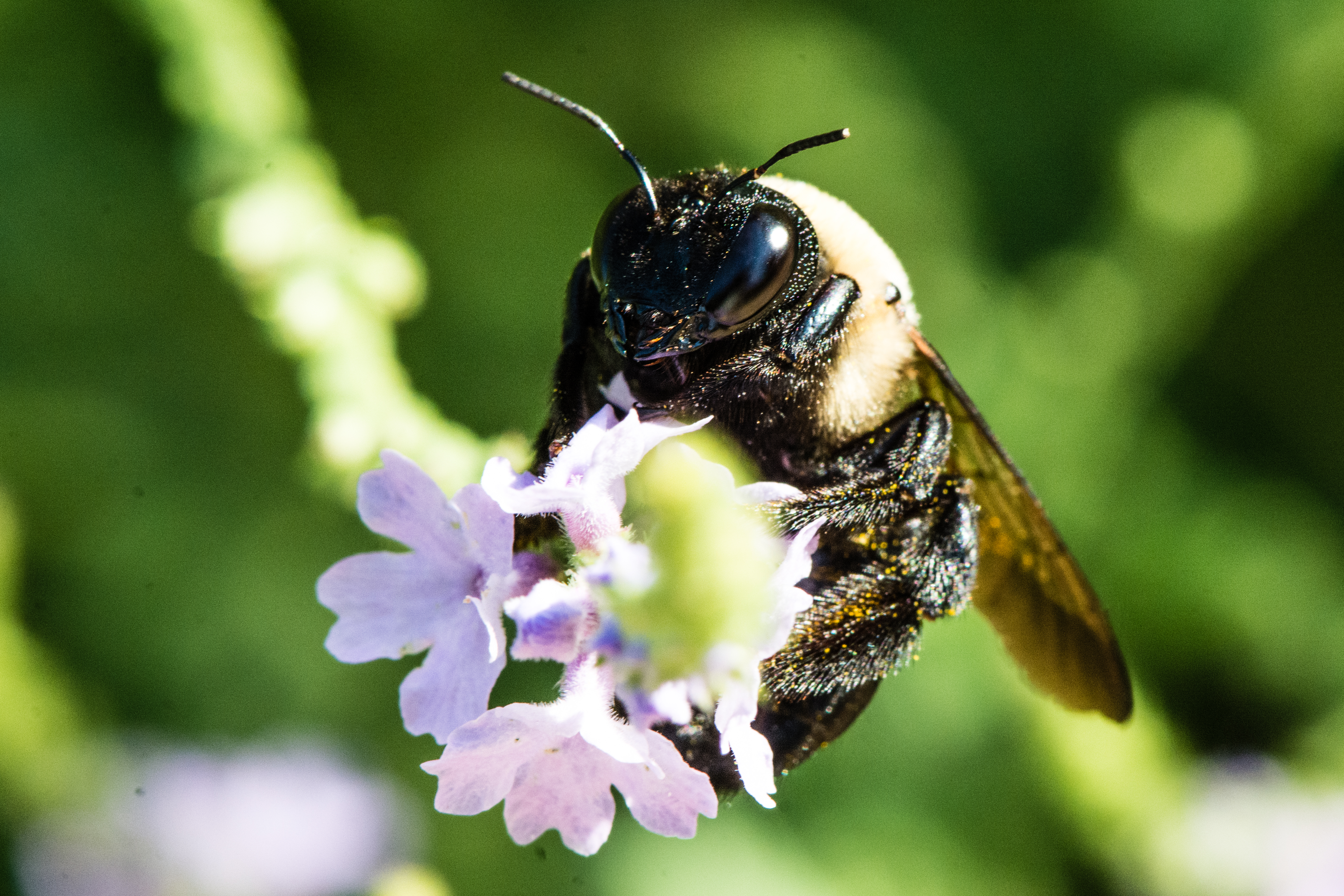
Competition is a good way to make yourself try a little harder. With the thought of critical judging, I took a careful look through some of my favorite images, and found little disqualifying problems on most of them. Of those still left, some just didn’t touch me. That exercise alone was worthwhile, good for my eye and mind, win or lose. Ultimately, I settled on the two bees shown here, worked on them for a bit with Lightroom software, and got them printed on metallic paper nearby at JW Image. Still to do: getting them framed, submitted, back, and hung in the apartment.

Speaking of self-improvement, I finally decided this week to get physical therapy help for my left shoulder. I’d tried letting the thing heal itself with several weeks of relative rest (no heavy weight lifting), but that didn’t work. I got in to see Geert Audiens at Results Physiotherapy, who’d helped me with back and shoulder issues before. Geert quickly diagnosed a torn rotator cuff, which, he said, would get worse if not attended to. He predicted it would take several weeks of specialized exercises, but it would likely get better. It’s good to have well-functioning arms and shoulders. And so we began, with simple little exercises, antiinflammatories, and icing four times a day. It’s a substantial commitment, which I hope will be worth it.

I’ve also been experimenting for a few weeks with a modification of my food consumption. I’d somehow picked up 5 pounds that would not come off, even with hard cardio work outs and careful healthy eating. I saw a story on alternate day fasting for the weight control, which basically means eating very lightly (500 calories) every other day. I decided to have a go for two days a week, a variation which, I just learned by googling, has been promoted elsewhere by others.

My method was my normal greens-and-fruit smoothie for breakfast, salad for lunch, and nothing for dinner. The no eating intervals were challenging, especially at dinner time with Sally eating. But it helped clear the mind, and made me more conscious of eating well on the normal eating days. And I did get rid of those 5 pounds in about 3 weeks.
Raulston8-1-15-1779

The debate of the Republican presidential contenders this week promised to be rich with irony and ridiculousness, with the numerous conventional candidates facing off with the loutish Donald Trump. As a Democrat, I’d never looked forward to a Republican debate so much. There were, as it happened, no meltdowns. In fact, I was surprised at how articulate and intelligent most of the field seemed (with the Donald as usual the big exception).

Yet collectively they have such enormous blind spots. It’s difficult to see how you could propose to govern or even talk seriously about social policy without quickly getting to the issue of what to do about CO2-caused global warming and the many related problems, like rising oceans, mass extinctions, famine, resource-related wars, mass population dislocations, destructive storms, drought, etc. These related disasters are front page news now. Yet this issue doesn’t appear on the Republican agenda, except for opposing whatever action the President proposes. This is wildly irresponsible. The situation is dire, and getting worse.

Rolling Stone published a good piece featuring new climate change research by James Hansen and others, which I recommend. It isn’t easy to think about this problem, which makes us uncomfortable and unhappy, but we’ve got to do it. I was glad to see that Hansen thinks a carbon tax could potentially pull us out of our present suicidal course. Anyhow, we all need to get more educated on this, and to keep pressing our politicians for action.

The terrification of our intelligence

Raulston8-1-15-1779

We learned this week that Mullah Muhammad Omar, the leader of the Taliban in Afghanistan, died. Two years ago. And we didn’t realize it. We’re still in Afghanistan, still waging the longest war in American history (14 years and counting), at a cost of several trillion dollars and thousands of lives, so you’d think this would be something we’d definitely want to know. I realize that getting good intelligence in a hostile land if not so easy, but still, it’s staggering to think we couldn’t figure out that the leader of a foe for which we sacrificed all that treasure and life was defunct.

It raises serious questions, like, are there some other fundamental realities we’re missing? Are there, along with the unsung heroes in our spy corps, too many unexposed incompetents? We seem to have gotten pretty good at spying on leaders of allied nations, not to mention ordinary Americans, but maybe not so great at learning about our declared adversaries. Here’s an idea: why not take the NSA’s mass domestic surveillance division and repurpose it towards actual threats from our enemies?
Raulston8-1-15-1778

Although our enemies keep changing. According to the papers, ISIS is now our main enemy, though I’d note that it has not attacked the United States. They’re definitely fighting against Iraq, our former enemy and now a quasi-client that mostly hates us. They’re also fighting our current enemy Syria, which does not seem entirely a bad thing. Attacking the US is not on ISIS’s priority list. Could they ever be a threat to our physical safety? Sure, just as is possible from any number of countries, but it isn’t now. So why are spending billions fighting them? What are our objectives?

The FBI acknowledged this week that ISIS “has shown no ability to stage significant attacks inside the United States.” But, per a NY Times story, the Bureau is devoting massive resources to detecting and arresting “sympathizers” who express “a willingness to undertake small-scale attacks, such as stabbings and shootings that require little planning.” That is, the FBI has taken on the mission of stopping “shootings and stabbings . . . on a scale that is common in major American cities.” What makes these so important? Why, they’re inspired by ISIS, don’t you see.
Raulston8-1-15-1783

This is part of continuing fallout from our post-9/11 moral panic about terrorism. Those who are victims of mass violence motivated by old-fashioned racism feel slighted that those criminals aren’t usually called terrorists, and they have kind of a point. A mass shooting has come to seem more serious if we call it terrorism. And I would agree that we need to deplore and work to prevent all mass shootings. Footnote: can we talk about better gun control laws?
Raulston8-1-15-1785

On final word about terrorism, and then I’ll stop. Glen Greenwald wrote this week about the prosecution of animal rights activists on charges of “domestic terrorism.” The crime in issue was releasing minks from fur farms. The point of the activity was political protest – nonviolent, mind you – against the cruelty of fur farming. The protesters are facing 10 years in federal prison. Prosecutions of political protesters as terrorists are apparently on the rise. This is ironic, but also frightening. If the actual terrorists, like bin Laden, ultimately make so fearful and obsessed with terrorism that we sacrifice our most cherished civil liberties, they will have succeeded in their destructiveness beyond their wildest dreams.

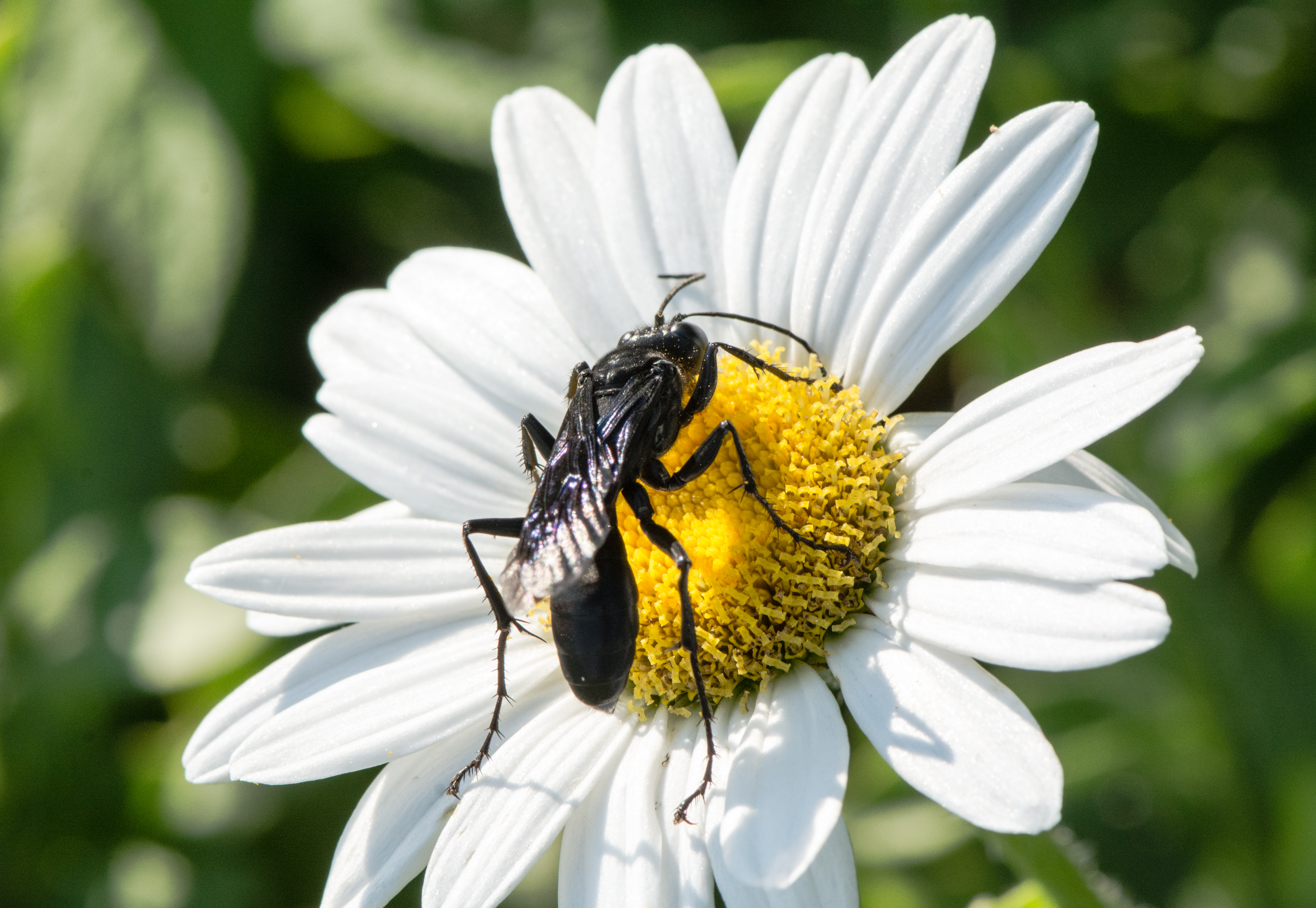
A word about the pictures: these were taken at Raulston Arboretum on Saturday, August 1, at about 8:30 a.m. It smelled a bit like a barnyard this Saturday, which I’m guessing had to do with application of fresh animal-based fertilizer. There were many small butterflies, most of which did not care to be photographed.
Raulston8-1-15-1760

Butterflies, Vermeer, and blind spots

Raulston Arboretum-1577

After work on Friday, I zipped up to Raulston Arboretum with my camera to see what was blooming and flying. It’s a lovely place, and it’s soothing to stroll among the quiet growing things. But when you’re trying to manually focus the camera on tiny quick-moving creatures, there’s a burst of adrenaline. When it all clicks, I feel happy. This week there was a profusion of butterflies, and I had good luck in capturing images of a few.
Raulston Arboretum-1587

I’ve been reading the book Diane gave me, Travels in Vermeer, by Michael White. It’s a memoir about a tough time in White’s personal life, which was relieved by his falling in love with the art of Vermeer, the 17th century Dutch artist. I share his passion for these rare paintings, and like his accounts of his personal encounters with the master’s work.

White shows how feelings flow out of the paintings, and how they reward the viewer who keeps looking and looking. This is one way to tell when art is truly great — when you can’t exhaust it. I had the bright idea of googling the paintings as I came to his descriptions, and confirmed that Google takes far less than a second to locate a decent image of any Vermeer you care to name. It enriched the reading experience.
Raulston Arboretum-1542

As I mentioned last week, I’ve been listening to audio book lectures while working out about ancient Greece and Rome. This week I learned that as much as a third of the population of classical Athens were slaves. For all the pathbreaking philosophers among the Greeks, it appears that none of those great minds questioned the institution of slavery. Though I found this surprising, it also occurred to me that there have been and are still huge blind spots in our moral vision. I’m thinking of those things that are almost impossible to think about, let alone criticize, let alone change, because they’re so integral to the way we live. An example: our industrialized cruelty to farm animals.

Raulston Arboretum, July 24, 2015

Raulston Arboretum, July 24, 2015

But these things can seem unshakably settled and then get unsettled. Think of progress on racism, sexism, homophobia, and our heedless destruction of the natural world. This seems to be happening with our views of imprisonment. This week President Obama visited a federal prison and spoke out about some of our most egregiously cruel practices with regard to convicted criminals, including solitary confinement.

What’s wrong with solitary confinement? The NY Times nailed it.

“When they get out, they are broken,” said Dr. Terry Kupers, a psychiatrist in California who consults on prison conditions and mental health programs. “This is permanent damage.” Cornell William Brooks, the president of the N.A.A.C.P., said prolonged solitary confinement amounted to torture. “Putting someone in solitary confinement does horrible things to a person’s personality, their psyche, their character,” he said.

It seems like we’re starting to be able to see this problem and address it.
Raulston Arboretum-1523

And it seems like a good thing that Iran has agreed in principle to back off from building nuclear weapons. What’s not to like? Our usual unquestioning acceptance of the possibility of massive nuclear destruction is sort of like the Greeks and slavery – we just can’t bring ourselves to think about it. But we know, in the back of our minds, that existing hydrogen bombs, always on alert and ready for launch, always subject to human error, could quickly end life as we know it. Shouldn’t we be pushing our governments to find ways to back off the nuclear precipice? If you aren’t familiar with the science regarding nuclear winter, information is here.
Raulston Arboretum-1514

Discovering Pluto, ancient civilizations, Amy, and a rodeo

At Raulston Arboretum, July 18, 2015

At Raulston Arboretum, July 18, 2015

The well-named New Horizons space craft completed its three million mile, nine-year journey from Earth to Pluto this week. I enjoyed seeing the close-ups of the dwarf planet, and the smiling faces of the New Horizons NASA team. Asked to explain the value of the achievement, the scientists hemmed and harumphed a bit, but Stephen Hawking stated its raison well: “We explore because we are human, and we want to know.”
Raleigh Rodeo-1099

Speaking of exploring, I’ve been learning about ancient civilizations, including Mesopotamia, China, India, Greece, and Rome. Through the audio book service Audible.com, I purchased one of the Great Courses, a series of lectures by Gregory Aldrete titled History of the Ancient World: A Global Perspective. Aldrete does a really good job at bringing out the big currents of the first six thousand years or so of human urban culture. He’s helped me understand the relations of the major civilization as a temporal matter and in their major elements of technology, government, art, warfare, and religion. I’ve been filling in various gaps, like understanding the relationship of Alexander and the Greeks, and the relationship of the Han dynasty and the Roman empire (same time period). I’ve been listening to the book while working out at the gym, and getting a good mental work out in the process.
Raleigh Rodeo-1118

We saw Amy, the new documentary about Amy Winehouse, last week. I recommend it. I wasn’t ever a big fan of her music, but I could see that there was something original and fearless about her. The documentary has a lot of home movie type footage that is surprisingly revealing, but it doesn’t preach and leaves things open to interpretation. Here’s my interpretation: she had some serious emotional/psychological problems, including depression and bulimia, and not much of a support system. She didn’t really seek fame, and wasn’t prepared for it, and didn’t have much help managing it. I view her drinking and drugging as a kind of unsuccessful self-medication, which was dangerous and ultimately fatal.
Raleigh Rodeo-0983
We went out to Carousel Farms on Tuesday evening with some Red Hat colleagues to see the local rodeo. There were hamburgers (veggieburgers for us) and cookies. The main events were barrel racing (young women on horses on a timed course with tight turns around three barrels) and bull riding (stay on the bull at least 8 seconds and don’t get killed when you get thrown off). It was fun to see the talented, courageous young people and get a taste of country life, but I had very mixed feelings about the bull riding.
Raleigh Rodeo-1045

For one, it seems cruel to the animals. For two, the risks to the riders are just too great. On almost every ride, they fall near the feet of the powerful bull as it’s kicking. We saw one young man badly kicked this way who had to be carried off on a backboard to an ambulance. Hope he’ll be OK.
Raleigh Rodeo-1026

Could Bernie Sanders be for real?

At Crabtree Swamp, July 11, 2015

At Crabtree Swamp, July 11, 2015

I’m starting to like Bernie Sanders. If you haven’t heard, he’s running for president, and the pundits agree that he has no chance. He’s a Senator from Vermont, a self-described socialist, 73 years old, and not faintly glamorous. When I first heard his story, I thought he must be crazy, or at least quixotic. But he’s been rising in the polls and in the early primary states he’s drawing enthusiastic crowds. I like his issues: fighting global warming, reducing income inequality, halting ill-conceived foreign military adventures, improving our health care system, reining in mass surveillance, reforming campaign finance, and others. This interview gives a sample.

This week I sent him a modest contribution. The pundits are probably right about his chances, but I’m supporting him because he’s already doing something important: broadening the dialog about our social problems and the possible solutions. Societal change is really difficult, but if it happens, it begins with a conversation to reset the agenda and take a fresh look at the possibilities.

There is certainly a diversity of views on offer this election cycle. Like everyone I know, I’m still shaking my head over Donald Trump’s astonishing pronouncement that Mexican immigrants are criminals and rapists. And I’m shaking my head harder that this buffoonish blowhard has vaulted to the front of the Republican pack. I don’t really believe there’s any way a majority goes for his know-nothingism. But this would be an interesting matchup: Trump v. Sanders. I say Sanders wins.

Our Fourth in Corolla

Corolla day three-0449My sister Jane invited us out to see her family for the 4th of July at their place on the Outer Banks, at Corolla. We drove out Thursday evening and made good time, arriving in just under 4 hours. Keith cooked a delicious vegetarian lasagna, and we caught up on family news.

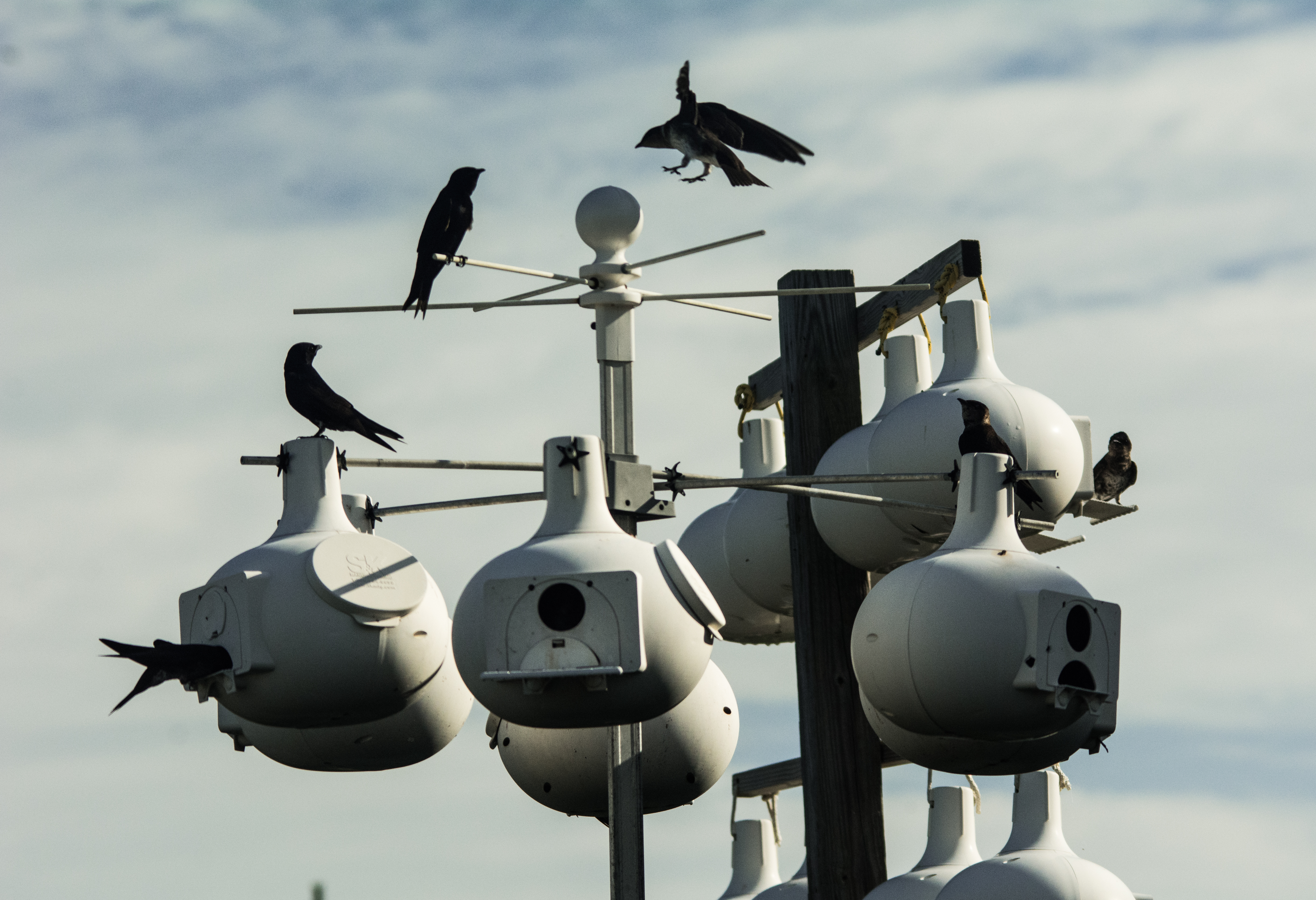
I brought along several lenses, including the heavy Sigma 150-500, in hopes of shooting sandpipers scurrying on the beach in the early morning. On Friday morning, I got out to the beach by 6:30, but sadly, there were no sanderlings. It was peaceful, though, walking on the beach at low tide. I shot a few ring-billed gulls. There were little ghost crabs that scuttled down their holes as I approached, and pelicans flying in formation. Just back from the dunes, there were lots of purple martins doing aerobatics.
Corolla day two-0356
Everyone was still asleep when I got back, so I had time for a run. The temperature was mild, and I moved along with reasonable pep for 40 minutes. My heart rate monitor gave me a peak reading of 167, and an average of 153. Keith made gluten-free popovers for breakfast, one of which I filled with blueberry jam.

It’s great to read at the beach. Over the next couple of days, I caught up with my backlog of magazines. Ever since my New Yorker days, I’ve had a thing for magazines, and I like it when they come in the mail, but it’s not easy to keep up with the in flow. I flipped through and read parts of: The New Yorker, The Atlantic, Golf, Scientific American, Sport Diver, The Economist, Outdoor Photographer, and Opera News.

I also got well into a new novel, Meatspace, by Nikesh Shukla. The narrator is a young Indian guy in London trying to make his mark as an author and social media savant. Gary Shteyngart (a wonderful writer) gave it a great blurb: “the greatest book on loneliness since The Catcher in the Rye.” It is both painful and funny.
Corolla day three-0515
Jane and Keith are much more conservative than we are. It’s not often that we hear views really different from ours, and it’s bracing – we should do it more. Anyhow, we all talked about some of our favorite gripes and worries (for J&K: government incompetence, IRS incompetence) (for R&S: the misbegotten wars on drugs and terror, global warming) and maybe benefitted from different perspectives. Anyhow, we’ve learned how to listen to each other and disagree with respect.

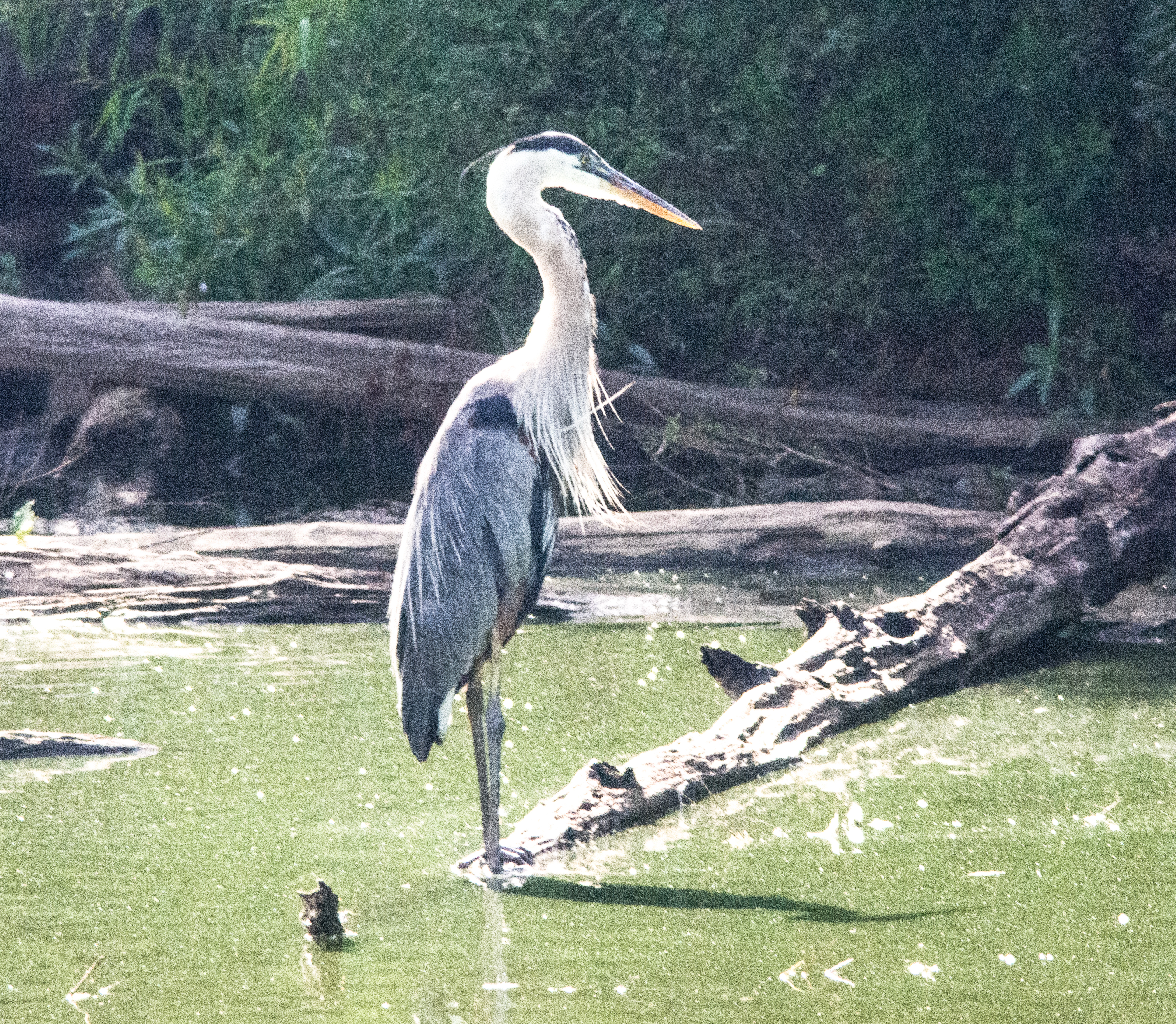
One afternoon, Jane took us on a walk through the nearby maritime forest park, an unusual ecosystem with tall pines and short scrubby hardwoods. We had hopes of sighting some of the Corolla wild horses there, but didn’t. We did see a heron, an egret, and lots of beautiful dragonflies.
Corolla day one-0318
On Sunday morning I had another go looking for birds to photograph on the beach, and again found almost none. I did another 40 minute run, going a bit slower, and did some stretching. We had another delicious breakfast (Belgian waffles with ice cream and blueberries), and soon after hit the road. We’d hoped to beat the island traffic, but didn’t: it took us a full hour to finish the 15 miles to Duck, and it stayed slow all the way to 158.

Happy gays, lowering that flag, flamenco, new reading technology, understanding consciousness

Our Jocelyn, at home

Our Jocelyn, at home

Friday was big! Jocelyn came home to Raleigh to attend an old friend’s wedding, and the Supreme Court made it legal throughout the US for gay people to get married. Jocelyn reported that the gay people she knew in New York were weeping with joy, and she was, too. I got a bit misty myself. I don’t suppose we’ll all at once get rid of anti-gay discrimination, any more than we’ll suddenly finish off racism, but this is a long step forward. It gives me hope that we can address some of other big problems that today seem caught in political gridlock, like global warming.

Speaking of racism, another fantastic development this week was the beginning of the removal of the Confederate battle flag from certain government buildings and the shelves of giant retailers. This potent symbol of unrepentant old-fashioned racism has made me queasy for years. How can it have been socially acceptable to lay out in public on a beach towel with that flag? Anyhow, last week it became dramatically less so. Sure, people are entitled to express their racist views, but they also deserve to be shamed for it.

I listened to an interesting Australian Broadcasting Service podcast called Science Vs last week on the question: does race exist? We may have assumed the answer was obvious, but it’s not. In fact, from a biological point of view, many scientists view the concept of race as meaningless. There are no consistent reliable genetic or other markers of racial boundaries. Race is a cultural construction that has been used primarily for purposes of oppression, such as slavery. Still, the idea is so familiar it seems natural, and it’s hard to let go.

At Fletcher Park, Saturday morning

At Fletcher Park, Saturday morning

There are, of course, different cultures, which is a good thing. Gabe and I got a taste of part of flamenco culture on Saturday night at an American Dance Festival performance by Soledad Barrio and Noche Flamenca. They performed a flamenco version of Antigone. I enjoyed Barrio’s dancing, which had strength and intensity, but found the movement vocabulary pretty limited. I enjoyed the singing and guitar playing in parts, but the melodic and harmonic vocabularies also were restricted, and the whole thing was over amplified.

In other culture/technology news, I recently discovered a new way to read: combining an ebook with an audio book. When I purchased the ebook Incognito, by Thomas Eagleton, Amazon proposed to upsell me on an Audible audio book for a few dollars more. I took the bait, and it was worth it. The great thing is that you can read a bit, then switch over to listening to it on another device, and switch back – and in either medium it picks up where you left off on the other. I really enjoyed listening to the book while working out at the gym, and reading some before bed in the evening.

Eagleton mostly synthesizes much of current psychological and neurobiological thinking and research, including work by Kahneman, Gazzaniga, and others, but he also has an interesting model of consciousness. He emphasizes that most of what we do and are is unconscious. The unconscious, as he views it, has a multitude of subparts, which generally work quite well without our ever knowing anything about them. Some subparts overlap and may disagree with others, which he refers to as a team of rivals. Eagleton suggests that consciousness is like the CEO of a large corporation, who has executive authority to intervene when there are major conflicts or new problems, but plays a limited role in ordinary activities. We’re mainly driven by unseen emotional forces, but the CEO is skilled at persuading us that she is calling the shots.

One pleasing aspect of Eagleton’s theory is that it accounts for the fact that even the most intelligent people make amazing mistakes and hold tight to beliefs that seem downright goofy. But if it’s true that we’re all fundamentally prone to errors of thinking, that must mean that the same it true of you and me. Knowing that could make you more humble and hesitant from striving to avoid the worst errors. That could be good. But all that careful thinking and hesitant uncertainty could lower your standing and influence in your tribe, which could be bad.

Finally, on a more cheerful note, let me point up one new progressive thing about my home state of North Carolina (among all the new regressive things): on-line driver’s license renewals. I was due for my five-year renewal, and dreading the slow, dull experience of the DMV, when I saw the announcement that NC was starting a new program of on-line renewals. That same day, I found the site, and completed the application in about 3 minutes. No fuss, no muss. I’m good for five more years!