The Casual Blog

Category: photography

A PB spin, Goode piano, Sapiens and science, and an operatic pearl

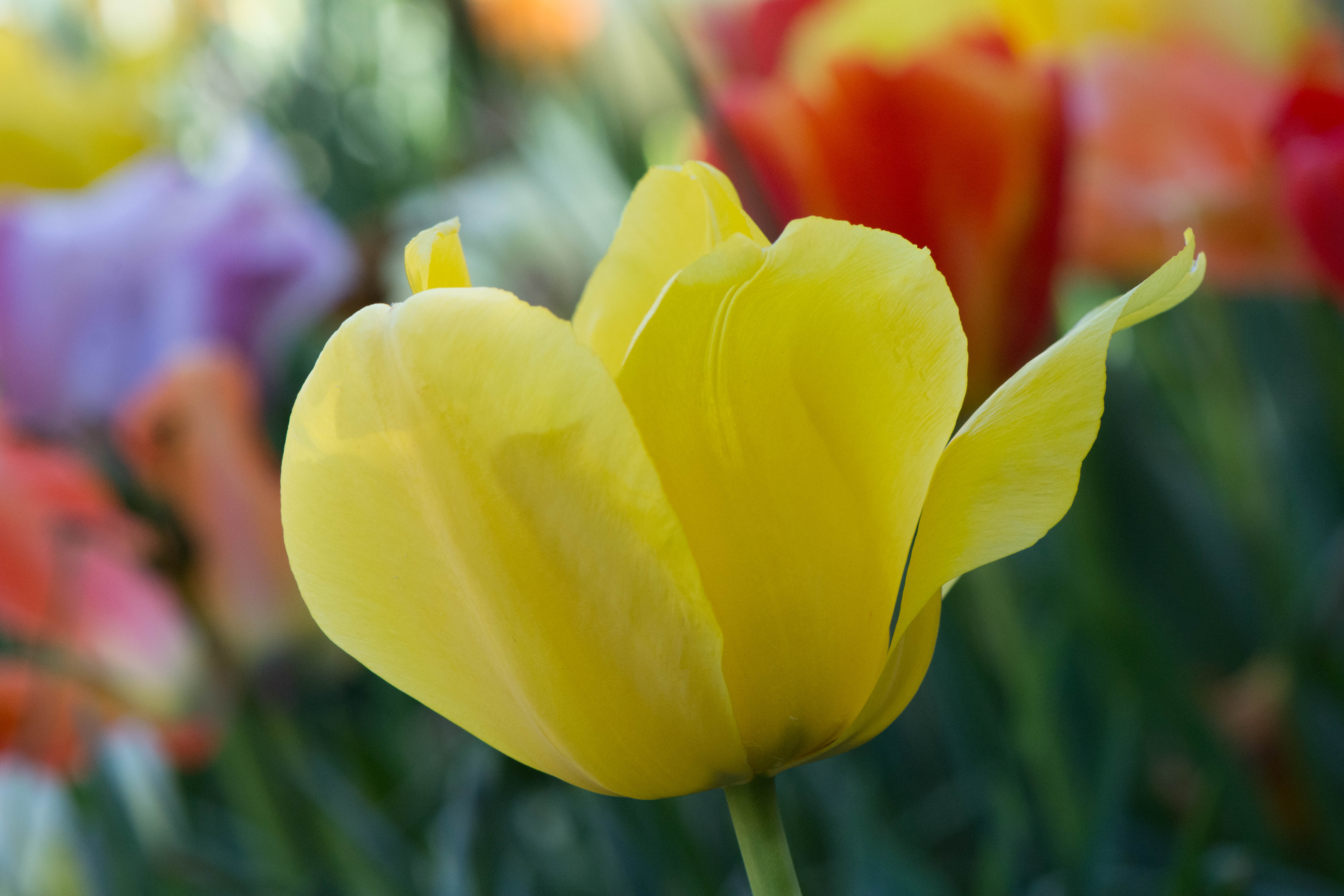
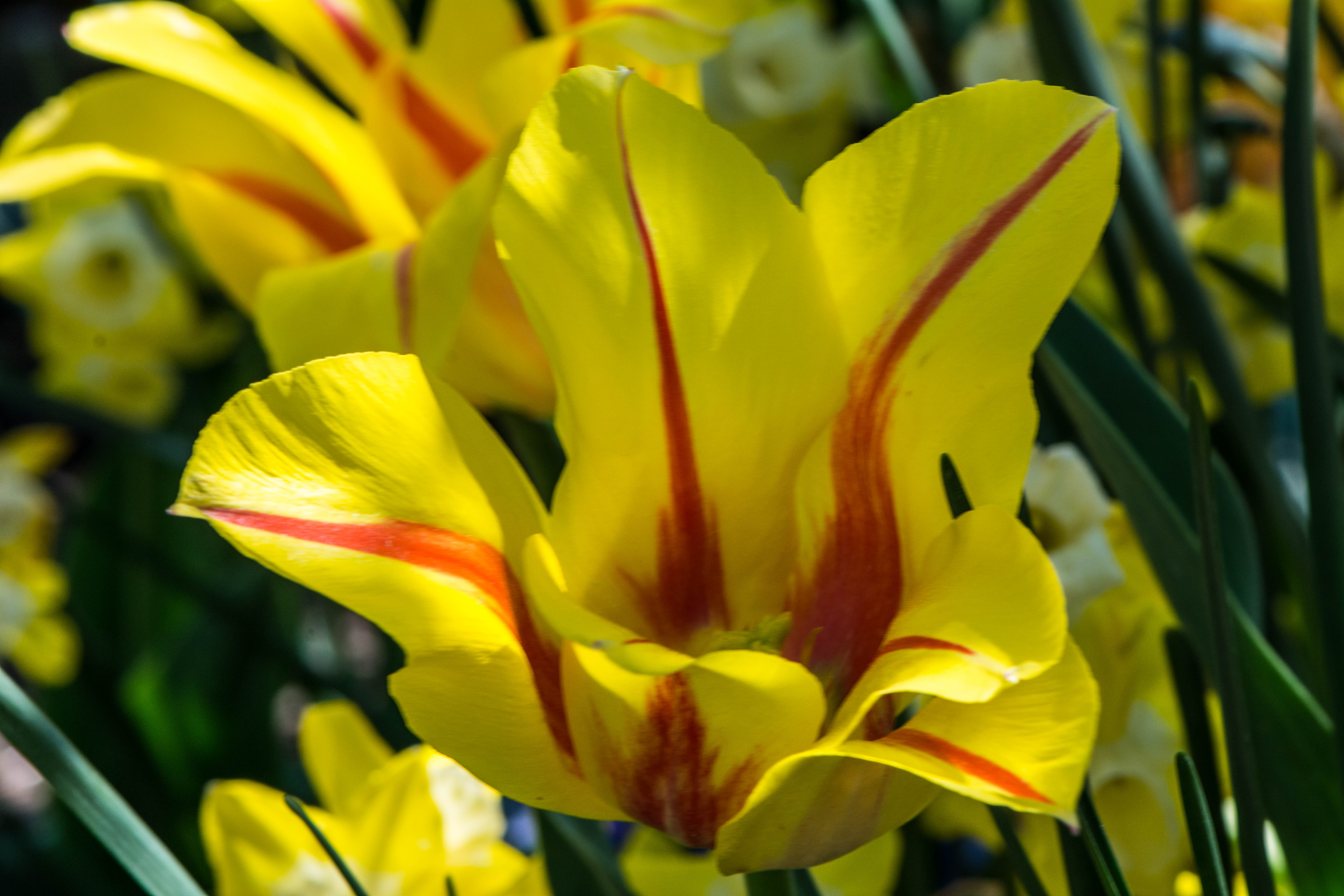
Blooming this week at Raulston Arboretum

I had an epic personal best spin class at Flywheel on Friday morning, with a score of 360.  That’s big!  The second place finisher’s score, 342, would also have been a PB.  It was like expecting to run a 10k in 43 minutes and finishing in 33.   I’d like to thank my teacher Matt, and the other fine spin teachers over the years (Vashni, Heather, Jen, Will) who helped me along the way.   

I wish I knew for sure what produced all that energy, so I could bottle it.  It might have been a good dinner the night before (Sally’s Blue Apron Thai cauliflower rice).  It might have helped that I woke up early and did some pre-class foam rolling to loosen the muscles.  Doing more interval work recently at the gym probably contributed.  Also, there were several pretty girls in the class, which tends to increase peppiness.  And it’s possible I drew a recently serviced and well-oiled bike.  In any event, I will not be sharing the number of that bike, as I hope to get it next week.

That night we went over to Duke’s Baldwin Auditorium for a concert by master pianist Richard Goode.  He performed Bach’s sixth partita and three late Beethoven sonatas (Ops. 101, 109, and 110).  These works are well known to aficionados, but they’re also deep and mysterious.  Even after two centuries, the interpreter can still find new things, and bring new life.  Goode communicated the power and cohesiveness of the rich musical ideas, and also sang — literally!   This was musicianship of the highest order, and I felt privileged to share the experience.

At the gym, I’ve been listening to Sapiens: A Brief History of Humankind, by Yuval Noah Harari.  Harari challenges a lot of widely shared assumptions about our origins, such as the notion that we were the sole human species on earth when we arose some 200,000 years ago.  What happened to the Neanderthals, Denisovans,  and other non-sapien human cousins?  There are various theories, including the possibility that our ancestors exterminated them, as they killed off most of the existing species of large animals.

Harari points up that homo sapiens’ ruthless success as a species is attributable to our brilliance at social organization, and he accounts for this in part by our use of religious, economic, and other social myths. This is thought-provoking stuff, though Harari doesn’t always distinguish between matters of wide scientific consensus and ideas that are much more speculative.

I wouldn’t expect Harari to get everything right, since no one ever does.  A recent edition of the You Are Not so Smart podcast (not yet posted at the web site) noted that medical students are now taught that half of what they learn in medical school will eventually turn out to be wrong. Science is always a work in progress.  Fortunately, the scientific system is built for testing and error correction.

Not so long ago, I’d have thought the value of science was self evident and not in need of advocacy.  Was I ever wrong!  I expect that, barring nuclear catastrophe, science and reasonableness will prevail in the long run, but at the moment, we’re in trouble, with unreason ascendant on urgent questions of the environment, health, and social issues.

Raulston viewed from the Tiller quadcopter

On Sunday afternoon we went to the N.C. Opera’s production of Bizet’s The Pearl Fishers.  It was a new opera for us, and we found the melodies very beautiful.  The principal singers were excellent, as usual, and the chorus was particularly strong.  The orchestra had a rich sonority and tonal variety.  Conductor Timothy Myers is a brilliant musician, and also a wizard, to conjure all this in little ole Raleigh, NC.  We’re really sorry he’s leaving us for bigger things next year.  It was touching when, in the final curtain call, the company threw roses at him.

Wet flowers, Vidrio, and beautiful dancing

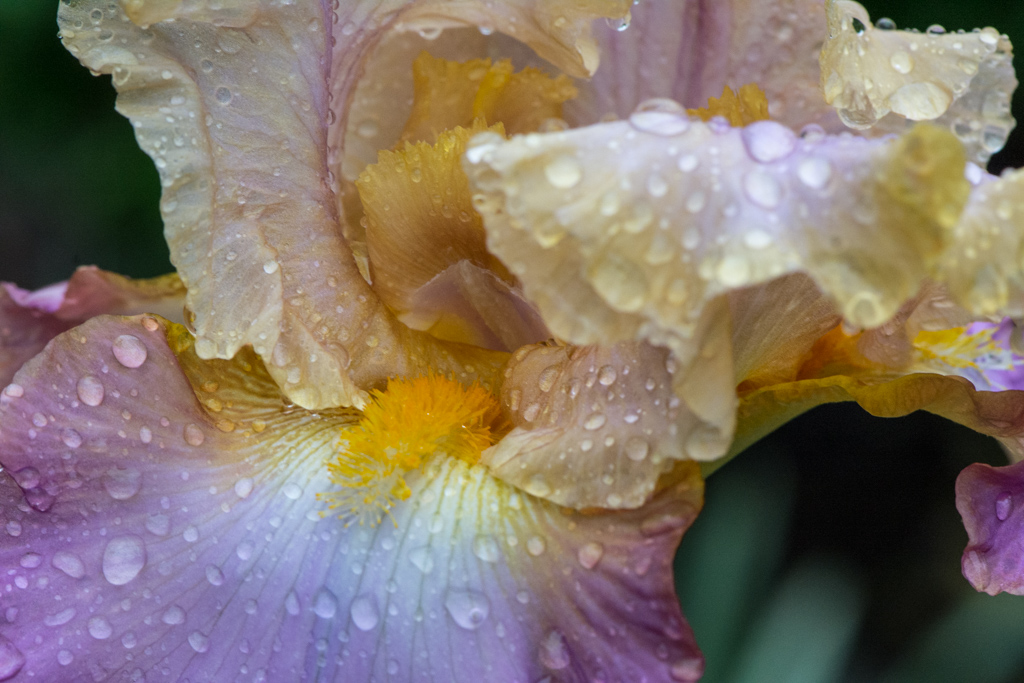
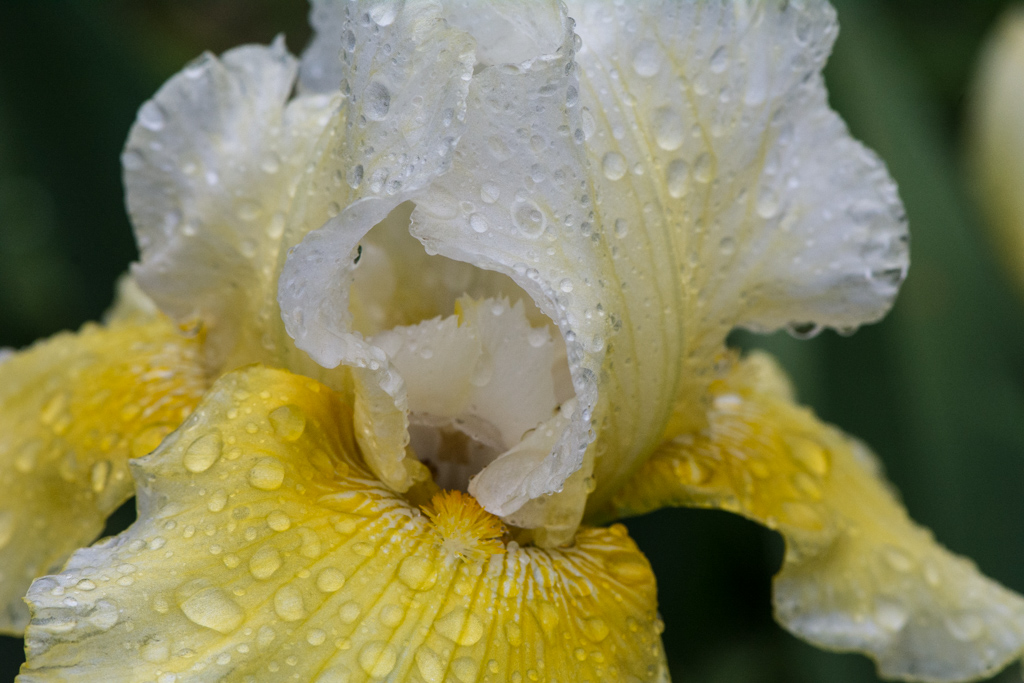
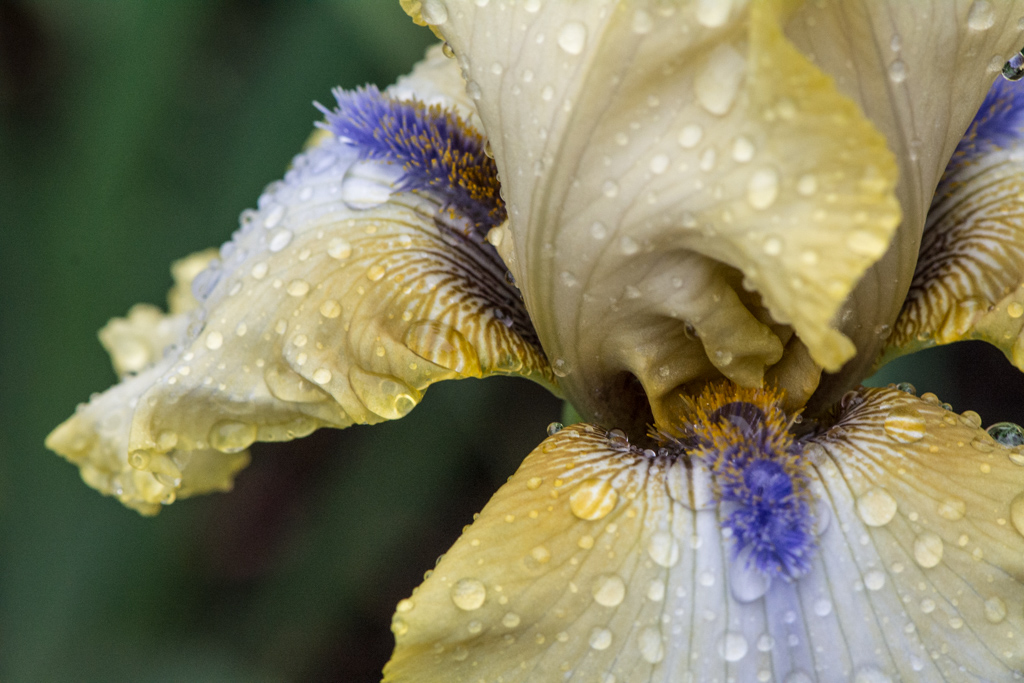
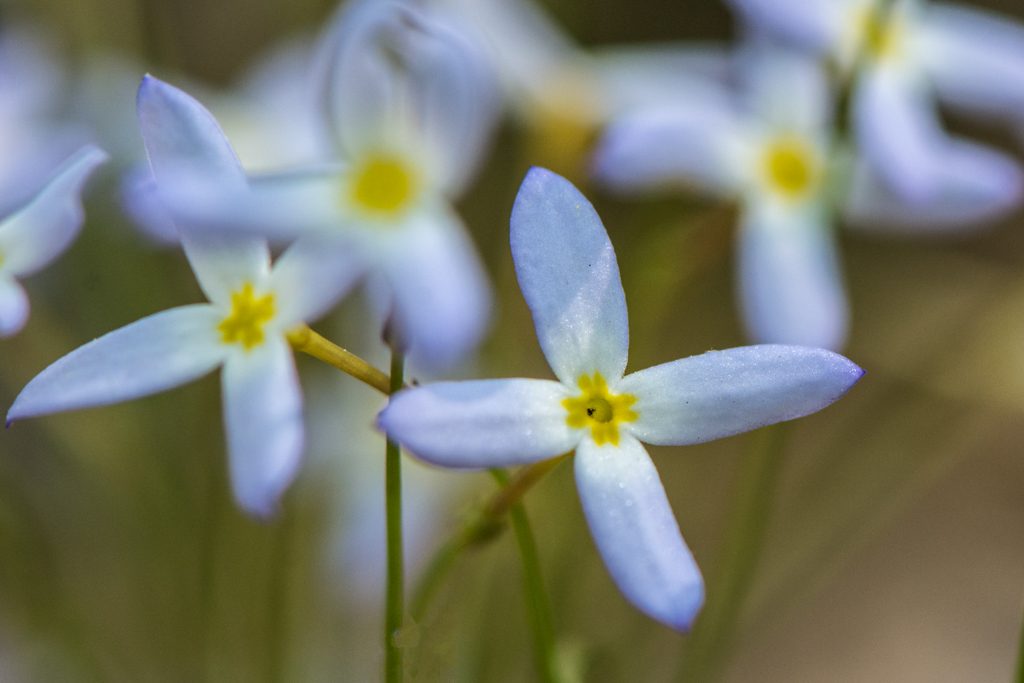
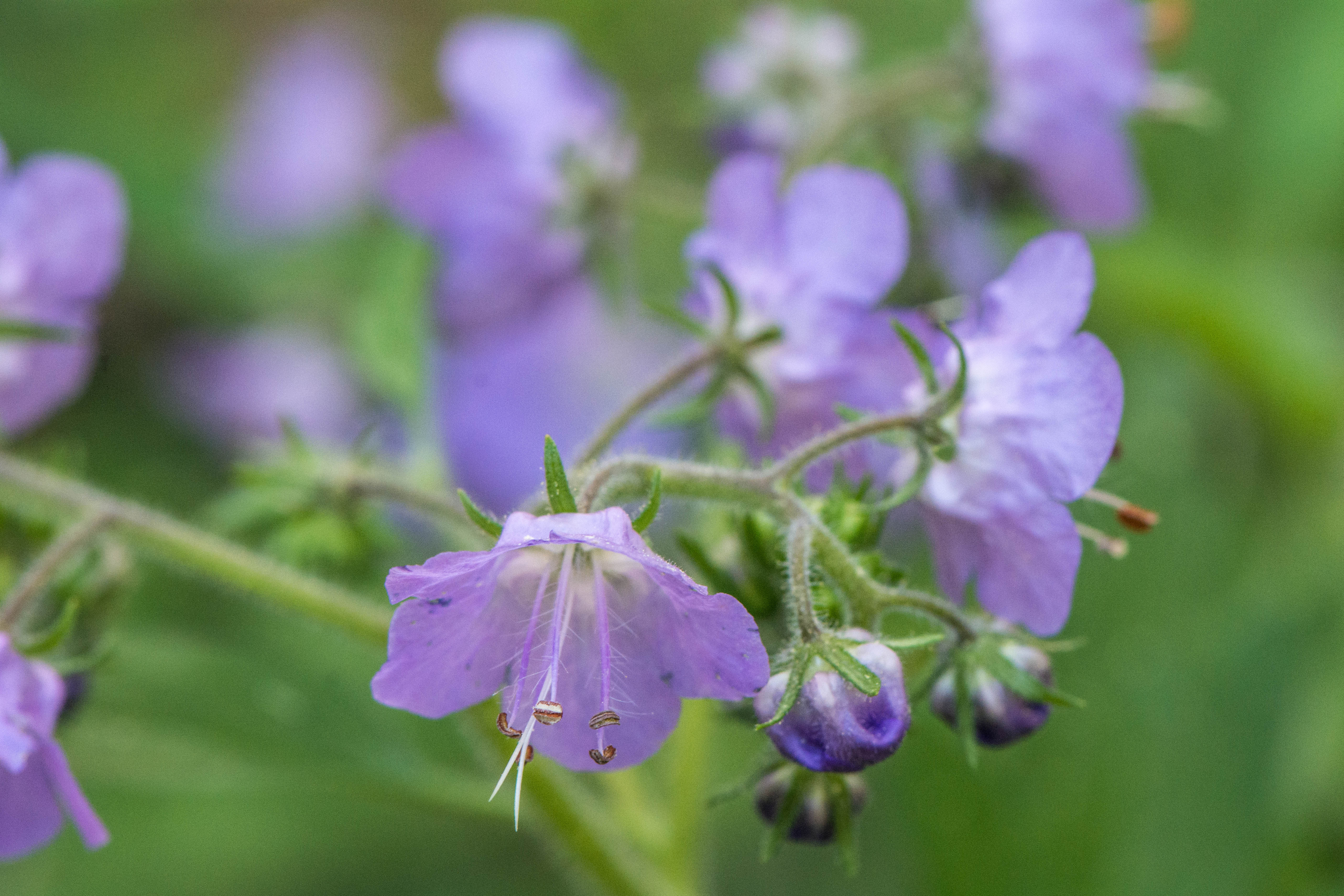
For Earth Day on Saturday, I took a walk on the trail at Swift Creek Bluffs, and found a few late wildflowers, including the pair above.  Lots of birds were singing.  On Sunday morning I looked in at Raulston Arboretum right after it had rained and before it rained again.  I had a close look at some freshly showered irises, a few of which are below.  


On Saturday night, Sally and I tried a fairly new restaurant, Vidrio, on Glenwood Avenue just three blocks from us.  It was excellent!  The decor is stylish and eclectic, with an entire wall of large colorful glass serving dishes, ropes, tiles, frames, and other whimsies.  Our server from Argentina had a winning mix of personal warmth and professionalism.  We had an amazing foamy cocktail called an amortentia.  The food was a spin on tapas, with several vegetarian (though not vegan) options.  We particularly enjoyed the agnolotti and the black rice risotto.

Afterwards, we saw the Carolina Ballet do works by director Robert Weiss and choreographer-in-residence Zalman Raffael.  Weiss’s Mephisto Waltz, a pas de deux, was his last work created on Lilyan Vigo, who is retiring after nineteen years with the company.  This waltz that had the smoldering intensity of a tango.  It’s always been hard to take one’s eyes off  the beautiful Vigo, and she was magnificent.  But her partner, Yevgeny Shlapko, was highly charismatic as the Devil.  

Raffael’s Rhapsody, set to Gershwin’s Rhapsody in Blue, is a brilliant jazzy ensemble piece, with excellent solos performed that night by Jan Burkhard (back from maternity leave and most welcome), Lindsay Purrington, Marcelo Martinez, Amanda Babayan, and Miles Sollars-White.

Eno River wildflowers, a good spin, and some favorite podcasts

The Eno River, near the ruin of the old pump station

On Friday, I had a mini-adventure exploring Eno River State Park.   I asked a friendly staffer  at the park office for a good place to look for wildflowers, and so found my way to the pump station trail.  

It was a lovely calming place.   I walked slowly, looking for tiny blossoms, some of whom are shy and easy to miss.   Sometimes I got down on my belly for an extreme close up.   I heard the river and a  number of migrant warblers singing, though I couldn’t see them in the new leaves.  

On Saturday morning I did a 45-minute spin class at Flywheel, which I’ve been trying to do once a week.  As usual, it was hard.   I met my objectives of getting 300 points ( though barely, with 301), and staying out of last place.  In fact, I finished first in the class.  I also set a new record for my average heart rate, with 158, and a peak of 168.  And I didn’t die!

Eno flowers-3Most mornings I’ve been getting up at 5:05 and heading to the gym.  I’ve been swimming one day a week, and on the others I do a combination of various aerobic machines (stairs, treadmill, elliptical, bike, row) and weights.


During the non-wet workouts I’ve been listening to some stimulating and fun podcasts.  I usually start with some news in Spanish (Voz de America) and French (RFI), and then explore some history, science, or other interesting domain.  Here are some recent favorites.

S-Town.  I finished the seventh of seven episodes last week, and loved it!    This was done by  some of the same creative folks that did Serial and has a similar format.  It starts out being about a crime in a small Alabama town, but ends up being about a quirky and mercurial guy and his community.  Parts of it are shocking and tragic, but it’s also funny and compelling.     
Radiolab.  These folks focus on science and social issues, and sometimes they’re very lively.  I particularly liked their recent episode on our nuclear command structure, which gives the President complete and unconstrained control of a nuclear force that could end the world as we know it.    That is, we put the question of whether the human race survives or not in one person’s hands.  I learned there’s a pending bill that would add some congressional oversight, which could mitigate this existentially risky situation a little.

Eno flowers-11

Common Sense.  From time to time, Dan Carlin does long form podcasts on public policy matters, and they are well researched and thought-provoking.   His most recent one concerns America’s health care system, which he points out is not by any measure the best in the world, but is far and away the most expensive.   Carlin has some ideas on how we got to this absurd state of affairs, and how we might get out.

Rationally Speaking.  The format here is Julia Galef interviewing smart people about social and philosophical issues.  This week I went into the archive and listened to her conversation with Peter Singer about ethics and animal rights, and liked it a lot. 

Eno flowers-9


Waking Up.  This is another podcast where a smart person, here Sam Harris, interviews another smart person.  The most recent one is a conversation with Lawrence Krauss, which covers a wide range, from quantum physics to the under-appreciated nuclear threat to the overhyped threat of Islamic terrorism.

The New Yorker Radio Hour.  Somehow David Remnick manages to edit the New Yorker, read everything, watch a lot of television, and do this podcast. Each episode has several segments, which usually include an author talking about a recent piece in the magazine.  Those are usually goods, though just as with the magazine, there are some that I would skip.  

This American Life.  Even after all these years on NPR, Ira Glass and company are still almost always fresh and original.  

Eno flowers-12


Spring flowers, golfing again, and a new question: is nuclear war good for us?

It is well and truly spring!  I highly recommend getting outside and looking at what’s blooming.  These pictures are ones I took on Saturday at Duke Gardens in Durham.  In the native plants area, the wildflowers did not disappoint!  The tulips were a little past their peak, but still riotously colorful.   


I read recently that learning new sports could slow down the inevitable mental decline of aging.  The idea seemed to be that new physical activities would stimulate new brain activity.  It sounded plausible, but time-consuming and potentially embarrassing.

It might be more productive and fun to improve at a sport at which you are currently mediocre.  Anyhow, that’s my working theory, as a new golf season beckons.  The last few months I played very little, owing to a series of minor injuries and uncongenial weather.  But this week I resumed my golf lessons with Jessica at GolfTec, and started practicing again, ever hopeful.


It’s a shame that Trump is such an avid golfer; it reflects badly on the game.  But the game will survive, and so will we.  I hope.  My confidence was somewhat shaken by recent reporting by Jane Mayer on the Trump circle. Her recent New Yorker piece  focused on Robert Mercer, a hedge fund billionaire with wacky right-wing ideas and enthusiasm for politics.  He and his family funded Bannon and Breitbart News, assumed a leading role in Trump’s presidential campaign, and are now directly involved in presidential decision-making.  

It’s not surprising that there are super rich people with nutty ideas, but this seems new:  super rich loonys more or less controlling the presidency.  The Mercers have promoted the “science” ideas of a bizarre figure named Arthur Robinson who champions the nonsense of climate change denialism.  Again, we know such people exist.  But new to me was his idea that nuclear war could be beneficial to human health.

In an interview on Fresh Air (transcribed here), Mayer said that Robinson and Mercer believe that nuclear radiation is good for people, and actually benefitted the Japanese who were subjected to the first nuclear attacks.  

In this political season, we’ve learned that there is no idea so crazy that it cannot be adopted by certain large groups of Americans.  So there may already be a significant  subpopulation that believes that nuclear war might be a good thing after all, with some of them in the White House.  That’s scary!  We need to reread  Hiroshima by John Hersey, and discuss the reality of the nuclear peril, and try to contain this existentially bad idea before it spreads.  


Butterflies, nature, and star dust

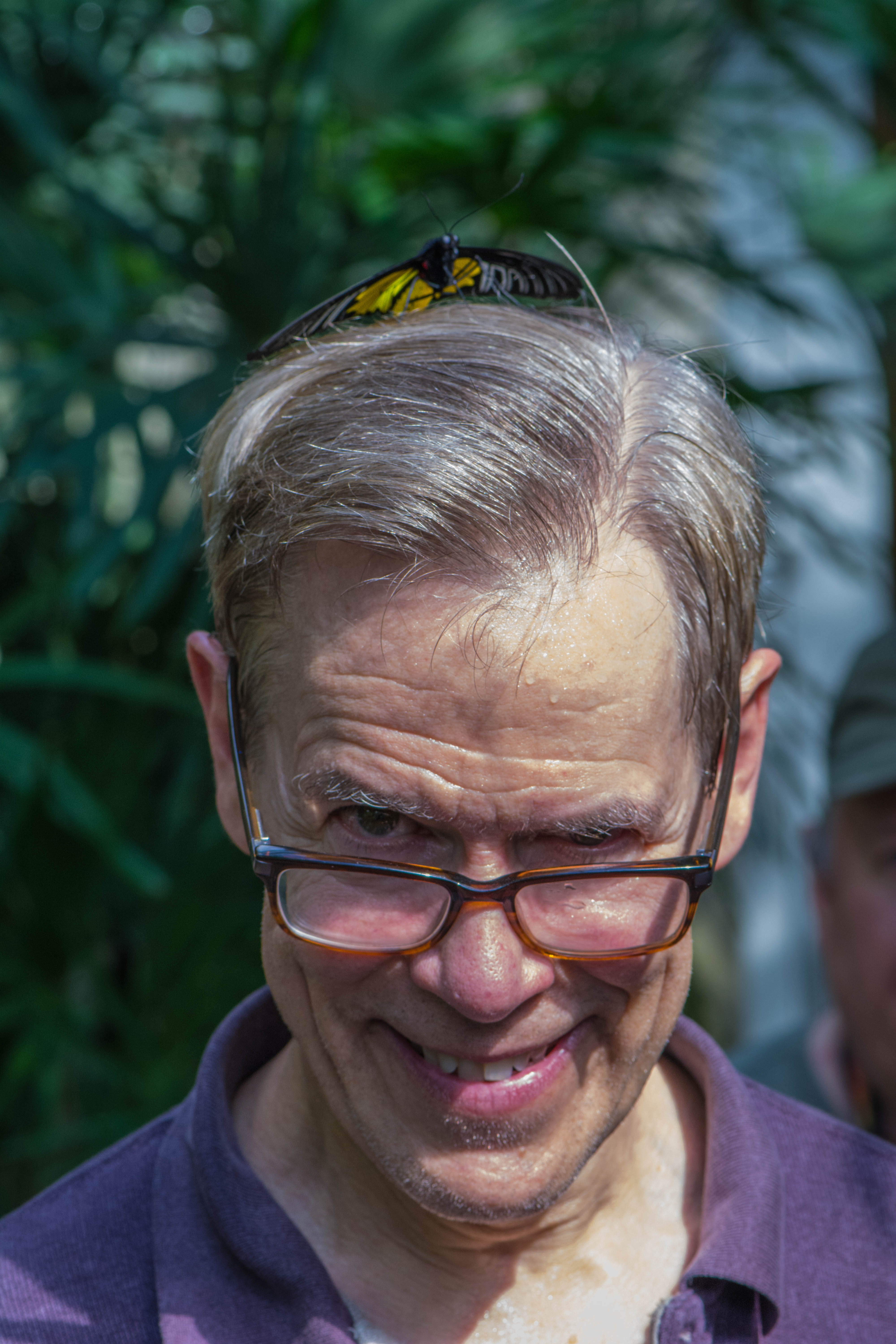
Me and my little butterfly friend

I love butterflies, and they love me!  At least, one of them really really liked me.  Last Sunday, a swallowtail landed on my right thigh near the pocket and stayed there for well over an hour.  Eventually I got him to rest on my hand, and put him on my chest, from whence he climbed onto the top of my head.  Then, after a few more minutes, he flew away.  

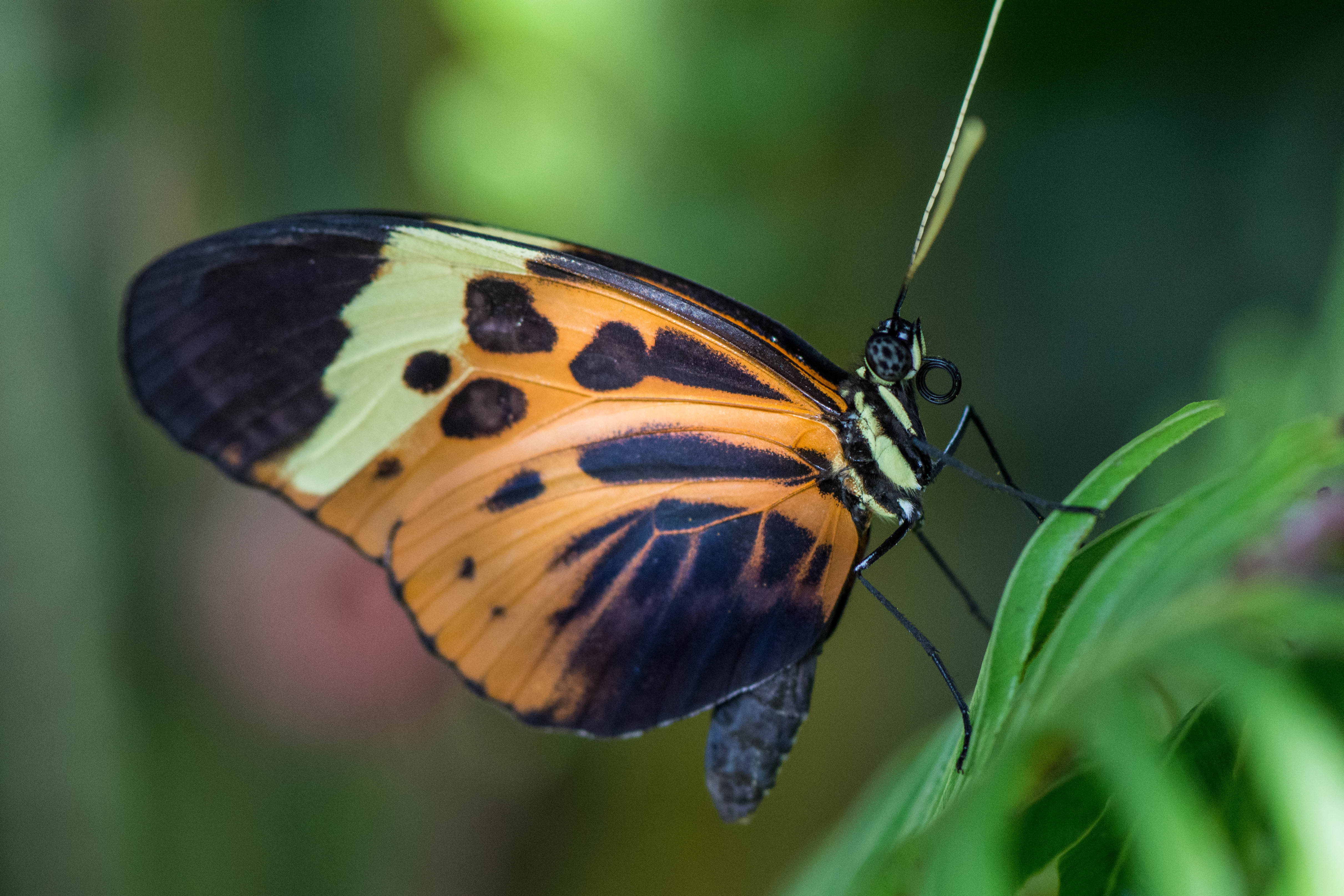
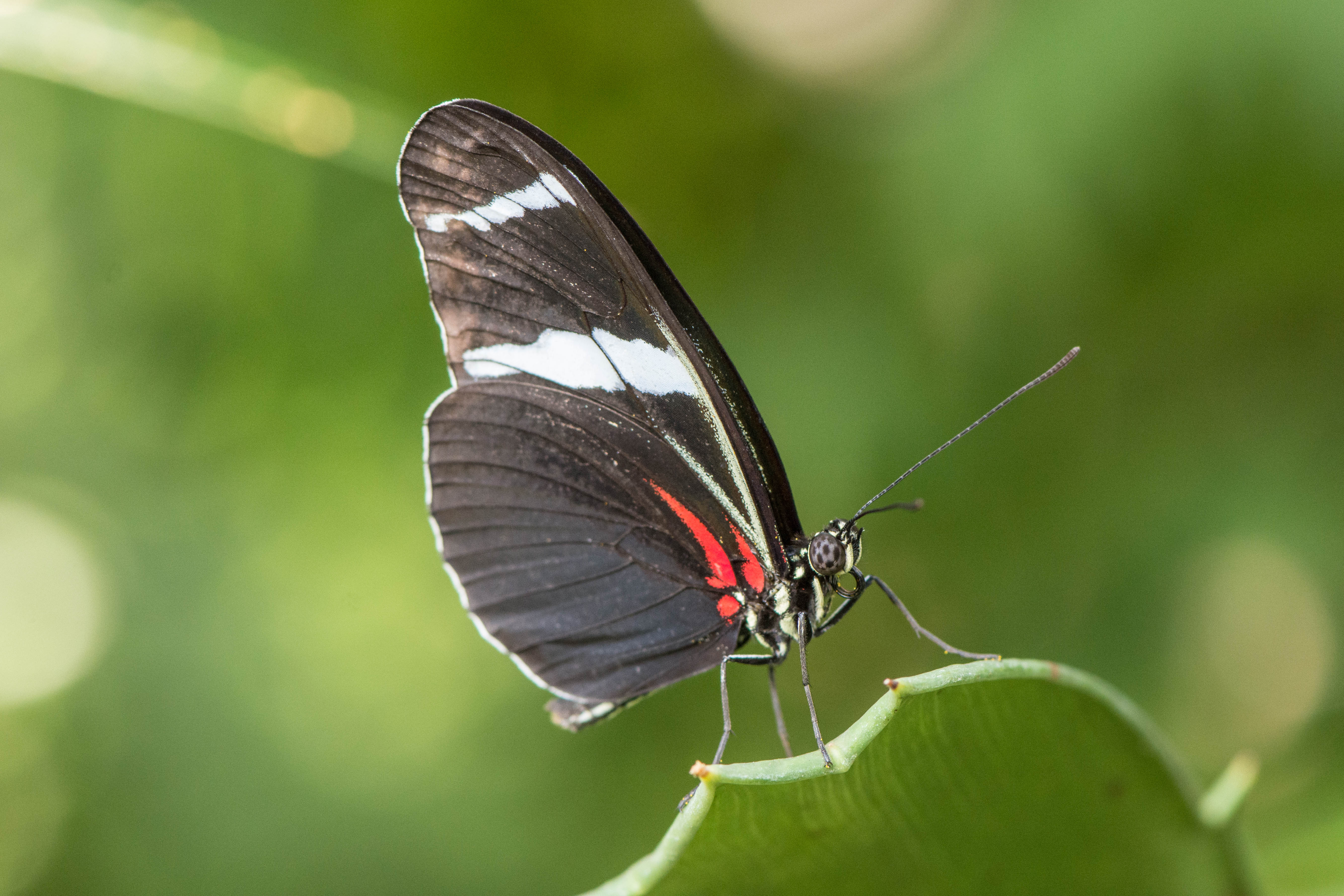
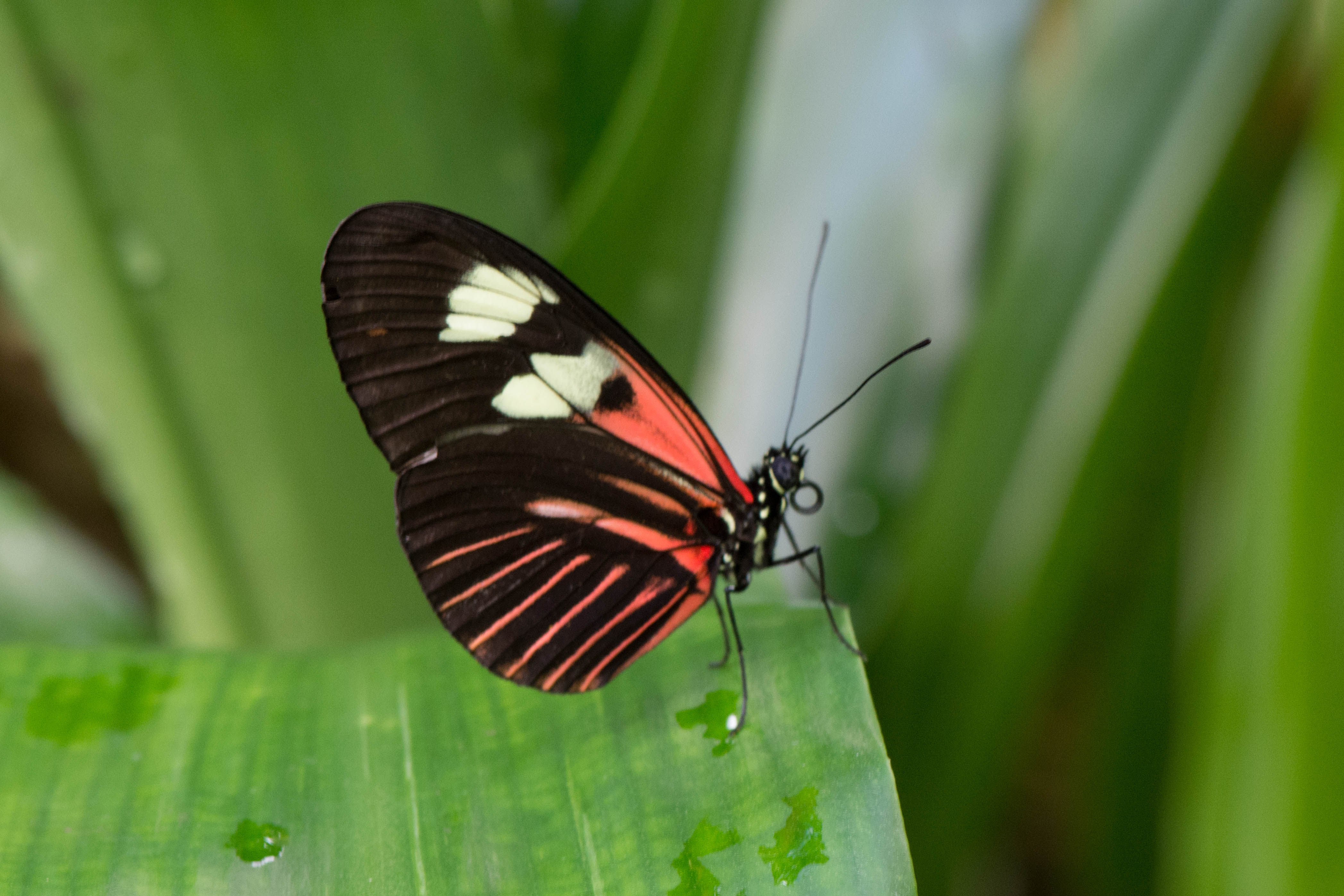
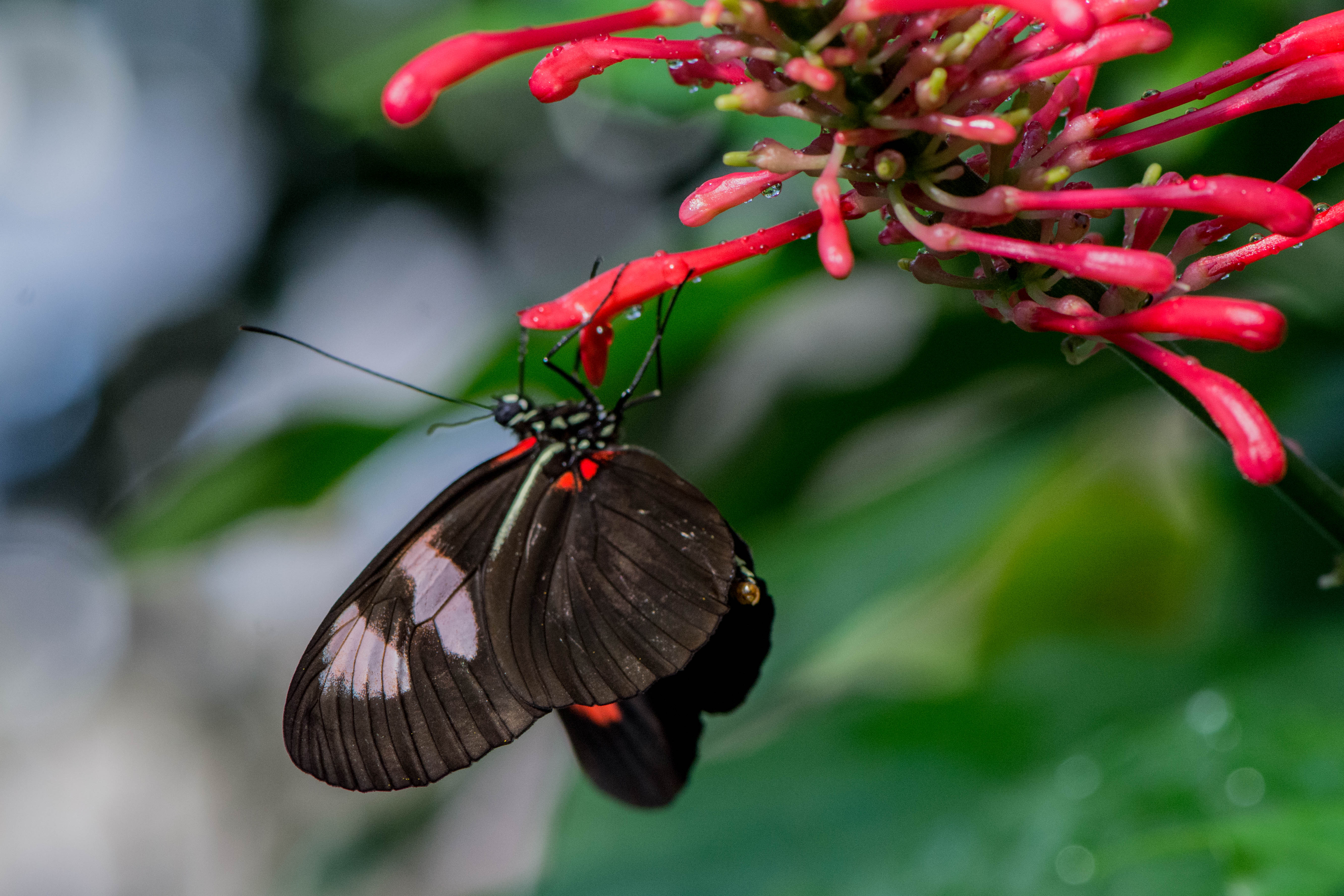
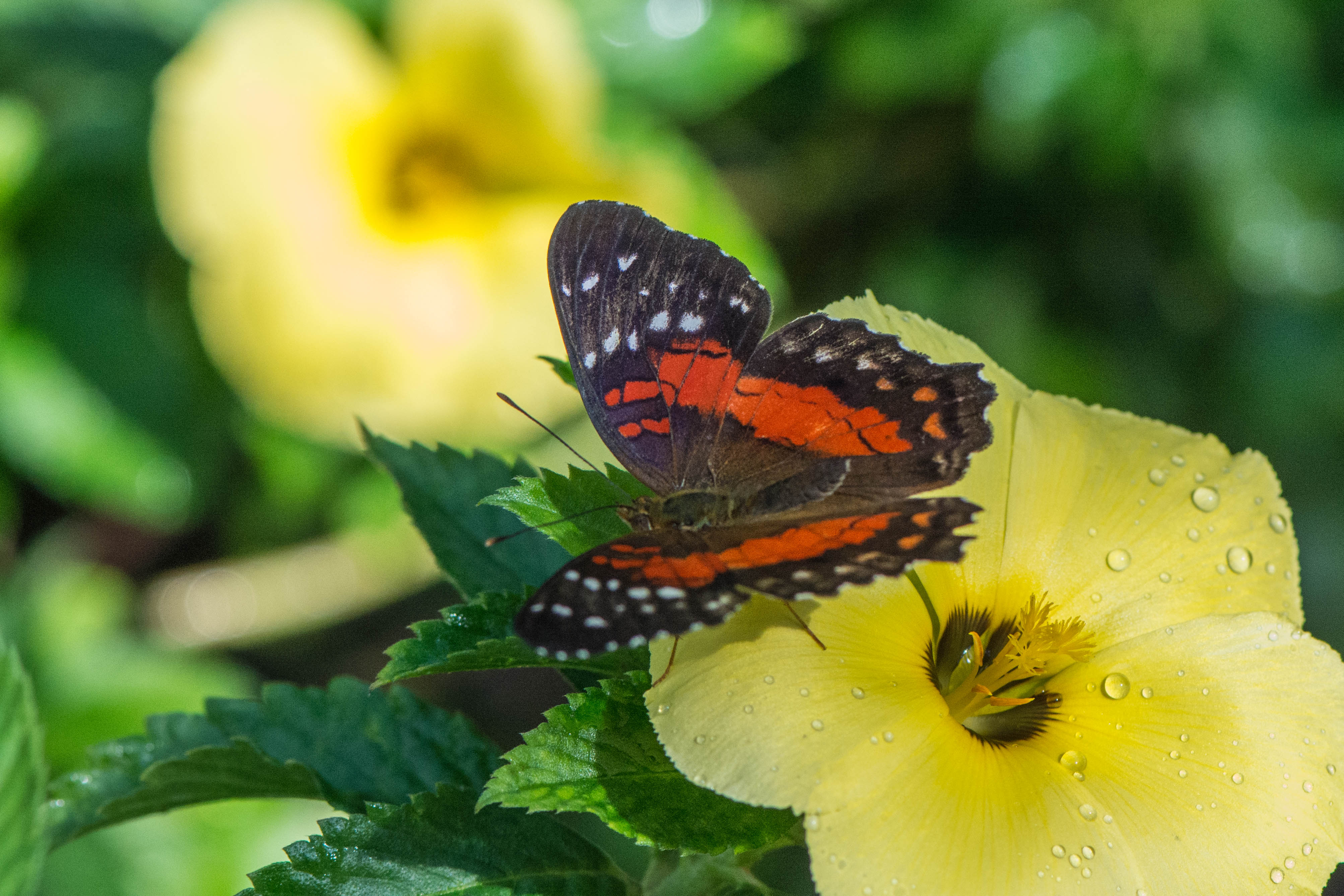
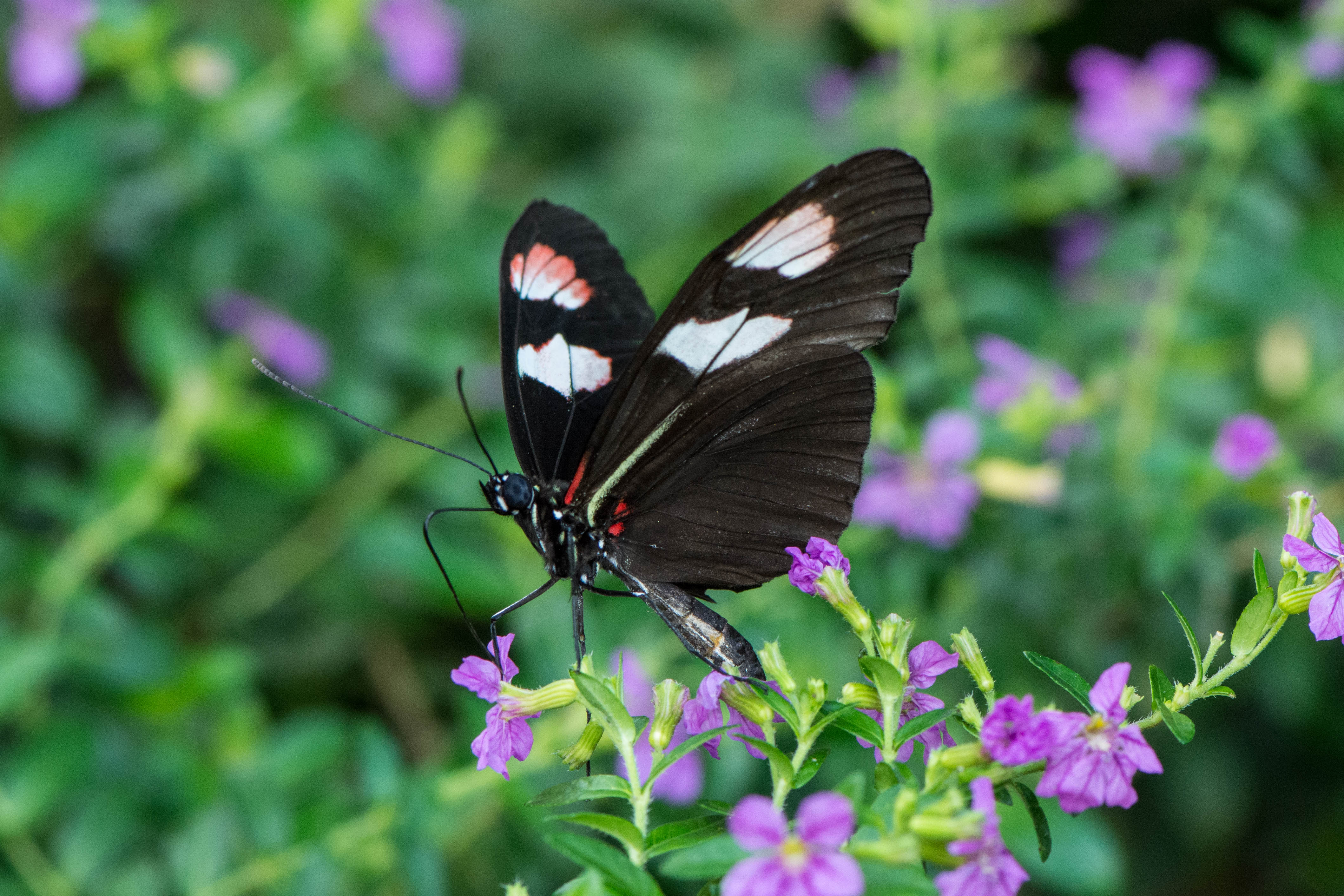
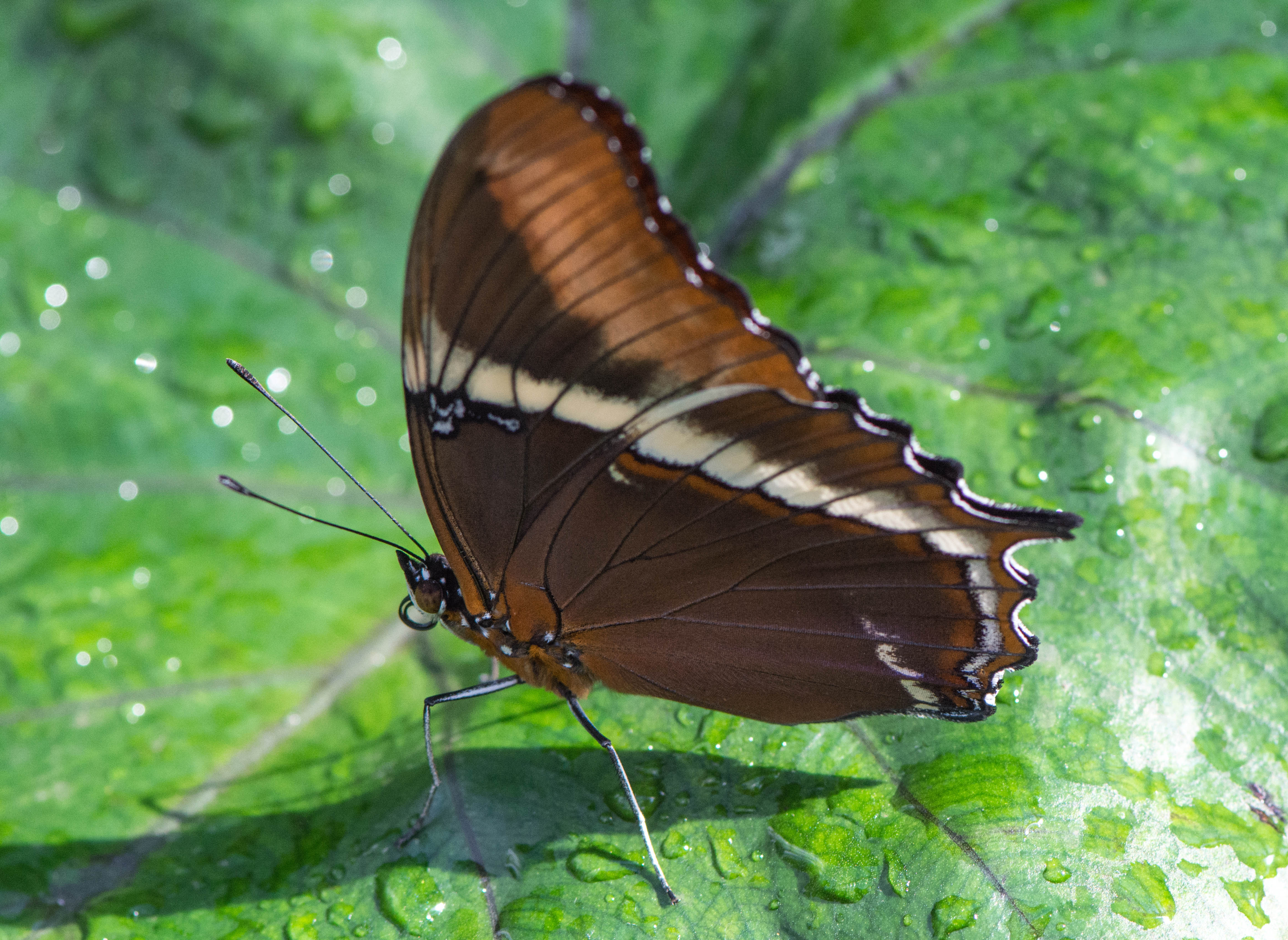
Meanwhile, I took pictures of his fellows at the Butterfly House of the Durham Museum of Life and Sciences with other members of  the Carolina Nature Photographers Association.  I shot with my Nikkor 105 mm lens on  my Nikon D7100, hand-held, setting the aperture, shutter speed, ISO, and focus manually.  Working the various dials and buttons quickly enough to capture these lively creatures was challenging, and there were many whiffs.  But these I liked.  I learned that the average lifespan of butterflies is just one month.

Does nature matter?  Yes, much more than we usually realize, according to Geoffrey Heal, in an interview  in the current newsletter of the Union of Concerned Scientists.  He describes the vital connections between humans and the rest of nature in a way I hadn’t quite thought of before, and which seemed worth pondering.

Heal observed,

The natural world provides everything we depend on. We get our food from the natural world, we get our drinking water and our oxygen from the natural world, and we evolved as part of it. We simply can’t live without it. Plants create food, and they need pollination from insects and they need rain and they need soil. We can’t synthesize these things. So we really are totally dependent on the natural world in the end.

Heal notes that we must make changes in the way we organize our economic systems, or face “catastrophic economic change in our lifetimes.”  But he believes that it’s still possible we can make a course correction to address the threats to our environment and our prosperity. He advocates a version of capitalism that includes accounting for and taking responsibility for externalities — that is, environmental damage caused by commercial activity and imposed on the public.  This sounds entirely sensible, and I’m thinking of reading his new book, Endangered Economies.

Along this line, it’s worth reading the really fine NY Times story from last week on the massive coral die off in the Great Barrier Reef of Australia.  The subject is huge — the largest coral reef on the planet, visible from space — and the reporting is highly readable and credible. As a diver, I’m particularly conscious of the beauty and intensity of life on coral reefs, and their enormous significance in the ocean ecosystem.  The rapidity with which this iconic reef is collapsing underscores that climate change is not just a problem for future generations, but for us, right now.  

On a more cheerful note, in case you missed it, the Science Times had a charming and fascinating story last week on a Norwegian jazz guitarist who discovered how to find star dust.  Did you know that ten tons of tiny dust flakes from space hits the earth every day?  Some of it comes from stars that exploded very long ago and far away.  It’s very  hard to see, but it turns out that it’s everywhere — on our roofs, our cars, and our food.

Guitarist and amateur astrogeologist Jon Larsen figured out how to distinguish stuff from space from ordinary debris.  Larsen and his team made some lovely photographs of the alien dust using microscopes.  It makes you wonder what else is all around us that we haven’t yet seen, but might if we knew how to look.

Our view of the big fire in Raleigh


On Thursday night a massive fire consumed a large apartment building under construction just a block from us. We heard a lot of sirens at about 10:00 p.m., and stepped out on the balcony to have a look. The fire spread quickly through the wood framed structure, with flames rising several stories, and a huge black cloud of smoke.

I hate to admit it, but even as I was starting to process that this was a major disaster, I also felt excited.   It was a thrilling sight, the flames glowing and surging.  But it was also horrifying, so much destruction.  I thought of the many Hispanic guys I’d seen heading to the construction site at sunrise, and all their hard work.

I didn’t think much about the dangers initially.  I assumed that at that time of night it was unlikely anyone was on the premises. (As it turned out, there was no loss of life.)  But as the fire continued, we saw windows in the neighboring Quorum building starting to break from the heat, and smoke coming out of the adjacent Links apartments

It got really hot on our balcony, and a few embers almost made it here.  When we saw the tall construction crane burning. I started to wonder if there was fuel that could explode on the site, and started to worry about getting hit by flying debris. I stopped taking pictures and we stepped inside, just before the crane tilted and collapsed. We watched as it fell across Harrington Street, missing the Links apartments and instead hitting an adjacent low commercial building.

After about an hour, most of the structure was gone and the flames were weakening. The firefighters moved in and started hosing down the borders of the site. Ambulances showed up to treat some of them for smoke inhalation.

The next morning, the site was still smoldering. The firefighters were still working, and several groups of other disaster response workers were on the site, with many vehicles. Sally got a visit mid-morning from a police officer, who said that arson was suspected, and asked if we’d seen anything suspicious (which we hadn’t).

We lost electricity briefly, and were without internet for a couple of days. Otherwise, we weren’t physically impacted, but we were shaken. The physical world, which ordinarily seems pretty stable, seems much less so.  Things are pretty fragile, and can come undone so quickly.

Happier days gone by —
the construction site a few days before the fire


A family visit, defending against motivated reasoning, Mozart’s Figaro, and swimming

Sally’s flowers, with snow falling on Sunday morning

The weather in Raleigh was sunny and mild this week, and the trees started to leaf in.  I was looking forward to some outdoor activities for the weekend, but the temperature dropped into the thirties on Saturday, and on Sunday there was light snow.  

Jocelyn came down from New York to visit us this weekend, along with her friend Kyle.  Gabe and our granddog, Mowgli, also stopped by.  We had some of Sally’s good cooking and some lively conversation.  Among other topics, we considered what’s happening to journalism, including fake news, imaginary fake news, and partisan attacks on media, and how it is possible to be both highly intelligent and deeply deluded.

Jocelyn, ready for dinner

I told them about a podcast by Julia Galef called Rationally Speaking  in which Galef talks with intellectuals about their ideas.  She likes a good argument, and keeps things popping along.  I find her openness to new ideas and curiosity to be really cheering and inspiring.  

Kyle, ready for dinner

This week I came upon a talk Galef did last year at a Tedx conference titled Why You Think You’re Right, Even When You’re Wrong, in which she gives a good way of thinking about  motivated reasoning and how to do less of it.  She analogizes different thought habits to two types of army soldiers:  regular fighters and scouts. 

She summed up the idea here:

Our judgment is strongly influenced, unconsciously, by which side we want to win. And this is ubiquitous. This shapes how we think about our health, our relationships, how we decide how to vote, what we consider fair or ethical. What’s most scary to me about motivated reasoning or soldier mindset, is how unconscious it is. We can think we’re being objective and fair-minded and still wind up ruining the life of an innocent man. …

So  . . . what I call “scout mindset” [is] the drive not to make one idea win or another lose, but just to see what’s really there as honestly and accurately as you can, even if it’s not pretty or convenient or pleasant. This mindset is what I’m personally passionate about. And I’ve spent the last few years examining and trying to figure out what causes scout mindset. Why are some people, sometimes at least, able to cut through their own prejudices and biases and motivations and just try to see the facts and the evidence as objectively as they can?

And the answer is emotional. So, just as soldier mindset is rooted in emotions like defensiveness or tribalism, scout mindset is, too. It’s just rooted in different emotions.For example, scouts are curious. They’re more likely to say they feel pleasure when they learn new information or an itch to solve a puzzle. They’re more likely to feel intrigued when they encounter something that contradicts their expectations. Scouts also have different values. They’re more likely to say they think it’s virtuous to test your own beliefs,and they’re less likely to say that someone who changes his mind seems weak. And above all, scouts are grounded, which means their self-worth as a person isn’t tied to how right or wrong they are about any particular topic. So they can believe that capital punishment works. If studies come out showing that it doesn’t, they can say, “Huh. Looks like I might be wrong. Doesn’t mean I’m bad or stupid.”

Galef comes at some of these same issues from a different direction in a short (5:41) YouTube talk titled How to Want to Change Your Mind.  Here again, she proposes looking at reasoning as having an emotional component that needs to be addressed in the interest of better thinking.  We tend to get defensive and closed off when we feel threatened, and Galef has some helpful tips for counteracting that tendency.  For example, she suggests picturing your opinion as separate from your self.  She also notes that it’s possible to get comfortable and even pleased to discover your belief is mistaken — because you’ve just gotten wiser!

Gabe with beer

The Marriage of Figaro

Last week we saw and heard The Marriage of Figaro by W.A. Mozart and G. de Ponti in a performance by the N.C. Opera.  It was sublime.  The music all by itself is brilliant, well worth listening to even without benefit of story.  The story is essentially a comedy of love, but a unique and strange one — startlingly dark and cynical by moments, but also poignant by moments.

The leads all sang beautifully, and just as important, created believably human characters with their acting.  Jennifer Cherrest as Susanna brought wry saucy humor along with her tonal strength and range.  She had good chemistry with Figaro, her betrothed, the very fine Tyler Simpson.  Other standouts included D’Ana Lombard as Countess Almaviva, who had a lovely voice and musicality.  Cherubino (Jennifer Panara) was wonderfully comic.

Swimming again

Earlier in the week, I added back some lap swimming to my exercise regime.  I’d gotten out of the habit when the Pullen Park pool closed for repairs and then quit having morning hours.  The gym I joined earlier this year has a small lap pool, but I found it hard to get motivated to head toward the water in the early hours, when it’s cold and dark.  But once back in,  I quickly remembered what I like about swimming.  The water feels good on your skin.  There’s a rhythm to it, and quietness.

Our granddog, Mowgli

Guilty pleasures, my new grand piano, and understanding mass delusions

Daffodils at Fletcher Park, March 4, 2017

Daffodils at Fletcher Park, March 4, 2017

It’s been pleasantly mild in Raleigh this week, bringing out the early spring flowers, though it got colder this weekend.  I’ve been in good spirits, which is hard to explain.    With so many big things to worry about, I’ve felt a little guilty about this happiness.   But what can you do?

On Friday I had a successful spinning class with Matt at Flywheel. Despite a couple of weeks off, I finished with the first place score, with 320 points.  Almost everyone (or everyone)  in the class was considerably younger than me.   It’s invigorating to try to keep up with younger people, and especially fun to go faster than them!

Gabe and I had lunch this week at the Remedy Diner, and talked about the possibility of his becoming a partner in a new print-jobbing and graphic design firm.  He’s already doing web site design and related print design work, and the new business could be a good platform.  I’m excited for him, and enjoyed kicking around some of the practical aspects, like finding clients, office space, legal services, accounting, and insurance.

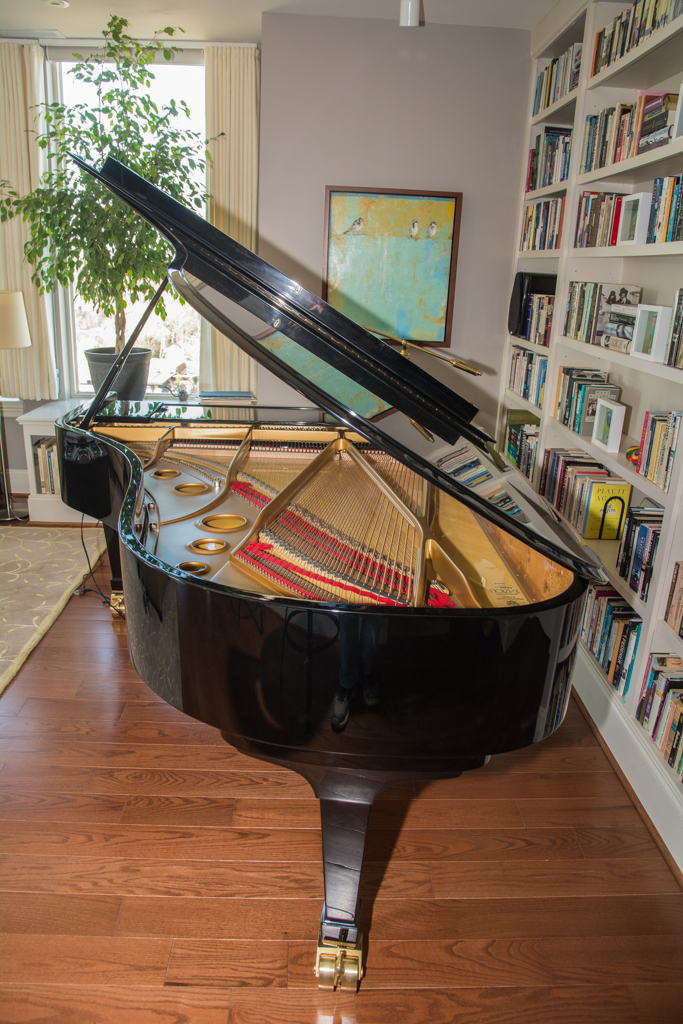
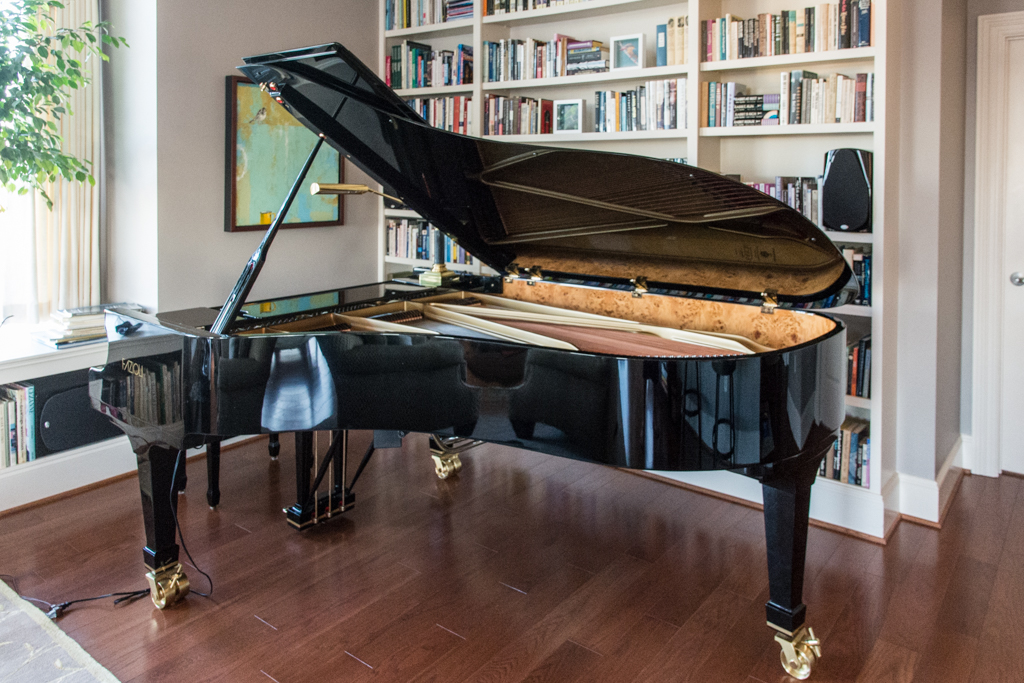
My new Fazioli F228

My new Fazioli F228

This week I figured out how to work forScore, an app for reading piano music on my tablet device.  There’s a massive amount of great music in the public domain and available for free on sites like IMSLP.org, but it’s cumbersome to work with unbound paper copies.  Just as my tablet has become my primary tool for reading books, it might become that for music.  Another plus is solving the problem of page turning.  In prior generations, pianists needed two hands to play the instrument and a third hand to turn pages, but I’m getting a little wireless foot pedal that should do the job.

I’m in love with my new grand piano, a Fazioli F228. The sound is amazing!  It is truly a joy to play.  It’s a 2003 instrument that I acquired from a businessman in Greenwich, Connecticut, who’d got it for his young son to learn on.  Since then, it’s been lovingly tended to by an experienced technician, but barely used.  It will certainly be used by me.  I’ve been delving into my favorite music of Chopin, Liszt, and Debussy, and discovering beautiful new prospects.  I’m selling my Steinway A, a 2004 instrument with a really lovely tone, if you know anyone who might be interested.

blogpicbug-1-5

Being of such good cheer, I’d planned to abstain from political discussions this week.  But I can’t resist sharing links to a couple of articles with very intriguing ideas about a big question:  are we losing our grip on reality?  The White House’s attacks on the media, the justice system, scientific consensus, and other institutions initially seemed to me so bizarre and ridiculous that I assumed no one would take them seriously.  But some people are.

Alexander George in the NY Times compared the situation to a famous forger of Vermeer’s work who succeeded by temporarily changing, through his own fake paintings, the understanding of what qualified as a Vermeer.  George points up that we judge the validity of new information based on our current knowledge base, including the concepts we’ve developed as to what sources are reliable.  If someone were to convince us that we could no longer trust scientists or journalists, our existing knowledge base would be undermined.  Rationality would be seriously impaired, as would political organization and action.  Query, is this the Bannon plan?

blogpicbug-1-4

Also in the sad, failing, fake news Times, Philip Fernbach and Steven Sloman wrote a piece entitled Why We Believe Obvious Untruths, which centers on an idea that is both simple and profound.    The answer, they say, is not lack of intelligence.  Fernbach and Sloman point out that human knowledge is essentially collective — dependent on knowledge of other humans.  The things we think we know are for the most part actually things we’re confident somebody else knows.   While this system of collective intelligence allows for the large and long collaborations necessary for the greatest human achievements, it also accounts for our susceptibility to mass delusions.  

For better and for worse, we largely rely on our communities for knowledge, and our tools for detecting when our communities go awry are not so good.  As others have noted, we have a tendency to believe new information that fits with whatever we (and our community) already believe and ignore and suppress everything else, which has an error magnification effect.  Social media serves for many as news fast food that compounds the echo chamber problem.

Thus it turns out to be easy for groups to come to strong agreement in support of ideas overwhelmingly at odds with the weight of the evidence.  QED:  climate change is a hoax, immigrants are threatening us with terrorism, our military is too weak, etc.

On a cheerier note, speaking of intelligence, there was a report this week of experiments showing that insects have a lot more mental capacity than previously thought.  They aren’t just automatons operating on pure instinct, but  can learn and solve problems.  Scientists at the Queen Mary University in London taught bumblebees to roll a little ball across a platform in exchange for a reward.  Amazing!  

blogpicbug-1-2

Losing things, and joining a protest

OLYMPUS DIGITAL CAMERA

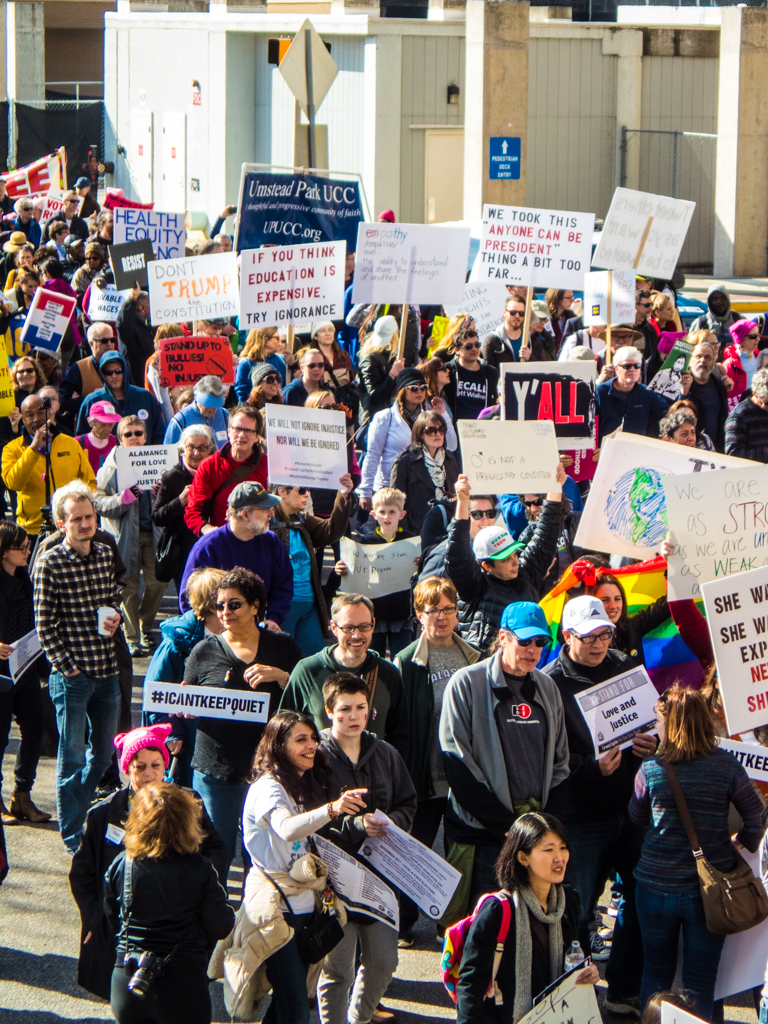
Protest march in downtown Raleigh, February 11, 2017

It’s been almost 3 hours since I last lost something, which is a slightly sad thing to be pleased about.  Lately my little things — car keys, access cards, reading glasses, my tablet device, my phone — have gone missing more than usual.  I find them eventually, but the interval between losing and finding is tense and uncomfortable.  It could be early onset Alzheimer’s, but I suspect the cause is Trump.  With his non-stop boasting and lying, his cluelessness on every vital issue, his shameful targeting of minorities,  and his general shamelessness, he’s got me spinning and oscillating with amazement, laughter, and fear.  That could be what’s impairing my brain.  

It may be no coincidence that I’m seeing more references to losing things.  I’ve heard multiple citations recently to the famous Elizabeth Bishop poem One Art (“The art of losing isn’t hard to master.”), which is worth rereading.  And there’s a beautiful, lively, and touching piece by Kathryn Schultz in the current New Yorker entitled Losing Streak.   She writes of her personal losses of little things (wallets, bike locks), and big ones (her car, her father).  Schultz comes up with some fun facts: the average person misplaces up to 9 objects per day, and in a lifetime will spend 6 months looking for lost things.  She identifies some of the possible causes — your spouse, aliens, wormholes.  

OLYMPUS DIGITAL CAMERA

The only disappointment was  that she didn’t zero in on Trump.  But a new piece by David Frum in the Atlantic tends to confirm his potential for making us all losers, wondering what became of our democracy.  Frum points up a critical difference between previous varieties of fascism and Trumpism: Trump doesn’t need to stop holding elections, shut down the press, and murder political opponents to achieve his primary objective:  enriching himself.    Modern kleptocracies grow by fostering cynicism and apathy.  Corruption could become ordinary and expected here, as is already has in many countries.  A possible future is the end of the rule of law.

Frum ends on a hopeful note by encouraging us to all get in touch with our Congressmen and Senators and support good laws.  He seems to be of the view that resistance is not futile.  That’s where I am, too.  Even if it is futile, the alternative is worse.

OLYMPUS DIGITAL CAMERA

Apropos, on Saturday morning I went to a protest in downtown Raleigh– the HKonJ and Moral March organized by the NAACP with some 200 other groups.  Fayetteville Street was packed for several blocks with many thousands of people.

Being in big noisy crowds is not comfortable for me, but that said, it was a cheery noise, and a truly diverse crowd.  There were signs for Black Lives Matter, LGBTQ rights, gun control, reproductive rights, immigrant rights, living wages, health care rights, civil rights, and animal rights, among many others.  There were signs against The Wall, the immigration ban, HB2, voter suppression, Tweeting, and intolerance, among many others.  There are so many things that need resisting that it’s hard to stay determined and focused, but we’ve got to get started.  

OLYMPUS DIGITAL CAMERA

Dance photos, octopus minds, and engineering Islamophobia

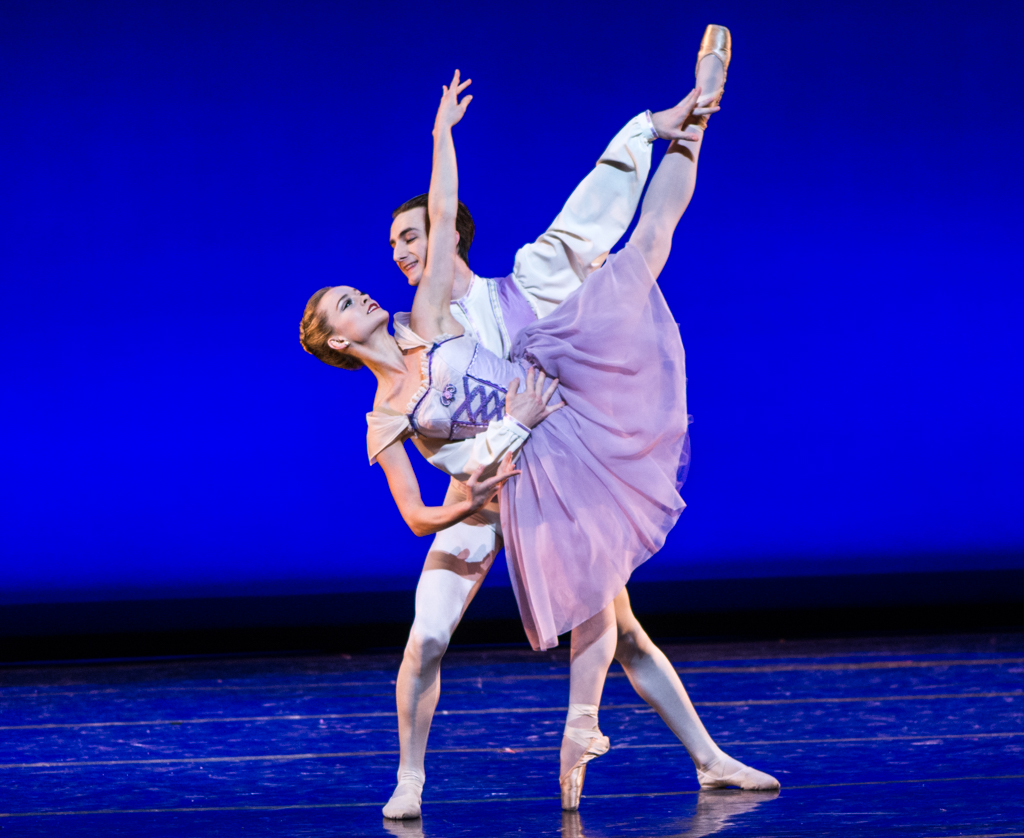
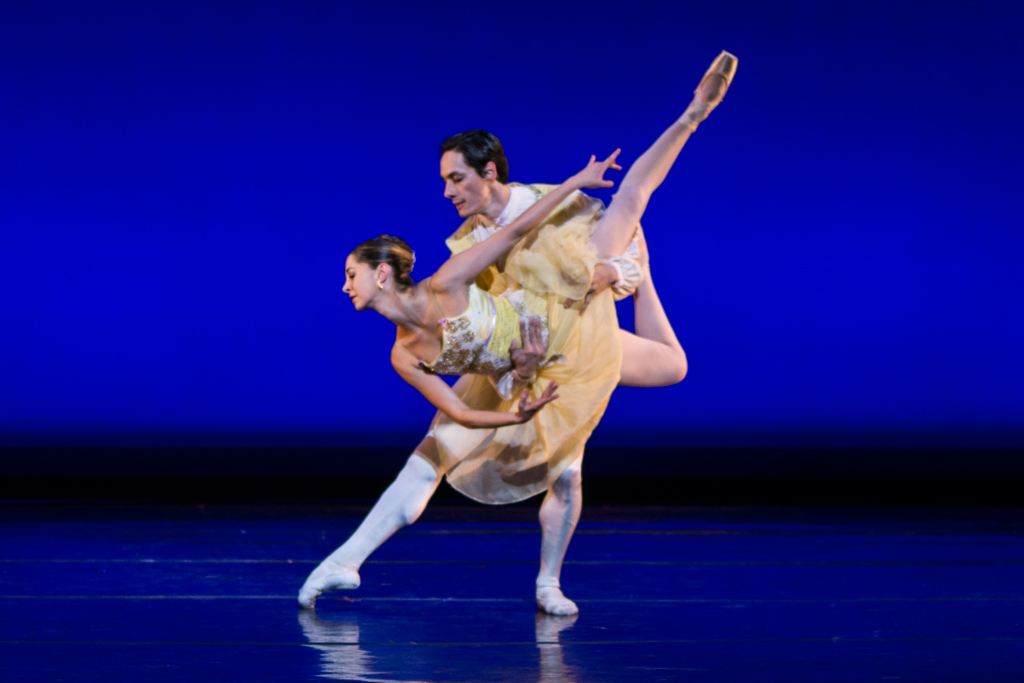
Dress rehearsal for Petit Ballet Romantique

Dress rehearsal for Petit Ballet Romantique

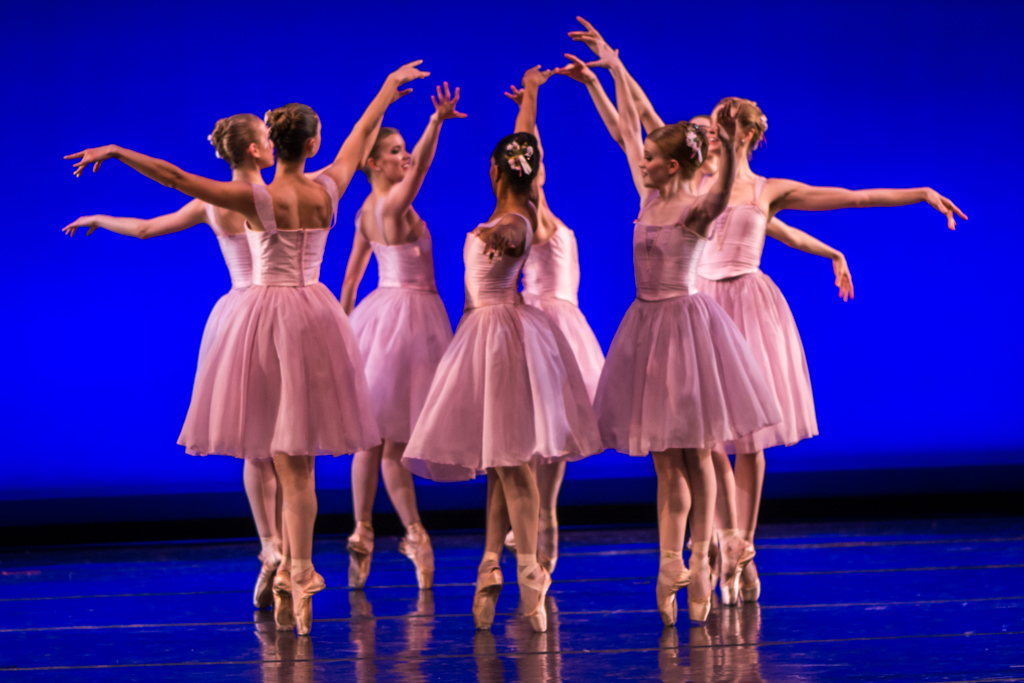
I took a photography lesson this week from Ted Salamone at a dress rehearsal of the Carolina Ballet.  The lighting conditions were challenging, and at first I felt well out of my depth.  It took some pressurized experimenting with ISO and shutter speed to get anything to work.   Ted gave me some great tips, and the dancers were beautiful and inspiring.    

blogpicbug-1-9


I just finished reading Other Minds:  the Octopus, the Sea, and the Deep Origins of Consciousness, by Peter Godfrey-Smith.  Godfrey-Smith is a diver as well as a philosopher who has spent a lot of time watching cephalopods.  As he notes, octopuses are aliens to us, about as far removed in evolutionary terms as possible.  

Yet  they have abilities and behaviors that merit the word intelligence.  Their shape-shifting and camouflaging abilities are astonishing, of course, but they also solve problems and exhibit curiosity and affection.  Godfrey-Smith connects them, and us, to the great journey of evolution, and to a better understanding of the nature of consciousness.  There’s a good review here.  l  

blogpicbug-1-4

Trying to understand non-human intelligence eventually leads to the question, how well do we understand ourselves?  The question came into focus in a new way for me this week, when I read of polls indicating that a more Americans favored Trump’s new anti-Muslim measures than opposed them.  I like to think of my neighbors and fellow citizens as mostly kind, compassionate, and tolerant, and mostly willing to help others in need.  I’m having trouble wrapping my mind around the possible alternative.  

blogpicbug-1-6

When Franklin Roosevelt said, “The only thing we have to fear is fear itself,” I think he meant that fear was a powerful force that could undermine us, but also that it could be overcome.  The new President has a different message:  the world is very scary and we need to be more fearful.

And that message seems to be having an effect.  Of course, humans have always been wary of those who are different.  But other forces usually counterbalance those feelings, like curiosity, generosity, and love.  We seem to be losing our balance.

Dress rehearsal for The Little Mermaid

Dress rehearsal for The Little Mermaid

Is Trump’s demonization of Muslims a deliberate strategy?  At first it just seems arbitrary and bizarre.  But Amanda Taub wrote a worthwhile piece in the NY Times this week that suggested a possible method in the madness.   

Taub points up that authoritarian politicians often exploit fears by targeting a politically powerless minority and creating an us-versus-them mentality.  By creating artificial enemies and claiming to be protecting against them, they may increase their popularity and power.  Unless such leaders are checked, they tend to expand the list of targets and dial up the level of violence.  

Of course, we have a governmental system with certain institutional checks and balances.  Are they strong enough?  We’ll find out.

Dress rehearsal for The Little Mermaid

Dress rehearsal for The Little Mermaid