The Casual Blog

Category: books

Recovering, reading about B. Franklin, and addressing climate change

14 05 20_9462_edited-1
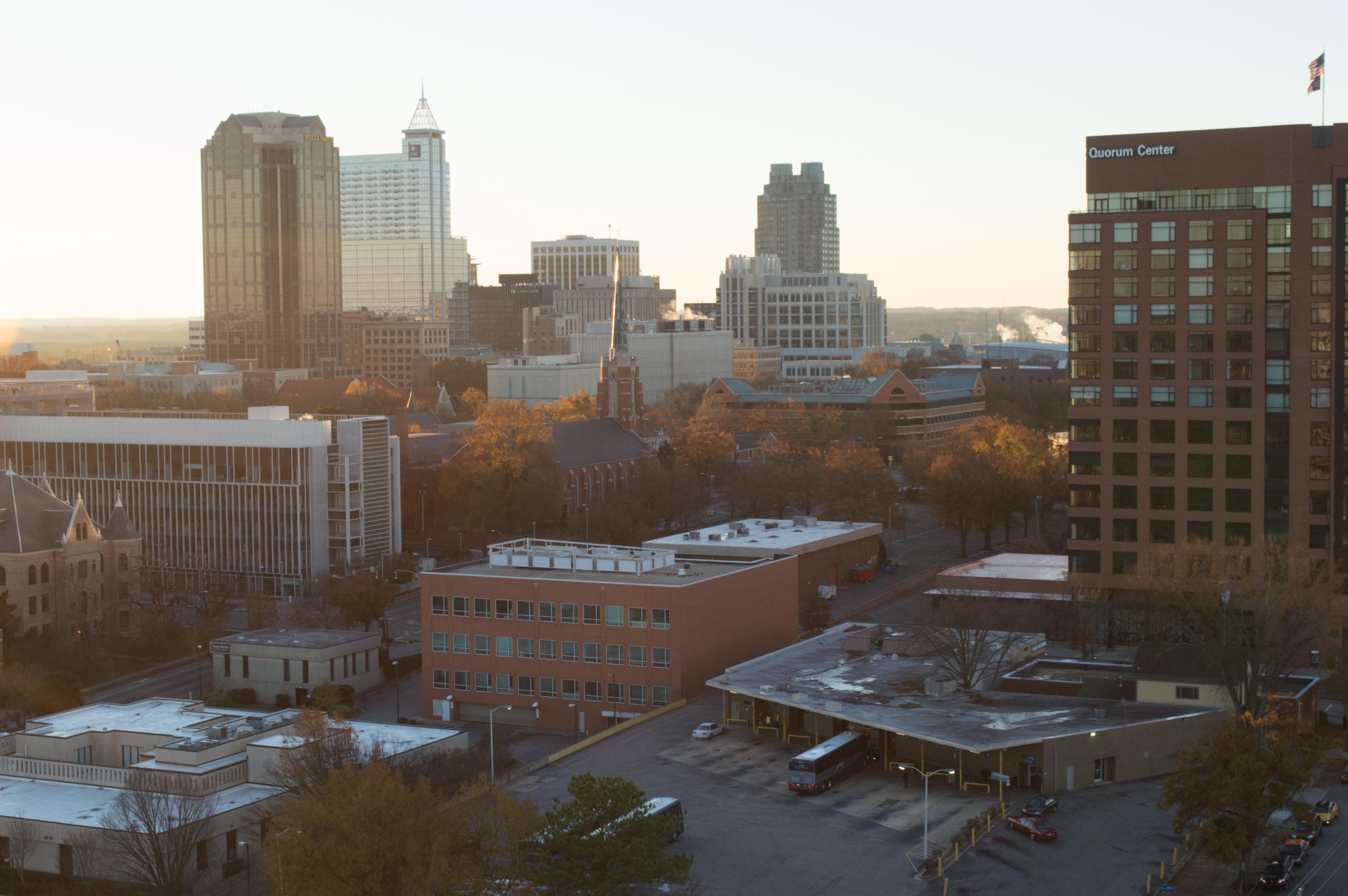
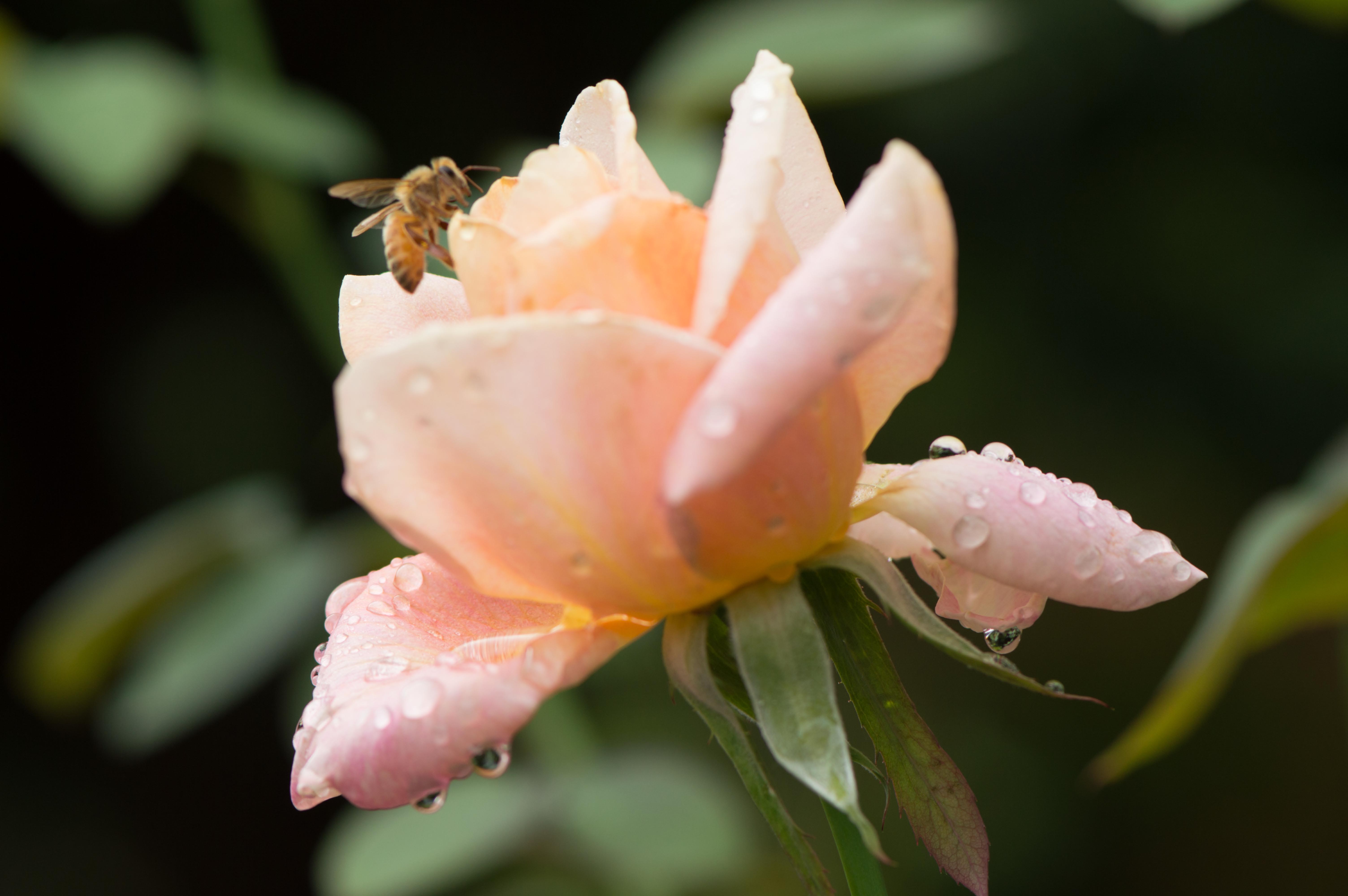
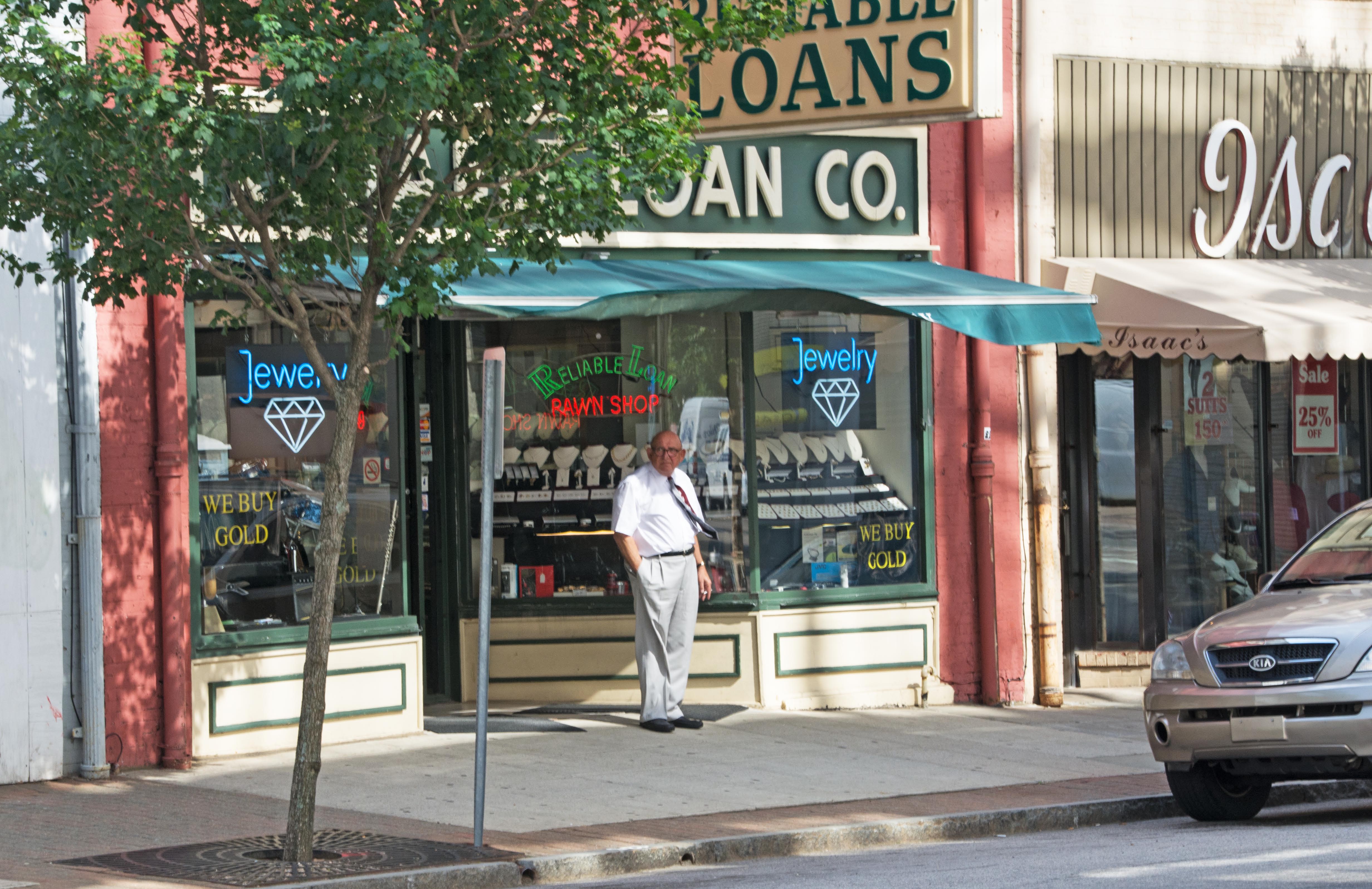
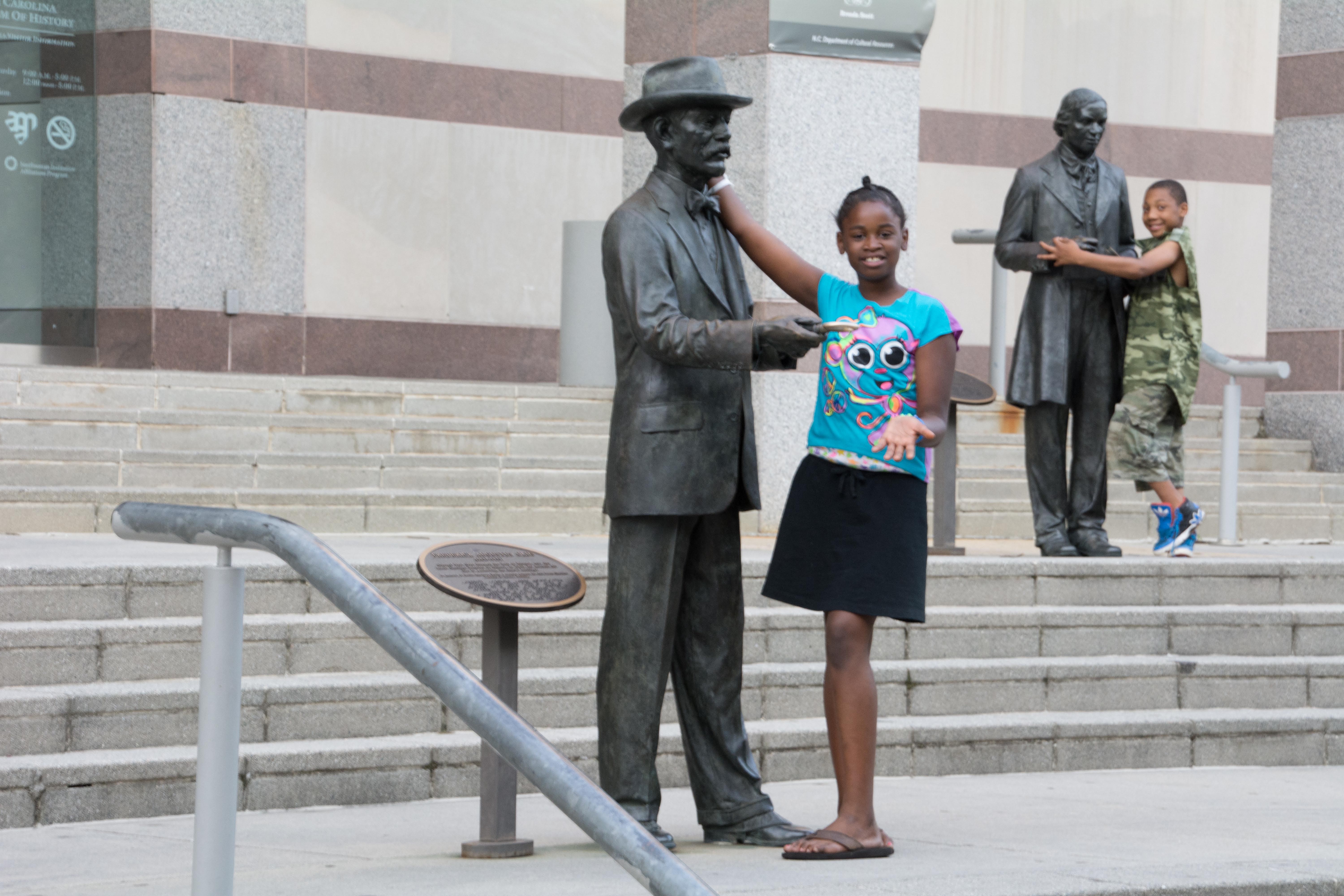
This week the weather in Raleigh was mild, and it was pleasant to walk to work. The walk takes 15-20 minutes, depending on how I catch the lights and whether I’m trying to get there for an early meeting. When I wasn’t especially pressed, I made a few pictures of people working and playing.
14 05 23_9501_edited-1

Now, after two weeks from our return from Dominica, my various wounds (assorted bruises, scrapes, and blisters) are mostly healed up. The most worrisome, my severely sprained right hand, is still swollen and sore, but hurting less, and I’m able to play octaves on the piano, though not loudly. It reminded me of when I first tried to learn to catch a football as a little kid, and jammed up my fingers.
14 05 20_9468

It is remarkable how the body can overcome and regenerate. In fact, did you ever notice how sometimes a new injury seems to help an old one to heal? My nagging shoulder issues, which I’ve been trying to get over for several months, seem to have gone away, cured or obscured by the addition of new, more pressing discomforts.

14 05 19_9472

It’s Memorial Day weekend, and we’re still full of memories of our friend Scott, who shuffled off this mortal coil right after leading our Dominica trip. He managed, by being an unusually vibrant and generous person, to hook himself into the fabric our lives, and his departure has ripped that fabric. We’ve been talking about him, his good deeds and his goofiness, and looking back at photos. For therapy and comfort, I’ve been rereading some of In Memoriam, Tennyson’s poetic memorial to his beloved friend Arthur Hallam. Yes, it rhymes, in a style that’s way out of fashion now, but it can still speak to us. It takes grief and loss seriously, and delves deep.
14 05 19_9470

As I’ve noted before, my favorite founding father is Benjamin Franklin. Last week I finished another biography of him, by H.W. Brands. Franklin was a protean genius with many aspects, and so the biographer will inevitably neglect some of them. Brands is most interested in the political and literary Franklin, and less in the scientist and philosopher. But in describing Franklin’s diplomatic efforts in England prior to the revolution and his diplomacy in France during it, he gave me new perspectives on the war. For those of us who cut our historical teeth on revisionism, it is reassuring that Franklin, who loved England dearly, could conclude that there was no alternative to war.

For all Franklin’s enormous fame during his lifetime, it’s interesting that there are significant gaps in the record, and much we don’t know about his inner life. But what keeps shining through is his insatiable curiosity about the natural world and his constant effort to make the human world better. It’s also inspiring to me, as I get on in years, that a good portion of his greatest achievements, including helping invent and establish American democracy, were in the last quarter of his long life.
14 05 17_9378

Apropos of making things better, there’s a good short op ed piece on climate change by Tom Friedman in the NY Times, which poses a question I’ve been wondering about: “How do we do something about [global warming] at the scale required, when many remain skeptical or preoccupied with the demands of daily life[?] He also quickly hones in on the central moral and political quandary – the conflict between the welfare of this generation and future generations: “our ethical values point one way, towards intergenerational responsibility, but our political system points another, towards the short-term horizon of the next generation.” (Quoting Thomas Wells, a Dutch philosopher.) Friedman argues for urgent change, including a carbon tax and energy efficiency standards. This seems sensible, at least as a starting place.
14 05 25_9560

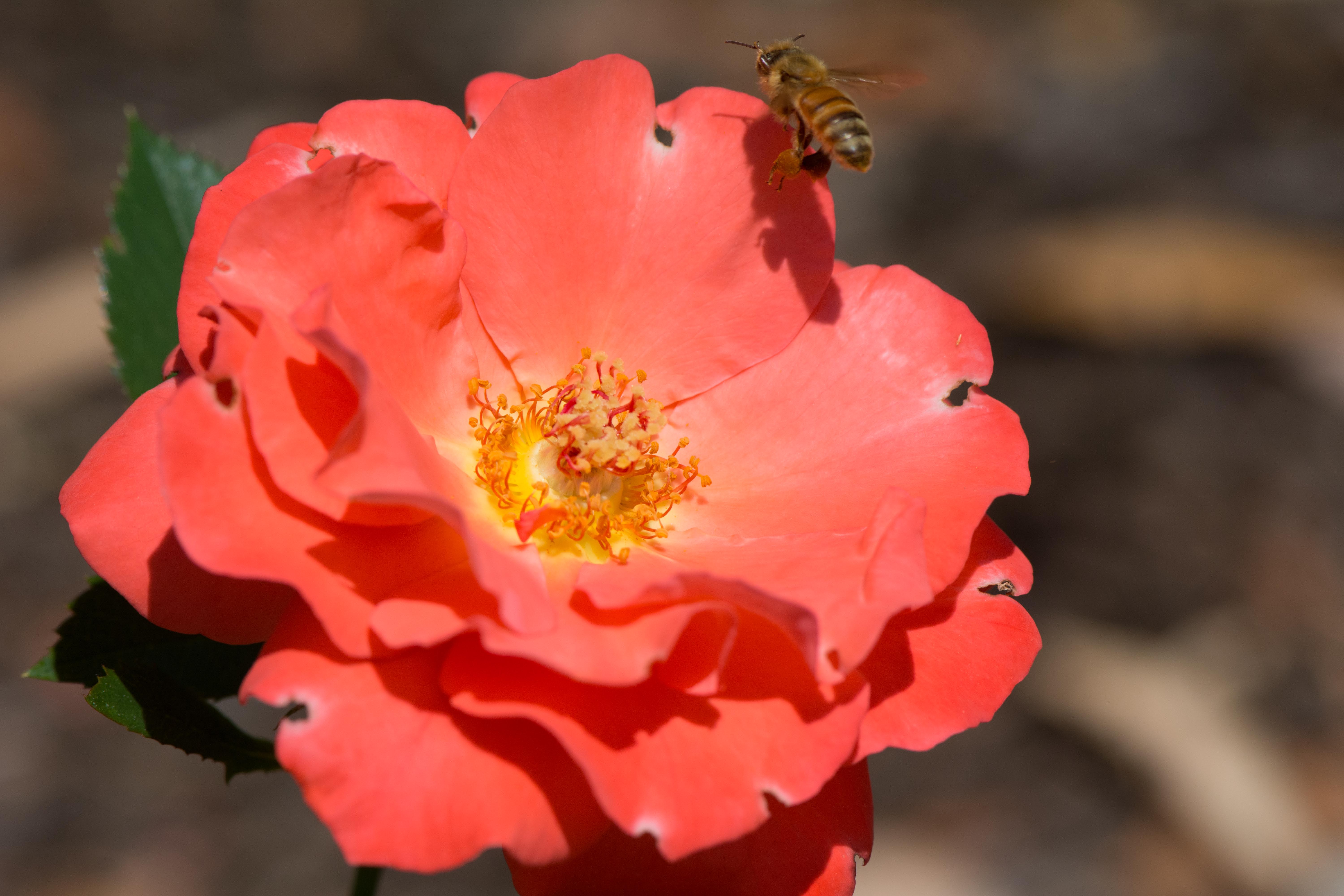
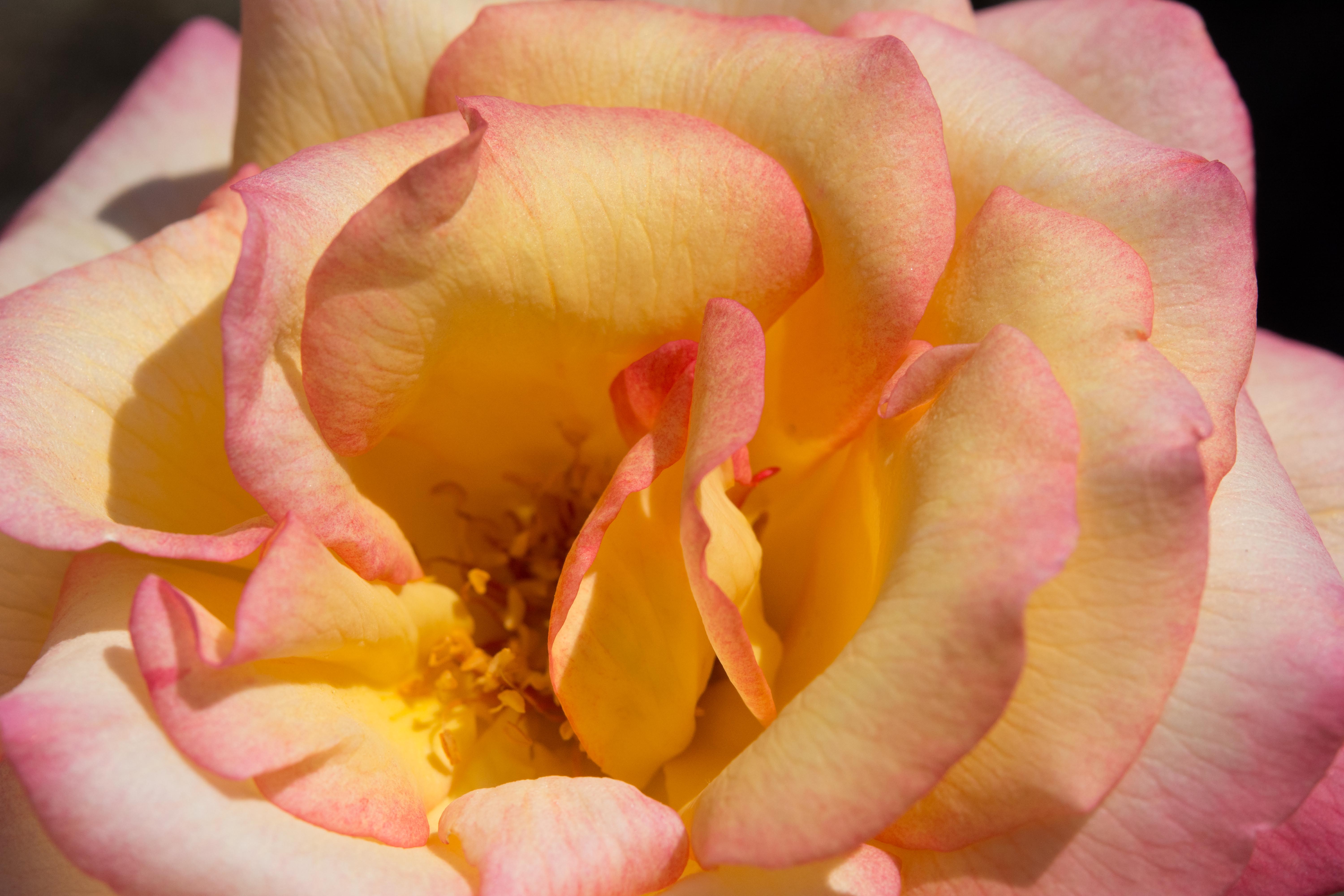
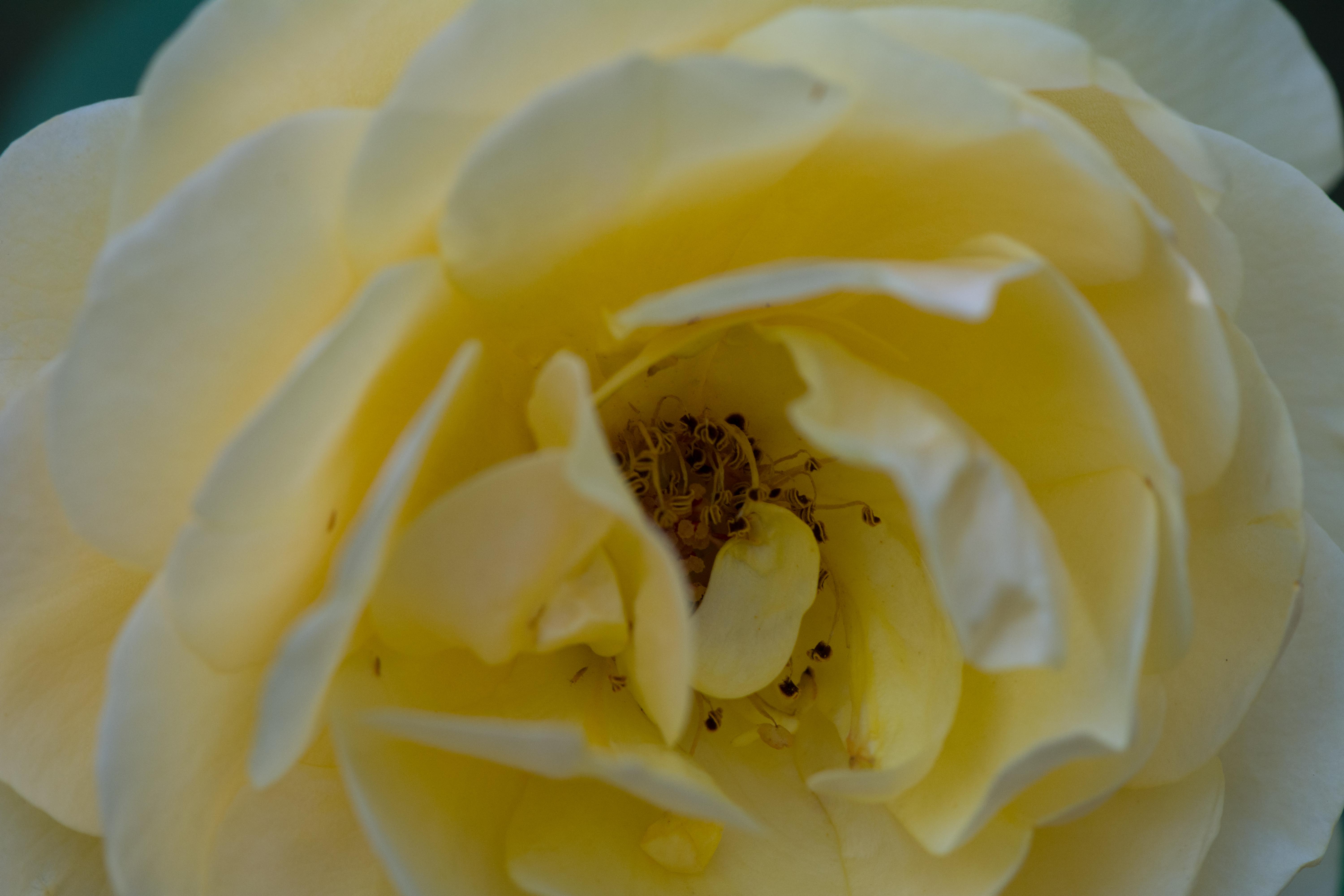
On Sunday I took a walk through Raulston Arboretum, which I try to do once a week, but missed recently. I completely missed the irises — they’d come and gone while I was traveling. But the roses are in full bloom, and there are some remarkable lilies.
14 05 25_9563
14 05 25_957414 05 25_9553

My first visit to Barcelona

14 04 12_8135_edited-1
Last week I did a quick trip to Barcelona for the FSF-Europe Free Software Workshop, and got a chance to see the city a bit. There was good energy and good attendance at the conference, with some old friends and major thought leaders in free software, and my talk on software patents and the Supreme Court was well received. It was really cheering to be with a large group of really smart, really nice people working to advance the cause of free and open source software.
14 04 09_8236_edited-1

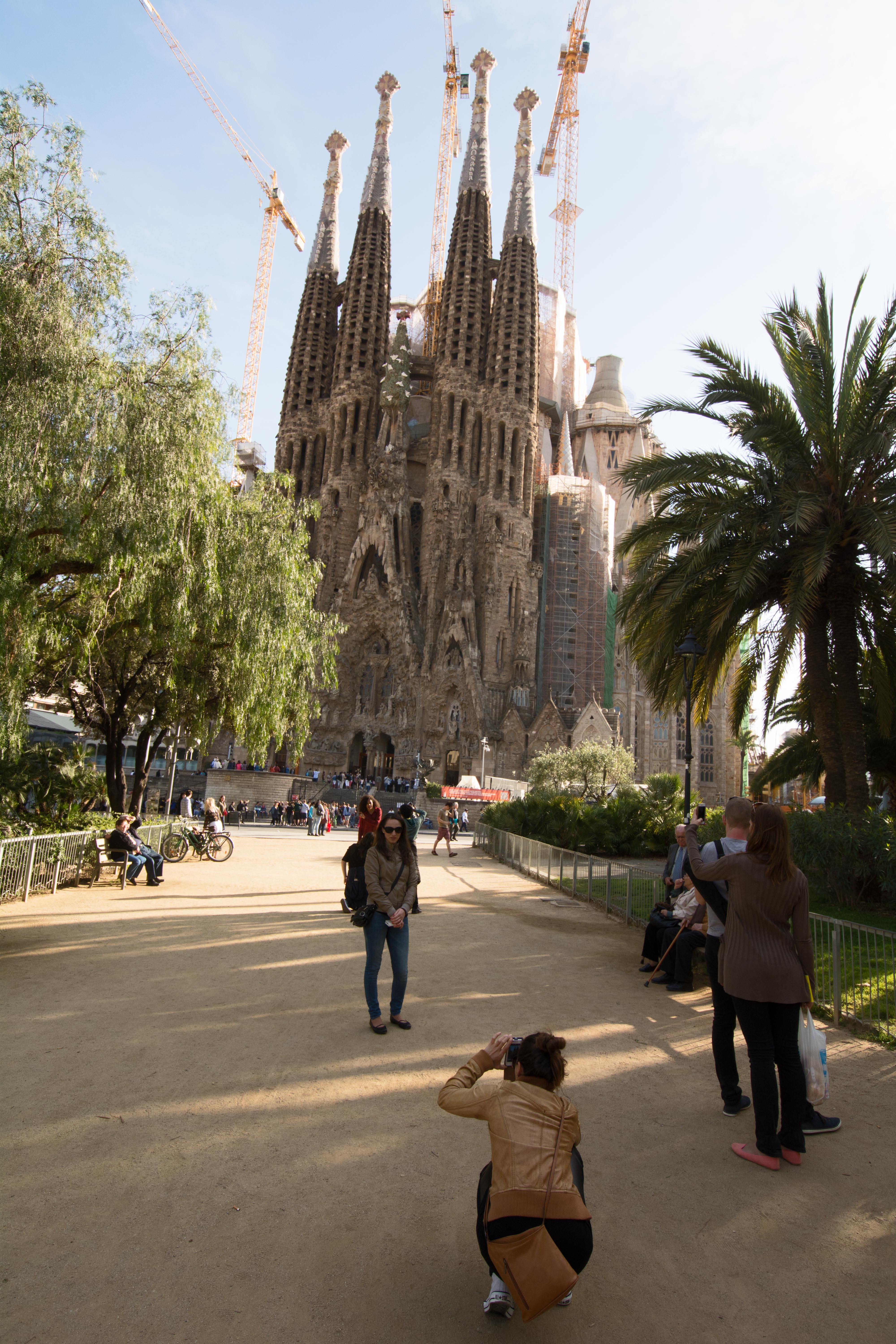
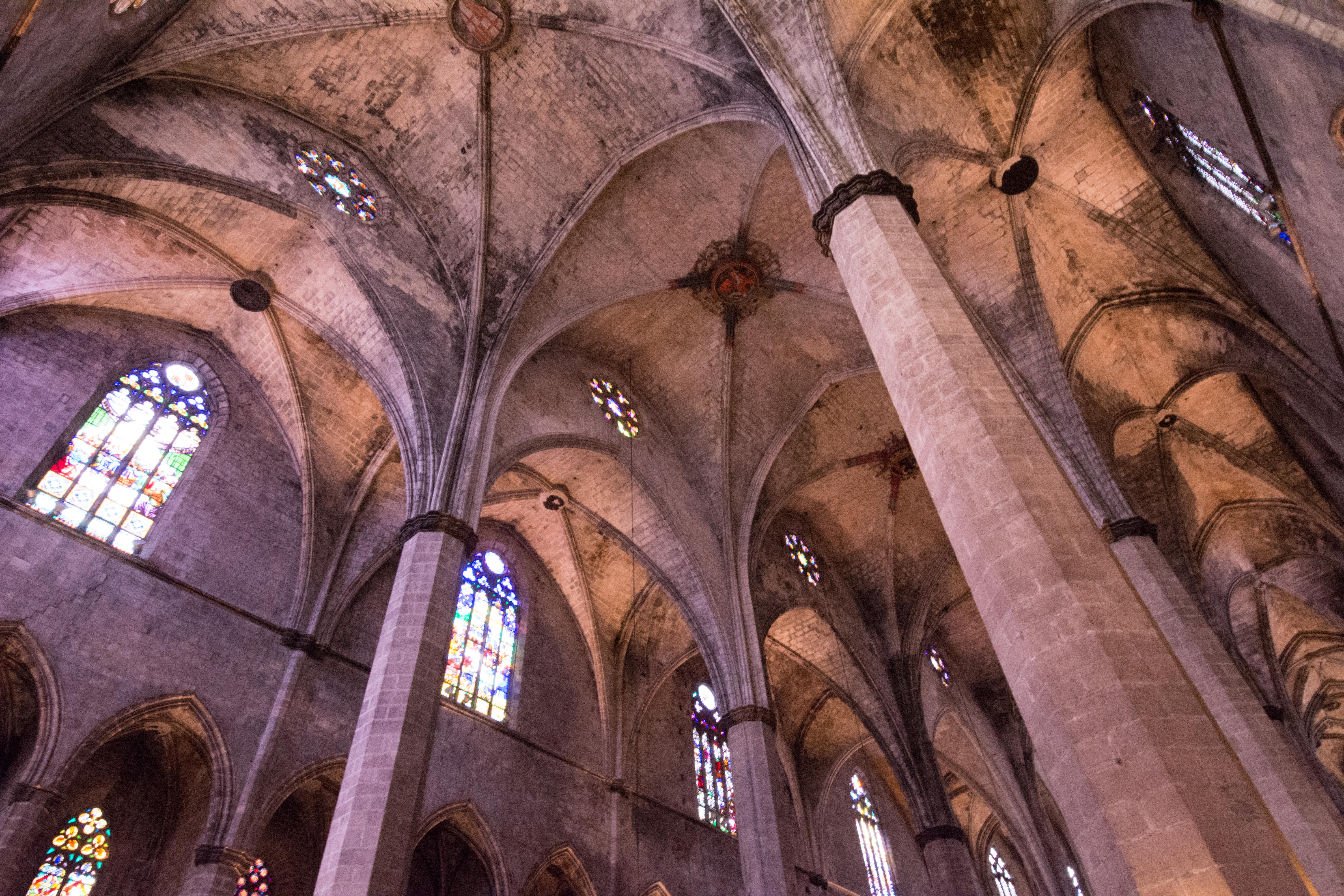
We took a tour of the Sagrada Familia, the famous cathedral designed by Anton Gaudi and still a work in progress 122 years after it was started. It’s a strange building, half modern and half gothic, and massive. As with the great gothic cathedrals, it overwhelms the senses – it’s impossible to take it all in at once. Our tour guide took us inside late in the day, as the light was changing quickly, and showed how the windows were designed to manipulate the light. The guide made it clear that the work is both source of controversy and of enormous pride for the Barcelonans. I can’t say I liked it, exactly, but I found it wildly ambitious, bizarre, and intriguing.
14 04 09_8208_edited-1

After the conference, starting Saturday morning, I shifted from work mode to super-tourist mode, and spent about 14 hours exploring the city. At first I thought it seemed a bit like a cross between Paris and Florence, but in the end I found it distinctive, just itself. It has grand boulevards with trees and fashionable shops, warrens of narrow medieval streets, and large parks. There are a couple of distinguished gothic cathedrals, some excellent art museums, and a modern (with TVs!) and efficient modern metro. It was easy to figure out how to get a ticket and get going in the right direction, and I never waited more than three minutes for a train.

Barcelona was energized and energizing. It seemed very cosmopolitan and sophisticated. The Catalans have their own language, Catalan, which seemed not too different from Spanish. Like people of other small European language groups, Barcelonans are more likely to need a second or third language. I found that the service people all spoke adequate-to-excellent English. In fact, using advanced Yankee detection radar, they sometimes spoke to me in English before I even opened my mouthand so I didn’t get to use my still-a-work-in-progress Spanish very much.
14 04 12_8116

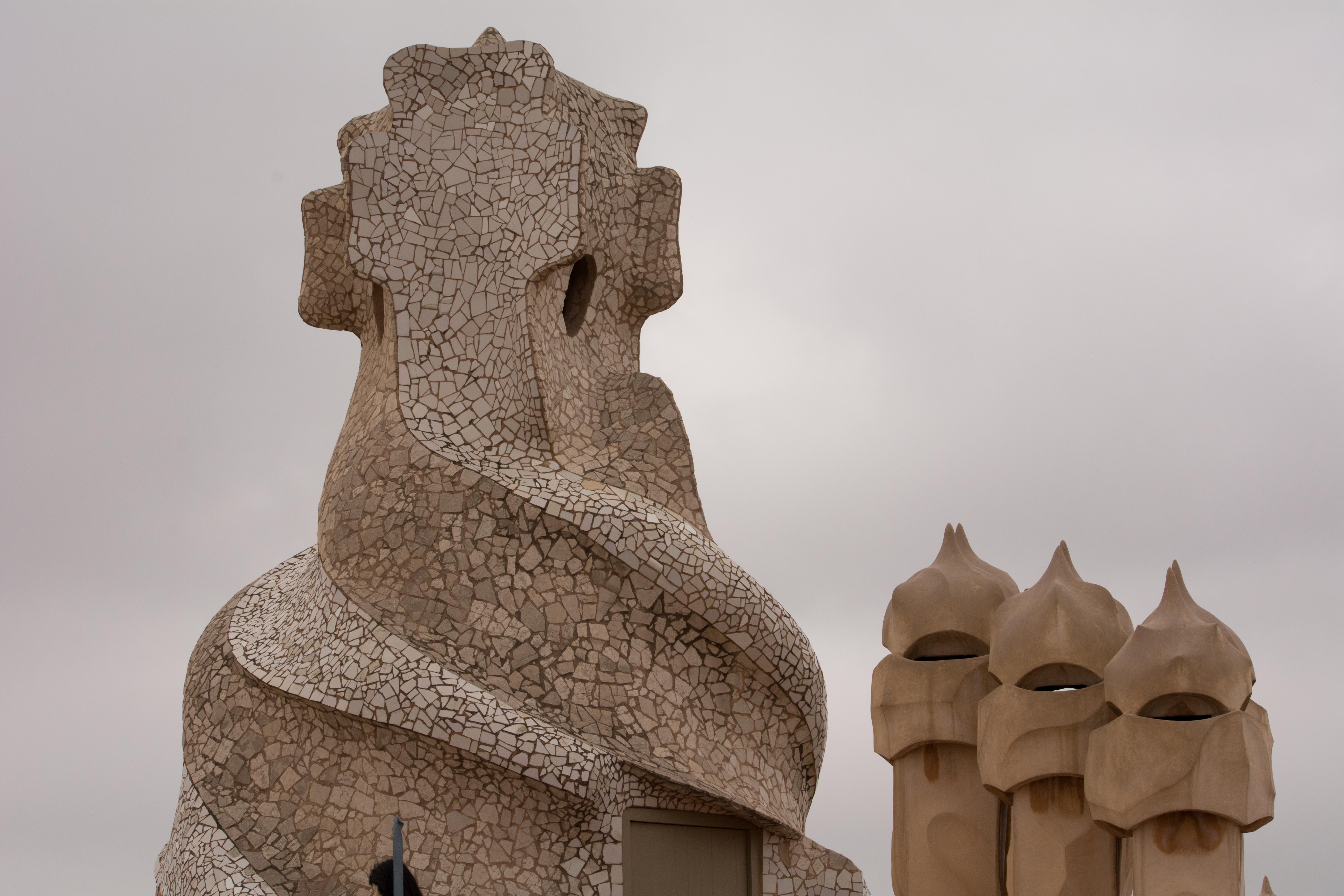
Since the Barcelonans are so proud of Gaudi and the school of modernisme (which struck me as a species of art nouvea), I decided to check out another well-known Gaudi building — the Pedrero, an apartment building. Unfortunately the façade was covered up for renovation, but it was worth seeing the roof and a large apartment. The roof had mysterious sculptural objects with undulating surfaces, bulges, and points. I have no idea what they mean, but somehow in the context of city rooftops they work. The apartment was remarkably spacious, and well-furnished and decorated in the period.
14 04 12_8139

Gaudi was a visionary and a maverick, unwilling to accept existing conventions and aesthetic categories, like our Frank Lloyd Wright. But Gaudi’s aesthetic is odder – whimsical in places, but also suggesting memories of nightmares. It’s amazing that he found funding in the first place, and that he also found lasting fame. The local obsession with Guadi is another sign that Castilians are different in an interesting way.
14 04 12_8184
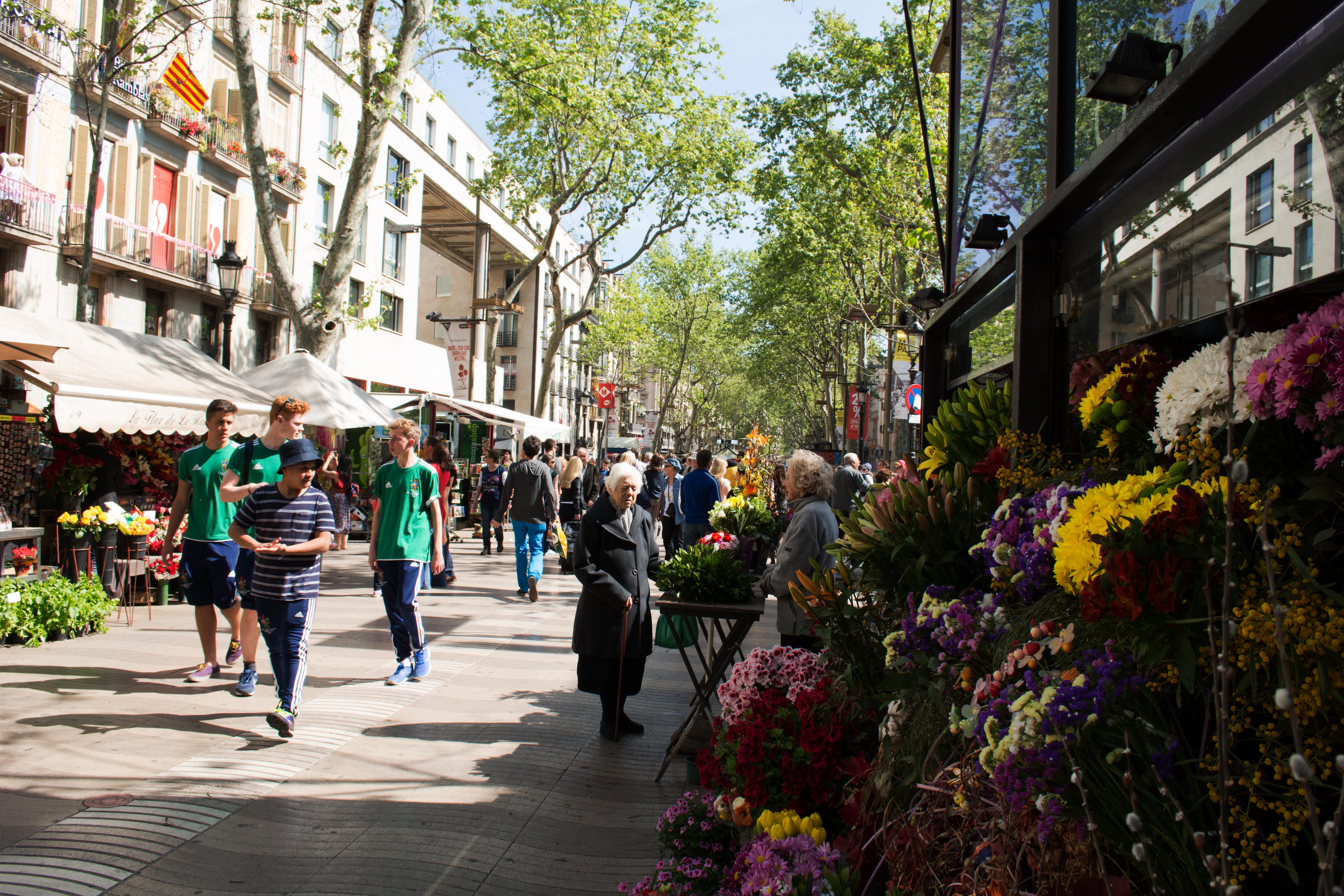
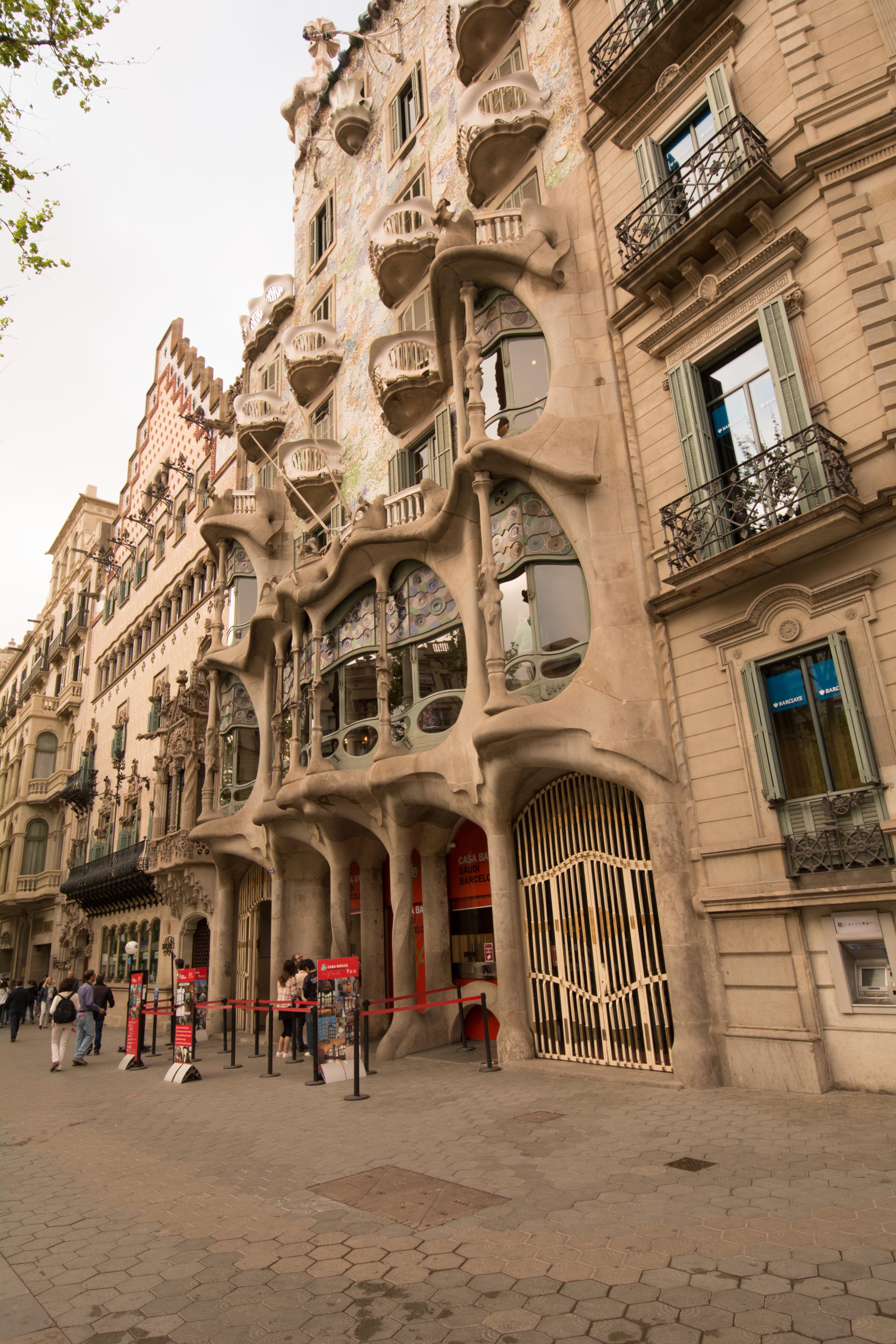
After looking at some other modernist buildings, including Casa Battlo, I took a longish walk south which included La Rambla, the famous pedestrians-only boulevard, and through the gothic quarter to the Picasso museum. It doesn’t have the world’s most distinguished Picassos, but for Picasso fans it’s satisfying – particularly some fine works from the blue period. There was also an interesting temporary exhibition on Picasso’s influence on contemporary art.

After more explorations in the old quarter, late in the afternoon I made my way across town to the Juan Miro museum. I came in with the impression that Miro was overrated – an artist who’d taken a few charming ideas, mined them out, and kept on digging. The museum showed that he had more range than I’d realized, and more willingness to experiment, assimilate new ideas, and grow. I particularly liked his found-object sculptures. The temporary exhibit included some interesting conceptual works, including one that showed, side by side, a three-foot-high pile of dirt and a three-foot-high pile of thick paint.

On the flight back on Sunday, I had a good block of reading time, and finally finished The Odyssey, in the Robert Fagles translation. I was sort of looking towards the suitors of Penelope getting their comeuppance, but even so the violence was so extreme it was shocking. Homer’s world was definitely different from ours. Were the suitors really so bad as to deserve butchering? But there were also surprisingly modern descriptions of affection and love. When Penelope finally realized that Odysseus was actually home, after twenty years’ absence, and husband and wife were united, it had the emotional resonance of Shakespeare’s greatest lovers. It made me eager to get home.

Bluebird skiing in Telluride, a brief briefing, and reading The Second Machine Age

14 02 26_7309
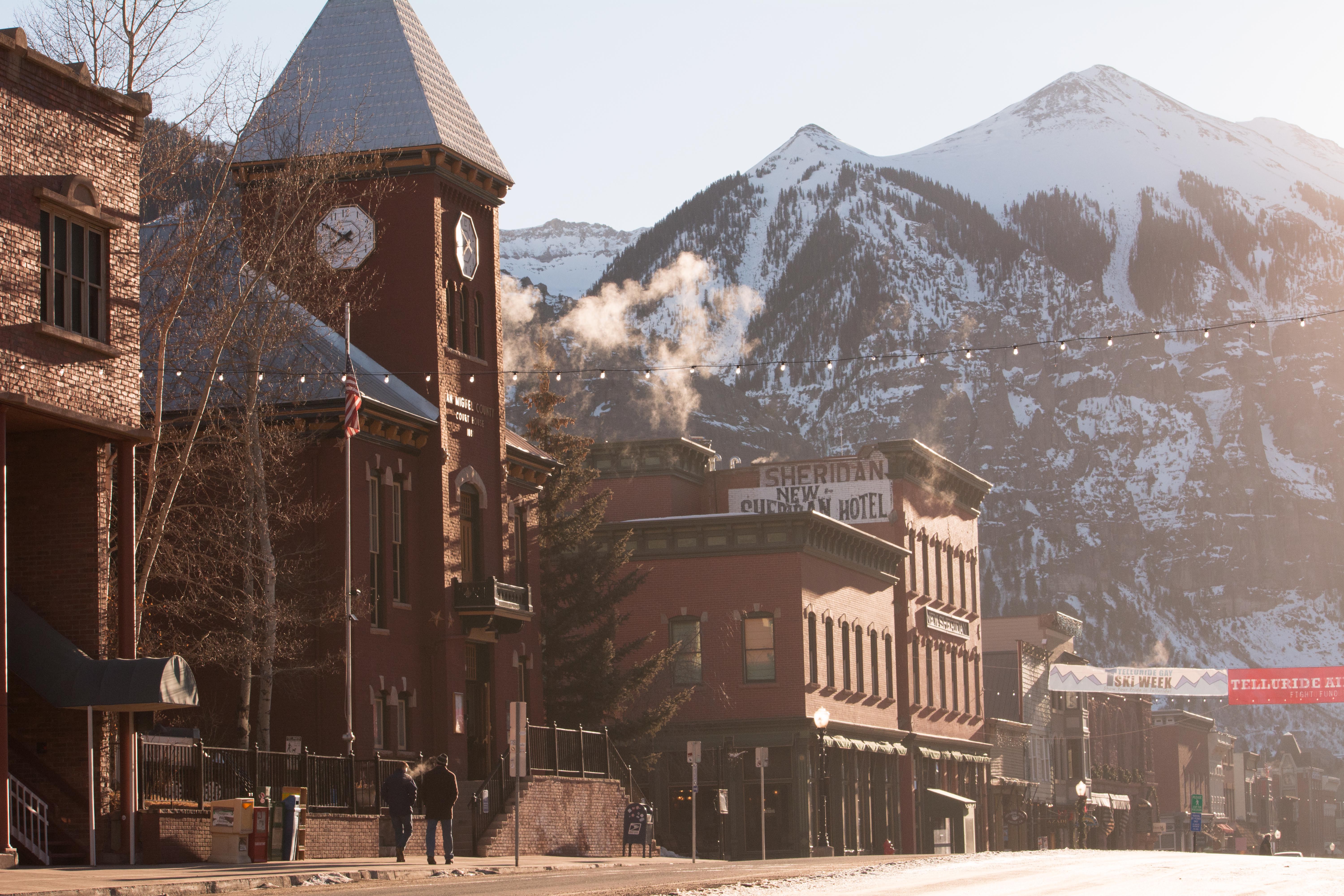
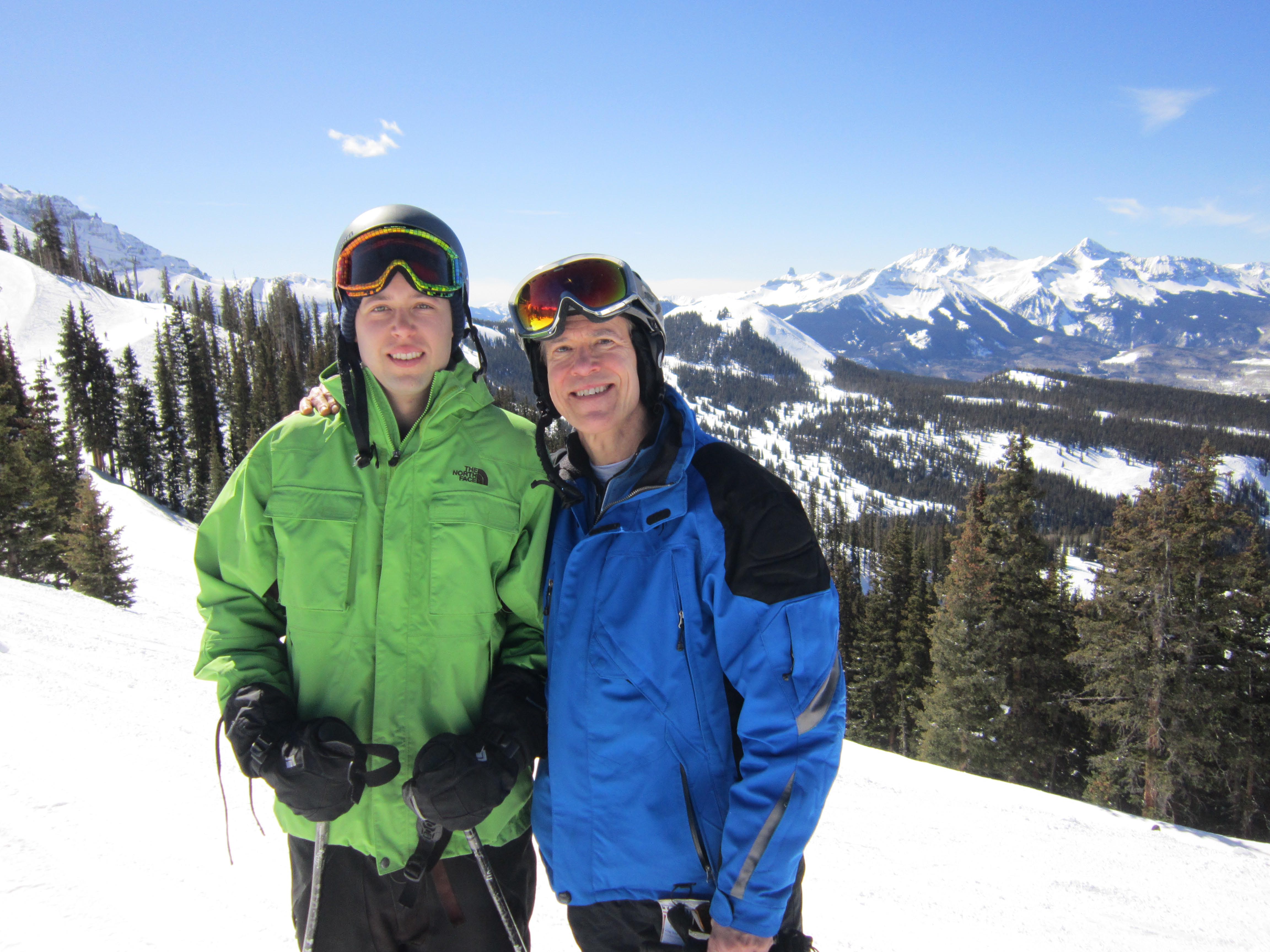
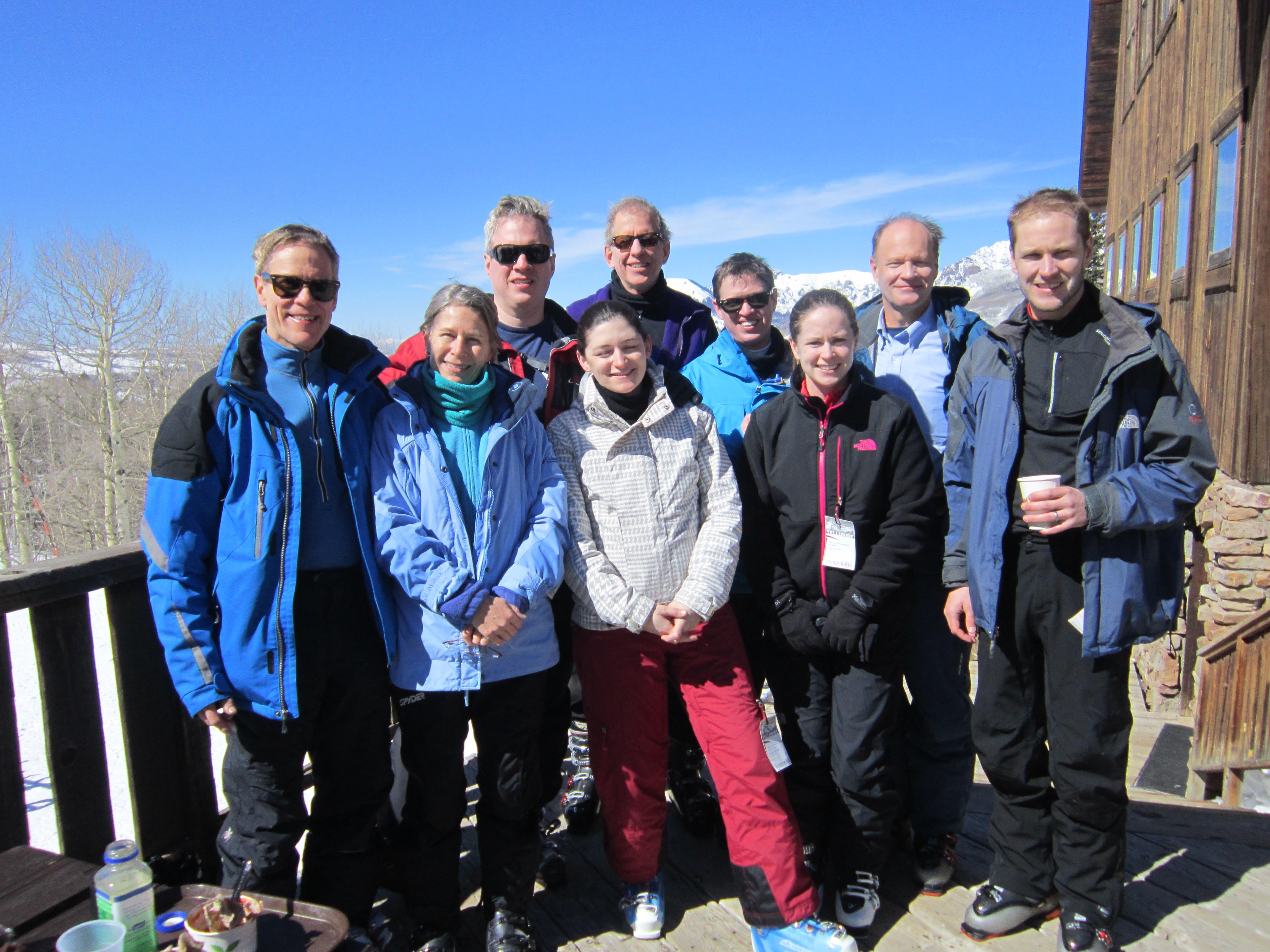
Last week Sally and I joined Gabe and several friends in Telluride, Colorado, for a few days of skiing, eating, and talking. When I describe Telluride, I always mention how beautiful it is, but when I got there, I realized I’d forgotten how massive and magnificent the mountains are. The craggy alpine vistas surround you, regal and timeless. And the town itself has a friendly, unassuming charm. I tried to capture some of these feelings, but was uncomfortable taking my D7100 onto the slopes, and so used my little Canon point-and-shoot up there.
14 02 25_7422_edited-1

Telluride has a lot of challenging terrain, and the question always is, can you handle it? Gabe Tiller has been living here five years, and he can answer that question with a yes. On our first day, he took me down a double black diamond mogul run called spiral stairs, which, once we were committed, he told me was “really steep.” He wasn’t kidding! He also led me into a tree run called Log Pile. These were pressing the outer edge of the envelope for me. Getting through in one piece was a great happiness!
14 02 26_7307
14 02 23_7352

Moguls — aka bumps, or areas of irregular snow that form in steep areas — are terrifying for beginners, frustrating for intermediates, and challenging in varying degrees for those more advanced. If you want to ski the steep wild places, you just need to figure out moguls, and there’s no simple solution. It’s like three-dimensional chess – or make that speed chess. We complimented Gabe on how smooth and strong he looked in the tough mogul runs, and he noted, with admirably humility, that it only took him five years of work.

There is no way I’ll ever reach Gabe’s level, but I got a bit stronger and more stylish this week. I averaged three falls a day, which I take as an indicator that I’m still pushing my limits and improving. I also found new joy in the gladed runs – basically moguls with trees. These require creativity and intense concentration. We did on called Captain Jack’s, which Gabe told me would get “kind of loggy.” Indeed. I had only one scary crash, after I saw Gabe flash by doing hyperspeed turns, and was inspired to give chase. I made the first three turns, but missed the fourth and ran into a tree. I did some minor damage to my left shoulder, but I think it will heal up OK. My worst injury was sunburn on my lips. I got everything except the lips protected with sunblock – a rookie mistake.
14 02 24_7340

Our four ski days were all remarkably clear and sunny, with pleasant ski temperatures in the mid-30s. The snow was generally good – not too hard and not too soft – Goldilocks snow. Of course, it’s always a treat to get fresh light powder, but if it doesn’t happen, I’ll take bluebird days and Goldilocks. We were on the lifts almost as soon as they opened at nine and went at it hard until 3:30 or so. Then hot tub, relaxing, cocktails, and dinner. We particularly enjoyed eating at the Telluride Bistro, Siam, 221, and Hongas.
14 02 25_7312

I had one important work project: an amicus brief in the U.S. Supreme Court in the case of Alice Corp. v. CLS Bank. The case involves a patent concerning financial intermediation, and presents the question of when software is patent eligible under 35 U.S.C. Section 101. I’ve thought about the paradox of software patents for a long time: how a system meant to foster innovation ends up hindering it. I was happy to take on the out-of-ordinary-course assignment of writing the brief myself, but the due date fell in the middle of the ski trip. With hard work, I got most of the writing done before the trip, and while my colleagues took care of cite checking and filing mechanics, I took responsibility for the needless worrying. In the end, I was reasonably happy with the brief, which I hope will help move the debate in the right direction. It can be downloaded here.
14 02 24_7333

For leisure reading, I made it most of the way through Brynjolfsson & McAfee’s new book , The Second Machine Age: Work, Progress, and Prosperity in a Time of Brilliant Technologies. Their subject is how robots and automation are dramatically changing the world. Technology tends to provide more and more extraordinary wealth for the lucky few and the risk of redundancy for the rest. It’s a good introduction to the subject. They explain with clarity and verve why technological change is accelerating, point up examples of the disruptive technologies just starting to take over human work, and play out some of the economic implications.

They seem determined to be optimistic about the future, with examples of how humans and machines can each complement the other. I didn’t think some of their policy prescriptions (e.g. improved education, improve infrastructure, immigration reform, IP reform ) matched up very well with the long-term risks they identified (that is, machines becoming better than humans at almost everything and destroying the labor market). They give some weight to the idea of a guaranteed basic income, which would serve the purpose of preventing mass starvation, but they worry that it might result in dysfunctional communities. The identify employment as a social good, and like the idea of a negative income tax, because it would subsidize and encourage employment. This seems worth thinking about.

A beautiful Nutcracker, Xmas spinning, and getting ready for Fiji (including ebooks)

13 12 21_5389

We were on the fence about whether to go to the Carolina Ballet’s Nutcracker ballet this year. There have been many lovely Nutcrackers, even enchanting Nutcrackers, but after many years of cracking, I worried that the magic might be wearing a little thin for me. That Tchaikovsky music is great, but also very, very familiar. It would be a shame to find that the thrill was finally gone. But Will Levine, son of our friends David and Maggie, dancing the nephew/nutcracker/prince, we decided to go again.

I’m so glad we did. It was a particularly touching and magical Nutcracker. Having a live orchestra to play that delicious music really helped, and this was a good band, ably led by Al Sturges. There were the cute little kids and sumptuous costumes and settings. But most of all, there were the dancers. The Carolina Ballet has so many talented artists just now. They looked like they loved their work.
The star of the evening was Lara O’Brien as the Sugar Plum Fairy. Her SPF was elegant and assured, highly musical, with a slight note of tragic grace. Her pas de deux with Marcelo Martinez was beautiful and moving — so passionate – I got a bit misty.

Also especially wonderful was Alicia Fabry as Butterfly (the lead in the Flowers waltz), and newcomer Alyssa Pilger as the lead Ribbon Candy. Young Will did well, to the relief of his parents, and us, too. As in past years, there were a couple of little kids who could do fantastic handsprings, and big boys whose leaps seemed to defy gravity. It was all delightful. It took me into a magical place, in equal parts childhood fantasy and nostalgia, and reminded me of many happy times gone by.

In other Xmas news, I had an holiday-themed spin class at O2 this week led by the fabulous Jenn. She announced at the start that she just loved Christmas, and she’d made a special Christmas tunes mix for our spinning pleasure.

It turned out to be some hard-driving rock songs of the season, and she kicked us into a very high gear. There was lots of sprinting (including a killer sequence of fast, faster, and fastest) and intense climbing. One new trick – she can ride out of the saddle with no hands, and she thinks we can, too. I gave it a shot, and verified that it is not easy. Anyhow, the class was fun, in a brutal kind of way. I knew for certain at the end I had worked out.

For our holiday, Sally and I are heading out for a scuba diving trip to Fiji on Monday, which should be incredible. It’s taken a lot of planning, and the logistics are complicated. There are quite a few important pieces of dive gear, photo gear, and other stuff that must not be forgotten (some of which is pictured above).

In addition to all those details, I’ve given some thought to what books I want to read. Reading time is one thing to like about long flights. My tablet device makes it easier (less heavy) to carry a lot of books, but pre-loading was necessary, since I don’t expect to have much if any internet connectivity. Also, the tablet is not a good reader in direct sunlight, so I need some old-fashioned paper books as well.

Here’s a quick listing of my current books-in-progress and new ones that I may get going. The are ebooks unless otherwise noted.
.
Titan: The Life of John D. Rockefeller, Sr., by Ron Chernow. I figured it would be fairly interesting to find out how the Rockefeller became the most successful monopolist in history, and it has been, fairly. Rockefeller was a very driven person, with a high standard of personal morality (a lifelong Baptist) and a low standard of business morality. His trust was a primary inspiration for the beginnings of modern antitrust law.

Big Data: A Revolution That Will Transform How We Live, Work, and Think, by Viktor Mayer-Schonberger and Kenneth Cukier. I’m about done with this one. I don’t think the title is much of an exaggeration – big data is transforming many fields, including retail, finance, education, and medicine. definitely worth thinking about.

The Signal and the Noise: Why So Many Predictions Fail – but Some Don’t, by Nate Silver. The creator of the FiveThirtyEight blog and impressively successful political prognosticator talks about his methods and related things. Based on the first chapter, it appears somewhat padded as a book.

The New Digital Age: Reshaping the Future of People, Nations, and Business, by Eric Schmnidt and Jared Cohen. I picked this up out of curiosity regarding what the chairman of Google was thinking would come next. I’m about half way through, and finding it not particularly well organized, but there is interesting reporting and thinking on how technology is reshaping our lives. The portion on hacker-terrorist is hair-raising.

Rattling the Cage: Toward Legal Rights for Animals, by Steven Wise. The author recently brought a habeas corpus action on behalf of a champanizee, which struck me as a legal long shot, but interesting, and I was curious about his theory.

Ordinary Men, by Christopher Browning. A history of a small group of regular joes who worked at ground level as part of Hitler’s final solution. For a long time I’ve been interested in the question of how otherwise normal people could participate in mass murder on an industrial scale, and Browning sheds some light on this.

The First American: The Life and Times of Benjamin Franklin, by H.W. Brands. Franklin is by far my favorite founding father, and I’ve read most if not all of the other major contemporary biographies of him. Earlier this year I read Brands’s American Colossus: The Triumph of American Capitalism 1865-1900, and thought it was quite good, so I’m looking forward to getting his view of Franklin and his world.

Reef Fish Identification (Tropical Pacific), by Allen, Steen, Humann, and Deloach (in paper). There are an amazing number of amazing reef fish in the Pacific, and it’s fun to know a bit about them.

Zukerman Bound, by Philip Roth. I got this as a used paperback (price $4.50) of the three Zuckerman novels (The Ghost Writer, Zuckerman Unbound, and the Anatomy Lesson). Roth is my favorite living novelist, and for some reason I hadn’t read these key works of his early middle period. It will be a great pleasure.

The Odyssey, by Homer, translated by Robert Fagles. A classic, obviously.

Leaves of Grass, by Walt Whitman (paper). The embodiment of what is great – and strange – about America. It seems like a good time to read it again.

Sleepwalking, yoga, Bach, Schlosser on the nuclear precipice, and Spiegelman’s Maus

13 12 07_5337
So I apparently had another bizarre sleepwalking experience. After what seemed like a normal night’s sleep, I got up to find several unusual things. There were two wine glasses full of beer on the coffee table – one sitting on top of my laptop. There was a bowl with popcorn kernels, and a lot of popcorn on the floor. In the kitchen, the light on the stove hood vent was on, and the microwave popcorn wrappers were strewn about.

My first thought was that we’d had a break in, but the various quasi-valuable things in the vicinity were still around, and the door was locked from inside. That left just two possibilities – Sally and me. When she got up, she verified she had not knowingly done any of this eating and drinking.

From my prior somnambulism, I figured it had to be me. But I had absolutely no recollection of any such activity. And I would never, ever put beer in a wine glass – or worse, set the glass on my computer! And I did not know exactly how to operate the light on the stove hood, which I never use.

It is very strange to think of such complex activity happening without any consciousness whatever. Eating and drinking without meaning to is bad, but it could get worse. Is there any safety module that keeps the sleepwalker from going over the balcony rail? And falling twelve stories?
13 12 07_5349

In the last few days, I’ve taken note of various waking automatic behaviors and strange forgetful episodes. I expect everyone has some. Did I take that pill already or not? I parked that car, but where? My foot is bouncing up and down, which I did not tell it to do. Sally had a good one: she couldn’t find the pomegranate juice, and looked high and low, before realizing she’d already gotten it out of the refrigerator.

So a lot of our behavior is taking place without our consciously knowing anything about it. This is at times surely a good thing, allowing us to save mental energy for where it’s most needed. Cultivating good habits is partly an accommodation to the reality that there’s just not enough time or energy to think about every behavior. We choose a template that we think is likely to be effective in different future situations and repeat it until it is automatic.

But still, sleepwalking is pretty weird.

13 11 27_5360-1

Some yoga

The weather for most of this week was unseasonably warm and sunny, but it turned cold and rainy for the weekend. So no golf, but I did get in two yoga classes. On Saturday morning Suzanne filled in for Yvonne at Blue Lotus, and led an hour-long open level vinyasa class. She kept things flowing pretty fast, which I like, and I did a reasonable amount of sweating.

On Sunday morning, based on the recommendation of Larisa (my personal trainer), I tried a class with Hayley at Evolve. Her style involved holding poses for longer, which was challenging. When she said we’re going to do hand stands, I was surprised, but game. I managed to kick up and stay up for a while against the wall. Then Larisa asked Hayley to give me some pointers, and I had another go and managed to have a fairly spectacular crash. But I learned something: Hayley theorized that I got a little surprised when I touched the wall and let my elbow bend. Onward and upward.

Bach’s Christmas Oratorio

On Saturday night we had a fine Italian dinner a Caffe Luna, then went to a performance of the N.C. Symphony and the N.C. Master Chorale of Bach’s Christmas Oratorio. I was not familiar with the piece, but liked it very much. The chorus sounded great in some very challenging choral writing. The four soloists had pleasing voices and style, and the orchestra played well. Our friend trumpeter Paul Randall had a very high and prominent part in the last cantata, and shined.

My only complaint was conductor Grant Llewellyn seemed overly metronomic — without much rhythmic flexibility. I guess that’s one way to do it, but it seemed to me Bach would have liked more expression. We went out for a drink with Paul and a couple of his colleagues afterwards. It was interesting hearing the younger musicians talk about the intense challenges of auditioning for orchestra jobs.

Command and Control — the Nuclear Weapons Precipice

Speaking again of sleeping problems, for several nights recently I had anxiety dreams, inspired, I think, by reading Command and Control: Nuclear Weapons, the Damascus Accident, and the Illusion o Safety, by Eric Schlosser. The headline is: for decades we lived frighteningly close to the edge of an accidental nuclear disaster. A hydrogen bomb could have exploded in any of numerous training or maintenance accidents, while the huge arsenal of missiles could have been unleashed through computer error or human misjudgment.

In the final chapter Schlosser indicates that the risk of an accidental explosion from a US weapon has gone down, but it may have gone up in countries like Pakistan and India. And we’ve still got the irreducible human factor – that is, imperfect humans are in charge of these incredibly destructive weapons, and they could make a bad decision that could cost thousands or millions of lives.

Even before reading the book, I was generally of the view that it is insane to build, maintain, and keep on alert nuclear weapons capable of destroying many millions of innocent civilians and much of the planetary ecosystem – ending, as they say, life as we know it. This was true in the cold war, but even more so now, when there is no existential military threat. Why would any rational person or society do such a thing? After reading the book, and learning more about the theories of nuclear war and the practical engineering problems of the weapons, it seems even crazier.

How can it be that de-nuclearization is not a high priority issue in national and world politics? Of course, we do much hand wringing about Iran’s potential for a nuclear weapon, which makes it even odder that we somehow mostly avoid discussing our own weapons and their disastrous potential. It’s like we’re sleepwalking. Perhaps Schlosser’s book will help us start to wake up.

Maus

On a cheerier note (ha!), I started reading Maus, Art Spiegelman’s graphic novel masterpiece about the Holocaust. It’s in part about Spiegelman’s relationship with his father, who was concentration camp survivor. The early pages are about his life in pre-war Poland, first as a bachelor and then meeting Spiegelman’s mother. It’s surprisingly sweet, but also direct and honest, and remarkably vivid. I’ve never read anything remotely like it, and I really like it.

My quickie to Rio

13 11 18_5266_edited-1
I had a short work trip to Rio this week – down by the red eye on Sunday night, and back by the red eye on Tuesday night. Though I wasn’t looking forward to the long (9.5 hours from Atlanta) flight, there were several good things.

1. Pre-check. I got pre-check status on another recent flight, and this time I happily concluded it was not purely by accident. Pre-check means you can keep your clothes on and keep your computers bagged when you do the security line. For me, it also meant a much shorter line. Should I feel guilty about being such a privileged character? Maybe, but I don’t.

2. Zone two. For some reason I had my priority boarding status seriously downgraded this year, and have been put in zone three (the last group) on several flights. I’m always pulling a roll aboard and toting a knapsack, which means I need a significant chunk of overhead storage space. Boarding with the last group means all overhead space may be gone. This makes me a little anxious and grumpy. Getting zone two means a positive attitude adjustment, and there was more than enough space for my bags. Whew!
13 11 19_5203_edited-1-1

3. Use of electronic devices. Because of the recent FAA rule change, I didn’t have to turn off my tablet device and MP3 device when they shut the cabin doors or began the descent, and was able to use it throughout the flight. One of things I actually like about flying is the opportunity to do some reading and listen to music, but as more of my reading has migrated to the ebook format, the no-devices rule was a real inconvenience. So, one small step in the direction of rationality and happiness.

4. Delta’s Boeing 767-400. A handsome plane with four aisle seats per row and a reasonable amount of leg room, even in the prole seats. Delta communicated the regulation pre-flight data with a video that had some quirky understated humor. But they still include a careful explanation of how to fasten a seat belt. Really now, is there anyone who needs coaching on that?
13 11 19_5217-1

5. Zolpidem. I usually have trouble sleeping on planes, but 12.5 mg of generic Ambien really did the trick. I got a solid six hours. I considered getting one of those horseshoe-shaped pillows. I decided against it, based on the principle of when in doubt, leave it out (lighter is better when traveling). This was not a great call – I got some neck soreness from sitting-sleep. Next 9-hour-plus trip, I want that pillow.

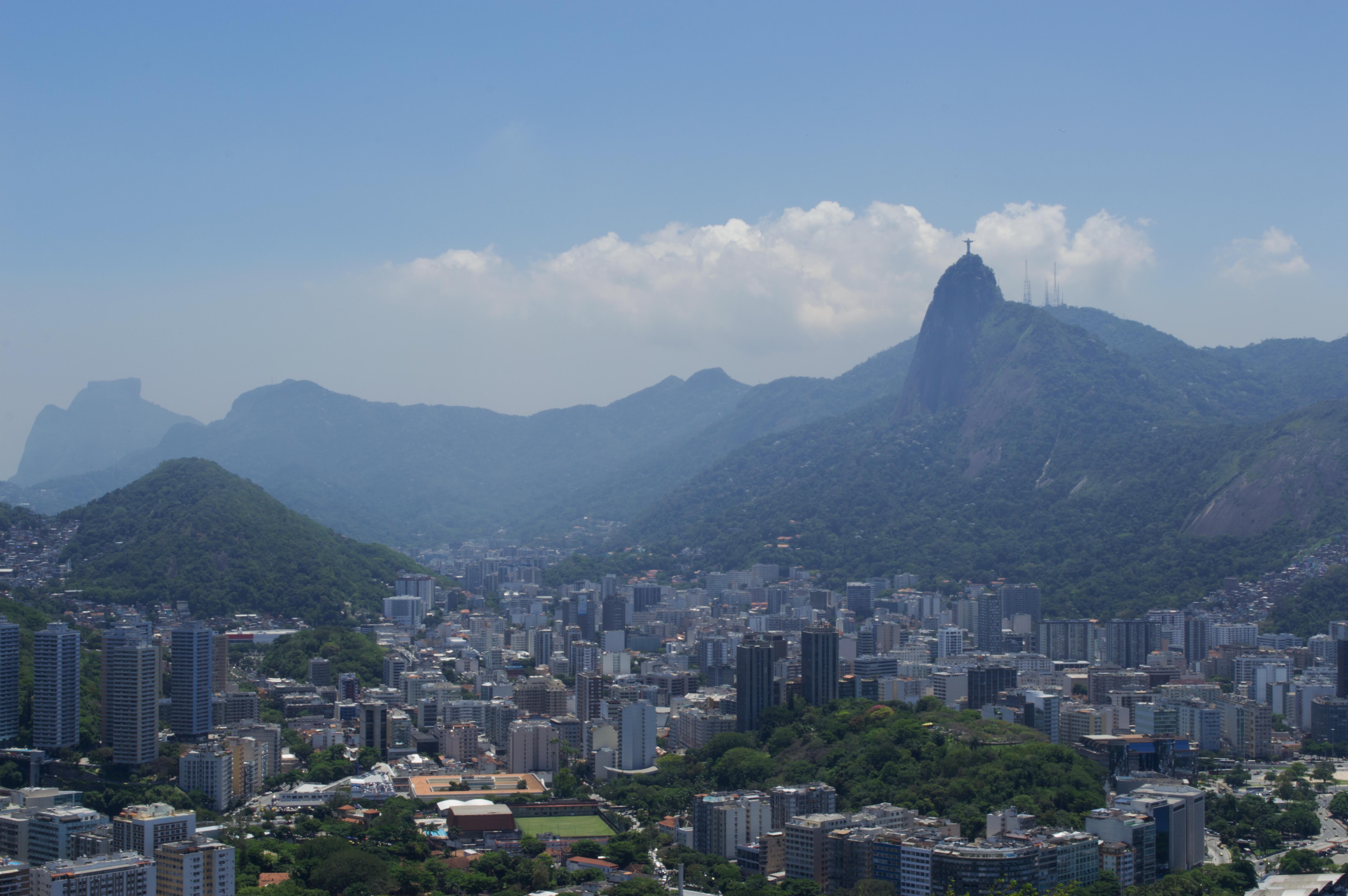
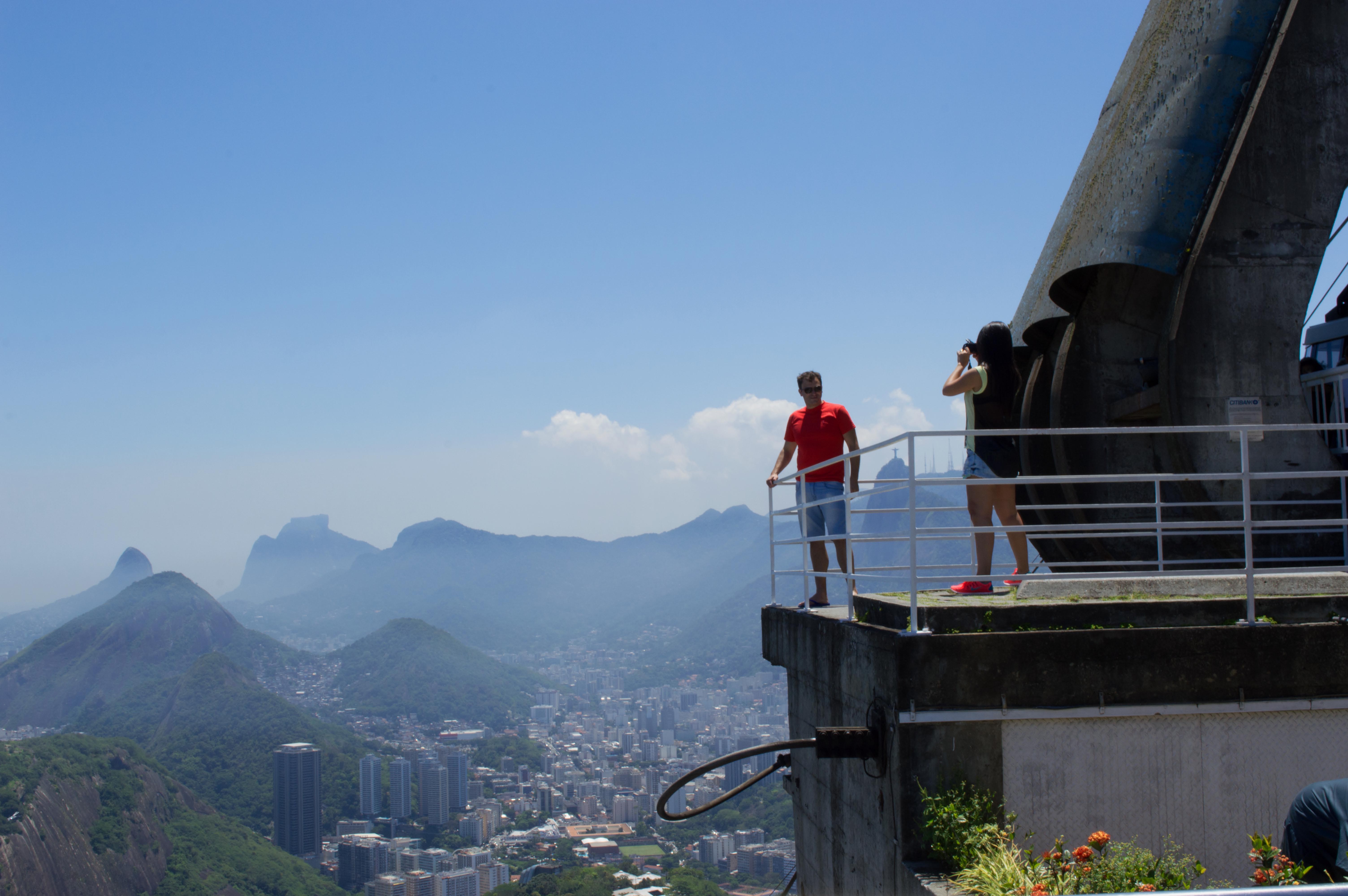
6. Rio de Janeiro. After working late on Monday night, I finished with what had to be done early Tuesday afternoon, and got a quick tour of Rio. My guide was Mr. Fred, who didn’t speak much English, but was cheerful and a good driver. Highlights were the tram up to Sugarloaf mountain, the little train up to Cristo Redentor, and drive-bys of the big beaches, including Copacabana and Ipanema.
13 11 19_5194_edited-1-1

Rio is a sexy city, with lots of curves and indentations, as well as many upthrusting hard places. There are spots where you can see at one time mountains, forests, cliffs, massive high rises, giant slums, beaches, boats, and ocean. It is spectacular.
13 11 19_5215_edited-1

7. Girl with a Pearl Earring. I read most of Tracy Chevalier’s book on the plane, and liked it. I picked it up in preparation for a short trip to New York in significant part to see Vermeer’s famous painting of the same title. The book consists of a historically informed imaging of the possible backstory of the painting.

The girl narrates the story of going to work as a maid for the Vermeer household and becoming involved with the painter’s work. I learned some interesting things about eighteenth century Dutch domestic life and painting techniques, and also something about how to look at those remarkable paintings. I was surprised how involved I got with the girl, whose life was narrow in a way, but also rich in texture and feeling. Note, the movie of the book with Scarlett Johansson was enjoyable but no substitute for psychological subtlety of the book.
13 11 19_5195_edited-1

My handstand near disaster, re-reading Shteyngart, and seeing Captain Phillips

13 11 15_5181
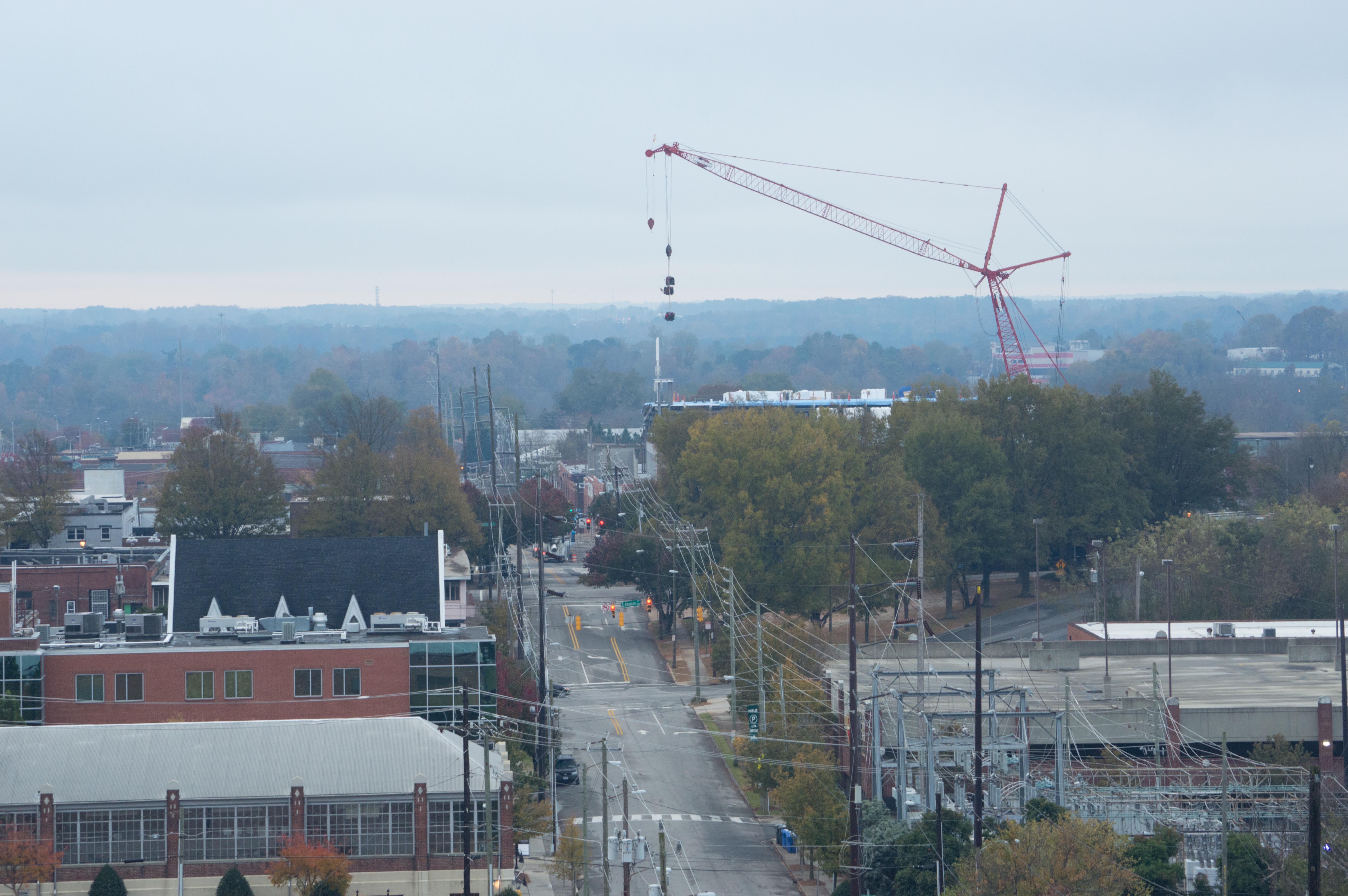
That’s the crane for the new Citrix office in the Raleigh warehouse district as viewed from our balcony on Saturday morning. Below is the new apartment building going up facing us from Boylan Avenue. It’s good to see construction all around. Things are happening!
13 11 15_5188

As was probably evident last week when I mentioned doing my first handstand, I was fairly proud to finally get it. From the first time I saw another boy in my neighborhood do one, a small part of me secretly yearned for this skill. Why? I’m not entirely sure. It’s different, and it’s good to be a little different. I like to turn things upside down and see how they look. I also like to dial in to another aspect of bodily control and strength. There’s also something bracing about facing down a bit of fear.

So I looked forward to mastering the handstand skill against a wall, and perhaps eventually unassisted. After my initial success, I did a few more over the weekend. On Monday morning I went up for a workout in the small gym on the top floor of our building. No one else was around. After a half hour on the elliptical machine, still breathing hard, I attempted another handstand. Something went wrong. My right shoulder gave way, and unable to lean quickly, I fell straight down. I tucked my chin and hit hard on my neck and shoulder.

It hurt a lot. I lay in a heap, and wondered if this was what a broken neck felt like. After a bit, I tried to wiggle my toes and fingers, and noted with relief that they seemed to be working. I rolled over and tested my neck, which throbbed, but could still move. I felt stunned, but more or less OK. I was sore for the rest of the week, and a bit shaken. I decided to give the healing process a few days before forging ahead with handstand work.

Super Sad, Funny Shteyngart

This week I finished re-reading Super Sad True Love Story: A Novel, by Gary Shteyngart. A couple of years ago I left my original copy in a hotel room with just 60 pages left, and found that I kept thinking about the world it created. After the mild disappointment of reading The Circle, I decided to download the ebook version of Super Sad, and realized this time around that it’s not only an entertaining read, but a feat of Nabakovian brilliance.

It’s hard to categorize. It’s set a bit in the future, like science fiction, but I wouldn’t call it science fiction, because the world and its technology are not very different from ours. It’s sort of a comedy, and at times hilarious, but also keenly observant, dark, and shocking. With an ease that conceals virtuosity, Shteyngart exposes a underside to our fun technology, and shows it transforming society in a way that not only seems believable, but prophetic. Keep in mind that it was published in 2010, before Occupy Wall Street and before the U.S. first threatened to default on its debt.

A quick note on the subject matter: Lennie is a 39-year-old nebbishy, smart guy who works for an outfit selling life extension services to super High Net Worth individuals. He falls in love with Eunice, a 25-year-old Korean-American who seems to spend most of her time surfing on GlobalTeens shopping sites on her apparat and obsessing over luxury brands like Juicy Pussy handbags and Onionskin jeans. They live in New York City, where there is extreme income inequality, with unemployed veterans of the war with Venezuela and other Low Net Worth individuals camped out in the parks opposing the one-party surveillance state, which is financially teetering and close to being taken over by China.

There are technologies that signal your credit score on surrounding Media Poles and also show your sexual desirability rank in any grouping (“RateMe Plus” technology). Along with new apps there’s new youth slang, which is marginally cruder than our youth slang. Recent college graduates are mostly unemployed and trying to get a job either in Media (a very long shot) or Retail (just a long shot).

Lennie is a bibliophile in world where books and reading are socially toxic. Cool people have mostly stopped reading, and paper books are considered bad-smelling. Colleges teach skimming in place of reading. At one point there’s a blackout, and Lennie and Eunice read some from Milan Kundera’s Unbearable Lightness of Being (as it happens, a favorite of mine, as it clearly is of Shteyngart’s). Eunice can’t at all follow the complex ideas, and even Lennie finds his ability to understand a literary text has grown dim.

A large part of the pleasure is not just the ideas or the plot, but the texture and quirky beauty of the language. Shteyngart is a writer’s writer. I’ll just add that the title will discourage some people who would enjoy the book, but it really is, in part, a love story, in the sense of dealing with human feelings, and with how those feelings are transformed by technology and social context. Obviously I loved it.

In a postscript that would have pleased Shteyngart, when I finished the Kindle version of the book on my iPad, my Twitter account appeared with a tweet that said, “I just finished reading Super Sad True Love Story.” I did not write those words, nor did I want to send such a tweet. And I didn’t. But I could imagine just pushing send, since the message was completely accurate, and something I wouldn’t mind sharing (though not on my professionally-oriented Twitter account). It gave me a slight chill. Is this the first bomb to fall in a new phase of post-literacy, where your machines not only correct your spelling and grammar but actually do your thinking and writing?

Captain Phillips

On Friday night we saw Captain Phillips, the new movie about Somali pirates taking a cargo ship with Tom Hanks. It was not what I expected, but much better. With remarkable directness and economy, it establishes the desperate and impoverished lives of the young men who become pirates, such that they can never be viewed as pure evil. Hanks has made a long career as a leading man who’s not particularly good-looking playing normal people confronted with outsize problems or puzzles (WWII, mental retardation, shipwreck, adolescence, etc.). Here, he does so again with seeming utter naturalness.

As the captain, Phillips seems a decent guy who doesn’t aspire to much more than doing a solid job transporting goods. But under attack, he turns out to have above-average grit and resourcefulness. Trying to manipulate the pirates, he seems like a bad liar, but good enough to fool these guys, who are not diabolically clever. But both the pirates and Phillips and his crew are by moments astonishingly courageous. This is an action movie with true feeling and heart, and also a lot of adrenaline.

The State Fair, The Circle, and James Turrell

13 10 26_4911
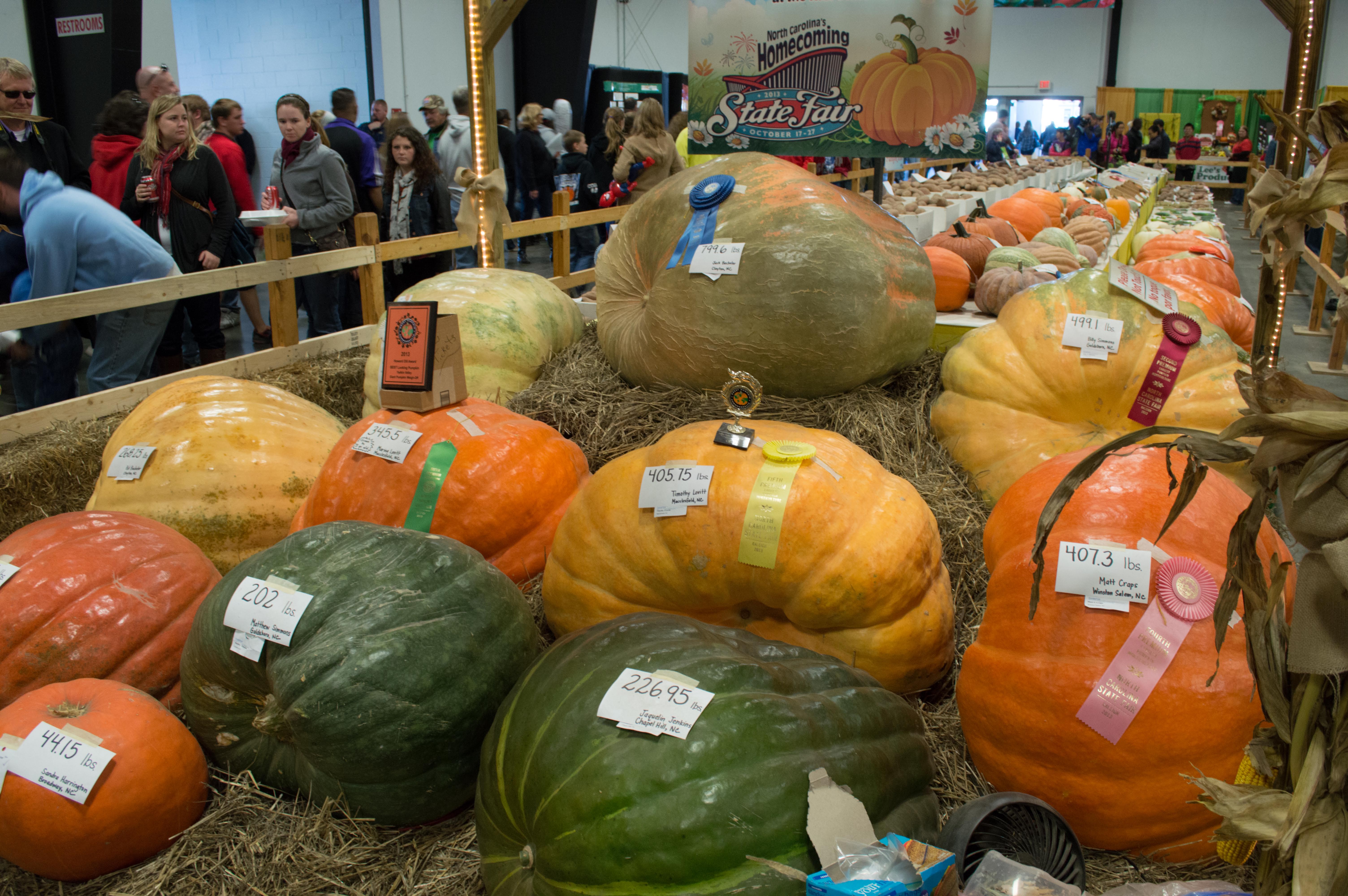
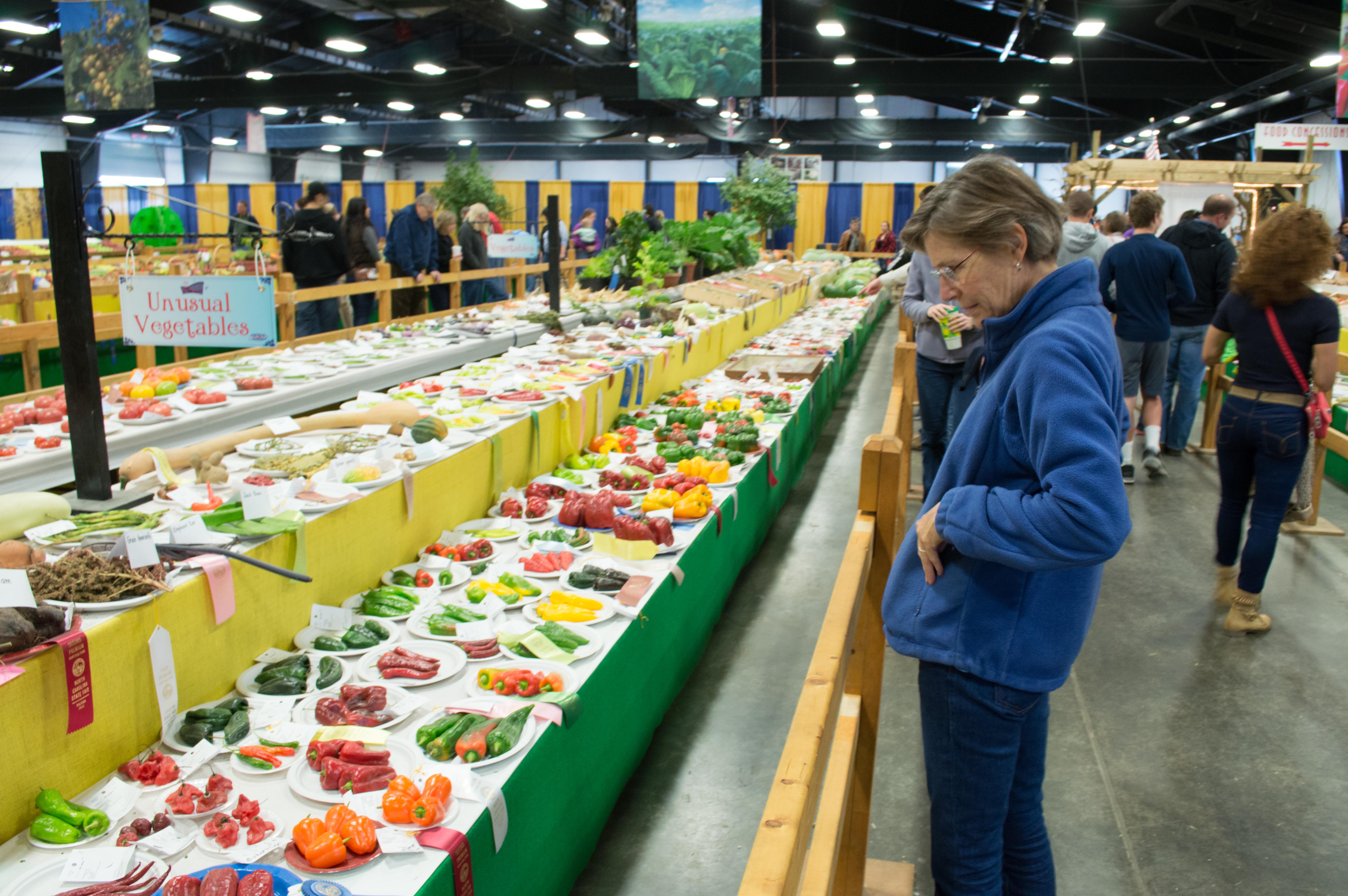
It was clear and brisk in Raleigh early Saturday afternoon when Sally and I got on the bus for the N.C. State Fair. My last fair visit was with Jocelyn when she was in elementary school, about 14 years ago, and just before she began to much prefer going with friends rather than dad. In the years since I haven’t expected that the fun would outweigh justify the headaches of traffic jams and crowds. The convenience of the bus, which stopped on Hillsborough Street just a short walk from us, made us re-do the fun/not-fun calculus, and off we went.
13 10 26_4903

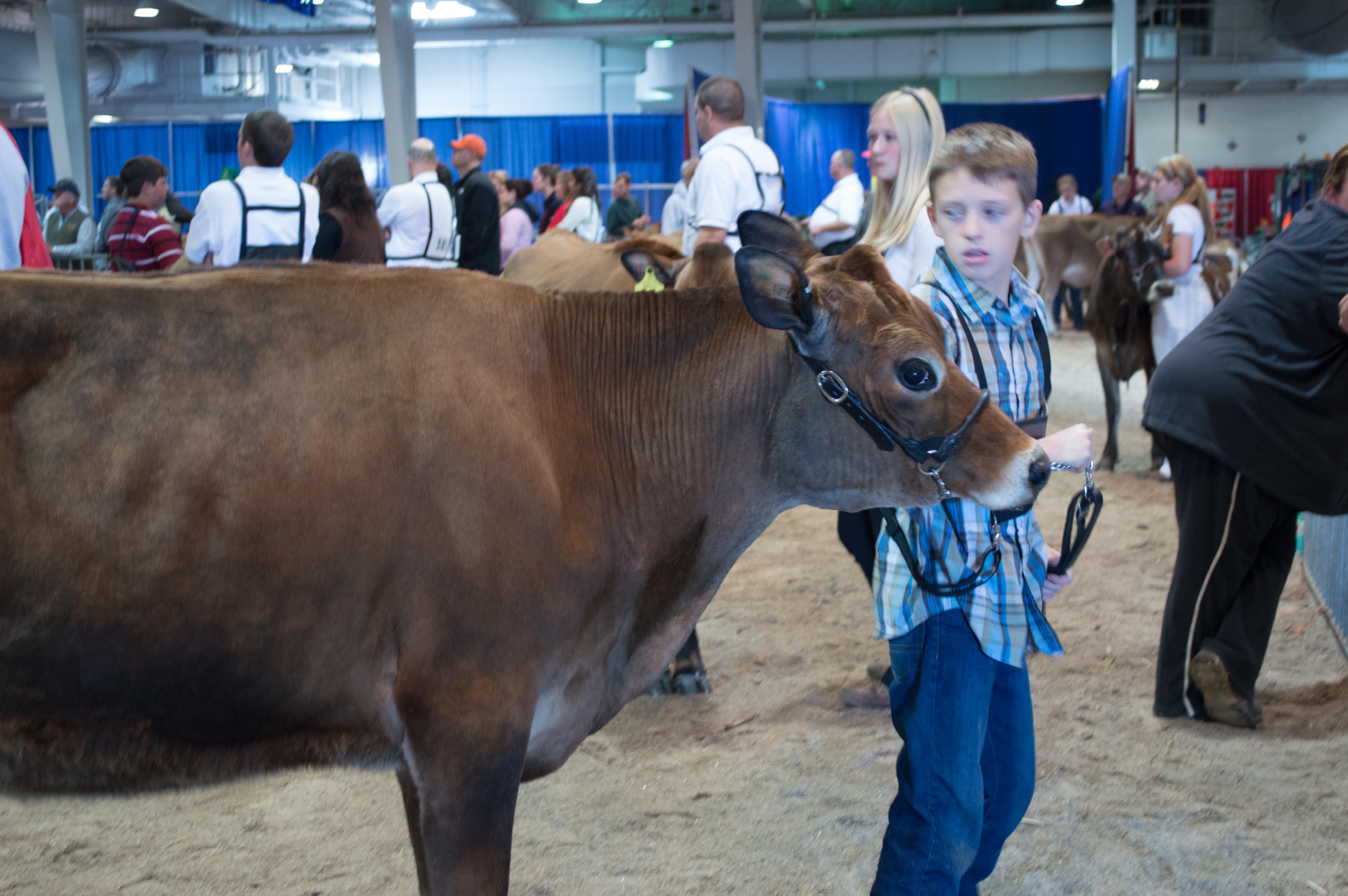
Our main objective was the agriculture exhibits. With most days full of hurry and technology it’s good to slow down and reconnect a little with the rural past. It’s terribly sad to think about mistreatment and needless slaughter of farm animals, but there’s also something sweet about getting close to the gorgeous prize-winning animals at the fair. The chickens and turkeys were amazingly varied, and the cows were generally good-tempered. I’m with Whitman: “I think I could turn and live with the animals, they are so placid and self-contained;
I stand and look at them long and long.”
13 10 26_4882

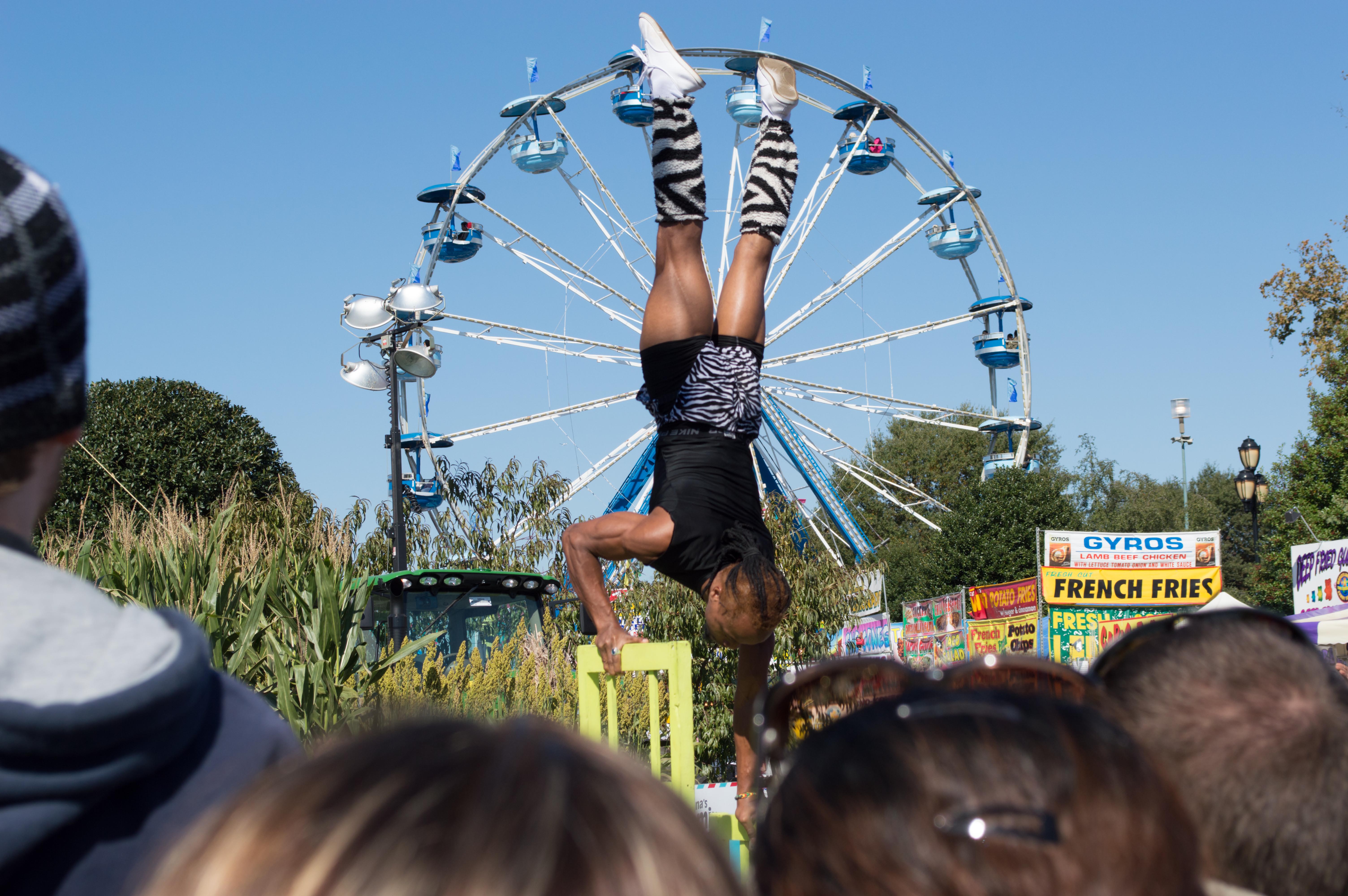
We also enjoyed the people watching. There were, of course, rural people, but it seemed like the crowd was much more ethnically diverse than years ago. We took in a free show by a troop of acrobats, including a handstand master. \13 10 26_4838
We also so a free show of stunt BMX bikers and motorcyclists. These guys were awesome.
13 10 26_4950

Also on Saturday I finished reading Dave Eggers’s new novel, The Circle. Set just a few years into the future, it’s about a young woman who goes to work for a tech company, the Circle, which sounds like a combination of Google and Facebook, and which has some cult-like qualities. It seeks total involvement and devotion from employees and may have a dream of world domination. The Circle promotes a vision of extreme transparency, pushing public officials and others to live completely on camera, open to full time universal internet scrutiny.

The idea is interesting, but the writing had about as much charm and verve as Newsweek. The subject of the book is how technology affects the human mind, but there wasn’t any depth to the characters, or much in the way of psychological insight.

Still, I liked the central thought experiment: what would happen if everyone’s life was totally visible and potentially viewable by everyone else? As The Circle notes, it would probably reduce crime. It would probably initially bring a feeling of a new kind of community. But would it destroy the possibility of human intimacy? Probably. And without intimacy, what would remain of meaning?

On Sunday morning I flew to Los Angeles for the annual meeting of the Association of Corporate Counsel, where I’m doing a presentation. In the afternoon I went to the L.A. County Museum of Art, where I wanted to see the special exhibit of the work of James Turrell. He’s best known for his work involving light and space, including environments that completely baffle our understanding of boundaries.

Turrell expects his viewers to enter into his work, literally and psychologically. I found it rewarding to do so. Although the work is primarily concerned with perception, it also inspires a surprising amount of feeling. For me it had some of the calming effects of meditation. I found myself looking at light differently as I left the museum.
13 10 12_4753

Diving out of Wrightsville — the good, the bad, and the ugly

SeaLife DC1400

We had a dive trip this weekend out of Wrightsville Beach with Aquatic Safaris. We were scheduled to go to two wrecks on Saturday afternoon, the Hyde and Markham, but rough seas prevented that. Plan B was the Liberty Ship, which sits just three miles offshore. Things were bumpy with some current, and I found my heart rate and breathing increasing as I went down the anchor line. There were still a few leftover thoughts of my near death experience of a few weeks back.
SeaLife DC1400

Visibility was quite bad – perhaps 5-10 feet. We followed a line laid out by the mate. There wasn’t much we could see besides the line. It was nice to be diving again, but this was not pleasant diving. The second dive was similar. There were several divers taking a wreck diving course who laid out lines, and we got their lines confused with the mate’s line at one point. We finally figured it out and made it back to the anchor line and the boat.
SeaLife DC1400

Saturday night we stayed in Wilmington with Sally’s sister, Anne, and went to Cichetti, an Italian restaurant. We had a nice meal and a lively conversation. We discussed Shakespeare’s concept of evil, Greek playwrights, and youthful experimenting with psychedelics and pot.

We also talked some about slavery, which I’ve been reading about in a new history of the pre-civil war and civil war period called Ecstatic Nation by Brenda Wineappple. The book brings vivid life to the 1850s when there were slave states and free states, and it was by no means clear which would ultimately prevail. It require real imagination to understand the pro-slavery viewpoint. Wineapple is certainly not pro-slavery, but she gives a sense of the incredible intensity and complexity of the struggle.
SeaLife DC1400

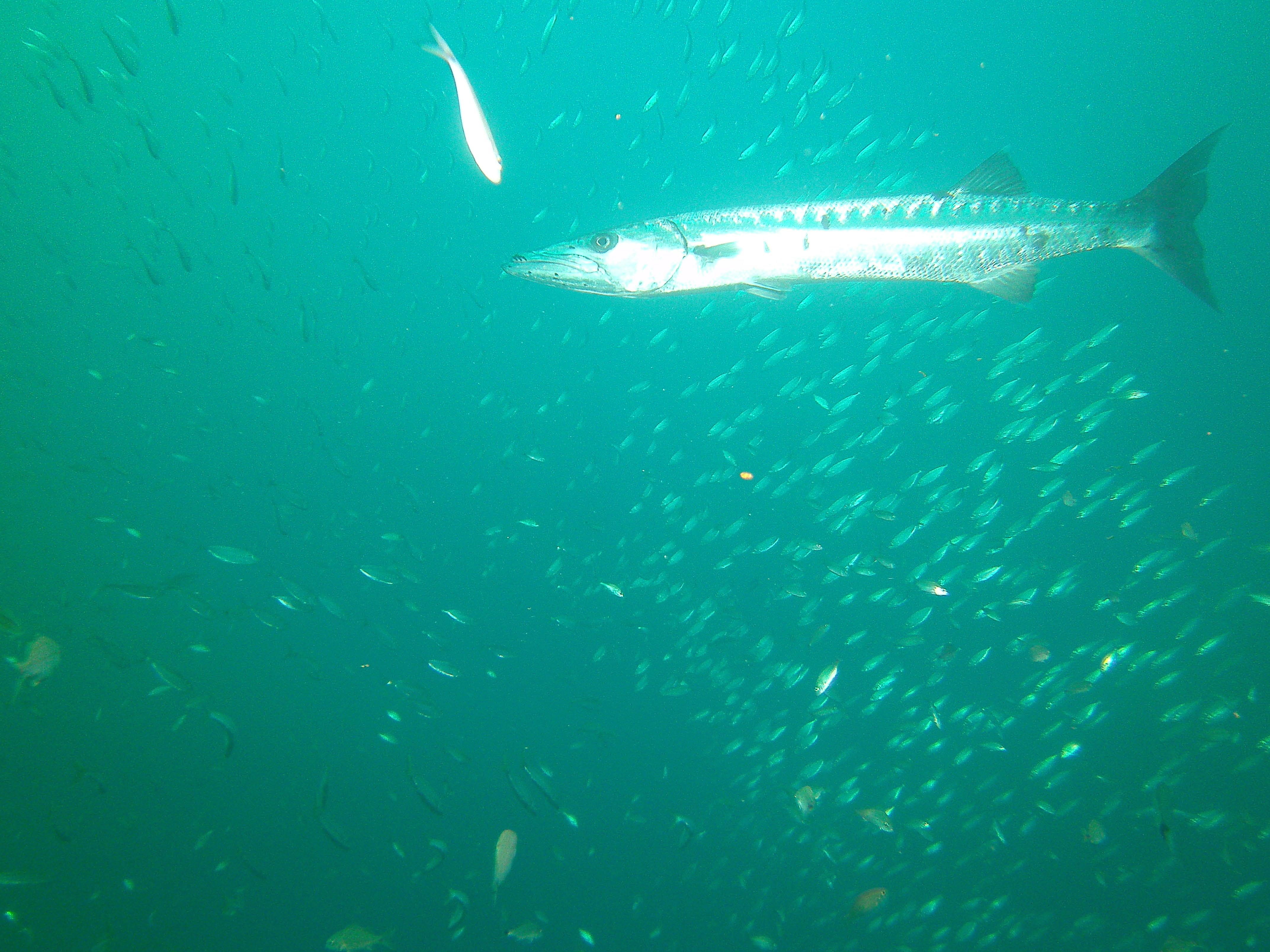
Early Sunday morning the skies were clear and calm, and the seas were calm as well. We left the marina about 7:30 a.m. and made it to the wreck of the John D. Gill in about an hour and half. The Gill was a tanker sunk by a German u-boat in WWII. Visibility was pretty good – perhap 50 feet. We saw several barracuda and thousands of small silvery fish, and we also spotted two large flounder.
SeaLife DC1400

For the last dive, we went to the Hyde, a wreck that still look like a ship, though with lots of things growing on it and lots of fish around it. Visibility was less good – maybe 30-40 feet – but the wreck itself was interesting, and we could see thousands of little fish, along with many barracuda. One sand tiger shark passed close by.
SeaLife DC1400

Fresh produce, flowers, and an iPad problem

13 08 16_3610
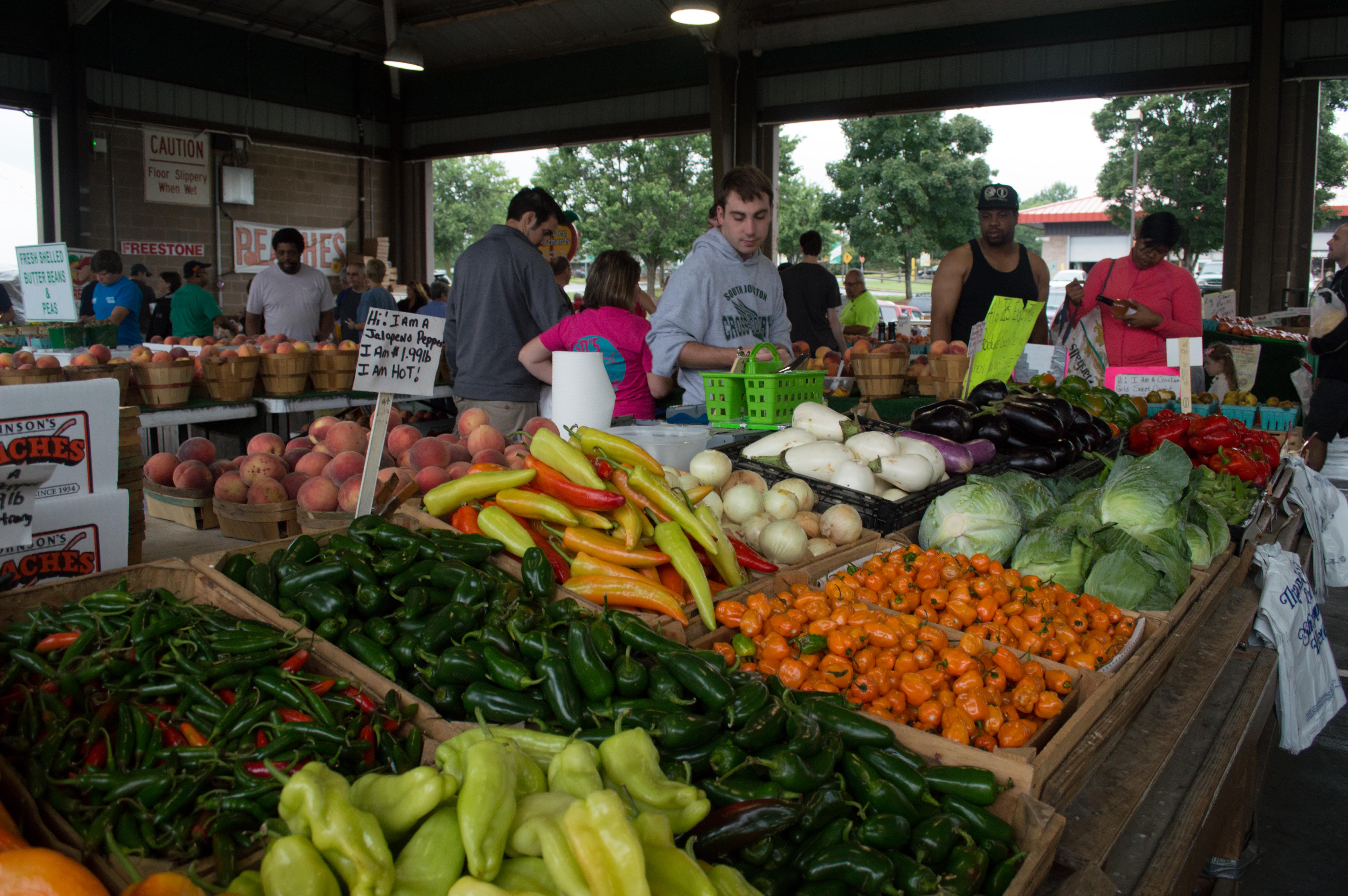
Saturday morning I took my camera over to the N.C. Farmers Market. The weather was drizzly, but the scene was festive, with many colorful baskets of vegetables and fruits and many shoppers. I wasn’t sure about the etiquette of photographing the sellers and visitors: would people consider it an improper intrusion? Maybe, but some sellers might appreciate the potential publicity. Uncertain, I focused primarily on the beautiful produce.
13 08 16_3611

I also got a few images I liked at Raulston Arboretum, including some bees at work.
13 08 17_3818
13 08 17_3846
Our personal portable technology, like my DSLR camera, not to mention my Android phone, MP3 player, lap top, and tablet, generally works great and keep getting more amazing, and we can’t help but get more dependent on them. This we hardly notice, until something goes wrong.
13 08 17_3821

My iPad tablet suddenly quit working a few days back, which reminded me forcefully how much it has insinuated itself into my life. Its most used function is as an interface with ebooks, which have in a surprisingly short period become my dominant reading format. The iPad is wonderfully light and portable, and the screen works well for reading ebooks.
13 08 17_3826

At a given time, I may have four or five books going – typically some history or biography, some science or technology, some public policy, and some literature. Exploring through reading is such a basic part of my life that I generally take it for granted. There is not a lot of time in a normal day to do it, but what there is is precious.

The failure of my iPad gave me the shock of sudden withdrawal from my various reading projects. Then I realized I had no idea whether the books I’d downloaded could be recovered, and if they could, whether my highlighting and notes would be lost forever.
13 08 17_3831

Most of my reading uses the kindle reader app with books from Amazon, and I eventually learned that I could load the kindle software on my MacBook Pro and read with the laptop. My bookmarks, highlights and notes were still there. This was good news, mostly. That is, it’s good to have the books, but at the same time, should I be worried that my various private thoughts on books are floating somewhere in the Amazon cloud and available for NSA examination? I decided there was no point in worrying, since there is truly nothing I can do about it. Though I still feel a bit uneasy.
13 08 17_3811

Meanwhile, I took the iPad to Raleigh Geeks, a small computer and smart phone repaid shop on Glenwood Avenue. My Geek diagnosed a failed on button, and determined that it would cost about $90 to get a new part and take a week. I thanked him and said I’d first check to see if they had the part at the Apple store. At the Apple Genius Bar, my Genius agreed that the switch was broken. His proposed solution was for me to buy a new iPad I for $250.

I decided to order the new part from the Geeks. I’m keeping my fingers crossed that the device can be saved, but also doing a bit of research on possible alternatives, and particularly the Samsung Android tablets.