The Casual Blog

Category: ballet

Ordinary health matters, learning Lightroom, and seeing sweet Cinderella

_DSC9780

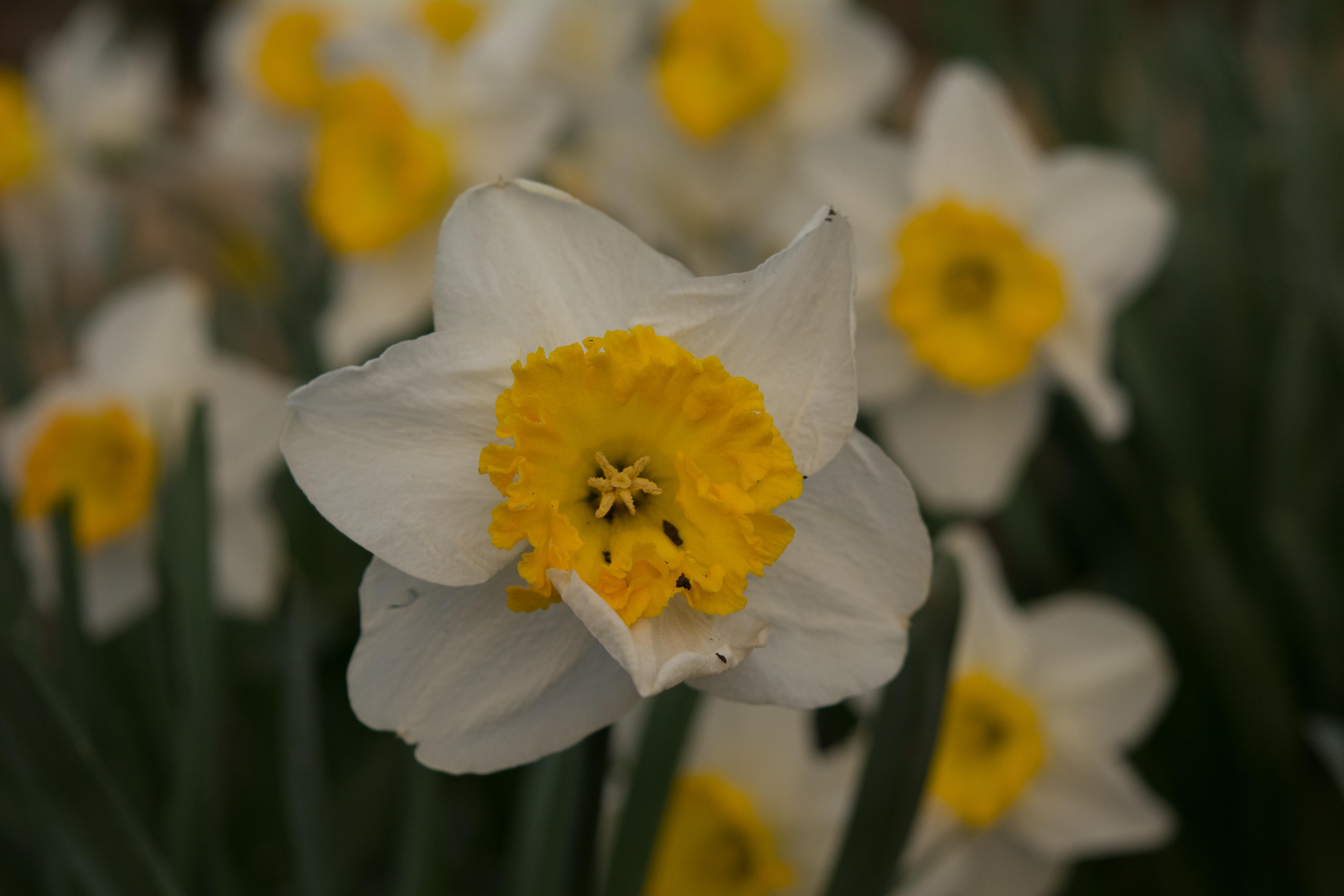
I took these pictures late Friday afternoon at Raulston Arboretum. The fresh blooms of early spring are gone, but there was a richness to the atmosphere, and great smells. I tweaked these with my brand new software, Lightroom 6, which I decided to buy on DVD, rather than the subscription service. After watching a number of instructional videos, getting a short lesson from my friend and colleague Ruth S., and experimenting a bit, I’m starting to get the hang of what Lightroom will do, and looking forward to improving some of my image making and storing.

Jocelyn’s been running, and texted this week that she’d taken two minutes off of her four-mile time. She was pleased! When we talked, she reported that running was helping her get to know her neighborhood Fort Green and the environs. I’m so glad she’s taking good care of herself!

Here in Raleigh, Gabe has been running, too, at a nothing-to-sneeze-at pace of 8 minutes. Thinking of his health, I asked what he was doing about health insurance since leaving his job last month, and determined he hadn’t really addressed it. I briefly panicked, since one serious accident could mean financial ruin for us all.

_DSC9761

Sally has long been a skeptical critic of the American health care system, and pointed up an on-point new piece by Atul Gawande in the New Yorker. It’s about the incredible waste in our system from the many unnecessary medical tests, drugs that don’t’ make people better, and surgeries with more risks than benefits. Gawande is a practicing surgeon, and thus has a fair bit of credibility, as well as interesting personal anecdotes. The legal scholar in me would have appreciated more citations, but I don’t have much doubt as to Gawande’s basic point: our system is optimized to make money for hospitals and the medical establishment, rather than to keep people well, and is horribly inefficient. It’s remarkable to me that we can’t get general agreement that we need major reform.

Anyhow, we live in the world that is. At my urging, Gabe figured out how to get an ACA silver plan, which doesn’t kick in until the first of next month. Meanwhile, I counseled him to cool it for a couple or weeks on skateboarding. Also, he should be particularly conscious of looking both ways before crossing the street, and watch out for falling flower pots.

_DSC9770

On Saturday afternoon, I took a short walk from our apartment over to K2 Massage, where I had an extraordinary therapeutic massage experience with Ken Katchuk. For this first visit, Ken told me to allow for two and a half hours, and ended up needing about three. He spent time debriefing me on ailments and old injuries, and on things I liked to do. Then he got down to the business of figuring out where my areas of tension were, and going after them. It was difficult by moments, but I felt that I was in good, experienced hands, and my body was being helped.

That evening we had dinner with friends at Buku, and saw the Carolina Ballet’s new Cinderella program. Margaret Severin-Hanson was a lovely, graceful Cinderella, and Alicia Fabry and Randi Osetek were very funny as the mean stepsisters. Fabry’s tango solo was a hoot! I wish, though, the score were less sweet and repetitious. In the second half, I really liked Zalman Rafael’s new piece, In the Gray. Set to music by Philip Glass, it is sort of an anti-Cinderella, emphasizing kinetic abstract shapes rather than characters. The dramatic side lighting deemphasized the dancer’s individuality, but Jan Burkhard, Cecilia Iliesiu, and Adam Crawford Chavis made powerful individual impressions. As with other Rafael work, this one shows deep comprehension of the music and unites with it.

_DSC9776

My New Yorker, a touching Traviata, Whiplash, and sparkling new ballets

_DSC8379_edited-2
As I’ve noted before, The New Yorker magazine was for me a formative influence, having given me my first job out of college, my True Love, and weekly jolts of literacy ever since. Thus it was with mild shock I received the February anniversary issue, which for 89 consecutive years has reprinted the same cover, and saw that Eustice Tilley, the top-hatted dandy, had been replaced by multiple new covers of various ages, styles, and ethnicities. But after a few deep breaths, I let it go and moved on: the new covers were bold and entertaining.
_DSC8399

There were several good short pieces on the history of the Magazine (as it was called by editorial staff then and perhaps now), and one longer one that I particularly relished. Mary Norris, who joined the Magazine around the time we did, contributed a piece about her career there as a junior minion and eventually a senior copy editor. I wouldn’t say Mary and I were close friends, but when I also was a minion, we were friendly, and would talk companionably at parties as we kept a lookout for potentially more exciting adventures.

It was a pleasant trip down memory lane remembering how we put out the Magazine and some of the now departed editorial figures of our world, like Eleanor Gould, Bob Bingham, Pat Crow, and William Shawn. And Mary successfully communicates the spirit of grammatical fanaticism that is part of what makes the Magazine unique. I’ve never seen a more humorous discussion of the serial comma, a punctuation practice that in those days I took as serious business. Thanks to Mary and her colleagues who have kept the fussy but proud tradition alive.
_DSC8396

Raleigh is not New York, and it is hard to believe, even for people who live here, that Raleigh is producing world class opera and ballet. But it’s true. In the last week, we’ve been treated to both.

The N.C. Opera’s production of La Traviata was really beautiful and moving. The story is simple in a way – a party girl and a playboy unexpectedly fall in love, break various social conventions, are separated by misunderstanding, and reunited, just as she dies. It works in large part because Verdi’s music is highly evocative – of joy, love, and tragedy.

I was especially moved by this production, which had a marvelous Violetta in Jacqueline Echols. She had an extraordinarily fine voice, as well as musicality and expression. She is a rising star. I also particularly loved the singing of Joo Won Kang as Giorgio. The costumes and settings were lovely. The staging was a bit meandering and uncertain, but it didn’t undermine the force of the performance. Conductor Timothy Myers was outstanding, always serving the music, but creatively, with flexibility of tempo and sensitivity in tone. In the sad parts, this strange thing happened with my eyes – they got all watery.

Also last week, we saw the movie Whiplash at home via streaming service. The story is about a music conservatory student (a jazz drummer) and a sadistic/idealistic music teacher who do battle and try to make great music. Aspects of it were pure Hollywood – no half-sane performer would ever sabotage a performance as here – but there was something true about it that drew me in. As a former conservatory student myself, I was reminded of the highly competitive aspect to music education, and the intense drive for perfection.

The student (Miles Teller) was believable, and reminded me of the hidden and scary sacrifices that all serious musicians make for their art. And J.K Simmons as the foul-mouthed professor was wonderfully evil. I’ll say, though, I could have done without the anti-gay slurs, which were copious and ugly. We’ve quit tolerating nigger, and we should quit tolerating faggot._DSC8412_edited-1

We saw the Carolina Ballet’s new program, Master Composers: Music for Dance, on Saturday night. The program of new works by Robert Weiss and Zalman Raffael featured dance music by Chopin, Byrd, Bach, Mozart, Beethoven, Granados, Brahms, Stravinsky, Adams, and Tchaikovsky. As Weiss’s program notes noted, there is there is a wealth of music in the classical tradition that is, in some sense, dance music, but has never been used for ballet, and this program mines those riches.

This company has so much talent! It was delightful to see some of the junior members shining in solo roles, including Elizabeth Ousley, Ashley Hathaway, Alyssa Pilger, Amanda Babyan, and Rammaru Shindo. There were moments of moody drama, particularly with Lara O’Brien and Cecilia Iliesiu, and also light-heartedness,with Sokvannara Sar having fun with six ballerinas. I thought that the Mozart and Brahms sections could have been trimmed a bit without loss of effect, but there was nothing I didn’t enjoy.
_DSC8415

Winter blossoms, understanding false memories, and lively ballet

_DSC8355_edited-1
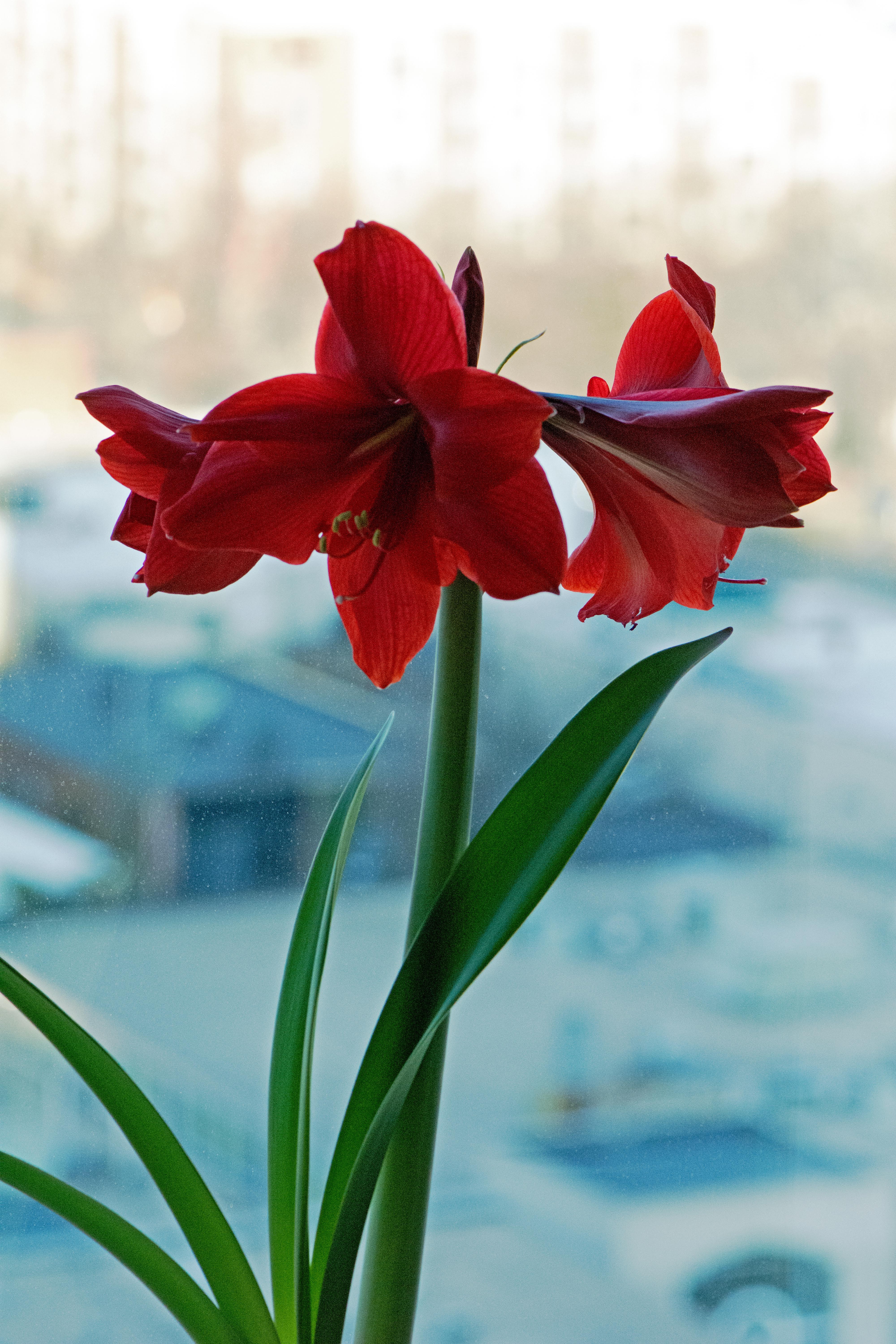
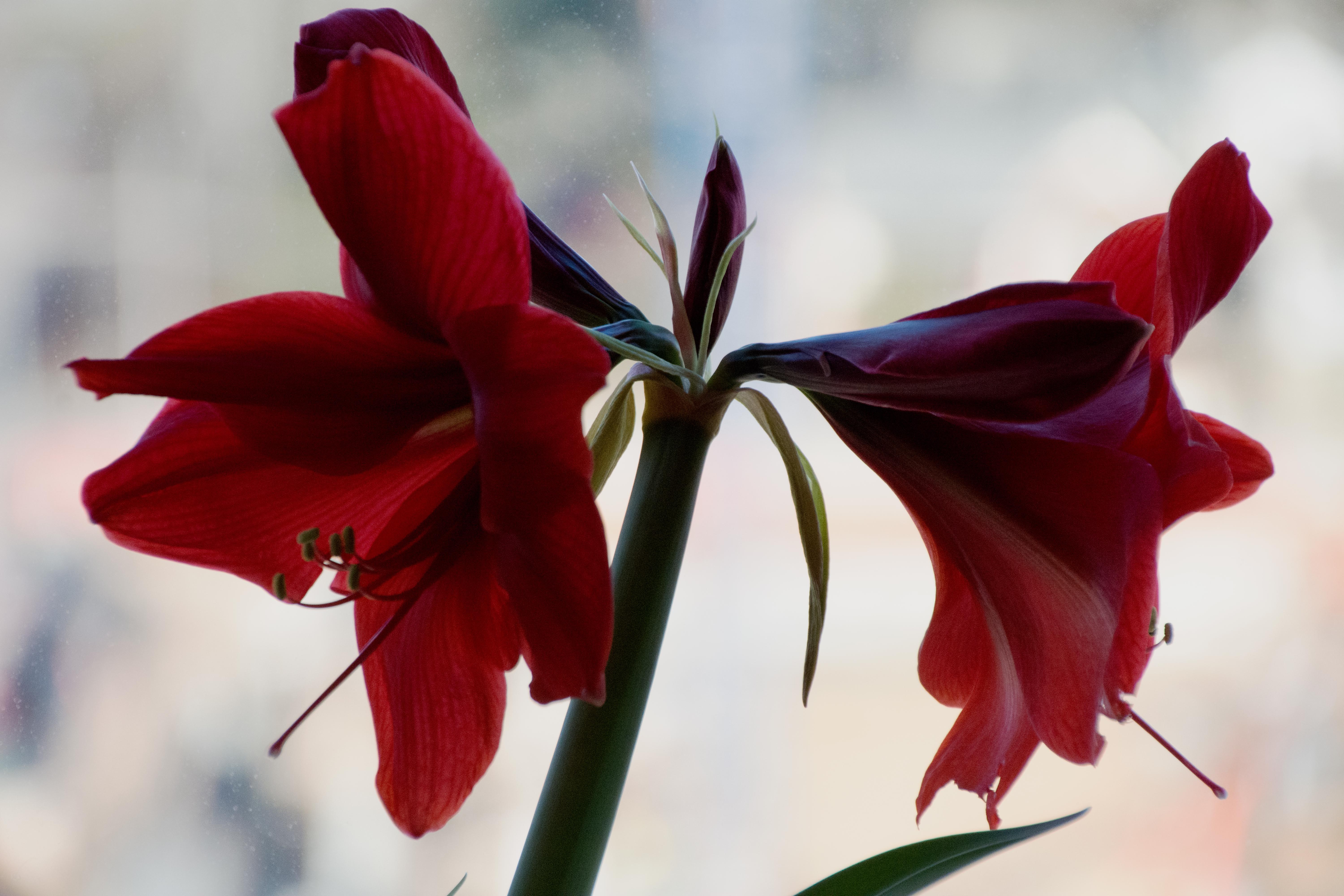
After an auspicious Groundhog Day, the weather turned cold, and we started really wishing for spring. Fortunately, our dear houseplants are keeping our spirits up. Sally recently agreed to adopt her mom’s amaryllis bulb, which needed more sun than Diane had ready access to. It’s been getting taller (see photo from last week’s post), and this week it bloomed spectacularly. I got these photos looking west when the sun had just risen.

It was a tough week for Brian Williams, who was suspended from reading the network news for recounting a harrowing war story that didn’t exactly happen, at least to him. I do not know the man, and have no knowledge as to whether he intentionally lied.

But I do know it’s entirely possible that he had a false memory that he mistook for a true one. This has happened to me, and it’s probably happened to you. Plenty of research has established that human memory is highly fallible, and some memory errors are dramatic. Thousands of people “remember” being abducted by aliens (which I’m fairly confident didn’t happen). Quack therapists have persuaded many unfortunates to “remember” childhood sexual abuse that never occurred. And some crime victims “remember” and identify their attackers with apparent certainty, after a bit of police coaching, though DNA evidence shows the attacker was someone else.
_DSC8318_edited-1

Celebrating the downfall of those with disproportionate luck as to wealth and good looks is of course good fun, and there was great schadenfreude in the land over Williams’s I’m-kind-of-a-hero story. But there were a few voices in his defense pointing out some of what we’re learning about our memory imperfections and other mental challenges. The Times had a a useful quick summary.
There was also a good article in Slate by Christopher Chabris and Daniel Simons that gave some practical suggestions for reducing the likelihood that you will make the kind of mistake Williams may have made, such as checking your facts when you really need to get the fact right. By coincidence, I’d just listened to interviews with these same guys on You Are Not so Smart, a podcast focused on the science of our systematic shortcomings, like memory glitches and unconscious bias.

We like to imagine ourselves as powerful and perfect, but it’s much more useful to be aware of where we are prone to error and delusion. Understanding our cognitive weaknesses can help us avoid some mistakes and make better decisions. Also, understanding that we are all fallible might make us a little more humble and a little less judgemental.

_DSC8267_edited-1

One of the great thing about ballet is that, though mannered, it also has a kind of emotional directness. It doesn’t need much in the way of narrative to involve us. As humans, we are just naturally interested in the physical aspects of other humans. Within the safe zone of the theatre, we are privileged to gaze at the beautiful dancers, as they share themselves and bring us to life.

On Saturday night, we saw the Carolina Ballet do a program with works by Robert Weiss and George Balanchine. Jan Burkhard and Nikolai Smirnov were dazzling in Tarantella. Balanchine’s take on gypsy dancers is light, but also intense, and the dancers seemed to push to their limits. Balanchine’s famous Four Temperaments was more austere, with the dancers in basic black and white and inwardly focused, but it was equally stimulating. Cecilia Iliesiu as Choleric was particularly fine – commanding and regal.

I also really liked the two new Weiss ballets. The Double is a duet of two women, not identical but nearly, moving closely in synch in shadows. Alicia Fabry and Alyssa Pilger were beautifully paired, and entrancing. Weiss’s Grosse Fuge, to Beethoven’s famous and strange late work, had a large cast and high kinetic energy.

My happy Thanksgiving: racing, reading, camera tinkering, eating, and seeing Interstellar

14 11 30_3749
Lately I’ve been consciously trying to cultivate an attitude of increasing gratitude. As is traditional at the Thanksgiving holiday, I’ll note that I have a great many things to be grateful for. For me, gratitude also means noting connections and acknowledging how very little is attributable to my independent efforts. I really owe it all to everybody and everything else. And so, to you, dear reader, and everything else, I’m grateful.

On Thanksgiving morning, I was grateful to be, at 59, sufficiently healthy to undertake the Ridge Road Turkey Trot, an 8 kilometer (4.97 mile) race. I hadn’t tried a road race with thousands of other people for a great many years. Sally sweetly lent her moral support and driving skills, and got me to the starting line five minutes before the 8:00 a.m. start.

My idea was to challenge myself without collapsing or getting sick, and that much I accomplished. I completed the course in 44 minutes, or just under 9 minutes a mile. I wasn’t particularly proud about this time, since I still imagine myself as capable of 8 minute miles, but this T-day that wasn’t happening. My heart rate was in the low-to-mid 160s for much of the race, which is pretty high, and I didn’t want to find out what would happen if it stayed higher. The hills in the middle of the course took a lot out of me, and the last couple of miles were fairly miserable. Part of me badly wanted to try a bit of walking instead of running. But I didn’t quit, and I did survive.

After the race, I took a long hot shower, and then sat down and read for a while. I finished E.O. Wilson’s The Meaning of Human Existence. Wilson, a world-renowned exert on ants and a leading theorist on evolution, is now 85, and going strong. I enjoyed reading The Social Conquest of Earth, and liked this book as well, in spite of its grandiose title. Wilson puts things in perspective, and helps us grasp that humans are just one of the millions of species on the planet. His basic message is that we can improve our chances of survival and happiness by using the tools of science and better understanding our evolutionary nature.

Wilson contends that natural selection proceeded along two paths, individual and group. He argues that this accounts for our dual nature as selfish individuals and altruistic group members. These conflicting tendencies are fundamental drivers of the human experience, which means we’ll always be in some degree of tumult in our interior emotional lives. But Wilson thinks our contradictions are essential to what it means to be human, and we need to understand them and manage them. He seems to think there’s a chance that humanity can overcome ignorance, delusion, and violence, and quit destroying the natural world.
14 11 30_3737

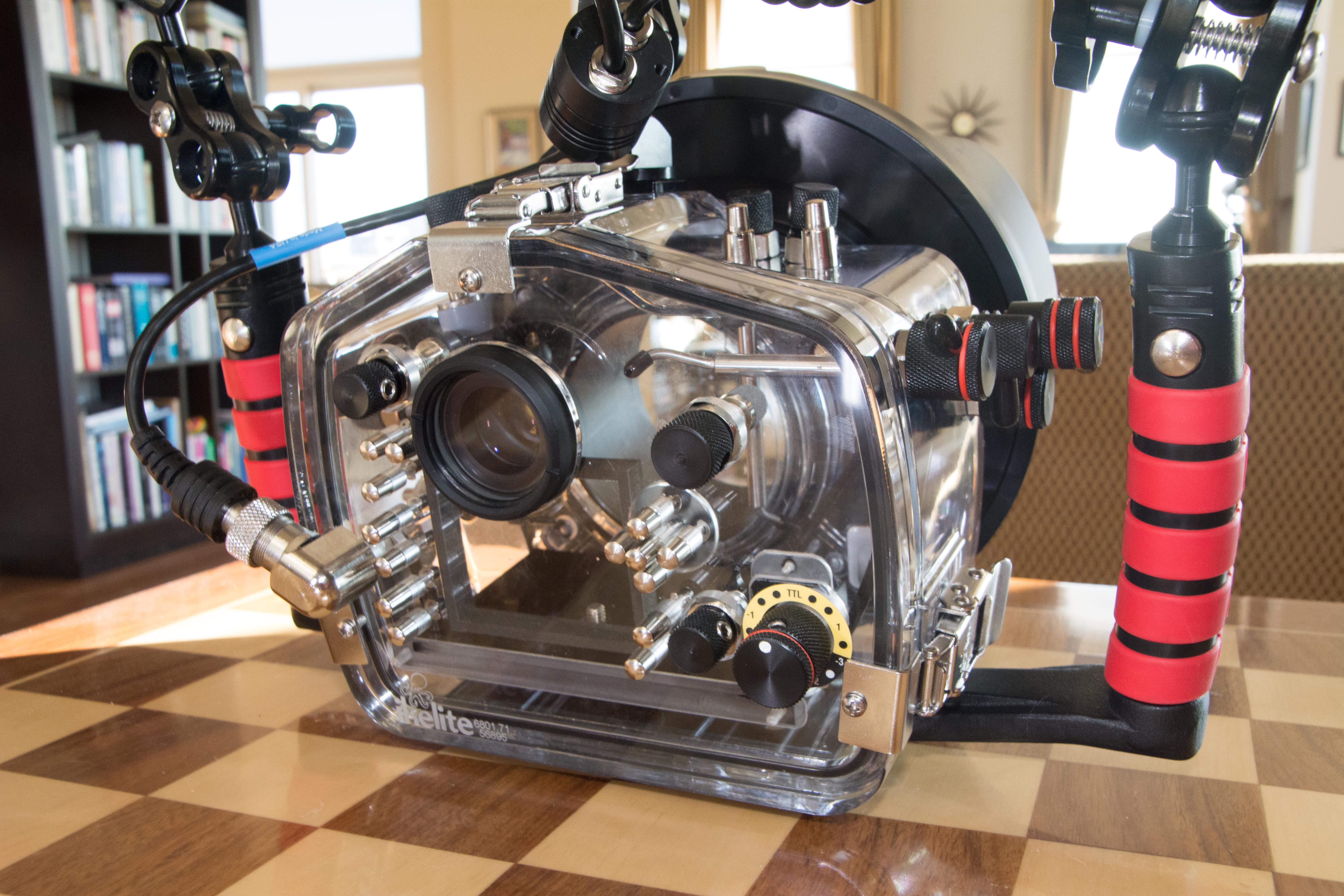
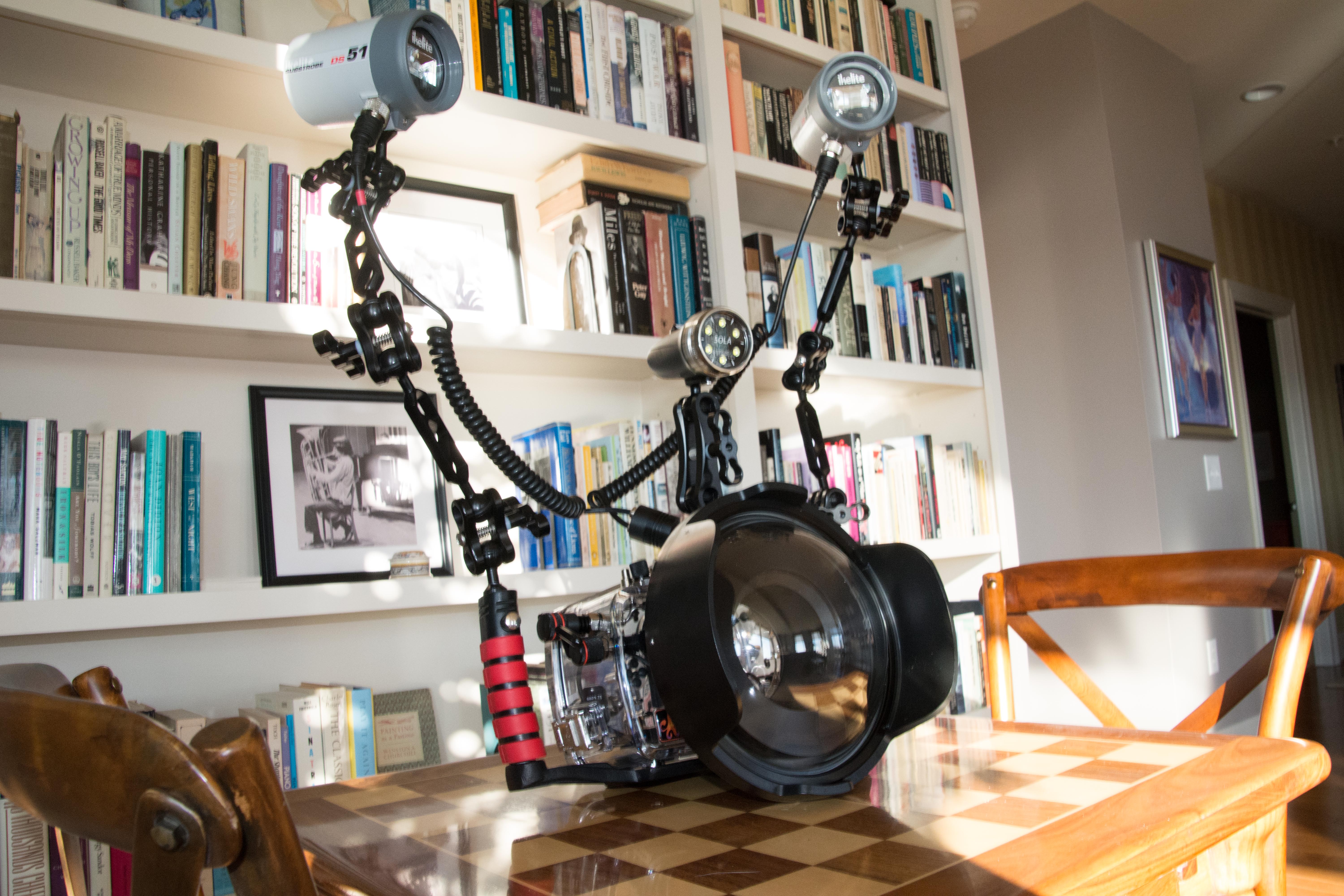
I spent part of the afternoon assembling and testing my new Ikelite underwater camera housing and strobe setup. I thought long and hard before buying the equipment, both because it is pricey and because it is labor intensive. But I’m really interested in sharing some of the joy of diving through images of the extreme beauty beneath the surface. Even in this time of over fishing, ocean acidification and reef destruction, there’s still an incredible profusion of life down there.

If you’re going to use an underwater housing with an expensive camera, the stakes are high. The Ikelite housing opens at the back to receive the camera and the front to receive the lens. You’ve got to be extremely careful to prevent leaks, which can easily be fatal to the equipment. And working the camera through many unlabeled buttons and levers is challenging. Just figuring out how to put it all together took me several hours. And hauling the it safely to dive spots while staying within airline weight restrictions will be challenging. But I’m looking forward to new dive photo adventures.

We had our Thanksgiving dinner at Irregardless, Raleigh’s first vegetarian restaurant, which now also accommodates meat eaters. Gabe and Jocelyn decided to wait until Christmas for a visit, so Sally and I ate with her mom and sister, Diane and Annie. We also were joined by Alyssa Pilger, the Carolina Ballet dancer we’ve been sponsoring, who is enormously talented. It was fun to hear about ballet company happenings, and about the professional dancer’s life. Professional dancers are almost by definition intensely focused people with superhuman work ethics, but Alyssa offstage seemed comfortable, relaxed and un-self-absorbed.

Sally and I saw the movie Interstellar on Friday night at the Marbles Imax theatre. I didn’t think it was particularly well constructed or acted. I found it cheering, though, that the movie has found a mass audience. The basic set up is a post-climate apocalypse world, which is something we should be trying hard to visualize and then prevent. It would be nice if a good-looking astronaut and his attractive physicist daughter could save us all, but that seems extremely unlikely. We’ve got to figure out how to repair our dysfunctional political structures so that we can get organized and address global warming and related problems with the intense commitment and resources we once used to go to the Moon.

Taking in some art, sport, and food in New York

14 11 02_3603Last Friday I attended the Software Freedom Law Center’s tenth anniversary conference in New York, wishing my friends at the SFLC happy birthday and learning something about the state of the art in FOSS law. Afterwards I met up with Sally and daughter Jocelyn at the Warwick Hotel for a Manhattan weekend. I had in mind to see some painting, some photography, some opera, and some ballet, all of which we did, plus some good food and conversation and the New York City Marathan.

As for the painting, on Saturday we went to the Metropolitan Museum, where we focused mainly on the exhibit of recently donated Cubist paintings by Picasso, Braque, Leger, and Gris. Cubism has never been my favorite thing, but I was curious to see some reputed masterpieces not shown in public for generations. The exhibit ultimately had its way with me.

I’d known that Braque and Picasso collaborated, but I hadn’t understood that they were basically partners and co-inventors of the Cubist style. What remarkable courage for guys in their mid-twenties to work exclusively in a style that was so radically new and difficult. They must have known it would be tough to sell at a time when, I’m guessing, they needed money. How excited they must have been to be seeing visions no one had ever seen before, and imaging they would permanently change the cultural/visual world. And they were right!

Engaging with art, and particularly art that requires commitment and struggle, changes you at a fundamental level. Your brain rewires itself, neuronal axons and dendrites making new connections. You are a subtly different person afterwards, who sees the world a little differently.

And though it involved some commitment and struggle, I warmed up to the paintings. There is steely rigor, but there’s more than that. There are moods, from sunny to brooding, and a surprisingly amount of humor. But you have to give the paintings some time and let them speak.
14 11 02_3558

We met Jocelyn for lunch in a Korean place on 37th Street, where our table got covered with savory little vegetarian plates and vegetable dumplings. Our waitress intervened when she realized Sally didn’t know she was supposed to spice up and mix up her kimbap. It was drizzly and chill when we came out and walked up 6th Avenue to the International Museum of Photography.

There we saw an exhibit called Genesis by the Brazilian photographer Sebastiao Salgado. The black-and-white photos are of remote, vulnerable, and magnificent places around the globe, including Antarctica, Galapagos, Patagonia, Indonesia, and Africa. I was very moved by this art. The works were big, some like large posters, and they had lots to say. Some of the landscapes have a stately lyrical classicism, and his photos of indigenous people are frank and intimate. He succeeded in his aim of making me think more about how beautiful and fragile is our planet.

We had dinner at Robert restaurant on the 9th floor of Museum of Arts and Design looking out at Columbus Circle. The room had the energy of forward leaning design, and the food and service were both really good.

Then we walked up to the Metropolitan Opera to see The Death of Klinghoffer. After all the recent controversy (charges of anti-Semitism, which I thought were way off base), I had some worries that there would be protesters, and a tiny worry that there might be a homicidal fanatic ready to attack. But happily there were only normal opera folk. Sally and I both thought John Adams’s music was beautiful and expressive. However, I found the staging static and dull. I’m not sure how much this problem was a matter of direction and how much is inherent to the work. On the whole, I was glad I saw it, but a little disappointed.
14 11 02_3565

Sunday morning was clear but chilly as we walked up from the Warwick Hotel to Central Park South to a spot about half a mile from the end of the New York City Marathon. We saw the first wheelchair competitors, then the first women, and then the first men. After almost 26 miles, most looked like they were in a hard, painful place. But they were booking! The leaders were preceded by a truck with a sign showing the elapsed time. It was particularly interesting to see how close the fight was for number one and two for both women and men. As they passed us, both pairs were so close that I thought perhaps they were friends that enjoyed running together. The women’s finish was the closest in the history of the race, and the men’s was also quite close.
14 11 02_3585

After a quick lunch, Jocelyn came with me to Lincoln Center to a matinee performance of American Ballet Theatre. We saw Sinfonietta (music by Janacek, choreography byJiri Kylian), Bach Partita (Bach, Twyla Tharp), and Gaite Parisienne (Offenbach, Massine). I greatly enjoyed it all, but particularly adored Gaite Parisienne. It was like Nutcracker for grownups: sumptuous, slightly risque fun. Hee Seo was a gorgeous Glove Seller, and Herman Cornejo was a manic, hilarious Peruvian. There were a LOT of really good dancers!

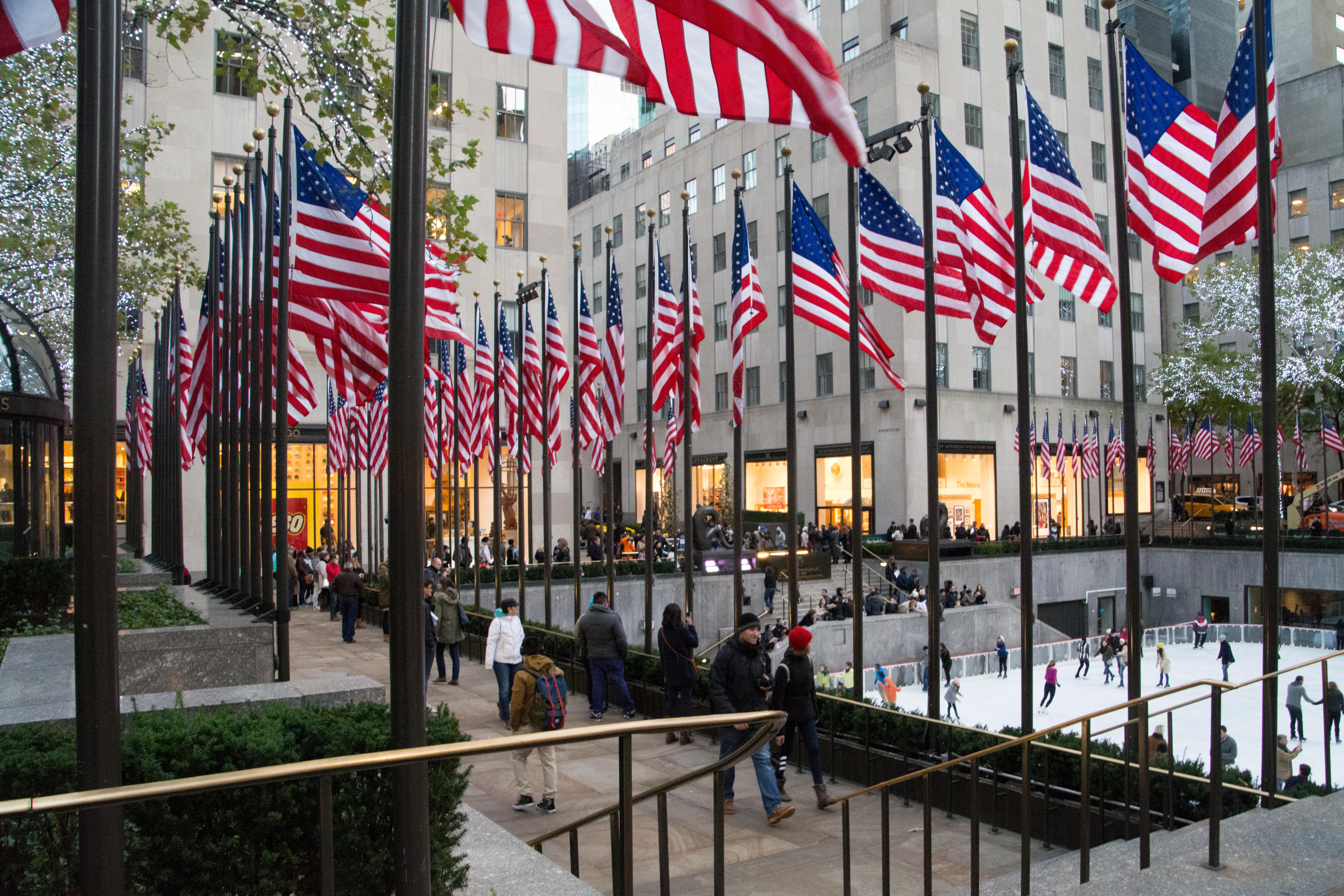
After Jocelyn got on the subway to go home to Brooklyn, I had a little time before we were due to head to the airport. I walked down Fifth Avenue and over to the skating rink at Rockefeller Center. I noted that the varied collection of flags from many nations had at some point been replaced by all US flags. Good looking flags, though .

Scary stuff: Dracula, the ballet, and Ebola, the hysteria

14 10 24_3520
In general, I have very little interest in ghosts, ghouls, witches, vampires, and suchlike. There are enough truly scary things in the world that are real (e.g. global warming, thermonuclear weapons on hair-trigger alert, and tainted food from factory farms, to name a few). So it puzzles me a little that people spend mental energy scaring themselves with made-up monsters. Maybe it’s something like the fun/fear of riding the thrill rides at the fair (which I’m also over).

So, as much as I adore the Carolina Ballet, I was not eagerly anticipating Dracula, which we saw Saturday night. It is certainly not pure ballet. But boy, is it sexy! There was a good amount of stimulating vampire vamping, and even some touching dancing.

Marcelo Martinez was muscular and mesmerizing as Count D, and Lara O’Brien was a delicate, then demonic, Lucy. The marvelous Pablo Javier Perez played perhaps the scariest character, Renfeld the lunatic, who eats flies, prowls, and watches with superhuman intensity. The Twisted Sisters (Dracula’s harem, I guess) – Randi Osetek, Sarah Newton, Elizabeth Ousley – were naughty and highly exotic. I also particularly enjoyed the dancing of Elice McKinley and Nikolai Smirnov as Colette and Jack — sweet, innocent, loving mortals.

The other work on the program, The Masque of the Red Death, is based on the E.A. Poe story about a ball in a time of plague. The costumes for the costume ball were particularly sumptuous. Richard Krusch was the Red Death. He is a really fine dancer, but of extremely serious mien; he usually looks like he isn’t having any fun at all. But this was not a problem in this role, in which he wears a skull mask.

The dance of death/plague theme seemed timely, and a little jarring, after weeks of daily headlines about the Ebola virus in Africa, and also (a couple of cases) in the U.S. It is sad for the victims and their loved ones, but it strikes me that the media frenzy is out of all reasonable proportion. How many more people are dying daily of AIDS? Or the flu? Or car accidents, for that matter? Plainly, this is a dangerous bug, and we need to watch and take care, but why try to get more scared than necessary?

As I mentioned last week, I’m trying to spend a few minutes every day doing mindfulness meditation. The basic idea, which is well described in this short infographic is to sit quietly, focus on breathing, and observe what’s happening with your thoughts. It’s simple, but not easy.

By coincidence, Scientific American, which arrived this week, has a cover story on the neuroscience of meditation. The headline is that there is substantial research showing that it improves focus, reduces stress, and has other positive health effects. It also can boost feelings of well-being, and improve empathy and compassion.

The story doesn’t mention this, but I’m hopeful that if meditation helps us understand our thought processes, it might improve our ability to distinguish between imaginary threats and real ones, and apply our energy to problems we might be able to solve.
14 10 24_3523

A new Firebird, and a great egret

14 09 14_2576_edited-1
Whew! We finally made it to the start of the new Carolina Ballet season. After a long summer without any dance, I was particularly looking forward to the CB’s first program, with The Firebird as the featured work. And I was particularly excited to see Alyssa Pilger make her debut in the role of Firebird.

Full disclosure: based on a donation to the company, we were invited to be the pointe shoe sponsor of a dancer, and we picked Alyssa. She was then in her second season with the company, and struck us as especially talented. It’s been fun getting to know her. The Firebird is a big, difficult part, and not usually (maybe never) danced by such a junior member of the company. I went over to see her first performance of the role at yesterday’s Saturday matinee, and felt a few butterflies, like an anxious parent.
14 09 14_2539_edited-1

Fortunately, she was fabulous! I’ve seen Weiss’s ballet to the great Stravinsky score at least twice before, and always enjoyed the solos for the magical sparkling red bird. The creature flits, darts and dashes, with sudden quickness and sudden stillness. Alyssa’s creation was a firebird of elegant exoticism and power. Out at the end of her long arms, her hands seemed almost like individual creatures, sending their own strange messages. With some of the extreme stretches and twists, it was easy to believe she was part bird. I found her performance completely transporting. It gave me goosebumps.
14 09 14_2562_edited-1

I also really enjoyed Zalman Raffael’s new ballet, Brahms’ Violin Sonata No 3. I’m a Brahms man from way back, and know this great piece very well, but it never occurred to me that it could be a ballet. If it had occurred to me, I wouldn’t have guessed that a young choreographer would grasp and know what to do with its complex romantic pleasures. Indeed, I don’t know many people who care much for this music, which sometimes makes me wistful.
14 09 14_2558_edited-1

Raffael, however, left no doubt of his grasp of Brahms. I found the ballet faithful to the spirit of the music, while managing to push against it and find new aspects. Jan Burkhard’s pas de deux with Yevgeny Shlapko showed tremendous emotional range. She was lovely and languid in the slow movement, as well as fiery in the finale. Jan has always had a lot of vivacious charm, but she seems to have extended her range into the darker modes in recent seasons. Yevgeny also looked great (he must have spent some time in the gym this summer).
14 09 14_2582_edited-1

The other piece on the program was a new ballet by Robert Weiss called Les Saltimbanques. The music, Stravinsky’s Symphony in C, was Weiss’s primary inspiration. The piece, which I was not familiar with, is not as tuneful and romantic as The Firebird, but instead is more polytonal with irregular accents. Here too, I thought the choreography was faithful to and illuminating of the music. The organizing idea of the ballet is street performers (acrobats, clowns, and the like) filtered through a Picasso-esque vision. I found it bright and involving, and look forward to seeing it again next week.

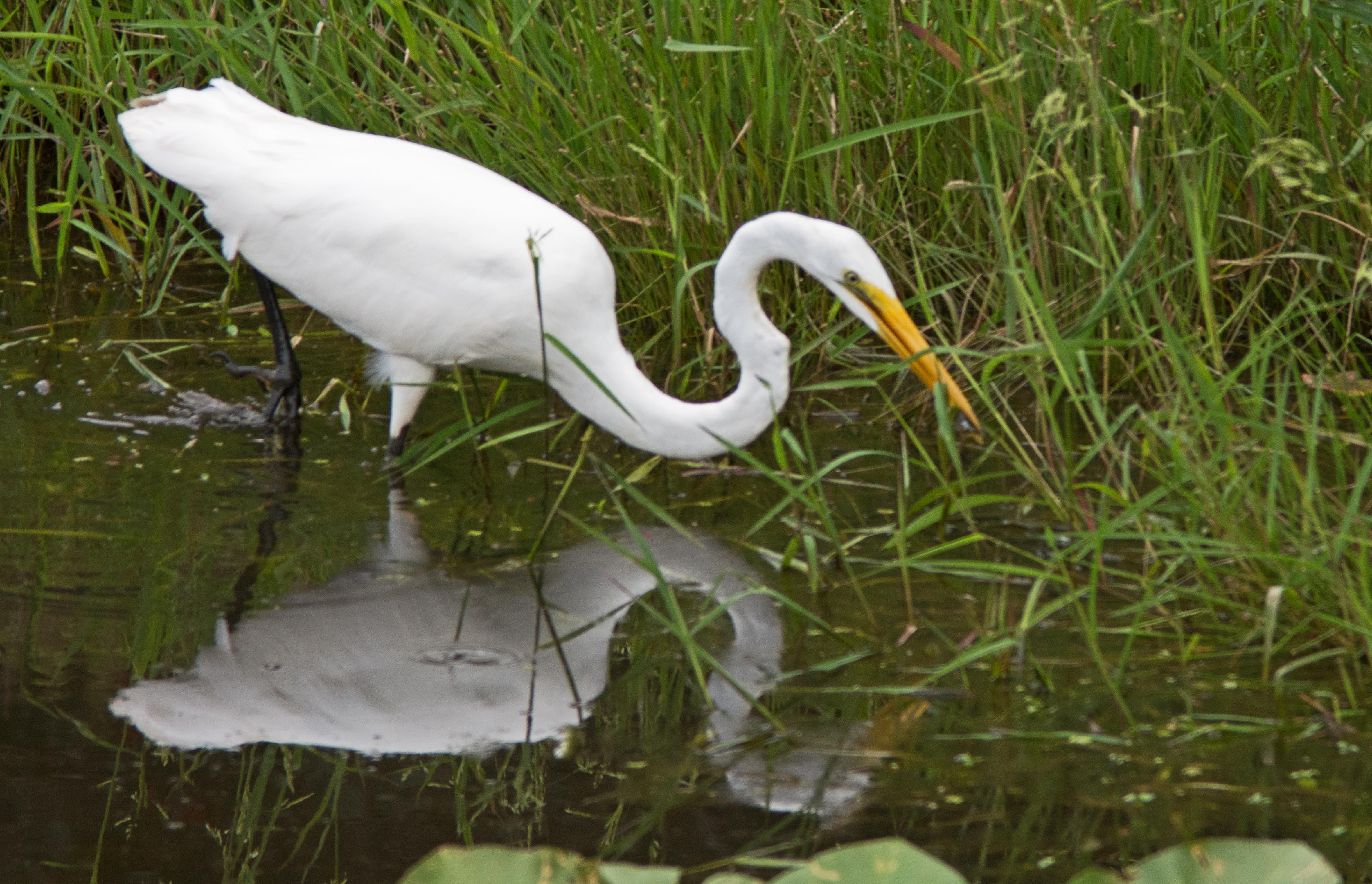
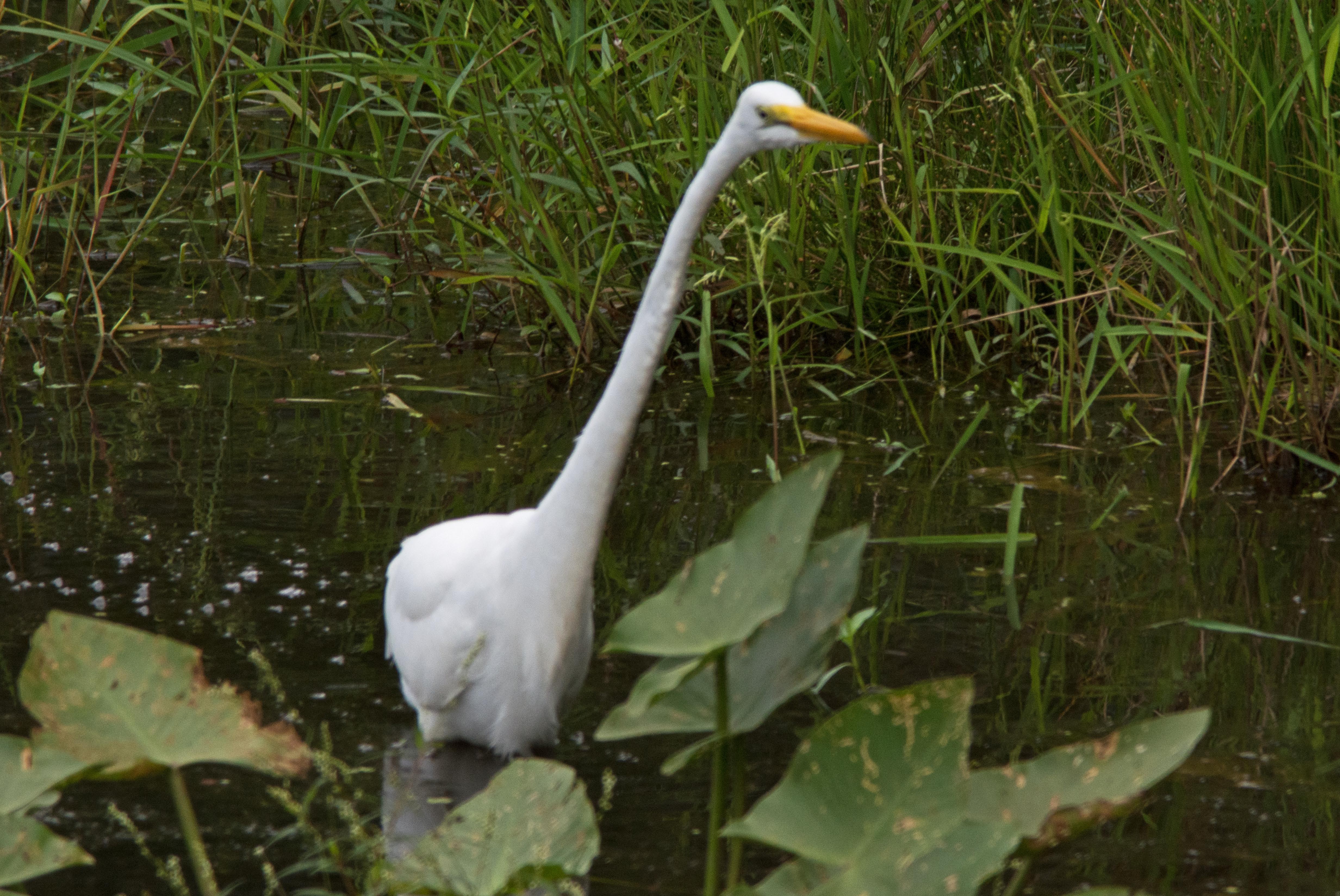
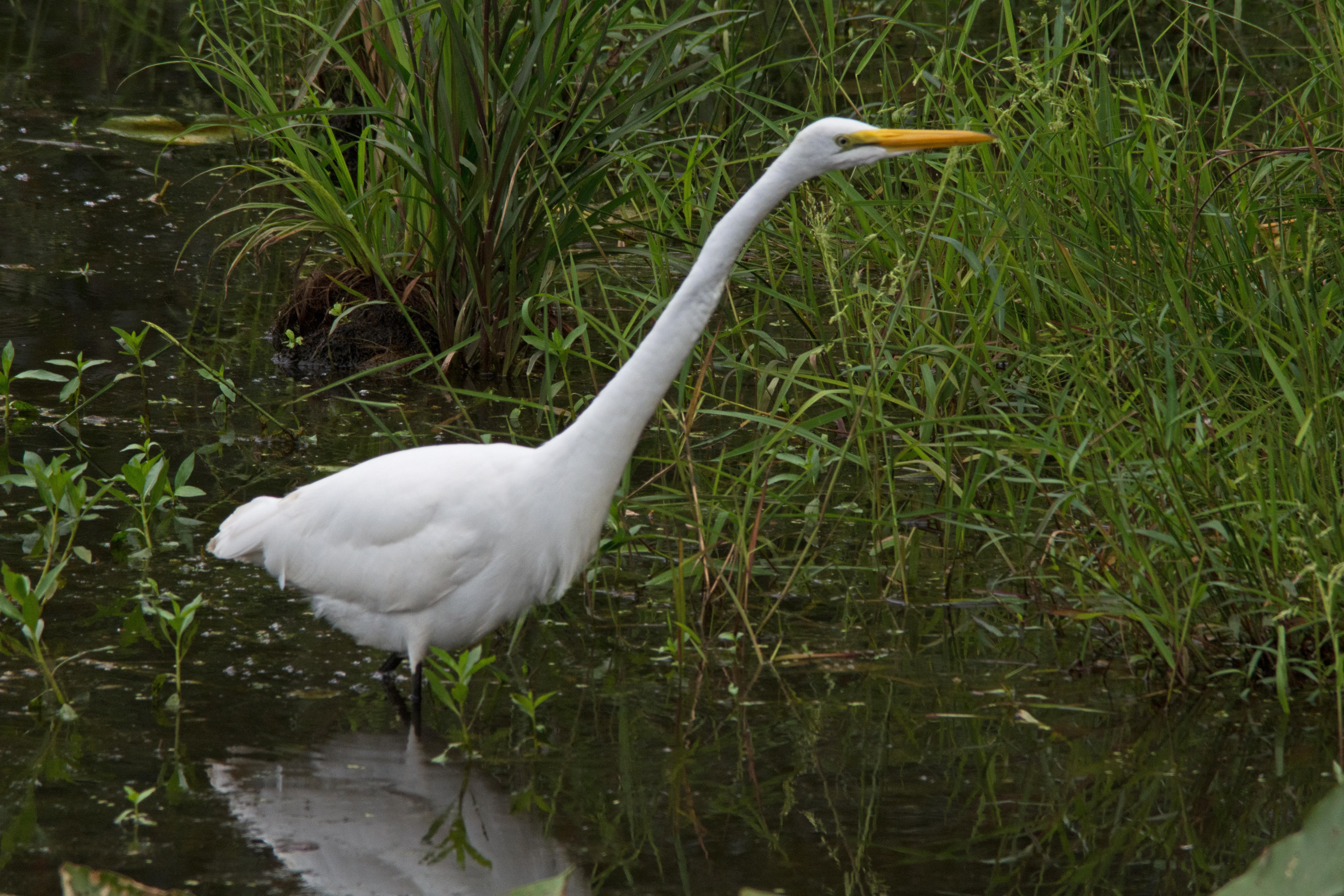
These pictures were taken this morning (September 14, 2014) at Yates Mill Pond in Raleigh. The great egret is a bird we don’t see every day around here. I watched this one hunting for a half hour or so, and was enraptured.
14 09 14_2596_edited-1

Buds, laughs, and cries, including Romeo and Juliet (the ballet)

14 03 22_7848
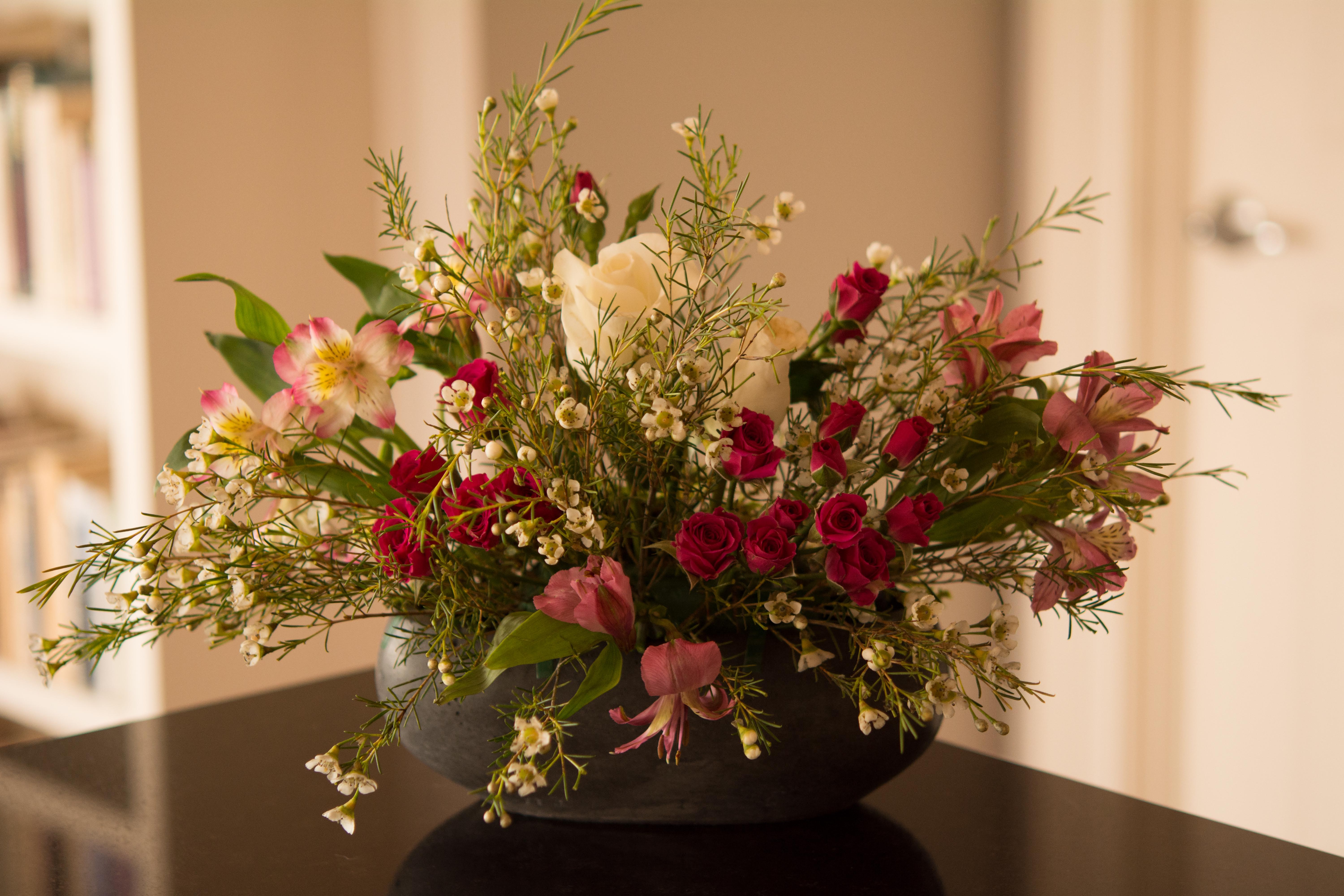
Sally’s taking a flower arranging class at Wake Tech, and here is her latest project, which I really liked. With spring officially here, I’m very much ready for the big blossoming , and took a Saturday morning walk through Fletcher Park and Raulston Arboretum to see what was up. They’re not here in numbers just yet. But it was fun to take a close look at some things on the point of bursting out.
14 03 22_7831
Is there anything more boring than people bragging about their marvelous kids? Perhaps hearing people complain about their aches and pains. But other people’s impressive kids are still a serious problem, conversation-wise. Why is it, then, that stories about my own kids are so interesting?

So, sorry, but here goes a proud papa: Jocelyn, having conquered the book publishing business in Manhattan (i.e. getting an entry-level job in ebooks at Macmillan), has now published her first professional writing. It’s a humorous essay about getting the fun of a good cry, which you may read at Quarterlette, a site for twenty-something women. The pay was not good (zero), but she was very excited to be a beginning author. Who knows what comes next? She’s got a piece on online dating in the works, and we kicked around ideas for a funny piece about the annoyances of Facebook.
14 03 22_7829

At an opposite extreme, there’s a piece in last week’s New Yorker by Andrew Solomon about Peter Lanza, the father of Adam Lanza. Remember Adam, the Sandy Hook killer, who took the life of 26 little kids, his mom, and himself? This is worse than a parent’s worst nightmare. I hadn’t known that he was a high functioning autistic kid who may also have been psychotic. We want to know why he did what he did or what might have made things unfold differently, but there are no full, satisfying answers. Nobody saw Adam’s potential for horrific violence, including the mental health professionals who examined him or his parents. I was moved by Peter Lanza’s struggle with both the pain of loss and profound guilt.
14 03 22_7816

There’s another good story about death and love called Romeo and Juliet, which the Carolina Ballet performed on Saturday night. We’ve seen Robert Weiss’s choreographed version several times over the past 15 years, and it’s one of my favorites. Shakespeare’s story, it turns out, works quite well without words. The language of ballet is fully sufficient to convey the richness of the trembling, tingling ecstasy of first love, and the explosive violence of feuding clans.

In this production, Margaret Severin-Hansen played Juliet with sweet innocence, and her Romeo, Sokvannara Sar, was strong and sensitive. Their balcony scene was complete, unmitigated, overwhelming love — love that obliterates everything else. Eugene Barnes was a smoldering, intimidating Tybalt. I thought the group sword fights could have used a bit more edge and brio, though I hesitate to say so – I wouldn’t want any dancers to actually get hurt.

Lindsay Turkel was radiant in the trio of gypsy street dancers. We were also happy to see Alyssa Pilger, a corps member and our pointe shoe sponsoree, get a high-profile solo as the Mandolin Girl. She rocked! I’d previously been struck by her beautiful technique, but last night she danced with amazing power, impassioned and electrifying.

A beautiful Nutcracker, Xmas spinning, and getting ready for Fiji (including ebooks)

13 12 21_5389

We were on the fence about whether to go to the Carolina Ballet’s Nutcracker ballet this year. There have been many lovely Nutcrackers, even enchanting Nutcrackers, but after many years of cracking, I worried that the magic might be wearing a little thin for me. That Tchaikovsky music is great, but also very, very familiar. It would be a shame to find that the thrill was finally gone. But Will Levine, son of our friends David and Maggie, dancing the nephew/nutcracker/prince, we decided to go again.

I’m so glad we did. It was a particularly touching and magical Nutcracker. Having a live orchestra to play that delicious music really helped, and this was a good band, ably led by Al Sturges. There were the cute little kids and sumptuous costumes and settings. But most of all, there were the dancers. The Carolina Ballet has so many talented artists just now. They looked like they loved their work.

The star of the evening was Lara O’Brien as the Sugar Plum Fairy. Her SPF was elegant and assured, highly musical, with a slight note of tragic grace. Her pas de deux with Marcelo Martinez was beautiful and moving — so passionate – I got a bit misty.

Also especially wonderful was Alicia Fabry as Butterfly (the lead in the Flowers waltz), and newcomer Alyssa Pilger as the lead Ribbon Candy. Young Will did well, to the relief of his parents, and us, too. As in past years, there were a couple of little kids who could do fantastic handsprings, and big boys whose leaps seemed to defy gravity. It was all delightful. It took me into a magical place, in equal parts childhood fantasy and nostalgia, and reminded me of many happy times gone by.

In other Xmas news, I had an holiday-themed spin class at O2 this week led by the fabulous Jenn. She announced at the start that she just loved Christmas, and she’d made a special Christmas tunes mix for our spinning pleasure.

It turned out to be some hard-driving rock songs of the season, and she kicked us into a very high gear. There was lots of sprinting (including a killer sequence of fast, faster, and fastest) and intense climbing. One new trick – she can ride out of the saddle with no hands, and she thinks we can, too. I gave it a shot, and verified that it is not easy. Anyhow, the class was fun, in a brutal kind of way. I knew for certain at the end I had worked out.

For our holiday, Sally and I are heading out for a scuba diving trip to Fiji on Monday, which should be incredible. It’s taken a lot of planning, and the logistics are complicated. There are quite a few important pieces of dive gear, photo gear, and other stuff that must not be forgotten (some of which is pictured above).

In addition to all those details, I’ve given some thought to what books I want to read. Reading time is one thing to like about long flights. My tablet device makes it easier (less heavy) to carry a lot of books, but pre-loading was necessary, since I don’t expect to have much if any internet connectivity. Also, the tablet is not a good reader in direct sunlight, so I need some old-fashioned paper books as well.

Here’s a quick listing of my current books-in-progress and new ones that I may get going. The are ebooks unless otherwise noted.
.
Titan: The Life of John D. Rockefeller, Sr., by Ron Chernow. I figured it would be fairly interesting to find out how the Rockefeller became the most successful monopolist in history, and it has been, fairly. Rockefeller was a very driven person, with a high standard of personal morality (a lifelong Baptist) and a low standard of business morality. His trust was a primary inspiration for the beginnings of modern antitrust law.

Big Data: A Revolution That Will Transform How We Live, Work, and Think, by Viktor Mayer-Schonberger and Kenneth Cukier. I’m about done with this one. I don’t think the title is much of an exaggeration – big data is transforming many fields, including retail, finance, education, and medicine. definitely worth thinking about.

The Signal and the Noise: Why So Many Predictions Fail – but Some Don’t, by Nate Silver. The creator of the FiveThirtyEight blog and impressively successful political prognosticator talks about his methods and related things. Based on the first chapter, it appears somewhat padded as a book.

The New Digital Age: Reshaping the Future of People, Nations, and Business, by Eric Schmnidt and Jared Cohen. I picked this up out of curiosity regarding what the chairman of Google was thinking would come next. I’m about half way through, and finding it not particularly well organized, but there is interesting reporting and thinking on how technology is reshaping our lives. The portion on hacker-terrorist is hair-raising.

Rattling the Cage: Toward Legal Rights for Animals, by Steven Wise. The author recently brought a habeas corpus action on behalf of a champanizee, which struck me as a legal long shot, but interesting, and I was curious about his theory.

Ordinary Men, by Christopher Browning. A history of a small group of regular joes who worked at ground level as part of Hitler’s final solution. For a long time I’ve been interested in the question of how otherwise normal people could participate in mass murder on an industrial scale, and Browning sheds some light on this.

The First American: The Life and Times of Benjamin Franklin, by H.W. Brands. Franklin is by far my favorite founding father, and I’ve read most if not all of the other major contemporary biographies of him. Earlier this year I read Brands’s American Colossus: The Triumph of American Capitalism 1865-1900, and thought it was quite good, so I’m looking forward to getting his view of Franklin and his world.

Reef Fish Identification (Tropical Pacific), by Allen, Steen, Humann, and Deloach (in paper). There are an amazing number of amazing reef fish in the Pacific, and it’s fun to know a bit about them.

Zukerman Bound, by Philip Roth. I got this as a used paperback (price $4.50) of the three Zuckerman novels (The Ghost Writer, Zuckerman Unbound, and the Anatomy Lesson). Roth is my favorite living novelist, and for some reason I hadn’t read these key works of his early middle period. It will be a great pleasure.

The Odyssey, by Homer, translated by Robert Fagles. A classic, obviously.

Leaves of Grass, by Walt Whitman (paper). The embodiment of what is great – and strange – about America. It seems like a good time to read it again.

The State Fair, The Circle, and James Turrell

13 10 26_4911
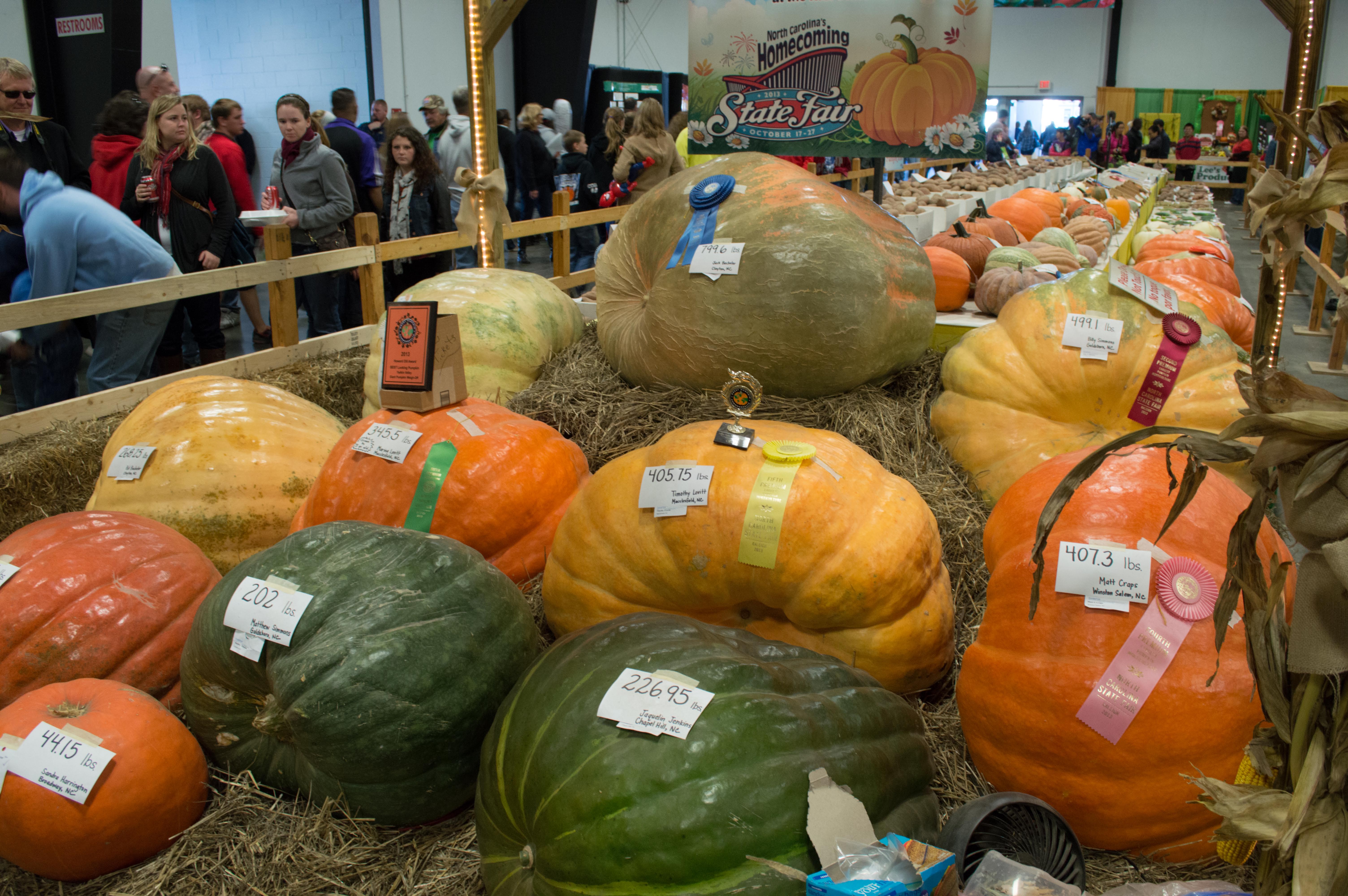
It was clear and brisk in Raleigh early Saturday afternoon when Sally and I got on the bus for the N.C. State Fair. My last fair visit was with Jocelyn when she was in elementary school, about 14 years ago, and just before she began to much prefer going with friends rather than dad. In the years since I haven’t expected that the fun would outweigh justify the headaches of traffic jams and crowds. The convenience of the bus, which stopped on Hillsborough Street just a short walk from us, made us re-do the fun/not-fun calculus, and off we went.
13 10 26_4903

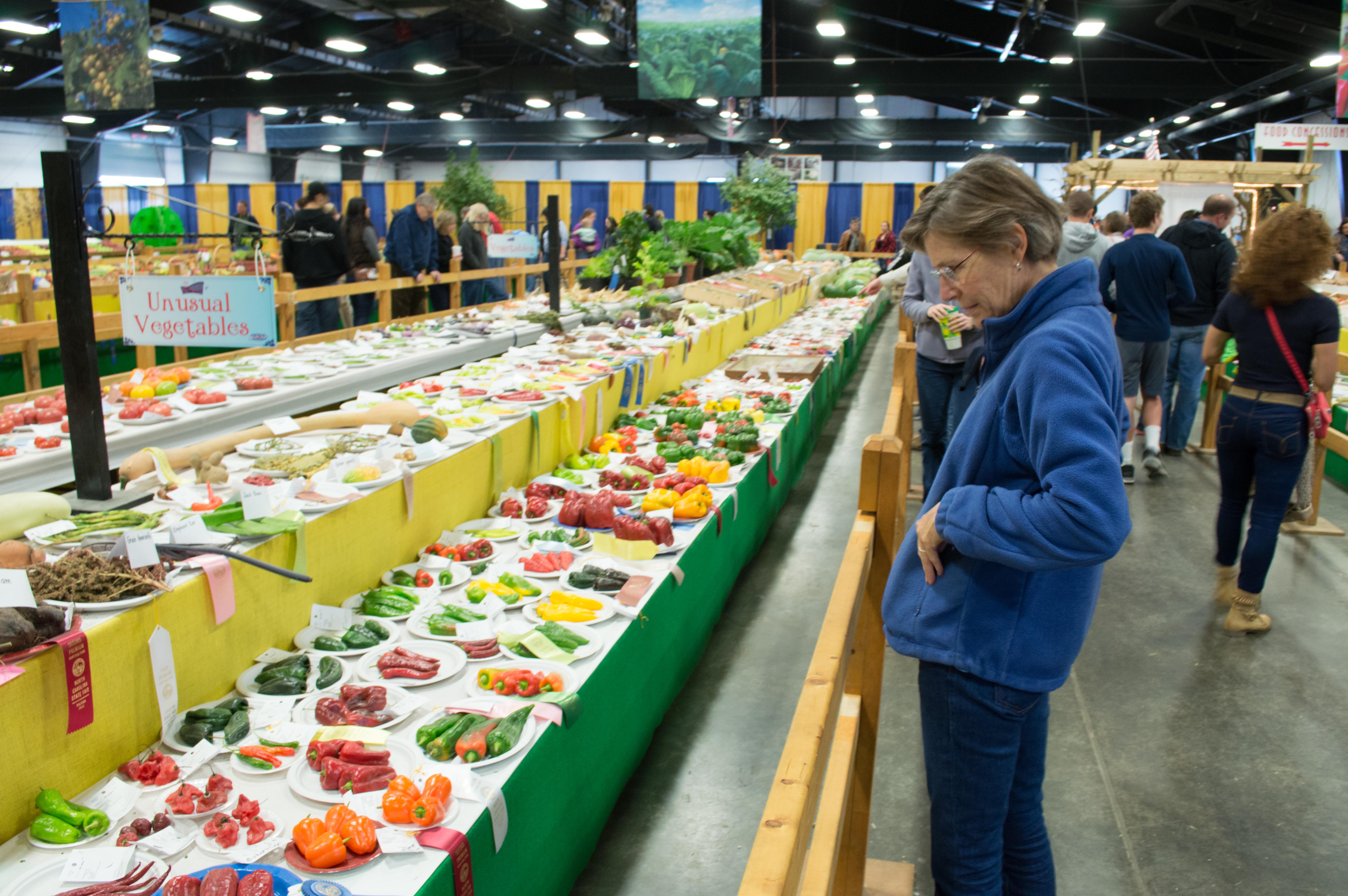
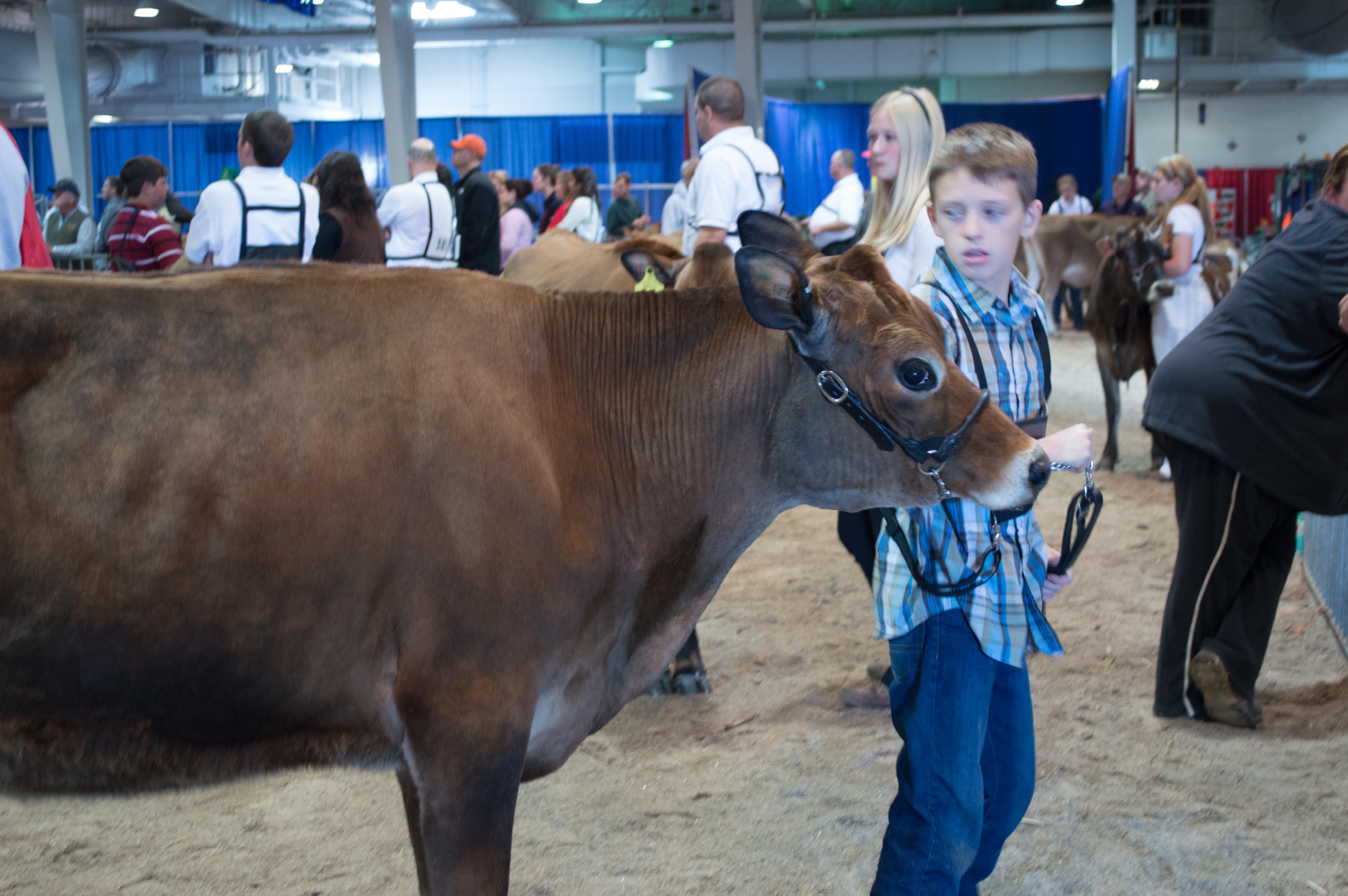
Our main objective was the agriculture exhibits. With most days full of hurry and technology it’s good to slow down and reconnect a little with the rural past. It’s terribly sad to think about mistreatment and needless slaughter of farm animals, but there’s also something sweet about getting close to the gorgeous prize-winning animals at the fair. The chickens and turkeys were amazingly varied, and the cows were generally good-tempered. I’m with Whitman: “I think I could turn and live with the animals, they are so placid and self-contained;
I stand and look at them long and long.”
13 10 26_4882

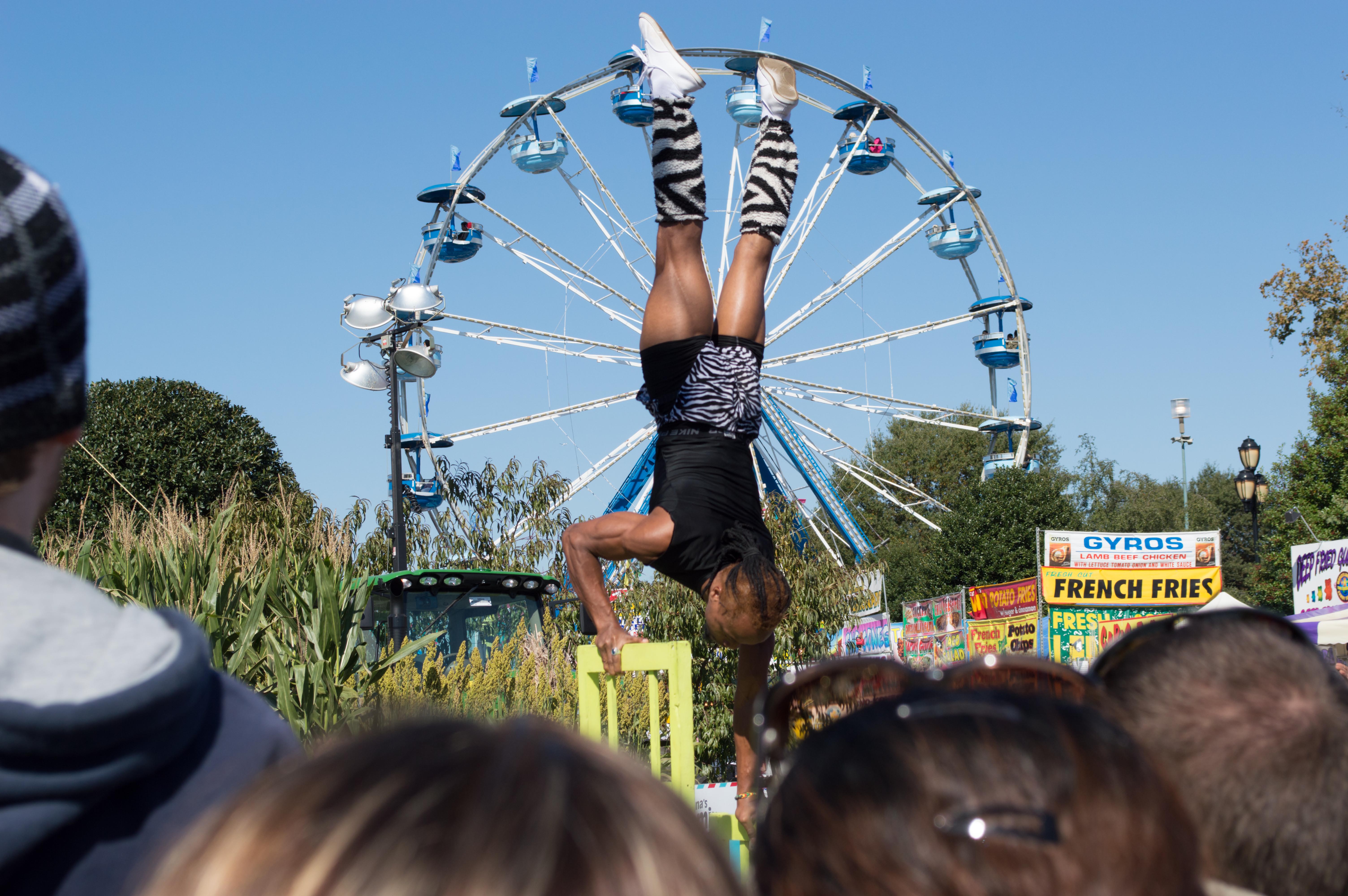
We also enjoyed the people watching. There were, of course, rural people, but it seemed like the crowd was much more ethnically diverse than years ago. We took in a free show by a troop of acrobats, including a handstand master. \13 10 26_4838
We also so a free show of stunt BMX bikers and motorcyclists. These guys were awesome.
13 10 26_4950

Also on Saturday I finished reading Dave Eggers’s new novel, The Circle. Set just a few years into the future, it’s about a young woman who goes to work for a tech company, the Circle, which sounds like a combination of Google and Facebook, and which has some cult-like qualities. It seeks total involvement and devotion from employees and may have a dream of world domination. The Circle promotes a vision of extreme transparency, pushing public officials and others to live completely on camera, open to full time universal internet scrutiny.

The idea is interesting, but the writing had about as much charm and verve as Newsweek. The subject of the book is how technology affects the human mind, but there wasn’t any depth to the characters, or much in the way of psychological insight.

Still, I liked the central thought experiment: what would happen if everyone’s life was totally visible and potentially viewable by everyone else? As The Circle notes, it would probably reduce crime. It would probably initially bring a feeling of a new kind of community. But would it destroy the possibility of human intimacy? Probably. And without intimacy, what would remain of meaning?

On Sunday morning I flew to Los Angeles for the annual meeting of the Association of Corporate Counsel, where I’m doing a presentation. In the afternoon I went to the L.A. County Museum of Art, where I wanted to see the special exhibit of the work of James Turrell. He’s best known for his work involving light and space, including environments that completely baffle our understanding of boundaries.

Turrell expects his viewers to enter into his work, literally and psychologically. I found it rewarding to do so. Although the work is primarily concerned with perception, it also inspires a surprising amount of feeling. For me it had some of the calming effects of meditation. I found myself looking at light differently as I left the museum.
13 10 12_4753