The Casual Blog

Tag: Trump

The virus is still here, except in Trump’s fantasyland

Having watched almost the entire Democratic Convention, I wanted to give equal time to the Republicans, so I watched their Convention.  Well, I should say, I tried, until I couldn’t take it anymore, and then I read about it the next day.  My tolerance for the alternative reality and fear mongering in real time was generally about 20 minutes.    

Though I don’t understand it, I accept  that there are people who are going to vote for Trump, and I was hoping to get a better grasp of why.  I assume a lot of Trump voters are decent and well meaning, with things in their life experience and psychology that net out to belief in MAGA.  

At the Convention, there were many normal-looking, normal-sounding people singing the praises of Trump.  Some told anecdotes about Trump’s being helpful to particular industries or being nice to particular people, some of which could have been true, though after four years of his nonstop lying, who knows?

I felt like I’d somehow wandered into an alternative universe, where the last four years hadn’t happened.  Everything Trump had done was kind and good, while his cruelty, corruption, and incompetence had disappeared.  It was disorienting, but somehow familiar.  Then I realized where I actually was:  the Fox News universe, a media bubble where Trump  is a god-like being receiving unquestioning adoration, and his impulsiveness and crack pot ideas are lauded as genius.

Some of the character references could have been viewed as ordinary political puffery.  But there were some claims and positions that were dangerous and so flagrantly false that it’s difficult to see how anyone could agree to say them, much less believe them.

A prime example is the Covid-19 pandemic, which Trump and other speakers spoke of in the past tense as having been successfully addressed by Trump.  It pushes the limits of the human capacity for denial and delusion to think either that the pandemic is over or that Trump did a good job handling it.  

As of this writing, the United States is seeing around 40,000 new cases per day, with a total of around 180,000 deaths so far.  The US is the world leader in active cases and total deaths.  Many of these deaths would not have happened under an ordinary, competent president, as shown by the lower infection and fatality rates in other countries.  Trump still has no plan for handling the pandemic, other than trying to distract attention from it and promoting miracle cures, like ingesting bleach.  

In fact, Trump continues to push in exactly the wrong direction by discouraging masks, modeling non-social distancing, and encouraging people to get back to work.  For his speech at the White House on the final night, he showed his profound selfishness and recklessness by having thousands of worshippers crammed together, with no testing and almost no masks.  They may have believed the lie that the pandemic was over.  In any case, with the President’s encouragement, they effectively risked their lives.  What kind of person would do that to his followers?  

As with the pandemic, in other areas the Republican Convention challenged America:  are you going to believe us, or your lying eyes?  With millions unemployed and thousands of businesses shuttered, the Republicans praised Trump for a fantastically successful economy.  He claimed to have kept every promise, and declared victory on health care, job creation, building the wall, foreign relations, building new infrastructure, and other areas in which he has accomplished almost nothing.  He did not attempt to defend his support for Russian interference in our affairs, his energy rules that will worsen the climate crisis, his tax cuts for the wealthy, the criminal conduct of his close advisors, or his own corruption.  

With police shootings continuing and Black Lives Matters protesters still calling for an end to racist police violence, Trump persuaded a few Black supporters to say he’s not a racist.  But he continued to claim that Black people are threatening to burn down our cities and invade the suburbs if he loses.  He did not explain his proposed solution to this imaginary problem, other than to keep repeating the phrase law and order.  Based on his recent activity, this seems to be shorthand for meeting protesters with tear gas and bullets and locking them up.

All this was unsettling, especially when combined with fear mongering about liberals.  Trump and his acolytes warned loudly and absurdly that Joe Biden and the Democrats embodied a dangerous alien ideology (such as communism or socialism) and would turn America into a hellhole.  There were a few quick nods to non-white people, but no acknowledgement or apologies for Trump’s ongoing support of white supremacists, his tear gassing protesters to get a photo op, his Muslim ban, and his putting immigrant children in cages and then losing them.  At least he didn’t threaten to lock up Joe and Kamala — yet.  

How do we know what is reality?  In general, we have a look at the people around us and try to figure out what they agree on.  This usually works well enough for us to stay out of big trouble, but as the Republicans have shown, not always.  Last month, Naomi Oreskes, a history professor at Harvard, wrote a short piece in Scientific American about the intellectual foundations of science, which I thought was so intriguing that I bought and read her new book, Why Trust Science?    

In the SA piece, Oreskes noted that one common reason for rejecting scientific knowledge is that people don’t like information that conflicts with their existing beliefs.  Thus there are many people who deny scientific consensus findings on climate change because they require responses that are inconsistent with their faith in markets and opposition to government, or just with their rosy picture of the world.  

In her new book, Oreskes argues that what is distinctive about science is not that it is always correct (it isn’t), but that it involves a social methodology involving trained and specialized experts that in the usual course corrects errors and leads to improved understanding.  She points out that when we need specialized knowledge to fix a problem, we turn to experts, whether they are plumbers, electricians, or doctors.  Scientists are our experts on the natural world, and they assist and correct each other.  Like all other experts, they sometimes get things wrong, but on the whole they do better than non-experts.  

Anyhow, it isn’t surprising that Trumpists often don’t care to engage when scientists are trying to communicate unwelcome news.  But that’s a big problem with the coronavirus pandemic.  Many if not most of us know people who have been seriously ill or died from the virus.  Adopting the Trump position that the pandemic is no longer of serious concern is a mistake of epic proportions that will lead to a lot more deaths.  We’re at a new frontier in propaganda and politics:  a presidential message that all those deaths are of no consequence, with a political party prepared to advance it.    

Some pretty good news from the Democratic Convention, and a new threat to the voting system


The big event for us this week was the Democratic Convention.  I can’t say I was looking forward to it.  I seriously doubted that a virtual convention could be anything other than boring, and there was a possibility it would be a debacle.  But it was much more gratifying than I expected, and left me more hopeful.

There were some moments that seemed stagey and artificial, but there were also moments of surprising authenticity and feeling.  Ordinary people spoke in their own words about their concerns.  While there was a celebration of our diversity (of races, origins, orientations), there was also recognition that we face enormous challenges (achieving racial justice, economic fairness, climate stabilization).  Part of the main message was that we’re dealing with a lot of pain (pandemic deaths, loss of jobs, uncertainty) that needs to be acknowledged and respected, and then addressed.

The thrust of the Convention was straightforward:  we have a disastrous President, and now we have a chance to replace him and do better.  Criticism of Trump was almost all about his utter failure to do his job, rather than his moral failings — his disastrous mismanagement of the pandemic, of health care, of the economy, the environment, of international relations, and the rest, while cutting taxes for fat cats. 

This was probably a reasonable approach for persuading those who previously voted for Trump but might consider changing.  It just makes no sense to renew the contract of a bad CEO.   

As for change, there’s Joe Biden.  Frankly, I’ve never been a huge Biden fan.  He seemed to me an establishment guy unlikely to be a strong force for progress.  But I felt a lot more supportive after seeing more of him and learning more about his story.  

The basic case for Biden, as I heard it, is:  he’s a really decent, hardworking, and compassionate guy, with solid experience, knowledge, and values.  He’s not bucking to get his face on Mount Rushmore.  But he wants to help right the ship of state, for the right reasons, and he’s got the necessary skills.  It seemed like he’s evolved in some positive ways, like many of us, with more concern for addressing racial injustice, gender inequities, and climate change challenges.  

Biden is, of course, a politician.  I had assumed that his big handsome smile was mostly a politician’s trick and to be regarded with some suspicion.  But there was substantial testimony to the effect that he’s an unusually warm, caring, compassionate person.  His choice of Kamala Harris suggests political savvy, but also that he’s got a big heart.  

Some of our issues that urgently need attention didn’t get much at the Convention.  I heard almost nothing about nuclear arms control and reducing the risk of nuclear or other conflicts.  There was only a brief mention of the environmental costs of factory farming, and none that I heard about its appalling brutality and the welfare of animals.  There seemed to be little recognition that technology, including artificial intelligence, is changing our economic reality, and our old model for education and jobs isn’t going to work as well in the future.

So I’m not expecting that Joe and the Democrats will quickly fix all our societal problems.  But I am hopeful that they’ll make a start.  As the old saying goes, the first thing to do when you’re in a hole is to stop digging.  I’m pretty sure they’ll stop digging, and also that they’ll try to help those who need it right now.  That would be a huge change.

The Convention sent a strong message about the importance of voting in this election.  In a nutshell, if you care at all about preserving the good things about our system, you need to vote.  Barring a quick miracle cure to the pandemic, it’s probably best to do so by getting a mail in ballot and getting it in early.  As noted in my last post, in some states you can drop off your mail-in ballot directly with local officials.  

Voting used to seem simple — a little boring, but something we could all agree was basically a good thing.  Even after years of Republican efforts to reduce or prevent voting by their opposition, it’s still hard to believe what has been happening recently.  

Trump, McConnell, and other Republican leaders have admitted that it would be, for them, a disaster if everyone voted, because they could not possibly win.  They feel well justified in putting up roadblocks to voting by people of color, young people, and others, such as new voter ID laws, fewer polling places, more limited voting hours, and now, attacks on the Postal Service.  Their power is at stake.  For them, democracy is a problem. 

We have a long history of voter intimidation in the US, and Trump announced last week plans to revive the practice.  He referred to getting local sheriffs to the polls, ostensibly to prevent fraud, which, of course, they have no way to do.  They can, however, display their weapons and stare grimly at unwelcome voters, such as people of color.

Even the worry that this might happen could well discourage some people from trying to vote.  Especially when combined with other problems, like missing voter registrations and long lines, there will be some attrition.  The more chaotic the voting process is, the better for Trump.

Part of the Trumpist idea seems to be to destroy confidence in our system.  Thus we have Trump’s constant and baseless allegations of widespread voter fraud.  Among the bizarre things Trump said last week was this:  the only way he could lose was if the election was rigged.  

With polls showing him trailing, this seems delusional, but also disturbing.  He seems to be saying:  I will not accept any election result except one where I win.  In other words, American democracy is over.  

But Trump says a lot of things that aren’t true, and promises a lot of things he doesn’t deliver.  So I’m not giving up on the idea that he can be removed from office in the ordinary manner — by the people voting.  But we can’t kid around on this one.   This time, voting really matters.

A little prayer for RBG, and notes on Portland, Hiroshima, and QAnon


We’ve had some interesting clouds lately

I have a lot of things to be grateful for, but even so, there’s a lot to be anxious about.  I try not to worry too much about those things that are well beyond my control, but it’s hard.  For one thing, you can’t always tell what’s completely beyond your influence.  You might be wasting your time, but then again, with a little more effort and a little help from friends, you might accomplish something.

The health of Justice Ruth B. Ginsburg is almost certainly beyond my influence.  She’s done a lot of good in this world, and now she’s old and very sick.  I assume she’s trying to do her job and stay alive until we have a new president.  Although I am not a praying man, and consider the likelihood that praying would do me or anyone else any good at close to zero, I’m making an exception for her.

The Black Lives Matter protesters are still in Portland and other cities.  Whatever the Trumpist plan was in having federal agents attacking peaceful protesters (like making a frightening vote getting spectacle for Fox News or provoking a race war), it didn’t work out, and the troops left.  In that battle at least, the protesters won!  It doesn’t look like Portland will be our Reichstag fire.  

The protesters across the country have already accomplished some of their political objectives, like more oversight of police in some cities.  It’s hard to tell how much progress they’re marking toward the larger objectives of ending police discrimination and violence and building a more just society.  Our society still needs a lot of work.

Police unions are a significant impediment in many cities.  There’s a very good piece in The New Yorker by William Finnegan that explains that those unions have strongly resisted attempts to reign in police violence and get the worst cops off the streets.   The unions are a lot more powerful than I previously understood, and state and local politicians have been unable to control them.  Another serious problem that needs protesting.

Rita, thinking

The pandemic is still raging, the average global temperature is rising, and the risk of nuclear war is increasing.  Sorry, I know it’s a lot, and I’ll stop soon.  But I’m hoping a few more people, and then a few more, will realize we’re on the edge of a nuclear precipice, and we need to carefully work our way off it.  To put it another way, because of nuclear weaponry, what we think of as normal life is extremely perilous, and what we think of as necessary and unavoidable nuclear policy desperately needs changing.

This week was the 75th anniversary of the Hiroshima bombing, the first use of a nuclear weapon.  There were a few editorials along the lines of it was too bad that we had to kill so many civilians, with vague hope it wouldn’t happen again.   I read one op ed that took the strange position that nuclear weapons had made us safer.  In the publications I follow, there was no great show of remorse or sense of urgency about preventing the sudden end of life as we know it.

Hiroshima is, in addition to being a Japanese city, also a famous book by John Hersey.  As a young reporter, Hersey went there a few weeks after the bombing and wrote about the horrors he saw.   The U.S. government concealed and played down the terrible human cost of the Hiroshima bomb explosion and its deadly radiation, and so Hersey’s book came as a big revelation to many.  See Washington Post piece.

It’s possible that Hersey’s writing on the subject, which made more real the brute horrific reality of nuclear war, inspired world leaders to give that reality an extra moment’s thought at some critical junctures and prevented more mushroom clouds.  He may have saved the world, at least for the time being.  As I mentioned, you can’t always tell what you might change.

But we’re still susceptible to enormous errors of judgment, such as the idea that nuclear weapons, which today are inconceivably more powerful and dangerous than the one at Hiroshima, are keeping us safe.  It’s all too possible that a technical glitch in missile detection or control, of which there have been several, could set off World War III.  It isn’t hard to imagine leaders with control of nuclear weapons making a mistake or having an emotional outburst.   We have a president who shows no sign of understanding the tremendous risks, and no interest in reducing it.  

And, at least in theory, whether to launch U.S. nuclear weapons that could destroy the world is entirely up to Trump!  This is not a good system!  Having withdrawn from treaties that provided a measure of safety, he now hopes to continue that project and resume nuclear testing.  As he probably doesn’t know (and I didn’t until recently), radiation from nuclear tests killed many thousands of Americans in the mid-twentieth century.

Speaking of delusional thinking, the Washington Post had an interesting piece this week about QAnon and Trump.  The QAnon ideas are vague and bizarre, but to believers, powerful.  They somehow manage to view Trump as a messianic figure fighting against a shadowy deep state and liberal Democrat criminals, and oppose science that conflicts with their opinions. 

For some, it’s a kind of game, involving hours of dredging the internet for clues.  A subgroup of them believe strongly in the need for guns to protect themselves from people of color and the government, or to fight for Q and Trump.  No one knows who Q is, but surprisingly or unsurprisingly, Trump and his circle have been supportive of him, her, or them.    

With a bit of luck, this nuttiness will be gone, along with Trump, in a few months.  But it’s worth thinking about how some people’s thought processes could end up trapped in such a place, and how to help them escape.  Pondering this, I composed the following, which I meant to be in good fun, though it may not succeed.

FEW ARE THOSE WHO KNOW THE TRUTH

My Facebook page has many friends
Though most I don’t quite know
They tell me some alarming things
It’s quite a horror show.

The secret plans of government
To take away our guns
And plans to let the deviants
Sodomize our young.

They’re letting foreign immigrants
Come take away our jobs
The dark invaders with long knives
Advance in violent mobs.

We know there is an ancient tribe
That sits on massive wealth
They secretly control the world
And operate with stealth.
They want to take our liberty
To make us take vaccines
To celebrate satanic rites
Blood sacrificial scenes.

Few are those who shall be strong
To fight with all their might
To master those who hate the truth
To stand up for the right.

Few are those who know the truth
Of the chaos that shall be
And the great man who shall save us all
From sea to shining sea.

Missing Africa, and pulling for the protesters in Portland

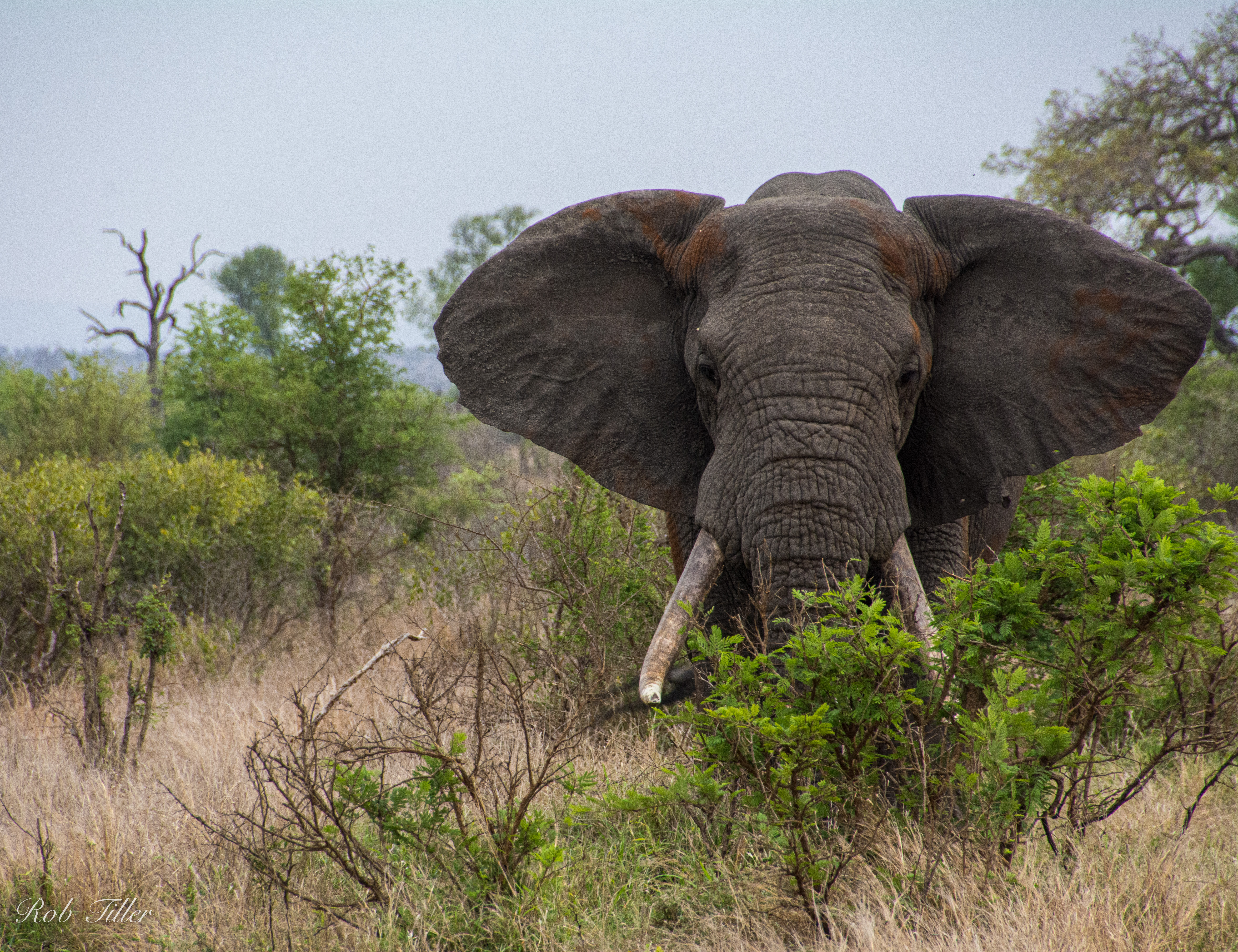
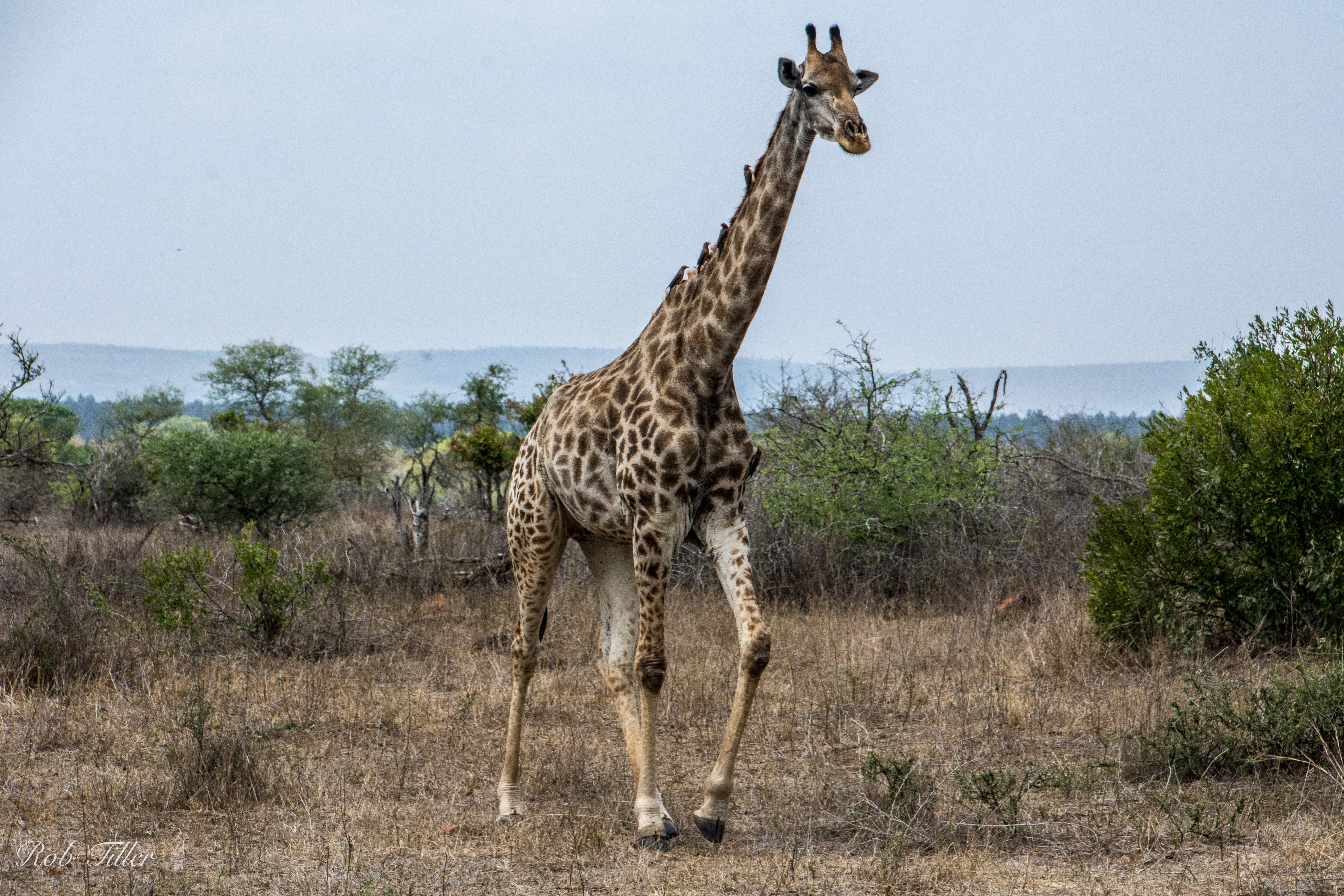
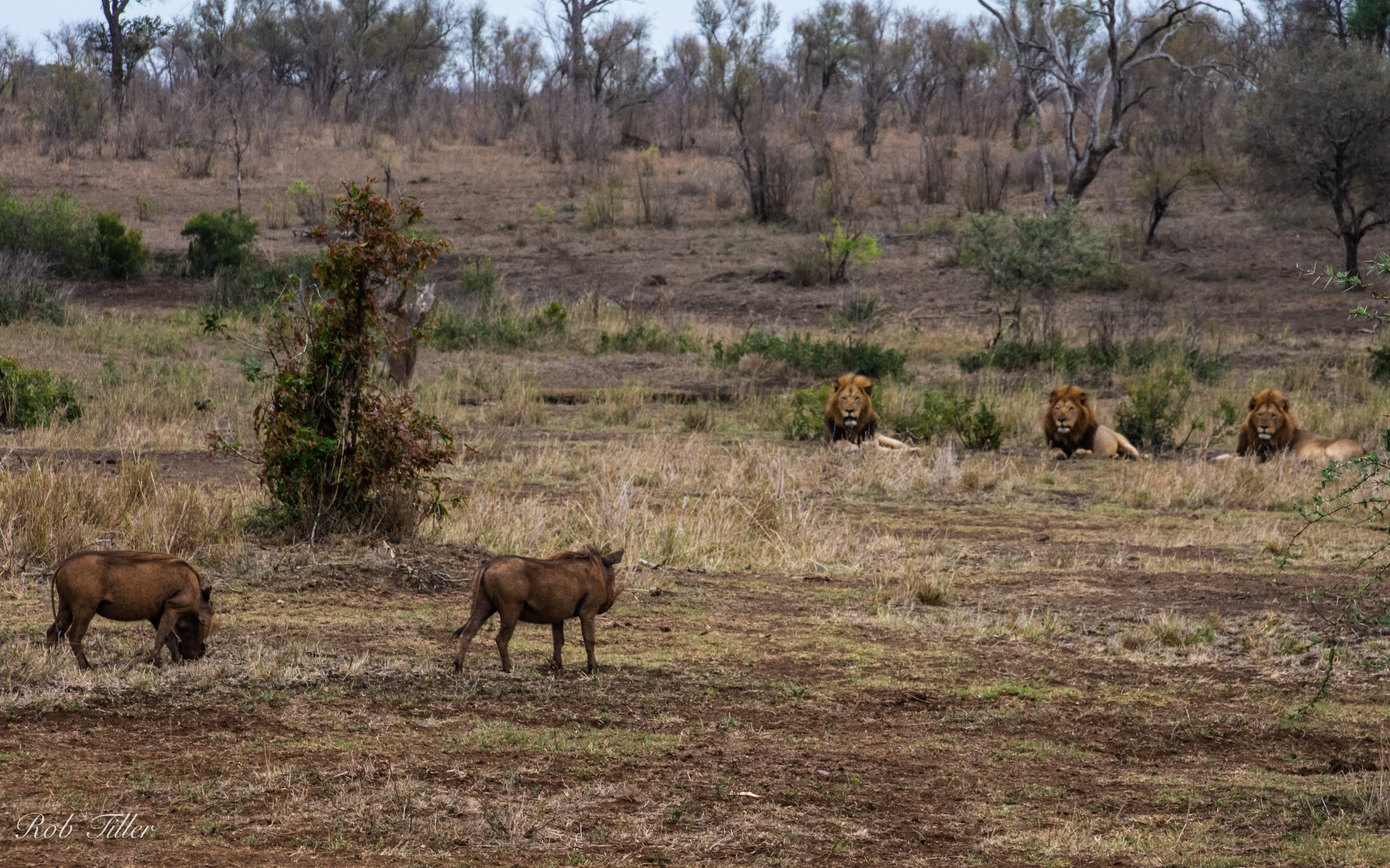
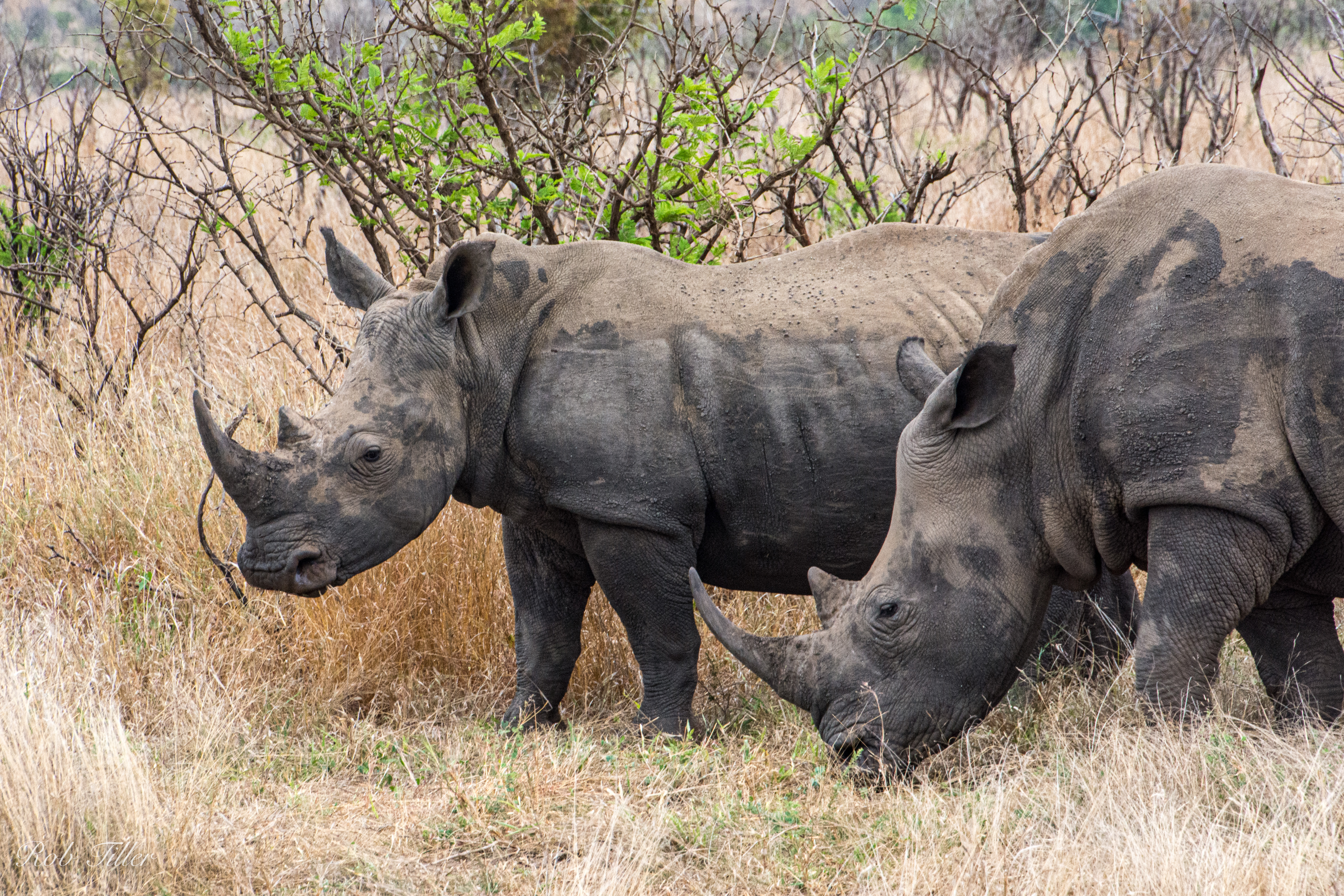
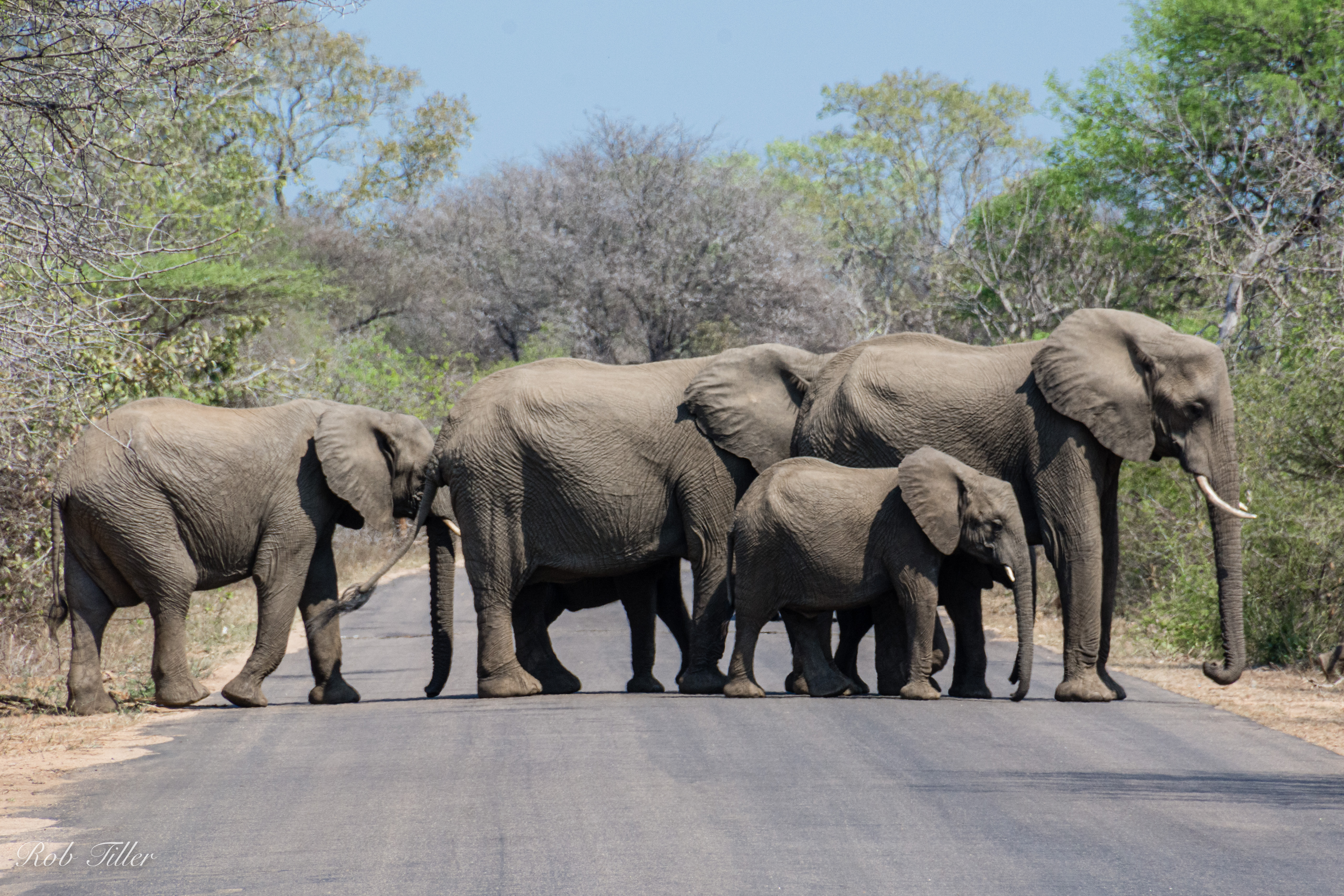
We’d planned to be on safari in Tanzania this week, but with the pandemic, obviously that didn’t work out.  So I spent some time looking at pictures, including ones I took when we visited Kruger National Park in South Africa in 2015.  I just loved those animals and Africa!  We’re hoping we can get to Tanzania in 2021.

But I’m less confident than usual that I’ll still be here in three weeks.  Although I seem healthy enough, the pandemic and other risks have affected my outlook.  Things seem much more unstable and prone to failure.  At the same time, it seems like a historic moment, with things about to change dramatically, for better or worse.

The situation in Portland has gotten dramatic.  Trump has decided that the Black Lives Matter protests need to be put down, and has sent in federal storm troopers to do so.  The protests have been mostly peaceful, though as in every crowd there are some idiots, like the ones who broke windows, set off recreational fireworks, and marked walls with graffiti.

Contrary to the President’s rhetoric, the protesters are not violent thugs bent on destroying the city.   This lie disguises what for him is the real problem:  the protesters’ messages.  Their central message is that police violence and racial discrimination need to stop.  For Trump and his supporters, this threat to the status quo is intolerable.

Part of the political dynamic is Trump’s declining popularity.  In response, he’s rebranded his usual fear mongering as “law and order,” which seems to resonate with the Fox News demographic.  The right wing media continues to play along, presenting the federal storm troopers in Portland as defenders of our traditional values.  

I have to admit, for all Trump’s incompetence and stupidity, he’s got a kind of genius for pressing people’s emotional buttons so they can’t think straight.  A lot of white Americans are fearful of black people, and suppressing them has been one of our traditions.  Video showing storm troopers attacking protesters with tear gas and rubber bullets can be made to look like forces of order defending civilization against anarchy.  

It may be that Portland is a test run for federal attacks in other cities, as Trump suggested this week.  This raises the possibility of escalating storm trooper violence, new and more vicious attacks on the free press, expansion of mass incarceration for dissidents, and the suspension of free elections.  The President has claimed to have unlimited powers, and it now seems possible that he’ll put that to the test.    

I hope I’m wrong on all that, but seriously, I’m worried.  The outcome in Portland may have far reaching consequences.  So far the Portland protesters have stood firm, and their numbers are growing.  It may be that they’ll succeed in shining light on the lawlessness and lies behind Trump’s storm trooper attacks, and save our democracy. 

I’m hopeful that most people will see through Trump’s fraudulent “law and order” ploy, but I’m not certain.  With clouds of tear gas obscuring the view, people can get confused.

Trump’s interview with Chris Wallace last week provided a rare bit of comedy in these difficult times.  Wallace was surprisingly direct in calling out some of Trump’s recent shocking lies regarding the pandemic, and Trump was visibly sweating.  When Trump bragged that he aced a mental competence test, Wallace noted dryly that the test was not that difficult.

When Wallace noted that the test required counting backward from 100 by 7s, I realized, it’s quite unlikely that Trump actually aced the test.  In any case, his claim that the test showed his intelligence is an especially entertaining type of Trump lie:  a self-refuting one.  Thinking that a mental competence test is the same as an intelligence test demonstrates a clear mental deficit.

In the interview, Trump foolishly challenged Biden to a test competition, which I thought would be an excellent way to resolve our political crisis.  We wouldn’t need anything as challenging as the SAT, or even a high school equivalency test.  Any questioning at the fifth grade level would suffice.  

It would save us a lot of money and anxiety, and provide some laughs, to have these two as single combat warriors on Are You Smarter than a Fifth Grader.  The winner would be declared our new president.  I would bet the house that Trump would fail hilariously.      

Getting through the pandemic, no thanks to Trump

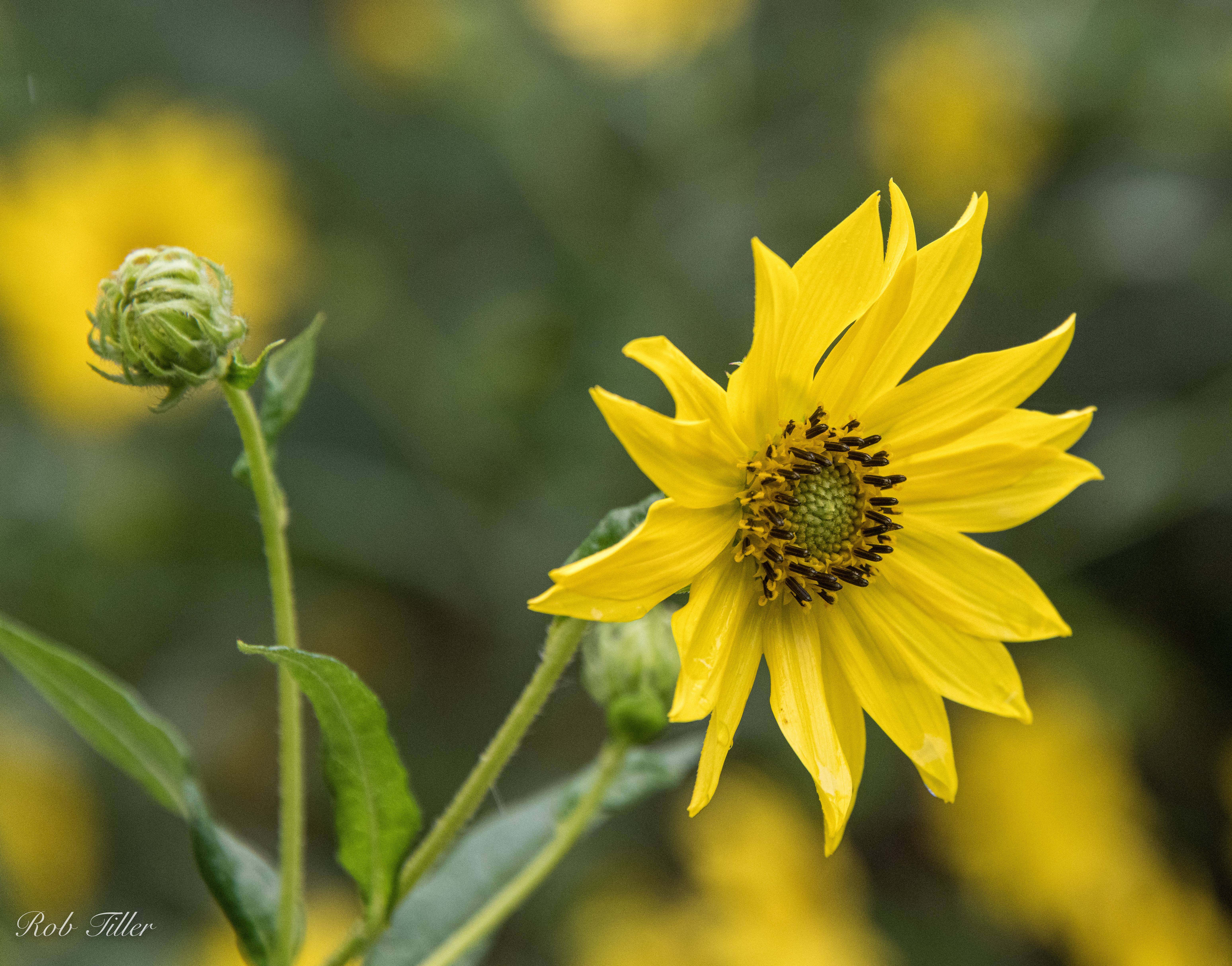
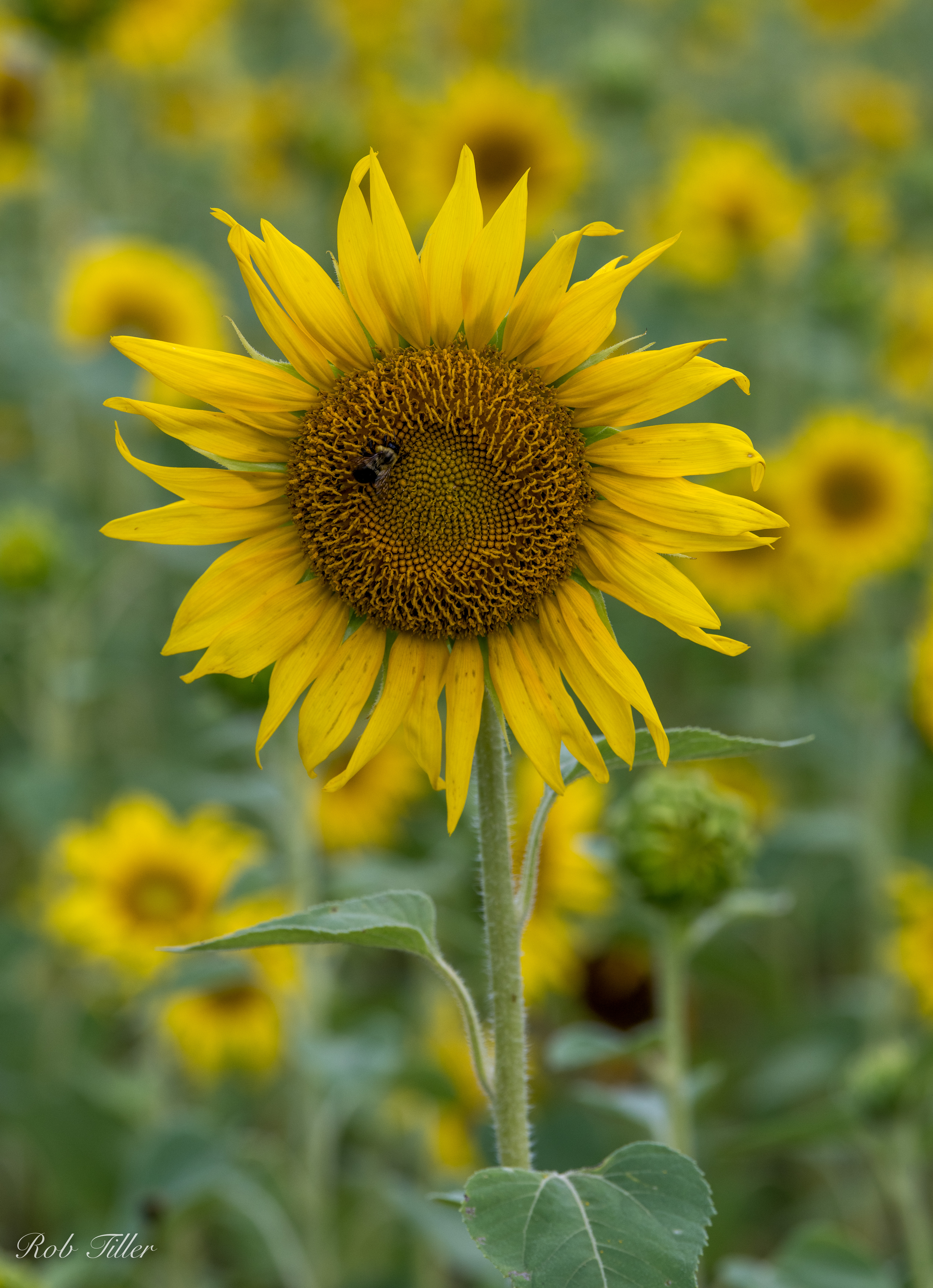
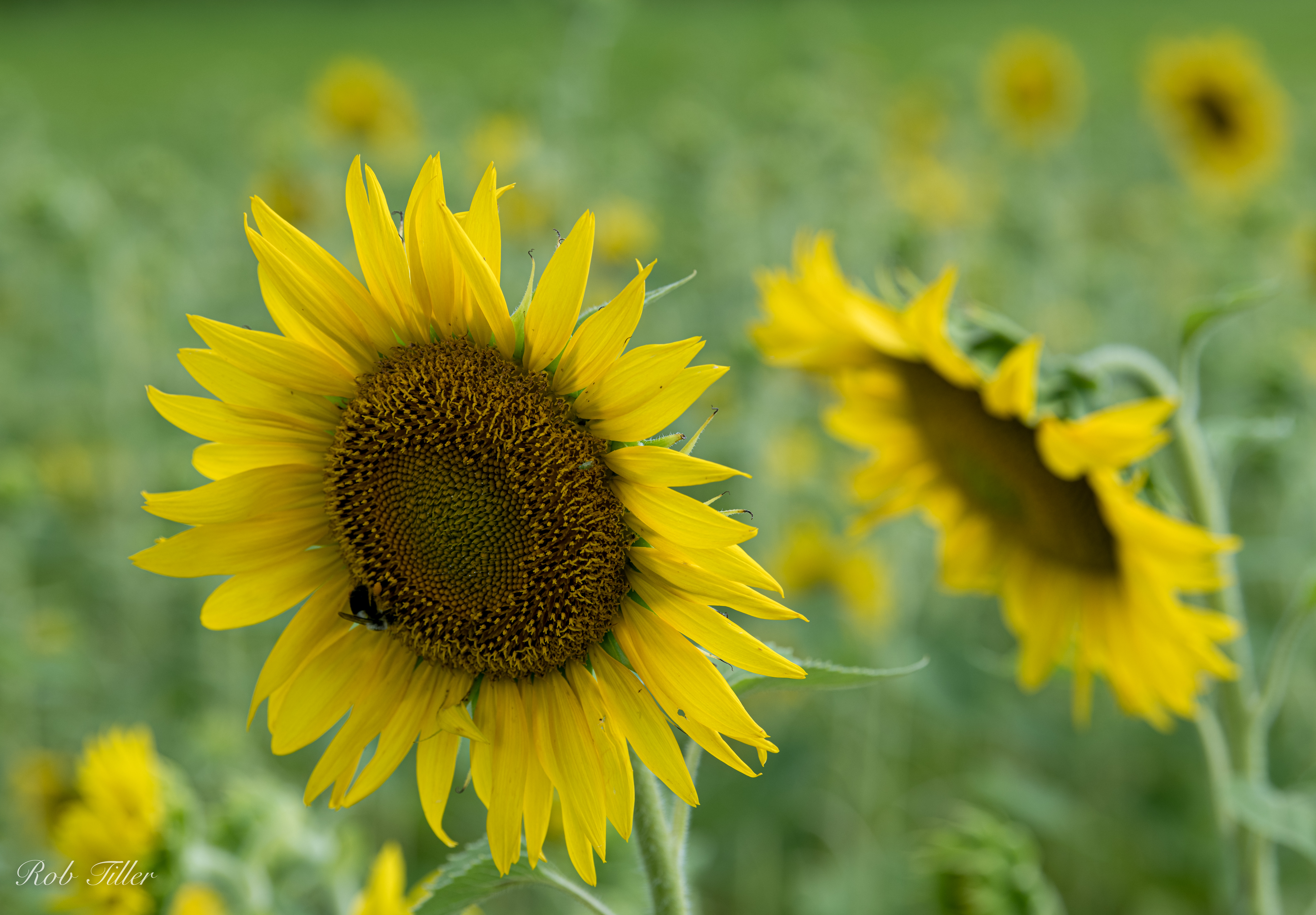
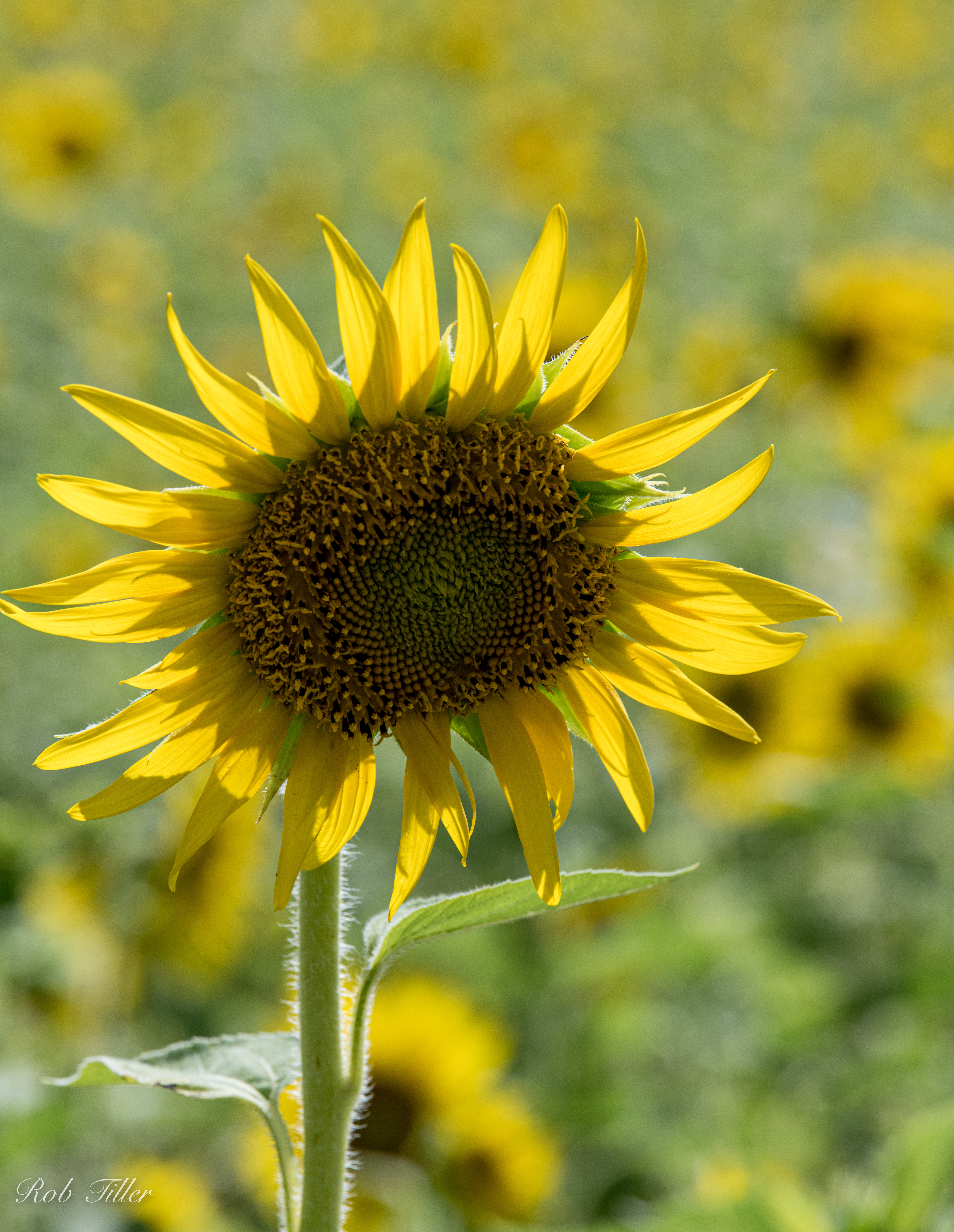
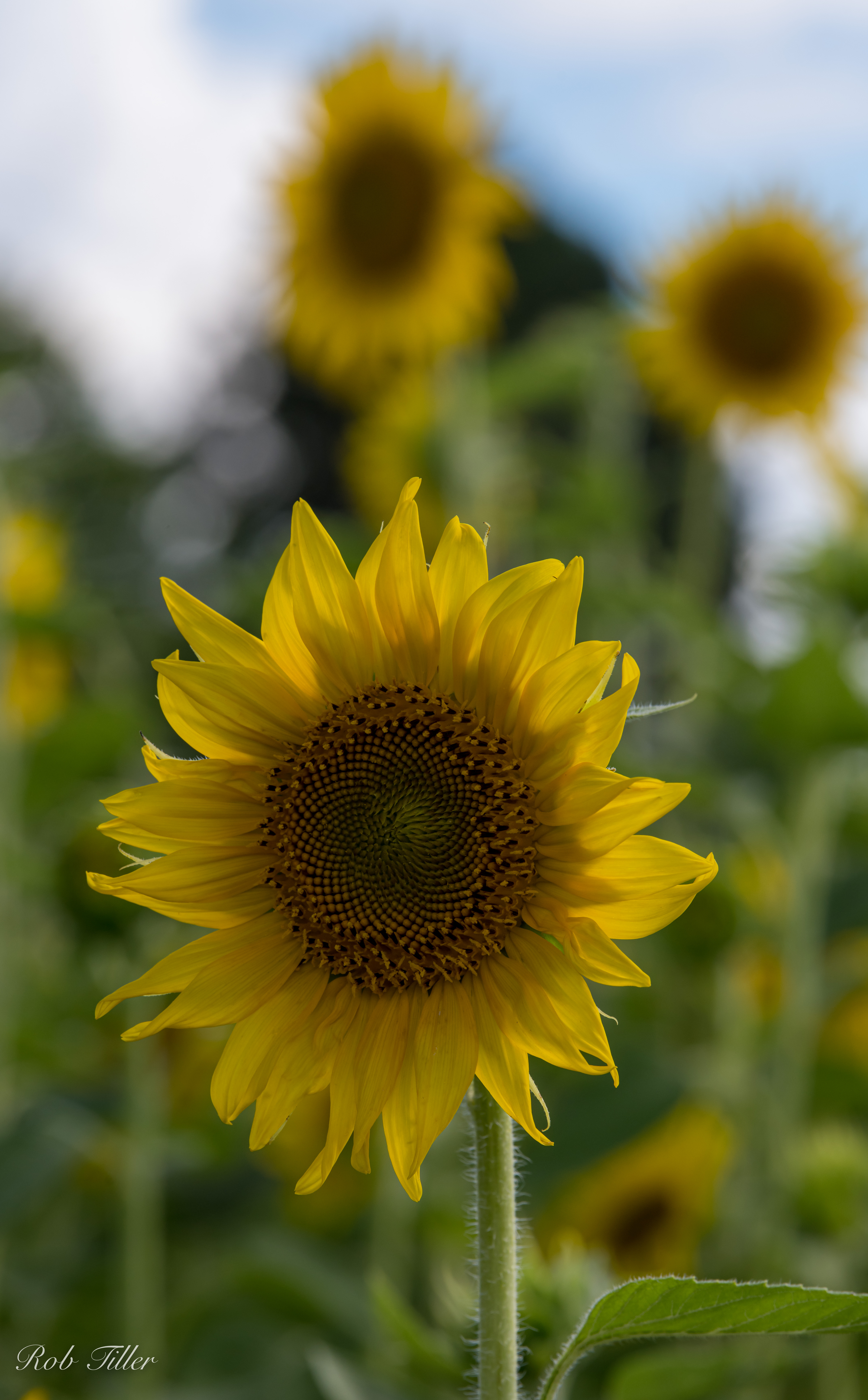
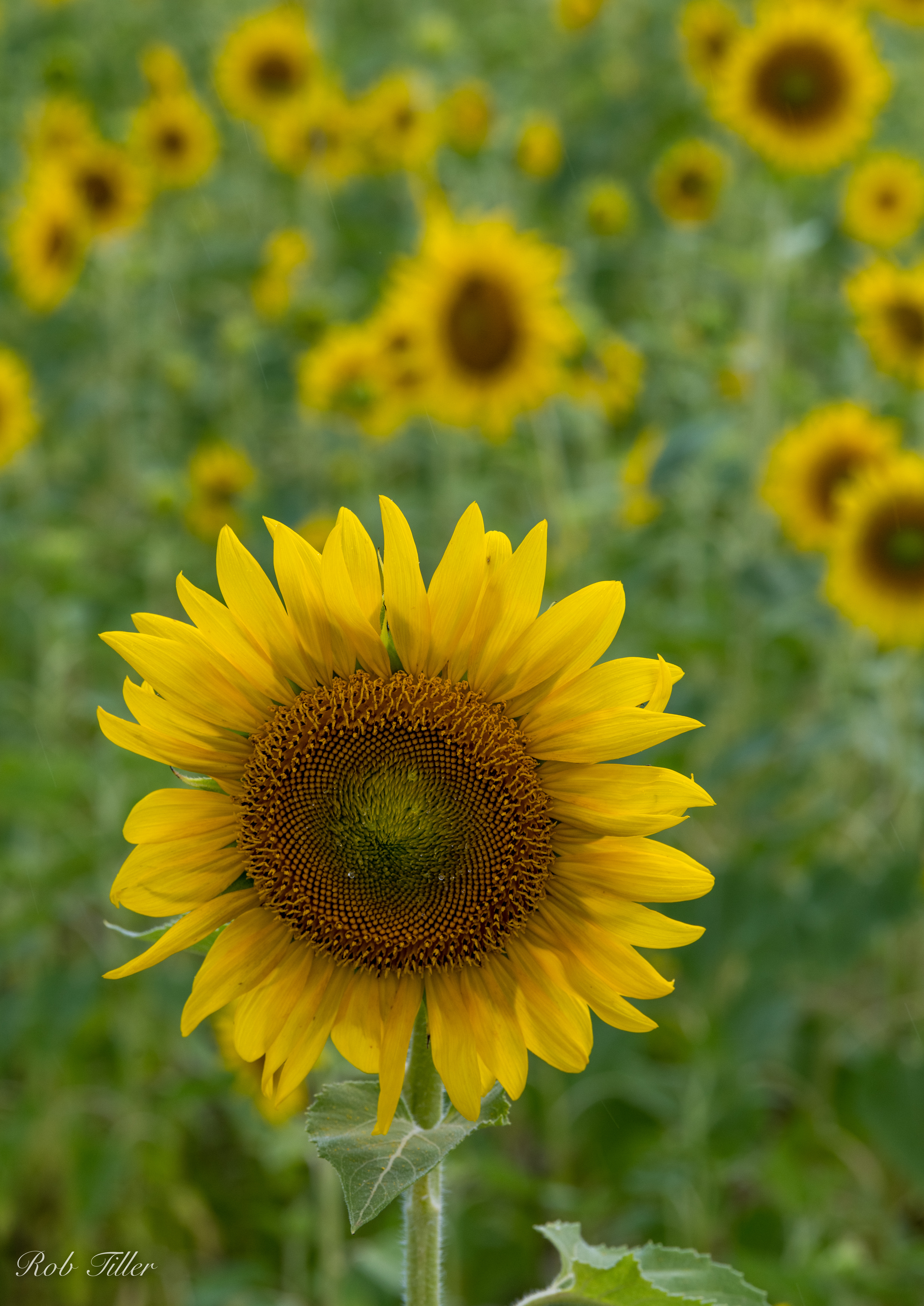
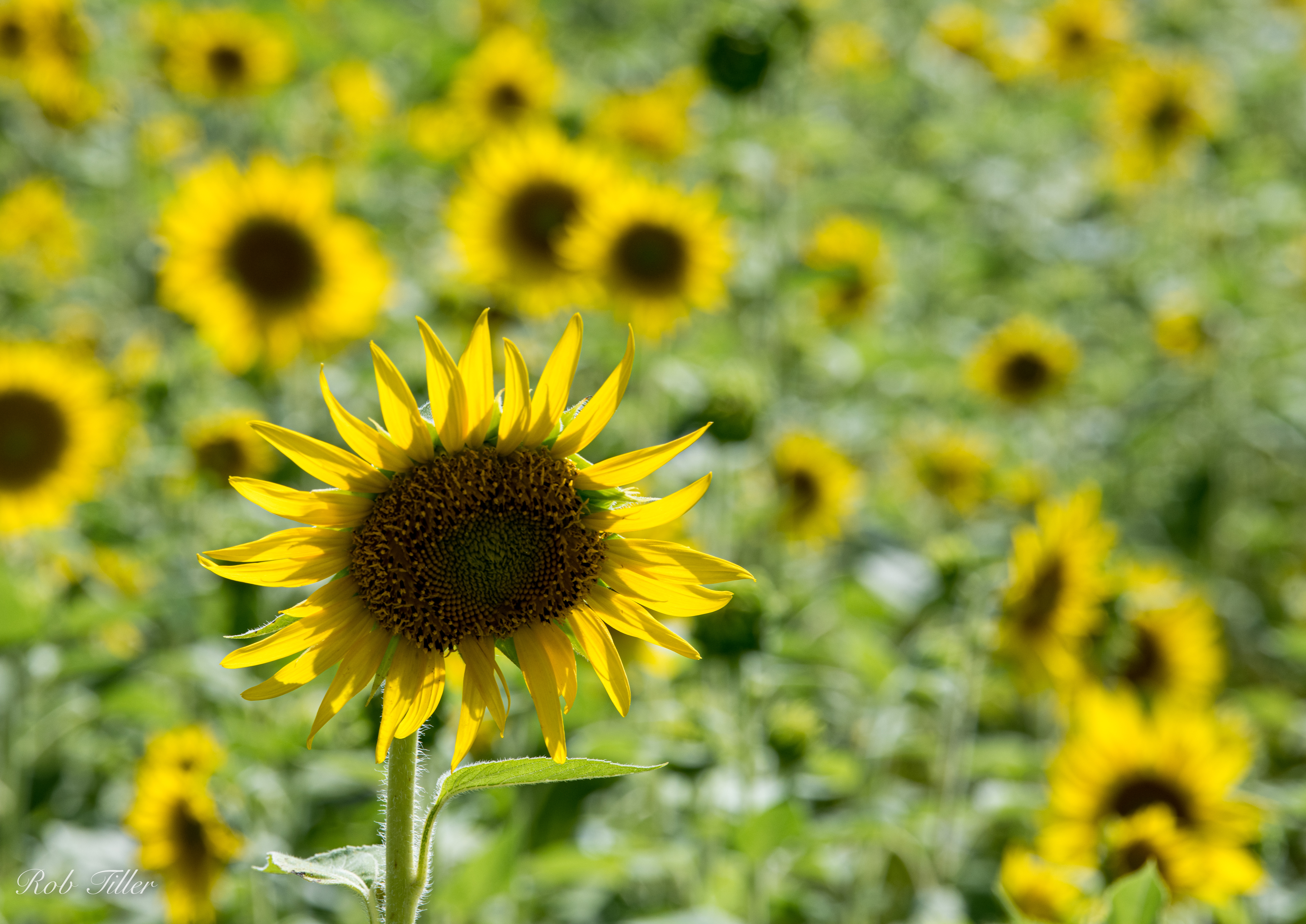
Sunflowers at Odom Farm in Goldsboro, NC

After several months of trying to avoid Covid-19 virus by minimizing human contact, I’m not quite myself, and I suspect that’s true of many others.  I’m not a particularly social person, but it turns out I’m more social than I thought.  I miss those little human contacts, even the ones that were never going anywhere, like the friendly smile of a stranger that will always be a stranger.  

I’ve gotten to be a big believer in masks to slow the spread of the virus, but they are not fun.  I don’t so much mind the personal discomfort, but I do mind not seeing the faces of others.  We communicate a lot with our uncovered faces, and lose a lot when they’re covered.  Perhaps we’ll eventually develop new capacities to distinguish people and their emotions from just their eyes, the way sightless people can do with sound.  For the time being, it seems like we’re going blind with regard to other faces.   

We’re now in uncharted psychological territory.  I’m guessing that there’s more anxiety and depression across the land.  There have been reports of more domestic violence and suicide.  Though staying home may reduce anxieties for some, and even lead to new inner pathways.  

In any case, it looks like we’re going to be here for a while.  Whatever our current anxieties or anxiety solutions, they will likely be changing as time goes on, because that’s how things work — they change.  I’d like to think they could only get better, but I see no good reason to be confident of that.  Though they might.

It would be unfair to blame Trump and Trumpism for the pandemic.  But it seems completely fair to note that T&T have made a bad situation a lot worse.  By minimizing the seriousness of the health threat and discouraging sensible and practical responses, Trump and those who enable him have been responsible for many deaths, with more to come.

Most everyone now knows that Trump is thoroughly incompetent, unqualified not only to be president, but for even the most minor position of responsibility.  No reasonable person would engage him to water their houseplants, because he would almost certainly let them die.  Then he would blame their death on the family dog.

Most of us recognize that when we have a big problem, we need a smart expert to help.  But not Trump.  This week he and his minions conducted a mudslinging campaign against the leading expert on the pandemic in his administration, Dr. Anthony Fauci.  Dr. F is the rarest of birds in Trumpland:  a person who is qualified for his position and tells the truth.  So why did the Trumpists try to discredit him?  Dr. F declined to follow the T line of pretending the pandemic was a minor matter and well under control, and instead acknowledged the likelihood that it wasn’t just about to go away.  
Trump’s ordinary playbook for dealing with a crisis involves various combinations of pretending there is no crisis, blaming someone else for it, and creating some other crisis to distract from the first one.  He’s tried all of those with the pandemic, with predictable results (that is, persuading only those Fox News viewers who will believe anything).  So of course, he blames Dr. Fauci.  

As Trump’s poll numbers keep going down, he keeps trying his old playbook, including fear mongering directed against minorities, foreigners, and liberals.  But I noted a new element this week.  The Times reported that “tensions with China are rising,” with “some” thinking that a new cold war may be developing.

I wondered, who is feeling those tensions and doing this thinking?  I’ll speak for myself:  not I.  I’m feeling no such tension.  I do not feel directly threatened by China, and don’t observe any threats to my neighbors.  

If I lived in Hong Kong or India, of course, it would be quite another matter. China has a brutal authoritarian government that has expansionist ambitions, so it behooves us to watch it closely and oppose it non-violently.   But I’ve seen no evidence that China wishes to have a war with us.  

Although I am not tense about China itself, I am somewhat tense because of the possibility that the Trumpists may think a conflict with China would be beneficial to the president, for the same reason that racism and xenophobia are beneficial:  they distract from other problems.  

The pandemic has demonstrated anew that Trump views the only point of his presidency as getting reelected.  That is, he doesn’t think he has a duty to protect the public, the troops, or anyone, other than himself.  He’s prepared to let vast numbers of people die from Covid-19 if it helps his reelection chances.  So, although it would be disastrous, it would not be out of character for him to try to get reelected by staging a wag-the-dog war with China or someone else.

But I’m hopeful that if he starts down that path, the top generals and other officials will take their Constitutional oath seriously and decline to follow unlawful orders.  We may survive, with Hurricane Trump moving out to sea.  We soon may be able to start the hard work of cleaning up the damage and starting to address our real problems.

I visited these sunflowers last week at Odom Farming Company in Goldsboro, NC.  They have a lot of lovely flowers, and are happy to have visitors, if you check ahead.

A modest proposal for reining in the plutocracy: the decency test

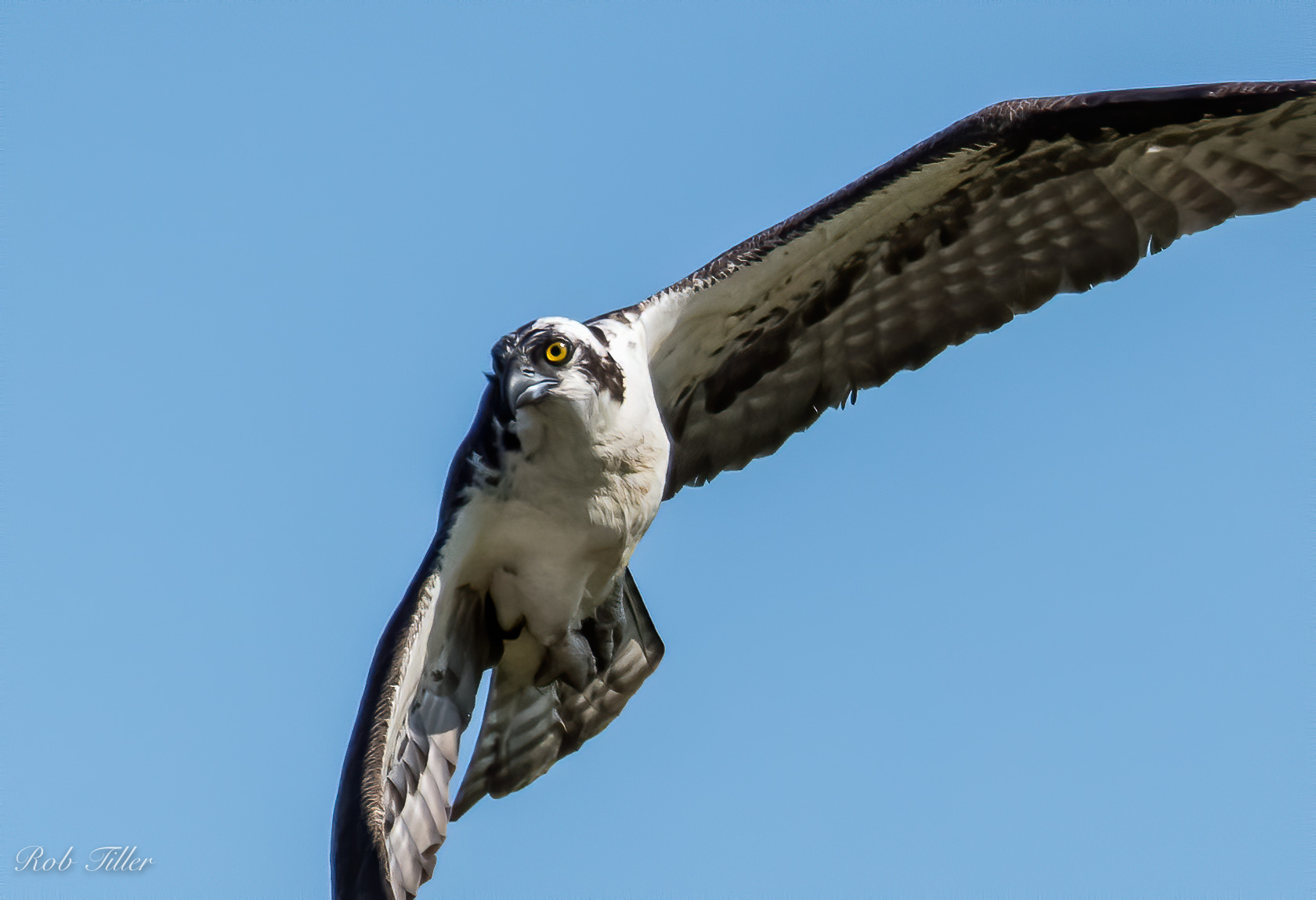
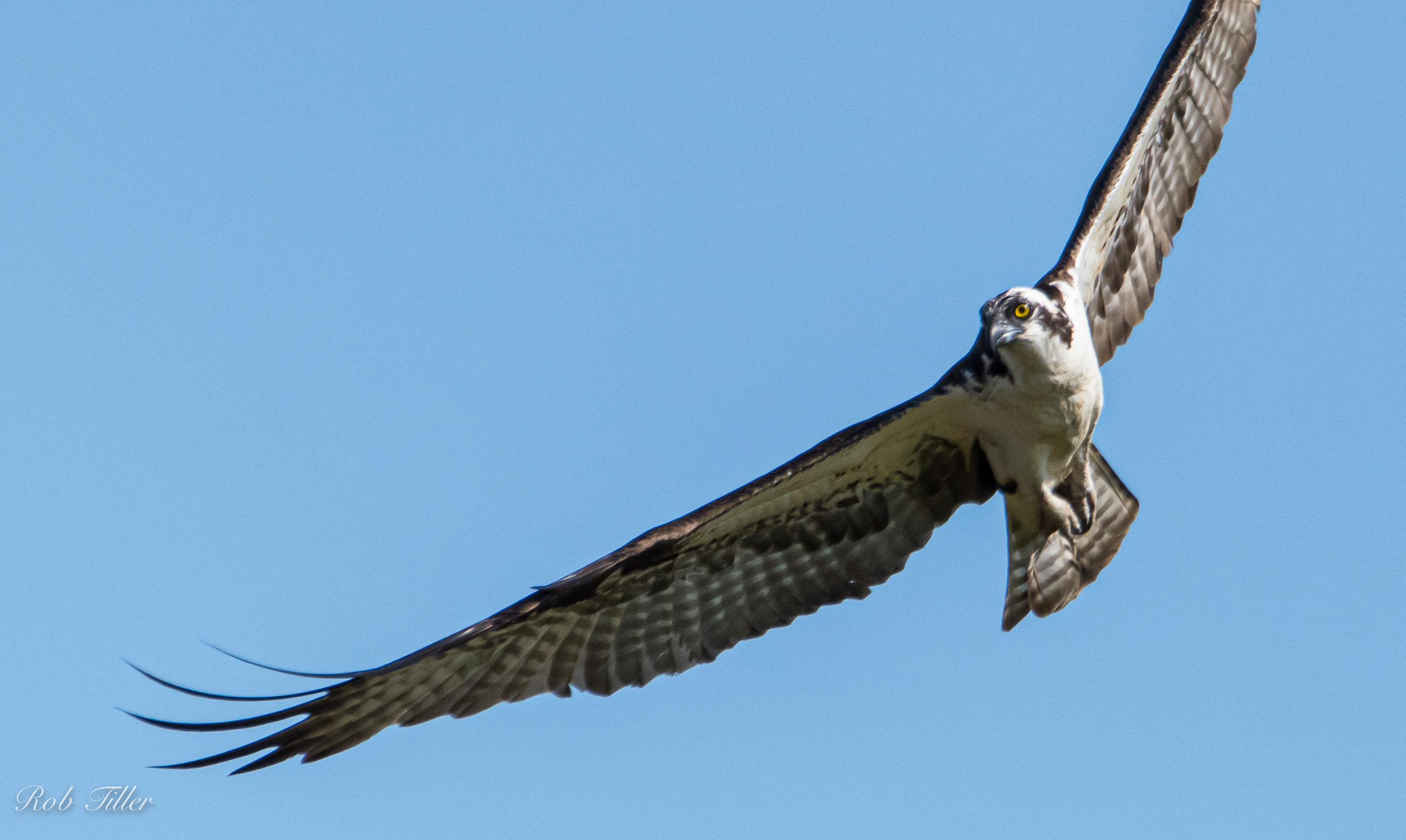
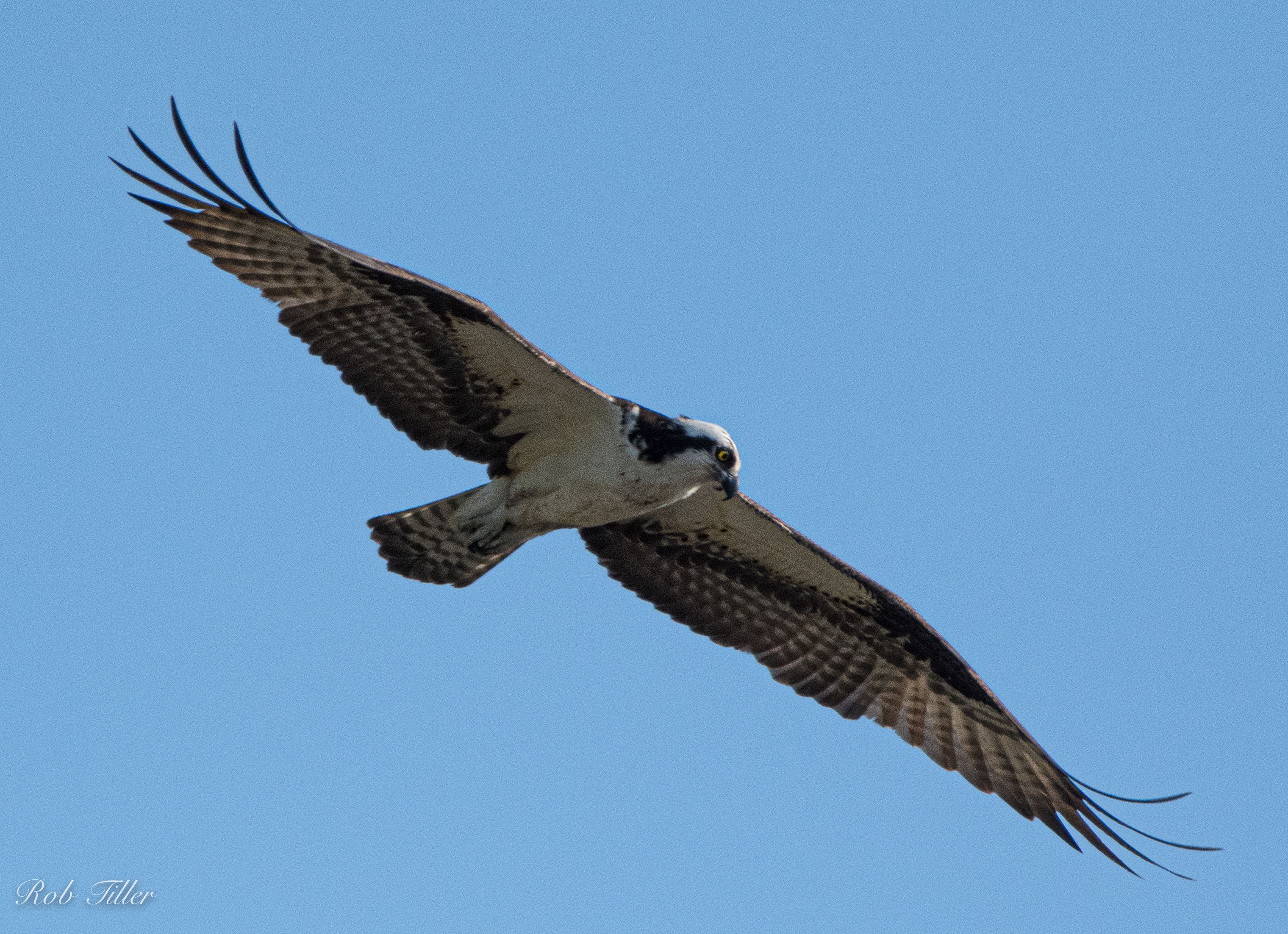
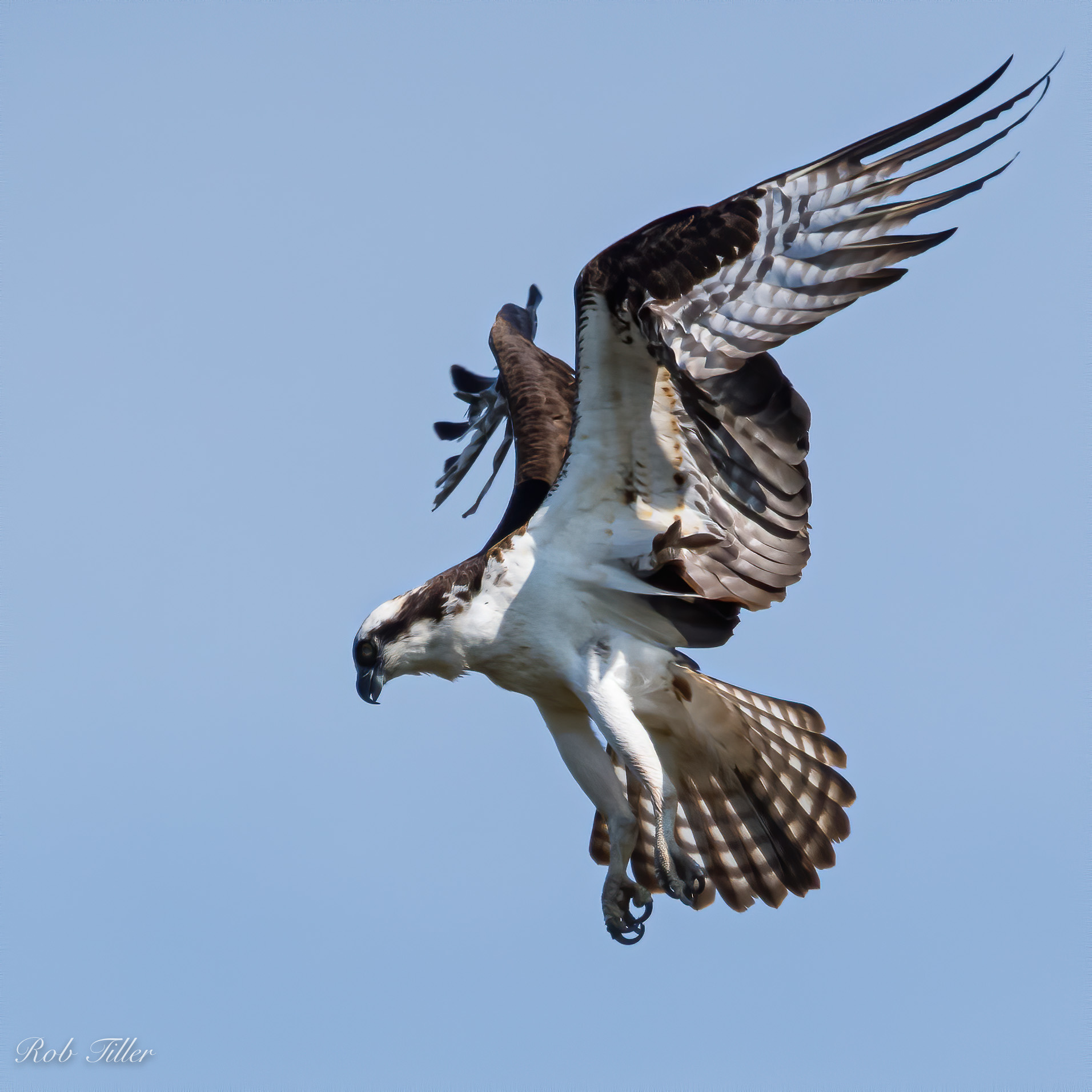
Osprey this week at Lake Jordan

These last few months of the Covid-19 pandemic have been a crucible of sorts.  We’ve all been tested in various ways, and learned a few things.  If we didn’t know already, we’ve learned that our President has no idea what he’s doing, or even the idea that he should be doing something.  Instead, faced with a serious problem, he looks for a scapegoat to blame (China . . . the World Health Organization . . . Obama).  He still thinks like a reality TV huckster, uninterested in anything except getting as much attention as possible.   

He is what he is, and with any luck we’ll soon vote him out and our heads will stop spinning from his crazy rants.  But we’ll still have the question, how did this happen?   How did we elect as President the rottenest person ever?  The common wisdom these days tends to focus on the unholy alliance of right wing evangelicals and economically frustrated blue collar workers, with both groups fearful of social change and angry at diminishing opportunities.

But there’s clearly another important element that hasn’t been examined as much:  super rich Republicans.  In a recent piece in The New Yorker,  Evan Osnos attempted to uncover why Republicans in the richest part of Connecticut decided to support Trump.  He focused on Greenwich, CT, the epicenter of homes of the hedge fund moguls and other Wall Street financial types who make annual sums that stagger the mind, reaching the hundreds of millions of dollars.  

It comes as no surprise that these people are mostly Republicans, but their value system as recently as a generation ago had an element of modesty, charity, and noblesse oblige.  Osnos’s investigation indicated that their support for Trump went hand-in-hand with a loss of those values.  

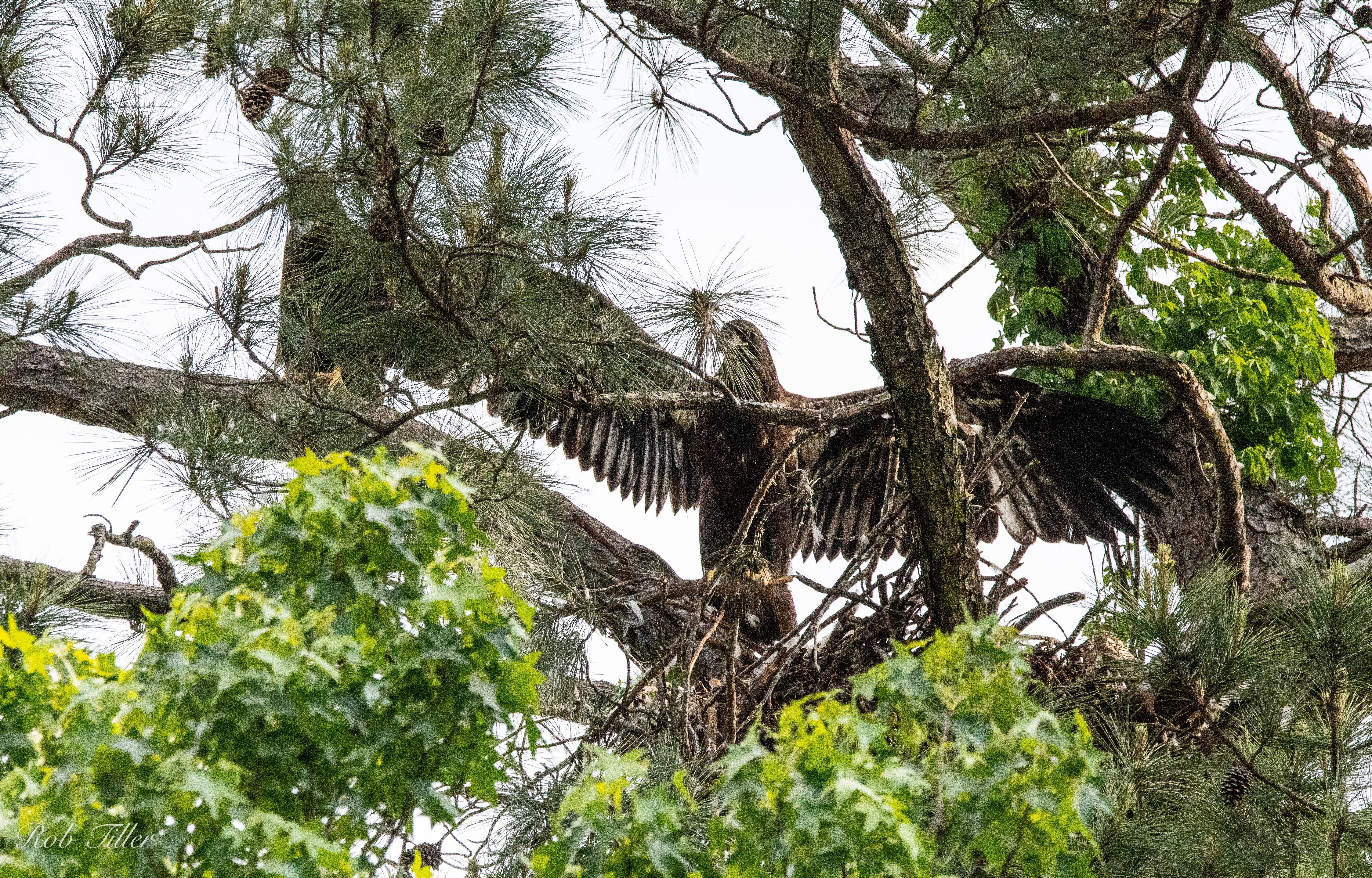
Eaglets this week at Shelley Lake

To the extent there’s a theory underlying the Trumpism of the super rich, it appears to be an extreme libertarianism in which the only unit of measure is the individual, and the only value is wealth accumulation.  They think there’s no such thing as the public interest, and greed is, for them, good.  The public issue of primary concern to them is lowering their own taxes — that is, keeping as much as possible for themselves and contributing as little as possible to the public good. 

I am not without sympathy for the super rich.  A few of them are not Republicans and did not support Trump.  A few of them are intelligent, thoughtful, and funny.  And they all have some problems (divorce, cancer, having teenagers) that are as miserable for them as for the rest of us. But it’s a huge mistake to think that the super rich are somehow deserving of their advantages.  

We’ve been deeply conditioned to think that being wealthy is a good indicator of attributes like intelligence and hard work.  But it’s not true.  Most intelligent, hard-working people never get rich.  The truth is, getting rich is mostly a matter of luck.  If you’ve made it, chances are you hit your first jack pot the day you were born by having the right parents, who had  excellent genes to bequeath and fine positions in the existing pecking order.  

You probably kept on your lucky streak with good schools, good summer camps, and top-drawer undergraduate and graduate schools.  You may have worked hard, and it may have felt like your accomplishments were simply the result of all your own hard work. But you had a lot of people helping, showing you what was required — what to work on, how long, and how hard.  Also, you may not even have noticed, but there were a lot of not very prosperous people all around you making sure you were well fed, clothed, housed, and otherwise prepped for success.  

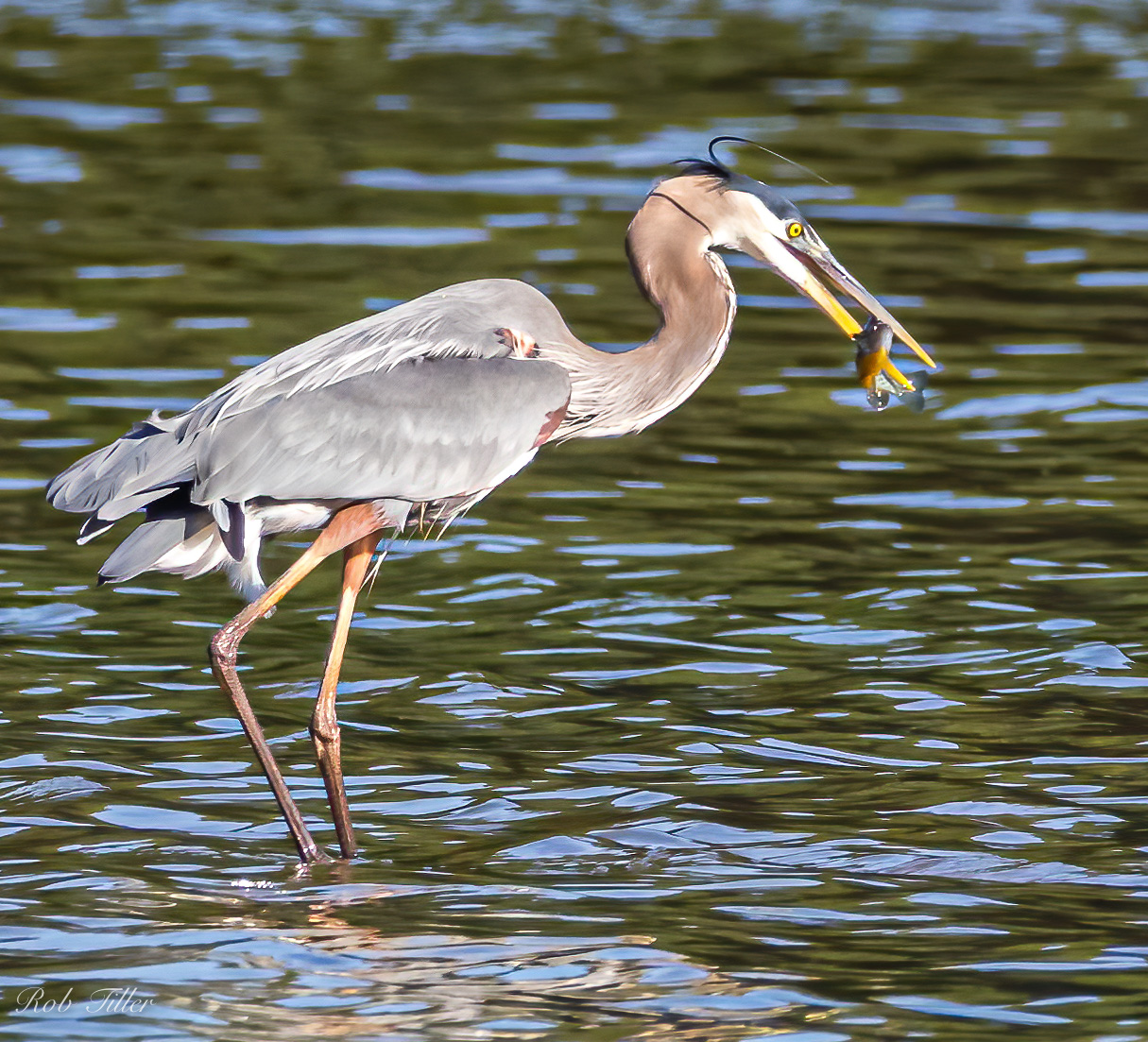
Great blue heron at Shelley Lake

Of course, it helps to be in the right place at the right time, like starting a Wall Street career just as regulatory oversight of financial institutions was geared way down.  There are many different kinds of luck that combine for mega wealth.  Though it should be noted, as Osnos does, that insider trading and fraud also helped in building some of the most fabulous fortunes.     

But even if being wealthy were a good indicator of inherent superiority, rather than mostly luck, there would still be good reasons to call out the super rich Trump supporters.  Their value system is deplorable — self-centered, like those of a young child in Kohlberg’s system.  Their orientation is exclusively on their own advantage; other people don’t matter.  This is unfortunate for them, of course, since they miss out on a lot of what’s really beautiful and rewarding in life.  But once they decide to take a role in public affairs, it’s a problem for all of us.  

As the Koch brothers and their rich buddies have proven, it’s surprisingly easy, if you have unlimited funds, to spread disinformation and buy influence.  With personal wealth as a primary value, they change the laws so they can more easily make and keep more money.  They get other laws that minimize the chance of any progressive change in public policy.  For example, they pay for and get lower taxes, deregulation, sycophantic judges, and gerrymandered elections.  

As the super rich contribute less and less in taxes, public infrastructure and institutions, like roads, bridges, and schools, are defunded and fall into disrepair.  Crumbling infrastructure is actually helpful, since it provides them with another argument “proving” government is ineffective.  Interestingly, according to Osnos, Connecticut, with so many super rich citizens, has some of the worst roads in the country.  Perhaps that’s not a problem, if you’ve got a helicopter, a yacht, and a jet.  Meanwhile, they make sure nothing gets done to address the worsening existential disaster of a planet getting steadily hotter.

The extreme inequality in American society is disturbing, but it wouldn’t be as frightening if the super rich had a different value system.  It’s possible to imagine super rich people using their wealth not just to seek further comforts and advantages for themselves, but also to address the needs of other humans less fortunate and a planet in dire peril.  Before the Reagan years, that was the norm, and it could be again.  Or else we could proceed along our current path towards a Hobbesian war of all against all,  The Hunger Games, and Blade Runner 2049.   

So how do we stop the bleeding?  Elizabeth Warren’s idea of a wealth tax made a lot of sense, but I have a simpler and more fun idea:  a decency test.  Every head of household making more than three hundred times the median annual salary (that’s around $10,000,000 a year) would need to give non-reprehensible answers to five simple questions.  First, we give a little shot of truth serum.  The time allowed for the test is 2 minutes.  You may start now.

Using a number 2 pencil, please answer each of the following questions by choosing just one of the four possible responses.

  1.  I believe the most important policy objective for our government is to:

a.  Implement a fair system of public health.

b.  Assure a quality education for all children.

c.  Protect public safety and stop useless wars.

d.  Cut my taxes.

  1. My greatest objection to our current public policy is:

a. Not enough is being done to reduce infant mortality.

b.  There’s no system to assure adequate basic nutrition.

c. We don’t have reliable public transportation.

d.  There have not been enough cuts to my taxes.

  1. The moral quality that best describes the way I relate to other people is:

a.  Honesty.

b.  Reasonableness.

c.  Kindness and compassion.

d.  Greed and indifference. 

  1. If I could have just one wish to improve the world, it would be to:

a.  Eliminate the risk of nuclear war.

b.  Stop global warming.

c.  Eliminate racial prejudice and work to correct the harm it has caused.

d.  Eliminate all taxes.

     5.  Other than lowering taxes, my chief hope for making this country a better place for all is that we:

a.  Consider the welfare of those less fortunate.

b.  End the unequal treatment of women.

c.  Improve the fairness of our justice system.

d.  This question makes no sense. 

If you answered d to questions 1, 2, 3, 4, or 5, you are going to Hell.  Just kidding!  But you will have to pay a special tax of 95% of all your accumulated wealth, with new yearly assessments until you pass the decency test.  These funds will be used for improved health care, better schools, more reliable public transportation, green energy, and other desperately needed public initiatives.  We hope you see the light, but if not, we won’t feel too bad, since we’ll see your money doing good things.  Good luck!  

Missing Florida, processing some photos, and picturing hell

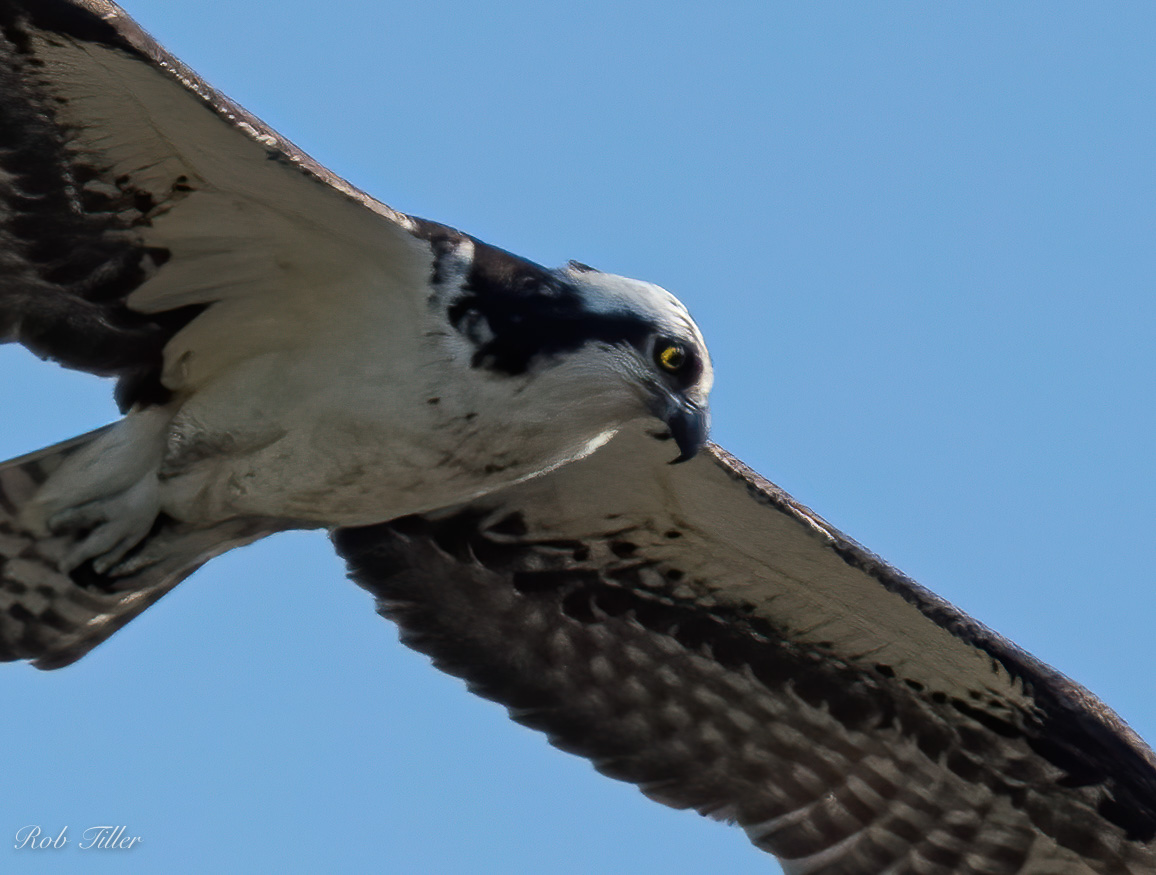
Osprey at Jordan Lake

I’d planned to be in Florida this past week photographing the big birds there, like egrets, wood storks, and roseate spoonbills.  With the coronavirus pandemic still in full force, that wasn’t possible, but I did get to spend some time at our area parks, including Shelley Lake and Jordan Lake.   It was good to be outside with our local birds.

Although I didn’t capture any images that were singular, I was happy to practice getting better exposures.   I also enjoyed experimenting with the raw images in Lightroom, Photoshop, and other apps, with a view to improving my processing skills.  Here are some of the results using bird shots I took this week, as well experiments with Sally’s orchids.  The white one lost its flowers a few days after the last shot of it.  Hope it will come back next year.  

These days there’s a lot of background fear and worry, and no simple solution to all our ills.  But I’m finding it helpful to spend some time focusing on moments of beauty and peace, and also spending more time meditating.  I discovered some good new (to me) resources on YouTube, including some guided meditations by Joseph Goldstein and Jack Kornfield.  I don’t think I’m anywhere near nirvana, but I’m happier and more peaceful.  

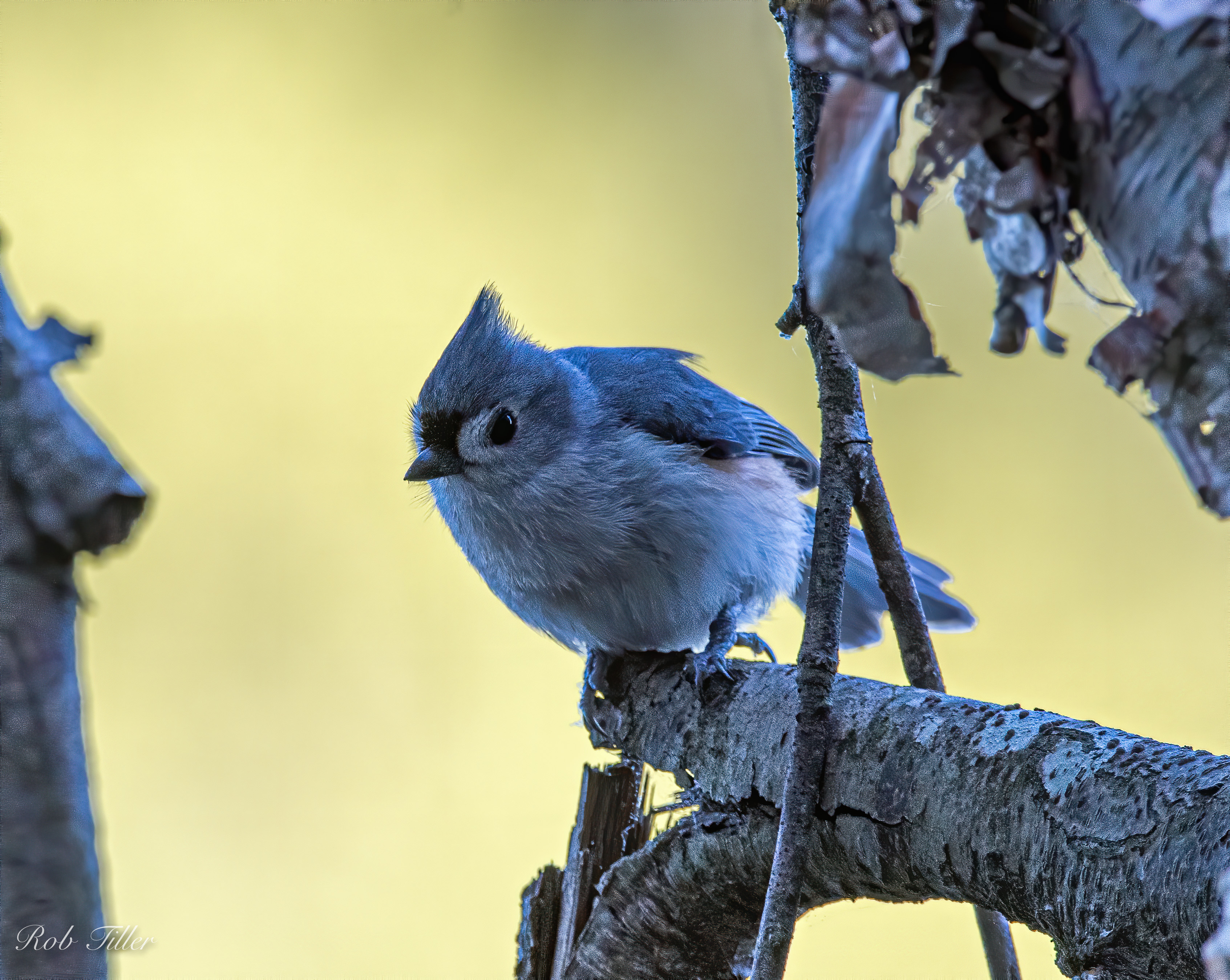
Tufted titmouse at Shelley Lake

I used to worry about the possibility of going to hell.  In the religious tradition I grew up in, hell was a real place, ruled by Satan, where sinners were sent after death to be tortured forever.  I eventually came to think that the likelihood of there being such a place was close to zero, and that worrying about it was a waste of time.  But it’s interesting that the concept of hell has had such a long life, and continues to terrify people today.  

I learned more about hell in an interview with Bart Ehrman on Fresh Air a few weeks ago, and just finished his new book, Heaven and Hell: A History of the Afterlife.  Ehrman, a professor of religious studies at University of North Carolina, contends that the notions held by most Christians of the afterlife are not found in the Bible.  Rather they were made up by various early Christian writers to support religious theories and emotional needs.

It’s good to know that the horrifying idea that God set up a massive system for never ending torture is not universal, and is actually a relatively recent (around 1,800-year-old) invention.  Christian ideas of hell have varied with respect to the brutality and intensity of the torture, including some with extremes of sadism.  But even the milder versions are peculiar.  Our experience is that we get accustomed to almost any pain or misery, and nothing lasts forever.  The oddity, and impossibility, of unending, unstoppable agony does not seem to have struck many people.  

In the interview on Fresh Air, Ehrman mentioned that he was confident that hell did not exist.  He seemed to think people suffered unnecessarily because of the concept, and that they’d be happier without it.  I think that, too.

On the other hand, I’ve been re-reading Jonathan Safran Foer’s book on the meat industry, Eating Animals, which depicts a truly hellish reality.  Every year, billions of sentient creatures — cows, pigs, chickens, and others — are brought into existence by humans who treat them with unspeakable cruelty.  Humans inflict suffering on these animals on a scale that truly defies comprehension.  Then they kill them and eat them.

The horror of the meat industry is most apparent in its cruelty to billions of individual animals, but it also produces a lot of suffering less directly.  It is one of the largest contributors of the greenhouse gases that account for global warming. It introduces steroids, antibiotics, bacteria, and viruses into the human food chain that account for a lot of sickness and death.  

The meat industry is also a place of misery for the workers who kill and cut up the animals.  Slaughter houses are some of the most dangerous workplaces in America.  Many of the workers are immigrants who are too desperate and powerless to demand safe conditions and reasonable pay.

It was therefore not a huge surprise that there have been serious Covid-19 outbreaks in industrial meat operations.  But the reaction of President Trump was surprising, and even for him, perverse.  He issued a declaration that the meat industry was essential infrastructure under the Defense Production Act and must therefore remain open.  He didn’t say how this was to be accomplished if the workers in large numbers got sick and died.   

So is the meat industry, with its enormous profits based on cruelty and lies, essential?  It’s hard to see how that could possibly be.  We can certainly survive without meat, and hundreds of millions of people do so every day.  In fact, eating a healthy plant-based diet is a lot better for the human body.  I’ve been doing it for twenty-some years, and I’m here to tell you, it’s been good.  

Perhaps, along with a lot of death, Covid-19 will cause more people willingly or unwilling to eat less meat and more plants.  Once we factor in all the health gains from less meat-related disease and reduced greenhouse gas emissions, we might have a net gain in the survival rate.  There could be a win-win — less animal cruelty, less human suffering, and more health and  happiness. 

Getting close to birds and farther from people: hunkering down for the pandemic

Last week I got out to Jordan Lake three times and spent some time around sunrise with the wildlife there.  I saw lots of great blue herons, and several ospreys and bald eagles, as well as the less glamorous  gulls, crows, and turkey vultures.  

With the human world in the midst of the covid-19 pandemic, I was especially grateful for some time with the birds.  Of course, they have their own life and death struggles, including finding enough food to survive each new day.  But they manage it without undue drama, keeping their focus on the task at hand.  Once the essentials are taken care of, they become very still, alert but peaceful.

The pandemic has quite suddenly changed everything.  We don’t know how long it will be before something like normalcy returns.  In the meantime, there will be brutal economic hardship for laid off people who need the next paycheck for housing and food.  On top of that, cutting direct human contact will likely cause a spike in depression and suicides. This is going to be tough.

In the midst of what looks like an epic disaster in process, it may not be the best time to talk of lessons to be learned.  On the other hand, we’re all going to have some time on our hands, which we might use to think about our situation.

Illness can be a revealing crucible.  It forces us to face up to reality. For example, parents may have all kinds of kooky ideas about praying for health, but when their own child gets seriously ill, and prayer doesn’t seem to be working, they will usually take the child to the doctor.  Illness forces us to quit playing and get serious.  

And so it is that we’re now looking to scientists for guidance about covid-19.  Our President has led a war on science, muzzling experts and eliminating scientific positions and agencies, as the Times and others have noted.  But he seems to be shifting gears, and now he’s consulting with doctors, public health experts, and other scientists.

At this point, it is hardly news that we have an incompetent and mentally ill President who sees the world exclusively in terms of how it can gratify his ego and bank account.  But like the parents with a sick child, even he has come to see it’s time to go to the doctor and get actual facts and possibly some help. He’s still inclined to boost xenophobic conspiracy theories, but he’s finally making concessions to reality.  Along with increasing death and misery, denying reality now might even be politically damaging. 

As little as I respect the President and as fervently as I want to see him defeated, I want to wish him well in this regard:  may he find the wisdom to defer to the best experts. Our scientists and doctors won’t have all the answers, but they’re our best hope.  Assuming we make it through this crisis, we might apply this same rule to address other global crises, like global warming.    

For the rest of us, there’s an opportunity to pause and reflect.  Covid-19 has brought into stark relief the fragility of our social, economic, and governmental systems.  If it wasn’t clear before, it’s now clear that our national healthcare system is a hopeless mess. Our social safety net is full of holes.  Our system of profit-at-all-costs capitalism is failing to address basic needs.    

In the face of the pandemic, even those officials of the all-government-is-bad view are modifying their opinion and trying to do something.  It looks like the government may be sending out real checks to actual families to mitigate some of the hardship. This looks like progress, and also like a tiny band-aid.  But who knows? We may look back on this as the historic beginning of a transformative new system with a universal basic income and greater fairness.

One thing is certain:  this is not going to be easy.  It’s definitely not the case that we have nothing to fear but fear itself.  We need to cultivate our courage, and our compassion. Those of us with some surplus need to help others.  My old friend Deborah Ross, a Democrat running for Congress in N.C. District 2, suggests donations to the N.C. Food Bank. The Washington Post yesterday had a helpful list of charities working for those who will be hardest hit. 

Farewell to Sunflower’s, the dastardly Wall project, and The Great Derangement

Snow geese at Bosque del Apache, New Mexico

I was in Raleigh this week, and didn’t take any new photographs of note, but I had quite a few to work through of the more than 5,000 I took in Bosque del Apache, NM.  It sounds like a lot, but they add up fast when you shoot at 9 frames per second. The high frame rate helps in capturing different aspects of the birds in flight, but it also means there are a lot of images to analyze, which takes time and energy.  Anyhow, here are a few more Bosque shots that I liked.

Sandhill cranes

On Friday I went over to Sunflower’s Cafe, which has for a long time been my favorite neighborhood lunch spot, and noticed that the parking lot, which was normally pretty full, was empty.  I peered inside, and saw that the furniture was gone. The place had closed.

Sunflower’s invented several marvelous  vegetarian sandwiches  that they served in a bright, friendly space.  I felt happy and healthy having lunch there. I’ll never forget when I ordered the Portobello Ellen, and the friendly young woman taking my order said, “I’m Ellen.”  Her mom, the proprietor, had invented the sandwich when she was a baby.  But Ellen said that she wasn’t a fan of portobello mushrooms.  

I later learned from the News & Observer that there are plans for a hotel to go where Sunflower’s used to be.  No hotel will give me as much pleasure as Sunflower’s did.

Speaking of construction, I heard further news of The Wall this week.  The Wall has until now been a right-wing fantasy project, with much tough talk and little actual building.  Its alleged purpose is to address a non-existent problem — hordes of invading criminal Latin Americans. Just as the premise is a lie, the solution is bogus — defensive walls have been obsolete since the Middle Ages, and this one won’t stop anyone not in a wheelchair.  

Yet the idea of The Wall does serve a purpose:  whipping up fear of impoverished and desperate Latin Americans.  Sad to say, the idea seems effective in inflaming the folks who go to Trump’s rallies.  

Trump is raiding the military budget to get more money for this sad and absurd boondoggle.   And NPR reported that the project could cost $11 billion — the most expensive wall in the history of the world.  

We could use that money to build more unnecessary weapons of war, or we could just hand out bags of public money to corrupt building contractors.  In fact, almost anything would be better than actually building The Wall. A lot of the debate about the project omits that it will be an environmental disaster.  It will affect an estimated 1,500 species of animals and plants, including some that are endangered.  Species that need to move about in that area to survive will be trapped. 

Part of The Wall project apparently involves ignoring such environmental impacts.  It’s a fair example of our leaders’ mind set — willful ignorance of climate and other looming disasters, and indifference to the lives of both humans and other species.  

Admittedly, it’s not easy to know how to think about climate change — the scale boggles and scrambles the mind.  Amitav Ghosh addressed this problem in his recent book, The Great Derangement: Climate Change and the Unthinkable, which I just finished reading.  

Ghosh, an Indian scholar and writer primarily known as a novelist, points out that the modern novel has largely failed to address the central issue of our time.  He has a lot of interesting things to say about the strange failure of much modern art to grapple with climate change, and also about the relation of imperialism to reckless greenhouse gas emissions. He points out that the most numerous early victims of rising sea levels will be poor people in China, India and less developed countries.  This could, he thinks, partially explain the West’s inaction — some might view the death of millions of Chinese as in the US’s interest.  

Could we really be that despicably callous?  Maybe so. Can we move from there to a mindset of caring and kindness , and of decency and generosity?  That could be the great construction project of our time.


Our dive trip to Cozumel, and a word on behalf of science

French angelfish

For Christmas, Sally put together a scuba diving trip to  Cozumel, Mexico with our dear ones — Gabe, Jocelyn, and Kyle (our new son-in-law).   Our travel went smoothly, the weather was warm and pleasant, and the diving was revealing.

We stayed at the Hotel Cozumel and Resort, which has a large swimming pool surrounded by palm trees, as well as a small sandy area near the boat dock.  For non-diving afternoons, we lounged about, read, and enjoyed pina coladas. Jocelyn, serving as our dinner concierge, found us some outstanding restaurants, including Kinta, Kondesa, and Alfredo di Roma Trattoria, and we had some good conversations with good laughs. 

But the main event for four days was the diving.  Each morning, we took boat rides of an hour or so along the coast to the south and did two dives of about an hour each.  Our depths were mostly between 40 and 80 feet, with visibility from about 60 to 70 feet. The current was strong at times, and good for drift diving.  Water temperatures at bottom were a pleasant 81 or 82 degrees Fahrenheit.   

Gray angelfish

Even in our small area, there was a lot of variation in the marine life.  Some of the coral seemed healthy and colorful, and other parts were brown and mossy, or bleached.  There were a lot of small tropical fish with vibrant colors. Among the most enjoyable tropicals: angelfish (queen, French, and gray), butterflyfish (four-eye, banded), blue tangs, surgeonfish, durgons, trumpetfish, queen triggerfish, honecomb cowfish, balloonfish, porcupinefish, smooth trunkfish, whitespotted filefish, stoplight parrotfish, yellowtail snappers, and French grunts.  We also saw a few barricudas, a few green moray eels, a few spotted morays, a few yellow stringrays, two magnificent spotted eagle rays, and one southern stingray.

We had no turtles until the last day, and then saw four Hawksbills on one dive (which was also the one dive when my camera malfunctioned). We were hoping to see nurse and reef sharks, as we have on previous trips here, but never did.

Gabe gives a thumbs up

I’m sure being a reef fish is tough at times, but in our reef visits most of the residents seemed at ease.  Some were clearly aware of us, and while some were shy, others were curious. Spending time close to them was both thrilling and wonderfully calming.  Looking hard at the animals and trying to understand them better gives new perspectives on ourselves.    

French grunts

Of course we’re worried about the future of the Cozumel coral reef ecosystem, as many coral reefs around the world are dying.  According to the IPCC, between 70 and 90 percent of coral reefs will perish by 2052 if global warming continues at present levels.    This would have a devastating impact on all ocean life, not to mention human life that depends on ocean life.  

Queen angelfish

But nature is amazingly resilient, and it’s certainly possible that we’ll figure out a way to stop killing coral reefs and other ecosystems.  It will take some work, though, since we’ve barely begun to understand the workings of reef systems. More research is needed.

This is yet another reason why we need to boot Trump:  Trump’s war on science. As the NY Times reported last week, Trumpians are shutting down federally supported science programs left and right, and threatening scientists who call attention to climate change and other health risks.  Scientists with specialized and essential knowledge are getting let go or quitting government service, leaving us less and less able to address our emergencies. This is perverse!  

Porcupinefish

A part of the explanation is probably the drive for more profits by fossil fuel, mining, agribusiness, and other corporate interests.  Preventing greater understanding and control of the damage they’re doing to the planet is certainly in their self interest. But at the same time, corporate interests need scientific knowledge to manage risks, and the oligarchs have to live on the same planet as the rest of us.  There must be more to it.  

Very possibly Trump’s war on science is driven by the same malign impulses as has his war on the mainstream media. Both science and the media increase knowledge and understanding, which is at cross purposes with Trumpism.  Science and serious media tend to undermine the administration’s preference for hoaxes, conspiracy theories, and ignorance. They give a basis for sensible political action, while their absence leaves an information vacuum that causes mass confusion and promotes political apathy.  

Jocelyn and Kyle say hi

There are all kinds of problems inherent in science — unacknowledged bias, methodological errors, and even occasional intentional fraud.  Individual scientists are as subject to intellectual and moral failings as the rest of us. However, the community of scientists is built for self-correction, so that errors by some scientists are often called out by other scientists.  The background methods of science have been amazingly successful over the last four centuries in increasing knowledge about the natural world and increasing human well being.   

Queen triggerfish

Science as a system isn’t perfect, but it’s the best way we’ve come up with so far for understanding the world and addressing its problems.  It’s just bizarre that the richest, most technologically advanced country in history would systematically try to squelch it.  Even leaving aside every other Trump criminality, cruelty, and stupidity, Trump’s war on science is reason enough to vote him out.    

Sally says bye