The Casual Blog

Tag: spinning

Big birds at Crabtree Swamp, and a first spin class at Flywheel

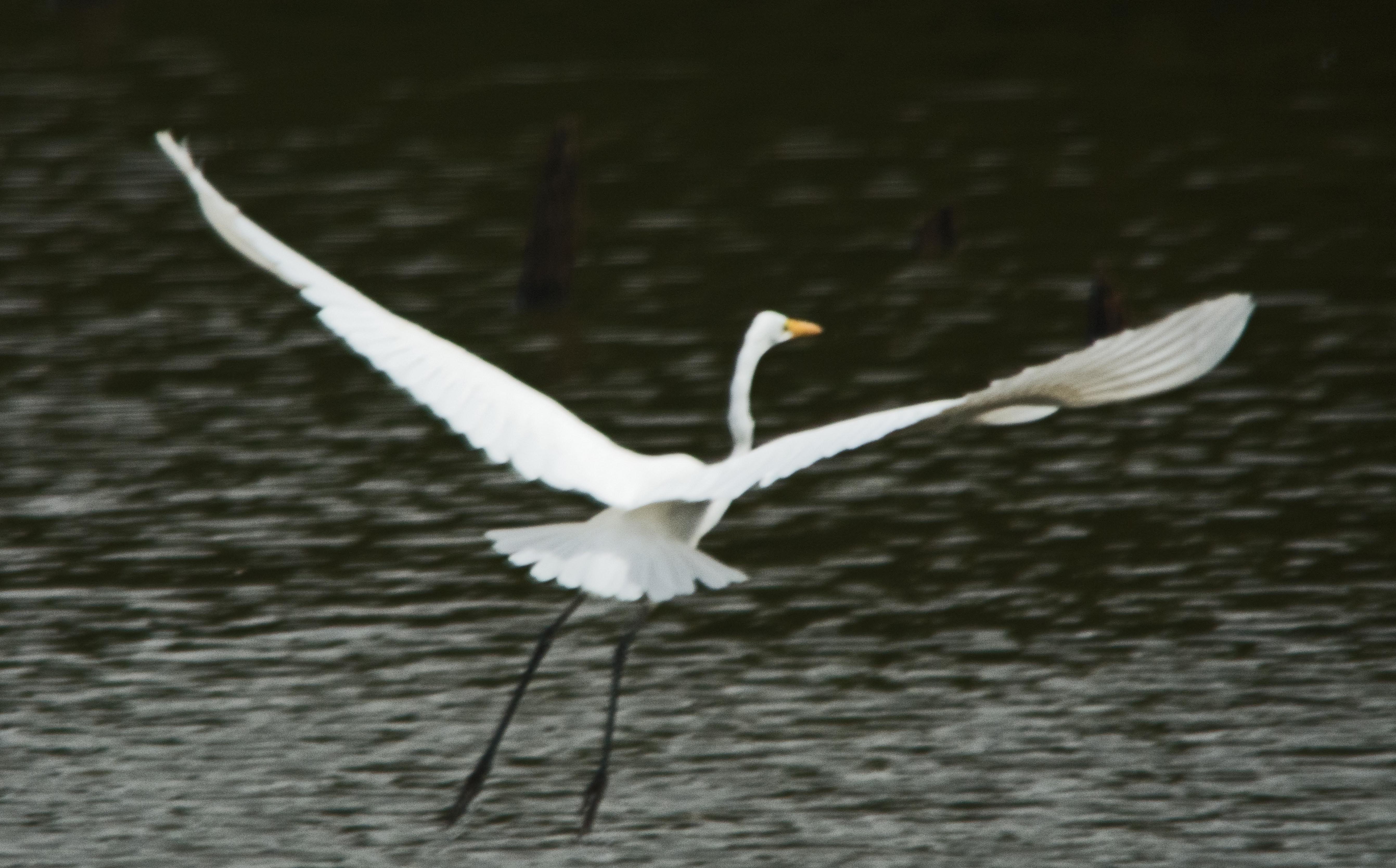
14 09 28_2902There’s a wide-but-shallow wide body of water to one side of Raleigh Boulevard which is fed by Crabtree Creek. It has no official name that I can find, so I’m hereby naming it Crabtree Swamp. CS is worth knowing about if you enjoy seeing birds, turtles, dragonflies, and other creatures. There isn’t usually much drama, though I once saw a doe leaping and splashing in desperate flight from a pursuing buck. It has a long boardwalk over it that allows for good views into the woods and out over the water.
14 09 28_2865_edited-1

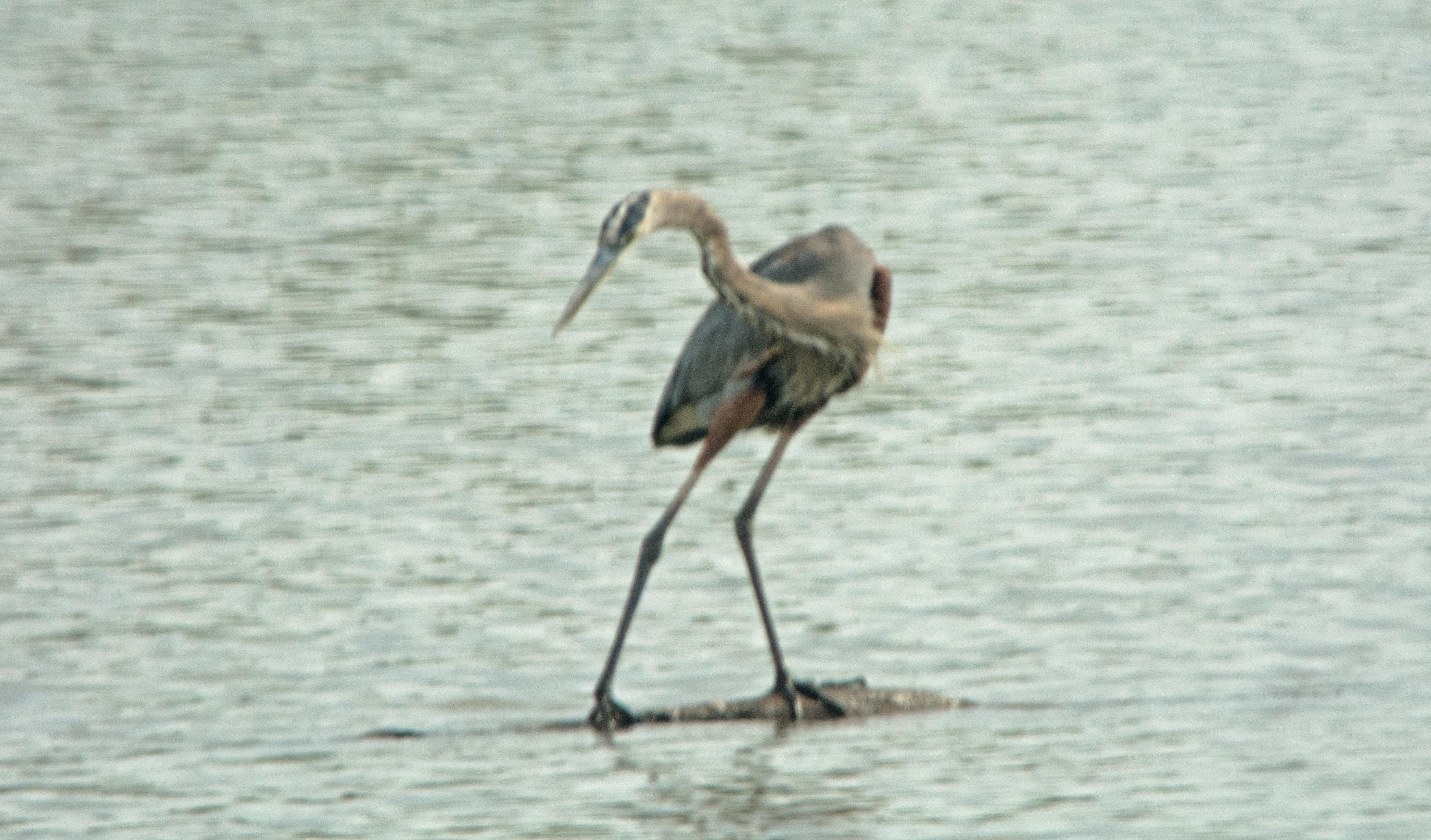
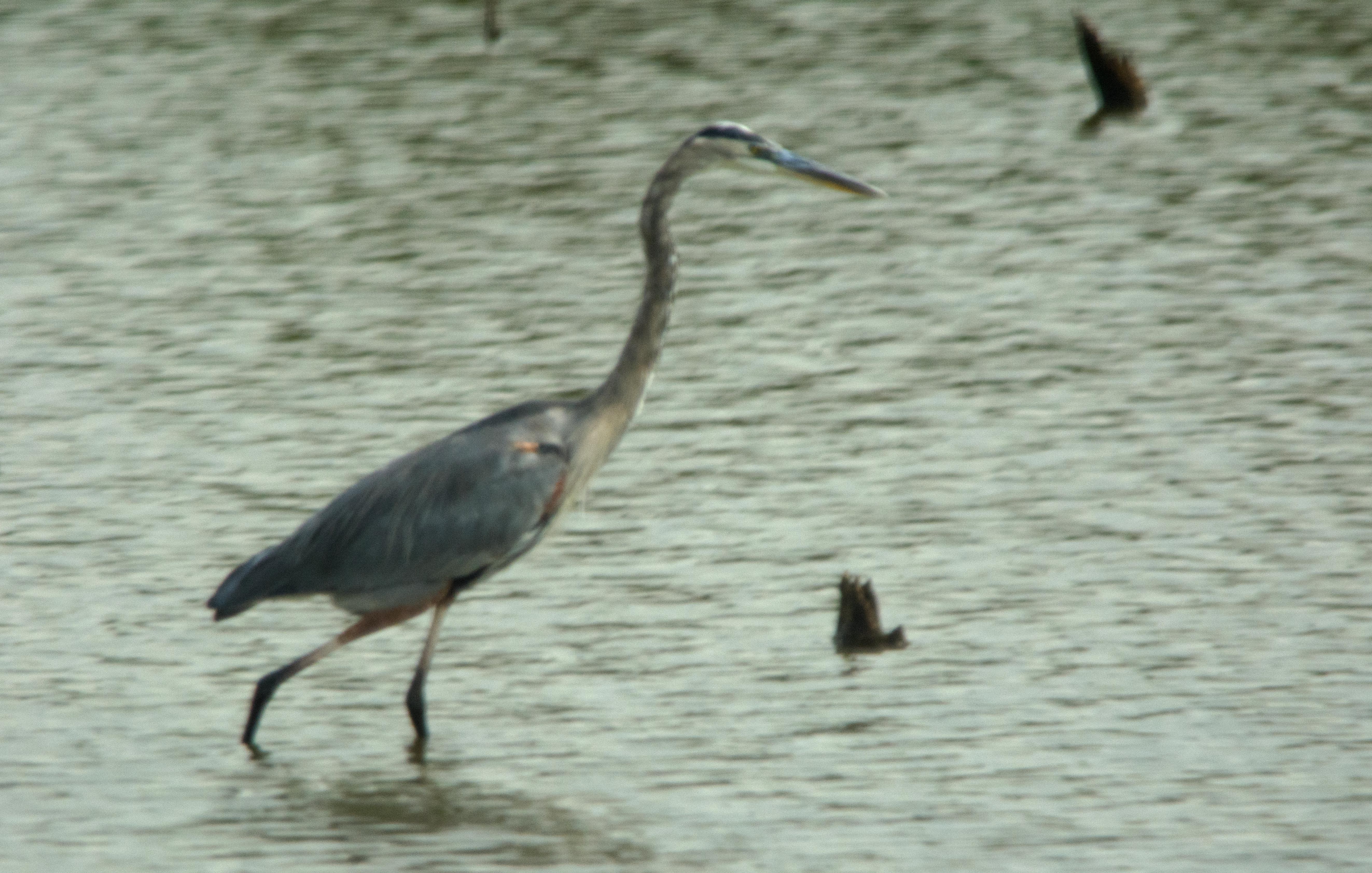
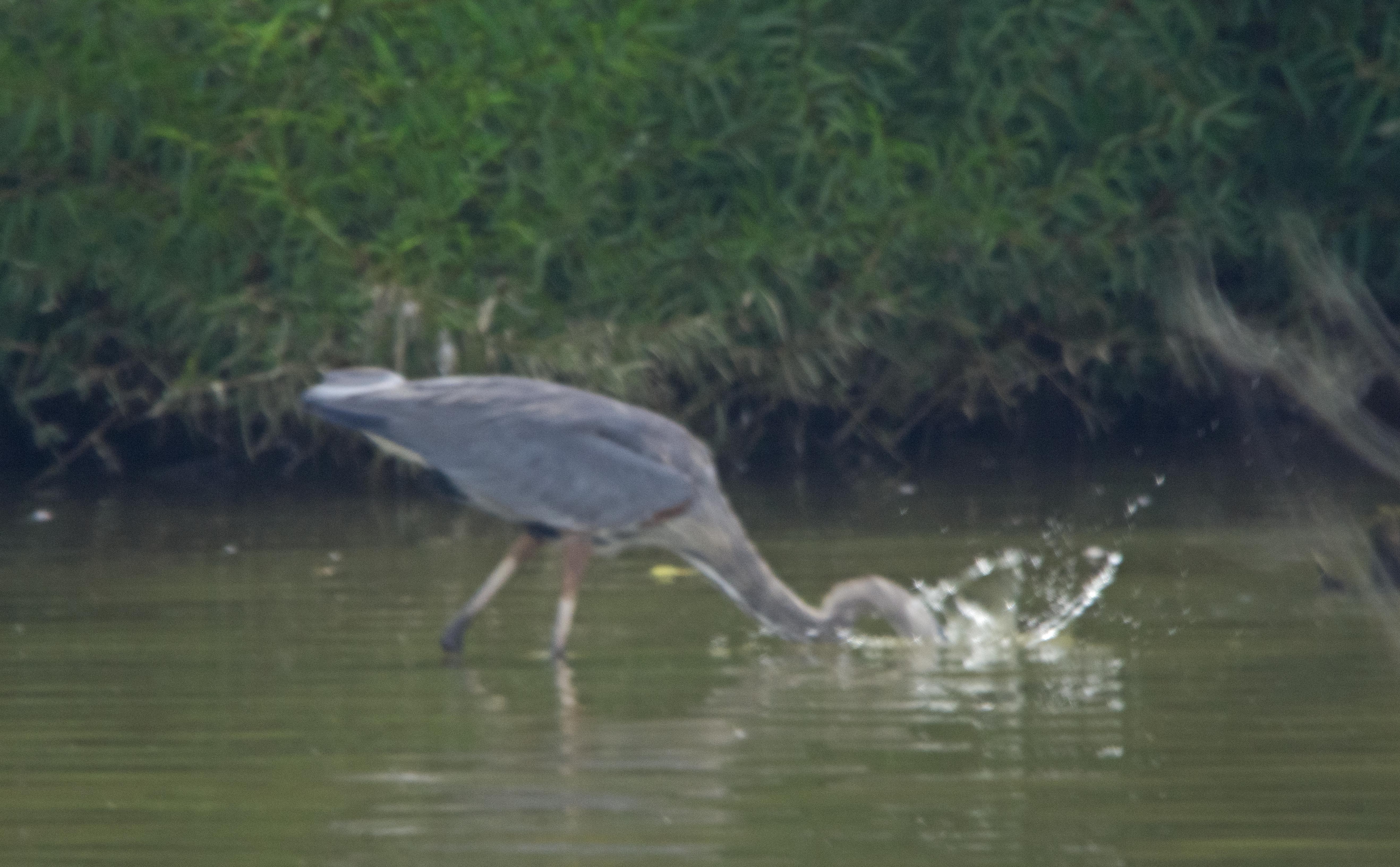
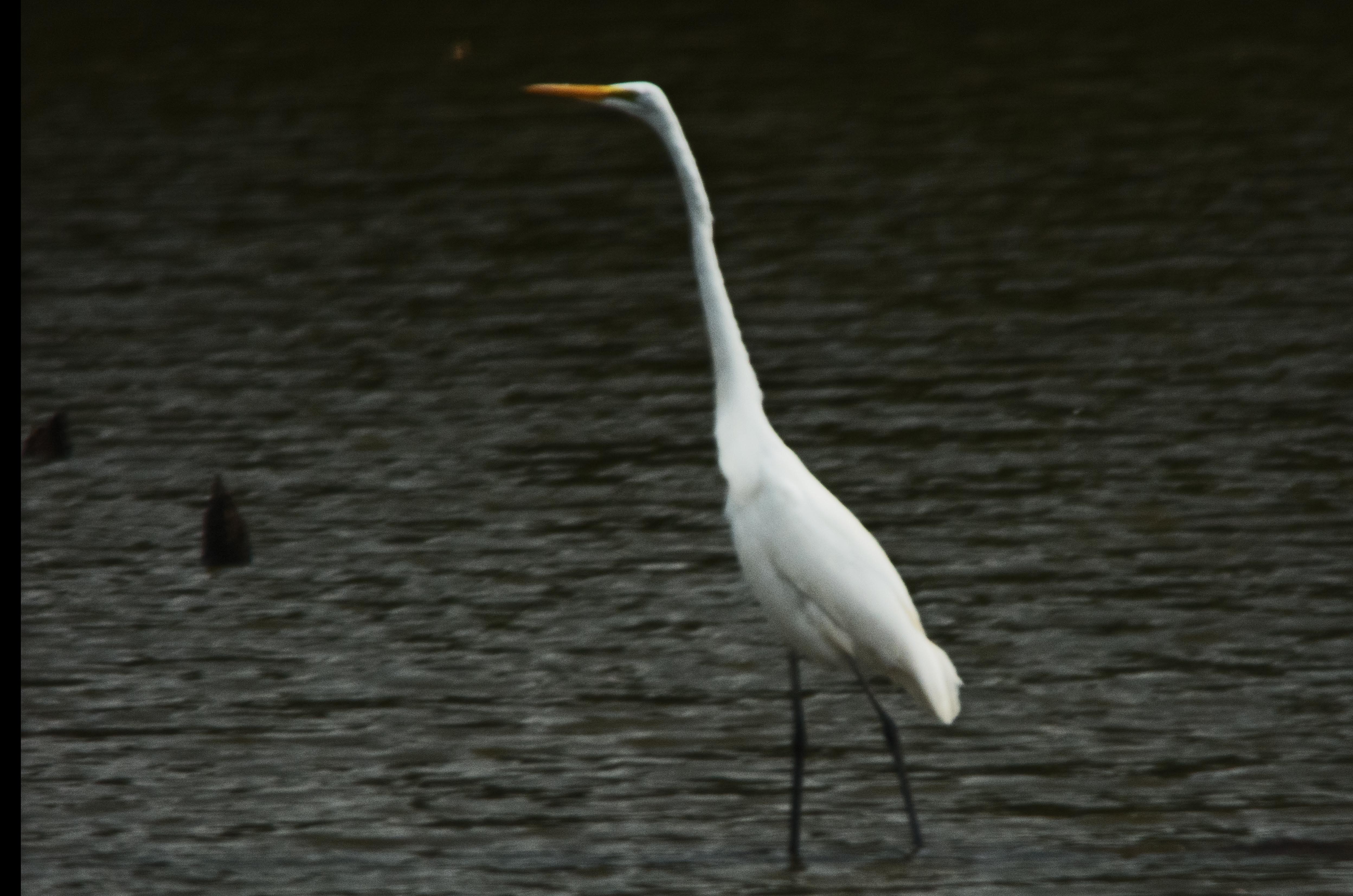
Sally had mentioned to me that she’d taken Stuart (our dog) for a walk up there recently, and seen a great blue heron and a great egret. They were still around fishing when I got there with my equipment last weekend. I used my long Sigma zoom lens (150-500 mm) with a 2x tele converter, a heavy set up that required a tripod.
14 09 28_3032_edited-1

Both birds would stand frozen, watching, for periods, and then move almost imperceptibly, and then, suddenly, they would radically change shape and position. A hundred yards or so away, I stood on the boardwalk for well over an hour, watching them, working hard to get them in focus with proper exposure, trying to anticipate their next phase shift. It was absorbing.
14 09 28_3193_edited-1

Happy as I was watching these brilliant creatures, later that day, when I downloaded the 423 new images, I wasn’t thrilled with the quality. Alas, I’d forgotten to switch on the lens’s image stabilization system. In any case, there were a few photos I liked enough to share.
14 09 28_3145_edited-1

In contrast to the subtle joys of trying to capture the essence of the big birds, also last weekend I tried a new spinning experience — Flywheel, at Cameron Village. I liked it. Whenever I try to describe spinning to a non-spinner, I realize it sounds a little crazy. The basic situation is, you ride on a stationary bike as ordered by an outrageously fit teacher to thumping club music. What’s to like? Well, it’s an amazing workout. You quit thinking, just follow orders, listen to the music, sweat, become one with the class, and feel the endorphins.
14 09 28_3113_edited-1

The new Flywheel operation has been successful in New York and other cities, and I can see why. They let you pre-register and reserve a bike. They figure out if you’re new the moment you walk in and take care to show you the ropes. They provide special shoes, towels, lockers, and (a great idea – it’s loud) earplugs. The bikes are set on risers, stadium style, and they’re nice, heavy non-vehicles that have digital read outs showing the amount of effort you’re putting in.
14 09 28_3155_edited-1
Once the class starts, the room is dark. You can see the teacher at the front (very fit) and also a screen that lists (if you opt in) your units of effort relative to those of others. Yes, there’s a kind of race – who can spin the hardest? At the end of the 45 minutes, I managed, barely, to come in second (one unit ahead of the next male down). I felt tired but good.
14 09 28_3140_edited-1

On lovely dogwoods, exercise as medicine, and golf with a big big hole

14 04 20_8527_edited-1
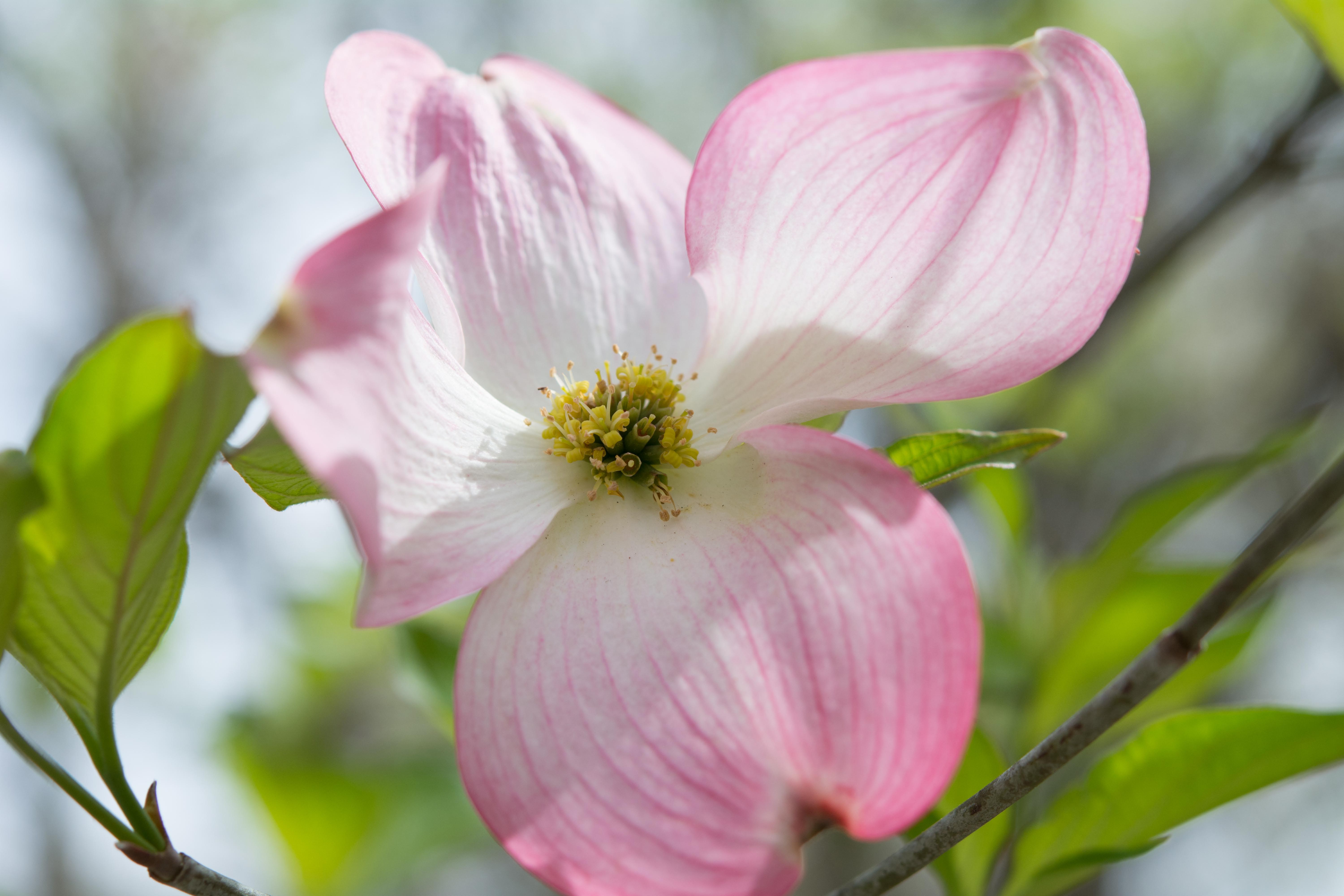
This week in Raleigh the dogwoods were blossoming. By the time I got to Fletcher Park this morning, they were past their peak, but still lovely. The tulips had come and almost all gone while I was away in Spain, and I was sorry to have missed them. I took some photos of the remains.
14 04 20_8524
Gabe came out from Telluride this week for a visit with mom and dad. I was very glad to hear of his successful first season in an adult amateur hockey league, in which he scored some goals. He’s kept up his running, and also has been experimenting yoga, using lessons on YouTube. He asked for some pointers on his down dog pose, and also for a demonstration of a headstand. Fortunately, I got up smoothly and didn’t topple over, and he was suitably impressed.
14 04 20_8502_edited-1

I heard a doc on an NPR program recently say that exercise is the best medicine. This makes sense. Staying active surely does a body more good most of the time than any pill, injection, or ointment. I’d note obvious exceptions for traumatic injuries and serious diseases, and still say, exercise is tremendously important for health.

So I feel good knowing my progeny are exercising. In a phone call this week, Jocelyn confirmed that she was doing so, having joined a new gym convenient to her subway stop in Brooklyn. It turns out that she, like me, gets a lot of reading done on a cardio machine. Her boyfriend, a former college athlete, has been trying to give her a little coaching on gym activities, which she has strongly discourage. She likes to find her own way.
14 04 20_8520

I used to be more like that, but now I am usually grateful for knowledgeable coaching. Figuring everything out yourself, even if it were possible, would just take too long. An example: when Jenn, my regular spin class instructor, made an announcement recently that anyone who comes to class regularly should have special cycling shoes, I took it on board. After several years of spinning, I finally bought my first pair of Shimanos at REI this week. Unfortunately, at my Friday class, Jenn was out sick – I’d been looking forward to letting her know I was listening to what she said. Anyhow, the shoes, which clip only the pedals, did change the experience. They allow you to pull as well as push. New muscles can get into the act.
14 04 20_8518

I’d hoped we’d have good golfing for the weekend, so that Gabe and I could get out for a round, but it turned out to be wet and a bit raw on Saturday, and cool and gusty on Sunday. In golfing news, there were stories about an interesting new variation of golf in the New York Times and Wall Street Journal Instead of the regulation 4.25 inch hole, the hole is 15 inches wide. This turns 10 foot putts into gimmes, and 30 foot putts into opportunities.

This sounds like fun to me. The putting is the most frustrating part of the game. I don’t consider myself particularly bad at putting, but you can putt fairly well and still miss – a lot. I wouldn’t propose to change the whole game, since I’m sure there are those who love putting towards small holes more than anything, and some who are uncomfortable with any change on principle. But it would be nice to have the option of dialing down the fraughtness a bit with a larger hole.

Cityscapes, intelligent plants, and weight loss work and play

14 02 08_6991_edited-1
I got up a little after 6:00 on Saturday morning to allow time for walking Stuart, feeding him and the cats, breakfast, newspaper, and a little neighborhood photo safari at sunrise before yoga class. I’m still figuring out all the buttons, dials, numbers, icons, and graphs on my Nikon D7100, and experimenting with my new 10-24mm (wideangle) Nikkor lens. Adding to the challenge – wearing gloves. It was overcast, with temperature in the mid-30s.
14 02 09_7111_edited-1

My neighborhood in downtown Raleigh has some stylish, pretty spots, and my usual way of seeing is to pay the most attention to those. But this morning I forcefully looked at older, grittier thing, and their shapes, patterns, and textures. I always enjoy construction sites, where you can see the innards of a building-to-be, but it was interesting looking at the opposite – destruction sites, and places where humans had run out of money or just don’t care anymore how things look. In those places, there’s nature: plants competing with concrete, pushing into cracks and crevices, revealing and exploiting areas that humans neglect.
14 02 08_7015

I read an interesting article this week by Michael Pollan on recent research into plant biology, and specifically neurobiology – how plants sense their environment and exchange information. Plant biologists are sharply divided on whether to call these abilities intelligence. Some scientists insist there cannot be intelligence unless there’s a brain, while others define it in terms of the ability to solve problems, which plants can do. But there seems to be general agreement that plants have some remarkable perceptual abilities.

Pollan describes plants’ “unique existential predicament as their being rooted to the ground and therefore unable to pick up and move when they need something or conditions turn unfavorable. The ‘sessile life style,’ as plant biologists term it, calls for an extensive and nuanced understanding of one’s immediate environment, since the plant has to find everything it needs, and has to defend itself, while remaining fixed in place. A highly developed sensory apparatus is required to locate food and identify threats. Plants have evolved between fifteen and twenty distinct senses, including analogues of our five . . . .”

Plants have also developed some remarkable chemical methods of defending against marauding insects and communicating with others of their species regarding threats and food opportunities, and even recruiting other species to perform services. One researcher estimated that a plant has three thousand chemicals in its vocabulary. Researchers have also found examples of plant learning and memory. Most plant behavior is either invisible or happens too slowly for humans to perceive, but time-lapse photography is opening new windows.
14 02 08_6989_edited-1

One of the challenges of this research is the ethical implications. One scientist, Stefano Mancuso of the University of Florence, argues that “because plants are sensitive and intelligent beings, we are obliged to treat them with some degree of respect. That means protecting their habitats from destruction and avoiding practices such as genetic manipulation, growing plants in monocultures, and training them in bonsai.” Mancuso doesn’t go so far as to avoid eating them. He contends they have evolved to be eaten, which accounts for their modular structure and lack of irreplaceable organs.

Most of this research was news to me, but I didn’t find it hard to believe that plants have extraordinary abilities, or that humans might find this hard to accept. Some people have the same problem dealing with the existence of (non-human) animal intelligence. I guess it’s insecurity. To me, learning about and appreciating the abilities of other species of life makes the world that much more amazing.
14 02 09_7129_edited-1

In health news, I’m happy to say I finally got back to my fighting weight of 155 lbs this week (that’s a BMI of 22), after gaining 5 during our Xmas holiday travels. It is certainly harder to take them off than to put them on. I did it by working more interval training into my workouts, like jumping rope or rowing as part of a weight circuit, and lengthening my longer cardio work (elliptical, stairs, and such) from 30 to 40 minutes. Also, of course, eating sensible portions of healthy things (fruit, vegetables, legumes, and whole grains).

I also am grateful to my health and fitness guides, especially Larisa Lotz, who meets me each Thursday at 5:30 a.m. at Studio Revolution with several mind and body surprises. This week, for example, her latest workout creation had me lunging and twisting, slamming down a heavy medicine ball, squatting with a sandbag, old school dead lifts, rowing with kettle bells in plank position, and fast agility movements through a rope ladder, among several other aerobic and anaerobic activities. She didn’t have a new balance activity this week, but she’s got me working on several, including balancing on my knees on an exercise ball.

This week I also tried a new morning exercise class at O2 Fitness called Chisel. I’ve been enjoying/enduring the spinning class there on Fridays with Jenn, who is funny, inspiring, and relentless, and she told me I should give it a try. I hadn’t previously done gym classes other than spinning, in part because I’ve got plenty of other things I like to do, but also in part because of shyness – a little bit of fear of the unknown, of confusion and possible embarrassment.

But with Jenn’s encouragement, I showed up last Monday. She was, as usual tough and inspiring, and funny. The hour-long class involved a background of driving dance club music and foreground of intense intervals both with and without dumbbells. Hardest for me were the jumping lunges. I found it very sweat inducing, and after hanging on for dear life, I felt great afterwards – an endorphin surge.

On Saturday morning as usual I went to Blue Lotus Yoga for Yvonne Cropp’s open level Vinyasa class. This weekend is Blueversary – the seventh birthday for the studio – which made me particularly conscious of how grateful I am that it’s there. There were several new people in the class, which may have accounted for Yvonne’s keeping things relatively low-keyed, well within normal yoga conventions. It was good, as always, to really stretch and to breathe together with the class. Afterwards, there was a drawing for special prizes, and I won one – a basket with lavender-scented soap and such. I didn’t really need the lavender, but still, I felt lucky.

No illusions, but not disillusioned

DSC_0034
At my post-surgery eye checkup on Thursday, after being scanned, poked and peered at, I was happy to hear Dr. Mruthyunjaya declare, “I like what I’m seeing.” My retina was back where it was supposed to be. This doesn’t mean everything will be just fine. Vision in my left eye is quite blurry now, and it will be some months before we’ll know how much there will finally be. The likeliest answer is substantially less than before. But as Dr. M’s fellow, Dr. Martell, pointed out, even if there’s a lot of blur, it could still help with peripheral vision, and serve as a backup in the event of a right eye catastrophe.

Anyhow, it is what it is. The Nigerian novelist Chinua Achebe died this week at age 82. I have not read his work, but the Times obit made me think I might like it. It quoted Nadine Gordimer as saying he was “a writer who has no illusions but is not disillusioned.” A good way to be.

I was also happy that Dr. M cleared me to resume exercising, though he suggested I wait another week before my next killer spin class. So early Friday morning, my usual spinning day, I happily did a functional fitness routine and a half hour on the escalator stairs. The stairs are a relatively new machine at O2 Fitness, and they are remarkably effective at pushing up your heart rate. As usual, while sweating away I listened to some opera (the incredible second act of Mozart’s Marriage of Figaro) with my MP3 device and read on my tablet device.

I reread some on the ideas of Jonathan Haidt in The Righteous Mind: Why Good People Are Divided by Religion and Politics, whose name is pronounced “Hite,” as I learned this week when I heard him give a lecture at Duke. My earlier thoughts on Haidt’s theory are here, but I’m still processing his big ideas, which point dramatically away from traditional political theory and its reliance on rationality. His TED talk on the differences in ethical systems between liberals and conservatives is a nice introduction to his theory.

As Haidt observes in the TED talk, there are two types of people: those who like new ideas and experiences and those who prefer the safe and familiar. He notes that the latter are the people who like to eat at Applebee’s.

On Thursday Sally and I tried for the second time to eat at a new restaurant in our neighborhood, Dos Taquitos, and again failed. The place was cheerily hopping but the wait time was too long for us, so we went down Glenwood Avenue to the uncrowded Blue Mango for some Indian food. We had a delicious meal featuring masaledar allo gobhi (cauliflaur and potatos) and eggplant bhartha. We couldn’t finish it, and I asked for a take-home box, which I carefully prepared and then accidentally left on the table. Darn!

For more new musical ideas, I had a piano lesson with Olga on Saturday morning. It was invigorating! I played Liszt’s Liebestraum (Dream of Love) No. 3, a famously beautiful piece (here played wonderfully by Evgeny Kissin). She gave me a massive compliment, and I quote: “Wow!” She thought I’d vastly improved, and was getting a richer sound. But of course, it can always be better. We worked on getting a more stable connection between the body and the instrument, including not just the fingers, but also the back and the core. She showed me on a type of touch involving a very relaxed hand with mostly arm movement. She also gave me some new ideas on pedaling, including using a slow, slightly delayed release. As she noted, it makes magic.
DSC_0039

Starting the weekend with some exercise and music

Late Friday afternoon I returned some phone calls, cleaned out my e-mail queue, checked my to-do list one last time, jammed some weekend work in my book bag, and did the short drive home. Sally had left for a tennis tournament, but had first fed the animals, so they were sleepy. I played the piano for a few minutes and moved to a different mind zone — a Chopin nocturne (D flat major), a Debussy prelude (La cathedrale engloutie), Liszt’s Sonneto del Petrarca 47. I also played J. Strauss’s Blue Danube waltzes in honor of the poor Danube, currently under assault by toxic sludge. I filled a small plate with some leftover pepper casserole and brown rice, warmed it in the microwave, poured a glass of pinot gris, and had a quiet, delicious dinner.

Then I walked over to hear the N.C. Symphony do the first fall concert of our series. It was a lovely fall evening, mild and clear, and I savored the walk. This is one of the pleasant things about living in downtown Raleigh. There were two new buildings going up along the way, and people on Fayetteville Street eating dinner at sidewalk tables or walking about.

I had an unusually strong sense of physical well being. It was a good week for exercising — no travel or serious time crunches at work — so I’d gotten up at 5:30 a.m. every day to either swim a freestyle mile (2x), do a yoga class, or take a spinning class (2x). Spinning is still new to me, and I’m still enthusiastic — it’s an amazing aerobic workout. The basic idea of stationary bike plus music, rhythmic movement, group activity, and a cheerleading coach previously struck me as not at all my style, but it is remarkably effective in (a) raising my heartrate, (b) making me sweat, and (c) leaving me feeling pleasantly endorphinized.

With fall in the air, I’m looking forward to winter, and skiing in Colorado, and I’m using ski thoughts for extra workout motivation. Last year the hour-long climb in the snow at over 12,000 feet up the narrow ridge to Highlands Bowl at Aspen Highlands taught my body a brutal lesson it won’t soon forget. I was, in truth, too whipped to attack the long double black diamond run from the top, but there was no alternative way down. I survived, but next year I hope to do more than merely survive such situations — to exult! That may be too much to hope for. It will always be difficult to go from a few hundred feet above sea level one day to vigorous activity at several thousand feet the next, but I’m looking to be in better shape next season and bettering my odds.

At a leisurely pace, it took 23 minutes to walk to the concert hall. (Afterwards I picked up the pace and got home in under 20.) I was interested to hear Rachmaninoff’s first piano concerto. The composer was still a student when he made it, but it has the seeds of the more familiar and almost too gorgeous second concerto. It is certainly a virtuoso showpiece, and Jean-Philippe Collard played it with power and authority. I was mainly interested in the second half of the concert, a performance of Sibelius’s Fifth Symphony, a piece I was not familiar with. It was strange and beautiful, with novel and varied textures, and diverging moods. It approached the richness of Mahler. There were good loud places, where the brass expressed themselves fully, and a fine solo for the bassoon. I plan to get a recording and listen to it some more.