The Casual Blog

Tag: photography

Being with geese, The Dawn of Everything, and what to do about nukes

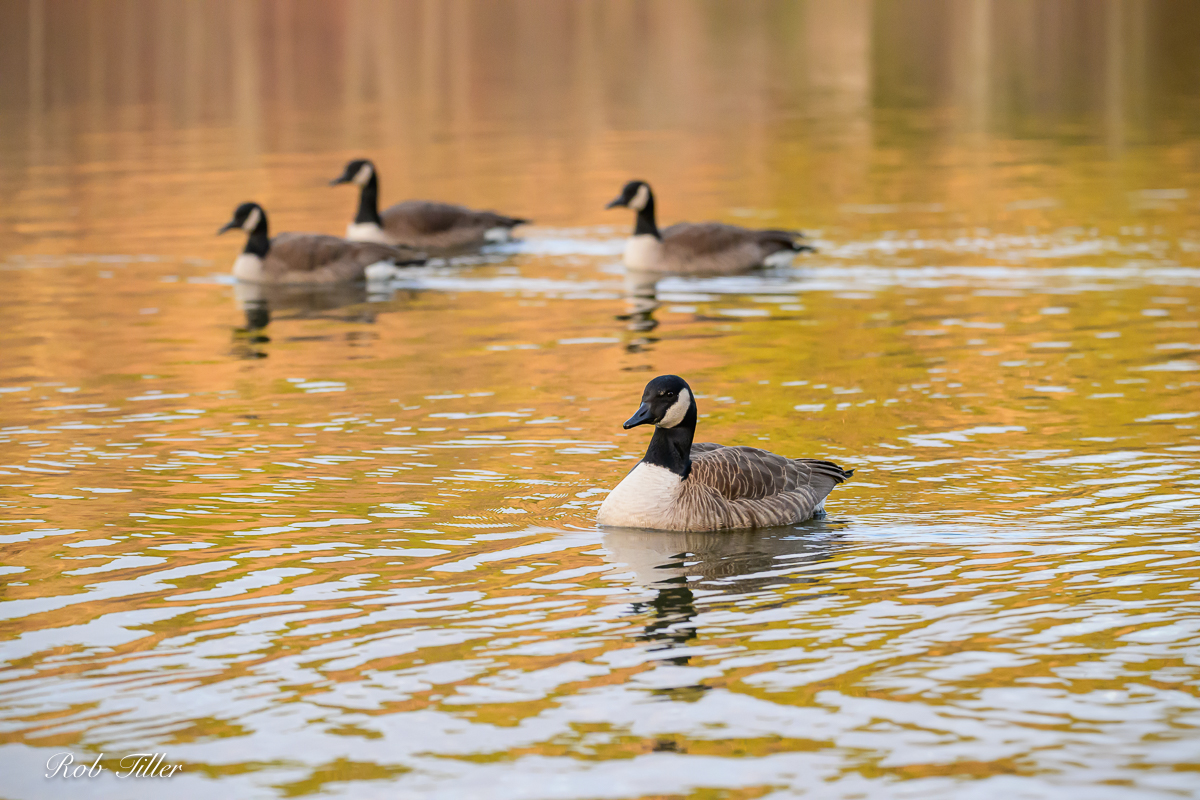
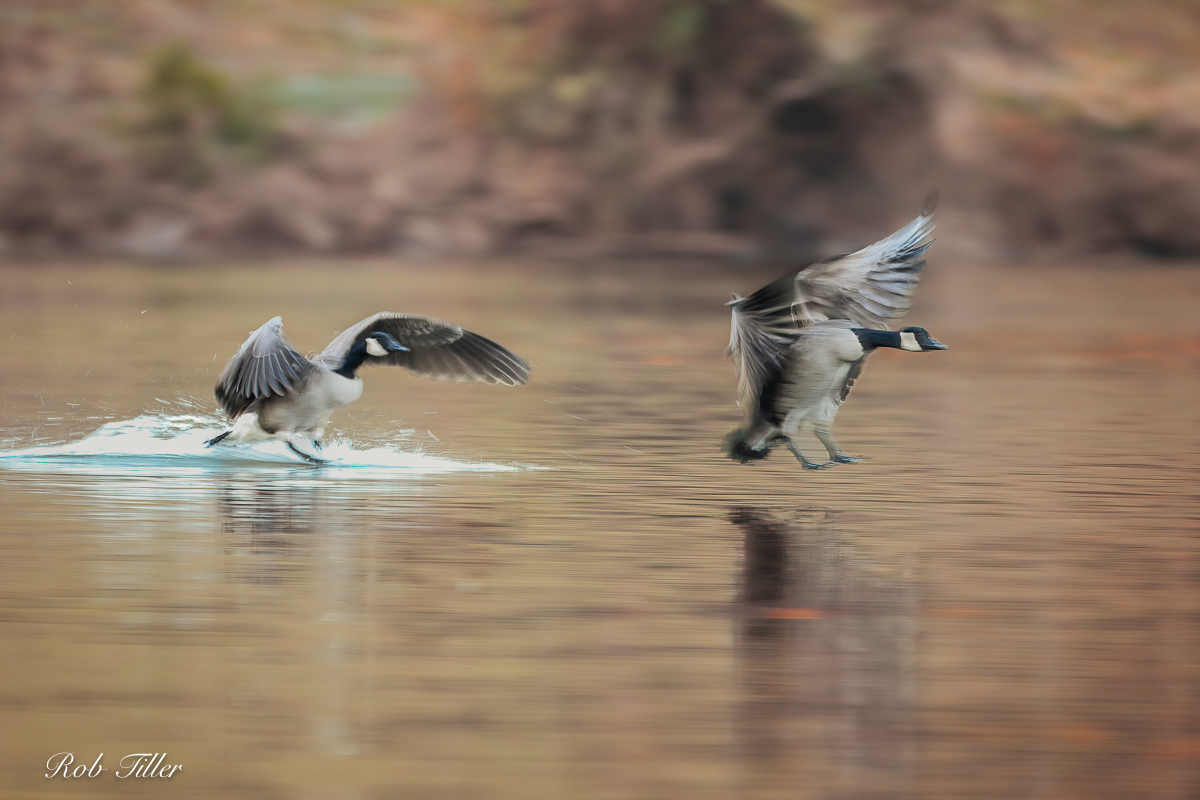
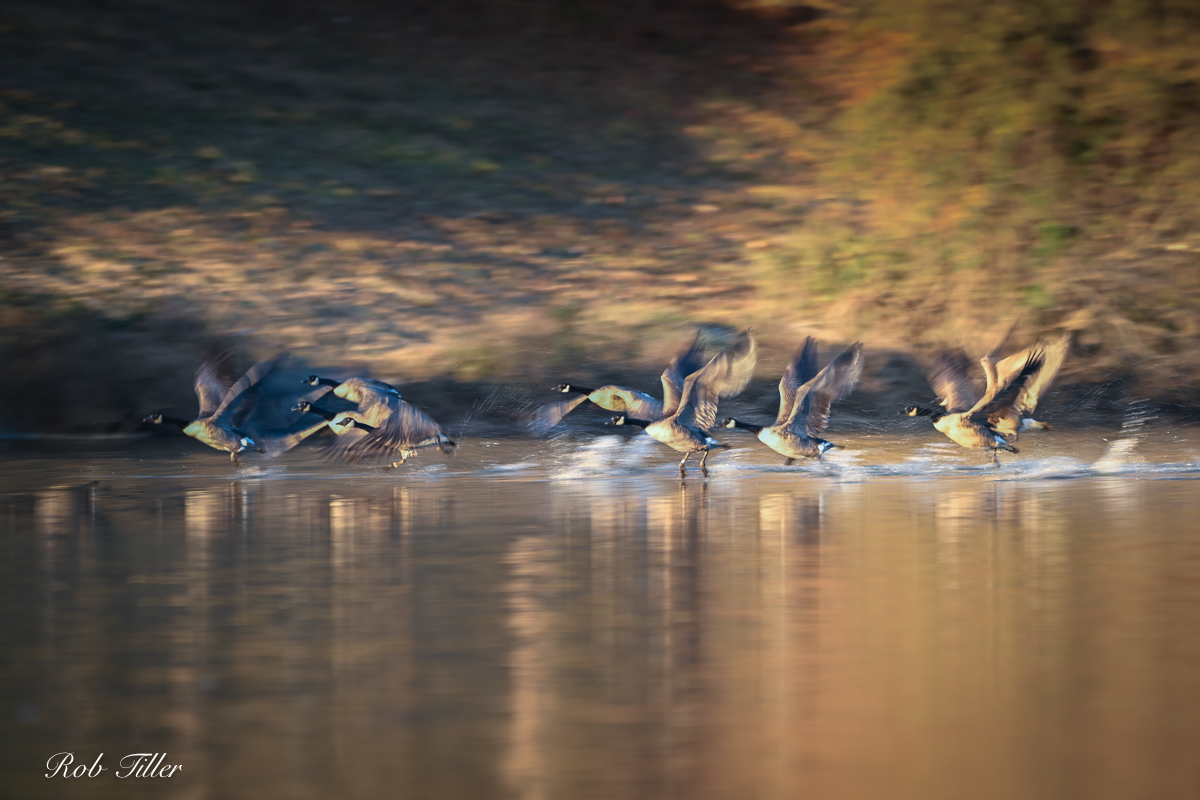
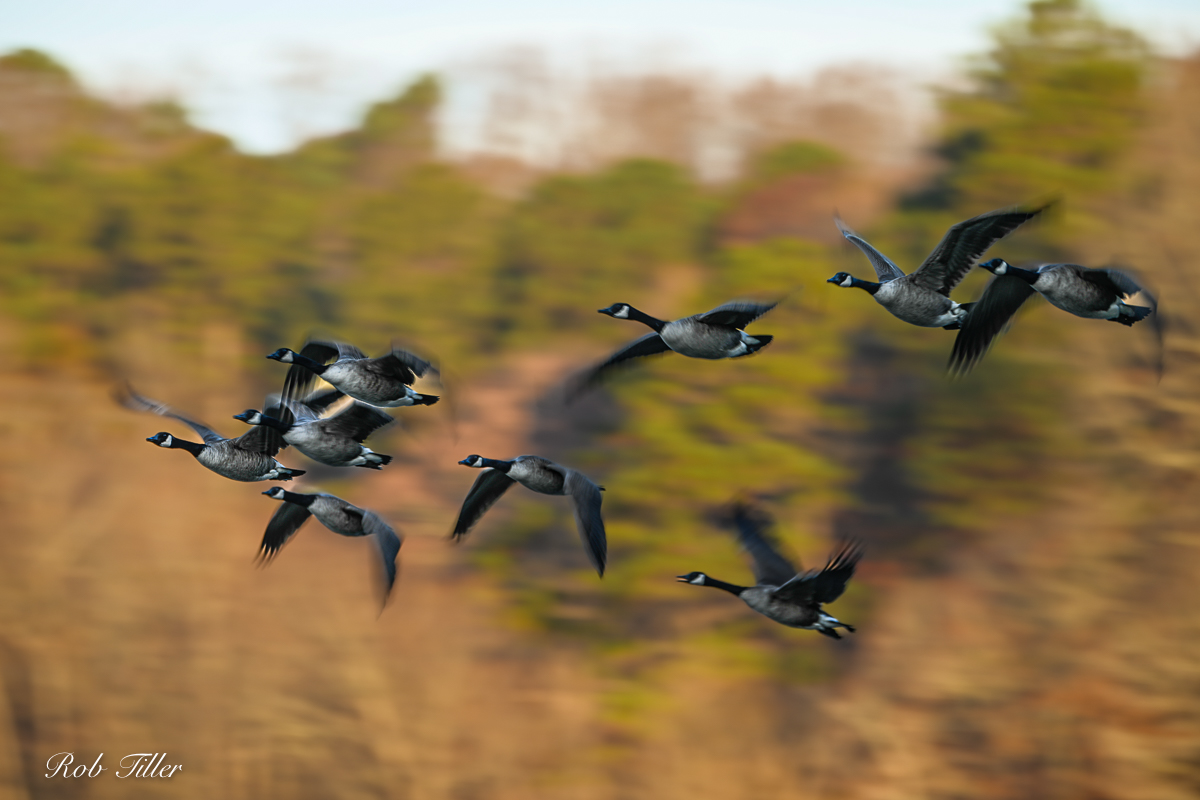
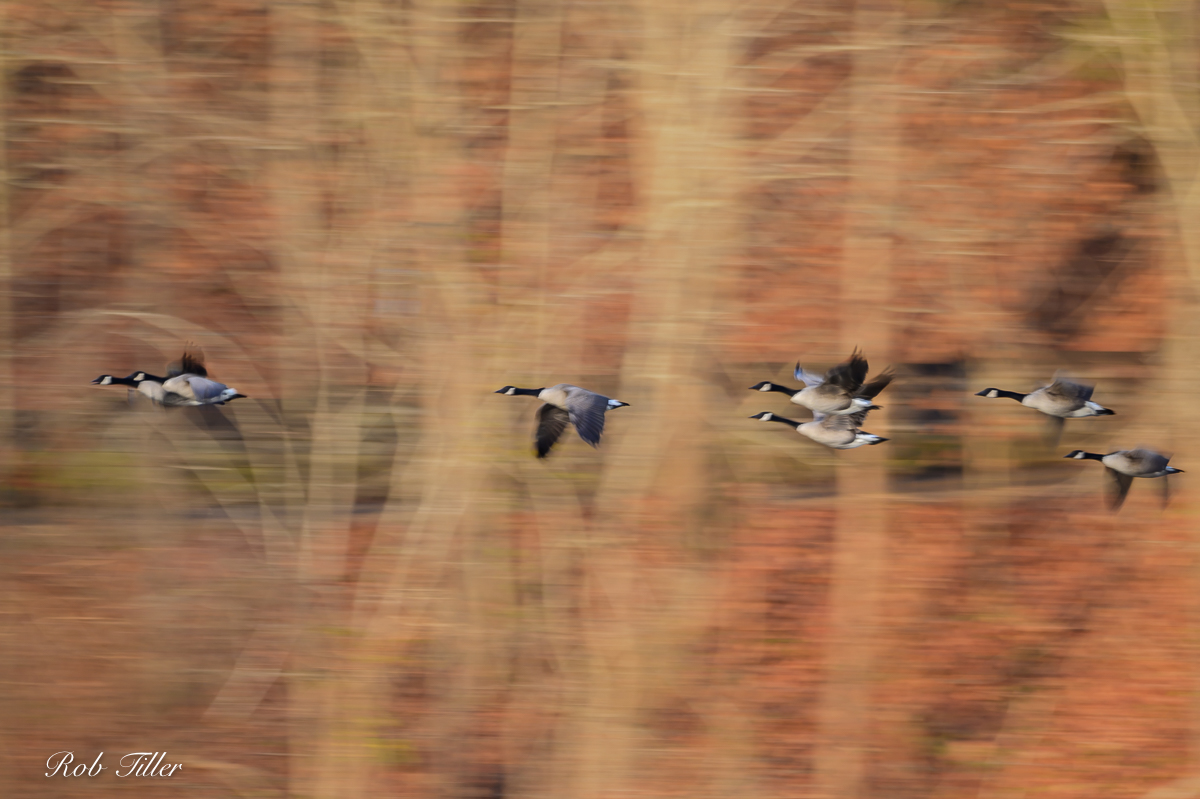
It’s been a busy travel year for me, which has been great, but wearing, so I’ve been enjoying not traveling in these last weeks of the year.  To keep up my photography skills, I’ve been dragging myself out of bed when it’s still dark and cold and taking my gear down to Shelley Lake.

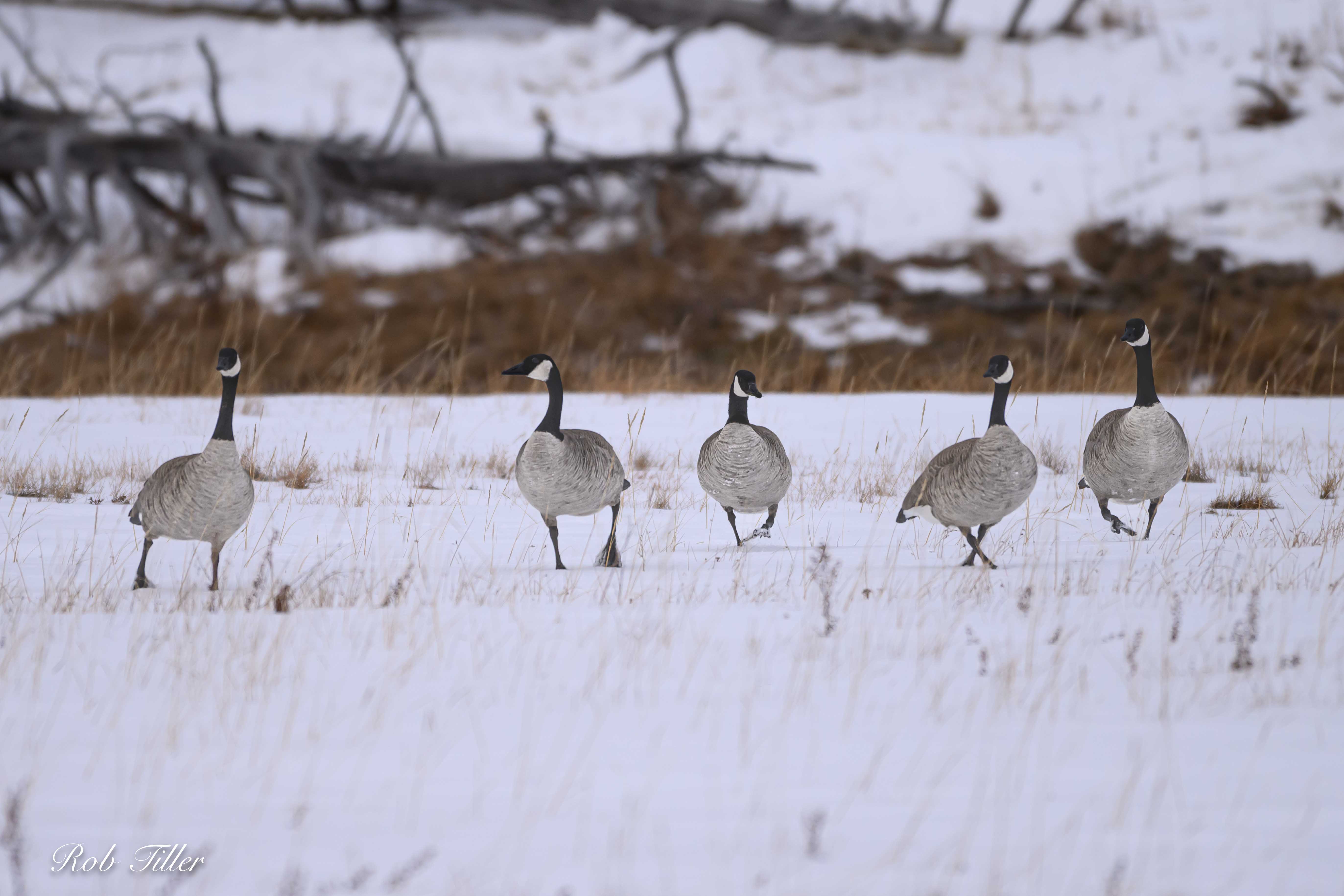
I like sitting there with the Canada geese as they paddle about, honk, and eventually take off for their morning flying exercises.  I’ve been trying to capture the wildness of their take offs and landings, with only limited success.  The actual events are really exciting, but for photographic purposes the birds are usually too far away, heading in the wrong direction, or in suboptimal light.  Or I commit one of a thousand possible operator errors.  Anyhow, I’ve yet to get the perfect shot, but here are a few that I liked.  

We’ve had a happy holiday season with family gatherings, and I’m conscious of many things to be grateful for.  In the background, though, I’ve been struggling with how to think about our new political reality.  It feels like we’re entering into a dark period.

One of the gifts of reading history (or for me more recently, listening to history podcasts) is perspective: our species has made it through many dark periods. We know that the Romans had a good number of terrible rulers, as did medieval Europe. The same is almost certainly true of more ancient civilizations. In spite of everything, we’re here.

For more perspective, I heartily recommend The Dawn of Everything by David Graeber and David Wengrow, which I’ve been re-reading (actually, listening to). The main subject is the development of human civilizations beginning around 10,000 years ago.  The book draws on recent scholarship to challenge the standard narrative that there was a linear progression from hunter gatherers to early farmers to urban settlements to the modern world, with increasing levels of hierarchy and authority at each stage.

Instead, Graeber and Wengrow draw on specialist research to demonstrate that there were early societies that organized without relying mainly on farming and without settled hierarchies.  Other societies adopted authoritarian forms and later abandoned them.  They show that, at least until relatively recently (as in, say, the last three hundred years), the nation state was not the primary form of societal organization.  Rather, societies experimented with many different systems.  

This analysis has a hopeful aspect.  Although some of our prehistoric ancestors were cruel and violent, people continued to innovate.  Our food production system and other technologies do not necessarily dictate a certain type of political organization.  Fundamental change is possible.  

A plausible understanding of the election of Donald Trump is that there is deep dissatisfaction with our existing system and a hunger for change.  It seems unlikely to me that Trump will satisfy that hunger.  It may be that we will eventually find our way to a new era of social innovation, with better solutions to our serious challenges.

One of those pressing challenges is what to do about nuclear weapons.  I know this is not a pleasant topic, but it’s vitally important that we deal with it.  The possibility of accidental nuclear accidents and nuclear war is very real.  Indeed, as a recent article pointed out, a highly classified U.S. war game in the 1980s found that any nuclear war scenario inevitably led to escalation and finally  annihilation. 

On this score, I want to highlight a recent opinion piece in the NY Times by Beatrice Fihn, former executive director of the International Campaign to Abolish Nuclear Weapons.  She fully recognizes the strength of the common belief that nuclear weapons are, if not sensible, an inevitable fact of life, but she effectively challenges that belief.  

Fihn writes, 

Contrary to popular belief, nuclear weapons are remarkably inefficient tools of war. They are clumsy, expensive, and lack practical military utility. Their use would result in catastrophic destruction, potentially wiping out hundreds of thousands of innocent civilians and spreading radioactive contamination across borders and generations. It is hard to envisage a scenario in which a state would be better off choosing to use a nuclear weapon over a conventional weapon, given the significant harm it would cause both to that nation and to its allies. Even nuclear-armed nations openly acknowledge that these weapons should never be used.

Change is possible, as Fihn demonstrates.   The international order has largely reached consensus on banning chemical weapons, and nuclear stockpiles have been greatly reduced since the Cold War.  Most nations have chosen not to create nuclear weapons, and most have signed the United Nations’ Treaty on the Prohibition of Nuclear Weapons.  But we stand at a moment when the United States, Russia, and China seem to be committing to a new nuclear arms race.  

Fihn contends that we as individuals can meaningfully contribute to addressing this terrible situation.  She writes,

So how can individuals contribute? First, recognize your power. A key tool is to change the way we talk about nuclear weapons. Instead of thinking of them as magical tools, we should talk about them as being irrational and useless for any real life military situation. Instead of discussing nuclear weapons in terms of abstract theoretical concepts like strategic stability and mutually assured destruction, we should center conversations on the facts and scientific evidence of what happens when these weapons are used or tested. We can all start questioning common assumptions that these weapons are designed to keep us safe and expose the irrationality of a national security strategy based on threatening to commit collective global suicide.

If you’re a student, organize campus discussions. If you’re a professional, engage through your networks. If you are an artist, use your skills to address these issues.

Get in touch with your elected representatives but don’t forget to also engage with city councils, state representatives and community groups. Cities and local authorities are becoming more involved in statecraft and diplomacy. Getting your city or state on board with the growing number of local authorities that are taking action on this can help build a new generation of political leaders taking on this issue.

Fihn also proposes confronting the major corporations that are responsible for nuclear weapons, including Boeing, Lockheed Martin, and Northrop Grumman.  She cites the divestment campaigns against big tobacco and fossil fuel companies as possible models.  

For Fihn, the path off of the nuclear precipice requires a change of attitude, and that can only happen through “persistent, collaborative effort.”   We might as well give that a shot.

Visiting Yosemite, and some thoughts on lies in America

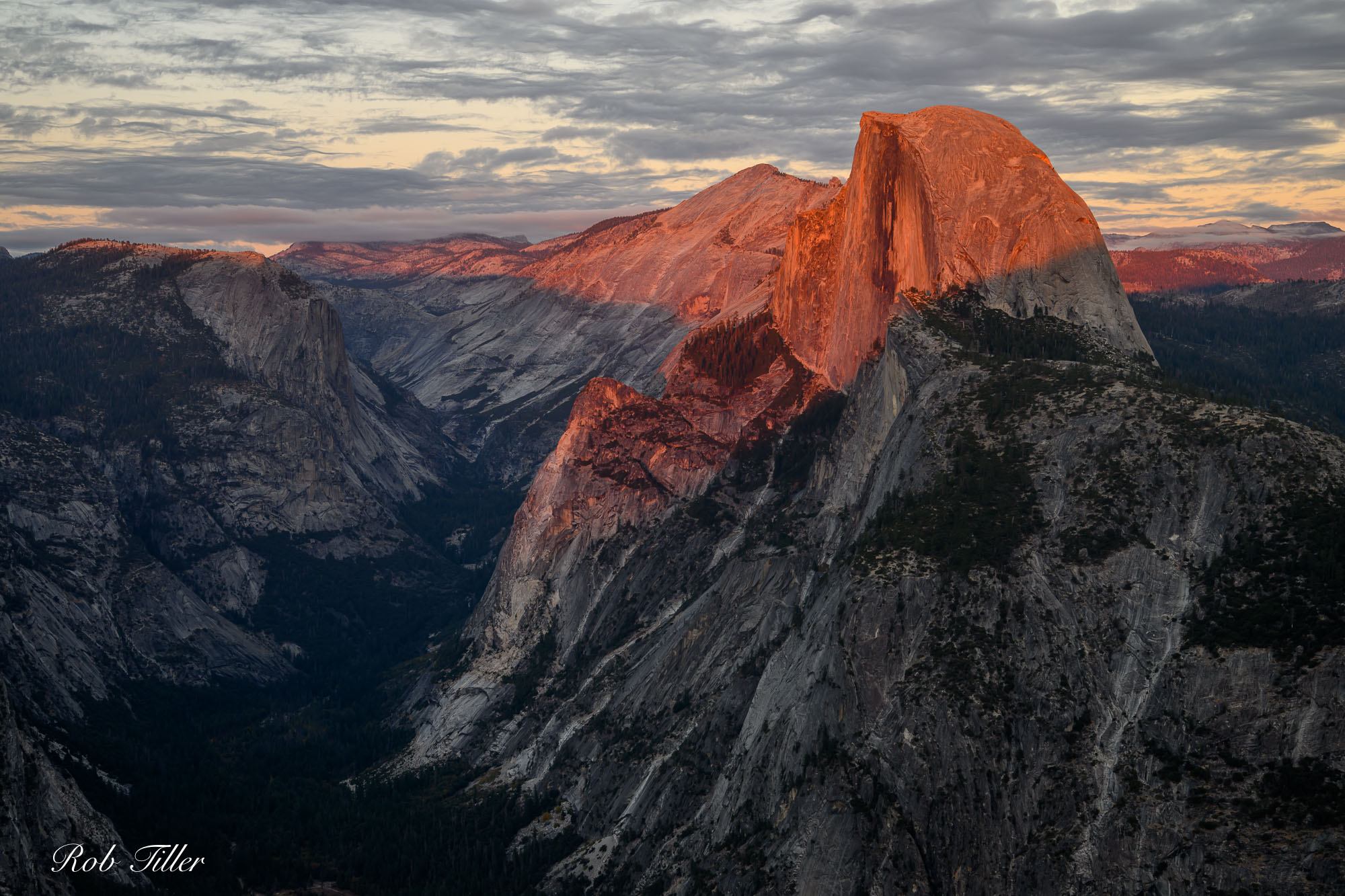
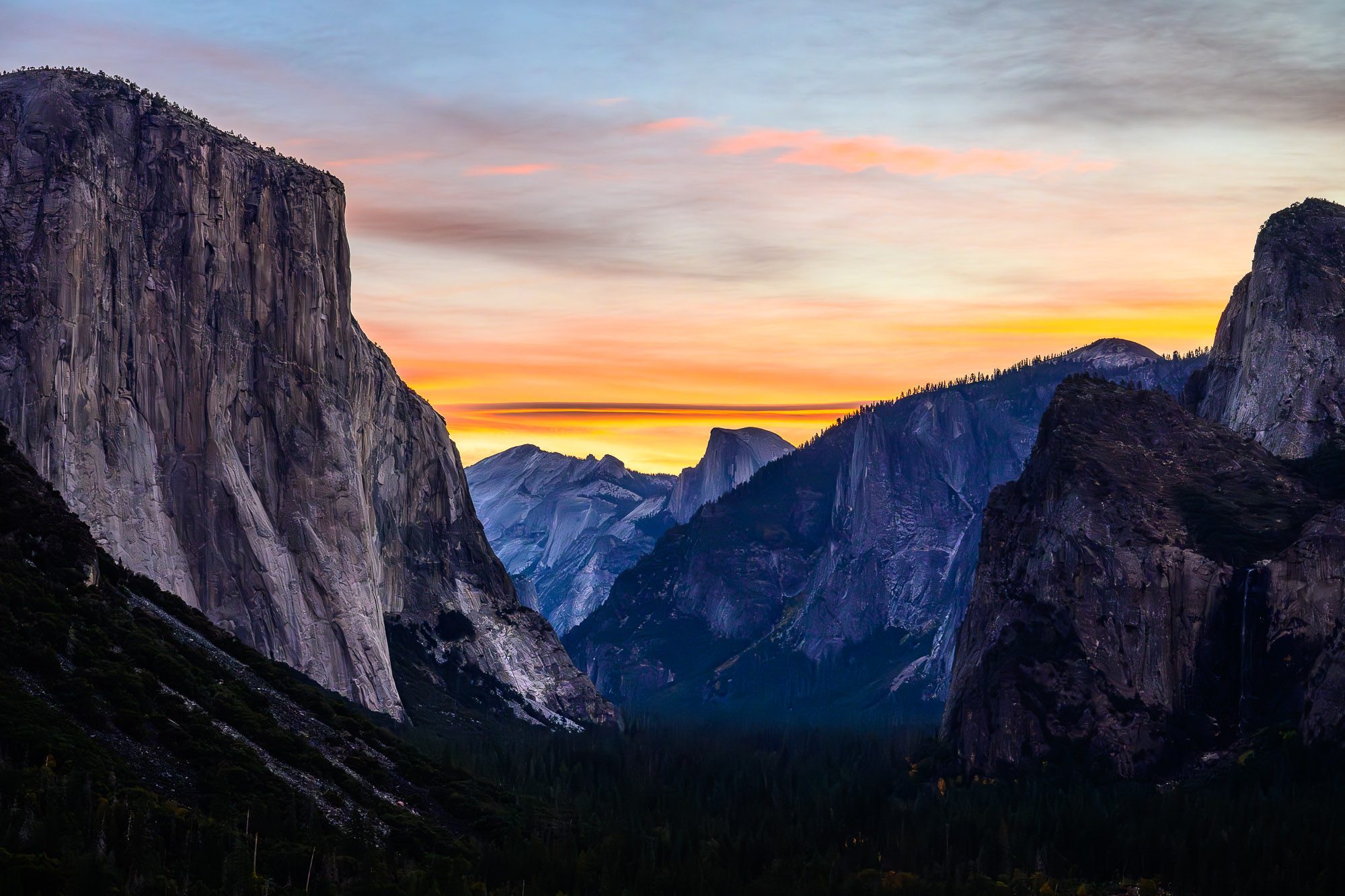
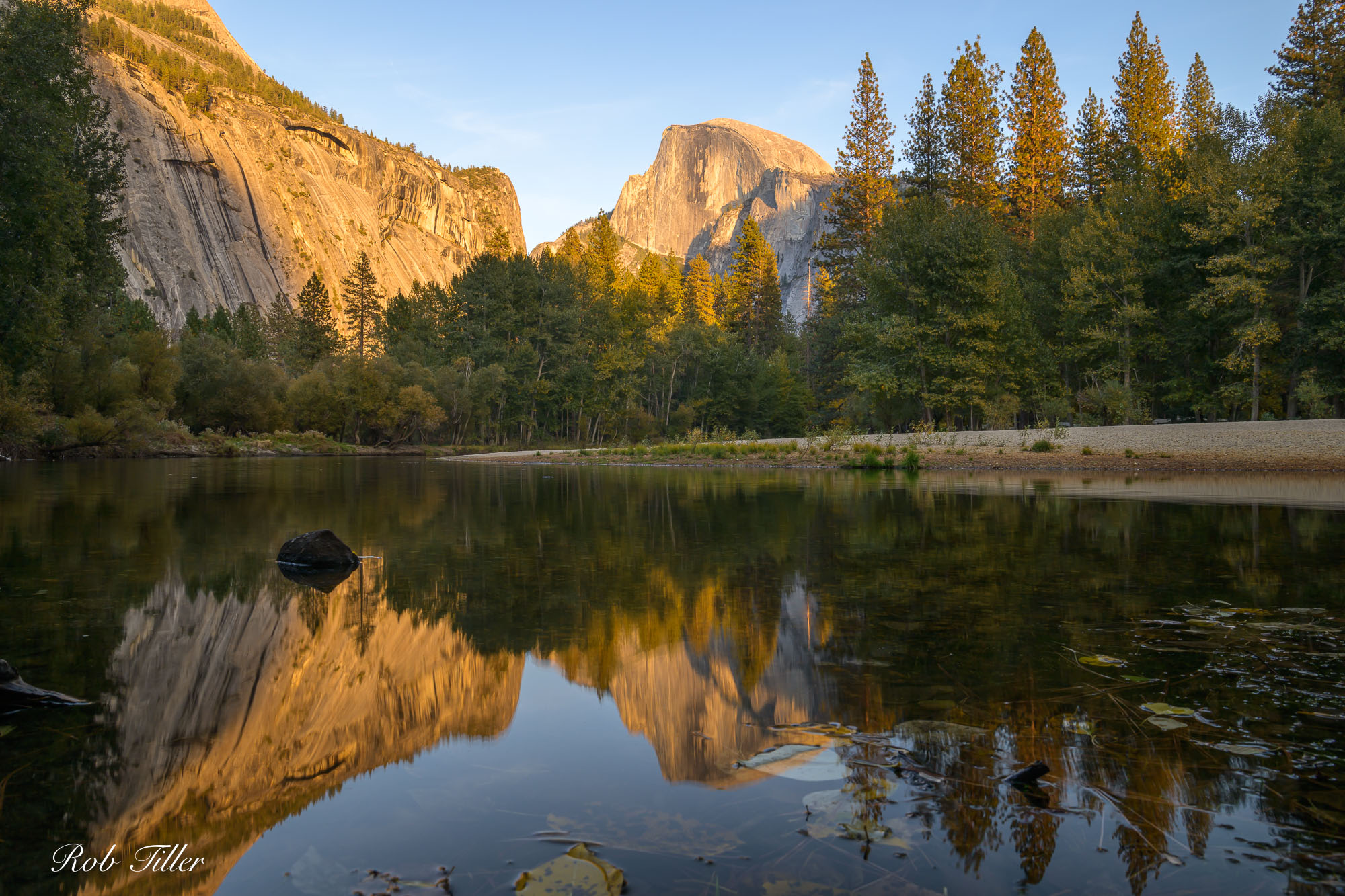
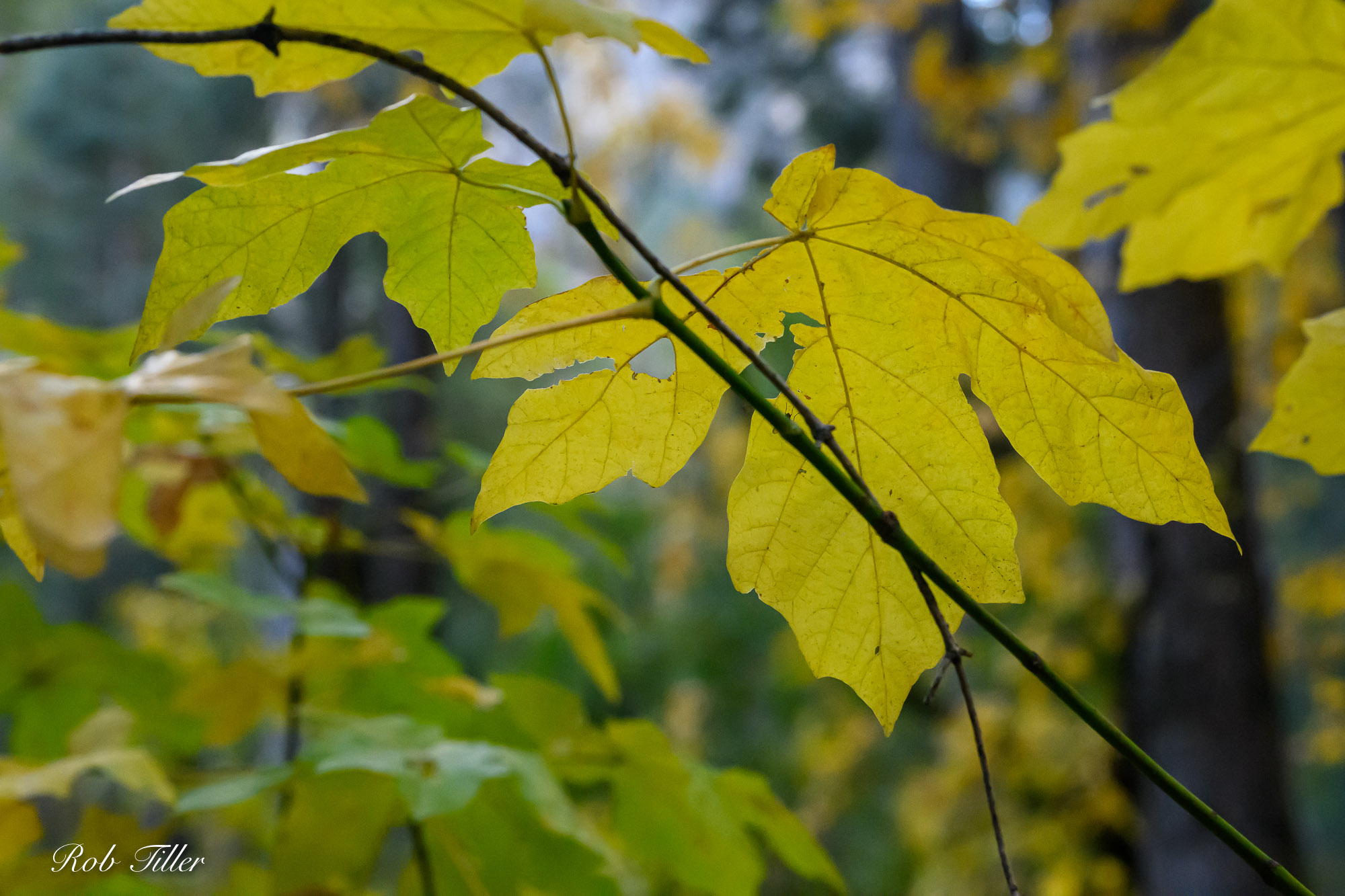
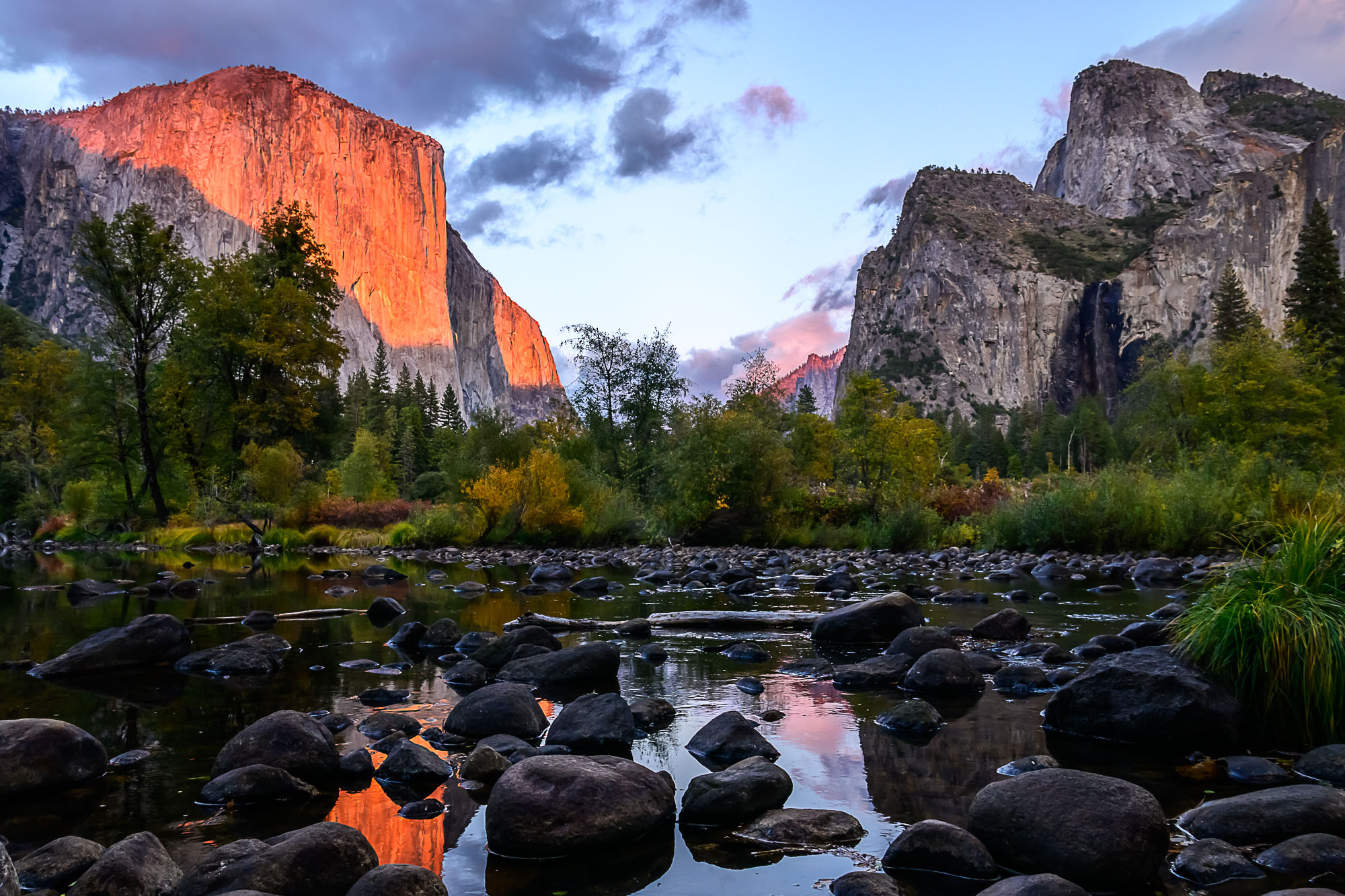
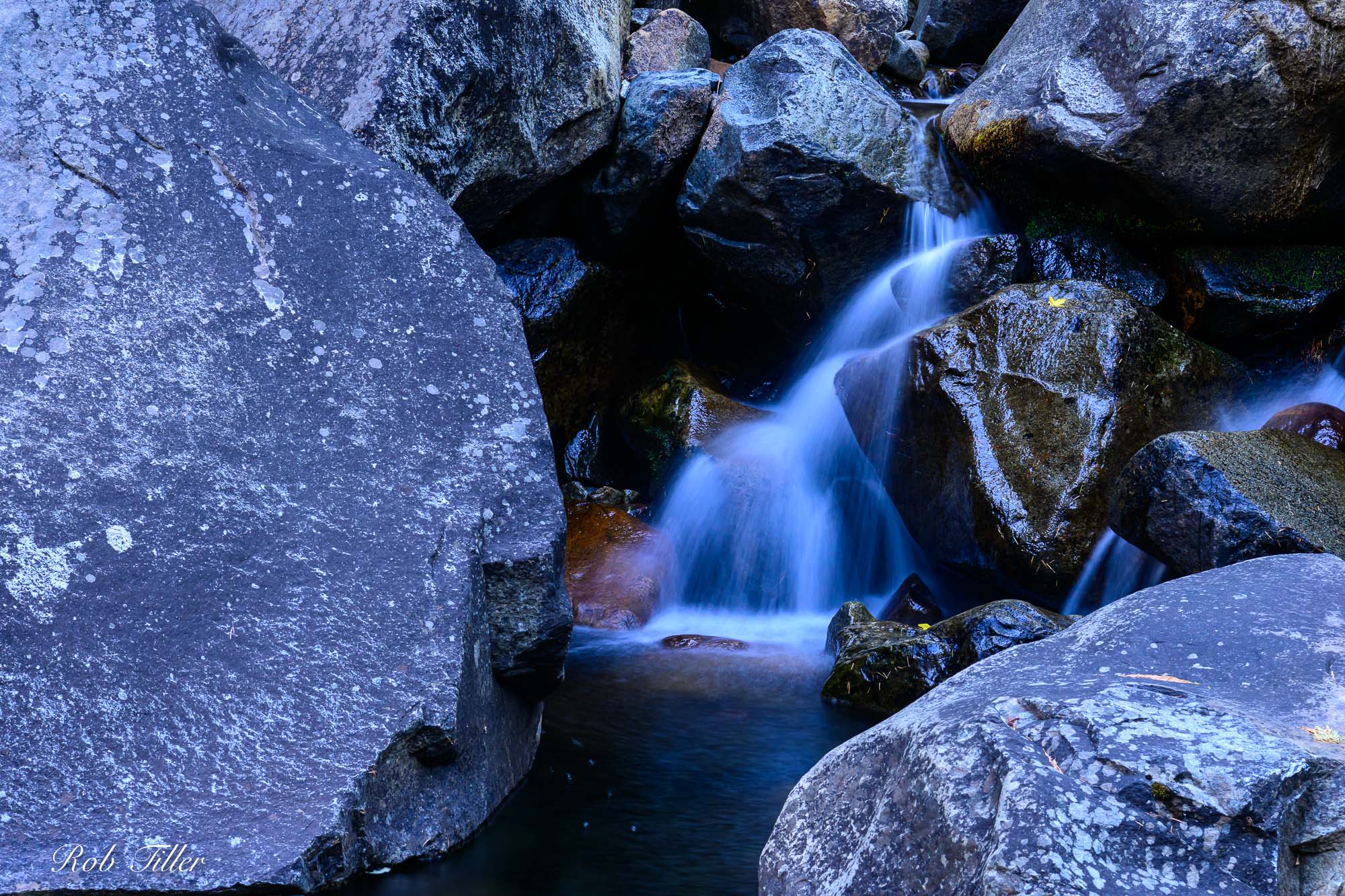
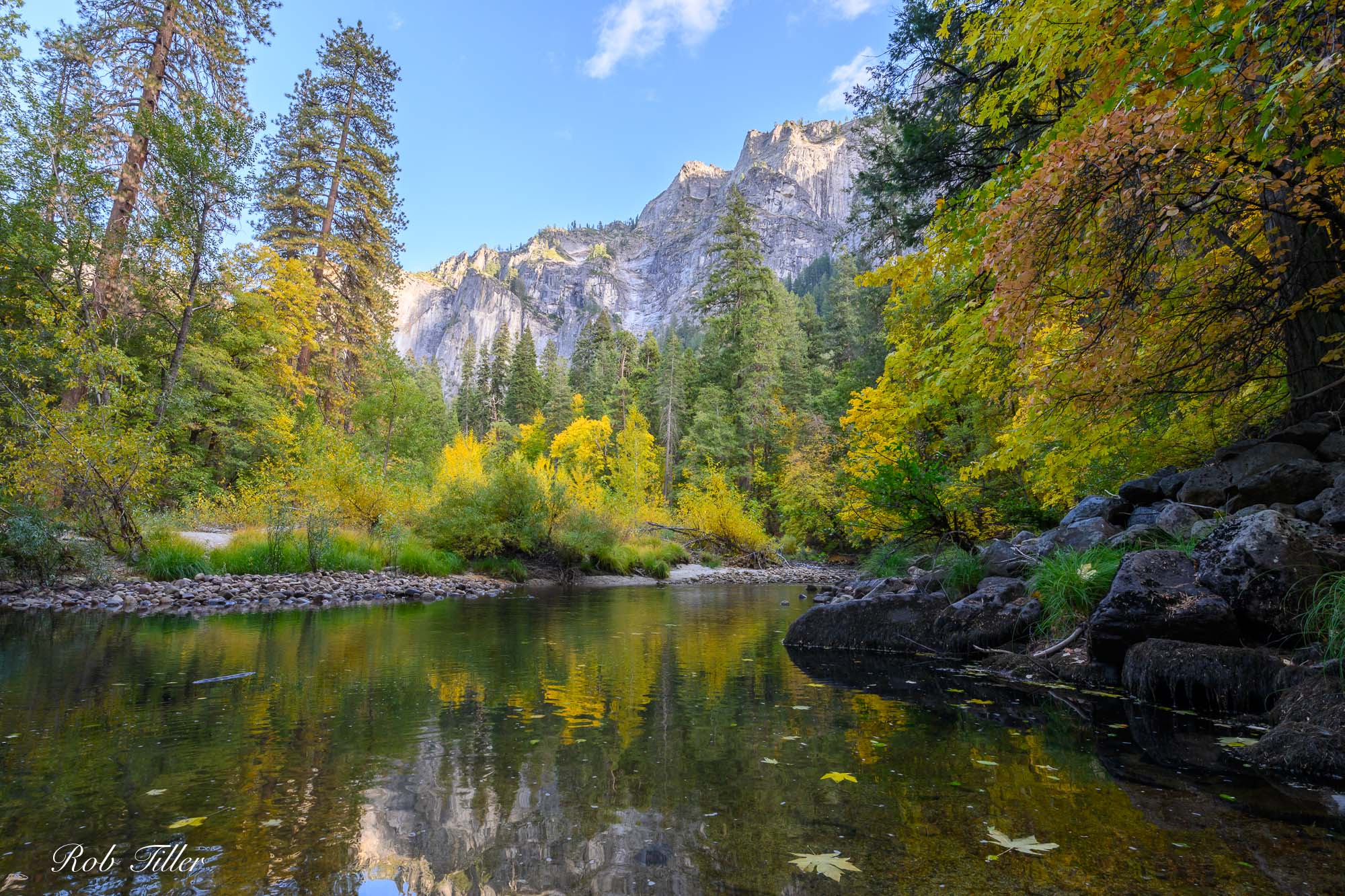
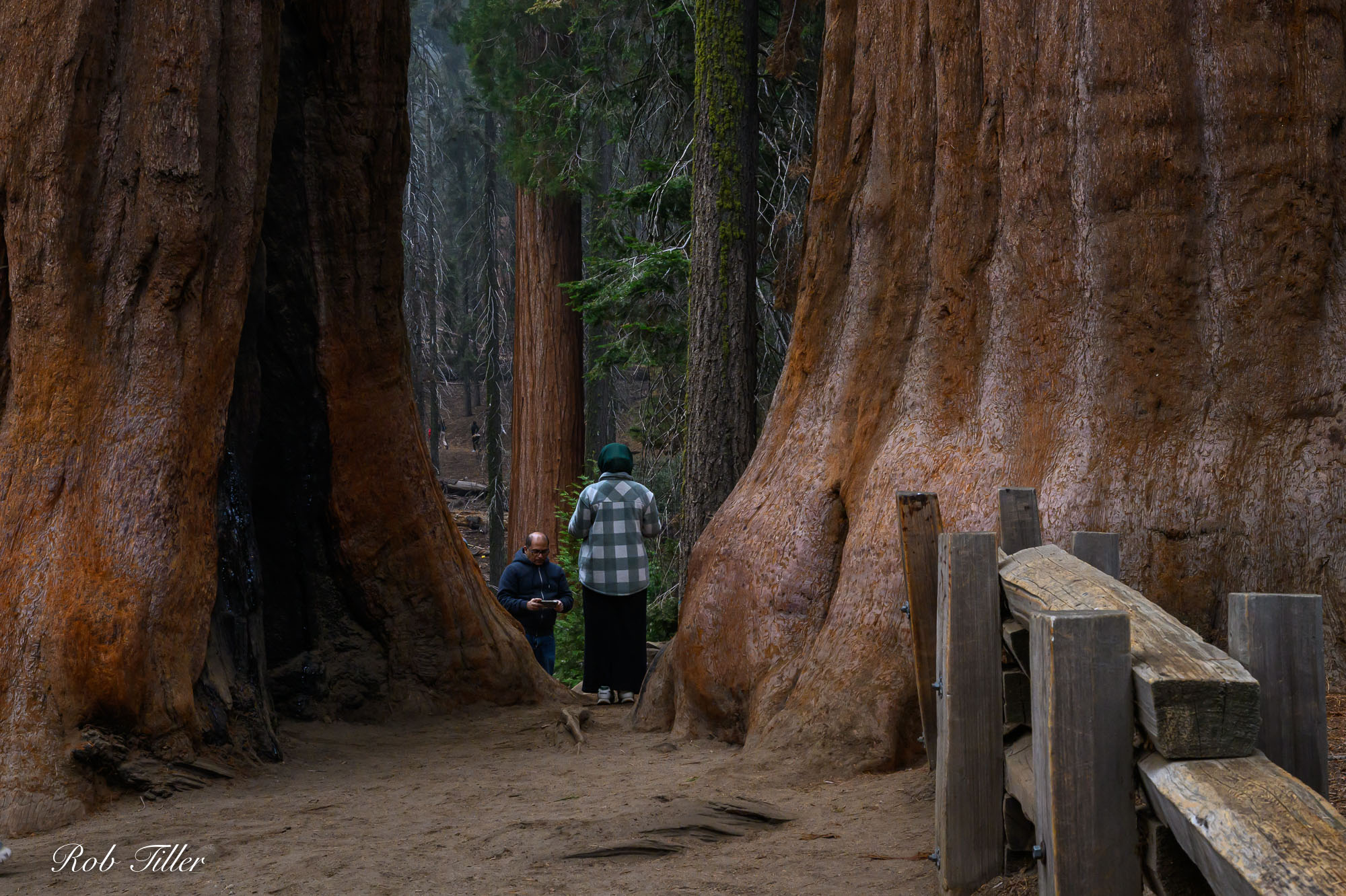
Last week I visited Yosemite National Park, which had resplendent fall colors beneath its towering granite peaks. There I was part of a photography group led by Gary Hart.  Gary was the nicest guy, and he did a great job directing us to some beautiful places and helping us improve our work.  Then I went by myself to Sequoia National Park and Kings Canyon to see the giant sequoia trees and mountain vistas.  The pictures here are a few of the ones I liked.  

My flight from Los Angeles to Raleigh was a red eye that arrived the morning of election day.  I was tired and jet lagged, and underprepared for the election of Trump.  I’d done some phone-bank work for Harris, and managed to convince myself that most likely she would win.  But, of course, she didn’t.  It was a painful disappointment.

The pain is still raw, but I’m trying to be mindful and curious as to how a majority of American voters could have decided that Trump was the better choice.  The pundits I’ve been reading and hearing have various theories, and no doubt there are many factors at play.  But so far I haven’t heard much about what looks to me like the most important one.

There seems to be general agreement that a big part of the Trump success was serious dissatisfaction with the current establishment.  The price of groceries, gas, and housing made people unhappy.  It wasn’t surprising that people wanted those problems addressed.

But why would anyone think that Trump would be the guy to do it?  His prior handling of the economy and other real world problems was erratic and inept.  His policy statements in this campaign were either extremely vague or kooky.  His mental capacity, never great, showed signs of major deterioration.  He was not only untrustworthy; he was constantly and shamelessly dishonest.  

Amazingly, though, Trump’s shameless dishonesty accounted for much of his success. His lack of any sense of shame made him immune to criticism, and willing to lie on a massive scale that overwhelmed all efforts at rational thought.  

Of course, some people felt insecure and frustrated about their economic circumstances.  But Trump managed to turn those understandable feelings into fear and rage.  He relentlessly presented the message that America was a hellscape of economic failure and crime.  Just as relentlessly, he blamed those supposed problems on invading immigrants, whom he characterized as criminals and rapists.  

This was all a preposterous lie.  Crime rates are down from the Trump years, and the economy has by most measures improved.  Immigrants are not invading en masse, and those who are here are more law-abiding than the native born.  Indeed, immigrants are a big part of our economic success story, and that has been true throughout our history.  

So how did the lie work?  Most of us are suspicious of those who look and sound different from us.  Our natural suspicion as to differences in skin color, language, and customs is usually manageable.  After all, we live in a multi-racial, multi-cultural society which in many regards works well.  But Trump stoked normal anxieties into a raging fire of  xenophobia and racism, and proposed a wonderfully simple solution to all those unpleasant feelings – get rid of the scapegoats.

This was certainly not a new idea.  Through the last five hundred years, Jews have been treated as scapegoats by various demagogues.  And of course, various other out groups have been treated as sacrificial victims to solve political problems.  

Indeed, Trump made clear enough that immigrants were not his only scapegoats.  There were scapegoats to fit with a potpourri of resentments and prejudices:  people of color, Jews, Muslims, women, gays, journalists, scientists, lawyers, teachers, liberals, government bureaucrats, and anyone who opposed him were attacked directly or indirectly as enemies of the state.  

Possibly the saddest and most ridiculous scapegoating was on our tiny minority of trans people.  Could anyone actually believe that trans folks were a serious threat?  The Trump people clearly thought so, since they spent many millions of dollars on anti-trans political advertising.  Watching those ads playing over and over, I assumed that most people would see through them as cruel and absurd.  I’m afraid, though, that a lot of people didn’t.  

We live in an age of misinformation that we haven’t yet understood how to correct for.  A great many of our traditional newspapers are no longer in business.  Right-wing media, such as Fox News, the Sinclair Broadcast Group, certain podcasts, and talk radio in the vein of Rush Limbaugh have become the primary news sources for many.  By and large, they amplify Trumpist lies and stay silent as to the truth.

At the same time, social media such as Twitter/X, TikTok, and Facebook are virulent sources of conspiracy theories and confusion.  Traditional, fact-based journalism has a hard time competing.  It’s hard for unwelcome truths to compete with exciting lies.  

Trump’s people appear to have grasped the value of these new opportunities for spreading big lies.  They also learned from twentieth century fascist movements that even obvious and transparent lies may come to be seen as true if repeated often enough.  

To begin to address Trumpism, we can start by calling out the big lies, rather than pretending that all this is normal and acceptable.  It was disheartening that the Harris campaign failed to do this with Trump’s dystopian immigration narrative, and instead adopted a dialed down version of that narrative.  Perhaps they concluded that correcting that scapegoat narrative couldn’t be done in the short time before the election.  In any case, there’s no doubt that it would have been difficult.  Big lies are powerful.   

Now we’ve got a large population infected with the culture of Trumpian lies.  They view actual journalism as fake news, and Trump opponents as Satanist pedophiles.  Arguing with them probably won’t help.  We can and should give them respect, compassion, and kindness.  We should gently and gradually reassure them that we are not Satanists or pedophiles.  Will that, plus measured doses of actual truth, be enough?  

We won’t know for a while.  Given that Trump lies about everything, it’s possible he won’t follow through on his deportation program, locking up his enemies, and the other Project 2025 ideas that would likely crash the economy and cause enormous misery.  If he does, it’s nearly certain that MAGA folks will experience bitter disillusion and massive voters’ remorse.  Perhaps a new and better politics will emerge from the ashes.   

More on our South African safari and new discoveries on birds and plants

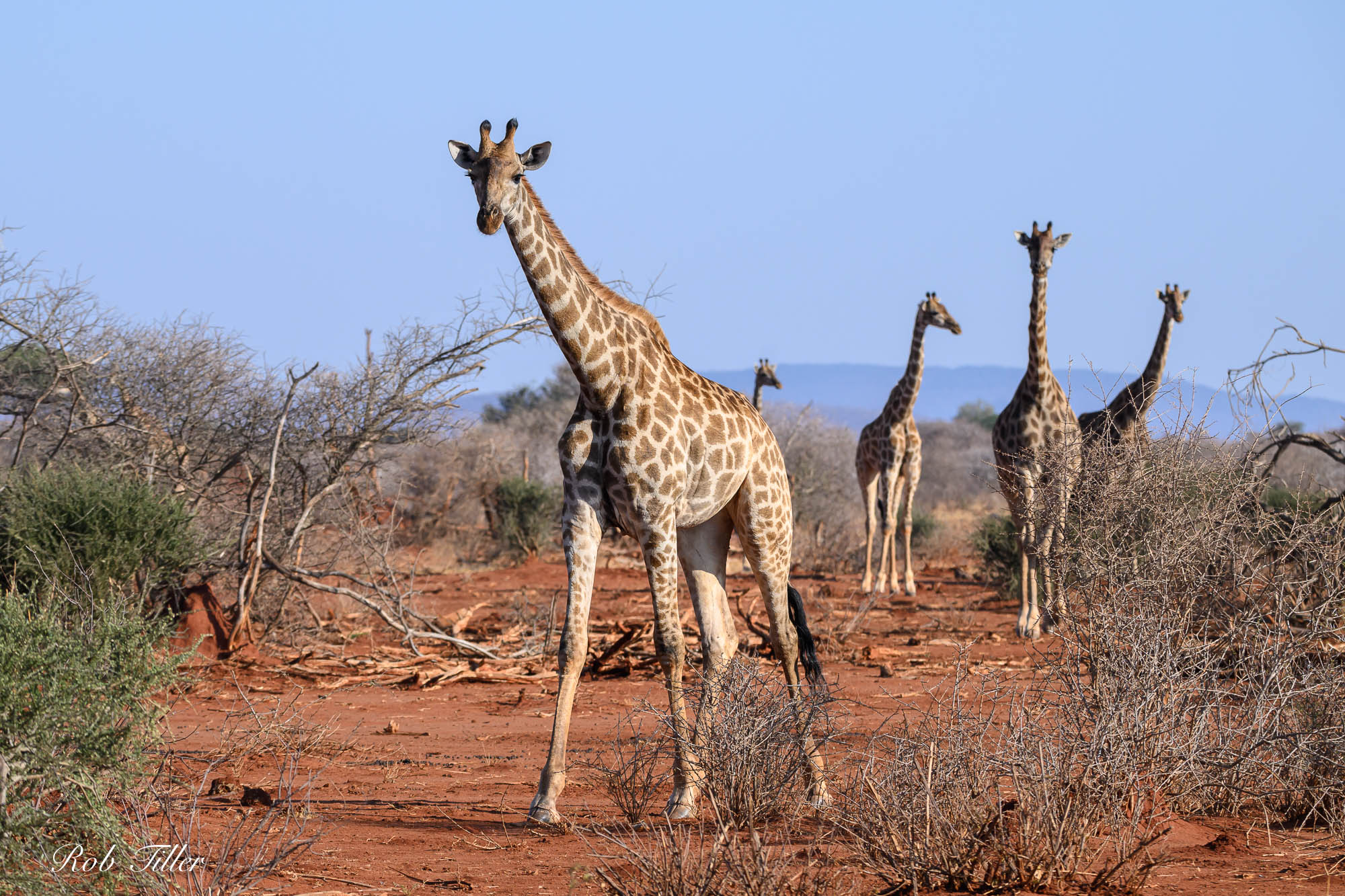
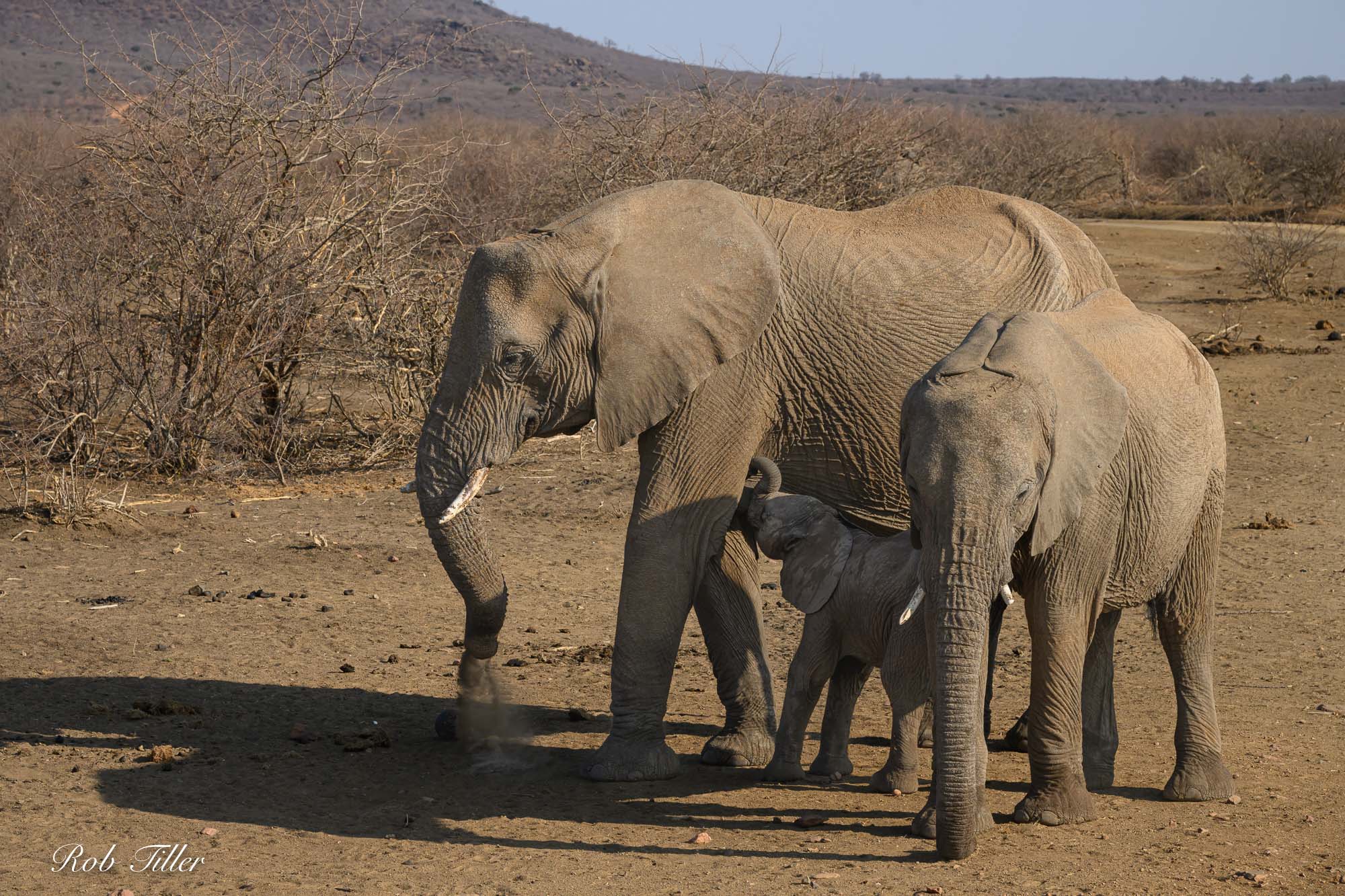
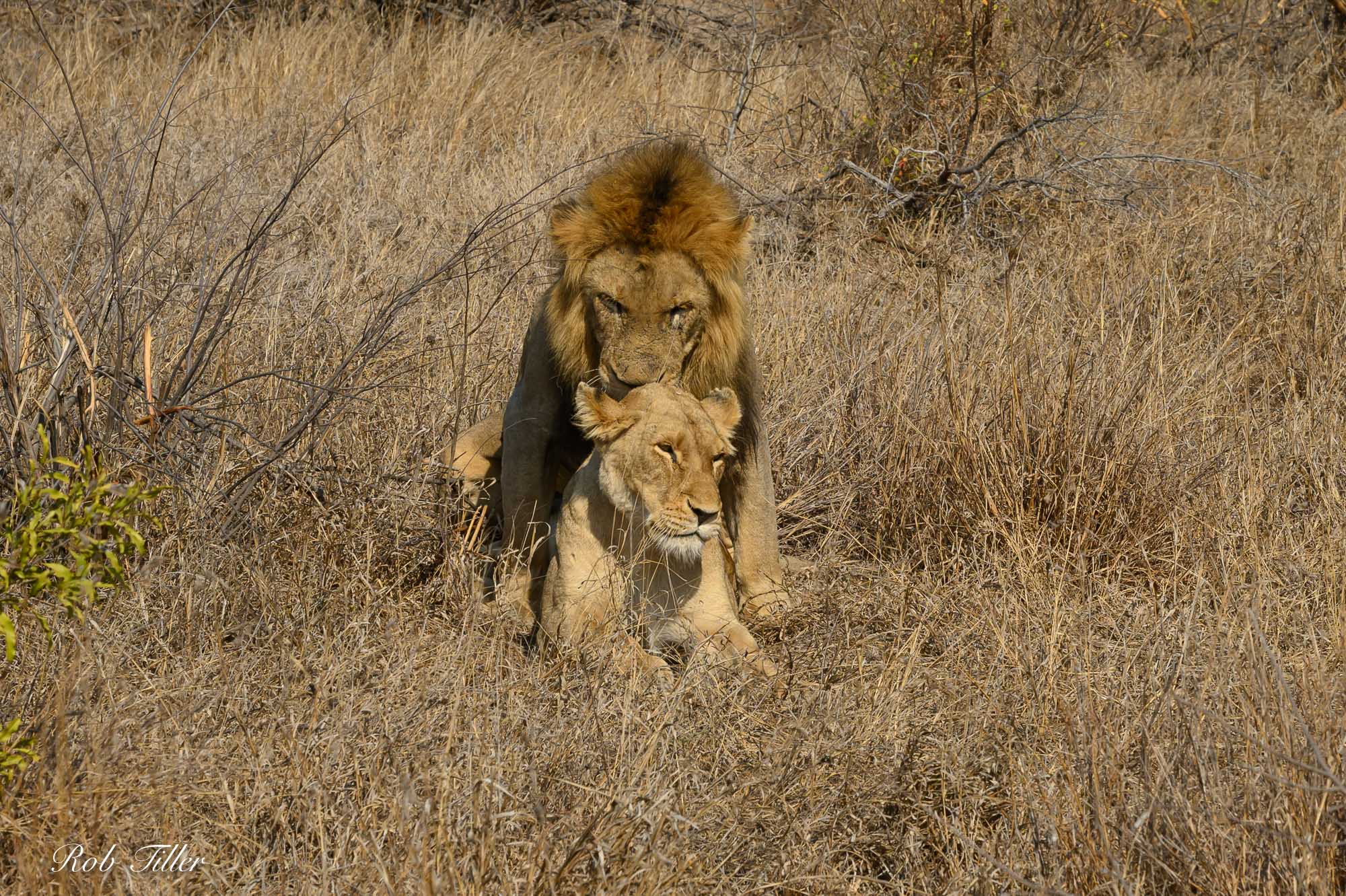
I finally finished going through the thousands of pictures I took during our South Africa safari, and found a few more I wanted to share. 

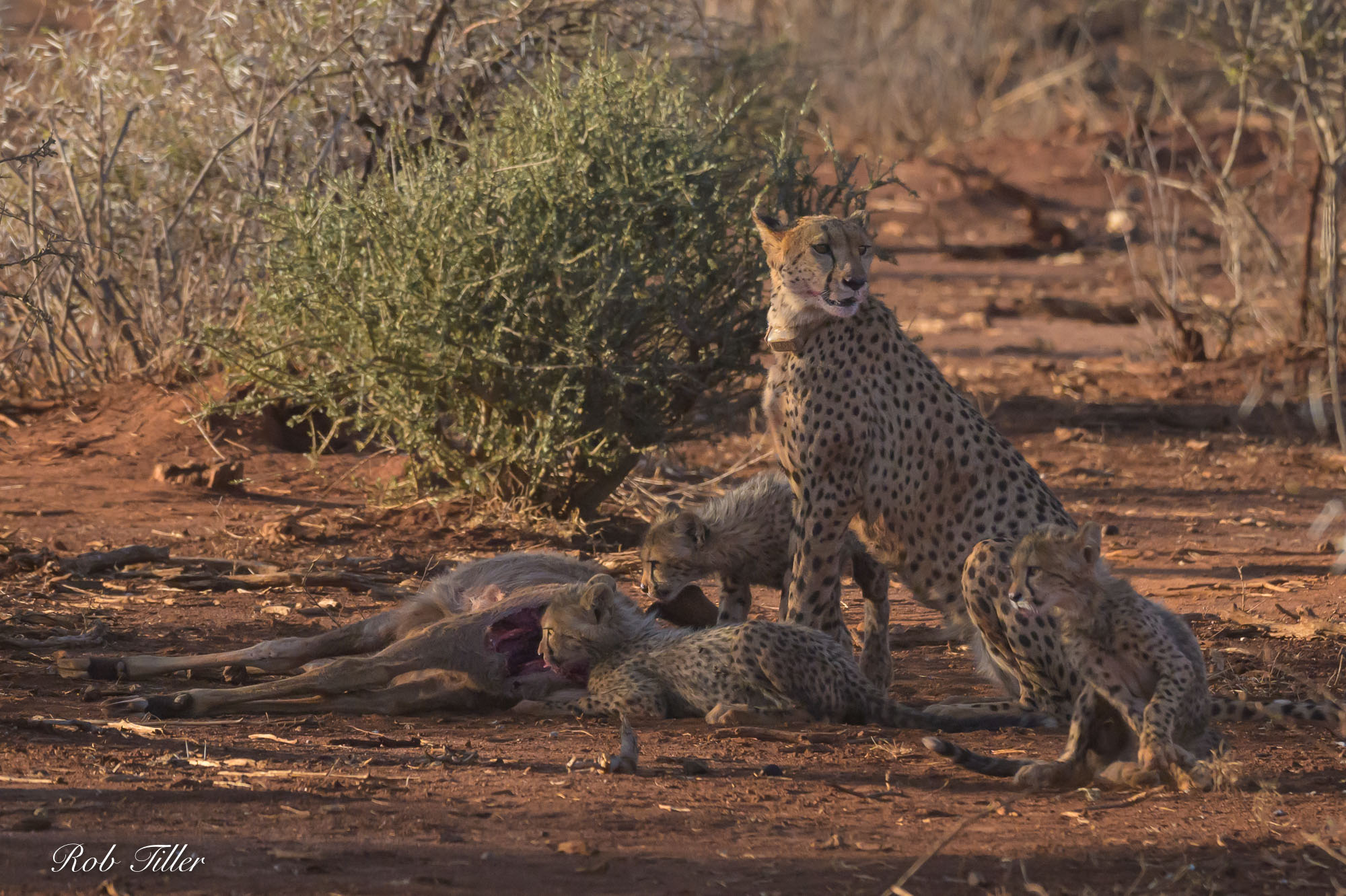
During the safari, we saw animals doing many of the things we know they have to do, like eating, drinking, bathing, teaching their young, and mating.  We didn’t see any actual kills, but we did see several big cats feeding on recent kills.   I debated whether to share photographs of those, since it’s unavoidably sad, and perhaps upsetting, to deal with the death of a beautiful creature like an impala.  But I also see an element of beauty in the predator and his or her success.  

The lions, leopards, and cheetahs must kill to survive and to feed their young.  It’s just the way they’re made.  It turns out that it’s quite difficult for them to hunt successfully, and they often fail.  Grazing animals are highly sensitive to predator risks, and most of them are, when healthy, either faster or stronger than their predators.  On this trip, we watched a hidden lion lie in ambush for lengthy periods hoping, unsuccessfully, for an unwary zebra or impala.  

The grazing animals that the big cats catch are generally the old, young, or ill.  In fact, their hunting is important for the health of the grazing herds.  It  keeps diseases in check and prevents overpopulation and overgrazing that would lead to more death.  Nature generally manages to keep things remarkably well balanced among predators, prey, and plants, when there isn’t human interference.

There’s a vast amount that we do not know about nature, which is exciting, in a way:  there’s so much more to learn.  This week the New Yorker had a lively and interesting piece by Rivka Galchen about what scientists are learning about bird song. 

I’ve been interested in bird song for many years, but mainly as a way to identify birds that won’t allow themselves to be seen.  From watching flocks of big birds like tundra swans and Canada geese, I’d come to suspect that their vocalizations allowed them to coordinate their travels together.  Now researchers are confirming the suspicion that their sounds have a lot of communicative content.  

Scientists have long recognized that birds make specific alarm calls, and are learning that some of those calls differentiate the threats of, say, a hawk or a snake.  It turns out that bird parents make sounds while incubating their eggs that the developing baby bird learns.  We’re learning that bird communication is more complex than we thought, which indicates that their intelligence is more complex than we thought.  

With fall arriving, it’s gotten a bit chilly for me to have my morning tea on our deck, but when it’s mild I like to sit out there as the sun is rising and listen to the birds.  I’ve been using the Merlin app to identify calls and songs I don’t already know.  The app has gotten a lot better over the last couple of years, and is almost always accurate, at least as to the birds I’m familiar with.  

Speaking of the natural world, I’m in the midst of a remarkable book about plants:  The Light Eaters:  How the Unseen World of Plant Intelligence Offers a New Understanding of Life on Earth, by Zoe Schlanger.  Schlanger has reviewed the scientific literature and interviewed leading botany experts researching how plants sense the world and deal with their environments.  Her style is friendly and approachable, and her content is at times mind blowing.  

It turns out that plants are much more  proactive than we used to think.  There are species that modify their chemistry in response to predators to make themselves less appetizing.  There are ones that send out chemical signals to warn others of their kind of particular predators.  Some even send out chemical signals to summon insects that will prey upon the plants’ enemies.  

There is considerable evidence that plants respond to touch.   Some researchers have found that they respond to certain sounds, which we might call hearing.  They modify their behavior to avoid threats and to improve their nutrition.  The puzzle is that they lack a clear hearing organ, like an ear, or a centralized interpretive organ, like a brain.  How they do it is yet to be discovered.  

But it’s hard to avoid the thought that plants are in some sense conscious.  Schlanger recognizes that the idea of plant intelligence is still controversial in the botanical science world, and gives credit to scientists for being cautious and careful.  In this time of great anxiety about the human world of politics and war, her new book is a welcome reminder that, quite apart from humans, the world has been and continues to be full of wonders.   

Skiing at Vail

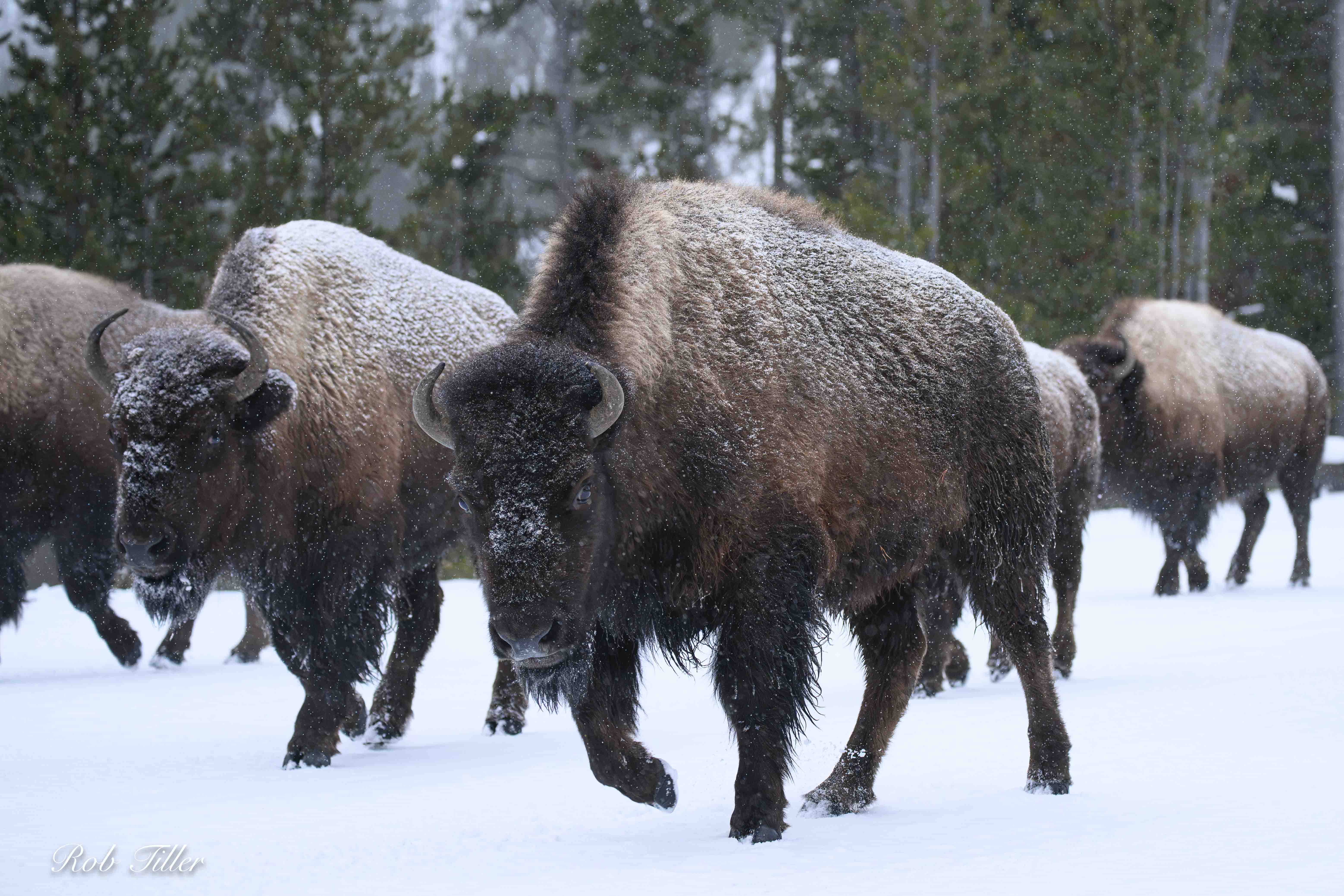
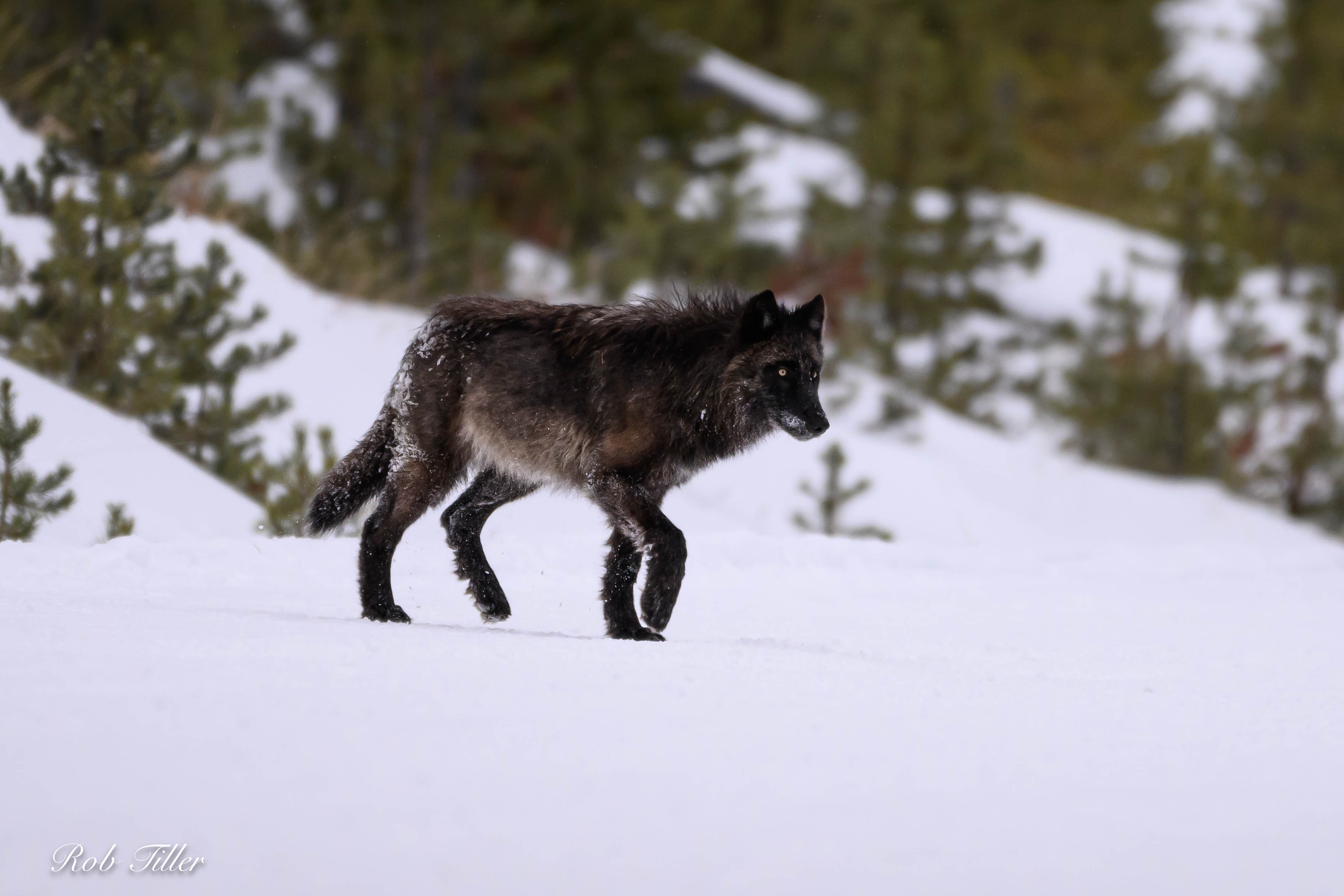
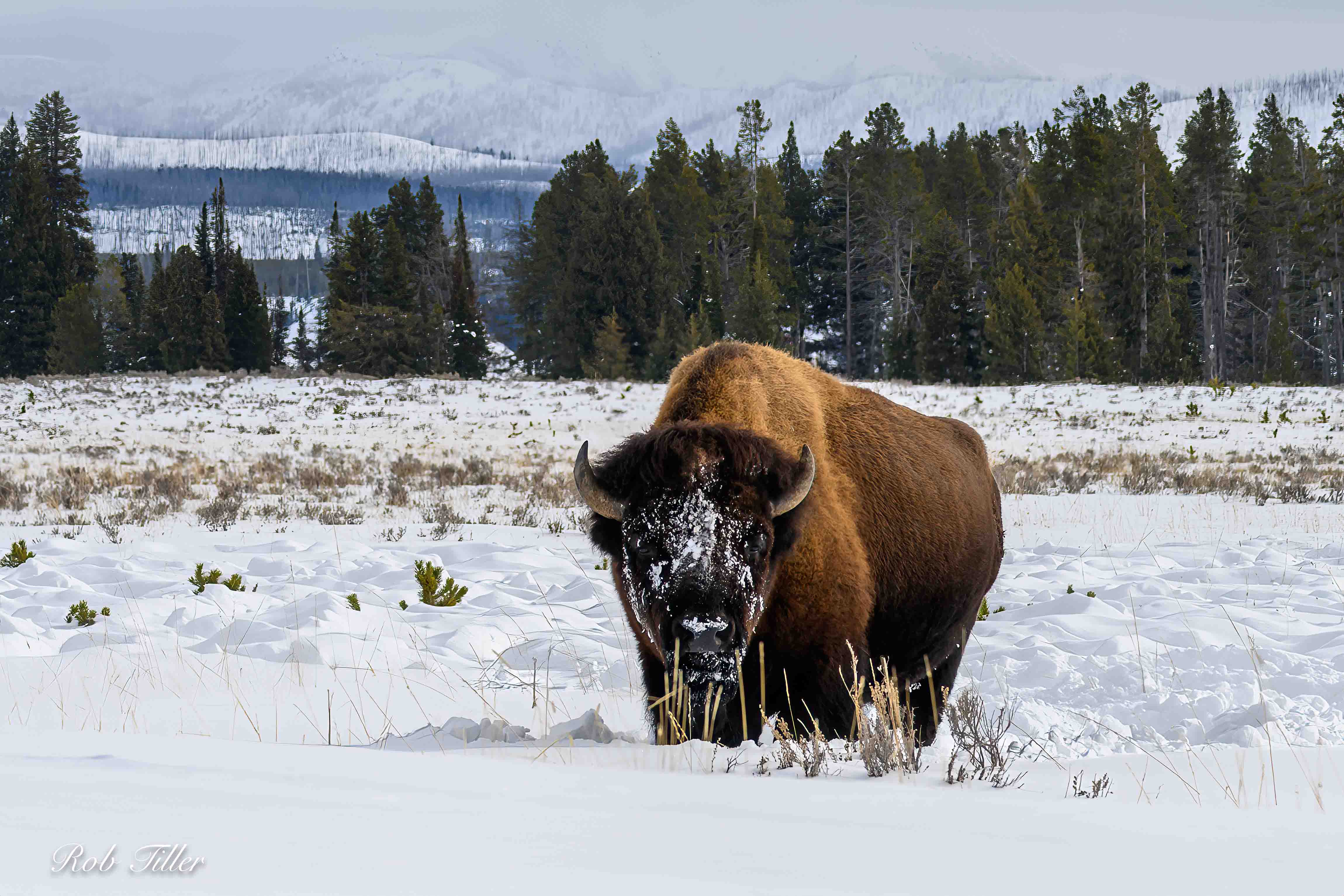
I thought I’d share a few more pictures from my Yellowstone trip in January, and a brief account of my trip last week in Vail, Colorado, where I took no pictures but did a lot of skiing.

Vail is enormous:  5,317 acres and 3,450 feet of vertical.  The longest run is four miles.  There are some 26 lifts, and navigating the area is demanding.  They don’t hand out maps any more, so you need to get their app with the layout and learn to use it.  

I met my old friend John A. out there, and we stayed at the Grand Hyatt in West Vail. The hotel was attractive and comfortable, and had its own ski shop and a ski lift just outside the back door. I brought my own boots, but rented skis –Volkyl Mantra XXs, a good, versatile ski, but a bit stiffer than my ideal.  It snowed the night I arrived.   

It continued to snow all that day, which was exciting, but visibility was very limited.  At one point I fell while going down a steep mogul field that I hadn’t realized was a steep mogul field.  I was exhausted by the time I got down to the lift, and then I realized I’d lost my goggles somewhere up the mountain.  I’d forgotten to bring my contact lenses, and my glasses iced up, making it hard to see anything.  My legs got tired.  It was a tough day.  

But the next two days were sunny and clear, with just the right chilliness for the snow.  I got some new goggles. What a joy skiing is when everything clicks! We cruised on the cruiser runs and worked the less difficult black runs in the back bowls. It wasn’t crowded, and it was beautiful. Happiness!

John and I ate well and had some good arguments.  It seems like these days many of us are afraid of arguments, and hesitate to express ourselves when there could be conflict.  But it really is a good idea to talk with people who don’t agree with you about everything.  Sometimes you learn things!  

When I wasn’t skiing, eating, or talking, I did some reading, including an interesting new book, The Case for Open Borders, by John Washington.  The southern U.S. border has been the subject of much alarm and controversy recently, and I thought it would be good to get a new perspective on the issue.  

Washington proposes that we rethink the whole subject of borders, which he argues are artificial constructs that do more harm than good.  He presents evidence that immigration is a positive force for the receiving country, both economically and morally.  

It’s unfortunate that a lot of people are fearful of people who look different, speak another language, or have different customs.  That common fear has been made much worse by some cynical politicians, who characterize them as dangerous criminals and thieves stealing jobs.  In fact, the opposite is closer to the truth. 

In fact, the NY Times had an article last week about the positive economic contributions of immigrants.  They helped our economy recover from the pandemic quicker than expected by filling necessary jobs. They continue to help us get work done, and help support their relatives back home.

As climate change makes it harder to grow food in some areas and causes floods, fires, and other disasters, there will continue to be a lot of people who have no choice but to flee.  America is still a land of opportunity, and there’s an opportunity here for us:  to be more compassionate and to help those who desperately need help.

I’ll mention one other thing that isn’t usually a welcome dinner table topic:  the increasing risk of nuclear war.  I’ve long thought that our unwillingness to look squarely at what a nuclear conflict would mean increases the chance it will happen.  With arms racing again picking up speed and war in Europe raging, it’s high time to think again about how to lower this terrifying risk. The Times started a series this week on this topic, and the first piece was appropriately arresting. I hope a lot of people will read it.

Some good changes — a new house, and new ways of thinking about animals

For quite a while, I’ve wanted to organize and share some of my favorite photographs.  Finally, it has happened:  my son, Gabe Tiller, built a website for me, and it’s now live.  Along with nature photography, it has links to my Instagram, YouTube, and Casual Blog communications, and information on buying prints.  If you’re interested in having a look, the address is robtillerphotography.com.  

In other news, last week we moved from our twelfth floor condo downtown (see view above) to a ranch house in north Raleigh.  We’d been in the condo for fourteen years, and were mostly happy there, but ready for a change.  The new place is closer to our sweet baby granddaughter, and convenient to other things we like to do.  We’ve got more space inside and out.  We’re particularly excited to have big trees all around, with lots of songbirds, and deer that come by to munch the grass in the backyard.

Of course, moving is a pain.  It took me two days of opening and sorting through boxes to find the book I’d been reading with enthusiasm – Justice for Animals, by Martha Nussbaum.  Nussbaum takes on a difficult subject that I’ve thought a lot about – how humans can better relate to other animals.  The way we do it now mostly ranges from indifference to unspeakable cruelty.  It’s a big step to start seeing non-human animals as beings worthy of respect and concern, but after that, there are still many uncertainties as to how to think about and change our longstanding practices.

Nussbaum is an eminent university philosopher, but fortunately, her book is intended for a wider audience.  Her central idea is what she calls the Capabilities Approach, which proposes that we treat all animals (including humans) so as to enable them to flourish.  This means understanding a creature’s inherent capacities, such as their perceptual abilities, and striving to allow them to have opportunities to do the things that are important to them, like eating food they like and socializing.

Under Nussbaum’s approach, it is clearly wrong to cause animals to suffer, whether in factory farms, laboratories, or neglectful homes.  She offers a helpful way of thinking about how to correct some of our worst practices.  At the same time, she reminds us of the awe and wonder of the natural world.  If that sounds interesting, you might enjoy her book.

Speaking again of photography and nature, I wanted to flag a fine short essay  by Lewis Hyde from last week in the New York Times.  His subject is nature viewed through the prism of his lifelong passion for butterflies.  He explains that carrying a butterfly net, even though he no longer kills the insects, leads to a more intense quality of attention.  I suspect that this is much the same as carrying a camera into the field for nature photography.   

Hyde observes,

But the pleasure of hunting derives from something more subtle than the congruence of image and fact. By virtue of looking for butterflies, you are differently aware of everything that is not butterfly. Once the eyes adjust, many wonders are illuminated by the halo of your search image. To see that there are no butterflies on the bark of a tree, you must see the bark of the tree and, by a curious inversion, the thing not hunted suddenly is freshly revealed. The search image is wholly mental, after all, and all that fails to match it is strikingly not. There it is, the bark of a tree! Vividly it is not in the mind. Often I find myself staring in a seizure of wonder at some simple thing — a disc of moss on the path, a column of ants in a crack of dried mud, deer scat in sunlight — that I would never have seen so clearly or with such surprise if I were not hunting for something that is not those things and is not there.

I’ve had much the same experience in the field doing nature photography.  As much as I enjoy finding animals and trying to make  good photographs, a big part of my enjoyment is something that is unphotographable – perceiving and appreciating the larger natural world. 

Some rewards from encounters with bears and birds

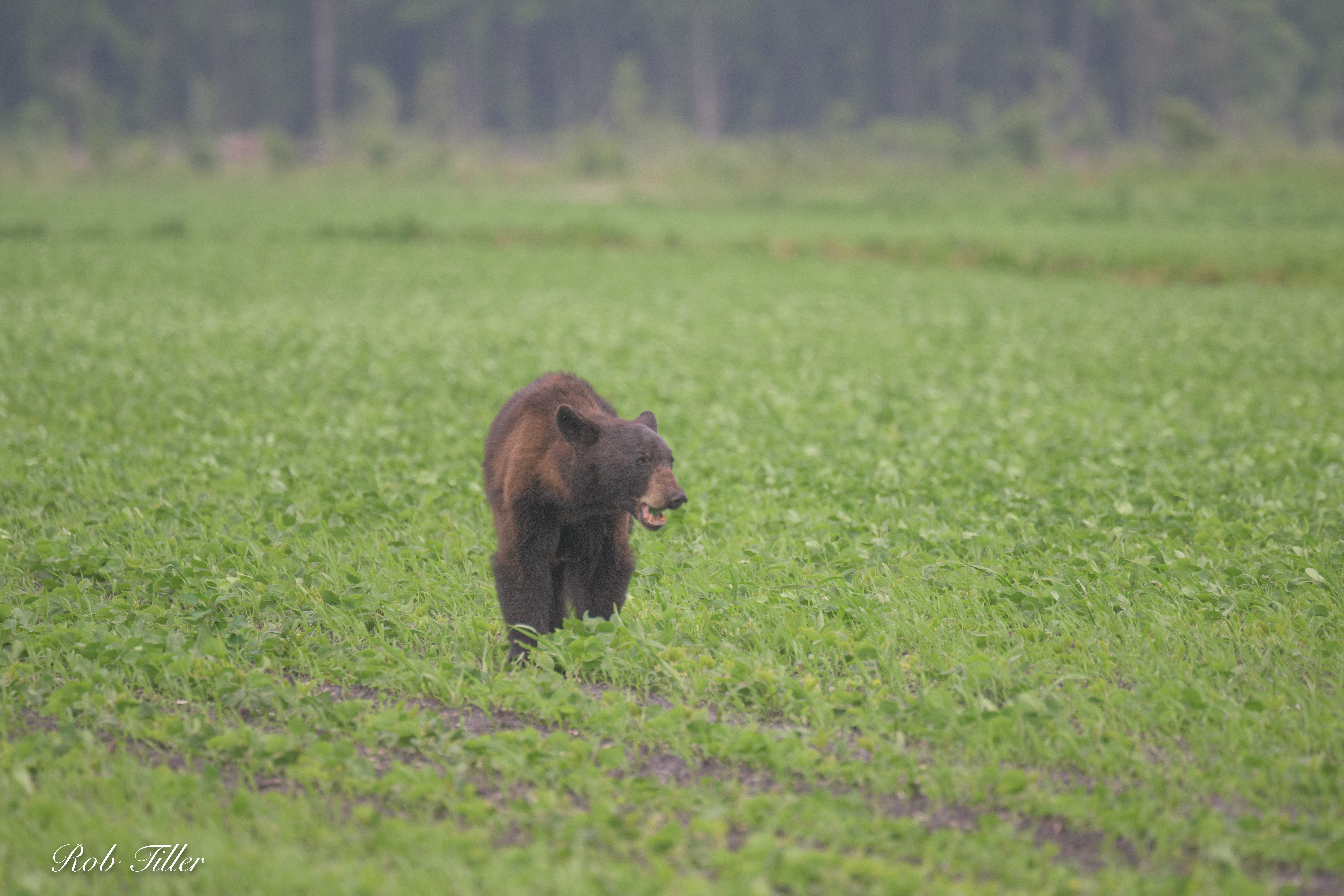
Last week I made a day trip to Alligator River Wildlife Refuge to look for bears.  Although this part of eastern North Carolina has a large population of black bears, I didn’t have great luck that day.  I saw just one.

But the bear was a handsome creature, grazing peacefully in a large field.  I was the only human there, and although she occasionally glanced at me, she seemed undisturbed.  She seemed to find the young leaves tasty.  I took pictures for twenty minutes or so, and then left her to look around for others, which I didn’t find.

Later, as I looked back over the pictures, I realized that I enjoyed the experience of being with the bear more than taking the pictures.  It takes practice to operate a sophisticated camera, and from time to time there are malfunctions or other surprises.  And I do find the technical challenges of wildlife photography interesting.  But the deeper satisfaction is connecting with animals and their environment.  

When I share pictures here or on Facebook, Instagram, or YouTube, I hope that something of that feeling comes through.  I try to select and process wildlife images in a way that communicates something of their experience and of mine.  Doing so often teaches me things I hadn’t realized before, by isolating a particular moment.  It also makes me more curious to learn more about the creatures.

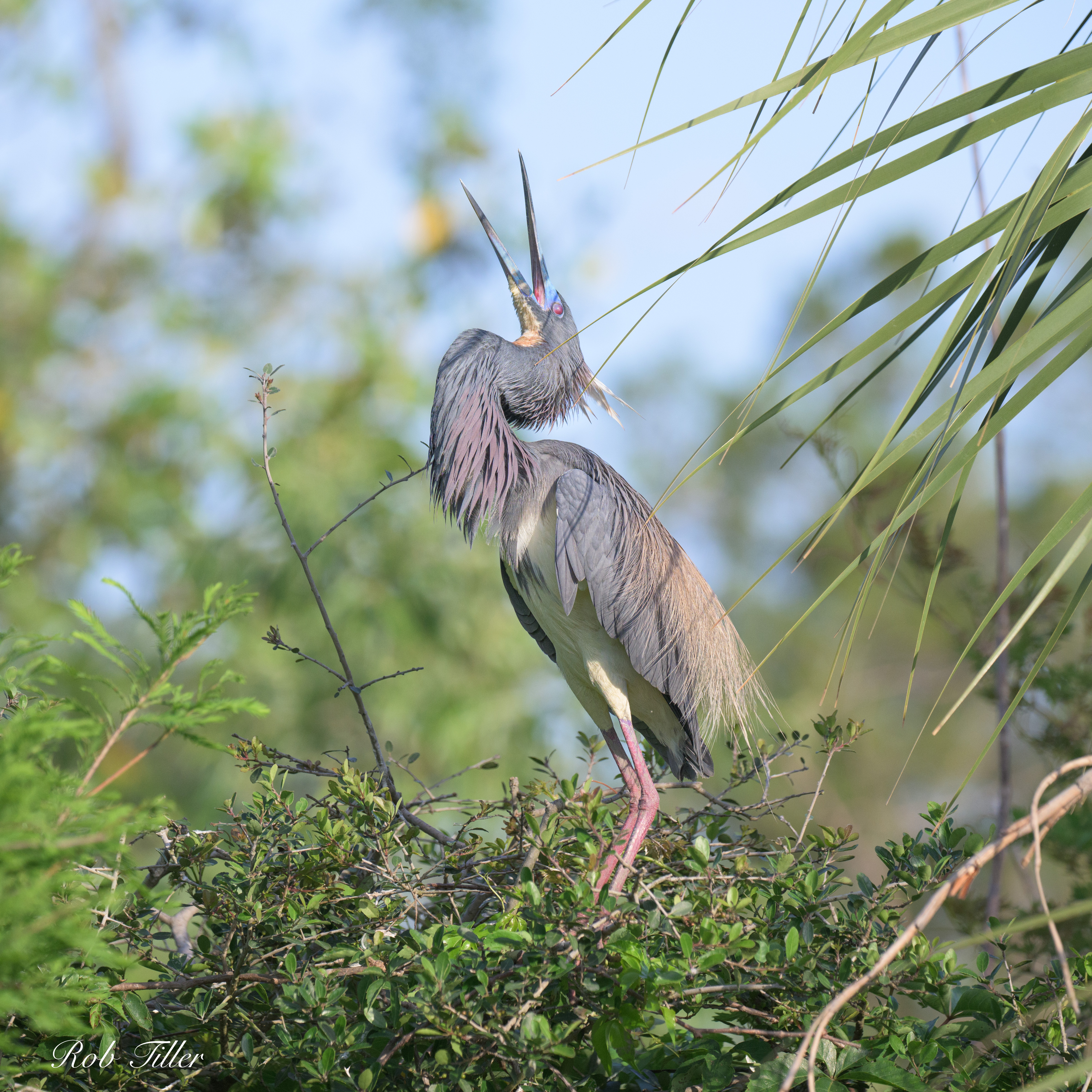
The non-bear pictures here are some of the birds I photographed in April at the St. Augustine Alligator Farm rookery.  I enjoyed seeing the birds in flight, but I was particularly interested in the birds working on their nests, grooming themselves, communing with their mates, and taking care of their chicks.  

These activities happen among many species in many places, but humans don’t usually get a close-up view.  Many of us don’t know what we’re missing, and it can matter.  

If we have little or no contact with non-human animals, we are unlikely to appreciate their beauty and even their basic existence.  Unless we make some effort, our world view narrows, and we think there isn’t much in the world of significance other than other humans and their activities. 

Wearing such blinders is unfortunate for us; we miss so much that can bring peace and joy.  It’s even more unfortunate for the non-humans.  Our ignorance of the lives of other creatures leads us to devalue those lives, and inflate our own significance.  When we think nothing matters but us, our worst tendencies, like greed, hatred, and fear, rein unchecked.

And so we commit or tolerate massive destruction of the natural world, including animal habitats, in the interest of profit for a few.  We can’t see the good alternatives to factory farming, which is a major contributor to global warming.  We manage not to think about the meat industry, with its enormous cruelty to animals.  

But this common mind set is not set in stone.  We already have the qualities that can change it.  That is, we have the capacity for greater curiosity and compassion.  Even those of us most indifferent to or fearful of nature have the capacity for empathy and love.  People change, and you can never tell what might touch them, or when.  And so I try to stay open and optimistic.  

Last week I uploaded my first YouTube slide show, a selection of favorite photos from our safari trip to South Africa and Botswana last March. It’s four minutes long, with music. Hope you like it!

Processing Tanzania animals and travel

Baboons in Tarangire National Park, Tanzania

I’m still working my way through my photos from Tanzania, and processing impressions from the trip.  We saw a lot of animals!  In some situations, I took dozens of pictures, and it’s tough to decide which is my final favorite.  

Anyhow, here are a few current favorites.  What I was looking for was more than just the beauty and strangeness of the animals.  The trip helped me appreciate better that their lives are part of complex relationships with their fellow creatures and their environments.  

But the much bigger point is Tanzania is a fascinating place.  Getting there from the U.S. is hard on a body, at least if you’re not in an ultra high-end airline seat/bed.  It took us about 36 hours from airport to airport each way.  We flew on Qatar Airways, which treated us better than our recent U.S. carriers.  It had planes with seats that didn’t seem specially engineered to torture you and flight attendants who seemed to view their job as helping passengers.    

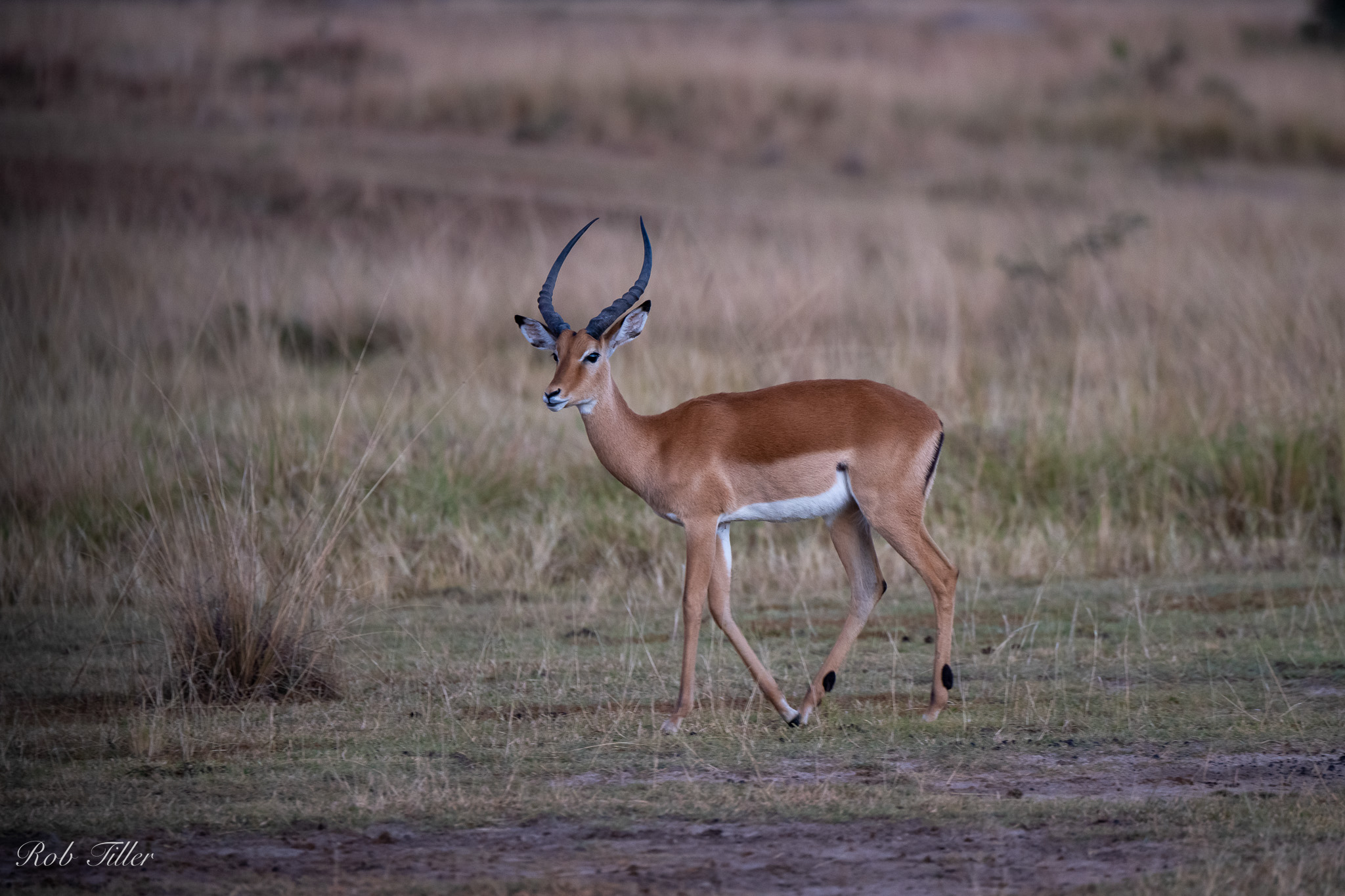
An impala — a delicate, speedy creature that loves grass

On long flights, I’m usually not able to sleep much, but I look forward to having extra time for reading.   There comes a point, though, even for a big reader like me, when the eyes and mind get too tired for reading.  Instead, recently, on planes equipped with individual screens, I watch movies.  I try to pick ones that Sally probably wouldn’t be interested in, and ones that haven’t made my must-see list.  The point is to achieve a state of mild engagement/distraction – enough so as not think about how many more hours before I can get off the plane.  

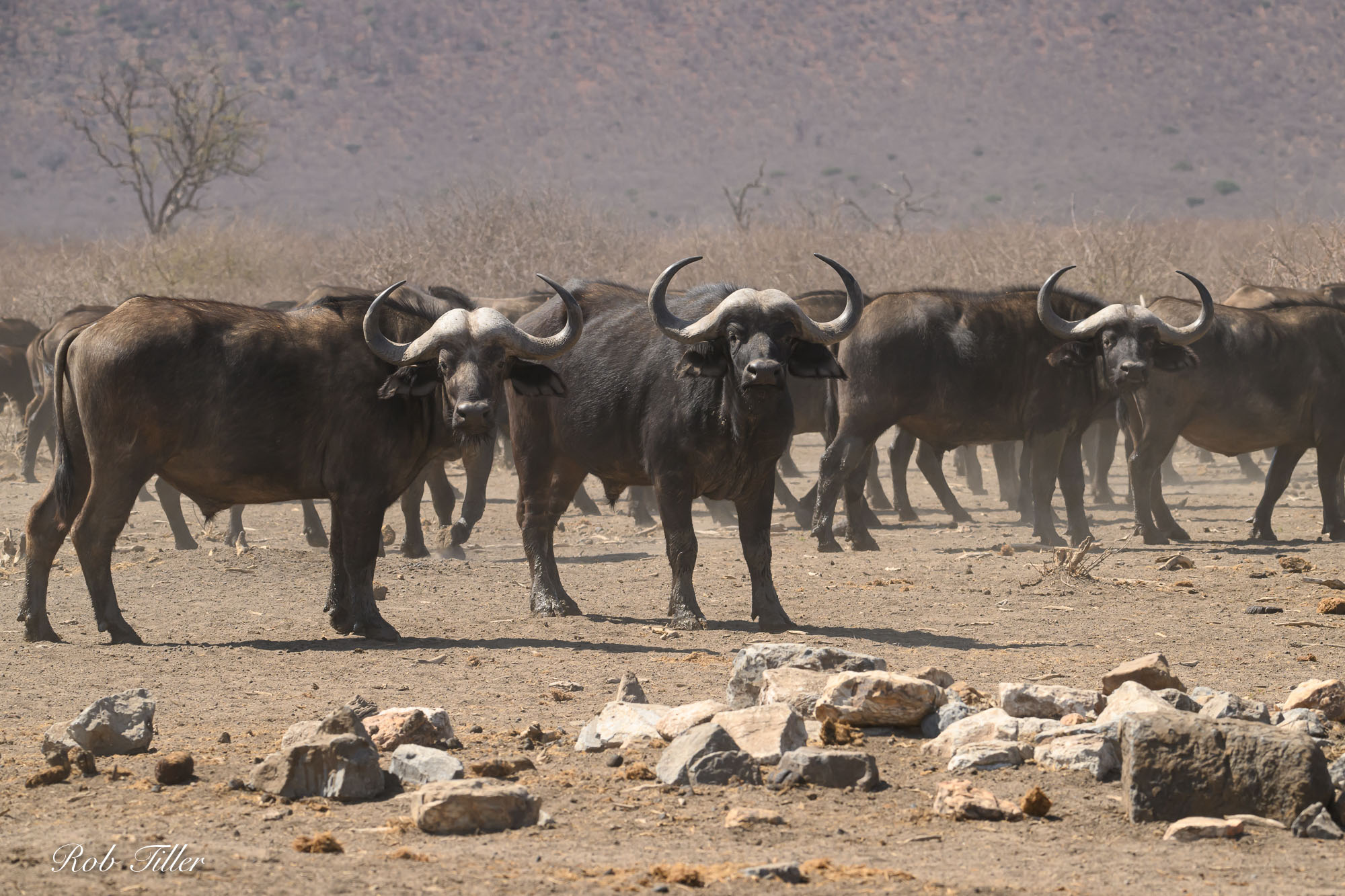
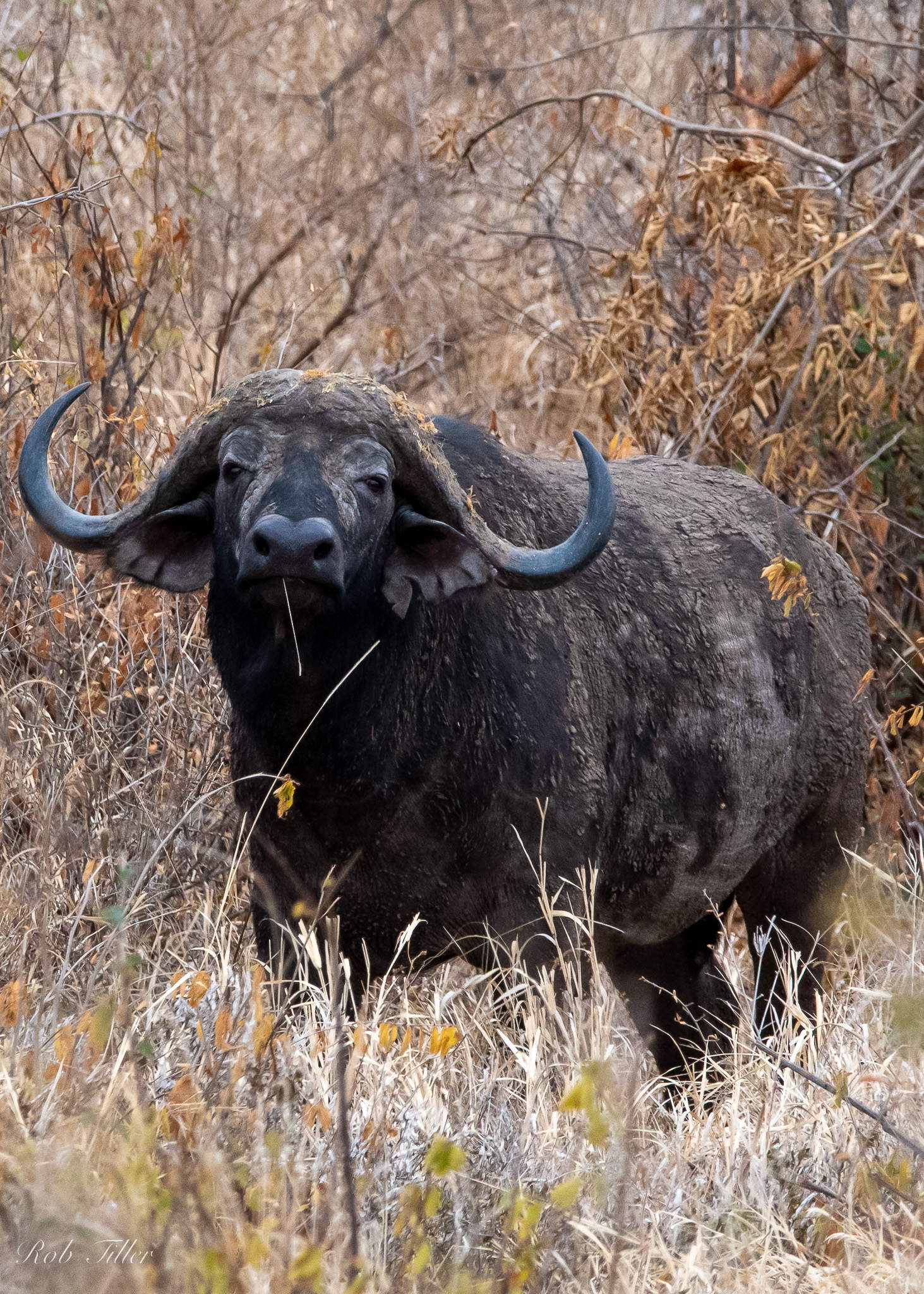
Cape buffalo — a stolid creature that also loves grass

Part of the point of Qatar Airways seems to be to raise the profile of that little country and get international travelers into its hub airport at Doha.  We had long layovers there going and coming, and it was impressive, in a post-modern way.  Even in the middle of the night, shops, restaurants, and bars were open, and the assemblage of luxury goods stores (handbags, watches, jewelry, clothing, luggage) reminded me of Fifth Avenue, or Zermott.  We were a bit confused about the value of the local currency, and so managed to set a new high-end record for an airport meal in their Italian restaurant.

We also had a long layover in London’s Heathrow airport on the way home.  There had recently been reports about Heathrow’s poor operations in handling passengers and baggage, but we had no special problems, other than a very slow line at a coffee shop.   

One thing I confirmed coming back was that it’s definitely worthwhile on long trips to wear compression socks.  I’d worn a pair on the way over, but mine were among the items lost when our tent at Serian Serengeti North was blown away.  Regular socks just didn’t cut it.  When I got back to Raleigh, my ankles had swollen dramatically, and were very sore.  For my next trip, I got a replacement set from an outfit called Vim and Vigr.  

Leopard in Serengeti National Park

As to that storm:  we were out late in the day on the savannah close to the Kenya border watching a pair of lions, which seemed to be considering whether to take another nap or go for a hunt.  We had great close views, but the cats weren’t doing much.  As the sun started to set, huge dark clouds rolled in, and we started the long drive back to camp.

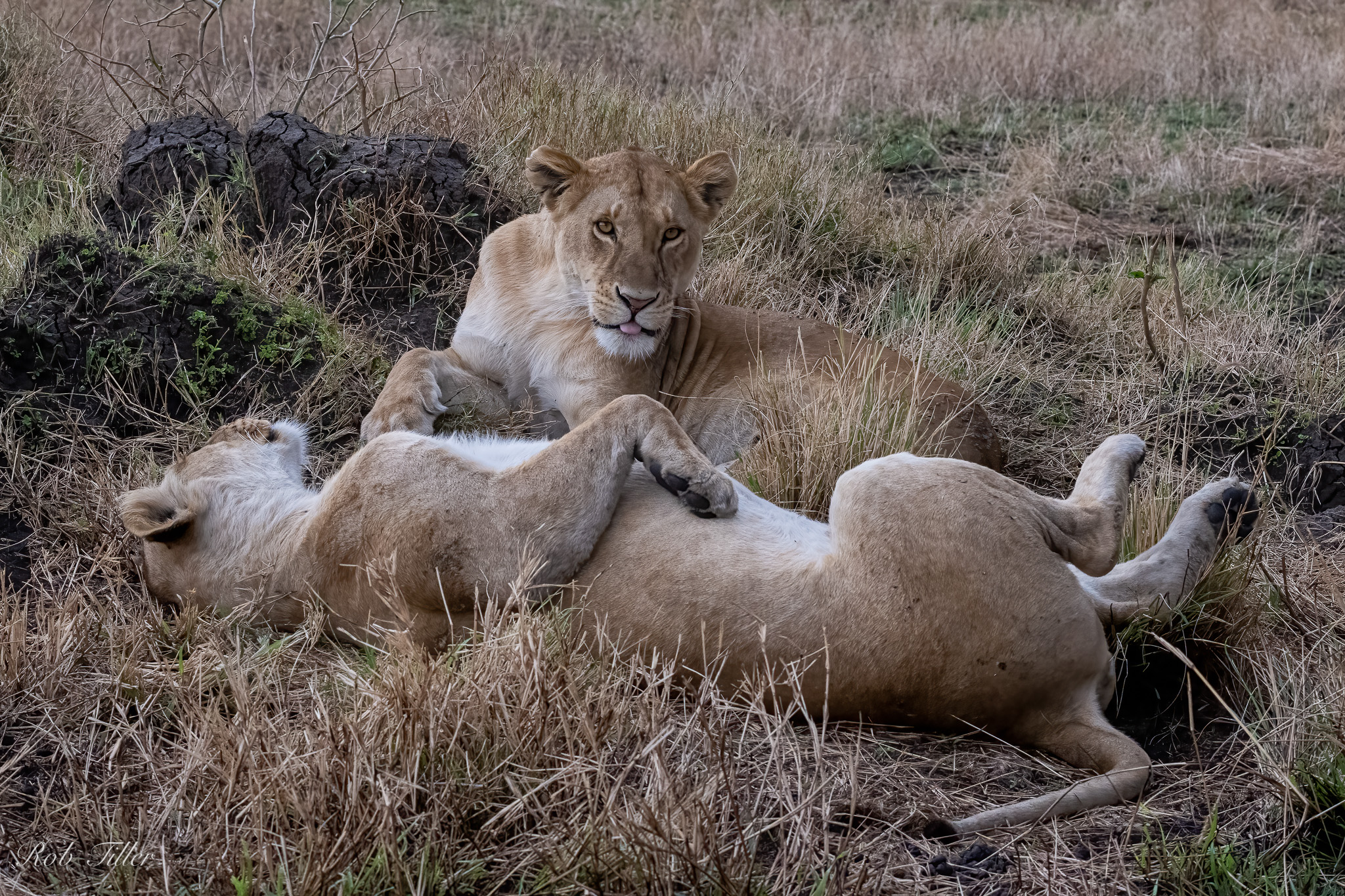
Lions waking up

A few minutes later came the first drops of a deluge.  Our guides unfolded the canvas top and plastic windows of the 4Runner and put up the windshield.  Visibility quickly dropped to near zero, while the winds picked up.  Then we began to have lightning flashes and thunder close by every few seconds.  Our driver asked if I thought it was OK to stop, and I said I saw no other choice.  It looked entirely possible that we would not be able to make it back to camp that night.

Not long after, visibility improved enough to move forward, and our driver managed to get us through some creeks that had gotten a lot deeper since the earlier crossing.  We came across a vehicle that was stuck in the mud, and tried unsuccessfully to push them out of their rut.  Finally we got back to the camp.  We were happy to be there, but everyone else was in a state of high anxiety, trying to figure out how much of the camp had been destroyed.  

Alex Walker and his dedicated team managed to feed us a satisfying hot meal in one of the two remaining dining tents, and worked through the night assessing damage and starting repairs.  Our tent had been flooded and blown away, but most of our possessions were eventually found.  The staff worked hard cleaning and drying things while we were out on our last game drive the following day.

Of course, it’s always good to get home.  We’ve been watching some documentaries this week, and I wanted to particularly recommend one:  Eating Our Way to Extinction.  It’s a powerful summary of the problems with our animal agriculture system, and especially the part it plays in climate change.  The presentation is upbeat, with narration by Kate Winslett and cameos by several celebrities.  It emphasizes that it is not too late to change the system, and we as individuals can help.  

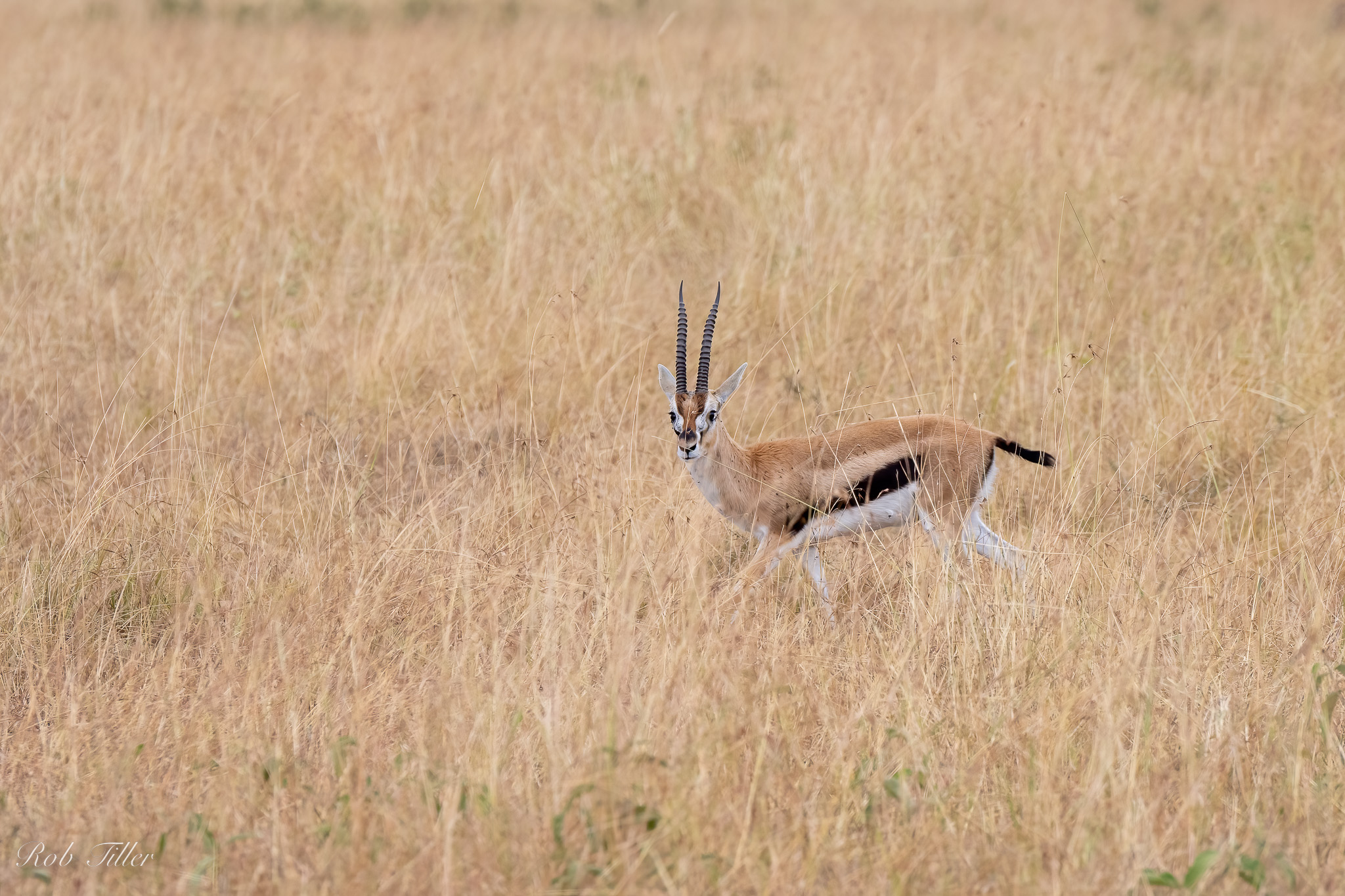
Thompson’s gazelle — also a speedy grass lover

One last thing:  I read a good book on the trip:  The Grapes of Wrath, by John Steinbeck.  In my teens and twenties I made a point of reading quite a few officially recognized “classics,” which may or may not have been the best use of my time.  In any case, Grapes is one that I never got to, and I came to it without a lot of assumptions.

The book tells the story of a poor farm family forced from their farm in Oklahoma and hoping for a new life in California.  Their story is both specific (each character is an individual) and general (there are many thousands in their predicament).  I was pulled along by the classic story telling, but also got a better understanding of the economic and social forces that created their desperate poverty along with dramatic wealth for a few.

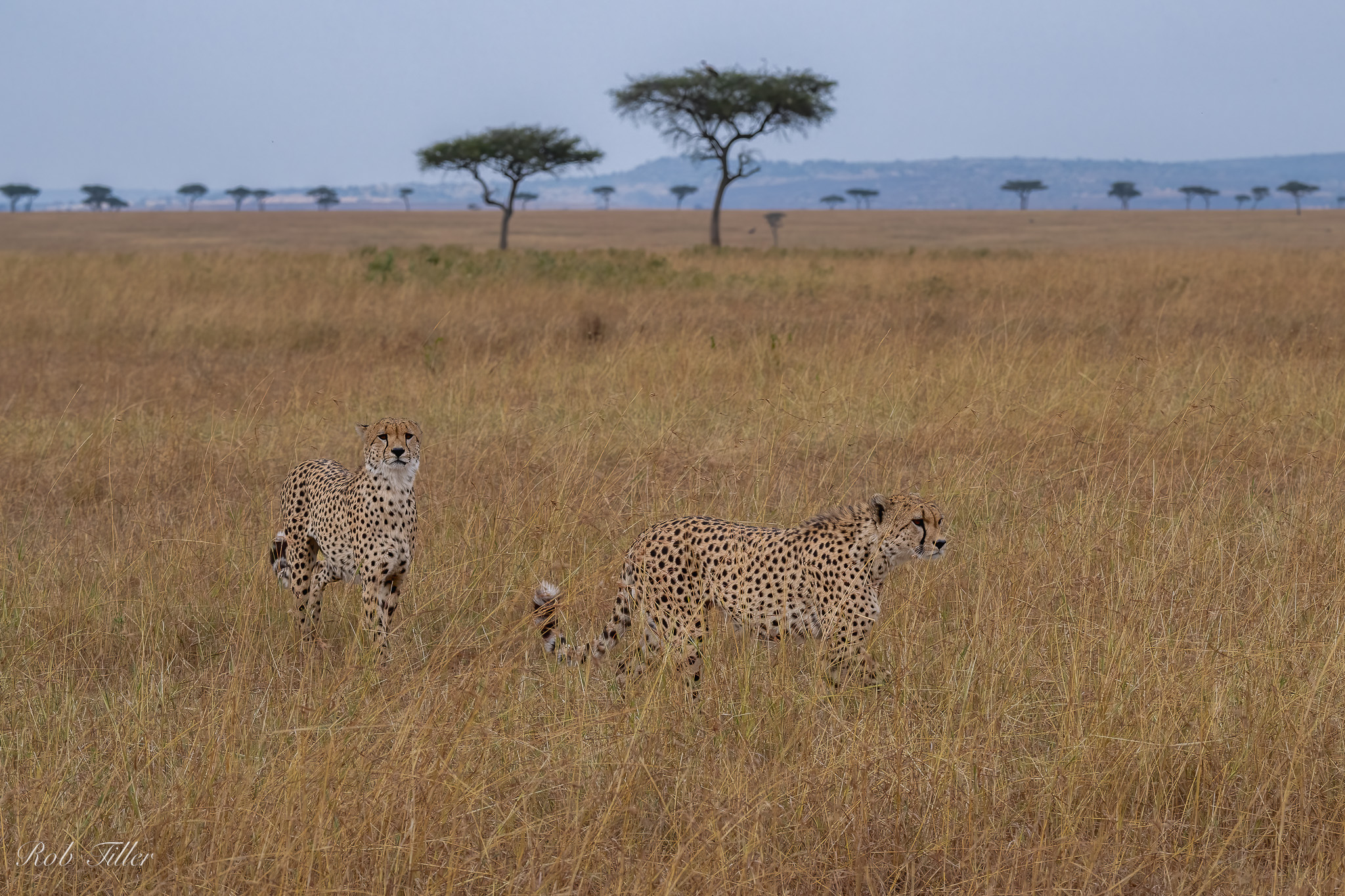
Cheetahs in Serengeti

I was surprised at how timely the book seemed, as climate change and political upheaval unleashes enormous migration around the globe.  Steinbeck helps us process these kinds of forces, and encourages us to show compassion and work on solutions. 

Our safari in Tanzania

Cheetah

We returned last week from a 10-day safari in Tanzania, where we visited Tarangire National Park and Serengeti National Park.  It was a long hard trip there and back, but completely worth it.  We met some interesting people, but the highlights were the non-human animals living their lives on the savannah.  

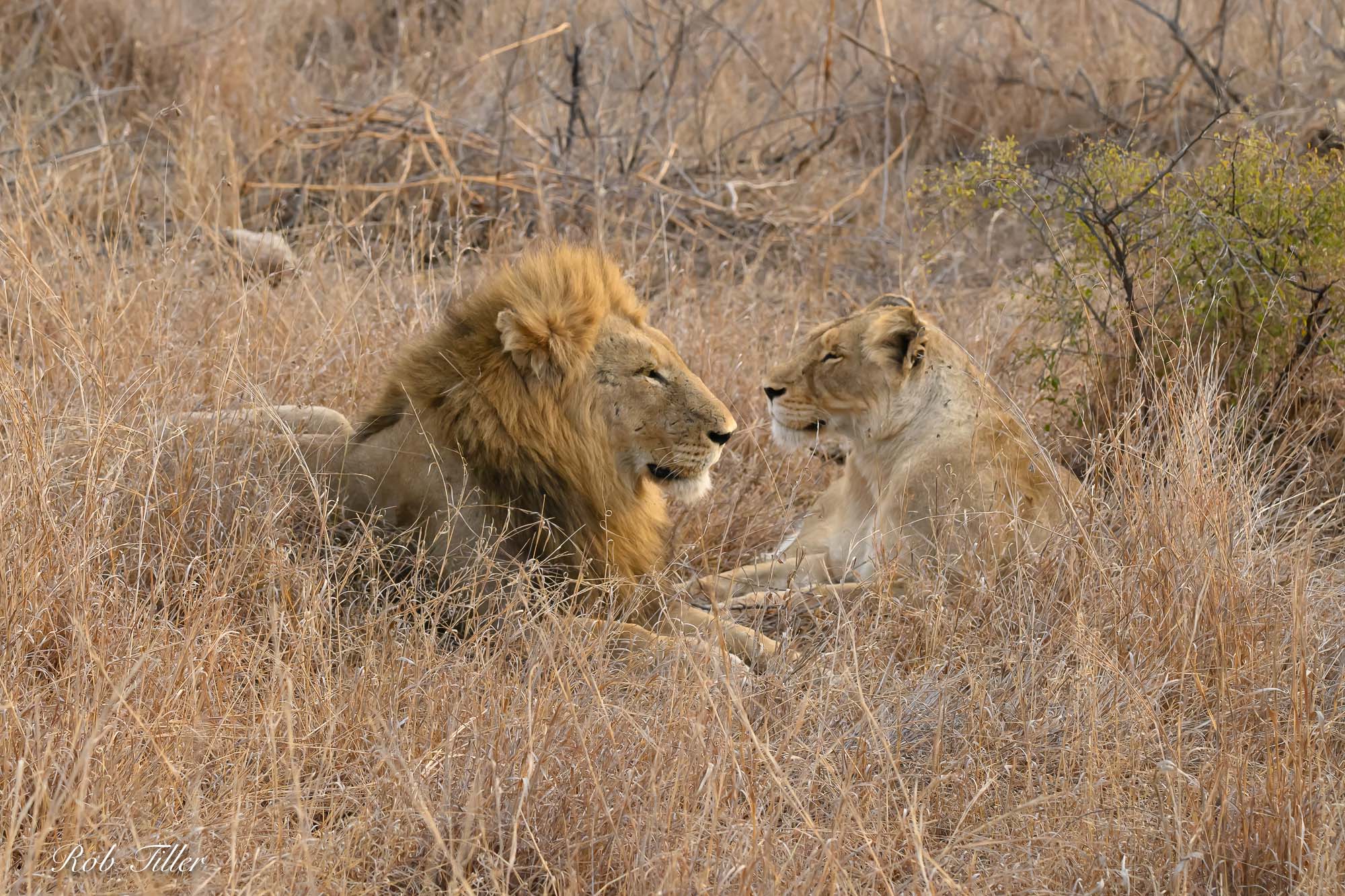
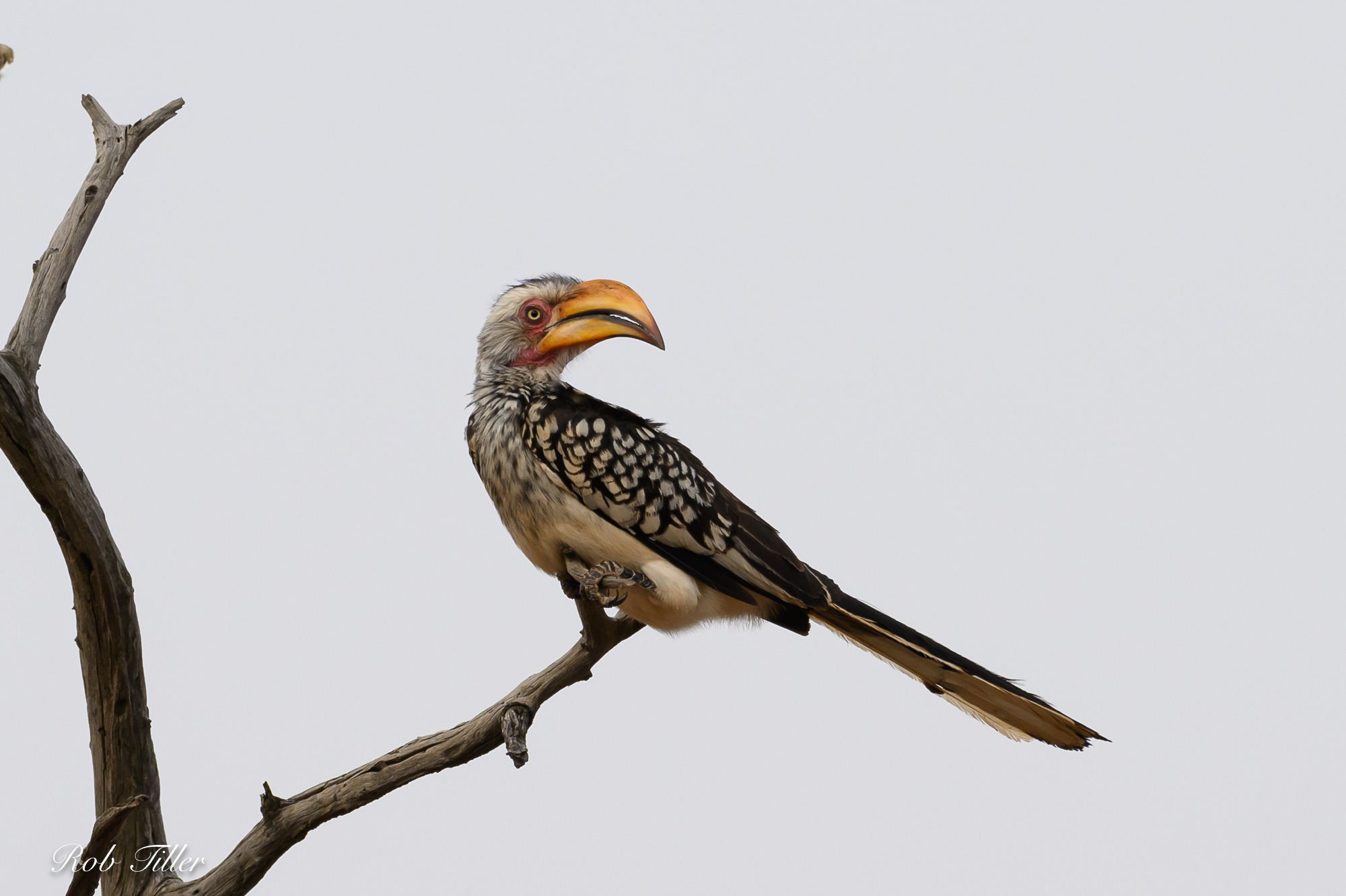
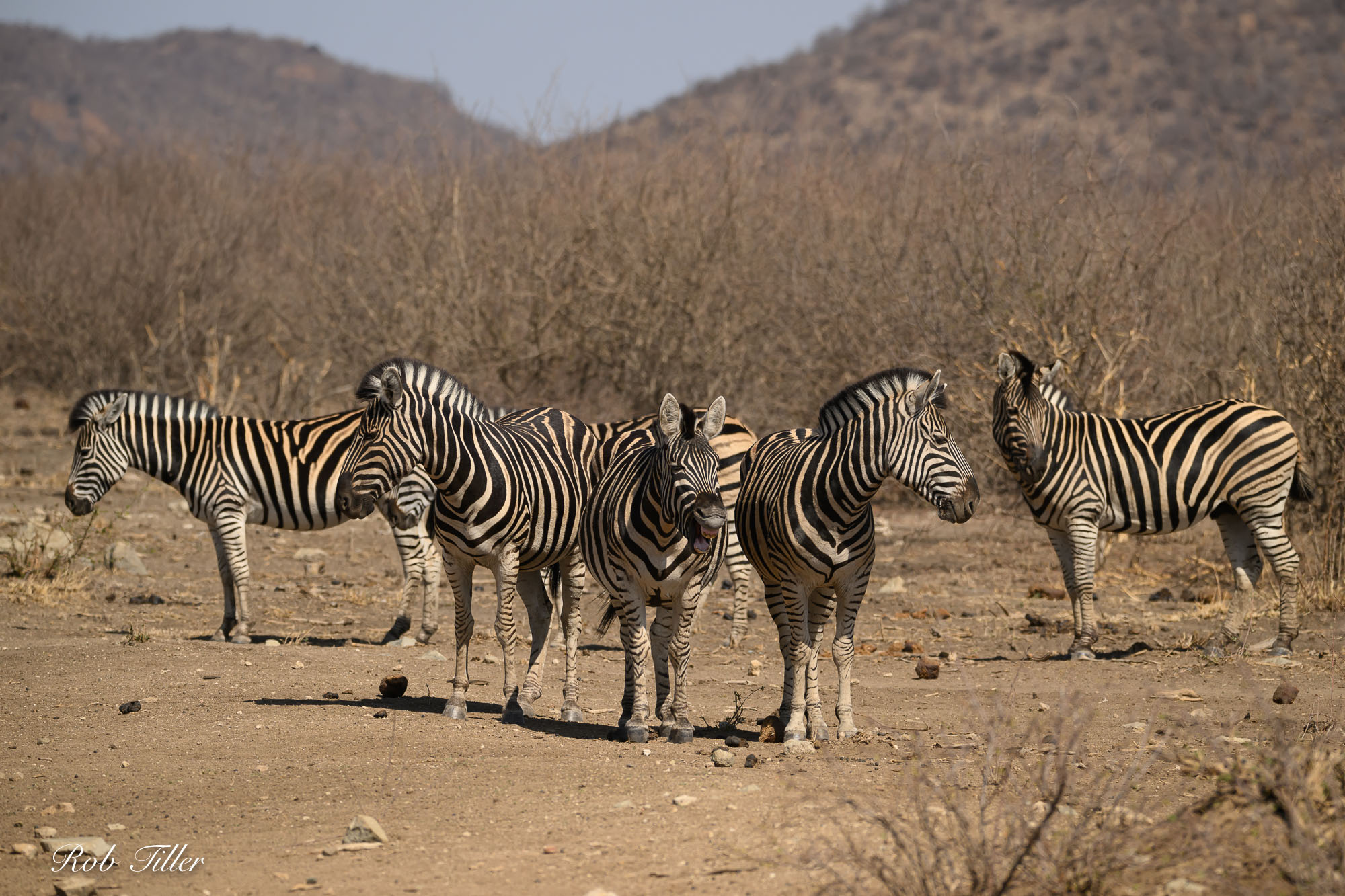
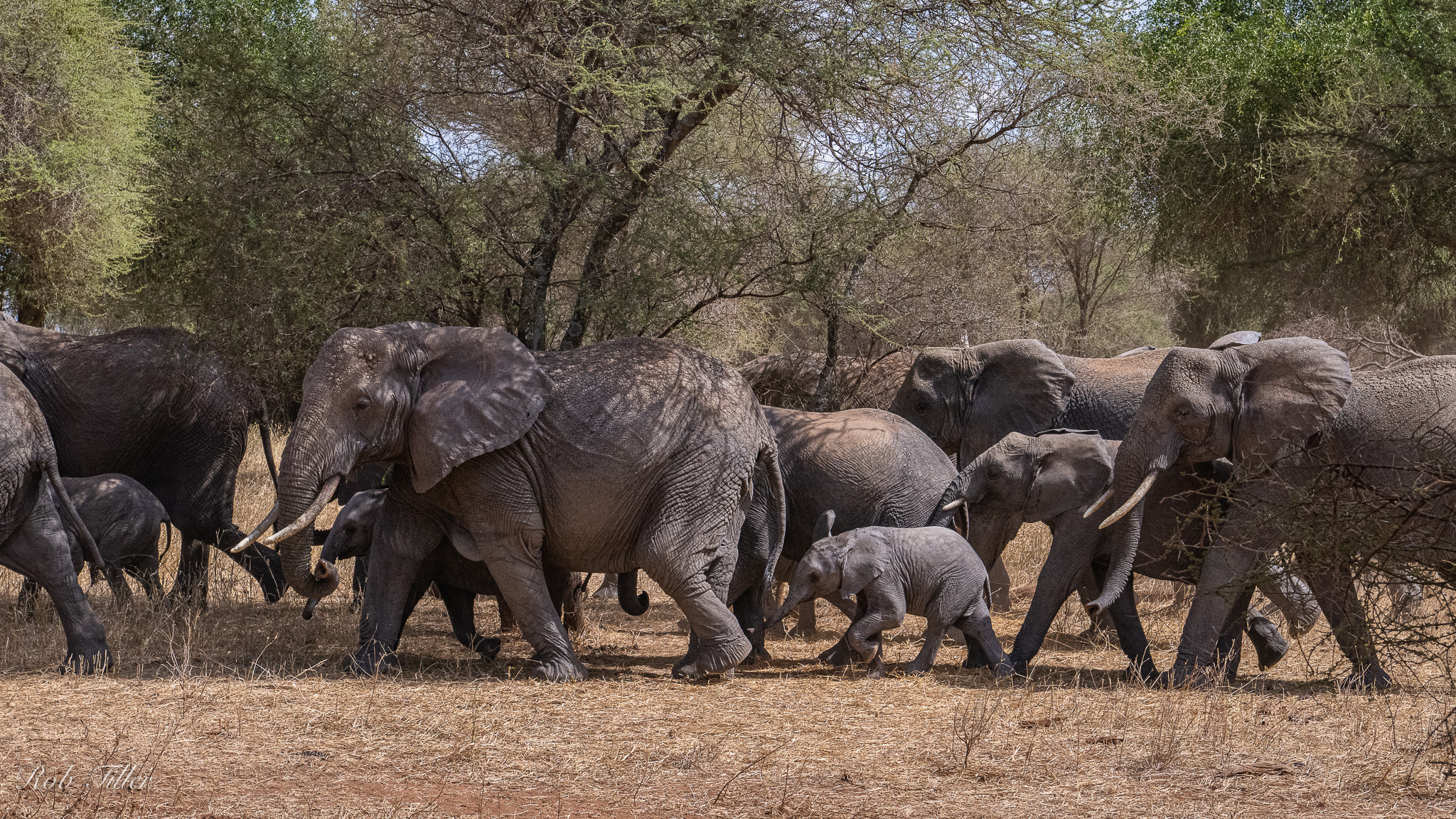
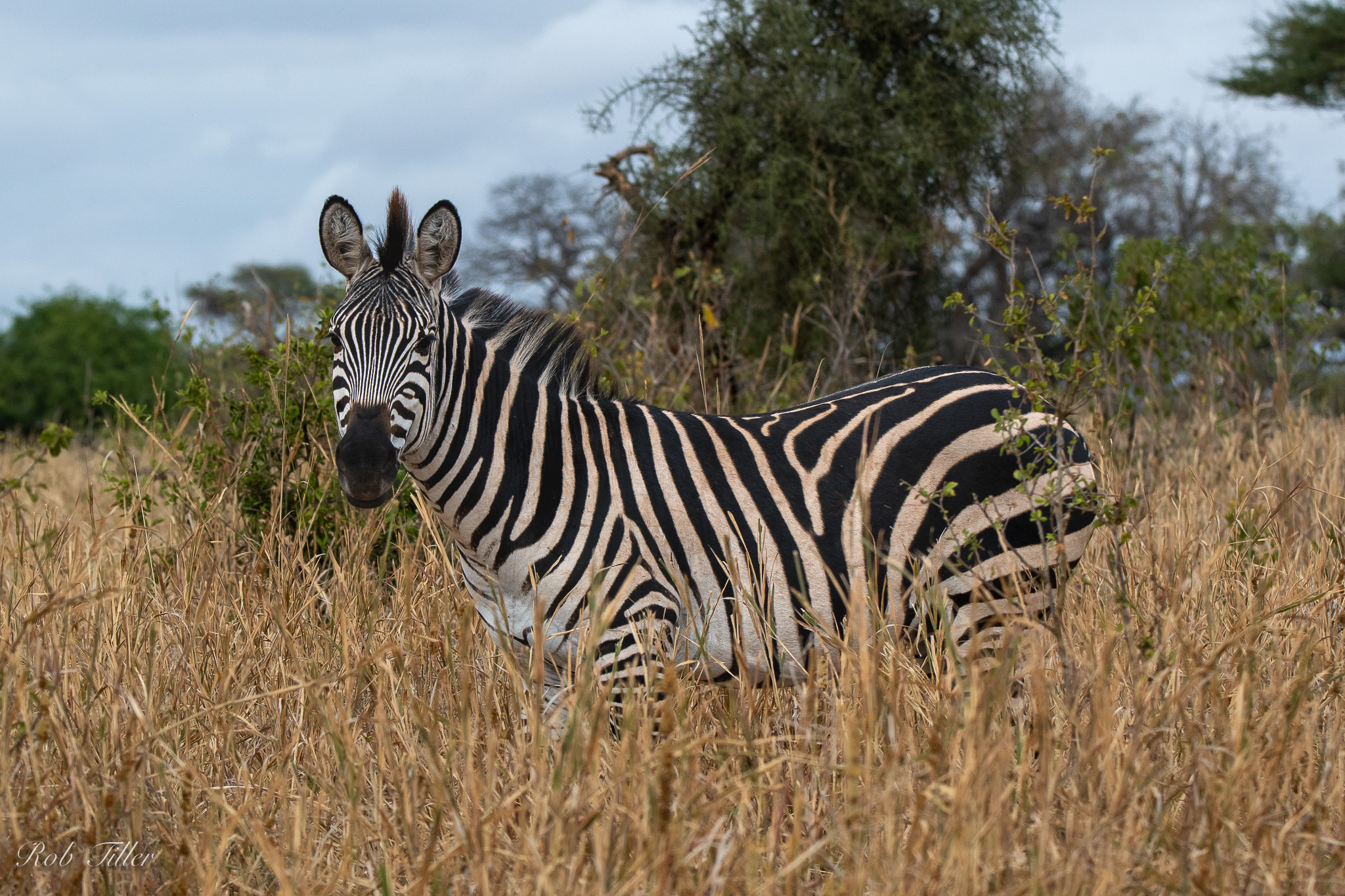
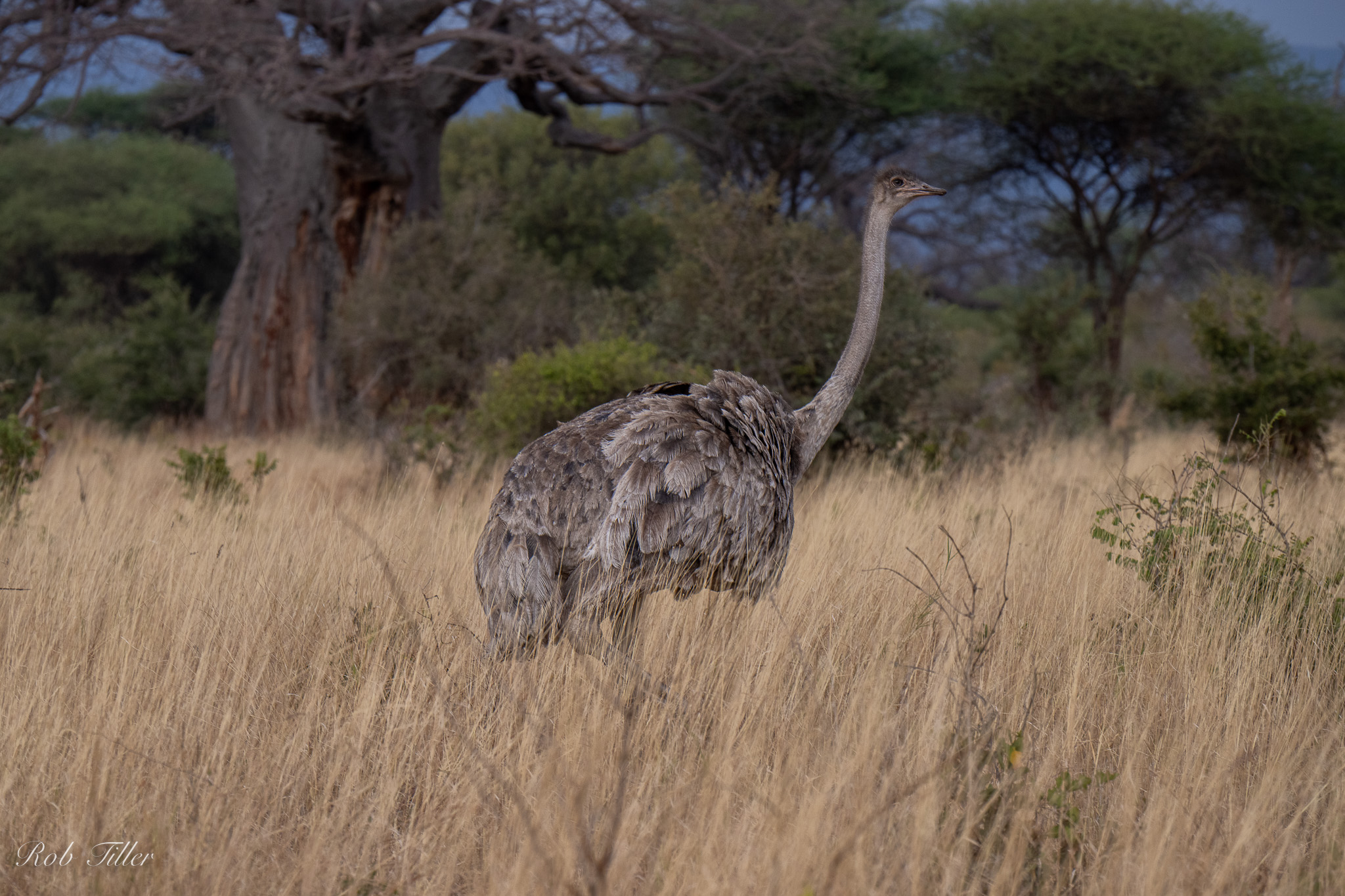
We saw many elephants, gazelles, giraffes, buffalo, zebras, baboons, monkeys, ostriches, hippopotamuses, crocodiles, and many, many wildebeests, as well as a few jackals, hyenas, lions, leopards, and cheetahs.  There were also many colorful birds, small mammals, unusual speedy antelopes, and reptiles.  

Some of the oldest known human fossils come from east Africa, and our species spent a lot of its pathbreaking years there.  It’s a big but underappreciated part of our story.  Looking out over vast grasslands, I found myself thinking of the tall grass differently:  vital food for many creatures, and hiding places and ambush spots for some. 

The Serengeti was the setting for the Lion King, which I thought was a sweet and touching movie, though I had assumed it had a large dose of romantic fantasy in depicting the animals and landscape.  It seemed unlikely that different species of animals would live close together cooperatively and mostly peacefully.  

Wildebeests crossing the Mara River

But in fact, we saw a lot of different species sharing territories, some warily but others relaxed.  In most if not all herds, there were animals of different ages, including young ones.  The young animals played while their mothers kept a watchful eye.

We saw large groups of animals organize themselves quite efficiently for travel, rest, and eating, though how they do it is still largely unknown.  One of the most amazing spectacles was the wildebeests crossing the Mara River as part of their annual migration.  We saw nine or ten of these crossings in which thousands of the creatures plunged down steep embankment, swam the river, and climbed the bank on the other side near us.  Most were successful, though we saw crocodiles get a few. 

A leopard in the Serengeti near sunset

According to Seni, our guide, who knew a lot about animal biology and behavior, wildebeests aren’t particularly smart or athletic by Serengeti standards, and some people consider them ugly.  Apart from their dramatic migration, their lives seem to be mostly about eating grass, avoiding predators, and reproducing.  We know little about how they communicate and organize to get things done.  But their huge numbers show that they do so, and their strategy appears to be successful.

The animals of Tanzania have some of the same problems we do, like rising temperatures, droughts, storms, and fires caused by global warming.  They get diseases or get caught by powerful predators, not to mention human poachers.  But I was struck and moved by how well so many of these creatures do when we just leave them alone.  In Tanzania’s huge national parks, they have territories and healthy habitats, and seem to be living mostly peacefully and doing as they like.  

When I was a schoolboy, we were taught that animals operate mostly on raw instinct, and don’t have anything similar to our mental processes for memory and planning, or even feeling.  There’s more and more evidence that this is far from true, and that many animals have strong memories, the ability to plan ahead, and emotions.  

The Washington Post had a fascinating piece this week by Lars Chittka on the consciousness of bees.  Chittka’s researchers found that individual bees could remember human faces, count, and use tools, and that they experienced positive and negative emotions.  It makes one wonder, how much more is there yet to learn about animals’ abilities and consciousness?    

We’ve been thoroughly socialized to avoid thinking about animals as agents having coherent lives worthy of respect.  Most of our education on animals just ignores the complexity and successes of their social systems (their families, herds, alliances), political systems (territories, cooperatives, group decision making, conflict resolution), and creative achievements (communication, nourishment, transportation, sports, shelter).  

We’ve long assumed that humans and their systems are separate from and superior to all non-humans and their systems.  This is, of course, self-serving, and also less and less persuasive in light of modern research.  The massive destruction wrought by humans on the rest of the earth over the last few centuries calls such thinking into question:  our species has been the main driver of our grave crises.  Yet even in the face of the human onslaught, many animals carry on with their cultures.  We can learn from them, and should.       

Lion mom and cub

For the trip, I brought along my new Nikon mirrorless camera and three lenses, one of which (the long one, 150-600 mm) malfunctioned on the first day.  Still, I took a lot of pictures, and I’m still not finished with the first pass through them.  But I wanted to go ahead and share a few that I thought reflected some of the beauty of Tanzanian animals’ lives.  I’m hoping to write more next week on the experience and share more images.    

Things to be thankful for:  red rocks,  animal cultures, and leaving Afghanistan

Monument Valley sunrise

I took these pictures a couple of weeks ago in the Four Corners area, where Colorado, New Mexico, Arizona, and Utah come together.  With a group of photographers led by a master photographer, Joe Brady, I explored Monument Valley, the Valley of the Gods, Goosenecks State Park, Mesa Verde, and other remarkable areas.  We didn’t see much wildlife, but there were epic rocks and scraggly plants that manage to survive in the red rocky desert.

But animals were on my mind, as I finished reading Carl Safina’s new book Becoming Wild: How Animal Cultures Raise Families, Create Beauty, and Achieve Peace.  The book has three main sections concentrating on species we may feel like we know something about:  sperm whales, scarlet macaws, and chimpanzees.  

Safina shows the beauty and intelligence of these creatures, and provides a window into their complex social lives.  “Animal culture” is not a well-settled concept, but Safina demonstrates that these species all have developed elaborate systems that they use to regulate their social lives and teach to their young.  He thinks we can learn from them.

Apropos of lessons that might be learned, I also finished reading Craig Whitlock’s new book, The Afghanistan Papers.  The book is largely based on a secret U.S. government study regarding what went wrong in our longest war.  In the study and in later interviews, various generals, civilian defense officials, diplomats, and soldiers described what they experienced, and what conclusions they drew.

I took away two main points.  First, the U.S. government lied over and over about what was happening in Afghanistan.  Generals and presidents alike kept saying that the situation was improving, that we were turning the corner, and we would win.  However, from early on, the situation in most of the country was a hopeless quagmire, and those with the relevant information knew it.

Second, and even more disturbing: almost no one involved in making decisions about U.S. policy in Afghanistan knew or cared to know much about the country’s history, politics, and culture.  Those in charge reduced the situation to simple black and white — good guys and bad guys — and vaguely imagined that success consisted of removing the designated bad guys.

The long American tradition of seeing violence as an all-purpose solution, rather than a deep problem, accounts for some of the tragedy of our misadventure in Afghanistan.  Our cultural blinders contributed to our collective self-deception, and extended it over two decades.

Even now, it appears that many people know nothing about how we worsened the violence and corruption in Afghanistan, and think we should have stayed the course for additional decades.  It is ironic and disturbing that an act of true political courage by President Biden — confronting our entrenched collective delusion and stopping our part of the war — has few defenders.

With so many pressing political and social issues at hand, it’s unlikely we’ll have a quiet period of collective reexamination of lessons to be learned from our Afghanistan mistakes.  We may never get to a remorseful pledge to never again inflict so much death and chaos on another unfortunate country.  But hope springs eternal, and so I recommend Whitlock’s book, which is quite readable.  Here are some other thought-provoking recent articles with useful perspectives on the disaster:

Michael Massig in the New York Review of Books:  The Story the Media Missed in Afghanistan.  Massig points up the role that a compliant mainstream media played in creating the widespread delusion that the war was worthwhile and successful.

Fintan O’Toole in the New York Review of Books:  The Lie of Nation Building.  As part of a review of Whitlock’s book, O’Toole argues that the Afghanistan experience was a dark mirror showing deep flaws in American democracy.  The trillions of U.S. dollars spent on the war created new frontiers of kleptocracy and corruption in Afghanistan, not to mention new fortunes in the American military-industrial complex.  O’Toole doesn’t go into all this, perhaps because it’s obvious:  this wasteful disposal of mountains of taxpayer money also meant lost opportunities for addressing American inequalities and improving our healthcare, education, transportation, and other systems.

Anand Gopal in The New Yorker:  The Other Afghan Women. In this extraordinary piece, Gopal takes us into the world of some rural Afghan women, including those who found the brutality they experienced from the Taliban less abhorrent  than the brutality of the local warlords who the U.S. brought on as proxies.

Views of the big anti-racism protests, and getting close to some bears

I

A black bear last week in eastern North Carolina

It’s been almost two weeks since the first peaceful protests in downtown Raleigh, followed by not-so-peaceful protests, vandalism, and looting.  In our city and many others, people gathered in the streets in opposition to police killings of unarmed Black men.  The crowds shouted in unison, Black lives matter! And No justice, no peace!  

Late in the night, some of the demonstrators started throwing bricks through the big plate glass windows and grabbing the cash registers and goods from the shops.  There were some small fires.  It looked like our city could be in big trouble.  

The protests were not far from where we lived.  Our building’s management boarded up the ground-level windows the next day, and a lot of area merchants and residences did likewise.  But it seems like the demonstrators had second thoughts about the destruction.  The protests continued the next day, with marchers with signs, shouting, and drumming, but without the vandalism and looting.    

There have been thousands of people here and around the world peacefully protesting police violence and other anti-Black discrimination.  It’s not surprising that Black people are protesting.  They’ve lived with these problems and related ones for a long time.  It’s good that they’ve found the courage and purpose to organize, and good that non-Black people are joining in.  The movement is helping white people to see the reality of our caste system that subordinates and oppresses Black people.  

Our racist system, and the background folk ideology that sustains it, took a long time to construct, and it will take time to deconstruct.  But it feels like we may be moving in the right direction, and with any luck we’ll keep moving that way.  

What to say about vandalism and looting?  Obviously, it’s not as bad as the police violence and killing of innocent Black people.  Some of the vandalism likely comes out of anger, with inadequate legal outlets for that anger.  In many places, Black voting has been suppressed, so ordinary political expression is not available, and other methods of communicating are too expensive.  I can understand why anger and frustration make throwing a brick through a plate glass window seem like the only available way of getting attention.  And breaking glass and lighting fires certainly does get the attention of the power structure and the media.  

The problem is that property damage and theft also align with the traditional racist narrative that Black people are dangerous and must be controlled, with violence if necessary.  Property destruction is an understandable emotional outlet, but it is ambiguous as communication.  It creates a space for new police violence and disruption of lives by the criminal justice system.  Also, looting may just be a way to get things without paying for them, which is nothing to be proud about.

So, my recommendation is to stop breaking glass and looting, but keep shouting for change.  I really admire the courage of the protesters.  I took on board the message that the Covid-19 virus is dangerous and requires that we not get too close together, and as far as I know that’s still true, so I haven’t been marching.  Also, I’m fearful of getting tear gassed and clubbed by police.  There have been a few stories of police expressing compassion, but a lot more about brutal police attacks on non-violent protesters.  

That’s something else that needs to change.  I feel concern for the police, who in the best of times have a tough, dangerous job.  There are probably many police officers who resist and oppose anti-Black racism, but there are clearly some who don’t.  Police violence against Black people is endemic.  It has to stop. 

There was a heartening essay  in the Washington Post today by Patrick Skinner, a police officer in Savannah.  He noted that police training fosters a mind set of being a warrior, with citizens as the enemy.  He described his own experiment with a different approach to policing.  The key idea was to approach the people in the community he served as neighbors, and try to help his neighbors.  In his experience, it lowered the risk of violence and increased the possibilities for peaceful resolutions.  It sounded like a great idea!

But as I say, this is a good time for non-Black people to learn more about the Black experience and our caste system.  I was pleased to see that three books I found really helpful on this subject are near the top of the New York Times Best Seller list:  White Fragility, by Robin DiAngelo, How to Be an Anti-Racist, by Ibram Kendi, and The New Jim Crow, by Michelle Alexander.  I continue to recommend them.   

I got to spend some time last week in eastern North Carolina at the Alligator River Wildlife Refuge and the Pocosin Lakes Refuge.  I was there as part of a wildlife photography trip led by master photographer Mark Buckler.  This area is said to have the largest concentration of black bears on the planet, and we were hoping to see bears.  

There were a lot of them.  We saw mothers with cubs, frolicking yearlings, and males courting females.  We saw bears of various ages walking, running, eating, playing, and resting.   A couple of the bears looked like they had been injured, but most seemed to be well fed and healthy.  It was moving to be with these beautiful and resourceful creatures.   

 From what I learned, the popular myth that bears are normally fierce and apt to attack humans is way off the mark.  They are normally wary of humans and busy with their own concerns.  They are, of course, wild animals, wary and not entirely predictable, and they are definitely capable of attacking humans who threaten them.  

But we saw no aggressive behavior.  Some of the bears we saw were shy and kept a good distance, but a few let us get pretty close and stay for quite a while.  Of course, we kept a sharp eye and ear out for signals of discontent, like grunting, growling, or slapping the ground, and frequently updated our possible exit strategies. 

There were also some less beautiful creatures, including opossums and biting insects that left me with some extremely miserable itching wounds on my legs.  Some of these seemed to be chiggers.  But there were different looks to the wounds:  some bites became blisters, some became hard, and other were oozy.  Wonder if they bite bears?