Our safari in South Africa
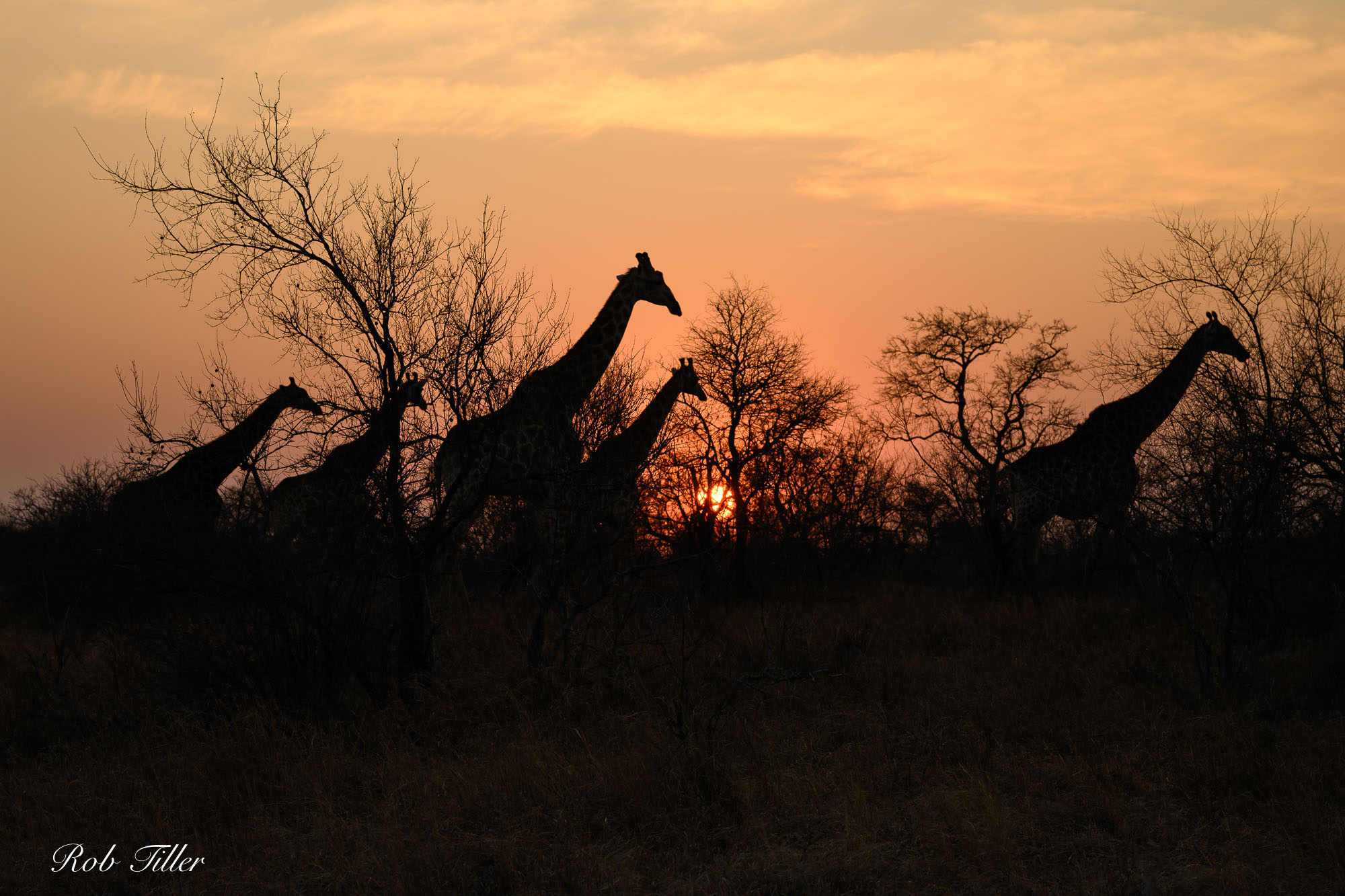
Last week Sally and I got back from a two-week safari trip to South Africa. The travel was grueling, but it was fantastic to see so many animals living there. I took thousands of photos and haven’t had time to look through them all. But I’ve taken a quick pass through the first few days’ worth, and found some I wanted to share, along with some thoughts related to the trip.
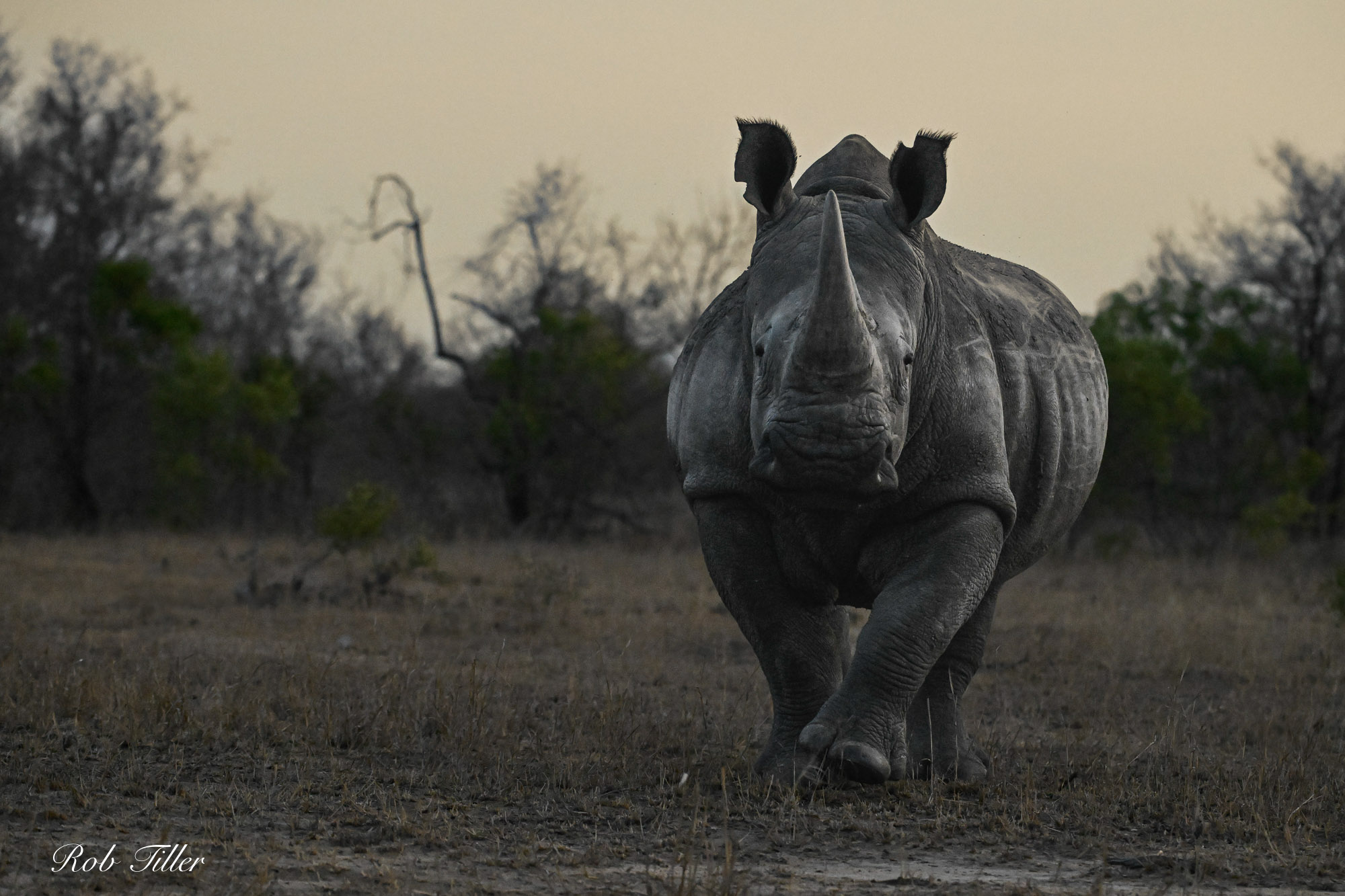
Nature is amazingly creative! Seeing such a variety of its creations up close was, for me, a kind of religious experience – maybe a Taoist one. It highlighted the fascinating web of relationships between animals, plants, microbes, soil, and water. Over time, evolution keeps coming up with new designs and new solutions. In a time of a lot of human misery and confusion, time in the South African bush helped me take a longer and more hopeful view.

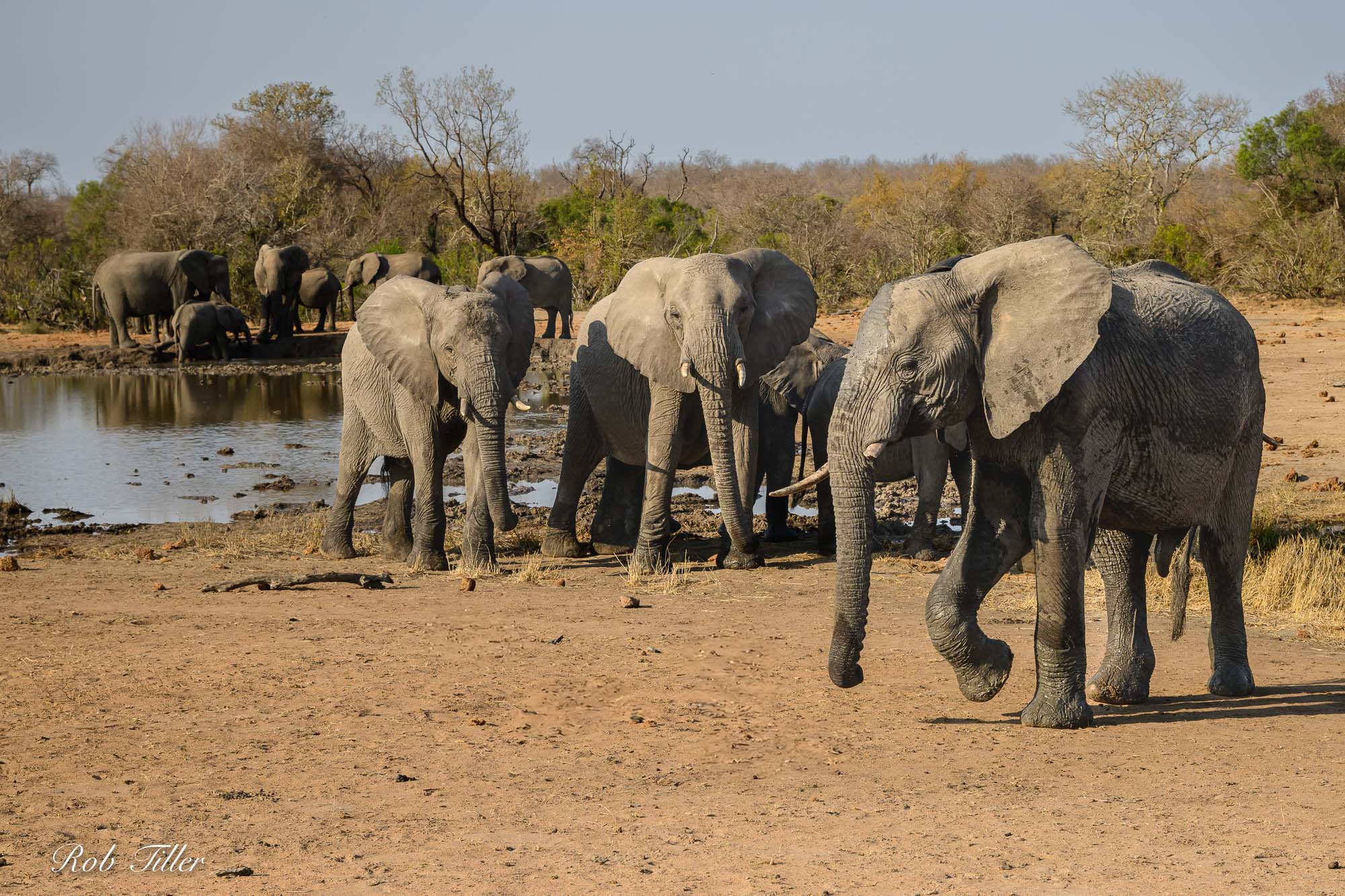
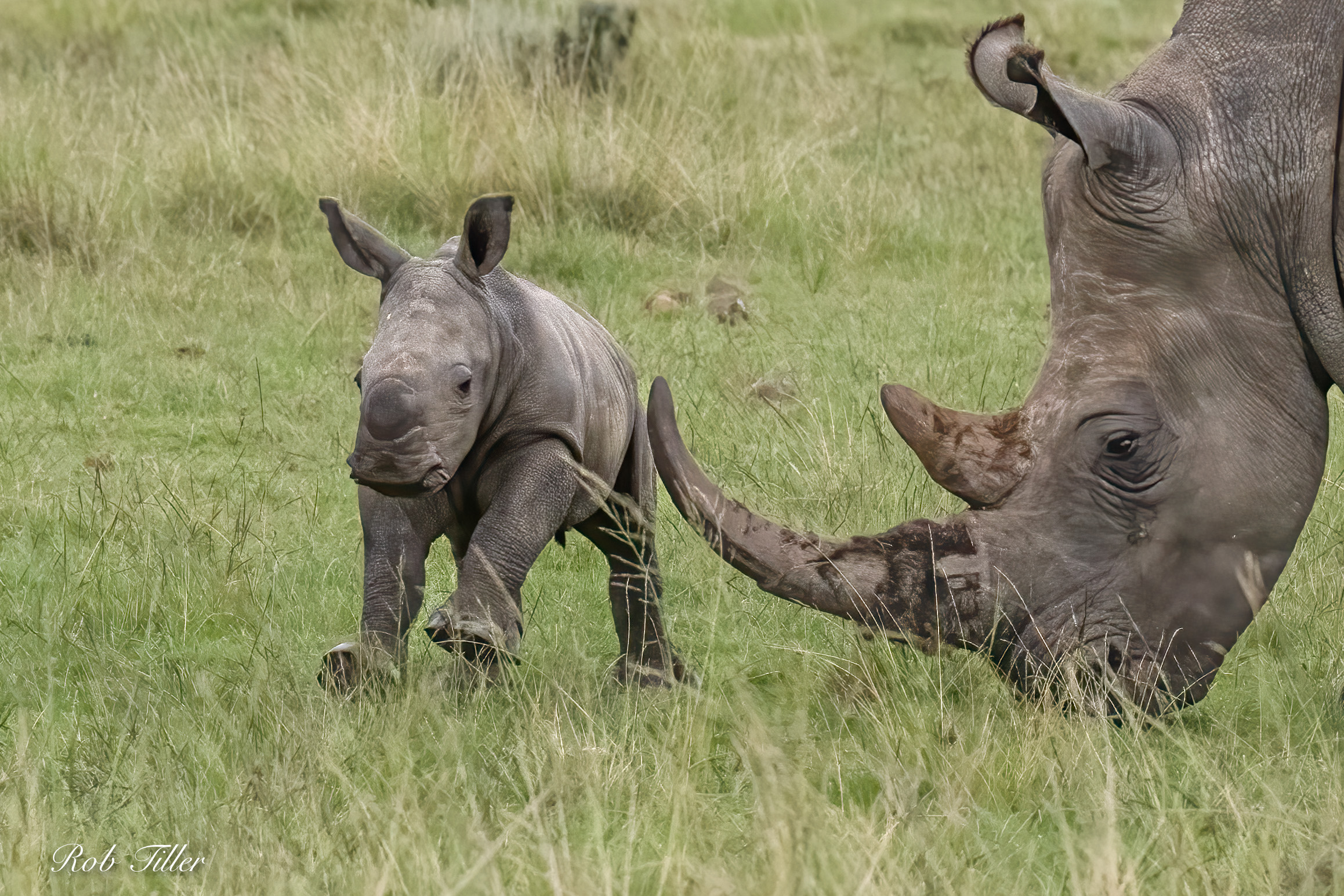
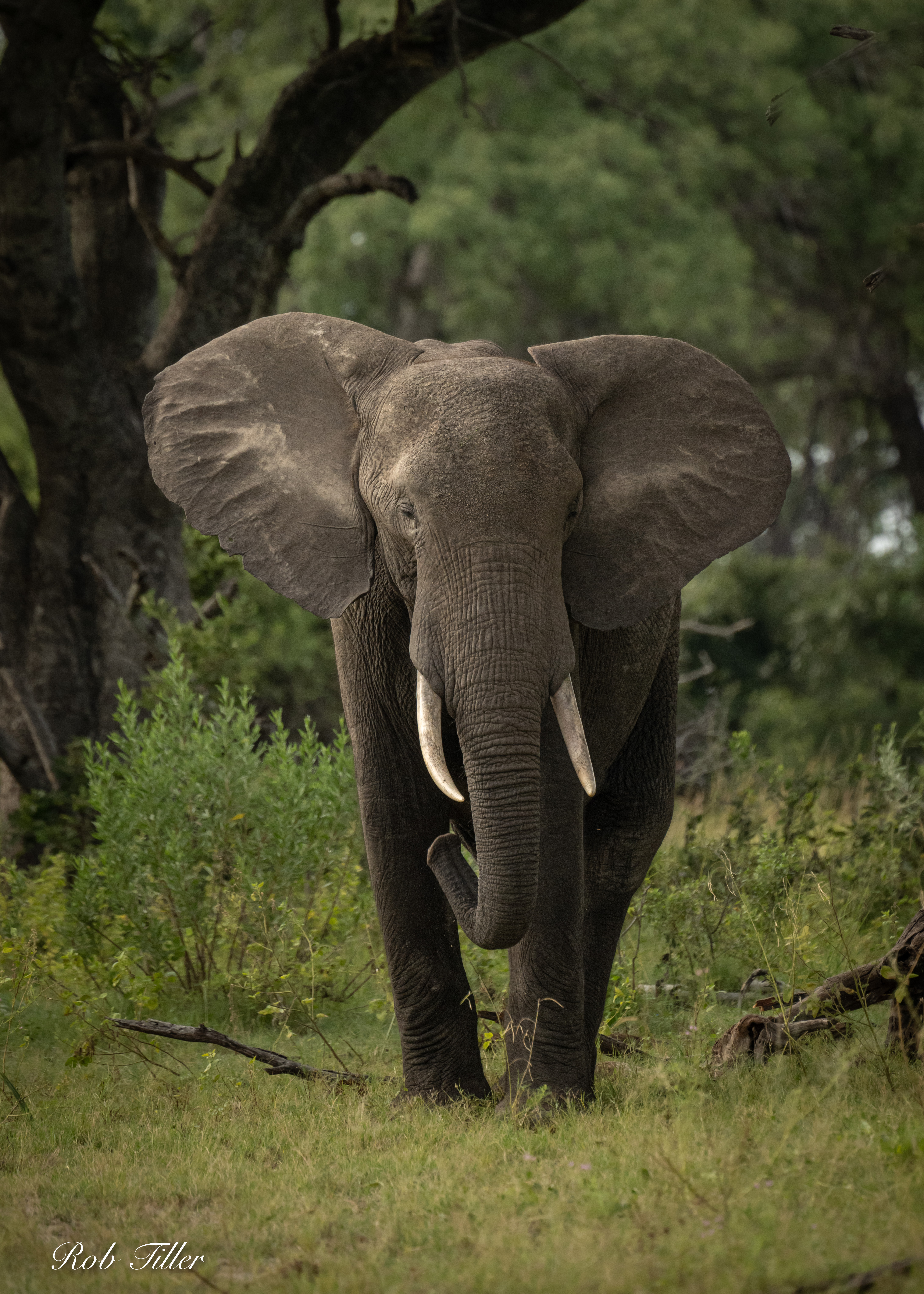
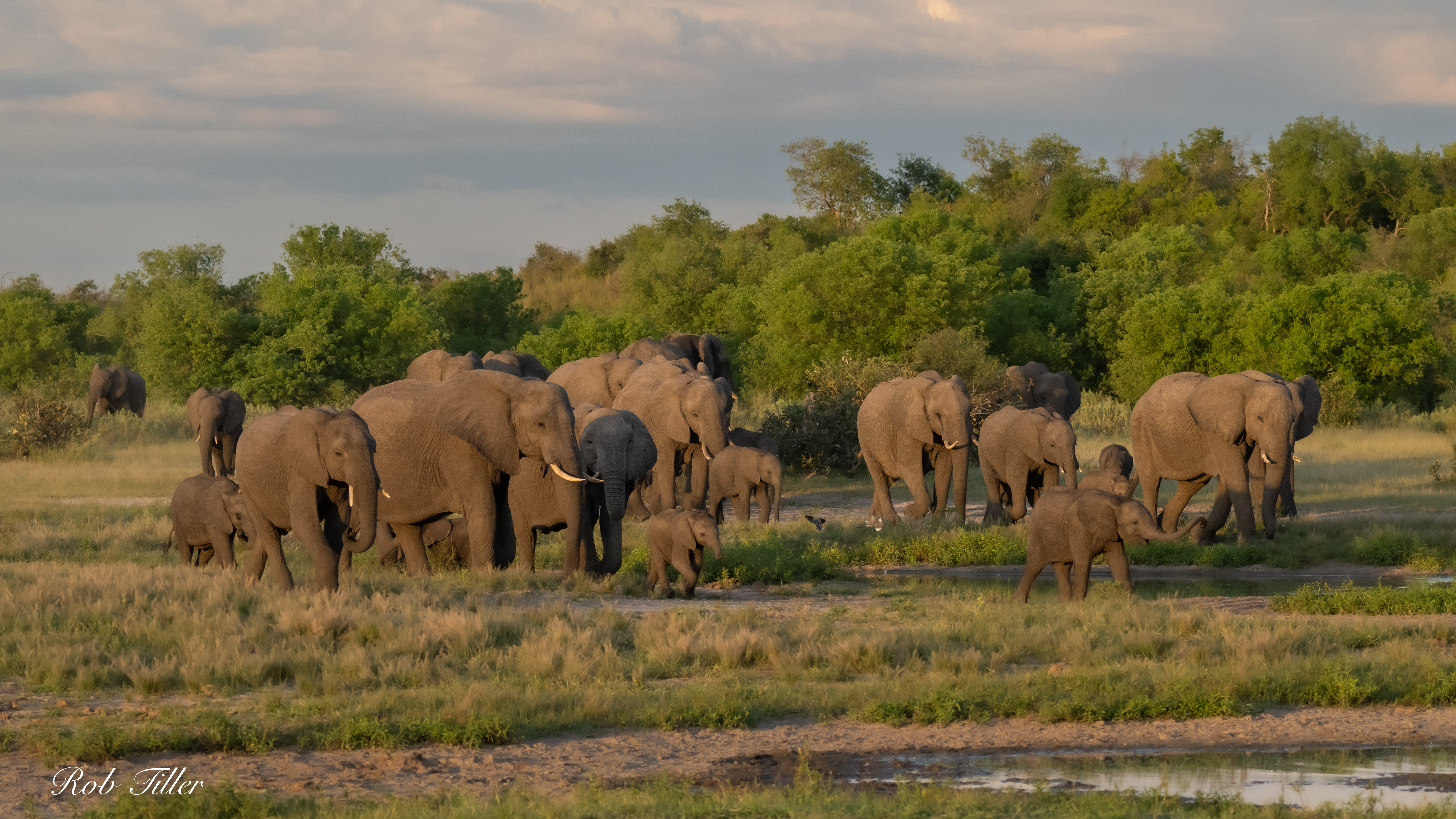
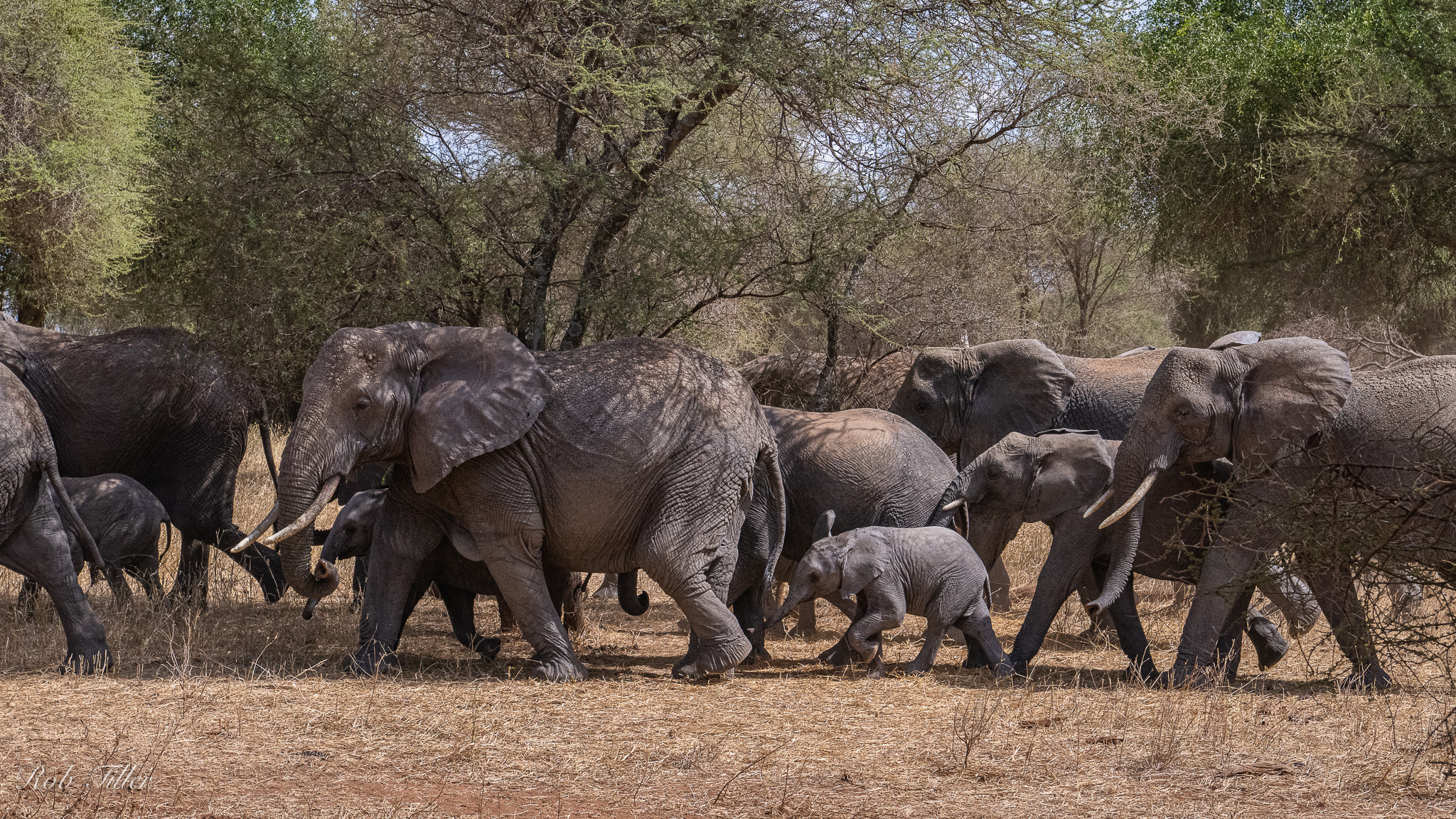
I especially enjoyed watching the animals’ relationships with their families and others. Some species, like elephants, are very social, and seem to enjoy being with their families and herds. An important part of their lives is working together to find nourishment and take care of the young ones.
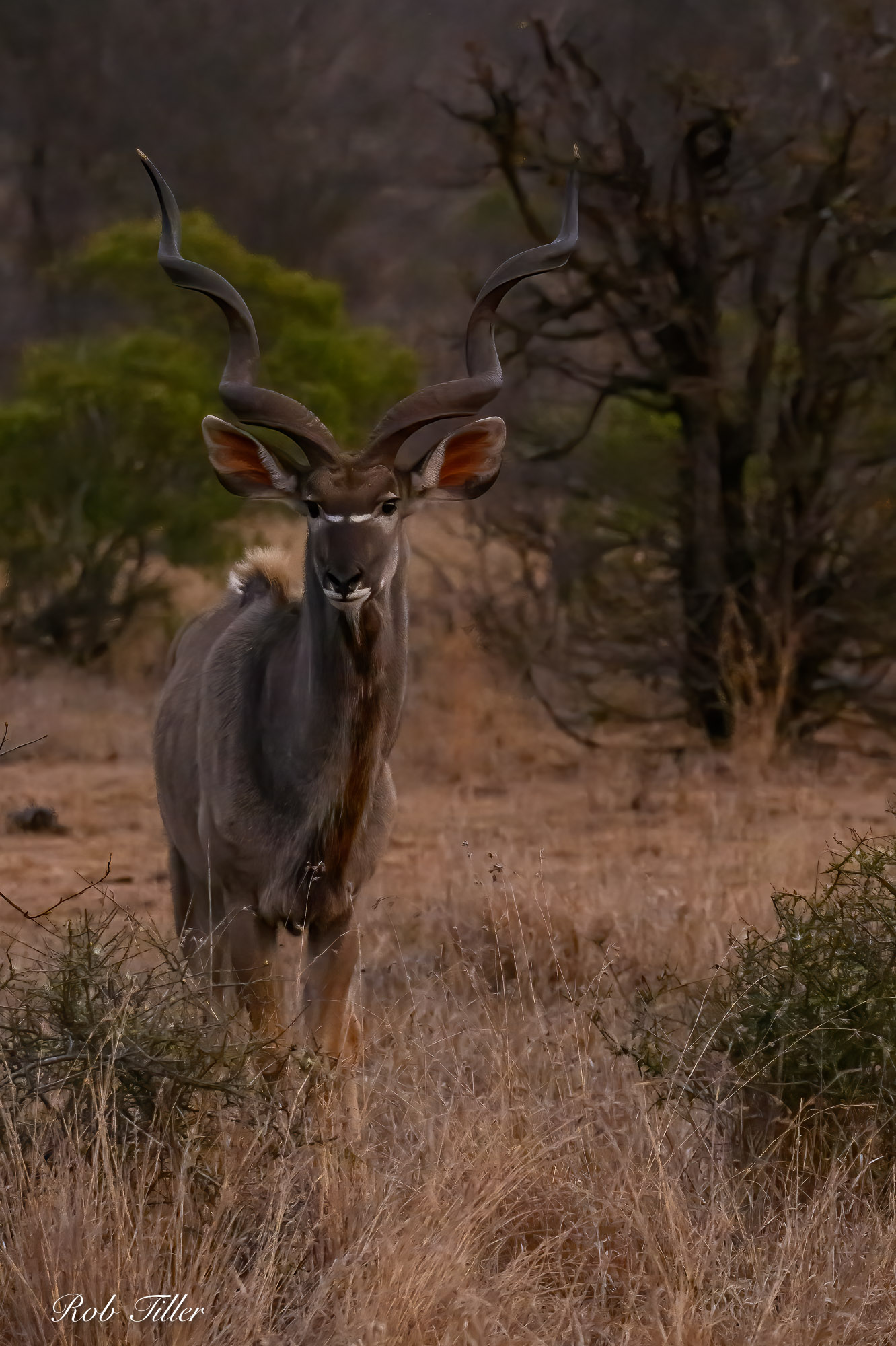
On this trip I was seeing the animals more as individuals, rather than just representatives of a species. I started to see some differences in their personalities, such as that some were more wary than others. Some like to be clean, and others less so. Some of them were clearly curious about us humans, a species they might never have seen before.
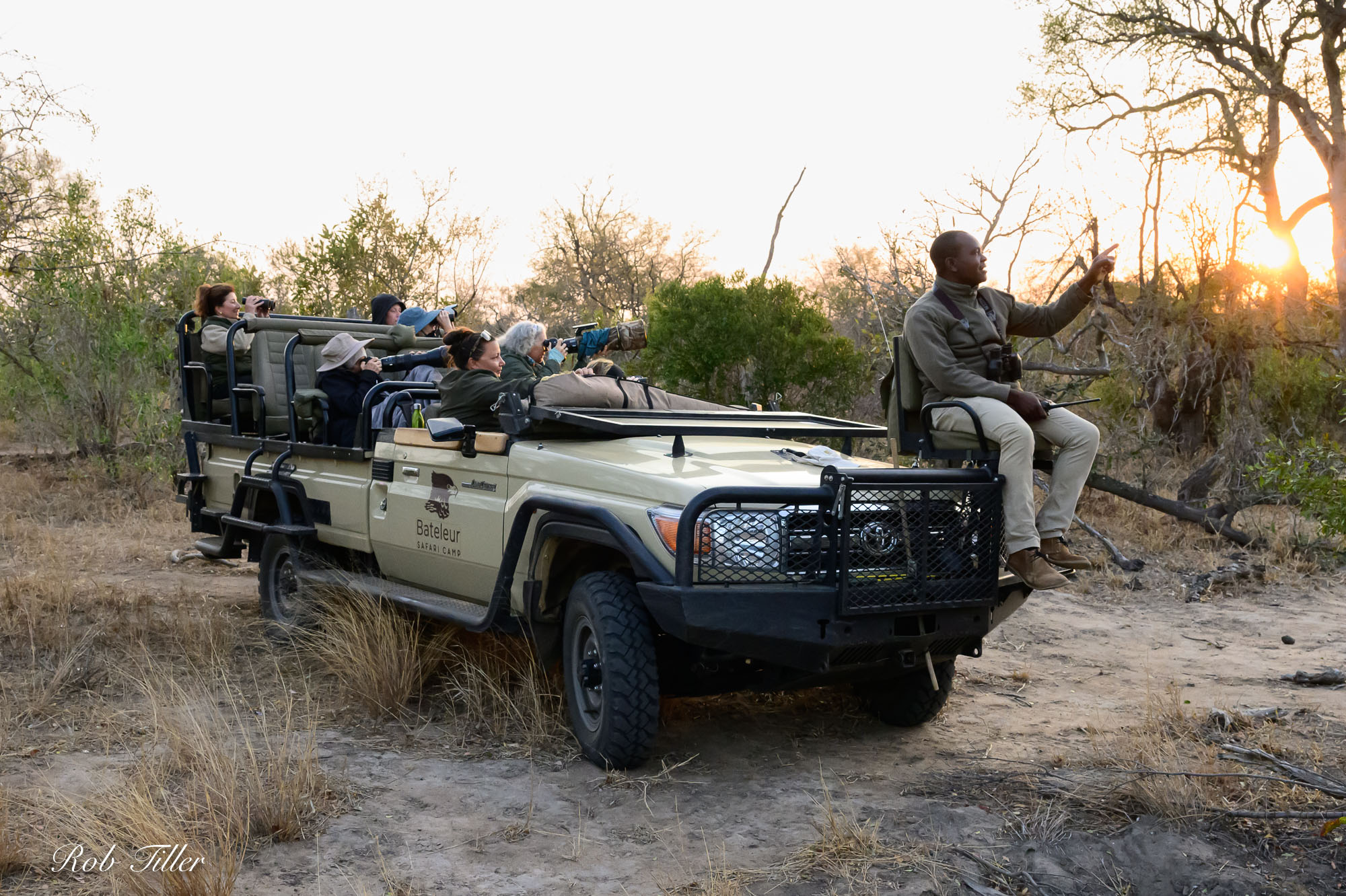
We traveled with a small group of wildlife photographers organized and led by my friend Jennifer Hadley with Noelle van Muiden. We spent five nights in the Timbavati Game Reserve, which is just to the northeast of Kruger National Park, and five nights in Mandikwe Game Reserve just south of Botswana. Our Timbavati camp, Bataleur, was extremely comfortable, and Mandikwe Hills was truly luxurious. We had friendly service and fine food.

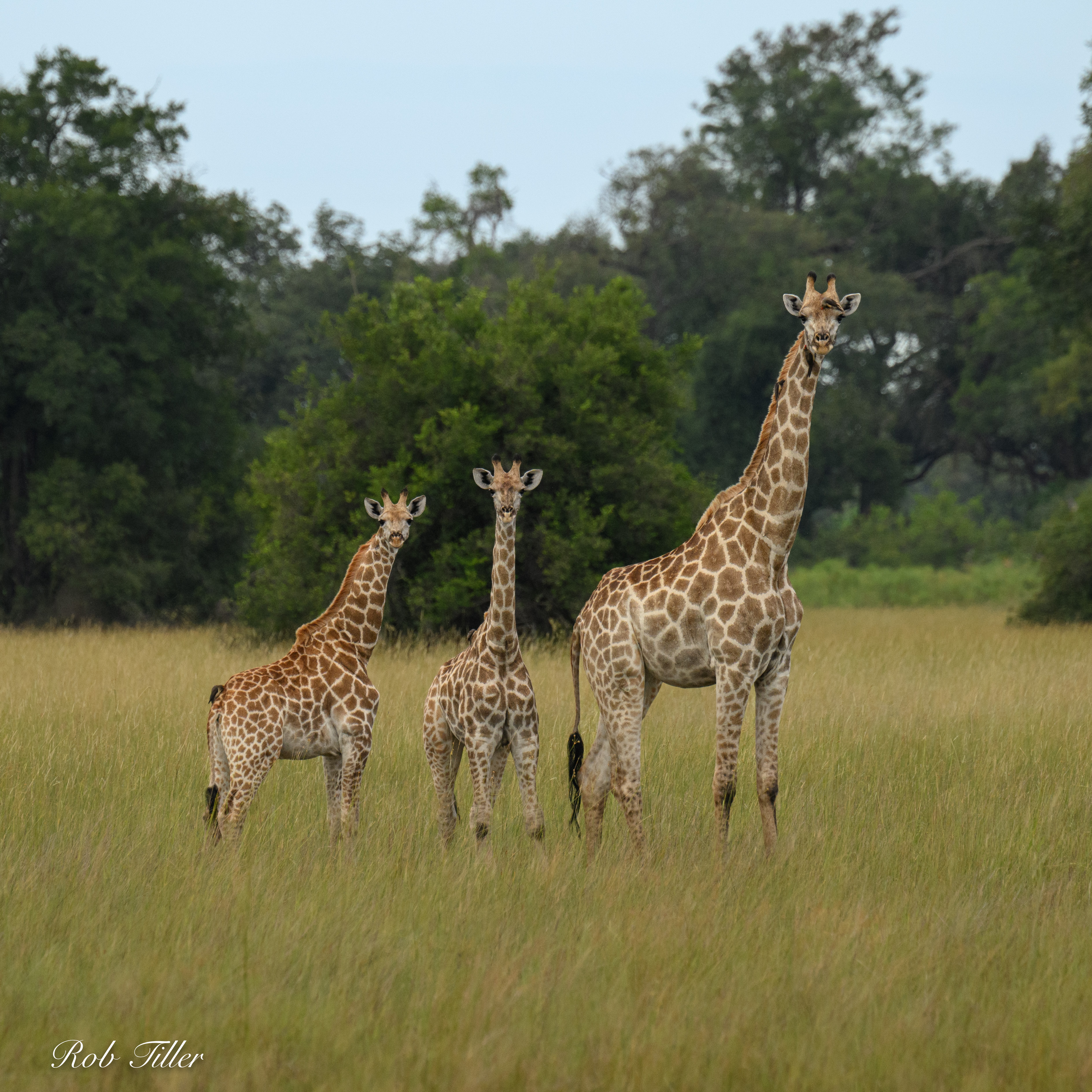
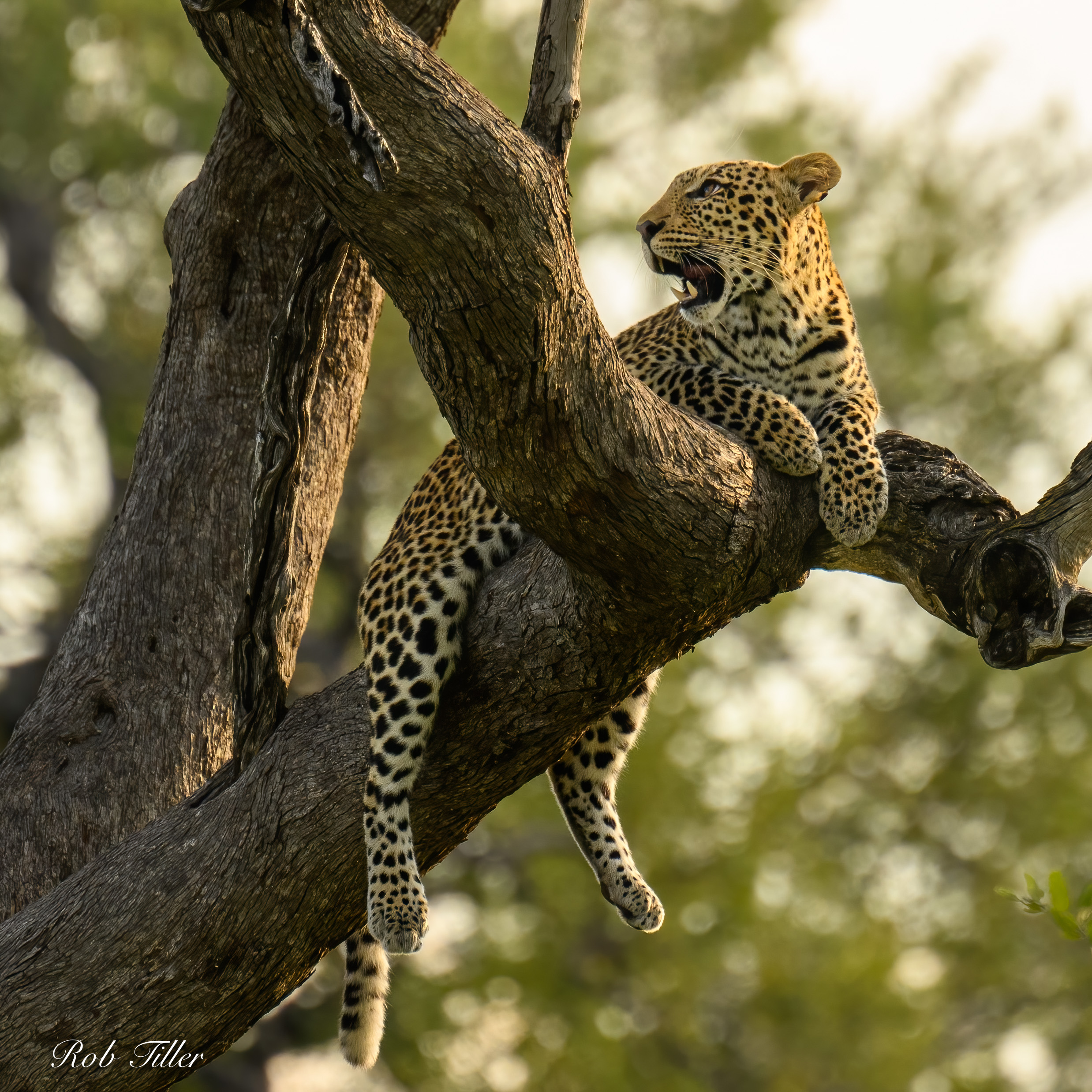
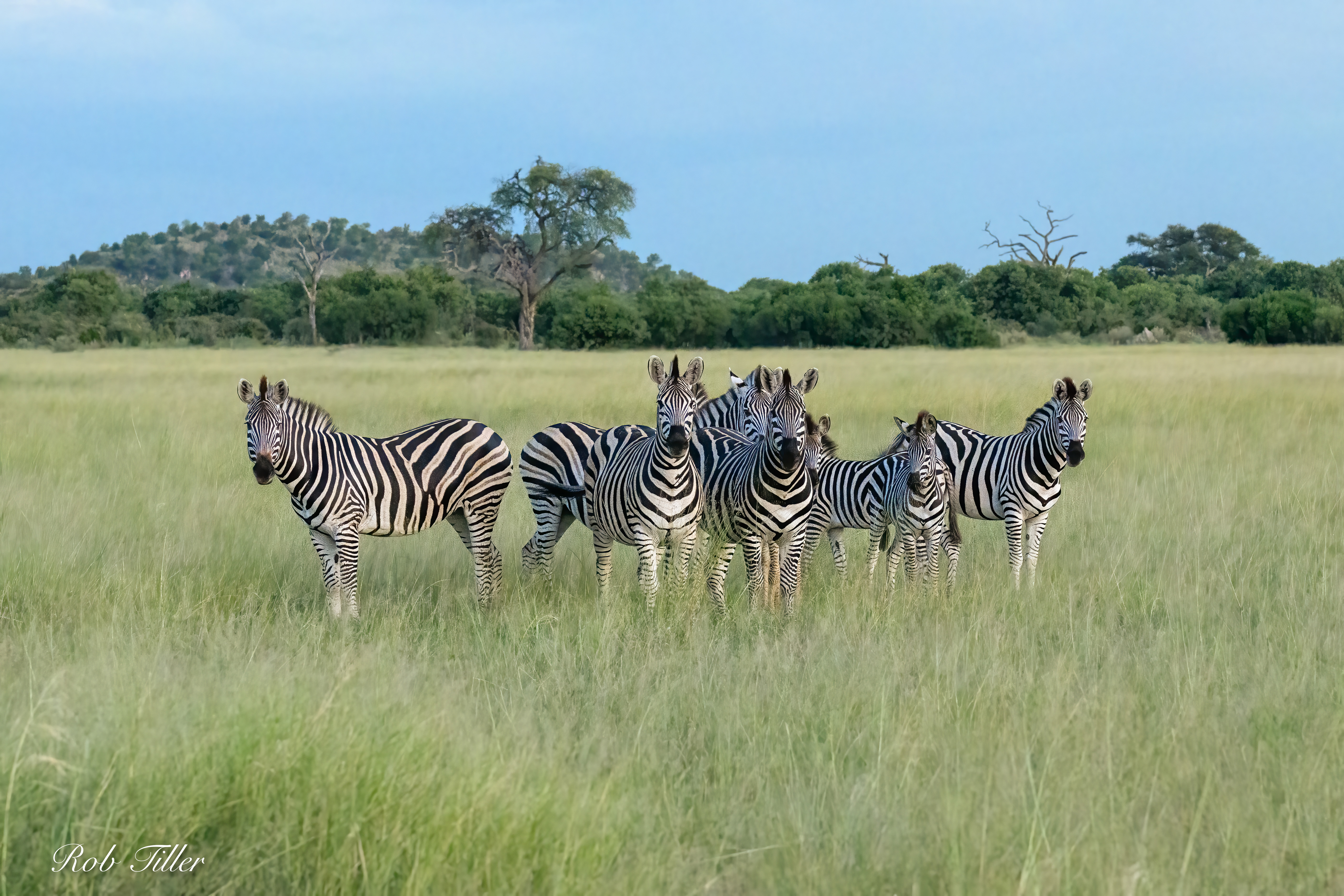
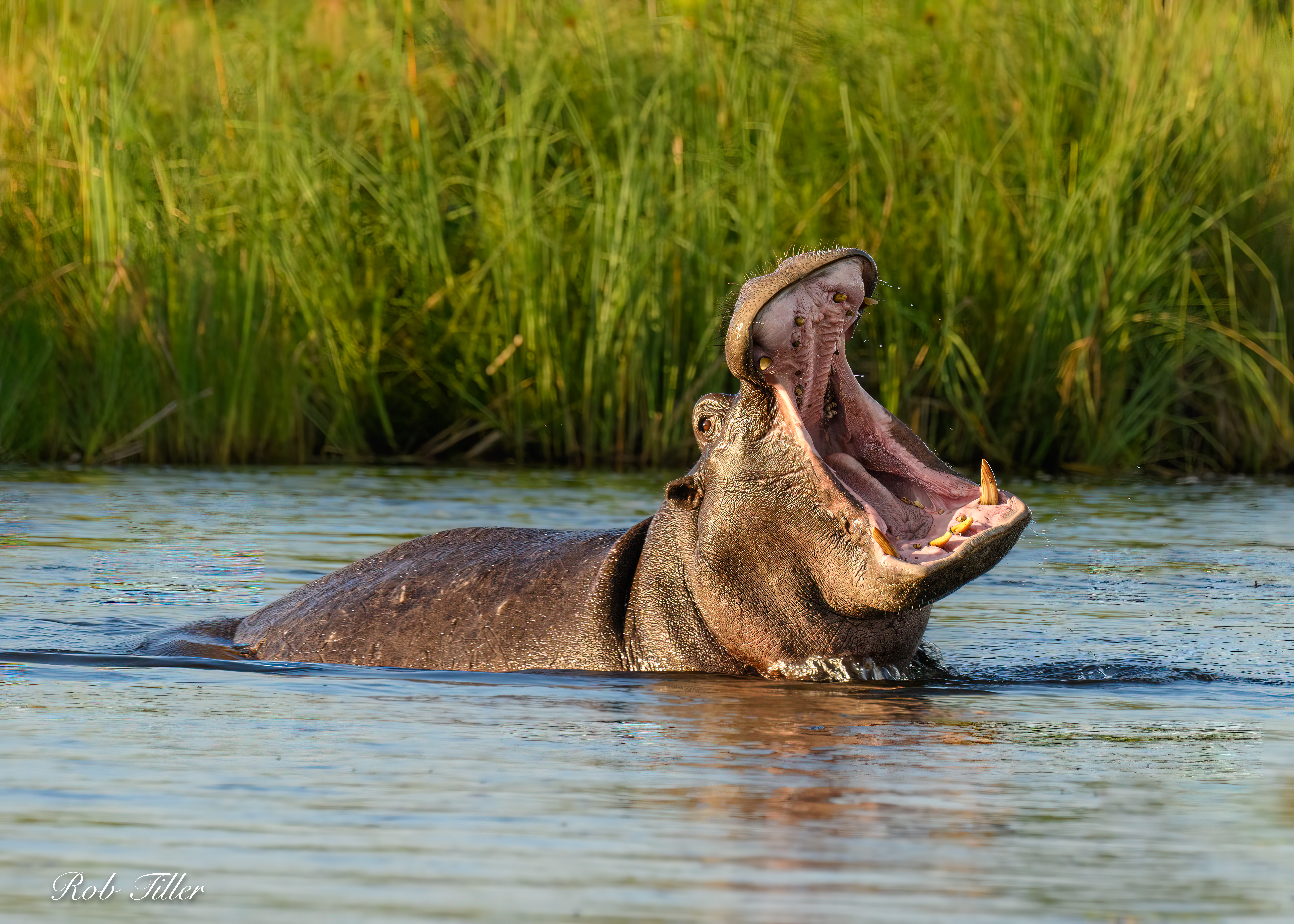
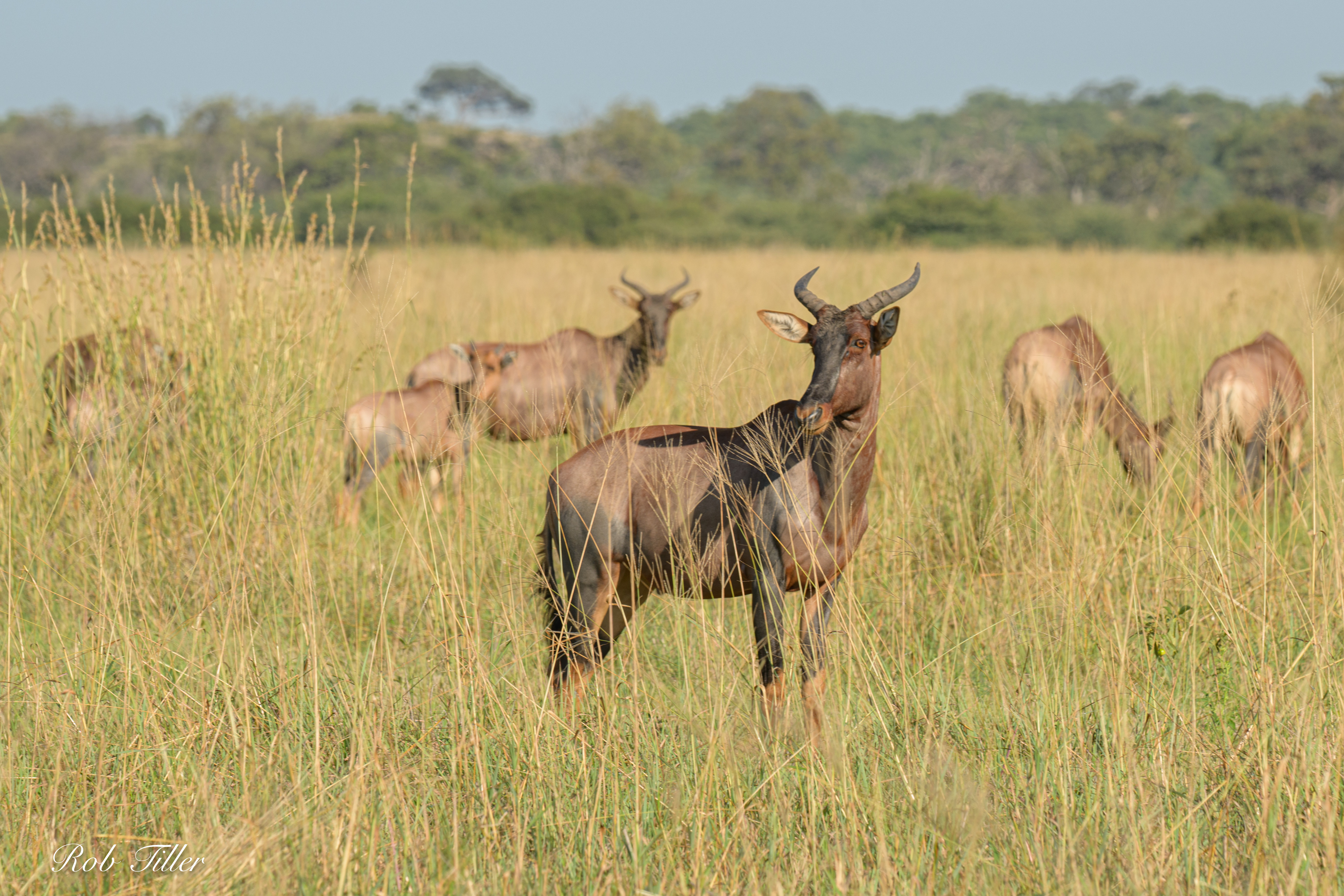
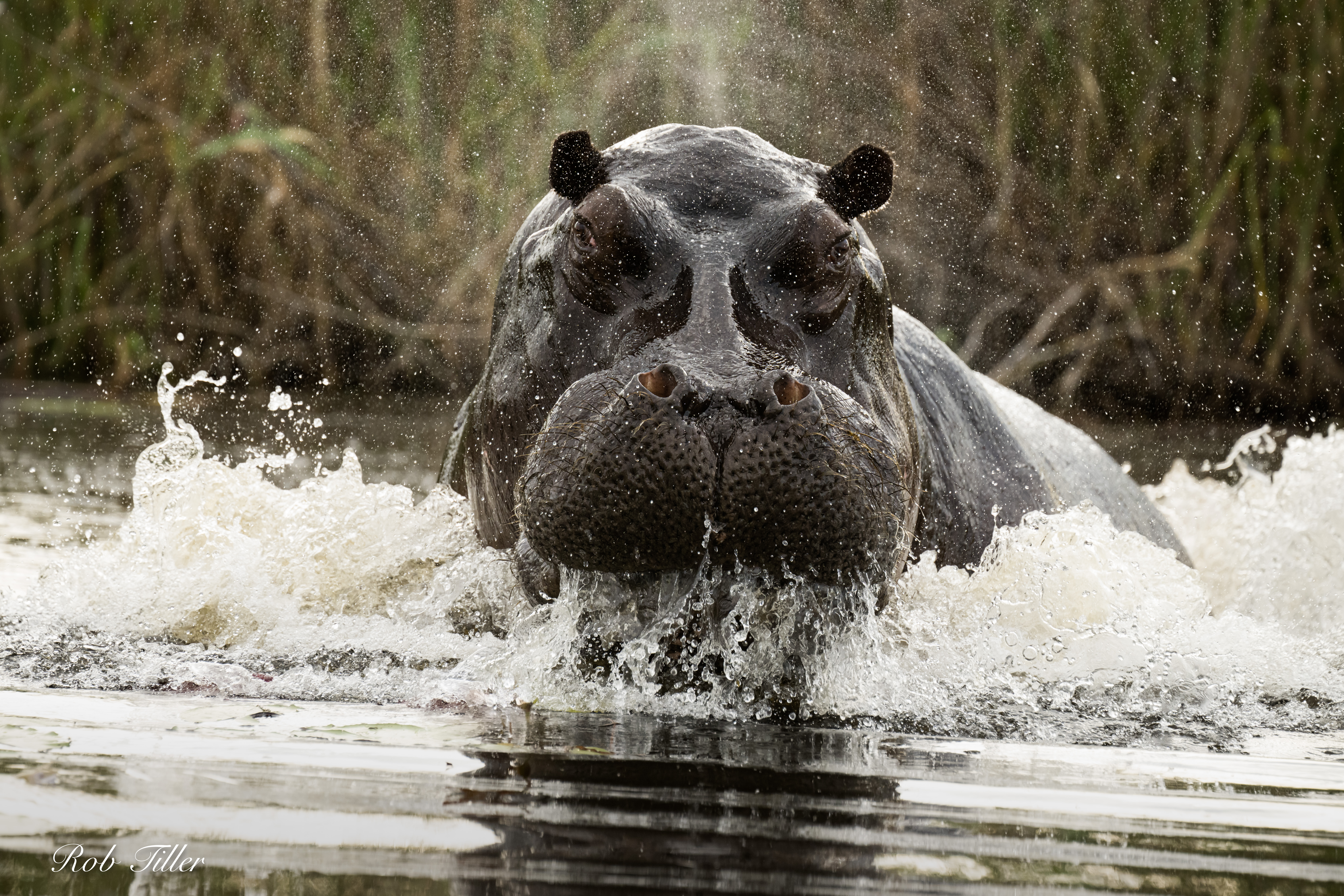
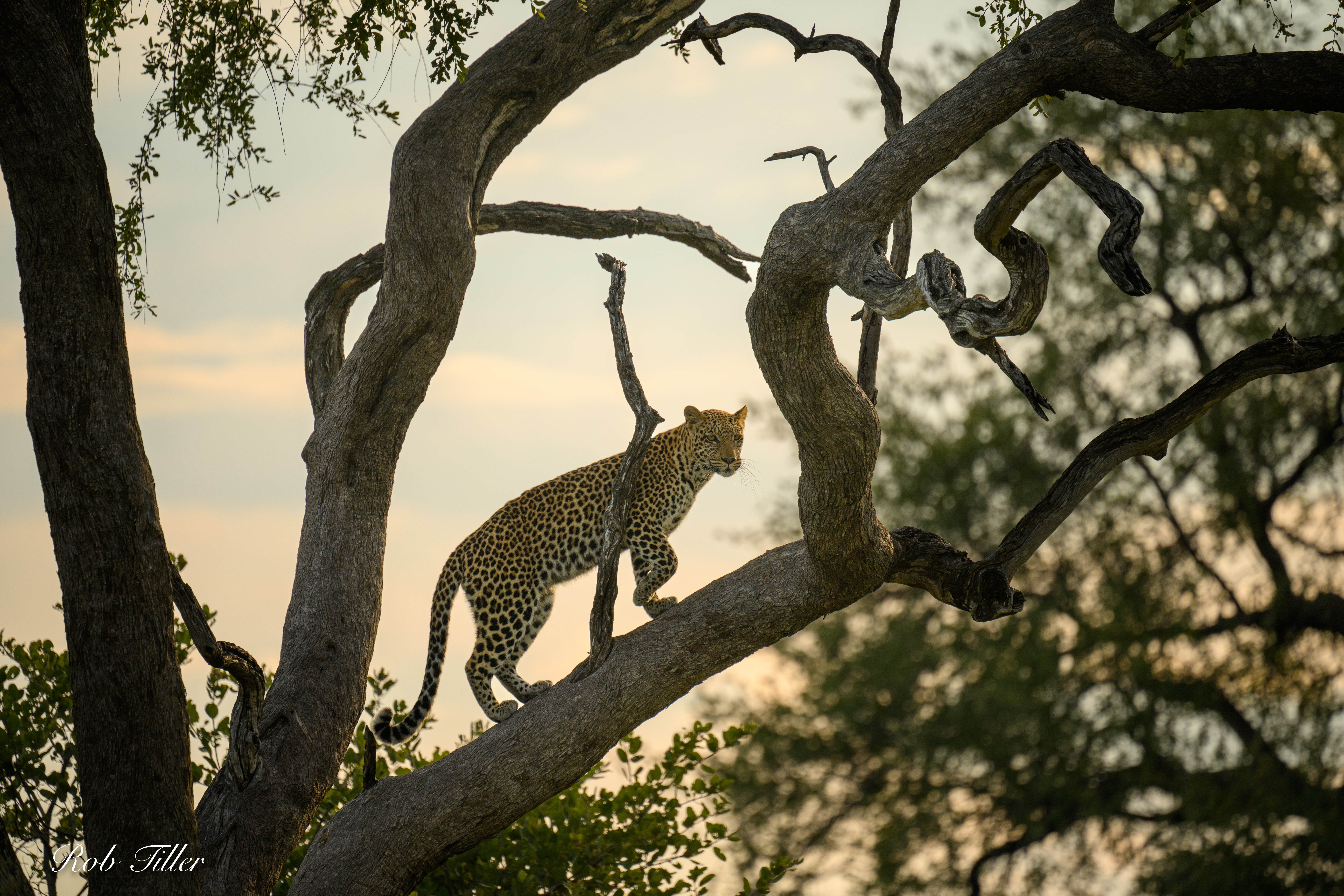
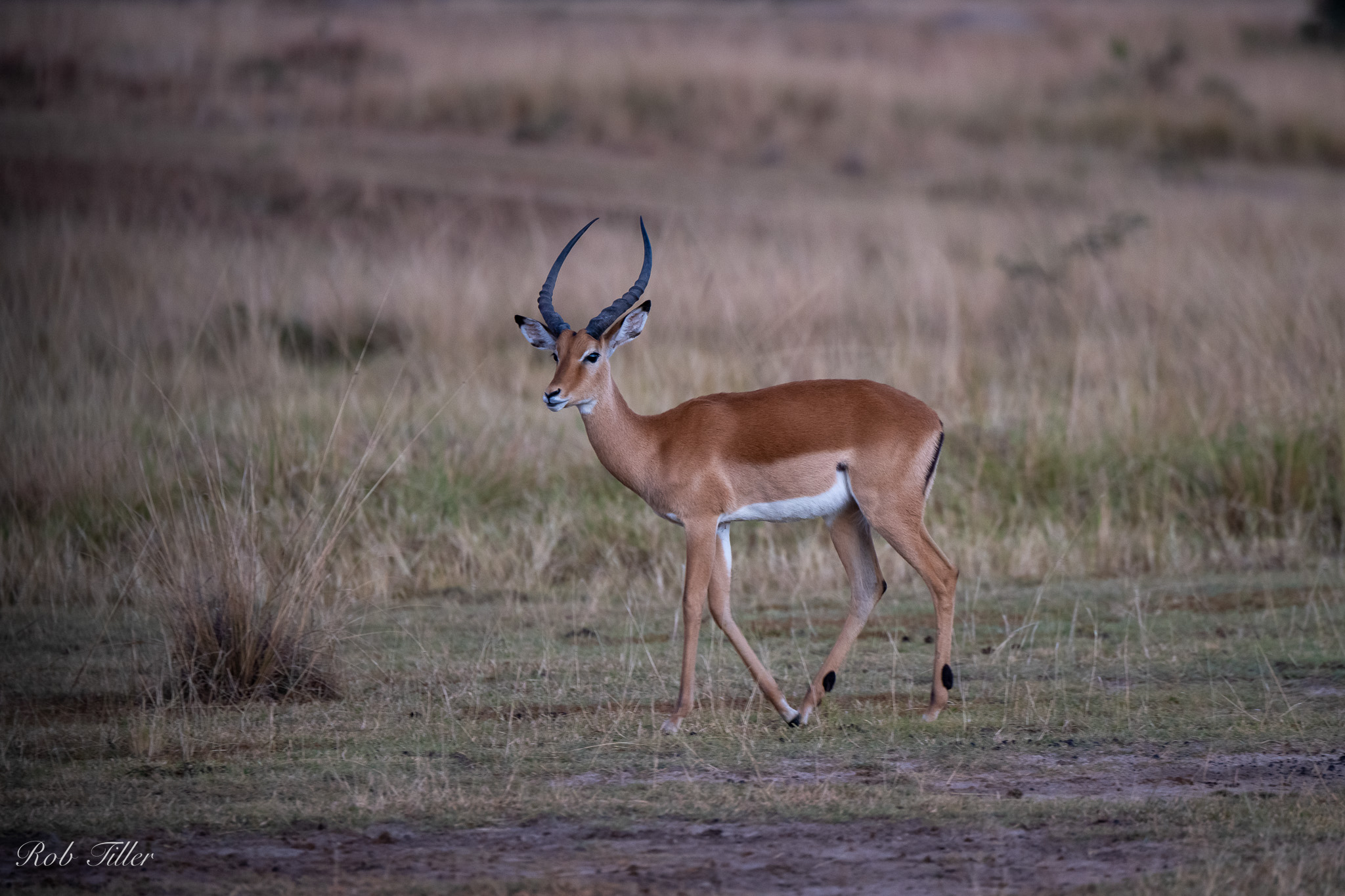
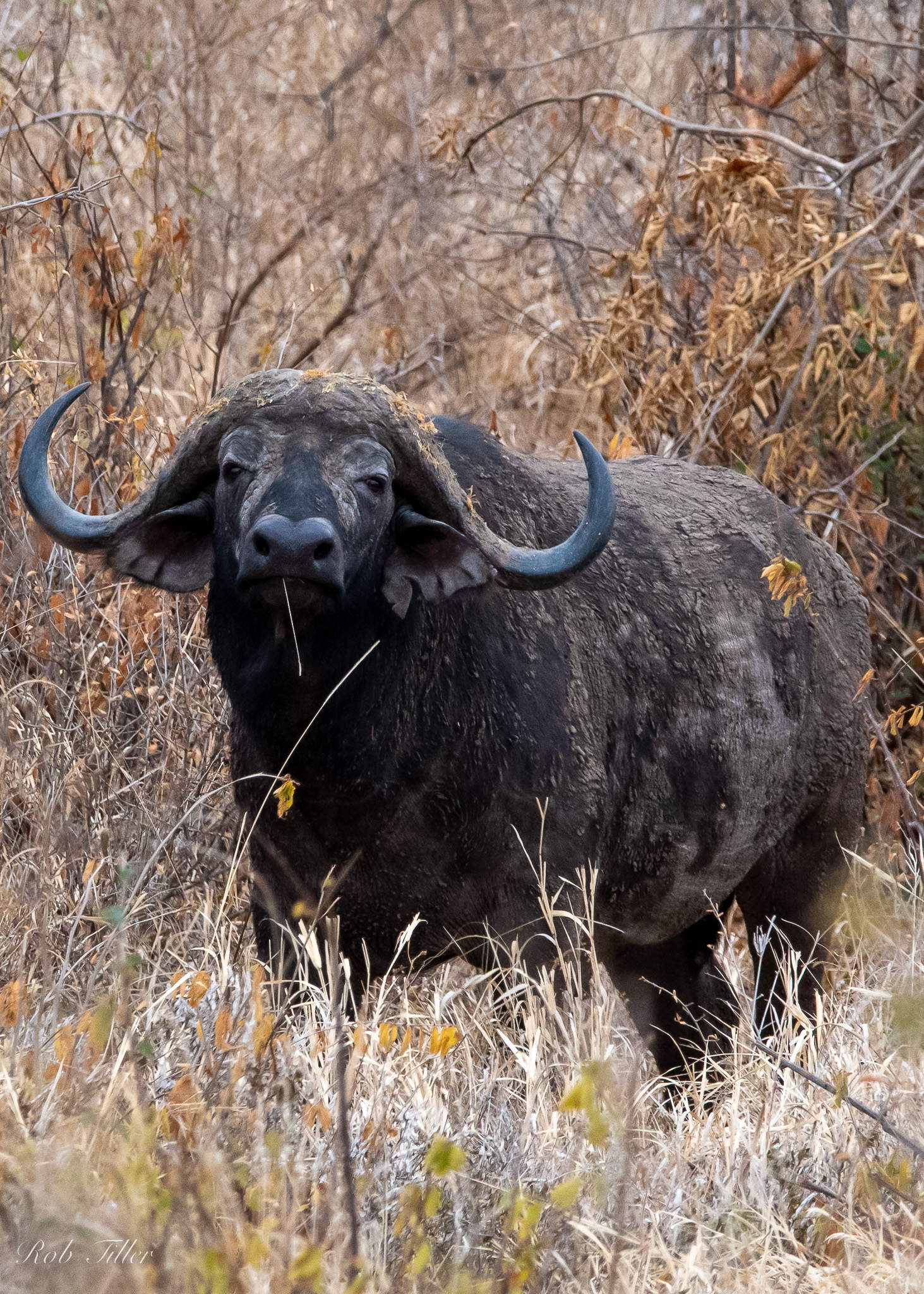
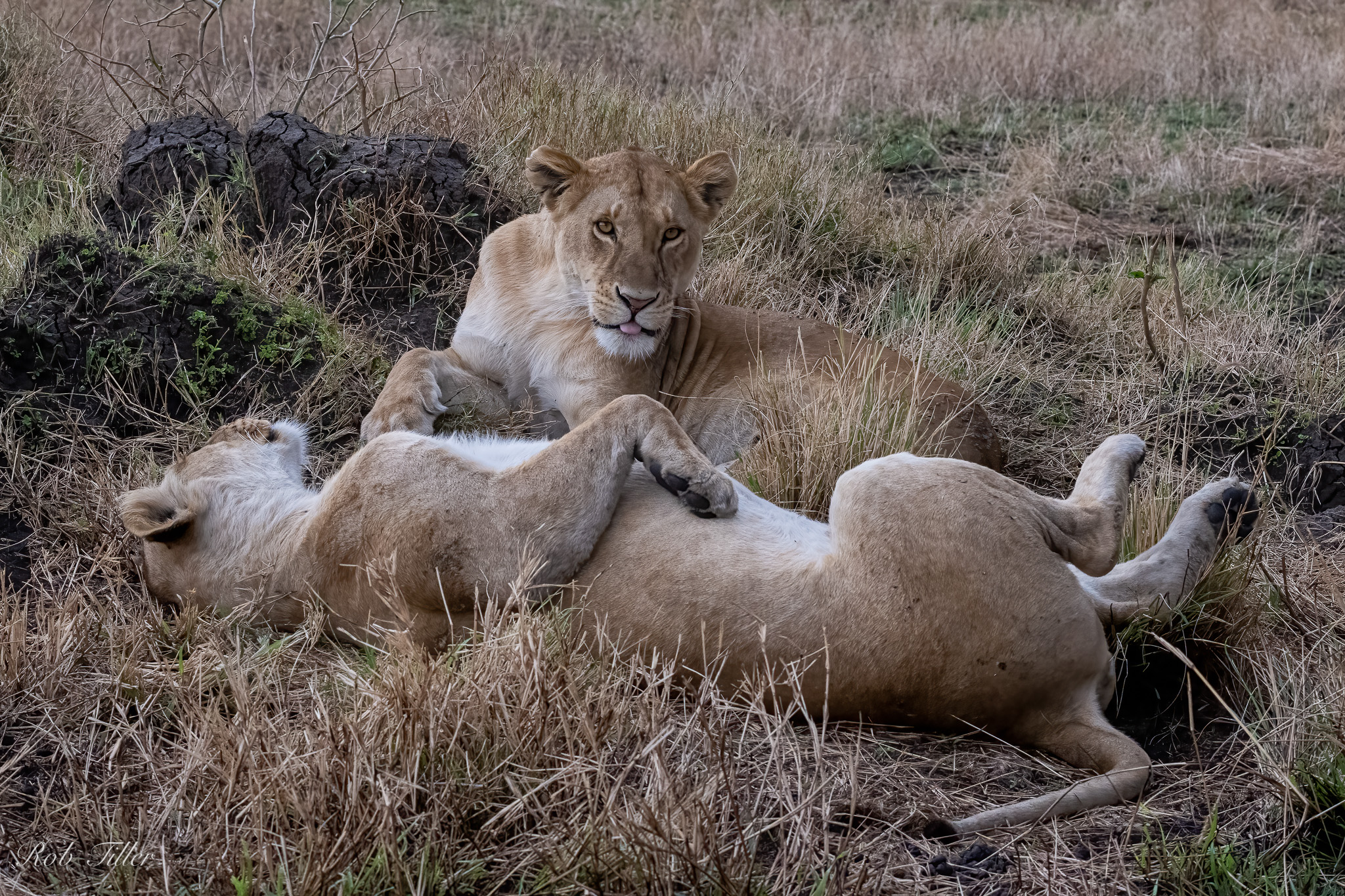
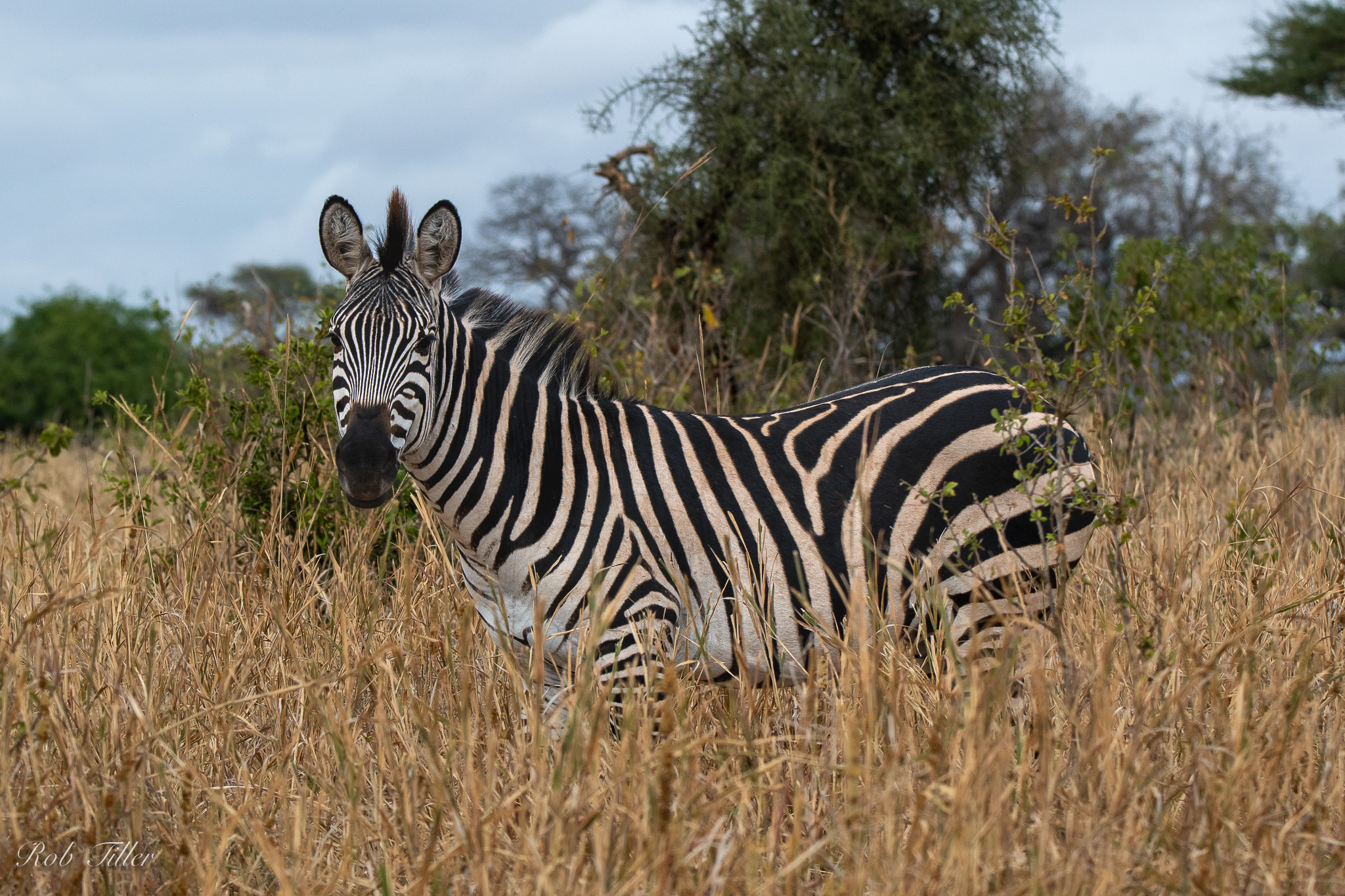
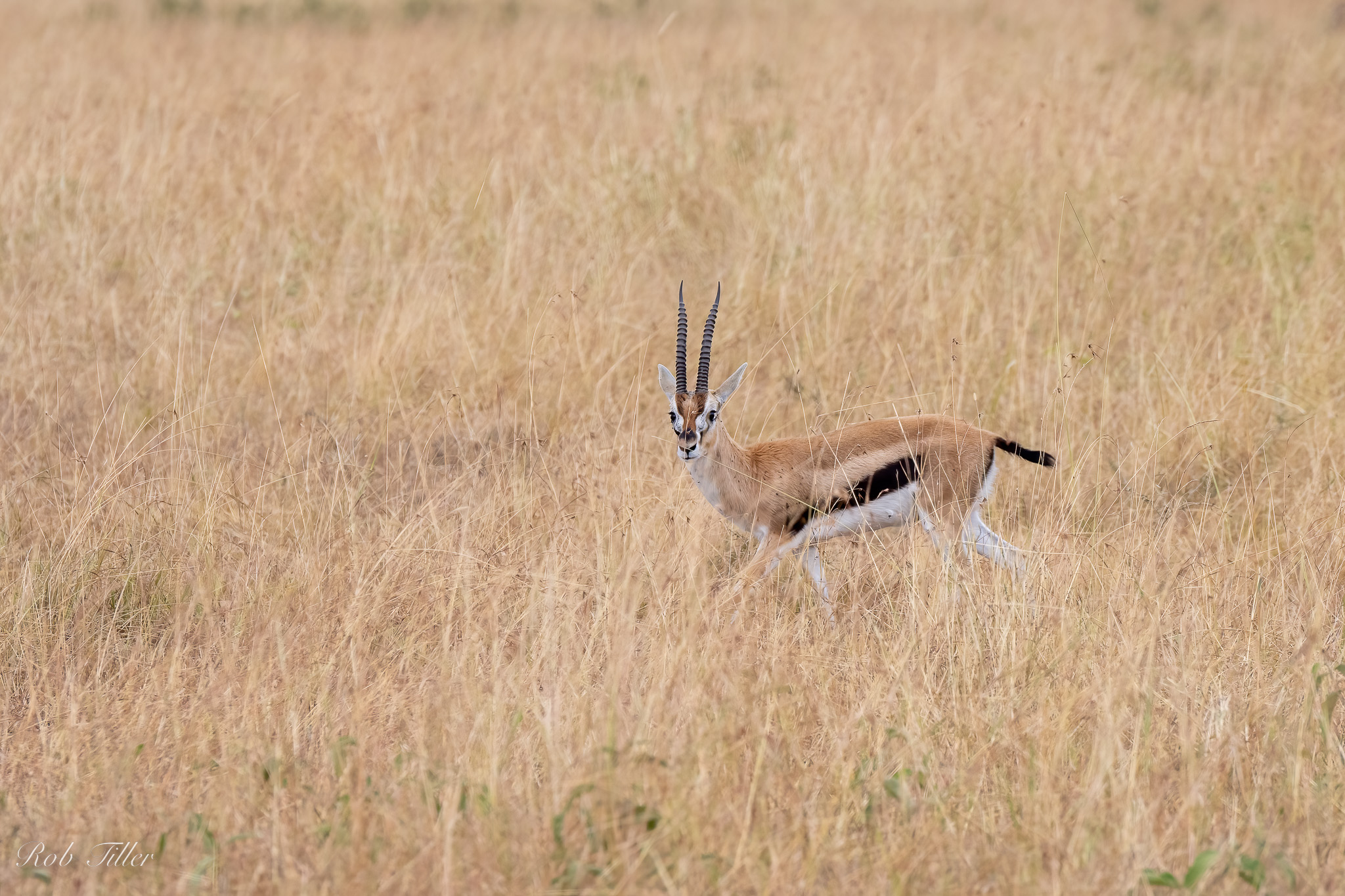
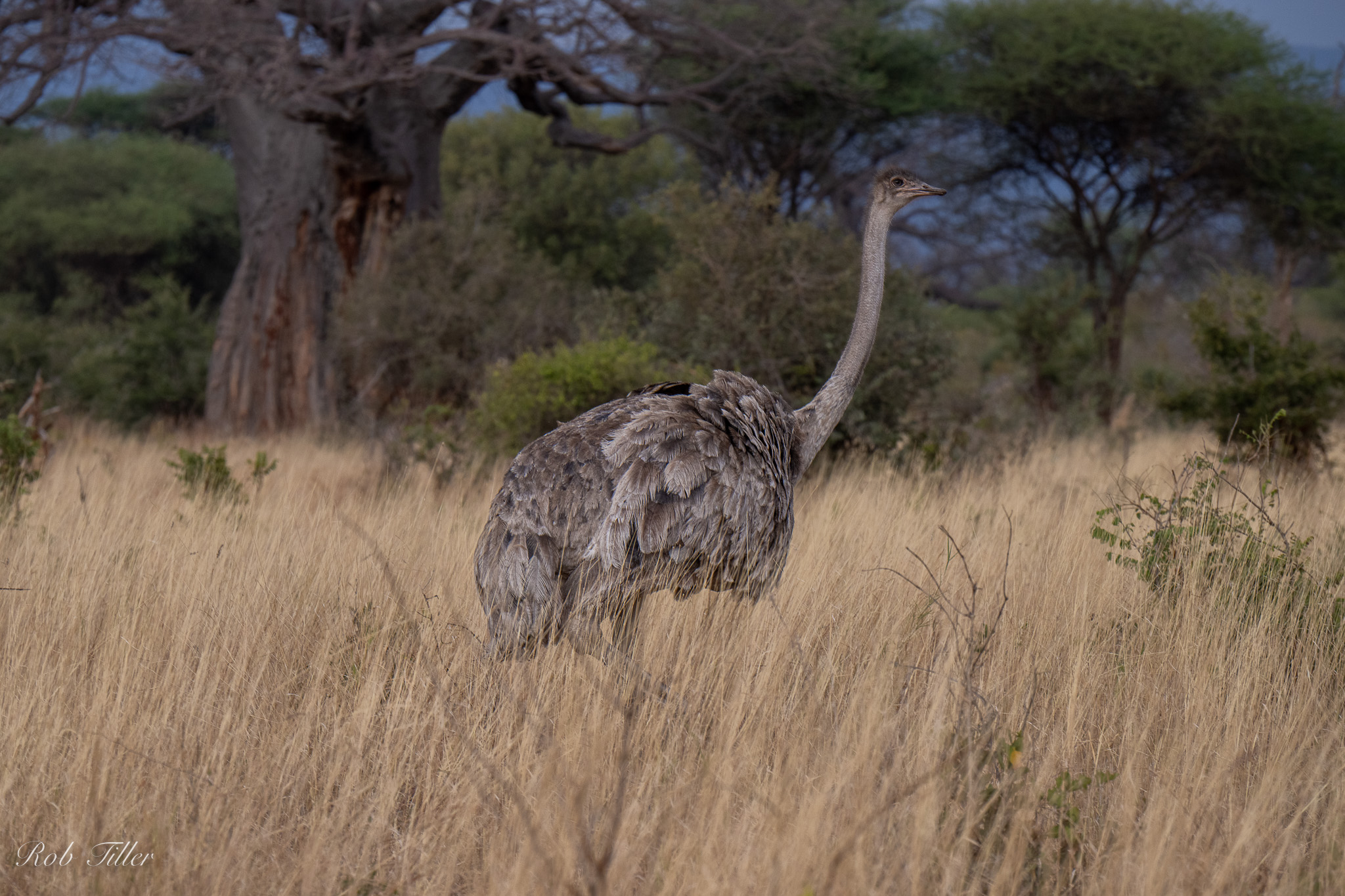
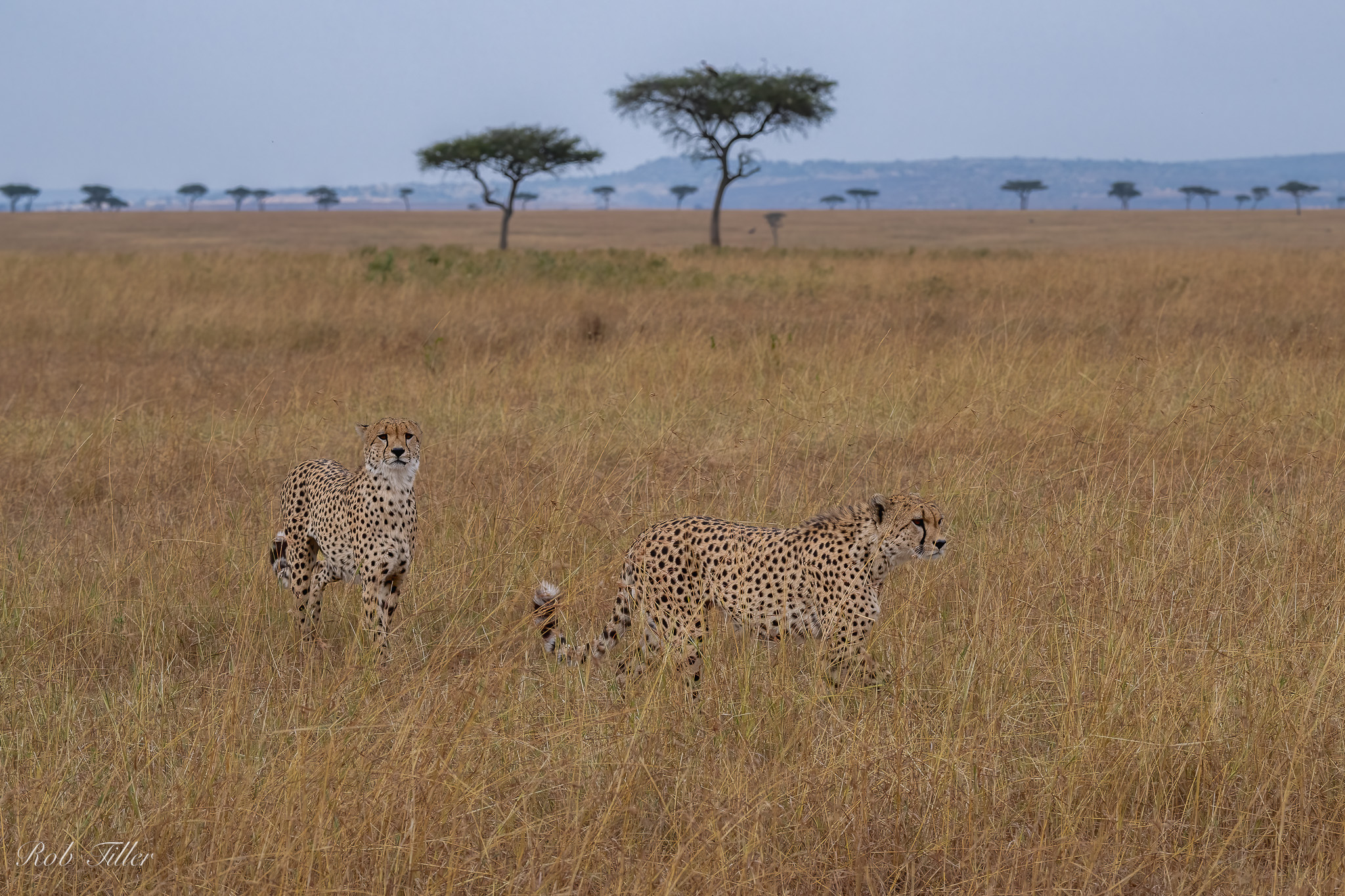
Best of all, there were big animals all around us. We had numerous good views of the so-called big five (elephants, lions, leopards, rhinoceros, and buffalo) and many others just as remarkable, including cheetahs, giraffes, impalas, kudus, zebras, ostriches, warthogs, and wildebeests.

Our days began when it was still dark. After a quick snack, at 5:00 a.m. we loaded our gear and ourselves onto a big Toyota Land Cruiser. The vehicle was topless, with three rows of bench seats behind the driver and a seat on the hood for our tracker.
On the cold mornings, we stayed warm with blankets and hot water bottles. When it warmed up, the blankets were useful for protecting our cameras from the dust. We rode along over bumpy roads, and sometimes rugged off-road areas, for extended periods.
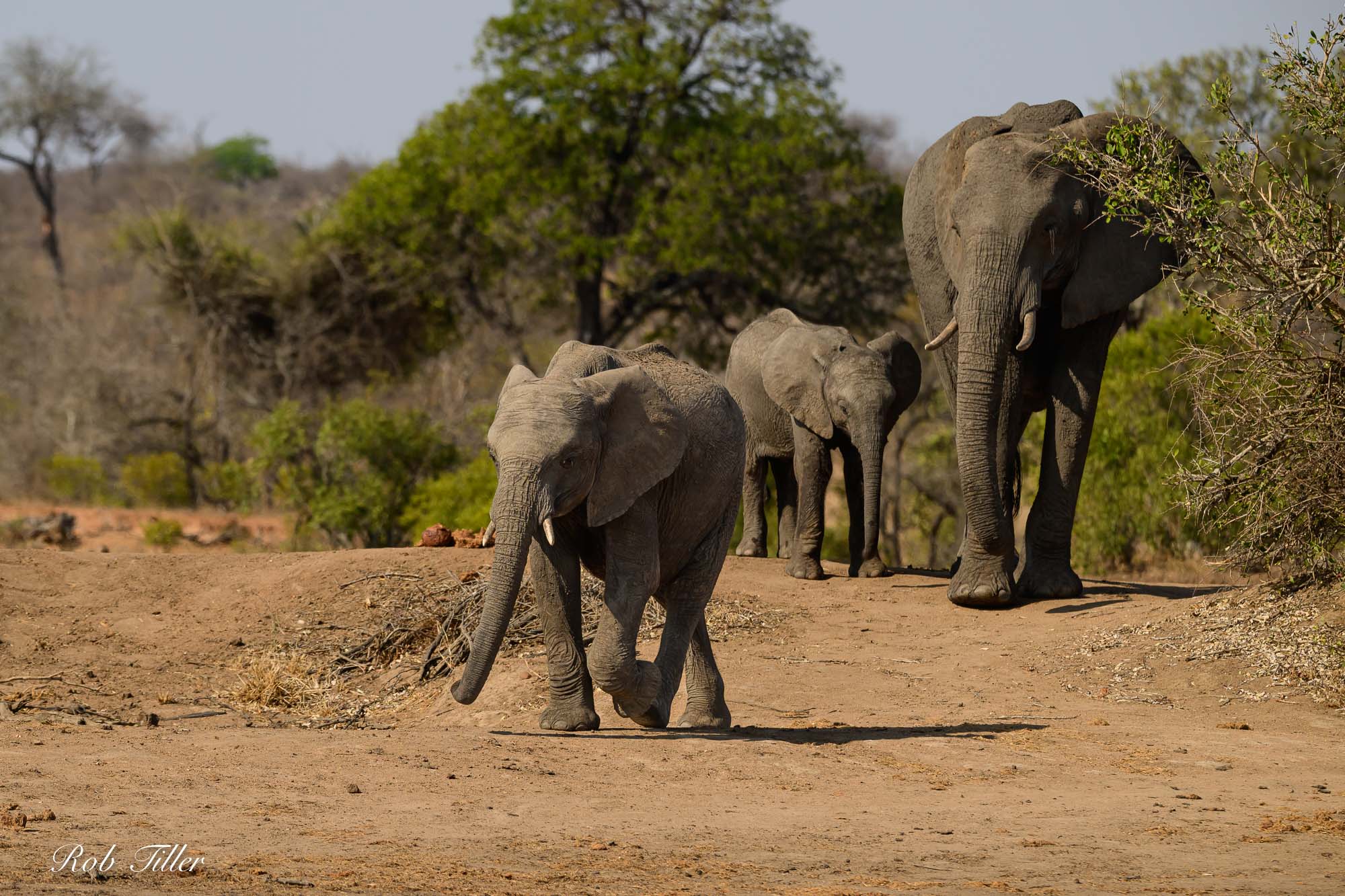
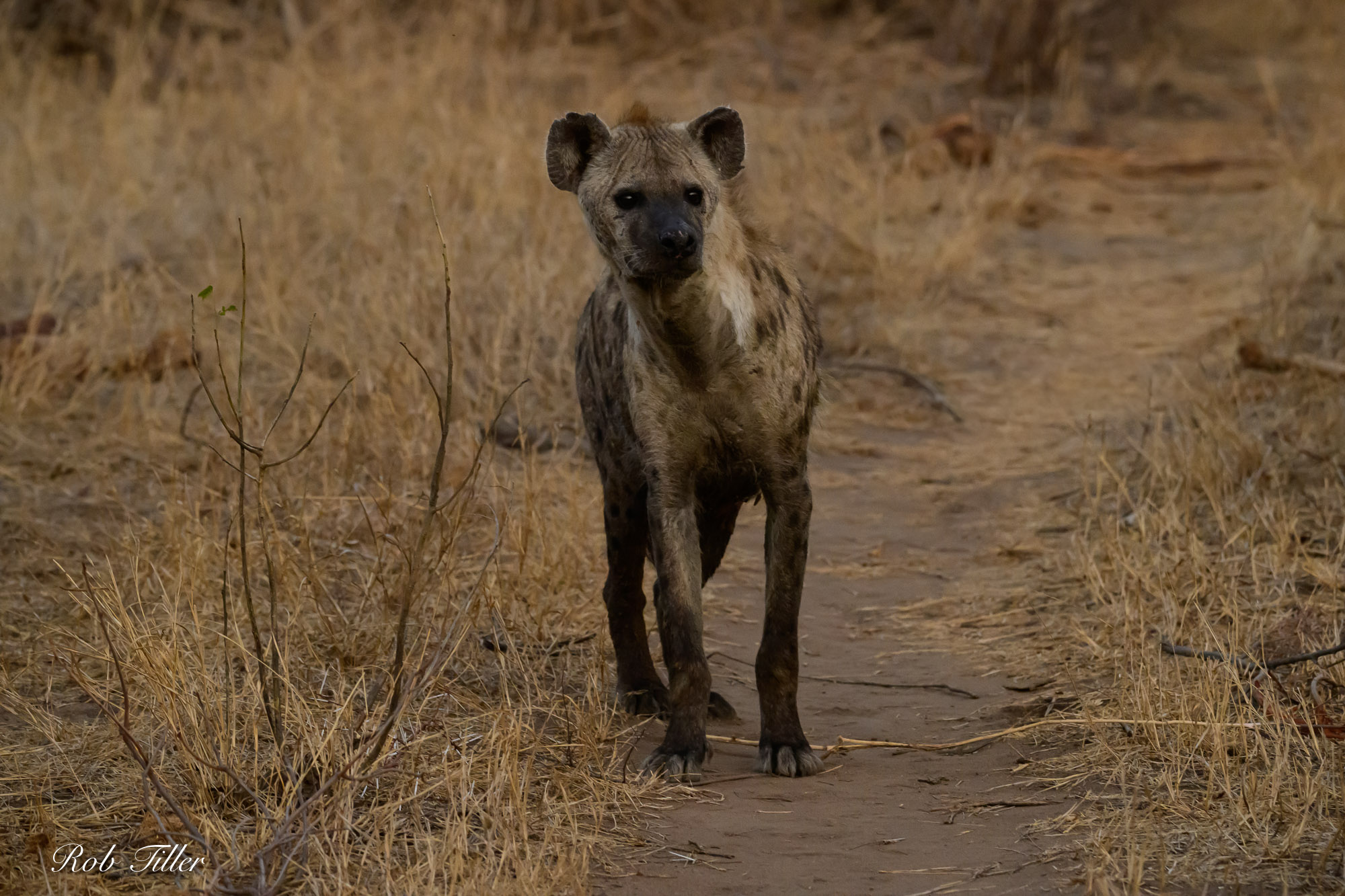
Our game drives generally started off heading towards an area where a rare species like a cheetah or rhino had recently been sighted. But en route we almost always came across other interesting big things, like elephants and giraffes, or smaller ones, like hyenas and mongoose. Sometimes we were quite close to the animals. We took most of our photographs from inside the vehicle, but we also did a bit of trekking.

When we were on foot, Noelle gave us some lessons in tracking, and did some actual tracking to locate lions, rhinos, and other creatures. I had recently read The Tracker, by Tom Brown, and learned a bit about tracking as a skill set, but still, it was impressive to see Noelle and our tracker agreeing on estimates of the time the animals had passed and what they were likely up to.
There are no bathrooms out in the bush, but there are limitless places to go when the need arises. Once, after I’d stepped behind a tree, I heard Noelle say I should hurry along. I took the time needed to do what I had to do, then returned to the vehicle. It turned out I’d been about 25 yards from a sleeping lion. Fortunately, he’d kept on sleeping.
We normally returned to camp in the late morning to eat and relax, and then went out again in mid-afternoon. At times we would sit and watch sleeping predators for a while in hopes they would get up, or exotic nesting birds in hopes they would fly. We also enjoyed sitting at watering holes as various creatures came by to have a drink.
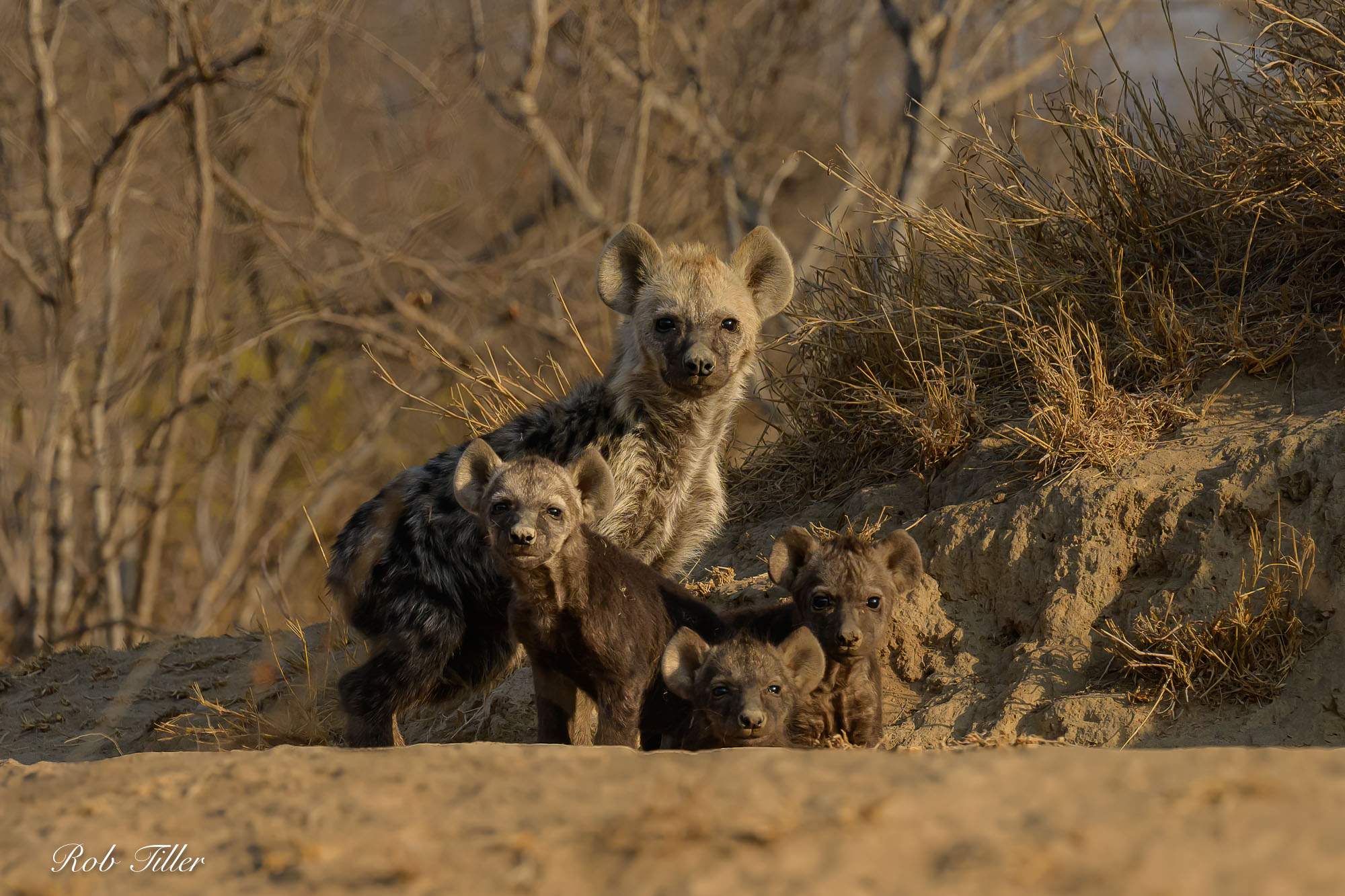
The variety and beauty of the different animals continues to amaze me, as does the variety of complex systems within the ecosystem. Every creature plays a role, whether it be spreading seeds, consuming dead creatures, or culling the herds. The game reserves are a reminder of what is possible when humans give some room and respect to other species.
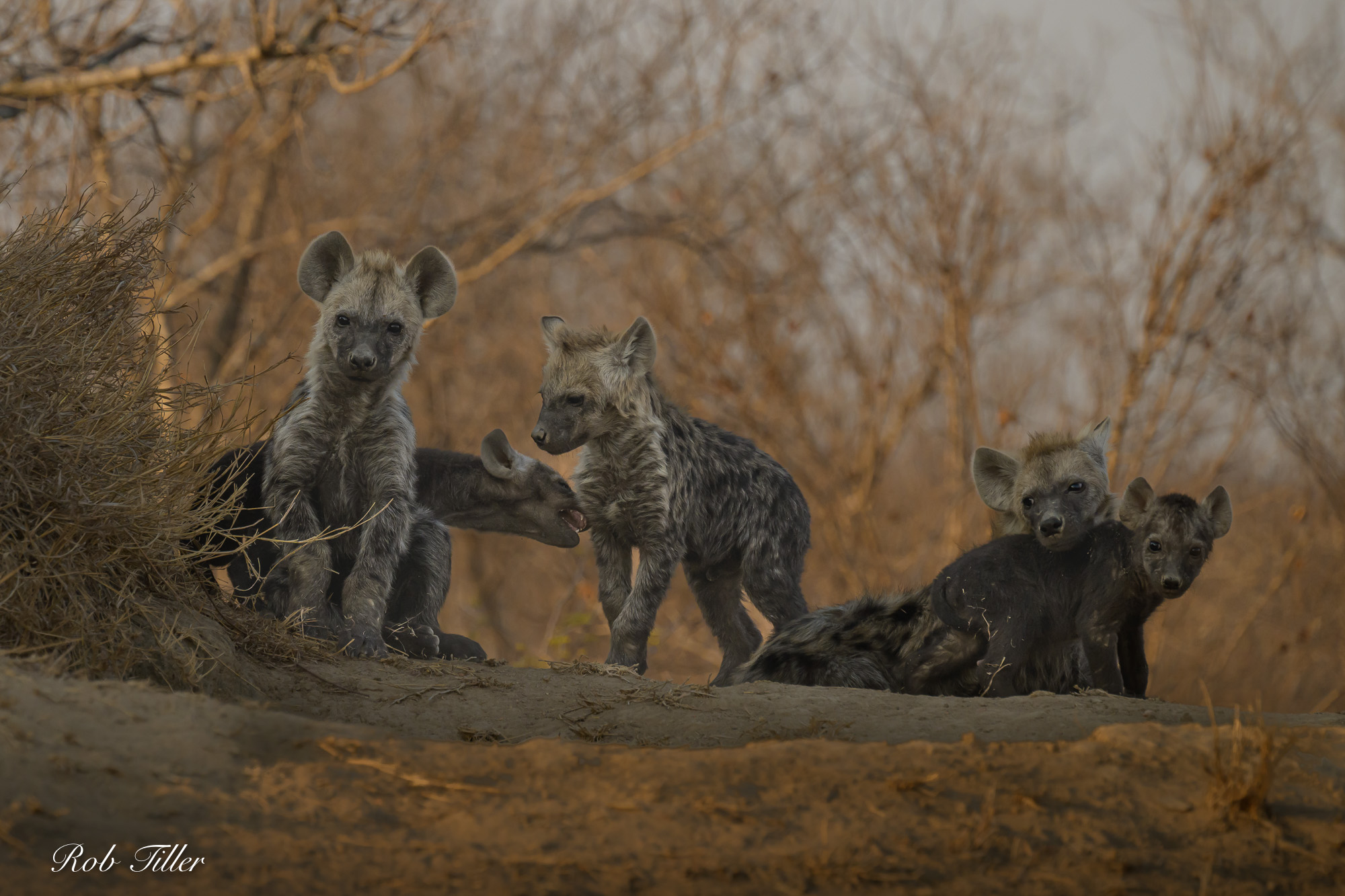
Unfortunately, we’ve taken over much of the habitat that non-human animals once lived on, and animal populations continue to fall worldwide. Per a new report from the World Wildlife Fund, over the past 50 years animal populations have declined by 73 percent. The full Living Planet Report is available here.
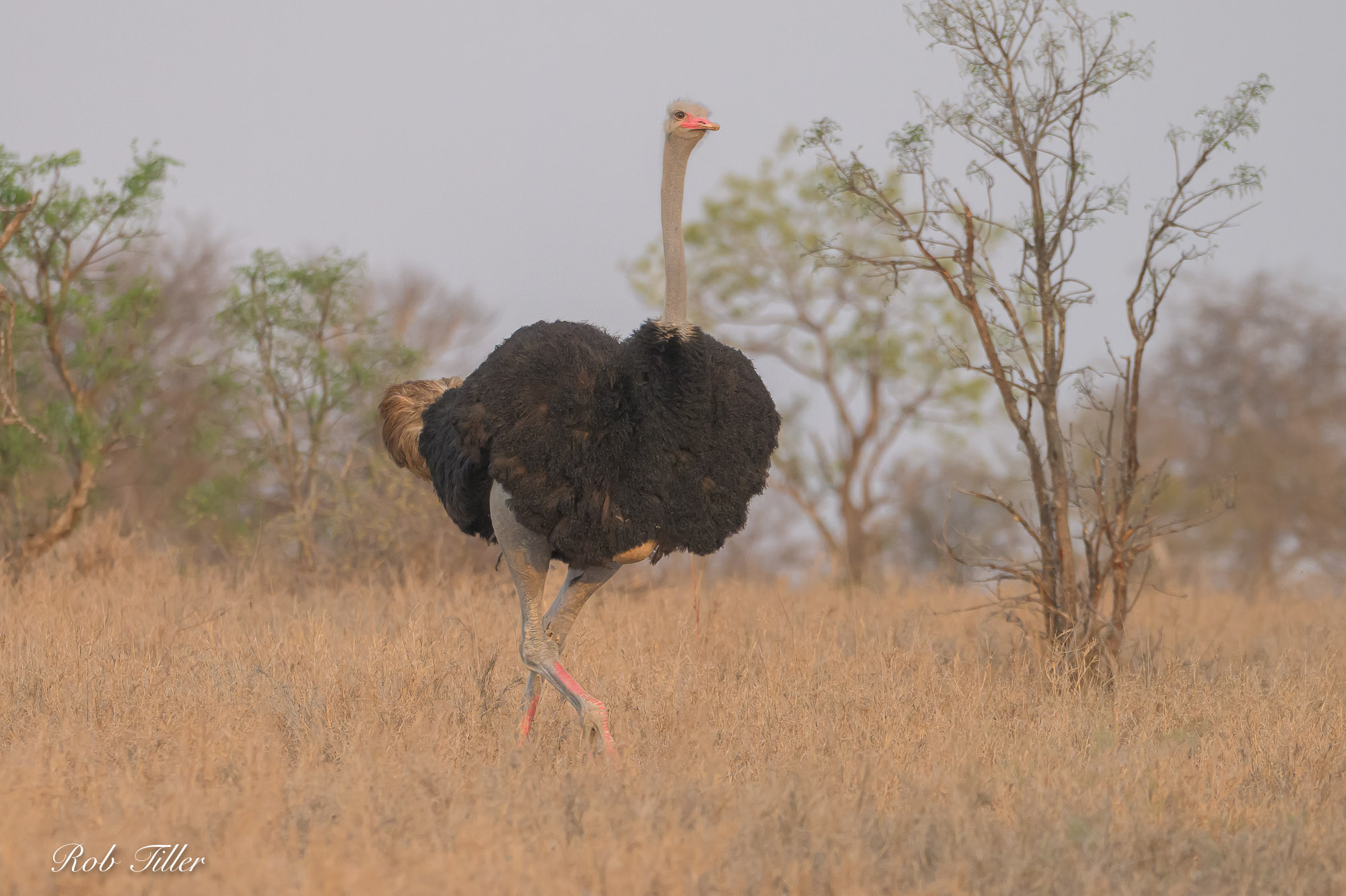
This decline has cascading effects. According to the chief scientist of the World Wildlife Fund, “Vertebrate populations underpin ecosystem health and the services we get from ecosystems like stable climate, abundant and clean water, healthy soils to grow food, productive fisheries that supply people with protein…. If you have that kind of decline in vertebrate populations around the globe, you’re going to have troubles supporting and sustaining human health and well-being over time.”
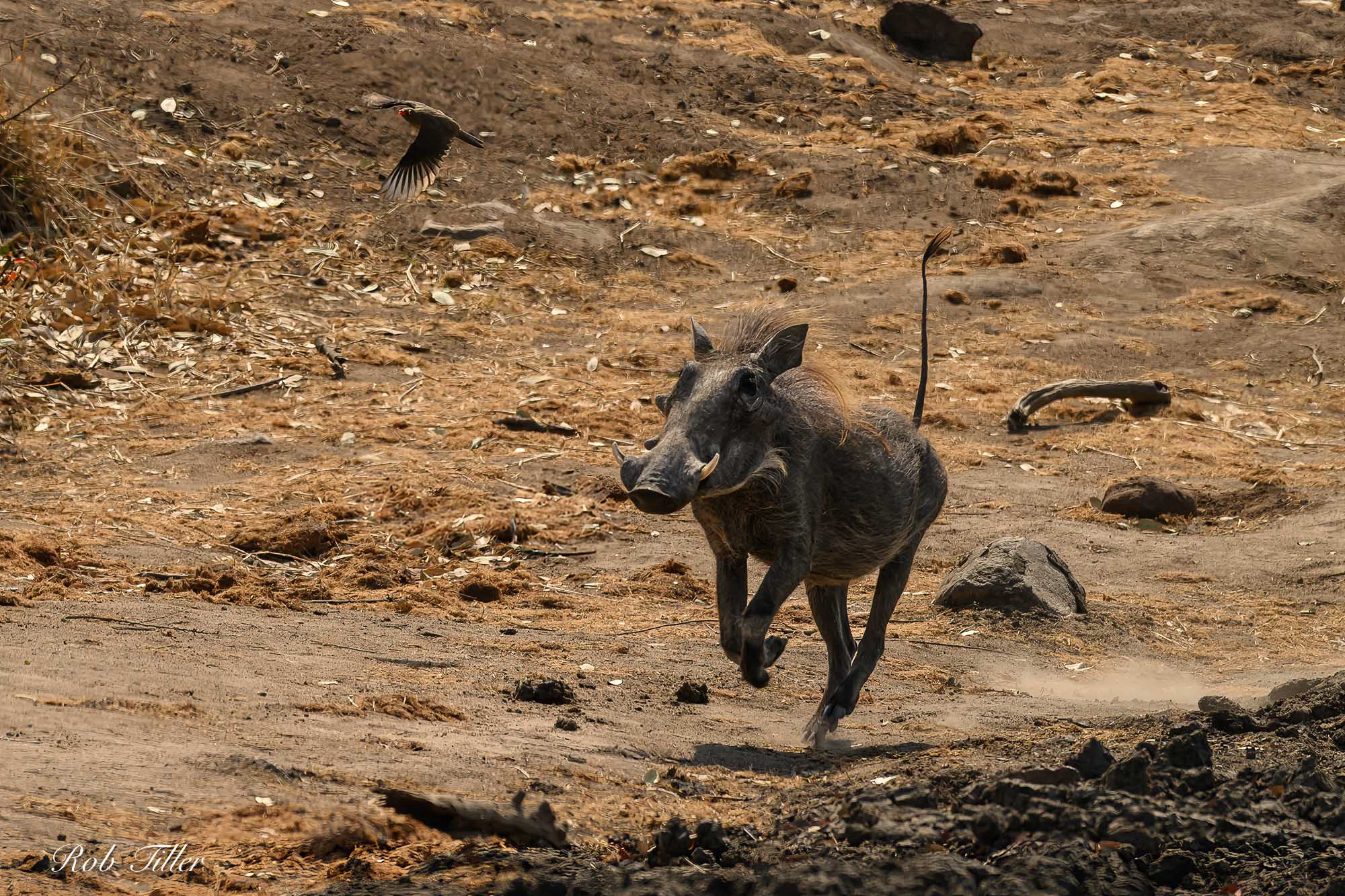
The terrible loss of animals has a number of causes, but a major one is loss of habitat when wild areas are used to produce grain for animals raised as food for humans. About 40 percent of habitable land is used for such purposes. The report notes that one simple thing we can do to mitigate this problem is to eat less meat.

One last note: this week I was cheered to learn that the Nobel Peace Prize went to Nihon Hidankyo, a Japanese group of atomic bomb survivors that has worked to raise awareness of the horrors of nuclear weapons. The Washington Post reported on this here.
Somehow we’ve gotten used to the possibility that civilization could be destroyed in a few minutes with the enormous nuclear weapons currently deployed, and just don’t think about it. Indeed, in the US, almost none of us know that we’re currently in the process of spending hundreds of billions on new nuclear weapons and facilities. See this NY Times report.

This issue is not on the political discussion agenda, and it should be. To me, arms racing and rolling the dice on nuclear annihilation seems crazy, and it seems like simple sanity to work for arms control as a high priority. Of course, others apparently disagree, but surely we should talk about it.

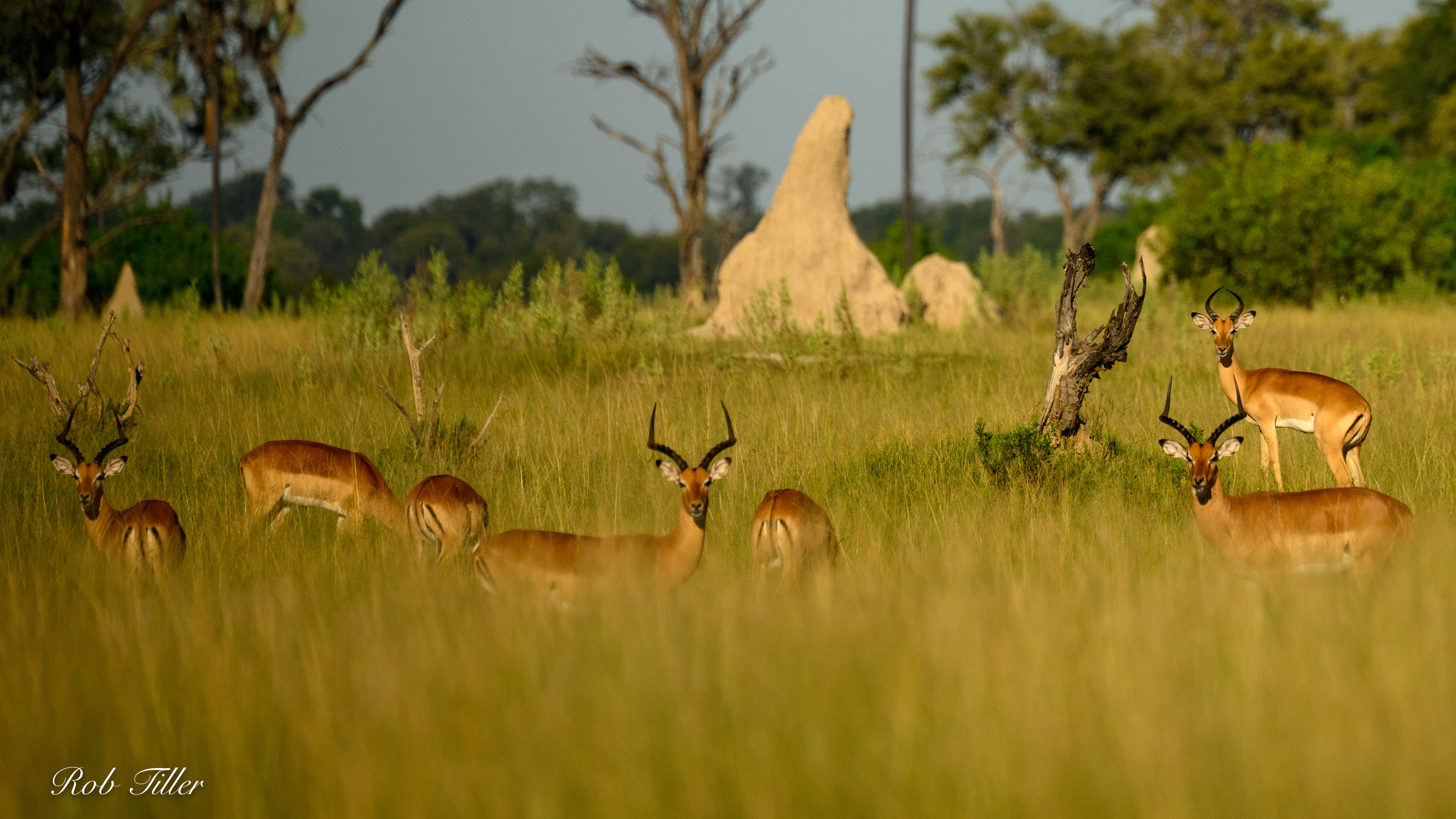







 The Casual Blog