The Casual Blog

Tag: global warming

A few chimney swifts, fine Fiction Kitchen, finishing physical therapy, the fossil fuel endgame, and a fishing blue heron
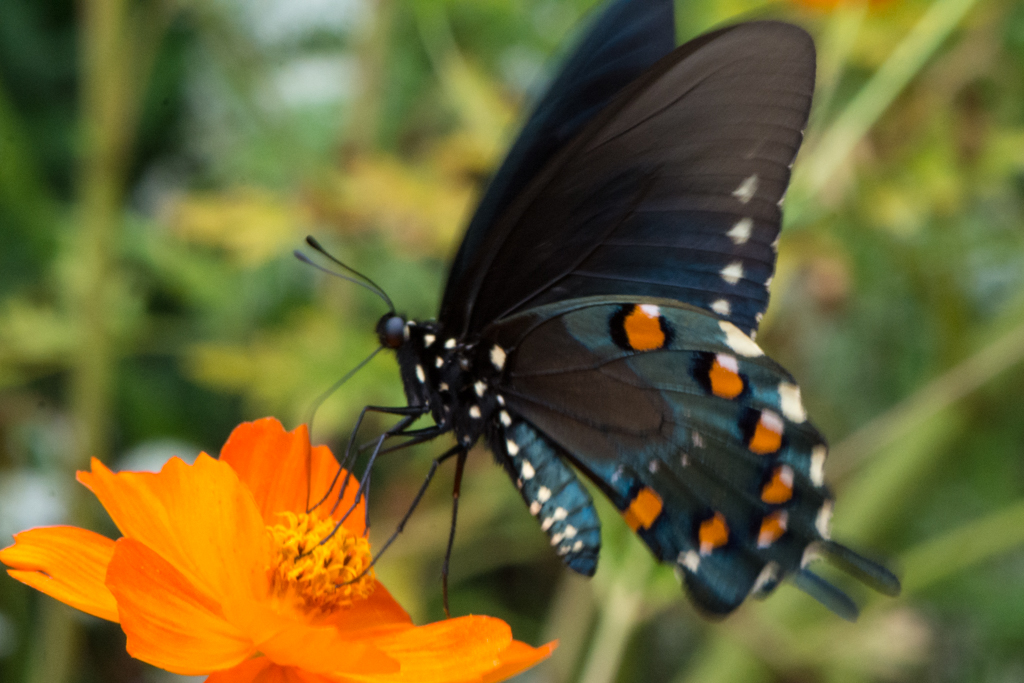
A spicebush swallowtail at Ralston Arboretum on September 11, 2015

A spicebush swallowtail at Ralston Arboretum on September 11, 2015

According to Sally’s calendar, this week should have been a good one to see the chimney swifts in downtown Raleigh. Last year at this time there were thousands, swarming and swirling, and eventually shooting down a large chimney to roost for the night. So we went downtown with our binoculars on Wednesday night and waited at sunset. There were some mini-flocks flying, and we kept hoping for the grand congregation, but it didn’t happen. We saw dozens of swifts, rather than thousands.

Afterwards we went a few blocks south to Fiction Kitchen, Raleigh’s best vegetarian restaurant. The last few times we’d tried to get in, the place had been full with many people waiting. This time it was full, but the wait was only a few minutes. The waiters we liked were still there. There were some new menu items, along with familiar favorites. We started with squash and zucchini cakes appetizer, which was delicious. For entrees, Sally had the succatash farro risotto. I had the mock pork BBQ, a tempeh-based dish that was so outrageously good that, as a vegetarian, I felt a bit guilty.
RTILLER3 (1 of 1)

The next day I had my graduation session from physical therapy. For the last few weeks, I’ve been trekking out to Cary to see Geert Audiens a couple of times a week to get treatment for my torn rotator cuff. As ordered, I’ve been doing my shoulder exercises twice a day (most days). The exercises were not too interesting at the start, and have gradually become a huge bore.

But most of the discomfort in my shoulder is gone, and the strength is improved. To complete the program, Geert directed me to continue doing the exercises for 25 minutes a day every day for the next three months. Then I should call him and give a report. This is a big assignment, but I’m going to try, since I am still motivated to get better. I expect to be using that shoulder for quite a few years yet.

Driving back to Raleigh, I saw a bald eagle fly across the beltline into the trees. There are some that live a bit west of here at Jordan Lake, but this was the first one I’d seen in Raleigh.
RTILLER4 (1 of 1)

On Saturday morning, I read a piece in the NY Times ran a piece on a new climate study that projected a more-than-200-foot rise in sea levels if we continue to use fossil fuels until they are used up in the 22nd century. That would mean no more New York, Amsterdam, London, Paris, Berlin, Rome, Beijing, Sydney, and Tokyo, among other nice places. All the ice on earth would melt, with half of that occurring in the next thousand years, and seas rising at 10 times the current rate. The study out of the Potsdarm Institute for Climate Impact Research was published in the journal Science Advances.

Curiously, the Times put this horrifying news on the bottom of page A10 of the print edition, rather than the top of page 1. It was similarly buried in the online edition. Did the editors think it wasn’t important? That’s doubtful. Did they think their readers are tired of bad climate news and would prefer not to hear more? Perhaps, but in whatever case, we’ve got to get our minds around this, and get to work, or things are going to get grimmer. We’ve had a good run with fossil fuels, but that’s over. It’s time to get serious about the alternatives.
RTILLER5 (1 of 1)

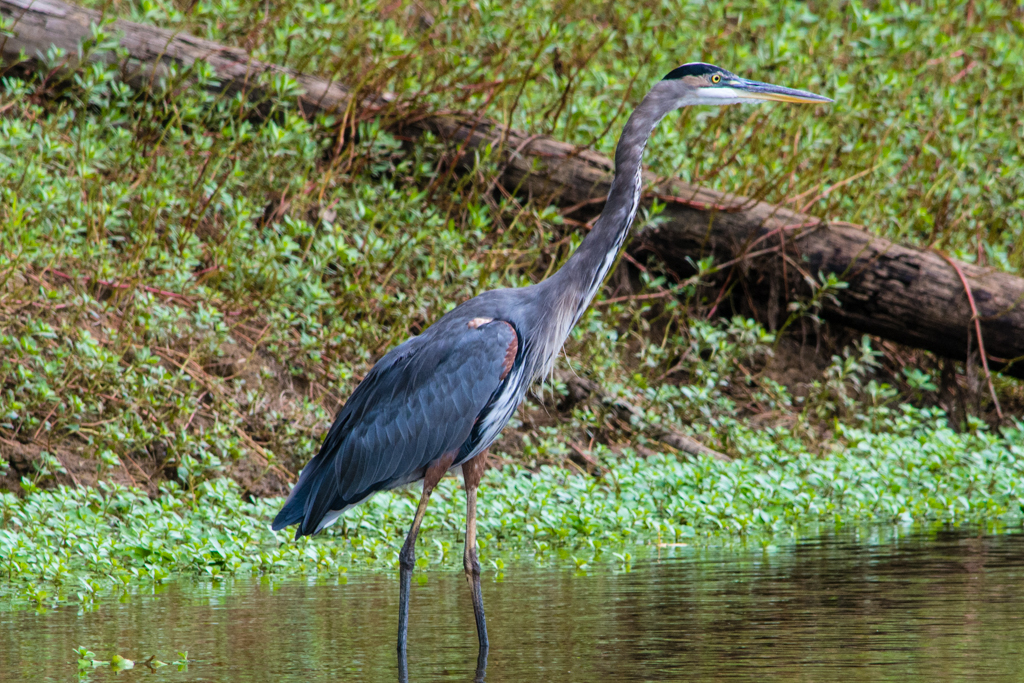
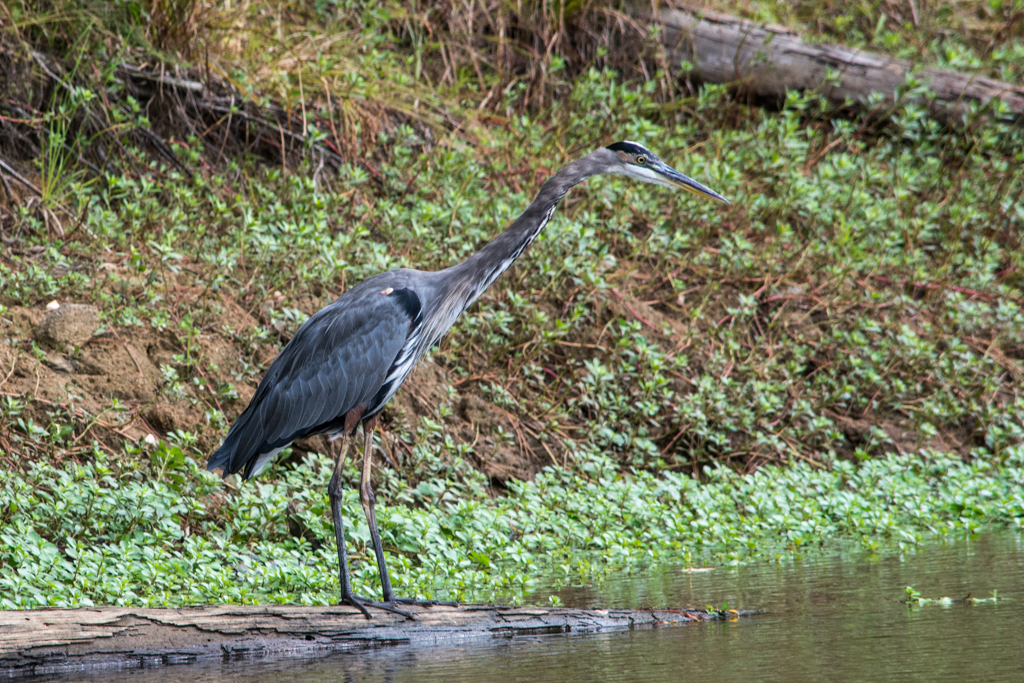
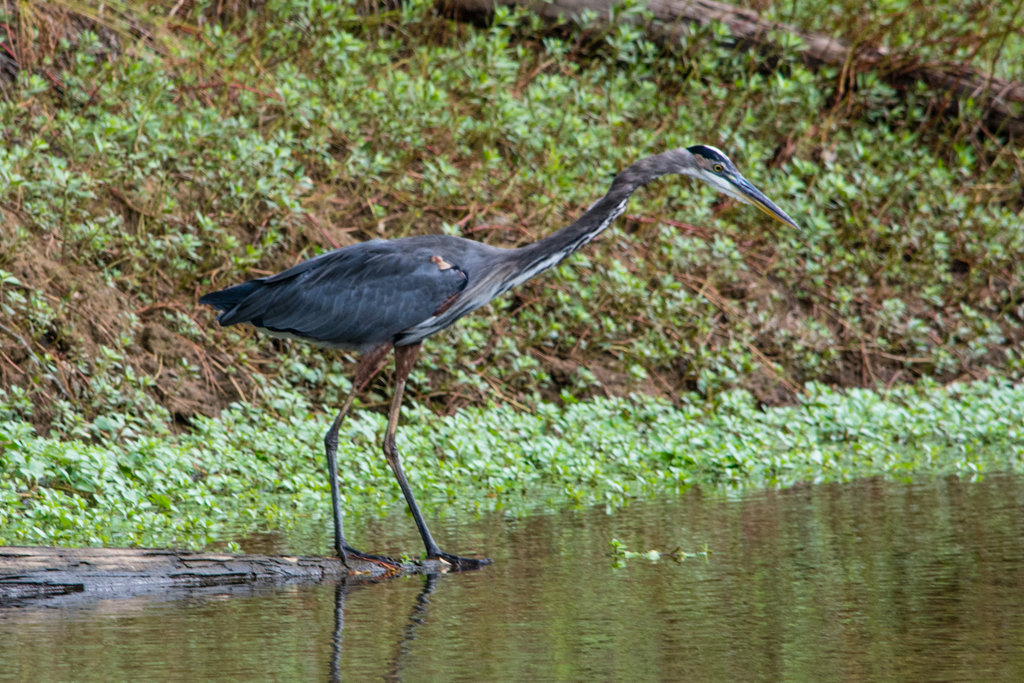
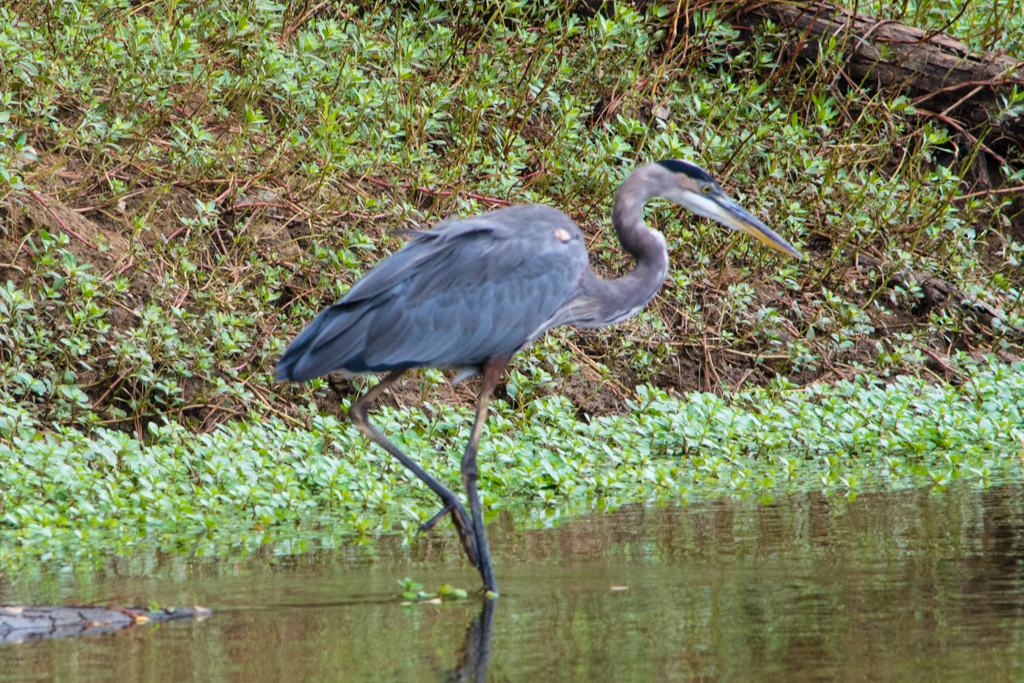
After reading of this and other unsettling things and finishing my coffee, I drove up to Falls Lake to look for birds and insects. I hadn’t been there in a while. My plan was to explore several spots, but I discovered they now charge $6 for the main areas. I found my way to a non-charging spot in the Beaverdam reservoir area, where the road was almost too rough and rutted for low-slung Clara. I spent twenty minutes or so watching this blue heron move very very slowly. I kept hoping she’d catch a fish, but she didn’t.
RTILLER6 (1 of 1)
RTILLER7 (1 of 1)

A photo contest, getting shoulder therapy, trying fasting, and not debating climate change

Rob Tiller -- Passionate Embrace -- 2015 (1 of 1)
Sally spotted a notice in the local paper of a nature photography contest at Raulston Arboretum. The theme was gardens and plants, which you may have noticed I have an interest in, and so I decided I might as well have a go.

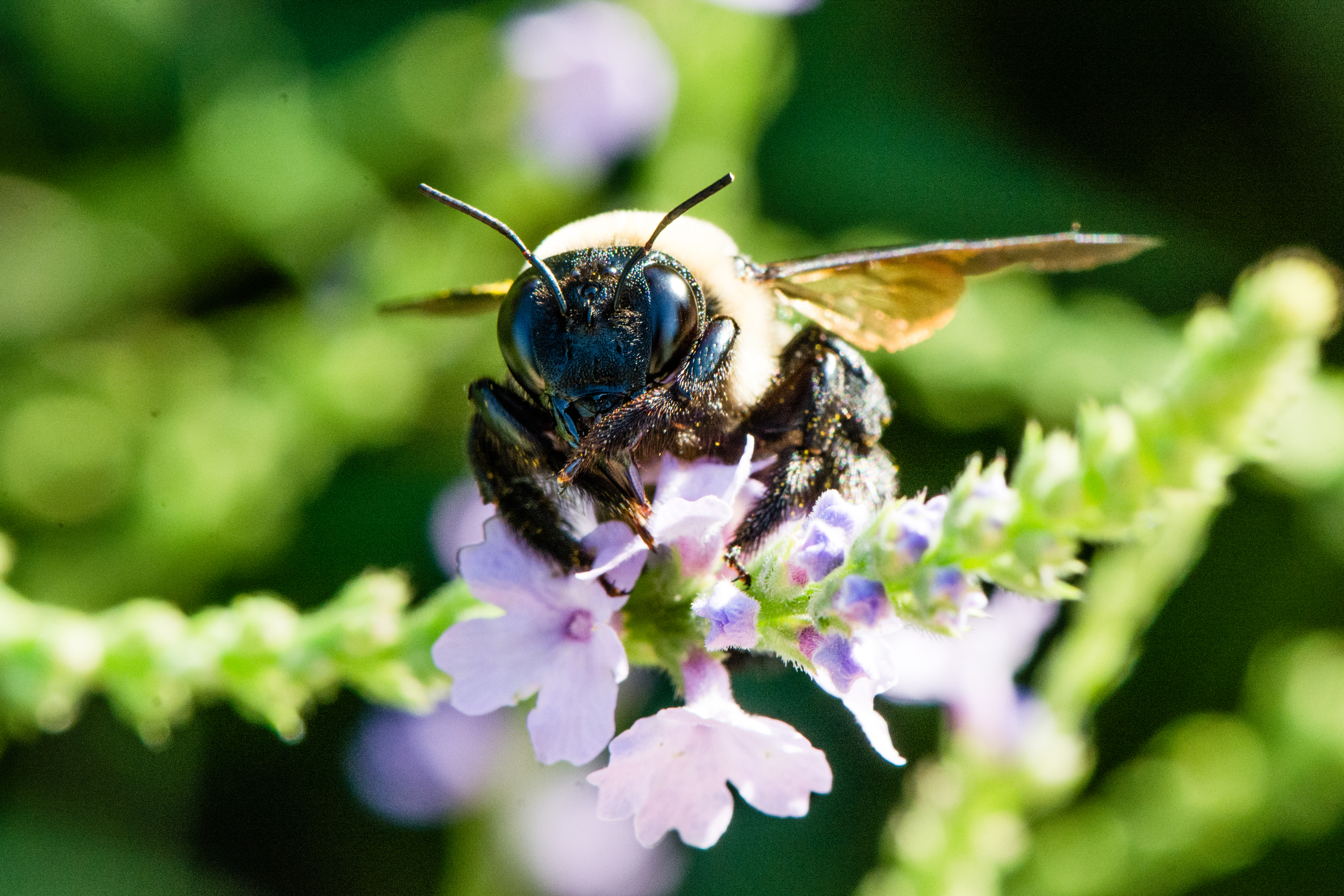
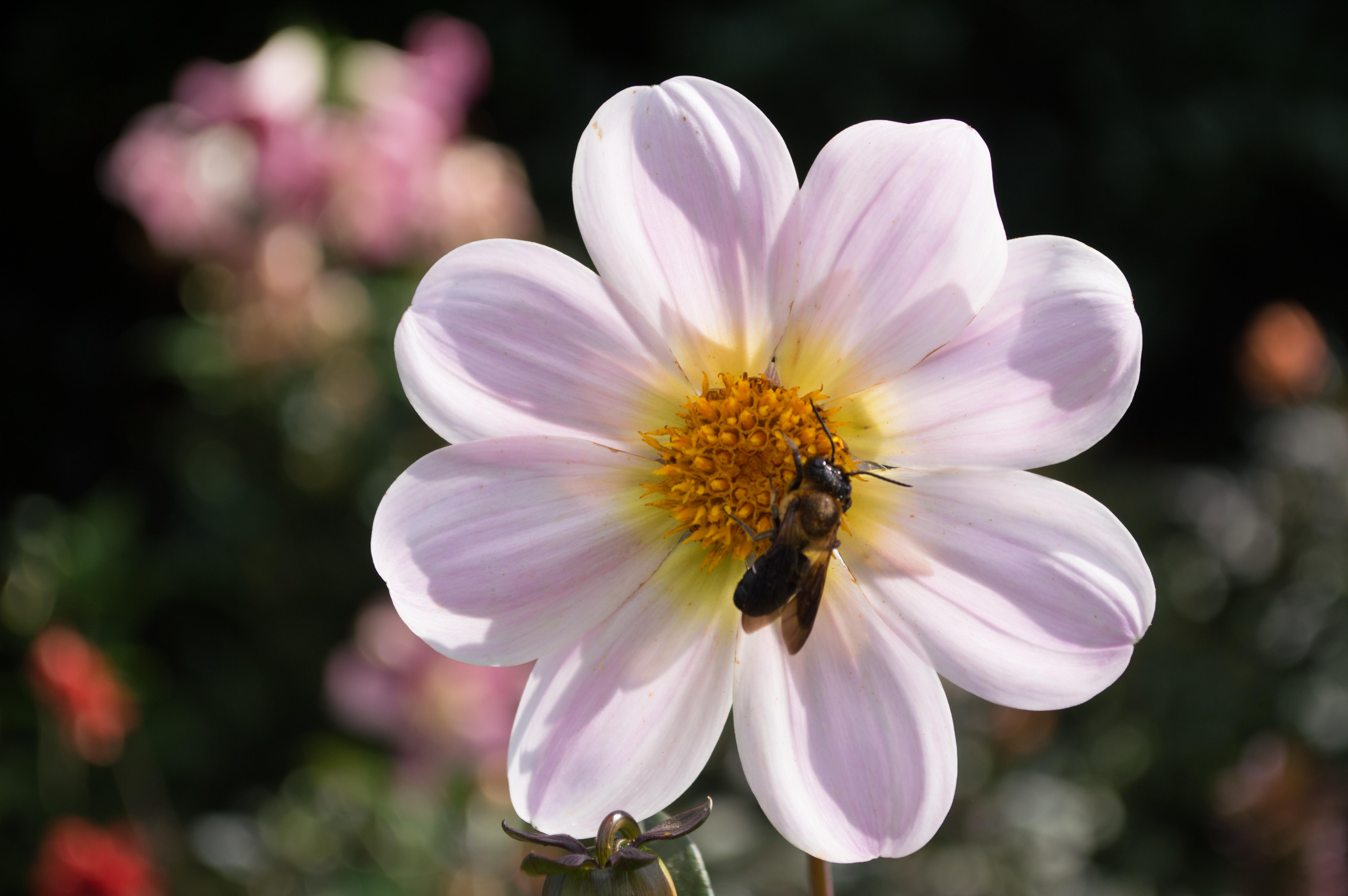
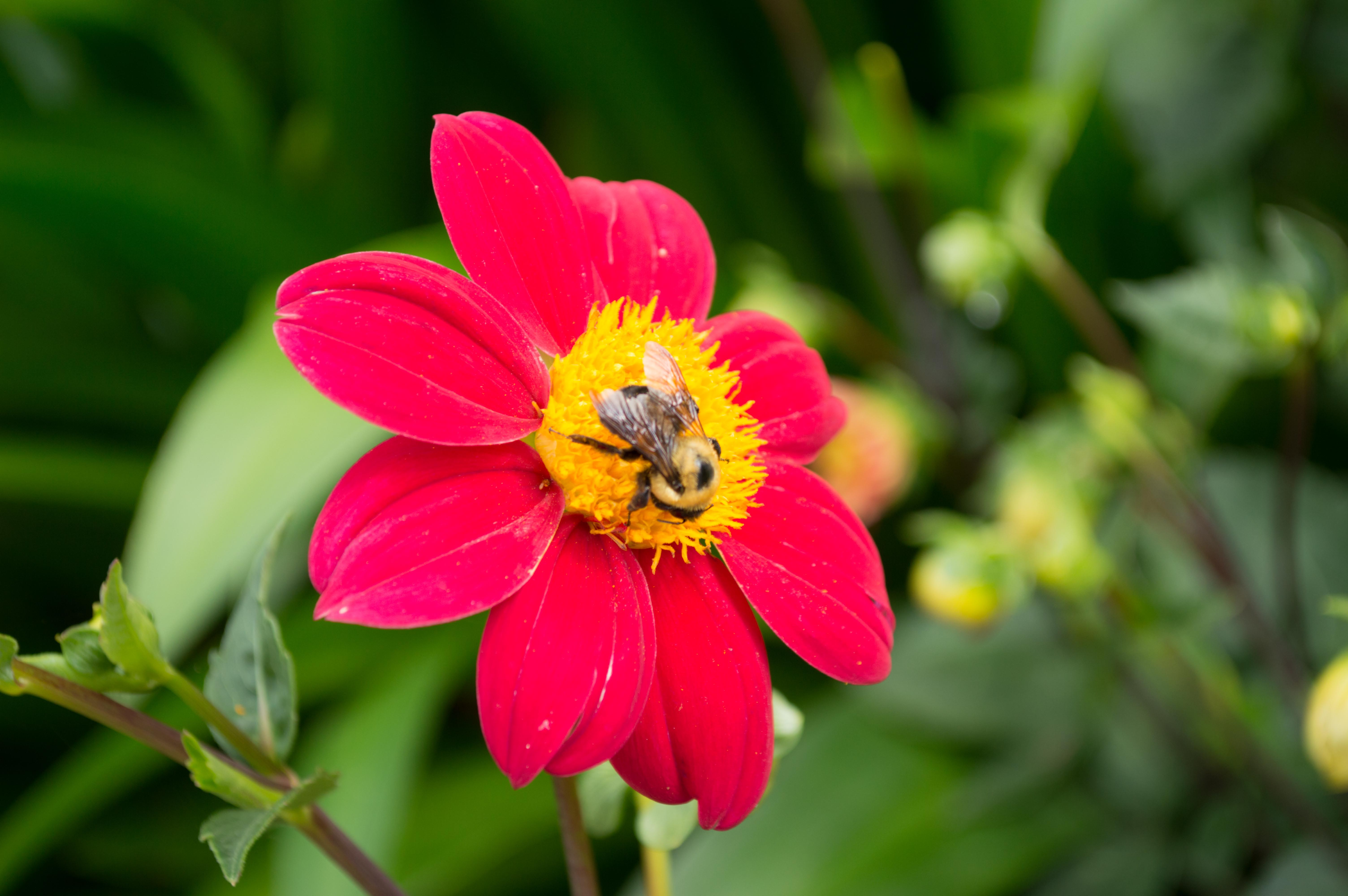
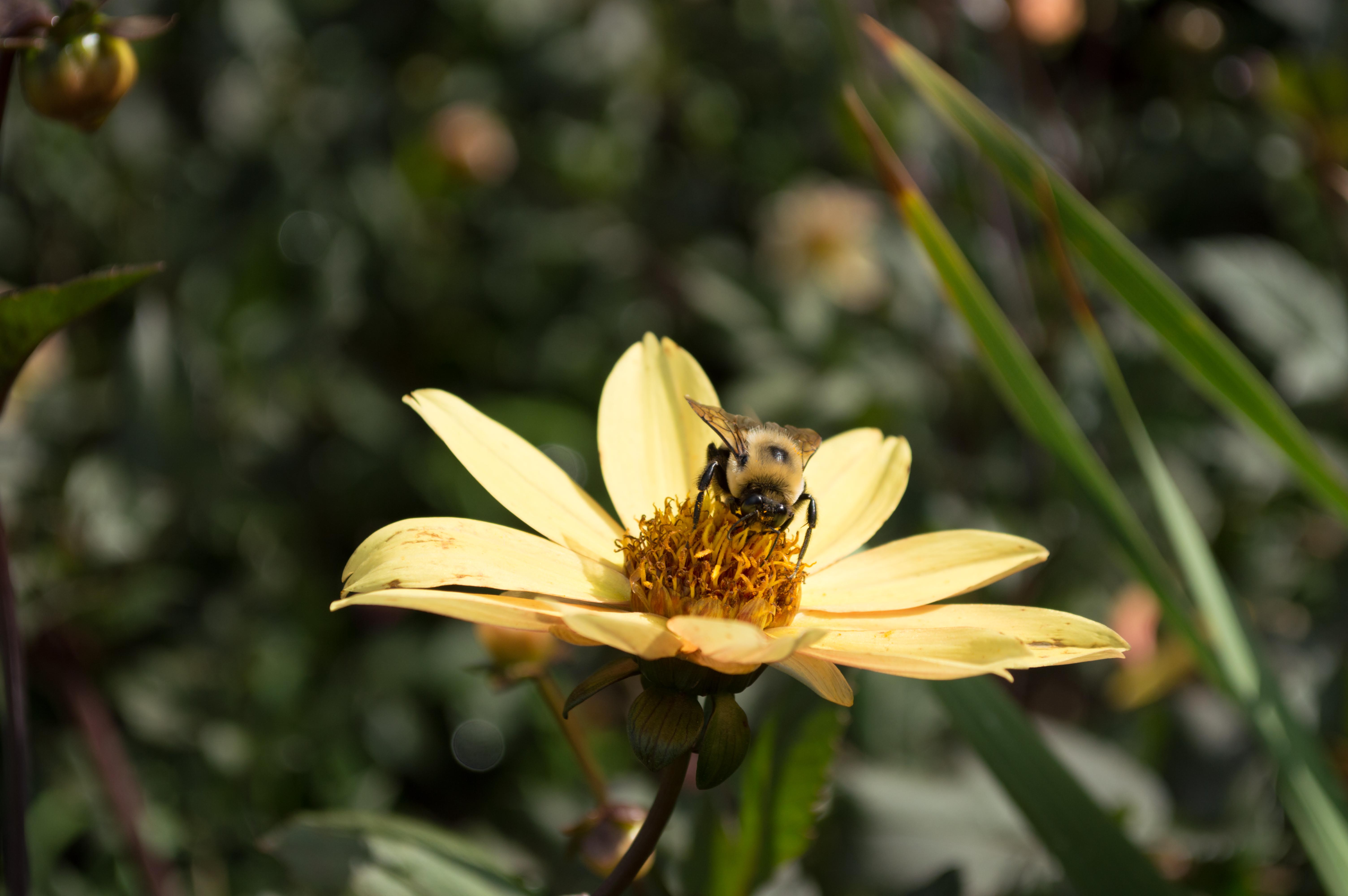
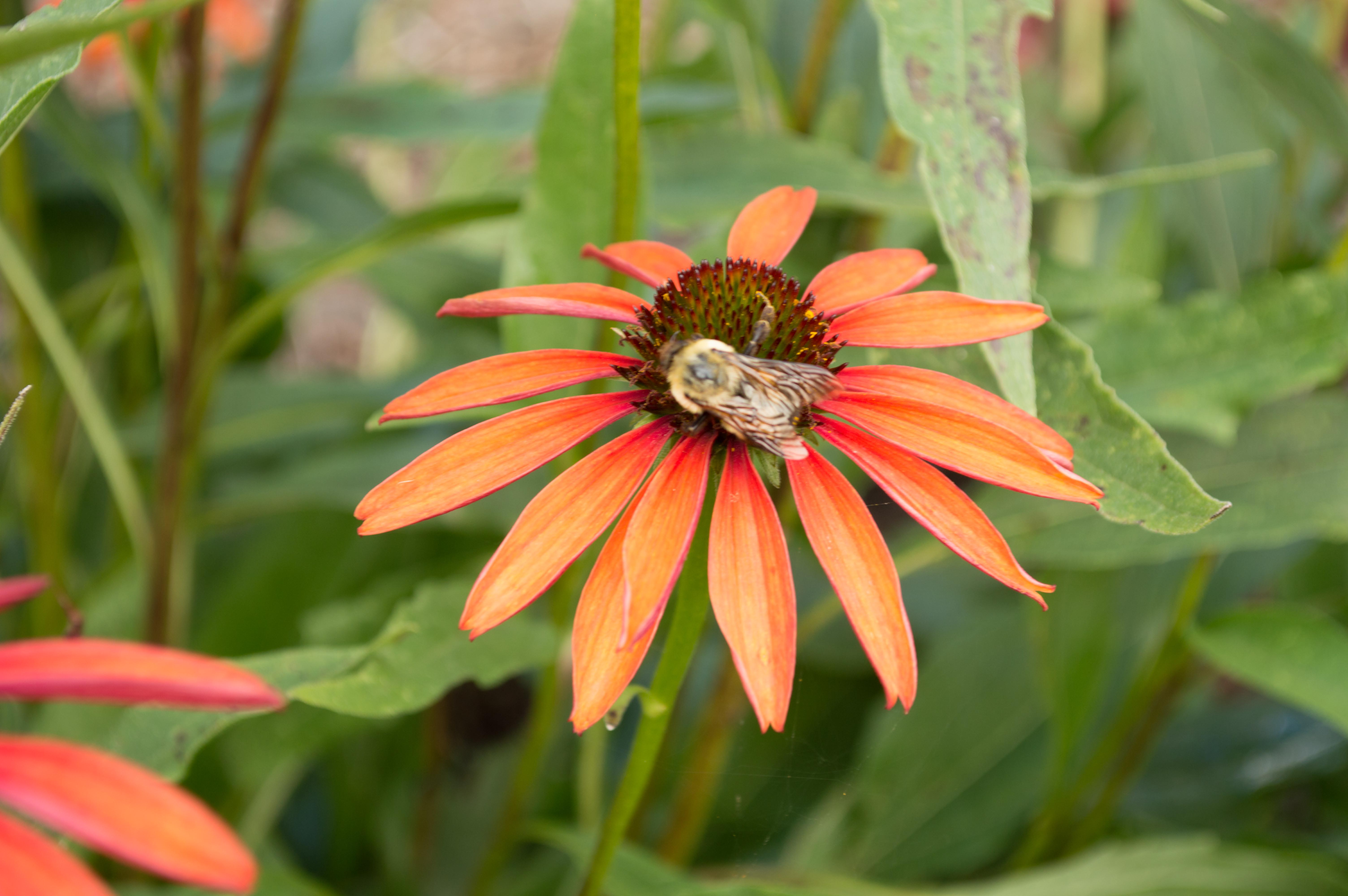
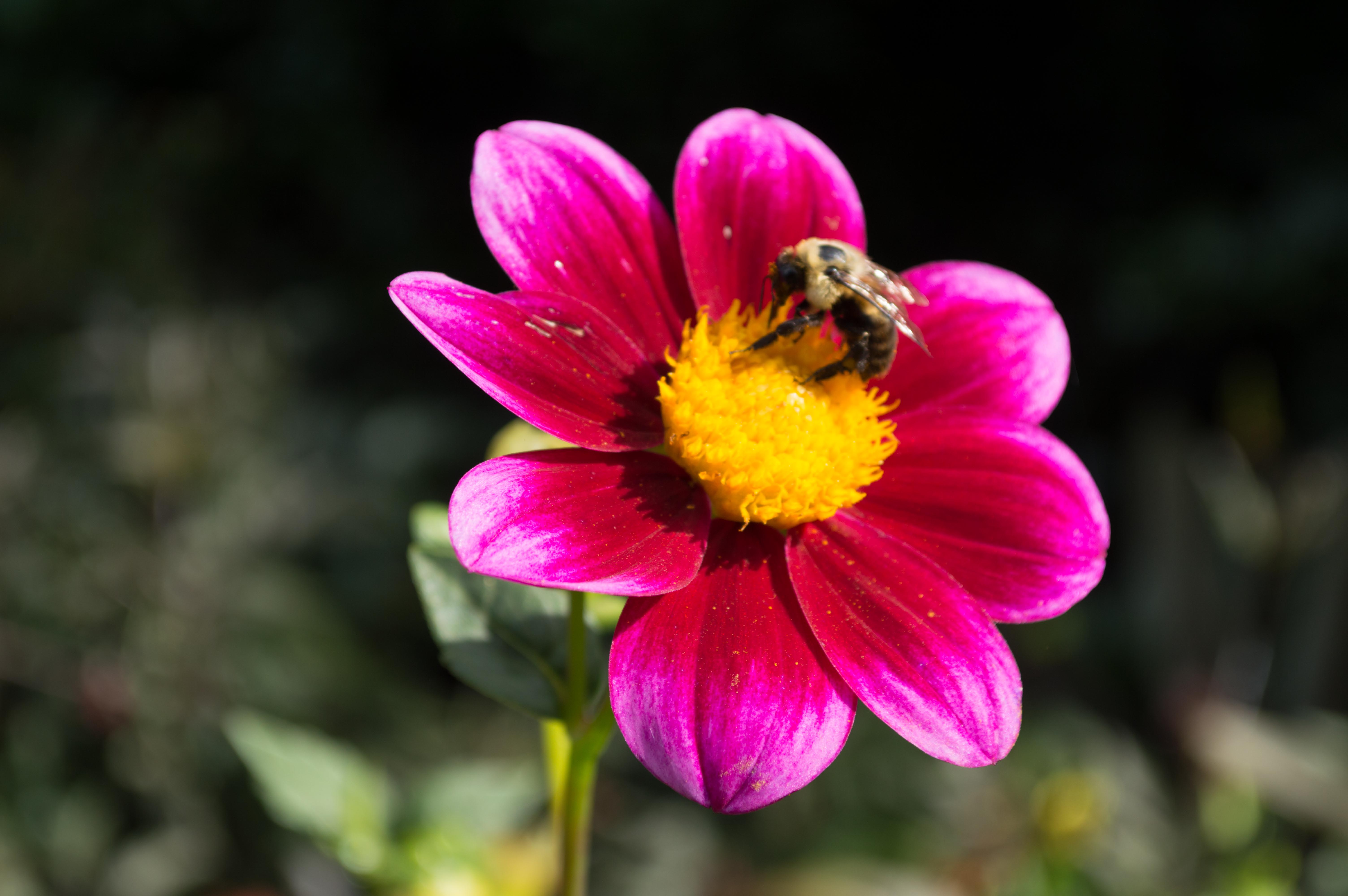
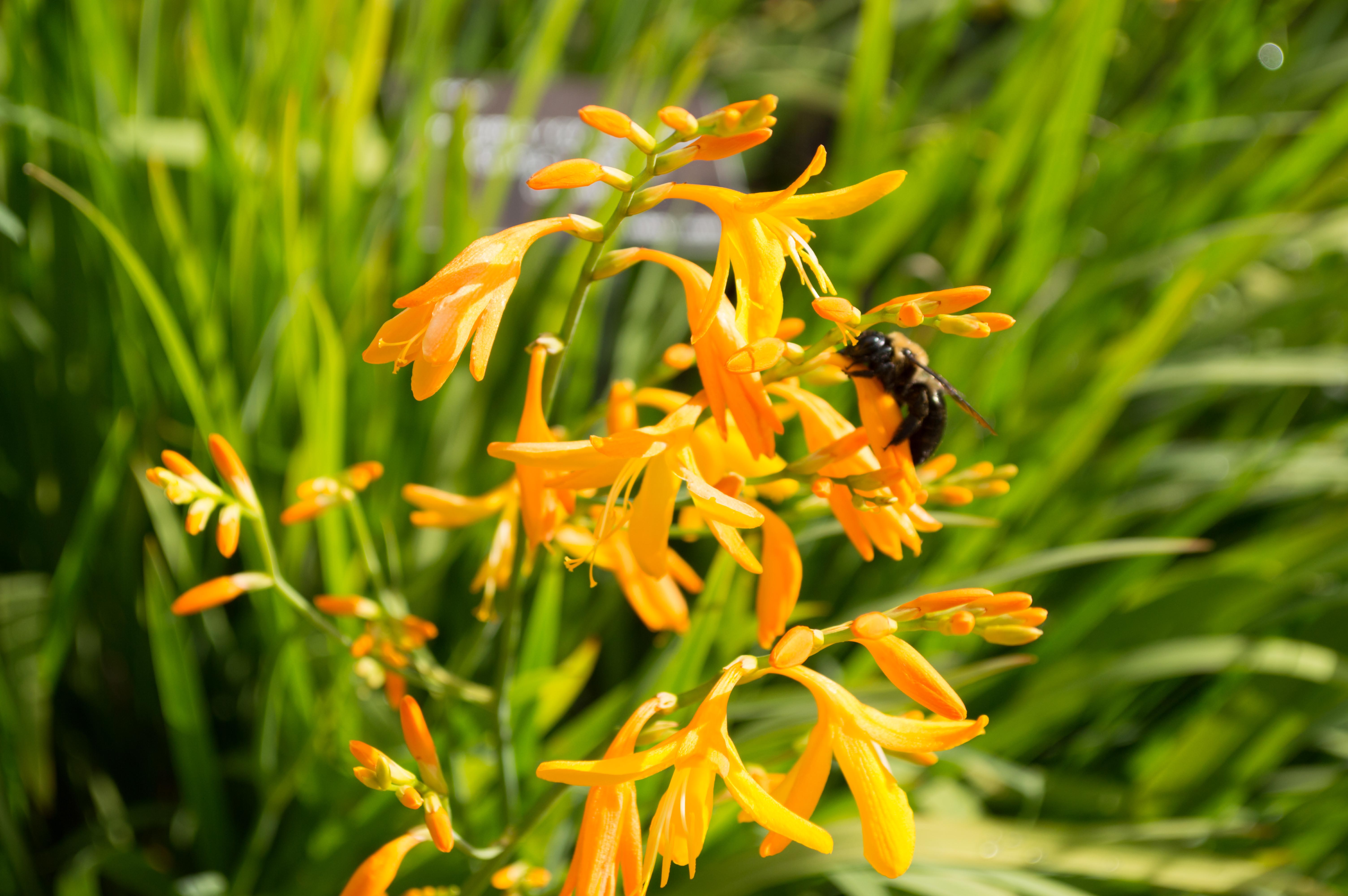
Competition is a good way to make yourself try a little harder. With the thought of critical judging, I took a careful look through some of my favorite images, and found little disqualifying problems on most of them. Of those still left, some just didn’t touch me. That exercise alone was worthwhile, good for my eye and mind, win or lose. Ultimately, I settled on the two bees shown here, worked on them for a bit with Lightroom software, and got them printed on metallic paper nearby at JW Image. Still to do: getting them framed, submitted, back, and hung in the apartment.

Speaking of self-improvement, I finally decided this week to get physical therapy help for my left shoulder. I’d tried letting the thing heal itself with several weeks of relative rest (no heavy weight lifting), but that didn’t work. I got in to see Geert Audiens at Results Physiotherapy, who’d helped me with back and shoulder issues before. Geert quickly diagnosed a torn rotator cuff, which, he said, would get worse if not attended to. He predicted it would take several weeks of specialized exercises, but it would likely get better. It’s good to have well-functioning arms and shoulders. And so we began, with simple little exercises, antiinflammatories, and icing four times a day. It’s a substantial commitment, which I hope will be worth it.

I’ve also been experimenting for a few weeks with a modification of my food consumption. I’d somehow picked up 5 pounds that would not come off, even with hard cardio work outs and careful healthy eating. I saw a story on alternate day fasting for the weight control, which basically means eating very lightly (500 calories) every other day. I decided to have a go for two days a week, a variation which, I just learned by googling, has been promoted elsewhere by others.

My method was my normal greens-and-fruit smoothie for breakfast, salad for lunch, and nothing for dinner. The no eating intervals were challenging, especially at dinner time with Sally eating. But it helped clear the mind, and made me more conscious of eating well on the normal eating days. And I did get rid of those 5 pounds in about 3 weeks.
Raulston8-1-15-1779

The debate of the Republican presidential contenders this week promised to be rich with irony and ridiculousness, with the numerous conventional candidates facing off with the loutish Donald Trump. As a Democrat, I’d never looked forward to a Republican debate so much. There were, as it happened, no meltdowns. In fact, I was surprised at how articulate and intelligent most of the field seemed (with the Donald as usual the big exception).

Yet collectively they have such enormous blind spots. It’s difficult to see how you could propose to govern or even talk seriously about social policy without quickly getting to the issue of what to do about CO2-caused global warming and the many related problems, like rising oceans, mass extinctions, famine, resource-related wars, mass population dislocations, destructive storms, drought, etc. These related disasters are front page news now. Yet this issue doesn’t appear on the Republican agenda, except for opposing whatever action the President proposes. This is wildly irresponsible. The situation is dire, and getting worse.

Rolling Stone published a good piece featuring new climate change research by James Hansen and others, which I recommend. It isn’t easy to think about this problem, which makes us uncomfortable and unhappy, but we’ve got to do it. I was glad to see that Hansen thinks a carbon tax could potentially pull us out of our present suicidal course. Anyhow, we all need to get more educated on this, and to keep pressing our politicians for action.

Pope Francis’s vision

_DSC8732
It’s been ungodly hot in Raleigh this week, with a record high of Fahrenheit 99 on Tuesday. Humid, too. So instead of running on Saturday, I settled in to read some of Pope Francis’s new encyclical, Laudito Si. From newspaper reports, I’d expected a sort of primer on the perils of global warming, but it turned out to be much more than that, and I felt enriched and inspired by the experience. It’s available online here.

Even though I’m a thorough-going non-believer, I’m a big fan of Francis. He seems to be a genuinely warm, caring, and thoughtful person. What are the odds? How daunting and disorienting to be considered by many as infallible, and fully realize you aren’t. (Remember his famous words,“Who am I to judge?”) How dissonant to live amid Vatican magnificence and rock-star adulation and try to focus on the problems of the poor. And who would volunteer to be in charge of cleaning up pedophile priest networks, bishop cover ups, money laundering holy bankers, and God knows what other crimes and misdemeanors? And after all that, who would have the courage and drive to speak truths that implicitly threaten the world’s wealthiest, most powerful interests on what are, for them, as well as us, issues of existential importance? That’s right: my man Francis.

I was hoping that Laudito Si would have an executive summary, but it does not. Still, I kept reading. The prose is lucid and emphatic, with an animating passion. Francis leaves no doubt that he agrees with the scientific consensus that man-made greenhouse gases like carbon dioxide are responsible for much of the global warming crisis. He states that there is an urgent need to reduce such emissions and develop renewable energy. If he accomplished nothing more than calling more attention to this issue and inspiring high level discussion and action, that would be a lot. But Laudito Si does more than that, persuasively articulating a powerful ethical vision that calls for reforming both societies and our selves.
_DSC8728

Francis calls on the people of the world to recognize that we are in an ecological crisis, and need to expand our dialog and work together to address this crisis. The dimensions of the crisis include air and water pollution, fresh water shortages, rising oceans that threaten large cities, and increasing extreme weather events. Not to mention the extinction of many species. He states, “Each year sees the disappearance of thousands of plant and animal species which we will never know, which our children will never see, because they have been lost forever. The great majority become extinct for reasons related to human activity. Because of us, thousands of species will no longer give glory to God by their very existence, nor convey their message to us. We have no such right.”

At the same time, Francis reminds us of the vibrant beauty of the natural world. He has sections on rainforests and other wonders. On a topic particularly close to my heart, he writes of “the immense variety of living creatures” in our oceans which are threatened by uncontrolled fishing and the coral reefs that have been harmed by pollution and rising temperatures.

Early on, Francis rejects the reading of the Bible that entitles humans to dominate and exploit all earthly resources. He writes instead that humans are meant to be careful stewards of those resources, and regard them with awe and wonder, and recognize our essential connection to animals, vegetables, and minerals. “Because all creatures are connected, each must be cherished with love and respect, for all of us as living creatures are dependent on one another.” He returns a number of times to the theme of our interconnectedness to each other and the world.

An aspect of this theme is concern for both the poor and for other living creatures. He writes, “We should be particularly indignant at the enormous inequalities in our midst, whereby we continue to tolerate some considering themselves more worthy than others. We fail to see that some are mired in desperate and degrading poverty, with no way out, while others have not the faintest idea of what to do with their possessions, vainly showing off their supposed superiority and leaving behind them so much waste which, if it were the case everywhere, would destroy the planet. In practice, we continue to tolerate that some consider themselves more human than others, as if they had been born with greater rights.”
_DSC8735

Similarly, Francis draws connections between our treatment of animals and our basic humanity. Recently I’ve been feeling indignant about the new North Carolina ag gag law, which among other things protects industrial agriculture operations from those who propose to publicize their cruelty to animals. Let me just say, this is so wrong! This excerpt is apropos: “When our hearts are authentically open to universal communion, this sense of fraternity excludes nothing and no one. It follows that our indifference or cruelty towards fellow creatures of this world sooner or later affects the treatment we mete out to other human beings. We have only one heart, and the same wretchedness which leads us to mistreat an animal will not be long in showing itself in our relationships with other people. Every act of cruelty towards any creature is ‘contrary to human dignity.’”

Part of the ambition of Laudito Si is to reset our relationship to technology. “Ecological culture cannot be reduced to a series of urgent and partial responses to the immediate problems of pollution, environmental decay and the depletion of natural resources. There needs to be a distinctive way of looking at things, a way of thinking, policies, an educational programme, a lifestyle and a spirituality which together generate resistance to the assault of the technocratic paradigm. . . . To seek only a technical remedy to each environmental problem which comes up it to separate what is in reality interconnected and to mask the true and deepest problems of the global system.” Francis envisions a world where the capitalism and technological progress are no longer allowed to drive increasing inequality and alienation, but instead are put in the service of human needs.

Of course, I don’t mean to endorse all of Francis’s views. I read the sections on God’s acts and intentions in much the spirit that I read the poetry of Milton. I think he’s quite mistaken about the value of building a market for carbon credits, which would creative incentives to reduce emissions. I also regret that he dismisses the serious risks of overpopulation, which needs to be moved way up on our list of priorities. But I’m finding the work inspiring, and hope many will read it and think about it.

Breathing better, climate change changes, and the amazing Birdman

_DSC8116
A lot of things that are good for us are kind of tough, at least initially. I’m thinking especially of avoiding junk food and exercising, which require an up-front investment of time and energy. So I was pleased to come upon a report of a good-for-you activity that’s free, easy, and immediately rewarding. According to the Wall Street Journal this week, deep, slow breathing can help with stress, migraines, and other disorders. This stimulates the vagus nerve and causes the release of acetylcholine, which slows down the digestive system and heart rate.

This beneficial effect was not completely surprising to me, as this is the kind of breathing we do in yoga, and it feels good. At our 6:00 a.m. yoga class last Tuesday, Suzanne was coaching us to breath in on a slow count of 4, pause, then breathe out to a count of 4, and pause again. I later tried this technique when I was having trouble sleeping, and whoosh, off I went to dreamland.
_DSC8140

I’ve been taking particular note lately of how many of our most fervent beliefs are dubious, and how resistant many of those beliefs are to change. For example, no amount of evidence seems to shake the certainties of opponents of evolution (forty some percent of Americans). I was worried that this was where we were on global warming, as we head toward the precipice.

But this week there was some good news: more people are taking the view that we’ve got to get serious about climate change. This week a NY Times poll“found that 83 percent of Americans, including 61 percent of Republicans and 86 percent of independents, say that if nothing is done to reduce emissions, global warming will be a very or somewhat serious problem in the future.” Two-thirds said they’re more likely to vote for political candidates that support addressing global warming. Even Republicans are moving in the right direction: 48 percent of them went with the majority.

So the overwhelming majority of us agree that we’ve got to get to work on saving the planet. This is encouraging.

Still, what could explain the people who think we have a serious problem but will not support doing anything about it? Is it amoral cynicism and greed? Whatever it is, we need to make sure those people do not win.
_DSC8115

We finally got out to see Birdman this week, and thought it was great. Michael Keaton plays Riggin Thomson, a former action movie star who’s gone downhill but has decided to take a big chance and direct and star in an angst-ridden play that’s opening on Broadway. Riggin seems to be going crazy, with bursts of despair and brilliance.

Is it a very dark comedy, or a surreal drama? It’s edgy and intense, and doesn’t fit neatly into any genre. It reminded me of the great movies of Bergman, Fellini, and Scorsese — psychological, visionary, and manic. A very interesting score (jazz drumming, Mahler), evocative photography, and very fine acting. It challenges us with ambiguities. It would like us to think.

I wish its gifted creators (including the remarkable Spanish director Alejandro Gonzalez Inarritu) good luck at the Academy Awards (where it has 9 nominations), but I’m afraid that it will be too original and unsettling for the Academy. I note that when Sally and I went to see it at the multiplex last Thursday, we were the only ones in the theatre.

Re the pictures: Sally brought home some roses from Whole Foods and made a lovely arrangement. She’d discovered that though the cats like to eat certain flowers, and then throw up on the rugs, they were less drawn to this kind. I liked the light on Saturday morning.
_DSC8118

In the news: some problems with our nukes

This week there was some good and some bad technology news, but first the good news. Kudos to the European Space Agency, which managed the remarkable feat of landing a robot on a modest-sized comet. Understanding and managing the risk of asteroid and comet collisions is a big challenge, and it appears we’re making progress. Also three cheers that the world’s two largest contributors to global warming (that’s us and China) officially agreed to work on it. Sure, talk is cheap, but it’s a step in the right direction.

But I wanted to call attention to a news story that you may have missed, as I almost did: two separate Pentagon studies concluded that the infrastructure of our nuclear program is in serious disrepair and will cost billions to fix. The NY Times put this on page A16 (news death valley).

Though far from the front page, the language was strong: “a searing indictment” of how nuclear weapons facilities have been allowed to decay. They described “a culture of micromanagement and attention to the smallest detail . . . creating busywork, while huge problems with equipment and readiness, most arising from the age of the systems, were ignored.” One study found that morale was low and turnover high among crews for intercontinental ballistic missiles and long-range bombers. Missile submarines were frequently out of service.

You may remember the cheating scandal involving missile crews of some months back. One of the new reports blamed not the crews but “a culture of extreme testing” in which tests were required to be near perfect so that good results could be reported up the chain of command, instead of a program to improve the crews’ readiness.

A few months back I wrote about reading Eric Schlosser’s excellent book, Command and Control, Nuclear Weapons, the Damascus Accident, and the Illusion of Safety. The book cites chapter and verse of major problems in our nuclear program, including some that put Americans at serious risk of a catastrophic accidental nuclear explosion. Schlosser found there had been important improvements in safety, but the Times story made me worry.

The Times also reported that the President had told the Pentagon to plan for 12 new missile submarines, up to 100 new bombers, and 400 land-based missiles. Holy kamoly! I thought we were at least keeping in sight the possibility of reducing our nuclear stockpiles and the threat of nuclear war.

Before we spend billions or trillions more, I’d like to hear a good answer to the question, what is the purpose of our nuclear weapons? What good do they do?

The conventional wisdom, more or less, is that we need them to deter nuclear attacks and maintain our prestige. But no nation is currently threatening us, or anyone, with a nuclear attack. Only one nation has ever been the victim of a nuclear attack (by us, on Japan). All other nations without nuclear weapons – that is, those with no deterrence forces – have not come under nuclear attack. That includes ones that got us and other nuclear powers really mad, like North Korea, Vietnam, Cuba, Venezuela, Iran, Iraq, Libya, and Syria.

Furthermore, even if North Korea or Iran somehow managed to destroy one of our cites with a nuke, does anyone seriously think we’d retaliate against their civilians with a massive nuclear attack? I submit that deterrence, whatever its validity as a theory in the cold war, is valid no longer.

As to prestige, our nuclear weapons have not appeared to strengthen our negotiating power with enemies or friends. Iran and North Korea have been notably unimpressed. And our nukes certainly haven’t saved us the trouble of fighting conventional wars. We have surely not won the contest of who can spend the least on actual war fighting, having spent over a trillion dollars fighting in Iraq and Afghanistan. The nation with the most nuclear weapons is also the nation that has lost the most treasure through conventional warfare.

A major nuclear war would not only destroy millions of lives directly, but would alter the earth’s ecosystem so as to cause untold additional deaths. As Jonathan Schell explained in The Fate of the Earth, it could amount to the end of human civilization, not to mention the extinction of countless other animals and plants.

It would be nice to think that mismanagement of our nuclear force has reduced this risk, but I’m afraid that it suggests an increased risk of nuclear accidents, and an uncertain capacity for disaster. I submit we need to change our direction, and recommend a visit to http://nuclearrisk.org

Let me close on a positive note: civilization still exists! In fact, right here in Raleigh, NC, there is great music making and art. Last Sunday, the N.C. Opera did an excellent concert presentation of part of Richard Wagner’s Tristan and Isolde. This is very dramatic, romantic music. They did the prelude and second act, which focuses on the intoxicating love story of the title characters. Jay Hunter Morris, who was a sensation in the Met’s recent Siegfried, was a sensitive and moving Tristan, and Heidi Melton was an Isolde for the ages. Her voice was amazingly powerful, but also warm, flexible, and true. Conductor Timothy Myers seemed to have a real feeling for this strange and irresistible music, and he had a good band. Thank you N.C. Opera!

I should also give a plug for the current exhibits at Duke’s Nasher Museum of Art, which we visited on Sunday afternoon. We started with the late works of Joan Miro. I liked his sculptures, better than his paintings. It was inspiring to see him continuing to experiment with new ideas into his 70s and 80s. There was also a strong exhibit of the work of Robert Rauschenberg. I never quite got Rauschenberg before, but it really helped seeing the wide range of techniques and concepts he worked with. It turns out he was serious about his photography, as well as his painting and constructions. I liked it.

Recovering, reading about B. Franklin, and addressing climate change

14 05 20_9462_edited-1
This week the weather in Raleigh was mild, and it was pleasant to walk to work. The walk takes 15-20 minutes, depending on how I catch the lights and whether I’m trying to get there for an early meeting. When I wasn’t especially pressed, I made a few pictures of people working and playing.
14 05 23_9501_edited-1

Now, after two weeks from our return from Dominica, my various wounds (assorted bruises, scrapes, and blisters) are mostly healed up. The most worrisome, my severely sprained right hand, is still swollen and sore, but hurting less, and I’m able to play octaves on the piano, though not loudly. It reminded me of when I first tried to learn to catch a football as a little kid, and jammed up my fingers.
14 05 20_9468

It is remarkable how the body can overcome and regenerate. In fact, did you ever notice how sometimes a new injury seems to help an old one to heal? My nagging shoulder issues, which I’ve been trying to get over for several months, seem to have gone away, cured or obscured by the addition of new, more pressing discomforts.
14 05 19_9472

It’s Memorial Day weekend, and we’re still full of memories of our friend Scott, who shuffled off this mortal coil right after leading our Dominica trip. He managed, by being an unusually vibrant and generous person, to hook himself into the fabric our lives, and his departure has ripped that fabric. We’ve been talking about him, his good deeds and his goofiness, and looking back at photos. For therapy and comfort, I’ve been rereading some of In Memoriam, Tennyson’s poetic memorial to his beloved friend Arthur Hallam. Yes, it rhymes, in a style that’s way out of fashion now, but it can still speak to us. It takes grief and loss seriously, and delves deep.
14 05 19_9470

As I’ve noted before, my favorite founding father is Benjamin Franklin. Last week I finished another biography of him, by H.W. Brands. Franklin was a protean genius with many aspects, and so the biographer will inevitably neglect some of them. Brands is most interested in the political and literary Franklin, and less in the scientist and philosopher. But in describing Franklin’s diplomatic efforts in England prior to the revolution and his diplomacy in France during it, he gave me new perspectives on the war. For those of us who cut our historical teeth on revisionism, it is reassuring that Franklin, who loved England dearly, could conclude that there was no alternative to war.

For all Franklin’s enormous fame during his lifetime, it’s interesting that there are significant gaps in the record, and much we don’t know about his inner life. But what keeps shining through is his insatiable curiosity about the natural world and his constant effort to make the human world better. It’s also inspiring to me, as I get on in years, that a good portion of his greatest achievements, including helping invent and establish American democracy, were in the last quarter of his long life.
14 05 17_9378

Apropos of making things better, there’s a good short op ed piece on climate change by Tom Friedman in the NY Times, which poses a question I’ve been wondering about: “How do we do something about [global warming] at the scale required, when many remain skeptical or preoccupied with the demands of daily life[?] He also quickly hones in on the central moral and political quandary – the conflict between the welfare of this generation and future generations: “our ethical values point one way, towards intergenerational responsibility, but our political system points another, towards the short-term horizon of the next generation.” (Quoting Thomas Wells, a Dutch philosopher.) Friedman argues for urgent change, including a carbon tax and energy efficiency standards. This seems sensible, at least as a starting place.
14 05 25_9560

On Sunday I took a walk through Raulston Arboretum, which I try to do once a week, but missed recently. I completely missed the irises — they’d come and gone while I was traveling. But the roses are in full bloom, and there are some remarkable lilies.
14 05 25_9563
14 05 25_957414 05 25_9553

Fireworks, new bluebirds, right-wing NC Republicans, and bees at work

13 07 05_2398-1

Sally fixed chilled cucumber soup and two salads for our July 4th dinner, with homemade coffee ice cream for dessert. From our condo on the twelfth floor we had a good view of the fireworks show at Red Hat Amphitheater. Fireworks shows vary, but I’ve never seen one I really didn’t like, and this was no exception. OK, it could have been faster and bigger, but there were interesting shapes and sparkling colors, and lots of noise. This may be my favorite ritual in the American civil religion.
13 07 04_2543_edited-1

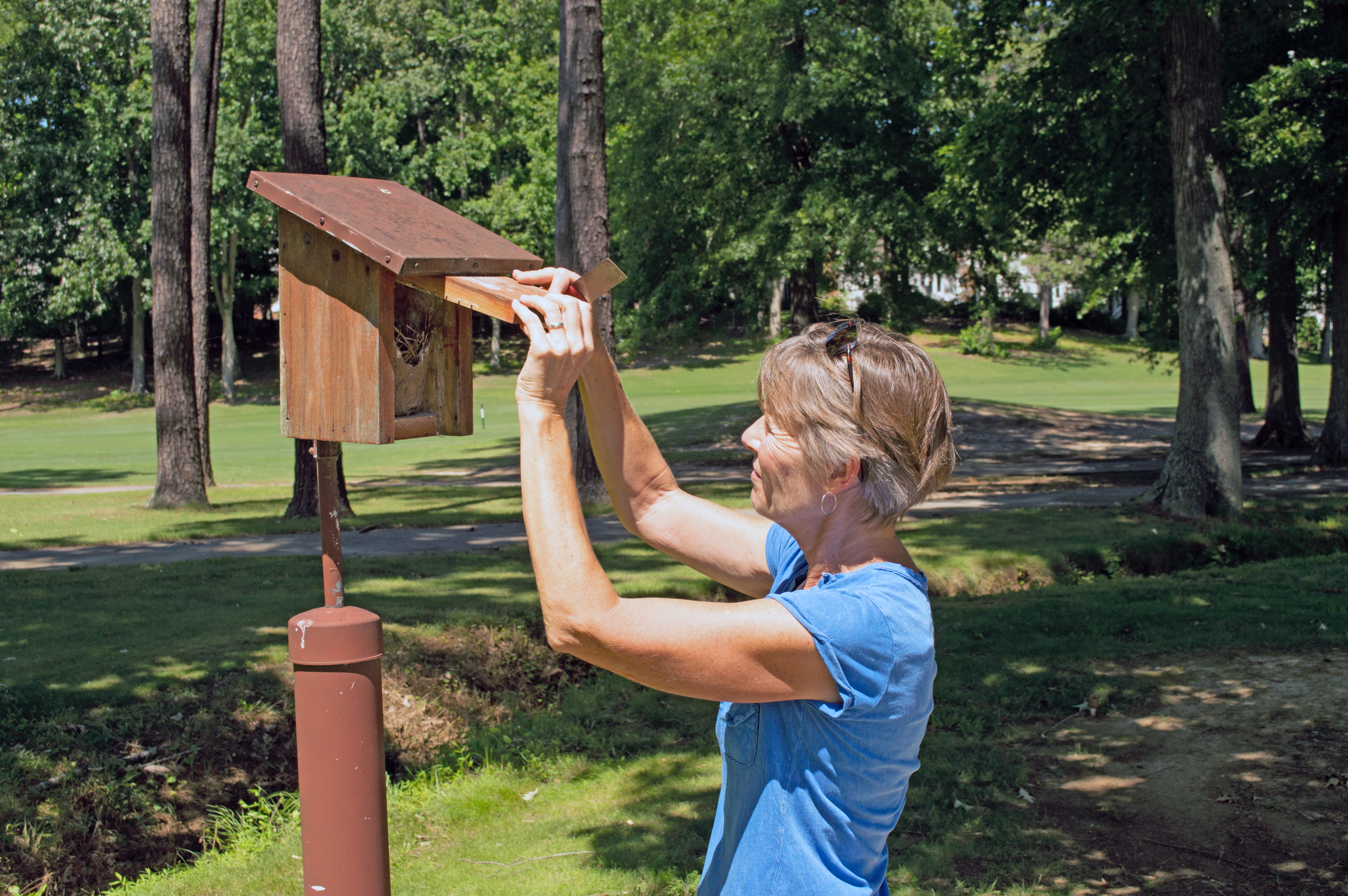
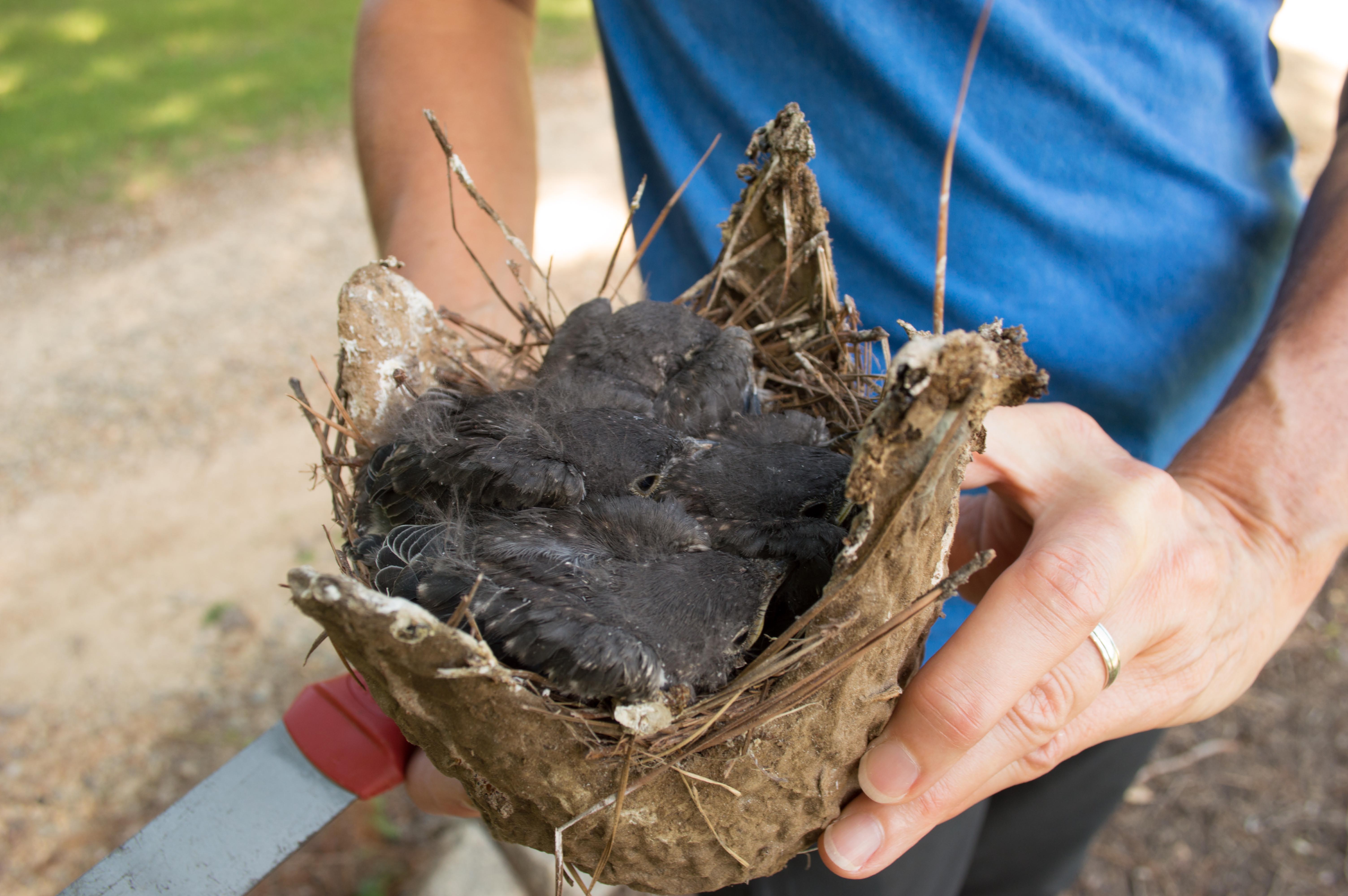
Earlier that day, Sally took me along when she monitored the bluebird houses at Lochmere Golf Club. She’d promised that there should be some new eggs and nestlings, and there were! We were pleased to see the new arrivals.
13 07 04_2570

Speaking of country clubs, the News & Observer reported this week that Carolina Country Club, Raleigh’s old line club, finally admitted its first black member. This was front page news, and I was glad to hear it. CCC maintained the color barrier for way too long. Now that the curse has been broken, I hope they will implement a policy of true non-discrimination going forward.

In my lifetime, we’ve made so much progress on the race issue, for which I am happy and grateful. For all my disappointments with President Obama, every day I feel proud and a little amazed that we have a black president. I can go for weeks or months without observing anything like the racial prejudice that was pervasive when I was a boy.

But we’re still not done. Republican measures to limit the voting power of blacks in NC and elsewhere by imposing ID requirements are moving forward. This is just shameful. With this movement in process, the Supreme Court was surely wrong in striking down part of the Voting Rights Act. There’s still a ways to go to build a color-blind society.
13 07 05_2414

Our North Carolina Republican legislators have gone on a right-wing tear this session. Some of their activities make sense from the point of view of bettering the lot of the wealthy or pandering to the ignorant, but some are inexplicable in ordinary moral or practical terms.

Does any rational person, no matter how selfish or cynical, think it makes sense to get more people carrying concealed firearms into more public spaces? Would a person with a shred of decency change the law to protect agriculture operations that abuse farm animals and criminalize the behavior of those who seek to expose the abuse? Would a normal caring parent or employer find it sane to reduce school funding and increase class size? Would any responsible leader or citizen turn down federal funds meant to help the unemployed or ailing? Does any moderately educated person school think that North Carolina has the right to establish its own state religion? In establishing the highest priorities, does anyone think Is outlawing Sharia law makes the top-thousand list?

And while we’re outlawing Sharia law, why not work in a slew of anti-abortion measures? This actually happened this week without fanfare and without the usual legislative formalities, presumably to minimize the chance of organized opposition. I’ve never found the abortion issue as easy as some of my friends, but the state Senate’s work this week under cover of darkness is really disturbing from a process point of view, and looks like a huge mistake. In the aftermath of this latest fiasco, my liberal friends were looking glum, and worrying at the damage this is doing both to the humans affected (such as women with unwanted pregnancies and poor people) and to the image of our state.
13 07 05_2401

This onslaught really doesn’t seem like the result of a theory of government. To the extent it has a direction, it seems aimed less at accomplishing any policy objective than at making liberals screaming mad. Once a liberal value gets identified, it is attacked with extreme prejudice.

To a certain extent, the NC right-wingers seem to be reproducing the values battles identified by national-level right-wingers. What else could be going on? I heard an NPR interview with Bill McKibben, an environmentalist and college professor, who said the problem with building a green movement was that a movement needed an enemy. In a sense, all of us are conflicted on environmental issues, since we all like cars and electricity. We can’t be our own enemy and still feel motivated to get into the streets. His solution was to declare the oil companies the enemy. This would, he thought, allow a green movement to cohere.
13 07 05_2480

So maybe that’s what our NC right-wingers are up to: building their group cohesion by identifying liberals as the enemy and trying to cut out their hearts (metaphorically speaking). It’s hard for a liberal to find a silver lining at the moment, but I’ll still take a swing. I don’t think this is the direction a majority of the state, or even a majority of Republicans, want to go. And by forcing minorities, low-income people, women, immigrants, and the reality-based community to see their common interest, the wing-nut legislators are increasing the chances that their “public service” will not last past the next election.
13 07 05_2466

In the meantime, President Obama has seized the initiative on climate change by ordering rules on power plant reductions for CO2 and other measures. Longtime readers of the Casual Blog will know that this is a big issue for me that I think should be a big issue for everyone. At issue are mass extinctions and dislocations on a scale previously unknown in human history. The significance is much greater than putting a man on the moon, and we ought to mobilize with a level of commitment on a scale comparable to the Apollo project. I hope this is the start.
13 07 05_2522

And while we’re on the subject of things to feel good about and continue working on, let us not forget, the long fight for gay rights has made real progress. The Supreme Court, a highly conservative institution (even if not all of its justices are conservative), struck down the Defense of Marriage Act! A majority recognized this as a human rights issue. It seems the tide has turned.
13 07 05_2538

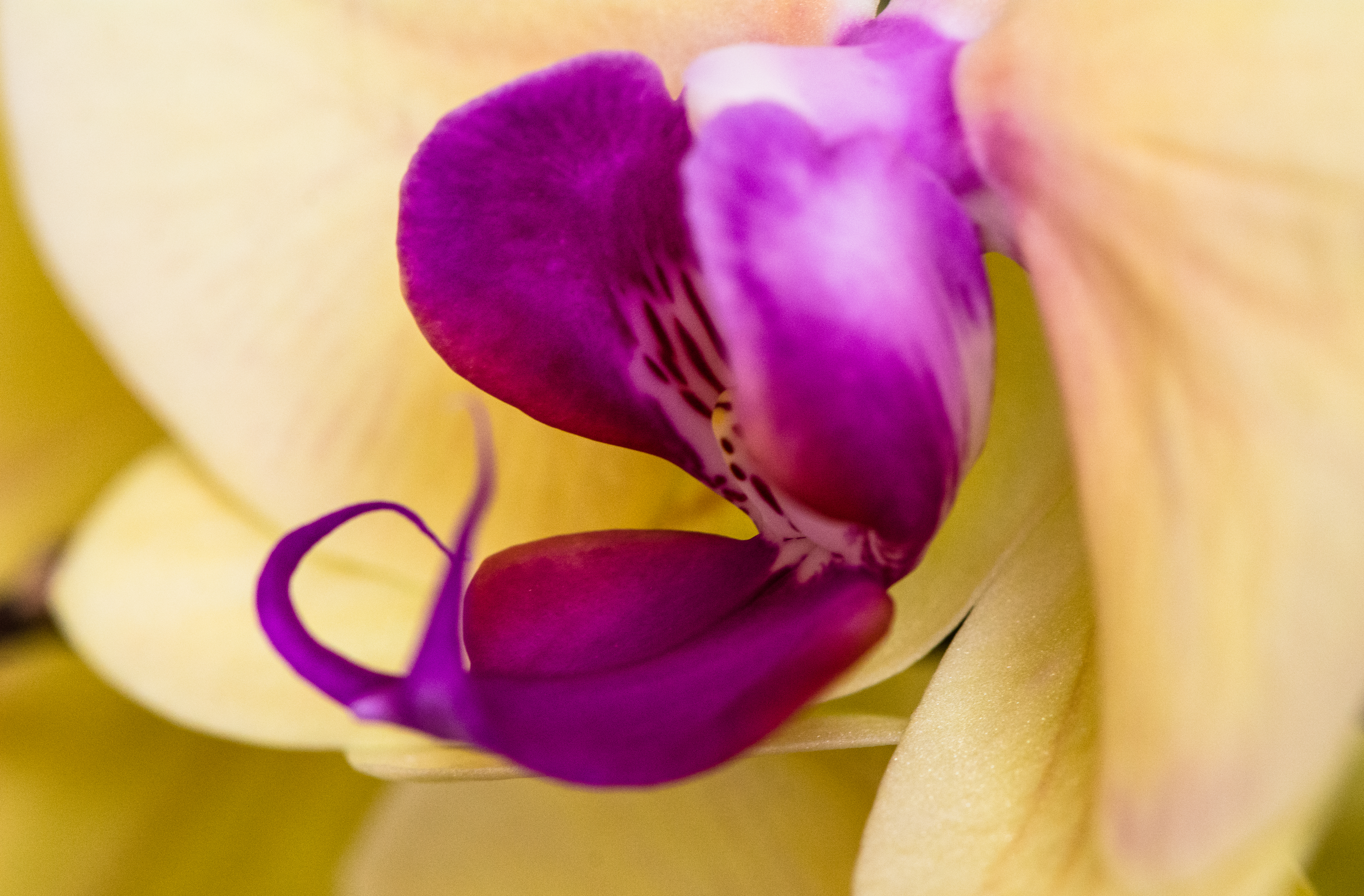
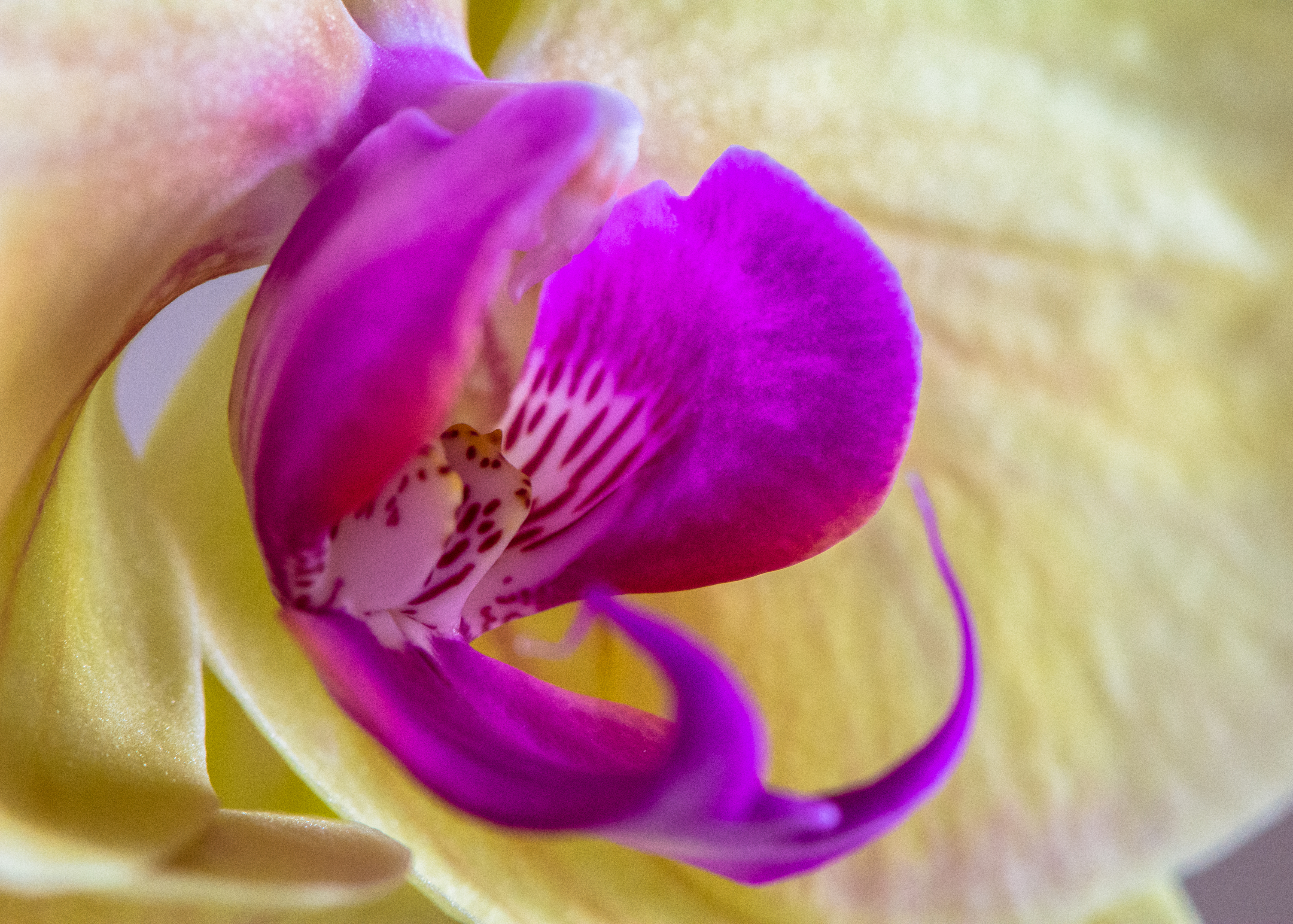
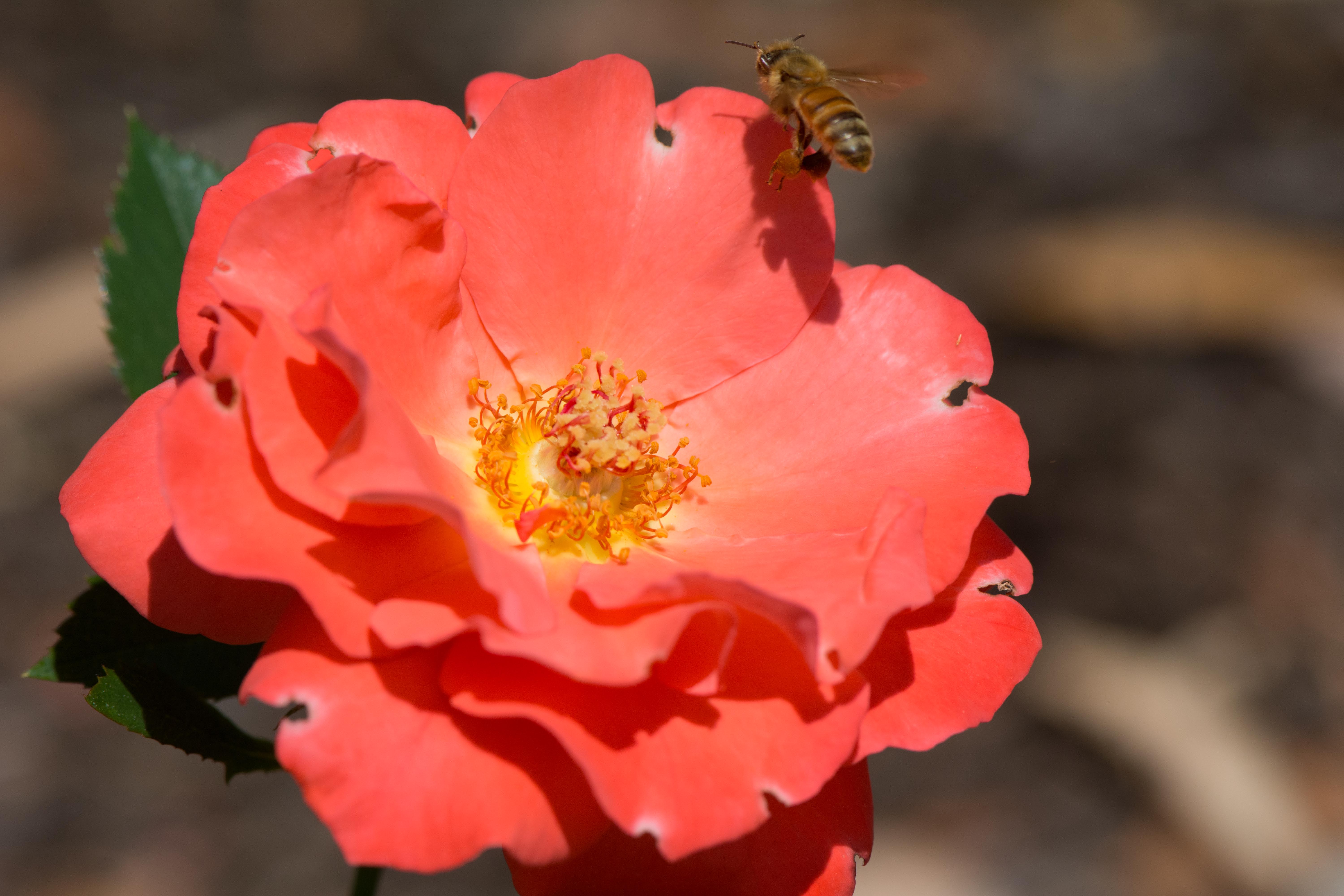
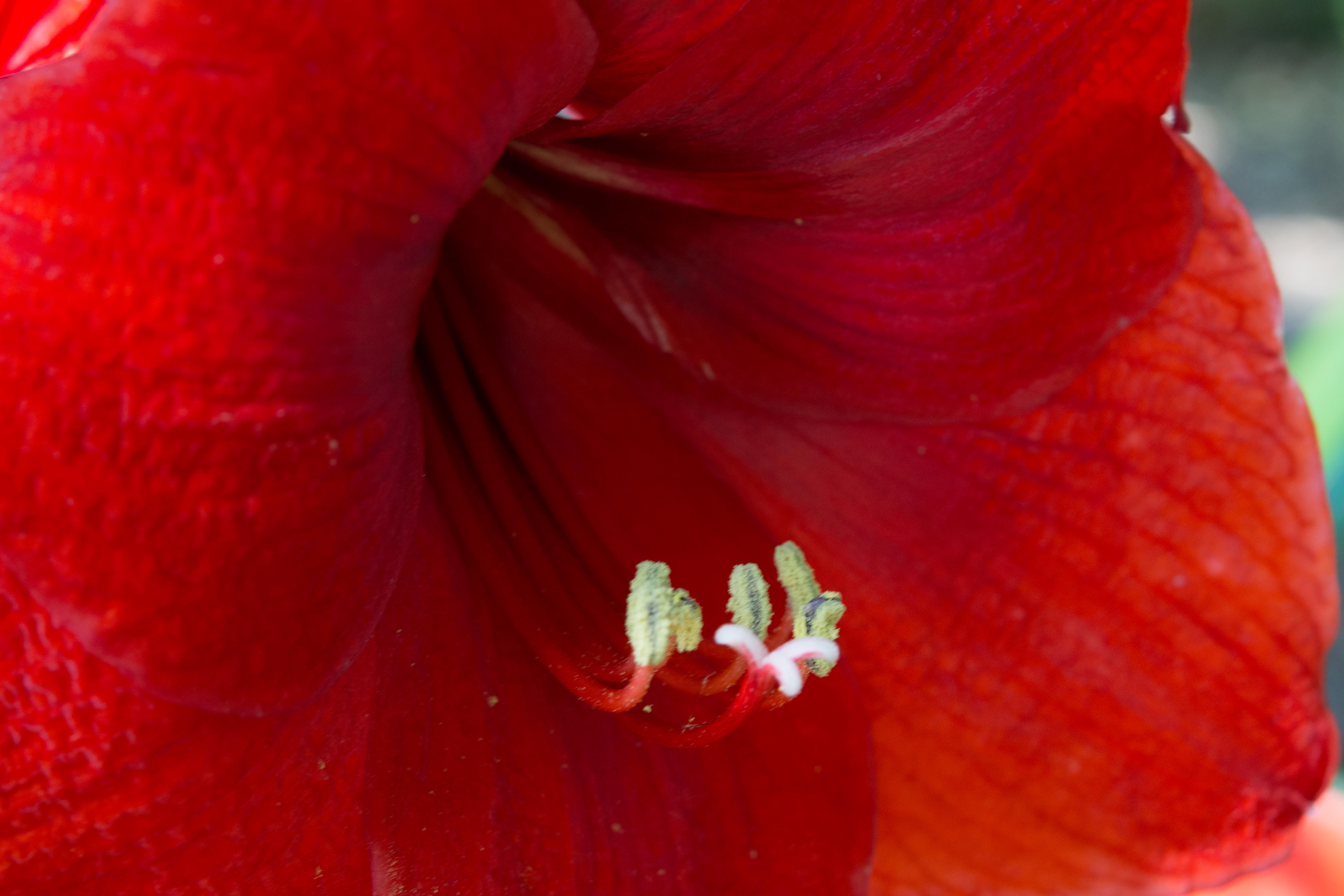
Well, that’s it, I’m climbing off my soap box. I got out to Raulston Arboretum on Saturday and found a lot of bees hard at work. I took along my tripod and used a Nikkor 18-55 mm lens in aperture priority mode. Along with a variety of bees and flowers, I was struck by the sculptural qualities of some of the blooms. My favorites are above and below.
13 07 05_2396
13 07 05_2452

Code Orange: Superstorm Sandy, climate change, and security threats

When Superstorm Sandy devastated the northeast earlier this week, Sally, Gabe, and Jocelyn were caught in New York City. Their planned short fun visit turned into a week-long ordeal. They were staying in SoHo when the storm hit and their hotel lost power and water, and stores, restaurants, and transportation systems all closed down. Thousands of flights, including theirs, were cancelled.

My sweet Tillers eventually made their way to the upper West Side and found a down-market hotel to stay in until LGA came back online and they could get flights out. As I write this, millions are still without electricity, water, food, and transportation, and dealing with enormous personal and financial losses.

I expected that the superstorm would get climate change and what to do about it onto the front page. Could there be any more dramatic example of what rising seas and increasingly severe storms could do to our coastal population centers? Wouldn’t the climate change-deniers find it impossible to deny the reality of such a catastrophe?

But the superstorm showed once again how difficult it is to get this difficult conversation going. It is not an issue politicians or editors, or ordinary people for that matter, usually like to talk about. Why? Because it is disturbing and depressing. We don’t have a comprehensive solution, but we can be pretty sure addressing it will require massive funding and considerable sacrifice. Some are receptive to voices that tell us we don’t need to sacrifice, because science is not 100% certain (which it never is). Humans in general, and Americans in particular, are usually good at recognizing and addressing emergencies like sinking ships and burning buildings. But if we’re not entirely convinced there’s a real emergency that has a direct impact on us, we generally prefer to kick the can down the road, and think about more cheerful things.

While New York was in the midst of the huge storm, it struck me that this disaster could be compared to a terrorist attack, and that it might be a good idea to use that comparison as a conceptual tool. It seems reasonable to think of climate change as a security issue. Massive storms threaten our lives and economy in much the way that bombs do. In terms of financial loss and dislocation, Sandy was far worse all of the terrorist attacks we’ve ever seen.

And the vocabulary of security seems to be one that gets people’s attention and inspires action. We’ve probably gone overboard in exaggerating the threat of terrorist attacks, as I’m reminded every time I get on an airplane, but that doesn’t mean we don’t have to address it.

To be sure, as to climate change, an important part of the worry is about the well-being of future generations, and it’s likely that most people give greater weight to the lives of living humans than to future ones. But as Superstorm Sandy showed dramatically, it’s also affecting us today.

Another thing that might help is basic science education. A lot of people don’t understand that science is in an important sense probabilistic. The most accurate conception we can ever form of nature includes a considerable range of uncertainty. There will never be a day when we can say with certainty that climate change was the sole or primary cause of a particular weather event, because of the inherent complexity of the ecosystem. But probabilities are also realities. Once the probability of rain gets high enough, we’ll take along an umbrella. If we can get a reasonable level of scientific literacy, we won’t use lack of complete certainty as an excuse for kicking the can down the road.

Science news — the Higgs boson, global warming, the nature of consciousness

I’ve been trying to follow the story of the search for the Higgs boson for a long time, and so I felt excited by reports this week that scientists at CERN have discovered a new particle that could be it. Quantum mechanics is not something I would ever aspire to have a deep grasp of, but even skimming the surface is mind bending. The subatomic world has different rules from ours.

I also really like the purity of the enterprise. It’s primarily driven by curiosity, rather than motives of profit or power. These scientists aren’t much interested in practical applications; they want the truth. (Of course, they also may want tenure, grants, Nobel Prizes, dates, etc.) It’s cheering that there is still, in some places, political and financial support that makes their (very expensive) experiments possible.

Another thing that’s particularly cool about the Higgs search is that it is a massive collaboration. Thousands and thousands of scientists are involved. According to the Times account, there were two teams of 3,000 physicists each analyzing the data from hundreds of trillions of proton collisions in the latest round of the CERN effort. They’ve found ways, which I’m sure involve the Internet and massive computing power, to share their knowledge and coordinate their efforts. This is very different from the model of scientific discovery I was taught as a kid, where individuals worked by themselves in their laboratories until their eureka moment. It’s encouraging that scientists are learning to collaborate better just as they take on ever larger problems.

The practicality of the Higgs work may be to the researchers’ advantage in making them a low-value political target. This contrasts sharply with global warming research. In my home state of North Carolina, a majority of our legislators (mostly Republicans) embarrassed themselves again this week by enacting legislation designed to suppress, or at least defer, scientific reports of rising sea levels caused by global warming.

The coastal development lobby seems to have been involved. As my friend and House representative Deborah Ross cleverly observed, putting our heads in the sand is not really doing property owners any favors — they need real information. I’d also note that the sea is not going to read the study anyway. It is both funny and scary that a significant portion of our political leaders (for now a majority in NC) are either willfully ignorant or cynically determined to oppose science where it conflicts with their self-interest.

Yet science hasn’t thrown in the towel yet, and I’ve got to think that the truth will out. Speaking a little more of science, I’ve been reading a new book by Michael Gazzaniga titled Who’s in Charge: Free Will and the Science of the Brain. It’s about recent discoveries and theories in neuroscience, and parts of it are mind boggling. Gazzaniga is a distinguished professor (University of California) and researcher in cognitive neuroscience who made ground-breaking discoveries in the area of split-brain research.

Gazzaniga covers a lot of territory, and I will not attempt to summarize (indeed, I’m not certain I completely grasp) his view of free will. For me, the most stimulating sections had to do with his his model of conscious thought. At least since the time of the Periclean Athens, we’ve thought of our conscious experience as objective — that is, what you see is what there is to see, what you hear is objectively present in nature, and so on as to other senses and perceptions. In everyday life, we experience all these sensations predictable and reliable, and have difficulty imagining them as error prone and misleading.

I’ve read several interesting books recently discussing research on this, including Jonathan Haidt’s, Daniel Kahneman’s, and Jonah Lehrer’s, but Gazzinaga seems to have the clearest theoretical model and best supported theory for why we can’t accept that our conscious perceptions are at best an incomplete and fallible approximation of physical reality. His model of the mind involves hundreds or thousands of modules working on, say, vision, and forwarding their data to a module in the left brain which he calls The Interpreter.

The Interpreter takes in what it can (not everything), makes some quick guesstimates as to what data is reliable and what should be tossed out, fills in any gaps in the data with best guesses, and presents the result to consciousness as reality. Despite all the guesswork and potential for errors, the result feels to us instantaneous, smooth, continuous, and objective. If there are glaring problems or inconsistencies, The Interpreter comes up with a narrative or story that “explains” them. We are, in a really fundamental sense, story-telling animals.

Another aspect of Gazzaniga’s model struck me as particularly thought-provoking was his discussion of emergence theory. While giving respect and consideration to the researchers working at the scale of neurons and brain structures, Gazzinaga deems it unlikely that that approach will never explain conscious experience. The brain is just too complex.

Emergence theory addresses itself to phenomena are matters that arise out of inputs so numerous as to be incalculable. Examples include snowflakes, traffic jams and weather, which are in the aggregate clearly products of much simpler phenomena (hydrogen atoms, carburetors and other auto parts, breezes etc.), but which contain too many variables to be predictable. The brain’s 100 billion neurons and vastly larger number of synapses far exceeds the complexity of our analytical tools.

Finally, I was intrigued that Gazzaniga suggests the possibility that the basic unit of analysis for the study of human consciousness should not be an individual brain, but rather, groups of brains. That is, intelligence may be best understood as emerging from humans interacting with each other. The individual brain in isolation knows nothing that we would call intelligence, but needs other brains to develop. Prisoners in prolonged isolation quite literally lose their minds. We’ve barely begun to consider consciousness in terms of systems of brains, rather than individual brains. It could change the way we approach education, law, and most everything else.

Climate changing and improving decision-making

It was unseasonably warm this week in central North Carolina. Some daffodils and forsythia are starting to bloom. They’re beautiful, of course, but there’s something that doesn’t feel right. They’re not supposed to be here for another month or so. It’s hard not to think about climate change (a/k/a global warming) and be worried.

At least, hard for some of us. There’s a vocal minority of climate change-deniers that somehow keep grabbing the spotlight and the microphone. They create enough of a stir to prevent any serious political discourse on the most serious global environmental problem humankind has ever faced. It’s bizarre.

Yesterday’s NY Times reports that Tea Party activists are fighting local efforts to conserve energy on the grounds that such efforts are part of a United Nations-led conspiracy. Fox News is also involved in spreading of this lunacy. What is wrong with these people? There should be no debate about whether or not to pay attention to overwhelming body of scientific evidence establishing global warming and its potentially disastrous consequences — but there is.

Our species is headed towards the edge of a cliff. We should be focusing enormous resources on minimizing CO2 and other emissions. This should be our new Apollo program — to land our grandchildren on a planet that’s sustainable.

We’ve really got to get this effort started. I suggest as a first step we agree that the opinions of science-deniers be subjected to appropriate brief ridicule and then ignored. Yes, everyone’s entitled to their opinions, but not every opinion is entitled to be taken seriously. Whether the source is ignorance, greed, or mental illness, opinions that have no basis in factual reality are at best a waste of time. In this case, they’re also increasing the risk of mortal peril. Basta!

For step two, or maybe step one-and-a-half, we should read Thinking, Fast and Slow, by Daniel Kahneman. I’m about two-thirds of the way through, and I’m confident it will be in my list of top thought-provoking books of 2012. Kahneman is a Nobel-prize-winning psychologist and founding father of behavioral economics. His most recent book summarizes the research he, Amos Tversky, and others have done in the last few decades into the psychology of decision-making.

Kahneman divides judgment into two main parts: intuitive processes (thinking fast) and rational ones (thinking slow). The fast part plays a much greater part in our decisions that we think. We all rely on heuristics and biases to simplify complex matters. This mode of thinking is important — without it we’d be paralyzed — but it also sometimes leads to very bad decisions. Understanding more about the points of failure of our ordinary thought processes may help us avoid some errors and make better decisions. I hope.