The Casual Blog

Tag: environment

Some backyard birds, and a few words on our energy policy

Blue jay

Last week I drove down to Clemson, SC, for a nature photography weekend sponsored by the Carolina Nature Photography Association. My main interest was to take some pictures at The Nut House, a marvelous birding oasis created by Carl Ackerman.  It has three blinds where photographers can sit concealed and watch birds come to various tasty attractions.  

The weather was chilly, and the birds were neither uncommon nor numerous.  Still, it was fun to watch those that appeared, as well as the scurrying squirrels and chipmunks.    I also enjoyed meeting some nice CNPA members.

Eastern chipmunk

As usual, it was a bizarre week in Trumpworld, with too many terrible things happening to think carefully about them all.  It was particularly terrible that Trump called for death by hanging of members of Congress who’d pointed out that armed services members should obey the law and the Constitution.  

Who knows how many Trump believers might take this seriously as a call to action?  We learned from the January 6 insurrection that such people exist.  But thankfully there are still responsible Republicans who support free speech and oppose political violence.  May their numbers and their voices increase.

Red-bellied woodpecker

In other news, Trump staged an elaborate fawning tribute to a murderous Saudi Arabian tyrant, Mohammed Bin Salman.  This was, on its face, shameful and disgusting.  Why, I wondered, did he do it? 

In an interesting piece in the NY Times, Noah Shactman proposed some interesting possible explanations.  Shactman says that Trump has long viewed with envy the Persian Gulf petrostates, with their great luck in having lots of oil and their autocracy.  Now, he’s collecting billions in crypto and other business deals from the Middle Eastern autocrats, which is another reason for trying to please them.  
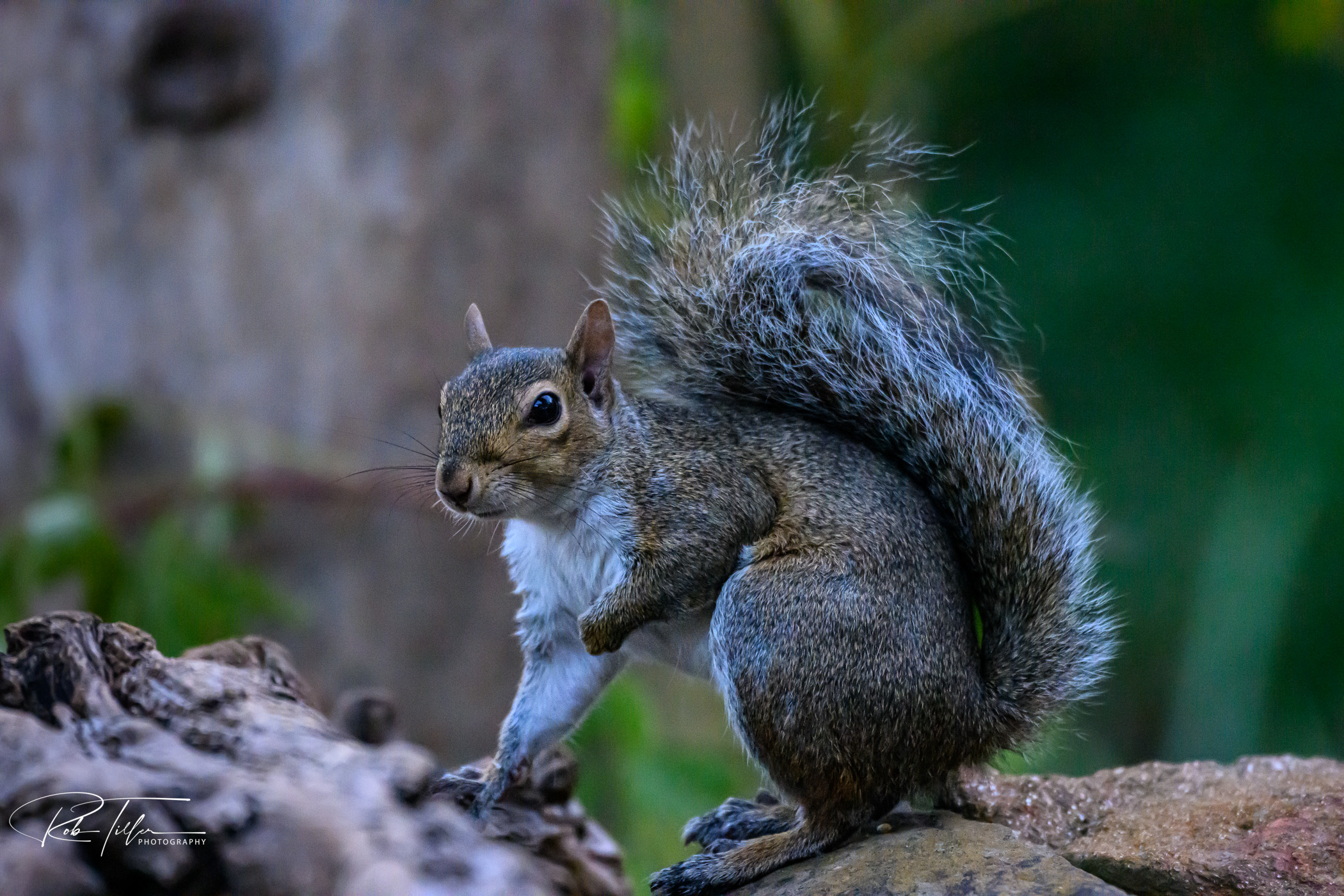
Eastern gray squirrel

On top of all that, or underneath it, is Trump’s view of fossil fuel as a source of power and means of domination.  As a historical matter, this is not crazy; oil and coal powered the major industries of the 20th century.  

But it’s crazy now.  Renewable energy (solar and wind power) have dropped so much in cost that in many places they are now as cheap or cheaper than fossil fuels.  And the CO2 from burning fossil fuels is on course to destroy the world economy and upend human civilization.  

Northern cardinal

As most people now know, climate change is not hypothetical – it’s here.  Average temperatures are hitting new highs, with disasters occurring as predicted – huge storms, floods, fires, droughts, eroding coastlines, along with failing farm systems, economies, and governments.  
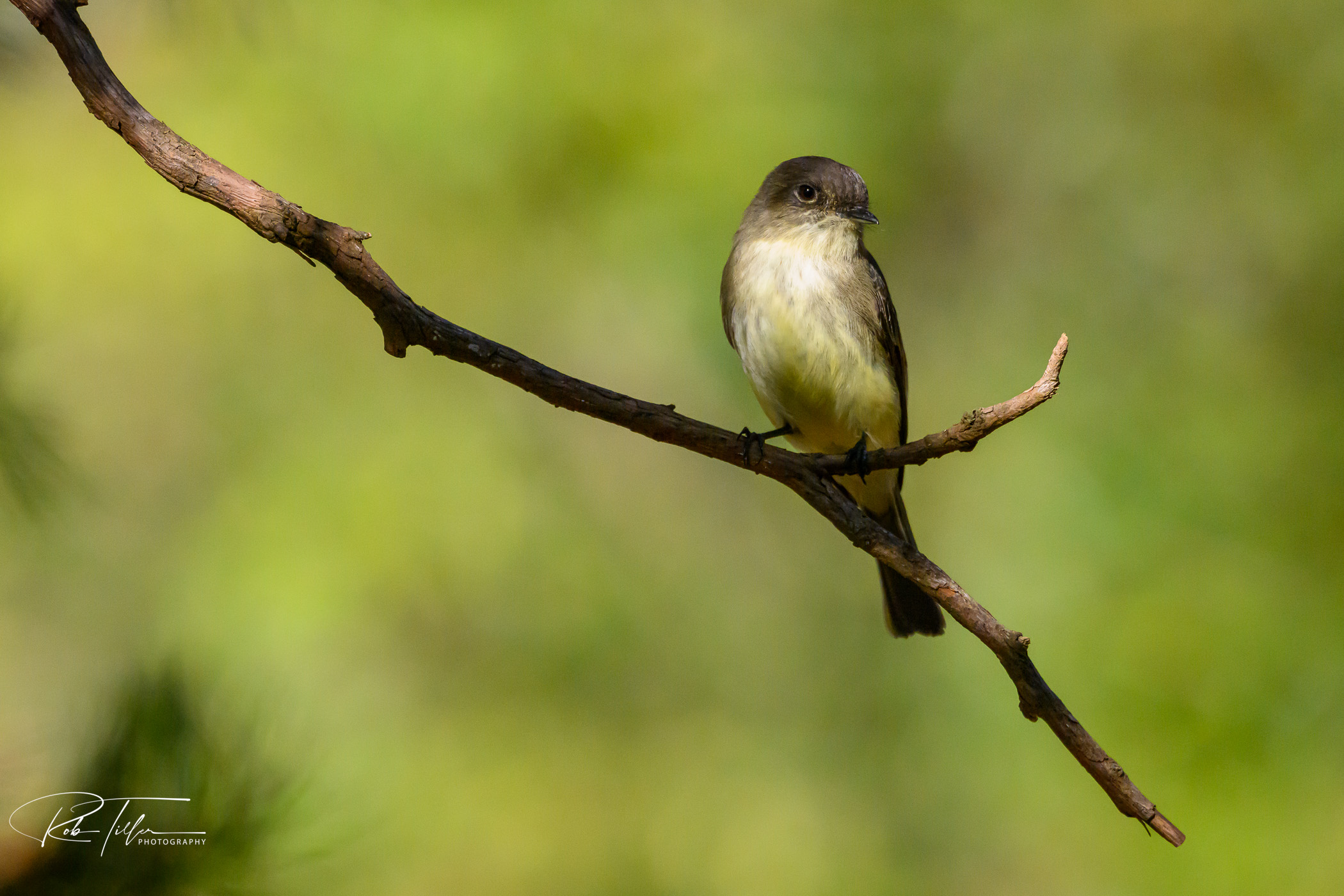
Eastern phoebe

But Trump still claims that climate change is a hoax, and that efforts to address it are scams.  He proposes instead to increase the very programs that are root causes of climate change – more burning of coal, oil, and gas – while trying to undermine renewable energy alternatives that would mitigate the catastrophe.  
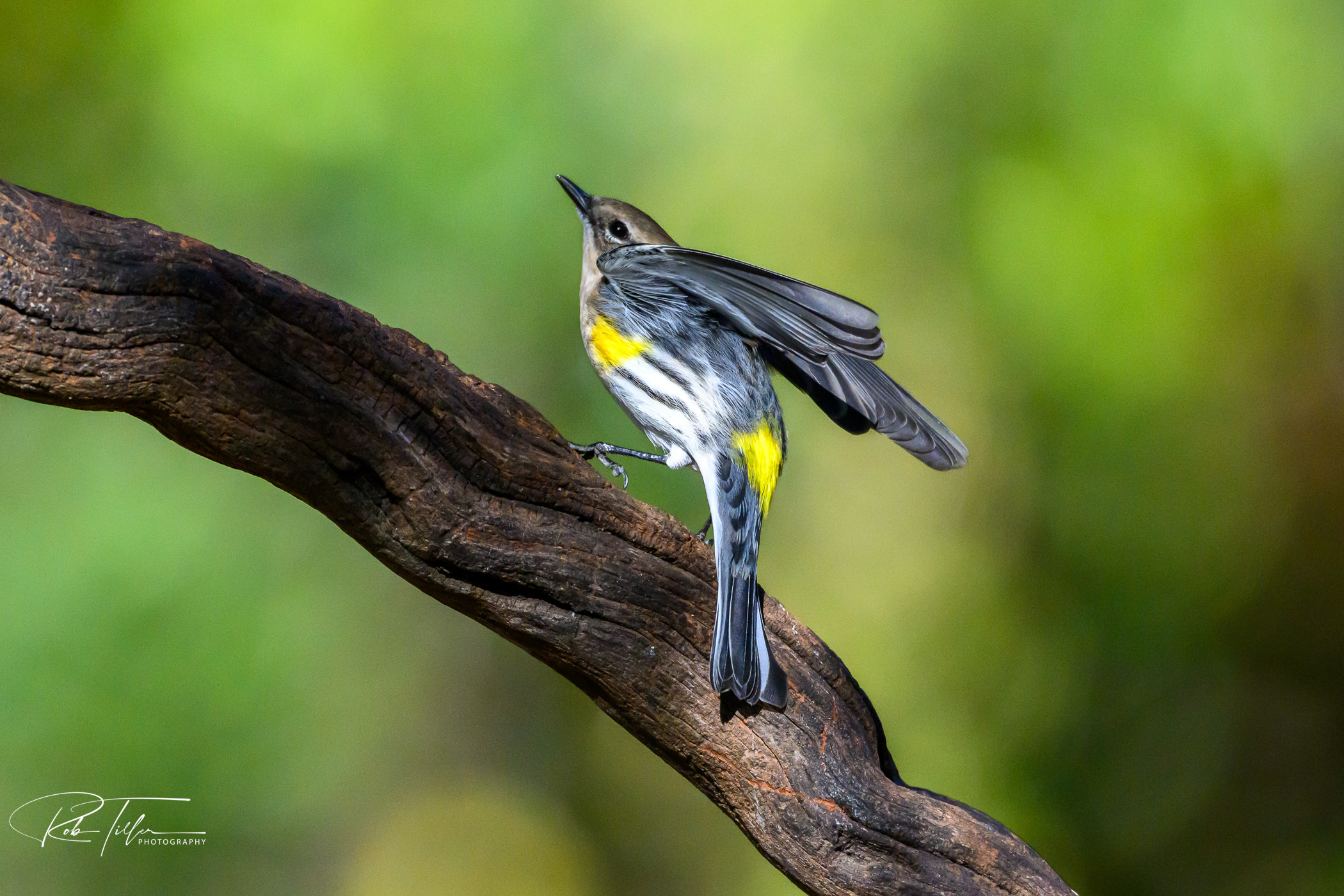
Yellow-rumped warbler

Through tax breaks and subsidies, Trump has conferred huge windfalls on the oil and gas industries, while the costs of electricity have gone up substantially.  And absent a change in course, there’s worse to come.  A recent study ound that Trump’s energy program, if pursued until 2055, could result in 340,000 premature deaths and $6.7 trillion in additional healthcare and energy costs.  
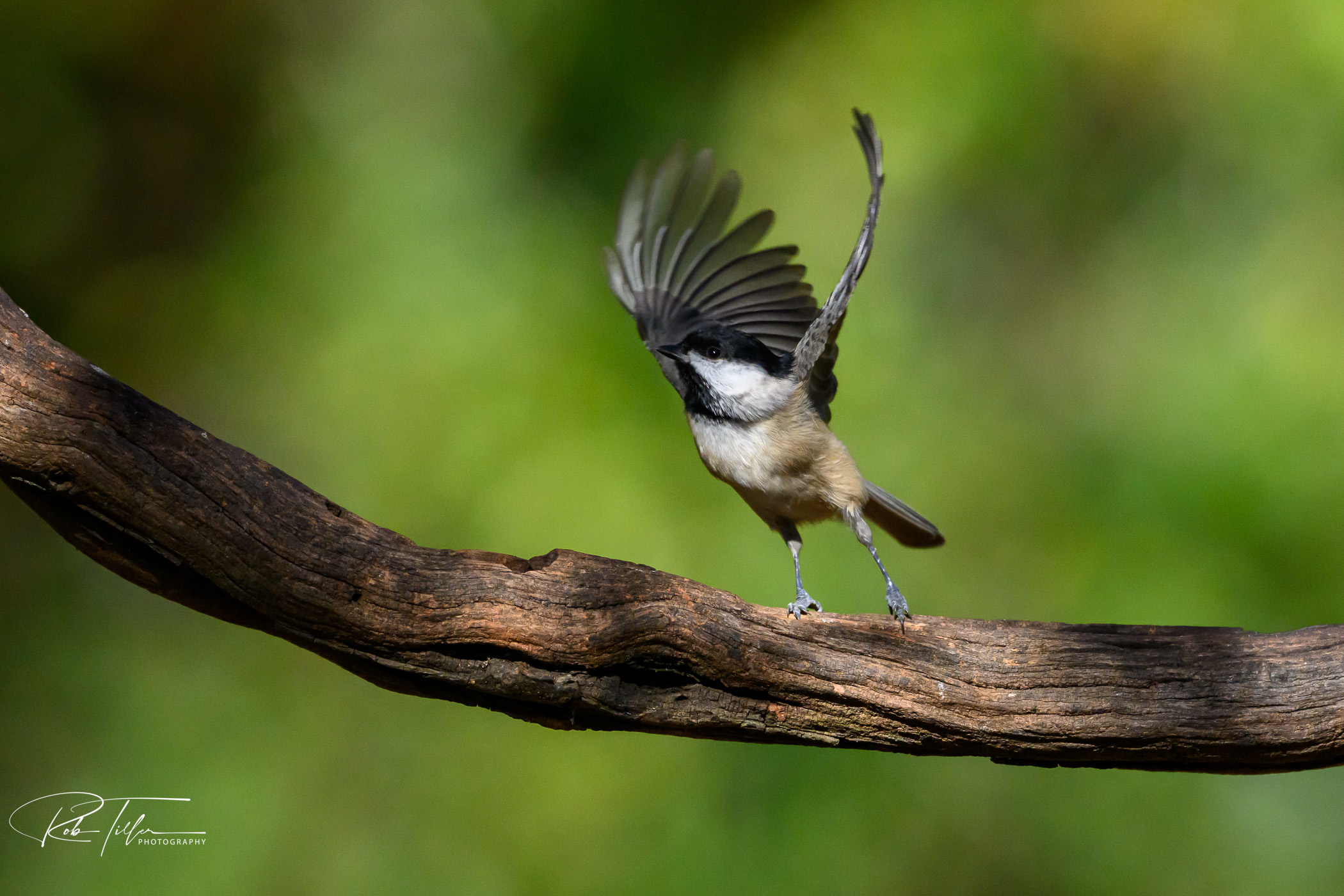
Chickadee

Somehow Trump’s horrific climate policy is still not high on the public’s discussion agenda.  But that too may be about to change, as climate change hits the housing market.  In a recent piece in the December issue of the Atlantic, Vann R. Newkirk II reports that insurers are pricing in rising climate risks, and so homeowner’s insurance in some areas is becoming prohibitively expensive. 

If insurance becomes too expensive or unavailable, homes become unmarketable.  See also this NY Times report on this same issue. Where homes become unmarketable, a cascade of problems follow – retirements undone, generational wealth eroded, community businesses closed, public services ended, and ghost towns.  
With all the risks we now face, Newkirk reminds us that all is not lost: we may yet wake up and take action. In ringing tones, he finds hope.

[P]erhaps Trump, through his very extremity, has provided a galvanizing opportunity. In his reflexive culture-warrior rejection of climate change, he has backed into a climate policy of his own, and has linked that policy to his power. With his single-minded, bullying determination to reverse course on renewables—which are part of life now for many people of all political stripes—and to dismantle programs people rely on, Trump has essentially taken ownership of any future climate disruptions, and has more firmly connected them to oil and gas. In advancing this climate-accelerationist policy alongside an antidemocratic agenda, he has sealed off fantasies of compromise and raised the political salience of dead zones, where devastation and exclusion go hand in hand. Trump’s intertwining of climate policy and authoritarianism may beget its own countermovement: climate democracy.

Climate democracy would be aided by the gift of simplicity. At present, the only way to ensure that America avoids the future outlined here will be to win back power from its strongman leader, or possibly his successors. The places facing existential climate risks—especially those in the Deep South—are mostly in states that have long been considered politically uncompetitive, where neither party expends much effort or money to gain votes. But they could form a natural climate constituency, outside the normal partisan axis. Poor and middle-class white communities in coastal Alabama, Mexican American neighborhoods in Phoenix, and Black towns in the Mississippi Delta might soon come to regard climate catastrophe as the greatest risk they face, not by way of scientific persuasion, but by way of hard-earned experience. Some of them might form the cornerstone of a new movement.

With the right message, plenty of other people may be persuadable: those upset by higher electric bills, or poorer storm forecasts, or the coziness of Trump with the oil and gas industry, or weather-related disruptions in everyday life. To paraphrase Theodore Roosevelt, Americans learn best from catastrophe, and they will learn that the help they once took for granted after disasters might now be harder to come by. Autocracy takes time to solidify, and building popular support in opposition to it takes time as well. But in the reaction needed to build climate democracy, perhaps heat is a catalyst.
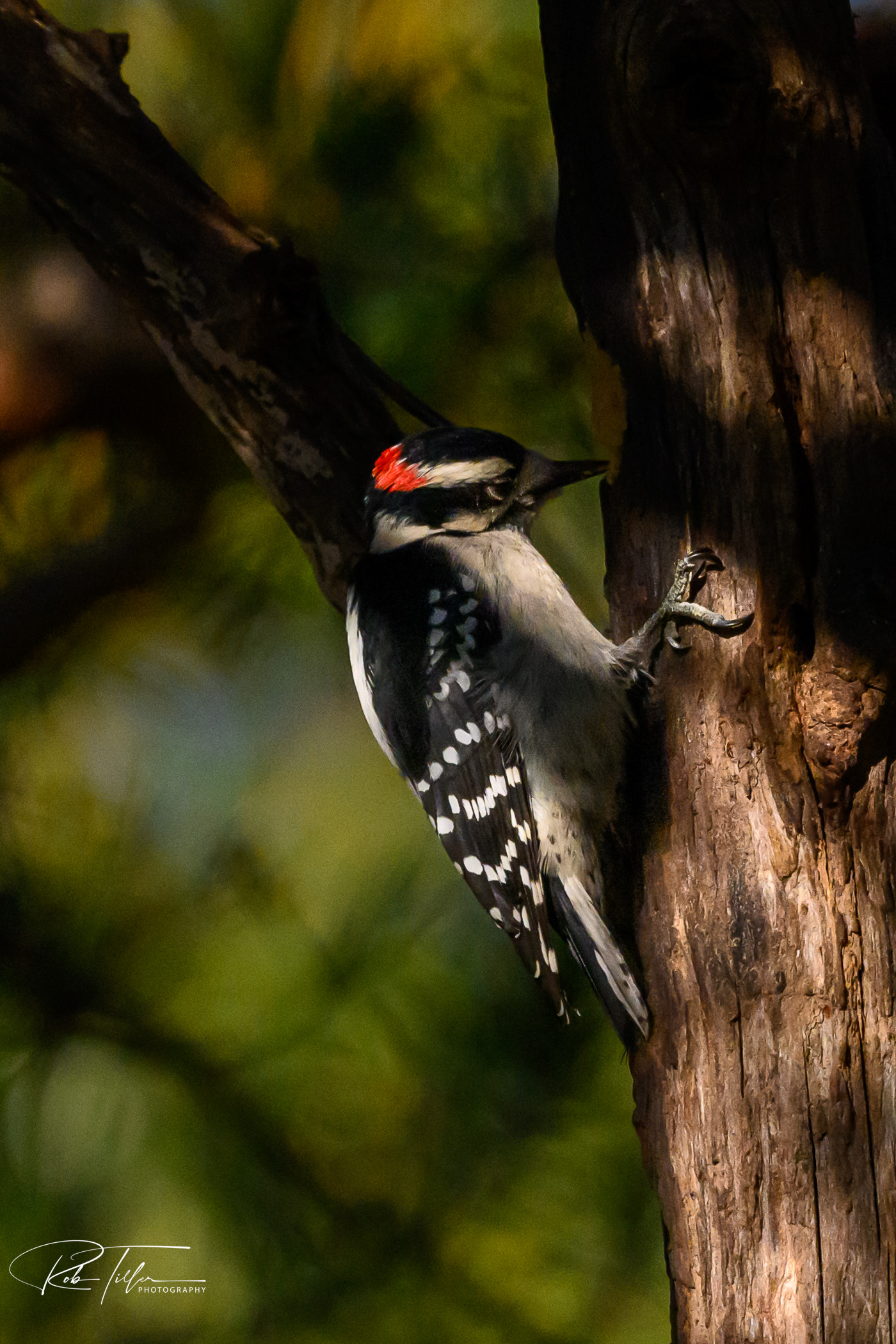
Downy woodpecker

Kayaking at Robertson Mill Pond, in a warming world, with our new “energy emergency”

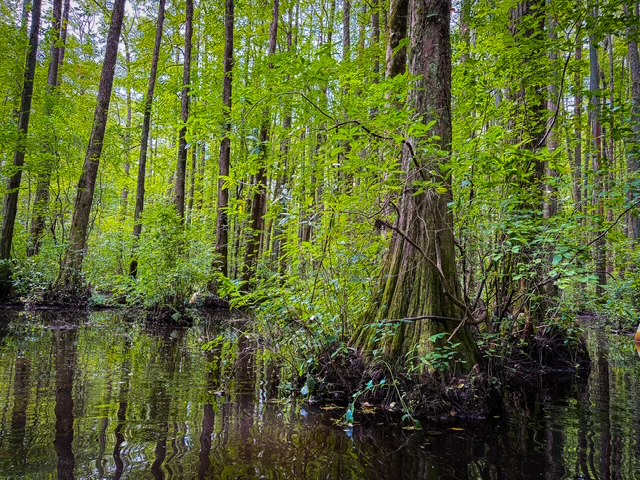
Last Monday I took my kayak to Robertson Mill Pond Preserve, which is just east of Raleigh.  The park is basically a swamp shaded by cypress and other trees, with a kayaking course laid out with numbered buoys.  I was the only person there.  I paddled gently in the shallow water and listened to the birds singing.  It was very peaceful and soothing, except when I couldn’t find the next guide buoy and got lost for a bit.

I didn’t take my big Nikon camera, which I’d hate to drop in the water, but I made a few snaps with my iPhone.  It wasn’t too hot that day, and it didn’t rain while I was paddling.  But the heat has made it tough to do very much outdoors on a lot of days this summer.  I played golf on Wednesday afternoon, when the temperature was in the low 90s, and was sweating profusely after walking hole number 1.

Global warming has been on my mind this summer, because it seems to be coming at us hard.   Hotter and hotter weather, more intense storms, floods, fires, and other climate-related disasters are a fact of life.  I’d have thought that there could be no denying it for anyone who can’t always stay in the air conditioning. 

Large populations are already facing droughts, crop failures, wars, displacements, and other disasters related to higher temperatures.  At the micro level, hotter temperatures cause increases in crime and domestic violence.  All the science tells us that unless we take action, all these problems are going to get a lot worse.  

So why aren’t we doing everything we can to mitigate our crisis?  Well, part of the answer is, follow the money.  It’s no secret that those who profit from the fossil fuel system are always keen to make more money, and highly resistant to having less.  President Trump promised the fossil fuel moguls that he would be their boy if they gave him enormous campaign contributions.  They did, and in at least this one instance, he kept his promise.  See this article.

Climate experts are being fired or sidelined and agencies organized to protect public health are being dismantled. Rules discouraging fossil fuel emissions and encouraging EVs are being dropped.  Subsidies for green energy have been undone, and new subsidies for fossil fuels enacted.  The endangerment finding that is foundational for EPA regulation is being reversed.  There’s even a plan to shut down satellites that measure CO2.   

This is truly perverse.  How could it be justified?  Why of course:  just say there’s a national emergency!  As with other Trumpian outrages (like militarization of the border and starting a trade war with tariffs), the President, with no factual basis, declared a national energy emergency

Like autocrats before him, Trump cynically exploits the blind spots and weaknesses of the citizenry.  One of his trademark moves is to sound the alarm:  we have everything to fear!  By raising the panic level, he lessens the chance that people will be able to engage in critical thought.  Thus we learned that immigrants are generally rapists and killers, that peer nations are deadly drug dealers, and that Democratic leaders are Satanic pedophiles.  And now, he says we have an energy crisis — not too much fossil fuel usage, but too little!

None of these claims has a grain of truth, but that hasn’t stopped them from propagating on right wing media.  And the flood of truly frightening things, like widespread cruelty to immigrants, imposing militarization in our cities, attacking our universities, betraying our allies, undermining the rule of law, fomenting stagflation, and halting vaccine and other scientific research, is exhausting.  There’s hardly enough time to get up to speed on one outrage before there’s a new one.  

So even for a well educated and dedicated progressive, it’s tough to keep up with the news, and with everything there is to worry about, to stay engaged on climate change.  But the consequences of not doing so could be disastrous, as in, the end of civilization as we know it.  

One other aspect of this problem, and then I’ll stop:  most Americans are not well educated.  Fewer than half have more than a high school degree.  More than half read at below a sixth grade level.  This is not a bug for MAGA; it’s a feature.  Ignorance is a key enabler of the Trumpian movement.  This partially explains the attacks on universities and public education.  

So it’s not surprising that a lot of people have trouble processing the science of climate change, or even understanding what science is.  And it’s not surprising that they’re preoccupied with the price of gas and other daily necessities.  Most don’t have enough money for a major health emergency, and many can’t fund a car breakdown emergency.  Climate change is, for them, not the most immediately pressing issue.  

The widening of the income gap between the well off and everyone else over the last several decades is a big part of the explanation for Make America Great Again.  Working class people really were better off, relatively speaking, in the mid-twentieth century.  There were more unionized jobs, and more respect for such jobs.  Various institutions, like unions, churches, social clubs, and sports, gave a sense of community and connectedness.  We’ve lost a lot of that.  It’s understandable that working people feel they’ve gotten a bad deal, and it’s not fair.

As many others have noted, it’s truly ironic that a make-believe-super-rich-guy-failed-businessman-grifter like Donald J. Trump could successfully win the love of masses of the not well off.  Yet he did, by acknowledging their anxiety and sense that the system was unfair, as well as by appealing to their prejudices.  Can he keep their love as he makes sure the economy worsens, the housing crisis worsens, the health care system worsens, and the planet heats up?   Probably not.  

In any case, we’re all here together on our one precious, fragile planet.  We need to keep talking to each other, with patience, with respect, but also with urgency. 

Local birds, and Trump’s war on nature

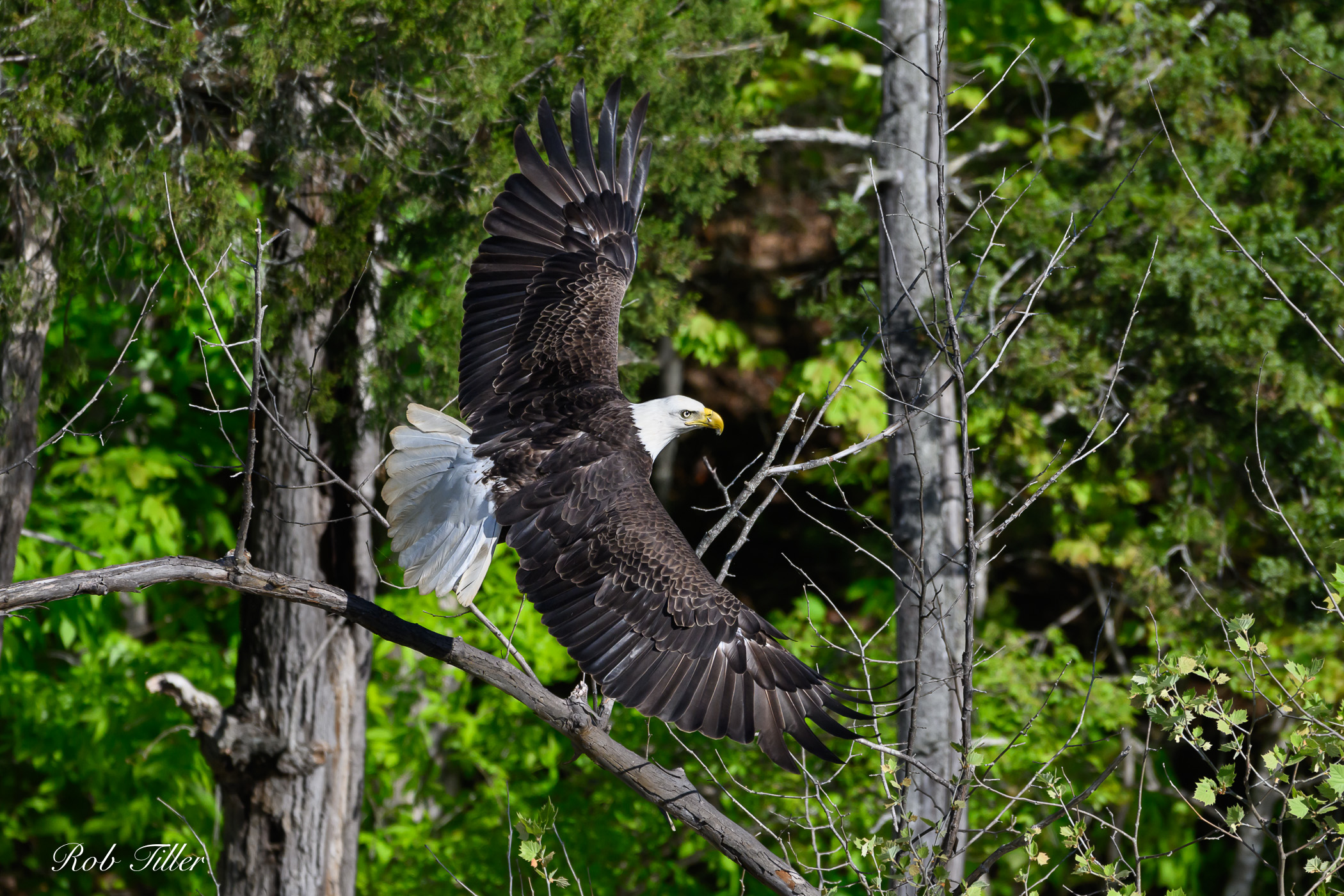
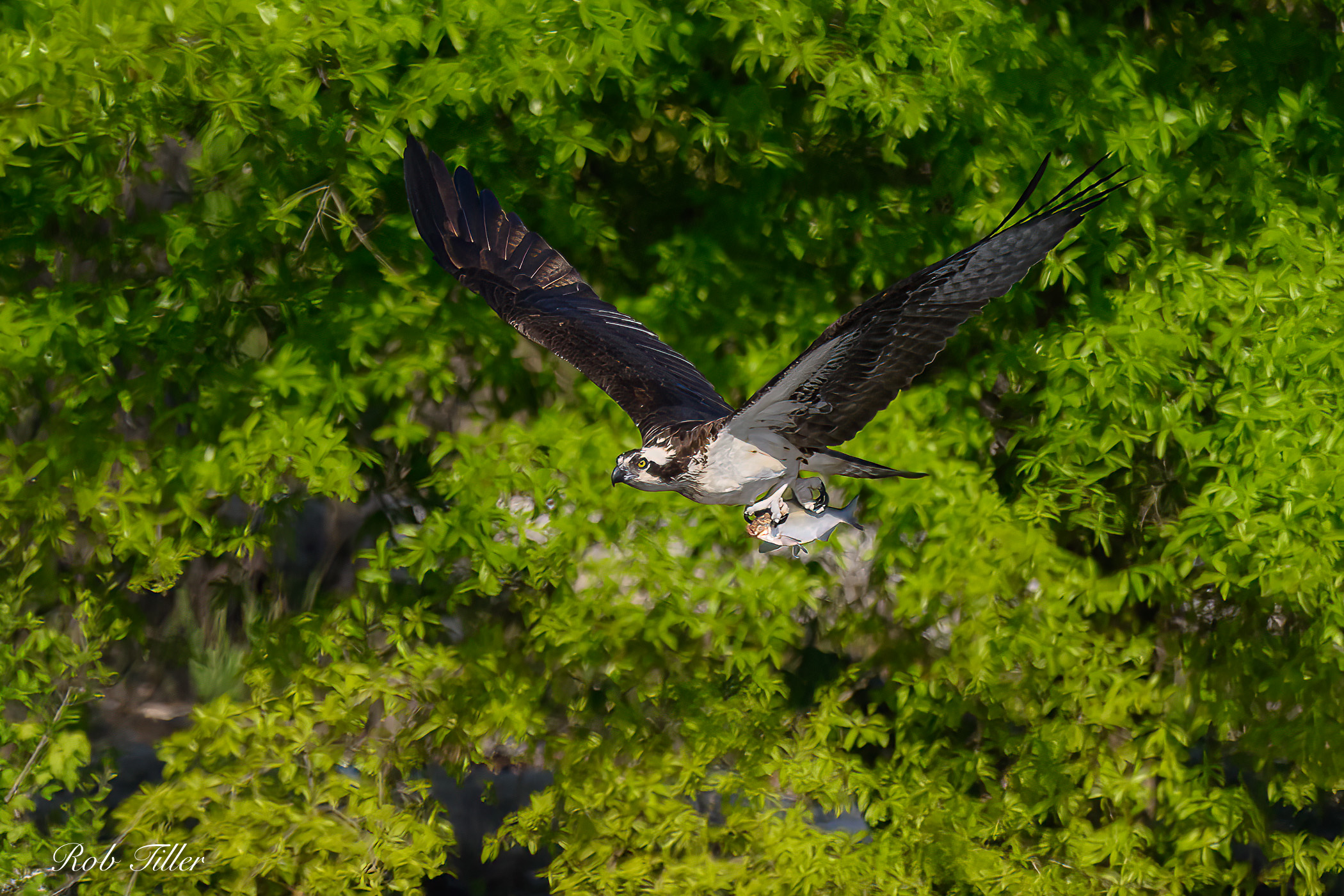
Recently I’ve taken a couple of boat trips on Jordan Lake with the Carolina Nature Photographers Association to see some of the birds that live there.  According to our guide, Captain Dave, there are some forty nesting pairs of bald eagles there now, along with many ospreys, great blue herons, woodpeckers, various ducks, and many smaller birds.  

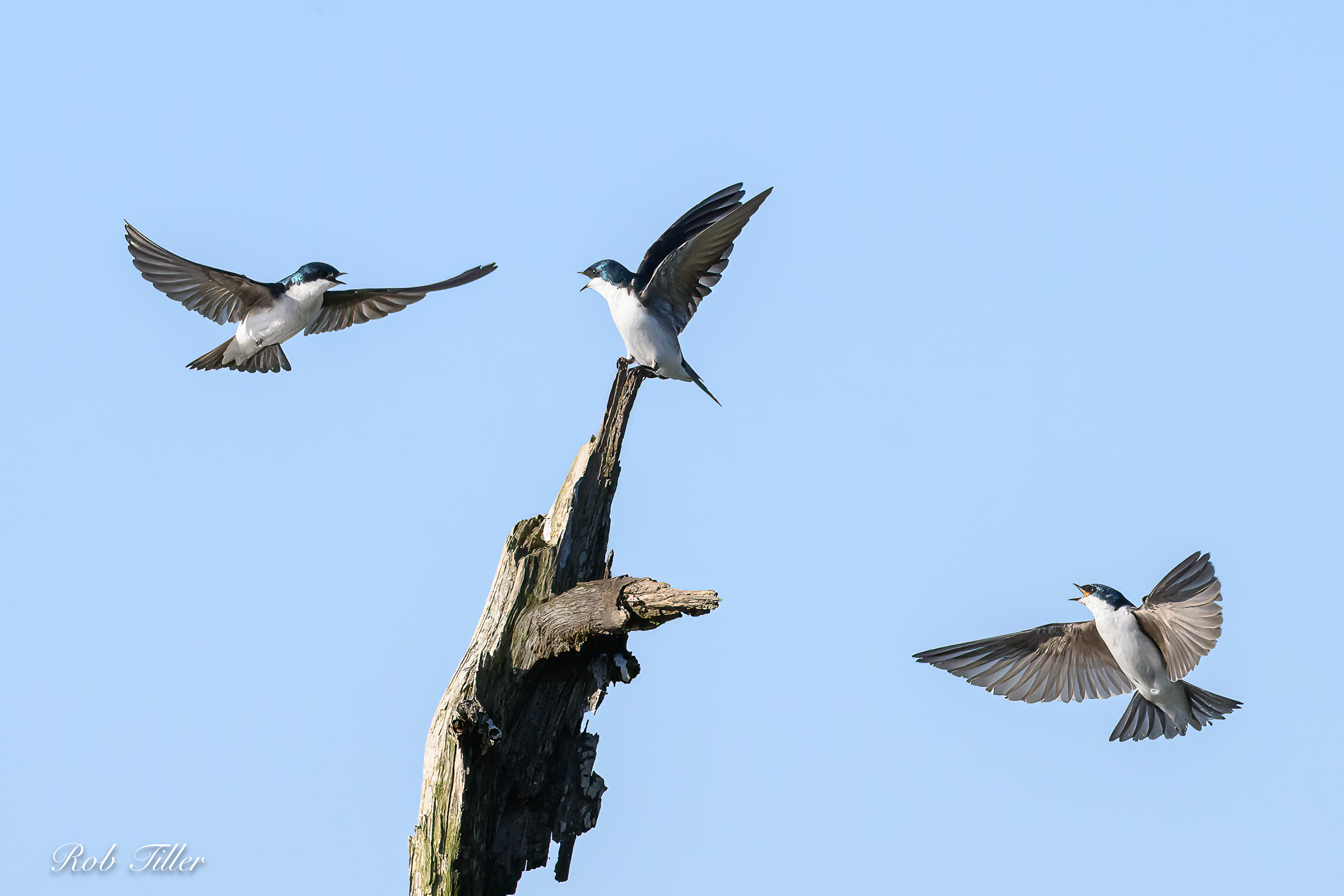
There was a lot happening.  We saw eagles hunting for food and battling over territory.  Ospreys were incubating their eggs.  Wood ducks were shy and flew away quickly.  Several tree swallows had a battle royale over a strategic perch.  At one point hundreds of cormorants were flying and diving together in a coordinated hunt of the local small fish.  

I’ve also been enjoying listening to the springtime songs of the birds in our backyard.  A few years ago I invested some energy into learning common bird songs and calls from recordings.  Lately I’ve been expanding my repertoire with Merlin, a free app from the Cornell Lab of Ornithology.  Listening along with Merlin to the birds from our back deck, I’ve discovered several species whose songs I didn’t know and who almost always hide behind the leaves.  It’s a great little app! 

With American democracy in crisis, and a wide array of related disasters in process, it isn’t surprising that bird song and nature generally are not top of mind for most people.  But I find their strength and beauty inspiring, and a source of strength.  

What’s more, the welfare of nature is the welfare of us all.  It’s such a mistake to think that the world is all about humans, and nature is of secondary concern, or no concern.  We humans are just one part of the grander scheme of nature.  We can’t destroy nature without destroying ourselves.

It’s both bizarre and tragic that part of the Trump program seems aimed at just such destruction.  I’ve puzzled over why this could seem like a good idea to anyone.  Paul Krugman, the Nobel-prize-winning economist, offered a possible answer in a recent free email newsletter

Krugman usually writes on economic subjects, and I’ve found him helpful in illuminating some of the leading stories coming out of Trumpworld.  In writing about the tax plans now in process, he pointed out that part of the program for funding tax cuts for the rich is cutting government support for clean energy and increasing subsidies for fossil fuels.  

Krugman notes that the reason surely has a lot to do with our system in which campaign contributions buy policy decisions – a system that seems to me a sort of legalized bribery.  The fossil fuel industry contributes much more to Republicans.  But he notes, there seems to be more than just money at stake. 

Why does MAGA hate renewables? They consider them woke because they help fight climate change, which they insist is a hoax. And they’re cleaner than burning fossil fuels, which means that they aren’t manly.

It’s all kind of funny — or would be if it weren’t so tragic.

Krugman writes that the dramatic progress in renewables technology has made it possible for us to mitigate the worst effects of climate change.  The price of wind and solar power has been falling quickly.  But Trump has opposed these technologies and taken aim at the Democratic programs to advance them.  

David Gelles of the NY Times has a good new piece on several aspects of the Trump approach to our climate crisis.  He gives a pithy summary of our basic situation: 

Average global temperatures last year were the hottest on record and 1.5 degrees Celsius above preindustrial levels, a threshold that nations had been working to avoid. Every fraction of a degree of additional warming raises the risk of severe effects and possibly irreversible changes to the planet. Nations must make deep and fast cuts to pollution to avoid a grim future of increasingly violent weather, deadly heat waves, drought, water scarcity and displacement . . . .

Can nothing be done?  In fact, a lot can be done, as demonstrated around the world. Gelles explains that the current administration is unique among major world powers in its preposterous denial of climate change and refusal to act.

Around the world, countries are racing to adapt to a rapidly warming planet, reduce pollution and build clean energy. China, the only other superpower, has made a strategic decision to adopt clean energy and then sell it abroad, dominating the global markets for electric vehicles, solar panels and other technologies. Even Saudi Arabia, the second-largest producer of oil after the United States, is spending heavily on wind and solar power.

Here in the US, we’re taking a different approach, as Gelles explains.

The president’s proposed budget calls for eliminating funding for “the Green New Scam,” including $15 billion in cuts at the Energy Department for clean energy projects and $80 million at the Interior Department for offshore wind and other renewable energy. The administration has frozen approvals for new offshore wind farms and imposed tariffs that would raise costs for renewable energy companies. Republicans in Congress want to repeal billions of dollars in tax incentives for production and sales of solar panels, batteries, electric vehicles and other clean energy technologies.

At the same time, per Gelles,

The Environmental Protection Agency, which has been the government’s lead agency in terms of measuring and controlling greenhouse gas emissions, is being overhauled to end those functions. The administration is shredding the E.P.A.’s staff and budget and wants to revoke its two most powerful climate regulations: limits on pollution from tailpipes and smokestacks.

Mr. Trump has said that relaxing limits on pollution from automobiles wouldn’t “mean a damn bit of difference to the environment.”

But transportation is the largest single source of greenhouse gases generated by the United States and its pollution is linked to asthma, heart disease, other health problems and premature deaths.

Trump is also cutting federal disaster relief programs led by FEMA.

As human-caused global warming increases, disasters are becoming more frequent, destructive and expensive. There were just three billion-dollar disasters in the United States in 1980, but that total increased to 27 last year, according to data collected by NOAA. The agency said last week that it would no longer tally and publicly report the costs of extreme weather.

Finally, Trump is undermining the research at the foundation of past efforts to anticipate emergencies and mitigate climate change.’

Last month, the Trump administration dismissed hundreds of scientists and experts who had been working on the National Climate Assessment, a report mandated by Congress that details how global warming is affecting specific regions across the country.

In recent weeks, more than 500 people have left the National Oceanic and Atmospheric Administration, the government’s premier agency for climate and weather science. That has led the National Weather Service, an agency within NOAA, to warn of “degraded operations.”

NOAA also stopped monthly briefing calls on climate change, and the president’s proposed budget would eliminate funding for the agency’s weather and climate research. The administration has purged the phrases “climate crisis” and “climate science” from government websites.

There’s more; Gelles’s piece is worth reading in its entirety.  There are a lot of reasons to stop Trumpism, but the war on the health of the planet is enough by itself.  State and local officials are the next line of defense, and they need our encouragement. 

Some pretty good news from the Democratic Convention, and a new threat to the voting system


The big event for us this week was the Democratic Convention.  I can’t say I was looking forward to it.  I seriously doubted that a virtual convention could be anything other than boring, and there was a possibility it would be a debacle.  But it was much more gratifying than I expected, and left me more hopeful.

There were some moments that seemed stagey and artificial, but there were also moments of surprising authenticity and feeling.  Ordinary people spoke in their own words about their concerns.  While there was a celebration of our diversity (of races, origins, orientations), there was also recognition that we face enormous challenges (achieving racial justice, economic fairness, climate stabilization).  Part of the main message was that we’re dealing with a lot of pain (pandemic deaths, loss of jobs, uncertainty) that needs to be acknowledged and respected, and then addressed.

The thrust of the Convention was straightforward:  we have a disastrous President, and now we have a chance to replace him and do better.  Criticism of Trump was almost all about his utter failure to do his job, rather than his moral failings — his disastrous mismanagement of the pandemic, of health care, of the economy, the environment, of international relations, and the rest, while cutting taxes for fat cats. 

This was probably a reasonable approach for persuading those who previously voted for Trump but might consider changing.  It just makes no sense to renew the contract of a bad CEO.   

As for change, there’s Joe Biden.  Frankly, I’ve never been a huge Biden fan.  He seemed to me an establishment guy unlikely to be a strong force for progress.  But I felt a lot more supportive after seeing more of him and learning more about his story.  

The basic case for Biden, as I heard it, is:  he’s a really decent, hardworking, and compassionate guy, with solid experience, knowledge, and values.  He’s not bucking to get his face on Mount Rushmore.  But he wants to help right the ship of state, for the right reasons, and he’s got the necessary skills.  It seemed like he’s evolved in some positive ways, like many of us, with more concern for addressing racial injustice, gender inequities, and climate change challenges.  

Biden is, of course, a politician.  I had assumed that his big handsome smile was mostly a politician’s trick and to be regarded with some suspicion.  But there was substantial testimony to the effect that he’s an unusually warm, caring, compassionate person.  His choice of Kamala Harris suggests political savvy, but also that he’s got a big heart.  

Some of our issues that urgently need attention didn’t get much at the Convention.  I heard almost nothing about nuclear arms control and reducing the risk of nuclear or other conflicts.  There was only a brief mention of the environmental costs of factory farming, and none that I heard about its appalling brutality and the welfare of animals.  There seemed to be little recognition that technology, including artificial intelligence, is changing our economic reality, and our old model for education and jobs isn’t going to work as well in the future.

So I’m not expecting that Joe and the Democrats will quickly fix all our societal problems.  But I am hopeful that they’ll make a start.  As the old saying goes, the first thing to do when you’re in a hole is to stop digging.  I’m pretty sure they’ll stop digging, and also that they’ll try to help those who need it right now.  That would be a huge change.

The Convention sent a strong message about the importance of voting in this election.  In a nutshell, if you care at all about preserving the good things about our system, you need to vote.  Barring a quick miracle cure to the pandemic, it’s probably best to do so by getting a mail in ballot and getting it in early.  As noted in my last post, in some states you can drop off your mail-in ballot directly with local officials.  

Voting used to seem simple — a little boring, but something we could all agree was basically a good thing.  Even after years of Republican efforts to reduce or prevent voting by their opposition, it’s still hard to believe what has been happening recently.  

Trump, McConnell, and other Republican leaders have admitted that it would be, for them, a disaster if everyone voted, because they could not possibly win.  They feel well justified in putting up roadblocks to voting by people of color, young people, and others, such as new voter ID laws, fewer polling places, more limited voting hours, and now, attacks on the Postal Service.  Their power is at stake.  For them, democracy is a problem. 

We have a long history of voter intimidation in the US, and Trump announced last week plans to revive the practice.  He referred to getting local sheriffs to the polls, ostensibly to prevent fraud, which, of course, they have no way to do.  They can, however, display their weapons and stare grimly at unwelcome voters, such as people of color.

Even the worry that this might happen could well discourage some people from trying to vote.  Especially when combined with other problems, like missing voter registrations and long lines, there will be some attrition.  The more chaotic the voting process is, the better for Trump.

Part of the Trumpist idea seems to be to destroy confidence in our system.  Thus we have Trump’s constant and baseless allegations of widespread voter fraud.  Among the bizarre things Trump said last week was this:  the only way he could lose was if the election was rigged.  

With polls showing him trailing, this seems delusional, but also disturbing.  He seems to be saying:  I will not accept any election result except one where I win.  In other words, American democracy is over.  

But Trump says a lot of things that aren’t true, and promises a lot of things he doesn’t deliver.  So I’m not giving up on the idea that he can be removed from office in the ordinary manner — by the people voting.  But we can’t kid around on this one.   This time, voting really matters.

Pope Francis’s vision

_DSC8732
It’s been ungodly hot in Raleigh this week, with a record high of Fahrenheit 99 on Tuesday. Humid, too. So instead of running on Saturday, I settled in to read some of Pope Francis’s new encyclical, Laudito Si. From newspaper reports, I’d expected a sort of primer on the perils of global warming, but it turned out to be much more than that, and I felt enriched and inspired by the experience. It’s available online here.

Even though I’m a thorough-going non-believer, I’m a big fan of Francis. He seems to be a genuinely warm, caring, and thoughtful person. What are the odds? How daunting and disorienting to be considered by many as infallible, and fully realize you aren’t. (Remember his famous words,“Who am I to judge?”) How dissonant to live amid Vatican magnificence and rock-star adulation and try to focus on the problems of the poor. And who would volunteer to be in charge of cleaning up pedophile priest networks, bishop cover ups, money laundering holy bankers, and God knows what other crimes and misdemeanors? And after all that, who would have the courage and drive to speak truths that implicitly threaten the world’s wealthiest, most powerful interests on what are, for them, as well as us, issues of existential importance? That’s right: my man Francis.

I was hoping that Laudito Si would have an executive summary, but it does not. Still, I kept reading. The prose is lucid and emphatic, with an animating passion. Francis leaves no doubt that he agrees with the scientific consensus that man-made greenhouse gases like carbon dioxide are responsible for much of the global warming crisis. He states that there is an urgent need to reduce such emissions and develop renewable energy. If he accomplished nothing more than calling more attention to this issue and inspiring high level discussion and action, that would be a lot. But Laudito Si does more than that, persuasively articulating a powerful ethical vision that calls for reforming both societies and our selves.
_DSC8728

Francis calls on the people of the world to recognize that we are in an ecological crisis, and need to expand our dialog and work together to address this crisis. The dimensions of the crisis include air and water pollution, fresh water shortages, rising oceans that threaten large cities, and increasing extreme weather events. Not to mention the extinction of many species. He states, “Each year sees the disappearance of thousands of plant and animal species which we will never know, which our children will never see, because they have been lost forever. The great majority become extinct for reasons related to human activity. Because of us, thousands of species will no longer give glory to God by their very existence, nor convey their message to us. We have no such right.”

At the same time, Francis reminds us of the vibrant beauty of the natural world. He has sections on rainforests and other wonders. On a topic particularly close to my heart, he writes of “the immense variety of living creatures” in our oceans which are threatened by uncontrolled fishing and the coral reefs that have been harmed by pollution and rising temperatures.

Early on, Francis rejects the reading of the Bible that entitles humans to dominate and exploit all earthly resources. He writes instead that humans are meant to be careful stewards of those resources, and regard them with awe and wonder, and recognize our essential connection to animals, vegetables, and minerals. “Because all creatures are connected, each must be cherished with love and respect, for all of us as living creatures are dependent on one another.” He returns a number of times to the theme of our interconnectedness to each other and the world.

An aspect of this theme is concern for both the poor and for other living creatures. He writes, “We should be particularly indignant at the enormous inequalities in our midst, whereby we continue to tolerate some considering themselves more worthy than others. We fail to see that some are mired in desperate and degrading poverty, with no way out, while others have not the faintest idea of what to do with their possessions, vainly showing off their supposed superiority and leaving behind them so much waste which, if it were the case everywhere, would destroy the planet. In practice, we continue to tolerate that some consider themselves more human than others, as if they had been born with greater rights.”
_DSC8735

Similarly, Francis draws connections between our treatment of animals and our basic humanity. Recently I’ve been feeling indignant about the new North Carolina ag gag law, which among other things protects industrial agriculture operations from those who propose to publicize their cruelty to animals. Let me just say, this is so wrong! This excerpt is apropos: “When our hearts are authentically open to universal communion, this sense of fraternity excludes nothing and no one. It follows that our indifference or cruelty towards fellow creatures of this world sooner or later affects the treatment we mete out to other human beings. We have only one heart, and the same wretchedness which leads us to mistreat an animal will not be long in showing itself in our relationships with other people. Every act of cruelty towards any creature is ‘contrary to human dignity.’”

Part of the ambition of Laudito Si is to reset our relationship to technology. “Ecological culture cannot be reduced to a series of urgent and partial responses to the immediate problems of pollution, environmental decay and the depletion of natural resources. There needs to be a distinctive way of looking at things, a way of thinking, policies, an educational programme, a lifestyle and a spirituality which together generate resistance to the assault of the technocratic paradigm. . . . To seek only a technical remedy to each environmental problem which comes up it to separate what is in reality interconnected and to mask the true and deepest problems of the global system.” Francis envisions a world where the capitalism and technological progress are no longer allowed to drive increasing inequality and alienation, but instead are put in the service of human needs.

Of course, I don’t mean to endorse all of Francis’s views. I read the sections on God’s acts and intentions in much the spirit that I read the poetry of Milton. I think he’s quite mistaken about the value of building a market for carbon credits, which would creative incentives to reduce emissions. I also regret that he dismisses the serious risks of overpopulation, which needs to be moved way up on our list of priorities. But I’m finding the work inspiring, and hope many will read it and think about it.