The Casual Blog

Tag: Donald Trump

Alaskan brown bears, and a few thoughts on history

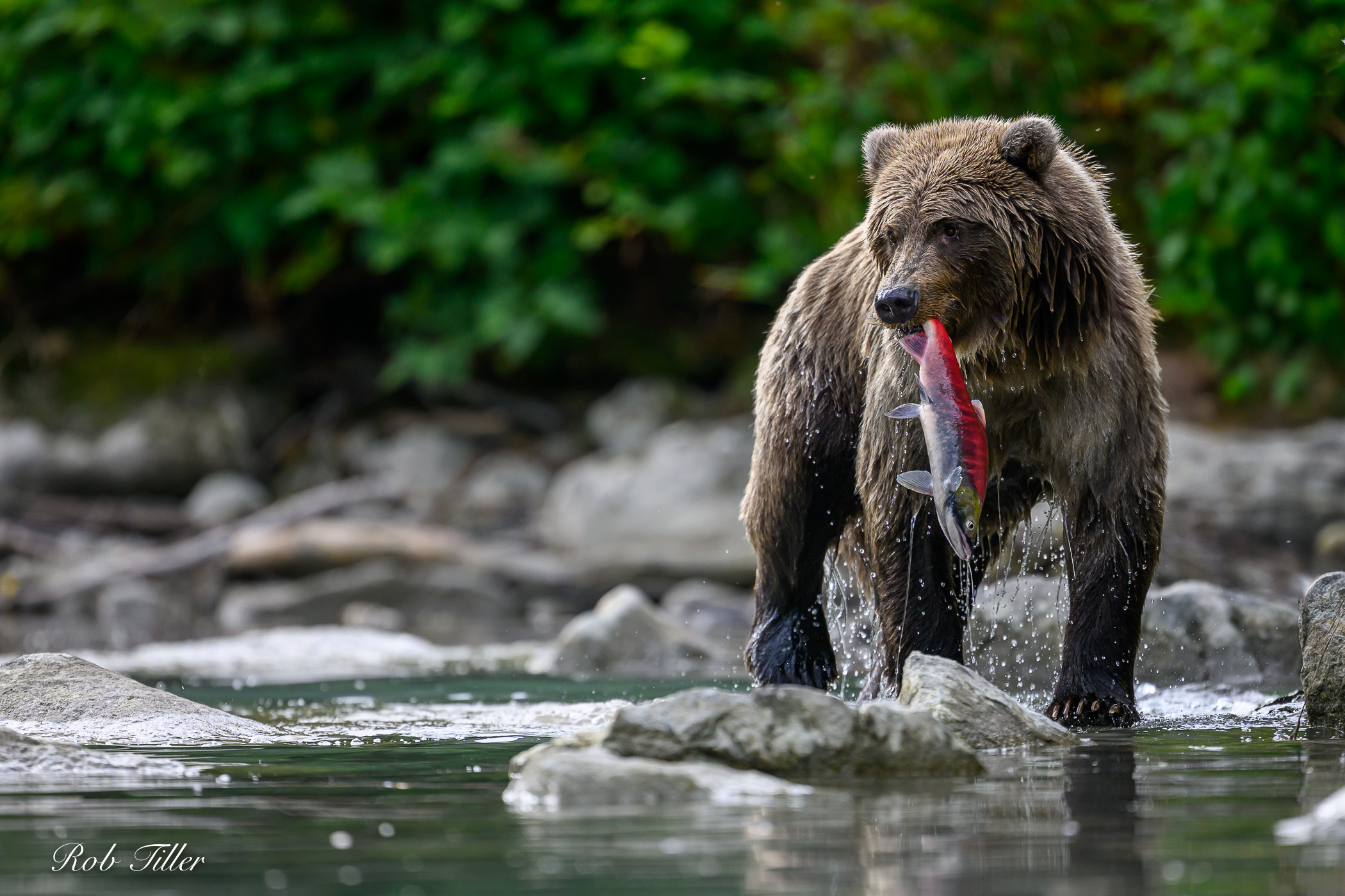
A couple of weeks ago I went back to Alaska for a week to photograph brown bears.  It was an epic trip, and I came back with several thousand images to sort through.  After a first pass, these are some of my favorites.   I made a short slide show with a few others, which is here.

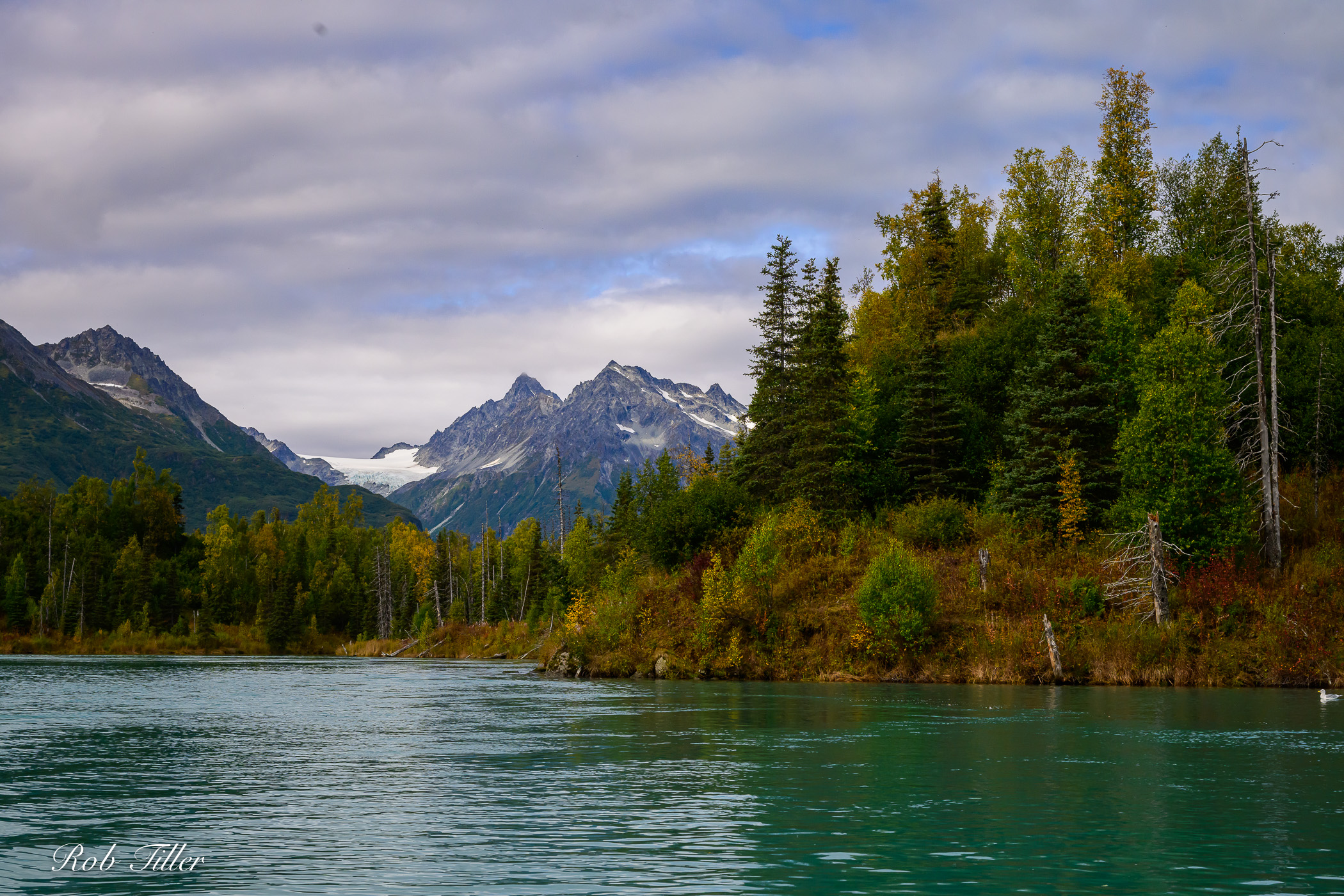
The trip was led by Jared Lloyd and Annalise Kaylor, world class photographers, teachers, and naturalists.  We were based on the Kenai Peninsula in the town of Soldatna.  Each morning, weather permitting, we flew out by float plane to Lake Clark National Park, where we landed on a beautiful glacial lake with luminous green water surrounded by forest and jagged mountains.  Off the plane, we loaded onto a skiff and went out to look for bears.

Part of what’s interesting to us about bears is that they are so big and strong.  They’re also agile and graceful, and can run almost as fast as race horses.  They have unbelievably keen senses of smell, very good hearing, and eyesight about like ours.  They’re smart, with good memories, and they’re talented at figuring out bear-proof containers and other puzzles.  And, obviously, they’re smart enough to thrive in harsh environments without the help of grocery stores, hospitals, pharmacies, houses, electricity, etc.

I loved seeing the bears at Crescent Lake, though there were some rough episodes.  I got there a day after the rest of the group, and on my first day it rained almost nonstop.  As we cruised on the boat or stood in the shallow water wearing waders, I managed to keep my camera equipment dry enough, but my body was totally soaked and shivering by the end.  Back at the airport, I found that the key for my rental car had also got soaked and wouldn’t work, and I had to get a ride back to Soldatna and get another rental car hauled up from Anchorage.

The weather improved the next day, but the day after that it was too stormy to fly to the lake.  I had some other tough moments, including getting stuck in quick sand and needing some help to get loose.  And some fun moments, like riding in the co-pilot’s seat of a De Havilland Otter float plane.    

Anyhow, it was great to have some quality time with the bears.  This time of year they’re in hyperphagia mode, trying to put on as much weight as they can before hibernating for the winter.  There were, however, fewer around than we’d expected.  Jared’s theory was that some of them were gorging on newly ripe berries instead of the salmon in the lake.  Most of the ones we saw were females, including several with first or second year cubs.  There were plenty of fish for them to eat.

On my way home, I drove along the beautiful Seward Highway through mountains and valleys to Anchorage.  After I turned in the rental car, I had a few hours before my night flight, so I visited the Anchorage Museum.  I found the exhibits of crafts of the First Nations moving.  Several different cultures were thriving in Alaska when Europeans arrived, and then those cultures were nearly destroyed.  But not entirely.  Some still maintain their languages and customs.

Those First Nations people surely had and have their problems, but they lived and live more in harmony with nature.  From what I could learn, their value system at its best involves respecting the natural world and taking from it only what they need to live.  This system is quite different from the one most of us inherited, which encourages ever more consumption and exploitation of nature.  We could learn some useful lessons from them.

It’s a long way from Anchorage to Raleigh.  Long trips are tough, but one of the things I like about them is the chance for some nonstop reading.  On this trip, I made good progress in The Fate of the Day, the second volume of Rick Atkinson’s new history of the Revolutionary War, which I highly recommend.  Atkinson is both a scholar and an engaging writer, and brings to life key actors and actions on both the American and British sides of the conflict.  

The death and destruction that brought the American republic into being were worse than I realized.  But Atkinson reminds us that war is not just carnage.  He writes about trying to recruit, arm, and train an army, then trying to find enough food and clothing for it.  Shoes, it turned out, were a big problem.  A lot of continental soldiers, who did some long marches, didn’t have any.   

One reason to learn about history is to better understand and care for ourselves.  When I went to get the latest flu and covid vaccines this week, I had to answer a few questions about my medical history.  It struck me that not knowing anything about that history could lead to bad treatment decisions.

So Trump’s program to rewrite American history is not very smart.  His idea seems to be that we’ll suppress unflattering and uncomfortable information and just keep the episodes that make us feel good and reinforce our prejudices.  Thus he and his minions have pushed the Smithsonian museums, the National Park Service, and other institutions to get rid of references to slavery and racism, as well as gender and LGBTQ+ issues and other social injustices.

But just as we can’t take proper care of ourselves if we don’t know about our past serious health problems, we can’t address our current social problems without knowing about our past ones.  Without knowing something of our history, a new visitor would have a hard time understanding the American racial caste system, which is a product of hundreds of years of legal slavery and the Jim Crow apartheid system. 

There are no doubt some people in MAGA-land who look back fondly on the slave system and view oppression of minorities as a good thing.  But I think that most Republicans would agree that we should have equal treatment under the law for everyone.  Surely many would agree that our tolerance and acceptance of diversity – racial, religious, cultural, sexual – is a source of our vitality, creativity, and strength.  They might also agree that we still have some room for improvement in the areas of tolerance and respect for all.

Will that change?  I admit, I’m worried.  Even without the Trump anti-history program, a lot of us aren’t well informed about our own history.  Our major news organizations, which create the first draft of history, are becoming less resistant to Trumpism – paying him millions of dollars to settle his absurd lawsuits, altering their editorial policies, and silencing leading voices of dissent.  

Trump’s new program could make us more ignorant, and more accepting of exploitation and oppression.  We’ll likely have to work harder to learn what is going on, and to communicate with each other about it.   

Some butterflies, and an idea for improving our democracy

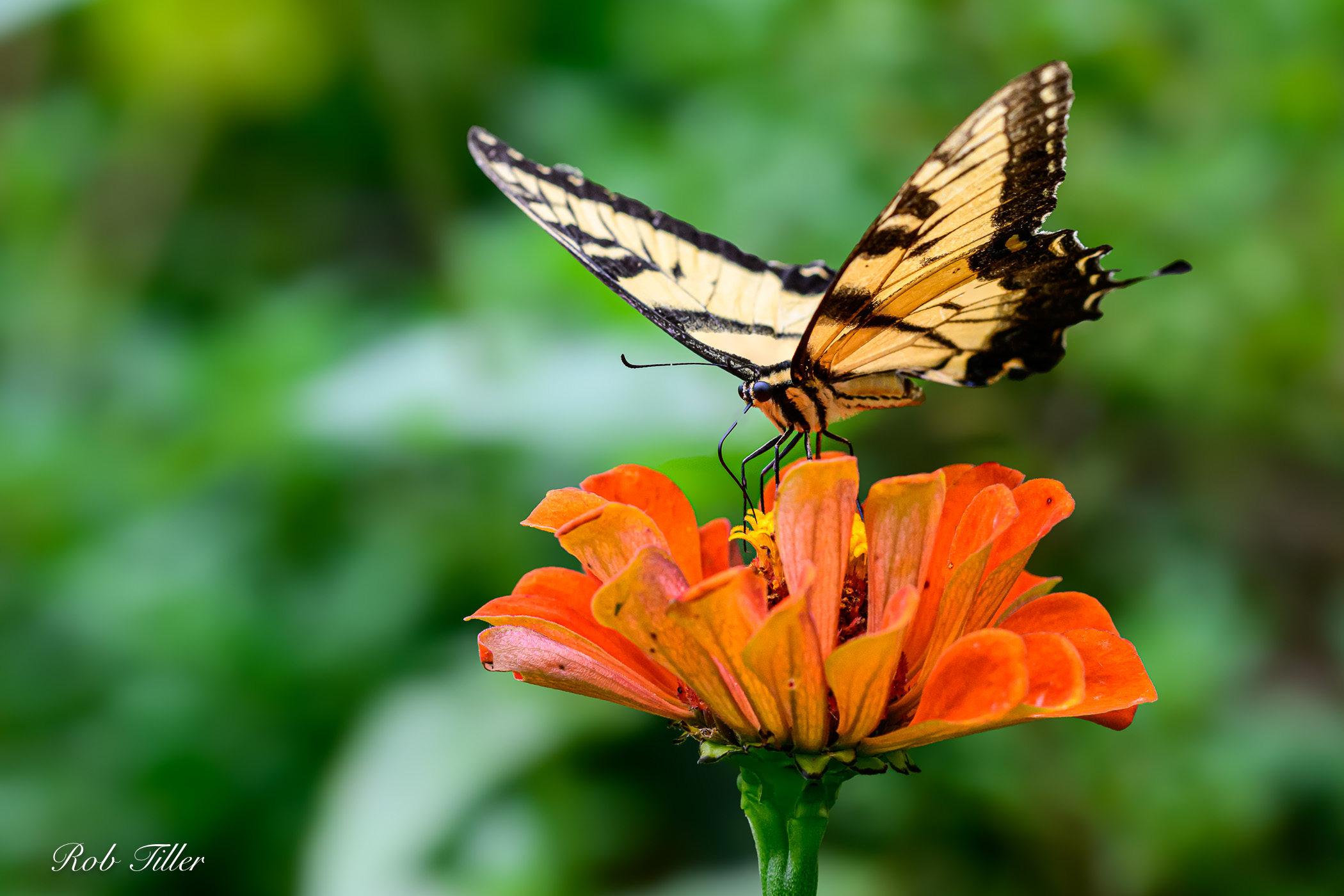
The first thing I’ll note is, no matter how many problems we have in America, there are still a lot of beautiful things, including flowers and insects.  I enjoyed taking these pictures last week in Ernie B’s garden, and hope you enjoy them, too.

Otherwise, it was a difficult week.  There’s a lot going on with Trump, so it’s challenging to get a grip on, and that may be part of the design: the sheer mass is exhausting and numbing.  

According to a recent Pew poll, it seems that a majority of Republicans don’t see any big problems with Trump’s major initiatives.  It’s possible nowadays to live in an impermeable information bubble, with unwelcome information blocked out, and I assume that accounts for some of the differences in our worldviews.  Anyhow, especially for my Republican friends and loved ones, here’s some of what I’m seeing.

At the start of the Trump presidency, the new initiatives made some sense, even if they were deplorable.  It seemed mainly about fearmongering and cruelty toward immigrants and minorities, while favoring the rich by dismantling business regulation and other laws.  Then new, weirder initiatives came into view, including cutting agencies performing basic governmental functions.  With no clear explanation, Trumpists began undermining federal law enforcement, military readiness, public health, education, disaster relief, environmental protection, legal procedures and courts, foreign aid, foreign intelligence, diplomacy, and revenue production.   

Meanwhile, we started to see corruption on a scale never seen before, with billions of dollars flowing from those who needed favors to the coffers of Trump Inc.  Wealthy donors, like oil and gas companies and crypto magnates, started getting the goodies they’d requested.  We also began seeing a barrage of policies that seemed plain crazy, like attacks on wind and solar power, threats to take over other countries, self-destructive trade wars with former allies, abandoning health research, and cutting holes in the social safety net that protects, among others, the MAGA faithful.  

This all seems terrible for those tens of thousands who have lost their freedom, hundreds of thousands who lost their jobs, those millions who lost nutrition and health care, and hundreds of millions indirectly affected, as well as sad for us all.  But that’s not all.   

Some things that we thought couldn’t happen here have already happened.  Kidnappings in broad daylight by masked government men in unmarked vans, military troops turning out in force to intimidate protestors in key blue cities, raids of the houses and workplaces of regime opponents, establishment of new torture detention centers, blatant defiance of court orders, and open promises of rigged elections.   And now President Trump is darkly teasing, “Maybe we would like a dictator.”  

I’m pretty sure that that’s not true for the majority of us.  We can see that, contrary to Trump’s crazytalk, we are in most respects not in any crisis or emergency, other than ones he’s creating.  We can see that immigrants are not subhuman animals, and opponents of Trumpism are not evil traitors.  The values that animate the MAGA-verse, like greed, willful ignorance, hatred, and cruelty, are not the values most of us want to see defining our culture, or want to cultivate in our lives.

What are the values we prefer?  Kindness and compassion, for starters.  Generosity and honesty, too.  Tolerance.  Curiosity.  Rationality.  All these are foundational to American culture.  We all, or almost all, learned them as children, and teach them to our children.  

But MAGA has put the alternative values into sharp relief, and we need to make some choices:  kindness or cruelty, generosity or greed, tolerance or hatred, rationality or ignorance.  We can also choose courage or fear.  We definitely need to find our courage.

One good thing Trump has done by undermining and exploiting American democracy is to highlight longtime problems in the system that badly need fixing.  For example, over generations, we’ve allowed too much power to accumulate in the presidency.  We’ve allowed Congress to become less and less representative, and more and more dysfunctional.  Our Supreme Court has become highly politicized.  Our government has become oligarchical, with little consideration or support for ordinary working people.

Now is a good time to start working on an alternative vision for our democracy – perhaps a Project 2029.  It would be sort of like Project 2025, but in the public interest, rather than the kooky kleptocrats’ interest.  It’s a big job, but we can start simply, by deciding what direction we want to go.  I suggest that we agree to make the objective of our government this: helping others.  

That is, instead of designing a government primarily to help the rich exploit everyone else, we should design it to serve the common good, and to help those who need help.  Our system should be oriented toward giving, rather than extracting.  Does this sound impossible?  It’s not a new idea.  Jesus, Muhammad, and Buddha would all support it. JFK seemed to be for it, when he said, we should ask what we can do for our country.

Visiting Yosemite, and some thoughts on lies in America

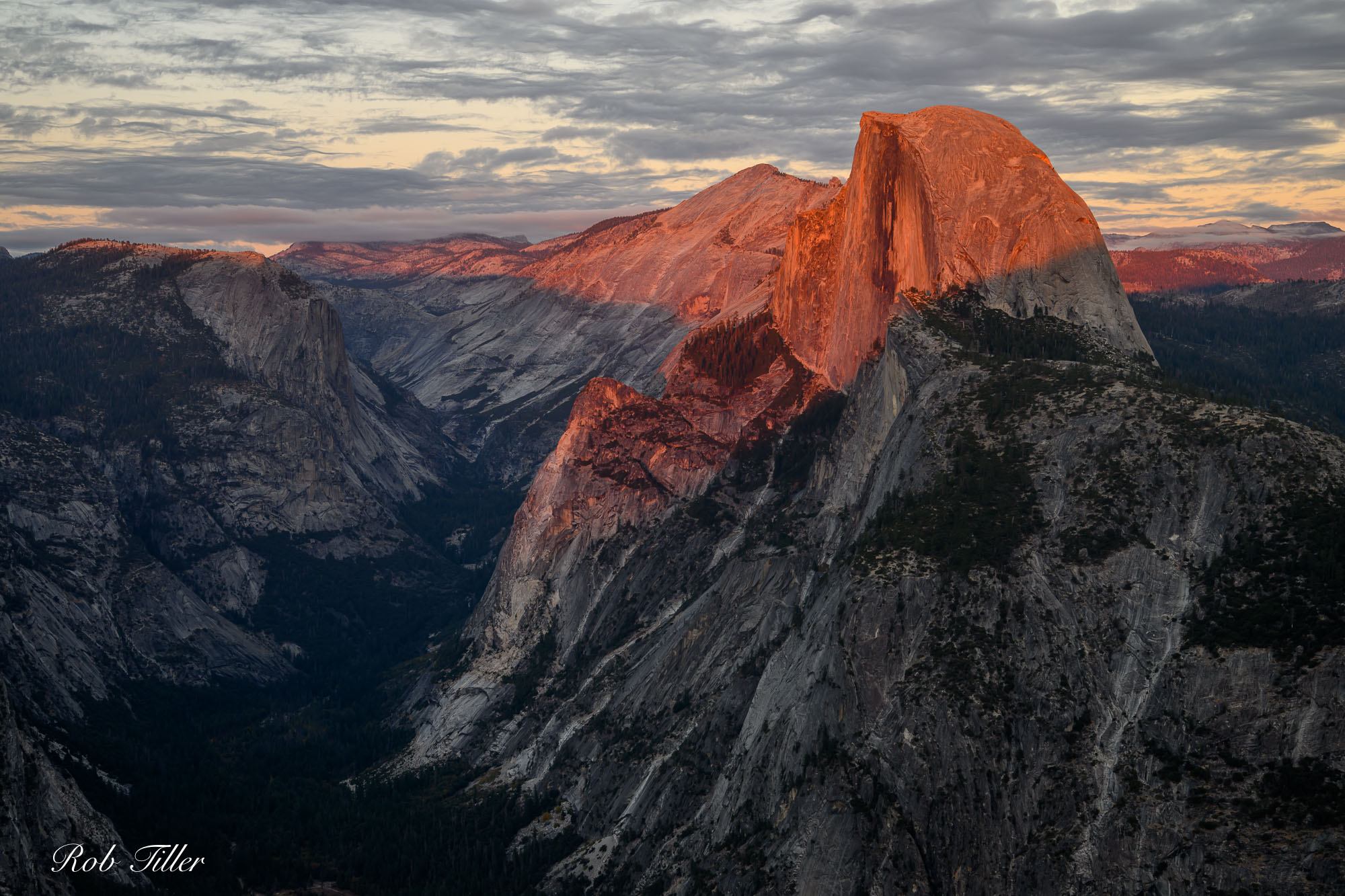
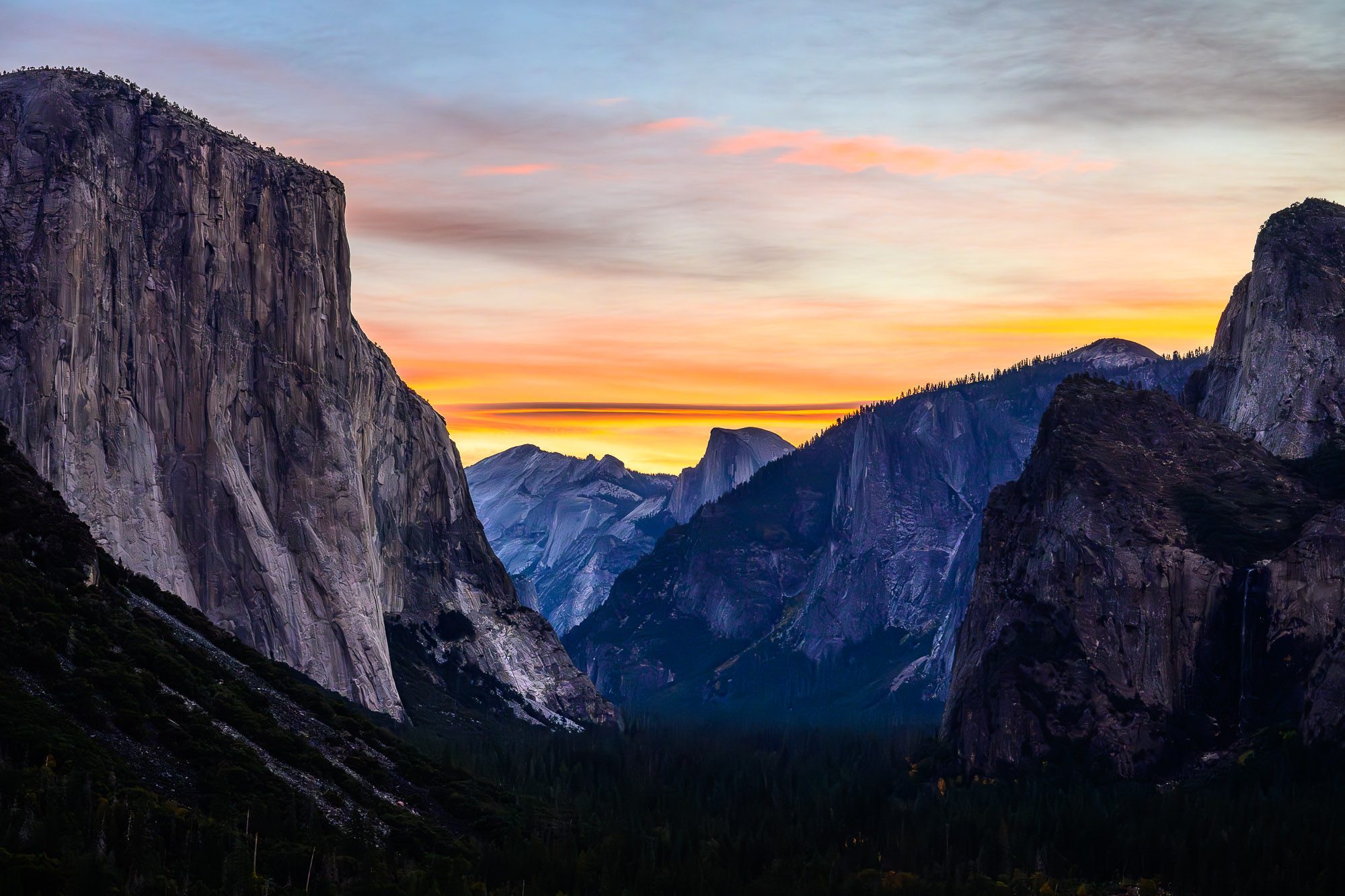
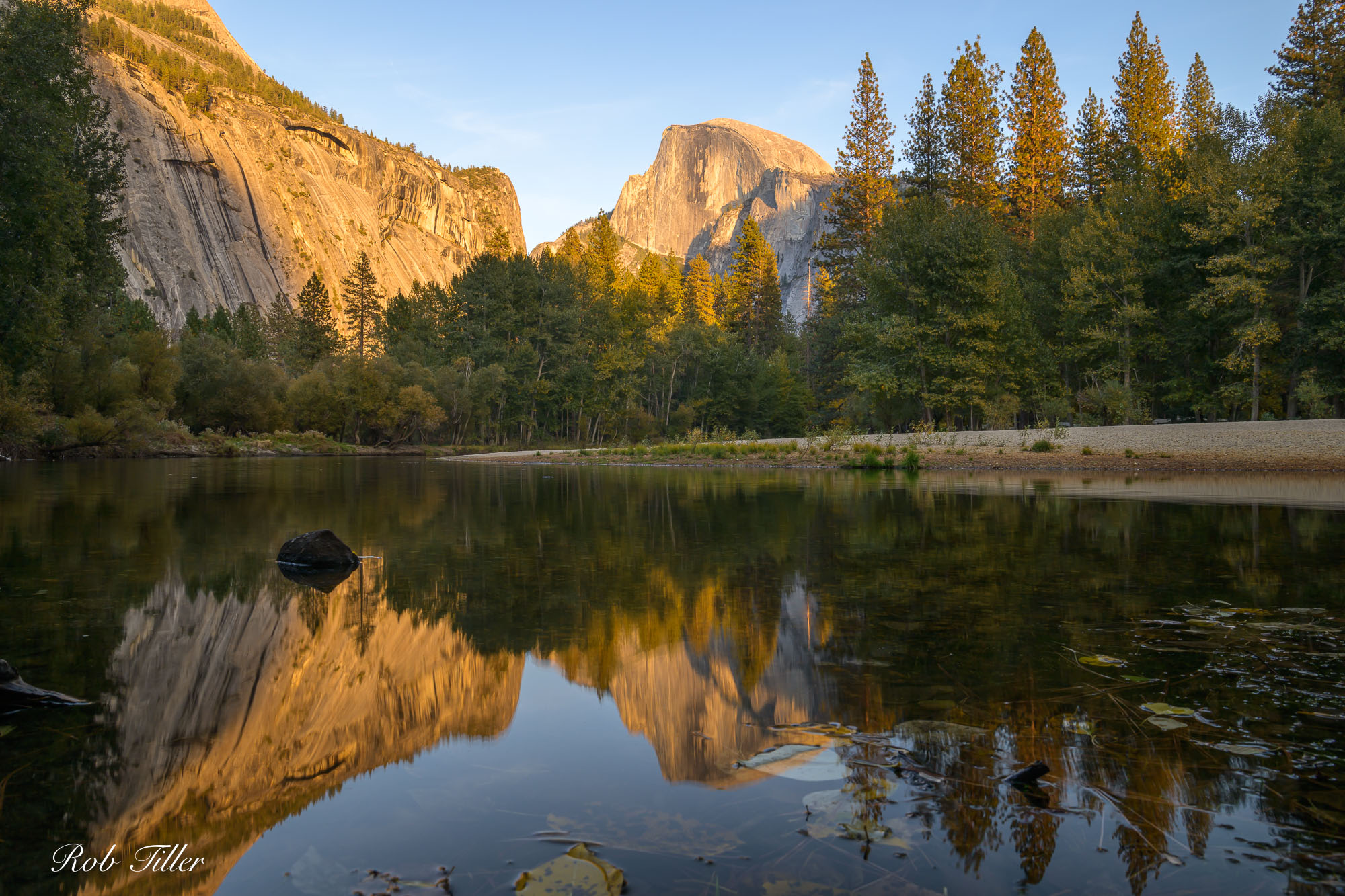
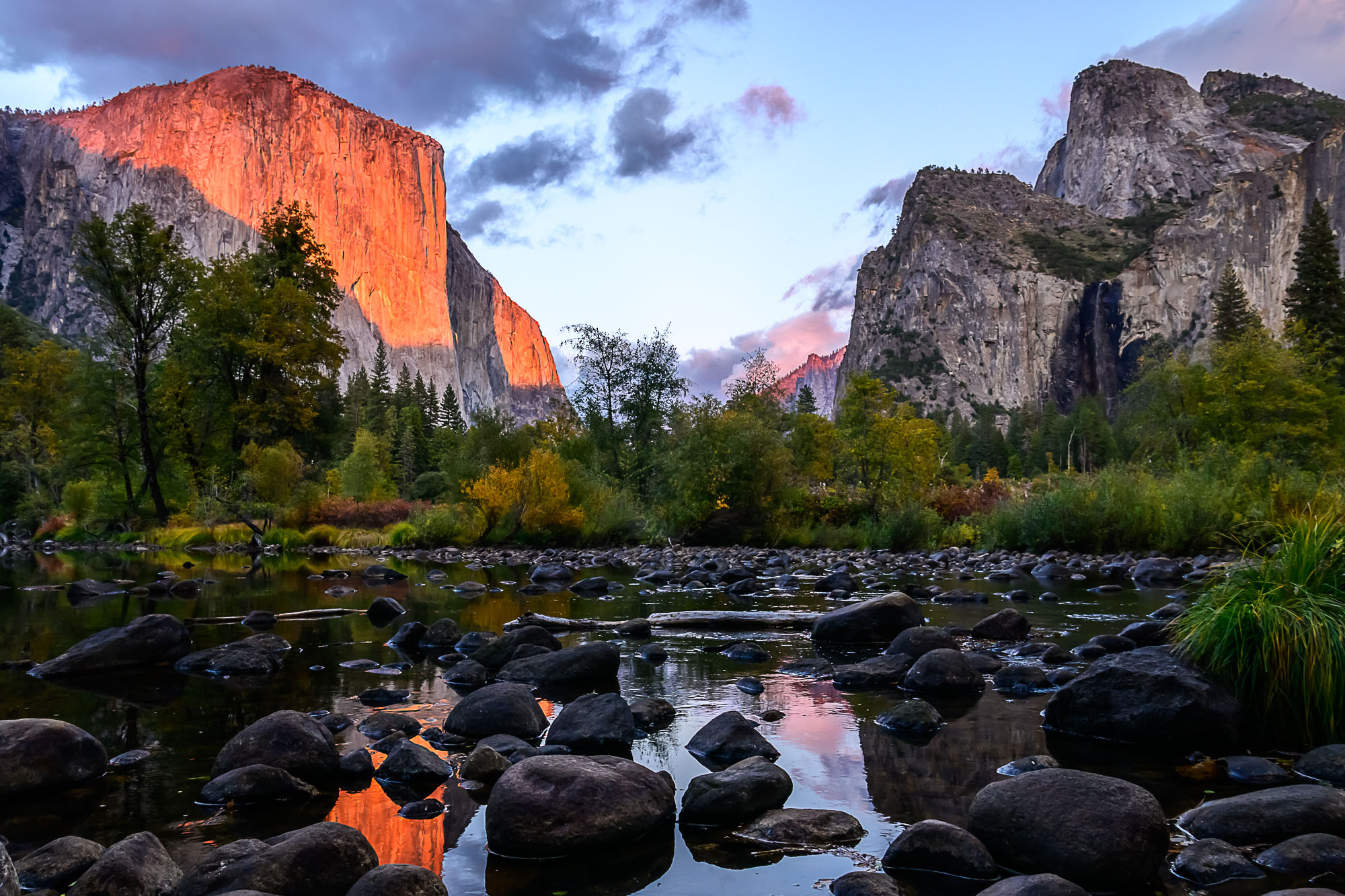
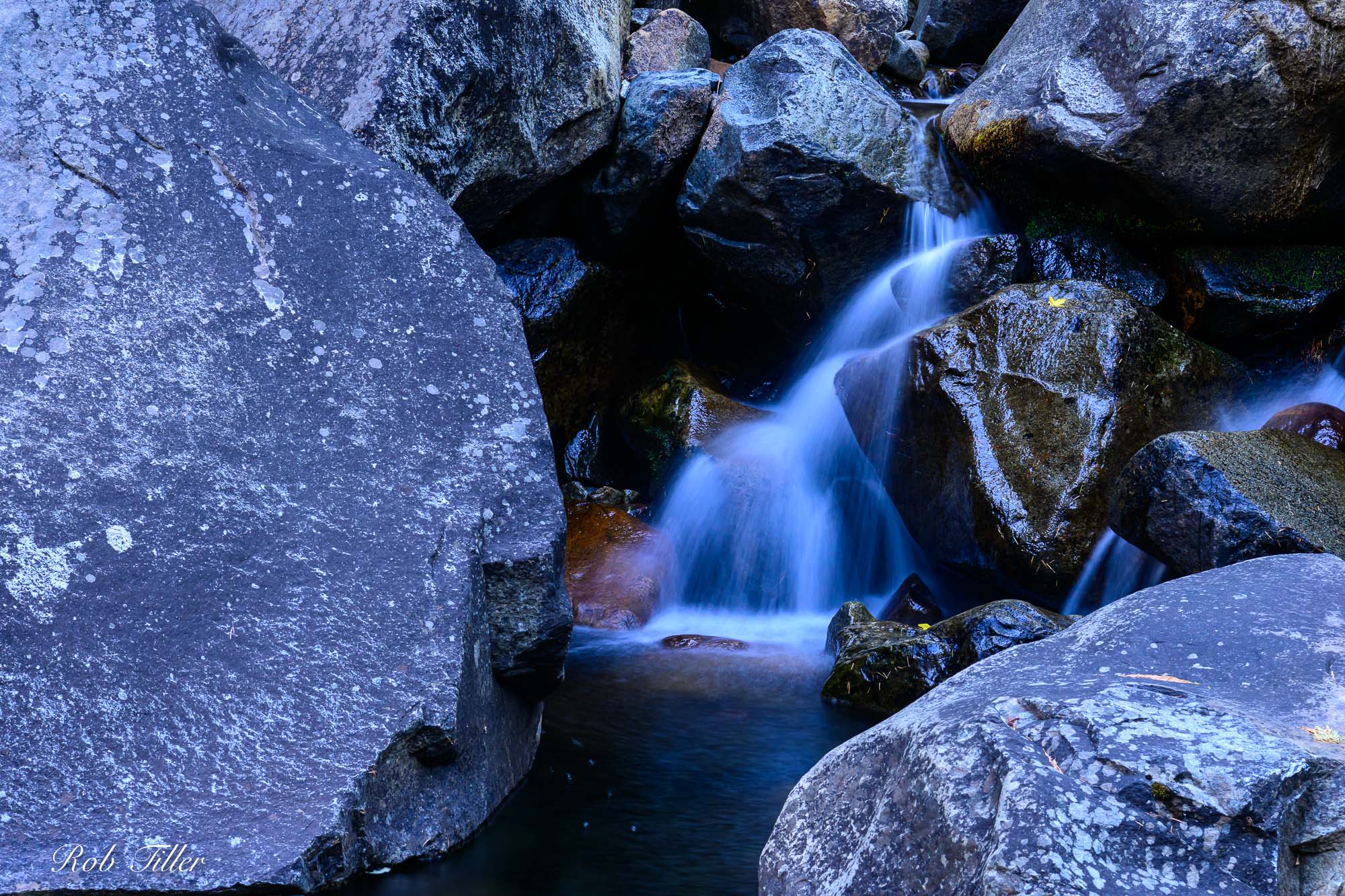
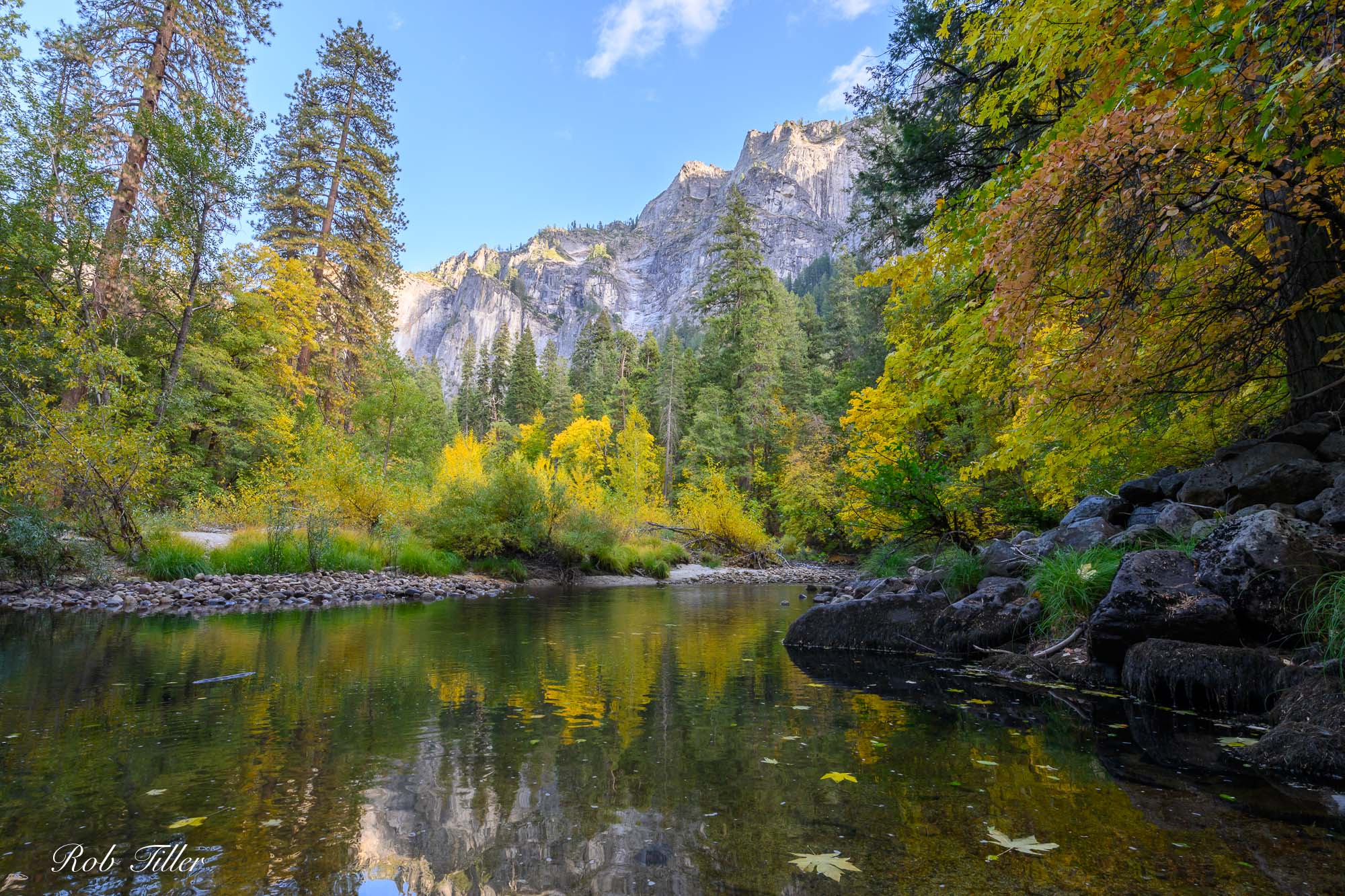
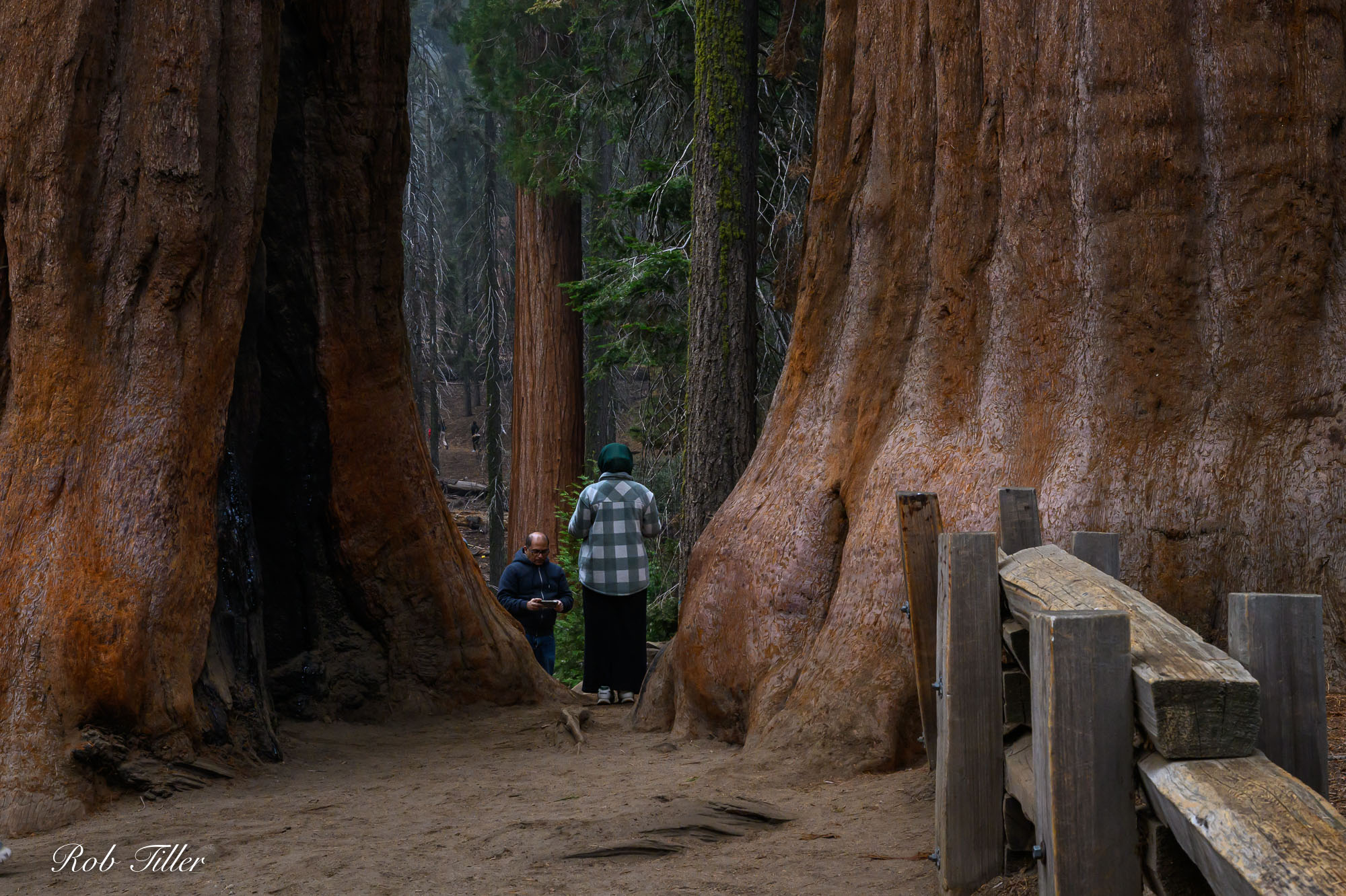
Last week I visited Yosemite National Park, which had resplendent fall colors beneath its towering granite peaks. There I was part of a photography group led by Gary Hart.  Gary was the nicest guy, and he did a great job directing us to some beautiful places and helping us improve our work.  Then I went by myself to Sequoia National Park and Kings Canyon to see the giant sequoia trees and mountain vistas.  The pictures here are a few of the ones I liked.  

My flight from Los Angeles to Raleigh was a red eye that arrived the morning of election day.  I was tired and jet lagged, and underprepared for the election of Trump.  I’d done some phone-bank work for Harris, and managed to convince myself that most likely she would win.  But, of course, she didn’t.  It was a painful disappointment.

The pain is still raw, but I’m trying to be mindful and curious as to how a majority of American voters could have decided that Trump was the better choice.  The pundits I’ve been reading and hearing have various theories, and no doubt there are many factors at play.  But so far I haven’t heard much about what looks to me like the most important one.

There seems to be general agreement that a big part of the Trump success was serious dissatisfaction with the current establishment.  The price of groceries, gas, and housing made people unhappy.  It wasn’t surprising that people wanted those problems addressed.

But why would anyone think that Trump would be the guy to do it?  His prior handling of the economy and other real world problems was erratic and inept.  His policy statements in this campaign were either extremely vague or kooky.  His mental capacity, never great, showed signs of major deterioration.  He was not only untrustworthy; he was constantly and shamelessly dishonest.  

Amazingly, though, Trump’s shameless dishonesty accounted for much of his success. His lack of any sense of shame made him immune to criticism, and willing to lie on a massive scale that overwhelmed all efforts at rational thought.  

Of course, some people felt insecure and frustrated about their economic circumstances.  But Trump managed to turn those understandable feelings into fear and rage.  He relentlessly presented the message that America was a hellscape of economic failure and crime.  Just as relentlessly, he blamed those supposed problems on invading immigrants, whom he characterized as criminals and rapists.  

This was all a preposterous lie.  Crime rates are down from the Trump years, and the economy has by most measures improved.  Immigrants are not invading en masse, and those who are here are more law-abiding than the native born.  Indeed, immigrants are a big part of our economic success story, and that has been true throughout our history.  

So how did the lie work?  Most of us are suspicious of those who look and sound different from us.  Our natural suspicion as to differences in skin color, language, and customs is usually manageable.  After all, we live in a multi-racial, multi-cultural society which in many regards works well.  But Trump stoked normal anxieties into a raging fire of  xenophobia and racism, and proposed a wonderfully simple solution to all those unpleasant feelings – get rid of the scapegoats.

This was certainly not a new idea.  Through the last five hundred years, Jews have been treated as scapegoats by various demagogues.  And of course, various other out groups have been treated as sacrificial victims to solve political problems.  

Indeed, Trump made clear enough that immigrants were not his only scapegoats.  There were scapegoats to fit with a potpourri of resentments and prejudices:  people of color, Jews, Muslims, women, gays, journalists, scientists, lawyers, teachers, liberals, government bureaucrats, and anyone who opposed him were attacked directly or indirectly as enemies of the state.  

Possibly the saddest and most ridiculous scapegoating was on our tiny minority of trans people.  Could anyone actually believe that trans folks were a serious threat?  The Trump people clearly thought so, since they spent many millions of dollars on anti-trans political advertising.  Watching those ads playing over and over, I assumed that most people would see through them as cruel and absurd.  I’m afraid, though, that a lot of people didn’t.  

We live in an age of misinformation that we haven’t yet understood how to correct for.  A great many of our traditional newspapers are no longer in business.  Right-wing media, such as Fox News, the Sinclair Broadcast Group, certain podcasts, and talk radio in the vein of Rush Limbaugh have become the primary news sources for many.  By and large, they amplify Trumpist lies and stay silent as to the truth.

At the same time, social media such as Twitter/X, TikTok, and Facebook are virulent sources of conspiracy theories and confusion.  Traditional, fact-based journalism has a hard time competing.  It’s hard for unwelcome truths to compete with exciting lies.  

Trump’s people appear to have grasped the value of these new opportunities for spreading big lies.  They also learned from twentieth century fascist movements that even obvious and transparent lies may come to be seen as true if repeated often enough.  

To begin to address Trumpism, we can start by calling out the big lies, rather than pretending that all this is normal and acceptable.  It was disheartening that the Harris campaign failed to do this with Trump’s dystopian immigration narrative, and instead adopted a dialed down version of that narrative.  Perhaps they concluded that correcting that scapegoat narrative couldn’t be done in the short time before the election.  In any case, there’s no doubt that it would have been difficult.  Big lies are powerful.   

Now we’ve got a large population infected with the culture of Trumpian lies.  They view actual journalism as fake news, and Trump opponents as Satanist pedophiles.  Arguing with them probably won’t help.  We can and should give them respect, compassion, and kindness.  We should gently and gradually reassure them that we are not Satanists or pedophiles.  Will that, plus measured doses of actual truth, be enough?  

We won’t know for a while.  Given that Trump lies about everything, it’s possible he won’t follow through on his deportation program, locking up his enemies, and the other Project 2025 ideas that would likely crash the economy and cause enormous misery.  If he does, it’s nearly certain that MAGA folks will experience bitter disillusion and massive voters’ remorse.  Perhaps a new and better politics will emerge from the ashes.   

Democracy on the ropes

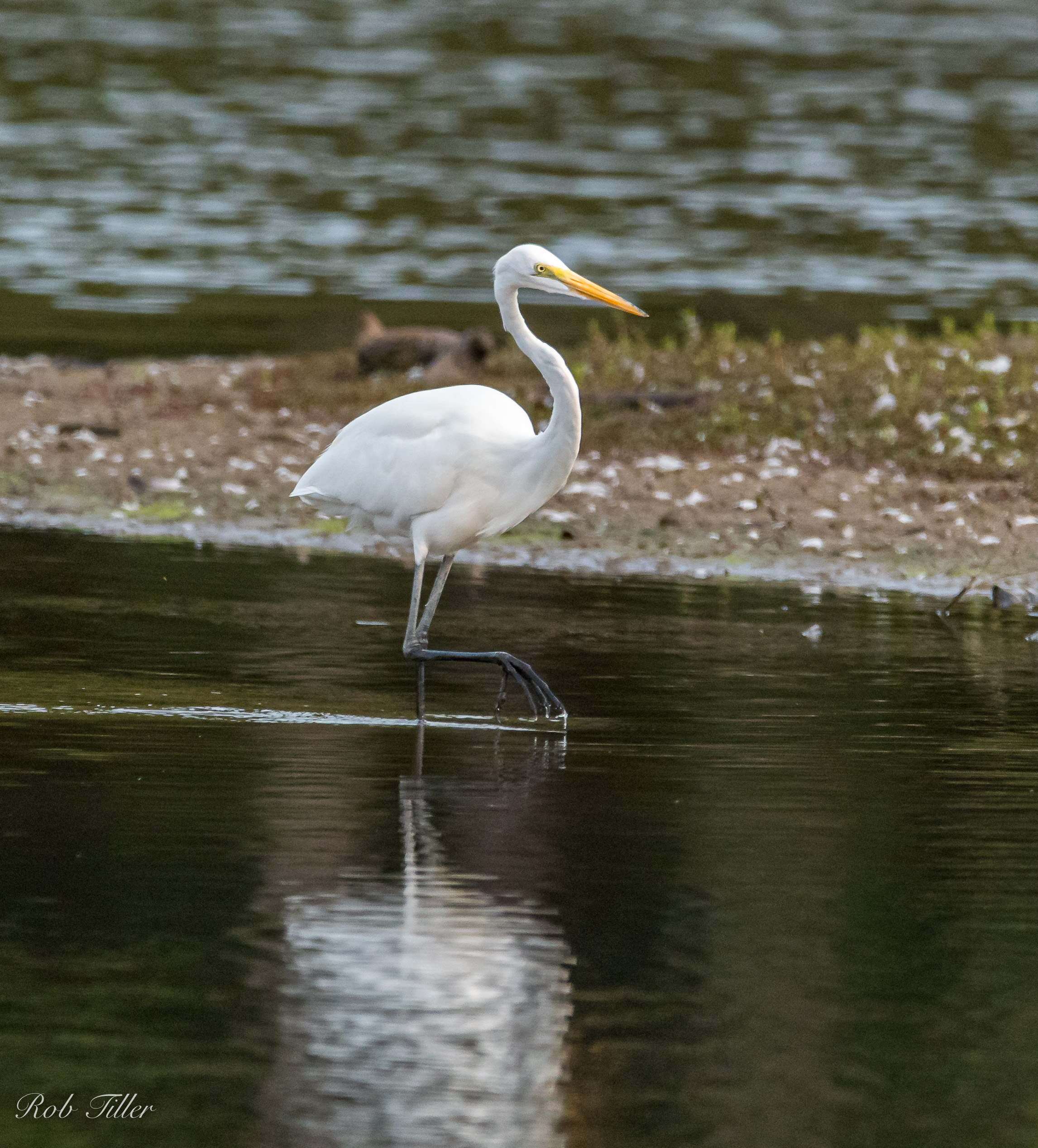
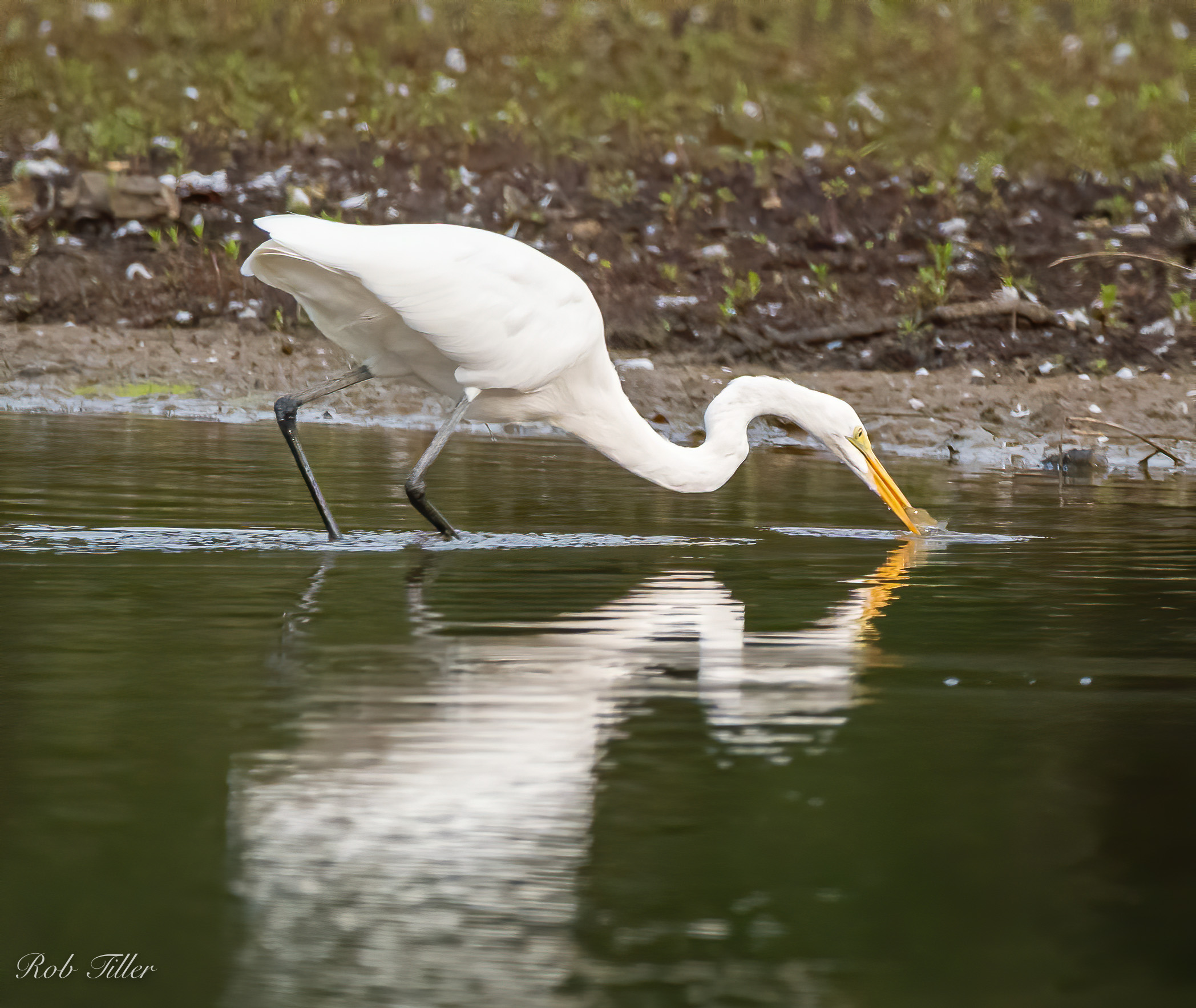
Summer is definitely here in Raleigh:  uncomfortably hot and humid.  I’m spending more time indoors, and finally finished sorting through the photographs I took while traveling in the spring.  In this post, I wanted to share a few more of the photos I took in St. Augustine of roseate spoonbills, great egrets, snowy egrets, wood storks, and tricolored herons, and a few thoughts on recent political events. 

In less than a week, we’ve just had two extreme events in our national political life.  President Biden crashed and burned in his debate with Donald Trump, substantially increasing the chances that Trump will win the presidency in November.  And the Supreme Court almost completely immunized Trump from criminal liability for his effort to overthrow the government in 2021.  It decreed that the next president is free to commit crimes, heinous or otherwise, that are in any way related to his official duties.  

This Supreme Court decision (which I, as a former Supreme Court clerk, had the training to read, and did read) is truly shocking.  By holding that the president acting as president is not subject to criminal law, it fundamentally changes the nature of the presidency to something like a monarchy.  In view of the definite possibility that a convicted felon, an incorrigible career grifter without any apparent moral restraint, will be our next president, the decision seems wildly irresponsible.  

There was more than a whiff of corruption in the Trump White House, as Trump’s businesses raked in billions of dollars.  He has promised to use the Department of Justice to persecute political opponents.  He has proposed shooting peaceful protesters and shoplifters.  He sought IRS audits of his enemies.  He directed the persecution of tax-paying immigrants and the kidnapping of immigrant children.  Not least, he encouraged a violent attack on Congress in an attempt to nullify the 2020 election.  

Trump has shown no hint of moderating his inclinations.  In his first term, subordinates sometimes discouraged or resisted his most outrageous proposals, but that is much less likely to happen if he’s reelected.  Non-MAGA true believers will be excluded from significant roles.  The true believers will know that Trump can and does protect those who carry out his orders with pardons.  

Also, those collaborators will now understand that if they are accused of criminal activity ordered by Trump, the Supreme Court will probably be on their side.  The Court’s new theory of the need for extreme Executive power may mean protection for those who implement Executive crimes.  In sum, the new decision increases the already high risk that electing Trump as President will be a disaster for American democracy.  

One of the benefits of studying history is perspective; it can help us take a longer view of our current situation.  For example, it’s helpful to remember that our republic has survived crises in the past, like the Civil War, the corruption of the gilded age, the ascendance of the Ku Klux Klan, American Nazis during World War II, and the McCarthy red scare.  We also survived Trump I. At the moment, I feel more despairing than hopeful for American democracy, but I’m trying not to give up hope.  

Spring, wild horses, and some thoughts on immigration

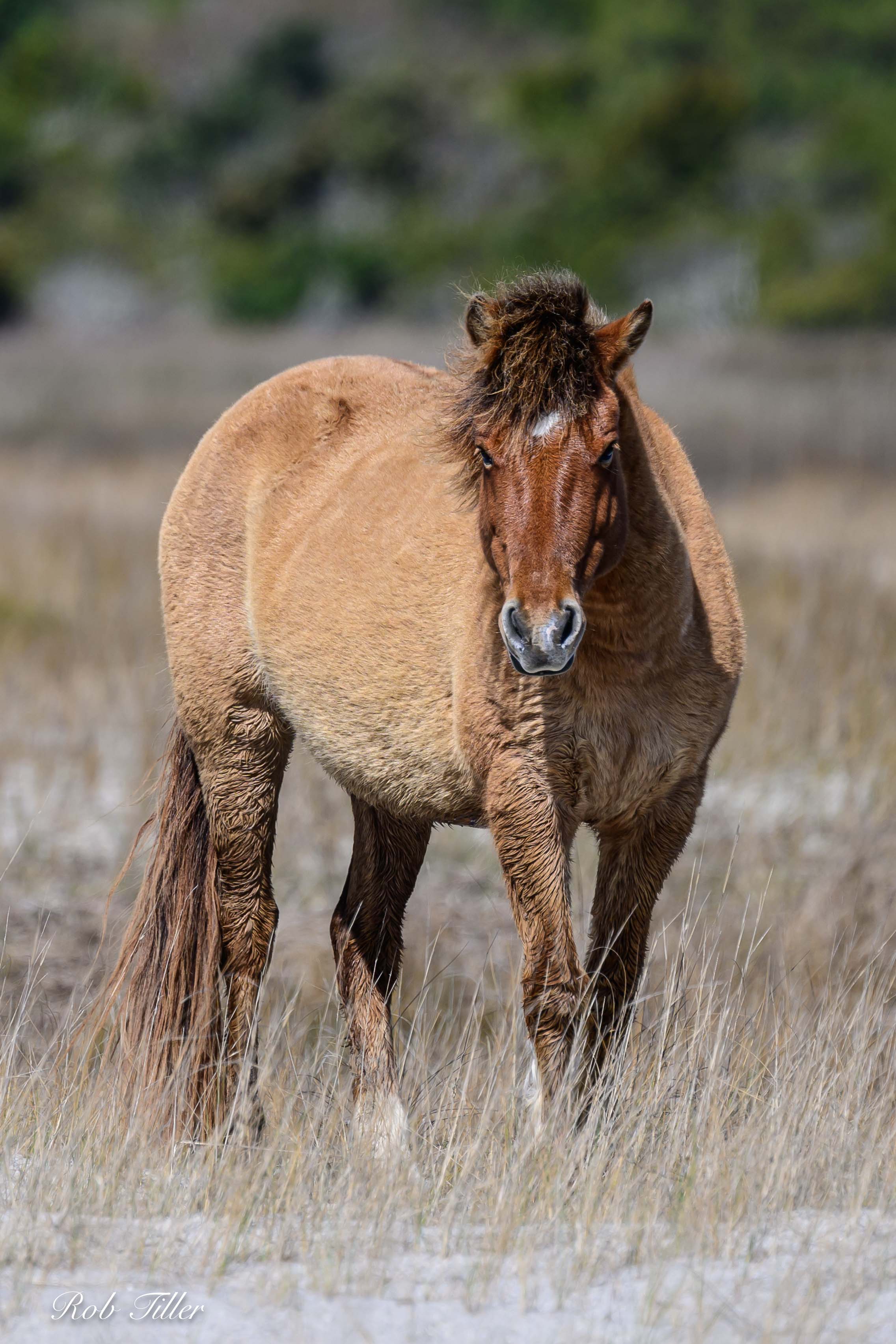
Spring is finally here, I’m happy to say.  We visited our loved ones at beautiful Beaufort, N.C., a couple of weeks ago and saw some of the wild horses there.  In Raleigh, the trees are starting to leaf in, and the early flowers have popped up, seemingly out of nowhere, with vivid colors.  I enjoy them every year, but this year is especially good.  The flowers below were from Raulston Arboretum, Fletcher Park, and the backyard of casa Tiller.  

This week we watched The Zone of Interest, which won the Oscar for Best Foreign Film and is now streamable on Prime.  I highly recommend it.  The story concerns a family living a normal happy life right next to the Auschwitz death camp.  It raises some tough and timely questions about human behavior and ethics.  I expect we’ll be thinking about it for a long time.    

Our immigration situation also raises some tough and timely questions.  These days it’s often referred to as the immigration crisis, which is certainly true from the perspective of people desperately fleeing violence and poverty.  But there’s a massive misunderstanding of the situation, as shown in a recent Gallup poll. Immigration was most frequently cited as America’s biggest problem, and the number of Americans who think that has gone up.  

This is both understandable and absurd.  Fear of foreigners is nothing new, and has long been exploited by leaders for political advantage .   But we truly are a nation of immigrants.  They are running some of our most successful corporations, as well as building our houses, manning our hospitals and factories, picking our crops, and taking care of our children.  If there’s energy and creativity required, we rely a lot on immigrants, just as we rely on them to do a lot of unpleasant work that we want to be sure is done well.  

It should be obvious, but apparently needs saying, that we’ve always been a multi-racial, multi-ethnic, multi-religious country.  The majority of us have ancestors that came from some other country not so long ago.  And we have friends, neighbors, and service providers who have different skin colors, different languages, and different customs.  We’ve got lots of problems, but our diversity is not a problem.  It’s a strength.   

With all the actual problems we’re facing, it’s really disturbing that the non-problem of immigration has become a central flash point of  our politics.  Whipping up more fear of immigrants was and is one of Trump’s main tactics; it’s hard to imagine his succeeding without it.  But even mainstream Democrats now believe we have a border crisis that is not of our own making, and that we somehow have to prevent more foreigners from getting in.

Franklin Roosevelt had a famous line in his inaugural address in 1933:  “The only thing we have to fear is fear itself.”  He probably meant to reassure a nation in the throes of a financial depression with the thought that fears weren’t themselves likely to be fatal, and economic problems were solvable.  

But Roosevelt’s words have a different resonance now.  We truly have good reason to be afraid of the current panic about immigrants, because it is perilous, both for ourselves and others.  I’m thinking of three serious risks.

First, it could lead to the end of democracy as we know it.  Hard as it is to believe, there is a real possibility that Donald Trump could become the next president.   Trump has proudly declared his intention to become a dictator, to persecute his political enemies, to shoot peaceful protesters, to take away rights from women and minorities, and to fundamentally alter the constitutional order.  He undermines the rule of law with his claims to be immune from prosecution for any crime and pardons for his convicted criminal pals.  Again, his appeal is based in large part on his demagoguery about immigrants, whom he viciously and groundlessly characterizes as criminals, rapists, and animals.  

Second, our draconian limitation on immigration is a self-inflicted wound, in that we need immigrant workers.  The idea that  immigrants cause harm by taking Americans’ jobs is mistaken.  They pay more in taxers than they use in services. Many of them start businesses and create new jobs.  As noted, they do a lot of the most important high-level work we have, as well as some of the most difficult and dangerous jobs.  For example, without them, our food supply chain doesn’t work, or our cutting edge AI tools.  We have a labor shortage, and with an aging population, that problem is getting worse.  We need more immigrants.

Third, there’s morality:  treating immigrants with disrespect and cruelty diminishes us.  Refusing to respond to the needs of desperate people fleeing war, violence, and grinding poverty is a stain on our own humanity.  It takes work to get rid of our natural compassion for people in need, but some of our political and thought leaders have pulled us along that path.  They whip up our ordinary caution about people we don’t yet know into anger, hatred, and panic.  

In considering what we owe immigrants, it’s worth noting that we in the U.S. bear substantial responsibility for some of the problems that are driving people from their countries of birth.  We’ve done more than our share to create the worldwide climate crisis, with the rising heat, drought, fires, and storms that make some areas inhospitable or uninhabitable.  

Driven by greed and fear of Communism, we’ve also played a role in creating the chronic violence that drives emigration out of some countries, including El Salvador, Nicaragua, Guatemala, Honduras, Venezuela, Haiti, and Cuba, not to mention the Middle East and Southeast Asia.  We have a lot to atone for.  

The solution is not simple.  The system we’ve constructed for our border is deeply flawed, and fixing it will not be easy.  We don’t have the necessary plans or resources in place to implement the current problematic laws.  More fundamentally, we need to rethink certain assumptions, including notions of what a great nation is and what borders are for, and that will take time.  

But it’s obvious that we need to stop panicking about immigrants.  We need to start seeing them as people and learning about their situations.  We need to have conversations about what the options are for helping them.   We need to rediscover our natural compassion, generosity, and love.  People in dire need offer us an opportunity to be more compassionate and generous.  Let us be thankful for that opportunity, and take it.  

Safe voting, affectionate birds, climate undenialism, and beginning capitalism 2.0

I voted!   I was not eager to vote in person because of the pandemic, and had some misgivings about the reliability of voting by mail.  But friends pointed me to BallotTrax, a new online tool in NC and other states that lets you know when your mailed ballot has been received and accepted.  It’s easy and fun!  Well, not exactly fun, but reassuring.  In NC, once the mailed ballots are received, they are checked in, and counted on election night.

This week I went to Scotland Neck, NC to visit the birds at Sylvan Heights Bird Park.  There were a lot of beautiful avians, and some of them were surprisingly affectionate, following me around and gesturing.  Had they been missing having human visitors when the place was closed for the pandemic?  Hard to say, but maybe.  Here are a few of the photographs I made. 

Elsewhere we’ve been having a lot of simultaneous disasters, including huge fires across the length of the West Coast, flooding from hurricanes, fracturing ice shelves, and the coronavirus plague, not to mention the drama regarding the fate of American democracy.  These are hard to think about, either separately or together.  But I always try to look for a silver lining, and I managed to find one thing to feel a little cheerful about.  

Which is this:  For the first time in our lifetimes, climate change has become a significant issue in presidential politics.  Global warming and related changes have been happening for decades, and the risks of catastrophic change have become increasingly clear.  But politicians have mostly kept quiet about it.  Now it’s high on the discussion agenda.   That doesn’t mean we’ll fix it, of course, but if we don’t talk about it and make some changes, things will be getting a lot worse.  

Addressing the West Coast fires recently, Biden called Trump a “climate arsonist.”  Meanwhile, Trump expressed doubt as to whether scientists knew what they knew and tried to blame the fires on state officials.  

As loony as Trump was and is, I thought Biden’s “climate arsonist” tag was a little strong, since it’s probable that Trump didn’t actually light fires.  But Trump and his henchmen have done everything within their power to raise doubt and confusion about the reality of climate change, and to make sure there’s more of it coming soon.  Examples include lifting key regulations on vehicle emissions and power plants, lowering limits on methane emissions, promoting fossil fuel mining and drilling on public lands and waters, and opposing international climate cooperation.     

All this will, unless reversed, eventually contribute to death and destruction far exceeding the evil dreams of the world’s most fanatical terrorists.   There are many good reasons to stop Trump, but even if there weren’t, saving the world from climate disaster would suffice.  Still, even with all of Trump’s perverse misdeeds, it would be unfair to blame him alone for the global warming disaster.  

The rise of CO2 levels started generations ago with the Industrial Revolution, though it has greatly accelerated in our lifetimes.  Scientists began warning in the 1980s that dramatically rising temperatures caused by our emissions were going to happen and potentially lead to global disaster.  Trump is not the only one who tried to ignore it — so did almost all of our politicians, and most of the rest of us.

The science behind global warming is a little complicated, in that it involves some basic chemistry, but not nearly as complicated as, say, understanding essentially how a car works.  Ignorance is a problem, but not the biggest problem.  

The main barrier to comprehending climate change is that it doesn’t fit with some of our most basic assumptions about the world and our lives.  We’ve been taught to think of our world as a place of limitless resources, boundless wealth, and unending consumption, and our basic mission as exploiting and enjoying all that.  Any less opulent vision is not just less pleasant — it’s almost inconceivable.  

As Naomi Oreskes recently pointed out in Scientific American, it’s sort of understandable that people want to reject established science when it tells them something that conflicts with their firmly held worldview.    It’s less painful to reject the science than to change our basic way of thinking about our lives.

A week or so back, Tucker Carlson, Rush Limbaugh, and other influential right wing commentators made comments supporting Trump’s denial of climate science.  Per these “pundits,” science was a ruse by the evil liberals to take away good people’s freedom and make them feel less good about themselves.    They argued that accepting ordinary science would mean their listeners would lose control of their lives.  

As far as I know, there’s no left wing conspiracy, but Carlson and Limbaugh have kind of a point.  Unless we deny scientific reality and also reverse the laws of physics, we’re going to have to make some changes, collectively and individually, and it won’t all feel good.  But the alternative is that we, and all future generations, will face climate change suffering on a scale that is literally unimaginable.  A recent summary from the Times of what is likely to happen in the US is here

Fortunately, Trump and the right wing pundits seem to be losing the battle for hearts and minds, while scientific reality seems to be making progress.  Recent polls show more people seriously concerned about climate change, and favoring action.  There’s also been an encouraging shift in thinking about some of the established and related ideas on market capitalism.

This week the NY Times published a noteworthy piece   on the occasion of the 50th anniversary of Milton Friedman’s amazingly influential essay arguing that corporations should disregard social objectives and devote themselves entirely to increasing profits.  

Friedman, then a respected economist, contended that corporations owed no duties other than to their shareholders, and had no responsibilities other than to make money.  To be fair, Friedman left himself a bit of wiggle room, noting that there were a few legal and ethical constraints.  But he argued that for corporations to try to support concerns for social welfare was essentially bad, like communism.

Along with Friedman’s fear mongering — equating social justice with a communist menace — he made some flagrantly ridiculous assumptions.  He assumed (without saying so) that the existing social order was right and proper, and that free markets would naturally continue to uphold that fine social order.  Thus he papered over existing social and political failures, such as systemic racial and gender discrimination, inadequate housing and transportation, poor healthcare, air and water pollution, habitat destruction, and widespread extinction of non-human life.  

Friedman also adopted and encouraged a value system of extreme individualism.  In this system, the prime mover and highest objective is the individual, rather than the family, the community, or the earth.  While other systems put value on mutual support, cooperation, and compassion, the Friedman individualist says,  all that matters is that I get and keep as much as possible, and to hell with everyone else.  

In retrospect, Friedman’s thinking looks nothing like science, but more like a twisted religion, with human sacrifices and profits going to god-like captains of industry.  But at the time it struck a cultural chord.  Increasing corporate profits through deregulation and cutting taxes for corporations and the wealthy became the prime policy objectives of the well-to-do right.  Healthcare, education, housing, and other social concerns were matters of indifference.  To the extent that poor people made the discussion agenda, the main initiatives were cutting welfare and enacting harsher drug laws to lock more of them up.  

Friedman’s endorsement of the upside-down morality of “greed is good” gave moral cover to powerful corporate execs and their Wall Street cronies to justify taking more and more for themselves.  The result was our current outrageous inequalities of wealth.  Our political processes were increasingly corrupted by corporate political contributions (effectively legalized bribes) that headed off reform.  Our deep social problems, like racism, inadequate social services, and climate change, continued to fester.   

I’d assumed that Friedman’s theory was still dominant in wealthy conservative circles.  But it was cheering to learn I may have been wrong.  The Times feature on Friedman included statements from leading business executives and academics that indicated a lot of them were rejecting Friedman’s central assertions on the holiness of raw capitalism and the sinfulness of concern for the public interest.  Among the commenters there were still a few unreconstructed free marketeers, but the majority seemed to recognize that considering the public interest was not inconsistent with markets and profits.  

Along this same line, the Business Roundtable, a conservative organization of CEOs of giant American corporations, issued a new statement of purpose last year that significantly modified its previous Friedmanian emphasis on shareholder profits.  The new statement acknowledged that corporations also have responsibilities to their customers, employees, and communities.  It also acknowledged a duty to protect the environment by embracing sustainable practices.

These leaders generally seem to be realizing that pursuing corporate profits alone was a huge mistake, and that there are other imperatives (like climate change) that require a different way of thinking about the public interest.  Divorcing the ideas of markets from the idea of a fair and sustainable social system never made any actual sense, in spite of its surface appeal. If some of the smartest, most privileged beneficiaries of the system are seeing the interrelatedness of markets and the public interest, we could be heading in the right direction.   

Sleeping trouble, adieu to RBG, and picking the lesser of evils in Trumpworld


Canada geese at Shelley Lake

I heard on the news last week that a lot of people are having trouble sleeping these days, and thought, me too!  My insomnia seems to be getting worse, though it’s nothing new, and over the years I’ve learned to make the best of it.  Lately when I wake up at 2:00 a.m., I’ve been watching YouTube videos of gifted pianists playing Chopin and Liszt, which are stimulating, but in a soothing way.  

There are so many things to feel anxious about that just listing them makes me anxious, so I won’t.  I can scratch from the list the worry that Justice Ginsburg might not survive until 2021, since yesterday she died.  I met her when I clerked at the D.C. Circuit, where she was then an appeals court judge, and found her pleasant, though quiet and in no way charismatic.  Only more recently, from the documentary RBG, did I realize that in her quiet way, she was an extraordinary person, who devoted her life to justice and did a lot of good for our country.  

Great egret at Shelley Lake

What will the Republicans do now?  The thought of a Justice Bill Barr, Justice Stephen Miller, or Justice Roger Stone is more horrifying than another Justice Federalist Society Ideologue, but they’re all horrifying.  Is there some chance that a few Republican senators will feel enough civic responsibility and/or shame to put off confirmation until after the election?   We can only hope.

Even if we didn’t face the strong possibility of an even more politicized, reactionary Supreme Court, we’d still have big problems.  We’re at a crossroads of American history, and I’m seriously worried that democracy as we know it is at risk.

Although I have nothing good to say about Donald Trump, I’m not profoundly worried about him in particular.  In the last two centuries, we’ve had leaders almost as corrupt and unqualified as Trump, and survived.  My sense of dread is more about the new way of engaging with politics that he reflects and inspires.

This came into focus for me last week with an odd op ed in the Washington Post arguing that although Trump had a lot of negatives, he was still the lesser of evils.  The criticisms of Biden were vague, but after a couple of re-readings, I think I got the gist:  Biden’s policies would destroy the republic, because they were liberal ones supported by Democrats.

This was difficult for me to process, because I’ve always thought that liberalism was not a monolith, but rather just one collection of views among many on the American political landscape.  In the 20th century, there were all kinds of political positions in America, from far left to far right, and it seemed normal for people to have different ideas on what were the best policy solutions.  To resolve our political differences, we had institutions, like legislatures, where we tried to persuade others and find compromises.  We agreed to have regular fair elections, where we could get rid of bad players, and the winners could carry on with the democratic experiment.

For me, there was never a time when the Democratic Party seemed particularly wise or enlightened.  Indeed, for more than half a century I’ve watched Democrats participate in a long series of what I thought were terrible choices on business regulation, criminal justice, healthcare, social services, foreign policy, and other areas.  In all of those, it arrived at compromises with Republicans.  Neither party had a monopoly on bad ideas, or good ones.  

I thought there was general agreement on this:  that political parties could fumble and sometimes fail, but politics would continue, with the possibility that future compromises would be better.  It never occurred to me to view American politics as a winner-take-all game, in which political opponents were viewed as by definition illegitimate.  

So it took me a while to grasp that Trumpism involved a different kind of thinking, with little in common with traditional Republicanism other than the name. But I think I’ve finally got it:  Trumpism at its core is defined not by any policy objective, but by fear and dread of enemies.  And in the political arena, the primary enemy, as they conceive it, is all those to the left of far right — that is, Democrats, and people like me. 

Of course, not everyone who supports Trump thinks the same way, and there are surely some who will vote for Trump without intending the destruction of all Democrats.  Still, the thing that drives the Trump movement is not a set of policies or even a value system.  Rather, it’s a strong conviction that Democrats aren’t just ordinary people who happen to have different ideas as to policies.  They are evil.  And very frightening.  

Once I understood this, some things I’d thought were plain lunacy started to make a kind of sense.  It seems crazy to deny the reality and effectiveness of science — unless science is consistently supporting Dark Forces that want Us to change Our Way of Life.  Increasingly popular nutty conspiracy theories like QAnon have at their base a belief that politics is not just politics, but a battle between good and evil.  And as everyone knows, there can be no compromise with evil — that is, according to this way of thinking, with Democrats.

If you’re persuaded that Democrats are not just a political party, but rather agents of Satan, it probably seems reasonable to buy more guns and ammunition to defend yourself against them.  It also would seem right and proper to use force against them when they assemble to protest something.  

On the other hand, under the Democrats-are-evil assumption, it makes no sense to have free and fair elections.  If you did that, there’s a possibility Democrats might win.  And then we’d be in big trouble!  No, in this new, Trumpist view, to save our democracy and our traditional way of life, we need to have a different kind of election, in which those who disagree with us cannot win.  If they insist on winning, a reasonable response is violence.    

For a full on Trumpist, encountering opposition to Trumpism is different from an ordinary political disagreement.  It is treason, or worse than treason — blasphemy!   In this strange worldview, those who attempt to argue that Trump has minor or major shortcomings like, say, lack of intelligence or lack of character, simply prove that they themselves lack intelligence or character.  Those who oppose Trump (that is, Democrats and others),show, by their opposition, that they are wrong and evil.

This is not to say all Trumpists like everything about Trump.  Some do, but some have various criticisms of his manners or certain policies.  But Trumpists believe he is the lesser of evils, because his opponents are really and truly evil.    

Obviously I’m putting things a bit strongly, and not trying to address every individual variation.  Again, I don’t think every Trump supporter is this extreme.  I realize that there are a minority of them who are willing to have a sincere, good faith political discussion, and who are willing to allow that political opposition can be legitimate.  I’m always on the lookout for those, and happy to have more discussions with them.  

But there’s really no point in attempting to have a discussion with an extreme Trumpist.  They are not willing to listen to anti-Trumpist ideas, and may react violently.  If they’re carrying weapons, I advise keeping at a safe distance.  If we’re going to continue the American political experiment, we’ll need to get back to basics.  First of all, Democrats and others who still believe American democracy is worth preserving need to vote.


On the Blue Ridge, our caste system, and Trump’s latest doozy

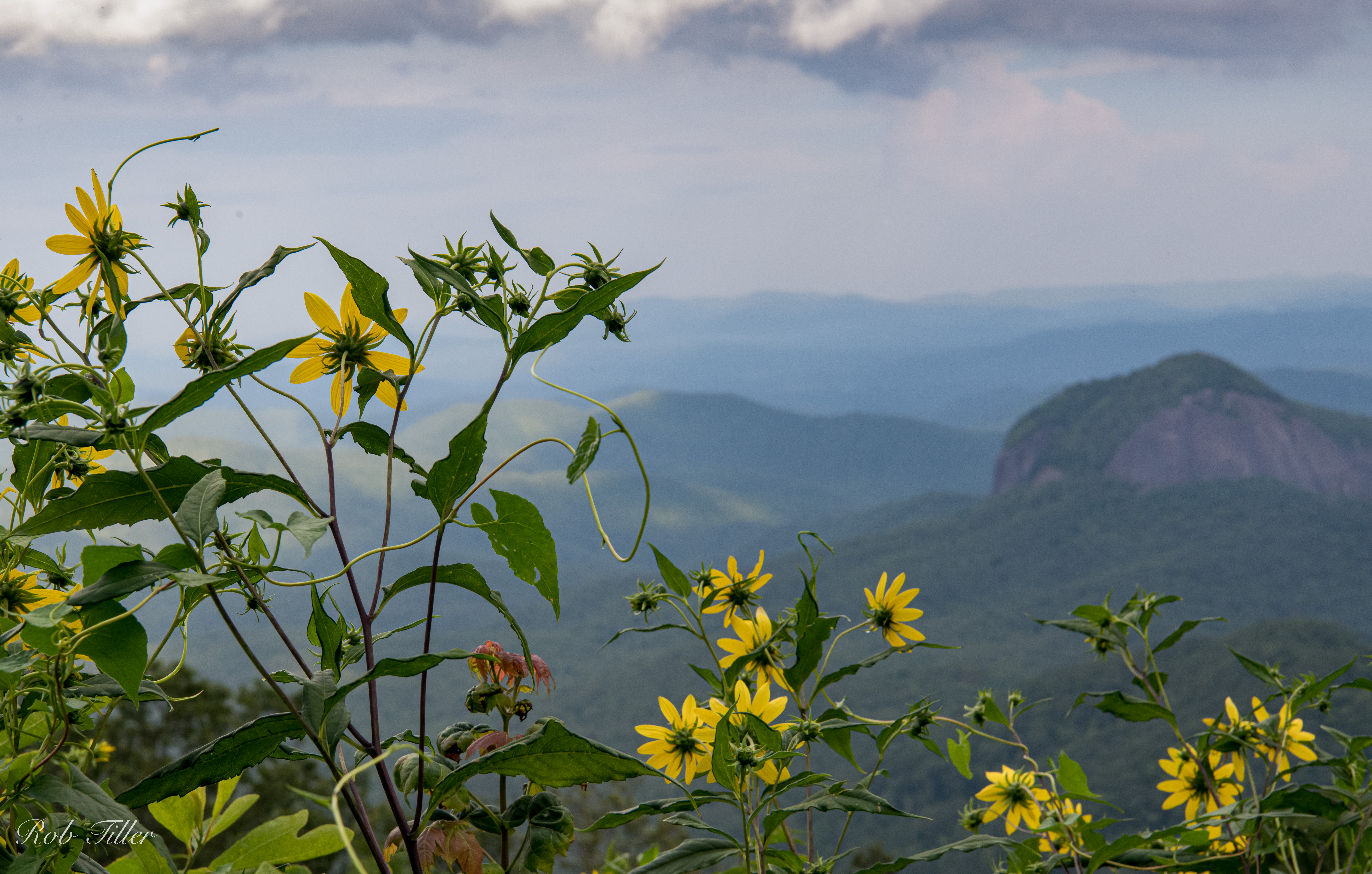
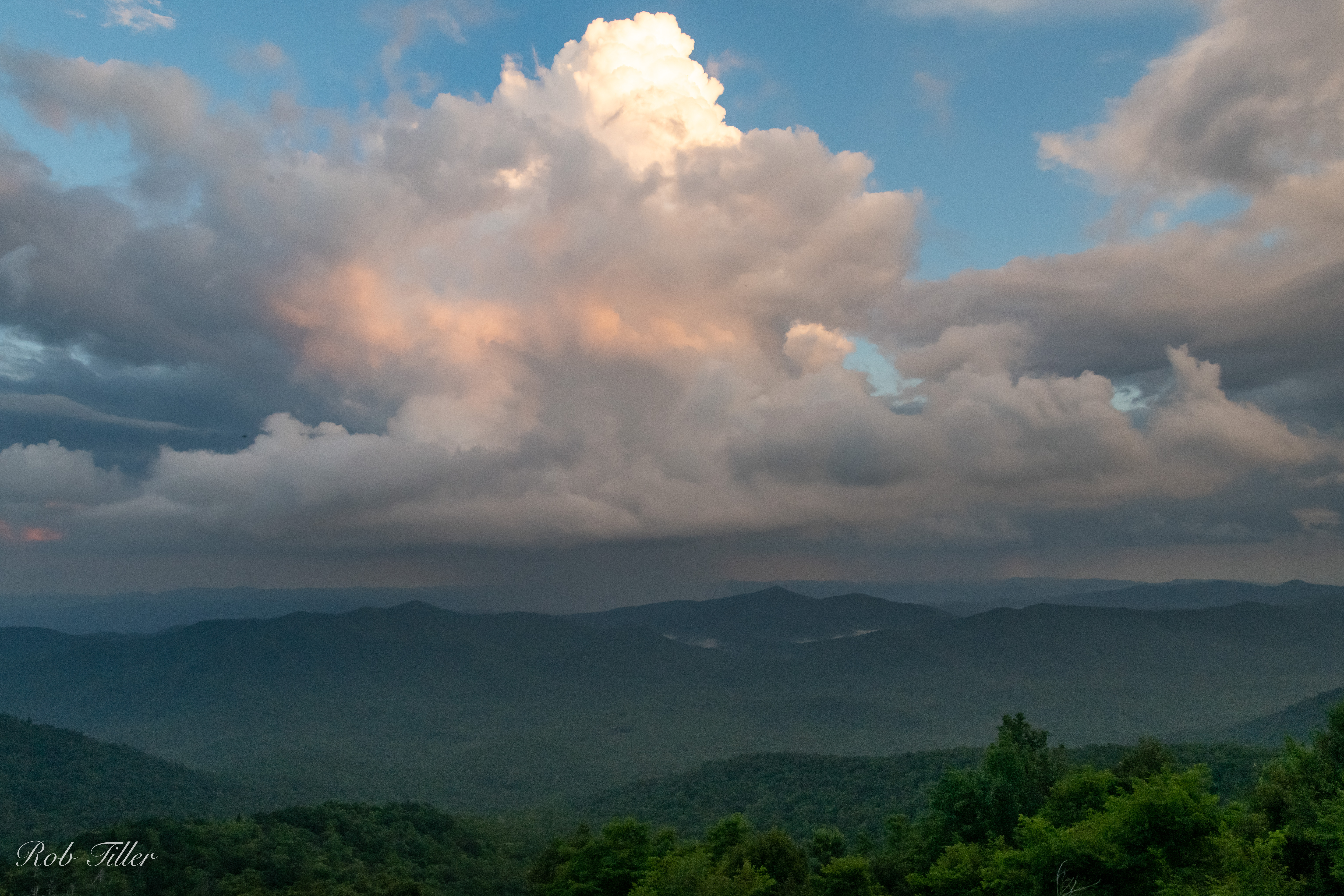
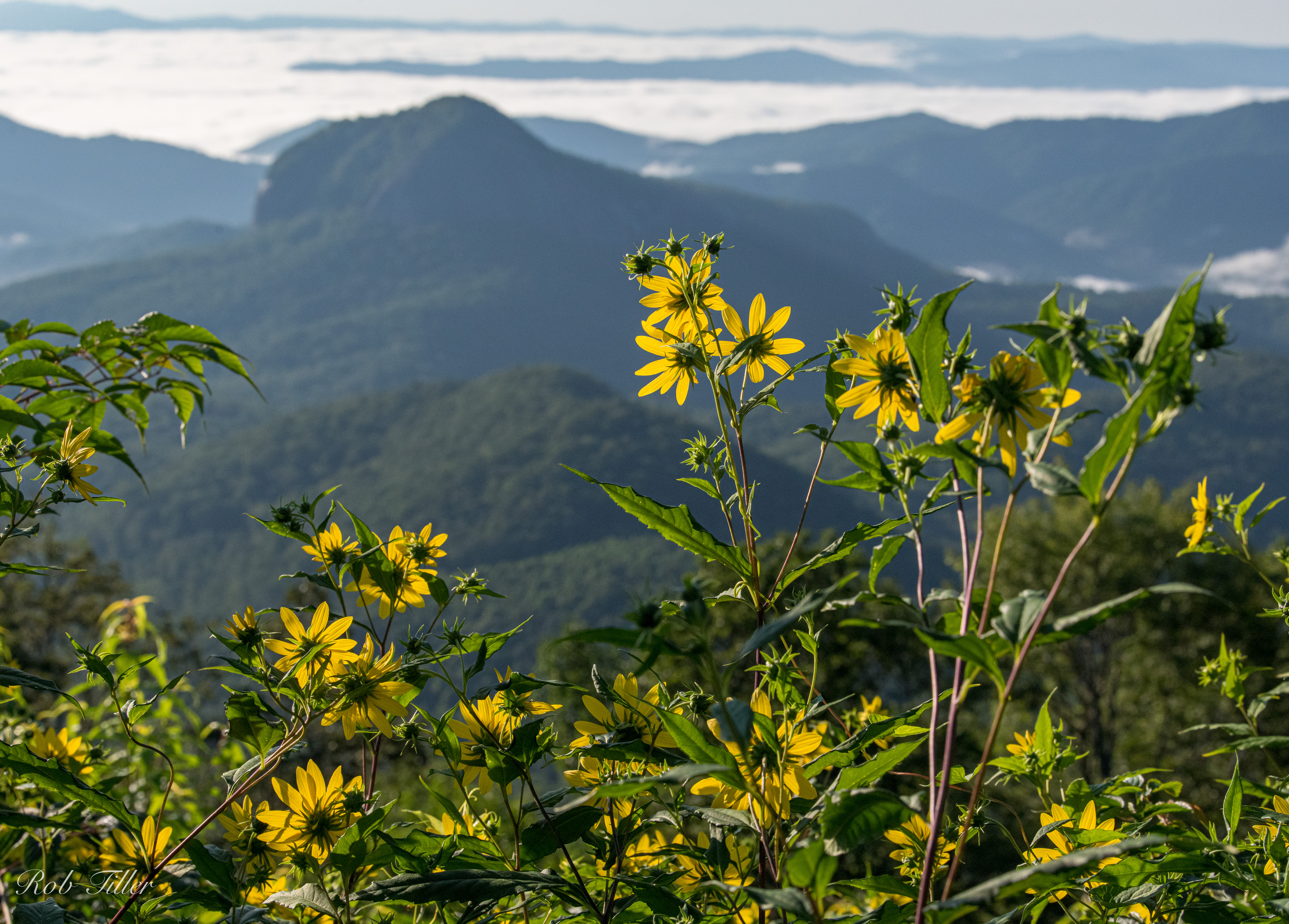
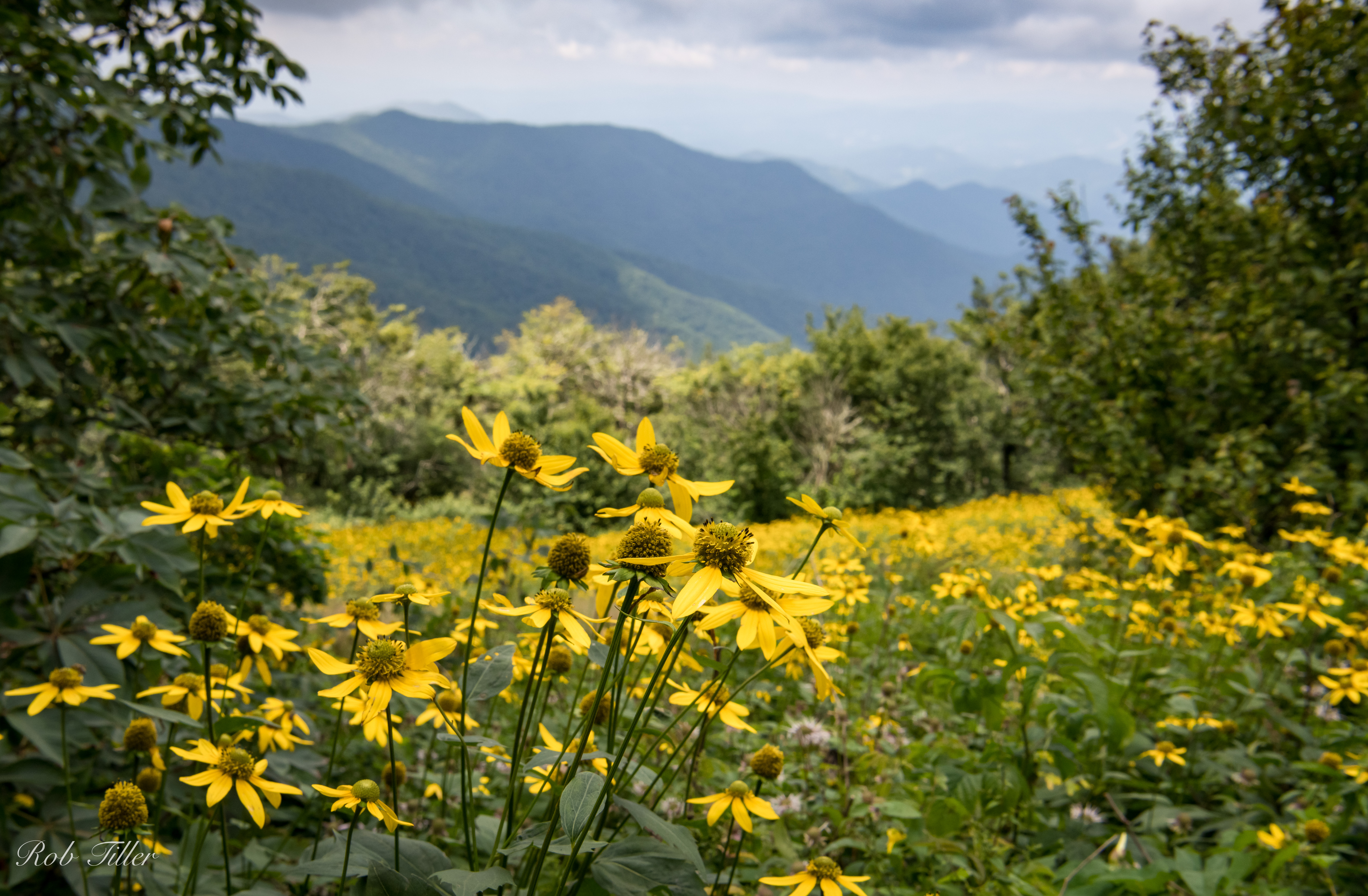
The Perseid meteor shower was at its peak this week, and I was looking forward to some shooting stars.  I spent a day exploring different spots on the Blue Ridge Parkway, looking at the mountains and flowers.  I stayed at the Pisgah Inn and saw a lovely sunset, with towering clouds that lit up with pink and orange.  Around 1:00 a.m., I got up and walked outside.  It was dark and quiet, but also, unfortunately, cloudy, so I saw no meteorites,  Maybe next year.  

Sunset from my balcony at the Pisgah Inn

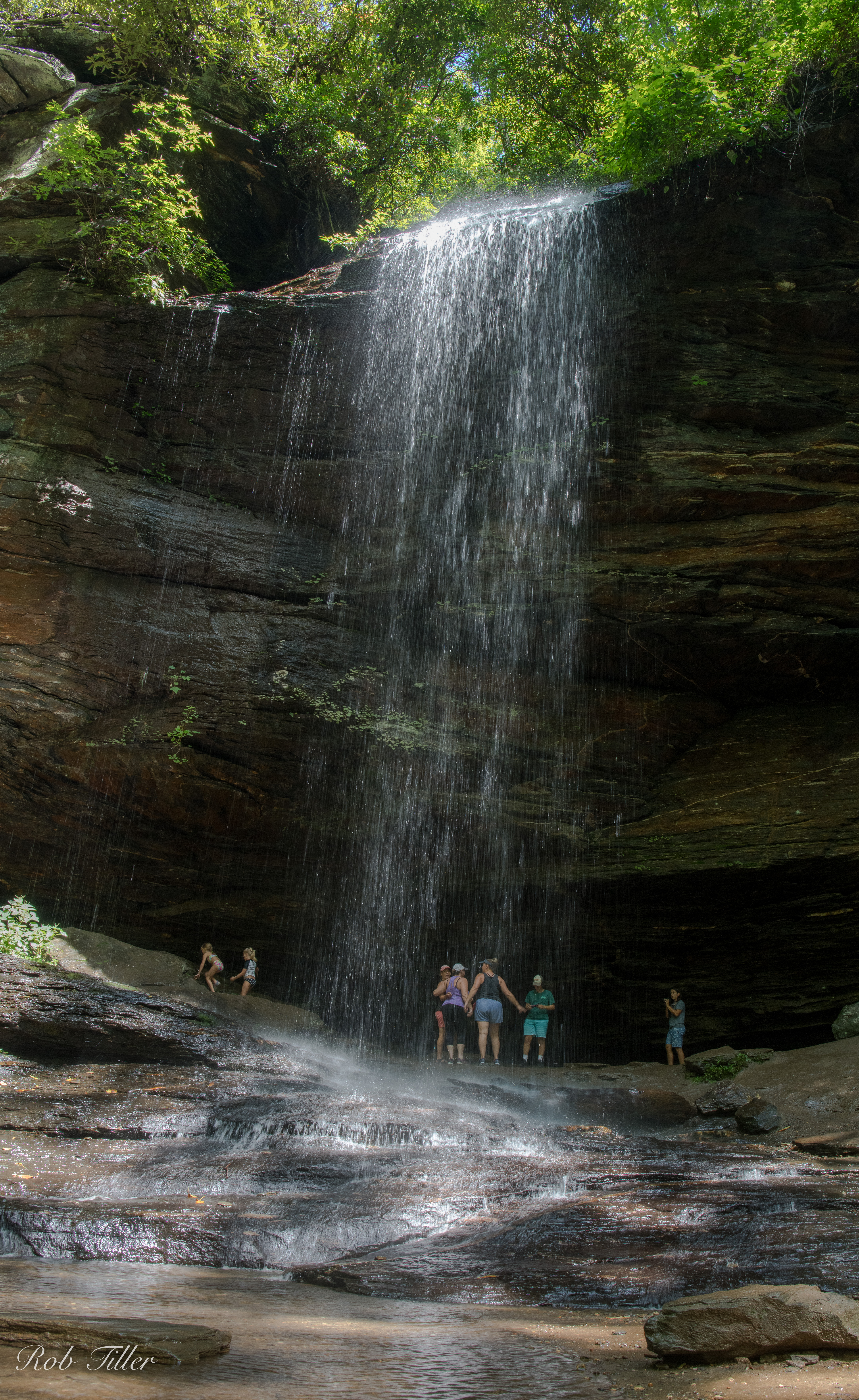
After photographing the sunrise and hiking to a couple of waterfalls in Brevard County, I made my way to I-40 and headed east toward Raleigh.  I turned on the radio, and caught Joe Biden and Kamala Harris giving their speeches announcing that Harris was Biden’s VP pick.  

They were good speeches!  No self-aggrandizing!  No whining!   Nothing fancy, but addressing the big issues, like climate change, police brutality against black people, the pandemic, education, health care.  And of course, the disaster in progress known as Donald J. Trump.


Although Trump continues to trail in the polls, it’s safe to assume he is unconstrained by any sense of honor or morality and will do anything to win, so I’m not taking anything for granted.  We watched a short Netflix documentary on him that was part of the series Dirty Money.  The film is worth seeing if you’re unfamiliar with his history as a pathetic grifter who pretends to be a super successful businessman.  

Pretending to be a businessman on TV for The Apprentice worked out much better for Trump than his various actual business ventures, which were almost all embarrassing failures, including Trump casinos, Trump Airlines, Trump Steaks, Trump Vodka, Trump magazine, and Trump University.  

At the time, I thought The Apprentice seemed bogus, but it was a big hit.  There’s a fine article by Patrick Radden Keefe from the New Yorker about the making of The Apprentice, which explains how hard the producers had to work to make Trump seem reasonably sane and competent.  Let’s just say the show was heavily edited.

Sunrise on the Blue Ridge

The Trump presidency closely resembles a reality TV show, with its hype and hoked up drama, but unfortunately, off camera, there are real people suffering.  We’ve got huge unemployment, a health care crisis, a housing crisis, a pandemic, climate change bringing one weather disaster after another, and so on.  So, true to form, rather than acknowledging our serious problems and trying to help fix them, Trump has once again played the race card.   

Last week he tweeted that that “people living their Suburban Lifestyle Dream” would “no longer be bothered or financially hurt by having low income housing built in your neighborhood.” 

This is racism that barely pretends not to be; the racist dog whistle is more like a train whistle.  For most of the 20th century, the United States prevented racial integration in housing through governmental programs, including discriminatory FHA loans.  This appalling history is examined in some detail in Richard Rothstein’s important book, The Color of Law.  

The subject of Trump’s racist train whistle was a program called Affirmatively Furthering Fair Housing, or AFFH, which was instituted under Obama, and directed at getting municipalities to identify and address patterns of discriminatory segregation.  Trump seems to think that there are a lot of white suburbanites fearful of invading black people, and he can exploit that fear and get their votes.

Once again, Trump is betting big, hoping that the shameful longings for sustaining white supremacy will be stronger than opposing feelings, like hope for justice and fairness.  It probably won’t work.  But as with other failed Trump experiments, the failure will teach us something about our beliefs on race, and also our concern for justice.

In Isabel Wilkerson’s new book, Caste, she argues that the American system of racial oppression is similar to other caste systems like those in India and Germany before WWII.  She explained the idea on several podcasts this week, and I think she’s on to something.  

As Wilkerson notes, an individual American may or may not have racial animus, but everyone of us is enmeshed in a system that involves distinguishing black from white and conferring certain benefits based on that distinction.  Using the vocabulary of caste may help depersonalize the problem.  Although the system has deep roots, recognizing it as a system (as opposed to simply an individual moral failing) may make it easier to change. 

For a man with such a big mouth, Trump has been strangely quiet about the recent news of Russian aggression against the United States.  When reports emerged of Russia giving bounties to fighters in Afghanistan who killed US and allied forces, he claimed to be unaware of it.  More important, he didn’t propose doing anything about it.  And weeks after the news became public, he is still taking the position he hadn’t been informed, and still not doing anything.  In fact, he’d had a chat with Vladimir Putin, and admitted he hadn’t brought up the matter.  This is appalling and disgusting.

If this were the only instance of Trump declining to oppose clear Russian aggression, I might chalk it up to his lack of interest in anything other than his own aggrandizement or progressive dementia.  But this has been a pattern. When the Russians worked to defeat Hillary Clinton and help Trump, he refused to acknowledge their success, and also invited them to continue hacking.  He seems indifferent or hostile to the many warnings that the Russians are again working to undermine fair US elections.  He has little to say about Russian interference in other countries, and nothing but compliments for Putin.  

I very much doubt that Trump is actually a paid Russian agent.  Putin, though not necessarily a stable genius, is smart enough to recognize that Trump lacks anything like the discipline, drive, and intelligence to be a worthwhile spy.  Trump doesn’t like taking orders, and he would have trouble remembering them.  He’s also not very good at keeping secrets, other than his own financial shenanigans.

It’s much more likely that Trump fears Putin for personal or financial reasons, and understands that crossing Putin would put him in peril.  Could Trump’s not-so-enormous fortune be dependent on Russian loans and money laundering?  Of course it could.  Think of how convenient it could be for Russian oligarchs to stash their ill-gotten gains in Trump high-rise condos, and how a salesman like Trump known mainly for lying  would struggle otherwise to sell high-end property. Also, how likely is it that Trump could resist an offer of an attractive Russian prostitute with an advanced degree in political  black mail?  

Of course, I don’t personally know, and perhaps Trump somehow avoided his characteristic corruption and moral degradation with regard to the Russians.  Maybe we could clear all this up if the President would quit concealing his tax returns and related financial records.  

Even without them, it’s clear that Putin could hardly have been more successful in creating political chaos that threatens the continued existence of American democracy than if he had managed to get a Russian spy elected president.  Trump has been Putin’s dream come true.

On any given week it’s usually difficult to say what was the craziest, most disturbing thing Trump just did, but we certainly had a doozy this week.  Trump indicated that he was withholding funds from the Postal Service so that they wouldn’t be able to deliver mail-in ballots for the presidential election.  Meanwhile, the Postmaster General he just appointed is shaking up top staff, decommissioning sorting machines, and assuring that delivery is slowing to a crawl.

With the pandemic still raging, mail in ballots are looking like a great option for getting rid of Trump.  Unless Trump can manage to keep them from being delivered!  He seems to assume most of those inclined to use the mail to vote would vote against him.  Maybe this is because he’s encouraged his supporters to ignore the pandemic, so they can (in the Trumpworld of alternative facts) vote in person without risking illness and death.  

I’m still socially distancing and trying not to catch the coronavirus, so I sent in my request for an absentee ballot, and was feeling a little sick at the thought that Trump and his minions might prevent delivery.  So I checked the NC voting procedures, and learned that I can personally deliver the completed ballot to the county board of elections.  If you live in NC and certain other states, you can, too.  Good luck!


Ereading about our bizarre President in Fire and Fury, and testing my new camera


Sally’s latest flower arrangement, and her iPad Mini

Wow, is it cold out there!  Raleigh didn’t get much snow this week, but was expecting to set a new record for sustained low temps.  Instead of my usual Saturday walk in one of our forests, I hunkered down and worked on getting to know my new camera, and took some pictures from and around our apartment.  

As I mentioned last week, due to a late night mental fog I left my iPad  on an airplane, and asked the American Airlines bot to please find and return it.  It has not done so so far, and I’m not feeling optimistic.  It would be hard at this point to lower my expectations as to customer service  from AA, so I’ll just note that they’re staying extremely low.  AA bot, if you’re reading this, I promise to post an appreciative remark if you return my device.

That iPad was my primary ereader, but fortunately, I also had my current books on my larger iPad pro.  I got the larger device primarily to use for downloading and reading piano music, since the larger size is helpful in reading two or more staffs covered with many notes.  The big one doesn’t feel as comfortable sitting on my lap, but it certainly works.

It was an exciting week in epublishing, with the best-selling release of Fire and Fury, by Michael Wolff, a whiz bang account of Trump’s first year.  Jocelyn, working in ebook production at Macmillan, was part of the team that got the book out on an accelerated schedule after Trump’s lawyers sent a threatening letter.  She texted me a heads up that this could be big, and after reading the published excerpts, I agreed.  

You might suppose, as I did at first, that we really don’t need to read a book  about Trump, since we’ve read so much, and he really is not complicated.  But even for those of us who follow Trump reporting closely, there is just too much to fully take in.  All those oddities, shocks, and outrages form a constant and seemingly endless barrage.   

Instead of facts and logic, he emanates juvenile absurdities.  It’s hard to engage his “ideas” with ordinary rationality, and so we have a lot of extreme emotions, from fear, to rage, and sometimes helpless laughter. Our heads have been getting  slammed hard, like football players badly overmatched, and we have trouble getting oriented and making sense of it all.  

Anyhow, I downloaded the ebook of Fire and Fury and started it yesterday.  Sally, with her iPad Mini, turned out to be reading it, too.  Jocelyn and Kyle, and no doubt many thousands of others, are doing the same.  The right-wing propaganda apparatus is desperate to undermine Wolff, and I don’t count them out, since they’re really good at what they do.  

But I expect that the book will help a lot of people who have been giving Trump a benefit of a doubt to see that that was a mistake.  And perhaps the powerful politicians who, with full understanding of his unbelievable and dangerous incompetence, have supported Trump will be shamed into changing course.    

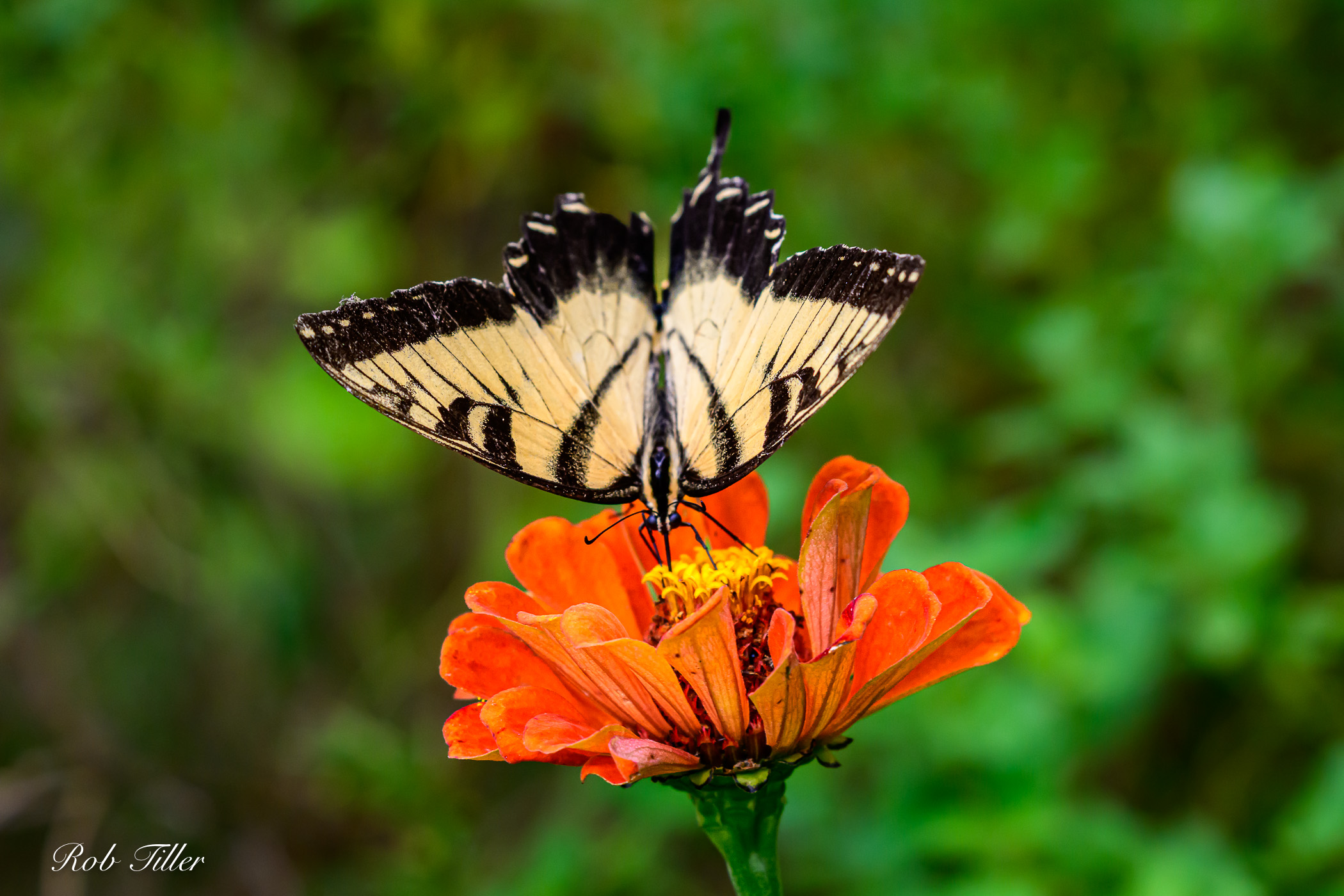
These pictures were taken with my new Nikon D850.  It’s a recently released FX digital camera with some remarkable capacities, like a large sensor with 45.7 megapixels, shooting at 7 frames per second, and ISO up to 25,600.  These specs suggested a long step forward in photographic potential, so I stopped in at B&H in New York in early November to test the beast.  I liked the ergonomics, and proposed to buy one.  They kindly said they wished they could help me, but could not.  It was on backorder for the foreseeable future. The same turned out to be true for Peace Camera, my friendly local camera shop.

On our balcony, a cold sunset

I finally got the D850 this week.  From first impressions, the image quality is fantastic, and it has many helpful conveniences, like a large viewfinder and a vivid touch screen that folds out.  It can also be operated remotely with a smartphone.  It’s  a complex tool and I expected a substantial learning curve, but happily, most of the controls and system menus are organized like my trusty Nikon D7100, so it’s not overwhelming.  The only negative I’ve found so far is no surprise:  it’s  noticeably bigger and heavier than the D7100.  A silver lining:  it will make me keep working on my upper body strength.

Rebuilding after the big fire

Happy No Thanks Day

blogpicbug-1
I like Thanksgiving as a holiday, because it celebrates things that really matter, like loving families, without too much rampant materialism. But this year the timing was unfortunate, so close to the Presidential election, which has left us feeling shaken. It seemed like time for a different holiday — a Day of No Thanks. Rather than celebrating gratitude, No Thanks Day would be about regret, worry, and resistance.

On Thursday, we had a bit of both Thanks and No Thanks Day. Sally made a delicious Mexican-themed all veggie Thanksgiving meal for our extended family, and we caught up on family news. But we also talked about some of the frightening things happening in our country, including the sudden emergence from the sludge of the so-called alt right.

Until recently, unabashed white supremacists seemed to be so far out on the lunatic fringe that they could safely be ignored. But now they’ve gone mainstream, and their preferred candidate just got elected President of the United States.
blogpicbug-1-7

So what are these people? There was a fascinating and chilling interview this week with Richard Spencer, an alt-right leader, by Kelly McEvers on NPR, which is transcribed here. Spencer is poised and well spoken, and his ideas are absolutely poisonous. His animating political vision seemed to be apartheid — a country just for white people. He saw no problem with swastikas and Ku Klux Klan costumes.

The NY Times had a piece on the alt right this week, and tried to explain the difference between white nationalists and white supremacists. According to Eric Kaufmann, a UK scholar, “White nationalism … is the belief that national identity should be built around white ethnicity, and that white people should therefore maintain both a demographic majority and dominance of the nation’s culture and public life.

So, like white supremacy, white nationalism places the interests of white people over those of other racial groups. White supremacists and white nationalists both believe that racial discrimination should be incorporated into law and policy. . . .
Professor Kaufmann says the terms are not synonyms: White supremacy is based on a racist belief that white people are innately superior to people of other races; white nationalism is about maintaining political and economic dominance, not just a numerical majority or cultural hegemony.

blogpicbug-1-6

Is the “nationalist” label something more than a thin veneer for putrid racism and neo-Nazism? I doubt it. The Times reported that this week Spencer gave a speech attacking Jews and immigrants. He quoted Nazi propaganda in the original German and led cries of “Hail Trump” and “Hail Victory” (German: “Seig Heil”).

What’s this have to do with the President-elect? Well, he’s picked as his senior counselor and chief strategist Steve Bannon, who runs what he proudly claims is the leading communications outlet for the alt-right. Bannon is sly about expressing his personal views, but there is no subtlety about his Breitbart News: it’s unabashedly devoted to racism, sexism, homophobia, anti-Semitism, bizarre conspiracy theories, and fear mongering.
blogpicbug-1-5
Bannon seems to have engineered the press campaign that ultimately resulted in the “Crooked Hillary” meme of the Republican campaign. This is laid out in an interview on Fresh Air of journalist Joshua Green. Using a “research” entity called the Government Accountability Institute, Bannon directed the collection of innuendo about the Clinton Foundation, which was then pitched to investigative journalists of the mainstream press. In effect, he hacked into the NY Times and other traditional media and planted an anti-Clinton virus. The non-stop drumbeat by Bannon and Breitbart — Benghazi! The emails! Lock her up! — unquestionably drove up Hillary’s unfavorable ratings, and arguably caused her defeat. Green’s 2015 piece on Bannon and Breitbart News is worth reading.

Coming back to Richard Spencer, at the end of the interview with Kelly McEvers, he said this: “If I had told you in 1985 that we should have gay marriage in this country, you probably would have laughed at me. And I think most people would have. Or at least – at the very least, you would have been a bit confused, and you would have told me, oh that’s ridiculous. The fact is, opinions do change. People’s consciousness does change. Paradigms are meant to be broken. That’s what the alt-right is doing.”
blogpicbug-1-4
Well, he’s right about one thing: people’s ideas change. They can change for the worse, but also, as his example on gay marriage shows, for the better. A lot of white people, and other people, have put behind them the worst kind of racism and are trying to be conscious of and root out the more subtle kinds. The ascendency of the alt right may just be the death throes of an old sad culture that will soon be gone. But I’m not sure. Their combination of blazing ignorance and brilliance in media manipulation is new in our country. We need to keep watch.

Meanwhile, I’m trying to stay calm. I’m doing deep breathing, and taking walks in the woods. Trees, which can live a very long time, have a kind of wisdom. Being with them is peaceful. These new pictures are from Umstead State Park.