The Casual Blog

Tag: diving

Not diving, flowers, meditating, and watching 13th

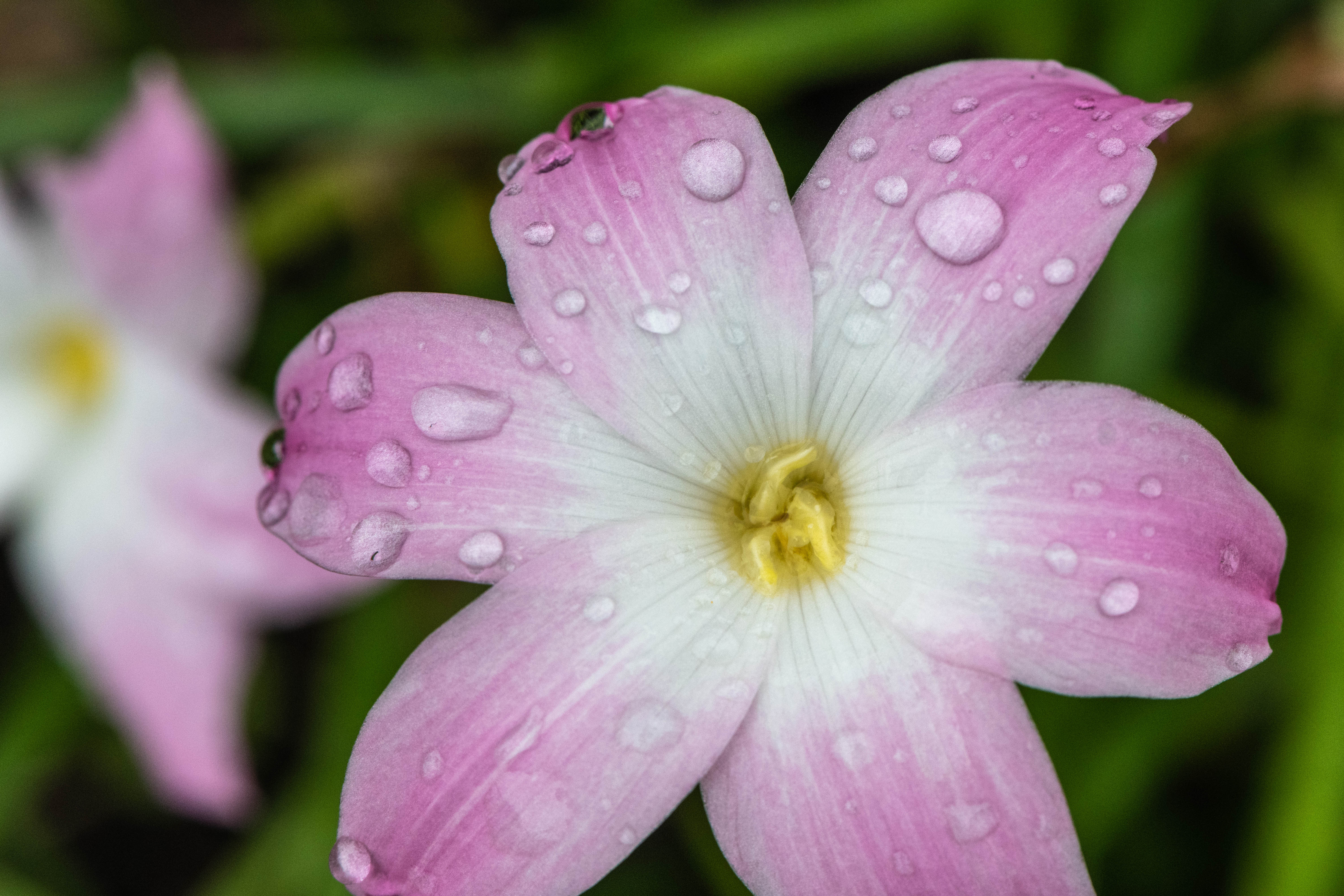
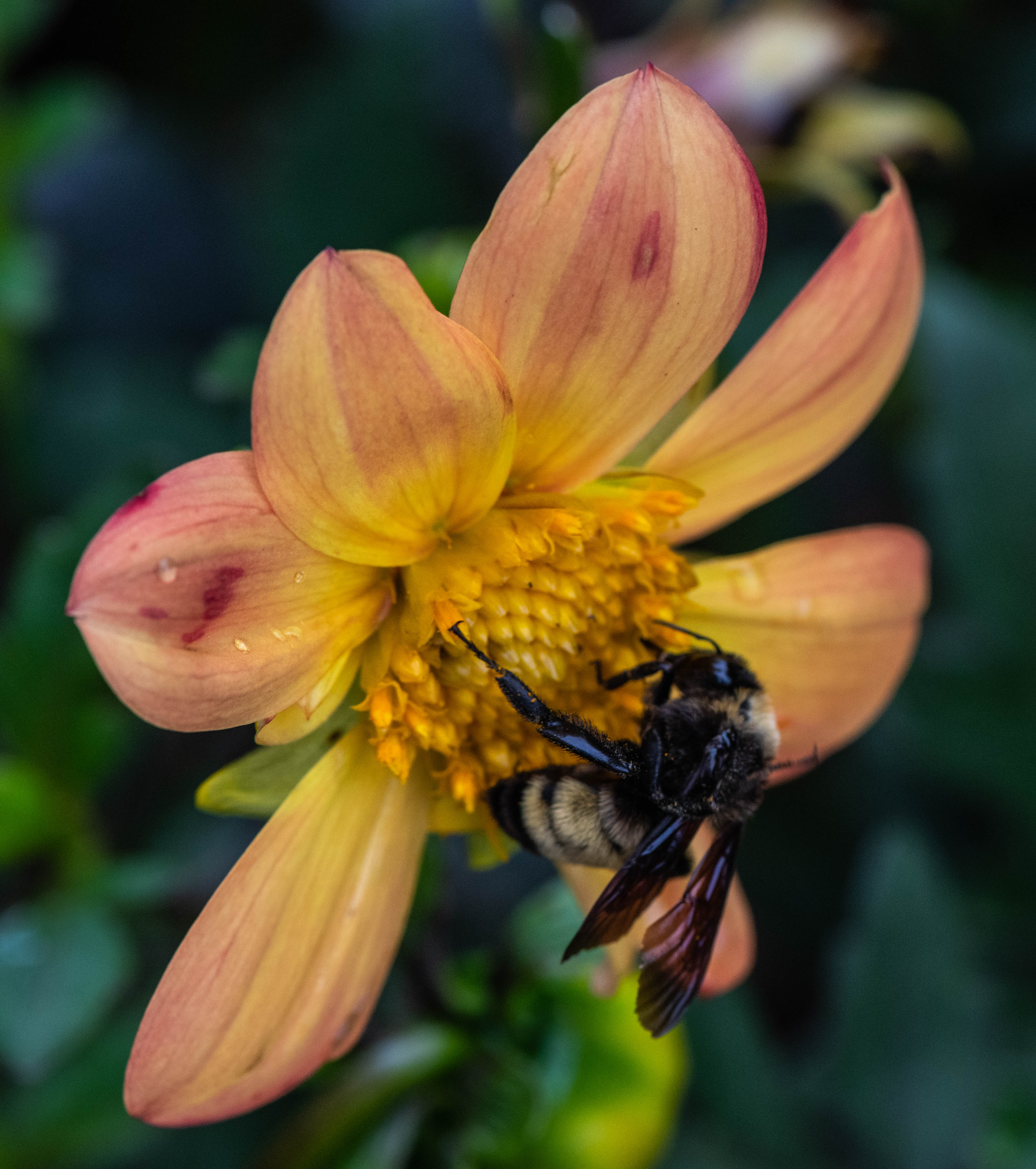
Happy flowers at Raulston Arboretum, July 21, 2018

We’d scheduled a diving trip this weekend out of Wrightsville, but it got cancelled because of bad weather.  We’d been looking forward to seeing some wrecks and fish, but so it goes. Instead we had some pleasantly uncommitted and uncrowded hours.

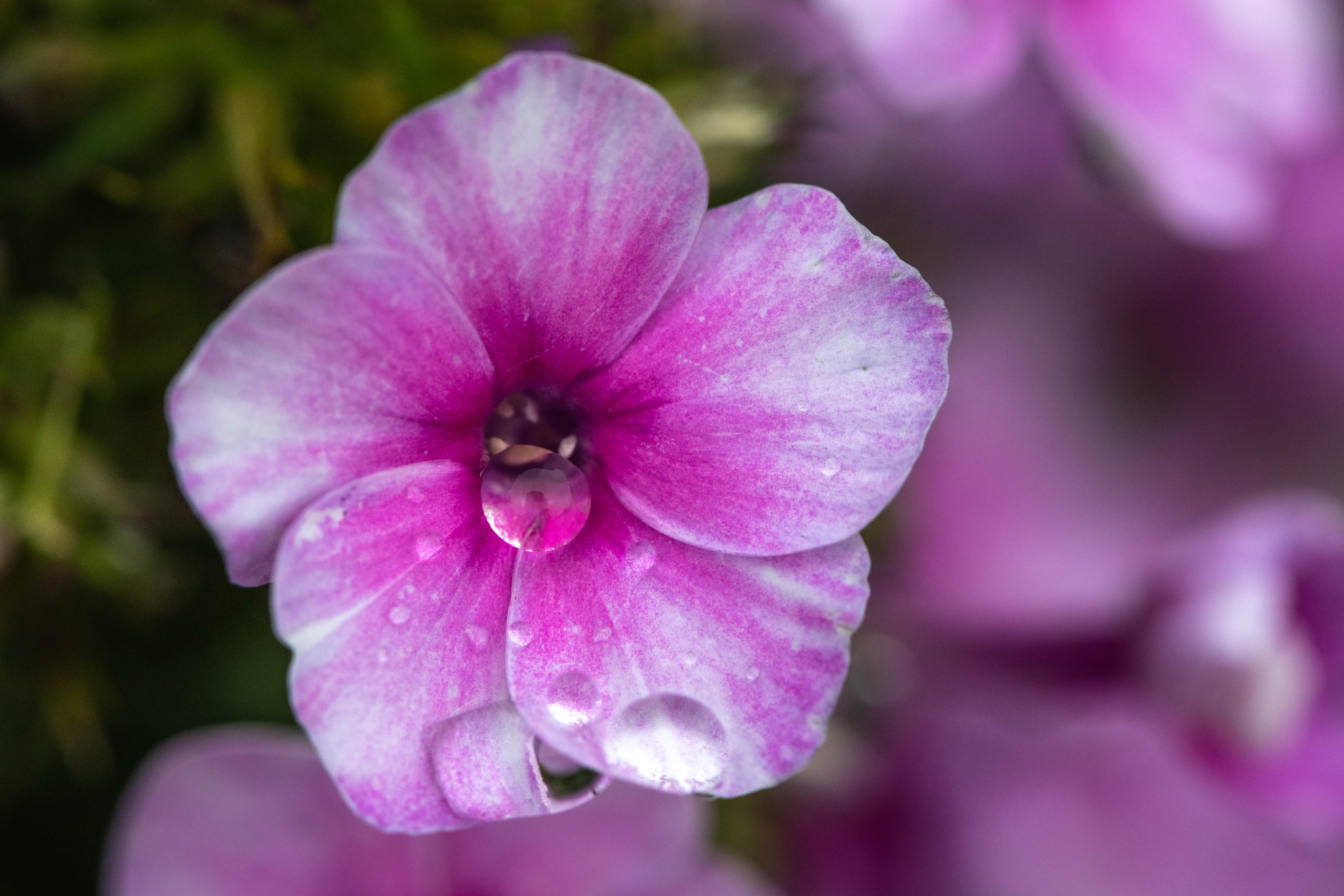
Yesterday morning I stopped by Raulston Arboretum with my camera to see what was blooming and buzzing.  I was surprised at how many new flowers were there, including these. The rain has stopped and it was cloudy — good photography weather.

I also took a little extra time for meditating.  Lately I’ve been practicing sitting still for 15 minutes first thing in the morning, and focusing on the breath.  I find it’s helpful in reducing stress and anxiety, of which there is no shortage these days. It also unmasks some of the odd and funny things the mind will do.  I took a little refresher course on basic meditation techniques using an app called Calm, which was helpful.

We had a good dinner at La Santa, a relatively new Mexican restaurant a short walk from our apartment.  The place has a brash festive air, with murals of Santa Muerte, and current Mexican music. The menu doesn’t have a lot of vegetarian  offerings, but they had no problem making their fajitas without meat, which were tasty.

That night on Netflix we watched 13th, a documentary about the relationship of slavery and mass incarceration.  It notes that the U.S. has 5 percent of the world’s population but 25 percent of its prison population, and a disproportionate percentage of those prisoners are black.  The film also explores how politicians have encouraged and exploited fear of black people, with the wars on crime and drugs. I thought the editing was overly lively, but it was definitely worth seeing and thinking about.  


Our dive trip to Cozumel

_DSC0015 copy

Sally and I just got back from a week of scuba diving in Cozumel, Mexico. As a friend recently noted, we like adventure vacations. If you do, too, you would probably like Cozumel. The diving was great, and the above-water scene was lively, too.

Cozumel is a warm and enterprising place. Most of the real beauty, for me, is in the reefs, but I also really liked the people. The Mexicans I met are mostly cheerful and good humored, but also polite and dignified. They worked hard to help us along our way.

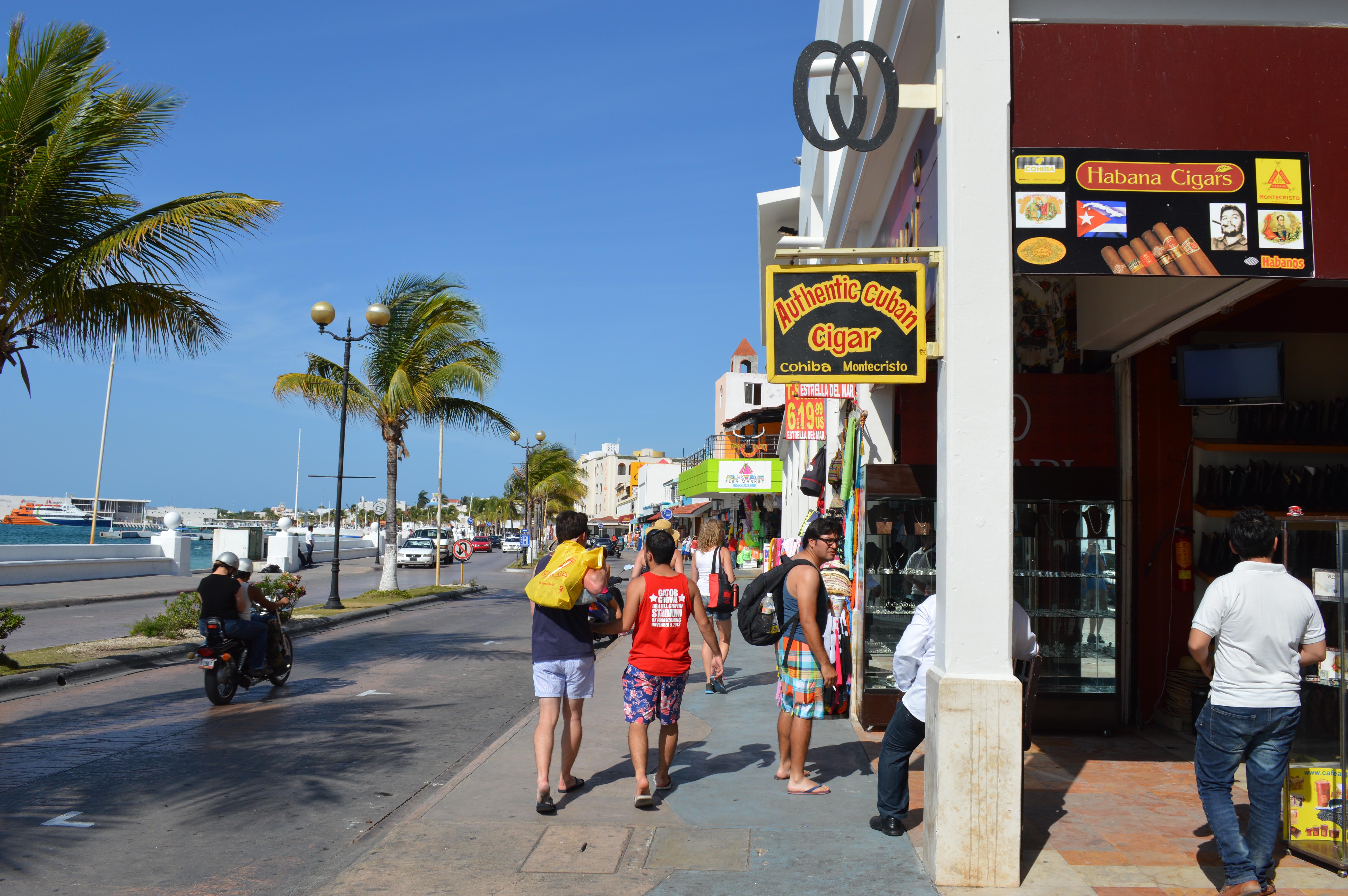
The business of Cozumel is tourism, and there are many layers to this business, from high end hotels to street hawkers. A stroll through the main part of town takes you past many gold and silver jewelry shops, clothing shops, crafts establishments, restaurants, and shops selling Cuban cigars. Most of these shops have a person who will try to persuade you to look inside, some of whom are aggressive and insistent. It’s a bit annoying if you’re not interested in the goods, but the beautiful blue water fronting the main street makes up for any inconvenience.
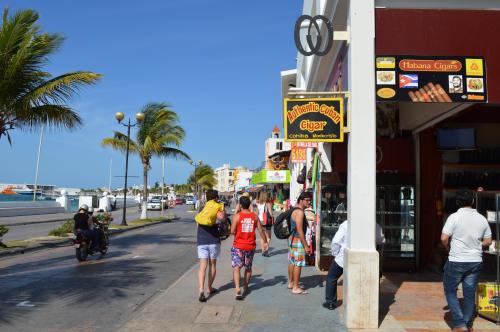
2013 05 04_1376

I’d been planning to use more of my Spanish, which is still a work in progress, but had little occasion to. The sales and service people of Cozumel have highly developed antennae for spotting los norteamericanos, and encourage expenditures by using English, which ranged from adequate to impressive. A couple of waiters gently corrected my usage mistakes, which I appreciated, and I think they appreciated my making some effort with their language, but it was clearly not required.

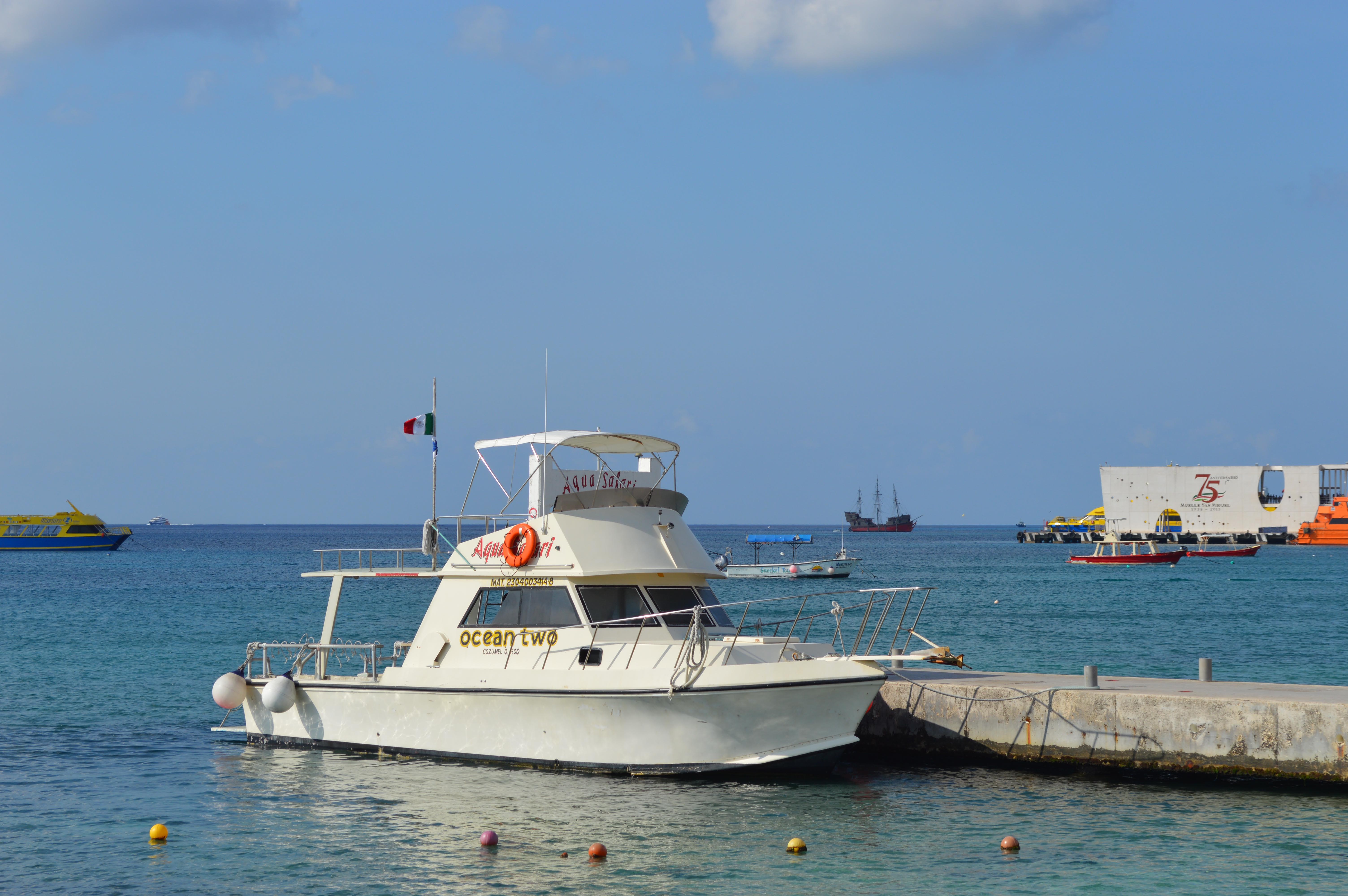
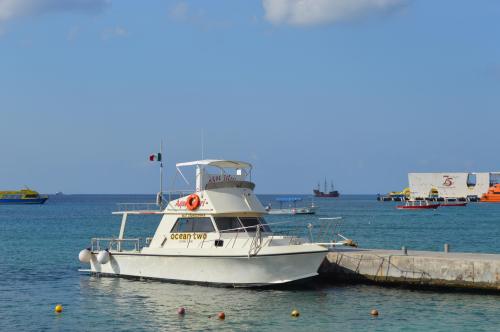
Our hotel was the Casa Mexicana, a mod-looking place on the water in the center of town. Our rooms was attractive and comfortable, with a balcony overlooking the courtyard restaurant where we ate very satisfying breakfasts. The lobby was on the second floor with a pool and deck chairs overlooking the water. Lots of restaurants were within walking distance, though we took a taxi to our favorite, Casa Mission. The hotel was only a few steps from the shop of the folks who took us diving, Aqua Safari, and the boat dock was just across the street.
2013 05 09_1356

Our boats usually had about fifteen divers. These included our group of six organized by our friend Dan out of Down Under Surf and Scuba. We did two dives in the morning, and after returning to the dock, we either ate quickly and went out for an afternoon dive, or on two days relaxed and then went out again at 7:00 for a night dive. The boat rides to the dive sites were generally one to 1.5 hours. Our guides were experienced, and showed us many interesting places and creatures. Early May seemed a good time to be there – sunny, breezy, and not un-Godly hot.

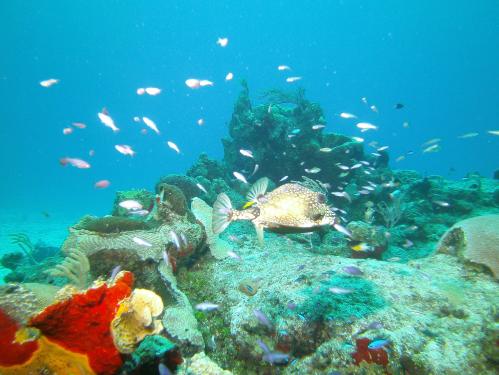
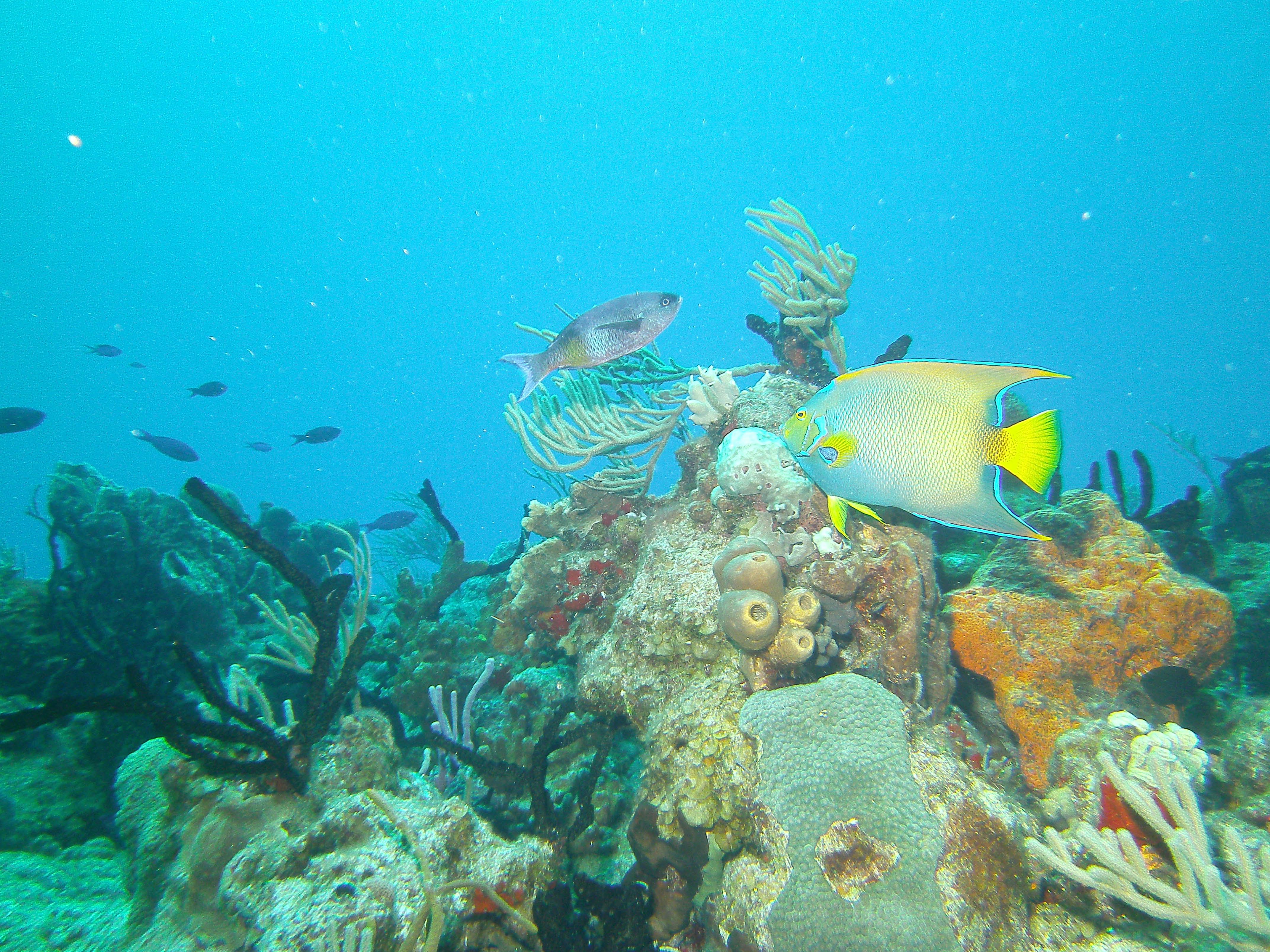
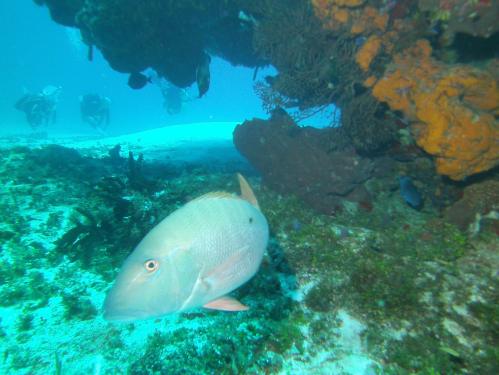
Our dive environments fell into three main groups: coral walls that went much deeper than we could dive, coral patches separated by sandy areas, and large coral structures shaped like pillars, boulders, mesas, and canyons, which made me think of southwest Utah. There were dozens of species of live coral. Some were vivid colors (purple, orange, green, yellow, red), and we also saw the famous black coral. Their shapes and textures were fantastically varied, including ones that looked like cactuses, pillars, antlers, brains, and various vegetables.
SeaLife DC1400

SeaLife DC1400
Cozumel is famous for drift diving, meaning a trip that goes where the strong current takes you. This can be exhilarating, but is also challenging at times. In the strongest current, there is no easy way to stop or reverse course, and it can feel by moments like Lost in Space. This requires alertness to avoid collisions with people or coral, and limits the chances to take photographs or look at things with deliberation. There were dive sites with little current, though, which were calm and sweet.

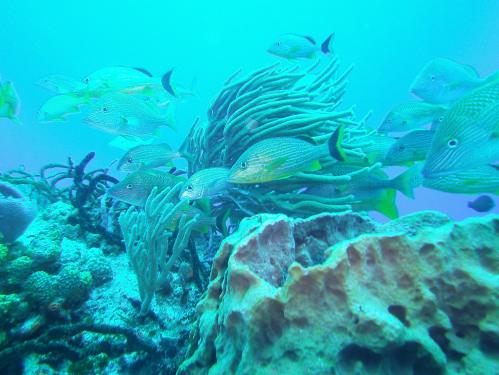
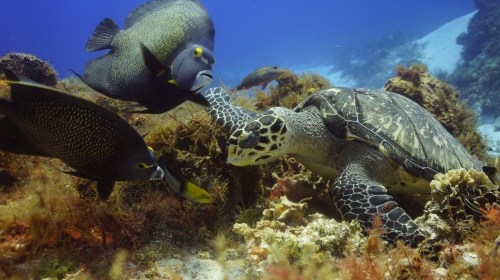
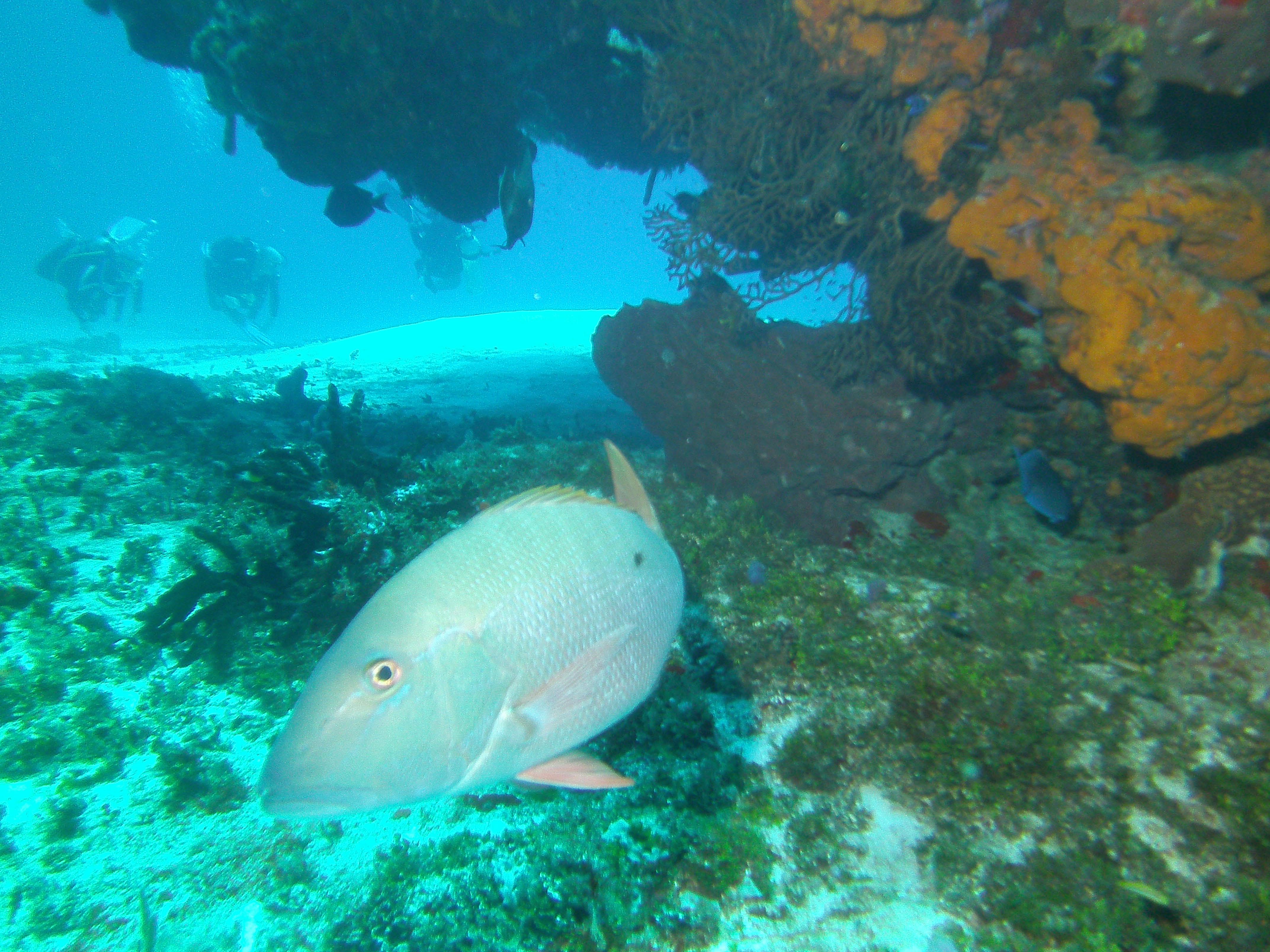
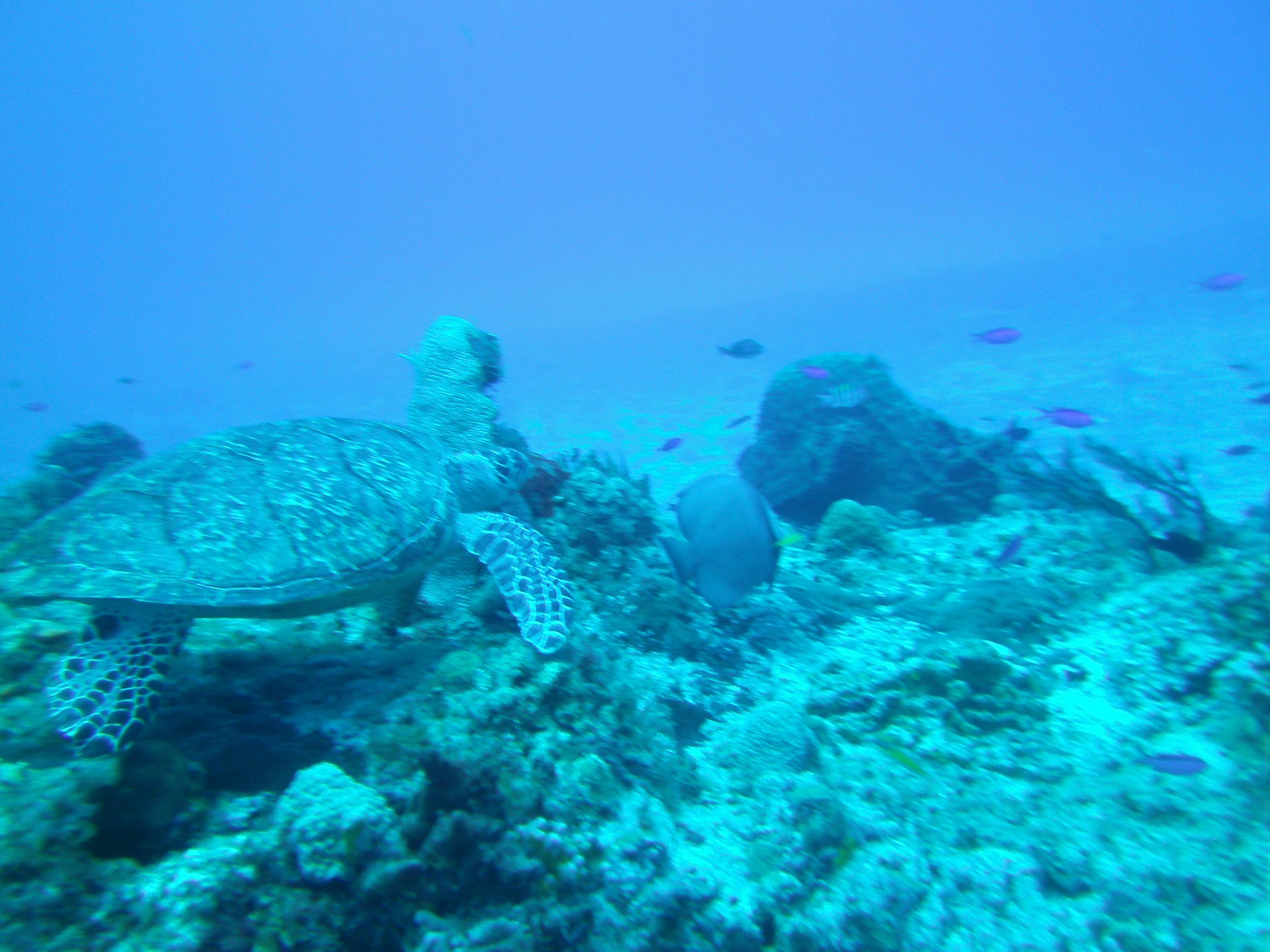
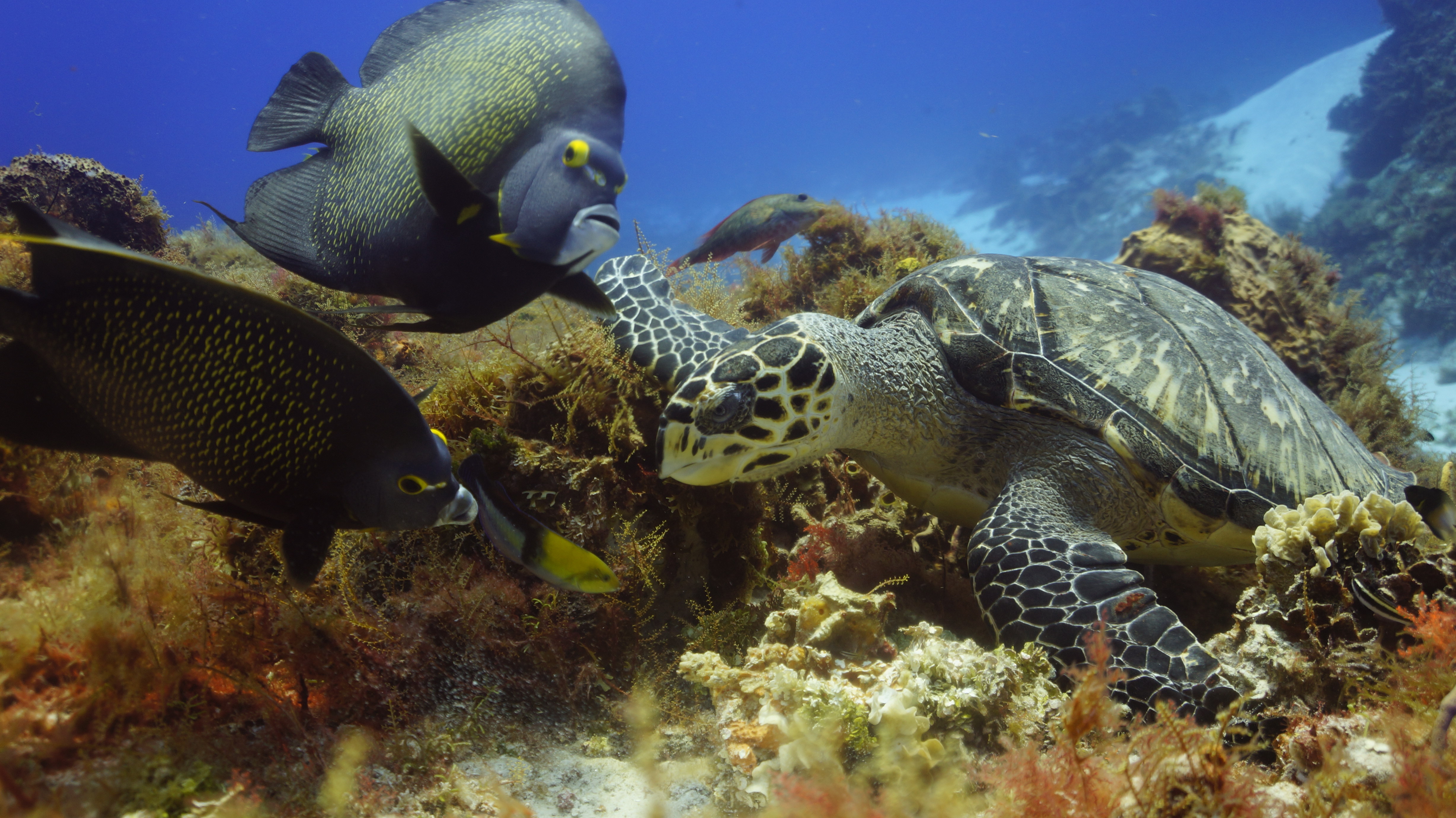
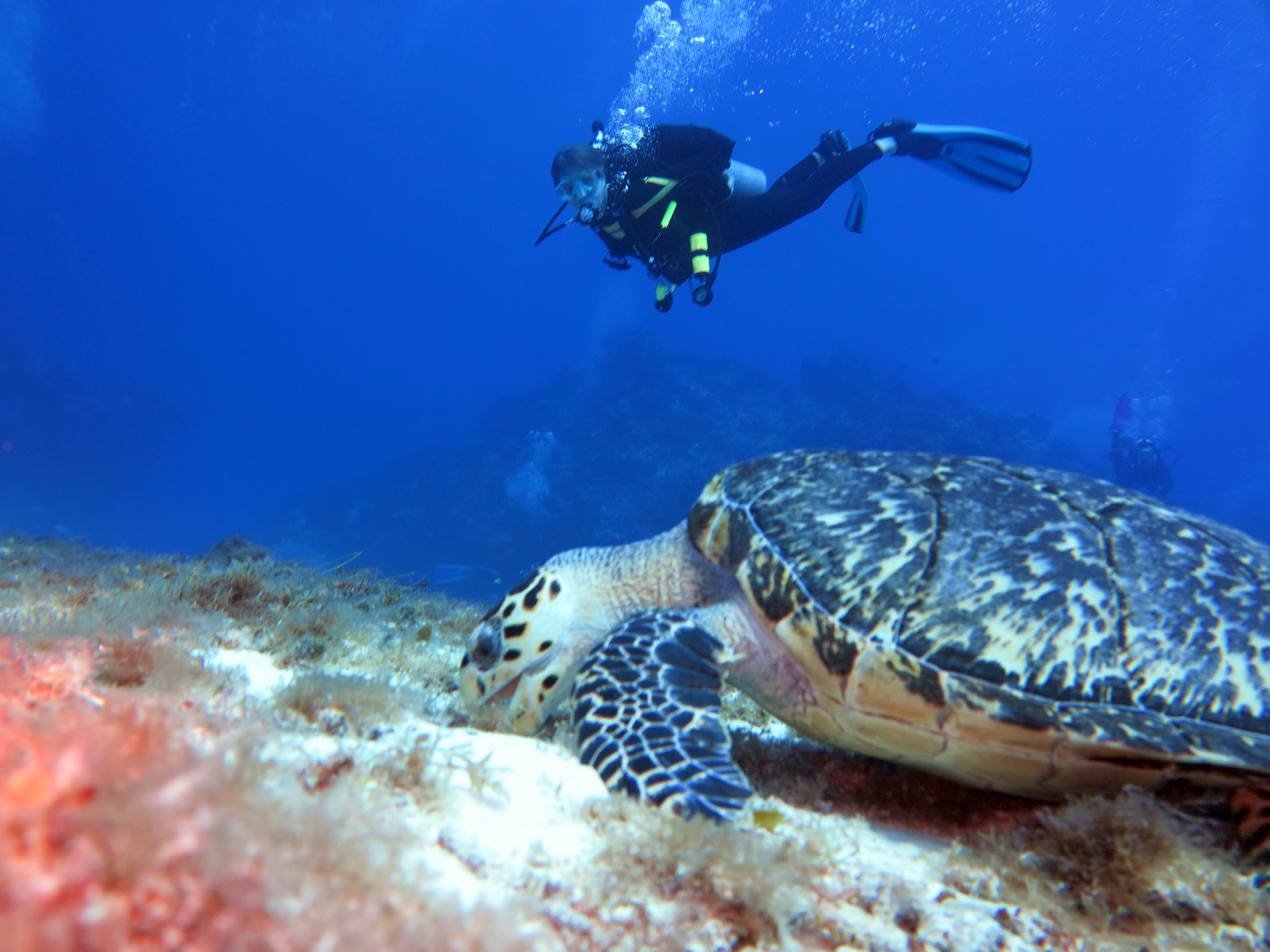
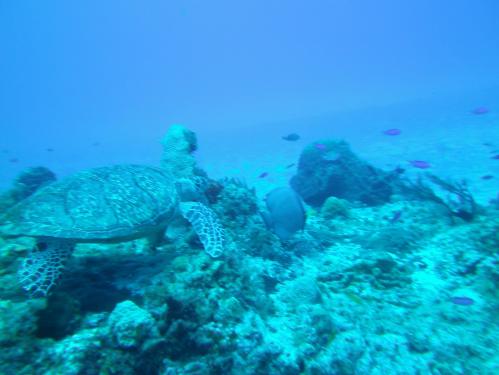
And of course, there were thousands of fish and other creatures. We’ve been trying to improve our identification skills, with the useful reference works on reef fish, creatures, and coral by Paul Humann and Ned Deloach. Sally was prepared to ID a green sea turtle, of which we saw only one, though we saw several hawksbills. She also introduced me to the whitenosed pipefish and various seahorses.
SeaLife DC1400
SeaLife DC1400
SeaLife DC1400

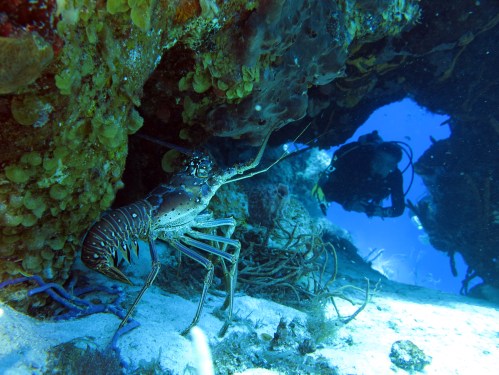
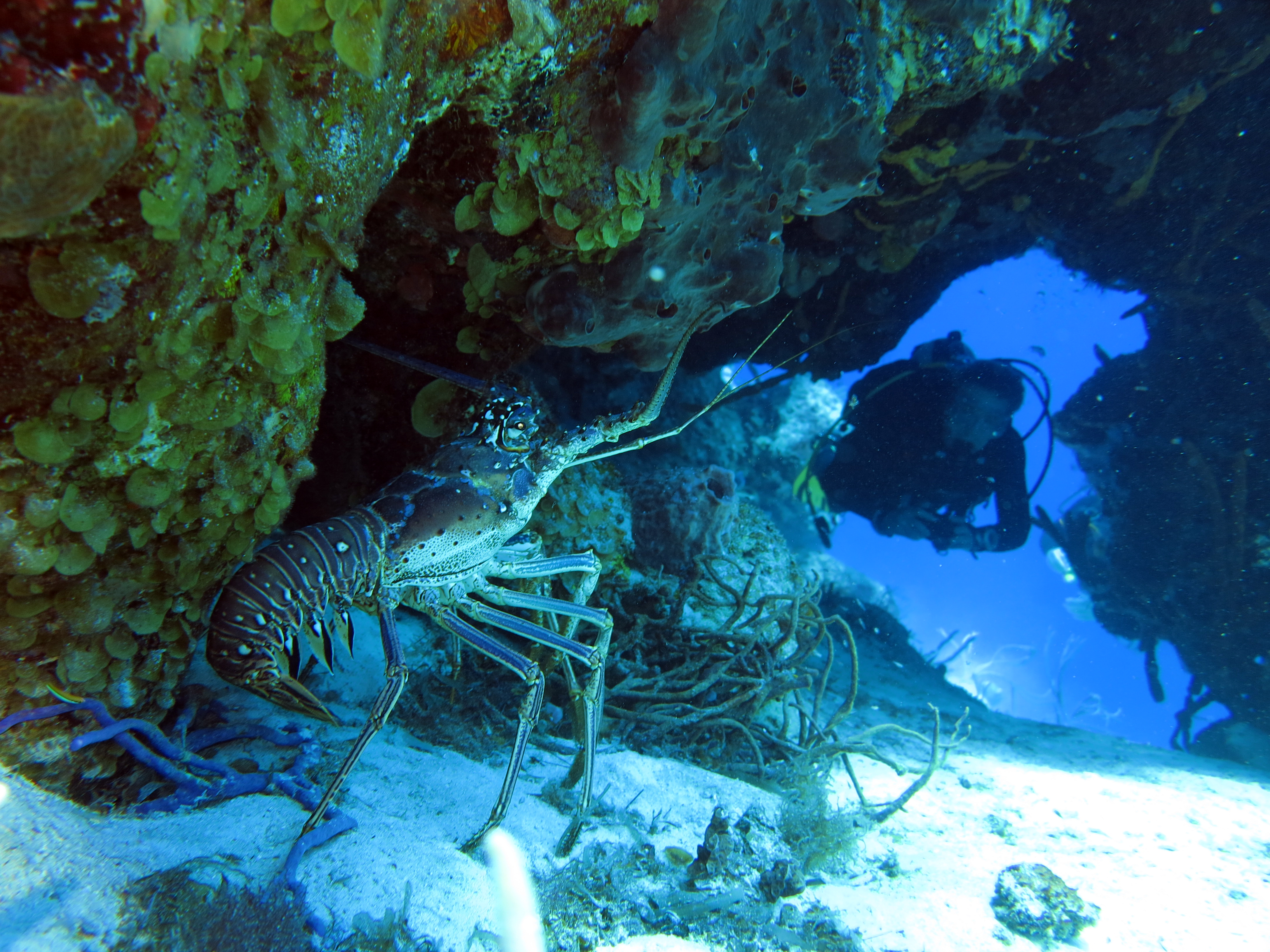
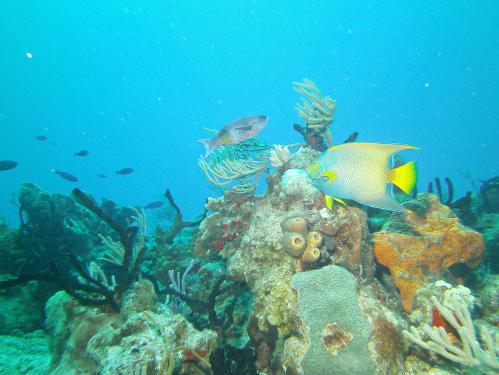
There was no shortage of bizarre looking creatures, including the porcupine fish, splendid toadfish, flying gurnard, smooth trunkfish, trumpetfish, honeycomb cowish, scrawled firefish, and queen triggerfish. We saw southern stingrays, as well as yellow rays and a Caribbean torpedo ray, and spotted and green moray eels. There were also large spiny lobsters and crabs. On a night dive I saw two octopuses that transformed themselves into objects of varying shapes and colors. It was fantastic!

One species we we pleased not to see many of was the lion fish. These invasive predators reproduce quickly, have no resident enemies, and consume voraciously. They’re now common in the northern Caribbean. Our main guide, Miguel, said that the dive guides in Cozumel had been authorized to kill them, and the numbers have been substantially reduced in the most dived areas of the south coast over the lat three years.

SeaLife DC1400
SeaLife DC1400

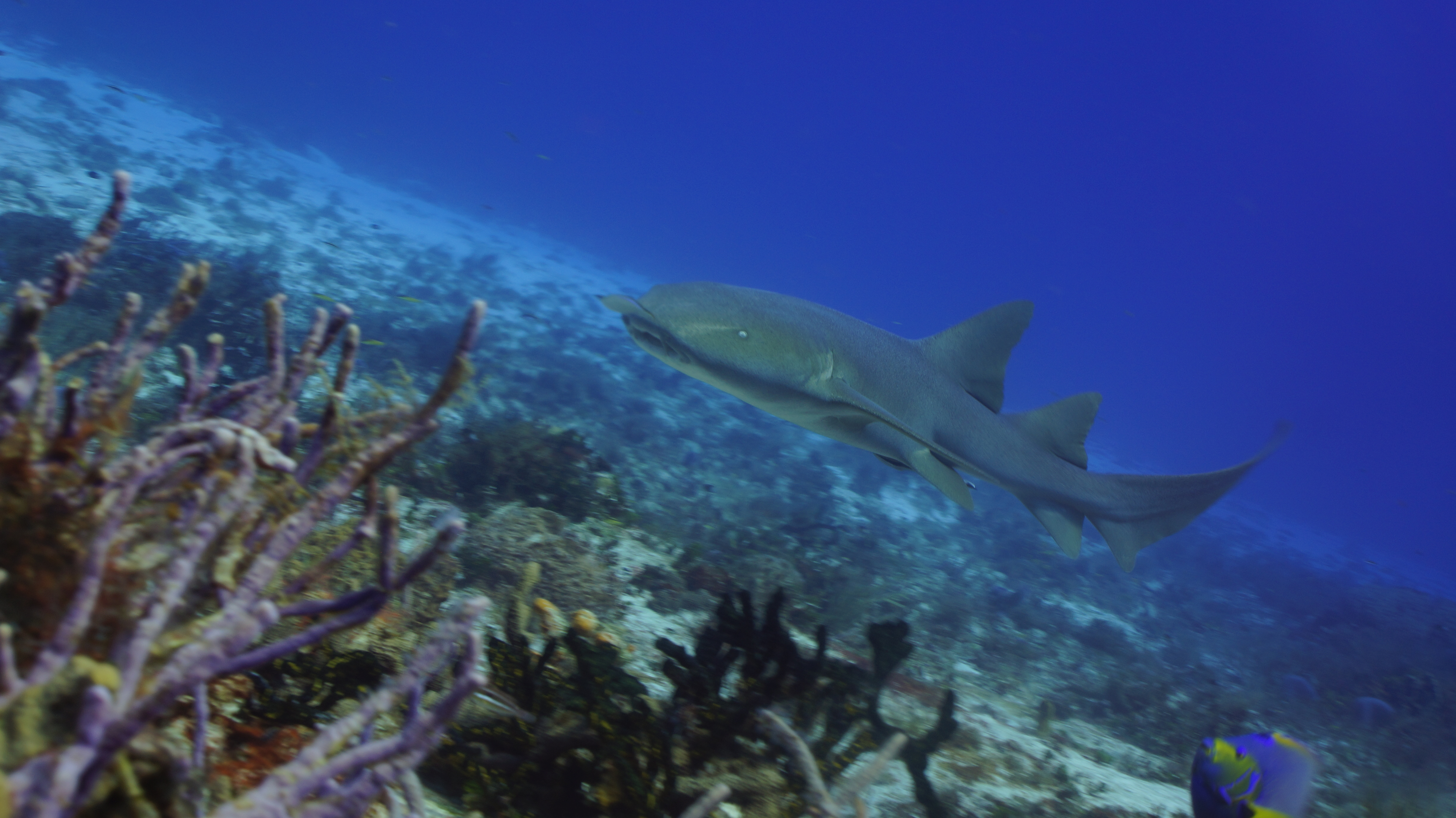
We also saw some big and medium creatures: nurse sharks, black groupers, barracuda, giant parrotfish, jacks, grunts, and snappers. I particularly adore the queen angelfish, and saw many, as well as French and gray angelfish. And there were untold numbers of colorful smaller tropicals – durgons, tangs, grunts, surgeon fish, butterflyfish, chromis, wrasse, and many others. The profusion of life is amazing, still!
_DSC0143 copy

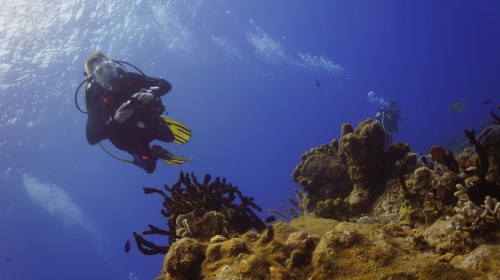
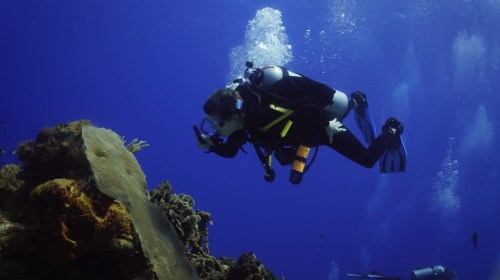
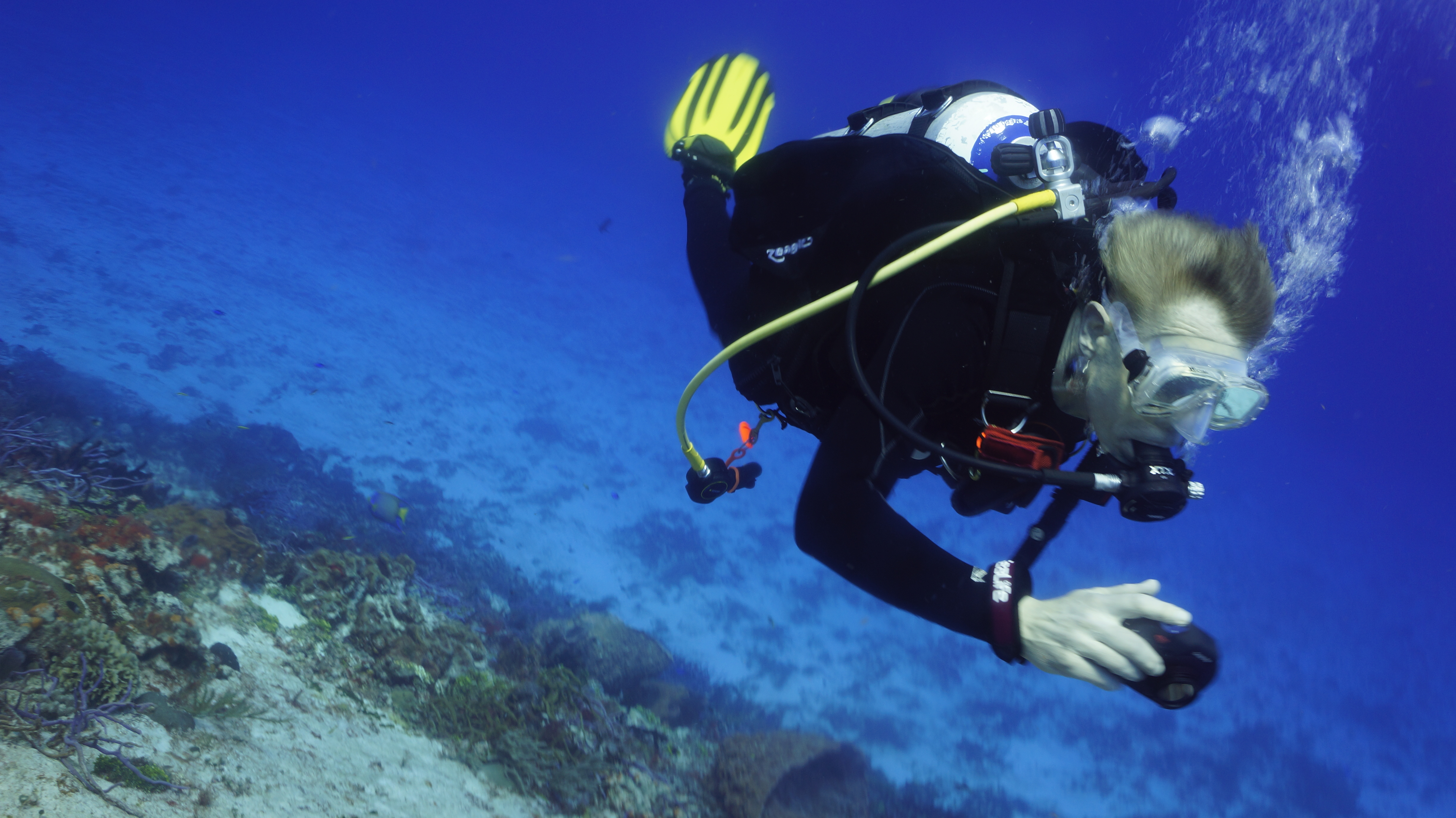
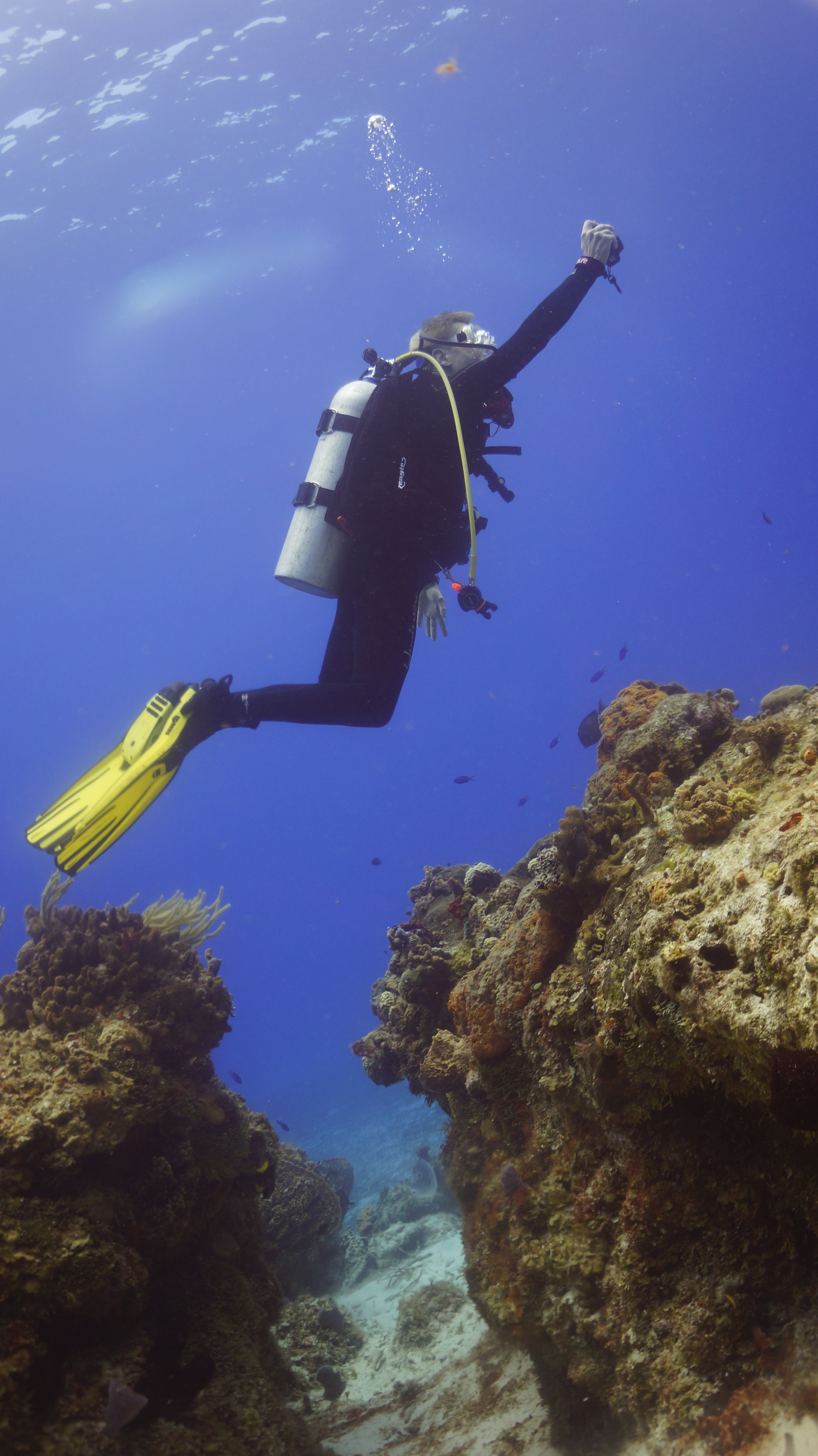
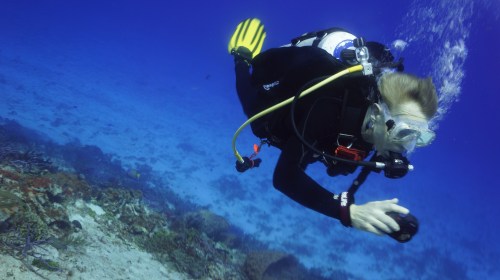
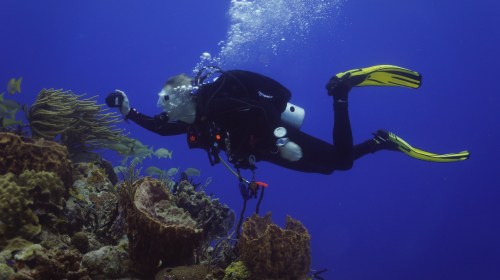
My camera strobe worked fine on day one and two, but then the supporting arm’s joint broke, and so my photographs after that were mostly by natural life. This was disappointing, because there are things that just can’t be captured without a strobe, but I liked some of the images I got. The pictures here are all mine, except the first, the one immediatelhy above, and the ones below of Sally and me, which were taken by Pete, a professional. (Yes, I realize his look a lot better than mine. My excuse is he had better equipment, though also probably more talent.)
_DSC0397 copy
_DSC0489 copy
_DSC0511 copy
IMG_9175 copy

_DSC0237 copy
_DSC0207 copy
_DSC0176 copy
_DSC0202 copy
IMG_9063 copy

The morning before our flight home, we rented a jet ski and sported about for a half hour. The machine, a Yamaha, seemed very powerful. The water was choppy, and I never quite managed to take the machine to full throttle, as it jumped and bucked. Sally rode behind me, and proclaimed herself thoroughly shaken and glad to still be alive when we were done. But note, she never complained or requested that we slow down. That’s my gal!

Freedom, my Provo novel, and TCI diving

I used to think of reading novels as a basic necessity, like food, water, and shelter. Novels were also my friends. Some were fun, some were wise. Reading novels was necessary, I thought, to build a conscious mind.

Beginning in my mid-teens, I took on, in no particular order, a lot of big classics, including Russians (viz Tolstoy, Dostoyevsky), Brits (Austen, Dickens, Trollope, Elliot, Hardy, Joyce, Woolf), French (Proust), Germans (Mann), and Americans (Twain, Melville, Hawthorne, Conrad, Fitzgerald, Hemingway, Wharton, James, Wolfe, Faulkner, Salinger). In the seventies and eighties, I read many great books of the previous or current generation, including Nabokov, Roth, Updike, Heller, Cheever, Naipaul, Pynchon, Bellow, Vonnegut, Stone, DeLillo, Gardner, Kennedy, Davies,and Millhauser. At times I had enthusiasms for genres, including espionage (Le Carre), hard boiled (Chandler), mysteries (Christie), sci fi (LeGuin), historical (P. O’Brien), and horror (King). And on and on.

And then it was over. I didn’t suddenly stop reading, but at some point it was no longer necessary for me to have a novel near to hand. No, it was worse than that: I lost my faith in novels. I was no longer sure they were a good investment. Perhaps it was because of new circumstances in my life (too busy? but I was always busy), or maybe the change reflected a shift in the larger culture. Could the era of literature be ending? I’m not sure. But in bookshops, when I looked at the fiction shelves, instead of seeing endless exciting possibilities, as I used to do, I was struck by the opposite — masses of books that, I felt, would probably do nothing for me.

I shifted my non-professional reading diet to mostly history, biography, science, and journalism, along with poetry. I began applying a tough filter for taking on fiction: only books that I thought might be transformative or unforgettable make the cut. I continued to find such ones from time to time (McEwan, T. Wolfe, M. Amis, Spencer, Roth, Eugenides, Shteyngart, Yates). But not every day — or week, or month.

A couple of weeks ago I found another. For Labor Day weekend, Sally and I took a diving trip to Providenciales, Turks and Caicos. I’d just read the first rapturous reviews of Jonathan Franzen’s Freedom, and decided to pick it up in an airport bookshop. On the trip down, it was nowhere to be found (though it was in the front of all airport bookstores by the following weekend). Therefore, I went to Plan B. As soon as we got to Provo, I downloaded it onto the iPad — my first contemporary enovel.

It is a great book for a long sandy beach with palm trees, blue skies, and turquoise water, but also a great book for a long plane trip, or extended insomnia. It contains multiple lives, with problems you know well (like painful family relationships, loneliness, global environmental disasters), in settings you know well (various American cities) but have never seen from these angles. It requires no conscious effort, though you pause now and again to note the incredible craftsmanship (no visible strings or joints). Reading it is like living a different life. And when you emerge, it makes you grateful to have your own life.

On our diving days in Provo we left the Royal West Indies hotel at 8:00 a.m. and returned around 3:00, after two dives and a good number of nautical miles. Then, exhausted, we’d sit on the beach or by the pool and read for long periods. From time to time, we’d take a dip to cool off or have a rum drink. It was sweet.

Of course, not perfect. My new reading technology, the iPad, did not work in direct sunlight, so I read some paper books as well. I also had to address some diving technology glitches. On day two, I decided to try to perfect my weighting, which required obtaining more lead from the boat, which required swimming against the current, which led to falling behind the group and working to catch up, which led to over exertion, overuse of oxygen, mild narcosis at 100 feet, problems reading gauges, an out-of-air emergency, sharing air with Sal, and, back on the boat, loss of all stomach contents. On another dive my octo malfunctioned and started rapidly dumping air. We had to abbreviate that dive, but had some good sightings.

We had close and rewarding encounters with several reef sharks, sea turtles, barracuda, and countless luminous small fish. Unfortunately, we saw many lion fish, which are spectacular looking but poisonous and horribly destructive of the reef ecosystem. In areas, the coral was dead, a ghostly white. But there were large, healthy areas, with bizarre shapes and bright colors of otherworldly beauty.