The Casual Blog

Tag: compassion

Wild horses, and a proposal for new thinking about animals

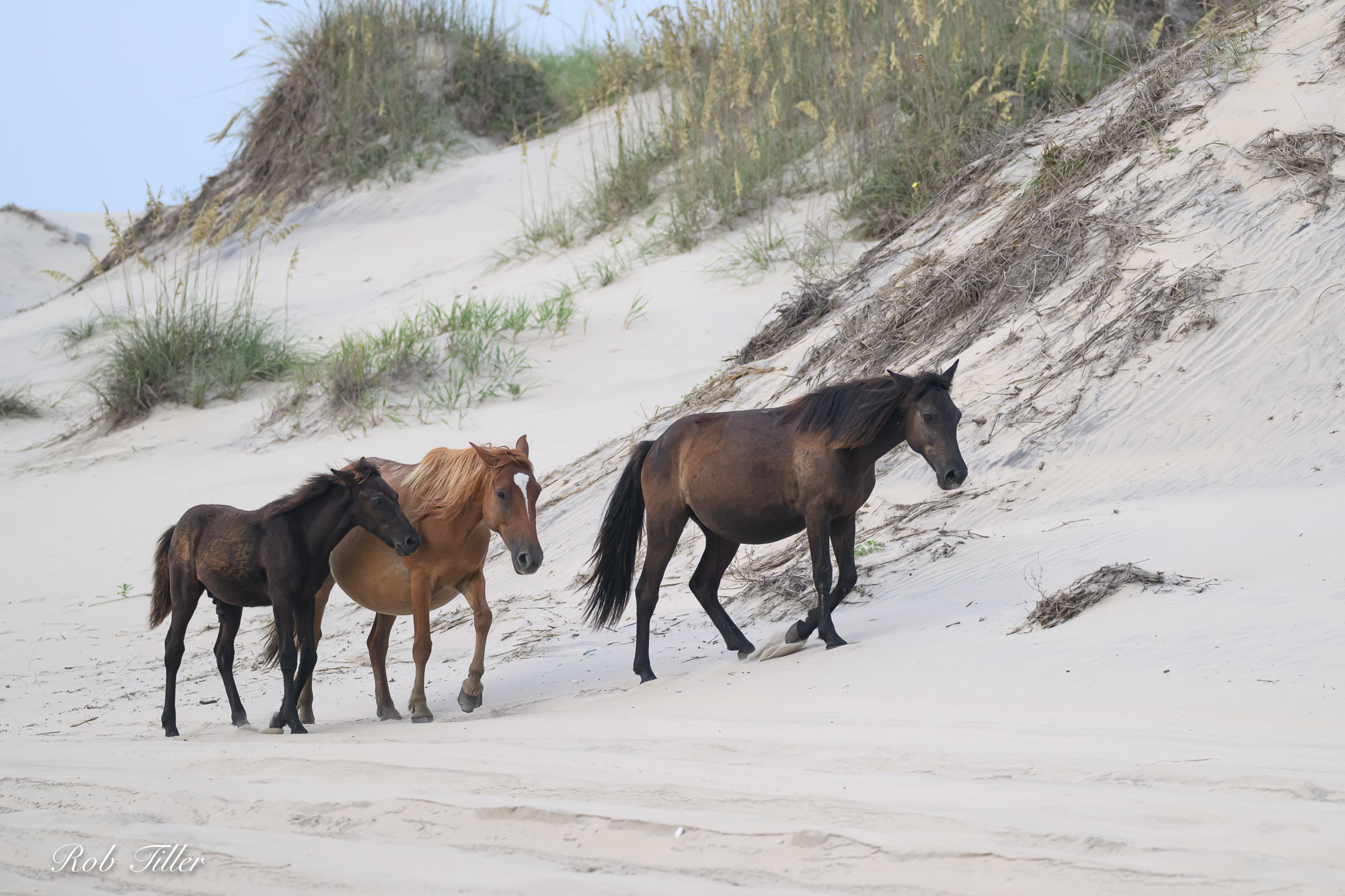
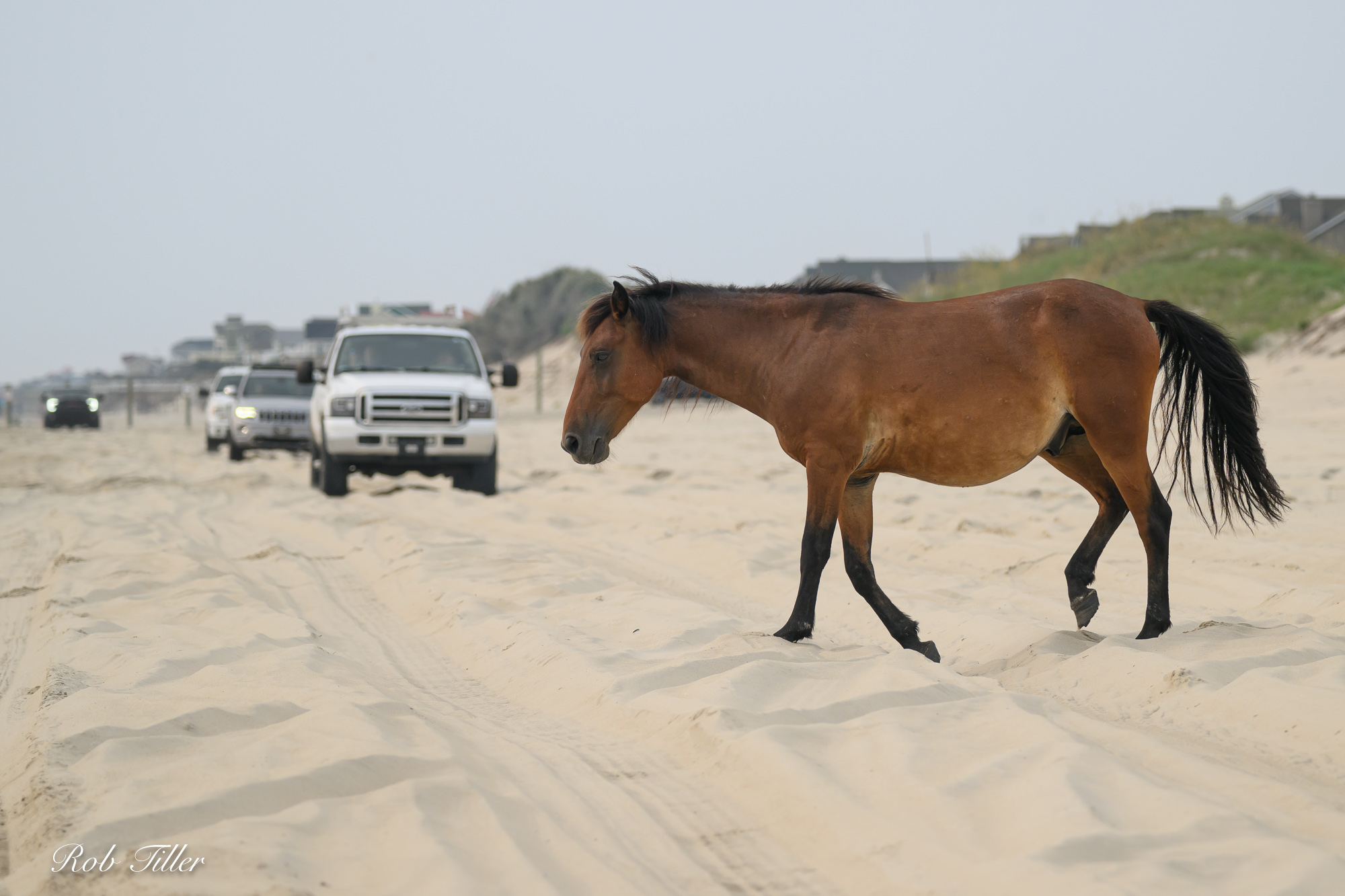
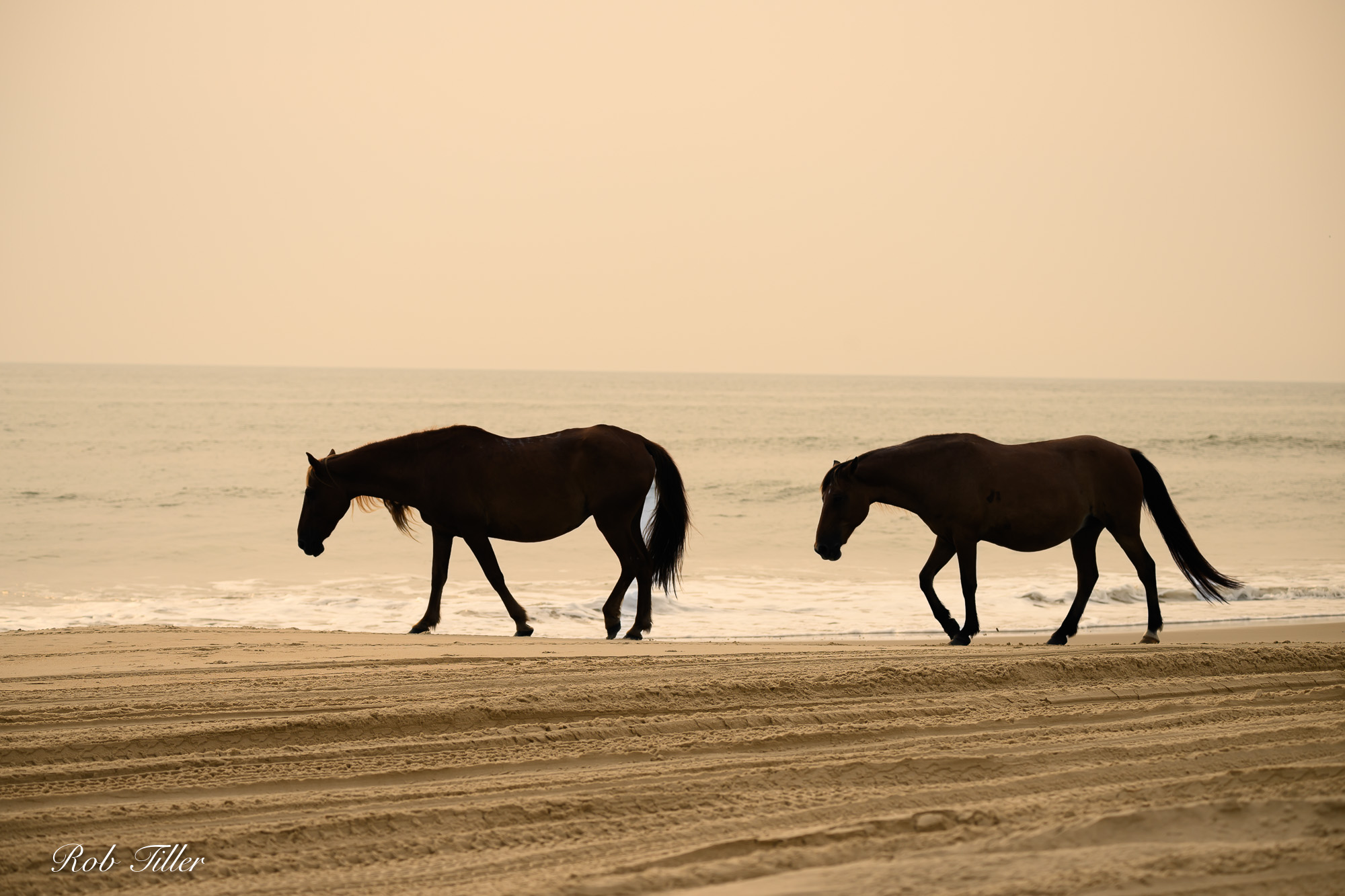
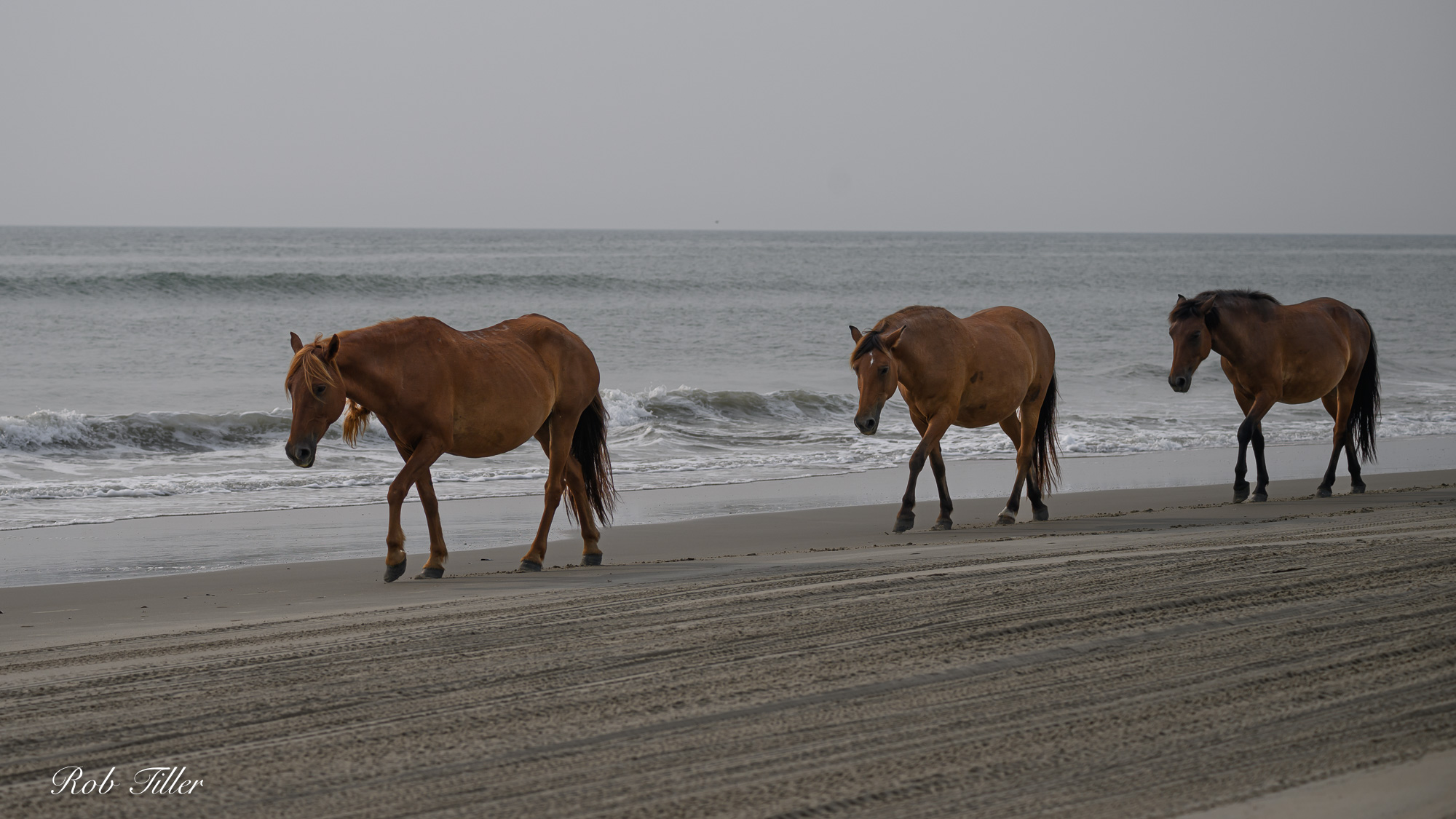
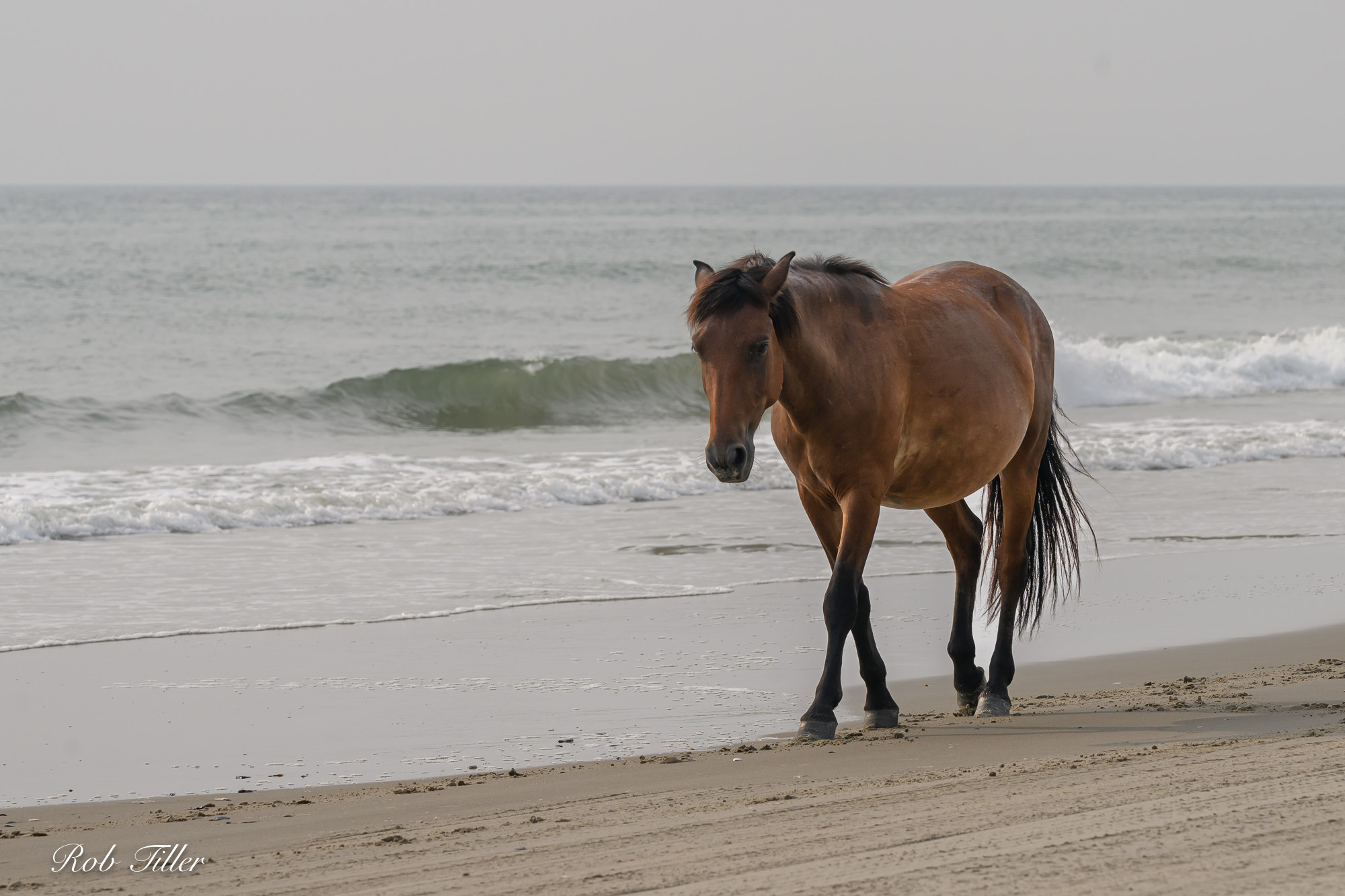
Last week we had a family vacation at Corolla, a community on the Outer Banks of North Carolina.  Early every morning I went for a drive on the beach to look for the wild horses that live there.  Most days I didn’t see any, but one day I did.  Here are a few images of them.  

I wanted to share a few more of my photos of bears and other creatures from my recent Alaska trip, so I made a short (4 minute) slide show of some of my favorites and put it on YouTube.  You can find it here.

One of the things I value about wildlife photography is getting to know the animals better.  Of course, it’s very rewarding to spend time in the field with other creatures.  But also, reviewing the still images, I always get some new insights into the lives they live, and I hope others do, too.

Non-human animals have hard lives, and in general humans make their existence harder.  Part of the problem, I think, is the widespread failure to see members of other species as more than mere objects to be exploited.  I hope my photography helps to challenge that view, and suggests how we might see each creature as worthy of respect and compassion.  

I’m afraid that in general, people don’t have much interest in non-human animals, unless they can be eaten or exploited for profit or amusement.  This has been true for a long time.  This way of thinking is problematic for people as well as other animals, and I’ve been thinking a lot about why it is so pervasive, and how it might change. 
It seems natural to enjoy being with other creatures, and indeed, young children bond easily with them.  But from an early age, we are taught that they are essentially different from us, and inferior.  The lesson is pounded in, over and over:  humans are not animals, and animals are inferior to humans.

The idea that humans are not animals is not only questionable – it’s wrong.  It has nothing in science or reason to back it up.  Darwin debunked it more than a century and a half  ago, and his basic theory has been repeatedly tested and confirmed.  From an evolutionary perspective, all living animal species, including homo sapiens, are closely related to each other.  

Moreover, as scientific knowledge has expanded, it’s obvious that non-humans have many similar sensory capacities to humans, and some have vision, hearing, smell, touch, or other unusual senses that are vastly more acute.  
There have been various qualities we once supposed made humans unique, including reasoning ability, memory, tool use, planning, and problem solving.  But one by one, with more studies of more species, those ideas have turned out to be the product of our ignorance, as first one and then many creatures demonstrate such capacities in various degrees.  

So why do homo sapiens persist in believing that we’re separate and apart, and superior?  It’s plainly a flattering thought – we’re number one!  And if we’re confident that non-humans are vastly inferior, we can justify eating them and otherwise treating them with indifference and terrible cruelty.  It’s convenient.

But I’m coming to think that the notion that privileges humans over non-human animals is part of a pervasive, and deeply flawed, thought system.  Our various ideas of inherent superiority and inherent inferiority are interconnected and mutually reinforcing.  They form a powerful network that limits our appreciation of each other and the natural world.     
Beliefs that one race is superior to another, that men are superior to women, or that straight is superior to gay, are all without any scientific basis.  The same is true for holding Ivy League grads to be fundamentally superior to non-Ivies, white collars over blue collars, or homeowners over homeless.  The list of our arbitrary and baseless hierarchical gradations goes on and on.

Nevertheless, they are so deeply ingrained in our consciousness as to seem part of nature.   Like the belief in the superiority of humans over other animals, they’re part of our habitual way of thinking – that is, our culture.  

Hierarchical thinking – deeming one group inferior to another – is more advantageous to some than others, but even those lower in the caste system accept at least some of it as natural and good.  An example is poor working whites, who historically have found solace in the baseless notion that they are at least superior to Blacks.  And racial and religious minorities have their own within-group grading systems based on skin color, wealth, education, and other factors.
As for non-human animals, almost all humans put them at the bottom of their hierarchies.  They are still the standard metaphor for those who are most frightening and least deserving, as in “those awful [insert group name here] are  animals”!  We rank some animals over others, such as our dogs over pigs, but even the favored species members are usually deemed expendable objects, rather than beings with inherent dignity.   

The fundamental problem with such hierarchical thinking is that it is divisive.  Human hierarchies divide us from each other, and make it difficult to appreciate and bond with others.  Even those high up in hierarchies are emotionally limited and morally depleted by the system.  The hierarchies foster defensiveness, paranoia, and hate.  At the same time, they lessen the opportunities for loving connection. 

Our delusions of natural hierarchies do enormous damage, but they haven’t destroyed all our intuitions of fairness or our ability to perceive  individuals.  Though deeply embedded, those notions are subject to change.  

In my lifetime, we’ve managed to revise for the better some of our worst prejudices on race, patriarchy, and minority sexuality.  There’s even been progress in seeing animals as more than mere objects.  For example, we’ve reduced the slaughter of whales, elephants, and certain other creatures, and acknowledged the injustice of our driving various species to extinction.
But there’s a lot of work still to be done, both for disfavored humans and non-humans.  I don’t have a comprehensive solution, but I do have an idea for where to start:  respect and compassion.  These are attitudes we all know something about.  Most all of us have respect and compassion for at least a few others, and to get started we can build on that.

I propose the following experiment.  For each being we encounter, let us try saying to ourselves, “Although we are different, I respect you as an individual and wish you well.”  This reorientated attitude would change us, in a small way, and multiplied enough times, would make a vast change.  

I’ve been doing this experiment, and I think it has changed me and my surroundings a bit for the better.  Recently a family of deer with two spotted fawns has been quietly visiting our yard to graze.  While admiring their beauty and grace, I’ve been consciously seeing them as individuals with their own concerns.  It’s hard to tell what they think, but they’ve certainly noticed me, and don’t run away.  They definitely like our grass.

Happy New Year! But there’s some bad news

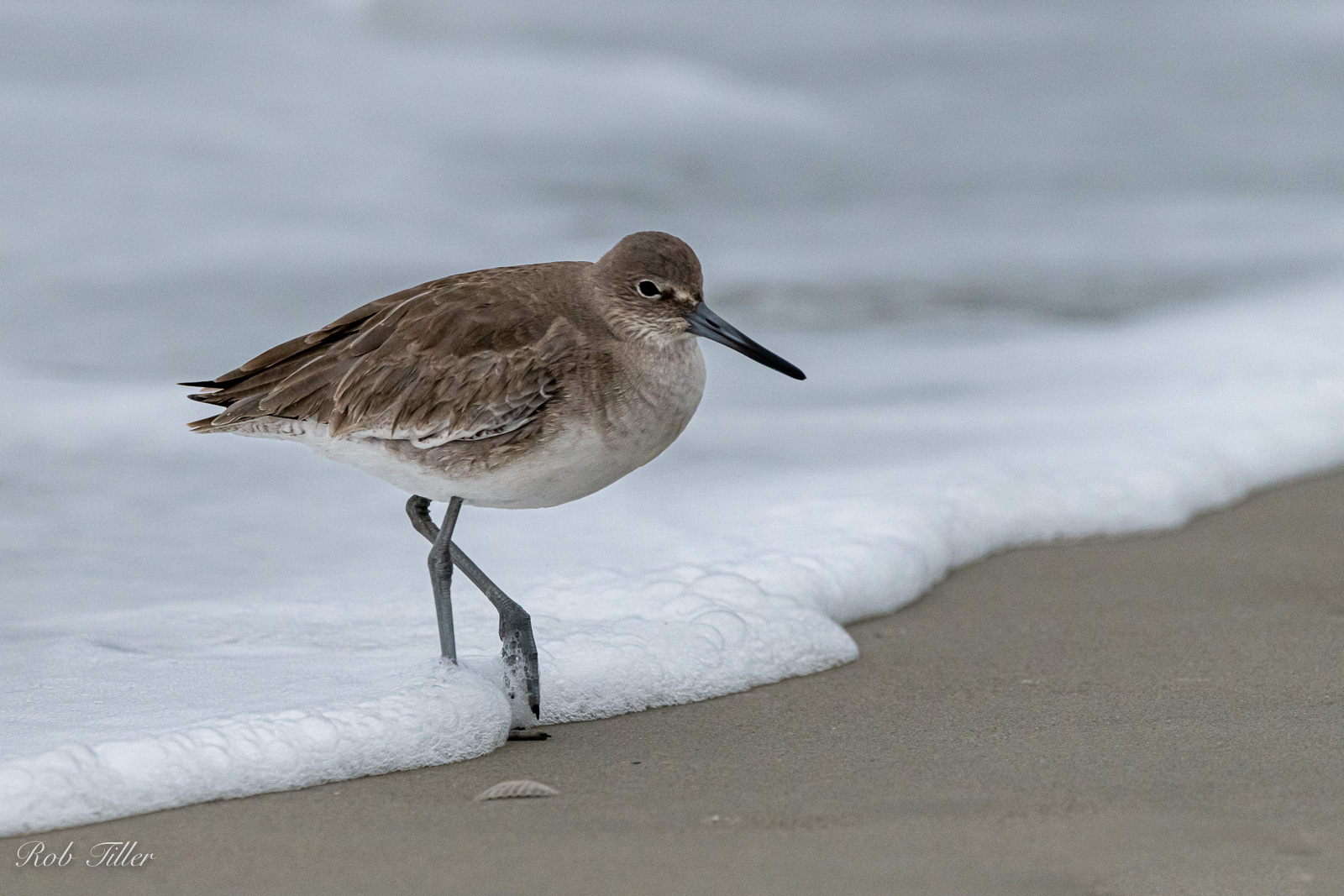
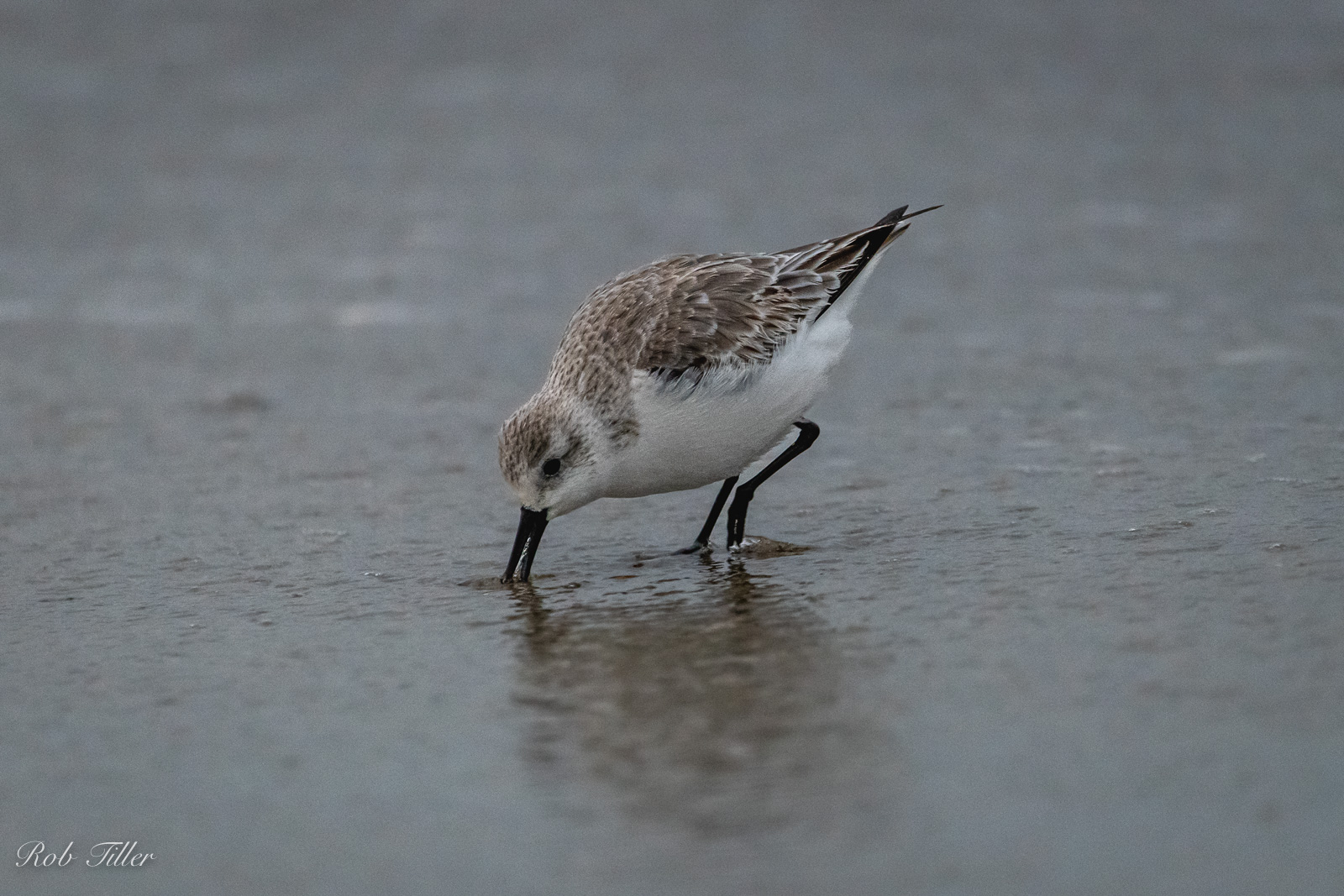
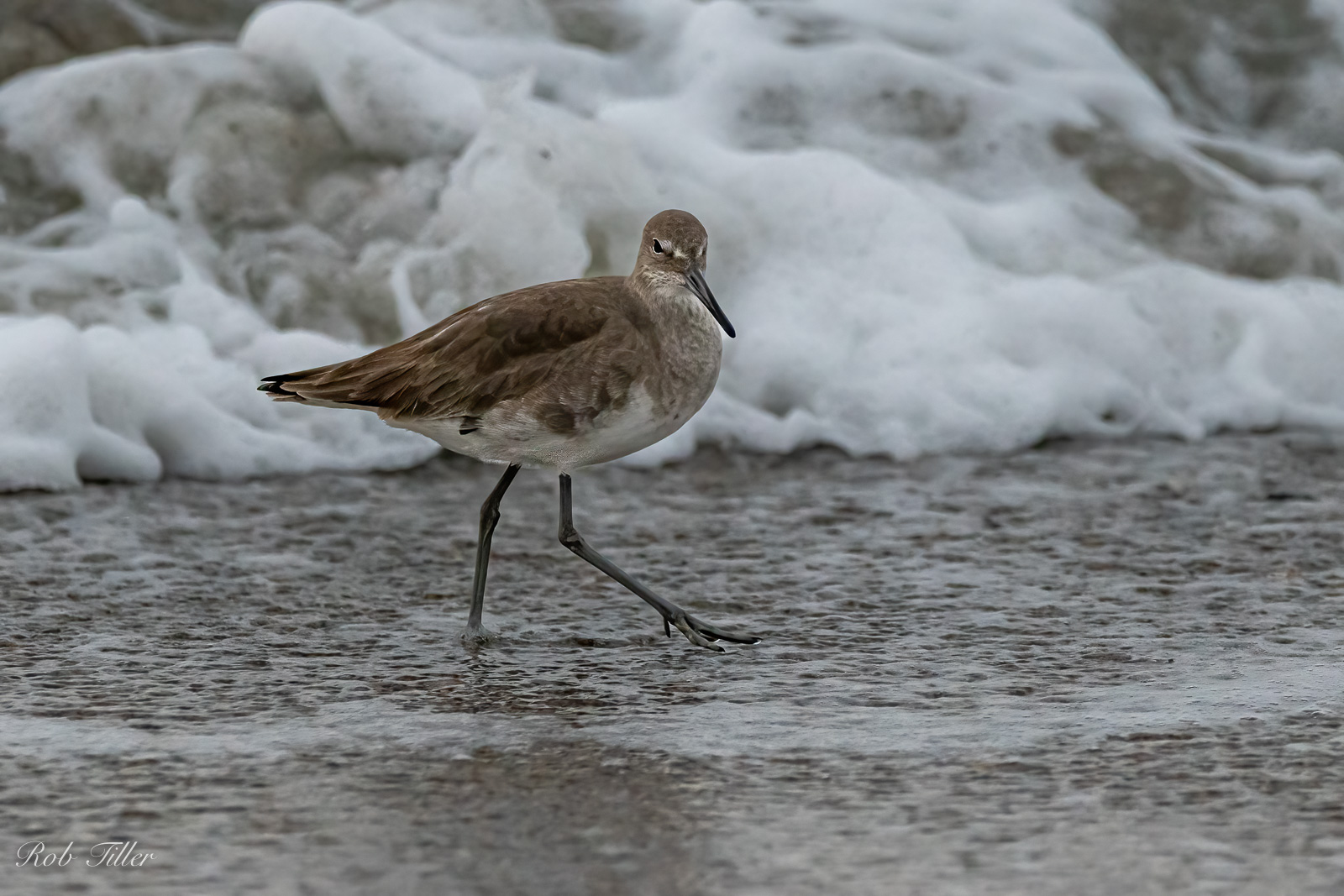
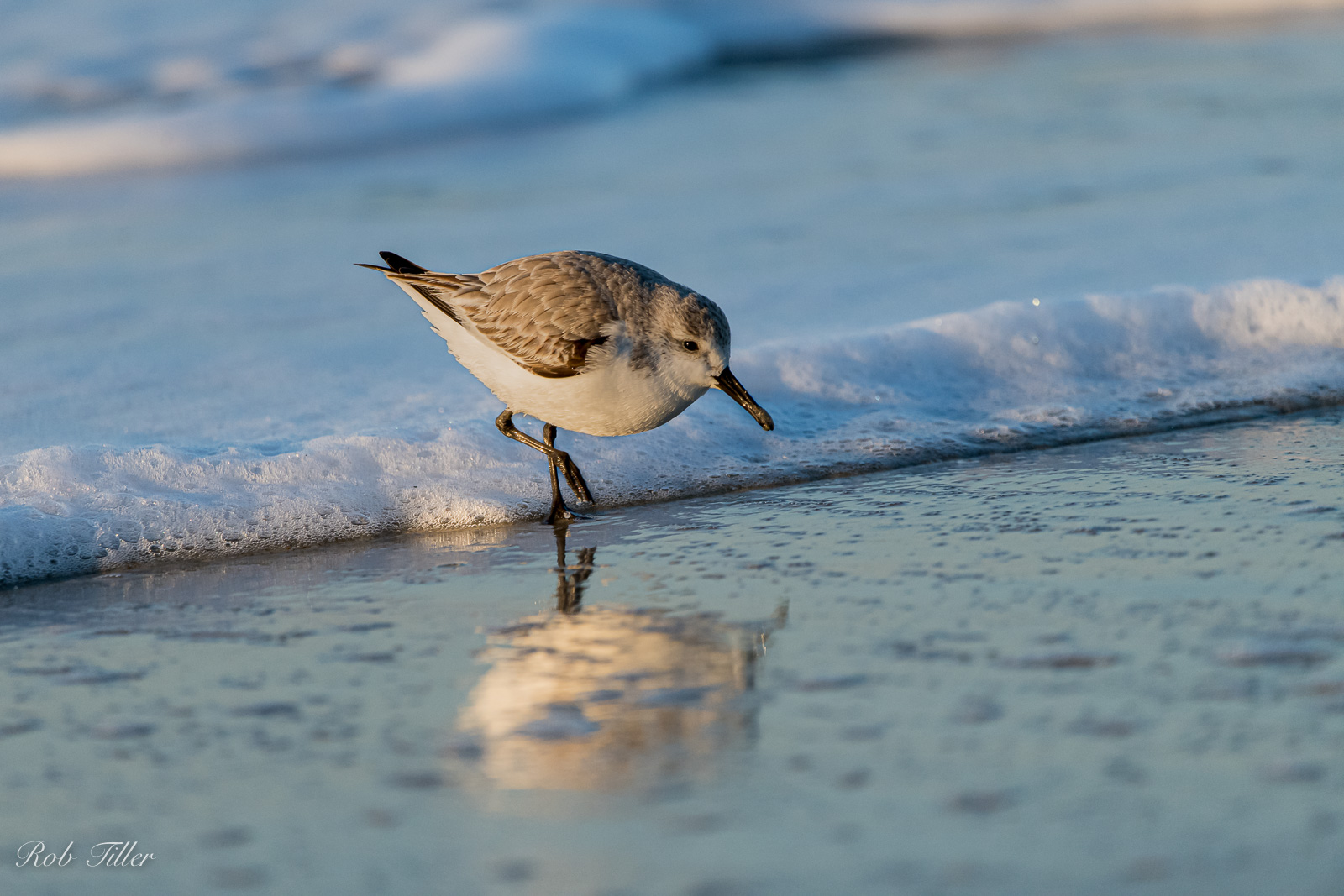
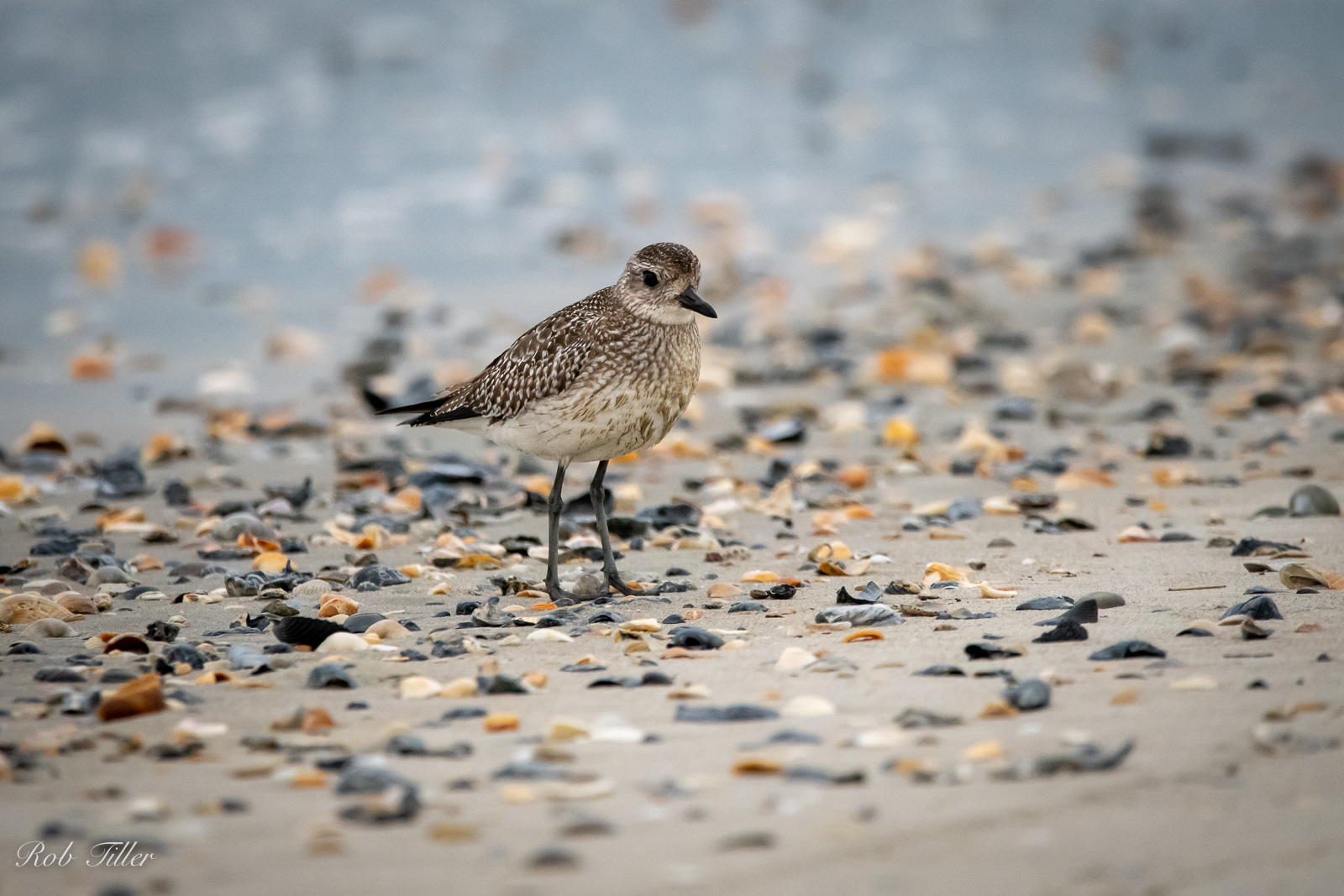
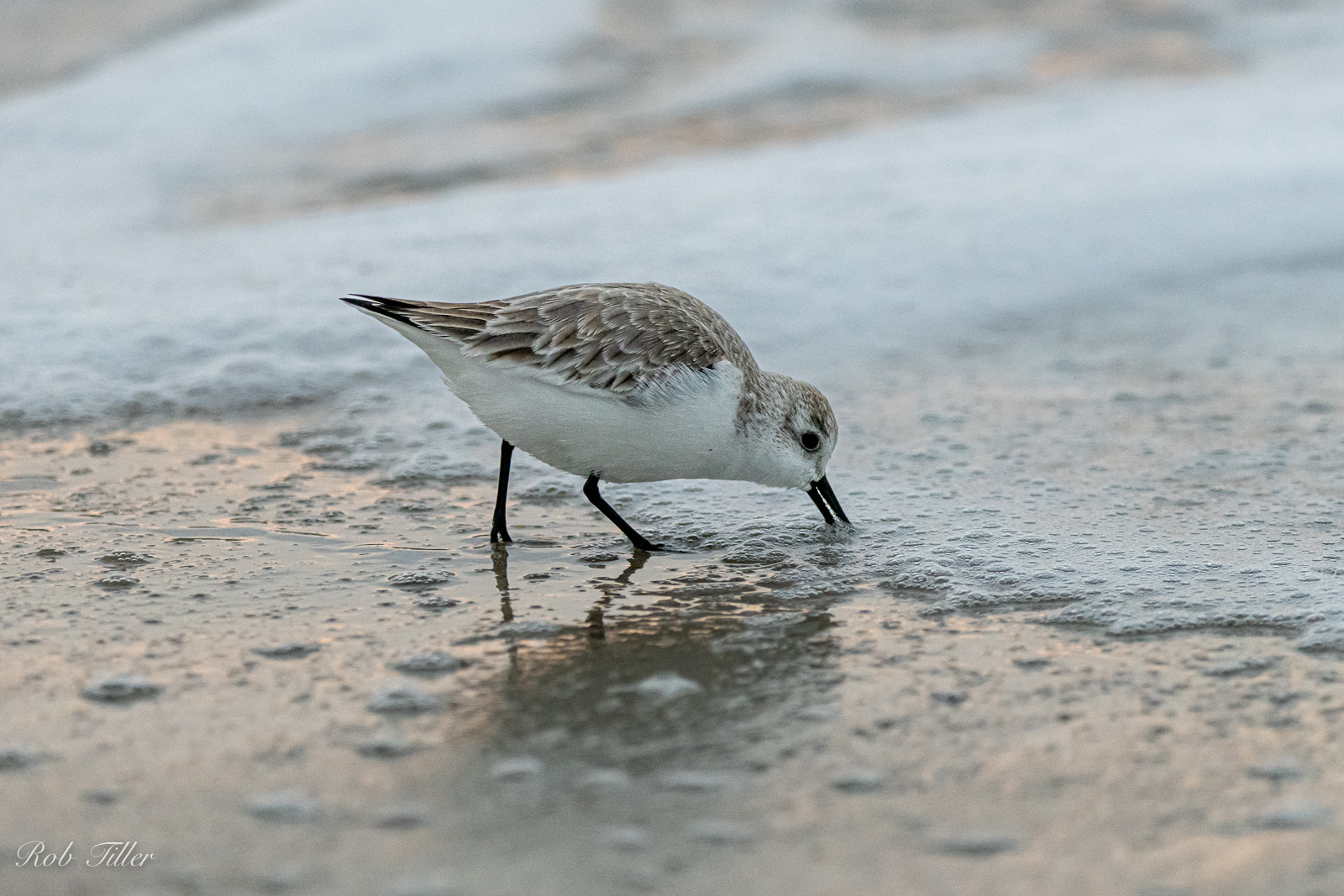
Here are a few more shorebird pictures from our wonderful wedding celebration at Atlantic Beach, NC. Clark, our new daughter-in-law, exceeded all expectations!  I also enjoyed spending time on the beach with the birds, and interpreting these images. As noted below, I, and probably you, can definitely use more of the beauty and peace of nature.

As we start a brand new year, it’s hard not to feel overwhelmed with dire problems:  the resurgent pandemic, mass shootings, fires, tornadoes, droughts, melting ice caps, and the list goes on.  There’s a lot to deal with.  As part of my meditation practice, I try to make some time every day for conscious gratitude and compassion, including self-compassion.

Given all our other problems, it’s obviously not a great time to discuss the possible end of American democracy. We’re already exhausted.  But we need to buck up and find our second wind.  Our system has been much weakened and may fail entirely.  If we want to save it, we have to act soon.  

Besides worry overload, another reason I hesitate to raise the subject is that there is so much wrong with American-style democracy.  Its most valuable ideals – free elections, equality before the law, free speech and other civil liberties – have never been fully realized. Meanwhile, this system has given us extreme inequality, embedded racism, misogyny, homophobia, and xenophobia.  

We have the world’s largest rate of incarceration, and an endless war on drugs that keeps prisons full and sustains worldwide criminal organizations.  Our military brings death and chaos to remote areas of the globe, while maintaining hair-trigger readiness to end civilization in a nuclear war.  For many, there is not adequate food, housing, transportation, or medical care.  For non-human beings, it’s even worse.  In short, our political processes have not produced what we would reasonably expect of a wealthy, enlightened nation, and they’ve done a lot that we cannot be proud of.  

But for all our shortcomings and failures, American democracy still provides one thing that is extremely valuable:  the possibility of change.  We have a tradition of fair elections and peaceful transitions of power.  Our votes almost always get counted and determine the winner.  Exceptions are vanishingly rare.

If the governing party loses, it peacefully concedes and allows the business of government to continue.  The new government might improve things, and at any rate, it is generally agreed that it is entitled to take a shot.  This has been true for a long time, and it’s hard to conceive that it could be otherwise.  But it easily could.  

Now, more than a year after the last presidential election, a substantial majority of Republicans have been persuaded that the election was stolen, and that Joe Biden is not the legitimate president.  They reject the overwhelming weight of the authorities – court decisions, officials, scholars, and news media – that contradict that view.   

Republican leaders at the national and state level, with very few exceptions, continue to support the big lie that the true winner in 2020 was Donald Trump, and to refuse to support or cooperate with investigations into the illegal attempts to nullify the victory of President Biden.

Republican legislators in some 19 states have already passed laws to make future Democratic victories less likely by making it more difficult for some groups to vote.  Several Republican-dominated states are getting rid of their non-partisan election officials who refused to assist in overturning the last presidential election and installing supporters of the big lie.   

In other words, many states are putting in place a system to stack the deck against Democrats and then, if that doesn’t work, nullify election results. In addition, dozens of states have enacted new laws criminalizing various acts of protests, including ones that would likely occur after a stolen election. Meanwhile, the courts have been stacked with Republican judges.  

While all this is happening, repeating the big lie prepares the psychological ground.  If enough people are convinced, wrongly, that election fraud is common, they may also be convinced that their own cheating isn’t so bad.  Cynicism, apathy, and fear could be paralyzing, or at least keep many people from protesting.  

These forces could in short order leave us with an authoritarian, neo-fascist system.  That is, a system with all of our current problems, minus the machinery to allow for political change to address those problems, and minus long-standing institutional restraints on repressive violence and corruption.

I know this is no fun to think about, but fortunately, it’s not hard to understand intellectually.  The challenge is to fix it.  As to Republicans who understand the big lie and disapprove of it, they need to show some backbone, and tell the truth.   Democrats who understand it need to get to work educating others on what’s happening.  And they need to get involved, volunteering, making phone calls, watching the polls, and so forth – all the no-fun jobs that are part of free and fair elections.  

Although I think saving our democracy will be tough, our ancestors have won long-odds fights for rights before.  In the last century, women fought hard to win the right to vote, and African Americans won the right to be treated as full citizens.  The forces that have brought us to this point – fear, hatred, ignorance, greed – are nothing new, and we already have the tools to counter them:  kindness, compassion, and love.  But hope alone won’t get the job done.  We need to get to work.  

Great N.C. wreck diving, compassion for sea creatures, and collective intelligence


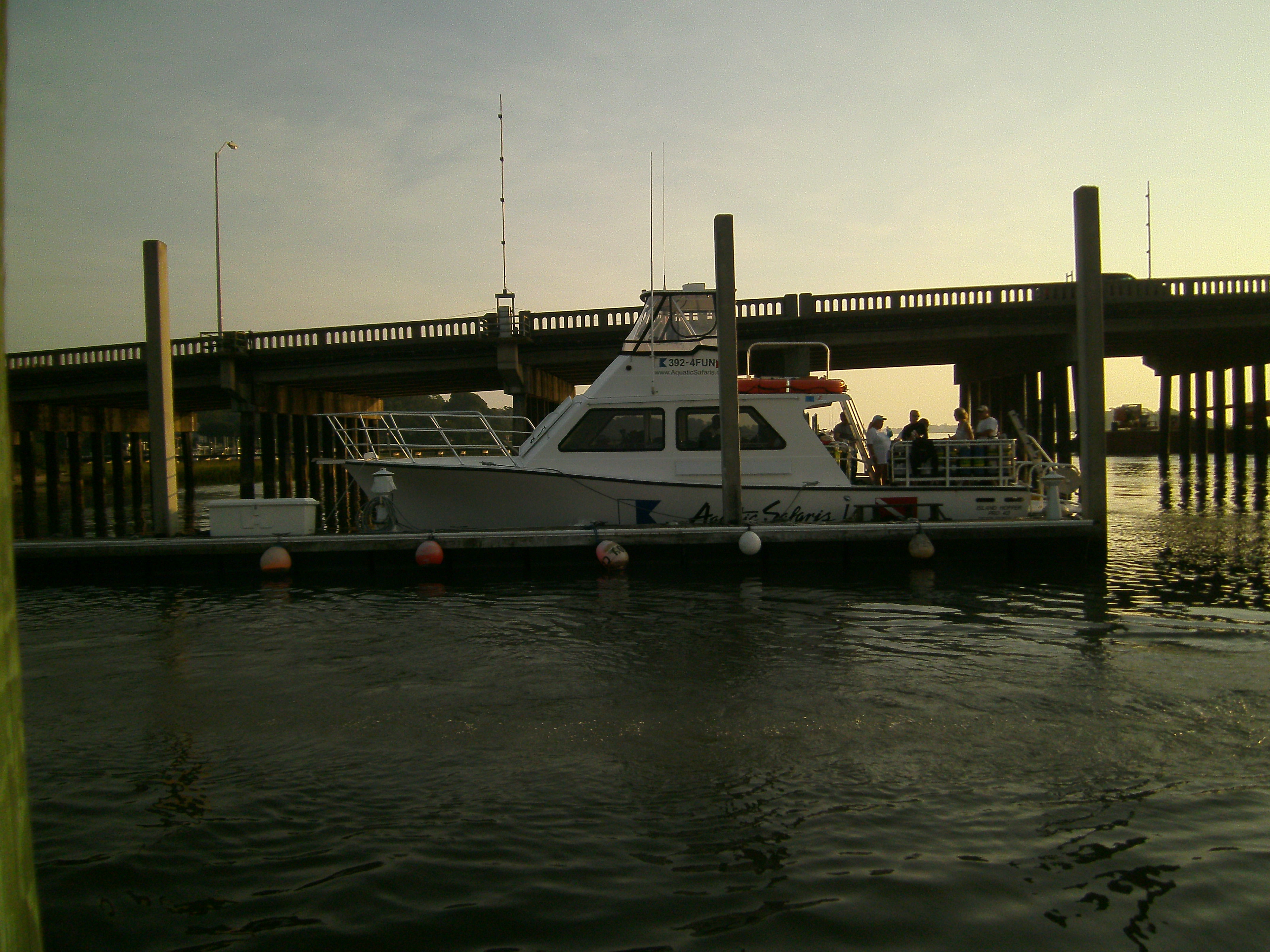
For Labor Day weekend, Sally and I went down to Wrightsville Beach, NC, for some wreck diving and extended our lucky streak of exceptional coastal dives. Our trip was organized by our friends at Down Under Surf and Scuba, and we went out on the Aquatic Safaris I. The 48-foot boat I carried 19 divers.

Saturday was warm and clear, with mild breezes and fairly calm seas. We dove the City of Houston, a passenger-freighter that foundered in a storm in 1878. She lies about 50 miles from Wrightsville. It took two and a half hours of hard traveling to get there. Shortly after we anchored and I visited the head, I felt queasy and promptly got sick. Then I felt mostly better, and we jumped in and headed down the anchor line to the wreck.

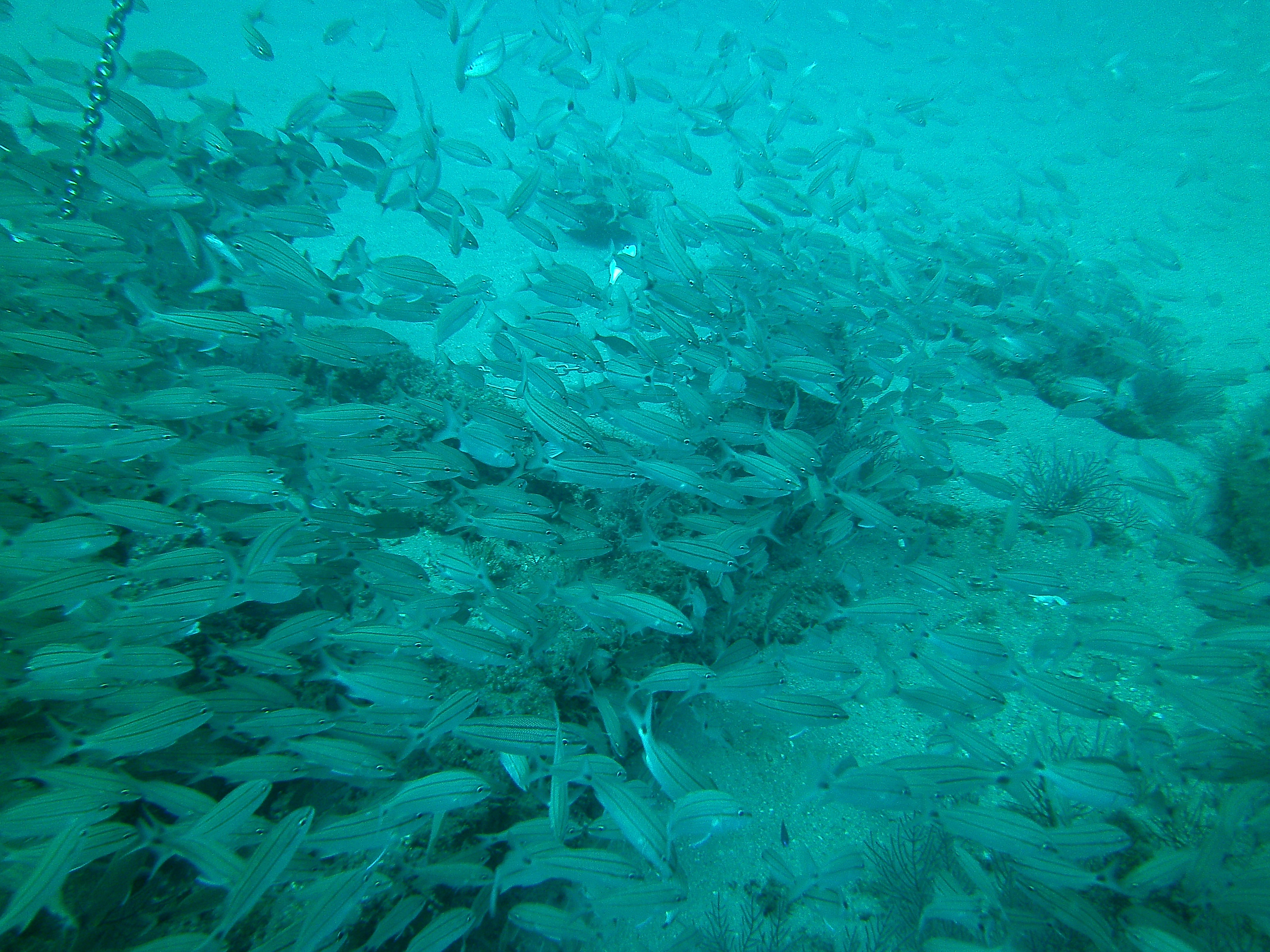
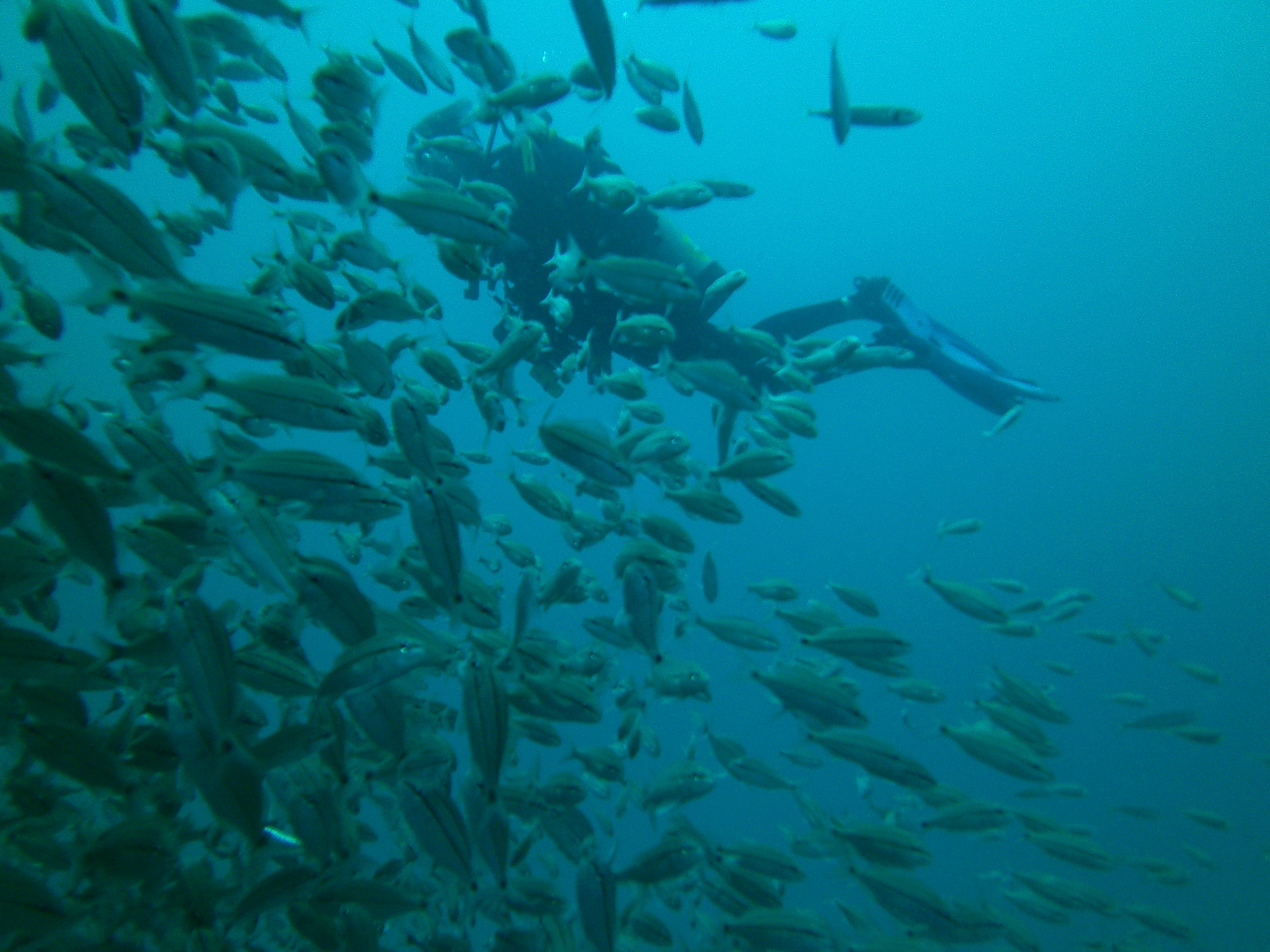
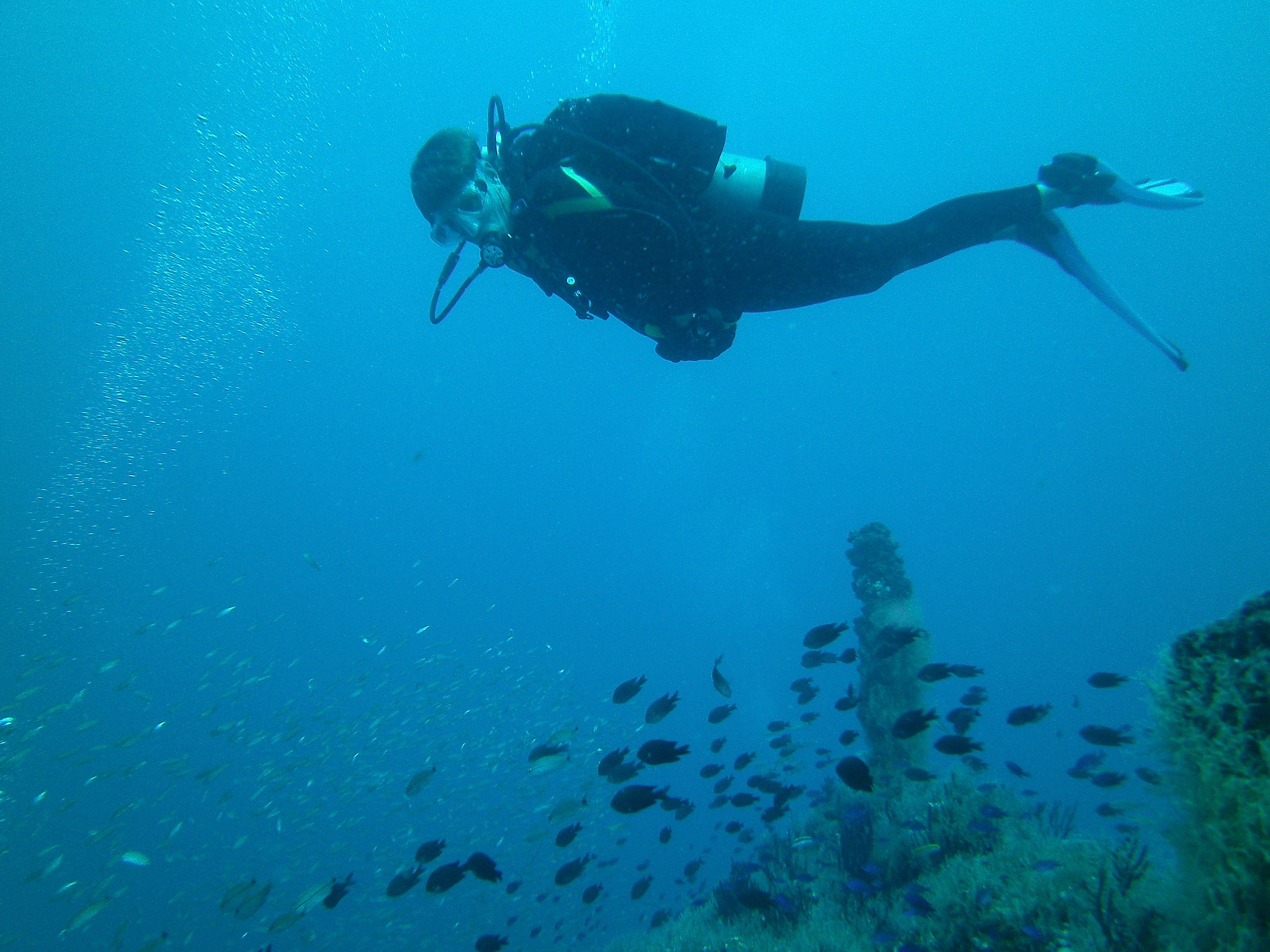
The Houston lies at about 95 feet down. Visibility was good (perhaps 60 feet) and the water temperature was a comfortable 82 degrees. There was a mild amount of current on the bottom. There were thousands of small fish. Our most dramatic sighting of the day was a goliath grouper, an enormous fellow, almost six feet long. My camera battery gave out when I tried to get a picture. I did, however, get some other pictures, including Sally examining something tiny with her magnifying glass (above) and great clouds of small fish.

After a second dive on the Houston, we headed in. Our seats were metal benches along the sides, in front of our tanks, so we couldn’t lean back and sleep. Some of our dive mates stretched out and slept on the deck, so it was difficult to move about as the boat sped along at a quick 25-knot pace. Diving sometimes takes fortitude.

We had a good Italian dinner with Sally’s sister in Wilmington at Nicola’s. There were a number of appealing vegetarian offerings. I had the eggplant rollatini with pink sauce, which was quite tasty. We had a lively conversation about, among other things, the automation of higher education, and how it is threatening the traditional university.

On Sunday we went out again on the Aquatic Safaris I, this time for a two-hour trip to the Normannia, a Danish freighter that foundered in 1924. The seas were calm and the trip went smoothly. I didn’t get sick. The wreck is about 115 feet deep. Like the previous day, the visibility was about 60 feet and the water was comfortable.

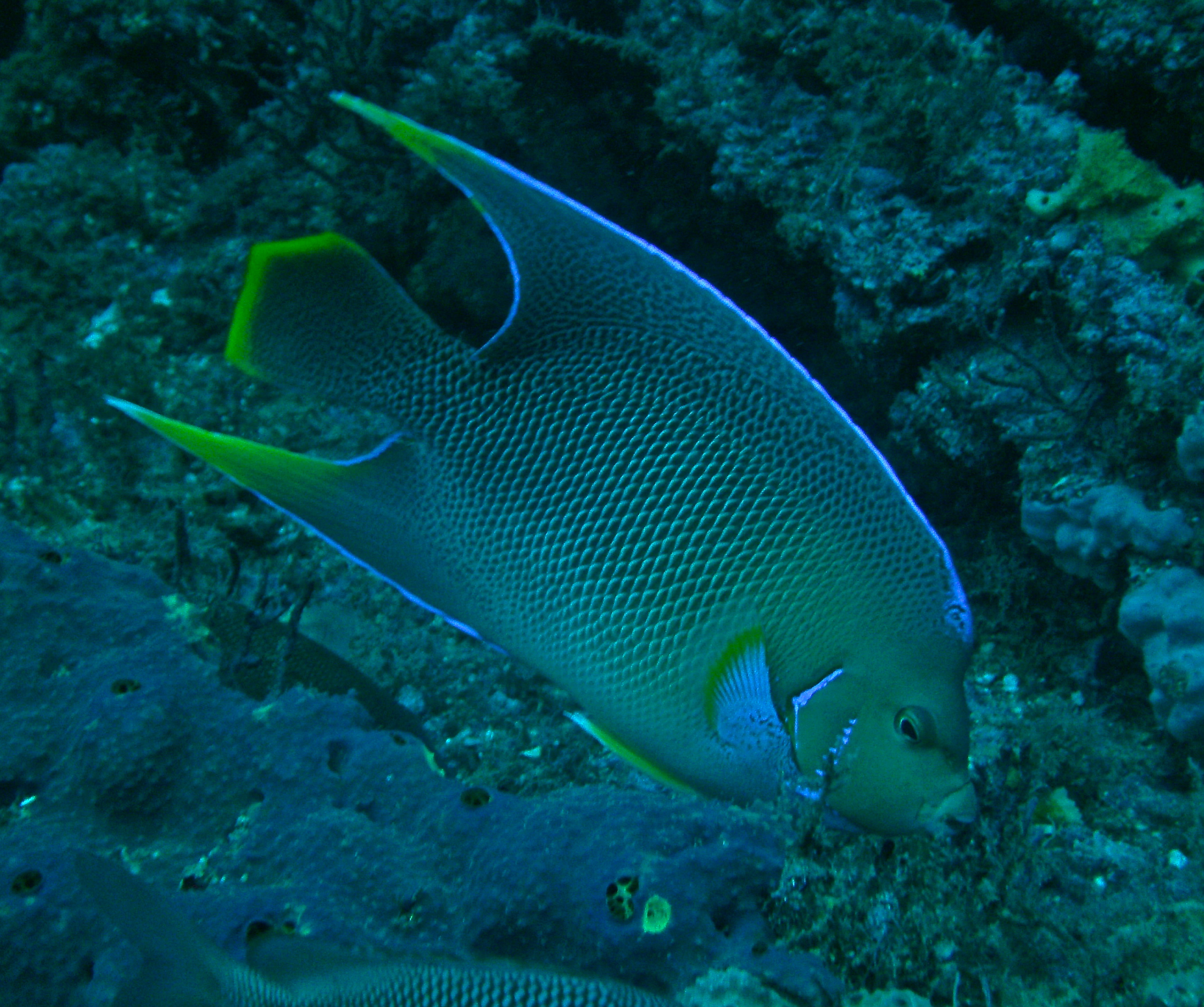
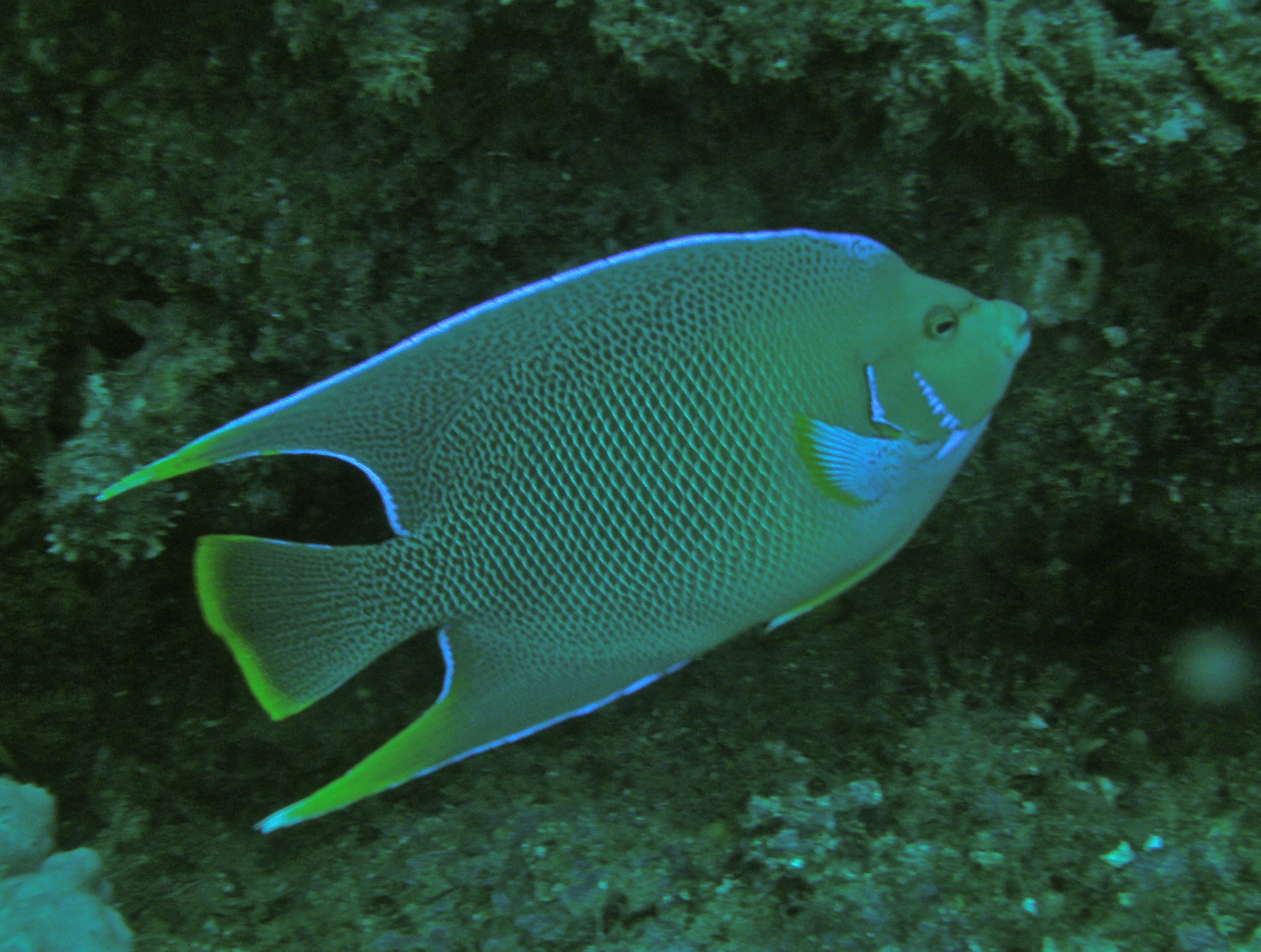
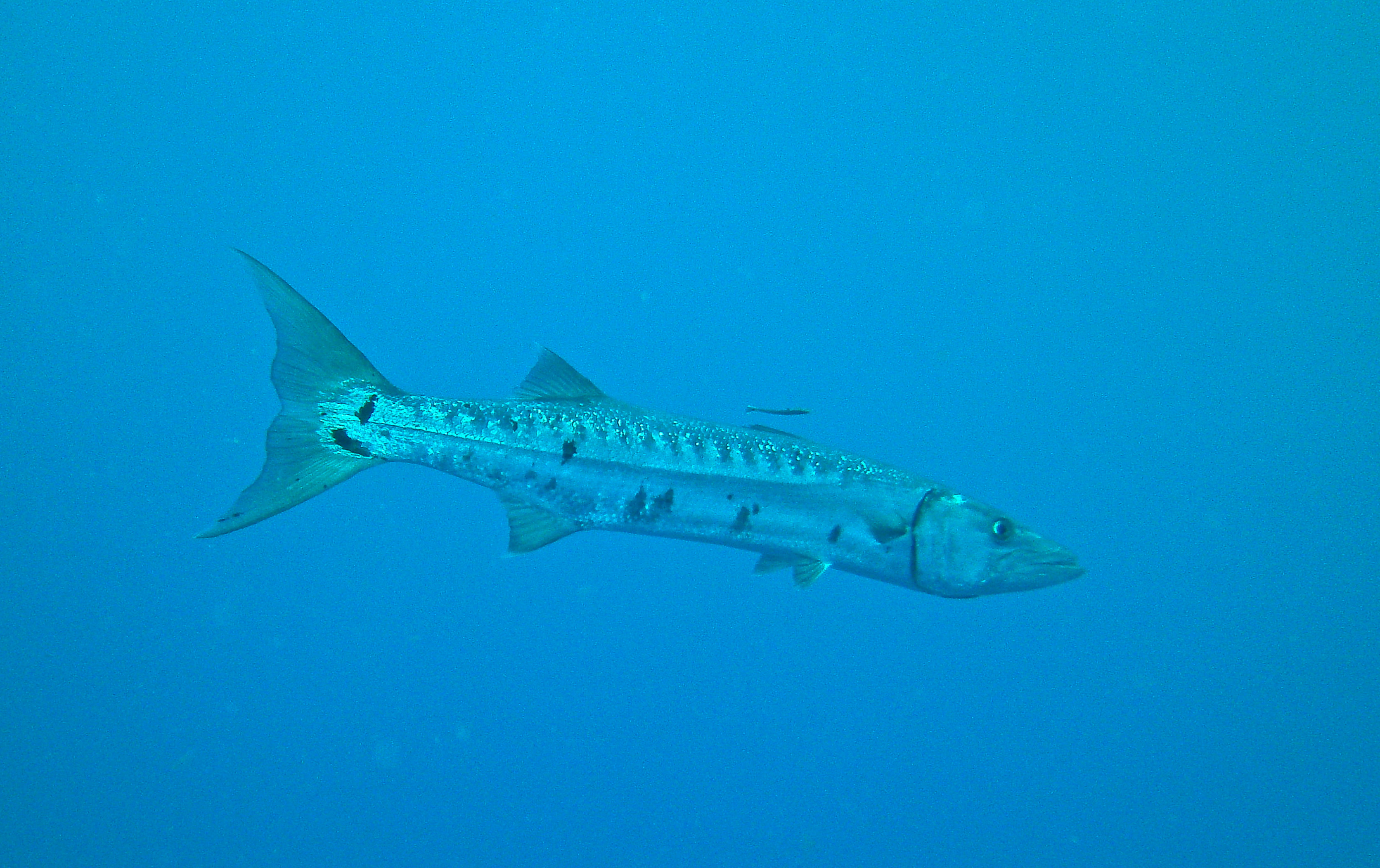
Even more than at the Houston, the Normannia had an amazing profusion of life. Along with thousands of small fish, we saw barracuda, a couple of gigantic lobsters, a well camouflaged frogfish, and my favorite, queen angelfish (several). I went to some trouble trying to get a good picture of one, and though these don’t really do it justice, they were the best I could do.

It is such a great pleasure to swim among fish. At times we were completely surrounded by thousands of small ones, and at times we swam alongside large ones. As I dive more, I feel increasingly touched by their beauty. They are amazingly varied in size, shape, color, and ways of moving about. Recent research indicates that they are much smarter than we’ve thought. For example, some can very quickly learn complex topography of a reef environment.


As I’ve spent more time with these creatures, I’ve come to consider them sentient beings worthy of respect and compassion. I regret to say I’m in a minority on this point. Among my fellow divers were some with spear guns and one who was capturing lobsters. I found it really painful to see him take an enormous lobster, perhaps decades old, and break off its antenna and shove it into an ice chest to suffocate.

My shipmate seemed otherwise a decent and friendly fellow. I’m certain he was not trying to torture the creature, though that was what he did. He didn’t derive pleasure from being cruel. He simply couldn’t comprehend that the animal was capable of suffering. I think he and others would find that expanding the circle of compassion to more animals is a happier and more fulfilling way to live.

Speaking of intelligence, I read recently that the human brain was unlikely to get larger in the normal course of future evolution, because it would serve no purpose. Brains working in isolation are not how things get done. Instead, as E.O. Wilson has pointed out, it’s humans’ ability to connect their individual brains that has been the secret to their evolutionary success. We keep getting better at that, developing over the millenia the tools of gesture, spoken language, and written language, with the internet being the latest game-changing technology.

In the midst of the depressing mendacity and nonsense of the Republican convention, I find it somewhat consoling to look at intelligence as potentially expanding through better networks. The Republicans are profoundly mistaken in thinking that entrepreneurs act primarily as fully independent rugged individualists. It’s more accurate, and also more useful, to look at achievement in terms of groups cooperating and competing. Our future success, and perhaps our survival, depends on our ability to improve our systems of cooperation, including our politics.