The Casual Blog

Tag: climate change

Losing our air conditioning, and getting Gone With the Wind
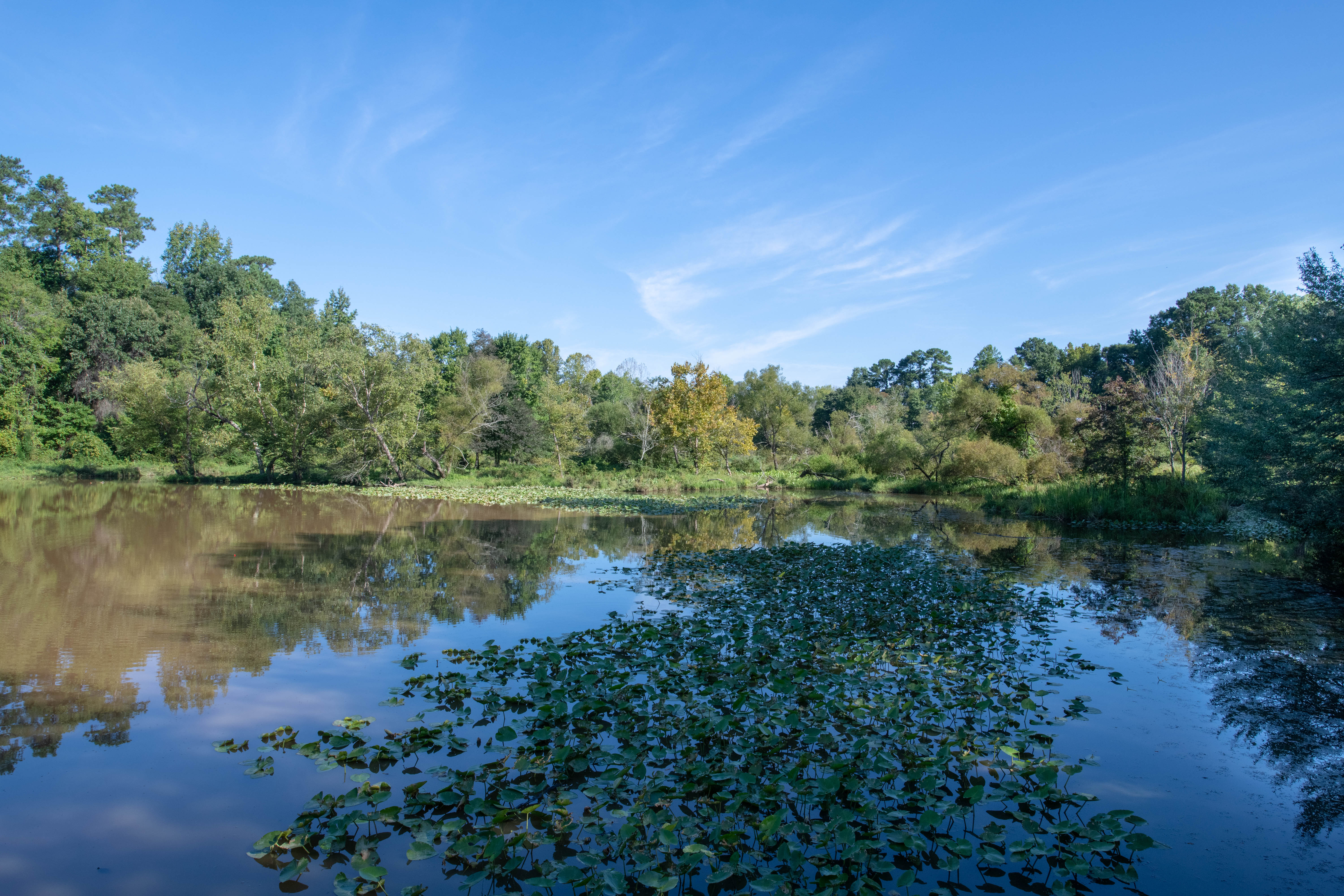
Yates Mill Pond last Saturday, calm and warm

It was hot again this week, and our air conditioning failed again.  The AC repair person said the system was worn out and needed to be replaced, at a mind-boggling price.  Sally began work on getting another quote. Without thinking about it, we’ve gotten very used to AC, and it feels like a hardship not to have it. That’s privilege for you.  I wonder, would we be more motivated to address our warming climate if we weren’t insulated by AC?

We liked Spike Lee’s new movie, BlacKkKlansman.  It’s funny, in a way, and unsettling.  It shows us something about our society that is ultimately tough to look at.  

The movie starts with a famous scene from Gone With the Wind:  Scarlett at the train depot in Atlanta, looking for her man among the thousands of Confederate wounded and dead.  It’s a brilliant scene, with stunning photography. There’s no comment from Spike Lee about it, so you’re invited to think, why is he quoting it?  

When I first saw Gone With the Wind, my mom told it was the greatest movie ever made. This is a conventional view. It won several Oscars and was hugely successful financially. It’s romantic and exciting, and it has a great look. But since Spike Lee brought it up, I finally understood that it is deeply racist.

It is essentially about the importance and beauty of white supremacy.  The valiant struggles, both during the Civil War and afterwards, are for the purpose of subjugating black people.  Scarlett triumphs in the post-war period with a lumber business of re-enslaved black prisoners. Rhett and the men folk’s “political activities” are about KKK terrorizing of black people.

So my generation of white people (Boomers) learned that Gone With the Wind was a great movie, worth repeated viewings, and absorbed its message of the proper relations of whites and blacks.  This is how racism now works in America: we learn it without talking about it, or even consciously hearing about it. Like the air, it’s usually invisible, and white people hardly think about it as a thing.  White privilege seems natural.  Opposing this invisible (to white people) thing can seem odd, radical, or nutty.

One good thing about the Trump presidency is it is bringing racism and other ills out to where we can see them.  For all his ignorance, he understands the white fear of dark skin, and is brilliant at arousing, magnifying, and exploiting it.  It’s his gift, and the secret of his improbable political success.

We’re in the midst of an epic social psychology experiment. Like Stanley Milgram’s electric shock obedience experiment or Philip Zimbardo’s Stanford prison experiment, but so much bigger, Trump is testing the limits of power, “othering,” and ethics.  Some of what we’re learning in this experiment is discouraging.  There are a surprisingly large block of unapologetic hard-core racists.  But they are still a minority. Their vile hatred is inspiring a counterforce.  We’re reexamining themselves and this system.  We’re getting a new view of invisible racism, which is a step towards ending it.

Last week protesters just down the road in Chapel Hill pulled down “Silent Sam,” a Confederate memorial.  That’s progress.
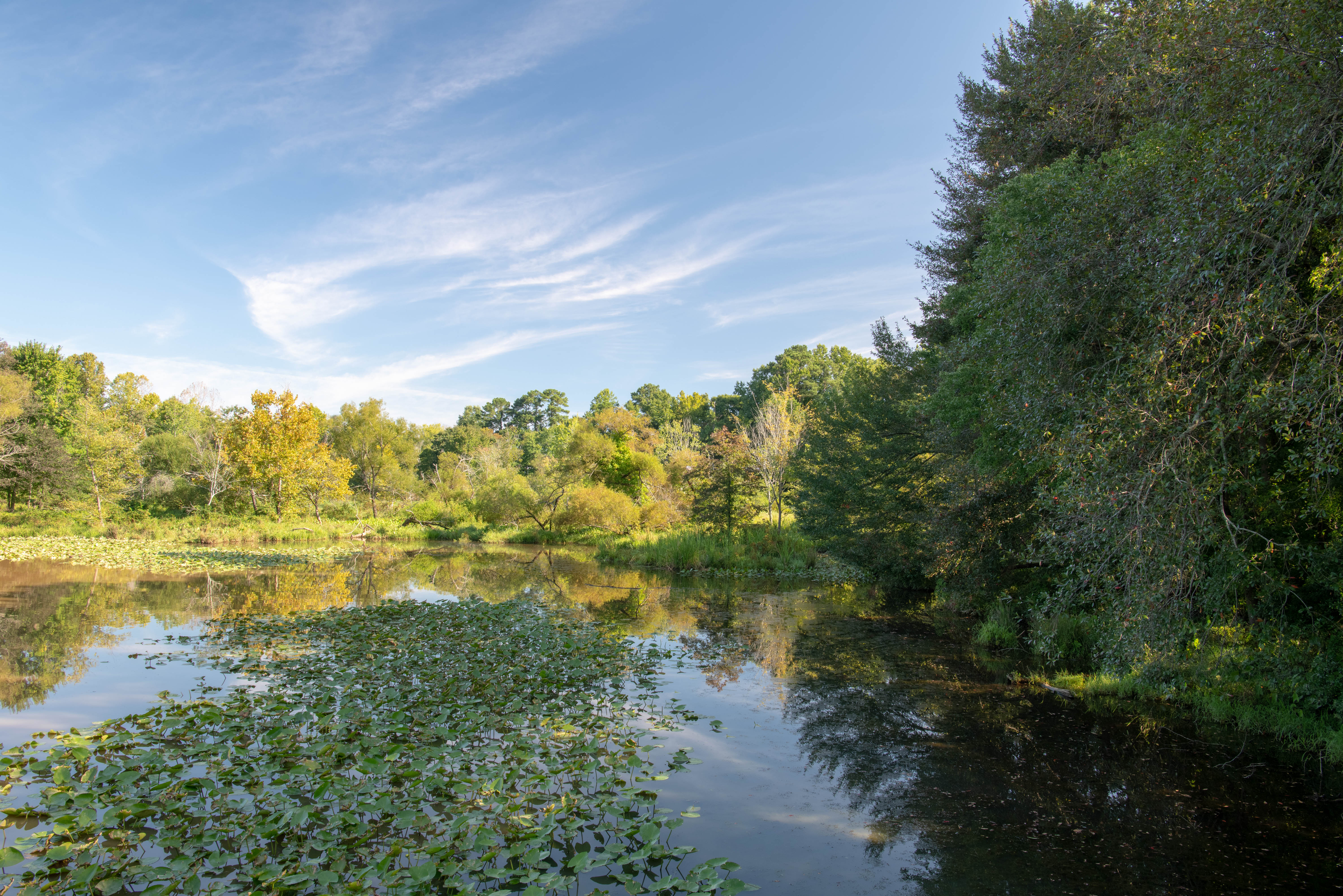
Welcome, but unsettling, early flowers

At Swift Creek Bluffs

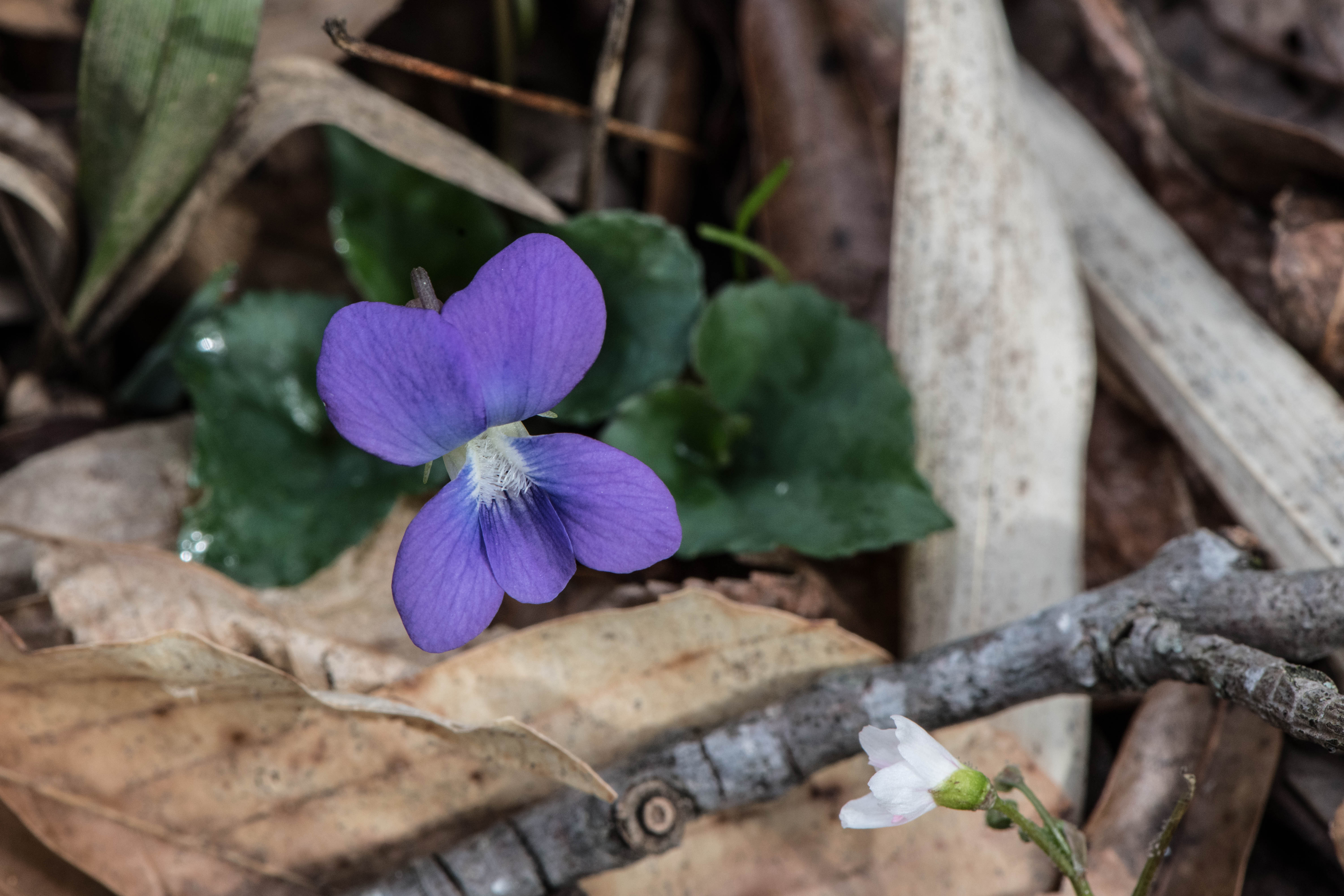
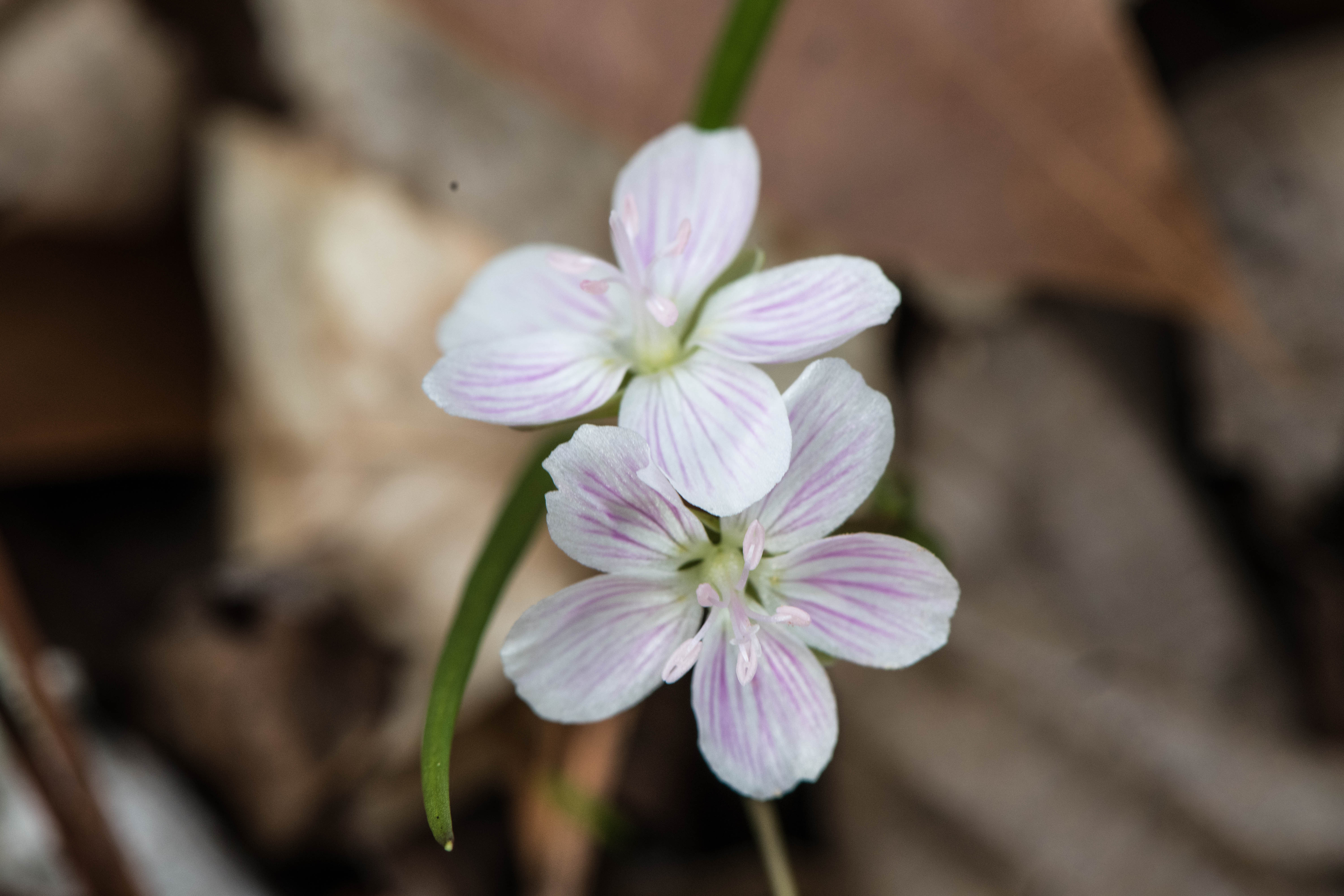
Spring isn’t supposed to come in Raleigh in February, but it has.  The birds are singing lustily and early flowers are blooming.  It’s beautiful, though also unsettling—our climate is definitely changing.  But we still have sweet moments.  

I took a hike in Swift Creek Bluffs on Saturday morning and found some tiny wildflowers.  At one point I was on my knees in the dirt with the camera and tripod, struggling with focus and exposure, and my glasses kept slipping down my nose, so I took them off.  I did a minor adjustment, shifted position, and put a knee right on the glasses.   Dagnabit!  I’ll be taking them in to Adrienne at the Eye Care Center for repair next week.  

Speaking of plants, there was an interesting podcast from Radiolab last week on plant behavior.  For example, some trees can sense the presence of water some distance away in the soil with a sense that seems like hearing.  Also, researchers have found that some plants appear to learn about threatening human behavior and remember what they learn.  How they do this without a brain is still a mystery.   

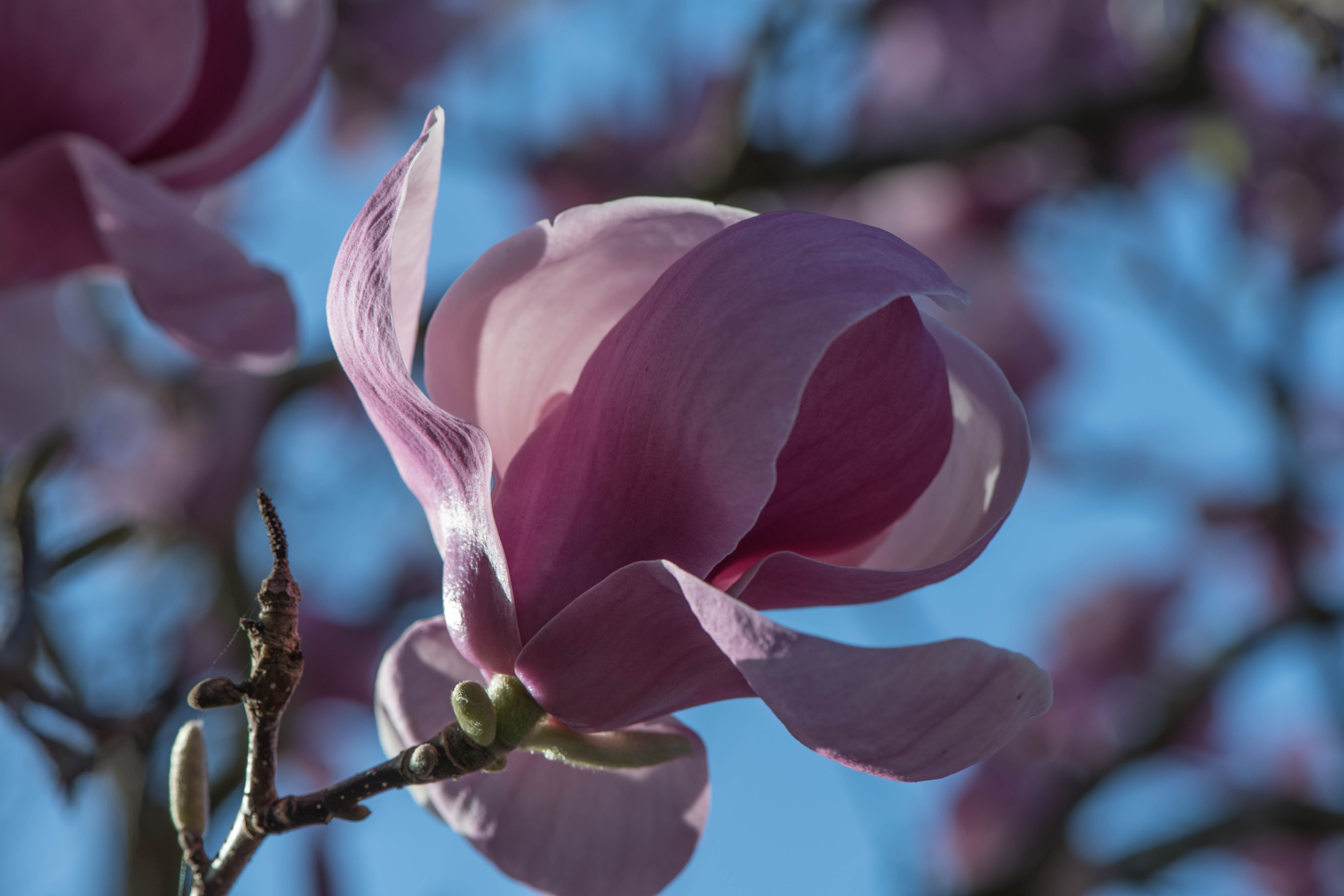
This morning I went up to Raulston Arboretum for the first time this year and found more things blossoming, and took some more pictures.  

At Raulston Arboretum

For the last two weeks we’ve been having dinner in front of the TV and watching the Winter Olympics.  We like the skiing and skating, and for that we’ll tolerate the abusively repetitive advertising.  

This year NBC improved the quality of its on air commentators, and for a number of events had people who both knew about the non-mainstream sports and had comments that were helpful to the non-specialist.  Bode Miller was insightful on ski racing, as were Tara Lipinski and Johnny Weir on figure skating.  And they let Weir be Weir, as gay as can be–a cheering step forward for tolerance and respect in American media.  

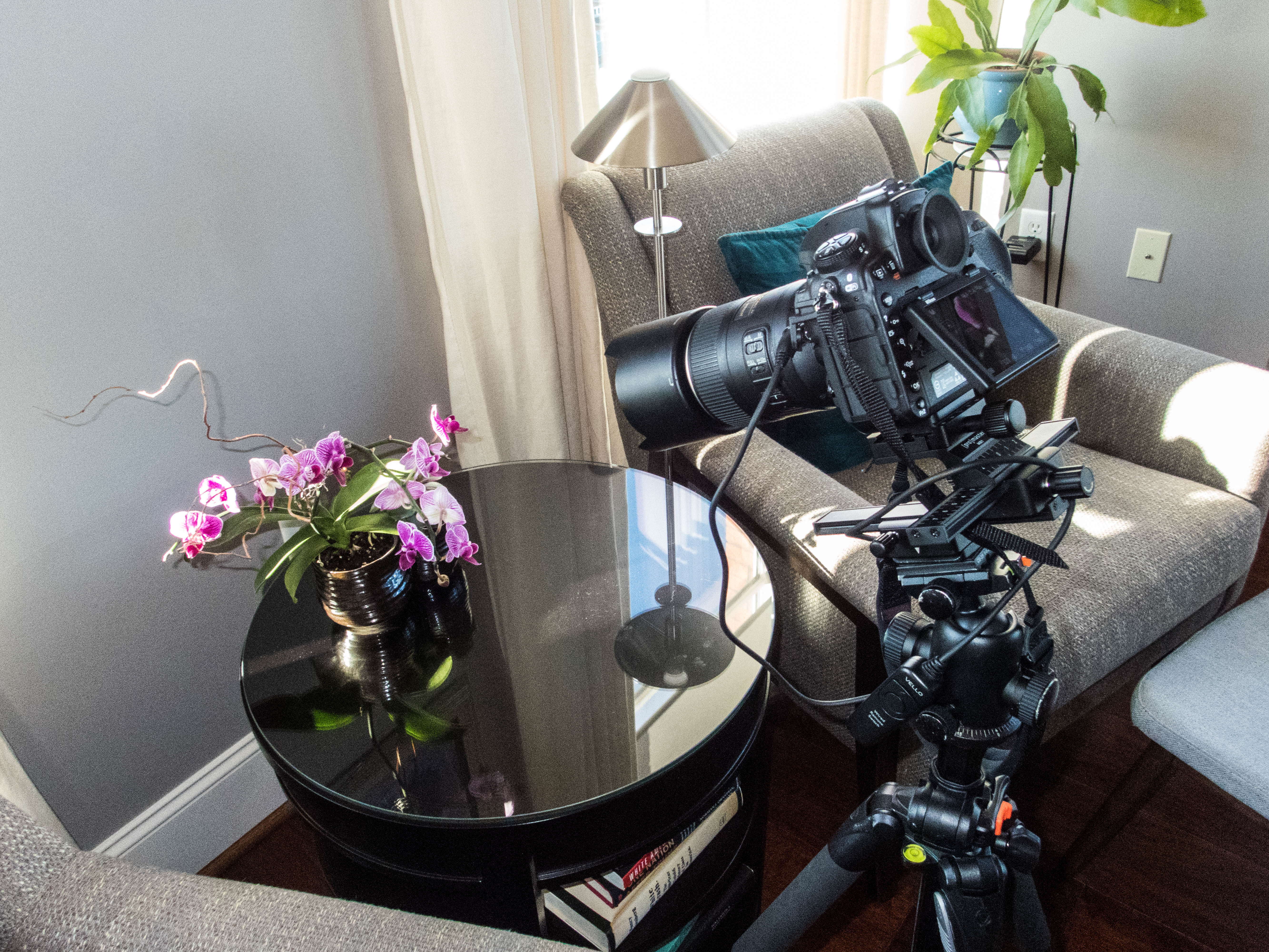
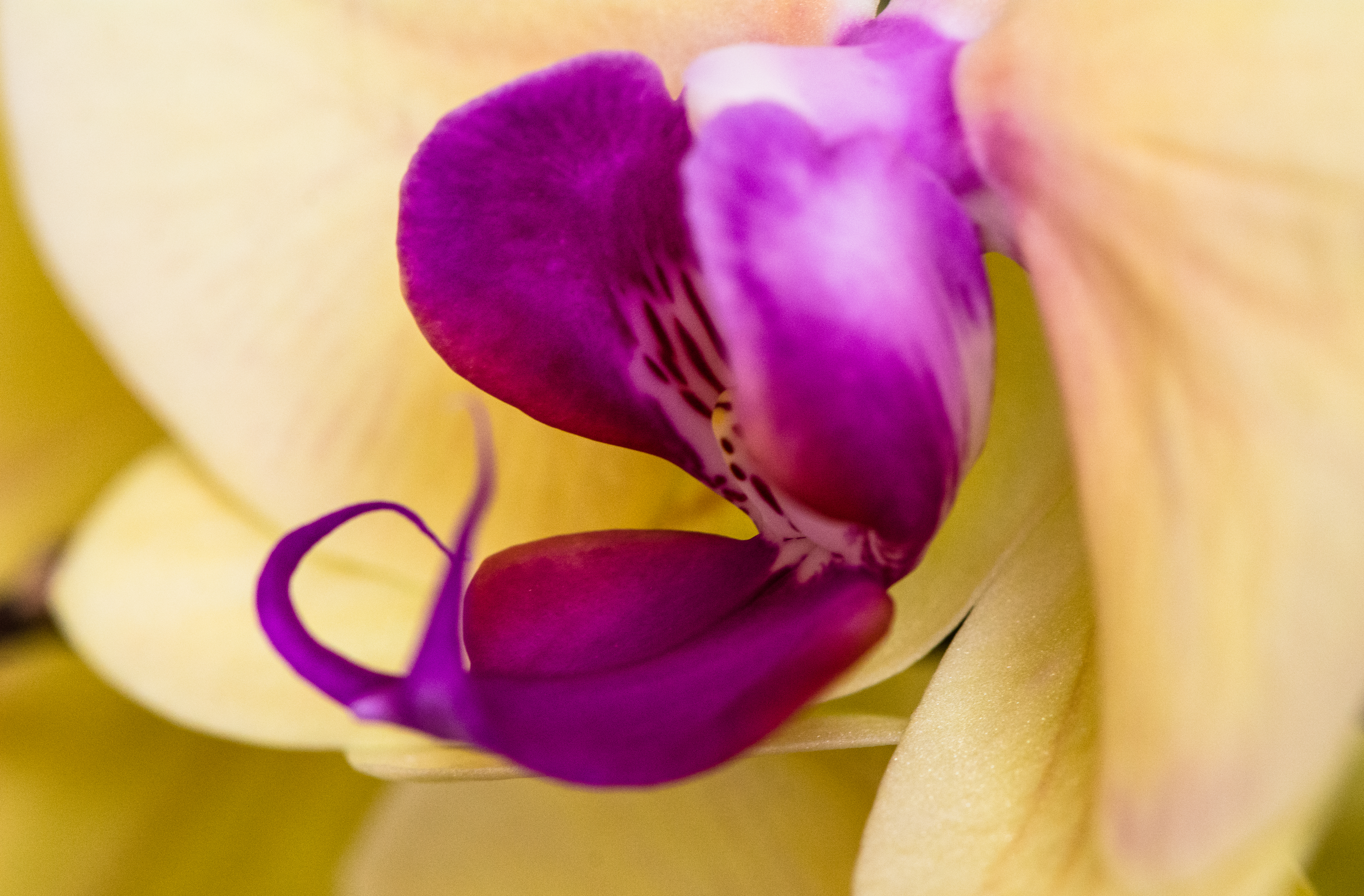
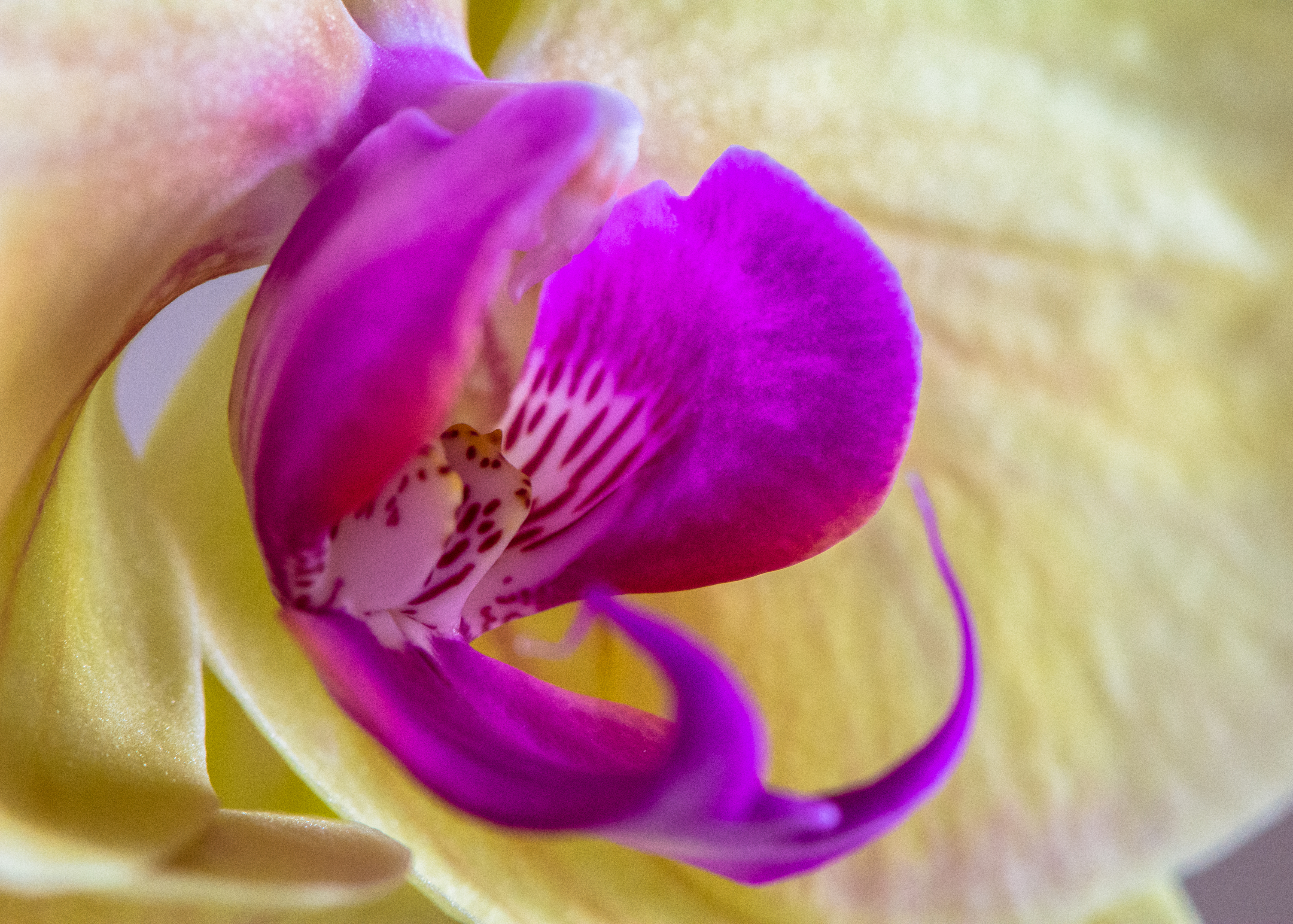
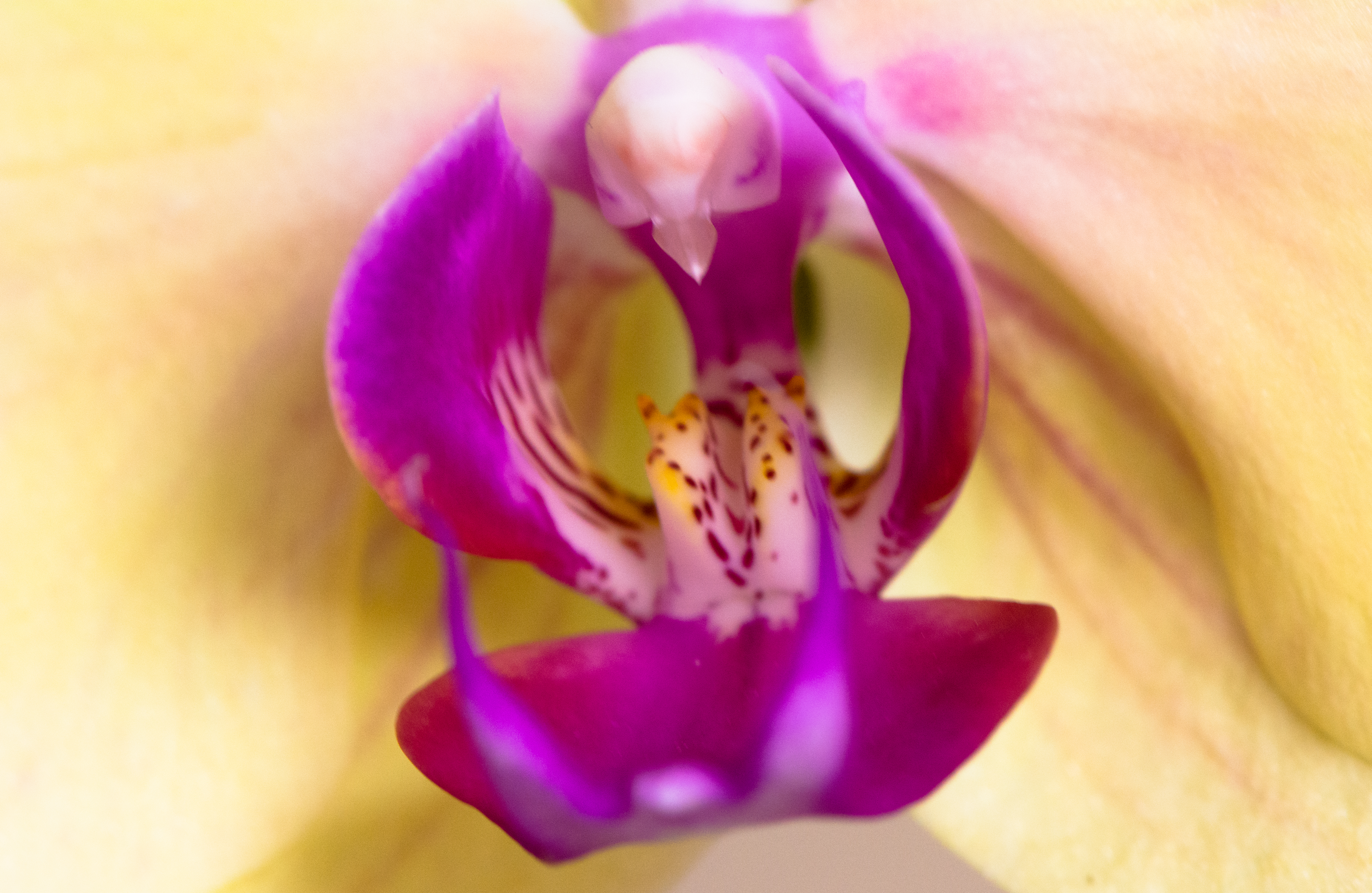
I wasn’t expecting to see outdoor flowers for at least a couple of weeks, and so I’d been working on more pictures of Sally’s orchid.  I did focus stacking with Photoshop, which took several hours of computer processing, and made a couple of images that I liked:

A sliver of hope

Raleigh 3
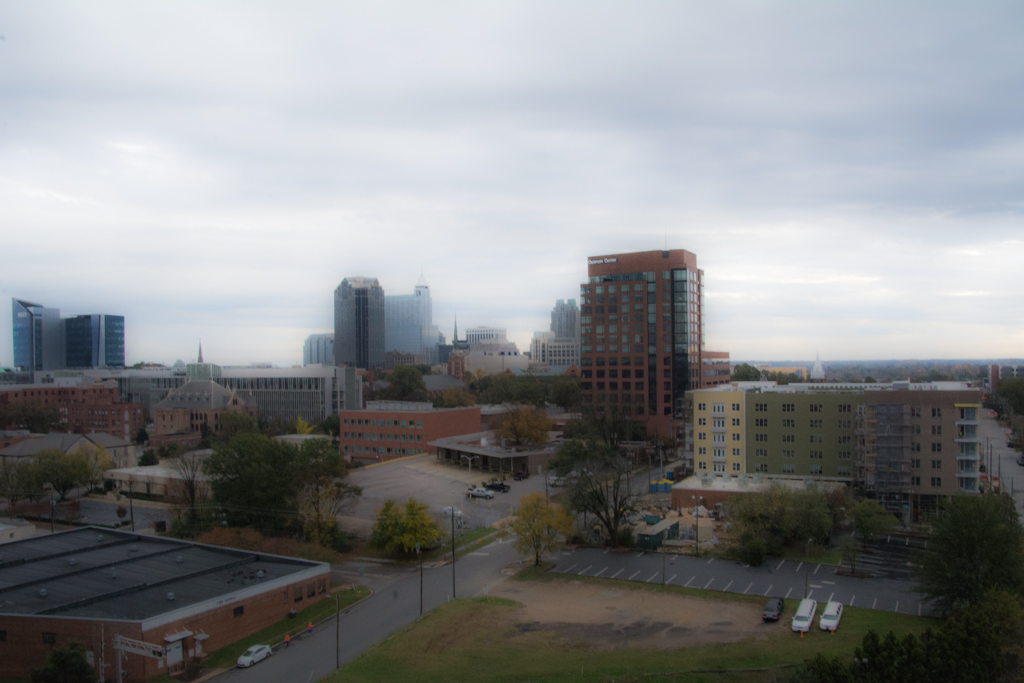
We had some weird weather in Raleigh this week, including hail, intense winds, and tornado warnings. I was in a meeting on the 18th floor of Red Hat Tower when everyone’s smart phone gave a warning signal, and we agreed it was time to get away from the windows. We took our computers to a big interior closet, where we continued the meeting. The building was still intact when we emerged.

Was it global warming? Hard to say. Good scientists are by training careful and conservative, and usually avoid ascribing root causes to particular weather events. But we know for sure the globe is warming, and the problem is big. Make that existential.

This is not an easy subject to think about. First, it’s depressing: the long-term risks for humans, other animals, and other living things are grave. Also, it’s uncomfortable: in trying to understand the problem, we ultimately end up seeing part of it in the mirror. All of us who like having electricity and traveling with internal combustion or jet engines are complicit. Also, there isn’t a clear path to a solution with our existing dysfunctional institutions.

But there’s still a sliver of hope, which I try to keep in mind. Helpful on this is Al Gore’s new TED talk. He doesn’t pull any punches in describing the destruction humans have wreaked on the planet with greenhouse gas emissions, but he also notes that we’ve made tremendous progress in wind and solar power, and progress is continuing. We may turn this around. Anyhow, it’s encouraging that he hasn’t thrown in the towel.

In reading a Times report this week about rising sea levels and increases in coastal flooding, I clicked on this link
which is a great little primer on global warming. It’s organized in a FAQ format, with short form answers to questions like how much is the planet heating up, how much trouble are we in, and is there anything we can do. It takes just a few minutes to get the basic facts. And armed with those, there are some things we can do, like elect leaders who have a clue.

On the climate hope front, I also need to give a shout out to Bill Gates, whom I have not always viewed as a force for freedom and progress. Gates may ultimately do far more good for the world as a promoter of emissions reduction technology than he has done as a software technologist. Anyhow, he’s got up on his bully pulpit, and he’s clearly working hard to encourage innovative energy ideas.

Purity, the Montrose Trio, Gore, and Gates

Tiller6Bug 1
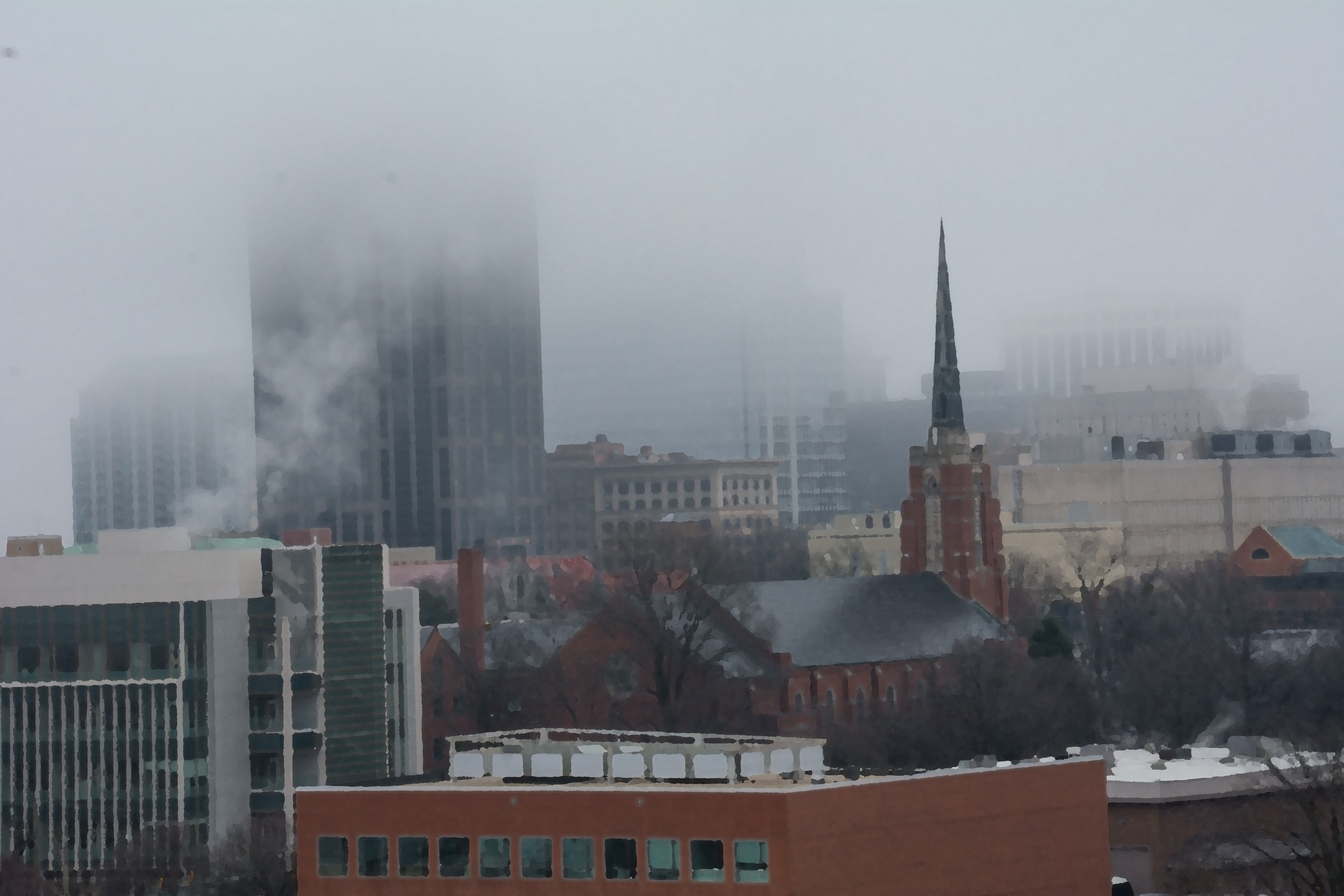
It’s been a foggy, drizzly week in Raleigh, which tends to lower high spirits, but is good for introspection. I finished Jonathan Franzen’s new novel, Purity. The book offers several interesting characters, including social activists who think about the big issues like out-of-control surveillance and global warming. Mostly, though, the book is about close family and romantic relationships, and shame and guilt. There’s enough that’s closely observed and honest here to be affecting, and I found myself hypnotically absorbed in some sections. As I neared the end, though, it, or I, lost steam, and I was glad to be done with it.

Saturday night we went over to Durham for dinner at Watt’s Grocery with friends and a concert. It turns out Watt’s is more vegetarian friendly than shown on the menu, willing to create a custom plate of the non-meat offerings, and mine was good. At Duke’s Baldwin auditorium, we heard the Montrose Trio, a new group made up of two former members of the Tokyo Quartet and pianist Jon Kimura Parker. They performed works of Turina, Beethoven and Brahms. Turina was new to me — Spanish, 1882-1949 – and reminded me pleasantly of Ravel, while the other pieces were old friends. Montrose was truly excellent – musicianship of the highest order, applied to great music.

The November issue of the Atlantic has an interesting piece on Al Gore and his involvement with Generation Investment Management, a global equity fund. The company has significantly out-performed the market since 2005 by investing in companies that are not only well-managed compared to their competition but conscious and responsible in their social and environmental actions. This approach runs counter to the conventional wisdom that successful capitalists must place profits ahead of values. The theory of Generation is that long-term profits require long-term thinking, including thinking about sustainability.

The same Atlantic has an interview with Bill Gates on his new endeavor to address climate change. He’s of the view that we’ve got to make major technological breakthroughs relating to energy to prevent or mitigate disastrous environmental changes, which will require research to go into overdrive, and he’s committing $2 billion of his money to the effort. He’s obviously studied up on the subject, and he hasn’t lost all hope or become hysterical. As he points out, either we focus our resources on finding a solution, or we run the experiment of what happens when the planet’s temperature rises by two degrees – and then three degrees and then four.

Hitting the little white ball, the appalling debate, ocean concerns, and reading Hamilton

At Raulston Arboretum, September 18, 2015

At Raulston Arboretum, September 18, 2015

On Wednesday after work, I went over to Raleigh Country Club and practiced on the range for a bit. Lately I’ve been trying to get out to practice a couple of times a week, with a view to making prettier and longer parabolas. It looks so much easier than it is. The late afternoon was peaceful and mild.

Sally was waiting on the terrace looking out on hole number 10 when I finished, and we had dinner there. It was overcast, and looking west we couldn’t see the sun directly as it was setting. But suddenly the clouds lit up a bright orange-pink, and for a few minutes the colors were amazing.
Tiller1

After dinner, Sally had to go to her mom’s apartment to take care of Diane’s two greyhounds, and so I watched the Republican presidential debate alone. It was, of course, appalling, though also by moments fascinating. The eleven candidates were all, in their various ways, intelligent and well spoken, and also in varying degrees bizarre or utterly benighted. I watched a good chunk of the three-hour spectacle, and kept waiting for a serious treatment of the serious issue of climate change. From press accounts, it appears I missed a few brief comments on the subject, to the effect that either it’s a liberal conspiracy or there’s just nothing to be done about it, so there’s no point in thinking or talking about it. Appalling.

I read most of the World Wildlife Fund’s report this week on the state of the world’s oceans, and recommend it. The news, of course, is not good. About half the population of creatures that live in, on, and over the oceans have disappeared since 1970. Coral reefs, on which much ocean life depends, have likewise diminished, and may disappear by 2050. But the report presses the point that the situation is not hopeless. There are ways we can address the over fishing and climate change problems that largely account for the crisis.
Tiller4

Through diving dive on some of the world’s most beautiful coral reefs, I’ve developed a deep love for reef ecosystems, and will be seeing another one next week. Sally and I are leaving next Friday for a trip to see the reefs and animals of Mozambique. We’re hoping to see whale sharks, manta rays, humpback whales, and many other remarkable creatures. We’ll also be doing a land based photo safari in Kruger Park in South Africa. This trip has been a big dream, and has taken a lot of planning, but it should be amazing. Anyhow, I expect to be offline for a couple of weeks, but hope to have some good stories and pictures to post after that.

For this long trip, I’ll need some good books to read, and I’d expected I’d be working my way through Ron Chernow’s Hamilton, a biography of the Founding Father who was our first Secretary of the Treasury. But I’ve been so fascinated by the book that I may finish it before the trip. The Times review is here.

Hamilton, it turns out, was a brilliant, energetic, and passionate person, who accomplished an amazing amount in his short life. Among other things, he helped win the Revolutionary War as Washington’s most trusted aide-de-camp, played a primary role in fashioning the Constitution, wrote most of the Federalist to win passage of the Constitution, established a financial system for the new republic, and served as President Washington’s primary advisor. And he was handsome and well-liked by the ladies, and also the gentlemen. Of course, he had his flaws of character, and his enemies, including the sainted Thomas Jefferson and James Madison. The politics of the time were at least as ungentle as now. This is a remarkable and remarkably relevant book, which I highly recommend.
Tiller3

A few chimney swifts, fine Fiction Kitchen, finishing physical therapy, the fossil fuel endgame, and a fishing blue heron

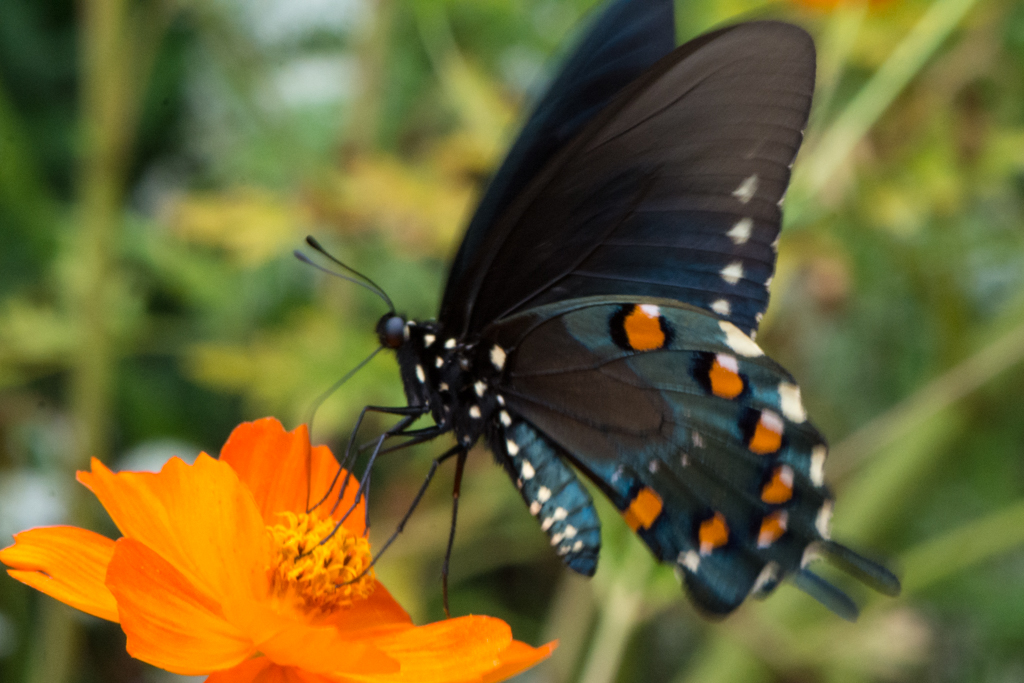
A spicebush swallowtail at Ralston Arboretum on September 11, 2015

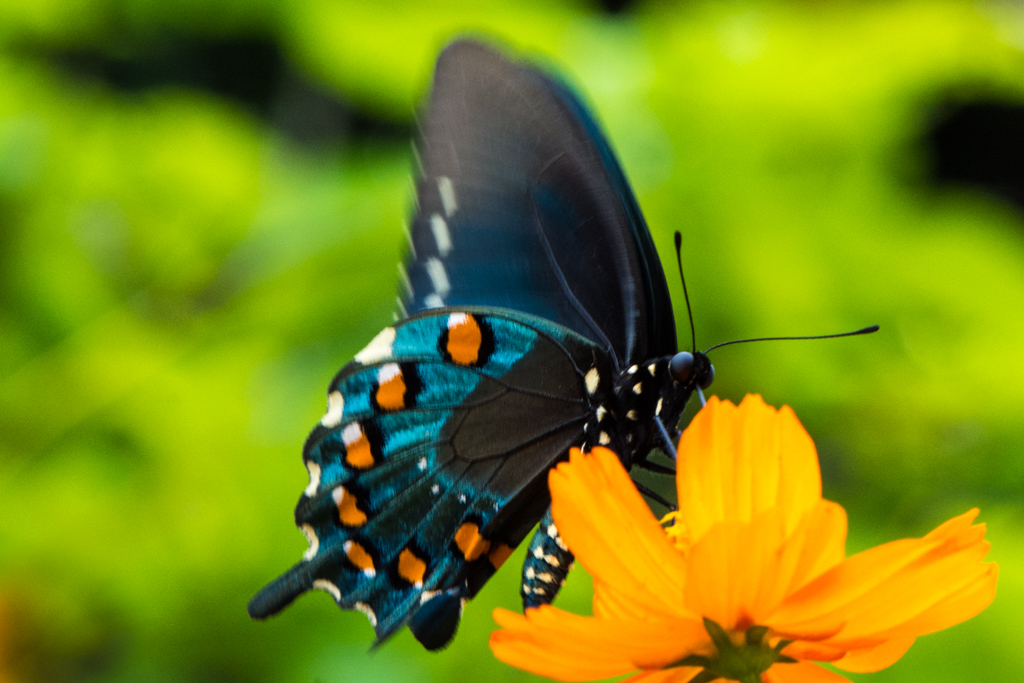
A spicebush swallowtail at Ralston Arboretum on September 11, 2015

According to Sally’s calendar, this week should have been a good one to see the chimney swifts in downtown Raleigh. Last year at this time there were thousands, swarming and swirling, and eventually shooting down a large chimney to roost for the night. So we went downtown with our binoculars on Wednesday night and waited at sunset. There were some mini-flocks flying, and we kept hoping for the grand congregation, but it didn’t happen. We saw dozens of swifts, rather than thousands.

Afterwards we went a few blocks south to Fiction Kitchen, Raleigh’s best vegetarian restaurant. The last few times we’d tried to get in, the place had been full with many people waiting. This time it was full, but the wait was only a few minutes. The waiters we liked were still there. There were some new menu items, along with familiar favorites. We started with squash and zucchini cakes appetizer, which was delicious. For entrees, Sally had the succatash farro risotto. I had the mock pork BBQ, a tempeh-based dish that was so outrageously good that, as a vegetarian, I felt a bit guilty.
RTILLER3 (1 of 1)

The next day I had my graduation session from physical therapy. For the last few weeks, I’ve been trekking out to Cary to see Geert Audiens a couple of times a week to get treatment for my torn rotator cuff. As ordered, I’ve been doing my shoulder exercises twice a day (most days). The exercises were not too interesting at the start, and have gradually become a huge bore.

But most of the discomfort in my shoulder is gone, and the strength is improved. To complete the program, Geert directed me to continue doing the exercises for 25 minutes a day every day for the next three months. Then I should call him and give a report. This is a big assignment, but I’m going to try, since I am still motivated to get better. I expect to be using that shoulder for quite a few years yet.

Driving back to Raleigh, I saw a bald eagle fly across the beltline into the trees. There are some that live a bit west of here at Jordan Lake, but this was the first one I’d seen in Raleigh.
RTILLER4 (1 of 1)

On Saturday morning, I read a piece in the NY Times ran a piece on a new climate study that projected a more-than-200-foot rise in sea levels if we continue to use fossil fuels until they are used up in the 22nd century. That would mean no more New York, Amsterdam, London, Paris, Berlin, Rome, Beijing, Sydney, and Tokyo, among other nice places. All the ice on earth would melt, with half of that occurring in the next thousand years, and seas rising at 10 times the current rate. The study out of the Potsdarm Institute for Climate Impact Research was published in the journal Science Advances.

Curiously, the Times put this horrifying news on the bottom of page A10 of the print edition, rather than the top of page 1. It was similarly buried in the online edition. Did the editors think it wasn’t important? That’s doubtful. Did they think their readers are tired of bad climate news and would prefer not to hear more? Perhaps, but in whatever case, we’ve got to get our minds around this, and get to work, or things are going to get grimmer. We’ve had a good run with fossil fuels, but that’s over. It’s time to get serious about the alternatives.
RTILLER5 (1 of 1)

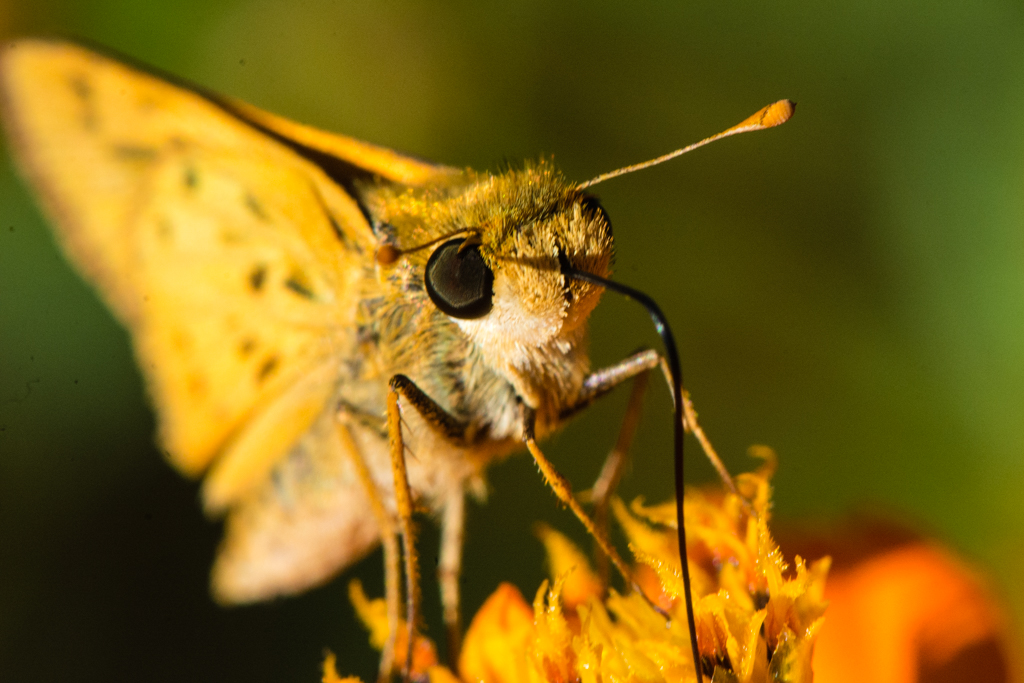
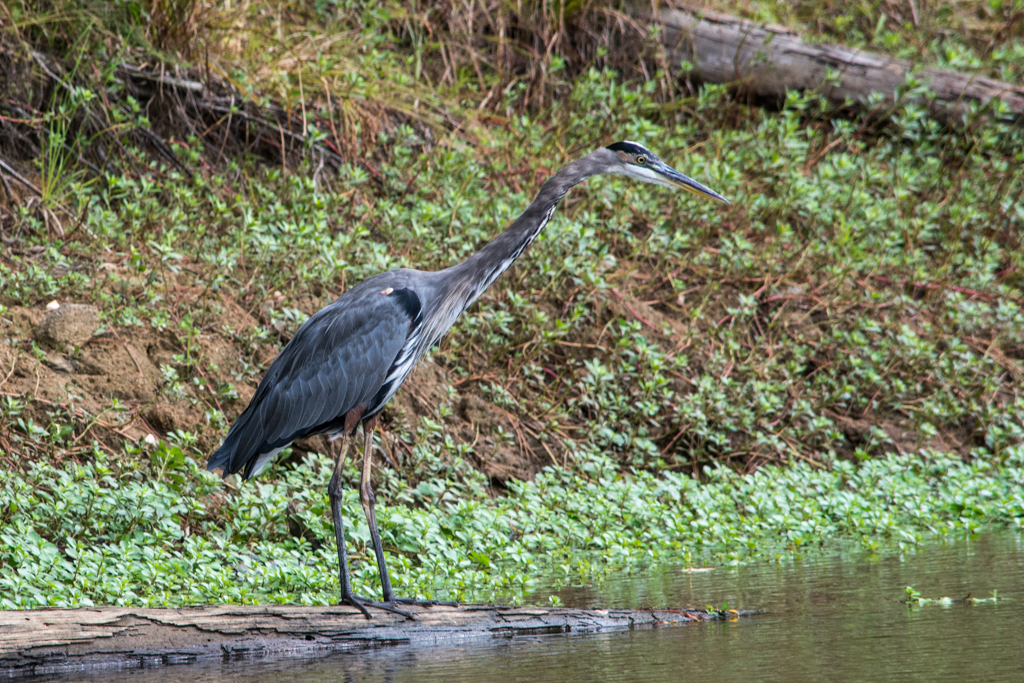
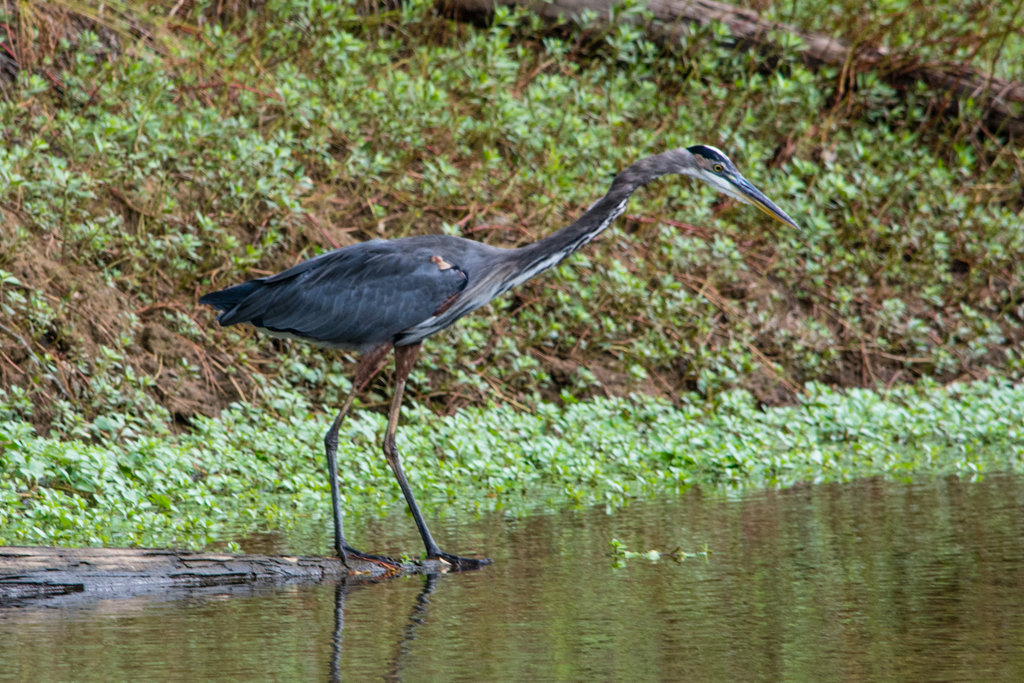
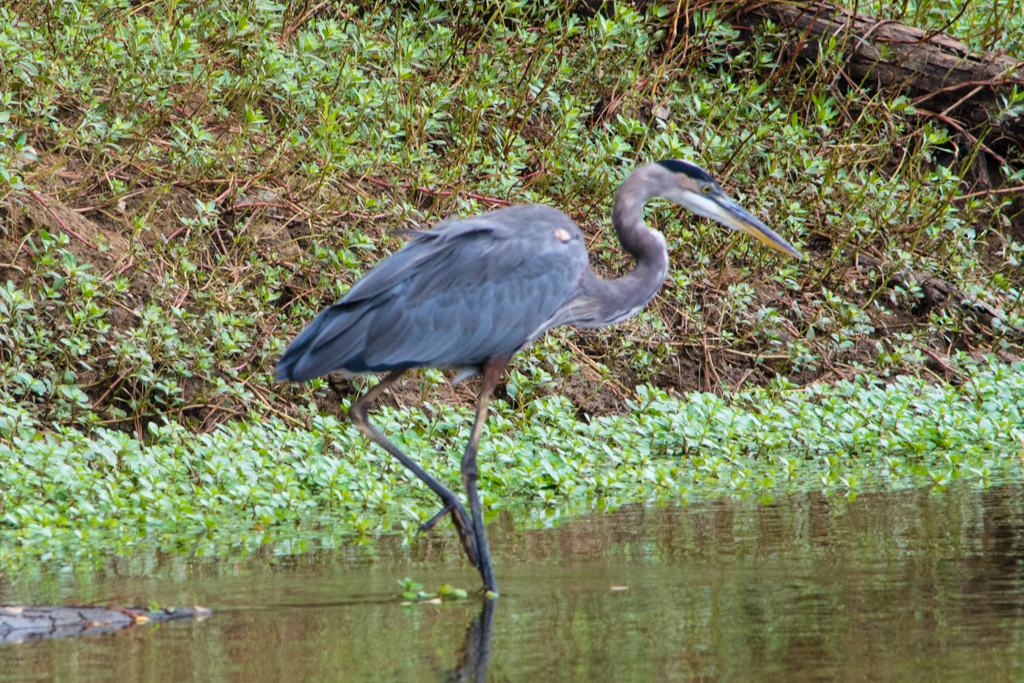
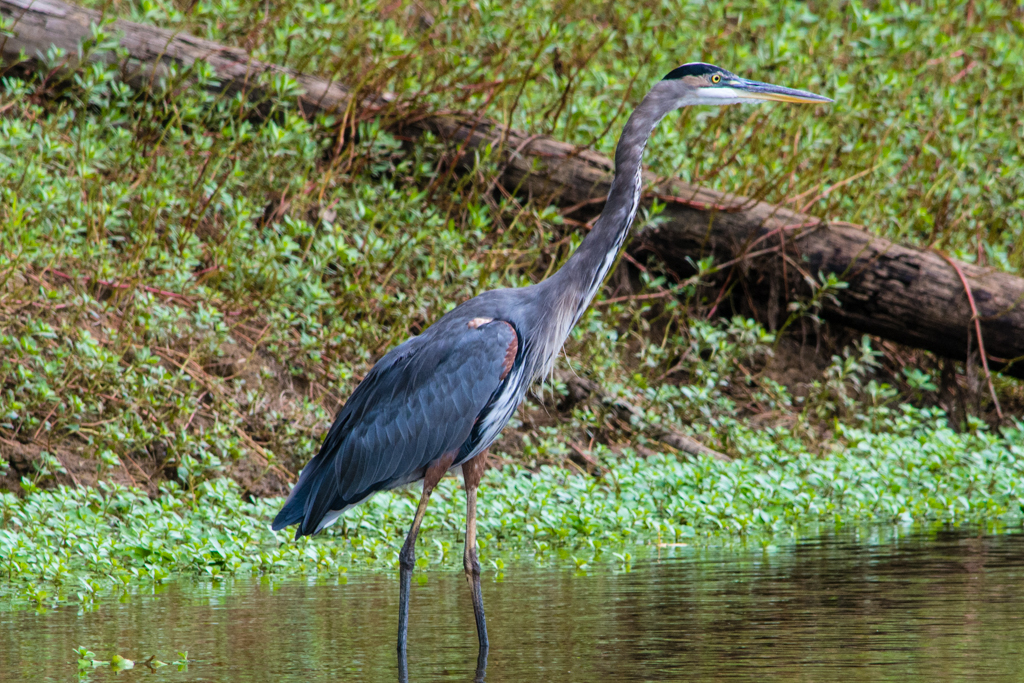
After reading of this and other unsettling things and finishing my coffee, I drove up to Falls Lake to look for birds and insects. I hadn’t been there in a while. My plan was to explore several spots, but I discovered they now charge $6 for the main areas. I found my way to a non-charging spot in the Beaverdam reservoir area, where the road was almost too rough and rutted for low-slung Clara. I spent twenty minutes or so watching this blue heron move very very slowly. I kept hoping she’d catch a fish, but she didn’t.
RTILLER6 (1 of 1)
RTILLER7 (1 of 1)

A photo contest, getting shoulder therapy, trying fasting, and not debating climate change

Rob Tiller -- Passionate Embrace -- 2015 (1 of 1)
Sally spotted a notice in the local paper of a nature photography contest at Raulston Arboretum. The theme was gardens and plants, which you may have noticed I have an interest in, and so I decided I might as well have a go.

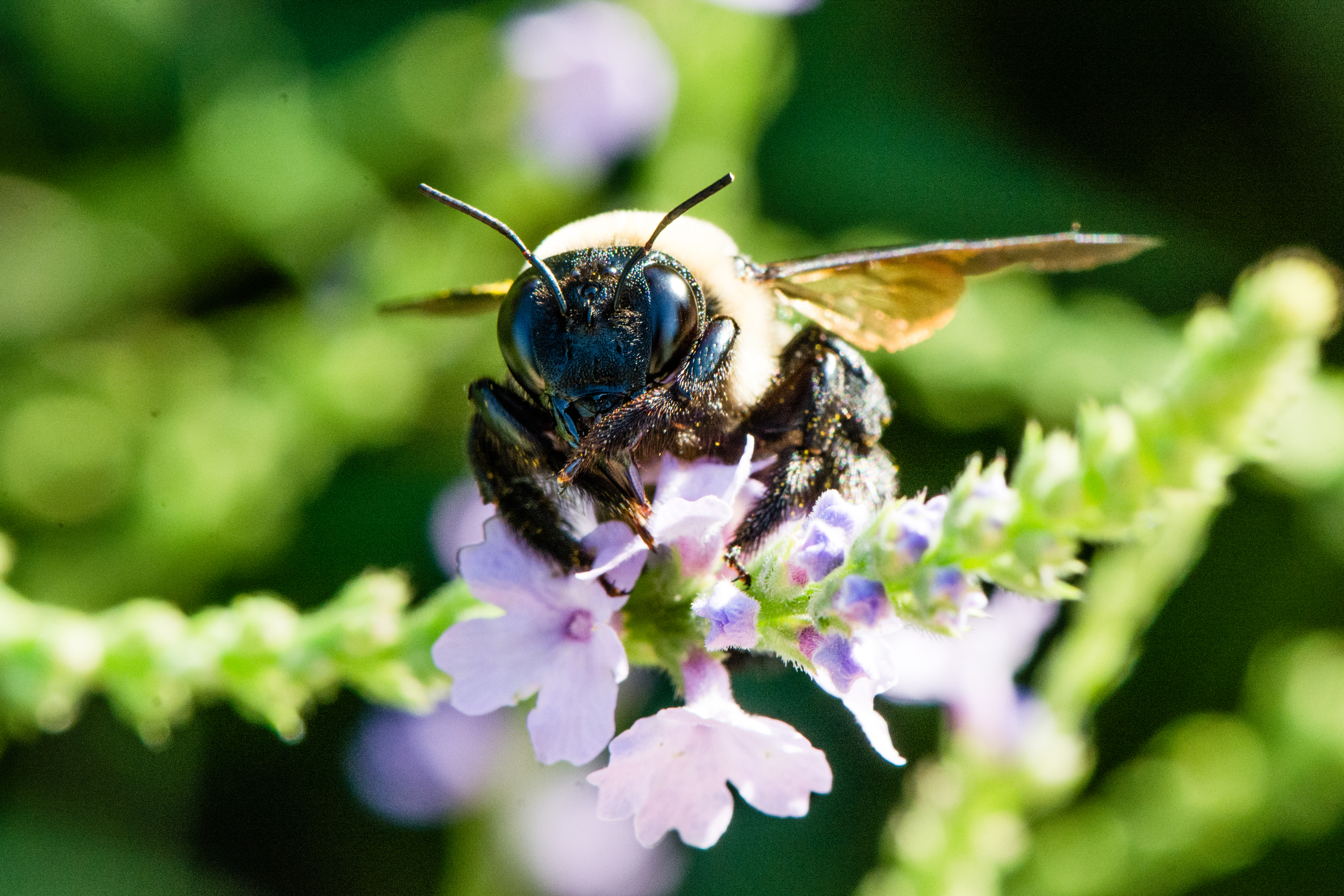
Competition is a good way to make yourself try a little harder. With the thought of critical judging, I took a careful look through some of my favorite images, and found little disqualifying problems on most of them. Of those still left, some just didn’t touch me. That exercise alone was worthwhile, good for my eye and mind, win or lose. Ultimately, I settled on the two bees shown here, worked on them for a bit with Lightroom software, and got them printed on metallic paper nearby at JW Image. Still to do: getting them framed, submitted, back, and hung in the apartment.

Speaking of self-improvement, I finally decided this week to get physical therapy help for my left shoulder. I’d tried letting the thing heal itself with several weeks of relative rest (no heavy weight lifting), but that didn’t work. I got in to see Geert Audiens at Results Physiotherapy, who’d helped me with back and shoulder issues before. Geert quickly diagnosed a torn rotator cuff, which, he said, would get worse if not attended to. He predicted it would take several weeks of specialized exercises, but it would likely get better. It’s good to have well-functioning arms and shoulders. And so we began, with simple little exercises, antiinflammatories, and icing four times a day. It’s a substantial commitment, which I hope will be worth it.

I’ve also been experimenting for a few weeks with a modification of my food consumption. I’d somehow picked up 5 pounds that would not come off, even with hard cardio work outs and careful healthy eating. I saw a story on alternate day fasting for the weight control, which basically means eating very lightly (500 calories) every other day. I decided to have a go for two days a week, a variation which, I just learned by googling, has been promoted elsewhere by others.

My method was my normal greens-and-fruit smoothie for breakfast, salad for lunch, and nothing for dinner. The no eating intervals were challenging, especially at dinner time with Sally eating. But it helped clear the mind, and made me more conscious of eating well on the normal eating days. And I did get rid of those 5 pounds in about 3 weeks.
Raulston8-1-15-1779

The debate of the Republican presidential contenders this week promised to be rich with irony and ridiculousness, with the numerous conventional candidates facing off with the loutish Donald Trump. As a Democrat, I’d never looked forward to a Republican debate so much. There were, as it happened, no meltdowns. In fact, I was surprised at how articulate and intelligent most of the field seemed (with the Donald as usual the big exception).

Yet collectively they have such enormous blind spots. It’s difficult to see how you could propose to govern or even talk seriously about social policy without quickly getting to the issue of what to do about CO2-caused global warming and the many related problems, like rising oceans, mass extinctions, famine, resource-related wars, mass population dislocations, destructive storms, drought, etc. These related disasters are front page news now. Yet this issue doesn’t appear on the Republican agenda, except for opposing whatever action the President proposes. This is wildly irresponsible. The situation is dire, and getting worse.

Rolling Stone published a good piece featuring new climate change research by James Hansen and others, which I recommend. It isn’t easy to think about this problem, which makes us uncomfortable and unhappy, but we’ve got to do it. I was glad to see that Hansen thinks a carbon tax could potentially pull us out of our present suicidal course. Anyhow, we all need to get more educated on this, and to keep pressing our politicians for action.

Pope Francis’s vision

_DSC8732
It’s been ungodly hot in Raleigh this week, with a record high of Fahrenheit 99 on Tuesday. Humid, too. So instead of running on Saturday, I settled in to read some of Pope Francis’s new encyclical, Laudito Si. From newspaper reports, I’d expected a sort of primer on the perils of global warming, but it turned out to be much more than that, and I felt enriched and inspired by the experience. It’s available online here.

Even though I’m a thorough-going non-believer, I’m a big fan of Francis. He seems to be a genuinely warm, caring, and thoughtful person. What are the odds? How daunting and disorienting to be considered by many as infallible, and fully realize you aren’t. (Remember his famous words,“Who am I to judge?”) How dissonant to live amid Vatican magnificence and rock-star adulation and try to focus on the problems of the poor. And who would volunteer to be in charge of cleaning up pedophile priest networks, bishop cover ups, money laundering holy bankers, and God knows what other crimes and misdemeanors? And after all that, who would have the courage and drive to speak truths that implicitly threaten the world’s wealthiest, most powerful interests on what are, for them, as well as us, issues of existential importance? That’s right: my man Francis.

I was hoping that Laudito Si would have an executive summary, but it does not. Still, I kept reading. The prose is lucid and emphatic, with an animating passion. Francis leaves no doubt that he agrees with the scientific consensus that man-made greenhouse gases like carbon dioxide are responsible for much of the global warming crisis. He states that there is an urgent need to reduce such emissions and develop renewable energy. If he accomplished nothing more than calling more attention to this issue and inspiring high level discussion and action, that would be a lot. But Laudito Si does more than that, persuasively articulating a powerful ethical vision that calls for reforming both societies and our selves.
_DSC8728

Francis calls on the people of the world to recognize that we are in an ecological crisis, and need to expand our dialog and work together to address this crisis. The dimensions of the crisis include air and water pollution, fresh water shortages, rising oceans that threaten large cities, and increasing extreme weather events. Not to mention the extinction of many species. He states, “Each year sees the disappearance of thousands of plant and animal species which we will never know, which our children will never see, because they have been lost forever. The great majority become extinct for reasons related to human activity. Because of us, thousands of species will no longer give glory to God by their very existence, nor convey their message to us. We have no such right.”

At the same time, Francis reminds us of the vibrant beauty of the natural world. He has sections on rainforests and other wonders. On a topic particularly close to my heart, he writes of “the immense variety of living creatures” in our oceans which are threatened by uncontrolled fishing and the coral reefs that have been harmed by pollution and rising temperatures.

Early on, Francis rejects the reading of the Bible that entitles humans to dominate and exploit all earthly resources. He writes instead that humans are meant to be careful stewards of those resources, and regard them with awe and wonder, and recognize our essential connection to animals, vegetables, and minerals. “Because all creatures are connected, each must be cherished with love and respect, for all of us as living creatures are dependent on one another.” He returns a number of times to the theme of our interconnectedness to each other and the world.

An aspect of this theme is concern for both the poor and for other living creatures. He writes, “We should be particularly indignant at the enormous inequalities in our midst, whereby we continue to tolerate some considering themselves more worthy than others. We fail to see that some are mired in desperate and degrading poverty, with no way out, while others have not the faintest idea of what to do with their possessions, vainly showing off their supposed superiority and leaving behind them so much waste which, if it were the case everywhere, would destroy the planet. In practice, we continue to tolerate that some consider themselves more human than others, as if they had been born with greater rights.”
_DSC8735

Similarly, Francis draws connections between our treatment of animals and our basic humanity. Recently I’ve been feeling indignant about the new North Carolina ag gag law, which among other things protects industrial agriculture operations from those who propose to publicize their cruelty to animals. Let me just say, this is so wrong! This excerpt is apropos: “When our hearts are authentically open to universal communion, this sense of fraternity excludes nothing and no one. It follows that our indifference or cruelty towards fellow creatures of this world sooner or later affects the treatment we mete out to other human beings. We have only one heart, and the same wretchedness which leads us to mistreat an animal will not be long in showing itself in our relationships with other people. Every act of cruelty towards any creature is ‘contrary to human dignity.’”

Part of the ambition of Laudito Si is to reset our relationship to technology. “Ecological culture cannot be reduced to a series of urgent and partial responses to the immediate problems of pollution, environmental decay and the depletion of natural resources. There needs to be a distinctive way of looking at things, a way of thinking, policies, an educational programme, a lifestyle and a spirituality which together generate resistance to the assault of the technocratic paradigm. . . . To seek only a technical remedy to each environmental problem which comes up it to separate what is in reality interconnected and to mask the true and deepest problems of the global system.” Francis envisions a world where the capitalism and technological progress are no longer allowed to drive increasing inequality and alienation, but instead are put in the service of human needs.

Of course, I don’t mean to endorse all of Francis’s views. I read the sections on God’s acts and intentions in much the spirit that I read the poetry of Milton. I think he’s quite mistaken about the value of building a market for carbon credits, which would creative incentives to reduce emissions. I also regret that he dismisses the serious risks of overpopulation, which needs to be moved way up on our list of priorities. But I’m finding the work inspiring, and hope many will read it and think about it.

Breathing better, climate change changes, and the amazing Birdman

_DSC8116
A lot of things that are good for us are kind of tough, at least initially. I’m thinking especially of avoiding junk food and exercising, which require an up-front investment of time and energy. So I was pleased to come upon a report of a good-for-you activity that’s free, easy, and immediately rewarding. According to the Wall Street Journal this week, deep, slow breathing can help with stress, migraines, and other disorders. This stimulates the vagus nerve and causes the release of acetylcholine, which slows down the digestive system and heart rate.

This beneficial effect was not completely surprising to me, as this is the kind of breathing we do in yoga, and it feels good. At our 6:00 a.m. yoga class last Tuesday, Suzanne was coaching us to breath in on a slow count of 4, pause, then breathe out to a count of 4, and pause again. I later tried this technique when I was having trouble sleeping, and whoosh, off I went to dreamland.
_DSC8140

I’ve been taking particular note lately of how many of our most fervent beliefs are dubious, and how resistant many of those beliefs are to change. For example, no amount of evidence seems to shake the certainties of opponents of evolution (forty some percent of Americans). I was worried that this was where we were on global warming, as we head toward the precipice.

But this week there was some good news: more people are taking the view that we’ve got to get serious about climate change. This week a NY Times poll“found that 83 percent of Americans, including 61 percent of Republicans and 86 percent of independents, say that if nothing is done to reduce emissions, global warming will be a very or somewhat serious problem in the future.” Two-thirds said they’re more likely to vote for political candidates that support addressing global warming. Even Republicans are moving in the right direction: 48 percent of them went with the majority.

So the overwhelming majority of us agree that we’ve got to get to work on saving the planet. This is encouraging.

Still, what could explain the people who think we have a serious problem but will not support doing anything about it? Is it amoral cynicism and greed? Whatever it is, we need to make sure those people do not win.
_DSC8115

We finally got out to see Birdman this week, and thought it was great. Michael Keaton plays Riggin Thomson, a former action movie star who’s gone downhill but has decided to take a big chance and direct and star in an angst-ridden play that’s opening on Broadway. Riggin seems to be going crazy, with bursts of despair and brilliance.

Is it a very dark comedy, or a surreal drama? It’s edgy and intense, and doesn’t fit neatly into any genre. It reminded me of the great movies of Bergman, Fellini, and Scorsese — psychological, visionary, and manic. A very interesting score (jazz drumming, Mahler), evocative photography, and very fine acting. It challenges us with ambiguities. It would like us to think.

I wish its gifted creators (including the remarkable Spanish director Alejandro Gonzalez Inarritu) good luck at the Academy Awards (where it has 9 nominations), but I’m afraid that it will be too original and unsettling for the Academy. I note that when Sally and I went to see it at the multiplex last Thursday, we were the only ones in the theatre.

Re the pictures: Sally brought home some roses from Whole Foods and made a lovely arrangement. She’d discovered that though the cats like to eat certain flowers, and then throw up on the rugs, they were less drawn to this kind. I liked the light on Saturday morning.
_DSC8118

In the news: some problems with our nukes

This week there was some good and some bad technology news, but first the good news. Kudos to the European Space Agency, which managed the remarkable feat of landing a robot on a modest-sized comet. Understanding and managing the risk of asteroid and comet collisions is a big challenge, and it appears we’re making progress. Also three cheers that the world’s two largest contributors to global warming (that’s us and China) officially agreed to work on it. Sure, talk is cheap, but it’s a step in the right direction.
But I wanted to call attention to a news story that you may have missed, as I almost did: two separate Pentagon studies concluded that the infrastructure of our nuclear program is in serious disrepair and will cost billions to fix. The NY Times put this on page A16 (news death valley).

Though far from the front page, the language was strong: “a searing indictment” of how nuclear weapons facilities have been allowed to decay. They described “a culture of micromanagement and attention to the smallest detail . . . creating busywork, while huge problems with equipment and readiness, most arising from the age of the systems, were ignored.” One study found that morale was low and turnover high among crews for intercontinental ballistic missiles and long-range bombers. Missile submarines were frequently out of service.

You may remember the cheating scandal involving missile crews of some months back. One of the new reports blamed not the crews but “a culture of extreme testing” in which tests were required to be near perfect so that good results could be reported up the chain of command, instead of a program to improve the crews’ readiness.

A few months back I wrote about reading Eric Schlosser’s excellent book, Command and Control, Nuclear Weapons, the Damascus Accident, and the Illusion of Safety. The book cites chapter and verse of major problems in our nuclear program, including some that put Americans at serious risk of a catastrophic accidental nuclear explosion. Schlosser found there had been important improvements in safety, but the Times story made me worry.

The Times also reported that the President had told the Pentagon to plan for 12 new missile submarines, up to 100 new bombers, and 400 land-based missiles. Holy kamoly! I thought we were at least keeping in sight the possibility of reducing our nuclear stockpiles and the threat of nuclear war.

Before we spend billions or trillions more, I’d like to hear a good answer to the question, what is the purpose of our nuclear weapons? What good do they do?

The conventional wisdom, more or less, is that we need them to deter nuclear attacks and maintain our prestige. But no nation is currently threatening us, or anyone, with a nuclear attack. Only one nation has ever been the victim of a nuclear attack (by us, on Japan). All other nations without nuclear weapons – that is, those with no deterrence forces – have not come under nuclear attack. That includes ones that got us and other nuclear powers really mad, like North Korea, Vietnam, Cuba, Venezuela, Iran, Iraq, Libya, and Syria.

Furthermore, even if North Korea or Iran somehow managed to destroy one of our cites with a nuke, does anyone seriously think we’d retaliate against their civilians with a massive nuclear attack? I submit that deterrence, whatever its validity as a theory in the cold war, is valid no longer.

As to prestige, our nuclear weapons have not appeared to strengthen our negotiating power with enemies or friends. Iran and North Korea have been notably unimpressed. And our nukes certainly haven’t saved us the trouble of fighting conventional wars. We have surely not won the contest of who can spend the least on actual war fighting, having spent over a trillion dollars fighting in Iraq and Afghanistan. The nation with the most nuclear weapons is also the nation that has lost the most treasure through conventional warfare.

A major nuclear war would not only destroy millions of lives directly, but would alter the earth’s ecosystem so as to cause untold additional deaths. As Jonathan Schell explained in The Fate of the Earth, it could amount to the end of human civilization, not to mention the extinction of countless other animals and plants.

It would be nice to think that mismanagement of our nuclear force has reduced this risk, but I’m afraid that it suggests an increased risk of nuclear accidents, and an uncertain capacity for disaster. I submit we need to change our direction, and recommend a visit to http://nuclearrisk.org

Let me close on a positive note: civilization still exists! In fact, right here in Raleigh, NC, there is great music making and art. Last Sunday, the N.C. Opera did an excellent concert presentation of part of Richard Wagner’s Tristan and Isolde. This is very dramatic, romantic music. They did the prelude and second act, which focuses on the intoxicating love story of the title characters. Jay Hunter Morris, who was a sensation in the Met’s recent Siegfried, was a sensitive and moving Tristan, and Heidi Melton was an Isolde for the ages. Her voice was amazingly powerful, but also warm, flexible, and true. Conductor Timothy Myers seemed to have a real feeling for this strange and irresistible music, and he had a good band. Thank you N.C. Opera!

I should also give a plug for the current exhibits at Duke’s Nasher Museum of Art, which we visited on Sunday afternoon. We started with the late works of Joan Miro. I liked his sculptures, better than his paintings. It was inspiring to see him continuing to experiment with new ideas into his 70s and 80s. There was also a strong exhibit of the work of Robert Rauschenberg. I never quite got Rauschenberg before, but it really helped seeing the wide range of techniques and concepts he worked with. It turns out he was serious about his photography, as well as his painting and constructions. I liked it.