The Casual Blog

Tag: Carolina Ballet

More leaves, Beethoven ballet, and fear of refugees

Tiller6Bug 1-2
Last week Jocelyn took over her cell phone account, thereby cutting the last part of the financial cord from home. Oh happy day! The timing was good, in that she’d recently gotten a promotion and a substantial salary increase. She asked me for my Verizon password to do the changeover, and I told her I didn’t believe I had one. But she found out that I did, and hacked into it after correctly answering my security question. I was both proud and a little unsettled.

On Saturday morning I went up to Durant Park and took the trail around the lower lake. It was chilly, still, and very clear. I was looking for leaf colors and patterns, and particularly for some reds and oranges , of which there were only a few. I got close to another great blue heron, but unlike the one last week, this one flew off as soon as I came into sight.

Tiller6Bug 1-4
Saturday evening we had dinner with friends at Sono and then went to see the Carolina Ballet’s Beethoven Ninth program. The dancer we’ve been sponsoring, Alyssa Pilger, was recently promoted from the corps to soloist, and she had good solos in the Beethoven. There’s an ethereal quality to Alyssa’s dancing – light and evanescent – but at the same time commanding and incisive. The Beethoven was powerful, and she delivered, brilliantly.

Tiller6Bug 1-3

The famous choral Ode to Joy at the end of the Beethoven is always inspiring, and the message of the universal brotherhood seemed particularly timely this week, when a lot of U.S. politicians responded to the Syrian refugee crisis by seeking to keep them out. This is disgraceful. I thought the New York Times editorial on Saturday put the problem well:

After the attacks in Paris, the world is again challenged by fear. With every bombing, beheading and mass shooting, the dread spreads, along with the urgency of defeating this nihilism.
But no less a challenge for the civilized world is the danger of self-inflicted injury. In the reaction and overreaction to terrorism comes the risk that society will lose its way.
History is replete with examples of the power of fear and ignorance, to which even the great can fall prey. Franklin Roosevelt calmed a nation in bleakest days of the Depression, but he also signed the executive order imprisoning tens of thousands of American citizens for the crime of Japanese ancestry.
In our time, disastrous things have been done in the name of safety: the invasion of Iraq, spawned by delusion and lies; the creation of an offshore fortress, sequestered from the Constitution, to lock up those perceived as threats, no matter the cost and injustice; an ever-expanding surveillance apparatus, to spy on the people, no matter the futility.
Al Qaeda and the Islamic State did not compel us to shackle ourselves to a security state, or to disgrace our values by vilifying and fearing. refugees and immigrants.

Along this same line, Nicolas Kristof had a good column in today’s Times. Kristof calculates that the risk of a refugee turning out to be a terrorist attacker is about 100 times smaller than that the a given resident of Florida will turn out to be a murderer in a ten-year period. He notes, “When we’re fearful we make bad decisions. That was true around World War II, when we denied refuge to European Jews and interned Japanese-Americans. That was true after 9/11, when we invaded Iraq and engaged in torture.”

Tiller6Bug 1

Bees, batching it, basic incomes, Confucius, and a brand new ballet

At Raulston Arboretum

At Raulston Arboretum

Sally’s tennis team made it to the state finals, which was in Greensboro this week. Of course we were proud of her, but also concerned, since this meant leaving Gabe and me, and the three cats and two dogs, to fend for ourselves for a few days. Sally is our goddess, but also our our binding agent, and general civilizing force. There was a risk we’d have a quick return to the state of nature and a Lord of the Flies situation.

In the end, the cats threw up less than normal, the dogs sustained bladder control, and we kept things reasonably tidy and companionable. A couple of evenings, Gabe and I did parallel play, each in the living room with our MacBooks, working on Adobe programs. While I’ve been trying to learn Lightroom, he’s been delving into Illustrator as part of his exploring becoming a graphic designer. I’ve always thought he was talented in this direction, and so this doesn’t seem unrealistic, though I worry that creative careers are for most people underpaid ones.
_DSC9849

Speaking of careers, I read more this week about the quick rise of artificial intelligence that will likely render redundant large chunks of the world’s workers. I started Martin Ford’s new book, Rise of the Robots, Technology and the Threat of a Jobless Future, which talks about the latest advances in AI and robotics, along with unemployment problems. He’s an advocate of the guaranteed basic income to address the problem of increasing structural unemployment. There’s a piece in the Atlantic about the basic income movement — paying everyone enough for the necessities, so they can continue to buy goods and services. This could stave off economic collapse, which would be a good thing.

Of course, the idea of a bigger safety net seems wildly unrealistic in these days of so-called conservative political ascendancy. But this week there were reminders that good ideas that seemed impossible a short while ago can suddenly become the new normal. Nebraska legislators ended the death penalty in that very red state! Kansas legislators who championed tax cutting are talking about raising taxes to pay for basic services. Not so long ago, it seemed impossible that the United States would ever legalize marijuana or gay marriage, and now those things seem more probable than not. And despite continuing fear mongering, it looks like the Patriot Act is going to expire tonight. A guaranteed basic income could become as American as Social Security.
_DSC9852

I realize I’m jumping around a bit, but this is related in a way (political ideas/notions of human meaning and purpose): there was a thought-provoking book excerpt by Henry Rosemont, Jr. in the Huffington Post contrasting the libertarian strain of western political thought with Confucianism. About all I thought I knew about Confucianism was that it involved something about ancestor worship, but Rosemont presents some profound and useful ideas about social relations, morality, and the role of the individual.

He writes,

By emphasizing not our individuality but our sociality, the Confucians simultaneously emphasize our relationality: an abstract individual I am not, but rather a particular son, husband, father, grandfather, teacher, student, colleague, neighbor, friend, and more. In all of these roles I am defined in large measure by the other(s) with whom I interact, highly specific personages related to me in one way or another; they are not abstract autonomous individuals either. Moreover, we do not “play” these roles, as we tend to speak of them, but rather live our roles, and when all of them have been specified, and their interrelationships made manifest, then we have, for Confucius, been thoroughly individuated, but with nothing left over with which to piece together an autonomous individual self. Being thus the aggregate sum of the roles I live, it must follow that as I grow older my roles will change, and consequently I become quite literally a different person.

Rosemont goes on to explain that the quest for a single definition of one’s self is futile, because “we are basically constituted by the roles we live in the midst of others.” That is, the self is a dynamic construction made by individuals working in concert. As to meaning, he writes, “My life can only have meaning as I contribute to the meaningfulness of the lives of others, and they to me.” This does not seem radical to me, but it stands in stark contrast to the traditional western view of the individual as autonomous and self-directed. I’m considering getting Rosemont’s book and exploring this more.
_DSC9903

Sally got back from the tournament in Greensboro on Saturday in time for us to get to the Carolina Ballet studios for the first ever performance of a new ballet by Zalman Raffael. Sonata 17, set to Beethoven’s piano sonata op. 31, no. 2, was created with a grant from the New York Choreographic Institute, and involved four male and four female dancers, including our friend Alyssa Pilger. It was romantic in the sense that Beethoven is romantic, and had a boy-seeking-girl subplot, but at the same time was coolly modern. My main criticism was that the pas de deux second movement seemed overly minimal.

The third movement got off to a blazingly kinetic start, but then Rammaru Shindo fell and was unable to get up. The music stopped, and he was helped off the stage. The other dancers finished the piece, with blanks where Shindo would have been. It was a reminder of that the amazing athleticism of these dancers involves serious risks, and they can and do get hurt. There was a reception afterwards, where we had a glass of wine and chatted with Zali, Alyssa, Michael and Amy Tiemann, and other friends.

That evening we saw a very good documentary on Netflix called First Position about young dancers preparing for and participating in a large ballet competition. The dancers were amazingly talented! It was a pleasure to watch, and also showed the incredible discipline and drive of top dance students.

I took these pictures at Raulston Arboretum on May 29, 2015, at about 6:30 p.m. The season of pure new blossoms has passed, but there were bees hard at work. They work fast, with only a moment on a flower, but photographically frozen, they look like they love their flowers. I was also pleased to come upon a well-camouflaged little snake who was intently sensing the world with his tongue.
_DSC9898
_DSC9900
_DSC9900-2

Ordinary health matters, learning Lightroom, and seeing sweet Cinderella

_DSC9780

I took these pictures late Friday afternoon at Raulston Arboretum. The fresh blooms of early spring are gone, but there was a richness to the atmosphere, and great smells. I tweaked these with my brand new software, Lightroom 6, which I decided to buy on DVD, rather than the subscription service. After watching a number of instructional videos, getting a short lesson from my friend and colleague Ruth S., and experimenting a bit, I’m starting to get the hang of what Lightroom will do, and looking forward to improving some of my image making and storing.

Jocelyn’s been running, and texted this week that she’d taken two minutes off of her four-mile time. She was pleased! When we talked, she reported that running was helping her get to know her neighborhood Fort Green and the environs. I’m so glad she’s taking good care of herself!

Here in Raleigh, Gabe has been running, too, at a nothing-to-sneeze-at pace of 8 minutes. Thinking of his health, I asked what he was doing about health insurance since leaving his job last month, and determined he hadn’t really addressed it. I briefly panicked, since one serious accident could mean financial ruin for us all.
_DSC9761

Sally has long been a skeptical critic of the American health care system, and pointed up an on-point new piece by Atul Gawande in the New Yorker. It’s about the incredible waste in our system from the many unnecessary medical tests, drugs that don’t’ make people better, and surgeries with more risks than benefits. Gawande is a practicing surgeon, and thus has a fair bit of credibility, as well as interesting personal anecdotes. The legal scholar in me would have appreciated more citations, but I don’t have much doubt as to Gawande’s basic point: our system is optimized to make money for hospitals and the medical establishment, rather than to keep people well, and is horribly inefficient. It’s remarkable to me that we can’t get general agreement that we need major reform.

Anyhow, we live in the world that is. At my urging, Gabe figured out how to get an ACA silver plan, which doesn’t kick in until the first of next month. Meanwhile, I counseled him to cool it for a couple or weeks on skateboarding. Also, he should be particularly conscious of looking both ways before crossing the street, and watch out for falling flower pots.
_DSC9770

On Saturday afternoon, I took a short walk from our apartment over to K2 Massage, where I had an extraordinary therapeutic massage experience with Ken Katchuk. For this first visit, Ken told me to allow for two and a half hours, and ended up needing about three. He spent time debriefing me on ailments and old injuries, and on things I liked to do. Then he got down to the business of figuring out where my areas of tension were, and going after them. It was difficult by moments, but I felt that I was in good, experienced hands, and my body was being helped.

That evening we had dinner with friends at Buku, and saw the Carolina Ballet’s new Cinderella program. Margaret Severin-Hanson was a lovely, graceful Cinderella, and Alicia Fabry and Randi Osetek were very funny as the mean stepsisters. Fabry’s tango solo was a hoot! I wish, though, the score were less sweet and repetitious. In the second half, I really liked Zalman Rafael’s new piece, In the Gray. Set to music by Philip Glass, it is sort of an anti-Cinderella, emphasizing kinetic abstract shapes rather than characters. The dramatic side lighting deemphasized the dancer’s individuality, but Jan Burkhard, Cecilia Iliesiu, and Adam Crawford Chavis made powerful individual impressions. As with other Rafael work, this one shows deep comprehension of the music and unites with it.
_DSC9776

My New Yorker, a touching Traviata, Whiplash, and sparkling new ballets

_DSC8379_edited-2
As I’ve noted before, The New Yorker magazine was for me a formative influence, having given me my first job out of college, my True Love, and weekly jolts of literacy ever since. Thus it was with mild shock I received the February anniversary issue, which for 89 consecutive years has reprinted the same cover, and saw that Eustice Tilley, the top-hatted dandy, had been replaced by multiple new covers of various ages, styles, and ethnicities. But after a few deep breaths, I let it go and moved on: the new covers were bold and entertaining.
_DSC8399

There were several good short pieces on the history of the Magazine (as it was called by editorial staff then and perhaps now), and one longer one that I particularly relished. Mary Norris, who joined the Magazine around the time we did, contributed a piece about her career there as a junior minion and eventually a senior copy editor. I wouldn’t say Mary and I were close friends, but when I also was a minion, we were friendly, and would talk companionably at parties as we kept a lookout for potentially more exciting adventures.

It was a pleasant trip down memory lane remembering how we put out the Magazine and some of the now departed editorial figures of our world, like Eleanor Gould, Bob Bingham, Pat Crow, and William Shawn. And Mary successfully communicates the spirit of grammatical fanaticism that is part of what makes the Magazine unique. I’ve never seen a more humorous discussion of the serial comma, a punctuation practice that in those days I took as serious business. Thanks to Mary and her colleagues who have kept the fussy but proud tradition alive.
_DSC8396

Raleigh is not New York, and it is hard to believe, even for people who live here, that Raleigh is producing world class opera and ballet. But it’s true. In the last week, we’ve been treated to both.

The N.C. Opera’s production of La Traviata was really beautiful and moving. The story is simple in a way – a party girl and a playboy unexpectedly fall in love, break various social conventions, are separated by misunderstanding, and reunited, just as she dies. It works in large part because Verdi’s music is highly evocative – of joy, love, and tragedy.

I was especially moved by this production, which had a marvelous Violetta in Jacqueline Echols. She had an extraordinarily fine voice, as well as musicality and expression. She is a rising star. I also particularly loved the singing of Joo Won Kang as Giorgio. The costumes and settings were lovely. The staging was a bit meandering and uncertain, but it didn’t undermine the force of the performance. Conductor Timothy Myers was outstanding, always serving the music, but creatively, with flexibility of tempo and sensitivity in tone. In the sad parts, this strange thing happened with my eyes – they got all watery.

Also last week, we saw the movie Whiplash at home via streaming service. The story is about a music conservatory student (a jazz drummer) and a sadistic/idealistic music teacher who do battle and try to make great music. Aspects of it were pure Hollywood – no half-sane performer would ever sabotage a performance as here – but there was something true about it that drew me in. As a former conservatory student myself, I was reminded of the highly competitive aspect to music education, and the intense drive for perfection.

The student (Miles Teller) was believable, and reminded me of the hidden and scary sacrifices that all serious musicians make for their art. And J.K Simmons as the foul-mouthed professor was wonderfully evil. I’ll say, though, I could have done without the anti-gay slurs, which were copious and ugly. We’ve quit tolerating nigger, and we should quit tolerating faggot._DSC8412_edited-1

We saw the Carolina Ballet’s new program, Master Composers: Music for Dance, on Saturday night. The program of new works by Robert Weiss and Zalman Raffael featured dance music by Chopin, Byrd, Bach, Mozart, Beethoven, Granados, Brahms, Stravinsky, Adams, and Tchaikovsky. As Weiss’s program notes noted, there is there is a wealth of music in the classical tradition that is, in some sense, dance music, but has never been used for ballet, and this program mines those riches.

This company has so much talent! It was delightful to see some of the junior members shining in solo roles, including Elizabeth Ousley, Ashley Hathaway, Alyssa Pilger, Amanda Babyan, and Rammaru Shindo. There were moments of moody drama, particularly with Lara O’Brien and Cecilia Iliesiu, and also light-heartedness,with Sokvannara Sar having fun with six ballerinas. I thought that the Mozart and Brahms sections could have been trimmed a bit without loss of effect, but there was nothing I didn’t enjoy.
_DSC8415

Winter blossoms, understanding false memories, and lively ballet

_DSC8355_edited-1
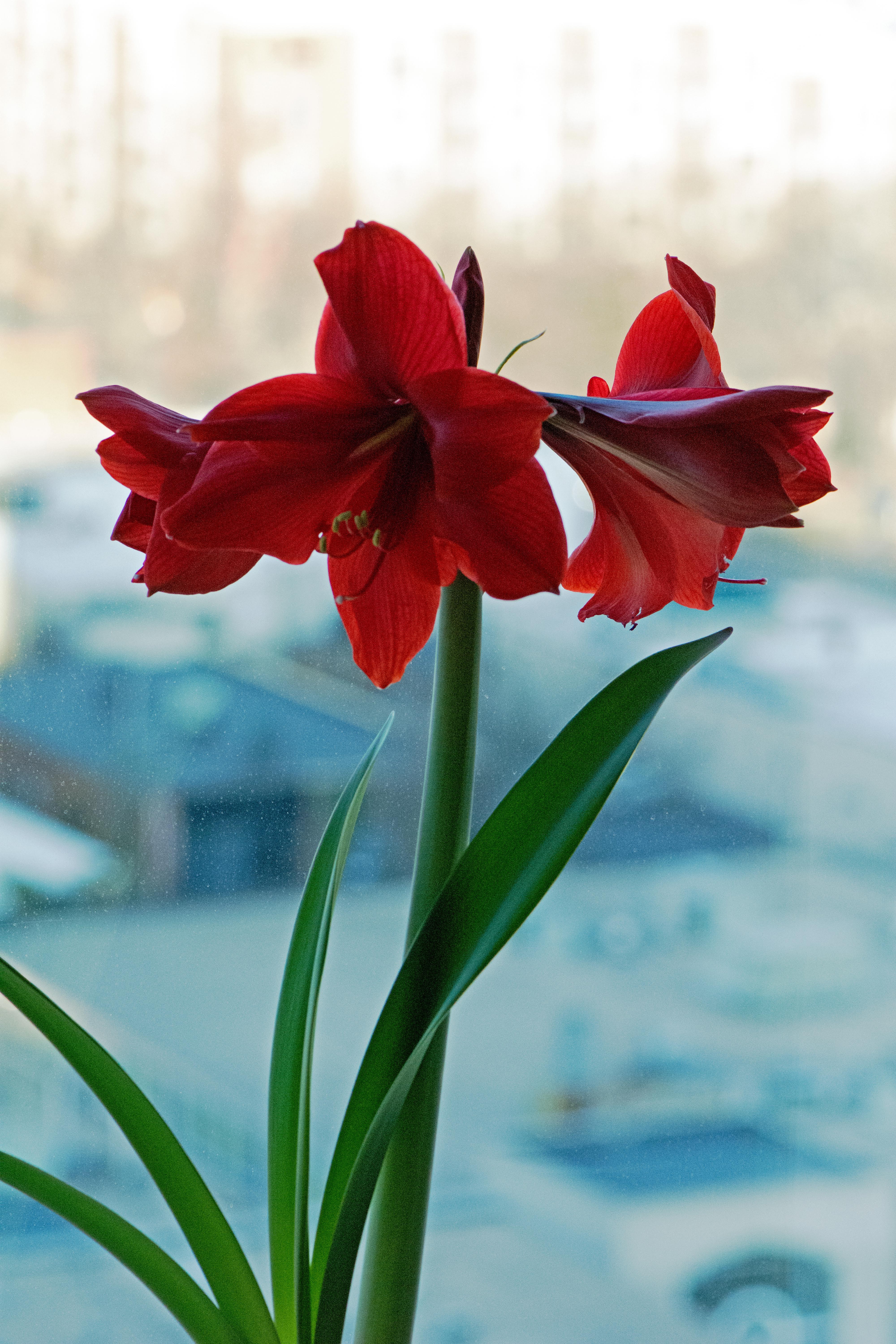
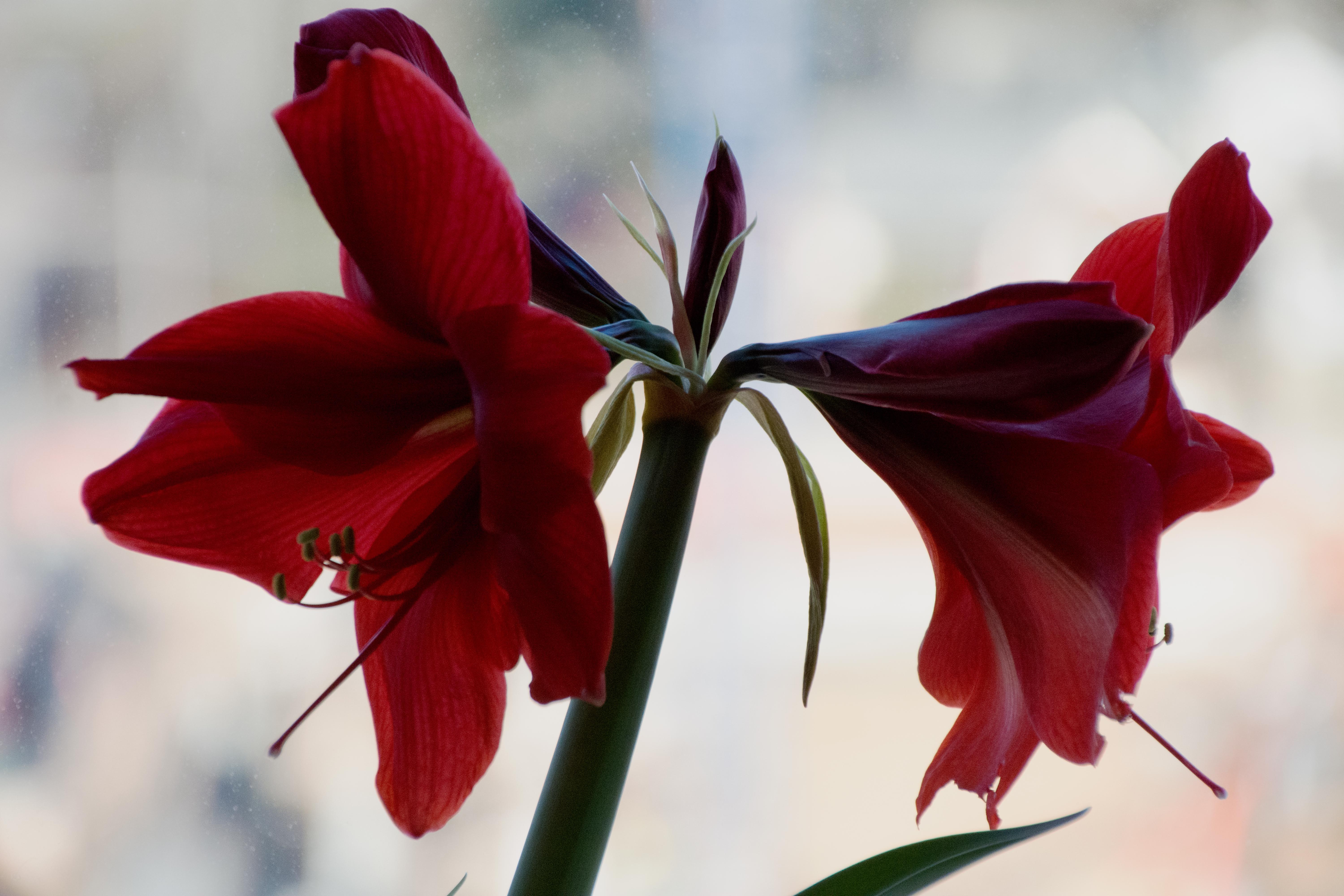
After an auspicious Groundhog Day, the weather turned cold, and we started really wishing for spring. Fortunately, our dear houseplants are keeping our spirits up. Sally recently agreed to adopt her mom’s amaryllis bulb, which needed more sun than Diane had ready access to. It’s been getting taller (see photo from last week’s post), and this week it bloomed spectacularly. I got these photos looking west when the sun had just risen.

It was a tough week for Brian Williams, who was suspended from reading the network news for recounting a harrowing war story that didn’t exactly happen, at least to him. I do not know the man, and have no knowledge as to whether he intentionally lied.

But I do know it’s entirely possible that he had a false memory that he mistook for a true one. This has happened to me, and it’s probably happened to you. Plenty of research has established that human memory is highly fallible, and some memory errors are dramatic. Thousands of people “remember” being abducted by aliens (which I’m fairly confident didn’t happen). Quack therapists have persuaded many unfortunates to “remember” childhood sexual abuse that never occurred. And some crime victims “remember” and identify their attackers with apparent certainty, after a bit of police coaching, though DNA evidence shows the attacker was someone else.
_DSC8318_edited-1

Celebrating the downfall of those with disproportionate luck as to wealth and good looks is of course good fun, and there was great schadenfreude in the land over Williams’s I’m-kind-of-a-hero story. But there were a few voices in his defense pointing out some of what we’re learning about our memory imperfections and other mental challenges. The Times had a a useful quick summary.
There was also a good article in Slate by Christopher Chabris and Daniel Simons that gave some practical suggestions for reducing the likelihood that you will make the kind of mistake Williams may have made, such as checking your facts when you really need to get the fact right. By coincidence, I’d just listened to interviews with these same guys on You Are Not so Smart, a podcast focused on the science of our systematic shortcomings, like memory glitches and unconscious bias.

We like to imagine ourselves as powerful and perfect, but it’s much more useful to be aware of where we are prone to error and delusion. Understanding our cognitive weaknesses can help us avoid some mistakes and make better decisions. Also, understanding that we are all fallible might make us a little more humble and a little less judgemental.

_DSC8267_edited-1

One of the great thing about ballet is that, though mannered, it also has a kind of emotional directness. It doesn’t need much in the way of narrative to involve us. As humans, we are just naturally interested in the physical aspects of other humans. Within the safe zone of the theatre, we are privileged to gaze at the beautiful dancers, as they share themselves and bring us to life.

On Saturday night, we saw the Carolina Ballet do a program with works by Robert Weiss and George Balanchine. Jan Burkhard and Nikolai Smirnov were dazzling in Tarantella. Balanchine’s take on gypsy dancers is light, but also intense, and the dancers seemed to push to their limits. Balanchine’s famous Four Temperaments was more austere, with the dancers in basic black and white and inwardly focused, but it was equally stimulating. Cecilia Iliesiu as Choleric was particularly fine – commanding and regal.

I also really liked the two new Weiss ballets. The Double is a duet of two women, not identical but nearly, moving closely in synch in shadows. Alicia Fabry and Alyssa Pilger were beautifully paired, and entrancing. Weiss’s Grosse Fuge, to Beethoven’s famous and strange late work, had a large cast and high kinetic energy.

Scary stuff: Dracula, the ballet, and Ebola, the hysteria

14 10 24_3520
In general, I have very little interest in ghosts, ghouls, witches, vampires, and suchlike. There are enough truly scary things in the world that are real (e.g. global warming, thermonuclear weapons on hair-trigger alert, and tainted food from factory farms, to name a few). So it puzzles me a little that people spend mental energy scaring themselves with made-up monsters. Maybe it’s something like the fun/fear of riding the thrill rides at the fair (which I’m also over).

So, as much as I adore the Carolina Ballet, I was not eagerly anticipating Dracula, which we saw Saturday night. It is certainly not pure ballet. But boy, is it sexy! There was a good amount of stimulating vampire vamping, and even some touching dancing.

Marcelo Martinez was muscular and mesmerizing as Count D, and Lara O’Brien was a delicate, then demonic, Lucy. The marvelous Pablo Javier Perez played perhaps the scariest character, Renfeld the lunatic, who eats flies, prowls, and watches with superhuman intensity. The Twisted Sisters (Dracula’s harem, I guess) – Randi Osetek, Sarah Newton, Elizabeth Ousley – were naughty and highly exotic. I also particularly enjoyed the dancing of Elice McKinley and Nikolai Smirnov as Colette and Jack — sweet, innocent, loving mortals.

The other work on the program, The Masque of the Red Death, is based on the E.A. Poe story about a ball in a time of plague. The costumes for the costume ball were particularly sumptuous. Richard Krusch was the Red Death. He is a really fine dancer, but of extremely serious mien; he usually looks like he isn’t having any fun at all. But this was not a problem in this role, in which he wears a skull mask.

The dance of death/plague theme seemed timely, and a little jarring, after weeks of daily headlines about the Ebola virus in Africa, and also (a couple of cases) in the U.S. It is sad for the victims and their loved ones, but it strikes me that the media frenzy is out of all reasonable proportion. How many more people are dying daily of AIDS? Or the flu? Or car accidents, for that matter? Plainly, this is a dangerous bug, and we need to watch and take care, but why try to get more scared than necessary?

As I mentioned last week, I’m trying to spend a few minutes every day doing mindfulness meditation. The basic idea, which is well described in this short infographic is to sit quietly, focus on breathing, and observe what’s happening with your thoughts. It’s simple, but not easy.

By coincidence, Scientific American, which arrived this week, has a cover story on the neuroscience of meditation. The headline is that there is substantial research showing that it improves focus, reduces stress, and has other positive health effects. It also can boost feelings of well-being, and improve empathy and compassion.

The story doesn’t mention this, but I’m hopeful that if meditation helps us understand our thought processes, it might improve our ability to distinguish between imaginary threats and real ones, and apply our energy to problems we might be able to solve.
14 10 24_3523

A new Firebird, and a great egret

14 09 14_2576_edited-1
Whew! We finally made it to the start of the new Carolina Ballet season. After a long summer without any dance, I was particularly looking forward to the CB’s first program, with The Firebird as the featured work. And I was particularly excited to see Alyssa Pilger make her debut in the role of Firebird.

Full disclosure: based on a donation to the company, we were invited to be the pointe shoe sponsor of a dancer, and we picked Alyssa. She was then in her second season with the company, and struck us as especially talented. It’s been fun getting to know her. The Firebird is a big, difficult part, and not usually (maybe never) danced by such a junior member of the company. I went over to see her first performance of the role at yesterday’s Saturday matinee, and felt a few butterflies, like an anxious parent.
14 09 14_2539_edited-1

Fortunately, she was fabulous! I’ve seen Weiss’s ballet to the great Stravinsky score at least twice before, and always enjoyed the solos for the magical sparkling red bird. The creature flits, darts and dashes, with sudden quickness and sudden stillness. Alyssa’s creation was a firebird of elegant exoticism and power. Out at the end of her long arms, her hands seemed almost like individual creatures, sending their own strange messages. With some of the extreme stretches and twists, it was easy to believe she was part bird. I found her performance completely transporting. It gave me goosebumps.
14 09 14_2562_edited-1

I also really enjoyed Zalman Raffael’s new ballet, Brahms’ Violin Sonata No 3. I’m a Brahms man from way back, and know this great piece very well, but it never occurred to me that it could be a ballet. If it had occurred to me, I wouldn’t have guessed that a young choreographer would grasp and know what to do with its complex romantic pleasures. Indeed, I don’t know many people who care much for this music, which sometimes makes me wistful.
14 09 14_2558_edited-1

Raffael, however, left no doubt of his grasp of Brahms. I found the ballet faithful to the spirit of the music, while managing to push against it and find new aspects. Jan Burkhard’s pas de deux with Yevgeny Shlapko showed tremendous emotional range. She was lovely and languid in the slow movement, as well as fiery in the finale. Jan has always had a lot of vivacious charm, but she seems to have extended her range into the darker modes in recent seasons. Yevgeny also looked great (he must have spent some time in the gym this summer).
14 09 14_2582_edited-1

The other piece on the program was a new ballet by Robert Weiss called Les Saltimbanques. The music, Stravinsky’s Symphony in C, was Weiss’s primary inspiration. The piece, which I was not familiar with, is not as tuneful and romantic as The Firebird, but instead is more polytonal with irregular accents. Here too, I thought the choreography was faithful to and illuminating of the music. The organizing idea of the ballet is street performers (acrobats, clowns, and the like) filtered through a Picasso-esque vision. I found it bright and involving, and look forward to seeing it again next week.

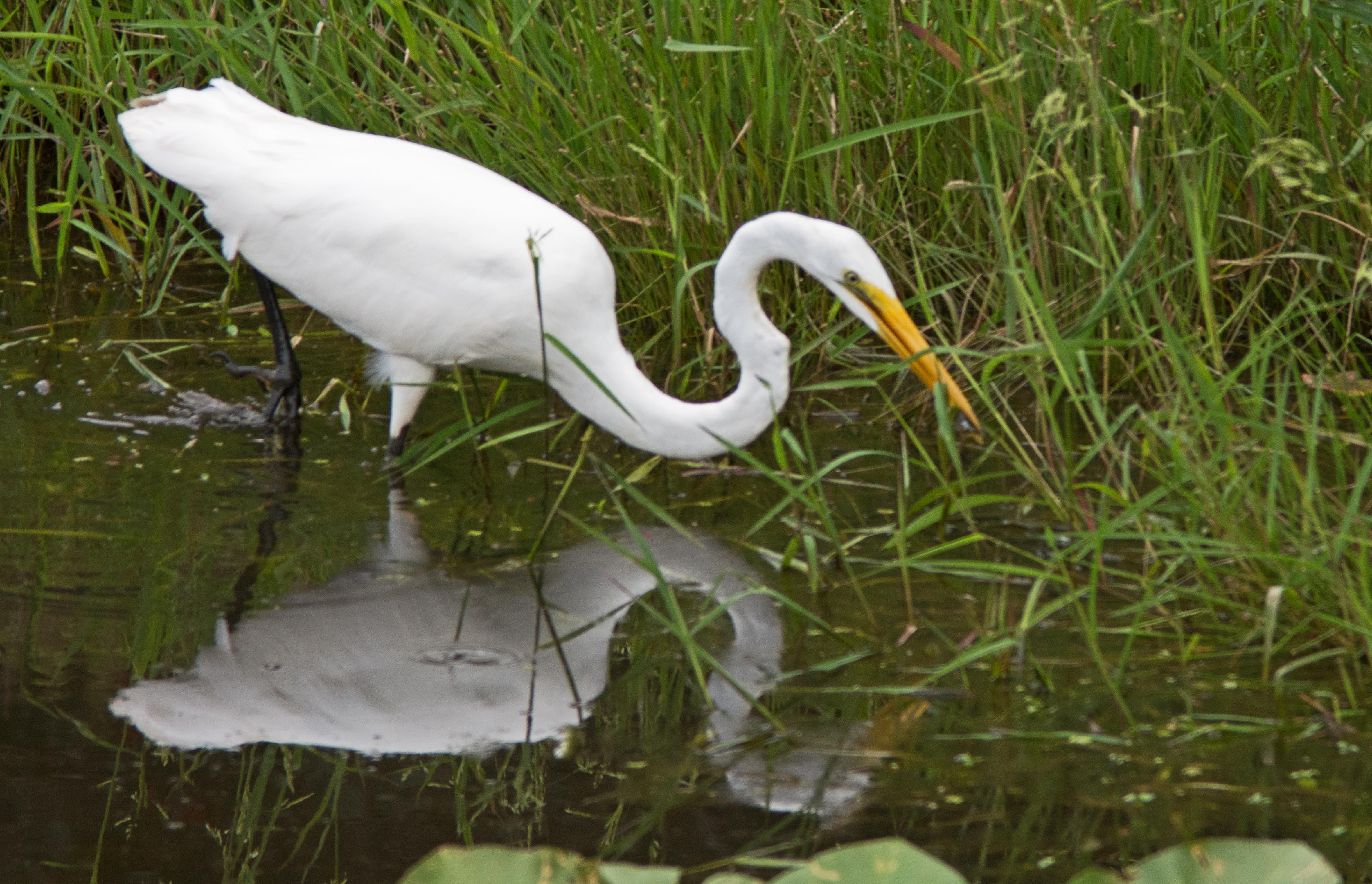
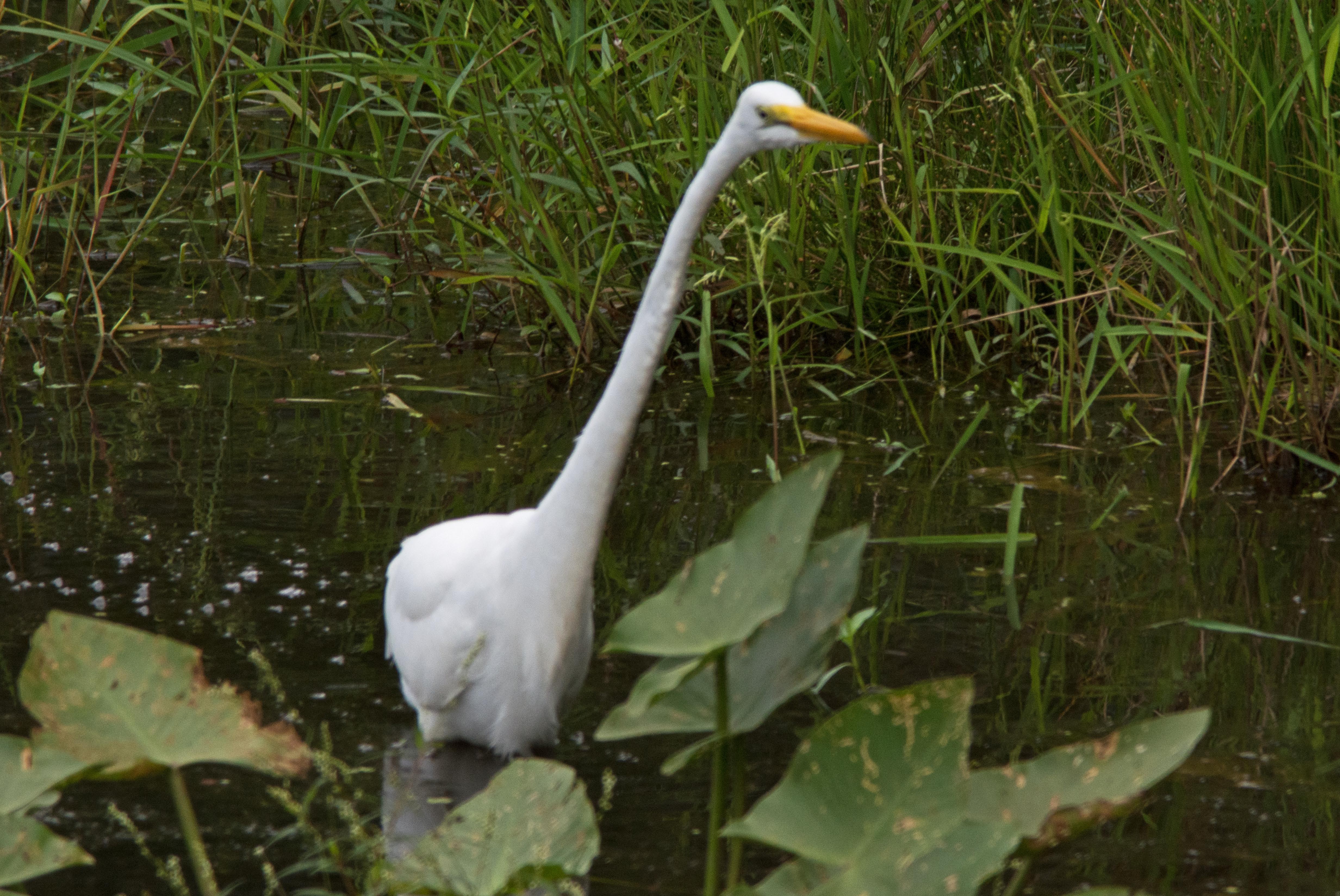
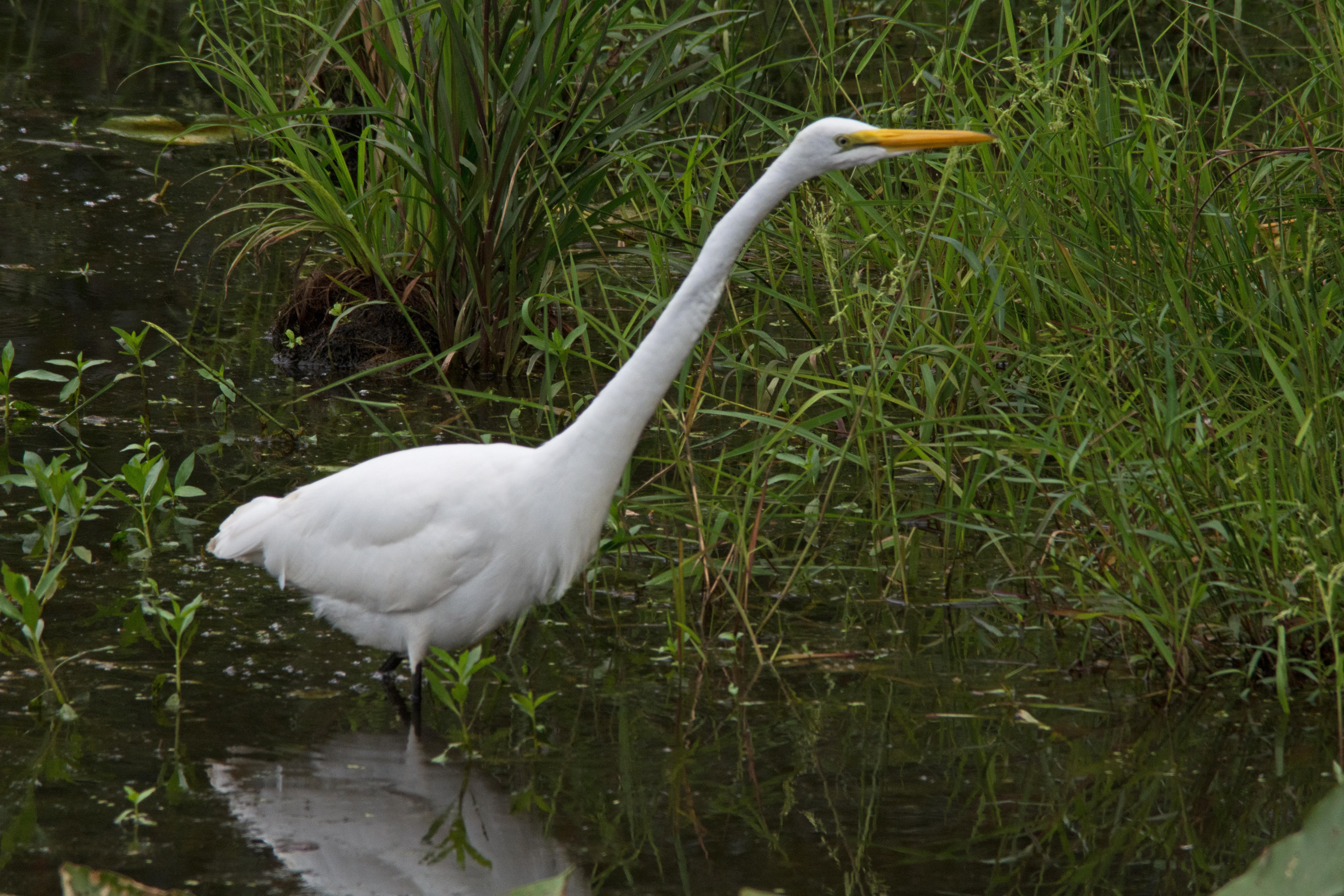
These pictures were taken this morning (September 14, 2014) at Yates Mill Pond in Raleigh. The great egret is a bird we don’t see every day around here. I watched this one hunting for a half hour or so, and was enraptured.
14 09 14_2596_edited-1

Buds, laughs, and cries, including Romeo and Juliet (the ballet)

14 03 22_7848
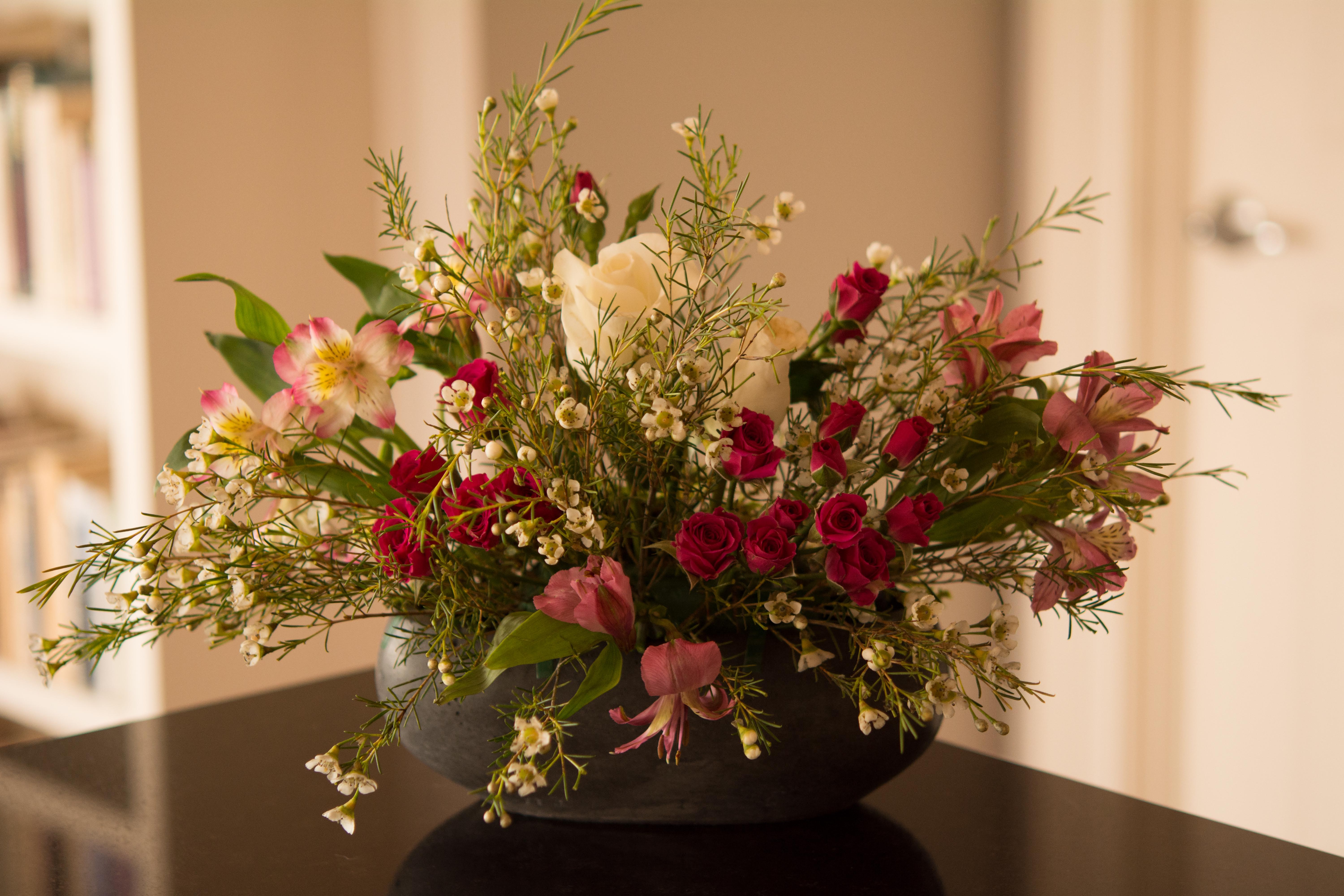
Sally’s taking a flower arranging class at Wake Tech, and here is her latest project, which I really liked. With spring officially here, I’m very much ready for the big blossoming , and took a Saturday morning walk through Fletcher Park and Raulston Arboretum to see what was up. They’re not here in numbers just yet. But it was fun to take a close look at some things on the point of bursting out.
14 03 22_7831
Is there anything more boring than people bragging about their marvelous kids? Perhaps hearing people complain about their aches and pains. But other people’s impressive kids are still a serious problem, conversation-wise. Why is it, then, that stories about my own kids are so interesting?

So, sorry, but here goes a proud papa: Jocelyn, having conquered the book publishing business in Manhattan (i.e. getting an entry-level job in ebooks at Macmillan), has now published her first professional writing. It’s a humorous essay about getting the fun of a good cry, which you may read at Quarterlette, a site for twenty-something women. The pay was not good (zero), but she was very excited to be a beginning author. Who knows what comes next? She’s got a piece on online dating in the works, and we kicked around ideas for a funny piece about the annoyances of Facebook.
14 03 22_7829

At an opposite extreme, there’s a piece in last week’s New Yorker by Andrew Solomon about Peter Lanza, the father of Adam Lanza. Remember Adam, the Sandy Hook killer, who took the life of 26 little kids, his mom, and himself? This is worse than a parent’s worst nightmare. I hadn’t known that he was a high functioning autistic kid who may also have been psychotic. We want to know why he did what he did or what might have made things unfold differently, but there are no full, satisfying answers. Nobody saw Adam’s potential for horrific violence, including the mental health professionals who examined him or his parents. I was moved by Peter Lanza’s struggle with both the pain of loss and profound guilt.
14 03 22_7816

There’s another good story about death and love called Romeo and Juliet, which the Carolina Ballet performed on Saturday night. We’ve seen Robert Weiss’s choreographed version several times over the past 15 years, and it’s one of my favorites. Shakespeare’s story, it turns out, works quite well without words. The language of ballet is fully sufficient to convey the richness of the trembling, tingling ecstasy of first love, and the explosive violence of feuding clans.

In this production, Margaret Severin-Hansen played Juliet with sweet innocence, and her Romeo, Sokvannara Sar, was strong and sensitive. Their balcony scene was complete, unmitigated, overwhelming love — love that obliterates everything else. Eugene Barnes was a smoldering, intimidating Tybalt. I thought the group sword fights could have used a bit more edge and brio, though I hesitate to say so – I wouldn’t want any dancers to actually get hurt.

Lindsay Turkel was radiant in the trio of gypsy street dancers. We were also happy to see Alyssa Pilger, a corps member and our pointe shoe sponsoree, get a high-profile solo as the Mandolin Girl. She rocked! I’d previously been struck by her beautiful technique, but last night she danced with amazing power, impassioned and electrifying.

Some good news re my eye, and seeing the beautiful Giselle

On Tuesday it was time for another checkup at the Duke Eye Center to see how my left retina was faring. I’d noticed recently that I was seeing better out of that eye – still blurrily, but enough to be of some practical use. But I’d been cautioned by my rockstar retinologist, Dr. M, that because of the scarring from my first operation, there was considerable uncertainty as to how the healing process would progress, and the weeks just past would be a critical phase. I tried not to think about it.

At the appointment, after a four-hour wait (aargh!), I was pleased to find that I could read some of the letters on the eye chart (which I could not at the last visit) and tell with confidence how many fingers the PA was holding up in front of me.  After studying various images of my eye and peering into it with his magnifying instruments, he said, “I like what I’m seeing.”  He told me we’ll need to operate in a couple of months on my new cataract and do a bit of clean up work, but it looks like my vision will improve.  This is good.

On Friday I saw the Carolina Ballet’s last ballet of the season, Giselle. This is one of the most famous works in the canon of classical ballet, but I’d never seen it, and was excited to finally make its acquaintance. The production was beautiful, and also unexpectedly touching.

The ballet is a simple, then tragic, then supernatural love story. Giselle is a sweet peasant girl who is loved by a fine peasant boy but wooed and won by a stranger who turns out to be a Count in disguise. When she finds out that the disguised Count is engaged to an elegant royal lady, she goes mad (very like Lucia), and dies. In the second act, she joins a large group of other deceased jilted maidens, known as the wilis, who dance beautifully together and wreak vengeance on cads such as the Count. But it turns out that the Count really loved Giselle, and she comes to his rescue at the end. Happy ending! Well, sort of – Giselle’s still deceased. You’ve got to get into a romantic frame of mind to enjoy this, but you almost can’t help it.

Lillian Vigo was a beautiful Giselle. At her best, Vigo is masterfully elegant, particularly in adagio passages, and she was lovely this evening. She has the most amazingly graceful long arms! She was sweet and vulnerable, engaged and engaging. It is amazing how much emotion a human body can convey without speaking!

Richard Krusch was a surprisingly complex Count Albrecht, by moments either outgoing or withdrawn. Krusch is a marvelous dancer, but he he can at times seem remote. This evening, he seemed completely and intensely present, and stunning, not only in his athleticism, but in his human engagement.

I also admired Cecilia Iliesiu at Myrtha, Queen of the Wilis. Ilesiu is powerful in every respect; she commands the stage. She immediately established that the Wilis were no joke — even if they have a funny name, they were not to be trifled with. The wilis were numerous and gorgeous in white gowns. The effect of 20 ballerinas in tight formation, hovering on pointe, is both pretty and kind of scary.

On Sunday afternoon I went to see Giselle a second time. I wanted to see Lola Cooper, our pointe shoe sponsoree and friend, perform the peasant pas de deux. It seems quite technically demanding, and Lola rose to the challenge. I thought she looked wonderful.

It’s interesting how different dancers can discover and express very different aspects of the same role. I thought Jan Burkhard was superb as Giselle. Her dancing was fully realized and wonderfully expressive, ranging from sweet tenderness to the agony of madness. It was really moving — I got goosebumps. I came away with a new respect for her range and depth. In this performance I also particularly enjoyed Marcelo Martinez as the Count, who took some real chances and was thrilling, and Lara O’Brien as Myrtha, who was regal and mysterious.

A delightful evening with the Carolina Ballet

We saw the Carolina Ballet’s new program on Friday night, and loved it! The first of the two feature works was Fancy Free, by Jerome Robbins with a jazzy score by Leonard Bernstein. It’s about young three sailors out on the town (and led to the musical On the Town) looking for female companionship. The sailors joke around, drink, fight, and come to full attention at the sight of a passing lady. It is sweet and funny, and also marvelously accurate on the overwhelming force of male and female attraction. We particularly enjoyed Eugene Shlapko’s solo work, but everyone was wonderful.

The other piece on the program was Carolina Jamboree, choreographed by Lynne Taylor-Corbett. It featured music by The Red Clay Ramblers, seven musicians who describe themselves as “a North Carolina string-band” with a repertoire based on “old-time mountain music, as well as country, rock, bluegrass, New Orleans, gospel, and the American Musical.” It is nothing if not eclectic, and in fact there are not just strings — there are drums, brass, and electronics, among other things. Most every one plays an instrument, or two or three, and sings. I wouldn’t say any Rambler’s singing by itself is great, but together they’re fantastic. It did not seem bogus when the audience joined in, shouting and clapping — it seemed irresistible. Alicia Fabry was haunting as the unhinged girl in the Red Rocking Chair. Also outstanding was Lindsay Purrington as Nell in the Mystery of Beautiful Nell Cropsey.

The show was at Raleigh’s Memorial Auditorium, which had an enthusiastic crowd, but quite a few empty seats. It’s disappointing that it wasn’t sold out. Some ballet is not instantly accessible, but these pieces really are. I can’t imagine anyone not relating to the funny randy sailors, their admired and harassed love interests, or the colorful country characters in Jamboree. The performances were touching, energizing, and tremendously fun.

Perhaps more than with any other art, there is no substitute for the experience of live ballet. Filmed ballet doesn’t come close to the experience of a live performance. I discussed this recently with Ricky Weiss, the company’s artistic director, and he confirmed that, although he looks at lots of ballet footage, the essence of a piece is nearly impossible to capture on film. That leaves human memory, which is imperfect, to hold what it can.

In this respect, the audience is essential to the art. If a performance drops in the forest and no one sees it, does it exist? Not fully. Performing arts are about communicating feelings, and it takes both a communicator and recipient to complete the artistic circuit. We need our dancers, of course, for the beauty and truth they give us, but they also need us.

After this weekend, the Carolina Ballet is presenting the Fancy Free/ Carolina Jamboree program one more time, in Durham, on Friday April 26.