The Casual Blog

Tag: Cape buffalo

More on our South African safari and new discoveries on birds and plants
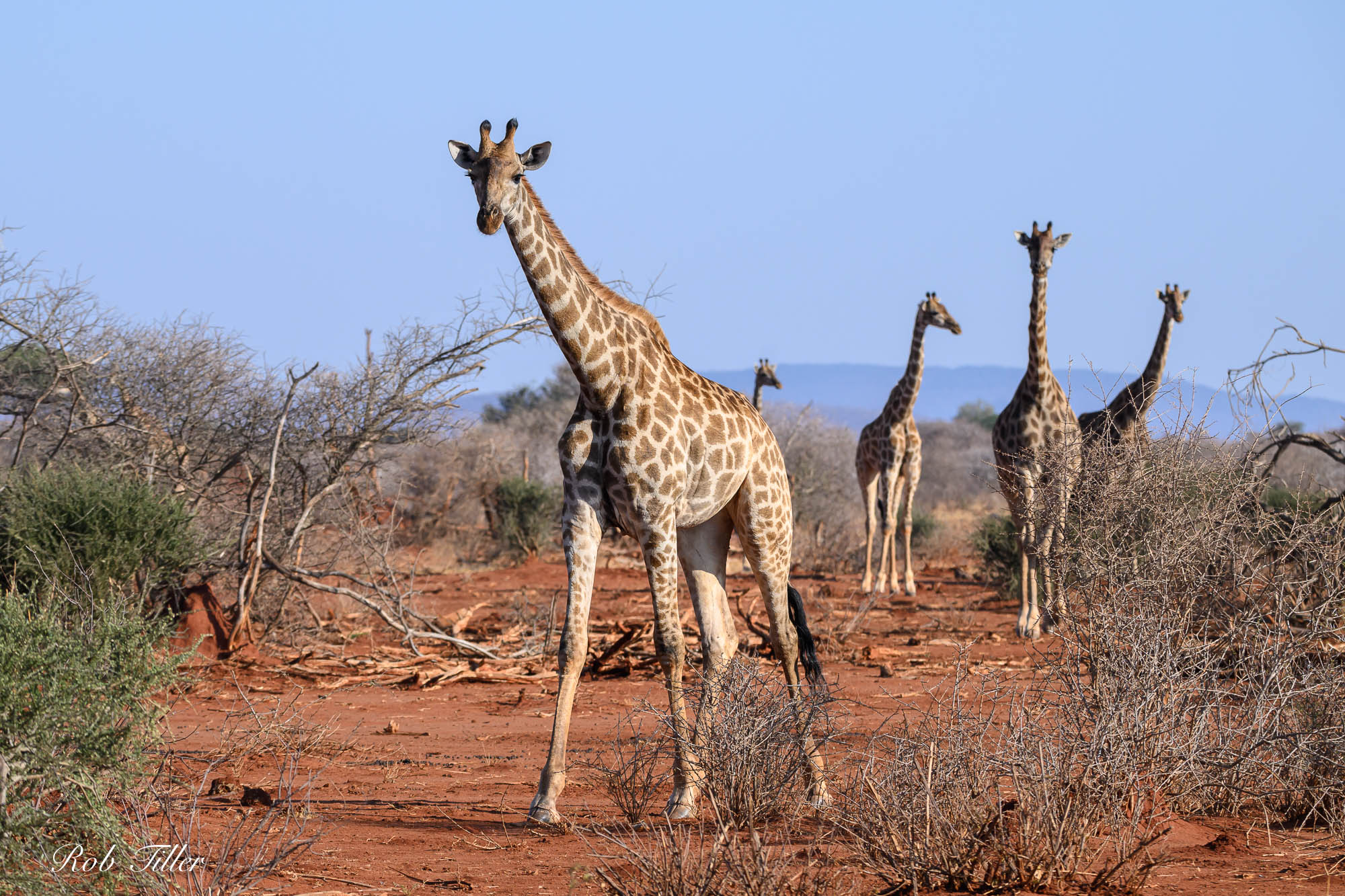
I finally finished going through the thousands of pictures I took during our South Africa safari, and found a few more I wanted to share. 
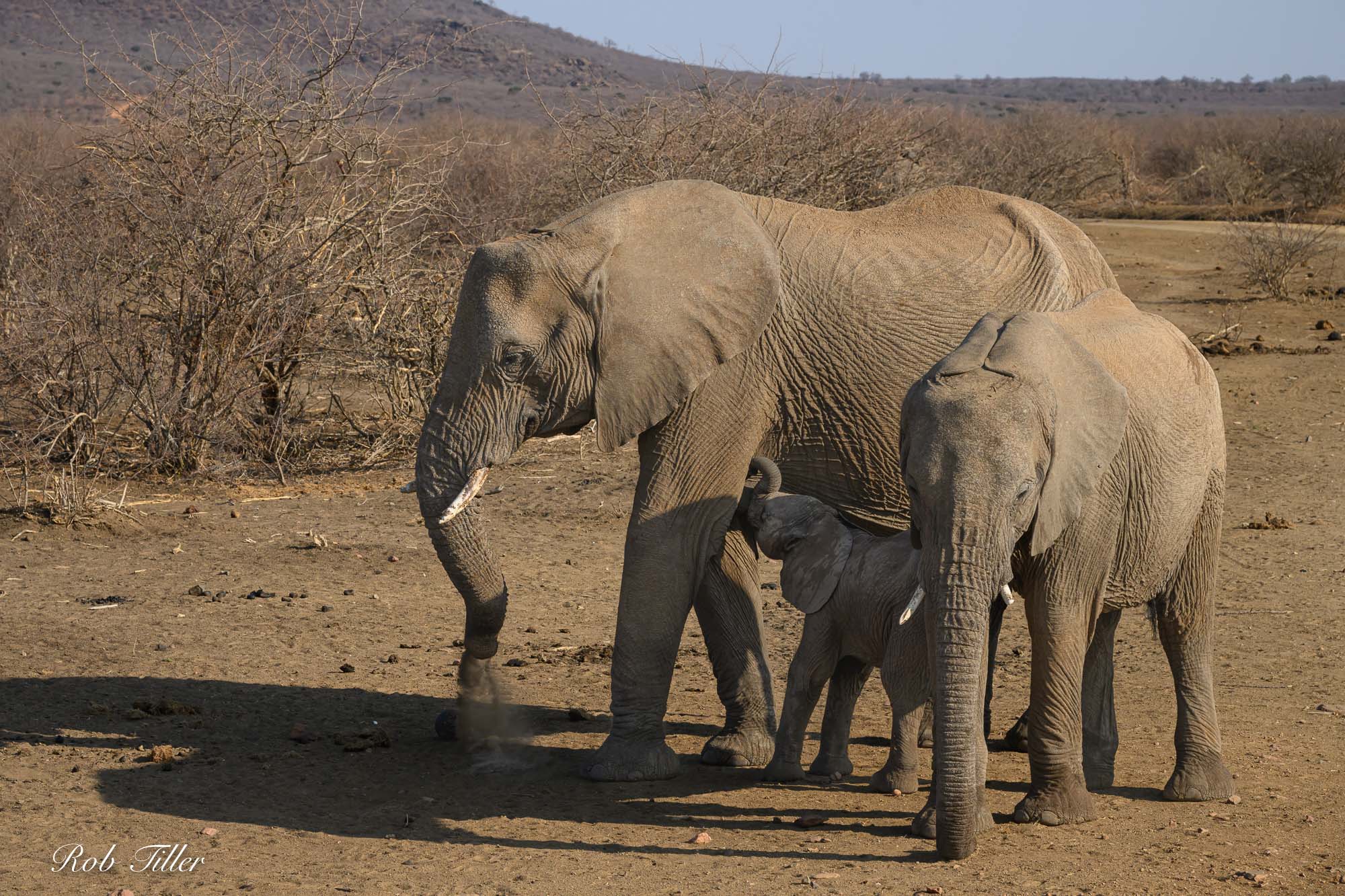
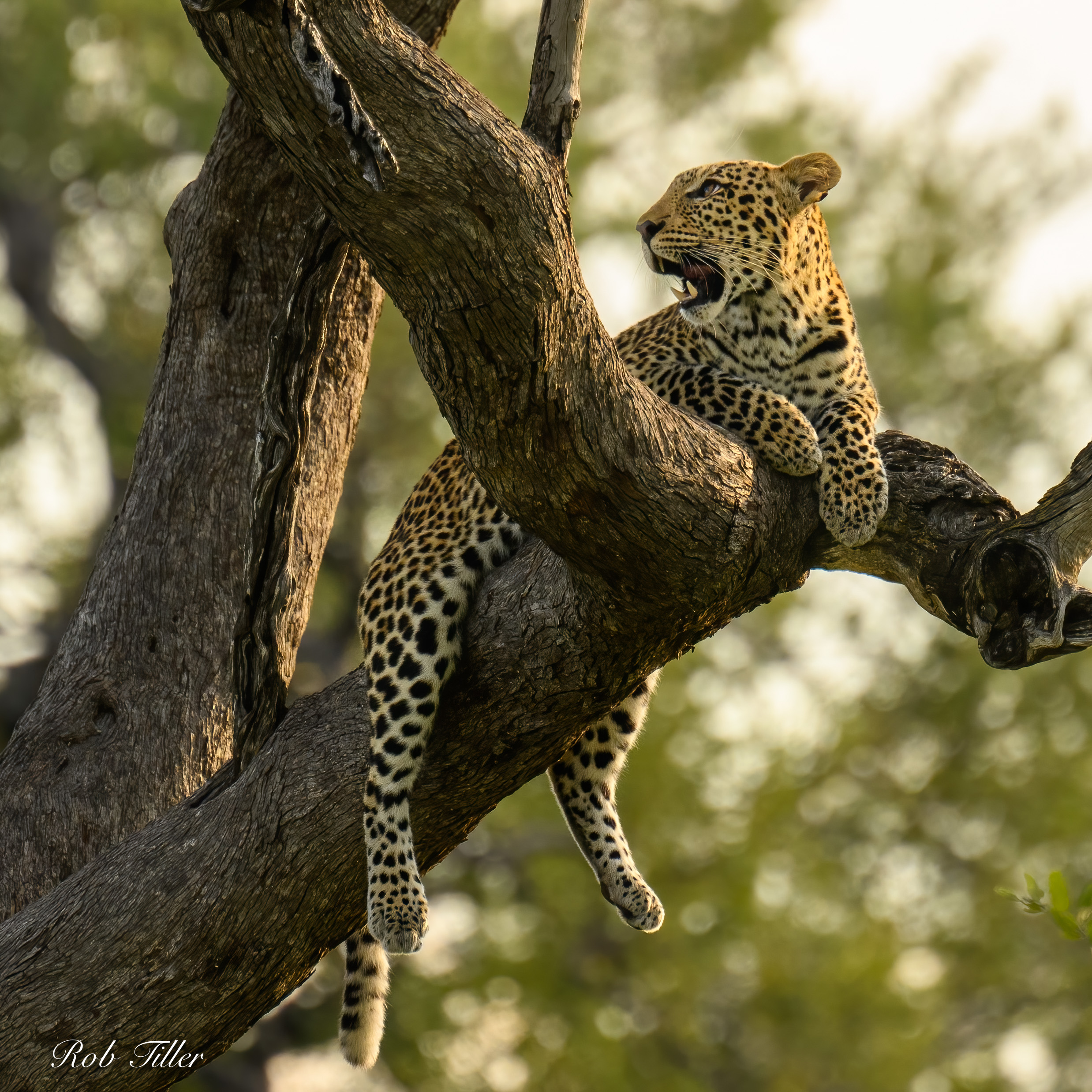
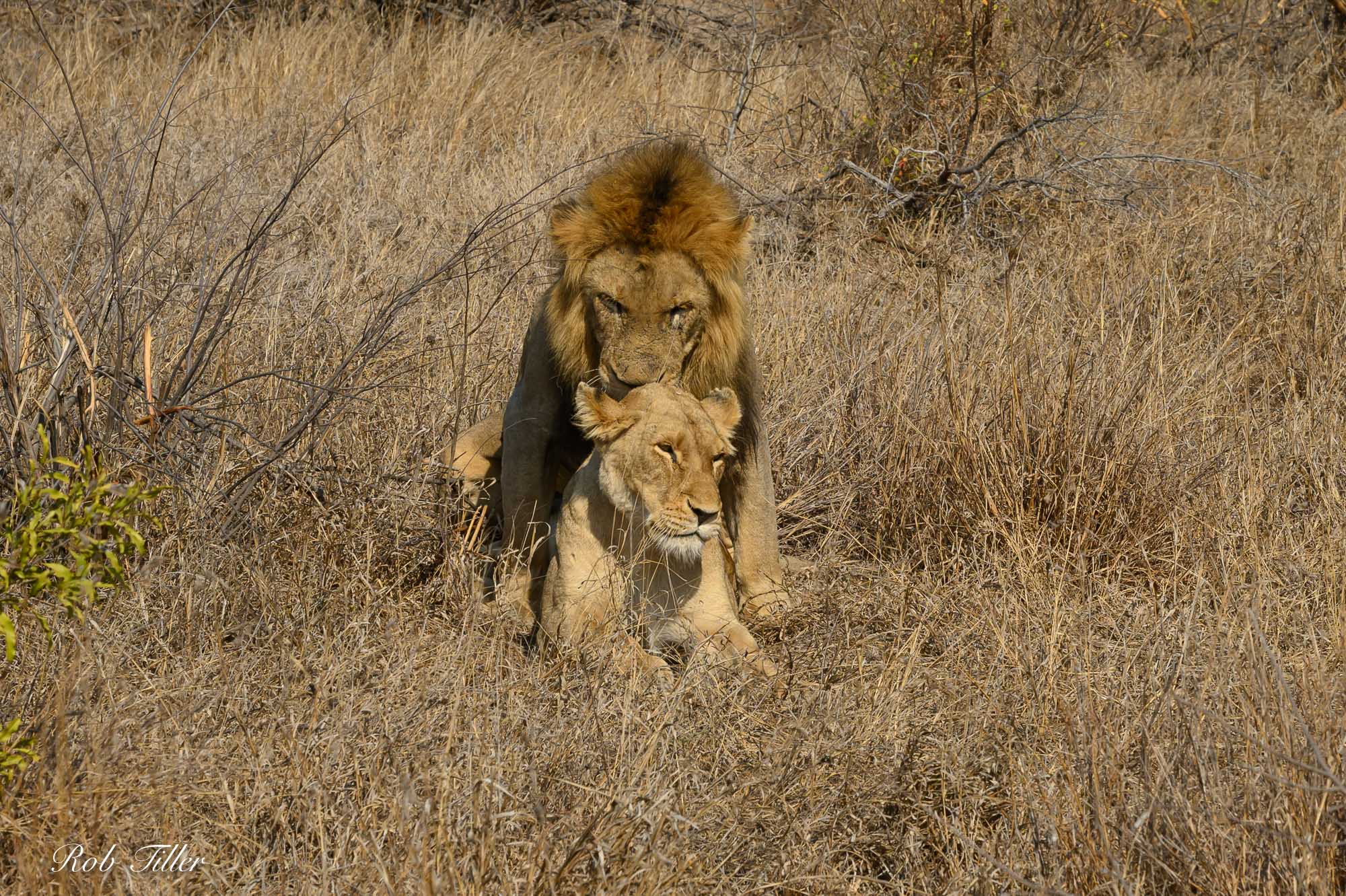
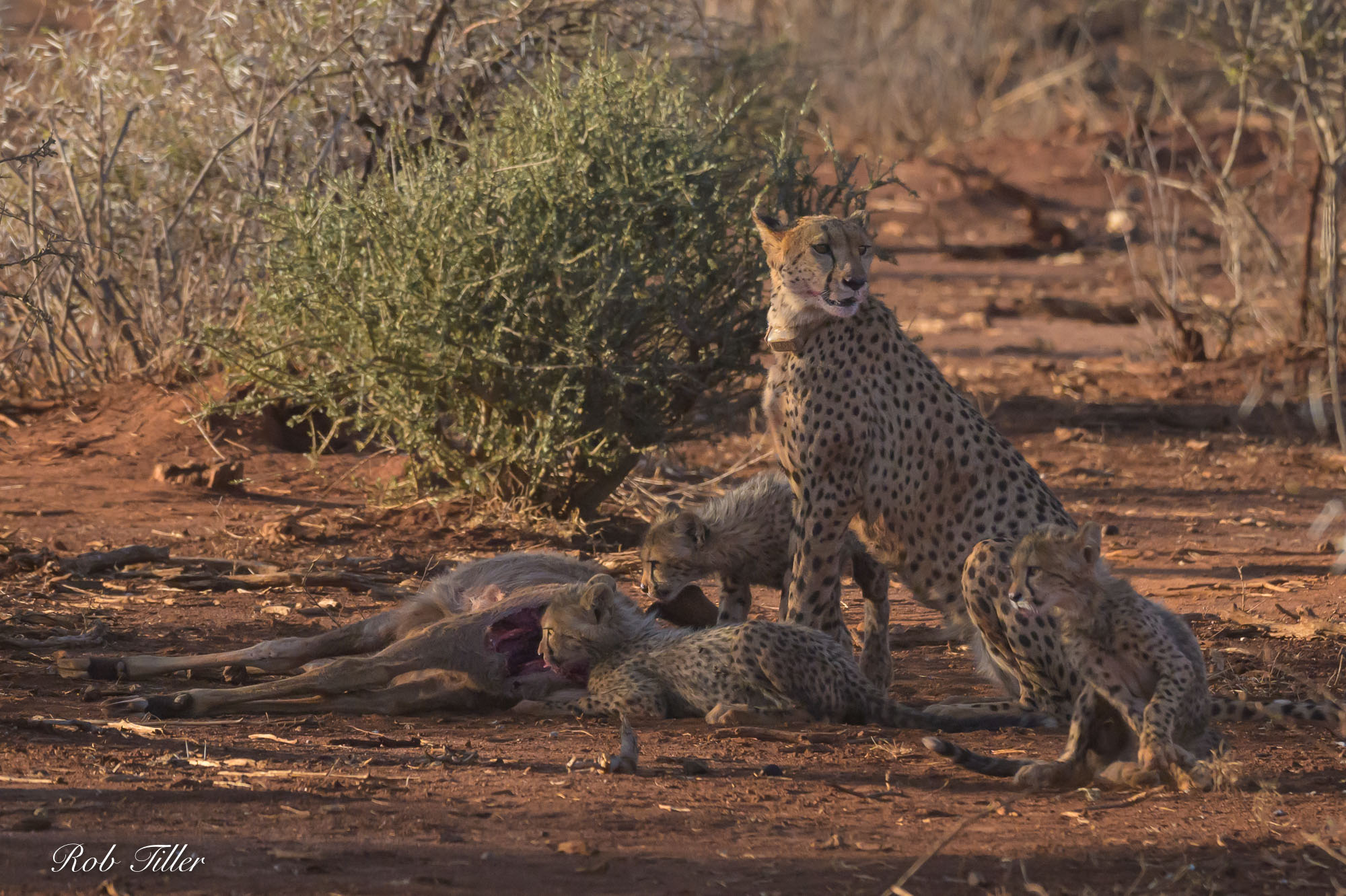
During the safari, we saw animals doing many of the things we know they have to do, like eating, drinking, bathing, teaching their young, and mating.  We didn’t see any actual kills, but we did see several big cats feeding on recent kills.   I debated whether to share photographs of those, since it’s unavoidably sad, and perhaps upsetting, to deal with the death of a beautiful creature like an impala.  But I also see an element of beauty in the predator and his or her success.  

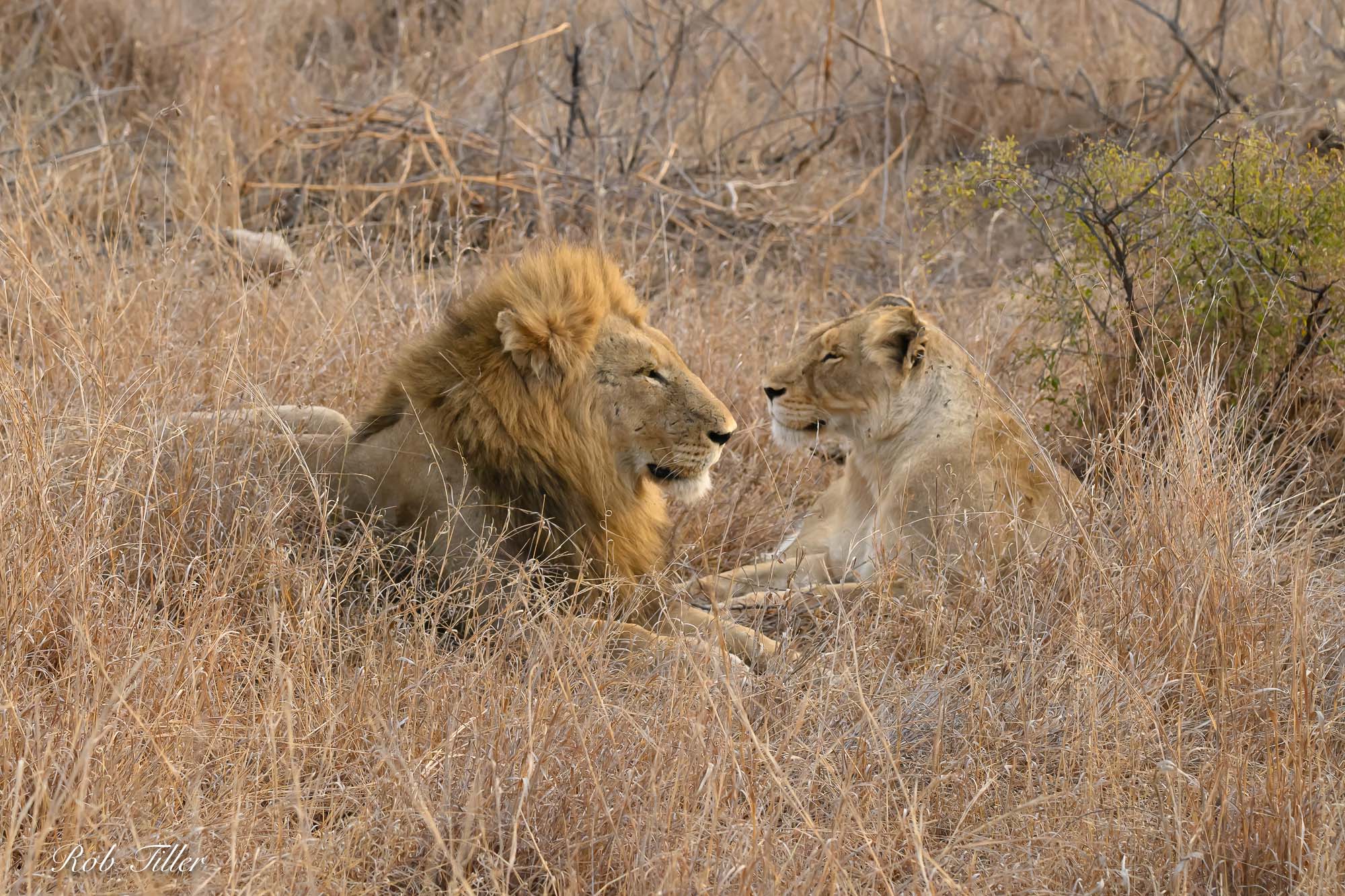
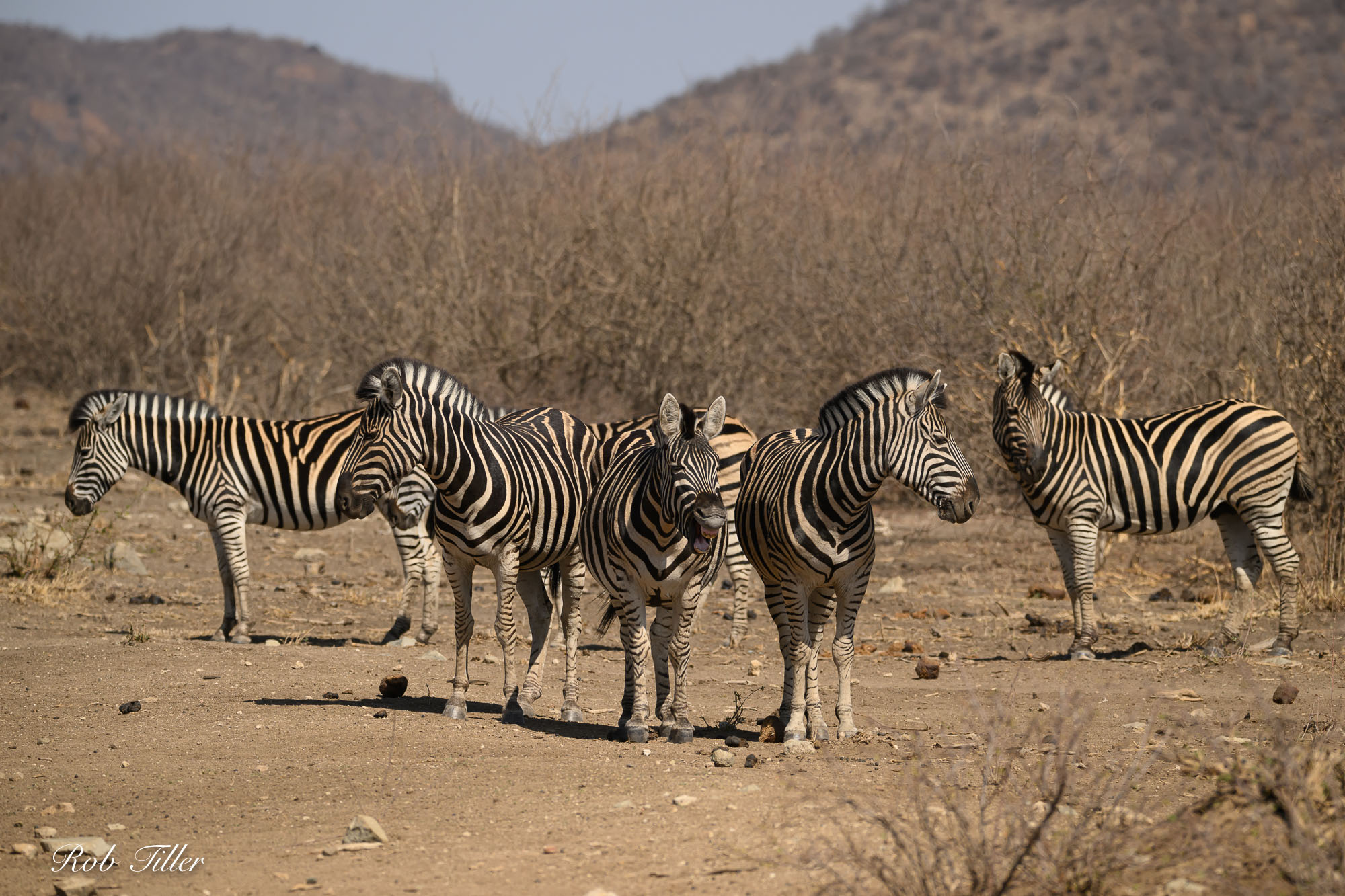
The lions, leopards, and cheetahs must kill to survive and to feed their young.  It’s just the way they’re made.  It turns out that it’s quite difficult for them to hunt successfully, and they often fail.  Grazing animals are highly sensitive to predator risks, and most of them are, when healthy, either faster or stronger than their predators.  On this trip, we watched a hidden lion lie in ambush for lengthy periods hoping, unsuccessfully, for an unwary zebra or impala.  
The grazing animals that the big cats catch are generally the old, young, or ill.  In fact, their hunting is important for the health of the grazing herds.  It  keeps diseases in check and prevents overpopulation and overgrazing that would lead to more death.  Nature generally manages to keep things remarkably well balanced among predators, prey, and plants, when there isn’t human interference.
There’s a vast amount that we do not know about nature, which is exciting, in a way:  there’s so much more to learn.  This week the New Yorker had a lively and interesting piece by Rivka Galchen about what scientists are learning about bird song. 

I’ve been interested in bird song for many years, but mainly as a way to identify birds that won’t allow themselves to be seen.  From watching flocks of big birds like tundra swans and Canada geese, I’d come to suspect that their vocalizations allowed them to coordinate their travels together.  Now researchers are confirming the suspicion that their sounds have a lot of communicative content.  
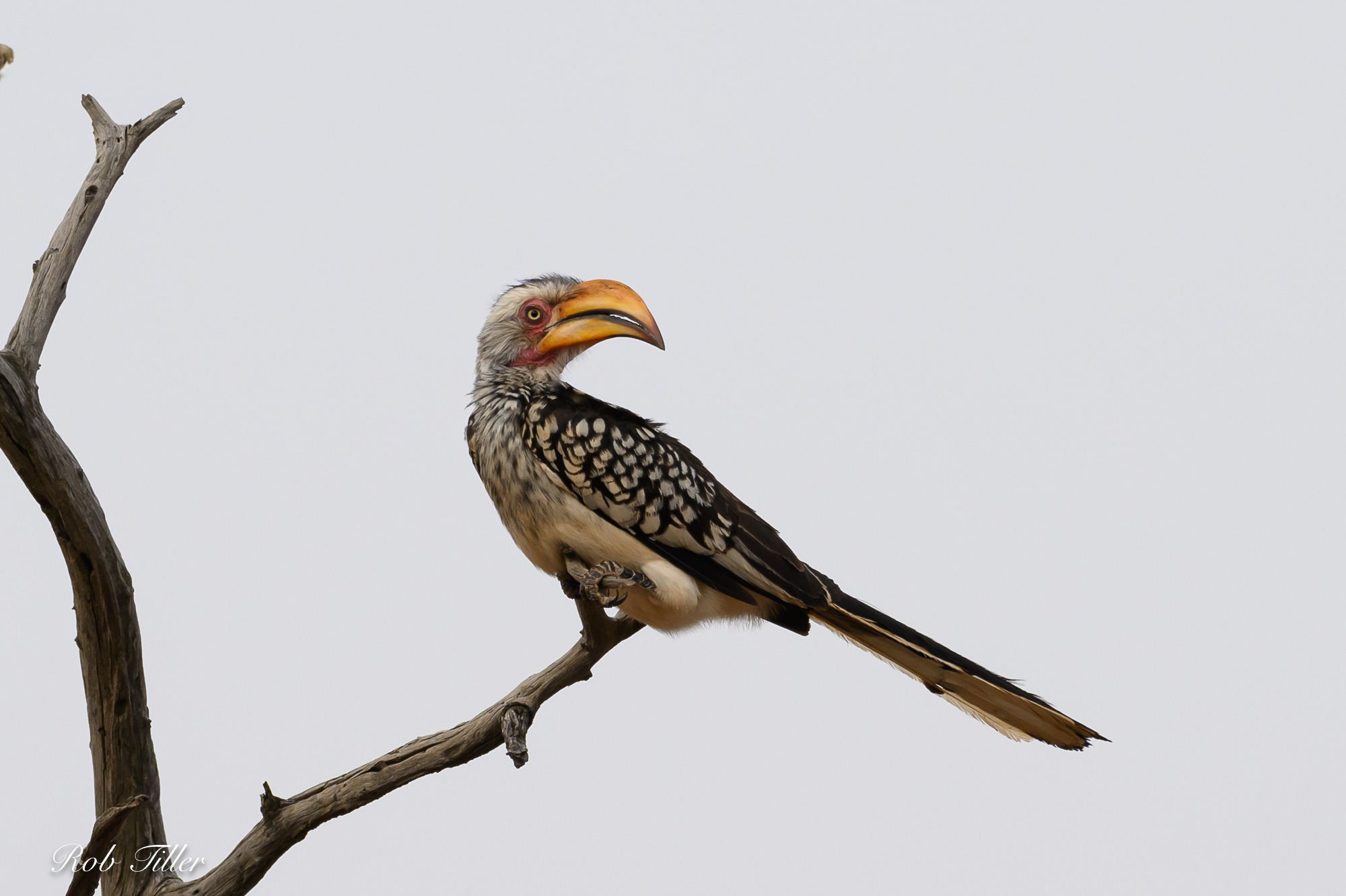
Scientists have long recognized that birds make specific alarm calls, and are learning that some of those calls differentiate the threats of, say, a hawk or a snake.  It turns out that bird parents make sounds while incubating their eggs that the developing baby bird learns.  We’re learning that bird communication is more complex than we thought, which indicates that their intelligence is more complex than we thought.  

With fall arriving, it’s gotten a bit chilly for me to have my morning tea on our deck, but when it’s mild I like to sit out there as the sun is rising and listen to the birds.  I’ve been using the Merlin app to identify calls and songs I don’t already know.  The app has gotten a lot better over the last couple of years, and is almost always accurate, at least as to the birds I’m familiar with.  
Speaking of the natural world, I’m in the midst of a remarkable book about plants:  The Light Eaters:  How the Unseen World of Plant Intelligence Offers a New Understanding of Life on Earth, by Zoe Schlanger.  Schlanger has reviewed the scientific literature and interviewed leading botany experts researching how plants sense the world and deal with their environments.  Her style is friendly and approachable, and her content is at times mind blowing.  

It turns out that plants are much more  proactive than we used to think.  There are species that modify their chemistry in response to predators to make themselves less appetizing.  There are ones that send out chemical signals to warn others of their kind of particular predators.  Some even send out chemical signals to summon insects that will prey upon the plants’ enemies.  
There is considerable evidence that plants respond to touch.   Some researchers have found that they respond to certain sounds, which we might call hearing.  They modify their behavior to avoid threats and to improve their nutrition.  The puzzle is that they lack a clear hearing organ, like an ear, or a centralized interpretive organ, like a brain.  How they do it is yet to be discovered.  

But it’s hard to avoid the thought that plants are in some sense conscious.  Schlanger recognizes that the idea of plant intelligence is still controversial in the botanical science world, and gives credit to scientists for being cautious and careful.  In this time of great anxiety about the human world of politics and war, her new book is a welcome reminder that, quite apart from humans, the world has been and continues to be full of wonders.   
Our vegan safari trip to southern Africa

I

In March Sally and I went to South Africa and Botswana for a safari adventure.  It was a great trip in many ways, though the air traveling was grueling.  I wanted to share some of the photographs I made, and an overview of the experience.

The trip was organized by World Vegan Travel (WVT), which puts together novel and elegant trips with vegan dining.  For years, we’ve struggled to match our plant-based eating preferences with our adventure travels.  It was wonderful to find that problem was solved:  the vegan meals ranged from very good to amazing.  Our fellow travelers were mostly vegans who had interesting life stories.  Seb and Brighde of WVT were excellent leaders — thoughtful, cheerful, well organized, and resourceful. The trip photographer was Jennifer Hadley, a friend from Raleigh, who shared a lot of good ideas on how to make better images, and was generous in helping solve equipment and other problems.

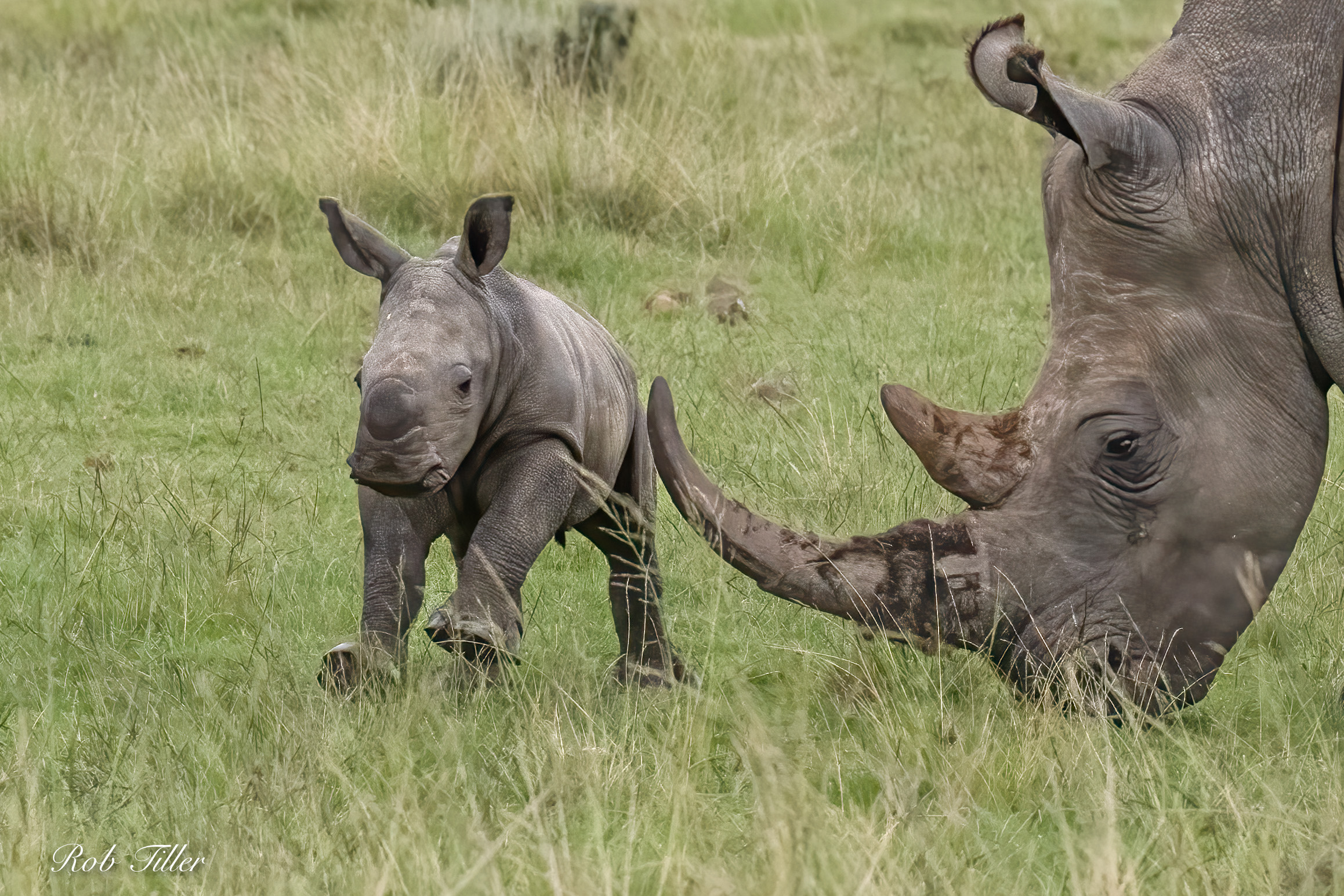
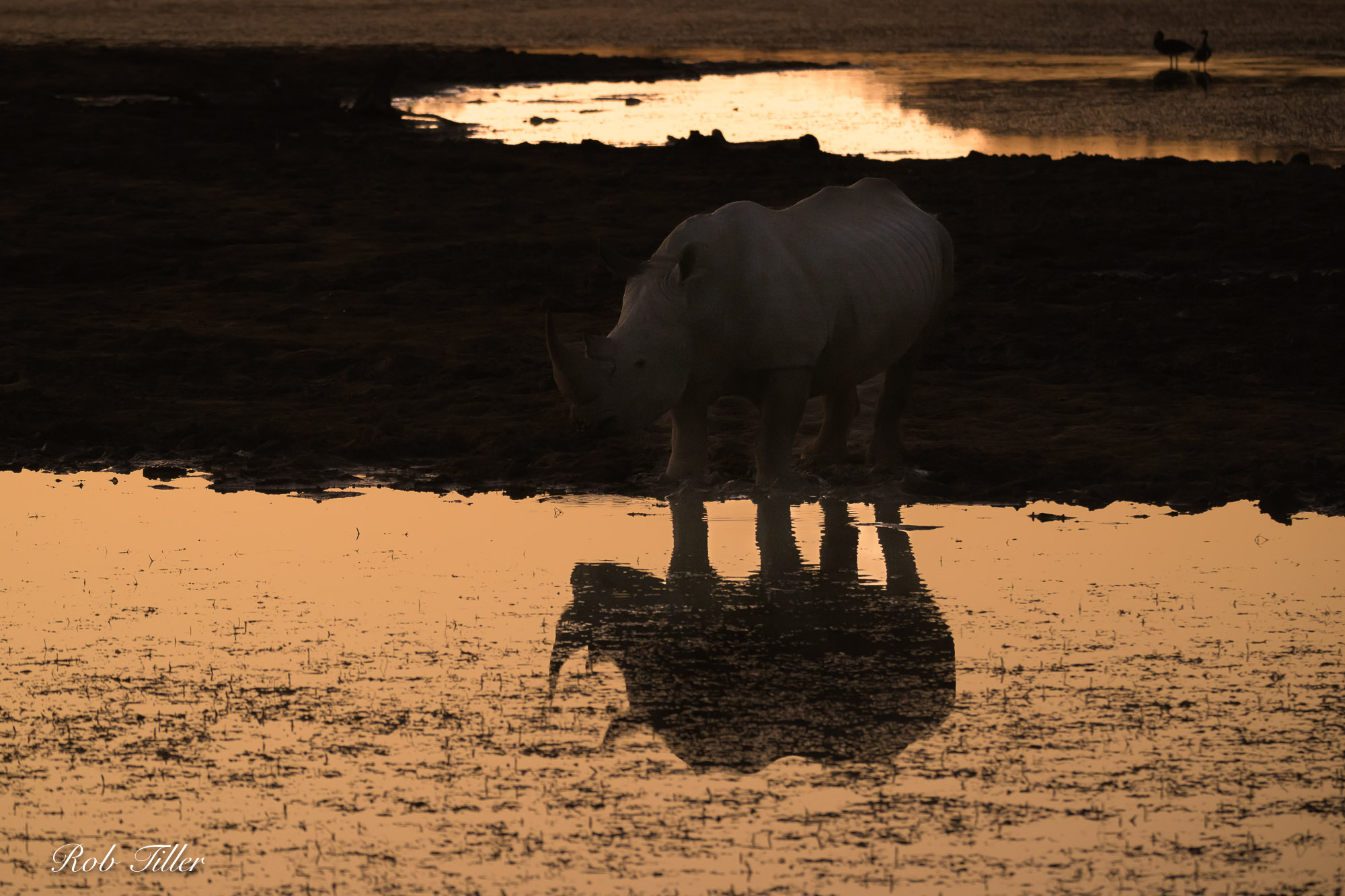
Our trip involved two segments:  1.  the Garden Route of South Africa, which runs along the coast east from Cape Town, and 2. safaris at two camps in Botswana.  We found Cape Town lively and beautiful, and enjoyed exploring the Garden Route to the east of it by bus.  One of the highlights was a two-day safari at the Gondwana Reserve, where we saw a cheetah and a two-week-old rhinoceros.  The baby rhino was about the size of a pig, and frisked about like a new puppy.  

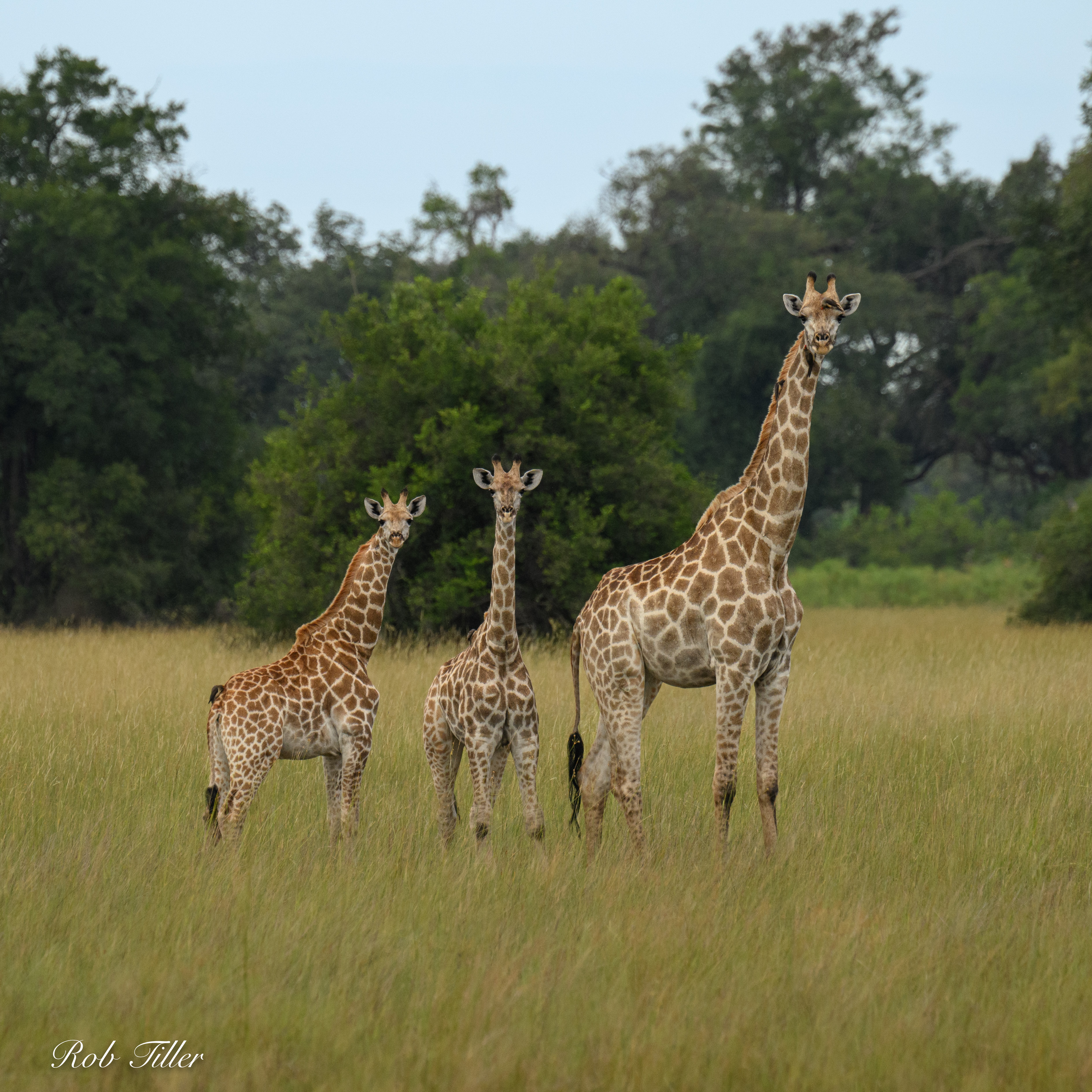
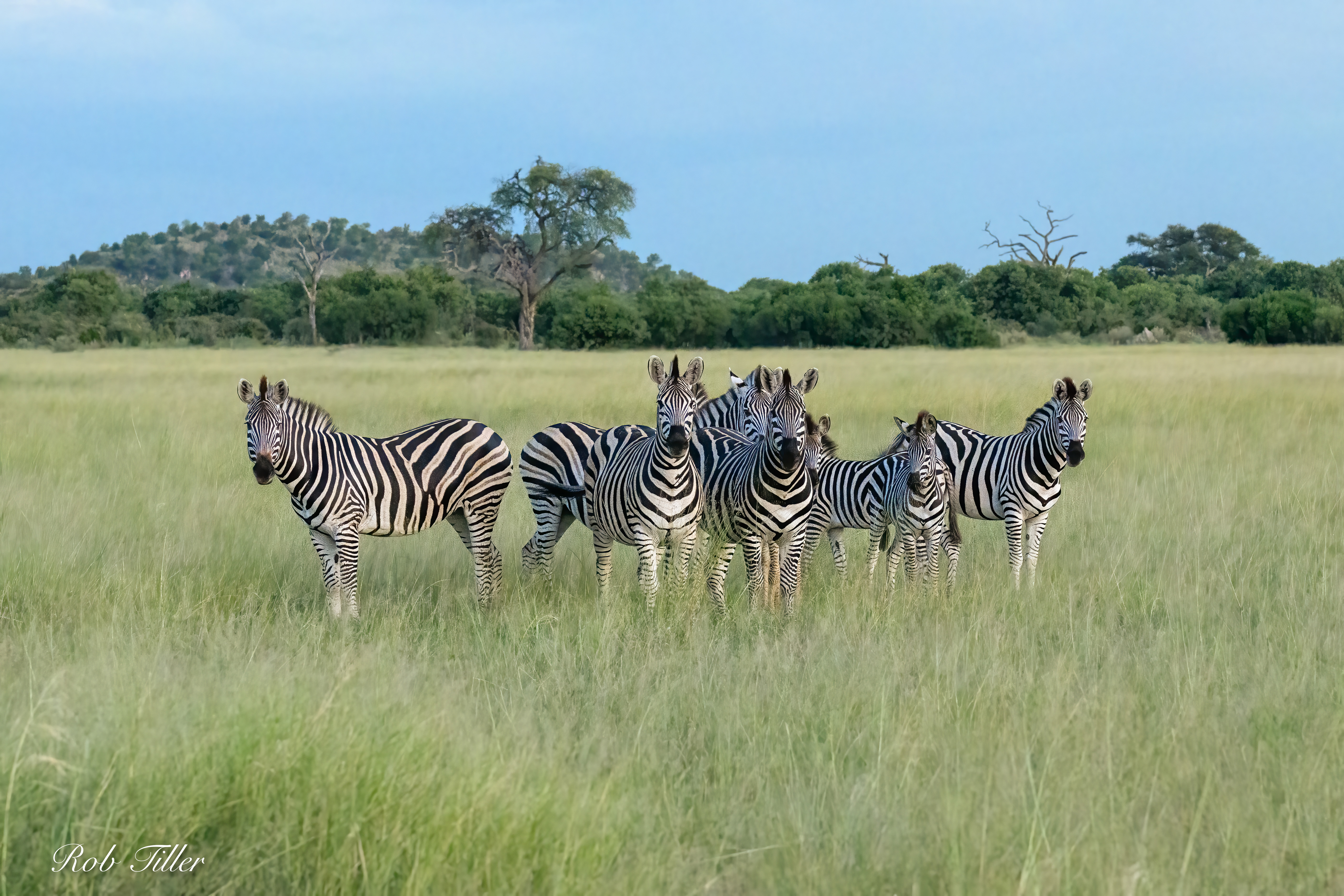
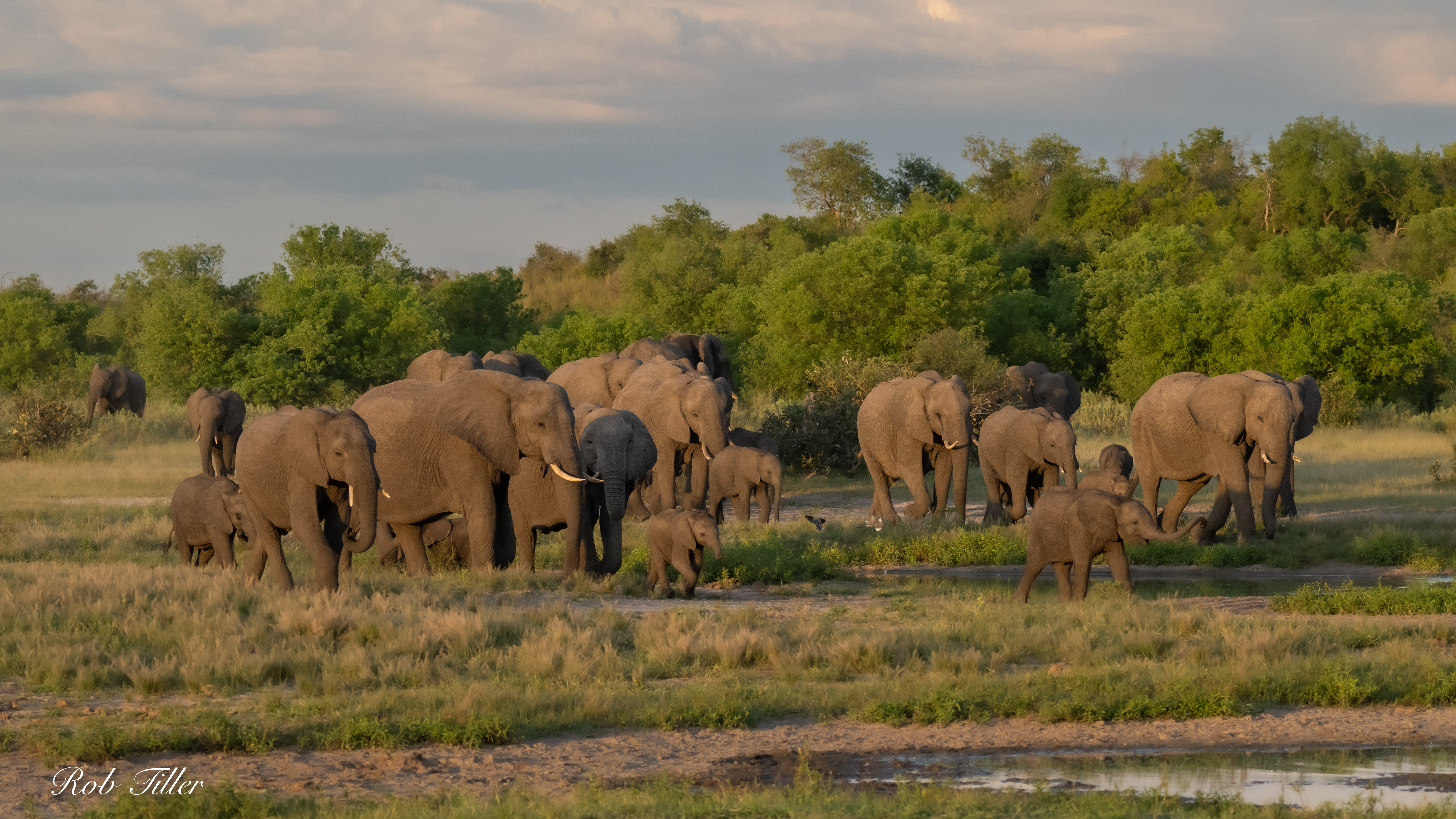
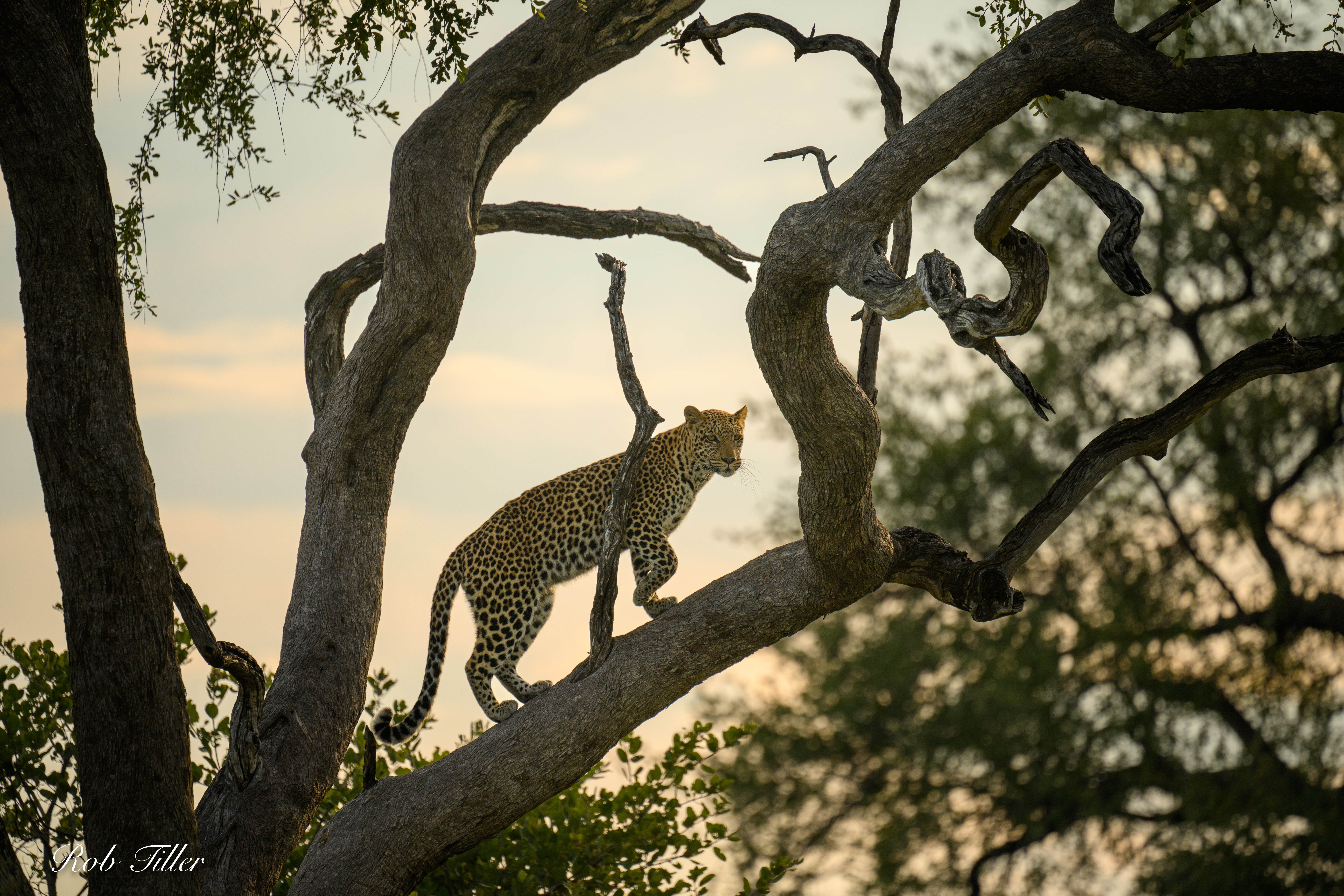
After returning to Cape Town, we flew to Botswana and stayed at a camp in the Savuti area of Chobe National Park.  We traveled in Toyota Land Cruisers and saw all the iconic species – lions, leopards, elephants, giraffes, zebras, buffalo, impalas – and quite a few others.  We had our own spacious and pleasant cabin with all the modern conveniences (shower, toilet, electricity) except internet.  It turned out to be therapeutic to get off the net for a while.  

After Chobe, we flew in a small plane to the Okavango Delta, where we walked from the grass airfield on a raised boardwalk through the forest to our camp.  Here, too, we had a pleasant cabin, and nice common areas for dining and relaxing.  As in Chobe, we were strongly encouraged not to walk by ourselves in the camp at night, but instead to get a staff member to escort us, in case of animal encounters.  Also as in Chobe, the hospitality of the staff was outstanding. In addition to great service, they shared with us singing and dancing.

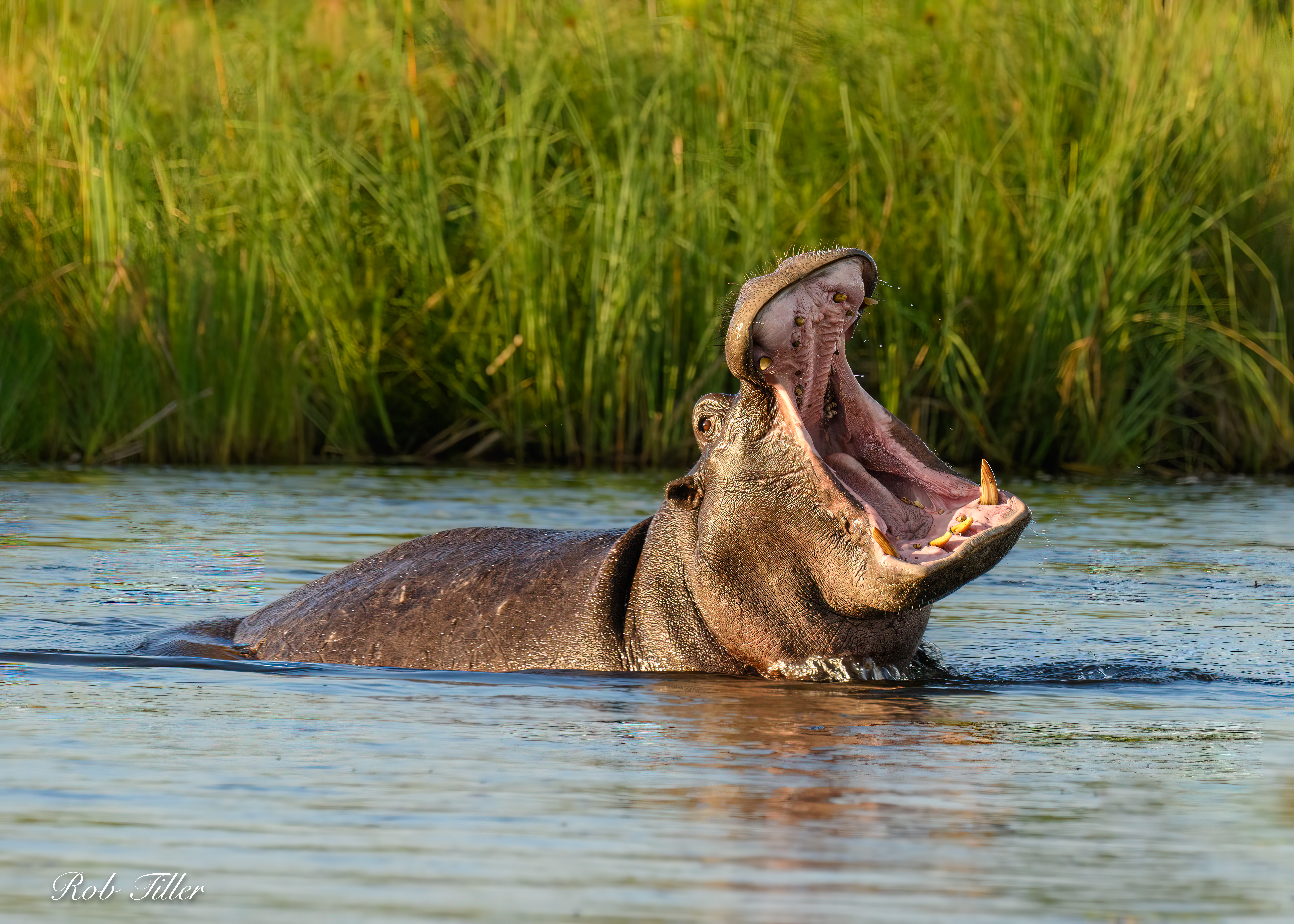
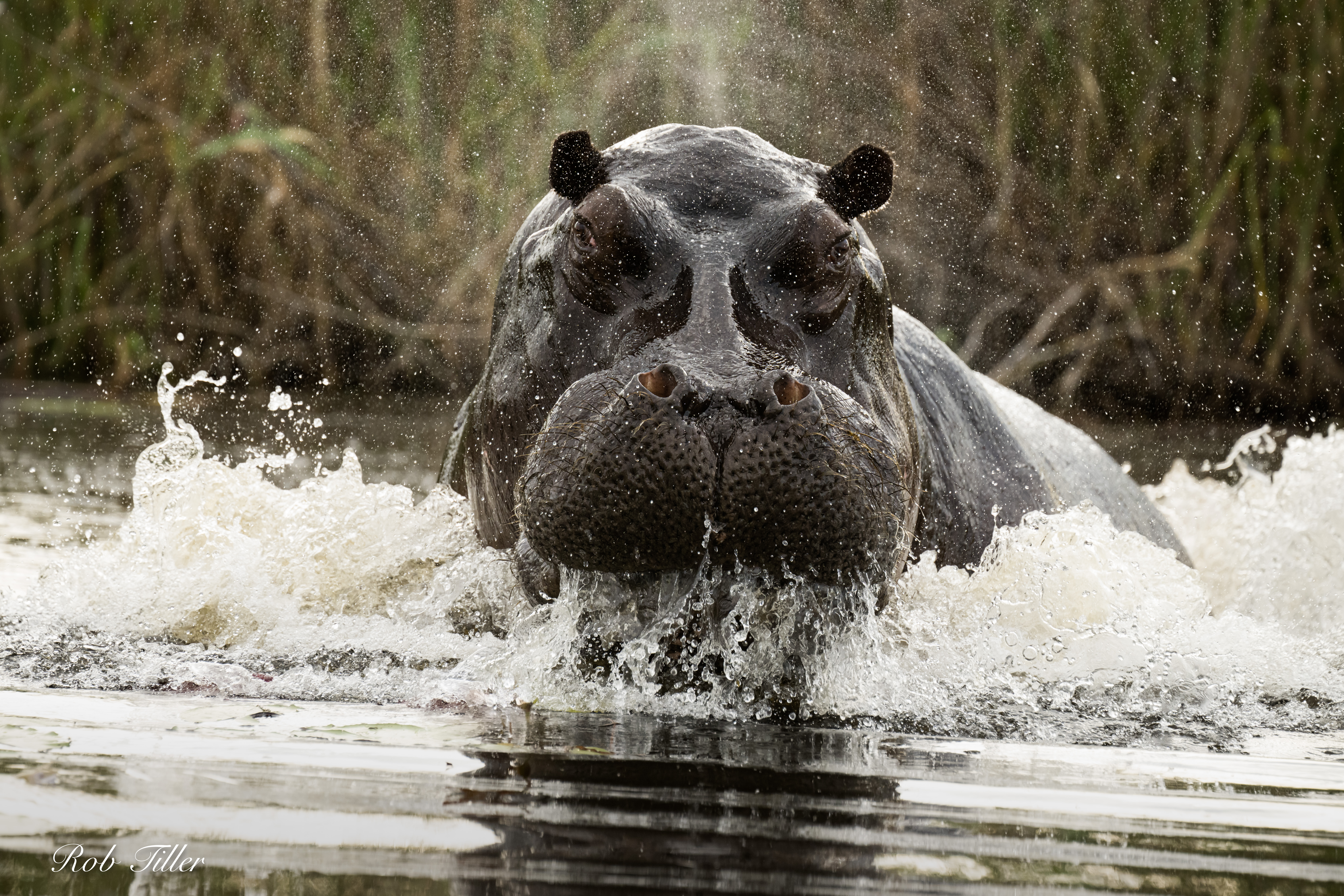
The highlight at Okavango were boat trips in the channels, where there were a lot of hippopotami.  These huge and strange animals can be aggressive, and kill more humans than any other large animal in Africa.   We kept a respectful distance, and drew back a few times when they approached us.  

We also did walking safaris on a couple of the islands, where we saw elephants, buffalo, impalas, and beautiful birds.  One morning on a walk our guide saw fresh lion tracks.  We were in tall grass, sometimes as high as our necks, and the guide began carrying his rifle with more purpose.  I realized the lion could be a few feet away and invisible to us.  We didn’t locate the lion, though it was the most exciting non-sighting ever.  

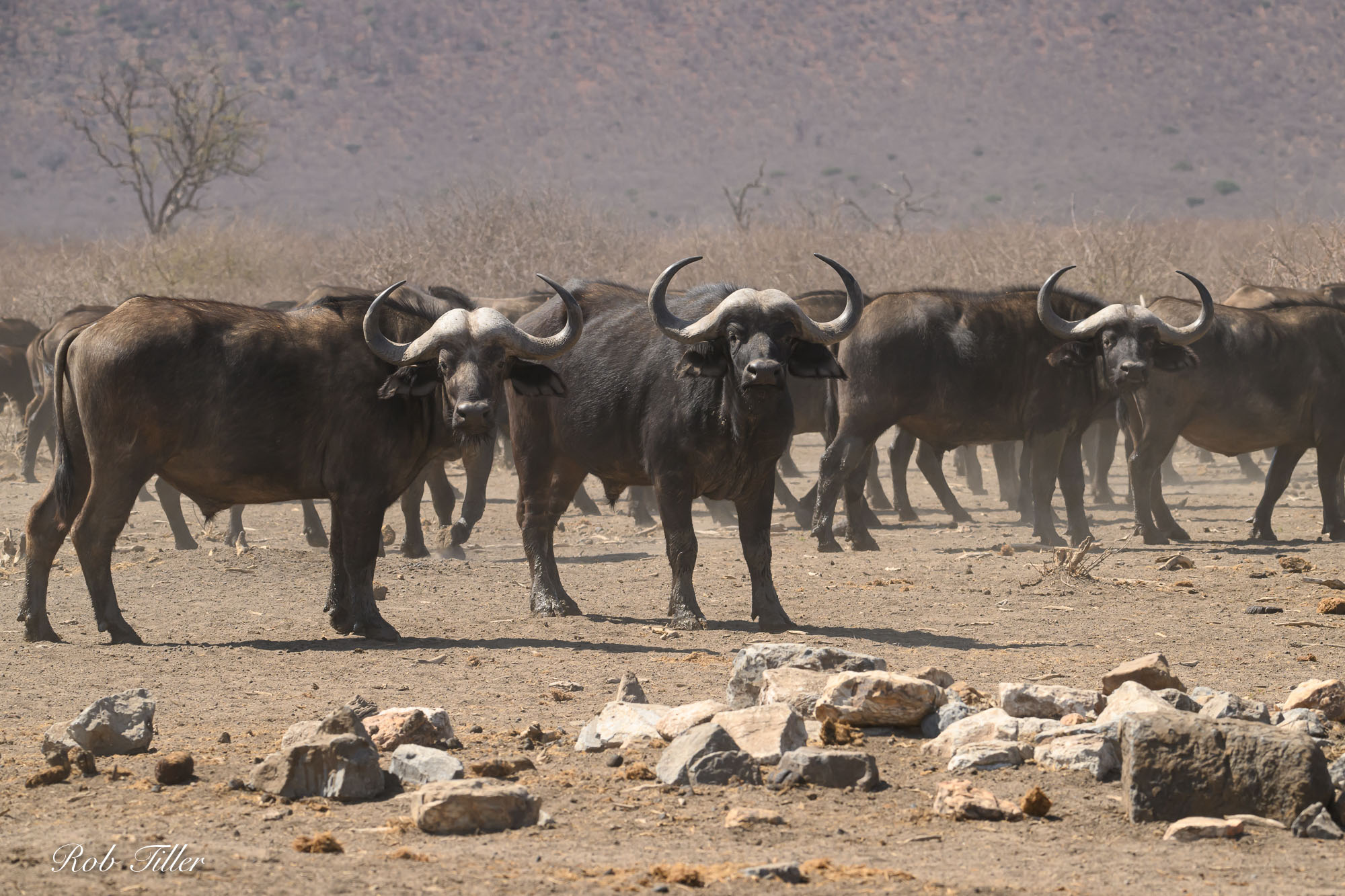
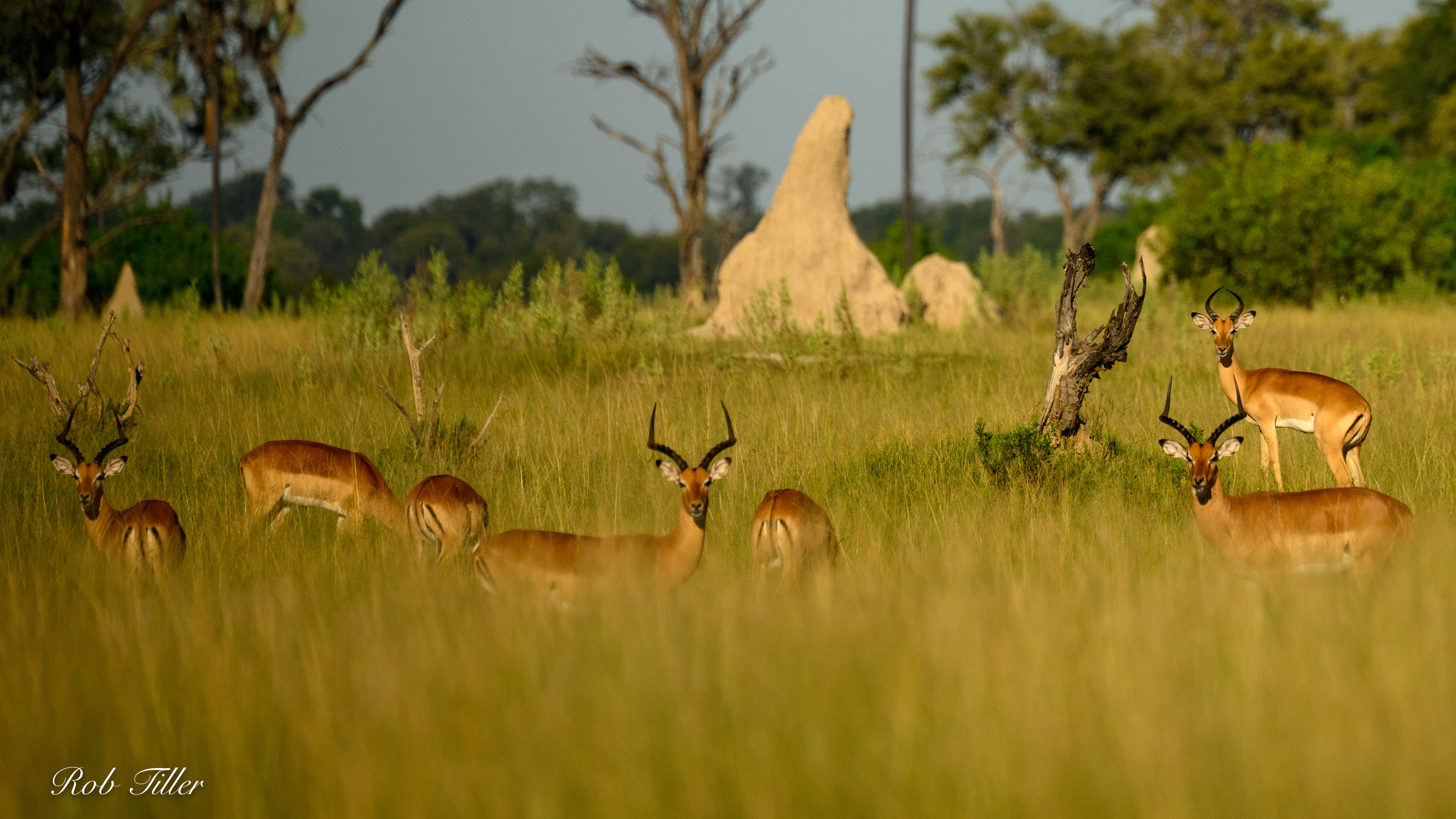
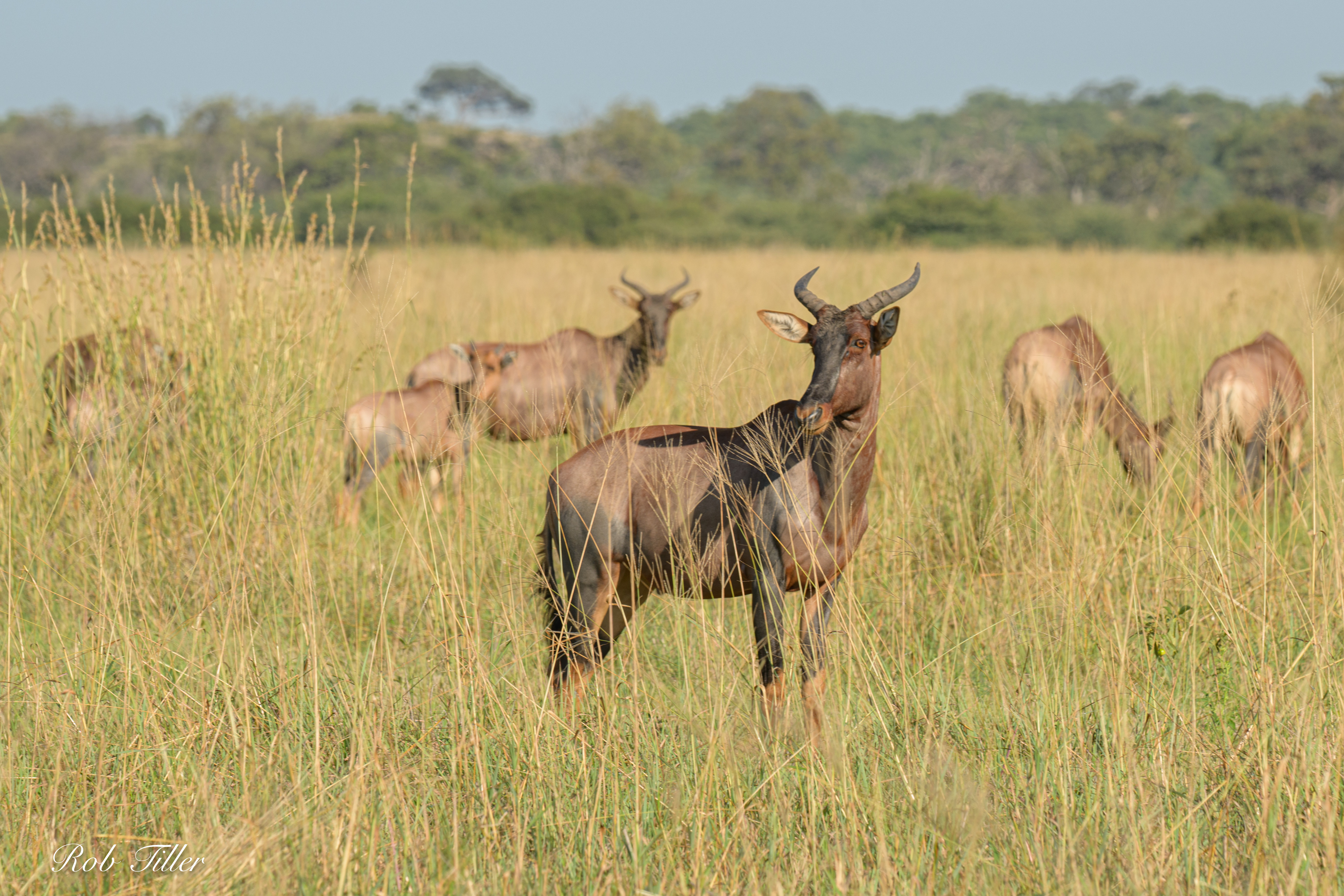
On this trip, I became more conscious of grass.  There were vast grassy areas, with many grass species.  I finally understood why there were so many animals, like impalas, springboks, waterbucks, kudus, wildebeests, zebras, and buffalo, that subsist mainly on grass: there’s a lot of it!  We saw most of those species in sizable herds.  Grazing is a successful survival strategy. (By contrast, there are only a few species that eat other animals, and there aren’t very many of those.)   

Of course, it’s exciting to see the rare animals, like leopards and cheetahs; they’re beautiful.  But a lot of the joy I got from our safari experiences was watching the more common grazing animals living their lives.  It seemed like the most natural thing in the world to be an impala or a zebra, eating some grass when hungry and hanging with the herd.  

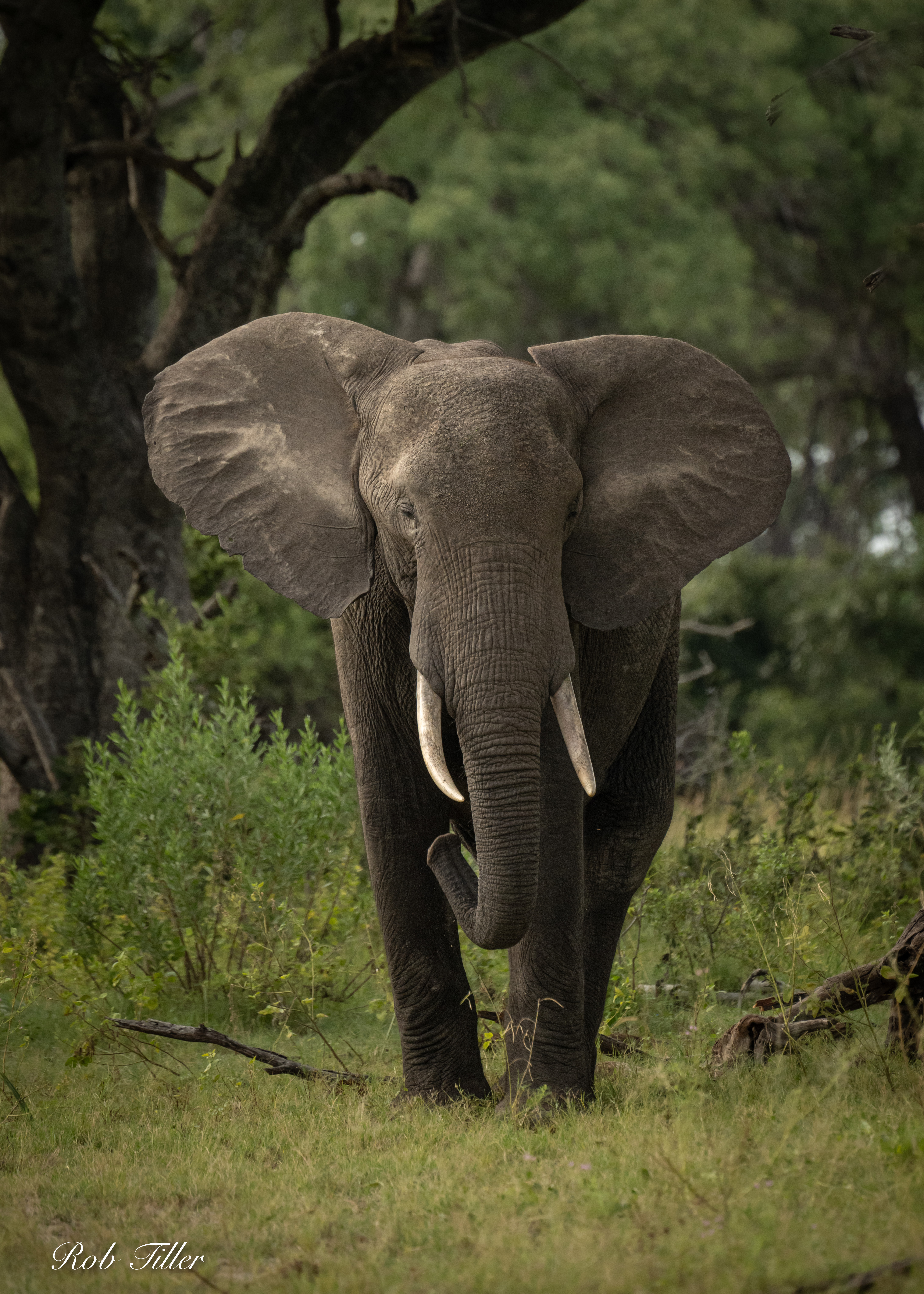
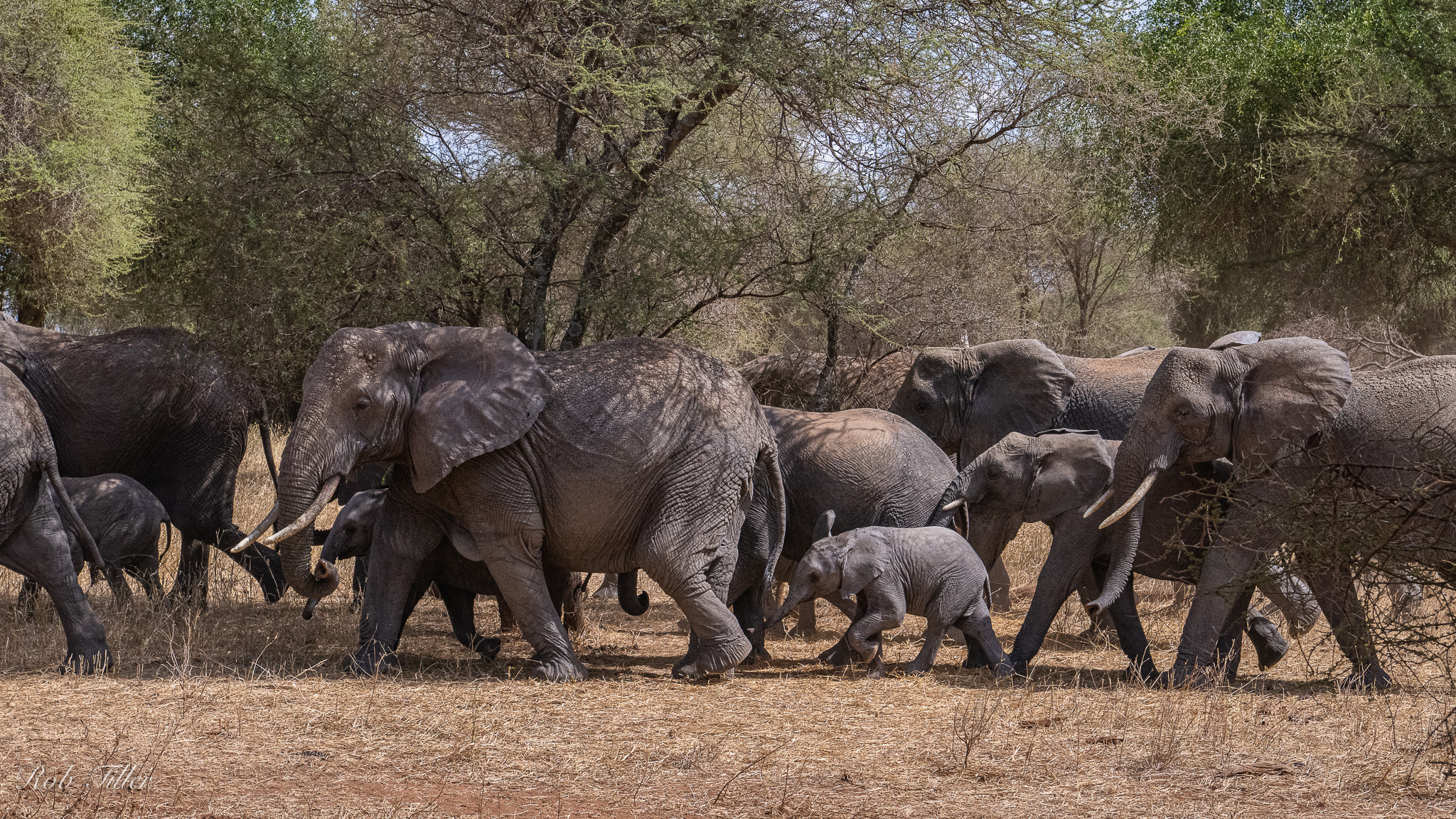
I particularly loved the elephants, who are also plant eaters, and who generally live with family members.  The herds we saw always included little ones, who were very cute.  I realized that a lot of what gives the elephants purpose is taking care of the young.  That’s true of many species, including us.  

Being with so many remarkable animals can be a life-changing experience.  It gives a different perspective on what life is for and about.  It is more varied and vibrant than we usually see.  

I’m planning to share a few more pictures from the trip soon, along with some stories of our air travel challenges. But first, I’m heading to St. Augustine for Florida’s Bird and Photo Fest. I’m hoping to get some good photographs of the big birds at the rookery there.

Processing Tanzania animals and travel

Baboons in Tarangire National Park, Tanzania

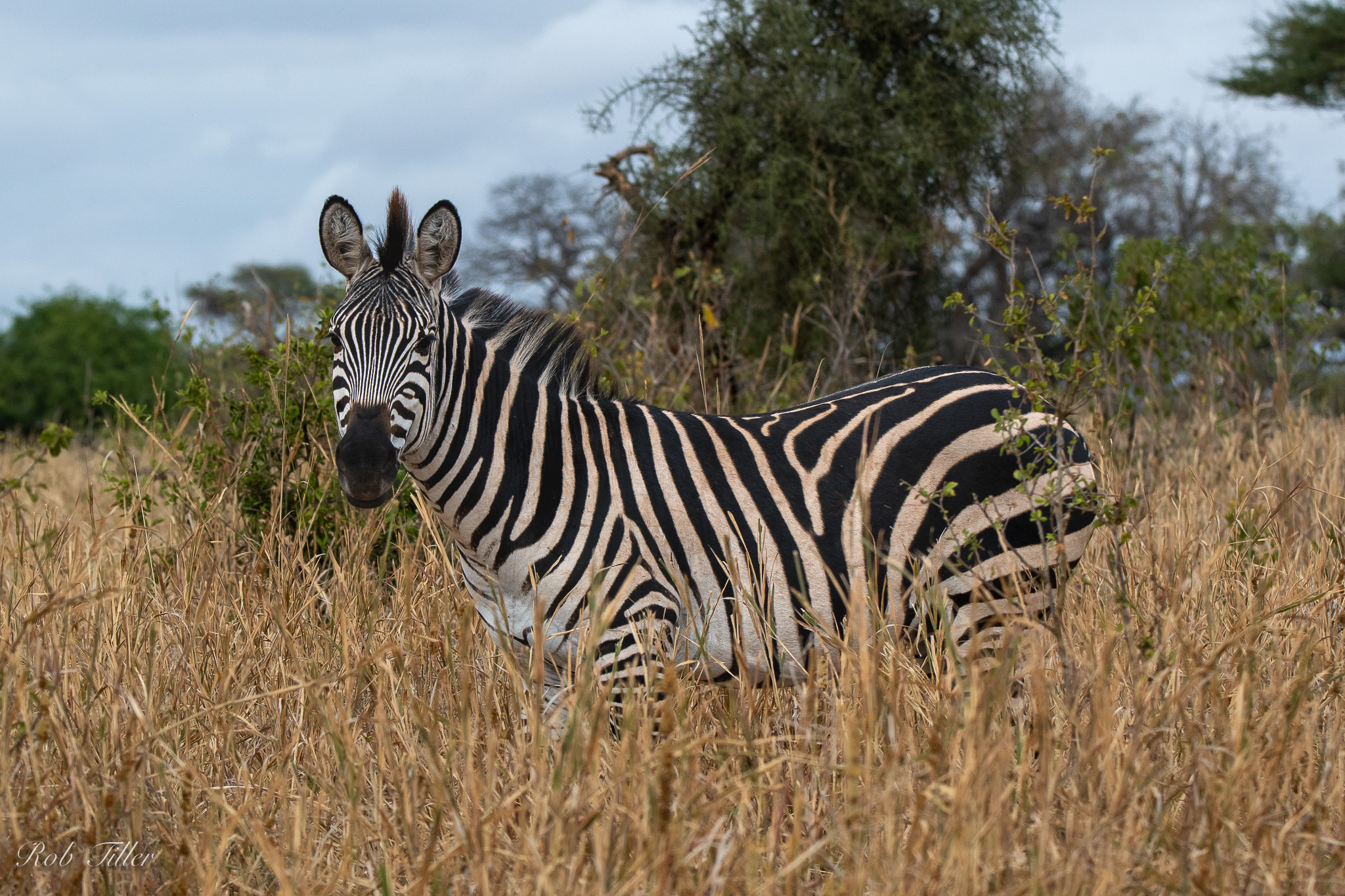
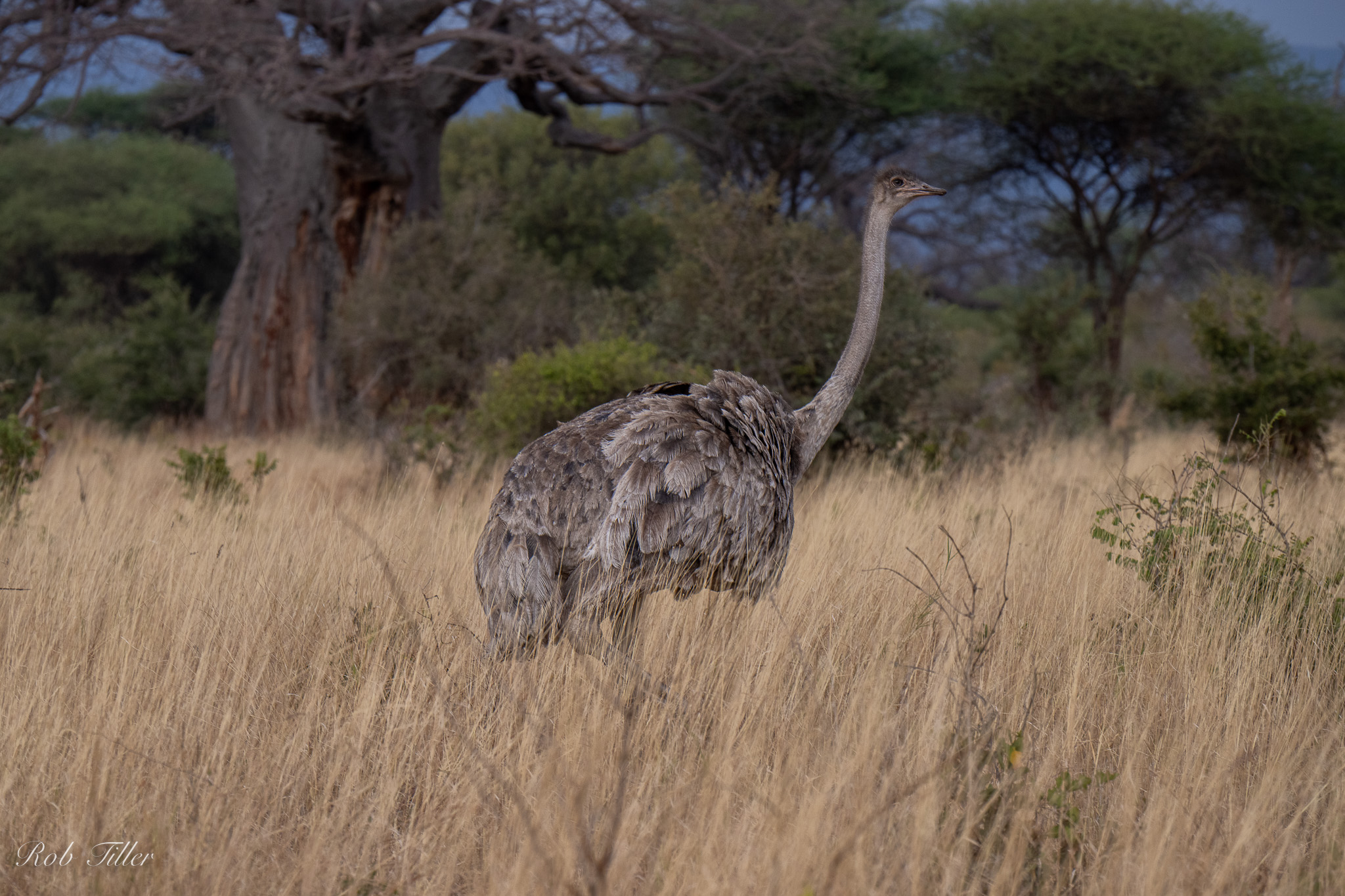
I’m still working my way through my photos from Tanzania, and processing impressions from the trip.  We saw a lot of animals!  In some situations, I took dozens of pictures, and it’s tough to decide which is my final favorite.  

Anyhow, here are a few current favorites.  What I was looking for was more than just the beauty and strangeness of the animals.  The trip helped me appreciate better that their lives are part of complex relationships with their fellow creatures and their environments.  

But the much bigger point is Tanzania is a fascinating place.  Getting there from the U.S. is hard on a body, at least if you’re not in an ultra high-end airline seat/bed.  It took us about 36 hours from airport to airport each way.  We flew on Qatar Airways, which treated us better than our recent U.S. carriers.  It had planes with seats that didn’t seem specially engineered to torture you and flight attendants who seemed to view their job as helping passengers.    

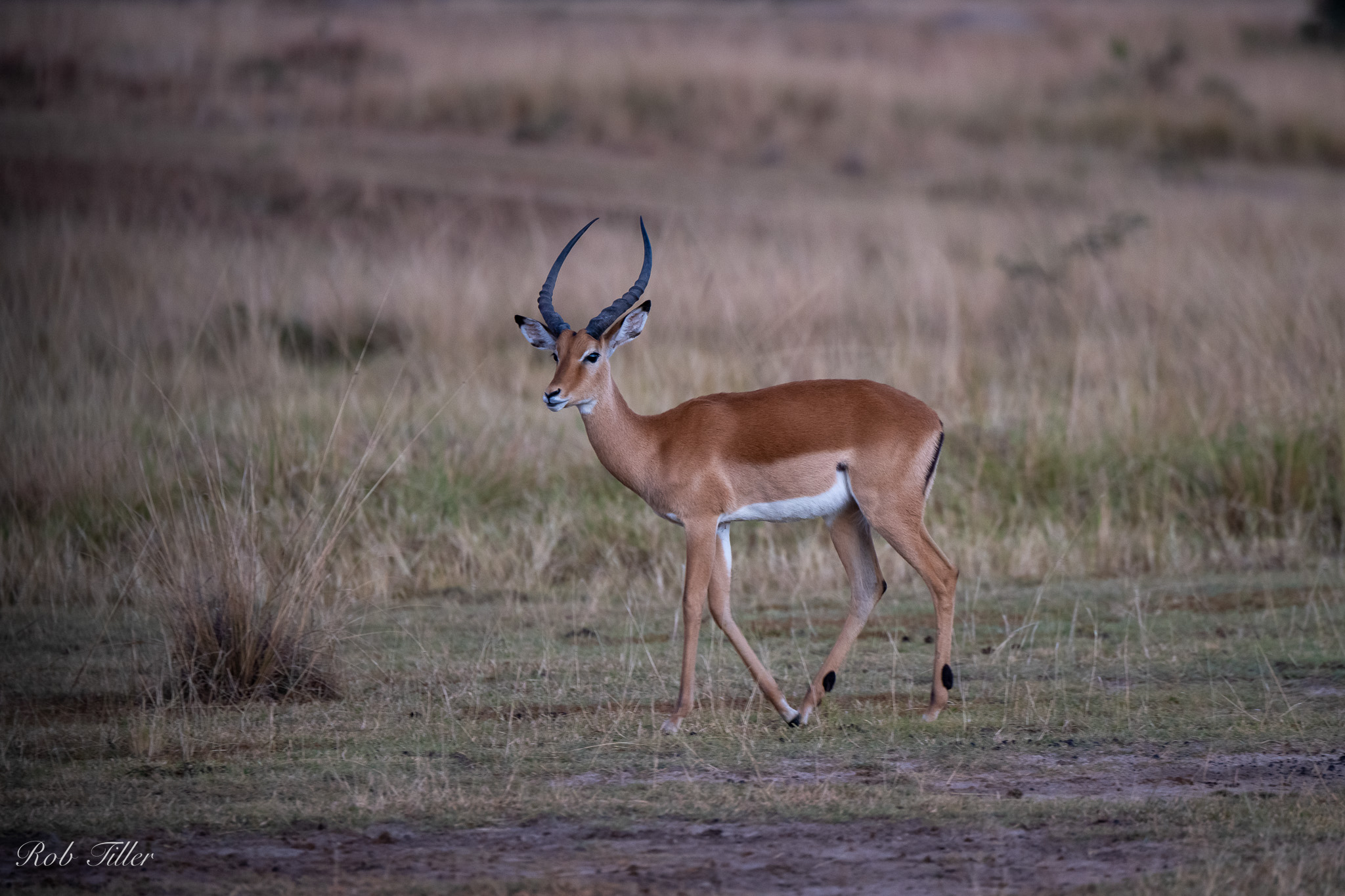
An impala — a delicate, speedy creature that loves grass

On long flights, I’m usually not able to sleep much, but I look forward to having extra time for reading.   There comes a point, though, even for a big reader like me, when the eyes and mind get too tired for reading.  Instead, recently, on planes equipped with individual screens, I watch movies.  I try to pick ones that Sally probably wouldn’t be interested in, and ones that haven’t made my must-see list.  The point is to achieve a state of mild engagement/distraction – enough so as not think about how many more hours before I can get off the plane.  

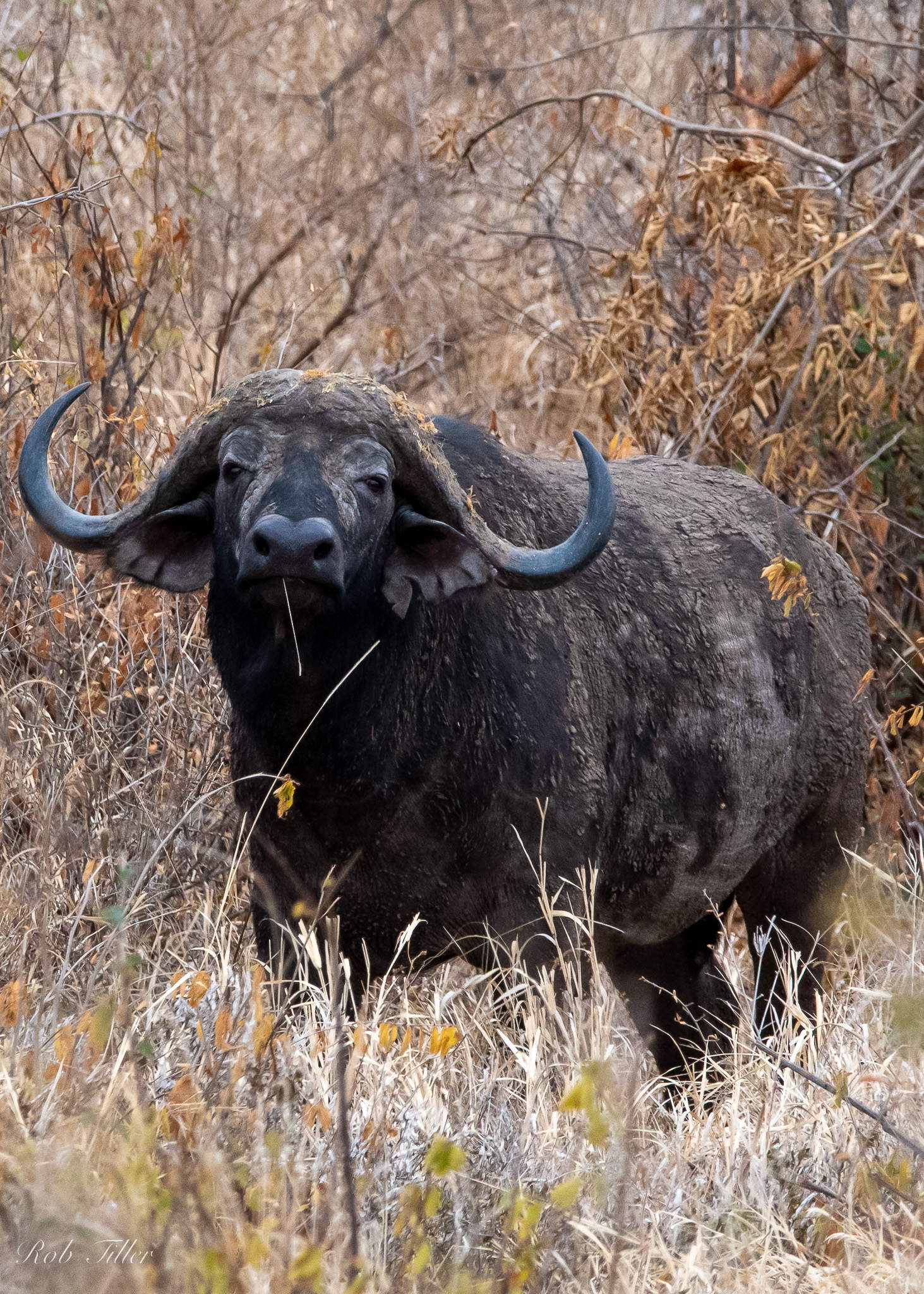
Cape buffalo — a stolid creature that also loves grass

Part of the point of Qatar Airways seems to be to raise the profile of that little country and get international travelers into its hub airport at Doha.  We had long layovers there going and coming, and it was impressive, in a post-modern way.  Even in the middle of the night, shops, restaurants, and bars were open, and the assemblage of luxury goods stores (handbags, watches, jewelry, clothing, luggage) reminded me of Fifth Avenue, or Zermott.  We were a bit confused about the value of the local currency, and so managed to set a new high-end record for an airport meal in their Italian restaurant.

We also had a long layover in London’s Heathrow airport on the way home.  There had recently been reports about Heathrow’s poor operations in handling passengers and baggage, but we had no special problems, other than a very slow line at a coffee shop.   

One thing I confirmed coming back was that it’s definitely worthwhile on long trips to wear compression socks.  I’d worn a pair on the way over, but mine were among the items lost when our tent at Serian Serengeti North was blown away.  Regular socks just didn’t cut it.  When I got back to Raleigh, my ankles had swollen dramatically, and were very sore.  For my next trip, I got a replacement set from an outfit called Vim and Vigr.  

Leopard in Serengeti National Park

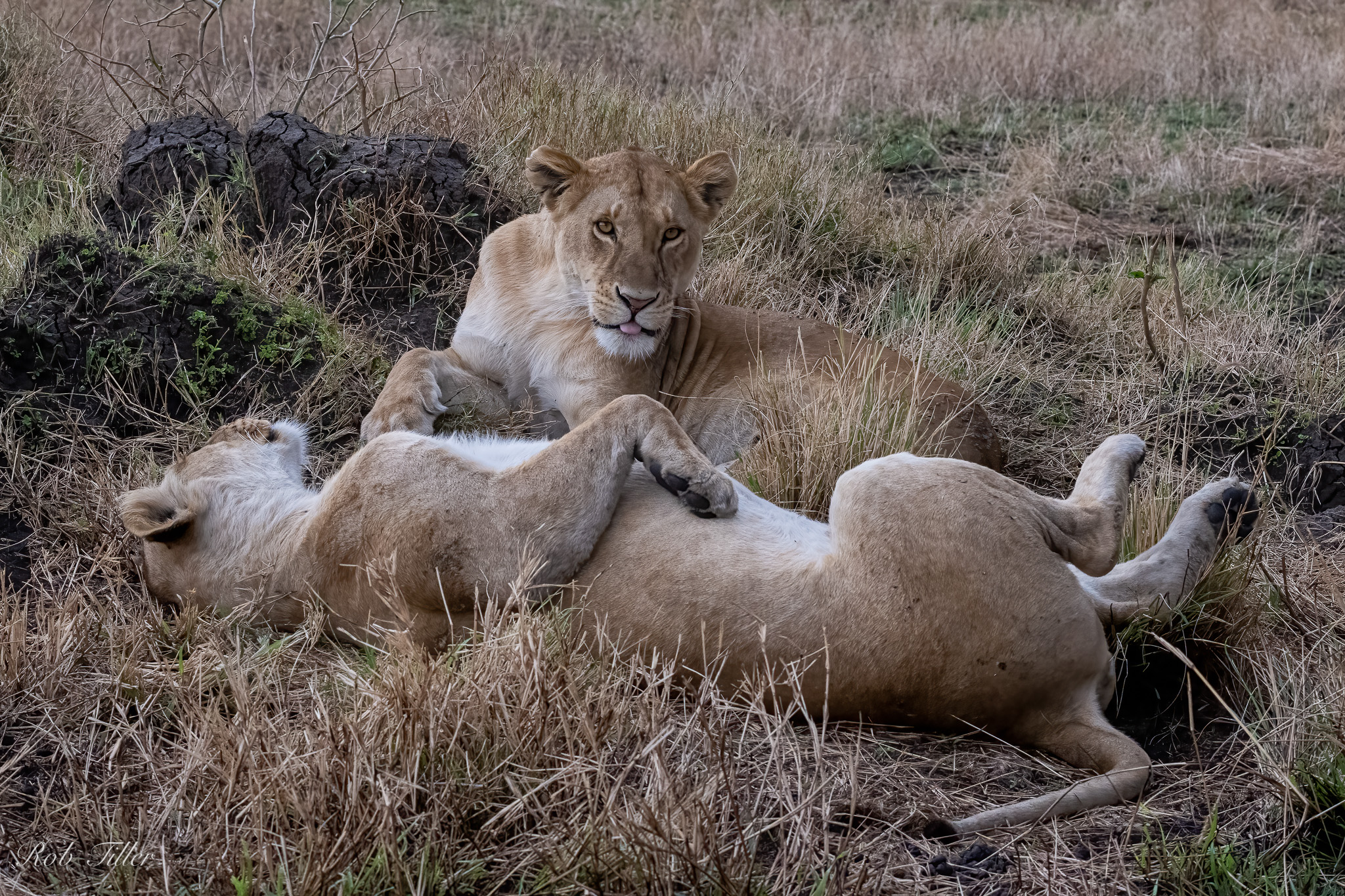
As to that storm:  we were out late in the day on the savannah close to the Kenya border watching a pair of lions, which seemed to be considering whether to take another nap or go for a hunt.  We had great close views, but the cats weren’t doing much.  As the sun started to set, huge dark clouds rolled in, and we started the long drive back to camp.

Lions waking up

A few minutes later came the first drops of a deluge.  Our guides unfolded the canvas top and plastic windows of the 4Runner and put up the windshield.  Visibility quickly dropped to near zero, while the winds picked up.  Then we began to have lightning flashes and thunder close by every few seconds.  Our driver asked if I thought it was OK to stop, and I said I saw no other choice.  It looked entirely possible that we would not be able to make it back to camp that night.

Not long after, visibility improved enough to move forward, and our driver managed to get us through some creeks that had gotten a lot deeper since the earlier crossing.  We came across a vehicle that was stuck in the mud, and tried unsuccessfully to push them out of their rut.  Finally we got back to the camp.  We were happy to be there, but everyone else was in a state of high anxiety, trying to figure out how much of the camp had been destroyed.  

Alex Walker and his dedicated team managed to feed us a satisfying hot meal in one of the two remaining dining tents, and worked through the night assessing damage and starting repairs.  Our tent had been flooded and blown away, but most of our possessions were eventually found.  The staff worked hard cleaning and drying things while we were out on our last game drive the following day.

Of course, it’s always good to get home.  We’ve been watching some documentaries this week, and I wanted to particularly recommend one:  Eating Our Way to Extinction.  It’s a powerful summary of the problems with our animal agriculture system, and especially the part it plays in climate change.  The presentation is upbeat, with narration by Kate Winslett and cameos by several celebrities.  It emphasizes that it is not too late to change the system, and we as individuals can help.  

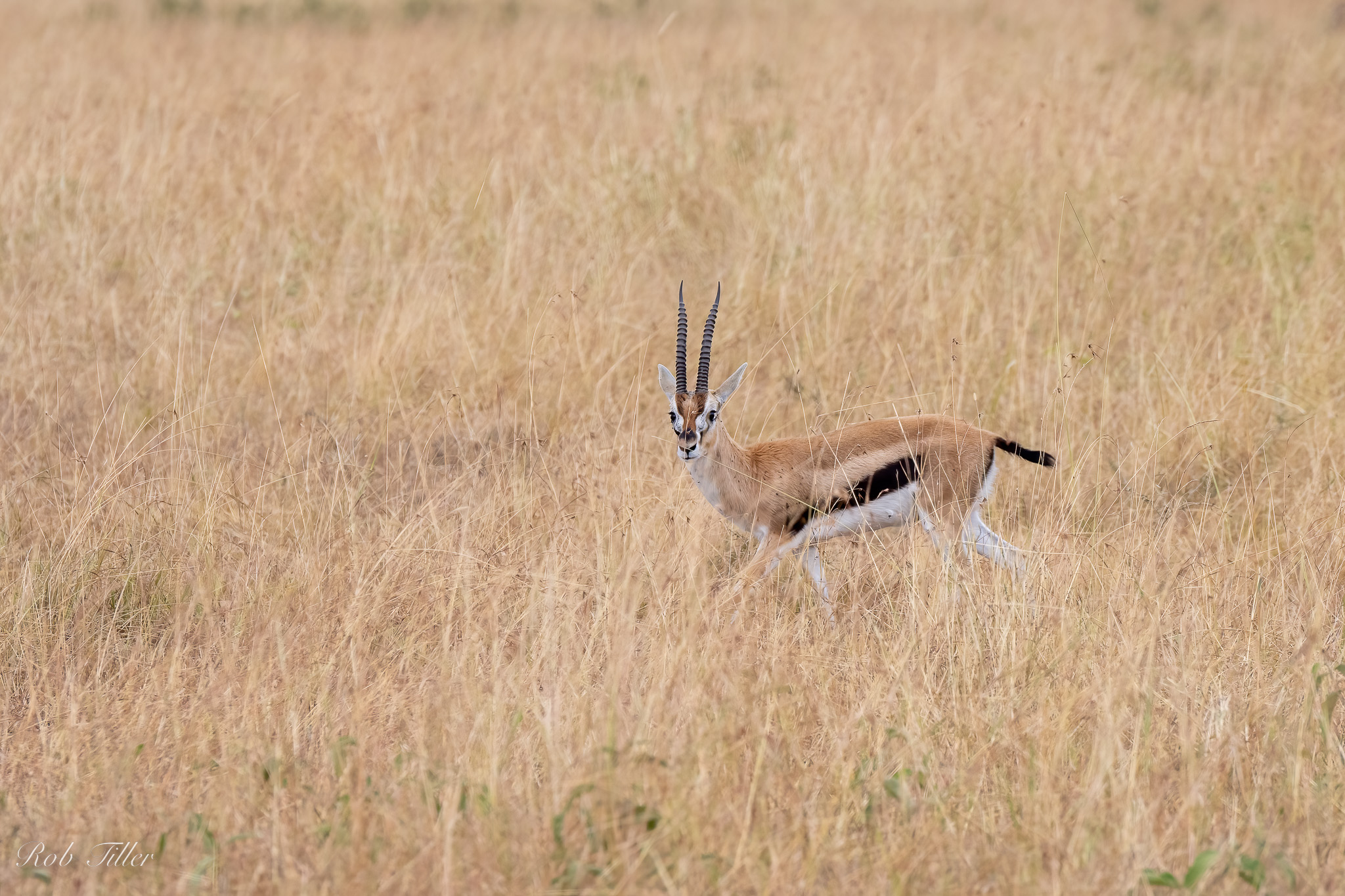
Thompson’s gazelle — also a speedy grass lover

One last thing:  I read a good book on the trip:  The Grapes of Wrath, by John Steinbeck.  In my teens and twenties I made a point of reading quite a few officially recognized “classics,” which may or may not have been the best use of my time.  In any case, Grapes is one that I never got to, and I came to it without a lot of assumptions.

The book tells the story of a poor farm family forced from their farm in Oklahoma and hoping for a new life in California.  Their story is both specific (each character is an individual) and general (there are many thousands in their predicament).  I was pulled along by the classic story telling, but also got a better understanding of the economic and social forces that created their desperate poverty along with dramatic wealth for a few.

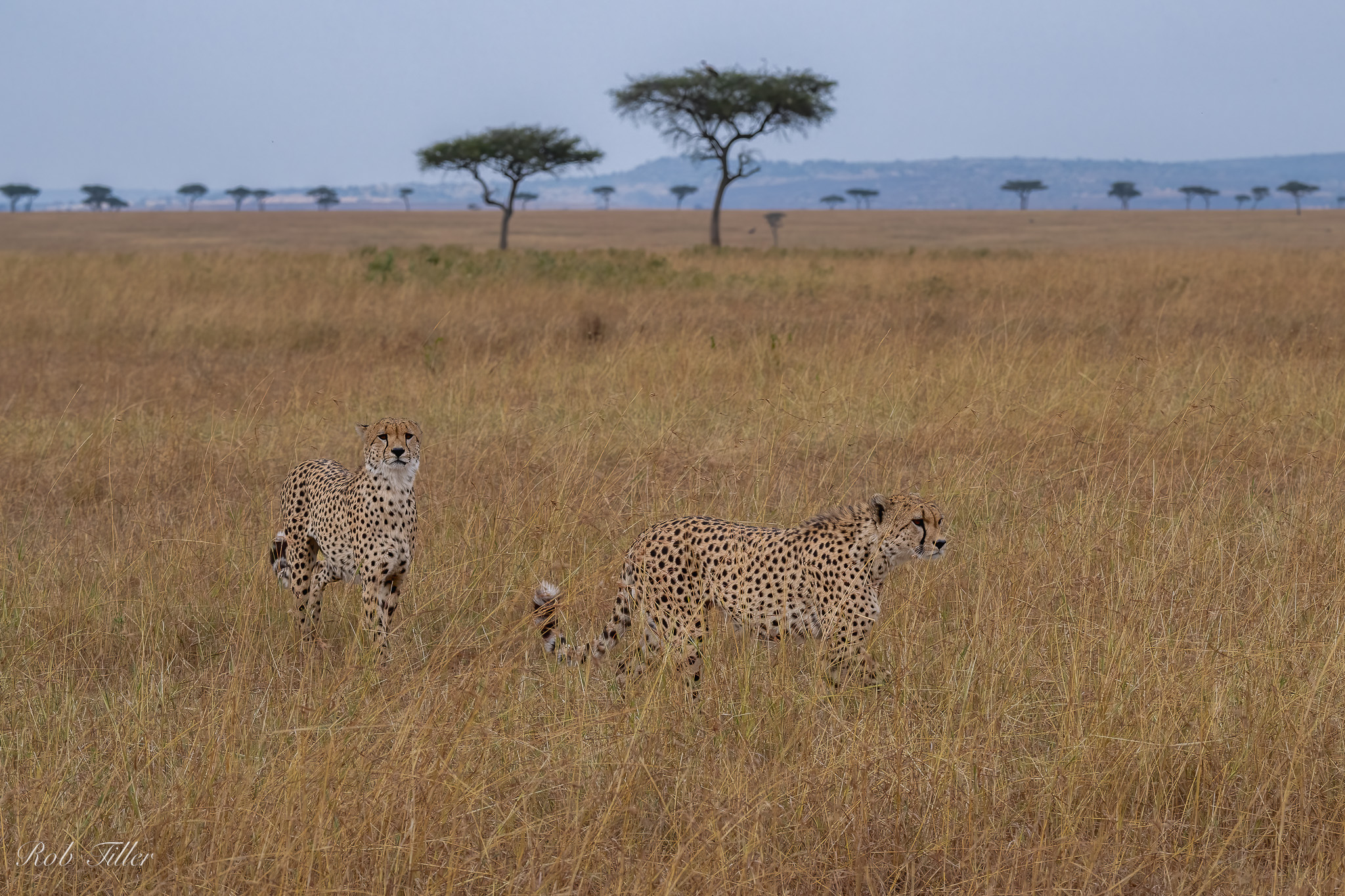
Cheetahs in Serengeti

I was surprised at how timely the book seemed, as climate change and political upheaval unleashes enormous migration around the globe.  Steinbeck helps us process these kinds of forces, and encourages us to show compassion and work on solutions.