The Casual Blog

How to learn to play the piano
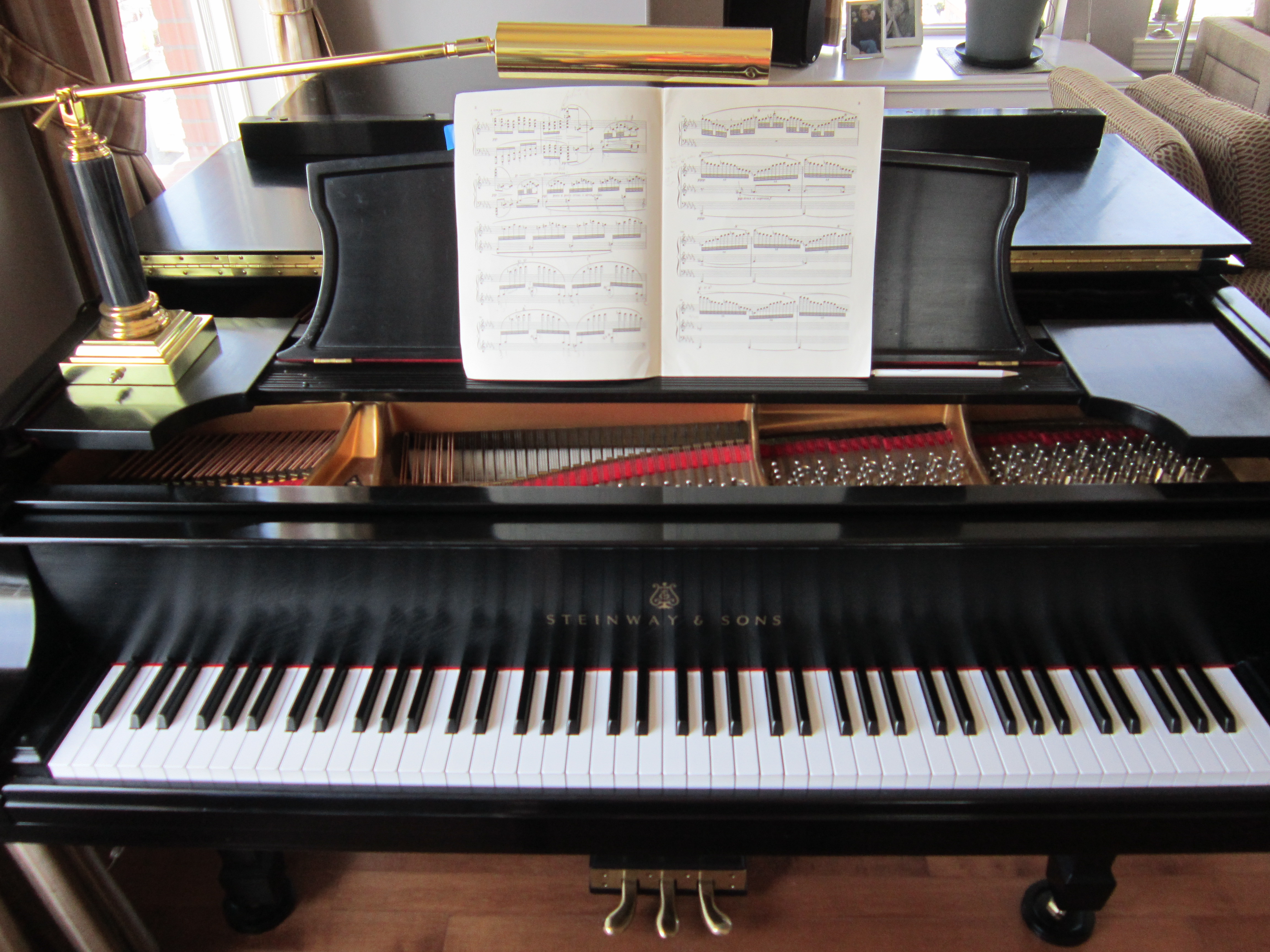
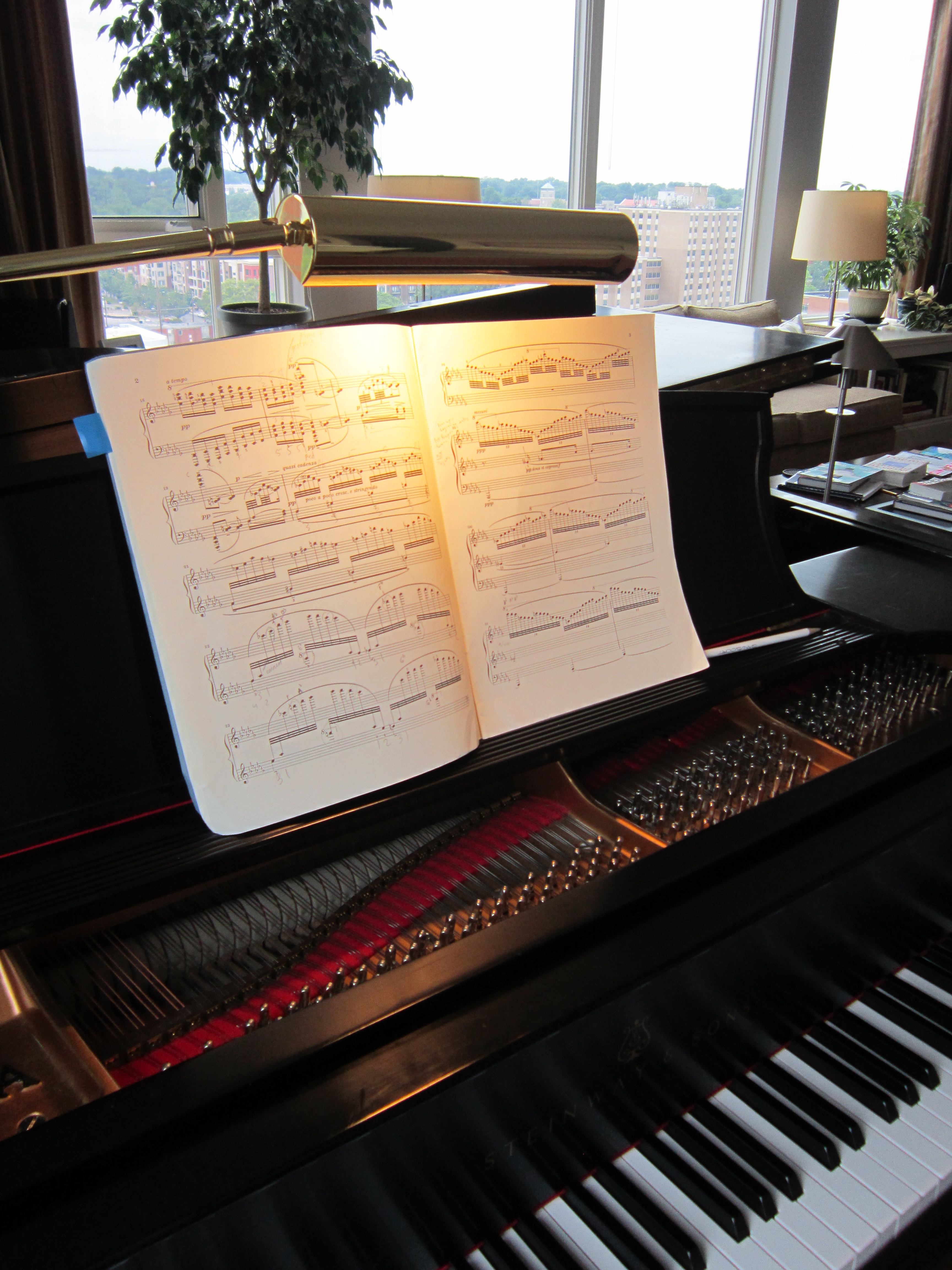
My working days are long, interesting, and often stressful. It’s hard on the brain. To refresh, most evenings I spend a little time playing music on the piano. It works. After a few minutes, my load has magically lifted.

For as far back as I can remember, I thought that the piano was an amazing thing. On holidays when my older cousins play Chopsticks and Heart and Soul on my grandmother’s spinet, I was (in retrospect, ridiculously) transported. I looked so simple, a black box, quite plain, but it produced music. All you had to do was press some buttons. But I quickly learned, when I tried pressing the buttons, it was harder than it looked.

Eventually I learned to play. In my less-than-perfect way, I’ve played the music of giants, running the genius of Chopin, Liszt, Debussy and many others straight into my head and out again, through my fingers, onto the keys, onto the strings, and into my ears, and sometimes the ears of friends. I learned the fundamentals of jazz and played the great songs of Kern, Gershwin, Berlin, and many others. Every Christmas, I play some carols and also some truly awful stuff that makes me smile, like The Christmas Song by Alvin and the Chipmunks. Another guilty pleasure for me is reading through transcriptions of Strauss waltzes and the marches of John Philip Sousa. It’s fun.

Of course, as they say, there’s no accounting for taste, and to each his own. But the piano accommodates an amazing range of musical expression. If you can’t immediately find a musical collaborator who likes the music you care about, no problem. You can approximate a full orchestra, melody and harmony, soprano, alto, tenor, and bass, all by yourself. Why doesn’t everyone do it?

This is the unfortunate thing: it’s a complicated skill and takes a considerable amount of time and effort to learn. In an age when we are accustomed to instant gratification, the gratification of playing the piano is highly delayed. You need to program your brain for several new skill sets. Reading music is a bit like reading a foreign language, which is hard enough, but you need to read it vertically, on two staffs, as well as horizontally. The sign system has many odd symbols, like sharps and flats, and double sharps and flats. You have to learn about meter and rhythm and tempo. You also have to learn bits of Italian, French, and German.

All this is separate and apart from another big challenge: how to touch the right keys rather than the wrong ones. And even that is not the whole story. You can touch the right keys, but in the wrong way, and make sounds that resemble the music, but aren’t really it. In other words, making real music requires more than just playing the notes. It requires getting in touch in a deep way with what the music is, and learning how to translate thought and bodily energy into sound that in turn evokes feeling.

Although learning all this was, in retrospect, an amazing challenge, I have to say, I always liked it. When I played beginner pieces, I thought they sounded good, and when I played intermediate student pieces, I thought they sounded good. Because they were at always just beyond the edge of the skills I had at the time, they were challenging and involving, and I felt a sense of accomplishment when I mastered them. So what might sound like a dreary journey actually had many wonderful episodes.

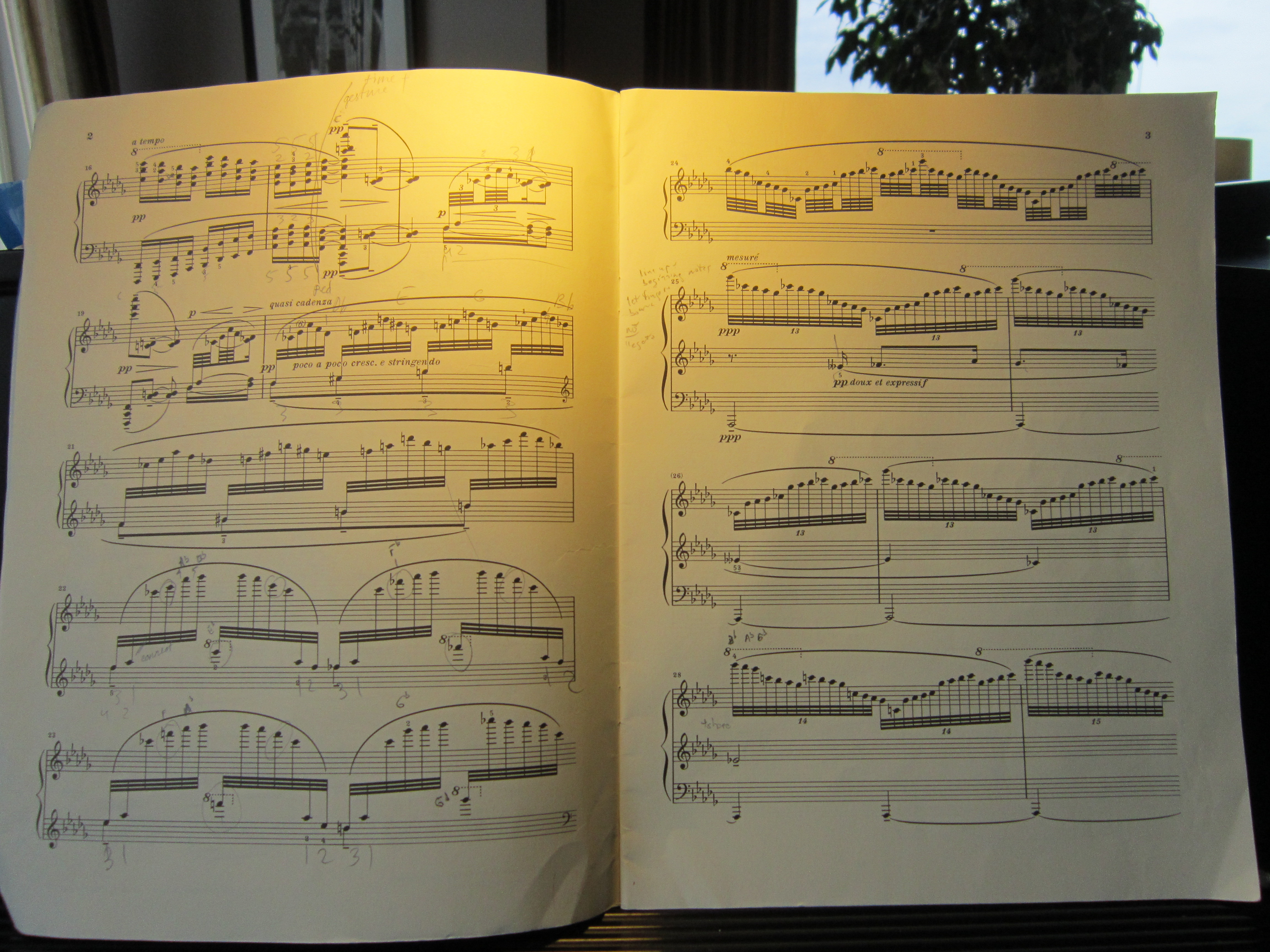
So what is the secret to learning the piano? Everyone already knows part of it: you’ve got to practice. By practice, I mean a concentrated daily devotion to the musical problems before you. If you’re working, as I am at the moment, on Un Sospiro, a gorgeous piece by Liszt, you will need to use skills you’ve built over a period of years, and also some new skills that are not in your repertoire. For these, you need time in the workshop, like an inventor trying to solve a technical problem. It’s lonely work at times, but then there are satisfying breakthroughs. Practice means asking many questions: what is the the best way to play each note, each chord, each phrase, and all the phrases of the piece? The process is potentially endless.

So if you understand the meaning of practice, how do you get yourself to do it? You need to start with a strong sense of purpose. It takes a full-hearted resolve. And then you need to figure out how to fit thirty minutes a day or so in for the work. And then, stay with it, week after week, month after month, year after year. Eventually, it becomes a habit. At that point, there’s a shift, and instead of being hard to do it, it’s hard not to do it.

But it can’t be a mindless habit. You have to somehow keep it fresh and stay mentally engaged. This is a separate challenge, and for this you will almost certainly need a good teacher. As I noted in my last post, you should find a good teacher for any complex skill, but you’d be making a big mistake to invest a lot of energy into playing the piano without a teacher. You’d waste precious time and probably be so frustrated you’d ultimately give up.

You always remember your first teacher. My first piano teacher, Mrs. McGee, had white hair, bad breath, and hands that were red and scaly, like lobster claws. I was 12 when I started with her. In her living room, where I waited for her to finish with the student ahead of me, she had a stack of Cosmopolitan magazines, which I perused with great interest. But eventually it would be time for the lesson. And I would learn something I never knew before.

Getting over personal trainer-phobia

Although I’ve worked out at various gyms over the years, I haven’t had a personal trainer — until now. My reasoning was that exercising isn’t all that complicated, and if I couldn’t figure out how to do something by myself I wouldn’t care to admit it. Some people seemed to find trainers helpful in getting motivated, but I didn’t really have a problem motivating myself. But I recently was got over my trainer-phobia, and it made me reflect on the value of good teachers.

To state the obvious, staying reasonably fit is a good idea for a lot of reasons: feel better, get sick less, look better, think more clearly, live longer, etc. But it isn’t so easy. It takes persistent, continuous effort. It’s a challenge to find the necessary time (early mornings work for me) and to find ways of moving that you enjoy. But over time, it can get to be a habit.

At that point, there’s a different kind of problem. Doing the same thing over and over gets boring, and also at a certain point stops producing improvements. You need to change things up now and again. So staying fit takes some creativity and a willingness to try new things. In recent times, I’ve gotten out of my comfort zone by exploring yoga, and more recently got an introduction to the Pilates system. My teacher, Julee, recently left to go to med school, but not before reminding me of the value of having a guide in a new area.

In domains other than fitness, I already knew this. Learning new things is wonderful. Through trying to teach myself about things as diverse as science, music, and various languages, I’ve come to the general view that the best way to learn a new thing is to find a good teacher. It isn’t the only way, but it’s the most efficient and fun, and so the one most likely to succeed. A good teacher knows the ultimate goal, but also the interim levels, and taking into account your particular strengths and weaknesses, she will propose various possible ways for you to get to the next level. She guides you past blind alleys and hazards. You waste less time, and make faster progress. This makes it less likely you will give up. You work harder when someone else challenges you. You want to acquire the skill, but you also want to please your teacher. And if you’re fortunate, you and your teacher will form a meaningful human connection.

Anyhow, Julee’s departure, though sad for me, made me think about other things that I might like to try. My yoga teachers at Blue Lotus directed me towards Studio Revolution, just a few doors down the street. And so it was that I began working once a week on functional and TRX training with Larisa. We’re doing lots of variations on lunges, bends, twists, and squats, pulling against cords, moving sand bags, throwing heavy balls, and other tools for increasing core strength. She has introduced me to foam rollers. Larisa’s also making me conscious of which muscles are working in various movements, and which ones aren’t. I’m meeting some parts of my own body for the first time.

Our Outer Banks weekend

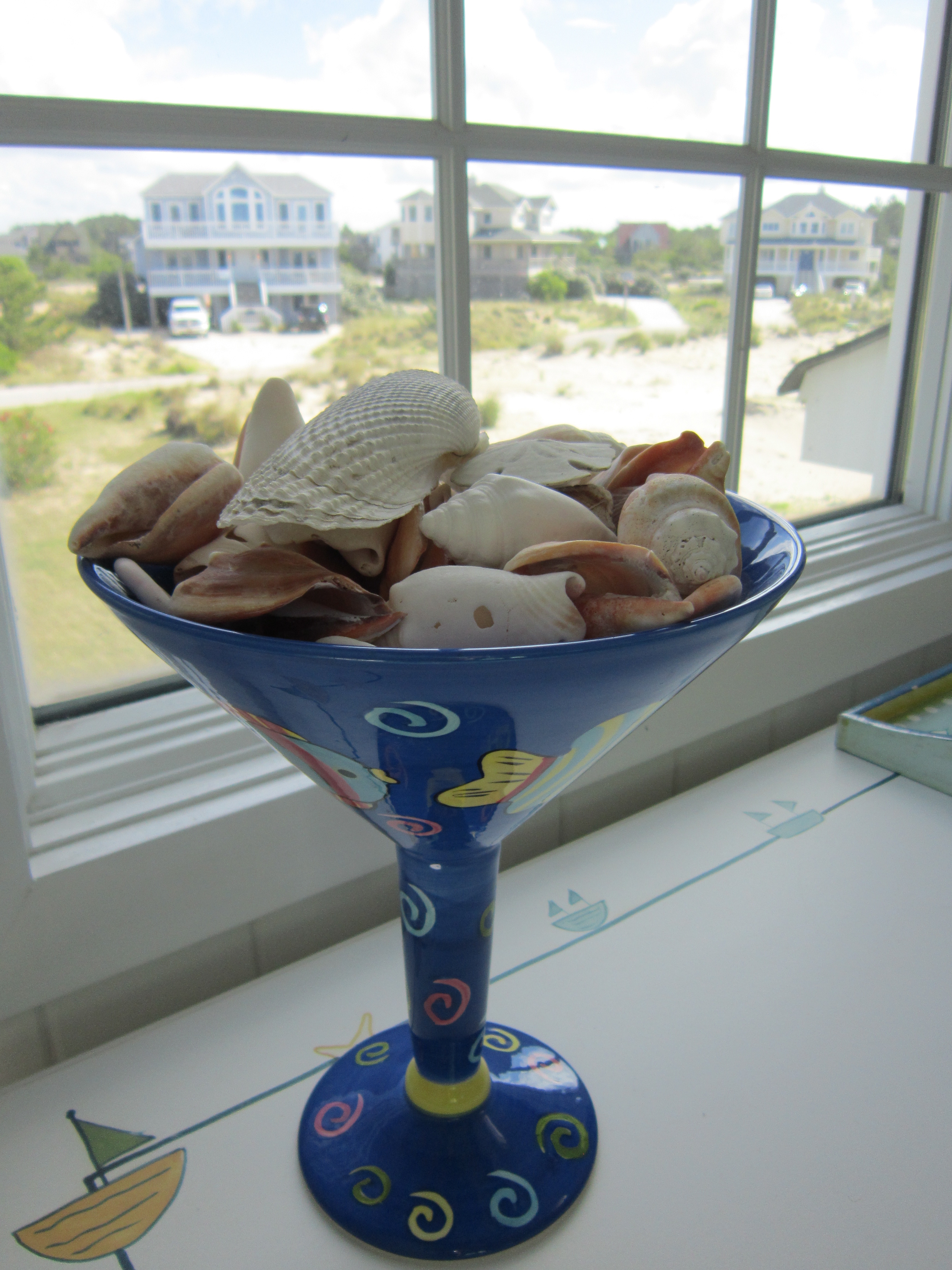
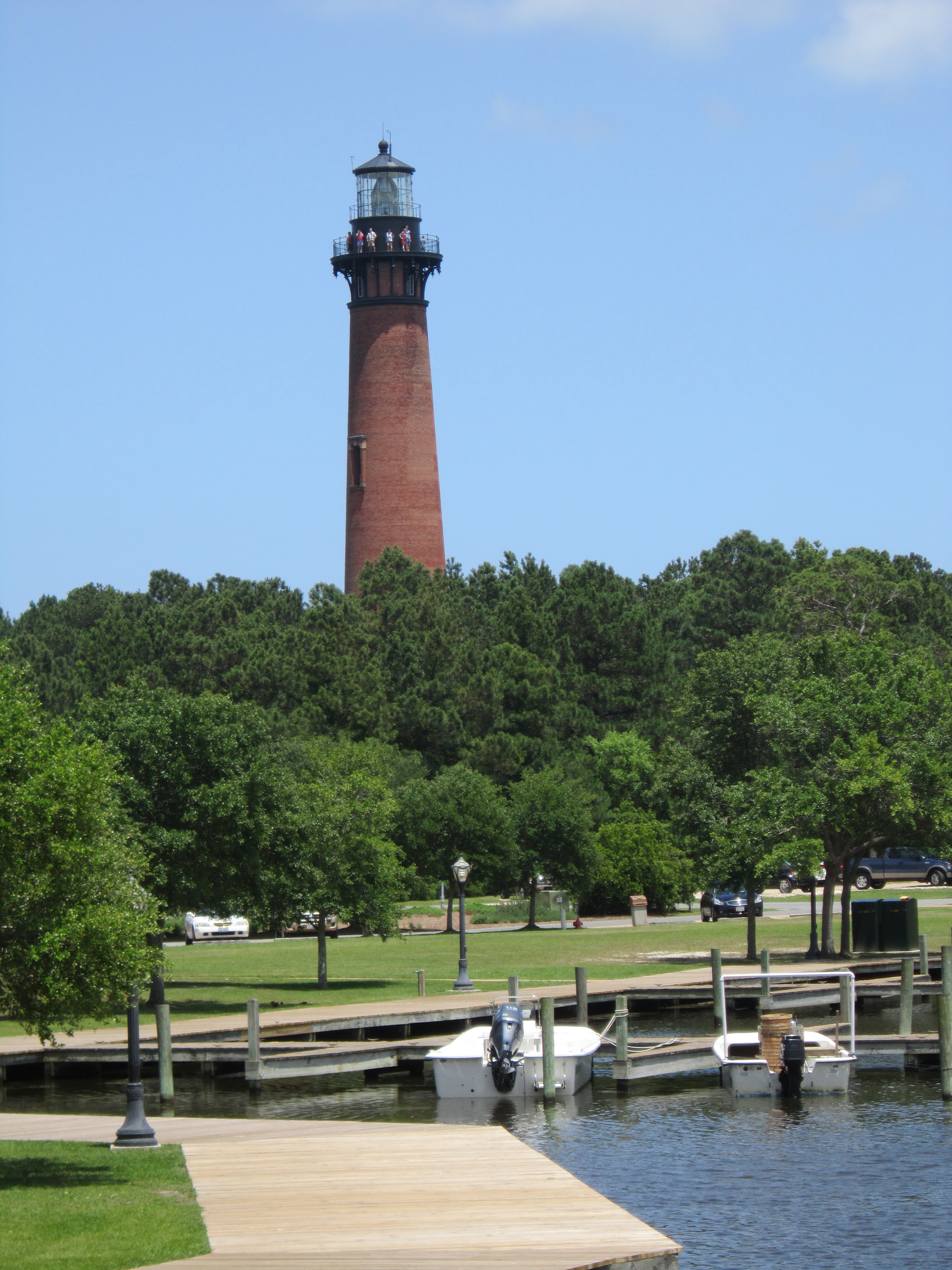
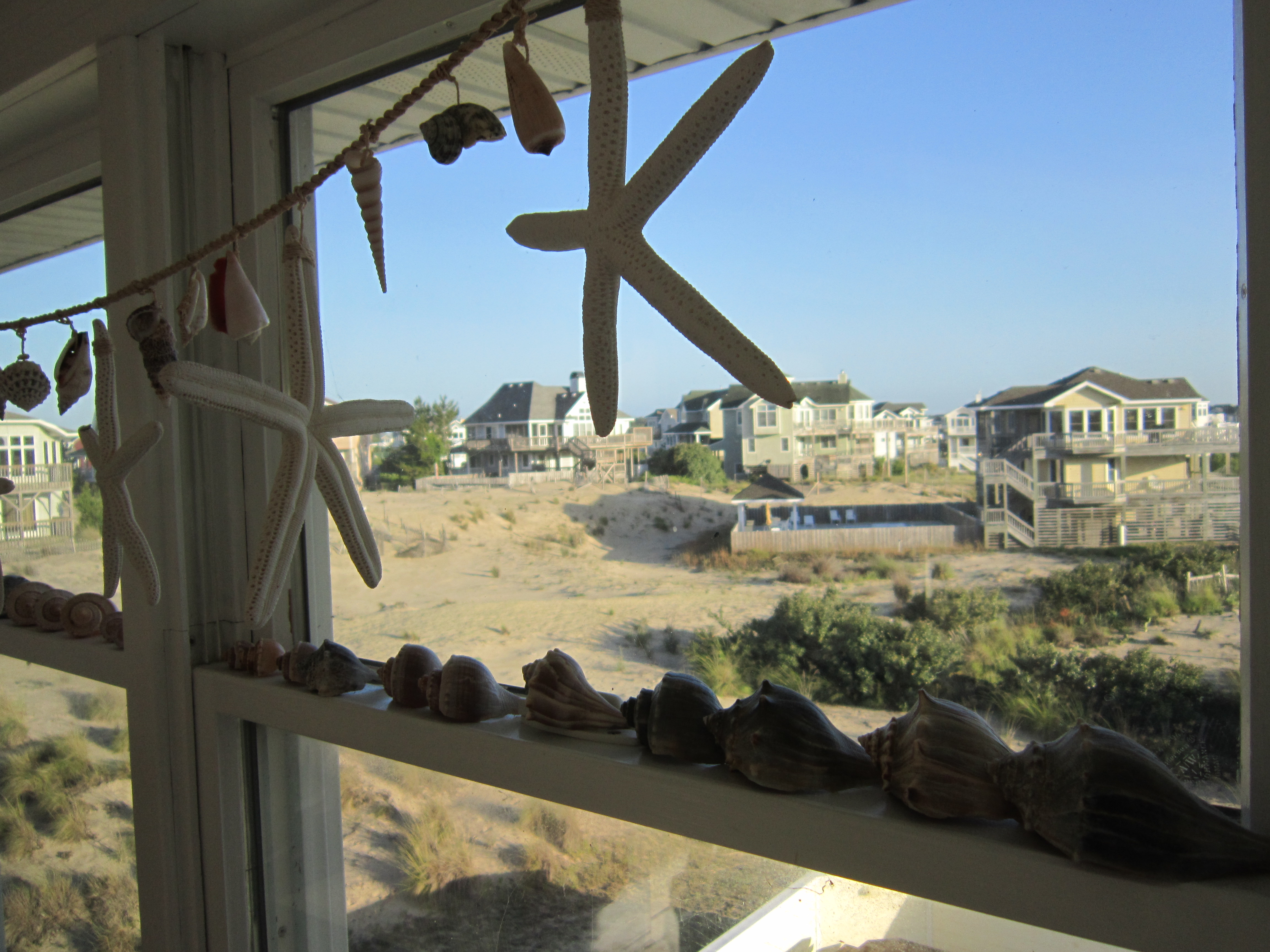
For Memorial Day weekend we drove to the Outer Banks to visit my sister Jane and her family. Their beach house in Corolla was comfortable and relaxing, with lots of seashells and board games. There were family dramas to discuss, as well as books to read, food to eat, and wild horses, shore birds, and other beach creatures to see. I also had a few new thoughts on economics and employment, as noted below.

My brother Paul and his wife Jackie came out from Virginia Beach on Saturday afternoon. Paul, in training for a marathon, ran the last seven miles, and arrived looking thinner than he has for at least a decade. The next morning I did my first outside run in a long time, a three-mile run along US 12. After persistent knee problems a few years back, I finally quit running and switched to low-impact activities like elliptical machines and stationary bikes. But I’ve recently seen running is good for bone density, and so have begun running a bit on the treadmill. The run along US 12 went well for a half hour, until I got a cramp in my calf.

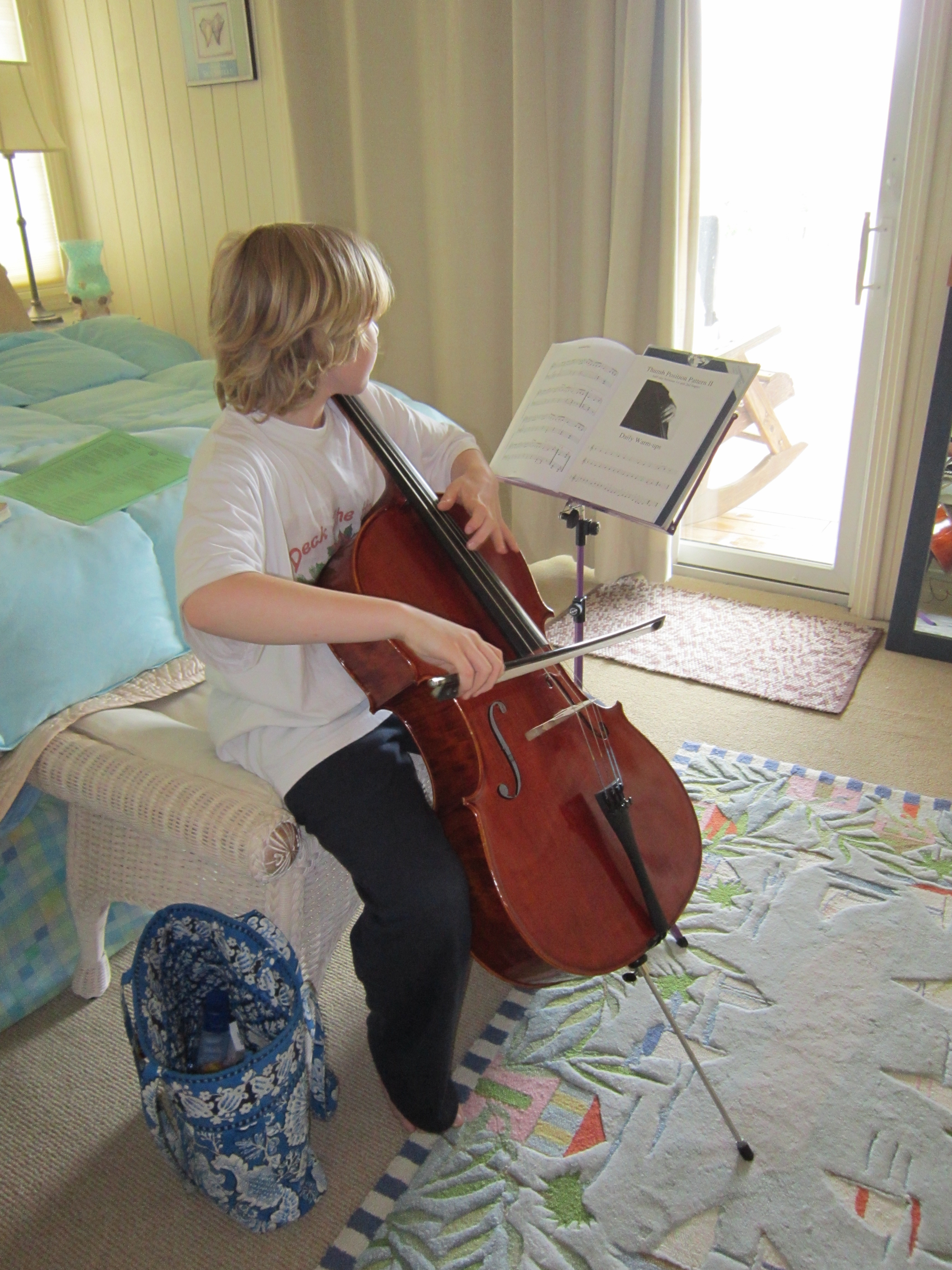
I took a break from practicing the piano, but enjoyed the musical activities of the rest of the family. Kylie is making good progress on the violin, as is David on the cello, and Jane has just started teaching herself piano. Paul is quite accomplished on the banjo, and played his version of the Star Spangled Banner in honor of memorial day.

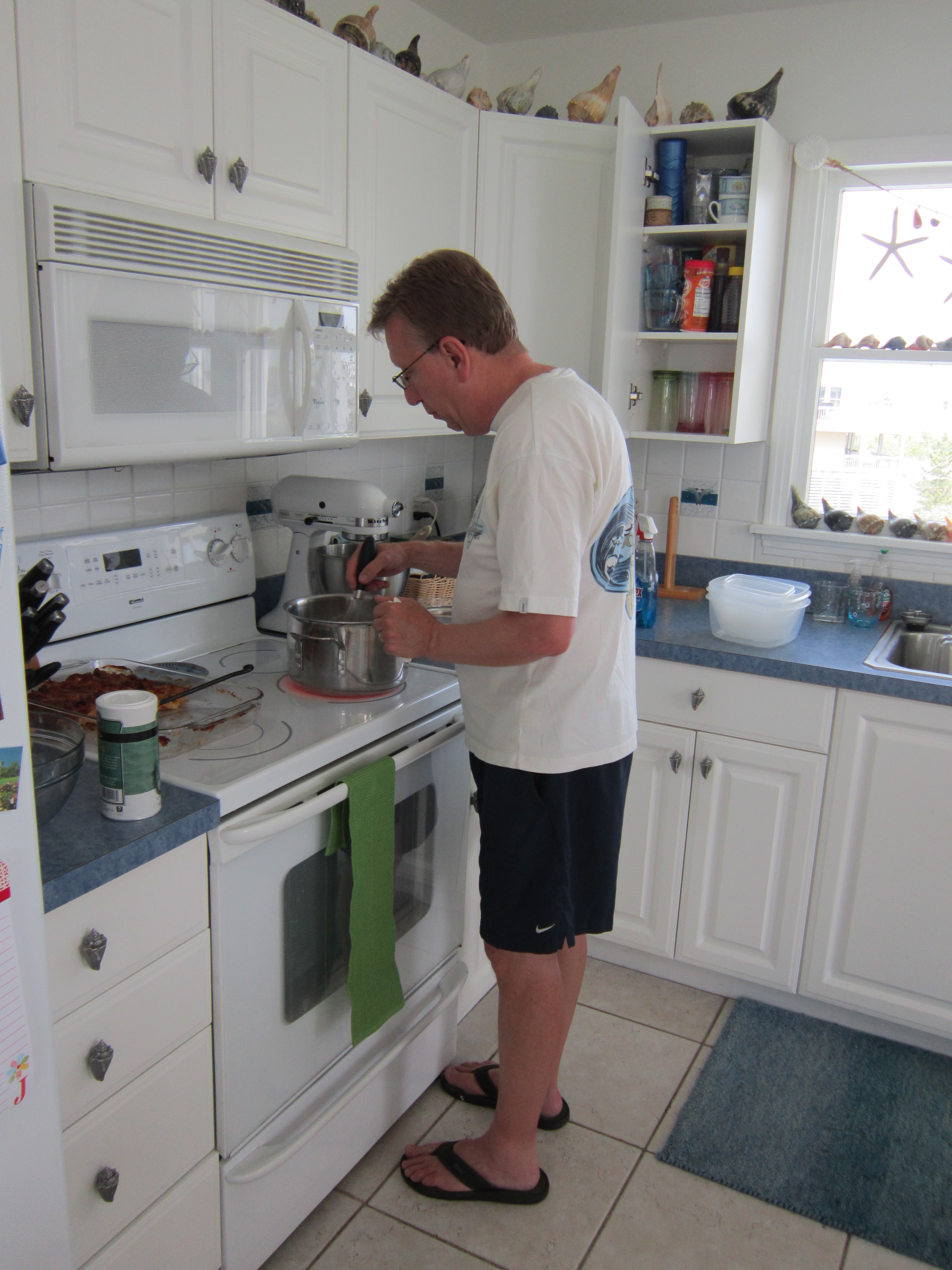
Keith cooked non-stop all weekend. On Saturday morning, he cooked gluten-free waffles with blueberries and strawberries, which were marvelously light. Soon after we cleaned up, he started to work on lunch, wonderful grilled vegetable sandwiches, and soon after that, he got to work on a vegetarian Mexican dinner, which was a complete success. The man loves to cook, and he’s really creative. We were all grateful.

In the Sunday Times, there was an op ed piece by Tim Jackson about how the drive for ever-increasing productivity was resulting in increased unemployment. This was a different lens on a problem I’ve pondered before — what should humans do when computer brains and robots render them redundant? Jackson proposes that the answer is to forget about increasing productivity and embrace lessening productivity.

Jackson broached a critical problem. As I’ve noted before, although we’ve hardly noticed it, robots and artificial intelligence are transforming the human world in fundamental ways. More and more of the manufacturing work that people used to do is now done by robots, and AI is starting to impinge on areas that we used to think of as forever and irreducibly human, such as medicine, law, and education. This is big. As far out in the future as we can see, we will need fewer and fewer people to make our products and perform our services.

We once thought of this as utopia: a world of plenty which required less and less labor to produce goods and services. We assumed it would result in more and more pleasant leisure. But this vision failed to take into account that we aren’t comfortable paying wages to people who aren’t working in a way that contributes meaningfully, and those without work do not feel at leisure.

Jackson suggests reorienting away from simple increases in productivity and towards activities involving caring, craft, and cultural activities, like art. This sounds promising. These are activities that humans have done as long as the species has existed. Once our ancestors had taken care of food, clothing, and shelter, they made jewelry, painted on cave walls, beat on drums, played lacrosse, or otherwise entertained each other. Caring for each other, making things, and making art are things we like to do. But we need to figure out how to associate these activities with fair wages.

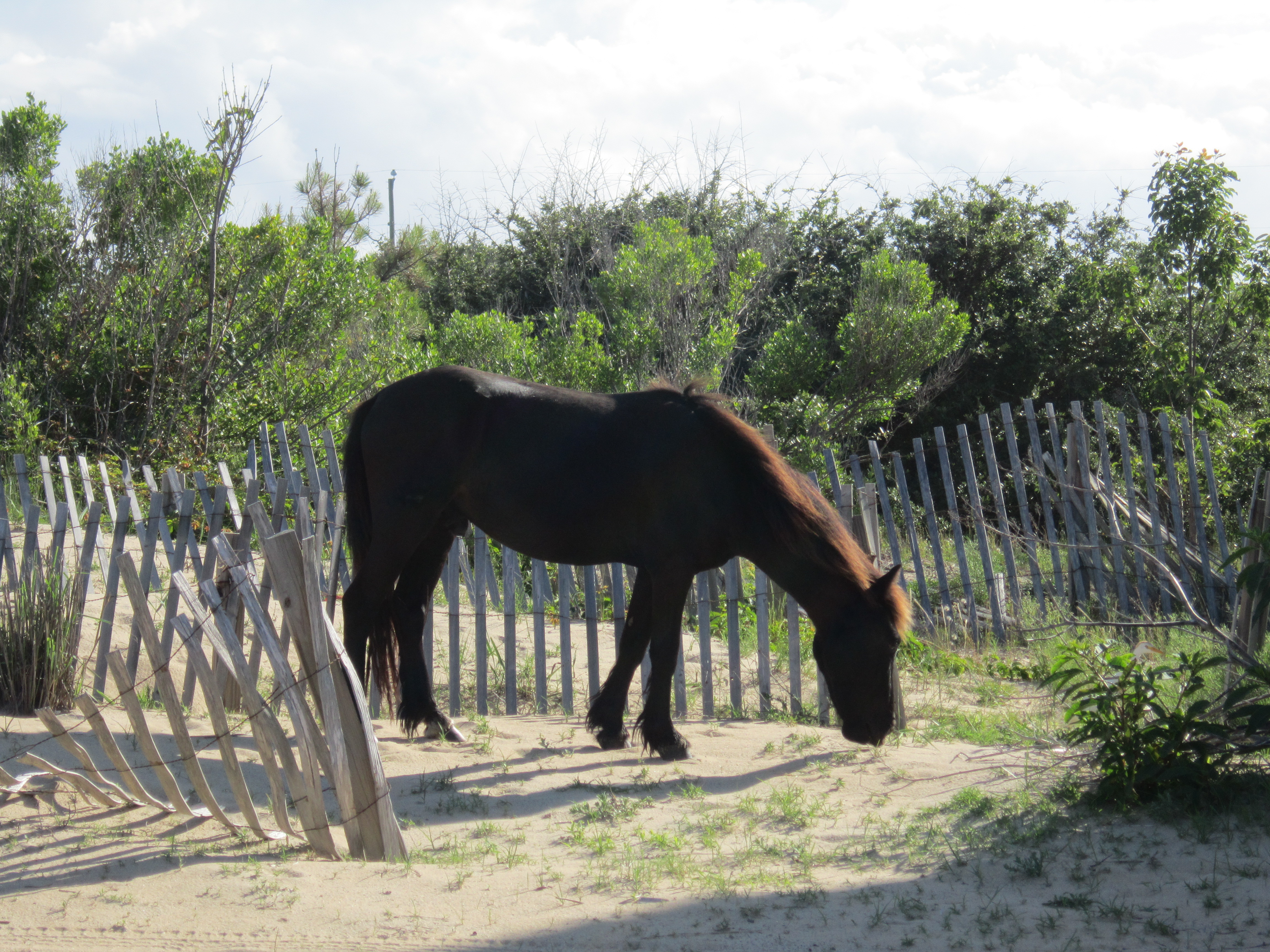
On Sunday afternoon we went four-wheeling northward to look for wild horses. Driving on the beach is fun, though I feel a bit guilty at what people like us do to the beach and its creatures. We saw lots of sanderlings and grackles in the shallows, and flying pelicans, gulls, terns, and one snowy egret. We drove through the narrow sandy pathways that wind through the marine forest, working our way around occasional pools of standing water. We finally found three groups of horses, and got close views of two of them.

We sat on the porch for a while and read and talked. Over the weekend, I dipped into the following books: I Am a Strange Loop, by Douglas Hofstadter, This Is Your Brain on Music, by Daniel Levitin, The Short Game Bible, by Dave Pelz (golf), Indignation, by Philip Roth, Winner Take All Politics, by Jacob Hacker, and The Social Conquest of Earth, by Edwin O. Wilson.

Sunday evening Sally mixed cocktails for the adults using cucumber vodka, ginger infused simple syrup, lime juice, and elderberry liquor. Keith made gluten-free vegetarian lasagna, which he had to complete with penne pasta because there were no lasagna noodles, but which turned out great. He’d also made vanilla ice cream and peach-and-blueberry cobbler. We played a game called “left right center” which involved rolling dice and losing or acquiring chips. It was a game requiring no skill, but gave the enjoyment of possible good fortune without exacting much pain for bad fortune. There was merriment. After dinner, we lit sparklers and set off some fireworks rockets.


Carolina Ballet’s brilliant Beethoven, and a Porsche track day

Clara at VIR on May 19, 2012

Sally and I went to the Carolina Ballet’s final program of the season on Thursday night. Ballet has so much emotional power. How fortunate are the dancers who can embody it and touch us with it. As they move, our minds move and feel. Could it be our mirror neurons? Perhaps that, combined with a common tradition and vocabulary of movement. Maybe, when all the stars align, we connect at a fundamental level with the dancers and the dance, and are changed ourselves.

On Thursday, we saw the world premier of Robert Weiss’s new ballet, Beethoven’s Ninth, and found it very powerful. The music is iconically familiar, but apart from the familiar ode to joy, extremely strange. Weiss’s creation honors the tradition of the music, and also brings it into the present. He uses a large cast and a lot of movement. The stage surges with high-speed running, leaping, and spinning in every direction, creating tension and excitement. It’s wonderfully dense and complex, like the music. The work seems more about groups and relationships than about individuals. I thought it was truly brilliant. Is this possible? Could a work of amazing complexity and transcendent beauty shine forth in Raleigh, our sweet but modest mid-size southern city Of course!

On Friday and Saturday, I took Clara up to Virginia International Raceway for some track driving fun. Both days were mild and sunny. There were dozens of beautiful Porsches, along with quite a few BMWs and Corvettes, and onesies and twosies of other vehicles. I was paired with Mike T, a very experienced teacher and Corvette guy.

There are seventeen turns in the 3.27 mile VIR course, and each one is different. Mike expected me to know them by name, and have a plan for each one. As we did laps, we communicated through in-helmet headsets. He coached me through each turn and gave instant feedback, such as, “You turned in too early,” “You need to brake earlier,” and, occasionally, “That was good.”

Like a lot of accomplished people, Mike was a perfectionist, and it was difficult to satisfy him. I felt a bit discouraged. At times he seemed to be coaching me towards a high-speed disaster, which in retrospect I think was the result of my not getting some of his vocabulary. Anyhow, there were some close calls involving taking too much speed into corners. But as the laps accumulated, the percentage of good turns increased, and I was passing most of the cars in my group. Mike didn’t make me feel great, but he may have helped me move me towards the next level.

A lovely Friday cocktail, Bill Cunningham, the anti-gay vote, David Brooks’s The Social Animal, learning to listen while playing the piano


How nice it is to have a cocktail and relax at home on Friday evening! Of course, strong drink must be handled with care. A glass of wine with dinner is certainly a pleasure, but the habit can sneak up on you, and a glass of wine can so easily turn into three.

A few weeks back, Sally and I decided to limit drinking to weekends. Among other good effects, this makes the Friday evening drink particularly delightful. Last night, Sally made us margaritas with fresh lime. For the first time in years, I had a sudden urge to listen to Stevie Wonder hits from the seventies, which we now can easily stream from Rhapsody. I dedicated my streaming of the wonderful Signed, Sealed, Delivered to my sweet Sally.

We watched a documentary called Bill Cunningham New York. Cunningham is a photographer whose specialty is candid shots of New Yorkers wearing interesting clothes. He has a feature in the Sunday NY Times style section in which he shows this week’s street fashion trend, which, although I’m far from a fashion person, I always enjoy looking at. But I didn’t know him by name, and would have missed the documentary but for Sally’s putting it at the top of the Netflix queue.

It was sweet and kind of inspiring. Cunningham is in his mid-80s. He’s still snapping pictures all the time (using 35 mm film), publishing weekly in the Times, and travelling by bicycle on the streets of Manhattan. Age may have slowed him down a bit, but he’s still passionately creative. He’s got a great, boyish smile.

We voted in the North Carolina primary this week, which involved primary races for governor, secretary of agriculture, and various other offices, and an amendment to the state constitution to ban gay marriage. Why a gay marriage ban? It’s mysterious, and bizarre. I am stunned that it passed by a 20-point margin. Raleigh, the part of North Carolina in which I spend most days is multi-cultural and tolerant, with a visible and completely uncontroversial gay population. (I blogged about this visibility a while ago.) But most of the state is rural. What is going on in the heads of homophobes? I’d like to understand, but I don’t get it. It’s a different culture. I believe that that culture is eventually going to change, but for now it’s still alive and kicking.

Speaking of culture, I’ve been reading The Social Animal, by David Brooks, the NY Times conservative columnist. Brooks has collected recent ideas on psychology and culture, including those of Daniel Kahneman and Jonathan Haidt, and woven them into a readable and, in places, intriguing book. The theme, which is getting considerable attention lately, is that people are primarily driven by unconscious perceptions and desires, rather than rational thought.

But Brooks views this in a positive light, arguing that although our brains make all kinds of mistakes, they work better than a completely rational system running in real time could. He argues that behavior is best viewed as a function of those around us and our surrounding environments rather than of individual intelligence, and proposes that we think about meaning more in terms of relationships and cultural systems. I don’t much like his device of two imaginary characters who gradually discover or rub up against the various theories he explores; the characters never really come to life. But I think it’s worthwhile — I’m more than half way through, and likely to finish.

On Saturday I had my last piano lesson of the season with Olga Kleiankana, who’s headed to Moldova for the summer. We talked about some Rachmaninoff and Scriabin pieces for me to work on over the summer, and then worked on Scriabin’s second prelude (op. 11). Olga admitted that it sounded significantly better, but pointed out places where the tone seemed flat. She continued to emphasize the importance of gesture in sound production and expression, and when pedaling problems emerged she taught me how to test out pedaling improvements.

Then I played Debussy’s Second Arabesque for her for the first time. She pointed out that I seemed to be reading note by note, when many of the elements were repeated with slight variations. As she went through a quick score analysis, I had a eureka moment: score analysis was not designed to torture hapless students, but rather to make it possible to understand and learn music more quickly and effectively.

Finally I played Debussy’s Reflets dans l’eau, from Images, premiere serie. This is a gorgeous impressionist piece that calls to mind (especially after hearing the title) reflections in water. It has dazzling effects, some of which are difficult. Olga noticed that I got tense in my shoulders in the fast 32nd-note passages, and advised me that that could be fixed by breaking the passages into simple parts for practice. We also talked about the relationship of touch and tone color. At one point, I played a simple chord, and she said, with a pained expression, “Don’t just play the notes! You need to always think before you touch the keys!”

And she was serious. She listens with a level of concentration that’s almost scary, and expects me to at least try to do the same. I’m having occasional glimmerings of what this might be like. The sound seems richer, with more depth and detail. It’s like hearing in 3D. Of course, little flaws, like unbalanced chords or inappropriate accents, are more jarring. But when a musical statement works, it touches more deeply.

A juicy yoga class and other educational experiences

As much as I really love yoga, I go back and forth on Yvonne’s once-a-month Juicy Flow class at Blue Lotus. I like doing a class on Saturday mornings, and I like Yvonne, but I have the same issue the first Saturday every month.

Rather than her usual hour-and-a-half of Vinyasa (which is a lot), Juicy Flow is two hours, with a lot of fast movements. It’s eclectic. She puts a lot of thought into the music mix, which can range from goofy 80s pop to the world. In terms of movement, it’s always different, and there’s always something lively and fun. But it’s always exhausting, and tends to make me sore for a couple of days afterwards.

I was particularly hesitant about Juicy Flow this week, because I’ve been having some issues with my shoulders, and the class ordinarily stresses those parts. But I decided to give it a go. As usual, she’d come up with some demanding variations of traditional asanas, and several three-minute-long Kriya sequences of fast, big movements, including shoulder turns, squats, rolling up and down, scissoring legs, and open palm punches. There was also some free-form dancing.

Like every good yoga class, it was a learning experience — finding out some new things about what my body can and cannot do, and what the possibilities are. It was sufficiently demanding that I was not thinking about much of anything other than Yvonne’s directions. The two hours went fast. It was sweaty and exhausting, but also fun, and left me feeling amazingly calm and relaxed.

I was pleased to see news reports this week that Harvard and MIT are starting a free online education initiative called EdX. I might be interested in some courses. In fact, I’ve been auditing Michael Sandel’s Harvard course on justice (i.e. theories of ethics) through iTunes U. I usually watch Sandel or a Ted Talk in the early morning while getting my heart rate up on an exercise machine. It gets my head going.

Opening up the Ivy ivory tower strikes me as a very good thing for society in general, and I hope a lot of people will use it for continuing their education. It’s worrisome that anyone could think of college as the completion of an education. Seriously, has there ever been anyone who is reasonably well-educated after four years of college? College is kindergarten for adulthood. Getting fairly well educated takes a long time, and even then, there’s always more to explore.

Strawberries, memory flaws, driverless cars, manufacturing, massage, and Il Trovatore

The strawberries from the Raleigh farmers’ market were good this week — firm but not too much so, and fairly juicy. I put quite a few in my breakfast smoothies (together with kale and other nourishing things), and also made a point to taste them in their unprocessed state. Still, I couldn’t help thinking that the strawberries of years ago were sweeter. Are strawberries losing their taste little by little, like tomatoes before them? Or is this just memory playing tricks?

It’s unsettling to think that memory is unreliable. It is such a vital part of our interior lives, of our concepts of our ourselves. But it is highly prone to error. Thousands of Americans “remember” being abducted by aliens. Many others recall, after extensive coaching by incompetent therapists but without any confirming evidence, being sexually abused by their parents. In Mistakes Were Made (But Not by Me), social psychologists Carol Tavris and Elliot Aronson take a swing at explaining these and other social-psychological debacles involving strongly felt, but completely wrong memories.

Tavris and Aronson explain that complex memories are not a literal or objective recordings of events. There is no place in the brain where everything that happens to us is stored. Our brains hold selected vivid highlights of events, which we mix together with other knowledge or impressions to construct storylines. These storylines can, especially when repeated many times, come to feel like literal truth. The “mistakes” of the book title refers to our tendency to construct the storylines according to our own biases and tendencies towards self-justification.

Tavris and Aronson give a lively, readable account of the theory of cognitive dissonance, which drives us to reduce internal discomfort by ignoring information that conflicts with strongly held beliefs. They convinced me that there are systematic flaws in our mental functioning, even when we are healthy and operating normally. This is, as I say, unsettling, but it is worth pondering. It may be that by understanding the likelihood of certain kinds of mistakes we can lessen their likelihood.

Humans do some ridiculous things, but also amazing ones: our machines keep getting better and better. The self-driving car was in the news this week, with Google, which has been road testing its design, announcing plans to commercialize, and with Nevada becoming the first state to legalize one. What does this mean for the future of human driving? The end is near. As a person who enjoys driving, I say this with some sadness, but our AI drivers will be much more reliable and efficient than we are. There will be fewer accidents and better fuel consumption. Human driving will become like horseback riding — a noble but slightly mannered hobby allowed only in special areas.

More on amazing machines in last week’s Economist: a feature headlined The Third Industrial Revolution which gave a valuable perspective on how manufacturing is changing, and those changes are starting to transform societies. Major players include more sophisticated robots, improved software, nanotechnology and 3D printing. The new factories use significantly fewer people. The U.S. has a manufacturing output worth about the same as China’s, but uses only ten percent of the workforce used by China. Amazing, right? 3D printing is making possible product customization to a remarkable degree, and lowering costs. So it sounds like we’ll get more remarkable products cheaper, but have fewer manufacturing jobs. What are all the excess people going to do? Especially once their cars no longer need them?

I have a couple of ideas. Number one: more massage. This is a no brainer. Massage is simply wonderful, and we should all get more and give more. I saw Meredith at Hands on Health this week to get some work on my shoulders. Meredith does therapeutic massage, which is designed not to relax you but to make you healthier, and it can involve some discomfort. There were moments when I was close to my pain redline. To cope, I did deep yoga breaths, and was very proud when she told me that my breathing had been “fantastic.” Afterwards I felt great. Meredith is seven months pregnant now, and doing just fine. She’s helped me a lot, and I’ll miss her while she’s on maternity leave.

Another idea: more art. Art is something humans really like to make and share, and they’ve been doing it for millinea. I worry about our artists and artistic institutions, but they’re not dead yet, and there are still endless possibilities.

I felt particularly optimistic Friday night after the N.C. Opera’s production of Verdi’s Il Trovatore (The Troubadour). They performed the work in a “semi-staged” fashion, with no scenery, and the singers moving in front of the orchestra. Il Trovatore has great music, and the soloists were very fine. Leah Crocetto as Leonora was excellent — an exceptional voice, a sensitive musician, and an expressive actress. But gosh, she’s heavy! I’ll say no more about it, except that it detracted from her effectiveness as an artist. But I just loved her singing, and think she could go far.

I was also impressed with tenor Noah Stewart, who was a powerful and sensitive Manrico. Another cheering point: casting an African-American as a romantic lead for a North Carolina audience has become completely uncontroversial. Liam Bonner was strong as the Count de Luna, and Robynne Redmon was a marvelous Azucena. Richard Ollarsabe as Ferrando had a wonderful bass voice. I was impressed with the sensitivity of the conducting of Timothy Myers. One cavil: the male chorus was raggedy. But this was on the whole a fine production, and made me very happy to be living in Raleigh at this moment in history

Cutting wood, not fingers, trying a good new Italian restaurant, and enjoying the Carolina Ballet’s Carmina Burana, but worrying about the dancers’ low pay

On Friday afternoon a group from the Red Hat legal department worked on a Habitat for Humanity house in eastern Raleigh. It was a warm, sunny day. I managed to work up a good sweat nailing boards together, and pulling apart ones I didn’t line up properly before I nailed them.

I also spent some time cutting boards with a circular saw. My father was a passionate woodworker, and the sound of the power saw brought back childhood memories — of trying to watch TV and not being able to hear it because of the power saw. Dad was always worried that his or someone else’s children would hurt themselves with his power tools. He did not generally encourage visits to his wood shop, and managed to implant in me the idea that little fingers can be sliced off very easily. This is a particularly horrifying thought for a pianist. Thus I was probably a more deliberate sawer than most.

Afterwards, after knocking off some of the sawdust, a few of us had a beer at Sammy’s, a sports bar. We learned that Barrett is coming into the home stretch towards his wedding day, with a Caribbean honeymoon in St. Lucia to follow, and Madeline had decided that her next vacation will be in Curacao. I encouraged them to try some scuba diving. Madeline said that she had some claustrophobia issues and a dread of fish bites, and so she was not overly keen, but Barrett seemed game.

That evening Sally and I tried Tuscan Blu, a new Italian restaurant in the warehouse district. We got there at 6:20 with a view to finishing in good time for the ballet by 8:00, and were the first ones there. It was empty, but we quickly got a good vibe from the friendly staff. When we asked about wine, our server summoned the owner, a big, gray-headed, Italian guy, who, instead of discussing the matter, brought us out a bottle of Italian chardonnay that he said we would like. We did. People began to come in, and the place started buzzing. The olive oil in the salad dressing was excellent, as was the pear and ricotta fiochhi. We’ll be going back.

The Carolina Ballet featured a revival of Carmina Burana and three short new works inspired by a local exhibit of the art of Alexander Calder. This was our fourth Carmina, and I’ve liked it better each time. It is a rich, complex work. Lynn Taylor-Corbett’s choreography melds with Carl Orff’s powerful, strangely ancient-yet-modern choral music in a way that seems organic: it feels as though the music and dance were created together, instead of sixty some years apart. . The performance on Friday had a quasi-orchestra (two pianos and percussion) and the 140-voice Raleigh Chorale, well conducted by Al Sturges, made a big, pleasing sound.

The work opens with a group of male dancers in business suits with leather briefcases, which is both humorous and disconcerting. We quickly realize that it’s about our society, with a range of characters from Wall Street operators at the top to laborers at the bottom. The theme is the power of the goddess Fortuna — in other words, luck. Characters from all walks of life excitedly scratch lottery tickets, and are disappointed, and scratch again. Suddenly, one wins! And his life and the group’s is reorganized. One lover is discarded, another appears, then a child, who a moment later is a young woman. Temptations (lust, greed, etc.) arrive, and corruption develops, followed by pain and loss. The wheel keeps turning, with more rounds of the lottery, and eventually, there’s a new winner.

Yevgeny Shlapko played the Man Who Wins (the first lottery winner) with grace and maturity, and stylish athleticism, and paired well with Melissa Podcasy, who had beauty and depth as Woman Who Yearns. Their Daughter Who Dreams was played for the first time that night by Lola Cooper, who was both funny and graceful in conveying the excitement and storms of adolescence, including having a first cigarette. Marcelo Martinez was Man of Darkness, a personification of evil that was both frightening and seductive. I was very happy to see Alicia Fabry back after her injury as A Lost Soul, a role in which (against type) she projected a tragic neuroticism.

The first half of the program had works by Timour Bourtasenkov (a principal in the company), Zalman Raffael (a member of the corps), and Tyler Walters (now on the faculty at Duke). I particularly enjoyed Lindsay Purrington and Yevgeny Shlapko in Raffael’s piece, The Ghost, with music by Darius Milhaud. Walters’ I Mobile to music by Prokofiev was an intricate, modernist work that connected well to the mobile idea.

Afterwards, we met Lola at Humble Pie and caught up. She told us that there had not been much time to put together Carmina Burana, and she hadn’t had a chance to rehearse with the orchestra. She said she hadn’t tried smoking until the night before, and worried that she might have a coughing problem in performance. We talked about the problem of the extremely low salaries of the dancers, and particularly those in the corps.

This is something that has bothered me for a long time. These extremely gifted young people have spent most of their lives in sustained dedication to their art, and have overcome enormous odds to join the few who are paid professionals. They’re incredibly successful — sort of. They get the satisfaction of practicing their art at the highest level, but get paid at a level that is ridiculously low. Paying for the rent, the car payment, and groceries is difficult, or perhaps just not possible without a second job (which is very difficult to put on top of the time demands of the company) or help from parents or elsewhere. If we care about dance, we need to care about the dancers, and figure out a way to pay them a living wage.

Discovering Amsterdam

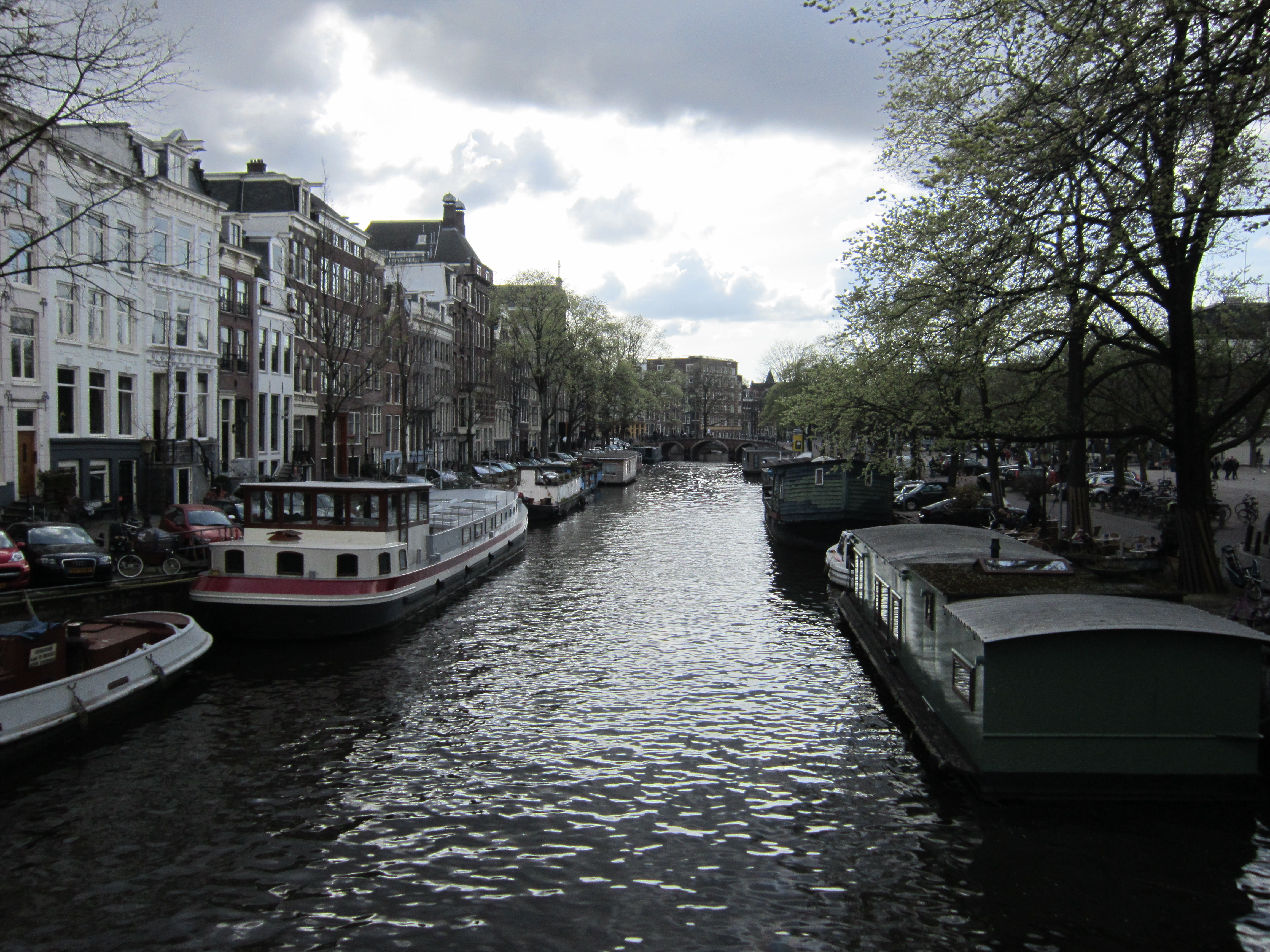
Last week I went to Amsterdam for the Free Software Foundation–Europe legal conference, and got in a bit of sightseeing as well. Sally and I stayed in the Krasnapolsky, a large, older hotel within walking distance of the railroad station, museums and several interesting neighborhoods.

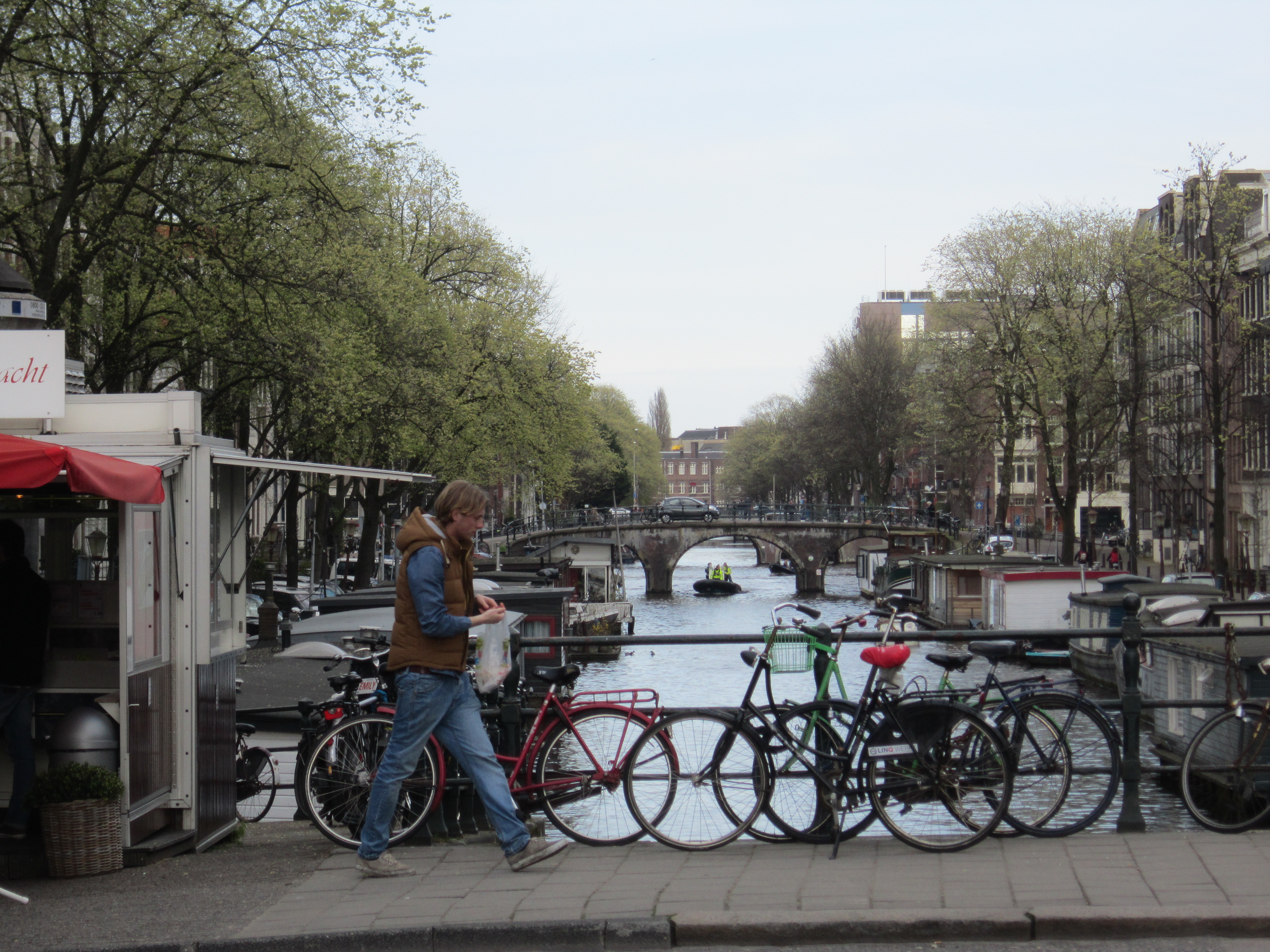
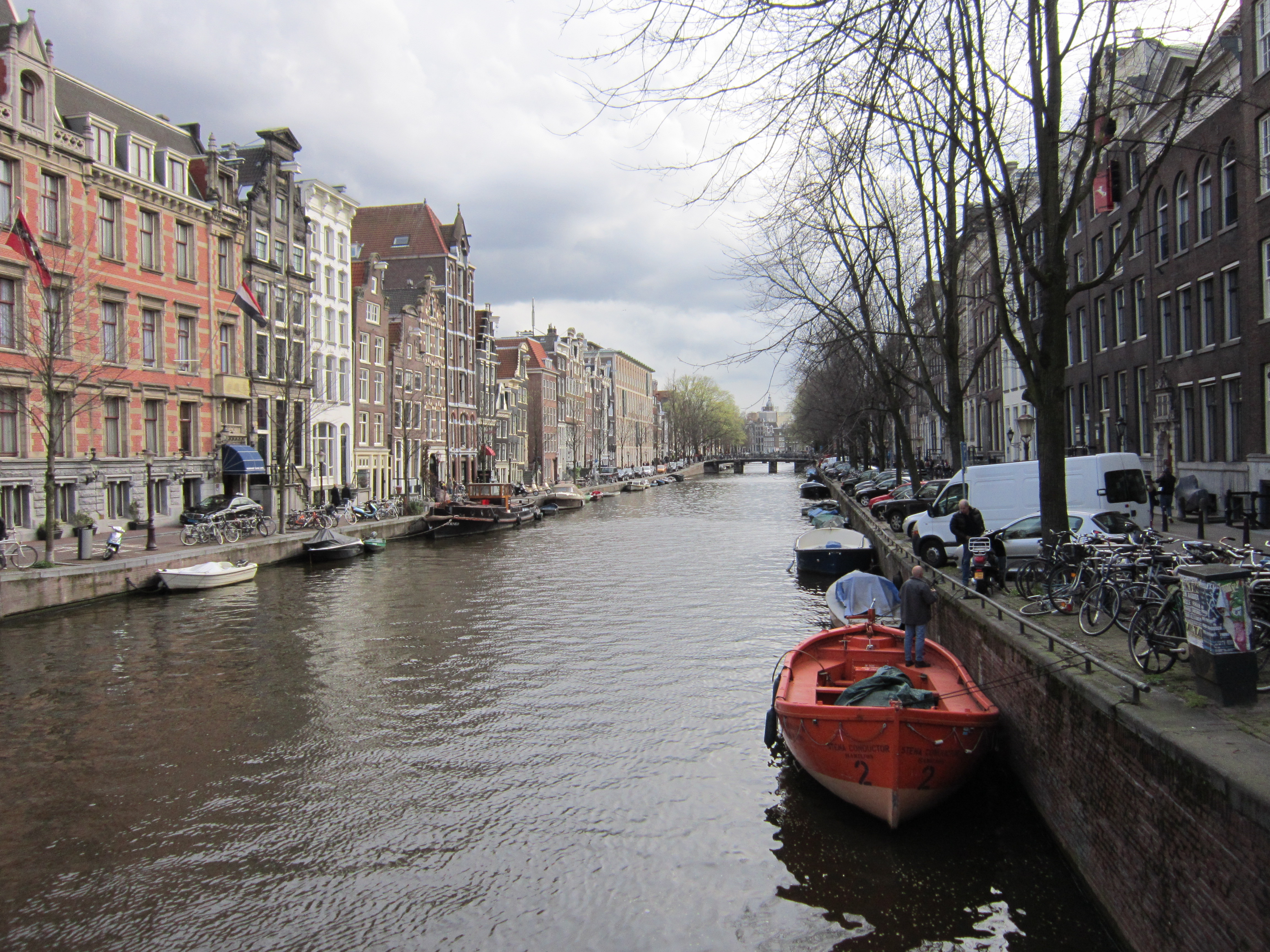
Amsterdam is lovely city. Its row houses, streets, and canals are an ensemble that suggests a real community, with shared values and history. It seems well-organized and clean. But very lively! We’d heard that there were more bikes than cars, which is true, but hadn’t realized that heavy bike traffic can be hazardous to pedestrians. We had some close calls, and I eventually began to start at tinkling bicycle bells as though they were blaring car horns.

We found the Dutch to be polite and helpful, though reserved with strangers. Almost no one asked us where we were from, which was nice, in a way. They seemed lively and affectionate with their friends. Everyone we dealt with spoke English at least adequately, and many were absolutely colloquial. Sally noted that from our street level few, there was little interest in fashionable dressing, with most dressed in a casual, comfortable way. There were fewer overweight people — perhaps because of all the bicycling.

We were particularly eager to see the Van Gogh Museum and the Rijksmuseum. The VG was quite crowded, but the collection of VVG’s art was spectacular. There were also great impressionist works by Monet, Pissaro, and others, which put VVG in context. I also enjoyed an exhibit of fin de siècle print making, which had some of the great work of Toulouse-Lautrec, one of my great favorites.

The Rijksmuseum is undergoing renovations, but fortunately there was a substantial exhibition of its masterpieces from the 17th Century. The high point for me was Vermeer’s The Milkmaid. I’d seen it three years ago as part of a traveling exhibit in New York, and was overjoyed to see it again. She’s so quiet, entirely in her own dreamlike world. Yet she and the scene are somehow full and complete.

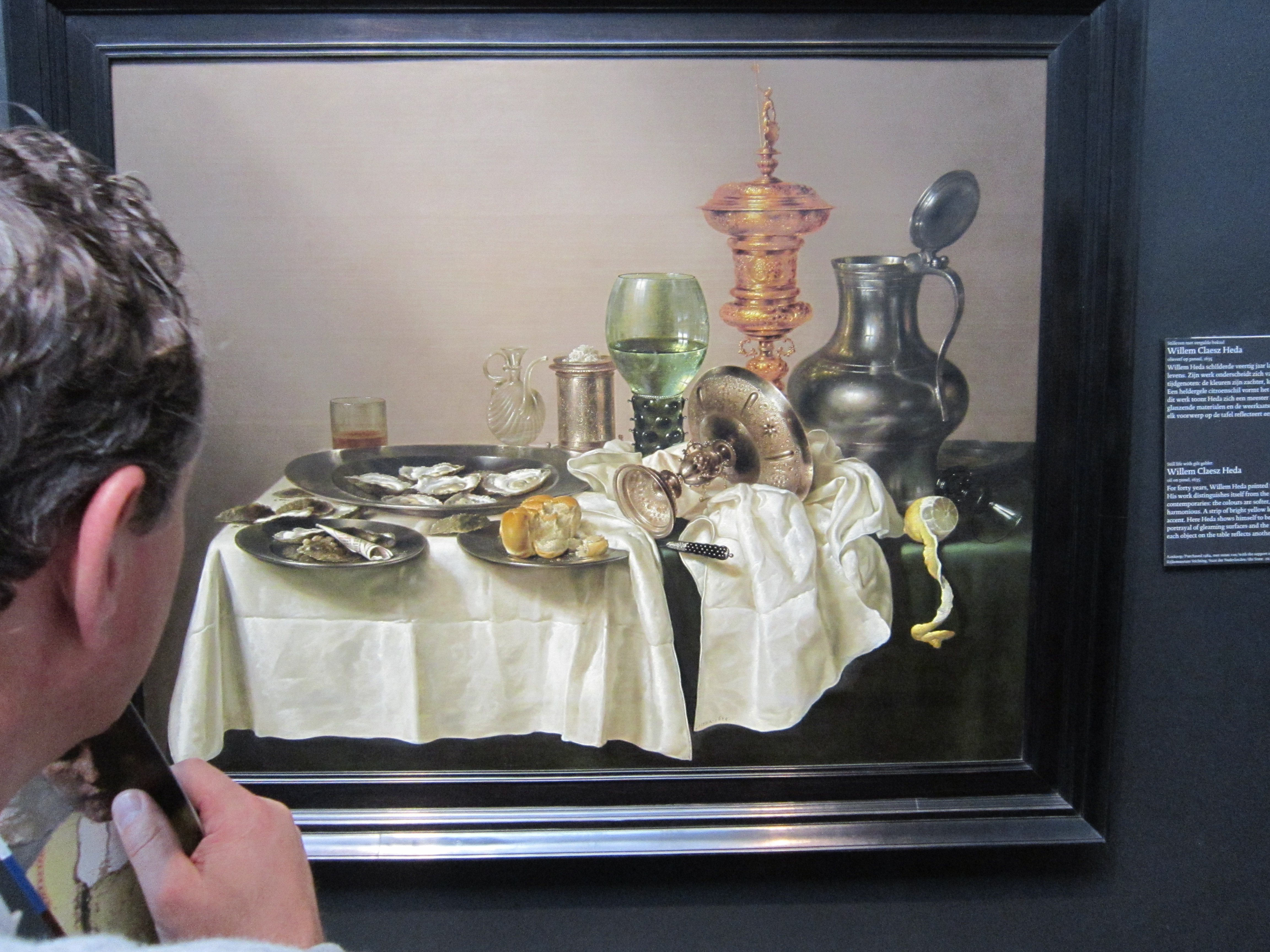
I also especially loved this still life by Willem Claesz Hedda. The realism of detail is astonishing. Looking hard at such paintings makes you wonder what you might see if you looked at everyday objects harder.

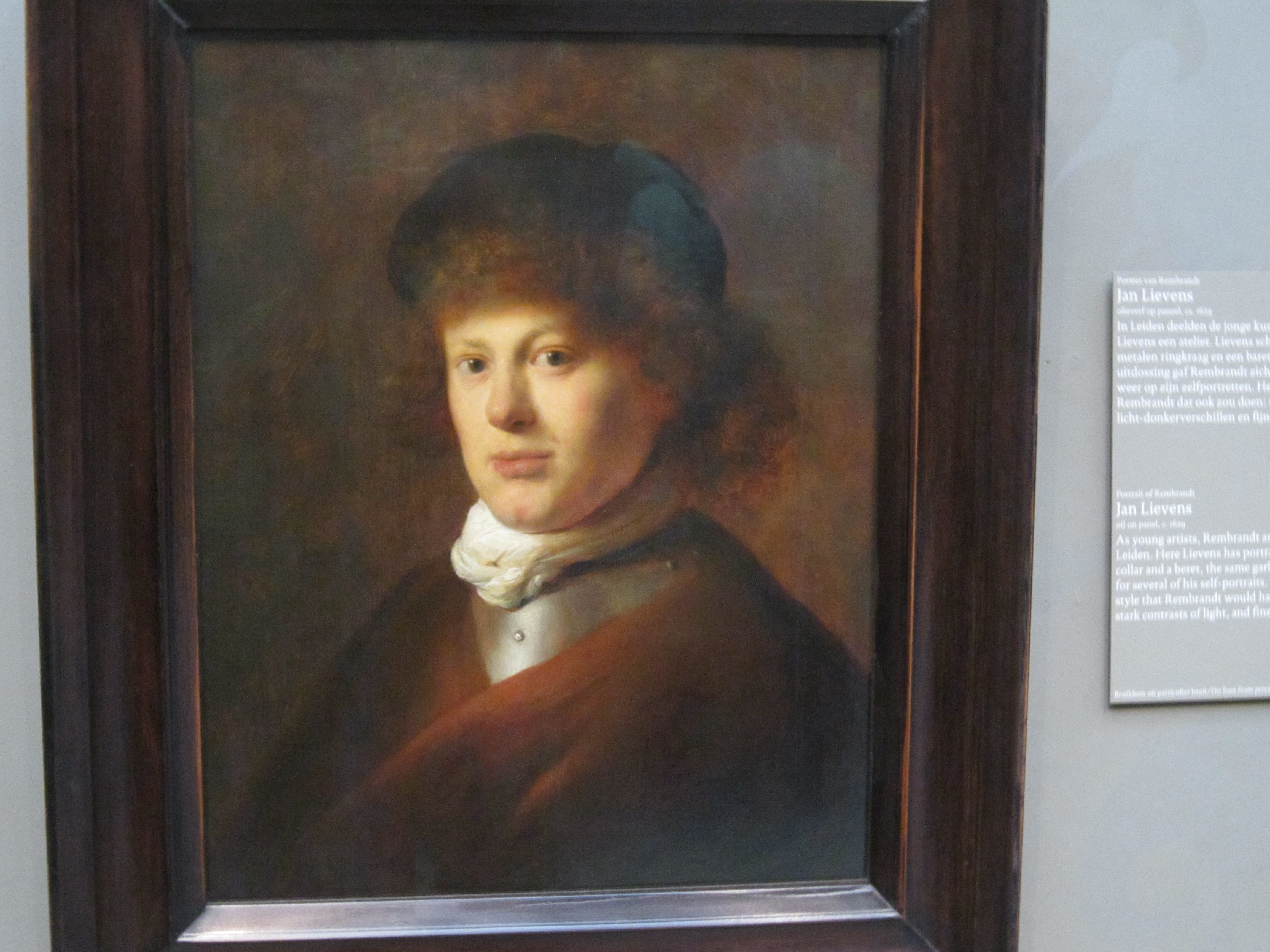
There were several great Rembrandts. Also, I was particularly moved by this portrait of a young Rembrandt by Jan Lievens, with whom he shared a studio early in his career. A youth with a bright future!

We enjoyed walking by the canals and squares, through the old Nine Streets district, the theatre district, and the Jordaan shopping area. We also had fun visiting the famous red light district. I’d imagined it would be at least a bit seamy and sinister, but not really. Yes, there were prostitutes in bikinis displayed in windows (some quite beautiful), porno theaters, and shops of sex paraphernalia, but also many cafes, bars, and restaurants. There were large crowds of cheerful people promenading. We had some delicious Thai food.

Utah skiing, a relaxing massage, and The Righteous Mind

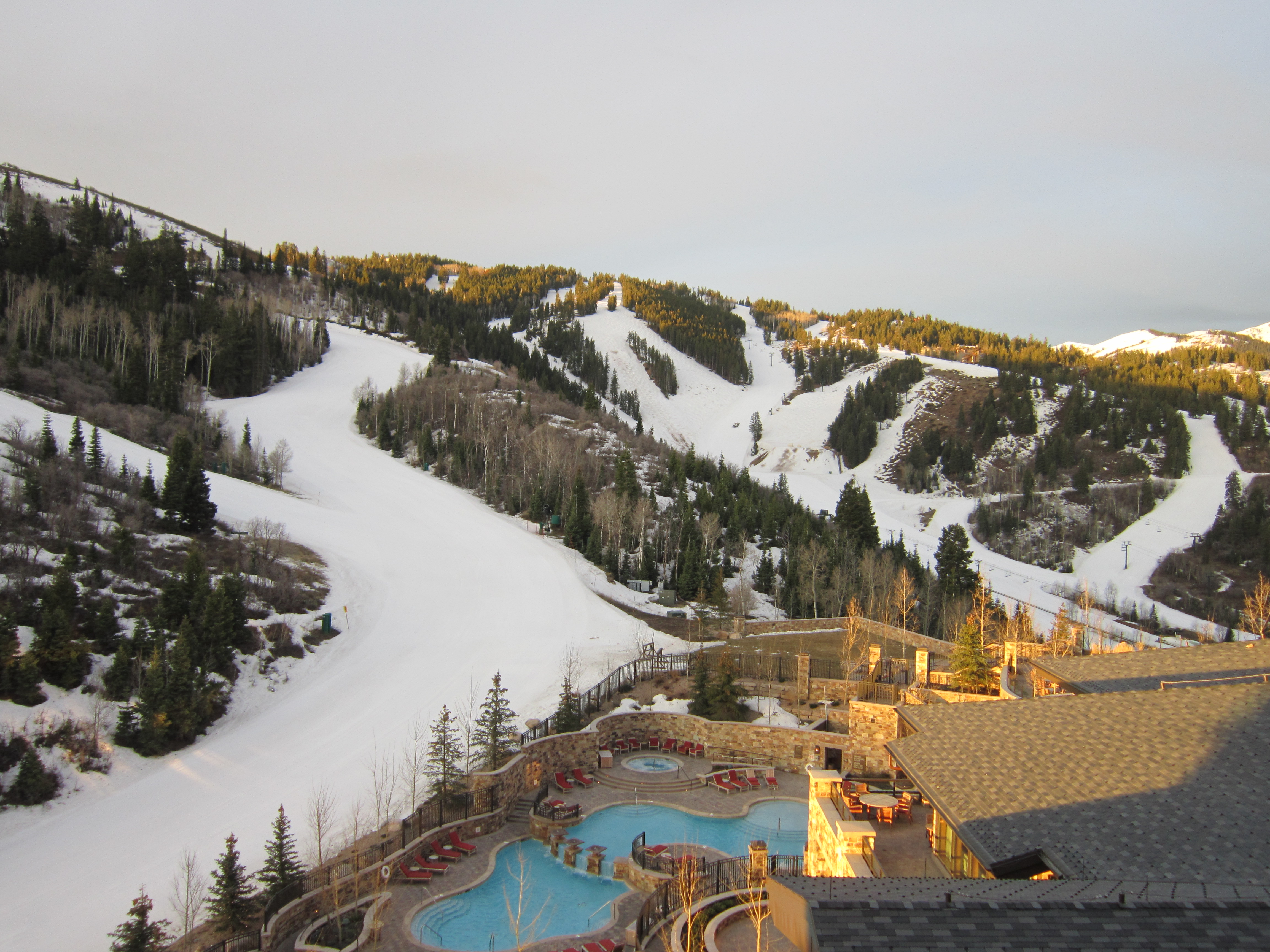
The view from room at Deer Valley, Utah

Last week I had some meetings in Deer Valley, Utah, and also managed to get in one last bout of skiing for the season. Deer Valley is famous for coddling a high-end clientele with personal service and carefully groomed slopes. This doesn’t sit well with my personal skiing value system, which is more about rugged natural beauty, self-reliance, adventure, and transcendence. But I have to say, particularly in variable spring conditions, Deer Valley was pretty sweet.

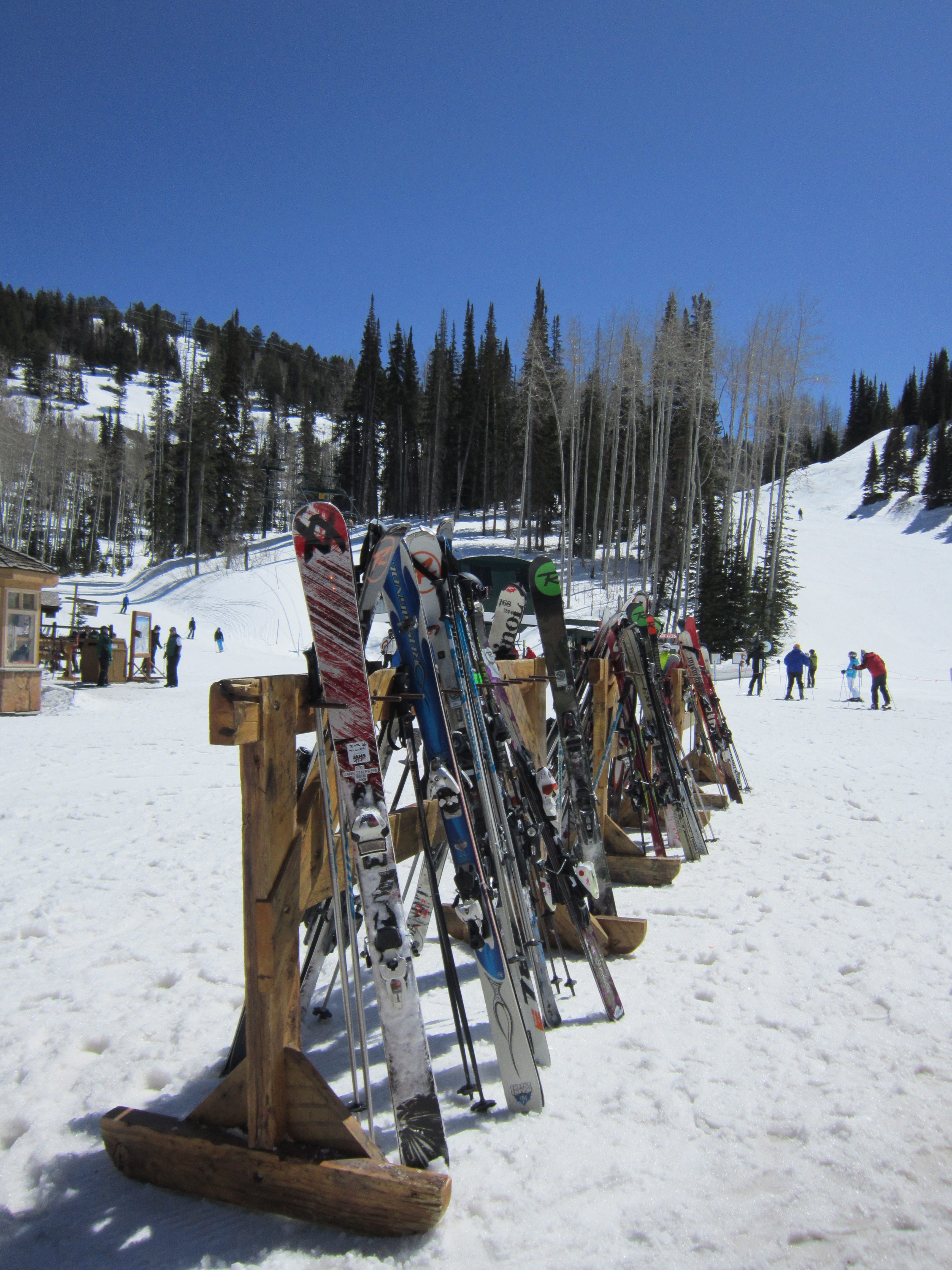
At my hotel, there was friendly, attentive service. A personable young people offered to help you get boots on and off (to which I said no thank you), and carried your skis on and off the slopes. I rented Volkyl Mantra skis, which Gabe had recommended last year. They turned out to be a good choice – a very versatile all mountain ski that performed well in powder, packed powder, crud, and mush, all of which I eventually experienced. It was reasonably quick edge to edge, stable when carving at higher speeds, and workable in bumps and trees.

My rented Volka Mantras (the red and white ones on the end)

It’s been a disappointing year for snow over most of the U.S. Could global warming be to blame? Utah had not had snow for some time, and the mountains looked much more brown than white on the drive from the SLC airport. I had my doubts as to whether skiing would be worth the pain, but in the end, it was.

On Wednesday I skied with business friends and did mostly blue cruisers, with a few bump runs. It was a beautiful, sunny day, with temperatures in the 40s. The snow got soft and mushy in the afternoon, but it was still skiable. Spring skiing, as they say.

Thursday I had work to do, but Friday I got over to Park City to do some skiing by myself. It snowed most of the day, but only lightly, and visibility was limited. The winds were so strong in the morning that only half the lifts were operating. The only double black terrain open in the morning was off the McConkey lift. There were swatches of powder, but much of the skiable area was hard, rutted ice, or worse, ice with a deceptive thin dusting of snow – ice that looked like powder. On one lift ride, I chatted with a couple who’d lived there ten years. They wanted to apologize to visitors for the conditions, which were the worst they’d ever seen. But it got better in the afternoon. The Jupiter lift opened after lunch, and I found some fun steeps that hadn’t been skiied. The bumps were crusty. There were some interesting looking gladed areas that were, unfortunately, closed for lack of snow.

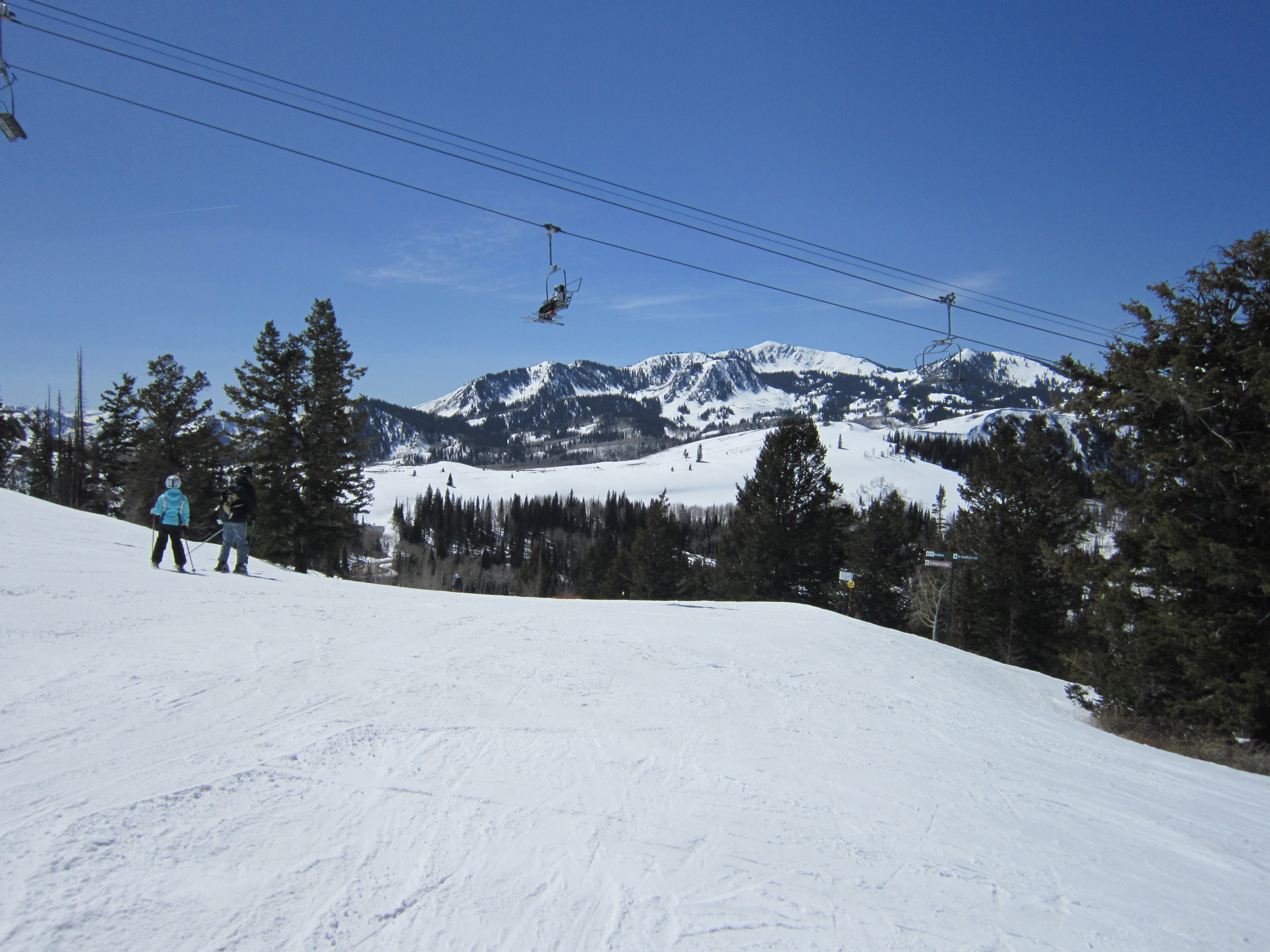
On Saturday it was another chilly bluebird day, which I spent at Deer Valley. The packed powder stayed good until mid-afternoon. I spent most of the time working the Empire and Lady Morgan lifts, both high speed quads that I generally had to myself, and listened to Mahler symphonies on my iPod. I particularly liked the Lady Morgan bowl, where I saw only a handful of other skiers. The lower part of the run is gladed, and after following the tracks of others, I began composing my own routes. It went well, except for one collision between my left ski and a pine tree.

After lunch, I did some carving on the cruisers off the Northside and Silverstrike lifts. After watching one kid catch some good air on a small jump, I tried to follow suit, but figured out a beat too late that the jump was canted to one side. I came down hard on my right hip, lost the right ski, and sprained my left thumb. It hurt! I’ve hurt that thumb the same way before, and it took a long time to heal. But I regrouped and pressed on.

Late in the afternoon, I treated myself to a massage at the Remede spa. Although I’ve become a big fan of deep tissue massage as therapy, I’ve assume that spa massage was mostly about relaxing, which is something I tend to regard as time-wasting. A sad legacy of my Calvinist heritage, no doubt, and I’m working on it. Anyhow, the Swedish massage was wonderful. It was a bit rougher in places than I expected, but also more sweet and sensual. My masseuse put hot was bags on my feet, which made no logical sense yet somehow worked. Over the course of the hour, my little fears melted away. Afterwards, I soaked for a bit in the hot tub, cooled off in the shower, and then sweated for a few minutes in the steam room. I felt a bit limp, and thoroughly relaxed.

On the way home I finished reading The Righteous Mind: Why Good People Are Divided by Politics and Religion, by Jonathan Haidt. In this new book, Haidt, a psychology professor at University of Virginia, offers a theory of the origins of morality and an explanation of the divide between liberals and conservatives. It’s ambitious, and he’s not kidding. I found it easy to accept his view that most human activity is driven primarily by emotion and intuition rather than reason. He was also persuasive in arguing that moral philosophy is primarily instrumental – a tool in service of other social goals, rather than a disinterested search for truth. He sees it as a vital instrument for human communities, and therefore for progress.

I was less persuaded, but still intrigued, by his idea that conservatives had a richer array of moral values than liberals. He argues that liberals define morality primarily in terms of reducing harm and increasing fairness, whereas conservatives also place significant weight on values such as loyalty, authority, and sacredness. That seems possible, but it doesn’t seem to connect up to the truly goofy aspects of conservative ideology, like demonization of liberals and discounting of science. I’ll go along with his idea that we need to figure out how to engage with ideas we don’t necessarily agree with if we’re to overcome our dysfunctional politics. I found the book thought provoking, and especially considering the density and breadth of the ideas, a surprisingly lively read.