The Casual Blog

Category: travel

My Father’s Day trip to a new race track (CMP)

Last weekend, I took Clara down to Carolina Motorsports Park in Kershaw, S.C. for some track driving. My Garmin GPS guided us down country roads and through small Baptist towns. I’ve gotten to like as a companion the Garmin’s female voice, except when she says, “Recalculating.” This can be interpreted as, “Can’t you even follow a simple instruction!” I’d like to defend myself, for example, when she didn’t describe a particular turn clearly, but we cannot have a dialog — yet. Anyhow, this was a pleasant trip of just three hours.

CMP is a road track with 14 turns, and my first objective was to learn the line for each turn. Even with this clear commitment and my experienced teacher beside me, I found it challenging to memorize the exact turning points of the track. There’s so much kinetic sensation, so much noise. After a dozen or so laps, I started to build up a body of knowledge, but even then, I had a few lapses.

In addition to learning the track, I learned more about performance driving techniques, including rev matching, dealing with understeer, the beginnings of trail breaking, and assorted other bits of car stuff. Not surprisingly, almost everyone at the event was into cars, and some were clearly crazy for cars.

Car-philia seems to be less common today than in my youth, as young people adore their smartphones more than their wheels. I remember my dad talking to relatives, acquaintances, and strangers about their cars and his, Ford versus Chevy, this year’s models versus last year’s, and on and on, and remember wondering why adults were always so boring. But the worm has turned, and now I find it all enjoyable. Even technical discussions of specific engine problems that I know absolutely nothing about, which I used to make me feel incompetent and confused, now seem intriguing, even though part of me realize we’re talking about relatively ancient technology.

At this event, organized by the Tar Heel Sports Car Club, there were some cars like Clara, pretty street cars with lots of power and a racing heritage. A Lamborghini stood out as the exotic queen of this subgroup.

But there were also a fair number of cars that at first glance looked like sad junkers, and on closer inspection turned out to be highly elaborate racing machines. I began to see how it could be fun to have an ugly car for which the only concern would be track performance. It would be nice, in a way, to not worry that Clara’s beautiful body might be seriously maimed by a poorly judged turn followed by a high-speed encounter with the tire wall.


On the other hand, this would involve a significant investment in infrastructure: a trailer, a vehicle to tow a trailer, a place to stow the trailer and vehicle, more tires, tools, etc. And a lot more time to take care of it all. There’s the rub. This would be fun, but there’s an opportunity cost — other fun foregone, other thoughts unthought.

My teacher, John, was a friendly, funny guy who turned out to know not only a ton about driving and cars, but also a lot about contemporary technology. We had a great conversation about robotics and economics.

He predicted that in the not-distant future driverless cars would end the need to buy a personal car, as groups of people subscribe to a share of a fleet of driverless cars that can appear to convey them at any time. In his view, states will eventually put strict legal limits on human driving, on the grounds that driverless cars are so much safer and more environmentally sound. The driverless cars will go much faster safely, and work together in a network to police themselves. If one should go rogue, the others will cooperate to avoid being damaged and to deal appropriately with the offender.

I told John about a story the prior week in the WSJ about the bomb-squad robots of the US Army in Afghanistan. The robots have saved plenty of human lives, which is good. But the surprising thing was that the units get attached to their particular robots and treat them as companions. When a unit’s robot gets blown up, when feasible it is shipped to the robot hospital. Its companion soldiers at times are specific that they want their robot repaired and returned to the unit, rather than a replacement.

I stayed at the Colony Inn in Camden in a ground floor room that opened onto the parking lot. It featured the three c’s: clean, comfortable, and quiet, and entirely worth $65 dollars a night, even if they didn’t throw in breakfast. I watched some of the Master’s golf tournament on non-HD TV and sipped some wine from the Piggly Wiggly. At the urging of Larisa, my personal trainer, I’d bought some TRX portable trainer cables. In the morning, since the Colony had no gym, I hooked the the TRX systen to the door and got in a workout.

It is my custom in all hotels to leave a few dollars for the housekeepers, which I figure they can use and which may create good karma. I was glad that I followed this custom at the Colony. When I checked out I left behind my phone charger. The manager gave me a call to let me know, and I was able to retrieve the charger. This was excellent karma.

There was nothing remotely like healthy vegetarian food at the snack bar at the track, but happily I found a Subway sandwich shop a few miles down the road. Oh Subway, you are the best! In the ugly wilderness of industrialized and unhealthy fast food, so many times you have nourished me well. I ordered my usual: whole grain bread, a variety of greens and vegetables, and that delightful honey-mustard dressing. It was tasty. My Subway sandwich guy made eyes at Clara.

I did not have any serious driving errors on this trip, but as I increased my speeds I also increased the stress on my brakes, and learned what happens when brakes overheat. It is more exciting than desirable to have big speed approaching a tight turn, to hit the brake pedal hard, and find that it goes all the way to the floor with half the usual braking power. I somehow stayed on the track. John counseled me to take the last few laps of that session slower and to drive a few minutes afterwards to cool the brakes down.

On the trip back, I got a call from Jocelyn, who wished me a happy Father’s Day. I regard this holiday as even more synthetic than Mother’s Day, an occasion for retailers to encourage watch and tie consumption and, except to them, of little real value. Yet it was ever so sweet to hear her voice. As I told her, she was one of my two proudest achievements as a father.

She’s currently working her first retail job in a high-end sportswear store in Telluride. It doesn’t sound like her ideal career path, but at least it’s a job. She’s been going out with a cute guy, a river rafting and fly fishing guide whom she really likes. It seemed like she was doing OK.

Later I got a Father’s Day text from Gabe, which said I was the best dad, which I am sure is not true, but I was grateful for the thought.
Our Outer Banks weekend

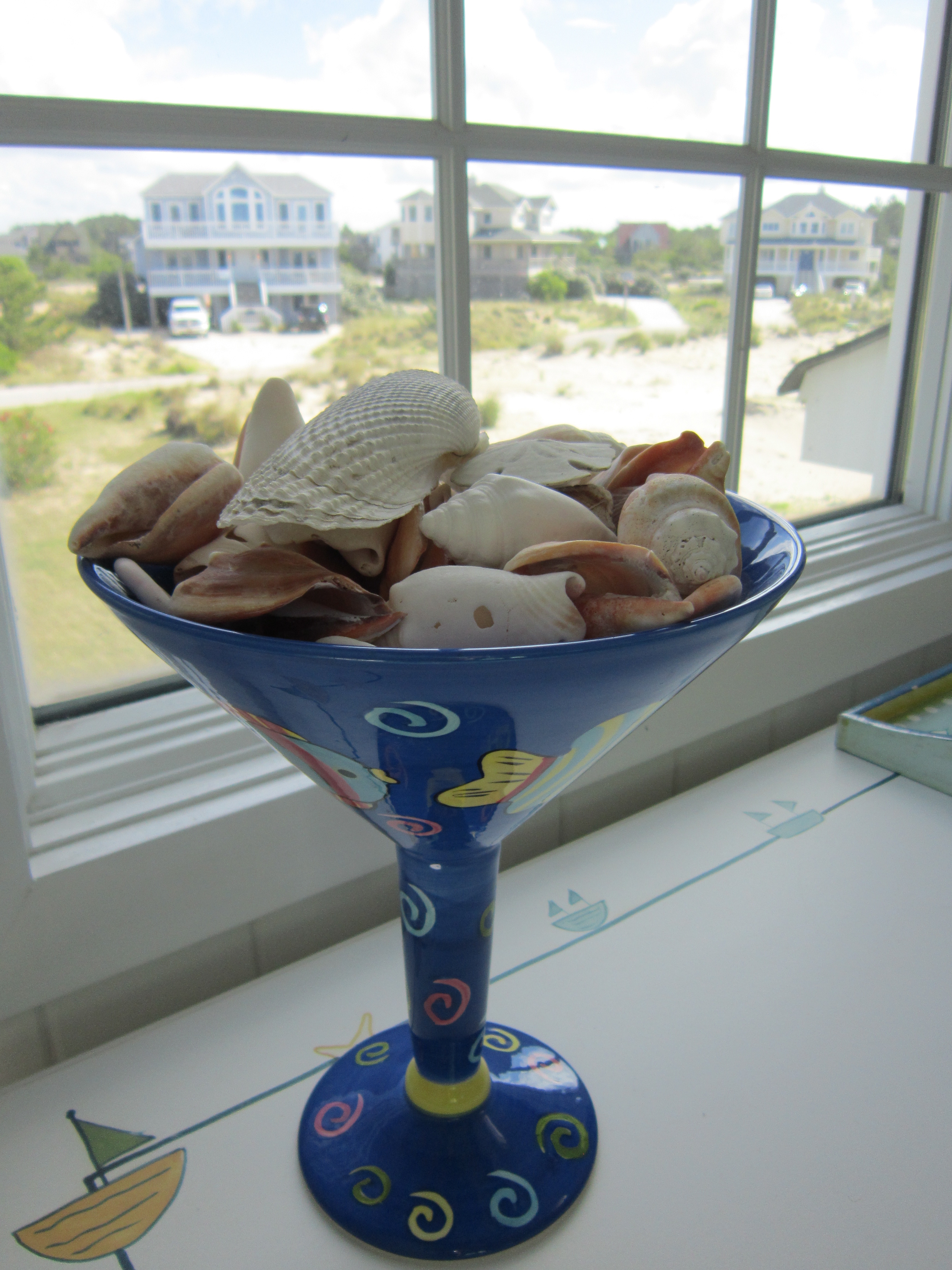
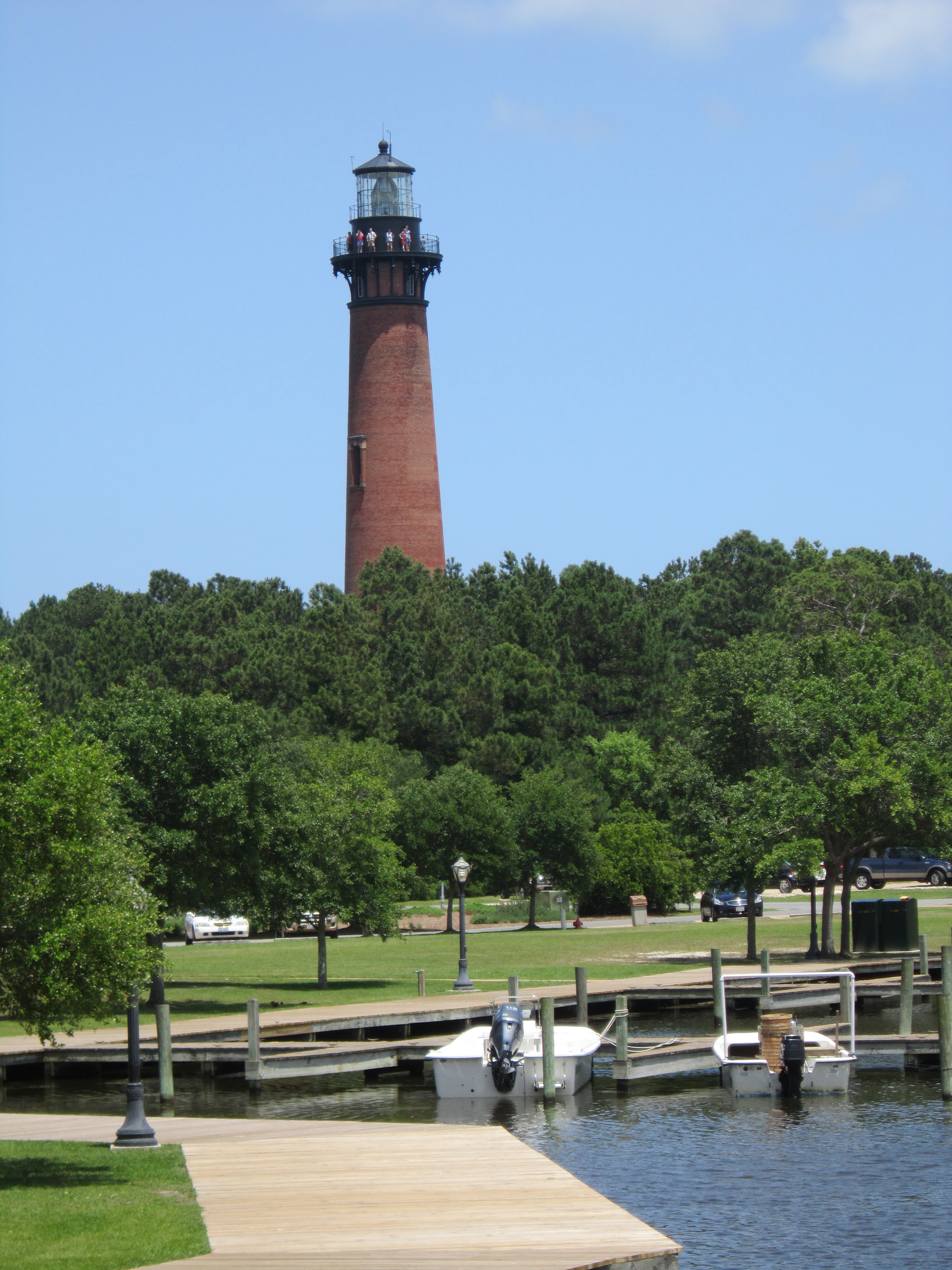
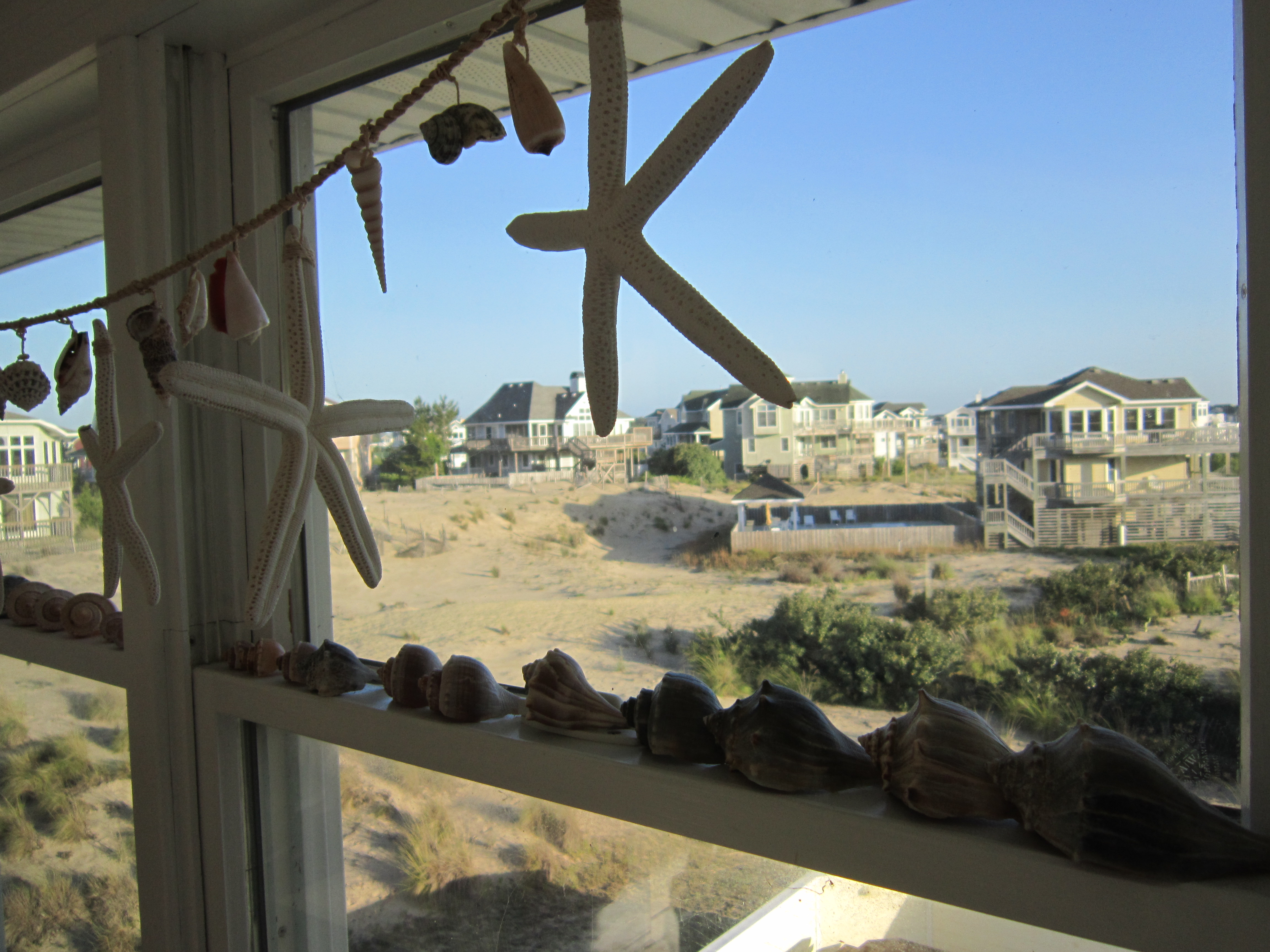
For Memorial Day weekend we drove to the Outer Banks to visit my sister Jane and her family. Their beach house in Corolla was comfortable and relaxing, with lots of seashells and board games. There were family dramas to discuss, as well as books to read, food to eat, and wild horses, shore birds, and other beach creatures to see. I also had a few new thoughts on economics and employment, as noted below.

My brother Paul and his wife Jackie came out from Virginia Beach on Saturday afternoon. Paul, in training for a marathon, ran the last seven miles, and arrived looking thinner than he has for at least a decade. The next morning I did my first outside run in a long time, a three-mile run along US 12. After persistent knee problems a few years back, I finally quit running and switched to low-impact activities like elliptical machines and stationary bikes. But I’ve recently seen running is good for bone density, and so have begun running a bit on the treadmill. The run along US 12 went well for a half hour, until I got a cramp in my calf.

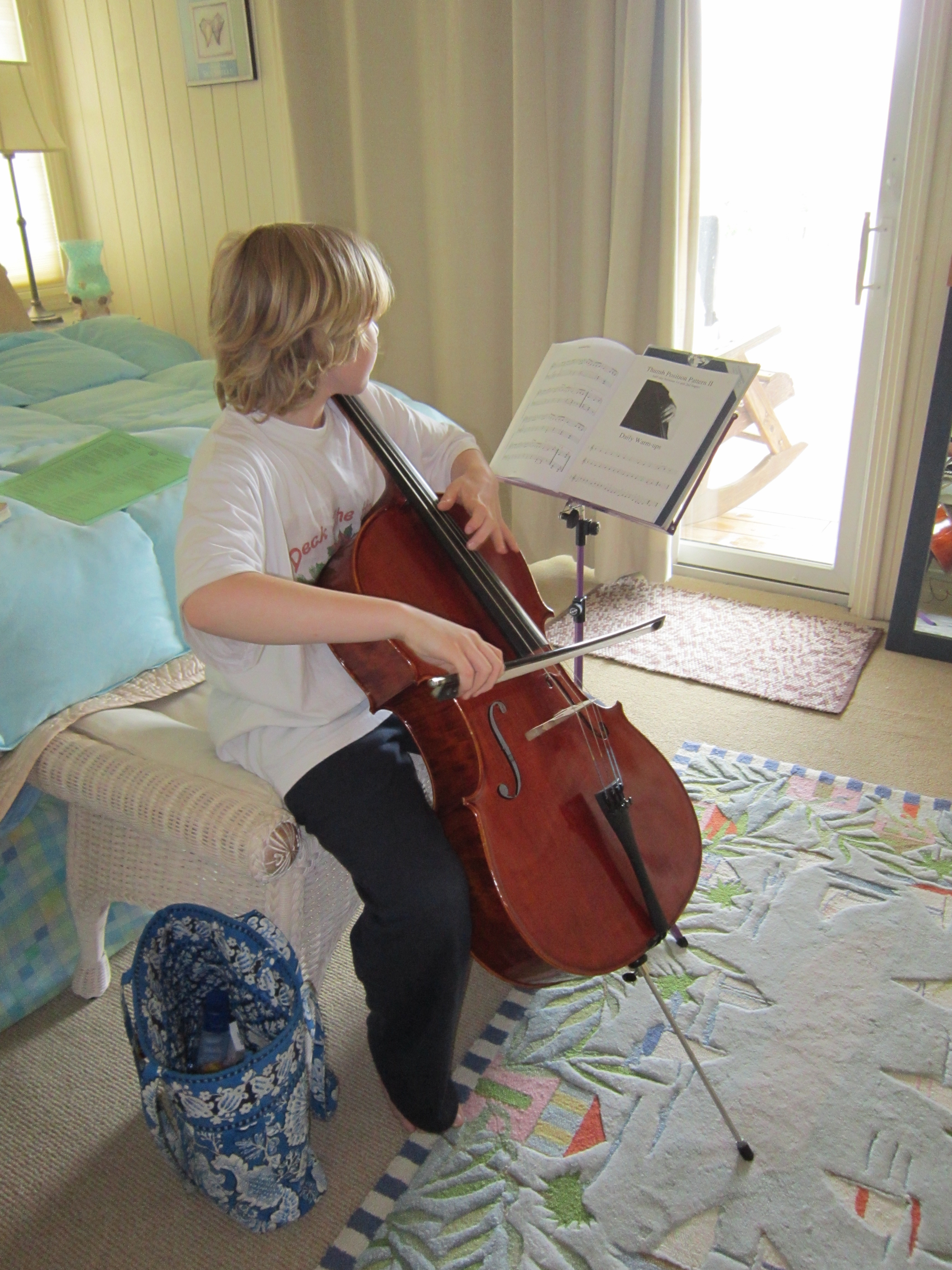
I took a break from practicing the piano, but enjoyed the musical activities of the rest of the family. Kylie is making good progress on the violin, as is David on the cello, and Jane has just started teaching herself piano. Paul is quite accomplished on the banjo, and played his version of the Star Spangled Banner in honor of memorial day.

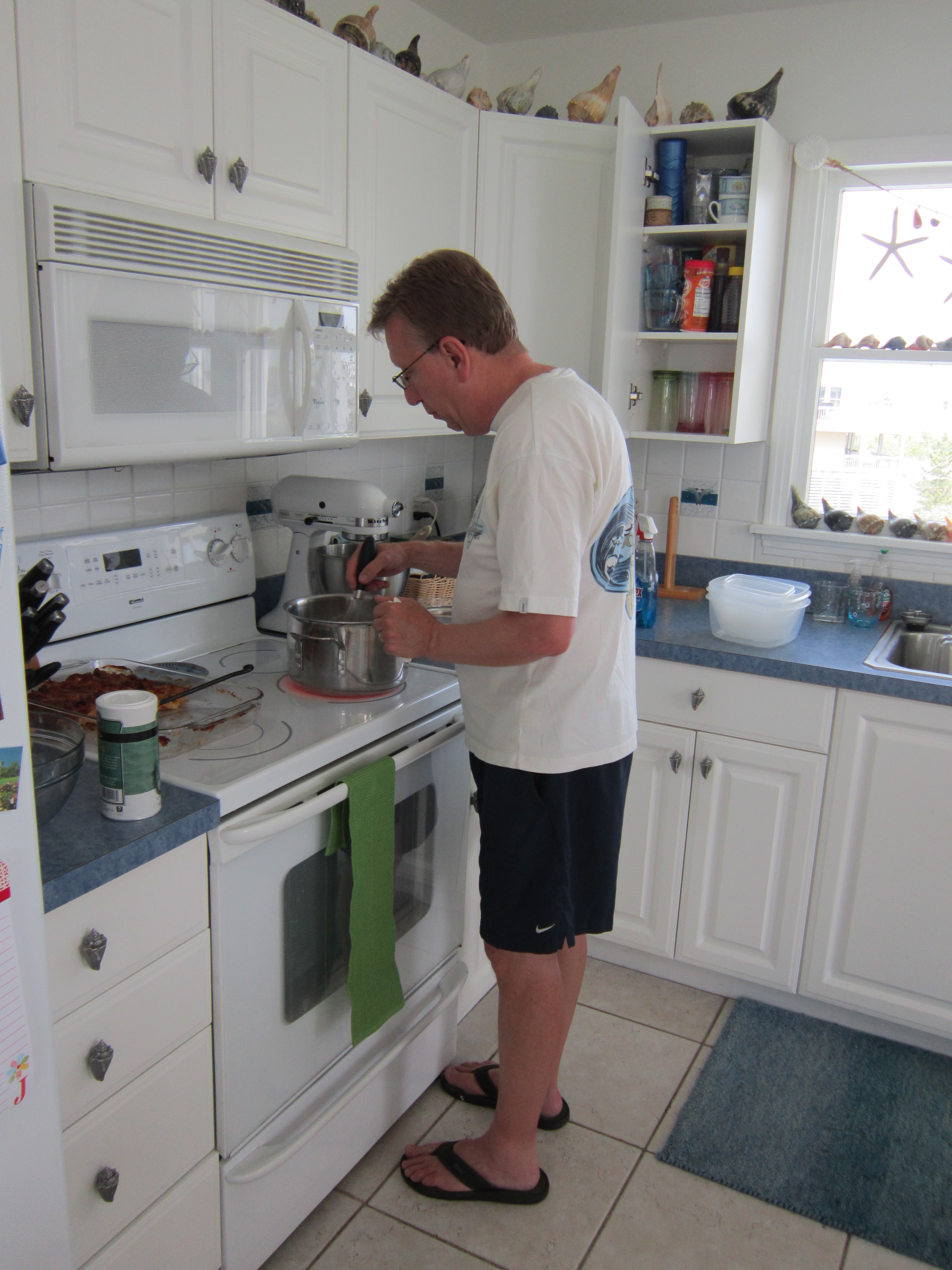
Keith cooked non-stop all weekend. On Saturday morning, he cooked gluten-free waffles with blueberries and strawberries, which were marvelously light. Soon after we cleaned up, he started to work on lunch, wonderful grilled vegetable sandwiches, and soon after that, he got to work on a vegetarian Mexican dinner, which was a complete success. The man loves to cook, and he’s really creative. We were all grateful.

In the Sunday Times, there was an op ed piece by Tim Jackson about how the drive for ever-increasing productivity was resulting in increased unemployment. This was a different lens on a problem I’ve pondered before — what should humans do when computer brains and robots render them redundant? Jackson proposes that the answer is to forget about increasing productivity and embrace lessening productivity.

Jackson broached a critical problem. As I’ve noted before, although we’ve hardly noticed it, robots and artificial intelligence are transforming the human world in fundamental ways. More and more of the manufacturing work that people used to do is now done by robots, and AI is starting to impinge on areas that we used to think of as forever and irreducibly human, such as medicine, law, and education. This is big. As far out in the future as we can see, we will need fewer and fewer people to make our products and perform our services.

We once thought of this as utopia: a world of plenty which required less and less labor to produce goods and services. We assumed it would result in more and more pleasant leisure. But this vision failed to take into account that we aren’t comfortable paying wages to people who aren’t working in a way that contributes meaningfully, and those without work do not feel at leisure.

Jackson suggests reorienting away from simple increases in productivity and towards activities involving caring, craft, and cultural activities, like art. This sounds promising. These are activities that humans have done as long as the species has existed. Once our ancestors had taken care of food, clothing, and shelter, they made jewelry, painted on cave walls, beat on drums, played lacrosse, or otherwise entertained each other. Caring for each other, making things, and making art are things we like to do. But we need to figure out how to associate these activities with fair wages.

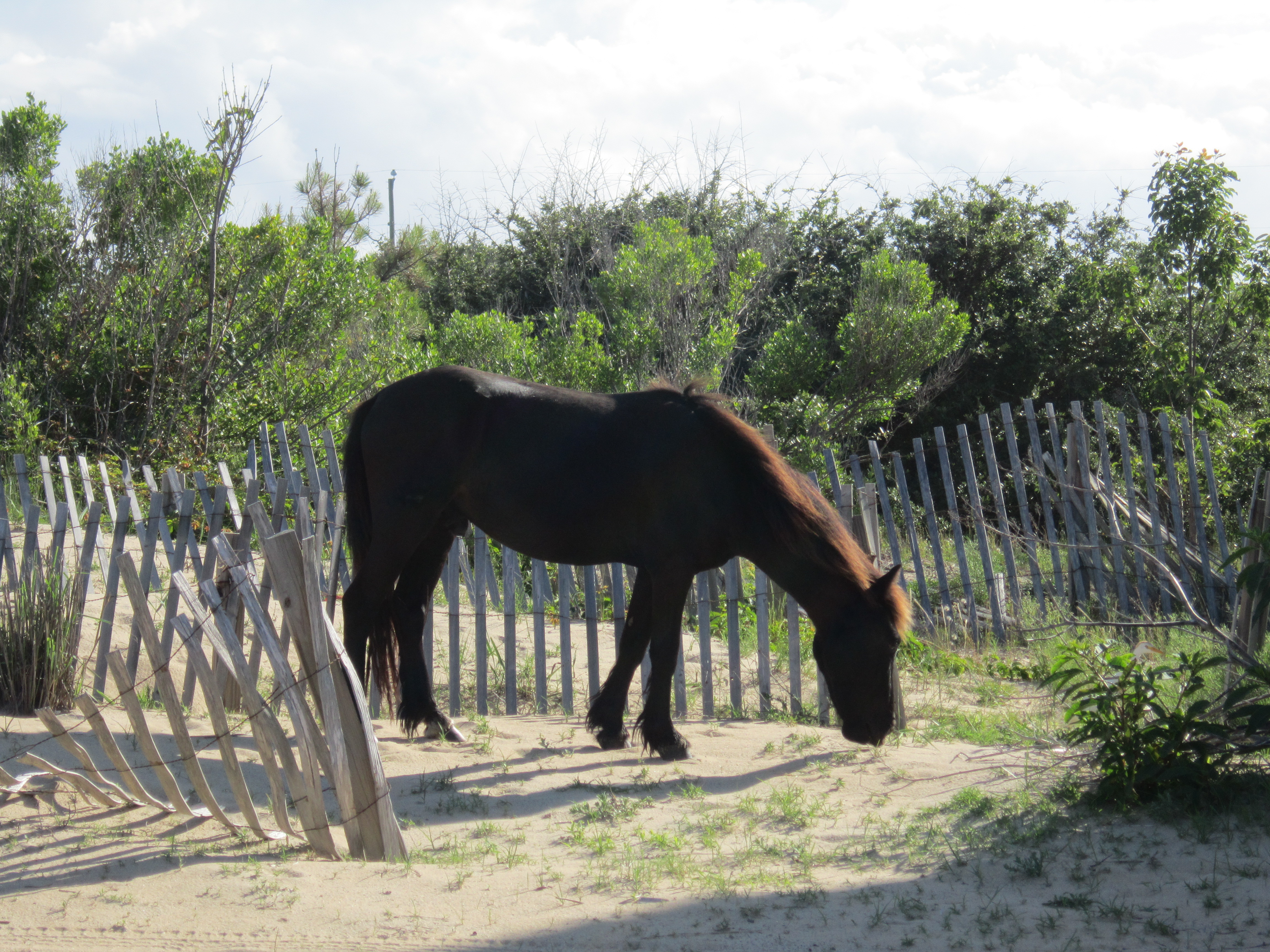
On Sunday afternoon we went four-wheeling northward to look for wild horses. Driving on the beach is fun, though I feel a bit guilty at what people like us do to the beach and its creatures. We saw lots of sanderlings and grackles in the shallows, and flying pelicans, gulls, terns, and one snowy egret. We drove through the narrow sandy pathways that wind through the marine forest, working our way around occasional pools of standing water. We finally found three groups of horses, and got close views of two of them.

We sat on the porch for a while and read and talked. Over the weekend, I dipped into the following books: I Am a Strange Loop, by Douglas Hofstadter, This Is Your Brain on Music, by Daniel Levitin, The Short Game Bible, by Dave Pelz (golf), Indignation, by Philip Roth, Winner Take All Politics, by Jacob Hacker, and The Social Conquest of Earth, by Edwin O. Wilson.

Sunday evening Sally mixed cocktails for the adults using cucumber vodka, ginger infused simple syrup, lime juice, and elderberry liquor. Keith made gluten-free vegetarian lasagna, which he had to complete with penne pasta because there were no lasagna noodles, but which turned out great. He’d also made vanilla ice cream and peach-and-blueberry cobbler. We played a game called “left right center” which involved rolling dice and losing or acquiring chips. It was a game requiring no skill, but gave the enjoyment of possible good fortune without exacting much pain for bad fortune. There was merriment. After dinner, we lit sparklers and set off some fireworks rockets.


Discovering Amsterdam

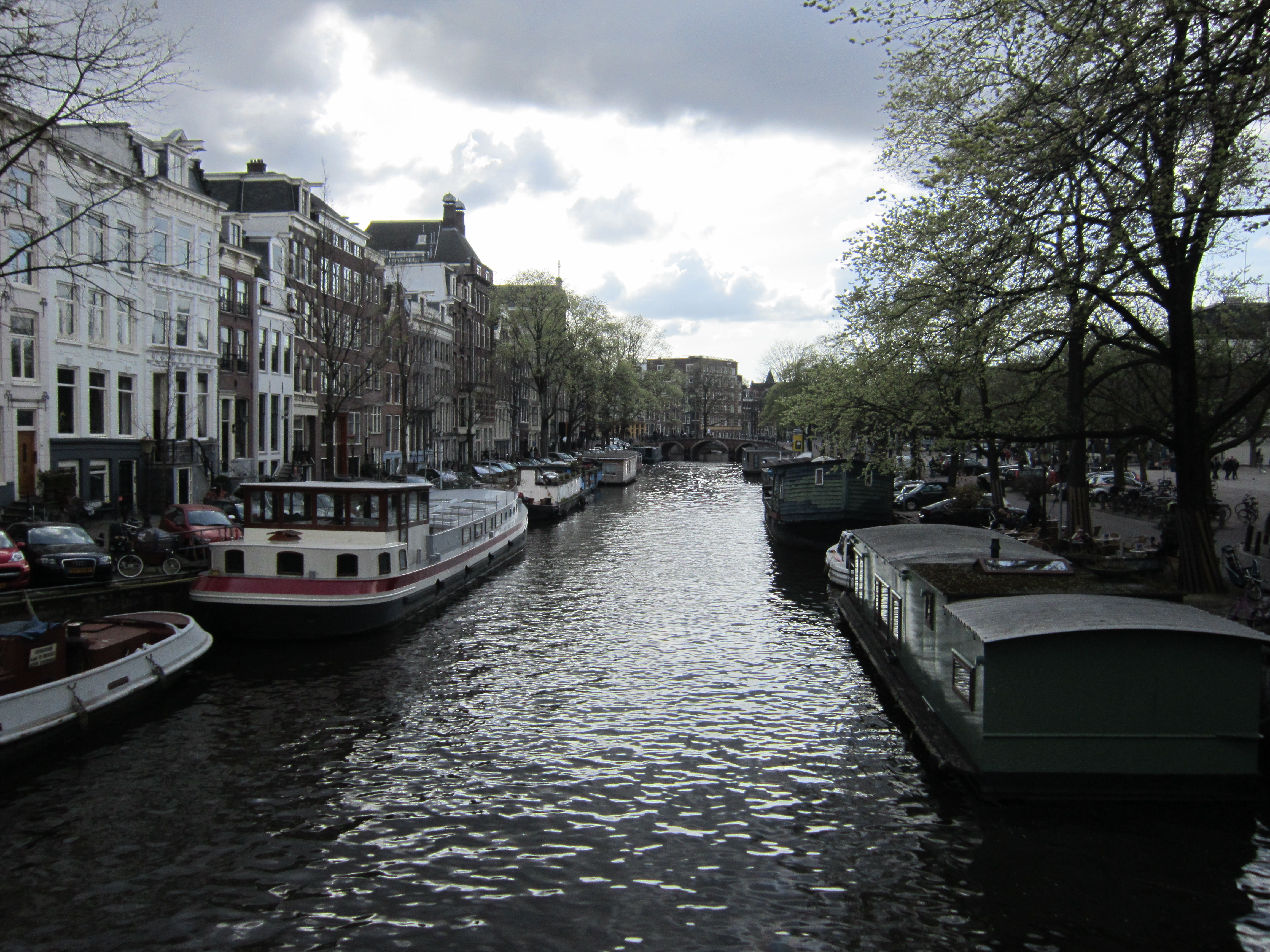
Last week I went to Amsterdam for the Free Software Foundation–Europe legal conference, and got in a bit of sightseeing as well. Sally and I stayed in the Krasnapolsky, a large, older hotel within walking distance of the railroad station, museums and several interesting neighborhoods.

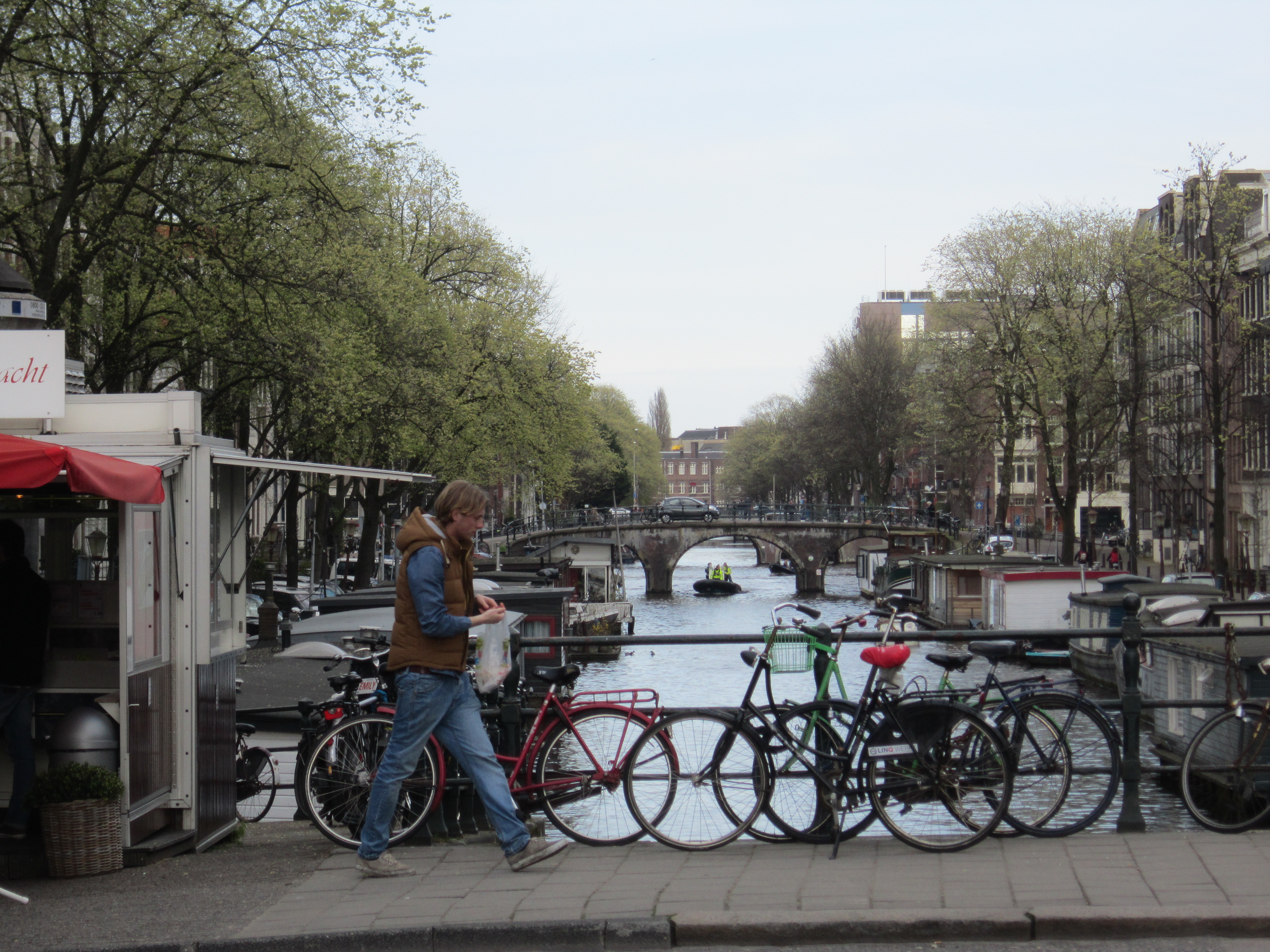
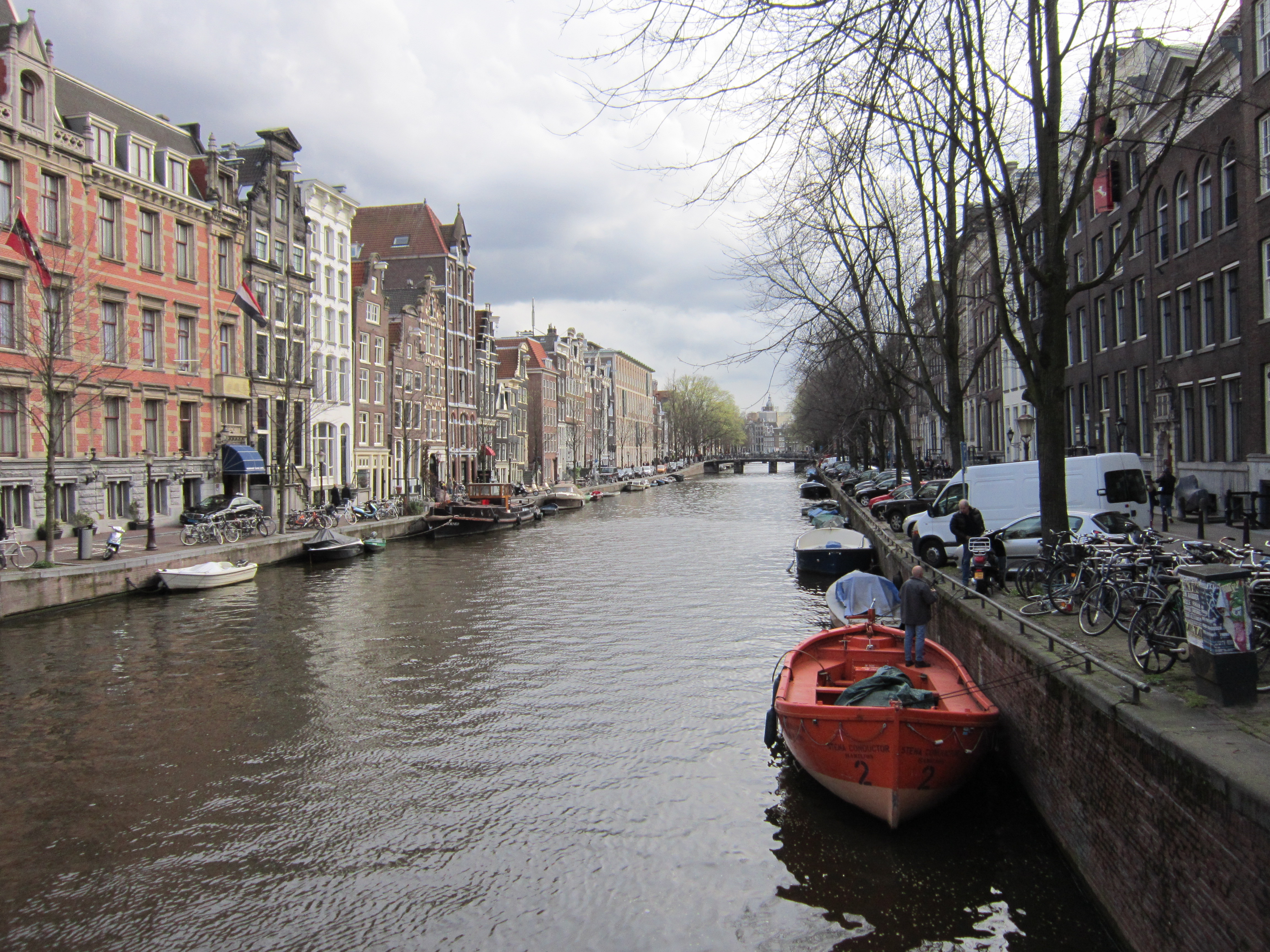
Amsterdam is lovely city. Its row houses, streets, and canals are an ensemble that suggests a real community, with shared values and history. It seems well-organized and clean. But very lively! We’d heard that there were more bikes than cars, which is true, but hadn’t realized that heavy bike traffic can be hazardous to pedestrians. We had some close calls, and I eventually began to start at tinkling bicycle bells as though they were blaring car horns.

We found the Dutch to be polite and helpful, though reserved with strangers. Almost no one asked us where we were from, which was nice, in a way. They seemed lively and affectionate with their friends. Everyone we dealt with spoke English at least adequately, and many were absolutely colloquial. Sally noted that from our street level few, there was little interest in fashionable dressing, with most dressed in a casual, comfortable way. There were fewer overweight people — perhaps because of all the bicycling.

We were particularly eager to see the Van Gogh Museum and the Rijksmuseum. The VG was quite crowded, but the collection of VVG’s art was spectacular. There were also great impressionist works by Monet, Pissaro, and others, which put VVG in context. I also enjoyed an exhibit of fin de siècle print making, which had some of the great work of Toulouse-Lautrec, one of my great favorites.

The Rijksmuseum is undergoing renovations, but fortunately there was a substantial exhibition of its masterpieces from the 17th Century. The high point for me was Vermeer’s The Milkmaid. I’d seen it three years ago as part of a traveling exhibit in New York, and was overjoyed to see it again. She’s so quiet, entirely in her own dreamlike world. Yet she and the scene are somehow full and complete.

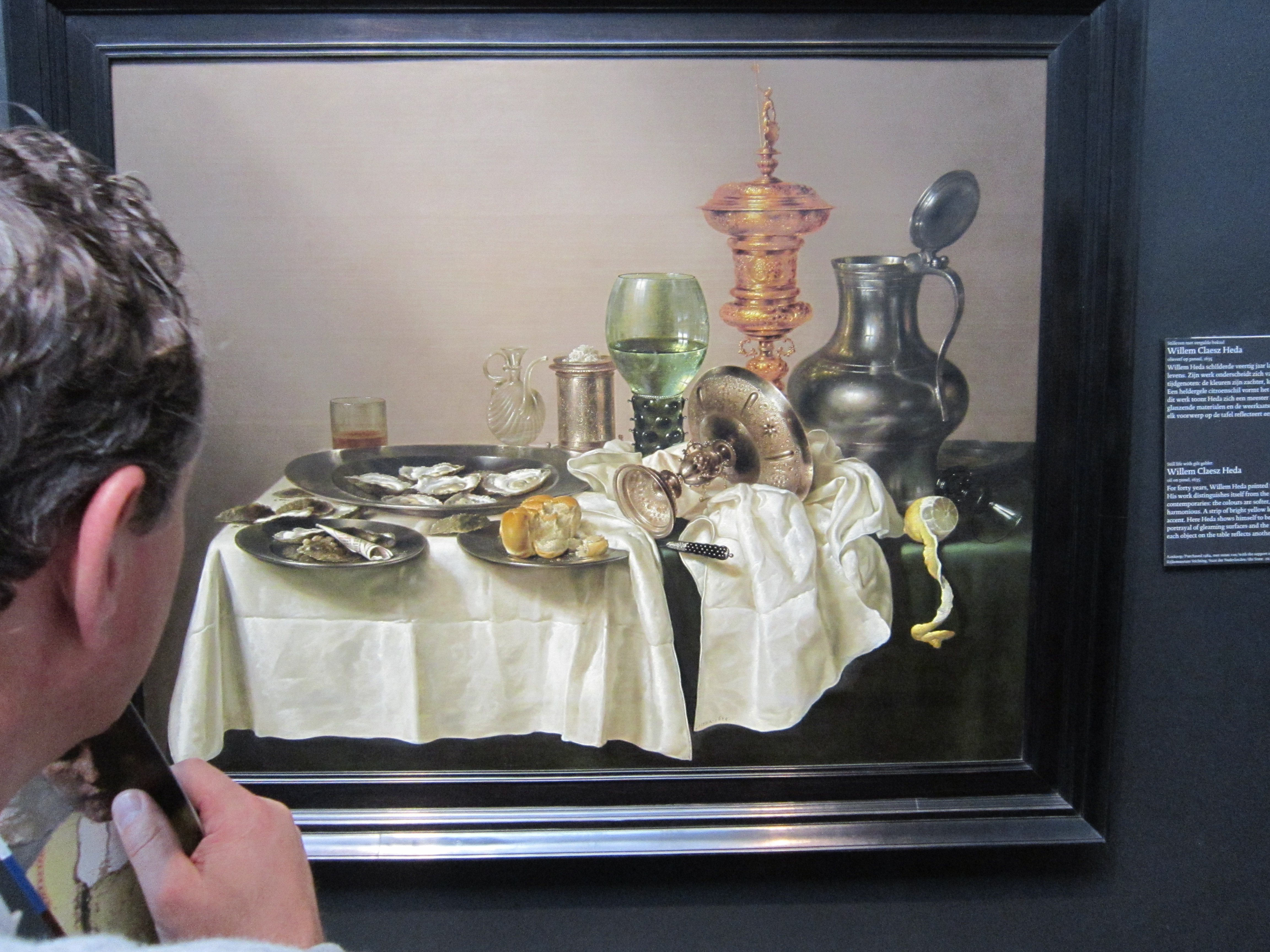
I also especially loved this still life by Willem Claesz Hedda. The realism of detail is astonishing. Looking hard at such paintings makes you wonder what you might see if you looked at everyday objects harder.

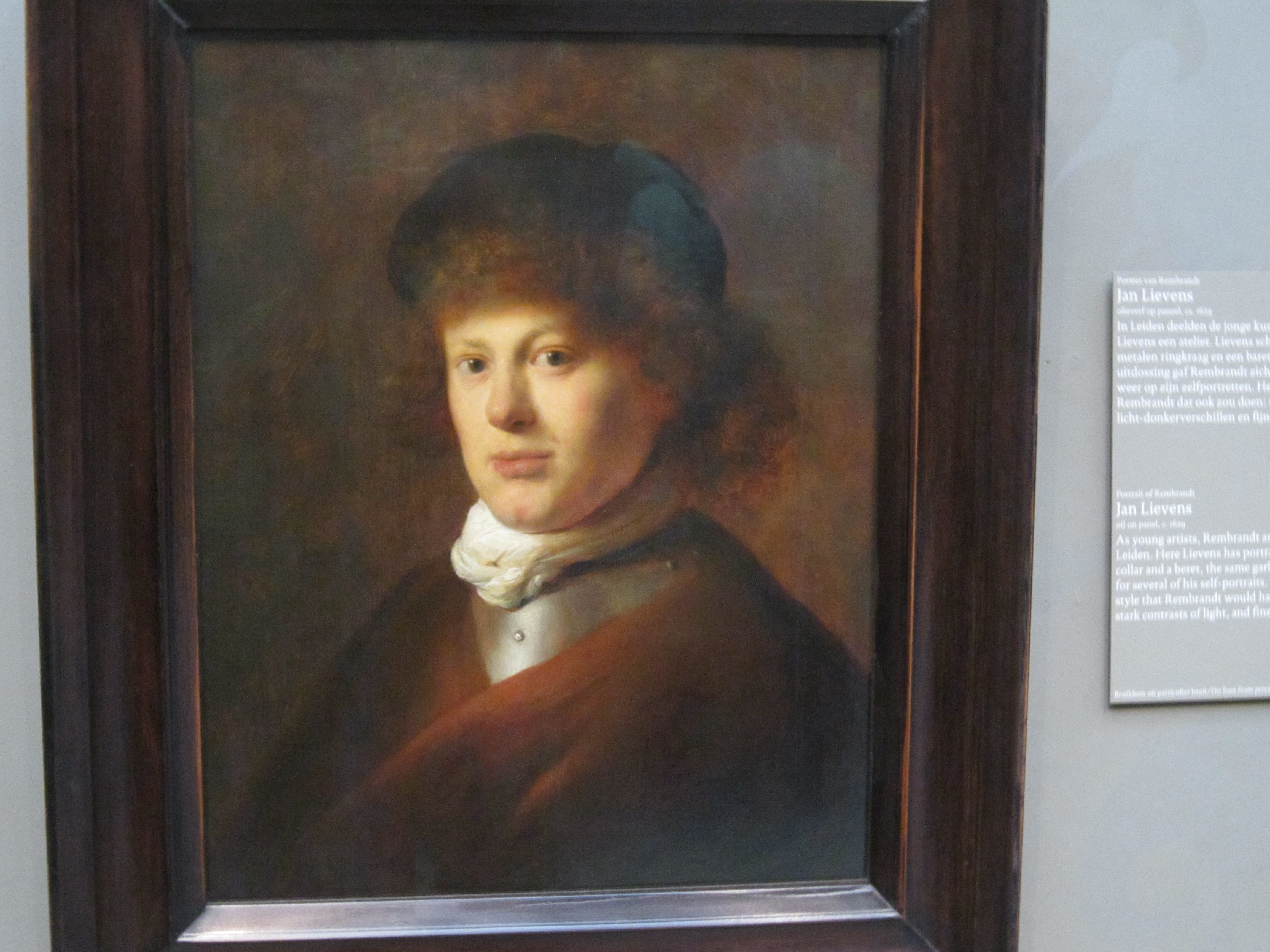
There were several great Rembrandts. Also, I was particularly moved by this portrait of a young Rembrandt by Jan Lievens, with whom he shared a studio early in his career. A youth with a bright future!

We enjoyed walking by the canals and squares, through the old Nine Streets district, the theatre district, and the Jordaan shopping area. We also had fun visiting the famous red light district. I’d imagined it would be at least a bit seamy and sinister, but not really. Yes, there were prostitutes in bikinis displayed in windows (some quite beautiful), porno theaters, and shops of sex paraphernalia, but also many cafes, bars, and restaurants. There were large crowds of cheerful people promenading. We had some delicious Thai food.

Beautiful Miami, and the social requirements for innovation

My room at the W in South Beach

My little burgundy Briggs & Riley roll aboard has been getting a work out these last few weeks. It was barely aired out from our trip to B’s memorial in New York before it got repacked and reloaded on American flight 1541 for Miami, where Red Hat hosted a management summit.

We stayed at the W, where I had a room with a balcony overlooking the beach. I never actually made it onto the beach (too busy), but I got a few deep breaths of ocean air and on the way to lunch by the pool glimpsed some pretty girls in bikinis. The room was hyper modern, black and off white, with mirrors, reflective metal, white granite, black wood, and many different textures. The shower was bounded with clear glass on one side and translucent glass on the other, with water jets arranged at the normal head level, along with chest level and thigh level. When I finally figured out that the hot and cold indicators were reversed, I had a great shower.

We had sessions with leading economists, business analysts, management experts and others about technology trends and best practices. We were also urged during breaks and meals to mingle and network. As a moderate introvert by nature, where the assigned mission is to make contacts in large groups of strangers and then having interesting conversations, I always feel a certain dread, which can verge on panic. What if can think of nothing to say? Or the new acquaintance has nothing to say?

Over the years, I’ve gotten more adept at handling or avoiding such social emergencies, and usually end up, despite the initial dread, talking with nice people and having a good time. And so it was in South Beach, where I met a lot of interesting and friendly Red Hatters, including some who shared some of my personal enthusiasms (such as sports cars, skiing, and music) or had surprising enthusiasms of their own (such as sailing, flying, and triathlon). Of course, everyone was very bright. I felt privileged to be associated with all those gifted people and with the mission of Red Hat.

Speaking of useful interactions, on the plane ride back, I read an interesting piece in the current New Yorker by Johah Lehrer called Groupthink: The Brainstorming Myth. (The link has only a blurb; payment is required for the entire article.) Lehrer recognizes that today creativity and innovation are generally the products of group collaboration. He notes that important scientific or technical problems are incredibly hard, and researchers are specialized, “because there’s only so much information one mind can handle.” As one scholar put it, “A hundred years ago, the Wright brothers could build an airplane all by themselves. . . . Now Boeing needs hundreds of engineers just to design and produce engines.” Because of complexity, “people must either work together or fail alone.”

Lehrer goes on to discuss the classic strategy for coming up with new ideas — brainstorming, or having groups quickly generate ideas while prohibiting all criticism. He provides scholarship showing that, despite being widely practiced, brainstorming isn’t very effective. More effective than simply encouraging ideas is allowing room for conflict and dissent. He also explores the optimum degree of social intimacy for producing a Broadway hit (moderate) and the kind of physical space that produces groundbreaking science (Building 20 at MIT). It’s worth reading.

A Philip Glass opera and remembering B Berkeley

Sally and Jocelyn at the Mill House Inn, East Hampton, New York

Thursday night I went with friends to see the NC Opera’s production of Les Enfants Terrible by Philip Glass. I was interested for three reasons: I like some of Glass’s minimalist music, I like to support the NC Opera, and this production was billed as a dance opera. Ricky Weiss, artistic director of the Carolina Ballet, choreographed and directed the production.

I liked it. The story is a strange, surreal, dark tale of a brother and sister who are close — too close. The music is both driving and dreamlike. Each character had two physical bodies — a singer and a dancer — and each body expressed part of the emotional reality. This opened up interesting expressive possibilities. Opera fans are familiar with the enormous range of emotional possibilities from singing plus acting, and adding dance in as a vital element was fascinating.

One problem, though, was that the dancers could so easily steal their scenes, without meaning to. They are so much more graceful and expressive than ordinary humans, and even more than trained actors. At times it was difficult to give equal weight to the non-dance parts of the action, because the dancers were so compelling. The singing was rather good, particularly the soprano Jessica Cates as Lise. But her dancer twin, Lara O’Brien, had tremendous emotional range, and a kind of wildness. I thought the idea of the singer-dancer pairs was great, and worth exploring further.

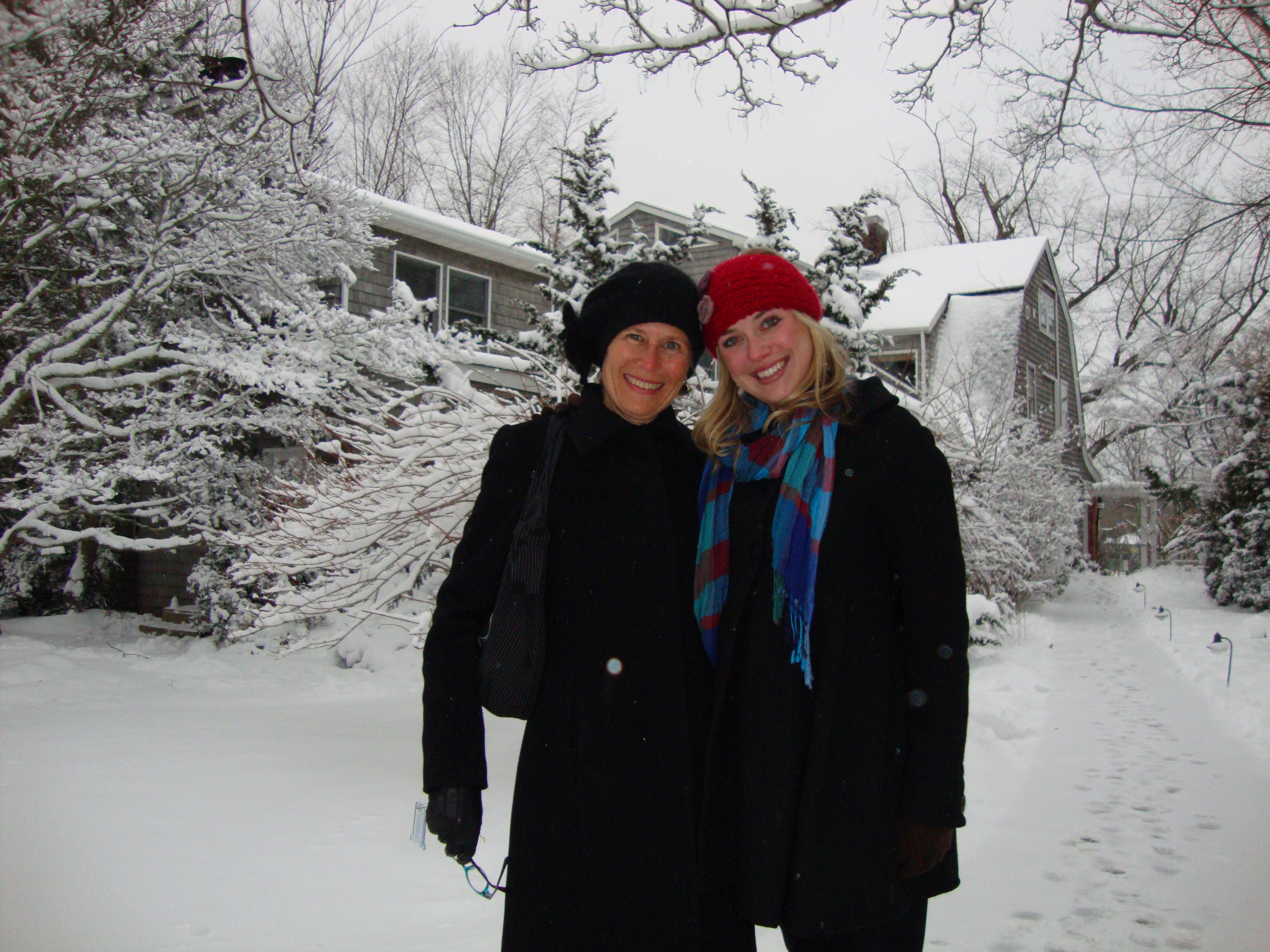
The next day Sally and I flew to New York to attend the memorial service for her father, Norborne Berkeley, Jr., affectionately known to my generation as B. Gabe and Jocelyn flew in from Colorado and we rendezvoused at a hotel near La Guardia, then drove out to East Hampton. I was so happy to see the kids! We stayed in a lovely bed and breakfast called The Mill House Inn. It was good to see the Berkeley side of the family, and revive happy memories of East Hampton from our younger days.

We drove by the old Berkeley place in Bridgehampton and did a little shopping in East Hampton. I bought Gabe a pair of corduroy pants and The Unbearable Lightness of Being by Milan Kundera, on the sole condition that once he finished it he tell me his impressions. Such a rich book, and I know too few people who have read it. It snowed six inches that night.

The service on Saturday was in an Episcapol church and was well attended despite the snow. It had a heavier religious component than I expected from this relatively unreligious family. But Bill Berkeley did a fine job in his eulogy recognizing the strengths and accomplishments of B, and the good qualities we’ll want to remember. B meant a great deal in my own life, and I’ll miss him.

Some thoughts on golf and Miami

One of the things I’d really like to improve in 2012 is chipping. Sure, I’d like to get more fit, be a better person, etc., but fulfilling this resolution could be transformative in a small, practical way. My golf game would be so pleased if I could consistently get short shots from off the green closer to the hole. Compared to a lot of things, it’s not that hard. It’s just a matter of practice.

You may ask, what is the point of golf? I’ve asked the same question many times. It can be, as the old saying goes, a good walk spoiled. It’s fears, frustrations, humiliations, and disappointments. At times it’s uncomfortable and even painful. But it’s also about overcoming these things. It’s about courage and strength. It’s very much about honesty and integrity, and friendship.

Golf is full of beauty — the beauty of unique gardens with flowers, trees, lakes, and birds, of magnificent vistas. The beauty of the little dimpled white ball flying as hoped for in a high parabola against a clear sky. It is wonderful to stroke a long putt that curves several feet before finding its way to the bottom of the hole. For all the horrors and rigors, there are incredible moments of transcendence.

And so it was with hope and pleasant anticipation that on Wednesday I played my first eighteen holes of 2012 at the Doral club, in Miami. The skies were blue, and although it was a bit cool and breezy, the palm trees seemed calm and welcoming. With some business colleagues I played Greg Norman’s Great White course. (The other, more famous course, the Blue Monster, was about to host a tournament and closed to the public.) There was lots of water, and lots of sandy waste areas. My tee shots were fairly consistent, and I hit some long and satisfying fairway woods. I did not find the greens particularly difficult. The trouble spots had to do with chips. I’d like to wipe a few of those from memory, such as shots within a few yards off the green that didn’t get to the green. Aaargh!

I stayed two nights at South Beach in a gorgeous little hotel called The Betsy. The lobby has dark wood, palms, and ceiling fans. My room had white furnishings accented with surprising tastefulness in bright pink and orange. There was a television in the bathroom mirror. I’d never thought of needing such a thing, but I loved it immediately. It really improved the shaving experience.

The art deco architecture and bright colors of South Beach are lovely. I’ve thought of Miami in recent years primarily as an airport which, once in, I looked forward to escaping, but I started to see it as a unique and lively international city. It reminded me that I need to keep working on my Spanish.

Diving in the Galapagos Islands

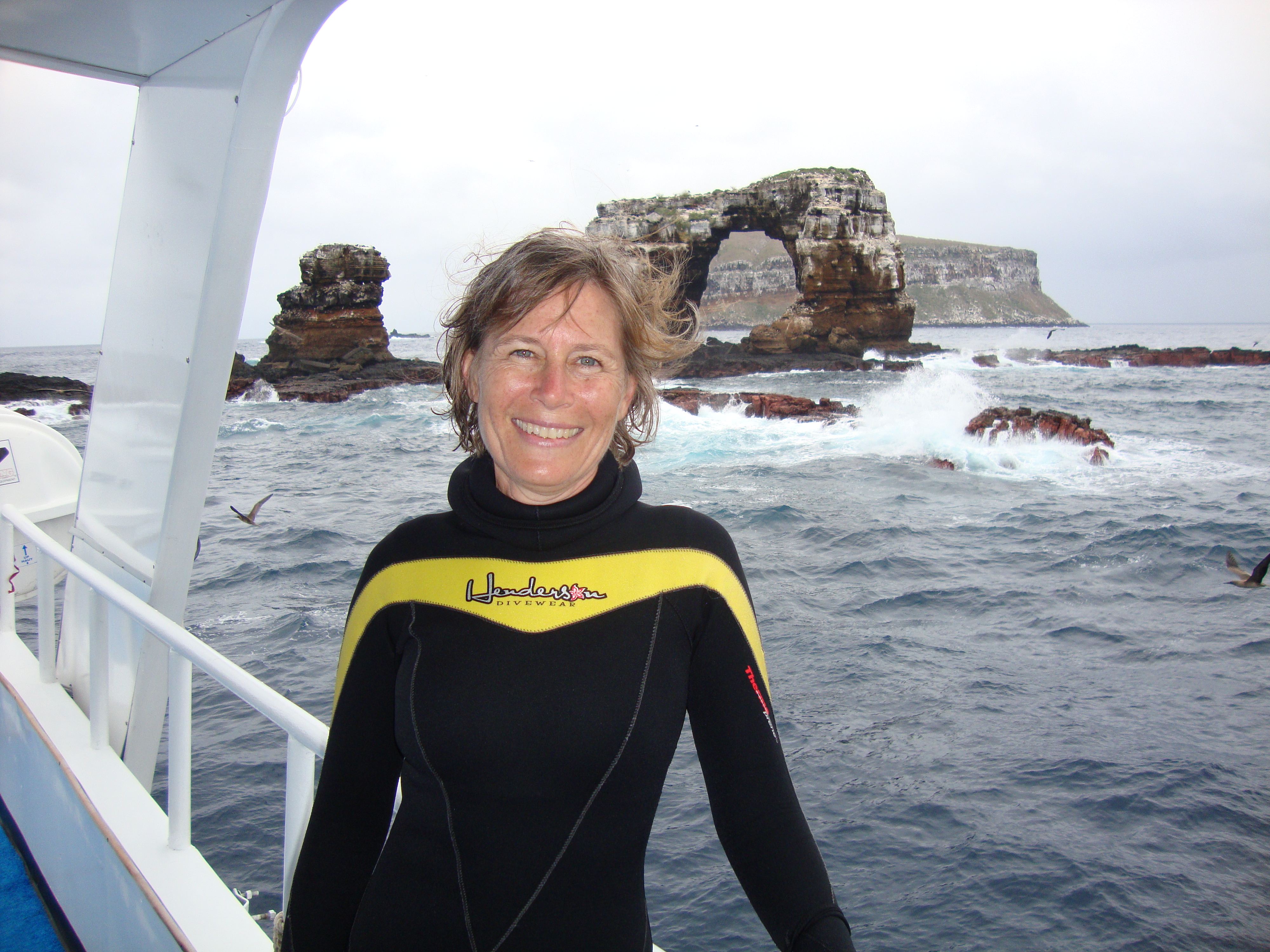
Sally at Darwin's Arch, Galapagos

On Christmas day, we did our third day of scuba diving in the Galapagos Islands, some 600 miles west of the coast of Ecuador, at the foot of Darwin’s Arch. There was a strong current, and so we spent most of the fifty-minute dive clinging to barnacle-covered rocks. There were many patrolling hammerhead sharks, as well as a couple of large Galapagos sharks. We saw many large sea turtles and fine spotted moray eels. There were hundreds of small colorful tropical fish, such as Moorish idols, king angelfish, trumpetfish razor surgeonfish, Guineafowl puffers, barberfish and parrotfish, as well as huge schools of creolefish. It was fantastic!

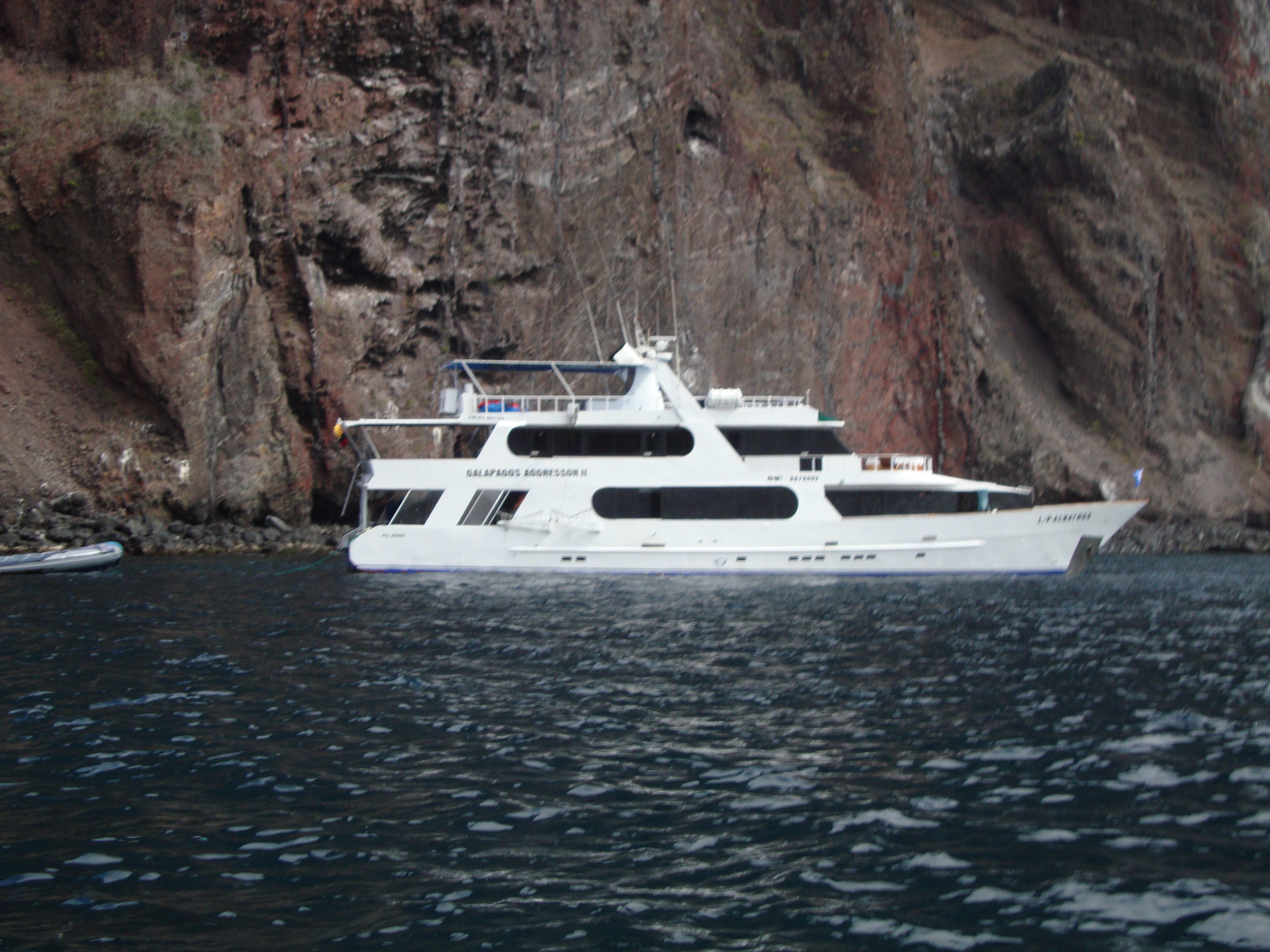
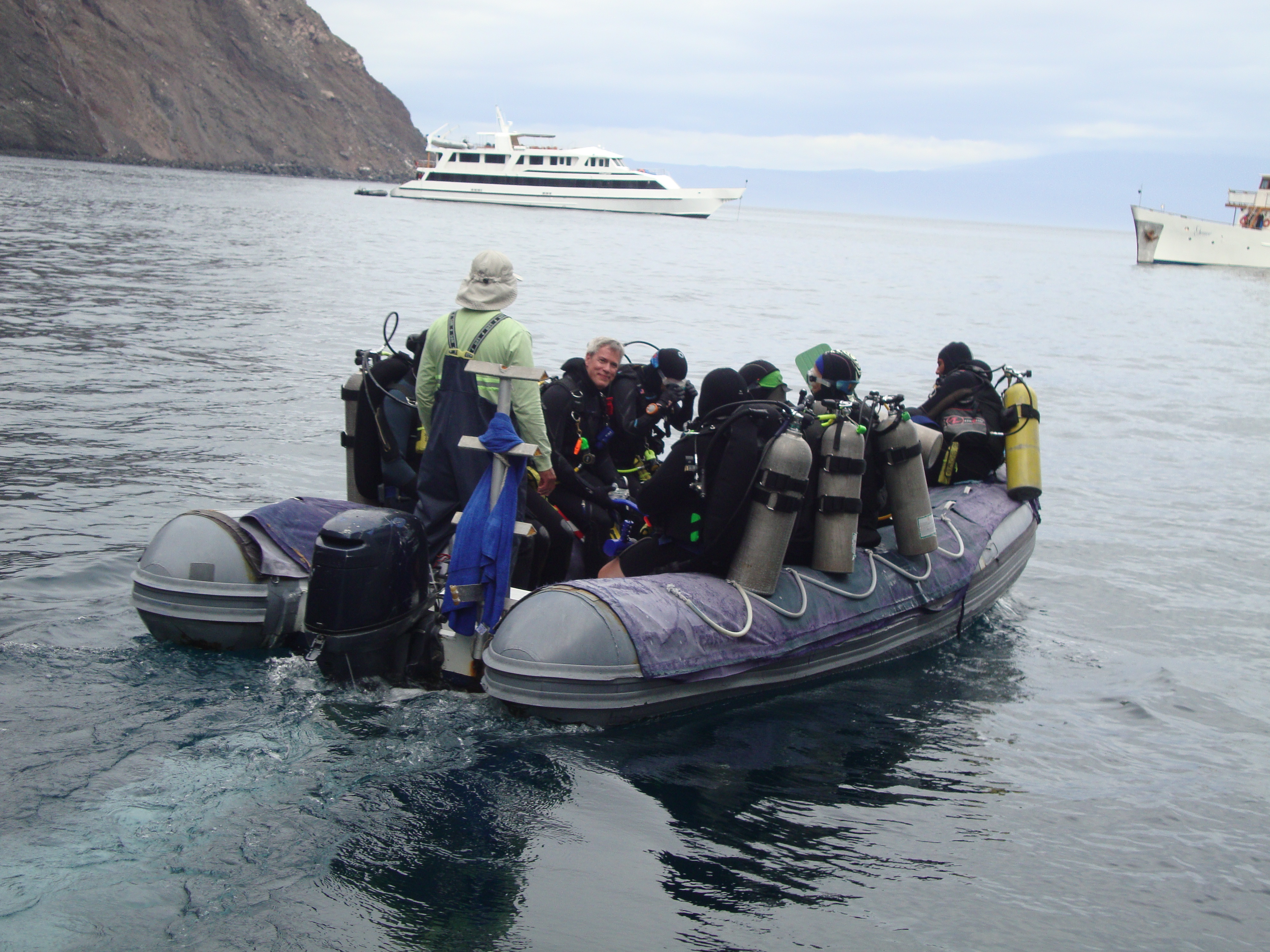
After the dive, we hoisted ourselves over the side of the inflatable dingy (or panga) and returned to the mother ship, the Galapagos Aggressor II. It was Sally’s hundredth dive. The crew presented her with a certificate, and our fellow divers gave her congratulations and hugs.

The Galapagos Aggressor II

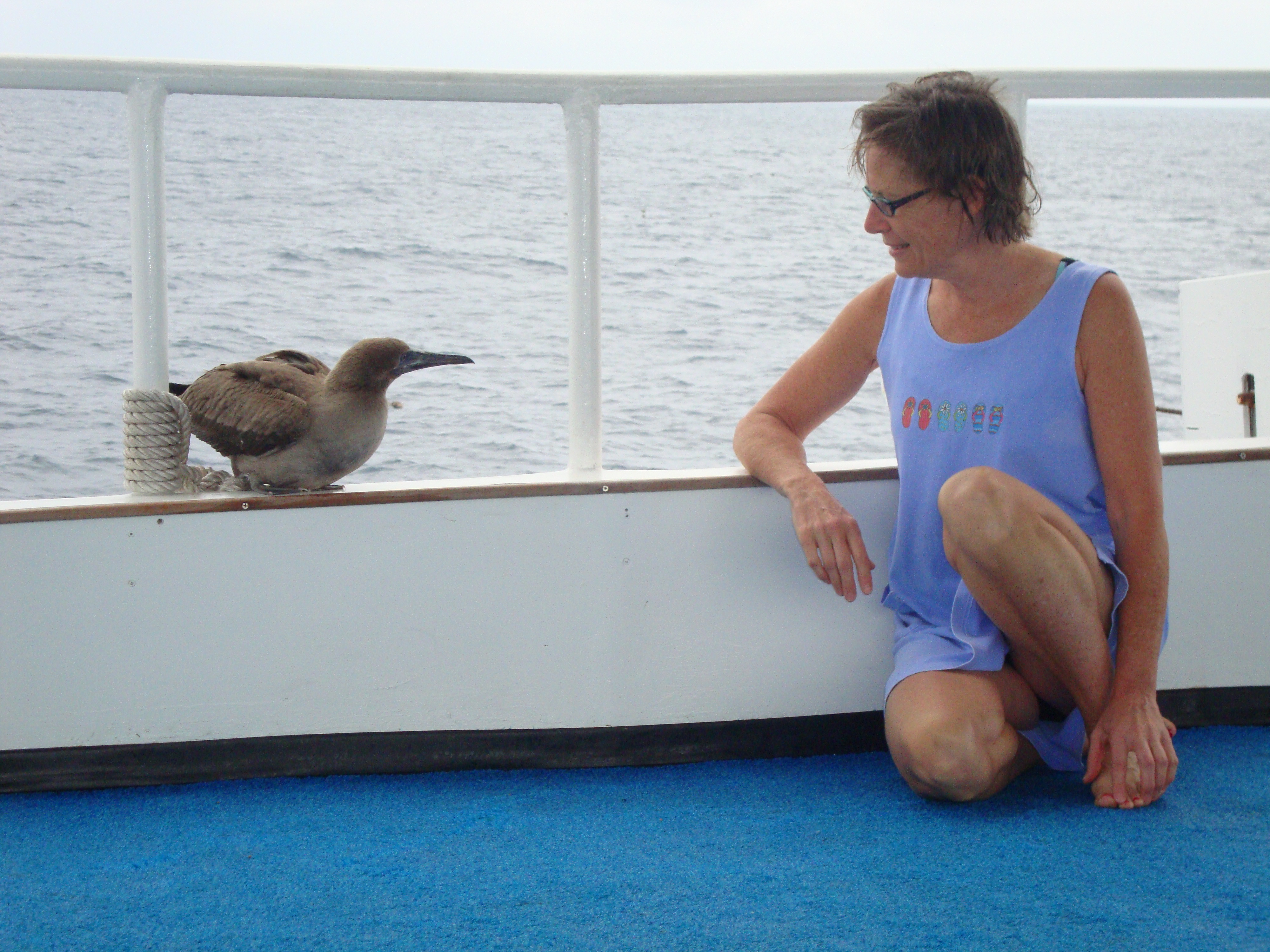
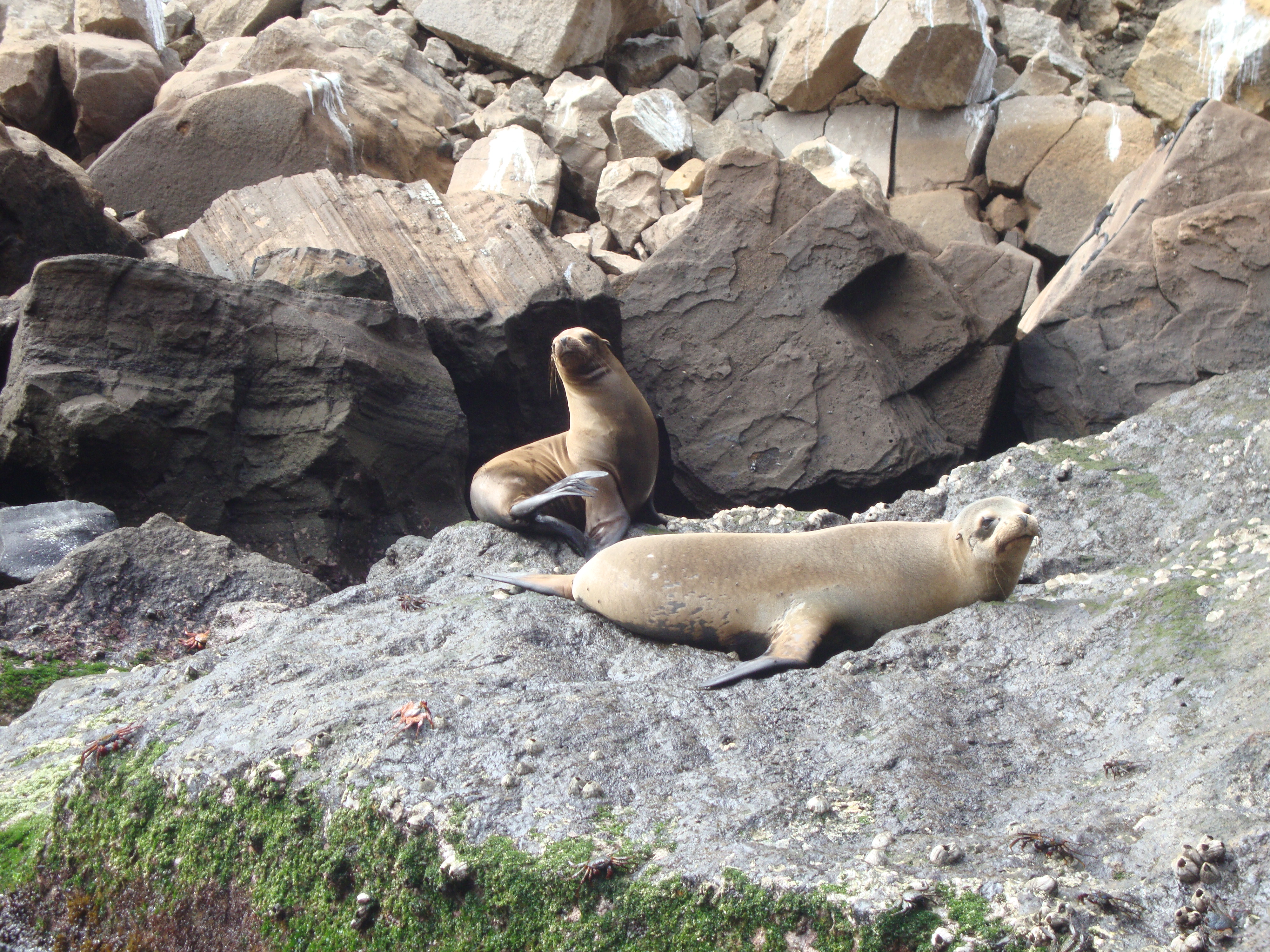
From the boat, we watched hundreds of flying boobies (large sea birds that resemble gulls with webbed feet) (Nazcas, red-footeds, and a few blue-footeds), frigate birds, swallow-tailed gulls, and storm petrols. Groups of dolphins came by periodically. Later that day, we did some snorkeling a few yards off of Darwin Island. The dolphins weren’t very interested in us, although I swam briefly with a group of six. We had better luck with a group of sea lions, who were curious about us, and came close by doing flips and loops.

Sally and a curious juvenile boobie (red footed, I think)

Darwin, like all of the islands we visited during the week, was the remains of a volcano that originated four or five million years ago — a mere babe in geological terms. It was mostly gray rock wall rising sharply several hundred feet to a plateau on top. It was very stark, but also thrumming with bird and sea life. We saw no other humans. It felt like the earth was brand new. The creativity and resourcefulness of nature was awe inspiring.

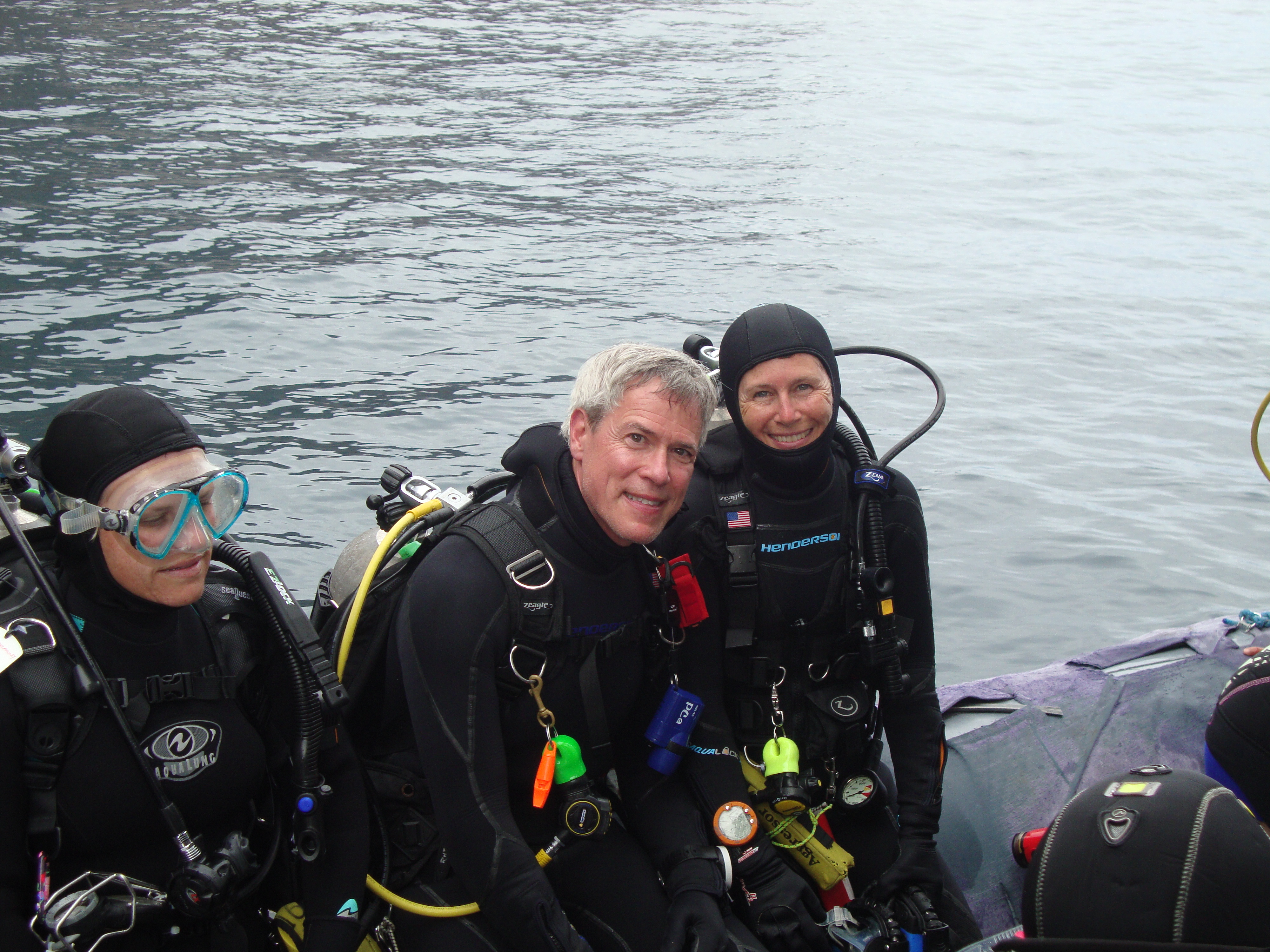
On the panga

During the trip, I finished reading The Better Angels of Our Nature by Steven Pinker. Pinker’s theseis is that human violence has declined dramatically over the course of history, and he explores the possible reasons for this. The book covers a lot of territory (all of human history) using a lot of tools (history, philosophy, statistics, biology, psychology), and still manages to be surprisingly lively and readable. Part of the book examines the increase in the last century of concerns for animal welfare — the sense that mindless cruelty to animals is unacceptable, and the suffering of animals is a moral concern. As with most violence, we’re ordinarily concerned with (and overgeneralize from) the violence and cruelty we observe, and tend to ignore examples of kindness and decency. It was cheering to learn of a trend toward greater respect for animal rights, and to consider that the trend could continue.

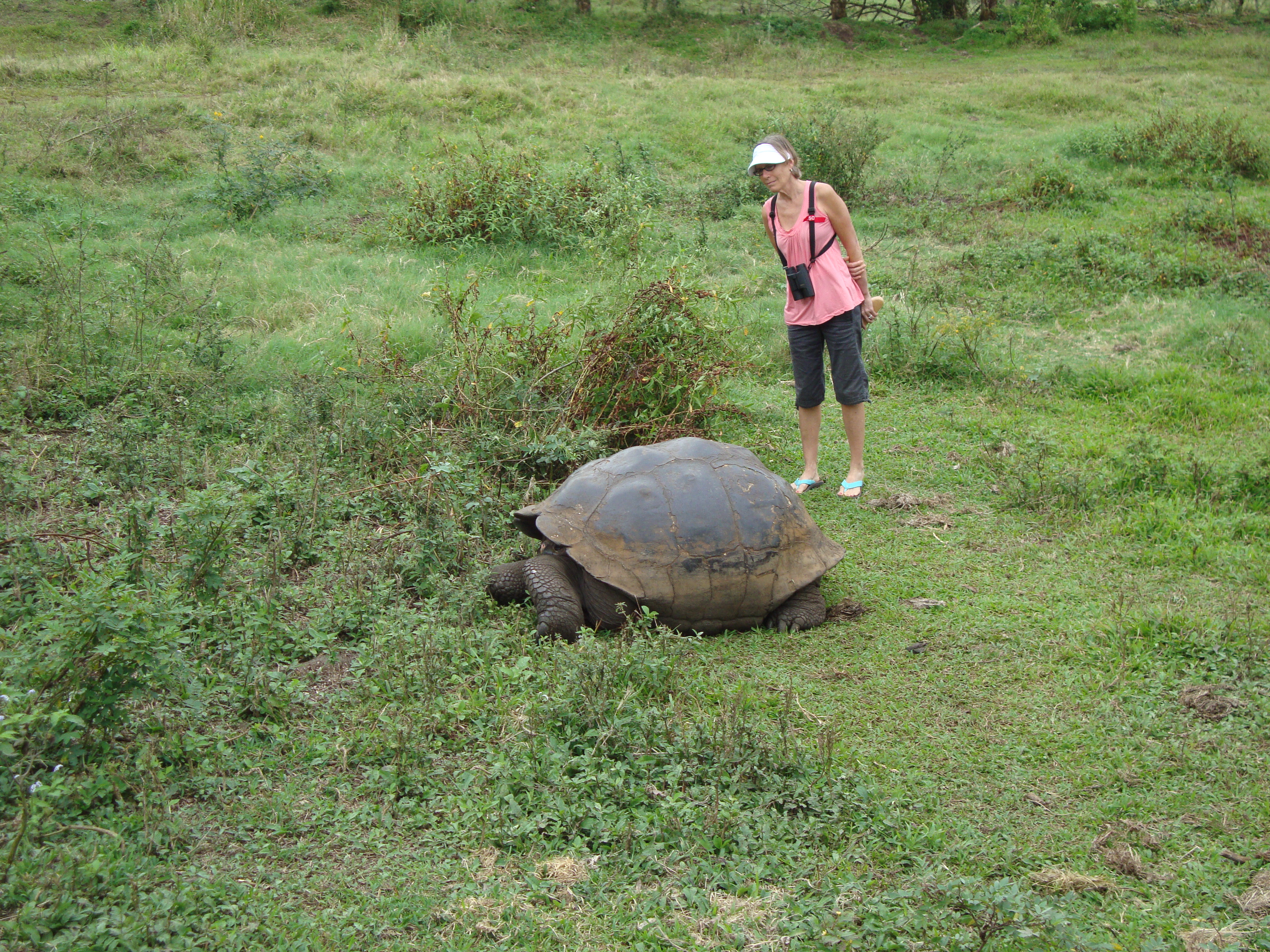
In our group of 11 divers, Sally and I were the only ones who did not dive with cameras. They were a cheerful, intelligent, and sociable group of folks, and all significantly more experienced at diving than we were. I’d taken the view that I’d prefer to look hard at what was in front of me without the distraction and intermediation of a camera, but especially after viewing some of their pictures, I was a little sorry that I didn’t get pictures of some of the amazing, strange, and beautiful things we saw under water. Perhaps next time. Here are some other above-water pictures from our trip.


Thanksgiving in Nassau with sharks and Proust

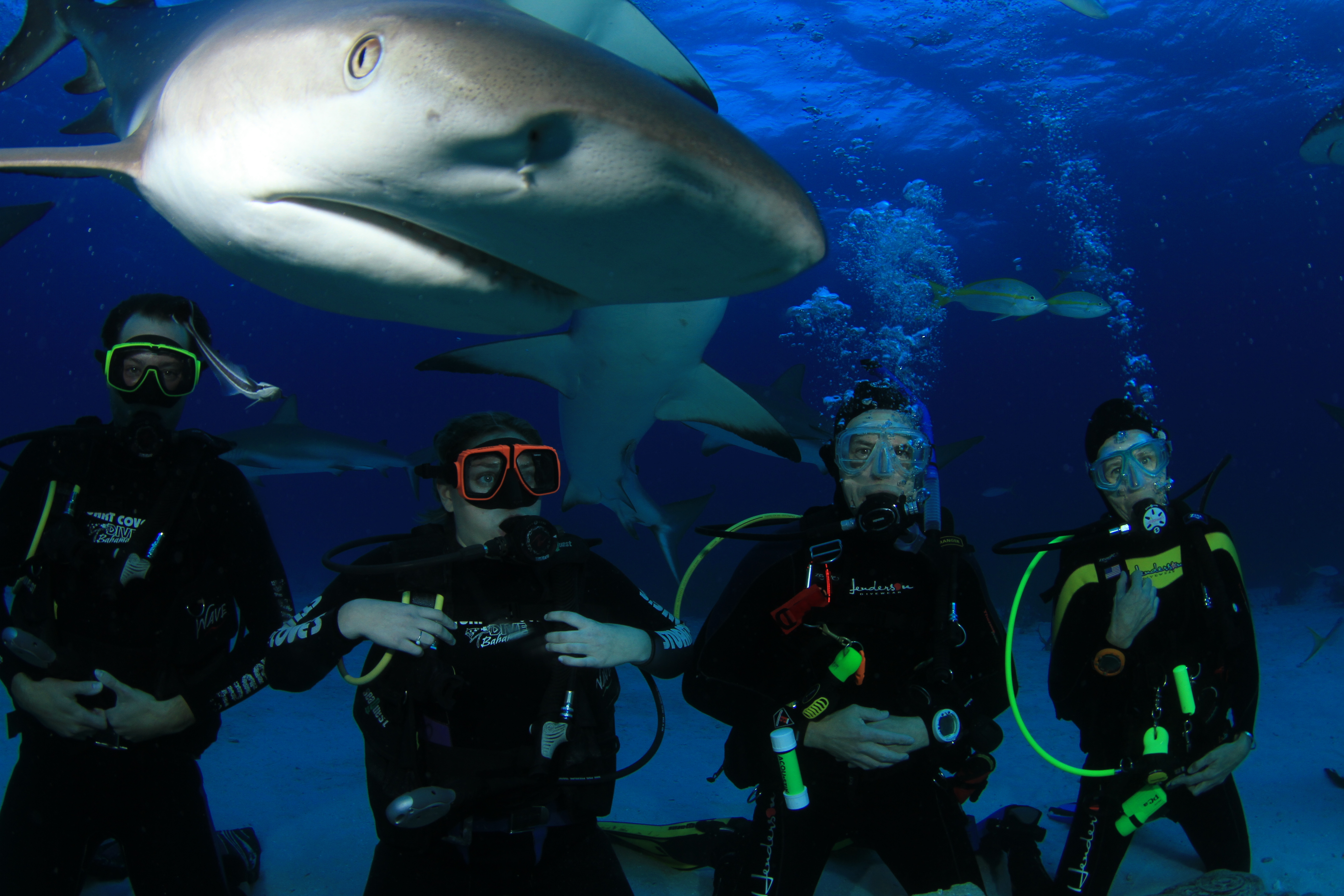
Gabe, Jocelyn, reef shark, Rob, and Sally

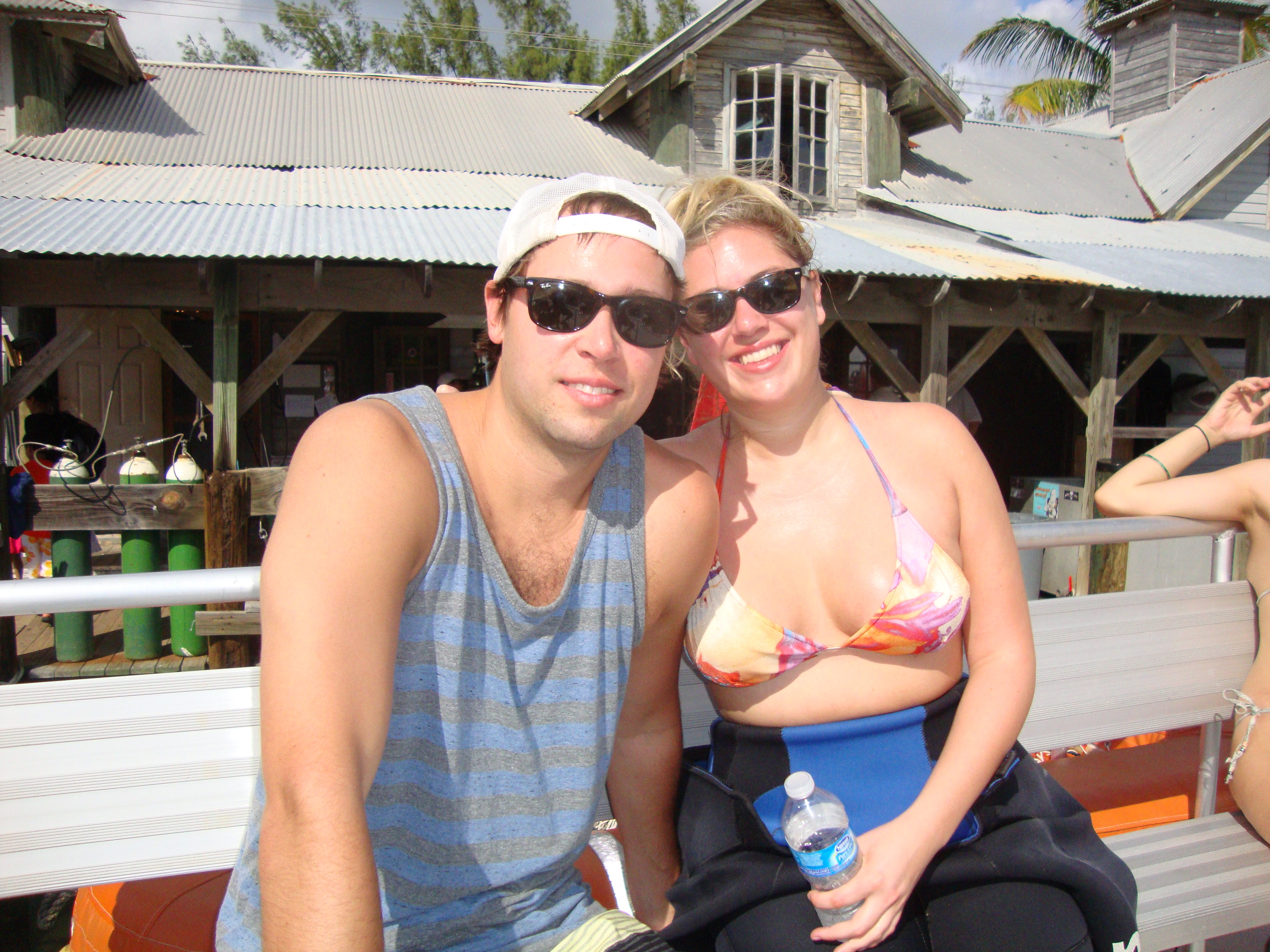
For Thanksgiving we went down to Nassau, Bahamas, and did some scuba diving with sharks. I was looking forward to some time with Sally, Gabe, and Jocelyn, and also to the palm trees, beaches, and beautiful turquoise water. But we chose the destination in large part because of the abundance of reef sharks.

For those with long exposure to anti-shark hysteria (Jaws, cheesy nature channel specials), this probably sounds crazy. In fact, people do these dives safely every day. For me, there was some element of facing down an irrational inner fear, but the bigger driver was curiosity and a desire to experience a particularly beautiful force of nature.

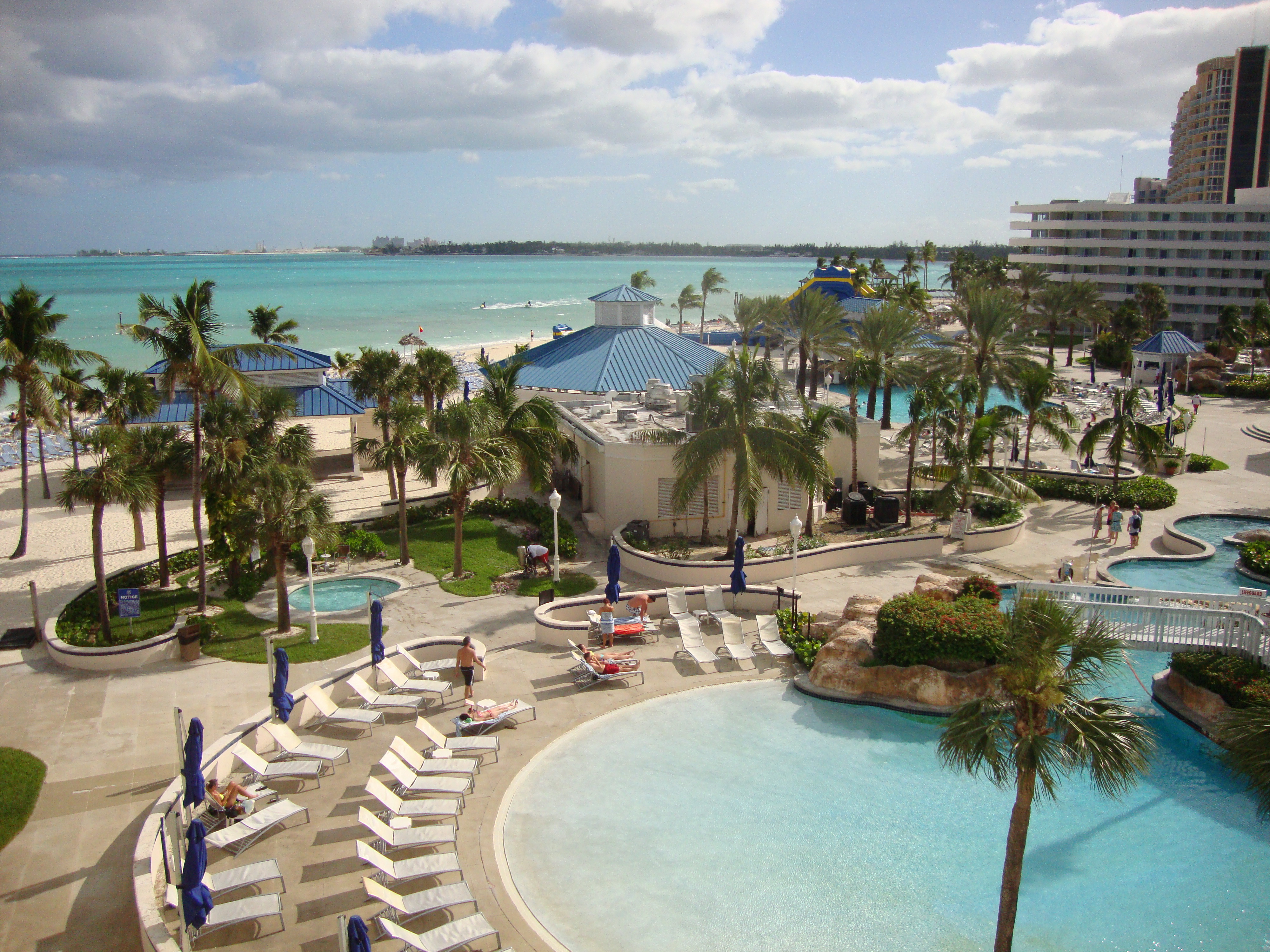
We stayed at the Sheraton on Cable Beach, a large hotel with a white sandy beach, lots of curvaceous pools with waterfalls, palms, and plenty of deck chairs. The staff seemed friendly, though slightly shy. Restaurant service both in the hotel and elsewhere was surprisingly slow (except for Luciano’s, where the food and service were both excellent). One bummer: the food was much more expensive than I expected — about three times the price of equivalent meals at home. There was a casino, which we walked through, and where no one looked like an extra for Bond film. I tried, unsuccessfully, to comprehend why these people couldn’t find something more fun to do than just throw away their money.

Sheraton Hotel, Nassau, Bahamas -- our view

But there is no accounting for taste, and no explaining some of the strange things people like to do. Which brings me back to the sharks. Humans kill around 100 million of them a year (a substantial number of those by torture — cutting off fins for shark fin soup and leaving the fish to drown), whereas unprovoked sharks around the world account for around four human deaths a year. Of those exceedingly rare deaths, the perpetrators are only four of the 360 species (great white, oceanic whitetip, bull, and tiger). It is simply a myth that sharks are mindless killing machines. Some species are highly social and demonstrate problem solving skills, curiosity, and play.

Some species of modern sharks reached their current form about 100 million years ago, in the age of dinosaurs. Species come and go (for mammals, the average species lasts about a million years), but the sharks have remained. The basic, gorgeous design has clearly stood the test of time.

We dove with Stuart Cove’s dive operation, which was generally well run with cheerful young dive leaders and staff. Sally and I did ten dives and all. Gabe and Jocelyn were not certified divers, but after refreshing on their skills with a resort course, they came with us on four dives with an instructor, a smart, well-travelled (including a stint diving in Mozambique, which she recommended highly), and good-humored young Englishwoman named Ruth.

Gabe and Jocelyn at the start of a shark dive

The climax of our diving was Thanksgiving day, when we did an area called Runway Wall, where Sally and I swam at about 70 feet (with G and S shallower) along a wall that goes down to a depth of 5,000 feet. Beside us, in front of us, and behind us were reef sharks. I counted 15. At times they swam quite close (inches), coming up on us from behind, or heading straight for us. We also got to within a few feet of a large sea turtle (probably a loggerhead), and saw a few Atlantic spadefish, a spotted drum, a spotted moray eel, and a Goliath grouper, along with many smaller fish.

After a surface interval, we descended again and sat in a circle in a sandy area. One of the staff, Rich, had donned a chain mail body suit, hood, and gloves, and brought down a cage with chum. The sharks increased in number (perhaps 20-25 showed up), and began swimming faster and closer to the cage. Rich would take a thin metal pole, spear a steak-size piece of chum, and whip it upward quickly, and the closest shark would instantly bite and swallow it. Rich would position himself in front of each diver and do some feeding while the staff took photos and videos.

I had mixed feelings about feeding sharks (or any wild animal), out of concern that it might lead to dependency or otherwise disrupt the ecosystem. I also wasn’t crazy about the emphasis on photography. But in the end I put those ideas to one side and was simply overwhelmed by the experience: about 50 minutes of a close encounter with prehistory. The distance between us got down to zero (I was bumped a few times). After a few minutes, I began to distinguish individual differences among the sharks. One had a mouth that gaped on one side, another had a fish hook in his back. They would swim in lazy circles, and then suddenly accelerate toward the food, sometimes colliding. All told, I was deeply moved by their power, grace, and beauty.

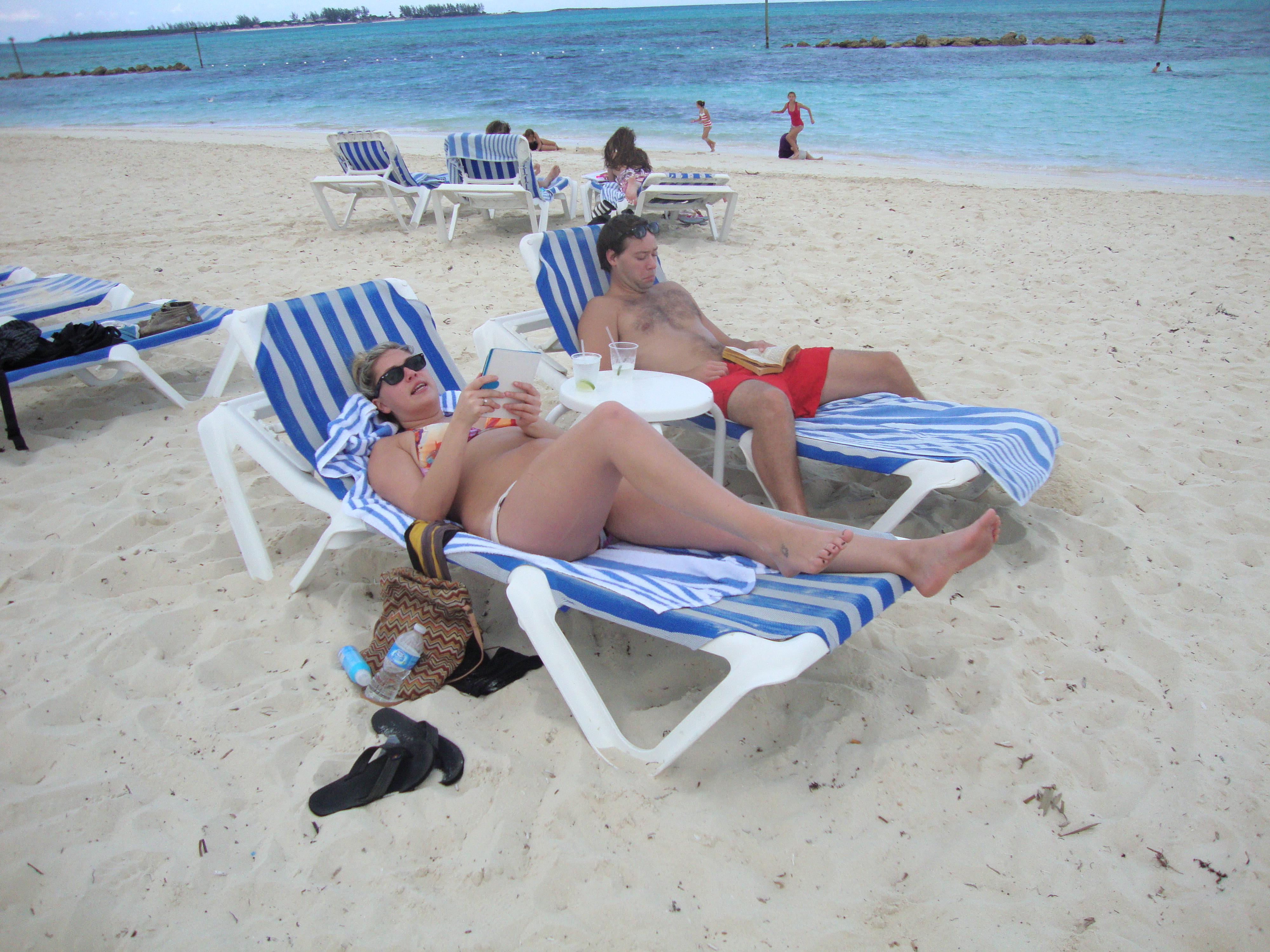
We did not dive on our last day before flying home to decrease the risk of decompression illness. We spent much of the day lounging on the beach or by one of the pools reading our various books. It was windy, sometimes cloudy, but sometimes sunny. It was lovely to see our kids reading for hours. I used to worry that they’d end up as hopeless TV addicts. But they didn’t!

I began rereading Swan’s Way, this time in a translation by Lydia Davis. Many years ago, I read the entirety of Remembrance of Things Past, and have from time to time returned to sections of it, but the length of the work is daunting in these frantic times. I found the Davis translation much more graceful and lively than the Moncrieff and Kilmartin. It may be that accumulating more life experience makes the book itself better. In any event, I was struck once again by the strange hypnotic beauty of the prose.

For the first time, I saw how the apparently casual, improvised sound of the early part of the book includes a lot of delicate prefiguring of people and events that will gradually come into sharp focus. There is so much richness in the book. It makes us realize how rich our own lives can be in perception and feeling, and makes us want to use our memories and our eyes, ears, noses, touch, and taste buds better. But it is not a self-help book; there’s something magical about it. I had the odd, strong feeling as I was reading that the book was my own consciousness coming into being. Of course, it’s only a novel — or is it?

More shark photos:


An earthquake, a hurricane, a massage, a yoga lesson, and a haircut

Sunset before Hurricane Irene

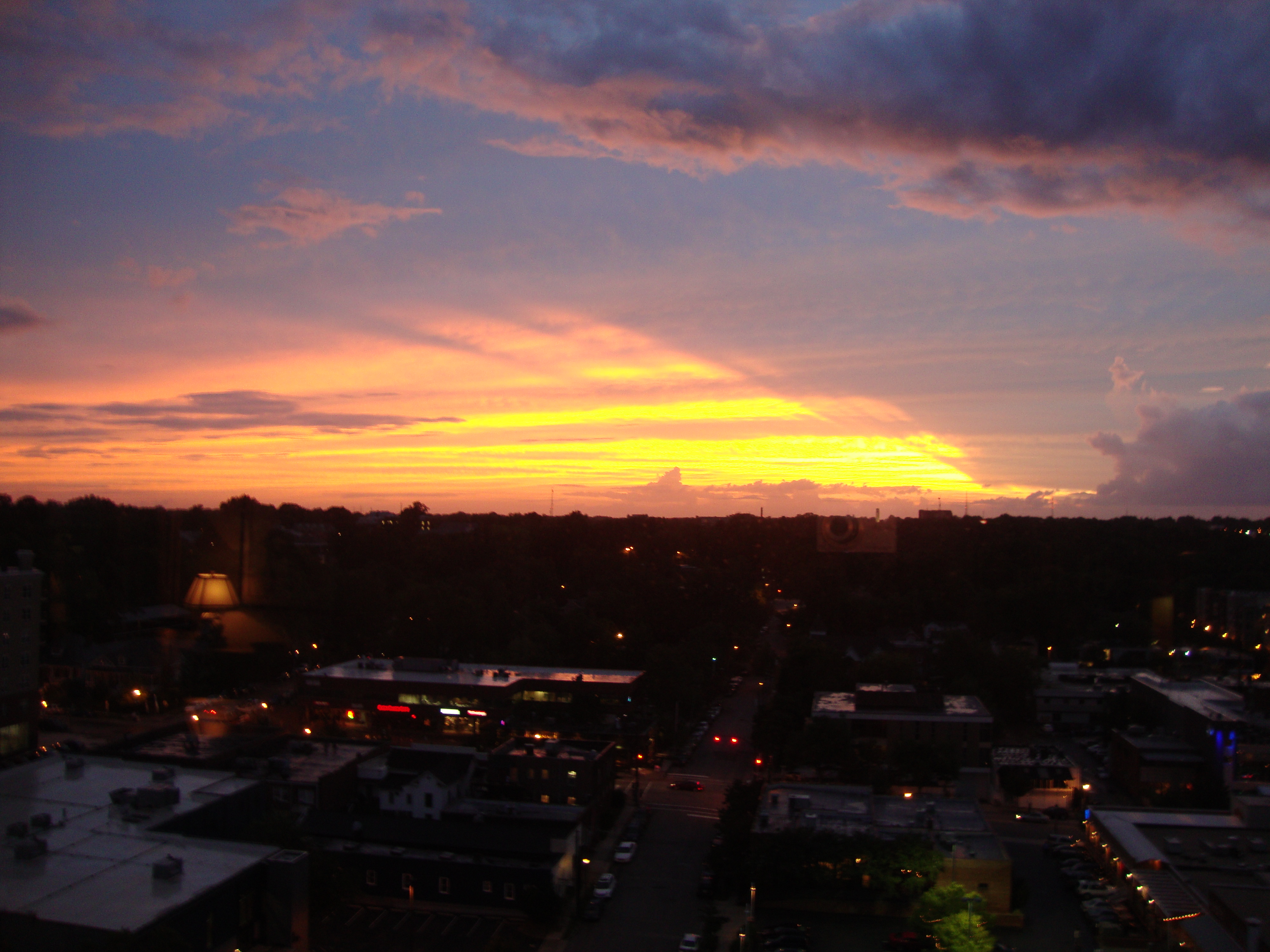
We’ve had a couple of unusual disturbances this week. On Tuesday, Raleigh was shaken for a few seconds by an earthquake that was centered in northern Virginia. In my office, it felt at first like heavy equipment was passing by, but it got more intense, and I started to consider evacuating. We seldom have earthquakes in the eastern U.S. We’re used to thinking of the earth as something solid that does not move, and it’s disturbing when it does.

A hurricane named Irene has been heading toward the eastern U.S. for several days, and finally hit the Outer Banks of N.C. this morning. We get hurricanes here from time to time, but this one has caused more than usual worry. In 1996 when Hurricane Fran hit our area, trees snapped in two in my yard, and the storm left us without power for days. Ever since, I’ve taken hurricanes seriously. At the moment, we’re getting light rain and gusty winds.

Meanwhile life goes on, with chores and challenges. This week I was particularly conscious of being part of a pleasing network of humans, including some who helped take good care of me, with some vivid moments of connection.

On Monday, I got over to Hands on Health, where Meredith had agreed to come in on her day off to give me a deep tissue massage. I’d anticipated that all the driving to, from, and at Road Atlanta would leave me with a tight neck and back, which it did, and that Meredith could help, which she did. She was cheerful and chatty, but deadly serious when it came to knotty muscles. There were some intense and difficult moments, but I left feeling wonderful.

On Wednesday, I had my first individual yoga lesson with Suzanne. I’ve taken one or two “early bird” classes a week with her for the last year or so, and have gradually come to really trust her. My main objective in taking an individual lesson was to make sure I had sound mechanics for my head stand and wasn’t about to hurt my neck. I also wanted to understand more about increasing my flexibility. Lately I’ve gone to a few advanced classes, and found them fairly humbling. There are certain things they do that I just can’t do.

Anyway, Suzanne helped me adjust expectations and feel better about where I am, as well as improving in some areas. For head stands, she taught me how to find the top of my head and where my weight needed to be. We did some bending and twisting, and talked about how you can have too much of a good thing. Although it looks good in class to have loose joints, as she does, she noted that looseness brings with it more risk of certain injuries. I also got her guidance on what to do with my mind during savasana. I’ve slowly come to really value yoga’s insistence on relaxation as an integral part of class. At the end of the session, I felt tremendous gratitude, both for Suzanne, and for my good health and well-being.

Because of the Road Atlanta trip, I’d missed my regular monthly haircut with Ann. She invited me to come in after work as her last appointment on Wednesday. Ann’s been cutting hair for me, Sally, and Gabe for many years. It’s always fun seeing her. She likes to talk, and we have great chats about our families, cars, restaurants, travel, and sports. As usual, I left looking better, and smiling.

Driving at Road Atlanta

Clara and friends at Road Atlanta

I had a few butterflies about taking Clara down to Road Atlanta for the Rezoom track event. There is, after all, an element of risk to pushing a car as hard as you can. But at the same time, there is something that felt right about the trip. A Porsche 911S was not created to be mere transportation. It is a sports car.

After a simple breakfast at the Holiday Inn, I was loading Clara when I saw some working-guy types staring at me. My first reaction was to assume they thought I was a twit. Then I realized they were admiring the car. This wasn’t exactly pleasant, but not exactly unpleasant. I wasn’t interested in attracting their attention, but I could understand it. It occurred to me that this is something that very attractive people must deal with: the slightly unsettling attention of strangers.

I had more butterflies when I saw the field, which included some true racing machines, stripped of creature comforts and equipped for massive speed. My instructor, Bryan, had one such: a Miata with everything torn out that didn’t have to do with the business of moving.

Bryan and his Miata

It also had an awesome paint job. Bryan introduced me to his track buddies, all from Jackson, Mississippi, and invited me to hang out at their canopy area.

The track was 2.54 miles — about the same size and shape as VIR, but more difficult. There are big elevation changes, and vertigo-inducing blind curves. Where VIR has fields to run off into if you misjudge a turn, RA has hard walls. Bryan took me as a passenger out as a passenger on the first session, and scared the bejesus out of me. It was a fast, very rough ride. I felt car sick, but managed, barely, to avoid spewing.

The drivers were divided into notice, intermediate, and advanced groups, and each drove 30 minutes per session. As a novice, with an hour between sessions, I looked at the other cars as they prepared to run or ran. I enjoyed talking with Bryan and his friends.

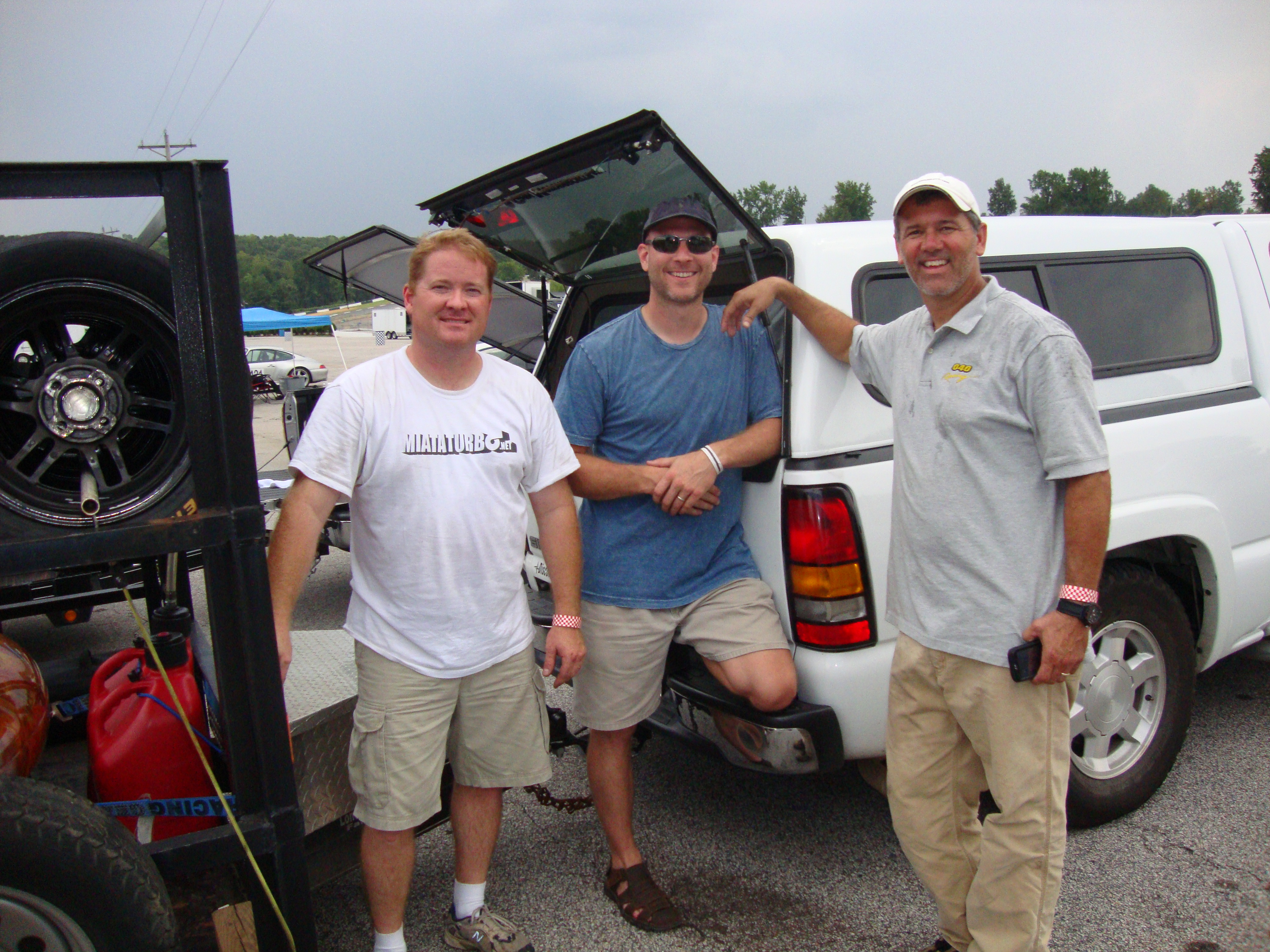
Bryan, Chris, and Snookie

They knew an amazing amount about cars. They must have thought I seemed a bit different, but they were really kind to me, and went out of their way to explain things and be helpful. It was great to hang out with them.

After the first couple of half-hour sessions, I began to get a feel for the track. It demanded total concentration. The senses are overloaded with sensations — screaming engines, rushing edges. There is no room for ordinary thought. Bryan kept coaching me to use more of the track and carry more speed through the turns. Gradually I got faster.

At times I couldn’t stop smiling. There were, however, some harrowing moments. Once I hit the gators at speed coming off the blind turn at number 12, and skidded dangerously. That scared me, and it took a few laps to regroup. As I kept pushing against the limits of the turns, a few times I found them, and barely hung on.

But with each session, my confidence increased, and on the second day I broke the two-minute barrier for a lap — a milestone. As I prepared for the fourth run of the day, Bryan announced I was ready to solo. He asked me not to do anything that would embarrass him. I was really pleased, and I didn’t.