The Casual Blog

Category: public policy

Purity, the Montrose Trio, Gore, and Gates

Tiller6Bug 1
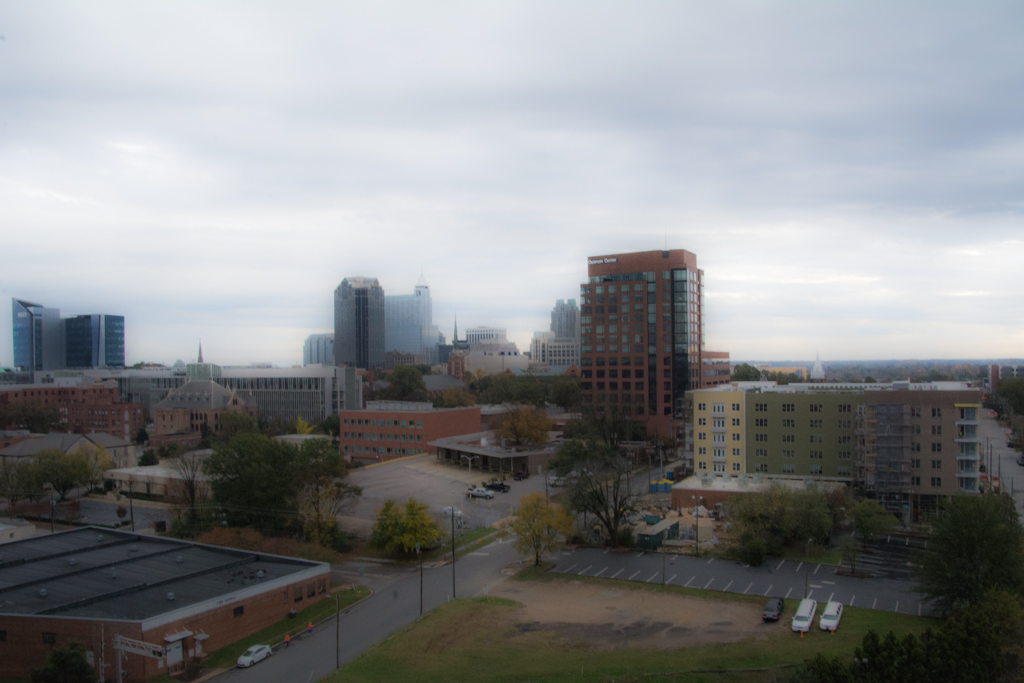
It’s been a foggy, drizzly week in Raleigh, which tends to lower high spirits, but is good for introspection. I finished Jonathan Franzen’s new novel, Purity. The book offers several interesting characters, including social activists who think about the big issues like out-of-control surveillance and global warming. Mostly, though, the book is about close family and romantic relationships, and shame and guilt. There’s enough that’s closely observed and honest here to be affecting, and I found myself hypnotically absorbed in some sections. As I neared the end, though, it, or I, lost steam, and I was glad to be done with it.

Saturday night we went over to Durham for dinner at Watt’s Grocery with friends and a concert. It turns out Watt’s is more vegetarian friendly than shown on the menu, willing to create a custom plate of the non-meat offerings, and mine was good. At Duke’s Baldwin auditorium, we heard the Montrose Trio, a new group made up of two former members of the Tokyo Quartet and pianist Jon Kimura Parker. They performed works of Turina, Beethoven and Brahms. Turina was new to me — Spanish, 1882-1949 – and reminded me pleasantly of Ravel, while the other pieces were old friends. Montrose was truly excellent – musicianship of the highest order, applied to great music.

The November issue of the Atlantic has an interesting piece on Al Gore and his involvement with Generation Investment Management, a global equity fund. The company has significantly out-performed the market since 2005 by investing in companies that are not only well-managed compared to their competition but conscious and responsible in their social and environmental actions. This approach runs counter to the conventional wisdom that successful capitalists must place profits ahead of values. The theory of Generation is that long-term profits require long-term thinking, including thinking about sustainability.

The same Atlantic has an interview with Bill Gates on his new endeavor to address climate change. He’s of the view that we’ve got to make major technological breakthroughs relating to energy to prevent or mitigate disastrous environmental changes, which will require research to go into overdrive, and he’s committing $2 billion of his money to the effort. He’s obviously studied up on the subject, and he hasn’t lost all hope or become hysterical. As he points out, either we focus our resources on finding a solution, or we run the experiment of what happens when the planet’s temperature rises by two degrees – and then three degrees and then four.

In Boston, seeing Dutch masters, Four Big Ideas, and some problems in Afghanistan

Tiller5Bug 1
I was in Boston this week for the annual meeting of the Association of Corporate Counsel, where I was a presenter in a session on open source software licensing, and a student at various other continuing legal education sessions. Boston was having its first cold snap of the season, and I had neglected to bring a coat. Brrr!

I managed a quick visit to the Museum of Fine Arts, which I’d only visited once before a long time ago. It’s a really good museum! I was keen to see an exhibit called Class Distinctions, Dutch Painting in the Age of Rembrandt and Vermeer. I mainly wanted to see the two Vermeer works, A Lady Writing and the Astronomer. The Lady, who sits at her desk in a yellow fur-trimmed jacket, was ravishing. There were several excellent Rembrandts.

The exhibit was organized in sections according to the social classes depicted, starting with the nobility, through the merchants, and on down to the poorest. When they were made, the paintings served some of the same purposes as paintings today (e.g. status symbols for the high born), and sent elaborate social signals through the clothing, settings, and objects. My art history education was more oriented toward the formal properties of the works (color, line, texture, composition). This was instead approaching art more as anthropology, which seemed worthwhile.

One evening I met up with a couple of old friends from student days for a dinner at Puritan & Company on Cambridge Street. Through the years of career building and child raising, we’d almost lost touch. It was really gratifying to find that we could quickly reconnect. There was, naturally, news: jobs, travels, civic activities, kids, kids’ girl and boyfriends, parents, funny stories. The food (a southern, organic vibe) was good, too.

On the flight back, I was happy to see that I’d finally made it up the airline classification food chain at Delta to Zone 1 for boarding – that is, the first group (after families with children, business, first class, elite, diamond, service members, and others specially designated or needing special consideration). Well, it’s still good. I really like not having to worry whether there’s a place in the overhead bin for my carry on bag.

With some time for travel reading, I finished The Shape of the New: Four Big Ideas and How They Made the Modern World, by Scott L. Montgomery and Daniel Chirot, and I recommend it. The four ideas are the thought systems of Adam Smith (classical capitalism), Karl Marx (communism), Charles Darwin (evolution), and Thomas Jefferson and Alexander Hamilton (American democracy). Montgomery and Chirot do a good job giving lively short bios and summarizing the thought systems. They also give helpful context, including predecessors and successors. The second half of the book discusses the counter-enlightenment, including fascism, Christian fundamentalism, and Islamic fundamentalism. There’s a lot here to chew on.

Speaking of chewing, a few days ago, the President announced that instead of wrapping up the long war in Afghanistan, as previously promised, he’s sending more troops there. I was really sorry to hear this, as I’d say our Afghan adventure has been mainly a disaster, but my view seems to be in the minority. For anyone who cares to think more about this, I recommend a piece by Jeff Vaux in the Huffington Post, which is a bit of a rant, but not uncalled for.

Here are some excerpts: “After 14 years of fighting -at a cost of over 2200 American lives, 20,000 seriously wounded, countless mentally damaged and a trillion dollars – it is obvious that we cannot accomplish our stated objectives. The Taliban cannot be destroyed and the Afghan people will not support a US-imposed government. …

“Today the Taliban controls or is contesting more territory than at any time since the war began. Outside Kabul and a few other areas where mountains of our money buy molehills of temporary allegiance, the government’s army and police are hated for their oppression and human right abuses. Its courts are crooked and criminally unresponsive, while Taliban justice — although harsh — is swift, works without bribes and legal fees, and is honestly administered. Warlords, paid for and armed by the CIA and the Pentagon, indulge in brutal behavior toward their people, including a delight in raping children, which the US army orders its soldiers to ignore.”

Is this being unfair? Are we forgetting some benefits that could possibly justify all this wreckage and pain? Are we Americans (or anyone else) somehow safer, or have we just provided more inspiration and anger to those inclined to hate us?

Hitting the little white ball, the appalling debate, ocean concerns, and reading Hamilton

At Raulston Arboretum, September 18, 2015

At Raulston Arboretum, September 18, 2015

On Wednesday after work, I went over to Raleigh Country Club and practiced on the range for a bit. Lately I’ve been trying to get out to practice a couple of times a week, with a view to making prettier and longer parabolas. It looks so much easier than it is. The late afternoon was peaceful and mild.

Sally was waiting on the terrace looking out on hole number 10 when I finished, and we had dinner there. It was overcast, and looking west we couldn’t see the sun directly as it was setting. But suddenly the clouds lit up a bright orange-pink, and for a few minutes the colors were amazing.
Tiller1

After dinner, Sally had to go to her mom’s apartment to take care of Diane’s two greyhounds, and so I watched the Republican presidential debate alone. It was, of course, appalling, though also by moments fascinating. The eleven candidates were all, in their various ways, intelligent and well spoken, and also in varying degrees bizarre or utterly benighted. I watched a good chunk of the three-hour spectacle, and kept waiting for a serious treatment of the serious issue of climate change. From press accounts, it appears I missed a few brief comments on the subject, to the effect that either it’s a liberal conspiracy or there’s just nothing to be done about it, so there’s no point in thinking or talking about it. Appalling.

I read most of the World Wildlife Fund’s report this week on the state of the world’s oceans, and recommend it. The news, of course, is not good. About half the population of creatures that live in, on, and over the oceans have disappeared since 1970. Coral reefs, on which much ocean life depends, have likewise diminished, and may disappear by 2050. But the report presses the point that the situation is not hopeless. There are ways we can address the over fishing and climate change problems that largely account for the crisis.
Tiller4

Through diving dive on some of the world’s most beautiful coral reefs, I’ve developed a deep love for reef ecosystems, and will be seeing another one next week. Sally and I are leaving next Friday for a trip to see the reefs and animals of Mozambique. We’re hoping to see whale sharks, manta rays, humpback whales, and many other remarkable creatures. We’ll also be doing a land based photo safari in Kruger Park in South Africa. This trip has been a big dream, and has taken a lot of planning, but it should be amazing. Anyhow, I expect to be offline for a couple of weeks, but hope to have some good stories and pictures to post after that.

For this long trip, I’ll need some good books to read, and I’d expected I’d be working my way through Ron Chernow’s Hamilton, a biography of the Founding Father who was our first Secretary of the Treasury. But I’ve been so fascinated by the book that I may finish it before the trip. The Times review is here.

Hamilton, it turns out, was a brilliant, energetic, and passionate person, who accomplished an amazing amount in his short life. Among other things, he helped win the Revolutionary War as Washington’s most trusted aide-de-camp, played a primary role in fashioning the Constitution, wrote most of the Federalist to win passage of the Constitution, established a financial system for the new republic, and served as President Washington’s primary advisor. And he was handsome and well-liked by the ladies, and also the gentlemen. Of course, he had his flaws of character, and his enemies, including the sainted Thomas Jefferson and James Madison. The politics of the time were at least as ungentle as now. This is a remarkable and remarkably relevant book, which I highly recommend.
Tiller3

A few chimney swifts, fine Fiction Kitchen, finishing physical therapy, the fossil fuel endgame, and a fishing blue heron

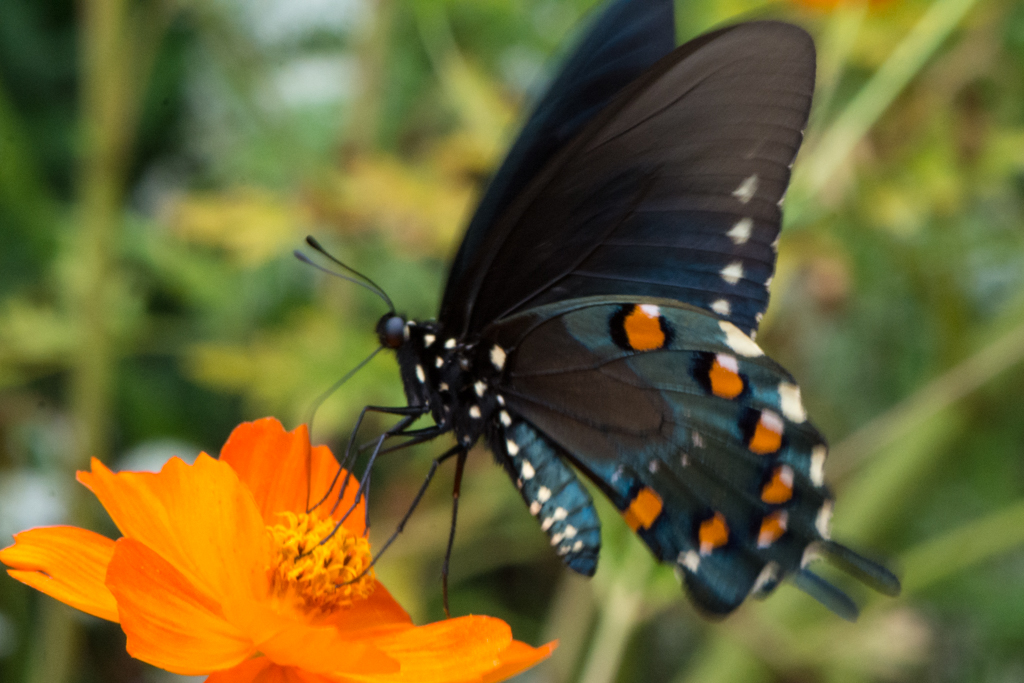
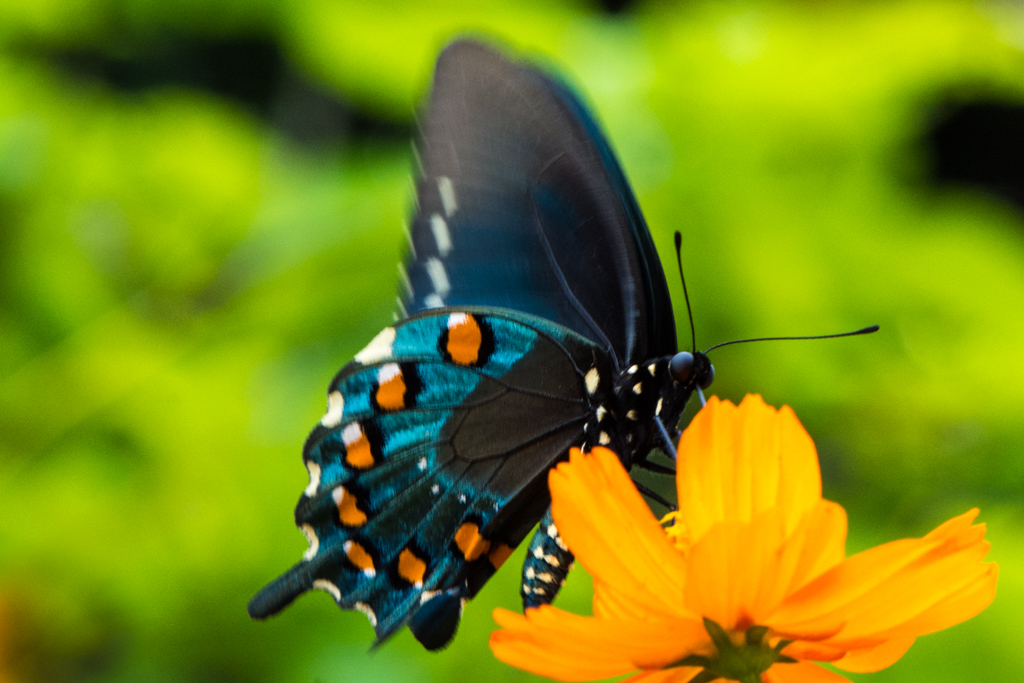
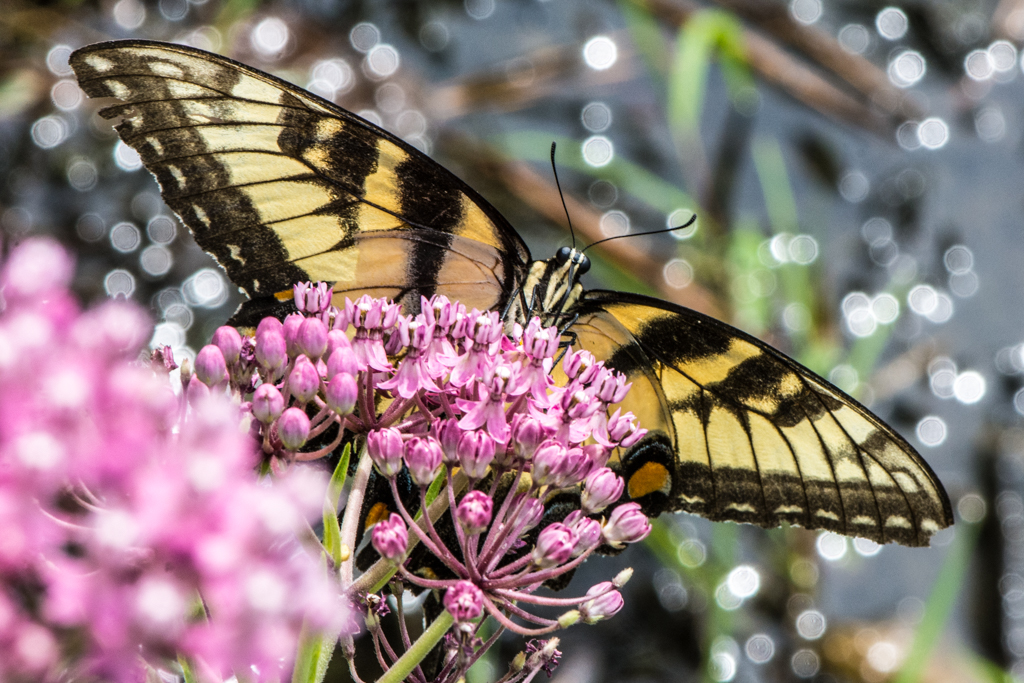
A spicebush swallowtail at Ralston Arboretum on September 11, 2015

A spicebush swallowtail at Ralston Arboretum on September 11, 2015

According to Sally’s calendar, this week should have been a good one to see the chimney swifts in downtown Raleigh. Last year at this time there were thousands, swarming and swirling, and eventually shooting down a large chimney to roost for the night. So we went downtown with our binoculars on Wednesday night and waited at sunset. There were some mini-flocks flying, and we kept hoping for the grand congregation, but it didn’t happen. We saw dozens of swifts, rather than thousands.

Afterwards we went a few blocks south to Fiction Kitchen, Raleigh’s best vegetarian restaurant. The last few times we’d tried to get in, the place had been full with many people waiting. This time it was full, but the wait was only a few minutes. The waiters we liked were still there. There were some new menu items, along with familiar favorites. We started with squash and zucchini cakes appetizer, which was delicious. For entrees, Sally had the succatash farro risotto. I had the mock pork BBQ, a tempeh-based dish that was so outrageously good that, as a vegetarian, I felt a bit guilty.
RTILLER3 (1 of 1)

The next day I had my graduation session from physical therapy. For the last few weeks, I’ve been trekking out to Cary to see Geert Audiens a couple of times a week to get treatment for my torn rotator cuff. As ordered, I’ve been doing my shoulder exercises twice a day (most days). The exercises were not too interesting at the start, and have gradually become a huge bore.

But most of the discomfort in my shoulder is gone, and the strength is improved. To complete the program, Geert directed me to continue doing the exercises for 25 minutes a day every day for the next three months. Then I should call him and give a report. This is a big assignment, but I’m going to try, since I am still motivated to get better. I expect to be using that shoulder for quite a few years yet.

Driving back to Raleigh, I saw a bald eagle fly across the beltline into the trees. There are some that live a bit west of here at Jordan Lake, but this was the first one I’d seen in Raleigh.
RTILLER4 (1 of 1)

On Saturday morning, I read a piece in the NY Times ran a piece on a new climate study that projected a more-than-200-foot rise in sea levels if we continue to use fossil fuels until they are used up in the 22nd century. That would mean no more New York, Amsterdam, London, Paris, Berlin, Rome, Beijing, Sydney, and Tokyo, among other nice places. All the ice on earth would melt, with half of that occurring in the next thousand years, and seas rising at 10 times the current rate. The study out of the Potsdarm Institute for Climate Impact Research was published in the journal Science Advances.

Curiously, the Times put this horrifying news on the bottom of page A10 of the print edition, rather than the top of page 1. It was similarly buried in the online edition. Did the editors think it wasn’t important? That’s doubtful. Did they think their readers are tired of bad climate news and would prefer not to hear more? Perhaps, but in whatever case, we’ve got to get our minds around this, and get to work, or things are going to get grimmer. We’ve had a good run with fossil fuels, but that’s over. It’s time to get serious about the alternatives.
RTILLER5 (1 of 1)

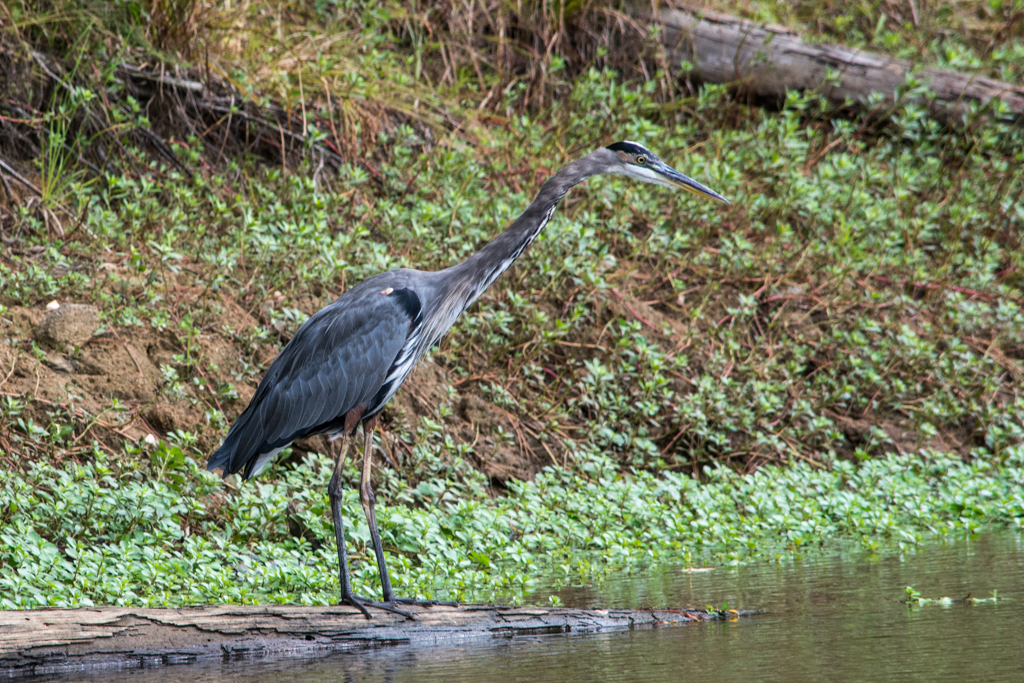
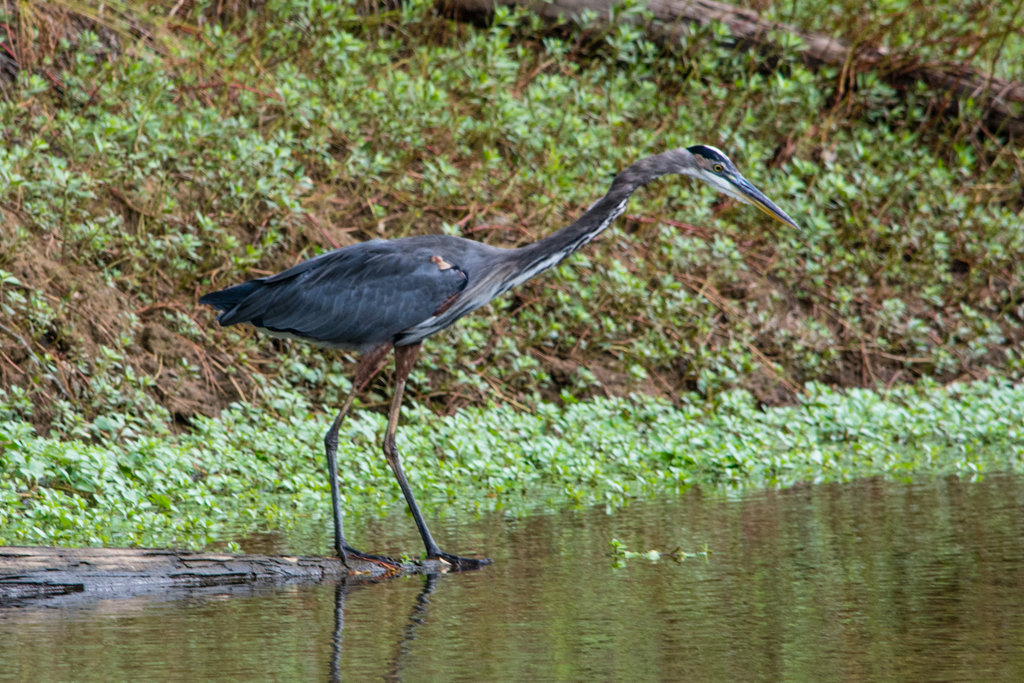
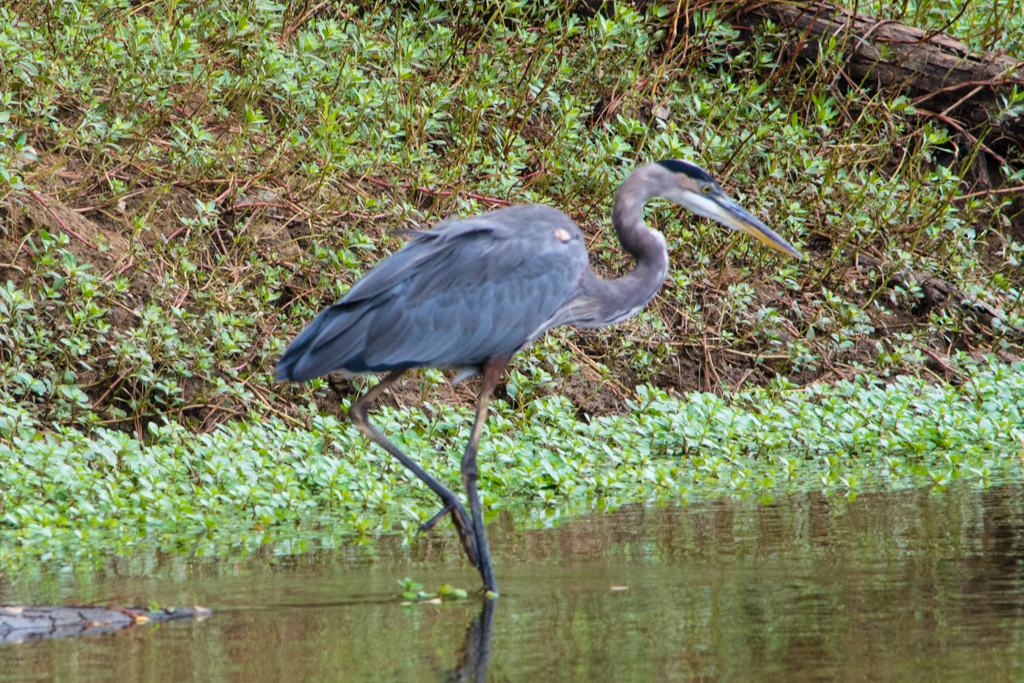
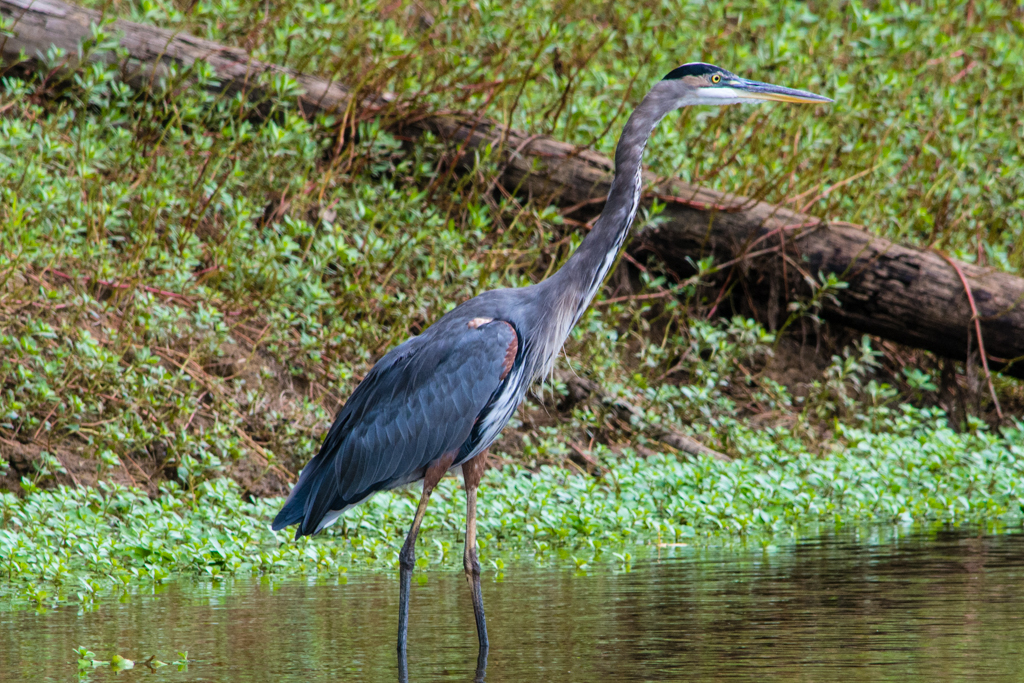
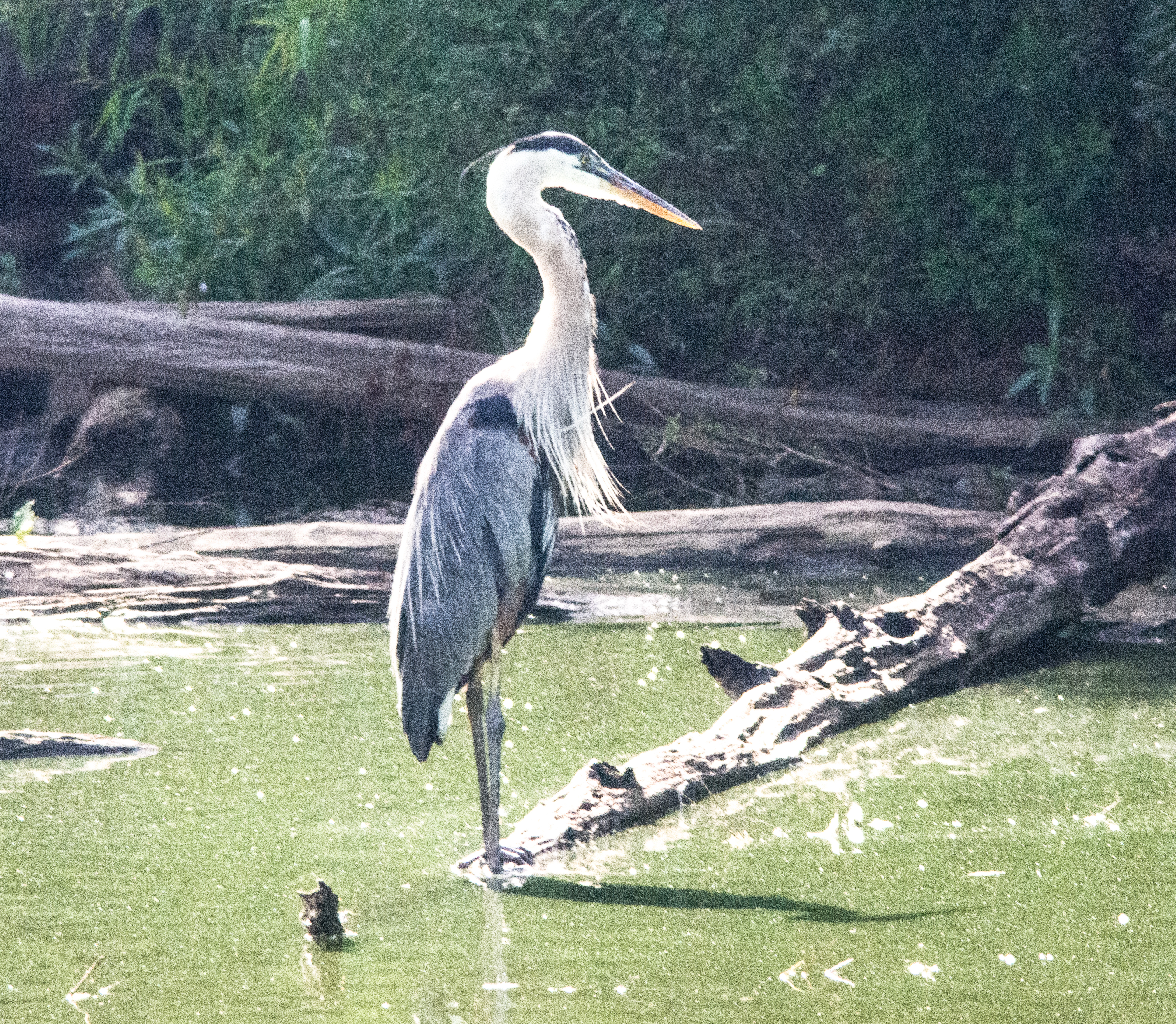
After reading of this and other unsettling things and finishing my coffee, I drove up to Falls Lake to look for birds and insects. I hadn’t been there in a while. My plan was to explore several spots, but I discovered they now charge $6 for the main areas. I found my way to a non-charging spot in the Beaverdam reservoir area, where the road was almost too rough and rutted for low-slung Clara. I spent twenty minutes or so watching this blue heron move very very slowly. I kept hoping she’d catch a fish, but she didn’t.
RTILLER6 (1 of 1)
RTILLER7 (1 of 1)

Farewell to Oliver Sacks, family health, witch trials and terror trials, and beautiful bugs

RTILLER5 (1 of 1)

Oliver Sacks, one of my heroes, died last week, and I’ve been thinking about what he bequeathed. In his many articles and books on psychological problems, oddities, and exceptionalities, he covered the extremes of human mental experience, from savants to the severely impaired. Reading about his subjects, I felt gratitude for being relatively normal and wonder at the range of human perceptual experience. He showed in his work and by his work that much more was possible than I’d thought.

Some months back I heard Sacks interviewed in a program about prosopagnosia, a rare condition involving the inability to recognize faces. Sacks had a severe version of the condition, such that he couldn’t recognize the faces of people he’d known for years. This made social interactions very challenging for him. It may have accounted in part for his amazing literary output, by keeping him home and working evenings rather than socializing.

Sacks, then 82, announced his terminal metastatic cancer seven months ago in the Times, and published additional reflections as recently as three weeks ago. Hes faced his end with calm dignity, intelligence, and gratitude for life, without metaphysics, and without bitterness at the reality of death. This was a wonderful final gift. RTILLER4 (1 of 1)

Diane got discharged from the hospital this week and was taken to a live-in rehabilitation facility for more therapy. She continues to struggle with weakness, dizziness, and confusion. Sally has been busy giving her support and being her advocate. A major problem was what to do with Diane’s two greyhounds, but with the help of the local greyhound rescue society she located a kind-hearted person willing to be a foster dog parent until Diane regroups.

RTILLER6 (1 of 1)

Jocelyn called early this week from Brooklyn during her walk to the subway. She reported that she’d improved her mile-run time (7:26, I think) and was finding longer runs more fun. She’s also eating healthy food and consciously avoiding junk. I was proud of her! This was a girl who seemingly had an allergy to exercise, and is now taking really good care of herself. I’ve tried to set a good example for her, and now she’s doing it for me.

On Friday morning I went to a spin class at Flywheel, where I achieved two of my three objectives. The Friday crowd is a fit-looking group, most of whom are my juniors by two or three decades. I was looking to: 1. not come in last in the men’s group (as happened last time), 2. hit 300 points, and 3. end the week at my target weight. I managed number one, though it was close: I was trailing the pack with 5 minutes to go, and had to push hard to edge ahead of the next guy. I didn’t achieve number two, finishing at 295 – which actually wasn’t bad. Finally, I made my weight goal of 155.
RTILLER8 (1 of 1)

The Salem witch trials have fascinated me since I was a kid. As you may recall, the Puritans in New England in 1692 tried, convicted, and executed 20 people based on the crime of witchcraft. The New Yorker had a piece last week on the event by Stacey Schiff that walked through the facts in a way that was engaging, even as the events were appalling.

There was a time, long ago, when I wondered whether there were true witches with magical powers, but I’ve long since concluded not. Since then, my interest in the witch trials has been in what it shows us about flawed thinking and group behavior. Some very smart, well-meaning people did some terrible things. The episode shows both the power of ideas and the danger that truly bad ideas may, at least temporarily, triumph.

Schiff’s piece doesn’t attempt to relate the witch trials to current events, but the piece seems timely. As religious fundamentalist groups like ISIS wreak violent havoc in the Middle East, we might reflect that we’ve had our own murderous fundamentalists right here in New England in days gone by. And eventually the fever broke, and the extreme craziness stopped.

At the same time, we’ve had something very like witch trials in living memory. The trials based on allegations of ritual Satanic abuse of children in the 1980s turned out to be products of children’s imaginations inspired and guided by quack therapists. But our tendency to attribute awesome diabolical power to various unfamiliar foes (immigrants, Communists, jihadists) is in some ways similar to the Puritans’ hysteria. We imagine scary ghosts and goblins attacking us when they’re doing nothing of the kind. As long as our leaders maintain that ISIS is an existential threat to America, and continue a campaign of brutal executions, the spirit of 1692 lives on.

There was a good piece in the NY Times magazine last week on Anwar al-Awlaki, an American citizen who became a popular Muslim cleric and was executed by drone. After the FBI discovered that he had an addiction to prostitutes, fearing exposure he fled the country and went to Yemen, where he became a became an Al Qaeda leader. Since his execution, he’s been hailed as a martyr, and his radical teachings are more popular now than in his lifetime. It seems that killing Awlaki was yet another self-inflicted wound in our war on terror.

This weekend we watched The Newburgh Sting, a documentary about an FBI sting operation centered on the Mosque of a poor community in New York. An undercover FBI agent offered some poor black guys an enormous amount of money ($250,000) to do some bomb attacks. There was no indication that the guys were radical, or even particularly religious, or that it had ever occurred to them to conduct a violent attack, or that the attack had any jihadist purpose. Apparently all that money was just too tempting for people that had almost none. Anyhow, this FBI operation was hailed as a great victory in the war on terror, and the guys were sentenced to 25 years. This is another data point suggesting that our anti-terror efforts have come off the rails.

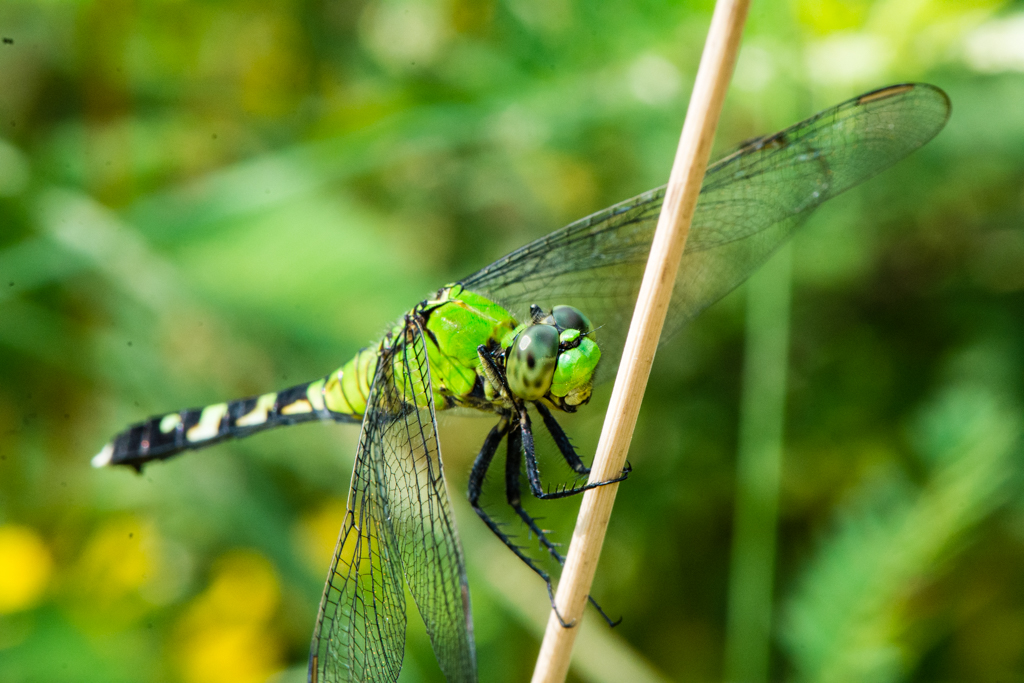
On Saturday, I went up to Durant Park with my camera and took a slow walk around the lower lake. I was especially on the look out for butterflies, dragonflies, and spiders. Most of the large butterflies were gone, but I got a few images of tiny (less than .5 inch wingspan) skippers. There were quite a few of the locally common dragonflies. Most were flying fast, but an Eastern Pondhawk posed for me. A few leaves were falling.
Diane’s fall, ignorance, our industrial food system, and butterflies

RTillerbutterfly (1 of 1)-5
On Thursday, Diane (Sally’s mom) had a bad fall while walking her greyhounds and got an ambulance ride to Rex Hospital. One of the EMTs on the ambulance somehow got our number out of her phone and let us know. Diane’s symptoms included short term memory loss, dizziness, weakness, and confusion. She thought it was 1929.

After various tests, including a CAT scan, the neurologist concluded that she had a mild concussion. After a few hours, she started improving, but she’s still feeling very weak. Sally has been spending most of the last couple of days with her in the hospital, where she was generally impressed with the professionalism of the staff.
RTillerbutterfly (1 of 1)-6

Our brains are so complicated, and yet so delicate. And there’s so much we don’t know . An op-ed piece in the NY Times this week made a case for teaching ignorance. It sounds odd, but actually make sense: we need to understand better how much we don’t know. Relatively little in our world is known with scientific certainty. As we learn more, we also see how much we have to learn. Creativity lies in this ambiguous territory where the known meets the unknown.
RTillerbutterfly (1 of 1)-3

This week in the gym during an early morning workout I finished reading (actually, listening to the audiobook of) Michael Pollen’s The Omnivore’s Dilemma. It’s a serious but elegant book about food, from the production to the harvesting to the consuming.

Pollen does a great job in the early chapters of summarizing the bizarre state of our food system, with its extensive dependence on corn, which is grown with big government subsidies and without normal market pressures and then transmuted into high fructose corn syrup and hundreds of other ingredients in our food, not to mention our meat.

He does a good job sketching out the problems of our industrial production of chicken, beef, and pork, including the cruelty to the animals, the spread of disease, the massive greenhouse gas emissions and other environmental problems. He ends up feeling badly about meat eating, but not badly enough to quit. I wasn’t much enchanted with his final chapters about hunting and killing a wild pig and serving it and other forest foods to his accomplished foodie friends.
RTillerbutterfly (1 of 1)-4

We all have difficulty with seeing things we don’t want to see, even when they’re right in front of us. That is, most of what we see and think we know is what we already believe. So it’s remarkable when someone questions the well-settled status quo. Last week his week the NY Times had a piece on judges who are questioning long prison sentences and other inhumane features of our criminal justice system. It’s good to see those involved in running the system are having their doubts.
RTillerbutterfly (1 of 1)-2

For the first time this week I went up to Durant Park. It’s in far North Raleigh, a 25-minute trip from here, but I was glad I made the effort. By a small lake there were many active butterflies, dragonflies, and damselflies, including quite a few that didn’t mind having their picture taken.

A photo contest, getting shoulder therapy, trying fasting, and not debating climate change

Rob Tiller -- Passionate Embrace -- 2015 (1 of 1)
Sally spotted a notice in the local paper of a nature photography contest at Raulston Arboretum. The theme was gardens and plants, which you may have noticed I have an interest in, and so I decided I might as well have a go.

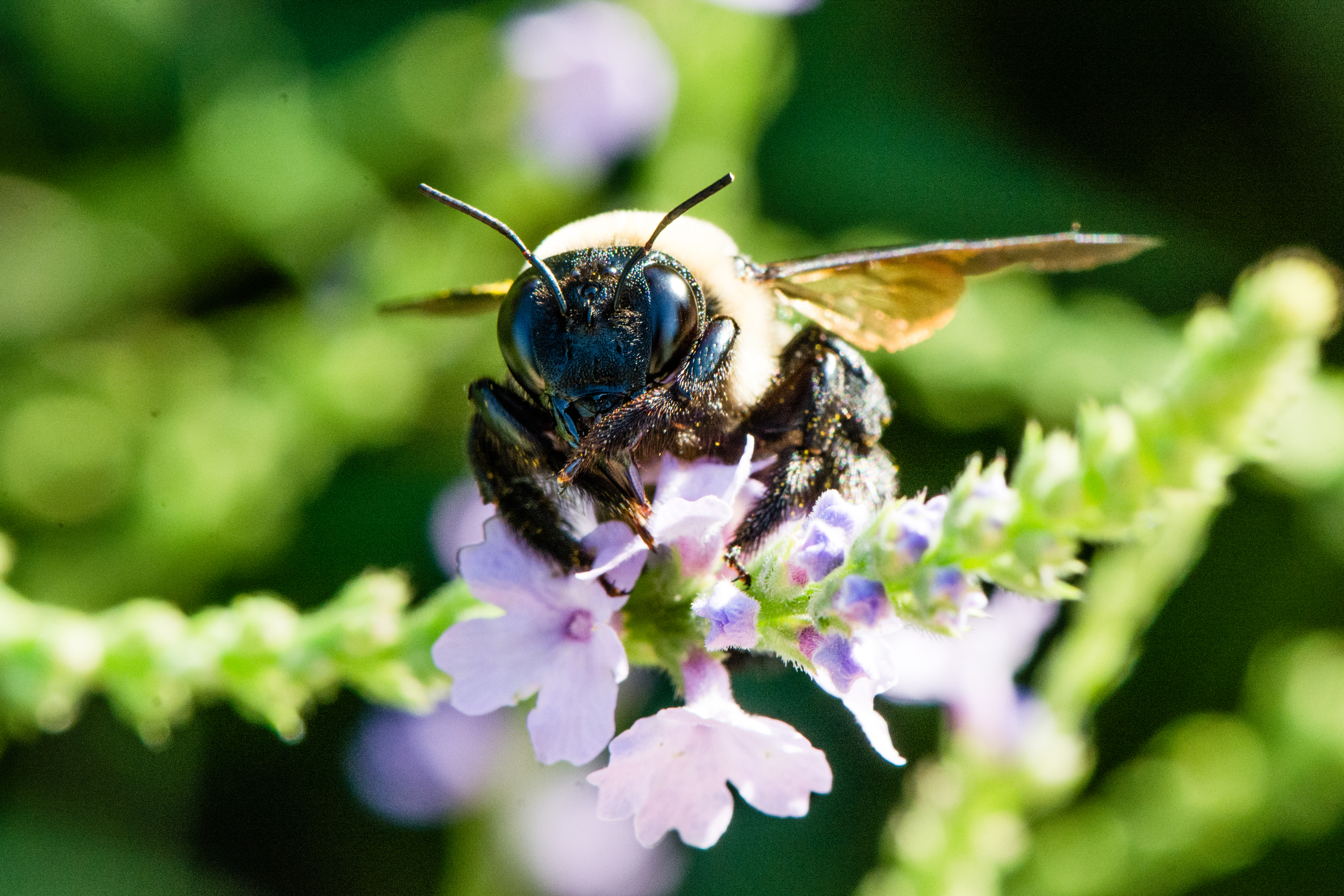
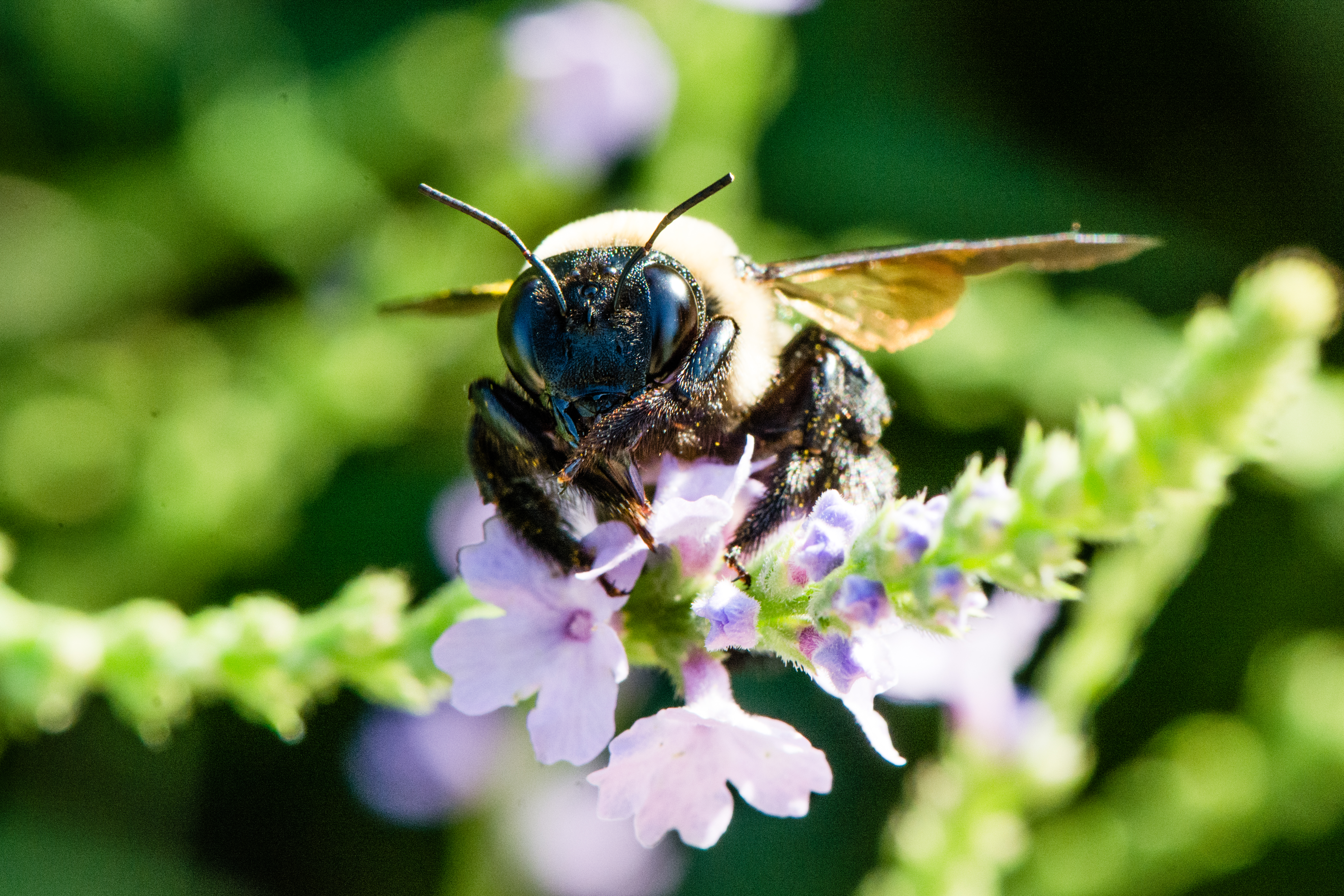
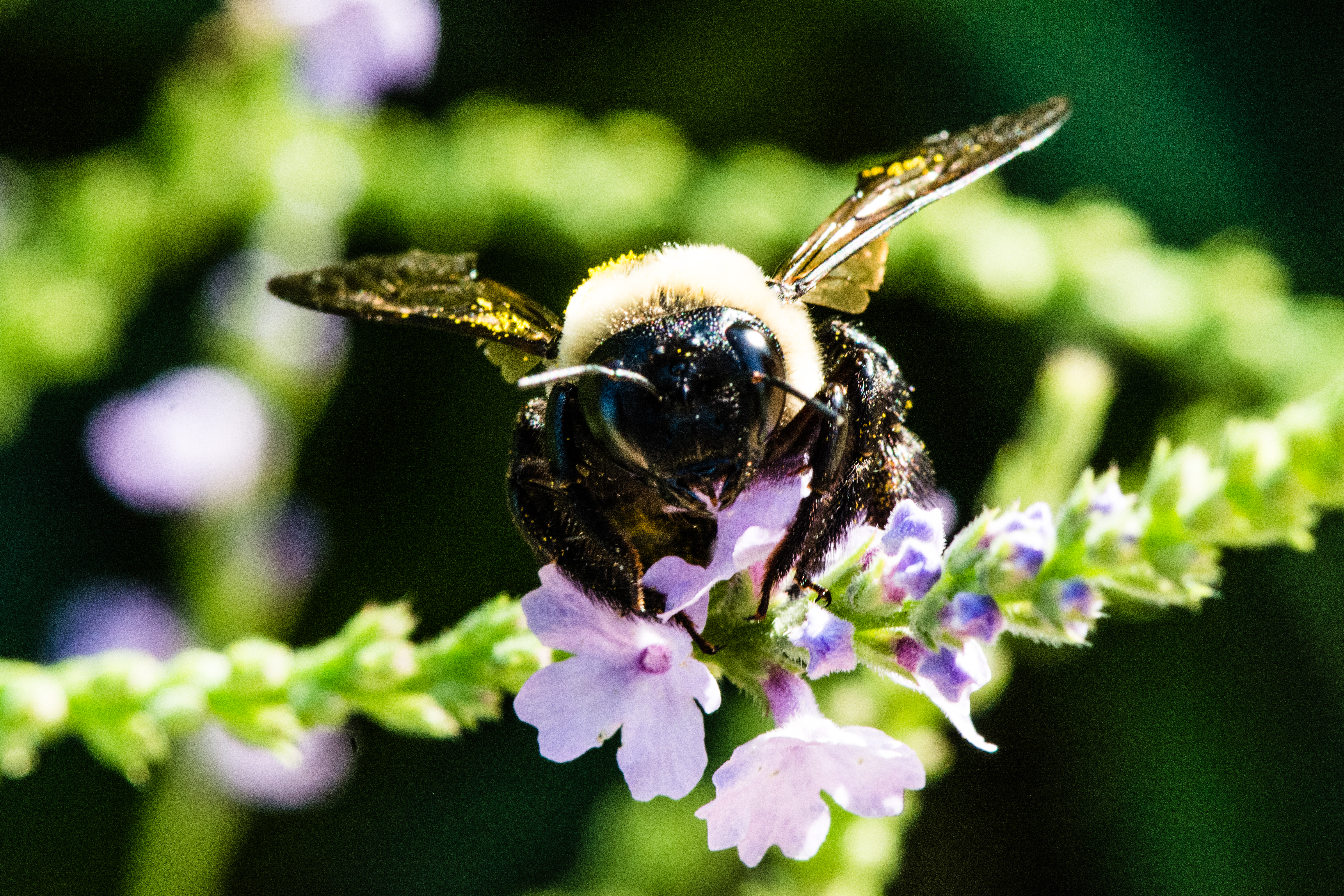
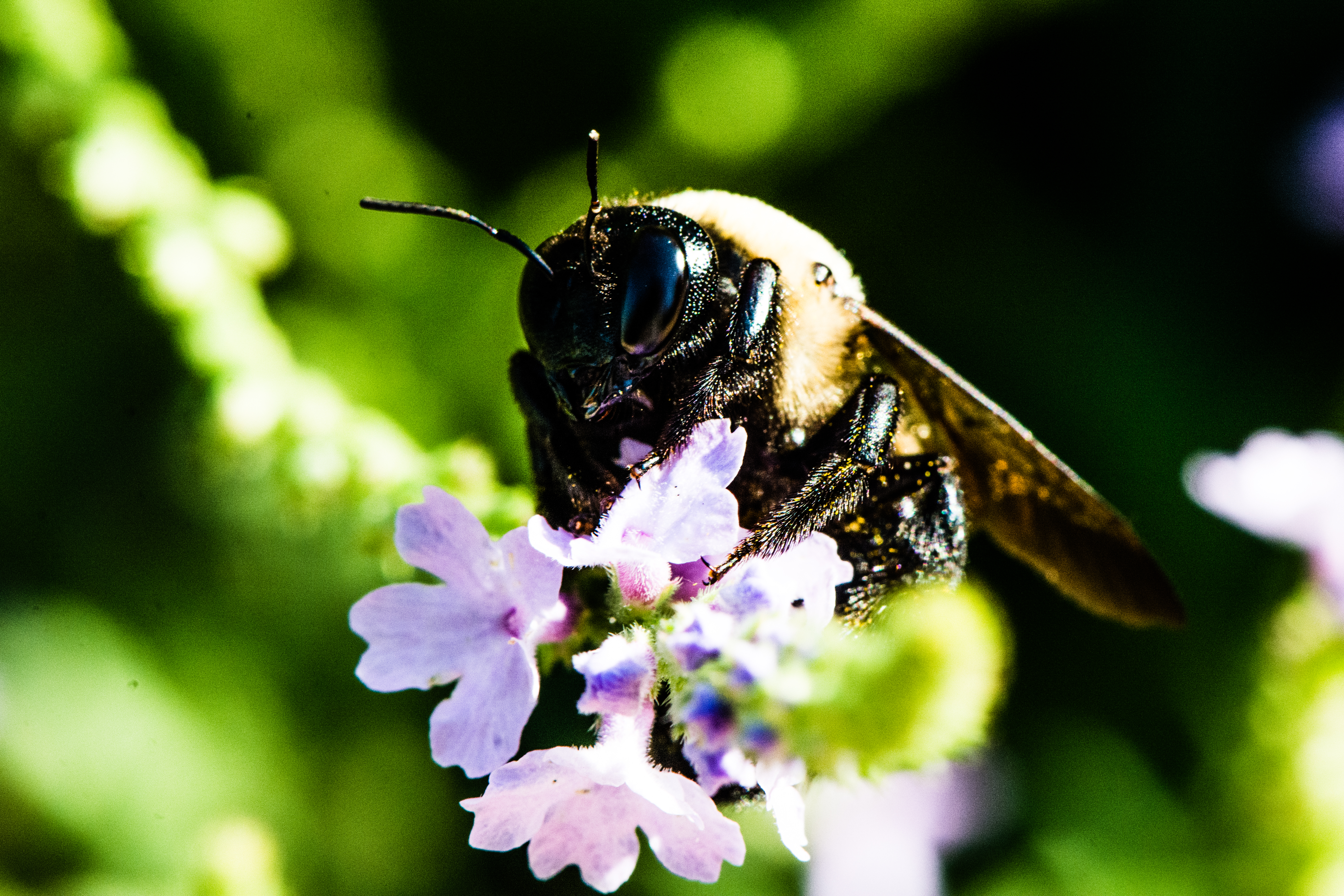
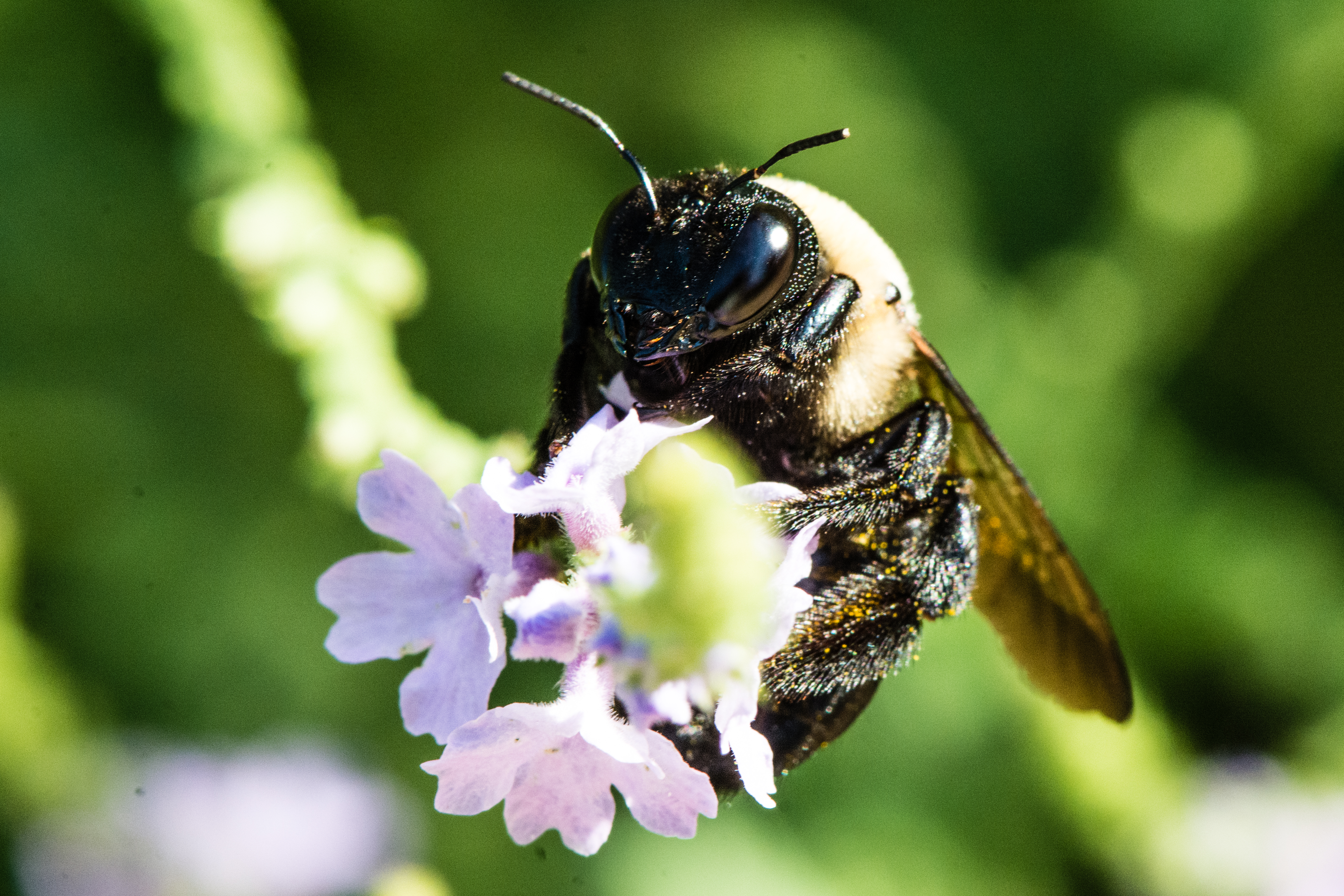
Competition is a good way to make yourself try a little harder. With the thought of critical judging, I took a careful look through some of my favorite images, and found little disqualifying problems on most of them. Of those still left, some just didn’t touch me. That exercise alone was worthwhile, good for my eye and mind, win or lose. Ultimately, I settled on the two bees shown here, worked on them for a bit with Lightroom software, and got them printed on metallic paper nearby at JW Image. Still to do: getting them framed, submitted, back, and hung in the apartment.

Speaking of self-improvement, I finally decided this week to get physical therapy help for my left shoulder. I’d tried letting the thing heal itself with several weeks of relative rest (no heavy weight lifting), but that didn’t work. I got in to see Geert Audiens at Results Physiotherapy, who’d helped me with back and shoulder issues before. Geert quickly diagnosed a torn rotator cuff, which, he said, would get worse if not attended to. He predicted it would take several weeks of specialized exercises, but it would likely get better. It’s good to have well-functioning arms and shoulders. And so we began, with simple little exercises, antiinflammatories, and icing four times a day. It’s a substantial commitment, which I hope will be worth it.

I’ve also been experimenting for a few weeks with a modification of my food consumption. I’d somehow picked up 5 pounds that would not come off, even with hard cardio work outs and careful healthy eating. I saw a story on alternate day fasting for the weight control, which basically means eating very lightly (500 calories) every other day. I decided to have a go for two days a week, a variation which, I just learned by googling, has been promoted elsewhere by others.

My method was my normal greens-and-fruit smoothie for breakfast, salad for lunch, and nothing for dinner. The no eating intervals were challenging, especially at dinner time with Sally eating. But it helped clear the mind, and made me more conscious of eating well on the normal eating days. And I did get rid of those 5 pounds in about 3 weeks.
Raulston8-1-15-1779

The debate of the Republican presidential contenders this week promised to be rich with irony and ridiculousness, with the numerous conventional candidates facing off with the loutish Donald Trump. As a Democrat, I’d never looked forward to a Republican debate so much. There were, as it happened, no meltdowns. In fact, I was surprised at how articulate and intelligent most of the field seemed (with the Donald as usual the big exception).

Yet collectively they have such enormous blind spots. It’s difficult to see how you could propose to govern or even talk seriously about social policy without quickly getting to the issue of what to do about CO2-caused global warming and the many related problems, like rising oceans, mass extinctions, famine, resource-related wars, mass population dislocations, destructive storms, drought, etc. These related disasters are front page news now. Yet this issue doesn’t appear on the Republican agenda, except for opposing whatever action the President proposes. This is wildly irresponsible. The situation is dire, and getting worse.

Rolling Stone published a good piece featuring new climate change research by James Hansen and others, which I recommend. It isn’t easy to think about this problem, which makes us uncomfortable and unhappy, but we’ve got to do it. I was glad to see that Hansen thinks a carbon tax could potentially pull us out of our present suicidal course. Anyhow, we all need to get more educated on this, and to keep pressing our politicians for action.

The terrification of our intelligence

Raulston8-1-15-1779

We learned this week that Mullah Muhammad Omar, the leader of the Taliban in Afghanistan, died. Two years ago. And we didn’t realize it. We’re still in Afghanistan, still waging the longest war in American history (14 years and counting), at a cost of several trillion dollars and thousands of lives, so you’d think this would be something we’d definitely want to know. I realize that getting good intelligence in a hostile land if not so easy, but still, it’s staggering to think we couldn’t figure out that the leader of a foe for which we sacrificed all that treasure and life was defunct.

It raises serious questions, like, are there some other fundamental realities we’re missing? Are there, along with the unsung heroes in our spy corps, too many unexposed incompetents? We seem to have gotten pretty good at spying on leaders of allied nations, not to mention ordinary Americans, but maybe not so great at learning about our declared adversaries. Here’s an idea: why not take the NSA’s mass domestic surveillance division and repurpose it towards actual threats from our enemies?
Raulston8-1-15-1778

Although our enemies keep changing. According to the papers, ISIS is now our main enemy, though I’d note that it has not attacked the United States. They’re definitely fighting against Iraq, our former enemy and now a quasi-client that mostly hates us. They’re also fighting our current enemy Syria, which does not seem entirely a bad thing. Attacking the US is not on ISIS’s priority list. Could they ever be a threat to our physical safety? Sure, just as is possible from any number of countries, but it isn’t now. So why are spending billions fighting them? What are our objectives?

The FBI acknowledged this week that ISIS “has shown no ability to stage significant attacks inside the United States.” But, per a NY Times story, the Bureau is devoting massive resources to detecting and arresting “sympathizers” who express “a willingness to undertake small-scale attacks, such as stabbings and shootings that require little planning.” That is, the FBI has taken on the mission of stopping “shootings and stabbings . . . on a scale that is common in major American cities.” What makes these so important? Why, they’re inspired by ISIS, don’t you see.
Raulston8-1-15-1783

This is part of continuing fallout from our post-9/11 moral panic about terrorism. Those who are victims of mass violence motivated by old-fashioned racism feel slighted that those criminals aren’t usually called terrorists, and they have kind of a point. A mass shooting has come to seem more serious if we call it terrorism. And I would agree that we need to deplore and work to prevent all mass shootings. Footnote: can we talk about better gun control laws?
Raulston8-1-15-1785

On final word about terrorism, and then I’ll stop. Glen Greenwald wrote this week about the prosecution of animal rights activists on charges of “domestic terrorism.” The crime in issue was releasing minks from fur farms. The point of the activity was political protest – nonviolent, mind you – against the cruelty of fur farming. The protesters are facing 10 years in federal prison. Prosecutions of political protesters as terrorists are apparently on the rise. This is ironic, but also frightening. If the actual terrorists, like bin Laden, ultimately make so fearful and obsessed with terrorism that we sacrifice our most cherished civil liberties, they will have succeeded in their destructiveness beyond their wildest dreams.

A word about the pictures: these were taken at Raulston Arboretum on Saturday, August 1, at about 8:30 a.m. It smelled a bit like a barnyard this Saturday, which I’m guessing had to do with application of fresh animal-based fertilizer. There were many small butterflies, most of which did not care to be photographed.
Raulston8-1-15-1760

Could Bernie Sanders be for real?

At Crabtree Swamp, July 11, 2015

At Crabtree Swamp, July 11, 2015

I’m starting to like Bernie Sanders. If you haven’t heard, he’s running for president, and the pundits agree that he has no chance. He’s a Senator from Vermont, a self-described socialist, 73 years old, and not faintly glamorous. When I first heard his story, I thought he must be crazy, or at least quixotic. But he’s been rising in the polls and in the early primary states he’s drawing enthusiastic crowds. I like his issues: fighting global warming, reducing income inequality, halting ill-conceived foreign military adventures, improving our health care system, reining in mass surveillance, reforming campaign finance, and others. This interview gives a sample.

This week I sent him a modest contribution. The pundits are probably right about his chances, but I’m supporting him because he’s already doing something important: broadening the dialog about our social problems and the possible solutions. Societal change is really difficult, but if it happens, it begins with a conversation to reset the agenda and take a fresh look at the possibilities.

There is certainly a diversity of views on offer this election cycle. Like everyone I know, I’m still shaking my head over Donald Trump’s astonishing pronouncement that Mexican immigrants are criminals and rapists. And I’m shaking my head harder that this buffoonish blowhard has vaulted to the front of the Republican pack. I don’t really believe there’s any way a majority goes for his know-nothingism. But this would be an interesting matchup: Trump v. Sanders. I say Sanders wins.

Happy gays, lowering that flag, flamenco, new reading technology, understanding consciousness

Our Jocelyn, at home

Our Jocelyn, at home

Friday was big! Jocelyn came home to Raleigh to attend an old friend’s wedding, and the Supreme Court made it legal throughout the US for gay people to get married. Jocelyn reported that the gay people she knew in New York were weeping with joy, and she was, too. I got a bit misty myself. I don’t suppose we’ll all at once get rid of anti-gay discrimination, any more than we’ll suddenly finish off racism, but this is a long step forward. It gives me hope that we can address some of other big problems that today seem caught in political gridlock, like global warming.

Speaking of racism, another fantastic development this week was the beginning of the removal of the Confederate battle flag from certain government buildings and the shelves of giant retailers. This potent symbol of unrepentant old-fashioned racism has made me queasy for years. How can it have been socially acceptable to lay out in public on a beach towel with that flag? Anyhow, last week it became dramatically less so. Sure, people are entitled to express their racist views, but they also deserve to be shamed for it.

I listened to an interesting Australian Broadcasting Service podcast called Science Vs last week on the question: does race exist? We may have assumed the answer was obvious, but it’s not. In fact, from a biological point of view, many scientists view the concept of race as meaningless. There are no consistent reliable genetic or other markers of racial boundaries. Race is a cultural construction that has been used primarily for purposes of oppression, such as slavery. Still, the idea is so familiar it seems natural, and it’s hard to let go.

At Fletcher Park, Saturday morning

At Fletcher Park, Saturday morning

There are, of course, different cultures, which is a good thing. Gabe and I got a taste of part of flamenco culture on Saturday night at an American Dance Festival performance by Soledad Barrio and Noche Flamenca. They performed a flamenco version of Antigone. I enjoyed Barrio’s dancing, which had strength and intensity, but found the movement vocabulary pretty limited. I enjoyed the singing and guitar playing in parts, but the melodic and harmonic vocabularies also were restricted, and the whole thing was over amplified.

In other culture/technology news, I recently discovered a new way to read: combining an ebook with an audio book. When I purchased the ebook Incognito, by Thomas Eagleton, Amazon proposed to upsell me on an Audible audio book for a few dollars more. I took the bait, and it was worth it. The great thing is that you can read a bit, then switch over to listening to it on another device, and switch back – and in either medium it picks up where you left off on the other. I really enjoyed listening to the book while working out at the gym, and reading some before bed in the evening.

Eagleton mostly synthesizes much of current psychological and neurobiological thinking and research, including work by Kahneman, Gazzaniga, and others, but he also has an interesting model of consciousness. He emphasizes that most of what we do and are is unconscious. The unconscious, as he views it, has a multitude of subparts, which generally work quite well without our ever knowing anything about them. Some subparts overlap and may disagree with others, which he refers to as a team of rivals. Eagleton suggests that consciousness is like the CEO of a large corporation, who has executive authority to intervene when there are major conflicts or new problems, but plays a limited role in ordinary activities. We’re mainly driven by unseen emotional forces, but the CEO is skilled at persuading us that she is calling the shots.

One pleasing aspect of Eagleton’s theory is that it accounts for the fact that even the most intelligent people make amazing mistakes and hold tight to beliefs that seem downright goofy. But if it’s true that we’re all fundamentally prone to errors of thinking, that must mean that the same it true of you and me. Knowing that could make you more humble and hesitant from striving to avoid the worst errors. That could be good. But all that careful thinking and hesitant uncertainty could lower your standing and influence in your tribe, which could be bad.

Finally, on a more cheerful note, let me point up one new progressive thing about my home state of North Carolina (among all the new regressive things): on-line driver’s license renewals. I was due for my five-year renewal, and dreading the slow, dull experience of the DMV, when I saw the announcement that NC was starting a new program of on-line renewals. That same day, I found the site, and completed the application in about 3 minutes. No fuss, no muss. I’m good for five more years!