The Casual Blog

Category: photography

Going to a new gym, the battle for truth in Trumpworld, and intelligent animals

Sunrise at Monument Valley, Navaho Nation

Sunrise at Monument Valley, Navaho Nation

Last week I got a new gym membership at Lifetime Fitness at Six Forks. Why? I needed to get out of a workout rut and push forward. The cardio and weight equipment at Lifetime is more plentiful than at O2, and the space is larger. It also has a pool. It’s a little farther, but still easy to get to. I think I will like it.

My usual early morning workout starts with 10 minutes on the stairs machine, then 10 on the treadmill. Then I do core work (planks, leg lifts, etc.), balance, and flexion for 10-15. The next 25 is for resistance training, doing upper body and lower body on alternating days. Then 10 intense minutes of intervals on the elliptical or bike. At the end I stretch for 5-10 minutes. The numbers don’t quite add up, but it covers a lot of systems, and takes about an hour and a half.

Speaking of exercise, I want to give a little shout out to my new heart rate monitor, the Polar M400. Keeping track of my cardio effort level when exercising sometimes inspires me to work harder, and at least shows something is happening. The new device has a chest strap with a small snap-on Blue Tooth transmitter that signals a wrist monitor. In addition to showing current heart rate, it calculates average and maximum heart rate, steps, calories burned, and (with GPS) speed and distance traveled. It comes with some easy-to-use software for saving results on a smart phone or a laptop. There’s a little stick figure salutes you and congratulates you enthusiastically. My former device, a low-end Garmin, was less reliable, less entertaining, and more costly, so in hindsight I’m glad it finally broke down and needed replacing.

Waiging for sunrise at Mesa Arch, Canyonlands National Park, Utah

Before sunrise at Mesa Arch, Canyonlands National Park, Utah

While working out, I’ve been listening to various podcasts, including the latest This American Life. This show just keeps getting better – taking on some big subjects, with insight and dark humor. This week Ira Glass looked at Trumpworld, where lying is non-stop and shameless. We know this now, but we’re still struggling with something even more disturbing than pathological lying: that in Trumpworld, truth has no force.

It doesn’t matter that clearly indisputable facts show that crime is down, immigration is under control, our military is by far the strongest in the world, election fraud is incredibly rare, and the President is not a Muslim who founded ISIS – the true believers will not believe it. Until recently, I thought that these bad ideas were a problem of ignorance – just not having the right facts – but it turns out that that’s not it. For these folks, if evidence contradicts their beliefs, the evidence must be disregarded. We know that some of these people are intelligent, generous, and well-meaning, but they live in an alternative reality.

Sunset at Horseshoe Bend, Navaho Nation

Sunset at Horseshoe Bend, Navaho Nation

Speaking of unconventional psychology, I finished reading Jonathan Balcombe’s recent book What a Fish Knows: The Inner Lives of Our Underwater Cousins. I liked it. Balcombe challenges the conventional wisdom regarding fish intelligence, which has it that their lives are largely automatic and instinctual, without consciousness or creativity. There’s a lot of evidence to the contrary. Some species have astonishing memories, the ability to plan, and to use tools. They experience fear and pain, and also pleasure. They have complex social relationships, and form groups both for hunting and protection. And they have an incredible range of skills in sensing and responding to their environment.

I also recommend Frans de Waal’s new book, Are We Smart Enough to Know How Smart Animals Are? De Waal, a primatologist at Emory University, debunks with overwhelming evidence the old chestnuts that only humans use tools, cooperate in social groups, and recognize individual identity. He presents an array of fascinating examples of non-human cognition, and invites us to use our imaginations to enter those other worlds. After reading De Waal, it is hard to view humans as entirely distinct from other animals and inherently privileged to exploit them. The gifts of other creatures are awe-inspiring.

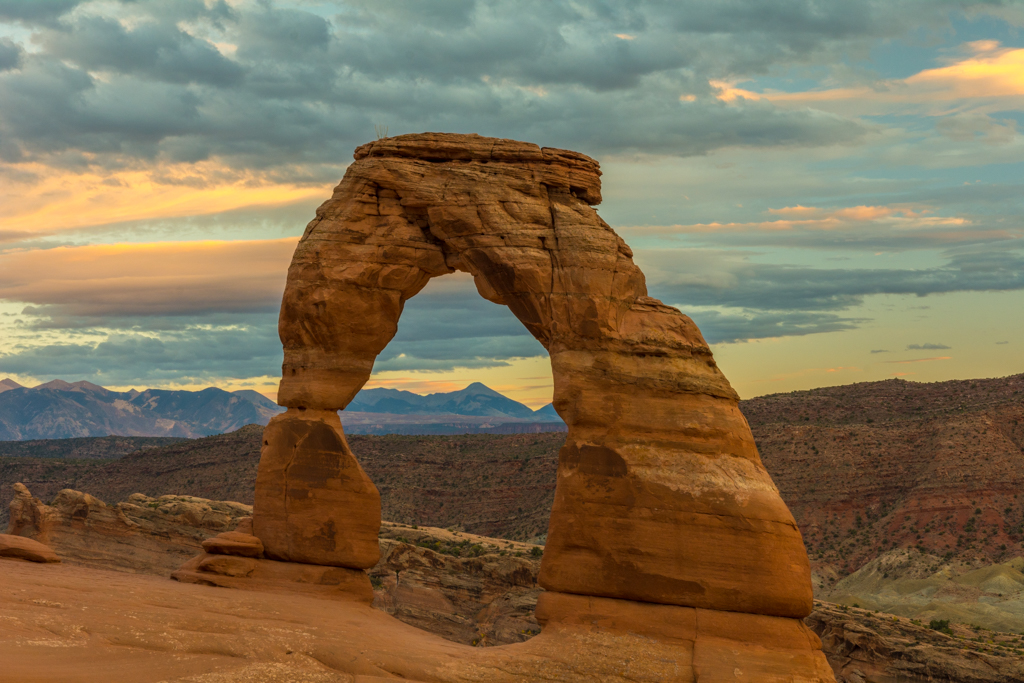
Sunset at Balanced Rock, Arches National Park, Utah


Sunset at Balanced Rock, Arches National Park, Utah

In Antelope Canyon

southwestbug-1-14

Each week for the Casual Blog I try to make some new photographs that I like well enough to share. This forces me to get outside and explore, which is fun. To avoid the obvious and keep from repeating myself, I have to keep experimenting and learning. It’s challenging, and also sort of a virtuous cycle. At any rate, I enjoy it, and feel like I'm getting better.
southwestbug-1-9

But I’m departing from custom this week. I’ve been sorting through photos from my photo workshop trip to Utah and Arizona (described in my last post), and post processing some of them.

southwestbug-1-12
The ones here are from lower Antelope Canyon. It’s a narrow slot canyon with red sandstone cliffs of flowing serpentine shapes. The location is in the Navaho Nation, near Page, Arizona. You may have seen a popular Windows screen saver that depicts one of the areas we passed. There were so many amazing spots.
southwestbug-1-6

Our group was privileged to be led by local Navaho guys who knew the terrain well and understood the needs of photographers. We were working with tripods and taking long exposures, which required patience of both us and other visitors.
southwestbug-1-5

In places the passage was only wide enough for one person. There were stairs that were almost ladders. Getting ourselves and gear along was challenging, particularly with other visitors coming in the opposite direction. But by golly, we did it!
southwestbug-1-11

During the Southwestern workshop, leaders Scott and Phil helped me up the learning curve in photo processing with Lightroom and Photoshop. In Lightroom, my RAW images are getting more vivid and closer to my impressions and intentions. I still find Photoshop daunting in its complexity, but I’ve got a better understanding of the key photography tools, and am getting proficient in doing some kinds of repairs. I’m looking forward to learning more.

Seeing and photographing some awesome icons in the Southwest

southwestbug-1

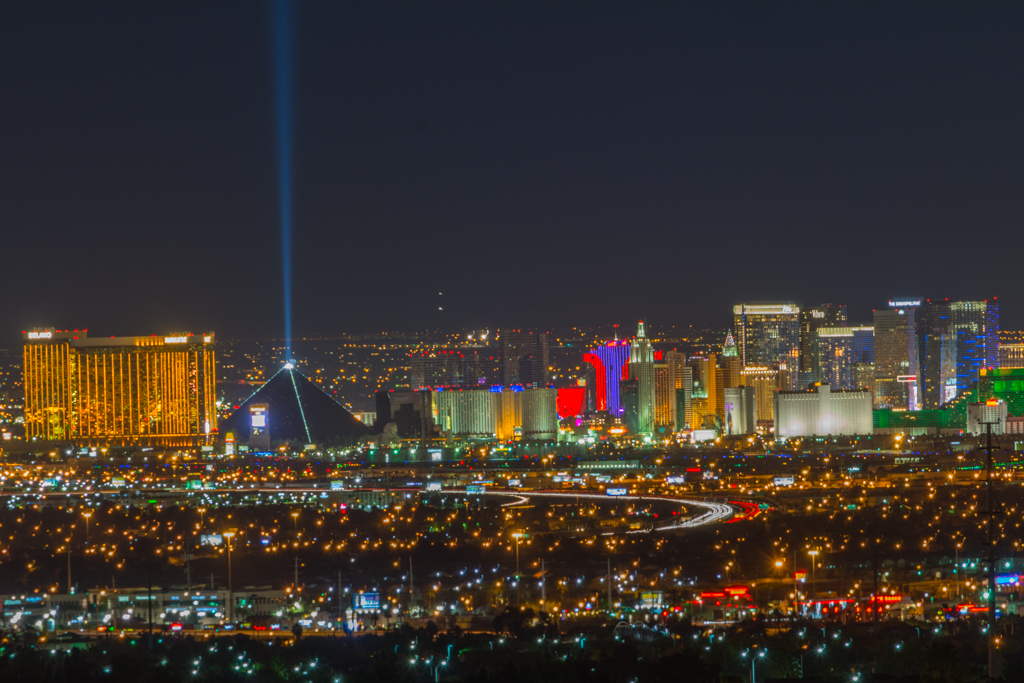
I just got back from my nine-day southwestern photography trip, which started and ended in Las Vegas. Vegas did not enchant me. It reminded me of an upscale shopping mall interbred with Times Square and Disneyland. Leaving aside some public near-nudity and drunkenness, it didn’t seem very extraordinary, much less alluring or sophisticated. Gambling in smoky casinos was not my thing, and I wasn’t much in the mood for a show.

But walking the Strip on my last night, I was impressed with the sheer size and busyness, and I liked all the glowing neon. The service personnel I encountered were surprisingly warm and friendly.
southwestbug-1-12

My real objective was to take in some of the iconic rocks and other features of Utah and Arizona and learn more about landscape photography. I went with a group of eight photographers organized by Aperture Academy and led by Scott Donschikowski and Phil Nicholas. We drank in and photographed Zion, Bryce, Canyonlands, Arches, Monument Valley, Horseshoe Bend, Lower Antelope Canyon, and the Grand Canyon.
southwestbug-1-9

It was amazing! Photographs can never do complete justice to these landscapes, which may be why, even knowing there are so many previous pictures, we keep on trying. I was moved, awed, and inspired. The forces of nature that made all this – primordial minerals, oceans and rivers, tectonic plates, hundreds of generations of flora and fauna, sun, rain, and wind – brought to mind geologic time – tens of millions, hundreds of millions, billions of years. It made me feel at once very small and incredibly fortunate. The beauty is powerful.
southwestbug-1-4

I learned some very practical things about photography. For instance: there’s stiff competition to stake out a position for your tripod at the most famous sites, and so you have to get there really early. We were out the door and on our way as early as 3:30 a.m. for sunrise shots. We traveled in the middle of the day, and then set up at a new site for sunsets and shot until they were done. We got tips on composition, learned about using various filters, and experimented with white balance, apertures, and shutter speeds. We also learned various post-processing techniques.
southwestbug-1-8

I made lots of mistakes, but learned from them. My teachers were generous with their support, photographic and otherwise. Phil helped me regroup after a fall on a steep hill at Monument Valley, and Scott let me use his tripod when I lost a critical piece of mine. We had good weather throughout, though as Phil and Scott noted, the clouds could have been a little more dramatic in places.
southwestbug-1-7

My fellow shutterbugs were friendly and supportive. We were not all in agreement on the question of Clinton vs. Trump, which at first concerned me. Every day there was new news of Trump’s deep flaws, and the Trump supporters were clearly accomplished, intelligent people. I gathered that they had managed to filter out or suppress the information about his dishonesty and other unethical behavior, and greatly magnified the supposed negatives of Hillary (Benghazi! The emails!). And in spite of their apparent security and prosperity, they seemed very worried about crime and immigrants.

It was good, though, to be reminded that people with some disturbing opinions can also be knowledgeable, wise, considerate, and ethical. And good to be reminded that we can agree on many things and help and enjoy each other, even when we disagree strongly on others.
southwestbug-1-5

Raleigh’s newest crane, Big Food, and getting ready for Utah

raulstonbfliesbug-1-8
Last Saturday afternoon, I got to watch the new construction crane go up at the old Greyhound bus station site, just southeast of us. Construction sites are fun to watch! And there’ve been a lot of them in Raleigh lately. We’re still growing.
raulstonbfliesbug-1-9raulstonbfliesbug-1-11

On Sunday I visited Raulston Arboretum, where there were fall blossoms and lots of butterflies. I got some shots I liked of an American Lady, of which these were my favorites.
raulstonbfliesbug-1-3raulstonbfliesbug-1-4raulstonbfliesbug-1-5

I recommend reading a new piece by Michael Pollan in the NY Times magazine about our food system and our political system. Pollan has written before about the power and nefarious influence of Big Food. Here’s his quick description:

A food system organized around subsidized monocultures of corn and soy . . . guzzled tremendous amounts of fossil fuel (for everything from the chemical fertilizer and pesticide those fields depended on to the fuel needed to ship food around the world) and in the process emitted tremendous amounts of greenhouse gas — as much as a third of all emissions, by some estimates. At the same time, the types of food that can be made from all that subsidized corn and soy — feedlot meat and processed foods of all kinds — bear a large measure of responsibility for the steep rise in health care costs: A substantial portion of what we spend on health care in this country goes to treat chronic diseases linked to diet.

His new piece is about how Big Food lobbied hard to stop every reform proposed by the Obama administration, and was generally successful. But he concludes on a somewhat hopeful note.

[B]ehind the industry’s wall of political power, there indeed lurks a vulnerability. That vulnerability is the conscience of the American eater, who in the past decade or so has taken a keen interest in the question of where our food comes from, how it is produced and the impact of our everyday food choices on the land, on the hands that feed us, on the animals we eat and, increasingly, on the climate. Though still a minority, the eaters who care about these questions have come to distrust Big Food and reject what it is selling. Looking for options better aligned with their values, they have created, purchase by purchase, a $50 billion alternative food economy, comprising organic food, local food and artisanal food. Call it Little Food. And while it is still tiny in comparison with Big Food, it is nevertheless the fastest-growing sector of the food economy.

Some large food companies are voluntarily changing their practices in response to the concerns of these consumers, whether about antibiotics, animal welfare or the welfare of farmworkers. One future of food politics may lie in grass-roots campaigns targeted not at politicians in Washington but directly at Big Food and its consumers, taking aim at its Achilles’ heel: those precious brands.

Maybe so. Anyhow, kudos to Pollan for speaking truth to power, and educating the rest of us.

Tomorrow, I’ll be heading to southern Utah and Arizona to see some of the most amazing rocks on the planet: Zion, Bryce, Arches, Monument Valley, and the Grand Canyon, all of which I’ve wanted to see for a long time. I’ll be traveling with a small group of photographers, and taking lots of pictures. I’ve been to REI and Outdoor Provisions to get insulating layers for those cold mornings, and have made up my mind what lenses not to lug. I’m ready!
raulstonbfliesbug-1-12

Trump and Hitler

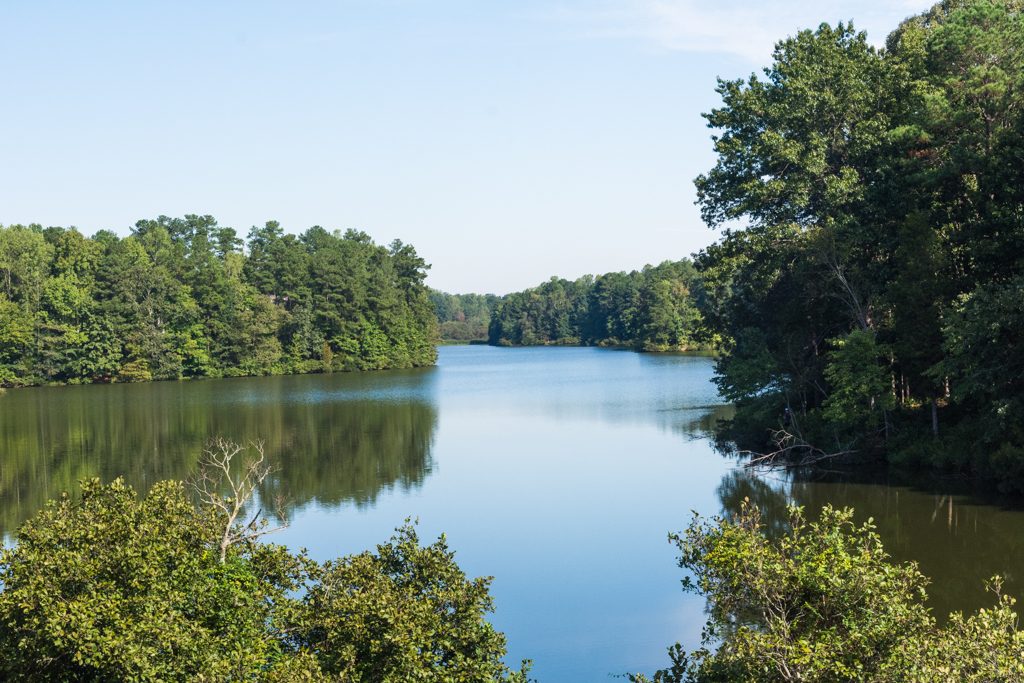
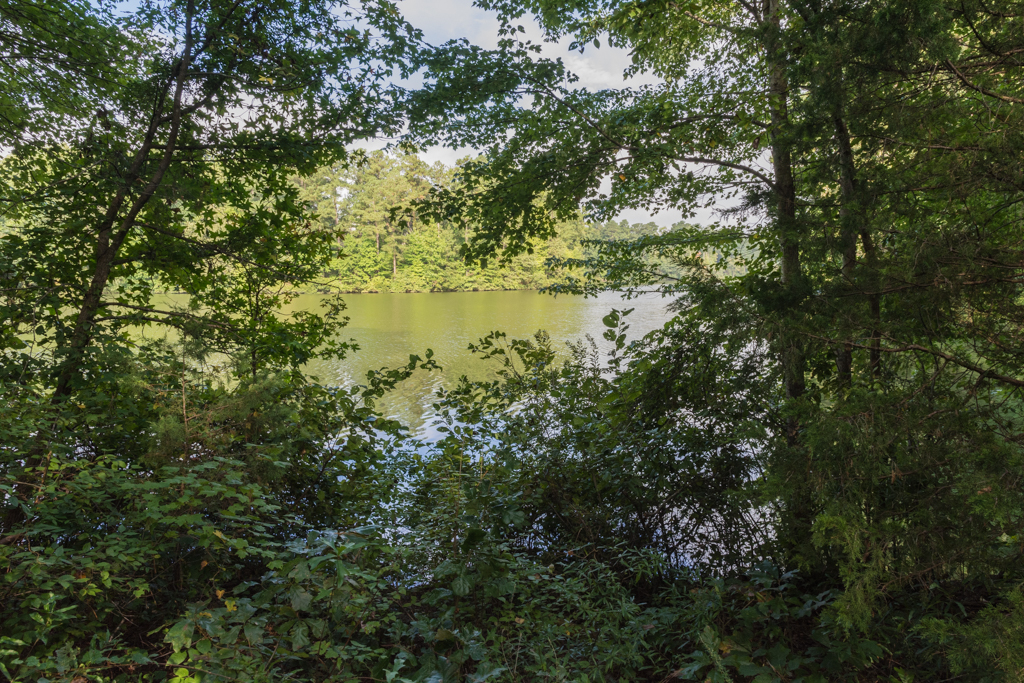
Lake Lynn, October 1, 2016

Lake Lynn, October 1, 2016

When I left work on Friday, the weather was pleasant, and I was thinking of hitting a few golf balls on the practice range, but I had an almost flat tire. Fortunately, Murray’s Tires was still open. I love those guys! As soon as I parked, before I could get out of the car, one of them was beside me asking if he could help. He had in stock a sporty used Continental Extreme Contact for a very reasonable price, and 20 minutes later I was back in business.

On Saturday evening, Sally and I walked over to Fayetteville Street, which was closed to traffic and lined with craft stands and food trucks, and sampled the free performances at the IBMA bluegrass festival. There were many talented fiddlers, banjo pickers, mandolin strummers, dobro sliders etc. making bouncy music. At The Haymaker, a new cocktail bar, I tried the Fabuloso, with vodka, mezcal, and lavender syrup, which was profoundly flavorful. For dinner we did The Remedy Diner, a casual veggie-friendly spot with a rock-and-roll vibe, where I had the tasty Tempeh Tantrum sandwich. We discussed the difficult question of how a lot of otherwise normal people can support Donald Trump.

Godwin’s Law has it that the longer and more vigorously an internet dispute continues, the likelier it is that one of the arguing parties will compare another to Hitler. This is a clever reminder of the evils of emotional hyperbole and the value of civility. The comparison is almost always over the top.
untitledbug-1-3

There was, however, a review by Michiko Kakutani of a new Hitler biography by Volker Ullrich in the NY Times that seemed startlingly relevant to our present moment. I was struck enough to pay for the ebook, which is now waiting on my iPad to be read when I do my trip to southern Utah next week. Check out these excerpts, and see if you too think that Hitler’s personality and methods sound disturbingly like someone we all have been watching with stunned amazement:

Hitler was often described as an egomaniac who “only loved himself” — a narcissist with a taste for self-dramatization and what Mr. Ullrich calls a “characteristic fondness for superlatives.” His manic speeches and penchant for taking all-or-nothing risks raised questions about his capacity for self-control, even his sanity.
. . . .

Hitler was known, among colleagues, for a “bottomless mendacity” . . . . A former finance minister wrote that Hitler “was so thoroughly untruthful that he could no longer recognize the difference between lies and truth” . . . .
. . . .

Hitler was an effective orator and actor, Mr. Ullrich reminds readers, adept at assuming various masks and feeding off the energy of his audiences. . . . “Hitler adapted the content of his speeches to suit the tastes of his lower-middle-class, nationalist-conservative, ethnic-chauvinist and anti-Semitic listeners,” Mr. Ullrich writes. He peppered his speeches with coarse phrases and put-downs of hecklers. Even as he fomented chaos by playing to crowds’ fears and resentments, he offered himself as the visionary leader who could restore law and order.
. . . .

He often harked back to a golden age for the country, Mr. Ullrich says, the better “to paint the present day in hues that were all the darker. Everywhere you looked now, there was only decline and decay.”
. . . .

Hitler’s repertoire of topics, Mr. Ullrich notes, was limited, and reading his speeches in retrospect, “it seems amazing that he attracted larger and larger audiences” with “repeated mantralike phrases” consisting largely of “accusations, vows of revenge and promises for the future.”
. . . .
He benefited from a “constellation of crises that he was able to exploit cleverly and unscrupulously” — in addition to economic woes and unemployment, there was an “erosion of the political center” and a growing resentment of the elites. The unwillingness of Germany’s political parties to compromise had contributed to a perception of government dysfunction, Mr. Ullrich suggests, and the belief of Hitler supporters that the country needed “a man of iron” who could shake things up. “Why not give the National Socialists a chance?” a prominent banker said of the Nazis. “They seem pretty gutsy to me.”
. . . .
Hitler’s ascension was aided and abetted by the naïveté of domestic adversaries who failed to appreciate his ruthlessness and tenacity . . . . Early on, revulsion at Hitler’s style and appearance, Mr. Ullrich writes, led some critics to underestimate the man and his popularity, while others dismissed him as a celebrity, a repellent but fascinating “evening’s entertainment.”

It’s nice to think that if you and I had been Germans in 1933, we would not have been among those who were seduced by him. Also, it may be we wouldn’t have been among those who dismissed him as merely a pathetic clown and ignored him. Perhaps we’d have been very brave, even when things started to get dangerous.

With reasonable luck, we won’t have to put ourselves to that dire test. That fellow whose personality defects and rabid style might remind you of Hitler continues to shoot himself first in one foot, and then the other, and the mainstream press is finally treating him less as a joke and more as a menace.

The WSJ had a good piece about his Atlantic City casino business that pretty well put stake through the heart of the fable that he was a brilliant business success. The story compared his casinos to others there, and found that they earned much less and fired many more employees, while going through multiple bankruptcies. The only person who made money out of the financial debacle was – guess who?
untitledbug-1-2

Missing dragonflies, and welcoming motorcycles, new ballets, and Wagner

untitledbug-1
I didn’t have any luck finding dragonflies this weekend. I tried Lake Benson, Lake Wheeler, and Yates Mill Pond, but it looks like we’ve about come to the end of another dragonfly season. I did see some butterflies and wildflowers, though, and enjoyed walking beside the calm and calming lakes. It was quiet, except for periodic thunderous roars from passing motorcycle groups.
untitledbug-1-6

It was the 12th annual Capital City Bikefest in Raleigh this weekend, and on Saturday evening we walked downtown to have a look at the hundreds of bikes parked on Fayetteville Street. The bikes were mostly enormous Harleys, but with endless gleaming customizations, objects of pride and passion. Lacking tattoos and denim, we may have stood out a bit, but we didn’t notice any negative energy directed our way.
untitledbug-1-7

We ate at Living Kitchen, the new vegan restaurant, where the clientele did not include any obvious biker types. I had the lunasagna, which was cool and tangy, and Sally enjoyed the living burrito, a collard green wrap. Our server, Rebecca, was friendly and efficient.
untitledbug-1-9

Afterwards, we strolled over to Fletcher Hall for the first Carolina Ballet program of the season. Zalman Raffael’s new work, La Mer was a “non-linear” story ballet involving family dynamics and natural forces. We liked it a lot. I was particularly taken with Amanda Babayan’s character, the daughter with the troubles of adolescence.
untitledbug-1-8

Robert Weiss’s first new piece was titled Stravinsky Pas de Deux, with highly dissonant music and angular gestures, danced with wonderful electricity by newcomers Lily Wills and Miles Sollars-White. Weiss’s The Double featured Alicia Fabry and Lindsay Purrington in startlingly close, tense unison. The final work was Weiss’s new Beethoven Piano Concerto # 5, which was very joyous and musical, with great leaps, spins, and lifts. I especially enjoyed Ashley Hathaway’s graceful solo in the second movement, and Alyssa Pilger imperial command in the finale.

Finally, I need to give a shout out to the N.C. Opera for its outstanding production last weekend of Wagner’s Das Rheingold. This little company somehow assembled a cast of world-class Wagnerians for two performances of this complex and thrilling work. Conductor Timothy Myers was masterful, and the singing was superb. Todd Thomas as Alberich managed to touch some unsettling psychological depths as he drove to his famous curse. I got goose bumps.
untitledbug-1-12

Our nukes problem

untitledbug-1-5
We live in a time of bad ideas. Not just a few bad ideas, but many, with major consequences, all around us. I used to think that the worst widely accepted and destructive ideas were mostly in the past, or at least had almost passed – the Inquisition, alchemy, witchcraft, fascism, Communism, anti-Communism, etc. I thought we had gradually gotten less likely to be swept up in a tide of confusion, fear, and hysteria. But I no longer think that.

As a passionate amateur of science, I’ve read a lot about the amazing power of the human brain, with its many billions of neurons and incredible complexity. And the human brain is a remarkable thing. But let’s not kid ourselves. All of us, including the very smartest, are full of biases, unfounded assumptions, and prejudices. Our powers of reasoning are frequently misdirected by logical fallacies and overwhelmed by our basic urges. We are prone to making poor decisions.
untitledbug-1-4

But this doesn’t come close to explaining our worst ideas. Here’s a major example: holding the entire world hostage to nuclear weapons. This week the NY Times reported that the U.S. would not declare a policy of no first use, meaning that it claims the prerogative to unleash the almost unimaginable force of our nuclear arsenal without being attacked first.
untitledbug-1-10

I seriously doubt that we (excepting Donald Trump) would do this intentionally. But nuclear mistakes can happen – they have happened before, with nearly disastrous consequences. See Command and Control, by Eric Schlosser. For now, it looks like we’ll continue to maintain our arsenal at the ready to obliterate entire populations, with a nuclear winter to follow that would destroy many or all of the rest of us. Thus we continue to face the risk each day that a computer glitch, mechanical malfunction, or human misjudgment could start a catastrophic chain reaction.

This is a dire situation. You might think that even if people were not so prone as they are to being easily panicked, they would still be terrified. Unlike many of low probability events we greatly and pointlessly fear (shark attacks, random terrorists, men in women’s restrooms ), this risk is truly existential. Yet amazingly we somehow mostly ignore it.
untitledbug-1-11

To some extent it has surfaced recently because of North Korea’s recent nuclear tests and missile tests. It is, of course, frightening to think that the bizarre dictator of that unfortunate country might target us or our friends with nuclear missiles, or use them to threaten and extort. And I hope we can find a way to stop the North Korean program.

But it’s hard to hold the moral high ground against the unlovely Kim Jong-Un, when our government, the only one ever to use nuclear weapons, continues to maintain on hair-trigger alert an arsenal big enough to destroy the planet and claim the right to wreak mass destruction at will. We ourselves pose an enormous threat, to the rest of the world and to ourselves.
untitledbug-1-9
I was surprised that President Obama decided not to embrace no first use , because he clearly understands the nuclear peril and has spoken passionately about reducing it. Perhaps he felt constrained by military leaders and the other stakeholders in the status quo, like the arms manufacturers and their politicians. At any rate, maintaining the nuclear hair-trigger that could so easily destroy the world is not acceptable. We’ve got to de-escalate.

For me, when I am shaken by the nuclear risk or other bad ideas, it is both calming and motivating to do some hiking and focus on the fragile beauty of the natural world. Nature is such a great artist of life. There are so many tiny, beautiful things flying, crawling, growing. May they live in peace. Let us work for life and peace.
untitledbug-1-8

Vegetarian delights, and trying intermittent fasting

dragonBug 1
Downtown Raleigh is getting downright vegetarian friendly! I had my first lunch this week at the latest new place catering to those who prefer plant food, Living Kitchen. It’s an entirely organic, entirely plant-based restaurant, and I liked everything about it. It’s airy and lively, with smart, friendly servers, and quite a fine veggie burger. There were many things on the menu I wanted to try, and I’ll definitely going back.

Within just a three or so blocks of my office, along with Living Kitchen, there is interesting and tasty plant-based food at Happy and Hale, B-Good, Buku, Shish Kabob, and Capital Club 16, and excellent juices at Cold Off the Press. A little further is Fiction Kitchen, with a highly creative all veggie menu. I could easily eat too much!
damselsBug 1-3

Indeed, I have. I weigh in every morning on a digital scale, and in recent months have been about five pounds heavier than what I really wanted to be. Maybe my metabolism slowed down a bit.

Anyway, for the usual reasons (health, vanity), I’ve been trying to get rid of the excess, and it hasn’t been easy. I tried upping my daily aerobic activity from 40 to 45 hard minutes, and that didn’t make much of a dent. I looked for potential food intake problems that could be improved, and found few. I’d already cut way down on junk food, sweets, fat, and carbs. I’m used to eating smaller-than-typical portions. It wasn’t obvious what more could be done without leaving civilization and becoming a desert ascetic.

I finally decided to try intermittent fasting. I did some research on various systems for skipping certain meals. The version I settled on was no eating between lunch and breakfast two times a week. It made me a bit grouchy at first, but it got easier. The other significant shift was to cut out alcohol during the work week. Here again, it was a little grim at first, since I very much enjoy some wine with dinner, but the first week was the hardest. This week I finally made it to my weight target.
damselsBug 1

Admiring damselflies, Colombia at peace, recognizing addicts as humans, Syria’s bizarre war, and our Saudi problem

damselsBug 1
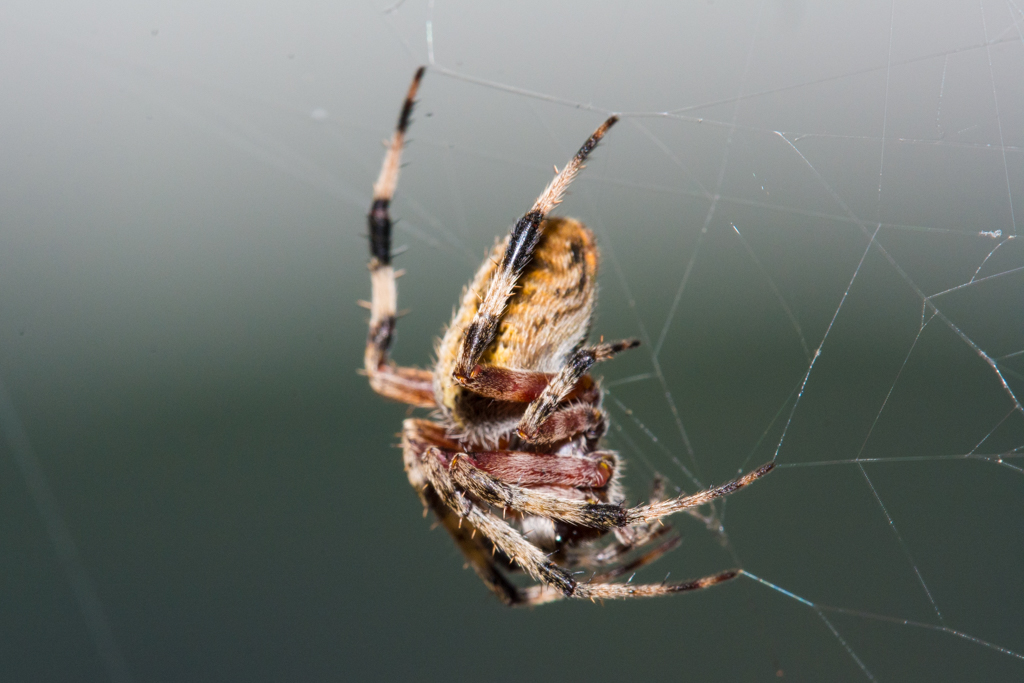
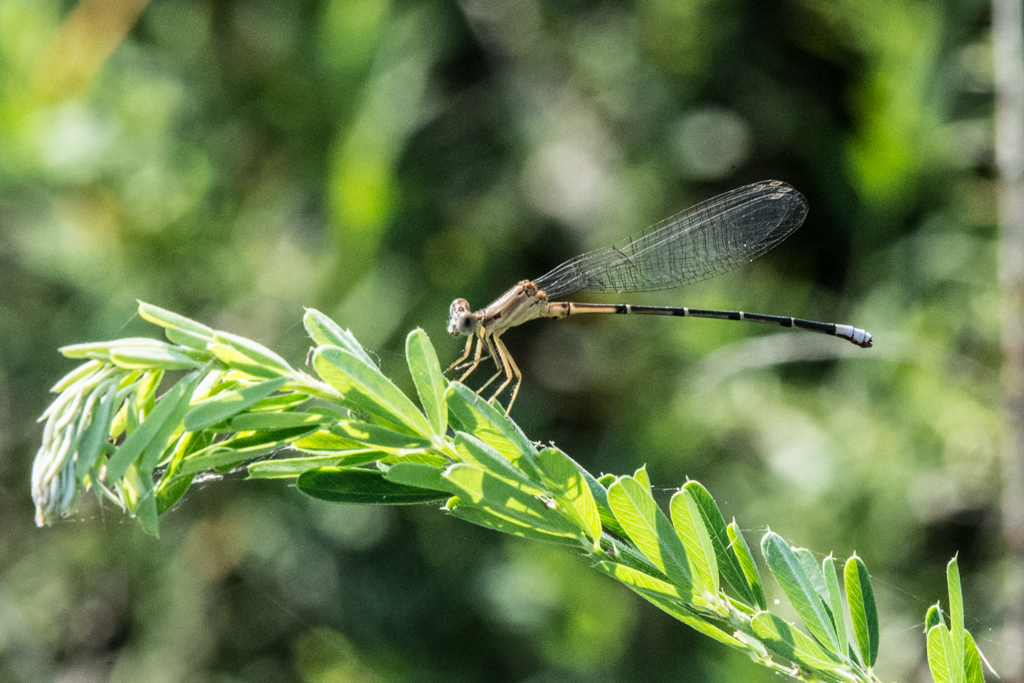
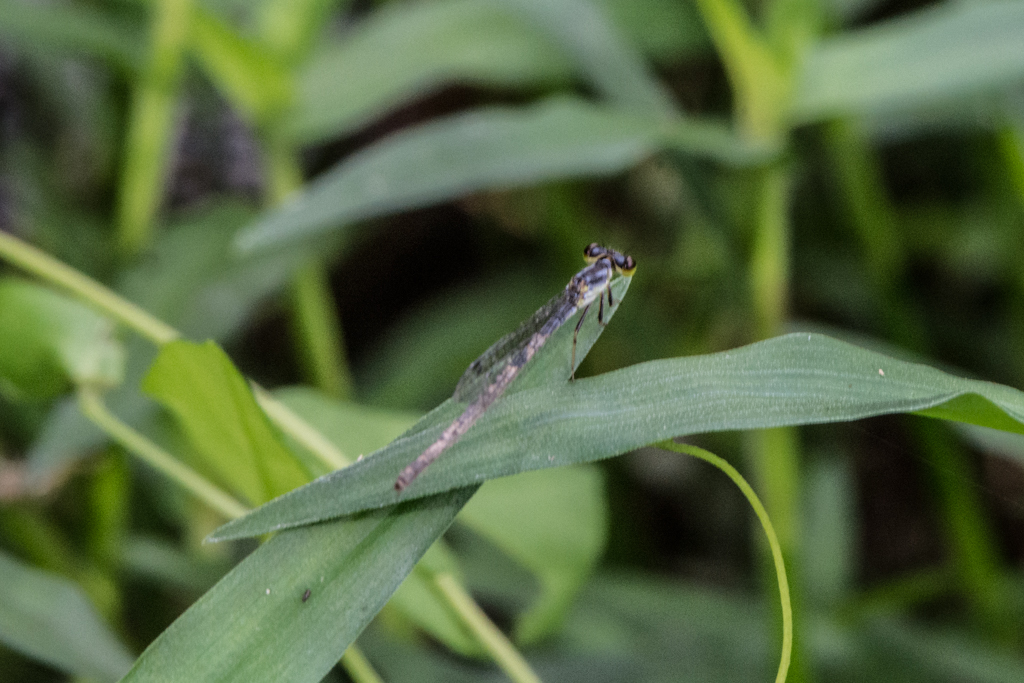
I’m ready for fall. It’s been a hot August here in Raleigh, and relentlessly humid. As usual, I got outside to see if I could find and photograph something beautiful in one of our parks, and found these damselflies and the dragonfly along the Buckeye Trail and at Lake Crabtree. They were very small and usually moved quickly. It took some exertion to make these images, handholding a heavy 180 mm lens, struggling to get tight focus and good exposure with sweat getting in my eyes, but I thought it was worth it.
damselsBug 1-3

When there is good news, it should be noted, and there was very good news this week from Colombia. The civil war between the government and FARC was tentatively resolved with a peace accord, subject to approval in a vote of the citizenry. This war, which began more than half a century ago, has cost hundreds of thousands lives and displaced millions. Columbia has so much beauty and so much human potential, but for my entire life has seemed a scary place. Now peace, after decades of horrendous carnage, is possible.
damselsBug 1-6

I also spotted some good news on the drug war out of Seattle. On Page A13 (far past where busy people normally stop skimming), the NY Times of Aug. 26 reported that an official Seattle task force established to combat the heroin epidemic has proposed establishing sites where addicts could take heroin and other illegal drugs under the supervision of trained professionals. The idea is to decrease the risk of infections and overdoses. Sites like this already exist in the Canada and the Netherlands.

This is huge! They’re thinking of addicts as human beings whose lives have value, rather than simply as worthless derelicts and criminals. That is, they’re recognizing that people who take illegal opioids are not really different from people who take legal opioids. Both groups include people with varying intensities of physical and mental pain, and also varying cravings for stimulation.

This is a big conceptual step toward the end of the drug war that has destroyed millions of lives. The idea that an arbitrarily defined group of chemicals is inherently evil has been official policy and a quasi-religion going back several generations. It’s a foolish idea, but it’s so deeply lodged in our brains that it’s going to be very hard to correct. Fingers crossed that we move forward.
damselsBug 1-2

Meanwhile, the Times presented a brilliant, though far less cheering, piece by Max Fisher on the complex dynamics of the war in Syria. I started to say “the civil war in Syria,” but as I finally grasped, this is not simply a struggle between two, three, or four internal groups seeking dominance within the country, but a multi-dimensional struggle for regional dominance involving several local groups and Saudi Arabia, Iran, Russia, Turkey, and, unfortunately, the US.

There are many forces that make this conflict particularly horrendous for civilians and assure it cannot quickly be resolved. An important perpetuator is the involvement of the outside nations, who have effectively endless military resources and do not bear the pain of the constant death. I can partially understand the political and venal interests that drive some of these actors to kill each other and hundreds of thousands of innocent civilians. The big exception is the United States of America. Why are we a primary arms supplier and dealer of death from above in this catastrophe?
damselsBug 1-7

Also worth reading is a piece on Saudi Arabia by Scott Shane, which asks the question, has Saudi Arabia been the primary exporter and supporter of the version of Sunni Islam (Wahhabism) that underpins the worst of the jihadist violence afflicting many countries? It seems that it has. Shane does point out, however, that there are other causes of such violence, including extreme poverty and authoritarian rulers.

But the Saudis have a lot to answer for. And, it should be noted, their primary armorer and military mentor is the United States. So we have a lot to answer for. Without thinking it through, we have indirectly supported Saudi exports of jihadist ideology, which morphed into al Qaeda, ISIS, Boko Haram, and other bloody-minded groups, which we then fight by dropping US bombs. And, of course, when we kill innocent civilians, we transform some of their relatives into vengeance-minded jihadis. To put it as mildly as possible, this is not a sensible policy.

Bye bye Trump, races against racialism, grasping science, and connecting with the Middle East

Raulston butterfliesBug 1-4
Lately I’m feeling way more cheerful about the presidential election, with many indications that Trumpism is headed straight off the cliff. Every morning I hum a little with pleasant anticipation, looking forward to a new campaign mini-disaster, whether another preposterous pronouncement, another astonishing display of ignorance, or another scandal. Worries that it all might be just a clever act, and that he actually is only pretending to be impulse-control-impaired and dim, are going by the boards. It’s finally sinking in that his vulgar loathsomeness is historic.
Raulston butterfliesBug 1-3

It’s been fun this week watching the Olympics, despite so many ads and so much blather. And despite the embarrassing naive jingoism. Here in the US, we see mainly the events the US athletes are good at, and almost nothing of events they aren’t. But even allowing for all that, there have been plenty of exciting and inspiring moments.

For example, this week we’ve seen some fantastic short and medium-distance running by the US women, who are most or all at least partially of African descent. Seeing all these beautiful, accomplished young women, I felt proud and also hopeful that we may still be making progress on our racial problem. The champions are, inarguably, our very best, and whatever our individual histories of race, it’s hard not to adore them.
Raulston butterfliesBug 1-5

Meanwhile, I’ve been listening to an engaging and challenging series of lectures from the Great Courses called Science Wars: What Scientists Know and How They Know It, by Steven L. Goldman. This is basically a short history of the philosophy of science. But Professor Goldman does not shy away from difficult issues.

It turns out that there is good ground for maintaining that the scientific method, which I at least thought was thoroughly settled and definitively established as a methodology, is nothing of the sort. There is good reason for doubt as to whether scientific knowledge that is necessary, universal, and certain is achievable. While scientists make undeniable progress in penetrating mysteries of the universe and facilitating amazing technologies, there is a sense in which they don’t know what they’re doing. The relation between science and the natural world is still uncertain. For those of us who are fascinated by science, it’s bracing and thought-provoking.
Raulston butterfliesBug 1

Also bracing is Fractured Lands, a long piece on the Middle East by Scott Anderson, with photographs by Paolo Pellegrin, in last week’s NY Times Sunday Magazine. The subject is the catastrophe following the US-led invasion of Iraq 13 years ago which led to the rise of ISIS and the refugee crisis. Anderson presents episodes in the lives of six individuals from various walks of life from Syria, Iraq, Egypt, and Libya. It is an extraordinarily powerful piece. The leading characters come to life, and we care about them – even the poor, uneducated young man who joined ISIS. Caring alone won’t solve this complex crisis, but it’s a necessary first step.