The Casual Blog

Category: photography

A photo contest, getting shoulder therapy, trying fasting, and not debating climate change

Rob Tiller -- Passionate Embrace -- 2015 (1 of 1)
Sally spotted a notice in the local paper of a nature photography contest at Raulston Arboretum. The theme was gardens and plants, which you may have noticed I have an interest in, and so I decided I might as well have a go.

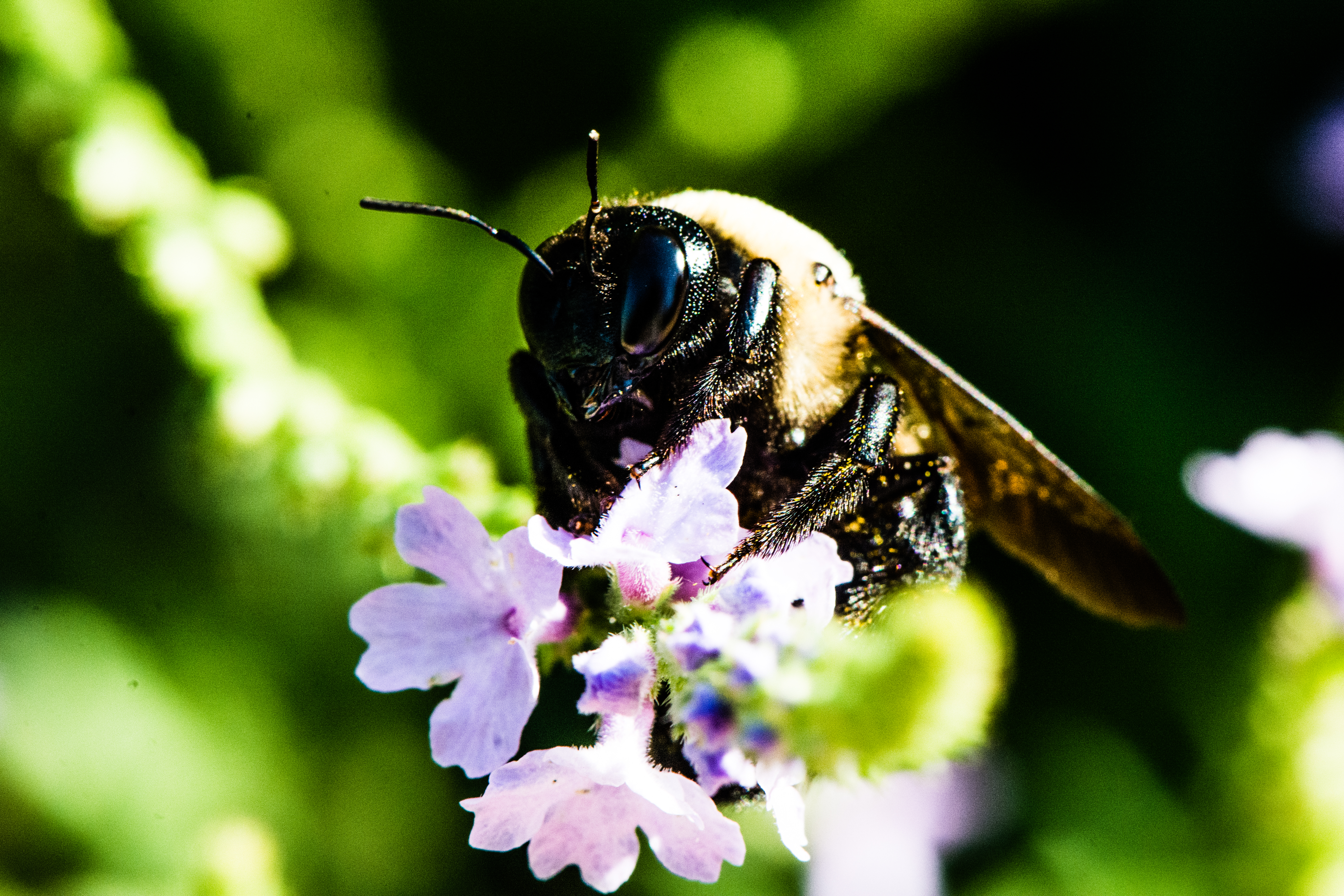
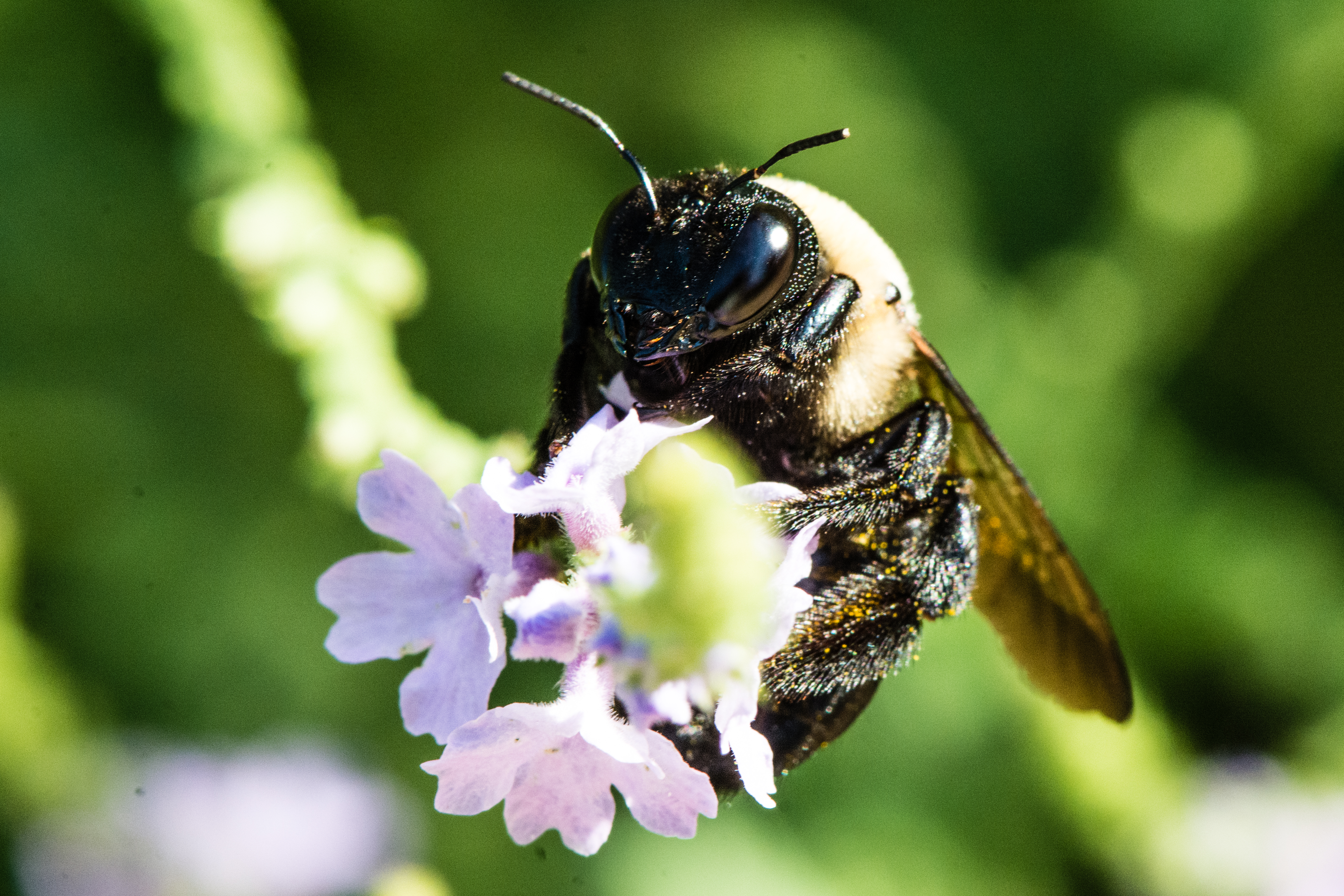
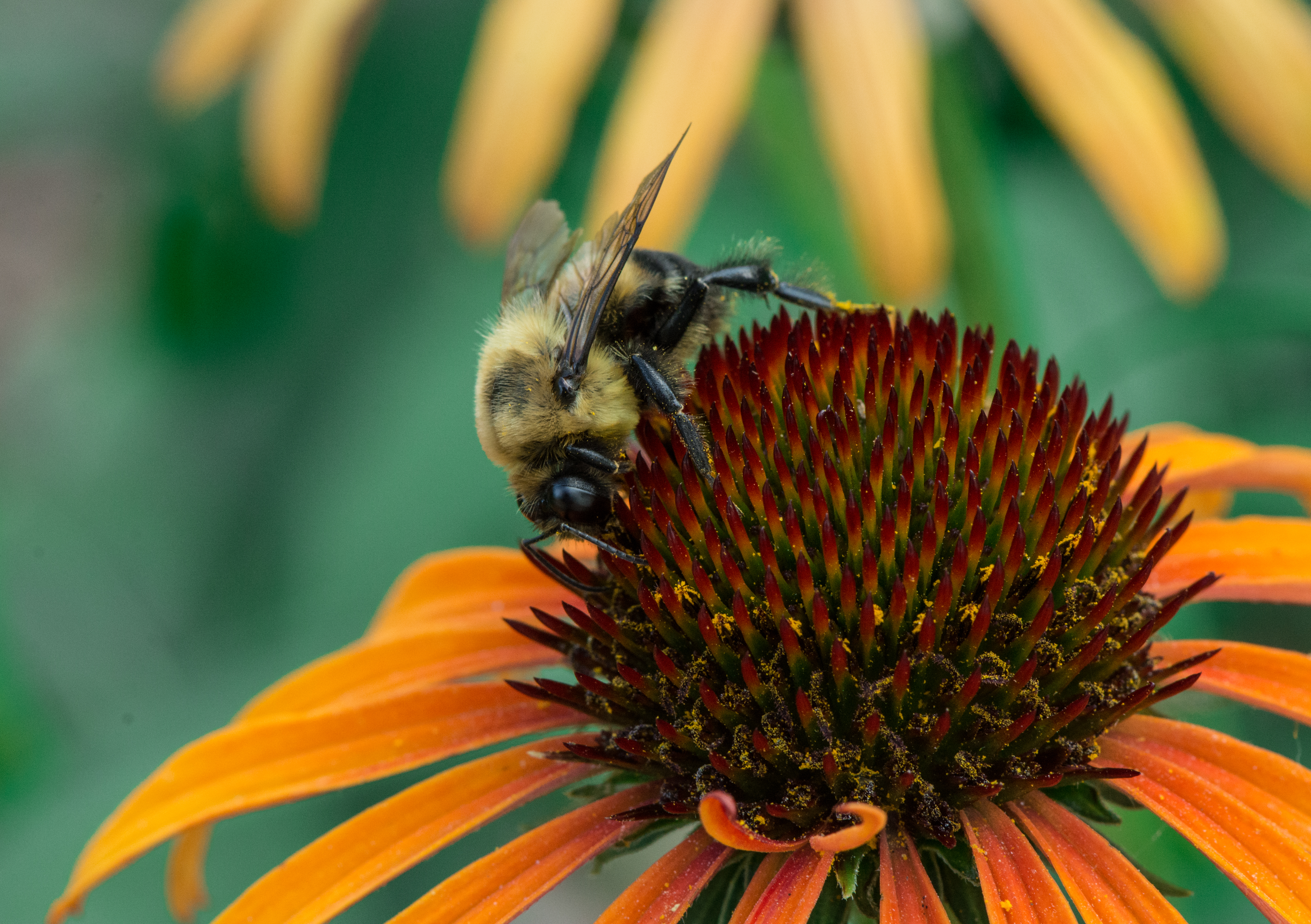
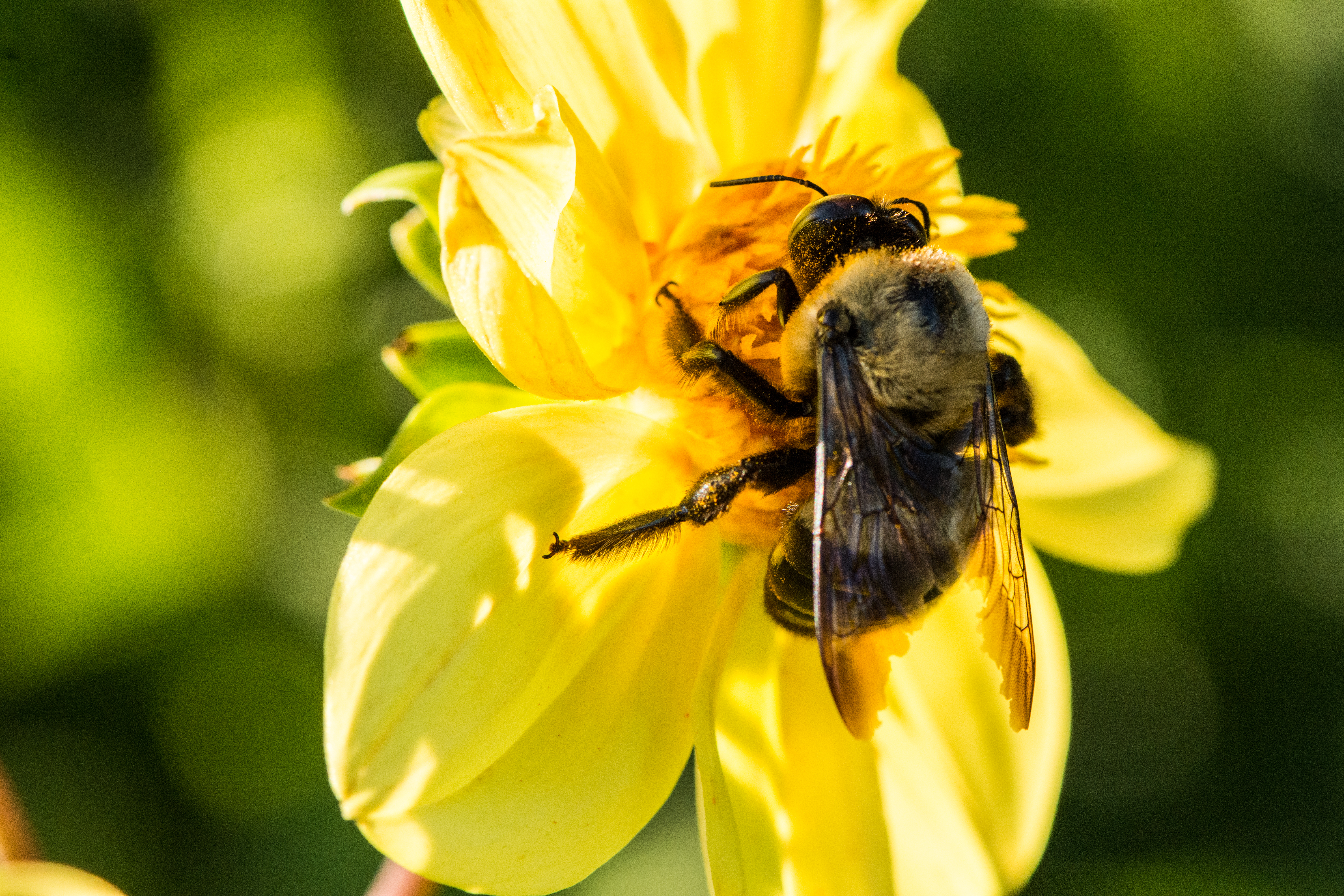
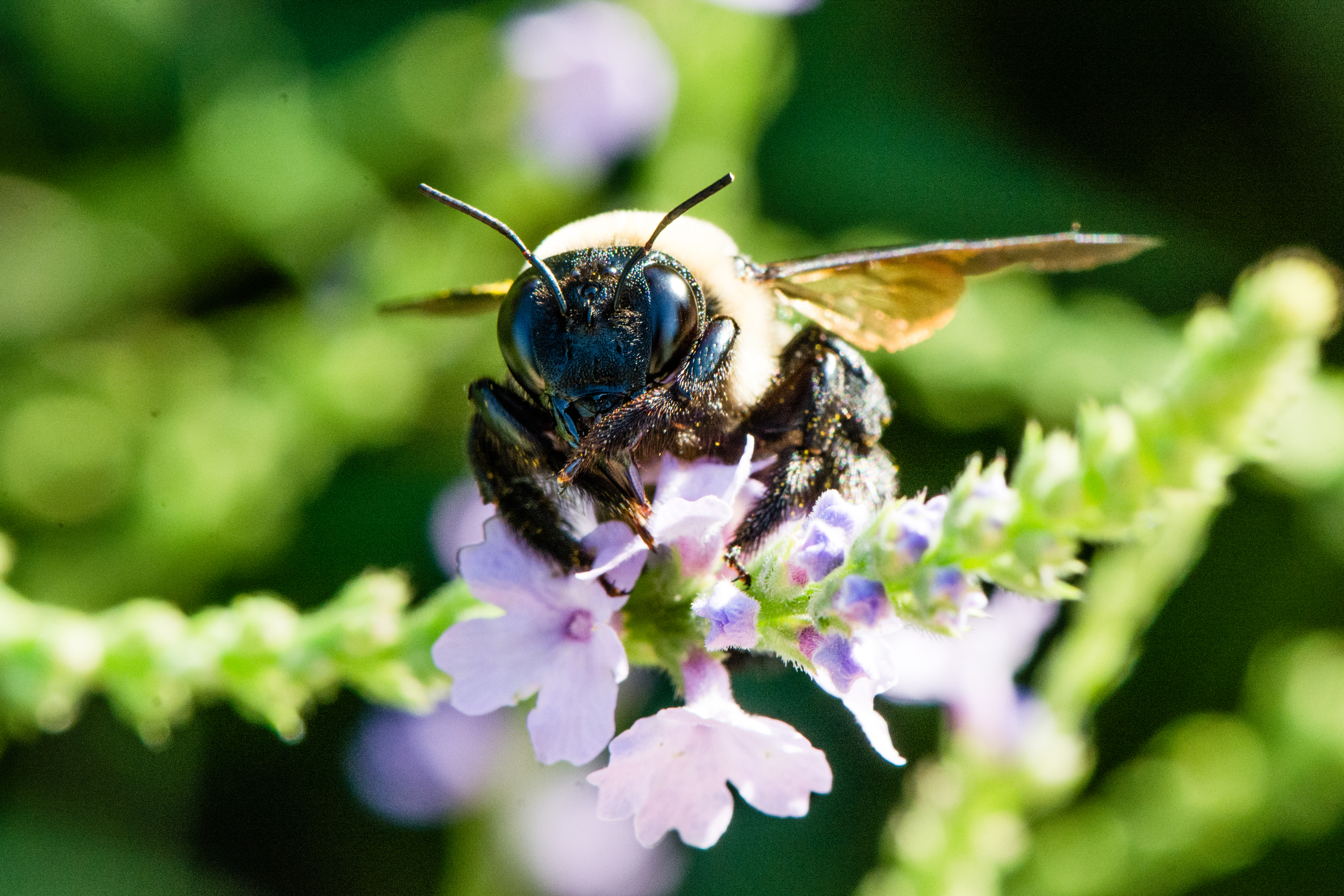
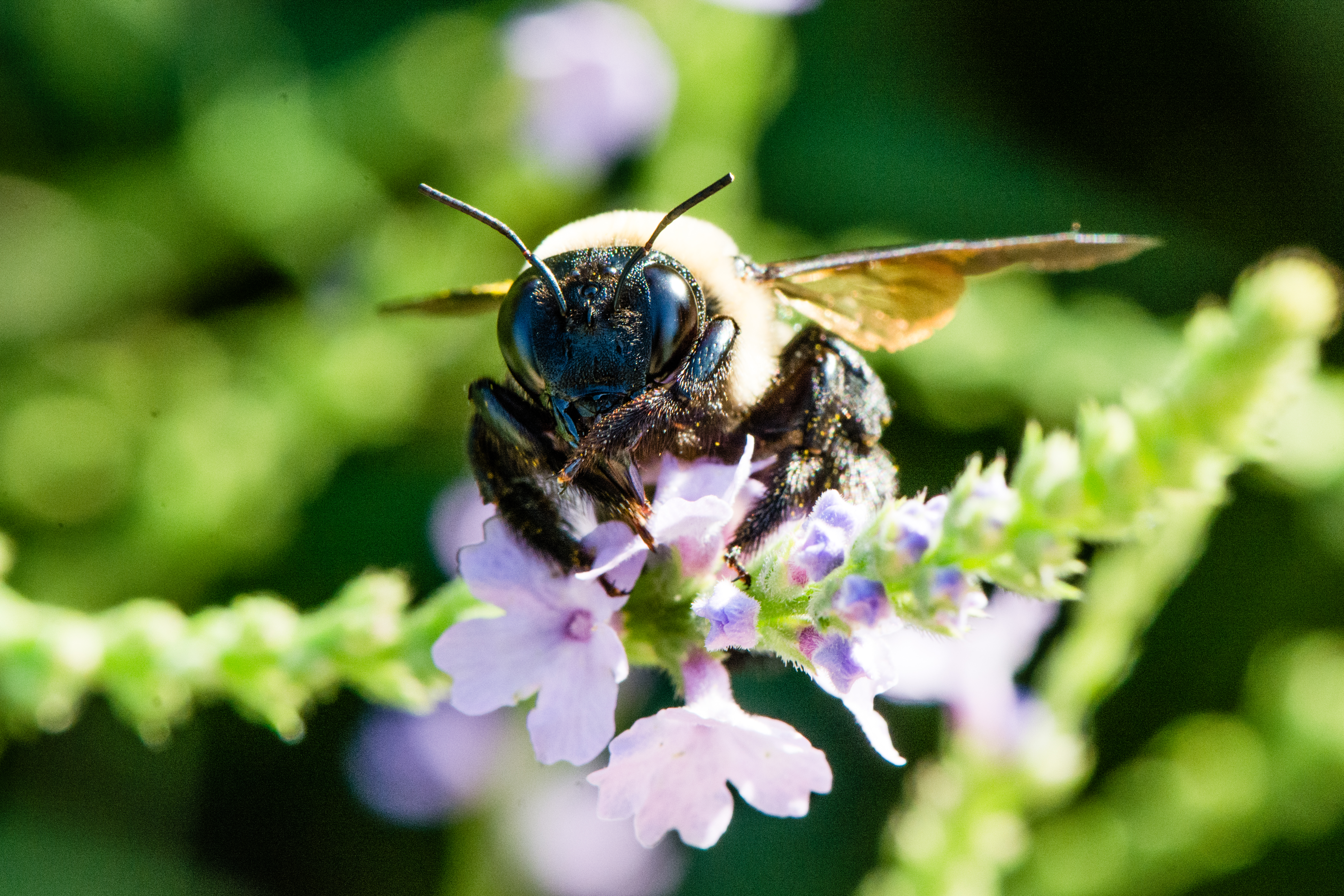
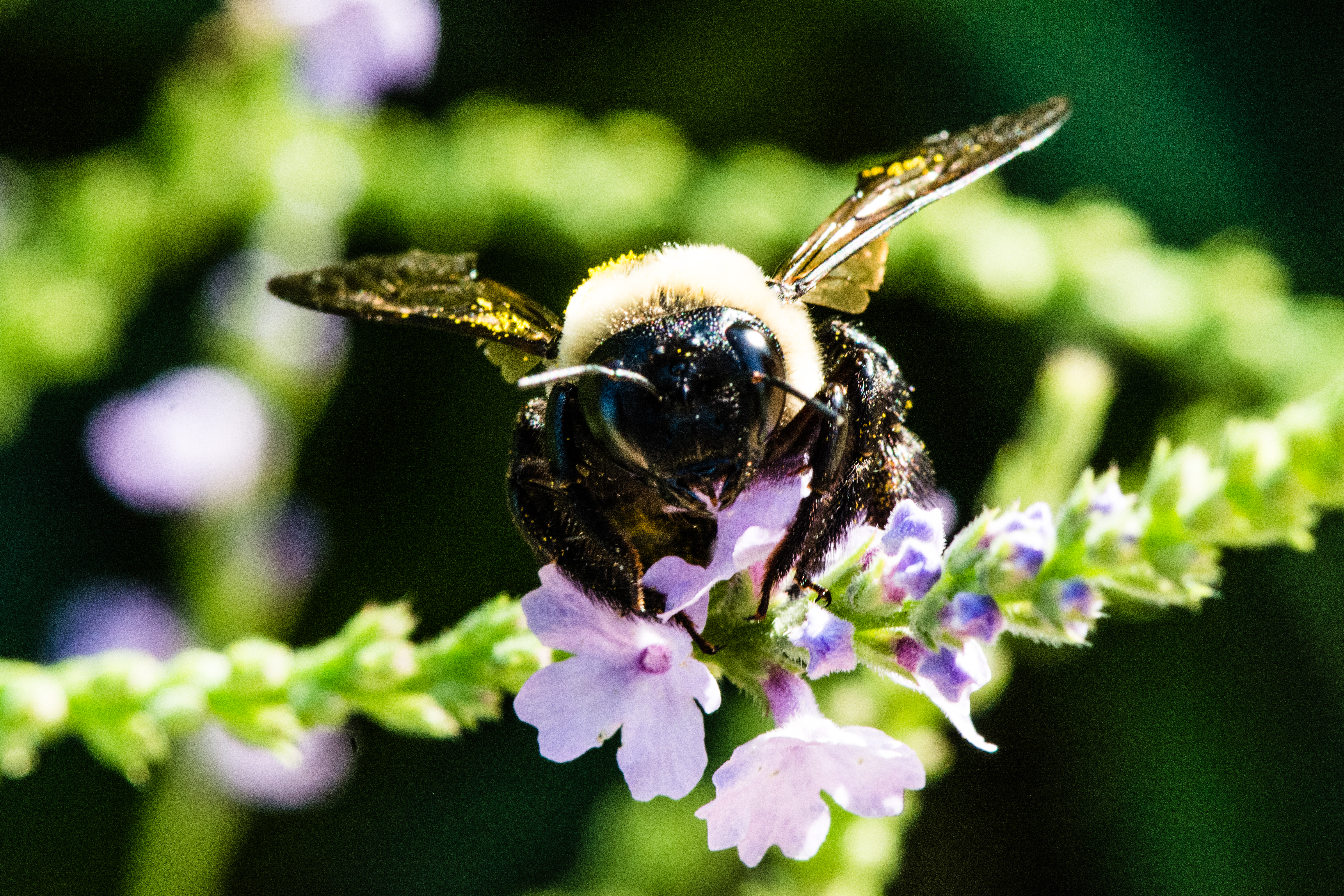
Competition is a good way to make yourself try a little harder. With the thought of critical judging, I took a careful look through some of my favorite images, and found little disqualifying problems on most of them. Of those still left, some just didn’t touch me. That exercise alone was worthwhile, good for my eye and mind, win or lose. Ultimately, I settled on the two bees shown here, worked on them for a bit with Lightroom software, and got them printed on metallic paper nearby at JW Image. Still to do: getting them framed, submitted, back, and hung in the apartment.

Speaking of self-improvement, I finally decided this week to get physical therapy help for my left shoulder. I’d tried letting the thing heal itself with several weeks of relative rest (no heavy weight lifting), but that didn’t work. I got in to see Geert Audiens at Results Physiotherapy, who’d helped me with back and shoulder issues before. Geert quickly diagnosed a torn rotator cuff, which, he said, would get worse if not attended to. He predicted it would take several weeks of specialized exercises, but it would likely get better. It’s good to have well-functioning arms and shoulders. And so we began, with simple little exercises, antiinflammatories, and icing four times a day. It’s a substantial commitment, which I hope will be worth it.

I’ve also been experimenting for a few weeks with a modification of my food consumption. I’d somehow picked up 5 pounds that would not come off, even with hard cardio work outs and careful healthy eating. I saw a story on alternate day fasting for the weight control, which basically means eating very lightly (500 calories) every other day. I decided to have a go for two days a week, a variation which, I just learned by googling, has been promoted elsewhere by others.

My method was my normal greens-and-fruit smoothie for breakfast, salad for lunch, and nothing for dinner. The no eating intervals were challenging, especially at dinner time with Sally eating. But it helped clear the mind, and made me more conscious of eating well on the normal eating days. And I did get rid of those 5 pounds in about 3 weeks.
Raulston8-1-15-1779

The debate of the Republican presidential contenders this week promised to be rich with irony and ridiculousness, with the numerous conventional candidates facing off with the loutish Donald Trump. As a Democrat, I’d never looked forward to a Republican debate so much. There were, as it happened, no meltdowns. In fact, I was surprised at how articulate and intelligent most of the field seemed (with the Donald as usual the big exception).

Yet collectively they have such enormous blind spots. It’s difficult to see how you could propose to govern or even talk seriously about social policy without quickly getting to the issue of what to do about CO2-caused global warming and the many related problems, like rising oceans, mass extinctions, famine, resource-related wars, mass population dislocations, destructive storms, drought, etc. These related disasters are front page news now. Yet this issue doesn’t appear on the Republican agenda, except for opposing whatever action the President proposes. This is wildly irresponsible. The situation is dire, and getting worse.

Rolling Stone published a good piece featuring new climate change research by James Hansen and others, which I recommend. It isn’t easy to think about this problem, which makes us uncomfortable and unhappy, but we’ve got to do it. I was glad to see that Hansen thinks a carbon tax could potentially pull us out of our present suicidal course. Anyhow, we all need to get more educated on this, and to keep pressing our politicians for action.
The terrification of our intelligence

Raulston8-1-15-1779

We learned this week that Mullah Muhammad Omar, the leader of the Taliban in Afghanistan, died. Two years ago. And we didn’t realize it. We’re still in Afghanistan, still waging the longest war in American history (14 years and counting), at a cost of several trillion dollars and thousands of lives, so you’d think this would be something we’d definitely want to know. I realize that getting good intelligence in a hostile land if not so easy, but still, it’s staggering to think we couldn’t figure out that the leader of a foe for which we sacrificed all that treasure and life was defunct.

It raises serious questions, like, are there some other fundamental realities we’re missing? Are there, along with the unsung heroes in our spy corps, too many unexposed incompetents? We seem to have gotten pretty good at spying on leaders of allied nations, not to mention ordinary Americans, but maybe not so great at learning about our declared adversaries. Here’s an idea: why not take the NSA’s mass domestic surveillance division and repurpose it towards actual threats from our enemies?
Raulston8-1-15-1778

Although our enemies keep changing. According to the papers, ISIS is now our main enemy, though I’d note that it has not attacked the United States. They’re definitely fighting against Iraq, our former enemy and now a quasi-client that mostly hates us. They’re also fighting our current enemy Syria, which does not seem entirely a bad thing. Attacking the US is not on ISIS’s priority list. Could they ever be a threat to our physical safety? Sure, just as is possible from any number of countries, but it isn’t now. So why are spending billions fighting them? What are our objectives?

The FBI acknowledged this week that ISIS “has shown no ability to stage significant attacks inside the United States.” But, per a NY Times story, the Bureau is devoting massive resources to detecting and arresting “sympathizers” who express “a willingness to undertake small-scale attacks, such as stabbings and shootings that require little planning.” That is, the FBI has taken on the mission of stopping “shootings and stabbings . . . on a scale that is common in major American cities.” What makes these so important? Why, they’re inspired by ISIS, don’t you see.
Raulston8-1-15-1783

This is part of continuing fallout from our post-9/11 moral panic about terrorism. Those who are victims of mass violence motivated by old-fashioned racism feel slighted that those criminals aren’t usually called terrorists, and they have kind of a point. A mass shooting has come to seem more serious if we call it terrorism. And I would agree that we need to deplore and work to prevent all mass shootings. Footnote: can we talk about better gun control laws?
Raulston8-1-15-1785

On final word about terrorism, and then I’ll stop. Glen Greenwald wrote this week about the prosecution of animal rights activists on charges of “domestic terrorism.” The crime in issue was releasing minks from fur farms. The point of the activity was political protest – nonviolent, mind you – against the cruelty of fur farming. The protesters are facing 10 years in federal prison. Prosecutions of political protesters as terrorists are apparently on the rise. This is ironic, but also frightening. If the actual terrorists, like bin Laden, ultimately make so fearful and obsessed with terrorism that we sacrifice our most cherished civil liberties, they will have succeeded in their destructiveness beyond their wildest dreams.

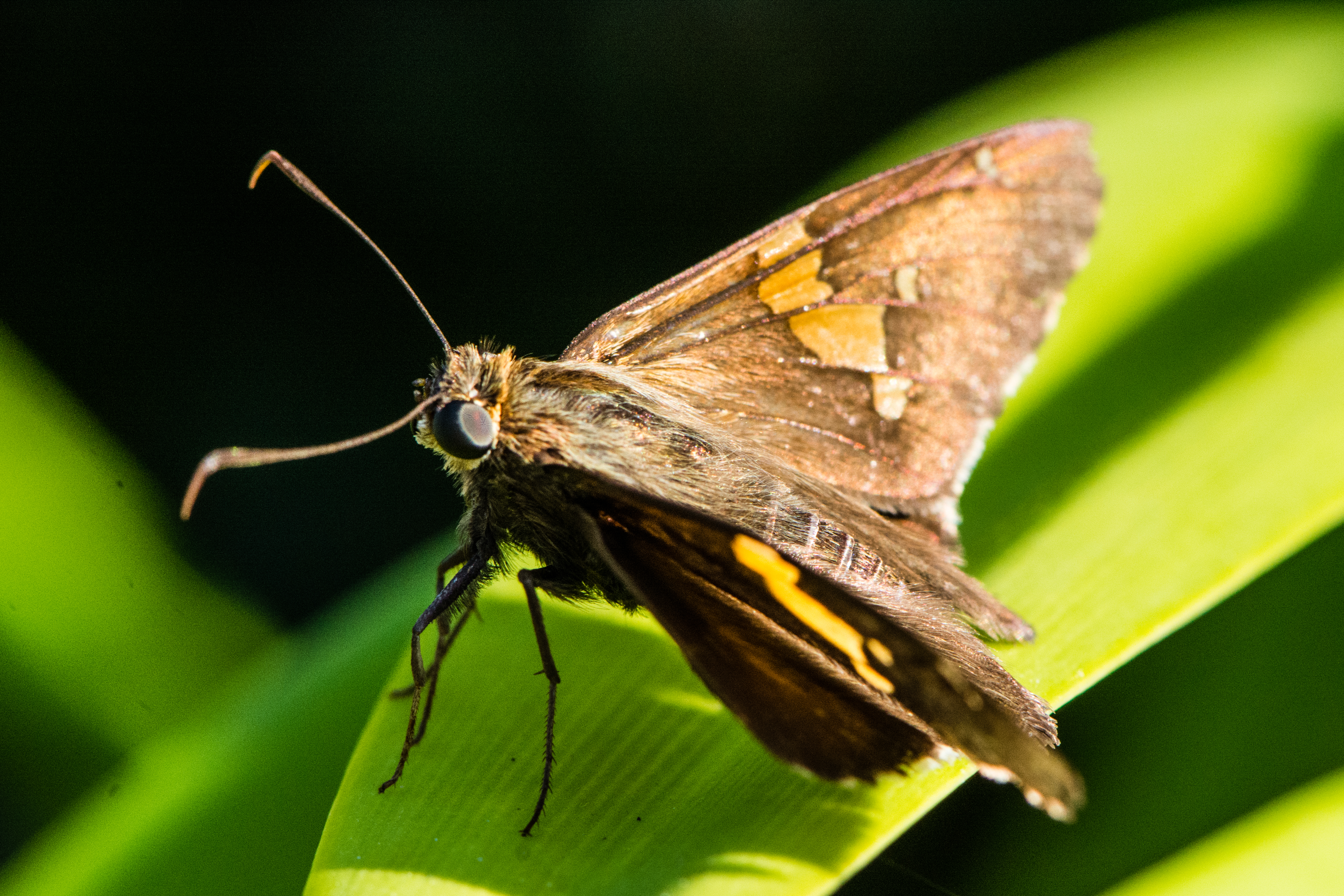
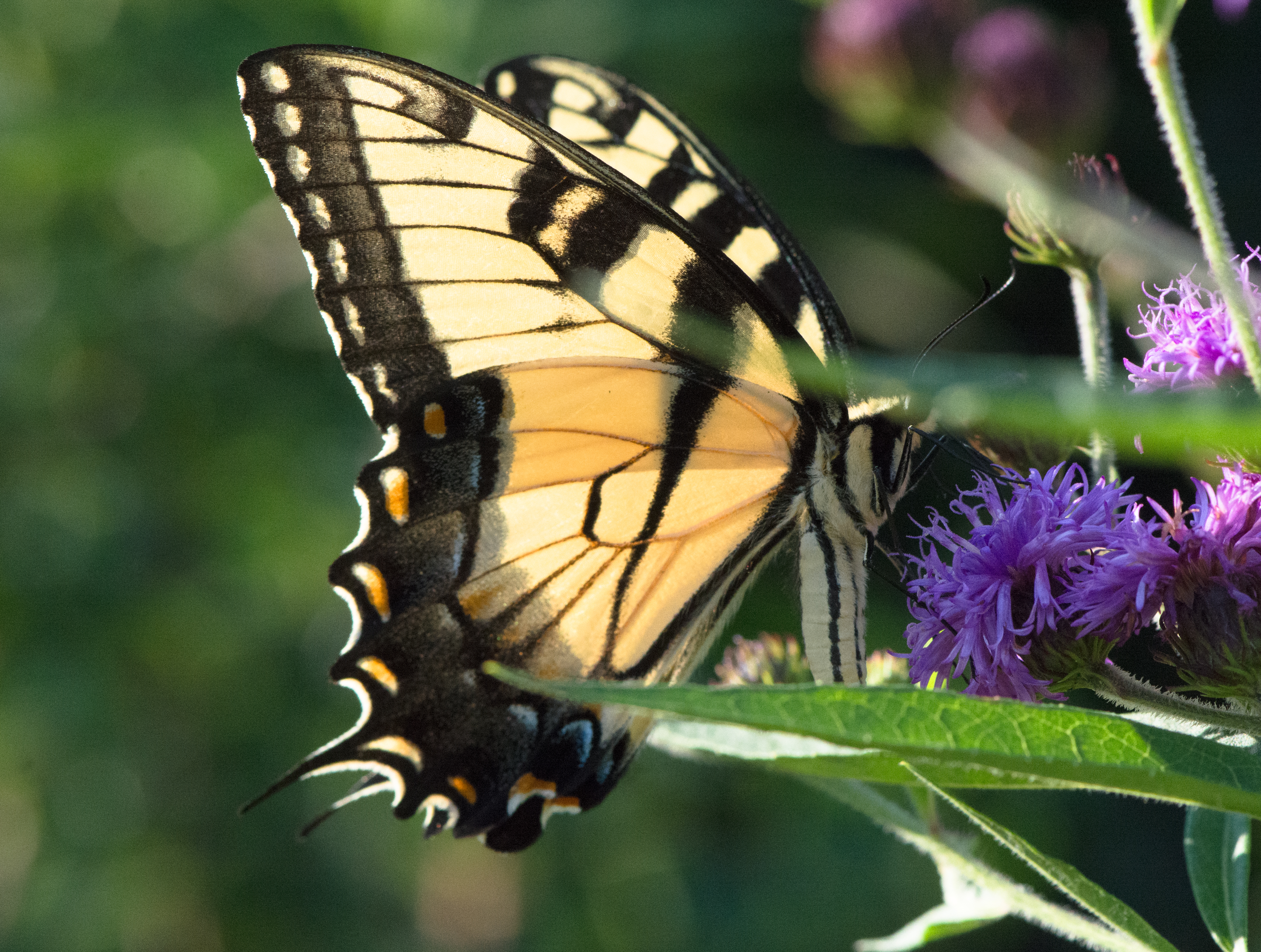
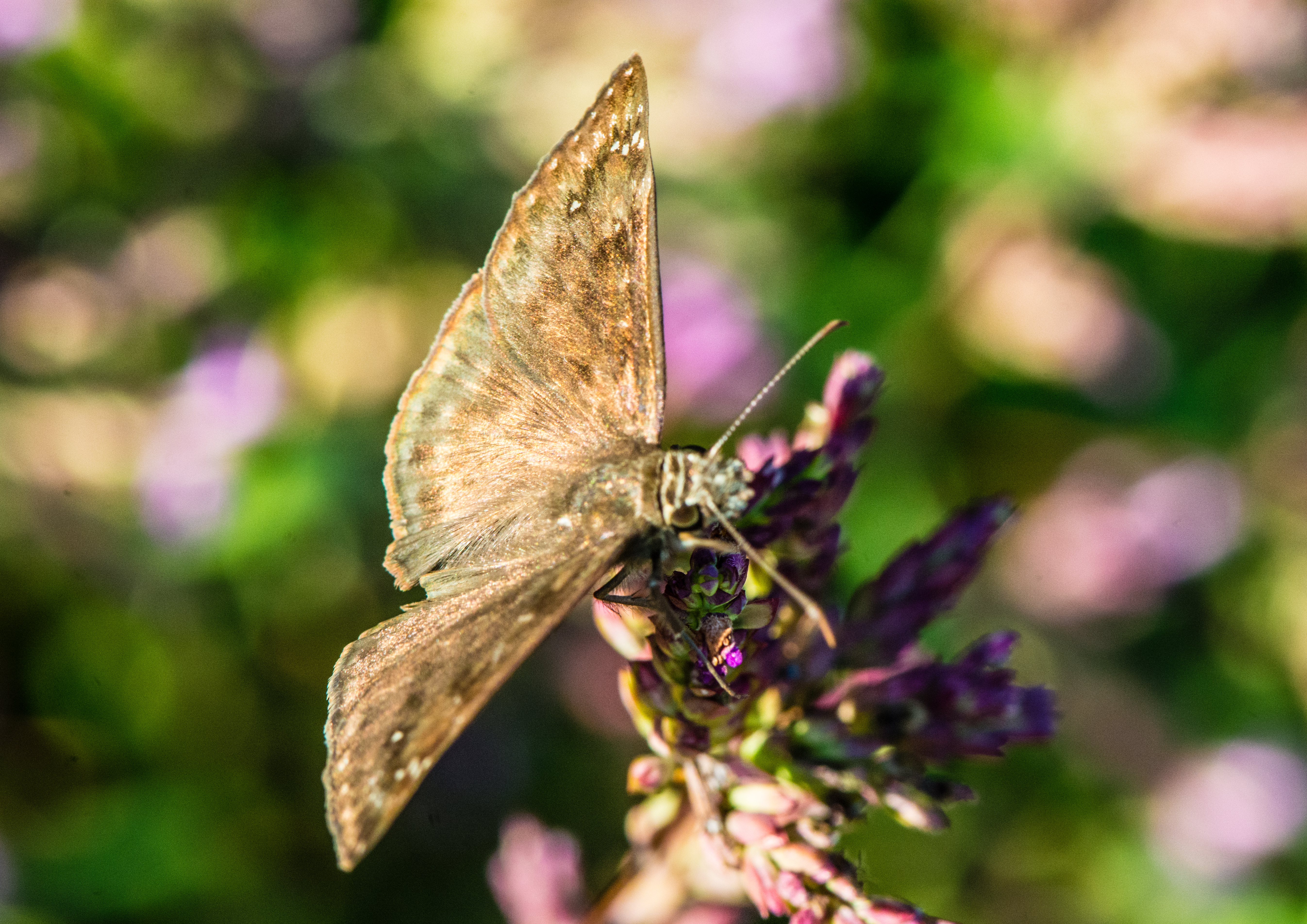
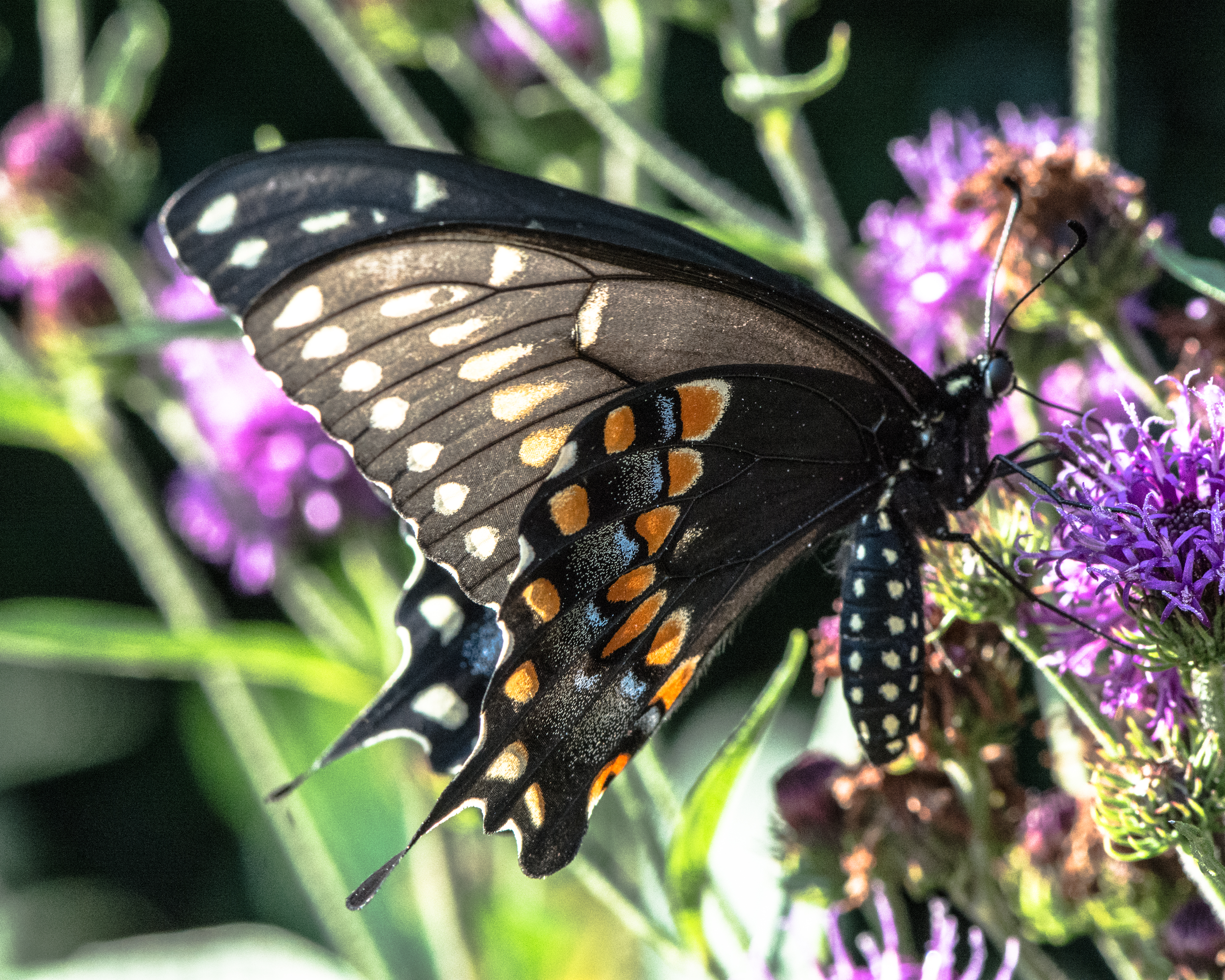
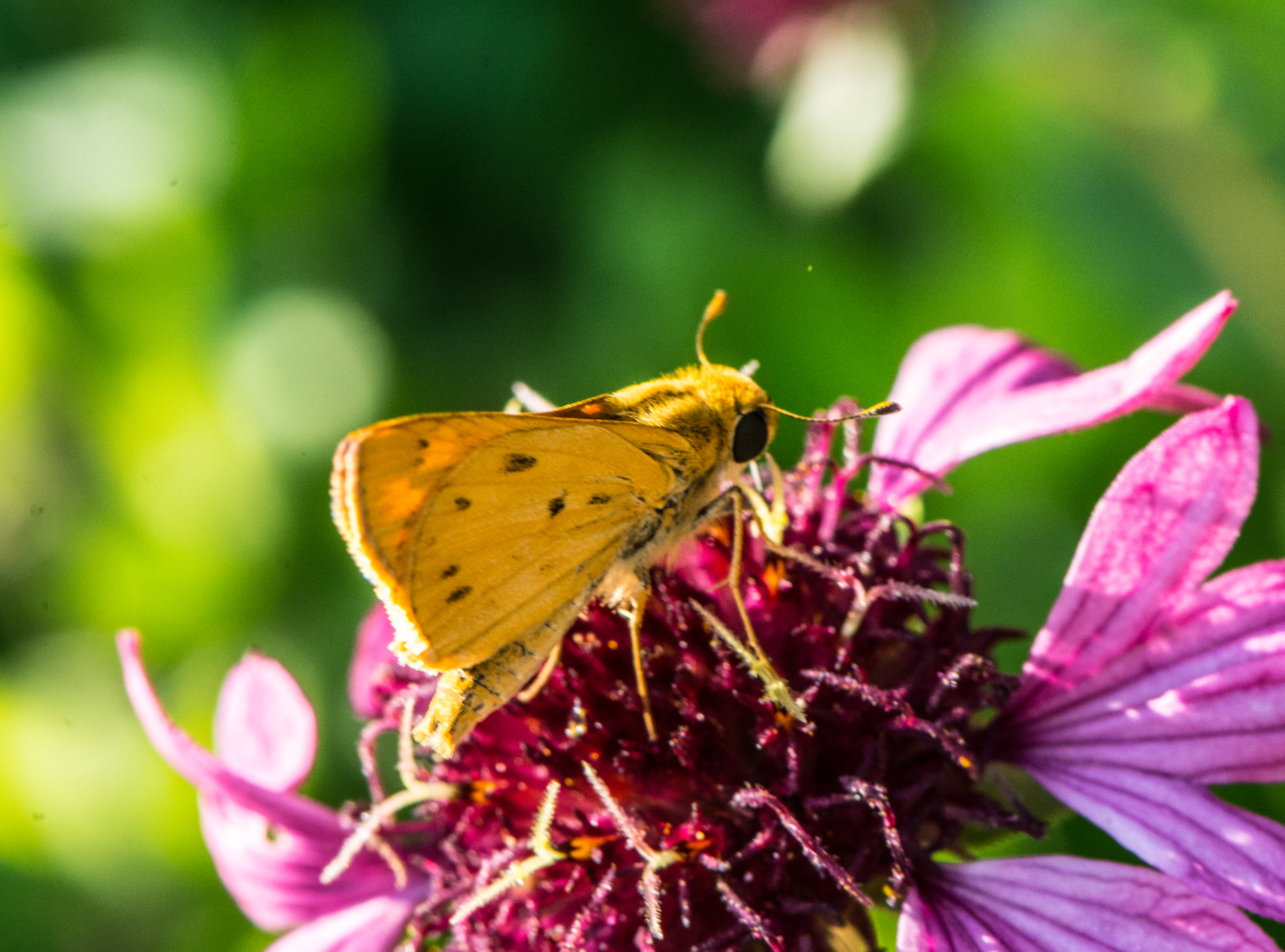
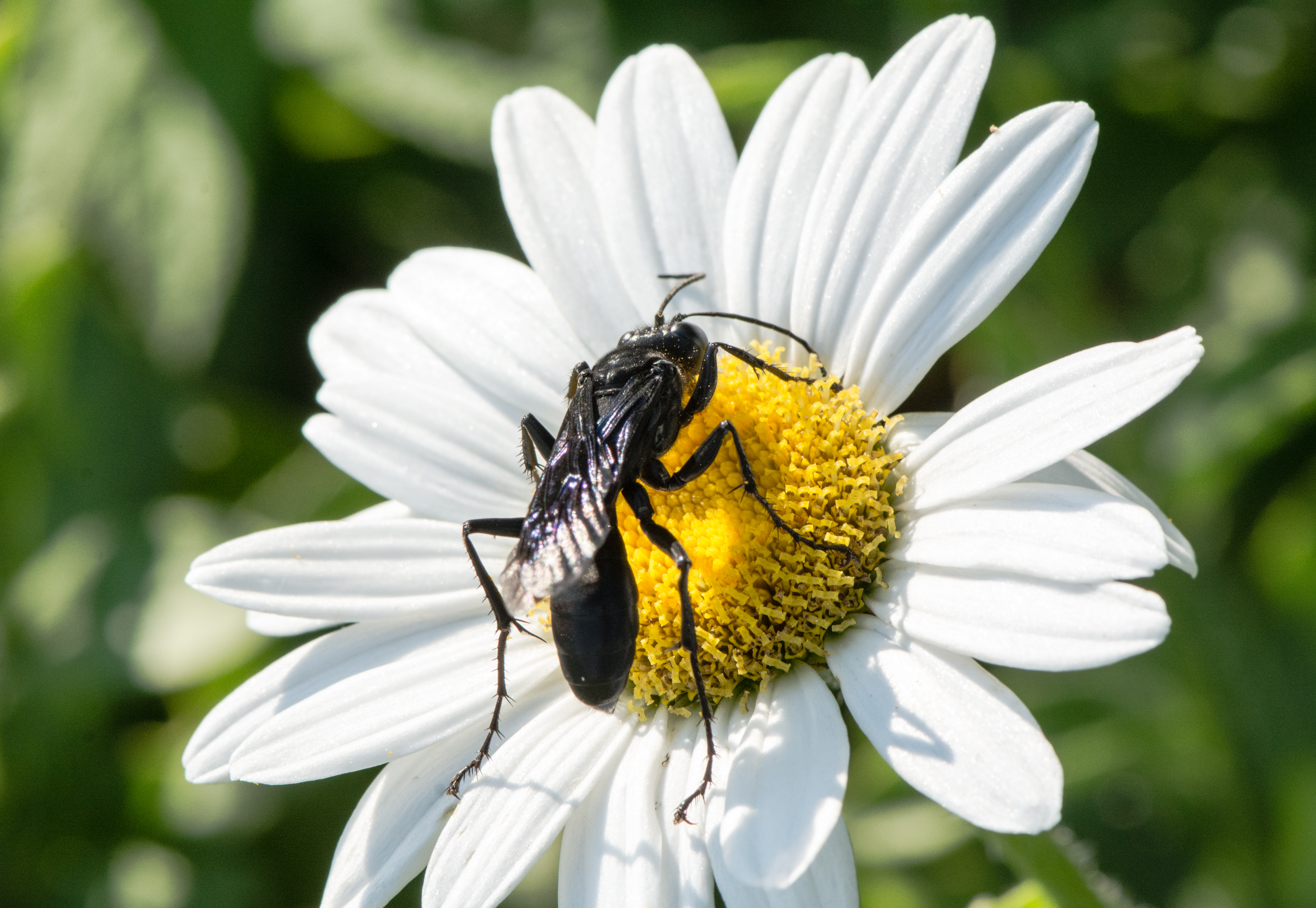
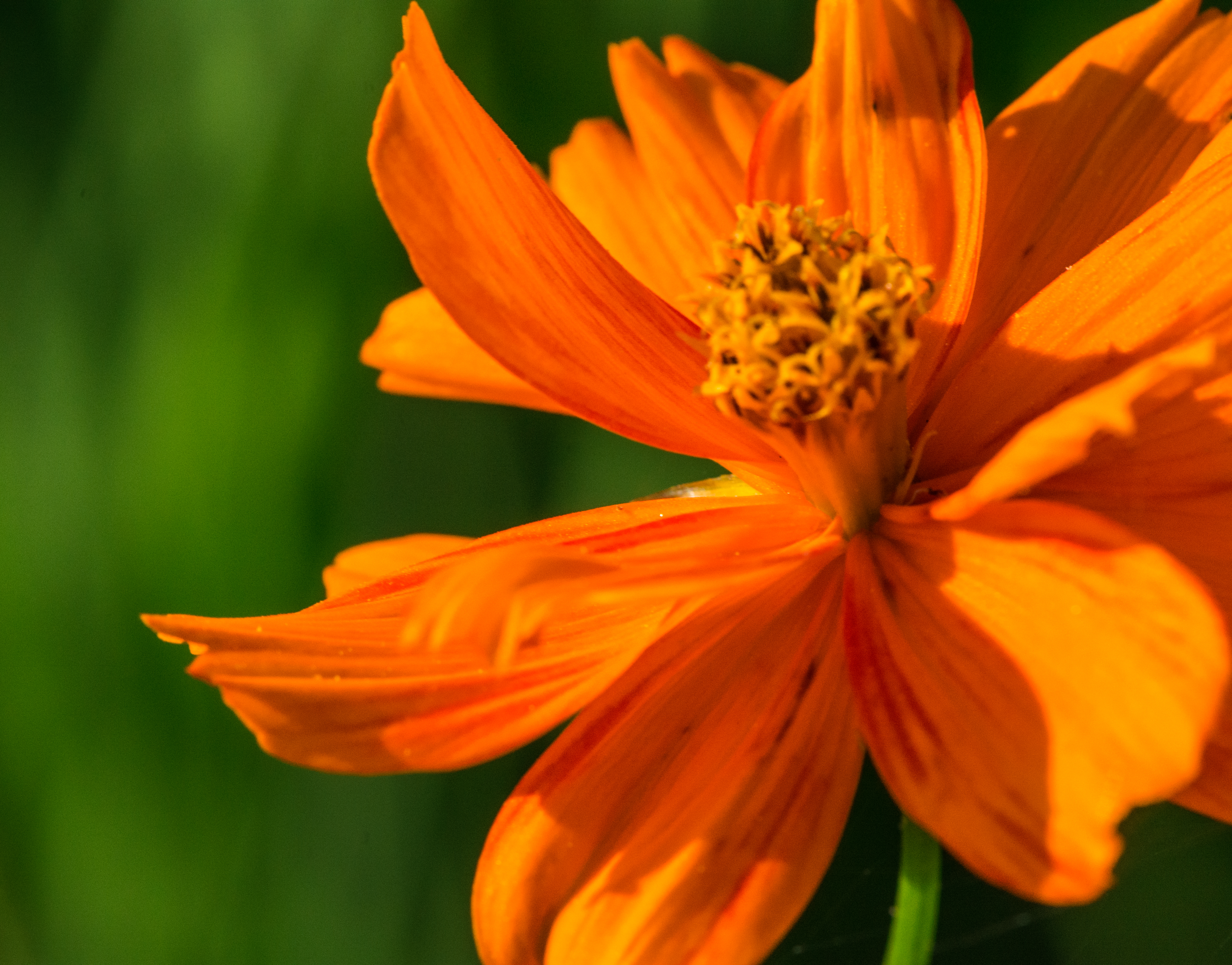
A word about the pictures: these were taken at Raulston Arboretum on Saturday, August 1, at about 8:30 a.m. It smelled a bit like a barnyard this Saturday, which I’m guessing had to do with application of fresh animal-based fertilizer. There were many small butterflies, most of which did not care to be photographed.
Raulston8-1-15-1760

Butterflies, Vermeer, and blind spots

Raulston Arboretum-1577

After work on Friday, I zipped up to Raulston Arboretum with my camera to see what was blooming and flying. It’s a lovely place, and it’s soothing to stroll among the quiet growing things. But when you’re trying to manually focus the camera on tiny quick-moving creatures, there’s a burst of adrenaline. When it all clicks, I feel happy. This week there was a profusion of butterflies, and I had good luck in capturing images of a few.
Raulston Arboretum-1587

I’ve been reading the book Diane gave me, Travels in Vermeer, by Michael White. It’s a memoir about a tough time in White’s personal life, which was relieved by his falling in love with the art of Vermeer, the 17th century Dutch artist. I share his passion for these rare paintings, and like his accounts of his personal encounters with the master’s work.

White shows how feelings flow out of the paintings, and how they reward the viewer who keeps looking and looking. This is one way to tell when art is truly great — when you can’t exhaust it. I had the bright idea of googling the paintings as I came to his descriptions, and confirmed that Google takes far less than a second to locate a decent image of any Vermeer you care to name. It enriched the reading experience.
Raulston Arboretum-1542

As I mentioned last week, I’ve been listening to audio book lectures while working out about ancient Greece and Rome. This week I learned that as much as a third of the population of classical Athens were slaves. For all the pathbreaking philosophers among the Greeks, it appears that none of those great minds questioned the institution of slavery. Though I found this surprising, it also occurred to me that there have been and are still huge blind spots in our moral vision. I’m thinking of those things that are almost impossible to think about, let alone criticize, let alone change, because they’re so integral to the way we live. An example: our industrialized cruelty to farm animals.

Raulston Arboretum, July 24, 2015

Raulston Arboretum, July 24, 2015

But these things can seem unshakably settled and then get unsettled. Think of progress on racism, sexism, homophobia, and our heedless destruction of the natural world. This seems to be happening with our views of imprisonment. This week President Obama visited a federal prison and spoke out about some of our most egregiously cruel practices with regard to convicted criminals, including solitary confinement.

What’s wrong with solitary confinement? The NY Times nailed it.

“When they get out, they are broken,” said Dr. Terry Kupers, a psychiatrist in California who consults on prison conditions and mental health programs. “This is permanent damage.” Cornell William Brooks, the president of the N.A.A.C.P., said prolonged solitary confinement amounted to torture. “Putting someone in solitary confinement does horrible things to a person’s personality, their psyche, their character,” he said.

It seems like we’re starting to be able to see this problem and address it.
Raulston Arboretum-1523

And it seems like a good thing that Iran has agreed in principle to back off from building nuclear weapons. What’s not to like? Our usual unquestioning acceptance of the possibility of massive nuclear destruction is sort of like the Greeks and slavery – we just can’t bring ourselves to think about it. But we know, in the back of our minds, that existing hydrogen bombs, always on alert and ready for launch, always subject to human error, could quickly end life as we know it. Shouldn’t we be pushing our governments to find ways to back off the nuclear precipice? If you aren’t familiar with the science regarding nuclear winter, information is here.
Raulston Arboretum-1514

Discovering Pluto, ancient civilizations, Amy, and a rodeo

At Raulston Arboretum, July 18, 2015

At Raulston Arboretum, July 18, 2015

The well-named New Horizons space craft completed its three million mile, nine-year journey from Earth to Pluto this week. I enjoyed seeing the close-ups of the dwarf planet, and the smiling faces of the New Horizons NASA team. Asked to explain the value of the achievement, the scientists hemmed and harumphed a bit, but Stephen Hawking stated its raison well: “We explore because we are human, and we want to know.”
Raleigh Rodeo-1099

Speaking of exploring, I’ve been learning about ancient civilizations, including Mesopotamia, China, India, Greece, and Rome. Through the audio book service Audible.com, I purchased one of the Great Courses, a series of lectures by Gregory Aldrete titled History of the Ancient World: A Global Perspective. Aldrete does a really good job at bringing out the big currents of the first six thousand years or so of human urban culture. He’s helped me understand the relations of the major civilization as a temporal matter and in their major elements of technology, government, art, warfare, and religion. I’ve been filling in various gaps, like understanding the relationship of Alexander and the Greeks, and the relationship of the Han dynasty and the Roman empire (same time period). I’ve been listening to the book while working out at the gym, and getting a good mental work out in the process.
Raleigh Rodeo-1118

We saw Amy, the new documentary about Amy Winehouse, last week. I recommend it. I wasn’t ever a big fan of her music, but I could see that there was something original and fearless about her. The documentary has a lot of home movie type footage that is surprisingly revealing, but it doesn’t preach and leaves things open to interpretation. Here’s my interpretation: she had some serious emotional/psychological problems, including depression and bulimia, and not much of a support system. She didn’t really seek fame, and wasn’t prepared for it, and didn’t have much help managing it. I view her drinking and drugging as a kind of unsuccessful self-medication, which was dangerous and ultimately fatal.
Raleigh Rodeo-0983
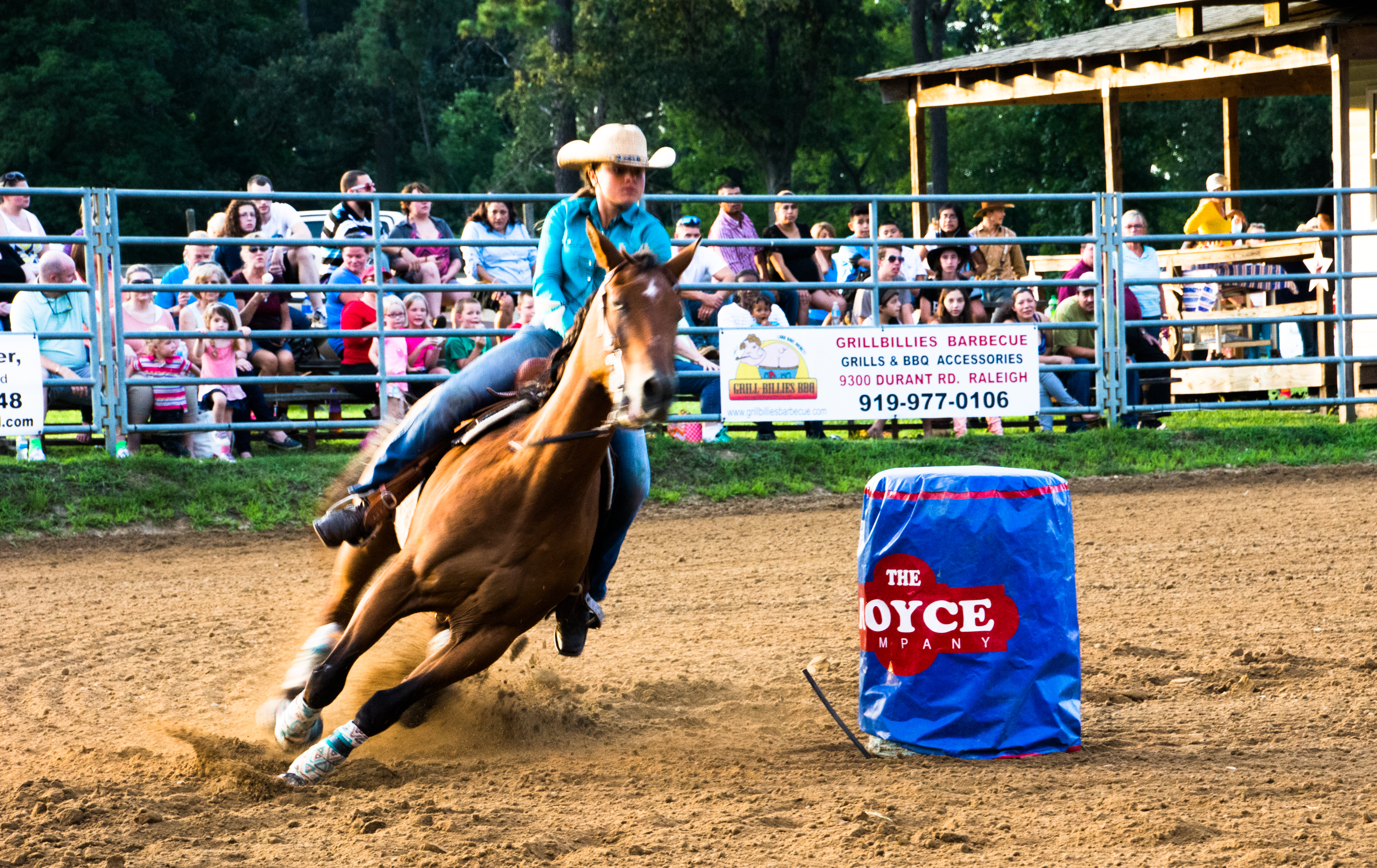
We went out to Carousel Farms on Tuesday evening with some Red Hat colleagues to see the local rodeo. There were hamburgers (veggieburgers for us) and cookies. The main events were barrel racing (young women on horses on a timed course with tight turns around three barrels) and bull riding (stay on the bull at least 8 seconds and don’t get killed when you get thrown off). It was fun to see the talented, courageous young people and get a taste of country life, but I had very mixed feelings about the bull riding.
Raleigh Rodeo-1045

For one, it seems cruel to the animals. For two, the risks to the riders are just too great. On almost every ride, they fall near the feet of the powerful bull as it’s kicking. We saw one young man badly kicked this way who had to be carried off on a backboard to an ambulance. Hope he’ll be OK.
Raleigh Rodeo-1026

Could Bernie Sanders be for real?

At Crabtree Swamp, July 11, 2015

At Crabtree Swamp, July 11, 2015

I’m starting to like Bernie Sanders. If you haven’t heard, he’s running for president, and the pundits agree that he has no chance. He’s a Senator from Vermont, a self-described socialist, 73 years old, and not faintly glamorous. When I first heard his story, I thought he must be crazy, or at least quixotic. But he’s been rising in the polls and in the early primary states he’s drawing enthusiastic crowds. I like his issues: fighting global warming, reducing income inequality, halting ill-conceived foreign military adventures, improving our health care system, reining in mass surveillance, reforming campaign finance, and others. This interview gives a sample.

This week I sent him a modest contribution. The pundits are probably right about his chances, but I’m supporting him because he’s already doing something important: broadening the dialog about our social problems and the possible solutions. Societal change is really difficult, but if it happens, it begins with a conversation to reset the agenda and take a fresh look at the possibilities.
There is certainly a diversity of views on offer this election cycle. Like everyone I know, I’m still shaking my head over Donald Trump’s astonishing pronouncement that Mexican immigrants are criminals and rapists. And I’m shaking my head harder that this buffoonish blowhard has vaulted to the front of the Republican pack. I don’t really believe there’s any way a majority goes for his know-nothingism. But this would be an interesting matchup: Trump v. Sanders. I say Sanders wins.

Happy gays, lowering that flag, flamenco, new reading technology, understanding consciousness

Our Jocelyn, at home

Our Jocelyn, at home

Friday was big! Jocelyn came home to Raleigh to attend an old friend’s wedding, and the Supreme Court made it legal throughout the US for gay people to get married. Jocelyn reported that the gay people she knew in New York were weeping with joy, and she was, too. I got a bit misty myself. I don’t suppose we’ll all at once get rid of anti-gay discrimination, any more than we’ll suddenly finish off racism, but this is a long step forward. It gives me hope that we can address some of other big problems that today seem caught in political gridlock, like global warming.

Speaking of racism, another fantastic development this week was the beginning of the removal of the Confederate battle flag from certain government buildings and the shelves of giant retailers. This potent symbol of unrepentant old-fashioned racism has made me queasy for years. How can it have been socially acceptable to lay out in public on a beach towel with that flag? Anyhow, last week it became dramatically less so. Sure, people are entitled to express their racist views, but they also deserve to be shamed for it.

I listened to an interesting Australian Broadcasting Service podcast called Science Vs last week on the question: does race exist? We may have assumed the answer was obvious, but it’s not. In fact, from a biological point of view, many scientists view the concept of race as meaningless. There are no consistent reliable genetic or other markers of racial boundaries. Race is a cultural construction that has been used primarily for purposes of oppression, such as slavery. Still, the idea is so familiar it seems natural, and it’s hard to let go.

At Fletcher Park, Saturday morning

At Fletcher Park, Saturday morning

There are, of course, different cultures, which is a good thing. Gabe and I got a taste of part of flamenco culture on Saturday night at an American Dance Festival performance by Soledad Barrio and Noche Flamenca. They performed a flamenco version of Antigone. I enjoyed Barrio’s dancing, which had strength and intensity, but found the movement vocabulary pretty limited. I enjoyed the singing and guitar playing in parts, but the melodic and harmonic vocabularies also were restricted, and the whole thing was over amplified.

In other culture/technology news, I recently discovered a new way to read: combining an ebook with an audio book. When I purchased the ebook Incognito, by Thomas Eagleton, Amazon proposed to upsell me on an Audible audio book for a few dollars more. I took the bait, and it was worth it. The great thing is that you can read a bit, then switch over to listening to it on another device, and switch back – and in either medium it picks up where you left off on the other. I really enjoyed listening to the book while working out at the gym, and reading some before bed in the evening.

Eagleton mostly synthesizes much of current psychological and neurobiological thinking and research, including work by Kahneman, Gazzaniga, and others, but he also has an interesting model of consciousness. He emphasizes that most of what we do and are is unconscious. The unconscious, as he views it, has a multitude of subparts, which generally work quite well without our ever knowing anything about them. Some subparts overlap and may disagree with others, which he refers to as a team of rivals. Eagleton suggests that consciousness is like the CEO of a large corporation, who has executive authority to intervene when there are major conflicts or new problems, but plays a limited role in ordinary activities. We’re mainly driven by unseen emotional forces, but the CEO is skilled at persuading us that she is calling the shots.

One pleasing aspect of Eagleton’s theory is that it accounts for the fact that even the most intelligent people make amazing mistakes and hold tight to beliefs that seem downright goofy. But if it’s true that we’re all fundamentally prone to errors of thinking, that must mean that the same it true of you and me. Knowing that could make you more humble and hesitant from striving to avoid the worst errors. That could be good. But all that careful thinking and hesitant uncertainty could lower your standing and influence in your tribe, which could be bad.

Finally, on a more cheerful note, let me point up one new progressive thing about my home state of North Carolina (among all the new regressive things): on-line driver’s license renewals. I was due for my five-year renewal, and dreading the slow, dull experience of the DMV, when I saw the announcement that NC was starting a new program of on-line renewals. That same day, I found the site, and completed the application in about 3 minutes. No fuss, no muss. I’m good for five more years!

Pope Francis’s vision

_DSC8732
It’s been ungodly hot in Raleigh this week, with a record high of Fahrenheit 99 on Tuesday. Humid, too. So instead of running on Saturday, I settled in to read some of Pope Francis’s new encyclical, Laudito Si. From newspaper reports, I’d expected a sort of primer on the perils of global warming, but it turned out to be much more than that, and I felt enriched and inspired by the experience. It’s available online here.

Even though I’m a thorough-going non-believer, I’m a big fan of Francis. He seems to be a genuinely warm, caring, and thoughtful person. What are the odds? How daunting and disorienting to be considered by many as infallible, and fully realize you aren’t. (Remember his famous words,“Who am I to judge?”) How dissonant to live amid Vatican magnificence and rock-star adulation and try to focus on the problems of the poor. And who would volunteer to be in charge of cleaning up pedophile priest networks, bishop cover ups, money laundering holy bankers, and God knows what other crimes and misdemeanors? And after all that, who would have the courage and drive to speak truths that implicitly threaten the world’s wealthiest, most powerful interests on what are, for them, as well as us, issues of existential importance? That’s right: my man Francis.
I was hoping that Laudito Si would have an executive summary, but it does not. Still, I kept reading. The prose is lucid and emphatic, with an animating passion. Francis leaves no doubt that he agrees with the scientific consensus that man-made greenhouse gases like carbon dioxide are responsible for much of the global warming crisis. He states that there is an urgent need to reduce such emissions and develop renewable energy. If he accomplished nothing more than calling more attention to this issue and inspiring high level discussion and action, that would be a lot. But Laudito Si does more than that, persuasively articulating a powerful ethical vision that calls for reforming both societies and our selves.

_DSC8728

Francis calls on the people of the world to recognize that we are in an ecological crisis, and need to expand our dialog and work together to address this crisis. The dimensions of the crisis include air and water pollution, fresh water shortages, rising oceans that threaten large cities, and increasing extreme weather events. Not to mention the extinction of many species. He states, “Each year sees the disappearance of thousands of plant and animal species which we will never know, which our children will never see, because they have been lost forever. The great majority become extinct for reasons related to human activity. Because of us, thousands of species will no longer give glory to God by their very existence, nor convey their message to us. We have no such right.”

At the same time, Francis reminds us of the vibrant beauty of the natural world. He has sections on rainforests and other wonders. On a topic particularly close to my heart, he writes of “the immense variety of living creatures” in our oceans which are threatened by uncontrolled fishing and the coral reefs that have been harmed by pollution and rising temperatures.

Early on, Francis rejects the reading of the Bible that entitles humans to dominate and exploit all earthly resources. He writes instead that humans are meant to be careful stewards of those resources, and regard them with awe and wonder, and recognize our essential connection to animals, vegetables, and minerals. “Because all creatures are connected, each must be cherished with love and respect, for all of us as living creatures are dependent on one another.” He returns a number of times to the theme of our interconnectedness to each other and the world.

An aspect of this theme is concern for both the poor and for other living creatures. He writes, “We should be particularly indignant at the enormous inequalities in our midst, whereby we continue to tolerate some considering themselves more worthy than others. We fail to see that some are mired in desperate and degrading poverty, with no way out, while others have not the faintest idea of what to do with their possessions, vainly showing off their supposed superiority and leaving behind them so much waste which, if it were the case everywhere, would destroy the planet. In practice, we continue to tolerate that some consider themselves more human than others, as if they had been born with greater rights.”
_DSC8735

Similarly, Francis draws connections between our treatment of animals and our basic humanity. Recently I’ve been feeling indignant about the new North Carolina ag gag law, which among other things protects industrial agriculture operations from those who propose to publicize their cruelty to animals. Let me just say, this is so wrong! This excerpt is apropos: “When our hearts are authentically open to universal communion, this sense of fraternity excludes nothing and no one. It follows that our indifference or cruelty towards fellow creatures of this world sooner or later affects the treatment we mete out to other human beings. We have only one heart, and the same wretchedness which leads us to mistreat an animal will not be long in showing itself in our relationships with other people. Every act of cruelty towards any creature is ‘contrary to human dignity.’”

Part of the ambition of Laudito Si is to reset our relationship to technology. “Ecological culture cannot be reduced to a series of urgent and partial responses to the immediate problems of pollution, environmental decay and the depletion of natural resources. There needs to be a distinctive way of looking at things, a way of thinking, policies, an educational programme, a lifestyle and a spirituality which together generate resistance to the assault of the technocratic paradigm. . . . To seek only a technical remedy to each environmental problem which comes up it to separate what is in reality interconnected and to mask the true and deepest problems of the global system.” Francis envisions a world where the capitalism and technological progress are no longer allowed to drive increasing inequality and alienation, but instead are put in the service of human needs.

Of course, I don’t mean to endorse all of Francis’s views. I read the sections on God’s acts and intentions in much the spirit that I read the poetry of Milton. I think he’s quite mistaken about the value of building a market for carbon credits, which would creative incentives to reduce emissions. I also regret that he dismisses the serious risks of overpopulation, which needs to be moved way up on our list of priorities. But I’m finding the work inspiring, and hope many will read it and think about it.

Processing a hand problem, Shen Wei dance, and The Unpersuadables

Raulston 6-12-15-0039
It’s been more than a year since I injured my right hand in Dominica, and though it got better for a while, it still does not feel right. I was trying to play Chopin’s Fantaisie Impromptu recently, and just could not get the loud, fast parts to go loud and fast. I made an appointment with Dr. Edwards at the Raleigh Hand Clinic, with a view to getting a referral to an occupational therapist I’d heard about, and getting some helpful exercises to fix me up. I saw him on Friday, and got some bad news.

Based on X-rays (which he showed me on his iPhone), Dr. E quickly diagnosed osteoarthritis. This is one of those things that don’t get better, and generally get worse. He could not say how quickly it would progress. The doc recommended Aleve for pain. He mentioned that if it got a lot worse, I could eventually be a candidate for finger joint replacement surgery. Yikes!

As a youth, I tended to view intellectual pleasures as superior to physical ones, but eventually I came to welcome the physical side of life as a glorious thing. I’ve taken great satisfaction in dexterous use of my hands, on the piano keys, the computer keys, the camera buttons, and many other places. This diagnosis will take some time to process. Though, of course, life will go on.
Raulston 6-12-15-0050

On Saturday we met up with some friends in Durham and had fine dinner at Rue Cler. Then we walked over to DPAC and saw a modern dance program by Shen Wei, the first show of the season at the American Dance Festival. The first SW piece, Untitled No. 12-2, started slowly: the curtain came up to reveal gray fog, and there was silence and blankness happened for a surprisingly long interval. Then we saw projections of abstract paintings by Mr. Wei. Eventually the troop began a slow traverse of the stage, with accents by individuals. The music was sparse percussion sounds. I found the piece overly spare and intellectual and underly physical.

The second piece, Map, was much livelier, with music of Steve Reich and large helium balloons. The choreography seemed well atuned to the energetic music, with sweeping gestures and twists, and small groupings moving in and out of phase. We liked it.

Afterwards, we walked over to 21C, the new luxury hotel in the former SunTrust building, and looked at their bold and brash collection of contemporary art. It’s open to the public, and free, and fun. Afterwards we stopped in a new place, Bar Lusconi, for an exotic beer.
Raulston 6-12-15-0062

Today I finished reading The Unpersuadables: Adventures with the Enemies of Science, by Will Storr. Storr narrates his encounters with intelligent people who believe crazy things, such as Holocaust deniers, past life regressionists, alien abduction experiencers, climate change deniers, and young earth creationists. In interviews, Storr challenges these folks, and confirms that they are impervious to reason and facts. Nothing can shake their beliefs. By way of partial psychological explanation, he draws on the work of Kahneman, Haidt, Ariely, Gazzaniga, Tavris, and Aronson regarding the inherent flaws in our mental processes, such as cognitive dissonance, confirmation bias, and unstable memories.

Storr is a journalist rather than a scientist, but he incorporates good source material and has genuine insight into the powerful illusions of consciousness. The book is also surprisingly personal, as Storr unflinchingly addresses his own biases and weaknesses. He recognizes that scientists can at times be highly unscientific, engaging in groupthink and suppression of evidence that doesn’t fit their world view. Perhaps most amazingly, as he engages with individuals who construct bizarre and odious theories, he manages to subject their ideas to fair scrutiny and at the same time respect their humanity.
Raulston 6-12-15-0082

Our anniversary – Astonishing cave paintings – Our TSA – Fear itself

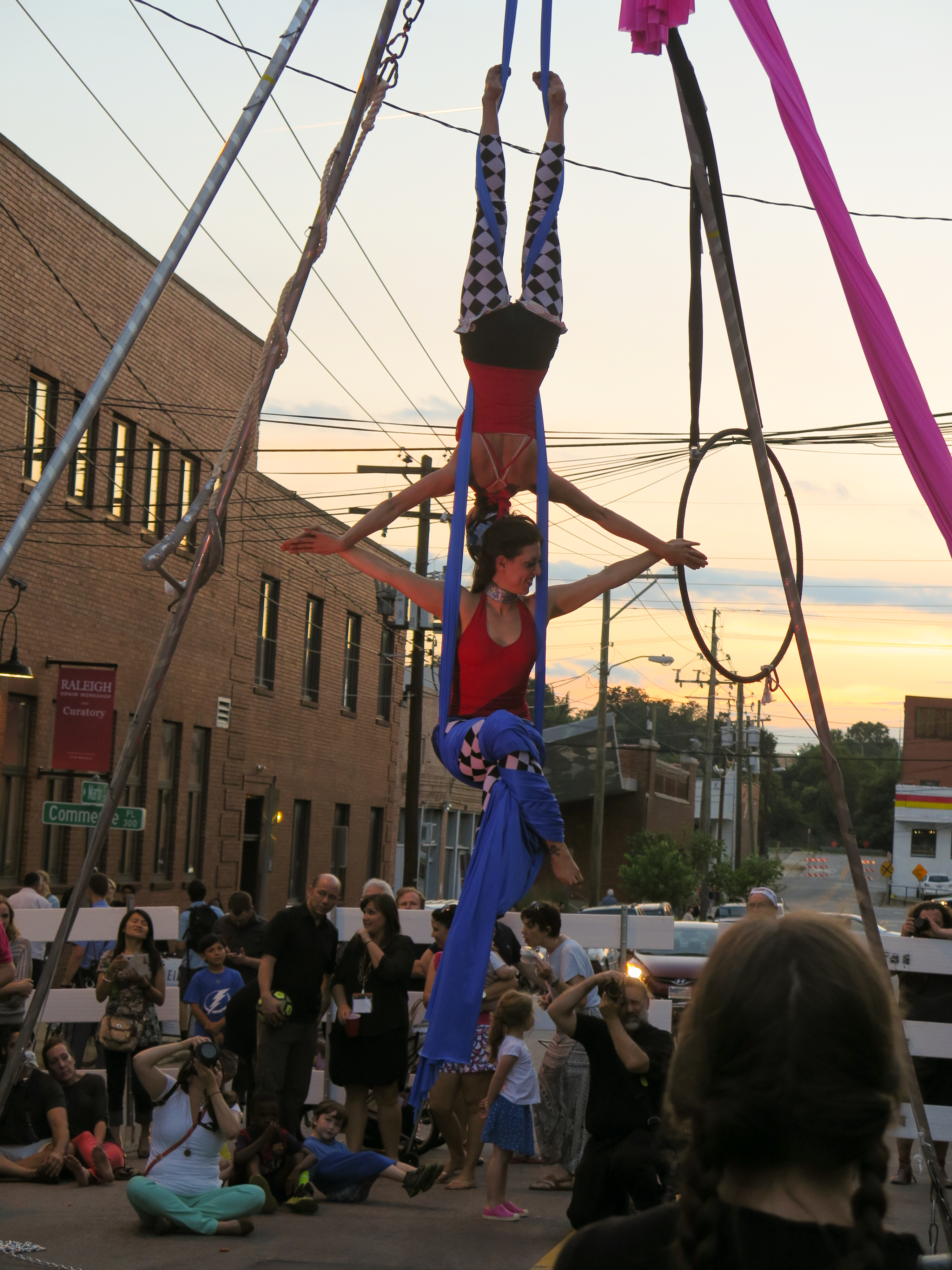
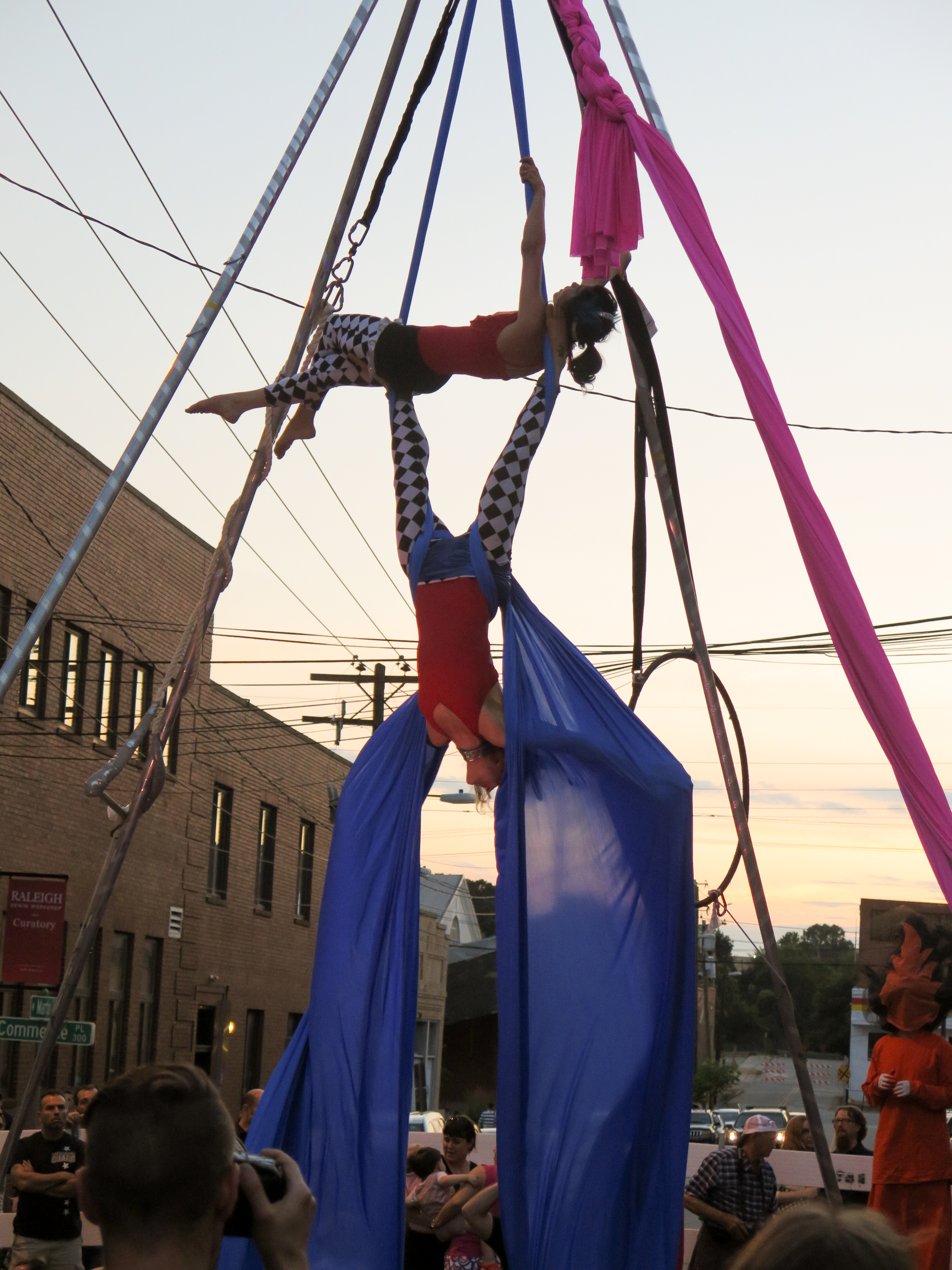
Performers on West Martin Street at sunset, June 5, 2015

Performers on West Martin Street at sunset, June 5, 2015

Friday was our 33rd anniversary. Yes, that is something. What amazing good fortune to find my beloved, to persuade her I was the one for her, and to get her to make me the happiest of men. We don’t usually do anniversary gifts, but we gave each other a kiss and affectionate cards, and I gave Sally a little heart-shaped stone, which she said she would treasure always. We had a fine Italian dinner at our old standby, Caffe Luna, where they had good pesto linguine and sweetly treated us to dessert.
20150605-IMG_0676First Friday-Anniversaryuntitled shoot

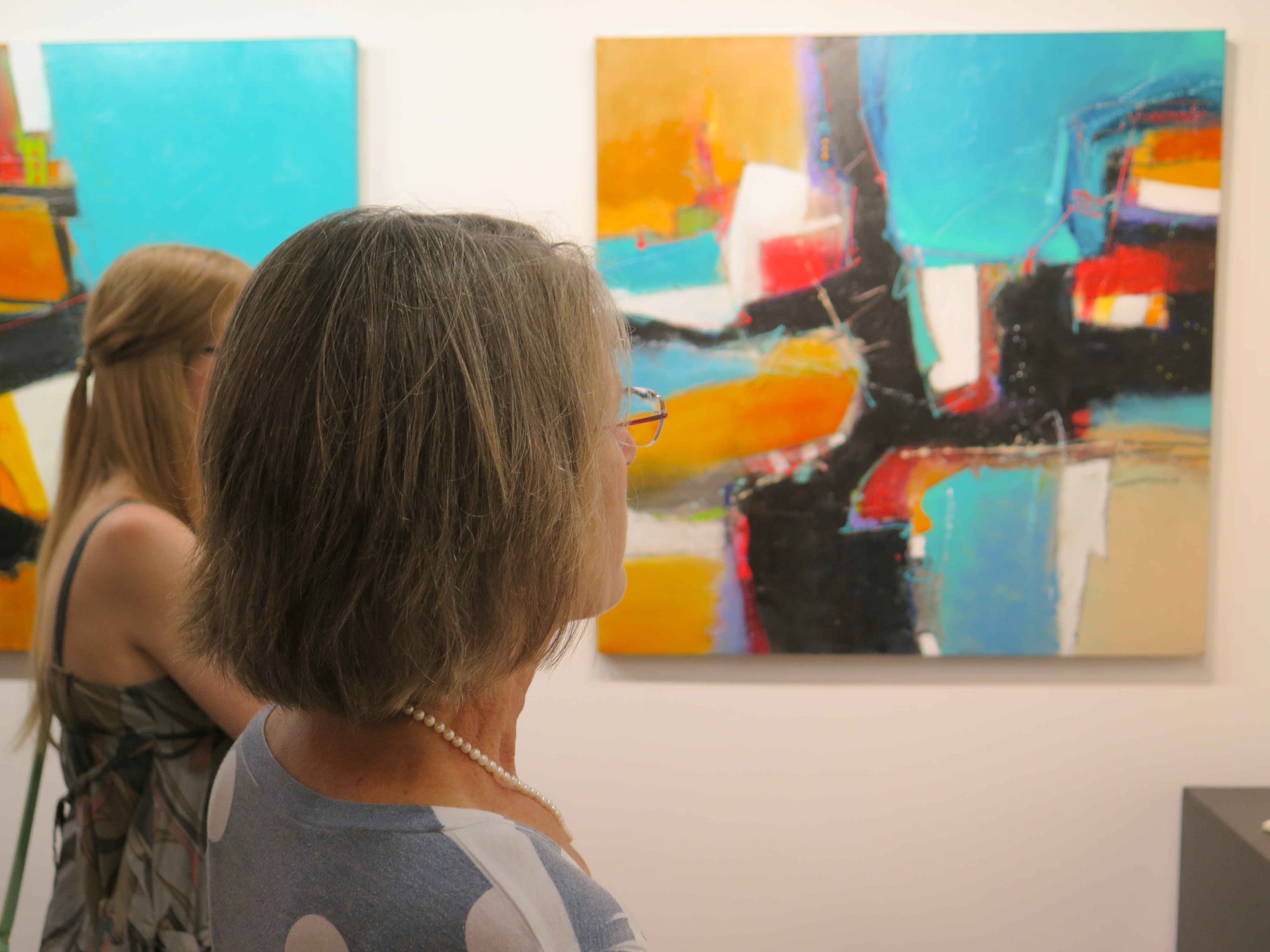
Then we looked in some galleries that were open late for First Friday. At ArtSpace, there were several engaging paintings that had been in a competition, and also some old friends to chat with. In the warehouse district, there was a mini-street fair, with circus performers and musicians. 311 Gallery had some colorful abstract paintings by Joseph DiGiulio that we particularly enjoyed.
20150605-IMG_0681First Friday-Anniversaryuntitled shoot

On Saturday evening, we cocooned at home: Indian takeout food from Blue Mango (delicious!) and Cave of Forgotten Dreams on Netflix. This documentary by Werner Herzog examines the Chauvet Cave paintings in Southern France. I’d been very curious to see these paintings, and since they are firmly closed to the public, this is likely the closest I’ll ever get. Herzog’s narration is rather stolid, but the paintings are thrilling. Painted some 30 thousand years ago, they depict bison, horses, rhinos and other creatures with astonishing freedom and vigor. Pictures are here.

At the gym, making my rounds among the various weight systems and cardio machines, I’ve been listening to a podcast called You Are Not So Smart. Its subject is human psychology, and particularly the biases and systemic flaws that our thinking is subject to. We tend to feel that our thinking is usually rational and objective, but this is very often not even close to true. Knowing this may sometimes help us avoid grievous mistakes. At any rate, it’s worth a shot.

Case in point: we learned last week that the TSA (the airport screening folks) performed quite badly in tests of their systems. When the testers impersonated potential terrorists, they were able to get forbidden items, like fake bombs and guns past the screeners in 95 percent of the cases. 95 percent! Let it be noted, however, that the screeners might have done better had they been tested on seizing expensive moisturizers and nail clippers.

Seriously, at first, I found this disturbing. And annoying! Think of almost every American air traveler, for years and years, all those hours, waiting anxiously in line – all the taking off your shoes, jackets, and belts, emptying all your pockets, pulling out laptops (but, oddly, not tablets), getting your privates exposed by scanning machines, and sometimes your stuff rifled through, and your self physically groped and interrogated, and occasionally missing your flight – and all of it accomplishing nothing.

The massive inconvenience that the TSA process imposes on the flying public looks like a huge waste of taxpayer dollars and time. But then I realized, we haven’t heard of any airplanes blowing up for a long time. If the TSA isn’t stopping would-be terrorists, and no planes are blowing up, that’s probably because there aren’t many terrorists trying to blow up planes. That’s a good thing! But it also suggests that the terrorist threat is way overblown (as I’ve long maintained).
20150606-_DSC0014First Friday-Anniversaryuntitled shoot-2

So why do we put up with this absurd system? The You Are Not So Smart podcast introduces various interesting terms for the psychological syndromes that lead us astray. I’m thinking there should be a name for the particular glitch in the human thinking system that inclines us to widespread panic once exposed to a dramatic dangerous event, like 9/11. Fourteen years after that horrible disaster, we’ve not seen anything remotely close to another such dangerous terrorist attack, and yet we’re obsessed with the idea.

What is the thing that makes us exaggerate our fear so much that we tolerate the TSA’s groping, the NSA’s incursions on our privacy, and invasions and occupations of countries that are not threatening us? Fearophilia? Politicians’ and journalists’ fear mongering helps produce it, so perhaps – mongerization? Probably not. Whatever we call it, it spreads rapidly through a population like a virus, and once an infection occurs it is devilishly hard to cure. For years now, we’ve seen the world through fear-colored glasses.

Part of this syndrome is a tendency to think violent radical ideologies are all focused on us, in a kind of mass egocentrism. This week the advances of ISIS gave strong evidence to the contrary, as these kooks with a surprising talent for horrific executions advanced in Syria and Iraq. As radical Sunnis, they’re eager to fight less radical Sunnis, Shiites, and any other Muslims or others that care to disagree with them, so they can establish the Caliphate. Do we care what their theological thinking is on this? Hardly. Who doesn’t have more interesting, pressing, and sane things to think about? It’s not our problem, or our world.

Last week there was NY Times reported that ISIS has been attacking the Taliban in Afghanistan. Which is worse? Before you answer, remember, we’ve been fighting the Taliban in Afghanistan since 2001, the longest war in American history. The Times also reported that Syria’s thuggish president Assad, a presumed target of ISIS, was coordinating with ISIS in giving air support for attacks on other rebel groups.

This seemed contrary to all previous reporting, and I wondered if it was pure propaganda (perhaps by another rebel group, or Assad, or ISIS, or – us?). But even if false, it reinforces that we cannot begin to fathom the complexity of the variables in this war, and so cannot reasonably hope to have a positive effect, let alone win it. It is just outside our realm, and our weapons will not resolve it.

Apropos of that, the Atlantic has a good piece by Dominic Tierney on the paradox of American military power: with the most powerful military on earth, we keep getting into military quagmires we cannot win. Tierney notes that we have failed to recognize that almost all modern wars are civil wars, in which our military advantage is less effective than in wars between nation states. And because we still think we cannot be defeated, we cannot admit defeat. The piece is bold, and worth reading.

Gabe, testing out new glasses

Gabe, testing out new glasses

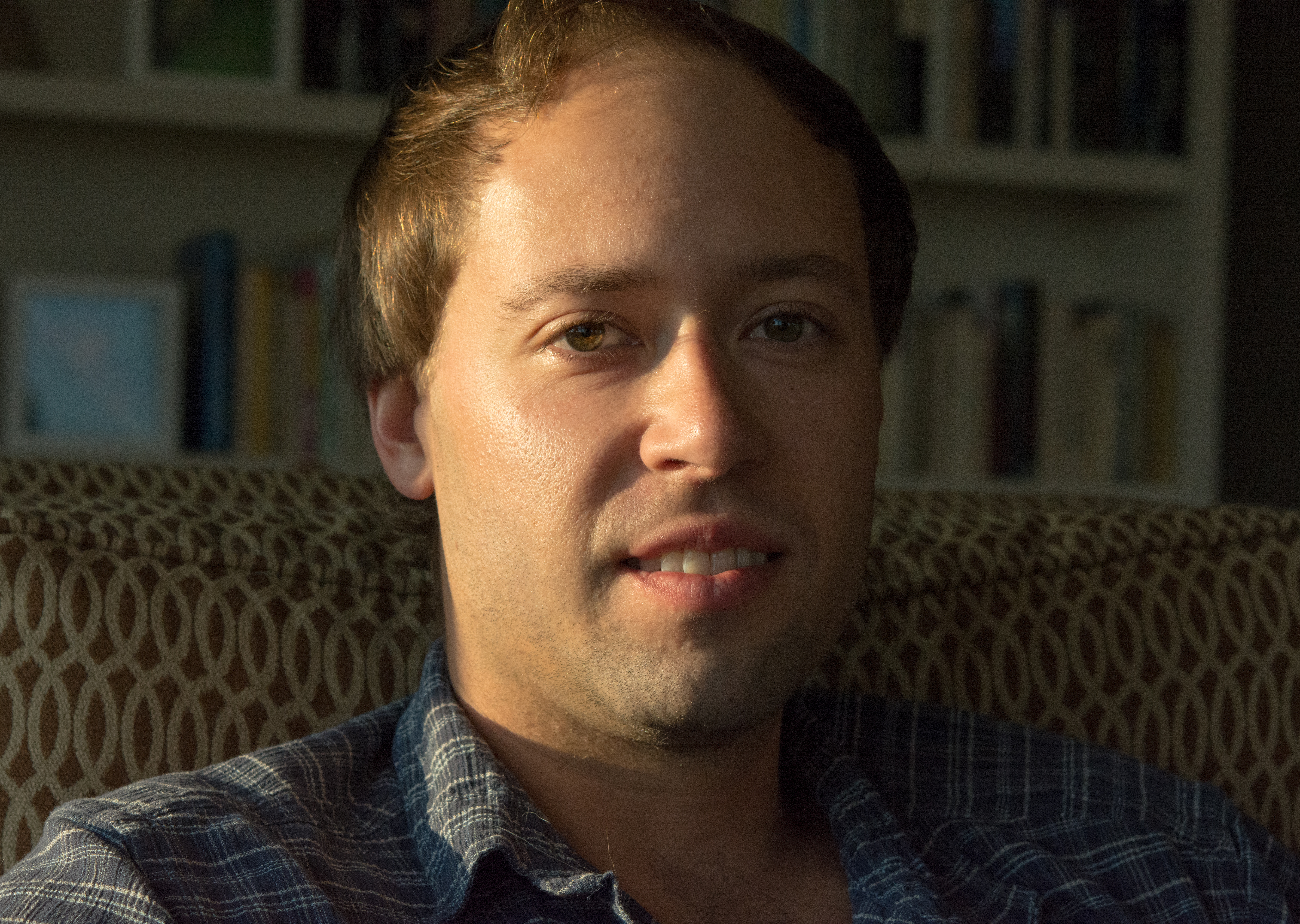
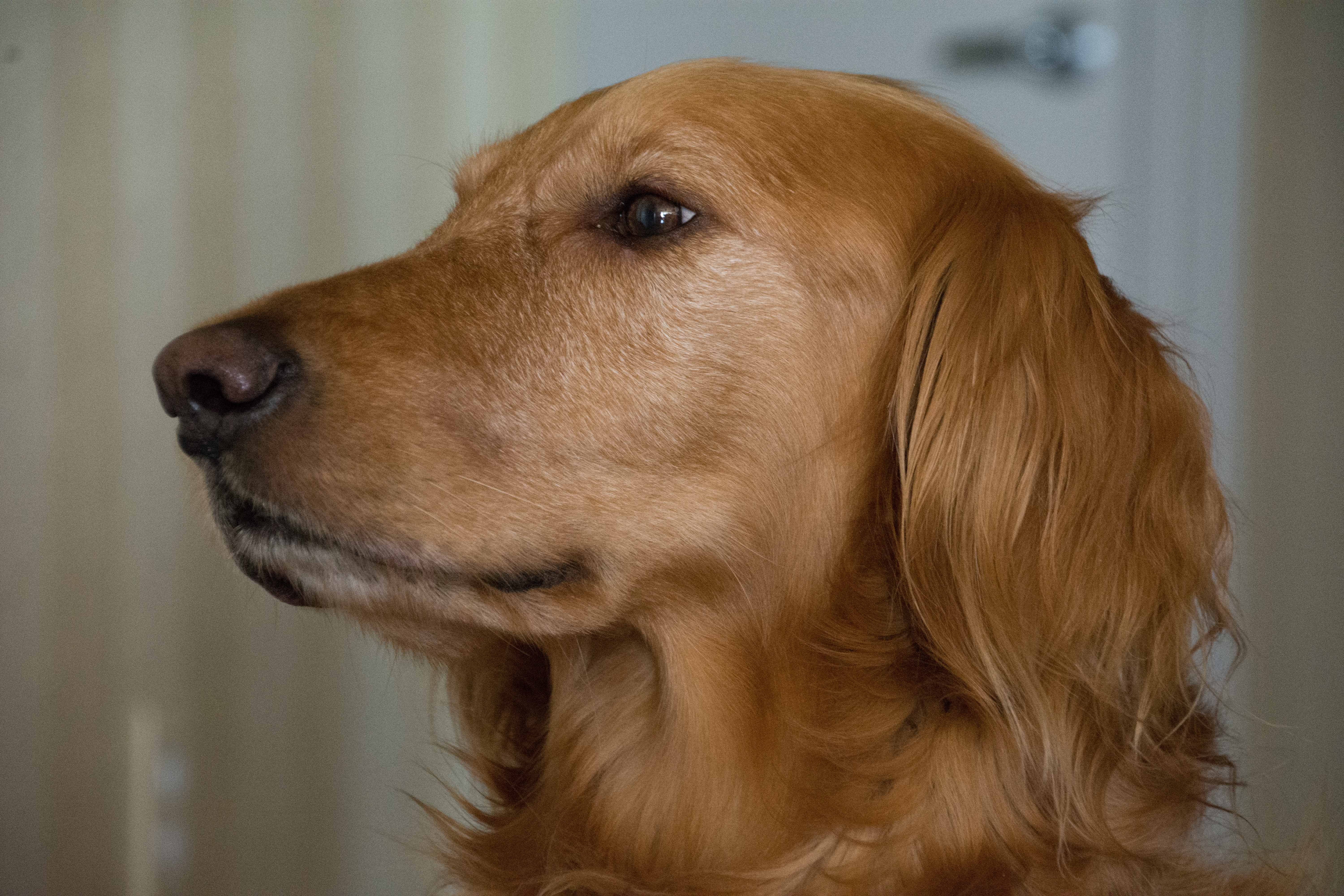
Gabe normally resists being photographed, but he agreed to let me take a few shots on Saturday at sunset. My favorite was one of him shirtless, looking handsome, but he did not want it published. I’ve also been trying to get a good shot of his golden retriever, Mowgli. He’s an affectionate dog, surprisingly laid back. This is the best pic so far.

20150606-_DSC9972First Friday-Anniversaryuntitled shoot

Bees, batching it, basic incomes, Confucius, and a brand new ballet

At Raulston Arboretum

At Raulston Arboretum

Sally’s tennis team made it to the state finals, which was in Greensboro this week. Of course we were proud of her, but also concerned, since this meant leaving Gabe and me, and the three cats and two dogs, to fend for ourselves for a few days. Sally is our goddess, but also our our binding agent, and general civilizing force. There was a risk we’d have a quick return to the state of nature and a Lord of the Flies situation.

In the end, the cats threw up less than normal, the dogs sustained bladder control, and we kept things reasonably tidy and companionable. A couple of evenings, Gabe and I did parallel play, each in the living room with our MacBooks, working on Adobe programs. While I’ve been trying to learn Lightroom, he’s been delving into Illustrator as part of his exploring becoming a graphic designer. I’ve always thought he was talented in this direction, and so this doesn’t seem unrealistic, though I worry that creative careers are for most people underpaid ones.
_DSC9849

Speaking of careers, I read more this week about the quick rise of artificial intelligence that will likely render redundant large chunks of the world’s workers. I started Martin Ford’s new book, Rise of the Robots, Technology and the Threat of a Jobless Future, which talks about the latest advances in AI and robotics, along with unemployment problems. He’s an advocate of the guaranteed basic income to address the problem of increasing structural unemployment. There’s a piece in the Atlantic about the basic income movement — paying everyone enough for the necessities, so they can continue to buy goods and services. This could stave off economic collapse, which would be a good thing.

Of course, the idea of a bigger safety net seems wildly unrealistic in these days of so-called conservative political ascendancy. But this week there were reminders that good ideas that seemed impossible a short while ago can suddenly become the new normal. Nebraska legislators ended the death penalty in that very red state! Kansas legislators who championed tax cutting are talking about raising taxes to pay for basic services. Not so long ago, it seemed impossible that the United States would ever legalize marijuana or gay marriage, and now those things seem more probable than not. And despite continuing fear mongering, it looks like the Patriot Act is going to expire tonight. A guaranteed basic income could become as American as Social Security.
_DSC9852

I realize I’m jumping around a bit, but this is related in a way (political ideas/notions of human meaning and purpose): there was a thought-provoking book excerpt by Henry Rosemont, Jr. in the Huffington Post contrasting the libertarian strain of western political thought with Confucianism. About all I thought I knew about Confucianism was that it involved something about ancestor worship, but Rosemont presents some profound and useful ideas about social relations, morality, and the role of the individual.

He writes,

By emphasizing not our individuality but our sociality, the Confucians simultaneously emphasize our relationality: an abstract individual I am not, but rather a particular son, husband, father, grandfather, teacher, student, colleague, neighbor, friend, and more. In all of these roles I am defined in large measure by the other(s) with whom I interact, highly specific personages related to me in one way or another; they are not abstract autonomous individuals either. Moreover, we do not “play” these roles, as we tend to speak of them, but rather live our roles, and when all of them have been specified, and their interrelationships made manifest, then we have, for Confucius, been thoroughly individuated, but with nothing left over with which to piece together an autonomous individual self. Being thus the aggregate sum of the roles I live, it must follow that as I grow older my roles will change, and consequently I become quite literally a different person.

Rosemont goes on to explain that the quest for a single definition of one’s self is futile, because “we are basically constituted by the roles we live in the midst of others.” That is, the self is a dynamic construction made by individuals working in concert. As to meaning, he writes, “My life can only have meaning as I contribute to the meaningfulness of the lives of others, and they to me.” This does not seem radical to me, but it stands in stark contrast to the traditional western view of the individual as autonomous and self-directed. I’m considering getting Rosemont’s book and exploring this more.
_DSC9903

Sally got back from the tournament in Greensboro on Saturday in time for us to get to the Carolina Ballet studios for the first ever performance of a new ballet by Zalman Raffael. Sonata 17, set to Beethoven’s piano sonata op. 31, no. 2, was created with a grant from the New York Choreographic Institute, and involved four male and four female dancers, including our friend Alyssa Pilger. It was romantic in the sense that Beethoven is romantic, and had a boy-seeking-girl subplot, but at the same time was coolly modern. My main criticism was that the pas de deux second movement seemed overly minimal.

The third movement got off to a blazingly kinetic start, but then Rammaru Shindo fell and was unable to get up. The music stopped, and he was helped off the stage. The other dancers finished the piece, with blanks where Shindo would have been. It was a reminder of that the amazing athleticism of these dancers involves serious risks, and they can and do get hurt. There was a reception afterwards, where we had a glass of wine and chatted with Zali, Alyssa, Michael and Amy Tiemann, and other friends.

That evening we saw a very good documentary on Netflix called First Position about young dancers preparing for and participating in a large ballet competition. The dancers were amazingly talented! It was a pleasure to watch, and also showed the incredible discipline and drive of top dance students.

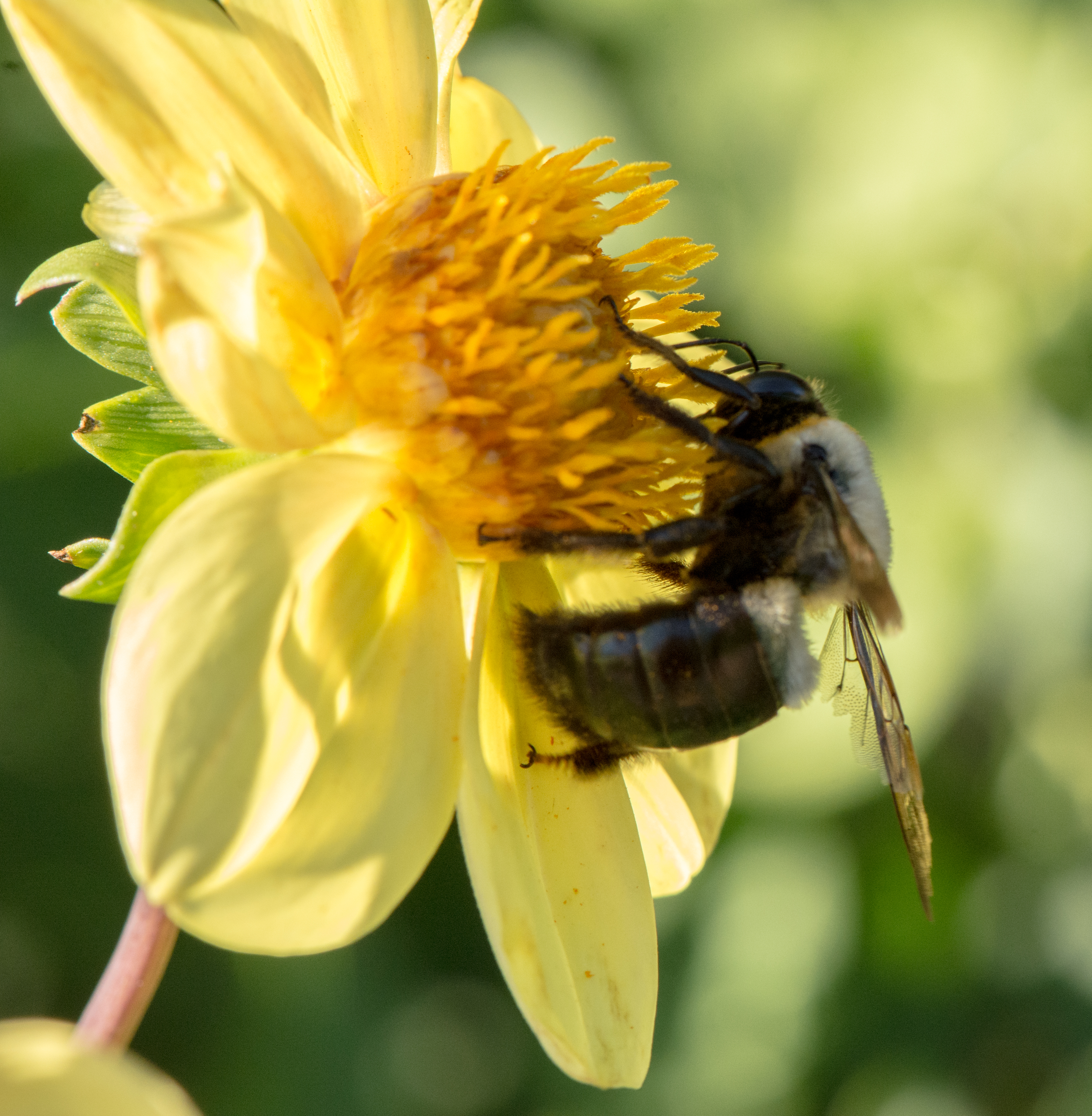
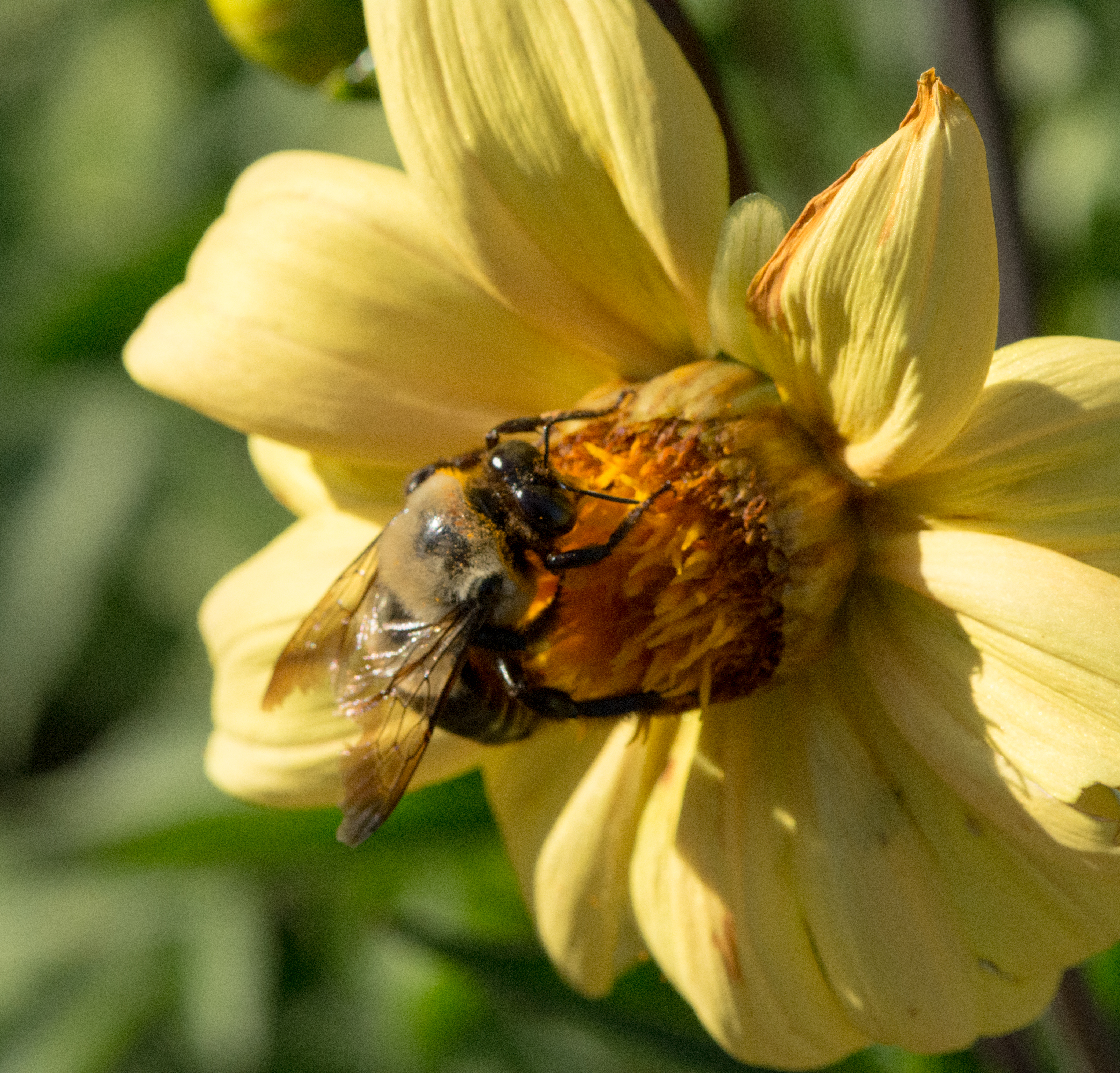
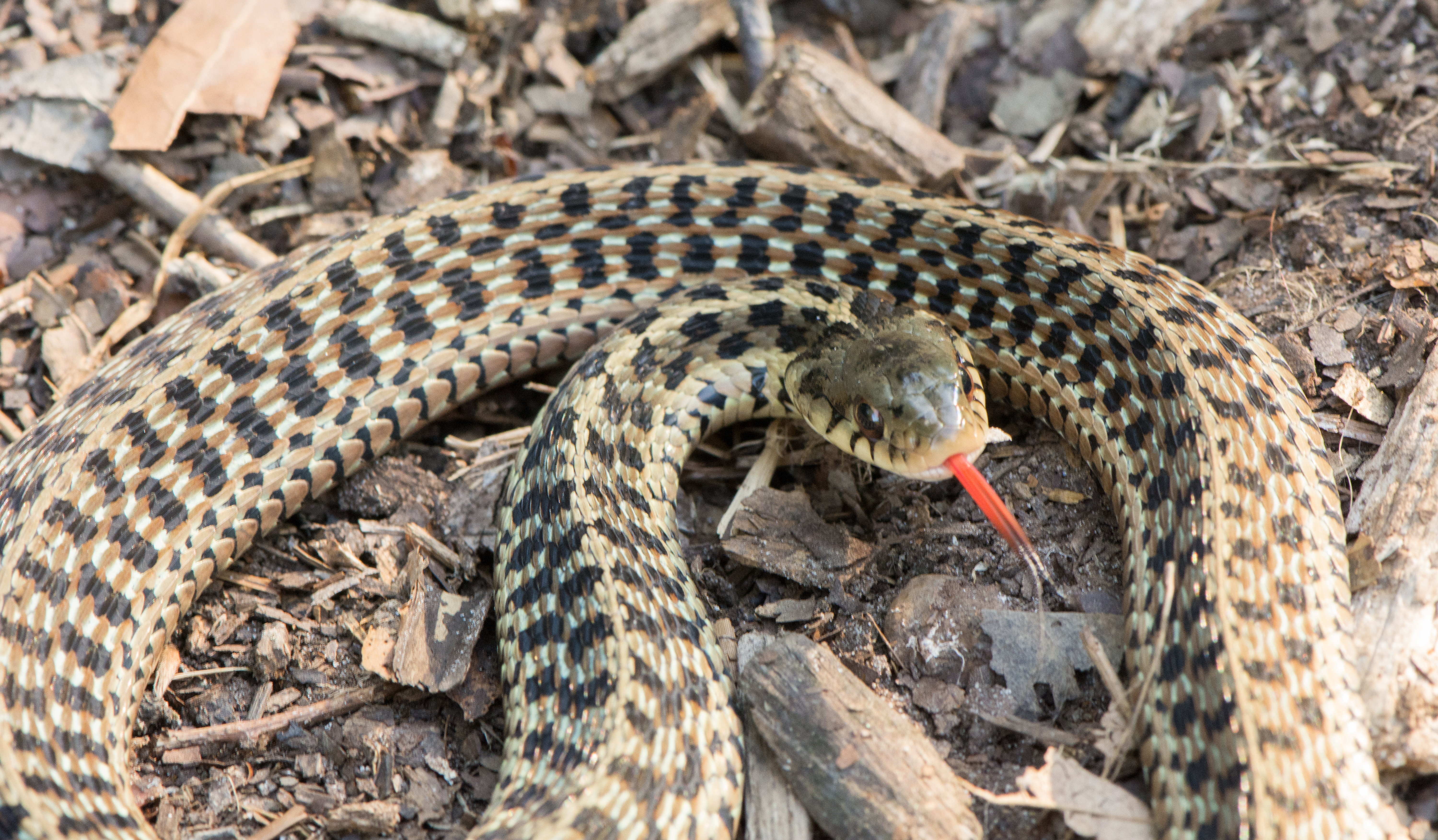
I took these pictures at Raulston Arboretum on May 29, 2015, at about 6:30 p.m. The season of pure new blossoms has passed, but there were bees hard at work. They work fast, with only a moment on a flower, but photographically frozen, they look like they love their flowers. I was also pleased to come upon a well-camouflaged little snake who was intently sensing the world with his tongue.
_DSC9898
_DSC9900
_DSC9900-2