The Casual Blog

Category: ballet

A fun Memorial Day weekend on the Outer Banks — eating, talking, running, looking at wild horses and birds, and reading

Jane and Keith's beach house in Corolla, NC

Jane and Keith’s beach house in Corolla, NC

Again this year, my sister Jane invited us out to the Outer Banks for Memorial Day weekend, and we happily accepted. The beach is a good place to relax and restore. After weighing the pros and cons, we decided to drive out in Clara, who with her sporting heritage rides rougher than the Suburu Outback, but is also prettier and more exciting. Traffic wasn’t bad. We went at the speed limit plus 9, and the heavy complement of state troopers along I-64 tolerated the overage.
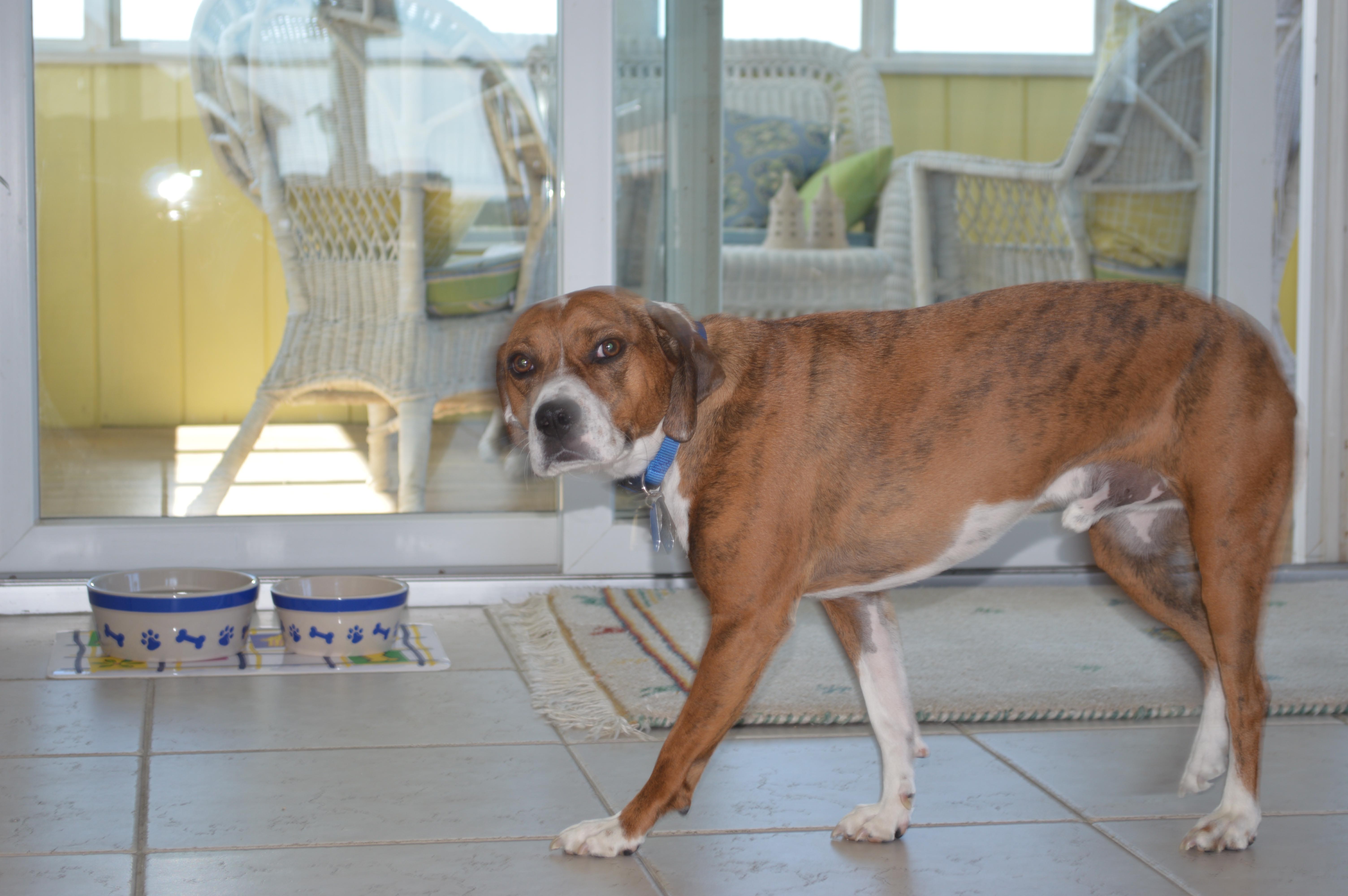
Charlie the Boogle

Charlie the Boogle

We got to Corolla about 9:30 p.m., and everyone was up and happy to see us. We enjoyed a glass of Keith’s merlot before bed. We also met their new dog, Charlie, a friendly beagle-boxer, or boogle. The camera made him a little nervous.

The next morning was sunny but chilly and windy. Keith prepared an egg casserole and fruit salad for breakfast, and we caught up on family news.
13 05 24_1703
We also talked a bit about technology and biology. I briefed them on some of the progress on understanding the human microbial community, which I read more about in the piece by Michael Pollen in last Sunday’s NY Times. Pollen wrote, “It turns out that we are only 10 percent human: for every human cell that is intrinsic to our body, there are about 10 resident microbes . . . . To the extent that we are bearers of genetic information, more than 99 percent of it is microbial. And it appears increasingly likely that this ‘second genome,’ as it is sometimes called, exerts an influence on our health as great and possibly even greater than the genes we inherit from our parents.”

This is mind-blowing, paradigm-shifting stuff. One researcher says “we would do well to begin regarding the human body as ‘an elaborate vessel optimized for the growth and spread of our microbial inhabitants.’” We’re just starting to understand some of the links between human health and microbial health. It’s a huge mistake, which most of us have previously made, to think of all germs as things that should be exterminated. Certain bacteria are essential to health, and problems in the microbiome appear to relate to chronic disease and some infections. Human health can be thought of as “a collective property of the human-associated microbiota . . . that is, as a function of the community, not the individual.”

The Pollen article is a great introduction to this subject, which is also discussed in The Wild in Our Bodies by Robert Dunn.
13 05 25_1642_edited-2

After breakfast, I went out for a run with my nephew David, now 13 and growing fast. David has fallen in love with lacrosse and is getting lots of playing time as his team’s goalie, so I figured he would probably run me into the ground. Instead, he developed a major cramp problem, and so we did more walking than running. I learned about his prize-winning science fair project, which involved growing and measuring characteristics of a fast growing plant called brassica rapa.
13 05 25_1640_edited-1
13 05 26_1751

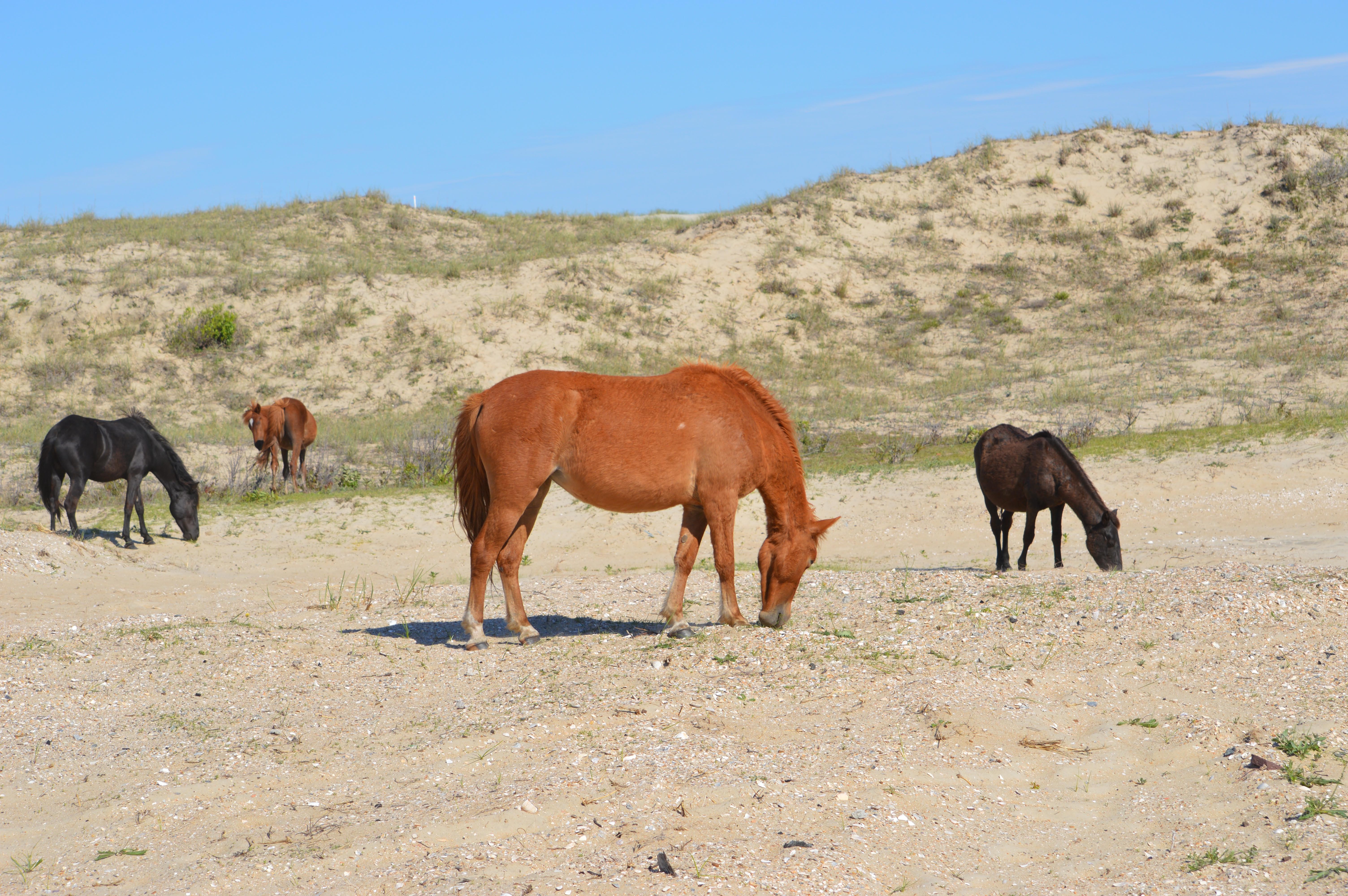
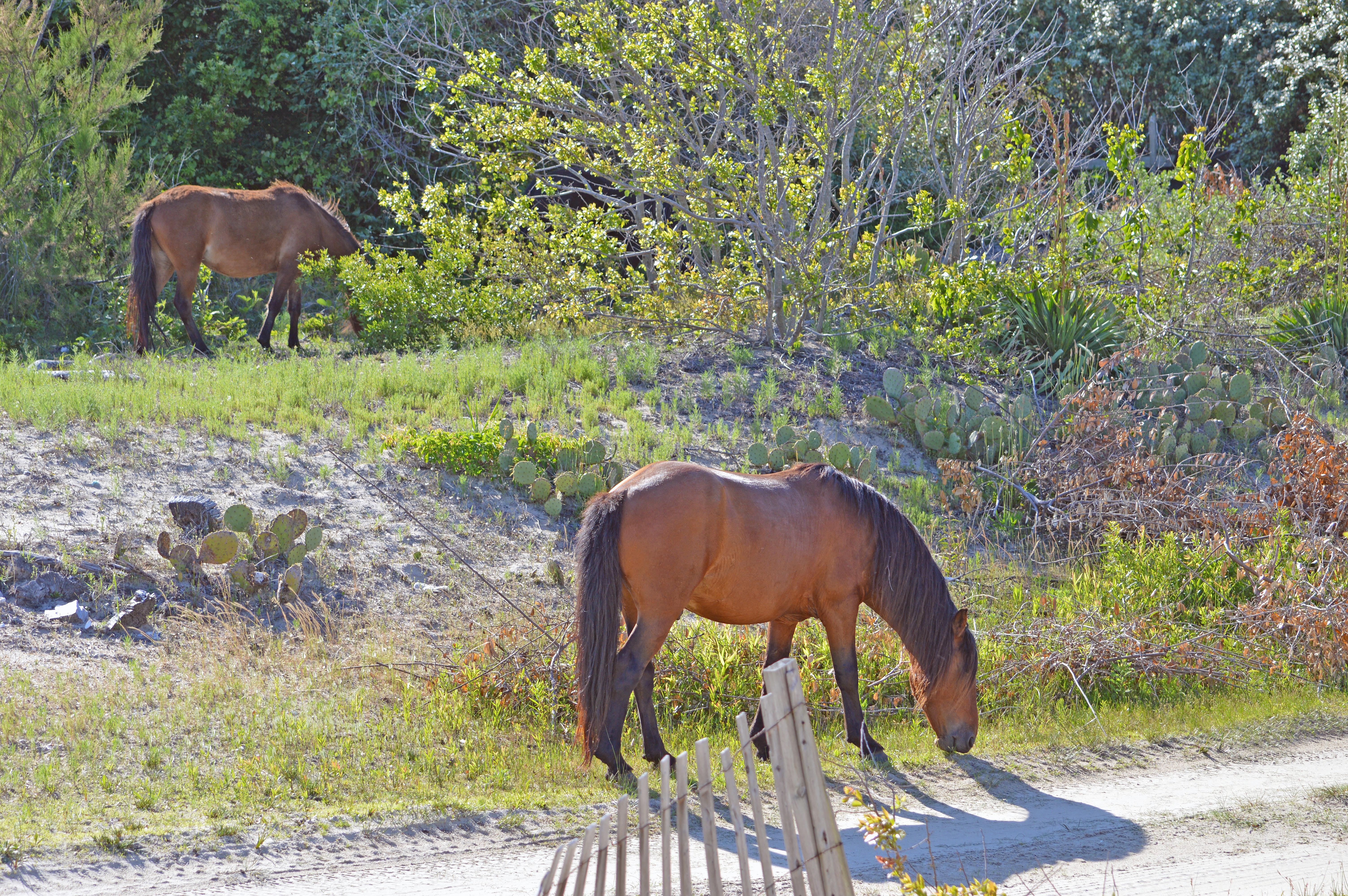
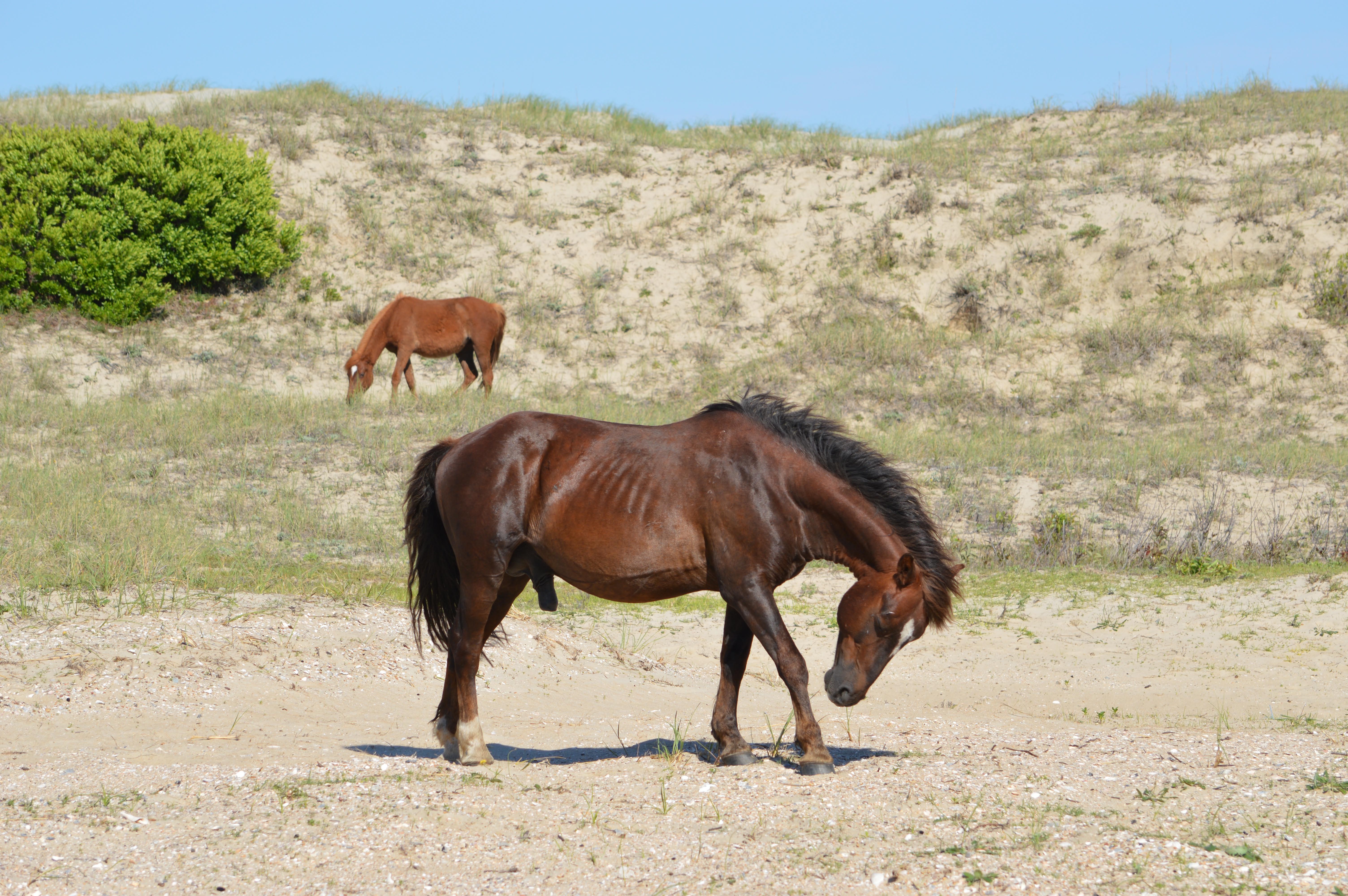
Keith cooked an amazing lunch – cucumber soup and pasta asparagus salad. Then we loaded up in the 4WD sport ute, and drove north on the beach looking for wild horses. Past the lifeguard station, we turned left into the sand roads through the gnarled trees and bushes of the maritime forest. We found several horses. It’s cheering somehow that these big animals can make their own way in small wild areas surrounded by development. We also saw a fox.
13 05 25_1571
13 05 25_156013 05 25_1608_edited-1

I had time for some reading in the afternoon, and got a good start on Things Fall Apart by Chinua Achebe, the Nigerian writer who died recently. This is his first and most famous book, and perhaps the most famous work of African literature to date. I was immediately hooked. The prose combines the muscular economy of Hemingway at his best with the vision of Faulkner, with an overarching tenderness and humanity. The story is about African village life, which, it turns out, has many of the same emotional components as our lives.

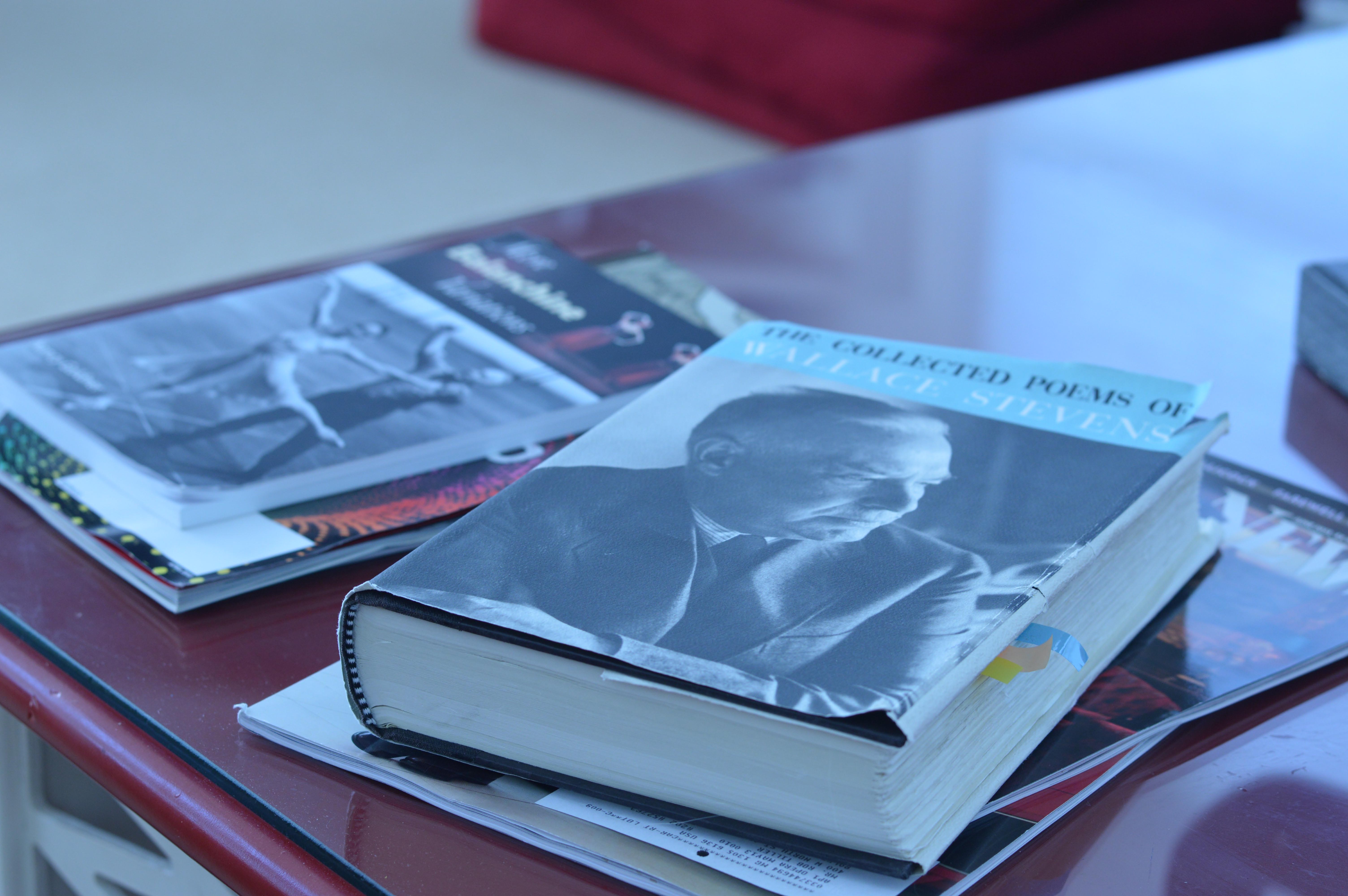
I also read more of More Balanchine Variations by Nancy Goldner, which is a book about various Balanchine ballets. Goldner is a generous-hearted critic, and she loves her subject. It’s so hard to bring dance to life other than by dancing, but she comes close.
13 05 25_1678

One other major bit of reading was chunks of the complete poems of Wallace Stevens. I came close to reading them all last year, before shelving the project some months back. Stevens is challenging, and not uniformly great – some of the poems seem mannered or even mad. But the greatest poems are both beautiful and profound. My favorite is still Sunday Morning, which is a sly, subversive, arresting, sensual, and humorous. I memorized it, and it still gives me goosebumps at the end, with its powerful image of “casual flocks of pigeons make/ ambiguous undulations as they sink,/ downward to darkness, on extended wings.”

Stevens proposes this joy in nature as an answer to religious asceticism, and it works for me. It also makes me look at the world with different eyes. For example, in back of Jane and Keith’s beach house, purple martins are still numerous, and still flying fast feeding on insects. It was a pleasure to watch them.

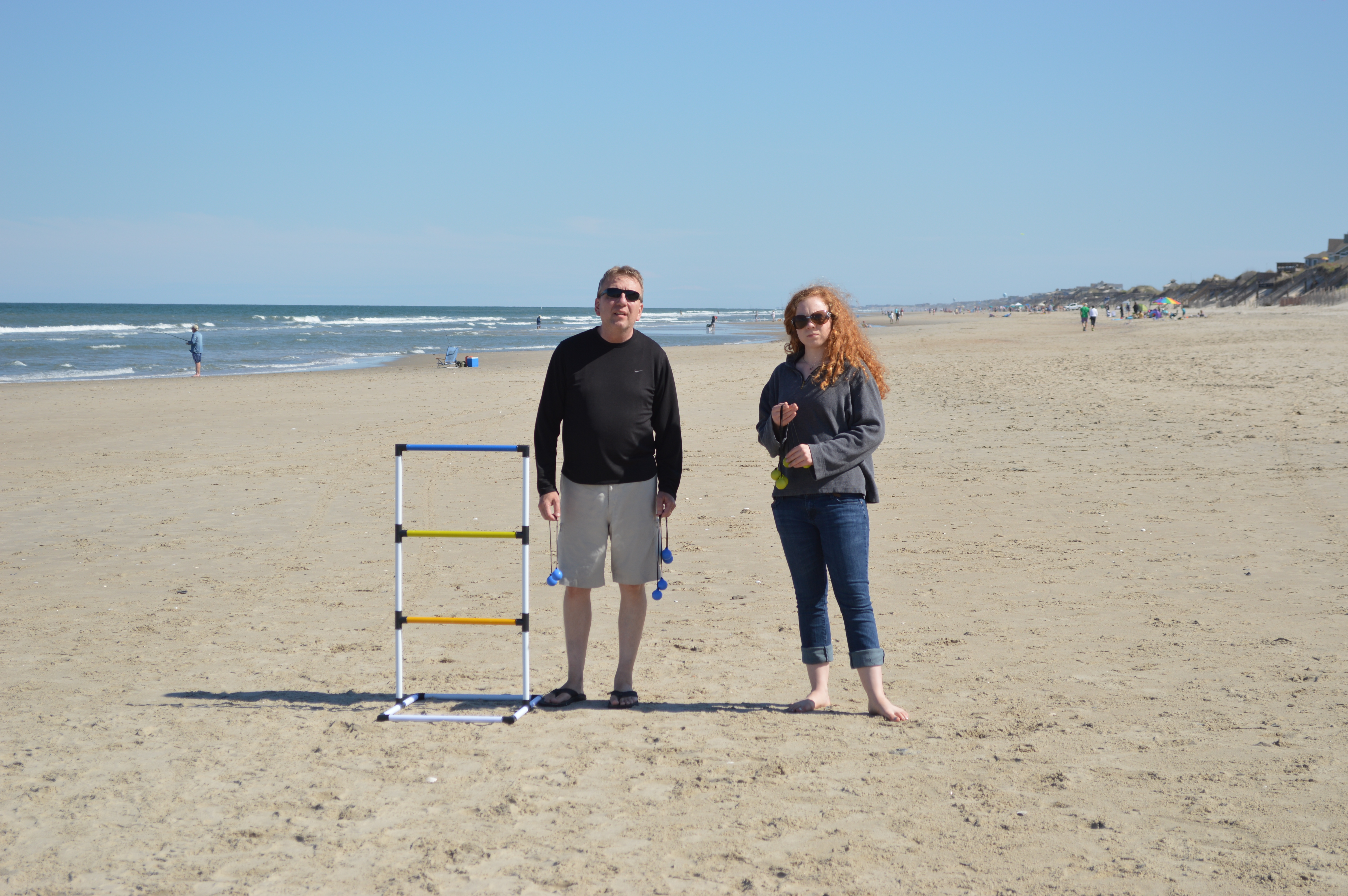
We played a new beach game on Sunday afternoon. It’s one of the many variations on horse shoes, but a good one. Points are scored by throwing a string with weighted balls on each end around a bar. They couldn’t remember the name of it, but no matter. It was fun!
13 05 26_1763

13 05 26_1759

Some good news re my eye, and seeing the beautiful Giselle

On Tuesday it was time for another checkup at the Duke Eye Center to see how my left retina was faring. I’d noticed recently that I was seeing better out of that eye – still blurrily, but enough to be of some practical use. But I’d been cautioned by my rockstar retinologist, Dr. M, that because of the scarring from my first operation, there was considerable uncertainty as to how the healing process would progress, and the weeks just past would be a critical phase. I tried not to think about it.

At the appointment, after a four-hour wait (aargh!), I was pleased to find that I could read some of the letters on the eye chart (which I could not at the last visit) and tell with confidence how many fingers the PA was holding up in front of me.  After studying various images of my eye and peering into it with his magnifying instruments, he said, “I like what I’m seeing.”  He told me we’ll need to operate in a couple of months on my new cataract and do a bit of clean up work, but it looks like my vision will improve.  This is good.

On Friday I saw the Carolina Ballet’s last ballet of the season, Giselle. This is one of the most famous works in the canon of classical ballet, but I’d never seen it, and was excited to finally make its acquaintance. The production was beautiful, and also unexpectedly touching.

The ballet is a simple, then tragic, then supernatural love story. Giselle is a sweet peasant girl who is loved by a fine peasant boy but wooed and won by a stranger who turns out to be a Count in disguise. When she finds out that the disguised Count is engaged to an elegant royal lady, she goes mad (very like Lucia), and dies. In the second act, she joins a large group of other deceased jilted maidens, known as the wilis, who dance beautifully together and wreak vengeance on cads such as the Count. But it turns out that the Count really loved Giselle, and she comes to his rescue at the end. Happy ending! Well, sort of – Giselle’s still deceased. You’ve got to get into a romantic frame of mind to enjoy this, but you almost can’t help it.

Lillian Vigo was a beautiful Giselle. At her best, Vigo is masterfully elegant, particularly in adagio passages, and she was lovely this evening. She has the most amazingly graceful long arms! She was sweet and vulnerable, engaged and engaging. It is amazing how much emotion a human body can convey without speaking!

Richard Krusch was a surprisingly complex Count Albrecht, by moments either outgoing or withdrawn. Krusch is a marvelous dancer, but he he can at times seem remote. This evening, he seemed completely and intensely present, and stunning, not only in his athleticism, but in his human engagement.

I also admired Cecilia Iliesiu at Myrtha, Queen of the Wilis. Ilesiu is powerful in every respect; she commands the stage. She immediately established that the Wilis were no joke — even if they have a funny name, they were not to be trifled with. The wilis were numerous and gorgeous in white gowns. The effect of 20 ballerinas in tight formation, hovering on pointe, is both pretty and kind of scary.

On Sunday afternoon I went to see Giselle a second time. I wanted to see Lola Cooper, our pointe shoe sponsoree and friend, perform the peasant pas de deux. It seems quite technically demanding, and Lola rose to the challenge. I thought she looked wonderful.

It’s interesting how different dancers can discover and express very different aspects of the same role. I thought Jan Burkhard was superb as Giselle. Her dancing was fully realized and wonderfully expressive, ranging from sweet tenderness to the agony of madness. It was really moving — I got goosebumps. I came away with a new respect for her range and depth. In this performance I also particularly enjoyed Marcelo Martinez as the Count, who took some real chances and was thrilling, and Lara O’Brien as Myrtha, who was regal and mysterious.

A delightful evening with the Carolina Ballet

We saw the Carolina Ballet’s new program on Friday night, and loved it! The first of the two feature works was Fancy Free, by Jerome Robbins with a jazzy score by Leonard Bernstein. It’s about young three sailors out on the town (and led to the musical On the Town) looking for female companionship. The sailors joke around, drink, fight, and come to full attention at the sight of a passing lady. It is sweet and funny, and also marvelously accurate on the overwhelming force of male and female attraction. We particularly enjoyed Eugene Shlapko’s solo work, but everyone was wonderful.

The other piece on the program was Carolina Jamboree, choreographed by Lynne Taylor-Corbett. It featured music by The Red Clay Ramblers, seven musicians who describe themselves as “a North Carolina string-band” with a repertoire based on “old-time mountain music, as well as country, rock, bluegrass, New Orleans, gospel, and the American Musical.” It is nothing if not eclectic, and in fact there are not just strings — there are drums, brass, and electronics, among other things. Most every one plays an instrument, or two or three, and sings. I wouldn’t say any Rambler’s singing by itself is great, but together they’re fantastic. It did not seem bogus when the audience joined in, shouting and clapping — it seemed irresistible. Alicia Fabry was haunting as the unhinged girl in the Red Rocking Chair. Also outstanding was Lindsay Purrington as Nell in the Mystery of Beautiful Nell Cropsey.

The show was at Raleigh’s Memorial Auditorium, which had an enthusiastic crowd, but quite a few empty seats. It’s disappointing that it wasn’t sold out. Some ballet is not instantly accessible, but these pieces really are. I can’t imagine anyone not relating to the funny randy sailors, their admired and harassed love interests, or the colorful country characters in Jamboree. The performances were touching, energizing, and tremendously fun.

Perhaps more than with any other art, there is no substitute for the experience of live ballet. Filmed ballet doesn’t come close to the experience of a live performance. I discussed this recently with Ricky Weiss, the company’s artistic director, and he confirmed that, although he looks at lots of ballet footage, the essence of a piece is nearly impossible to capture on film. That leaves human memory, which is imperfect, to hold what it can.

In this respect, the audience is essential to the art. If a performance drops in the forest and no one sees it, does it exist? Not fully. Performing arts are about communicating feelings, and it takes both a communicator and recipient to complete the artistic circuit. We need our dancers, of course, for the beauty and truth they give us, but they also need us.

After this weekend, the Carolina Ballet is presenting the Fancy Free/ Carolina Jamboree program one more time, in Durham, on Friday April 26.

An eye exam, a veggie burger, and a new ballet

It was a busy week at work, with many new issues popping up as I tried to address the existing backlog. I also made a visit to the Duke Eye Center for an exam in preparation for my eye surgery next week. My ophthalmologist, Dr. Prithvi Mruthyunjaya, seems both brilliant and humane, but his patients have to spend an awfully long time in the waiting room. This was also true of Drs. Denny and Casey. Is this a retinological tradition? Are damaged retina patients more-than-usually patient? Dr. M. described my prognosis as “guarded.” At a number of levels, I felt not so great.

On Friday Sally and I did dinner and a ballet. For dinner, we made our first visit to Chuck’s, a new place on Wilmington Street that features in gourmet hamburgers. We quit eating cows many years ago, and so initially assumed Chuck’s was not for us, but then were told on good authority that they made the best veggie burger in town. It was, in fact, really good. It had flavor and pleasing, chewy consistency. And it didn’t fall to pieces.

The Carolina Ballet led off with a new work called A Street Symphony by Zalman Raffael. It was set to hip hop music, which, as almost everyone knows, is music emphasizing pulsing polyrhythms and rhyming gritty lyrics, and deemphasizing melody and harmony. I developed a taste for hip hop a few years back, when I found the Sirius radio hip hop channels, and found it to be good music for driving a sports car. I liked the raw immediacy and experimental transgressiveness. It is also, of course, good dancing music, but hip hop dancing seems worlds away from the ballet tradition.

Combining radically different movement vocabularies could be a banal experiment or a disaster, but Raffael succeeded brilliantly. His work Rhapsody in Blue, presented earlier this season, was soundly designed and had some marvelous flashes, but seemed more the work of a skilled apprentice than a master. With A Street Symphony, he has arrived, with a strong sense of architecture and humor.

The work is made up of seven songs, with the dancers arrayed in solos, couples, and ensembles. The set and costumes are minimalist, with the women wearing gauzy tutus of various colors pulled above their tights. In the beginning, the pounding rhythm is unsettling, and the first piece, Clockwork, uses a robotics theme that is fairly familiar. But Alicia Fabry’s replicant is both energized and vulnerable, with limbs shooting about at amazing speeds and a startled doe-eyed gaze.

I also really liked Jan Burkhard and Yevgeny Shlapko in Best of Me. Jan is a dancer with an sensual quality, and here she was fearless. Classical dance walks a fine line with respect to sex: it candidly reveals dancers’ bodies and deals with intimate subject matter, but almost never references the act itself, and is careful not to push the red button. But hip hop is sexy, and Jan embraced it. So did Eugene, who had a rangey freedom that recalled the hood.

Lindsay Purrington was really touching and beautiful in Cry Me a River. She did various transformations, including a streetwise tough and a Swan Lake swan. At one point her tutu started to fall to pieces, which added an unplanned degree of tension to the performance, but she dealt with the issue with grace, eventually ditching the thing stage right, and strutting boldly forward. Adam Crawford Chavis lifted her magnificently overhead.

This was unquestionably ballet, with pointe shoes and the traditional vocabulary, but augmented with exciting movements from urban street culture. The most successful dancers seemed to personalize their roles, though some stuck close to the familiar classical lines. For one, Margaret Severin-Hansen, who is a fantastic classical technician, was sharp and intriguing, but seemed to me to hold back a bit from the street. On the other hand, I thought Sokvannara Sar, Nikolai Smirnov, and Cecilia Ilieusiu all found interesting individual ways of combining the upmarket and downmarket.

Anyhow, I really liked A Street Symphony, and also Robert Weiss’s new work Idyll, set to Richard Wagner’s lovely Siegfried Idyll. It featured three couples and flowing lines. I was looking forward to The Rite of Spring, but it came after the second intermission, and I was just too tired to take it all in. Sally thought it too was wonderful.

It’s time to subscribe to next year’s ballet season. We’ve been going on Friday nights for fourteen years and have excellent front-center orchestra seats, but I think we’ll switch to Saturdays. On Fridays I often find myself tired after a busy week that includes 5:30 a.m. workouts, and not always able to hang in there intently for a full evening of beautiful performances. Our NC Symphony subscription has been on Saturdays, and so we’ll have to manage some conflicts, but it seems worth it.

Ballet paintings, fossils, and a piano recital

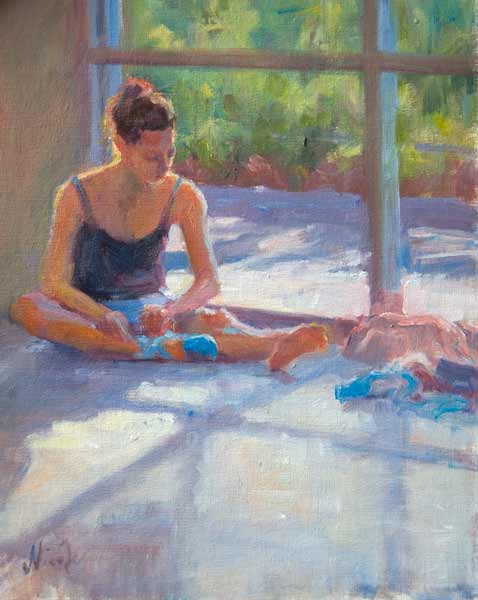
Light on One’s Feet by Nicole White Kennedy

Last Thursday Sally and I had lunch at the Remedy Diner, where my sandwich was the Tempeh Tantrum, then went to a gallery to to look at paintings by Nicole White Kennedy. Kennedy, a local artist, paints in an Impressionist/Post Impressionist style that I once thought of as old hat. My early art education stressed the triumph of modernism and abstraction. But over the years I’ve really enjoyed Kennedy’s landscapes and cityscapes in her husband’s fine Italian restaurant, Caffe Luna. I’ve gradually gotten past my prejudice in favor of the modernist aesthetic. Artists show us multiple ways to see the world, and it’s fun to try different ones.

Anyhow, I was intrigued to learn that Kennedy had worked up a show of works featuring dancers from the Carolina Ballet. We really liked the show. No doubt it helped that we came to it as balletomanes, and that we could recognize some of our favorite ballerinas. But she unquestionably had a feel for the interiors and exteriors of the dancers and their work places.

I was conscious that the works owed a debt to Degas, both in their behind-the-scenes intimacy and the juxtaposition of ethereal sweetness and stark angularity, but I didn’t find this bothersome. Artists always borrow ideas from other artists and build on them, just like scientists and inventors. We were particularly touched by the paintings above and just below, and bought them.

Dancer Removing Turquoise Points by NWK

The next day I flew up to DC for a gathering at the Supreme Court in honor of my old friend Justice Elena Kagan, which was highly nostalgic and which I will try to write about soon. But as post-election therapy, I’m focusing just now on art. With my free morning I sampled the Smithsonian museums, which always make me proud and happy to live in the USA.


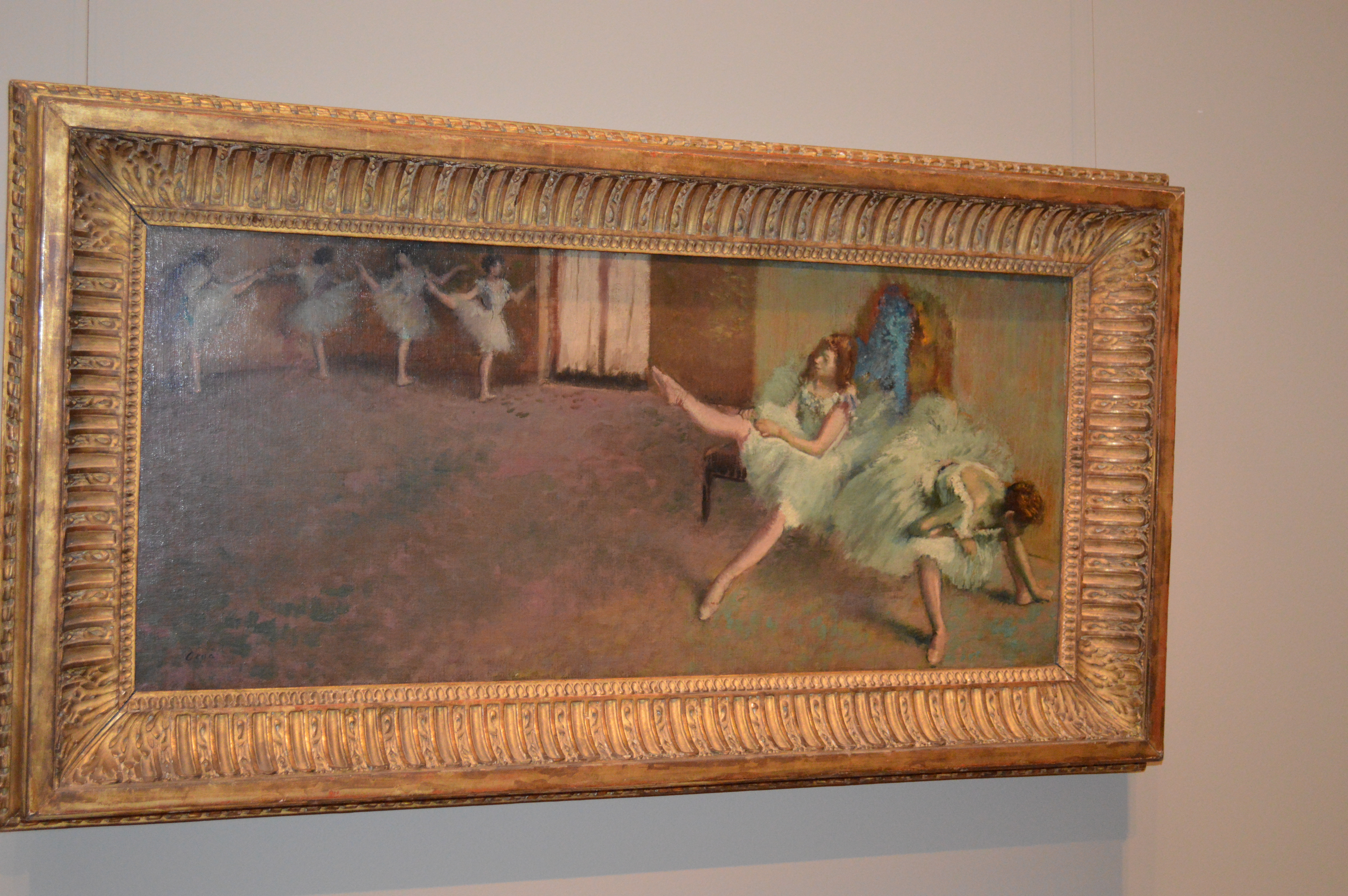
First I visited some of my favorite works at the National Gallery. These included the Rembrandts and other Dutch masters, including especially the two exquisite Vermeers, as well as the French Impressionists. Still thinking about dancers and art, I paid particular attention to the Degas paintings and sculptures of dancers. He clearly loved the subject, and it touched me. But I must say, his dancers are not as lithe and athletic as the Carolna Ballet ones.

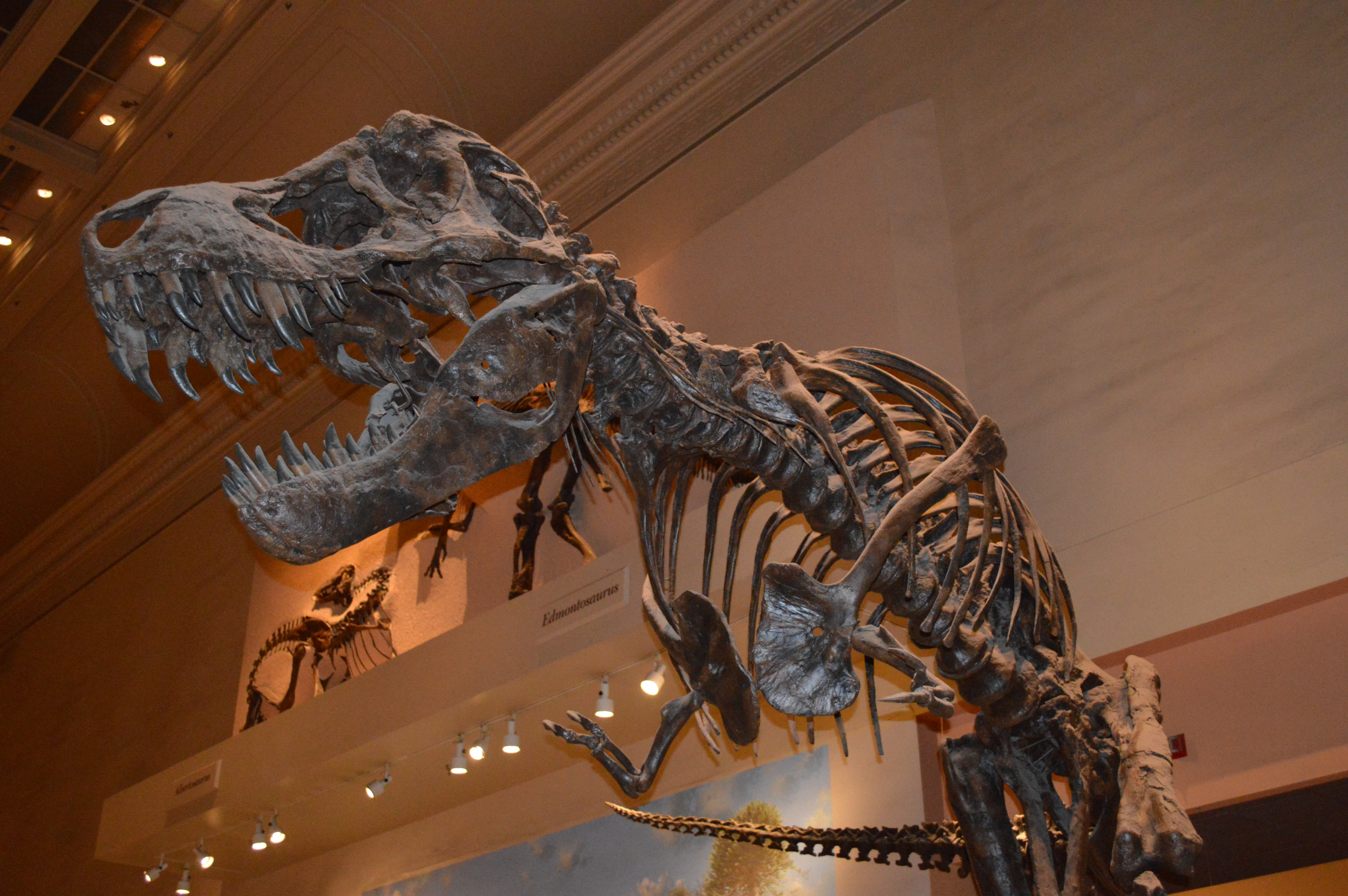
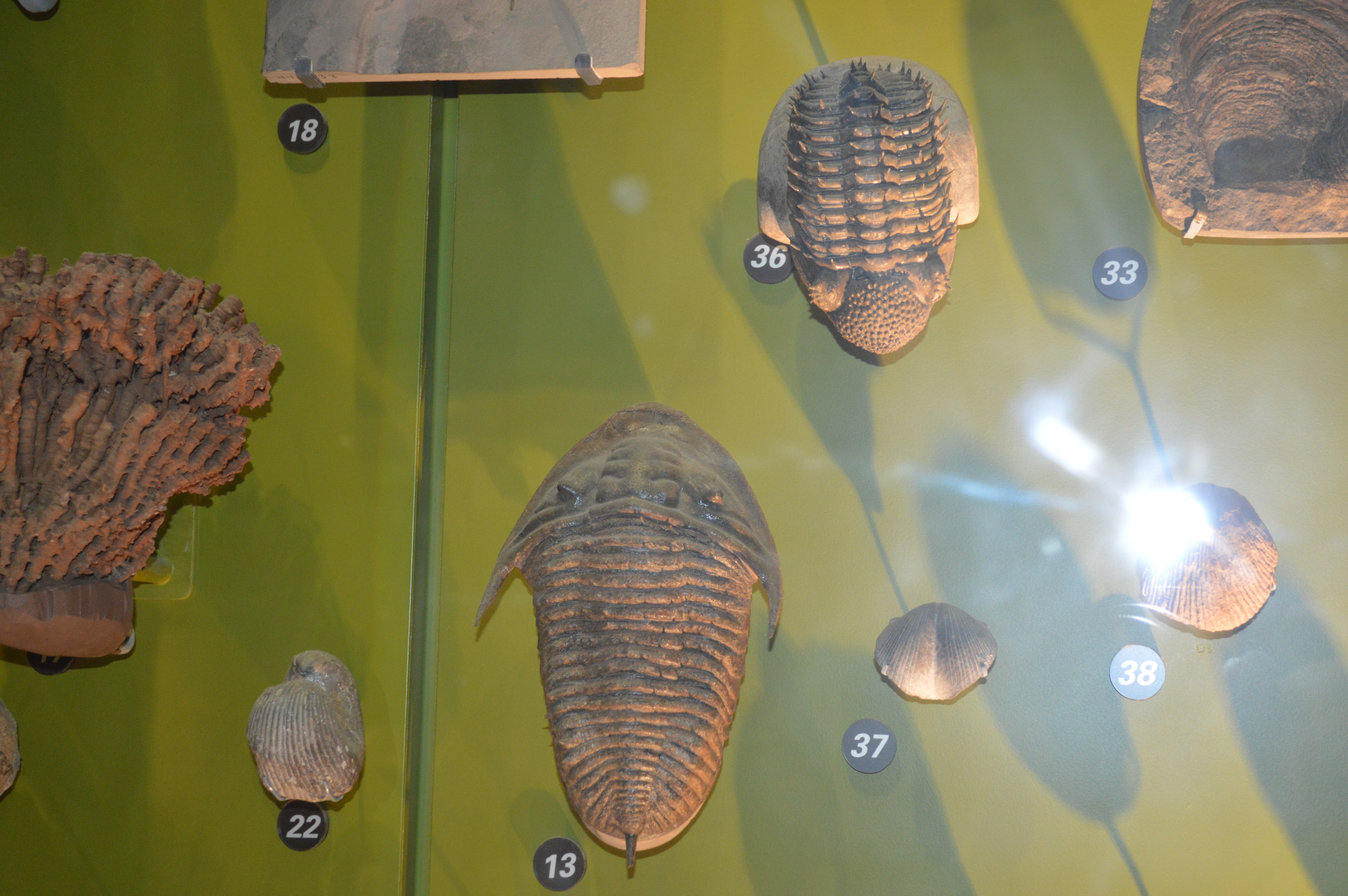
Next, I walked down the Mall to the Museum of Natural History. As always, I enjoyed looking at the dinosaur fossils, but I wanted to have a close look at the trilobites, which are much much older than dinosaurs.

Trilobites were marine arthropods that began their run around 520 million years ago. They developed an amazing variety of body types during the 270 million years (give or take) that preceded their extinction. RIP. Nature has done a lot of amazing experiments!

I returned to Raleigh on Sunday afternoon in time to go to the recital of my piano teacher, Olga Kleiankina. Her program, like her, was Russian: Alexandr Scriabin (1872-1915), Nikolai Medtner (1880-1951), and Sergai Rachmaninoff (1973-43). She played brilliantly. She’d told me a couple of weeks ago that she was struggling with memorizing the Medtner piece (the Tempest Sonata), and I was feeling a little anxious for her, but she seemed completely in command. The piece was very dense, and at first I was a bit bewildered, but then I got my bearings. I particularly enjoyed the Scriabin Black Mass sonata. From our work together, I know how intensely she focuses on sound colors, and now that I’ve learned to hear some of those things, the music took on a new dimension.

There was a good piece on the Sunday NY Times about the sense of hearing, and the difference between hearing and listening. According to Seth Horowitz, we react to auditory signals 10 times faster than visual ones. Hearing is an early warning system, among other things. He notes that close listening is hard in a world where there are endless distractions, but that we can get better at it. I concur.

A piano tuning and a ballet board meeting

My Steinway grand piano (an A) is a gorgeous musical instrument, but it is subject to entropy. It needs a regular tuning, and lately a few notes in the lower-middle range sounded overly bright to me.

On Saturday, Phil Romano, a master Steinway technician, tuned it and did some voicing by needling the hammers. Phil was about to take off on another tour with Paul McCartney, and shared some interesting stories of Sir Paul’s performing in the Queen’s Jubilee, the Olympics, and South America.

With the benefit of Phil’s good tuning and voicing, I had a gratifying session with my instrument on Saturday. Recently I’ve felt a bit stuck on the same musical plateau. Although this has happened from time to time over the years, each time it’s uncomfortable, as I wonder whether I’ve gone as far as I can go. An essential part of the joy and challenge of the classical tradition, for me, is forward movement. It’s true that I’m now playing better than I ever imagined I would, but still, I would see no point to practicing if I didn’t expect to achieve greater technical and artistic mastery. This is one of the reasons it is so important to have a teacher — to get you unstuck when you’re stuck.

Anyhow, today felt as if I was getting unstuck. For a devoted student of the piano, there are few things more pleasurable than a freshly tuned Steinway. I played some of my favorite Chopin, Debussy, and Liszt works, and made some headway on my assignments from Olga — Rachmaninoff’s Elegy and Chopin’s etude op. 25 no. 12. Also, for a special treat, I read through some of Tchaikovsky’s Nutcracker. The Waltz of the Flowers really works as a piano piece! I’d like to polish it up for the holidays if I can find the time.

Speaking of the Nutcracker, this week I had my first meeting as a new member of the board of directors of the Carolina Ballet. I’m really pleased to be able to help support this wonderful company. It’s also good to meet other people who really love ballet. As Ricky Weiss pointed out at the meeting, not everyone likes it, and some actively dislike it, but those who care about it care a lot.

In his report, he noted that we have a particularly strong group of dancers now. In the all Balanchine program, he had four different Apollo’s. It is, he said, an extraordinary thing, particularly in a company of this size, to have four males who are all capable of fully expressing this difficult role. (In an interesting coincidence, this morning the dance critic of the New York Times discussed Balanchine’s Stravinsky ballets and led off the discussion with Apollo.)

There are lots of things to be happy about, including the company’s large number of performances, the large number of new works, and the consistently high standard of performance. Weiss noted that the current group of dancers have achieved a high level of individuality, by which I think he meant they are artists who express not only the classical tradition but also themselves.

At the same time, there is a real concern about company finances. This is no great surprise. Since the recession of 2008, times have been hard for lots of people, including lots of arts organizations. But realizing this does not lessen the difficulty for this particular organization. I continue to think that there are more people around here who would enjoy ballet who haven’t yet discovered it, including some who would find it rewarding to help support the company. I hope so.