The Casual Blog

Tag: Yosemite

Visiting Yosemite, and some thoughts on lies in America
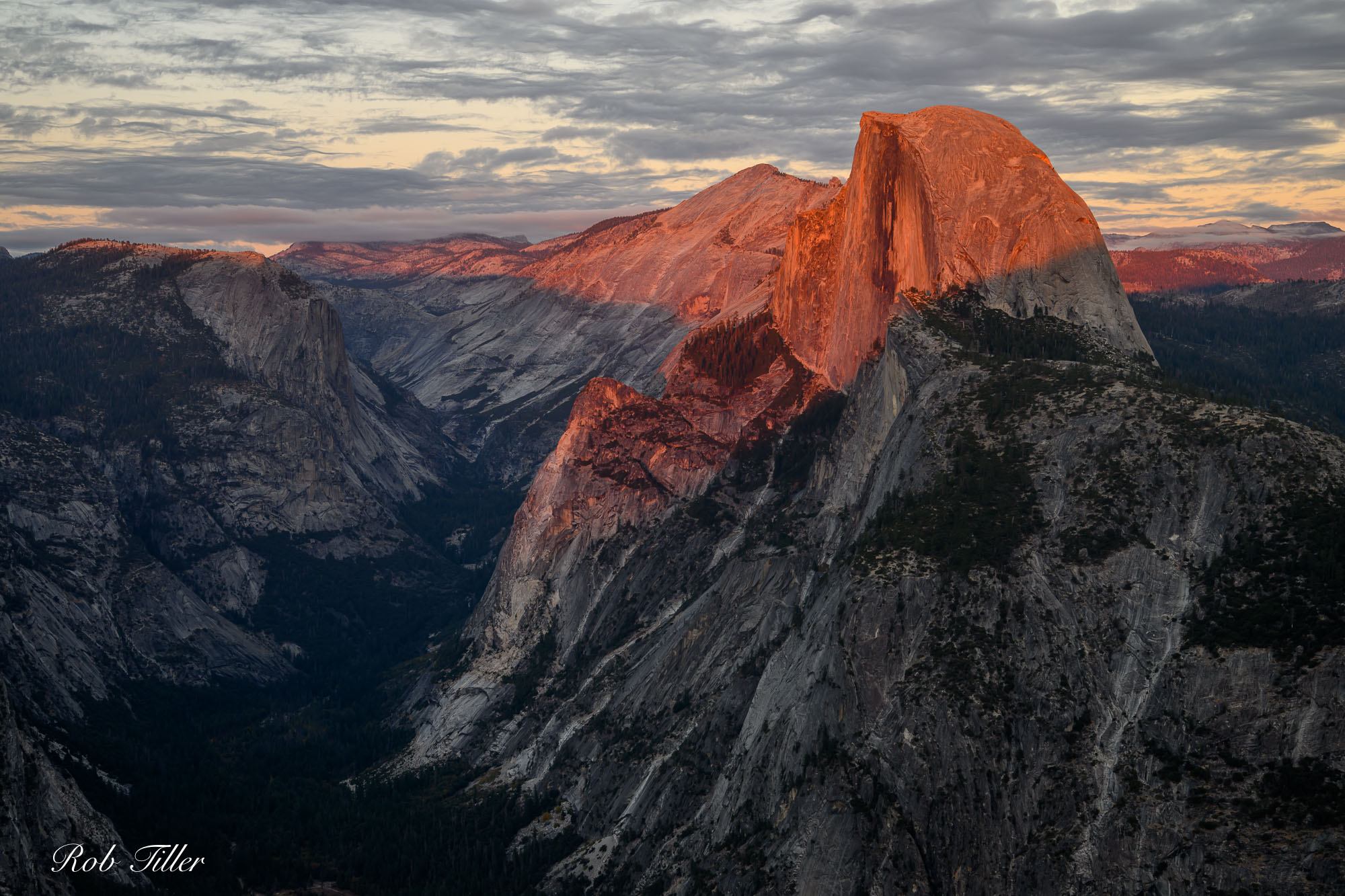
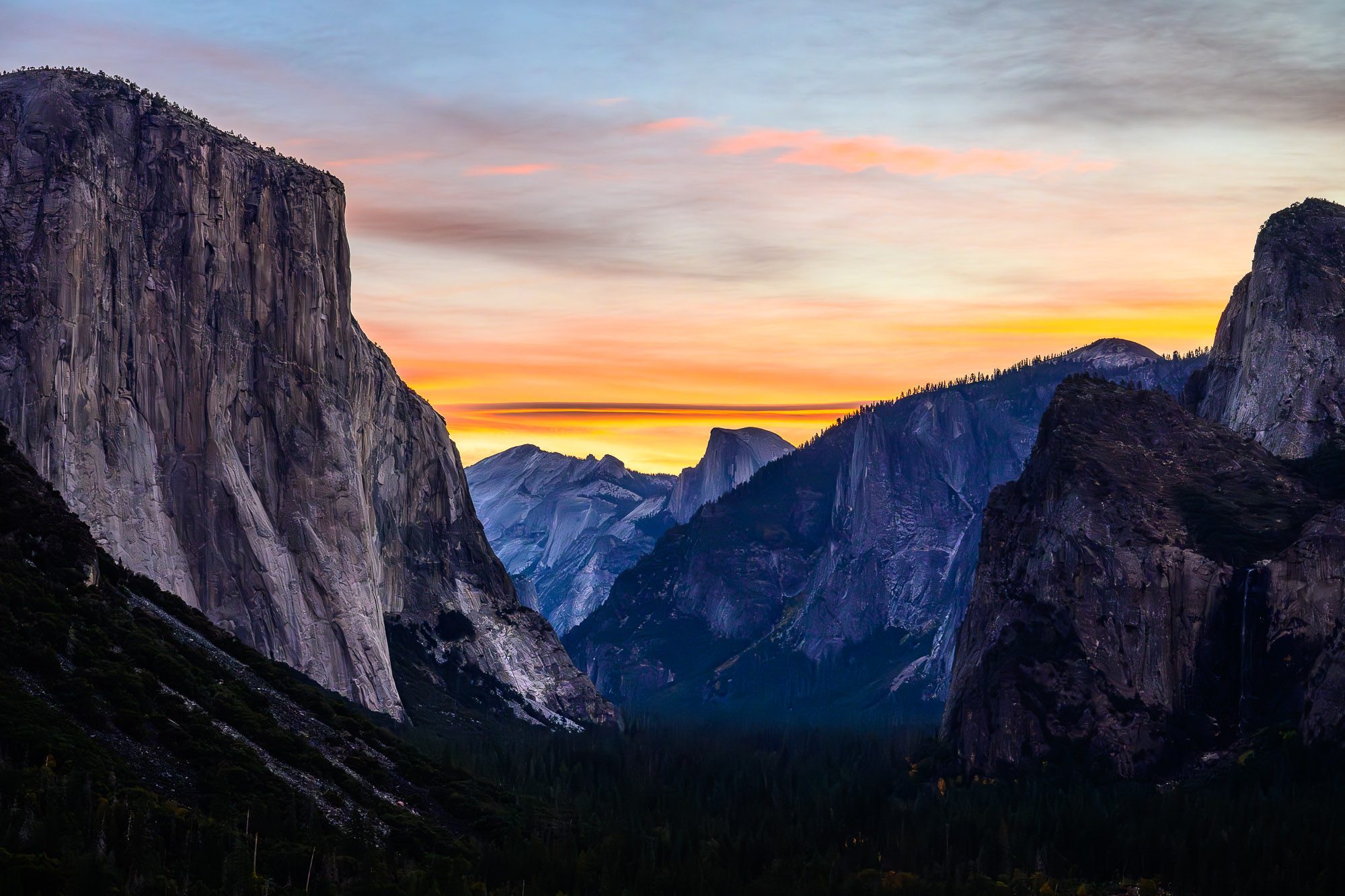
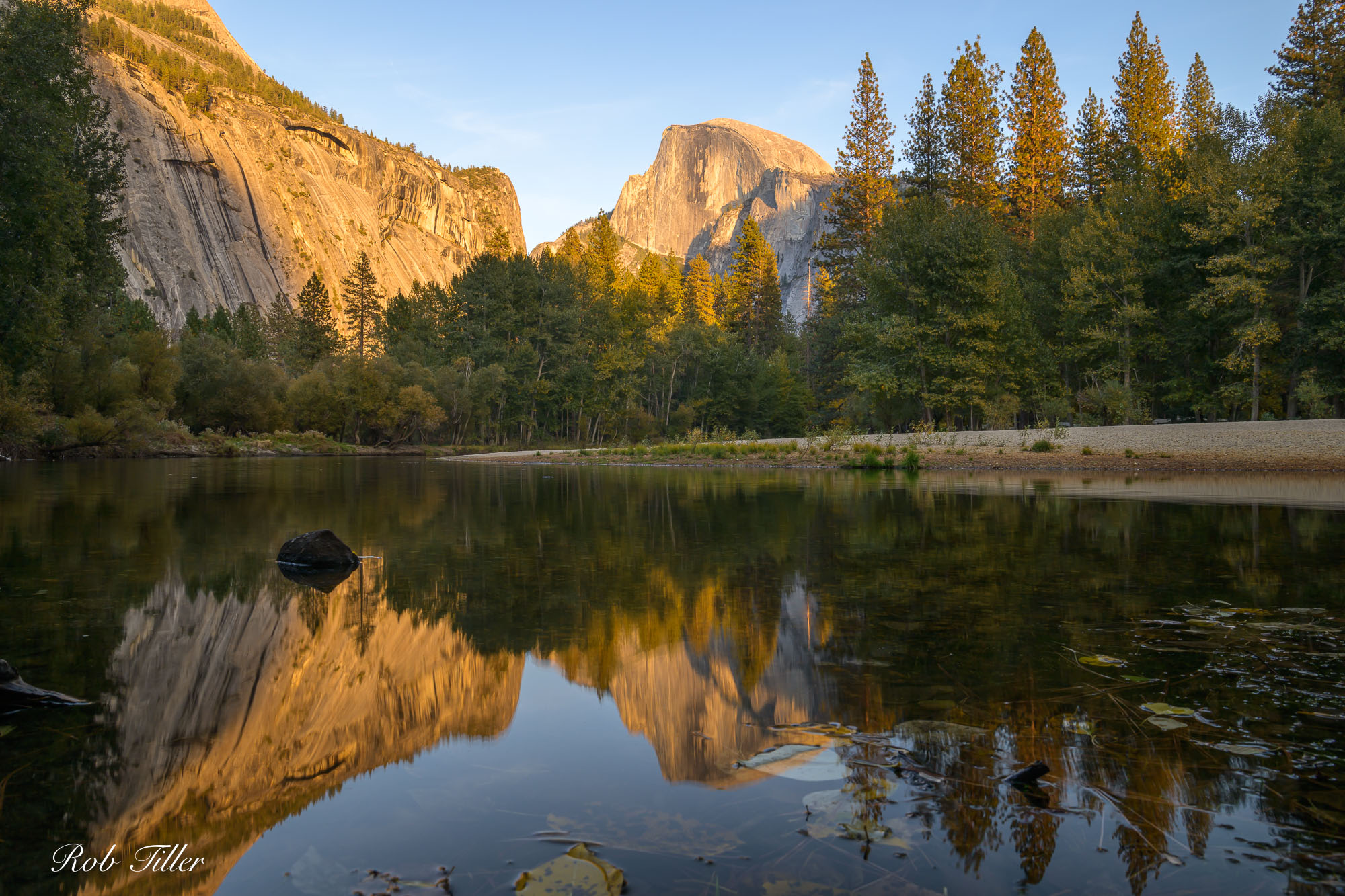
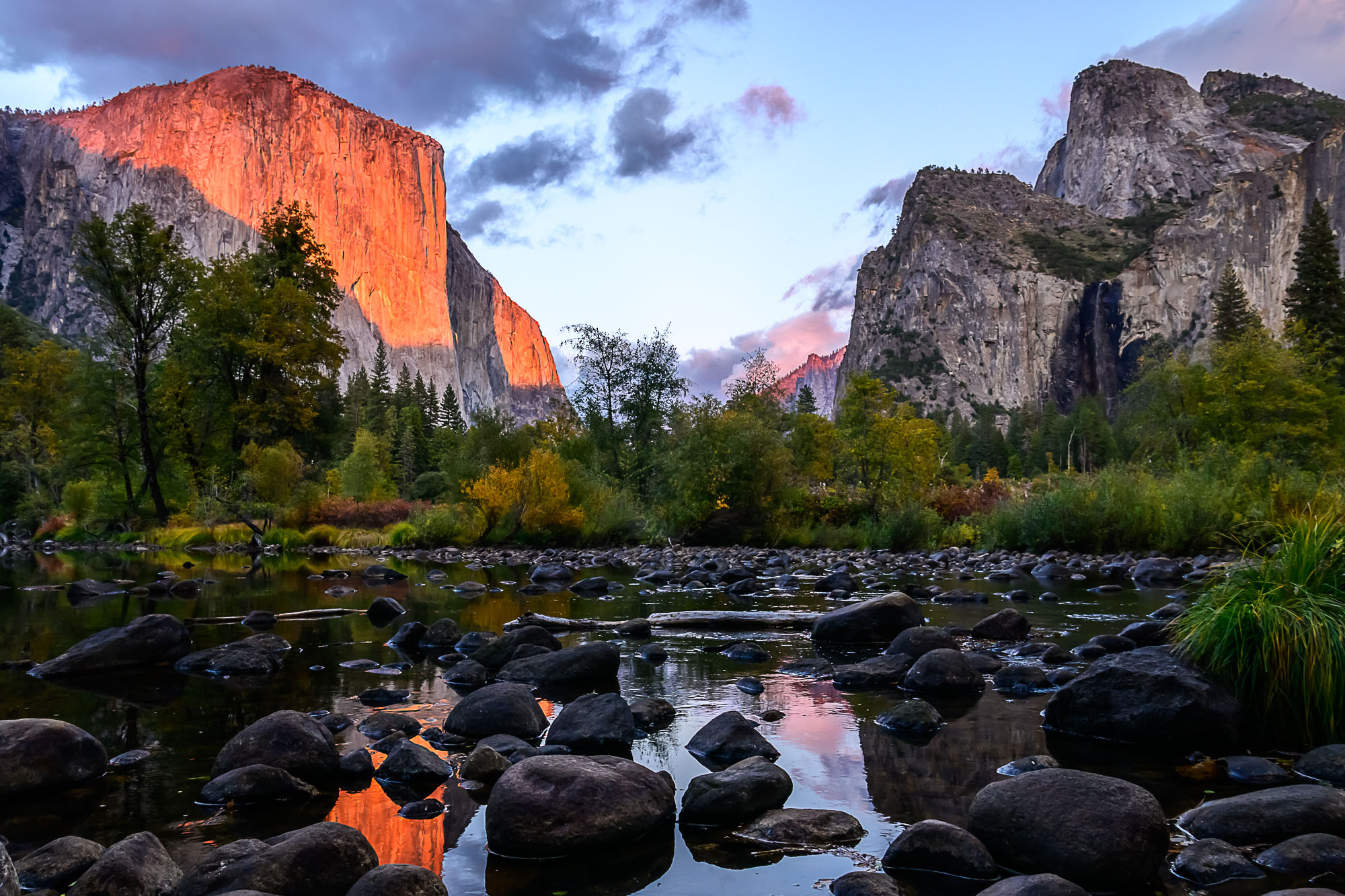
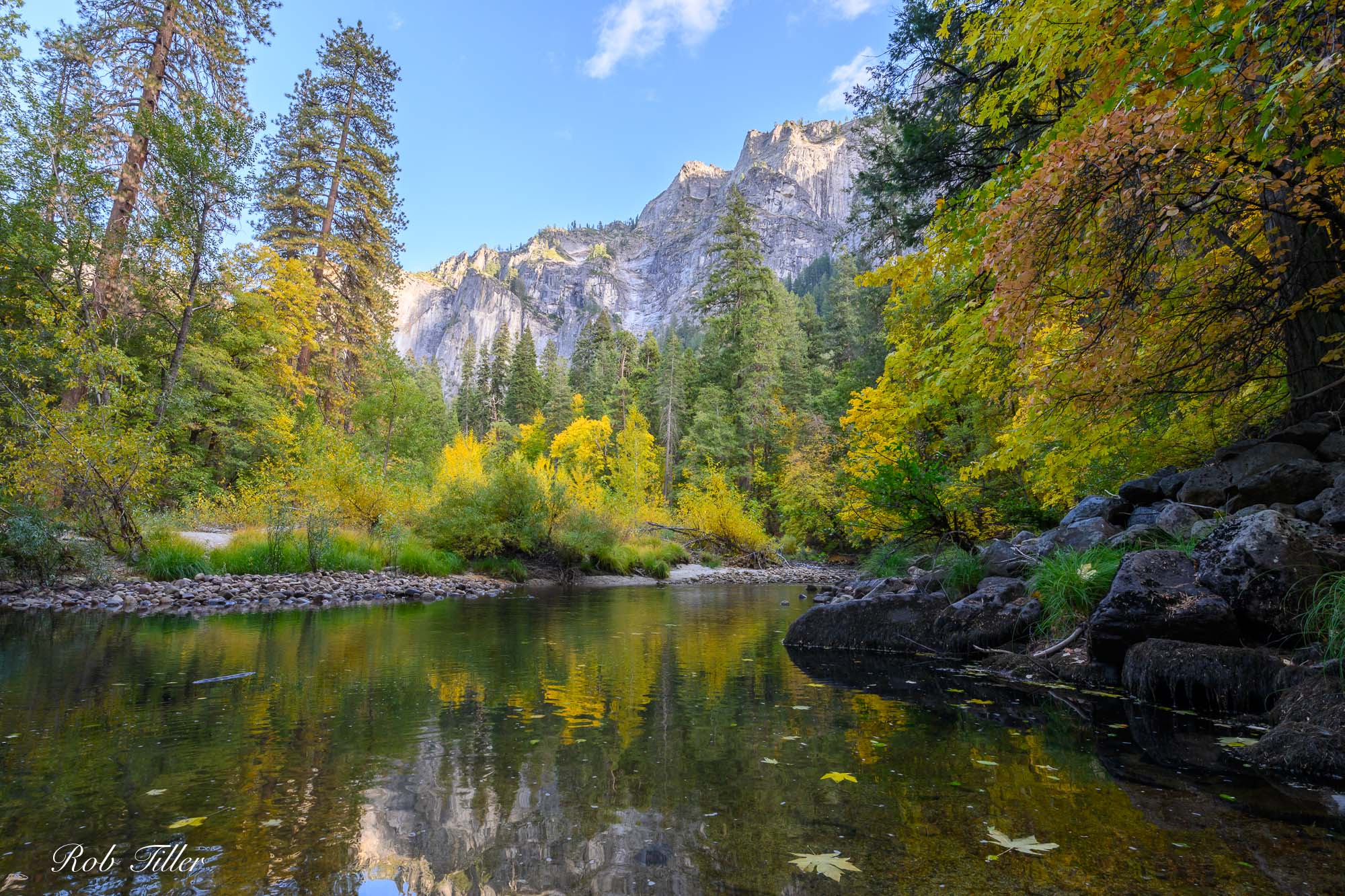
Last week I visited Yosemite National Park, which had resplendent fall colors beneath its towering granite peaks. There I was part of a photography group led by Gary Hart.  Gary was the nicest guy, and he did a great job directing us to some beautiful places and helping us improve our work.  Then I went by myself to Sequoia National Park and Kings Canyon to see the giant sequoia trees and mountain vistas.  The pictures here are a few of the ones I liked.  

My flight from Los Angeles to Raleigh was a red eye that arrived the morning of election day.  I was tired and jet lagged, and underprepared for the election of Trump.  I’d done some phone-bank work for Harris, and managed to convince myself that most likely she would win.  But, of course, she didn’t.  It was a painful disappointment.
The pain is still raw, but I’m trying to be mindful and curious as to how a majority of American voters could have decided that Trump was the better choice.  The pundits I’ve been reading and hearing have various theories, and no doubt there are many factors at play.  But so far I haven’t heard much about what looks to me like the most important one.

There seems to be general agreement that a big part of the Trump success was serious dissatisfaction with the current establishment.  The price of groceries, gas, and housing made people unhappy.  It wasn’t surprising that people wanted those problems addressed.

But why would anyone think that Trump would be the guy to do it?  His prior handling of the economy and other real world problems was erratic and inept.  His policy statements in this campaign were either extremely vague or kooky.  His mental capacity, never great, showed signs of major deterioration.  He was not only untrustworthy; he was constantly and shamelessly dishonest.  
Amazingly, though, Trump’s shameless dishonesty accounted for much of his success. His lack of any sense of shame made him immune to criticism, and willing to lie on a massive scale that overwhelmed all efforts at rational thought.  

Of course, some people felt insecure and frustrated about their economic circumstances.  But Trump managed to turn those understandable feelings into fear and rage.  He relentlessly presented the message that America was a hellscape of economic failure and crime.  Just as relentlessly, he blamed those supposed problems on invading immigrants, whom he characterized as criminals and rapists.  

This was all a preposterous lie.  Crime rates are down from the Trump years, and the economy has by most measures improved.  Immigrants are not invading en masse, and those who are here are more law-abiding than the native born.  Indeed, immigrants are a big part of our economic success story, and that has been true throughout our history.  
So how did the lie work?  Most of us are suspicious of those who look and sound different from us.  Our natural suspicion as to differences in skin color, language, and customs is usually manageable.  After all, we live in a multi-racial, multi-cultural society which in many regards works well.  But Trump stoked normal anxieties into a raging fire of  xenophobia and racism, and proposed a wonderfully simple solution to all those unpleasant feelings – get rid of the scapegoats.

This was certainly not a new idea.  Through the last five hundred years, Jews have been treated as scapegoats by various demagogues.  And of course, various other out groups have been treated as sacrificial victims to solve political problems.  

Indeed, Trump made clear enough that immigrants were not his only scapegoats.  There were scapegoats to fit with a potpourri of resentments and prejudices:  people of color, Jews, Muslims, women, gays, journalists, scientists, lawyers, teachers, liberals, government bureaucrats, and anyone who opposed him were attacked directly or indirectly as enemies of the state.  

Possibly the saddest and most ridiculous scapegoating was on our tiny minority of trans people.  Could anyone actually believe that trans folks were a serious threat?  The Trump people clearly thought so, since they spent many millions of dollars on anti-trans political advertising.  Watching those ads playing over and over, I assumed that most people would see through them as cruel and absurd.  I’m afraid, though, that a lot of people didn’t.  
We live in an age of misinformation that we haven’t yet understood how to correct for.  A great many of our traditional newspapers are no longer in business.  Right-wing media, such as Fox News, the Sinclair Broadcast Group, certain podcasts, and talk radio in the vein of Rush Limbaugh have become the primary news sources for many.  By and large, they amplify Trumpist lies and stay silent as to the truth.

At the same time, social media such as Twitter/X, TikTok, and Facebook are virulent sources of conspiracy theories and confusion.  Traditional, fact-based journalism has a hard time competing.  It’s hard for unwelcome truths to compete with exciting lies.  

Trump’s people appear to have grasped the value of these new opportunities for spreading big lies.  They also learned from twentieth century fascist movements that even obvious and transparent lies may come to be seen as true if repeated often enough.  

To begin to address Trumpism, we can start by calling out the big lies, rather than pretending that all this is normal and acceptable.  It was disheartening that the Harris campaign failed to do this with Trump’s dystopian immigration narrative, and instead adopted a dialed down version of that narrative.  Perhaps they concluded that correcting that scapegoat narrative couldn’t be done in the short time before the election.  In any case, there’s no doubt that it would have been difficult.  Big lies are powerful.   

Now we’ve got a large population infected with the culture of Trumpian lies.  They view actual journalism as fake news, and Trump opponents as Satanist pedophiles.  Arguing with them probably won’t help.  We can and should give them respect, compassion, and kindness.  We should gently and gradually reassure them that we are not Satanists or pedophiles.  Will that, plus measured doses of actual truth, be enough?  

We won’t know for a while.  Given that Trump lies about everything, it’s possible he won’t follow through on his deportation program, locking up his enemies, and the other Project 2025 ideas that would likely crash the economy and cause enormous misery.  If he does, it’s nearly certain that MAGA folks will experience bitter disillusion and massive voters’ remorse.  Perhaps a new and better politics will emerge from the ashes.   

Sweet success at the Dawn Face, and a worrying new chapter in the war on terror

I was thrilled this week that Tommy Caldwell and Kevin Jorgeson completed their epic climb of El Capitan at Yosemite. It was widely agreed that this ascent of the Dawn Face, a 3,000 foot granite wall, was an almost impossible, transcendent athletic achievement. It took years of planning and preparation to complete this climb, and I’m sure they were not well-paid years. These guys were not motivated by desire for lucre or worldly success. It’s inspiring to see people with such passion and intensity. Hats off to them.

It’s good to cherish such heroic moments. They balance the difficult and depressing stories. It’s almost overwhelming to think about our enormous social and environmental risks and tragedies, but we’ve got to try. Part of the trick, at least for me, is making it a point to pay attention to the beauty around us.

The big depressing story this week was the aftermath of the shocking massacre at the French satirical magazine by religious extremists. This was a horrible crime, and it is inevitable that we feel shaken and confused by it. We want to have a narrative to make it make sense. But the emerging dominant narrative, organized around the idea that militant Islam poses a serious threat to the world order, could do far more harm than the Charlie Hebdo murderers.

It was only hours after the massacre that French politicians were declaring war on terror. I wanted to say, hey, wait, we tried that, and it was a disaster. America has so far spent thirteen years warring against terrorism – the longest war in American history – and there’s no clear light at the end of the tunnel. We’ve spent at least $1.5 trillion dollars and sacrificed the lives of many thousands of our soldiers while killing tens of thousands of enemy soldiers and hundreds of thousands of civilians. The net is that the small group of radical crazies that existed at the start of the “war on terror” is now a larger, more widespread group of radical crazies.

James Fallows wrote a piece in this months’s Atlantic about America’s puzzling worship of the military. As he notes, it is certainly true that individual soldiers commit acts of great bravery and make enormous personal sacrifices, and for these they should be honored. But as an institution, our military is enormously wasteful, seldom successful, and almost never accountable.

And the cost is staggering from any perspective. Fallows summarizes as follows:

The cost of defense, meanwhile, goes up and up and up, with little political resistance and barely any public discussion. By the fullest accounting, which is different from usual budget figures, the United States will spend more than $1 trillion on national security this year. That includes about $580 billion for the Pentagon’s baseline budget plus “overseas contingency” funds, $20 billion in the Department of Energy budget for nuclear weapons, nearly $200 billion for military pensions and Department of Veterans Affairs costs, and other expenses. But it doesn’t count more than $80 billion a year of interest on the military-related share of the national debt. After adjustments for inflation, the United States will spend about 50 percent more on the military this year than its average through the Cold War and Vietnam War. It will spend about as much as the next 10 nations combined—three to five times as much as China, depending on how you count, and seven to nine times as much as Russia. The world as a whole spends about 2 percent of its total income on its militaries; the United States, about 4 percent.

Got that? We’re spending more now on defense than in the Cold War, when we had an actual imposing enemy, and more than the next ten most armed nations combined. The sums involved are literally mind boggling. What has all this money got us? As noted, years and years of death and destruction. That’s about it.

The French are also debating whether they should beef up their security apparatus to allow more widespread spying on citizens. Again, there are some things they could learn from our experience. Our panic after the horrible killing in 2001 of almost three thousand of our citizens led us to create an enormous security apparatus that now surrounds us. Privacy is becoming a thing of the past. Our culture and political life are impaired, as we’re now conscious that our speech may be constantly monitored. We’ve repeatedly tortured prisoners. We’ve sacrificed some of our most fundamental constitutional principles and most sacred ideals.

How much terrorism does our massive security apparatus prevent? It’s impossible to know, though I suspect not much, in part because I don’t think there’s all that much terrorist violence that would happen anyway.

Although there are clearly some homicidal maniacs in the world, it doesn’t seem likely that the world is suddenly filled with homicidal maniacs, or that a large number of those are focussing their mania on you and me. We need to understand a lot more about militant Islam, which, to be sure, has a complement of maniacs that hate the West. But viewing militant Islam as primarily devoted to killing westerners is surely a mistake. Poor and ignorant Islamists have a lot of other things to worry about, like opposing ruling tyrants.

In the New Yorker this week, there’s a piece by Patrick Radden Keefe on corruption. It focuses in part on Afghanistan, where the regime installed by the US has been prodigious in looting the country. At last check, the CIA was continuing its deliveries to President Karzai of cash in paper bags amounting to tens of millions of dollars.

This systematic high level corruption is an outrage at many levels, but one that I hadn’t previously considered is the reaction of ordinary Afghans. According to research by Sarah Chayes, the leading reason that captured Taliban prisoners gave for joining the insurgency was the perception that the Afghan government was “irrevocably corrupt.” How ironic that our war on terror led to this.

It is, for us, hard to conceive of religious militancy as a rational response to extreme circumstances, but it’s worth thinking about. It seems more likely that the extremist movement is fueled more by such a combination of idealism, ignorance, and outrage at oppressive/criminal governments than it is by fury over women’s revealing clothing and comics about the Prophet. Anyhow, it’s a question to which we should find out the answer.

Seriously, let’s get the best possible research on why these people are fighting, what they really want, and what are possible responses before we continue for another decade, spending more trillions of dollars and sacrificing additional hundreds of thousands of lives.