The Casual Blog

Tag: xenophobia

Visiting big birds in Florida, healthy eating, and some thoughts on Nazism

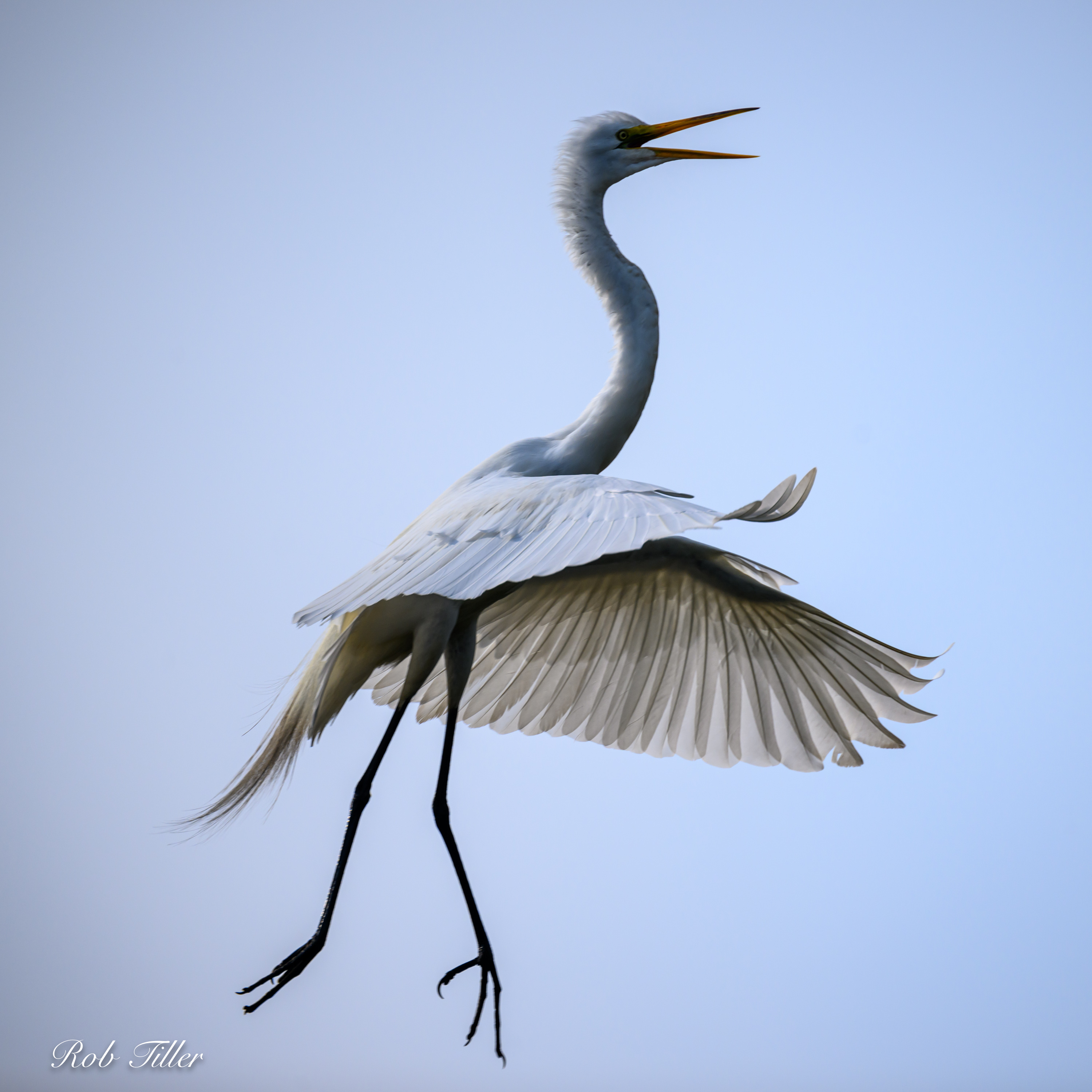
I went down to St. Augustine, Florida, a couple of weeks ago to photograph some of the big wading birds there.  I took a lot of photos at the Alligator Farm, where there’s a rookery of nesting great egrets, snowy egrets, cattle egrets, little blue herons, tricolored herons, wood storks, white ibises, and (my favorite) roseate spoonbills.  The birds hatch their chicks in trees over a big pond area full of alligators.  Apparently the birds feel safe and protected from tree-climbing predators there.

It really was quite wonderful to see all these creatures flying, fighting, mating, working on their nests, and feeding the chicks.  I haven’t had time to go through all the thousands of pictures I took, but I did make one pass through the ones from April 26, when we had some beautiful light.  These ones were all taken that day.  

At times I feel a bit of an odd duck for caring about birds, but I was reassured by a great little essay in the NY Times on how birding can change your life.  The essay is by Ed Yong, who wrote An Immense World, a fine book about the sensory worlds of non-human animals.  

Yong describes describes some of the nuts and bolts of learning how to identify birds.  But the really interesting discussion was how he found himself changed by birding.  He discovered a new connection to nature and new appreciation for the small wonders of life.  He found himself living more in the present, and with a greater appreciation for his own life, just as it is.  

I’m not as serious a birder as Yong – I don’t keep a life list or take on arduous travel to see one new species.  But I’m still studying up on resident species when I go to a new place, and working to identify birds I’m not familiar with.  I heartily endorse Yong’s view that birds make life better.

Speaking of animals, we saw a recent documentary series on Netflix that I recommend:  You Are What You Eat.  It centers on a nutrition study at Stanford University of identical twins.  The idea was to discover how much different diets affected genetically identical people.  

The big takeaway was that a plant-based diet was generally much more healthy than other options.  The series also notes, without hammering on, how animal agriculture is terrible for the climate and for both farmed and wild animals.  Despite the serious content, the filmmakers managed to leaven their presentation with some humor.   

Finally, I want to recommend a good podcast series called The Rest Is History. The format is a conversation between two Brits, Tom Holland and Dominic Sandbrook, about a historical period or incident that they’ve gotten interested in.  They are funny and smart, and some of the subjects are fascinating.  

I found their series on the rise of German Nazism particularly interesting.  Holland and Sandbrook investigated how an ideology that they (and most of us) regard as bizarre and inhuman could have seemed exciting and completely valid to many Germans of that time. 

Discussing Nazism is a delicate business, since it understandably arouses strong emotions.  It’s uncomfortable, and we tend to think it’s not worth the bother, assuming that we know everything worth knowing about it anyway.  Of course, that’s unlikely, since like all mass movements, it was complicated.  But it’s possible to be clear that the systematic mass murder of Jews and other groups by the Nazis was horrific, while also wondering about what German leaders and ordinary Germans were thinking as crimes against humanity took shape.  

As Holland and Sandbrook note, the Nazis believed they were acting based on science, and were addressing an existential threat to their nation.  Some of such thinking is still with us.  Eugenics, the “science” of superior and inferior races, was integral to their thinking, and it was then considered actual (rather than crackpot) science in many other places, including the US.   

The Germans of the 1920s and 30s feared for their future, based on widespread poverty and the postwar economic crisis.  They sought to explain their problems by identifying scapegoats, including especially the Jews.  Their anger and fear of supposedly inferior races and cultures is not so different from the hostility towards immigrants that is now a central feature of politics in the US and Europe.  

The Nazi leadership effectively used the modern media of the time, including radio and film, to amplify their message. Holland and Sandbrook point up a program to get a radio within earshot of every German so that they could not avoid hearing Hitler’s speeches.  The incessant repetition of lies about Jews and others made it hard to keep contrary views in mind.  Our social media is different, but likewise tends to create information bubbles that can separate us from reality.  

Holland and Sandbrook suggest that the impulses of Germans who supported Nazism, like the desire for excitement and hostility to out groups, is pretty normal.  Humans are social animals, and our behavior is powerfully influenced by those around us.  Once Nazism attained a degree of popular support, doubters were more inclined to go along with the crowd, as people normally do.  And once the movement was strong enough, dissenters were either squashed or silenced themselves.

From time to time, I’ve wondered what I would have done if I’d been a German in the 1930s as the Nazis rose to power and took over the country. We know from studying Germany’s experience that most people were swept along without dissenting, and it’s possible that I would have been one of that herd.  Of course, I like to think I’d have been unusually independent and courageous, but it’s hard to be sure.  

Anyhow, the Rest Is History podcast series on Nazism is thought provoking and timely.  We know from Germany’s experience that facism can happen to countries populated by people who are generally sane and decent.  I dearly hope the US is not headed in such a direction, but it’s clearly not impossible.  It’s worth taking the time to look closer at Germany’s history, and do everything we can to go in a better direction.
Visiting Oberlin Cemetery, and five lessons from Hurricane Trump

Oberlin Cemetery in Raleigh

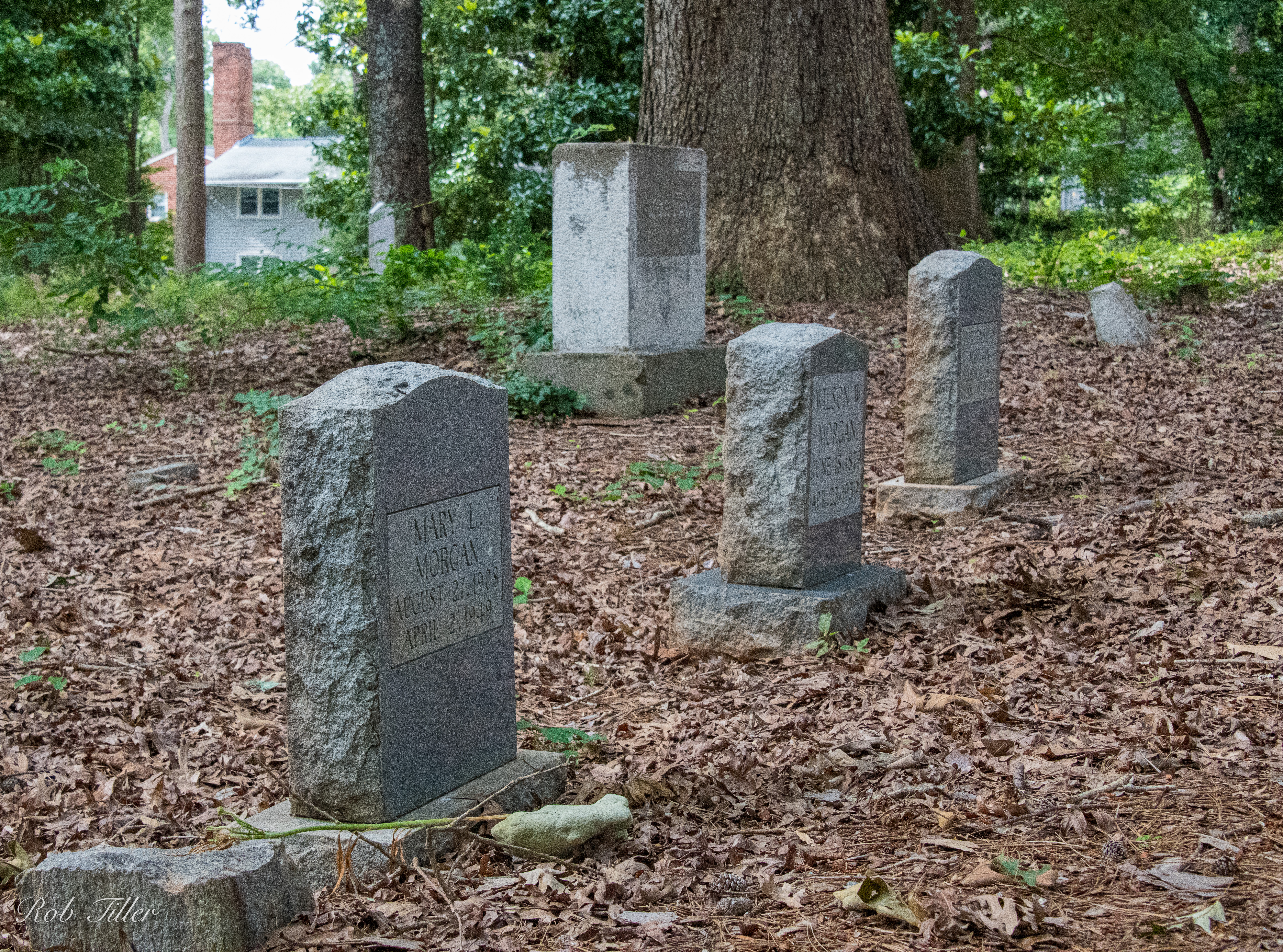
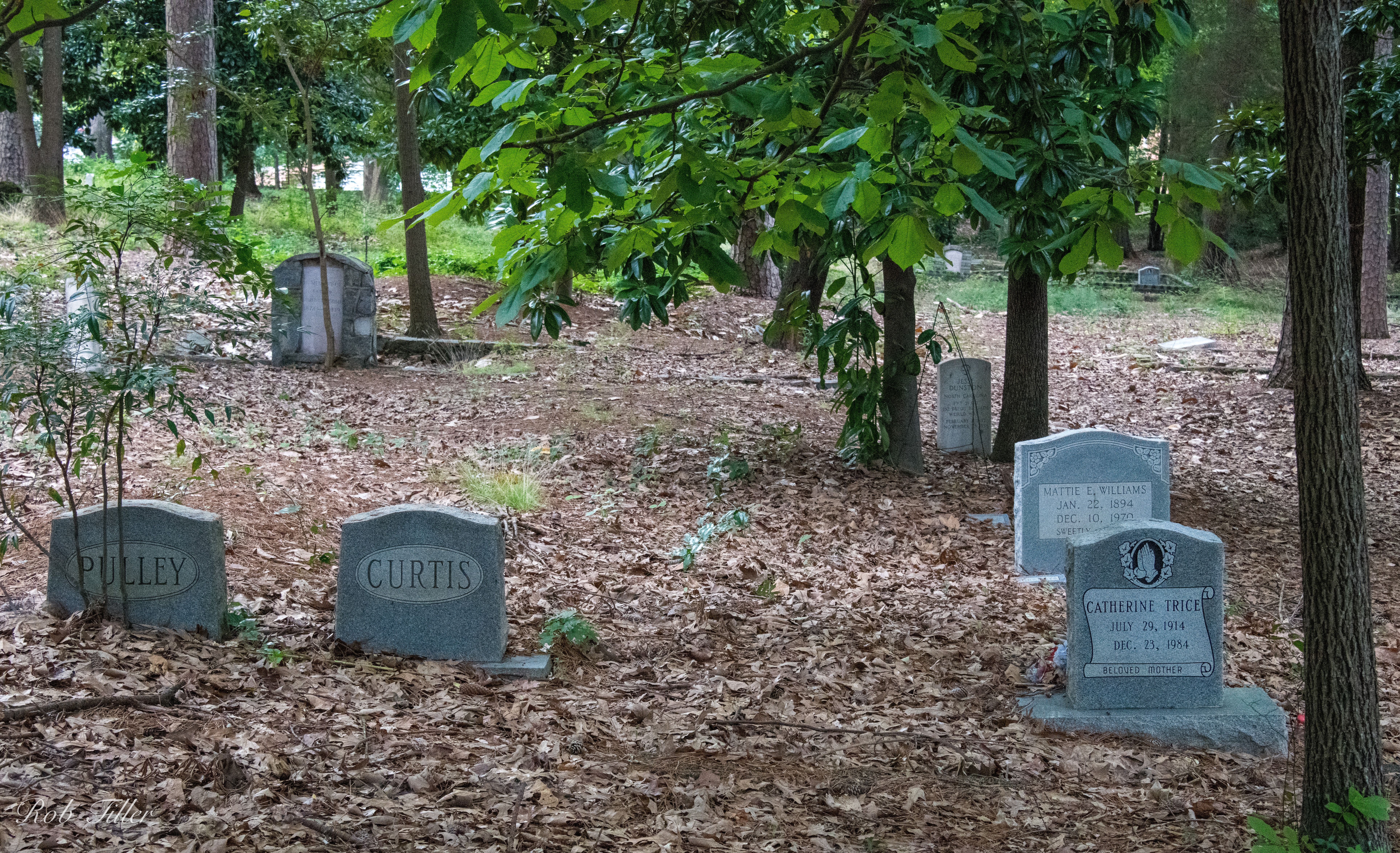
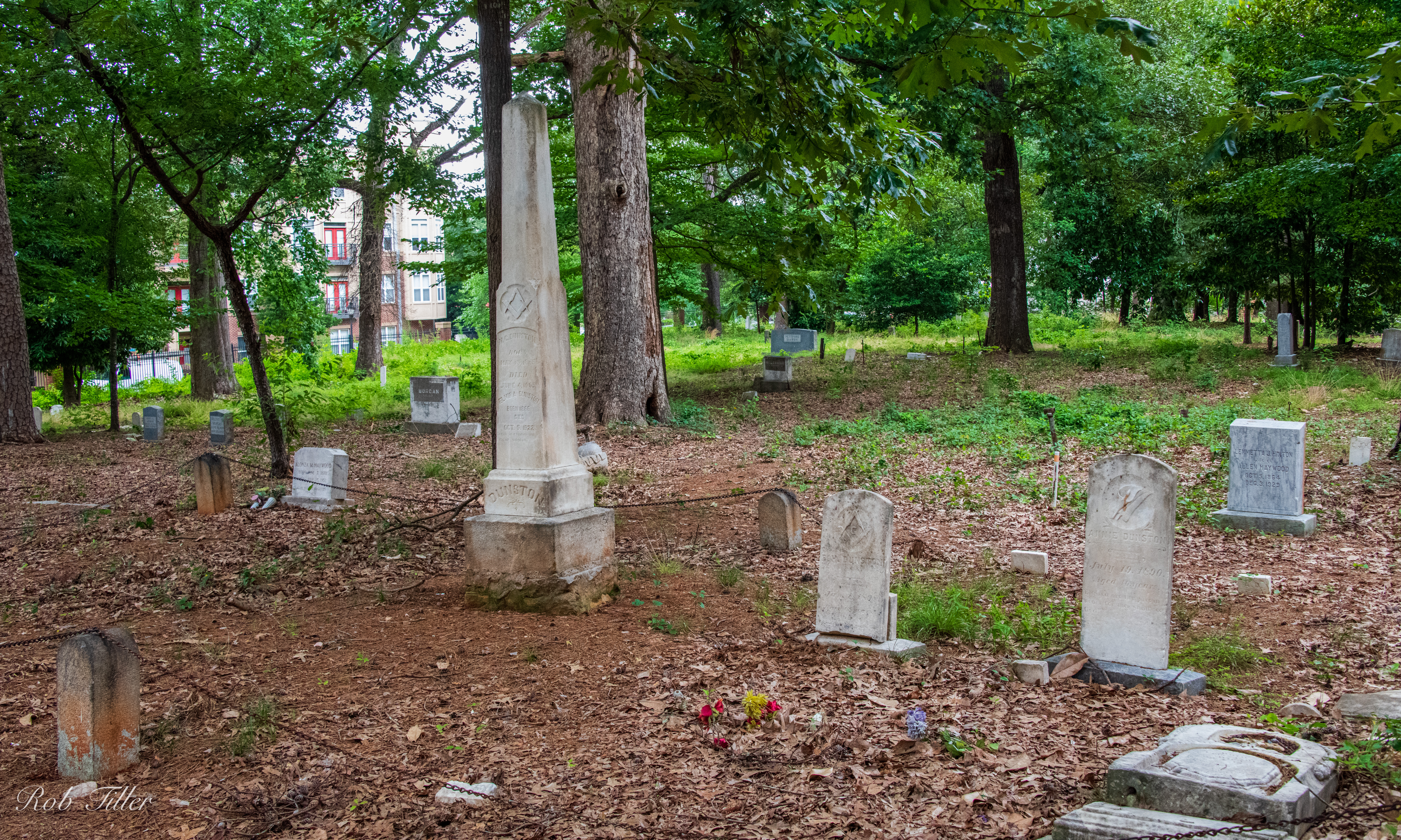
This week I went over to the Oberlin Cemetery, off of Oberlin Road in Raleigh, and learned a little history.  The cemetery served the Village of Oberlin, which was founded in 1865 by just freed formerly enslaved people.  It was named after Oberlin, Ohio, an abolitionist stronghold on the underground railroad, and site of Oberlin College, my alma mater.  

For a time, even as Reconstruction ended and the racist Jim Crow system started in the late 1870s, the little Village of Oberlin did just fine, gradually adding black owned businesses, schools, and churches.  The Depression of the 30s dealt it a harsh blow as local jobs disappeared, and many young people went north in the Great Migration.  In the 1950s, it was cut in two by an extension of Wade Avenue, and further disassembled by so-called urban renewal in the 1960s.  How much of the destruction of the community was driven by racism and how much was due to ordinary merciless capitalism?  Further study is needed.  

Today Oberlin Avenue is largely a commercial strip, and hardly anything remains of the 19th century village.  But there is an old cemetery that was started in the 1870s, which is worth visiting.  As these pictures show, it has large oaks, pines, and magnolias, and some attractive monuments.  Much of it isn’t carefully tended, but the fact that it is still there is a testimony to the strength of the black community there and its descendants.  

Last week we celebrated the Fourth of July more quietly than usual, or at least, most of us did.  President Trump had military jets fly over Mt. Rushmore, and before the fireworks, gave a speech in which he went all in on his trademarked fear mongering.  He targeted “angry mobs” tearing down our statues, and “bad, evil people” intent on intimidating “[us].”  You understand who he means by “us,” right?     

At this point, it looks like more and more people are noticing that Trump is totally incompetent and corrupt, a person who manages to be at once ridiculous and alarmingly vicious, who’s putting our lives and our democratic institutions at risk.  From recent polling, it looks reasonably likely that he’ll be defeated and gone in a few months.  Then we’ll be faced with the large task of the post storm clean up and rebuilding.  But in a way, I feel grateful that we’ve learned some things from Hurricane Trump.  

For example, here are five lessons learned:

1. Old-style racism is far from dead in America.  I’m talking about the people who still want to fly the Confederate flag and use the N word.  They’re a minority, but Trump turned them from a barely visible minority to one that feels proud and empowered, marching in the streets with guns and shouting excitedly.  The good thing is, we now understand that they are there and that we have to calm them down and address them.

2.  Xenophobia, the close relative of racism, is far from dead in America.  Lots of people who are uncomfortable with the N word are fearful of immigrants who look different and speak different languages.  “Build the Wall” makes no sense as geopolitics, but it makes perfect sense as political theatre.  Scapegoating foreigners has a long and ugly history in our country, and it has had another nasty revival as part of Trumpism.  But as with the previous item, at least now we know, and can start to address it. 

3. The American racial caste system is alive and well.  I’m distinguishing here between the racist ideals of avowed white supremacists and the more widespread sentiment that it’s natural and normal that white people have better schools, better houses, more money, and so forth, because that’s just how things happened to work out. 

The caste system ensures that we avoid inquiries that would undermine the system, like looking at our long and bloody history of oppression of minorities and the structural inequalities in jobs, housing, education, banking, and health care.  The caste system is harder to grasp than full on racism, but probably more corrosive.  Trump has done us the great service of bringing it more into view, and here again, he’s made it more possible to address. 

4.  We are sufficiently powerful to endanger a lot of the natural world, but not so powerful as to stop it from destroying us.  Over the last few decades, the science of climate change has become harder and harder to deny, but the President is still a die hard denialist.  Far from countering the looming catastrophe of climate change, he is working hard to bring it upon us as quickly as possible, through more fossil fuel mining and burning, less efficient cars, and opposition to every mitigation effort, including international climate cooperation and scientific research.  He even has new regulations to encourage more killing of wild animals!   

But we can be certain that Trump will not stop nature.  It’s very strong.  If we don’t change course, the atmosphere will continue to warm, with still more of our weather disasters like extreme hurricanes, droughts, wildfires, floods, and rising sea levels.  We can look forward to more deadly pandemics related to climate change and expanding human populations.  Here again, Trump has made our problems more visible and urgent.

5.  People are more prone to manipulation and delusion than we thought.  It’s easy to make fun of proponents of Pizzagate and QAnon, which are self-evident lunacy.  And we might have thought that having a president that lies constantly and shamelessly would eventually cause some distress and consternation even among his strong supporters.  But strangely, at least for many, it doesn’t.  

It turns out that constant lies tend to make us exhausted, cynical and indifferent, not much interested in truth, or prone to exotic conspiracy delusions like the Deep State.  With an efficient propaganda machine led by Fox News, facts are gradually replaced by alternative facts, and actual facts come to be viewed as fake news.  Even Orwell never imagined a manipulation and delusion system as disturbing, and as effective, as the one created by Trumpism.  

I could go on, but you get the idea.  Thanks to Trump, we can now see that elements of our system that we took for granted as sound and workable were badly deteriorated and close to catastrophic failure.  We thought we were living in a well constructed, comfortable house, and it turns out the foundations are rotten and the roof also needs to be replaced.  

The repairs are going to be time consuming and expensive.  It’s unfortunate, but it is what it is.  We need to focus hard on getting him safely out of the house, and then we can get started on the crucial repairs.  

On a cheerier note, I recommend Becoming, a documentary about Michelle Obama  which we just saw on Netflix.  I knew she was a gifted person, but I hadn’t known much about her story, or her remarkable ability to connect with people.