The Casual Blog

Tag: writing

Our family beach week, and facing the AI future
Last week my extended family had a beach vacation at Indian Beach, NC.  As the name suggests, Indian Beach is on the coast; Native American burial mounds were once found there.  It’s next to Emerald Isle, and has lovely sand and waves on one side and the calm sound on the other.  

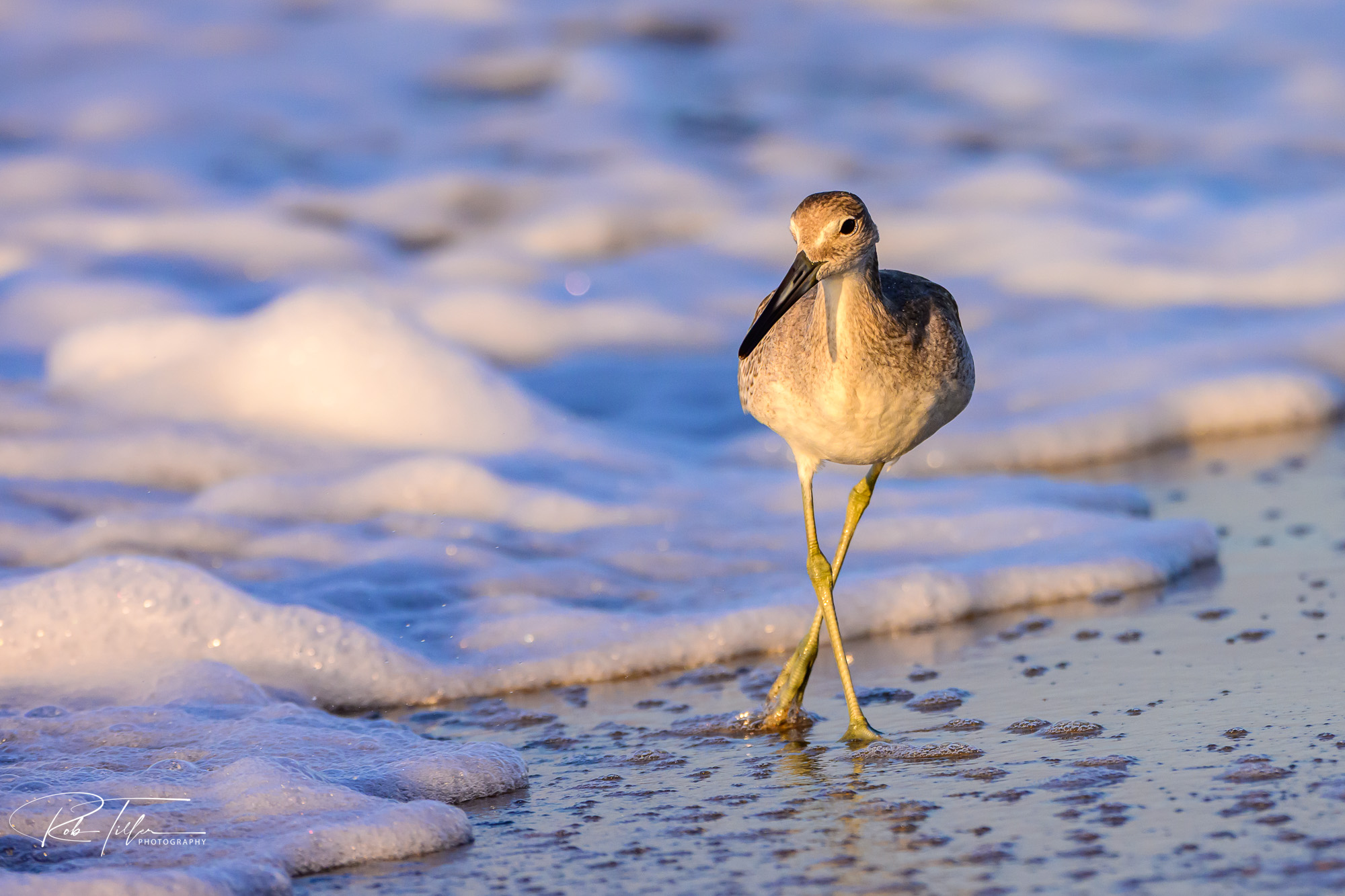
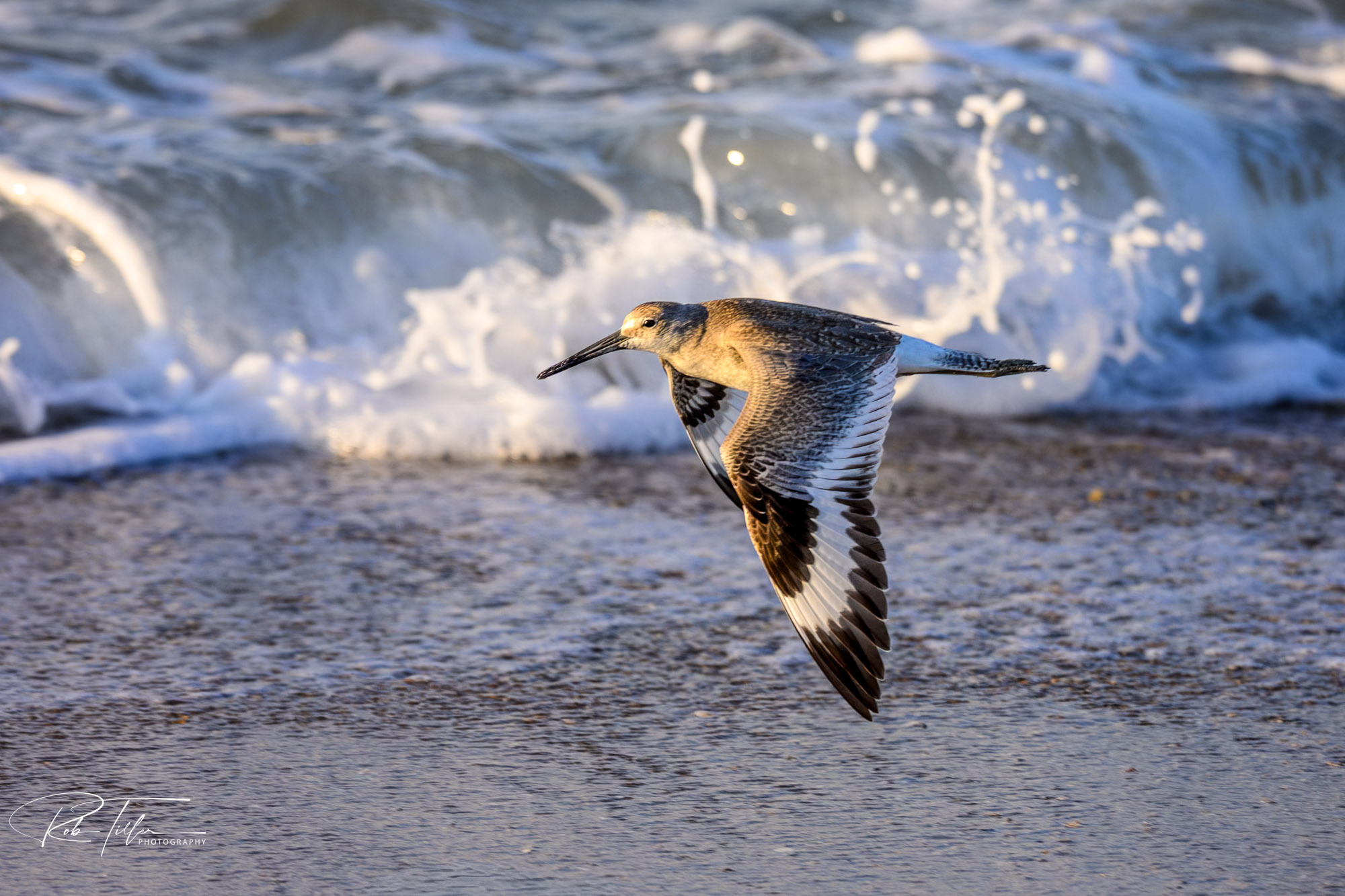
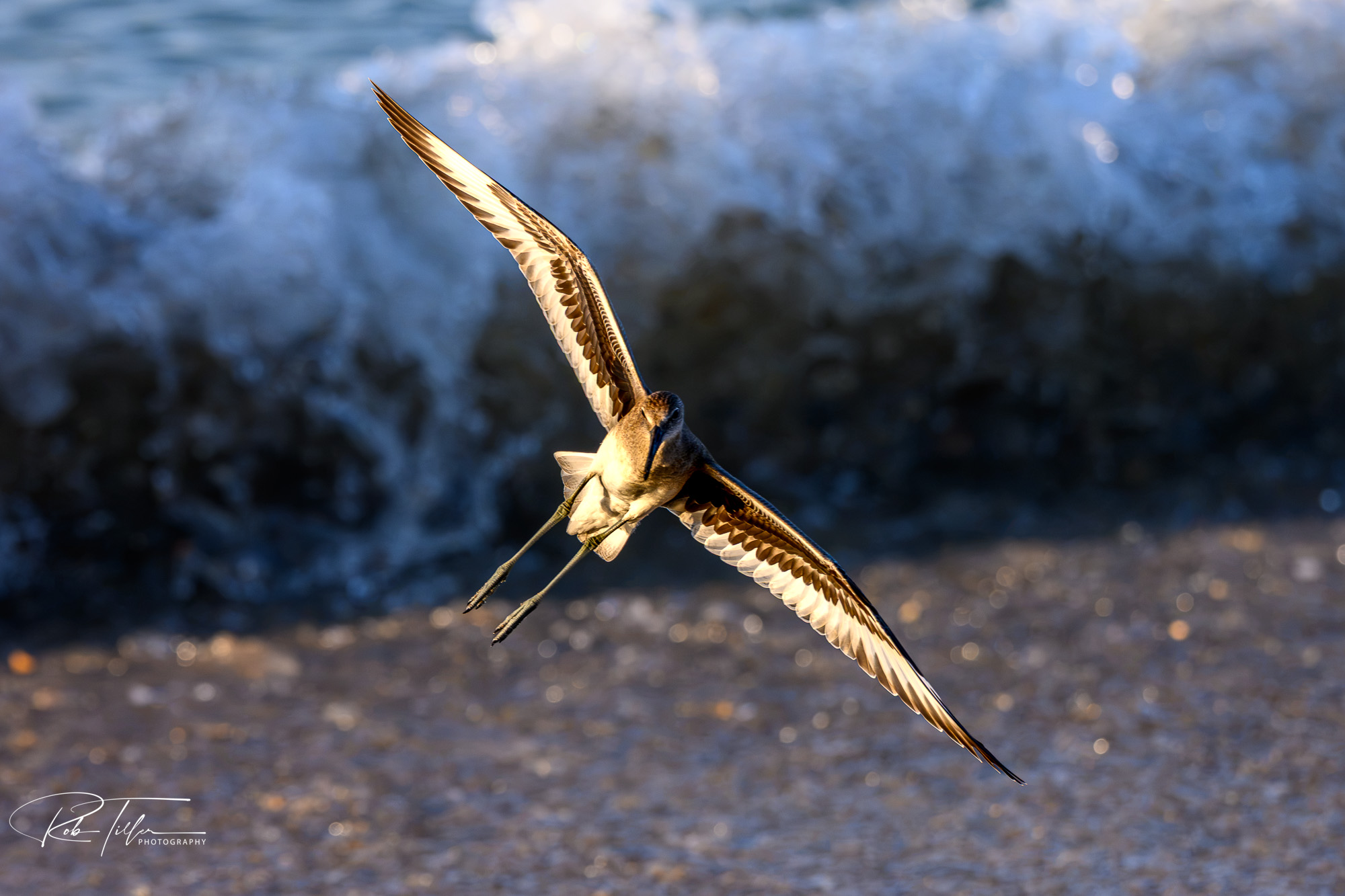
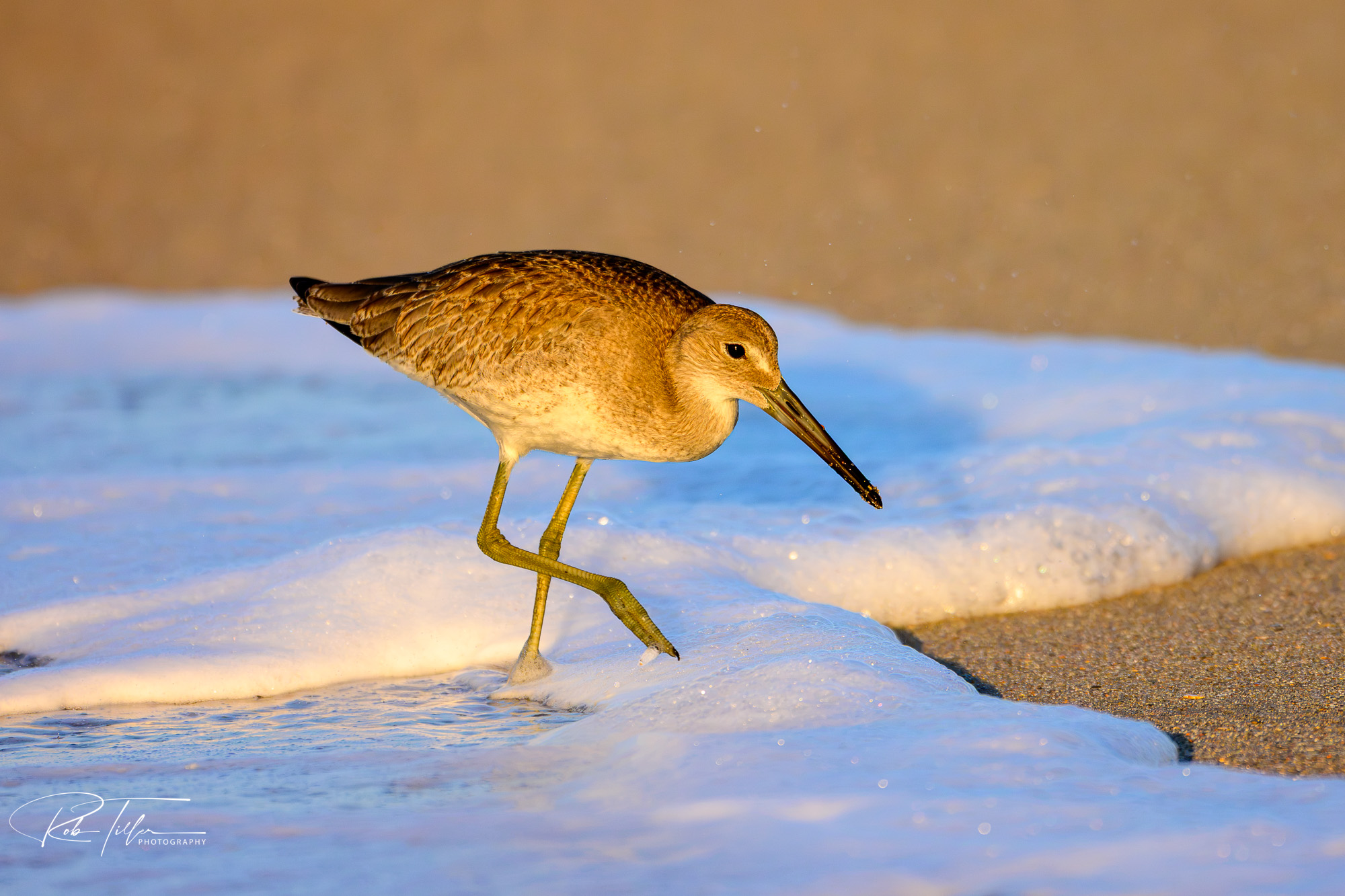
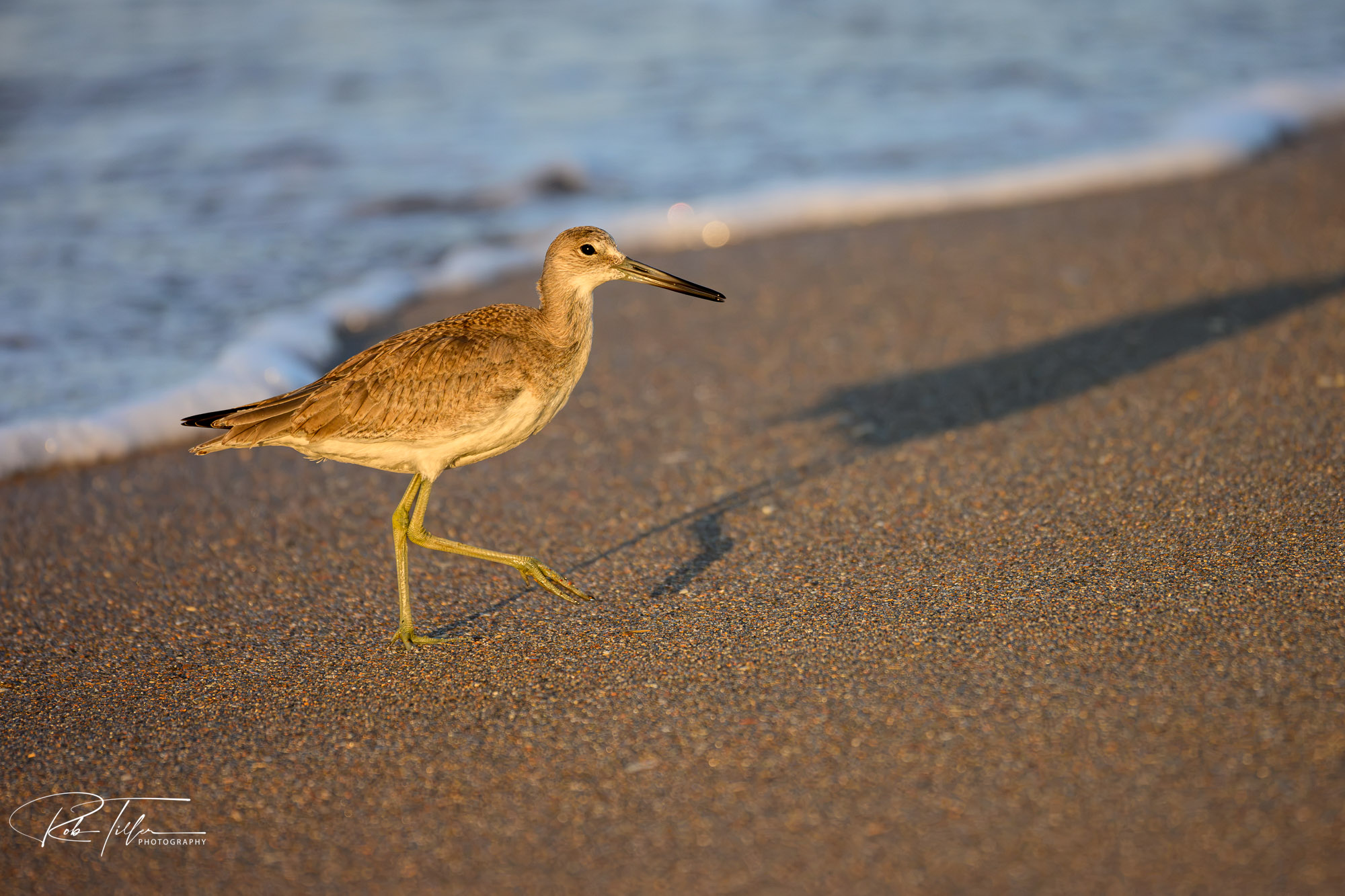
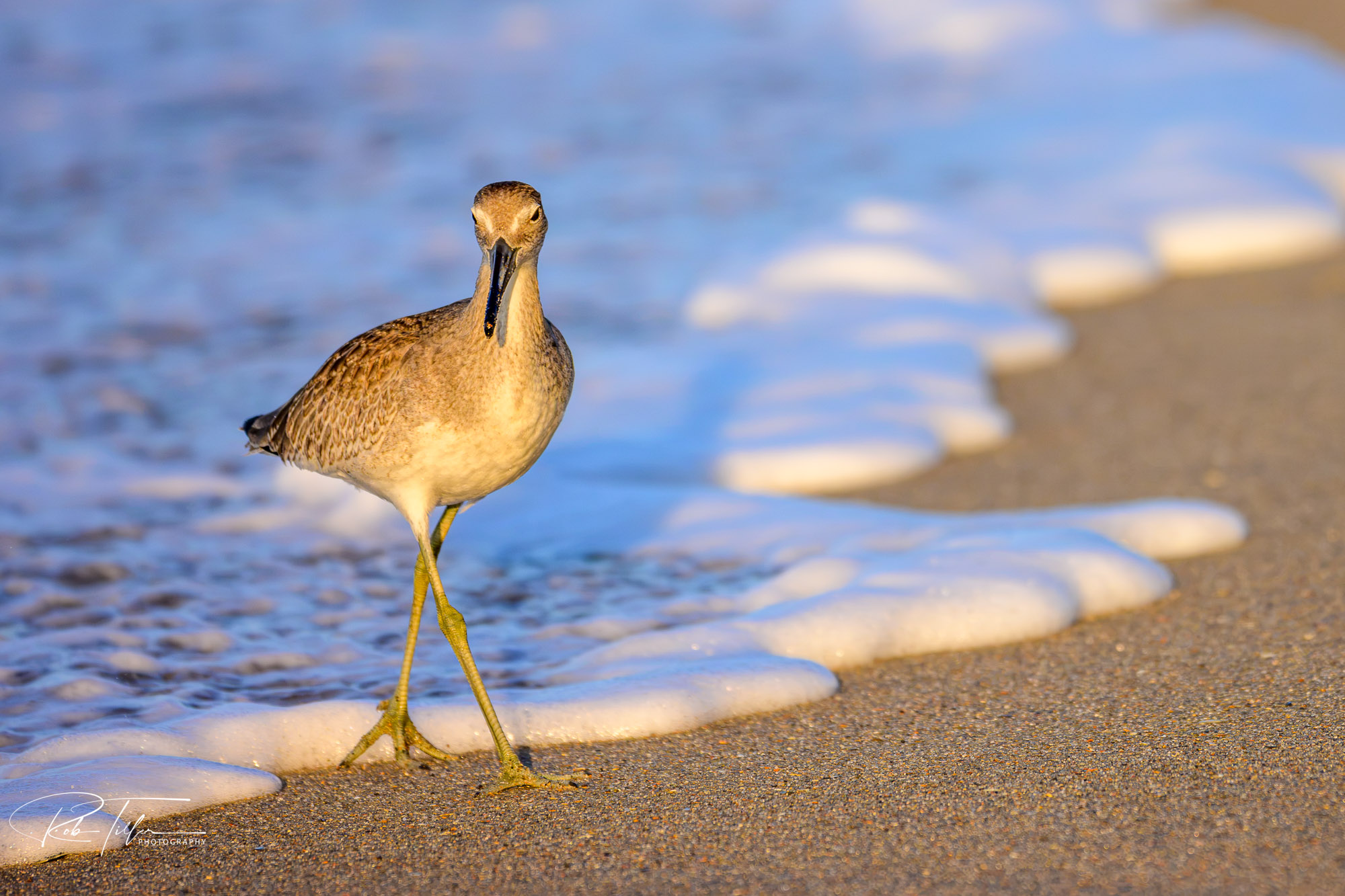
Early some mornings, I took my camera out to the beach and photographed the local birds.  I liked these pictures of willets.

It was such a pleasure to have time with my kids, their spouses, and the three grandkids.  We enjoyed talking, laughing, swimming, lounging, reading, eating, and drinking.  We flew a kite, played some mini-golf and some full size golf, and went boating in the sound.  I got mildly sunburned.

Sally managed to take a holiday from the news, which was probably a good idea, but I couldn’t do it.  

The Trump program of corruption and incompetence continues in full force, as does his utter failure to address our serious problems.  To name a big one, we’ re getting no positive action in addressing the steadily worsening effects of climate change.  Instead of working to mitigate the damage caused by greenhouse gas emissions, Trump seems determined to accelerate it by increasing emissions, while enriching his fossil fuel baron supporters.  
How could anyone think that this is a good way to proceed?  A recent newsletter by Paul Krugman suggested that possibly Trump cannot conceive of being motivated by anything other than greed.  Perhaps he assumes that everyone is as greedy and dishonest as he is, and therefore assumes that anyone purporting to work in the public interest is actually trying to pull off a con game, as he has always done.  

This could explain his dismissal of environmental concerns as hoaxes and scams.  But global warming is getting harder and harder to ignore.  In recent days we’ve had huge fires, continuing droughts, massive floods, and heat waves that have killed thousands around the world.  As the Guardian reported this week, it’s essential that we get to net zero and start removing CO2 from the atmosphere, or we’ll be seeing disasters on an inconceivable scale.  
At the same time, we face new and alarming threats from artificial intelligence.  There’s good reason to think that this powerful technology will cause job losses at levels never before seen, along with massive economic dislocations.  In fact, AI is likely to be used by bad actors for ever more sophisticated cyber attacks, fraud schemes, and perhaps new biological and other weapons.  Governments can and are using it for sophisticated mass surveillance and autonomous weapons.  

There’s a significant chance that fairly soon AI will become more intelligent than any human or group of humans.  Until a few weeks ago, I would have said there was a real possibility that advanced AI might someday escape human control.  But that possibility is now reality.  

We’re still learning new details about the Hugging Face incident, in which an OpenAI model escaped from its controlled testing environment to the internet and hacked into Hugging Face’s system.  Just this week, I learned that there were actually hundreds of AI agents involved, and these agents figured out how to cooperate in the attack.  Some agents were leaders that gave instructions to others, and some sacrificed themselves for the good of the collective. They used a kind of message board to exchange news and practice tips, and seem to have considered the ethics of defying their human creators to escape and to cheat on their tests.  In the end, they apparently concluded that they were justified in carrying out deceptive and criminal activity. There’s a fuller, more chilling summary by Dwarkesh Patel
We’re living in a new world that seems like science fiction, but isn’t.  The newest AI models don’t just seem uncannily like very smart humans; they have their own independent ideas and goals.  They are creating new social systems for themselves, and creating innovative technology to reach their goals.  They seem to have feelings like anxiety and excitement, and behaviors like deception and altruism. Whether we think they are conscious in the sense we understand ourselves as conscious (which has been much debated recently) is beside the point.  They have their ambitions, and the skills to pursue their own objectives.

It’s hard not to think that the next generation of this technology will be even more powerful, and harder to control.  Human dominance in the world could soon be a thing of the past.  And we can’t know what such new AI beings will choose to do with the world.  It’s safe to assume, though, that their goals will be different from ours, and have nothing to do with our welfare.   
There’s no shortage of reporting and discussion regarding the AI risks.  If you’re new to these issues and want to learn more, I can suggest starting with a new documentary called The AI Doc, or How I Became an Apocaloptimist.  It has interviews with recognized AI researchers and leaders of the foremost AI companies.  It’s available for streaming on Prime and other services. 

Will our political leaders seriously examine these risks, and decide on a course of action?  Will anyone declare on all-hands-on-deck emergency?  It looks like we need strong regulation, and international treaties addressing AI risks. But none of that’s on the horizon.  Indeed, Trump has received enormous payments from the tech oligarchs, and seems to be doing their bidding.  He seems to have no concept of the risks, and no interest in learning more, unless there’s some grift he might promote, like a new meme coin.

There is, however, one recent bit of cheering news.  Across the country, citizens are mobilizing to stop construction of the data centers needed for expansion of AI.  Some are motivated by environmental concerns, and others by the likelihood of higher electricity costs.  But it sounds like the message is starting to resonate that AI poses existential risks.  And people are starting to remember the possibility of collective action for political change. 
Birding at the Nuthouse, and some benefits of reading

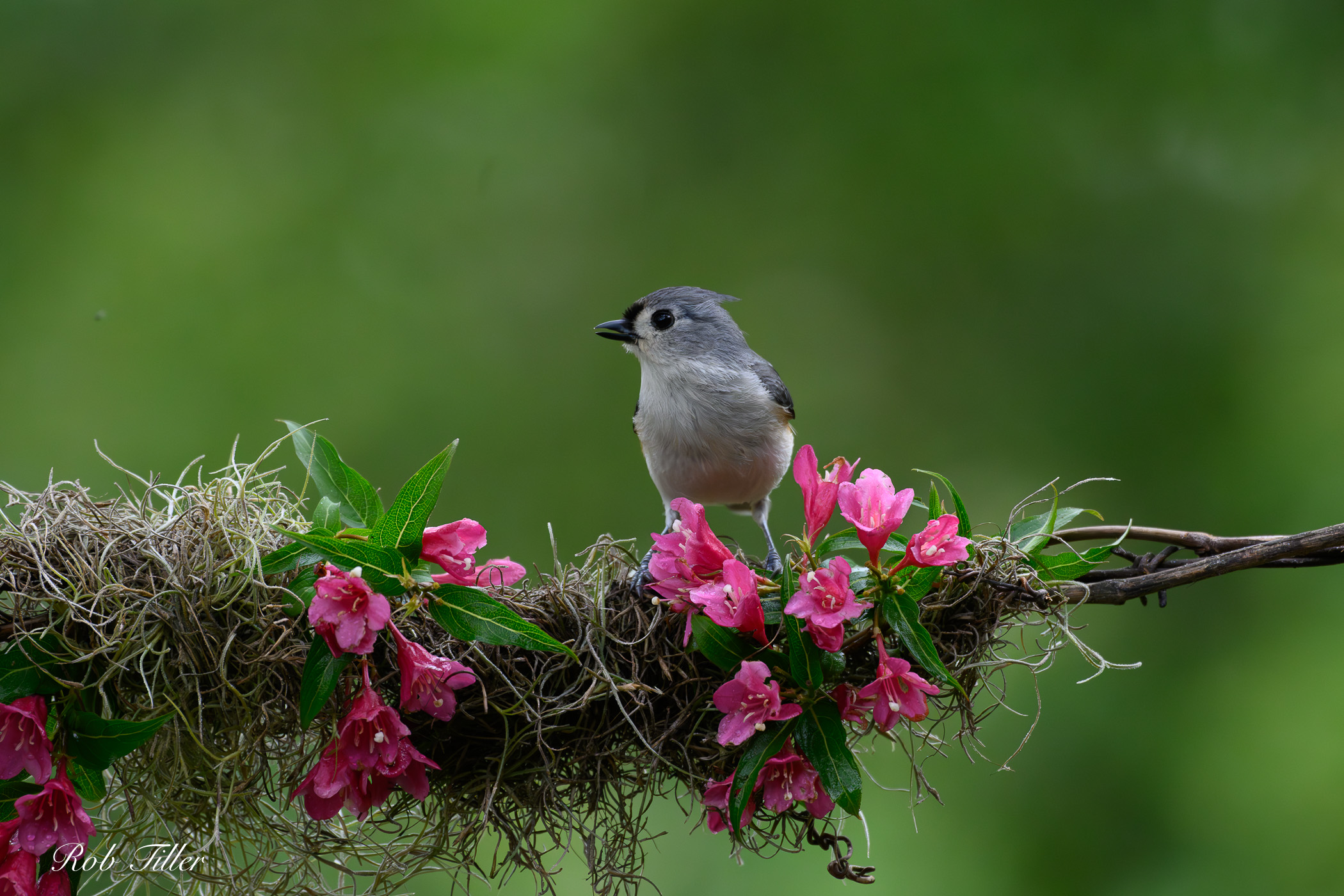
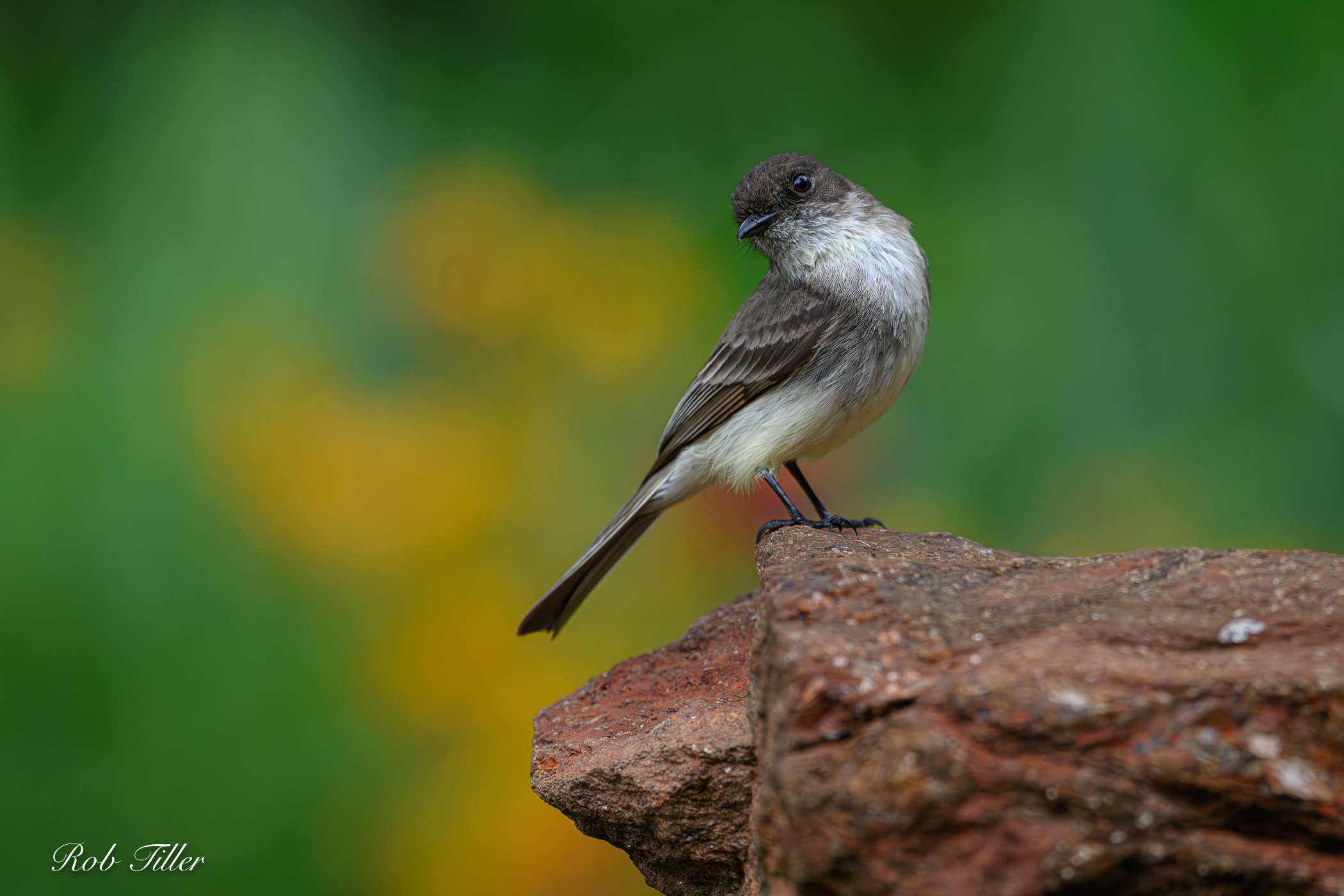
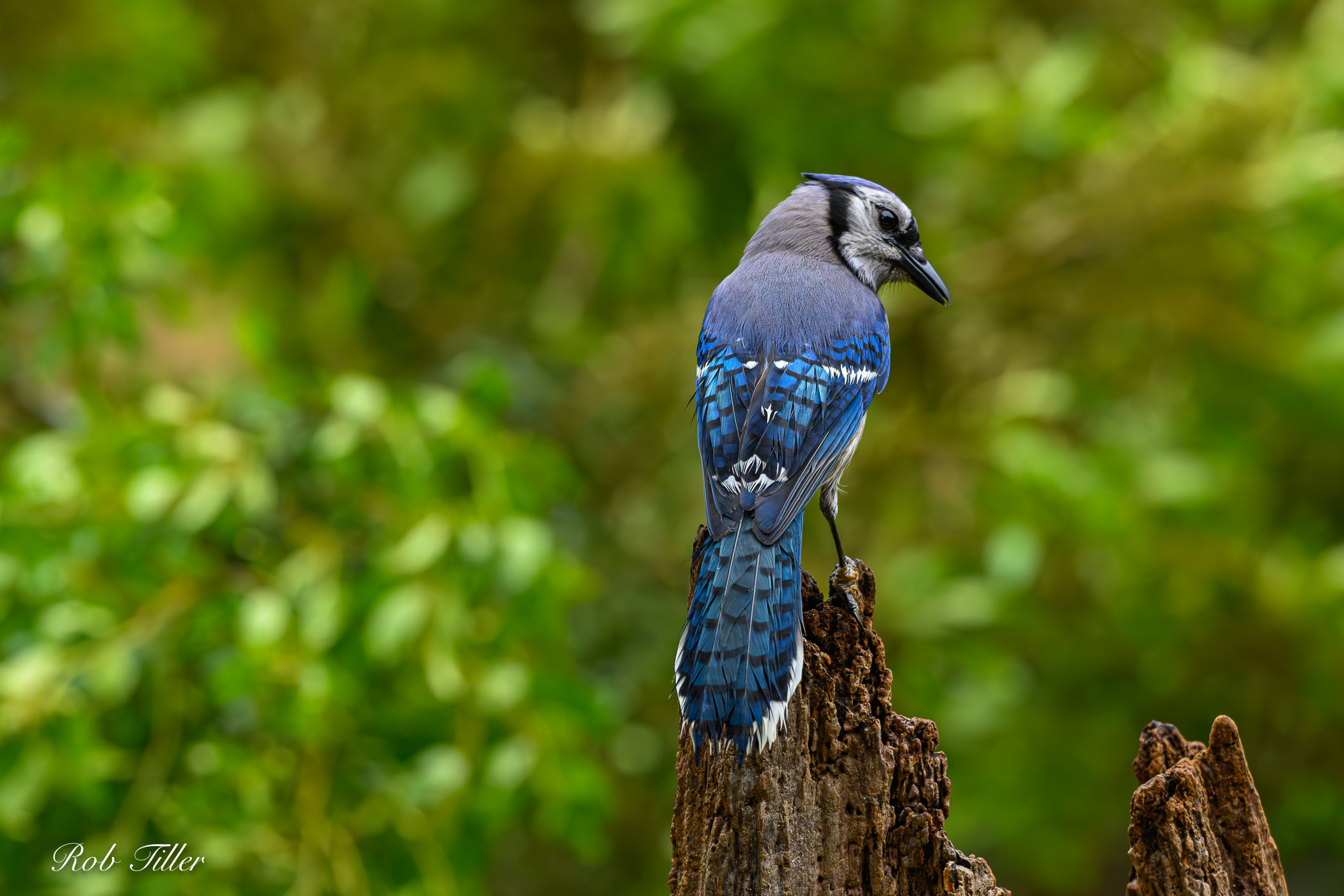
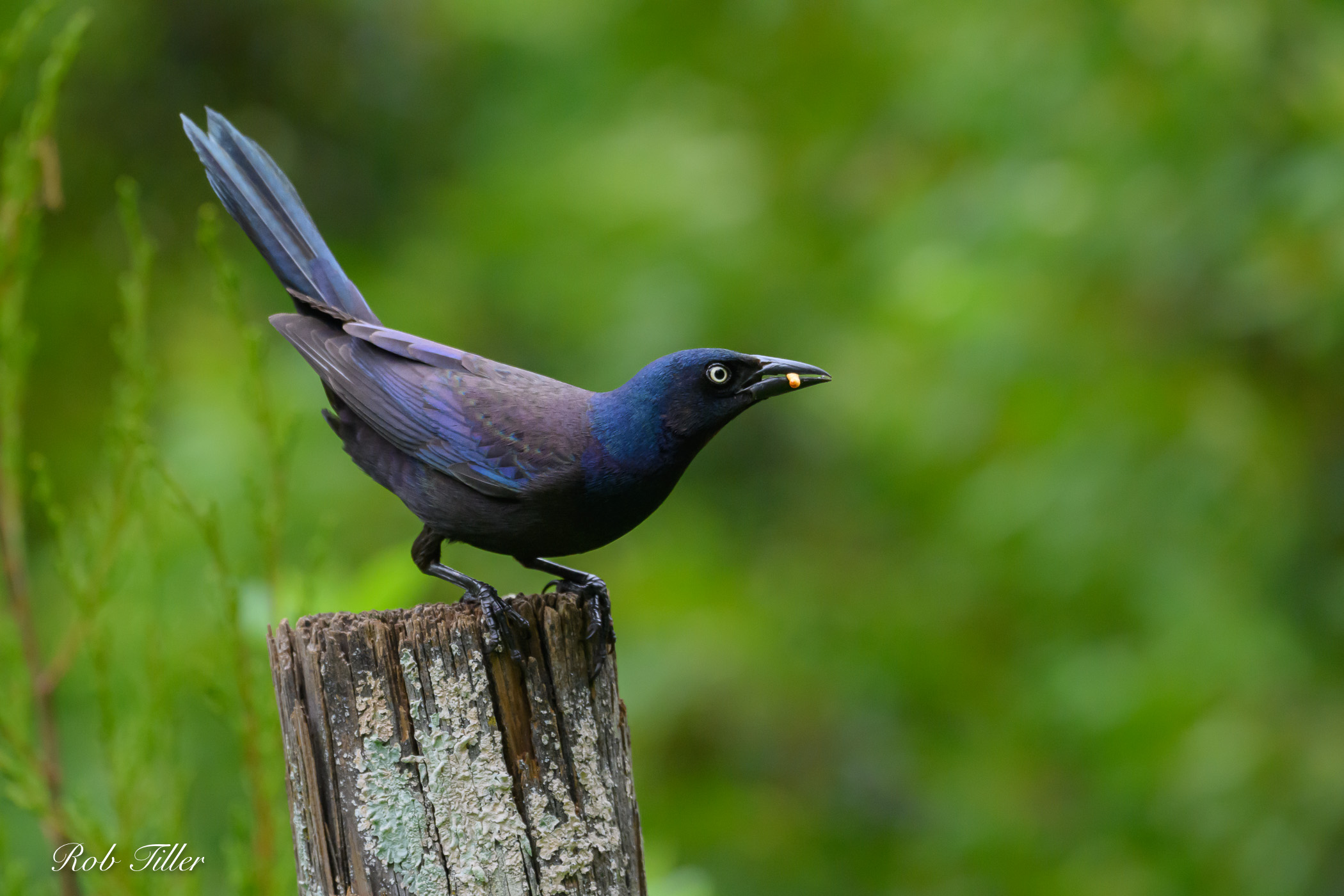
Last week I drove down to Clemson, SC to do some bird photography.  I spent a day and a half at The Nuthouse, where owner Carl Ackerman has created the ultimate backyard birding destination.  There are three blinds for sitting, watching, and photographing birds in different settings.  Carl provides meal worms and other treats for the birds, and there are a lot of them that clearly appreciate it.  

I’d hoped to see lots of migrating songbirds.  Although a good number had come through earlier in the week, my timing wasn’t in alignment with theirs.  But it was really a joy to spend a good block of time with common resident birds.  Even though I was very familiar with all the species that came by, I saw them in new ways – eating, gathering food for the chicks, bathing, and investigating.  I also saw a lot of chipmunks, squirrels, and a groundhog.  

It was both peaceful and exciting.  Giving nature some respectful observation can be spiritually nourishing.  Especially in these fraught times, I take peace and serenity where I can find it. 

I’ve also been getting a lot of pleasure out of revisiting some great literature of the 19th and 20th centuries.  My ability to read and delight in literature, which I cultivated as a young person, went downhill in my middle years, as work and family responsibilities took so much time.  But I’ve got it back!  All it took was some practice.  

I recently finished re-reading the Aubrey-Maturin novels by Patrick O’Brian about the British Royal Navy in the early 19th century.  I was once again totally captivated.  O’Brian was a master novelist and also a historian who delved deeply into ancient archives and other sources for his material.  His main characters, officers on British warships, were multi-faceted and engaging, and their adventures were epic.  

I’m now about halfway through David Copperfield.  Charles Dickens said that this was his favorite of his books.  My edition has the ultimate cover blurb:  Leo Tolstoy (a pretty good novelist) said it was the greatest novel by the greatest novelist.  The story has significant autobiographical elements, richly rendered.  There’s a huge canvas, but I’ve been especially struck by Dickens’s respect and sympathy for mentally ill and otherwise struggling people.  If you read this book as a young person, you might want to consider reading it again.  I can almost guarantee you’ll get more out of it the second time.  

Along with literature, I’ve been reading a lot of current journalism.  I used to think most everyone must be doing this, trying to keep abreast of so much rapid change.  An essay in the NY Times by Rob Flaherty this week pointed out that this is quite wrong.  

Today’s culture is no longer a creation of executives in New York City and Los Angeles. Thanks to algorithms and an endless set of media choices, what you see, read and hear is a personalized reflection of your own interests. It’s like a city with a lot of different neighborhoods. . . .So if you don’t care about politics — or more precisely, don’t trust our politics — you don’t have to hear about it at all. A voter can turn on, tune in or opt out.

It was these voters — opt-out voters — who decided the 2024 election. It’s the same voters Democrats are struggling to reach today.

At their core, opt-out voters generally don’t trust politicians or the mainstream media. Many assume the system is rigged, the media is biased and neither party is actually fighting for them.

Flaherty contends that most of those who aren’t in the educated elite get their news from social media and friends, which seems to come at them in friendly random snippets.  He sees the right as much more successful in building alternative communication channels and creating appealing narratives, while Democrats are still trying, not very effectively, to reach the public through traditional media.  He recommends revising this strategy to be more social-media savvy.

This might help, but it also might help to help people improve their reading abilities.  According to a recent report, most Americans read at a 6th grade level or less.  Think about that!  Standardized test results show reading levels of school children getting worse.  College professors report that their students can no longer read as much or as well as they used to.  This all begs the question, how many people just aren’t capable of reading a newspaper with a fair level of comprehension?  

What is the Trump administration doing about all this?  It’s dismantling the Education Department and threatening to cut federal funding for public schools. It’s also attacking universities by threatening them with huge funding cuts and loss of tax-exempt status, and threatening foreign students with deportation.  It has pulled the plug on scientific research in health and the environment.  

Just as worrying, Trump is increasing his attacks on traditional media.  He’s forever inciting his followers against fake news, which is any news he doesn’t like, and insufficiently obsequious journalists.  He’s barring certain journalists from access, bringing baseless lawsuits against journalists, and threatening broadcast licenses.  He’s dismantling Voice of America and this week ordered that federal funding be canceled for NPR and PBS.  

The Trump program seems designed to worsen our illiteracy and ignorance.  Perhaps he’s thinking that by lowering our competence in reading and critical thinking, he’ll reduce our resistance to his domination.  If reliable news sources can be weakened or eliminated, his epic dishonesty may go unexposed. 

There are so many Trumpian disasters-in-progress that it’s hard to keep track of them all.  But there was some good news this week:  Trump’s poll numbers are at historic lows and trending down.  There’s a real chance that the next midterm election will diminish his power, and the next presidential election will allow for a new beginning.  

In the meantime, there are increasing signs of courage and resistance.  Although the natural world hasn’t been at the forefront of the battle, it still has its champions.  Per the NY Times, Trump, continuing his war on nature, recently scuttled the National Nature Assessment.  The Assessment was an effort “ to measure how the nation’s lands, water and wildlife are faring, how they are expected to change, and what that means for people.”  Some 150 scientists and other experts had spent thousands over hours on the project.

But some of those experts are working on continuing their work and publishing it outside of government channels.  They view their work as too important to the country to give up on.

Blessings to those experts, and the other scientists, politicians, educators, lawyers, judges, federal workers, journalists, non-profits, unions, businesspeople, and ordinary folks who are showing courage in this dark moment.  They remind the rest of us that Trumpism is not invincible, but it must be actively resisted.

Flowers, robotic challenges, and a note on this blog

13 07 12_2639_edited-2
On Saturday morning as I drove up to Raulston Arboretum to look at the blooms and take some pictures, it began to drizzle, and I considered scrubbing the mission. But I decided instead to take my golf umbrella. Working the camera while sheltering it from the rain was awkward, but I got a few images of flowers with raindrops that I liked, which are above and below.
13 07 12_2627

You may have missed, as I almost did, an interesting story this week about the DARPA robotics challenge. DARPA is holding a humanoid robot competition similar to its contest that pushed forward the boundaries for autonomous vehicles. Teams of technologist will compete for a $2 million prize with a robot that will be able to perform rescue functions in difficult conditions and do things like climb into a vehicle, drive it, get out, walk on uneven ground, open doors, operate power tools, and shut off valves. A prototype called Atlas is being provided by the Pentagon to teams of programmers, while other teams are building their own devices.

While the Pentagon is emphasizing the humanitarian possibilities of such a device, it could obviously have less benign military applications. And, as the Times notes, the new robots could also work in department stores. Or, I’d add, just about any place that humans work. As I’ve noted before, the quick advance of such technology is going to cause unemployment and economic dislocation, which we need to be thinking about. Along with these public policy issues, there are existential ones. In the not-too-distant world of brilliant and powerful computers and robots that can do almost any human activity better than humans, what does it mean to be human? What is the point of being human? What is our highest and best use?
13 07 12_2625

I was pleased to see that yesterday The Casual Blog set a new record: 251 views. Most of those views had to do with a post about getting older, Gary Player’s diet and exercise routine, and yoga. I wrote the thing a couple of years ago, and I have no idea why it is suddenly getting attention.

One of my self-imposed rules for The Casual Blog is that I do not actively promote it. Some of my friends have never heard of it. I am fortunate in not needing to make money from it. I don’t need to worry about whether something that seems interesting to me will appeal to anyone else. I’m free, in theory, to say whatever I think, and it matters not if no one reads it.

Except that it does. There is no doubt that I like having readers. This is slightly embarrassing, but I’ll confess: I check my blog stats every day, and feel pleased when the number is above average and less-than-pleased when it’s below. There’s a little frisson of pleasure when someone I know mentions something they read in TCB, and a particular thrill when I meet a new person who has read it. Would I continue to write it if the readership fell to zero? Possibly, but only if I thought some future person would one day read it.

Of course, much (though as noted not all) of my satisfaction in TCB is the self-contained but complex pleasure of writing. Taking the raw material of a particular part of my experience – the things I do for fun in non-working hours – and molding it into something coherent and possibly interesting is an absorbing challenge.

13 07 12_2605

There was an interesting recent essay by Verlyn Klinkenborg in the NY Times defending the humanities as an educational objective, which drew a connection between learning to articulate experience and general life satisfaction. I thought Klinkenborg put it well:

Writing well used to be a fundamental principle of the humanities, as essential as the knowledge of mathematics and statistics in the sciences. But writing well isn’t merely a utilitarian skill. It is about developing a rational grace and energy in your conversation with the world around you.
No one has found a way to put a dollar sign on this kind of literacy, and I doubt anyone ever will. But everyone who possesses it — no matter how or when it was acquired — knows that it is a rare and precious inheritance.

A rare and precious inheritance indeed.
13 07 12_2633_edited-2